Beyond the Bubble Podcast · Jun 19, 2026
Crypto rails won. The crypto narrative didn't.
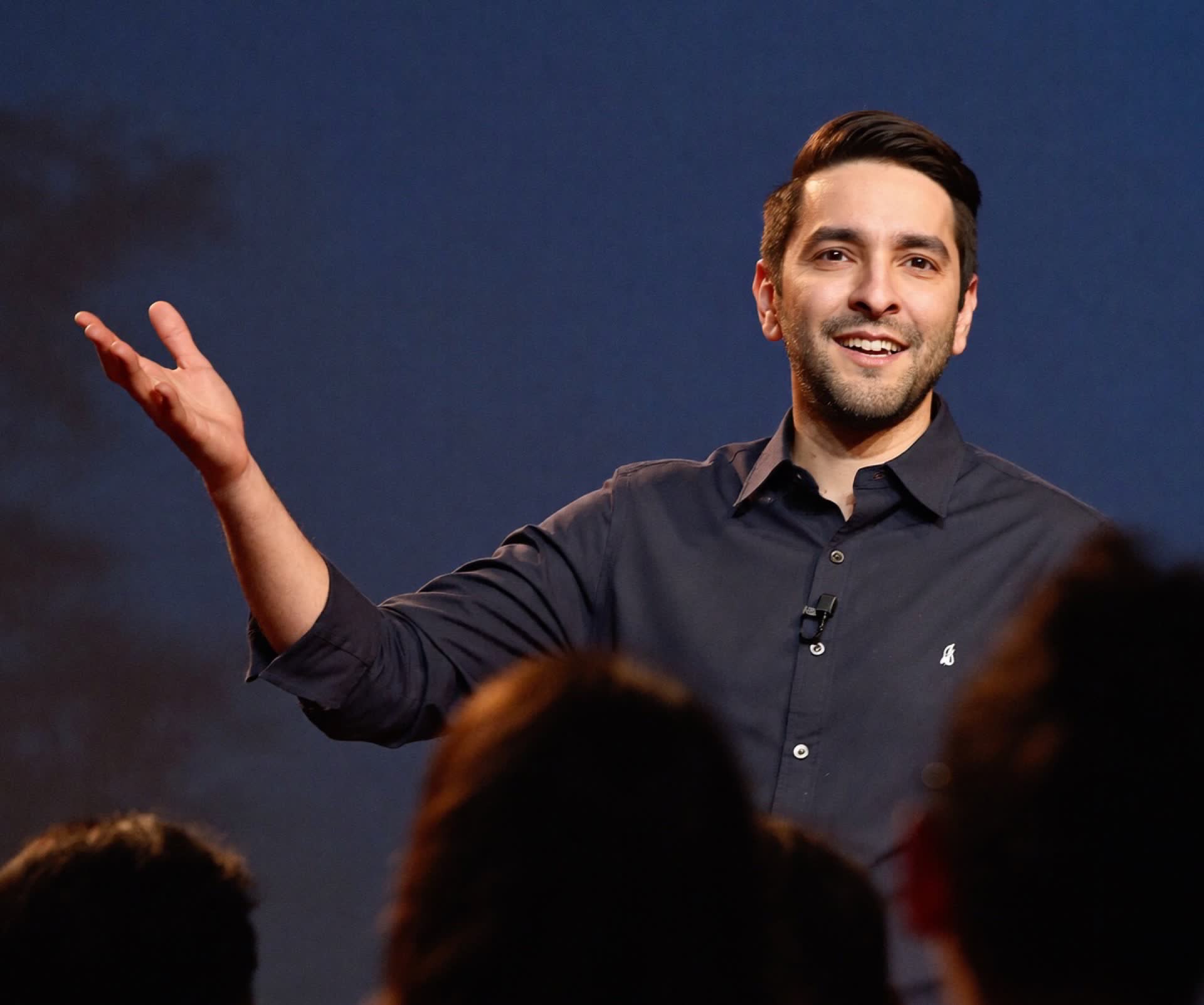
Paul Dubé on why Web3's revolutionary promise quietly collapsed into banking infrastructure, what that tells us about the AI cycle now underway, and where money is actually moving next.
with Paul Dubé
8 min read
Two hype cycles, one pattern
Muzamil opens by framing Paul Dubé’s vantage point: a builder who lived the Web3 cycle from inside, now watching AI run a similar playbook at higher speed. Paul does not dodge the comparison. “The parallels are very, very, very overlapping right now,” he says. Most outsiders still think Bitcoin and Ethereum when they hear crypto. Builders know the real story is fifteen years of infrastructure that almost nobody understands.
That gap, between what was built and what was understood, is what Paul keeps returning to. “If you try to get into Web3 today, it’s not easy. You’ve got so many different segments, so much to understand. It would take a year or two just to understand it.” He sees the same fog descending on AI, but faster. “Every morning I wake up, there’s a new agent, a new app, a new tool, a new this, a new that. It’s hard for me to keep up.” The person building the rails is openly saying the surface layer has become unintelligible.
What Sovera is actually doing
Muzamil presses for specifics, and Paul walks through Sovera in plain terms. It is not a bank and does not hold licenses. It is an integrator and payment orchestrator that stitches licensed entities into a single stack. A business onboards funds, either fiat or stablecoins, into virtual accounts with custody and bank-level insurance. From there, the business can swap, hold, or off-ramp through a cards-as-a-service layer that lets it issue its own Mastercards to founders, employees, or affiliates anywhere in the world.
The use case Paul keeps returning to is the distributed company. Payroll on cards. Suppliers paid instantly across borders at a fraction of the wire cost. Liability moved off the parent entity. “The global fin stack today is just very fragmented. It’s a hot mess,” he tells Muzamil. Sovera’s bet is that mid-market companies, gaming firms, and eventually banks themselves will pay for a unified layer that hides the mess.
Built to be bought
The strategic insight underneath the product is sharper than the product itself. Paul built Sovera knowing the incumbents would need to acquire it. He names the buyers directly: “JP Morgan, City Bank, Kraken, Stripe, and the list goes on. I can name 10 other companies that have been acquiring companies like mine.” Companies doing ten to fifteen million in ARR are getting bought for hundreds of millions. The endgame was never to overthrow banks. It was to sell them the rails they were too slow to build themselves.
This reframes the entire Web3 narrative. The revolution didn’t fail. It got absorbed. Paul predicts the US Treasury will eventually issue its own stablecoin backed by bonds and other assets, and that the Clarity Act will crack the system open further. “I would not be surprised if the US Treasury Department ends up being a stable coin.” Less the cypherpunk dream, more a state-sanctioned upgrade to the same plumbing.
Why Visa and Mastercard still exist
Muzamil pushes on the original Web3 promise. If crypto was meant to remove gatekeepers, why is every modern stablecoin product still ultimately routed through Mastercard? Paul’s answer is the quietly damning part of the conversation.
There are two worlds, he says. One has no Mastercard. It runs on non-custodial wallets and a small group of people who know how to move money themselves. “That’s not bringing in the traditional, you know, it’s not bringing in my dad. My dad’s not grabbing a non-custodial wallet and doing this. My sister’s not. Many businesses aren’t.” So the industry built a compliance stack on top, and the off-ramp, the moment crypto becomes spendable, is still owned by Visa and Mastercard. They saw the shift coming, invested early, and are preparing their own tokens. The disruption got absorbed at the edge.
The tax on geography
Muzamil makes the conversation personal. Pakistan, the fifth largest country by population, has been structurally excluded from modern financial rails because the developed world built KYC infrastructure faster than emerging markets could meet the benchmark. He asks Paul directly: has any of this new infrastructure actually made it easier for a freelancer in Karachi or Manila to participate?
Paul’s answer is honest and uncomfortable. Short answer, yes. Long answer, you still have to register a company in the UK or somewhere similar, then onboard that entity into a platform like Sovera, then route earnings through it. “The developers don’t know that world for the most part. So we help educate them.” The freelancer can technically get paid in stablecoins, convert to fiat, and spend it on a Mastercard. But the workaround requires offshore incorporation, which is a fixed cost most freelancers cannot easily absorb.
Muzamil turns the question into a thesis. The current setup taxes geography, not talent. An American worker earning ten to twelve thousand dollars a month does not feel this. A Pakistani freelancer earning around two thousand dollars a month spends a meaningful share of income just to access the system. Paul does not disagree. He mentions that a minister in Pakistan was working with companies like his to solve exactly this. He also notes, dryly, that what governments dislike most is the freedom to move capital without their supervision.
Tokenization is solved. Legislation isn’t.
When Muzamil asks Paul to look past payments, the conversation lands on tokenization. Paul’s framing is the cleanest of the episode: “Tokenization of a real-world asset, kind of like a property, if you will, into digital puzzle pieces.” Slicing the Mona Lisa into tradable shares. Fractional ownership of a hundred Costa Rican beachfront properties, aggregated into a portfolio you can borrow against from inside your own app.
The economic logic is what excites him. Tokenization turns unproductive assets, like a house you live in, into productive ones, like collateral inside a global liquidity pool. The technology already exists. He helped build pieces of it. What’s missing, predictably, is legislation. “The technologists are ahead of the regulations.” Until that closes, retail participants keep getting hurt by the nefarious edges of the market, which poisons the narrative for the legitimate use cases. This is Paul’s through-line. The technology is rarely the bottleneck. Governance is.
Server farms, escrow bonds, and a crisis of thought
The conversation shifts to AI, and Paul offers an example Muzamil does not see coming. US cities and municipalities are courting AI server farm developers with grants and tax incentives in exchange for promised job creation, roughly 200 jobs per facility. The jobs frequently do not materialize, the environmental costs land on residents, and the developer can walk away.
His proposed fix is revealing of how he thinks. Force escrow bonds. Make the developer post collateral. “Let’s ensure that that location that it’s in is being adjudicated properly first for the safety of the people.” It is the same instinct that shaped Sovera, build the rails so the downstream user does not get rug-pulled, applied to physical infrastructure instead of finance.
He is less worried about AI taking jobs than about AI accelerating a thinking crisis that is already underway. “We have a crisis in thought. We don’t really have a crisis in technology and advance. We have a crisis in how we think.” He points to a study on handwriting and brain activation as a small example of what is being lost. Tools that let you sound like a genius from a prompt are also tools that let you stop reasoning.
Survival mode, and what wealth actually means
Muzamil offers a reframe near the end that Paul accepts. The whole jobs debate, he argues, assumes that survival requires employment. If AI and robotics genuinely compound productivity at the rates the absolutists predict, the right question is not whether jobs are created or destroyed. It is whether the new wealth gets distributed in a way that lets people stop living in survival mode at all.
Paul’s response is the most personal moment in the episode. “My ultimate personal hope is that it’s going to automate things to a level that we no longer have to live in survival. We live in creation, and we begin to work on our personal selves.” He is careful not to be utopian. When Muzamil asks him to project twenty-five years out, Paul splits his answer. The world he wants is one where intention becomes the architecture people live by. The world he expects, based on current trajectory, is more bifurcated and more robotic. “I don’t think we can be very optimistic.”
What Paul is actually watching
Muzamil closes by asking Paul for three founders or products that genuinely excite him. He names NoodleSeed, then Sovera itself, then Municipal AI, a product already deployed inside city governments. But the most interesting pick is the last one. Cryptoslam, originally an NFT data aggregator across roughly thirty blockchains, has pivoted into an AI platform called Ethos Swarm. Paul says around 3,000 agents now live on it, built through a tiered progression he describes as “baseline agents that would be like high school kid mentality,” graduated to university-level, then to professional. Animoca Brands’ executive team has built hundreds of agents on it. A token sits underneath, but it is abstracted away from the user.
The reason Paul highlights it tells you what he is actually betting on. Ethos Swarm is Web3 infrastructure that survived the narrative collapse by becoming useful inside the AI stack. Which is, in miniature, the entire argument of the episode. The crypto story died. The crypto rails are everywhere. The AI story will likely follow the same arc, and the builders who recognize the pattern early will own the layer everyone else has to license.
Full transcript
Ladies and gentlemen, welcome back to another episode of Beyond the Bubble podcast. As you guys know, we're exploring whether AI is in fact in a financial bubble and what really comes next should that bubble pop. Uh today we have with us a very special guest uh who has spent his career using technology to open doors that used to be closed. He started helping underrepresented and indigenous communities get into tech and own their own data. Today, he's built the financial rails that let value move freely across borders. As a founder of Trune Technologies and a partner at Nimbus Capital, uh he sits where fintech, blockchain, and AI meets. And his current build, Sera, brings custody, global accounts, currency conversion, and cards together so capital can move without friction. This is a conversation about substance over hype. uh what genuinely useful financial infrastructure looks like and once you strip away the noise where is the money actually heading to uh as AI and tokenization reshape it. Paul first of all thank you so much for taking the time out and uh coming to the show. >> Thank you. It's great to be here and I think it's a a really interesting time uh in life to be having these discussions right now because things are moving at a at a speed I think that most people are having trouble keeping up with. So, it's always good to uh to dive into these types of topics. >> Sounds great. Tell me a bit about yourself. Uh you know, my understanding is you grew up between Canada and Latin America. Um >> all in the west, but two seemingly very different worlds. How did that sort of shape you? >> Yeah, I mean, I'm Canadian, but I'm Canadian by trade, but I think uh but in the last many years, I've spent my time down in Latin America. I think personally, I'm a culture chaser. You know, I love to learn, meet new people. Um, I really enjoy the opportunity to open up new ventures. You know, you learn, you meet not just the the local people, the food, the fun, the weather, the coffee is great. Um, you know, down in Latin America is just they call it huda, pure life. Um, but there's also some really good business opportunities down there as well. And and so I made my way down there about uh five or six years ago. Um, and it's just been a it's been a great experience. And I have spent most of my journey in the Americas. You know, my pathway to technology, I guess, is probably best described through curiosity, a curiosity. Um, I'm a curious guy. So, um, tech has never been linear for me. It's been a development of travel and learning through other cultures at the same time, not just necessarily incubated in one country or one spot and one mindset. You know, I think I've moved 24 times in my life, five different countries. Um, I'm like a a blood hound. You know, my nose is to the ground following sort of the sweet smell of life and uh everything that that offers to you uh from opportunities and experiences. H that makes sense. I I saw your profile and my understanding is you've been in the technology space over the last 20 25 years. >> Um what made you move towards I mean you've been working at different places. What made you move towards venture um as well as sort of building your own startup? Yeah, I mean I I think at the center of my core I'm an entrepreneur, you know, with a educated in tech and business. And so, you know, you take that curiosity uh you take that entrepreneurial sense um from a business and more importantly an entrepreneurial perspective that curiosity leads me to these opportunities, these partnerships and um many many hard lessons along the way. So as I mentioned earlier like you discover through the travels you discover different mindsets you know different ingenuity different ways of life and you apply that to problem solving through technology and you know for me like being an entrepreneur is kind of like a I don't know it's like walking into high school and you see a corridor uh of endless lockers right and you just want to open up each one you want to know what's inside each one. And that's what that's for me that's how I see entrepreneurship. Like it's that incessant curiosity and and I want to look in each side in each locker. I want to see what's in there. I want to see if I can, you know, problem solve that. So >> yeah, that and you know from there that that led to opening up multiple startups. Um the startup business is one we've had for 15 years. is we've spun out a bunch of different companies from that technology company. It's kind of like a venture foundry. We've invested into other companies. And subsequently, when you, you know, when you get enough gray hair and enough experience, enough good lessons and hard lessons, you kind of venture into learning how to sell and acquire and merge your companies and raise capital for them. And that's probably where the venture led to with Nimbus Capital. Always been on the edge of that emerging technology my whole life. And so naturally, Nimbus is a web 3 venture uh company. And so that's how I ended up uh >> in you know in that organization. >> So I think one of the one of the reasons why I was most excited about this conversation was the the confluence of web 3 and AI with your particular profile. Um and the reason why I asked this is I feel like web 3 as someone who followed that from the outside. I was never you know directly involved in that industry. It came with a lot of promises and a lot of excitement and I feel like those haven't panned out this as well as they were sort of hyped back in the day. Um, and so I'm curious because you saw that uh that that sort of rise and I'm not going to say the fall because we're still working towards that. It's not like that industry has completely sort of faded away, but it's just that the timeline has been much more excruciatingly slow compared to what we had expected or imagined um things to have panned out. And so in that context, how do you see then the narrative around AI as well? Considering you were very closely involved with that and you are very closely involved with AI now as well. >> The parallels are very very very overlapping right now. You got into web 3 and still the majority of people think crypto we'll call it because most people understand it as crypto. Builders understand it as web 3 and blockchain. uh most people think of Bitcoin and Ethereum, right? Assets that they've seen that have part been parked in funds and people are, you know, driving yields off of those funds today. So most most people's mindset is that um but the extensiveness of what's been built over the last 15 years in this space from an infrastructure standpoint from an enterprise standpoint is very confusing for the average for the average technology company who you know if you try to get into web 3 today it's not easy. You've got so many different segments, so much to understand. Your learnings are it would take a year or two just to understand it. And so for the early adopters of this, we all understood it. We were building it. Those segments emerged from um the the ingenuity and the capital that was put in. You know, there's the the curiosity to go build something new to make life easier or maybe more fair. You know, there's a lot of people in crypto. It's, you know, we think that the blockchain is going to be something that's going to solve, you know, maybe how money's managed globally and controlled. And largely it, in my opinion, it hasn't. It hasn't. Um, you know, we're really in the nexus of a a real gray area with that, but that maps onto what I'm seeing in in in AI. You've got like a sea of agents that are out there. You've got agent to agent. You got all of these LLMs coming out. It's confusing already for people right now. That's an opportunity if you get into it early. Um, it's an opportunity if you, you know, you're seeing a managed AI services industry emerging at an estimated $50 billion this year, you know. So, that excites me. But what's really difficult again is speaking to clients and having to navigate them through, you know, this absolute mess of confusion. that's also moving at a velocity that's 10 times faster than crypto, maybe a hundred times faster than crypto. Every morning I wake up, there's a new agent, a new app, a new tool, a new this, a new that. It's hard for me to keep up. Matter of fact, I I find it really hard in the nursery system to be honest with you. But the two map on from a sense that it's very difficult for people to uh it's separating society to the ones who are who live and breathe that uh that ecosystem those ecosystems to the ones who just are like I don't I I can't follow along what's going on here. And so that the disparity what's going to happen in wealth already happening. I think you kind of somewhat touched upon that uh early on. Uh so you're going to see that disparity in wealth. People are going to get in early. They're going to make a lot of money. Uh money then comports and confuses and gets, you know, more complicated as time goes on as well. Uh it can be good, bad, and otherwise. It could be your master. It can be your servant uh in these things. So yeah, man, it's it's a it's a really interesting time. Um because I think it affects humanity in a much bigger way than crypto does. Crypto has resettled itself back into infrastructure which is why um you know I built SA uh basically as a bank as a service platform after being involved in the space and you know really trying to build apps for non-f fungeible tokens for digital assets and going through the volatility of the markets I was like man I got to build infrastructure because every time I try to build something it's going well you get rugpulled by you know get rug pulled by the industry bubble, you know, as you as you've aptly already mentioned in AI, in crypto, it was more of a threat, you know, was a threat to um to banking. It's a threat to assets. And so, um yeah, I guess I'll stop there. I can feel like I can talk forever on this. uh because it you know even when I try to rationalize this in my head you know I try to create my brain kind of creates segments and categories and puts it together and and it's hard to do that I I being a a business trying to get into this or use these tools is very difficult. >> No that makes sense. Um I want to double down on Sea though. What are you guys doing uh over there? And again before we get deeper into uh a bit of your uh ventures that are focused on AI um I want to get a sense of that evolution from the hype cycle of cryptos and um NFTTS and a lot of what was really happening around before and around co um I think for a lot of people they're very cynical of web generally as a whole because for the average user the the the use cases that they were told back in the hype cycle I feel like no longer hold true and a lot of what's now popping up seemingly um while using the rails of let's say blockchain or web 3 or so on for the average user is just another technology right so so there's a lot of cynicism of whether that technology ology was ever useful to begin with. Give me a sense of what you guys are building and how does that impact real world environments? >> Yeah. Yeah. And I appreciate it's a really good question. Um it probably best to classify SA as I mentioned we're a banking as a service platform. We don't hold licenses. Um we're an integrator payment orchestrator of license entities. So for our clients as an example as if I give you a use case um they can operate global payments through our virtual bank accounts they're integrated and custodial wallet accounts and within there in your platform you've got the ability to exchange swap they're insured it's bank level insurance they're custodied and it really allows you to on-ramp your funds now again I'm going to say those two funds let's just keep it simple fiat dollars you know dollars as an example and stable coins. It could be other cryptos but let's just stick with stable coins. So you're onramping your money as a business into this virtual account and then >> um one of the challenges today it's you know it's global payments crossquarter payments is offramping those funds. So the the other part that we've bu uh we've built in this is all enterprise level all multi-tenant level uh we built in a cards as a service platform whereby companies can issue their own uh master cards. So you've unramped all of your money and now you're looking to move your money around globally, right? And so you're going to offramp your funds at a fraction of the cost because you can issue blackmaster cards. Let's say you and I are in business together. We issue Blackmaster cards to ourselves as founders. We've got a 100 employees underneath us. Kind of like my other tech tech company. We got 80 employees. We issue platinum cards down to them. We can we're distributed company so we can now put their payroll on uh those cards and they can spend it's a master card. They can spend anywhere in the world. >> And then we've added uh an additional uh card called an affiliate card. So if you are you and I are running let's say a a manufacturing global manufacturing company we can issue cards to our providers and we can pay them on those cards instantaneously at a fraction of the CL cost border and now plus we've removed the liability to the company. So these people have cards, the money goes on it, they spend in their own country. In a lot of ways, you're actually depending on what countries you're banking people. And I think that's the other exciting part about it like the about the about the platform. So that that's you know that's it in um that's in it in a nutshell. And the global fin stack like today is just very fragmented. It's a hot mess, right? But the the use case and I'll go back to what you mentioned earlier. The use case in crypto is the biggest one has been stable coins, right? We we're seeing these neo banks pop up. It's opportunity to we have this opportunity to provide this unified Finstack um to service mid-market companies, gaming companies, banks. the the the crossber corridors are the new frontier that are really still in development but they're moving at you know billions and billions and billions of dollars payments today. That makes sense. If I were to ask if I were to sort of poke you as a devil's advocate here um the early shout of of of the industry was a few things and I'm curious as to where the current ecosystem stands on on on those shouts. The one of those was, you know, cash is trash, fiat is horrible, and so we need to have an alternate payment or or or alternate currency that can retain its value one way or the other. So you had the bitcoins and the ethereums and the you know bit bitcoin maximalists that said this this is one currency that's finite and is able to retain uh its value um and does not essentially crash out on inflation every year. And the other one was you know these the infrastructure the payment infrastructure is being controlled by a few institutions and they gatekeep it and they impose a lot of cost on uh you know different uh stakeholders for every single payment and the promise of this technology was you you you obviously as as I mentioned earlier there's no more inflation that's chipping away on your your capital, but also the there essentially no more 2% 3% fees. Now, the new modern rails that have emerged are not driven by, as you mentioned earlier, it's mostly stable coins um are not driven by these uh these cryptocurrencies at the at the back end of it and they're still powered by Mastercard. And so I'm curious now that there is enough technology to verify payments um you know without by through bypassing let's say the rails of Mastercard and Visa. Why do we still need Mastercard and Visa? Why do we still need to sort of make those 1% 2% 3% payments every time uh we we have to do a transaction? >> Yeah, I I think over time that will change. um like I'm not sure how close you follow all this but this past year has been. >> I don't just by the way these are dumb questions by by someone who doesn't follow the industry. Well, well, I'll give you um I'll give you I'll give you a little bit of background because this is fascinating and maybe a bit of context why my goal at my age was to build bank infrastructure because banks have old infrastructure largely in Latin America, the GCC regions, um you know, all over the world. Not everybody has this, you know, new nent bank infrastructure that's out there. And so my out in this was to sell that to financial institutions because they're not going to have any choice but to participate. You will need infrastructure to do so. So that so that's kind of >> that's the goal. Working backwards from that and the industry started to really flag uh through investments that this was not going anywhere. And so we've seen JP Morgan, City Bank, Kraken, Stripe, and the list goes on. I can name 10 other companies that have been acquiring companies like mine. And these companies with 10 to 15 million ARR are billion dollar companies either being invested into at 100 million plus dollars or being acquired you know for $600 million like it. So those are you know those are the flags that we've been seeing but we have been seeing this infrastructure being built for years as technologists. We know that the banks have been already building this for years, especially in the United States, uh because we're in a we're in a a network of engineers and engineers talk and we know stuff's being built. Uh but at the end of the day um and it'll happen in AI I'm sure as well this massive evolution of creativity money going in creative solutions coming out um sharpening the pencil of how good the technology gets and then grabbing these pieces to put together what you're going to see very very soon when the clarity act comes out already happening today with how payments are moving around globally is you're going to see a whole new financial system that's more digital based. Um, again, a lot of people are already operating this. We've got clients that do $3 million in payroll. And so, they take in crypto, they convert it, and they they pay it out in uh in whatever currency that that they're working in. So, you call US dollars for for the sake of it. So, the the the flag the flag and the cash is already there and it's it's just continued to to get better. I think from a like in our system as an example, you could have $100,000 in there. You can stake it which and earn four or five percent on that money and that's you. >> You're the you c you're the you know that's your money. It's being custodized and insured in there. You're not at some third party bank um moving around capital. You know, I've had a distributed company a long time doing global payments and it's not easy. you know, it really restricts freelancers who who are moving around as well to be banked. And this technically is is banking people at this moment. The evolution of this I I'll give you what I think's going to happen if you don't mind. I could be 100% wrong, but all signs are leading to I would not be surprised if the US Treasury Department ends up being a stable coin and backed by bonds, backed by other assets. and that ability to be able to ensure the integrity of a dollar that doesn't you know get deflated uh over a hundred years uh will be intact and I think we'll perhaps see better movement of global finance that's maybe more accountable and maybe not >> so >> makes sense but if I were just to just to contextualize that >> would you would you then say that the reason why we haven't been able to move let's say away from these payment gateways and because payment gateways were required as a technical backbone for a largely analog or manual system. >> Now if the system is is is driven by technology what what's the utility of of those gatekeepers or you know who who are charging that 2% 3%. Actually I'll be a little more radical here. What is the utility of of of banks and uh payment gateways and all of these institutions to begin with? If you have if your money is digital and can hop from wallet to wallet um transparently and efficiently without having to have a validator in the middle. Um is was that a technology problem of why we weren't able to get there so quickly or was that a regulatory problem where these institutions are so big that it's almost an impossibility to disrupt them at at this point in time. So if you can't beat them, join them sort of a situation that's happening now with the industry. >> It's it's an absolute mix of everything that you just said. Regulator regulations play a massive role in this. um you know it's it's a lot to you know change a monetary system that's been around a very very very long time and that has you know the amount of debt that's been issued globally. So you know backing out of that and you know managing payments is difficult. Banks are never going to let go you know the depository bank which holds your money for everybody's money for 24 hours where they're releveraging that money like to let go of that that's not going to happen easily. um all of the other players that you mentioned from the stripes and the Mastercards, payment processors, issuers, all of those guys have gotten involved and I think what it's done is provide intermediate uh solutions that we're all using to be able to um compliantly move around capital because I want you to think of this as two worlds. The other world with no Mastercard happens today. People use non-custodial wallets, selfhosted wallets. The guys who know how to do this are moving around money. No problemmo, >> right? They're they're they know how to on and off ramp their own money. But you're talking about a very small small small small percentage of people. And that's the crypto bros. You know, they've been doing this for years. You know, I can move around money very easily on on non-custodial wallets. But that's not bringing in the traditional, you know, it's not bringing in my dad. My dad's not grabbing a non-custodial wallet and doing this. My sister's not. Many businesses aren't. >> So, what we've done is built like a compliance stack. We started with integrations with financial institutions that have custody and insurance exchanges built in. But we are integrating a non-custodial solution where people can come into our without doing too much compliance um where people can self-custody their own assets and then move move it around and still provide them um more business functionality to move that capital around. Uh Visa and Mastercard just own the the off-ramping rails. It's like it's really hard from a from a merchant standpoint. Will that be replaced someday? Maybe. But like Visa and Mastercard uh have, you know, they're going to have their own tokens. They're they're already way advanced in this. They're they're invested. They know it's changing. Their their financial model is going to change. So, in general, I think if you, you know, think of this as a colander where everything started very confusing, it's starting to to thin out and that gray area is getting less gray and it's becoming more automated and optimized. And I think we're still not sure exactly where everything's going to net out at the end of the day. >> Uh because I think largely that the regulations um will dictate that. >> That makes sense. Um you mentioned earlier about freelancers and then you know your uh obviously your multiple trips to Latin America. I come from the global south. I've lived most of my life in Pakistan and I know that you guys have a have a team there uh at at Trune Technologies. One of the things that I experienced and keep in mind Pakistan is the fifth largest country in the world in terms of population. Um but for some reason in terms of financial uh you know financial rails or just the overall banking infrastructure it was extremely disconnected and that was largely a again you could call it a technology or regulatory problem but what had happened was the west had moved very very fast. they had figured it out while you know they they developed these technologies, they developed these systems and as soon as they did they put out very very strict um structures where you could not participate unless you know the KYC's and and so on. Now unfortunately for a lot of the global south these are largely underdeveloped regions and therefore it's very difficult to achieve the same level of benchmark that you could in the developed world. And so what what that led to was large amounts of populations unable to integrate themselves into let's say uh the financial system and that led to very inefficient outcomes I would say. Um things that could have moved these economies much faster unfortunately they it wasn't. So now you mentioned how these sort of newer wallets and these uh you know platforms like your own are enabling let's say potentially millions of people across the world in coming onto banking infrastructure for the first time in many ways. Do you think is there a way because again the regulations are the same, the system is the same. Has it been made easier for the average kid in a in a village in Pakistan, India, Philippines uh to participate in the global financial system considering the reality is still the same. They probably would not have the same level of KYC required from you know a citizen of the developed world if that makes sense. >> That's a loaded question. So short answer is yes. Um the long answer is yes, but it's very difficult to set up your uh personal wealth in a way that you can move money around. What do I mean by that? >> So we work with guys in Pakistan. Obviously there's a you know freelancers uh well we have our own company but the freelance market is a market that when got into crypto they took in um a lot of uh utility tokens for work. So they exchanged, you know, they exchanged that and they're sitting there with these utility tokens that, you know, have a ton of volatility to them, but let's just say that they had stable coins, right? Let's let's remove the volatility. They're sitting there with stable coins. They got no way to spend that, you know. So this has been the freelancer um in a lot of those parts of the world actually freelancers moving around. Even when they travel, they have a lot of crypto. How do you pay for rent? How do you pay for this? How do you pay for that? Now, there's there's a lot of ways u that that have been figured out that you can um go from crypto to fiat. We're one of those systems, right? Right onto your card. I can put Bitcoin, drop it right onto my Mastercard and spend it. It's possible, but here's the challenging part for we stick just with Pakistan. You need to be able to set yourself up outside of the country in a jurisdiction that allows you to register a business. register ABC business in I don't know UK in in the UK, right? So once you do that, now you're under a business. Now your business registers with a company like mine >> and now you have a now you have a bank account. Sounds easy. It's not right. It's it's not for for people in Pakistan. They like the developers don't know that that world for the most part. So we help educate them and certainly some of the businesses who do know like global manufacturing is a great uh great example. We know L'ore is one of the leaders in the world with that those businesses who already have accounts in Dubai and other in other areas because China you know they're moving money around they could register their business outside of Pakistan receive um virtual bank account with crypto as well if they want. Crypto doesn't even have to be part of this, but let you have a wallet in there as well and then they can offramp their capital onto the cards and move and move money around. That that's how it's done. >> So, you need at the end of the day, even if you're like a freelancer, you'll still require a business entity outside of let's say Pakistan um just to receive those funds and be able to move them around. Is that correct? >> Yes. And there there that's the most productive way to do it. There are other ways and some of these guys have figured it out. It's just a lot more complicated. It's it's just it's a lot more complicated to get your liquidity from um well switch back into dollars or rupees or whatever. It's just a lot more complicated. Now I know that I was speaking to somebody who was working on the freelance problem one of the ministers in Pakistan not too long ago and he was working with a company like SA to try to solve that issue because it's I mean it's a lot. billions of dollars that uh that are moving to help these freelancers out. >> And as you can imagine, like any government, they'll like to take their cut off the top. But at the end of the day, if they're providing these guys a way to liquidate, at least at least they're doing that. What I don't think that they like and most governments don't like is that freedom that we have access to to move around our capital so freely without them monitoring, controlling it, um and overseeing it. I think that's pretty much standard around any any country. I feel like I mean as you mentioned earlier we're looking at a new financial system to begin with and we're also it's a it's a disruptive time in many ways for a lot of things whether it's geopolitics whether it's technology whenever there is you know disruption on this scale more often than not I mean you know the the the the status quo or the uh the incumbents tend to fight that change for as long as possible what's your personal hunch Do you think because I know that I a lot of the web three folks that I speak to they were very very enthusiastic in terms of building this incredible new world that was much more equitable you know let's let's say 5 years ago a lot of them are tired and exhausted and so they're like you can't fight the system um it's an impossibility and so you work within the system and make your sort of tiny you may make it more evolutionary than revolutionary if that makes sense right Um but then sometimes and throughout history change happens slowly and then very very fast um at the very end. And so what's your personal hunch? Because for me this is a is also an emotional sore point. Um it's one thing to say oh you know you have your capital that can move around freely and it just makes your life easier. But it's also, you know, hundreds of millions of people in the global south that do not have this very fundamental right to be able to access their capital, move it around freely. You know, it might sound like a like a problem because of the system that we've built today, which is inherently inequitable, but I feel like the world that we're now headed towards, if you don't allow and if you don't connect those those, you know, that the consumer class of the future into the global financial system, you're essentially missing out and they're going to then hop on to then alternative reels. They're not going to sit around for very long. And so I'm curious, do you think this in extremely inefficient mechanism of go and set up a company in in the UK and then create 10 workarounds to be able to then literally access your own capital which in many ways I mean I if your average worker in the US is making 1012,000 a a month your average worker in Pakistan is making what $2,000 a month and even that worker and I'm talking about not not the local player but the someone who's working internationally even that worker has to spend thousands to set up the company to manage their infrastructure. Um, do you think this is going to last for a long time or do you think we are now moving towards uh a more open world? And I give this in the context of a lot of these new digital nomad visas popping up. A lot of this there's a world in my opinion that's emerging that's beyond the national lines and more around the digital natives and the non-digital natives if that makes sense. >> Wow. I can kind of tackle that from a lot of different ways. Maybe I'm going to tackle it from I think that we're seeing right now politically 250 years of imperialism being decoupled. >> And within that imperialism, we're seeing all kinds of new contractual agreements uh between countries. Obviously, the United States with Saudi and and many of the GCC countries that were never part of it before are now opening up these these ways to do business. Not to get I don't want to get political and and kind of go down the line, but I think to answer your question, it's going to come from understanding that those lines of business >> um are going to come from decoupling 250 years of imperialism which has controlled uh a lot of this through globalists, right? globalist and you know everything goes through London. money goes through London. That that's the reality of it. And United States might have been the big brother with the uh that they've used to to bully people. And I think what we're seeing now is that's not it may look a little bit like bullying still, but I think what you're seeing is how can we actually do business with other countries. you know, the United States is reeling this back in and saying the the true value is in production and manufacturing and doing stuff, you know, stuff that Pakistan does really well. >> And so this administration doesn't want to be doesn't want the other way. We're not buying from people like we're going to go back to think things are going to go back to tariffs, manufacturing, and production. That's the true oil of your country. That's the true value of your country. And so what does that mean from I think from a financial perspective? I think when the lights go on, I think there's a I personally believe there's a very interesting plan around the clarity act passing which involves a lot of stable coins which is going to rattle a lot of financial institutions. When that nut breaks, I think every other country will end up um participating in a way. could take a few years, but I think it's gonna crack everything wide open, and I think we're going to have more freedom um to move capital around every country. I think we're going to see um a lot less fraud that we're seeing all over the world, particularly in the United States and Canada. It's just riddled with it right now. And I think we're going to see um comp countries act like businesses and operate like businesses with contracts, not old contracts that have been based, you know, were based 250 years ago or 60 years ago or 100 years ago. We're going to see some some new ones. It's like, hey, let's get into a business contract here. You know, what can you do for me? What can I do for you? No funny stuff, you know, like let's try to keep this on on the up and up. And at that in that way when people are providing a tangible value to the system I think the tangible value will create less desire to survive because we're all in survival mode right now from the last you know hundreds of years of of this system which keeps taking more and doesn't give. I think we'll have hopefully less survival and more creativity more manufacturing and more maybe autonomy uh as well. That's that's my hope and I think uh blockchain plays a role in that. Stable coins play a role in that uh because those are all of the rails that are already moving things around crossber border-wise instantaneously today. They just need some regulations, need some more governance um around it. And I think that um I'm pretty optim I'm optimistic. Hopefully it happens in my lifetime. >> That makes sense. Um, I'm going to jump to AI in just a little bit. Um, because what you mentioned just now sounds a lot like what the uh AI absolutists are saying as well where they're essentially saying that should we be able to reap the rewards of what AI promises, we can begin to imagine a world which grows maybe 10% 15% year on year. Um and that in itself is is is mindboggling when you really think about the the level of prosperity that the world can potentially see uh over the next 1015 years. But with that comes the the conversation on who benefits from that prosperity. Are we looking towards a K-shaped economy where a very small segment of the society ends up becoming extremely rich and you have these sort of overloads and the rest of the people are living on very basic universal basic income and are barely going by or is that prosperity going to be distributed in a much more equitable way? I think one of the ways that that potential disparity can be offset is through the sort of distributed technologies through tokenization. Um, and I think to me it makes sense where web 3 and AI goes handinhand because I think web 3 largely was building that infrastructure to enable the next billion people to essentially participate in the financial system the same way that a lot of these sort of extremely rich people have uh you know how how sort of they've managed their wealth and and helped that grow. I'm curious because we we we talked about payments. Um but then theoretically any asset can be tokenized. Blockchain can be used for millions of use cases around contracts. Has it been used? I don't know. But >> but theoretically can be. again. So I'm curious beyond just currencies and payments, how do you see a lot of these other use cases, particularly again with the backdrop of of equitable distribution and allowing for the next billion people to participate in a financial system to manage their wealth where they don't end up losing more than what they make. >> Yeah. Um I it's a great question and I'm super excited about tokenization. um have been for years. Sadly, um I've always built things that are early to the game. We built an NFT enterprise platform years ago. Uh we ended up with a sports contract. We're digitizing uh tradable cards and then of course you know the industry rug pulls and you know everybody ends up suffering. But but in general I think tokenization is going to be very fascinating. So for those who don't know tokenization it's kind of like slicing up the Mona Lisa into tradable shares. you know, tokenization of, excuse me, a real world asset, kind of like a property, if you will, into digital puzzle pieces. And I think again, this gets to the hard part of explaining this to people. What do you mean I own a fraction of of a house? Um, these things exist today, by the way. There's there's fractional credit. There's like there's some incredible stuff that we've either invested into, help build. Um, and all of this technology is there. What's always missing is the technologists are ahead of the regulations, right? So, if you uh own a fraction of an asset that sits in your wallet that's stored on a distributed ledger or people like to say the blockchain and again for for the normies out there, the blockchain is is just um the ability to crowdsource a distributed ledger. Um crowdsource the auditor function, if you will, in the distributed ledger. All that means is you've got this block of data in a database, right? And it's being audited by code and then once it everybody agrees upon it, it moves to the next block. And so you have a single source of truth that continues to move forward. And so that's that's how you verify your asset sits in the single source of truth and has a value in there and then it's represented in your wallet. Okay. So that uh tokenized assets kind of uh go from like a unproductive asset like a house like people do take a loan against their house but could you imagine if you invested into a 100 pieces of uh homes that are on a beach somewhere in Costa Rica and you know they have a piece of that property 10% of every one of those properties and the property value goes up and then you can aggregate your portfolio together and you can take a loan out against it all within your own app. Right? So, it's it's moving from it's moving to economic utility. It's taking an unproductive asset, moving it to a productive asset. Uh that's super super exciting. You know, we already see this. There's tokenized bonds and like those things are not as exciting for me. Like I like the idea of the the real world tokenized assets where people retail people anybody in the world can go purchase this. But again what we need is the legislation around that because it happens today. But there's so much nefarious activity out there that retail people are getting hurt. The hacking is you know it's going to be the exact same thing for it is the exact same thing for AI. You got quantum computing, postquantum computing. You got all of these things that are are really dangerous to the evolution of it. So, we need to put in the proper legislation, the proper protective measures. We know how to solve these things. Just have to align our intention to solve those so it's safe for people to own their asset, to leverage their asset, and have economic a level of economic freedom, if you will. A level of it. I don't know if it'll ever be fully, you know, free, but at least you'll control it uh in a in a better way. So, >> anyhow, yeah, that's that's kind of how I feel. But I'm I'm excited about it to be honest with you. >> Makes sense. You know, you mentioned Rugpull and I'm I think my biggest fear with a lot of what's happening in AI right now is is the narrative that goes around it and then how the ordinary average user then responds to it. I think today if you if you talk to a power user around web 3, they can very easily make you understand the utility, the use cases and the value of the technology. But if you go out randomly, nine out of 10 people will be very cynical and they will probably tell you, you know, all the reasons why they wouldn't. And they probably never touched the technology before, but they wouldn't now because in their minds it's just it's, you know, it's something it's a pump and dump. It's something that you lose your money on. And so a lot of times the same narrative that was you know that was very exciting 5 years ago would bring in a lot of people is actually you know pushing people away now um simply because of the negative connotation attached to it. Now with AI I see two different worlds. There is the world of of of that technology and I'm AI is one area where I'm personally very closely involved and I'm working on that as well. So I can very clearly vouch for the technology, the utility. But while that's true, there is the finance world. And the finance world increasingly look looks like it's completely disconnected from reality where they're making these incredible claims um not just about technology itself, but also what it would do to the world. And and then you see these incredibly crazy valuations. on the back of I mean in many ways it looks like it looks like a satire sitcom of how we can all go along because I felt like the world was smarter than this but then you know you go back to do and you go back to a lot of these times and you realize smart people have an interest and being dumb for a little while because it helps them make a lot of money >> and they don't care what it does to the overall industry. They don't care what it does to the overall world. Many times it actually slows down adoption because the collective narrative of humanity then becomes very very negative. >> I don't know if that makes sense but what are your thoughts on this sort of thesis that I've developed and how do you see then the entire industry right now? We're we're we're sticking with AI, right? >> Yes. >> Yeah. Uh um I think you also just drew the and you you did make parallel comparisons to the web 3 world. I think there's a again I do think they overlap in a lot of ways. Um I think AI is incredibly fascinating and very much like crypto doesn't have any governance. AI, if we just call it what it is, has very little governance. And these are the scary things because like I governance and compliance are really necessary to adjudicate a piece of technology so you protect the end user. On one hand governance and compliance can also wart the ability to move technology at a quick pace. Right? So somewhere we we never seem to be in the middle where we just do it responsibly but still quick because we get caught we get caught in that in that uh you know we get caught in the in the money side of things. I think really that what you mentioned and and AI I think in AI in general is kind of like a Polaroid picture. It's you it's that image is becoming clearer and clearer to people. I think people are going to understand it and adopt it faster than than than web 3. Um, when you layer that on onto finance, it scares the hell out of me. I mean, Agentic Finance, agentto agent finance, I know guys who are doing it today. We have some in crypto because of course you've got a distributed ledger, so you can do agent agent settlements and stuff. It's really, really frightening because again, we haven't put in the necessary measures to protect the end user. So all these great valuations are going. We got the pumping and dumping as you're saying, same as in crypto. Um people are, you know, throwing their money in. Um it's also a sign like holy cow, there's a lot of money in there in in the world uh today that that it's being thrown into these things. More VC funds, investment banks, private equity firms, family offices, just like tons and tons of dry powder. People are willing just to kind of throw money at it. crazy valuations as to to your point to try to get a piece of this pie. Um, which is kind of representative of the lunatic mindset that we've developed over the years of of just flat out greed uh with people. They just the FOMO and greed as opposed to uh, you know, taking a bit of a different maybe more fair and equitable way to represent technology into society. Not to get off course, but what you know this is happening in the states. They're setting up all of these um these server firms, right? To be able to in in these in these cities. And what's criminal about that is and and I can't explain the exact laws that they work within, but these these companies come there, they invest a bunch of money, and they stay within this um they stay within parameters to get grants and stuff from the city to set it up. we're gonna create I think I think it's 200 jobs is like the is like the kind of uh the minimal that you have to promise this the city or the township or the municipality and they're like you know we're going to get all these jobs and what happens is that doesn't happen. They get all of this money. They put all this cash in there and then what potentially is going to happen that those things create all kinds of environmental issues. no jobs happen and that thing goes away because we're in an industry that there's a lot of hypotheticals going on right now at the same time. But everybody wants to get to that point. Um I think cities, municipalities and townships should take out uh should force these companies and taken out some kind of bond against it, some escro bond against it to ensure that if they do leave that that township, that municipality, that city, that the people are protected because it's always the people downstream, taxpayers and stuff, they get hunked out in these situations. And and it's something like that. Like that's an easy way to govern it. Okay, great. you want to put in this massive observer farm here. Let's ensure that that location that it's in is being adjudicated properly first for the safety of the people whatever you know all of what's being emitted from all of those farms. You know the safety and security of people and ensure that they're financially protected and that something doesn't get rug pulled for their city because this is this loop that we continuously end up in. And maybe because we rush to the greed um maybe you know, that's just how it how how society works today. We we need a reset on that. Um so that that Polaroid when it does come into full picture uh is a Polaroid that has everybody winning in the picture, you know, not just not just a few. I would love to see that. Uh I'm not really intellectually agile enough to solve those problems. I'm I'm a builder, you know. I'm I'm a person who likes to build and invest in these things. Uh but I would love to I'd love to see a lot more adjudication around um AI from a governance standpoint. >> Do you think um do you adhere to the idea that AI is going to create a lot of joblessness? It's going to create um it's going to reshape the financial system where you might have to go towards universal basic income and and and a vast majority of humanity might not have the skill set required maybe 10 years from now to do any form of meaningful work or do you believe that whatever AI automates every job it takes it will create a ton of new jobs in newer areas. Um and again the rationale for for for the latter argument is driven by earlier industrial revolutions where automation let's say in farming allowed for a lot of these people to move to cities and really work in new areas of productivity. Um which side of the fence would you be on in this case? You know, honestly, I think u I'm more well, I'll say I'm more concerned about the the um personal evolution on how we how we think right now on how that how just technology in general is removing a lot of abilities on how to critically think along those lines. And I think AI is clearly that, right? people are just, you know, sound like geniuses as they type in uh their prompts. Um, but I I don't think we're going to I don't think it's going to be an issue of job uh removal like job losses. I don't think it's going to map on to your uh you know your um example when other technologies brought people to cities and we had the growth. I actually think that this is going to be a fundamental massive leap that we're not that none of us really know what the results are going to be. I think it's going to be that profound. I I really do. I I think that my ultimate personal like hope is that it's going to automate things to a level that we no longer have to live in survival. We live in creation and we begin to work on our personal selves and a better self and a better community is better for everybody. Like that would be nirvana for me. Like I think that would be amazing. I think the technology has the capacity to do that in health in in the health fields in everything. Obviously I we both know this it can revolutionize absolutely everything. Uh so I really think it's more like we have a we have a crisis in thought. We don't really have a crisis in technology and advance. We have a crisis in how we think. That's the crisis we have right now. And I really hope that through this that people can kind of find more time to and obviously this is the challenge kind of this is the intersection what you and I are chatting about from you know you have to have the money to survive. So like within that you have all of this automation happening. Is there going to be some kind of univers universal basic income? I don't know. Something is going to happen with that. I'm I'm not necessarily sure what it is. I just hope that it leads to more personal growth, more, you know, more time to actually get into yourself and and just not have to live in survival um within that. Like I was I saw a really interesting study the other day and the study was about writing and so they had they basically said that people who were writing they you know connected uh connected their brains and all these areas lit up while you're writing and how you know a lot of my generation and I'm not sure how old you are but there's probably a lot of writing like I like I do writing every day um and how that allows me to creatively think remember um you're using, you know, you're using your hand movements in there. I think that's a really important art that shouldn't be lost because now what we're seeing is just so much of this on your on your in your phone and it's just all audit being done. You're losing these these great um traits, capacities, abilities. Um I maybe we're supposed to lose those and that's the evolution of what's supposed to happen. I don't know. But when I saw that I was like, "Yeah, it's an art." Like and there's certain arts that I think just need to stick around uh for a lot of reasons. They bring you into Yeah. They bring you into a personal moment. >> Yeah. >> This is not a personal moment, but when I'm writing, it's a personal moment. It's a time to reflect. Sometimes it's time to, you know, to think. You're having to think through that that experience. So, >> not sure if I answered your question. >> No, that makes sense. I think what what I take out from that is and we're going to come toward toward the wrap-up as well, but I think what what was most interesting to me was this idea of no longer living in survival mode. I think a lot of times when we're approaching this conversation of jobs or no jobs, I think that framework is wrong because we've been so tuned to the idea that you need a job to survive. You know, there's a very popular internet meme as well that the average peasant uh in the 15th century was actually freer than the average corporate suit in today's day and age. And so really, what is wealth? Is it, you know, is is is the businessman who works 18 hours a day wealthy or is the farmer who sits idle all day and looks at the sky wealthy? You know, um how do you define that wealth? Whether it's numbers on a screen or whether it's your time which is finite in many ways. So um I think if you if you think about AI AI as the base layer I think robotics follows and a bunch of other things follow but if you're really looking at let's say the you know the scale of civilization the growth of energy the growth of productivity the growth of what we create over the next 15 years and and if we figure out a way to equitably distribute a lot of this new wealth that we're creating or new value that we're generating, then why do we need jobs? I mean, if the robots can do all of our work, um maybe the framework should be for humans to just be more mindful in the way that they live. Think about art, think about conversations, writing. Um, and so I think that I think was the most powerful thought here of of of reimagining what our lives could look like and not have the anxiety of changing a system that frankly wasn't that great to begin with. Um, if that makes sense. Paul, I'm going to wrap this up here. This was incredibly insightful. Um I'm curious though what would in your mind be a vision of let's say 2050 25 years from now considering a lot of these things that are happening web 3 financial reset AI robotics in many ways I mean uh I don't know when this episode goes live but tomorrow SpaceX is coming out and you know we have this vision of a space race that's popping up uh and I was having a conversation with a of people who are working at at SpaceX and Blue Origin and it's just incredible what they're planning for the next 20 years. Um, you know, we're talking about a lunar base in less than 10. Um, how do you see the world 25 years from now? >> Um, well, first I'll sort of how I would want the world to to be in 20 in 25 years. And I think you know if if uh your intentions became the new architecture of what you live by I think it's kind of going to what can I do for you as opposed to what can I take from you and and that's economically socially like educationally all of that I think if you have a good intention um because we have the time to personally work on ourselves to get to that level I think we can community build the world in a really incredible way where I think 25 years will be based on what we see today. Uh I can't say I'm I'm overly optimistic because if we stay on the same course that we're on, I think we're going to be half, you know, half robots. And um I I I do think that we're going to see more inequality. I think we're going to we kind of already see it in, you know, in some of the all of the big cities in the world. Only the wealthy people live in them. And, you know, you're potentially going to see more and more of that. Uh, in my opinion, I could see it the eradication of a lot of humans. Um, so maybe it ends up somewhere in the middle of that. Uh, but if we just base on what we see, I it's I don't think we can be very optimistic. You know, maybe we're going to wipe ourselves off this planet again. Um, you know, I don't know how many times that's happened in the past, but it's a possibility. So, but I'm going to put my intention uh around uh the first part the first part of that just being a good conscious human being. My intentions become my architecture of how I live my life um with myself and then with other people in it. >> Makes sense. And if I were to ask you if you could identify three founders startups that personally excite you right now, who would they be? >> Oh, I mean obviously um I think I met you through through Noodle Seed. I love what Noodle Seed is doing. I think you've got just a bunch of incredibly smart, clever guys. I've known for a long time. I I think he's he's actually has a emotional and conscious entrepreneurship side to him that I think is going to be important. They're super exciting. Um I actually think we're super exciting. Uh I'm going to give ourselves a pat on the back. I've learned a lot through uh through my years of of what I'm doing um to build this infrastructure and I think it's going to be timely to hopefully bank a lot of people and hopefully make a difference in the world. That's the goal. Uh and then uh I have one uh actually I have one in my my other company. We were invested into it. It's called Municipal AI. It's a super cool super cool product that's already working in municipalities. Um and it's certainly changing the way how people engage with uh with municipalities and delivering that data. But I'm going to give you one more one more really interesting one. And this is this this is a web 3 one that traversed from web 3 all the way to AI. uh and it's called Cryptoslam. >> And so Cryptoslam was an NFT platform that was taking NFT data from all of whatever called 30 different blockchains, aggregating it together. They evolved into um an AI platform and it's called Ethos Swarm and they've got I think 3,000 agents on it. Uh it's a really really really cool concept. So much so that Anamoka Brands, which is one of the biggest investors in in the world for web 3, the most successful one, these guys, their executive team have built, I don't know, hundreds and hundreds of agents on there. So they built baseline agents that would be like high school kid mentality. So you can go in there, you can use all of these different types of agents and people build upon them. you know, graduate them into university level agents and then into professional agents and it's all shared uh on this platform. Really cool concept. It actually has a token in behind it as well, although they've abstracted the token away. So, it's a real nice blend of web 3 and uh and AI. >> What is it called just to just to confirm? >> Ethos Swarm. >> Ethos Swarm. >> Yeah, I'll check it out. That sounds absolutely fascinating. Paul, thank you so much for um taking the time out and sharing all that insight and I'm curious to see >> u you know what you guys do with SA as well as what uh what next you choose to support at at Nimbus. Thank you so much for taking the time out. >> Thank you. Appreciate it. >> And for all of you guys, let me know in the comment section below how do you see uh both web 3 and AI? Uh what was what were your expectations particularly with web 3 5 years ago versus what you see right now? what are the real world actual use cases where you think that technology can be incredibly powerful and then some of the predictions that uh sort of Paul made about AI um where do you see the world moving towards is this a bubble and nothing's going to come out of it or are we about to see the biggest acceleration humanity has ever seen let me know in the comment section below this was Samson Zedi you're watching Beyond the Bubble podcast by Noodle Seed Studios thank you so much for watching and I'll see you in the next
More from Beyond the Bubble Podcast
Jul 17, 2026
Enterprise AI is failing on garbage data, not on models
with Yousuf Khan
Yousuf Khan, co-founder and CEO of Clario, argues that enterprise AI projects collapse not because of models or workflows, but because companies feed them years of unstructured junk.
Listen →
Jul 10, 2026
Claude just shipped organic connector discovery first
with Elliot Garreffa
Ghost Team co-founder Elliot Garreffa on the new discovery layer forming inside Claude, ChatGPT and Gemini, and why MCP apps are becoming infrastructure for agents.
Listen →
55:04 Ep 5 · Jul 3, 2026
Experiential commerce is what comes after quick commerce
with Varun Chopra
Varun Chopra, co-founder of Epic, on why AI-flooded storefronts push trust back into the living room, and how a 60-minute home demo took Epic to $4M ARR.
Listen →Never miss what's next.
The dispatch - new writing and conversations, straight to your inbox.
First name, last name, email - in your inbox weekly. No spam.