Dil ki Baat
Pakistan's stablecoin gambit shifts the dollar's reach
Why Pakistan is suddenly embracing digital currencies after banning them, and what it means for capital controls, the hawala underground, and foreign capital flows.
Why Pakistan suddenly wants to regulate what it once banned
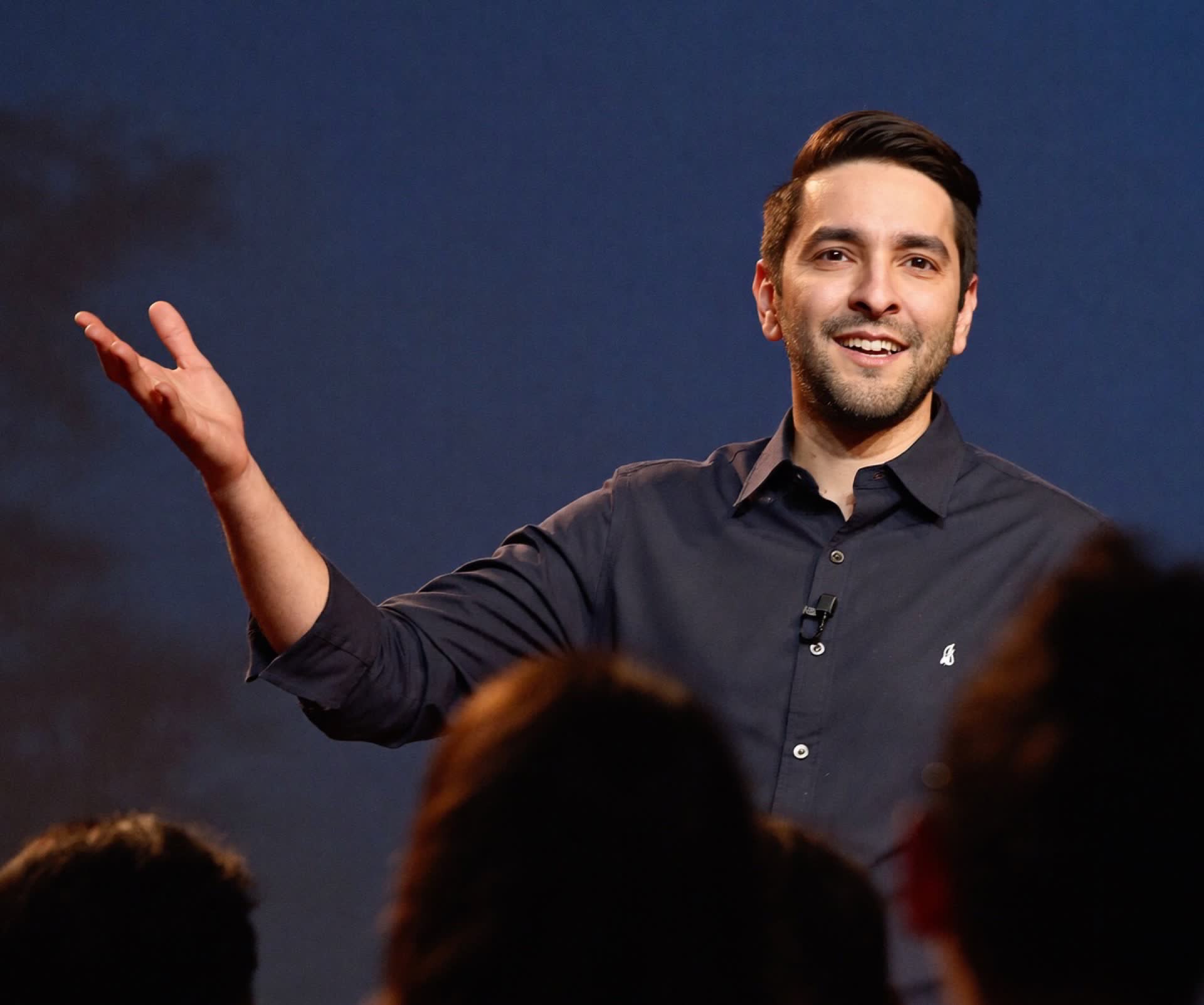
Muzamil opens by framing the central puzzle: “Is the government of Pakistan actually trying to legalize cryptocurrencies? Is this happening? Are stable coins able to operate in Pakistan?” The question is jarring because Pakistan spent years cracking down. Crypto exchanges were squeezed. Advocates were dismissed. The state line was clear: digital currencies were a threat.
Now, not only is Pakistan’s government supporting a regulatory framework for stablecoins. The State Bank has drafted a complete framework. Crypto exchanges can establish themselves. They can open bank accounts. The shift is so sudden it invites skepticism. Muzamil asks bluntly: “Why would FATF press Pakistan to go on the gray list for money laundering if now they’re cheering on crypto?”
The hawala shadow system that nobody wants to touch
To understand the shift, Muzamil traces the deeper structure. Pakistan has capital controls. The rupee doesn’t move freely in or out. “You can’t easily bring a dollar in or take one out,” he explains. “There are people with problems, but if you try to take it out, you literally can’t.”
The informal system fills that gap. Hawala and hundi, the underground money transfer networks, move roughly 30-35 billion dollars annually through Pakistan. These are not criminal sidelines. They are the functioning shadow banking layer for everyone from migrant workers in the Gulf to wealthy business owners.
Muzamil recalls a concrete case: a Pakistani businessman sitting in Islamabad wanted to buy a Dubai property worth 80.12 million dirhams, a 100-million-rupee deal. He told Muzamil directly: “Sir, please tell the media I bought this in Dubai. I have the money. I’m just in Islamabad.” How? “Give us someone’s account in Pakistan. We’ll pay in rupees, transfer the amount, and you handle it.” Hawala. Not fringe, but the primary transfer method for a man with nine figures.
The Interior Minister confirmed it last year. “Approximately 100 billion dollars left Pakistan over the past three years, big traders, very wealthy people. They took it out through hawala.” Muzamil emphasizes: “He’s an official. That’s how normalized this is.”
A system no elite wants to dismantle
But hawala stays intact for a reason. The elite benefit from it. “It’s not some underworld system running beneath the table. It’s a clear system they manage. Who does it serve? Your ruling classes, especially your People’s Party in the south. They sit there and are thoroughly tied to the whole system. And they don’t want it to go away.”
Muzamil paints the incentive structure. If hawala closes, the alternate capital flows stop. When a wealthy person needs to send dollars abroad without a trace, hawala is instantaneous and off-books. A formal system, by definition, leaves a trail.
The working mechanism: A laborer in the UAE makes five to six thousand dirhams monthly and sends it home via hawala to his family in Pakistan. They get it in rupees. Meanwhile, a wealthy Pakistani businessman wants to buy an apartment. He calls a hawala agent. “I need those dollars the worker is sending.” The agent connects the flows: the laborer’s foreign earnings become the businessman’s capital to buy real estate at home. The Government of Pakistan avoids seeing it. The currency stays managed. The elite gets their outflow.
America’s pivot: From reserve hoards to retail dollar velocity
Here is where the global shift enters. Muzamil explains the US vulnerability: “America’s economy is a consumption economy. It runs on inherited currency status. If the demand for the dollar doesn’t exist, they’ll have to print money. That will cause inflation.”
For decades, the system worked. Americans consumed. China and others held US dollar bonds. China’s dollars came from selling goods to America. China sent those dollars back to buy US Treasury bonds, which funded American purchases. A closed loop.
“But then de-dollarization started,” Muzamil notes. China stopped buying. Saudi Arabia, India, others cut holdings. “Countries started buying gold instead. They saw that if demand falls, the dollar itself weakens. If the dollar’s value drops, they’d be holding a depreciating asset.”
The US faced a choice: either accept a weakening dollar, or find new pools of dollar demand. They chose the latter. “America needs to create demand for the dollar itself. And that demand may be created from large populations, Pakistan, India, others, where people want an easy way to hold and move dollars.”
Enter stablecoins.
How stablecoins replace the old bond-holding arrangement
The mechanism is financial architecture disguised as innovation. Muzamil walks through it: “Stablecoins like USDC or USDT say: every stablecoin needs to be backed one-to-one by a US dollar and US Treasury holdings.”
When you deposit a dollar with a stablecoin platform, they hold the dollar and buy a US Treasury bond. “Now I get 1, 2, 3 percent yield on that bond every year. That dollar I give you gets locked into US Treasury holdings. So you think you’re just moving around a dollar. But really, that dollar is now funding American government spending.”
The scale matters. Stablecoin market capitalization is roughly 300 billion dollars. That means 300 billion dollars in foreign holdings are now mandated, by law via the GENSIS Act (actually the FIT21 framework Muzamil references), to be held as US Treasuries.
The advantage for the US: It doesn’t need China to buy bonds anymore. It has atomized demand. A Pakistani, an Indian, a Nigerian, anyone with a smartphone and stablecoins, becomes a de facto Treasury holder.
Pakistan’s role in the new dollar machine
Pakistan fits this model perfectly. Muzamil catalogs the incentives:
First, Pakistan’s asset prices are cheap. Land, stocks, real estate, all trading below replacement value in dollar terms. The stock market, he notes, sits at an 8-to-9 price-to-earnings multiple when US and Indian markets are pumped.
Second, there’s political interest. “FATF and institutions like it, they were the ones saying ‘ban crypto.’ Now they’re the ones saying ‘regulate stablecoins.’ Why?” Muzamil lays the answer bare: “Because America’s Establishment sees opportunity in Pakistan. They’re looking aggressively toward Asia. Big money wants to invest. But you can’t easily park capital in Pakistan unless there’s a frictionless on-ramp and off-ramp.”
Asset tokenization, breaking real estate and stocks into digital tokens, is the solution. “If the government creates the rails, makes it easy for foreigners to bring dollars in and take returns out without hassle, then Pakistan becomes a liquidation market. Foreign money comes in, bids up prices, then leaves. Locals are left holding inflated assets they can’t afford.”
Muzamil separates productive from financial capital. “Productive capital means: I build a factory, I create products, I pay workers. I get richer and the region benefits. Financial capital means: I see an asset, I bet on price, I make money when price rises. I leave. No value created.”
“Stablecoins and tokenization are financial capital mechanics. Big institutions move money in, bid up the market, then exit to the next cheap market. The common Pakistani, the laborer, the taxi driver, sees everything around him get more expensive. He doesn’t get richer. Productivity didn’t increase.”
The three key points Muzamil arrives at
Closing, Muzamil distills his argument: Pakistan’s government isn’t embracing stablecoins because it suddenly loves innovation. Three forces converge.
First, the US dollar system is stressed. De-dollarization is real and accelerating. Stablecoins are the response: fractionalize dollar demand across millions of small holders instead of relying on sovereign bond buyers.
Second, Pakistan sits on cheap assets in a population of 220 million. That scale attracts capital. But capital won’t flow without the tools to move freely, hence the push to tokenize, to build digital rails, to open the asset markets.
Third, and most troubling, the Pakistani elite see opportunity in opening the system. “If you open capital flows, the hawala system can come into the regulated market. You can skim from it, control it, get tax revenue. But the common person will be locked out because prices will rise faster than they can earn.”
The deeper point: this isn’t a story about innovation or financial inclusion. It’s a story about how the US adapts its dollar dominance to a world that no longer wants to hold its bonds. And how Pakistan becomes the laboratory for a new version of the old extraction play, funneling capital in, inflating assets, extracting value out, leaving locals poorer in real terms even if nominal prices rise.
Muzamil urges viewers: Watch this space. The details of what’s happening matter. Please watch the video to the end.



Never miss a conversation.
New episodes and the thinking behind them, straight to your inbox. No hype, no spam, no pitch.