Dil ki Baat
China's dominance reshapes global energy markets
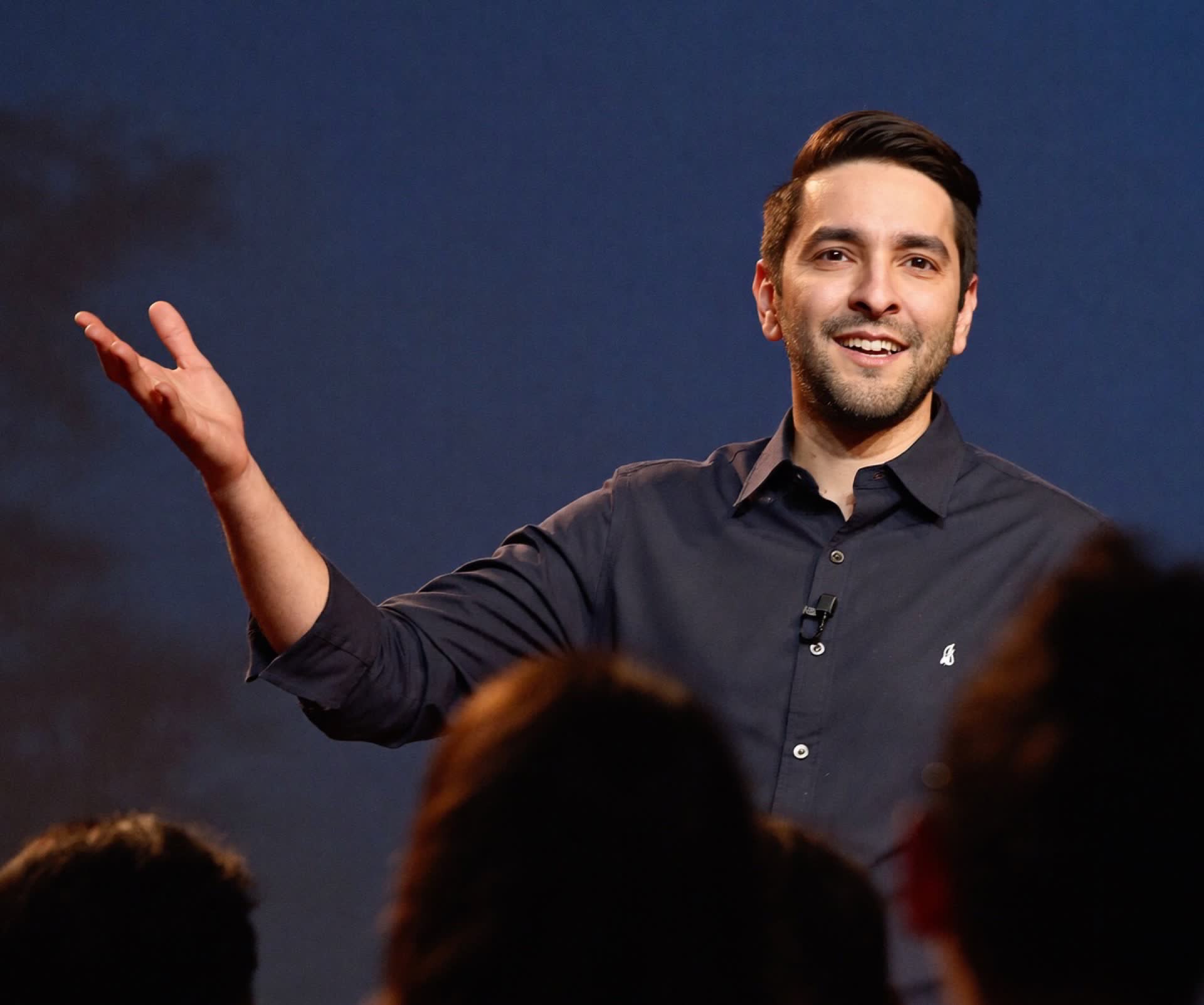
Muzamil examines how China controls the solar manufacturing pipeline and why the Middle East's oil monopoly is ending.
The old world’s power broker is becoming invisible
Muzamil opens the discussion by resetting what most people misunderstand about China’s role in the global energy crisis. “It is true that oil and gas are rare. This is right. But the real number one thing is in the supply chains and energy markets and the business tied to them that are becoming very large,” he says. China does not compete by drilling; it competes by controlling the machinery, the minerals, the battery cells, and the pathways from mine to power plant.
The Middle East has spent a century as the world’s kingmaker. But kingmaking requires scarcity. Oil was scarce. Petrostates leveraged that scarcity into geopolitical weight. Muzamil identifies the tipping point: “In the past 100 years, America has transformed itself. After this perspective, superpowers are emerging.” The shift is not theoretical. It is happening now.
China has built a quiet empire in energy infrastructure
The numbers reveal a story most analysts miss. China manufactures 80% of the world’s solar supply. It controls 77% of battery production. The rare earths, the lithium, the cobalt, the copper, the silicon. “Very many minerals. One supply of China is that those parts supply them. They make these sectors compulsory and essential,” Muzamil explains.
This is not monopoly in the oil sense, where one nation controls a commodity and the world buys from it. This is control over every step of the transition. China does not just sell solar panels. It sells the machines that make the panels. It owns the supply chains upstream and downstream. By the time a country tries to build solar capacity, the pricing, the timeline, and the technical pathway are already locked in.
The transition is faster than governments expected
Solar capacity is accelerating at a rate policymakers did not forecast. “Currently, there are about 20,000 tests and every year the capability of solar energy increases by 20 to 30 percent,” Muzamil says. The trajectory is toward 1000 gigawatts of new solar installations every year within five years. The old systems cannot keep pace.
Muzamil frames the math this way: if humanity uses roughly 100 million barrels of oil annually, and we translate that to the energy needed, we are talking about approximately 370 exajoules of power. “About 80% of unnecessary energy is wasted on heat, and many different forms of energy internally. And 20% is actually useful work used for beneficial purposes,” he notes. The waste is enormous. But the opportunity is equally enormous.
Why renewable energy is not a straight substitute
This is where most energy analysts make their mistake. Renewables are not replacing oil one-to-one. They are enabling an entirely different conversation about energy use. “If we balance electricity to oil electricity and electricity to useful work, by the way, that is electricity by electricity,” Muzamil says. The system itself is changing.
The shift from burning fossil fuels to electrical systems means efficiency gains. A car engine wastes 80% of its fuel as heat. An electric motor wastes far less. “If we convert movement energy to use electricity, convert motors to be balanced, then 370 herxa joules becomes about 35 to 40 exajoules used in electricity,” he explains. The same economic output can run on a fraction of the energy once you remove the waste.
The Middle East sees the transformation coming
Muzamil has watched the region’s anxiety rise. He has travelled to Saudi Arabia, the UAE, Qatar, and Kuwait. He has observed their fear. “What I saw and understood was that your expectation was between the Middle East. In the past 30 years, I have seen a lot come and go. In this there was change come and was much change that came because of which your past is the Middle East,” he reflects.
The region is hedging. Every nation is exploring solutions. But the recognition is real. The oil monopoly that built empires is ending. Within a generation, new petrostates will no longer be able to rely on oil sales as their economic engine. The new wealth will flow to whoever controls the supply chains of the energy transformation.
What comes after oil
Muzamil closes by pointing to the wider implication. “The tipping points are one thing. After that, always tipping line or reset transformation that rapidly increases. Me I really say this looks it, that we are at this tipping point. Up and if I can but if I can, approximately 100 million barrel which we annually use produce which capacity has approximately 370 exajoules. If I can do, if I can, 100 million barrels is something if I can. But the rest is truly oil and gas right is right. It is easy, our entire entire livelihood lies in oil and gas,” he says.
The mathematics are clear. Oil and gas enabled the industrial era. Renewable energy and efficient systems will enable the next one. But the transition is not a gentle shift in suppliers. It is a wholesale restructuring of who holds power. China has made its move. The Middle East is watching. The rest of the world is still sleeping.



Never miss a conversation.
New episodes and the thinking behind them, straight to your inbox. No hype, no spam, no pitch.