Dil ki Baat
The pattern of stepping back
Muzamil reveals the arc of fifteen years building across platforms and why success itself became the reason to stop.
Fifteen Years of Platforms
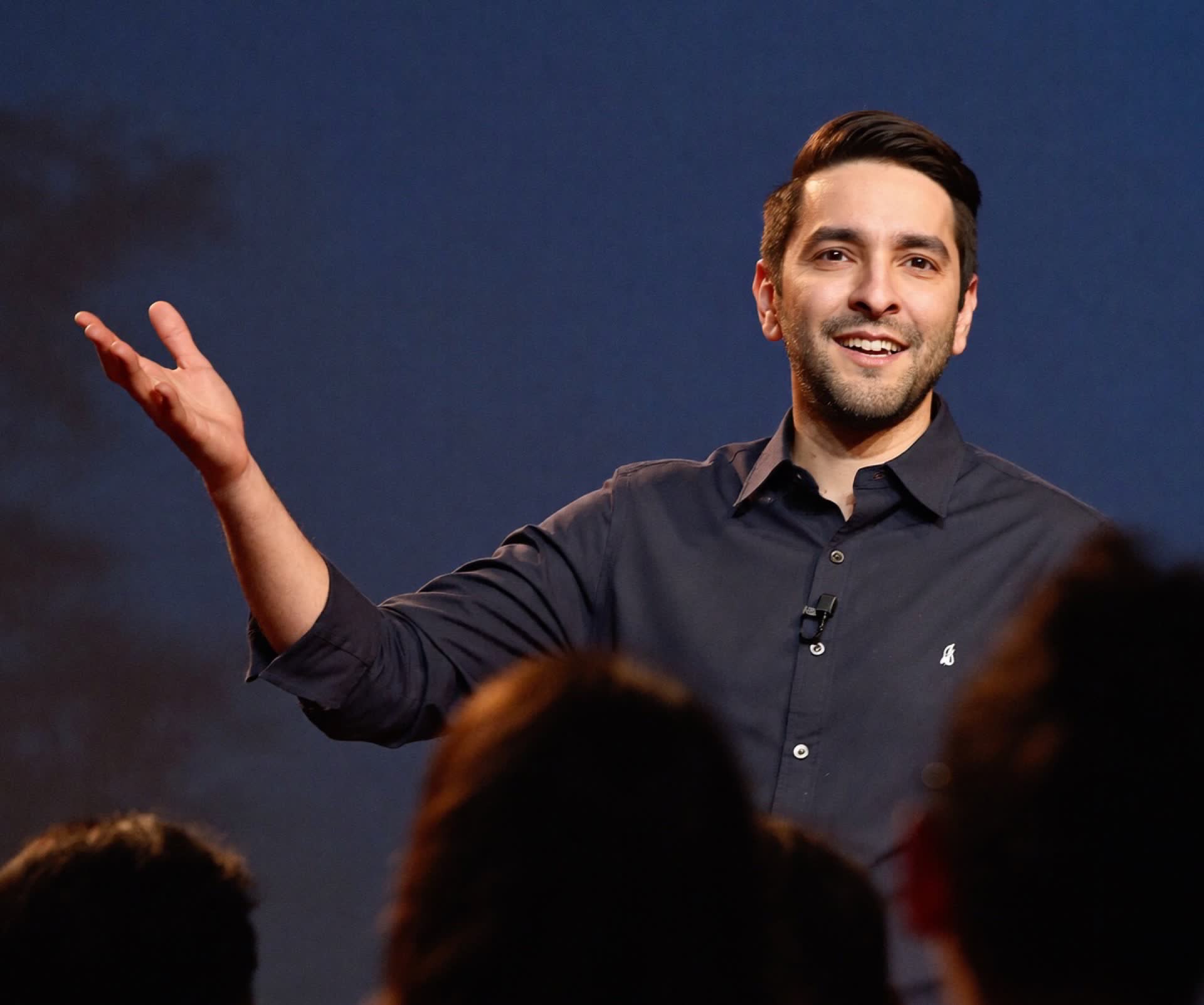
Muzamil opens by naming himself: Muzamil Hasan Zaidi, 15 years on different platforms building content. The story starts with Facebook and photography. A DSLR came from his brother. “Every day I would take some creative photo,” he says, “write a nice caption, and post it.” Early work went viral. Some of those photographs became the centerpiece of wedding commissions. But when wedding work started coming, friends said, “You’ve got work now. What are you doing?”
That word struck him. He noticed something in his own nature: the moment something becomes real, the moment people recognize it, he gets bored and wants to leave.
The Break from Photography
A year and a half of wedding photography followed. “My big creative work got a lot of praise,” Muzamil says. “But after one, when the same thing starts repeating over and over, I lose interest.” He stepped back. By 2012, video had arrived. With friends from Islamabad and Karachi, he started making sketches. Short comedy. Basic stuff about university life, Eid, Pakistani culture. “No agenda,” he remembers. “We did not want to be famous. We were young. People were having fun. The internet was a new medium.”
By 2015, they had 60 to 70 different videos. But by then, he was graduating. “I stopped video entirely,” he says. “I made a decision. I was going to take a break.”
The Hard Work of Stepping Back
“Taking a break is one of the most difficult things to do,” Muzamil says. “On paper it is easy. In practice, when your brain thinks about it, it is very hard. When you stop doing something, your own mind starts asking: what if they forget? What if someone else fills the space? What will happen to me?”
The people around him made it worse. “Everyone tells you to keep making videos. They tell you brands will come, money will come, fame will come. They put themselves in your shoes and imagine what they would do. But your situation is different. You have already done it. You do not have my curiosity. You do not have my drive.”
He took one and a half to two years off from YouTube. No new content. No performance. During that silence, something shifted inside him.
The Four-Year Transformation
“In those four years before I started the podcast,” Muzamil says, “something came inside of me. There was personal growth. And that 4-year-old Muzamil would not even recognize who I am now. Because I was different back then.”
When he was building sketch comedy and photography, he was complete in a different way. “I would go to places. I would do things. I would find one new thing. I would try it. I would keep trying it the right way. People see it. They define it. We do it. They say, wow, what a fantastic thing! Then it becomes mainstream. And I lose interest. I lose interest quickly from everything. I lose interest so fast. I go places. I do things. I become new.”
The Podcast Was Logical
By 2020, Muzamil had identified a strength: a curious mind that asks good questions. He had a decade of media experience. He knew how to build for digital platforms. He had a network of intelligent people worth learning from. All of that pointed to one conclusion.
“If I do a podcast,” he says, “and I talk to interesting people and ask them questions that come from my intellectual curiosity, then two things happen. One, I get to learn. Two, people watching me also learn and enjoy. And if there are 1.5, 2, 3, 4 lakh people in Pakistan like me, they will also benefit.”
He started in September 2020. By the time he stopped, he had recorded over 450 conversations. “We did more conversations than anyone else,” Muzamil says. “For the first time in Pakistan’s history, we brought structure and programming to podcasting. We introduced startups, tech, economics, policy, experts, educators, big business, the tech industry. We did it all first.”
The Day Everything Changed
But then came the Imran Khan episode on May 6, 2022, alongside Junaid Akram and Talha Ahad. “What an experience that was,” Muzamil says. “It became the most watched podcast in Pakistani history. All the different platforms combined, the reach was massive.”
The Khan interview changed everything. “When I would meet people from all over the world, they would ask, who are you? I would say I do podcasts. They did not know me. But if I said, I have the Imran Khan podcast, they would take me seriously immediately. The moment his name came up, everything changed.”
It was also his highest point and, in a way, the beginning of his next step back.
The Confusion About Views
People told him he was wasting time. “Look, you spend two hours recording a video. You get an editing team. After all that cost, you are getting 400 or 500 views. What are you doing?” they asked. They did not understand. “I was not interested in the view count,” Muzamil says. “I was interested in interesting people. I was interested in learning. I was interested in growing my knowledge.”
For three years, he enjoyed it deeply. There were many profound things. “We covered things in that podcast that have never happened in Pakistan before,” he says. “Every kind of person came. It was my life’s first podcast. Actually, it was a political podcast at first.”
The Pattern Becomes Clear
Looking back 15 years, Muzamil sees the arc. Photography, then bored. Videos, then bored. Podcast broke all records, then silence. Each time, people said he was making a mistake. Each time, he moved on anyway.
“I think now,” he says, “that using your personality for public consumption is very unforgiving. You get bored. You need space to think. You need to move forward. You need to stop defending the thing you built and start looking for what is next.”
That is the pattern. That is what he has never said out loud before. Not ambition. Not failure. Something quieter. The necessity of the break.



Never miss a conversation.
New episodes and the thinking behind them, straight to your inbox. No hype, no spam, no pitch.