Thought Behind Things · May 3, 2023
Pakistan is a sleeping giant — Ammar Yaseen on investing in a crisis
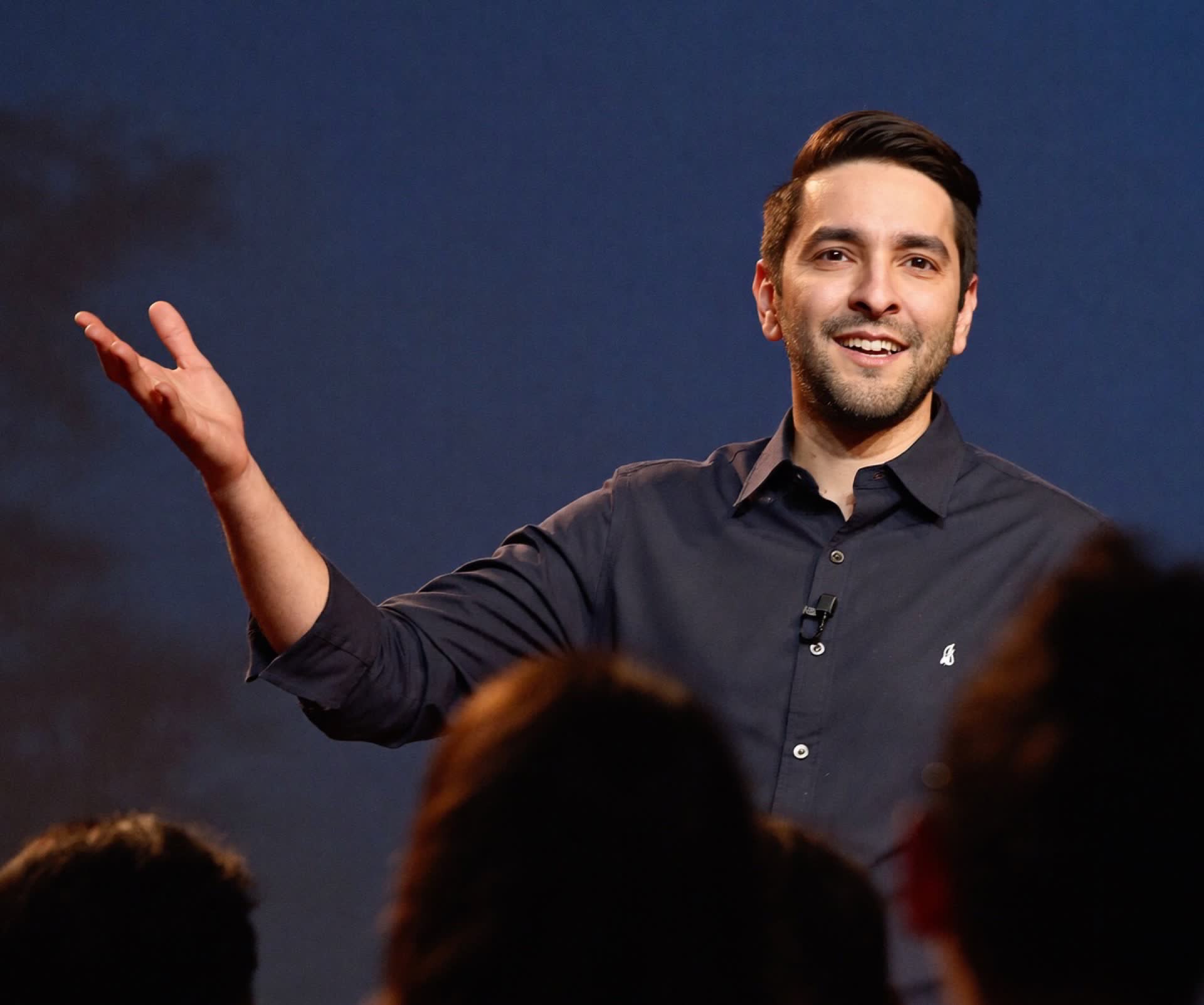
Ammar Yaseen, VP Investments at Sarmaaya.pk, walks through economic cycles, Pakistan's debt profile, quantitative easing, and why a stock market at all-time lows is exactly when you should be investing.
with Ammar Yaseen
9 min read
From garment accessories to a trading algorithm
The episode opens with Muzamil introducing Ammar Yaseen as someone he had been trying to get on the show for a while — specifically because of the moment Pakistan finds itself in: a falling rupee, runaway inflation, and a population with almost no framework for protecting its wealth.
Ammar’s own story is a useful entry point. His great-grandfather came from Bombay, settled in Lahore, and built a garment accessories factory that, at its peak in the 1950s and 1960s — what Ammar calls Pakistan’s “global golden era” — employed 500 people and attracted engineers from Germany and Japan. Nationalisation in the 1970s began a slow decline. By the time Ammar graduated from LUMS in 2011, the family had rebuilt through a different play: importing Indian garment accessories at a time when nobody else was doing it. Starting with 50,000 rupees, the business scaled to one crore rupees per month in sales within two to three years, running on the trust of a fifty-year-old family name and a simple pitch to investors — good margins, clear product, split the upside.
The business eventually hit the ceiling that most fashion-adjacent businesses hit: it created a monopoly, the monopoly attracted competition, and margins compressed. What Ammar did next is what the rest of the conversation is really about. He started building an algorithm — a framework for evaluating companies on growth factors, stability factors, intrinsic value, and cash flows. When he began investing on the basis of that algorithm, the results were, in his words, “very outstanding.” That algorithm became the intellectual foundation of Sarmaaya.pk.
What capital fundamental analysis actually means
Muzamil asks Ammar to explain, in plain language, what “capital fundamental analysis” means. The answer is more layered than the phrase suggests.
At its core, it is the practice of understanding a business from the inside out: management quality, financial health, valuation relative to intrinsic worth, inventory management. But Ammar insists that company-level analysis is only half the job. The other half is understanding the economy the company sits inside — specifically, which direction money is flowing and why.
He uses a simple analogy. Imagine two markets, each with ten shops. Market A is oil companies. Market B is textile companies. In year one, oil prices rise and cotton prices rise. Market A is the obvious place to invest — profits are being generated. In year two, both prices fall. Now the question shifts to which individual shop within a market has the better fundamentals: one that has reinvested its profits to expand, or one that has kept its cash flows stable and predictable. The right answer depends on your risk appetite, but the point is that the analysis is always two-layered — macro direction first, company quality second.
Where money goes when markets fall
One of the most practically useful sections of the conversation is Ammar’s explanation of what actually happens when a stock market stops performing. Most people assume the money has simply vanished. It hasn’t.
“By law, SECP की तरफ से جو بڑے بڑے آپکے banks ہوتے ہیں یا mutual funds وغیرہ ہوتے ہیں — they are not allowed to take that outside of Pakistan,” Ammar explains. The money stays inside the country. It rotates. When equities fall out of favour, it moves into money markets, T-bills, gold, or real estate. When those become expensive or illiquid, it rotates back. Understanding that rotation — and positioning ahead of it — is what separates a managed portfolio from a savings account slowly being eaten by inflation.
He illustrates this with Warren Buffett’s moves across COVID and the Russia-Ukraine war. Buffett sold airline stocks as COVID hit, took the losses, rotated into Pfizer and Moderna (500% return in that year), then sold pharma as oil prices spiked in 2022 and bought Occidental Petroleum (100% return that year, against an S&P 500 that was down 16%). The arithmetic Ammar walks through is striking: 100 rupees invested, down 20% to 80, multiplied five times to 400, then doubled to 800 — while the index was negative across the same period.
Pakistan’s debt profile in context
Muzamil asks the direct question: how bad is it, really? Ammar’s answer is more calibrated than the headlines suggest.
Pakistan’s total debt is around 70% of GDP. Ghana’s was 80% when it defaulted. Egypt’s is 90%. Zambia’s was 100%. Sri Lanka’s was 120%. Pakistan’s external debt — the portion owed to foreign creditors — is 40% of GDP, which Ammar describes as “the lowest” among countries currently in IMF programs. Short-term debt is around 7%, compared to Turkey’s 30%.
None of this means the situation is comfortable. Ammar is direct about what went wrong: oil was being sold domestically at 150 rupees when it cost 210 rupees to procure. The subsidy had to come from somewhere. It came from reserves, which fell from 19 billion dollars to levels that left Pakistan with less than a month of import cover. The IMF program that should have been resolved by November or December dragged on. “Pakistan ka masla hai yahi — economy ko hardships to aayenge,” he says. But the comparison to Ghana, Sri Lanka, and Argentina is meant to show that default is not the same as collapse, and that the path back is navigable.
Economic cycles, central banks, and the logic of quantitative easing
A significant portion of the conversation is devoted to explaining how central banks actually work — and why their behaviour is predictable enough to be investable.
Every central bank has a target. The US Federal Reserve targets 2% inflation and low unemployment. Pakistan’s State Bank targets 5–7% inflation. When inflation overshoots, the central bank raises interest rates to cool the economy. When the economy cools too much, it cuts rates and, in extreme cases, conducts quantitative easing — buying bad loans and bonds from commercial banks, injecting liquidity, and pushing markets back up.
Ammar traces this cycle through 2008, COVID, and the March 2023 Silicon Valley Bank collapse. Each time, the Federal Reserve’s discount-window borrowing marked the bottom. “Jaise hi quantity easing karte ho — that is the bottom of the market. That is the bottom of the economy as well at that moment.”
Muzamil pushes back here, and it’s one of the sharper exchanges in the episode. He suggests that quantitative easing is essentially “quack economics” — that since 2008, central banks have been pumping a bubble that is becoming too big to fail, and that when it eventually does fail, the pain will be enormous. Ammar doesn’t fully disagree. He acknowledges that America is “running on steroids” and that the debt-to-GDP ratio of 130% means quantitative easing has become the only tool left for developed economies. But he resists the collapse narrative: “America tabah nahi ho jayega. It doesn’t happen like that.”
The dollar, BRICS, and what a reserve currency shift actually means
The conversation moves into geopolitics when Muzamil raises the question of de-dollarisation — the accelerating trend of countries settling trade in yuan, rupees, and dirhams rather than dollars, partly triggered by the weaponisation of the dollar through Russia sanctions.
Ammar references Ray Dalio’s Changing World Order directly. His reading of Dalio is measured: reserve currency dominance does decline, but it declines gradually, and the decline of a reserve currency is not the same as the collapse of the country behind it. “British empire khatam hua — sure. Lekin Britain stays today, right?” The more realistic scenario, he argues, is a slow reduction in dollar dependency, a modest GDP slowdown in the US, and a corresponding rise in Asian economies — particularly China, which he notes is on track to become the world’s largest economy by 2026.
Muzamil adds his own read: that the Middle East is quietly repositioning itself, that the Saudi-Iran rapprochement and the end of the Yemen war signal a region cleaning itself up to connect eastward, and that Pakistan — as always — risks missing the boat. But he sees the China alignment as a potential mental-barrier break for Pakistani markets. Ammar agrees, and both converge on the same underlying point: the percentages are in the East, even if the optics still favour the West.
Why Pakistan’s real estate obsession is the wrong bet
Later in the discussion, Ammar introduces the concept of income inequality as a structural drag on Pakistan’s economy — and connects it directly to the country’s fixation on real estate.
“Plotistan,” he calls it. Policies that channel wealth into undeveloped plots favour the already-rich, generate no employment, produce no exports, and do nothing to close the gap between the top and bottom of the income distribution. Productive real estate — construction — is different. But speculative land-banking is rent-seeking, and rent-seeking economies hit the same wall every few years: GDP grows for two consecutive years, the current account deficit widens, luxury imports surge, and then the cycle resets painfully.
The alternative he points to is stock market listing. When a company lists, it raises capital without taking on debt. Its performance is visible. Its growth creates employment. Its share price rise creates wealth that is distributed across shareholders, not concentrated in a single landowner. He uses Elon Musk’s Tesla-to-Twitter move as an illustration of how share price appreciation creates real capital that can be deployed — and notes that Pakistan is already seeing more IPOs, mostly from export and manufacturing companies.
Singapore, sleeping giants, and Pakistan in 2050
Muzamil closes by asking Ammar how he sees Pakistan twenty-seven years from now. The answer is anchored in the Singapore model — not as a fantasy, but as a policy checklist.
Lee Kuan Yew’s reforms, as Ammar describes them: political stability and friendly relations with neighbours; ethnic integration through mixed housing allocation; a mandatory skills-development levy on companies that redirected investment into biotech, aerospace, semiconductors, and pharmaceuticals — the industries the world actually needed. By the 1990s, Singapore was a pioneer in all of them. The result: 57.5% of household income in Singapore goes into investments. In Pakistan, the figure is 0.01%.
“Pakistan is a sleeping giant,” Ammar says. “Jab jaage jaoge — this is one of the best countries that can perform very very well.” The youth demographic — 40–50% of the population — is the asset. Economic pain, he argues, is what eventually forces that youth to rise. He draws a direct line from the 1929 depression (record millionaires created in its aftermath) to 2008 (record billionaires) to COVID (billionaire wealth skyrocketed). “There is opportunity everywhere. Sirf dhundhne ki zaroorat hoti hai.”
Muzamil wraps the conversation with a note that is worth quoting directly, because it captures the editorial intent behind bringing Ammar on: “I fundamentally believe that an economy that is not driven by investments cannot begin to even think of growing the way that we require Pakistan to grow.”
Full transcript
स्वागत है विद्योह आज रात welcome back to another episode of thought nine things आज हमारे साथ मौजूद है एक बहुत ही खास मेहमान जिनको प्रैर से से हम बुलाना चाह रहे थे हमारा setup नहीं हो सका but बुलाने का मकसद ही खास यह था इस time के ऊपर के the vice president investments at सरमाया.pk. अमार का जो है वह बड़ा extensive experience है in understanding companies and understanding how the financial systems work और उसी के around हम कुछ आज सवालात भी पूछेंगे कि exactly हमारी economy में global economy में हो क्या रहा है और उससे हम अपने आप को किस तरह से protect कर सकते हैं. जो हमारा continuously falling rupee है उसको हम किस तरीके से protect कर सकते हैं, अपनी wealth को किस तरीके से protect कर सकते हैं from inflation and so on. हमारे भाई thank you so much for being part of this show. Thank you so much for inviting me. मैं conversation में start करूंगा just trying to understand क्या पैदा कहां पर हुए थे और early life आपने कहां पर गुज़ारी?
So basically मैं I'll try to tell you about my previous they are two different stories. So basically, pre 2016 and post 2016. And post 2016 is all about सरमाया के buildup or the success of सरमाया. उससे पहले पहले जो थी, basically my both parents are first cousins. तो my दादा and नाना are basically brothers. तो my great grandfather came from Bombay. Bombay से कराची and कराची से धन लौहौर. So he was an industrialist there. तो यहां पर भी he ran an industry. So एक garment accessories का basically एक उन्होंने setup बनाया factory में. So, basically garment accessories are all those material जो कि औरतों के कपड़ों के ऊपर वग़ैरह लगता तो उस time पर there was a lot of demand for that. तो हमारी factory में nineteen fifties में या nineteen sixties जो कि basically Pakistan का global golden era कहा जाता है उसमें 500 people used to work under us. Right. और Germany and Japan से engineers came to our factory to check कि हम किस तरीके से वगैरह काम करते हैं. So going onwards nineteen seventies में nationalization वगैरह हुई और सारी problem जो आती हैं वो सारी problems आना शुरू हो गई हैं business started to slowly go down. खैर मैं भी both parents were I say के थोड़ा सा rich spoiled kids तो उस time पर बड़ा अच्छा ठीक ठाक जो है savings वगैरह भी होती थी वैसे भी होते थे banks में और उस time पर मैं o levels में था baking house में. So baking house से o levels से a levels I wanted to वहां पर जहां मैंने convert करना था. तो my mother came in to get the results और उन्होंने फ़ैसला किया हुआ था मेरे parents ने दोनों ने कि यार इसको आगे नहीं बढ़ाना है. इसको I went into lumps, ठीक है? Lumps ही मेरा हो गया था. So lumps में फिर graduation 2011 तक की. अच्छा at universe period जो 2007 वाला period था, 2006 to 2008 वाला period, इसमें मैं फ़ायदा took a risk, ठीक है और उन्होंने क्या किया कि 50,000 rupees से he went into India and वहां पर जाकर ना कुछ उन्होंने inventory वगैरह खरीदी और यहां पर लाकर he was the first one जो कि Indian कोई items जो है garment necessities he he sold hair. ठीक है? अब हुआ क्या है कि उससे इतना ज़बरदस्त है कि response आया कि within two to three years हमारी जो sale थी वह per month 1 crores पर चली गई थी. Right. तो for all those people जो कि थोड़ा समझ रहे होंगे कि यार 50,000 से 1 crore तो यह तो बहुत बहुत बड़ी jump है. होता यह है कि देखें business runs on trust. ठीक है? Faith पर चलता है, trust पर चलता है. हमारा fifty years का old business था. मतलब एक नाम था और जब हम cash branch में भी थे तो हम there were certain investors जिनको हमने जाकर pitch किया कि यार यह देखो कि यह एक item है इसमें बहुत ज़्यादा इतना margin है so we can split the margin और इसमें काम कर सकते हो तो उन्होंने investment कर दी. So यह बहुत अच्छा है criteria business wise अगर आप कोई भी काम करना चाहो तो this is a very very good technique. अच्छा idea है, margin अच्छे हैं, investors will will come in that. ठीक है? तो यह scene चला था और जब मैं 2,011 में graduate किया तो the business was going very very well माशाला और I used, मुझे याद है कि जब हम shop खोलते थे तो shop के बाद एक line लगी होती थी और people were ready कि यार इनकी inventory वग़ैरह लेनी है और they used to jump in. तो wholesale का garment accessories का सारा यह हमारा काम चलता रहा. ठीक है? So अब 2011 के period में उसके बाद थोड़ा सा downfall दोबारा आना शुरू हुआ क्योंकि again fashion business था. वह यह था कि हम we बने monopoly और monopoly आपको पता है वह competition में convert होती है और जब competition में convert होती है तो Pakistan के अंदर थोड़ा सा basically selling the same material जो कि India से आ रहा है. तो हमने वहां पर artificially एक demand create कर दिया. अच्छा वहां पर scene यह होता था कि six months जो है basically आप अपनी Indian items बिकती थी. Indian inventory बिकती थी क्योंकि fashion से related थे wedding season था और age six months जो थी वह यहां की local होती थी. गर्मियों में जो है वह basically Simple fancy material नहीं cotton items वगैरह इस तरह की चलती हैं. तो वहां पर इन लोगों को पता नहीं था Indians वगैरह का तो वह क्या करते थे कि inventory भर लेते थे उस time पर मेरा business was doing very well. ठीक है? अब जब मेरा business खराब हुआ मतलब 02/5060 में उस time पर business बाकी लोगों के सही थे. लेकिन हमारे industry में इसलिए भी खराब हुआ कि मैंने primarily यह नहीं देखा कि मैं क्योंकि trading business में था. I made the algorithm और उसमें सारी देख रहा हूँ growth factors क्या होते हैं? Stability factors एक company के क्या होते हैं? Value fish, evolution factors क्या होते हैं? Intrinsic values वगैरह क्या होती हैं? तो ये सारी चीज़ें I build that और उसके बाद जो है मेरे पास एक algorithm जब वन गया तो मैंने फिर उसकी base में जब investments करना शुरू की तो the results got very outstanding. बहुत ज़बरदस्ती किस्म के results आना शुरू हो गए. अच्छा अब यह आप active trading नहीं कर रहे थे. यह आप invest कर रहे थे कि यार यह कि investments होंगे? ठीक है? And then उसके बाद जो है आपका intrinsic values के अंदर जो valuation बनती है उस company की वह अच्छी margin पर available है कि नहीं. Simple तीन तीन का है. हम यहां पर क्या है कि सिर्फ profits देख लेते हैं कि profits भाई increase हो रहे हैं investment भी करनी चाहिए आपको कि नहीं करनी चाहिए. खैर the algorithm went very well और फिर मैंने ये सोचा मेरे mind में एक चीज़ आई कि यार अगर ये मुझे problem आ रही है तो this can be problem for every people in the world. ठीक है? सारी बंदे में, सारे लोगों का problem आएगी. अब मैंने वहां पर Morningstar जो एक बड़ी मशहूर websites है Bloomberg वगैरह, Thompson Tutors. मैंने वहां पर सारी websites देखी कि यार किसी तरीके से यह algorithm जो मैंने बनाया यह implement हो. ठीक है? So वहां पर जब मैंने idea pitch किया तो three fifty ideas थे total and 25 got selected तो I was one of them. तो फिर उसके अंदर जो है मैं थोड़ा सा उस process के अंदर भी गया हुआ. सारा समझाओ कि VC के funding वगैरह क्या होती है
हो रहा है और inflation हमें मार रही है. तो I'm proud to announce that this video is in partnership with समाया Financials. They're offering two very very cool trainings. Capital market fundamentals जिसमें Upstox और mutual funds में invest करना सीखेंगे और understand करेंगे कि आखिर एक company के अंदर क्या ऐसे fundamentals होते हैं जिनको आपने देखना होता है to figure out कि वह एक अच्छी company है to invest in और दूसरी training है technical analysis master class जिसमें आप सीखेंगे कि किस तरीके से हम different tradable assets like commodities, forex, stocks, crypto के अंदर थोड़े से पैसे लगाकर बहुत ज़्यादा पैसे बना सकते हैं. Personally यह training मैंने भी ली है and it's absolutely phenomenal. The link to the trainings are in the description below. Check them out and become financially healthy and now back to the podcast.
अच्छा अब problem यह आना शुरू हो गई बंद हो गया. अब मैं ऐसा बंद हूं कि मैं one other student जो यारवा student था that was Lake Bai. ठीक है? Right. और Lake Bai ने मुझे approach किया कि यह मैं ना एक सरमाहा का portfolio बना इस तरह से बना रहा हूं, website बना रहा हूं और उसमें portfolio tracking वगैरह ये सारी चीज़ें मुझे थोड़ा सा ना आपने guide करना अब मैं उनको कहूं कि यार आप एक काम करो, मेरे ख्याल से एक one by one explain करना था मुश्किल होगा. ये मैं course launch कर रहा हूं. आप इसको ना पढ़ लो, ठीक है? अब जब उन्होंने वो course पढ़ा ना platform बनाएंगे और platform के बाद वह एक पूरा एक company खड़ी कर देंगे. अच्छा six months के बाद क्या हुआ कि he approached me कि इसमें ना attraction थोड़ा सा लानी चाहिए और but I think इसके आपका आपका जो course है ना वह इसमें आकर पढ़ाएं हम साथ. अच्छा अब scene ही हो रहा है कि business में थोड़ा सा फ़ादा की भी तबीयत उन दिनों ख़राब हुई थी. मैं सुबह सुबह नौ बजे आता था अपने business में अंदर. रात को नौ बजे तक जो है वह फिर मैं business चलाता था. दें. तो उसमें scene अब यह हुआ कि यार इतना ज़बरदस्त किस्म का response आया लोगों का और अभी भी recently हमने क्या किया है trust pilot को beach में सरमाहा के embed किए कि वहां एक that's a website जहां पर आपके genuine reviews होते हैं. We have a rating of 4.8 rating और three eighty reviews हैं और three eighty में से ना 25% जो reviews आ के उन्होंने the word life changing use किया है. This is huge. अच्छा मज़ेदार कहानी यह है कि हमने क्या किया है basically एक नया एक नया हमने feature launch किया है sir माया and that is portfolio tracking और मज़ेदार कहानी यह है कि आप इसके अंदर किसी भी investment ऐसा class को इसके अंदर आप डाल सकते हो and you can track that. अपना portfolio दिखाना शुरू कर दिया कि देखो मेरा tracking जो है या record वगैरह इस time पर चल रहा है, यह चल रहा है. अब last six months में the portfolio have gained 19% छह महीने के अंदर, ठीक है? और अगर आप इसको analyze करो तो 38% बनता है, ठीक है? Beat कर पाओ. ठीक है? लेकिन again यह भी goal होता है कि यार best से best scenario में आप investment करो down the lane आप inflation को beat कर ही देते हो. Right. The last six months I have been very आप कह लो कि lucky कि यह जो portfolio था वह inflation को भी beat कर रहा है. अगर last six months का CPI number देखा जाए ना consumer price index, both agreement छह months में तेरह percent जो है increase किया Whereas a portfolio 19% कर रहा है. खैर यह तो and the stock market was minus 3% या 4%. तो यह basically साथ में हम यह भी कहते हैं कि लोगों को सिखाते हैं और फिर यह देख रहे होते कि portfolio वाकई में इतना return कर रहा है कि नहीं? और last one year में my students have made like 60 भी 70% भी 4.8 rating on the trust point is not a very small thing. It's a very big thing for people. अभी recently भी खैर एक इफ़्तारी भी मैं गया हुआ था तो मैं एक student वहां पर मिल गया तो मुझे ऐसे ही बता रहा कि sir मैंने बस बताइए गानी कि वह बताने से जो है वह ज़रा नज़र लग जाती तो मैंने एक करोड़ पर डाला था and I invested in these these these asset classes तो मैंने 50% return है. एक करोड़ के ऊपर 50% return is पचास लाख रुपए. So it's a very big return. तो इस तरीके से जो है वह हम सरमाहा के portfolio को build करते हैं. और साथ आप platform के अंदर जो improvements आ रही उसमें भी do you help out because considering you have the experience बिल्कुल. Right Because fundamental analysis है ना मेरा तो my course is capital fundamental analysis तो जो जो चीज़ें नई नई implement भी हो रही है तो हम साथ में उसमें add in करते जा रहे ऐसा ever evolving Evolving
learning experience में. अच्छा मुझे यह बताएं capital what does it mean? Capital
fundamental analysis like एक आम आदमी को अगर आप समझा सकें तो इसका मतलब क्या है? So basically capital fundamental analysis basically यह होता है कि आपके जो fundamental core होते हैं ना business के. So all the aspects of के business किस तरह से होता है यह company चलाती है. है how to do management analysis of the company? Financial analysis of the company, valuation analysis of the company, inventory management. ठीक है? ये सारी चीज़ें जो हैं इसके अंदर सिखाई जाती हैं but then उसके अलावा जो economy जो है वो किस तरीके से evolve करती है? अब जाहिर सी बात है कि अगर मैं let's suppose एक अब आपको analogy एक दूंगी ठीक है? There are two types of market तो do you think कि भाई लोग जो हैं वह risky वाली side पर जाएंगे कि riskओं वाली side पर जाएंगे? That is why कि आपकी जो markets है पिछले दो तीन सालों के अंदर इसलिए perform नहीं कर रही थी. COVID के बाद perform की थी क्योंकि expensory policies लेकर आए थे हम. तो खैर markets जो है overall इसलिए perform नहीं कर रही होती क्योंकि risk off की तरफ smart money risk off की तरफ जा रहा होता है और यह भी एक चीज़ बहुत ज़रूरी है समझने के लिए for all the people as well कि जो आपका पैसा होता है ना Pakistan के अंदर जो आपकी investments वगैरह भी हो रही होती हैं. यह पैसा जो होता है ना by law SECP की तरफ से जो बड़े बड़े आपके banks होते हैं या mutual funds वगैरह होते हैं जितने भी smart money होता है they are not allowed to take that outside of Pakistan. तो आपका पैसा Pakistan के अंदर ही होगा. ठीक है? लेकिन कहीं ना कहीं investment लाज़मी हो रही होती है. तो जब आपको लग रहा हो कभी stock market perform नहीं हो रही होती तो इसका मतलब है कहीं और पैसा जा रहा है और वहां से पैसा वन रहा है और investment इसी को कहते हैं. तो investment management अगर आप करके चलो तो I don't think so कि आपको कहीं पर भी loss होगा. चलिए so right now let's let's talk about Pakistan, right?
जो property है वह इस तरह से completely, freeze हुई भी है in a way कि या तो price बढ़ ही नहीं रही और by and large most of the areas में prices बहुत down हुई भी है क्योंकि buyer ही नहीं है market के अंदर. अच्छा, फिर उसके बाद stock market है, stock market is at an all time low और nobody wants to touch the stock market as well. Forex आपको मिल नहीं रहा market से. आप थोड़ा सा शायद चले gold वगैरह ख़रीद लें जाकर वह कर रहे और आम consumer बेचारा वह उसको तो अब हुआ है ना कि आपको एक I think there's another merchant exchange or what जहां पर आप gold के stock ख़रीद सकते हैं effectively. You don't have to go through the entire thing but most people don't know that.
Such a situation? अच्छा देखिए इसमें situation यह होती है कि investments कहीं ना कहीं हमेशा जो है वह आपको कोई ना कहीं opportunity last मिल रही थी. ठीक है? अगर crisis भी होता ना there is always an opportunity out there. ठीक है? America का हो गया, Pakistan का हो गया, India का हो गया. उनके एक objectives होते हैं. तो कभी आप Google करके देखो कि यार आपके central bank का objective क्या है basically? तो objective जैसे कि अगर America की बात कीजिए तो उनका target होता है कि inflation को ना two percent target तक हमने रखना ठीक है. है? अगर inflation जो है महंगाई जो है उनकी 2% से ऊपर जाने शुरू हो जाएगी तो इसका मतलब है कि central bank उसके अंदर आकर मुदाक़लत करके कोई ना कोई policy ऐसे लाएगा कि इसको inflation को किसी तरीके से control किया जाए. बिल्कुल ऐसे होता है. तो और दूसरा जो उनका target है with that is unemployment को थोड़ा सा नीचे रखा जाए. ठीक है? तो ये दो हैं उनके objective. अब Pakistan का objective basically क्या है? Central Bank का कि हमने inflation को है five to 7% target के अंदर रखना है. ठीक है? अगर two five to 7% target के अंदर आपका है so you are doing well. आपको कोई central bank को दाखिल करने की कोई ज़रूरत नहीं है policies वगैरह. कोई भी implement करने की ज़रूरत नहीं है. तो basically वह क्या रहा है कि by default आपकी जो central bank है वो ये favor करती है या support करती है कि आपकी जो currency को depreciate कर दिया जाए या फिर sorry currency को depreciate उसकी value को गिरा के inflation को बढ़ा जाए. क्योंकि inflation बढ़ाने से क्या होता है? आपने jump की तो 1 20 rupees की जब होगी that is 20% inflation. ठीक है? तो 20% inflation इसलिए भी है कि आपका business भी grow, आप employment भी generate करो और employment generate करो आप workers को भी पैसे वगैरह दे रहे तो पहले तो यह आप यह समझ लें कि आपके जो जेब में जो currency है जो आप हज़ार रुपए का note देखते हो क्योंकि हज़ार के note को तो number नहीं change किया जा सकता. तो उसको जब आप inflation को support करते हो इसका मतलब है आपकी इसके against जितनी भी चीज़ें हैं, आपकी real estate हो गई, आपकी stock market हो गई, आपका खाना पीना हो गया, सब चीज़ हो गई. वो सारी चीज़ें महंगी हो जाएंगी. ठीक है? तो ये जब वो चीज़ें महंगी होंगी तो you shouldn't have, you should always be investing at all times.
यह मेरा मानना है और यह दुनिया में यह पिछले सालों के अंदर यह साबित हो चुका हुआ है क्योंकि जिस तरीके से growth कर रही है वहां पर दुनिया inflation भी numbers ऊपर जाते हैं तो investment करना चाहिए. मतलब basically just to simplify it what you are saying is कि at any given time अगर आपके पास cash पड़ा हुआ है चाहे संदूक में पड़ा हो, चाहे bank में पड़ा हो, चाहे कहीं भी पड़ा हो तो वह नुकसानदेह है. वह किसी ना किसी ठीक है एक petty cash होता है आपका rainy days के लिए whatever but at any given time it either needs to be invested in a company or an asset or something
ताकि वह hedge do against some sort of a growth. बिल्कुल बिल्कुल. अच्छा इसमें example भी मैं आपको देता हूं क्योंकि अभी लोग यही समझ रहे होंगे कि भाई investments कहां पर की जाएं या किस तरीके से या gold खरीद लिया जाएं या इस तरह की चीज़ें आप कहां पर investment कर सकते हो? तो एक काम करते हैं हमें एक analogy बनाते हैं and you can participate as well तो audience भी साथ साथ जो है वह participate कर सकती है. तो मैं आपको scenarios कुछ दूंगा तो आपने उसके base पर मुझे बताना है कि आप investments वगैरह कहां करोगे? ठीक है? So एक market a है और market a के अंदर जो है they are like 10 shops. ठीक है? और एक market b है वहां पर भी 10 shops हैं. जो market a है वह that is all oil companies. ठीक है? अब वहां पर जाती हैं गाड़ियां जो जाती हैं वहां पर अब textile की market के अंदर जो है cotton की prices नीचे आएंगी तो वह उनके लिए raw material सस्ता होगा. वह business grow करेगा. ऐसे ही है. जब यह raw material महंगा होगा तो that is उनका भी margins वगैरह कम होंगे. अच्छा अब year one में situation यह बनती है कि oil की prices जो हैं वह increase करना शुरू कर देती हैं and quarantine prices also go up. ठीक है? तो आप based on this scenario आप market A में invest करोगे कि market B में करोगे? मैं market A में करूंगा I guess. हां क्योंकि market A के basically profits वगैरह भी generate हो रहे हैं तो वह सी बात है that's a good way to invest. ठीक है? अच्छा mark दूसरे साल में यह होता है कि oil की prices नीचे आती हैं, cotton की prices भी नीचे आती हैं. तो अब इस साल में अब आप कहां investment करोगे? तो fourth shop जो है उसका भी profit जो है वह same है. Fifth shop भी उसका profit भी same है. अब जब आपको नज़र आ रहा कि profit वगैरह सही है, cash flows भी उनके सही है. ठीक है? तो आप क्या करोगे four shop four में करोगे या shop five में investment करोगे? ऐसे ही है. अच्छा अगर based on this scenario मैं आपको यह कहूं कि अगले साल shop number four में उसका उसने क्या किया है कि अपने पैसे जो इकट्ठे आए हैं उसने जो अपना दुकान या shop है जो भी industry है उसके अंदर पैसे लगाकर उसको बड़ा खूबसूरत तरीके से
I mean shop five in my opinion will be slightly less risky and therefore slightly less returns. अगर if I am feeling a little more
वह तो मैं shop four में कर दूंगा because मैं सोचूंगा कि चलो ठीक है maybe he might be able to attract more customers it's a risk but he might be able to attract more customers and therefore I'll make more money but अगर मैं थोड़ा risk averse होऊंगा तो मैं five में कर दूंगा कि यार ठीक है उसका एक at least hedged एक तो उसकी secure है at least a percentage of that is secure and then the percentage is risky जो कि oil markets पर connected है. बिल्कुल बिल्कुल. अच्छा मैं उसकी real example भी देता हूं आपको. Pakistan की नज़र से देता हूं. अब देखें oil prices internationally बढ़ रही थी. ठीक है? ऐसा ही है. अब यहां पर Pakistan कहते चार different companies हैं. ठीक है? एक OGDC है, एक PPL है, एक POL है, ठीक है? Pakistan oilfield है और दूसरा चौथी जो है मारी petroleum है, ठीक है? अब यह चार companies में से ना तीन में तो government intervention वगैरह थोड़ी सी है. जो circular debt आपका वगैरह जा रहा इससे यह थोड़ी सी companies में तास्ते रो रही है. Right. Oil से भी पैसे बना रहे हैं. हां. ठीक है? और return यहां से भी आ रहा है. अब पिछले एक साल के अंदर आपकी stock market minus 16% perform की है. मारी petroleum जो है वह तकरीबन 3% perform है plus 3% है. Plus three is better than minus. ठीक है? और जो POL है उसने plus 35%
perform किया है.
Interesting so within that stock market there are stocks that have outperformed the market completely. बिल्कुल absolutely absolutely. ठीक सिर्फ gain यह होती है कि आपने company को समझना कि कौन सी company बेहतर है इसको कौन से fundamentals बेहतर है. अब बनती तो आपको पता कि airline stocks वगैरह जो हैं वो उसमें investment करना नहीं बनती. ठीक है? अब क्योंकि पूरी economy बंद हुई है. अब airline stocks में से warren buffet ने अपने stocks वगैरह sell किए उस time पर. So मैं एक example लेता हूं कि 100 rupees investment किए जो भी एक अरब दस अरब जो भी बनते हैं 100 rupees investment किए. वो बीस percent तक़रीबन नीचे गिरे थे तो 100 का रह गया 80. ठीक है? 80 रह गया. उसने क्या किया warren buffet तो Zoom का भी stock बहुत तेज़ी से ऊपर गया था. अच्छा दो companies थी Pfizer and Moderna Therapeutics. इनके जो return थे COVID के अंदर that was 500% उस साल पांच गुना. अब आप खुद सोचो कि 80 rupees पर अब आप five times multiply करें कितने हो गए? 400. 400 हो गए. अच्छा अब आपके बाद क्या scene हुआ कि अगले साल दो हज़ार बाइस में अंदर Russia, Ukraine की war हो गई. Oil की prices ऊपर चलेगी. Oil की prices ऊपर चलेगी तो Warren Buffett ने क्या किया? Pharma stocks जितने भी थे जो pharmaceutical के वह बेचे और then investment कर दी उन्होंने. Investment की in oil stocks. अब उसमें एक company बड़ी मशहूर थी क्योंकि यह international investors हैं जब यह file करते हैं यह investment करते तो यह show भी करते अपना portfolio तो नज़र आ रहा होता कि कहां का investment करें? तो he invested in occidental petroleum एक वहां पर company Chevron नाम की भी company है. So यह इन दोनों companies में इन्होंने investment की. Occidental Petroleum का return दो हज़ार बाइस के अंदर was 100%. Double किया इसने वैसे? Double किए. अब 100% आपकी investment है आपकी S and P 500 minus 16% again उस साल की performance है minus 16. Occidental Petroleum 100%. तब आपका portfolio कितना था? 400 था. 80 को multiply किया five multiply by five four hundred. 400 पर hundred percent? Eight hundred. 800. Right. तो इस तरीके से investments करनी चाहिए कि आपको पता होना चाहिए कि कहां पर investments करनी चाहिए? किस time पर कौन सी चीज़ बेहतर हो रही है? अगर let's suppose stock market आपने नहीं perform करी. There would be some other place जहां पर आपका पैसा जा रहा है. इस time Pakistan के T bills के अंदर जो है इक्कीस percent का return है. हां, कुछ ऐसा ऐसा आता है कि inflation को आप beat नहीं कर पाते हो, मुश्किल होता है. साल के बाद आपको stock market इतनी नीचे मिल जाएगी कि जो आपका portfolio नीचे जाना था वह बच जाएगा फिर आप उसमें stock में investment उस time पर करोगे at almost all time low. ठीक है? अच्छा अब इसमें मज़ेदार कहानी यह भी है कि यह कोई बंदा नहीं बताता कि सारे factors आते कहां से हैं? USA is the prime market जहां से सारी demand create होती है. US market जो है total 30% GDP of the world है. ठीक है? अब वहां पर economical indicators अगर आपको यह mention करना शुरू कर दें कि भाई market जो आपकी economy जो है वह थोड़ी सी नीचे जाना शुरू हो गई है. तो इसका मतलब है इसका impact पूरी दुनिया में आएगा. ठीक है? दो हज़ार आठ का जो financial crisis आया था उस time पर दो हज़ार छह के अंदर all the markets में वहां पर पता लगना शुरू हो गया था कि economic indicator थोड़े से down होना शुरू हो गए. अब वहां पर क्या करते हैं जो smart money होती है या mutual fund वगैरह होते हैं वह अपना portfolio shift करना शुरू करते हैं कि यार थोड़ा सा stock market से निकलकर ना 80% से seventy, sixty, इतना करके कर लो. बाकी investment money market में कर लो क्योंकि आगे जाकर यह stock market वगैरह थोड़ी सी नीचे भी आ सकते हैं. ठीक है? अच्छा अब यह भी होता है कि अब दो हज़ार आठ वगैरह का crisis भी आ गया. पहले से indications आ रही थी. और दो हज़ार अठारह के last period में भी नीचे थे. अगर आप इन तीनों सालों का देखोगे ना तो stock markets आपकी flat रही थी. पूरी दुनिया की सिर्फ़ America की नहीं. Because the economic indicators in America were showing कि यह थोड़ा सा slow down है. अच्छा अब अब investments वगैरह wise जो है वह दोबारा market कैसे ऊपर चली गई? क्योंकि कई दफा ऐसा होता कि वह जो आपके economical indicator नीचे गए होते हैं. तो आपका जो मैंने पहले बताया था ना inflation का target वगैरह जो है अगर वह achieve हो रहा है तो central bank जो है वह आकर उसमें मिदाक़लत करेगी. उसको रोकने की कोशिश करेगी. Interest rate को थोड़ा सा बढ़ाएगी. Cool down करेगी. जैसे ही cool down करेगी आपकी swap markets perform नहीं करेंगी. ठीक है? Swap market नहीं perform करेगी. Economy slow down करेगी. क्योंकि this is an economy cycle. हमेशा कुछ अरसे के लिए contraction यी policies आएंगी. हमेशा expansion यी policy उसको follow करेंगी. COVID में भी यह हुआ था, America में भी यह हुआ था और इस हर जगह पर यह चीज़ implement की गई थी. Right, so अगर मैं Pakistan की बात करूं आज, how do you analyze the पाकिस्तानी economy and the market right now? Considering the fact that, you know, inflation हमारी जहां पर है. अगर इसको if I were to ask you, चलिए let's start with the dumb question, right? How do see the markets right now? What's happening in Pakistan? देखिए Pakistan का मसला है यही economy आपको hardships तो आऐंगे. ठीक है? यह तो नज़र आरक inflation वगैरह सारी ऊपर जा रही है. जो recently जो पिछले साल के अंदर थोड़ा सा political scenarios भी थोड़ा सा different हुआ था और यह जो आपका default वाली situation सारी create हुई. आप क्या कह रहे थे? $1.50 rupees का oil बेच रहे थे और दो सौ दस रुपए का आपको घर पड़ रहा था. अब दो सौ दस रुपए अगर आपको आप अब आपको दोगे तो होगा क्या कि आपको subsidy देनी पड़ेगी और अपनी subsidy जो है आप कहां से दोगे? आपके reserves बढ़े हुए थे. तो $19,000,000,000 के reserves आपने क्या किया? Oil subsidies अब subsidies में दे देकर उसको नीचे कर दिया तो आपके reserves नीचे चले गए. Reserves नीचे किए. ठीक है? Russia, Ukraine, war की चल रही थी इसको interest rate को बढ़ाओ, inflation को control करो जो आपकी scenario वगैरह चल रहे हैं. ठीक है तो यह अब default की अगर बात करेंगे तो default के अंदर दो तीन गाना and श्रीलंका के भी मैं थोड़ा सा बात करना चाहूंगा and I'll compare this from with Pakistan as well. Tourism बंद हुआ तो आपका सारा क्या होगा reserves अगर आपने use किए $7,600,000,000 के आप reserve तक़रीबन $1,600,000,000 पर आ गए. आपके बाद one month का reserves रह गए थे. ठीक है? अब then उसके बाद यही हुआ कि फिर आपको default करना पड़ा एक international bond जो था उसके base पर आपको यह चीज़ का suffer करना पड़ा. ठीक है? अब वह default हो गया गाना की situation जो थी वह यह थी कि गाना जो है it's an oil exporting company. ठीक है? Country sorry. तो जो reserves थे again वो use होना शुरू हो गए. आपकी spending उन्होंने नहीं रोकी और spending अगर आप ना रोको ना तो आपको मसले आ सकते हैं down the lane. वही यही problem हुई कि उनके पास reserves कम होंगे although oil exporting country है और Sri Lanka में भी यही हुआ था कि जब आपकी inflation बढ़ना शुरू हो गई थी तो आपने central bank ने उसको जाकर नहीं रोका. This is the most important thing कि inflation जैसे ही ऊपर आना शुरू हो जाए तो आपको interest rate ऊपर करके उसको रोक देना चाहिए. ठीक है? और गाना में भी तकरीबन यही situation हुई. अच्छा अब Japan के example देता हूं मैं nineteen eighties के अंदर. उनके stock market जो है जो 1989 में थी अभी तक जो है तीस साल हो गए. अभी तक उसने high अपना नहीं तोड़ा क्योंकि वहां पर जब inflation आ रही थी उनका golden era चला था nineteen eighties के अंदर inflation peak कर गई थी बहुत ज़्यादा. Central Bank ने वहां पर cuts नहीं किए और जब cuts नहीं किया तो उनका जो economy एकदम से collapse करना शुरू हो गई. जो collapse करना शुरू हो गई तो उनकी stock market के अंदर भी collapse आया, housing market के अंदर भी collapse आया और अगले बीस साल के लिए there उनका यह कहा जाता है कि this is a lost decade. उनका कोई भी thing is कि थोड़ी सी implementation हुई है यहां पर central bank में. अच्छा मैं थोड़ा सा आपको यहां पर एक debt profile वगैरह थोड़ा सा mention करना चाह रहा कि Pakistan के अंदर क्या debt profile रही है? तो 70% जो है आपका debt level है of the GDP Pakistan का. अगर इसको compare किया जाए गाना के साथ तो that is 80% of the GDP. 90% Egypt का है, 100% Zambia का था और 120% Sri Lanka का है. External depth जो है आपका that is 40% of the GDP. सबसे lowest है जितने भी आपके IMF के program वगैरह चले मतलब बाकी जो countries है यह 90% जो है वह Tunisia का है, 120% जो है Angola का है, ठीक है और इसके अलावा जो आपका short term depth था जो यह सारे मैं figures आपको वह बता रहा हूं जो यह आप governor और आपका जो statement उसके numbers हैं. ठीक है? So यह जो उन्होंने mention किया मैंने वही मैं आपको mention कर रहा हूं. ठीक है? अब 7% जो है आपका वह short term depth था. ठीक है? और 30 as compared to अगर आप third turkey का देखा जाए तो 30% उनका turkey का है. ठीक है? Loans हैं. अच्छा अब यह जो आपका governor state bank of bank से ना वह कह रहा है कि हमारे first half में inflows जो कुछ आने थे वह हमारे second half में आऐंगे. ठीक है? तो second half में जब आऐंगे तो थोड़ा सा आप इसको cover up कर सकते हो. Although यह आपका November December तक यह IMF का program हो जाना चाहिए था. यह मसले solve हो जाना चाहिए थे लेकिन मसले solve नहीं हुए. तो यह situation इस time Pakistan के लिए यह hardships हैं लेकिन वह कहते हैं ना there is जहां पर crisis होता है there is an opportunity as well, ठीक है? तो यह है कि आप investments पर अगर आप इस site पर आप देख सकते हो कि investment जैसे T bills के अंदर आपको investment safe investment है. Almost 0.1% इस तरह का loss आप कह लो जहां पर stock market है वहां पर ज़्यादा returns है. अच्छा मैं यहां पर एक चीज़ एक दो चीज़ें मैं और भी आपको mention कर चुकू कर दूं. जितने भी countries हैं जो default कर चुके हैं इसमें Ukraine भी शामिल है, इसमें Russia भी शामिल है, Lebanon है, Argentina है. अगर आप उनकी खाली stock markets को सिर्फ देख लें तो Lebanon के अभी recently जो default हुआ है उनकी market 600 points पर थी. ठीक है? और within like four to five months 2,000 पर चली गई है. That is a return of 200% और उनकी inflation इस time पर 180% जा रही है. तो आपने अगर अपनी inflation को hedge भी करना होता ना तो capital markets are the best. अच्छा अब Argentina का देखा जाए तो उनके दो हज़ार तेरह के अंदर जो पैसों था Argentina पैसों वह $3 का था. अब जो है वह तकरीबन one eighty के करीब चला गया है. This is a 46% increase every year लेकिन उनकी जो stock market है that is performing 60% per year. तो अभी stock market उसको भी beat कर रही है. Iran के ऊपर sanctions लगी हैं. Iran का जो पिछले साल के अंदर return था stock market का 80,000 से तकरीबन 17 lakh 50,000 था यह 22 times return है तीन सालों के अंदर. 22 times return. And we were discussing हम batch one, batch two के students जो हम सारे discuss कह रहे थे कि क्या हो सकता है और उस time पर market उनकी 1,000 points पर थी. इस time एक साल के अंदर 5,500 points पर. एक साल के अंदर 550% return. So यह थोड़ी सी आपने देखनी होती है कि जहां पर opportunity आपको नज़र आ रही हो you should be investing there और लोग क्या करते हैं कि अपना पैसा जो उनका devalue वाला होना वाला होता है उसको protect करने की कोशिश करते हैं. Protect करते हैं तो they have certain avenues जो stock market नज़र आती है stock market में करते थे. कई और जो है investment नज़र आती है वहां पर करते हैं gold नज़र आती है वह खरीद सकते हैं. तो यह situation basically होती है. अच्छा दूसरी जगह पर यह भी है कि जैसे यहां Pakistan में अगर import country है import में क्या होता कि currency depreciate करती है तो import company के सिर्फ नुकसान होता है. लेकिन on the other hand अगर export company हो आपकी तो export company को फ़ायदा होगा. क्योंकि क्या हो रहा है कि पहले आपका dollar जो $1.50 rupees का था अब $2.80 rupees का है. तो पहले अगर आप $1 की let's suppose service आप बेच रहे थे. अभी भी आप $1 की बेच रहे हो तो आप $2.80 rupees बना रहे हो तो आपका तो profit भी double हो गया. आपके तो revenues वगैरह भी double हो गए. तो जो companies Pakistan के अंदर इसे dollar base भी revenue generate कर गई हैं. उनका return is phenomenal. सिर्फ systems की बात की जाए. सौ रुपए से उठकर तक़रीबन सात सौ रुपए पर है despite the fact कि market नीचे है. MNC on पंद्रह रुपए का share था one fifty पर जाकर अब थोड़ा सा नीचे आया हुआ है लेकिन one fifty तक यार तो 10 times return है in the market जहां पर performance नहीं है. So यह दहाई रहा बहुत लोग कहते हैं कि dollar packed
stocks में करें सबसे it's a no brainer in this current situation right now. अब then उसमें यह भी question mark आता है कि क्या वह oversubscribe तो नहीं हुआ हुआ इस time के ऊपर considering कि you know everybody this this is the simplest play in the कि आजकल हालत ख़राब है default की तरफ़ है reserves है कोई नहीं. तो import imports वैसी ban है तो import companies से निकालो और अगर कहीं डालने हैं तो export companies में डाल दो. कुछ भी होता है होता रहा आपको पता है IT services बिकनी ही बिकनी है. Textile को तो फिर भी शायद आप तो इस वक्त do you think कि the पाकिस्तानी stock market generally and overall जो यह
export stock है is it worth investing in? बिल्कुल absolutely जैसे मैंने अभी आपको Warren Buffet की example दी है ना collection of portfolio कि आप कहां कहां पर investment करते हो. थोड़ा सा आप gold में कर सकते हो वहां पर कर लो, money market में कर सकते हो कि money market के returns आप 21% इसे return और stocks के अंदर भी. अब stocks में भी वह companies हैं 35% return अगर POL आपको दे रहा है और that is phenomenal. E fertilizer का भी इतना ही तकरीबन है 20% से above है. So इतना अगर आपको return मिल रहे हैं तो that is one way ठीक है आप उसमें भी investment कर सकते हो. ठीक है? अच्छा अब दूसरा general चीज़ एक और भी आती है. मैं थोड़ा सा यहां पर concept आपको बताना चाहूंगा quantitative easing का. अच्छा quantitative easing जो होती है वह basically that is यह central banks dwelling markets का एक concept है कि dwelling markets क्या कहती हैं जब आपके interest rate जब आप नीचे लाते हो और economy आपकी नहीं कर पा रही होती तो आप quantitative easing करते हो. अच्छा quantitative easing यह होती है कि central bank जो है government जो commercial banks हैं उनके जो bad loans होते हैं उनको खरीद लेती है. ठीक है? अब जब bad loans खरीद लेती है तो market में एक liquidity आ जाती है और liquidity की base पर markets start to go up. ठीक है? अब वह क्या है bad loans वगैरह के मैं example एक दे देता हूं आपको. दो जैसे आपका global crisis चला था दो हज़ार आठ नौ तो उसमें आपके bad loans जो उन लोगों को भी उन्होंने डालना शुरू कर दिया जिनके पास income कम होती थी. अब जब आप greed आता ना तो पूरी market में आता है. उससे क्या हो गया कि यह आपने mortgage back securities बनाई हुई थी कि सारा जो एक Texas का lesser board mortgage आ रहा है, securities आ रही हैं या यहां से भी किसी और state से आ रही है वह उनको merge कर रहे हो. जब आप merge करते हो तो उसकी backend पर आपके यह mortgage होती है. अब जैसे ही वह नीचे आना शुरू होगी गई. जैसे ही नीचे शुरू आना शुरू हुई central bank ने देखा कि भाई यह चीज़ जो है यह तबाही फेर रही है market के अंदर इसको control करो. Quantity easing यह होती है कि central bank अपनी balance sheet के अंदर यह बताता कि मैंने printing किया money and that is out of thin air. इसके पीछे कुछ नहीं होता. Thin air पर printing की है और printing के behalf पर उन्होंने क्या किया कि वह जो loans थे या bonds वगैरह थे वह अपने पास ले आते हैं markets ऊपर जाना शुरू रहती हैं. अभी recently अगर आपने सुना हो Silicon Valley Bank का जो collapse हुआ है उसके बाद यह हुआ था कि अभी recently इस March के अंदर the central bank ने क्या किया मैंने कहा Federal Reserve Bank America ने discount window borrowing कहते हैं इसको. तो they gave this borrowing to other banks, ठीक है? ताकि बाकी banks जो हैं वह थोड़ा सा stability वगैरह ले आए markets के अंदर, थोड़ा सा control आ जाए. On the other hand अगर आप देखो तो उनकी inflation आइश्ता आइश्ता नीचे आना शुरू होंगे. तो central bank से क्या करता था? मैंने पहले क्या बताया था? Interest rate ऊपर जाता तो inflation थोड़ी सी नीचे आती है. अब जब inflation control में आ जाए तो control में जब आ जाए तो आप क्या करते हो? Quantity भी easing तब करते हो. जब impact दुनिया के ऊपर आता है तो आपकी जितनी भी economies रुकी होती हैं वह दुबारा से चलना शुरू हो जाती है. अभी जो discount window borrowing इन्होंने की है यह इससे पहले COVID में कर चुके हैं और COVID से पहले इन्होंने दो हज़ार आठ के अंदर की और उसके फौरी बाद उन्होंने quantity easing की थी. जैसे ही quantity easing करते हो that is the bottom of the market. That is the bottom of the economy as well at that moment. तो यही जो रुझान है आपके बाकी countries में भी आ जाता है. तो होता यह है कि आपके जितने भी debt है ना यह क्योंकि America के आप debt to GDP देखोगे ना that is around 130% as well. Pakistan का इस time 70 पर Pakistan का कम है GDP के लिहाज से. लेकिन आप फिर grow भी नहीं कर रहे यह एक लता कहानी है. तो यह depth जब इतने level पर पहुंच जाता है ना तो quantitative easing करना ही solution रह जाता है बड़े developed countries के लिए. Countries के लिए रहता है तो उसी का impact आपके दूसरी markets में भी आएगा. Pakistan के ऊपर आएगा, India के ऊपर आएगा. अब Pakistan की जब inflation थोड़ी सी जैसे interest rate ऊपर की हैं. Inflation अब थोड़ी थोड़ी से आकर नीचे आना मतलब शुरू हो जाएगी. IMF का भी इंशालाह जैसे ही होता है तो वह हो जाए. आपकी markets वगैरह भी economy थोड़ी सी revive कर सकती है. Interested नीचे करेगा banks then it can
थोड़ा decide शुरू सा एक thought experiment है. जाहिर आपने कहा कि you know quantitative easing एक तो मेरा एक general question यह है कि don't you find that a little bit of a quack economics के दो हज़ार आठ से वह शुरू हुए हैं और वह pump कर रहे हैं वह that's उसको जिस तरह से भी play कर लो वह general एक academic economics में it doesn't make any sense whatsoever कि आप उसको एक एक लाश है उसको आप उसको करी जा रहे हो, करी जा रहे कि थोड़ा सा और चल जाए, थोड़ा सा और भाग जाए. In the hope कि वह in the fear actually कि यार अगर नहीं किया तो क्या होगा? तो वह फिर I I feel like कि actually if you zoom out long enough तो they're really pumping the bubble कि वह बस अब वह it's too becoming too big to fail कि जब अब वह fail करेगा तो वह फिर it's going to create a, you know, a massive pain जो कि उसमें. इसमें अगर मैं एक और चीज़ add करूं. आजकल बड़ा show मच रहा है American dollar collapse का और geopolitically हम काफ़ी maneuvering देख रहे हैं. जब से इन्होंने sanctions लगाई Russia के ऊपर और इस hope में कि यार चलो यह तो बेचारों की markets collapse हो जाएंगी, यह हो जाएगा, वह हो जाएगा. But उसका वह शायद effect वह नहीं आ सका जो वह चाह रहे थे but alternatively कि उसका यह ज़रूर effect आया कि जब उन्होंने dollar को weaponize किया तो lot of other countries suddenly were fearful कि यार यह तो हमारे खिलाफ भी हो सकता है. And so you are seeing aggressively कि dollar is being dumped in exchange of जो हम बड़े से से कभी बार सुनने में आता था पर आप बहुत rapidly आ रहे हैं कि यह country जो है वह अब India की दस हालांकि वह ally है लेकिन उन्होंने दस कर ली countries के साथ रुपए में trade करना शुरू कर दी है. बहुत सारी countries जो हैं वह oil को yuan में ले जा रही हैं, दिरहम में ले जा रही हैं so on and so forth. What's your obviously you can't these are unprecedented times and these are अगर बहुत ही आपको इसमें trends निकालने हैं तो वह तो फिर आपको British Empire में जाना पड़ेगा और पहला champagne में जाना पड़ेगा. So that's a separate story altogether और Ray Dalio की बड़ी अच्छी वह को भी है उसके ऊपर और videos भी है on YouTube you you can check that out but
what's your thought on it? What's your gut feeling? कि यह किस तरफ़ से आ रही है situation? देखिए Ray Dalio की changing the money order world order है. वह book that's it's amazing book और उसमें वह यही बात करता है कि जब आप जो end वाला era होता ना उसमें आप यह चीज़ें quantity using वगैरह सारी चीज़ें कर रहे होते हो. ठीक है? तो उसके बाद जो आपका थोड़ा सा reserve currency वह mention बकायदा कौर पर करता कि reserve currency जो आपकी एकदम से नीचे आना शुरू हो जाएगा. इससे यह definitely
मानी नहीं है कि oh my god America collapse कर जाएगा और वह irrelevant हो जाएगा. British empire ख़त्म हुआ sure लेकिन Britain stays today right? बिल्कुल ऐसे. So उनका economic system impact करेगा sure but America तबाह नहीं हो जाएगा. बिल्कुल नहीं. It doesn't happen like that. कोई lot of people मेरी colleague friend थी उसने सवाल किया उसने कहा क्या होगा इससे क्या मतलब क्या हो जाएगा? क्यों? It's fear आजकल मंग रही है इस तरह. So-so
what do you think will happen if this actually happens? अच्छा इतना कोई मसला नहीं होगा. देखिए reserve currency उनकी थोड़ी सी नीचे आने की उसकी जो dependency है all over the world वह थोड़ी सी कम होना शुरू हो जाती है. ठीक है? यह trend होता है. ठीक है? अब आप BRICS की बात कर रहे हो Brazil, Russia जो पूरा एक block वन रहा आपका. Brazil, Russia, India, China, South Africa. ठीक है? अब यही कर रहे हैं कि अपने dependency थोड़ी सी कम कर रहे हैं dollar के, dollar के ऊपर. क्योंकि अब देखिए ना मसला यह है कि आप quantitative easing तो आपने कर दी उस America के America जो है वह आपने steroids पर चल रहा है, ठीक है? Steroids पर चल रहा तो economy उनकी boom करी जा रही है. जब उनकी economy boom कर रही है आपके जो जो बाकी countries हैं जो Pakistan हो गया, श्रीलंका वगैरह यह अगर नहीं perform करें तो यह पीछे रह जाएंगे, 1,800 के अंदर 6070% GDP आपकी China India से आती थी. अब वह down the lane 35% के पास रह गई थी. America अगर 30% GDP अभी भी control करता है ना तो होगा क्या कि China and Japan are the major money market investor in in America. ठीक है? जब money market में उन्हें भी उन्होंने भी investment की भी है ना तो वह कभी भी नहीं चाहें कि America collapse करें और अपनी जो उनकी investments है वह भी collapse करें. तो they will try कि भाई यहां से China से और Japan से यह सारी जो है export करते रहें. तो this will what happened? थोड़ा सा slowdown आ जाएगा. GDP थोड़ी सी कम हो जाएगी. Collapse I don't see collapse.
What is more realistic though is कि considering कि आप कह रहे quantity wheezing की तरफ जा रहे हैं और जब क्यों कहेगा दुनिया जो है वो अपनी trade जो है वो dollar से dump करना शुरू हो जाएगी. तो वो वाला dollar भी float करके वापस America ही जाएगा. Right? जो कि essentially that dollar didn't have any value whatsoever. It was just being exported all over the world as a stable currency. But these things are inherently cyclical, right? So वो एक चीज़ होती है एक butterfly effect है. As you wean off of the American dollar, more of the American dollar goes back to The US, more of it goes back, there is more supply of the dollar and less amount of products available and so then you can begin to seek कि अच्छा inflation और ऐसी inflation जो है America ने अपनी history में नहीं देखी. वह Dutch का कहते हैं ना कि उनके last time के ऊपर वह tule prices and वह सारा का सारा वह आया था. क्योंकि वह वह inflation आप ज़रूर देख सकते हैं कि American economics जो है वह बहुत ज़्यादा अच्छा China कहा जाता है कि twenty twenty six में वह world's largest economy का status ले लेगा. बिल्कुल. मेरा जाती ख़याल यह है कि a lot of these जो यह नया एक एक एक एक direction निकली है ना जिसमें Asia is beginning to sort of unravel and connect जो खासकर Middle East में जो हो रहा है with Saudis and Iranis you know becoming friends again the Syrian war just suddenly coming to a halt. Yemen war has announced कि वह खत्म हो रही है. तो Middle East अपने आप को साफ करके connect करने की कोशिश कर रहा है उधर Russia China की एक वह चल रही है and in a lot of ways even India is participating in that as well. Pakistan unfortunately as always is missing that boat but what they are doing is they are sort of timing and realigning their themselves to the Chinese markets in a way क्योंकि मुझे लगता कि जिस दिन वह announcement होगी ना वह एक बड़ा एक announcement भी एक mental barrier break करेगी क्या चाहिर? सबसे बड़ा ख़रीदार अब China है. And so that's the I think we're at the start of an era where year on year the American power is going to reduce. कुलाश का मतलब यह है कि जी वह complete dip करेगी. I think that's not gonna happen. That's not gonna happen. But overall I think year on year we're going to see a reduction in the American financial power as has always been and a rise of not just China वह तो है ही world's largest economy by 2026 but overall Asia के अंदर I see a rapid boom because यहां पर growth नज़र आ रही होगी. Like वह जो maybe जो lost decade of Japan है ना वह शायद हमें America Western Side पर नज़र आए कि जहां पर we've always looked growing up you and I have always looked at the West. Absolutely absolutely. Right? As a market for our exports, as a market of even our human capital. But maybe now we're going to begin to see a lot more interesting returns happening in the East. Again because अगर लोग सेरे और सेरे आंखें बंद करके देखें तो yes America और the West is very developed. बिल्कुल. But as a as an analyst आप percentages में देखेंगे. Right? बिल्कुल. And percentages में आपको काफी दफा ऐसी चीज़ें नज़र आ रही होंगी जो कि overtly तो आपको गंद नज़र आ रहा है but actually नीचे जो है उसके वो a lot of fundamental. मैं honestly Pakistan को देखूं ना तो short term के ऊपर मुझे बहुत pain नज़र आता है but I I think this pain is what is going to really create the growth story for Pakistan. Pakistan is a sleeping giant. मैं तो यही कहता हूं कि अब यह सो रहे हैं जब जागे जाओगे this is the best one
of the best countries that can perform very very well क्योंकि आपकी देखिए youth है ना हमारी. 4050% तो आपकी youth है. जब youth को आप इतना नीचे economically आप देखोगे hurt होते हुए देखोगे कब तक देखते रहोगे? They will rise. ठीक है? और इसी तरीके से ऐसे असरमाया is another buildup of COVID. ठीक है ना? COVID के बाद से we recognize कि भाई यह सारा मसला आ रहा है financial literacy वगैरह भी. यह सारी problem आ रही है. क्यों आ रही है? हम भी यही था ना कि यार investments करनी है, सारी चीज़ें देखनी है. तो चीज़ें सीखी और उसके बाद फिर हमने implement भी दिया. तो ये चीज़ें होंगी Pakistan के अंदर भी. अभी आप जो Middle East की बात कर रहे हो ना, देखिए Middle East ने कितना smartly play किया है. Russia, Ukraine के अंदर जैसे war हुई है आपके oil prices $120 पर barrel चले गए थे. They took the opportunity. ठीक है? Opportunity ली उन्होंने $161,000,000,000 का तो उन्होंने सऊदी अनाम को का profit आ गया ना, ठीक है? अच्छा उसके उनके अंदर जो है ना उनकी government का भी बहुत ज़्यादा stake है, ठीक है? अब जब वहां पर उनका profit आए तो government को पैसा आ गया.
But this time around they have now they're now going towards growth oriented developments. And I think that's personally I think we're going to be seeing some of those coming close to Pakistan as well by the end of this year But we'll we'll see what when that happens. मुझे चलें, we're at the one hour ten minute mark. If I were to ask you again, in a in a in a very simplistic way, मुझे बताएं कि मेरे पास एक लाख रुपया है, ठीक है? पाकिस्तानी stock market एक इस वक़्त down पर है और मैंने बस पैसा डालकर ना मैंने पांच साल भूल जाना है. पांच साल, आठ साल भूल जाना है. Stock market कुछ place to invest into? बिल्कुल absolutely. अगर long term आप अगर आप long term के perspective से देखोगे ना तो this is every good place to invest. होता यह है कि जब आपकी markets all time low होती है ना that is the time to invest. अभी जो मैं आपको बात कह रहा था ना quantitative easing वाली भी.
Than Pakistan. तो जब आपकी बहुत सस्ती markets पड़ी होती हैं तो आप इसमें investment करते हो, ठीक है? अब यह let's suppose कि inflation वगैरह ज़्यादा भी होती है. तो inflation कहीं again किसी चीज़ से आ रही है ना? किसी oil से आ सकती है. आपकी कोई और food की prices हो रही है. That is one sixty times despite the fact कि आपकी market नीचे जा रही हैं. Despite the fact कि आपके सारी चीज़ें नीचे जा रही हैं. अच्छा एक और भी हमने recently one of my students did analysis on a barrier ton plot and Avension के ऊपर. Avension is an export company, ठीक है ना? Export करती है IT services वगैरह export करती है. अच्छा उससे उसमें he showed me कि अगर आपने किस्तों में अगर आपने पैसे डाले होते तो तकरीबन आपके जो दस लाख रुपए थे, वह एक करोड़, दो करोड़ पचास लाख रुपए बनते हैं. So this is how, this is very very important और जो मैंने आपको Warren Buffett वाली analogy बताई है, POL वाली analogy बताई है. अगर आप इस तरह के stocks pick कर सकते हो, अगर आपको यह समझ आ जाए कि भाई किस तरीके से investments होती हैं then you can make a return. 35% PUL ने बनाया है, कब बनाया है market नीचे? 16% minus में? 100%.
आमिर I'm gonna, आमिर I'm gonna ask you one last question generally. Ask all of my guests.
यह बताएं कि how do you see Pakistan twenty seven years from now? ज़ाहिर आप एक analyst का काम होता है कि he generally tries to have some sort of foresight and based on that he is making his decision as well. So I'd love to have your thoughts on कि how do you see Pakistan twenty seven years from now in 2030 knowing what you know now, seeing what you've seen throughout your life? अच्छा so, अच्छा इससे पहले एक मैं एक analogy हम पहले backend पर बात कर रहे थे एक Singapore वाली मैं बता रहा था कि I have a dream कि अब जैसे शर्मार की तो अल्लाह ने अल्लाह ने काफी help की है and all that कि अभी success story हमारी बनी भी है. तो उसके बाद I think एक एक another dream I want to see is के Pakistan जो है वह becomes the next Singapore. ठीक है? अच्छा वह मैं क्यों कहता हूं कि Singapore का जो nineteen sixties के अंदर जो है बहुत बुरे हिलात चल रहे थे. जितनी तेजी से Singapore बदला है तो that is that is very phenomenal. तो let me just share some reforms जोकि I think कि Pakistan के अंदर भी अगर आप इसको implement करो और देखें Pakistan हमारा मुल्क है हमने इसको खुद चलाना है ठीक है. Even अगर आपके politicians जितना भी scenario चलना है, हम अपना भी क्षमा जलाकर रखेंगे या अपना काम करते रहेंगे. This can be very very beneficial. So some of the things that जो Lee Kwan ने किए थे. एक तो number one he, he introduced आते साथ ही political एक stability वगैरह लेकर आया. जो regional जितने place थे उनके साथ एक friendly environment वगैरह रखा उसने कि मैंने यह situation जो है यहां पर ठीक करनी कि अपना country चलाना है. तो जो eighth grade के neighbors होंगे उनके साथ मैंने situation ठीक रखनी है. Secondly, ethnic integration एक policy वह लेकर आया था कि आपके जितने भी वहां पर लोग थे ना उन्होंने एक buildings वगैरह में housing वगैरह उनको दी और अभी तक जो है 80% उनकी population उन्हीं houses में रहते हैं. छोटे छोटे apartments वगैरह वहां पर रहते हैं. उसने कहा था कि एक building के अंदर ना अगर हमारी population 80% Chinese है, 20 मतलब 10% जो आपकी मैलेज हैं या 10% Indians हैं, आपकी इसी तरीके से allocation होगी इन उन्हीं buildings के अंदर. तो यह नहीं होगा कि आपने एक Chinese है तो Chinese एक building में रह रहे हैं, Indians एक building में रह रहे हैं. सबने उसी percentage के हिसाब से रहना Cultural friendly environment बनाया. ठीक है? That is basically के उन्हें skill के base पर एक program launch किया कि जितनी companies हैं आपकी उनके लिए mandatory है कि कुछ पैसे निकाल के आपने skills के ऊपर लगाने लगोगे. ठीक है? जब skills के ऊपर लगाया था तो लोगों का रुझान change होना शुरू गया. So there was awareness in every person और उस उसके बाद हुआ यह कि nineteen nineties के अंदर जो skill development fund है इसका so this is skill development fund उसके बाद आपकी biotech engineering के अंदर, aerospace के अंदर, integrated circuits, pharmaceuticals, semiconductor जो कि दुनिया के उस time पर demanded चीज़ें थी वहां पर investment होना शुरू होगी और जब आपकी investment होना शुरू हो जाए तो फिर आप उसमें pioneer हो जाता है country वह develop करना शुरू कर देता है. तो हुआ यही कि सारी जितनी भी आपकी दुनिया भर में demand आ रही है वह Singapore पूरा पूरा करना शुरू कर दिया था. अभी Pakistan के अंदर भी ना salary से ज़्यादा अगर आप business में आपको पैसा return मिलेगा तो that is much better और आपको dollar base भी अगर इस time पर मिले तो just go there business पकड़ो. यहां पर आओ. कुछ लोगों को hire करो. Employment भी आपको मिलेगी and then employment मिलेगी तो आपको पैसा भी generate होगा. अच्छा एक चीज़ मैं थोड़ा सा यहां पर mention एक और भी करता चलूं. Economy की हम बात कर रहे थे economy के अंदर एक चीज़ होती है जिसको कहते हैं income inequality. ठीक है? तो वो एक basically graph होता है कि rich जो है वो कितना richer है या poor जो आपका कितना poor है. तो हमारी जितनी भी यहां पर real estate की policies वगैरह आती हैं वो इस तरीके की policies हैं वो सारी जो है आपकी rich को favor करती हैं जो आप बात करते हो कि plotist ये मैं basically इसको plotistतान कहता हूं कि plotओं के अंदर investment कर दो या इतना कर दो. ये हालांकि जो construction वाली side है that is productive. जो दूसरी वाली side है that is not productive at all. या तो आप जो है company के अंदर listing करते हैं, stock market listing. जब stock market में आप list करते हो, bank को तो आपको पैसा देना पड़ेगा ना return देना पड़ेगा. Banks में आप stocks में आप listing करते हो तो listing करने के बाद होता यह है कि आपके पैसा आ जाता है. आपने कुछ shares जो है दे दिया. अब किसी को आपने पैसे नहीं देने हैं. अब जब आपकी company अच्छी perform करेगी तो आपका share की price ऊपर जाएगी. Share की price ऊपर जाएगी तो recently एक example देता मैं आपको Elon Musk ने basically क्या किया था कि let's suppose कि मैं $1,000 की बात करूं वैसे $400 तक ऊपर गया था. $1,000 के तक उसका Tesla का share गया. Tesla के share में से अपनी उसने थोड़े से percentage अपने बेचे अगर 2% let's suppose thousand dollars पर आप बेचोगे तो आपको $20,000,000,000 मिलेंगे. $20,000,000,000 उसने क्या किया है? Twitter में वही shares बेच के Twitter में investment की और अपने कुछ Tesla के shares collateral निकवा के फिर again Twitter के लिए investment की. यही share आपका अगर $100 पर let's suppose होता तो 2% would have meant dollar 2. तो उसने कहा कि company में performance भी चाहिए थी सारा कुछ अच्छा था. अब कहने की बात यह है कि जब आपकी stock market वगैरह इस तरह से perform करेंगी तो रुझान लोगों का इस side पर आना शुरू हो जाएगा कि भाई यह तो stock market से पैसे बनते भी हैं. Companies और जो company owners हैं वह भी भी चाहते हैं कि IPOs वगैरह हों और recently अगर आप देखो तो IPOs हो रहे हैं Pakistan के अंदर और export companies के ज़्यादातर हो रहे जो manufacturing वाली side है, export वाली side है. अब जब यह companies perform करना शुरू कर देंगी उससे क्या होगा एक रुझान आ जाएगा. रुझान आएगा कि बहुत सी companies IPO IPO भी कर रही हैं. Employment generate कर रही हैं, employment generate कर रही हैं, गरीब को फ़ायदा रहा है. इस्लाम जो है ना अगर आप उसको financial point of view से भी देखो ना करो. जब तक आपकी income inequality क़ायम रहेगी तो आपकी inflation चाहे 100% भी चलेगा. 100% अगर let's suppose चली जाए और आपका ग़रीब की wage भी 100% चली जाए तो उसको चूबेगी तो नहीं ना? जैसी बात है economy भी चलती रहेगी. तो कोशिश हमेशा से governments यह करती हैं कि अपना जो नीचे वाला तबका है इसको support करें और आपकी जो इस्लाम कहते ईद भी होती है ना, जो बड़ी ईद होती है उसमें सबसे ज़्यादा economical activity होती है. So this is very very important कि जो आपकी policies हैं, आप real estate में लगा रहे हो, आप जो policies आपकी rich को favor कर रही हैं, that won't work. वह आप rent seeking वाली mentality आपकी, यह सारी mentality हैं. यह काम नहीं करेंगी क्योंकि अगर आप America जो है quantity भी easing करेगा और आप rent seeking पर चलोगे तो आपको बार बार मसला यही आएगा. आपका 6% आपका GDP बढ़ता है. दो साल consecutive बढ़ता है. आपको current account deficit में मसले बढ़ते हैं. आप luxury items में खाना शुरू कर देते उन्हीं countries के सबसे best हैं. तो कोशिश यह होती है कि आप जो है ऐसी policies लेकर हैं that is not rent seeking income equality और यह मैंने जो Singapore के भी आपको थोड़ी बहुत रखी हैं. By the way Singapore के एक मैं element miss कर रही हूं कि investments जो हैं उनकी that is 57.5% of the household income. इतना वहां का बंदा जो है वह financial literacy की तरफ है कि भाई मैंने पैसे जो है investment करनी है कहीं ना investment करनी है. Turkey again example मैंने आपको दी. बाकी countries जो है same investment कर रहे हैं. Pakistan में 0.01% लोग कहते हैं. That is why we bring के एक समाया काम ने भी initiative लिया and that is working very well for us. चलो बस तो I'll revert back to the last question then. कि how do you see Pakistan of twenty fifty then? Twenty seventy years from now? Pakistan again देखें मैंने mention किया था Pakistan is a sleeping giant और एक example यह भी आपको देती है कि buyer से अगर आप महंगे दामों किसी को पैसे दे रहे हो, Pakistan में आप सस्ते में आप कर सकते हो. सिर्फ again आपने अपना mind divert करना है. There is an opportunity in Pakistan. Dollar based companies अभी भी बहुत ज़बरदस्त revenue बना रही हैं. आपने क्या करना है? थोड़ा सा काम इस तरीके से देखें. IT services पर देखें, financial literacy वगैरह site पर जाओ. आप थोड़ी सी चीज़ों को समझो कि किस तरीके से कारोबार होते हैं, किस तरीके से पैसा बनता है और उन्हीं पैसों का जो है आप इसमें utilize करो. Then you will see Pakistan grow very well क्योंकि आपकी youth बहुत ज़्यादा है और youth ने कहीं ना कहीं तो निकलना है. ठीक है ना? चाहे वह Pakistan से बाहर जाकर पैसे बना ले, Pakistan के अंदर रहकर पैसे बना ले. There is opportunity everywhere. तो crisis में अच्छा यहां पर भी mention कर दूं crisis 1929 के अंदर crisis आया था great depression. उसके बाद record number of millionaires बने थे. उस time पर millionaires बनते थे. फिर दो हज़ार आठ का जो crisis आया था उसके बाद record number of billionaires बने थे. Even after COVID जो थे वह आपके जो billionaires थे उनकी value skyrocket कर गई थी बहुत ही चीज़ें. So there is opportunity everywhere. सिर्फ़ ढूंढने की ज़रूरत होती है. NIC Pakistan to grow very well. हां कुछ hardships आगे आने वाली हैं. कुछ थोड़ा सा downfall भी होगा लेकिन अपने आप को prepare करना चाहिए. अपने आप को ready रखना चाहिए कि यह सारी चीज़ें जो हैं आगे जाकर हमने इसको grow करना है. So there is an opportunity in every crisis we have just have to avail it. Makes sense अमार. You so much for coming and sharing all that insight.
You know I I I hope कि आपका सरमाया का platform जो है helps create investments and the percentage of investments in Pakistan increases. Thank you so Absolutely. Thank you so much. For all of you guys, thank you so much for watching. मैं यहां पर एक disclaimer देना चाहूंगा. मुझे कोई पैसे नहीं मिले हमारे साहब को यहां पर बुलाने के because the third person from समाया that we're bringing in. मेरा बाक़सद बुलवाने का यह है कि I fundamentally believe that an economy that is not driven by investments cannot begin to even think of growing the way that we didn't require Pakistan to grow. And so I'm constantly trying to inculcate this thought in people's minds कि पैसे को फ़ालतू में यार जाया ना करें, consume ना करें, हालात ख़राब हैं. जाहिर है जो essential consumption है वह तो होगी. But अगर आप कोई भी excessive consumption इस वक्त कर रहे हैं और उसको या फिर आप real estate में भी डाल रहे हैं. Put it into better investment opportunities that will help create opportunities for long term growth. And उसके लिए sir my has a great platform. You can go out. It's free of cost. You can check check check out the platform. There's so much to learn from there. And then the offer courses as well. The link for that we will put down below for your convenience. But anyways, this is the same as MLs and Zeddy. In fact, उससे पहले YouTube वाले like, YouTube में कीजिएगा लोगों ने कोई निकाल होगा. जब try,
More from Thought Behind Things
Jun 30, 2026
Simon Dixon: the US empire is being wound down by design
with Simon Dixon
Simon Dixon argues the American empire isn't collapsing — transnational capital is deliberately unwinding it, and Pakistan's military has become its leverage in the transition.
Listen →
52:45 Jun 9, 2026
How Asad Mehmood landed Mattermost from Pakistan before A levels
with Asad Mehmood
Asad Mehmood walked into Mattermost before he had A levels, crossed two million dollars on Upwork, and now runs a design agency from Pakistan. He sat with Muzamil to lay out the framework underneath it: become undeniably good, then become visible, then sell outcomes.
Listen →
59:04 Jun 5, 2026
A 22-year-old Pakistani's road map to space by 2050
with Hassan Mossin
Hassan Mossin, a 22-year-old Pakistani astrophysicist training with the International Institute for Astronautical Sciences, walks Muzamil through the next twenty-five years of space — commercial stations by 2030, a lunar base by 2032, and why the bottleneck isn't food or oxygen, it's energy.
Listen →Never miss what's next.
The dispatch - new writing and conversations, straight to your inbox.
First name, last name, email - in your inbox weekly. No spam.