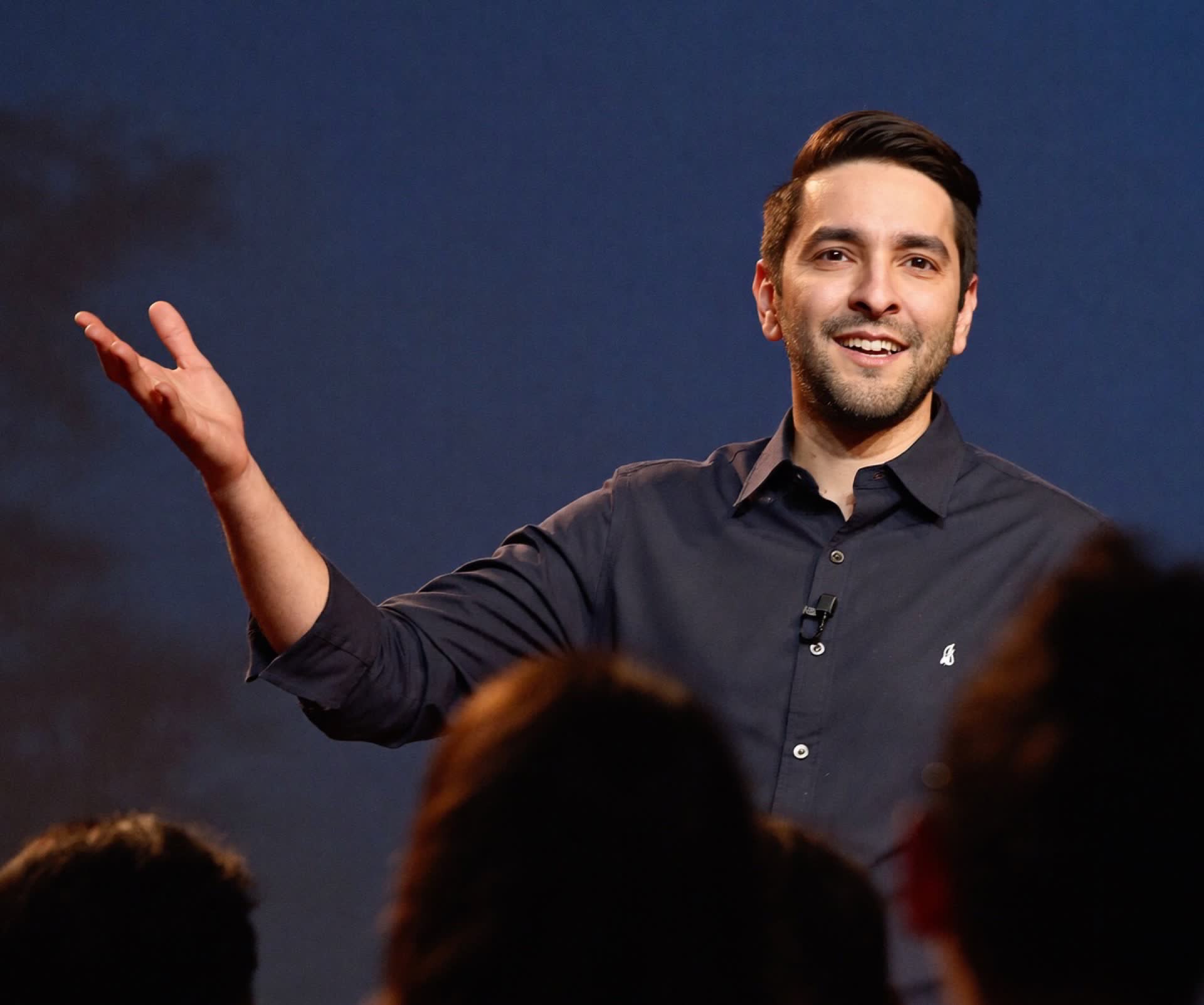
Thought Behind Things · Mar 24, 2023
The logistics startup that solved payments first
Hassan Khan built two logistics companies before raising $4 million. The insight that started it all had nothing to do with trucks — it was about why small sellers waited thirty days to get paid.
with Muhammad Hassan Khan
9 min read
Growing up in Karachi’s turbulent nineties
The episode opens with Muzamil welcoming Muhammad Hassan Khan — co-founder and CEO of TRAX — and immediately noticing the tech products pinned to his sleeves. Hassan explains they are in-house builds: Bolt, a rider fleet management app on Android, and a warehousing and delivery management system. “We love to wear them, flaunt them,” he says. It is a small detail that sets the tone for everything that follows — a founder who is genuinely proud of what his team has built.
Hassan was born in 1993 in Karachi, the eldest child in a middle-class family. His father was an engineer, the household moved between joint-family apartments and shared rooms, and school meant long van rides to Hamdard Public School — a large campus on the outskirts of the city whose football stadium had been inaugurated by Benazir Bhutto when Bilawal was still a child.
Growing up in Karachi in the nineties meant growing up inside a city that was frequently at war with itself. Hassan does not romanticise it. At thirteen, walking through Gulshan, he saw a man shot in front of him. Later, during university, a close friend’s father was killed at his own showroom. When Muzamil asks whether he ever sought therapy, Hassan is direct: “Seeking help or going for therapy is a taboo.” He believes his friend never fully recovered, and that the city’s relentless pace — its survival-of-the-fittest energy — became the coping mechanism for most people around him.
Convincing a middle-class father that business school was a real degree
Hassan’s father expected him to follow the family script: engineering at NED, the same university the father had attended. The pivot began in the ninth grade, when a tuition teacher who had studied at a business school suggested Hassan might be better suited to commerce. His father’s response was pragmatic — study engineering first, do business on the side.
What changed the conversation was a failed event management company. Hassan and a cousin launched it during intermediate, timed it badly against a FIFA World Cup final, and sold fewer than ten percent of their tickets. The company folded on opening night. But the attempt mattered. “If you can’t convince your parents and your peers,” Hassan tells Muzamil, “how will you ever be able to convince investors or people to join you?”
He applied to IBA’s newly launched BBA in Entrepreneurship — affiliated with Babson College in Boston, the first degree programme of its kind in Pakistan — and applied nowhere else. He got in. His father, who had been told the entrance test was so difficult that failure was the likely outcome, let him go.
Four months at Babson that outweighed four years at IBA
During his third year, Hassan was one of two IBA students selected for a one-way exchange at Babson. He is careful to say this on record: “Those three or four months at Babson — it was better than my entire undergrad and postgrad which I eventually did from IBA.”
The difference was not prestige. It was depth and discipline. Babson’s entrepreneurial marketing course put more mathematics into pricing strategy than Hassan encountered across multiple IBA finance courses. Faculty members were themselves entrepreneurs. Case studies connected directly to real decisions. Guest speakers were practitioners. “They would make learning very interesting and connected back to whatever you are learning,” he says. “If you are doing a course on organizational culture and you have never been in an organization, how would that content make sense to you?”
He came back from Boston having used Uber for the first time — one-third the price of a taxi, booked from a phone. Pakistan had no 3G yet. “You can’t compete with that,” he tells Muzamil. “You go to Pakistan from outside and every month you’ve gone ten years forward and then you come back.”
Stallion Deliveries: the first company, the wrong exit
Back at IBA, Hassan and a batchmate set up a desk at the university’s incubation centre and launched Stallion Deliveries in 2014. The insight was not about speed or coverage. It was about cash flow.
Legacy courier companies were holding e-commerce sellers’ cash for thirty days. A seller moving twenty products a day at two thousand rupees each was waiting a month to see six hundred thousand rupees. Hassan suspected the companies were earning float on that money. “Nobody saw it as a problem,” he says. “I was lucky enough that I saw it as a problem.”
Stallion’s pitch was simple: twenty-four-hour cash return. They picked up a parcel from Kurtuba Market in Hyderabad, delivered it, and deposited the cash the same day. The merchant called it magic. Word spread. Within nine months they were doing thirty to forty orders a day with a ten-rider team, serving clients including Sanaullah, a well-known Karachi store whose director called Hassan personally to say the company’s cash flow had transformed — but that they needed Stallion to open other cities.
That pressure to scale, combined with the absence of any angel investor ecosystem in 2014, led Hassan to sell the company to a large media group. He was still in his seventh semester. The acquisition price, he says with visible discomfort, was roughly half the value of a used Suzuki Alto. “I can’t tell you — the embarrassment.” The media group hired him to run the company, which grew to sixty cities and six hundred orders a day on the back of the group’s existing office network. But within a year, a vision clash emerged. Hassan exited in 2016.
Building TRAX: tech first, unit economics from day one
After leaving Stallion, Hassan met Sadabudullah, who was running an online grocery platform within his family’s distribution business. IBL — the conglomerate behind Habib, Dunkin, and a large pharma and distribution operation — had the infrastructure. Hassan had the execution blueprint. TRAX launched in 2017 with pre-seed funding of close to a million dollars, two hundred and fifty destination coverage from day one, and a deliberate decision to delay launch by three months until the delivery portal was actually built.
“Last time I learned the trade the hard way,” Hassan tells Muzamil. “This time it had to be a tech-first logistics company.” The company reached cash-flow positive in mid-2019, roughly two and a half years after launch, in line with the original plan. From that point, investors stopped putting money in and all generated cash went back into the business.
By the time of this conversation, TRAX is doing a million shipments a month, has two thousand employees, covers seven hundred destinations, and recorded a hundred million dollars in GMV and ten million dollars in income in the previous year.
The machine-learning blacklist and the fintech play
Later in the discussion, Muzamil pushes Hassan on what TRAX actually does with the return and delivery data it accumulates across millions of transactions. The answer reveals how far the company has moved beyond pure logistics.
TRAX built a machine-learning tool that assigns customers a colour-coded risk score based on their return history. A customer who returns more than sixty percent of orders is blacklisted. Between forty and sixty percent is flagged red. Below forty is green. When a merchant books a shipment, a notification surfaces automatically — no action required, the merchant decides what to do with it. “Some hold the order, some take half advance, some ignore it entirely,” Hassan explains. “We are an enabler. We are a platform.”
Muzamil points out the obvious extension: that same unique identifier — a mobile number tied to years of delivery behaviour — is exactly what fintech lenders need to build credit scores. Hassan agrees, and announces that TRAX is partnering with a fintech called Switch to launch payment links that will allow customers to pay by card, bank app, EasyPaisa, or JazzCash at the moment of delivery, before the rider hands over the parcel. “We want to be Pakistan’s first logistics company to convert cash on delivery into completely cashless delivery,” he says.
The COD-to-prepayment ratio in Pakistan is still roughly ninety-five to five. Hassan’s argument is that the psyche of the market — touch and feel before paying — will not change at checkout, but will change at the doorstep. “Once the parcel is at your doorstep, you would be very much willing to pay through your credit card.”
The Khaadi omni-channel moment and the question of quick commerce
One of the most concrete stories in the conversation is how TRAX landed Khaadi, the fashion retailer Hassan had been chasing since his Stallion days. During COVID, Khaadi’s central Karachi warehouse was overwhelmed and its website crashed under the load of customers who could no longer visit stores. TRAX pitched omni-channel fulfilment: use the forty-plus retail stores sitting idle across the country as micro-warehouses, dispatching orders from the location closest to each customer. “The first time it happened in Pakistan, it happened with Khaadi,” Hassan says.
Muzamil raises the question of quick commerce — specifically whether players like PandaGo, with their sixty-minute delivery DNA, are beginning to encroach on TRAX’s territory. Hassan is measured. He notes that Chinese platforms largely gave up on Q-commerce, that Pakistan is not a fast-paced country by habit, and that TRAX itself ran a thirty-minute ice cream delivery pilot with Unilever’s Munchies venture before it shut down. His view is that quick commerce and standard e-commerce will coexist the way fast food and sit-down restaurants coexist — different price points, different customer appetites. “For a fashion brand, if your return rate is fifteen percent on two-day delivery, why not six hours? I’m not even saying sixty minutes. Because then your fifteen percent comes down to three percent.”
The $4 million raise and what comes next
By the end of the conversation, Hassan makes the announcement Muzamil had hinted at in the opening. TRAX has raised close to four million dollars from a syndicate that includes AmanaCap in the US (managing partner Aziz Hashim), TriCap Investments in the UAE (Sulaiman Surani), angel investor Omer Ismail — a Pakistani who heads Walmart-backed fintech One — serial Silicon Valley entrepreneur Janzeb Sharmani, and local firm P&O Capital.
The capital will go into fleet and infrastructure, a consumer-facing app that lets anyone call a rider from their phone without walking into a courier store, warehousing platform expansion, and — most importantly to Hassan — turning TRAX’s in-house tech products into SaaS tools that can be sold regionally and globally. “We want tracks to become a global platform that Pakistan is truly proud of.”
Muzamil asks the closing question he puts to every guest: how do you see Pakistan twenty-seven years from now? Hassan is honest about the moments of hopelessness — the political instability, the legal climate, the difficulty of running a business in these conditions. But he does not leave it there. “I feel there is immense potential in Pakistan and that potential is in its people. Hardworking people, living through difficult circumstances, keeping themselves happy somehow. I have a lot of hope from Allah.”
Full transcript
चलो नमस्ते नमस्ते नमस्ते welcome back to another episode of thought band things आज हमारे साथ मौजूद है एक बहुत ही खास मेहमान after a very very long time हमने सोचा किसी logistics वाले से बात करें because बड़ी एक interesting space है interesting industry है but उसी के साथ साथ बड़ी एक interesting announcement भी इन्होंने या तो कर ली है या करने वाले हैं वो time will tell but आज हमारे साथ मौजूद है मोहम्मद हसान खान. हसान और हसन? हसान. हसान. मोहम्मद हसान खान he is the co founder and CEO of tracks. इसी के साथ साथ मैं पूछना चाहूंगा इधर bolt लगा हुआ है और उधर एक और चीज़ लगी हुई है. इसकी क्या science है जो आपकी आसीनों पर? So यह
we love to flaunt our products. यह हमारी वह tech products हैं. Right. जो हमने खुद in house बनाए हैं जिससे हम अपने riders को manage करते हैं. So Bolt is our rider fleet available on Android store. Right. और यह हमारे warehousing management system और delivery management system. Very cool, very cool. We love to wear them, flaunt them so that's it. हासांत,
first of all thank you so much for being part of the show. Thank you for having me. मैं conversation को start करूंगा. Just trying to understand a little bit about where were you born and early life आपने कहां गुज़ारी? अगर आपने पैसे व income के बारे में परेशान है खासकर आजकल की economy में जहां पर already cash continuously burn हो रहा है और inflation हमें मार रही है. तो I am proud to announce that this video is in partnership with समाया Financials. They are offering two very very cool trainings. Capital market fundamentals जिसमें Upstox और mutual funds में invest करना सीखेंगे और understand करेंगे कि आखिर एक company के अंदर क्या ऐसे fundamentals होते हैं जिनको आपने देखना होता है to figure out कि वह एक अच्छी company है to invest in और दूसरी training है technical analysis master class जिसमें आप सीखेंगे कि किस तरीके से हम different tradable assets like commodities, forex, stocks, crypto के अंदर थोड़े से पैसे लगाकर बहुत ज़्यादा पैसे बना सकते हैं. Personally यह training मैंने भी ली है and it's absolutely phenomenal. The link to the trainings are in the description below. Check them out and become financially healthy and now back to the podcast.
So I am a कैराची boy. I was born in कैराची in a middle class family. So you know, I was the eldest of my siblings and my father was an engineer. He is still there माशाला से but he is retired now and you know, so हमने कराची के भी बड़े middle middle class neighborhoods में, apartments में, पहले joint family system में रहते थे then eventually we moved out as a family and you know दो तीन siblings room share कर रहे हैं. उस तरह का childhood था एक बहुत से दरमियाने से school में गए. तालीम हासिल करी और वहां से शुरू बात हुई दिन में. Schooling, schooling आपकी कहां से थी? So I went to हमदा public school in अच्छा. How is that? It's a good school. It's a good big school. यह हकी मामत सईद थी अगर आपने नाम सुना होगा was governor Karachi at one point in time. Right. So university.
So Hamdart school. So उन्हीं का venture था. Grounds वगैरह रहते क्योंकि Karachi का एक बिहा बड़ा मसला है कि schools are just these like
adventurous life. यह van या bus में जाया करते थे? हां हां बड़ी बड़ी vans में जाते थे और हमारा school सबसे ज़्यादा जो हमें फ़क़ार अपने school पर था ना वह यही था कि हमारा school बहुत बड़ा है so we had a lot of ground. In fact जो हमारा Football Stadium था वह बेनज़ीर ने inaugurate किया था it was called बिलावल Stadium. Right. जब बिलावल छोटे से थे तो हकी मुहासैद के ज़माने में उन्होंने आकर inaugurate किया था तो we had a lot of ground and it was a big big premises there.
So क्योंकि वह शहर से बहुत दूर था. एक घंटा बाहर था तो वह it was a very big school. Interesting. So that was that. And how was your living experience कराची में growing up? Because you grew up in a very turbulent time of कराची. Right. What was it like for you? Yes,
I remember so generally childhood for anybody, you know, you always tend to remember good things about your childhood. But I have I think some traumas that growing up I had because of course मेरी पैदाइश उन्नीस सौ तिरानवे में हुई और यह सारा वह time था जब एक जमात कराची में बड़ी strong थी और बड़ा curfews तो हमने शायद वह नहीं देखे जो होते थे वह हमसे पहले होते थे शायद उन्नीस सौ अस्सी में लेकिन हमने हड़ताले देखी हैं, हमने यह सारी चीज़ें देखी हैं. I, I saw I think I was thirteen fourteen years old. I was at that time we moved to little bit better location in गुलशन. Right. Neighborhood of कराची. तो वहां पर मैंने एक बंदे को अपने सामने I saw somebody shooting the other person and I was 13 years old and I was passing by and I got intrigued and I, you know, peaked and I saw that person, you know Get in front of you. In pool of blood. I, a very close friend of mine, his father was shot dead at his workplace. वह एक showroom चलाते थे. He was from a certain sect. तो उनको this is when I was in university. So he had those traumas but generally आपको बचपन की अच्छी कुछ यादें याद रह जाती हैं दोस्तों के साथ खेलना, sports, tuitions, यह सारे काम. तो so it was थोड़ा danger time sorry but it is interesting that you mentioned.
Do you think you were ever able to deal with those traumas? Did you ever for example seek therapy or I mean for me being an इस्लामाबादी अब तुम्हें बड़ा pride है इस्लामाबादी बाज़ार badge fans हो but we were we didn't have to go through these things. But मुझे बहुत ज़्यादा लगा I really empathize with with people from कराची. Right. Because I don't think that's a normal experience to live through and then उसके बाद वह शायद आपको directly ना ना आ रहा but वह subconsciously आपकी personalities में एक edginess रहेगी. Right. जिसमें मेरा दोस्त है ही Liv Zandpindi. Right. And growing up he would had seen a lot of the the sort of bicycle motorcycle robberies, right? तो वह यहां पर भी चल रहा होता था ना तो वह constantly would look like this. कोई bike आएगी तो वह उसको यूं करके देख रहा होगा. मेरे लिए यह experience नहीं था. And वह subconscious उसके basically triggers थे जो कि उसको वह कर रहे होते थे. तो do you think you were ever able to deal with those things?
You know I think it depends on individual to individual. So आपने जैसे पहले बड़ी interesting बात की ना कि did you ever seek help or therapy? Actually हमारे मुल्क में तो सबसे बड़ा मसला ही है ना कि seeking help or you know going for therapy is a, आप समझ रहे हैं taboo हम समझते हैं पहली तो बात ही है. Sugar तुम safe हो. So I think never and most of my friends and सोचे जिस जिस दोस्त का बहुत अच्छे दोस्त का मैं mention कर रहा हूं I think he never recovered from it but he was just trying to deal with it in a different way. तो वह जो आपके दोस्त है वह भी I think वह lifestyle ही ऐसा है, economic hub है तो वहां काम बहुत होता है तो you're always busy. That's survival is the fittest की element है. Right also. वहां पर आपको निकल आती है. Yeah. Right. So, you graduate FSE in what year? So I did my intermediate in, uh-uh, I competed in 2011.
सही है और फिर उसके बाद university कहां सीखी? Yeah, so that was very interesting. So,
जब मैं अपनी I think दसवीं में था metric when I was completing my school, I think I started to recognize my father again was an engineer और आप जब middle class घराने में पैदा होते हैं तो लड़के होते हैं तो आप engineer बनना होता है. आपने लड़की होती है तो doctor बनना होता है. यह मां बाप को यह realistic dreams होती है. मां बाप ने आपके लिए सोची होती है. आपने तो my father always thought कि मैं NED जाऊंगा because वह खुद NED से पढ़े थे. Government university या one of the best universities. So I growing up realize that you know I am a different individual. मैं बड़ा जो है वह थोड़ा सा outspoken भी हूं. मेरी personality थोड़ी different है. मैं status quo को challenge करता था. I would, you know, not accept things and would ask a lot of questions. I was very curious as well. So मैं इस तरह का बच्चा था. So मुझे दसवीं में ही realize हुआ और actually मैं एक tuition teacher से बड़ा inspire हुआ. जो एक business school गए थे. So उन्होंने जब मेरा interest इस तरफ डाला कि यार maybe you should study business. That's what you should do. And when I went and told my father about it और यह भी दसवीं ग्यारहवीं है. अभी बात ही नहीं हो रही university की. तो he said कि यार यह तो business studies तुम side में भी कर सकते हो take like engineering is a skill do that and business side में पढ़ लेना और कर लेना. So वहां से discussion शुरू हुई मैं अपने intermediate में गया college में दाखला हो गया लेकिन I think उस time तक मुझे realize हो गया कि मुझे business की तरफ ही जाना है और उसको validation draw करने के लिए क्योंकि we came from a family of engineers, कुछ doctors, कुछ teachers यह हमारी family में profession से तो business तो किसी ने किया ही नहीं था तो किससे validation कराई जाए तो उस time band बजा बारात release हुई हम उस time I think ग्यारहवीं बारहवीं में थे और वहां पर देखा बिट्टू शर्मा ने और वह I don't know अनुष्का का character name क्या था? उन लोगों ने मिलकर एक you know ज़बरदस्त business करा कि I you know. So वह उस time में मुझे याद है बहुत सारे event management businesses pop up हुए थे तो I also got down with my friends convinced all of them so I had that influence of power always कि यार let's do an event management business together और हम सब अपने अब्बाओं को prove करते हैं और हमने किया और actually it was a big failure. अच्छा. It was a big failure. I would have thought कि this will pan out differently. No no, it was a big failure. I actually उसमें हुआ है कि अच्छा हुआ कि मैंने अपने एक बड़े cousin को engage किया. वह उस time एक business school में थे. तो उनको मैंने engage किया और हमने मिलकर एक event management and optimization company खोली और हमें और turned out कि जिस दिन वह theater play था उस दिन FIFA का world cup final भी था. We were not even able to sell 10% of the tickets because जो लोग theater देखने आते हैं वह they are into football as well. Yeah yeah yeah. तो you know so there was a big, उस दिन I think वो company बंद हो गई थी तो. You know so, so went through experiences like this but I think I was able to convince my parents कि engineering is not for me. I decided to go for a for for a college. That was one of the most esteemed and still is considered to be one of the most esteemed business schools in Pakistan. So when my father heard about it, he thought again being a middle class dad that you know अगर यह private college में जाएगा तो उसका एक financial implication भी होगी but somebody told him क्या let him try उसका test ही इतना मुश्किल होता है कि it's very बहुत कम chance है कि यह hit or miss है. Right. तो अगर if he gets through then you should really, you know, let him If go not then, you know, फिर वह engineering कर लेगा. जो भी तुमने उससे कराना हो. So what ended up happening was I actually did my best and I was that was the only college that I applied for and I got in. अच्छा. So so that's how I got into IBA and that's how I changed my journey. मैंने intermediate में pre engineering किया था. So journey set थी and that's how I pivoted. And very interesting particularly because being the oldest son
there's a dynamic that's different. मैं सबसे छोटा हूं मुझे पता है कि मेरे पास बहुत space थी बहुत सारे areas में मुझे पता मेरे सबसे बड़े भाई के पास वह space नहीं थी. And to actually be able to convince them is pretty cool. Right. So I believe. But if you can't convince your parents and your peers how will you be able to ever convince investors or people to join you right? So you need to have that skill innate skill in you. Yeah. So you know. And I think यह बड़ी आपने मज़े की बात बोली कि a lot of people are just like कि यार नहीं sun रहे हैं तो मैं लड़ पढ़ूंगा, मैं यह कर पढ़ूंगा. It's a skill. आप लड़े बगैर आपने करना है. आपने तो convince करना है. आपने यह नहीं करना कि यार. That's right. लड़ने है तो उसका मतलब है कि you failed and so you are running away from the problem to begin with. But it's really about proving to them that the plan that you've made is actually It's worth it. It's worth it. Absolutely. Definitely.
So 2011 you started university. Yeah. और program आपका क्या था? So that's also very interesting story. So when I was getting into IBA and I actually, you know, with no hopes when I cleared the written test and I was going for the interview and then group discussion round बड़ा उनका rigorous intake process होता है. So got to know कि IB ने सारी एक नया program launch कर दिया एक नई specialization launch की है business studies में that is entrepreneurship. First I had to, you know, today I can pronounce it. उस time दो हज़ार ग्यारह में आज से बारह साल पहले तो you know you never even heard of it. So you googled it कि क्या है? तो उसकी spelling भी नहीं आती थी तो पता लगा यह अपना कुछ कुछ जिद्दत करने को, कुछ नया करने को, कुछ निवेट करने को या अपना कारोबार करने को कहते हैं. So, IB इसमें specialization करा रहा है undergrad में. BBA in entrepreneurship launch हुआ है. So, you know, I was like यार maybe this sounds like something for me but then when I spoke to my friends again, cousins, people who were from my same-same circle as me. तो मैंने बोला यार तुम entrepreneurship कर तो लोगे लेकिन तुम्हारे पास तो पीछे कोई family background नहीं है, ना कोई पैसा है, ना कुछ है तो तुमने BB entrepreneurship की degree की और business नहीं कर सके तो तुम job लेने कैसे जाओगे? हां. और क्या होगा तुम्हारा? और तुम तो फिर IBA से जाने के बाद भी failure हो जाओगे. And I think my dad echoed the same sentiment. So I was like नहीं यार but this is what I really want to do. You know मैंने देखो IBM में जाने से पहले ही event management company खोलने की तो कोशिश की ना. हां. So you know so I ended up getting into the BB entrepreneurship program. I think that was one of the first degree programs in entrepreneurship that will launched in Pakistan.
Yeah. And how was that program? कितना different था क्योंकि it is essentially, होता ना करीब बार BBA marketing, BBA this, BBA that. Am assuming course तो same ही होगा sort of electives में up and down हो रहा होगा. तो how how was that program? So I think start
में तो it was very different. So उन्होंने start ही ऐसा किया था क्योंकि यह affiliated था with Babson College of Entrepreneurship which is the number one entrepreneurship college in the world. यह Boston में है very उसू Harvard and MIT और वैप्सन ने पूरा इनको एक program curate करा के IB की faculty को train करके program बना के दिया था. तो उसमें आपको मैं मज़े की बात बताऊं. बहुत exciting चीज़ उसमें कराती ही थी कि शुरू के दो semesters में जहां आप चार पांच core courses लेते हैं जी वह introduction to computer technologies and all वहां पर आपने लेना था calculus और इस तरह के courses वहां पर आपने लेना था foundations of management on entrepreneurship one जहां पर you had to come up with a business idea you had to give pitches to the professors and जो ideas select होते तो वह second semester में चार महीने के process था ideation और idea selection वह सारा जो ideas अच्छे नहीं वह shoot down हो जाएंगे, teams बनेंगे और उसका जो second part था foundations of management and entrepreneurship two उसमें आपने वह idea IB के अंदर launch करना था. So, IB would give you seed money, small amount of money. It was supposed to be done within IB so you set up a cafe, you set up something but you actually you know so वह बड़ा practical learning थी उसमें. So in that way और यह in the very start उन्होंने कर दिया कि आगे आप जो भी courses लेंगे आप you will always tie back to your original experience. Right. So you will go through that and then you can take electives and entrepreneurship and you can take social entrepreneurship कि लोग क्यों NGOs बनाते हैं, लोग यह काम क्यों करते हैं, you can take other you know legal courses around entrepreneurship. तो उन्होंने कुछ courses design किए थे that program. Now if I speak about it twelve years later so वह कोई बहुत बड़ा success नहीं रहा. अच्छा. IBA ने उसको अब इतना rigorously follow नहीं किया. वह जो entrepreneurship program था, जो degree program था चार साल भी जो उन्होंने कराना था तो वह ज़्यादा diploma और short programs की तरफ वह ज़्यादा IB का focus चल रहा था. क्या वजह? Why do you think? Do you think they were too early in the game? I think yes one and secondly I think कि जो लोग execute कर रहे थे they felt के entrepreneurship में इतना लंबा time frame के बजाय छोटे छोटे time frames में तीन months, three months का diploma करा के, three months की workshop करा के, three months का you know मतलब core कुछ और रहे और उसके साथ आप
upskill कर दो basically Right, बंदे upskill कर दो और entrepreneurship
क्योंकि it can't daily be taught, right? और आप farmers को और IBN ने बड़ी partnerships की इस board of investment के साथ, IBN partnership की, world bank के साथ, women entrepreneurship के diploma programs कराएं, जो खावतीन अपना program rather than being a four years degree program. I thought उसकी भी अपनी value थी but आपके
साथ कितने लोगों ने लिया था वह roughly? I think मेरे साथ उस time जो batch था वह चालीस लोगों का था. And if you were to look back and see where a lot of them are now. So I think What are they doing? I think,
because most of them were from family business backgrounds. So, they are in their family businesses. But a lot of people who are not from family business backgrounds, they ended up 95% of them ended up doing jobs. अच्छा. So yeah, so जो family business के बच्चे आए उसमें उन्होंने तो उन्होंने इसलिए ही इसलिए कि उनको तो पता था कि हमने graduate करना है और हमने करने ही family business है. तो entrepreneurship पढ़ते हैं और फिर अपने family business को हम कुछ change करेंगे. Do you think कि वह impact आया था उनका? जब वह लौट गया और अपने family business पर enter हुआ तो were they able to
upgrade their और और diversify their family businesses?
Yes, I've I because वह batch बहुत छोटा सा था and I've not कोई ऐसी मैंने success हो रही नहीं सुनी जिसे मैं मैं कह सकूंगी बहुत बड़ा impact आया हो. IB की general population उसके अलावा जो लोग regular BW programs भी करते हैं वह पैसा जो लोग जाकर अपना family business join करते हैं तो वह बड़े काम लेते हैं या वह startups कर लेते fully funded scholarship पर. अच्छा so what was that? So मैं जब अपने I think second या third year में था चार पांच semesters कर चुका था तो Babson ने IB को बोला कि भाई हम एक exchange program करते हैं. हम तो बच्चे नहीं भेज रहे because जब Pakistan में हो रहा है but आप one way exchange program कर लेते हैं. So इश्यद हुसैन used to be at the helm of affairs so he of course with him there उनके wait की वजह से I think we had a lot of international linkages तो तो उन तीन बच्चों साल select हुए थे जिसमें एक का visa reject हो गया two ended up going there at Babson College और Babson ने तीन महीने हमें again एक masters of management and entrepreneurship certificate program कराया जिसमें entrepreneurial marketing, finance इस तरह की courses कराया And this was during your degree program? This was during my degree program. Did that count as a semester? Yeah, so that so वह courses count हो गए थे क्योंकि तीन या चार ही courses थे तो वह semester तो is comprises of six courses generally. But आप यकीन करें I am saying this on record and IBM might get offended people at I, folks at IBA. But वह तीन या चार महीने मेरे बेसन में जो थे ना वह it was it was better than my entire undergrad and postgrad which I eventually did from IBA. Right. Those four months over there. Really? With those American professors. Why? Because I think the depth that they had, you know, the the kind of faculty members that were there teaching the programs to us. The kind of problems that they would give to us. The kind of challenges that they they would give to us. मैंने entrepreneurial marketing का जो course लिया था उसमें जब से वह pricing होता है ना four piece of marketing में pricing is one p. उसमें उन्होंने इतनी हमसे maths और calculation कराई थी इतनी मैंने IBM के बहुत सारे finance के courses में नहीं की. You know how to price your product people don't know और लोग सोचते हां यार यह देखो market में इतना बिक रहा है let's Google, OLX पर देखो, ज़मीन पर देखो और मैं इतने का लगा देता हूं. Doesn't work that way you know आपकी कैसे cost base pricing कैसे करनी है, comparative pricing करनी है, hybrid करना है, so many things they taught us frameworks. They invited a lot of guest speakers and all that. So, you know, case studies थी बड़ी genuine किस्म की और उनको उन्होंने फिर tie back बड़े अच्छे से किया. एक दिन मैं आपसे सवाल पूछूं,
in terms of instructors. काफ़ी लोग कहते you know, they were just better instructors. But if I were to compare their teaching methodology Right. The instructors over there and the instructors over here. Right. How would you compare that? Because at the end of the day I mean in a lot of ways even IBA के अंदर बड़े well decorated professors आते हैं. Right. It's not your conventional institute जहां पर एक academic आ गया और उसने आकर बस टाटाटाया पढ़ा दिया apparently. But मुझे लगता है कि वह एक Pakistan की overall एक methodology ही एक अजीब सी है जिसकी वजह से वह जो पल्ले ही नहीं पड़ता जो हम सिख्त समझाना चाह रहे होते हैं वह अकेले को समझ ही नहीं आती. Right. How would you compare the teaching story? Right. I think in one word I think they were
far more disciplined. First, the instructors they were far more disciplined and they were very equipped also. देखें US is the number one country in the world, right? It's the land of opportunities. It is the country जहां पर दुनिया की unicorns, दुनिया जो कुछ शुरू होता है वह वहां से शुरू होता है. Silicon Valley बनी तो पूरा हमने सीखा क्या entrepreneurship क्या होती है? VC system सारा कुछ. तो you know so वह they are generally based there उनका exposure ज़्यादा होता they are more learned, they are more wise, they are more information to impart but they are very disciplined as well. That that Americans in whatever they do be वो athletes मैंने वो sports करें, वह teaching करें, वह students हों, वह मुझे लगता है बहुत disciplined होते हैं और देखिए हर कौम में हर तरह के लोग होते हैं तो एक तो वह बहुत disciplined थे. दूसरी बात यह है कि they would make learning very interesting and connected back to, you know, whatever you are learning. If you are learning entrepreneurial finance, if you are learning entrepreneurial leadership, you know, in IBA we did during my undergrad 48 courses. Half of them would not even make sense to me because if I am doing a course on organizational culture and I have never been in an organization, how would an organizational culture course or content make sense to me? Yeah. Right? Context ही नहीं है, real world example ही नहीं है. Right, so you know so they would do a lot of that. Take us to companies, invite guest speakers and then you know the best thing was that they were actually also entrepreneurs, most of them were entrepreneurs teaching entrepreneurship. So क्योंकि वहां पर देखें वह system develop हो चुका था. Right. Like IBA was one of first ones to try and do. अब entrepreneurs तो थे ही नहीं. हम निकले तो कुछ थोड़ा हमने किया और अब Pakistan में लोग हैं जो कि कर सकते हैं. So वहां तो हम वह तो हमसे बीस तीस साल आकर थे ना. मैंने दो हज़ार चौदह में जब वहां Uber use की थी. पहले दिन मैंने taxi की तो मेरी तो हालत खराब हो गई. मुझे किसी ने बताया कि there is a app that you can download on your iPhones. मैंने वह Uber करी तो it was one third the price. Yeah. And I never went back to. Yeah, was right there, right the the
Value was right there in So, the product,
so Uber मैंने वहां use की थी. Pakistan में उस time कुछ कोई सोच ही नहीं सकता ताकि mobile phone से आप taxi बुला सकते हैं. हां. So they've always been I think you know so आप Pakistan से निकलकर आप हर महीने गए दस साल आगे और आप फिर वापस आ गए. हां. So that's what happened. You can't compete with that. Yeah, of course. Yeah. So you graduate in 2015? 1415 because Epson चला गया था so मैं थोड़ा सा जल्दी graduate हो गया था. अच्छा. तो हुआ यह कि जब मैं Pearson और during IVM मैंने आपको बताया IVM से पहले मैंने एक initiative लिया. So I was always somebody जब summers होते थे तीन महीने की छुट्टी हुई फिर कोई नया idea आ गया यार वह you know बच्चों के जब school session शुरू होते हैं तो मां बाप की line लगी हुई होती है station shops के बाहर books के लिए तो यार course books की home delivery शुरू कर दो. So यह IB के पहले summers में idea आ गया so एक दोस्त को मिलाया साहब उसने बोला हां it's a good idea let's work together हमारे ऐसे कोई department नहीं है जिससे आप मिल सकें. You know so इस तरह की you know I kept on experimenting और when I went to Babson and when I came back I think that just change my entire perspective on what can be done and what's happening in Pakistan. It was around the same time मुझे मिल दो हज़ार तेरह चौदह गई. वह वक्त था जब एक German company rocket internet ने Pakistan में कई सारे e commerce ventures launch किए थे and of course जमा सिद्ध रंदे research कि अरे पांचवां बड़ा मुल्क है दुनिया का पता नहीं क्या हो रहा है यहां पर और साठ बीसद youth हैं यहां पर young लोग हैं. अभी three g four g नहीं launch हुआ but हो जाएगा तो you know तो यहां पर e commerce होगा उस time पर पता नहीं e commerce at point 001% होगा उस time. एक दो ही portals थे home shopping, shop high इस तरह के कुछ जो early stage e commerce entrepreneurs थे. तो जब यह मैंने वापस आगे देखा और Uber वहां use करी और वहां पर जब मैंने technology से interact की और और वह सारा learning ली जो मुझे वहां मिली entrepreneurship की. तो I came back and I said I want to do something around the digital ecosystem in Pakistan. I want to play my role. So that's where, you know, the juices started flowing in my brain and I started researching around e commerce. Again the same idea कि यार सुबह जब, you know छोटी छोटी problems हो आप ख़ुद face करते ना problems वही आप generalize करते हैं कि यह population ही problem face करिए यार अब बस सुबह school चले जाते हैं middle class family से अम्मी बेचारी घर पर होती हैं. हम सारे बच्चे school या university चले जाते थे अम्मी को बड़ी परेशानी होती थी. घर पर कोई house sell तो होती नहीं थी. तो you know एक service शुरू कहते हैं जहां घर की खवातीन को अगर कुछ मंगवाना हो तो foreign को delivery हो जाए. Right. You know so quick commerce का स्थित हम सोचे थे. तो सोचा लेकिन यार इसके लिए तो बहुत पैसा चाहिए, need inventory या you partner up with a grocery store but grocery stores वाले are not very forthcoming. So सोचते सोचते around कि course books deliver करें, कि grocery deliver करें. करते करते we stumbled upon this gold mine of logistics. Right. So because when we were researching around this e commerce, around this digital economy, we said कि यार यह जो कुछ कोई भी बेचारा online Facebook page बनाता है, उस time Instagram नहीं होता था या कोई बंदा अपना custom website बना लेता है. तो वह सारा marketing सब effort जब करता है उसके बाद जब वह transaction हो जाती है, sale हो जाती है. So यह logistics के लोग होते हैं जो फिर जाकर वह transaction complete करते हैं. They are like the most important component of the value chain and nobody talks about it. It's not a very fancy thing to be in और यह legacy companies हैं कुछ जो कर रही हैं. So you know और इसमें कोई innovation भी नहीं है. कोई e commerce marketplaces launch हुए जा रही थीं. Rocket की भी कुछ marketplaces थी. So that's how I got into logistics. So, so that was around 2014 around when I came back from Babson and I said I want to do something around it. So rather than going big and you know हालांकि वहां angel investors और UVC system सब पढ़ के आए थे but we were back in Pakistan so again back to Pakistan की reality. So हमने IB नुस्ताम एक एक center for entrepreneur development setup कर दिया था. Incubation की जगह थी वहां पर जो खाली पड़ी होती थी किसी के पास कोई idea नहीं होता था. तो हम गए हमने बात करी हमने एक desk से यह अपना काम शुरू कर दिया दो हज़ार चौदह में और हमने कहा कि हम लोगों के goods deliver करेंगे but यार अब हम लोगों के अगर goods deliver करेंगे और उनके goods कुछ company Pakistan में deliver कर रही है जो कि चालीस वाले साल से हैं. तो why would they trust these two, us two youngsters to deliver their goods यार? क्यों करेंगे हमको trust? तो you know now we got back at the problem again. यार problem कहां पर है? Actually हां यह companyयां बड़ी slow हैं but यार हम उनसे तेज़ कैसे सकते हैं? इसके पास वह जहाज़ भी है. You know so we मुज़मिल to our surprise came at a very I was right there. It took us some time to see it. हमें बहुत बड़ी problem थी right, that was around payments. So we got into logistics but the biggest USB, we solved the problem through fintech at that time in 2014. So देखिए you know जब when you when you were setting up an online store आप क्या करते थे आप एक आपने एक छोटी सी website बना ली, किसी से बनवा ली, खुद बना ली या कोई social commerce story बना लिया. हुआ क्या है end में कि जी जब वह उन्होंने delivery शुरू करी Pakistan में तो legacy companies ने क्या किया because of their systems and they took advantage of the situation of because of the monopoly as well because again logistics में बहुत ज़्यादा players थे ही नहीं. जब मैं आया specially तो उन्होंने यह करना शुरू किया कि उन्होंने कहा कि भाई हम तो यह जो payments आपके लिए जो deliveries कर रहे हैं यह हम आपको महीने में एक दफा payment करेंगे. तो आप sale करते रहेंगे, आप procure करते रहेंगे as a small seller तो maybe you putting in your cash and procuring, you are not even getting a non credit. आप जाकर let's अब दिन के दस product बेचते हम online store पर, हर product दो हज़ार रुपए के, तो बीस हज़ार रुपए दिन के हो गए. तीस दिन बाद आपको पैसे मिलने हैं तो आपका छह लाख रुपए अगर फंसा हुआ है I
saw that. इसके अंदर अगर मैं आपको pause करूं was it true that a lot of these companies were actually putting this money in मतलब float पर कमा रही थी?
So, you know. Yeah, one day just dumb and inefficient. Because I don't know for a fact so I can't say it but you know जब आपके पास free cash flow हो. हां. आपके पास interest free line हो. हां. You know e commerce sellers का पैसा बढ़ा हुआ है आ रहा है या तो आप उसे अपने business में लगा दें. हां. या आप उसको bank में रखकर interest कमा लें. It's on you. हां. But nobody thought कि यह एक status quo है and it should be challenged. हां. That's a big problem right? Nobody saw it as a problem. I was lucky enough that I saw it as a problem. I was like why is it happening this way? अगर आज मैंने चीज़ बेची है पिशावर में delivery हो गई. Pakistan का banking system हम बड़ा उसको बुरा भला कहते हैं. Fintech पर आज भी बात होती है तो बुरा भला कहा जाता है but IBFT दो हज़ार चौदह में boss launch हो चुकी थी. तो shower में भी delivery हुई है rider and delivery की तो एक महीना तो नहीं लगेगा कराची में मुझे as a merchant पैसा मिलने में. तो we thought कि यार this is the entry point कि we'll bring the revolution in logistics through this fintech, point of view. So we came up with the idea and this was my first company was called Stallion Deliveries. Because me and my colleague and two of us एक incubation space IBM है और हमने कहा जी हम COD करेंगे और चौबीस घंटे में आपका पैसा आपको डाके देंगे. So twenty four hours cashback was a USP catchy line and company was called stallion deliveries and you know शुरू में people thought it's a scam. People were like कि यार अगर बड़ी बड़ी companyयां नहीं कर पा रही हैं आज Pakistan में लोग यही समझते तो ये दो बच्चे हैं क्योंकि I was I think 20 years old at that time and so was my partner who was my batchmate. So you know so हमने IBA जहां से हम पढ़ रहे थे उसका नाम बड़ा इस्तेमाल किया proposals भेजने में and somehow the other week broken we got our first client जिसने हमें parcel दिया कुर्तबा market बहदराबाद से हमने उठाया deliver किया cash आया हमने अगले moment उसके bank में जाकर लगा दिया और उसका cash receive हो गया he was like यार this is magic. He said this is no rocket science हमने आपका पैसा लिया आपने पैसे जो delivery के लिए आपने हमें दिए थे which was enough you gave us 200 rupees मेरे rider की delivery cost डेढ़ सौ रुपए है. तो मेरे दोस्त पर भी पचास रुपए बचे हैं. हां, I need a lot of lot more deliveries to make it viable but बाकी मैंने आपके जो पैसे थे वह मैंने आपको वापस कर दिए. That's what the idea is. He started telling others, we started marketing and soon you know there was buzz about it. That was my first startup. Again थोड़ा सा पीछे जाऊंगा. हमने भी यह idea सोचा और इसमें हमने सोचा कि हम इसको disrupt करते हैं इस payment angle कि उससे पहले companies के मज़े लगे हुए थे. Actually आप देखिए it was a very good proposition. You earn on the delivery charges as well जो आप merchant को charge करते थे and you earn on as a float या आप अपने business में use करें as a free line whatever that was a great business model like but ignorance is bliss also although हमने finance courses किए थे but क्योंकि बहुत ज़्यादा perspective नहीं मिला था शायद तो हमने कहा कि और हमें था भी इतना कि again validation करनी पड़ती है ना as a startup you have to give something extra. Yeah. Get in, right? Yeah. You can't get in with big boys saying कि we will also do the same thing. Right. So, this was our entry point in Pakistan and I think there was a huge I don't want to toot my own horn but I think this was one thing that I think really helped started developing the ecosystem in Pakistan entrepreneurial ecosystem or the e commerce ecosystem because what happened was that all of these हम दोस्ते हैं बहुत छोटे थे हमें एकदम growth मिल गई थी idea was right, the timing was right. That's when we made another naive move and we decided कि जी we should partner with somebody up. Again, to remind you and the audience this is 2014. There is no entrepreneurial ecosystem there are no angel investors that exist in Pakistan no VCs only commerce that happened in that used to happen in Pakistan would happen through family business houses right और family enterprises would rule the commerce in Pakistan So you know और वह आकर term sheet जो देती थी वह. Term sheet तो सब कहां होती थी? Verbal sheet होती थी. Right. Verbal sheet होती थी. नौवे percent company, 95% company हमारी है तुम आओ काम करो यह यह यह होती थी term sheet का वह सबानी. So we thought कि यार देखो idea बहुत अच्छा है again being being entrepreneurs, being the fearless guys that we are हमने एक अच्छी problem solve कर ली है but यह कोई rocket science नहीं है. लोग copy कर सकते हैं और भी इस तरह के ideas आ सकते हैं तो we need to go big or we'll go home. तो we started looking for partners और investors and we got a lot of request because idea was good and we were getting traction right and these two young guys doing things IBS से पढ़े हुए, Babson से भी पढ़ गए हुए हैं. So कुछ अच्छे profile भी थी. So, you know, कुछ offers को ठुकराते हुए हमने एक बड़े media group को company नबे महीने में operations के नबे महीने में sell कर दी. I was still in my seventh semester at IBA and that media group hired me to run the company. Company was 100% acquired.
We got a cash exit. So did you make good money from it? No, we didn't.
We didn't. We didn't. Really? Yeah yeah yeah, we didn't. मैं आपको बता भी नहीं सकता इतनी embarrassment हो जाएगी यह यह viral हो जाएगी I don't want this too. Right. So, you know, but you want me to put some context around it. If you want. एक किसी podcast में मां सब्ज़र से किसी ने पुछा था कि content creator है कि आपकी कितनी salary है? He gave a very interesting reply कि you know दो altos के बराबर उस time alto शायद पंद्रह या पच्चीस लाख की गई. तो मैं आपको आज यह कहूंगा कि हमने company I think आधी alto के की उम्र बेची थी entire Interesting.
Imagine that. But वही हमारी बात है तीन experiences are what you build the real entrepreneur. Like हमें और लगता है कि यार हमने बस यह एक ही chance था हमारे पास और वह chance miss हो गया but वह तो mistake होती है sometimes
that really helps you then negotiate better than the following time. Steve Jobs said you can never connect the dots looking forward. You can only connect the dots looking backwards and I'll tell you अभी तो मैं आपको लेकर चल रहा हूं but आगे मैं आपको जाकर बताऊंगा कि maybe उसने मुझे where did it place me? So you know, so we sold the company and we were hired to run the company. We were making 6 figure salary उस time पर बहुत अच्छा था हमारे लिए और हम अभी भी graduate नहीं हुए थे आखिरी semester company चलाते हुए और वह handover करते हुए और वह acquisition के beach में आखिरी semester हमने कर लिया. अलहम्दुल्लाह फिर मेरे partner ने exit किया. He joined his family business. He was from family business background. Although his family business background did not help us at all. पूरी company में जो time तक acquisition से पहले तक पैसे लगे थे दो हज़ार ढाई लाख रुपए लगे थे. It was this micro level entrepreneurship that we did. Company मैंने आपको बता दिया कितने में बिकी थी अब तो सब अंदाज़ा भी लगा लेंगे. So it was very, was a small experiment. Post acquisition, you know, we I think again it was in a naivety the deal that we made selling a logistics company to a media house. So, so they did not put in a lot of money but again organically growth इतनी थी e commerce में क्योंकि e commerce as part of the retail was so small that the industry was itself doubling So within few months time the company grew to started delivering in 60 cities across Pakistan just through the in kind support of the media house that acquired it और you know we started doing 600 orders a day, we started serving तराज़, we started serving clients like साना सफ़ीनास. So just to understand like for a contextualize
this for me. देखिए मैंने जब अगर एक आम आदमी की तरह मैं देखूं यह तो मुझे समझ आ गई कि आपने चार rider hire किया आपने जो है वह जी उठाकर उसको, वह करना शुभ कर दिया. मेरे बाद करना शुभ कर दिए locally. जब But in terms of दो चीज़ें. So first of all कि how are you moving it cross country? Second, how now एक होता है ना start में कि यार मैं चौबीस घंटे तो बड़ा उस time के लिए तो बहुत ही courageous था. But चलो मैं seventy two hours या ninety six hours type का भी कोई वह देता हूं sort of promise. एक order करना और सौ order करने में ज़मीन आसमान cover. एक order करना ढाई हज़ार रुपया लिया जाकर bank में जाकर जमा करा दिया rider में वैसे फारे गए पूरे दिन कोई इतना delivery तो करनी कोई नहीं है. जब सौ orders आ रहे हैं scale जैसे जैसे बढ़ा है वहां processes are very very important because that is where the real money is going to begin to be made, right? So what did you do really in those areas? Such such a good question. So because you understand it so well so you know I am glad that you asked it. So you know देखिए शुरू में तो वही against ignorance
is a bliss. In fact मेरे father in law ने जो मेरे बड़े supporter भी रहे हैं सारी journey में. उन्होंने मुझे शुरू में कहा भी था उस time वह father in law नहीं तो मेरी दोस्त के अब्बा थे. So उन्होंने मुझे कहा भी था कि यार तुम IB से तुम लोगों ने पढ़ा और तुम्हें सिखाया होगा IB वालों ने कि जब business करो तो पूरी research करो, market insight. तुम लोगों ने बस एक hunch पर you know काम किया और you know अगर तुम लोग शायद पूरी logistics पर research करते हो तो you would have never gotten into it. यह तो तुम वही ignorance में तुम बस घुस गए और बहादुरी में घुस गए और तुम लोगों ने फिर you जैसे you सेना कि I jump off the cliff and then you build the शुरू में. Terra सीखेंगे उसके बाद हां. जी. So वह हुआ यही कि देखिए शुरू में तो again मैं उसके modes बता देता हूं. शुरू किया था सिर्फ कराची operations था कि भाई कराची में हम कुछ boys हैं और हमने एक COD company e commerce logistics company खोल दी है और कोई भी online store हमारा customer था so we were a B2B company online stores को target कर रहे थे और उनको कह रहे थे कि अगर आप online stores आप online sell कर रहे हैं तो हम आऐंगे आपसे आपकी product उठाएंगे आपके customer को deliver करेंगे और चौबीस घंटे के अंदर आपका पैसा आप खुलाकर दे देंगे. यह हमारी simple pitch थी. अब कराची में तो बड़ा आसान था हम KFC के rider hire कर रहे थे, McDonald's से rider hire कर रहे थे, OLX पर रोज़ी पर ad लगा रहे थे, बंदे hire कर रहे थे. काम हो रहा था और और आप बिल्कुल सही कह रहे हैं और इस तरह की कई phases हैं जो मुझे याद हैं, कई छोटी छोटी stories हैं जहां पर पंद्रह orders office में जमा हो गए. आज हम million orders a month deliver करते हैं मेरी current organizational tracks में. मेरे office में पंद्रह order जमा हो जाते थे ना तो हमें समझ नहीं आता था क्या करना है और शुरू में तो cash deposit भी जो आपने बात करी exactly on point जब दस बारह एक client के लिए तो कर दिया वह बड़ा ज़बरदस्त run हो गया. उसको भी बड़ा मज़ा आ गया लेकिन अब जब पंद्रह clients आ गए वह देखते हुए तो यकीन करें वह वक्त भी आए कि वह जी खुद मैं और मेरा partner हम इब्राहीन जो मेरा partner था who was the co founder also हम खुद cash लेकर banks में जा रहे हैं deposit करने. So that also happened. अच्छा but we were also क्योंकि पारथ community हम एक incubation space में थे तो वहां पर एक छोटी सी यह community का कुछ aspect होता है फिर IB की support रही, alumni की support रही. तो हम we also knew we were smart how to leverage our network, burden hand. होता है ना भाई किससे क्या काम करवाना तो वहां पर हमारे एक fellow incubated company थी actually Microsoft Office Access पर एक invoicing system बना दिया था. अच्छा. So हमने एक बार rudimentary database system है क्या आपने? हां, so उसने खुद वह database system बनाया उससे हम manually invoicing करते थे हर हमें clients के tariff याद होते थे तो हमें पता होता था कि अगर हम जी मुज़मिल के का parcel आया था उसके half KG के rates $1.80 हैं but अगर वह अली का parcel आया था उसके 200 हैं तो manual document करते थे क्योंकि document के बगैर तो आप यह वाला काम कर ही नहीं सकते उसमें cash involved है cash वापस करना है. कोई long vision उस time को बहुत बड़ा vision नहीं था कि this is what we have to become. उस time हमने कोई bench आज मेरे benchmarks हैं. उस time कोई benchmarks नहीं देखे कि हमें जी FedEx बनना है, DHL बनना है, logistics के बारे में information ही नहीं थी. हां. एक entrepreneur. Problem solve करने थे बस. Digital economy को देखा Pakistan में grow हो रही है. बाहर की companies आकर कुछ कर रही है. हम student of entrepreneurship, हम student of business. क्यों इस बारे में कुछ नहीं करे? एक problem नज़र आई बस को solve करने में जुट गए. तो यह तो हो गया same city operation. And this is also very important to understand that तो वहां पर I think was a real complication तो उसमें हमने बड़े बड़े innovative ideas इस्तेमाल किए. हमने literally इन बड़ी companies के through अपने parcels भेजे और वहां पर deliver कराया और cash ख़ुद जल्दी करके इस तरह करके हमने कुछ पेवकूफियां कुछ innovative ideas किए but we had to just keep pushing forward. अच्छा this was also the time यही expansion वह time थे जब आपने proof of concept कर लिया था ना एक शहर में आप बहुत अच्छा काम कर रहे और आपके clients आपको phone कर करके कह रहे हैं remember एक client है मैं उनका नाम भी दूंगा सैनाउल्ला is a famous store in कराची. So उनके director ने मुझे phone आया you guys are doing an amazing job in कराची. हमारा cash flow बहुत increase हो गया है we are loving it But you guys have to also open other cities, right? So so that we transform our business to you guys and I was like, this is a good problem to solve. That's when I started to look for partners. So उसी वक़्त मुझे महसूस हुआ कि अब मुझे अभी मैं खुद नहीं कर सकता और अब हमें इस idea को बड़ा करना तो हमें किसी के साथ किसी बड़े लोग के साथ partner करनी पड़ेगी. हमें resources चाहिए. उस time तक हम आठ नौ महीने हो गए थे. हम दिन के तीस चालीस orders, चार पांच riders, दस riders की team थी हमारे पास. So that's when we ended up selling to media house और उनके अपने offices थे पूरे Pakistan में. So वह इनके इन support की मैं आपसे बात कर रहा था. तो उससे वह problem solve हुआ. वह connectivity कैसे करते थे? हम by air domestic cargo के through flight में जो spaces available होती है उसके through cargo भेज दिया करते थे. हम buses और trains को भी use करते थे और उस time हमें यह realize हुआ और पता लगा कि Pakistan का जो logistics ecosystem है वह कितना broken है. Aviation से लेकर, rail से लेकर road तक. तो
उसने सारा कुछ किया Rail, और क्या क्या experience? How was your experience with rail? Because दुनिया भर में ना cargo, लोग कहते हैं train लगाओ ताकि हमारे passengers से सोच जाने दुनिया भर में rail चलती है cargo के खाते में. जी. और जब आपकी वह rail cargo करना शुरू करते तो आप एकदम से business becomes वह लेकिन Pakistan तो कोई concept ही नहीं है rail जी.
So हमने I think rail सबसे कम use की होगी. हां. सबसे ज़्यादा road use की है. Pakistan में तो आपको पता ना road पर ही. हां. So rail हमने सबसे कम use किया और हमारे तो I think again I think let's not delve into politics but हमारे तो railway ministers हुए हैं जिनके sticks I think road transport था and opportunity तो हमारा rail था सब कुछ था but देखिए we were the focal company. We would come to मुज़मिल हसन online store और we would go to खाड़ी of the world and उनकी हम shipments pick करें अब उनको नहीं पता कि पीछे इनकी तो अपनी गाड़ियां नहीं चल रही हैं, अपनी जहाज नहीं उड़े because we were a startup, right? तो अगर हम rail को use जिसको भी use कर रहे और उनकी कोई inefficiency है तो वह that will reflect badly on our part, right? Right. तो system was there, they were very cheap, subsidized ये सब कुछ था but कोई system नहीं, कोई tracing, tracking नहीं आपने कोई किसी खाड़ी का पांच पांच हज़ार के सौ parcels का कोई setback वहां दिया जो लौहर जा रहा था और वह किसी ने चोरी कर लिया तो वह चोरी हो गया. हां. No claim, nothing. So it was like that. And I think even evasion was similar. But you as a startup, you can't buy off an airplane. You can't have a truck doing a run from कराची to लौहौर. So मैं वहां से यह शुरू किया और मैं हो सकता है वो भी शायद लेंगे. तो इंशाहल्ल, इंशाहल्ल.
Do you think there are other logistic companies that are running planes? I know DHL does but Yeah, so local,
two local companies they have their own air operations. Beach में तीन हो गई थी जिन्होंने अपने aviation Pakistan में जो है ना बहुत weak है. तो हमारे पास अगर आप आज कोई important document भेजना चाहें तो आप courier company पर तो आप ज़्यादा rely नहीं कर सकते. आपने experience किया होगा even बड़ों पर भी नहीं तो आप even domestic जब उसको local तीन, तीन कोड़ता था, एक ने बंद कर दिया because of the cost of operations दो चला रहे हैं और वह भी अभी काफ़ी struggle कर रहे हैं उसमें. So yeah. Right.
So, यह आपने कर लिया, now you've कहां कम you've sold yourself out and you've now but you're what you were able to gain from that was that
आपने उस muscle को इस्तेमाल करके आपने scale देखा वहां पर true. तैयार मैं अब आपने कहा छह सौ parcels per day. जी. शहरों, पैसठ towns और cities में हम पहुंच गए और हम यह कनक शुरू गए और हुआ यह फिर कि I think within a year or two I realized कि एक vision का clash है. You know because जो जिन लोगों के साथ मैं काम कर रहा हूं उनका vision उस उस उस चीज़ को लेकर कुछ और है और मेरा vision कुछ और है because मैंने through wrong structure जो जिस तरह company sell की तो मैं मालिक भी शायद नहीं हूं मेरे पास कुछ sweat equity का option है. तो I decided to exit my first startup in 2016. That's when I joined and that's when I actually, you know, I was working on what to do next and thinking what to do next and that's when I actually, joined hands with another group, called IBL और उनके साथ मिलकर IBL was a big conglomerate. They would, do pharma manufacturing, सर्द उनकी company थी. They would do Habit, Dunkin. यह वाले सारे उनके retail businesses थे. Distribution उनके वह pre partition करते आ रहे थे. तो वह भी बड़े interested थे. सारे local groups interested थे कि यार e commerce क्या चीज़ है? क्या बुलाया? उसमें कुछ यह मैंने आपको बताया और उस company का नाम क्या था? Stallion deliveries. यह चल रही है अभी? हां यह अभी भी चल रही है. बिल्कुल अब इसकी चल रही है. So I decided to exit from it and I joined hands with I made a business plan. मेरा idea था कि मैं एक platform बनाऊं, Uber and logistics बनाऊं. So rather than reinventing the wheel again. Right. किसी के पास motorbike है और किसी को parcel भिजवाना है. हां. तो मैं उन दोनों को connect कर दूं. ठीक है. That was my idea but इसको लेते हुए मैं मिला जो मेरे current partners हैं सदैब्दुल्ला who is also my co founder उनसे मैं मिला और वह उस time एक grocery platform online चला रहे थे और अपने family business का part थे. तो मैं उनसे मिला और मैंने उनको जब अपनी story सुनाई थी he was like yeah it's an interesting story and you know we could have built something so big because हमारा distribution का infrastructure इतना बड़ा और e commerce Pakistan में grow होगा. तो how about we do it on a bigger scale. Right. This platform and you know this logistics, e commerce को ज़रूरत है कि logistics में investment आए, logistics grow हो तो you know whatever your ideas were that were not that did not see the light of the day let's do it again. So hence Tracks was born which is my current startup in '20 around 2016. 17 हमने actually इसको launch किया था. दो हज़ार सत्रह में Tracks को launch किया था और just giving you a quick synopsis. सत्रह में launch किया again from scratch but इस time this time around I think I was a bit smart about it. So हमने budget बनाए, हमने pre seat funding raise की close to million dollars because यह track record वन गया था. सोसी family ने commit की funding. ठीक है. Equity वगैरह पर सारी चीज़ें agree हुई और we decided कि हम IBL का जो infrastructure था distribution infrastructure काफी बड़ा था तो हम उसको use करते हुए एक बड़ी company launch करें तो हमने two fifty destinations के साथ tracks launch किया from scratch again और दो हज़ार सत्रह से अभी कुछ पांच साढ़े पांच सालों में हम अब million shipments a month करते हैं. Last year we did $100,000,000 in GMB and $10,000,000 हमारा income थी और हम अपनी हमारा total अपना transport है हमारे सात सौ destinations जो हम cover करते हैं. दो हज़ार लोग हैं हमारी company में and we do a lot more things. I'll discuss in India. Ok, मुझे पहले मुझे यह बताएं. Right now what's the structure?
So there's you and there's a co founder. Right. And then there is certain equity with the original investment, seed investment वाली. Right. Preceed जो थी आपकी. Right right. इसके अलावा कुछ और दिल्लिया में? You didn't go for anyone else? No. Okay. In terms of your co founder right now, what's his role in the company? Right. So,
so started off made a made a very solid business plan and because वह already business कर चुका था so अंदाज़ा था कि you know इसमें किस तरीके से इसमें growth होगी. So the two of us got together him and his family representatives one party and me. तो हमने decide किया मैंने budget बनाया उसमें हमें एक certain पैसों की ज़रूरत थी. He said यार we can commit that money and you know you can come up with your execution plan and together we can build this company. That's how we started financial break in point. पता था जिस time हम launch कर रहे थे कि यार ऐसे करना है काम दो साल में, ढाई साल में company को profit में आ जाना चाहिए और profit में दो साल भी loss क्यों होगा? क्योंकि आपको of course infrastructure खड़ा करना और लोगों को serve करना है national level पर. So यह plan था और बड़ा startup की तरह से चलाया और यही हुआ again I think ideas were right ना सिर्फ़ payments के around बल्कि और भी चीज़ें जो learn की reverse logistics, returns जो मैं आपसे detail में बात करूंगा तो you know कुछ जब थोड़े से resources मिल गए तो थोड़ी सी अच्छी team setup की, कुछ अच्छे लोगों को साथ में लाया technology this time क्योंकि last time मार खाकर सीखा था this time यह सोच लिया कि जी it it has to be a tech first logistics company. तो क्योंकि अगर हम बड़े scale पर जाएंगे और अगर हमने आज हल नहीं किया तो फिर हम again we'll keep getting bogged down. तो हमने technology को पहले sort out किया. Launch करने मेरा actually तो launch तीन महीने delay हुआ क्योंकि मेरा जो पहला portal था delivery portal वही delay हो गया था बनना. तो वह पहले बनवाया है rather than कि वह शुरू करने और फिर साथ साथ we because we we learned the trade.
So that's how we built the company and that's how we started our journey. Interesting and, I'd I'd love to talk about the tech stack also later on. But the reason why I asked you this question, how old is your co founder?
So my co founder I think is 10, 12 years old. Older than you old. IGN. Yeah, so his role initially was to be a sponsor, an advisor And and a I was supposed, I was the entrepreneur housed inside of a big family enterprise, big family group very protected from the family politics and family dynamics and I would you know they wanted to create you know they had that vision where they wanted to empower entrepreneurs right because again again यह दो हज़ार सोलह सत्रह है. भी कोई engine investors नहीं है right तो family तो कुछ अच्छे family business हैं कुछ बुरे family business हैं लोग हर तरह के होते हैं so their idea was to have people like me जिनके पास ideas हैं और कुछ काम करने की may be सलाहियत है या करने की करना चाहते हैं तो उनको लाया जाए उनको resources दिए जाए और उन पर risk लिया जाए और उनको enable किया जाए. Makes sense. तो so his role was always कि मैं compliance side पर मुझे mentor करने की side पर, मुझे guide करने की side पर और सारी execution team कैसे बनानी है? किसको लेकर आना है? किस शहर से शुरू करना है? कितने शहरों में लेकर जाना है? Expansion plan क्या होगा? वह सारा that was all yours. The reason why I asked is because you know a lot of times when we when young people think about
कि यार मैंने यह मैंने startup करना है और जब वह कहानी भी सुनते हैं ना तो वह कहानी शुरू करेंगे आपकी track से और कहेंगे यार इसको तो एक family business मिल गया उसने चला oh भाई वह family business वाला आपके पास आता ही ना. Right. अगर आपने जाकर बैठकर वह start का पूरा run ना मारा होता ना जिसमें आपने जान मारी और आपने वह अपना portfolio build किया वह वह CV build किया जिसकी basis के ऊपर वह family business ने आपको आकर trust Right. Anyone who thinks that someone can just come up quote with an idea would go to a family business and say listen invest a million dollars. Right. And just let me just do whatever with your money. Right. Nobody is gonna invest it. Right. You want to invest in it. You're not a family business. Right? You're an entrepreneur. You want to invest in it. You'll be like यार I 100%. I I'm very excited about you, but give me some proof of concept. Right? And so, it's the the thing that I wanna bring out here is the incremental nature of कि अगर आपने success reach करनी है, either you can make excuses or you can go out and fail. Right? And obviously Stadion is not a failure on your part because it's still running. It's a proper company and it taught you so much but can be contextualized as a failure because आप शायद store start कर रहे थे आपने सोचा यार मेरी एक company होगी बड़ी होगी, यह होगा, वह इतनी equity होगी कुछ numbers दिए हुए होंगे. Theoretically maybe it was a failure. It's really about how you look at it right? 100100%. तो तो वह बड़ा I think एक बड़ा important element है कि it's it's incremental it's and anyone can do it except कि anyone doesn't अपना starting point देखिए ना कि यार अगर मैं पीछे हूं मेरे पास वह privilege नहीं है. What do I need to do to
overcome that lack of privilege? You can't do it overnight and excellent comment actually जो मेरे partner हैं और जो mentor है इनकी मैं बात कर रहा हूं co founder भी इस journey में असर अब्दुल्लाह. You know मैं अक्सर उनके साथ बैठकर whenever because he was a mentor figure still is a mentor figure to me and I would have this self reflection वाले moments के देखें I put in so much hard work into my last venture and what happened you know it all down the drain, कभी कभार आप you know you go into that mode. So he he said what you exactly said. He said हिसान if you had not done that, if you had not done that little project and if you had not shown that little validation this whole entire group I would not have been able to convince my family to bet million dollars on you. Yeah. Right? Because our family money and, you know, family is very very protective of where the money is invested. If the, if one of the family members are fully involved or not, you were running it like it's your own business. Yeah. House with us, right? So, you know, so you're extremely correct. You have to go step by step. I understand. You just can't come up one day. Although when the VC system to When the VC system to go over it started happening that you could come out of college have an idea and raise $2,000,000
and. But I think उसका वही है ना कि यह short runs हो सकते हैं वह फिर उसका हमने follow up भी देख लिया unfortunately वह एक boom bust cycle आया. मुझे यह बताएं कि now let's get into the logistics side of it. आज मुझे यह बताएं कि are you a profitable company at this point in time? Did mention $10,000,000 in profit last year. How did you manage to be able to? Because Pakistan में एक बड़ी ग़लत सोच है कि हमारे यहां के startups तो बस वह दुनिया का ही एक मसला है. But because we call ourselves a startup and so immediately as soon as we call ourselves a startup तो हम कहते हैं कि यार हमें तो पैसा तो बनाना नहीं है. हमें revenue बनाना है. But profitability की बात क्यों कर रहे हो यार मेरे से आऐंगे? और वह एक गलत race में हम लग गए थे and the reason why I want to talk about this is because the economics of the world has changed. The the the people who are investing are now much more conservative and they will be much more conservative in the coming years as well. तो जो हमारा नौज़ मानना उसको यह पता होना चाहिए कि यार sustainability now should be at the forefront. Right, understood. And so where do you stand in all of that and how did you, was that something that you designed from the start? Right, so मुज़मिल if you allow I'll take a step back and I'll before I answer this question of yours actually
मैंने tracks में किया क्या? देखिए profitability, revenue generation, wealth creation और profitability यह जब भी होती है जब आप value create करते हैं, किसी के customers के लिए करते हैं तो तो ही आप यह यह सारे काम करते तभी कोई आपको पैसे देगा तभी आप उसमें फिर cost करेंगे और profitable होंगे. So stallion में तो किया payment से disrupt किया अब you know exit कर लिया ठीक है जी अब बड़े scale पर काम करना है, अच्छे partners भी मिल गए. उन्होंने कहा हां जी पैसा भी लगाना है क्योंकि भाई e commerce सबको नज़र आ रहा है और you know we want to be part of this digital जो ecosystem हम भी इसका part बनना चाहते हैं. इस digital evolution का जो Pakistan में आएगी और जो Pakistan leapfrog करेगा वह भी हो गया. नए partners भी मिल गए. अब value क्या create करें? ज़्यादा पैसे के साथ अब बड़े अब तो बड़ा scale बड़ा platform मिल गया so you know so उसमें मैं पहले वह आपको बताना चाहता हूं. So, you know, payments was one thing कि again payments को मज़ीद disrupt करना है. हमने we need to continue to provide, payments to the e commerce merchants as fast as we can. So daily payments हम उनको करते रहेंगे और उनको उस तरीके से करेंगे systems के through कि उनको अपने घर से निकलना भी ना पड़े वरना एक ज़माने में तो अगर आपने भी online business किया आपको पता है कि payment courier company से लेना भी एक आपको शर्म आपकी ego इतनी hurt होती थी आप इतने जलीलो खौर भी होना पड़ता था तो आपके account में पैसे आए और सब कुछ tech हो, tech के through हो रहा कि आपको पता होगा मेरी इतनी payments है उसकी यह reconciliation सारी यह तो हमने किया ही किया tracks में इसको थोड़ा सा enhance कर दिया उसके अलावा हमने industry के कुछ और मसले देखे एक startup ने solve किया उसके बाद कोई एक और startup आ गया. So हमने उसके around सबसे पहले बड़े solutions बनाए हमने कहा कि जी returns has to be verified. So you know और अब उसमें भी होता क्या था क्योंकि देखिए अगर आप इसकी e commerce you know if you break e commerce down in this podcast of yours so e commerce actually is an impulse purchase right? You are browsing through your Facebook, you are browsing through your Instagram and you see an amazing you know sweatshirt that you want to buy, you are working out and you say यार this looks amazing और आपने वह order कर दिया उस time आपकी salary आई हुई थी. By the time उस online store ने procure की और किसी पूरे company के through आपको तीन से चार दिन, पांच दिन में deliver की now you might have already gone to a physical retail outlet and have bought it. या आपका शायद पैसे खर्च हो गए now you are not in the mood to buy. So it's, it was an impulse purchase. You were in the mood to buy then but you, you did not have any commitment. आपने कुछ pay नहीं किया. अब पांच दिन बाद वह, very और जब merchant उनको phone करता था अब return होती थी product तो they would feel you know obligated to the merchant किसने call भी की थी dispatch करने से पहले, SMS भी किया था, confirm भी किया था तो naturally they would say कि मुझे तो किसी ने attempt ही नहीं किया. So courier companies were taking a lot of blame. कहीं rightfully so और कहीं wrongfully so. So somebody had to create transparency in the process. So what we did was we said look all the couriers that are going to deliver the shipments, all of their transactions should be recorded. Their communication sorry should be recorded. So we deployed virtual PABX systems that a lot of people in Pakistan don't know about जो telcos offer करते हैं जिसमें जब आपके number से call जाती है virtual UN number होता है उससे call जाती है तो call record होती है तो जो भी उसकी और consignee की rider consignee की बात होती थी कि वह बार बार उसको call कर रहा है वह उसे phone नहीं उठा रहे locks भी आते थे और यह सारा virtual हम अपने अपने merchants को हम दिखा सकते थे. हमने सबसे पहले transparency create की to know कि भाई वह मसला कहां पर है? वह customer का genuine return है, वह हमारी ग़लती है, वह हमारा delay है या वह उस merchant की procurement का delay है. सबसे पहले हमने यह किया. उसके अलावा बहुत ज़्यादा ही छोटी छोटी inefficiency थी system में. जैसे कि मैं आपको एक inefficiency बताऊं अक्सर online stores में किसी ने order किया brown जूता order किया. Online store के बंदों से जो भी team थी QC सही नहीं हुई black जूता deliver कर दिया. अब return होना है वह जूता. अब उसमें होता क्या था आप उसमें customer का पैसा भी लगता था and the whole online experience would destroy for that customer. So we came up with a with an idea of replacement delivery. कि जी हम सही चीज़ ले आपसे ग़लत चीज़ deliver हो गई. The customer is complaining. Now you can book another shipment with us which can be replacement deliveries. So whereby you send the right product and upon delivery of that right product the rider will collect the old wrongly delivered product. Rider उससे वह पुरानी गलत जो चीज़ deliver हो गई थी उससे collect करेगा और वह आपको ऐसा return मिल जाएगी. तो कोई rocket science नहीं है again छोटी सी चीज़ या I think मैंने UPS used to do it in US not a rocket science idea but small thing can create a huge difference हमने यह
तो जब वापस आया तो वापस आकर जाना मैंने उसमें अपना पुराना जूता डाला. Right. और मैंने काला भी रखा और brown भी रखा और यह logical सी है. How did you solve that problem? Or was that problem occurring in your system as well? So so whenever I explain this concept to anybody that's first question that they ask कि you know और यह हुआ भी लेकिन
और हम इसको solve नहीं कर सकते थे क्योंकि इसके लिए जो आपको QC process सही था that would make the transaction so expensive. The rider QC riders were not equipped to do QCs. अच्छा वापस जूते लेने हैं. तो उसमें hardly आप textual information दे सकते थे कि brown जीतना है but इसमें इस तरह की चीज़ें होती थी कि पुराना बनियान डालकर वापस भेज दिया. हां. But बहुत कम cases थे. Right. And replacement delivery was one option that was जो two to three percent of our transactions are replacement delivery still are. So लोग उसको use करते हैं. अब हमारे पास क्योंकि digital app है तो हम उसमें option देते हैं customer को कि वह अपनी चीज़ की product की picture डाल सकता है, rider QC कर सकता और QC can happen within seconds. Right. उससे पहले नहीं होता था लेकिन कभी भी इसकी इतनी बड़ी complaints नहीं रही कि उसको हमें अलग से further
solve करना पड़े. Right. What are the return percentages generally industry wide? So return percentages vary. Return से मराती है कि delinquent customer है नहीं है. Right right. Unsuccessful orders, right? Orders.
I think they vary from customer to customer but generally anywhere between 10 to 15% are the return percentages overall. So because हम भी I think we represent 11% of the e commerce industry. So हमारा जो है वह would apply to the overall industry. Who is the biggest player right now in the in the market? I think it would be either TCS or Leopards. Who would be the top three? Top three would be TCS Leopards and, I think third would be,
Post Ex and Calgary that that recently merged together. अच्छा, they've merged together? Yeah, interesting. वह जो funding हुई उसके बाद उन्हें They acquired, Post Ex acquired Calgary. Makes sense and where would you stand? I think behind
them, number four. And how how much is the margin? We used to call ourselves third largest in terms of e commerce volumes a few months back but to be very honest because the two companies merge together and they had lot of lots of money. कौल कुलियर also has been an older player. They have been around for fifteen twenty years. So in combined volumes they are the third biggest player now. Ok. So 1015%
जो आपका return customer है उस customer का data आपके पास है. Right? उसका address है उसका वह है potentially CNIC भी हो सकता है. और उसका यह भी data आ रहा है कि क्यों return हुआ? Now you have to call logs and what what not. So at least at the very least you can begin to define कि यार यह बंदा जो है इसने और replace किया था इसने return कर दिया for x y z reasons.
Where does that data go? So we we do something very interesting with that data. एक तो आप because यह data जो आपके पास आता है e commerce stores का वह बहुत बड़ी अमानत भी है. You have to be very careful in using So that data हम उसको बहुत carefully use करते हैं. हमने एक machine learning tool बनाया यह हमने तीन चार साल पहले ही launch किया था जिसमें हमने उसका नाम पर बड़ा लोग controversy होती है. इस machine learning algorithm में qualify करेगा और machine और system check करेगा कि इनका delivery return issue क्या था? जिसका साठ फीसद से ज़्यादा return issue था यानी कि पांच में से तीन या उससे ज़्यादा उसने चीज़ वापस कर दी तो वह blacklisted customer हो गया. साठ से चालीस के beach में वह red हो गया और चालीस से नीचे तो वह green हो गया. Right. तो हमने यह बनाकर through our APIs, through our plugins and even through manual booking on our portal हमने जब mobile number को unique identifier बनाया notification आएगा कि मुज़मिल is a blacklisted customer because of high return issues सिर्फ एक notification आएगा. आपने करना ही नहीं करना होगा आपकी मर्ज़ी. अब खाड़ी can say कि भाई मुज़मिल is a regular customer इसने तो in fact advance में pay किया हुआ है या ये तो वो whatever they choose to do with it its their strategy again we are an enabler हम एक platform है और हम multiple online stores और multiple categories के साथ connected है. ठीक है. कुछ फिर ये करते हैं उसमें कि वो half advance ले लेते हैं कुछ वह orders ही रोक देते हैं और कुछ वह use ही नहीं करते. So हमने उसका यह क्योंकि Oh, that मैंने
same because now that you have that data and you have that unique identifier, have you thought about connecting that API with other potential players within the same space? What I mean by that is this data is now very very powerful for, किस पर to identify कि किसका किस customer का credit score कैसा बनेगा? इस वक्त क्यों एक race लगी हुई है ना वह credit score इनकी लगी हुई है और market में सबका यह problem है sir खुजा रहे हैं कि यार. How do we begin to define कि कौन सा customer delinquent होगा और कौन सा actually जो है ना वह on time वह करेगा? And so today everybody is building their own डेढ़ unit की मस्जिद. वह कह रहा है यार तुम्हारी पुरानी गुना माफ़. अब से तुम बनना शुरू करो. Whereas और जहां पर delinquent की मैं बात कर रहा हूं वहां पर बहुत सारे ऐसे customers हैं जो कि पिछले दस साल से they have trackable data available that can be used to give them much much better credit lines. But unfortunately वह connectivity नहीं exist करती. So at this point in time personally I feel like कि one of the easiest way वह कह रहे हैं यार हमसे आकर पांच हज़ार रुपए का तुम पहले loan लो. फिर पांच हज़ार का तुम return करोगे तो फिर मैं credit score तुम्हारा बढ़ा के दस हज़ार करूंगा. अब यार मुझे नहीं चाहिए पांच हज़ार का loan. Right? I need you to come up with a solution that you can take data across myvo and then through that data you should be able to give me let's say 50,000 rupees का loan opportunity or you know buy now pay later opportunity.
And so where is that data going and is there any partnership potential? Again because I have to compliment you. You understand this way so well that you're you know I I I've written fintech here and I wanted to discuss it towards the end but I'll touch upon it because you asked. So you know yes the data that we are generating first एक तो यह इसलिए इसकी sanctity बहुत important है क्योंकि हमारी industry में players believe के logistics companies also at times came up there there has been examples I won't name them with their own e commerce marketplaces and people accuse there there's been no proof about it. People accused logistics companies of using their data to bring customers to their marketplaces. So again, has to be very careful in sharing data with whoever. Even with other merchants in terms of returns and all. हम बड़ा carefully उसका वही use करते जहां पर customer की identity reveal ना हो. Right. सिर्फ़ उसका मतलब
मैं एक KPI call करूं मैं कह रहा हूं number पर क्या है तो आप बताओगे यार इसका यह score इसको आपका आप recheck कर लें बस इतना. हां हां. हम
अब क्योंकि you know buy now pay later भी fintech कब एक boom है Pakistan में और कई सारे startups हैं digital banking licenses issue हो रहे हैं तो बहुत ज़बरदस्त हम एक ecosystem के through गुज़र रहे और हम tracks में और आपने सवाल कर दिया तो हम Pakistan की पहली logistics company बनना चाहते हैं जो cash on delivery को completely collect on delivery cashless delivery बना दें. वह मैं आपसे बात करूंगा कैसे? So हम fintech के साथ बड़ा integrated हैं merchant financing में भी कि merchants को चौबीस घंटे में delivery के चौबीस घंटे में delivery के बजाय उनको advance में financing कैसे दें, उनका business कैसे बढ़ाएं उसमें भी but unfortunately जो आपने सवाल किया ना यह जो buy now pay later वाले startups आए ये again because I think ये VC backed थे और ये they were their tail was on fire and they came in and they wanted to grow so fast that they did wrong integration and वही boom and bust वाला model बहुत teasy हुआ और buy now pay later नहीं दिख रहा है इतना. पर Pakistan में data और transparency it's not so easy to loan money to people, right? Right. We are of course logistics companies are rightly connected to the merchants also if you want to finance these SMEs जो कि बेचारे छोटे businesses कर रहे हैं अगर आपने उनको finance करना है bank ने, fintech ने तो via connected to them हमारा उनका data है कि हमने उनसे कितना कितना उसने कपड़ा sell किया है दो साल में, तीन साल में और हम उनके customer से भी connected हैं कि वह कितने online store से ख़रीद रहे और हैं हमारे पास कभी कई millions millions of shipments का data है. तो we are open and we are forging our partnerships with fintech and we are also creating our own fintech play through the data and through the cash that we move and the cash that we collect. So हम वो ये सारे काम कर रहे हैं आज and we are trying to play our role into digitizing
that part of the ecosystem. Yeah because there are some very simple use cases ना मैं हूँ मैं पंद्रह मैंने shipments में हुए हैं पिछले
पर या मैं एक ही brand का बार बार नाम नहीं चाहता. आप सफ़ायदे की दुकान पर जाते हैं. हां. आप जाते हैं as a customer आपने चीज़ ख़रीदी. आपने being the urban customer that you are with a certain profile. आपने कहा I want to pay it through my credit card because credit card is also a small credit tool, right? Because आज आपने pay कर दिया you might not have money in your account but you have to pay them back after forty days or even after five months. You know you can keep doing minimum payments, right? So credit card buy now pay later has always been there in form of credit cards by the bank since Buy now later is a
rebranding is a शरिया compliant rebranding of credit cards. और
आप उसको भी credit cards को भी आप शरिया end कर सकते हैं. हां of course. There always पाक्सानी way to do things. So हमने यह सोचा और हम यह कई कई दफा सोचते रहे कि भाई यह value create करेंगे अगर वही Sapphire का customer जब हमसे घर पर delivery करा रहे हो और tracks उसको delivery करने जा रहे हैं. Sapphire ने हमें trust किया उसको delivery करने के लिए. हम जाकर उसे cash मांग रहे अब उस cash में हम वह amount fetch करेगा आप pay करेंगे मेरे rider को उसी time क्योंकि all of the fleet is digital उसको उसी time पता लगेगा मुज़मिल हसन जादी has paid 5,000 rupees और अगर उसका किसी भी वजह से mobile internet नहीं चल रहा तो उसको SMS भी आ जाएगा कि pay हो चुका है to make it seamless और आपको parcel deliver करके चला जाएगा. We are now moving forward one link is one thing we are now moving forward जहां पर अब fintechs की advancement की वजह से पहले हमने कई दफाई करने की कोशिश की कि हम credit card machines दें, POS machines दें, riders को वह छोटी credit jack से भी connected हुई थी mobile phone में. वह पूरी जो pump पर जो machine होती है वह भी होती थी. That never worked out. वह दो लाख की machine होती है. उसकी charging करनी होती है तो वह rider से गिर जाती थी, टूट जाती थी, manage नहीं होती थी. Nobody ना bank invest करना चाहता था, ना courier company से बात ना पैसा होता था कि एक हज़ार हमारे दो हज़ार riders को हम वो machines दे सके. तो now we have also launching soft boss and Interesting. Payment links very So मुझे हम launching. So that means are you partnering with let's say someone like Paymob or something We like are partnering with fintech called Switch. Interesting. We are going live with them. They are also a startup. They are fintech that has recently launched. So, और हम बाकी भी और भी लोगों के साथ partnerships कर रहे हैं so उसमें हम कर ही रहे हैं तो उसमें होगा user case क्या होगा कि मुज़मिल का sapphire से मुज़मिल ने order किया तो parcel आएगा तो parcel आने से पहले मुज़मिल को message भी आएगा कि जी आपका parcel रास्ते में है और आप
link पर click किया उसी time pay कर दिया. So online real time payment
gateway generate हो जाएगा उसके ऊपर जाकर मैंने card से pay करना है, वह कर दिया, debit card से करना है, वह कर दिया. आपने wallet से pay करना है, आपने wallet से pay कर दिया. अब आप मुझसे, अब आपका अगला, अब आपका अगला सवाल मुझसे होगा कि मेरे भाई अगर मुझे यही करना है तो मैं checkout के time क्यों ना कर दूं? हां. तो sir देखें Fintech ने पिछले कई सालों में इतना पैसा लगाकर, इतने marketing dollars burn किए. आज आप बताएं COD two prepayments के ratio क्या है? 595%. इस COD 5% is prepayments. Why? Because you have to understand the psyche of this, of this region, of this nation. We like to touch and feel the product before we actually pay for it और यहां पर अभी भी service और मैं social media पर post डालता रहूंगा. But once it's handed over to a courier company, once the parcel is at your doorstep, so you know, you would be very much willing to pay through your credit card or through your bank account because you're you're now doing your paying your bills through that. Makes sense and this is also EasyPasa वगैरह integrated भी होगा? EasyPasa, JazzCash, all the fintechs will be integrated through that and all the credit cards will be integrated. So you will be able to pay through your card, through your bank app or through any fintech that you use. So जो soft pause है is that
so एक होता है ना कि एक payment gateway या payment link generate हुआ हुआ है. जब rider आया तो फिर उसने मुझे दिया और मैंने उसमें card code डाला
so are we looking at that as well potential? So मैं audience के लिए समझाता हूं soft pause because I think it can be a technical concept soft pause is where the point of sales system doesn't have to swipe your card or dip your card in mobile में जो NFC का एक solution है उसके through card सिर्फ tap होता है और वह card की details read कर लेता है payment हो जाती है. So हम इसमें again जैसे मैंने आपने previous सी बात भी की कि change radical नहीं हो सकता कभी भी incremental होता है. So हम इसमें भी incremental change की तरफ जा रहे हैं soft boss से हम live नहीं जाएंगे हम payment link से live जाएंगे. Right. क्योंकि आज भी अगर आपको यह soft boss करना है तो your fleet should have the mobile devices. Right. जिसका NFC जो जो technologically इतनी advanced हो जिसमें वह solutions नहीं blessed हो वरना आप दरवाज़े पर खड़े होंगे चालीस degree की धूप होगी वह mobile पर card मारा होगा और delivery नहीं हो रही होगी and the whole experience will again get destroyed. So first we'll be going live very soon. I think by the time your podcast goes live this will be live. So उसमें यह होगा कि आपको payment link आ रहा होगा और आप उस पर click करेंगे और एक secure checkout gateway खुल रहा होगा जहां पर आप deliver कर रहे होंगे. And eventually will looking at NFC as well. Right. Right So this also now this is BNPL also enabled on delivery This is again cashless transfer delivered enabled on delivery So we want to be being a COD company or being an e commerce focused logistics company We want to convert cash on delivery which is a big problem collecting cash, taking it all back. We want to make it cashless. We want to twenty four hour वाला turnaround है potentially we can look at thirty minute One
hour turnaround. Turnaround. Seconds का payment being transferred back. Makes sense. Tell me about this. एक एक एक element होता है जिसमें एक बंदा खुसता है और कहता है कि यार now मैंने एक चीज़ अगर कर ली ना success मेरे साथ होता है मैं media में जब आया और मैंने एक area of success उठा लिया तो आपको इस scope में इस level पर देखकर ना आपको बहुत सारी चीज़ें नज़र आना शुरू हो जाती है और आपको opportunities पर opportunities नज़र आती हैं. More often than not Pakistan में retailer भी fintech बनना चाह रहा है, fintech वाला भी last mile delivery बनना चाह रहा है, last mile delivery वाला जो है I don't even know fashion house बनना चाह रहा है. So at what point if I were to ask you, what are some of these areas that you feel like you're gonna do yourself? What are some of the areas that you feel like are gonna be partnered with other other experts in that field where you'd you'd be like, yeah, I'll collaborate more. I think the the keyword I'll I'll I'll bring in here is one of the things that we lack as an industry, as a society is collaboration. Don't trust. So we're like why should I let you था अपनी again identity मस्जिद बनाएंगे. जिसका मसला यह है कि it's much slower,
I'll connect this with the previous question that remained unanswered about profitability. देखिए entrepreneur जो होता है ना वह बढ़िया एक crazy breed होती है. उसको जो ना ideas आते हैं, बहुत ideas आते हैं और especially जब when you you know आप थोड़ी बहुत success जब आप achieve करते हैं ना तो फिर confidence भी बहुत आ जाता है साथ में. वैसे भी confidence होता है तभी आप इस तरह के यह काम करते हैं, इतने बड़े बड़े टक्कर लेते हैं, पंगे लेते हैं. लेकिन और जब उसमें थोड़ी success मिल जाए तो फिर तो आप कहते now I can do everything, right? We launched the venture in 2017, answering the previous question and we'll connect your current, question to this. Launched it in 2017, had a very solid plan in mind. Fundamentals पर काम करना है, unit economics पर lose नहीं करना और इतना volume बना लेना है कि company profitable हो जाए. Started off as a last mile company only focused on e commerce. दो हज़ार उन्नीस में, mid दो हज़ार उन्नीस में हमने company को green within two, two and a half years as planned जितने पैसे लगने थे उससे थोड़े ज़्यादा लगे और हमने company को green कर दिया. Green का मतलब company started generating its own cash. From that point onwards the sponsors or the investors stop putting in the money and all the money that we were generating we were putting it back in the business means हम अपना network grow कर रहे थे, अपनी चीज़ें कर रहे थे. And on the same time वही सवाल अब यह और यह success भी थोड़ी बहुत हो गई ना कि आपने एक venture launch किया और वह venture आज माशाला से profitable है because it's very difficult very few ventures see light of the day and light of the day here means profitability. So अब आगे सवाल क्या क्या करें? किसी ने idea दिया जी अपना online store बना लो, अपना ही deliveries हो रही होंगी. वहां भी margin है, deliveries तो ख़ुद कर रहे हो, यह ideas दिए. तो I always thought कि logistics is such a big problem to solve कि, you know, if you keep solving it for the next thirty, forty years of your life, you still won't be able to solve it. And in a country like Pakistan fifth largest in terms of population, geographic footprint भी बहुत बड़ा है. There's a huge huge huge gap in my own area. So I think never deviated from that but what I did was that once we got bit of a success and confidence and everybody got comfortable shareholders, customers को भी कुछ service मिली थी, कुछ नाराज़ भी हो रहे थे तो ऐसे बोलते कि not satisfy everybody. तो we started disrupting the areas that were very close to us. So हमने कहा जी यह online stores बेचारे परेशान होते हैं इनको inventory रखनी होती है. अब online stores भी अब आप यह देखें हमारी journey के साथ साथ बड़े हो गए थे. वह जो दिन में पांच orders करते थे अब सौ सौ, दो सौ orders करने लग गए थे. Amazon पर बेचने लग गए थे और उनको भी growth मिल रही थी. दराज़, सारे सारा ecosystem grow हो रहा है. तो हमने कहा कि जी backward integrate करते हैं. Warehousing service लेकर आते और online stores के लिए बड़ा आसान बनाते उनको बोलते हैं अपनी technology पर focus करें, software बनाया और हमने अपना inventory management solution launch किया. Market took it really well, martial arts growing. उसके अलावा हमने then we thought कि जी Pakistan में यह बहुत बड़ा मसला है ज़रे मबादला के ज़रे जी exports आनी आती नहीं है imports हुए जाती हैं और हर दफा हम जो है ना वह पुछाते हैं तो हमने कहा जी exports करनी चाहिए और हम अगर logistics domestic में यह इतनी shipments आगे भी check कर रहे हैं, domestic trade को support support कर रहे हैं. So how about हां हम cross border trade भी enable करना शुरू करें. So हमने वह experiment किया and we set up our international logistics arm again I think around the same time twenty twenty, nineteen twenty. उस time हम experiments कर रहे थे कि profitable हो गए थे COVID अभी आया नहीं था. तो अभी तो we did not get hit by a brick wall, right? Right. So अभी experiments का time था, enjoy कर रहे थे. So हमने international logistics launch करी in partnership with DHL and FedEx. अच्छा इसमें जवाब भी आपको देता है चलूं, हर चीज़ ख़ुद नहीं कर रहे थे. हमारी जो गाड़ियां हमने eventually अपना पूरा, started off, again very small भाला के पैसे थे but अपनी गाड़ियां सारी पूरे roots मैंने जैसे आपको बताया गया कि कोएटा से लेकर Ebbtabad तक दो हज़ार उन्नीस में जब इतना volume gather कर लिया था tracks में तो अपनी गाड़ियां डाल दी but गाड़ियां ख़ुद नहीं ख़रीदी. Because वह cash से आप बहुत और काम कर सकते थे. So we partnered with transporters that are still our partners have been working with us for four years और वह एक गाड़ी हमारी कराची से लोहौर जाती थी चार ton की तो आज चार गाड़ियां जाती हैं. वह एक गाड़ी हमारी शायद लोहौर से फैसला बाद जाती थी तो आज तीन गाड़ियां लोहौर से फैसला बाद में चलती हैं. So even जो हमारे logistics के जो verticals में जो हमारा operations होता है उसमें भी कई चीज़ें हमने outsource scheme ही है और हमारे उसमें partners हैं. तो when you talk about enabling cashless payments, when you talk about tech services तो हम तो definitely we partner हम इसके लिए भी हम हम यह जो fintech वाला सारा चीज़ कर रहे हैं merchant financing कर रहे हैं, cashless deliveries कर रहे हैं. We are partnering with the right people who have the right expertise and maybe the right resources
to execute it but together we can I think you know enable the ecosystem in that way? We believe in partnerships. Makes sense. Am gonna quickly ask you a couple of things. एक तो मुझे यह बताइएगा API का मुझे बताइएगा because I have worked with a very big player and मेरा computer science का background है so I have had मैंने कर लिया मैंने उसको कहा वह अपने ना tech के बंदे को बुलाओ उसने वह एक साहब थे जिनको खुद समझ नहीं आ रही थी but उन्होंने एक third party को contract करवाया जो कि उस company का part भी नहीं था जिसने develop किया था उसने कहा यार ऐसा करें आप ऐसा कर लें और यह हो जाएगा. There were no proper videos और Shopify integration दिया यार मैं तो अभी WordPress भी नहीं घुसाता. Right. And so I was just like the state of tech is just so abysmal in this country कि more often than not these are legacy businesses जिनको जो third party को contract करते कहते भाई system बनाते हैं क्यों क्या बनाने? You know not DNA के अंदर वह नहीं है. So how does how is your API in terms of user experience and UI UX? And does that cover all aspects of Machento से लेकर down to you know WordPress and Shopify and
आप उस पर मुझसे बहुत ज़्यादा सवाल ना करें. My CTO is not here to answer. नहीं नहीं, मैं technical नहीं पुछ रहा. मैं again बिल्कुल एक consumer face हूं ना. From a consumer, from a merchant perspective है. So देखिए हमारा इसमें ना again पहले तो mindset होता है. Mindset drives what you do. हमारा mindset इसमें यह था कि हमारे merchant को हमारा software use ही ना करना पड़े. So if he has built his own operations management system of it और if उसका customer agent जब call उठाता है कि मेरा parcel मुझे deliver नहीं हुआ. उस online store का agent तो उसको हमारे system में जाकर अपना ID password login ही ना करना पड़े. Right. तो यह हमारा thought process था behind when we were deciding about integrations and APIs and plugins. Right. So शुरू में तो we wrote APIs and we wrote the most extensive list of APIs. We were offering 11 different type of APIs. यह functions की बात कर रहे हैं. 11 different type of functions through our APIs. जबकि जो जिन company से आप बात कर रहे हैं वह एक या दो booking और tracking की देते थे. तो हम तो payment तक की API की payment जो बनी है वह भी आप अपने system पर देख सकते हैं. तो हम 11 different type of APIs देते platforms out there. Shopify, Magento, WooCommerce. We are integrated with Chico. We are integrated with दुकान. We are integrated with Webex. बहुत सारे लोगों के हमने plugins कहीं लिखे और कुछ जगह पर हुआ जब हम लिखने में late हो गए क्योंकि हमारी भी tech team की capacity limited थी तो अल्लाह का शुक्र है हमारे online stores की demand इतनी है कि उन्होंने software houses से हमारे plugins पहले ही लिखवा ली थी तो हमें पता लगा जब हम list करने गए let's say Shopify पर अपना plugin तो पता लगा हमारे दो plugins already बने हुए हैं और वहां listed हैं. So we have covered हमारा warehousing management system अगर आप हमारे warehouse के customer हैं उसके लिए भी और या आप हम उससे as a last mile service इस्तेमाल करते हैं आपको plugins मिलते हैं और APIs तो है ही है. Right, we are integrated with all the products. और warehousing के अंदर जो
for example मैं हूं मैं मेरे पास माल है मैंने वहां रखवा दिया distributed properly inventory management पड़ी हुई है आपका बंदा उसी को order आएगा वह pack करेगा और भेज देगा. Right. Right? So, उसका idea यह है कि आपका
आपको सिर्फ़ अपना आप गिलगित में जाकर बैठे हैं और आप Serena Hotel में जाकर बैठे और अपने laptop से आप अपना online store चलाएं और आपके vendor से जाकर pickup करना हो और वह सारा सामान लाकर उसकी QC करनी हो, उसको put away करना हो और आपको digital inventory देनी हो और ना सिर्फ़ आपको देनी हो आप जो चार channels जिसको channel management कहते e commerce की term में कि दराज पर बेच रहे हैं, Jomo पर बेच रहे हैं, लोहौर देता हूं, इस्लामाबाद मैं TCS को दूंगा. हां. So through that warehousing management system you can also decide which which कुरे company to give what orders to. And you just have to digitally run your store while we do the grunt work for you. So picking up orders from your vendors, from your factory, housing them properly, giving you the digital access. Housing
them if the order is generated or do you also provide services like let's say मेरा planners का business था मैंने अपना यहां पर जगह space cookie थी. मैंने कहा यार मैंने पांच सौ pieces भी जो बनवाए हैं वो मैं बनवा के एक warehouse में लग दूं and then the warehouse manages it they charge a fee for storage
and then they charge a fee for every time border आया तो उसको pack करके भेजना. So that is what primarily happens. So generally देखें एक तो just in time order system होता है. है. हम वो भी करते हैं direct vendor से pickup किया. Which is again a big online store and then we have a lot of smaller online stores जिनको हम बड़ा आसानी से कहते हैं कि आपको दस हज़ार profit की जगह ना लेनी ना हमसे आपने deal करनी आपको हम per product let's say 20 rupees charge करेंगे आप एक product हो, दो product हो,
उन लोगों का आपके पास ज़्यादा data भी बढ़ा हुआ होगा. Can you begin to optimize your your operations where you say कि यार you know what? This sort of product, it's a regularly occurring product, this sort of product during this sort of season more often than not, gets 30% of their orders from Karachi, 17% from Islamabad and so on and so forth. They plug in the products in the warehouse in Karachi, but you distribute it intelligently in a way that instead of having to take twenty four or forty eight hours, you can then do same deliveries potentially. So I'll give you a very interesting example
of this, a very interesting story of actually how we landed the biggest fashion retailer of Pakistan which was my dream which is खाड़ी, right? So COVID में हुआ था यह. So sir मैं जब सिपेड़ी अपनी company चला रहा था Australian, I wanted खाड़ी. You know खाड़ी was कि यार आपके पास खाड़ी आ गया ना तो आप तो फिर fashion में तो किसी को भी ला सकते हैं. हां. So you know I went to खाड़ी a couple of times, got a kick on my but जी हम सिर्फ़ बड़ों से काम करते हैं आप तो कोई छोटे से startup हैं logistics के हम आपसे काम नहीं करेंगे. Even जब हमने tracks launch कर दिया हुआ यह कि COVID में उनका दुकानें बंद हो गई. उनकी जो website बनी हुई थी उस पर इतना load आया जब दुकानें बंद थीं वह crash हो गई और उनका जो central warehouse वह कराची में क्योंकि खाड़ी's, खाड़ी headquartered in कराची तो कराची में उनका main warehouse था वह भी बंद हो गया या choke हो गया जो भी हो गया और वह बड़े परेशान थे. या second tier fashion brands को but कोई भी यकीन नहीं कर रहा था वह था omni channel fulfillment. वह यह था कि use your retail stores or closest possible location to the customer to dispatch your orders. So आप अपने वहां से orders dispatch करें rather than आप कराची में जो कराची वाले groups हैं कराची से पूरा Pakistan serve करें. लोहौर वाले group stylo shoes लोहौर बैठा हुआ लोहौर से पूरा Pakistan serve कर रहा है. हालांकि stylo shoes के कराची के outlet में वही जूता पड़ा हुआ है जो दो kilometer दूर customer ने order किया So people were और फिर लोग complain करते थे कि जी e commerce की delivery महंगी है. तो खाड़ी को जब यह problem हुई और हमने उनको idea pitch किया कि you have 60 या 40 retail stores across the country and you have very big massive retail stores and they are shut down and you are paying your staff because you are a good employer. How about you use them as stop cab warehouses? They were like how will we do that and we because we had the tech in house we modified it a bit because again हमने तो किसी के साथ किया ही नहीं था and it and you know there were articles written on it and actually the first time it happened in Pakistan it happened with खादी when we actually enabled their on their their retail stores to deliver for their customers. So उनकी जो
till now, your DNA is such that I don't see you competing with some of the legacy players. You'll disrupt them one way or the other and the market size is so big कि it doesn't mean कि आप रह जाएंगे, सब दबा हो जाएंगे. Everybody will work and at least top five players तो सारे सारे करते रहेंगे in one shape or form. What I do see as a as a potential huge competition is I was speaking to the quick commerce team of Food Panda the other day and they have this sort of product now Panda Go के नाम से. Where they're saying कि listen, you people tend to so उन्होंने भी यही किया आपके साथ style उन्होंने अभी शहर से शुरू किया है और वह बड़े player को तो वह बड़ा easily है जिसका अपना footprint पूरी उधर फैला हुआ है but they are now knowing towards your model and what the up upside that they are offering is कि वो time बहुत quick कर रहे हैं. Right? So they are saying कि जी order place हुआ जो आपने ये कहा कि यार मैंने आपके store से यहां से उठाया हुआ मैंने deliver कर दिया. Again your DNA is still last mile in the most conventional form logistics वाला. Food panna का DNA फ़र्क़ है तो वह कहता कि जी मैंने बंदे ने उधर से उठाया और उसी वक़्त जाकर उसने order fulfill कर दिया that's a sixty minute turnaround time. That for example I know I'm sure you you can't do it because you have to optimize it कि वह शायद जाएगा, शायद warehouse पर जाएगा या वह जाएगा. Consolidated delivery पर हो जाएगा. Right. And वहां पर you know they're now knowing into your territory. And, really, it's just a matter of कि अब उनको यह either they themselves do it or they connect with the player that can do inter intercity. Mhmm. Right. And then suddenly, you know, they start optimizing on time. They start optimizing, and they have that their own data back as well. So how do you sort of see the the by gears and the the panacos of the market Right.
So there are so many things that we have to, you know, really discuss that, you know, I I don't know how to maybe answer it in a single, you know response. So basically देखिए Q commerce versus e commerce a big debate. Chinese ने तो I think Q commerce पर give up कर दिया और generally if you see or you hear folks at और AliExpress जैसे qcommerces were losers. अच्छा अब आप Pakistan की अगर बात करें ना again पहले देखेंगे यह मुल्क क्या है यहां के लोगों की habits है अभी not a very fast paced country. हम वैसे भी हमारे बड़े सारे cultures हैं और बहुत सब cultures हैं. हम और बाकी online बिकती हैं. So online भी अगर आप बात करें कि उसको तीस minute में delivery चाहिए या उसको you know आराम से delivery चाहिए तो यह भी एक बहुत बड़ी debate है. We actually did venture into it. We partnered with Unilever which is one of the biggest FMCG companies in Pakistan. उन्होंने एक venture launch किया था Munchies के नाम से in partnership with Venture Dive and they wanted क्योंकि उनके पास snack portfolio में walls snack portfolio तो they wanted ice creams to be delivered in thirty minutes. Right. So we were one of their partners we were delivering their ice creams in thirty minutes and then पहले तो वह किरियाना stores के साथ linked था कि customer के सबसे करीबी किरियाना store पर वह order place होता था अगर आपको and munchies eventually मुज़मिल ran out of money and they closed that venture down. You all everybody
knows about it. Air and a half back they shut the operations down. They asked us to close it. Right, again, grossly तो I understand. It's a, it's a problem all over the world and and we've seen the airlift Right. Debacle as well. When it comes to let's say the the the more retail brands like fashion. Fast fashion. Fast fashion हो गया. Generally again so the idea that I need my grocery within the next thirty minutes is an odd idea. But the idea that I have ordered something and I can potentially get it within two hours. Let's say मुझे चाहिए. मैं कराची गया हुआ था और मुझे phone चाहिए था and I didn't know where to go to कराची for the, for a phone and I was like मुझे अगर यह food pan ना ही मिल जाए तो ज़िंदगी बड़ी आसान हो जाए. नहीं मिला but इसी तरीके से मैं रात ग्यारह बजे बैठा हुआ था तो मुझे कोयला चाहिए था मुझे मिल गया and I was pleasantly surprised. There are now beginning to we are beginning to have use cases and as as the Gen Z enters the market I think they are going to increasingly want it. So quick commerce को भी हमें divide करना पड़ेगा. Right. एक वह quick commerce था जो कि हमने जाकर grocery के नाम पर बहुत oversell कर दिया और एक quick commerce यह है कि यार just remove the जिसान वही था ना thirty day के अंदर पैसा मिल रहा है यार बेहतरीन है. कोई मस्लानी है. Why not twenty four hours? Right. You know? Right. So it's the same thing कि why not if if if let's say खाड़ी है या कोई और है वह कहता कि यार मेरा customer को दो दिन बाद मिलता है और उसमें से मेरा 15% return rate है. Why not within six hours? मैं तो चलो साठ minute भी नहीं कह रहा. क्यों? क्योंकि मुझे पता है मेरा 15% comes down to 3% and then suddenly it's it's much more useful. उस
space में do you think कि how would you go about that space? Right, 100%. So देखिए I think this as Gen Z is coming up I totally agree with you that there is a there will be a huge demand for it. जैसे देखें हर जगह पर होता है food में there is fast food and then there is normal food right? Fast food का concept यह है you take it on the go. हमारे मुल्क में थोड़ा वह less fast food होता but fast food का general concept है. You drive through, you take that food and you go along but then you also have the gourmet meals or you know the family and both exist simultaneously. Then in healthcare if you go there is OPD, there is emergency healthcare and then there is normal healthcare. So you know as e commerce is growing there will be multiple modes, multiple variants, multiple SKUs of services being offered to the customer. It depends on who you are what you are selling and what your customers appetite to pay for. Right? So for example, BYKEA, करीम, all of them ventured into the space. BYKEA at one point in time started partnering with us, with the courier companies, with the logistics companies कि यार हम आपके साथ partnership करते हैं और हम आपकी COD deliveries करते हैं but क्योंकि उनका जो supply होता है अब आपको उनका model का समझना पड़ेगा क्योंकि open ended supply होता है. वहां पर हम तो यहां पर जब है. So wherever the customer is willing हमारे साथ बहुत अफ़ैसा होता है customers आते हैं कहते हैं कि जी हमें हम एक service launch करने जाते हैं जहां पर हम thirty minutes में delivery जाते हैं. So again जो partnerships वाली बात है we say कि you know please partner with BuyKia in fact हमने भी एक जमाने में partnership की हुई थी and we love to explore this with PandaGo as well where we direct them to or at the backend use PandaGo service to deliver their orders within thirty minutes but they have to pay extra for Right. A lot of companies जैसे मैंने आपको मंजीत की example दी. A lot of our clients actually launched their thirty minutes or sixty minutes fashion clients में बात कर रहा हूं service and you know we developed feed for them but because of the price point they rolled it back. आपको इसकी एक और example ऐसे दे देता हूं and a lot of models and a lot of models they are working. मैं आपको इसकी एक और example अभी दे देता हूं कि हम एक fashion brand के साथ बैठे हुए थे और उनकी policy यह थी कि वह multiple courier companies के साथ काम करते थे both for their international orders and for their local orders because उनका उनका philosophy यह थी कि हम अपने customers को equip करना चाहते हैं उनको उनको देना चाहते हैं option. Right. तो हम उस time एक छोटा सा startup थे उनके पास बड़ी companies भी integrated और listed थी उनके checkout पर. उन्होंने कहा यार हासान do one thing तुम अपने rate में ना जो तुम्हारा rate है delivery का rate क्योंकि वह customer को हम charge करते तुम उसमें 5 rupees कम कर दो even though nobody knows about your brand People would still choose it because वह ख़त्म जो पांच हज़ार रुपए का parcel लेती हैं वह delivery में जब उसे पांच रुपए भी बच रहे होते हैं ना मैंने अक्सर लोग abandon card का बहुत बड़ा reason है shipping fee ही हां. Fee है. Right? So अब वह shipping fee आप zero कर दें और आप सारा वह margin ले लें. आप ऐसी thin margin पर काम करें या आप उसे pass on करें और उसमें पांच दस रुपए का फ़र्क़ उस पर भी बहुत difference create हो जाता है. यहां पर you're talking about increasing your delivery fee, doubling or tripling your delivery fee because dedicated runs is what can make thirty or sixty minutes delivery possible. Makes sense. So I think there will be a huge market for it and there will be players for it and then there will be players like us doing other things. Makes sense for it. And we will always keep exploring. हम explore करते रहे हमने ये thirty minutes deliveries की है The venture got shut down so we got it out. I see her. मुझे एक चीज़ यह बताइएगा कि if
I were to ask you what what do you see yourself as? What's the goal? You said, you know, I've myself. Do you see yourself more like the DHLs of the world or do you see yourself more as the Amazon of the world? And when I when I say Amazon, you know, one really अगर मैं again zoom out करूंगा, मैं दस year का एक mark निकालूं तो मुझे इसमें everybody is all about the last mile. Everybody is all about let's optimize the last mile and we're gonna do great things. What I find fascinating with the Amazon model and I think दराज is going there very rapidly where they're sort of vertically integrated and उन्होंने अपनी feeds बनाना शुरू कर दिया है वह सारा कर दिया Is the cost optimization on in so पूरा process ना warehousing, distribution and then optimizing कि किस point पर कौन सा किधर जाना चाहिए है and then उसके हिसाब से जो cost overrun आता है वह सारा का सारा. So I don't know यह तो पर एक stupid सा हुआ है but when you have all of that data that's coming in, not saying you create your own products but you begin to create a platform where you begin to list so you say कि listen like why don't you give us an API and all of your inventory we are going to list on our platform as well and then we can utilize all of these these partners to be able to create a centralized platform where you can go in and have a दराज़, right? जितना दराज़ आपके उसमें आ रहा तो आप ही potentially उस तरफ जा सकते हैं. That's more of a, more of a Amazon model where वो three sixty degree हर तरफ अपने आप को वो करना चाह रहे हैं. Right. Alternatively you've got the DHLs of the world जो कि कह रहे हैं logistics के अंदर हमें eventually हमारे पास जहाज़ भी होगा, हमारे पास कुछ TV भी होगी, हम जो है जी exports में भी support कर रहे हैं, हम यह भी कर रहे हैं, वह भी कर रहे हैं. Where
do you see yourself in the future? So I think Amazon's of the world and the raises of the world when they venture into warehousing and when they venture into creating their own air fleet, their own last mile fleet, they do it, because of the share volumes that they generate and it, I think makes sense for them to do it in house, do it flexibly, do it at much lower cost, right? They do it that way. I think nobody has successfully converted that into another commercial vertical where Amazon ने अपनी correct me if I am wrong Amazon ने अपनी fleet खड़ी की हुआ पर उसने eBay को या दूसरे marketplaces को या अपने competitors को delivery offer करना शुरू करती हो because it would not work because of the trust deficit, because of the data sharing issue. Hence people like us exist third party logistics companies, four PL, five PL जो कि platform बनाते हैं और enable करते हैं इन transactions को. So we like to where I see ourselves is we want to create a platform and keep building on the platform where we can help make commerce easy in Pakistan. B2B platform that's. B2B and उसमें B2C भी because we have a B2C arm as well by the way. We have our stores where consumer can go. A customer who is not a small merchant who is not tech savvy and doesn't have a COD account and और उसको बाजी ने WhatsApp पर order किया है तो हमारे tracks से stores भी हैं. वह वहां जाकर walk in COD भी कर सकता दराजs of the world, खाड़ी of the world, j. अलंदुल्लाह we have their warehousing. हम उनको यह समझा रहे कि rather than doing it yourself and creating those silos. Omni channel की मैंने आपको example दी कि कैसे सिर्फ उन्होंने अपने ही organization में synergy बनाई जहां पर e commerce का warehouse अलग था और retail की दुकानें अलग चल रही थी. Reet अपने उन्होंने retail को use करना शुरू कि उन्होंने कितने पैसे बचा लिए. तो हम यहां पर as a neutral platform because they all trust us. हम उनको यह समझा रहे कि देखिए अगर आप हमें देंगे तो and let the ecosystem grow. Cost to serve the customer will go down, industry will grow, volumes will come in and you know you might not need the VC money to burn and you know can be profitable much faster. Makes sense. Do you think you're ever going to go for the I mean I haven't heard apart from the pre seed कि कि आप जो है वह funding की तरफ जाएंगे. Right, so we self funded ourselves and turned the company profitable and we ran the company profitably for two years unless until the time the VC money started coming into our space and the ventures were launched and they they they they got tens of millions of dollars to launch and you know then what started happening was extreme discounting started happening was again a race towards top line growth that happened in our industry which also you know we also felt that you know from this point onwards whatever we have built we also need to then go that route and raise the growth capital, the VC money as you say and and and then take ourselves from being company that is third or fourth largest in Pakistan to dominate Pakistan and then eventually go to the region. So very recently we have been fortunate enough to lock around and through your podcast I want to announce to Pakistan that we have been able to raise close to $4,000,000 and through partners in US called AmanaCap. I want to thank their managing partner Aziz Hashim and through partners in UAE called TriCap Investments. सुलिमान सुरानी was very instrumental in making that happen. And then, through very influential, people like, उमर Ismael who is a पाकिस्तानी but heads a Walmart backed fintech called One. He's an angel investor in this round. जानज़ेब शर्मानी again who's a पाकिस्तानी but is a serial entrepreneur out of Silicon Valley. He's also an angel investor in this round. And then we have P and O Capital, which is a local company. So we have a syndicate of investors who have put in close to $4,000,000 in our current investors behind us because they've seen our journey, and they've given us this this this capital to take this to another level. So with this, we will build our technology further. We'll build this platform further. We'll make it easier for not just for ecommerce, but we because we work with banking sector now. We work with FMCG companies now, we are using our ecommerce experience to, go and track the conventional sectors as well and make logistics easier for them as well. So we'll be doing all of that and, you will see tracks going from this And so a lot of this capital will go into,
sort of, would that go into CapEx? Would that go into tech stack? Would that go into your your fleet?
Right. So, so we have multiple, you know, deployment plan for it. So of course we need to invest in our fleet and our infrastructure that's the most important for a courier company. So we need to do that. We'll go big on the consumer side as well. So we'll be building Pakistan's first consumer app. So यह जो पच्चीस करोड़ की आबादी है यह अपने mobile की app के through अगर किसी को आपको अपने भाई को कराची कोई चीज़ भिजवानी है so you don't need to go and walk into a courier का store. You can call a rider through your phone. So we'll be developing that. हम consumer में spend कर रहे होंगे. हम अपनी warehousing और इस platform को बड़ा कर रहे होंगे और सबसे ज़्यादा important जो सबसे दिल के मेरे क़रीब है वह fintech और technology. Right. तो जो products हमने बनाए हैं, यह जो Pakistan में products बने हैं, जो rider fleet manage कर रहे हैं, जो warehousing products हमने Pakistan में लिखे हैं जिसे यहां पर हज़ारों deliveries हो रही हैं तो हम इनको इन products को Scale करना चाह रहे हैं. SaaS बनाकर scale करना चाह रहे हैं. Region को देंगे, world को देंगे और खुश देंगे global products बनकर सामने हैं और tracks एक ऐसा global platform वन जाए जिससे Pakistan इधर truly proud of. That's why we did you are
you confident के you should you should be able to make a mark in the region? I am sure you have studied that and वहां पर क्या हो रहा है? किस level पर हो रहा है? कितने advance level पर हो रहा है? Have you have you checked that out as well? So if you if you have operated in Pakistan again I think what we were discussing before the conversation.
If you have done business in Pakistan you are brave enough, you have gone through enough. Played in the hardest possible circumstances that you know you can do a lot in the region. Again देखिए एक फ़ायदा भी है. पांचवां बड़ा मुल्क है. दुनिया की ढाई percent आबादी हैं हम. Right हमारे पास यहां पर income power low है. हमारे मुल्के मौशी मसाल सही नहीं है लेकिन
Inshallah. चलिए, hopefully Inshallah. Hassan I gonna ask you one last question. I ask all of my guests and I would like your opinion on that. How do you see Pakistan twenty seven years from now? Seeing what you have seen now, knowing all of what you know and considering the fact that obviously you are you are really banking on Pakistan here. Inchallah you go in the region and you know hopefully we will have a पाकिस्तानी startup success story to be proud of but Pakistan में करने का एक बड़ा जिगर जाइए होता है particularly in this climate
I think you know I have बहुत times ऐसे आ जाते हैं I have to be honest कि जहां पर आप you know you lose hope जब आप political scenario देखते हैं, जब आप देखते हैं कि you know आपका legal climate जब आपको परेशान करता है as a specially when you are trying to run a business, when you are trying to provide services तो कहीं कहीं hopelessness होती है but I think that hope is still there. Have been to US, I have travelled to few countries. I feel there is immense immense potential in Pakistan और वह potential यहां के लोगों में है. जफाकश लोग हैं, इन मुश्किल हालात में भी रह रहे हैं. किसी ना किसी ना अपने आप को खुश रखे हुए हैं. तो मुझे अल्लाह से बहुत उम्मीद है. जो सारे indicators हैं वह positive है. थोड़ी सी policy making और हमारी
नीचे दी गई हुई link पर click करके आप TBT community join कर सकते हैं on Discord जहां पर हम आजकल के climate को मद्देनज़र रखते हुए दो major areas पर focus कर रहे हैं that is building the skills that you can plug yourself into the global economy. So technical skills, digital skills जिससे आप dollars में कमा सकते हैं अपने लेबी और अपने मुल्के लेबी इसी के साथ साथ. For all of those people who want to go outside of Pakistan, we're creating certain conversations around that as well in enabling you to be able to go outside, get in touch with the global economy, the global markets, and earn there and then send that remittance back to Pakistan as well. अपने मुल्कफ़ायदा करेंगे through that as well. तो you can join that community. But anyways, this was Samez Amelassan Zedi. You're watching Thought Man Things. Thank you so much for watching and I'll see you in the next one.
More from Thought Behind Things
Jun 30, 2026
Simon Dixon: the US empire is being wound down by design
with Simon Dixon
Simon Dixon argues the American empire isn't collapsing — transnational capital is deliberately unwinding it, and Pakistan's military has become its leverage in the transition.
Listen →
52:45 Jun 9, 2026
How Asad Mehmood landed Mattermost from Pakistan before A levels
with Asad Mehmood
Asad Mehmood walked into Mattermost before he had A levels, crossed two million dollars on Upwork, and now runs a design agency from Pakistan. He sat with Muzamil to lay out the framework underneath it: become undeniably good, then become visible, then sell outcomes.
Listen →
59:04 Jun 5, 2026
A 22-year-old Pakistani's road map to space by 2050
with Hassan Mossin
Hassan Mossin, a 22-year-old Pakistani astrophysicist training with the International Institute for Astronautical Sciences, walks Muzamil through the next twenty-five years of space — commercial stations by 2030, a lunar base by 2032, and why the bottleneck isn't food or oxygen, it's energy.
Listen →Never miss what's next.
The dispatch - new writing and conversations, straight to your inbox.
First name, last name, email - in your inbox weekly. No spam.