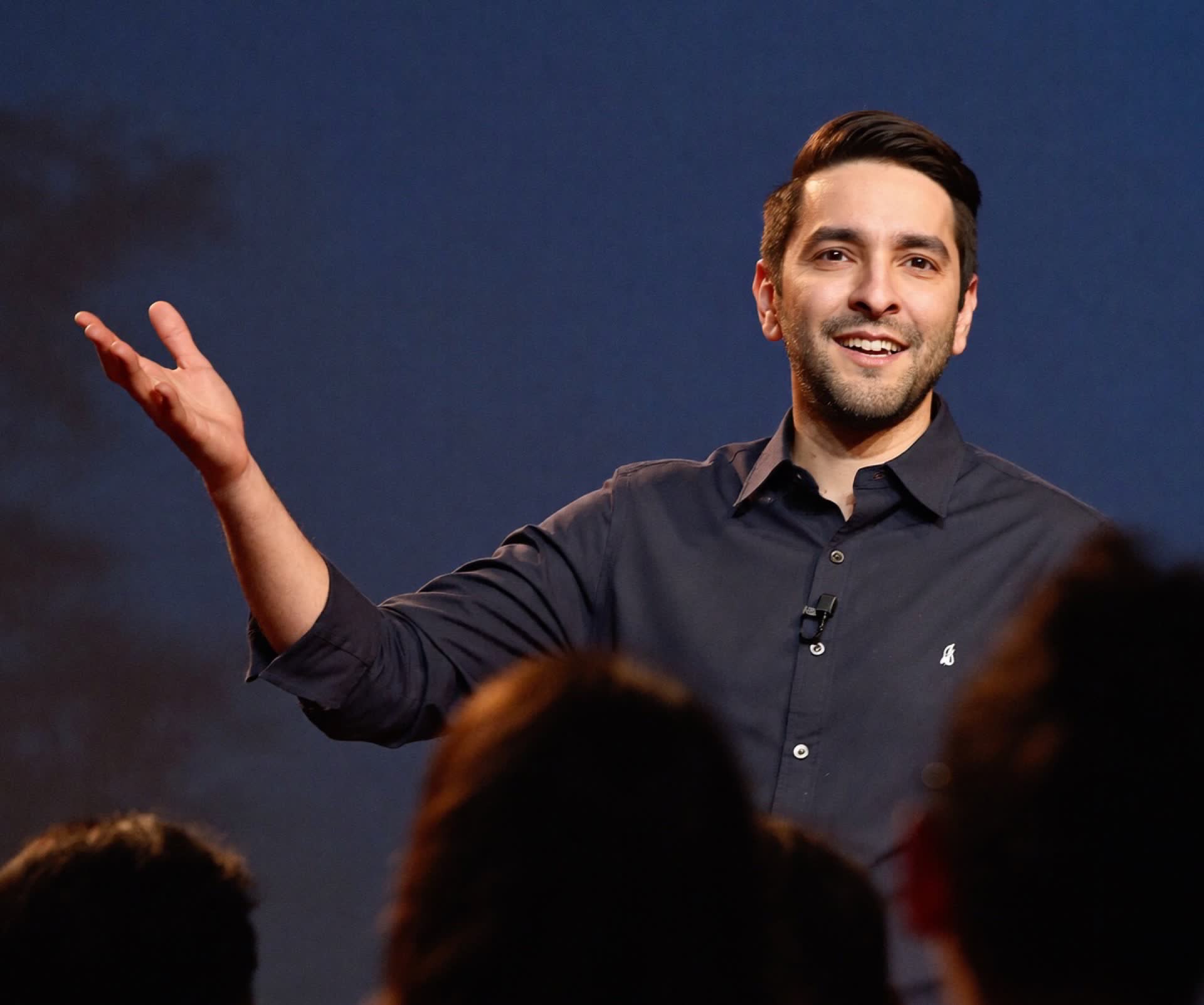
Thought Behind Things · Feb 24, 2023
All roads lead to restructuring
Economist and former NAVTTC chair Javed Hassan returns to map Pakistan's debt spiral in unflinching detail — and argues that default, devaluation, and IMF programs are all just detours on the road to the same destination: structural reform.
with Javed Hassan
10 min read
A more sober conversation than the last one
The episode opens with Muzamil acknowledging the mood shift. When Javed Hassan last appeared on the show, the possibility of Pakistan defaulting on its external debt felt, as Muzamil puts it, like something that might happen but that “someone would come in and someone somewhere would do something to stop it.” Recording this episode in February 2023, with the IMF deal still unsigned and foreign exchange reserves at historic lows, that optimism has evaporated. “Unfortunately we’re at a point where, as radical as it is, default seems like a very real possibility,” Muzamil says at the outset, setting the tone for what follows.
Javed Hassan agrees the mood is different. “I have never been so pessimistic,” he says — a striking admission from someone who has spent years warning about exactly this trajectory.
The arithmetic of a debt spiral
Hassan opens with the numbers, and they are stark. Pakistan’s credit default swap — a market measure of default risk — had risen from around six or seven percent before the vote of no confidence in April 2022 to a peak of roughly 85 percent, settling around 45–50 percent at the time of recording. Any reading above 40 percent, he explains, effectively cuts a country off from international credit markets. The country’s sukuk bond was yielding close to 68 percent to maturity — meaning no rational private lender would extend new credit at a manageable rate.
With credit markets closed, the only sources of dollars are multilateral institutions (IMF, World Bank, ADB), and so-called friendly countries — and even those have become harder to tap. Meanwhile, the outflow side of the ledger keeps growing. Pakistan must repay roughly $22–25 billion every year in external debt service, a figure that snowballs because each rollover adds to the next year’s obligation. Add a current account deficit of $8–10 billion and the total financing need over the next three years approaches $100–120 billion. Against that, usable reserves at the State Bank are effectively negative once you strip out deposits that have been swapped and counted as reserves.
“Effectively hum log negative equity mein hain abhi,” Hassan says — we are in negative equity right now. The household analogy he reaches for is simple: imagine running a home with no savings, borrowing from whoever will lend, and spending whatever arrives. That is the current operating model of the Pakistani state.
What the IMF deal actually buys
Muzamil asks Hassan to walk through what the IMF program — assumed to have been signed by the time listeners hear this episode — will actually require. The list is painful: electricity tariffs rising by 7.5 to 12 rupees per unit (a potential 35 percent increase on already high bills), GST rising from 17 to 18 percent, removal of subsidies on electricity for export industries and agricultural tube wells, a freeze on subsidy-driven pay increases in government. The one concession Hassan credits to the IMF is a push to expand the Ehsaas/BISP social protection program for the lowest income segment. “On the whole it’s going to be inflationary,” he says flatly.
But Muzamil presses the harder question: does any of this actually solve the problem? He sketches the arithmetic himself — $30 billion in exports, minus the subsidies now being removed, minus higher energy costs, in a year when Pakistan’s two largest export markets (Europe and the US) are heading into recession and remittances are also falling. “I don’t see how this ends up anywhere other than imports coming down to $25 billion,” he says. Hassan agrees: cutting imports also cuts the inputs that feed exports, so the spiral is not easily arrested. “This is a spiral,” Muzamil says. “All I see right now is kicking the can down the road.”
Friendly countries are no longer offering deposits
One detail Hassan raises that reframes the conventional rescue narrative: the Gulf states that have historically parked deposits in the State Bank to prop up reserves have explicitly said they will not do so again. “Qatar and UAE have said deposits nahin hongi — woh investments karenge.” They will buy equity stakes in profitable assets: OGDC, PPL, airports. Pakistan’s entire listed market capitalisation is roughly $25–30 billion; you cannot sell all of it, and you can only sell the profitable parts once. “Once we have sold those assets, then what else will we sell?” Hassan asks. “We will literally be naked.”
The assets that remain — PIA, Pakistan Steel Mills, the electricity distribution companies — are loss-making, and no serious investor will pay a meaningful price for them. The Gulf states, he notes, are not interested in debt-laden liabilities; they want oil and gas reserves and infrastructure at distressed prices. “We’ll be effectively selling our oil reserves and our gas reserves at 50 cents to the dollar.”
The case for debt restructuring
This is where Hassan makes his central argument. Restructuring is not a catastrophe to be avoided; it is the destination that every other path eventually reaches. He draws the analogy to Chapter 11 bankruptcy in the United States — a legal mechanism that freezes creditor claims, allows a company to renegotiate its debt book (haircuts on face value, reprofiling of maturities, a moratorium on payments), and then re-emerges as a viable operating entity. “Solid companies, if you think about it, have gone through this and then they restructure.”
He cites economist Kenneth Rogoff’s research showing that countries which go through default and restructuring actually improve their long-run growth prospects compared with countries that remain trapped in rolling IMF programs, perpetually foregoing growth just to service debt. “Effectively hum log jo abhi kar rahe hain are foregoing growth — and we are foregoing growth just to meet our debt obligations.”
The restructuring process Hassan describes involves three elements: a debt moratorium (payments stop); haircuts (creditors accept, say, 70 cents on the dollar); and reprofiling (a three-year obligation becomes a ten-year obligation). He points to the IMF’s Sri Lanka proposal — a ten-year moratorium on repayments — as a recent precedent. Critically, he insists that all creditors must be treated equally: Chinese lenders, Paris Club members, Gulf states, commercial banks, pension funds. Preferential treatment for one class of creditor will poison the entire negotiation.
The creditors, in turn, will demand something in exchange: a credible plan showing that the economy has been restructured so that the same crisis cannot recur. “Aapki jo economy jo built up hai around subsidies and protection and inefficiencies — usko khatam karein. And that they will demand. It will not be a possibility.”
The political economy problem
Muzamil raises what he calls the real disconnect: every politician he has spoken to off-camera understands the solution. They know PIA should be shut down or sold, that steel mills are bleeding money, that structural subsidies are unsustainable. But when they face the public, they retreat. “Public is not ready for the structural changes even till date,” he says. He asks whether liberal democratic values can even survive what is coming, or whether Pakistan is heading toward something more authoritarian.
Hassan pushes back on the fatalism, but carefully. The problem, he argues, is not that democracy cannot deliver reform — it is that Pakistan has never had clean popular mandates. “Manipulation rahi hai hamari democracy mein. Popular mandates theek se hum ne allow nahin kara hai.” When mandates have been distorted or interfered with, you cannot then blame democracy for failing to produce reform. He points to India’s 1991 reforms, carried out by a minority coalition government under Manmohan Singh, as evidence that democratically elected governments can sell painful structural change — if they have genuine legitimacy.
The deeper issue, he argues, is incentive structures rather than national character. “Hum koi bure nahin hain Vietnamese se ya Bangladeshiyon se. But we have created incentive structures economy mein.” If a Pakistan Steel Mills employee can collect a salary without working and moonlight elsewhere, of course they will. If an industrialist can earn extra profit through protection and subsidy, of course they will. “I don’t think it’s national character.” The task is to dismantle those incentive structures — and that requires political leadership with a mandate to explain why the old consensus is over.
Hassan is explicit about what that new consensus must look like: not relief budgets that promise giveaways funded by borrowing (which simply feeds back into depreciation and inflation), but a clear road map that asks people to walk through fire for three to four years in exchange for a credible vision of what lies on the other side. “They have to show a brighter future. If a leadership cannot show a brighter future by going through, then you will have a complete societal breakdown.”
Integration, not isolation
Later in the discussion, Javed Hassan turns to the structural growth question: even if Pakistan stabilises, what does a genuine growth model look like? His answer is blunt. Pakistan is almost entirely unintegrated with the global economy. Its exports-to-GDP ratio is below 10 percent; Vietnam’s is over 100 percent. Its total trade is less than $60–70 billion in a global trading system worth $10–15 trillion. “Hum log kitne unintegrated hain — we are not at all part of the world.”
The import-substitution model Pakistan has clung to — protecting domestic industries behind tariff walls and subsidies — was discarded by East Asian economies in the 1970s, by Bangladesh before that, and by India in 1991. “We if we continue these silly policies jo nineteen fifties and forties ki thi, we are not going to progress.”
The natural markets, he argues using a gravity model framework, are the closest ones: China (a $15 trillion economy), India ($3–4 trillion), and the Middle East ($2.5 trillion). Pakistan’s potential exports to China alone are estimated at $15–20 billion; it is currently realising perhaps $2–3 billion of that. CPEC, he says, was an opportunity that was largely squandered by channelling Chinese investment almost entirely into the power sector rather than into manufacturing for re-export. “We should have done concurrently — industries lao, yahan se re-export karo.”
On India, Hassan is measured but not dismissive. The current Modi government presents an ideological obstacle, he acknowledges. But India’s own interest in regional power status and a UN Security Council seat means it eventually needs Pakistan on board rather than hostile. “It may not happen in the next one or two years, but it will eventually happen. I’m pretty confident about that.”
The chemotherapy analogy
By the end of the conversation, Muzamil and Hassan have arrived at a shared conclusion: the decision tree always terminates at the same node. Go to the IMF, fail to reform, return to the IMF, eventually face restructuring anyway. “No matter how you look at it, eventually all doors lead to restructuring and reform,” Muzamil says. Hassan agrees: “The market is going to fix itself. It will force itself upon us.”
The question then is only timing — and Hassan’s view is that delay makes the eventual reckoning more painful, not less. He draws on his own experience as a cancer patient. “It was really painful jab mujhe bataya gaya ke you have to do chemotherapy. But that chemotherapy made sure — it was painful for six months, magar after six months I have been, mashallah, healthier and more active than ever.” The surgery Pakistan needs is the same: not comfortable, not optional, but survivable — and followed, if done properly, by genuine recovery.
He ends on a note that is pessimistic about the present but not about the underlying capacity of the country. “Hamari awaam jo hai tayyar hai. Hamari awaam ko anyway suffer karti hai.” The public, he argues, is more ready to sacrifice than the elite gives it credit for. What is missing is not willingness but a clear, honest road map — and a leadership with the mandate and the courage to present one.
Full transcript
सालों ख़बदेना आज रात welcome back to another episode of ThoughtBind Things. I am my साथ मौजूद. एक बहुत ही ख़ास मेहमान who's been here too twice before I believe. He is the he's an economist and the former chairman of the economic जावेद advisory हसन साहब sir thank you so much for coming back to our show. Thank you मज़हबेल for having me again. थोड़ा सा मैं एक थोड़े सोबर से times unfortunately. वो शायद excitement हमारे अंदर नहीं है जो कि साल डेढ़ साल पहले थी. Last हमारी जो conversation हुई थी उसके ऊपर we talked about the economy and you talked about the possibility of default and it's I'll be very honest. At that time even it was hard for me to really believe default really चलो हो सकता है but someone would come in and someone somewhere would do something to stop it. Unfortunately we're at a point where as radical as it is, it's just it seems like कि, you know, हम बिल्कुल उसके अब और यह मुझे नहीं पता यह कब जाएगी most likely seven days after we're recording up until right now the IMF deal hasn't been signed although we're hearing that it might be signed soon. But unfortunately we're at a point जहां पर default seems like a very real possibility and in a lot of ways जैसे ही ऐसे हम उसके क़रीब आए, तो एक conversation या एक discussion start हो गई जिसमें यह बात काफ़ी हद तक clear हो गई कि default और no default the way that the economy is currently working now is just unsustainable irrespective, right? So थोड़ा सा मैं conversation start करूंगा. मुझे थोड़ा सा यह बताएं कि what happened in the last six to eight months? Mean we spoke and we were hearing कि यार बड़े बुरे हालात हैं maybe. But अगर आपने passive income के बारे में परेशान है ख़ासकर आजकल की economy में जहां पर already cash continuously burn हो रहा है और inflation हमें मार रही है तो I am proud to announce that this video is in partnership with समाया Financials. यहां पर मैं mention करना चाहूंगा कि they are offering two very very cool trainings. Capital market fundamentals जिसमें Upstox और mutual funds में invest करना सीखेंगे और understand करेंगे to figure out कि वह एक अच्छी company है to invest in और दूसरी training है technical analysis master class जिसमें आप सीखेंगे कि किस तरीके से हम different tradable assets like commodities, forex, stocks, crypto के अंदर थोड़े से पैसे लगाकर बहुत ज़्यादा पैसे बना सकते हैं. Personally यह training मैंने भी ली है and it's absolutely phenomenal. I would recommend कि आप यह training check out करें. The link to the trainings are in the description below. Check them out and become financially healthy and now back to the podcast.
जो last मिले थे मतलब, चीज़ें ख़राब होने लगी थी. We were going downhill anyway. वह जब vote of no confidence हुआ, आपकी political instability शुरू हो गई. उसके बाद आपकी एक बड़ी important एक measure होता है credit default swap. मैंने शायद पहले भी mention करा था वह छह सात percent था before April 7. वह एक bag बीस percent गया और उसके बाद बढ़ते बढ़ते ही बिन 85% तक गया. अब कोई 45, 50% है. Effectively anytime you are above 40% it means you are cut out of the credit markets internationally. आपकी bond अभी जो है €24, you sukuk bond, वह कोई 65, 68% पर yield maturity है उसकी. मतलब आपको interest rate उस पर कोई 68% एक साल के bond पर मिल रहा है. तो basically de fond ratings already के करीब हैं. तो आपको excess नहीं है credit markets. तो आप जो effectively पैसे मिल सकते हैं वह बस either आपके friendly countries हैं, multilaterals हैं World Bank, ADB, AAIB, इस किस्म के institutions plus IMF of course. Plus आपके friendly countries अगर वह आपको पैसे देना चाहते हैं वह भी अब बड़ा difficulty हो गया है पैसे उनसे मिलने हैं इसलिए कि वह बड़े difficult conditions डाल रहे हैं. तो यह देखिए एक तरफ आप access नहीं है पैसे को. दूसरे तरफ आपके जो outflows हैं हर साल in terms of जो आपने जो borrowing खरी हुई है पहले पिछले बीस तीस साल में, उसके outflow है. उसकी outflow हर साल कोई बाइस से पच्चीस billion है depending on the year and और यह बढ़ती रही है over time. और यह बढ़ती जा रही है. यह यह इसलिए कि हम लोग rollover करते जाते और हर साल आगे बढ़ाते हैं तो वह बढ़ती जाती है और इस साल भी rollover करेंगे तो next year इस साल अगर 25,000,000,000 है तो कल next year thirty five billion हो जाएगा. So यह एक किस्म का आप समझे snowball effect हो रहा है. Effectively in the next three years without the snowballing effect कोई 100,000,000,000, 100,000,000,000 के करीब हम लोग को payments करने है और ऊपर से आपकी एक चीज़ होती है current account deficit. इसका खसारा जो आपके trade करते हैं और remittance है, उसका balance जो है net outflow जो होता है, वह कोई हर साल कोई अब कम होकर कोई आठ से दस billion है. वह जब मिलाते हैं तो altogether आपको कोई $110,120,000,000,000 pay करना है अगले तीन साल में. आपका आपके reserve में क्या है? आपके account में क्या है? सोचें अगर bank account, bank account में आपका वह तीन billion है. तीन billion में भी mashallah से कोई नौ billion जो है दूसरों का पैसा है. मैं तो कह रहा हूं दूसरों का पैसा नहीं बल्कि आपका और मेरा भी पैसा उसमें है जो अगर उसको add करें तो कोई तेरह billion इसलिए कि जो हम लोग ने deposits रखे हुए हैं, उसको भी marshal life से government ने swap करा हुआ है और उसको भी reserves में included है. तो वो कोई पांच billion जो है वो. So effectively हम लोग negative अभी equity में है. हम लोग जो खर्च भी कर रहे हैं. So this is the situation. Basically हम लोग के पास reserves नहीं है. हम लोग जो भी खर्च कर रहे हैं वो जो पैसे मिल जाते हैं उसको फिर खर्च करते हैं. तो आप imagine करें घर अगर हो और आपके पास कोई पैसे नहीं रेली आ रहे हैं और आप बस किसी से borrow करके घर चला रहे हैं, क्या हालत होगी? नहीं, so so I mean how did we get here? Because it seemed like two years ago it seemed like everything is all handy dandy that's, you know,
दूध की नहरे बहने लगी हैं और कमान
होने वाली है. I think two years back we we potentially had these problems मगर दो तीन और चीज़ थी. आपकी जो two years एक तो credit market access था. तो यह जो अगर हम लोग के तीस billion बाइस billion जितना है वापस करना है. Let's take a number, stick with it, say 22,000,000,000 हर year, every year we have to pay back. इसके लिए आप यह कर सकते थे कि कुछ तो rollover हो जाता था. बाहर कुछ जो है आप borrow करते थे और उसको longer term loans. तो जैसे घर में आप refinancing कर रहे थे. तो वह availability थी. तो वह problem जब confidence होता है economy में और आपकी political stability होती है. तो वो जो access है to markets वो होती वो जब खत्म हुई है ना then everything went topsy-turvy. उसमें international markets का भी कुछ छाते में ज़्यादातर essentially हमारे यहां जो vote of no confidence के बाद जो instability आई है, उसके बाद यह access to credit markets and unsurety कि क्या होना वाला है next. उसके वजह से आपके credit markets में अलग. That is one of the key concern. दूसरी चीज़ यह है कि आपने जो पिछले बीस साल से आपके borrowing करी है, finally जो आप imagine कर रहे थे हम लोग ने 2003 में भी हमारी restructuring हुई थी. अच्छा. And वो फिर कोई दस पंद्रह साल Paris club ने loans आगे बढ़ा दिए थे. तो उसके वजह से हम लोग को एक मोहनत मिल गई थी. वह जो है अब वह सारी loans वह भी mature कर रहे हैं. आपने between specially between 2013 and 2018 काफी सारी borrowing के खुद 30,000,000,000 से आपने अपना loans बढ़ाए. उसके बाद PTI के government ने भी उस because आपके loans और भी थे तो उसको बड़ा service करने में कोई हम लोग कोई one twenty another 30,000,000,000 add करा. So कोई in the next in the last eight nine years we have added about 60,000,000,000. हमारा loan होता external borrowing होती थी कोई 60,000,000,000, अब है कोई 125,000,000,000 के करीब. यह यह हुआ और यह सारे जो पुरानी जो borrowing है वह अब mature. हम लोग ने यह भी नहीं सोचा जब मौका था, जब long term debt जो सस्ता होता था, उसको यह जो पुराना debt था उसको re profile कर लेते. और लो लेते और इसको retire करते. वह भी हमने नहीं करा. So we have been very negligent और अब एक bag जब मुसीबत आ गई तो अब हर जगह भाग रहे हैं. This is what exactly has happened and lot of it is negligence, part of it is bad luck, part of it is the fact of the matter is that if you take loans आप भी शायद loan लिया होगा. मगर आप loan जब लेते हैं, आप invest करते हैं ऐसे कि उसे revenues हों, उसे income हों कि कुछ तो आप उसका interest payment करें और कुछ जो है principal repayments करें. हमारी जो loans लिए हैं, generally loans ऐसे लिए हैं कि जो उसकी returns जो है specially in terms of dollars बहुत ही कम हो. ना some cases ज़िल्च, कोई है ही नहीं उसमें returns. तो आप, अब अगर आप loans लेते जाते हैं जिसकी returns नहीं है और जब वक्त है दस देने के वापस तो कैसे आप करिएगा? यह तो external loans हैं. अगर external loans हैं तो एक evaluation होना चाहिए हमेशा कि इसकी repayment कैसे होगी? यह हमारे जो leaders हैं, हमारे governments उन्होंने नहीं करिए. तो that's how we have arrived here. It's quite a lot of negligence. It's quite a lot of thoughtlessness, lack of planning and आपने जैसे हम लोग ने पहले भी कहा है कि and I don't want to go into that elite capture, कुछ लोगों को फ़ायदा होता रहा है. Basically हमारी government जो है deficit पर चलती है और deficit इसलिए चलती है कि इतने सारे जो हमारे society में एक किस्म के parasites हैं, उनको हम लोग facilitate करते हैं, उनको subsidies देते हैं, उनको protection देते हैं. वो कैसे देते हैं? वो government जो है borrowing करती है externally और उनको फिर खिलाती है. तो हम लोग ये करते रहे पिछले तीस साल से अब ये
और मौका नहीं है. चलिए अब मैं assume करता हूं कि IMF की deal sign हो चुकी हुई है जिस time पर यह release हो रही है. Because आपको कुछ ना कुछ तोड़ती उड़ाती आई होंगी कि क्या उसमें potentially होने वाला है. अगर मुझे थोड़ा सा बता दें let's see how how to. Let's
find out. Let's find out. But थोड़ा सा क्या अभी सुनने में आ रहा कि क्या क्या करना पड़ेगा for the money that they are giving? I think जो अभी मैं sun रहा हूं कि एक तो electricity tariffs जो है बढ़ानी पड़ेंगी, anything between 7 and a half rupees to as much as 12 rupees per unit. Already sky high electricity tariffs है. तो imagine कोई 35% electricity tariffs बढ़ सकती है. आपकी inflation पर क्या effect होगा? GST जो है वह आपका सात सत्रह percent से अठारह percent जाने वाला है. उसकी भी एक inflationary impact होगा. आपकी जो subsidies हैं यह अच्छी चीज़ होगी. Subsidies जो हैं जैसे export industries पर हैं, electricity के लिए वह बंद करे जाएगा. Agriculture tube wells पर वह शायद बंद करा जाएगा. आपको यह भी शरायत रखा जाएगा कि आप जो government में subsidies दे रहे हैं in terms of pay increases, subsidies name पर pay increases वह भी शायद बंद करा जाए. तो काफी सारे ऐसे measures करे जाएंगे जो effectively बड़े painful होंगे. मगर साथ साथ I think in all fairness IMF यह भी कह रहा है कि जो एहसास program है ना BISP program है उसको आप expand करें. जो lowest segment of society है उसको दरअसल राय दें. मगर on the whole it's going to be inflationary. One of the conditionalities जो मैंने सुनी है कि आपको interest rates further बढ़ाना पड़ेगा इसलिए कि inflation बढ़ता जाएगा तो rupee पर pressure आएगा. तो उसके लिए आपको monetary tightening करना पड़ेगी. तो businesses के लिए और bit difficult हो जाएगा. Ok, so so tell me this.
Is this going to solve our problem? Because my understanding is you mentioned and I I read a very good article by by मोर्तिजा साहब who's the ex deputy governor of the state bank as well and he said as you mentioned earlier के अगले पांच तीन से पांच साल में सौ अरब dollar आपने निकालना है. पच्चीस अरब dollar उन्होंने roughly बोला साल का आपका जाएगा. पच्चीस अरब dollar मैं वैसे डाल देता हूं उसमें मैं डालता हूं जी $10,000,000,000 of CAD. CAD. अच्छा त्रमियान में यह भी CAD में इस assumption पर चल रहा हूं कि मेरी export हां. 30,000,000,000 आ रही ठीक है? अभी मैं उसके ऊपर subsidy भी हटाने लगा हूं और मैं cost of energy भी बढ़ाने लगा हूं. जी. ठीक है? और मैं इसमें input लेकर आता हूं कि Europe and US मेरी सबसे बड़ी market जो है वह recession में जा रही है. जी. So मुझे नहीं पता कि यह किधर actually यह end up करेगा? हां. Remittances भी कम हो रही है. Remittance भी कम हो रही है for the same reason. हां. So आपका total assumed है जी 35,000,000,000 जो कि can be higher. 35,000,000,000 in a in a time जब दुनिया से पैसा आपको नहीं मिल रहा आपकी credibility चले IMF आ गया. ठीक है? तो आपको x y z थोड़ा सा amount मिल जाएगा. Let's assume कि UAE, Saudi Arab वगैरह दोस्त, मुमालिक जो हैं वह आपको दस अरब भी दे दें. IMF कहता है जी June तक आपको दस अरब अपने reserves में डालने हैं. आपको वह दस अरब भी दे दें. तो 35 कितना पूरा होगा? मतलब my I don't understand. Your your total earnings are 60,000,000,000. Mhmm. Right? जिसमें से historically आप जो लेते आए हो. अगर मैं मैं एक पैसों को side पर करूं, मैं एक basic सी thought लेकर आऊं कि यार एक economy है जिसमें majority of the things we buy as imports. 60 और वह भी जो मेरा memory of how many things we buy is कि जिसमें 80,000,000,000 की चीज़ें ख़रीदा ख़रीदी जाती हैं और 60,000,000,000 की बेची जाती है. जी बिल्कुल. ठीक है? अब अगर मुझे उसमें deficit 35,000,000,000 का है, right? जिसको मुझे somehow cover करना है तो that means कि मैंने अपने 80,000,000,000 के जो cost वह जो थी. 20,000,000,000 आप deficit में है नहीं हुए? हां, तो उसको मैं तो 25 पर ले आऊंगा मेरा ख्याल है क्योंकि
बिल्कुल. That's the only outcome I see. बिल्कुल बिल्कुल और यह भी सोचें कि अगर आप imports ऐसे कम करिएगा तो आपकी exports भी effect होंगी. Right. यह ऐसी बात नहीं है कि आप imports अगर imports
कम करें उसमें inputs होते हैं जो exports के लिए चलते हैं. तो इतनी आसान बात नहीं है. So this is a spiral. All I see right now like the way that I see it I don't see I mean यह तो आपने बस छह महीने आठ महीने अगले गिरे. यह जैसे कहते हैं kicking the can down the road.
There is, there is a certain inevitability about it कि we will at some point have to face the reality. एक और चीज़ मैं कहना चाह रहा था. अभी जो latest मैंने जो सुना है I mean IMF और जो जो friendly countries so called हैं, जो अब इस दफा पांच billion ना दस billion चितन डालना चाहती हैं. This time around they are not giving it as deposits. They have clearly said so. Ok. Especially Qatar and UAE. They have said deposits नहीं होंगी, वो investments करेंगे. As in आपके जो shares हैं OGDC में, ना PPL में, ना कोई और आपके airports, वो खरीद लेंगे. अब वो, I don't think इनकी पूरी market cap हमारी जो है Pakistan में, वो कोई 25, 30,000,000,000 है. हाँ. आप पूरी market cap तो नहीं बेच सकते. तो चले आपसे पाँच, छः billion वो बेच देते हैं कुछ airport. तो आप उसके बाद फिर क्या करेगा? इसलिए उन्होंने तो कह दिया कि अब वह deposits नहीं डालेंगे. China भी इतना कोई तो we are now going to actually run out of any avenue. एक दफा वह सारे बेच देंगे तो फिर और क्या बेचेगा? We we are literally going to be, forgive the word, naked. Because once we have sold those assets, then what else will we sell? And my understanding is they're not gonna be buying your debt, debt driven assets like PIA or steel mills or They they'll only buy what is profitable where they're great reserves and at throwaway prices which is quite heartbreaking. It's like we'll be effectively selling our oil reserves and our gas reserves at, sort of 50¢ to the dollar. You know आधे दाम पर हम लोग अपने reserves को बेचते जाएंगे और वो तो बड़े खुशी से खरीद लेंगे. उन्होंने जैसे PTCL खरीदा उनको बड़ी profitable, they made a lot of money out of it. So frankly speaking while I don't want to sound nationalistic मगर and I don't care about selling, family, so called family silver, but it's also a question of pricing. So we'll but the bigger question is once we have sold that, what else will we have to sell?
And we won't have much to sell after that. And we can't continue this process. Do you think in this conversation, do you think the discos and the sort of PIAs and the
क्या कहलाती है? Steel mills इसकी कोई discussion है to sell? I I think this goes even that may raise one or two billion. But again you have to remember अब investor in assets तो मुझे समझ आता है PPL and OGD इसलिए message reserves है, oil निकाला, बेच दिया you know but PPL is the discos are basically going to sell within this market. If your credit worthiness is not there, they will be concerned about क्या फ़ायदा है इनको बेच कर? इसलिए कि यह तो they they might not be able to actually pay back. जो वह जो tariffs है वह तो शायद meet ही नहीं कर सकेंगे. So I am skeptical. शायद एक दो big job. Is already talk एक जो RLNG के projects हैं और Qatar is probably by by. Again as I said maximum about $8.09, 10,000,000,000, no more than that. But we still are talking about potentially 100,000,000,000, 120,000,000,000 that we need to pay back. So and and we are running deficits in in current account deficits. We are not going to be a current account surplus economy. So there is no alternative then at some point really to look at our entire debt book. जो हमारा ख़सार, जो debt है, जो borrowing है, उसको देखना होगा और we will have to bite the bullet and talk about restructuring.
What does that mean? Restructuring
का यह मतलब होता है कि आप चाहे जो हमारे जो lenders हैं, जो creditors हैं, उनसे कहे देखें, भाई अब तो मैं नहीं pay कर सकता. इसलिए कि अब हमने सब कुछ कर दिया है. अब नहीं pay कर सकता हूँ. अब यह होगा कि जो हमारी book है either हम सबसे पहले तो debt moratorium करेंगे कि अब payments बंद करेंगे. उसके बाद कहना पड़ेगा देखिए इसको जो $70,100,000,000,000 है उसको please कम करके आप 60,000,000,000 करें. जैसे अभी गाना में हो रहा है. एक एक net present values की करेंगे ना उसकी valuation करेंगे कि कम हो जाएं और फिर मगर वह जो creditor होगा वह बोलेगा ठीक है, देखते हैं इसको lets because वो भी rather than getting nothing they would want to have something written. But once they come into that they will say this is not good enough. First of all जो सारे creditors हैं, उनको साथ बिठाएं. किसके क्या credit है, exactly पता हो paper पर कि किसको और equal treatment हो सारे. जो Chinese हों, जो Paris club वाले हों, जो Arab मोबालिक उनके जो friendly country, सारे के debt हम लोग देखें और यह नहीं हो कि एक को आपने preferential treatment दे दी, दूसरे को आपने बड़ी tough treatment दे दी. दूसरी चीज़ वह भी यह भी देखेंगे आपकी जो local borrowing है commercial banks से, pension funds से, insurance company उसको भी जो है bonds उसका भी एक restructuring होगा. तो basically दो तीन चीज़ें होती हैं बड़ी बड़ी. एक होता है haircut के जो debt है जिसकी 100 rupees value है ना $100 है उसको आप value करके कम $70 कर दे ना $80 कर दे ना 60 depending on the negotiation. दूसरी चीज़ होगी in terms of reprofiling, rescheduling in terms of the tenure कि आप जो चीज़ तीन साल में देने वाले थे, वह आप दस साल में वापस करेंगे, ना पंद्रह साल में करेंगे वापस. तो same amount but. और यह भी कहेंगे कि अगले तीन साल के लिए इसलिए कि हम लोग अब build up कर रहे हैं अपने को moratorium होगा. यही अब IMF ने जो Sri Lanka में propose करा है deal काफी हद तक के दस साल के लिए moratorium हो repayments पर. उसमें economy पर. So it's not impossible in in this market and we need to start thinking. मगर इस बड़ा structured तरीका होगा उसमें जो आपके जो creditors होंगे, वह फिर कहेंगे यह देखें, यह तो हम लोग आपको बहुत ज़्यादा फ़ायदा पंचा रहे हैं. You know, it's nothing comes for free. वह बोलेंगे कि आप we would want to make sure कि if you are going to enter this process कि आप बाद में यह नहीं मुकड़ नहीं जाए. They would want you to have a debt sustainability के जो repayment sustain कि आपकी economy ऐसे हो कि आप repayment में यह यह जो अब मैं लोग situation में है यह फ़ैसले नहीं हो. So आपकी जो economy जो built up है around subsidies and protection and inefficiencies उसको खुदा के लिए खत्म करें and that they will demand. It will not be a possibility. तो एक लाख से we can say, you know, perversely. Perversely, I mean, it's not something that anyone would wish on even an enemy, alone a friend. But it it might do us some good. Because we might get a house in order जो हम लोग अपना घर को ऐसे बिखारे में है और बुरे तरीके से चला रहे हैं. शायद अगर कोई और तरीका हो कि अपनों को समझना पड़े, शायद समझ आए. अच्छा एक आप तो America में रहे हुए हैं. वहाँ America में chapter 11 होता है. जो जब company runs into cash flow problems और वह अपने debtors को नहीं pay कर सकती ना जो जहा से borrow कर रहा है. तो एक bag freeze हो जाता है और उसको basically ring face कर दिया जाता है कि debtors उस पर claims नहीं करें. Right, so जो सबसे recent example है FTX का बड़ा एक scandal आया हुआ है. हां. Cryptocurrency exchange वाला जिसका chapter 11 filing हुई recently. मगर वैसे all भी बड़े अच्छे companies, solid companies if you think about it have gone through with this and then they restructure the company. Right. उसकी जो assets है कुछ बेचते हैं उसकी जो debt है उसको जैसे मैंने कहा haircuts करते हैं, reprofiling करते हैं, rescheduling करते हैं. तो यह चीज़ें जो है पर जब वह company ऐसी हो जाती है कि उसकी operating profits इतनी ज़्यादा हो कि वह debt जो भी है agreed basis पर restructured debt उसको pay कर सकती है. तो फिर वह chapter 11 हटता है and it comes back and then it is able to raise more money from the markets as well. Right. So जब chapter 11 हटता है तो they are able to raise more money as That's and that's always happens and in fact यह एक बहुत ही famous economist है Kenneth Rogoff उसने paper लिखा है कि companies who countries हमारे companies कह रहे हो मगर countries who have gone into default and restructuring actually improve their chances of growth than having to go continuously in this process of IMF, programs where they're continuously just on the back foot trying to meet debt payments. So actually it increases the chances of Pakistan or any other country seeing decent growth. Effectively हम लोग जो अभी कर रहे हैं are foregoing growth. Right? And we are foregoing growth just to meet our debt obligations. Now that's right we should be a responsible country and we should want to meet our debt obligations. मगर अब यह point आ गया कि even debt obligations भी नहीं meet हो रही है. अब उस चक्कर में actually we are managing to see all the effects which we would be anyway in default. आप देख रहे हैं कि आपकी imports curtail कर दी गई हैं. Now जहां imports पांच छह billion थी वो अब चार billion हो. अब और भी cut करने की ज़रूरत है. आपकी exports उसकी वजह से effect हो रही इसलिए कि exports की कई कई चीज़ों में inputs चाहिए जो imported inputs हैं. आपकी overall consumption पर effect हो रहा है. आज आपने सुना ही होगा queues है petrol stations पर load shedding शुरू हो गई है again on a continuous basis जो चीज़ हम लोग भूल गए थे. Pharmaceuticals are saying कि Pharmaceuticals pharmaceuticals are काफी सारी दवाएं market से गायब हो गई है. कुछ hospitals जो है electives बंद कर दिए हैं. So we are not quite at the same stage as श्रीलंका but we are beginning to see the effects. This is likely to get worse. So rather than go into this in a very slow motion might as well think about accelerating the process and why are we just you know not building up our reserves and then have some amount of reserves. In fact अगर यह IMF वाला deal हो जाता है तो मैं क्या तो कहता हूँ one of the things true is get whatever money and then say look we now we not need to have a moratorium and we need to restructure our debt. Other than if we don't do that तो हमारी growth जो है forgo हो जाएगी. देखिए हम हमारे यहाँ population जो है कोई two point five, 2.6% से हर साल grow कर रही है. Right. तो अगर हम लोग you know anything less than four and half, 5% से grow करें तो हमारी कोई growth नहीं होगी wealth में, per capita wealth में. Ideally we need to be growing at something like Vietnam and बांग्लादेशा and other. 78%. Six, seven percent. Six तो minimum होनी चाहिए. हां हां. अगर मगर अगर हम लोग यह पूरे debt burden की वजह से constrained हो और external credit markets, investment market. दूसरी चीज़ होगी, आपके पास इतना जब debt burden होता है, 100,000,000,000 का और snowball हो रहा है, बढ़ता जा रहा है because आप roll कर, जो आपके जो potential FDI है, जो foreign investor है, they will not want to come into the market. यह तो यह तो it's it's it's it's a volcano that's going to burst anytime. It's you know avalanche. Go, I can give a number of analogies. मगर things are going to go very wrong. आपकी currency तो devalue होनी ही होनी है. So you don't have any ability to attract potential investors. वह तो बेचारे हमारे overseas पाकिस्तानी जो है वह invest करते रहते हैं because they have a certain amount of love and faith. मगर if you notice even them, even the overseas पाकिस्तानीs, वो जो एक work जो RDA में कोई चार सौ bill, चार सौ million आ रहा था per month, वो कम होके अब जो है कोई 150,000,000 आ गया और शायद और कम होता जाएगा. They are losing confidence. Once you have this kind of debt overhang on you, effectively the one of the biggest problems you have quite apart from the fact the credit market वन आपकी FDI रुक जाएगी. वही इस market में invest करने के लिए और यहाँ जहा net invest, net savings इतनी लो you need international investors to be coming in. So frankly speaking there are so many different reasons one can give why we need to restructure
that and यह तो it should be upper most in our policy makers thinking. अच्छा we're gonna come to the debt restructuring. मैं assume करता हूं debt restructuring नहीं होती. Right? मुझे जो होता है नज़र आ रहा है assuming उसमें फिर मुझे दो options नज़र आती हैं. पहली option यह नज़र आती है कि government actually for the first time understands कि यार austerity तरीके तरीके से हमने चलाना है situation को. हमने जो है वह you know we have to save up money and क्योंकि आगे हमने obligations meet करनी है ना 35,000,000,000 की बात हुई. तो magically हम किसी तरीके से उस तक पहुंच जाते तो my my understanding is जहां पर हमारा dollar annually seven to nine percent पर devaluate हो रहा था तो मुझे तो वह 2025% पर devaluate होता नज़र आ रहा है just to ensure that you know हमारे पास वह जो bracket है just to disincentivize imports and just to ensure that you know हम हुए. दूसरी option यह है कि government फिर से कोई control करने की कोशिश करें and then you're you're still looking at a default either ways.
You know मोज़मूल you should be an economist, macro economist because exactly that's how it is. If अगर आप debt restructurating नहीं करेंगे तो आप बहुत rapid devaluation करें. You know already हम लोग ने $2.01 80 से $2.70. $2.05. $2.70. In reality $2.75. So we are about you know $85.90 rupees already हो गए if you think it's about 40% in a year's time. If we continue like this we probably could see $303,120 and that by itself वह आपकी imports का tail है. बगैर उसकी बड़ी difficult नताया जो होते बड़े तकलीफता होंगे हमारे लोगों के लिए. उसकी inflation जो है शायद 40% हो जाएगी. फिर आपकी दो तीन साल growth anywhere रुक जाएगी and that's you know that's
one option but I I I still still भी 100% नहीं है. I mean that really depends कि आप किस route पर जाते हैं. आप Venezuela route पर जाते हैं, आप Lebanon route पर जाते हैं या मतलब.
नहीं अब दोनों जो है Lebanon and Venezuela are basically seeing stagflation they are seeing extremely high hyperinflation. Yeah. Plus no growth. Yeah. And the worst thing in specially in Lebanon you are basically seeing sort of complete breakdown of order and basically वो क्या कहते हैं state capture है जो the most violent elements of society have taken hold of states in different elements. And that's what I am saying ना my my my problem is
but ठीक हो जाएगा. They don't even realize कि अभी तो हम net practice कर रहे थे. अभी तो हालात नहीं आना है. And when those हालात begin to hit you when when the load shedding becomes worse and देखिए यह वह nineties का time नहीं है early two thousands वाला. I see incredible amounts of social unrest and that is going to be very damaging to like I don't see it as simple as कि यार ठीक है 30% inflation, 40% inflation हो गई और अब लोगों ने अपनी belt tight कर लिया और उन्होंने लगा अब ऐसी होगा. पाकिस्तानी कौम मुझे ऐसी नज़र नहीं आ रही. It it cannot be as simple as that. आप देखें ना जो घर में
middle class, low middle class घर में जहां पांच छह हज़ार का bill आता था which is quite a lot. अब एक bag वहां जो है already कोई दस हज़ार रुपए का bill आ रहा है electricity का और gas या सब का. अगर वह पैर पंद्रह हज़ार हो जाता है if it's a $30.30 then you can imagine उनकी तो income ही होती है कोई तीस हज़ार, चालीस हज़ार. You know you are taking substantial cut from very basic things like electricity. चाहे वो कम electricity इस्तेमाल करें, पंका नहीं इस्तेमाल करें, जो भी है. But still it will have major impact आपकी petroleum, petrol की price diesel की price अभी जो है अगर $2.50 है वो शायद तीन सौ चली जाए. It will have significant impact on consumption. हम लोग बड़े खुश होते हैं consumption कम हो जाएगी. यार consumption कम जब होती है इसका यह भी मतलब होता है कि आपकी जो है overall GDP पर effect हो रहा है. GDP जो है transactions और consumption पर होता है तो वह उसका एक contractionary impact आ रहा है. तो आपकी economy घट रही है और वह fees भाषा साहब कहते हैं कि जी आठ million लोग नौकरी loose करेंगे और अठारह million जो है poverty से नीचे जाएंगे. बिल्कुल और शायद ज़्यादा शायद ज़्यादा. I I think these are very conservative numbers. We are basically seeing a apocalypse coming in the next six months to a year and and we are not thinking it through. We are a very optimistic. हम लोग बड़े optimistic लोग हैं खुदा में यकीन करते हैं. अल्लाह जो है बेहतर करेगा ये हम लोग की attitude है and its a very good thing. Thankfully we do have that optimism and survey after survey shows के Pakistan is one of the happiest countries which always मुझे तो बड़ी खुशी होती है मगर काफी surprise भी होता है कि यह कहां से इतनी खुशी Pakistan में. मगर मगर the reality is once it's really starts getting bad which I think now I am really and in the past when we have met I have never been so pessimistic. This time around I really feel things will go bad and and really there is no sense of optimism for for one to look forward to. आपकी investments नहीं बढ़ने वाली है. सिपेक को तो अब भूल जाएं. वह हो गया जो होगना वाला था. थोड़े बहुत आ जाएंगे investments. You are not going to see major inflows from international investors. वह जो even the Saudi Arabians वह refining पता नहीं कोई बीस साल से वन रही है. So, there is no light at the end of the tunnel except more and more difficulties. So, what I do feel even if we are not to, default, even if we are to devalue, that will have inflationary impact. It will have your spending power decreasing. It will have higher unemployment, it will have greater sense of deprivation. पर the quality of life is going to just be. Crime जो है बढ़ जाएगी. Already इस्लामवाद जैसे शहर में भी crime देख रहे हैं कराची में तो already sky level है. The other thing is हमारी already dysfunctional institutions हैं. अब उनमें जो अगर income is not such that it can meet household spending और dysfunctionality, corruption यह सब बढ़ती जाएगी. I always think कि कई मर्दबा हमारे जो इदारे हैं they act very much like criminals. You know facing them one feels afraid कि आप जाइएगा तो आपसे कुछ पैसी छीन लेंगे. Can you imagine in a state where there there is there is increasing poverty वह वह क्या क्या कर है? Sir my brother fittest चल रहा है तो whoever has a limit of power. हां हां. So we we really are facing some pretty dangerous times ahead and that's why I feel people need to be thinking about it. It's not going to be easy and we probably really now need to focus on debt restructuring. Just devaluing will not be enough. मगर debt restructuring में भी इतना आसान नहीं है. This will be a painful period. And I think I'm going to touch on something which probably you didn't want to but I'll, in the end I always say it's about people pulling together and wanting to make it succeed. Mhmm. And that can only happen if they have a belief in the government they have. If there is a large number of people who are dis feeling disenfranchised ना who are feeling that there is no democracy that will make it increasingly difficult. So democracies have a great way of solving things because एक outlet मिल जाता है, leadership मिल जाती है who can inspire, can make you walk on fire, see you three difficult types. I'll I'll give you an extreme example. The the Vietnamese fought a war with the first with the French, then the Americans for something like forty years. They sacrificed 5,000,000 people. Yet they went and did that and they were determined because they wanted to have their independence and their self, self dignity to be asserted. मगर after that, they were happy, were one nation and they believed in whatever party they had ruling in them and they have grown at a rate which is significantly faster than Pakistan. 1990 में उनकी per capita GDP हमसे कोई 30% less होती थी. कोई हमारी कोई 410 ना 425 थी. उनकी कोई 300 थी. अब जो है वो $3,500 है. हमारी $1,600 है. It all comes about because when there is a certain belief in the leadership you have. I think the same to a certain extent is true in Bangladesh. There's problems there obviously. Where we have a real problem right now is, there is a certain lack of confidence in the leadership that we have. Now, that may be disputable, that might be one view but survey after survey is showing that, you know, there is a certain large section of society which would want an election and that's why until there is political coherence resolution कोई the all these economic solutions are pretty meaningless. इसीलिए कहते हैं political economy. अगर आपको यह difficult tough decisions करने हैं, you will need a political government which has a mandate of the people.
इसके ऊपर अगर मैं if I were to ask you, because a lot of times when I have studied history, not just studied history. When I have spoken to a lot of these politicians off camera, even on sometimes at least मेरे से तो बात कर लेते हैं. It seems like they all understand the solution. They all understand कि यार यह बड़ी एक disconnected seat. कल मैं देख रहा था बल्कि PBUS party ने recently बोला कि यार अगर privatization करनी कल कोई मस्त नहीं कायरा साहब थे और someone else may be. Party historically आके stance यह रखती है कि यार नहीं you know sort of socialist background है. But जब वह जाते हैं और public में जाते हैं और finally उनके पास space होती है तो nobody wants because they say it's unpopular, right? They say कि जो structural changes हैं, जो हमने लेकर आनी हैं, वह unpopular decisions हैं. And and in a way, I see a disconnect between the mass public and what they have been sold over the last many years and the politicians who are bound by the voting, the political capital. हां. Right? And so, अगर जब हम बात करते हैं कि ठीक है democracy. मैं आज कहता हूं कि for example कोई x y z party है वह जाती है, mandate ले आती है और जाती है वह जब structural चाहिए वह PIA को बंद कर दे. चलिए ना भी बेचे तो सच्ची बात है कि इसको Pakistan को कोई फ़ायदा नहीं हो रहा PIA का at this point in time जो PIA कर रही है वह blue भी कर रही है, serene भी कर रही है. उसके बाद जो तोहफान आएगा ना जो public खड़ी होगी सड़कों के ऊपर क्योंकि public है ना way is so used to the this this style of the we have an economy that is rent seeking top to bottom. Steel mill फारे गए लेकिन उसके बंदे को तनख्वाह चाहिए है मैं आज पढ़ा था. यही एक एक साहब थे europe में इनके operations बंद हो गए कुछ साल पहले. तो एक साहब थे वो इधर उन्होंने वापस बुला लिया. Pakistan steel mills में बहुत सारे ऐसे हैं. बहुत सारे ऐसे लोग हैं जो कि दूसरी नौकरियां कर रहे हैं और पैसे ले रहे हैं. बिल्कुल. So हमारे यहां तो यह तो हमारा national character है and we haven't built on a mandate a public जैसे कहते हैं ना कि platform जिस पर हमने इस चीज़ पर बेचा हो कि यार हम आऐंगे और आकर यह structural changes करेंगे. Public is not ready for the structural changes even till date. So in a way do you think बेशक वह आ भी जाए? The whatever government there is, maybe the question that I am trying to say is, trying to put out there is, do you see the the liberal democratic values sustaining for a country like Pakistan? मुझे तो बहुत fascist future नज़र आ रहा है जिसके अंदर There is an engine of that. मगर मैं एक चीज़ कहूंगा
कि one of the problems we have had is we have not really have because काफी अगर देखें manipulation रही है हमारी democracy में. Popular mandates ठीक से हमने allow नहीं करा है. जहा mandates मिली भी है उसको भी distort करा है ना interfere करा है. I don't want to say where this distortion is coming from. मगर तो आपकी जब distortion होती है, आपकी interference होती है, तो you can't say कि popular mandate रही है. देखिए, look at our neighboring country बल्कि वहां तो बड़ी अच्छी example है. एक बड़ा reform आया था नारा सेमराह और मनमान सिंह ने और एक एक minority government थी and the manatee coalition government, मगर it went and then there was a majority government with, मनमोहन सिंह as prime minister and they carried on with the reform. It is because you had a government which people which democraty democratically elected. I I think जो these things of selling difficult solutions countries are and I I don't buy this कि हमारी character ही है rent seeking. हमारे incentive structure economy में ऐसा हो की rent seeking सबसे फैदा मन है. अगर मैं भी PS Pakistan steel में employee होता है और I can get away by getting a lakh rupees a month without working और कहीं और काम कर रहा था. I probably would have done it. I mean, it's I don't want to admit but that's what people do if you if you have इसीलिए अगर आपकी industrialist से अगर वह extra profits बना सकता है by getting protection ना subsidy वो क्यों नहीं करेगा? It is absolutely right. सौगा आपके यहां incentive structures आपके पूरे economy में from top to bottom जैसे आपने कहा है तो people will naturally do it. I don't think its national character. We are not any worse than the Vietnamese or the Bangladeshis. But we have created incentive structures economy में और वो भी incentives कैसे? के दूसरों से borrow करके हम ऐसे खर्च कर रहे हैं. Now I think it's almost a blessing in disguise but it's really painful कि यह अब incentive structures को देखना पड़ रहा है. अब जैसे मैंने अभी पहले कहा था कि IMF कह रहा है कि जो export industry है इस पर subsidized electricity नहीं होगी, subsidized loans भी शायद नहीं होंगे. These are gradually things that will be करे हुए because we just don't have the luxury now. But I think that is just part of the story कि ये incentives खत्म होने होंगे and एक दफा खत्म but it is the question of selling it to the people and that is the critical thing. That's why you need popular leadership. You need to build a new consensus. The consensus was ओम मज़े करें खाए पिएं. कुछ specially कुछ लोग और दूसरों को भी अखूफ बनाएं. That was the sort of elite consensus. The elite खाते पीती थी, मज़े करती थी और थोड़े बहुत इधर उधर खच कर देती थी by either PIA में employment दे दी, ना एक metro बना दिया, ना कुछ इधर उधर खर्च कर दिया. Now the elite consensus will not be able to get away with it. They will need to give something more substantive to the people. But for that, you need a leadership which connects with the people, which is able to explain that difficult times are here. We need to pull through. We need to walk on fire for the next three, four years, and then there's a brighter future. They have to show a brighter future. If a leadership cannot show a brighter future by going through, then they will find it आपकी पूरी एक societal breakdown होगी. You don't know where it might end. मगर you need a leadership and and I'm I'm telling you, you we think all your developing countries going. If you think about late nineteen seventies and early eighties Britain, Britain is not working. That was the conservative party's manifesto tagline. And their long queues and वहाँ dustbins पड़े हुए थे and mortuaries भरे हुए थे. There was a बहुत ही dreadful हालती. You did have a leadership which lucky after the Falkland के Margaret Thatcher could convince them के restructuring of economy, privatization, यह जो पूरी economy unionized basis है, they broke all that down. Similarly in in in in even though these were right wing governments but they were transformative governments. Mhmm. दूसरी जगह left wing transformations होते हैं. So we need a mixture of probably left wing and right wing where we need some redistribution of wealth to the, to poor people. But at the same time, we need a greater sense of, ownership by by by by the people that they will have to participate in the difficult times and and and the future will only be better not by getting relief. जो हमारा budget होता है वह हमेशा क्या relief मिलेगा आवाम को? Actually कोई relief नहीं मिलता है. And, and वो सारे relief बकवास होती है because actually उस relief को देख देने के चक्कर में हम लोग 7%, 8% budget deficit करते हैं तो borrow करना पड़ता है. Borrow जब करते हैं तो आपकी external borrowing बढ़ जाती है तो depreciate करना पड़ता है. Depreciate करते हैं तो आपकी inflation बढ़ जाती है. So there is कोई actually relief. ये ये चीज़ें हैं leadership को समझाने के लिए. I think we have to be very careful actually. Mean one of the few things I will say critically about के खान साहब कहते हैं जब हाये आऐंगे तो तीस billion ना पचास billion overseas पाकिस्तानी invest करनी शायद I think ज़रूर है कि बहुत popular है overseas पाकिस्तानी मगर आप अगर अपनी economy को restructure नहीं करेगा. यह जो पैसे आऐंगे in fact in the last three and a half four years we have had about a 100,000,000,000 if you think about it from overseas पाकिस्तानी We didn't get better. Getting overseas पाकिस्तानीs to invest in real estate जो least productive आपका sector है will not actually make your economy better. And we we need our leadership to understand that. Mean think they do because ख़ान साहब even last conversation में he said,
शौकतरीन is is going to be the next finance minister. And a lot of people even again I would reiterate the article जिसमें उन्होंने यह बोला कि first two years of PDI were great, up until हफ़ीज़ बाइस, हफ़ीज़ शेख. And then sort of expansionary budget and all of that came in. So, do you think he he is privy to what is required? Do you think within the PTI leadership there is a sense of I think there there are people within PTI leadership who are aware.
I'm not going to name particular names. I think there are leaderships which need to acknowledge जो हम लोग ने mistakes PTI ने करी since I was part of that government but I am not really leading member of PTI. बगैर जो जो PTI में acceptance होनी चाहिए कि JEE 2122 budget was actually quite damaging. Mhmm. And and the expansionary growth that we saw actually led to हमारे budget deficit which was almost the sort of start of the difficulties that we have. Yeah. अच्छे खासी हमारे कोई 22,000,000,021
billion के reserves बढ़ गए थे. Current account balance था ना surplus then we suddenly went into current account. And एक sense of sense of understanding भी थी ना public के यार COVID से हम निकल रहे हैं, हालात खराब है ठीक है चलो बर्दाश्त कर लेते हैं. नहीं नहीं और
COVID से निकल रहे थे और अच्छी खासी four and half percent in fact बाद में पता चला 6% growth थी. Without any expansionary policy we were growing quite well. Right. There was virtually no need for that kind of expansionary policies. I think उसमें State Bank of Pakistan का भी कसूर है. They kept a very lenient monetary policy बहुत ही expansionary बहुत ही जहां negative यह technical term है negative real rates जो interest rate होता है उसके inflation से नीचे अगर हो आपकी तो वह negative real rates होते हैं. वह अगर होता है तो लोगों की consumption की tendencies बढ़ जाती है savings नहीं करते हैं क्यों आप करेगा जब आपको bank में interest rate
Burn income statement आ रहा हो रहा है कैसे? Burn हो रहा है तो basically
simple terms में I think more complicated है मगर यह बात है कि हम लोग ने government ने भी, state bank ने भी इसको seriously नहीं दिया. I think अगर understanding है भी नहीं तो I think there will be lot of criticism and and there are people friendly voices like me who will be their critical and and I think they are within PTI very sensible people who are very cognizant. यह उनको समझ है इन चीज़ों की कि यह जो है इस किस्म से पिछले तरीके से और moreover reality यह है कि we cannot go down that expansionary route now without restructuring first the economy. जब तक हमारी economy एक base पर आए जो productivity बड़े, जो जिसमें हमारी competitiveness internationally बड़े, जिसमें हमारे लोग are as competitive as say Vietnam and all, we will not be able to grow out of this problem. And I think there will be no magic bullets के पचास billion overseas लिया है और.
कुछ magic हो गया. Real estate में invest कर लिया हो. हां क्योंकि मुझे personally यह लगता है कि खान साहब उस flow में है कि वह Middle East वाले flow में है कि तेल आया अच्छी अच्छी buildings वन गई फिर एकदम से system एक अच्छी vibe शुरू हो गई तो बस grow करके. देखिए
यह तेल वाला I think it's good but frankly speaking I I am not too confident that is the best model and and moreover it is in the hands of god हमारे पास अगर एक तेल आया नहीं आया मगर हम काफी मुल्क दे सकते हैं जैसे Nigeria जिसमें बहुत सारा तेल था और है मगर it's Pakistan जैसा हाल है. हाँ. ये कहते हैं resource curse के आप आप उसको ठीक से exploit नहीं करते हैं बल्कि in fact I think Middle East में भी काफी wastage हुई. Right. If you compare जो Far East countries है वहां कोई तेल ने उनके basically economic policies ऐसी थी कि मेहनत करा और वो हमसे कोई ज़्यादा पढ़े लिखे नहीं थे. वो हमसे ज़्यादा कोई genius नहीं थे. मगर basically एक sensible macroeconomic policies थी, industrial policies थी जो लोगों की जो capabilities है उनको improve करा और उनको utilize करा और उसमें यह भी है कि international investors जा के उन्होंने वहां invest करा कि वहां produce करे और बाहर बेचें. यह China में भी यही हुआ eventually कि उन्होंने Shenzhen खोला, उसके बाद और भी guangdong खोला, उसके बाद काफी गलती के कि उनकी जो labor force है उसको आके इस्तेमाल करे, फिर उसको बेचें. We need to be open to the rest of the world and if we do we will find we can these things can turn on a you know coin. It it can happen very quickly and when it starts happening there is a again the negative snowball, there is a positive snowball as well पहले मैंने. There is a sort of it builds on it. There is a virtuous cycle होता है कि एक बंदा देखता है यही Vietnam में वहां एक company आई उसके बाद दूसरी company आई. एक साला compounding effect आ रहा था. हां और लोग सुनते हैं बात करते हैं word of मौत पहनता कि यह तो बड़ी ज़बरदस्त है. One of the things is actually जैसे अभी मेरी एक बात हो रही थी आपने सुना होगा कि एक मेरा दोस्त है जो software company में and he said Pakistan is the cheapest place in terms of software engineers and computer scientist today. The nearest competitor is Turkey and but we have an advantage यह हमारी English बेहतर है उनसे तो in some ways its half the price. आधी price पर Turkey India is out of it. India is not even competitive. It's like यह मगर India में एक वह तरीका वन गया है companies है so they keep getting jobs but you know that could be an industry. We are becoming competitive simply because of the pricing. Now, there has to be some ability to mobilize our competitiveness, bring in international investors. But if you have continued rent seeking by your largest players and your elite and वो international player भी जो है उससे भी आप छिनना जाएंगे you will not have any international investment. You need to have an environment where there is competitiveness, openness. आपने ये जो restrictions करे हैं in terms of both imports, आप तो हम लोग imports के बारे में dividends नहीं बेच रहे हैं because of that companies are closing down. जब आप dividends नहीं बेच बाहर भेजेंगे आप आप company है why will they want to come and invest? Those are very negative signals. The only way to operate in this world right now is to integrate with the world. We are less we have in terms of population probably about two and a half 3% of the global population, probably 4%. In terms of our GDP to global GDP is less than point 3%. In terms of trade even lower. So हम लोग कितने unintegrated है we are not at all part of the world. If we are going to आपकी पूरी दुनिया में trade जो है पूरे global जो GDP है it's probably $8,590,000,000,000,000 dollars a year. उसमें जो trade है I roughly I speak I may be wrong about $1,015,000,000,000,000. Now of that हमारी trade altogether कोई, you know, less than $6,070,000,000,000. We we are nothing. We're we're we're not part of the world. हमारी imports to GDP, सारे लोग complain करते हैं imports to GDP. It's about 1516%. Exports to GDP less than 5% less than 10%. Vietnam में your exports, imports to GDP is close to about a 100%. GDP absolutely. Exports slightly more than 100%. Now that's how you, they are completely integrated. India much more than us. हम लोग से पीछे होता था India. So we need to open up to the rest of the world. We can't have these barriers. We can't keep thinking that we will succeed just by say. एक और चीज़ हमने अपना touch import substitution. यह एक concept हम लोग ने लिया जो seventies में Far East में discard कर दीगी. India में जाकर nineties में उन्होंने discard कराया. Bangladesh ने उससे भी पहले कराया. We if we continue these silly policies जो nineteen fifties and forties की थी we are not going to progress. We need to very simple thing become part of the world. And we will not grow by thinking कि हम लोग अपनी barriers करें, elite को protect करें, subsidies दें और grow करते रहें. एक बात बताएं.
IMF आ रहा है हमारे पास.
तो उस वक्त तक आ गया होगा जब यह broadcast होगा. IMF आ गया हमारे पास. IMF generally
बड़े लोग कहते हैं oftentimes used as a political tool. IMF हो गया, FATF हो गया, इस तरह के वो होते हैं. हमें पता है globally there is a there is a war going on between sort of two poles and and इस decade में हमें वह एक shift नज़र आएगा आने वाले वक्त के अंदर. मैं जब पाक्षतानी economy को देखता हूं ना तो लोगों को लगता है कि हम leapfrog कर लेंगे और magically भूखे लोग जो हैं वह suddenly AI engineers बनकर निकलेंगे जो कि doesn't make a lot of sense. You need to have the infrastructure, the education. A lot of things that sort of add to where let's say India is today. When I look at the opportunity, I thought one of the biggest one we had was China growing old, China growing expensive, and China being integrated with the global markets. Chinese tend to come in and they have that sort of a वह कि वह labor को इस्तेमाल करना जानते हैं. उनका experience है up until recent history and so it made a lot of sense to to think कि China जो है ना वह Far East में जाता है. Vietnam के अलावा कोई ऐसा market बचती नहीं है जहां पर सस्ती labor हो. India से उसकी ऐसा दोस्ती यारी चलनी नहीं रही. Africa is a bit too primitive. ठीक है बंगला थोड़ा on some level but Pakistan was ripe कि यार वह उनकी comparatively lower value industry को delocate करें. पूरी दुनिया को export करें particularly African market जो कि low value पर बहुत ज़्यादा आने वाले में grow करेगी और वह heavy directly connected हमारे से और वहां से आपका चलो सारा वह extra जो profits हैं वह ले भी जा रहे हैं वह cost की मात्र में इतना dollar आपके मुल्क में फेंकेंगे कि आप उसी में ही जाना आपका scene हो जाएगा. That along with the trade routes that potentially you know, open up with potentially Central Asian states and so on and so forth. It made a lot of sense. That plan makes a lot of sense. अगर हम debt restructuring नहीं करते, हम IMF की side पर जाते हैं. हम potentially ऐसे कुछ decisions लेते हैं जिसमें जब हम हमें पता है historically every time we've in a poor financial state, we've had to let go of sovereignty on some level. And sovereignty at this point in time when we're going to the western friends, वह political है. We know the world is political right now and it will come with some sort of a political cost, some sort of taking sides. Do you think that would be a wise decision considering कि I remember I was speaking to, if I remember this correctly it was Cameron Munter the ex ambassador to Pakistan and he was speaking about how you know Pakistan में उन्होंने भी बोला rent seekers हैं यह हैं वह हैं हमने बड़ी दफा कोशिश की कि हमारे लेकिन Americans work as a business and they don't तो do you think कि यह जब हम इस तरफ़ जाएंगे और शायद हम एक political cost bear करनी पड़े, तो then we have and like we have potentially any opportunity because मुझे तो यही लग रहा है कि we could end up being a You
know, I'll go back to science. आपने gravity का सुना होगा जो force होता है it's m one times m two over r square. Right आपको याद आया है. तो that's gravitational pull. Right. इसमें very interestingly trade में भी कहते हैं gravity model होता है. M one times m two depending on the size of the countries, the size of the economies, divided by the distance of the countries and and connectivity in terms of roads all that. तो जो हमारी naturally attractive markets हैं China, India and Middle East. These are the big markets. China is huge if you think about how big a market it is about potentially a $15,000,000,000,000 market. India is slightly less about 4,000,000,000,000 market, 3,000,000,000,000, 3 and a half trillion. Then there is Middle East probably two and a half trillion. These are the biggest and सबसे ज़्यादा proximity है. अगर आंध देखें वहां सबसे कम है. So, distance. Now those are the markets we should really be focusing on first because that's where there is going to be natural connectivity and एक दूसरे studies भी मिले हैं potential exports to China for instance is in the tune of at least 15,000,000,000, possibly 20,000,000,000 and we are only exploiting about $23,000,000,000, probably less right now. Similarly अगर India से के साथ भी अगर relationships बेहतर हो जाए, there's a problem there because of the current government. यह इंशालाह हमेशानीर, they we could take in. Now they and then there's the other aspect. If they start trading and they will start exporting, they might come and start setting up factories. So it makes absolutely no sense that we should be first looking at Europe and America which are distant by geography, by, culture, by economic zones, so many things and and ignoring our closest partners. Everywhere in the world, you first trade with your neighboring countries, you first expand that base, and then you obviously look. And as I say, you have to be part of the world. But, really, it it is absurd that we should think that we should we can go and conquer in America and Latin America when we have not even really explored fully our neighboring countries, especially China where we have such deep relationships. We have actually not exploited the opportunities that CPAC involved. हमने सारे उनके investment करा दी power sector में which is not the best investment. We should have done concurrently आदि अगर वो करते हैं आदि करते कि industries लाओ we probably would have been much better कि यहां से re re export करो. China के लिए अगर बनाकर re export. There were many things we could do when it's never too late. We should really think about it. We should really not lose out the opportunity with China. China, whatever said in none, is going to be, if not the biggest, will be the equally big as America. It is increasingly aging. It needs labor force as well. It is also increasingly looking to become a consumption economy. They can't be continuously exporters. That's simply not possible. Get forever to just build up their surpluses. So when it becomes a much more consumption driven economy, where will they? So we cannot even imagine and that will be the greatest folly we do is to lose that strategic relationship with China and to build on it. But strategic हम लोग बस strategy strategy पर रहते हैं. We should it should be commercial. Commercial strategy and commerce cannot be basis based on simply भाईचारा और you know basically के nuclear bomb बना देना ऐसे जी it has to be based on it has, it is economically viable. It should be such कि it makes sense for the Chinese industries to come and set up here and to be able to re export. It should mean कि हमारे labor force जो है it is productive and it is competent and it has the skills. It should have the infrastructure which is to a certain to a certain extent they'll help us build that. So we need to provide them that comfort level and and if we don't do that we will be making a great mistake. Personally I am not too many we should even talk to India in these terms. Look when you want to grow an economy you have आप हर्षक से बात करते हैं. And at the same time european union gsp को restore करें उसको और बढ़ाए, restore तो है मगर I mean उसको और बढ़ाए.
We have to look globally but to ignore your neighbors is one of the biggest foolishness हम लोग करेंगे. Do you think India के साथ हाथ तारों काथ बेहतर हो सकते हैं? Considering के again जब भी हालत इस तरह इस level पर खराब होते हैं ना तो मुझे लगता है कि change सबसे ज़्यादा भी आ सकता है. बिल्कुल. क्योंकि beggars cannot be choosers that is as unfortunately as true as I I think it is not impossible in the exact I mean I think the current मोदी government is probably a
very difficult one उसकी एक ideological hatred लगती है. But again India if it wants to grow and it becomes a regional power, it needs to have Pakistan on board. It does not help it by having it as hostile. उनकी अगर United Nations में permanent seat चाहते हैं, Pakistan is always the hindrance to that. So I think if they were to think more broadly, they might. Now it may not happen in the next one year, two years, but it will eventually happen. I'm pretty confident about that. But really, we have to be thinking in terms of China, Russia, even Afghanistan. And it is your neighbors that you want to have the best relationships with. You can have your rivalries मगर you can't have hostile relationships with your neighbors and certainly not cold relationships. जैसे China, we really need to make it much more intense
in in in commercial sense rather than strategic sense only. Right. थोड़ा सा मैं इसको wrap up करना चाहूंगा. I just want your opinion on one thing. देखिए मुझे जो personally लग रहा है ना वह मुझे यह लग रहा है कि कोई chance रह नहीं किया. Sometimes ऐसा होता है कि economics आपके निज़ाम को control कर लेती है. It sorts itself out. Nature plays its course. ठीक है short term के ऊपर there are certain people who would try really really hard to protect their originals sort of rent seeking, elite captured. बहुत हर जगह से कोशिश करते हैं. हर जगह elite यही होती है. हां और मुझे personally यह लगता है the way that I see it is कि Pakistan के अंदर elite ने इसको extract किया, extract किया, extract किया and now वह extraction towards the end आ गई और पहले यह था कि वह extract करते करते और उन्होंने बड़े सारे लोगों को राम भी कर लिया market करके कि यार पैसे दे दो, यह कर लो, वह कर लो. Now we're at that breaking point जिसमें it has become unsustainable. So there is a certain decision tree जिसके अंदर आप जो है वह either you will restructure. If not, go to IMF. You go to IMF, either you reform. If not, you go back to default. This time you go to default, IMF is not going to come back and so you restructure and you reform. One way or do you think,
correct me if I am. I tell, I will tell you. It's interesting you put as a binary between IMF and restructuring. मैं यह जो program है अगर restore हो गया होगा जब यह program होगा, broadcast होगा तो let's assume कि हो जाता है. यह जो program है it comes to an end in June this year. Right. It comes to an end in June और आपने जैसे शुरू ही में कह दिया है 35,000,000,000 हर साल देना है, 100,000,000,000 और plus over the next three years तो आप, you will still need IMF to a certain extent and the fact of the matter है आपको फिर एक नया program करना पड़ेगा. जब यह नया program यह twenty third, twenty fourth भी करना पड़ेगा. हम लोग की हालत यही है. इस दफा जो है I am pretty confident. I am absolutely confident. Even IMF is not going to say कि यह ले छह billion, यह ले सात billion. वह बोलेंगे यह sustainable ही नहीं. यह वह भी death sustainability analysis करते हैं. वह भी बोलते हैं वह भी पागल नहीं है. बोलेंगे यह this is not workable. You need to have restructuring.
Absolutely. That's what am saying. Right? So whatever तो no matter how you look at it. Eventually all doors lead to restructuring and reform. Like, you know, उस तरह से. And so the market in a in a in a weird way is going to fix itself. Force itself. It will force itself Exactly. Upon And so the way that I see it is कि हर economy का एक certain moment होता है. India का 91 में था. बहुत सारी और countries का, बहुत सारे और times पर आया है. And they've, you've mentioned multiple times how they sort of eventually the market and you said it very rightly कि हम कहते हैं कि हमारा मसला है by and large हमारे इर्द गिर्द सभी एक जैसे थे. बिल्कुल. Right. कुछ लोग OPM पर थे, कुछ लोग corrupt थे, कुछ लोगों का यह मसला था, वह मसला था. Eventually when you give them the right factors things sort of sort themselves out. How do you see, how long do you see this crisis? अगर आप मुझे, अगर मैं आपसे I know you can give me a legitimate, कोई data backed but there are a lot of variables. But how long do you see this crisis के या short term के ऊपर maybe we're seeing like three to five years of hard times and then?
I, you know, interestingly if we go on that path of reform and that's the interesting thing. एक दफा आप reform शुरू कर जाते हैं तो उसमें एक बहुत virtuous cycle होता है. It builds on itself very quickly. एक accelerating process हो जाता है. तो एक bag आप गुरुबत में भी होता है एक bag मज़ा आने लगता है because all of a sudden you know our minds are just amazing things. When we can see a future even though we are in poverty बड़े खुशी होने लगती है. So frankly speaking this period is not simply हम लोग की materially हम लोग suffer कर रहे हैं. लाई जारी, petrol बांगे हो गया, खाना लोगों को नहीं मिल रहा है. जो भी है poverty, jobs, it's actually the emotional जो toll ले रहा है हम लोग पर, मुल्क पर. आप every next person is feeling low, depression is, वो जो है ना, that is the real disaster. ये जब एक दफा reform शुरू हो जाएगा और एक clarity of vision होगी और leadership hopefully has that clarity of vision, then frankly speaking India turned itself around actually, believe it or not, and you'll find that within a year and a half. Once it went into the crisis, it was out of the IMF program within a year and a half because they did. And after that, they never looked back. Mhmm. Now I I we'd be very lucky if we did it in year and a half. But once we have that set motion, then frankly speaking, even if we do it in in two years, then it will just be positive onwards and I I think you know in some ways IMF coming और आगे लोग बड़े खुश हो रहे हैं. मुझे तो एक class से बड़ी अफसोस हो रहा है कि जो हमारी जो inevitable decision था जो होना चाहिए था. वो खुद साल और delay हो गया. वो वो छः महीना और delay हो गया. We much rather should bite the bullet जो difficult चीज़ें करनी होती है we should do immediately. Look I I have been a cancer patient you know it was really painful जब मुझे बताया गया कि you have to do chemotherapy. But that chemotherapy made sure it was painful for six months मगर after six months I have been you know it's been माशालाह से तीन साल. I have been better, have been healthier, more active than ever. Look, so you if you imagine we need to go through that surgery and chemotherapy and if we don't, we'll just actually progressively, suffer as a country. We might we hopefully not die out but we will definitely continue going down that bottom and and scraping around the bottom. तो यह जो है ना we we I I actually sometimes things never let a good crisis go to waste. पुरानी कहावत है but, but हम लोग अभी जो है वो waste कर रहे हैं. And यह एक voice हो जानी चाहिए कि we should be specially हमारे जो so called chattering classes ना I would like to think chattering classes should not be most important. हमारे वहां में एक कि देखो हम लोग तैयार है. Actually मैंने पहले भी आपके program में कहा है कि हमारी अंवाम जो है तैयार है. हमारे अंवाम को anyway suffer करती है. उनकी क्या उनकी living होती है? अंवाम is actually very ready to sacrifice but they need a clarity of vision. उनको अगर पांच साल और दस साल और पंद्रह साल का एक road map दिखाया दिया जाए और clearly और honest road map हो, they will be very happy to mark on that journey and and just like the Vietnamese, there has to be a clear, clear path and that is for the moment missing because हमारी आदतें जो है वो जाके इधर से borrow करो, दस से ज़्यादा पैसे लो, छे महीना और गुज़ार लो. Literally we are one of those के अगर सजे जो
Thank you very much, बोज़बिल, for having me. I hope, I hope the next time we meet it's in under difficult, different emotional circumstances. अभी तो आजकल थोड़ी सी तरह downwards हुए हैं but thank you so much for coming in and Thank sharing all that you very much. And for all of you guys thank you so much for watching. अगर आपको यह episode पसंद होगा हम तो दोस्तों यार साथ ज़रूर share करिए. Comments में आकर ज़रूर ज़रूर बताएं. What are your thoughts on the economy? How do you see it going? What are the potential solutions that you think can possibly work? इसी के साथ साथ YouTube वाले like का बने दबाएंगे engagement बढ़ेगी जाते लोगों तो mic conversation पहुंचेगी. Facebook वाले नीचे दी गई link पर click करके TBT community join कर सकते हैं जहां पर हम different feedback भी लेते हैं, guest recommendations भी लेते हैं, articles भी share करते you can join that as well. You are watching thought behind things. Thank you so much for watching, and I'll see you in the next one.
More from Thought Behind Things
Jun 30, 2026
Simon Dixon: the US empire is being wound down by design
with Simon Dixon
Simon Dixon argues the American empire isn't collapsing — transnational capital is deliberately unwinding it, and Pakistan's military has become its leverage in the transition.
Listen →
52:45 Jun 9, 2026
How Asad Mehmood landed Mattermost from Pakistan before A levels
with Asad Mehmood
Asad Mehmood walked into Mattermost before he had A levels, crossed two million dollars on Upwork, and now runs a design agency from Pakistan. He sat with Muzamil to lay out the framework underneath it: become undeniably good, then become visible, then sell outcomes.
Listen →
59:04 Jun 5, 2026
A 22-year-old Pakistani's road map to space by 2050
with Hassan Mossin
Hassan Mossin, a 22-year-old Pakistani astrophysicist training with the International Institute for Astronautical Sciences, walks Muzamil through the next twenty-five years of space — commercial stations by 2030, a lunar base by 2032, and why the bottleneck isn't food or oxygen, it's energy.
Listen →Never miss what's next.
The dispatch - new writing and conversations, straight to your inbox.
First name, last name, email - in your inbox weekly. No spam.