Thought Behind Things · Apr 20, 2022 · 1:02:49
The oncologist trying to prevent cancer, not just treat it
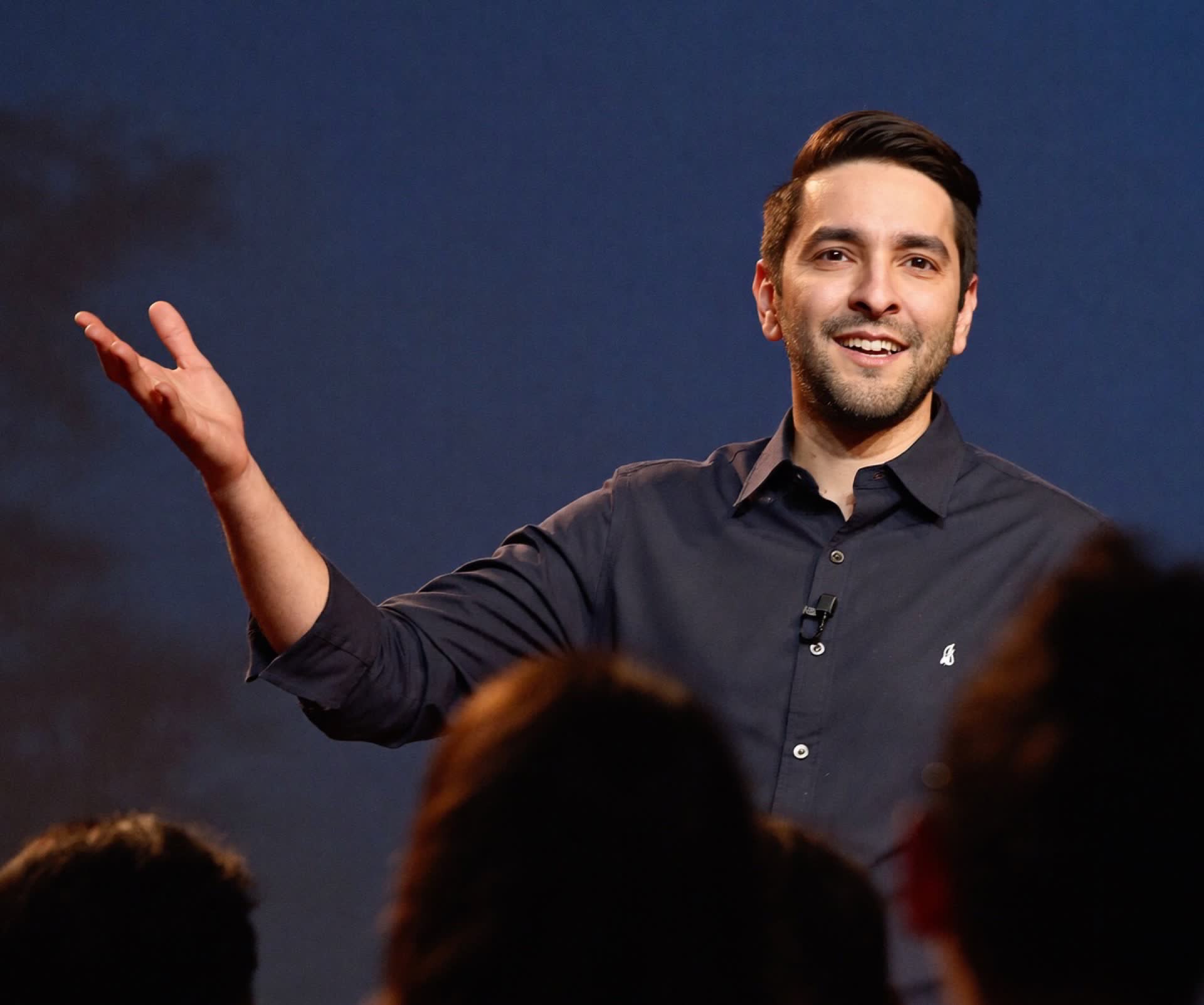
Dr. Mohammad Muneeb Khan left Pakistan with a British passport, worked warehouse shifts in London, and spent two decades becoming a clinical oncologist in the NHS. Now he wants to use everything he learned to stop cancer before it starts — and he thinks Pakistanis are uniquely positioned to lead that fight.
with Dr. Mohammad Muneeb Khan
11 min read
From Abbottabad to the NHS: a doctor shaped by loss
The episode opens with Muzamil introducing a guest who has travelled, in his own words, “full circle.” Dr. Mohammad Muneeb Khan was born in London, brought back to Pakistan at nine months old after his father’s death, raised in Abbottabad by his mother and grandmother, and eventually returned to England as an adult. That arc — England to Pakistan and back — shaped almost everything about how he thinks about medicine.
His decision to become a doctor came early. As a child he spent long hours in the clinic of his maternal uncle, Kazi Muhibur Rahman, a tuberculosis specialist who saw hundreds of patients a day, charged only what they could afford, and accepted kandairian and kulche as payment. “He would make the patients relax, laugh, show them magic tricks, treat them and not charge them,” Dr. Khan recalls. The lesson he drew was practical: you do not have to overcharge to make a good living, and quantity can compensate for what individual patients cannot pay.
By fifteen he had narrowed his focus to cancer. An aunt died of what the family called “the C disease” — nobody would say the word cancer aloud, as if speaking it might spread it. That silence, and the mystery behind it, pulled him in. When his uncle asked why cancer, Dr. Khan turned the question around: “Why tuberculosis?” His uncle had graduated in 1949, when TB was considered untreatable, and had taken it on as a challenge. Dr. Khan wanted to do the same thing with cancer.
Four years of unemployment, one year of pure passion
After graduating from Ayub Medical College in 1996–97, Dr. Khan spent four years unable to leave Abbottabad because his grandmother was paralysed and he was her carer. He sat the Public Service Commission exam, placed among the top students, and still could not get a government post. For roughly a year of that period he worked as a volunteer oncologist at Ayub Medical Complex — no salary, no dedicated ward, no nurses. “I was not getting paid and it was pure passion,” he says. He mixed chemotherapy himself, found beds in general wards, admitted patients, and monitored side effects around the clock. His mother described it as her son treating poor patients on a widow’s money. He told her to give him one year.
When his grandmother died, his mother told him to go abroad. He had a British passport — unused since infancy — and chose England over America, a decision he now considers a mistake. His American uncles, both doctors, had been calling him for a decade. “With hindsight, if I were to go to America, I would have been this cancer prevention thing ten years earlier.”
Warehouse shifts and the long road to consultant
London in 2001, post-9/11, was not easy for a foreign medical graduate. Dr. Khan woke at five in the morning, took three buses and two trains to a warehouse owned by a Pakistani shopkeeper, and spent his days moving crates and working the till. “I used to sit and think, what on earth am I doing? I am a doctor.” He called his mother once to say he was fed up. Her reply was direct: “You’ve burnt your ships. There’s no way coming back. There’s only way forward.”
Locum jobs followed — two weeks here, three weeks there — until hospitals kept him on longer-term contracts. Getting into oncology training took another four to five years of waiting. He qualified in general medicine (MRCP), then completed a Masters in Clinical Oncology and a Fellowship of the Royal College of Radiologists (FRCR). The FRCR alone covered nuclear physics, biostatistics, pharmacology, radiobiology, and cell biology. “Nuclear physics was like something going over my head,” he admits. The full training programme took roughly five years.
One reason he chose England over America for his training was clinical: in the UK, a clinical oncologist delivers both chemotherapy and radiotherapy. Everywhere else, the two are separate specialties. “If I came back to Pakistan, I could give all the treatment to the patient without having to refer to someone else.”
He now works as a consultant — the level at which, as he explains to Muzamil, “the buck stops.” The consultant carries final responsibility for every patient under their care. His specialties are brain tumours and urological cancers: kidney, bladder, and prostate. His base is a cancer centre in Cottingham, the largest village in England, which serves a catchment population of 1.2 million people stretching from Scarborough to Grimsby.
Cancer is not a death sentence — the numbers most people don’t know
Before getting into prevention, Dr. Khan pushes back on the fatalism that surrounds cancer. Muzamil notes that people treat it as a death sentence. Dr. Khan’s response is blunt: “Diabetes — cure rate is zero. Hypertension — zero. Myocardial infarction — zero. We cannot cure a single virus. Common cold, we cannot cure.”
Cancer, by contrast, has improving cure rates when caught early. Breast cancer: ninety percent in early stages. Prostate cancer: ninety percent. Testicular cancer: ninety-seven percent — even after spread to the lungs. Hodgkin lymphoma: one hundred percent. “Cures are increasing. The important thing is to catch it early, and even more important — prevention is the best cure.”
He also offers a reframe of what cancer actually is. He breaks the word down: CAN — can be prevented. CER — certainly can be treated. The first half is about stopping it from happening. The second is about what to do if it does.
Why fifty percent of the UK now gets cancer — and what’s driving it
In 2000, one in three people in the UK developed cancer over their lifetime. By 2020, that figure had risen to one in two. Dr. Khan watched that rise happen in real time and found it unacceptable. He points to elephants as a reference point: they live eighty to ninety years, are large mammals, and have among the lowest cancer rates of any animal. Longevity and body size do not explain the human trajectory.
His explanation centres on lifestyle factors that rarely get discussed because there is no commercial incentive to discuss them. He identifies several:
Synthetic multivitamins. “Trial after trial over the last thirty years has shown that cancer is more common” in people taking synthetic supplements. The body absorbs what it needs from natural food sources and stops. Synthetic vitamins force their way in regardless, and the excess feeds cancer cells rather than healthy ones.
Disrupted circadian rhythm. Modern humans spend an estimated ninety-three percent of their time indoors — eighty-seven percent in buildings, six percent in cars. Dr. Khan describes a technique he calls DAN: thirty seconds of morning light, between dawn and nine a.m., with eyes open but not looking directly at the sun. Near-infrared light reflected off trees and grass is sufficient. The signal travels to the brain, which instructs every cell in the body to produce melatonin in its mitochondria. That melatonin detoxifies the cell — neutralising the poisons and toxins that damage DNA and cause cancer. “In thirty seconds, doing absolutely nothing, you can reduce cancer in every cell of your body.”
Sugar. “In one word — sugar.” Cancer cells carry ten times more glucose receptors than normal cells, and ten times more insulin receptors. Insulin also triggers insulin-like growth factor, another cancer accelerant. PET-CT scans work precisely because of this: radioactive glucose is injected and cancer cells glow ten times brighter than surrounding tissue. Frequent eating compounds the problem. The body feeds every cell indiscriminately — including damaged ones — when food is constantly available. Fasting, which Dr. Khan describes as natural to human beings (the word “breakfast” literally means breaking a fast), gives the body a nightly detox window. “Old people used to eat at sunset, pray, eat, and then nothing until morning.”
Screening: start ten years before your family did
Muzamil asks Dr. Khan how to stay ahead of cancer. The standard advice — begin screening at fifty for breast, bowel, and prostate cancers — is something Dr. Khan explicitly disagrees with. “I disagree with it.” His rule: find out the youngest age at which a close family member was diagnosed, and begin screening ten years before that age. Most cancers take roughly ten years to develop to a detectable stage. “If breast cancer happened to someone in your family at fifty, you screen at forty. Don’t wait till fifty.”
Pakistan has no national screening programme. Killing Cancer Kindly is launching two pilot programmes this year: bowel cancer screening and cervical cancer screening.
Bowel cancer screening is straightforward. A paper strip detects blood in stool — a sample applied to the strip, a colour reaction if blood is present. If positive, a colonoscopy follows to determine whether the cause is cancer, an ulcer, or inflammation. Caught at that stage, treatment costs tens of thousands of rupees. Caught late, after visible blood appears and the patient panics, the treatment pathway is chemotherapy, then surgery, then more chemotherapy — a year of treatment costing lakhs.
Cervical cancer strikes women in their thirties. Its window period is ten to fifteen years, which means a smear test from age twenty-five can catch pre-cancerous changes long before they become dangerous. It is caused by human papillomavirus, a sexually transmitted infection for which a vaccine exists. Pakistan vaccinates for polio but not HPV. Dr. Khan says he is negotiating with the government to launch an HPV vaccination programme targeting girls aged twelve to thirteen.
Treatment: from carpet bombing to chronic disease management
On treatment, Dr. Khan acknowledges the shift away from conventional chemotherapy’s “carpet bombing” approach — kill everything, cancer and healthy cells alike. Targeted therapies now block receptors specific to cancer cells. Immunotherapy removes the molecular disguise that cancer cells use to hide from the immune system. The results are significant: cancers that were fatal within six months are now being controlled for five or six years. His longest-surviving prostate cancer patient has been alive for twenty-six years — outliving two of the oncologists who treated him before Dr. Khan.
But he is careful not to let the progress in treatment distract from prevention. “If you have a spare tyre in your boot, you don’t slash your own tyre.” Immunotherapy has real side effects: an overactivated immune system attacks healthy cells that carry receptors resembling those on cancer cells. Nanoparticle drugs and targeted therapies are expensive to develop and enormously profitable. Prevention is not. “In prevention, there is no money. In new nanoparticle drugs and immunotherapies, invest a million and earn a billion. That is why attention stays there.”
Pakistan in 2050: a cancer-free future led by Pakistanis
Later in the discussion, Muzamil asks Dr. Khan where Pakistan will be in thirty years. His answer is unambiguous. “Pakistan will be at the centre stage of geopolitical and economic force.” He points to geography — the country sits at a crossroads that the world must pass through, politically, geographically, and economically. He points to philanthropy — Pakistan is among the top charitable nations in the world by GDP, alongside the UK and Canada. He lists Shaukat Khanum as one of only three comprehensive free cancer hospitals on earth. He cites the Akhtar Hameed Khan micro-financing model and the Edhi Foundation’s ambulance service, which began with a wheelbarrow and a mattress and has held the Guinness World Record for the largest free ambulance service every year since 1997.
“Bill Gates walks a well-trodden path — malaria prevention, polio prevention. He does not build a free cancer hospital. That is only the Pakistani who does that.”
By the end of the conversation, Dr. Khan ties his thirty-year vision directly to Killing Cancer Kindly. The charity launched in August of the previous year, is already being translated into six languages including Urdu, Russian, and Greek, and is producing videos on specific prevention techniques. “I have told my children — this is my legacy. Whether I am here or not, you have to carry this forward.”
The YouTube channel — Killing Cancer Kindly with Doctor Khan — is publicly available and regularly updated. For Muzamil, the episode ends where it began: with a doctor who decided at fifteen what he wanted to do, and has not deviated since.
Full transcript
सामने ख़वितिनाज़ रात. Welcome back to another episode of ThoughtByard. Thanks. हमारी ज़रानी program के ऊपर बृद्धा पावरों ने बोला but we've had very little doctors somehow हर दिया दिर. इतनाफ़ा कैसा पैदा नहीं हुआ. Today we have a very special guest all the way from The UK. Not sure which city though. I would say my guest would be Birmingham.
No. There are many Pakistanis in Birmingham, but I'm from East Yorkshire, Cottingham. It's the largest village in England. Oh, wow. But it's got one of the best and biggest cancer centers in the region. Very, very interesting.
And we're gonna expand more on that. We have with us today doctor Mohammed Munib Khan. He is the he is a clinical oncologist, and, you know, a specialist in that as well. Sir, thank you so much for being part of the show and for all of you guys who don't know what an oncologist is, अगर आप थोड़ा सा explain कर सकें. जीनाव, thank you for having me मुज़मिल. Oncologist है जी, cancer specialist. Simple terms, Right. Cancer Sir, मुझे थोड़ा सा बताइएगा कि let's start with the basics. Where were you born and, you know, early life कैसी थी आपकी?
I've gone a full circle. I was born in England, London में. मेरे father वहां काम करते थे और when I was nine months old, my father passed away. So, my mom decided to come back because she had more family support in Pakistan. So, I came back to Pakistan. I was brought up as a proper पाकिस्तानी kid. In what city? Ebitabad. Right. One of the best cities in Pakistan और वहीं पर मेरी schooling हुई Army Burn Home School, throughout and then I went to medical college in Ebitabad. My mother and grandmother brought me up and I had to stay close to them so I hardly ever left the city. Right. Grandma passed away after long illness and then I went back to England तो जहां से शुरू किया था ज़िंदगी का पास वहां वापस पहुंच जाएंगे. जो
burn haul आपका end to end burn haul था? End to end from my nursery till my high school. Right. And medical college पांच से था? A U Medical College. That's fairly famous as well. It is. That's pretty good. How was the experience there?
I enjoyed my school life burn all more than the medical college. Interesting.
Why did you choose medical in the first
I I want to be a used to fall ill a lot. हाँ. Hospitalओं में आना जाना होता और मेरे मामू doctor थे काजी मोहिबुर अहम्मान. मोहिब one of the best tuberculosis specialist in the country and I used to sit in this clinic waiting for my blood test and medicine to arrive and I used to see his interaction with patients and I was fascinated. I mean he was an amazing guy. He would make the patients relax, laugh, show them magic tricks, treat them and not charge them. अच्छा. यह बड़ी अजीब बात थी कि patient जो देना चाहे दे सकता था और कभी patient कंडेरियां देकर जा रहा है, छंगेरें देकर जा रहा है, कुलचे देकर जा रहा है and he will just keep them and bring them home. तो मेरी जो उम्मानी थी वो कहा करती थी कि यह क्यों लेकर आए हैं आप? And you don't have to charge them or overcharge them and you can still make a good living and he did make a good living. He had a very good life. Right. Because his clinic used to have hundreds of patients every day. Right. तो वह जो चीज़ वह quantity में कम होती थी तो वह quality में, sorry quality में जो कम होती थी वह quantity में पूरी हो जाती थी. Right right right. And tuberculosis used to be a big खिला. Right. It was the cancer of its time. Nineteen fifties में कादियाज़म मोहम्मद अली जनार जैसे ही अजीम शख्सीद इसकी वजह से गई और उसके बाद यह एकदम curable treatable हो गई. So I decided to become a doctor at three and by 15 I had focused on cancer high अच्छा. School Why? How come? One of my really good aunties, she passed away of cancer. अच्छा. और I was not allowed to see her And that was very traumatic for me. And people did not want to talk about it. Because, because of what what I mean, what she'd become sort of? No. People didn't even say she had cancer. They said that she had the C disease. People were afraid of saying cancer as if they'll catch by saying it. Right. And that made me quite intrigued. And I was like, I want to know what this C disease is. And when I found out about cancer and it's difficult to treat and not curable, and I was like, This is what I want to do. And my ideal, my uncle, Kazi Muheboro-Aman, he he asked me, he said, why cancer? And I said, why tuberculosis? And he laughed because he he graduated 1949 from King Edward's College or unono tuberculosis, celia select keys, icky, there was no one willing to take it up, and he took it as a challenge. And I said, it's the same thing. I want to do what you did, tackle the impossible and make it possible. Right. And that has always been my dream, to prevent, detect, treat and cure cancer. And I have to say the cure of cancer has increased in the last three to four decades. अच्छा. जिनाव, लोग समेतेंगे cancer is a death sentence. It is not. For example किसी को diabetes हो जाए, cure rate is zero, hypertension zero, myocardial infarction zero, in fact आपको मैं अगर बीमारियां गिनवानी शुरू करूं ना तो हम किसी भी बीमारी को cure नहीं करते, manage करते. So I bacterial infections के, कोई diarrhea, vomiting वाला हो गया. Viral infection में एक भी virus हम cure नहीं कर सकते. Common cold जुकाम नहीं cure कर सकते. सिर्फ hepatitis C का पिछले पांच साल में इलाज आया है and we have cure. Antiviral type के? आ गया. Hepatitis B भी आप cure नहीं करते, prevent करते हैं vaccination से. Cancers में अगर आप early stage में पकड़ लेना तो मुज़मिल breast cancer का cure rate early stage में ninety percent. Prostate cancer का ninety percent, testicular cancer का cure rate ninety seven percent. अगर lungs तक, feverओं तक फ़ैल गया है फिर भी seventy five percent cure rate. Hodgkin lymphoma hundred percent cure rate. Cures बढ़ती जा रही है. अहम् चीज़ यह है कि इसको जल्दी पकड़े और इससे भी अहम् चीज़ यह है prevention is the best cure. Right. World Health Organization कहती है कि पचास फीसद cancers को तो होना ही नहीं चाहिए. They are preventable, खाम खा हो रहे हैं and they are simple lifestyle changes, simple precautions जो मैं और आप सब ले सकते हैं and we talked about it before थोड़ा the
सा हम इसके बारे detail में आऐंगे but थोड़ा सा मैं वो पहले map out कर लूँ आपकी journey. So are you medical college five years? What year was this?
I graduated in 9697. यहां हड़ताल हुआ करती थी. साल loose किया करते थे हम लोग and that was a tradition. हर batch में एक साल हड़ताल करके principal से झगड़ा करके exam को delay किया जाता था. I was aware of that. और यही मेरा mission है जो मेरा को बताया killing cancer kindly with doctor khan कि लोगों को बताएं कि cancer क्या है. When you know your enemy, you can tackle it much easier. Cancer is not impossible to cure and it's not impossible to treat. मैं तो कहता जो cancer है ना इसके दो हिस्से हैं. CAN can be prevented. CER certainly be treated. तो ipsidise stage में can be prevented - CAN. आखिर में CER certainly be treated and that is what cancer is. Right.
House job के बाद, you know, mentioned you went to England. Did you work here for a bit?
House job के बाद चार
साल बेरोज़गारी की गुदारे. अच्छा. जब कहीं काम ही नहीं गया?
नहीं job ढूंढता रहा कोई देता नहीं था. वजह यह थी I couldn't leave Ebbitabad क्योंकि मेरी grandmother she was paralyzed and I was her carer और सरकारी job में public service commission का exam दिया top students. और वहां से जब cancer का जो initiative था, that really took, a lift off. In fact, it was one of my students who encouraged me to go ahead and plan, cancer prevention. And we met up again after eighteen years and we really started the whole thing. For eighteen years, I was on my own working on it. And when we met up after eighteen years, she told me, Let's go ahead and launch it. And we launched it in the last two to three years. Right.
So, 9697 you graduate. 2001
you are basically just roaming around figuring out what to do. Yeah, I am doing the job as a teacher. Am teaching pharmacology and Where in those four years? In the last one and a half year. ठीक है. शुरू के जो थे, अच्छा शुरू के जो मेरे दुबेरोज़गारी के साल थे ना उसमें मैं volunteer oncologist था आयु medical complex में. अच्छा. तो वहां एक छोटा सा oncology department था तो उसमें nurses भी नहीं थी, उसमें beds भी नहीं थे, उसमें department भी नहीं था. तो patient आता तो हम mostly wordओं में जाकर उसको जमा कराते. दो oncologist थे और मैं उनका volunteer twenty four hours खुद ही chemotherapy बनाई, लगाई, patient के side effect देखे, patient के लिए bed भी ढूंढा, उसको admit भी किया. वह एक साल मेरी ज़िंदगी का सबसे खूबसूरत साल था. I was not getting paid and it was pure passion. Right. और मेरी अम्मा जो थी वह कहती थी मेरा बेटा बेवामा के पैसों पर गरीब मरीज़ों का इलाज करता है and I did that. मैंने कहा अम्मा एक साल करने दे. And it was, it was a high. जैसे एक high feeling होती है ना, वह होती थी कि यार, I am doing it because I want to do it. Right. So, that even built up more my passion for oncology. Right. और, पिर मेरी grandmother, she passed away. Right. When she passed away then my mom said, okay, now you have to pursue your studies abroad. The choice थी America और England की and England was easier. I had the British passport. वह पुराना passport निकाला, झाड़ी, घर झाड़ी उस तरह से कि चलो वापस चलते हैं जिस देश में पैदा हुए थे. हाँ. As national आपको वहाँ पे मेरे ख्याले fees का tuition कभी वो होगा? नहीं, when I went I that that's what I have thought everyone told me कि तेरे लिए तो कोई मुश्किल नहीं है. I had a choice to go to America or England and I think I made a mistake going to England. अच्छा. America would have been better. I had more relatives. I had uncles in America who were doctors. वह मुझे दस साल तक बुलाते रहे and I said नहीं England is better. Which I think with hindsight, if I were to America, I would have been this cancer prevention thing ten years earlier. अच्छा. तो England में थोड़ा delay हुआ लेकिन. And England में where did you go? I went to London everyone goes to London Heathrow and London East London पाकिस्तानियों की amajigarh की वहाँ हम दो तीन doctorओं ने छोटा सा एक घर लिया मिल के. England का जो exam था plab it was more difficult than the american exam. हम England इसलिए गए कि ख्याल यह था कि डेढ़ साल में ना सब पढ़ाई खत्म करके बड़े लायक बचे हैं वापस से Pakistan आ जाएंगे. अच्छा. अल्हाम जिल्लाह बाइस साल गए. आना लगा है. लेकिन. मेरे पास busy आए. आपने प्लैप क्यों, so were you going for your masters? You had already gotten into a university? नहीं नहीं, मैं गया अपने membership of royal college of physicians के लिए, MRCP के लिए. अच्छा ठीक है. उसके बाद oncology में मैंने अपना masters भी किया और FRCR भी किया. MRCP what is MRCP? It's a membership of royal college of physicians जो general medicine में आप करते हैं. ठीक है. और फिर मैंने masters in clinic and oncology किया और मैंने जो है fellowship in royal college of radiologist किया clinical oncology का. तो ये तीन degrees मैंने की. अगर मैं इसको पाकिस्तानी context में ले जी. लेता So you have like this f f f f c p s. F c p s की जैसा है MRCP. ठीक है. वो आपने complete कर लिया. MSC is like an MSC. ठीक है. FRCR जो है additional piece. This post. गिराब. तो I am qualified in general medicine and cancer medicine और cancer में मैं chemotherapy, radiotherapy दोनों देता हूँ. Is very unique to England usually बाकी मुल्कों में या आप chemo देते हैं या radiotherapy देते हैं. And that was another reason choosing England कि वापस Pakistan अगर आए तो सारी treatment दे सकें patient को किसी और पर NSR ना करना पड़े. Right. How long did it take for you to complete all of these studies? A bit too long. अच्छा. जिस वक्त मैं गया it was 2001. Right. Post nine eleven. It was a very difficult time. I thought I was English. I was told I was British. English सिर्फ गोराहुद है. British सारे आ जाते हैं उसमें. उस वक्त काफी अच्छा interesting I have never I have I have have never can never be English unless you are born of the English stock. आप Irish show, आप Scottish show, आप Well show या आप British show. Your British Asian, British Pakistani, British Indian english is only a racial thing, pure racial thing. अच्छा, interesting. तो उस जमाने में काफी मुश्किल था foreign graduates के लिए घुसना और although I had a british nationality लेकिन I wasn't funded by the government क्योंकि government का यह कहना था I had not paid tax for three years and my father had died a very long time ago and not left me on a property to pay tax on. उनके rules हैं कि अगर आपने tax में contribute किया है तो फिर आपको सुगलता है वरना नहीं है. तो it was uphill struggle and then we had a change in the NHS system in which many doctors were left jobless. अच्छा. And it took a long time for us to get back into training position. हमें non training job ज़्यादा मिलती थी foreign graduates को. तो बड़ा लंबा था कि. तो start में when you went there were you doing sorry मैंने आपकी बात cut रहा हूँ. So were you doing like और jobs या were you part of the sort of healthcare industry but doing different type of jobs? सुबह पांच बजे उठ के मैं बस पकड़ ता था और तीन बसे और दो trainएं change करके एक warehouse में जाता था और वहाँ मज़दूरी करता था. अच्छा अच्छा so random odd jobs nothing to do with happening. Well it was in a one warehouse owned by some पाकिसानी shop और वहां पर बोल से गोरे पाकिस्तानी काम करते थे तो that were I used to. मैं crates उठाता था, रखता था, कभी cash counter पर, कभी till पर, that's the kind of job. और कभी कभी बैठ के मैं सोचता था कि what on earth am I doing? हाँ. तो मैंने अमी को एक दफा phone किया ने कहा I fed up, I'm a doctor और मैं यह crates उठा रहा हूं, सब कुछ कर रहा तो मेरी मां ने एक बात की है. उसने कहा कि you've burnt your ships. There's no way coming back. There's only way forward. Mhmm. Go ahead.
How long were you... Was your mother in The UK before she? Two years. Two years. Two years. Right.
And she she stayed back in Pakistan even after you left. I tried to get her over, but it was an impossible task. She refused to take a British passport because she couldn't see a point in that. But वह चीज़ बाद में उनको अट्ठाईस साल बाद hit की. When I was there in order to bring her over, she couldn't come over. Right-right-right.
How long did you do this odd job and मतलब I am trying to do now map के उसके बाद फिर हुआ क्या over the next like decade?
तो पांच छह महीने तो odd jobs करते रहे और उसके बाद we got locum jobs कोई कहीं दो हफ्ते की job, तीन हफ्ते की job, फिर करते करते the hospital like my work so they hired me long term jobs पे. उसके बाद training jobs में चले गए. Oncology में जाना बड़ा मुश्किल था. I wanted to go into oncology and there was stiff competition तो उसके लिए मुझे कुछ साल wait करना पड़ा. I had opportunities कि आप GP वन जाए, anesthesia कर लें, respiratory कर लें तो you could become a consultant in a few years and many of my friends they went into those fields and they are good fields लेकिन मैंने कहा कि मैं तो doctor बना ही cancer के इलाज के लिए हूँ and my mission is to treat cancer. So I waited. I, something like four to five years I had to wait till I got a training job. Training complete की, exams complete किए and then I did my masters during that time too and I started working as a full time oncologist.
Right. So training जो सबसे पहले आपने बोला training that basically is MRCP?
MRCP and then Masters आपने जो किया वह आपने exclusive F R C R और उसके दौरान ही masters किया. उसके दौरान F R C R में क्या होता है? Like what's your यह fellowship है. So यह आपकी सब specialty आप choose करते आप क्या करना चाहते हैं? मैंने कहा जी मैं cancer में करना चाहता हूं. तो उन्होंने हमें train कराया उसमें हमें इन्होंने physics पढ़ाई. Nuclear physics क्योंकि radiation से deal करना है. Right. Biostatistics पढ़ाई क्योंकि statistical analysis बड़े होते हैं trials के. उसके बाद pharmacology और radiobiology के, radiation के, श्वाओं के क्या असरात हैं cells के ऊपर और फिर cell biology के cancer कैसे बनता है, cell में क्या changes आती है, quite extensive course और ये most of these subjects were new to us. खास तो अभी physics was very new. Nuclear physics was like सर के ऊपर से कुछ करती थी. हल्दा medical पढ़ा हुआ था. हाँ. उसमें हिसाब, किताब, numbers की game काफी हुआ करती थी. लेकिन वो सब क्या उसके फिर exams थे, theory exam था, practical exam था, clinical exam था. तो that takes about five years the whole training program. Right and the sort of jobs that you have been doing since then, it's basic consulting? Consultant job, yeah. मैं पिछले चार पांच साल से I mean a consultant post. उससे पहले specialist post में था. What's the difference between both? Specialist post जो है, वह जो है आपकी consultant level पर नहीं होती. It's considered to be a middle grade post. Ok. मतलब in terms of इसको इस तरह से question को थोड़ा सा switch करता हूं.
As a patient,
what difference would I find when I go to a specialist versus a consultant? The buck stops with the consultant. The responsibility lies on the consultant. The final decision and the final responsibilities on the consultant. तो जो consultant है, उसका decision जो है उसको वह ख़ुद ही backup करता है. He is responsible for everything साथ which happens to his patients under his care. जो specialist doctor है उसको backup होता है consultant का. ठीक है. So he always has someone, किसी attached होगा वह directly individually नहीं कर सकता. Absolutely. And are you working within the sort of I don't know NHS. NHS. NHS system. मैं private practice नहीं करता. I only work with NHS. So, मेरी specialty जो है brain tumours हैं और urological tumours हैं, kidney, bladder, prostate and I used to do upper GI लेकिन workload ज़्यादा हो गया so I have dropped that. तो अब मैं इन पर सिर्फ focus करता हूं. And you mentioned you are living in this city, in this sort of village. It's the largest village in England. Ok. Called Cottingham.
And how many people are there?
गिने नहीं है लेकिन मेरे हाल में there are about five to 10,000.
अच्छा five to 10,000. So in terms of उधर तो बड़े my understanding is five to 10,000 का एक subset में उठा रहा तो उसमें तो बहुत थोड़े patients होंगे potentially. That's interesting. जो हमारा cancer center है ना उसका catchment area 1,200,000
है. अच्छा. तो East Coast में Scarborough नाम का एक शहर है वहां से लेकर नीचे Grimsby तक सारा area हमारे पास आता है. वहां चार पांच बड़े बड़े शहर हैं जिनका सारा का सारा patient influx उस village में आता है. The reason why we have the hospital in the villages is it's a very spacious area. Right. It's next to a city called Kingston Upon Hull. That's the closest city. तो हम hull के अस्पताल के साथ मिलकर hull university teaching hospitals का हिस्सा आए. Right. लेकिन हमारा जो cash material is very vast. तो हम rural, urban बहुत सारे centers को cover कर. Essentially अगर cancer specialty
होती है तो वह उन पूरे इलाकों में सारे सारे लिए कहते हैं कि जी इस hospital में आज जुना ये are they close by? They are not
really close by. अब मैं Scarborough general hospital में भी जाता हूँ वहाँ मैं lead हूँ clinical oncology का और क्या है oncology का ऐसा है. तो वो तकरीबन डेढ़ घंटा दूर है from my base hospital. तो ये काफी बड़ा area geographically भी हो रहा आबादी के लिए हाथ से भी. Right right right, makes sense.
And then now tell me a little bit about, killing cancer kindly, which is, if you guys can see it, there on the card as well. How did this come about?
Cancer के बारे में पंद्रह साल की age से तो I was looking into it कि cancer क्यों हो रहा है? कैसे हो रहा है? तो बचपन में भी जो बाकी बच्चे comics वगैरह पढ़ते थे तो मैं ये medical journals वगैरह उठा के कोई cancer का article आ गया और पढ़ना शुरू कर दिया. I was intrigued कि what is the reason why cancer happens and if we can stop those reasons we can stop cancer. लोग treatment पे focus करते हैं और अब भी focus है. UK में जा के I realized कि thirty three percent of the population was having cancer once in their life. Really?
Three? That's one in three people. That was in two thousand.
Twenty '20 में fifty percent हो गया है. And I've seen that rise, the steep rise. नहीं, that's one in two people. One in two people have a lifetime risk of cancer in UK. हर दूसरे बंदे को ज़िंदगी में एक cancer ज़रूर होता है. और वो क्या छोटे मोटे cancers भी हो सकते हैं? छोटा भी होता है, बड़ा भी होता है. अगर जल्दी पकड़ लो तो छोटा है, देर से पकड़े हैं तो बड़ा है. छोटा cancer भी बड़ा हो जाता है with time. अच्छा. और आपने कहा पिछले बाइस साल में यह 33% से 50% पर गए. बीस साल, सत्रह साल में. सत्रह साल में. यह jumped up to 50% और अभी भी बढ़ रहा है. तो I was quite upset कि भाई दुनिया में कोई अल्लाह की बनाई हुई ऐसी मखलूक नहीं, no species of animal which have a fifty percent cancer rate, this is just not natural. You cannot justify it anyway. हम कहते हैं जी लोग बड़े लंबी उम्र गुज़ार रहे हैं. We are big mammals तो हम में होता है तो जितना ज़िंदा रहेंगे cancer होगा. That doesn't explain everything. आपने मेरा लोगों देखा उसमें दो हाथी बने. The reason is हाथी बहुत बड़े जानवर हैं. अस्सी नवे साल तक ज़िंदा रहते हैं. Cancer rate सबसे कम है. Why are we different? Risk factors हाथियों में भी उनके लिहाज से वैसे ही हैं जैसे हमारे यहां हैं और हमारा cancer rate बढ़ रहा है और अगर इसी तरह बढ़ता रहा है कुछ और से बाद 90% लोगों को cancer होने के इंकानात हो जाएंगे Western world में. And I think that is unacceptable. अब problem यह है. Why is it higher in the Western world? It's lifestyle and multiple reasons. Post ही ऐसी बातें हैं जिनके बारे में लोग ज़िक्र करना पसंद नहीं करते due to certain reason. अब smoking है, उसकी lobbying है, alcohol है, उसकी lobbying है और मेरी जो research और जो study रही है खास हुए मैंने masters जो किया, I was looking at preventive side and I found out कि जो synthetic multivitamins है जो over the counter मिलती है यह गोलियां शर्बतें powder सब कुछ और आपको gym वाले भी देते हैं हर कोई देते हैं उनसे cancer बढ़ता है. अच्छा. पिछले तीस साल में trial after trial has shown कि इससे cancer ज़्यादा होता है
जो हमारा west में अगर हम जाएं तो वहां पर तो at least यह है कि there is still generally colder climate है. So they, you know, although sun बड़ा कम होता है but they are very big on the sun. They go and, you know, वह जाएं. शर्तार के sun वह lotion लगाकर बैठ जाएंगे वह सब. No वह करेंगे. हमारे यहां यह है कि because obviously it's very very hot. Mhmm. So we're off the sun for most part. We're looking for a shade all the time. And so vitamin D जो है वह, मेरे मतलब every single friend that I know including my Deficiency. Child We have a D deficiency and so every I think maybe six to nine months I have to take one of those vitamin D की जो liquid form में आती है. बिल्कुल.
And then that's just vitamin D. You know, अब मैं बाकी test कराता हूं तो उसमें हमेशा वह दूसरे भी मेरे vitamins का मस्ता आ रहा होता है. So if you not taking metals and if you are not taking those powders then what what do you do? Very good question. पहली बात तो ये है ना मैं कहता हूँ कि हमें अपने आप को जानना चाहिए. Who are we? And I don't mean in the philosophical sense sense कि we are part of a greater spirit up in the heaven. नहीं, we are not, we are creation. हम diurnal creatures हैं, दिन की मखलूक. We are not nocturnal animals. और हम दिन में आप इंदाज़ा लगाएंगे कि इंसान modern lifestyle में इंसान दिन में कितना time अंदर गुजरता है indoors. The latest estimate is 93%. 87% within the house, office, shop, market, whatever. 6% in the car. जब आप तिरानवे फीसद हिसाब दिन का घर के अंदर बंद अंधेरे में गुज़ार रहे हैं और दिन को आप late जाग रहे हो रात को जो है आप सो नहीं रहे तो you are going to mess up your body. आपके सारा body सरकारी की rhythm खराब हो गया. Vitamin d के लिए आपको light चाहिए सुबह की और शाम की. दस और दो बजे के दरमियान बहुत खतरनाक है time. वहाँ skin damage होती है और मज़े की बात यह है कि आपकी skin में ऐसा एक system है कि जितना vitamin d चाहिए उतना बनेगा उससे ऊपर कभी नहीं जाएगा. अच्छा. जो synthetic vitamin D है वह उसकी body fan की जमा होता है. Hypervitaminosis D is a terrible thing. बच्चों में ज़्यादा vitamin D दें तो उनका ज़ेहनी नशुन्मा रुक जाती है उनकी mental retardation होती है जिसे हम क्या कहते है गभी होना, बच्चा गभी हो गया जी. कोई बात नहीं सुनना, समझ नहीं आ रही उसे and that happens in kids if you give them too much vitamin D और vitamin D के जितने trials है natural vitamin D जिनको दो तो cancer का risk छब्बीस फीसद कम. Synthetic vitamin D दो तो कोई फ़ायदा नहीं. मैं तो यह कहता हूँ इसमें मजी तहकीकत होनी चाहिए कि vitamin D देने का फ़ायदा भी है कि नहीं synthetic का? I seriously doubt कि इसका कोई protective role है. Heart disease में कोई role नहीं है. Cancer में कोई role नहीं है. Protection का लेकिन natural का है. अगर आप सामान खाएं, fish खाएं, mackerel खाएं, cord liver oil लें या cord fish खाएं. इसके अलावा अंडे.
नहीं sir, cord liver oil की जिस से tablets वगैरह आती है we can that enhances
vitamin D as well. It does लेकिन उसमें ऐतिहाद कीजिएगा की उसकी जो capsule की shell है ना वो gelatin की होती है और gelatin अक्सर जो है pork से source किया जाता है. Right. अभी इसी के Pakistan में आ रही है तो generally यहाँ पर वो certification नहीं होती. I have seen so many of them which are pork gelatin and they are being sold over the counter and nobody cares. Interesting. तो इसकी ऐतिहाज कीजिए और दूसरा यह कि अंडा जो है ना अंडे अगर आप उबाल की या fry करके खाए तो उसमें भी vitamin D है. Right. तो you can fulfill your vitamin D requirement naturally. सबसे अहम् चीज़ है धूप में जाना, रोशन में जाना. अभी latest मैंने एक video upload किया है जिसमें यह कहा है कि तीस second में, दिन में सिर्फ तीस second में आप चिसम के अंदर हर cell में cancer को होने से रोक सकते हैं. अच्छा. और यह important क्यों है? इसलिए कि हमारे जिस्म में रोज़ाना ना आप संभल के बैठिएगा गिर ना जाइएगा. हमारे जिस्म में एक सेहतमंद इंसान की जिस्म रोज़ाना आठ सौ से हज़ार cancer पैदा होते हैं. अच्छा. जी और हमारा जिस्म उनमें से हर एक को मार देता है. जब इस balance से ऊपर जाता है ना मामला तो फिर मसला पैदा होता है. जब हमारे carcinogen risk factors बढ़ जाते हैं जिस्म का cancer मारने का जो system है वह आठ सौ से हज़ार मारेगा. कुछ लोगों में ज़्यादा, कुछ में कम genetic variation होती है लेकिन जब उससे ज़्यादा पैदा होंगे उनको आप high dose vitamins देंगे जो उनको बढ़ने में help करेंगी. Concentrated fruits, vegetables की vitamins आपका जिस्सा है उतना ही absorb करेगा जितनी चाहिए. लेकिन synthetic सबकी सब it will force their way into your body क्योंकि that's how they are made. उनका मकसदी जी है कि body में जज़्ब हो जाए और उसका फ़ायदा cancer cells को होगा. तो तीस second दिन में you have to do a special technique जिसको मैं D A N कहता हूं. I have coined the term. It's a first time you are hearing it at मुज़मिल सियो. इस लिए बात नहीं हुई. तो यह internationally recognized हो जाएगी term D A N technique. तीस second दिन में you can reduce cancer in every cell of your body and that is doing absolutely nothing. अच्छा. तीस second आपने कुछ नहीं करना दिन में. लेकिन उसमें अहम् बात यह है कि यह कब और कहां करना है? तुझना technique है कुछ ना करने की जो हमारा कोमी मसवाला है. We are very good at that doing absolutely nothing लेकिन important चीज़ है कब और कहां? सुबह फज़र के वक्त से लेकर नौ बजे के दरम्यान जो सूरज की रौशनी की किरण है ना, वह अगर आपकी आंखों में पड़े तो उससे आपका brain एक signal भेजता है जिस्म के हर cell को और जिस्म का हर cell अपने mitochondria में melatonin बनाता है और melatonin एक ऐसा जादुई chemical है जो detox करता है. जिस्म के अंदर जो भी ज़हर पैदा हो ना उसको यह खत्म करता है. हर ज़हर का तरीक्क समझे और खास सौ पर वह poisons और toxins जो DNA damage करके cancer cause करते हैं और सिर्फ तीस second चाहिए वह दमिल. अगर बहुत ही cloudy दिन हो ना अक्सर patient मुझे कहते England में बड़ा मसला है कि यार तीस second आपने कह तो दिया लेकिन इतने cloudy लगता है जैसे रात हो
Right. So आपने सुबह किसी दिन you just have to wake up. I am looking at myself and I for the life of me, I don't even know, I don't even remember the last time I was up between those hours. But
all essentially what you are saying is कि listen just drag yourself out and go out on the thirty thirty second. Don't look at the sun. आपने सूरज को नहीं देखना है. आपने सिर्फ खड़े हो जाना you have to stand, do nothing, look pretty which is very easy for you और उसमें ये कमाल है कि अगर आप दृक्त को भी देखें, घास को भी देखें, पत्तों को भी देखें तब भी वो ये असर है क्योंकि उसे टकरा के रौशनी आ रही है near infrared. ये जितने भी आपके पौधे है ना ये near infrared जो है उसको reflect करते हैं और आपकी आंख को वह near infrared रौशनी जो कि नज़र ना आने वाली रौशनी है it's a non visible spectrum. वह तीस second के लिए चाहिए ताकि वह trigger करे brain को और पूरे जिस्म में detox शुरू हो जाए. उसके बाद आप वापस आकर सोच आओ. अच्छा अब कुछ लोग मुझसे कहते हैं जी कि खिड़की के पीछे ना बैठ जाए तो उनको उसके भी hacks ढूंढ रहे हो. हां कि बिल्कुल बिल्कुल कख भी ना करना पड़े बाहर भी ना करना पड़े उसमें एक मसला है. सर वापस अंदर ले आए और दुबारा सो जाएं अगर आपने सोना है और यह हमारे natural rhythm का हिस्सा है. That's how we've meant to be. Diurinal animals have to wake up in the morning. They need to expose themselves to light to trigger the circadian rhythm. हम उठते है दस बजे, दुकानें खुलती है ग्यारह बजे, shopping शुरू होती है बारह बजे and we miss that and we have because a lot
a lot of times I have tried to fix my routine and what I have done is I now when I think about it I never really gone out and so मैं सुबह सुबह उठ जाता मैं कहता अपने हिसाब से कि ठीक है मैं फिर तुम तो उठ गया. मैं Netflix लगा लिया कुछ देख वेक लिया force yourself up. और मैंने force up force myself up तो अब मैं रात को timely सो भी जाऊंगा लेकिन वो होता ही नहीं है. Maybe it's the the missing link was the natural trigger for the brain to
tell it कि listen like I am up up and you know now start the toxin. Yeah. और बहुत से लोग जिन्होंने ये किया है they have told me कि we felt a difference in the day. Right. आपके body के toxins जो है उनको neutralize कर दिया melatonin ने हर cell के अंदर. So ये simple techniques हैं. इसी तरह हम information provide करें कि आप lung cancer का risk कैसे कम करते हैं? अब smoking तो है लेकिन उसके अलावा भी lung cancer होता है. क्या आपको metronin भी मिल गई और radon gas भी निकल गई घर से? तो बड़े simple मईes हैं लेकिन इनको promote कोई नहीं करता क्योंकि इसमें वही बात आती है कि इसमें drug companies और pharmaceuticals और बाकियों की कमाई नहीं है. तो इस बारे में, इस बारे में information को आगे बढ़ाया नहीं जाता है and I am so much happy कि हमने एक पाकिस्तानियों ने मिलकर initiative लिया है पूरी दुनिया को cancer prevention की तरफ ले जाने का and people are following already छे ज़बानों में तर्जुमा हो रहा है हमारे काम का and we started in august last year. अच्छा. और बहुत अच्छा हमें response मिल रहा है and a lot of people they are saying that they are benefiting from it. खास पर वह लोग जिनकी family में cancer है. UK में तो बहुत common है. हर घर के अंदर cancer है because fifty percent lifetime incidences हैं cancer के. Generally
if I were to ask you, why do you think it's increasing? So you've mentioned one of them being the natural rhythm that's missing and so anti, sort of toxin and anti... What would you call it? जो आपको basically body की सफाई है वह उस तरह से सही है. Anti oxidants करना होगा. Body के अंदर भी और राख में भी. बिल्कुल. उसके अलावा do you think there are other lifestyle things that maybe something that in in the food that we're consuming or rather you know, you mentioned smoking obviously but that's something that's fairly popular now. Alcohol maybe, irrespective जितना भी आप कह लेंगे Pakistan में नहीं है, there's a lot of people There is. Who drink and so, उनको what what impact does that have on on cancers as well. Generally if I were to ask you कि जैसे आपने मैंने logically बड़े अच्छे तरीके से explain किया, I've never really been able to understand it उस तरह से कि, you know, आठ सौ हज़ार cancer cells वन रहे हैं और उसमें अगर volume बढ़ जाएगा तो सबसे logical, mathematical. I'm a very mathematical person. मेरी biology ठीक इतनी अच्छी नहीं थी but mathematics I was fairly good at. And so now I can make a graph right? अगर ये exponentially बढ़ रहा है. अगर बारह सौ वन रहे हैं, आठ सौ मर रहे तो वो चार सौ के हिसाब से हर दिन excess हो रहा है फिर उनका multiplier automatically चलेगा. In terms of the food that we eat and the material that we consume, what impact, in a very simplified way if you were to tell me, do they have on cancer in our body? In one word,
sugar. Right, sugar is toxic. Cancer cells जो है ना वह तेजी से बढ़ते हैं और उनको बढ़ने के लिए चाहिए glucose. अगर आपके normal cell पर एक receptor है glucose का तो cancer cell पर दस है glucose के. Normal cell पे insulin का एक receptor है तो cancer cell पे दस है. Insulin के साथ एक और चीज़ निकलती है जिसको कहते है insulin like growth factor one जो एक growth factor है बढ़ाता है cells को. आम cellओं पे एक cancer cell पे दस. फलां जो है वह एक ध्यान में पास हो गया. अब हम रोज़दाना मीठा खाते हैं. जो glucose है ना यह ना सिर्फ के cancer के बढ़ने में मदद देता है क्योंकि एक तो यह खुद खुराक है cancer की. आप PET CT का नाम सुना है आपने? उसमें हम glucose के साथ radioactive material लगा के body में डालते हैं और cancer cells glow कर रहे होते हैं, रोशन हो जाते हैं, चमक दमक रहे होते हैं दस गुना ज़्यादा बाकी cells की निस्मत. अच्छा so that's that's you are really begin to map out. Are big on eating glucose. Right. हमारी diet में glucose बहुत ज़्यादा है तो वही जो आठ सौ से सौ हज़ार cancer cells बने उनको आपने इतना glucose दे दिया ऊपर से multivitamins भी दे दिए तो वो तो बढ़ेंगे. Body उनको माने की कोशिश कर रही है, आप उनको खिला पिला रहे हैं. अब दिन में खाने का बुनियादी उसूल इंसानों का यह है कि कम से कम वक्त पर खाएं. You have a big gap between meals. That is essential. रोज़ा जिसको fasting कहते हैं. Right. यह हमारी फितरत में है. अगर इंसान fast नहीं करेगा और बार बार खाएगा तो उसके जिस्म को नुकसान पहुंचेगा. ना सिर्फ के मोटापा और diabetes बल्कि cancer किमकाना. तो वो उसको हर एक को feed करती है और cell death और repair कम हो जाती है. अब fasting is natural to human beings. कैसे? आपने कभी सोचा कि नाश्ते को अंग्रेज़ी में क्या कहते हैं? Breakfast, yeah. You are breaking a fast. Right. पुराने वक्तों में बड़े बुज़ुर्ग, मगरिब का time होता सूरज गुरूब हुआ, नमाज़ पड़ी, खाना खाया, उसके बाद कुछ नहीं खाते थे. रात को, food pan कर दिया. Food pan order कर दिया तो वो जो fasting का natural period है ना वो ये detox period है रात का. हाँ हाँ. जिसमें आप ना खाएं तो आपकी body detox होती है. सुबह उठ के आप रौशनी देखते है, बाहर निकलते है, फज़र के वक्त खेतों खिलियानों में जाएं या मस्जिद जाएं या अश्नान करें जो हिंदू करते हैं whatever they did everyone had a morning ritual religious or work related. तो melatonin पैदा हुई detox कर दिया. You continuously detox your body. आपके body की defense systems खुश है वो cancer cells को मार रहे हैं, पैदा होने से पहले रोक रहे हैं लेकिन जब आप दिहाइयों तक decades after decades you are over indulging, going against your body rhythms and circadian rhythm तो फिर cancer 50% होने का. Right.
You talked a lot about preventive, measures for cancer. I I wanna I wanna go into, treatment as well. Yeah. Primarily because I know के a lot of families, again, because of the rate of change, बच्चों को मेरी नाला बताया जाता था कि क्या है, किस तरह से होता था कि जी वह बीमार हो गए. Generally जब आपका cancer पता लगता है कि क्या है so इसमें इसको इस सवाल को मैं दो में divide करूंगा. पहला तो यह है कि क्या हमें करना चाहिए? कितना regularly करना चाहिए? As a consultant, how do I make sure कि I am ahead of my cancer? Because आपने कहां वन रहा है? मर रहा है. Right? सही है. तो किसी भी time पर ऐसा हो सकता है कि बढ़ना ज़रूरत ज़रूरत पड़ना शुरू हो गया. बिल्कुल. So क्या ऐसा मुझे करना चाहिए? What is the right sort of A screening methodology? And B time frame जिसके अंदर मैं अगर check करता रहूं तो I can capture it earlier. And इसी frame में if you can sort of explain also कि, are there new technologies Mhmm. जिसके अंदर screening and testing and and and identifying is going to become more optimized and are we looking at some exciting groundbreaking work in this particular field? Particularly post COVID, health tech is is is is now at the forefront. A lot of money is going into that as well. And then the second part of the question is, once you do, unfortunately, have that cancer, what are the treatments? Because all I know right now is, have this chemotherapy thing, which is essentially, this carpet bombing of your entire body. And so it's very detrimental as well, and it's, it's for for folks who around me who've gone through that treatment, it's a it's a thing. It's not easy. Know? And, and, again, so are there any other treatments at this point in time?
Pool जो है इतना diverse नहीं है. Northern Europeans भी गोरी नस्ल है बहुत एक ही किस्म की नस्ल है, Caucasians हैं तो उनके अंदर भी बहुत है. पाकिस्तानी बड़े खुश किस्मत हैं. अच्छा. हम intermarriages भी करें हमारा genetic pool बहुत है. Pakistan के अंदर आपके पास द्रावट नस्ल है, Dravidians, Aryans है, आपके पास Turks है, Mongols है, Persians है, तातार है. आपके यहां Greek genes है बहुत ज़्यादा. यह चतराल और इस area right. और आपकी जो हज़ारा tribe है प्रोजिस्तान की दे अर्थातार and Mongol. तो हमारे यहां इतनी mixing है कि हमारा genetic pool बड़ा अच्छा है. हमारे यहां genetic cancer होने के chances कम है लेकिन एक predisposition होती है. बस एक बंदा है वो smoking करता है तो उसको lung cancer हो गया तो उसके बच्चों में भी वो gene है वो भी vulnerable होंगे ज़्यादा. Alcohol पीता है उसको liver cancer हो गया तो बच्चों में भी उसकी genes होंगे वो vulnerable होगा. तो अच्छा मतलब यह आपके life choices directly impact your children's life choices as well? They do. It goes both ways कि आपके genetics आपकी predisposition बताते हैं. लेकिन मुज़मिल इसको ऐसे सोचो कि every baby the day they are born, they are destined to die of a disease later in life. किसी ने किसी चीज़ से मरना है ना? नहीं, but मैं भी so I get it and and and मैं कहता हूं कि भाई
let's say the kid has a father who before he was born was an alcoholic for example. Right? And so, outside, intervention he reduced the quality of his liver. Now in his genetic material उसने liver के तो reduce कर लिया but जो sperm है essentially genetic material store कर रहा है उसने उस उस weaker level liver की वह store की है? क्या वह जो weakness उसकी बाद में आई है? एक genetic है ना? That's a very intelligent question. अभी इन चीज़ों पर research हो रही है. Epigenetics
और riskism की चीज़ें हैं but they are a bit too complex to talk about. There is a possibility it might be happening. हमें यह पता है कि आपकी जो life choices हैं वह baby पर असर डालती हैं indirectly. Mother की तो directly डालती हैं. Mother के infections, diseases और problems they can affect the baby. हमें यह भी पता है कि mother की obesity, drug use, pharmaceuticals, whatever she does, does impact the baby. Hormone levels भी impact करते हैं baby पर. Father का कितना करता है इस पर भी research हो रही है, लेकिन genetic vulnerability is there. कुछ खानदानों में कुछ cancer होने की इंकानाज़ ज़्यादा है, कुछ खानदानों में कुछ बीमारियों की इंकानाज़ ज़्यादा है, sugar के, diabetes के, मोटापे के. तो अकेर किसी family में जो आप prevention की बात की, आमतौर पे कहा जाता जी पचास साल की उम्र के बाद breast cancer, bowel cancer, बड़ी आंत का cancer और prostate cancer, इनसे screening करनी शुरू करें, बचाव के खतमाद करें. I disagree with it. मैं कहता हूँ आप देखिए कि आपके खानदान में किसी को cancer किस उम्र पर हुआ. अमूमन आमतौर पर cancer 12 hormone में दस साल लगते हैं. जिस उम्र में आपके खानदान में किसी की करीबी अजीज़ को cancer हुआ है, उससे दस साल पहले आप ऐतिहात्र screening शुरू कर दें. अच्छा. अगर breast cancer किसी को पचास साल में हुआ है तो आप चालीस साल पर screening करें. Don't wait till fifty. Right. जो national screening programs है UK, America के. Pakistan में screening program नहीं है. अच्छा. Killing Cancer Kindly is launching bowel screening and cervical cancer screening this year. Pilot programs हम launch कर रहे हैं. And how does that work? The screening? Screening यह होती है कि आप बहुत पहले cancer को detect करते हैं. Cancer अगर इब्तदाई मरायल में पकड़ा जाए तो उसको cure करना बहुत आसान है जैसे मैंने कहा breast cancer इब्तदाई माराहल में पकड़े नब्बे फीसद cure कर सकते हैं. बाकी बीमारियों में देखें zero percent cure है heart disease, heart failure, rheumatoid arthritis, diabetes zero percent cure आप सिर्फ manage करते हैं लेकिन breast cancer ninety percent cure early stages में, prostate cancer ninety percent cure early stages में, testicular cancer ninety seven percent cure early stages में और अब तो lung cancer में भी वो radiotherapy इतनी अच्छी आ गई है saber और risk किस्मी techniques की
what I was trying to understand is जिसने आपने कहा कि आप दो bowel and
दूसरा कौन सा है जो आप screen कर रहे हैं? Cervical cancer. Cervical cancer. पूर्तों में बच्चेदानी के जो lower part है cervix उसका cancer. Right, so उसके अंदर how do you how do you screen? Like what what what's the? Very simple. Bowel cancer की screening इतनी आसान है कि बड़े पिशाब में खून को detect करना साल में एक दफा. ठीक है. अगर बड़े पिशाब में खून आ रहा है तो इसका मतलब है कि कहीं से खून बह रहा है. Right. वो cancer भी हो सकता है, cancer के अलावा भी कोई चीज़ हो सकती है. अगर वो cancer है तो आपने उसको शुरू में ही पकड़ लिया और उसको काट and दिया at the live how do you identify then? Let's assume step by step है ना? Exactly. Colonoscopy. अब उस colonoscopy के लिए special instruments भी चाहिए, special technique को skills भी चाहिए और हम उसका pilot program शुरू कर रहे हैं with my dear friend doctor mister अमर he is a surgeon. हम मिल के वो pilot program शुरू कर रहे हैं कि we are training the trainers. हम doctors को train करेंगे जो और doctor को train करेंगे कि किस तरह इसको detect करना है इन equipments के साथ और कैसे इसको काटना है और cure करना है और फिर वो एक simple strip है कि बड़े पिशाब का थोड़ा सा sample लिया उसको एक गत्ते की script, strip है या paper strip है different types की ओर से उनके ऊपर डालें. अगर वो positive react कर जाए, इसका मतलब है कि बड़े पिशाप में खून है. Doesn't mean it's always cancer, but colonoscopy करके आपने पता करना है ulcer है, cancer है, inflammation है and then you treat it. इसमें आप cancer होने से दस साल पहले रोक सकते हैं और उसको वहीं treat कर सकते हैं. अगर दस साल बाद ही cancer पकड़ा जाए जब नज़र आने वाला खून आता है, बड़े पिशाम में खून नज़र आया और patient panic कर गया पता चला cancer है, तो पहले chemo radiotherapy दें या खाली कीमो दें, फिर surgery करें, फिर दोबारा कीमो दें. एक साल का इलाज है, लाखों रुपए, tens of lakhs का खर्चा है यह. लेकिन early detection में आप चंद हज़ार, बीस, तीस हज़ार रुपए में सारे के सारा package करके, अब तो health card आ गया ऐसे health card. जो I must say कि दुनिया का सबसे बड़ा national health insurance program है. I am amazed. मैं कहता हूं पाकिस्तानियों का कमाल है काम करते हैं तो बड़ा करते हैं. छोटा काम कभी नहीं किया हम लोगों ने. तो it is amazing. जिस किस्म की यह सहूलता यह ना ऐसी आपकी दुनिया में कहीं नहीं है Do the colonoscopy, get rid of the cancer. अगर cancer नहीं भी है तो क्या मसला है, खून क्यों आ रहा है? उसको आपने treat कर दिया. Right. Cervical cancer is even worse than colon cancer की young लड़कियों में होता है. Thirties की age में हो जाता है. इसका window period है दस से पंद्रह साल. पच्चीस साल की उम्र के बाद बाहर की मुड़कों में screening होती है कि cervix examination होता है और एक pap smear होता है कि वहां से एक छोटा सा smear हल्का सा एक sample लिया cervix से. उसके इलाज के लिए जो treatments है ना जिसमें radiation therapy अंदर देना, brachytherapy उसकी हमारे पास facilities भी नहीं है. Cervical cancer को रोकने के लिए vaccines भी है क्योंकि यह virus से होता it's a sexually transmitted disease. अच्छा. Lumin papilloma virus. अब वो vaccination program भी हमारे मुल्क में नहीं है. दुनिया जहान की vaccination हम कर रहे हैं polio की बाकी and we are not doing sir HPV vaccination. हम वो भी launch करना चाहते and I am negotiating with the government on that और उनको मैं कह रहा हूँ कि we should launch this program कि अगर आप बारह तेरह साल की लड़कियों को vaccination कर दें तो आगे उनके chances virus से infect होने के कम और cancer develop करने के कम. तो यह इंशान हमारा aim है और Pakistan में लाखों जाने बचाई जा सकती हैं हर साल screening करके. एक Greek doctor से उन्होंने यह technique याद की थी and he has saved millions of life over the years. We haven't been able to find a one single test for all sorts of cancer? Not yet and I think it would be unlikely because cancer is a spectrum of diseases. Right. ये कोई एक चीज़ नहीं है जिस्म के किसी हिस्से में किसी cell में cancer हो सकता और हर हिस्से के diagnostics different होते हैं. Cancer बल्कि यूं मैं आपको बताऊं कि हर किस्म का cancer मुस्तलिफ है, हर इंसान में होने वाला cancer उसी कोई ज़्यादा drug resistant है, कोई कम drug resistant है और हम अक्सर differential response देखते हैं कि chemotherapy दी एक जगह पर cancer सूख के मर गया और दूसरी जगह पर उस पर असर ही नहीं हो रहा. Right. And that's again important कि we prevent and detect it early. जब वो एक आध जगह पर हो तो वहीं पर उसे ख़त्म कर दिया जाए. बजाय इसकी कि वह फ़ैल जाए और फिर आपको मौस्लिक जगहों पर उसको target करना पड़े. Right.
Talking a little bit about treatment as well now. I mean, I've said just second part of the question था कि, what sorts of sorts of treatment are available at this point in time? And, what does the future look like in terms of, the upcoming treatments or, proof of concepts or minimum viable products that have come out, you know, papers that have come out predicting कि कल को शायद हम कोई, I don't know, I mean sky is the limit right but nanotech और something और दिया जो case को शायद हमें optimize कर सके.
Treatment is looking good. We are thinking outside the box. हमेशा chemotherapy carpet bombing हुआ करती थी और cancer cell भी मारो, बाकी cell भी मारो, जो नज़र आए सबको मारो. अब targeted treatment आ गई है जिसमें cancer specific receptors को target किया जा रहा है और फिर लोगों ने मुड़ के साहिदानों ने देखा है यार दिन में right. अब हमने वो receptors block करने शुरू कर दिए हैं cancer cells के जो immune system को deceive करते हैं धोखा देते हैं. तो उससे बहुत अच्छे results आ रहे हैं and we are getting really good results in a way कि अब वो cancer जो छह महीने में मुहलिक होते थे अब पांच पांच छह छह साल तक control हो रहे हैं. बहुत से advanced cancers इस वक्त diabetes और hypertension की तरह chronic disease वन गए हैं. मेरा prostate cancer का जो star patient है ना उसे मैं कहता you are my star patient, वो छब्बीस साल से ज़िंदा है. अच्छा. इस दौरान दो आदतों oncologist हमारे चल बसे कौन सा cancer है इनका? Prostate cancer. Right. उसकी treatment करने वाले दो oncologist चल बसे हैं और मैं तीसरा हूँ और वो ज़िंदा है और सेहतमंद है and he is taking treatment and he is alive. Right. तो अब cancer एक chronic disease बनती जा रही है treatment से. लेकिन मेरा argument drug companies से, researchers से, pharmaceuticals से यही है कि अगर आपकी गाड़ी की digging में spare tire पड़ा है ना तो आप अपने tire slash नहीं करते और आप body निकलते खुश खुश के आज puncture हो जाए तो बड़ा मज़ा आएगा कि spare tire है मेरे पास. No, you still are careful. Right. तो why are we waiting for cancer to happen? Why not prevent it? निपित निपित निपित. ठीक है immunotherapy बहुत अच्छी है लेकिन उसके side effects नहीं है. आप immune system को hyperactive करते हो तो वह जिसम के बाकी हिस्सों पर attack शुरू कर देता है. आप जब अपने दिफाईदारों को बहुत ज़्यादा ताकत दे दो तो उसके consequences होते हैं. तो immune system को आप hyperactive करते हो वह normal cells के ऊपर भी attack करता है कि उसको जहां cancer से मिलता जोलता है कोई receptor नज़र आता है वह उस cell को मार देता है. हाँ हाँ. तो you have to prevent it और फिर वही बात आती है. क्या हम एक ऐसी society चाहते हैं जिसमें नव्वे फीसद या पचास फीसद या तीस फीसद cancer हो और वहां nanoparticle और technology की ज़रिये उसको control किया जाता हो जैसे diabetes और hypertension को? No, that is not the answer. The question is, why let it happen? If you have a life insurance, you don't have to jump off a building. Right. ठीक है? It's there for the peace of mind. So, अच्छी बात है कि नई treatments आ रही हैं लेकिन focus should be on prevention. लेकिन prevention में कमाई नहीं है. जो नई nanoparticle drugs आ रही है और immunotherapies आ रही और targeted treatment आ रही है उसमें एक million डालो तो billion कमाओ. इसलिए हर एक की तौज जो यहाँ है और यहीं पे ये हमारा initiative once again a global initiative. We are not limited to Pakistan. हम पूरी दुनिया में cancer को रोकना चाह रहे हैं. हम चाहते हैं कि दुनिया जाने कि पाकिस्तानी doctors ने मिलकर वो काम शुरू किया जिसे पूरी दुनिया में cancer की prevention के लिए एक मुहिम चली और world health organization, अलमीदारा सेहत कहता है पचास फीसद cancer preventable है, नहीं होने चाहिए. Let's start with that. Cancer की rate को पचास फीसद तो कम करें और उसके बाद मुकंबल तौर पर इसको पीछे तकलें. Naturally we should not be having more than one to five percent cancer incidences.
We should not be having anything above that. Right, we are at the fifty eight minute mark and I normally try to wrap this up in an hour. So I going to ask you a question जो कि generally मैं तुम्हारा guest से पूछता हूं. And you've been in in and out of Pakistan particularly for this thing and you are you obviously have family here as well. आपने कहा you were born in The UK. You were here for a large part of your youth and then eventually you went to The UK. You've been there for twenty two years, I believe. Twenty two years, yeah. So, ज़ाहिर है क्या आपको बड़ा एक अच्छा, probably मैं कहूंगा half and half life आपकी, half, half a गुजरी, half a गुजरी and you have a very, very good understanding of the developed world, so to speak, and the underdeveloped world. Knowing what you know now, seeing what you've seen over your time in both countries, how do you see Pakistan thirty years from now in 2050?
Thirty years. Thirty years. That's a good question. तीस सालों में Pakistan कहाँ होगा? Okay, my take on it. Pakistan तीस सालों में would be at the center stage of geopolitical and economic force. We would be a force to reckon with. बड़ी subjective बात लगती है पाकिस्तानी Pakistan की तारीफ करें. We don't have a choice. We are poised at crossroads. Right. Geographical, political, economic - CPAC. Remember, दुनिया हमसे होकर गुज़र रही है. Political हो, geographical हो या economical हो. We don't have a choice. We will be at the center stage in thirty years. We would be the root which would connect the whole world and we were that root a few hundred years ago. Mhmm. Pakistan is going to be at the center stage. पाकिस्तानीs I think are going to lead the world with innovative ideas. When it comes to innovation, nobody can beat पाकिस्तानीs. अब मैं चूँकि काम कर रहा हूँ cancer prevention का, तो मेरी नज़र philanthropy पे है. पूरी दुनिया में मुज़मिल सिर्फ तीन comprehensive free cancer अस्पताल हैं, पूरी दुनिया में. ठीक है? Number one शोकुत ख़रम लाहौर, number two शोकुत ख़रम पेशावर, number three शोकुत ख़रम खराची. 1% more than 1% of our GDP goes to charity. दुनिया में सबसे बड़ी charitable कोम हम लोग हैं. We are at par with UK and Canada. UK, Canada, Pakistan top पर हैं charities में GDP के लिहाज से. We do the impossible. We make the impossible possible. सबसे बड़ा micro financing का interest free क्या नाम है? अमजद अमजद साखिब. बिल्कुल ऐसे होत. Amazing. लोगों ने कहा जी कि बगैर interest के चल ही नहीं सकती financing. और doctor units जो थे बांग्लादेश के noble laureate उन्होंने उसपे किया वो सारा system बैठ गया interest पे. Interest free चला रहे हैं लोगों के goodwill पे चल रहा और कामयाब हो रहा है. दुनिया की सबसे बड़ी ambulance service started with a गद्दा गाड़ी. एक रेडी थी, पहले एक wheelbarrow थी फिर एक रेडी थी जिसके आगे गद्दा था और इधी साहब बैठ के चलाते थे. 97 से लेकर आज तक guinees book of world record में हर साल सबसे बड़ी free ambulance service ईदी. Bill gates जैसा बंदा भी है ना he walks a well trodden path, malaria prevention, polio prevention, cancer का free hospital नहीं बनाता. पूरे America में या किसी भी मुल्क में free ambulance service नहीं देता That is only the पाकिस्तानी who do that. हम लोगों के अंदर innovative skills and we are born leaders. What we lack is the infrastructure. Right. हम लोगों को मौका दे दो ना, we will lead. और तीसरी चीज़ जो मैं तीस साल में देख रहा हूं ना, पाकिस्तानी would be leading the world to a cancer free future by killing cancer kindly. मैंने अपने बच्चों को कहा है this is my legacy. मैं रहूं ना रहूं, तुमने इसको आगे लेकर चलना है. It is a पाकिस्तानी thing, a मुस्लिम thing we started, हम बड़े बदनाम है, stereotype है, हम introvert है, हम अलग होकर रहते हैं, हम अपने ghettos में होते हैं, Birmingham में और Sheffield में mix नहीं करते. हम करते हैं, हम we do not assimilate, we integrate. Right. That is our problem. We don't want to assimilate. We want to stay true to our roots and that's a good thing. Be proud of what you are. Right. अब मैं Pakistan से निकल गया था लेकिन Pakistan मेरे अंदर से नहीं निकला Right. पाकिस्तानीs have immense potential and I think in thirty years we will be making a difference. We will be leading the world in all positive changes क्योंकि बाकी सारी areas saturate भी हो गए हैं. वहां हमारी गुंजाइश भी नहीं है. अब आपने अगर दुनिया में कुछ करना है ना you have to innovate. चाहे वह business है, economy है, market है, you have to come up with innovative ideas. Innovative ideas के बगैर आप survive भी नहीं कर सकते और आप progress भी नहीं कर सकते और मैं देख रहा हूं हमारे youth में है this desire to excel
and they are coming up with innovative ideas. इनको थोड़ा सा वो क्या कहते है जरा नम हो तो ये मिट्टी. बड़ी बड़ी ज़रकेश है. Sir thank you so much फिर ज़रकेश. Beautiful way to end it. I really hope in shallow के you know ये चीज़ हम thirty years में देख सकें. I love what you're doing. I love the, you know, the passion, जिसमें आप fifteen years की age से आर्थक you've been doing this. I I wish you all the very best and, you know, I look forward to seeing कि कहां तक जाता है यह. थोड़ा सा मुझे यह बताइएगा just to sort of wrap it up. You talked about videos being made in Lahore and her and there. Are these videos publicly available? जी, ये YouTube channel है killing cancer kindly with doctor khan. Regularly update करते हैं. छे languages में ये translate हो रही हैं. At present english, उर्दूत हमारी main language है, russian में भी हो रही हैं. कुछ local languages हैं उनके अंदर भी Greek में भी subtitles के साथ आ रही है. Right. And we are aiming कि इसको expand करके दुनिया की हर language में available कराना है. Right, so for folks who want to get more insight they can go to the killing hats are kindly with doctor खान YouTube channel and check that out as well. I'll probably put put a link down there in the in the description below as well. So thank you so much for coming in and sharing all their insight. And for all of you guys, thank you so much for watching. अगर आप यह episode पसंद आएं, आप दोस्तों ज़ुरूर share करिएगा. YouTube वाले like over the माहेंगे engagement में लूंगा लूंगा तो माहेंगे conversation पहुंचेगी. It's the thought that counts. But anyways, this was Sayur Mazamel Asun Zehdi. You are watching Thought Behind Things. Thank you so much for watching, and I'll see you in the next one.
More from Thought Behind Things
Jun 30, 2026
Simon Dixon: the US empire is being wound down by design
with Simon Dixon
Simon Dixon argues the American empire isn't collapsing — transnational capital is deliberately unwinding it, and Pakistan's military has become its leverage in the transition.
Listen →
52:45 Jun 9, 2026
How Asad Mehmood landed Mattermost from Pakistan before A levels
with Asad Mehmood
Asad Mehmood walked into Mattermost before he had A levels, crossed two million dollars on Upwork, and now runs a design agency from Pakistan. He sat with Muzamil to lay out the framework underneath it: become undeniably good, then become visible, then sell outcomes.
Listen →
59:04 Jun 5, 2026
A 22-year-old Pakistani's road map to space by 2050
with Hassan Mossin
Hassan Mossin, a 22-year-old Pakistani astrophysicist training with the International Institute for Astronautical Sciences, walks Muzamil through the next twenty-five years of space — commercial stations by 2030, a lunar base by 2032, and why the bottleneck isn't food or oxygen, it's energy.
Listen →Never miss what's next.
The dispatch - new writing and conversations, straight to your inbox.
First name, last name, email - in your inbox weekly. No spam.