Thought Behind Things · Dec 2, 2021 · 50:04
My father on Lahore in the sixties, raising six kids, and Pakistan's drift
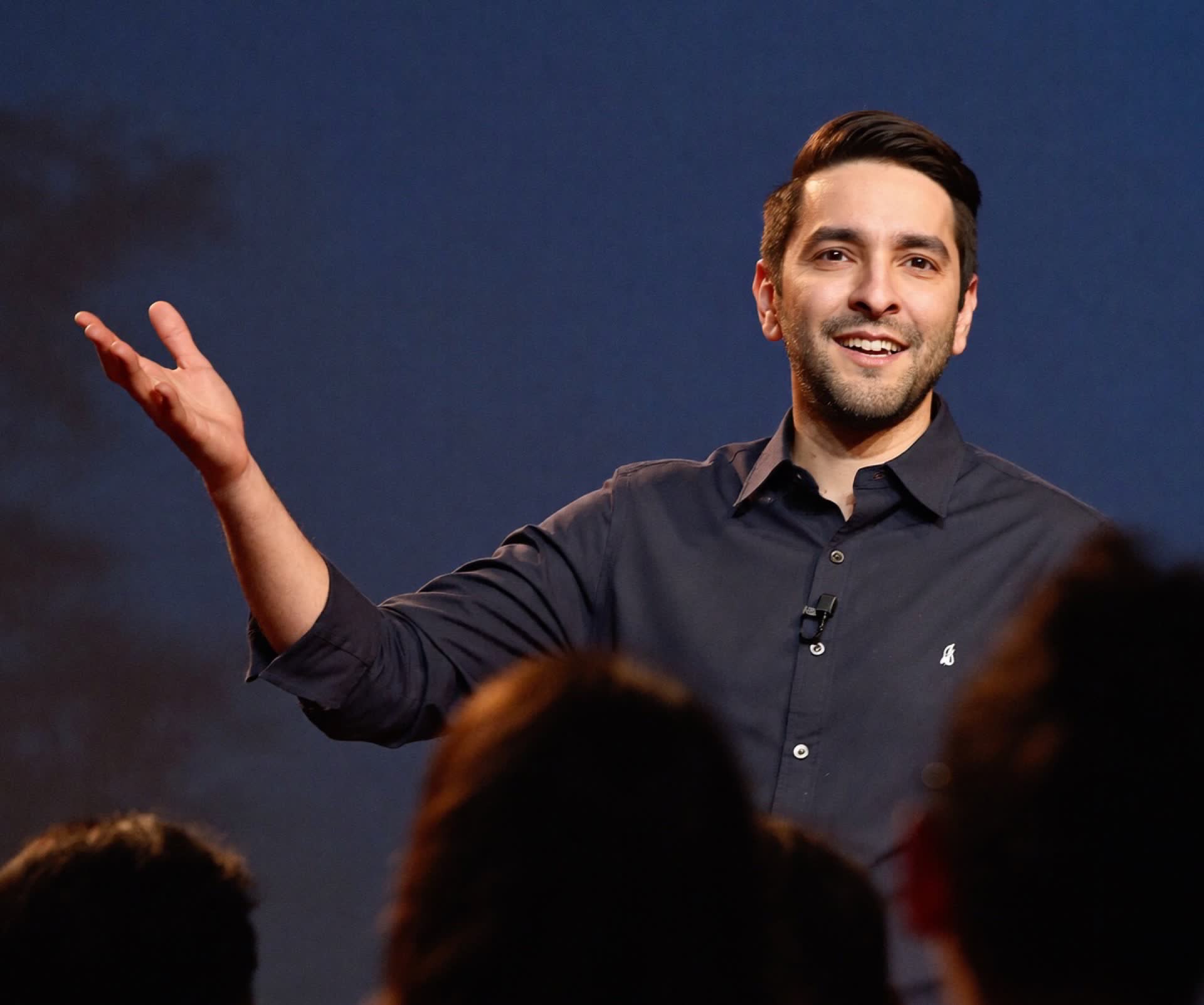
Muzamil's father, Syed Hasan Sajjad, sits down for a conversation that runs from a 1947 birth in Lahore through a career in banking across Pakistan and Saudi Arabia, the financial arithmetic of raising six children, and what he thinks went wrong with the country he was born into.
with Syed Hasan Sajjad
10 min read
A birth six days after Pakistan, and a father lost at eighteen months
The episode opens with Muzamil introducing the guest in unusually personal terms: a 74-year-old career banker who happens to be his father, born in Lahore on 20 August 1947 — six days after the country itself. Within the first two minutes the conversation has moved past the formalities and into the central fact of Syed Hasan Sajjad’s early life: his own father died when he was about a year and a half old.
“After that, naturally, the family went through a fairly tough time,” he says. The household lived off whatever the late father had left behind, a small pool of capital that had to stretch. He credits the era as much as the family. A hundred rupees, he says, was enough for a decent month. He remembers sitting down with his mother from the age of seven or eight to do the budget — a child, in other words, who learned the household ledger before he learned algebra. The turning point came when his eldest brother started working. From there, the older brother carried the cost of his schooling, and the family’s footing returned.
Muzamil does not press for sentiment in this opening stretch. He lets his father lay out the architecture of his childhood — Flaming Road in Lahore, a small private school with dedicated teachers, a mother who loved Urdu poetry enough to invite poets to school functions — and then asks, simply, where he went to college.
Government College Lahore, a medical plan abandoned, and a chance-not-choice job
Syed Hasan Sajjad went to Government College Lahore, “the best college, then and now.” He had intended to study medicine. What happened instead is a story almost any parent of a teenager will recognise. Freedom found him before discipline did. Morning shows had just opened. Groups formed. His group, he says with dry honesty, “took less interest in studies and more in sports.” He did not qualify for medical school.
A relative offered the advice that redirected the rest of his life: pick a subject that travels. Economics and political science, a BA at Government College, marks strong enough that the university wrote to him about a new public-service stipend programme. He graduated in 1967, and then — in a line worth quoting in full — “job was a matter of chance, not a matter of choice.”
He took the first offer he received: United Bank. The acting manager at his first branch gave him a piece of advice he says he kept close for the rest of his career. Promotions taken on the basis of relatives, friends, and pressure will eventually run out. Promotions taken on the basis of work do not. “If you keep working hard, you’ll keep succeeding,” he repeats. “But if you take a promotion through connections, eventually you’ll just stop.”
He stayed at UBL for ten years — five at the Race Course branch, five at the Gulberg Market branch.
Saudi Arabia, the Gulf War, and a return to Pakistan with six children
The conversation moves to the middle stretch of his career. His father-in-law was in Saudi Arabia and helped arrange a visa. He joined Saudi British Bank in Jeddah and later Makkah, and stayed for roughly twelve and a half years. Muzamil lets him narrate the move back without much interruption. The Gulf War came. Friends pushed him to go to America instead. The arithmetic against America was the family itself: six children, and he was the sole breadwinner. Starting over from scratch in a new country at that scale was not, in his judgement, sensible. “We’ll go back to Pakistan,” he says he decided. “It’s our country. Something will work out, Inshallah.”
The return was January or February 1991. He had bought a house earlier through United Bank’s house-building scheme; the savings from Jeddah went into completing and re-establishing it in Murree Town. Then came a longer-than-expected job search — long enough, he admits, that the anxiety set in. The call eventually came from Askari Bank, one of the new private banks the government had just licensed. He joined as one of the pioneers. He retired from there.
When Muzamil asks why Islamabad rather than Lahore, the answer is simple. The family had grown used to Jeddah’s order, and Islamabad in the early nineties — clean, well-maintained, low on traffic — felt like the closest thing to it.
The Ayub years, and a country whose value was understood
Muzamil pulls the conversation back to the 1960s and asks for the texture of that decade. The answer is unsentimental. There is a famous video, his father says, of Ayub Khan’s reception in America. “No leader gets that kind of welcome any more,” he notes. Foreign leaders came through Pakistan. The country was understood to have value. Lahore Stock Exchange shares would float almost daily, with investors crowding in. There were dams being built. There was confidence.
He compares it to now with a single observation about civic life: in those years, a sexual harassment incident was not just rare, it was inconceivable. The society was conservative and middle-class in temperament. Elders were respected. Decisions were made jointly. Today, he says plainly, “even taking children to the park, you feel scared.”
Muzamil tries to extend the point into the question of intellectual tolerance — whether his father’s generation, with its debating clubs and student unions, was better at hearing the other side. His father, characteristically, narrows the claim. He did not personally attend much political or religious debate. But the texture of public life, he insists, was cooperative. Setting up a water sabeel in Muharram did not invite the question of who you were; whoever was thirsty drank.
Fatherhood, a working wife, and books on childbirth in the 1970s
The most personal section of the conversation arrives when Muzamil — himself a new father at the time of recording — asks what it felt like to become a father at twenty-eight, with no father of his own to model the role on.
The answer reframes the question. Financial provision, his father says, is partly outside any individual’s hands. You want to give your child the best of everything; you cannot always afford to. That is a constraint, not a failing. What you can control is the partnership inside the household. He credits his wife at length. She learned to sew the children’s clothes herself. When their first child was on the way, she ordered a book on childbirth and read it through. She did her own medical research as the family grew, to the point where, he says with a small joke, the children call her “Doctor Nisha Bhai” — the household’s first responder for a fever or a stomach ache.
Muzamil pushes on the harder question. Four children inside the first stretch, six in total. Did the burden ever feel unmanageable? The answer leans, again, on belief and on planning. The household never assumed the children needed new clothes; older clothes were passed down without ceremony. What money was available was spent on celebrations the children could attend, not on appearances. Putting four sons through university simultaneously — he calls it “a jihad” — was made bearable by the children themselves, who never complained that a friend had something they did not.
A silent eight-bedroom house, and a daughter who left in 1994
By this point in the conversation, the children have grown up and started leaving. The eldest daughter went to America in 1994. Then, one by one, the others.
The house, Syed Hasan Sajjad says, was bought on the assumption it would hold all of them. Two parents, six children, his mother — eight bedrooms. “And then the whole house went silent.” His wife, he says, “almost fell ill” from how empty it became. There were stretches, he says, where it was just the two of them at the dining table.
Muzamil asks, gently, whether the emptiness made him sad. The answer is the answer of a man who has thought about it. He told his wife at the time — and tells the audience now — that the children’s futures were better served by going. The opportunities available to them abroad would not have been available at home. “We can only pray,” he says. “We don’t know how long we ourselves have. But they have a whole life, a whole family, ahead.” Three of his sons are now in IT in the United States. He notes, almost in passing, that COVID forced them to extend a stay long enough that he and his wife received their own US green cards.
Computer science, parental aptitude, and not insisting on medicine
A short but pointed exchange sits inside the fatherhood section. All four of his sons studied computer science at FAST — at one point all four were enrolled simultaneously, “one coming out as another was going in.” Muzamil notes that this was unusual: most parents of that generation pushed their sons toward medicine, engineering, or banking.
His father’s reasoning is direct. “If their aptitude was for computers, and I had pushed them into medicine and they failed, they would have said you ruined us — we were going into computers.” Where the interest lay, that is where the child should go. It is not a complicated philosophy. It is, however, a deliberate one, and the conversation lets it sit.
A ten-year property case, and what Pakistani courts actually are
Later in the discussion, Muzamil turns to the family’s long experience with the courts — roughly ten years across the lower courts, the High Court, and eventually the Supreme Court, over a property dispute with the people they had bought their house from.
His father’s verdict is one of the bluntest passages in the conversation. “Going to court means that if you say black is black and the judge says no, it’s white, you have to accept it.” The lawyers, he says, sit comfortably; the file moves slowly. The opposing party in this case — on the losing end — simply did not show up. Illness one day. An excuse the next. A new date each time. “Just like dates are being given today,” he says.
What finally moved it was a single judge known for working at speed. The dispute was resolved. Asked for the name, he cannot remember it. The verdict on the system as a whole he can summarise in a phrase: “An experience that cannot be described in words.”
What a hundred-year-old Pakistan might look like
Muzamil closes the conversation with a question he often asks his guests. In 2047, when Pakistan is a hundred years old, what does his father think it will look like?
The answer is careful, and worth quoting in full. “If the people of Pakistan show a little responsibility and a little care — because the truth is that the majority of our population is more interested in cricket matches than in choosing who represents them. So in that sense, only Allah can have mercy. But there is hope from Allah that things will get better, Inshallah.”
It is not an optimistic answer in the political sense. It is, in the older sense of the word, a hopeful one — hope held in spite of the evidence, anchored in something larger than the evidence.
Muzamil asks for a closing word to the audience. His father’s request is simple. Pray for Pakistan. Work for Pakistan. So that the country flourishes, “because of which all of us are flourishing.” Muzamil signs off the episode with thanks, and a small line that lands differently than it would with any other guest on the show: “Thank you so much for coming on.”
Full transcript
Swanya, cabaldino. Hasta luego, welcome back from another episode of Thought Behind Things. आज हमारे साथ मेरे वाले साथ मौजूद है who is 74 years old. तकरीबन मेरा ख़ैला के सात दिन Pakistan से छोटे हैं. छह दिन, छह दिन Pakistan छह दिन. और he was a career banker, he retired as a career banker और इसके अलावा जाहिर है हमारे वाले साहब हैं. So that's the introduction sir. Thank you so much for being part of the show. Yes, it's my pleasure. अच्छा, मुझे थोड़ा सा यह बताइएगा कि आपकी जो पैदाइश हुई वह 47 में हुई और जी बीस August forty seven. और लाहौर में? लाहौर में. Right. Growing up कैसा था environment? कहां रहते थे? क्या था system? Growing up ऐसा है कि
डेढ़ साल मेरी पैदाइश के बाद जो है मेरी बारी साहब कहीं तक़ार हो गया. तो उसके बाद जाहिरा के जो होता है काफ़ी tough time family ने देखा. लेकिन अल्लाह का शुक्र है लम्दूर इलाह फिर face से बाहर निकले और
ऐसा ऐसा फिर growing up show हुई. तो generally उस वक़्त income वगैरह कहीं से आ रही थी या you know घर में ही जो चीज़ें थी उसको?
घर का जो शर्माया असासा जो भी हमारे पास था वह अपना हिस्सा हिस्सा कमी सही होती है. उसमें सस्ताई भी थी सौ रुपए में जो है अच्छा खासा गुज़ारा हो जाता था और मैं मेरे ख्याल में छह सात साल, आठ साल से जो है अपनी वालदा के साथ बिल्कुल वह हम बैठकर budget बनाते थे, सब करते थे, देखते थे. कैसे meet करना है problems को. तो वैराल वह अकुसर गया. फिर मेरे मुझसे बड़े भाई जो हैं उनकी जब जब job शुरू हुई है. तो फिर उसके बाद turn around हो गया है. अच्छा. उसके बाद फिर सबसे बड़े भाई जो हैं उन्होंने मेरी पढ़ाई का खर्चा उठाया. Pakistan का best time था. आयुभ खान वाला जो time था. आयुभ खान साहब का. अच्छा. ज़माने के में dams बने. फिर इस समय जब पढ़ लिख के bank में नौकर हो गया तो हम जो है ना परेशान हो जाते थे कि रोज़ाना एक share जो है float हो रहे होते थे और बेतहाशा rush होता था लोग investors जो है वह confidence था. बड़ा अच्छा फिर दौर शुरू हुआ. लेकिन unfortunately फिर वह दोबारा
आ नहीं सका उस तरह का. वह तरह का नहीं. तो तालीम आपने कहां पर
हासिल की थी? तालीम जो है वह हमारा उस ज़माने में हम रहते थे flaming road पर राहौर में. तो क़रीब यह एक छोटा सा private school था जिसमें कोई बहुत बड़े असाजा तो नहीं थे लेकिन dedicated लोग थे जो कि बहुत मेहनत करते थे students के साथ और उसके साथ extracurricular activities भी बहुत ज़्यादा उस school में हमने कि debates होती थी. Dramatic club था. कभी हमारी वालदा को शुरू शायरी से बहुत लगाव था. तो वह जो है शायरों school में जब function होते थे तो उसके बाद वह शायरों को जो है invite कर लेती थी. तो उसमें इस तरह से काफ़ी दस्तदरीज़ अच्छी हो गई. सही है. फिर college के लिए आप ख़ैला government college चले गए थे? जी, government college लाहौर में जो है वह best college समझाया जाता था और अब भी है. अब तो university हो गया वह और वह दौर जो है उसमें जितने बड़े बड़े आजकल के लोग नज़र आते हैं, उसमें उस जमाने में वह वहां पढ़ रहे थे. तो हम क्योंकि हमारा बड़ा humble साथ background था तो हम ज़रा activities कम करते थे. पढ़ाई की तरह से ज़्यादा ध्यान देते थे. सही. उधर से आपने पढ़ा क्या था? उधर मैं originally तो मेरा इरादा था medical करने का. लेकिन नए नए जब school से college में पहुंचे तो ज़रा आज़ादी मिली थी. Morning shows भी शुरू हो गए थे. वह open हो गए थे. तो कुछ groups वन जाते हैं. इस तरह से हमारे भी एक group वन गया. तो जिनमें पढ़ाई से कम और खिलाई खेलों में ज़्यादा दिलचस्पी लेने लगे. Right. उसकी वजह से फिर वह qualify नहीं कर सका medical के लिए. तो उसके बाद फिर हमारे एक जीज़ है उन्होंने मशहूरा दिया कि बेटा ऐसा subject लो जो कहीं भी चल सके. Arts में जो है ना बजाय medical और engineering के के दो साल फिर लगाओ और फिर risk रहे दाखला होता है या नहीं होता. तो फिर हमने BA कर लिया? BA कर लिया. वहां से economics और political science के साथ. सही. और उसमें मेरे बड़े अच्छे marks आए. बल्कि वह university की तरफ से जो है वह एक मेरे flat वगैरह भी आया कि आप चाहे तो उस ज़माने में नया नया शुरू हो रहा था. Public service का कोई subject था. उसके लिए उन्होंने हमें recommend किया था. Recommend किया कि आप करें इसमें आपको वह भी मिल जाएगा stipend वगैरह. अच्छा. तो उसके बाद फिर जब 67 में मैंने graduation की तो उसके बाद फिर job जो है उसके लिए राष्ट्रों की और job जो है वह matter of chance था, matter of choice नहीं था. अच्छा. तो लिहाजा हमारा तो यही था कि जहां भी job मिले वहां कर लो. फिर मुझे United Bank में job मिल गई. अच्छा. तो मैंने शुरू की वहां पर हमारे जो स्थात managers जो थे वहां के और acting manager बहुत cooperative और बहुत ही ज़िम्मेदार और helpful थे. उन्होंने बहुत अच्छे तरीके से हमें जो है वह guide किया. उन्होंने कहा कि बेटा जब तक तुम अपनी मेहनत करते रहोगे तो कामयाब होते रहोगे. अगर तुमने इस basis पर चले के अपने रिश्तेदारों और अंजीज़ों, दोस्तों के बलभूते पर स्वार्षें करवा के promotion ले भी लो तो लेकिन ultimately जा के रुक जाओगे. तो उसको मैंने फिर यह अच्छे पल्ले बांधा और खूब दबाकर मेहनत की. और अल्लाह का शुक्र अब्रिति जी से फिर promotion भी हो गई जल्दी जल्दी. कितना साहब यहां पर UBL में रहे थे? UBL में दस साल. अच्छा, Pakistan में? Pakistan में और राह भी मैं grace coast branch थी और दूसरी गुलबर्ग market branch थी main market में. तो पांच साल तक निर्भन पहली branch में पांच साल दूसरी branch में रहा. सही. उसके बाद फिर मौका मिला. Visa एक Saudi Arab से आ गया. आ क्या गया? मतलब वह हमारे father-in-law वहां पर थे. उन्होंने पुछा कि visa मिल रहे हैं. अगर आना चाहो तो मैं कोशिश करूं. तो सबने फिर यही कहा कि हां यह chance मिल रहा है तो avail करना चाहिए. तो ले आ जाओ फिर हम सब्दी रफ़ चले गए. तो वहां पर जो है फिर सब्दी British bank join कर दिया. वहां पर मौका मिल गया. तो फिर तकरीबन बारह साल, बारह साढ़े बारह साल में सऊदी British bank में जद्दा में और मक्का मुकर्मा में मैंने वहां पर surf किया. Gulf war में फिर आऊं, वापस आ गए Pakistan. तो हमारे काफी दोस्तों ने कहा कि भाई आप जो है ना America चले जाएं लेकिन family हमारी काफी बड़ी थी. माशालाह से छह बच्चे थे और मैं उम्मीदवी. तो मैंने कहा यह जो है मनासेब नहीं है कि हम जाएं और फिर जाकर इस तरह से नए सिरे से
निज़ाम पूरा फिर से बनाएं. निज़ाम फिर से बनाएं.
तो Pakistan चलते हैं अपना मुल्क है कुछ ना कुछ हो ही जाएगा इंशालाह. तो लेहाज हम फिर Pakistan आ गए. सही 91 में. 91 में हम वापस आए और उसके बाद आकर अपने घर में घर वन चुका था क्योंकि पहले United Bank में house building लेकर जो है उस वक्त ही हमने बना लिया था. तो उसको फिर जो पैसा वहां से कुछ बचाकर आए थे उसको लगाकर नए सिरे से उसको establish के अख़्ता के उसमें पूरी family रह सके murder town में. लेकिन उसके बाद यह हुआ कि बहुत सारे bank खुलने शुरू हो गए. आठ दस बैंकों को allow किया government ने, जिसमें से एक स्करी bank भी था. तो लेहाजा हमने pioneers में से उसको join किया. लगा शुक्र है उसमें फिर काफ़ी fast promotions और पूरा आपने final serve वहीं तक किया retirement? Retirement फिर मैंने वहीं वहीं से required. Retirement जी. Retirement जी. Right.
जब आप Pakistan आए थे तो Pakistan में आपको foreign job मिल गई थी या कुछ time लगा था? हम
आए थे तक़रीबन कोई January, February में और फिर आने के बाद घर बनाने में कुछ time लगा. तो जब तक घर बनाकर फारे हुए, उसके बाद फिर मैंने तिराशियों की, job की. होते होते जो है कोई काबिले ज़िक्र job मिल नहीं रही थी. तो बल्कि घबराहट भी होने लगी कि यह तो जो है मोलता ही हो गया मामला. लेकिन फिर जो है वह call आ गई अस्करी bank से. उसमें interview वगैरह हुआ और लमदों ने ला उसमें फिर job मिल गई. तो मैंने join किया और choice ली? असल में हमने जो साल गुज़ारा राहौर में उसमें गर्मियां भी देखीं, सर्दियां भी देखीं और pollution भी देखीं और traffic का बेहंगम traffic का आजोम भी देखा. तो उसकी वजह से बच्चे जो हैं वह भी उनको भी जद्दा की आदत पड़ी हुई थी साफ सत्रह शहर. तो स्त्रावाद आकर उनको लगा कि यह जो है यह भीज दकाई बंद जद्दे जैसा ही है. तो सब और बच्चों के दाखरे फिर यहां पर आसानी से हो गए उस वक्त और सबने फिर जो है ना इसी को opt किया कि यहां पर ही रहा जाए. तो बल्कि हमने तो उस वक्त यह सोचा कि retirement के बाद यह best city है रहने के लिए. क्योंकि rush बिल्कुल नहीं होता था. साफ सूत्रह well maintained शहर था. तो लेकिन उसके बाद किराची के हालात की वजह से और लोग काफी इधर shift करने लगे. फिर nine eleven के बाद तो बहुत ज़्यादा foreign से भी लोग जो है वह आकर इस सामवाद में properties ले ली. तो इस तरह से जो है. वह बड़ा हो गया शहर. वह सबून जो थोड़ा सा शहर. थोड़ा हो गया. अब जो है वह लेकिन फिर भी अभी भी जो है एक तो position अलम्दोर्था यहां पर नहीं है. दूसरे अजूम भी जो है ना वह थोड़ा सा लाहौर की निश्मत अगुनाई से. Right. तो बेहतर है. बच्चों को आपने जो school में डाला, कौन सी किस तरह के schools में डाला जब आप वह श्रामाबाद आए तो? हम इस श्रामाबाद आए तो पहले तो, बड़े बच्चे जो बड़े थे उनको डाला हमने. बेटी मेरी सबसे बड़ी थी. उसका जो है वह एक मार्गला में girls college है. उसमें दाखला हो गया. बेटे जो हैं उनका दो बेटों का G 10 में एक Model college से ना बाद model college है. Model college है. उसमें हो गया छोटे बेटे का college में हो, school में हो गया. तो इस तरह से सब बच्चे जो हैं adjust हो गए. सबसे छोटे जो थे उनको जो है वह तो अभी nursery में ही थे थोड़े.
घर के आस पास जो भी मिल गए.
सही है. लेकिन यह कि अल्लाह का शुक्र है. अब मुझे नहीं पता कि क्या position है schoolओं की लेकिन हमारे सब बच्चों ने यहीं पर सांवास border college में पढ़ा और बड़ा अच्छा उन्होंने compete किया और सब और हम लोग लिलाओ अपनी ज़िंदगी में बड़ी कामयाब ज़िंदगी और हम लोग उजा रहे हैं. उन्होंने FSC भी किया और public school से किया? FSC भी फिर किया फिर. Government को schoolओं से किया तो. हां हां उसके बाद फिर finally जो है वह सब चार बेटे हैं मेरी मशहट्र और चारों ने फिर fast में अपना झंडेगाड़े और यह भी एक record होगा कि चार भाई जो है एक वक्त में एक एक university में.
एक जा रहा था तो एक बाहर आ रहा था. बिल्कुल और computer science किया सारों ने? सबने computer science में. तो जब यह क्योंकि वह एक बड़ा मुख्तलिक वक़्त था. आजकल तो computer की बड़ी एक understanding है. Mobile phones और अरे हर job में भी आपको laptop चाहिए है, computer चाहिए उसके बग़ैर तो काम ही नहीं होता. आप लोगों के time पर 94, 95, 98 maybe जब मेरा ख़याल है BYJU'S ने सबसे पहले start की अपनी university. तो उस वक़्त क्योंकि ज़्यादातर parents जो होते हैं वह कहते जी बेटा engineer वन जाओ या doctor वन जाओ या अगर आप banker थे और आपने अच्छा perform किया तो आप कहते हैं कि भाई accounting वग़ैरह कर लो और banking में गुस जाओ. तो जब उन्होंने
और फिर nine eleven के बाद वैसे भी यह हो गया था कि America से तो लोग वापस आ रहे हैं और ज़्यादा computer के लिए वहीं पर सामियां होती हैं. तो क्या होगा इनका future के बारे में आपने कुछ सोचा नहीं आप समझा समझाता नहीं आप इनको. मैंने कहा कि भाई अगर अगर उनका aptitude उधर computer का है और मैं उन्हें doctory में डाल दूं तो अगर खुदाना खासा वह उसमें नाकाऊंगे तो कहेंगे जी आपने मरवा दिया देखिए हमें जो हम तो computer में जा रहे थे. तो रियाज़ा जहां उनका वो वो. Interest है. Interest है उसमें जो है ना जाना चाहिए. तो अल्लाह का शुक्र है वो सब बच्चों ने college में तो ऊपर ऊंच नहीं तो हुई लेकिन यह है कि वक्त के ऊपर जो है ना सब अपना complete करके फारी हुई है और वक़्त के ऊपर उनको बड़े अच्छे jobs मिली. पहले Pakistan में उन्होंने perform किया उसके बाद फिर America में और शायद तीन बेटे मेरे जो हैं वह
America में IT business में ही है. जब आपने पहले मैं बात की उसमें मैं आऊंगा but sixties का आपने कहा कि आयुग खान का बड़ा अच्छा दौर था. उस दौर के बारे में अगर मैं आपसे पूछूं तो कैसा था Pakistan? क्या memories हैं आपकी उस time पर? जैसे खान साहब कहते हैं ना कि हमने Pakistan को ऊपर जाते देखा है. वह वही दौर था 60 और
70 के दरमियान का कि Pakistan जो है अपना अभी पिछले दिनों कुछ videos भी आई थी जिसमें योग खान का इस अखबाल जो है America में जो हुआ था उसकी बनी हुई है. तो उसके बाद खैर हर रात change हो गए अब तो किसी का भी वैसा reception नहीं होता. लेकिन वह वक़ई में बड़ा दिल से उन्होंने reception दिया था. यहां पर मलकाल, इस्बेत और दूसरे भी आते हुए जाते रहे लोग. तो Pakistan की काफ़ी
value थी समझी जाती थी. और उसके अलावा society कैसी थी? Low कैसी थी? बड़ा अजीब सा हो गया ना? लोग बड़े सख़्त हो गए हैं, बड़ा बड़े आप sexual harassment के और इस तरह के वाकयात सुनते हैं कि जी पता नहीं क्या अजीब अजीब वाकया तो हो रहे हैं. उस ज़माने में यह मसले थे? उस ज़माने में कोई इन चीज़ों के इस तरह की बात बात सोच भी नहीं सकता था. करना तो दूर की बात है.
बहुत ही मज़ेब और अद्धव माशिरा था. लोग बड़ों की इज़्ज़त करते थे. इस मस्जिदों में अपना लेकिन किसी पर कोई खदखंड नहीं थी कि ज़रूर जो है ना आप हमारे जो हम कह रहे हैं वह सही है. लोग जो हैं मिलजुल के decision लेते थे जो भी बात हो. कोई अगर मसला भी होता था. लेकिन यह है कि अब तो ख़ैर हल्ला थाला माफ़ करे, बहुत ही बुरा हाल आता है. बच्चों को लेकर park में जाते हुए भी डर लगता है. जो आपने बोला आप debates करते थे.
अपनी university, अपने school के time पर और college के time पर और attend भी करते थे, करते भी थे. अब आजकल क्योंकि student unions वग़ैरह ख़त्म हो गए हैं, मैं एक चीज़ बहुत ज़्यादा discussion में आती है कि लोगों के अंदर ना यह बर्दाश्त ख़त्म हो गई है किसी दूसरे की बात सुनने की. उस जमाने में आपको लगता है कि different ideas, opinions, नौजवानों में discuss होते थे और वह सुनते थे और उसको rationally counter करते थे.
मतलब political या religious जो है वो तो हमने इतना ज़्यादा attend नहीं किया लेकिन वो बेरल कोई इस किस्म के सुनने में नहीं आते थे वाकिरात के कोई anti वाकिरातों. लोग बहुत ही जो है ना एक दूसरे को cooperative थे. Like अब मार्रमा में सबीर लगा रहे हैं तो कोई यह नहीं पूछता था कि भाई कौतम कौन हो? जिसका दिलचा है वह पानी अपना घड़ा रखकर बैठ जाए. पानी पी जाना शुरू कर दे. हर जाहिर है सब आपका काम है. तो इसी तरह जो है अपना किसी भी मसले का जो है कोई माधारण नहीं होती थी. तो हो सकता है किसी किसी जगह कोई वाकयात हो जाते हों लेकिन जिस तरह अब खाओ फेकताली रहता है कि अब. कुछ हो ना जाए. कुछ हो ना जाए क्या होगा? पता नहीं कैसे गुज़रेगा यह time? तो उस ज़माने में जो है ना वह काफी बेहतर और financially भी लोग जो है ज़रा इतने बुरे हालात नहीं थे.
सब कुछ होने के बावजूद भी वह ख़ुश नहीं है. ख़ुश नहीं है. हमारे पास सब कुछ नहीं है. आपका जो पहले ही बेटी हुई, उस वक़्त आपकी उम्र को अलीबन सत्ताईस साल थी?
उस वक़्त मेरी उम्र थी अट्ठाईस साल. अट्ठाईस. तो
fatherhood के बारे में मैं थोड़ा सा मरीना चाहूंगा. मेरा यह बच्चा हुआ recently अभी इंशाल एक साल का हो जाएगा कचर्से में. अच्छा कैसा feel हुआ आपको जब आपको पहली दफ़ा आपका बच्चा हुआ तो कैसा हुआ? क्योंकि considering कि मैं जानता हूं कि आपके वाले साहब नहीं थे, आपकी ज़िंदगी में. तो जब आपके बच्चा हुआ या बच्चे होना शुरू हुए तो Financially भी कभी बार होता है, कभी बार relationships में होता है. तो what was that like for you?
ज़ायदा financially तो आदमी के bus में नहीं होता. पास जगह होता है, बास जगह नहीं होता क्या बच्चों को अब ज़ाहिरा के आराधनी अगर चाहे कि मैं station में पढ़ा लूं तो वह possible नहीं है. तो इसी तरह जो है किस छोटी चीज़ों के लिए भी यही है कि आपका दिल तो यही चाहता है कि बेहतरीन से बेहतरीन चीज़ जो है वह provide करें. लेकिन naturally आप अगर afford नहीं कर सकते तो वह मजबूरी है. तो इसी तरह हमारे साथ भी हुआ फिर लेकिन यह है कि मेरी wife इस मामले में बड़ी cooperative रही. उन्होंने खुद जो है ना कपड़े अपने बच्चों के सीखने के सीखे और नए ideas. एक हमने उस ज़माने में books जब होने वाला था बेटी जो हमारी बेटी. तो एक childbirth के बारे में एक book थी. उस वह मंगाकर पढ़ी उसमें जो है बहुत सारे चीज़ें थी जो कि हम बना भी सकते थे, कर भी सकते थे और जिससे फ़ायदा होता तो scientifically जो है इस मामले में my wife has been very cooperative. उन्होंने सारा पढ़ पढ़ किया है सारा के सारा जनारा. सारा पढ़ के और medical के बारे में काफ़ी research करती रही मैं बल्कि उनको जो है doctor निषा भाई कहता हूं कि किसी को जान सुकाम बुखार कुछ भी हो तो वह अपना फ़रन गोलियां देकर आ जाते हैं. सही.
और उसके बाद फिर जब आपके जाहिर एक के बाद फिर over the first ten years I believe, चार बच्चे हो गए. तो कभी ऐसा हुआ, कभी ऐसा लगा कि यह तो बड़े ज़्यादा बच्चे हैं, इनको कैसे संभाला जाएगा? इनके education कैसे burden feel हुआ या परेशानी चलिए burden is a negative word but pressure feel हुआ कि यह तो you know इतने सारे बच्चे हैं इनको मैं सही तरीके से you know grow up सकूंगा नहीं सकूंगा.
Naturally वह अपने उस पर depend करता है. मैं तो इस विषय में believe करता हूं कि अल्लाह ताला ख़ुद ही बंदबस्त कर देता है कि जितना बशर्ते के आदमी के नियत ने को. हमने कभी यह नहीं सोचा कि बच्चों को के लिए जो है ना हमेशा ज़रूर नए कपड़े ही होने चाहिए. बच्चों को समझाकर और पुराने कपड़े भी उनको खुशी के साथ पहनने को दे दिए जाए. तो असर चीज़ तो यह है कि उनका वक्त और time और celebration जो है वह attend कर सकें. तो हम दो रिल्लात अब एक वक्त एक time के ऊपर सब चार बच्चों को university में पढ़ाना जो है ना वह वाकई एक बहुत बड़ा एक जिहाद ही होता है. तो लेकिन यह है कि बच्चों ने भी बहुत cooperate किया. सबने जो है कभी complain नहीं किया कि उसके यहां तो यह है, उसके पास तो यह है. तो हमें भी यह चाहिए. और सब कुछ उन्होंने अपना मिलजुर के आपस में और अपने दोस्तों के साथ मिलजुर के groups का वन गया.
तो बड़े अच्छे time गुज़रा. और मेरा ख़याल है कुछ किसी की scholarship भी हो गई, किसी को प्रशायद? नहीं, हां कुछ government की तरफ़ से भी
एक बेटे को मुज़ाहित को जो है वह तक़रीबन तीन साल तो उसने scholarship पर ही पढ़ा. सही. तो बक़ायद एक आध साथ शायद पहले उसको करना पड़ा. सही.
और student loan भी लिया था किसी ने?
नहीं, loan नहीं लिया था. मुज़ायद को उन्होंने वैसे कहा यही था पहले कि loan होगा लेकिन बाद में उन्होंने उसको scholarship कर दिया था. सही सही. तो इस तरह से जो है वह अल्लाह कुशुका जो सब बच्चे जो हैं वह पल पड़ उनके बड़े हुए अच्छे
तरीके से. सही. जब यह जाहिर है बच्चे जो particularly पहले एक तो सबसे पहले आपकी जो बेटी थी उनकी शादी हुई वह America चली गई 94 में ही बहुत जल्दी चली गई. Nest छोड़ेंगे या आपको उस वक़्त एहसास होगा कि अच्छा यार यह तो. क्योंकि अब आप retirement के भी क़रीब आ रहे थे उस वक़्त और फिर बच्चे जा रहे थे. हां, बहुत ही मुश्किल time था.
ख़सूसन revive के लिए बात, वो बीमार तकरीबन हो गई थी कि यह जो है ना घर सूना हो गया कि हमने घर जिस वक़्त खरीद रहे थे तो उस वक़्त हमने इस यह consideration थी कि दो हम लोग हैं. मतलब एक मैं अभी भी हमारी family, एक कमरा हमें चाहिए. छह बच्चे हैं वहां शाला उनको चाहिए. फिर हमारे वालदा हमारे साथ होती थी. तो एक उनके लिए चाहिए. तो आठ bedroom का घर हमने ले लिया और उसके बाद वह सारा घर साएं साएं करता था. क्योंकि यकीबाद देख रहे हुए जल्दी जल्दी जो है सभी बाहर चले गए. तो बेटी तो खैर बहुत पहले से ही चली गई थी. उसके बाद बल्कि छोटी बेटी जो है वह भी drums में पड़ती थी तो वह जो है उसको भी घर जो है हम बस ऐसा भी time होता था कि हम दो मियां बीवी बस बैठे हैं.
तो तो वह आपको, you know, did that make you sad at the time कि
या नहीं, मैं मुझे ज़हरा कि मियां बीवी की जब बात होती है तो मैं यही कहता था कि नहीं उनके मुस्तक्वीर के लिए जो है ना, हमें जो है ना यह वैराल उनके लिए यह बेहतर है. क्योंकि यहां पर वह opportunities शायद ना मिल सके. जो वहां पर available हैं. तो इसलिए जो है ना हम तो दुआ कर सकते हैं. हमने तो पता नहीं कब तक रहना है. लेकिन यह है कि उनकी तो पूरी ज़िंदगी है और पूरी family है. तो और जब गए वह तो शादी नहीं हुई थी किसी की भी. तो वहां से आ गई फिर जो है उनकी शादी अब one by one सबकी हो गई. तो अल्लाह का शुक्र है अब जो है सब settled हैं. सही है. क्योंकि मैं तो वैसे originally मेरी जो है ना ख्वाहिश यही होती है कि सब बच्चे जो हैं वह इकट्ठे रहे हैं और पूरी family इकट्ठी रहे. तो जैसे पुराने ज़माने में होता था. लेकिन अब जो है ना बैरल वह possible नहीं है. मज़ाम बदल गया. मज़ाम ही बदल गया है क्योंकि अब even अगर दो भाई हैं तब भी जो है ना उनका इकट्ठे रहना मुश्किल है. कोई किराची में, कोई पेशावर में, ज़ाहिर है हर अच्छा काम जो है वह अल्ला ताला की तरफ़ से ही होता है और लेकिन ख़्वाहिश जो है वह तो इंसान करता है. हमारा मतलब ज़ाहिर है कि जैसे मैंने बताया वाले साहब का बहुत जल्दी इंतख़ाल हो गया था. तो लेकिन हमारी वालदा ने जो है हमेशा कोशिश की कि जोड़कर रखा जाए और सब जो है इकट्ठे रहे हैं. फिर खैर हालात भी ऐसे रहे कि उसमें सबको एक ही जगह अपना job वगैरह भी हो गई सब हो गया. सब इकट्ठे रहते रहे. अब जो है अब जायदा जब हमारी बारी आई तो America तो इतनी दूर जगह है कि वहां जाते जाते आदमी
थक जाता है. थक जाता है. तो
लेकिन यह कि हम लोग जिल्लाला का शुक्र है. हमारे सब बेटे, बेटियां, दावांत, दावें सभी माशाला बहुत ही cooperative और बहुत ही खुशमिजाज. बड़ा अच्छा वक्त गुज़ाता है. जब इकट्ठे होते हैं तो बहुत मज़ा आता है. उन्होंने बल्कि अब जबरदस्ती जो है ना भी करवा दिया हमारा green card. COVID की वजह से और तो बड़े नुकसान होते हैं लेकिन वहां रुकने से हमें जो है green card भी मिल गया.
सही सही तो आप भी जो है कुछ ऐसे में अपना American passport overseas पाक्तानी वन सकते हैं. फिर आप वहां से बैठकर vote कर सकते हैं. सही है. अच्छा मैं इसका पुछ रहा था basically क्योंकि मुझे पता है कि आपका growing up आप मेरा ख़ाले old लाहौर में रहते थे मां से आपने banking में गए, banking में आप you know senior management में गए. वहां के बाद फिर आपने बच्चे बच्चों को पढ़ाया, सारा कुछ किया. बच्चे आपके मां शरद बेटे अगर आप देखें तो तीनों जो हैं वह जो बाहर हैं वह top IT companies में हैं. यह जो एक इसको social mobility कह लें, इसको वह कह लें कि you know एक एक जिस जो आप थे और जो मार्शाला से आपने बनाया, वह उसके बारे में क्या feeling है? What's the like do you do you look back in your at your life and are you satisfied कि यार अच्छा हो गया? यह तो या किस तरह से? बिल्कुल सही आपने कहा कि मैं
बाज दफा यह सोचता हूं कि हम तो सोच भी नहीं सकते थे जो अलग तरह ने हमें दिया. उसके लिए जो है इसमें मेरे ख्याल में credit जो है वह goes to my mother. उन्होंने बहुत द्वाएं दी. वह था हमारा कोशिश किए अच्छे ख्यालात. अब यही जो आपने एक सवाल किया था ना कि आप जो है gender discrimination और यह वह सारी चीज़ें होती हैं. बचपन में जो है हमें घर में हमेशा यह बताया गया कि हमारी बालदा जो है वो कहते थे कि औरतों की और मज़दों की बिल्कुल बराबर है. सब जो है इज़्ज़त का काबिल है और बाज जगह पर होता था कि हमारे पास बहुत सारे ईज़वाक़ारी में या किसी जगह कोई बाक़रात हुए किस्त, मतदोलन कुछ वह किया, सख्ती वगैरह तो उस पर हमारी वाला सख़्त नाराज़ होती थी. तो हमें भी उन्होंने बैरह जीत जिस तरह की training दी वही training आज अरमदरल हमारे
अगले नस्ल में भी चल रही है. वह आपको लगता है कि बहुत important है you know लोगों को बनाने में. बनाने में जो है वह
ज़रूरी है कि वह हालदान जाएं वह अपना हिस्सा डालें.
Values के बारे में आप अगर मैं इसी को आगे expand करूं आपको क्या लगता है कि क्या कितनी important है values लोगों में बच्चों में डालना? और कौन सी ऐसी values हैं जो कि आपको लगता है कि होनी चाहिए हर हर इंसान को, हर parent को अपने बच्चों में डालनी चाहिए?
Character building जो है ना यह पहले हमारे दुनाने में जो है जब going back तो उसमें schoolओं में जो है बाक़यदा बस में अदब होती थी. आप बतानी मुझे कितने schoolओं में होती है. लेकिन यह कि हमारा छोटा सा school था लेकिन उसमें भी जो है bus में अदब होती थी. उसमें बाक़ायदा पढ़ाया जाता था. Life history, life experience? Life experiences, history, सारी चीज़ें बताई जाती थी और उस पर फिर बाक़ायदा लोग अमल भी करते थे. लेकिन यह है कि अब मैं नहीं मालूम कि schoolओं की क्या परेशान है. लेकिन क्योंकि English medium school जो है वहां तो खैर बहुत ही आज़ादी है. Mhmm. तो बेरल जो families हैं, जिनकी values हैं वह उसको
follow करते हैं. तो उसमें आपको क्या लगता है कि कौन सी ऐसी values हैं जो कि बच्चों को सिखानी चाहिए? बच्चों को मतलब हम जो आजकल देखते हैं ना जैसे Pakistan में
लोगों में इंसाफ की बड़ी कमी है. लोग मतलब रोज़ाना तशद्दूत के और वाक्यात हो रहे होते हैं और कोई उस पर action नहीं होता. बस चंदन सुर्खियां बनती हैं TV पर अखबारों में और उसके बाद जो है ना सब लोग भूलभाल जाते हैं. कोई और वाक्या हो जाता है. वह पीछे चल जाते हैं. लोग जो हैं मतलब बजाय educate करने के वह खबरों की तलाश में होते हैं. बल्कि एक video भी आई थी कि बंदा डूब रहा है तो वो जास ship दूसरे लोग बैठ सारे के सारे बजाय इसके के उसके बचाने का बंदोबस्त करें. सब video बना रहे हैं. लोग जो है वो अपना सिर्फ अपने मतलब की चीज़ को करते हैं. बाकी यह नहीं है कि किसी character building में लोगों को बताएं, कुछ करें, कुछ educate करें. मेरे ख़याल में जो है बच्चों को school age में जो है काफ़ी वह पढ़ाना,
पढ़ना ज़रूरी है उनके लिए. Character के लिए और वह तमाम चीज़ों के लिए, ज़रूरी है. जब जाहिर के बाकी बच्चे तो आपके जो थे वह close close थे. मुझ में और जो सबसे बड़ी बहन है उसमें सोलह साल का फ़र्क़ है और जाहिर है के उसमें एक generation है का difference है. तो जो आपके छोटे दो बच्चे थे जिसमें मैं भी, उसमें वह बच्चे जो थे वह बड़े different थे. In a way कि culturally बड़े different थे. वह mobile phone इस्तेमाल कर रहे थे. उनके बोलने जाने के तरीक़े भी बदल गए थे, बदतमीज़ भी थे थोड़े से. Space दी और आपने कहा कि देखते हैं किस तरह यह expand करता है. But what was the, what were the feelings जब यह changes आ रही थी society society में? असल में हम
Saudi Arab में रहे कुछ बार तेरह साल. तो वहां पर ज़्यादातर लोग इसी तरह से था कि families भी even families जो हैं बच्चों के साथ जो है ना parents और बच्चे इकट्ठे होते थे. बस बाकी जो है ना राय नाम अल्लाह का. तो थोड़ा बहुत मिलना जुलना होता था कि अपने colleagues के साथ या और दोस्तों या कोई अज़ीज़ हो गए अगर तो उनसे मेरी मुलाक़ात हो गई. वरना सब जो है जिस तरह यह Pakistan में होता ना कि छोटा जो बच्चा होता है उसके सब पूरे family का वह आंखों का तारा होता है. तो वह जो है उसकी training जो है ना वह हर आदमी कर रहा होता है. वहां पर जो है ना वह बच्चों और बड़ों में जो है ना काफी दोस्ताना माहौल होता है. जैसे Pakistan में जो है ना छोटे बच्चों से expect किया जाता है कि यह जो है ना अगर यह सलाम नहीं करेंगे या कुछ शोर में चाहेंगे तो यह बदतमीज़ है. तो वहां पर यह है कि वह कहते हैं यार जो मर्ज़ी करना है करो हमें सोने दो ही सौ. सी तरह से जो है वह हमारे बच्चों में भी चाहे ना किसी वक़्त होता है कि कोई ज़्यादा लेकिन शुक्र है कि कोई ऐसा major वह नहीं था कि जिनके बारे में कुछ हम परेशान होते या करते. नहीं जो सवाल basically मेरा यह था कि जो छोटे थे
जी. तो यह तक़रीबन सात साल के अंदर अंदर यह सारे बच्चे हुए. तो जाहिर है कि उस time एक different situation थी. फिर जो छोटे दो थे वह ज़रा gap से हुए और वह जो छोटे दो थे वह फिर जब हम grow up कर रहे थे तो मतलब हमारे हमारे बड़े बहन भरियों में बड़ा फ़र्क़ था in terms of personality and in terms of all of that. तो वो वो आपके लिए कैसा था कि ये दोनों बड़े different नज़र आ जाता ना कि ये वाले बच्चे कोई different flavor किए हैं.
असल में उसमें ज़्यादा जो है वह उसमें माहौल के ऊपर जो है ना माहौल से ज़्यादा financial aspects जानते हैं. क्योंकि बाकी बच्चे एक तो जल्दी जल्दी हुए और उसके बाद फिर वह जाहिर अफस्वास junior position में थे हम. बाद में जो दो बच्चे हुए तो उनके दौर में लहम्दोरिल्ला उस राव हालात बेहतर थे. तो उस लिहाज से फिर और फिर छोटे बच्चे वैसे भी लाडले होते हैं. तो बल्कि बड़े बच्चे अभी तक जो है ना वह यही तो आना देते हैं कि हां जी वह तो छोटे जो हैं. वह तो आपके लाडले हैं ना. तो वह तो फिर इस तरह से थोड़ा सा मतलब लेकिन ऐसा कोई बुराई के पहलू में कोई किसी में भी अल्लाह का शुक्र है. रम्दोर इडलाह सब अपनी अपनी जगह जो है बेहतरीन इंसान हैं. अल्लाह तालाह हम तो जितनी द्वाह करें काम में eighth के लोगों के बारे में? Sir, मैं मतलब दोस्तों के बारे में तो नहीं बता सकता. क्योंकि हर एक अपना अपना होता है कुछ हमारे दोस्त ऐसे हैं जिन्होंने पैसा जमा किया खूब. इसी उसमें कि हम जो है तो बाद में enjoy करेंगे. तो लेकिन मेरा यह था कि हमने कोई ख़ास investment इस तरह से मुझे मतलब property का शाक नहीं था कि प्रार्ट लिया जाए या घर लिया जाए या दो हो जाए, छिया आठ हो जाए. जो आसानी से कोई हो गया तो वो उसमें हमने invest कर दिया. तो अल्लाह का शुक्र है जब बाद में जो है सबसे बड़ा मसला यही होता है कि बाद में क्या होगा? अभी तो एक income जो है वह चल रही है. क्योंकि हमारे यहां bank में जो है pension नहीं थी. Provident fund और वह मिलता था मतलब gratuity. वह लाम साम एक तेदिन राम साम amount मिल गई और वह जो है ना अगर किसी ने अच्छी जगह invest कर दी तो मज़े हो गए. अगर डूब गया पैसा तो फिर मारे गए. तो उसमें जो है इलाका शुक्र है कि हमें सबसे बड़ा जो advantage हुआ वही है कि financial support अपने बच्चों से अपना मिल गई. तो बच्चे जो हैं वह अगर उनका bus चले तो मेरे ख्याल में हमें झूले पर बिठाकर झूलाई जुलाता आपके लिए वह कैसा था time? बस हमारा जो है वह मसला यही था कि जिस मैं retire हुआ हूं तो मेरी बेटी छोटी जो है उसका final year था lumps का. तो जब मुझे एक extension मिल गई एक साल की तो मैंने कहा यह लाताला की तरफ से उसका ख़र्चा निकल आया. इससे ज़्यादा मैं जो है ना परेशानी की अपने आपको डालता ही नहीं. क्योंकि वह जो है अपना जायरा के ज़िंदगी मौत का तो किसी को कुछ पता नहीं है किस वक्त कहां पर कैसे आ जाए. मेरा मतलब एक यह limit वह है कि जो जब तक है अद्ला ताला बंदा बस करेगा खुद ही. मतलब यह नहीं है कि काम छोड़ दें बिल्कुल. हाथ
पैर छोड़कर बैठ जाएं. लेकिन मेहनत करें और साथ साथ देखिए मान पक्का हो आपका. यह
है कि अद्ला ताला से ज़्यादा risk मांगते हैं. तो लाम दोरी लालातारा देता है.
सही है. थोड़ा सा मैं conversation को बदलूंगा. Pakistan की तरफ़ लेकर आऊंगा. मैं देख ज़ाहिर आजकल देख रहा हूं कि आप बल्कि बढ़िया से आप बड़े actively जो है वह politics को follow भी कर रहे हैं और एक, you know, एक आपकी ख़ुप होती है कि एक चीज़ें change हों, सारा कुछ हो. आपका क्या मतलब अगर मैं आपसे पूछूं कि Pakistan एक अच्छा Pakistan कैसा होना चाहिए? या क्या ख़ाब है? वह जो ख़ाब है ना जो नया Pakistan का ख़ाब था जो कि पता नहीं हुआ नहीं हुआ लेकिन generally अगर आपसे मैं पूछूं कि क्या ख़ाब है एक अच्छे Pakistan का तो कैसा होगा?
असल में ख़्वाब जो है ना वह तो वह है जो कि अल्लामा इकबाल ने या अयध्याज़म ने देखा और जिसके लिए उन्होंने कोशिश की और जिसके लिए हमारे आठ या बारह लाख इंसान जो हैं, जो हैं अपनी जान दी. तो उस लिहाज से अगर देखा जाए तो वह ख्वाब जो है ना वह ख्वाब ही रह गया. तो क्योंकि हर ख्वाब पूरा नहीं होता. तो इसलिए जो है लेकिन किसी भी वक्त अगर कोई leader आ जाए तो ख्वाब जो है फिर उसको अमरी जामा भी पहना जा पहनाया जा सकता है. तो अफसोस यही है कि Pakistan जिस नजरिए से और बनाता मतलब हर रोज़ अखबारों में यही खबरें आती रहती हैं कि फलाने फलाने को मार दिया, फलाने फलाने मार दिया
आपका अपना भी बड़ा experience रहा था courts के साथ. You know घर के ऊपर, घर के ऊपर case चला और प्यारा तकरीबन कोई दस साल different courts में जाते रहे. कैसा experience था आपका courts का?
Courts का बदतरी निजान था. कोई आसार नज़र नहीं आ रहे थे कि कुछ फ़ैसला भी होगा या नहीं होगा? क्या होगा? मतलब court में जाकर तो यह होता है कि वहां पर आप काले को अगर काला पी कहेंगे और वह judge साहब कह दें कि नहीं यह तो सफेद है. तो आपको मानना पड़ेगा. हमारा साढ़े छह साल चला lower court में और तकरीबन तीन साल चला. High court में. High court में और फिर जो है कोई एक साल Supreme Court में वह final वहां पर जो हुई. Judgement है? तज़रबा बहुत ही जिसको अलफ़ाद में बयान नहीं किया जा सकता. अच्छा, dates वगैरह जो लगती थी और जो system सारा होता था वह कैसा बस fluent था या बस ऐसी ही drama ही चल रहा था सारा का सारा? Drama ही मैं तो कहूंगा उसको लेकिन यह कि अब यह एक system है. इसी का नाम जो है ना हमारे यहां system है. काम आपका जिस तरह से होता है उसको आदमी expect नहीं कर सकता कि जहां इस्लामी निज़ाम हो या इंसाफ का निज़ाम हो वहां पर इस तरह से होगा.
तो होता क्या था? थोड़ा सा अगर आप उसके ऊपर elaborate कर सकें. वही है कि जनाब हमने
जो जिससे हमने घर ख़रीदा, उन्होंने finally जो है ना मुकर गए वह कि तो क्योंकि हमने बाहर निकलकर देखा तो क़ीमतें बहुत बढ़ गई थीं. Right. तो बैर आज किस्म होता सिर्फ यह है कि उन्होंने जो है ना हमने उनको notice भेज दिया. उन्होंने हमें notice भेज दिया. अच्छा. यह काम जो है ना मतलब उकला जो है वह बड़े आराम से करते रहते हैं. लिखा ना लिक्कत पड़त जो है उनके पास मिर्ची बैठे होते हैं. सही है. तो उसके बाद जो है वह. Court system चलता रहा? हां वह system चलता रहा. उसके बाद वो date में date पड़ती रही जैसे आजकल भी पड़ रही हैं date पहले.
Right. तो वो जो है फिर. तो dateओं पर होता क्या था? वहां पर बादशात होती थी या बस date हो गई है वो गए और फिर अगली date पर यार.
लेकिन उनका कि वह ज़ाहिर है क्या? Losing end पर थे. Losing end पर तो उन्होंने आता कभी आता नहीं था. कभी बीमार हो गया. कभी वह कुछ और बहाना कर दिया. तो बहुत ही slow अपना चलता रहा. फिर finally जो है ना एक judge साहब आए जिनके बारे में मशहूर था कि वो इनाम यावता judge हैं और बहुत तेजी से काम करते हैं, निपटाते हैं. तो उन्होंने फिर वो शुक्र है आदमी आने बंदबस्त किया था. तो उन्होंने जो है ना वह फिर उसका फ़ैसला किया. क्या नाम था उन्होंने ज़त साहब का? नाम तो मुझे याद नहीं है लेकिन यह कि
वह किसी high court, supreme court में नहीं गए फिर eventually?
नहीं, वह हमारे इसमें तो नहीं गए. हो सकता है गए हों लेकिन यह क्या हमें पता नहीं लगा उसके बारे में. हां, क्योंकि हम फिर interesting ख़त्म हो गया था तो हम जो है फिर कचहरी का रोख भी नहीं करते.
सही हो गया, सही है. Sir हमने, पचास minute बात कर ली हुई है. तो normally मैं पचास से एक घंटे के दरमियान में ख़त्म करने की कोशिश करता हूं. एक सवाल मैं आपसे पूछूंगा, generally मैं सब लोगों से पूछता हूं, कि Pakistan मुझे पता है आप बहुत ज़्यादा closely feel भी करते हैं Pakistan के बारे में. आप, में जब हालात अच्छे होते हैं तो किस तरह से अच्छी चीज़ होती है और जब बुरे होना शुरू होते हैं तो किस तरह से माशरा और मुल्क तबाही की तरफ़ जाता है. आज के Pakistan को देखकर आपको क्या लगता है कि दो हज़ार पचास का Pakistan या दो हज़ार सैंतालीस का Pakistan, जब Pakistan सौ साल का होगा, तो वह कैसा होगा?
हां, अगर जो है Pakistan के लोगों ने कुछ थोड़ा सा ज़िम्मेदारी का मुज़ायरा किया और देखभाल के क्योंकि ज़िम्मेदारी के बाद भी जो है ना होता यही है कि वह हमारे यहां majority of population जो है वह irritate है. उनको स्क्रीमें वाले नाहन से ज़्यादा दिलचस्पी होती है. बनिस्बत के कौन उनका नुवाइंदा बनने का. तो उस तरीक्र से तो अल्लाह ही रहम करे कि क्या होगा? लेकिन उम्मीद अल्लाह ताला की तरफ़ से उम्मीद है कि यह जो है कुछ बेहतरीक होगी इंशाला.
चले, thank you so much. आपने वक़्त निकाला और हमें आज join किया और हमारी एक बहुत ही special episode, आपने
record करवाई. I'm sorry मैं थोड़ा सा बोलने में थोड़ा time लेता हूं. जी. इसके वजह से आपको
क़ीमती वक़्त मैंने काफ़ी नहीं नहीं, not at all क़ीमती. नहीं नहीं, बिल्कुल भी नहीं. Thank you और कोई कोई और आख़िरी बात आप करना चाहेंगे
audience से? बस मैं audience को यही कहूंगा कि Pakistan के लिए दवा भी करें और दवा भी करें ताकि Pakistan जो है ना फले फूले जिसकी वजह से हम सब फ़ल फ़ल फ़ूल रहे हैं. बिल्कुल वैसे. आमीन आमीन और अल्लाह ताला. Inshallah आपकी यह दुआ और यह उम्मीद पूरी करें.
जल्दी. Thank you so much क्या आ पाए and for all of you guys thank you so much for watching. अगर आपका episode पसंद आई हो तो हमें अपने दोस्तों यार रखा ज़रूर share करिएगा. YouTube वाले like का button दबाएंगे तो engagement बढ़ेगी. ज़्यादा लोगों तक हमारी conversation पहुंचेगी. Audio platforms वाले subscribe का button दबाएंगे. तो आने वाले episodes की आपको notification मिलेगी. इसी के साथ साथ इस episode में जो भी हमने कोई चीज़ discuss की या कुछ किया, कोई चीज़ आप agree करते हैं, disagree करते हमें comment section में ज़रूर बताएं. अगर आप channel को support करना चाहते हैं तो यहां पर कहीं पर easy पैसा jazz cash आ रहा होगा. जहां पर आप हमें support कर सकते हैं. We accept anything from 1 rupee to as much as you would like. It's the thought that counts. But anyways, this was Sayyid Mazam e Lasans Redi. You were watching Thought Behind Things. Thank you so much for watching, and I'll see you in the next one.
More from Thought Behind Things
Jun 30, 2026
Simon Dixon: the US empire is being wound down by design
with Simon Dixon
Simon Dixon argues the American empire isn't collapsing — transnational capital is deliberately unwinding it, and Pakistan's military has become its leverage in the transition.
Listen →
52:45 Jun 9, 2026
How Asad Mehmood landed Mattermost from Pakistan before A levels
with Asad Mehmood
Asad Mehmood walked into Mattermost before he had A levels, crossed two million dollars on Upwork, and now runs a design agency from Pakistan. He sat with Muzamil to lay out the framework underneath it: become undeniably good, then become visible, then sell outcomes.
Listen →
59:04 Jun 5, 2026
A 22-year-old Pakistani's road map to space by 2050
with Hassan Mossin
Hassan Mossin, a 22-year-old Pakistani astrophysicist training with the International Institute for Astronautical Sciences, walks Muzamil through the next twenty-five years of space — commercial stations by 2030, a lunar base by 2032, and why the bottleneck isn't food or oxygen, it's energy.
Listen →Never miss what's next.
The dispatch - new writing and conversations, straight to your inbox.
First name, last name, email - in your inbox weekly. No spam.