Skip to content

Thought Behind Things · Jun 28, 2024 · 1:39:35

Pakistan is in coercive economic diplomacy — and the elite has no foresight

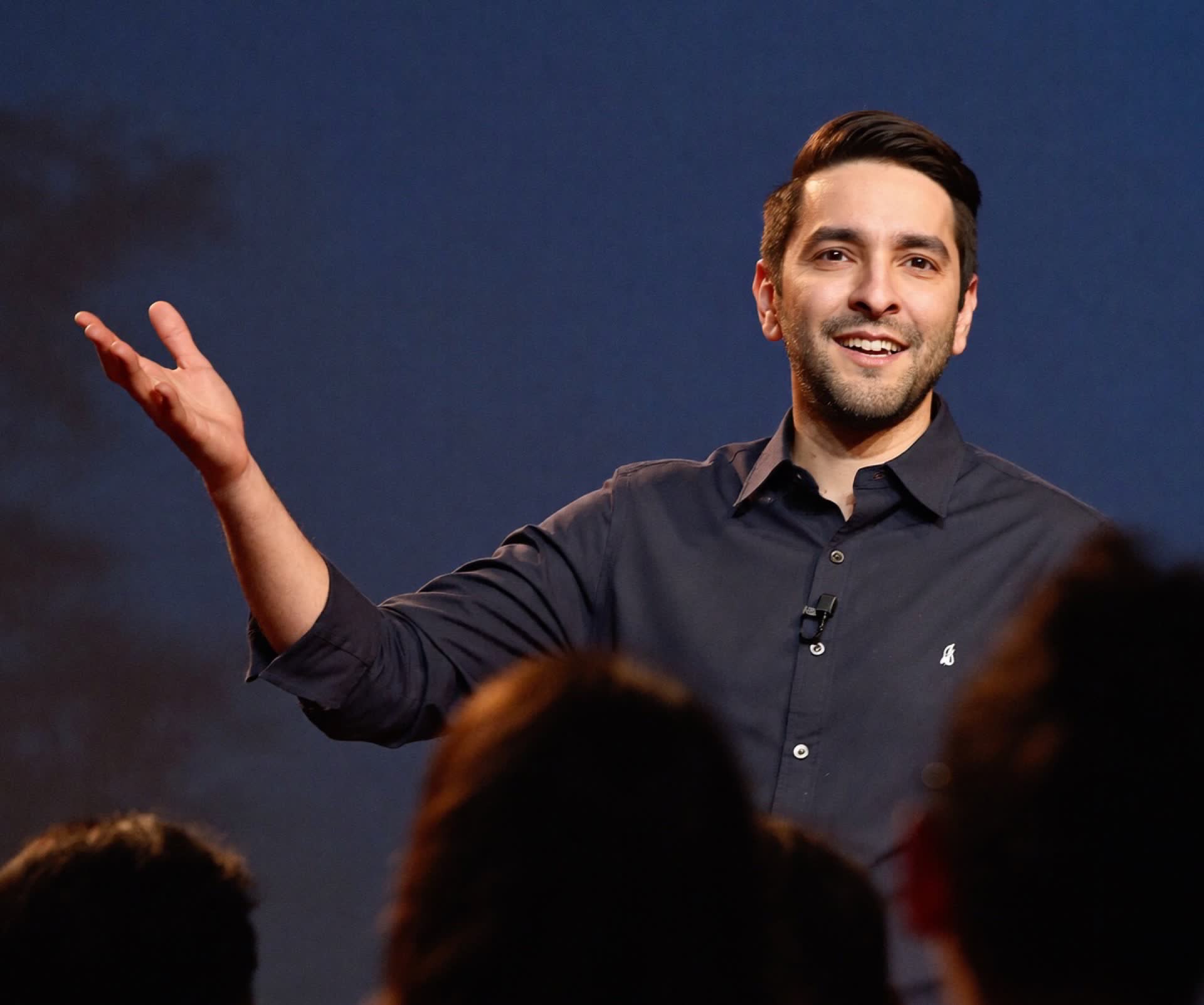
Oxford political economist Adeel Malik sits with Muzamil to map the cracks in Pakistan's ruling system — why the old indirect-rule structure is breaking, why the country is being held in strategic suspension, and why the most important failure is intellectual, not economic.

with Adeel Malik

14 min read

A long-awaited guest, and a paper that went viral

The episode opens with Muzamil introducing a guest he has wanted on the show for a very long time: Dr. Adeel Malik, Associate Professor at the University of Oxford and holder of the Globe Fellowship in the Economies of Muslim Societies at the Oxford Centre for Islamic Studies. Muzamil notes that a recent paper of Malik’s went unusually viral — a paper in which Malik argued that the structures and institutions running Pakistan are about to be forced into change, and that the forces behind that change are now inevitable.

Malik walks through his own path briefly: a master’s in economics from Quaid-i-Azam University, two years working under Dr. Mahbub ul Haq at the Human Development Centre in Islamabad, then a Rhodes scholarship to Oxford, a doctorate covering Nigeria, Indonesia and Thailand, and finally a permanent position at Oxford. “More than half of my life now,” he says when Muzamil notes he has been there for the better part of a decade.

The opening question is the obvious one. What is actually happening in Pakistan? Malik’s answer sets the frame for everything that follows. The visible situation is bad, he agrees, but the right lens is not microscopic — it is telescopic. Wherever stability has eventually arrived in history, he argues, it has been preceded by very large instability. Britain’s rule of law cannot be read without the Glorious Revolution of 1688. Germany’s inflation regime cannot be read without the hyperinflation of the 1930s. China’s rise cannot be read without the opium wars. “When we think things are breaking, that is actually creative destruction,” he says. “Until the old breaks, the new is not created.”

Fire under the feet of the system

Malik names the thing he sees building in Pakistan. A middle class is expanding in Punjab and Khyber Pakhtunkhwa. A new kind of public awareness has arrived with social media. A generational shift is underway. External aid is shrinking. “Fire is forming under the feet of the ruling system,” he says, borrowing Daron Acemoglu’s phrase from Why Nations Fail — a revolutionary constraint on elite preferences. He compares the moment to the British rulers in the 18th century looking across the Channel at the French Revolution and being forced to concede ground to their own people to keep the same outcome from arriving at home.

Muzamil pushes back carefully. Pakistan has been near this brink before — the late 1950s, the late 1970s, the late 1990s — and every time a geopolitical opening produced a handout that kept the old system running. Is this time different?

Malik’s answer is the sharpest geopolitical reading in the conversation. The U.S.–China tension has opened a new war front, but in this one, Pakistan’s old role has gone to India. Washington has chosen India to contain China. “Pakistan will keep getting money,” Malik says, “but only enough to keep the show running.” Not enough to create strategic economic space, not enough to take independent decisions. He gives the moment a name: Pakistan is in coercive economic diplomacy — the international relations term for a country held between sanctioned states like Iran and unsanctioned ones, walked from one IMF programme to the next. CPEC triggered FATF. Imran Khan’s IMF programme was unusually tough. Mike Pompeo went out of his way to say that American tax dollars would not be used to repay Chinese debt. The current programme demands pre-profiling of Chinese debt before disbursement.

What is changing, Malik argues, is that the authority structures the West used to push money through are weakening. The army was once a cohesive institution with legitimacy; that legitimacy is eroding. The village chaudhry was once a natural conduit; voting patterns now move independently of him. The colonial template of indirect rule — the man on the spot, the political agent in the tribal areas governing through allies, keeping economic linkages deliberately thin — was extended across Pakistan after independence and has held until now. “That system has cracks in it now,” Malik says.

How the indirect-rule template was built — and never dismantled

Muzamil asks Malik to slow down and walk through how the system was actually constructed. Malik takes him into the archives. The British built indirect rule by finding natural village heads, turning them into zamindars, giving them defined property rights where none had existed before, patronising large families, building Aitchison College, and structuring military recruitment by region. If you were a wounded soldier in the Bengal regiment, Malik says, you got a stipend. If you were Punjabi, you got land — because canal colonisation was underway and there was land to give. The army’s officers were embedded in international imperial expeditions; even the first Pakistani army chiefs had served on imperial fronts.

Independence did not break this. It reinforced it. In India, large land reforms happened. In Indian-administered Kashmir, even larger ones did — Malik attributes the vibrant middle class, resistance and mobilisation visible in Kashmir today directly to those reforms, which empowered the ordinary person. In Pakistan, an agrarian reforms committee was set up under Jinnah, but the pre-colonial equilibrium reinforced itself. There is, to this day, almost no agricultural income tax.

Malik then introduces a frame he attributes to his own father, Professor Fateh Mohammad Malik. The assassination of Liaquat Ali Khan was the turning point, because power transferred from the Muslim League’s political leadership to a bureaucratic class. Three men carried it: Ghulam Mohammad (representative of the British civil service), Ayub Khan (representative of the British Indian Army) and Sikandar Mirza (a political agent). “Whoever killed Liaquat Ali Khan is beside the point,” Malik says his father used to argue. “What matters is what unfolded after.” Pakistan has, on this reading, been stuck in the same room ever since.

A transition zone, not a confused one

Muzamil presses on identity. Other countries have civilizational roots — Iran has Persia, India has India. Pakistan, he argues, is a buffer zone. Punjab had its moment of statehood, but Khyber Pakhtunkhwa connects to Afghanistan, Sindh to Rajasthan. Have we ever actually defined what this piece of land is for?

Malik does not let the framing stand unchallenged. The UK, he points out from where he is sitting, is also not homogenous — Wales, Scotland and England are deeply distinct. America declared itself into existence from disparate states. The Middle East and Africa were arbitrarily cut up. Diversity is not the problem; the failure to embrace it is.

Then he reframes the geography. Pakistan, he argues, is a genuine transition zone. North Pakistan is where Central Asia meets South Asia. South Pakistan is where the Middle East meets South Asia. The Indus Valley civilization, the spread of the Sufis, the Bukhari Syeds, Mir Syed Ali Hamdani arriving from Iran into Kashmir — these are real linkages, not imagined ones. Two cities he says should be central to how Pakistani history is taught: Herat and Kandahar. “Our Sufis are heavily inserted and embedded in the Mesopotamian tradition,” Malik says. The job is to own all of it.

The 1985 turning point and the death of political parties

The conversation moves to the question of political class. Muzamil notes that the same nineteen or so politicians have rotated for the last twenty or thirty years, that they are now at the end of their life cycle, and that no obvious mechanism is producing replacements. Where does the next political class come from?

Malik’s answer is precise about the date. Before the 1980s, there was a professional middle class entering politics. Bhutto’s politics had opened space for ordinary people. The non-party 1985 elections changed that. Without a party ideology to run on, a candidate ran on something else: whether they had paved a local drain, whether they were Syed, what biradari they came from, how much money they had, how well they could control sisters and family votes. Then MP development funds arrived. Patronage politics took over, and money became the dominant force in elections.

Dynastic politics — father, son, grandson — accelerates from the 1980s onward, Malik says, and he has worked on the data. A very large share of today’s assembly members either entered politics in the 1980s or built their machines then. The hallmark of that politics is control of the local bureaucracy: the thana, the kachehri, the agricultural scoring system, where the development branch will go.

This, Malik argues, is why political parties as national institutions matter so much, and why their decline is so dangerous. He picks PTI as his example, despite not being a PTI voter. A national party contains Pathans and Punjabis, Shias and Sunnis, rural and urban, young and old, Muhajirs and Sindhis. It is, in political-economy terms, a centripetal force. “It connects society,” he says. Building one is extremely difficult. He notes that the People’s Party has effectively become a regional outfit, when historically it contained every kind of person and every kind of faith. The job of institutions like these is to aggregate practices from Khyber to Karachi so that people can think above colour, race, ethnicity, and religious or political faith, and think about the state.

A new social contract, and the no-taxation-without-representation problem

Muzamil asks whether the current framework — constitution, institutions, social contract — can evolve, or whether Pakistan needs a constitutional reset.

Malik separates the two. The constitution is a framework of rules, and the 1973 constitution was a major unifying act — Bhutto walked into parliament and got it approved by every member at a moment when the country had just broken in half. It can be improved. Even most service rules in the civil service and judiciary, Malik says, are fine on paper. They are not followed; power is abused. “Re-inventing the wheel is not the answer.”

The social contract is a different question, and that one is genuinely broken. Whenever citizens question the state, the state’s reflex is violence. That is wrong. New bargaining structures are needed. Malik notes that Benazir Bhutto wrote about this in the early 1990s — that Pakistan needed a new imrani muahida, a new social contract — and that the question is now overdue.

He grounds it in tax. Traders pay almost no direct tax. They are also the Muslim League’s support base, so they will not be taxed. But if you ask the traders, Malik says, they will tell you they would pay tax if they got something for it — they send their children to private schools because the state schools fail, they pay protection money to extortionists because the state does not provide law and order. “No taxation without representation,” Malik says, naming the principle directly. A working system requires that the strength of the power centre be matched by an equally strong counter-constituency — constraints on executive power. Free media. Independent judiciary. Student unions. Associations. Political parties. The current Pakistani debate around IPPs and electricity bills, he notes, is exactly this dynamic playing out in real time: pressure on the government to explain which families own the IPPs and why ordinary people are paying the bill.

Indonesia, Turkey, and the elite that ties itself to trade

Muzamil shifts the lens outward. Indonesia, Nigeria and Pakistan are roughly comparable on population, development and economic size, but Indonesia’s per-capita GDP is now several times Pakistan’s. What did Indonesia do?

Malik is honest about the limits of comparison, then offers the structural answer. Indonesia in 1997 looked a lot like Pakistan does now: cronyism, businesses tied to the state, military embedded in the economy, corruption visible in the open. The 1997 East Asian financial crisis was the inflection. The Indonesian elite, slowly, tied itself to outward trade. Farms, companies, FDI — elite interest fused with industry and export. The Philippines, in the same neighbourhood, did not: dynastic politics, rentier relationships with America, military involvement. The Philippines looks more like Pakistan than Indonesia does.

Turkey is his second case. The Turkey of today is unreadable without Turgut Özal’s 1980s reforms, executed at a moment when reserves were down to months and the economy was on the floor. “It is really sad to waste a crisis,” Malik says, “because a crisis can really set the stage for reform.”

The deeper point is about Pakistan’s elite specifically. The Pakistani elite’s interests sit with traditional electorates, large landed aristocracy, and protectionist industry. They have no structural reason to want export-led growth, because they do not earn from it. And, Malik adds, Pakistan is unusually insular about what it does not study. “Name me one university in Pakistan with an expert on the Chinese Communist Party,” he says. Name one with an expert on the Saudi royal family in the post-MBS configuration. The two most important countries to Pakistan after America are China and Saudi Arabia, and Pakistani academia studies neither seriously. Decision-makers act on whim. They do not pull on think-tank or academic input.

Egypt is not the analogy people think it is

Muzamil draws the obvious comparison: Egypt. Both are military-shaped, both depend on foreign rents, both have centralised power. Does Egypt’s experience post-2011 tell Pakistan what its own transition will look like?

Malik concedes the surface similarity and then breaks it. Egypt has a pharaonic system. A very long tradition of centralised power. A society shaped by that centralisation in a way Pakistan’s is not. Pakistan’s history is more plural, more dispersed, more linked outward. The implication, which Muzamil names, is sharp: a Pakistani transitionary period will be defined precisely by whether the people who arrive in that window do their job, because a failed transition would dismantle resistance the way Egypt’s did. The window will not stay open.

The eastward shift the elite is too scared to make

Toward the end of the conversation, Muzamil pushes Malik on geopolitical positioning. The U.S.–China contest is intensifying. Iran is already in the other camp. BRICS is emerging. Should Pakistan exercise strategic options — pivot eastward, deepen trade with Iran, Iraq, India, Africa, the Global South?

Malik’s answer is direct. Pakistan does have options. The West takes seriously only the countries that take themselves seriously. India does. Vietnam does — engaging China and America simultaneously, even as the West knows much of America’s re-shoring through Vietnam is actually Chinese. Pakistan is not so important to the West that the West will keep funding it indefinitely, but not so unimportant that the West will hand it to the East. There is room.

But Pakistan’s elite will not use that room, he argues, because their lives are tied westward. Properties in Avenfield. Children in Western schools. Buyers. Links. Fear. “The West knows that fear.” Saeed Faridi, Malik notes, has made the same observation in a WhatsApp group recently: the Pakistani elite has no strategic foresight, only short-term interest. The long-term direction is eastward — owning the region Pakistan actually sits in, trading with India on Pakistan’s own terms rather than at gunpoint, building on the smuggling routes with Iran that already function, learning from how Iran trades with Iraq under sanctions. “Why not build the natural, organic linkages?” Malik asks. The general is thinking about his son. The intellectual is thinking about an invitation to NDU. Nobody is thinking past the next favour.

The intellectual failure is the bigger failure

The last passage of the conversation is the one Malik seems to feel most personally. Muzamil notes that the Pakistani diaspora is unusually quiet — that the academic class abroad does not work on Pakistan, and what passes for Pakistan analysis is mostly produced through an American lens. The intellectual class inside Pakistan has not given the country a counter-narrative.

Malik agrees completely. The biggest failure in Pakistan, he says, is intellectual. To rebuild any society you need a conscious rebellion, a new way of thinking. Pakistan’s region produced the Sufis, Iqbal, Faiz, Hamza Alavi. After his own paper went viral, Malik says he asked himself why. It was written in academic language. It was not rocket science. He had not, he believes, said anything people did not already know. “It wasn’t the article’s success,” he says. “It was that our intellectual discourse has become such a desert that anything written carefully now stands out.” The most radical thing, he quotes a scholar as saying, is to describe what you actually see. Pakistani academics, most of the time, look at what is dying in front of them and turn their gaze somewhere else — toward personalities, toward distractions.

By the end of the conversation, Muzamil thanks Malik for the time. Malik thanks him back. The closing line lands quietly: the country has the constitution, has the framework, has the diversity, has the region. What it does not yet have is a class of people willing to describe what they see.

Full transcript
Muzamil

पुराना system, पुराना निज़ाम जो है वह टूटता है और नए निज़ाम के आने की राह हमवार होती है. जब तक पुराना टूटेगा नहीं, नया create नहीं होगा. इसी तरीके से जो military है और जो establishment है, उसकी आम आवाम की नज़र में वह इज्जत नहीं रहेगा. तो उनके through जो बाहर वाला पैसा देता है वह तो देता है एक ऐसे structure को जिसके through वह rule कर सके. Pakistan को पैसे मिलते रहेंगे लेकिन इतने मिलेंगे कि show चलता रहे. अगर american military financial aid निकाल दें तो वह निज़ाम का धरण धकता हो जाता है.

Guest

लाभ रोज़ आपतिनोज़ रात, welcome back to another episode of thought behind things. आज हमारे साथ मौजूद है एक बहुत ही ख़ास में हेमान जिनको to be very honest I have been meaning to have on the show for a very very long time. I didn't think कि वह मुझे time देंगे but he was gracious enough कि मुझे finally एक तो मैं connect हो सका उनके साथ and he was you know he allowed me to have him on the show. It's a big moment for me as well. आज मेरे साथ मौजूद है अदील मलिक साहब who is the associate professor at University of Oxford. उनका एक recently paper बड़ा viral भी हुआ where he spoke about कि Pakistan में जो political economy में और जो structures और institutions जो Pakistan को चलाते हैं उसमें certain changes आने वाली हैं. उसमें उन्होंने detail में भी गए कि क्या वजह हाथ हैं जिसमें जिनकी वजह से वह changes inevitable अब होती हुई नज़र आ रही हैं. Recently he did a range of interviews TCM के साथ भी उन्होंने किया जिसमें उन्होंने उस particular paper को तो detail में discuss किया. But आज I wanted to sort of dive a little deeper, discuss geopolitics as well. Overall जो Pakistan की economic situation है उसको मद्देनज़र रखते हुए किस किस्म की changes वह देख रहे हैं कि Pakistan में आ सकती हैं. उनका एक बड़ा core focus रहा है on political economies particularly in the मुस्लिम world. So he has that you know body of experience not just for Pakistan but overall region के अंदर similar economies किस तरह से perform करती रही हैं और evolve करती रही हैं. अदीर साहब, first of all thank you so much for the show.

Muzamil

Thank you very much. It's a pleasure to be, to come on your show and share my ideas.

Guest

Sounds good and मैं थोड़ा सा start करूंगा just अगर for those who don't know आप थोड़ा सा background बता सकें of your academic and professional journey.

Muzamil

जी. तो मैंने Pakistan से economics में masters किया Kazajm University से और फिर दो साल doctor महबूबुल हक का एक कदारा था महबूबुल human development center, इस्लामाबाद में. तो उनके साथ काम करने का मौका मिला then I got a road scholarship to come to Oxford and I did my BHD here, worked on Nigeria, Indonesia, Thailand and then I got a position at the Oxford Center for Islamic Studies जहां पर मेरे पास globe fellowship है on economies of Muslim societies और मैं university में associate professor बिल्कुल development economics.

Guest

ज़बरदस्त and so you have been at Oxford for a good part of I would say the last decade. More than half of my life now. Wow, incredible. Again मैं start करूं Pakistan से you know how do you see Pakistan off today? Pakistan के अंदर जो changes आ रही हैं उसकी वजह से lot of people are very confused. ज़ाहिर है के understandably so they are very worried as well. जो frameworks उन्होंने बनाए हुए थे जो understanding थी उनकी कि Pakistan कैसा है? Pakistan की political economy कैसी है, वह काफी तक change होना शुरू हो गए हैं. How would you see अगर मैं just as a starter आपसे पूछूं कि इस वक्त हालात क्या हैं? What's really going on in Pakistan?

Muzamil

देखिए बज़ाहिर जो हालात है वह तो खराब है लेने की ज़रूरत है not just a microscopic view और जो telescopic view स्यासत और मईशत का जो जोड़ है आपस में उसको आप देखते हैं तो जहां जहां भी stability आई है उसके पीछे बहुत बड़ी instability भी होती है. बस हम बर्तनियां हैं वहां पर. आज दो लोग law है तो उसको आप sixteen eighty eight के glorious revolution और उससे पहले की जो मसाल थे उसके बगैर नहीं देख सकते. Germany में अगर आज central bank और inflation के ऊपर एक खास उसकी regime है जो बड़ी पूरी दुनिया में मानी जाती है तो उसके लिए आपको hyperinflation study करनी पड़ेगी nineteen thirties की. China में आज जो तरक्की है वह एक बहुत पहले ज़माने में opium wars और उसके अपने missile थे China के. तो जो मौश्ले हैं वह इस तकाई अमर से गुज़रते हैं और बहुत मर्तबा जब हम सोचते हैं कि तोड़ फोड़ हो रही है तो actually वह creative destruction भी है. In the sense कि उसमें पुराना system, पुराना निज़ाम जो है वह टूटता है और नए निज़ाम के आने की राह हमवार होती है. जब तक पुराना टूटेगा नहीं, नया create नहीं होगा. तो मैं इस वक्त middle class expansion है, Punjab में और KP में और आम इलाकों में खास तरह की एक आ गई और शहूर है, social media का ज़माना है, generational shift आ रही है और बाहर से जो हमें अदाद मिलती है वह कम हो रही है. तो जो हमारी अशराफियां हैं, उसके ऊपर बहुत ज़्यादा pressure है. उसको political economy के ज़मान में कहते हैं, fire under the feet of the ruling system. जिसको डेरोन H.I.Moglu जिनकी किताबें Why Nations Fail उन्होंने कहा revolutionary constraint on elite preferences. वह बुनियादी उसका मतलब यह है कि जब बर्तानिया में के जो rulers थे, जब उन्होंने देखा कि French revolution आ रहा है साथ ही channel की दूसरी तरफ, तो उनकी ज़मीन के नीचे आग बनना शुरू हुई और वह मजबूर हुए कि अपने आवाम को कुछ concessions दें ताकि यहां पर भी वह हालात ना हो. तो हमारे यहां fire under the feet of the system develop हो रहा है और यह एक लिहाज से बहुत ही creative stage है. इसमें अगर मैं आपसे पूछूं

Guest

again you know I recently spoke to अहमद प्रीतादा साहब वह economy को बड़ा closely देखते हैं. मेरा उनसे भी यही सवाल था कि अगर आपसे पूछूं कि यह जो changes हैं do you see और और through a telescopic lens के इन changes को अब रोका जा सकता है? You know अगर कहते हैं कि ठीक है अगर हालात खराब हो ही रहे हैं जिसने आपने एक बड़ी एक sort of silver lining दी लोगों को कि right कि अगर हालात खराब हो रहे हैं तो at the very least in a long enough time line हम यह hope कर सकते हैं कि ठीक है इसी खराबी से अच्छी चीज़ निकलेगी. There's a light at the end of the tunnel but then इसमें जो risk factor हो सकता है वह यह हो सकता है कि पहले भी multiple times हमारी यह destruction के हम करीब थे चाहे वह late fifties में हों, चाहे वह late seventies में हों, late nineties में हों और हर दफा कोई ना कोई handout मिल गया. हर दफा जो है वह कोई geopolitical ऐसी shift आ रही थी जिसके अंदर you know we became you know that mercenary or however you would call it, right? आज भी हम देख रहे हैं कि there is a certain geopolitical shift और उसी के दरमियान में Pakistan जो है वह place हुआ हुआ है. Do you see that as a risk या do you think कि वह अब change inevitable है? अगर आप particularly देखेंगे जो cost इस वक़्त या जो amount चाहिए आपको sustenance के लिए, वह शायद इतनी बड़ी हो चुकी है कि उसको कोई bear कर नहीं सकता even if they want to.

Muzamil

मतलब हो तो कुछ भी सकता है. अब हम इस हालात में हैं कि जहां पर आपके America और China की खास तरह के geopolitical tension है. तो एक नया war front खुल रहा है. लेकिन उस war front में जो Pakistan Pakistan का role था Wuhan war के जमाने में वह हिंदुस्तान का हो रहा है. हिंदुस्तान की अब alliance है United States के साथ कि वह China को contain करेंगे. तो मुझे यह महसूस होता है कि Pakistan को पैसे मिलते रहेंगे लेकिन इतने मिलेंगे कि show चलता रहे. Ruling elite का जो system है वह चलता रहे लेकिन ऐसी कुछ strategic economic space ना मिले जहां पर आप अपने खुद decisions कर सकें. तो Pakistan को एक class state of strategic suspension में रखा जा रहा है और यह CPAC के आने के फ़ौरन बाद आपने देखा कि FATF Pakistan पर आया और उससे एक तर्म तरीके से restrict किया गया. फिर इमरान खान के जमाने में जो IMF program आया वह खासा tough था और खास तौर पर you know out of the way Mike Pompeo ने जाकर कहा कि भई हम American tax dollars जो हैं वह Chinese को repair करेंगे. अभी भी जो हमारा IMF program है, उसमें कहा जा रहा कि भई पहले आप pre profiling करें China की debt की. तो हम by and large invisible sanctions के ज़ुमरे में. China Iran के ऊपर visible sanctions हैं. हमारे ऊपर CPAC के बाद से जिसको हम international relations की ज़मान में coercive economic diplomacy कहते हैं. हम coercive economic diplomacy के नुर्गे में जिसमें एक IMF program से दूसरे IMF program में जाते हैं और इतना पैसा मिल जाता है कि system चलता रहे, लेकिन इतना निमिता के जैसे आसानी हो जाए. लेकिन यह चीज़ें अब change भी होंगी क्योंकि मेरे ख़याल में Washington में और London में लोग सोच रहे हैं कि आप इतना न दबाएं कि पूरा निज़ाम ही बैठ जाएं. तो हो सकता है मज़ीद rent streams भी आएं. लेकिन क्या वह काफ़ी होंगे आपको निज़ाम खुचलाने के लिए? क्योंकि आज आपकी eighties में population आपकी 100 something billion थी. आज आपकी दो सौ चालीस million है. आपकी ज़रूरतें बढ़ रही हैं. तो वह जो एक geopolitical model था, वह थोड़ा सा कम apart हो रहा है और दूसरी जो important shift आ रही है वह यह है कि जो authority structures हैं वह weaken हो रही है. यानी पहले आप अगर military को पैसा देते थे तो military एक कोहिसी institution था और वह आपको stability दे सकता था उसकी legitimacy थी. जैसे मैंने अपने article में कहा कि जो traditional authority structure है चाहे वह देहात के level पर हो, जहां पर एक चौधरी है और उसकी legitimacy कम हो रही है, social media आ रहा है, लोग मुख्त रित्रा से voting patterns उनके आ रहे हैं. इसी तरीके से जो military है और जो establishment है, उसकी आम आवाम की नज़र में वह इज्जत नहीं रही है. तो उनके through जो बाहर वाला पैसा देता है, वह तो देता है एक ऐसे structure को जिसके through वह rule कर सके और यह structure की बुनियाद हमारे खित्ते में रखी गई जब frontier rule की बुनियाद हुई और जब फाटा को govern किया गया तो एक खास इस तरह इस्तेमाल की गई जो sir olive carol और बहुत सारे दूसरे लोगों ने भी की, वह था man on the spot के जो political agent के through role किया जाता था जिसमें यह है कि आपने एक शख्सा political agent tribal areas में उसके through आपने इनको बाकी दुनिया से अलग तरक रखना है, economic linkages उसके limited रखने हैं. तो यह अभी तक more or less जो फाटा का rule था वह पूरे Pakistan में broadly रहा कि man on the spot चाहे मुशहर अफसाह हो, चाहे एज्याह हो, you know बाकी भी army chiefs आए या individuals आए. तो बाहर के लिए बहुत आसान है कि आपने शक से deal किया और उसका control society पर भी है और उसका control अपने दायरे पर भी है. वह जो system है ना ruling through man on the spot, जो एक तरह से indirect rule का system है कि यह rule through eliefs, वह उसमें शगाफ पड़े हैं उस system में. तो आप से पूछेंगे ज़्यादा increase हो वरना बहुत पूछकर.

Guest

Makes sense. अगर मैं आपसे पूछूं कि आपने जो system एक एक एक sort of define किया. आपने कहा कि जी you know ruling through the sort of rent seeking elites कह लें या you know one man system point point man के through. यह system किस तरह से बना Pakistan में? I want to sort of understand कि अगर मैं history में जाऊं सत्तर पिहत्तर साल की हमारी history है. We are a very young nation और यह अभी काफ़ी confusion भी है कि what keeps us together because so many languages, so many different cultures बड़ा मुश्किल है क्योंकि बाकी बहुत सारी दुनिया में countries होती हैं बड़ा logical होता है. वह you know homogenous population होती है. एक central thought process होता है उसके around वह अपने आप को rally together कर लेते हैं. Pakistan as a nation it's it's a wonder कि why do these lines exist and why does everybody you know bond together और वह एक बड़ा risk factor भी होता है कि अगर हालात ख़राब हो जाए तो then there's not a lot that keeps people together, right? तो मैं थोड़ा सा system को समझना चाह रहा हूं कि post independence जो हमारा system of governance, system of the way that it is supposed to be ruled, जो elite capture था वह क्या late stage में आया या वह from the very start Genesis पर ही you know built up ऐसा हुआ था कि you know you got a very small elite and through that you will basically able to control the entire population and you know, in a wider perspective.

Muzamil

देखिए इसमें आपको मेरे ख्याल में जो history है ना किसी कोई भी बंदा जो समझता है स्यास्थित और मेरी शत का ज़ोर और जो सवाल आप raise करें उसको तारीख जाने की ज़रूरत है कि जो तारीख के structures हैं वह आपको बताते हैं कि आवाज़ कहां से हुआ और कैसे चीज़ें persist की और उस पर luckily बहुत ज़्यादा archives हैं. बहुत सारे लोगों ने इसके ऊपर काम किया उसने एक indirect rule का system बनाया which means कि थोड़े से imperial officers होते थे और वह local लोगों को allies बनाते थे. तो जब वह जाते थे अगर आप archives पढ़ें तो वह हर जगह जाकर देखते थे कि यहां पर कोई natural village heads हैं कि नहीं. उन जो natural village heads हैं, उनको वह ज़ेरदार बनाते थे. उनको फिर वह खास तरह से उनको benefits देते थे और फिर उसके साथ जो उन्होंने property rights का system establish किया क्योंकि अंग्रेज़ों से पहले कोई property rights नहीं थे. उस तरीके से defined property rights नहीं थे. तो ज़मीन आबाद की गई खास तौर पर Punjab में और जो बड़ी बड़ी families थी उनको patronize किया गया, उनको पैसा दिया गया, खास तरीके से HSN college बना, military recruitment के patterns हुए. अब आप देखें कि अगर आप Punjab in the war किताब है, उसमें बेशमार details अगर आप Indian army हैं और उसमें अगर बंगाल regiment से हैं और आप किसी international मुहाज पर ज़ख़्मी हो जाते हैं तो आपको थोड़ा सा कोई stipend मिल जाएगा, वज़ीफा मिल जाएगा या थोड़ी health support मिल जाएगी. लेकिन अगर आप Punjab से हैं तो आपको एक ज़मीन कठकुड़ा मिलेगा क्योंकि उसको canal colonization हो रही थी. बहुत सारी ज़मीन जो है वह आज भी वह देखिए उसकी continuity जो है वह मौजूद रहती है. फिर जो army की के जो officers थे, British Indian army थी, उसको international expeditions के अंदर deploy किया जाता है. जहां जहां Britain के international मुहाज थे, वहां पर वह जाया करते थे और आप देखें कि पहले दो तीन जो Pakistan के army chief हैं, ज्यातक. ज्यासाहब ने भी बर्मा में serve किया था. तो international जो imperial war effort थी, उसके अंदर मुकम्बन embedded थे. तो उसके बाद फिर ज़ाहिर है ये बहुत, बहुत सारी landed elites थी और जिस तरीके से मुस्लिम league ने mobilization की, वो ज़्यादा elite mobilization थी. Elites को इकट्ठे लेकर आए. बहुत सारे ये वो लोग थे कि जो Pakistan बनना ही नहीं चाहते थे. उनका दिल्ली नहीं था unionist party के लोगों को देखें. तो बस आखिरी वक्त पर उन्होंने अमरी मजबूरी Pakistan को accept किया. तो उन्होंने फिर वही structure रखा. अब आप देखें कि हिंदुस्तान बना foreign land reforms हुई, power shift हुई, nationalist mobilization थी, right, इधारे बने. हमारे यहां क्या हुआ कि वह जो pre colonial equilibrium था, वह उसी तरीके से reinforce हुआ. आज तक agriculture income tax बड़ी मुश्किल बात है. Land reform तो हुई नहीं. पूरा जो system है वह elites के लिहाज से चलता है और जब Pakistan बना तो कायदाज़म ने committee, agrarian reforms committee बनाई और उसमें कहा कि land reforms हो. बंगाल went ahead, वहां पर land reforms हुई और इसी तरीके से Indian कश्मीर में बड़ी massive land reforms हुई. आज जो आप कश्मीर में एक vibrant middle class देखते हैं, एक state के खिलाफ resistance देखते हैं, mobilization देखते हैं, उसके ताने बाने उन land reforms के साथ हैं जिसने एक आम बंदे को empower किया. Pakistan में क्या हुआ कि जब land reforms announce हुई तो उस वक्त मेरे अपने वाले थे professor फतिम्हामण मलिक उन्होंने इस पर बहुत काम किया सकते और एक जो मुझे बात अपने father की हमेशा strike की the way he looked at Pakistan was fascinating. He said कि जो ल्याकत अली खान की शहादत थी वह एक turning point था क्योंकि उससे यह हुआ कि जो जितनी political elite थी ऊपर at the helm उससे निकल के एक तदार transfer हो गया bureaucratic class के पास. तो जो तीन लोग थे वह हमेशा कहा करते थे कि तीन लोग गुलाम मुहम्मद representative of the british civil service, आयुब खान representative of british indian army और तीसरे सिकंदर मिर्ज़ा political agent थे. तो वह यह कहते थे कि यार यह बात कि किसने मारा अयुक्त मलयाकत अली खान को यह बेमानी है. क्योंकि आप बाद में देखें जिस तरीके से चीज़ें unfold हुई, तो practically एक तदार transfer हो गया मुस्लिम league की political leadership से to bureaucratic class. पर आज तब तक हम उसी भवन में फ़ंसे हुए हैं. जब तक हम वापस लाखित्री खान के जमाने तक ना जाएं और वहां से start करें कि कैसे political system को आपने बनाना है. उसमें yes, हम homogenous नहीं हैं. बहुत ज़्यादा diversity भी है, लेकिन बहुत सारे ऐसे मुल्क हैं. अब Indonesia है, उसके अंदर भी diversity है. बहुत ज़्यादा diverse मुल्क है. Yes हमारे यहां मुक्तलिफ ethnicities है लेकिन अगर आप एक ecological perspective लें तो जितना Indus River आता है ऊपर से Himalayas से लेकर नीचे तक पूरी Indus Valley जो civilization है और जिस तरीके से यहां पर सूफिया का असर फैला, वह Pakistan मेरे ख्याल में एक genuine transition zone है, जहां North Of Pakistan जो है, उसमें Central Asia meets South Asia और जो South Pakistan है, वह Middle East meets South Asia. तो हम उस तरह के transition zone में हैं और हमें उस सारी diversity को अपनाना चाहिए अगर आप उस Would you, समय

Guest

sorry मैं इसी point के अंदर add करना चाह रहा था. Would you say कि Pakistan में शायद यह कभी हमने इसको इस तरीके से define ही नहीं किया जिसमें हम कैसे कहें कि यार Indus Valley civilization से लेकर आज तक. What's the purpose and meaning of this piece of land? वजह मैं यह कहता हूं कि मुश्किल होता है उसको इकट्ठा रखना is because there are lot of other countries या बहुत सारी और nations हैं जो कि modern day जो निकली हैं वह किसी civilization से निकली right? So Iran अपना जो जो history है वह पर्जा से जोड़ता है. India का तो अपनी एक बहुत extensive history है. Pakistan जो again boundary of Pakistan है जब आप इसको study करते हैं पिछले let's say हज़ार पंद्रह सौ साल में तो आपको constantly यह नज़र आता है कि this is just again like you said it's a buffer zone जिस पर या तो Central Asia से किसी ने आकर क़ब्ज़ा किया और हुकूमत की या you know India जो जो main आपका mainstream India है उसमें से you know Delhi से बैठकर किसी ने you know इस land के ऊपर rule किया या British आ गए या Arabs आ गए उससे पहले. Indigenously there is not a lot जिसमें आप कह सकते हैं कि यार इस piece of land के around कोई civilization exist करती थी. कोई ऐसा again कोई ऐसी homogenous you know empire था जो कि उस time से आज तक अपने आप को roots निकाल सकते हैं. Yes Punjab को आप कह सकते हैं कि you know Punjab के अपना थोड़े से time के लिए एक state of sorts exist करती थी but अगर बाकी इलाके जो हैं वहां पर शायद potentially उनके ज़्यादा connectivity हो towards अगर KP की बात की जाए तो वह Afghanistan ज़्यादा connectivity निकाले. सिंध जो है वह शायद राजस्थान से ज़्यादा निकाले. So इस context के अंदर जो modern day nation state है again I am not saying कि you know जो एक बहुत negative side पर लोग ले जाते कि यार इसका तो मतलब है कि Pakistan का meaning कुछ नहीं है. All I am saying is कि वह जो identity है एक modern day nation state की. शायद हमने उसको explore नहीं किया, शायद हमने उसको define नहीं किया जिसकी वजह से काफी ज़्यादा clashes आते हैं. देखिए इसमें यह बात है कि बहुत सारे जो दूसरे मुमालिक हैं अब यह वह उसमें आप even UK में देखें. मैं Oxford में बैठा हूं जहां पर Wales के identity को देखें और जो Scotland की है बड़ी मुख्तलिफ है, England की बहुत मुख्तलिफ है.

Muzamil

America कैसे बना? बहुत सारी states जो थीं वह rulers ने declare कर दिया कि यह state होगी, यह मेरी state होगी और बाद में वन गई. Middle East में बहुत सारी states arbitrarily cut up कर दी, right? इसी तरह Africa में कर दी. कितनी रास्ते हैं दुनिया में कि जहां लोगों ने चाहे weak principal जो हो representation का, उन्होंने कहा कि हम अपनी क्रियासत बनाना चाहेंगे. तो I think there is, you know, you can find unity in diversity but that requires and more authentic embracement of yourself कि अब अगर मैं हूं तो मैं हिंदुस्तान का भी sound वह एक tradition है हमारी. लेकिन हमारे links जो हैं, वह Central Asia के साथ भी हैं. वह अब आप देखें कितने बुखारी सैयद हैं हमारे यहाँ. अगर आप इस्लामाबाद में बैठे हो, तो वहाँ से बुखारा समर्थन इस closure, दयंकराची, right? और वो historically वहाँ पे वो पूरा link रहा है. अब आप देखें कि जो मीर सैयद अली हमदानी थे, वो कहाँ से आए थे? वो Iran से आए और वो यानी कश्मीर में settle हुए और फिर वहां उन्होंने जब इस्लाम फैलाया तो उनकी जो zones of engagement थी वह इतनी वसी थी कि उसमें वह हज़ारा भी आए जो आज Pakistan में है, Central Asia जाते थे, Damascus में भी रहे, इजाज़ में भी रहे. वह उस पूरी cosmopolitan space का हिस्सा थे. एक जो बहुत बड़ा सान्या हुआ है modern nation state मुझे कि हमारी जो sense of history, sense of direction, sense of belonging cut गई है. अब आप देखें कि majority अब सूफिया को पढ़ें Pakistan के context में. तो दो centers हैं कि जो इतने important है दो cities जिसको हमारी history में पढ़ाना चाहिए. एक हिरात है और एक कंधार है. कंधार में कितने बड़े बड़े सूफियां, वहां के सिलसिले और भी Central Asia, समर्थन, बुखारा तक चल जाते हैं. तो यह हमारी जो identity है, उसका हिस्सा है. Indus Valley civilization भी है, हिंदुस्तान की civilization भी है और साथ जो यह पूरे दूसरे राब्ते हमारे रहे हैं. अब आप किसी भी सूफिया के सिलसिलों को देखें तो वह कहां से आए, कहां से चल के आए. हमारे जो सूफियां हैं वह they are heavily inserted and embedded in the Mesopotamian tradition. तो आप उस सारी diversity को own करें. जिस तरह बाघ है, बाघ में आप जाएं

Guest

आपने कहा कि you know एक तो bureaucratic elite की तरफ transfer हो गया so that makes sense जिसकी वजह से you know एक पूरा system again hijack हो गया off sorts. Political class exist नहीं करती थी. At this point in time अगर मैं उसी से connect करूं जो एक एक somewhat आपकी political upbringing होती थी student unions के through. भुट्टों के time तक वह रही भी फिर ज़्यावरा के time के ऊपर वह बिल्कुल खत्म हो गई. The way that I see modern day Pakistan मुझे यह नज़र आता है कि you know there is a class of 19 जो कि you know politicians की चल रही है you know they're very old as well but वही बैठे हुए हैं. पिछले बीस तीस सालों से हम उन्हीं को देख रहे हैं बार बार वही elect होते हैं but they are also at the end of their sort of life cycle and वहां पर ज़ाहिर एक एक vacuum होता हुआ, I mean emerge होता हुआ नज़र आता है जिसमें जो conventional methods थे जिसके through आप political class को बना सकते थे वह अब exist नहीं करते and so that's an opportunity but also that's a risk as well जहां पर conventional तरीकों से आपको नए leaders emerge होते हुए नहीं नज़र आ रहे. How do you see that gap being filled in Pakistan?

Muzamil

देखिए मुझे अच्छा लगा आपने उन्नीस सौ अस्सी की दिहाई का ज़िक्र किया क्योंकि उन्नीस सौ अस्सी की दिहाई से पहले एक professional middle class भी थी. गरीब लोगों का स्यासत में कदम रखना आसान हुआ है. बृट्टो साहब की स्यासत के बाद. अस्सी की दिहाई में जो उन्नीस सौ पचासी के अंतखाबाद है वह एक turning point था क्योंकि उसमें वह party less elections थे और अगर आप एक candidate हैं तो आपकी ideology इतनी important नहीं है. यह है कि आपने नाली पक्की कराई कि नहीं, आप सय्यद हैं कि नहीं, आप खास बिरादरी से आपका ताल्लुक है कि नहीं, आपके पास कितने पैसे हैं, कितना आप बेहतर तरीके से sisters को control कर सकते हैं और plus MP की development spending आ गई तो एक patronage politics का और सियासत में पैसे का ज़ोर बहुत ज़्यादा बढ़ गया. आपको भटो साहब के साथ बहुत सारे ऐसे लोग नज़र आते थे. महबश्वर हसन हो, शेख महम्मद ऋषिध हों, और बड़े बड़े रहनुमा थे जो बड़े आम limited means वाले लोग भी थे जो सियासत में आ गए. अस्सी की दिहाई ने वह change कर दिया और उसके बाद आप देखें कि बहुत सारी जो dynastic politics है, जो dynasties बनी हैं, जिनमें एक पाप है, उसका बेटा है, उसका बेटा है, वह जो dynastic formation है, अस्सी की दिहाई के बाद उसमें बहुत ज़्यादा तेजी है और मैंने कुछ इस पर काम किया है जिसमें मैंने देखा है वह started कि बहुत जो आज assembly में लोग हैं, उसमें बहुत बड़ी एक percentage है कि जिन्होंने सियासत में या तो कदम रखा अस्सी की दिहाई में या अस्सी की दिहाई में उनको सही मानों में उसके बाद expand किया उन्होंने और उसमें खास उस सियासत की बात यह थी कि उसमें जो politicians हैं, उनका control local bureaucracy पर है. थाने पर है, कचहरी पर है, अब scoring system पर है, development branch कहां जाएंगी, उसके ऊपर उनका control है. उसके through वह दिहाज को control करते हैं. लेकिन Pakistan अब बहुत बड़ा मुल्क है और बहुत सारी जो constituencies हैं वह इतनी बड़ी हैं जिनको तोड़ना चाहिए. अब आप देखें कि UK में मैं हैरान होता हूं कि अब Oxford में recently elections हुए छोटी छोटी constituencies हैं. You know, लाख तो बहुत ज़्यादा बनता है लगभग पचास पचास हज़ार तक. तो आप दोने constituencies को ज़्यादा लोकता के सियासत के अंदर दाखिल हो और जितनी ज़्यादा contestation होगी उतना ज़्यादा उम्मीद होगी तब्दीली के लिए. क्योंकि देखिए political economy में एक important चीज़ होती है institutions of conflict management. जब भी society बढ़ती है उसकी यानी grow कर रही है population wise, उसको resources की struggle आ रही है और missile है. तो आपके ऐसे अदारियों होने चाहिए जो लोगों की grievances को, जो उनकी missile है state के साथ, उसको modulate करें, उसको channelize करें. एक peaceful तरीके से channelize करें. उसमें आपको एक आज़ाद media चाहिए, उसके लिए आपको आज़ाद judiciary चाहिए more or less. उसमें आपको civil society चाहिए, student unions चाहिए, group associations चाहिए, political parties चाहिए. यह वह सारे अदारें हैं कि जो मुल्कों को इकट्ठा रखते हैं. देखिए अब नौ मई की तो बात बहुत करते हैं और नौ मई को हुआ वह कोई भी जिशों सक्ष उसको appreciate नहीं कर सकता कि आपके state institutions के ऊपर attack हुआ. लेकिन जो political party होती है वह भी इतना एक मुकद्दस institution होता है. अब देखिए अब छोड़ दें कि PTI, मैं तो PTI का voter नहीं let's say और अगर मैं नामी पसंद करूं PTI की policies को तो जो आपकी national level कोई भी party होती है उसमें हर तरह के लोग होते हैं, right? उसमें पठान भी हैं, पंजाबी भी हैं, शिया भी हैं, सुनी भी हैं, rural areas के लोग भी, urban areas के भी लोग हैं, बूढ़े भी हैं, young भी हैं, मुहाज़ल भी हैं, दूसरे लोग भी हैं, सिंधी भी हैं, right? सिंधी probably थोड़े कम है प्रिटियार में. लेकिन more or less you have a national level party that's a centripetal force. It connects society. वह आपका एक national institution होता है उसको बनाना बड़ा मुश्किल होता है. जिस तरह peoples party अब एक regional जमात बनकर रह गई है. यह भी बहुत बड़ा आसान है क्योंकि peoples party historically इसी तरह उसमें हर तरह के लोग मत बैफिक्र के लोग थे. तो यह दारे भी किसी भी रासित को चलाने के लिए independent unified political parties जो खैबा से लेकर कराची तक लोगों की practices को aggregate करें ताकि वह अपने रंग, नस्ल, ethnicity, political and religious faith से ऊपर उठकर रियासत के लिए सोच सकें. वह बहुत बड़ा asset होता है किसी भी रियासत के.

Guest

Makes sense. अगर मैं आपसे पुछा आपने कहा कि देखें जो framework आपने बनाया ना वह आपने कहा कि जब independence हुआ हुई Pakistan की तो उस वक्त से ही एक sort of system को आपने control करके आपने कैसा निज़ाम बनाया हुआ था? चाहे वह you know British ने बनाया चाहे Americans ने उसको mold किया but वह निज़ाम largely rent seeking था जिसमें एक बहुत छोटी class जो है वह basically control कर रही थी बाकी पूरे निज़ाम को और पूरे मुल्क को और उसी की वजह से ज़ाहिर है कि जो हमारा constitution भी sort of emerge किया और उसमें जो changes भी आई one can argue obviously कि वह फिर उसी निज़ाम को further करने के लिए और strengthen करने के लिए चलाते रहे, right? अगर आज मैं Pakistan को देखता तो उसकी reality बड़ी फ़र्क़ है. उसके अंदर एक sort of growing middle class population है जो कि internet से connected है, वह media से connected है. उनका world view बड़ा फ़र्क है, उनकी aspirations बड़ी फ़र्क है and so one could potentially argue कि जो current system है, जो current constitution है overall जो निज़ाम है that is not very conducive for this the the requirements for the current population, right? And so therefore या तो उसमें आप कहेंगे कि अच्छा जी ठीक है एक certain change की requirement है but अगर आप उस change को देखेंगे तो ज़ाहिर उसमें वह वह change कैसा होगा? जो नई नया Pakistan बनना है you know इस population के लिए इस changed new emerging middle class के लिए उसके अंदर set of rules होंगे, right? और उन्हीं rules को हम चाहे वह culturally देखें या चाहे वह हम constitutionally and legally देखें. उस पर would you say कि वह जो नया social contract बनेगा, जो नई understanding बनेगी वह हम evolve into कर सकते हैं. वह हम within the same framework within the same constitution we can potentially you know create certain amendments हम slowly with enough political you know evolution के through we allow for people to vote properly in a free and fair election. उसमें you know political party आएगी वह आकर कोई चीज़ problems create करेगी. System will clean itself out. या would you say कि उसमें एक revolutionary आपको change किया requirement आ गई है. जिसमें may be all stakeholders have to sit down together and decide कि भाई अच्छा पुराना निज़ाम नहीं चल रहा. अब हमें नए set of rules चाहिए हैं और हमें potentially again एक नए constitution की तरफ जाना पड़ेगा, एक नए social contract की तरफ जाना पड़ेगा.

Muzamil

देखिए अब इसमें कई सवाल हैं आपके और मेरे ख्याल में जो निज़ाम है वह एक चीज़ है और constitution एक चीज़ है. Constitution तो एक rules का framework है. वह बनाना बड़ा मुश्किल काम होता है. अब submity का constitution जो था वह एक बड़ा major unifying act था कि मुल्क टूट गया और फटो साहब आए एक एक शख्स के पास गए parliament के अंदर और एक constitution approve करवाया. अब उस constitution में कुछ चीज़ें change हो सकती हैं, कुछ तब्दीलियां आ सकती हैं बदलते हालात के, लेकिन वह एक framework हमारे पास मौजूद है. उसी को हम improve भी कर सकते हैं और उसके मेरे ख्याल में वह rather than reinventing the wheel हमारे पास जो कानून है वह काफी अच्छा है और आप देखें कि majority जो हमारे even service rules हैं. अगर आप देखें तो civil service में, judiciary में ठीक ठाक rules हैं. उनको follow नहीं करते, abuse of power होती है. हर केदारा हर शख्स जो भी किसी position में बैठे वह उसको bypass करता है और वहां से फिर मसाहिद हो जाएंगे. तो constitution तो मौजूद है. Social contract एक बहुत चीज़ है और social contract यह है कि भईद्यासत का आवाम के साथ क्या रिश्ता है? वह अक्सर कहीं लिखा नहीं होता कि भई यह social contract है लेकिन वह एक तरह का unwritten कुछ ना कुछ एक bargaining structure होता है कोई ना कोई यानी उसमें problem यह आ रही है कि जब भी रियासत से लोग सवाल करते हैं तो रियासत का एक तरीका violence. वह गलत बात है. हमें नए bargaining structures की ज़रूरत है. अब सिर्फ रोजस्थान में हुआ लोग आकर बैठे हैं. अब ठीक है अब मैं यानी सारी उनके demands शायद ठीक ना हो, अगर state समझती है लेकिन उन साथ बैठे, इज़्ज़त के साथ बैठे, concessions दे, कुछ give and take हो, all of politics is about negotiation and compromise. Problem यह है कि जिस segment के पास भी power होती है, वह जाता है कि वह power उसके हाथ से निकले ना. तो फिर सिर्फ violence resort होने के हैं. तो I think we need a new social contract जिसमें रियाज और यह बेनज़ीर भट्टो साहिबा ने बात की थी nineteen nineties में early February में और उस ज़माने में उन्होंने उस पर article भी लिखी कि भाई Pakistan को नए social contract की ज़रूरत है. अब वह जो नया social contract है उसके लिए रियासत का citizens के साथ जो मुआयदा है, इमरानी मुआयदा है जो उर्दू में हम translate करते हैं social contract को, वह basically require करता है कि रियासत कुछ चीज़ें provide करती है और in return लोग रियासत के साथ कैसे engage करते हैं. Tax कर देते हैं. ठीक है? आपने target करना है traders को. Traders जो हैं बहुत थोड़े traders direct tax देते हैं. लेकिन अब उसमें problem क्या है कि जो traders हैं वह मुस्लिम league की support base है. वह उनको tax नहीं करेंगे. लेकिन आप traders के पास जाएं तो मुझे भी कहेंगे कि यार हम दे सकते हैं tax लेकिन हमें तो कुछ facility नहीं है. हम अपने बच्चों को school private schoolओं में भेजते हैं. हमें लोग extortionist chits दे जाते हैं और हम उनको पैसे देते हैं. हमें state law and order नहीं देता. तो हम किस चीज़ का tax दें? Right? तो यह एक फिर जो larger debate है, वह फिर रियासत उनके दिल्मयान आती है कि आप अगर tax दे रहे हैं तो in return क्या उनको मिल रहा है और क्या वह उनके पास इतनी ताकत है, इतनी power है, agency है कि वह अपने नुमाइंदों का इंतख़ाब कर सके. अगर आप tax दे रहे हैं, जिसका कहते no taxation, no no representative, no taxation without representation. Right? कि you need to have some concession as a result of that. यह इस नए इमरानी मुआयदे की ज़रूरत है जहां पर bargaining structure बने कोई भी जो इमरानी मुवायदा होता है उसमें citizen और state के दिन में two way relationship, one way relationship है और कोई भी जो system है उसकी survival के लिए ज़रूरी होता है कि जितनी strong power center है उतना ही strong counter constituency हो.

Guest

Right? What is that? That

Muzamil

means कि जो उसकी power को constraint करें. मतलब political economy का basic कसूर यह है कि जो सियासत है उसमें constraints on executive power. कोई ना कोई constraints होने चाहिए. अब वह constraints कैसे आऐंगे? आज़ाद media से आऐंगे? लोग सवाल उठाएंगे? सियासत से आऐंगे? Association से आऐंगे? Right? अब आप देखें जो इस वक्त हमारे यहां debate हो रही है electricity के ऊपर और यह जो IPPs है. अब वह ज़ाहिर है. उसके मुहर्यकात मुख्तलिफ हो सकते हैं कि क्यों इस वक्त इजाज़गौर साहब ने यह सारी highlight की list कौन इसके पीछे है? वह Pakistan में यह debate चलती है. But ultimately what we are seeing is pressure on the government कि भई यह आपकी government क्या अपने छबा शरीफ साहब के बेटे के भी हैं, बाकी elites के भी लोगों के IPPs हैं और यह क्यों IPPs हैं और हम bill दे रहे हैं और कौन से यह बड़ी बड़ी families हैं जिनके पास है. तो यह constraints on power इससे through generate होती है कि जब सवाल पूछें आप, powerful से सवाल पूछें. अगर accountability नहीं होगी तो जो powerful है वह तो फिर एक fascism है, right? Powerful के लिए भी ज़रूरी है कि उसके सामने एक constituency हो जो उससे सवाल पूछती नहीं ताकि उसके ऊपर check रहें system. System के ऊपर checks and balances गए. इसीलिए होता है अब देखिए किसी general ने war sign sign off करनी है तो वह सिर्फ यह तो नहीं है कि खुद ही कर देगा. उसने politician से बात करनी है, उसने अपने साथ general से बात करनी है. System के अंदर आपका nuclear button है, वह एक बंदे के पास तो नहीं होगा? Checks and balances होंगे ताकि तो आपका कोई भी जो political system है वह checks and balances के around generate करते और वह checks and balances generate करते हैं. आपकी civil society भी, आपकी rule of law होता है, elections होते हैं, judiciary होती है. यह सारे दारे बने ही इसलिए कि जो ताकतवर तबका है, उसके ऊपर थोड़ा सा control रखिए वरना उनको छोड़ दिया जाए. तो वह अब मैं भी अगर उत्ताद हूं तो मेरे ऊपर class में जाऊं ना जाऊं, मैं कैसे paper दूं? यानी you need that constraint और वह इंसानी सतह पर भी है. अल्लाह ने हमें कहा है हम रोज़े रखें, अपने ऊपर control करें, right? हर वक्त खाते ना रहें. इस time पर हम नहीं करना है. तो यह जो discipline है यह एक human flourishing के लिए भी ज़रूरी है society के flourishing के लिए ज़रूरी है.

Guest

Make sense अगर मैं आपसे पूछूं कि again zoom out करके जब हम देखते हैं Pakistan को और थोड़ा सा आपने इसमें ज़िक्र किया कि again geopolitical element था of how the structures were created in the very start which is what sort of evolved later into जो आज हम missile देख रहे हैं but then colonization सिर्फ Pakistan गिनी हुई right like there are other countries across the region जहां पर उन्होंने भी independence ली different colonial masters से और I'm assuming कि उधर भी उन्होंने similar systems पर perpetuate करने की कोशिश की होगी in the very start. अगर मैं अपने start में अपना ज़िक्र किया कि you know in the very beginning you were focused on Indonesia and Nigeria. Now these are two very interesting countries because they're both in terms of population very similar to Pakistan, in terms of development very similar to Pakistan, in terms of you know economy or the size of economy again very similar to Pakistan and so उस तरह की economies को अगर आपने जब study किया जिसमें Indonesia की बड़ी एक अच्छी मिसाल आती है जो कि at this point in time even though वह हमारे साथ साथ ही थे by and large but at this point in time they're growing much faster you know और almost I think I believe उनकी चार साढ़े चार हज़ार dollar पर capita GDP हो चुकी हुई है. हम अभी तक कोई fourteen fifteen hundred पर ही फ़ंसे में. तो क्या उनके भी ऐसे structures थे and क्या ऐसे moments आए जिसमें they were able to break out of those structures? Like what happened with them? Because हम Pakistan को जब देखते हैं तो हमें लगता कि बड़ी कोई अनोखी जगह है. यहीं पर elite exist करते हैं, यहीं पर power के मसाहिल exist करते हैं. Human nature है. दुनिया में जहां पर भी space मिलेगी वहां पर इसी तरीके से you know power के missile रहेंगे like you mentioned कि a lot of these countries are also randomly arbitrarily you know cut out of the map Post colonization का जो downfall आ रहा था उसके अंदर. So, उसमें what learnings can Pakistan take out of them and how did they evolve out of you know their own problems जो जिसको हम देखकर Pakistan कभी project कर सकते हैं potentially के आने वाले वक्त में. क्या हो सकता है?

Muzamil

देखिए यह बड़ा एक मुश्किल सवाल है कि societies कैसे change होती है. एक तो समझने की बात यह है कि जो political economy का एक उसूर यह है कि change बड़ी slow होती है इन लोगों को, बड़ी incremental और slow change होती है over time. There is lot more persistence of institutional outcomes. सारा जो political economy का मैदान है वह इसको study करते हैं कि क्यों एक मरतलबा खास तरह के दारे वन जाते हैं, खास तरह के elites कायम होती हैं, खास तरह के economic structures पैदा होते हैं और वह फिर persist करते हैं over the right और scholars उसको समझते हैं कि क्यों वह persist करते हैं और कैसे persist करते हैं. लेकिन तब्दीली भी आई और आप जो example थी में सार्थ के तौर पर Indonesia की, वह important है और वह इसलिए आज से important है कि वहां पर भी स्वाहार्थ और स्वाकार्णों की जो आपस में थी, वहां पर भी एक military जनता थी जो उसमें engage थी. 1997 में जब east Asian financial crisis आया तो बहुत ज़्यादा इलज़ाम लगा कि यहां पर भी crony capitalist हैं, बहुत सारे businesses हैं जो state के साथ tied हैं. यह missile corruption के Indonesia में बहुत आम तौर पर वाज़े सामने आते थे. लेकिन उनका जो equilibrium है वह उस वक्त shift हुआ कि जब उनकी जो अशराफियां थी, वह तेजारत के साथ उसका ज़्यादा ताल्लुक बना गहरा और खासतौर पर बेहरूनी तेजारत थी कि वह domestic सिर्फ economy और shrinking resources के अंदर मोनी मार रहे थे या वहीं से सिर्फ divide नहीं कर रहे थे अपने rather than Indonesia. तो Philippines में उसी तरह dynastic politics है, उसी तरह America के साथ rantier relationships हैं और उसी तरीके से corruption भी है, military का role भी है. तो यह जो Philippines है, वह उस खित्ते में होते हुए भी ज़्यादा हमारी तरह है. लेकिन South East Asia की खास बात है कि वहां बहुत बड़ा regional economic block है. तो वहां पर आपको economically जिस जिस खित्ते में elite के लिए survival force करें कि वह target engage करें और economy का पाय बढ़ाएं, वहां पर different dynamics engage होते हैं. जहां जहां elite जो है, वह उसके लिए survive वह कर सके बाहर के rents पर ज़्यादा. तो उसके लिए बड़ा मुश्किल हो जाता है कि वह अपनी यानी long term जो objectives हैं उसके through देखें. लेकिन ज़ाहिर है इसमें differences भी हैं. It's very difficult to compare two countries. यानी Indonesia में बहुत massive land reforms हुई थी. Indonesia में Islam का role बहुत मुफ्तलिफंदाज़ से पड़ा बल्कि हमारे बहुत बड़े scholar थे doctor फजल रहमान जो Chicago university में professor भी हुए और अजूब खान के समाने में institute of Islamic अच्छा I think इस्लामाबाद में उसके head भी थे. जब Indonesia जब independent हुआ तो Pakistan ने उसमें बड़ा आम role भी play किया और फिर doctor फसलू रेहमान जाया करते थे बाकादगी से Indonesia. तो Indonesian Islam को भी हमें समझने के लिए लगता है किस तरह की varieties हैं, किस तरह उन्होंने अपनी diversity को embrace किया है और कैसे वहां वक्त के institutions हैं. एक जो सान्या है ना मुज़मिल, वह यह है कि हम Pakistan में बहुत insular हैं और खास तौर पर हम दूसरे मुसलमान मुमालिक से नहीं सीखते. हमारे पास बहुत ज़्यादा templates नहीं हैं कि हम study करें उनको. Amazon, Pakistan के लिए दो सबसे ज़्यादा important मुल्क हैं. अगर आप geopolitically भी देख लें. एक है अमरीका तो है ही और उसके बारे में थोड़ा बढ़ा भी जाता है, लेकिन China है और Saudi Arabia जो हमारे लिए बहुत strong हमारे supporters हैं. आप मुझे कोई एक university बता दें Pakistan में जिसमें expert हो Chinese communist party के ऊपर. जो analytically समझे कि how does Chinese communist party operate? यह royal family के क्या dynamics है Saudi Arabia? How is Saudi society structured? How is it shifting? Post MBS there has been an earth shattering shift in Saudi power system. There someone in Pakistan who who studies? उसकी वजह यह है कि जो decision makers हैं वह अपनी whims पर decision करते हैं. वह long term decision making नहीं होती. वह कोई input think tank से नहीं लेते. वह यही है कि जो भी ताकतवर है वह जाएगा. वह माचा सलामत से मिलेगा और वह जो भी उनको बताया जाता है वह उस पर. तो हमारा policy making structure academia के साथ उस तरह linked up नहीं है. तो हमें मुसलमान मुल्कों को और जो दूसरे मुल्क जो हमारी तरह के उनको समझने की ज़रूरत है, उस पर study करने की ज़रूरत है. लेकिन जो आपका सवाल है Indonesia के मुतल्लिक, उसमें यही है कि Indonesia की जो elites थी, वह आहिस्ता आहिस्ता, वह आदमी तिजारती निज़ाम के साथ मुद्सलिक हो गई. Farms बनी, companies बनी, FDII और जो अशराफिया का interest है, वह interest मिल गया industry के साथ. हमारे यहां यह problem है कि जो अशराफिया है, उसका interest traditional electors के साथ है. Large landed aristocracy है या protectionist elite है उसके साथ उसका interest. जो in India का आपने कहा कि वह जो interest मिला यानी कि economy itself जो है वह जब sort of export oriented हुई.

Guest

Was that before or after 1997? Would you say कि यार वह पहले आपका जो economy है वह outward हुई और उसकी वजह से political change आया? या would you say कि political change आया जिसके बाद फिर eventually economy had to look outwards and look towards growing rather than just looking inwards and trying to get whatever is available within a small pie?

Muzamil

Good question, good question. I mean, थोड़ा बहुत तो economy उनकी regionally integrated थी पहले भी. लेकिन cronyist tendency ज़्यादा थी. ज़्यादा बड़े बड़े oligarchs थे और closed system था और trade policy भी ऐसी थी कि जो बस domestic industry को serve करती थी. लेकिन जो 1997 का शौक आया, east asian financial crisis में उस crisis ने फिर change की बुनिया तरीकी क्योंकि उससे फिर आपको open up करना पड़ा economy को और यह यही process Turkey में भी हुआ. Turkey की जो आज की तड़की है, उसको देखने के लिए आपको nineteen eighties में तुरगत ओज़ाल की जो reforms थी, उसको समझना ज़रूरी है कि nineteen eighties में तुरगत ओज़ाल जब आए तो बहुत बुरे हालात थे. चंद महीने के उनके पास reserves थे, economy बैठी हुई थी, कोई सूरत सामने नज़र नहीं आ रही थी और फिर उन्होंने एक set of economic reforms की जिसके बाद फिर Turkey के direction में. तो इसीलिए अक्सर कहा जाता है कि जो you know it is, it is really sad to waste a crisis because a crisis can really set the change for you know stage for reform.

Guest

Makes sense and you have the public support as well हालात already खराब है तो आप कोई radical चीज़ भी लेकर आते हैं तो you don't have a lot of people against that idea उस time के ऊपर. Turkey की आपने मिसाल दी, Indonesia की मिसाल दी. बहुत सारी और even Asia में ऐसी countries exist की हैं जहां पर military interventions, military का एक oversized role रहा है governance structures के अंदर particularly again Indonesia में भी हमने देखा Turkey में up until even 2016 we saw an attempt you know by their military for a coup. Pakistan के भी बड़े similar dynamics है इसके बाद बहुत ज़्यादा debate भी होती है, बहुत ज़्यादा परेशानी के साथ debate होती है but I think academically भी होनी चाहिए कि ठीक है you know I am not saying it's good or bad I am just saying this is this is what happens right? And so but what we also saw was over the last fifty years most of the countries in Asia have slowly changed that. वह वह वह military का वह कोई ऐसी example exist नहीं करती जहां पर हम यह कह सकते हैं कि यार military led nation state है और वह बहुत powerful हो गई है या वह बहुत successful हो गई है. एक certain point के बाद अगर उसने अपने आप को grow कराना है तो तो certain changes have to be made जहां पर different roles define होंगे और हर बंदा अपने उस role के अंदर अच्छा perform करेगा and I think you know Pakistan में की बड़ा यह भी मसला है कि we have these sort of very black and white you know good versus evil conversations and जिसकी वजह से people suddenly become very very defensive. Rather than having an honest academic conversation कि ok I mean you know you did well based on the circumstances दूसरे खालात भी ऐसे थे दुनिया में बड़ी सारी मिसालें मिथी जिसमें you know यह चीज़ explore हो रही थी तो you also explore that and public consumption may be it was acceptable. Modern day में अब हमारे पास वह चीज़ें evolve होती हुई नज़र आ रही and so let's really sit down and think about what your role can be and what our role can be and while we create this new environment may be all of us can benefit from it, right? We are not saying कि एक सौ उठाकर दूसरी की तरफ लेकर जाया जा रहा है. And so in that context जब मैं देखता हूं कि बाकी countries तो by and large अब win off कर चुकी हैं. Egypt is one example जो कि बहुत ज़्यादा Pakistan के साथ head to head चल रही है. अभी भी उसी exploration के अंदर. Egypt को आप कैसे देखते हैं कि वहां पर twenty twelve, twenty eleven, twenty twelve Arab Spring के बाद एक sort of return to democracy की movement आई. एक बड़ा populist लहर भी आई और उसमें मुहम्मद मोर्सी came in as a very very powerful leader जो कि when he came out there तो you know domestically भी but more than the domestic changes वह foreign policy changes बहुत सारी एकदम से लेकर आ रहे थे और वह एक narrative जो था वह बड़ा एक shift आ रहा था and then again उस region में historically dictators रहे हैं या authoritarian governments रही हैं. वहां पर democracy की आवाज़ उठना वह एक बड़ा question mark था and then obviously मोहम्मद मोर्सी was challenging जो western led उस एक global system और global world order था and so suddenly we saw within two three years एक shift आता है you know वापस CC की government अब आ जाती है and again you are now seeing an oversized role of the military in the Egyptian economy unfortunately that hasn't worked out for them and so they constantly had to go to the IMF they had to go to their friends in America, friends in The Middle East जो कि उनको sustain कर सकें. Up until last year even मैं देख रहा था कि Saudi foreign finance minister की जो statement थी कि जी अब हम free handouts नहीं देंगे. अब हम सिर्फ investments करेंगे. तो हमेशा उनका दो तरफ यह होता है कि वह Egypt और Pakistan को देख रहे होते हैं. Right? It's a very similar dynamic, very similar relationship and वह handouts तो खत्म हो गए. Egypt was able to get their rent through you know जो most recent UAE की investment है $35,000,000,000 की. Question इसमें मेरा आपसे यह होगा अगर आपने Egypt को study किया है क्या वजह है कि जो बाहर के बहुत सारे actors हैं उन्होंने continuously sustain किया है उस system को, उस rent seeking system और structure को और military led जो system है and do you think because I feel like a lot of people in Pakistan are also looking at Egypt's example and thinking you know if they can do it we can do it as well. Do you think it's sustainable for both Egypt or Pakistan to sustain the current system as it goes particularly vis a vis the army's involvement in the governance structure.

Muzamil

जी, अच्छा सवाल है. देखिए सबसे पहले तो मैं I'll preface my comments by saying कि Egypt and Pakistan are obviously very similar in many respects. दोनों में military का बड़ा important role है. दोनों में जो बाहर की दाद आती है उससे आपका जो निज़ामें को मतरफ चलता है और centralized power है. हमारी तरफ एक तरफ Pakistan है उसके through हमें rent streams मिली. अमरीका ने बाहर के system ने support किया. दूसरी तरफ आपका जो Egypt का है Israel है तो उस वह done हमें लेकिन वह बहुत मुह्तलिफ भी हैं. बहुत ज़्यादा यानी Egypt में एक pharaonic system है, centralized power की बहुत लंबी tradition है और उनका जो society का मज़ाज़ है उसमें भी बहुत सारे important differences हैं. तो again as a social scientist I am careful not to make a like for like comparison. But there is much to learn and there is a similarity. और वह similarity यह है कि जब हमारे मेरे जैसे social scientist पढ़ते हैं कि जो authoritarian systems हैं, वह survive क्यों करते हैं? वह किस तरह survive करते हैं? उसके survival में जो बाहर से पैसा आता है, वह बहुत काम होता है और उसकी ख़ास example यह है कि जब अभी Egypt बिल्कुल default के दहाने पर था, तकरीबन जन्मा पहले, तकरीबन ग्यारह बारह माह पहले, काफी economy में problem था. Inflation Pakistan की तरह double digits में थी. लोग ना खुश थे economy के साथ और फिर आपने देखा कि गाज़ा हुआ और उसके फ़ौरन बाद एक coordinated अंदाज़ में पैसा आ गया. मसलम EU ने आठ billion dollar दे दिया, World Bank ने आठ billion दे दिया, IMF ने सोलह billion दे दिया, पच्चीस billion UAE ने दे दिया और इकट्ठा एक package वन गया पचास पचपन अरब रुपए dollar का जिसके जो CEC को again financial stability मिल जाएगी अगले चल सालों. अगर आपने numbers में देख रहा हो तो जब CC साहब आए थे दस साल पहले, तो दो हज़ार चौदह में Egypt का external debt था $45,000,000,000. आज 145 से $150,000,000,000 के दिन में. तो आप सीधा सीधा math, math कर लें. तो पिछले दस साल का जो उनका rule है, उसकी जो cost है of sustaining that rule is $100,000,000,000 और वह you just follow the money कहां से पैसा आता है? अब issue यह है कि वह पैसा कहां से आता है और क्यों आता है? और वह यह है कि जो international system है, जो geopolitics है, वह crucial है यहां के हालात को समझने के लिए. वह इसलिए आज से crucial है कि Egypt एक geopolitically important state है, जो खुद भी समझती हैं कि they are true big way. यह फिर जो निज़ाम है उसके अंदर आ जाती है बाज़मतलब कि वह कहते हैं यार यह तुम मसला वह आकर हमें बचाएंगे और वह हुआ भी. वह गलत भी नहीं होते क्योंकि जो Egypt है वह right next door Israel है और इस stage में everyone knew कि अगर Egypt slip होता है तो ग़ज़ा की situation बिल्कुल मुफ्तलिक पड़ता है. तो Egypt की जो authoritarians के बिल्कुल है, वह linked है, वह hugely important है Israel के लिए और वह hugely important है Saudi Arabia के लिए और UAE और Gulf के लिए और यहां पर कुछ interesting differences हैं Pakistan के साथ. Pakistan में भी जो authoritarian system है उसको बाहर के ऊपर वह चलता चल रहा है. आप कोई भी Pakistan का dictator देख लेंगे. अगर उसमें से आप American aid flows निकाल दें, मुशर्फ, जया, अजूब खान, अगर American military financial aid निकाल दें तो वह निज़ाम का धरण तख्ता हो जाता. वह बाहरी पैसे के बाद वह तो नहीं चल सकता. लेकिन Egypt इस लिहाज से मुत्रिफ है कि जब Saudi Arabia या UAE Egypt को पैसे देता है तो वह सिर्फ Egypt को पैसे नहीं देता है. उनके लिए अपनी domestic political stability के लिए Egypt को support करना ज़रूरी है. क्योंकि अगर Egypt हाथ से निकलता है, तो जो threat है उसका direct आपको रियाद में, अबूदाबी में उन जगहों पर feel हो सकता है क्योंकि वह बाकी अलग दुनिया में instability होती Pakistan में अगर political instability होती है उसका direct कोई domestic impact नहीं है इस दुनिया बीविये. यह बहुत important difference है. दूसरा important difference यह है कि Israel बिल्कुल करीब है और वहां पर इनकी बहुत important है और एक continued strength है कि वह वहां पर Egypt जो है वह stable है. तीसरा बड़ा difference यह है कि Egypt की जो military regime है उसने more or less surrender किया हुआ है बाहर के system को और Israel को more or less उन्होंने अपने geo strategic options surrender किए हुए हैं. China से भी थोड़ा बहुत वह करते हैं, trade भी कर रहे हैं, programs भी build कर रहे हैं. Russia के साथ भी थोड़ा बहुत अच्छा तालुक है लेकिन by and large they don't exercise their own strategic options. Pakistan का problem यह है कि Pakistan में military ने America के साथ cooperate तो किया लेकिन Pakistan का जो strategic nervous system है वह थोड़े थोड़े दूसरे options भी explore करता रहता है. China के साथ हम ज़्यादा अच्छे तरीके से बढ़ाने की बात अब आप कोशिश करते हैं. हमारी जो location है उसके लिहाज से हम थोड़ा सा flex करते हैं मस्तों से. हम nuclear power भी हैं. तो इस वजह से जो west है वह fully trust नहीं करता हमारे military system को. अगर आप Washington DC में आऐंगे तो clear example यह है कि उनसे पूछेंगे कि Egypt को ऐसे देखते हैं तो Egyptian military is their ally. No question asked. Pakistan के बारे में कहेंगे तो वह कहेंगे कि well we cannot trust them fully. हम उनको support कर रहे हैं transaction कर रहे लेकिन हम उनको पूरा trust नहीं कर सकते और हमारी जो situation है is worse than being an enemy which is we are a friend they cannot trust. Egypt के ऊपर जो DC की establishment है चूंकि जो खासी ज़्यादा controlled है, you know, Israelis के through भी और उनके interest के through भी, वहां पर no question asked on Egyptian military. जब Pakistan की बात आती है तो वह कहते हैं ठीक है आप top man को, बहुत लोगों को, project based उनको support कर सकते हैं. लेकिन Pakistan army के साथ वह strategic उनकी वह नहीं है और यही वह मसला है जिसकी वजह से फिर जो rent streams हैं वह भी shrink होते क्योंकि DC में लोग बैठे हुए कहते यार इनको IMF के program में रखो, engage रखो. हर तीन चार साल के बाद यह वापस आऐंगे हमारे पास. Keep them on the leash. Don't give them strategic space कि जिसमें वह अपने लिहाज से decisions करें. तो यह एक बड़ी important change है. दूसरा मुर्सी के मुतलिक मैं यह ज़रूर कहूंगा कि मुर्सी को भी हमें बहुत ज़्यादा idealize नहीं करना चाहिए. वह जो हुआ उनके साथ वह बुरा हुआ लेकिन जो मुस्लिम brotherhood का भी role था ना transition में, उन्होंने अपने ग्रोही मुफादाद को ज़्यादा privilege किया over national जब भी यह political transition हो रही होती है. अब जिस तरह इमरान खान साहब आते हैं, let's say, you know, साल में अगर इमरान साहब वापस आ जाते हैं, तो फिर अगर यह एक political transition है, आप एक authoritarian more or less system से आप transition करें, उसमें अगर आप काम के ऊपर करेंगे या सिर्फ आप अपनी ग्रोही मुफादार को protect करेंगे तो you will cross the game. In that political transition, you need the political wisdom and sagacity to engage with all in society including those who really hate you and create a basic framework for transition. वह मुर्सी ने भी नहीं किया. उन्होंने आते साथ अपने मुस्लिम brotherhood के लोगों को employ कि अनुल पता होना चाहिए था कि भई पीछे बड़ा निज़ाम बैठा है. वह है into the hands of the soldiers. जो David Kirkpatrick New York Times correspondent था उसने लिखी. उसमें आपको अंदाज़ा होता है कि कैसे जो reversion थी to authoritarian rule उसमें किस किस तरह के domestic और foreign actors involved थे.

Guest

That's, that's very interesting because that essentially means कि if we do end up having a potential transition period in Pakistan तो वह define करेगा. It's not any other struggle. It will be that time that will define कि वह आगे पाकिस्तान में किस तरफ जाना है क्योंकि अगर वह fail हो गया तो फिर you are not going to get that mobilization, that support और वह फिर वह जो Egypt में इस वक्त हुआ कि complete dismantling of any sort of resistance है वह फिर आ गई. So it's very very important कि जो वह जो transitionary time है और उस पर जो लोग आते हैं they have to play an outsized role जो कि काफी दवा ज़हर है बहुत सारे actors होते वह थके हुए होते उनको लगता है यार अब तो final struggle के बाद अब हमें space मिल गई है and then they become complacent और फिर वहां complacency महा देती है. You've mentioned geopolitics in the case of Egypt quite a lot. Historically भी Pakistan में जो you know again आपने कहा कि जो authoritarian regimes हैं वह sustain कर सकें because there was a geopolitical mix या कोई ना कोई requirement आई हुई थी. आज की हम जब दुनिया को देखते हैं तो again we are seeing this sort of a clash. पहले वह Russia और America का होता था. In this case अब वह Russia sort of America और China का एक sort of clash होता हुआ emerge होता हुआ नज़र आ रहा है. जहां पर definitely there are other actors as well. I am not necessarily saying कि unipolar से sort of हम two poles की तरफ जा रहे हैं जैसा Russia और US था. Maybe there is a multipolar जहां पर Russia भी emerge कर रहा है और और भी certain blocks हैं जो कि अपने powers को exert करते हुए नज़र आ रहे हैं. But यहां पर Pakistan एक बड़ी confusing सी situation में है और Pakistan की foreign policy को जब मैं देखता हूं तो मुझे कोई ख़ासी I've tried to study it over the last one year. मुझे personally इतनी समझ नहीं आ रही. जहां पर हमारे पास एक forty years of strategic depth के ऊपर हमने वह एक चीज़ build की. हमने वह एक साल में आकर completely destroy कर दी. I don't know कि what the point for that was कि जी हमने बड़ा disrespectfully हमने अफगानियों को बाहर निकाला और हमने बड़ा वह एक point prove करके हमने वह किया हालांकि we could have done it very differently. जहां पर Afghanistan finally emerge कर रहा था चलिए आपने directly overtly नहीं करना था बड़ा covertly you could have engaged a lot of your own businessman. अगर काबुल की reconstruction हो रही है तो उसमें मलिक रिहासा क्यों नहीं है? अगर वहां पर mines के contracts आ रहे हैं तो उसमें पाकिस्तानी business क्यों नहीं है? वहां पर telecom बिछ रहा है तो वहां पर पाकिस्तानी telecom क्यों नहीं है? So, there was actually a lot of opportunities potentially जो कि मुझे नज़र आ रही थी कि यार now in a peaceful Afghanistan Pakistan can play a very useful role. Somehow we didn't do that. जो role हम हमेशा play करते आएं उसी के सामने का एक role हम अब करते आ रहे हैं and अभी भी वह यही है कि किसी तरीके से हम Afghanistan को उस lens से देखें जिसमें वह you know हम उसको control कर सकें and then in all of this mix हमारा जो China again historically best friend the only lifeline जो potentially अगर हम economics में देखें तो लोग quote करते हैं लेकिन China के China के गवादर में हम US ambassador को ले गए. You know China के साथ हमें नज़र आया कि चार पांच साल पहले तक हमारा जो prime minister होता था वह पहली line में खड़ा होता था in every sort of BRI summit. अब वह चौथी line में भी नहीं होता. अब वह आपकी बात भी नहीं sun रहे हैं. तो Chinese का वह तर्ज भी ऐसा होता था वह overly नहीं बोलते but उन्होंने आपको बड़े तरीके से दिखा दिया है कि you are not their priority anymore and it's understandably so the way that Pakistan has reacted in a in a range of foreign policy decisions. It's less in my opinion less to do with कि जी security ख़त्सात हैं तो यह हैं तो वह हैं जिसकी वजह से China rethink कर रहा है या economic हालात खराब है and more so because you are very confused and your own sort of you know जो आपकी balancing आप arrangement करना चाह रहे हैं and so in that context if I were to ask you कि जो आपको geopolitical situation emerge होती हुई नज़र आ रही है जो कि again in my opinion is going to get worse in the coming years we are because we are in that transition and particularly because historically हम very very pro West रहे हैं क्योंकि हमारा framework यह रहा है कि America has been the sole super power or at the very least the leading super power but वह Ray Dalio साहब की एक बड़ी मशहूर किताब है जो कि principle of changing world order जिसमें वह potentially predict कर रहे हैं कि यार America या American imperial power जो है वह it's on its way towards a you know I I wouldn't say collapse but it's aggressively weakening and there is a rise of China. इस context में for the modern day state of Pakistan उसको क्या देखना चाहिए? क्या सोचना चाहिए? और Pakistan किधर खड़ा हुआ है? इस you know हाथियों की लड़ाई में as a चूंथी जब आप उसको देखते हैं. यह

Muzamil

बड़ा मुश्किल सवाल है लेकिन अहम् सवाल है. उसके answer करने के कई तरीके हैं, कई parts हैं. जो आपने Luvs इस्तेमाल किया कि Pakistan confused है यानी उसको कुछ समझ नहीं आ रहा है. यह बिल्कुल सही लाभ है. This really captures area और मैं Oxford में बैठे हुए बहुत सारे जो senior interlocutors हैं Russia के, China के आते हैं, हम high tables पर बैठते हैं हम, कौन से? सवाल जवाब करते हैं. तो जा रहा मैं Pakistan से हूं तो मैं Pakistan की हूल से बात करता हूं. एक दो लोगों ने बड़ा interesting बात की. उन्होंने कहा कि यार हम Pakistan की बात करना चाहते हैं Chinese भी और Russian भी और बाकी. लेकिन हमारे लिए बहुत मुश्किल है मुल्क से deal करना है जिसको अपना interest नहीं पता. तो अब यह जो चीज़ है ना problem है वह इस चीज़ का है कि हमारे जब policy बनती है तो वह individual interest के लिहाज से policy बनती है. उसमें institutional या country interest का उस तरीके से नहीं है. तो हमें strategic thinking democratize करने की ज़रूरत है कि आपके जो think हैं civil society में जो यानी को जान है उसको समझने की उसको harness करने की ज़रूरत है. देखिए असल सवाल sovereignty का है. कोई भी state sovereign दुनिया में नहीं हो सकती जब तक sovereignty of the people establish ना. जब एक छोटी सी श्राफिया की सोच होगी तो वह यह होगी कि मेरा time, मेरा tenure, मेरी extension, मेरी PM ship, मेरी bureaucratic you know appointment उससे आप आगे नहीं निकल सकते और दुनिया में कोई भी चीज़ आप तकलीक नहीं कर सकते अच्छी, जब आप तक आप अपनी ज़ाद से निकल के बाहर ना देखें. There is a big world out there to be creative. देखें, लोग negative Pakistan के बारे में सोचते हैं. वह सही भी सोचते हैं लेकिन वह यह भी भूल जाते हैं कि हम वह मुल्क हैं one of the few countries in the world कि जो बैठे हैं next to two largest emerging market economies in Where the future is going to lie? Is China? Is China? It's India. It's India. और इस तरफ आप Iran के साथ बैठे हैं second largest gas reserves हैं, right? फिर आप gulf के साथ बैठे हैं तो आप की जो geographyयां हैं उसके बाद own करें. आप engage करें. आपको मेरे ख्याल में Pakistan को एक नई geopolitical settlement की ज़रूरत है जहां आप आपके जो traditional दोस्त हैं, जो west में हैं anglo american जो भी हमारे friends हैं Europe हैं उनसे हमें बैठ के सीधी सीधी करनी चाहिए और वह सीधी बात एक दम उन्होंने मांगला dialogue में बुलाया श्रमाभाद में अंगामी तौर पर कोई सवाल अपने दोस्तों से पूछना चाहिए कि आप CPEG की तो मुहाल्फत करते हैं, लेकिन आप यहां पर पिछले सत्तर सालों से हैं. आपने क्यों infrastructure connectivity की बात आपने क्यों trade की बात? आपने सिर्फ़ elite को क्यों किया अपनी age से? और फिर माने कहा कि हमें अपने दोस्तों से एक सवाल पूछना चाहिए कि हम दो सौ चालीस million लोग कम मुल्क हैं. हिंदुस्तान से आप तैज़ारित नहीं करते. जानते हैं हम कुछ करें तो आप नाराज़ हो जाते हैं. Iran के साथ gas pipeline बनाएं तो वह problem होता है. Afghanistan में आपकी वैसे insecurity है और instability है. तो हमारी industry कैसे चलेगी? कैसे generate? तो क्या आप हमें इजाज़त देंगे कि हम सारे यानी महिराएं अरब में छलांग लगा लें? दो सौ चालीस million लोग अगर हम, you know, we are connected in the world through our geography but we are pretty much acting a landlocked country. कि आप यानी landlocked country Africa के बोलते हैं इनकी इंतहाई protectionist trade policy होती है. लोगों से ज़्यादा trade नहीं करते, ना हमने free trade agreement sign किए हुए हैं. हम बिल्कुल insulin अंदर के लहाज से रह रहे हैं. तो आपको negotiate करना पड़ेगा और फिर मैंने वहां example दी कि Iraq में वस्त्र में हर साल America exemption देता है कि आप बिजली, iran से खरीद ली Iraq, बिजली, Iraq खरीद ले बिजली, iran से हर साल वो exemption दे देते थे क्योंकि वस्त्र में protests होते हैं. तो आप जब अमरीकियों के सामने, Europeans के सामने बैठते हैं तो उन्हें कहें, कहना पड़ेगा कि यार हम आपकी geopolitical struggle उसको उसमें नहीं पड़ना चाहते. लेकिन हमें concessions दें कि हम अपने लोगों के लिए, industry के लिए हमें gas चाहिए. अगर आप Britain मैं आपको विसुख से कह सकता हूं कि अगर Britain का next door neighbor Iran होता तो यहां की industry उनको घुटने take देती है कि आप उनसे ज़रूर खरीदें gas. आखिर पूरी cold war में Europe Russia से gas तो लेता ना? यह तो आप Ukraine के आने के बाद यह missile पैदा हुआ. तो यह difficult equilibrium है लेकिन we can negotiate and we should negotiate. Problem यह होता है कि जो भी political as well as military helm of affairs पर होता है, वह अपने लिए concessions लेते हैं और वह बाहर के system पर बहुत easy रहता है कि अब अदीर मलिक साहब बैठे हैं, मुज़मिल साहब बैठे हैं, उनको कोई concession दे दें और उनके influence से मुझको concessions दें. तो यह हमारा जो geography है ना, इसको हमें on करना पड़ेगा और regional linkages बनाने की. आपने industries की बात की, Turkey की बात की, यह सारे वह मुल्क हैं जहां पर economic change थी, वह political change के साथ जुड़ी हुई थी और वह जो economic change थी वह build हुई थी domestic reforms में जिनमें land reforms थी और बहुत तरह की educational reforms थी. साथ साथ international जो regional linkages थे,

Guest

regional trade थी वह बहुत ज़्यादा important थी. उसी number पर एक नया review चाहिए. But इसमें मेरा सवाल इसमें देखेंगे यह आता है ना कि अब इस वक्त modern अगर पिछले बीस तीस साल में आप ही कर लेते हैं मैं फिर भी मान लेता, right? Because dynamic somewhat थोड़ी different थी. US अपने उस exceptionalism में था. उसको था कि यार you know there's not a lot that someone else can do to us. 91 we are the sole super power. इस वक्त तो US insecure है and so अगर आप जाते हो जाकर कहते हैं कि अरे मुझे Iran से gas चाहिए तो Iran तो already इस वक्त जो है ना दूसरे camp के साथ बड़ा जुड़ा बैठा है और इस Personally मेरा opinion है I have always been very pro trade with India but just opening trade with India is not going to cut it, right? Because you need right now you you need a lot of other things. You need cheaper resources, cheaper energy, a lot of those things first before you can actually say कि यार अच्छा हम अब competition में जाते क्योंकि ऐसा लगता है अगर आप India से competition में जाते हैं या आप खोल देते हैं तो you're just going to be flooded with cheap Indian goods. You don't have absolutely anything to produce and so वहां पर actual में कोई आपका massive difference नहीं आएगा जो लोग expect कर रहे हैं. जहां पर आपका आ सकता है उन तीनों cases के अंदर you're going to you know annoy the Americans and so यहां पर फिर question mark यह आता है कि at some point you know maybe in the near future maybe we will have to make that decision. Maybe we cannot play all sides and try to just create a balancing act क्योंकि हालात मसीद से मसीद ख़राबतर होते जा रहे हैं. उस context के अंदर आपको क्या लगता है कि Pakistan की जो location है, Pakistan की जो overall you know अपनी understanding है requirements की उसमें would it be more logical to either just remain neutral and in that case China से भी आप कुछ नहीं कर सकते, America से भी आप कुछ नहीं कर सकते या आप जो है कोई एक side लें और आप कहेंगे ठीक है चलो fine will now you know हम इस camp में हैं. हम इस camp को fully support करते हैं. हम उस support के evers हम certain concessions लेंगे. अगर आप American camp में जाएं आप उनसे फिर concessions demand करें. उनसे आप पैसा लें, पैसा लेकर आप अपनी development के लिए इस्तेमाल करें. आप India से trade खोलें और आप कहें ठीक है हम उस camp में जा रहे हैं या आप अगर दूसरे camp में जाते हैं तो फिर आपको शायद certain sanctions बर्दाश्त करनी पड़ेंगी but we are now at a time when increasingly उन sanctions को bypass करने की opportunity आ रही है. Increasingly you know जब वह BRICS की दुनिया एक certain emerge कर रही है तो आपको वहां पर opportunities मिलेंगी. ठीक है आपकी अगर trade impact होती है towards Europe and America तो फिर आप BRICS का participant you know, participant बने और आप देखेंगे आप Africa के साथ क्या कर सकते हैं? आप rest of the global South के साथ क्या कर सकते हैं? What would your opinion be on that?

Muzamil

देखिए साताक तो आपकी बात ठीक है कि जिस तरह America और China की आपस में struggle intensify हो रही है तो Washington में, London में लोग हर चीज़ को China के prism के through देख रहे हैं. कोई risk नहीं लेना चाह रहे हैं. तो वह लोगों को, मुल्कों को एक options space नहीं मिल रहे. कुछ बड़े मुमालिक हैं जिस ने उस space को use किया है, वह Russia के साथ भी अच्छा रख रहा है, America के साथ रख रहा है, लेकिन India बड़ा मुल्क है और इस वक्त बाहर के सिस्म को उनकी ज़रूरत है, तो वह exercise कर सकते हैं options थोड़े बहुत. लेकिन मेरे ख्याल में दुनिया में वही उन्हीं लोगों को serious ले जाता है, उन्हीं मुल्कों को serious ले जाता है जो अपने आप को भी serious लेते हैं. The moment you start exercising your strategic option आपको फ़ौरन जो है ना वह interest से देखना शुरू कर देती है. तो उसमें ऐसा नहीं कई बोल रहा है Vietnam है. Vietnam में दो तीन हफ्ते पहले Feet में बहुत बड़ी story आई थी कैसे Vietnam में यानी China के साथ भी बहुत active उसकी engagement चल रही है, America के साथ भी चल रही है. अब again critics might say कि भई यह जितनी reshoring हो रही है तो वो वेतनाम के through हो रही है लेकिन वह भी तो अमरीकियों को पता है कि chinese वहां से कर रहे हैं. तो आपने interest को align करना है और जो west है उसके लिए Pakistan इतना important नहीं है कि उसको foreign पैसा देता रहे बहुत ज़्यादा लेकिन इतना unimportant नहीं है कि उसको loose कर दे to the east. तो Pakistan के पास भी options हैं, ऐसी बात नहीं है और ultimately मैं समझता हूं कि हमारा जो future है वह east में है. क्योंकि हम जहां पर हैं, हम जब तक उसको own नहीं करते जिस खित्ते में है और उसमें हिन्दुस्तान से भी तिजारत आप gun point पर ना करें, लेकिन strategically सोच समझकर जहां पर natural organic linkages हैं, why not उनको build करना चाहिए? Iran के साथ आपकी smuggling हो रही है, तो आपकी जो general trade है, वह बैठे हैं. आप America के साथ भी उन्होंने बताएं. आप Iraq को spread करें, Iraq में Iran कैसे trade करता है? उनके सब बैठे हैं. उनको बताएं कि यार अगर यह नहीं है तो हमें बताओ आप, General बैठा है वह अपने बेटा अपने घर उससे आगे नहीं सोच रहा. आपका intellectual यह कह रहा कि यार मुझे APRI से या NDU में invitation आ जाए और वहां पर मेरी थोड़ी और कोई TV channel मुझे रहता है या मैं किसी तरह से बराबर. हमारी सारी जो elite है वह अपने ज़्यादातर मुफाद से आगे निकल के नहीं सोचेंगे और इसमें फिर यह जो एक important बात elite की हम बात करते हैं ना, elite की strategic foresight नहीं है. उसमें capacity नहीं है. मैंने recently एक WhatsApp group पर सईदा फरीदी साहब के comments देखा था और उन्होंने सही कहा कि जो हमारी elite है उसके वह strategic foresight बिल्कुल गायब है. खास तरीके से जिस तरीके से वह develop होगी. वह बड़े short term interest को देख रही है. तो लेकिन हमारा long term interest जो है, वह eastward shift की तरफ है. आपको जो है वह elite के लिए बड़ा मुश्किल होगा क्योंकि उनके घर buyer हैं, चाहे Evanfield के हैं, buyer के links हैं, बच्चों की पढ़ाईयां हैं, और सारी चीज़ें हैं. तो वह डरते हैं बहुत ज़्यादा और वह जो खौफ है, वह west जानता है उस खौफ को भी.

Guest

इसमें आपने जैसे लगा ना कि एक तो, एक तो economic है. यह तो हम सुनते भी हैं कि यार elite की जायदादें हैं बाहर और वह जो है जी west को पता है और वह economic, you know, एक एक tool के तौर पर blackmail कर सकते हैं. But in my opinion there is a lot of cultural linkages there as well where where जब आप जिस जो आप body of work पढ़ते हैं ना आप उसी से ही आप मुतासिर होते हैं और फिर आपका दिमाग उसी तरफ ही जाता है. Right and so it's very very important मैं जो आपके businessman हैं या आपके media की personality standard है उनको मैं इतना blame शायद ना करूं. Personally one area that I have been severely disappointed by in my opinion has been academics and the intellectual elite. Right? क्योंकि उनका यह काम है कि वह actually पूरे चीज़ को पढ़ें. उनका यह काम नहीं है कि वह एक article पढ़ें क्योंकि article more often than not चाहे आप जितना भी उसको deny कर लें वह हमेशा एक propaganda tool के हिसाब से use हो रहा होता है जिस भी country से वह emanate कर रहा होता right? वहां पर वह one way और the other वह structures ऐसे बने होते हैं कि वह सिर्फ उसी thought को perpetuate करेगा जो popular common thought है which is why और यह increasingly अब तो बहुत ज़्यादा emerge होना शुरू हो गया है. But that's largely because not because they were bad people. It's because they had their own bias जिसकी वजह से वह उस चीज़ को नहीं कर सके. अब जो average businessman है, जो average media personality है, जाहिर है कि globally English speaking world का content वह consume करता है वह उसी चीज़ को आगे लेकर जाता है. Academics का generally यह काम होना था कि वह counter thought लेकर आ सके. जो आपका जाहिर है कि जब जिस बंदे को पूरी image या picture नहीं होती fearful सी situation वन चुकी है. आपने media control कर लिया, आपने बहुत सारी चीज़ें control कर ली. Sure हो गया. लेकिन यहां पर academic class could have really come up and they could have given a counter narrative. They could have given a more educated analysis जिसके ऊपर उनको पकड़ना भी मुश्किल है, right? अगर एक पढ़ी लिखी बात हो रही है, error driven हो रही है तो it's not at that easy to just dismiss that by saying कि यह तो political है, यह यह biased है, यह propaganda है. Why do you think the the intellectual class in Pakistan continues to fail and not just it it was a breath of fresh year जब मैंने आपका article पढ़ा for example because एक तो not just पाकिस्तानी is in Pakistan चूंकि वहां पर तो चले मैं फिर भी मान लेता हूं आपने कहा उनको एक April का lecture चाहिए है तो उनका बच्चा की recommendation मिल जाए उसको कोई internship मिल जाए तो वह Georgetown में उसका admission हो जाएगा but there are a lot of पाकिस्तानी diaspora all over the world in very interesting positions and they've been fairly quiet about Pakistan not just over the last two three years but they've never really worked on Pakistan or at least be able to put out their work on Pakistan. जो आपको थोड़ा बहुता Pakistan का content मिलता भी है वह American academic से मिलता है but मेरे personal experience में that has been very much वह ना एक बड़े particular American lens से ही Pakistan को देखा देख रहा होता है. वह एक बड़े particular American lens से ही Pakistan you know again analyze कर रहा होता है. उसमें वह वह वह flavor missing होता है जो कि Pakistan के contextualization के बगैर आप कर ही नहीं सकते, ला ही नहीं सकते. So what are your thoughts on that?

Muzamil

देखिए मैं आपसे मुक्कमबल इत्तफाक़ करता हूं कि जो बहुत बड़ा failure है हमारे यहां वह intellectual failure है. वह जो क्योंकि ultimately जब आपने किसी भी मुआश्रे को नए तरीके से खड़ा करना है तो उसमें एक शहूरी इन खिलाफ की ज़रूरत है. एक नई सोच चाहिए और वह हमारे खिते में सूफियां हों, इकबाल, फैज़ कितने लोग आए हैं कि जिन्होंने मुख्तरत तरह के ख्यालात लोगों को दिए हैं. हमारे बड़े scholars थे हमज़ा अलवी और इस तरह के लोग scholars थे. लेकिन मैंने अपने article के बाद जो response हुआ और जो इतना ज़्यादा response हुआ उसके बाद मैंने यही सोचा अपने आप से सवाल किया कि इसमें कोई खास ऐसी बात तो मैंने नहीं लिखी जो लोगों को पता ना हो. More or less मैंने उसमें academic बयान और ज़बान थी लेकिन कोई खास ऐसी कोई बहुत rocket science वाली बात है ना लोग करते आ रहे हैं ऐसी बात. तो इतना response क्यों हुआ? तो उससे मुझे यह एहसास हुआ कि उसमें article की success नहीं थी बल्कि वह जो बिल्कुल सहरा और बयाबा वन चुका है हमारा intellectual discourse, लोग लोगों के साथ हमारा intellectual connect नहीं करता और उसकी देखिए political economy में जिसने जो एक बड़े scholar ने कहा था कि सबसे जो radical चीज़ है, वह यह है कि जो आप देखें वह बयान करें. बाज मरता हुआ हम जो academics हैं हम उसको वहां फिराकर दूसरी चीज़ों में या शख्सियात में घूम जाते हैं. बहुत सारे जो शख्सियत हैं हम स्वागत हमारे political stage पर बेशमार शख्सियत हैं, इमरान है, दूसरी political parties हैं, military हैं, उनसे ऊपर उठ के और society के level पर उसको analyze नहीं करते. तो यह मैं बिल्कुल आपसे agree करता हूं कि यह एक intellectual failure है and the reason this article was successful is in part because there was such a deafening silence. वह घुमा फिराकर तो लोग बातें कर रहे हैं लेकिन वह direct बात जो एक आम बंदे के साथ connect करें, उसको ज़बान, ब्यान, इस हार मिले, लगे कि जिसने he feels represented, a person feels represented on the street. वह जो चीज़ है, वह scholar उसे आज तक आज तक दूर जा रहा है और यह definitely एक failure है और उसमें एक यह बात भी है कि class dynamic भी है. बहुत सारे जो scholars हैं, जो बाहर पढ़ते हैं, वह हुई लोग हैं कि जो जिसुन गए, lumps गए, कराजी grammar school गए, right? वह एक खास तरह की consciousness है जो उनके काम के अंदर है, वही consciousness shape करती है उनके उसमें. I am a product of a public schooling system. मैं wagon में बैठ के तो school में जाता था, वहीं से पैदल आधा रास्ता आता था या मैं कायदाज़म university गया तो मैं एक public sector के बच्चे की आंख से मैंने वह चीज़ देखी. मेरा शहूर उसके साथ shape हुआ. मैं एक गरीब गांव से आता हूं. मैं एक ऐसे घर में पैदा हूं जहां बहुत बड़े ideas थे, लेकिन means limited थे. मैं उस आम बंदे के साथ क्योंकि youths जिसे कहते हैं ना कि कुरान में भी एक बात आती है कि उनके कल्भ हैं, दिल हैं और वह सोचते नहीं हैं. Which means कि education of the heart is an important dimension of education. और यह किसी बड़े philosopher ने भी है कि education of the mind without education part is no educational. तो यह जो larger conscious system develop होता है, वह होता है when people move from the margins to the mainstream. अब आप देखें तो Turkey जाए आप nineteen eighties में मैं जिन लोगों से सुनता हूं जो जाया करते थे, seventies में जाया करते थे वहां खास तरह की intellectual elite थी जो बहुत ज़ेश university में होती है या दो बड़े बड़े schools में है और वह उनके lens चीज़ें शेख. आज आप जाएं तो मैं Turkey के जिस conference पर जाता हूं वहां और तरह के इतने tanks हैं, foundations हैं, institute इतनी बड़ी educational foundations हैं. Elam, Ecam यह पूरी बड़ी बड़ी foundations हैं जो businessman ने fund की. यहां जो बात हो रही है आज वह बिल्कुल मुख्तरिक बात है जो seventies और sixties में होती थी क्योंकि यहां पर अब जो नया segment आ रहा है वह rural areas से आम शख्स जब knowledge साथ उसका connection वन रहा है और उसको ज़बान और इज़हार की आज़ादी मिल रही है तो वह और तरह की बात कर रही है. So that I think is also very important कि हम जब तक education को आम नहीं करते और decolonize नहीं करते क्योंकि जो स्वर्ण ने कहा ना colonization of the mind वह अभी तक हमारे यहां बहुत ज़्यादा राष्ट्र मैं अब जहां से Oxford से जाऊंगा तो हर कोई सिर्फ़ respect करेगा कि भाई Oxford से आए हैं.

Guest

There is a certain elite capture of the intellectual class as well. Would say जिसने आपने कहा कि जी वह फिर at the end of the day जिस background से आ रहे वह उसी thought को academia के through वह करते हैं but basically जब तक वह thought fresh नहीं आएगी from a different class of people तब तक वह आगे उसको वह नहीं कर सकते. इसको मैं wrap up करता हूं. I want to ask you जो आपका भी recent यह article आपका यह viral भी हुआ. ज़ाहिर you must be very well connected to the academic circles around you as well. Did you have similar conversations with them कि listen like we need to be more out there in the public, maybe talk more, publish more. कोई एक होता ना कि एक चीज़ आई है, एक direction आई है तो उससे कोई incentive structure लोगों का भी हो कि यार maybe we should start to do something similar as well.

Muzamil

मेरी बहुत सारे लोगों से बात हुई जो खुद भी surprise हुए कि इस article का अपना response आया और उनमें बहुत सारे ऐसे पाकिस्तानी scholars हैं, बड़े अच्छे लोग हैं काम करने वाले ज़ैदी हैं आसिम सजाद अख्तर हैं इसी तरह, उमर जावेद हैं जो इसी तरह की बातें लिख रहे हैं, इसी तरह की किताबें भी लिख रहे हैं. तो वह उन्होंने बातचीत कागाज किया है कि हमें बात करनी चाहिए, ज़्यादा देखना चाहिए, दूसरे के perspectives क्या है और शायद वह कराची में कोई एक event भी करें IB, IB कराची में. तो I think there is, there needs to be more engagement among scholars as well और Pakistan में एक collaboration का जो माहौल है ना वह बड़ा weak है. मुझे है कि मुझे पता है अगर मैं भी scholar हूं, मुझे पता है तो मुझे गलत नहीं हो सकता. हालांकि यह बहुत गलत सोच है creative discussion की, तब की हमने बात की कि मैं इस लाहाज से बहुत मुख्तलिफ मुझे experience है कि मैं अरब दुनिया पर काफी काम करता हूं और मैं जो articles लिखता हूं Egypt पर या Lebanon पर या उस पर response होता है लेकिन बहुत ज़्यादा नहीं. जो पढ़ने वाले लोग हैं वह समझते हैं. Pakistan में इस नए content के लिए और general discussion का जो environment है उसका canvas बहुत वसील है. लोग बातचीत करना चाहते हैं. आज साल भी universities में teachers तो इतने नहीं लेकिन students जिस भी मैं public sector university में जाता हूं उसमें लोग they are curious student. अब मैं recently IB कराची में गया एक घंटे करना चाहता we sat for three hours. Nobody left the room. जो young लोग हैं वो they are क्योंकि television screen पर वो बात serious नहीं होगी. तो इस debate का horizon Pakistan में बहुत हंसी है और उसमें हमें यह नई thinking communities की ज़रूरत है academics भी और दूसरे लोग भी जो बात कर रहे हैं, दूसरे से engage कर रहे हैं और वह जब तक हमारे पास वह नया शहूरी and खिलाफ नहीं generate होगा, change भी नहीं आएगी. हमें पढ़ने की ज़रूरत है बाकी मुआचों के बारे में, अपनी history के बारे में.

Guest

Do you think Pakistan में change जो है वह कोई top down आएगी कि यार कोई एक महान leader आ जाएगा और वह पूरे Pakistan को बदल देगा? या do you think कि the the only way to actually truly change a nation is ground up? जिसमें आप जाकर लोगों को पहले समझाते हैं कि उनके लिए बेहतर क्या है? And then I say इसका वह representation seeps into the top rather than the other way around.

Muzamil

I mean you need a bit of both. Mean in a way लोगों को इनकी preferences को aggregate करना, उनकी एक उम्मीद, एक खास शख्स से या एक खास you know political party से या यानी यह एक natural process होता है बहुत मुस्तिलिक मुद्दे मुद्दे लेकर आते हैं लेकिन हमारे यहां जो एक मसीहा का concept है ना कि एक बंदा आएगा, ऊपर ठीक होगा तो सारा निज़ाम ठीक हो जाएगा. ऐसे नहीं होता. आपको partnership और team work करना पड़ता है और उसमें आपको like minded लोगों को इकट्ठा लाना पड़ता है. बड़ा leader वही होता है कि जो लोगों को इकट्ठा करता है, जोड़ता है और उनकी energies को channelize करता है उस system के अंदर. तो हम अपने हर के हम leader हो सकते हैं. मेरा अपना experience रहा है, मैं Oxford में बीस सालों से हूं. कोई scholarship ज़्यादा नहीं पाकिस्तानी students के लिए. तो मैंने दो अपने colleagues के साथ मिलकर हमने Oxford Pakistan program बनाया है, जो अब Pakistan का largest program वन गया है for scholarships, for deserving news from Pakistan, anywhere in the Western world. Pandemic में हमने सोचा तीन सालों में वह जिस तरह grow कर रहा है, उससे मुझे realize हो रहा है कि we are all leaders in our old domains. आप content provider हैं, मैं teacher हूं या scholarship के लिए help कर सकता हूं, कोई बंदा business या industry में है. You start wherever you can and you can really bring a change और उसमें मुझे profit की यह बड़ी खूबसूरत बात लगती है जो यह खदीश है कि किसी ने उनसे पुछा कि अगर आज कायमित का दिन है तो what should we do? And he said plant a seed. यानी आप जिस भी environment में है अगर आज Pakistan में भी कायमित है सुगरह का अगर मंज़र है तो उसमें आप जिस भी दायरे में है वहां पर एक positive energy generate करें और change लाने की कोशिश करें अपने आसपास. वह सब लोग leader हैं. बल्कि अच्छा अगर आपको एक leader की तलाश है तो वह अच्छा एक leader भी वही होगा जो बहुत सारे दूसरे leader पता करेगा. हर field में और आंख हो भी तो उन leaders को, उन champions को ऊपर करें और उन आगे बढ़ने का मौका बनाओ.

Guest

Makes sense. अदीर भाई, I'm gonna wrap this up. Thank you so much for taking the time out. We're at the one hour thirty minute mark. Forty five minutes मैंने मांगे थे. आपने मुझे double time दिया. Thank you so much for that. This was super super insightful. बहुत

Muzamil

शुक्रिया. Thank you for the opportunity.

Guest

And for all of you guys, thank you so much for watching. अगर आपको यह episode पसंद आई हो तो दोस्तों यानों के साथ ज़रूर share करिएगा. Certain changes आएंगी. But anyways, this was सैयद मज़हबिल हसन ज़ैदी. You were watching Thought Behind Things. Thank you so much for watching and I'll see you in the next one.