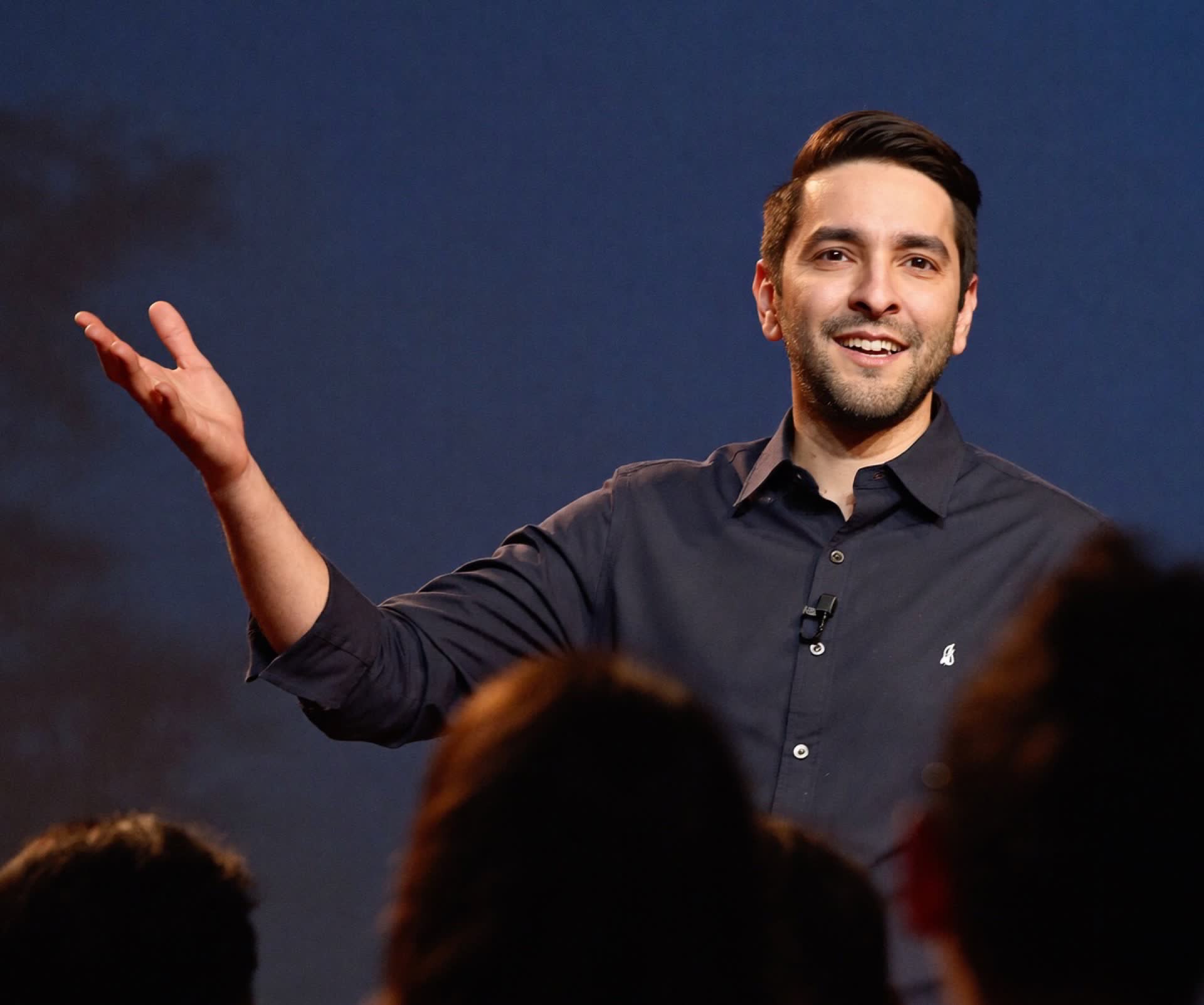
Thought Behind Things · Sep 6, 2024 · 1:03:18
Pakistan is selling its crown jewels at throwaway prices
Finance journalist Ali Khizar walks through Pakistan's debt trap, the IMF stalemate, why China and Saudi Arabia have gone quiet, and the cost of trading Reko Diq copper for short-term dollars.
with Ali Khizar
11 min read
The state of flux
The episode opens with Muzamil framing the brief. Pakistan’s economy crossed three hundred billion dollars in size in 2018 and has barely moved since. He has been spending more time on economic coverage, and to make sense of it he has brought on Ali Khizar, one of the country’s most widely-read finance journalists. The first question is the broadest one: where is Pakistan’s economy, in one sentence?
Ali does not soften the answer. “Our economy is in a state of flux,” he says. The boom-bust cycle has been running for years, and each turn of it gets worse. “The boom shrinks, and the burst grows.” He walks Muzamil back through the cycles — the post-1998 restructuring under Musharraf that bought fiscal space, the dollars that arrived after 9/11, the partial reforms in telecom, banking, and oil and gas, the growth spurt from 2002 to 2006, the smaller bust around 2015–16, the COVID bounce-back that ended in the most violent burst yet.
Now, he says, the country is in a stabilisation phase, and the stabilisation is painful. The fundamental shift underneath the pain is geopolitical. For forty-odd years Pakistan harvested a dividend from being aligned with the United States. That dividend is gone. “Today the biggest enemy of the US is China, and Pakistan’s friend is China. India is Pakistan’s enemy and China’s also. India and the US are friends. Pakistan and the US are not friends in that way.” There is no strategic depth in the relationship anymore, and there are no dollars showering down to paper over the structural cracks.
The squeeze you can see in everyday life
Ali asks Muzamil to picture what the macro pressure looks like at street level. The answer is a tour through the lifestyle adjustment of the last two years. Massive currency depreciation. Disposable income collapsing. Electricity bills and taxes climbing. Cars replaced by motorcycles. Discretionary spending cut. Foreign travel cancelled. Children moved to cheaper schools. A new fridge or air-conditioner deferred. Medical procedures delayed.
“Overall the economy has gone into a slowdown and lifestyle has adjusted and squeezed,” he says. The next two or three years, in his reading, will continue at this register. There will be a small growth spurt after that. But without structural reform, the moment the boom shows up, the next burst is already visible behind it. The country has reached an inflection point — the size at which informal economy, rent-seeking, and partial taxation can no longer carry the load. Indonesia, Turkey, India, the East Asian economies have all gone through this gate. Pakistan has not yet.
Two ways to clear a debt — and who pays for each
The most useful section of the conversation is the one where Ali draws the choice between Pakistan’s two routes out of unsustainable debt. Muzamil sets it up by referencing a Shahbaz Rana tweet arguing that Pakistan has effectively defaulted and is simply pretending otherwise, kicking the can down the IMF road.
Ali lays out the two paths cleanly. The first path, which is the one the country has been on for two years, is to inflate the debt away. Push inflation up, let purchasing power fall, let the size of the economy shrink in dollar terms, and over five or six years the debt-to-GDP ratio and the debt-servicing-to-revenue ratio collapse on their own. The mechanism is real. The cost is also real, and it is paid by a very specific group. “Inflation hits the lower and middle class harder, and the elite less, because asset prices go up. So broadly speaking it is the common person who suffers — over a hundred million plus people taking the pain.”
The second path is to restructure now. Take, in his phrase, a pound of flesh out of the system today. Restructure external debt and the domestic debt has to follow, because the main holders of domestic debt are commercial banks, and the largest depositors and lenders inside those banks are corporates and high-net-worth individuals. “The common person in Pakistan is either under-banked or unbanked, and their deposits are small. So when you hit, the hit lands on bank balance sheets, on corporate balance sheets, on the wealthy.”
The framing is the sharpest in the episode. Both paths squeeze the economy. The only question is who carries the squeeze — two hundred million ordinary citizens over five painful years, or a few thousand at the top in a single decision. “Unfortunately, since all these decisions are made by the elite — business elite, political elite, bureaucratic elite, military establishment elite — there is a consensus among them that they will not give up their pound of flesh. The common person takes the impact.”
Why the elite consensus does not break
Muzamil tests the diagnosis. He notes that the current government is talking about shutting thirty-three state-owned enterprises and cutting one hundred and fifty thousand public jobs, which look like the cost discipline everyone has been demanding. But every time retailers are asked to come into the tax net, the same retailers organise, push back, and the conversation returns to the drawing board. Everyone is pointing at someone else’s slice of the pie.
Ali agrees, and is direct about why. “We are not moving towards the reforms we need. Our elite consensus is to keep this model going. As long as the elite are getting what they want from each other, they don’t want to leave it.” There is internal friction inside the elite — industrialists and exporters are getting less than bureaucracy and the military establishment — but the friction is over share of a shrinking pie, not over fixing it. He repeats the point Muzamil keeps returning to: when the finance minister comes from a banking circle, banks get saved. When the previous one came from the IMF and World Bank fraternity, the multilaterals got served. When the one before came from business, business got served. None of them think about the middle class because none of them come from it.
Why the IMF stamp suddenly doesn’t fit
The IMF section is the section where the journalism shows. Ali takes Muzamil back to May and June 2023. Default talk everywhere. Reserves at three and a half billion dollars. Import compression. Pending dividend repatriation queues. Then, suddenly, the IMF board approves a nine-month standby facility. “I called my source. I said, are you joking? Yesterday you were saying default, today you’re saying SBA. What changed?” The answer was that the instruction had come from the top of the board down — a geopolitical stamp that Pakistan’s debt was sustainable.
Fast forward to 2024. Reserves above nine billion dollars. Inflation broken back into single digits. Global commodity prices softening. Global interest rates coming down. By every objective measure the picture is better than it was when the IMF approved the last programme. And yet this time the gross financing gap will not close. “If the debt was sustainable in 2023, it is sustainable today. But this time China is not providing gross financing. Saudi Arabia is delayed. And the IMF’s parrots have also flown away.”
The finance minister’s recent trip to China to ask for re-profiling of independent power producer debt did not land. Saudi Arabia and the UAE are tracking China. The question Ali wants viewers to sit with is the one Muzamil immediately voices back to him. When Uncle Sam is on your side, the IMF helps. When he is not, it does not. Pakistan is finding out which side of that line it now sits on.
Selling Reko Diq cheap to buy three months
This is the passage that gives the episode its title. Saudi Arabia is willing to plug part of the immediate financing gap by taking a stake in Reko Diq — the copper and gold reserve in Balochistan. The deal sits in front of a government that, on Ali’s reading, cannot think past the next three to six months.
He lays out the trade in plain terms. Copper is the metal of the energy transition — the battery, the grid, the electric vehicle. Gold is what central banks across Saudi Arabia, China, and India have been quietly accumulating because they expect fiat currencies, especially the dollar, to weaken. Pakistan is being offered today’s dollar price for assets whose value is structurally rising. “You sold your assets, the precious asset, at throwaway prices, just to remain afloat for today. That’s the worst thing you can have as a country. But you don’t have an option.” The government has compressed its planning horizon to a single quarter and is liquidating the long-dated balance sheet to fund it.
Muzamil sharpens the same point from the other side. The dollar is the currency the United States itself will eventually have to inflate away to manage a thirty-five-trillion-dollar debt. Restructuring out of dollar-denominated debt only to lock in more dollar exposure is moving in the wrong direction. Selling Reko Diq for fiat to a buyer who is converting their own reserves into gold is moving in the wrong direction. “Problem statement is a three to five year problem statement. Just extend it enough and whatever future you have becomes easier — not because you’re brilliant, but because the currency you’re denominated in is itself in crisis.”
Ali does not disagree. “If you restructure, you take the pound of flesh from the elite. If you sell Reko Diq, who suffers? The country, later. The people running the country today — and you know how fragile the political situation they are running it in is — they are protecting their own short-term benefits.”
The IPP burden, and why bills should ease anyway
Muzamil pulls the conversation onto something more concrete: electricity. Industrial power in Pakistan is now roughly four times the regional average. He frames it as a generational drag — if the cost of power is structurally broken, the only economics that work for a young person is to leave the country.
Ali does not promise prices will fall. He promises something more useful: that they will stop rising at the speed they have been rising. Four factors do the work. The IPP contracts signed from 2018 onwards begin retiring from 2027, and their capacity payments — which are effectively debt repayment lines — start dropping out. Few new projects of that profile are coming online. The currency depreciation that drove the recent surge is unlikely to repeat at the same pace. Global interest rates, to which much of the capacity payment is linked, are easing. And solarisation is accelerating — he mentions seeing rooftop solar on individual houses in DHA, on businesses, and on smaller households as Chinese battery costs continue to drop. “People are relying less and less on the grid.”
The arithmetic he wants the viewer to hold is the share-of-income one. Electricity bills that are running at thirty to thirty-five percent of household income today — versus the fifteen percent they used to be — should, in five years, return to fifteen or twenty percent. Not because tariffs fall, but because incomes catch up and tariffs slow.
Awareness, the middle class, and the lion that finally comes
By the end of the conversation Muzamil asks the question that he keeps returning to in this run of economy episodes. What does an eighteen-year-old in Pakistan do with all of this? He compares the moment to his own eighteenth year in 2008 — bombings, checkpoints, a country that felt under siege — and notes that even then there was hope. Today, the hope is harder to find. And a generation that stops trying becomes a self-fulfilling prophecy.
Ali’s answer is structural, not motivational. The same Musharraf years that opened up the economy from one hundred billion to two hundred billion dollars also reshuffled the political elite that the country had inherited from the non-party elections of 1985. The current ceiling on the economy — sitting at around three hundred billion dollars for six years — is, in his view, the next reshuffle waiting to happen. Awareness is now higher. Platforms like this one, he tells Muzamil, are part of why. “I am hopeful. In the next few elections, people from the middle class will come, they will get votes, they will understand the pain of the middle class. When a middle-class finance minister comes, he will protect the middle class’s interest. When an elite finance minister comes, he protects the elite’s interest.” Look at Sudan, he adds. Look at what happens when the rope finally snaps.
He closes with the line that gives the episode its frame. Pakistan has been telling itself, for years, that the lion is coming and the lion is not actually coming. “But one day the lion will come. And then what will we do?”
Full transcript
Our economy is in a state of flux. अगर हम दो हज़ार अठारह में देखें तो हमारी economy का size जो है $300,000,000,000 cross कर गया था. तो अब अगर इस size से हमें grow करना है तो हमें अपने आप को change करना पड़ेगा. क्योंकि हमारे यहां जो elite consensus है जब तक elite को आपस में चीज़ें मिलती रहें तो वह नहीं चाहती कि वह छेरा आया छेरा एक किस दिन छेरा गया तो क्या करेंगे?
सलाम लोग, सबतीन और आज़ाद welcome back to another episode of thought behind things. जैसा कि आपको पता है आजकल मैं economy में बहुत ज़्यादा interested हूं और उसमें I thought कि let's have another guest who is very actively covering the economy in Pakistan. One of the top finance journalists in Pakistan. अली खेदल साहब हमारे साथ मौजूद है sir. Thank you so much for being part of the show.
Thank you, thank you, thank you for having me, मुझे अमित.
अली भाई मैं conversation को थोड़ा सा start करूंगा. What in your opinion is the current state of the economy in Pakistan? अगर मैं आपसे कहूं कि इसको एक overall summarize करके मुझे बयान करें कि Pakistan की economy आज किधर खड़ी हुई है, तो वह कैसी होगी? देखिए, our economy is in a state of flux.
यह कुछ फंसी हुई है बहुत सारे सालों से और यह boom bust cycle इसका चल रहा है. जो boom bust cycle जो है ना उसकी उसको उसका boom shrink होता जा रहा है और और burst बढ़ता जा रहा है. तो वह एक अपनी जो है ना वह जो एक cycle है वह अपनी एक, एक limit को reach कर रही है. So अगर हम देखें तो मतलब इसको पीछे तो हम बहुत जा सकते हैं but आखिरी जो चीज़ हम देखें कि मुसहरिफ साहब ने एक debt restructuring की थी. 1998 के crisis के बाद हमारी मुशहरब साहब ने एक debt restructuring की थी और उससे हमारे पास एक fiscal space create हुई थी. Plus, उस बोलती यह था कि the the dollars were shoving after nine eleven वह scenario भी था और थोड़े बहुत उन्होंने reforms भी किए थे sectors में. तो वह हमें एक growth sput मिला था, एक अच्छा sput मिला था. 2,002 से हमारा 2,006 तक गया था. फिर seven के बाद वह reverse होना शुरू हो गया और उसके बाद से फिर मतलब हमें एक छोटा सा bust मिला था दो हज़ार सोलह से पंद्रह से साढ़ा तक. Again उस way जब global commodity prices बिल्कुल नीचे आ गई थी, interest rate नीचे थे. But उसको वह वह वह boom और भी छोटा हो गया था. फिर तीसरा boom हमें एक मिला था COVID के बाद जो है कि right after the COVID एक जो bounce back आया था. We we dealt the COVID well तो उसकी वजह से वह एक कमी अच्छा साल मिला था but again उसमें भी हमने जो है बहुत वह expansionary policy पहले आए थे तो उसका वह burst हो गया और वह ऐसा burst हुआ कि मतलब जो है ना सबकी वह हिल गई थे हम सबका और जो हालात जो पिछले दो साल में हुए वह हुए. तो अब अभी अभी अब आप उस bus से निकलकर हम एक stabilization phase में दाखें ढूंढ चुके हैं और यह stabilization phase बड़ा painful है. उस painful में या तो हमें अपने dud को restructure करना पड़ेगा और हमें उसी track कुछ came करनी पड़ेगी जैसे मुशहरब साहब के time पर किए थे but उसके साथ dollar की showering जो है वह तो नहीं नज़र आ रही. ठीक है ना? तो वह वह वह जो चालीस तैंतालीस साल से जो हमारे geopolitical dividends हमें मिलते रहे हैं हमारे military को और उसकी वजह से जो economy को हम boom करते रहे वह चीज़ आज नज़र नहीं आ रही है. So उसमें कुछ एक fundamental shift आ गया हुआ है कि पहले पहले Afghanistan के around चार दो साल हमने dividend खाया. अब उस वक्त Russia US का जो था उसके against आए and we were with The US. आज US का सबसे बड़ा enemy जो है China है and Pakistan का friend China है और India जो है Pakistan का enemy है और China का भी है तो India और US एक friends हैं और Pakistan और US उस तरह से वह friends नहीं है. Strategic जो depth है ना India और उसकी वह Pakistan और US की नहीं है. Pakistan की China के साथ है. And we keep on piddling upon the two. तो वह हमें हमें अपने economic structure को थोड़ा सा change करना है और वह बड़ा painful है process जिस तरह से हम करना पा रहे हैं. So वह एक एक यही है कि अब हमें we have to change it. तो उसमें से हम गुज़र रहे हैं. अगर इसको बिल्कुल हम squeeze कर दें हम इस cycle में जो cycle अभी है कि पिछले दो साल के अंदर आपने देखा there is a massive currency depreciation और massive adjustment in the lifestyle. लोगों का lifestyle change हो गया है. लोगों की disposable income गिर गई है. उनके उनके बिजली के bail, उनके taxation के खर्चे बहुत बढ़ चुके हुए हैं और वह वह गाड़ियों से लोग motor cycle पर आ गए हैं. लोगों ने discretionary spending करना शुरू कर दिया है. Foreign travel कम कर दिया है. फिर उसके बाद लोगों ने बच्चों को school change कर दिए हैं. कोई fridge AC लेना चाहता था. वह रोके आ हुआ है. Medical जो आपके procedure होते हैं उसको जितना delay कर रहे हैं. So overall economy एक slowdown process में चली गई हुई और एक lifestyle adjust हो गई और squeeze कर गई है economy. ठीक है? उस squeezed economy के अंदर से हम गुज़र रहे हैं and in things were fine. हम अगले दो तीन साल इससे गुज़रते जाएंगे और फिर हमें एक छोटा सा गोजपट मिलेगा. But again अगर हमने structure reforms ना किए तो वही बात है कि वह boom जैसे ही आएगा burst का sign दुबारा नज़र आ जाएगा. So what we need to do is restructure it in a way कि हम इस geopolitical जो model जो है जिसमें हमें dividend मिलते हैं, dollars के जो अभी हम नज़र नहीं आ रहे कि हम तो जंगे दुनिया के लिए लड़ते हैं या unless कि कोई इस वक्त कोई Iran के अंदर जंग शुरू हो जाए, PR जंग नहीं शुरू हो जाए और उसके बाद हमें आना शुरू हो जाए. So I don't know about that. But on the face of it वह नज़र नहीं आ रही. तो हमें अपने structure को change करना होगा and we need to shift that. दूसरा यह है कि हां हमारा एक inflection point पर हम आ गए हैं. अगर हम दो हज़ार अठारह में देखें तो हमारी economy का size जो है $300,000,000,000 cross कर हुआ था and we are still hovering around that number. ठीक है और यह एक ऐसा number है जिसके बाद आपको उतना structure change करना पड़ता है. हमारी informal economy जैसे बहुत बड़ी है इस वक़्त relative to the formal economy का size बहुत बड़ा है और वह दूसरा यह है कि इसमें बहुत सारे जो rent seeking elements हैं, structure के issues हैं. तो taxation कुछ लोग देते हैं, कुछ नहीं देते हैं. तो अब अगर इस size से हमें grow करना है तो हमें अपने आप को change करना पड़ेगा. आप देखिए Indonesia ने ऐसा किया था, Turkey ने ऐसा किया था, India ने इतना किया था, East Asian economies ने सीखा था different point of time in the past thirty, forty years. Various economies have gone through the phase और उससे वह निकलकर फिर वह grow करी है. So, I am hopeful कि Pakistan की economy इससे निकलकर grow पड़ पाएगी. अगर हम नहीं करेंगे तो हम सब सहारा side पर निकल जाएंगे which is the downside of it. तो that's how the situation is.
Makes sense. थोड़ा सा मैं I just want to talk about debt restructuring because that is something जो कि historically हमें आज तक डराया गया continuously कि आप debt restructuring कर लोगे तो पता नहीं तबाही मच जाएगी और default कर लोगे तो that is the worst possibility that an economy can go through. I was talking to a lot of economist. अब तो overwhelming यह एक understanding आना शुरू हो गई है कि debt restructuring करनी ही पड़ेगी. In fact शैवाज राणा साहब का मैं कल tweet पढ़ रहा था जिस पर उन्होंने कहा कि effectively हम default कर चुके हैं. हम उसको बस ignore कर रहे हैं और हम जो है उसको you know IMF के खाते में kick the can down the road करना चाह रहे हैं. So either you understand that you've defaulted and restructure your debt in a way that is still in your control or you let it go for another twelve, twenty four months and then violently let it restructure you तो वह फिर बहुत ज़्यादा painful उतना ही ज़्यादा होगा. In fact निशाच चूनिया के CEO से मेरी conversation हुई तो उनसे भी मैंने पुछा because चले economists तो directly businessman ही होते तो कहा यह जाता है कि यार they don't know the ground reality. जो actual businessman है उसको hit पड़ती है and by proxy of that consumer को hit पड़ती है. But he was even saying कि यार you know what? If you have to do that because the pain that we're feeling right now is so high and it seems like you don't have a solution for it, तो it it's actually a lesser of the two evil to restructure your debt. आपने 98 का ज़िक्र किया कि मुश्रा साहब के time के ऊपर जो है वह debt restructuring हुई, certain mark economy आपकी खुली और उसकी वजह से certain आपने growth भी देखी. But then हमने देखा कि you know even उस time के ऊपर debt restructuring होकर we still were in the same boom bust cycle phase. अगर मैं आपसे पूछता हूं कि let's assume that we end up at a point where we have to restructure our debt, government is now ready to have that conversation. How can we stop ourselves? KRT का restructure कर लिया, फिर से जो है वह अपना जो short term बहुत ज़्यादा आपने borrowing की भी है. उसको आपने long term में ले गए और और overall आपने जो है ना अपनी books को clear कर दिया. लेकिन what stops us from making the same mistakes all over again in the coming decade or two and then going back to the same boom bus cycle?
अच्छा, देखिए जब restructure करते हैं ना तो आपको एक visa of life मिलता है. ठीक है जी कि आपको एक एक एक आपको कुछ साल मिल जाते हैं जिसमें आप freely maneuver कर सकते हैं. अब जैसे मशवर्ग साहब के hump time पर हमने किया तो उस वक्त हमने जो है कुछ हमने reforms की हमने telecom को dedegulate किया, हमने banking sector के अंदर dedegulation की, कुछ oil and gas के अंदर किया तो हमें उसे lease मिला लेकिन हमने जो है बहुत सारे structures को ठीक नहीं किया और तीन चार साल बाद हम उसी growth के जो जो problems जो थे हमारे issues थे हम उसमें चले गए कि दो हज़ार सात के अंदर वह अगला election देखने लग गए और उस election cycle से हम फिर तभी निकल नहीं सके. और वह वह वह वह चीज़ ख़त्म हो गई. तो अगर अभी भी हमें इतना restructure कर लेती हैं तो हमें एक lease of life मिल देगी. शायद पिछली दवा पंद्रह साल की lease of मिली थी इस दवा शायद हमने दस साल की मिले. I'm just saying the number. ठीक है ना? But यही बात होती है कि वह time मिलता है कि then you reform your son और you change your economic structure. जैसे मैंने शुरू में बात की वह inflection point पर आभा चुके हैं कि हमें उसको change करना है. अगर if we are going to change it So that is a fundamental political economic question we have कि उसको हमने कितना address करना है. Do you think कि इस time के ऊपर currently
again I don't want to get into the politics of it कि notes कौन है जो कर रहे हैं but जो भी कर रहे हैं do you think कि उनको यह understanding है कि हालात कितने बुरे हैं और हमें on some level कोई reforms लेकर आने हैं, on some level कोई concessions draw करने हैं क्योंकि हर किस्म की ख़बर आती है, right? आज मैं पढ़ा था कि 33 SOEs को यह जो है वह redundant करके बंद करना चाह रहे हैं. एक लाख पचास हज़ार jobs जो हैं वह government के अंदर ख़त्म करना चाह रहे हैं. So, they're seemingly they're trying to cut down the size, you know, cost side के ऊपर government की जो कि seemingly एक बहुत अच्छा एकदम है. Everybody says, you know, that needs to be done. But उसी के साथ हम देखते हैं कि alternatively, you know, traders के ऊपर retail tax लगता है. जो retailers के ऊपर tax लगता है, वह थोड़ी सी एक करताल करते हैं और फिर, you know, everybody goes back to the drawing board. So it seems like still हर बंदा कह रहा कि यार बस मेरे पाई को ना छेड़ो, बाकी सब कुछ छेड़ लो. And when everybody keeps on pointing towards the other, you don't really have a solution. Then more often than not, what happens is you end up in a crash. So do you think at this point in time, notwithstanding the political uncertainty in terms of governance and policy, we are going towards that reform that we require at this point in time to to, you know, sustain ourselves.
नहीं, we are not moving towards that time. That's a that's a problem ना क्योंकि हमारे यहां जो elite consensus है वह यही है कि यार इस model को लेकर चलना है. जब तक elite को आपस में चीज़ें मिलती रहें तो वह नहीं चाहती कि वह इससे निकले. हां, उस elite के अंदर झगड़ा शुरू हो गया जैसे कि अब industrialist हो, exporters को, उतना चीज़ें नहीं मिल रही जितना बाकियों को bureaucracy को, जितना military establishment को, जितना देखिए pie shrink हो रहा है rather than कि जी आप उसको ठीक करें और अमाम की तरफ आप देखें आप उस pie के अंदर से अपना share जो है ना उसको grab करने के चक्कर में है. So I don't see that they have the understanding. Let me put it another way कि debt restructuring को मैं आपको एक और तरीके से समझाता हूं, एक आसान तरीके से समझाता हूं. देखिए हमारी जो पिछले दो साल में situation हुई है ना जो हमारा debt unsustainable हो गया उसको निकलने के दो तरीके हैं. एक है कि we insulate the debt out which we are doing in the for the past two years. यानी कि आपने inflation बढ़ा दी मतलब whatever reason inflation बढ़ गई है, ठीक है? और आपकी purchasing power कम रही है, आपकी economy का size squeeze हो रहा है, ठीक है ना? और इस तरह external debt भी कम होता जा रहा है, यह करता जा रहा है तो over the period time inflation इतनी ज़्यादा हो जाएगी, debt to GDP ratio कम हो जाएगा और even आपका जो debt servicing to revenue ratio भी कम होती जाएगी. तो उससे उससे होगा कि अगले पांच छह साल के अंदर हमारा यह debt irrelevant हो जाएगा फिर छोटा हो जाएगा. अच्छा एक यह तरीका है. इस तरीके में case का नुकसान होता है. इस तरीके में होता है चूंकि एक overall broadly speaking inflation आती है और नौकरियां कम होती हैं और employment opportunities कम होती हैं, entrepreneurship की opportunities कम होती हैं but जबकि inflation से asset prices तो ऊपर जाती हैं. ठीक है? तो उसमें नुकसान होता है largely speaking जो है आवाम का lower middle class, lower class, middle class इसका नुकसान होता है क्योंकि inflation उसको ज़्यादा hit करती है, meat को कम hit करती है, meat के तो फिर asset prices फिर ऊपर जा रही होती हैं, ठीक है ना? तो that is how कि आप अपनी middle class को श्रीज़ करते जो आप अपनी lower middle class को low cost पर करते रहो, लोगों को poverty के नीचे आते रहेंगे और उनके health education की और दूसरे indicators ख़राब होते रहेंगे और एक एक बहुत बड़ा मतलब तकलीफ large amount of people hundreds million plus people will take that pain और उससे हम ठीक होंगे. That's one way to doing which we are doing for the past two years. दूसरा तरीका यह है कि आज आप restructure करो, you take a pound of flesh out of it. ठीक है जी? उससे भी economy squeeze करेगी. उससे भी झटका आएगा. पूर्ण झटके का असर किस पर आएगा? Let's say external debt तो हम करते हैं तो वह तुम्हारे debtors जो हैं वह बहुत चीज़ है. But जब external debt की करने के पीछे हमें domestic debt को करना पड़ेगा तो domestic debt के अंदर main main main actors कौन हैं? Commercial banks. ठीक है? फिर commercial banks के अंदर जो commercial bank के अंदर large depositors और large lenders कौन हैं? वह भी corporates हैं. ठीक है? अब high high net worth individual हैं. वह होंगे. आम आदमी जो है Pakistan में या तो under banked है या unbanked है. ठीक है? और उसके deposit size भी कम है. उसको यह होगा कि वहां से जब आप hit करोगे banking balance sheet पर hit आएगी, corporates की balance sheet पर hit आएगी तो अमीरों को hit आएगी, गरीब पर कम impact आएगा, you know? And and and in both cases economy squeeze करेगी, burnt कौन ले रहा है? In the case, first case जहां पर inflating the debt out उस पर आम आदमी 100,000,000 plus people are suffering, maybe 200,000,000 people are suffering, more than 200,000,000 people and here may be a bunch of elite sectors who suffer more और उसके बाद आप चीज़ों को लेकर चले. तो यह यह यह यह एक fundamental question है which we need to ask about and unfortunately क्योंकि यह सारे decision elite कर रही है चाहे वह business elite हो, चाहे वह political elite हो, चाहे वह bureaucracy की elite हो, military establishment की elite हो, यह सब elite का consensus है कि जी हमने अपना pound of flesh नहीं देना आम आदमी को impact होते हैं. So that's what happening. आम आदमी जब उठेगा, जब अपने अपने दर्द को उठेगा तो वह करेगा. अब देखिए finance minister हमारे कौन हैं? He is coming from a banking circle. तो banks तो बचाएंगे. इससे पिछले finance minister कौन थे? He was coming from जो World Bank IMF fraternity की थी. ठीक है ना? वह IMF, Virginity के again IMF is a World Bank are your biggest lender external side पर. वह अपने आप को बचाएंगे. उससे पहले finance minister कौन थे? वह एक एक एक बड़े वह businessman थे. ठीक है ना? Again coming from the repo उसको बचाएंगे. तो यह जब यह लोग होते हैं ना वही नहीं करेंगे. When you think about the middle class, when you think about the dual middle class, when you think about alarm, तो you take that decision but वह नहीं हो रहा. So that is a fundamental question we have. क्या हमने अगले चार पांच साल इसी तकलीफ से गुज़रनी है और हमने अपने लोगों को और तकलीफ देनी है या हम उसको pond of flesh इन अमीरों से थोड़ा सा लेकर economy को rebalance करने हैं. That is a fundamental question and nobody is asking this question actually. Nobody is asking think this asking आपने बात की particularly because जब even debt restructuring की बात हो रही है तो everybody is talking about external debt. Everybody is saying कि यार
IMF का या China का debt या Paris club का debt जो है उसको restructure करके उसमें space provide करें. Local debt के ऊपर सारे के सारे ऐसे परेशान हो जाते हैं कि अस्तख्वड़ला अगर आपने banks को थोड़ा सा नुकसान पहुंचा दिया तो क्या कायामत आ जाएगी? मेरे scope में जब तक कि आप government का जो जो आंखें बंद करके वह पैसा लेती रहती है फ़ालतू का और उसको inefficient system में फेंककर inflation बढ़ाती है. जब तक आप उसका risk नहीं बढ़ाएंगे, जब तक आप government on some level या default करके restructure नहीं करेगी, तब तक आपका banker और आपका जो यह private sector जो पैसा government को दे ही जा रहा है वह उसको fix नहीं करेगा and it has to be self regulating in a way where the government risk become so high that the banker then says कि listen we don't want to give it to the government anymore we're now going to give it to the private sector so that they can build industries and create productivity growth. On the other hand government के पास जब वह पैसा आना बंद होगा तभी वह जाकर थोड़ी सी fiscally responsible होगी. Right? In the absence of either two, either of these two things to expect कोई magical बंदा आएगा और वह आकर जाना fiscal responsibility भी ले आएगा. वह सब कुछ अच्छा अच्छा कर देगा. वह more often than not in a chaotic system of 25,
250,000,000 people वह possible होता नहीं है. What are your thoughts on that? नहीं, बिल्कुल आप ठीक कह रहे हैं यह यह fiscally responsible तो कोई बंदा एक आ भी जाए तो वह कुछ कर नहीं पाएगा. There are so many actors involved in it वह जो injections हो रही हैं जो indirectly state bank की lending है वह इसमें दस बारह trillion रुपए की तो वह है. तो दस बारह trillion रुपए की वह है तो उसी में सारी game चल रही है. वह वह वह वह क्या करते हैं वह state bank जो है bank को देते हैं. Bank एक डेढ़ percent का margin रखकर आगे government को दे देता है. That's how it's playing out. तो वह वह तो understand क्योंकि because a of people don't understand the open market operation situation,
right? Liquidity बनाने के लिए. Just to understand, is that money printing
or what's what's happening there in a simple, simplified Yeah, is, it is, it is not as money printing as many people say that but it is close to money printing. ठीक है जी? यह state bank की अपनी liquidity है जो जो state bank की already government की borrowing है वह market में pump कर रही है, वह market में pump कर रही है, market में pump करती है. Banks तो देती है banks आगे government को lend कर देते हैं, government जो है उस पर अपना जो expense करता है और उसके अंदर एक percent का margin bank के पास आता है बाकी पर जो बीस percent है तो अब या अट्ठारह, उन्नीस percent जो भी रह जाता है आज की interest rate पर वह वह वह state bank के ऊपर जाता है पर वह state bank वह profit government को वापस दे देती है. अगर इस सुबह देखें तो state bank में government को जो profit देना है वह 2,500,000,000,000 का budgeted है. 2,500,000,000,000, ठीक है? It's a big big number. तो वह वह कहां से आ रहा तो वह काफ़ी clawback होकर वापस भी आ रहा होता है और और वह reserve money पर यह asset impact नहीं कर रहा होता इसलिए not effectively money printing but वह बहुत technical conversation हो जाएगी but it is close to that. But but your point coming to your point कि government इसको छोड़ तो bank उसको दे देते हैं bank के पास है ही नहीं. वह तो वह देही statement उसको दे ही इस वजह से रहा कि government को चाहिए. So you cannot divorce the two. तो the thing is is but but यह है कि आपको जब restructure करना होगा तो banks देखें आप अगर external debt को restructure करने जाते हैं जो आप यह अगर आज का debt से सोलह billion है तो शिवास की तब tweet ही पर बात करें कि सोलह billion का अगर आपको वह नहीं मिल रहा आप जो है rollovers नहीं मिलते. ठीक है ना? और आपके आपका सौ और आपका अगर debt है उसमें तो कि बंद चालीस पैंतालीस पचास हज़ार आपका debt जो है multilateral का है जो IMEA World Bank, ADB वगैरह जो है. बाकी आपका $3,035,000,000,000 dollar जो है आपका China का है फिर कुछ Saudi Arab का है फिर वह Paris club के अंदर Japan और कुछ और मुमको का है और then you have a bit of commercial loan which is less than 10%. ठीक है ना? Market loan और commercial loan मिलाकर दस पंद्रह percent से नीचे आपका बनता है. तो आप आपने multilateral तो अपने loan को करेंगे नहीं. आपको basically जाकर restructure करना है. आपने अपने उसको जो bilateral debt को है, bilateral debt आपके मुल्कों का है वह वैसे ही आपने pay नहीं करना. ठीक है ना? जो आप वह आपको already दे दे आप अभी pay नहीं कर सकते. लेकिन जब भी आप उसको restructure और और वह कभी भी निकलेंगे और लोग और और problem यह है कि इसमें जो सबसे बड़ा risk है ना कि आप यह अगर चार पांच साल अगले और यह चलाते रहेंगे, दो साल आपने चलाया है तो क्या आपके civil unrest तो नहीं हो जाएगा? क्या वह आप जिस तरह वह बात करते हैं ना So वह situation आप avoid करें वह उसमें तो फिर चीज़ें कहीं से कहीं चल जाएंगी. So we need to avoid that situation. We need to give back to people. कुछ ना कुछ करना है. यह फ़ैसला अब करना है but यह कोमत नहीं कर पाएगी. In fact इसके लिए पहले तो एक एक कोमत चाहिए जिसका public mandate हो. वह कर सकती है and and as a as a and I know certain thing कि जो PTI की स्विक्त जो economic think tanks हैं उनके अंदर यह पिछले एक साल में यह चीज़ आ चुकी है and they have a plan और शौक कतरीन मेरा ख्याल है जो अपनी आखिरी एक दो उसके अंदर मेरा भी उनका जो आखिरी interview था वह साल date पहले बात है उसमें भी और जैमली भी वह बात करती हैं कि कि they want to restructure the debt. They want to restructure the debt. They want we want to but बाकी लोग नहीं. But but अगर आप औरी के पास आऐंगे तो औरी तो बहुत sensitive है इस मामले में. वह बिल्कुल नहीं चाहिए. अगर
मैं आपसे यह पूछूं कि in the short term based on एक दिन सुबह उठते हैं पता लगता कि यार IMF ने meeting नहीं लगाई, IMF नहीं आ रहा. एक दिन सुबह tweet आती है कि यार rollover नहीं हुआ. अगले दिन tweet आया थी कि बस वह rollover हो गया वह. एक है शायद और अब Saudi से ले लेंगे तो UAE के commercial bank से कुछ पैसा ले लेंगे. So I mean there's a lot of confusion very honestly And this happens every time we're going towards the IMF where, you know, there is always couple of sides जो कि कह रही होती हैं कि जी अब तो बस तबाही बच जाएगी और अपनी दूसरी side कह रही होती है कि नहीं, बस कल हो जाएगा और परसों हो जाएगा. And then, you know, this cat and mouse game sort of runs for a few months, and eventually, we do end up getting IMF. Right? IMF as a as a lender, obviously, has a lot of geopolitical circumstances as well. जिसके अंदर वह अपनी games खेल रहा होता है. And I was actually speaking to a few people including मुर्तिदा सय्यद साहब जो कि former I guess deputy governor है और उनका वह article था जिसमें वह यह कह रहे थे कि it boggles my mind के IMF के जो अपने numbers हैं वह इतनी quack economics के कैसे हो सकते हैं because the sustainability just does not exist and it it's it's weird कि IMF is saying Pakistan जो है ना वह इतना tax collect कर लेगी और इतना यह कर लेगा. But वह again वहां पर आपको geopolitical requirement certain आती हैं जिसमें you know board member कहते हैं कि भैया अभी इसको दे दो. Do you think IMF आएगा? And do you think कि अगर IMF आ जाएगा तो हालात उसमें फिर किस तरफ जाएंगे? मतलब normally जब भी IMF आया है तो एकदम से एक breathing space आती है. एकदम से जो है ना वह जो pressure on the dollar है वह रुकता है. एकदम से हम again एक एक एक we start to have a conversation towards कि अच्छा जी अब boom वापस boom किस तरह करें? Right? जो all your businessman come in and they're like अब interest rate गिराएं, यह करें, वह करें and constantly they want that six to nine months of that boom जिसमें वह maximum पैसा लपेटे और लपेट के फिर वह again जैसे ही bus start हो रहा होता तो वह पैसा Dubai में जाकर park होना शुरू हो जाता है. Do you think this time around when the IMF comes in if whether that will come in and if it does what do you see happening in the economy?
करते. मैं आपको दो हज़ार तेईस में ले चलता हूं. दो हज़ार तेईस के अंदर May, June में ले चलते हैं जब साठार साहब कह रहे थे कि जी वह हमारे nuclear assets पर IMF और पता नहीं कौन कौन देख रहे ये चीज़ें बातें कर रहे थे और gross financing gap बहुत ज़्यादा थे वह पूरे नहीं हो रहे थे और सब default की बातें रख रहे थे even IMF के staff के लोग कह रहे थे यार default हो जाएगा. वह आखिरी tranche जो थी मिल नहीं रही थी then all of the sudden एक दिन मुझे खबर आती है From the IMF circle कि यार यह IMF के board के program हो रहा है और आपको एक standby facility मिल रही है नौ महीने की और इतने पैसे मिल रही है और यह मिल रही है. मैंने कहा are you joking? I'm not joking. मतलब what you mean? कल तक तुम यह बात कह रहे थे आज तुम यह क्यों बात कह रहे हो? तो होता यह है कि वह staff level पर ऊपर से उनकी MD और deputy MD की तरफ से यह कहा जाता है. Deputy MD और MD को ऊपर से board की तरफ से यह कहा जाता है. Board पर uncle facility दे दी. यह उस वक़्त की बात है जब आपके foreign exchange reserve were about 3 and a half billion dollar. ठीक है जी? जब आपके पास import compression बड़ी श्रदीद हुई थी. जब आपकी pending payments बहुत सारी पड़ी हुई थी इसकी जो है dividend report और profit repatriation की. उससे ताम IMF ने आपको SBA दिया नौ महीने का कि election होगा, election के बाद नए program मिल जाए. That was a stamp from the IMF कि आपका debt sustainable है. ठीक है? अच्छा वह नौ महीने वह अच्छे गुज़रेशम शाद and K टकर के ज़माने में there was a good performance economically. Fiscal prudency सारा कुछ था. उन्होंने यह perform किया. उन्होंने fiscal consolidation, उनको दो हज़ार expenses को रोका. फिर उन्होंने जो है interest rate आपके 22% peak करके और उसके बाद interest rate ऊपर से उनको वह demand ऐसा ऐसा कम होने लग गई. वह नौ महीने जैसे तैसे गुज़रे गुज़रे. अब अब हम IMF का अगला program आ रहा है. इस अगले program आने से पहले IMF ने कहा कि जी मतलब यह यह चीज़ करो आप currency adjust करो आपने import पर compression. उन्होंने कहा जी import पर compression कोई नहीं है. Banks पर जाकर दे हां banks पर नहीं है लेकिन dividend repayments रहती हैं. Budget के number दिए थे जो RPR के number थे जो taxation के वह taxation के number वही रखे but उसमें से चार पांच अलग में tax से निकाल दिए. Add नहीं होते number पर वह हो गया. SLA हो गया. अब SLA हो गया उसमें ठीक ही draws financing requirement incremental financing कि दो billion dollar आपको चाहिए FI 25 के अंदर 2,000,000,000 चाहिए FI 26 के अंदर 1,000,000,000 चाहिए FI 27 के अंदर total 5,000,000,000 चाहिए जिसमें से यह 2,000,000,000 जो इस साल के चाहिए जो यह हमारा current fiscal year चल रहा है इसकी firm commitment चाहेंगे. अब SLA के बाद अब board में जाने के लिए आप अब gross financing लेने गए हैं. अब ना आप China आपको gross financing provide कर रहे हैं, ना solve year अब कर रहे हैं. या करने उसमें delay आ रहे हैं. तो यहां पर तो IMF के भी तोते उड़ गए. IMF ने कहा था भाई यह debt sustainable है दो हज़ार तेईस के अंदर जब global situation बुरी थी जब श्रीलंका default कर गया था जब दो चार और मुलकर default कर गए थे. ठीक है जी? या default के दहाने पर थे तो Pakistan दहाने पर था उस वक्त यह था. उस वक्त आपकी reserves की यह situation थी. उस वक्त आपकी import compression की यह situation थी और global हालात ऐसे थे. उस वक्त आपने कर दिया. आज आपके reserve नौ billion plus पड़े हुए हैं. आज आपका inflation जो है टूटकर single digit पर आ गई हुई है. आज दुनिया के हालात फ़र्क़ हो गई हैं, commodity soften हो रही है, global interest rate नीचे आ रही हैं, सारा कुछ हो रहा है. अगर यह debt sustainable था तो आज भी sustainable है. उस वह IPP से ऊपर सारा कुछ China what paste? मतलब वह नाराज़ हो गया आपसे? वह नाराज़ हो गया. आपके finance minister गए पिछले महीने China. उन्होंने कहा कि जी नामाराज यह IPP का debt re profile करते हैं. And we can talk on detail on IPP if you want to. और UAE भी सौदी अरब के पीछे चल रहे हैं. Question तो चलो UAE क्यों नागर रहा है? एक एक, the question we need to ask here that's a very important question. When Uncle Sam is at your side, when IMS is at your side, तो IMS is not helping. That is absolutely. Exactly,
that's primary question मेरे लिए यही है. And then that brings me to my next question and that is कि you know what what what I am seeing happening in Pakistan obviously नीचे से आवाज़ यह आ रही है कि political mess है and what not. Sure, there is a political mess and that political mess always exists in in sort of inefficient trend seeking economies. But we live in a global village and there is a unified financial system पूरी दुनिया का जिसमें हमेशा you know America dollarized system के अंदर और जहां पर dollar peg loans हैं, dollar में आपकी foreign reserves पड़े हुए हैं. तो 98 में भी जब इन्हें Asia financial crisis आया था तो that was largely driven by The US, right? कि वहां के हालात ने Asia और Asia की financial markets को choke किया था. So similarly हमने जो range of sort of defaults देखे हैं with Sri Lanka and you know here and there left, right and center, उसमें ज़ाहिर एक बड़ा role था कि दो हज़ार बाइस के बाद interest rates US के बढ़े और उसकी वजह से you know एक पूरी दुनिया में उसका problem आया. My understanding एक तो पहला question मेरा यह है कि how do you see the global have you studied that and how do you see the global financial system changing? Because there are a lot of changes happening, right? October में potentially Bricks pay announce होने का अफवाहें आ रही हैं. November में Trump साहब potentially वापस आ जाएंगे तो that he is going to change the way that Uncle Sam works, right? Based on a lot of these external variables will then define कि यार हमारे साथ क्या होता जैसे कि आपने star ने बोला आपने कहा यार Iran की जंग शुरू हो गई और हम suddenly magically जो सोचा भी नहीं उसमें हम जो है वह दुनियान में एक फिर से client state वन जाते हैं. तो then फिर बैठ जाओ सारे के सारे बीस साल अगले जो है वह नई खाप and with that you know kick the can really down the road, right? आपको
external आवाज़ें क्या आ रही हैं जिससे हम एक sense बना सकें कि Pakistan को इस वक्त क्या करना चाहिए? देखिए, आप आप यह तो मैं इस वक्त नहीं को थोड़ा और पीछे चला जाता हूं कि यह जो आपका nineteen seventies के अंदर जब यह oil prices आया था, उसके बाद petrol dollar जब start हुआ तो वह US dollar की dominance जो है बहुत बढ़ गई थी और वह जो world का जो currency था वह US dollar के साथ pack हो गई थी और oil सारा कुछ उसके साथ हो गया था and then it's a dollar age. यह उसके बाद dollar का rise आता गया, rise आता गया और everyone is keeping the dollars in in a turkey. China अपने trade surpluses कर करके और milk अपने trade surpluses कर करके वह जो है वह America की economy को serve करते रहे, सारा कुछ करते रहे. This started happening and all that. अच्छा फिर वह ऐसा ही था US के अंदर भी आप देखें कि वह 2,000 के अंदर जब वह deregulation उनकी जो financial sector में dominance उनके players की बहुत आने लग गई. वह अब आपने कर दिया. अब वह आपने वह speed बढ़ा दी. अब अब अब अब जाकर यार सारी monetary जो easing है वह जो सारा इतना कुछ है वह money printing है वह जो सारा कुछ है वह वह वह आपकी Fed की balance sheet को effect कर रही है. वह उनके बड़े corporates balance sheet को effect कर रही है and sooner or later the US dollar will come down and that these countries have realized that अब इन्होंने अपना gold जमा करना शुरू कर दिया, फिर अपनी currencies पर trade शुरू कर दी. Sooner or later this will happen and and and and इसमें थोड़ा US dollar भी खोगा eventually और उसकी dominance खत्म होगी. तो वहां पर commodities की prices को बहुत impact आएगा. तो यह एक एक एक यह global situation है. But we we need to understand that and all that and उसके ऊपर यह है कि फिर आपके पास Pakistan में किस्ता के reserve होने चाहिए? Commodity reserves होने चाहिए. अभी और इसको Pakistan के आज के मसले से link करता हूं. इस वक्त एक आपका जो दो billion dollar की जो gross financing requirement है उसमें major portion जो है वह Saudi डालना चाह रहे हैं. Saudi Arab इस वक्त आपके Ricotech के अंदर जो है वह buying करना चाह रहे हैं चला सकें फिर आगे के बाद में देखेंगे तो उसमें अब अगर record एक सस्ते बार बेच तो बेचें. आप देखो देख के अंदर है copper है, gold है. ठीक है? These are the commodities. These are the commodities. They're going to be the precious thing going forward. वह आज उसको dollar amount में आप throw away prices पर बेचने हैं कल को अगर dollar की गिरावट आ जाती है और यह commodity आ जाती है. तो you sold your assets, the precious asset at a throw away prices just to remain afloat for today. That's that's the worst thing you can have to as a country but आपके पास option ही नहीं है. Co cap तीन महीने से छह महीने से आगे सोच ही नहीं सकते. But that's आप what loss financing moment रहेंगे. आप कह रहे कि आपके पास option नहीं है, right? मुझे अब मैं पिछले दिनों देख रहा था,
पहला तरीका यह है कि you inflate away your debt, right? जब आप जाते हो जाकर US economy को देखते हैं और देखते हैं कि उनका $35,000,000,000,000 का debt पड़ा हुआ है तो आपको logically यह realization होती है कि America के पास तो एक ही essential तरीका है और वह यह है कि they will one way or the other inflate away that debt by devaluing the dollar. And in that case जहां पर आपका long term के अंदर जो आपका dollar denominated debt है वह may not be that much of a problem. जहां पर America उसको inflate away कर रहा होगा वहां इसके लिए पूरी दुनिया जो है उसको फ़ायदा हो जाएगा कि you know their their dollar denominated debt will also reduce. तो अगर आपकी कोई भी ऐसी restructuring की conversation हो रही है जिसमें आप वह currency जो finally अब जो है वह अब devaluation के दिहाने में खड़ी हुई है और आपको finally अब space मिलेगी, आप उससे हटाकर के उसको एक और currency पर ले जाएं. That to me to me does not make a lot of sense. Similarly, आप Rico Dick में करते हैं जहां पर आपको पता है आने वाले वक़्त के अंदर एक green revolution आनी है. उसका जो primary component है मतलब सबसे बड़ी बात यह हो रही है battery battery battery. उस battery के primary component के अंदर copper इस्तेमाल हो रहा है. आपको पता है उसका एक it's a very valuable asset. Similarly आप कह रहे हैं कि जी जब दो जब सऊदी central bank, Chinese central bank, Indian central bank तमाम जो है वह gold को इस वक़्त hold कर रहे हैं बैठे हुए और expectation यह है कि gold will rise in the longer rung compared to the fiat currency. तो आप उसमें कह रहे कि यार हमें एक दो ढाई और अब fiat दे दो जिसकी वैसी कोई value नहीं रह जाएगी long term में और हमारे से हमारी एक primary wealth उठाकर ले जाओ. So for me it's a it's it's a very simple no brainer कि यार problem statement is a three to five year problem statement just extend that enough and you know whatever future में जो है वह आपका आपके लिए आसान होगा ही होगा. Not because आप कोई बहुत बड़े कमाल हैं but because बाहर जिसकी currency पर आप denominated हैं उसका भी एक crisis चल रहा है जो कि eventually play out होगा.
But आप अगर restructure करेंगे तो आप pound of flesh लेंगे elite का. मैंने जो पूरी बात आपको समझाई. Right. ठीक है जी? और और और और अगर अगर आप यह recorded वगैरह नहीं बेचेंगे तो उसमें किसका नुकसान होगा? आज आज आज आज जो मुल्कुल चला रहे हैं और आपको मुझे पता है कि political you कितनी fragile situation पर चला रहे हैं. ठीक है? तो वह अपने short term benefits को, short term benefits को जो ऊपर चंद लोग बैठे हैं, जो जो एक पूरी आपकी एक banking bureaucracy elite बैठी है, ठीक है जी? पूरी political elite बैठी है जो वह वह अपने अपने पांव को अपनी चीज़ों को बचाने के लिए ठीक है ना वह till they let it go everything. That's a problem, that's a problem. They are thinking in their own way. बात यह है ना कि जब मुल्क में इतने मसले हैं जिसकी मुझे और आपको समझ आ रही है तो हमारे से बहुत ज़्यादा समझदार लोग ऊपर हैं जिन्होंने ज़िंदगी में बड़े पैसे बनाए हैं, बड़ा कारोबार किया है, जिन्होंने ज़िंदगी में बड़ी नौकरियां करके बड़े ऊपर गए हैं. And that is what happening in सब सारा economies. That is what happening in defaulting economies. That is what happening in in the falling economies कि वहां पर चंद लोग अपने फ़ायदे के लिए बाकी सबका नुकसान करते हैं. That is the unfortunate situation. देखिए यहां पर दो डेढ़ सौ, दो सौ million, ढाई सौ million मुल्क के लोग के इधर majority suffer कर रहे हैं और वह कुछ लोग जो maybe few 100,000 भी नहीं होंगे, few thousands होंगे. उनका यह few hundreds होंगे वह अपने फ़ायदे को लेकर चल रहे हैं. So we need to understand that यह आप जैसे platform जो हैं जिनको लोग देखते हैं, लोग समझते हैं, middle class के young population को इसकी समझ जानी चाहिए. They should stand for their right कि you are, you are living your rent or not future rights. You're selling us so cheap. You're selling us so cheap. That's the problem. कीमत तो अच्छी लगाओ ना यार. अगर base में ही है तो कीमत तो अच्छी लगाओ ना. This capture, this structure has to change and the youth has to ask this question. Who gonna come and lead? Who will come and the power that should think about people of Pakistan, the future of the kids of the Pakistan. What about their own future?
That's the problem mean, that you need to आपने थोड़ी दिन पहले mention किया आपने कहा यह IPP, IPPs के बारे में and you said कि you we can talk about that. I want to understand, I don't want to get into too much details. You know, think there's a lot of already debate going on around that as well. Way that we can bring it down to let's say 25 to 30 rupees? Because in the absent absence of that I think we're looking at a lost decade. एक पूरी generation जो है वह बैठ जाएगी. वह कुछ भी पट ले. उसके बाद सिर्फ़ वाहिद चारा यही है कि वह किसी ना किसी तरीके से educate होकर बाहर निकल जाए. क्योंकि otherwise मुल्क के अंदर तो economics does not make any sense कि जब आपका power का component, primary component जो है वह four x the price of regional average है तो then I don't see any way to grow out of it.
देखिए हमारी prices तो नीचे नहीं आती कि let's say कि साठ रुपए से बीस रुपए आ जाए तो यह तो नहीं होने लगा दी. यह हो सकता है कि अगले चार पांच साल में आप की बिजली की क़ीमत इतनी ना बड़े जितनी पिछले तीन चार साल में बड़ी है और purchasing power उसको catch up कर ले और वह ख़र्चा कम हो जाए. Let me put it that way कि बिजली की क़ीमत तिथि बढ़ चुकी है कि अभी मुझे दो महीने पहले ही मेरा एक तो अभी जो यह problem है पांच साल बाद कराए जिससे कम आऐंगे. यानी कि मतलब आपका income का इस्तेम अगर आपका 3035% बिजली के bill लेकर जा रहे हैं which used to be 15% something तो अगले पांच साल बाद that will come down to 1520%. यह हो जाएगा क्योंकि बिजली की क़ीमत उस तरह से नहीं शायद बड़े इसकी भी मैं वजह बताता हूं अगर घर में कुछ नहीं करती. क्योंकि यह जो IPPs के मुहायदे हुए हैं दो हज़ार साढ़ा अट्ठारह से जो नए projects आए हैं वह सत्ताईस, सत्ताईस से वह ख़त्म होना शुरू हो जाएंगे और उनकी capacity payment काम हो जाएगी वह debt repayment है. So ऐसा ऐसा payment काम होती जाएगी. नए project उतना नहीं आ रहे जिस तरह के पिछले projects आए हैं, number one. Number two, extra capacity पर दूसरी बताइए बहुत ज़्यादा है यह currency बड़ी massive depreciation हुई है पिछले दो सालों में दे दी. अब वह अगले दो तीन चार सालों में मुझे currency की depreciation उतना नहीं नज़र आ रही है so that कि वह आपकी थोड़ी prices उस तरह से relatively नहीं बढ़ेंगी. Number three, इसको global interest rate ऊपर है और यह आपकी सारी जो debt capacity repayment है यह सारे global interest rate के साथ जंगता है. जब वह rate नीचाएंगे उससे कम होना शुरू हो जाएगी. Number four, solarization will going to increase. उसके अंदर देखिएगा अभी solarization अभी मैं DHA में निकलता हूं यार हाथू से घर के अंदर जो है अब solar लगने लग गया Even उसके अलावा उसने मुझे वह बता रहा एक बंदा कि उसका driver जो है ना वह एक दो जो calculation है China के यह तीन साल बाद जो है वह battery prices और उसकी technology बेहतर होकर वह नीचे आ जाएंगी. So people start relying less and less on grid. Even जो आपके businesses हैं वह बड़े massive आगे उस पर चले गए हुए हैं. फिर यह जो IPPs retire होंगे Government के यह जो sector आऐंगे आप ख़ुद ही से अपने अपने हाल में ही तब आ जाएंगे eventually. और यह बस बाकी थोड़ी privatize कर दें discourse को, थोड़ा सा मतलब कोई restructure IPPs के loans को कर दें, losses को और दूसरे तरीके से कम कर दें तो मतलब यह चीज़ें शायद जल्दी हो जाए वरना चार पांच साल में ऐसे ही हो जाएंगी.
Makes sense. मुझे एक बात बताएं. Where does it all go from here? आपने जितना अभी एक बिजली का एक आपने एक नक्शा खेंचा, right? पांच छह सात साल में कि यार. Sooner और later one way or the other. अगर आपका यह जो debt का crisis है यह solve हो जाता है, political crisis जो है वह stabilize हो जाता है. तो you know कुछ ना कुछ figure out हो ही जाएगा. मैं and and and the context for this question is the average 16 year old और 18 year old in Pakistan जो कि तकरीबन तीस से पचास लाख हर साल अठारह साल की उम्र को पहुंचता है नौजवान उसको समझ नहीं आ रही. वह इस बैठा हुआ है और वह बड़े लोग जो है ना वह अजीबों गरीब बातें कर रहे हैं और I was a young kid at the time 18 I was 18 in 2008, right? This is around about the time 2007 में I believe marriage का blast हुआ था. हम बाहर जाते थे तो हर तरफ चौकियां होती थीं. बड़ा troubling time था वह Pakistan के लिए. लेकिन even during all of that time we were still hopeful कि यार कुछ ना कुछ हम बनाएंगे, कुछ ना कुछ होगा, ऐसा होगा, वैसा होगा. आज मैं एक अठारह साल के बच्चे से बात करता हूं. मैं कोई बात करता हूं, कोई inhaling right now उसमें उसको यही लग रहा है कि मेरा future कोई कुछ नहीं रह गया and अगर आप लोगों की hope मारते हैं ना तो फिर वह कोशिश जब करना छोड़ देता है तो फिर वह you know automatically you are essentially एक self fulfilling prophecy बना रहे हैं क्योंकि फिर वह लड़के ने कोशिश ही नहीं करनी. तो वह कोशिश नहीं करनी तो पांच साल बाद जब वह कुछ उसका नहीं बनेगा तो वह कहेगा कि यार देखो ज़रा यह तो यही होना था. Whereas अगर hope होती है तो at least वह हाथ पांव मारता है and external variables then fix themselves and then that person can do something out of it. Right? So where do you see in a macro sense five to ten year timeline all of this going for Pakistan?
देखिए आप कहते ना मैं शरद साहब के time में बिल्कुल यह जो सारे मस्ते थे but economy का साई सौ billion से दो सौ billion में हो गया था और उसमें सबको बड़ा फ़ायदा हुआ था. सारे actors को हर तरह के sector real estate भी सब कर रहा था. Copper sector में बहुत growth आई थी. Stock market के अंदर बड़ा boom आया था so and so forth. आप देखें तो हर जगह पर लोगों ने export export double हो गई थी आपकी. Textile की पांच बर्फ़ से दस रब्बे चली गई थी, सारा कुछ हो गया था. अब आपका economy का size पिछले छह सालों से start हुआ हुआ है तीन सौ billion plus minus के ऊपर और वह सारे मसले आ रहे हैं plus जो global situation आपकी आ गई है plus आपके यहां जो domestic political situation है awareness लोगों में बहुत बेहतर हो गई है. Social media आप जैसे platform जुवाते हैं उनके ऊपर लोगों को समझ ज़्यादा आने लग गई है. हर किया है ना I am very hopeful in that कि लोगों ने लोगों ने एक उन्नीस सौ पचासी के अंदर वह वह जो non party election किए थे अपना अज़िया साहब ने और उन्होंने एक political elite create की थी ठीक है जी? अब अब वह लोगों ने वह awareness आ गई है और अब वहां पर आप वापस नहीं मुझे लगता जाते. तो ICEE अगले कुछ elections में middle class से लोग आऐंगे, उनको vote मिलेगा, वह लोगों का दर्द समझेंगे और जब middle class से को finance minister आएगा ना तो middle class का दर्द समझेगा, वह elite से नहीं होगा. जब elite से आएगा तो वह elite का safe या वह elite से आएगा तो वह elite का interest safeguard करेगा. जब वह middle class आएगा वह middle class का interest safeguard करेगा. सुधान में देखें, दृद्ध देखें वहां पर मिल्कुल में क्या हालात हो गए हैं. So Pakistan is too big to fail. अभी तक तो यह और uncle Sam भी आपको support करते जा रहे हैं. Nuclear power भी है so and so forth. It's a big country but मतलब हम इस assumption पर हम जीते रहेंगे मतलब शेर आया शेर आया किसी दिन शेर आ गया तो क्या करेंगे?
Right. I don't know if if lot of times यह quote होता है कि we are nuclear power so nobody is going to let us fail. मुझे nuclear power वाली बात इतनी legitimate ऐसा नहीं लगती जितनी मुझे शायद यह बात ज़रूर legitimate लगती है कि in the absence of stability पच्चीस करोड़ लोग अगर refugee बनना शुरू हो गया और left right जाना शुरू हो गए तो that is going to devastate the region if not the entire world. Right? Because we saw Syria being very small और उसके refugee crisis से जो Europe के साथ हुआ है I think Europe knows very well what instability in large countries can do particularly Pakistan. Pakistan के refugees ने Pakistan ने क्या किया पिछले पंद्रह बीस साल में तो कि हमारी गलती थी besides the point Yeah yeah exactly. So I think that does जो काफी काफी लोग यह कहते हैं कि you know either you got two options and मैं increasingly यह sun रहा हूं which is scaring me quite a lot. वह कह रहे हैं कि यार या तो आप एक this this current system will be completely crushed in the next twelve months and you will have to come up with a new sort of social contract with your stakeholders and redefine. In fact, I was speaking to this gentleman. He's gonna be on the podcast soon as well. He speaks of a third republic जो कि Pakistan की बनेगी. वह कहते कि जी post बांग्लादेश एक नई republic बनी थी जिसका एक नया framework था नए constitution के साथ and he says कि now we're looking towards a third republic or we're going towards balconization. That is a scary thought जो आपने भी elude किया थोड़ा सा in the start कि you know you got so many conflicts within the country कि अगर इसको control ना करें तो you know potentially उस तरह के हालात emerge कर सकते हैं. The only thing that actually gives me some relaxation to sleep at night is कि for international players a balkanization situation or a civil war situation is not one that the region or the overall global community can मतलब I don't know वह बर्दाश्त कर सकते हैं नहीं कर सकते क्योंकि हम एक fortunately और unfortunately एक large population country हैं जिसमें जिसका एक बहुत vibrant और powerful diaspora exist करता है. तो you know we we हमारी वह यह नहीं है कि random African country है खामोश कहीं ना कहीं पड़े में. हम हमारा वह impact कहीं ना कहीं definitely पूरी दुनिया में जाता है and so we might हमें at least वह संभाल लें. इतना संभाल लें कि यार यह मरे भी ना लेकिन यह बस ventilator पर पड़ा रहा है. Question मेरा आख़िम यही होता है कि क्या अब ज़्यादार से हम ventilator के ऊपर चल सकते हैं या नहीं चल सकते? I wanna ask you one last question before we wrap this up. मुझे यह बताइएगा कि particularly मैंने देखा आपका Twitter के ऊपर जो है आप कोई ख़बर देते हैं और उसके ऊपर बड़े ख़प्म मच जाती है. आप क्या कर रहे हैं उसका? तो तो tell me a little bit about that experience of being a finance journalist where more than data you know चुड़िया की आवाज़ is a bigger thing which is unfortunate in Pakistan कि journalism में you're not relying on data, you're not relying on facts, you're actually relying on कि यार मेरे यह connections हैं और मैं इस connection के ऊपर यह खबर जो है ना वह निकाल दूं. What's that experience like?
यह देखो journalism हमेशा एक वह होता है कि कुछ ना कुछ आपके पास खबर होती है जिसके base पर आप journalist बनते हो वरना तो analyst है ना. So I'm मतलब bread and butter तो मेरा analysis है ना. I did my analysis all the time. So being a journalist like half of the time I'm doing analysis and and and that's my consulting work as well. तो वह जो analysis होता है वह database पर होता and all losers हैं they what they have to do with like they do it. ठीक है ना you just ignore it मतलब you can't fight everyone you just ignore it and social media पर तो बहुत ज़्यादा लोग बोलते हैं. तो वह वह वह चीज़ वह चीज़ तो है और ऐसा भी हुआ है मेरे साथ
but I keep on doing what I am supposed to do and what they are doing that's they think. That simple as that. Makes sense. If I were to ask you मुझसे लोगों ने बड़ा कहा है कि यार आपके पास जब guests आते तो आप उनसे ज़रूर पुछा करें अगर आप एक या दो books recommend कर सकें for people, what would be your favorite books? क्या यार यह book पढ़ो इसे तुम्हारी ज़िंदगी में, you know, बहुत ज़्यादा फ़ायदा होगा?
यार मैंने वह एक किताब आई थी Black Swan के नाम से दो हज़ार आठ के अंदर उसकी वह निकले होता नसीम तालिब की किताब थी. वह बड़ी अच्छी किताब थी. उसने वह दो हज़ार आठ का crisis हुआ था. That book gave me a lot of thought. वह थोड़ा stats और maths का वह बंदा है. मुझे भी things like a maths का है. तो मुझे वह किताब बड़ी अच्छी लगी थी and I really recommend people to read that और उसकी वह बाकी जो food by randomization करें. Black Swan पढ़े फिर उसकी आगे की किताबें पढ़ें उसका वह यह करें बड़ा बहुत अच्छा है.
One thing which is very good. वह एक बड़ी अच्छी किताब थी. And for young people right now knowing कि आपने ज़ाहिर है Pakistan का एक overall ढांचा समझाया, आपने एक समझाया कि यार पाकिस्तानी economy किस तरह की है इस time के ऊपर और potentially आने वाले वक्त में data को मत देना ज़रूरते हुए इसने इस तरफ जाना है. What would your recommendation be for an average 10%
in these देखिए, I am, I am eternally a optimistic guy. एक तो risk risky side तो हमने कर दी ना कि कि जी हम सब सहारन है लेकिन franchise चले सिर्फ बांट रहेगी तो से. But it doubted कि हम उस दिन move करेंगे. मैं यह कह रहा हूं कि हम तीन सौ billion के economy के size पर बैठे हुए हैं. That is an inflection point आ गया है. India nineties में यह 91 में आया था. वहां से इसने ऊपर चढ़ना शुरू हुआ है and he never stopped. Indonesia भी यह जो मैं ख़ाली nineteen ninety eight और 2,000 के अंदर में आना इतना आया था he never took back. अब I think tech की जो है nineteen eighties में आया था इतना and then there are many other example. तो हम उस infection point पर आए हुए हैं जहां पर हमारी ज़रूरत बढ़ती जा रही है. हमारी हमारी मिल्का billion की जब हमारी economy थी पहले थी तो छोटी सी हमारी elite class होती थी, उसकी छोटी सी requirement होती थी. वह छह सौ million, दो billion, एक billion dollar आता था उससे गुज़ारा हो जाता था. अब हमारी बहुत बड़ी middle classes की बहुत बड़ी requirement है. मतलब आपका जो सबसे ज़्यादा battery का bill आता है वह मोड़सठ जो का आता है. So there's a large number और इस तरह से वह खाने पीने की बहुत सारी चीज़ें हैं. उनकी demand है, उन्होंने grow करना है तो आपको economic structure को change करना पड़ेगा. आपको formalization of economy करने चले गए. जैसे होता ना कि business एक certain size पर जाता है उस size से उस उसको बात अगर वह informal रहता है, वह purlish नहीं होता है या वह corporate structure में नहीं जाता तो वह उससे आगे grow नहीं कर सकता. इतना economy में हम ऐसे सकते हुए फ़ंसें हुए हैं और वह आइस्ता आइस्ता हम उससे निकलेंगे. दोस्तों we need to revisit our जो आपका political एक model है जो आपका जिसमें आपके सत्तर साल से फौज का बड़ा control रहा है इसके ऊपर और उसके पीछे यह है कि फौज हमेशा Donald आती रही है. मतलब चाहे आप वह cold war के time से लेकर चलें या चालीस साल आप Afghanistan के आगे पीछे लगे रहे. तो वह अब वह वह system भी अब जाता नज़र आ रहा है. जैसे हम निशुल में बात की थी कि China और America मतलब one eighty degree है, Pakistan China से नहीं निकल सकता. तो वह भी जाता नज़र आ रहा है. तो we had to change that structure as well और दूसरा यह बात देखें ना कि फौज जोड़ यह सारी जो है यह Punjab से basically इनके seats आते थे ना. And I think this change thinking and this demographic change plus this economic infection point will bring the change for a betterment in the next few years और वह change को trigger कर गया मतलब इमरान खान उस trigger कर गया he is not cut for the governance. यहां पर आपका आपकी economy यह grow करेगी. Demographics पर देखें तो वह भी आपकी जो population भी है जो वह वह भी पीकर गई है वह भी आगे जाकर वह अपना वह थोड़ा वह कम होती जाएगी और और लोगों की general education level बेहतर होगा. फिर मतलब आप technology के use करके उनकी उनकी उनकी access to information and access to knowledge बेहतर करेंगे. तो overall मुझे लगता है the country क्योंकि कोई size छोटा है. इसके इसके इसके मसले दुनिया के बाराने में बहुत कम है. तो I think this country will grow. अब लेकिन अभी कुछ साल problem रहेगी अगले तीन चार पांच साल और उसके बाद ऐसा ऐसा आएगा but problem risk इसमें बहुत बड़ा है, risk बहुत बड़ा है. इस problem यहां पर भी सुधान site पर निकल गए, सब सारा पर्पितिन site पर निकल गए तो फिर god knows what happened but I hope कि ही ending होगा. Makes sense, makes sense. अरिभाई, thank you so much for taking the time out and comprehensively
explaining a lot of things. I hope कि हम between the two sides we take the more optimist route and can come out of this stronger than ever. But anyways, you so much for coming in. Thank you. Thank you for having me. And for all of you guys, thank you so much for watching. अगर आपको यह episode पसंद आई और मैं दोस्तों जानना चाहता ज़रूर share करिएगा. नीचे comment section में मुझे आकर बताएं. What are your thoughts on debt restructuring? What are your thoughts on Pakistan's current economy? And most importantly, what are your thoughts? अगर आप Pakistan में सुख बैठे हुए हैं तो क्या आपका total framework यह है कि मैं Pakistan से कितना जल्दी किस जगह पर जा सकता हूं? या आप देख रहे हैं कि यार ठीक है, it's a tough time right now three to five years. I'm going to analyze the data. I'm going to hold strong. And then once I've built my base three to five years later, finally जब हम growth side पर जाएं तो then I will reap the reward. What are your thoughts? How do you see the economy? I'd love to know in the comment section below. But this was सय्यद मुज़मलास and ज़ेदी. You're watching thought behind things. Thank you so much for watching, and I'll see you in the next one.
More from Thought Behind Things
Jun 30, 2026
Simon Dixon: the US empire is being wound down by design
with Simon Dixon
Simon Dixon argues the American empire isn't collapsing — transnational capital is deliberately unwinding it, and Pakistan's military has become its leverage in the transition.
Listen →
52:45 Jun 9, 2026
How Asad Mehmood landed Mattermost from Pakistan before A levels
with Asad Mehmood
Asad Mehmood walked into Mattermost before he had A levels, crossed two million dollars on Upwork, and now runs a design agency from Pakistan. He sat with Muzamil to lay out the framework underneath it: become undeniably good, then become visible, then sell outcomes.
Listen →
59:04 Jun 5, 2026
A 22-year-old Pakistani's road map to space by 2050
with Hassan Mossin
Hassan Mossin, a 22-year-old Pakistani astrophysicist training with the International Institute for Astronautical Sciences, walks Muzamil through the next twenty-five years of space — commercial stations by 2030, a lunar base by 2032, and why the bottleneck isn't food or oxygen, it's energy.
Listen →Never miss what's next.
The dispatch - new writing and conversations, straight to your inbox.
First name, last name, email - in your inbox weekly. No spam.