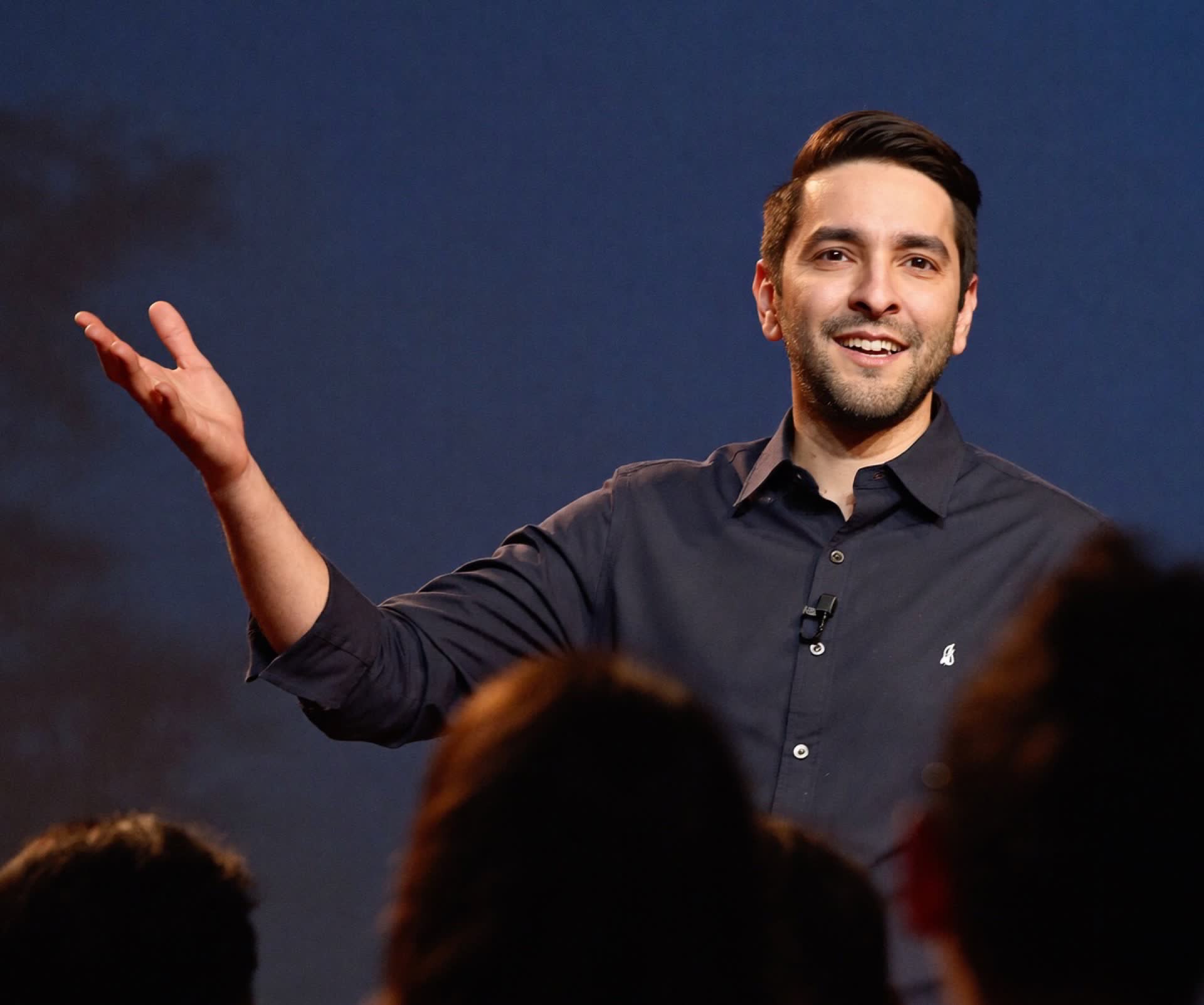
Thought Behind Things · Mar 2, 2022 · 1:02:47
Pakistan's first payment gateway wants to kill COD
Adnan Ali left a 16-year banking career — including a stint as EVP at 35 — to build PayFast, Pakistan's first State Bank-licensed digital payment gateway. In this conversation, he explains why 85% of e-commerce still runs on cash-on-delivery, what Raast actually changes, and what Pakistan's youth bulge means for the country's economic future.
with Adnan Ali
9 min read
From a banking family to Pakistan’s first payment gateway
The episode opens with Muzamil setting the scene: he tried to run a small e-commerce business four years earlier and ran into payment problems at every turn. That personal frustration is precisely why he wanted Adnan Ali in the room. Adnan is the CEO of PayFast — described from the outset as Pakistan’s first State Bank of Pakistan-regulated digital payment gateway, licensed under the SBP’s PSO/PSP framework.
Adnan’s path to that chair runs through a banking family. His uncle was a BCCI banker, his cousins followed, and the expectation was that he would too. He did a BCom, picked up an IT certification as the information age arrived, and joined a bank where he landed in the e-banking department almost by accident — at a time when no Pakistani bank had a serious digital division. Over the next sixteen years he moved through Islamic banking, branch banking, and digital transformation roles, eventually becoming EVP at 35, which he describes as possibly the youngest in Pakistan at the time, and later Chief Digital Officer overseeing more than a hundred people across seven or eight departments.
The turning point came when Summit Bank announced a merger with Sindh Bank. Adnan felt that working inside a government-linked institution would slow down the kind of innovation he wanted to pursue. He also noticed something larger: “Banks उस race तक ना पहुंच सकें जो कि digital transformation आने जा रही थी” — banks might not be able to keep pace with the digital transformation that was already reshaping daily life through Careem, Uber, and Foodpanda. Around the same time, the late Mahmood Kapoor, founder and CEO of Wamza, approached him with the idea of building a fintech focused on payments and obtaining a PSP license from the State Bank. After a year of conversations, Adnan made the move.
Why 85% of e-commerce still runs on cash
Later in the discussion, Muzamil asks the obvious question: if Pakistan’s e-commerce industry is heading toward $4 billion in annual volume, why is so little of it actually paid for digitally? Adnan’s answer is precise. Only 15% of e-commerce transactions are prepaid. The remaining 85% are cash-on-delivery.
The reason is not consumer reluctance — it is instrument scarcity. Pakistan has roughly 1.8 million credit card holders, and credit cards account for 50 to 60% of prepaid e-commerce transactions. Of the approximately 45 million debit cards in circulation, half are not enabled for online transactions. “جو debit cards Pakistan میں total 45,000,000 ہیں اس میں سے half of them online banking پر enabled ہی نہیں ہیں,” Adnan explains. The base of people who can actually pay online is far smaller than the base of people who technically have a bank account.
PayFast’s response to this is its account-based payment method. Instead of entering a card number and CVV, a customer enters their bank account number and CNIC. The bank sends an OTP to the registered mobile number, the customer enters it, and the transaction is done. No plastic required. This expands the potential payment base from 1.8 million credit card holders to 80 million account holders. Adnan notes that on PayFast’s own system, account-based transactions already outnumber card-based ones.
The infrastructure gap: 75,000 POS terminals for a country of 220 million
Even with better instruments, there is a physical acceptance problem. Muzamil pushes on why adoption has been so slow despite years of digital wallet activity, and Adnan points to a stark number: Pakistan has only 75,000 POS terminals. Dubai alone has 350,000. Iran and Turkey have millions. “ہمارے پاس Pakistan میں صرف 75,000 post terminals ہیں versus صرف دبئی میں ساڑھے تین لاکھ ہے,” he says. A consumer with a debit card cannot use it if there is nowhere to tap it.
The cost of a POS terminal from an international brand runs around $300; a Chinese-brand equivalent is around $150. Adnan’s view is that Pakistan needs at least one million terminals before card acceptance becomes genuinely widespread. The path there, he argues, runs through soft POS — turning smartphones into acceptance terminals — and through QR codes, which eliminate hardware costs entirely.
What Raast actually does — and why it is not competition
Muzamil raises Raast, the State Bank’s instant payment system, and asks whether it makes existing infrastructure like OneLink redundant, and whether it competes with PayFast. Adnan is direct: it does neither.
Pakistan remains a 90%-cash economy. The fundamental problem is that cash transactions leave no data trail, which means no tax base, which means the government cannot fund services, which means poverty persists. Raast’s purpose is to make digital transactions as instant and frictionless as cash — settling in real time, interoperable across all banks, and cheap to access because the State Bank is not a profit-making institution.
For companies like PayFast, Raast is a platform, not a rival. “رأست کو use کرتے ہوئے ہم ایسے different use cases بنانا شروع کریں گے” — by building on top of Raast’s APIs, a fintech can reach every bank’s customers without negotiating individual connectivity agreements with each institution. The analogy Adnan uses is OneLink: when you withdraw cash from an MCB ATM using an HBL card, OneLink handles the settlement in the background. Raast does the same thing, but faster, cheaper, and with a single QR code that any bank’s customer can use at any merchant.
He points to India’s UPI as the reference case. Google Pay alone processes $150 billion in India. Pakistan’s 60 million smartphone users and 100 million internet-capable users represent a ready end-mile — the infrastructure just needs to catch up.
The onboarding experience: two days, no branch visit
Muzamil shares a story that lands hard. He has around sixteen employees and tried to open a business bank account. He started conversations in October or November. The account opened at the end of January — three months later. “This is ease of doing business,” he says, flatly.
PayFast is built as a deliberate contrast to that experience. A merchant goes to the PayFast website, fills out a digital sign-up form, attaches documents, and submits. If there are no discrepancies, approval takes two days. The company’s APIs are publicly published — more than any other institution in Pakistan, Adnan claims. A WhatsApp button on the site connects to AI-assisted support around the clock, with human agents available when needed. For non-technical merchants — women entrepreneurs running businesses from home, a seller in Layyah who has never heard of an API — the team provides step-by-step tutorials and hands-on integration support.
The fee structure is straightforward: a percentage of transaction volume, ranging roughly between 1.5% and 2% for account-based transactions, with card-based transactions varying by volume. There is no per-transaction flat fee. Adnan notes this is cheaper than Stripe’s standard 3% plus $0.30 per transaction in the US, and that Raast will compress costs further.
Freelancers, invoicing, and the 10–15% fee problem
One of the more concrete use cases Muzamil raises is freelancers. Pakistan has around 900,000 freelancers bringing in approximately $500 million annually, but the mechanics of getting paid are painful. PayPal does not operate in Pakistan. Moving money through informal channels costs 10 to 15% in layered fees. Adnan describes the solution PayFast built: an invoicing portal. A freelancer without a website generates an invoice through the portal, sends it to a client in the US, France, Dubai, or Saudi Arabia, and receives payment into a regulated Pakistani account. The cost drops to 2 to 3%. The portal also tracks all invoices in real time — which have been paid, which are outstanding — giving freelancers a reconciliation tool they previously had to manage manually or not at all.
Adnan mentions that PayFast’s first paid social media advertisement was targeted specifically at freelancers, and that the company is a founding member of the Pakistan Freelancers Association.
The regulator as oxygen provider
Muzamil asks whether the State Bank has genuinely become more innovative. Adnan, who has worked alongside regulators for twenty years across both banking and fintech, says yes — and with evident feeling. He describes a use case where PayFast worked with UnionPay International and Faysal Bank to enable mobile-based tokenization: a bank’s app user could create a virtual card and tap to pay. When PayFast approached the State Bank, the regulation for it did not yet exist. “They were so supportive,” Adnan recalls. “It’s a good use case and you are our PSP — we’ll be more than happy to support you.”
He points to a series of regulatory moves as evidence of a coherent direction: the EMI regulation, the digital banking regulation (with five digital bank licenses to be issued), Raast’s rollout, the Roshan Digital Account, digital merchant onboarding guidelines, and NADRA biometric verification via mobile app. “ہم جو fintechs ہیں ہمارے لیے regulator oxygen provide کرتے ہیں” — the regulator provides oxygen for fintechs. Adnan sits on the board of the Pakistan Fintech Association, through which fintechs provide feedback on proposed regulatory frameworks.
Two Pakistans in 2050
By the end of the conversation, Muzamil asks Adnan to look ahead to 2050, when Pakistan will be 103 years old. Adnan offers two scenarios, and he means both of them.
The optimistic one: Pakistan’s youth — 63% of the population, roughly 100 million children — enters the mainstream over the next three decades. If the country invests in digital literacy and skills, those young people become the engine of a services export economy. Software exports are currently around $2 billion. The trade deficit runs $20 to $25 billion annually. Adnan’s argument is that IT exports and freelancing income could close that gap, ending the cycle of IMF dependency. “ہمارے بچے نو لاکھ freelancer $500,000,000 Pakistan میں لے کر آ جاتے ہیں” — 900,000 freelancers already bring in $500 million. Scale that, and the arithmetic changes.
The alarming one: those same 100 million children, uneducated and unskilled, enter an economy that cannot absorb them. Pakistan already has the world’s second-largest population of out-of-school children. If that cohort reaches adulthood without civic sense, employable skills, or economic opportunity, the consequences are severe. “یہ دس کروڑ بچے — کیا یہ atom bomb نہیں ہے؟” — are these 100 million children not an atom bomb?
His conclusion is that the choice between these two futures is not the government’s alone to make. Fintechs, podcasters, educators, and entrepreneurs all have a role in nation-building. Muzamil, for his part, says he hopes it is the first path — and that after an hour with Adnan, he plans to check out PayFast himself.
Full transcript
मानव साहब अदिनाज़राब welcome back to another episode of Thought Banting. आज मैं सलमाजूद ने एक बहुत ही ख़ास रहमान जिनको बुलाने का मकसद एक ख़ास यह था कि he is working in an industry जो वहां पर I and he'll confirm that for me as well but I think कोई और अभी competition नहीं है. Very new personally मैंने एक छोटा e commerce का business तकरीबन चार साल पहले start किया था और मुझे इस area में बहुत ज़्यादा problems आए थे and I'm really glad to see someone working on it. We have with us today adlan ali who is the CEO of pay fast which is Pakistan's first payment gateway essentially digital payment gateway I believe. Yeah, सलाम अलीकुम.
Really happy to be here और before I start मैं really आपके content को खुद भी बड़ा पसंद करता हूं and I think you are one of the few podcasters जो कि serious content कर रहे हैं जो कि Pakistan का एक बेहतर image create कर रहा है और लोगों की knowledge को improve कर रहा है. Rather इसके कि बस आपको traction build करनी है और जैसा भी create करना हो तो यह space fest जो है वह basically state banks approved PSP है और हम payment gateway category में Pakistan के पहले payment gateway है. Right, very cool और अगर
मैं simply आपसे पुछ सकूं की what what's the use case? Like किसकी संगाल? Like for a consumer, where do they see pay fast? Is it pay fast or pay fast? It is pay fast यानी जो
आपका payment gateway service क्या होती है? आप e commerce business कर रहे हैं? ठीक है. या आप school run कर रहे हैं या आप कोई भी business कर रहे हैं. ठीक है? आपको payment चाहिए from your customers, from your consumers. Right. So this is where we come in. Right. हमारे पास एक पूरा holistic solution है जिसकी basis पर हम accounts को, credit cards को, debit cards को, अपने merchants के लिए, अपने businesses के लिए enable कर देता है कि वह customer से payment accept करें और उसके बहुत सारे digital means हैं जिस पर हम आगे of course detail में बात करेंगे. Right right right. चलिए let's start off with just trying to understand how you got here. You were born in Karachi, born and raised in Karachi? Yes, I was born in Karachi. I was raised in Karachi. I love Karachi. Right. So basically it all started.
I did my MBA. MBA actually मैं पहले ही जाऊंगा थोड़ा सा high school. You
know, high school आपने कहां से किया? I started, मेरा school था progressive school. ठीक है. घर से करीब था. उसके बाद जो है within family there were too many bankers. तो एक inclination था कि जी मुझे भी banker ही बनना है. मेरे ताया BCCI banker थे, मेरे cousins थे. लोग थे. अच्छा BCCI. Yes. How was that experience for him? Must have been quite a क्योंकि उस time BCCI was a thing. Yes yes yes. तो वह थोड़ा सा मेरी आप कह लें कि hard luck है कि बनाया was around thirteen fourteen और जब मैं उनसे बहुत कुछ सीख सकता था तो unfortunately he died. लेकिन उनका एक personality का impact ऊपर था ज़रूर और उसके बाद फिर उनके बेटे भी वह bankers थे. तो उस तरीके से एक legacy खानदान में चलती आ रही थी कि उनसे influence हो गए. एक leader बहुत सारे लोगों को नीचे influence करता है. Right. So, वह influence मेरे पर भी था. तो I always thought कि banker बनना है. So, banking की तरफ़ जाने के लिए felt कि भी commerce का route भेतर है तो BCom किया पहले. Right. फिर technology का information age start हो चुकी थी तो उसका एक जो है और एक लिल की certification कर ली. Right. And then फिर I banking में आ गया मैं from अभी बेंगेजी जुरेख. वहां पर जो luckily जो department मिला information technology और within that department they were establishing e banking department. Right. तो division था IT और उसके नीचे e banking department establish हो रहा था and those times उस वक्त e banking या digital forefront department नहीं होता था किसी भी bank का तो वहां पर फिर मैंने कुछ पांच साल काम किया और वहां पर technology, Islamic banking, branch banking तो एक बड़ा एक well rounded experience लिया और फिर उसके बाद आए came in आरिफ अभी bank as वहां पर फिर I was the head of the department. Right. वहां पर फिर from scratch department establish किया और फिर digital transformation की journey पर गए. Internet banking, mobile app launch किया. G2P का project BISP को जो है government के साथ मिलकर पूरा envisage किया, उसको lay down किया. तो इस तरीके से जो है बड़ा एक अच्छा experience रहा. Digital alternate delivery channels, payment system, digital marketing यह मेरा forte रहा. Right. और अगले पंद्रह सोलह साल में मैं throughout banker ही रहा and then I left banking at the age of you can say 37, 38 और I was the EVP at the age of 35 जो शायद उस वक्त Pakistan का youngest ever EVP था. Age गुज़र जाती थी. तो chief digital officer में बना और seven eight departments within the bank I was heading 100 plus team. So, फिर Summit Bank it became Summit Bank. RF अभी मैंने join किया Summit Bank बना, Atlas Bank, My Bank बहुत सारे banks के merger होकर. Right. तो luckily वह transformation का मैं experience पिछले पंद्रह सोलह साल banking में लेता रहा. जो भी department थे वह उनका structure ही ऐसा था कि वह innovate करना चाह रहे थे. नई products, नई digital banking products आती रहती थी. तो छह सात साल पहले दुनिया के अंदर भी एक बड़ा change आना शुरू हुआ digital revolution का within the banking system as well और ये चीज़ कहना शुरू है कि जी fintechs आ रहे हैं and they will disrupt banking. तो मुझे बड़ा उसका influence मेरे अंदर भी आना शुरू हुआ थोड़ा जब YouTube करते थे, पढ़ते थे, देखते थे, travel करते थे round the world international conferences में तो this is where ये एहसास हुआ कि जी शायद banks उस race तक ना पहुंच सकें जो कि digital transformation आने जा रही थी जो मेरी और आपकी day to day life में आ रही थी via करीम, via Uber, via food panda जो आपका lifestyle habits change हो रही थी तो I started feeling कि शायद bank के अंदर जो है वह चीज़ जिस scale पर फिर मैं करना चाह रहा था वह मुझे लगा कि नहीं हो सकेगी. And then Summit Bank का merger announce हुआ with one of the, you know, provincial banks in करा पाक्सिंद. तो वह Sindh Bank था मुझे लगा कि जी एक of course वह एक सरकारी दारे में काम करने के लिए बहुत सारे लवाज़मार different होते हैं. I felt कि जी अब इस time to move on और फिर वह Steve Jobs said कि जी वह success की अपनी एक heaviness होती है. तो EVP के बाद अब मुमन bank में president जो होता है वह SEVP होता है. Right. वह अगर पच्चीस साल का career में लूं next 25 to 35 के बाद पच्चीस साल में एक ही grade बचता था. Right. तो I felt कि अब कुछ बड़ा करना चाहिए for the economy, for the country. तो फिर उस time पर late महमूद कपूर वाला जो कि वामज़ा के founder and CEO होते थे. वो इस idea पर काम करे थे कि Pakistan में एक fintech होना चाहिए जो कि payment space में काम करे और state bank से PSP का license ले. He approached me was good friend, हम professionally भी connected थे. मुझे idea पसंद आया और अगले एक साल तक हम उस idea पे बात करते रहे. Then he raised fund from premium systems जो कि फिर बाद में इस company की sponsors and group company, holding company भी वन गई. So, idea was good. He approached me. फिर यह merger आ रहा था तो I felt कि अब जो है वह heaviness को छोड़कर दुबारा से कुछ from scratch करते हैं तो startup वाला feel आया और वह lightness आ गई कि यार अब कुछ बड़ा करना है, नया करना है और canvas बड़ा हो गया. Right. When you work for a bank तो आप अपने bank के customer के लिए ही काम कर रहे होते But आप एक startup में, एक fintech में जब काम करने आ रहे हैं तो which means कि you are targeting entire industry. Right. So आज मैं SME को target करता हूं within my company. आज मैं freelancers को target करता हूं, right? तो वह फिर एक exciting चीज़ थी. By nature I am a hustler. कुछ monotonous करूं तो थक जाता हूं. दो महीने के लिए मैंने इस्लामic banking, branch banking काम किया है field के भाई यह तो रोज़ सुबह हो और एक जैसा काम करो यह तो मैं थक जाऊंगा इस तरह. तो कुछ कुछ push चाहिए था. तो फिर मैं pay fast आ गया और यहां से फिर next four years में हमने state bank के साथ collaborate किया. हमने license की अपनी activity which was very important part of our company's journey. So, हमने compliance कराई. हमने वह पूरी regulation की, compliance risk framework, सारी चीज़ों को, technology उस standard की होनी चाहिए. PCI standard को fulfill करना था. तो वो सब करने के बाद जो है हम एक अब आज एक regulated entity वन गए जो कि Pakistan में और माशालाह से Pakistan से बाहर भी काम start कर चुका है. Very cool. यह एक journey है. So you guys have been in this space for four years? Yes for the four years. और consumer facing आपका वो है मतलब when did you officially launch it for the consumer? हमें कोई आप कह रहे है दो महीने हो गए है जिसमें हमने commercially जो है अपनी product को launch कर दिया है और अब slowly gradually जो है हम तरीके से अब digital marketing start कर चुके हैं. आज अगर आप payment gateway लिखेंगे तो आपको सबसे ऊपर pay fast नज़र आ रहा होगा. Right. हमने Facebook पर marketing start कर दिए हैं. फिर जो है हमने customer को जाकर, merchant को जाकर काफी heavy level पर engage करना शुरू कर दिया तो फिर जैसे commercial launch company और वह अब month to month basis पर hockey stick growth माशाला से आना शुरू हो गई है. तो it's really exciting now. ज़बरदस्त. And in terms of investments, so like,
you mentioned early before we were talking कि $365,000,000
क्या आपकी investment rate? Rupees rupees. Rupees. At that time, four years back, it was the highest ever. क्योंकि she started up fintech में it was $3,500,000 which was which was highest ever investment within the Pakistan. $3,500,000.
$5,000,000.
Yes.
So is that basically, so I am just trying to understand कि एक आपका conventional पुराना method था जिसमें एक you would find like a holding company who would invest a certain amount of equity or money into a company for a certain amount of equity. Yes. और एक modern day ज़माना है जिसमें you know, sort of एक bootstrap करता है एक startup जाता है वह जाकर एक sort of basic वह कहता है क्या कहलाता है? What's the word for it? MVP बनाकर जाकर एक MVP करते हैं उसके basis पर आप different series करते हैं.
Series series series. So where would you see yourself right now and do you think you're more along the lines of the पहले वाले जो मैंने कहा कि one company and they're just essentially going to be put running in or are you looking at कि ठीक है we're gonna ship to market and then we're going to today's series A, series B. अच्छा अच्छा. ठीक है. Yep. Where is yours? यह थोड़ा सा different है. ठीक है? हम जो हमारी group company है premium systems यह Pakistan की largest ICT company है. ठीक है? In addition हम automotive industry में भी है और हम Audi Pakistan के जो है वह जो है हम partners है. फिर हमारा अपना mobile factory हमने जो government ने policy issue की थी जिसके through you could have your own brand आप Pakistan में phone की assembling कर सकते थे. तो हमने Premier Court के नाम से जो है अपना phone भी Pakistan में launch किया. So they've got the understanding of how technology works, technology business कैसे होते हैं. So, वह as a group company हमारी investments की और हमारे जो capital state bank के साथ अगर आपको being a PSO, PSO, 200,000,000 का capital all the time you have to maintain. Right. तो वह उन सारी चीज़ों का ख्याल करते हैं and luckily they understand the business. My chairman अरशद रज़ा वह खुद बीस पच्चीस साल से technology business में है. तो वह बड़ा अच्छे तरीके से understand करते हैं कि ऐसी company को time लगता है money making में और क्योंकि एक बड़े cost पर काम कर रहे होते हैं तो they they need funding. Right. So, जो funding वाली requirements हैं in the shape of capital वह प्रीमे systems उसको पूरा look after करते and we as, you know, as the founders of the company हम उस bigger problem का ख्याल करते हैं कि जो innovation करनी है, digital transformation करनी है. Right. तो हम वह series A series B की तरफ नहीं देखते हैं. पीमे systems जो की अब हमारी holding company है वो इन सारे चीज़ों का ख्याल करती है. Right, क्योंकि for a lot of ज़हर starter founders this that's a major concern right? That's a major concern and this is why we are so lucky की board understand करता है जो कि खुद एक tech business से हैं and they understand the requirements के इनको capital की requirement constantly रहेगी. तो वह हमारा वह सर दर्द नहीं है कि अब मुसाल के अंदर भाई ऐसी बहुत सी companies रही हैं Pakistan में जो उन्होंने MVP किया उसके बाद scale नहीं कर सके और funding raise नहीं हुई तो they died down. Right, makes sense. जब हम बात करते हैं fintech की,
you are in that space as well essentially. Cautious. Pakistan में अभी इस वक़्त जो mass market consumer है वह जब fintech का नाम सुनता उनके दिमाग में आता है easy पैसा, उनके दिमाग में आता है mobile wallets, you know, EMI's and उस तरह से. If you were to, if I were to ask you to explain कि ecosystem है क्या? So how would you first of all differentiate yourself from all of these players? And
in terms of fintech what are all of these different verticals जिसके अंदर काम हो रहा है which includes the one that you are working in as well? अच्छा ठीक है. सबसे पहले तुम्हें यह understand करना पड़ेगा कि एक banking system है ठीक है? Banking system में हम as a consumer अपने पैसे deposit करते हैं और उसके बाद banks हमें certain channels दे देता है वह transaction करने के लिए. This could be branch, a physical branch or maybe mobile app, internet banking. ठीक है? अब उसके बाद जो need है वह यह है कि जो innovation है वह जिस speed के साथ change हो रही है. सोलह साल मैंने bank में गुज़ारे हैं ना तो bank का DNA मैं बड़ा अच्छे तरीके से understand करता हूं. ठीक है? So bank के अंदर जो digital heads होते हैं, chief digital officer होने की वजह से I understand कि जी अगर कोई आपने नया project start करना है तो bank की mentality यह है कि उसका break even कब आएगा और उसमें profitability कब आएगी. Right. सही है? And a moment जब आप बड़ी innovation करने जा रहे हैं तो उसमें takes time कि आप उसका break even कब करें. तो उसी की वजह से फिर एक in parallel to banking industry एक नई term आई which is a fintech. Right. ठीक है? और हम बात करते हैं PayPal की. इसे fintech, Stripe, इसे fintech, Paytm, fintech. तो यह इन parallel banking के ऐसी companies आईं जिन्होंने innovation करना start की and worldwide regulator ने understand किया कि जी अब bank के साथ ऐसी companies आएंगी जो specific consumer problems को adopt करेंगी और उसकी basis पर अपने solution, अपने product and channels for the end user develop करेंगी. ठीक है? फिर सारे regulators ने issue की PSP regulation, payment system service provider. ठीक है? ठीक है. तो वह फिर fintechs ने regulated space में क्योंकि there is money involved ना. तो आपको regulated होना बेहतर होता है end user को एक trust मिलता है, businesses को, merchants को एक trust मिलता है. So Pakistan में भी state bank ने PSOPSP का regulation issue किया. So वो फिर PSOPSP हमारे जैसे जैसे OneLinking PSOPSP है तो उन्होंने सारे ATMs network को connect कर दिया. Interoperable बना दिया, IBFT की service दे दी. तो एक एक ऐसा system आ गया जो between different banking system एक connectivity देकर user को एक ecosystem provide कर दिया. तो PSP यह होते हैं. उसके बाद फिर next version आया कि जी अब ऐसे EMIs होने चाहिए, ऐसे institute होने चाहिए जो कि deposit taking भी कर सके. तो फिर EMIs आए. फिर worldwide अब demand यह आई कि जी banks तो हैं, banks अपने digital भी कर रहे हैं, बहुत से bank अच्छा काम भी कर रहे और बहुत से उस हिसाब से innovate नहीं कर पा रहे तो concept आएगी जी digital bank होने चाहिए. Right. So Pakistan में भी अगर आप देखें तो state bank ने digital bank की regulation भी दे दी. तो now there could be a full fledged digital bank. दो branch WhatsApp पर. जो कि शायद कोई branch भी ना रखे. हमने easy पैसा की case में देखा. Easy पैसा ने क्या किया? यह telco led model बना और उनका जो agent network था जो कि उनका physical network था उन्होंने उसको utilize किया for branch banking. As a normal consumer आप वहां से cash in कर सकते थे जो कि remittance in remittance out कर सकते थे. तो यह different verticals हैं कि bank है जो कि अपने ADC software करते हैं alternate delivery channels, mobile app, internet banking. फिर साथ में हमारी ऐसी companies आती हैं जो कि एक पूरे ecosystem पर काम करती है. Banks को अपना partner बनाती है. हमारे भी दस से पंद्रह जो हैं वह partner banks हैं. उसमें EasyPays भी है, उसमें LiteBank भी है. बड़े बड़े banks हैं. उसमें Fesape Bank है, Bankalfala है. तो फिर हमें banking system के साथ collaborate करके काम करते हैं.
Separate कर लेते हैं. मैं कह रहा हूं essentially when I say cash I understand आप उसको cash गुस्तान से लेने में जाना Deposit of a customer. हां so मैं यह कह रहा कि जो money है उसकी movement cost में Conduit
हम लेकर चल रहे होते हैं जिसके through business and end user जो होता है वह हमारे system को use करके payments कर सके. Right. तो as an end user आप payment करेंगे और as business मैं payment को accept कर लूंगा. Right. So this is where we come in. अब beach का एक pipeline है और कोई भी fintech अब उम्मीद जो PSO, PSP के space में वह यही काम करता है. जैसे मैंने आपको Welllink की मिसाल दी है. Right. कि आप HBL के customer होते हुए MCB के ATM से जाकर withdrawal कर लेते हैं. तो Welllink वह beach की settlement, beach की connectivity का ख्याल करता है. Right. तो हम अपने case में यही करते हैं कि एक food panda का user, edge field का customer होते हुए by using other service वह payment कर सकेगा और food panda को payment मिल जाएगी. एक example बना रहा हूं to end user के लिए कि वह simply उसको understand कर सके. अच्छा इसमें अब where does रास्त play in all of this? Because if I understand this correctly
पहले आपका IBFT था पहले आपका one link का पूरा sort of one line infrastructure था. अब वो पूरा infrastructure essentially redundant हो जाता है because रास्त वो सारी चीज़ इन you know essentially real time पर वो manage कर लेता है. जी. Are you essentially competing with रास्त? Are you on top of रास्त?
We are absolutely not competing with रास्त and I don't think कि world का use case भी जो है वो in a way redundant होगा world link भी रास्त के है पहले इसको understand करें. Right. Is Pakistan is heavily cash driven economy. ठीक है जी? आज भी आपकी 90% approximately transaction via cash होती है. ठीक है? हम जब तक इस pain को as an industry, as a nation नहीं समझेंगे कि आप जब तक cash driven economy रहेंगे इस मुल्क में real तरक्की नहीं हो ठीक है जी? आप poverty line से लोगों को ऊपर नहीं ला सकते हैं. आप जब तक वो economic data collection नहीं होगा तब तक tax collection नहीं होगा और जब तक tax collect नहीं होगा government कैसे लोगों को जो है वो facilitate करेगी ना? सबसे बड़ा problem इस मुल्क का यही है ना? So, Bank realized कि इसको cash driven economy से अगर digital economy में convert करना है तो they took a very brave step और वह रास्त जो कि एक instant payment system है उसको लेकर आए. Cash क्या होता है? Cash से अगर मैंने आपसे आकर आपकी shop पर कोई product ख़रीदी है तो मैं आपको cash दूंगा, आप cash ले लेंगे. Transaction record नहीं हुई और transaction exchange हो गई instantly और settle भी हो गई. तो रास्त क्या कर रहा है? रास्त सबसे पहले वह connecting points देगा, ठीक है? जो कि help कर सकते हैं financial inclusion के लिए. ठीक है. ठीक है ना? Businesses जब रास्त के through payment accept करेंगे तो वह transaction जो cash में होती थी यार digital होगी. जब digital होगी तो collecting point, data point आ गया और उससे आप tax का जो है वह acceptability या tax जो है base आपका बढ़ना शुरू होगा. यह पहला purpose है रास का. दूसरा वह instant है. Beauty of a रास्त यह है कि जैसे ही transaction होगी वह instantly settle हो जाएगी. तो in a way वह cash की तरह हो गई. Right. ठीक है? Then रास्त एक interoperable system है. एक advance system है. ठीक है. तो रास्त में आप जब सारे banks को connect कर देते हैं. एक इतना बड़ा conduit आ गया जिसके through हमारी जैसी companies, जिसके through worldling जैसी companies, जिसके through नए EMIs, जिसके through नए digital banks जो हैं वह different use cases बनाएंगे और हमारा focus यह होगा कि front end पर रास्त के top पर हम रास्त को actually अपने लिए leverage करेंगे ना कि compete करेंगे. तो रास्त को use करते हुए हम ऐसे different use cases बनाना शुरू करेंगे और फिर वह transactions bank के सारे customer रास्त पर connect हैं. ठीक है. तो मेरे लिए ये tension नहीं होगी कि मुझे one to one जाके SPA, SPA सारे banks के साथ connectivity establish करनी है. I'll get APIs from रास्त जिससे मैं connect कर लूंगा and I'll have the entire banking system. So top पर ऐसे solution design होना शुरू होंगे जो कि रास्त को leverage करते हुए instantly transaction को settle करेंगे. रास्त is a cheaper network. अगर आज हम किसी international scheme के through transaction करते हैं तो उस पर MDR होता है, cost of a transaction होती है. Right. तो state bank profit making नहीं सोच रहा है, एक commercial institute नहीं है ना. हां. तो रास्त का access cheaper होगा हमारी ऐसी companies को और instant settle होगा. Right. और बहुत बड़ा access मिल रहा तो रास्त is potentially a game changer और वह हमारी ऐसी companies को innovation के लिए पूरा playground दे रहा है. Right.
जो यह आपका space है again मेरी understanding के हिसाब से it's basically
A payment space जहां पर हम digitize
कर रहे हैं economy को. हां so payment gateway मैं अगर consumer facing करूं कि वह तो एक holistic बात है ना कि you are digitizing है but consumer facing what you are essentially doing is कि I go I go and I want to buy let's say this pen and so I go to the website and I say ok checkout and checkout के वक्त जब मैंने जाकर click किया कि payment का वक्त आया तो वहां पर now pay fest is essential. वहां पर pay fest आएगा? ठीक है. अच्छा आज क्या होता है Pakistan में? थोड़ा सा understand करते हैं हम industry को. इस वक्त Pakistan का सबसे
बड़ा challenge क्या है? E commerce industry में. हम में expect कर रहे हैं कि यह इस साल हम industry around $4,000,000,000 पर close करेंगे. Right. ठीक है जी? जब कोई customer e commerce industry कर रहा तो इसका मतलब है वह digital mean को accept कर गया. Internet पर जाता है या mobile app से या phone से shopping कर रहा है. उसके बाद जब payment करनी है तो सिर्फ 15% prepayment यानी वह पहले से payment कर दे. बाकी cash में generate कर रहे हैं. 85% तो अभी भी COD है. Right. तो वह तो बहुत कम है. आप digitally transaction कर रहे हैं लेकिन digitally pay नहीं कर रहे हैं. दो reason है. Penetration of आपके पास credit card कितनी है? 1,800,000. या सिर्फ अठारह और 5060% e commerce की prepayment की transaction कौन सी है? जो कि credit card से होती है. So इसका मतलब यह है कि user transaction कर सकता है लेकिन वह कर नहीं पा रहा है क्योंकि lack of instrument है. क्या banks सारे लोगों को जो कि Pakistan के financially inclusive लोग हैं credit card दे सकते हैं? नहीं दे सकते. जो debit cards Pakistan में total 45,000,000 हैं उसमें से half of them online banking पर enabled ही नहीं हैं. Right. सही है? तो हमने क्या किया कि हमने account को आपका जिस bank में भी account है आप उस bank के account को payment के लिए use कर सकें. यह innovation की हमने. अच्छा. Yes. हर जगह हुआ है. So आप आप क्या करते हैं suppose मैं case बनाता हूं. आपने यह pen खरीद लिया. Right. अब उस website पर जाकर सौ रुपए इस pen की कीमत है. आप हमारे checkout पर जाएंगे. You will get the options card, Visa, Mastercard, UnionPay International card, Pakistan का domestic PayPac. PayPac हां हां. PayPac then account wallet. आपके भाई easy पैसा का wallet है. आज तीस million के करीब तो easy पैसा के ही account holders हैं. आप जाएं अपने easy पैसा का account number डालें. अपना NIC डालें. फिर आपको bank की तरफ से एक OTP आएगी. जिसको हम अपनी terminology में second factor authentication कहते हैं. आप वह OTP डालें. आपकी transaction debit हो जाएगी. तो आपके पास भले plastic card ना हो, debit card ना हो, credit card ना हो, आप अपना account use करते हुए payment कर दो. Wallet का तो I तो we feel की यह base बढ़ाएगा. हां, wallets का I understand. Can you do the same with let's say a standard chartered bank account? अच्छा, उसमें suppose हम लेते हैं Allied Bank, ठीक है? आपके पास Allied Bank का account number 123456 और आपका NIC है 45678. So आप यह दोनों instrument ऊपर जाकर account then CNIC. उसके बाद यह enter करेंगे हमारे checkout पर जैसे आप debit card या credit card का number डालते हैं पीछे CVV two डालते हैं तो वह दोनों की को replace किया हमने account run है NIC से. ठीक है. उसके बाद bank के registered आपके mobile number पर एक OTP आएगा. उस OTP को आप enter करें तो आपकी transaction done हो जाएगी real time आपका account debit हो जाएगा. So account भी आप essentially use कर सकते Yes. तो फिर हम यह कहते हैं जो वह 85% जो COD है वो इससे disrupt हो सकती है क्योंकि आपने base बड़ा कर दिया ना. Right. 1.5 से 45,000,000 से 80,000,000 account है Pakistan में हमने base को बड़ा कर दिया तो उस base से हम ये expect करते हैं कि जी ये COD versus prepayment fifty-fifty तो होगा और आज जब हम देख रहे हैं तो इस वक्त हमारे system पर account based transaction card based से ज़्यादा है. अच्छा.
हां because cards obviously वही वाली बात है तो आपने number जो बताया था less than 1% right? Like personal unfortunately. Credit card का जो है debit का वही वाला मुझे याद है but I was in university अच्छा मेरे वाले साहब banker थे तो career banker थे तो उन्होंने मैं पांचवी जमात में था तो मुझे उन्होंने credit card नहीं करवाते थे supplementary card just for the understanding कि बेटा तुम्हें पता होना चाहिए. Yes. कि card पर spending किस तरह होती है और सारा कुछ होता control किस तरह करना होता है? Yes. तो मेरे understanding में credit card was a very standardized thing. Like I never carried cash and this is I'm talking about पुजार सुरंत seven onwards. Okay. Yeah. And obviously I was a student. तो मुझे नहीं पता दुनिया कैसी चल रही है? मैं तो अपने bubble में था. मैं जब university आया तो university आकर मैंने देखा तो पता ही लगा कि जी लोगों के पास तो bank accounts ही नहीं है. Nobody wants to do that. Right? And so essentially जिसके पास है भी debit card उसके अंदर भी वो user experience बना ही नहीं है in the first place and so जो ये वाली बहुत एक तो आपने बड़ी interesting बात बताई कि account से direct debit I feel like that is going to really encourage people. Yes. But उसमें भी ज़ाहिर है आखिर में question mark यह आ जाता है कि 12% banked है. उस 12% में से भी जैसा मेरे जो मेरा blue collar staff है उसने bank खुलवा तो लिया लेकिन banks की पांच साल में एक ही problem है ना. Use नहीं करता. The minute I walk into a bank and the minute my driver walks into a bank. The way that both of us are reacted to is completely different. Right? Because they're seeing कि यार बाबू का deposit digital करूं तो वो जो players बैठे हुए है they make it so difficult की it's almost close to impossible. तो मेरा question सबसे बड़ा probably ये होगा because you are in this particular space and you have been in both of the space. So you didn't go from let's say telco to bank or you know. Your banker. Your banker here. मैं आपको छोटी सी मिसाल देता हूँ and because the reason why I saying this is because आपने भी देखा होगा generally आजकल social media पर एक को एक image है जिसमें ना वो तमाम companies हैं जो Pakistan में fintech space में startups होंगे. जो है like 200 लोगों से तो नज़र आते हैं उसके Right? दो हज़ार मेरा computer science का background है data analytics का मेरा major था. I have been looking at this particular space for a very very long time. जब दो हज़ार बारह तेरह से तो मैं यही sun रहा हूं. Easy पैसा तो आ गया हुआ था उसके बाद फिर वह बड़ा मैं शुरू हो गया था UG revolution, digital revolution, digital revolution. मैं दो हज़ार बाइस का आपको बताता हूं. मेरे पास के तकरीबन कोई सोलह employees हैं. अच्छा मैंने उनसे जाकर कहा मैंने कहा जी मेरा ये है और मेरा x amount मेरी monthly निकलती और अच्छी amount निकलती है तो मुझे account चाहिए. उन्होंने कहा जी ठीक है. October November में मैंने बात start की. January के end में जाकर मेरा account खुला. तीन महीने बाद. This is ease of doing business. After three months? After three months. Ok. January के end में account खुल गया और account में उन्होंने मुझे यह भी बोला उन्होंने कहा कि जी आप जो है Everybody is coming out and saying कि आप utility bills दे सकते हैं. आप mobile phone और credit खरीद सकते हैं और आप अपने दोस्तों यारों को वह कर सकते हैं. We're we're creating parallel multiple companies but we're not creating parallel use cases. So like you mentioned कि you know रास्त आ गया उसके बाद use cases बनें. Will we really see use cases being made? Why do you think the adoption has been so slow unfortunately कि पिछले पांच साल से digital banks exist करते हैं, payment gateway gateway नहीं ये wallets exist कर रहे हैं. But ना China एक QR पर चला गया, India QR पर चला गया, हम QR पर नहीं जा पा रहे हैं, हम उन transactions को उस तरह से नहीं बढ़ा पा रहे हैं. What's the real problem है यार? अच्छा बड़ा multi late question है. इसमें पहले तो आपने बात की user experience की, ठीक है? So इसी
हवाले को हमें समझना पड़ेगा कि क्यों state bank EMI and digital banking regulation लेकर आ रहा है कि as an industry we all understand regulator भी, fintechs भी या banks भी कि जी अब जो existing user experience है, जो youth है या आपके जैसे लोग हैं या मेरे जैसे लोग हैं उसमें इसको survive करना मुश्किल है. So banks अपने level पर innovation करने की कोशिश कर रहे हैं. Standard Chartered का तो Breeze app बहुत अच्छा app है, ठीक है? लेकिन improve होने जा रहा है user experience भी और फिर what I feel strongly believe करता हूं कि जो यह EMI's आ रहे हैं या हमारी ऐसी companies हैं इस user experience को improve करेंगी. हम काम ही यही कर रहे हैं. जब भी तो fintechs हैं अगर banks financial product देते और इतनी अच्छी दे रहे होते तो फिर fintech के use case में invest करने की ज़रूरत क्या आती है? Right. तो एक तो यह बात है कि user experience ही improve होंगे. दूसरा जो आपने बात की कि आपके पास इतने ज़्यादा challenging क्या है? अगर आपके पास touch points नहीं होंगे, access points नहीं होंगे to withdraw your cash या फिर उस cash को redeem करने का. आप China की example दे रहे हैं या India की दे रहे हैं या हम Dubai जाते हैं जैसे ही airport से taxi में बैठते they've got pause terminal. तो problem यह है कि अगर मेरे पास debit card है और उसकी acceptability नहीं है. हमारे पास Pakistan में सिर्फ 75,000 post terminals हैं versus सिर्फ दुबई में साढ़े तीन लाख है. Iran में millions हैं, Turkey में millions हैं. ऐसा ही है ना? हम population में कितने बड़े countries है. हम तेले पे आलू बेच रहा होता है उसने अपना post remedium तो दे रहा यह 75% के 80% KLI है. So जब तक ये touch points, digital touch points नहीं increase होंगे,
आप इसी problem में फ़ंसे रहेंगे. Right. सही है? But then how what's the solution? Because उसकी cost of.
मैं उधर ही आ रहा देखिए ना एक post terminal की cost है अगर आप एक international बड़े brand का post terminal लेते तो तीन सौ dollar का आता है. Right. अगर आप एक chinese brand का post terminal लेते हैं वो आते है 150 वो dollar डेढ़ का आता है, ठीक है जी? अब उसको अगर मुझे at least इस country में एक million post terminals होने चाहिए तब वह acceptability आएगी फिर आप अपने card से tap करें खरीदने. Right. और कम से कम तीन से चार QR codes होने चाहिए, ठीक है? बिल्कुल. इसी gap को understand करते हुए state bank ने रास्त को implement किया है. ऐसे system को implement करने के लिए millions of dollars चाहिए और वह World Bank ने और Bill Gates Miranda Foundation ने उसको जब ही जो है उन्होंने actually investment तो उन किया है ना. So उसका purpose यही है कि अब राज के अंदर one QR आएगा. ठीक है. जिसके through आप वो website पर भी use होगा. अच्छा sir. वो उन acquiring touch points पर भी use होगा. आगे चल के soft pause आऐंगे आपका phone convert होगा एक post terminal में जो आज cost of post terminal है वो eliminate हो जाएगी. Stripe वन जाएगा essentially. सही है square वन जाएगा या stripe वन जाएगा ठीक है आपको Google pay नज़र आता है उसमें क्या India के अंदर $150,000,000,000 सिर्फ Google pay process करता है So आपके पास phone है उस smartphone users को आप user बनाना शुरू रहे हैं. Pakistan की strength को समझे. आज आपके पास 60,000,000 के smartphone user हैं. Right. 100,000,000 के आपके 16,000,000 के internet user हैं. 100,000,000 के आपके पास user हैं जो internet use कर सकते हैं उसमें से 60% के पास smartphone user हैं. Right. Right. So इसका मतलब यह है कि यह सारे के सारे end mile पर enabled हैं. Right. किसी भी industry का सबसे बड़ा challenge क्या होता है? End mile को enable करना अगर आप coke के distributor हैं या coke का challenge यह है कि हर उस दुनिया के अंदर. Coke के पास वह पहुंच रहा है. Coke के पास मेरा वह पहुंचे. Right? आप Nestle करते हैं तो यह challenge है. इस case में Pakistan ready हो चुका है, enabled हो चुका है. हम क्यों ऐसे startup के अंदर काम कर रहे हैं? इस use case में काम कर रहे कि वह end mile ready है. Right. वह साठ million का smartphone का user आज अगर आप उसको use case enable करते हैं तो ready है. तो user ready है अब आपने acceptance point को बढ़ाना है soft pause के through. जो state bank रास ला रहा है उसमें one QR के through. अच्छा one QR का मैं थोड़ा सा आपके यहां पर वह करूंगा but this sounds very interesting. So one QR if I understand this correctly what you saying is की भारत की बार आपको UPI जो भारत के अंदर इतना बड़ा revolution आया है आधार account तो देखा जाए तो हम उसी तरह move कर रहे हैं दुनिया में जब ये instant payment systems आते हैं तो वो enable करते हैं बहुत बड़े use cases के लिए हमने भारत में देख लिया क्या हुआ है India के अंदर. Right. तो भारत QR क्या करता है? वह एक सस्ता cheaper P2P transfer करने के लिए merchant 2% payment transfer करने के लिए QR code दे देता है. ठीक है. तो Pakistan में भी अब यही होगा कि वह QR code की जब enablement होगी तो फिर उसके बाद आपके पास वह touch points आऐंगे. अगर imagine करें वह touch points 5,000,000 हो जाएं. जो आपका pain point था कि मुझे आलू खरीदना है, मुझे रक्षे वालों को पैसे देने हैं ecosystem में. Easy पैसा का app, Easy पैसा का merchant. ठीक है. लेकिन जब हम one QR की बात करेंगे तो interoperability होगी. Interoperable होगा तो सारे banking user versus जितने भी one QR होंगे वह open industry हो जाएगी. Right. इसी वजह से हम रास्त को एक game changer expect कर रहे हैं और इसी वजह से नए EMIs आ रहे हैं, नया pay या हम या फिंजा, सही है? वह सब इसी पर ही believe करके काम कर रहे हैं कि जब रास्त आएगा तो हमारे पास एक open industry play होगा. Right. और उसमें मेरा use case किसी भी bank के customer के लिए enabled होगा. That's the beauty. Right. तो आपका जो वह दर्द था, आपका जो problem था वह resolve होने जा रहा है. Right. अच्छा ऐसा मुझे ये बताएं कि आपका so for a payment gateway I understand for you know we we previously had Finjah, we previously had
जो ये आपके retail वाले players रह चुके हैं उनको जो you know capital वगैरह raise किया recently इन्होंने. उस पर जो मेरी understanding थी when I asked them asked them about their business model तो they were like you know like we don't some of them charge a premium के हम अगर for example e commerce provide कर रहे हैं for a retail company तो हम उसमें premium charge कर लेते हैं. But a lot of them were like you know we are not charging anything right now and that's why we are raising a ton of funds because our thought process is कि our product is data right? So we are using data to essentially make a credit score of the consumer and eventually what we do is कि कहते हैं कि ठीक है तुम In your case what do you essentially what's the business model here? Is it based on के transaction fees? किस्त pay किए? कि जी 2.5% या वो कितने percent जो वो charge कर लेते हैं? या is it based on something else?
जो है banks के पास जाकर enablement अपने instrument अपनी payment acceptance के लिए नहीं करानी. हमारा एक जो है अपने shopping cart पर वह plugin install करेगा और उसके बाद सारे instruments आ जाएंगे. So वह बहुत happily जो है वह service charges देता है जो है वो कहीं एक bracket होता है depend करता है कि आपका volume size कितना है? उस volume के basis पर वो fluctuate करता है. दूसरा फिर हम जब account base को introduce कर रहे हैं तो उस case में scheme eliminate हो जाती है. और relationship between us and bank होता है तो वहां पर हमने उसको subsidize कर दिया और approximately 2%, 1.5 से 2% जो है हम merchant को enable कर देते हैं उसकी payment के लिए. ठीक है. तो इस तरीके से यह vary करता है. और वह प्रिज़ारिक it's all about then it's all all a matter of how much money you move and then उस तरह से. यह अभी भी अगर आप देखें तो यह cheaper है आप. आज आज भी अगर Stripe America में निर्भल करना चाहते हैं तो वहां पर standard charges हैं 3% plus 0.1¢ per transaction. तो हम flat fee लेते हैं और per transaction पर तो charges ही नहीं ले रहे हैं. तो आज भी cheaper है क्योंकि industry अभी भी grow नहीं की है Pakistan में और unfortunately हमारी as a nation एक nature है कि हम quality और service पर fight नहीं करते. हम जो है वह nose dive करते और price for start कर देते. Right. तो उसकी वजह से जो है वह आज भी Pakistan में मैं समझता हूं कि MDR यहां पर जो यह charges हैं यह कम है और रास के through तो यह और minimize हो जाएगी. हो जाएंगे. For an average consumer again like I said मैं हूं एक e commerce player हूं for example.
You know let's do a payment gateway and let's try to get prepaid you know.
मैं जाता हूं आपकी website के ऊपर. So run me through the process. ठीक है. How do I get you? You are a digital company. तो आप सबसे पहले क्या करेंगे? यही beauty है pay fast कि हम यह नहीं चाहते कि आप किसी number पर call करें. Right. या कोई account manager है आपको इतने सारे form दे और sign कराएं. And especially सोचें आप जहां पर banks नहीं हैं. अगर आप लैया में रहते हैं. हां, लैया में. तो फिर क्या होगा? हां हां. So, हमने सबसे पहले तो onboarding paperless कर दी. ठीक है. ठीक है? आप जैसे internationally आपको payment gateway करना है तो आप website पर जाइए. तो आप Google करें आज payment gateway तो आपको PayFest top पर नज़र आ जाएगा. वहां से एक lead create हो गई. मेरी website पर आइए हमारी APIs website पर publish हुई हुई हैं. जितनी APIs PayFest की publish है Pakistan में किसी institute की इतनी APIs ही publish नहीं है अलम झुरड़ा. ठीक है? So आप as a developer हमारी APIs को consume कर लें. ठीक है? या फिर हमारी website पर WhatsApp आ रहा है. WhatsApp click करें 247365 मेरे agent AI base आपके साथ connect हो जाएंगे और उससे ज़्यादा support चाहिए तो physical आ जाएंगे आप. यानी किसी के साथ human interaction start हो जाएगा. Otherwise जो है आपने form submit करना है digital sign up पर आप attach करें document submit कर दें वो हमारे पास आऐंगे. अगर कोई discrepancy है तो हम आपसे contact कर लेंगे otherwise पूरा digital sign up है. API आप consume कर लें, ठीक है? इसे modern company और आप जैसे Clair को ऐसी ही requirement है और उसके बाद merchant आप जो है वह enable हो जाएगा payment के लिए that's it. Hassle free, instant and all digital. और regulatory wise what sort of documentation are do you require? So वो आप bank account information लेंगे जाहिर आपने जिसमें पैसा है. KYC होना ज़रूरी है ठीक है know your customer. So digital merchant on boarding की state bank की certain guidelines है हमें एक regulated entity है तो हमें वो account number चाहिए होता है जिस पर हम वो जो funds collect करते हैं on behalf of a merchant उसको credit कर दें और basic आपके business की information चाहिए कि जी आपका NICE और आपका NTN अगर है तो आप वो information हमें जो है वो दे दें so that आपको idea हो कि भाई ये customer कौन है और उसकी information आपको वो basic होनी आपने सारी की सारी दे दी. How long does it take for me to start transacting essentially? Two days. Two days. Two days में approval होगा और approval के बाद फिर? Within two days everything will be done. आप technically integrate हो जाएंगे. ठीक है अगर आपको कोई specific shopping card चाहिए तो हमारी engineering की team आपको contact करेगी आपको वो shopping card देगी और वहां पर हम इतनी hand holding करते हैं कि हम उसको पूरा shopping card install करवा के देते हैं ठीक है. ठीक है. Challenge यही आता है कि different web cards होते हैं, shopping cards होते हैं. कोई Magento use करता है, कोई Shopify use करता है, उसके plugins नहीं होते हैं. Right. उस version का नहीं होते तो we've got everyone almost. और नहीं होता तो हमारी अपनी tech है, intellectual property
मैं या fishery में मैं चला गया या दुकान में चला गया या उस पर चला गया. अब मैंने मेरे तस्वीरें यह चीज़ upload कर दी description डाल दी website चल गई Facebook page चलाने आते मुझे मैंने उसमें घुमा घुमा के जी मेरा माल बिक रहा है. बंदा को कह रहा है API क्या होता है भाई Google करो. तो तो is there a way for that individual for that completely non technical individual? जैसा fluent experience
Shopify या fishery दे चुका हुआ है कि यार आप जो भी हो आप एक doctor हो लेकिन शाम को आपने बैठ के जाना कपड़े बेच रहे हैं. ऐसा ही हो रहा है अगर देखा जाए ना कि जो women entrepreneurs हैं जो कि घर से काम कर रही हैं they don't have technical knowledge और ज़रूरत भी नहीं है और हम यही कहते हैं कि you scale your business. आप अपने business को run करने की tension करें. आपकी payments की, integrations की, settlement की, आपको उस राधक्षण के against payment receive हो गई. यह हमारी problem, हमारी tension है. Right. So, वो WhatsApp इसी वजह से हमारी website पर या आप API consume करने जाएंगे या जहां पर digital merchant onboarding का जो form है, वहां पर WhatsApp available ही इसी वजह से है कि आप click करें और हम आपके पास मौजूद हैं. आपकी हर problem को resolve करने के लिए. So at times तो हम यह भी करते हैं कि merchant को जो है उसको step by step पूरा guide कर रहे होते वहां पर tutorials आ रहे हैं हमारे कि आप कुछ ना करें न उस tutorial को देख लें. और वह तीन से चार simple basic step हैं जिसकी basis पर हम कामी user experience पर करते हैं ना अगर एक service bank दे रहा है तो fintech को देने की क्या ज़रूरत है? Try to understand this. जो ethos है वह क्या है? Philosophy क्या है? कि एक काम bank कर रहा है और आप आकर उसको disrupt करना चाह रहे हैं तो innovation and disruption इसी वजह से कर रहे कि उसको simplistic कर रहे हैं, easiest कर रहे हैं और fastest कर रहे हैं. आप अपने business को बढ़ाएं, हम आपके payments की problem लेंगे. Right. अच्छा payments के अंदर आप दायरे पूर दुनिया में there is a new thing called buy now pay later. Right? Like, it's growing really really fast and Pakistan
में भी अब जो है I believe किस्त पेगा तो I know. I've heard कि a couple of others are now getting into this as well. Essentially वह यही है कि जहां पर वह plastic money US में उठा और वह concept आया कि चीज़ें credit cards and वह sort of blew up. तो वह उसको भी sort of reimagine कर रहे उस experience को कि यार चीज़ें हां ठीक है आप चीज़ें भी ख़रीद सकें और उसका आप सब certain breakdown कर दें कि make it much less complicated. जाहिर है कि जब हम बात कर रहे हैं consumer touch point की या B2C payment processing की. Mhmm. तो उसमें directly thought process यह आएगा कि अब आज मैं जाता हूं मैं जब जाता हूं तराज़ के ऊपर and this I find very annoying in Pakistan right? So I go on तराज़ and बात आती है payments की तो मेरे ना पच्चीस option आ गया कि किस pay पर आपने जाना है या अभी bank के आपने उस पर जाना है gateway पर जाना है या पता नहीं easy पैसा का gateway understanding is वह एक singular Aggregate कर रहे ना हम सारे instruments पर. वही problem resolve कर रहे हैं कि जी पिछले अब सारे नहीं होने उस aggregation में क्या आप BNPL को भी integrate करेंगे जिसके अंदर for example consumer गया consumer जाए कह रहे कि आपने कहा account I choose credit card or I choose account or I choose mobile right? Wallet या mobile wallet के बाद में BNPL कर लूँ. तो where does that happen? देखिए naturally
जो globally भी हम देखे ना जो payment gateways थे उनका जो second step होता है emergence का वो यही होता है कि वो BNPL play में आते हैं. ठीक है? क्योंकि आपके पास merchant का data भी है. आपके पास customer का data भी है और on that basis आप चाहें तो merchant को invoice financing भी दे सकते हैं कि जो पैसे उसको दो दिन बाद मिलना है वह आप उसको within few hours में जो है वह उसको credit कर सकते और consumer के end पर आप ऐसे BNPL players के साथ partnership कर लेते हैं क्योंकि आप end point है ना जहां पर consumer payment करने जा रहे हैं और merchant के साथ भी connected है. So naturally यह extension हम अपनी company के अंदर खुद भी BNPL model में आ सकते हैं. Right. और ऐसे BNPL companies के साथ partnership भी कर रहे जैसे आज हमने Chico के साथ partnership की जो कि बड़े large scale पर aggregation कर रहा है या हमने दुकान के साथ partnership की है as payment gateway. Right. तो यह BNPL partnership भी होगी और हमारा अपना भी emergence यही होगा कि हम एक NBFI का license लेकर अपने merchants को जो है वह यह वाली facility दें. NBFI क्या होता है? NBFI यह होता है कि आपको अगर consumer lending या corporate lending करनी है Pakistan में loan देना है. हां. So आप या तो bank हो और अगर आप bank नहीं है तो SECP से non banking financial institute तो आप वो license लेते हैं और फिर आप credit दे सकते हैं लोगों को. अच्छा interesting तो आप बड़ा regulatory style जा रहे because मुझे याद है किस पर यह वाले भाई आए हुए थे तो ही देर देर देर avoid it. उन्होंने भी NVFI का license वह नहीं, time के बाद हो नहीं सकता ना अगर उसको scale करना है और large scale पर जाना है और masses को cover करना है तो वह licensing cover लेना पड़ेगा. सही है? Otherwise consumer trust भी कुछर से बात नहीं रहेगा, merchant का भी trust कुछर से बात नहीं रहेगा. क्यों EMI का license है? क्यों digital bank का license है? आप किसी bank में जाकर deposit रखवाएंगे अगर वह regulated ना हो तो. अगर एक x y z bank आता है outstanding experience देता है आपको, ठीक है जी? जो America में हो रहा है वह लाकर exact implement करता है. आप as consumer because of only वह experience बहुत अच्छा दे रहा आप उसमें एक लाख रुपए भी जाकर deposit कराएंगे अगर regulatory cover ना हो तो. ऐसे consumer am I asking to you? कभी भी नहीं. ठीक है जी regulator जब होता है तो वह customer को ही तो confidence है. Protect कर रहा होता है. Protect कर रहा होता है. अच्छा regulator का मुझे बताएं you know, how last
two to three years हमने बड़ी interesting चीज़ें देखी हैं. रास्त हमने देखा देखा कि one after the other there's been these new sort of जी. नए नए instruments भी आना शुरू हैं, नए नए regulations भी आना शुरू हुई हैं. It seems like and I don't know, I'm not connected but it seems like the regulator is now a lot more innovative and a lot more agile. Do you think that's true? Do you think they're now looking for innovation on their on that level as well? I I really got happy when you said कि
मैं लोगों से बात करता था तो वह यह कहते थे तो आप past में आ गए, right? So आज मतलब मैं तो बीस साल से almost regulator के साथ ही connected हूं. चाहे fintech space हो या banking space हो. So I'm really amazed कि वह बहुत proactive है और futuristic है. Right. और आप देखिए कुछ दिनों पहले जब आपके पास digital banking का license आया है state bank governor ये कहते कि जी पांच banks को हम digital bank का या पांच digital banking के license issue करेंगे. Right. तो ये पांच जो ये digital banks बनने जा रहे हैं यह सब के सब unicorns बनेंगे अगले पांच साल में जाकर ठीक है ना? Right. So regulator understand कर रहा है कि what has happened around the world different countries में जो Indonesia में हो चुका है जो शायद Thailand में हो चुका है. मैं advance economist की तो अभी बात ही नहीं कर रहा. तो वह पूरा उस पर नज़र रख रहे हैं और मैं जब उनसे interact करता हूं जो हमारा हम जितने fintechs हैं वह digital financial group में आते हैं state bank में. Right. तो जो उनके ED हैं जो उनकी team है वह digital use cases को understand करना बड़ा उनकी training इतनी अच्छी हो गई है अब वह regulatory framework बना बना के internationally travel करके या बाहर से trainings भी लेकर आएं वह अब understand करने लगे कि what is required. हमारे हम जो fintechs हैं हमारे लिए regulator oxygen provide करते हैं. तो हम जाकर innovative use case उनसे discuss करते हैं, support करते हैं. हमने हमने union pay international के साथ जो है वह mobile based tokenization की. आसान लफ्ज़ों में बताता हूं कि हमने फ़ैसल bank के mobile app user को enable किया कि वह अपने account से एक virtual card बनाएं और उसको जाकर tap करके pay कर लें. हम state bank के पास गए, उस वक्त ऐसी regulation exist नहीं करती थी. पर they were so supportive कि ठीक है, it's a good use case और आप तो हमारे PSP हैं ही तो regulatory तो आप हम compliance करते हैं. आप काम करेंगे. इस पर we'll be more than happy कि आपको उस पर support करें. तो हमें वह innovation उन्होंने करने दी. So अब जब मैं उनकी regulation देख रहा हूं, EMI की regulation आई है, रास्त का पूरा project start हो गया है या फिर RDA हमें नज़र आता है या digital merchant onboarding नज़र आती है. Freelancers account के लिए digital onboarding of customer allow कर दिया. Mobile app पर अब नादरा का CNIC आप जो है वह biometric verify कर पा रहे हैं. तो यह सारी वह चीज़ें हैं जो कि connecting dots हैं जो कि future में एक बहुत बड़ा play बनाने जा रहे हैं, बहुत बड़ा ground बनाने जा रहे हैं. तो मैं तो regulator को लेकर अब I'm really happy and they're really working with us, understand करते हैं, हमें invite करते हैं. मैं जो है Pakistan fintech association है जिसका मैं board member हूं और हम उस पर भी जाकर state bank से कौन से नए regulatory framework आने चाहिए. हमसे SPF है वह उस पर feedback भी लेते हैं तो वह बड़ा close हमारे लाई बनके अब हमारे साथ काम कर रहे हैं. Makes sense
and that's pretty good to hear. एक चीज़ मुझे ये बताइएगा कि जो आपका payment gateway है does that work with all cards all over the world? So for example US based कोई बंदा है जो कि कुछ अपने लिए I don't know वहां से कोई gift भेजना चाह रहे अपने दोस्त को Pakistan में तो अपना credit card American डालेगा Mastercard का और वह बिल्कुल बिल्कुल अगर उसके पास instrument है Visa, Mastercard वह अपना card number enter करेगा वह transaction हो जाएगी. आज हमारे merchant जो हैं वह international transactions भी करते हैं और वह पैसे Pakistan में आते हैं. And can I do the same as a freelancer for example कि मैं कहता हूं कि यार मैंने आपका setup लगाया और मैंने एक website बना दी services की website है? जी. और उसके ऊपर मैंने कहा जब भी मैंने अपने finally client को bill करने से अभी Pakistan में freelancers का सबसे बड़ा मसला यह आ रहा है कि credit card का उनका समझ नहीं आती, right? कि किस तरह से करें? PayPal? Pakistan में नहीं कर पा रहा. कोई भी और तरीके से होता है तो generally वो क्या कर रहे कि they are actually ending up paying fifteen ten to 15% fees on top of everything. कि वो 2% एक को देते हैं वहां से पैसा move होता है. उधर उधर 3% देते हैं फिर उधर फिर वो general conversion में पैसा loose होता है. तो इस case में do you think कि इस किस्म का एक use case वन सकता है जिसमें services वाले लोग जो हैं वह एक payment front बनाकर वह लोगों को भेजकर कह सकें कि ठीक है जी now that I have delivered your service तो आप मुझे इसके ऊपर payment में ही process कर दें. Sir we work very closely with freelancers
क्योंकि हम चाहते यही हैं कि Pakistan में जो है ना वह extension हो services की, ठीक है? So freelancers का usually problem क्या है? उनकी website नहीं होती. जब website नहीं है तो अमूमन उनके पास फिर वह payment gateway को कहां integrate करेंगे. तो हमने एक solution develop किया उनके लिए invoicing portal का. है? ठीक है. और क्योंकि being a fintech हम freelancers की onboarding आसान कर रहे हैं. आप मैं part हूं again board member हूं एक और Pakistan freelancer association. We work very closely. हम उनके founder member हैं और वहां पर जो freelancers हैं उनके साथ closely interact कर रहे हैं. उसमें हरुन QR राज्यों जो उनके founders हैं. I said to हरुन हरुन मुझे अपने problems बताओ. As a freelancers आप कौन से problem जो है वह देखते हो तो they told us around ten fifteen problems हमने वह सारे problems resolve किए आज अगर कोई बच्चा हरीपुर से बैठकर freelancing कर रहा है तो हमारा जो है social media पर सबसे जो पहला ad चला है, ठीक है? Paid ad वो चला ही freelancers पर. Right. So if you got thousands of freelancers now जो हमारी services onboard करना चाहते हैं तो वो हमारा portal use करेगा. उस portal के through जो है वो invoice generate करेगा America, France, Dubai, Middle East, saudiya जहा भेजना है send करे और उसके बाद वो payment जो है उसको Pakistan में regulated entity है Pakistan में receive होगी और वो काम जो शायद आज वो दस पंद्रह percent पे कर रहा है आपका मैं अगला सवाल समझ रहा हूँ मैं बता देता हूँ वो उसको दो से तीन percent में resolve हो जाएगा. Right interesting. और उसमें वो ये एक है freelancing जो उसने एक invoice generate किया उसमें उसने जब generate करते हुए backend पे पूरी tracking होगी ना tracking होगी इसके पूरी 10 l आप उसको वो system दे रहे हैं जिसके through उसकी reconciliation उसकी tracking वह exact देख सकेगा कि अगर उसने दस invoices generate करी हैं real time पर पांच realized हो गई हैं, पांच की payment outstanding है, everything is there in the system. Very cool, very cool. Actually हमारा हमें फ़ायदा क्या है? जो हमारी core team है, जो हमारी product की team है वह international payment gateways में काम करके आए. मैं banking experience, digital transformation का experience लेकर आया. हमारा group understand करता है technology को. हमारी एक group company पहले थी Avanza Solutions Pakistan की largest IT company थी. है actually. तो वो हम लोग उन problems को pain points को understand करते हैं अलहम्मद अल्लाह और उसी के basis पे हमने वो सारे solution drive किए हैं जो कि market के real problem resolve कर रहे हैं. Right, makes sense. So,
then we were at the fifty seven minute mark and I try to wrap wrap things up at around an hour mark. I know there's a lot more to to discuss but, I'm gonna ask you a question जो कि generally मैं सबसे पूछता हूं. You know, you've been in Pakistan for, I mean, for your entire life. But you've been in this space for eighteen years and then उसके बाद आपने एक बहुत बड़ा ज़ाहिर है banking के अंदर आपने almost top पे जाकर आपने वो छोड़ा आप startup में आ गए. ज़ाहिर startup में आ गए तो startup में बंदे को future का belief बड़ा important होता है. अगर वो believe ही नहीं करेगा तो फिर वो कहेगा भाई मैं आज comfortable हूँ तो why would I risk that? I'd like to understand, how do you see Pakistan twenty eight years from now? When Pakistan is in 2050 and almost a 103 years old? Knowing what you know now, seeing how things have evolved around you, आपको क्या लगता है Pakistan की economy, Pakistan का society, Pakistan का infrastructure? अट्ठाईस साल बाद कैसा होगा?
I will be more realistic. I am an optimistic person. पहले मैं optimistic part लेता हूं. Pakistan दो रास्ते हैं जिन पर चल सकता है. ठीक है? By 2050 मैं कहां देख रहा हूं Pakistan को. तो पहली चीज़ मैं यह कहूंगा कि अल्लाह उसको उनकी हालत नहीं बदलता जो अपनी हालत नहीं बदलना चाहती. तो as a nation is very important कि हम यह realize कर लें कि हमने जो पिछले बीस पच्चीस साल हैं वह बहुत अच्छे नहीं गुज़ा रहे हैं. We have seen tough time. Right. हमारा plus क्या है? सबसे बड़ा जो Pakistan का plus है वह यह है कि हमारी youth जो है वह 63% है. जो कहीं approximately कह रहे कि करोड़ के करीब आपके पास वह बच्चे हैं जो by 2,050 main stream पर आ चुके होंगे. Right. अब अगर हम उस main stream जो youth है Pakistan की उसको energized करें, उसको train करें, उसको skill सिखाएं. हम digital age में आ गए हैं तो अब शायद आप आलू, टिमाटर, प्याज़ और यह जो product हम export करते आ रहे हैं जिस पर पच्चीस billion पर आकर अटक गए ना हम. हम इसको accept लें as a nation कि हमारे बच्चे नौ लाख freelancer $500,000,000 Pakistan में लेकर आ जाते हैं और वह पांच लाख रुपए per month कमाते हैं. कितनी हैरानी की बात है. मैं bank से आया हूं ना bank में VP, SVP और खावा तीन ज़्यादा कमाती हैं. Average freelancer जो है वह खावा तीन ज़्यादा कमा रही है male freelancer से. तो हम इसको realize कर लें कि हमारी हमारा जो digital asset है वह यह बच्चे हैं. Right. जो कि इस वक्त Pakistan की 63% की population है. अगर हम उनको enable कर दें कि वह digitally connect हों, उनको हम वह skill सिखा दें और वह Pakistan के लिए software houses बनाएं. हमारी software export around $2,000,000,000 की है. Mhmm. Pakistan में बड़ा challenge क्या है? आपका trade deficit, आपका current account deficit. उसकी वजह से आप हर साल IMF के पास जाते हैं, हमें पैसे दे दें और वह फिर आपसे वह rules implement या फिर अपनी policy implement कराते जिसके लिए आम वाम hurt होती है उसको subsidy नहीं मिलती. Petrol पर, आटे पर, दाल पर यही problem है ना मुल्का? तो यह gap आप सिर्फ और सिर्फ जो है ना इस digital age में हम पर रब का कर्म हुआ. हमने industrial age को adopt नहीं किया. हम पीछे रह गए. हर वह country जिसने digital age को, information age को, industrial age को adopt किया, एक बड़ा country वन गया. So अगर हम एक digital economy का part वन जाएं इन बच्चों के through तो Pakistan का future बहुत अच्छा हो सकता है. मैं Pakistan के अंदर जो यह gap है ना आपका बीस से पच्चीस रात dollar का trade deficit है यह सारा IT export से और free dancing से cover हो सकता है. Positive part तो तब मैं Pakistan को बहुत अच्छा देख रहा हूं Pakistan का image बहुत अच्छा देख रहा हूं Pakistan दुनिया यह सोच रही होगी कि यार Pakistan में पच्चीस unicorns हैं यह वह मुल्क है जो कि digitally elevated country है. दूसरा जो अब तक हम करते आ रहे हैं मुल्क के साथ, दूसरा रास्ता जो मुझे थोड़ा सा डराता है. Imagine करें कि यह जो बच्चे हैं, ठीक है? जो कि दस करोड़ हैं, इनको हमने train नहीं किया. आज Pakistan दुनिया की second largest population है बच्चों में क्योंकि school नहीं जाते. तो क्या यह atom bomb नहीं है? अगर हमने उनको elevate नहीं किया, उस poverty line से ऊपर नहीं लेकर आए, तो यह दस करोड़ बच्चे. दो percent को हम देखते हैं जो कि शायद leaders वन जाते हैं, जो बाहर से पढ़कर आ जाते हैं. $350,000,000 Pakistan में raise हुए हैं. ठीक है? 80% वह हैं जो कि foreign graduate थे. तो local बच्चा तो बीस percent है. ऐसा ही है ना? और उसमें से फिर अगर आपकी majority पढ़ने नहीं जाएगी तो फिर मुझे बताएं कि वह दस करोड़ लोग जब mainstream पर आ रहे होंगे और उनको jobs नहीं मिलती, वह well educated नहीं है, उनमें civic sense नहीं है. As a nation हम उनको grow नहीं रहे तो फिर हम कहां खड़े हैं? और वह discrepancy जो है is only going to grow. बहुत खतरनाक Pakistan है. तो फिर मैं उसी बात को connect करूंगा कि यह फिर हमें अगर अपनी हालत बदलनी है तो as a nation हमें mindset change करना पड़ेगा और यह सिर्फ government की ज़िम्मेदारी नहीं है. Government की responsibility ले कि हमें इन बच्चों को digitally literate करना है. हम as fintech, आप as podcaster यह role play करें कि हम nation building करें, हम mind building करें. लोगों को जो है वह
understand कराएं कि जी अपने अंदर सिर्फ एक sense लाएं. आप जो है अपने बच्चों को train करें और फिर उसके बाद मैं बहुत अच्छा Pakistan देखता हूं, साथ में बहुत खतरनाक Pakistan भी देखता हूं. Makes sense, you've given us two very specific directions. I hope it's the first one. अदान भाई thank you so much for coming in and sharing all the insight. I wish you all very best. I'm I'm I'm excited to see actually कि मैंने भी जैसे पहले मैंने I didn't fiddle around with it. But you've actually solved a lot of use cases जो कि मुझे life में मसले आते रहेंगे. I'm gonna check it out as well. Thank you so much and, for taking the time out and coming all the way to अस्लाहाबाद. Thank you, thank you मुज़मिल. I also I also really enjoyed this और पता नहीं चला एक घंटा गुज़र. Thank you. Thank for all of you guys पहले तो मैं यह disclaimer दे दूं we don't sponsor podcast. This is not a sponsored podcast. We called अद्नान भाई because he's doing remarkable work and I really wanted कि उसको हम explore करें. So you guys check it out. Let us know in the comment section below. What do you think about, you know, the the the product that they're offering? What do you think about PayFest? Don't like very very long format content. उसमें हम छोटे छोटे clips करके डाल देते हैं. You can check their out. Its sides are coming anywhere over here या link भी नीचे दी हुई है. Pakistan pivot हमने Pakistanओं के ऊपर podcast start किया है जिसमें हम different policy makers, government officials से बात करते हैं. We really try to understand the thought behind a lot of the policies that they're making. So you can check out that channel as well. Easy पैसा Jazz cash यहां पर कहीं पर आ रहा होगा. If you'd like to support the channel, we accept anything from 1 rupee to as much as you'd like. It's the thought that counts and maybe in the future, we might just have a PayFest link down there as well, to support the channel. But, but, yeah, this is Sayyam Mazamel Hassan Zedi. You are watching Thought Behind Things. Thank you so much for watching, and I'll see you the next one.
More from Thought Behind Things
Jun 30, 2026
Simon Dixon: the US empire is being wound down by design
with Simon Dixon
Simon Dixon argues the American empire isn't collapsing — transnational capital is deliberately unwinding it, and Pakistan's military has become its leverage in the transition.
Listen →
52:45 Jun 9, 2026
How Asad Mehmood landed Mattermost from Pakistan before A levels
with Asad Mehmood
Asad Mehmood walked into Mattermost before he had A levels, crossed two million dollars on Upwork, and now runs a design agency from Pakistan. He sat with Muzamil to lay out the framework underneath it: become undeniably good, then become visible, then sell outcomes.
Listen →
59:04 Jun 5, 2026
A 22-year-old Pakistani's road map to space by 2050
with Hassan Mossin
Hassan Mossin, a 22-year-old Pakistani astrophysicist training with the International Institute for Astronautical Sciences, walks Muzamil through the next twenty-five years of space — commercial stations by 2030, a lunar base by 2032, and why the bottleneck isn't food or oxygen, it's energy.
Listen →Never miss what's next.
The dispatch - new writing and conversations, straight to your inbox.
First name, last name, email - in your inbox weekly. No spam.