Thought Behind Things · Sep 10, 2021 · 1:19:02
Pakistan's regulations are built to punish, not to enable
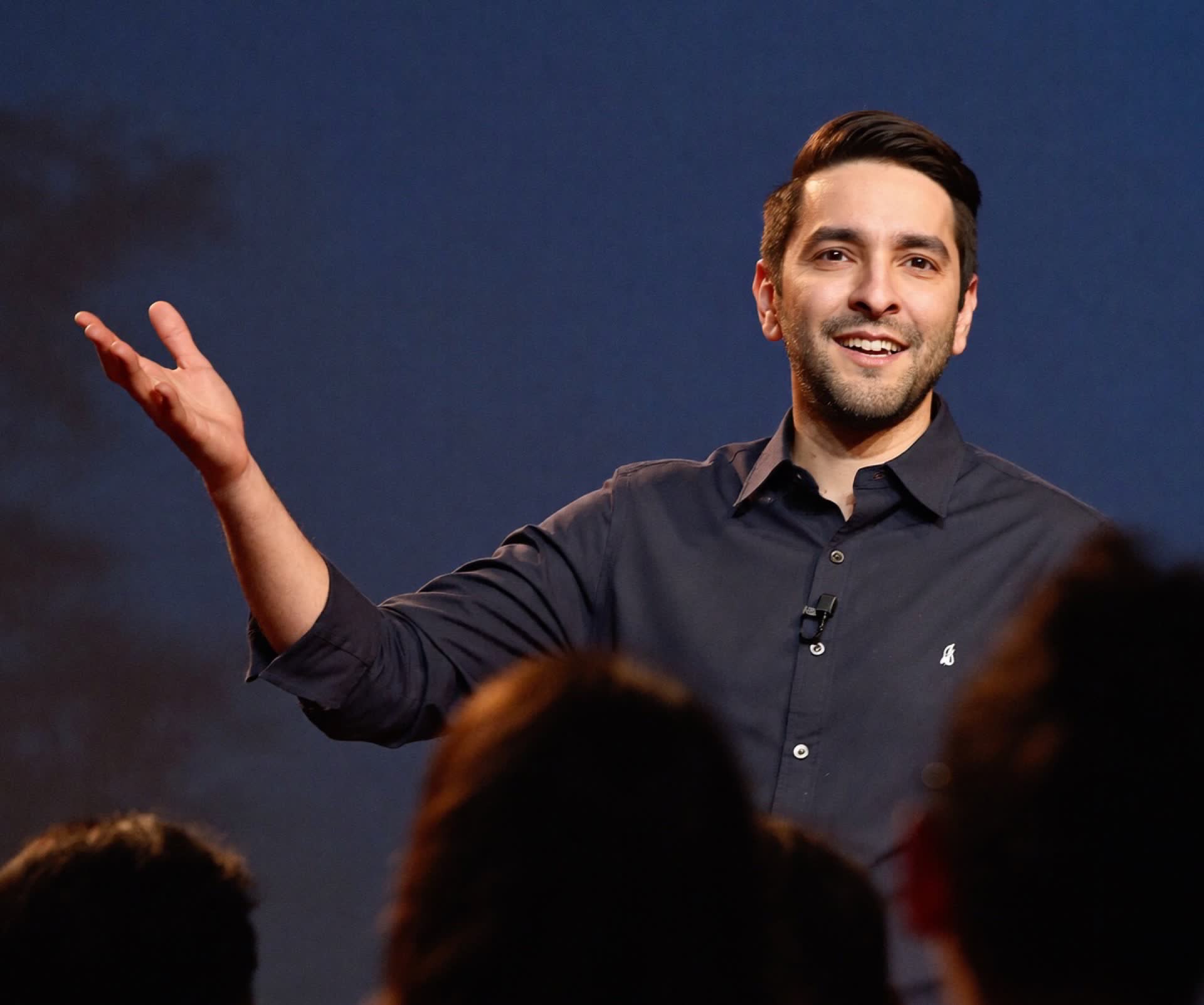
Karandaaz Chief Risk Officer Ammar Habib Khan walks through what risk management actually means in Pakistan, why financial inclusion stalls at the mindset layer, what Raast could unlock if banks let it, and the only two scenarios he sees for the country in 2050.
with Ammar Habib Khan
11 min read
What a chief risk officer actually does
The episode opens with Muzamil welcoming Ammar Habib Khan, the chief risk officer at Karandaaz Pakistan, and asking him to define the job in his own terms. Ammar’s framing is broader than the title suggests. Risk, he says, is in everything. “We’re sitting here right now, an earthquake could happen and it’d all be over. That’s a risk.” The discipline, in his telling, is the work of identifying the non-zero probability of something going wrong, then deciding how to avoid it, mitigate it, or live with it.
He is blunt about how Pakistanis tend to handle this in practice. “Ideal risk management in Pakistan is basically Ayat-ul-Kursi,” he says. People do not insure their cars even after theft. The foundations of the house are an afterthought. The professional discipline he practices is, at its core, an attempt to take that gap seriously.
Ammar traces his own path through it: IBA Karachi for a bachelor’s in finance, a stint at HSBC covering risk management and serving as the country economist for Pakistan, then a master’s in economics from Barcelona. He chose economics over an MBA because he did not want to relearn the same material, and Barcelona because the weather sits between twenty-two and twenty-four degrees year round. He notes, with some sadness, that the city is full of Pakistanis from one specific district — Gujrat — and that despite free state education, the children of that diaspora generally do not study.
Why HSBC and the global banks pulled out
The conversation moves quickly into a piece of recent banking history that Ammar lived through. HSBC has been shrinking its footprint not only in Pakistan but globally, and he attributes it to two compounding forces.
The first is competitive. After the financial crisis, the bank’s leadership concluded that in markets where four or five large local banks dominate, an international franchise simply could not compete. The second is regulatory. FATF, anti-money-laundering rules, and counter-terror-financing requirements pushed compliance costs to a level where operating in a market designated as risky was no longer worth the reputational and penalty exposure. He cites HSBC’s Mexico drug-money fine, Deutsche Bank’s penalties, and HBL’s roughly one-hundred-fifty to two-hundred-million-dollar fine in New York over flagged Saudi-bank transactions. “After that, HBL shut down its US operations. Banks do that.” The result, over the past decade, is that local banks have absorbed the space international banks left behind.
The taxpayer passport that cannot exist
Muzamil raises a personal frustration: the difficulty of getting visas as a Pakistani, even when invited by a foreign ministry, and the suggestion he has heard floated of a “taxpayer’s passport” — a tier above the standard document for filers. Ammar engages with the idea seriously and then dismantles it.
The mechanics, he says, are straightforward. A tax number could in principle serve as a credential — anyone above a certain threshold of paid tax could be treated as a verified, low-risk traveller. But the foreign side would never accept it. “That would be discriminatory. How would that country justify accepting only a certain kind of Pakistani? They simply wouldn’t.” The instinct, he agrees, is right. The instrument is wrong.
He extends the diagnosis. The friction Pakistanis face at embassies — the buses, the security cordons, the humiliating queues — was justified in a particular era and has never been dialled back. “Once a wall goes up in this country, it doesn’t come down.” He points to the State Bank as another example of the same pattern: rules accrete, never recede.
The Thar coal years and the real cost of electricity
Ammar’s post-Barcelona return to Pakistan landed him in financial modelling for the Thar coal complex around 2014 and 2015 — the early CPEC years. His job was to determine the unit cost of coal coming out of the ground and the price at which it could be sold to a power plant. The coal is being extracted today, he confirms, though its quality is poor.
Muzamil pushes him on the renewable-versus-coal comparison and Ammar reframes the question. Renewables, he argues, cannot be the only thing in an energy mix because they do not provide base-load power. Fossil fuels do. Nuclear, in his ranking, is the cleanest and most efficient base-load source, followed by solar and wind in the mix.
The sharper point comes when he breaks down a Pakistani electricity bill. Roughly six rupees per unit is the actual generation cost, all-in, on a twenty-year basis. By the time the consumer sees the bill it is closer to twenty-five. Of the gap, three to four rupees is capacity payment cost. Most of the rest is transmission inefficiency: of every hundred units pushed into the wire, only eighty arrive at the house. “That twenty-unit gap — someone has to pay for it. You and I are paying for it. That is the inefficiency no one talks about.” His arithmetic is direct: of twenty-five rupees, fifteen are recoverable immediately if anyone chose to do the work. The conversation in public stays stuck on capacity payments alone.
What Karandaaz is actually trying to do
Muzamil asks Ammar to explain Karandaaz, which he says he sees the name of everywhere. Ammar describes it as a grant-funded entity, financed by the UK’s FCDO and the Bill and Melinda Gates Foundation, with a single ultimate objective: financial inclusion as a route to poverty reduction.
The theory of change he articulates is concrete. In rural Pakistan, women often do not have phones in their own name, let alone bank accounts. If a woman receives her income in cash, deductions and lost agency follow. If she receives it into a bank account she controls, the financial decision belongs to her. Aggregated across the country, this raises the velocity of money — the speed at which currency changes hands — and shrinks the cash drag that suppresses formal economic activity.
The second mandate Ammar describes is SME lending. He admits he did not appreciate the scale of the problem before joining Karandaaz. SME lending as a share of total credit in Pakistan has been declining for years, and now sits well below comparable economies like India, Bangladesh, Thailand, and Vietnam. The reason, in his telling, is that banks have no incentive to underwrite small businesses when the government borrows from them at eight percent on a risk-free basis. “Why would a bank lend to a small business when the sovereign is paying eight percent risk-free? There is no risk-free in this world, but that’s the perception.” A third programme supports women-owned businesses specifically — the Women Venture Programme — where the obstacles are less about formal regulation and more about a banking culture that still asks for male references on routine applications.
Regulation as obstruction
This is where the central thesis of the conversation surfaces. Muzamil describes opening a brokerage account in twenty minutes and Ammar lights up. He contrasts it with the standard experience and lays out his diagnosis directly: “Regulation is written to facilitate people. Regulation is not written to harass them.” In Pakistan, he argues, the operating mindset has reversed that. The default posture of the regulator and the institution is suspicion of the user.
He widens the lens. India, he points out, has account portability — a citizen can pick up their bank account, with its full data history, and move it to another bank. “You own your data.” Robinhood lets a user start trading stocks in three minutes. Binance lets a user trade crypto in three minutes from anywhere in the world. The regulatory requirements for the underlying compliance work are no different. The gap is mindset.
He returns to the State Bank example. Branches still close on the first of every month for reconciliation. “Forum mein regulator action lena chahiye — yeh kya mazaak hai branch band ho? Your app is also your branch. In fact, your app is the biggest branch — trillions of rupees of business runs through it. And you cannot run it properly.”
Raast, and the pipe that could carry everything
Ammar’s most expansive section in the conversation is on Raast, the State Bank’s instant payment infrastructure. He frames it through an analogy. “Picture a very large pipe. Data flows through it in two directions. Banks connect to the pipe. Fintechs connect to the pipe. A user puts in their CNIC details. Those go straight to NADRA. NADRA confirms the person is verified. Then the user asks for all their linked accounts. The brokerage app, sitting on the pipe, sees that this CNIC is linked to five accounts and pulls them in instantly.”
Two consequences follow. The first is that identity becomes the addressable unit of payment. Sixteen-digit account numbers stop being how people send each other money; an identity card number or an email-equivalent handle does the job. The second is that payments separate from the rest of banking. The same institution no longer needs to be the deposit-taker, the lender, and the payments rail. Payments becomes an open layer that anyone can build on.
He is direct about the prize. “This is the power of Raast if used effectively.” The blocker is not the infrastructure. It is the willingness of incumbent banks to treat their digital surface area as the front door rather than a sideshow.
Why Pakistani fintech keeps shipping the same app
Muzamil raises something he has been circling all episode: a screenshot he saw the previous day mapping roughly three hundred Pakistani fintech companies. Almost all of them, he notes, sell some variant of utility-bill payment. He shares his own frustration with EasyPaisa’s twenty-five-thousand-rupee daily receive limit on an account that should be his primary digital wallet. Why, he asks, has nobody cracked QR adoption the way India has?
Ammar’s answer is structural. Part of it is the limit regime — daily caps that make a mobile wallet usable for a chai run but not a real-world purchase. Part of it is that the consumer faces no penalty for staying in cash. “Cash has zero cost for the consumer. I have a hundred thousand rupees in my pocket. I can walk around with it. What is going to incentivise me to use an app? The app has to do something cash cannot. The one thing it can offer is convenience.”
If the app is not convenient, he argues, the user tries once, tries twice, and abandons it. It has to work one hundred percent of the time. He runs through the contrast: Spotify entered Pakistan and signed him up in two minutes — email address, card number, done. The local music apps that preceded it shipped with no user interface to speak of, no payment adoption, and no design intuition. “Spotify killed them.” His broader claim is that no Pakistani consumer app stands up as something a person would describe as world-class. He challenges Muzamil to name one. Neither of them can.
He ends the section with a point about audience. “The first people who build these apps in Pakistan are people like us. And the apps are built in English — for two percent of the country.” His frustration is that the lowest-income segment is being squeezed for the data and the transaction volume but is not being given a product designed for them. The opportunity is to build for that market properly, not to extract from it.
The two scenarios for 2050
In the closing stretch, Muzamil asks his standard long-arc question. Ammar is thirty-five. Where does he see Pakistan in 2050, when his children are reaping the consequences of the decisions made now? Given that he is a risk officer by training, Muzamil asks for the worst case, the middle case, and the best.
Ammar refuses the middle case. “There is no middle ground.” His worst case is the country continuing on its current trajectory. Income levels, lifestyle, and basic indicators have deteriorated, and another twenty years of three-to-four-percent growth produces a Pakistan that has been overtaken decisively by its peers. He uses Vietnam as the comparison point. “Until 2004, Pakistan and Vietnam had roughly the same income per capita. Today Vietnam is four times Pakistan.” Sixteen years. One sustained growth period of ten to twenty years at five percent or more, he argues, would compound into a completely different country.
The best case he describes is income per capita of fifteen thousand dollars or more, an economy that has moved beyond agriculture into whatever the technology-plus stack of the 2050s turns out to be, and — most importantly — the basics working. Drinkable tap water. Functional public schools. Accessible health care. He frames the order of operations bluntly. “Give people water and food. The rest will figure itself out. Give them school education. Give them health. People will do the rest.” The reason it has not happened is not the land — Pakistan has five rivers and fertile soil — but mechanisation and policy. Pakistani crop yields, he notes, are among the worst in the world, and the problem is operational, not natural.
By the end of the conversation, Muzamil makes the standard ask: if a listener is going to disagree, do it in the comments, not by quietly unfollowing. He tells the audience he would personally like to know what specific steps could push the country toward eight or nine percent growth — a thread he wants to pull on with Ammar in a second conversation.
Full transcript
स्लाने ख़विती नज़रात welcome back to the episode third behind. Thanks आज मेरे साथ मौजूद है एक बहुत ही ख़ास मेहमान जिनको all over the place but we have finally gotten a hold of him. Amar Habib Khan who is the chief risk officer of, करण दाज़, Pakistan. Sir, thank you so much for being part of the show. I'm gonna start off this conversation with just sort of trying to understand what do you do as a chief risk officer? Chief
risk officer, risk एक ऐसी चीज़ है जो कि हर चीज़ में होती है. Right. ठीक है? हम यहां बैठे हुए यहां पर एक दलदल आ सकता है और सब खत्म हो सकता है. यह एक risk है. Risk क्यों होता है? किसी भी चीज़ क्यों होने की? एक probability होती है एक जिसे कहते हैं कि कुछ ना कुछ कभी भी हो सकता है, ठीक है? And that is a non zero probability. वह चीज़ basically risk होती है. Right. उस चीज़ को किस तरह manage करना है? किस तरह आपने risk को avoid करना है? किस तरह उस चीज़ को कम करना है? वह मैं करता हूं. जल्द जला यहां पर आ सकता है, ठीक है? मगर आप ensure करेंगे कि इस घर की foundation अच्छी है. Ideal risk management in Pakistan is basically आयतल कुर्सी. हां. ठीक है? लोग insurance नहीं कराते गाड़ियों की. अपनी तो छोड़े, लोग गाड़ियों की insurance नहीं कराते, गाड़ियों की बात जाती हैं. चोरी होने के बाद भी लोग insurance नहीं कराते कि नहीं जी, अच्छा. Actually मैं बोलूंगा it is Pakistan के सबसे पुराने schoolओं में से एक है. अच्छा. Eighteen fifty seven, अठारह सौ सत्तावन में जो है यह school बना था. Right. तो उसके बाद से ही I think मैं यही सोच रहा हूं शायद वहीं से मुझे यह चीज़ आई है Right और high school के बाद आपने, you know, आपने आला तालीम खाली. आला तालीम खाली है. हम चले गए एक जगह है कराची में IBA. Right. IBA से bachelor's करा. वहां पर कोई, समझे कोई चार साल का bachelor's करा. Right. Finance में. Right. फिर उसके बाद नौकरी पर लग गए बहुत ही कोई एक standardized जो एक banker की नौकरी होती है investment banker की investment management की जो नौकरी होती है उसमें लग गए HSBC में था मैं कुछ अर्चे के लिए. HSBC चार साल हो गया है. वह अपना footprint कम कर रहे हैं. हाँ हाँ. सिर्फ Pakistan की बात नहीं हो रही है. दुनिया भर से जो है footprint कम कर रहे हैं. यह post financial crisis? Post financial crisis जो है उनका एक theory उनकी यह आई कि जी हम इन markets में compete नहीं कर सकते. जहा पर जैसे अगर RBS है या HSBC मौजूद है, उसके साथ साथ बहुत बड़े चार पांच bank भी मौजूद हैं जो कि local dominate करते हैं. उनके साथ आप compete नहीं कर सकते, उनका मुकाबला आप नहीं कर सकते. तो बेहतर यह है कि आप बिस्तर बोरिया बंद करके वापस चले जाए. एक और वजह यह भी थी financial crisis के बाद और war against terror के बाद. आपने बड़ा एक नाम सुना होगा FATF का. बिल्कुल ऐसे. Money laundering का, anti terror financing की वह regulations बहुत ज़्यादा बढ़ गई. Right. तो जितने भी यह बड़े bank थे, international bank थे, उनकी यह cost बढ़ गई. उनको यह था कि जी हम इस market में operate कर रहे हैं. यह एक बहुत risky market है. Again risky की बात कर रहा हूँ. Right. ठीक है? उनका कहना यह था कि यहाँ पे अगर कोई भी एक transaction हमें मिल गई, कोई भी ऐसी चीज़ हो गई जिसका terrorist financing से तालुक है, money laundering के तालुक हो, तो हमारा एक reputation का issue है. Right. और दूसरा यह है जो हमारा regulator है या जिस मुल्क में हम काम करते हैं वहां पर हमें शदीद penalties लगेंगी. Right. HSBC के साथ यह हुआ था Mexico में. वहां पर कुछ drug money था. वह उसकी laundering कर रहे थे और शदीद उनको fines लगे. Deutsche Bank के साथ हुआ. दुनिया भर में जितने भी bank हैं, उन सबको heavy fines लगे हैं. In fact, recently HBL को भी हमारा जो Pakistan का bank है, वहां पर New York की branch को उसको शदीद एक fine लगा था. किस चीज़ का? Anti terrorist financing का. उसने basically हुआ यह था कुछ transactions ऐसी थी जो कि कोई Saudi bank था उसके through हो रही थी. अच्छा. वह इन्होंने flag नहीं करी, उन्होंने बताया नहीं. Right. वह उस चीज़ को improve नहीं कर पाए eventually जो अमरीका का regulator है Fed, उसने जो है इन पर कोई तकरीबन ऐसे डेढ़ सौ या दो सौ million dollar का fine लगा था. उसके बाद HBL ने भी अमरीका के अपने operations Right. बंद कर तो banks do that. Banks do that. अब यह कर रहे हैं पिछले दस साल में यही हो रहा है कि जो local banks हैं, banking job? This is, this was risk management. Risk management. ठीक है, I was risk management as well as the economist for Pakistan there. Ok. ठीक है, HSBC जो है rating करता है एक हर मुल्की तो मैं उसकी भी rating करता था. ठीक हो गया. अच्छा जी. फिर उसके बाद मैंने पुछा क्या करें? मैंने कहा वक़्त आ गया कि masters किया जाए. Right. Masters करने चले गए, masters करने. अच्छा उसमें normally लोग एक route लेते हैं कि जी हम bachelor's के बाद जो है MBA करेंगे. यानी यार MBA नहीं करना वही चीज़ फिर से पढ़कर क्या करना? क्या फ़ायदा? कुछ ऐसा करता है नया करते हैं. मैंने सोचा कि जी एक हम करते हैं economics से masters. ठीक है. अच्छा economics से masters जो लोग पता होगा कुछ लोग जो कि करते हैं उनका मौसम होगा जैसे मैं अपनी wife से कहता था हूं कि वहां का मौसम ऐसा है कि हर वक़्त ऐसी चल रहा हो. अच्छा. ठीक है? Between twenty two and twenty four degrees throughout the year. ना ज़्यादा सर्दी है, ना ज़्यादा गर्मी है. Barcelona में सिर्फ और सिर्फ Pakistan के एक ख्यते के लोग हैं. अच्छा. And that is गुजरात. गुजरात जो एक शहर और गुजरात जो district है पूरी वहां सिर्फ वहीं के लोग आपको वहां पर मिलेंगे. Frank बात कर रहे हैं, दुख भी होता है कि वहां पर state education, public education free है मगर जो पाकिस्तानी जो generation हैं, जो बच्चे हैं, वह वहां पर तब भी नहीं पढ़ते. अच्छा. तो यह एक अजीब सी चीज़ लगती है कि despite all facilities, दुनिया जहां के आप facility मौजूद हैं, फिर भी पढ़ाई वहां पर नहीं करते. So I mean interesting
बात है because I feel like कि जब हम education की Pakistan में बात करते हैं हम हमेशा यह बात करते हैं कि हम facilities provide करें, हम infrastructure पर invest करें but I think there is
aspect mindset there as का issue भी है इसमें. Cultural aspect में mindset का issue है. मतलब मैं एक आपको मिसाल दूँ. हमने beach में थोड़ा mood हुआ कि चुट्टियां आई long weekend. अच्छा Europe में it's very close everything. अच्छा जी हम गए हमने बोला यार यह visa चाहिए Morocco का. कहा कौन हो? मैंने कहा यार Pakistan से हैं. कहा रहा है कि Pakistan जो paper पूरे हैं. बोला यार क्या मतलब है paper पूरे हैं? भाई मतलब है मतलब visa visa है. I'm as legal as anyone can be. उससे यह चीज़ पता लगी कि बहुत सारे जो पाकिस्तानी आ रहे हैं वहां पर, वह legal नहीं है. ठीक है? यह Europe में specially यह काफी एक वैसी चीज़ है कि वह आ जाते हैं. हर दस साल बाद जो है कोई ना कोई amnesty आती है, पहुंचते हैं वहां पर.
चलो, that's that's Sorry. Switched the conversation. So, you were in Europe for two two years for your master. दो साल का था, एक साल का था? यार, दो साल. Pakistan में जाह रहे everything is very very complicated. मैं आपको बताऊं for example मेरा experience, मैं Germany जाना था last 2,019 की बात. जो ministry of climate change या ministry of renewable energies Germany ने उन्होंने मुझे बुलाया जी and minister साहब का letter था कि we'd like to invite you to तो बंदा सवाल यह आता कि यार ठीक है Pakistan मतलब क्या हम कर सकते हैं कि maybe we can begin to have a better visa regime? But then उसे counter यह आता है कि यार अगर जिस दिन यह आसान हो गया तो आपको पता है illegal immigrants. Million, बाशिन दे. India के भी 1,400,000,000 है तो higher India के भी more or less काफ़ी similar हैं. Similar, similar demographics. Similar demographic भी और similar visa है JMBIL की हम more or कहते ना कि ठीक है हमारी तो चले image ख़राब है. के filers हैं, पता नहीं कितने filers हैं. अगर Pakistan में हम एक taxpayer's passport अगर हम यह एक essentially कहते हैं कि यार आपका जो है ना वह एक वह
नहीं होता platinum membership होती है. क़रीब इतना कहे तो gold membership होती है. इसका तो बड़ा simple है. अब you don't need a taxpayer passport. Right. लेकिन आपको जो tax number है, that should be enough. Yeah. ठीक है? अगर आप file हो रहे हो, इतना certain आपने tax दिया होगा that should be enough. मगर that would be discriminatory. अच्छा. वह जो मुल्क है, ठीक है? वह यह किस तरह justify करेगा कि सिर्फ एक certain तो वह accept ही नहीं करेंगे essentially. Even if you get a passport, they'll be like कि यह आप क्या discrimination कर रहे हैं? हां, वही है ना travel has been made so difficult. इतना मुश्किल हो गया. अब मेरा दफ्तर blue area में है. यह क्या मतलब पत्थर पर हो तो किसी embassy पर जाकर लगेगा. Right. It's this close. मगर diplomatic onklet just the thought कि यार अंदर जाना पड़ेगा यार नहीं जाना. हां. ठीक है? मतलब to be honest एक दफ़ा मैं चला गया था. मुझे किसी embassy में काम था. Canadian उसमें काम था. तो मतलब it was a humiliating experience. यार एक जगह पर आप जमाओ, फिर वह bus में भरकर जाओगे like मतलब और हर बंद आप कैसे देख रहे होगा आप? आप कुछ तो वह very humiliating ना वही पता है नहीं जाना. हां. जाना ही नहीं है मतलब you will better off कि आप कराती चले जाओ, कराती में जाकर क्योंकि embassy are at least more accessible. Yeah. More approachable. यहां पर तो create a जैसे कहते हैं ना मतलब एक security zone बनाई हुई है. हां. ठीक है, एक ज़माने में it may have made sense मगर अब तो नहीं है. मतलब I think it's time हमारा यह होता है कि एक दवार खड़ी हो जाती है ना. उसके बाद वह गिरती नहीं है. मैं इसकी example दूं आपको State Bank है जैसे, फिर उसके बाद उस जमाने में नए power projects लग रहे थे. We're talking about 02/1415. यह CPAC वाले? CPAC वाले. Thur coal जो है बड़ा काम हो रहा था. उस पर Thur coal की एक mine पर मैंने काम शुरू करा. Right. Financial modeling का. Basically जो भी कोयला कितने का निकलेगा ज़मीन से और वह कितने का बिकेगा, ठीक है? वह मैं determine करता था. अच्छा. Essentially यह था कि जी इतनी ज़मीन है. ठीक, कोयला ज़मीन के नीचे है ना? Right. उसमें machine लगेगी, काम होगा, खुदाई होगी तो कोयला निकलेगा. Right. उसकी क्या cost होनी है? किस क़ीमत पर कोयला निकलना है? किस क़ीमत पर वह power plant को बिकना है? वह सारी calculation जीत थी. Right. वह मैं करता था. ठीक है और वह यह जो कोयला है जो थर से निकल रहे हैं, निकल रहे at this point in time? नहीं निकल रहा है, बिल्कुल निकल रहा है. और यह कहां कहां पर बिक रहा in terms of यह अच्छा थर का जो कोयला है उसकी quality जो है ना वह बहुत ख़राब है.
अच्छा अगर number की मैं बात करूं, you know, आपका वह होता है solar है for example. ठीक है? बहुत लोग कहते कि solar देखें renewable है, energy बड़ी है. लेकिन obviously हम इसको unit cost भी नहीं देखिए. आप unit hour cost भी नहीं देख रहे थे. कारणव kilowatt hour essentially उस तरह से. अगर मैं compare करूं between the CapEx of solar and the CapEx of जो आपका Coal. Coal, right? और फिर operations आ ही रहे उसकी solar की तो बहुत थोड़ी है लेकिन coal की operational cost ज़्यादा है. Between those ten years के case में मुझे कितना difference पड़ेगा in terms of the cost? देखिए cost से ज़्यादा जो important चीज़ है वह यह है कि कोयला जो है ना कोयला,
gas, oil ठीक है जो fossil fuel आपकी होती है यह आपको एक देती है base power. Fossil fuel can provide consistent power. Renewable एक बहुत अहम् चीज़ है. Right. Renewable can be a part of your energy mix. Right. It cannot be the only thing in your energy mix. Right. तो energy mix में nuclear is important, ठीक है? Nuclear एक आपको base load power देता है. Nuclear फिर कहता है सबसे जो efficient fuel है या सबसे जो low carbon emission जो चीज़ के हैं, environmentally जो सबसे ज़्यादा friendly fuel है that is nuclear. Right. ठीक है? फिर उसके बाद solar, wind और फिर ये दूसरे fuels आते हैं. नहीं, so that's why I agreed there. ठीक है यह cost है या यह वह है जो government को बेची जाती है? यह जो छह रुपए unit की बात कर रहा हूं मैं आपसे यह सब कुछ included है इसमें. ठीक है? उसको लगाना, उसको operate करना let's say कोई बीस साल की basis पर छह रुपए unit लगेगा तो जितने सात, साढ़े सात. आठ कितने बज गए ना? आठ बज गए. ठीक है, आठ बज गए. चलें. आठ में से तकरीबन तीन रुपए जो है, तीन से चार रुपए आपकी capacity payment की cost है. ठीक है. ठीक है? और बाकी आपकी transmission की cost है. Power plant बनाता है ना? बना के वो एक तार से एक hub पर भेजेगा. फिर उस hub से जो है आपके घर में आएगी. वो बहुत inefficient है. अगर आप सौ unit एक power plant बेच है, रहा है. ठीक है? सौ unit किसी ने produce करके तार में डाल दिए. Right. आप एक घर तक पहुंचते पहुंचते सिर्फ़ अस्सी unit बचते हैं. Right. बीस unit किसी को तो पैसे देने हैं ना, वह मैं और आप दे रहे Right. यह है inefficiency. जिसकी कोई बात नहीं करता. ठीक है? वह एक एक हम एक चक्कर में लग जाते हैं capacity payment फलाना, capacity payment capacity payment. भाई capacity payment का तो मसला है. दस रुपए के जो taxes हैं वह तो कहीं पर तो जा रहे हैं ना. Right. चार रुपए, पांच रुपए की जो inefficiency है, क्या कहते हैं बिजली की, transmission की, उस पर भी कोई काम नहीं हो रहा. तो पच्चीस में से पंद्रह रुपए तो आपके ऐसे हैं जो कि can be tot Reduced immediately. Can be reduced immediately, can be mitigated. But that's what I'm अगर आप उसकी income ठीक है, percentage of income अगर आमदनी से आप link करोगे तो सबसे ज़्यादा tax सबसे गरीब आदमी देता है. This is regressive taxation. मगर फिर भी लोग आकर बोलते कि जी लोग लोग tax चल रहा है. काम चल रहा है और थोड़ा सा if you can, you know, run me through about what करान दास does. हां. Because I feel like I see that name everywhere. हां, अच्छा, करान दास जो है, करान दास is basically एक इदारा है which is funded by FCDO which is Foreign Commonwealth and Development Office of United Kingdom and the Bill and Melinda Gates Foundation. Right. ठीक है? These are purely grants जिनका मकसद जो है ultimate objective यह है कि financial inclusion हो इस मुल्क में और financial inclusion के through क़ुरबत कम हो. ठीक है? एक theory of change है जिसको हम लेकर चलते हैं. जैसे होता यह है कि आप अगर किसी को financially empower करोगे, ठीक है? आप अपने घर में आप जो हमारे त्यारे किसी इलाकों में जाकर आप देखेंगे ख़वातीन है जैसे, ठीक है? ख़वातीन के पास phone नहीं होते. Right. Phone होते भी तो उनके नाम पर नहीं होते, ठीक है? हां जी. तो उन ना उनके पास कोई bank account होता है. अगर आप उनको empower करोगे कि वह अपने financial decision ख़ुद ले सकें, ठीक है? तो automatically इससे एक poverty पर impact आएगा. ठीक है. क्योंकि अभी तो यह होता यह है कि आपने भी देखा होगा कि काम करते हैं, हवाती काम करती हैं. या दूसरे लोग काम करते हैं, उनको payment मिलती है cash में. Right. ठीक है? अब cash में payment मिलती है, कटाकर मिलती है, कोई tax नहीं है तो कुछ नहीं देता. जब वह एक system के through आ जाएगी जहां हर किसी के पास एक bank account होगा उससे overall जो जैसे कहते हैं ना
connectivity
जो है वो बात है. Connectivity एक तो increase होगी और cash circulation जो है Right. वह जैसे कहते हैं economy में कम हो गई. जब cash circulation economy कम हो गई ना यानी ज़्यादातर transaction bank के through हो गई. एक चीज़ होती है velocity of money. Right. Velocity of money यह कितनी तेजी से पैसा जो है एक हाथ बदल रहा है. पैसा हाथ बदल रहा है. Right. तो जितना पैसा हाथ बदलेगा इसका मतलब यह है कि उतनी economic activity हो रही है. Right. ठीक है? अगर मेरे पास Right. जब हर किसी के पास एक अपना account होगा, जब लोग financially empowered होंगे तो automatically जो drag है ना economy का, यह ख़त्म हो जाएगी. तो एक mandate जो करान्दास का है that's financial inclusion. Right. दूसरा जो एक mandate है बहुत critical वह है SMEs जो हैं, जो छोटे अदारे होते हैं economy में, small and medium enterprises. वह एक economy का कहते हैं backbone है और बाकी पहले मुझे इस चीज़ का अंदाज़ा नहीं था मगर जब मैंने काम करना शुरू किया अंदाज़ा हुआ कि यार यह बहुत बड़ा area है जिस पर कोई focus नहीं करता. Right. Focus इसलिए नहीं करता कि एक bank है, ठीक है? Bank का काम क्या होता है दुनिया भर में कि जी loan देना, businesses को loan देना. आपसे depositor से पैसे लेना, business को loan देना और कोई उम्मीद रखना कि borrower है इस मुल्क में वह हुकूमत है. Bank यह कहता कि यार जब हुकूमत मुझसे पैसे लेकर आठ percent पर दे रही है और हुकूमत का पैसा risk free है. Risk की बात है risk free तो इस दुनिया में कुछ भी नहीं होता. वह एक बाद में आऐंगे. Pakistan में SME की जो lending है, SME की जो borrowing, SME lending as a percentage of total credit. यानी कि जितना bankओं ने credit दिया हुआ है, उसमें SME का portion जो है. Credit सेमराज for example कर्जा जितना दिया हुआ कर्जा जितना दिया है. उसके बाद से जब यह नीचे गया है, पिन्नी बड़ा, हम हम भारत से compare कर लें. बांग्लादेश, Thailand, Vietnam जो एक pair मुमालिक हैं, वहां पर उनके मुकाबले में हम लोग बहुत कम हैं. Right. तो कराना दास का एक जो बहुत critical focus है वह यह है कि SME lending जो है उसको बढ़ाना किसी तरह. ठीक है? एक और हमारा जो program है वह है ख़वातीन के जो businesses हैं उनको support करना. Women venture program है उसको हम कहते हैं कि जो भी ख़वातीन business करेंगे, अच्छा SMEs तो हैं, जो है ना वह कहते हैं कि यार आप कैसे कर सकती हैं? मतलब आप हम नहीं हमें दो खाओं, तीन चाहिए जो कि बोलेंगे कि हां भई reference है. This is not a witness. ठीक है? वह तो एक law है, वह एक अलग चीज़ है. बहुत ही कोई धक्कानी उसी law है बकर वह एक अलग चीज़ है मगर यह no regulation this is just a reference. मगर mindset यह है कि यार नहीं कर सकते. हां. ठीक है? और यह मैं बात कर रहा हूं urban areas की. हां, rural का तो हम कर रहे हैं areas की, well educated लोग हैं, यह सब हैं. उसमें यह हाल है, Dormant हो गया इधर बैठ जाएं, ठीक है? हमारा बंदा आ जाएगा. Within twenty minutes, बीस minute में मेरा नया account भी खोल गया. अच्छा. उसने इज़्ज़त भी दी मुझे. उसने मेरा एक debit card भी उस वक़्त दिया. सब कुछ हो गया बीस minute में, हज़ाब हो गया brokerage account खोलना. अभी भी कहते कि sir यह bank statement में सेंगे. यार bank statement में क्या करना है आपने मेरी? हां. ठीक है? मतलब इस तरह financial inclusion नहीं हो सकती जब तक कि mindset Robin Hood आप download करो, ठीक है? Within three minutes, ठीक है? आप stock trading कर सकते हो. एक चीज़ है Binance के नाम से app है cryptocurrency की. Binance app download करो दुनिया किसी भी कोने में हो. Within three minutes आप trade कर सकते requirement थी उन सारी चीज़ों की तो पर तो वह state bank का employee भी भरे हैं वह पूरी तो mindset का issue है, ठीक है? उसमें regulation हो. Regulation देखें regulation बनती है लोगों को facilitate करने के लिए. Regulation इसलिए नहीं बनती है कि आप लोगों को बगाओ.
अच्छा.
क्योंकि जो bank में जो आपका पैसे तो आपके ही obviously जो data है ना वह भी आपका है.
अच्छा नहीं एक second. So what essentially what you're saying is कि आपने अपना bank with the cash with everything उठाया और आप किसी और bank में ले गए उसी वक़्त उसकी service. अच्छा. आज मुझे इस किसी को पैसे भेजने थे. ठीक है? It took me around eighteen minutes to add them as a beneficiary before I can make the transfer. अच्छा उसके बाद क्या हुआ कि अब वो बंदे का जो account था ना वो
अगर banks adopt कर लें So will be that was gonna be my next question. मैं Tell me a little bit about बताता हूं आपको. मैं एक एक मैं आपको example के साथ देता हूं. मेरे साथ देता हूं आपको मैं, ठीक है? मैं एक foreign jurisdiction में था कुछ तरह से पहले. Right. उन्होंने बोला भाई account number की ज़रूरत ही नहीं है. मेरा email address पर कर देना. मैंने कहा अच्छा? मेरा हां हां करके देखो. मुज़ामिल मैंने जो उसकी bank की online website है, banking जो है मैंने उसमें login करा. बहुत सीधा साधा login जो कि पहली तारीख़ को बंद हो. हां. ठीक है? कैसा लगेगा? आपको क्या branch बंद हो? लोग बारहगढ़े में branch बंद हैं. हां. ठीक है? Forum उसमें ना regulator action रहेगा यार यह क्या मज़ाक है branch बनते हैं? Your app is also your branch. In fact, your app is the biggest branch. Yeah. ठीक है? Your app is the biggest branch. इसमें trillions का काम हो रहा है. आप उसको भी नहीं चला पा रहे तो यार, या तो मसला आप में. आपकी app में IAS सिर्फ़ सरा सा ना like है और कुछ भी नहीं है. Right. मतलब देखिए ना, दुनिया की app चल रहा है यार. कि यार technology curve पर हम किधर हैं? मैं आपको बताऊं technology curve पर we are well behind the curve ना मतलब बहुत पीछे हम लोग. जैसे मैंने India की आपको मिसाल दी. आप bank account अपना कहीं से भी उठाकर किसी और bank के पास ले जा सकते हैं. Data, you own your data. रास्त can do this. अच्छा. ठीक है? रास्त को आप vision करने के लिए बहुत एक simple सी मैं मैं साल देता हूं सबको. एक बहुत बड़ा pipe है. ठीक है. ठीक है? पानी का pipe होता है. बहुत बड़ा pipe है. Mhmm. ठीक है? उसमें से data flow कर रहा है. Right. रास्त में जो data का flow है, that will be in two directions. Right. How? उसमें होना यह एक बड़ा pipe है जिसमें सिर्फ़ data है. ठीक है. इस pipe में एक bank ने connect करा, फिर दूसरे bank ने भी connect करा, किसी fintech ने connect करा, मैं अपनी उसमें basic जो मेरी details हैं वह डालूंगा. शनाख्ती card की details डालूंगा. Ideally it should go straight to नादरा. नादरा बोलेगा कि हां यार यह MR की details हैं. This guy is verified. Right. ठीक है? फिर मैं बोलूंगा कि यार मेरे जो सारे bank account शन्ना वह मुझे चाहिए. क्योंकि उस data में pipe में सारा data move कर रहा है. Right. वह जो brokerage app है वह उसको पता लग जाएगा कि यार यह जो शनाख्ती card number है इससे यह पांच account linked हैं. वह सारे उठा लेगा वहां से. Right. This is the power of रास्त if used effectively. आपने मुझे पैसे देने हैं let's say. Right. आप बोलोगे यार हमारा account number क्या हैं? बोलोगे यार मेरा account number है, सोलह digit का account number है. बोलोगे यार मतलब कोई आसान चीज़ बता दो. Essentially वह आपकी identity वन जाएगा या आपका identity card number जो है वह आपकी identity होगा. किसी को पैसे भिजवाने वह उस पर भिजवा देगा. Right. बाकी आप फिर figure out कर लो उसका क्या करना है. So this is how इस तरह जो है चीज़ें बहुत हो जाएंगे. तो अच्छा अभी जो है ना अभी payments जो है ना पहले यह होता था bank payment भी करता था, loan भी देता था, deposit भी देता था, सारा काम करता था. Payments एक अलग layer वन जाएगी अब. ठीक है. ठीक है? और उसमें कोई भी आ सकता है. दो साल में. वह हमने यह कराया कि अब मेरे घर पर ठंडी coke सिर्फ़ पंद्रह minute में deliver हो सकती है. Right.
ठीक है? ठीक है? Court पैना के through. अगर airlift के पहले आपने तो मैं यह मैं मैं यह कराया मुझे जितनी नफरत
पांडा से ठीक है उसका वह नहीं मगर यार पंद्रह minute में उसने मुझे ठंडी cook दे दी. मैंने कहा ठीक है इससे अच्छी के बावजूद. This is I would say peak technology in Pakistan के बोलूंगा यार सनाम उन लोगों को उन्होंने अब मुझे नहीं पता क्या होगा? मैंने payment कर दी इसकी already. Mhmm. ठीक है? I am at sole mercy of that vendor. Mhmm. कि यार वह उसने अगर मुझे table भेज दी तो ठीक है वरना मुझे किसी के आगे जो है यह चीज़ है. रास्ते कमस्कम यह होगा कि जो cash पर reliance है वह कम हो जाएगी. अच्छा businesses जो हैं वह भी चाहते हैं कि यार cash कुछ businesses चाहते हैं कि direct हम bank transfer के through काम कर लें. वह ऐसे मेरा एक दोस्त है वह एक छोटा सा उसका electronics का काम है. Mobile phones, फलाना दिमागा, equipment gaming equipment यह सब. वह prefer करता है कि वह अपनी website के through card payments लें. मगर the process to become a merchant इतना complicated है कि बंदा बोलते यार नहीं करना मुझे यह काम. ठीक है, मेरा बंदा जाएगा घर पर,
cash लेकर आ जाएगा, सामान भी दे देगा, cash भी दे देगा और दो एक एक glass पानी भी पी ले. नहीं और उसमें ना वह एक it's like a talent show होता है पूरा का पूरा. Like so my wife has an e commerce business and we went through this entire process of you know getting the vendors and what not. वो ना आपसे आकर इस्ता करते हैं कि आपकी volume क्या है sir? आपका यह आपने ना पूरा अपना एक package लेकर जाना है कि sir हम कोई बहुत बड़ी चीज़ हैं तो please आप हमें लगा दें भाई एक API आपने install करनी है. API लगानी है. आप
देखिए पूरी दुनिया API पर काम कर रही है. हां. ठीक है आप किसी भी रहा है कि भाई मैं उसमें एक हिस्सा बनूं economy का, formally काम करूं क्या यार क्यों कर रहे हो भाई? Formally आप क्यों चाह रहे हो काम करना? नहीं करो काम formally और cash पर काम करो, tax avoid करो, क्या करोगे formally काम करके? यह चक्कर है. हम incentivize नहीं करते businesses को, formally काम करने में हम discourage करते हैं. Right. और यह चीज़ मतलब यह नहीं हुकूमत का है या कुछ है, वह एक mindset ही ऐसा बना हुआ है और हुकूमत भी यह कहती ठीक है सही है, कर रहे हैं, करने दो. Bar, खाना, चने side में बंदा अगर चने ही बेच रहा होता है ना? हां. ठीक है, वह भी कहता है उसका एक वह लगा होता है कि यार यह QR code है इस पर sign, इसको scan करोगे तो वह हो जाएगा. This is what adoption looks like. India में भी यही हुआ. India में massive digital adoption, ठीक है? Within two years हुई. यहाँ पे आप देख लें there is zero digital adoption. In fact जो लोग पहले card accept भी करते थे ना, अब वो नहीं करते. कहते कि यार आप cash दे दो, ना में tax देना पड़ता है.
मैं अगर कहता हूं कि यार HBL QR कर रही है या नहीं कर रही वह एक question mark है. Easy पैसा या JazzCash QR पर आ रहे थे एक दमाने में बड़ा शोर भी बचा है इसके ऊपर लेकिन somehow जब भी एक नया fintech आता है, नए लोग होते हैं, नया एक जज़्बा होता है, ठीक है? But somehow वह फंस जाता है. मैं यानी कि कल मैंने देखा था I I believe it was शैर यार हेद्री or someone who'd shared this entire sort of, क्या कहलाता है एक Ecosystem. Ecosystem of fintechs. 300 different apps. Companies in Pakistan, you know, huge exploding ecosystem. Somehow every app, every product is selling you utility pay payments. Utility bill payments. Utility कर लें, utility कर लें या Jazz के card ख़रीद लें या अपने EasyPass का card ख़रीद लें and I'm just like कि यार मैं आपको एक छोटी सी मिसाल देता हूं यानी मैंने अभी दो तीन दिन पहले मेरे पास Finja की team आई हुई थी और मैंने उनको भी यह मिसाल दी. And this is I mean this is still happening to me. In fact शायद e e z पैसा actually reached out. मैंने वो पढ़ लिया था आपका message, I will definitely do that but पचास हज़ार की मेरी limit है, ठीक है? मेरे ख़याली पच्चीस हज़ार per day की limit है कि मैं receive कर सकता हूं. उसके ऊपर पांच छह हज़ार रुपए आते ना दिन का.
कौन सा कोई अरबों रुपया काम कर लेगा यार. हां. Again risk management की यहां पर बात आती है tolerance levels होते हैं, filtration levels होते हैं. बहुत सारी चीज़ें होती हैं जिसके through through algorithms, through machines,
through basic coding, through common sense आप बहुत सारी चीज़ें filter कर सकते हो. Right. But that's that's my question right कि easy पैसा, jazz, cash all of these like fintech companies, new age they have the talent as well. Why have they not been able to do QR adoption? Because अगर मैं QR की बात करूं बड़ी simple सी मेरे दिमाग में एक चीज़ आती है कि यार एक QR code लगा हुआ है, Why have we not been able to get the QR side up? Is that a regulatory problem? Is what is that? या हमारा interest ही नहीं इस side पर? It's
a bit of both है. A तो like limit का issue है. ठीक है. मैं card से अपने payment करता हूं ना. Card निकालता हूं, उसको देता हूं. Payment कर देता है अब. Right. ठीक है? पच्चीस हज़ार की चीज़ों, तीस हज़ार की चीज़ों, it goes through. Right. ठीक है? QR code डालूंगा ना. मैंने कहीं पर खाना भी खा लिया. डेढ़ हज़ार रुपए का, Right. ठीक है? मैं उसमें अगर normal अपनी salary account से उसमें पैसे transfer करूंगा. उसकी भी एक daily limit है कि बीस हज़ार से ज़्यादा transfer नहीं कर सकते आप. Right. At any point in time यह जो आपने दो नाम लिए हैं इनमें आप ज़्यादा पैसे रख ही नहीं सकते. तो आप एक दफा करोगे, दो मरता करोगे. Consumer जो है ना consumer is like a goldfish. Right. बहुत quickly जो है ना वह अपनी loyalties बदलते हैं and rightfully so. Right. ठीक है? मैं सिर्फ़ और सिर्फ़ jazz cash और easy पैसे एक काम के लिए इस्तेमाल करता हूं. कि जो कि मैं किसी और चीज़ से नहीं कर सकता. It's easier forming कि मैं cash से कर लूं क्योंकि मुझसे यह नहीं बोलता कि यार आपकी तो limit ही नहीं है. Cash जो है ना मुसंबिल, cash का drag तो है. पूरी economy के लिए cash का drag है. मगर cash has zero cost for the consumer. Right. तो cash मेरे पास पड़ा हुआ है ना, मेरी जेब में अभी let's say एक लाख रुपए पड़े हुए हैं. एक लाख रुपए is a sizable amount. एक लाख रुपए मेरी जेब में पड़े हुए ठीक है, मैं एक लाख रुपए मैं लेकर घूम सकता हूं. This has zero cost to me. ठीक है? The what will incentivize me मुझे क्या ऐसी मार पड़ी है कि मैं कोई app use करूं? App मेरे लिए ऐसा क्या कर रहा है जो कि मेरे लिए cash नहीं कर सकता? तो इसकी जो substitution है ना, you have to give the consumer something और जो एक चीज़ आप दे सकते वह है convenience. अगर app convenient नहीं होगा, ठीक है? अज़ियत वन जाएगा. बोला कि यार नहीं करना मुझे. एक दवा करोगे, दो मरता होगा, तीसरी मरता बोला कि यार that's it, I'm done. ठीक है? And it needs to work every time 100% of the time. Yeah. मैं खड़ा हूं यहां पर. ठीक है? मैं यहां पीछे market में खड़ा हूं. ठीक है, मुझे QR code use करना है. ठीक है? कि जी payment किस तरह करनी है? Spotify Pakistan में आया. मुज़मिल मुझे दो minute लगे sign in करने में. उन्होंने बोला हमाराहब आपका email address क्या आपका email address यह है. Card number क्या है आपका? Card number यह है. इस्लाम वाले कुम आपका subscription start हो गई. दो तीन Pakistan में local app आए थे music के. Mhmm. आप देख लो उनका हाल क्या हुआ है? Zero payment adoption. Yeah. Zero intuitive interface. Yeah. ठीक है? Intuition तो मतलब user interface और user experience पर तो काम ही नहीं करना है ना. ऐसा कैसे हो जाए कि किसी के लिए आसान हो जाए काम करना नहीं नहीं, ऐसा नहीं कर सकता. ठीक है? Zero user interface, zero user experience and I don't see them anywhere now. Yeah. Spotify killed them. Yeah. वह बड़ा लोगों की जो होती है कि जी एक सिलसिला है. Right. User के ऊपर किसी का focus नहीं है. आप अभी यह जो आपने बताया कि तीन सौ companyयों के नाम थे उसमें. बड़ा कोई ecosystem है. एक आप उसमें कोई app बता दो या product बता दो. ठीक है? जो आप बोलते हो कि यार this is a world class product. मैं इसको daily इस्तेमाल करता हूं. You will not cannot think of a single local app. एक भी ऐसी नहीं होगी जो आप बोलोगे यार this is what I use on a daily basis. कोई भी नहीं होगा. साता पे पे मुझे लग रहा है पता नहीं क्यों?
हो चाहे तो अच्छी बात है ना मुझे वो लग रहा है कि they might be able to do it. The hype is there, the hype is there for a lot of things. The hype is there and also I feel like कि जो जो मैंने अभी तक उनका देखा है ना they actually have really focus on the user लीजिएगा. नहीं मुझे ये लगता है कि I think we are at the point where whoever sort of begins to answer the technology and the design problem.
तो eventually they will under being the winner like what? Problem तो है ही नहीं दुनिया भर में ये problem solve हो चुकी है. यह बात सारी है ना अगर problem तब बोलो कि यार दुनिया में कोई solve नहीं करो भाई. Solve हो चुकी है problem, the solutions are there, scale up के solutions मौजूद हैं, user interface, user experience के solution मौजूद हैं, everything is there. कि आप ने कुछ transfer भी करे ना वह बेचारा अगर वहां से निकालेगा, ठीक है? वह गरीब तरीके use कर रहा है, गरीब तरीके use कर Yes, रहा जो use कर रहा है your lower जो आपका segment है, ठीक है? They are using it and it's a great service for them. मगर उनके लिए इसको improve करने की ज़रूरत है. अगर आप lowest common denominator को कर रहे हो, इसका मतलब यह नहीं है कि आप जो है उसको निचोड़ लो उसको. नहीं, उसको निचोड़ो, निचोड़ने के बाद नहीं उसके user interface से focus नहीं करो. हां. इसका मतलब हरगेज़ यह नहीं है. इसका मतलब यह है कि यार आपके पास एक massive market है. उसको आप improve करो, उस product को आप evolve करो. Mhmm. ठीक है? आपका जैसे driver है, ठीक है? आपका driver कहता है क्या सबसे पहले जो हमारे app बनाते हैं ना वह बहुत दुख की बात यह है कि हमारे जैसे लोग बनाते हैं. ठीक है? और app बनते हैं सारे अंग्रेज़ी में. हां. एक उस percentage वाली com के लिए जो कि base barely 2%. दो फ़ीसद
एक button दबाया आपने communication start कर दिया. Communication मकसद आपका communicate करना है चाहे आप जिस ज़बान में communicate करो मकसद communicate करना है. बिल्कुल. अब वो communicate करना है. तो उन्होंने वो ask के वो कर दी अमार भाई we are at the one hour thirteen minute marks we try to keep our conversations around about an hour. I would love to have you over again whenever you have the time. एक question generally जब भी पहली podcast होती मैं सब लोगों से पूछता हूं and I'd like to ask you the same. How old are you? अगर if you're not, if you're 35. 35. So, thirty years from now give or take, you will be around 65. You'll be retired. Your kids will be sort of reaping the rewards. Maybe they're in Barcelona, maybe they're in Pakistan. Retirement के बाद आप लगता Pakistan में जाएंगे, बाहर जाएंगे. यार, retirement के बाद मैं Pakistan में रहूंगा. बाहर जाकर क्या करूंगा मैं? Right. So अगर Pakistan में आप रहेंगे तहरे Pakistan में आपका stake भी है. How do you see Pakistan of 2050? कुछ जिसमें मैं add कर देता हूं. Considering the fact that obviously आपका कोरिस्कवाला mentality है ना so आपका वह, you don't I would assume that you don't, always look at the bright side. You have the in innate ability to be able to figure out, care, what's the worst that could happen and then build your way back from there. I would like to ask the best case scenario,
the middle case scenario and the worst case scenario of how you feel like the country can evolve. Okay, let's start with the worst case first. Worst case scenario यह है we continue the way we are going right now. That is the absolute worst case scenario. इसके बाद से जानना पड़े नीचे से because this is nowhere to grow. Pakistan has deteriorated income level के हिसाब से, overall lifestyle के हिसाब से, overall हर चीज़ के हिसाब से जो है एक gradual deterioration हुई है. अगर इसी तरह आप अगले बीस साल तक चलते रहे तो बहुत बुरा होगा और बहुत सारी economies आपसे कई आगे निकल गई हैं. मैं एक हमेशा example देता हूं Vietnam की. Right. ठीक है? Vietnam war से recover करा था और Vietnam till 02/2003. Pakistan और Vietnam in fact 2004 तक Pakistan और Vietnam की income बराबर थी. Right. Now Vietnam की जो income है that is four times of Pakistan. February क्या बात है? जी, 2004 में और आप थे. Sixteen years, right? Not not a lot of period. ठीक है? So, sixteen years की मैं बात इसलिए कर रहा हूं. You just need a good growth period of ten to twenty years. Right. बीस साल आपने high growth के कर लिए. एक compounding effect होता है. Right. ठीक है? आप हर साल छह percent, सात percent, पांच percent plus पर अगर grow करते रहे. Right. This country will change massively in the next twenty years. If we grow at 5% plus, अगर यही तीन चार percent पर grow करते रहे और इसी पर डोल बजाते रहे, इसी पर ख़ुशियां बनाते रहे, कुछ नहीं होता पर. Right. What about the mid case scenario? Middle case scenario, middle case यही है. मतलब तीन की वजह से साढ़े तीन पर कर लोगे. Right. ठीक है? मतलब there is no middle case. आइए, you can be really good because you need to चलिए, so let's talk about the future. You need to understand कि जो population के pressure है, that's massive. Yep. ठीक है? To feed everyone, you need to grow very high. You can either really nail it. Right. ठीक है? Or you can completely destroy it. There is no middle ground there. Right. So, let's talk about the best case scenario then. What would that look like? Best case scenario would be income level should be $15,000 plus Thirty years में. Per capita 30 में, twenty years में. ठीक है? We have a more tech oriented अब पता नहीं तीस साल बाद tech होगा, क्या होगा? Tech plus type की कुछ चीज़ होगी. ठीक है? And you know we would be beyond looking at agriculture, ठीक है? And we would be more focused on technology. Basically focus tech पर होगा. We need to get out of this mindset कि जी agree है सब कुछ, That will be through technology. वह दूसरी चीज़ों के through होगा. ठीक है? So, in a best case scenario, ठीक है, we are looking at improved education levels. We are looking at improved lifestyle. We are looking at improved health. Right. ठीक है? अभी तो मज़ा मिल आप नलके से पानी भी नहीं पी सकते. Right. Water is a basic right. आप नलके से पानी नहीं पी सकते. आप school नहीं जा सकते. ठीक है? आप school जो हैं, school की education की quality है public schools की, it's just not there. Again बातें बहुत होती हैं but practical ground realities are completely different. So अगर पानी, basic school, health, ठीक है, ये तीन चार चीज़ें cover हो जाती हैं तो बाकी फिर economy अपने आप चल जाएगी. Right. ठीक है? You you got to cover this base, ठीक है? लोगों का आप पानी और खाने को दे दो बाकी जो है ना बाकी सब figure out हो जाएगा. School की पढ़ाई करा दो, health दे दो, बाकी लोग ख़ुद कर लेंगे. अभी problem यह है कि 55, पचपन से साठ फीसद एक जो income है घर घर आने की, वह सिर्फ़ खाने पर जाती है. आप बोलते हो बेटी bread basket of the region. बड़ा fertile land है हमारे पास. पांच दरिया है, फलाना है, दिमाक़ा है. Still do not have enough food to feed people. Right. और यह problem ज़मीन का नहीं है. यह problem आपका है, आपने mechanize नहीं किया था उसको. Right. Problem आपका है, आपने उसको एक inefficient तरीके से जो है वह कर रहा है. I mean, we have the one of the worst yields per One the the worst yields in the world.
Twitter पर like cancel ना करिएगा. ब्रह्म comment section में आकर बताइएगा कि नहीं cancel भी कर दिया. नहीं, हम prefer करते हैं कि तो we have a conversation. We try to understand what is it that you didn't like and, you know, you have a counter argument. Share that in the comment section below. You think यमार should come again please let us know कि किस चीज़ के बारे में बात करनी चाहिए personally I'd love to know more about कि अगर हम growth ज़्यादा 89% देखना चाहते हैं तो क्या हम steps ले सकते हैं उसके लिए I'd love to explore that next time
More from Thought Behind Things
Jun 30, 2026
Simon Dixon: the US empire is being wound down by design
with Simon Dixon
Simon Dixon argues the American empire isn't collapsing — transnational capital is deliberately unwinding it, and Pakistan's military has become its leverage in the transition.
Listen →
52:45 Jun 9, 2026
How Asad Mehmood landed Mattermost from Pakistan before A levels
with Asad Mehmood
Asad Mehmood walked into Mattermost before he had A levels, crossed two million dollars on Upwork, and now runs a design agency from Pakistan. He sat with Muzamil to lay out the framework underneath it: become undeniably good, then become visible, then sell outcomes.
Listen →
59:04 Jun 5, 2026
A 22-year-old Pakistani's road map to space by 2050
with Hassan Mossin
Hassan Mossin, a 22-year-old Pakistani astrophysicist training with the International Institute for Astronautical Sciences, walks Muzamil through the next twenty-five years of space — commercial stations by 2030, a lunar base by 2032, and why the bottleneck isn't food or oxygen, it's energy.
Listen →Never miss what's next.
The dispatch - new writing and conversations, straight to your inbox.
First name, last name, email - in your inbox weekly. No spam.