Skip to content

Thought Behind Things · Jul 26, 2021 · 55:38

The American who moved to Pakistan to build a unicorn

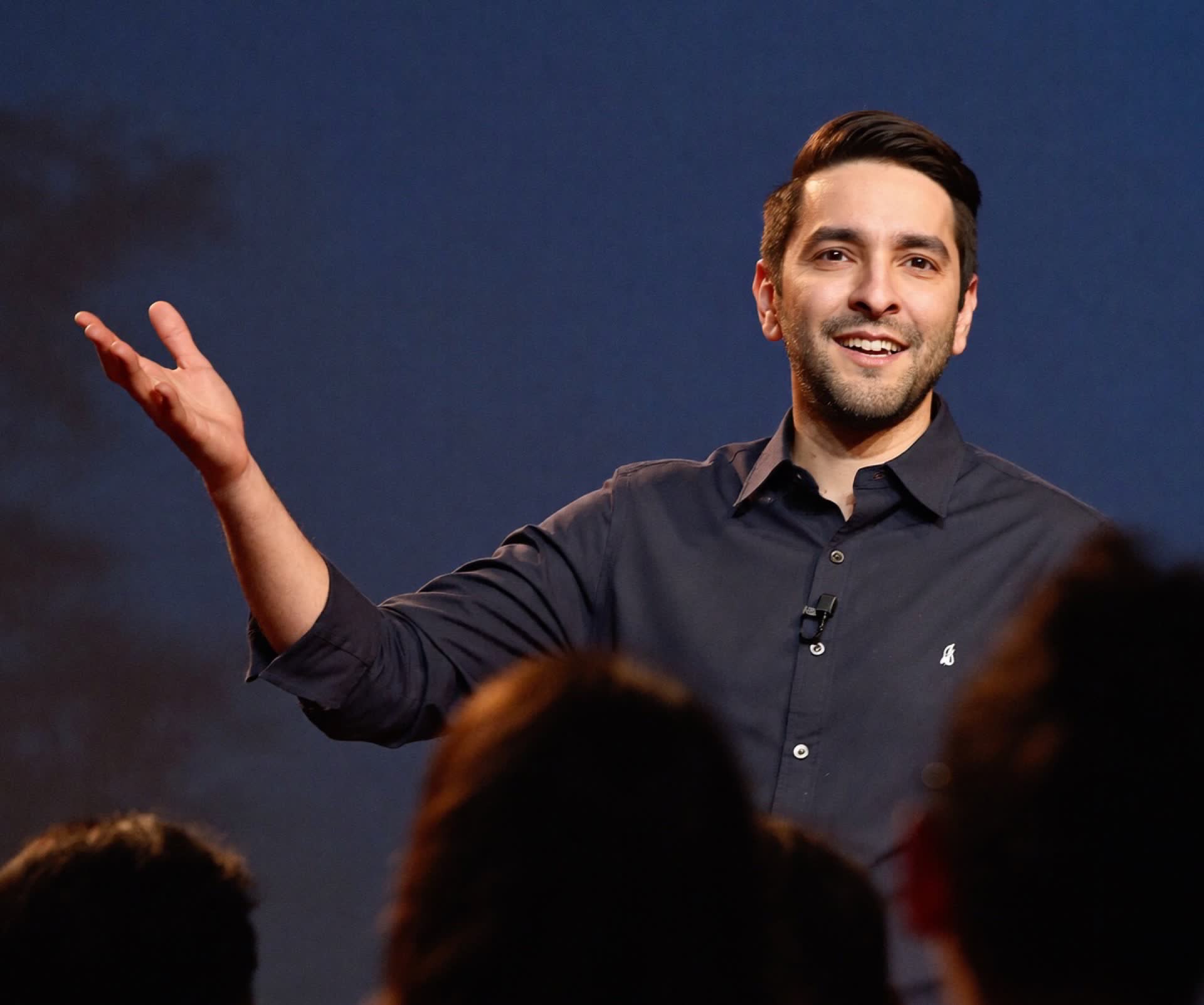
Jordan Olivas grew up poor in New Mexico, sold candy at school to make pocket money, and ended up as VP of Sales at a buy now, pay later company worth $45 billion. Then he moved to Pakistan to build the country's first BNPL platform — and he thinks it could be Pakistan's first homegrown unicorn.

with Jordan Olivas

11 min read

From New Mexico to Karachi: a background with no shortcuts

The episode opens with Muzamil introducing Jordan Olivas as someone who defies the easy narrative about foreign founders in Pakistan. Jordan is not a rich kid with spare capital looking for an exotic bet. He grew up in a town of three to four thousand people in New Mexico, in a household that ran paycheck to paycheck. His idea of a vacation was staying in a hotel an hour away. His idea of success, at the time, was becoming the manager of a retail store.

“I don’t come from a lot of money. I never went to Harvard or Stanford or worked at Facebook or Apple or Google. My startup that I worked at went — I had none of that. Nothing fancy.”

That context matters because it shapes how Jordan reads Pakistan. When he looks at talented, passionate people stuck inside a limiting bubble, he recognises something. He was that person. The difference, he argues, is not intelligence or work ethic — it is the circle of influence you happen to be born into.

He started early. With no allowance from his parents, he bought gum and candy from a store and resold it at school. That instinct — find a gap, move product, connect buyer and seller — ran through every job he held afterward.

A fintech career built from the ground up

Jordan’s professional path was entirely in financial technology, though he arrived there through hustle rather than pedigree. He worked at ARI Fleet managing fuel cards, then sold electronic bill payment systems for a Canadian company called CUBRA to government entities and utility companies. From there he joined RSS Software, a payment systems house where he was promoted to director of sales within seven months, at age 26.

The pivotal moment came when he joined Klarna — at the time a Swedish buy now, pay later company worth around three billion dollars. Jordan was there when they launched their pay-in-four installment product in the US, a format the market had barely seen before. By the time he left the broader BNPL space, Klarna was worth forty-five billion dollars. He then moved to ChargeAfter, a BNPL aggregator, as vice president of sales, where he built out the sales team and got a wider view of how the entire ecosystem worked across multiple providers.

That accumulation — fleet cards, bill payments, payment gateways, EMV certifications, card issuing, BNPL origination, BNPL aggregation — gave Jordan a rare end-to-end picture of how payments infrastructure actually functions. It also gave him the pattern recognition to spot a gap when he visited Pakistan.

The Fiverr message that started Kistpay

Alongside his corporate career, Jordan had been looking to build something of his own. He decided to open a software house focused on ecommerce and fintech. To find a co-founder, he sent a cold message to someone on Fiverr.

That person was Saad, who is now his co-founder at Kistpay.

“I literally messaged a random person on Fiverr three years ago. I was like, hey. You wanna start a software house together? Focus on ecommerce and fintech. And he’s like, sure.”

The software house grew to fifteen or twenty people. When Jordan came to Pakistan in person, he started asking basic questions about how payments worked — credit cards, debit cards, installments. He asked whether anything like Klarna existed. Nothing did. He looked at the landscape: fifth largest population in the world, over 220 million people, an extremely young demographic, a bubble of investment pressure that had been building for years. He could not understand why no one had done this yet.

Within weeks of deciding to move forward, Kistpay raised a million dollars. The first conversation to close took six weeks. The actual close took three weeks. The pre-money valuation was four and a half million dollars — high, Jordan notes, for Pakistan at the time.

How the product actually works

Muzamil pauses the origin story to make sure the audience understands what buy now, pay later means in practice, and Jordan walks through the mechanics carefully.

A consumer buys a product and pays in four equal monthly installments. There is no interest. There are no fees. There are no late charges. The product works on both credit and debit cards — which is the key technical distinction from how banks currently handle installment plans in Pakistan.

“With our solution, we don’t hold the full amount. We only authorize and settle the installment amount. So if it’s a 10,000 rupee transaction, time of purchase, we take 2,500 rupees. Thirty days later, we take another 2,500.”

On a credit card, the bank’s existing installment system holds the full amount upfront and settles monthly — which works because a credit card is a line of credit, not the consumer’s own money. On a debit card, that approach would drain the account immediately. Kistpay’s model only touches the installment amount at each interval, making it genuinely usable for the vast majority of Pakistani consumers who do not hold credit cards.

The revenue model sits entirely on the retailer side. Merchants pay Kistpay for the ability to offer a differentiated checkout experience. The consumer pays nothing extra.

Kistpay was also moving into in-store payments at the time of recording, with Philips and Costs among the first brands to pilot the physical point-of-sale integration. Other signed retailers included Uniworth, Xiaomi, and several celebrity fashion brands.

Becoming a trust authority without planning to

One of the more striking moments in the conversation is a story Jordan tells about an unexpected development. A consumer emailed Kistpay’s support line complaining about a defective product and demanding a refund. Jordan responded, assured them that Kistpay would cover a full refund if the retailer failed to honour its own policy, and invited them to visit the office.

It turned out the consumer had not purchased through Kistpay at all. They had paid cash on delivery. They had simply seen the Kistpay logo at checkout and assumed it meant the brand was vetted.

“A consumer didn’t even purchase with Kistpay, saw Kistpay at the point of checkout, and they said Kistpay is a trusted brand. They never even purchased with Kistpay. But consumers already trust us.”

Jordan had not planned for Kistpay to become a trust authority. The value proposition to retailers was about checkout optimisation and cost reduction. But something else was happening organically: consumers were reading the presence of Kistpay as a signal that the retailer had been screened. In a market where consumer protection infrastructure is thin and cash on delivery remains dominant precisely because of trust deficits, this was a significant and unplanned asset.

The credit problem and the proprietary underwriting model

Muzamil raises a question that sits at the heart of any BNPL business in a market like Pakistan: how do you decide who gets credit when there is no functioning credit score system?

Jordan is careful not to give away the specifics — “that’s kind of the secret sauce” — but confirms that Kistpay has built a proprietary underwriting algorithm developed entirely in-house, drawing on his own experience, his co-founder’s experience, and the team’s collective knowledge. Critically, Kistpay does not use the CNIC (national identity card number) as a primary underwriting input. Jordan considers it an irrelevant signal for their purposes.

He also addresses the fraud question directly. Loss rates are higher than global benchmarks, he acknowledges, but lower than the team expected. The model is being tightened continuously as transaction volume grows. The approach is iterative: transact, observe, adjust.

On the broader credit infrastructure question, Jordan is sympathetic to the banks’ risk aversion — Pakistan is a genuinely difficult operating environment — but argues that technology makes it possible to underwrite consumers in ways that do not require the excruciating documentation processes that currently exist. The goal is to use data, not paperwork.

Product iteration as competitive advantage

Later in the discussion, Muzamil raises a pattern he has observed across Pakistani fintech: heavy marketing spend, weak product. Apps that crash. Onboarding flows that lock users to a single SIM card permanently. Basic UX failures that go unfixed for years because the teams building them are too bureaucratic to move.

Jordan’s response is to describe Kistpay’s operating rhythm. Seven product iterations in a single week. App reviews checked every two hours. A 4.3-star rating with over 70 reviews within weeks of launch. When users complained that the absence of a password felt like a security flaw, Jordan’s team did not argue — they added a screen explaining that the one-time PIN was the security mechanism. When a reviewer asked for in-app browsing instead of external redirects, the team built it.

He also describes a real case where a user had switched phone numbers and needed their account history transferred — the exact scenario Muzamil had personally experienced with a food delivery app and been told was impossible. Kistpay resolved it with an OTP verification on the new number and a single document check. No branch visit required.

“Using technology to ease a consumer burden and manage risk appropriately. That’s what we’re doing.”

The contrast Jordan draws is between companies that design a product once and defend it, and companies that treat every piece of user feedback as a product brief.

Pakistan’s Gen Z and the talent question

Muzamil asks Jordan how he finds Pakistan’s young workforce compared to what he has seen in the US. Jordan’s answer is direct: Pakistan’s Gen Z is more impressive.

He attributes this to the same bubble dynamic he described earlier. A generation that grew up watching their parents navigate economic hardship, then stability, is now entering the workforce with something to prove and a clear sense of what it is working toward. He points to one employee, Zara, as an example — someone whose output and instincts far exceed what her years of experience would suggest.

Jordan also speaks at length about the women on his team. Three of his directors are female. He pushes back against the image of Pakistani women as quiet and reserved — in his office, he says, the women are among his strongest employees. He connects this to a structural dynamic: men in Pakistan often carry the pressure of being the household breadwinner, which can make them anxious about job security in ways that distort their focus. Women who are working, particularly those who fought family resistance to do so, tend to be working for the problem itself.

Kistpay runs an annual scholarship covering 50% of tuition for a female employee still completing their degree. Jordan frames it not as a grand gesture but as a small, concrete thing a startup can do.

The unicorn thesis and why Pakistan specifically

Muzamil asks Jordan to explain the unicorn claim — not the statistics, but the actual reasoning behind choosing Pakistan over Mexico, South America, or anywhere else that might have made more obvious sense for a Latinx founder.

Jordan’s answer is about problems. The US is a developed country with very few unsolved problems at scale. Pakistan has many. That is not a reason to avoid it — it is the reason to be there.

“The fact that there are problems is what excites me, that I can solve them and make money out of it, not just for myself, but for the economy.”

He also makes a specific definitional point about what a Pakistani unicorn would mean. Companies like Careem, he notes, were not made in Pakistan — they were headquartered elsewhere. The goal is a company that is made in Pakistan, by Pakistanis, for Pakistanis, and that scales globally while keeping its core team and operations in the country.

On the global expansion question, Jordan argues there is no reason to hire separate development teams in other markets. Pakistan has the development talent, the project management talent, the sales talent, and the marketing talent to support international operations from a single base. The failure mode he has seen is not Pakistani talent underdelivering — it is foreign clients giving unclear requirements and blaming the output.

By the end of the conversation, Jordan describes a best-case Pakistan in twenty-five to thirty years that looks something like Dubai in infrastructure terms, but retains its own culture. He is careful to say he hopes Pakistan does not lose what makes it distinct — the hospitality, the organised chaos of the roads, the way strangers treat each other. He attended his first Pakistani wedding the weekend before the recording and was, by his account, genuinely blown away.

Muzamil closes by thanking Jordan for bringing that perspective back to an audience that has, in his words, been in an echo chamber for too long — and for being willing to take the conversation back to the US as well.

Full transcript
Muzamil

Hi, how are you doing? Welcome back to my website of thought behind things. आज हमारे साथ एक बहुत ही ख़ास मेहमान मौजूद है. जिनका तारुफ़ कराने से पहले मैं आपको बता दूं कि he is from America. So we will have be having this conversation entirely in English. So just a disclaimer I know that people start coming and start commenting कि you know उर्दू में क्यों बात नहीं की but you know he doesn't understand उर्दू so I can't speak in उर्दू. But anyways Jordan Olivas is with us today, and he is the cofounder and CEO of Kistpay, which is Pakistan's first buy now, pay later platform. Very, very interesting concept. You wanna know more about it, Jordan. Thank you so much for being proud of the show. Hey. Thanks for having me. And once again, you did a phenomenal

Guest

job at our event that we held in Serena the other day with Hania there and everyone else. You just killed it. So thanks for having me walking me in. It's it's great to be back. Thank you so much.

Muzamil

I'm Jordan, gonna start this conversation. We're trying to understand, I mean, this is a very weird imagery for Pakistan. Right? Like, there's there's a there's an American. I mean, there are lot of Americans in Pakistan. But generally, they're working in very different industries. Right? Yeah. There's an American who's who's looking to invest into Pakistan in terms of his time or money I don't know what the modalities are but definitely in terms of his time and effort and he is starting a startup and based on what I heard the other day you said you know you believe that this startup and a lot of other startups like this could potentially become the Pakistan's first unicorn in the next few years. And you have this sort of this passionate belief in the ecosystem. You have a passionate belief in in in in what's happening in Pakistan and how this is going to, you know, sort of explored in the coming years. We're gonna get into that conversation. Trying to understand what your early life has been that actually brought you to Pakistan. Yeah. You know, it's a it's a really interesting story. I mean, look. I I don't come from,

Guest

a lot of money. I don't come from I never went to Harvard or Stanford or worked at Facebook or Apple or Google or, you know, made a bunch of money by selling my shares. My startup that I worked at went I had none of that. Right? Nothing fancy. I grew up, small town, three, four thousand people in the middle of nowhere, New Mexico, which is Really? Not part of Mexico. Lot of people think that, but then between Arizona and Texas. Know? The only reason I know about it is Breaking Bad. Yeah. That's what people say. It's a funny story. My brother my little brother studied abroad while he's in college in Germany. Right. And they're like, where are you from? I'm from I'm from New Mexico. They're like, oh, like, Breaking Bad. You should come party with us. I'm like, oh, that's great. We're known for, you know a direct show. Yeah. You know, it's funny. I actually so my first house that I owned, it was, my senior college. I when I bought it, I would always see a ton of movie signs around the around my house. And I was like, what movie is being filmed here? Yeah. I never watched Breaking Bad until it was already done. Come to find out it was, like, two blocks away from my house where they filmed like Walter White's house and say, yeah. Yeah. Yeah. Yeah. Oh, wow. So, you know, I I I grew up in a small little town, you know, till I was about twelve thirteen and moved to the, you know, I guess, the big city of Albuquerque, you know, maybe a million people with surrounding areas. And, you know, once again, nothing special. My, you know, poor household, you know, paycheck to paycheck sort of thing. My idea growing up of going on vacation was going to stay in a hotel an hour away. Like, that's what we did for our vacations. You know? Right. But, you know, even from there, I, you know, went to a state school. I always found adoration in in sales. Right. And and, you know, I think the sales process for me was the connecting with new people. I I really found enjoyment of, you know, providing goods and services and and, you know, being being able to kind of be that mediator between two ideas and bring them together. And I think even today, when looking at our cap table who's invested in our company, it's we have competitors from the same field investing, and I I really love that challenge. And, I mean, even in middle school, I mean, I didn't get an allowance. My parents couldn't afford it. So I would go to the store, buy gum and candy, and I would resell it at school. Really? Yeah. So you had that sort of, like, fucking noodles spirit. Yeah. And, you know, and I loved it. And I and I, you know, those days were just absolutely amazing. And I, you know, I went to the University of New Mexico and, you know, decided that I was gonna stay in New Mexico. Mean, my idea of being successful back then, my bubble, right, is or was if I'm the manager of a retail store, I've made it. Really? Right. That that was my bubble. Right? And that is that is, like, the level of success that I was like, yeah. I mean, man, that's just, I'm top 1%. I just do that. Right? Yeah. I mean but, like, you know, I think that's I mean, and and I don't understand that's for a lot of people because it's, basically, you build your ideas based on what you consume essentially. Right? It's this experience is The product of your environment is what my dad always used to say. Right. Right? And it's and I think I mean, look. I mean, in comparison to New Mexico, it's you know, you know, Pakistan is an underdeveloped country. I Mhmm. And when I look at, like, a lot of these people that I talk to, so smart, so passionate. They work so hard. And you look at the money being funneled into Pakistan, and it's starting to happen now. It's starting to blow up. Right. But it's because the bubble that people are in, they just can't flourish right as much as someone growing up in Silicon Valley with their parents that both went to Harvard went to. They just they don't have that that circle of influence. And so when I look at, like, my time in Pakistan, what makes me so excited, I was like, you know, I was kind of like that. Right? I had this bubble around me. And I see all these super talented people that are just the team that we're building is phenomenal. You know? And so look. I I You're absolutely right. Like, there's a lot of people who have a lot of passion. It's just the direction they're missing. They're just stuck in their silo for so long that everybody has this negativity that nothing can happen. Yep. Except the variables are there. The ingredients are there. You just need the right recipe and the right push. Yep. And why I think Pakistan and I've said it before. Right? Pakistan is the best market to be in right now because there's, like, this, like, this this bubble that's, like, brewing. It's been brewing for years with all this amazing talent, all this amazing experience. And now, like, in the past six months, there's been more money invested in Pakistan than the past three years combined. Right. This is during COVID time, so that's that's cool. Right? It's an enabler. Right? It's an enabler to make Pakistan an in a better country than it already is. You know, when I when I look at my experiences, you know, I I worked at an automotive shop in in college or in university, and then I went to work I basically moved out to Texas, back in 2013 or so. And, basically, I just kept grinding away. I made started really low position. I switched a couple of jobs. I was always the youngest person in any position that I ever held, Pretty much, I think, all except maybe one job. And, you know, I basically did fintech the entire time. So my first company, I worked for a company called ARI Fleet, and it was a fleet management company. But I really found a lot of interest on the WEX and Voyager fuel cards, which are basically the debit cards that are used to manage fuel, at pumps for big companies. So from there, I went and sold bill payment systems to, government entities, utility companies. After that, I went to work for a company that basically built fintech softwares. What was the billing payment system called? It was called CUBRA. It was a company based out of Canada. Right. And so we did electronic bill payments, physical presentment. We did, customer communications, SMS, voice, the whole nine yards. Very interesting. Awesome company to work for. I, after that, went and worked for a company called RSS Software, which was a software house that built payment systems. So we built payment gateways, did EMV certifications. We built card issuing systems. Of I mean, I got a within nine months or maybe less than, like, seven months, I was promoted to director of sales from a sales engineer. And so I got really entrenched in the details. And how old are you? At that time, was 26, something like that. Wow. Yeah. But but you have to like, if you wanna succeed and you don't have the benefit of having a really rich family or having a bunch I didn't have any connections. Yeah. You know, these are things that I just had to hustle and get out there and do. Right? And it's it's funny because I was I'm not gonna say who, but one of my, one of my inner circle people I now have in Pakistan, he performed services for me. Very well respected in the community. And he said, you know, when I I thought, you know, when I was gonna meet you, you're gonna be a lot older. And I thought, you know, you're gonna just be kind of like some rich white kid, you know, out of The US who's just like, I got this extra money. I'm just gonna blow it. But like, Probably he's like the midlife crisis is just going up a crisis. Exactly. But I mean, like, I mean, I'm I'm I'm a minority. I'm a I'm a Latinx. I didn't grow up with a ton of money. I didn't go to Harvard. I didn't once again, I didn't have a bunch of money to come in and just invest. I just said, I I truly thought that this was the right market, the right time. I had the right people. And, you know, coming back around that same time when I left that company, I decided I wanted to do something on the side, and I wanted to open a software house. And, I'll go I'll come back to that. But a little bit after, before that, I went and worked for a company called Klarna. Okay. Which is a the largest buy now, pay later company. Right. At the time, they were worth about $3,100,000,000. That's in The US? They're actually Swedish based, but they operate in multiple countries, including The US. At the time, they launched their Paying For solution, which allows consumers to pay over time over four, biweekly installments. Right. Brand new market. The market had never really seen that before. There was one other provider that we were competing with. And, what was interesting was that this is little I know it would kinda set me on my path to truly start down the buy now pay later services. Right. Now that company's worth $45,000,000,000. Really? And how like, what's the how many years? Two years? Yeah. Three years. And it was back 2018, something like that. Interesting. I mean, they've just blown up. Right? You know, and you have, it was a phenomenal learning experience. And I had, some amazing people I worked with. And from there, I started working at a company called, ChargeAfter, which was a buy now, pay later aggregator. Right. So I was brought on as vice president of sales. I built out the sales team, you know, and, essentially worked as we didn't really compete with buy now, pay later companies. That wasn't our value proposition. We basically said, look. We're a technology company. Plug in whoever you want, and we'll facilitate that. And, because, you know, it was a good value prop, and then Essentially, we're, like, b to b sales. Yeah. Exactly. Exactly. So but I was still interacting with other buy now pay later companies. Right? And I got to see a wider spectrum. Right. So eventually got to the point where, you know, I kinda said, hey. Why don't I do this on my own? Right? This and at that time, a few years prior to that, I had invested in a software house. That is where I found my cofounder, Saad, who's my cofounder at Kisspay. And this is a good story. I I literally sent a random message

Muzamil

to a yeah. Go ahead. Just one minute. For for a lot of you guys who don't understand the context, buy now, pay later essentially means that you can buy any product, and then you can break down your payments and be able to pay them maybe, you know, once every two weeks or once every month or so on and so forth. We're gonna get into that. So don't get confused. I just wanted to put that out there, but yes. Yeah.

Guest

And and so, with my cofounder, Saad, I literally messaged a random person on Fiverr three years ago, I was like, hey. You wanna start a software house together? Focus on ecommerce and fintech. And he's like, sure. Really? Hey. And we build a software house, you know, fifteen, twenty people, and, here we are. And and how did you reach him? Like, were were you already getting stuff done from him before this? Yeah. Mean, no. It was just, like, literally, like, a random thing. I think he did, like, one thing before, like, before, and I was like, yeah. Let's let's kinda do this. And, like, it started off really slow, like, I mean, nothing crazy. And then, you know, it kinda just popped up. It got fairly decent size. And, you know, we really focus on, you know, obviously, it was kind of, the investment arm. Right? Right. But then I I I came to Pakistan, last year. And Interesting. Interesting. We were just driving around. I was, you know, tell me about how credit cards work and debit cards work here and payments and all this. And I was like, do you have anything like Klarna? Sure enough. Nothing. So I looked at the at the landscape, and I said, look. I saw some of the regional players starting to operate. Fifth largest population in the world. Two over 220,000,000 people, extremely young population. And I said, why isn't anyone doing this? And sure enough, the reason being is because, you know, low GDP per capita, low card penetration, but I looked at it a different way. You have this massive young population. You have this bubble starting to press. I talk to people, everyone was so passionate. Right? And people love the shop here. They love the shop. And I'm like, It's hard like people aren't shopping. It's just that the experience is different. Exactly. And it it gets overlooked because I feel like India kind of overshadows Yeah. Pakistan sometimes unfairly. Right. And how, like, Pakistan's about to see this massive investment wave. And sure enough, my assumptions were right, and this year has just been wild. Right? Right. So we, you know, we decided to go off, you know, do this full time. We sold off the contracts, and we really thought we had something. We raised a million dollars in, like I mean, our first conversation from the time we closed, it was about six weeks. And from the time we actually took our first investment, took about three weeks to close a million dollars. Wow. It was nuts. I mean, just Yeah. And we and a very high valuation for Pakistan, 4 and a half million pre money on on Pakistan. And, you know, when I look at how things are progressing, as I mentioned right before the show, we were just chatting, and I you know, we were talking in the room, today at our office. So we we knew we had so much growth coming. We we in a matter of weeks, we've signed over a 100 retailers, including UniWorth, you know, including, Philips, Xyomi. I mean, big You've got, like, big celebrity brands, like Shay Lafridi and, you know, Coma Dizzy. Yeah. Exactly. Several celebrity big celebrity brands. Mean, we find three celebrity brands. Yeah. And there's some other brands that we are still confidential that are, you know, market leaders. Mean, people are gonna blow, you know, just blow up when they see who we have coming. And, you know, sure enough, I mean, was having a meeting today in our office over in UBL. Rent out the first floor, demo you know, demolished the whole thing, and we brand new office, open concept. I mean, it's beautiful, an absolute piece, you know, piece of art. And when we look at the room of people I was sitting and we were having a meeting, I was like, I didn't know any of you except for, like, one person two months ago. Right? And so now we have over 30 employees. We're gonna hire another 20 or 30. We just literally can't keep up. You know, there's the who is one of my leaders in the company. The only time here I get to catch up is at, like, past midnight. So we've had three midnight meetings at coffee shops in my apartment to, like, just, like, debrief because it's just, back to back to back. Right. And, you know, I really think we're onto something. You know? And I think the number one focus for us is is Pakistan. Right. We're a Pakistan first company. We are a, you know, Pakistan employer first, and we wanna take care of the Pakistani consumer. Everything else will follow. I was doing an interview with someone the other day, a journalist, and he's like, well, how much profit do you think you're gonna make off of this? And I was like, it's kind of irrelevant to me. Right? Like, we're well funded. We've got plenty of runway. We're signing big brands. People are excited to use it. We're signing hundreds, not thousands of consumers every single day. And if I focus on just taking care of the consumer

Muzamil

The rest will follow. Exactly. That's sort of, every successful person that I've always sort of talked to, money is has always been a byproduct. Right? Like, money comes, as long as you're able to show that the problem that you're out to solve is being solved and people love it. Yep. It's only a matter of, you know, how much you plow in and how much you take out. That's that's, like, that's what the accountants to do. Yep. Yeah. Exactly. So, yeah, that's that's exciting. I wanna talk a little bit more about this buy now pay later thing because, again, Pakistan people a lot of people in Pakistan don't understand it. There's a lot of concept of, you know, is this going to be interest based? Is there going to be, you know, there's a social construct around interest as well. So, people generally are very of this idea that, you know, I can buy something and just sort of break it down. But also I know that, you know, a fact, I mean, someone from my office wanted to get an AC and he, you know, he was, I believe it was for 95,000 and then he had to pay 15,000 extra and break it down for six months. Yeah, shame. This is the first time that he's buying, you know, an AC for his house. This was very excited, but he had to sort of put in a lot of extra money. Yeah. That's that you know, to be honest, that's, that's a real shame. I mean, to to it it's taking money out of the everyday consumer,

Guest

and it's it's money he can't spend elsewhere. Elsewhere. And I feel like it's a very inefficient system because it's not it it's not really required. It's just that everybody's or the banks are so risk averse. You know? And it it's not really you know? And I'll say it's not really the bank's fault. You know? I mean, it's Pakistan is a risky place to do business. I understand. Mean Right? But what we're looking to do is to disrupt that. I mean, the the banks are you know, they do provide a lot of jobs. They have thousands and thousands of branches, and they've got lots of revenue streams. You know? And I think the difference between us and the bank is that we move much faster. Right. We're a smaller company. Right? But we rely on our banking partners to help us make us successful. Without our banking partners, you know, we wouldn't be where we are today. And there's and I will say people from the SECP, people from the banks have been more than welcoming. I mean, you know, you always hear about in the international community, you know, in Pakistan, there's terrorism and fraud and all this all all this negative stuff that I've never once experienced. You know, does it happen? Sure. But it happens in The US. Yeah. You know, it it doesn't make any sense. Know? So I mean, one

Muzamil

of the things that just what you mentioned, a little earlier, that's the chicken and egg. Right? So there is the problem. In any in any new market, whenever whenever there's, like, the system doesn't exist, there's gonna be fraud. There's going to be all sorts of problems, and you you know, go anywhere in the world. Obviously, if you're gonna go to The US, you'd have to go fifty years ago in the past. But anywhere else, I mean, go to China, go to India. Yep. And the same problems have essentially existed. Even in Pakistan, there are a lot of logistics players, there's a lot of e commerce players who've been trying to sort of disrupt the market. But again, just like with Amazon, for example, the Raz has the problem of, you know, these fake sellers selling fake stuff, and that sort of destroys the consumer trust. And then, therefore, the consumer then starts acting out. And then it's like the chicken and egg where you're able to create that sort of system. Yep. Use technology. Rather than rather than, you know, focusing on the people's goodwill to be nice, you utilize technology and a lot of other things to to create a system that is foolproof. Yep. In that particular context, first of all, how would you go about it? Because I know for a fact that, again, it is true that right now because it's something so new, the first thing that people are gonna do is wanna try to hack the system. Yeah. Of course. And the second question, particularly for me would be because whenever I I hear things like, you know, loan, microfinance loans, for example, they're they're becoming a huge thing in Pakistan. There's the concept of credit, credit scores. Yep. And I feel like that's been missing in Pakistan. Why? Because, I mean, for for example, for me, if someone would take my profile, if I was in The US with the profile that I have, and I'm very proud of it, I would not have to sign more than three papers to get the loan that I want at a very good rate. But in Pakistan, I have to go through this excruciating process. And I do understand why that process exists because, you know, the next person could be could could be frauding them. But there is so much data already available that I could they could easily judge based on that whether I would be able to pay back or not. So do you think... In terms of you trying to understand the fintech and the sort of banking system in Pakistan,

Guest

how do you see the credit system? I can spend two hours on this topic. You know? Well, let me let's start with this. Let let me break down what our product does, and I think it's gonna provide you a lot of insight as to how I view this situation. So with our solution, we allow a consumer to pay in four monthly installments, interest free, fee free. I mean, there is no catch, no gimmick. They can pay on any debit card, credit card. It could be an international card. They can pay Chase, Bank of America, Citi, Bank Alpha Law, UBL. Doesn't matter. And this includes debit cards? Includes debit cards.

Muzamil

Debit and credit. And this is only for online shopping, or this will eventually go to retail as well? We are piling our first in store with Phillips. Really? Eats. So So you could essentially go to Golan Amit, let's say, or or any brand, for example, which would would have partnered with you. Instead of giving them the credit card for the full payment, you could just break it down. Costs

Guest

exactly. So Costs is gonna be one of our first brands to do this as well as Philips and Unoworth are gonna be our first Costs. Right? Costs. Got it. Yeah. Good guys over there, by the way. I mean, just the team there is phenomenal. I and and so what happens is is that with the credit card installments today, you can only do it on a credit card. Right? And what it does is it authorize it, holds the full amount on the card, and then it basically settles what they call settlement each month for the installment amount. Right. K? On a credit card, that's a great solution because you have a line of credit. It it's not your money. Right? Right. It's artificial. On a debit card, you can't do that because it's the same thing as spending the money. Right. Right? With our solution, we don't hold the full amount. We only authorize and settle the installment amount. So if it's a 10,000 rupee transaction, time of purchase, we take 2,500 rupees. Thirty days later, we take another 2,500, and then the next month, another 25, and then the last 25 a month later. So four monthly installments, no interest, no fees. We don't charge late fees. We don't charge APRs, no interest. And the question always comes about how you make money. Yeah. We charge the retailers. Right. Because for the retailers, a way for them to offer something that's differentiated in the marketplace. And I think one thing has happened really, really quickly that I did not expect to happen in for at least twelve months. I got an email the other day. I said, hey. I purchased this item. It was defective. Give me a a refund. They copied our support line on it. And I was like, hey. Look. It's Eid. Please allow the retailer respond. Give more than a day. Like, it's crazy busy right now. Yeah. But rest assured, no matter what happens, if you're not satisfied with your product and then if they just don't respond or don't if they don't follow their own refund policies, we will refund you 100% of the item. No questions asked. Interesting. In addition, I invite you to come to our office. We wanna show you what we're doing to make shopping better for consumers in Pakistan. Found out a few hours later, they didn't purchase with Kispay. They purchased with cash on delivery. So I emailed back, and I said, I'm so sorry. You didn't purchase with with Kisspay. You purchased with cash on delivery, but, please, I'd still love for you to come into our office and see what we're doing. He said, thank you so much. I would love to come see you. Next time there's a Lombard, I'll be sure to call you. Thank you so much. So what's already happening? A consumer didn't even purchase with Kiss Pay, saw Kiss Pay at the point of checkout, and they said Kiss Pay is a trusted brand.

Muzamil

Right.

Guest

They never even purchased this with Kisspay. But consumers already trusting us. They know that if I if I see a brand that, you know, offers Kisspay, Kisspay trusts them. And if that brand doesn't operate accordingly according to their, basically, their framework, they're not gonna be on there or I'm gonna be taken care of. So and this was not in the initial plan of what we were doing. Right? But we are very quickly becoming a trusted brand for consumers. Right. They say, Kispay authenticize the the the brands that they work with. Right. And this is just a weird phenomenon because in The US, I can order from a little tiny store, and if it's not if it's not working, thirty days refund policy to refer to my card, no issue. Right. Right? So I think what we're starting to see is, you know, work work payment method. That's not our main value proposition to to retailers. We for them, we say, look. We help you optimize your checkout. You know, we reduce your cost, so on and so forth. But for consumers, what we're turning into is becoming a trust authority. And that's something I'm really proud of. I mean, I think that that same email runs in my head multiple times since that happened. But, you know, that's we're focused once again, it's focused on the consumer. We you know, I was talking to a very lar one of the largest grocery chains in the country just before this, this podcast. And I he's like, you know, I saw your brand. I think it's super cool what you're doing. And, you know, what we wanna do is make sure that we are treating consumers correctly, and we wanna be able to help them afford to pay for groceries. Right. That's what we're gonna do. And, you know, soon we'll be able to add wallet we're adding wallets as a repayment method. We're integrating into more point of sale checkouts, to make it easier for consumers.

Muzamil

But I think it So so in terms of wallets, if I understand this correctly, EasyPeso or JazzCash wallets could potentially connect to your Yep. System as well. Correct. So, again, so so so the first part I do understand. In in terms of the second part, in terms of the credit system, right, how do you sort of ensure that this person I mean, take you you walk on the street, take 10 people. You wouldn't be able to tell which of these are able to

Guest

repay this. Yeah. I mean, look. I mean, that's kind of the secret sauce that makes our company so unique. We have a proprietary algorithm that we've developed in house. So there is something then that that there is sort of good job. Very behind the scenes. Right? So there was a there was a good question the other day that came in that said, you know, it was on Yum TV. And they they asked the host asked, you know, well, if you don't use passwords, how do you secure the transaction from the consumers? Right. And so we simply said, well, look. We use a onetime password. Well, they're like, well, what if, you know, the phones get stolen? They get the OTPs. Like, even beyond that, there are things that we're doing in the background that consumers, you know you know, are protected At the end of the day, I mean, it's I could run into all the details, but don't sell any company. Right? Yeah. The the But but the exists. Yeah. Exactly. There's and the way we're underwriting consumers, no one is doing it in Pakistan. No one. Like, what the the models that we're taking are things that are thought of organically from our team, from ex from my experience, from my from my partner's experience, from our VP's experience. And it's just it's great. I mean, our our loss rates, they're high Right. For the global market. But I think they're lower than what we expected. We've done a really good job of managing that. And, look, I'm not saying I've done this in, like, I don't know how many other markets and for multiple companies over several years. So, I mean, these use cases, I I understand. I know how they're working. And I I mean, it's essentially, it's just going to be, tightening the screws here and there. Eventually, the losses will simmer down. You basically learn on the go and just sort of fix those. Exactly. And we're transacting, I mean, so quickly right now. I mean, every day the transaction count is growing, and we we haven't you know, just in terms of consumers coming onboarding, we basically haven't even gone live yet. Right. You know? And yet consumers are, like, signing up saying, like, this this transaction count of saying this consumer sign up. I mean, I get a report every hour, And I think, you know, in one hour, I think the highest was, like, 300 and some odd consumers signed up in one hour, and it's just nuts. So it's really exciting. But, you know, at the end of the day, we're using new tech once as you mentioned earlier, we're using technology as a way to underwrite consumers, and we don't take we don't take CNIC. Right. Right? So for to us, CNIC is not a

Muzamil

valid way to underwrite consumers. Right. It's just it's not relevant to us. Right. Makes sense. Okay. So one of the things that, that have been slightly problematic in Pakistan, particularly when it comes to technology companies, is that there's a lot of focus on, the the sales and the marketing and and and, basically, everything except for the tech. And so you have some of the biggest brands, particularly in fintech, who have spent billions on marketing. And so they have one of the they have the biggest market share. And then you you use their product, and there'll be some base very basic, these fundamental issues, you know, like, in terms of the turnaround time, in terms of, you know, just the app crashing every now and then. Sometimes even, you know again, so the the buy in sort of or the sort of getting into the system is very complicated. For example, like, if if I would take, like, an average fintech company, I can only tie myself to one number with one C and I see, and that's it. Right? So if I have if I lose that sim in in Pakistan, you're just basically hopping sims all around in terms of numbers. You've lost that sim, you're done. You can't get another account on another sim, unless you, you know, sort of go to the I don't know. Probably have have to go to the head office and sort of disconnect it, and the new guy who just bought that sim cannot make an account on that sim. So it's again, it's a very simple thing. Yep. But it's just nobody just sat there and thought about how that sort of interpolarity of this entire thing will work. And so similarly, in terms of the app, you know, you the user experience has has just never been the priority. And so how do you plan on solving that with Kespe? Because there are two players that I'm particularly very interested in, and I'd very, very honest why I'm I'm interested in that. The one is Saad Ape. Mhmm. And I believe their CEO is either he Latin American or French? Yeah. Brandon. Brandon. Yeah. He's an American source. Yep. American. Yep. Right? And so in The US, there is a huge concept of, you know, design thinking and how do you sort of I mean, 90% of your marketing is a user experience that that, you know, if the the the experience is good, he's gonna sort of with the word-of-mouth, he's gonna bring in enough sign ups. Yeah. The marketing is on top of that. And that's something that we've been missing in Pakistan, particularly in the East. Even the Chinese model is, you know, just take the product, hammer it enough times, and sort of people will start using it, eventually, you know, sort of grow,

Guest

grow beyond that. So is that a is that a major part of your sort of DNA? Yeah. I mean I mean, look. I first off, Brandon and and Sadabe have done a phenomenal job in the UI. I was talking to one of their C level execs today, actually, and, we're having lunch together. And we were I was just like, look. You guys have just nailed the UI. Mean, just beautiful, beautiful, beautiful. For me, I take a different approach. I think our UI is pretty good. Right. You can always use some work. But for me, it's about iteration loops. Right. So I was sitting with a very senior adviser. She this one particular person, she the c level exec at a major retailer. And I said, no. We've had seven product iterations in the past week. She's like, what? Why? I'm like, because that's the feedback we got. Yeah. Like, we are constantly iterating over and over and over and over over and over again. And UI is very important, but, like, simple things. Like, let me give you an example. You know, we had a I think I mentioned earlier, we on on our app, we have, like, a 4.3 out of five star rating, and we've got over 70 reviews now. I mean, we just launched this out, a week or two ago, and we've got thousands of downloads. And one of the feedback is like, oh, I think I said mentioned earlier. Right? It's a scam. They don't have passwords. And it's like, that's the whole point. You're not supposed to have passwords. But what that told me was that we should explain that to consumers. We should be saying, hey. On the screen, we don't use passwords. We log you in with a one time PIN. Right. Simple. Little tiny things like that. Right? I got a five star review today. I I check it, like, every two hours. Like, it's the stock market. I, got this feedback. Said, hey. We would love you know, right now, I click on a store, it redirects out. It'd be great if you could keep it all in the app. Right. Super simple thing, easy to develop. But instead of spending, you know, months designing

Muzamil

and, you know, tingling That's essentially what I'm saying. Right? Like, because right now, the other products are so bureaucratic and cooperative. Bureaucratic. I that's I love that. Yeah. Right? Because, I mean, as a computer science major, I've there's been so many times there's a food delivery app, and it's tied down to my my previous number. I've lost that number now. And so I got a new number, and I said, listen. Got, like, an insane history of food delivery. I mean, for almost two years, I've been delivering breakfast, lunch, and dinner from your app. I need that history. Right? And so because of that history, I need you to transfer me to another to my new number. Like, oh, it's it's not possible. It's locked out. And I know for a fact it's a query. It's an SQL query.

Guest

Yeah. We've we've already act believe it or not, we've actually already done that for a consumer. We've already they sent I exact literally exact same scenario, and it was simple. It was like, okay. We're gonna do an an OTP on on the new number. Yeah. We need just to authenticate one doc. And we didn't say come into our bank our our

Muzamil

our Yeah.

Guest

Was just like because we have other things that we're doing behind the scenes to authenticate all that. Right? Right. And, as you mentioned, the the precipice of what you said earlier, using technology to ease a consumer burden and manage risk appropriately.

Muzamil

That's what we're doing. That's that's awesome. That's exciting. I'd like to sort of just pause the the the buy now, pay later for a bit and sort of get into the the Pakistan bit. You know, we talked about that earlier as well. In terms of the young people and and how old are you right now? 31. 31. Right? So you're you're millennial, essentially. And in terms of the Gen Z, probably have been working with '22 '22, '21, 2020. Employees are a priority. Graduates and, you know, how do you find that particular, generation in terms of how you're how you see them in The US versus how they are in Pakistan? Probably,

Guest

you know, one of my best employees is a Gen Z. I mean, it freaks me out that she only has the amount of experience that she has. Like, she's amazing. And, you know, you know, her name is Zara. She's I think she might be around the edge of millennial Gen Z, but she's just, like, gets things. Right? There's no I don't have to explain things to her 10 times. And I think one of the you know, millennial look. Being a millennial, you know, I grew up with a computer, but, you know, it was back, you know, floppy disc. You know, I grew up with CDs and then MP three. Right. And, you I mean, I was probably in high school when I got my first, you know, MP three player. Right. And, you know, they kinda grew up that from the get go. And so their minds are just so it's so funny that my sister I have three siblings, and, two of them are are Gen Z. And just the way that their minds think is just so different. Right? You would never think that. Yeah. But I find it really interesting because I think I think it comes down to content. I think that's the one thing I think I find is the biggest difference. Because I think the way people consume content defines a lot about who they are, what they do, what they like. Not just the content that they're delivering, but how their minds think. For me, I'm constantly reading. I'm constantly listening to podcasts. I, you know, I don't really, you know, watch, you know, a ton of just regular television. And for me, everything is kind of, like, an afterthought. Not an afterthought, like, I love consuming diet and see what floats to the top. Right. What I noticed with, like, the with this with this Gen Z is, like, I feel like they consume the same amount of content as I do, but they retain all of it. Like, it's so interesting. Right? Like, for and I think we're talking before. Was, you know, I love talking to people, but, like, I have a my everyone's like, you need to make a new Instagram and, like, you know, become a celebrity. Like, everyone loves talking to you. I had somebody come to me on the side of the street for the first time ever, like, I saw you on on TV. And I was like, what? They had a mask You just walked in, and one of my one of employees he just took out this profit magazine and he was like is this the same?

Muzamil

I was like yes sir, that's the same guy. So I mean you're you're getting famous and you're on you know profit magazine, you're on hump TV and you know hopefully, it's very, very soon a lot of other places. I think the the celebrity brand is coming. It is. It it it is so funny because I I love making like, this I love this. Like, this casual chat, and we're talking about things that I really love.

Guest

But but consumers, like, Z, I can't make Instagram content to save my life. I don't know why, but I it's just not in me. But, anyways, you know, going back to kinda, like, Pakistan and Gen Z, I the Pakistan Gen Z. I hope no one at home is listening to this. It's way more impressive than The US Gen Z. Know? But, like, and I'm serious. Right? Like like like, it it comes back to that bubble up. Right? I think you had, what I would consider even my parents parent generation, the equivalent of Pakistan, economic hard times. They built a lot of great baseline, you know, kind of both institutional and even, like, you know, family wealth and, you know, kind of try to build somewhat of a legacy. Right. And then I sort of provided that stability, essentially, that it was required. Exactly. And then I feel like our generation kind of somewhat capitalized them, but I feel like this is Gen z. Like, we're about to hire 20 new people. All of them are gonna be fresh out of university, and I think it's gonna be just amazing. Like, I I'm kind of scared, but

Muzamil

I'm kind of excited. You know? Yeah. Because in Pakistan right now, 11 I was reading a study the other day. 11 29 year olds are 49%. That's essentially half of your population. Yep. And they're I mean, for any company which has a vision, a long term vision, they're essentially looking at that's the number to look at. Yep. That is basically the biggest driver. Rather than, you know, waiting for that 40 year old to convert from his credit card or his, you know, sort of retail experience to to online or sort of a new disruptive experience, it's this young population that is going to be sort of born into it. Yep. And and so it's it's it's fundamentally important that they are a part of the actual design and implementation of a lot of what happens behind the scenes. Because what's happening in Pakistan is a lot of times these products are failing because you you have these, sort of industry veterans who definitely have all the experience, they're well respected.

Guest

But they sort of miss out on the mentality of the younger audience, which essentially is the one who's going be the early adopter. Yep. Yep. You you nailed it straight on the head, I think a lot of what we do and what we focus on as as a company is speed. So we have four pillars that drive our company. That's in every one of our decks, and the first one is speed. Right. Today was I loved it. I mean, everyone's walking in and out my office. We so we have all glass windows on the offices. Right. And just literally riding in one day all the way across. And people are just running in and out, in and out. New ideas, new ideas. And just, like, there's just, like, organic energy that happens. And, like, you get it you kinda get that in The US. I've worked for startups and, like, use some cool stuff like that. Like, this was just, like, you can't explain. Like, Pakistanis have such passion. I kind of, like, for for being Latinx, I feel like Hispanics have a lot of that same type of drive, like, very family oriented. A lot of what we do revolves around food and drink, you know, chai. Right? You know? Right. You know, very passionate in everything that that Latinx people do. It's it's a lot of the same cultural influences. Pakistanis, I think that's why I I gel so well here. And even, you know, I've I've got black hair and slightly dark skin. I mean, I feel a little, you know, I've gotta fit in a little bit.

Muzamil

But, I mean, it's Yeah. I mean, if you could you could speak better, you would easily be a partan from from KBK.

Guest

Yeah. Heard that, boy. I've heard that multiple times. You know, it's but, I mean, I think that's why, like, I gel so well, like, with, like, my team and just, like, if they feel like family, like, I've known these people for weeks. Even, my executive assistant, Abigail, I mean, she feels like a sister to me. Like, I just, she's, just, like, we just click. Like, everyone on our team just clicks so, so well. And, you know, when we talk about, you know, kind of there's this image of of women, I think, of what foreigners think of Pakistani women. Right? Right. Just, super quiet, super just reserved. Yeah. I'm sure there are there are a lot like that. Right? Of course. All the women in our office are strong, independent women who have... They're probably my best employees. They're so just like... Once you drive this passion with intelligence, with this whatever they grew up with. I think so. That's

Muzamil

a very interesting point because this is something I've experienced in my office as well. The best employees, I'm just, you know, it's interesting do the boys, but the girls are doing phenomenally well. And I think one of the reasons why is because of times the boys are grown up with this idea that you have to pay the bills. And the girls are grown up with the idea that, oh, you know, it's okay if you don't work. So when the girls are working, they're working for a passion. They're working for a drive. They don't really care about the bottom line. They're not focused on the on the monthly payment. They're focused on the problem that they want to solve, and they're like, Okay, listen. We are 100% on this situation that we have to do. Whereas the boys are so anxious about this. Oh, I'm gonna pay the bills. I don't really care about my delivery as long as my bills are covered. Yep. And so I feel like there there is a discrepancy there. But in terms of alternatively, lot of these women are now I mean, you know, there's a huge population of women who now are living in urban spaces, are progressive and have progressive families. But then there are a certain amount of women who have to who are the first generation who are fighting from their families and saying, listen. I gotta work. You know, I I studied all of this not not to put put in a library. And so if they're fight doing that taking that fight,

Guest

then they're ensuring that delivery as well. They wanna get get that gratitude of changing the system, doing something for the work. Yep. And, it's funny. Like, I don't feel like they're doing anything dramatic, like, trying to, like, topple the system. There's, I don't have a fair chance at it. Right? Yeah. I mean, I've got three of our directors are female. Right. And I love it. Like, I mean, like, they're just they're great. Being from an impoverished household growing up, being a minority growing up, I know what it's like, you know, to kinda see, like, someone else at upper foot. I we do small things. I mean, look. We're not like a we're not Microsoft. We're not a multibillion dollar company. We're a startup. But even small things like we pay we do annual, you know, female empowerment, scholarship where pay 50% of the tuition for one of our female employees for the remainder of their program. Right. And even, like, small thing, like, it doesn't cost us, like, you know, hundreds of thousands of dollars, but it's like these these things make a difference. Yeah. And I and I think, look. No matter what happens, even when this company is, you know, a $100,000,000 company, a $500,000,000 company, a billion dollar company unicorn, I think I'm gonna stay doing something in Pakistan. Like, whether it be working for another company, advising startups, I mean, just vacationing here. You know? It's it's a cool country, and I've said it before on on other on other shows where more Americans need to come to Pakistan.

Muzamil

It's a cool place, and it's it's look. It's like anything else. I wouldn't go to a back galley in Chicago in the middle of the night. Right? He's calm and said. Right? Mean, actually, Chicago is more dangerous than Islamabad. Yeah. It really like, statistically That is absolutely right. I think this this Pakistan gets gets a bad rep. But, again, I feel like that's gonna change. A lot of times, you know, when Indonesia sort of opened up and India opened up, people had these sort of misconceptions, and that's where the boom happened. That's where when you said, you know, it's sort of like it's it's it's on the cusp of this sort of disruption. Yep. Because just because of the fact that there are so many misconceptions about this country, if the the misconceptions are actually true, you'd be like, okay, maybe it might work, maybe it wouldn't. Yep. But just because there is so much discrepancy between how it's viewed outside and what's actually going on inside, it's only a matter of time and those sort of connect. Yep. I want to talk a little bit about this. You mentioned Unicorn, and you mentioned the fact that there's going to be huge money there, and growth and productivity and all of those things. Why do you what would be the variables? What's the nuance behind that? I mean, okay, sure. So there's statistically, there are some basic indicators. Have a huge youth population. We have a growing middle class. Our young are very urban. They're very sort of they're on the Internet. Are 90,000,000 consumers on the Internet. Sure, everybody's heard those stats. But in terms of, you know, probably when you were thinking about this, this is not an easy decision. If I have to move out of Islamabad to Karachi, for example, that would not be an easy decision. You moving all the from The US to Pakistan, your friends probably were like, you know, listen, you're nuts. No comment. You're leaving a good, comfortable job. What really sort of drove you and said, listen, I feel like this could really work?

Guest

You know, it's you know, minus the economic factors, right, of, you know, it being successful. I I kind of saw a point to where there was this I think it was the passion, as I mentioned earlier. Right? Like like every Pakistani that I interact with is just super passionate. And I I looked at this marketing, you know, I said, minus the economic factors of the population and the growth, blah blah blah blah blah. You know, I looked at it and I said, we could grow a multi thousand employee company to be a billion dollar company. And, you know, we for those of you who most of you probably are aware because they follow your show, but a bill Unicorn is a billion dollar company. I said we could build Pakistan one of Pakistan's first startup, you know, unicorn. Right. Because

Muzamil

And for those of you who are just about to comment saying there's already a unicorn, those are mostly based out of Dubai. So this is essentially talking about completely made in Pakistan for the Pakistanese company. Yep. Made in Pakistan, by Pakistanis, for Pakistanis. Right? Look,

Guest

Cream, phenomenal, amazing company culture, amazing company. What their their innovation with, like, the drones, just amaze I follow stuff all the time, but they were not made in Pakistan. Right? And I'm look. I I think that if you get people behind a good cause that's providing good jobs, not 10,000 rupee a month job. I'm talking good paying, you know, even right out of university, you know, $40.50, 60,000 rupee jobs. You give them a goal to work for, and you kinda gather all this passion behind them. Sky's the limit. Right. Forgetting the Pakistani market just for a second. Like, from an economic and operational perspective, we could go to other countries. Yeah. Why not? And and why and why hire a completely different team over there? Mean, hire, you know, maybe a few salespeople, blah blah, you know, some remote office, but have everything based out of Pakistan. There's good development talent. There's good project management talent. There's good sales talent. There's good marketing talent. And you get a lot of people saying, oh, well, I don't like to offshore myself because it always comes back bad. And you know what? What I learned, it's not that the talent in Pakistan is bad. It's that the requirements given from outsiders aren't correct, and they are expecting something. They don't ever communicate that to Pakistanis or really anyone working offshore. Yeah. And it's frustrating because it's like, if you actually give them clear requirements, they would be able to deliver on it. And I'll tell you, our team, we have a small development team of only a few people, and what they built is leaps and bounds beyond what any other American company can build in the short amount of time that we've done. And you take that passion. Once we have a 100 developers The sky's it. Yeah. You know, we've been operating a half team. We've signed over a 100 retailers, but people are throwing investment money at us. We have global entities like Phillips, like like Xyomi, I mean, a number of other ones I wish I could disclose, are saying, want to work with you. They want to work with a Pakistani company. They want to invest in a Pakistani company. And I, you know, when I talk to investors and I say, hey, you know, they say, well, when you expand, you should really get, you know, developers in wherever. Why? Yeah. Why? Maybe one to, like, say, you know, make a localization of the UI maybe, but, like, why do we need a whole separate team? There's plenty of good talent here. Yeah.

Muzamil

Why? I mean, just yeah. True. Jordan, I'm gonna we're at the fifty minute mark, so I'm just gonna move on to my final question. This is something that I generally ask to all of my, Pakistani guests. But, you know, since you're basing 80% out of Pakistan, and because you have a certain sort of vision. Before the question, I'd like to ask, what are all the countries that you've been to?

Guest

Oh, okay. So, Pakistan, US, Mexico, Canada. I've spent time I mean, Sweden, UK, Qatar. I mean, all over. I've, you know, done not been in India, but I've done work, you know, for the Indian economy. I've done a little bit of everything, but mostly developed regions. I mean I mean, well, I'll say Most of these countries are you you went for work. Don't take a lot of vacations, I believe. No. Don't. I don't. It's all made for work. You know? Think Maldives and Thailand and Oh, yeah. You know, Greece. No. I I, you know, I don't vacation much. I like working. I love working stuff. I love like, what we're doing right here and what and what I was doing all day today is I'm just That's food for your soul. I love it, man. I I would I'm terrible at sports. I can't play the guitar. I I, like, I have no other talents except for building businesses. And, like, this is I mean, I look. Like I said, could have started a business anyway. Could have started one in The US. I could have started one in actually, in in Mexico, made more sense or South America would have made more sense for me. I came here on purpose. This wasn't by chance. I mean, I came here to do something, and I'm gonna do it. 100%.

Muzamil

I I love the energy. I love the passion. And one of the things that I always say, you know, US is amazing. You know, I I have a lot of family there as well, but it's a developed country, and and there are very few problems to solve. Pakistan, the reason why Pakistan works is because Pakistan I mean, people would say, why are you in this country? There's so many problems, you know, why would you invest? Why would you do business? Know, my answer is always, the fact that there are problems is what excites me, that I can solve them and make money out of it, not just for myself, but for the economy. And I think that's, it's it's that sort of approach that I've talked to every successful person. And they're just, like, they'll they feel, Pakistan is a land of opportunities right now because it has to be good. There is one country that has to be taken from underdeveloped or developing to sort of developed. And that's whoever becomes part of that change, essentially, you know, reaps the reward. But so the question essentially is, how do you see Pakistan in twenty, fifty, thirty years from now? So you're here, you're investing. And so now you you see this country very vibrant, full of passion. Yeah. I would like to have two scenarios of, you know, best case scenario and okay case scenario, worst case scenario,

Guest

of of where you think this country I mean, I could go. I I think it could be very much I think most of the major cities could end up like Dubai. Right? I mean, I'm not as I I think Pakistan will keep more of its culture Right. Right? As as it grows. But from an infrastructure perspective, you could very well see that. I mean, Pakistan's gonna be a pretty wealthy country in twenty five, thirty years. I mean, it's I it makes sense. Right? Think break it down. The US was successful because there was innovation. Right. Right now, what the Pakistani government doing is helping foster innovation. They're offering grants to startups. They are passing legislation to make it easier for people to operate. They are, you know, the prime minister is, you know, I is constantly doing some sort of infrastructure work. The the the government is setting up the infrastructure for Pakistan to scale. Right. Then you couple that with the investment that's coming in from outside, and it's just starting. Like, it's just starting. We're gonna see 10x the amount of investment next year. I can almost guarantee it. You then have all this all this passionate, you know, passion that's being built up. You have a young population. You have all this young population that's tech enabled with four g. They're about to launch five g in the country, which means there's gonna be better access to people. I was talking I was at, my first Pakistani wedding this weekend. Oh, wow. That was amazing. A little bit long. In The US, like, day and done. Right? But it it was actually a lot of fun. I really, really enjoyed it. Did you say the glamour in a Pakistani wedding? Oh my Especially the last day, like, it the hall was, like, four stories tall. Like, no. It was amazing. I was blown away. And it was, you know, I I I it was just a phenomenal experience. And people were, like, treat me like family. Yeah. Like, it was so cool. Like, just be it's so welcoming, you know? And, you know, you you bring this passion and compassion that people have. It's gonna be when people give Pakistan a chance, it's it's gonna be what's happened to me. Right. I said, I think this is the right country. I took a dive in. I was like, holy cow. Like, this is amazing. Right? And I think that's gonna happen. Look. And I think in the okay scenario, you have better infrastructure. Right. People have better quality of life, may not be as rich of a country. Maybe that's maybe that's not a bad thing. Right? You know? It's it's I think regardless, Pakistan is gonna be leaps and bounds from where it is today in twenty five, thirty years. People won't recognize it. And, you know, I think one of the things I'm really hoping for is that I feel like sometimes The US has lost some of its initial culture, as is expanded, and it happens Right. When you grow. I think I think Pakistan's gonna be retaining a lot of its culture, I hope it does because I think it's such a unique you know, it's look. It's similar to a lot of regional cultures, but there's just so many things that are just unique that you just pick up on that, you know, when I'm driving down the road and I just I'm at a stoplight and I just small little things like, you know, like, the way people sell art and the way that people are if people drove like the way they do in Pakistan and The US, it would be chaos. They should send Pakistan to teach defensive driving cars in The US. And, like, it's like organized chaos. And it's just so cool. Right? People are like, once again, it's that compassion. Someone walks down the middle of the road, everything stops. Yeah. No one's hurt. There's no I haven't seen a single car accident. Yeah. In The US, oh, that person be run over. Like, you know, like, no questions asked. You know? And so I think when you bring this this outside investment, you bring this passion, this just natural level of intelligence, this hardworking, this this infrastructure starting to be built, Pakistan's gonna be like a utopia, I think. It's gonna be cool. I'm gonna be able to say, look, I was there at the start. I'm really excited for it. Jordan,

Muzamil

this was exciting. This is I mean, this is a humbling experience, to be honest. To be able to this is something that I believe this is something a lot of my guests believe. But people in Pakistan, unfortunately, we've been in an echo chamber for so long, primarily because of the disconnect from the discourse. And I'm glad that you're here. I'm glad that you'll be taking a lot of these conversations back to your home as well and and hopefully bringing a lot of other people, to witness the culture, to to experience the hospitality and the compassion and the passion, of the people of Pakistan. Thank you so much for all the insight that you gave us. I wish you all the very best. For all of you guys, do check out KistPay. The website is kistpay.com.

Guest

Yeah. Qisstpay.com,

Muzamil

and we also have our app on the Google Play and Apple Store. Yeah. Check it out. You know, see what they have to offer. Give us your feedback on the comment section. And, also, you know, I hope, inshallah, inshallah, that इस पर is I got a t k and inshallah.

Guest

Yeah. Inshallah.

Muzamil

The big one. So I hope, you know, it's a it's a unicorn as soon as possible. When you're a billionaire, don't forget me. I I won't. Thanks, Ken. Thank you so much for being part of the show and for all of you guys thank you so much for watching. अगर आपको यह episode पसंद आई हो तो अपने दोस्तों यहां से ज़रूर share करिएगा. हमारी viewership बढ़ेगी, engage journey बढ़ेगी. इसी के साथ साथ YouTube वाले like का बढ़ने दबाएंगे ज़्यादा लोगों से हमारी conversation पहुंचेगी. Jazz Cash और Easy Paisa का account आ रहा है. If you want to support the podcast, आप वहां पर पैसे भी transfer कर सकते हैं but उसका कोई problem आ रहा है. आजकल parent limit है weekly. I'm gonna sort that out straight up after eat. But anyways, thank you so much for watching. You know, this was सैयद मज़हबेलास एज्जी you were watching third band. Thanks. Thank you so much for watching and I'll see you in the next one.