Thought Behind Things · Apr 22, 2026 · 52:36
The oil price on your screen is not the price Pakistan pays
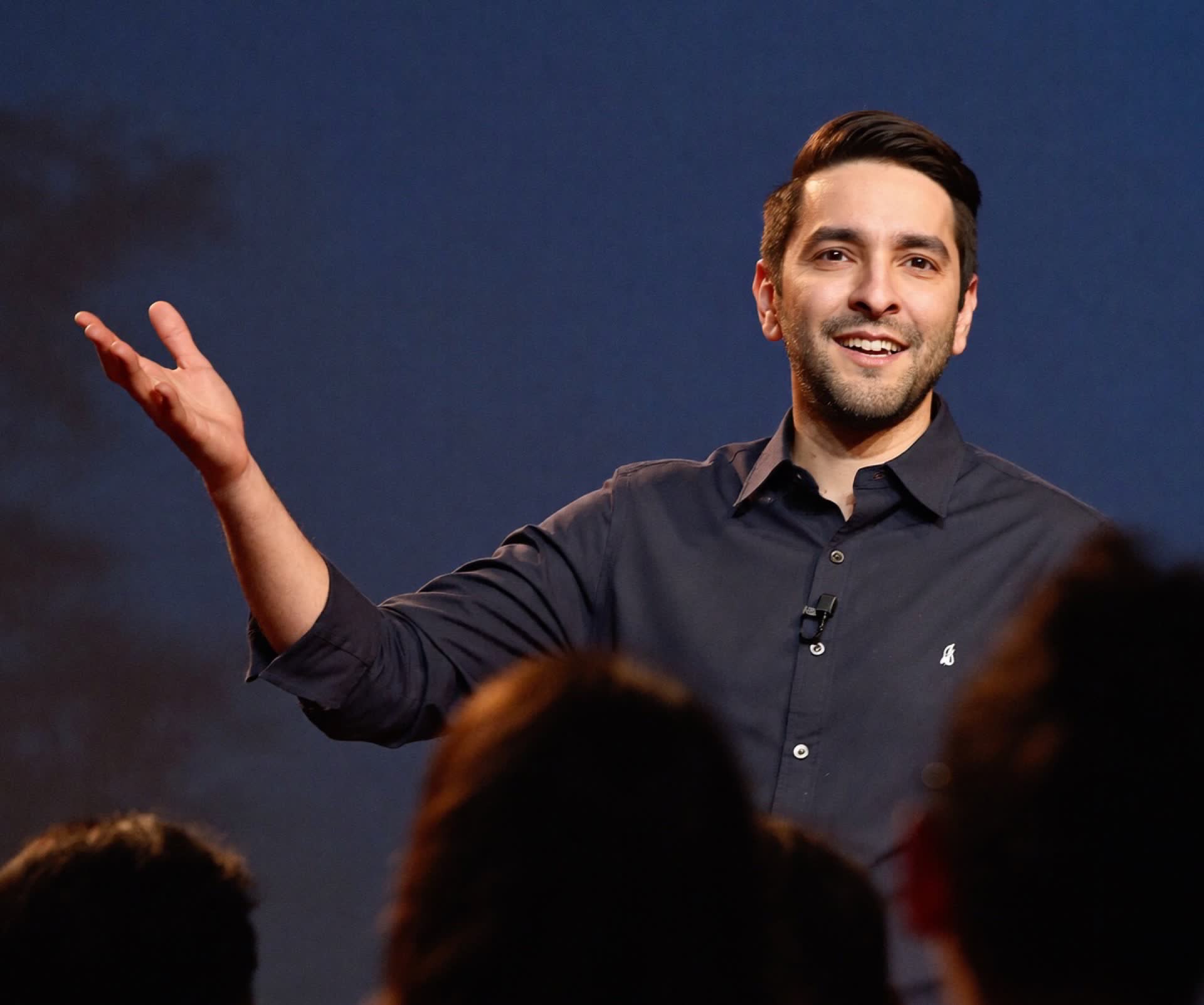
Energy markets analyst Osama unpacks why the headline oil price is a paper number, why Pakistan is paying a $30-40 premium on physical barrels, and why even a ceasefire will not undo the six-to-eight-month supply disruption already baked into the global system.
with Osama
9 min read
The setup: a war the headlines say is over
The episode opens with Muzamil framing a paradox. Pakistan has just played a visible role brokering peace talks — the so-called Islamabad Records — and the country’s international standing has lifted with it. That, he says, is worth celebrating. But the celebration risks obscuring what the underlying conflict has done to the plumbing of the global economy. The information minister has confirmed there has been no follow-up from the Iranian side on further peace negotiations. The ceasefire has been extended by Trump, but the Strait of Hormuz is, by and large, still closed.
To unpack what that actually means, Muzamil brings in Osama, an energy markets analyst at Oil and Energy Consulting and a regular face on BBC, CNN, Sky News, Al Jazeera, and TRT World. The brief is to get into the granular mechanics — how these supply chains work, and what their disruption is really doing to prices, inflation, and Pakistan’s near future.
The Strait of Hormuz, in numbers
Osama starts with the data. Traffic through the Strait did not collapse to zero. It fluctuated. Before the war, crude and condensate loadings ran at roughly nineteen to twenty million barrels a day. During the war, that fell to around 3.5 to 3.8 million barrels a day. “It’s a huge huge huge fall in terms of the very loadings,” he says.
He stacks that on top of the production losses from direct strikes. More than fifty energy sites have been hit. Between the Strait disruption and those strikes, the world is now running a deficit somewhere in the range of twenty to thirty million barrels a day. The cumulative shortfall has already crossed five hundred million barrels. “Almost — you know — only five hundred million barrels less from a billion barrel,” he notes. If the disruption continues, analysts expect an annual supply cut of one to two million barrels per day baked in.
The crucial point, and one Osama is careful to underline, is that reopening the Strait does not undo this. Production lost is production lost. “Even if the war ends, we will be stepping into a tighter energy slash oil market in the at least for the near future.”
Paper price versus physical price
Muzamil pushes on the question every viewer is silently asking: if all this is true, why is the screen still showing oil somewhere between eighty-three and eighty-nine dollars a barrel? Why did prices dip sharply when the ceasefire was announced?
Osama’s answer is the spine of the episode. The price on oilprice.com, on trading economics, on any benchmark screen — WTI or Brent — is the futures price in the paper market. It is a contract for delivery later, traded by algorithms and traders, with no intention of physical delivery attached. The eighteen-to-twenty-percent overnight fall on ceasefire news happened in this paper market.
The physical market is a different animal. When Pakistan actually books a tanker, the price it quotes against is the dated Brent spot price. “Dated Brent’s price, if you look at it, it went to a hundred and forty-five to a hundred and fifty dollars. Last week it came down to about a hundred and thirty-two.” Products are worse: middle distillates, jet fuel, the industrial inputs that come off refining — these have touched two hundred and sixty dollars.
The pre-war gap between paper and physical was two to five dollars a barrel. It is now thirty to forty. “It is a traders’ world. It is an algorithm world,” Osama says of the paper screen. “What will affect your life and my life and the fiscal condition of the government of Pakistan — that is going to be decided by the physical market. And the physical market right now is still close to its recent highs.”
What Pakistan is actually paying
Muzamil presses for the Pakistan-specific number. Eighty to ninety percent of Pakistan’s crude comes from the Middle East basket, not Brent and not WTI. At one point during the conflict that basket touched a hundred and seventy. The conversation lands on a concrete figure: Pakistan is paying roughly a thirty to thirty-five dollar premium over the headline benchmark, and total landed cost sits between one hundred and thirty and one hundred and fifty dollars a barrel.
The budget was built on seventy to eighty dollars. The ex-refinery import price is therefore roughly one hundred percent higher than the planning assumption. That, Osama is clear, is the actual base under the recent twenty-one-percent overnight petrol price hike. The petroleum levy sits on top of an import cost that has already doubled.
The six-to-eight-month tail
Muzamil offers the best-case hypothetical: tonight, the call comes through, the Strait is fully open, supply resumes. Does the market snap back to February?
Osama walks through why it does not. First, the supply that was simply rerouted comes back quickly — that part is real. Second, the production lost from force majeure events does not. He gives a specific example: the Ras Laffan complex in Qatar, where the Shell Pearl gas-to-liquids project was hit. GTL produces highly specific liquids that go into particular car companies, airlines, and industries. That production is concentrated in the Gulf because the oil, the pipelines, and the logistics are all there. Replacement is not weeks; it is many months.
Against that, he weighs the offsetting supply. OPEC has three to four million barrels per day of spare capacity. Non-OPEC producers — Guyana, Argentina, Mexico, US frackers now moving into the Gulf — are scaling up. Russia and Iran are sitting on roughly a hundred and fifty to one hundred and sixty million barrels each in floating inventory, partly because of the fear the Strait would shut entirely. Forty-five percent of global oil is moving via the so-called dark fleet of untracked tankers.
His honest estimate: six to eight months of disrupted supply, then a settling down. But the macroeconomic effect runs longer. “If an interest rate increases, its impact shows up a year and a half later. If supply falls one percent, prices rise four dollars, and that has to flow through inflation. In Pakistan’s CPI basket, oil has a certain weightage. Our inflation will go to thirteen, fourteen percent if this runs through June.” Short-term disruption in oil. Medium-to-long-term issues in the real economy.
Urea, food, and the second-order shock
Muzamil pivots to urea — a subject he says viewers underweight because they live with petrol prices daily but rarely think about fertiliser. Pre-war, urea was at three hundred and seventy-seven dollars. It is now at six hundred and ninety-one — an eighty-three percent jump against oil’s roughly twelve to thirteen percent move from pre-war levels. The urea move, he argues, is what real shortage looks like when the paper-market manipulation is not there to cushion the optics.
Osama concedes he is not a food-price expert but makes the structural point. Gas is a major feedstock for fertiliser plants, and gas prices spiked harder and faster than oil during the conflict. Pakistan is self-sufficient in urea, which is a genuine cushion, but the second-order channels are real: diesel cost on trucks moving inputs and outputs, broader inflation feeding through to food, and a domestic agricultural base that is already eroding. Area under cultivation has fallen. Average farm size has dropped fifteen to twenty-five percent over recent years. Per-acre yields have fallen even year on year.
He then names the underlying fragility. According to a State Bank report, thirty-eight to forty percent of Pakistani households are food-insecure at baseline. Sixty to seventy percent face acute food insecurity at some point in a given year. He cites research showing a direct correlation between food prices and rising social unrest, pointing the audience to the UN FAO food price index. “All in all, holistically, we will have to face an inflationary trend. There’s no other way of saying this.”
The long-duration view
Muzamil closes with the geopolitical frame. If the talks collapse and the conflict resumes, what is Osama’s read?
Osama answers with a borrowed framework: Fernand Braudel’s longue durée. Day-to-day events on the surface of the sea — flood, waves, dying fish — are not where the real change is. The real change is on the seabed. International relations, he argues, should be read the same way. Wars, peace talks, ceasefires are surface. The trend on the seabed is what matters.
He sees two trends. Short-term, peace talks may yield something — Trump has worked on it, Iran needs to move toward resolution. Long-term, his personal reading is that the global system needs a scapegoat with geographic dominance, and Iran will come out a strong player. The implication: this cycle will repeat.
If that is the trajectory, energy markets carry a permanently embedded geopolitical risk premium. The “Tehran tollbooth” — two million dollars per ship in transit tax, denominated in yuan — becomes a feature, not a glitch. Pakistan’s fiscal deficit gets worse. Inflation stays higher. The cost-of-living crisis, already heavy, gets heavier. The balance-of-payments problem, already unresolved, may stop having a resolution path at all.
His final point is the one Muzamil reinforces hardest. “Good diplomacy and good foreign policy abroad — wonderful. But does this automatically translate into a good economic scorecard at home? No. So this automatic translation will not happen. It has to be done. Assuring the upside is one thing. Managing the downside is a different thing.”
Pakistan has done the first. The second is the open question.
Where the wedge actually is
Muzamil ends with the strategic implication. If oil prices stay structurally elevated, an import-dependent country like Pakistan cannot policy its way out of the swamp on the demand side alone. The exit is electrification. He notes Pakistan has already deployed roughly nineteen gigawatts of solar at the household level — a quietly democratised rollout — and that the next constraint is storage. Lithium-ion is expensive. Sodium-ion is emerging as a cheaper alternative with lower energy density but a longer lifespan, well-suited to home and industrial use cases.
He leaves the audience with homework: read on sodium-ion adoption curves. He also sketches the chessboard above it. China is reportedly considering export controls on solar panel manufacturing equipment to the US. The same logic that uses oil to slow China’s growth is being mirrored back through renewables. The world is not just shifting energy sources. It is reshuffling who controls them.
That is the closing note. The oil shock is real, the relief on the screen is partly an illusion, and the long answer is not cheaper petrol. The long answer is owning the next energy stack before the next geopolitical risk premium is priced in.
Full transcript
राणुल क़बदीना ओज़राज welcome back to another episode of thought behind things. आज हमारे साथ एक बहुत ही ख़ास मेहमान मौजूद है और उनको introduce कराने से पहले what I wanted to talk about today in this particular conversation was कि, you know, हम जब geopolitics को देख रहे हैं आजकल पाकिस्तानी जो है ना ख़ास नज़र है इस्लाहाबाद के ऊपर जहां पर potentially इस्लाहाबाद records के नाम से शायद एक peace deal हो जाए जिससे already just the fact that we were out there as the negotiators as the the ones enabling the negotiations तो उससे ज़ाहिरा में बहुत ज़्यादा पज़ीराई भी मिली और एक overall Pakistan की importance पूरी दुनिया में काफ़ी हद तक बढ़ती चली गई which is absolutely great and I think उसको हमें celebrate भी करना चाहिए. But जहां पर हम उस चीज़ को देख रहे हैं वहां पर I feel like we are losing sight of the bigger picture of what this war is doing to us and potentially can do to us and our economy and our way of life. अभी जहां तक update की बात है तो most recently हमारी जो information minister है उन्होंने tweet किया और उन्होंने बताया कि Iranian side से further peace negotiations के ऊपर कोई follow up नहीं हुआ वह. उन्होंने नहीं commit किया कि वह Pakistan में अपनी team को भेजेंगे. आज सुबह की तारीख सुबह तक cease fire was supposed to expire लेकिन Donald Trump साहब ने announce किया है कि cease fire has been further extended. तो at least for now we know कि war बढ़ नहीं रही, escalation further हो नहीं रही. जिससे लगता तो यही है कि ठीक है सब कुछ everything is back to normal. But what most people don't realize is that the straight of hormones by and large is closed up right now which means कि वहां से जो shipments गुज़रा करती थी, जो आपका oil गुजरता था, जो आपकी plastics गुजरती थी, बहुत सारी trade उसके through हो रही थी. Helium, aluminum बहुत सारी और commodities भी जो है वह उन इलाकों से पूरी दुनिया में travel कर रही थी जो कि इस वक़्त रुकी पड़ी हैं और उसकी वजह से जाहिर है उसका एक direct repercussion भी है, direct impact भी है. इसी की हम detail के अंदर आज जाएंगे. I wanna get into the granular understanding of exactly यह supply chains काम किस तरह से करती हैं और इनका जो रुकने की वजह से क्या potential impact हो सकता है at the oil and energy consulting company primary which is one of the biggest consulting company that focuses on the energy markets. ओसामा भाई जो है वह regularly he goes to BBC, CNN, Sky News कल थे. उससे पहले Al Jazeera, TRT World. So he goes to all these different international outlets talking about the energy markets. I thought क्यों ना हम borrow करें इनको पाकिसानियों के लिए भी as well to help us understand. नमस्कार भाई, first of all, thank you so much for taking the time out and coming on the show. Thank you so much, मुज़मिन. Thank you for the kind introduction. Wonderful to be with you. Thank you and मैं थोड़ा सा अगर quickly start करूं तो इस वक्त what is the state of the hormones? What is the state of the energy markets? अगर आप एक sort of basics से तस्वीर कशी कर सकें.
बिल्कुल. Straight of hormones के regarding अगर हम बात करें तो जो वहां traffic है वह यह बड़ी interesting बात है समझने की कि शुरू से 100% नहीं रुकी. अगर आप charts देखें और अल्जाज़ीरा ने इसके ऊपर बड़ी अच्छी reporting की है, TRT world ने की है, और उन्हीं मज़ीद challenge ने की है, तो number of tankers have fluctuated every day. Right at the beginning of the war, right after February 28, जो number of tankers है वह बिल्कुल reduce हो गई. We need to remember कि Iran की exports oil की फिर भी चलती रही. तो एक, दो, तीन, चार tanker उधर से गुज़र रहे थे. फिर beach में कोई पंद्रह सोलह tankers तक traffic गई and then दुबारा reduce होगी. April के अंदर हमने देखा कि fourteen fifteen tankers गुजरे but overall all in all अगर आप इसको एक percentage term मिले तो before war अगर जो crude oil plus condensates और energy की loadings थी वह 20,000,000 barrels थी या 19,000,000 barrels थी. During Per the war, it has fallen per day. During the war, it has fallen to somewhere around 3.5, 3,800,000 barrels per day. So, it's a huge huge huge fall in terms of the very loadings. अगर आप दुनिया में oil की बात करें, oil demand and supply बड़ा important है समझना. Recently अभी International Energy Agency की oil market report आई है और उसके अंदर उन्होंने बताया है कि दुनिया में इस वक़्त एक तो है oil जो हर मुंह से गुज़र नहीं पा रहा. बहुत दुनिया बीस million barrels per day है. दूसरा यह है कि energy sites जो hit हुई हैं, पचास से ज़्यादा अब हो गई हैं, उसकी वजह से जो production lost हुई है वह भी कोई दस से तेरह million barrels की है. Right? All in all हम कोई पच्चीस से तीस million barrel के deficit में हैं इस वक्त पूरी दुनिया में और अगर आप cumulative effect डालें इस वक्त तो we have already crossed 500,000,000 barrels जो कि हां, almost, you know, only 500,000,000 barrels less from a billion barrel बनता है. It's a huge impact और अगर analyst के मुताबिक अगर यह ऐसा चलता रहा तो हर महीना अगर यह supply disruption रहती है तो overall सालाना एक से दो million barrel की supply वैसे ही cut हो जाएगी. देखिए कि hormones अगर restore हो भी जाएगी तो जो मैंने production lost अभी बात की है ना, जो production नहीं आई, जो force majors हुए हैं, जो energy side hit हुई हैं, उसका जो oil produce होना था, वह global inventory levels में गाना था. अब वह नहीं जा रहा. तो हम यह भी देख सकते हैं कि जंग खत्म होने के बावजूद we will be stepping into a tighter energy slash oil market in the at least for the near future. In terms of the demand destruction क्योंकि सबकी वजह से महंगाई बहुत ज़्यादा हुई है. Oil oil से बनने वाले products दोनों चीज़ें काफी महंगी हुई हैं और उसका impact of course food prices पर भी आता है. आपने भी introduction में ब्राहिक कहा के straight of our मुंह से oil के साथ साथ मज़ीद काफी trade दुनिया का गुज़रता है. तो उसकी वजह से demand destruction एक चीज़ होती है that has also set in. तो वह भी आइए के मुताबिक कोई 80,000 to 90,000 barrels per day coming आई है जो कि मज़ीद ख़राब हो सकती है if this continues. तो यहां we are standing somewhere around this globally where demand destruction has settled in, where supply disruptions are now moving into very serious significant figures
and there is there seems to be no end to the ongoing conflict as well. No, that makes sense. अगर मैं इसके अंदर आपसे for the average viewer जो इस वक्त sun रहा है ना उसने आपने बहुत सारी चीज़ें बोली हैं but contextually उसको आपने divide भी कर दिया कि भाई there is a percentage amount seriously चलना शुरू हुई over the weekend यह सुनने में आया कि जी straight of almost खोल दिया गया है. तो suddenly आपने एक dip देखा and I think as low as $83.85 dollars तक भी oil गया. लेकिन अब हम देख रहे हैं कि ICICI even though वह थोड़ा सा rise किया है लेकिन वह ज़्यादातर static है. हालांकि जब खुलने की बात हुई तो एकदम से बहुत ज़्यादा dip आया. जब पता लगा कि यार अच्छा एक tanker जा रहा था उसके ऊपर वह Americans ने उसको capture कर लिया है. उसके supplies भी कम हैं, you know demand destruction भी kick in कर रही है तो यह जो price हम देख रहे हैं क्या real price है? क्या Pakistan जब इस वक्त खरीद रहा है तो वह क्या $89 per barrel पर खरीद रहा है?
This is a very interesting discussion और इसके ऊपर मुझे ख़ुद भी जब यह petrol price बढ़ी है Pakistan में overnight इक्कीस percent तो मैं I made an explainer and many people criticized me of not, you know, not sentiments. हां, not supporting sentiments and just focusing on the fundamental but देखिए जो screen के ऊपर अगर आप अभी oilprice.com पर जाएं या किसी भी website पर जाएं, trading economics पर जाएंगे, कहीं भी जाएंगे और देखेंगे कि तेल की कीमत क्या चल रही है? दो benchmarks होते हैं mainly WTI और Brent, right? उसकी जो आपको screen के ऊपर इस वक़्त benchmark price नज़र आ रही है वह उसकी उसे बोलते हैं future price. वह उसकी future price है. उसका मतलब यह है कि अगर आप मेरे से एक contract लेते हैं कि आज से दो महीने बाद मैं Brent को crude oil लेना चाहता हूं, उसकी price क्या आ रही है? वह उस वक्त वह price है जो आपको screen पर show हो रही है. But इसके अंदर interesting चीज़ यह है कि इसमें intention to delivery या actual delivery कभी भी part नहीं होती. Oil markets की दो side हैं. एक है paper markets, एक है physical markets. आप और मैं और हम जो normally अब हम जो सारी बात discussion कर रही होती है, वह paper markets के ऊपर कर रही है. जो आपने अभी अट्ठारह percent से बीस percent का fall आया था overnight, these fire की news के ऊपर, वह paper markets के अंदर हुआ था. अब आप चलें दूसरा physical market के ऊपर. Physical market की एक अगर कूमत है Pakistan आज अपने crude oil के tankers book करना चाहती है या crude oil products के tankers book करना चाहती है, तो वह जो price देंगे उसे वह spot price बोलते हैं. Right? और उसके लिए हम जो technical term use करते हैं वह आता है जी dated Brent. पहले वाला जो मैंने आपको बताया था paper market में वह ICE futures आता है. दूसरे वाला है dated Brent. Dated Brent की price अगर आप देखें तो वह तो $1.45 to $150 पर गई थी. Last week वह थोड़ी सी $132 पर आई थी और अगर आप products की बात करें इस बारे में भी कम बात होती है. Do you know कि products जो होते हैं हर level पर जब आप refine कर रहे होते हैं various products निकलते हैं तो middle distillates जो हैं jet fuel है और मज़ीद ऐसे products हैं जो industry में use होते हैं उनकी price as high as high as $260 गई है. $260 पर भी crude oil की products गई है. Look at the figures in Singapore. Look at the inventory levels in other Asian benchmarks. तो हम लोग यह realize नहीं कर रहे हैं कि जो screen पर आपको नज़र आ रहा है इसका आपका मेरी ज़िंदगी पर, हमारे petrol price pump पर क्या होगी? इससे कोई तालुक नहीं है. यह traders की दुनिया है. यह algorithms की दुनिया है. इसमें हम profit making कर रहे और उस पर भी हम शायद बात करें कि कैसे insider trading की कितनी, चार, पांच, छह हमें examples मिली recently. वह paper markets होगी. आपकी मेरी ज़िंदगी पर जो असर होगा, हकूमते Pakistan के fiscal condition के ऊपर जो असर होगा, that is going to be decided by the physical market और physical market इस वक़्त मुझे मिल अभी भी अपने recent highest levels पर है. Normal हालात के अंदर physical और यह जो future market मैंने बताई है, यह converge करते हैं. वह इसको guide कर रहे हैं और fundamentally जब तक यह चीज़ें ठीक कहीं होगी we will not see rationalization of price.
मुझे यह बताएं कि जब war शुरू हुई थी उससे पहले क्या paper और physical में इतना इतना difference था? मतलब इस आप कह रहे हैं कि distance है $89 and a $150. That is a huge distance, right? चलिए मैं कहता one thirty five, one forty. I don't know आज की spot price क्या है? But still it's a $35.40 dollar difference potentially more. क्या war start होने से यह पहले इतना distance था पहला? And दूसरा, what was the price, the prevailing price, spot price जिसके ऊपर पाकिस्तानी government for example pre war अपना oil खरीद रही थी?
अच्छा, इसके अंदर भी एक दो तीन चीज़ें समझने वाली हैं. कि पाकिस्तानी government जब हम उसको discuss करना चाहते हैं कि कहां से oil लेती है? तो हमें यह भी देखना पड़ेगा वह कौन सा benchmark है जो हमने follow करना है. मैं once again इस बात की तरफ थोड़ा ध्यान highlight करना चाहता हूं कि अगर आप internet पर जाकर देखेंगे तो oil के different benchmarks हैं. मैं दो आपको बता चुका हूं but इसके अलावा एक urban crude भी है जो Dubai, UAE का benchmark है. इसके अलावा Oman basket भी है. इसके अलावा OPEC की एक basket का भी benchmark है. तो बड़ा confusing हो जाता है. Simple अगर आप समझें, सबसे पहले हम बात करते हैं आपके पहले question की generally कि junk से पहले price difference क्या था? मैं आपको बता चुका हूं वह दो, तीन या ज़्यादा ज़्यादा चार पांच barrel का dollar का difference था physical market में और spot pricing के अंदर. अच्छा, इसमें एक यह बात भी समझें कि यह दोनों converge naturally इसलिए करती हैं कि अगर मैं एक trader हूं, मैं क्या करूंगा? मैं एक तरफ तो future buy करूंगा. दूसरी तरफ मैं एक physical contract sell भी कर दूंगा किसी को. Future मैंने physical contract मैंने sell किया 130 पर, future मैंने buy किया 100 पर. उसको मैं change कर सकता हूं with contract में कि यह intention to deliver भी है. तो जो beach का तीस dollar का difference था, वह मैंने इस वक्त pocket कर दिया. Now coming to the question कि Pakistan के लिए क्या relevant है? मैं Pakistan के लिए Brent नहीं देखूंगा. मैं Pakistan के लिए WTI नहीं देखूंगा. मैं Pakistan के लिए देखूंगा कि Middle East के oil की क्या prices हुई? अभी इसमें भी मुज़मिल अगर आप देखते हैं तो Brent और Middle East के oil में भी बड़ा फ़र्क था. Middle East का oil एक point पर एक one seventy पर भी चला गया था. One sixty पर भी चला गया था जबकि Brent इतना higher नहीं गया था. तो Pakistan जब import करता है तो जो ex refinery price होती है, हम लोग budget जो करते हैं वह पचहत्तर से अस्सी dollar पर करते थे या सत्तर या अस्सी dollar के दरमियान करते थे. अब वह price पहुंच चुकी है उससे तकरीबन double और यह हमारे benchmark जो middle eastern oil जो हम buy करते हैं, 80 to 90% हमारे vendors वह हैं. हमारे लिए x refinery price में तकरीबन 100% increase आ चुका है. अब यह 100% increase उसकी base बना है जो petrol prices, diesel prices या high octane prices Pakistan में बड़ी हैं. Petroleum levy भी उसका हिस्सा था of course, but यह जो ex refinery, यह जो import price थी, यह in of itself 70 to 100% बड़ी है. Hence, we are seeing higher prices at the pump. I hope it makes sense. That makes sense. इसमें जो इस वक़्त मैं कल पढ़ा था,
कल यह report हुआ है कि जी Pakistan $35 over and above दे रहा है इस time के ऊपर, premium दे रहा है जो कि आपकी benchmark prices हैं. तो वह जो benchmark prices हैं मतलब I'm trying to get get a sense of कि इस वक़्त Pakistan को क्या cost कर रहा है जो oil Pakistan के पास deliver हो रहा है?
I think it is costing somewhere and $1.35, $1.40. जो benchmark चल रहा है इस वक्त spot price चल रही है वही चल रहा होगा. It fluctuates on daily basis. अगर आप आज की वह Middle East की basket को देखें तो उसके अंदर थोड़ी सी कमी आई थी because of the cease fire. वह एक सौ बीस पच्चीस पर भी गया था but we are certainly getting oil anywhere between 130 to $150. जो तीस पैंतीस dollar का premium आया है वह इसी बात पर आ रहा और हर वक्त हर point पर यह change भी और होता है क्योंकि उसकी availability है या नहीं यह भी देखना पड़ता है. एक और point भी समझें कि West दुनिया में different markets हैं. West African market है तेल की. कुछ refineries एक certain type और grade of oil को refine करने के लिए tune की जाती हैं और हम उसकी detail में नहीं जाते. कुछ oil होता है जिसमें sulphur या impurities ज़्यादा होती हैं, कुछ में कम होती हैं. तो हमें ना सिर्फ oil की availability चाहिए एक मुल्क को या Pakistan को, बल्कि उस खास किस्म की oil की availability चाहिए जो कि Pakistan की refineries refine कर सकें और products निकाल सकें. तो there are so many moving pieces as you can imagine. That is why it gets very complicated but also that is why it is very important to understand these things ताकि हम लोग अगर आप में हम सब में से उनको गाड़ी लेना चाह रहे हैं कि हम ना जानते हुए हम इन चीज़ों से इतना impact हो रहे होते हैं कि हमें इसका अंदाज़ा नहीं है क्योंकि economy या Pakistan या हम सब लोग किसी bubble में तो नहीं रहते. दुनिया में होने वाली हर जो issue है,
बल्कि दुनिया की सबसे बड़ी super power जो है वह Iran से लड़ रही है और अगर Iran जिसका stated goal ही यह है कि हम global economy को बैठा देंगे तो उसको अगर दुनिया को नज़र आ जाए कि वाकई Iran की इस closure की वजह से oil prices बढ़ रही हैं तो जाहिर है के उससे एक pressure बहुत ज़्यादा बढ़ता है America के ऊपर. So, जो incentive है to keep the oil prices low at the very least for the sake of the narrative if nothing else, वह बड़ा clear है लेकिन साथ ही आपने यह बोला, आपने कहा कि ज़्यादा अरसे उसको the largest economy in Europe. उन्होंने बीस हज़ार अपनी flights cancel की हैं. Jet fuel availability का अगर लोग graph देखें तो it is literally abysmal level पर पहुंच चुका है और बहुत major airlines को एक crisis hit करने वाले आने वाले वक़्त के अंदर. तो जाहिर है कि I want to get that sense of कि इस वक़्त still why we are in a somewhat stable environment considering the the oil that already existed in the in the oceans pre conflict, considering the fact कि strategic reserves बहुत सारी countries के exist करते थे and those are slowly drying out. तो जो overall अगले दो तीन चार महीने का जो, you know, evolution है इस market की, वह किस तरह की है और उसकी वजह से जो आप कह रहे हैं कि paper markets will begin to reflect your actual markets as well. How will that come into play?
A very interesting question. अगर आप बात कर रहे हैं ना कि हालात इस वक्त उतने बुरे नहीं लगते जितने हम सोच रहे थे. तो अगर आप इसको percentage terms में देखें तो काफी impact तो आ चुका है. Maybe खासतौर में Pakistan में रहते हुए हमें कुछ याददत होगी हुई है कि एक permanent crisis का face चलता रहता है. यह मेरी personal reading है but even globally भी पिछले दो तीन साल से और rather from COVID, the world has been in a state of consistent perpetual crisis it seems. ठीक है? And not only one crisis but what Adam Dues in his book shutdown says the Poli crisis. There are multiple crisis happening at the same time. अच्छा, Pakistan अगर आप यह बात कर रहे थे जो convergence की, मैंने आपको बताया है कि एक contract अगर मैं लेता हूं future का contract, मैंने सुनता इसमें शर्त नहीं होती कि इसमें physical delivery होगी. But जब difference इतना ज़्यादा हो, मैं as a trader यह चाहूंगा कि मैं वह contract लूं और उसको आगे physical delivery का भी एक contract ले लूं. दो contract मेरे पास आ गए. यही जो contract मैंने सौ dollar का लिया था, इसको EFP बोलते हैं, exchange for Brent crude, dated Brent. Dated Brent से मतलब है उसकी date वहां लिखी होती है. जो beach का gap था मेरे सौ dollar और एक सौ like let's say एक सौ पांच dollar ऊपर fees pay करके और एक सौ तीस का पच्चीस dollar मैंने वह कर दिया, अपने पास net कर लिया. अगर इस process को बार बार repeat करते हैं तो prices जो होती हैं वह fluctuate करते करते. जो अगला वाला round होगा उसमें वह एक सौ पांच के बाद एक सौ दस पर खुलेगा जो futures वाला था. Two to three months अगर ऐसा चलता रहा तो we will see कि यह gap close होता रहेगा. अच्छा, similar opposite भी होता है. Interestingly, you would be surprised to learn कि even recently जब cease fire हुआ उससे थोड़ा time पहले एक या दो दिन पहले और उसके एक दो या दो दिन बाद physical spot price भी तकरीबन सौ के करीब आ गई. तो we saw a sharp decline of 35 to $40 even in the spot price as well. तो यह चीज़ें बड़ी जल्दी से readjust करती हैं और अभी CNBC के ऊपर भी इसके ऊपर एक बड़ा senior अच्छा analyst है ma'am इसको follow करता उसने भी यही चीज़ explain की थी. तो the convergence happens very quickly. Can go either way. Now coming to the point कि हम चीज़ें बुरी क्यों नहीं लगनी? इतनी ज़्यादा. I think हमने यह जंग में देखा है कि incremental realization हुई है traders को भी, लोगों को भी, policy makers को भी, institutions को भी. There has been an incremental realization. पहली बात यह है कि historical precedent ही नहीं मिलता कि state of Hormuz बंद हो जाए. अच्छा जब बंद होगी लोगों ने कहा अभी खुल जाएगी, अभी खुल जाएगी. यह survive नहीं कर सकता, वह survive नहीं कर सकता, वह भी बंद हो रहा है. तो हर दिन, हर week एक नई realization को हम accept कर रहे हैं as a reality. मतलब इस हो गया पांच सौ million barrels के shortfall दुनिया के oil markets में है. It has never happened before. Compare it with the shock of 1973, 78% supply shock था, इस हो गया बीस percent है और जो मज़ीद हमारी overall global economy के हालात हैं without going into the detail indicators वह भी मज़ीद बदतर है in terms of inequality, in terms of interest rates, in terms of wage rates, in terms of the consumer health, in terms of the saving rates even of the average Americans तो उसका impact ज़्यादा आता है. तो I think यह incrementally, unfortunately incremental progression हो रहा है towards a full blown crisis if this remains या मैं if this remains हमेशा इसलिए बात कर रहा हूं कि all of this discussion can become invalid in the next two or three hours अगर कोई भी hint भी आ जाए कि यार नहीं अब चीज़ें मज़ीद ठीक होती जाएगी और कल की जो call थी between xi jinping and the saudis and which was publicized a lot, people are not paying a lot of attention to it. I am because that categorically has g she on record saying कि we would like the Strait Of Hormuz to be opened. We need to realize they have a huge stake. 30% of their overall oil supply passes through the Strait Of Hormuz. As of now, मैंने पहले भी शायद इस चीज़ का ज़िक्र किया है. उनके पास डेढ़ अरब barrel की inventories हैं. डेढ़ अरब barrels, the highest in the world. तो they are good to go for a few months, but अगर ऐसा perceive करता है तो even China की energy security जो कि दुनिया का largest oil importer है, वह भी impact हो सकती है. तो, यह तो एक, sorry, different topic हो गया but to answer your question, the prices will converge in next two to three months and it can happen otherwise as well, fall भी कर सकती हैं. And what we are seeing is an incremental progression in prices and हमारे ऊपर आइश्ता आइश्ता यह dawn upon हो रहा है कि नहीं यार, we are moving towards something very serious और maybe maybe जो एक lockdown की लोग बात कर रहे हैं, I think it's an extreme case but अगर ऐसा चलता रहा तो Philippines में ऐसा हुआ है, Australia में ऐसा हुआ है, Pakistan में भी ऐसा हो जाएगा. हमारे पास तो results वैसे भी पच्चीस छब्बीस दिन के हैं as compared to IAS recommended ninety day inventory.
मुझे यह बताएं कि आपने आप बार बार यह बात जो कर रहे हैं कि and I agree there obviously I think मैं हमेशा ना हर episode में यह बोलता हूं because Pakistan में ना analysis और news और you know चुड़िया की entry में लोगों को ज़्यादा differentiate नहीं कर पाते. News देने वाले मुख्तलिफ लोग होते हैं. Analysis वाले लोग जो होते हैं ना वह different news pieces को ले रहे होते हैं और उसके ऊपर एक critical एक एक एक तस्वीर कशी करके एक thread बना रहे होते हैं possibilities का. वह सही भी हो सकता है, वह गलत भी हो सकता है. जैसे जैसे information change होती है तो वह चीज़ converge करती है और evolve करती है. It is not a set of predictions very very important to identify. वह prediction में जूमी वाला काम नहीं है. वह, you know, you're trying to make sense out of where this might go. Having said that, जाहिर है कि इसमें एक aspect. तो जाहिर है यह है कि हम कहें कि worst के scenario शायद pan out ना हो. आज की शाम में let's say, you know, piece बहाल हो जाए और straight खुल जाए और oil flow होना शुरू हो जाएगा. लेकिन how will that then impact? क्योंकि जो इस वक्त की price है $80.85 से 89 के दरमियान वह hover कर रही है. Pre war I believe वह 75, 80 पर already थी जब ख़ास का जो है ना जब वर्ज़ का तबाद लगा होना शुरू हो गया था तो लोग थोड़े परेशान वैसे ही हो गए थे. तो this is like a difference of may be 10%. Considering के on the contrary इस वक़्त 20% of your total oil तो already down है. 90% of the state of foremost being 20% of the world. More importantly, there are a lot of refineries जो कतर का for example LNG वालों का वह कहते हैं यह south parts की बात होती है. It takes a while for these refineries to restart. साथ ही इसके अंदर मैं एक छोटा सा छुटखला गौर add करूं. So एक तो just to give context एक तो aspect यह है ना कि यार आपने कहा half a billion barrels of oil जो है वह market में जो कि आना था वह नहीं आया और उसके फिर अब downstream effects आने वाले हैं जब वह oil ने जाना था और जाकर उसने production करनी थी और उस production से चीज़ें बननी थी. Again हमने COVID में भी यह देखा था कि दरमियान में चंद महीनों की वजह से जो factories बंद रही उसकी फिर जो जो जो you know supplies supply driven inflation और वह सारी की सारी फिर बड़े आगे आई. फिर money printing views की वजह से फिर साथ आई because we could not sustain it. But साथ ही हम एक चीज़ यह देख रहे हैं और आपने इसका थोड़ा सा start में ज़िक्र भी किया. I feel like कि लोग इसको enough attention नहीं दे रहे तो कहीं ना कहीं जो है ना वह supply जो है वह रोकी जाए and again इसको अगर मैं लोगों को बता सकूं Russia के अंदर जो बहुत major उनकी supply थी पूरी war में ऐसा नहीं हुआ right after this war Ukraine ने एक drone strike की और ठीक ठाक उनकी जो है ना वह ना सिर्फ़ उनकी gas pipeline को damage किया बल्कि उनके major supply chain को disrupt किया जिसकी वजह से काफ़ी ज़्यादा Russian oil जो है वह offline हो गया. उसी के साथ India में multiple fields के ऊपर आग लग चुकी है. America के अंदर Texas के ऊपर एक आग लगी थी और उसके ऊपर एक, you know, there was a not a lot but there was some impact on on their refining operations as well. Australia में भी इसी तरह की एक आग लग चुकी है. अभी मैं कल ही एक और भी देख रहा था कि गाले बनाई Europe में कहीं पर refinery की site पर थी. So, somehow it's not just Iran. This is happening some somehow maybe if it is connected someone wants a lot of this supply to be offline and for the prices obviously उसका direct impact जो है आपका वह prices के ऊपर है. तो मैं assume करता हूं best case scenario. मैंने इतनी बड़ी तमीज़ से स्वयं से बांधी. मैं कहता हूं best case scenario. आज रात को call आती है कि यार जानि सब खोल दे सब ok है. क्या उसके बाद फिर हम back to the status को of February चले जाएंगे जब कोई वह conflict नहीं था या कहीं ना कहीं एक ऐसा impact हमें पड़ चुका है जो कि at least six months या twelve months हमें अब उसका effect deal करना पड़ेगा?
Well, आपने ख़ुद ही बड़ा अच्छा उसको analyze कर दिया है. मैं आपको थोड़ा सा और contextualize करके बताता हूं. हमने पहले ज़िक्र किया कि कितनी supplies विक्कत हम खो चुके हैं. We have lost. पहली चीज़ यह है कि कुछ supply जो वहां से गुज़र नहीं पा रही straight of hormones से. वह जब straight of hormones खुलेगी, that will be restored. But then because of the strikes or energy sites जो आपने बताया, I believe it is more than 50, at least even in The Gulf. उसकी वजह से force majors हुए हैं. उसकी वजह से राज स्लेफान refinery for instance जो कतर में थी आपको पता है कि लोग खाली focus कर रहे हैं राजस्थान refinery होकर 17% LNG but राजस्थान के अंदर जब आप उसको deeper, you dig deeper to it. Have spoken to a few people who work there. वह refinery ही नहीं है. It's a small city complex. उसके अंदर different projects हैं. एक project है Shell का GTL, Shell Pearl GTL, gas to liquid project. अच्छा, उसके अंदर वह हिस्सा hit हुआ है जो एक तो सबसे महंगा था और जिसको बुराने में सबसे ज़्यादा time लगता है. अब GTL के gas को convert किए जाते हैं different liquids के अंदर और यह liquids specific होते हैं. For instance, certain car companies use करती हैं, certain airline aviation companies use करती हैं, certain industries use करती हैं. इसकी production मकसूस होती है और अगर हम एक अंदाज़ा वैसा लगाएं तो इसकी ज़्यादातर production concentrated भी gulf में है. Naturally oil ज़्यादा है, pipelines क्या भरमार है और आपको logistics के लिए आसान मिलता है. अरे shell perled, GTL भी hit हुआ. इसी के अंदर for instance वह तेल भी था, वह gas भी थी रफ़रास refinery में जो Abu Dhabi municipal development को जाती थी जिससे उधर की desalination plants चलते थे. उधर की बिजली चलती है. तो मैं आपको बताना यह चाह रहा हूं कि यह जो energy sites hit हुई हैं, एक तो इन्होंने दस से तेरह million barrels, 10 to 13,000,000 barrels के production को offline कर दिए. यह मैं कह रहा हूं offline हो गई. तो अगर एक चीज़ offline होगी यार आपने खुद बताया बड़ा अच्छा कि इसको There was a stocks of a supply glut. If, even if there wasn't a glut, there was more than enough oil that was needed. OPEC की example लें. OPEC आपको पता है इस वक्त. OPEC या OPEC plus जिसमें रक्षा भी आता है, कि यार OPEC या उसके अंदर खास तौर पर Saudi Arab इन्हें बोलते हैं swing producers. यह एकदम से production बढ़ा भी सकते हैं, कम भी कर सकते हैं. तो इनकी spare capacity है कितनी स्विगत? तो production levels कम करने की वजह से OPEC की spare capacity भी trend करती है तीन से चार million barrels per day. उसके साथ साथ गुयाना non OPEC supply से बोलते हैं हम. It's a, it's an oil revolution happening, multi billion dollar oil revolution happening actually और Pakistan को actually इसे सीखना चाहिए. गुयाना के अंदर, Argentina के अंदर, Mexico के अंदर और काफी ज़्यादा US के operators जो हैं क्योंकि इसको primary vision में हम लोग first hand crack कर रहे होते हैं, they are now moving to Gulf as well for fracking. तो जहां एक तरफ हमें यह offline oil मिल रहा है, दूसरी तरफ एक दुनिया में काफी ज़्यादा oil already था. दूसरा, मज़ीफ developments भी हो रही हैं और higher oil prices will make these developments only easier to carry out. More ज़्यादा लोग bullish हो जाएंगे. जो third point मेरा यह है कि जो crude inventories है ना oil and water डेढ़ सौ million barrels Russia का है, one fifty, one sixty million barrels Iran का है क्योंकि कोई शक था कि यह सारा का सारा खत्म हो सकता है, बंद हो सकती है. तो हमारे पास inventories में भी oil पड़ा है समुद्र में. हमारे पास dark fleet है. You know, इस से कितने percent? 45% दुनिया का तेल है square dark fleet जो है ऐसे shipping tankers जिनको track नहीं किया जा सकता, वह लेकर जा रहे हैं. अच्छा, उनके अंदर भी काफी oil है. So, I think एक तरफ अगर oil production loose हो रही है और दूसरी तरफ बहुत ज़्यादा आने वाले का chance भी है तो the lag between this should be according to my humble opinion based on the facts and figures. Anyway between six to eight months we will see a disrupted supply market but after that once again we will settle down into an interesting leap. अगर ऐसा होता है तो मैं भी surprise दूंगा but लगता है सही है कि एकदम से फिर supply normalize हो जाएगी. But इसके दरमियान जो impact आएगा मतलब मिल, वह यह नहीं कि वह भी छह से आठ महीने रहेगा. अगर interest rate बढ़ता है, उसका impact डेढ़ साल बाद show होता है. ठीक है? अगर एक percent supply कम होती है तो चार dollar price बढ़ती है और उसका inflation के अंदर क्या impact आता है वह भी देखना पड़ेगा ना. Pakistan में CPI के अंदर for instance हमारे oil की एक certain weightage है. हमारी inflation तेरह चौदह percent हो जाएगी अगर जून के अंदर ही चलता रहा तो वह एक दंश है तो कम होने वाली नहीं. तो oil markets मैं देख रहा हूँ short term disruption and long term फिर दोबारा supply but economy, macroeconomic indicators will face medium to long term, long term issues and disruptions, higher cost and higher interest rate. मैं sorry, I went on and on. No no, not at all. This is very insightful. I hope
for the the viewers as well. You know, this can be उनको detail में समझ आ जाए. अच्छा, that makes sense. मुझे उस समय एक बात बताएं. थोड़ा सा मैं आप energy से pause देता हूं और मैं चाहता हूं urea की तरफ़. Urea एक बहुत important lifeline है Pakistan के लिए जाहिर है के. जो आम बार युसानी है उसको urea को समझता भी बेहतर है. क्योंकि again you know हमारी भी रहना gradient economy लेकिन चूंकि oil जो है वह सुबह शाम उनसे deal करते हैं petrol की prices में तो urea की prices को कोई इतना seriously नहीं लेता. अगर मैं थोड़ा सा लोगों को बता सकूं pre war urea itself was $377 जो कि आज $691 पर खड़ा हुआ है. It is an increase of 83% again जहां पर oil जो है वह आज की price जो है वह pre war से शायद बारह तेरह percent ऊपर है. तो urea आपको दिखा रहा है कि नहीं the the shortages are real और शायद वह urea के ऊपर वह वाली जो जो जो है ना paper market वाली manipulation इस time पर नहीं चल रही. Again, it is a great sign to actually see कि real world में actual prices किस तरह ख़रीदनी है और जो oil जिसको हम सारे देख रहे हैं उसकी prices और किस तरह से manipulate किया जा रहा है. None of this urea की जो direct price है वह as an input to agriculture उसकी वजह से directly food prices के ऊपर impact पड़ता है. Again I want to understand क्योंकि urea की urea के पीछे जो है वह आपकी LNG या natural gas use होती है as a major raw material जिसकी वजह से price पर impact आता है. तो I want to understand कि Pakistan के अंदर urea क्योंकि urea we are self sufficient by enlarge. हमारे अपने fertilizer plants हैं across Pakistan बनाते हैं जिनको local gas produce you know provide की जाती है. तो हमारे यहां local urea की price के ऊपर क्या impact है? अगर I don't know आपने इसको देखा या नहीं देखा? क्या इससे जो है वह import जो ज़हरे के अगर बहार लेते ज़्यादा price है तो उससे कहीं ना कहीं local में भी फ़र्क पड़ना चाहिए और food security के ऊपर तो कहीं खर्चात नहीं है आने वाले वक्त.
देखें thank you मुझे अमल मैं क्योंकि food price या इस चीज़ के ऊपर तो expert नहीं हूं but मैं जो कुछ पढ़ रहा हूं यह चीज़ बिल्कुल है कि हमारी we are self sufficient in urea. दूसरा यह कि इसके ऊपर जो impact आ सकता है majorly वह यह है कि क्योंकि gas एक one of the major feedstocks है इन fertilizer plants के लिए और उसकी जो price है वह at one stage oil से भी ज़्यादा बढ़ गई थी और oil से ज़्यादा quickly बढ़ी है और अगर आप force majeure की बात भी करें तो gas के जो online आने के इनकानात बाद में हैं, वह ताख़ीर है उसके अंदर as compared to the oil plants जो कि refineries हैं या oil की production खत्म या loose की है हमने. तो इसके impact उसके अंदर तो आऐंगे. अगर recently भी एक report आई है, मैं उसका नाम भूल रहा हूं, जो agriculture sector के ऊपर है Pakistan में. अच्छा, इसको site पर रखते हुए क्योंकि जो मैंने अभी recent analysis पढ़ा है, फ़िलहाल तो Pakistan में जो हमारी CPA basket hubs के अंदर food price inflation के ऊपर इतनी reflection नहीं हुई. मैं और अभी overall भी हमारी inflation इतनी reflection हुई बल्कि Doctor रफ़ीद फाशाह की अभी कुछ recent report थी कि पहले आठ मां पिछले financial year के, इस financial year, fiscal year के. हमारी दो तीन चीज़ें बड़ी अच्छी रही हैं. उसमें important machinery की मिकदार, loans given to to the private sector and हमारी GDP growth along with fight against inflation, they were going good. अब नई figures आएंगी तो पता लगेगा कि inflation की expectation क्या है? मैं आपको बता चुका हूं कि transport sector की वजह से ज़्यादा effect होगा क्योंकि हमारा CPA basket में उसकी weightage बहुत ज़्यादा है transport sector की. Nonetheless, food के ऊपर जाते जते अगर हम यह बात कर लूं मैं आपसे तो बड़ा interesting है कि हमारा जो area under cultivation है, वह तो कम हुआ ही हुआ है. इसके साथ साथ जो एक farms का size था, वह भी काफी हद तक गिरा है. पंद्रह से बीस से पच्चीस percent पिछले कुछ सालों में गिरा है and जो crops थीं उसकी per yield जो per per acre जो yield थी वह भी हम समझते हैं वह भी drastically even as compared to the last year and this year वह भी fall की है. बल्कि मैं reports आपसे share कर भी दूंगा और अगर आप उसकी कोई charts वगैरह साथ लगाना चाहें तो वह भी लगा सकते हैं. तो जो food security का issue Pakistan के लिए overall एक perpetual exist करता है with or without war. Pakistan के अंदर according to a report by State Bank of Pakistan 38 to 40% households are food insecure and at any given point of the year more than 6070% face acute food insecurity as well, food shortages as well और अगर यह prices बढ़ती रहती हैं overall तेल की भी तो अगर refined fertilizer हम खुद बनाते भी हैं और सब चीज़ें ठीक रहती भी हैं but मंडी से आने जाने के लिए जो तेल की कीमत लगेगी truck के ऊपर या diesel वाले truck के ऊपर या pickups के ऊपर या Pakistan के आम inflation अगर levels बढ़ेंगे तो food deflation बढ़ेगी. यह भी याद रखें कि Pakistan में पिछले कुछ सालों में जब यह food crisis आया था impact आएगा, यह impact भी अभी food prices के अंदर आएगा. तो overall all in all I think holistically inflationary रिक्तान की वाम पर face करना पड़ेगा. There is no other way of saying this और मतलब आप मुझे dooms फैर कहीं या जो मर्ज़ी कहीं this is a reality check. इस budget के अंदर भी काफ़ी tough conditions होंगी but food के अंदर serious मामलात हो सकते हैं and last point जो कि research show करती है कि there is a direct correlation between food prices and rising social unrest. इसका भी मैं आपसे एक share करूंगा. Hopefully reviews हुए screen पर वह देखेंगे. तो there is like literal chart किया हुआ है लोगों ने कि जैसे जैसे food price भी है उसी तरह social unrest भी बढ़ता है और उसको देखने के लिए आप UN का food price index देख सकते हैं जो FAO publish करता है.
That makes sense and again UN का जो world food program है they did want कि जो fertilizer shortages हैं उसकी वजह से forty five million people can potentially face acute hunger by by July of this year and that's going to get worse क्योंकि fertilizer जो input अगर कम हो रही है तो उसकी जो real impact आपको वह दो तीन seasons के बाद मिलेगी जब eventually crop में grow होना होगा. Again India one of the largest producers and and consumers of food. उनकी 25% of the entire fertilizer stock is off the market. उनकी बहुत सारी refinery जो है वह यह जो fertilizer producer production facilities हैं वह बंद हो चुकी हैं. India जो है वह net importer है और fertilizer जो कि जिसमें 40% of fertilizer उनका person gulf से आता था जो कि इस वक्त effectively completely offline है. तो जाहिर एक और East Of India का नहीं है. आप बाकी बहुत सारी जगहों पर जाएंगे तो वहां पर भी आपको यह सुनने को मिलेगा. कि at least हमारी जो fertilizer production है वह completely indigenous है which is one of the reasons why हमें वह impact नहीं पड़ा. Prices का impact एक जगह लेकिन जो shortages का impact होता है ना कि जिसमें चीज़ है ही नहीं, महंगी भी हो है ही नहीं, available ही नहीं है. वह वाला impact factfully नहीं है. We still have fertilizer plants. They are still producing, you know, those those fertilizers and the prices not withstanding. Obviously, जो आपकी हवा में masses जो हैं उनको एक impact पड़ेगा already. उनको इस as a negotiating party in the middle and यह एक बहुत major crisis है जो कि any which way जा सकता है और इसके ऊपर काफ़ी लोगों ने दिल भी लगाना शुरू कर दिया आदमी बड़ी अच्छी tweet पढ़ रहा था सुमन साहब ने बोला कि यार Pakistan को ना आपके scope में कोई भी good और bad नहीं है you are a neutral party. But having said that हम शायद वह भूल ही गए कि यार यह एक एक एक बहुत miracle होगा genuinely miracle होगा अगर हम दो ऐसी party जो चालीस पचास साल से आपस में at odds हैं. उनको अगर हम एक table पर ले आए और उससे एक solution निकला. अगर वह solution नहीं निकलता तो आपका अगर quick एक summarized version आप दे सकें. आपको आने वाले वक़्त कैसे दिख रहे हैं और क्या situation unfold होती हुई दिख रही है? Again pertaining to the economy and energy खासकर उसको बनते रहस रखते थे.
Well, मैं तीन points में बस अपना point को wrap up करूंगा. पहला point यह कि इस चीज़ को answer करने के लिए समझने के लिए हमें यह समझना पड़ेगा कि overall geopolitics कैसे play out करेगी. देखिए मैं अभी कल भी पढ़ रहा था एक बड़ा अच्छा French word है, phenomenon है long duration with double e. ठीक है? Fernand Broadle ने इसका idea दिया था और यह कहता है कि अगर आप समुंदर को observe कर रहे ना तो उसकी तय पर कुछ changes आ रहे हैं. Flood आया है या फिर कोई क्या कहते हैं waves ज़्यादा आ रही हैं, मछलियां मर रही हैं. एक होता है यह observe करना. But long duration view यह है कि अगर आप उसकी seabed के ऊपर जाएं, depth family seabed पर जाएं और वहां देखें कि क्या changes आ रही हैं जिनकी वजह से हमें यह reflections, manifestation सामने आ रही तो similarly international relations में या history में भी हमें यह date यह junk, conflict, war, peace यह day to day events हैं. This is not going to tell us what is going to happen बल्कि long duration यह एक अच्छा framework है इसको analyze करने का. उस framework के तहत हमें दो trend अज़र आ रहे हैं. एक short term, एक long term. Short term के अंदर जिस तरह भी यह peace wars, peace talks चल रही हैं, हो सकता है कुछ peace talks काम ही आप भी हो जाएं. जैसे आपने कहा है, miracle होगा. Trump ने भी अपनी मेहनत से भी, Iran ने भी करनी है और अभी Iran को चाहिए कि यह थोड़ा इस तरफ भी आए कि हम resolution की तरफ जाएं. But इसके साथ ही जो long term trend है एक वह मैं यह समझता हूं. मेरी अपनी personal reading है. I can be wrong कि एक great scapegoat चाहिए इन्मो मालिक को, geographic dominance के लिहाज से, Iran will come out a very strong player. तो मुझे यह लगता है कि यह every now and then यह सिलसिलाप चलता रहेगा, पहली चीज़ तो. अगर ऐसा होता है तो मेरा दूसरा point यह आता है कि energy markets के अंदर एक perpetually embedded geopolitical risk premium रहेगा. अगर तेहरान tollbooth जिसे हम बोल रहे हैं कि तेहरान Hormuz के islands में से गुज़रने वाली तमाम ships $2,000,000 per ship अगर tax दे रही हैं, युवान के अंदर दे रही हैं, behavior as consumers and luxury spending and maybe move towards EVs and so on and so forth. हमारा budget deficit जो है fiscal deficit वह मज़ीद खराब हो सकता है. Inflation हमारे यहां ज़्यादा रह सकती है. Cost of living crisis जिससे already हम काफी संपर्क कर रहे हैं. मजीक खराब हो सकता है. Balance of payment crisis हमारा already unresolved है और उसके chances resolve होने के फिर बिल्कुल ही खत्म हो जाए. And the third point that I want to lead which is the next step is यह भी देखना पड़ेगा और इसके ऊपर भी बड़ी important है हम लोग highlight करें, इसकी तरफ भी direct करें लोगों को कि अच्छी diplomacy, अच्छी foreign policy जो कि मैं भी बहुत खुश हूं. जिन लोगों से बात करता हूं बाहर, वह हमें peace negotiation कह रहे हैं और peace, peace makers कह रहे हैं which is wonderful. But क्या this is automatically going to translate into good economic scorecard at home? Good social political values at home? No. So, यह automatic translation नहीं होगी. यह करनी पड़ेगी. तो upside को assure करना एक different चीज़ है, downside को कम करना एक different चीज़ है. हमें अपनी upside तो की है assure कि अच्छी diplomacy की है, but इसका जो downside effect है, वह कैसे manage करेंगे? और दूसरा यह भी कि इस diplomacy में घुसने के बाद over the course of medium to long run Pakistan को बड़ा carefully navigate करके चलना पड़ेगा अपने diplomatic relation with The Gulf, with The US and with China. तो I like to leave it there.
That makes a lot of sense and I think यहां पर जो एक particular point आपने really important point है. इस conversation के पीछे जो एक important point था वह यह था कि there are certain changes that are long term, that are consistent you know and वह जो हम एक construct होते हैं ना कि यार एक छोटा सा एक और उसमें जो आपने खासकर वह mention किया कि if the oil prices may remain you know high in the medium term तो for energy you know dependent countries like import dependent countries like Pakistan हमें शायद देखना पड़ेगा कि long term में हम इस you know दलदल से किस तरह से निकले और उसके अंदर definitely एक बहुत important aspect electrification का भूगा. Again मैं छह दिन पहले पढ़ रहा था कि China is now beginning to consider कि solar panel manufacturing equipment हुआ अब America को you know export control लगा दे और वह ना दे. Again आप देखें कि दुनिया में इस वक्त chessboard किस level पर खेली जा रही है. जहां पर oil की अगर energy के ऊपर जो है वह US use कर रहा है to potentially slow China's growth तो China वहां पर साथ ही देख रहा है कि यार alternative as renewable हम उसको भी control करें. तो अगर वह इतनी important piece है पद्र का तो हमें भी उसको देखना चाहिए, हमें भी realize करना चाहिए कि how can we utilize potentially that form of energy EV जो बहुत सारी अगर boom आता है तो उसको किस तरह से charging stations लगा सकते हैं? क्या उसकी हो सकती है? मंगारा मंगारा. तो again the world is shifting. You should do your due diligence and research on that as well. इसके ऊपर जाते जाते मैं quick solar के ऊपर mention कर दूं एक x के ऊपर बड़ा अच्छा discourse इसके ऊपर हो भी रहा है. Pakistan ने last year तक़रीबन 19 gigawatts of solar deploy किया था. Democratize तरीके से हमारे यहां आदमी ने अपने घरों पर लगाया. जाहिर है कि अभी net nutrient की changes आ रही हैं. उसकी company economics है जिसकी वजह से इसमें काफी सारी बिजली ज़ाया भी हो रही है. तो जहां पर lithium ion is a expensive battery तो हमें यही होता है क्या अगर हम grid पर नहीं खाएंगे तो हम battery systems लगाएं लेकिन इसमें sodium ion is now emerging as a as a potential victor जो क्योंकि वह जो है ना it's the price is much less than lithium ion. उसकी energy density कम है लेकिन for home based solution या even industry solutions उसकी जो life span है वह बहुत ज़्यादा है. तो एक अगर मैं homework लोग देकर जाऊं sodium ion batteries के ऊपर थोड़ा सा research करिएगा. देखें कि वह किस पर खड़ी हुई है in terms of mass market adoption क्योंकि आने वाले वक़्त में मुझे यह लगता है कि that will be a huge America कह रहा है कि यार you know हम तो बस आने के लिए ready बैठे हैं. Iran कह रहा हम आना ही नहीं जाती. क्या यह posture है यह?
More from Thought Behind Things
Jun 30, 2026
Simon Dixon: the US empire is being wound down by design
with Simon Dixon
Simon Dixon argues the American empire isn't collapsing — transnational capital is deliberately unwinding it, and Pakistan's military has become its leverage in the transition.
Listen →
52:45 Jun 9, 2026
How Asad Mehmood landed Mattermost from Pakistan before A levels
with Asad Mehmood
Asad Mehmood walked into Mattermost before he had A levels, crossed two million dollars on Upwork, and now runs a design agency from Pakistan. He sat with Muzamil to lay out the framework underneath it: become undeniably good, then become visible, then sell outcomes.
Listen →
59:04 Jun 5, 2026
A 22-year-old Pakistani's road map to space by 2050
with Hassan Mossin
Hassan Mossin, a 22-year-old Pakistani astrophysicist training with the International Institute for Astronautical Sciences, walks Muzamil through the next twenty-five years of space — commercial stations by 2030, a lunar base by 2032, and why the bottleneck isn't food or oxygen, it's energy.
Listen →Never miss what's next.
The dispatch - new writing and conversations, straight to your inbox.
First name, last name, email - in your inbox weekly. No spam.