Thought Behind Things
Hearing is not the same as understanding
On autopilot, we hear without listening. Active listening shifts focus from preparing your response to understanding what someone else is actually saying.
Audio-only episode. Listen here:
Welcome and the need for presence
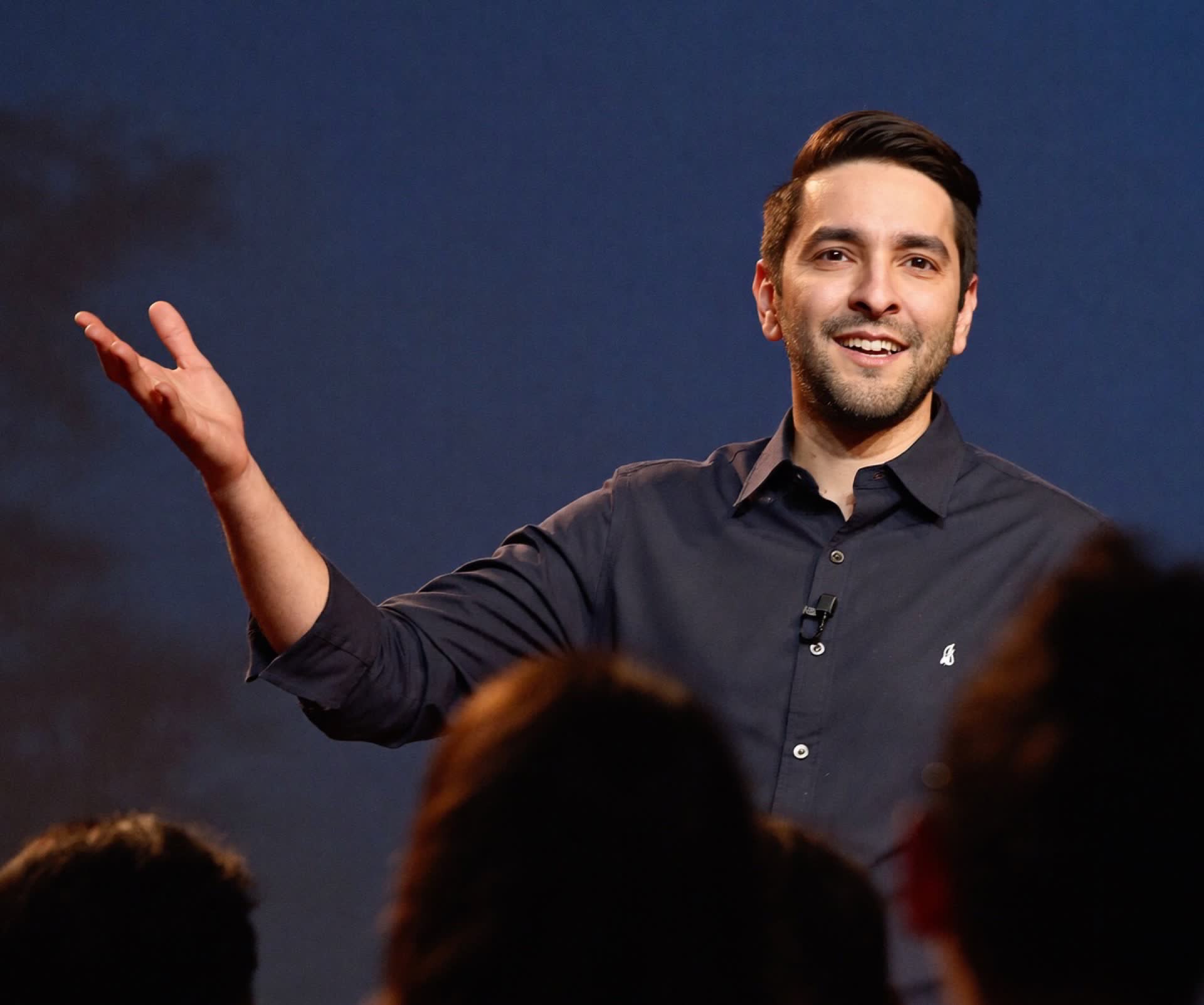
Muzamil opens by framing the episode as “a little bit of therapy,” noting that his job is to listen to a lot of people. But listening carries a hidden problem. Sometimes people drift mentally even while sitting together. “Sometimes it’s like you’re listening and you’re starting to think about something else,” he says. This is the central problem he wants to explore: how do we move from passive hearing to genuine connection. Ali, his guest, is a psychologist who has worked on these questions before. They want to understand active listening and why it matters.
Passive hearing versus active listening
Ali explains the distinction clearly. Passive hearing happens on autopilot. “When we are sitting with someone and talking with someone, we are usually not paying a lot of attention,” Ali says. Most of the time, people sit preparing what they’ll say next, thinking about responding rather than absorbing what’s being said. It’s very automatic, very unconscious.
Active listening is different entirely. “Active listening is such a thing that you are sitting with a person with a positive interaction. You’re giving them to speak. You’re absorbing all their views. And you’re trying to understand them,” Ali explains. The fundamental shift is that the focus moves from you to them. Muzamil picks this up immediately: in active listening, the focus is on the other person. What are they trying to say. That clarity matters because most conversations feel like competitive turns where each person waits for their opening.
The power of presence
Body language reveals whether you’re truly listening. Ali notes that when you sit across from someone and your feet are pointing toward the door, they sense the exit. When you look at your phone, they feel the distance. These physical signals undermine everything your words might try to convey. “Don’t look at your phone, don’t be texting on your phone when you have an important conversation,” Ali says.
But beyond phones and posture, there’s a deeper issue. “It’s very difficult that I focus on that one time and I focus on what I want to say. I can only fully focus on one of these things,” Muzamil observes. When you’re holding space for someone else’s words while simultaneously crafting your response, you lose the capacity to truly absorb what they’re saying. The mental bandwidth runs out.
Hearing without judgment
One of the hardest parts of listening is resisting the urge to advise. Muzamil has learned this the hard way. When he shares concerns with someone, they immediately start telling him how to fix it. But “sometimes you just want to hear it, that someone hears it and understands it. That’s enough,” he says. Many times, that’s what’s actually required. People want to be validated, not corrected.
Ali connects this to a broader pattern in society. “I always say that you don’t need to be a therapist to be therapeutic. Even some friendships can have very therapeutic qualities in which you’re just feeling support,” he notes. Listening without judgment, without immediately jumping to solutions, creates that safety. When people feel heard without being fixed, they open up more.
The noise of our time
Muzamil reflects that in today’s world, everything feels loud. We’re constantly connected, scrolling, distracted. “In childhood it was very easy that there’s nothing and you literally just make do with maybe a stick and a stone,” he says, contrasting present overwhelm with past simplicity. Children once had space to think. Now the environment floods us with information and notifications. Mindful listening means deliberately stepping out of that noise to be present with one person.
Society’s polarization
The conversation turns to politics and intolerance. Muzamil observes that online arguments polarize quickly. People take disagreements personally. Instead of trying to understand why someone holds a different view, they attack the person. “We don’t listen with the intent or the attention,” Ali says of Pakistan’s culture of debate. “Everyone loves being a part of the Trauma Olympics,” Muzamil adds, noting how people compete over whose burden is worse instead of truly hearing each other’s pain.
This habit of dismissing others’ concerns appears everywhere. Political parties debate without actually engaging with opposing arguments. Media personalities shout rather than explore. The foundation is missing: the skill to sit with someone who disagrees and understand their position without immediately attacking it.
Hope as foundation
Toward the end, Muzamil and Ali discuss whether Pakistan is getting better or worse. The data is mixed and difficult to measure. But Ali emphasizes something crucial: without hope that change is possible, people become paralyzed. “We thrive on hopelessness,” Muzamil observes of his society. But change requires believing it can happen. “Hope is definitely a necessity,” Ali says. That belief, even in the face of evidence that seems to contradict it, is what allows people to work toward improvement.
The episode closes with this note. Better listening, deeper understanding, and willingness to engage across difference all require the conviction that dialogue matters and that things can improve.


Never miss a conversation.
New episodes and the thinking behind them, straight to your inbox. No hype, no spam, no pitch.