Thought Behind Things
Honoring a mountaineer who showed Pakistan's place on the world's highest peaks
Saad Munawar remembers Ali Sadpara, the Pakistani mountaineer whose death reframed how the world sees the sport and Pakistan itself.
Audio-only episode. Listen here:
A friend and fellow climber
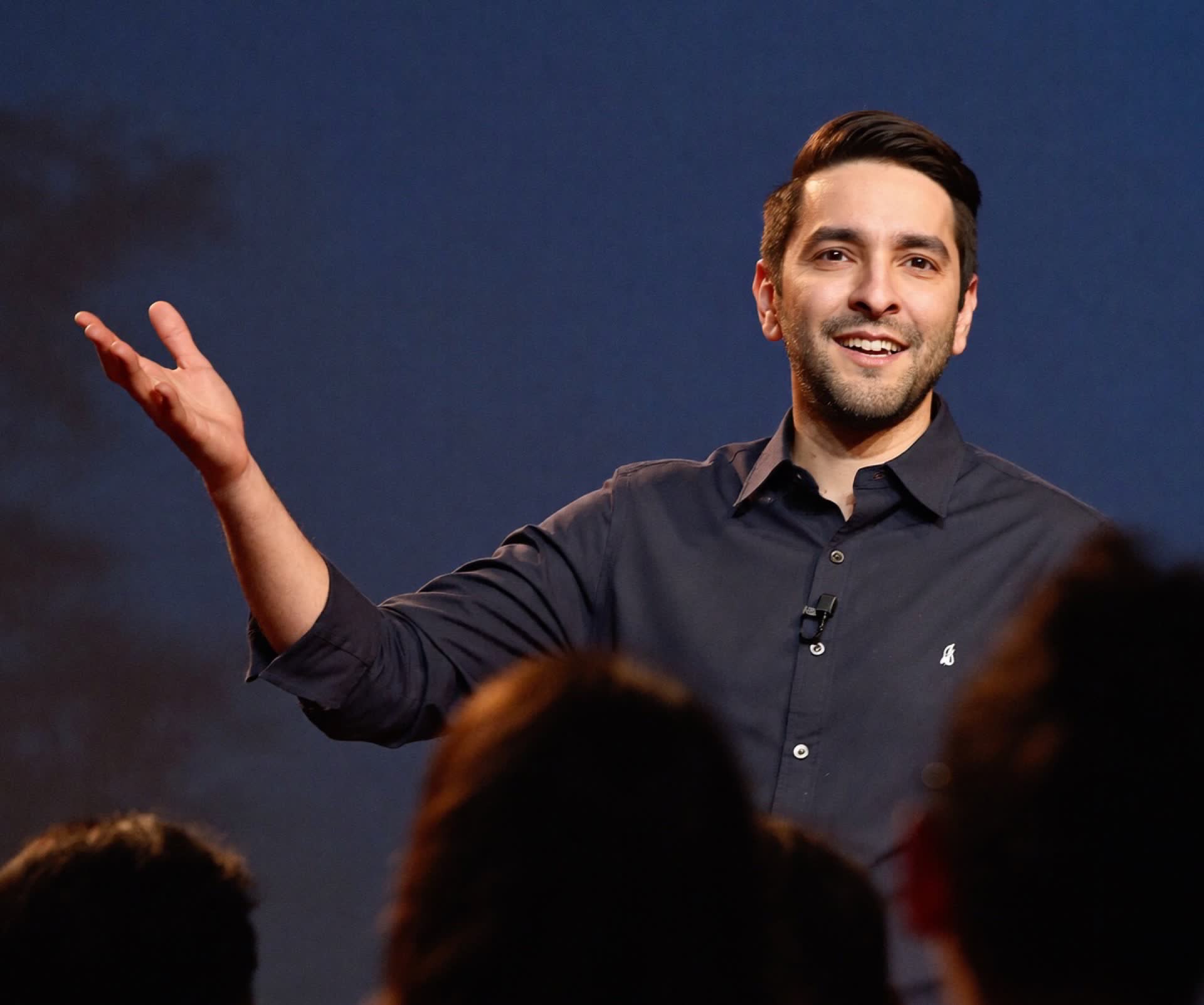
Muzamil opens the episode by welcoming Saad Munawar, a mountaineer and world record holder known for rapid ascents of multiple eight-thousand-meter peaks. Saad carries expertise from more than just climbing. He studied telecommunications engineering and earned a master’s degree in information security, yet chose to dedicate his time to mountaineering full-time. His dual focus on the sport itself and on building systems to support other climbers sets the stage for why this conversation about Ali Sadpara matters.
The episode quickly turns to honor someone whose absence now defines the conversation. Saad describes his relationship with Ali Sadpara in simple terms: “Ali bhai, personally, was a big brother, friends. But as a mountaineer, we were inspired.” They had climbed together, attended lectures together, and spoke frequently about their shared passion. Ali was not just a peer to Saad. He was someone Saad looked up to, a figure whose presence shaped how Saad understood what was possible on the mountains.
Memorializing the unsung
Saad speaks about a documentary project that became painfully relevant after Ali’s death. In 2019, when climber Amtiaz Ahmed died, Saad and others launched an initiative called “Value of Life.” The family of the deceased climber suffered not only emotionally but financially, facing problems with children’s education. This prompted Saad and collaborators to create a documentary titled “Unsung Heroes,” asking a simple question: why do we wait for heroes to die before we sing about them.
Ironically, the documentary crew and cast had worked with Ali Sadpara on the project. The timing was devastating. After Ali’s death was officially declared, people suddenly searched YouTube for his name and discovered the documentary. The project that began as a tribute to unknown climbers became a sudden window into the life and work of one of Pakistan’s greatest mountaineers, now gone.
What Ali represented to the world
Muzamil presses on the deeper question: what was Ali’s actual value, beyond the risk and the deaths. Saad answers directly. Ali showed millions of people around the world that Pakistan existed as a mountaineering nation. When people meet climbers at international events, Ali would introduce himself plainly: “My name is Ali Satpara. I am from Pakistan.” He carried his country with him to every peak, every lecture, every conversation in the climbing world.
Saad emphasizes the mathematics of representation. Ali did this without taking a single dollar from sponsors or the government. He paid for expeditions out of his own pocket. He represented Pakistan on mountains in France, Spain, and Nepal. In return, he asked only to be respected for what he chose to do. “While doing all of that, not taking a dime from the sponsors, not taking a dime from the government. If they unfortunately have been an accident, then the least you can do is respect.”
The gap between criticism and reality
Muzamil acknowledges that social media erupted with criticism after Ali’s death. Some argued that mountaineering serves no purpose. Others questioned why someone would risk their life for something that achieves nothing. Saad responds with a broader principle. Most people who make these arguments have never left their cities to see the mountains themselves. They sit in Lahore, Islamabad, or Karachi with their cars, their houses, their phones, and believe they understand the world. “If you don’t understand that, you can respect the other person. I know that I will never be doing this, this is not my thing, but I can only respect the people who can.”
Saad compares this to a famous Australian wildlife expert who worked with dangerous animals. When he died in an accident, people did not attack the practice. They celebrated his contribution to helping millions understand wildlife. Ali did the same for mountaineering and Pakistan. He expanded what the world knew was possible.
Building the infrastructure that doesn’t exist
The conversation turns practical. Mountaineering in Pakistan has no formal training institutions, no standardized search and rescue teams, no insurance frameworks. Equipment costs alone run fifteen to twenty lakh rupees before anyone attempts an expedition. International permits to climb peaks like Annapurna cost twelve thousand dollars or more. By contrast, climbers in Pakistan avoid permit fees but lose access to government support that Nepal provides to mountaineers.
Saad describes specific shortfalls. In villages like Shamshel, known as the Valley of Mountaineers because more people from that village have summited eight-thousand-meter peaks than from anywhere else in Pakistan, there is no ambulance. When emergencies happen, locals improvise with trucks and jeeps, but evacuation from the mountains takes days through dangerous terrain. These gaps kill people.
Opening doors for future climbers
Yet Saad sees opportunities where others see only problems. Samina Baig summited Everest in 2013 and showed Pakistan that women could climb at the highest levels. Eight years have passed without another Pakistani woman reaching a major peak, but Saad believes the interest is growing. If the right support structures emerge, if sponsorships and training institutions develop, Pakistan could produce climbers at scale.
Muzamil and Saad close by discussing what it means to actually visit the mountains, to leave the cities and see the reality of life in the north. The mountains humble you. They show you your insignificance. In a world where people rely on machines and connectivity, the mountains strip all of that away. Muzamil thanks Saad for the conversation and invites listeners to share the episode and engage with the mountaineering community.


Never miss a conversation.
New episodes and the thinking behind them, straight to your inbox. No hype, no spam, no pitch.