Thought Behind Things · May 26, 2023
The Pakistani founder who bootstrapped three global startups
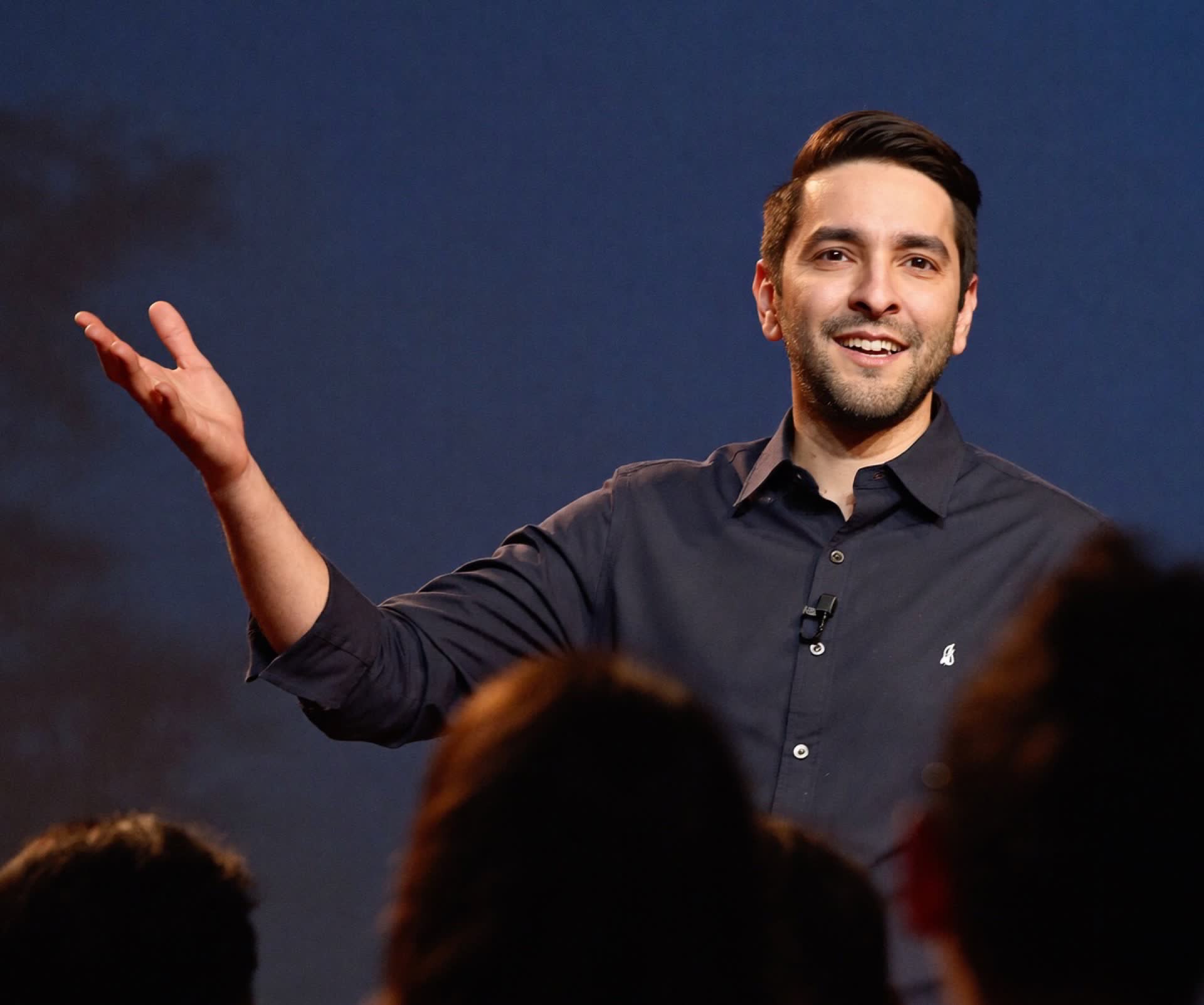
Adeel Raza co-founded Salams, Mailmunch, and Unlayer — three bootstrapped global SaaS products — from Lahore before moving to the US. He talks about product-market timing, why distribution beats product, and what it actually takes to build for the world from Pakistan.
with Adeel Raza
10 min read
A T-shirt startup, a social network, and a lesson about software margins
The episode opens with Muzamil framing the conversation as a direct response to his own recent criticism of Pakistan’s startup ecosystem. His argument: consumption-driven startups built inside a free-falling economy are the wrong bet, and founders should be looking toward exports. To make that case concrete, he brings in Adeel Raza — a founder who has done exactly that, three times over.
Adeel’s origin story is disarmingly low-tech. Growing up in Lahore, he got his first computer in 1993 at around age seven. As a self-described introvert, the machine became his primary companion. He taught himself to code through IRC bots, ASP, and PHP — not through formal education, but through forums, cracked resources, and one close friend from Beaconhouse Garden Town who shared the same obsession. “Because programming was for something fun, I got really passionate about it,” Adeel says. “I was sitting on computers eighteen, eighteen hours — I was coding, I was learning.”
By the time he graduated from the University of Management Technology in 2009 with a degree in Business and Information Technology, he had already run a T-shirt startup selling thirty units a day through Orkut. The pivot to software came from a simple margin calculation. A PHP script that introduced live chat to internet forums was generating one sale a week at $129 — more money than thirty T-shirts a day after screen printing, delivery, and logistics. “I was like, okay, this is making more money with like ninety percent less effort. I want to pursue that.”
ContactMe: the accidental acquisition that moved him to America
The product that changed Adeel’s life was ContactMe — a lightweight CRM for small businesses that added a contact button to websites and funneled leads into a simple follow-up system. He built it in roughly six months. The growth mechanism was borrowed from PayPal’s early eBay strategy: embed a “powered by ContactMe” button on as many websites as possible and let visibility do the work.
The acquisition came through an email he almost ignored. Harun, the founder of Webs.com — a DIY website builder and Vistaprint subsidiary — spotted a ContactMe button on a customer’s site, clicked it, and reached out. Adeel was on vacation. He almost dismissed the email as spam. When he finally called back, an unexpected connection formed: Harun was originally from Afghanistan, his family had passed through Pakistan during the Cold War, and the two men found an immediate rapport. “It was Harun and not Mark who wanted to acquire,” Adeel notes — a piece of luck he credits openly.
The deal was effectively an acqui-hire. Adeel and his co-founder were moved to the Washington DC area. He was rejected for a B1/B2 visa on his first attempt, only to receive a call two days later from the Islamabad embassy apologising and offering a new interview — after Webs’s lawyer had contacted a local senator about the jobs at stake. He moved to the US permanently in 2011 on an H1B, the last batch before the lottery system began.
Why he named his sixth company “Six Takes”
Before ContactMe, Adeel had tried and failed at five other startups in Pakistan. He named the legal entity for his sixth attempt “Six Takes Private Limited” — a dry acknowledgement of the streak. The failures taught him something important: he was a strong developer but had no idea how to sell. “I was a great developer but not a good person in sales, marketing, et cetera. So that wasn’t working.” Moving to the US gave him his first real exposure to how to sell a product, and that, he says, was the missing ingredient.
Muzamil presses on this point, noting that many technically capable engineers in Pakistan never make the leap to product companies precisely because they cannot bridge the gap between building and selling. Adeel agrees, and adds a sharper version of the same observation: “A lot of times what people do is they’re great at something and then they think — let’s say they’re great at an IT job — and they’re like, I have extra money and I have this itch to be an entrepreneur, let’s go open a restaurant. You have no idea how a restaurant works. Domain knowledge is something people discount. I think that’s ninety percent of everything.”
Minder, Mailmunch, and the discipline of timing
In 2015, Adeel launched two companies simultaneously: Mailmunch, an email marketing and lead generation platform, and Minder — the Muslim matchmaking app that would later become Salams. Both were bootstrapped. Both were built entirely by the founders themselves, which eliminated the largest cost in any tech startup.
The name Minder came from a lunch conversation. “Me and my co-founder, we were having lunch and we said, what should we call this? Muslim and Tinder is popular — Muslim Tinder, Minder. Let’s keep it, we’ll figure it out later.” The name went viral on Twitter almost immediately. But the real driver was timing. Nasib.com and Shaadi.com had dominated Muslim matchmaking online, but neither had moved to smartphones after the iPhone launched in 2007. “We got a window of opportunity where there was no competition,” Adeel says. Today Salams has close to five million active users and between 250,000 and 400,000 reported marriages — the range exists because some are engagements and some are tracked through different metrics.
Mailmunch followed the same logic. Email marketing platforms like Mailchimp existed, but none integrated directly with websites to generate leads through pop-ups. In the first year, Mailmunch’s pop-ups reached a billion unique views. The “powered by Mailmunch” label on each one created a viral loop that drove sign-ups without any performance marketing. “All you really need to do is get the first five customers and then the rest will happen,” Adeel says. “Salams — until now there has been no performance marketing. It’s all viral, word of mouth.”
Unlayer, the third company, was started in 2017 when Mailmunch needed a drag-and-drop content builder and could not find one that met its standards. Adeel called a technical co-founder, described the problem, and received a prototype the next morning. “I was like, this looks great — this has the whole germ of the idea we are looking for.” The pattern across all three companies is identical: solve a problem you personally have, then ask whether others have it too.
Distribution is king — and the mall analogy
Later in the discussion, Muzamil raises the question of a hypothetical Pakistani engineer — technically strong, internationally exposed, interested in micro-SaaS, but paralysed by the question of where to start. Adeel’s answer is direct and draws on a framework he says he gives to entrepreneurs regularly.
“There is a famous startup quotation: first-time founders focus on product, second-time founders focus on distribution. Distribution is king.” His practical advice: instead of building a standalone product and hoping people find it, go where the foot traffic already exists. “Instead of building a shop on some random road, go to a mall where foot traffic is already coming. You don’t need to figure out distribution. Just build a good product, put it in the app store — Shopify app store, WordPress plugin directory, Wix’s app store — and that will take you to your first million ARR. I have done it four times alone.”
He is equally direct about the AI moment. Jasper, the AI content creation tool, started as a Shopify urgency widget called Useproof. When OpenAI released its APIs, one co-founder messaged the other with an idea, they built a front end for those APIs, and raised $100 million at a billion-dollar valuation. “Micro-SaaS opportunities are coming and going. With AI, the game has completely changed — the opportunity that existed in the early two-thousands has been renewed.”
Y Combinator: useful, but not for everyone
Unlayer went through Y Combinator in 2022, accepted into a batch that Adeel says had an acceptance rate of around two percent from over twenty thousand applications. The batch deal at the time was $500,000 plus $125,000 for seven percent of the company. YC had rejected Unlayer in 2018; by 2022, the company had the revenue and product-market fit to clear the higher bar.
Adeel is measured about the value. For Unlayer, the network was the point — enterprise clients and deals that would have taken years to reach otherwise. “But for a company that doesn’t need any of those things, the lectures are available on YouTube. Content is no longer a problem.” He is also candid about the downside of venture funding more broadly. A mentor, Harun, had sold his fintech Truebill for over a billion dollars and had seen both the funded and bootstrapped paths up close. “Raising money — it’s not always the right choice. It can also kill companies if you do it the wrong way. In hindsight, I think we are better off than our competitors who have raised money and have investor pressure to grow at a certain rate which I don’t think they can at this point.”
How Netflix ended up on Unlayer — and why it was inbound
Muzamil asks how a company that started in Pakistan ends up with Netflix, Fidelity, and IBM as clients. Adeel’s answer is counterintuitive: they never pitched any of them. “All enterprises we got — they were all inbound. They came to us. We didn’t go to them.” The reason is that Unlayer solves a genuinely hard problem: building a white-label drag-and-drop content editor with SDKs that large marketing automation platforms can embed. The alternative for an enterprise is spending half a million dollars building the same thing in-house over six to twelve months. “Build versus buy — and it costs them less than half. So it’s a no-brainer.” Unlayer is now valued at $60 million and is preparing to announce a seed round.
Pakistan in 2050, and what the youth dividend actually requires
By the end of the conversation, Muzamil asks Adeel how he sees Pakistan twenty-seven years from now. Adeel is careful not to overclaim. “I am overall still optimistic about Pakistan. I think Pakistan, in the end, will maybe not thrive as quickly as we would like, but it will survive. Every time we hit a rock bottom we bounce back, and then hit another rock bottom, and then bounce back. We will survive.”
On the question of opportunity within Pakistan, he resists a single answer. “Pakistan is so diverse in terms of economic classes and education. Every segment has a different answer.” For those with strong English, a good education, and the technical skills to build world-class products, the path is clear: aim for startups that bring in dollars. For a developer without those advantages, under family pressure to earn quickly, the calculus is different. “He doesn’t get the room to take the risk like I did. His best route is different.” The broader point, which Muzamil has been building toward throughout the episode, is that the youth population is only an asset if it is given direction — and that direction has to be segmented, not uniform.
Full transcript
श्लामाना कपितिना आज रात welcome back to another episode of thought band. Thanks आज हमारे साथ मौजूद हैं. एक बहुत ही खास मेहमान all the way from San Francisco जिनको बुलाने का मकसद एक खास यह था कि I have been you know shitting on startups for a while recently और मैं उसमें generally यह कह रहा था मेरे फ़लसफा था उसमें मैं उस rationale को फिर से एक दवा explain भी कर देता हूं कि Pakistan में जो startups हैं वो consumption driven है और हमें जब startups को देखना और बहुत अच्छी startups हैं बहुत अच्छे founders हैं, बहुत अच्छा काम कर रहे हैं but हमें उनके success को gauge करना होगा with your own economic indicators and understand कि अच्छा economy किधर खड़ी है and then based on that you can identify whether a startup can really do massive impact or not. Personally मेरा opinion यह है कि in an economy जहां पर जो कि, you know, essentially free fall पर है, वहां पर consumption led startups, are probably not the right thing to do. Doesn't mean they're not gonna exist. Don't want to demotivate any of the folks who are doing it. But obviously, for new folks who are getting into it, they should be looking at something different particularly towards exports and ज़ाहिर है फिर एक question mark बहुत सारे लोगों का यह आता है कि यार what do you mean by startups being built in Pakistan that are trailer towards exports जिसकी वजह से हमने आज एक बड़े खास मेहमान गोबर आया है जो कि बड़े सारे startups कर भी चुके हैं. Last year he was in Y Combinator as well. इनका Pakistan से startup बनाकर acquire होकर he went to The US and has a very extensive journey within the startup space, the global startup space. अदील लज़ाम हमारे साथ मौजूद है sir thank you so much for being part the show. Thank you for having me. मैं conversation को थोड़ा सा start करूंगा. Actually because drop rate का मसला होता है. मुझे जरा अगर आप quickly बता सकें कि कौन कौन से startups आपने किए हैं और उनका क्या रहा है? So one of my startups is called सलामs
formerly known as Minder. It's one of the largest मुस्लिम matchmaking apps in the world. Not particularly in Pakistan but like the Western world. Second is Unlayer. It's a content creation platform which went to Y Combinator last year. उसमें हम लोगों के for example customers हमारे Netflix हमारा customer है. तो any email that you get from Netflix is built using our platform और इस तरह से काफी अच्छे अच्छे big name clients हैं, Fidelity, etcetera, IBM. Oh, wow. And then it's an email marketing platform called Mail Munch. So these are the three startups that I'm currently actively involved. And what's the scale of these startups? So, Salams is they are one except Anlair because we went to YC. Rest of them are bootstrapped. I am a big before they start a boom like you just mentioned, I have been a big believer in unit economics, profitability, etc. तो हम लोगों ने bootstrap किया, we made it profit. We took the slow route but steady route उसी पर आ तो अनलेह but अनलेह is currently valued at $60,000,000 and we raised our seed round which we are going to be announcing in in a few months. Interesting.
ज़बरदस्त and and मिंडर is fairly popular.
You know is it just in the Western world या Mid East or Middle East or in जगहों पर भी? नहीं it's so Dubai is it's popular in Dubai but mostly we are focused on the Western world और उसकी एक बड़ी fundamental reason है that's the reason we came up with the idea. Pakistan में जहां majority Muslim countries में it's really easy to meet a spouse, right? Cousins and then you just go out to a university, you meet people. लेकिन Western world में because especially in The US मुस्लिमs are very scattered. They are not densely so it's really hard for somebody to find somebody who they want to marry. Network effect में बड़ा मुश्किल हो जाता है. बड़ा मुश्किल हो जाता है. Which is why we now have almost like पांच million active users and close to two fifty thousand to 400,000 reported marriages. Wow. And the reason the range is different is because कुछ engagements हैं, कुछ different
metrics हैं. Very cool, we gonna get into all of that. मुझे पहले तो यह बताएं हुए है were you born in early life आपने कहा था? I was born in लाहौर, lived all my life in लाहौर. और education वगैरह?
So schooling Beacon House Garden Town then I went to Punjab college and then I went to University of Management Technology for graduation.
And किस चीज़ में graduate किया? Business, Bachelor's of Business and Information Technology. Right. And yeah. I graduated in 2009. Was it a random के बस you know let's this is an interesting new degree, let's do it? Absolutely random.
I honestly when I was 19 मेरा Pakistan में एक e commerce startup था. अच्छा. It was it was doing really well. हर entrepreneur की ना पहले journey होती थी T shirt startup करना. Right. तो मेरा भी एक T shirt startup था and we were selling almost 30 T shirts per day. Was Any, called her any OGs thirty five year plus side उनको पता हो. तो वह T shirt startup चल रहा था. I was doing really well. मतलब I was like, okay, I am getting more than my pocket money with this business. I want to pursue that. तो I didn't want to graduate at the time. But my parents really wanted me to graduate and I am glad I did because it would have in the future when we connect the dots backwards, it helped with the immigration and everything. Interesting. तो that was the reason. Whichever easiest degree I found, I was like BBA? Okay done.
And you graduated in 2009? 2009. So you graduate and you have this sort of t shirt startup going on. How does the journey go from there?
So I had that t shirt startup going on we were selling उस वक्त एक platform होता था t shirt startup actually जब start की थी graduation तब start हो गया था तो Orkut I don't know if you were there. I remember yes. Ok you were there. तो was our primary sales channel. Right. This was pre Facebook era. उधर से हम लोग 30 orders per day पर पहुंच गए. I was like this is great. At the same time I wanted to explore software startups, right? तो मैंने फिर एक social network भी बनाया lounge उस वक्त नाम था. Some old like not old but 35 plus people might remember lounge क्योंकि we were growing really fast back then. वह बनाया. I I so I really like the magic of internet and how it connects people. Right. Which is the foundation of salams as well. तो वो lounge पे I was like surprised बड़ा मज़े का scene था. दस हज़ार users हो गए first six months में people were connecting. उसपे भी एक शादी हो गई which is which was not the intended use case but I have my friend who is still marshall married and have kids. उसकी शादी हो गई. तो वहां से मैंने फिर एक चीज़ note की. एक software startup हमने बनाया Jigsaw के नाम से. उसकी sales बहुत कम थी. Not like t shirt startup 30 orders per day but उसकी sales dollars में थी. Right. तो that one sale a week was close to I remember $129 उस वक्त, उस वक्त dollar I think $60.65 पता नहीं काफी कम था less than 100 for sure. तो वह एक sale a week accounted for more money than 30 t shirts per day और उसमें screen printing करनी, delivery, logistics, all that. I was like, okay, this is more making more money with like 90% less effort. I want to pursue that. Right. वहाँ से मेरी software started की थी. तो product क्या था? Yeah. It was a, so if you remember पहले internet पर forums हुआ करते थे. Right. Right? तो we built a php script जो chat introduce कराती थी उन forums में, live chat. Interesting. और वो भी काफी popular होगी पर जब Facebook launch हुआ तो एक हमने उसी का version Facebook के लिए बनाया clobby which was covered by tech crunch and everybody और वो भी almost 5,000,000 users पर पहुंच गया था within the first few months of 2008 after Facebook platform was launched. तो वो बस live group chat थी. That's it like MIRC वगैरह. Right right. मुझे यह बताएं कि I mean you did a bachelor's in
business with let's say a minor in ID. Were you making or coding or scripting a lot of these things yourself? Did you learn that online? How did that work?
नहीं, I learned it pretty much myself. क्योंकि I think I got my first computer in 1993 when I was I think I I don't know दस साल पता नहीं I I was really was seven. I think I was seven. तो because that was my only friend as an introvert computer से दोस्ती हो गई बाहर cricket, cricket कुछ नहीं server computer पर games यह वह चल रहा होता था. तो I ran into MIRC if you remember those days. MIRC से I started creating bots मुझे होती थी MIRC पर. That's that was my first dive into programming something के computer को हमने कुछ commands दिया and it worked automatically और यही मैं आपने I'll I'll tell you later how I'm telling my kids how to do that as well but because programming was for something fun I got really passionate about it. मतलब मैं अट्ठारह अट्ठारह घंटे I was sitting on computers, I was coding, I was learning. Then I met a friend in Beacon House Garden Town who used to know back then उस वक्त एक language बड़ी popular होती थी ASP, asp.net, PHP. These were scripting languages that were popular. That's how I got into programming basically and all self learned degree I don't have a computer science degree.
क्योंकि आजकल तो बहुत आसान हो गया ना. आजकल तो खैर complicated in a way कि आप psychologically complicated हो गया कि there is just so much. उस time पर generally आपको दो तीन चीज़ें होती थी और वो होता था लेकिन. उसके अंदर घुसना मुश्किल होता था where you know you didn't have the YouTube tutorials and the this and forums में घुसे पड़े हैं. फिर वो किसी चीज़ पर जा रहे हैं पैसे नहीं है अब वो बैठ के you know crack websites पर जाकर कोई resources download हो रही है, books download हो रही है so and you I do I don't believe you have a sibling or a older cousin so this was all just you and the internet. No so it was also one of my really good friends जिसका influence बड़ा अच्छा
उसका जो है ना special talent था we met in Beacon House Garden Town because we were the only two guys who had their own websites. Our connection was also programming. तो उसका talent यह था कि वह internet पर बैठ के ही चीज़ें सीख जाता था back then. So he learned asp.net himself everything. तो he was a great mentor at the time जिसकी वजह से we were able to me and our other friends who were into computer science we were able to learn how to program without YouTube. क्योंकि YouTube तो I think 2004 onwards आया. बिल्कुल, yeah. बिल्कुल, interesting. And
so so you you started थोड़ा सा मुझे बताएं कि दो हज़ार नौ में after graduation what were you doing at the time in terms of startup or product? Yeah, so at the time I was building a startup called contactme.com.
It was a CRM for small businesses क्योंकि अभी figured कि उस वक्त जो बड़े businesses है ना enterprises, they had sales force and they had SAP and बड़े काफी they had a lot of options. जो SMBs है, small business market, they didn't have any good CRM option. तो we build this thing called contactme.com जो अगर आपकी website है तो उस पर contact का button भी डालता था, leads generate करता था and from those leads you could leave notes and you could set up follow up meetings etc. तो I made that and it got acquired by this company called webs.com which is a subsidiary of vistaprint, the largest business card maker in The US. Or when that got acquired that's how I moved to The US right after graduation. अच्छा interesting and आपने कितार से काम किया था उसके ऊपर before it got acquired? I would say six months maybe,
six months. Tell me about that journey. How did that come about? How did the idea come about? क्या क्या, किस time ना आया and then I mean six months is insane. Yeah. People take years for for their idea to get any validation and you're getting acquired in six months. What happened there? So I think one I was lucky
and and two the product market fit बड़ा मज़े का था and three it was क्योंकि एक बंदे की team या दो बंदों की team को कोई acquire नहीं करता it's more of a accu hire. तो it was, it was an accu hire at the time. They just we move me and my co founder to The US और हम लोग basically वहां पर job कर रहे थे until we got our green cards. तो यह तीन चीज़ें थी. लेकिन I think I would attribute it to product market fit क्योंकि वह हमने जो चीज़ की उसकी growth अच्छी थी. A lot of website started putting those contact buttons. This is how by the way PayPal की भी journey यही थी. PayPal got popular by adding those pay buttons in eBay. Right? Little hacks तो हमने वो contact buttons डाले थे जो websites पर इधर right, left, रूप पर नीचे कहीं ना कहीं आ रहे थे नज़र तो वो एकदम से ना काफी ज़्यादा visibility उनकी होने लग गई थी back then और वो ही एक webs के founder who is very good friend of mine now and also my co founder of सलामs. उसने वह contact का button कहीं देखा किसी अपने customer की site पर. Right. Click किया and he saw powered by contact me. Oh, what's this? And and he left out an email k g we want to either partner up with you guys or acquire you guys. तो वो email मैंने इत्तेफ़ाक़ से यह हुआ कि I was on vacation. मैंने वो email check ही नहीं की. One week later I came in I saw यह कोई email आई हुई है somebody wants to acquire us या thing like that. यह तो वैसे ही आ जाती है emails कोई. वैसे ही आ जाती है वह नाइजरिया के prince और यह तो but this was apparently a serious email so I gave him a call and मैंने कहा चलो call करके देखते है let's see what happens. I gave him a call and turned out this guy so he was a super smart guy his name is harun, super smart guy harvard grad harvard law का grad runningwebs.com successful entrepreneur but originally he was from Afghanistan originally. Right. तो जैसे ही found out अच्छा हमने website पर कहीं नहीं लिखा हुआ था कि we are operating out of Pakistan. Right. हमने लिखा हुआ था नाम भी mark, shark, john, वो सारा जो हम करते हैं. Standard हां. Standard, वो रखा हुआ था. तो he was like oh I was expecting mark from florida calling me but this is a deal from Pakistan. तो उससे हमारा ना एक connection एकदम से वन गया. He was originally from Afghanistan. He was I think he was born in The US but his parents moved from Afghanistan during the cold war phase. Eastern connection है कि हां. बिल्कुल और नहीं उनका एक यह भी connection था कि I think वह when they were moving in the cold war phase Pakistan में भी कुछ period उनका गुज़रा था. अच्छा अच्छा. तो अभी I think Pakistan का asylum या something like that. तो वह एक instant connection build हो गया. That's where I was lucky I guess. It was Harun and not Mark जिसने acquire करना था. तो वह हमारी turned into friendship, then it turned into a partnership and then they decided to acquire the whole company. Interesting. And we were only a few people at the time. And so between that like the team stayed here, the founders were moved to effectively to
The US. कहां पर आपका base था? Washington DC,
Maryland DMV. Right और आप basically वहां पर product इसी पर ही काम कर रहे थे. इसी पर कर रहे थे. As you moved. Yes, webs के so web because. So what does webs do and why was this so important to work yeah, in so at the time webs was doing really well in the DIY website market. तो अगर एक तो website market वह होती है जिसमें आप किसी agency को contact करते हो कि जी मेरी website बना दो. But then there is a huge space जिसमें इस वक्त VIX बड़ा major player है, Square space है. Webs was a big player at the time. DIY website market क्या आपने खुद website बनानी है? Just go to webs.com sign up and make a website. Right. ठीक है? तो वह उनके लिए they wanted to venture out in complementary
products. Right. क्योंकि जो लोग website SMBs बना रहे हैं उनकी primary base SMBs थी. They also wanted to see कि क्या हम उनको CRM भी बेच सकते हैं कोई? कोई small business CRM? Sort of like applets आप जब add on applets बेच रहे हैं. Add on applets because they had a marketplace. Right. तो उस marketplace में they added ContactMe, acquired us and it went, it went well. अगर आपने पैसे income के बारे परेशान है खासकर आजकल की economy में जहां पर already cash continuously burn हो रहा है और inflation हमें मार रही है तो I am proud to announce that this video is in partnership with समाया financials. They are offering two very very cool trainings. Capital market fundamentals जिसमें आप stocks और mutual funds में invest करना सीखेंगे और understand करेंगे कि आखिर एक company के अंदर क्या ऐसे fundamentals होते हैं जिनको आपने देखा होता है to figure out कि वह एक अच्छी company है to invest in. और दूसरी training है technical analysis master class जिसमें आप सीखेंगे कि किस तरीके से हम tradable assets like commodities, forex, stocks, crypto के अंदर थोड़े से पैसे लगाकर बहुत ज़्यादा पैसे बना सकते हैं. Personally यह training मैंने भी ली है and it's absolutely phenomenal. The link to the trainings are in the description below. Check them out and become financially healthy and now back to the podcast. Interesting. Did like कब तक एक तो contact me की journey चली पर? Because then eventually you hopped on to bunch of other things, right? Yeah, So, so एक तो एक six months in you get this call. How long before you were in The US?
हाँ so six months in I get this call the first time I travelled on a business visa. अच्छा वो भी बड़ा मज़िकात हुआ. L one जो होता है? नहीं नहीं b one b two. अच्छा. So my b one b two मैं इधर I move came all the way from लाहौर to इस्लामाबाद. B one, B two embassy गए reject हो गया. अच्छा अब मैंने कहा लो जी सारी dreams and hopes and everything down the drain. Down the drain. हां हां. But what happened was तो जो company का lawyer था ना उसने जिसने हमें कहा था पूरा application prepare करके दी थी. उसको मैंने बताया के this is what happened because I have never travelled abroad. मैं बस एक दफा I think saudiya या Middle East एक travel छोटा सा vacation trip किया हुआ था. Other than that I had never travelled. तो मैंने उनको बताया. तो he was like okay let me figure this out. तो because, because of contact me, I would have moved to The US and we would have created hundreds of jobs which happened eventually. तो उसने वो job card play किया. They contacted the local senator in, in maryland और उनको कहा के the, the islamoabad embassy rejected the visa and because of this guy there were many jobs that were to be created. Now jobs is obviously a thing that senators don't want on their backs कि हमारी वजह से economy में कोई नहीं हो. तो जी मुझे दो दिन बाद rejection के इस्लामाबाद Mbassy से call आती है और वो कहते हैं कि so we want to apologize हमारा एक किसी आपके ना junior बंदे ने interview किया था तो कम होगा अब हमारा senior बंदा interview करेगा. तो फिर से हम लोहौर motor wave से पूरा चार घंटे drive करके आए and this time the interview was oh that's a really nice t shirt.
It's really good go visa b one. हाँ, वैसे बुला गया उन्होंने कहा वो है. हाँ. Interesting and b one b two का क्या process होता है? So it's a. So it's just a business visa and a tourist visa.
अच्छा it's the same as that one. हां b one b two is basically business Basically and आप जा सकते हैं वह सारा कुछ business. You can stay up to three months यह वो. तो first but you cannot get paid in The US on this visa. तो I went there हम लोग I met the webs team सारा office से हम लोग मिले हमने वो integration का product का सोचा किस तरह से करना है ये वो सारा किया. Was a really good trip. This was the first exposure I got to how startups really work, what cool Silicon Valley offices are like, वो सारा scene. Webs का office हालांकि it wasn't in Silicon Valley, he was in Maryland but because the guys were influenced by Silicon Valley he was building. Culture football table
है bike है. मेरे दिमाग में Washington आता है मेरे दिमाग में आता है कि यार यह तो बहुत ही चार हो गया है of नहीं cards है
this was totally opposite तो बड़ा अच्छा वो time गुज़रा. I came back in a month I think and then अच्छा at the time I didn't want to move to The US. मैंने सोचा भी नहीं because I was the only child I was happy in Pakistan, my parents were लाहौर friends everybody was there But हरून somehow convinced me कि you should move. Like this is where you need And I am glad he did. Now, now that I look back, I am glad I moved क्योंकि उससे जितनी opportunities create हुई. Even in Pakistan we were able to create hundreds of jobs. In The US we were able to create hundreds of jobs. तो I am glad I I made that plunge. Yeah, at be at the right place at the right time वाली बात है. Yeah. So
and and then you came back for after a month. How long before you were then packed up and redid relief? हाँ तो then they applied for my H1B which is a work visa
और वो process I think it was nine months to an year. I think वो lottery पे होता था वो तो timed होता था. हाँ नहीं नहीं अच्छा so my batch that time was the last one जिस पर lottery नहीं थी. 2010 was the last time जिस पर lottery नहीं थी. अगले साल से lottery start हो गई थी. अच्छा. तो I got in उस पर और I moved in 2011 for good. For good. Your team is still here. You're going, you're there and you're now
basically integrating and also क्या what was the thought कि क्या हम एक तो integrate करेंगे within the infrastructure of web but also what was the roadmap? कुछ investment होनी थी इसके अंदर और इसको grow करना था as a product, क्या सकता है? नहीं तो basically with every acquisition when a bigger company acquires a smaller company,
a smaller company has obviously some moat लेकिन जो bigger company है उनका वो होता है कि either they have really good marketing and sales and resources तो goal यही था कि वो लोग जो है अपने enterprise resources लगाएंगे, market करेंगे, इसको market the hell out of that same software and get more customers जो कि हम Pakistan में बैठ के नहीं कर सकते थे क्योंकि we didn't have the resources. We had really good development and product skills but we didn't have sales and marketing skills like those guys did. तो हमने वही किया और अगले चार साल हम लोगों ने उस product को भी बनाया और भी products acquire किए. We acquired one of the Facebook page builders etc. और वहां तक grow किया. Then my entrepreneurial it started and I also got the green card. Right. So I could move to another startup and I started different other startups. Right. So next क्या था फिर आपका? तो next phase था जी हमारा. I started mail munch with my co founder who is also my one of the best friends from Beacon House Garden Town. Right. And I we also started Minder. So the both of these companies were started in 2015.
Right. Run me through the journey. What was the thought there? Was this कि startup boom हो रहा है, there's so much happening. Can we, like, so how does it work? Right? You're doing good jobs. You're getting paid well. Yeah yeah. You're probably married also at the time? I am married and my daughter was also recently born. Great, so now the disc meter is just exploding. Yeah yeah yeah. And आप खुद तो डूबे ही साल दोस्तों में बोला कि यार मैं चोरी है you know let's let's go and take that plunge.
What how did that happen and why? अच्छा one thing was super clear to me और वो मेरे parents का भी influence है कि job नहीं करनी है not that नहीं करनी कर भी नहीं सकते. मतलब मैं अगर if I had interviewed for Google for the same skill set that I had, I am 100% sure I would have never gotten in. क्योंकि these software companies they don't account for passion. They just account for hard skills. Yeah. Right? Yeah yeah yeah. तो मुझे वो पता था कि. और वो on paper पर बड़ा difficult होता है उसको quantify करना. बिल्कुल. It's it's super hard. क्योंकि मैं बहुत अच्छा product गया हूँ. I can find product market fits. They don't care. They just want you to do x y z task. तो वो तो clear था कि job नहीं करनी. I wanted to be an entrepreneur. तो जैसे ही वो हुआ अच्छा लेकिन हाँ दूसरी problem आ गई थी कि now I had a family और risk factors ज़्यादा था. But luckily my wife extremely supportive. She was शुरू से उसको पता था कि ये I am getting into an entrepreneur's life. अट्ठारह घंटे ये बंदा नहीं available होगा और मुझे ये जो है ना वो करना पड़ेगा so I am glad she was very supportive otherwise बड़ा मुश्किल है तीन startups run करना at the same time तो extremely hard. तो उसको I my wife राब्या उसको on board लिया and I had a daughter in आया she was like one year I think one or two years उस वक्त but there was a good time क्योंकि छोटे थे बच्चे schools वगैरह नहीं start हुए थे I could still take the plunge which would be really hard now. तो खैर हमने I was like ok I am अच्छा but एक और चीज़ मैंने की. I didn't quit the job until one of my startups started making almost the same money that I was making ताकि एक transition smooth हो. Lot of people कश्तियां जला देते हैं वह वाला काम नहीं मैंने So you were able to effectively pay yourself. Exactly. Right कि वो इतना revenue आ रहा तो उस revenue में से आपने अपनी cost accounting की और आपने कहा कि यार ये मेरी month yearly salary. हाँ वो हो गई. इसीलिए उस my wife would remember जब मेरी job में promotion होती थी ना तो instead of being happy I used to come home sad क्योंकि I was like this would be even harder to replicate. यह honeypot है. It would be even harder to replicate now तो I don't want promotions. Just let me be until my startup catches up. Interesting
and so male munch I am assuming क्योंकि मिंडर is more अगर मैं graph plot करूं based on the idea तो मिंडर मुझे यूं होता नज़र आ रहा है male munch थोड़ा सा यूं होता नज़र आ रहा right? How did that happen and particularly दो हज़ार नौ दस में देखें जो early two thousands में बहुत सारी success stories है ना उसमें एक first mover advantage भरक लिया था. Whenever I speak to someone from that time वह मुझे कहते कि you know हमने यह growth hacking की है वह की. बहुत smart growth hacking की but मुझे पता है क्योंकि I started using a computer in '98. I was only eight at the time again like you were and automatically ना एक certain level of privilege थी just the access to the computer because नहीं था left right लोगों के पास और हम जो है ना उसको Create six and Pentiems. Exactly right and so वह dial up internet तो यह internet तो वह internet ICSE करके हमने जो exposure ले लिया हुआ था उस पर already हम speed में आ गए थे. Absolutely. But then दो हज़ार पंद्रह, चौदह, चौदह, पंद्रह, सोलह उसके बाद ना एक बहुत competitive market हो गई थी और उसमें internet भी बड़ा फ़र्क हो गया हुआ था. उसमें तो social media भी आ गया हुआ था. दस और चीज़ें भी आ गया gaming थी. So to to and without any investment ठीक है आपका चूंकि expertise थी experience था तो आप यह कहते हैं यार मुझे x amount दो मैं एक team बिठाऊंगा वह media buying करेगी एक team बिठाऊंगा वह यह करेगी एक team बिठाऊंगा growth marketing करेगी content marketing करेगी. Completely doing it yourself how did how were you able to even begin? Run me through the process of mail munch के product तो वन गई but उसके बाकी सारी चीज़ें किस तरह. अच्छा like you mentioned के एक एक बोल के I was looking at this graph जिसमें था के top 10 reasons startups fail
और number one reason by far is timing. You are creating the wrong product at the wrong time for the wrong people but timing इसकी game है. तो मेल मंच की journey, सलामs की journey, अनलेर की journey they were all at the right time. अब जैसे and and उससे पहले बहुत failures भी थे which I obviously nobody wants to hear about but जैसे सलामs का let's talk about सलामs. At the time there were services like नसीब.com याशादी.com etcetera. नसीब was so huge at the time. It was huge. Yeah. मोनस did a great job but then जैसे 2007 the watershed moment iPhone came, smartphones took off. These guys didn't move to the smartphone bandwagon. तो we got a window of opportunity जिसमें कोई था ही नहीं competition. Right? तो हमने Minder launch किया. Basically इस तरह से था कि we didn't even think of a name, original name. Me and my co founder हम लोग lunch करने गए हुए हैं तो हमने कहा क्या नाम रखे है इसका? Muslim and tinder is popular, muslim tinder, minder. Let's keep it minder we will figure it out later. दुनिया का उससे low effort है. Low effort नहीं, absolutely. But it turned out good क्योंकि वो नाम की वजह से viral हो गया. उस time पर US में कमस कम if you remember Twitter और वह, oh my god there is a मुस्लिम tender, minder वह वाला scene हो गया. तो वह timing के game then mail मंच. अच्छा mail मंच के there were a lot of email marketing platforms like Mailchimp, Constant Contact. I am sure you have heard of many. Yeah, yeah, yeah. But there was none जो आपके साथ website से integrate करके lead generate करे थे. Those are knowing pop ups, right? Right. तो in the first year our pop ups reached a billion views, billion unique views. So basically हमने earth की उस वक्त population अगर let's say छह सात billion थी हम एक billion लोगों तक पहुंच चुके थे सिर्फ दिखा गया. It's a vanity metric not that it translate into revenue but it was an accomplishment. तो और हम integrate Mailchimp वगैरह के साथ ही कर रहे थे at the time. Right. तो वो भी again time में. वो sort of contact me का front उठा के पीछे Mailchimp को connect करके. Right. It was it was like that lead generation वाला part करके उसको हमने ESPs के साथ integrate कर दिया. But फिर हमें पता था कि यह growth hack तो बहुत अच्छा है. हां. But जिस world में हम जा रहे हैं ESPs यह करेंगे तो उससे पहले पहले हमें ESPs वाला काम भी कर लेना है. हमने भी full window operation start कर देना है क्योंकि it's a growth hack, growth hacks are not sustainable. तो वही हुआ. ESPs अब सारे वह lead gen services offer कर रहे हैं. हम email marketing भी services offer कर रहे हैं. तो यह मेलमंच की यह journey थी. Interesting and how quickly were you able to scale it up? तो I think first year we were we grew like 300% क्योंकि वह viral loop start हो गया था ना हर 1,000,000,000 unique जो views हैं उनके नीचे powered by mail मंच लिखा है उससे traffic रही है वह sign up कर रही है वह भी अपने page पर डाल रहा चुकीसे चल रहा है all you really need to is get the first five customers and then the rest will No happen performance marketing. सलामs की भी देवा अभी तक कोई performance marketing नहीं हो रही है. सारा viral word of mouth loop चल रहा है. Eventually obviously competition आया तो we had to create teams, performance marketing यह वह लेकिन अभी तक सारा organic चल रहा है. Interesting
and at what कितने से बस from this day of conception till the time that you actually left your job, how long was that?
So, I think one year. It was, it took us almost one year from founding मेलमंच to me leaving my job and getting enough revenue कि वह मेरे expenses को कर सके. तब तक my co founder is not making any money out of it. Right. तो वो basically he is still working at the same job full time. Right. As soon as we could support. अच्छा उसका green card भी नहीं आया हुआ था अभी. Right. जैसे ही उसका भी green card आया we had enough money that he could also quit. तो भी इस तरह से हम लोगों ने किया and then we started hiring team और वह सारा plan. और यह दोनों products आप लोगों ने खुद in house मतलब आप दोनों ने मिलकर बनाई? नहीं these are with different. All my products are with different co founders. Ok. Different teams, different co founders. जैसे सलामs की team is not in Pakistan. It's all in The US. ठीक है. मेल मंच की the whole team is in लोहौर. तो आपने उस time पर दो startups किए और
let's जो मेल मंच and minder है. Right? So जब आप obviously you doing full time, you are doing a job. How are you building those startups? How are you building those products? At the time are you did you decide किस चाहे मेरे पास x amount savings है? Let me call some old guys from लाहौर जो मेरे जानने वाले थे जो उस time पर मेरे लिए वह चीज़ बना रहे थे and ask them to build this product for me. And and particularly जो मैं thought निकालना चाह रहा हूं ना वह मैं यह निकालना चाह रहा हूं. देखिए बहुत सारी confusion है इस area में but एक major confusion यह है कि there are a lot of tech folks जो कि and I think one of the reasons for your success has been that you learn the tech so you knew कि आपको कोई BS नहीं कर सकते. But you did a degree in BBA no matter how much business right. So no matter how much you hated it. कोई ना कहीं back of the mind में वो चीज़ trickle down कर जाती है. Modern day में I see बड़ी दफा startups take off नहीं कर पा रहे because जो actual लोग है ना who are capable of doing business. The reason why they are driven by consumption led businesses is because उनको tech का ना समझ होती है. ना उनको पता होता हमने किस तरह से करना है and maybe they have the brain to be able to do some really cool SaaS work but वो नहीं कर पाते because they are just like कि यार मैं तो नहीं quote कर सकता, मैं तो नहीं बना सकता और more often than not वो tech का कोई बंदा होता जो बना रहा होता but उसको business की कोई sense ही कोई नहीं होती वो बस अपने product के ऊपर ही लगा रहता है कि मेरा engine Mercedes की गाड़ी हो और उसके अंदर you know जहाज़ की Immature optimization. Exactly. So so थोड़ा सा अगर मुझे उसमें बताएं क्या what was that intricately what was that journey of of thinking
of that startup and then activating that operationally. अच्छा that's a that's a very good point क्योंकि जब तक मैं अभी Pakistan में था ना and and by the way these are success stories लेकिन उससे पहले बहुत सारे failures हैं बल्कि इतने failures हैं कि मेरी जो पहली company जो मैंने legal company इधर Pakistan में बनाई थी उसका नाम था Six Takes क्योंकि हमारी छठी take थी और वो कोई चल नहीं रहा था startup हमने कहा क्या नाम रखें Six Takes? यह छठी take है जी. Six Takes private limited I still remember उसका था. तो I basically one I learned from my failures के एक तो इधर बहुत दफा try कर लिया. I was a great developer but not a good person in sales, marketing, etc. तो वो नहीं चल रहा था. तो पहला जब मैं I move to The US ना तो वहां पर मुझे सबसे पहला exposure हुआ how to sell. ठीक है? बनाना तो पहले भी आता था and ये सारे minder, mailmanch, unlair the first versions we have coded ourselves. किसी को hire नहीं किया, bootstrapped, सारा कुछ खुद बनाया क्योंकि सबसे major खर्चा when you are doing a tech startup is developers and if you know how to do it yourself वो major एक खर्चा बजाता you can bootstrap your way out. लेकिन वहाँ जाके जब sales and marketing सीखी ना, तो I was like ok, ये missing ingredient था. Now I have all the ingredients to move forward with different startups and we know how to sell, how to market, etc. अभी भी I consider myself as a product guy primarily, product marketing fit but now obviously we have the resources to hire marketing and sales and and those guys.
तो यह था. Does that answer your question? No, सुकीत give me more detail, Right? कि आपने mail मंच किया तो initially idea आपके पास आ गया था. Did you hire someone to build that for you? No. We, me and my co founder both engineers. We both build it ourselves. You build it yourself and then you made it live and you started I mean सोस की जो भी आपकी वह थी. चलिए इसी को मैं एक differently question करता हूं. I met a friend of mine yesterday, you know rock solid engineer. I am sure he is listening as well because he listens to these particularly IT conversations And he he spoke to me, is like यार मैं जो है ना वह यहां से बैठकर बाहर की companies के लिए काम कर रहा होता है remotely dollar base पर बड़ा अच्छा comfortably लम्दरिल्ला. उसका वह यह होता है कि यार वह वह कर रहा होता खेल रहा होता है with these different sort of applets, products. तो उसने कहा यार मैं microsaass में बड़ा interested हूं. और क्योंकि उसको इतना ज़्यादा exposure है international markets का और startups में काम करने का कि उसको यह भी पता है कि एक तो होता है ना कि मुझे idea बड़ा अच्छा है लेकिन western market product को बहुत differently देखती है. उसके finesse को ही बहुत differently देखती है. तो वह वह बनाने की काबिलियत भी रखता है. But उसका एक बड़ा simple सवाल था कि how do I start? It's such an aggregated space कि how does one even start? Do I build a product but then when I have built a product what do I do with it? Like do I just publish it and I don't have any following. I don't have any understanding of where I go. Totally get that. So जो वह एक average मैंने एक एक बंदे का like पाकिस्तानी engineer, quality engineer. How would you थोड़ा सा मैं बात की conversation पहले लेकर आ रहा but how would you what would you recommend to that person through your own journey? अच्छा there a famous
startup quotation it's called first time founders focus on product, second time founders focus on distribution. Distribution is king. तो उसका मेरे experience में जो journey में रहा है ना again we talked about growth hacks a little bit. Right. तो before building a product and making it perfect etc. बल्कि वो कहते हैं कि if you have launched a product that you think is perfect you have launched too late. Right. तो उससे पहले distribution figure out करना बहुत ज़रूरी है and there is plenty of options. Micro SaaS में तो बहुत ही है ना कि आपके पास अगर आप कोई websites के लिए कर रहे हैं तो there is Shopify app store, there is WordPress plugin directory, there is Wix का app store. There is basically instead of a यह example मैं अक्सर entrepreneurs को देता हूं कि instead of building a shop in like ये किसी Road पे go to a mall जिधर foot traffic already आ रही आपको distribution की figure out करने की ज़रूरत ही नहीं है. Just build a good product put it in the app store वो आपको first million ARR तक तो ये ले जाएगा growth hack. उसके बाद कैसे scale up करना है? कैसे performance marketing करनी है? कैसे दूसरे channels ढूंढने हैं? You have the resources to do it. But first million तक जाना तो इतना मुश्किल नहीं है. मैं चार दफा मैं कर चुका हूं अकेला. Interesting.
How long before you ran this before you moved on to the next startup? इसकी क्या journey थी मतलब you never left these. हां. You still, you still have them. हां हां हां. But और rather अगर मैं इसको इतना सवाल करूं what was the goal there? दो हज़ार सोलह में आप यह कर रहे हैं. Was this done for the fact कि यार देखो मैंने contact नहीं किया है और वह कितना successful गया है. Let's do something else and make a ton of cash. What
was driving you essentially? No, it was तो money surprisingly money was not the I know it sounds cliche but money was not the motivation here. उस time पर हां, money was not the motivation. Motivation was I was तो मैं बचपन से ही ना I have been a very creative person. Right. मुझे and when I am getting that creative juices वह मुझे किसी तरह से उसको कुछ execute करना है. मैं उस पर बैठा नहीं रह सकता. तो वह again जब कोई अच्छा idea आ गया and I am excited तो the first thing I do, I do is I just start building it. चाहे prototype हो, चाहे कुछ हो. तो उसके पीछे भी यही journey थी कि एक market नज़र आ रही है उसपे कोई वो है ही नहीं. तो और लग रहा है कि this is a good market. अन्लेह start कर कर दिया है क्योंकि वो हमें अब खुद भी need थी. At mail munch we needed something जो हम mail munch पर add कर सके for a drag and drop builder to create content. तो we were like अब mail munch की team में वह अभी skills नहीं है. तो I spoke to my other friend who is a technical गुरु जिसने हमें coding सिखाई मैंने बताया ना nightly. I was like ये problem है हमें तो why don't do you think we should start something? He was अच्छा वो मुझे ना कहता है okay let me see. अगले दिन मुझे message कहता ये देखो मैंने prototype बनाया है how does it look? मैंने कहा this looks great this has the whole germ of the idea that we are looking for. उधर से हमने उसको build करना शुरू किया this was 2017 और हमारा first goal बड़ा ही clear था अनलेर के लिए कि we will just put it in mail munch उसको integrate करते हैं and देखते हैं क्या feedback आता है as a prototype. तो वो it turned out great then we were like अच्छा अगर mail munch को ये इतनी neat थी इस product की और हमें नहीं मिल रहा था तो there must be other customers who need that as well and and turned out that that was the case. तो यह हमारा हर startup की journey में ना यही रहा है route पर कि वह चीज़ हमें खुद चाहिए होती थी. यह बड़ा अपना important बात बोलिए ना I have spoke to someone recently जिसमें उनका भी यही था कि he is serial entrepreneur and he was able to really
create business or product out of product because वह अपनी ही journeys को सौरभ करते जा रहे थे. बिल्कुल. A lot of times what people do is they're great at something and then they think they let's say they're great at an IT job and they're like, I have extra money and I have this itch to be an entrepreneur, let's go open a restaurant. You have no idea how a restaurant works. Exactly.
Domain knowledge is, people discount domain knowledge. I think that's 90% of your everything.
The best way to really come up with what you want to do is identify because you're now the expert. Right? So you can begin to identify better कि यार कहां कहां पर loopholes हैं? पहले जाए जाके उन loopholes को fix करने की कोशिश करें. Market में हर जगह देखें अगर कोई जगह बंदा नहीं मिल पा रहा तो if you are finding their problem someone else will be finding their problem as well and if you can solve it for yourself you can solve it for others. 100%.
100%. That's the thing and यही सलामs की भी यही journey थी तो my co founder हरून so I was born in लाहौर I met my wife in लाहौर मुझे तो यह वाला problem नहीं था. Right. But my co founder हरून, he was in The US, right? He had to find his wife also in The US. तो वह उसको पता था कि it's not an easy problem, especially if you are looking for a good spouse who you want to get married to and spend your life together. Yeah. It's a hard problem to solve. तो उसको पता था कि यह market US में exist करती है because he had this problem himself. तो हर startup की journey यही रही है कि हमने कोई customer research नहीं की at the beginning. सारी हमने अपनी problem solve की हैं इनो Interesting. Cases
Tell me about Minder. How does that work? Is it is it again so is it similar to Tinder in the way that you build your profile and then you basically go swipe swipe swipe and you find find a match and then you talk to them and if it works out you take it from there. And how do you monetize that? Again के swipes locked हैं, premium features हैं तो premium के लिए premium and then free के लिए free. How does that work? हां तो basically
it's a industry standard. One, it's not like Tinder क्योंकि we are focused on marriages. We, we, our complete focus is on marriages which is why we also rebranded to Salams क्योंकि we wanted to get rid of that connotation. Right. It was cool to get a viral thing going on but we wanted to get rid of it as soon as we launched it. तो उसमें है लेकिन overall premise यही है कि basically they are swiping. If both people swipe at each other that means they both like them और उससे conversation कर सकते हैं. Subscription based all these match making apps are subscription based. So it's subscription locked like get capped है कि if you are not subscribed you are not accessing it at all? No no you can still access it but because खासतौर पर लड़कों में there is in all basically ना industry standard and this is because if you listen to match.com की quarterly conference calls you will see the all the insights. There is usually 60 to 70% men. Right. And 30 to 40% women.
तो आप उसे demand को normalize करना है basically. Men have a lot of competition. Right. तो उसको
you if you want to skip the line, you have to pay. Right. तो you can still access the app for free but you might not get as noticed as you would with a premium subscription.
Interesting interesting. It's $70.30. I would I'm surprised कि even 30 percentage that's a pretty good split. My assumption would be के men would be like eight men and two women. Normally वही बड़ी हुआ है but. I think west में थोड़ा different है. West में थोड़ा different है. हां यहां It's not ना हुआ that big of a social taboo. Yeah yeah yeah makes sense. आपने mention किया कि यह west में बहुत popular है. Why were you, why didn't you think of scaling this up in मुस्लिम majority countries where the again the subscription base would be much much higher? I understand the use case, right? So the problem statement is very high over there. So it's a no brainer. It's the easiest sort of deep blue sea that you're capturing. But Pakistan में भी मैं देखूं तो अभी बहुत recently they've launched this दिल का सौ तौर something like that. Mixed reviews. Some people are saying कि ठीक है, some people are मेरी podcast पर भी पिछले दिनों किसी ने mention किया है कि मुझे समझ नहीं आई थी ना था उसकी. ज़ाहिर है you know you being in the Silicon Valley with that DNA you would be creating a very very solid tech driven world class product. Pakistan and mostly people getting into it are not those folks right? So you coming in and आजकल मुज़. They're
based in UK. Yeah.
They're really heavily investing in Dubai and Middle East and Pakistan and places like that. So why didn't you guys push
for for this region and growth? नहीं our so our marketing team is also pushing in these regions as well. Germany, France, Uk इसमें हम लोग कर रहे हैं. लेकिन हम लोग हमने एक चीज़ सोची थी कि जैसे Pakistan है. Pakistan I think at one point was our fourth or fifth largest वह. लेकिन Pakistan से ROI generate करना it's really hard. ठीक है. और अगर कर भी लेंगे तो because of the currency devaluation. कौन सा लिमाग होता है? उससे हम एक engineer नहीं hire कर सकेंगे US में. तो we will like we have to we are while we are doing it for good लेकिन साथ हमें sustainable business भी बनाना है ताकि we can have a larger impact Right. और वह sustainable business बनाने के लिए हमें ROI focused रहना पड़ेगा. Right. तो हम उन markets पर ज़्यादा focus कर रहे हैं जिधर से ROI भी generate हो सकता है. Like people are willing to pay for subscriptions at a reasonable cost. Makes sense, makes sense. What about India? India अभी similar dynamics है obviously Pakistan से थोड़ा बेहतर but similar dynamics क्योंकि I think वहां की भी muslim population काफी conservative है और अभी they are not fully open to using apps शादी वगैरह के लिए. तो वो भी हमने बहुत ज़्यादा heavily focus नहीं किया हुआ but there are ज़्यादा markets Egypt, Malaysia.
हां Indonesia.
Far East का जो है how is that? उन markets में हम कर रहे हैं invest क्योंकि उधर से results बेहतर हैं काफी. Interesting और Turkey वगैरह के? Turkey भी कर रहे हैं. Interesting. Europe तो Europe surprisingly so this is a stat I found recently कि Germany में there is a मुस्लिम population of 6,000,000 which is more than The US. Really? US is like different think the most of the drugs have moved early on and then Africans and काफी तो उस market में हम focus कर रहे हैं. आजकल बल्कि हमने maybe you have seen New York subway में काफी ads हमारे आते रहते हैं. Germany subway में आ रहे हैं London subway में काफी हमने किए हैं ads वगैरह. बड़े मजे मजे की viral campaigns I will show you after the conversation.
Interesting. Did you raise funding for these startups? You mentioned two of them are bootstrapped. At at any point while ठीक है आपकी ideology है कि यार मैंने profitable net company बनानी है यह वह सारा का सारा but पिछले चार पांच साल में ना दिल थोड़ा सा वह तो किया होगा कि यार everybody is raising such shit loads of money. Am I making a mistake? So so tell me a little bit about that. अच्छा नहीं तो उस पर ना
बिल्कुल दिल किया और हमने कर भी लिया. हमने अनलेर के लिए we went to YC right before the market crashed. Right. And we raised at a really good valuation. तो वो हमने किया वो वाली basically मैंने दोनों sides की journey इस वक़्त मैं explore कर रहा हूँ. लेकिन हमारे पास सलामs में और मेलमंच में ना I had a mentor हारून who had recently sold TruBill for a billion dollars. उसकी एक और company है TruBill जो उसने billion dollars It's plus की गई a fintech. Basically US में a lot आप subscriptions लेके भूल जाते हैं. हाँ. Card card card charge होता तो Truebill का premise यह था कि it finds all those subscriptions looking at your bank account. Oh that's so and cancels it on your behalf. Oh that's so cool. तो उन्होंने अभी बेची है वो rocket money को. Interesting. तो उस उसने क्योंकि दोनों journeys देखी थी. Webs में भी उसने funded journey देखी थी. True bill में भी देखी थी. तो उसको पता था कि यह जो dream है ना raising money बस it's not always the right choice. Right. It also can kill companies if you do it the wrong way. तो Beyond the big numbers and then the fluff and the articles. हाँ, glamour के बाद आप देखें तो sometimes it's not the right path and I am glad we didn't do, we didn't go that route for all of these companies क्योंकि in hindsight, I think we are better off than our competitors who have raised money and they have the peer pressure, investor pressure to grow at a certain amount which I don't think they can at this point. Let's talk about SaaS and micro SaaS maybe. Do
you think उसकी market है अभी भी उतनी ज़्यादा या आपका time थोड़ा different था? आपके पास certain ideas थे, exposure था तो you were able to capitalize on certain some of those? आजकल के time के ऊपर, that's the general thought. Right? In a in a noisy, extremely fragmented environment Mhmm. When even when one begins to think about something like that, again, I'll trickle back to that persona that I created, a good engineer in Pakistan with a certain sense of problem solving and maybe business. वह सोचता है कि यार मुझे कुछ बनाना चाहिए तो उसके दिमाग़ में पहली चीज़ ही आती है यार पता नहीं मैं कर रहा हूं तो दस और लोग कर रहे होंगे. You know यह तो. Imposter syndrome. Imposter syndrome और Pakistan में आप मैं recently ना ever since I went to Dubai तो मैं आजकल में हृदय जितने भी लोग जो मुझे थोड़े smart लग रहे हैं. जितनों को भी मैंने बोला इसका मतलब उनको समझाना चाहिए कि I find them quite smart. इतने smart लग रहे हैं उनको मैं जाकर यह कह रहा हूं कि यार you should relocate to Dubai not permanently if you don't want to but just go there for a few months at the very least. Get the exposure. Get the exposure. What do I mean by that exposure? That's a idea. आप निकलते हैं ना जब तो Pakistan में रहते हुए आप एक अजीब कुंएं के मेंढक की तरह होते हैं ना हुए. Where आप अपनी noise से surrounded होते हैं. आपको बाहर की sense ही नहीं होती कि यार मैं बाहर कुछ कर भी सकता हूं नहीं कर सकता. Just opening a bank account in Dubai sort of liberates you in such a fascinating way कि यार मेरा account खुल गया. And immediately after that you are thinking अच्छा नहीं maybe I don't need to just monetize. Here when you are sitting here you are constantly thinking how do I monetize my पाक्ष्टानी people? When you are a little outside of that you are able to think अच्छा how can I monetize you know US folks and Europeans and so on and so forth? But how do you see the land? What would अगर मैं बहुत simple conversation start करूं कि आप क्या recommend करते हैं for average product guys, engineers, even you know startup folks
within the space of SaaS and micro SaaS. अच्छा मेरा I am still very bullish on micro SaaS और especially with the AI changing the landscape I think opportunity जो बिल्कुल 2000, early two thousand, two thousand ten type में थी वह दुबारा से renew हो गई है और इसका classic example है maybe you have seen a tool called Jasper जो कि first वह AI content creation का tool है. अब उसकी I was reading his Twitter thread. Is a fellow YC company. Right. तो they started as useproof.com. Basically आपके Shopify stores पर वो जो urgency के applets नहीं होते है, वो start किया था. Open at the same time, this is before ChatGPT. Right. OpenAI ने अपनी APIs release की. Jasper के co founder को एक idea आया उसने अपने co founder को message किया. He shared the screenshot, this is all on Twitter कि I have an idea let's do something. All they did was create a front end for OpenAI APIs to create content and अभी उन्होंने raise किए $100,000,000 at a billion dollar valuation. तो micro SaaS की तो opportunities आती जा रही हैं. With AI एकदम से renew हो गया, game बिल्कुल different हो गई है तो और नज़र भी आ रहा है. इस दफा का जो IC batch है 23 का, We are all getting out of jobs.
I mean debatable but I think कि there is a lot of dust in the air it's an exciting time but it's also very difficult मैं content side से हूं ना तो हमें तो बहुत direct impact पड़ा है और हम constantly देख रहे हैं कि किधर यह dust उधर बैठ रही है, उधर बैठ रही है तो just on the toes constantly but अभी आपने फिर से Y Combinator का mention किया. Tell me about that for people who don't know what is Y Combinator and why do you think that was useful as an experience for you? हां,
the Y Combinator is one of the largest tech incubators in the world with an acceptance rate of 2%. They get every I think every quarter 20,000 plus applications और उसमें से बहुत थोड़ी सी hundreds में accept होती हैं and when they accept you they also fund your company. So हमारे batch से उन्होंने start किया था they give you $500,000 plus one twenty five the original deal for 7% of your company. तो I think it's really, it's really useful if you are new to the game क्योंकि you get to learn यह जो जिन चीज़ों पर step zero पर जहां हम फ़ंस जाते हैं ना payment कैसे accept करनी है? Customer कैसे ढूंढना है? Marketing कैसे करनी है? Et cetera. वो सारा आपको एक तीन महीने के process में they get you to run you do it और यह जो है यह idea stage companies हैं या यह
sort of proof of concept या एक minimum viable product बना चुके हैं? अच्छा
पहले तो काफी they used to accept a lot of idea stage companies but अब उनका क्योंकि there is so many applicants coming and at the end of the day bicombinatories is also business. So they will just want to pick the cream और cream pick करने का best metric क्या है? Revenue. Product market fit. तो अब जरा standard उनके क्योंकि वो high हो गए हैं तो हमें जैसे उन्होंने twenty eighteen में they rejected us. But same company अंलेर but this also brings up the question कि क्या उस time पर उतना useful है YC? Yes if it depends. अगर आप किस purpose के लिए जा हैं? हाँ किस purpose के लिए जा रहे अब हमें हमारा purpose यह था कि YC के network से ही हमें काफी सारे enterprise clients और deals और वह मिल जाता तो है हमारे लिए useful था. But for a company who doesn't need any of those खाली lecture लेना वह तो YouTube पर भी available है. वह तो content is no longer a problem. Right.
How did you land clients like Netflix or Fidelity? It's one thing to have a growth hack where you know like चलो B2B भी मैं खेल रहा हूं तो you know SMEs आ रही हैं it's fine. But enterprise कोटा आपका ना it's a relationships game. It's a lot of really earning the trust, right? Because Netflix doesn't trust a random website on the internet running from Pakistan. I mean it wasn't but you know it good for all that. How did you manage to do that? अच्छा one, so अनलेर is not running from Pakistan. I am saying its not. Global team है. अगर मैं for a reference as a reference to let's say a kid who create something from Pakistan. वह just throw करता है तो उसको कोई interest करेगा. नहीं 100%.
अच्छा तो वह it depends on कितना hard problem आप solve कर रहे हैं. अब हमने अच्छा all enterprises we got they were all inbound they came to us we didn't go to them हमने उनको pitch नहीं किया क्योंकि we were solving at unlair we are solving a hard problem. एक एक अच्छा drag and drop design content builder बनाना और फिर उसको उसके SDKs create करना. It's not a problem you can solve in six months. Exactly domain knowledge चाहिए होती है, user experience अच्छा होना चाहिए. फिर SDKs आपने customizable बनाने हैं कि बड़ी companies अपने marketing automation software में उसको embed कर लें. तो वो सारे ingredients बनाते बनाते बनाते फिर हर language की integration करते हुए it took us a while to get there. Software quality cutting edge software quality. तो उस point पर जाके we started getting all these enterprises finding ourselves क्योंकि उनके पास दो options हैं. या तो half $1,000,000 लगा के एक अपनी team बनाएं और यह चीज़ खुद build कर लें. हाँ. छे महीने में, साल में, half $1,000,000 या हमसे license कर लें. Build versus buy और वह उनको half से भी कम cost में पड़ेगा. ठीक है? तो it it's obvious and and our editor is constantly getting better क्योंकि हमें सिर्फ एक company को नहीं हमने पंद्रह सौ companies को serve करना है. हाँ. तो वहाँ पे उनको एक no brainer choice मिलती है कि ये हम खुद बनाने बैठे तो हमें पूरी एक team half $1,000,000 और वो बोल के अब half 1,000,000 भी नहीं engineers were really expensive वो करना पड़ेगा. तो हम बेहतर है कि ये हम इनसे buy कर लेते हैं. और ये effectively
what unlaired है क्या? किस तरह काम करता है? कितनी किस तरह pricing काम करती है वगैरह वगैरह? तो unlaired basically एक
lets say आप if have you ever used mailchimp या कोई भी आपने landing page create किया होगा एक drag and drop builders होते हैं आप text fake दो, button fake तो दो, Unlayer ने वही builder बनाया हुआ है but white label. Anybody can embed it into their marketing automation software और काफी सारे दुनिया के बड़े marketing automation software हमें use कर रहे हैं. आपको पता नहीं चलेगा क्योंकि white label हां हां. But you are basically using unlayer without knowing you are using unlayer. And it's constantly upgraded? It's constantly updated. Yeah, we updated. हमारा sprints two weeks के होते हैं. उसमें हम update करते हैं. नई features डालते हैं. AI बहुत डाली है हमने क्योंकि generative AI से obviously वह काफी है. For example अब अगर आप एक heading डालो तो we give you better suggestions for that heading similarly better call to actions for a button image generate कर देते हैं तो AI is playing a huge role. And the license is annualized? So it depends with enterprises we also have multi year contracts but for SMBs we have a monthly subscription as well और और इस तरह से है. ठीक है वह scale के हिसाब से आपके इस तरह pay as you grow sort of a situation Interesting.
What's next do you think for you? So that's a good question.
एक तो number one बच्चे और बच्चे growing kids they are also मैं me and my wife also call both of my kids two startups. Right. क्योंकि they are they are even harder to वो और plus with three startups going on I get new ideas but time नहीं है. तो my focus for the next few years is going to be growing these into even bigger companies क्योंकि अनलेर is now on the VC route. तो अगला step हमारा obviously series A, series B and that. Makes sense. You mentioned kids.
I'll ask you a few questions over there. पहला तो यह है कि you know being in Pakistan is different being in let's say The US is very different. आपने जब originally भी किया आपने कहा you know it was it was a commitment and I had my wife on board that commitment. Pakistan में बच्चों को संभालना at a time with family, you know Domestic help. Domestic help, this and that is one thing and America में it's another ball game altogether. How are you able to do it? Because my understanding is startups is is twenty four seven work at the end of the day. Was it twenty four seven for you? Do do you think कि ठीक है बंदा जितना भी कहते कि यार ग़ायब नहीं हो सकते. हमारी generation में मैंने यह चीज़ experience कर ली हुई है कि यार you can't just be like अच्छा अच्छा will plug out for three months. Emotional connection है ना. We actually care about कि यार वो मेरा time you know I am seeing them grow up, I am doing all of those things as well. ठीक है मेरी शायद attention थोड़ी कम हो जाए. So how were you able to balance that? यार
so I have been शुरू में तो I have been really guilty कि वह क्योंकि मैं I was so busy eighteen-eighteen hours के days हो रहे हैं and not that I didn't enjoy it because I am I love what I do तो I enjoyed those eighteen hours. तो शुरू में तो I was MIA. But thanks to my support wife, she was super supportive. बिल्कुल मुझे पता भी नहीं होता था and I am working on all these three startups at the same time. Right. But now as the kids are growing ten, seven. तो अब मैंने थोड़ा सा जो है ना work life balance की तरफ focus किया है. अब मतलब I spend time with kids, vacations हम लोग करते हैं, साल में एक दो vacations कर लेते हैं. तो अब थोड़ा सा मैंने वह किया है. So because early days में I feel really guilty. I was completely missing in action. Yeah. तो I I think how were you missing in action? यार at least I would say five years 2015 से 2020. अच्छा. Yeah and that's when 2015 पर दो startup start किया 2017 में तीसरा किया तो 2017 to 2020 तो total off but at the time kids were young too. My youngest one was born in 2015. Right. तो
in hindsight if you look back, do you, do you think there were moments that you missed? You might have wanted to not miss?
I don't think so. अच्छा. I mean Of course. I missed I missed some moments. Yeah. But I think if I would I were to do it again, I would still do it. क्योंकि I really enjoy what I do. ये startups I am really passionate about it and plus thanks to again any entrepreneur who is super passionate make sure you find a supportive wife, right? Because otherwise you will never be able to do it. तो मैंने और मेरी wife ने ना we had a pact in the early days के एक option था US में move होकर के हम दोनों काम करें. Dual income, no kids, chill life, easy life. But हमने figure out कर लिया के उसके ambitions इतने नहीं है. मेरे I am very ambitious. Right? तो it would be better for our family if I the ambitious one focuses on the work
and she focuses being stay at home. So optimize your domestic operations effectively. Absolutely.
और plus it's also it worked out for the family क्योंकि now अगर हम दोनों भी job कर रहे होते हैं let's say और दोनों एक अच्छी job या average job या Silicon Valley की एक average job कर रहे होते हैं we would still be making less money than than you know.
मुझे यह बताएं कि you mentioned it early on I don't know off camera or on camera. Mentioned कि, you know, कि हम बच्चों का भी सोच रहे हैं कि किस तरह से वह करें. So, you know, my son is two years old and मेरी अपनी journey ऐसी थी कि it was a very, it was a lot of I think what I really learned and I think what you and a lot of other people जो कि nineties में who got access to computers and then eventually went through the entire journey, what we learned was the ability to self discover and self learn. And वो ability आपको processes से नहीं आती. वो अगर हमें कोई class में डाल देते हैं ना computer class. तो शायद हम कहते कि यार ये क्या बकवास है you know what like हमें cricket खेलने दे मार जाएंगे. The reason why it happened was because we were left in our rooms with our computers and the internet and we कहते कि कभी कभार कि boredom भी बड़ी powerful चीज़ होती है. 100% boredom makes you creative absolutely. So so काफी दिमाग मैं सोचता हूं कि you know now as my son is going to get older how would I want to मैं मैं अब उसको देख रहा ना तो मेरे द्वारा में बड़ी basic सी चीज़ें आ रही है कि वह छोटा है वह उसको बस market किस तरफ जा रही है? YouTube है YouTube दिखा दो. You know यह certain toys हैं, यह certain kids activities हैं, early learning में डाल दो, यह tools हैं, यह standard router. अगर आपको बहुत शौक है आप programmer रहे हैं या आपको है कि यार life में programming होनी चाहिए तो कुछ certain set of activities exist करती हैं उसमें उसको डाल दो तो वह structured तरीके से कर लेगा. मुझे उसकी समझ नहीं आती है. I met someone very recently co founder of a very successful startup in Pakistan. Dubai में मेरी उनसे मुलागाती है एक conference पर तो उन्होंने मुझे कहा कि यार मैं तो अपने बच्चों को ना अब तो मैंने इतना chat chat GPT कर दिए ठीक है मैं उसको उठाता हूं मैं ले जाता हूं जाकर मैं उसको mid journey में उसकी visualizations बना देता हूं. And so पहला तो यह है कि there are a lot of interesting AI use cases for kids जो कि emerge करना शुरू हुआ है. But more importantly how do you allow for kids to have that sort of tinker tailor problem solving mind in today's day and age? Did you get into it? You know जो problem solver programming mindset like पहले तो यह होता था ना कि अच्छा जी high school के level के ऊपर वह कर रहे आजकल तो यानी कि मुझे लगता है कि छोटे बच्चे भी programming mindset आप उस age से डालना शुरू अच्छा कर सकते
इसमें मेरी I have very strong opinions इस पर me and my wife had a lot of discussions on this. मैंने अपनी journey से भी कुछ चीज़ें सीखी. एक तो number one like you said boredom. ठीक है? वो इस वक़्त जो US में मैं देखता हूँ काफी parents की एक rat race है. Stem, stem, stem, science, tech, maths, jeep, grades और ये वो. हम total opposite route पर जा रहे हैं. मैंने अपने बच्चों को Montessori में डाला हुआ है. It's a private school और Montessori की और उससे पहले waldorf में डाला हुआ था. Waldorf की भी philosophy है rain और shine the day starts outside. Right. In in nature. ठीक है? यह they are close to nature. They play in trees whether it's snow or whether it's अब Montessori हमारे घर के फ़रीब था तो उसकी भी similar थोड़ी सी different philosophy है लेकिन they focus on things like critical thinking. अब आगे deep fakes आ रही है. हां. There is how would our kids be empowered कि वो internet पर देख सकें कि whether it's a truth or it's false. हम लोग तो देख सकते हैं like मेरे parents को नहीं पता चलता वो मेरे father मुझे एक videos WhatsApp पर भेज रहे होते हैं तो I am the one who correcting क्योंकि हमने वह एक journey देखी है. हमें पता है क्या सही है, क्या नाigerian spam है, क्या? हां. अब बच्चे कैसे देखेंगे क्योंकि वह इतना real होता जा रहा है कि हम शायद हम भी ना filter कर सकें. हां. तो it's very important critical thinking develop on में. Creativity के लिए भी बहुत ज़रूरी है. उससे वो figure out कर सके कि ये सही चीज़ है कि नहीं. तो जो core skills है ना creativity, critical thinking ये वो programming अगर interest होगा सीख लेंगे. नहीं होगा कुछ और सीख लेंगे. AI सीख लेंगे, data science सीख लेंगे. I don't, अच्छा एक new york times में एक बड़ा अच्छा article था I will send you a link. उसमें यही था कि उन्होंने ना survey किया hundreds of people और end पर figure out किया कि बच्चों को लोग किस तरह से raise करते और किनके successful बच्चे निकले तो it turned out which is very surprising. एक वह crowd था जो हर वक्त बच्चों को swimming class, यह class, वह class full opinion aided कि आपने यह करना है. दूसरा crowd था जी they took a they took a back seat let them give them their space let them figure it out और वह बच्चे successful थे. Interesting. तो basically हमने भी basically यही किया we will obviously give them good education, give them fundamentals, let them figure it out. They will figure it out अगर उनमें talent होगा. Interesting.
Classes का आपने कहा बहुत सारे parents young parents जो है उनको यह होता है कि यार मैं मेरा बच्चा जो है वह let's say वह बच्चा कहता है कि मुझे swimming का शौक है, पानी का बहुत शौक है. अब आप उसको swimming pool ले जाते हैं. कहता है मुझे swimming करनी है आप ले जाते हैं. Do you give him classes? If he wants to get better at it or do you not? Like is it a black and white or how do you draw the line? Where do you where do you go a bit आगे और आगे. अच्छा अच्छा swimming is something क्योंकि it's a life skill तो वो तो एक classes जैसे हो जाएंगे वो तो होती हैं. Horse riding हो जाएगी लेकिन let's say let's talk about karate for example. Right. That's a better example क्योंकि वो एक life saving skill नहीं है. Its
more of a people again do it vanity metric. Vanity metric exactly. तो उसमें अब जैसे मेरी बेटी जो है she is really good at gymnastics. We figured it out she is really good at it. तो उसकी हम classes उसे दे रहे हैं but we are not being opinionated. वह खुद लेना चाह रही है वह classes. पहले जैसे हम लोग सोचे थे इसको ballet dance की दें classes और उसको ज़ियान को karate की दें but we were like अगर उसको shock ही नहीं है he doesn't like it. Why do we force soccer on him? Why do we force karate on him? So classes का मसला नहीं है drive का मसला है कि instead of you driving the kid let the kid drive you. Exactly. Eventually they will take you somewhere. And that's how it happened with me. I was the driver and my mom and dad they were always supportive. चाहे मैं सही startup कर रहा हूं या मैं t shirt startup for example at 16 doing a t shirt startup kids don't even know कि t shirt कहां से buy करनी है, screen printing कहां से करानी है. तो my mom and my parents used to figure those things out for me but I was driving the whole thing. तो they that I think that empowered me that ok I can do this in the real world. If my parents are being supportive तो
वही मैं philosophy कोशिश कर रहा हूँ कि आगे बच्चों में भी की जाए implant. Makes a lot of sense. How do you see the पाकिस्तानी market right now? I mean मैंने जो originally sort of preamble भी दिया था before introducing you, there's this huge economic mass. A lot of people obviously they just like अगर वह individualistically देखें तो they're they're just like कि यार you know what hands off, miss कराओ, खपे. हां, बाहर चलते हैं. बाहर चलते हैं. But the way that I see it to be very honest, एक तो यह बोला आपने अच्छा बोला बाहर चलते हैं. I I tried every time this hack comes up. मैं इस चीज़ को वह करता हूं कि बाहर जाना is not a problem. Indians ने बाहर को embrace किया है और उन्होंने उसको strength बनाया है. हमने उसको push out लिया है. बाहर वाले Pakistan को dollar चाहिए. हां, remittance. Remittance चाहिए. चलिए remittance तो एक बात है. Pakistan को dollar चाहिए, export करना है लेकिन पाकिस्तानी बाहर जाकर नहीं लेकर आएगा. Magically Pakistan से ले आएगा. Doesn't make any sense. Doesn't make any sense. Like let people go out. Maybe they will become your partners. They will become your sales agents. They will become your insight on what is required across the world. But anyways I get really flustered over that. But more importantly there is an economic problem. The fact is कि आप उसको इस वजह से ignore नहीं कर सकते because you have a huge youth population. Everybody whenever I have a guest on the show there and I ask them the last question that I'll ask you as well. You know, the first thing that they say is and I'm sort of tired of listening to that. Pakistan है such a huge youth population तो उसका potential तो है. वह sir वह potential कुछ नहीं होगा अगर उस potential को identify करेंगे उसको हमने direction किधर देनी. मेरे university के एक professor थे वह कहते थे Pakistan के पास बहुत कुदरती वसाल है लेकिन वह कुदरत के पास ही है. तो हां तो अगर आपने उसको utilize करना नहीं वह किया तो फ़ायदा नहीं है. इस सारे को देख के आप अगर मुझे बताएं कि based on your own experience where do you see the opportunity for people in Pakistan in terms of you know again in the context of earning dollars for the अच्छा
इसमें ना Pakistan क्योंकि it's so diverse in terms of economic classes and education and classism unfortunately I don't support it at all I hate it but there's classism, there's elitism all of that. तो हर segment के लिए एक different answer है इस question का, right? अब somebody who was lucky and privileged enough like me who went to a good private school, Beacon House which was one of the best at the time and then had a good education, had good English skills etc. उनके लिए answer different है they should aim for startups or stuff that brings in dollars because they they have the talent to create world class product. Anybody who graduates from Lums has a good privileged background. They have the skills and talent and to to take over the world. But एक बच्चा जो कि सिर्फ एक अच्छा developer है, अच्छा coder है. अब उसका उसने भी economy में contribute करना है. हां. ठीक है? उसके पास शायद दूसरे skills ना हो. हो सकता है उसकी language weak हो. हो सकता उसका उतना ambition ना हो. हो सकता graduation के बाद उस पर pressure हो कि जल्दी से पैसे कमा के घर लाओ ताकि अपने family को support करना है. He doesn't get the room to take the risk like I did or other entrepreneurs.
उसके लिए best route different है. तो it depends. So I mean it's not black and white के आप कहे कि यार एक solution है Pakistan की problem का and काफी दफा वो इस तरह होता है कि people are critiquing each other हालांकि I think industry इतनी बड़ी है, opportunity इतनी बड़ी है, इतना एक again बाइस करोड़ लोग हैं कि opportunity हर जगह पर है और हर किसी के requirement के हिसाब से उस opportunity को maximize कर सकता है. 100% basically क्योंकि
जैसे बाहर जाना अभी we are just talking about कि बाहर जाना solution लोग कहते हैं कि नहीं है but बिल्कुल है अगर एक बंदा बाहर जाके अगर वो बंदा startup नहीं create कर सकता. ठीक है? Because there is a lot of people majority of the people are not creators they don't have the room for that. Right. तो वो बाहर जाके dollars तो send कर सकता है. किसी ना किसी तरह से contribute कर सकता if you look at Silicon Valley इतने सारे Indians हैं हर जगह basically हर company के leadership में Indians हैं वो कैसे गए हैं? वो immigrate करके गए हैं. हाँ. IITs से graduate किए हैं, immigrate करके गए हैं. We absolutely should have a multi tiered plan जिसमें जो लोग उसके लिए qualify करते हैं वह उधर जाएं जो startups create कर सकते हैं जो करते हैं वह वह वाला चीज़ करें. Makes sense.
For those who are looking for startups do you think it's possible to do to create product companies while sitting in Pakistan?
I mean I have done it three times. So it's I think again it comes down to क्या आपकी background क्या थी? It's not for everybody but if you are passionate and if you have एक startup product company create करने के लिए ना you don't have to be an expert in one thing you have to be jack of all master of maybe one के एक आपका course skill है but you need to know the breadth of things, breadth of sales, breadth of marketing, breadth of customer success, breadth of product, breadth of QA. Right. You don't need to be deep down in anything क्योंकि उसके लिए तो आप लोग hire कर लोगे but एक basic आपको सबकी knowledge हो तो I think if you if you understand the full circle of a company cycle, a product cycle then you are fully qualified to create a product company but not तो फिर services companies तो मतलब है ही but I fundamentally believe in product companies उसकी वजह यह है कि जो लोग कर सकते हैं उनको product companies इसलिए करनी चाहिए क्योंकि it brings in it creates intellectual property one it brings in more dollars per employee क्योंकि in a services company you are basically selling hours. Hours of a person तो it's like any other labor job. Right. लेकिन in a product company because you are creating value with intellectual property तो वह exponential
value creation और wealth creation हो सकती है. And I think within the age of AI like in a way it seems again बहुत dusty है अभी यह सारी thought. Premature but but अभी जो होता हुआ नज़र आ रहा है वह यह नज़र आ रहा है कि services overall is going to diminish whereas products overall will increase quite quite a lot and basically value will be generated a lot more with a lot less people required to generate that बिल्कुल,
जैसे Sam Altman the open airs का recent quotation I was reading के AI will not replace humans, a human using AI will replace humans. हां. Which is what's happening. एक developer जो co pilot use करता है GitHub
वह already outperform कर रहा है एक उस developer को जो नहीं करता. बिल्कुल ऐसा ही है, बिल्कुल ऐसा ही है. अदिल I am going to wrap this up at the one hour fifteen minute mark. I am going to ask you one question that I generally ask all of my guests and you have lived in लाहौर in Pakistan all your life then you moved to The US. You got an exposure जो कि I'm quite certain दो हज़ार दस से पहले अगर मैं आपसे कहता कि आपकी ज़िंदगी स्तरफ़ जाएगी तो आप हंसते हैं. मुझ पर और कहते हैं कि यार पागल तो नहीं है क्या बात नहीं ख़याल है? जब बंदे के बाद ऐसा होता है ना जब अपने ख़ाब होते हैं हर इंसान के और वह ख़ाब आपके बढ़ते जाते हैं but pre 2010 वाले जो ख़ाब हैं वह उसने बहुत over perform कर दिया आपकी life में माशाला अलहमदिल्ला. अलहमदिल्ला. उससे बंदे का दिमाग सही खुल जाता है. फिर वह dreamer सही मानों में बनता है और वह जो है ना उसको होता है कि यार you know what like I am an outlier because every naysayer and every जो indicator and data point I have been able to prove कि यह data point can be flipped. So उसका हमेशा एक thought process interesting होता and I want you to channel that thought process and tell me how do you see Pakistan twenty seven years from now in 2015 knowing what you know now seeing what you have seen in your life?
That's a very interesting question और normally predictions जो है everybody gets it wrong usually but I think I am overall still optimistic about Pakistan. Again there is multiple factors we have a growing pop up plus world is getting in a crisis of its own. खुद दुनिया की भी नहीं समझ आ रही है कि किस तरफ जा रही है. There is wars, there is de dollarization, there is stuff happening. So you never know powership कितना होगा, which way it's going to go. But either way I am, I am एक तो I am optimist in general as well. मैं हर चीज़ का positive side ही देख रहा होता हूँ. मुझे यह लगता है कि Pakistan end पर शायद thrive इतनी जल्दी ना करे but survive ज़रूर कर जाएगा. जैसे हम हमेशा करते रहे हैं कि हम every time we hit a rock bottom we bounce back and then hit another rock bottom and then bounce back. We will survive.
I am hopeful. Right, अदील thank you so much for coming in and sharing all that insight. Am excited to see कि आपकी ये तीनों startups किधर जाती हैं और उसके बाद थोड़े से बाद जब आपको फिर से हिचाएगी तो आप next क्या करते हैं? But thank you so much for coming in. Thanks for having me. It was a great conversation. And for all of you guys let me know what you think about everything that we have discussed particularly अगर जो freelancer, tech वाले लोग, engineer, service industry में products या startups में काम कर रहे हैं let us know in the comment section below what do you think about all of the things that we've discussed. आपको क्या लगता है कि Pakistan से बैठकर products पर काम करना चाहिए, नहीं करना चाहिए? AI से आपको क्या लगता दुनिया किस तरफ जाएगी? Counts. YouTube वाले like का बड़े दबाएंगे. Engagement बड़े के लिए तो लोगों में conversation पहुंचेगी. Audio platform वाले subscribe का बड़े दबाएंगे. आने वाले episodes के आपको notification मिलेगी. नीचे शायद इस point तक link एक आ गई हो TBT community की on Discord जो कि हम थोड़ा सा हमें launch कर रहे हैं. शायद ना ही होगा, नहीं है ही तो इसका मतलब है कि we're still working on it but I just thought I'll give a shout out to that as well. But anyways, this was सय्यद मुज़ामिला संजय दी. You are watching Thought Behind Things. Thank you so much for watching and I'll see you in the next one.
More from Thought Behind Things
Jun 30, 2026
Simon Dixon: the US empire is being wound down by design
with Simon Dixon
Simon Dixon argues the American empire isn't collapsing — transnational capital is deliberately unwinding it, and Pakistan's military has become its leverage in the transition.
Listen →
52:45 Jun 9, 2026
How Asad Mehmood landed Mattermost from Pakistan before A levels
with Asad Mehmood
Asad Mehmood walked into Mattermost before he had A levels, crossed two million dollars on Upwork, and now runs a design agency from Pakistan. He sat with Muzamil to lay out the framework underneath it: become undeniably good, then become visible, then sell outcomes.
Listen →
59:04 Jun 5, 2026
A 22-year-old Pakistani's road map to space by 2050
with Hassan Mossin
Hassan Mossin, a 22-year-old Pakistani astrophysicist training with the International Institute for Astronautical Sciences, walks Muzamil through the next twenty-five years of space — commercial stations by 2030, a lunar base by 2032, and why the bottleneck isn't food or oxygen, it's energy.
Listen →Never miss what's next.
The dispatch - new writing and conversations, straight to your inbox.
First name, last name, email - in your inbox weekly. No spam.