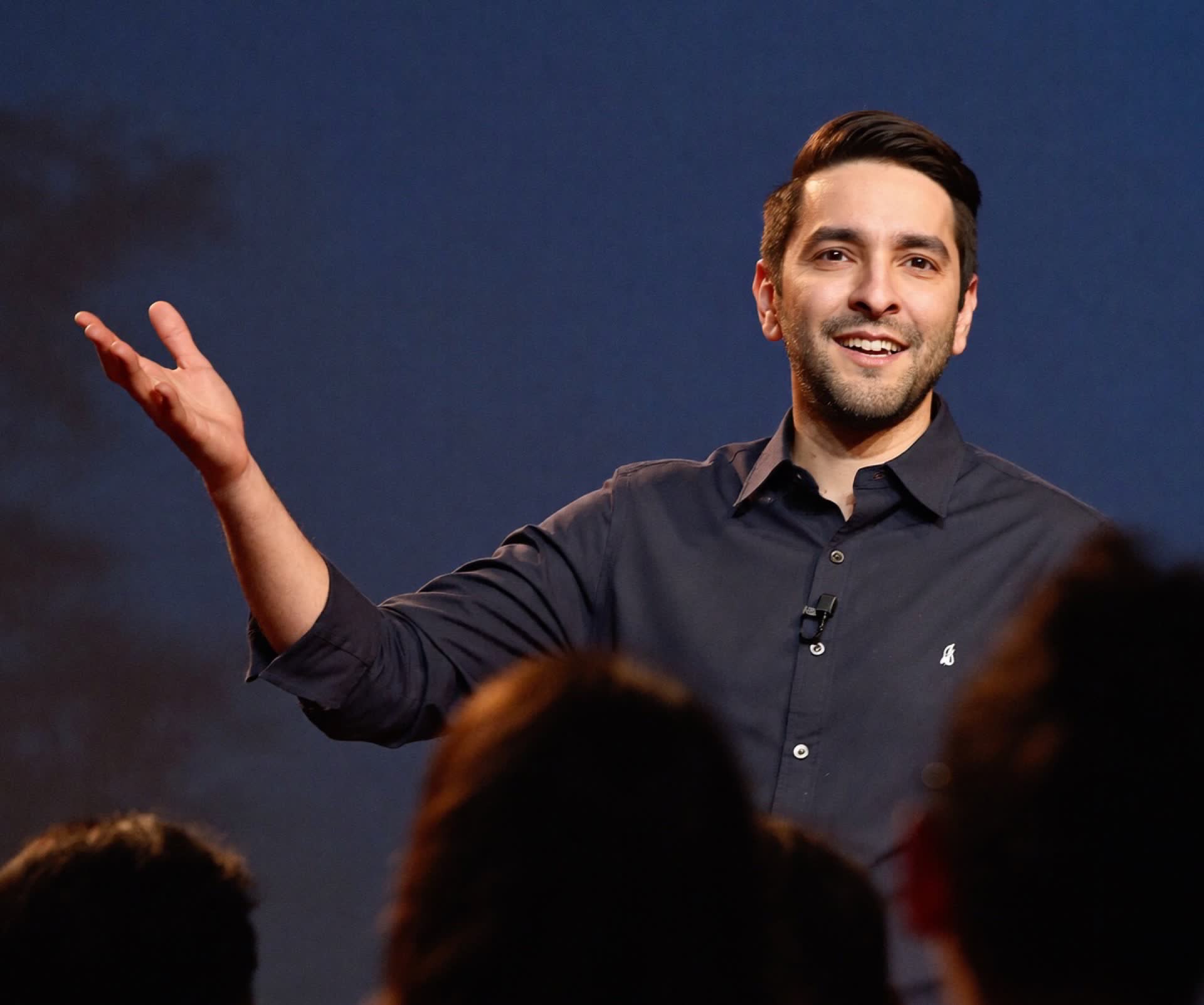
Thought Behind Things · Aug 4, 2021 · 43:01
Afghanistan, the Taliban, and the cost of seeing each other through state eyes
Shahrzad Kofi and Asad Khosha join Muzamil from Kabul to talk through the Taliban resurgence, the failure of the Afghan state to deliver, why Pakistan and Afghanistan keep misreading each other, and what the worst case actually looks like.
with Shahrzad Kofi & Asad Khosha
9 min read
Two guests from Kabul, on the eve of something
The episode opens with Muzamil welcoming two guests who are, unusually for the show, not from Pakistan. Shahrzad Kofi is the coordinator for the Pakistan-Afghanistan Youth Forum and the director of Justice for Equality, a nonprofit she has run since she was eighteen. Asad Khosha is the chief editor of Kabul Now, an English-language newspaper in Afghanistan. Both are in Islamabad for a conference.
Muzamil sets the conversation up plainly. Most Pakistanis, he says, have only ever seen Afghanistan through western media — a frame built almost entirely around the war. He wants to use the next forty minutes to undo some of that. The timing is not lost on anyone in the room. The U.S. withdrawal is underway, the Taliban are taking province after province, and the peace talks in Doha are stalling.
Shahrzad’s Afghanistan, and her mother’s
Shahrzad is twenty-three. Her father died when she was five and she has no brother, so she and her sister were raised by her mother — a woman who, she says, was one of the very few who continued to work even during the Taliban era. After the Taliban fell, her mother joined the UN, and later became the first woman to serve as a deputy speaker in the Afghan parliament.
That biography matters because it is also Shahrzad’s argument. The Afghanistan she has lived in is one where a woman could raise two daughters alone, study abroad on scholarship, and run a nonprofit by eighteen. “The women of Afghanistan are not as privileged as other women around the globe,” she tells Muzamil. But, she adds, things had changed drastically since 2001 — women in media, women in politics, women able to leave the house without a male escort.
The qualifier she puts on all of it is what makes the conversation heavy. In Kabul, she can move freely. In the provinces the Taliban have already taken, she cannot. “In other provinces that are being controlled by the Taliban, unfortunately, a woman cannot go alone outside.” She describes Taliban factions in her own home province of Badakhshan asking for lists of unmarried and widowed women, and barring girls from studying past tenth grade — while at the same time demanding female doctors and female teachers. The contradiction does not bother them.
”If we can take over by fight, why should we negotiate?”
Muzamil pushes on the obvious question. Are the Taliban actually strong enough to do this again, the way they did in the nineties?
Asad’s answer is precise. No, Afghan society has changed too much — in culture, in finance, in the makeup of its urban population. The Taliban, in his framing, are “a bunch of village mullahs who don’t have the understanding of the governance of today’s world,” and that gap is exactly what distances them from the youth and the educated. But — and this is the line that hangs over the rest of the episode — they are gaining ground anyway.
The reason, both guests agree, is not Taliban brilliance. It is Afghan government failure. “The reason why Taliban are gaining more support lies in the failure of the government,” Asad says. “The government cannot deliver services. The government is corrupt. And there is a huge gap between the public and the government.” The Taliban are exploiting that gap, not filling it.
Shahrzad confirms it from the ground. In some districts, people welcomed the Taliban not out of ideology but out of exhaustion: shops could stay open, robberies stopped, prayers could be performed without fear. In Badakhshan, she says, police handed over their arms and walked away rather than fight cousins and brothers. The Taliban’s own self-image, Asad notes, is that of the victorious — and as long as they think that, “they skipped last time off the table” rather than negotiate. What they want, he says, is “complete control over Afghanistan and a surrender.”
Will it be civil war?
Muzamil asks the question directly. Is civil war a real possibility?
Shahrzad answers without hedging. Her mother is part of the negotiation team in Doha, and was shot in the arm by suspected Taliban gunmen one month before the talks; she arrived at the table with her hand in a cast. There was, Shahrzad says, a moment of hope. Then the U.S. announced its withdrawal. “As soon as the U.S. decided to withdraw out of nowhere — I mean, they told us that they are, but it was very unprepared. We were unprepared for this.” The Taliban read the exit as confirmation. “Through fighting, we’re not interested in talking anymore.” Yes, she says, this may lead to civil war.
A youth bulge, with no internet
The conversation moves to demographics. Pakistan, Muzamil notes, talks constantly about its youth bulge — sixty percent of its population is under thirty. Afghanistan has no recent official census, but a population estimated at thirty-two to thirty-four million, and a majority that is young.
Shahrzad is unsentimental about what that means and what it doesn’t. The older generation, she says, is fractured along ethnic lines — Pashtun, Hazara, Tajik — and that is precisely what has held the country back. The younger generation, exposed to social media and to the wider world, cares much less about race or ethnicity. “I see a bright future in Afghanistan through our youth if we’re given the chance.”
The qualifier is real. The internet in Afghanistan, she explains, is mainstream but expensive — many users buy fifty- to two-hundred-megabyte packages that effectively give them only Facebook. That is why Facebook in particular is enormous in Afghan public life; a Facebook post can start a family feud. But the friends she has who lack good internet at home get up early and walk to cafés to do research. The hunger, she says, is there. The infrastructure is not.
Pakistan, Afghanistan, and the security prism
The most pointed stretch of the conversation arrives when Muzamil asks Asad about Afghan public perception of Pakistan. Asad does not soften it. The general perception is not very positive, and politics is partly responsible. But, he adds, the media on both sides share a heavy load of blame. “The image that most Pakistani media portray of Afghanistan here is, I think, is flawed, is not exactly correct. And same is the case with the Afghan media and Afghan public opinion.”
His framing of why is precise. “The two states look at each other from a security prism, and that is what has created a lot of problem and misperception.” He tells a small story to ground it. An old Islamabad cab driver once asked him where he was from. When Asad said Afghanistan, the driver asked, in earnest, whether there were any mosques in Kabul. Asad recounts it without theatrics. That, he says, is the kind of vacuum that misinformation fills on both sides.
Later in the discussion, he sharpens the point further. “What I think a fault Pakistan has been committing is that Pakistan has been engaged with a specific group in Afghanistan.” If Pakistan engaged instead with civil society, think tanks, universities, and media, he says, a lot could change. Muzamil agrees, citing the March 18 dialogue inside Pakistan where the state laid out a shift from geo-security to geo-economics as the new posture toward the region.
An agricultural country, a war economy
Muzamil presses on what Afghanistan could become economically if the war stopped. The mental image most outsiders carry, he admits, is of barren mountains.
Shahrzad corrects it. The north has mountains, but the border with Pakistan is warm and green, with rice and crops. The country has significant mineral and oil reserves. “If we were able to work on our agriculture, we’ll be self-sufficient. We wouldn’t need to import goods from outside.” The reason it has not happened is the same reason nothing else has happened: the war.
Asad adds the structural piece. Afghanistan is landlocked, and its economy is dependent — historically a war economy. The only honest route out, he says, is regional connectivity. Pakistan and Afghanistan were and will remain neighbours; they have to come to terms. He references CPEC and Gwadar as a route Afghanistan could meaningfully plug into, and notes that the absence of Pakistani investment in Afghanistan has, by default, been filled by India, which has used development projects as a diplomatic tool with real effect on public opinion.
”We don’t want any more intervention”
Muzamil asks both guests where they see hope — from Russia, from China, from anywhere — in keeping Afghanistan from sliding back. Shahrzad gives one of the cleanest lines of the episode: “I wouldn’t say unfortunately. I would say it is a good opportunity for us to be able to stand on our own feet finally. I don’t want any more intervention from US or any other international community in Afghanistan because we are capable of changing our own country if we wanted to.”
Asad’s answer is structurally different but lands in the same place. The war in Afghanistan, he says, is partly internal and partly the war of other powers. Regional countries — Pakistan, Iran, China, Russia — can play vital roles, just as they played vital roles in keeping the war going. Until the India-Pakistan rivalry, and the Kashmir question underneath it, is addressed, he says, the conflict in Afghanistan will continue.
Two futures
Muzamil closes with the question Shahrzad’s age makes inevitable. Best case, worst case. Two futures.
Best case, she says: the peace talks succeed, the Taliban agree to an interim government, an inclusive government follows, and foreign capital comes in because the country is finally stable. Worst case: Afghanistan goes back to where it was. Brain drain accelerates — she knows people personally who are selling their entire properties to leave, for Pakistan, Canada, Europe, Australia, even Tajikistan. “Although they love their country, it’s hard to take such decisions. But for the better future of their kids, they have to make such decisions.”
Asad’s framing is steadier but not lighter. There is still time, he says, to pressure the Taliban to the table. If that works, settlement and prosperity and less migration. If it does not, “we will have refugee influx back to Pakistan, and we have a war. And remember, when you have a neighbour where there is a fight going on, then it fires back to your home as well.”
By the end of the conversation, Muzamil does not pretend to have a tidy close. He wishes both guests well, says he cannot imagine what their families are going through, and points to the one direction that has felt different over the previous six months — a Pakistani establishment looking at Afghanistan through economics rather than only through security. Whether that pivot arrives in time is the question the episode leaves open.
Full transcript
सामने कौन सी गाजरात? Welcome back to another episode of thought behind things. आज हमारे साथ दो बहुत ही ख़ास मेहमान मौजूद हैं जो कि, you know, they're not from Pakistan. So we're gonna be having this conversation in English. They're all the way from Afghanistan and they're here for a conference. And I'm honored that they took the time out to be part of this podcast. शेहरज़ाद कुफ़ी who is the coordinator for Pakistan Afghanistan youth forum. She's also previously worked at the ministry of foreign affairs in, Afghanistan. And she's also the director for justice for equality, which is a nonprofit that's working on empowering youth and other things that we're gonna talk about. We also have Asad Khosha, who is the chief editor of Kabul Now, which is basically the English language newspaper for, Itelar.
Aterus. Right.
Sir, guys, thank you so much for being part of the show. Thank you for having us. I'd like to start the conversation with, you, Sherzad, just to just to sort of understand, your work with Pakistan Afghanistan Youth Forum as a coordinator as well as justice for equality. Tell run me through a little bit about what you do. So,
I when I was, like, 16 years old, I started working with this nonprofit organization. It was originally called SPO. So it worked for women, children. It worked for, like, the environment as whole. But now when I once I turned 18, I became the director, and we changed the name to Justice for Equality, and we narrowed down the focus to, women more. Right. So we are working on peace building for women, economic opportunities for women, all that stuff. I've worked with the Ministry of Foreign Affairs as an intern, and now I've just recently joined, you know, the Pakistan Afghanistan Youth Forum. And I'm very excited to be here. Awesome, awesome. That sounds great.
Sir, Asad Khosha, can can tell me a little bit about, your experience being a journalist, in a country that has unfortunately been ravaged by war in the past two decades.
Thank you. I have a mixed background of journalism and research. I have worked as as a as a field work researcher as well, and and and currently I am the chief editor of Kabul now. It is it is, a tough work doing generalism in Afghanistan given the the challenges, given the the security threats. But, we we have been doing, and I enjoy it. Right.
Obviously, the security challenges are there, and we're gonna talk, I wanna sort of explore the sort of, political situation that's been evolving recently. But I think that's I feel like that's a bit too serious right now for the conversations. I'm gonna come back to you, Shahzad. Run me through a little bit about how the how the society in Afghanistan is. Because a lot of us in in Pakistan, when we're looking at Afghanistan, we only we're only seeing western media. Obviously, it's it was very much tailored around the war. It was, you know, showing very specific areas within Afghanistan. We don't to be very honest, we don't know what Kabul looks like in terms of how you probably have seen how Islamabad looks like. Right. And, unfortunately, when it comes to media and particularly international media, we do see a sort of, like, a very sort of, siloed, you know, way of how they represent certain countries. So is is is how is Afghanistan in your experience?
You're from Kabul as well? No. I'm from Badakhshan, but I've lived in Kabul almost Right. All my
so so what are the cities like? What is the city life like?
So I was born in Faizabad, city of Badakhshan, until I was, like, three years old. Then we moved to Kabul because, my mom, was actually one of the very few women who, worked even during the Taliban. And then once the Taliban era was over, she moved to Kabul and she started working with the UN. From there on, I, was first in the crush in UN. So I had a lot of, you know, exposure to many different people. And then I joined the high school in Afghanistan, which was from Turks. So I learned Turkish there, and then I managed to get a scholarship to go to, US. So I've had a lot of experiences with different kind of people. I've seen a lot of, you know, different parts of the world, and I could easily compare Afghanistan to other, you know, countries. And I could say that the women of Afghanistan are not as privileged as other women around the globe, although, you know, women's issues are, you know, there globally. Every country has its issues. Nowhere is a 100% safe for women. But Afghanistan, in particular, have a lot of problems. You know, when as a woman, it's not easy to live in Afghanistan. But I have. I'm 23 years old, and I've lived, almost all my life in Afghanistan. So, of course, after the Taliban era, it was a bit better. You know, there were more opportunities for women in terms of work, in terms of getting involved into politics. My mom was actually the first, deputy Afghan, speaker in the parliament of Afghanistan's history, you know, the first woman. So that was quite an accomplishment. Yeah, and then there are women who are involved in media now. Things have changed a lot drastically for women, you know, as compared to when they couldn't go out without a male accompanying them when there was Taliban ruling, right? So, I mean, in terms of what we know about the Taliban ruling, that's actually, like, that's how it was. Mhmm. You know, the the women couldn't go out. What was women education also banned at the time? It was. Yeah. Women couldn't go to school. They couldn't go to work. They couldn't go outside the home without a male accompanying them, just like told you. So, yeah, there's a lot of drastic change in terms of that. For example, me, myself, my mom, my father passed away when I was five, so and I don't have a brother. So for my mom to be able to, like, bring up two girls I have another sister in a society like Afghanistan and be a leader, on her own and, you know, thrive is not an easy job. So for me, to be able to study and, you know, come here, visit different countries, have exchange programs, study. For me to want to pursue my career is a big difference. It shows a difference in itself, so. And do you have the safety and security of mobility now in Afghanistan? You know, moving alone and As of right now. In Kabul, yes. But in other provinces that are being controlled by the Taliban, unfortunately, a woman cannot go alone outside. So it's the same set of rules. The Taliban, in your experience, have not evolved since 1992. So there are two types of Taliban. As you know, the peace talks have begun, in Qatar, Doha. So there's a group of Taliban that are now civil who are like, okay, you can have a you can have, you know, government where women are involved, But then there are Taliban in, for example, my province who are asking for a list of women who are not married or are single or widowed who they could, like, you know, marry or who are setting rules where women cannot go outside alone or study after a certain age. Like, after tenth grade, women cannot study anymore. But they want female doctors, right? And then female, female teachers. But, you know, it doesn't make sense that way. Right? So there are changes now. Unfortunately, it's getting bad. I hope it doesn't get to where it was, like, in 2000... Before 2001, but things are changing. Talibur are, like, if we can take over the country by fight, why should we negotiate? Right? Right. So they are taking over a lot of provinces as of now. Right. That's that's quite unfortunate. Sir, if you could tell me a little bit about, you know, the seriousness of what what Shah has actually just said.
Do you think there's a real possibility that the Taliban have enough strength to be able to I mean, I understand in the nineties, you know, it was a very different time. You know, it was in my understanding, it was a very tribal setup. So anybody who takes, like, Kandahar and Kabul and the major cities essentially rules the the remainder of of Afghanistan. But I feel like in in the modern day, it's going to be much more sort of, you know, connected maybe all to the Internet. You know, there'd be a huge youth population. Maybe they have different ideas. You think at this point in time, is as easy as it was in the nineties for the Taliban to be able to make a government?
I don't think so. Afghan society has changed, a lot of things are are are changing quite fastly. Today's Afghanistan is not the the Afghanistan of the of the nineties when when Taliban took and, just established their own regime. Today's Afghanistan has has changed in terms of culture, in terms of... In in terms of of finance, in terms of of the income resources. And they they all are the major things that have changed the perspective of, particularly of of the people who are living in the urban, areas. It is a challenge, I think, for for for the Taliban to reestablish, their The regime, essentially. The the the regime. Yeah. But they are trying. They they they have some support in in the in the in the villages and and and the provinces. But it seems it seems that it is it is it is really difficult for them to to reestablish and the the way they think to control. And and what is what is I think what is quite significant to know about the Taliban is that they they are a bunch of of of mullahs, of village mullahs who who don't have the understanding of of the governance of of the of today's world, of of the modern world. And that is what that that distances them from a large proportion of of the society. Of of, distancing them from from the youth Right. From the educated segment of the society,
and they they don't have any place in their, mind. Right. What's the what's the population of Afghanistan? I mean, in terms of, you know, how many how many million people are there in in Afghanistan? We we don't have any official,
census. Right. But it is it is estimated that, Afghanistan has, around, 20 thirty thirty two to 33.
Four. 34,000,000. That's that's a that's a sizable population. And I heard I was reading an article the other day that there are in terms of the total size, Taliban has, like, 75,000 fighters. Mhmm. So so, I mean, I I'm seeing this huge discrepancy. Right? Like, these are 75,000 fighters versus 30,000,000 people. Do they have, you know, support within those 30,000,000 as well? Are these people who are sympathizers with Taliban? And that's one of the reasons why they're able to to gather the the strength and the ability to be able to, you know, capture a lot of these districts? Or is it more like, you know, people are just so so wary of war that they're just like, you know, we don't wanna fight anymore. If someone's coming in, just let it be and and and You know, I think it's both.
Because, recently I heard that the Tahor province was taken, and the people were actually happy about it. Because when the government was ruling, there was, like, robbery. There were the fear of Taliban and other stuff that contributed to them not being able to live in peace. Right. But they took over, and now they're like, we keep our shops open. We can... We don't fear robbery anymore. We can just, you know, we go to pray, we come back. We live at peace. Some people do support the Taliban regime because it's about their interest. And as long as they can live in peace, they don't care what the government is gonna do. Right. But on the other hand, they also have fear on people's hearts. Some people, they just... For example, in Badakhshan province, where I'm from, the the police, they just handed over all the, you know, arms they had and they left without fighting because of the fear of bloodshed and, you know Right. Fighting their own brothers and cousins and, you know, relatives. Right. So it's it's both, think. And and do you think there is a possibility that the Taliban could come to the table and sort of create a unitary government?
Or do you think it's always going to be, again, in in terms of, at least up until the peace talks, a separate terrorist force versus a set of, you know, know, governments, which which ruling parties and opposition parties, then the Taliban were always seen as these, like, separate group of people who were rebellious and who were fighting. But now with the peace talks, can we see them as a political force in the coming years?
First, I think what what miss Kofi commented, I I just want to add something. The the reason why why Taliban are gaining more support lies in the failure of the of the of the government. The government can cannot deliver services. The government is corrupt. And and there is there is a huge gap between between public and the government. And Taliban are exploiting that that Right. Gift. It is not, it is not, it is not the whole nation who are welcoming the Taliban. It is... They are fed up with the current government, and that is that is what the the Taliban are explaining. In terms of of of peace, I think the the Taliban, they think that they are they are the the victorious. They have won militarily, and they are trying to take control over over many cities, over Kabul, by force. Mhmm. That is their narrative. But but but that is not the only the only case. There are there are many many many people who resist against Taliban, historically speaking. They they they they have a lot of problems with with Taliban, with with their idea, with their ideology, with their way of thinking. And, they have been preparing themselves for for for a fight if the the Taliban do not come to the negotiating table. But, up till now, they have not shown any any sign of reconciliation. The the the the Taliban, I think, they skipped last time off the of the table, and and for for and they did not have any excuse. What they what they demand is is is is a complete, you know, control over Afghanistan and a surrender.
They they Which, obviously, nobody's going to sort of accept. That's like a no brainer. And and and the the the
composition of of the of Afghanistan is, Taliban are not are not the only force, who who who think that they can control and they can govern the the country. There are many there are many other forces who are, like, against, Taliban, and and they have their own narrative, and they're trying to to create their own narrative. And and historically speaking, they they have been at at odds with each other, and that is if if the Taliban do not come to negotiating table, that sort of of of of conflict is going to to, you know, to be, refought.
So do you think, Shirazal, do you think civil war is a is a real possibility?
Unfortunately, it is. Because, so my mom is part of the negotiation team in Doha. When the first, went there, she was shot in her arm by the Taliban probably, And she went there with an injured hand. ¿En en Doha or en Afghanistan? In Afghanistan. She was shot one month before the peace talks, and her hand was encassed when she went to the talks. They were hopeful. Everybody was very happy. It seemed like a bright future for Afghanistan. But as soon as the Yugostas decided to withdraw out of nowhere, I mean, they they told us that they are, but they was very unprepared. We were unprepared for this. So after the withdrawal, the Taliban are like, okay, you don't have any international support. We can when through fighting, we're not interested in talking anymore. Right? So, yeah, that's a bit disappointing, and this may potentially lead to civil war.
I'm gonna I'm gonna change the conversation a little bit, and I'm trying to trying to understand. I mean, you're 23 years old. You know, in Pakistan, one of one of the major things that we say, you know, is is that we have a youth bulge essentially where 60% of our population is 30.
Is it the same in Afghanistan? Are are there a lot of young people? There are a lot of young people. Do you know the percentage for that? I
I don't know the the percentage, but majority of the of the Are you. Yeah. Are you.
So so how do you see mean, I know that you you work again with Pakistan Youth Forum as well as, you know, with Justice for Equality. How do you see the younger generation? I mean, I do understand, obviously, the older people. They've lived through through, you know, severe bloodshed in the nineties. I mean, to be very honest, it's for the past forty years. Mhmm. Right? I mean, seventies were horrible. Eighties were horrible. Nineties were horrible, and your maybe people thought, okay, maybe even if the it's the Taliban, at least we're not fighting anymore. And then 2001 forward, you know, we saw the longest war that US has ever fought. Essentially, you know, while, again, one direction could lead to an unfortunate civil war, maybe, you know, through some miracle, we might just for once see Afghanistan with its own fate and and and with long lasting sustainable peace. Do you see the the younger people be different in terms of, you know, how how the older generations were? Absolutely.
I feel like, I see a lot of, disunity in among the older generation. Like, ethnicity is a very big part of it. Okay. So you're Pashtun, you're Hazara, you're Tajik. That's why we cannot get along together. But I see this very less with the new generation. The younger generation is much more open minded. They have studied their they have been exposed to the new world, to social media, you know? So they have more important stuff in their mind than just to focus on race or gender or, you know, ethnicity. So I see a bright future in Afghanistan through our youth if we're given the chance. Right. You know, if there's no war, people are very interested to establish their own businesses, join politics, become doctors. Even now, they don't have enough resources, you know, to become their best versions, but they're trying very hard. I've studied in US and I've seen the difference between youth there and here. They have a lot of, opportunities, and they use that. But then I have friends in Afghanistan who don't have Internet access, and they manage to get up really early in the morning, go to cafes, do research, you know? Just try to become their best version with what they have,
which is a very, important thing. And you mentioned Internet. Is that, is that still very, very exclusive to, certain certain, you know, a certain class of people or a certain, you know, sort of urban,
very exclusive set of people? Or is it now becoming more mainstream and going It is becoming mainstream, but it's a bit expensive. Like, not everybody can afford it. Even if they did, they have, like, short, small packages of, like, 50 to 200 MBs that where they could only use Facebook. That's why Facebook is very popular in Afghanistan. So, people even have, like, if somebody writes something in Facebook that it could start a rivalry, like a whole family problem. Right. Facebook is a really important, you know, aspect of the social life in Afghanistan.
But, yeah, in Kabul and other provinces now too, people are starting to get introduced to social media and Internet. And do you think social media has has has brought about a change in terms of how people are because they're communicating in an entirely different way altogether. Right? They're able to communicate with people that they probably couldn't communicate with before, I feel like that would I mean, I would hope that that would help reduce the differences rather than increase them. Exactly. It does. Yeah. They are connected to different, you know, people from among the globe, and they can exchange views. They even get opportunities to visit their countries or have exchange programs through the Internet. So it's definitely a big difference. That's that's nice to hear. And I'd like to, know a little bit about mean, I know that you're working on a project to with with the youth and and and sort of, like, creating an outreach program. Can you tell me a little bit about what what that's, you know? Yeah. So, we were thinking of,
you know, gathering youth from different provinces of Afghanistan. Although the security situation is not really good, but we cannot stop living because of that. So to choose a few, you know, group of youth and then talk to them about the peace process, their perspective of peace, their definition of peace, and their narrative and, you know, about the relationship of Afghanistan and Pakistan. After that, then we can gather, the representative of those groups
to Kabul, and then, maybe we can have an exchange program to Pakistan. Oh, that sounds very exciting. Yeah. Asad, I'd like to because she mentioned the relationship with Pakistan, and and we know there's a there's definitely a fault line there as well. You know, on social media, we do see a lot of, I again, I don't know if the if it's actual Afghans or it's, you know, profile. I mean, on social media, you can't tell it any anything anymore. But we do see a certain, you know, negative attitude, from certain Afghan youth, towards Pakistan. And and and so I'd like to sort of understand in your experience, what's the narrative in in in the mass population there in terms of, you know, Afghanistan, in terms of Pakistan and also the other neighbors for Afghanistan for Afghanistan. You know, Iran and I believe, Uzbekistan is also connected. Tajikistan. Tajikistan is also connected. So so what's the general, you know, how do they see their neighbors?
Well, yeah, you're right. The the general perception about Pakistan in Afghanistan is not is not very positive, and that is that is because of the politics at the very same time. But I think, to to some extent, media have the responsibility to to correct that one. The image that most Pakistani media, portray of Afghanistan here is is, I think, is flawed, is is not exactly correct. And same is the case with with the Afghan media and and Afghan public opinion, which is shaped by by by the media. That and that is why we have engaged in this program, and I think this is an opportunity to just correct, to to correct the wrong perceptions that we have about each other. And and we should look from a different, perspective, and we should talk to each other, and we should bring more, people
Together. Together and talk to to 100%. I think engagement is something that, truly changes your worldview. And you know, you talked about the media showing Afghanistan. I mean, don't know how Afghanistan is showing Pakistan. But obviously, you're now in Islamabad. Maybe you're gonna go back and be able to provide a better insight. But in terms of how the Pakistani media is portraying Afghanistan, I'd like to understand what has been missing. What is the vacuum? Because I do understand. I I mean, I totally agree with you because to be very honest, the media or the media personnel don't really know Afghanistan. It's all just like Chinese whispers, you know. You read something from a guy who also just read something, who also just saw something. Nobody's really sort of connected. So what are the areas where you see you feel like the media isn't doing justice to the image of Afghanistan?
I I I think what would the media do, in both countries is that they they they see each other from the prospect from the perspective of the state. Right. And the two states look at each other from the from a a security prism, and that is that is what that has created a lot of problem and misperception. I remember once I was coming from Islamabad Airport to, city. A cab driver, An old man, he asked me where I was from. Then I said Afghanistan. Then he put another question, then he asked me that if there was any mosque in Kabul. So it was surprising for me. I said yes, there there there is a... We are Muslims and there are many mosques. Then I was surprised that who actually, you know... Feeds the misinformation, you know? And then that is, that is the case. And, there are many, there are many things, there are many perceptions that are shaped by, by, by, by certain, by certain media in Afghanistan about Pakistan, which is, which is totally wrong, and, and, and that is that is not the the true image of of Pakistan, I I I believe. And and I think, again, there are a lot of politicking and a lot of politics, and that is why that
the two nations are arms led. Right. You talked about, you know, the states looking at each other in a in a security prism. You know, we we recently heard on the March 18 in Pakistan, there was a dialogue where, you know, Islamic dialogue where most of the Pakistani sort of state machinery got together, and they they laid out a new essentially, a new plan Mhmm. For for for Pakistan going forward. And they said, you know, we're we're moving away from geo geosecurity, and we're now moving towards geoeconomics. And that part, you know, that, essentially, that new direction includes connecting the entire region, helping the region grow, you know, in terms of, you know, with each other rather than, know, like, fighting amongst each other and then maybe trading with the Europeans or the Americans. You know, the idea is what if we could all have connectivity? What if we could all learn to coexist and, you know, be beneficial to each other because we're right next to each other. Right? So in terms of that particular, direction, before I go more towards the international side, within Afghanistan, and I know for a fact that conflict generally ends up brewing a lot more when the economic opportunities are less for people. So what is the economy of Wuhansaan right now? And and and what are the major areas, particularly if you could add as well, you know, where, you know, this large amount of youth could be integrated within the system? Because, again, from an eye, from from from a lens of an outsider, it seems like there's there's not a lot that has happened there to provide opportunities and productivity to to younger younger people. And, obviously, then they have a very, very high tendency to, you know, move towards these sort of rebellious, you know, anti state activities.
Absolutely. I think one of the main reasons the youth now, are getting engaged with the Taliban is because they don't have they they just say it out loud that we don't have any jobs. We don't we're just graduated from universities even or, school, and we don't have anything else to do. So in order for my family to be able to survive, I'll go join the Taliban. So either give me jobs or I'll do that. In terms of what the possibilities are, for politic for economics in Afghanistan, Afghanistan is a very agricultural country. So if we focus on that, also it's a very, rich country in terms of mines, oil. You know, we have... We're a very rich country in terms of, like, its geography. But we just can't use it properly Because of war, due to the war that the provinces are going through, the security issues, we're not able to utilize, our
the things that we have. So So when when you talk about agriculture, because in my mind, when I when I see Afghanistan, every picture that I've ever seen Afghanistan, I've just seen, like, these barren lands of mountains. And, you know, I I for the life of me, I couldn't think that Afghanistan could produce its own food based on the images that I've seen. So are there areas within Afghanistan that are, you know, green and Of course. And fertile and, you know? Right. No, Afghanistan is, very diverse in terms of its geography.
So in northern part, we have mountains, even in the middle part. But then, in the border with Pakistan, it's very warm. So the similar, weather kind of like like from Pafau to Pakistan. So we have a lot of greenery. We have crops. We have rice. If we were able to work on our agriculture, we'll be self sufficient. We wouldn't need to import, you know, goods from outside. But it's because of war that we cannot do that.
And in terms of, you know, beyond agriculture, so so, you know, you talked about minerals and mines and and and stuff like that. Can you can run you me a little bit through, whether that has been exploited at all? I mean, exploited is a negative word, but but has has there been, you know, work and interest within the the, you know, Afghan private sector that have tried to sort of utilize those those resources?
No. Afghanistan is a landlocked, country, and its its economy is dependent. And and, misfortunates, economies and the war economy. You mentioned that, yes, there are discussion of of the regional connectivity, and that is the only hope. Afghanistan and Pakistan were neighbors and our neighbors and and will remain neighbors, and then they have to to to come and and settle their problems. And there are a lot of, people in Afghanistan that they do not think the way the the successive governments in in in Kabul think about many issues, particularly about the the Duran issue, about the bilateral relation with with Pakistan. But, wise such wises are are, you know, a little bit, you know, unheard, particularly particularly here in in in Pakistan. I think what what the a a fault Pakistan has has has committed and has been committing is that Pakistan has been engaged with with a specific group in Afghanistan. And and they think that that specific group can be can be a good a good partner for for Pakistan and Afghanistan. If if they engage with with other, spectrum of the society, with civil society, with with think tanks, with universities, with, media people, think we can we can do a lot, and we can promote that, that aim of regional connectivity and can solve many problems through discussion and can change the negative image that we have about each other, which is, to many extent, wrong
not correct. And I think there's definitely a definitive push from within the Pakistani state and establishment that I've personally experienced within the last six months or one year. The entire direction of how they're approaching, the Afghanistan situation, in my experience, has changed. They are looking at the regional connectivity. They are looking at the the economic side of things as well. And and I think because of that, like, just as you mentioned, I think they are going to understand the opportunity on both sides, you know, to to maybe do things differently this time around. But I'd also like to understand in terms of your your other neighbors, you know, you mentioned Tajikistan, Uzbekistan and Iran. What are the relationships like, of the Afghanistan government with with these neighbors?
Again, it it it, you know, it varies. Afghanistan has a has a friendly relationship with with its neighbors on in the North, with Tajikistan, Uzbekistan, and and in the West with, Turkmenistan. Its relationship with, Iran has not been very friendly, but it is, to many extent, good. It has it has... Afghanistan has... I mean, Afghan government has problem with with with governments in in in Pakistan, and and that is what... That bothers, I think, the two nations. But when it comes to to trade, to to business, there are not there are not a lot of activities between between Afghanistan. It's northern neighbors, But somehow, they have friendly
Relationship with them. Relationship. And I know that there is definitely an economic, like, there there is definitely, trade between Pakistan and Afghanistan. You know, there's, we know that both sides of the border, people are very connected to each other. You know, The US left, and you mentioned that they left it quite quite in a hurry. You know, and this this, you know, question can be answered by either one of you. Do you have any hope for other, regional powers, including Russia or China, that they could potentially step in, and be able to maneuver through the situation and save Afghanistan from, you know, a potential civil war or a potential chaotic situation? Or do you think Afghanistan unfortunately has been left on its own this time around? You know, I I wouldn't say unfortunately.
I would say it is a good ex good, opportunity for us to be able to stand on our own feet finally. I don't want any more intervention from US or any other international community in Afghanistan because we are capable of changing our own country if we wanted to. But I think there are internal conflicts like ethnicity issues and other unity issues that we have, that if we resolved, we would be one of the most successful countries in the world because we have the potential of it. So, no, personally, my friend might have a different opinion here, but I personally don't want any more interventions for my country.
And Ahso, what do you think? Do you think there's I think I think Afghanistan's
neighborhood and the regional countries, they can play a very vital role in Afghanistan's peace as they have a very, very, very, you know, a very vital role in meaningful role in in Afghanistan's war. The war that is going on in Afghanistan is, to some extent, the war is is the result of the the the conflict, the the internal conflict. But at the very same time, it is the war of of the other powers. Right. You know, the geopolitics of of Afghanistan is quite complex, and it has been. I think Pakistan can play a very vital role. Iran can also play a very, very significantly vital role. And and and and same, can China do a very vital role, play a vital role. And Russia and then the rest, yes. And we I think, we cannot come to resolve our problems unless the the the regional countries, they they come together and and and set their their their their problems. Right. A lot of things that are going on in Afghanistan is, I think, is is due to to the rivalry that is between existing between India and and Pakistan or or Kashmir and and rest of the problems that they have. And unless they do not come to to terms, then the the the conflict in Afghanistan will will continue.
Right. And, in terms of, you know, we talked about economics a little earlier. We we we are, you know, hearing about this railroad project with through Afghanistan, all the way to Uzbekistan to connect the Central Asian states to Pakistan and eventually down to the sea as well as Afghanistan. How how important do you think that is for Afghanistan in terms of mean, is that just a transit route for Afghanistan at this point in time? Or do you think it could potentially facilitate like you said, you you know, Afghanistan is a landlocked country right now. And because of that, the the rich mineral resources haven't been tapped. Do you think and and and that's where my question with with regional players came in because I do understand, you know, you don't want the the regional players to be meddling with your politics. You don't want them to be meddling in terms of, you know, bringing in soldiers or or or or or, honestly, just, like, playing along with the fight. It is the it is a fight between Afghans, and they will know how to resolve it. And and and only they can resolve it in a way, that it is long lasting as well. But in terms of economics, you know, I I I do believe that, you know, for example, you're for Afghanistan right now, with a lack of money and a lack of investment, it would be difficult to kickstart the the industries and to kickstart the economy. But for a for a country like China, for example, which has a, you know, definitive supply chain, you know, if if if there is a connectivity through Pakistan, you know, they could potentially invest in in in in Afghanistan and and be able to provide opportunities for the youth, and they could eventually start to trickle away from all of the chaos and and move towards more productivity. How do you how do you find that?
I think I think we can benefit a lot from from from that project. The CPIC and and and and the rest that is that is going on here and the the Goaather project, and that is the only way that can that can resolve the the problem. But what I think, so far is is missing on the part of Pakistan is that, there is less investment on the part of Pakistan when it comes to to to to Afghanistan. Yes. Pakistan is never... Yes, we have to have a good relationship, but how... Then then then that depends on on how you you do and how you how you work with with each other. Afghanistan is a poor country at the very same time, and it needs help. Right. And there is a vacuum. If that vacuum is not filled by the neighbor that thinks that can benefit, a lot, then that shall be shall be shall be filled with by by the other neighbor. Remember, I think India in Afghanistan has been using development projects as as as weapon. Right. As as a diplomatic tool, yeah. Yes. To influence the public opinion over there. And and the perception about India is quite quite positive. Yeah. And India has a good image in in Afghanistan. Right. While while India's presence in the long run and and in the short term is is not in the benefit, in in the interest of of Afghanistan. So it's the the presence of Iran in any other country. Right. So it is it is a country where almost almost all countries, almost all neighbors, they they they look after their strategic Interests, obviously, understandably. Yeah. Then then it depends on how on how you play and how you you you look after your interest and how you can gain that. That makes sense. And there are a lot of opportunities, I think, I think, when it comes to to trade, when it comes to bilateral relationship, when it comes to regional connectivity, between Afghanistan and Pakistan. And that is the time, and this is the time to to just, you know, put that into practice. Right. And change the the direction and change the the narrative, and we can believe it a lot from from
that. From that relationship. Mhmm. I'm I'm gonna you know, we're we're at almost the the forty minute mark. I'd like to sort of change the conversation a little bit and, try to understand the future of Afghanistan. If I if you could give me an an an I'd like to ask both of you, but I'd like to start with Chahzad. You know, you're just 23. 23 is a very sort of hopeful age. It's it's, you know, the peak of your youth. And so if I were to ask you, you know, give me two directions of the future of Afghanistan. One, in the best case scenario, and two, in if it turns out for the worst. Interesting
question. So, best case scenario, the peace talks are successful. The Taliban comes to an agreement. There's an interim government, and then after that, they they can come to an agreement, and then they can create a a government where everybody's included and everybody can prosper. Everybody could, invest on themselves, invest in the country. Foreigners will invest because of, the prosperity. Worst case scenario, Afghanistan will go back to where it was. A lot of people say it will not, but there are, high chances that it will. Although people are changed, people, you know, have developed, they are, more accomplished now. But then we also have brain drain in Afghanistan. I know a lot of people personally who are very good with what they do. They have very good ideas, but they cannot implement it. So, they have to save themselves and their families. So if they get the opportunity, they leave. We have a lot of very talented and full of potential people that are on the urge of leaving country or have already left the country. And what are the options for people who generally end up leaving? Are they going to The US or Europe? Many different, countries. Even Tajikistan have just recently announced if the international community is gonna help them, they're ready to accept the refugees from Afghanistan. Right. They're coming to Pakistan. They're going to Canada. They are going to European countries, literally anywhere they could find Australia. They if they have family members, if they know friends, if they have any array of hope of getting out of Afghanistan, they will. People are selling their properties. The pee I know neighbors who are selling their whole properties, everything they have. And although they love their country, it's hard to take such decisions. But for the better future of their kids, they have to make such decisions. So that's the worst case scenario.
Right. And, आसित, what do you think? I I think we can we, still, we can we can we have time, and we can do a lot of things. We can we can put pressure on on on Taliban and and and bring them to the negotiating table. And if that works, yes, of course, we'll have a settlement, and we we all benefit. And and, yes, we have more prosperity and less migration. But if that does not work, of course, we will have, refugee influx back to to to to Pakistan, and we have a war. And remember, when you have when you have a neighbor and where there is, a fight going on, then it it it fires back to your home as well. Right. 100%. And that is a that is a threat. Things are political, but but I I expect that we but we can we can still, you know, work for peace, promote peace, and and put, pressure on on public opinion and and generate a narrative that that can, sort of, you know, change the narrative of Taliban, that they think they're they're the victorious, and they think that they can do, and they can manage their affairs. That's why I'm here, and that's why I'm interested in this this conference. And I'm trying my my best to, yes, to to to just convince people from the media and diplomats and and the rest that, yes, we have to come together and work and and and and and think for for a better future. 100%.
Guys, I wish you all the very best. I'm I'm I I don't know how, you know, it's a tough time. I can't even imagine what you and your families are going through in Afghanistan, and I hope, I pray. And I know, you know, everyone I know in Pakistan, is praying for you. I know that there is definitely a different direction like you mentioned. I think there is a very unique opportunity to reset the relationships. I think that opportunity, particularly in terms of our establishment and our government and state, you know, they're they're looking at Afghanistan in a very different way this time around. And I hope that we're able to create a situation where, you know, through economics, we can provide, you know, a growth and we can provide a sustainable living for both our peoples. Thank you so much for the insight that you've shared. Thank you so much for being part of the show, you know, and I wish you all the very best. My pleasure. Thank you. And for all of you guys, thank you so much for watching. अगर आपको यह episode पसंद आई हो, पहला तो मुझे comment section में बताइएगा what do you guys think for me? Was a it was a fairly humbling experience to have met these two quite amazing people. But I'd like to hear your opinions as well. इसी के साथ साथ, you know, there's a left right के ऊपर. There's an easy पैसा jazz cash opportunity if you'd like to support the podcast. You know, audio platforms वाले subscribe को button दबाएंगे. आने वाले episode के notification मिलेगी. YouTube वाले like को दबाएंगे, engagement बढ़ेगी ज़्यादा रोहन का हमारी conversation पहुंचेगी.
More from Thought Behind Things
Jun 30, 2026
Simon Dixon: the US empire is being wound down by design
with Simon Dixon
Simon Dixon argues the American empire isn't collapsing — transnational capital is deliberately unwinding it, and Pakistan's military has become its leverage in the transition.
Listen →
52:45 Jun 9, 2026
How Asad Mehmood landed Mattermost from Pakistan before A levels
with Asad Mehmood
Asad Mehmood walked into Mattermost before he had A levels, crossed two million dollars on Upwork, and now runs a design agency from Pakistan. He sat with Muzamil to lay out the framework underneath it: become undeniably good, then become visible, then sell outcomes.
Listen →
59:04 Jun 5, 2026
A 22-year-old Pakistani's road map to space by 2050
with Hassan Mossin
Hassan Mossin, a 22-year-old Pakistani astrophysicist training with the International Institute for Astronautical Sciences, walks Muzamil through the next twenty-five years of space — commercial stations by 2030, a lunar base by 2032, and why the bottleneck isn't food or oxygen, it's energy.
Listen →Never miss what's next.
The dispatch - new writing and conversations, straight to your inbox.
First name, last name, email - in your inbox weekly. No spam.