Skip to content

Thought Behind Things · Oct 31, 2022

The AI engineer quietly building Pakistan's food future

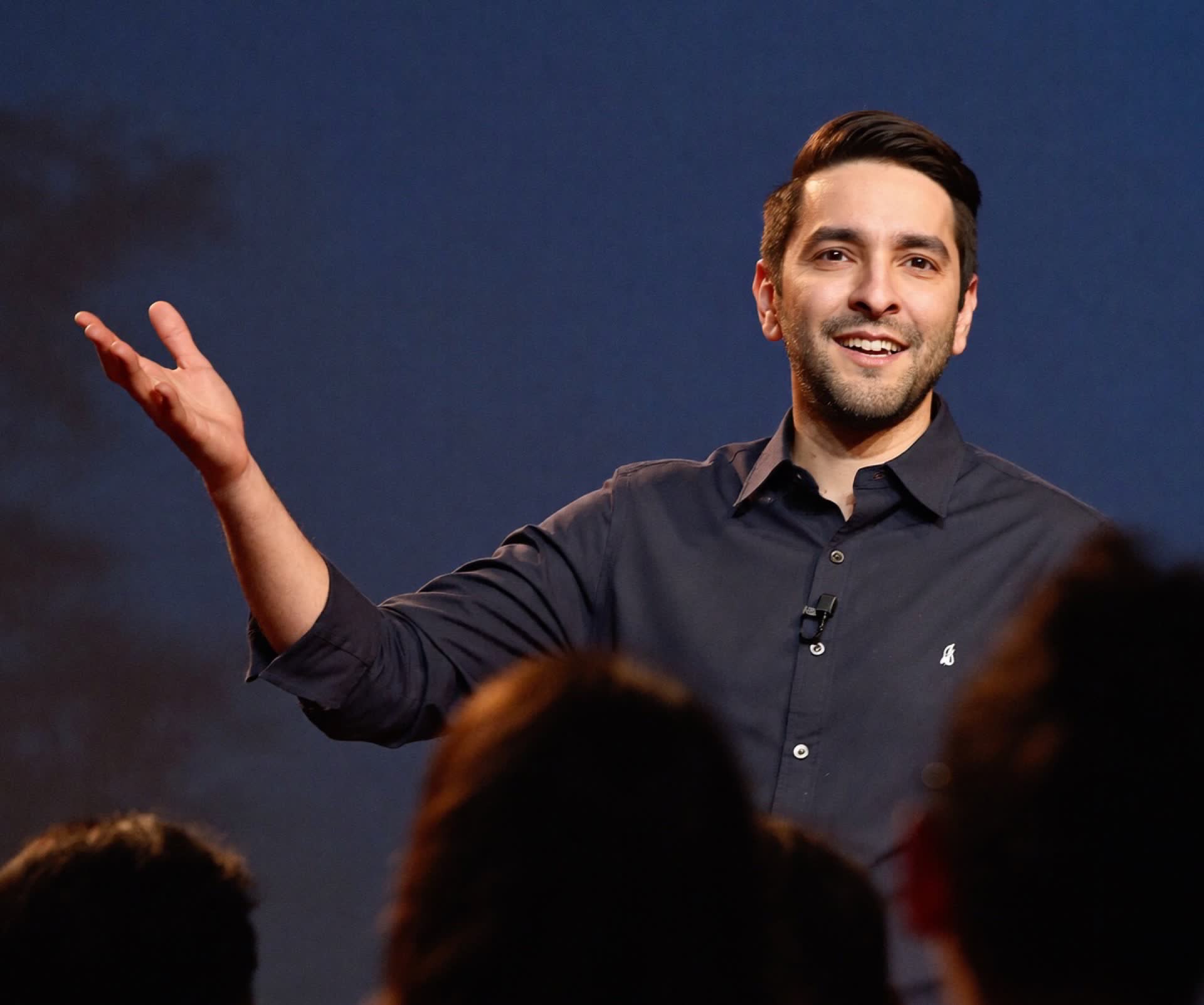
Atique Ur Rehman went from a government-school kid in Wah Cantt to building AI systems for self-driving cars. Then he walked into a livestock market and saw something that changed everything.

with Atique Ur Rehman

11 min read

Computer science chose him — he didn’t choose it

The episode opens with Muzamil introducing Atique Ur Rehman as a batchmate from FAST Islamabad’s computer science programme — someone he describes as “one of the smartest guys you’ll ever hear” across two very different domains: technology and organic farming.

Atique grew up in Wah Cantt, a small city attached to Taxila near Islamabad, built around the Pakistan Ordnance Factory. He was a strong student in government schools, good at maths and physics, and fully expected to become an electrical engineer. He had sat the entry tests for NUST and UET Lahore when the test was leaked and cancelled. In the gap that followed, a friend mentioned FAST and a scholarship that was restarting after four years.

“It chose me. I didn’t choose computer science,” Atique says. The ICT R&D scholarship had a restriction that applicants could not be from a developed city — which, for once, being from Wah Cantt was an advantage. He sat the test, was selected the same day, and was still planning to wait for UET to reconduct its exam when a friend at FAST told him to attend classes for two or three weeks. Within three weeks, he was sold.

The scholarship itself was remarkable in scope: full fees, pocket money, books, residence, and transportation. Atique is emphatic that it is “a very underrated program, and it’s not appreciated enough.” The NICT model trained government school teachers first, who then delivered coaching to students in their own areas — making entry-test preparation free and accessible to children from Dadu and Hazro who had never attended a coaching centre. The programme ended after a few years, but the lives it changed are visible today.

Why communication is the real bottleneck for Pakistani engineers

Muzamil presses Atique on something that is easy to overlook: the quality of his communication. He is from a government-school background, from a comparatively smaller city, and came through FSC rather than O-levels — all the stereotypes that would predict poor English and weak professional communication. Yet the conversation is fluid, precise, and self-aware.

Atique traces it to two things: FAST’s deliberate effort to build communication skills, and early exposure to international clients. His first company had people from fifteen nationalities. He had to learn not just English but how to communicate without offending, how to understand what a client was actually asking beneath the surface of their question, and how to navigate work-culture differences — including something as specific as explaining to German colleagues why he needed to leave a meeting for prayer.

“If you’re only talking, that’s not communicating,” he says. “You have to understand what the person is asking. Sometimes the question is not in the exact question — the question is inside.”

Muzamil makes the point directly: Pakistani universities are not doing enough on work ethics and personality development. Atique agrees. “As an engineer, I think even at early stages, 50% of your work is actually technical, and the rest is communicating.” Engineers who cannot communicate their problems cannot get them solved. Engineers who cannot read a client’s requirements cannot build the right thing. The technical curriculum is improving; the human side is not keeping pace.

Building AI before it was a buzzword

Atique’s final year project at FAST — done with Muzamil’s brother Mohsen, who was working in esports in Silicon Valley at the time — was a location-based augmented reality app that let users attach memories to physical places and see others’ notes when they pointed their camera at the same spot. The project was called Snapchat. It introduced him to computer vision and convinced him to do a master’s instead of taking a job.

During his master’s, he and a small group of students and faculty founded REVEAL Lab — Recognition, Vision and Learning Lab — at FAST. AI was not yet common in Pakistani universities. They ran a five-day workshop for teachers from eighteen to twenty universities, funded by HEC. They applied to Nvidia for a GPU when FAST had none, and Nvidia gave them a K80. “It was a very memorable moment for me at least,” Atique says.

From there, a German startup — Automotive Artificial Intelligence, founded by former Audi engineers — came to the lab looking for talent. Atique joined as technical lead for Pakistan. When he left two years later, the Pakistan office had grown from four or five people to 120. The core AI work was happening in Islamabad, not Berlin. “They were doing cutting-edge work. The whole core AI was happening here in Pakistan.”

What AI is actually doing now — and what it is not

Muzamil asks the direct question: is AI a buzzword or is it real? Atique’s answer is structured and honest. The first phase was excitement without substance — companies attached AI to their names to get funded, engineers attached it to their CVs to get hired, and neither side knew what they were actually looking for. Real-world deployment was a brutal check: models trained in lab conditions fell apart on live data.

The second phase is different. “Companies have started to realize what type of engineer they need.” At Motive, where Atique now works, the AI system processes around 100,000 videos a month from dashcams on commercial vehicles, identifying dangerous driving events — close following, phone use — and alerting fleet managers in near real time. “While we are sitting here, 20,000 of those possible incidents might have stopped.” Human annotators were tried and abandoned; the scale is simply not possible without the model.

He pushes back on the job-destruction narrative. “AI is not taking your job. It’s giving you another job with more meaningful impact.” The 500 people who would have had to watch truck-driver footage all day are instead doing work that requires human judgment. The jobs that AI is replacing, he argues, are jobs that no human mind should be doing in the first place.

On where AI goes next, Atique points to two areas: medical imaging, partly because of his own experience of being misdiagnosed, and natural language interfaces — the ability to talk to software in Urdu and have it do tasks that previously required learning complex tools. He describes work happening in Pakistani labs on Urdu conversational agents, and agrees with Muzamil’s framing that the real value is in making digital products inclusive for the working class — the majority of the economy — not just the educated middle class.

Two months believing he had two years to live

Later in the discussion, Atique describes a period that reordered everything. Around 2018, he went for a routine medical check and a physician noticed a mass on the side of his chest. After an ultrasound and CT scan, he collected the report without the doctor present, read the diagnosis — left wing sarcoma — and Googled it. The first result said maximum two years to live. He fainted.

He was engaged at the time. His family was planning the wedding. He told no one for two months while oncologists continued their diagnosis. “I couldn’t tell my family because I’m very attached to my father and mother. And I knew it would kill them.” His support system was his friends, who accompanied him to appointments and let him stay at their homes while his mother was choosing wedding dresses.

The final diagnosis was fibromatosis — an aggressive but non-cancerous tumour. Surgery followed, removing part of the mass and some ribs. A year later it began growing again, requiring a second operation. By the time of the second surgery, Atique was managing farm construction from the hospital, recently married, and sitting through Motive’s seven-round interview process from his hospital bed.

What the experience gave him, he says, was the ability to handle stress — and a conviction that mental health care is not a taboo. A friend’s brother, a psychologist trained in Germany, helped him break the loop of catastrophic thinking. “The problem is that when you’re overthinking, you’re not able to discriminate between the possibility and something that is not possible.” He still visits the psychologist regularly, for productivity, work-life balance, and ordinary life decisions. “We should practice this more.”

What he saw in the livestock markets

Muzamil frames the pivot to farming as the most counterintuitive part of the story: a deeply technical person, voluntarily walking into one of the most stereotypically rural industries in Pakistan. Atique explains that it started personally — he wanted to raise his own Qurbani animal to preserve the actual sense of sacrifice, rather than buying expensive meat at double price with no connection to the animal. He rented space near Wah Cantt, partnered with someone local to care for the animals, and did this for a couple of years.

Then he started visiting livestock markets to buy animals, and what he saw changed the direction of the project entirely.

“I started to realize that what kind of meat are we eating?” The markets were dominated by two categories: animals slaughtered early because of disease or injury, and animals that looked healthy but had been raised on steroids — hormones like TEGSA and PPA, originally designed to support liver function, given weekly until the liver stops functioning on its own. “The math doesn’t add up” for a healthy, naturally raised animal to reach 80 or 90 kilograms. When the numbers don’t add up, something else is happening.

He extends the analysis to poultry — broiler chickens reaching one and a half kilograms in twenty-one days, kept alive through heavy antibiotic use, with no regulatory check on excretion periods before slaughter. To dairy — the hormone RBST used to extend lactation for years beyond the natural cycle. To produce — a friend’s goats wandered into a neighbouring maize field for five minutes and all of them died from pesticide exposure. “That’s the same maize that’s going to your table.”

Pakistan, he notes, now has the highest percentage of its population on some stage of diabetes of any country in the world — thirty-one percent. He connects this directly to what is in the food supply.

Breeding a uniform goat from scratch

Maveshi Farms began as a Qurbani solution for city dwellers — buy an animal a month or two before Eid, visit it, receive updates, have it delivered and professionally slaughtered. That was phase one. Phase two is more ambitious: developing a locally adapted, genetically uniform breed of goat that can perform predictably on natural feed, so that the model can be replicated by other farmers.

The problem Atique identified is that Pakistan has no pedigree system for livestock. You can go to a market and buy an animal that looks good, but you have no idea what characteristics it will pass to its offspring. International breeds like the Boer goat come with documented performance data — feed conversion rates, weight gain per day — because they have been selectively bred for uniformity over generations. Pakistani breeds have not.

“We tried to find good male bucks and then we did our research. We had to go to Bawal, go to houses — where did this animal come from? Where did its father come from?” Atique and his partners have assembled a collective pool of around 250 to 300 goats across several farms, working with a strain of the Beetal breed called Makigina. They are tracking which animals show strong immunity, early weight gain, and low health problems, and pairing them selectively. A good sire can cost ten to fifteen lakh rupees. They are paying it.

The long-term vision is a replicable model farm: someone buys a herd from Maveshi Farms, follows documented practices, and gets predictable results. Right now, Atique says, people invest in thirty or forty animals, have no idea what to feed them, and are out within six months. “There is no documentation. Nobody knows what to feed them.” He is working with a mentor in the US who is liaising with Penn State University nutritionists to develop a feed formula built from locally grown inputs — reducing import dependence while cutting costs.

By the end of the conversation, Muzamil puts it plainly: “I hope that’s your billion dollar unicorn.” The man who built AI infrastructure for self-driving cars is now trying to build the genetic infrastructure for Pakistan’s livestock industry — one carefully selected buck at a time.

Full transcript
Muzamil

सारा नमस्ते नमस्तेरियों साराज welcome back to India episode of thought band think. राज हमारे साथ मौजूद है एक बहुत ही ख़ास मेहमान जो कि actually मेरी batch में थे computer science के fast इस्लामाबाद में. यह batch के थे. पता नहीं क्यों हमारे साथ बैठे में. जैसे नाची इस लोगों के साथ but it's an honor to have अदिकोर अहमद with us on the show. You know, he's one of the smartest guys you'll ever ever hear. Technology and दूसरा organic farming. We'd love to have more conversation on that. अठीक भाई, thank you so much for being part of the show. Thank you so much for having me. Conversation को मैं start करूंगा जिसमें normally मैं करता हूं. Tell me a little bit about your early life. Where were you born? Schooling वगैरह कहां सेगी? So, was born in वक़ैन्ट and I've been in वक़ैन्ट for all my life. My schooling was,

Guest

from federal- federal schools. That was the most high rated school. At there, Beacon House and all these private branches started slowly after that. आपके पास मेरा ख़ैला back आया था Beacon House का जो Yeah. Like education का motorway के आस पास जो. Exactly exactly and slowly they started to, come into the city and now I think it's the city with the most number of schools and highest rate of Education. Education in Pakistan. I think वहां पर सारे engineers or Yeah. So literacy is very high and I would put it this way कि education is the biggest business there. अच्छा. Right. There are academies that are surpassing KIPPs. For example, KIPS started recently, and they were they were really struggling to get the right students with them because, eventually, if you produce the students with the highest number of marks and FSG or metric and whatever, that's that's your name in that area. Right? So Right. The the native academies and the coaching centers that were there, they were they were really giving tough competition to all these all this week. वहां कारण कमर्जी थोड़ा सा बताएं.

Muzamil

Stood there, स्लाहंबाद. Main city स्लाहंबाद. I know स्लाहंबाद and I know टेक्सला because our friend of mine lives in टेक्सला. Okay. And what GT Road say? Wagenkne is, attached to Textil, so the boundaries are connected.

Guest

Tecil is the Tecils, work in comes in that Tecil, and, the boundaries are so associated. So, Texel Ants and then Wakenstart and it's a very small city, three, four kilometers of diameter and yeah, that's it. And it's है क्या क्या? Alexa, साथ साथ. So Texelab भी उसी के साथ node में है, Wakenstart. वहां associated है. दूसरे end पर, हसन अब्दाल है. अच्छा, ठीक है. And the this is a Kent area and majorly associated with the Pakistan ordinance factory. So it started with for the employees of that factory. They were, their houses there and everything, associated with that. And then slowly they also introduced a commercial area in which

Muzamil

it also started with the employees. So started giving plots to retired employees and all that. So this this area happened this way. आपके क़रीब यार वह MPCHS वालों के farms हैं मेरा ख़राला उस scheme की उस site के ऊपर. Exactly exactly on the farm. यार वह farm ख़रीदा आपने? Not yet. इतना ज़बरदस्त क्योंकि मैं तो मेरा बड़ा दिल था उस farm के ऊपर लेकिन वह बड़ा दूर पड़ता है मेरे से. Yeah, it's connected to But I remember back in February में आपको पांच कराना मिल रहा था. That's much more now.

Guest

Right? There is one exit and then Yeah. You just take motorway and then you exit and you're into Islamba. Makes sense. What makes sense?

Muzamil

So so, schooling was in, एक ही school था? उसी में सारे पूरे

Guest

different branches of that school till fifth and then moving towards metric. I did matriculation, O levels were not the cool thing at that time at least in work end.

Muzamil

Metric वाली success story आ रही है. आप लोग बाद में गालियां देते हैं कि यह levels वाले हमेशा बनाते हैं metric and FSE. Yes, यह metric and FSE combination. And what was the like how did you score in those? I was a good student from start. 85%

Guest

in metric and then also so again FSE was a natural decision क्योंकि हर चाचू ने या मामू ने किसी ने engineering की होती हैं and they are the ones highlighted. So, I was forcefully inducted to FSC. So I'm the only brother. I have two sisters, so the star of the family who's going to be an engineer and Who's going to be there? Turn the tables. So I I started, FSC, preengineering, from a government school. ठीक है. And then the real '9? 2011, yeah, 2009, 2011. And, till then, it was pretty straightforward path, metric and then FSC. And then the real story starts after after FSC. That's what the fun happened. Right. So, in my FSC, I was very interested in maths. So I was good at maths from start. I was good in physics also good in chemistry. So these were the subjects that I was,

Muzamil

exploring beyond the curriculum. Physics, math, and? Chemistry also. Chemistry, okay. So,

Guest

particularly in maths and physics. So, for example, I was I was creating DIY projects in my FSC, learning how a battery works. I would I would do cycling and associate a generator with the cycle that will power the bulbs and things like that. Right? Right. Creating a cooler of my own, all those stuff. So, naturally, the notion was that I'm going to become an electrical engineer. I love I love electrical engineering, although I didn't know anything about electric there was no counseling at that time, and that is why I'm a very, proactive educate of counseling, that you should know which discipline you're going into, what's happening in next five years, not what happened in past twenty years. Right? But the journey was, the the other one. So, I decided to go towards NAST or UET Lahore because these were the two universities producing highest quality electrical engineers. I did the did get the entry test and everything, and then the twist happened. The test got leaked. Right. This this was a year. Right? Yeah. And, the test was very good, so I was very hopeful that I'll get admission to both of them, and then I can choose. But the test got canceled, and we got a couple of months before the test would again be conducted. उस duration में a friend of mine told the कि इस time इसका एक FAST university है and there is this scholarship. अच्छा, you had absolutely no idea I how FAST would didn't even any know idea about fast or computer science. I had a computer but till games and everything. So I didn't know about computer science and I think Windows का पता था और यह पता था कैसे crack करना है and then that's it. So a friend of mine whose elder brother was in FAST also, so he had a background and he decided to join FAST. He didn't give interest of every any other university. So he he went there and he was sort of an advocate here. Just try it out. And at that time, national ICT R and D scholarship was coming in and it was coming in after four years. So the last batch was twenty two thousand seven, and then it was coming in 2011. And since it was restarting, so they had a very different process. Earlier, the process was that you give a generalized test, and then you give a priority of universities and they'll get you inducted based on your merit. In this case, they chose some universities and then the universities were conducting the test themselves. So in this case, FAST was conducting this test and it was free of cost. So you have nothing to lose. So fast is going to define the top talent essentially. पुर्स Pakistan से आप compete नहीं कर रहे हैं आप fast के पुर्स से compete कर रहे हैं. आप fast के पुर्स से compete कर रहे हैं but there was also another restriction जो कि ICT R and D की restriction है that you cannot be from a developed city. Ok. There is a list of approved cities. So for once in life being from Vacaine. Yeah. It was it was a lot and transformed my whole career. Right. Actually, not exactly Vacaine but Texla. So coming in This is Tehela. This is Tehela. Otherwise, Vacaine is a high literacy. So so I gave the test. The result came out after a couple of days, so it was very surprising because GBT or the whole process was manual. And I went too fast, first of all, the whole MBS and environment. And then I gave a test on computer. And then after two week, and not even after two days, the same day or maybe the next day, the test came out and I was selected in computer science. And even in FAST, there was an option to select both discipline. I'd selected electrical engineering at first and then computer science, and by chance I got into computer science. And that is why I I usually say when people ask that why did you choose computer science? Accidental. It chose me. I didn't choose computer science. It chose me. So it was it was all natural. I did I decided not to go. And I was waiting for the other two universities to reconduct the test, and I'll go to UT, Texas still. Just to confirm, and, obviously, because UET, think, is a is a private fees.

Muzamil

Government,

Guest

right? It's government and at that air, yeah, at that air they they usually had an overseas quota, right, on which you can pay the fee and join. Otherwise, the fee is very nominal, like 12,000 a semester or something. And at that time, they introduced a newer, bigger quota in which anyone can, come in at self pay. And it was still nominal, somewhere around $3,040,000, and you can still join in. Fast was what? 75,000? Fast was somewhere around $70.80. Was was that a concern for you? Yeah. That was definitely a concern because I was coming from a very humble background. Right. And, I wasn't sure how we are going to afford my engineering. I'll be honest. And that is why I wanted to go either to to UET because the fee was nominal or to go to NUST because there is a possibility that you can get a scholarship if you perform good within that semester. Right. And I was so hopeful that it'll perform good in all the semesters that we can get the fee waived off. But then came fast, and there were two factors. First of all, of course, because it was a scholarship, I didn't know about anything about CS. So the title was BSCS, and I was actually very stressed that I don't know what this is. Now I have a scholarship. So मतलब And this is a full ride? So this is like This is a full scholarship with, pocket money, with books money, with residents, with transportation, and everything. So that's incredible. NICT is a very underrated program, and it's not appreciated enough. The good thing is that, they provide so much facilitation that someone from Dadoo and someone from a very rural area, they don't have to attend any coaching classes. They conduct the coaching classes using government schools. अच्छा. And in those government schools they would use to first train the teachers. There were training centers in which the teacher teachers would get trained and then वह आपको आकर बच्चों को coaching देंगे and then आपको entry test की. अच्छा. So private private institutes तो already entry test की coaching दे रहे थे but it was very expensive. Right. So, NICT ने इस तरीके से solve किया था कि हम teachers को train करेंगे, government के teachers को. वो आपको train करेंगे and then you do the test and everything is zero fee.

Muzamil

Fascinating. ना आपकी कोई test again targeting ज़रूरी area in the right way. And I mean I it's just incredible the amount of stories that even fast में हमारे पास जो आए हुए थे दूर दराज इलाकों के बच्चे थे जिनकी ज़िंदगियां आज आप देखते हो and you're just like कि यार, you you meet them today and you're even gonna know कि यार यह पता नहीं खुश सिंध के इस गांव से आया हुआ है और Exactly, they were I mean I have a very concrete story of a friend who didn't attended FSC just because they were no college student. They used to just get admitted

Guest

और वह कभी दो साल कभी भी उतनी जाएंगे and then they just go and Give the exam. Give the exams. खुद पढ़कर. Even in that scenario they would top the exam and then come to a university. So they have the talent लेकिन वहां पर resources available नहीं है. NICD would pick specially those children, take them here to to all the top universities in Pakistan उसमें GK थी. I am not sure about Lums but Lums का इनका same. वह different उनका separate program था. But Islamic and all the Islamabad universities and also लाहौर campuses and everything and then यहां पर they'll not only provide them financial support, they would only make sure that they are well incorporated into the culture. अच्छा. Right? I I still remember that doctor अवतार was specially attending all of those NACT students and then giving them a tour and making making sure that nobody is affected by the changing culture and everything. Yeah. He used to visit our hostels just to make sure that everything is perfect there. Yeah. And for for most part, I mean, I'm a श्रीनाबादी

Muzamil

student, right? So I couldn't tell कि कौन सा बच्चा कौन सा start के मैं ख़ाली एक एक semester में उन्होंने एक वह रखा हुआ था. Secondary because it started late. हां.

Guest

उसके बाद उन्होंने text and match कर दिया हुआ था. And that was also on NICT's request that we don't want them to be treated separately. We want them to indulge into the culture.

Muzamil

Shuffling. They're very closely involved, गुविधि. Yeah, that's pretty amazing by the way. Yeah, I think the head was

Guest

अनवर्पासूद's son. I don't remember the name. अनवर्पासूद अपना जो the writer? Yeah. And he used to visit every other semester and he would take all the teachers out of the auditorium. He'll take in the students and he'll say, tell me your problems. I'm here to solve them. And he actually saw the problem. For example, he had very little issues in hostels and everything. He said, चलो, बस बस मेरा तो सारे and then let's go to the hostel and solve these problems. तो they were very integrated and is the program not enough appreciated? And it ended, unfortunately, after a couple of years. But it transformed the lives of a lot of people. Yeah. And and and so this is you were living in a hostel at the time? I was living in a hostel. Long commute को? Yeah. First semester I travel and then it was not worth it because वह एक डेढ़ घंटे के अंदर you get exhausted and everything. So hostel was available. And even when I was not attending hostel, my seat was reserved. So sort of that money was also being listed. Yeah. So so that is how it started. A friend of mine had a friend of mine who was studying at FAST. So he got to know that I got admitted to NACT. And I met him, and and he was I mean, that was the changing moment. So he was looking at me from top to bottom and like this. And I was like, what happened? So he would say that we've heard stories of people coming in from NICT in o eleven, o '7, and then they got all the good medals and they were so bright that we we used to imagine that they are from another planet. वह पत्री कौन से लोग हैं, वह उनसे थीटे हैं जो NICT पर आते और तुम्हारा admission हो गया तुम नहीं जा रहे. So he convinced me to attend the classes just for two to three weeks. अब तक नाश्त में admission हो जाएगा तब तक तुम attend कर लो and then you get your scholarship cancelled. कोई मसला नहीं है. I start coming fast and within three weeks I think I was sold. The time of I mean the the level of commitment from the teachers. For example, we were late, right? So, हमारी orientation थी. हमें किसी बारे में कुछ भी नहीं पता था. We just came in. Just just came in कि orientation है, देखते क्या होता है. दो घंटे उन्होंने orientation की and then decide कि अब आप लोगों classes start हैं?

Muzamil

Pakistan

Guest

में इतना अच्छा हमने universities की story सुनी थी लेकिन हमने ऐसी story नहीं सुनी थी और teachers of course were very competent and very committed. So that is how it started and till now I am in love with the field.

Muzamil

Committee science, and that journey, I'd come to that later. There are couple of things that you said, and I know that you have a you have a young child as well. Yeah. Two. Two, And, so so, what are their ages if you Rohan is two and a half years, and Manta is about a year. About a year. You know, I you mentioned math and you like math. मैं you know, my son is 18 and आजकल ना उसने I don't even know like वह YouTube से देख दूं कि उसने जो है वह पहले वह one two three four करना शुरू किया तो वह 20 तक पहुंच गया. फिर वह a b c करना शुरू हो गया. फिर वह कल इधर आया हुआ था एक balloon था you know one of the kids we hired he had he gotten 10 k on his Instagram. तो हमने one zero और k लाकर रखा हुआ था and I couldn't for the life of me imagine कि यह उस balloon को देखेगा और तो उसने कहा कि ok प्रशांत कहा 10 और वह उसको लेकर भागना शुरू हो गया. यह तो ख़रीख़ जी separate backstory है but for me what got me thinking was कि I speak to a lot of people. Yesterday I was talking to the the CEO of Food Panda and the director of marketing Food Panda. And I asked them, you know, what were your degrees? You'd imagine एक ने MBA किया हुआ होगा और एक ने शायद marketing PB, MBA. Mhmm. दोनों computer science के थे. Okay. Fascinatingly, I mean, 40 out of a 100 people that I meet success full चीज़ की computer science recent times. And not pertaining to technology only. And a large part of that, when I really thought about it, was k and most of these people, if you really think about it, they're good at math. Right? Yeah. And so math is at the heart and core, and then through that they convert that into problem solving. And through problem solving, they eventually convert that into कि वह ठीक है. मतलब albeit कि मैंने fast में शायद programming के ऊपर इतना focus ना किया होगा. I heard 97% in math, high school में, you know, math was always a very something very दिमाग़ में quick quick चल रही होती थी. And so you can really take that and go into any industry and you can, you're able to, you know, sort things out. So I would to ask you, have you ever thought about the idea of why you were good at math? And if as a parent today, because, you know, मुझे nightmares बहुत सारी चीज़ें और नहीं देती हैं कि बच्चा गालियां देगा, बच्चा यह. मुझे nightmare यह देता कि मेरा बच्चा दसवीं जमात में होगा और I कहेगा कि अब्बू यह math नहीं समझ आ रही. You know, like भाई तुझे नहीं फिर तक समझ आ रही कोई problem नहीं है. Biology नहीं समझ आ रही है. Math में जाना because it's such a building block of life. So have you ever thought about that?

Guest

So so basically, both both of these things, maths and also problem solving and all computer science. The the thing that contributed most in my, whole career was having good teachers. Right? And if I break that down also, by good, I mean non conventional and interactive teachers. Right? So they were they were trying to induce something using their experiences, using some experiments, using using logic, right? And making it exciting.

Muzamil

So do you think a bit more practical approach

Guest

of के वही वाली बात है कि four into two को अगर आप चार तरबूत और चार तरबूत दोनों को मिलाओ. Exactly. You make it visual, right? Right. So for example for example, I try to do this. By the way, we're coming to coming on to that later on. But I I taught it fast also. Right. And I tried to adopt that into my teaching and I saw extraordinary results. I mean, they were, for example, in fast female students would come in and there was a notion that women's can't code. Yeah, absolutely. अभी भी है. किसी हद तक है, कोई कम हो रहा है but उस time exactly यह था कि women's can't code. तो जो आपके पास percentage आती है for example you get ten ten females out of 50 or less than that उनके mind पर already यह होता है कि we cannot code and then you get theoretical teachers. Mhmm. They would write down for loop on the board and ask you कि यह कैसे चल रहा है and just write it up. So what I used to do is that I try to find their interests and tie it to problem solving and computer science. For example, a lot of women are interested in clothing, right? I told them that, Angelina Juulie की फलानी movie के अंदर जो वह graphic designing के पर बने हुए हैं. हां. ठीक है? That is that is computer science for you. हां. You love gaming, right? That is computer science for you. Yeah yeah. ठीक है? Whichever industry you are coming from, that is computer science for you. Imagine yourself ten years, five years ahead at that point and now let's talk about the basics And then those basics can there be you try to make interactive. For example, I I I still remember doctor Sip was teaching in, introduction to computer science course, a very boring course in our time. And he used to take a packet of lays with him, and then he used to teach lubes using a packet of lays. अच्छा. He'll say, okay. What I'm doing? I'm doing it. I'm starting at somewhere. I'm opening the packet. That's the start. Right. And then I'm going to eat one by one. Right? That's the iterations. And I'll do that till a point when either I'm full or there are no more Chips, chips. And then there's a final point that I'll dispose off the wrapper. That is for loop for you. Yeah. So you make it interactive, and then people can start implementing them. Math is logical. Yeah. And the problem solving is logical. So I think, with technology, now we can do that. We should move slowly move away from traditional, teaching methodologies and start using more activity based learning. And I think that has already proven its value. Ah, Montessori and vosarao. For me, that was that was somehow automatically happening. I got very good teachers right from the start, also from FSC and in FAST also. So that, inherently induced the interest in me. Like I said, I I used to do experiments in in physics, and that is why that is how I learned physics. I I used to do for example, even in my school, I remember that there was a position of attendant for the lab. Right. Right? Or attendant is allowed to enter into the lab anytime. Right. So you just get in. और वह पढ़ा कि यार अच्छा यह zinc है, अच्छा यह HCL है. I burned a lot of stuff also. Harm know itself also but I used to do these things और उनसे आपकी जो learning होती है वह learning आप traditional methodology से नहीं डाल सकते. With technology I think now this is very much easy. For example अगर आप kids की बात करें, दुरुहान is also learning do do one two three. But normally किस तरीके से? There are tools, right? We used to hop up and down stairs, counting stairs. This is how he's learning stuff. Yeah. Right? And and I think that plays a very vital role in in learning overall. And once you teach someone problem solving,

Muzamil

that is why that is why you have a lot of fuel from computer science background. It's not the coding part. Yeah. It's the problem solving part. And then you can plug that into anything, and they're going to self learn and they're going to figure it out themselves. Like, वह interest आगे फिर interest की game है. क्या problem solving से कहा दिया? आगे वहां interest के अंदर Google? It applies everywhere. I mean,

Guest

if you talk to entrepreneurs, they're trying to solve a problem. Yeah. If they're focusing too much on the solution, you'll see them they're they're struggling. Right? If they're focusing on the problem and solving the problem through technology, through manual effort, whatever Yeah. Then they are able to solve it eventually. So problem solving I think at general so for example there are now schools coming up. For example ma'am सभा is running a school. अच्छा. In which they are teaching young kids 10, 11, 12 years old and they are teaching them using visual coding methods like scratch. They'll just आ सके यह बिल्ली है इसको आपने कोने तक move करना है वह कैसे करेंगे? एक step लेगी, एक step लेगी तो अंत तक तो नहीं पहुंचेगी. अब क्या करेंगे? दो step not sure. कब तक? जब तक entry नहीं पहुंचती steps लेने हैं. There is a block for a step, there is a block for repeating that step and then you click on that and the kite moves. अच्छा fascinating. So ma'am सभा like is it a proper Yeah, it's called v pro. And is it like a part time school? क्या आप अपने main school जाएंगे और तय जाकर की चीज़ें से? Yeah, it's a sort of part time. So you can get your kids inducted in that. So it's like summer school, one month, two month. And based on age, they'll they'll teach you problem solving and these skills interactively. How cool are procure schools. We procure those online. They teach me on Zoom.

Muzamil

ज़बरदस्त. Fascinating. I think ma'am, सबा moved out of Pakistan. Yeah. She's in UK. ज़बरदस्त. अच्छा. So so you're you're now in fast in 2011, and you're interested, and now you're sold. And so what was the journey like four years there? Okay. So the journey was I'm just sorry. It was so hard. Yeah. Because I know that this is something that a lot of people, ask me as well. And I know for a fact that I think computer science as a as a as a field is is interesting because it crosses borders very easily and very quickly. Right? It's all digital. And Yeah. And so, therefore, the element of communication becomes incredibly important as well where just by being an incredible engineer doesn't solve that problem because it's human beings and services essentially that you're selling. Right? What I'm seeing is, you know, you're you're from this comparatively smaller city. You are from an FSC background, so these are general stereotypes that, people would create immediately कि यार बच्चा smart होगा, comms में तो अच्छा नहीं होगा. Yeah. And today when I look at you, you know, the hair are well done. But more most importantly, there is a certain level of communication. अच्छा, English is one thing. अंग्रेज़ी बहुत लोग बोल बोल लेते हैं. But it's really the the right usage of language and syntax essentially जो कि आप अपनी thought को communicate करने के लिए use कर लेते हो. Was there something that was there from FSC? Is this a more recent switch in terms? More recent तो नहीं but, like, post university and वह. And what allowed what enabled you? Because I know कि बहुत सारे लोग हैं जो कि, I mean, fast I know puts a lot of effort there, but for a lot of people they can't. And so beyond university, what were some of the elements that you used to brush yourself up? Ok, so most of it I think was exposure.

Guest

So I was coming from a very humble background, government schools and everything और वहां पर english भी नहीं थी and nobody would focus on communication itself, right? Yeah. Communication में जिस तरह आपने कहा कि they use the right word and you also have to understand the person sitting in front of you. Right. If you're only talking, that's not communicating, right? You have to understand what the person is asking. कभी कभी exact question के अंदर question नहीं होता है, जो बंदा question पुछ रहा है अंदर question होता है. हां. Right? So FAST contributed a lot in that just because they put a lot of efforts in generally improving the communication skills. And after that I luckily got exposure of international clients, companies who are working internationally. For example, when we joined my first company, it was my first interaction with anyone not

Muzamil

from Pakistan. Right? So I didn't talk to anyone outside Pakistan till then. So उसमें यह है कि अब आप मतलब उर्दू normally होते हैं ना आप बात करते दो हो line में उर्दू english में बोली फिर आप उर्दू पर reliance कर वह barrier आ गया है. You have to convey your thoughts there. So

Guest

I think the exposure matters a lot. आजकल because of the use of technology and digital stuff that has become a little easy. उस time पर इतना ज़्यादा नहीं था. Social media was not that much, सिर्फ़ Facebook use करते थे और वह भी इतनी ज़्यादा नहीं use करते थे. So you don't get to talk to a lot of people outside your genre and outside your community. Fast played the first important role in that and then my exposure to different companies. And there, I realized the real importance of exposure. It was just a word. K. You're working with someone is exposure. But when you talk to different people from different races, from different nationalities, for example, in in my first company, there were people working from 15 different nationalities. Right? Communication is not important. You have to make sure that you're not offending anyone. You have to make sure that you understand their work ethics also. Yeah. I mean, were Chinese working and they were working like work needs to be done, right? Yeah. So you have to understand what they're expecting from you. You have to understand what you should do to communicate. For example सबसे बड़ा issue यह था कि we used to visit their Berlin office and they were people from all nationalities, right? And for something as simple as कि आपने नमाज़ पढ़नी है, right? You have to communicate it to them in a manner that they are not offended and then there are people from China, there are people from India. You have to keep in mind कि आप work ethics को भी ख़राब नहीं कर रहे मतलब for example there was a culture कि if there is a meeting, have to attend the meeting और for us it's ok to come in thirty minutes late. It's default to come in thirty minutes late. You have to understand that that it's not common with them. And and Germans are known for their like on spot time, right वह thirty minutes से ज़्यादा अगर आप late हैं तो they consider it insult. हां. And then आपने नमाज़ बनी है for example आपने आपको you need a specific paid room हमारे पास हमारे साथ female staff था. So you have to communicate these kind of stuff also. It's not all technical. And you have to learn how to communicate with respect. That's a very important point और जब हम general पाक्षतानी workforce की worth ethics की बात करते हैं या जब हम बात करते हैं कि कैसे हम अपने IT culture को use कर सकते हैं there is एक एक part है जिसे मैं बहुत ज़्यादा focus करते which is the technical part. Technical courses बना दो, हर चीज़ को लोगों के लिए easy कर दो, आप बहुत professional level तक ले जाओ and then people would learn these things लेकिन I think we are not focusing enough on work ethics, general personality building of students, someone with the teaching background. Even our universities are not doing that job very well. There are some universities which are focusing on that but not enough, and there are some universities which are totally not, focusing on that. And as an engineer, I think even at early stages, 50% of your work is actually technical, and the rest is communicating. You're not working in silos. Yeah. You're working with people. You have to communicate all all type of information. And I've seen people struggling to communicate, and that is why they're struggling in their career also. Yeah. Issues coming in. They're not able to communicate those issues. They're trying to solve this Either are they able to understand the client's requirements, are they able to communicate the potential problems that they might face. And there was Yeah. And and this is something that we need to generally fix our in our ecosystem. With all digital stuff, I think there are ways to improve this, but this cannot be done purely digital. And here it what when the importance of a proper institute or proper university comes in that you are in a certain environment, you are working with certain students, right? And the university is also putting some effort to incorporate those into you. For example, मुझे भी भी याद है कि, हमारा first, second semester था and presentations थीं and हमने groups बनाने थे और I think for for someone coming from Islamabad it was very easy कि ok यार, ये तीन चार लोग हैं. Let's let's form a group and एक presentation दे देंगे. For us coming from all those backgrounds, I mean, not specifically for me but for people coming from दादू and हज़रू and whatnot, it was actually difficult to talk to someone कि let's make a group and pick this topic. हां. This was and if it wasn't from fast, a lot of those people would still have those issues. But right now, they are head of engineering and starting startups and doing whatnot. So I think that is a very important factor. If we want to move our workforce towards global tech leader. Mhmm. This is this is something that we need to focus on. Makes sense.

Muzamil

So coming back to FAST, what were the four years? Right? Or क्या, मतलब, how would you sort of summarize that experience?

Guest

Awesome, first of all. The reason was that you had access to to people who were the best in their fields. You had access to all kind of equipment, and Forst was known for its academic and industry partnership so that you would get to know that what's happening in the industry. There were seminars coming in, people coming people coming in and telling us that this is this is happening in industry, यह fields अच्छी हैं यह नहीं है, यह सब कुछ हो रहा है and you you and then it it had a very strong alumni society, right? So you get to talk to people who are working into companies and they'll support you just because you're fasting. So एक bond था. For me it was all effortless, alhamdulillah. I started learning coding very very early, and then all the courses were just like new information coming in. पहले दो semesters के बाद summer break where everyone was like sugar egg, even सीधा खत्म हुई and we are going home. I was trying to introduce graphics into them. I made chess. उस time पर Nokia tenth जैसे होता था. उसमें snake game होती थी. Was very fascinating at that time. So I made a snake game with visual effects. So I was doing all these kind of stuff. हमने classes तक पढ़ ली थी. Ok, यार classes को use करना है and I used to be very excited about it. This is how it went. I was good in algos. I was good in other programming courses. Also ok in non programming courses but specifically programming courses I loved. So that was that was the whole journey. It was effortless, very interesting, very exciting for me. I was I was sort of in love with the field I'm still am. And towards the end of the degree, I got this new excitement, which is artificial intelligence. Right. अच्छा, so during the degree, you had decided, k y r, this is the space that I want to explore, expand myself So so, actually, that is also a story you might not know of Mhmm. That I did my final year project with your brother, Mohsen. He was in esports at that time. अच्छा. And he was visiting Pakistan, and doctor Kashyv Murray introduced me to him Okay. That, this is my batch manager colleague, and he's looking for someone who can work on a final year project on computer vision, and, I want you to do that. Right. I met him. He told me the idea. It was all fascinating. He was working in ESports, of course. So that is where I started exploring the field slowly. So there were courses on image processing. I took them so I know the basic idea, but I didn't know the impact. And he was telling me that I'm working in Silicon Valley. And with this technology and the right development, we can build a product that can scale and that can be launched. Right. That is how it started. I started taking more courses. So, I think doctor Siptu was at that time introducing a course on computer vision and image processing. I took that course. He was also the co supervisor, and that is how I entered into artificial intelligence. We did our FIP. And, again, it was so fun. What was the project? The project was named Snapchat, and the idea was that you visit some place. For example, you're on vacation. You take an image of that place. You associate something with it. And then whenever someone else would visit that place, they would just open their camera, and they would scroll the place, and they would see all these pop ups of other people's memory, all those pictures, some notes, and and stuff like that. This was very fascinating. Very cool. Uh-huh. And, again, FAP for us this was not FAP because we were building a product so we were attending all those FAP meetings and presentations like show them anything. वह जितना किया हुआ उसपे से कुछ दिखा दो. And हमारा final year demo was also like this कि हमने सब कुछ किया हुआ था and we digitized all the posters. So for example जितने भी FAP के groups होते हैं they used to have a poster. Right. तो we took pictures of all the posters associated their names and their CVs to that. उस time पर हम graduate directory बनती थी तो we associated the link to CVs And हमारा final year demo was like, let's go into the lobby. हां. Take out your phone, scan any poster and you'll get link to the CVs of those guys. Right. So it it was the name, it was very fascinating. And this is where I decided that I'm going to work in that field. I want to explore this more, and I decided to do MS instead of

Muzamil

हां, so so why why do you do that? Because 2015, you're graduating now. Yeah. You're, you know, at a fairly high power of the class or at a fairly high CGP as well. So two questions. First, you know, बंदा कहता है कि यार मैं किताबें किताबें आए और आप हैं भी ऐसे कि यार मैं practical आदमी हूं. Right? So I I love building. So उस time के ऊपर तो बंदा और, you know, so the oldest son as well. So कहता है कि यार, let's just go find a job, and all the tick marks. Right? So start earning, supporting the family, would, go and start building. एक तो यह सवाल है कि why MS versus, practical work? दूसरा, you know, having the insight and now like you mentioned, you're working with someone from the Silicon Valley as well as वह उस तरह से. So you have their inside as well. For a lot of people they are just like अच्छा बस Pakistan ma'am दड़बे में हमें क्या पता है यार गोरा करता होगा कुछ. आपके सामने example भी सामने है तो why choose an MS in Pakistan? When you could have easily gotten a scholarship for let's say Germany or So why did you not decide to go for your masters abroad?

Guest

Ok, so first why I chose masters? All the check box was there, right? I was the only son I had to earn And then I got good offers from companies even without interviewing because you're top of the class and everything. But I wanted to learn more about this field. And one opportunity that as were, I was seeing at that time is that doctor Sipth was here, and he was someone not purely academic background. So he did a, PhD from India working in multiple universities and then postdoc there while working with big companies. So he he got his background from the industry, and he was trying to set up a lab and a research environment there Okay. In in FAST. Right. So that was one thing. The of course, the the the problem was that I had to earn. Right? And at that time, FAST offered a scholarship for master's. Okay. So they'll pay for your masters fees and in in return you'll teach, right, you'll be teaching assistant and then you you also get your masters degree. And the pay is comparative to what you probably The pay was not comparative to industry but At least there's something. Something bearable. Yeah. I would say. So that is how it started. The reason why I didn't move abroad was purely family family reasons. So, I had a couple of sisters here. My father was retired at that time. Mhmm. I was supporting the family, the only child, so I couldn't move abroad and leave them here. So that is how Makes

Muzamil

sense. This masters, was a masters in computer science or masters in, like, was it more specialized? Masters in AI or

Guest

I don't know. At that time, FAST was only offering masters in computer science or software engineering. ठीक है. So I chose computer science and then I did my specialization in AI.

Muzamil

अच्छा नहीं so if if I were to ask you masters generally होता किस तरह का है? Like what's the thing?

Guest

Bachelor's का तो आपको पता ना यार पांच courses हैं यहां पर लेने हैं जब करके cycle को उदाहरण है. Masters में there is a thesis and then क्या होता है? Yeah. So so the general format is that there are certain number of courses that you have take and then there is a thesis which is also divided into two courses. So instead of taking two courses, you'll take your thesis. And there is no restriction on publishing anything. You just have to pass the jury, for your thesis. So there is no requirement from HEC, but it is considered as a good thing. Right. And there are other universities which force you to at least do one publication. For example, in in in if you get to a master's degree, you have to at least publish

Muzamil

one one paper. And jury's jury's academics or people from the industry?

Guest

It's purely academic. Okay. Okay. So so the tricky part in in d c taking decision for masters was not the pay or going abroad. The tricky part was that at that time, masters was considered a purely purely academic thing, and only people who would not love to go to industry would choose masters. Yeah. And that was proved by the type of students you get. Yeah. They were, they were people who would not take interest into coding and सिर्फ़ इस masters इसलिए करना है कि बस masters करके हम teaching करेंगे and that is that is the dilemma by the way. मतलब नौकरी लिया तो लग नहीं रही या interest नहीं है या होगा तो यार चलो masters कर लो, extend कर लो, दो साल बाद लगा लें ढूंढने का है. ऐसी and and also and due to that, also get a not very good pool of teaching assistants. क्योंकि FAST introduced this program so that people would, become teaching assistants. And FAST didn't used to get a very good lot. If you if you look at the GPA and everything or अगर उन्हें threshold करना पड़े तो there there were not a lot of people who would pass the criteria at that time. I was going in with, I think, 3.8 something. Right? So it was a nonlinear path and from here onwards the whole path is nonlinear. Right. I chose masters just for the sake of, being into university, being able to provide myself financially and then exploring opportunities. So masters for me was nothing for the degree, right? मुझे अभी भी याद है कि again जिस तरह मैंने FAP किया था उसी तरह जो मेरा masters का thesis था वह मैंने पहले एक साल या डेढ़ साल के अंदर कर लिया था and I presented that as a thesis and it was still above vector. Right. Rest of the time I explored stuff. So what we did is that we founded REVEAL lab, recognition, vision and learning lab at FAST. Doctor सिप्त and Doctor सुमान was the were the faculty members and VC students were the Who were the other students? शैरोज़ नदीम and राफी रहीम. And what are they doing now? One of both of both of them. PhDs

Muzamil

from abroad, of course. Right.

Guest

One from Germany and one from UK and Olecep is also abroad. Doctor Osman is also abroad. I'm the only one here. You're the only dumb one.

Muzamil

Of course.

Guest

So this is how it started. And at that time, AI was not that common. Mhmm. So, it was a buzzword, and then not a lot of universities were teaching courses on AI. So what we did is that we started exploring it ourselves, and then we also tried to democratize it for the whole community. So we tied our partnerships with industry and also with academia. So, for example, there was a workshop in which we, gave a five day workshop purely to teachers from all other universities. So we did partnership with HEC. HEC funded that workshop, and teachers from 18 to 20 universities, and then, other words from industry. For example, Teradata say, the person who joined that workshop from Teradata after a couple of semesters offered me the job at Teradata. Ah, sure. So he was the manager there, so he joined us. So we were doing the kind of stuff that was not happening at that time. Right. And it was very interesting for me. We build a lot of products, not specifically paper or research work, but we build a lot of products and we try to, take them to the market and tried everything. We tried to apply for research grants. उस time fast fast में कोई GPU नहीं था. Right. And AI is nothing without a GPU. So we tried to ask for funding from fast. We also applied to Nvidia. Nvidia gave us our first K80. It was a very

Muzamil

memorable moment for me at least. अच्छा, so you like global teams हैं आपने कहा? Yeah, हां जी,

Guest

we applied to Nvidia and they had this program to support small universities, and they provided us the latest GPU that they had. Wow. And then they later provided with a couple of more. And then we asked fast कि आप PC के लिए जो भी हमें resources चाहेंगे, you provide that, GPU हमारे पास आ गया and then we started building infrastructure so that students can can do that. So we we used to use that machine for all the all the students who were doing work on AI and everything. So it was a very enlightening experience. I was not doing a traditional masters. So I was taking all the courses and I was from fast. Those courses were very easy. I got straight a's throughout. I have four point o and that was easy. Right. So I was doing other kind of stuff. And, the job that I did, after my master's was also, start also started as a consulting job during my work as DB lab. So you,

Muzamil

you graduate in 2017. 2018. 2018. First had a restriction that if you're teaching, then you cannot take more than two courses a semester. It Okay. So it was three years a couple to three years depending upon. So '18 when you graduate, and then you start a job at,

Guest

Automotive artificial intelligence. Okay. And it started while I was at fast. So what happened is that, it was a German startup. The founders were from Audi, fifteen, twenty years in Audi. A lot of experience in the automotive industry. And at that time, self driving cars were coming up slowly. Right. And the problem these companies would have is that they were automotive manufacturers. They were not experts in software. Right. So the these cars used to have this infotainment system and everything, but that that's it. Yeah. And now they're building software for the car to run, but they don't have enough expertise to build the tool chain around that software. So this this startup, what they were doing is that they were trying to create a simulation environment in which your self driving software can be tested. Mhmm. And then they used to provide it to all the companies like Porsche, Audi, BMW, and everyone. Google and Uber had good engineers, they can do this kind of stuff themselves, but not all companies were coming into this space. So this was the start up. And the founder was Pakistani, Pakistani German nationals. And one of the students at our lab started working as a freelancer with them. ठीक है. They liked him. They liked him a lot. That guy is now at Google, so he was a good guy. And then they said that we want to explore more talent in Pakistan. So the CEO visited Pakistan. He came to our lab. We introduced him to what kind of work we are doing. And then he said that, I want to open an office in Pakistan. I want you guys as consultant. So doctor Sip and I was consulting them, and he started, like, building their team, telling them what kind of talent is available, how to get that talent. We actually hired the HR ourselves, and the whole process. And then when I graduated, I joined them as technical lead for Pakistan. ठीक है. And at that time, there were four to five people working in Pakistan office, 10 to 15 people working in the German office, and that is where it started. And when I left two years after, the team was 120, I guess. Total? Total in Pakistan. In Pakistan alone? In Pakistan and everything now they are crossed 200 I guess. और ये इस्लामाबाद based है? They are in इस्लामाबाद based and now they also have a office in कराची. Wow.

Muzamil

In IAC Towers. And I mean by the way they are doing some some cutting edge work. Like, they're just not k. Pakistan में हैं तो यार backdoor work है. Pakistan में Exactly. They were doing they were doing cutting edge work. The whole core AI was happening here in Pakistan.

Guest

And the reason for joining them was that we were doing some very cool stuff in the lab also, but we were not able to create that impact. Right. Right? The products that we were building sort of immensely die out. This is more real world. This is real world. And they said that that was the selling point for me. Right? That whatever we are doing would get to Audi, Bosch, and BMW, and it's going to change lives of a lot of people. So you would have impact of what you're building. So I've been doing almost the same kind of work, building AI models. They had access to huge, huge data. For example, Didi is a company that is similar to Uber, right, in China. Right. We had access to their data. They have dashcams on all of their vehicles. अच्छा. Millions and millions of videos, right, this whole footage. And we were working on that kind of data. We built infrastructure here, and we built our team here. We then started started slowly hiring remotely and also in German. So we we built the whole team. I was part of their whole evolution, and that contributed a lot in me also to understand how companies work on scale. I used to visit their Berlin office. And then, उनके board members के अंदर VP of Audi was involved and some other big names Continental was involved. So I get that exposure also. Right. And I spent two years there and then I decided to leave. Why? The reason there were two reasons. First of all, I went through a surgery. Right? And that was sort of a break for me that led me to think more about all the priorities, what type of work I'm doing. At automotive artificial intelligence, I was very involved, and the role was, like, very intense. So there was very bad work life balance on one side. On the other side, since I built the whole thing from ground up, I was able to understand the whole process. I wanted to take a taste of something else. Right. So these two things mainly contributed towards me exploring other opportunities, and then I landed towards keep trucking,

Muzamil

currently motive. Currently motive. And for most people, when they're in this space, fast से वह graduate करते हैं, good good academic background, they can go abroad. You do your masters, you're done with your masters, four point o, you can go abroad. You end up in a startup accidentally, and so you start working. But it's a it's a it's a German based startup. We're actively, you know, visiting the team there as well. And so you have the network, and you have the, I would also say, the, sway but you constantly try to swim against the tide. Is that some sort of a neurotic psychological issue or what is it? Because I'm sorry I'm saying that. मैं भी ख़ुद ऐसा ही हूं. But very few people I find जो कि क्योंकि आपको पता है मेरी family का, right? So it's been it's a constant it's a constant in your mind, right? And it's a it's a thing कि यार बहुत सारे और लोगों को पता ही नहीं है तो वह नहीं जा सकते तो तुम जा सकते हो. तो are you making a mistake? And so you second guess yourself. And so it takes a lot of courage to really go against what all of your friends are saying and everything else

Guest

to actually keep yourself grounded and and and keep staying here? Yeah. So there are two factors majorly contributing there. First of all is that, I'm patriotic. And the reason for that is that the whole career started from a scholarship that was offered from the government. So I already had that soft corner that Pakistan has contributed a lot in me. अगर मैं किसी private school से fees लेकर पढ़ाता है तो आपको एक sense create हो जाती है कि यार ठीक है ना, मैंने किया ना. You're paying for it, right? Yeah. So in our case it was not the case first of all and then FAST contributed a lot. So the whole life having all these scholarships created, by the way there was no contract from Yeah. NICTs. You just have to serve two years anytime after masters, after PhD, whenever but you have to serve two years and that's it. So there was no contract but there was this love for the nation and the way nation has contributed towards me, and sort of this sense of giving back for months. For example, when I was offered this job, initially I was offered the job as the Berlin office. So they said वहां पर आ जाओ and हम वहां से बैठकर यह वाली team बनाते हैं. You are from Pakistan तो तुम्हें सारे dynamics पता हैं and then you can come here on ground and everything and I said कि I'll only join if you offer me the same job at Pakistan office. So, technically, I was getting the benefit of being German. So I was hired for the German office. I was getting paid in the, euros. Right. And I was working in Pakistan office. Right. So by doing this, it created a sort of sense in me that all the problems that we have locally, right? So यहां से people क्यों जाना चाहते लोग? कहते हैं यहां यह मसला है, यह मसला है, यह मसला है and the problem is again that problem solving mindset. You're not focusing on the problem, you're focusing on the solution. बस भर भाग जो and everything is done. हां. हर बंदे के साथ different problems हैं, ठीक है? अगर for example अगर बस financial issues हैं या a lot of people go कि हमें यहां से हमें Pakistan में कोई काम नहीं हो रहा है, हम बाहर चले जाएंगे और हम दरख्तों से पैसे तोड़ लेंगे. That that doesn't happen, right? Yeah. तो आपको कहे यहां पर efforts करनी है, आपको वहां पर भी efforts करनी है. There is also this always this currency exchange and everything जिसकी वजह से the money you're earning gets a lot multiplied but you have to focus on individual problems, right? Right. For me there was only financial issue, little, because I was earning good money. Mhmm. And then, my parents are here. Their roots are very well connected with Pakistan. All my family is here. So I'm not that kind of a guy who's sort of selfish in a way that ok, मेरी life मैंने बनाना है. So I used to, मेरा brought up इस तरह से है कि आपने सबको साथ लेकर चला. Right. Right? My mother, my father has contributed a lot. मैंने I I have to make sure कि उनकी comfort and So that cultural context also contributed. And then the only problem is money. Mhmm. Right? Sort of. And the first job that I landed was doing both at the same time. Yeah. But giving you, like, the the only constraint that you might have was solving that problem in the It was solving the problem. I was living in Pakistan, earning in euros, so not being hit by inflation and everything, and I was doing something for the पाक्ष्टानी community. Now imagine we started with four people, we ended up with 100 people. I was get to decide the salaries. I would get to decide the benefits. There were people coming in and asking for 40,000 rupees, and we would give them 80,000. Because I would say that according to the market, this guy deserves this, and this is the plan that we so I get to decide a lot of things in their coal culture that helped MNT Pakistan. A lot of my students got in that company, and then they started this annotation program in which they used to annotate images. It was a very low entry job. And they started a procedure of hiring, dumb people for that. Right? The people wouldn't listen, but you train them somehow. And I think 20% of the workforce is like this, and they're earning good money. Yeah. Then we we started taking initiatives. I was all impressed by this NACT scholarship, and it got stopped. I had to do something. We introduced a scholarship program by Automotive AI and Fast and we funded a couple of students, fully funded. Right. So I was able to create this impact. Right. And I thought that I might not be able to do this if I moved abroad. वहां जाकर सिर्फ़ जो मैं benefit कर सकती ठीक है शायद I'll be technologies जो कि लोगों को help करिएगी लेकिन वह impact जो मैं Pakistan में रहकर create कर रहा हूं शायद मैं वह वाला impact नहीं create कर सकता. The only problem is money, problem is solved. Right, makes sense.

Muzamil

So you move to motive and you're now at motive still. I'm now at motive, yeah. Twenty twenty two चल रहा है, right? Yes. Motive is fair. I mean, we've we've discussed that. We'll we'll be discussing that also with their, team as well. So मैं उससे थोड़ा सा हटूंगा because we're already at the one hour mark. And there's, यह normally हमने plan किया था कि यह sir हम thirty minutes में wrap up करेंगे sir. कुछ मैं थोड़ा सा left hand जाऊंगा, और areas में. पहला तो let's just talk about AI generally. You know, is is is AI a buzzword at this point in time? For most part, so AI selfie. AI, you know, this, AI that... Is it a marketing gimmick? And how would you differentiate between the areas जहां पर वह actually marketing gimmick use हो रही है और जहां पर वह actually real world environment में बड़े real तरीक़े से impact generate कर रही है?

Guest

Right. So it started with sort of marketing tactics. Not necessarily marketing tactics. Ignite technology is coming in, and it's doing wonders. We have not seen real impact yet, but we can see the potential, and the grass is whole green. So AI would change everything. It started like this, And that that bubble sort of busted in a way. Right? People got to know the reality and limitations of AI systems. So there are startups who came in that will do everything with AI, and they were not able to achieve realistic result because real world is a reality check into true meaning. Right? You you train an AI model, you train it in lab settings on some data, and then you the moment it get in touch with the real data,

Muzamil

it Things start falling apart. Different game. Yeah. But

Guest

I think, there is also some reality to it. Right? It is creating real impact now. Mhmm. For example, what the work we are doing at Motive, we already have some research papers that are coming in and some independent companies doing research, and they have found that these these products have significantly reduced, accidents. Right? So saving money and also saving lives in true way. So I think AI has has some potential, but we have to also take a look at the reality check. It cannot do everything, but it can definitely automate some repeating task and can do some task better than humans,

Muzamil

and we can utilize that potential. Makes sense. अगर मैं इसको web two point o के context में लेकर आऊं कि, you know, early days के अंदर everybody was like, this is gonna change the world. Ninety nine, two thousand it was booming and everything internet is gonna, you know, is gonna make money and so on. फिर 2001 में bubble burst करता है. People begin to realize कि चाहे इसकी limitations भी हैं, इसमें technology भी आपको चाहिए. चलेगा तो सही लेकिन, you know, it's gonna take some time. And so it didn't die out कि completely devastate हो गया but यह है कि it it it sort of regulated itself into a more practical वह. And then फिर over that over the ten year period we saw the rise of Google and Facebook and वह. अगर मैं दो हज़ार से दो हज़ार दस पर लेकर आऊं, दो हज़ार दस being the time जब बिल्कुल excitement peak पर थी और और, you know, like, Snapchat was being बिक जाएगा. तो Instagram इसने ख़रीदा तीन billion dollar की deal, पांच billion dollar की deal और वह constantly और Microsoft आकर Nokia को ख़रीद रहा है and digital is everything, right? Where do you think AI stands today? Because अगर मैं वैसे देखूं तो बात होती है बार बार दो तार बीस से मैं sun रहा हूं कि अगले दस साल में AI engineers देती होंगे. अगले दस साल में AI यह कर लेगी. AI is going to add x amount to the world GDP. And you're saying कि the bubble has burst and it's become more focused now. और वह generally आपको bubble burst होता नज़र आया था जब मुझे ऐसे होगा कि कह रहे होते हैं कि यार यह buzzword है, right? So, वह चीज़ तो हमें होती हुई I guess नज़र आ गई है. But अब acceleration में किस point पर? Are we in the research phase? Are we in the earlier doctor practical implementation? Generally earlier doctor में वही होता ना कि आप enterprise solutions बना रहे होते हैं या वह सही चीज़ें कर रहे होते हैं. Or is it now beginning to go into the accelerated phase जिसके अंदर we're going to now, in a practical way,

Guest

start solving a whole lot more problems with AI than we were doing, let's say, five years ago? I think it's in its second phase of RISE, Right? The first phase was with very less knowledge and very, I mean, almost excitement. Right? कि companies would simply attach AI buzzword to them and they'll get funded. Mhmm. Right? People would only attach AI to their resumes and they'll get hired. Companies wouldn't know what to look for in an AI engineer and AI engineer wouldn't know that what what I'm needed for. आप उसको data science कह लें, आप उसको analytics कह लें, आप उसको AI, computer vision, deep learning कह लें, आप उसको कोई भी label दे लें. Initially it was like this. Slowly companies realize कि सिर्फ़ दस AI engineers hire करने से भी cannot solve our problem. We have to figure out what the problem is and then what's needed to solve that problem. So I think it's the in the second phase now people are seeing the real impact of it, Right? Companies like us, there are a lot of companies using AI and doing, actually the work that wouldn't be possible without it. For example, just as an example, that while we are sitting here, our AI system had received, I think, some 20,000 videos, and it had figured out how many of those videos were actually close following events in which the person was very driving very dangerously in front of the, the vehicle. And it has generated alert for the fleet manager that this driver is driving dangerously, so please, do some coaching on everything. Right? So it has predicted. While we are sitting here, 20,000 of those possible in this incidents might have stopped. Right. You're gonna do this with human annotators. We tried, by the way. Yeah. We tried, keeping human annotators who would get the video and see what's happening, but that's not scalable. Right. In Motive, we get somewhere around a 100,000 videos a month. Right. That's huge. Imagine the amount of workforce required to do that and then to do that accurately. With the AI model, are doing that very accurately. Are beyond 94, 95% accuracy. So if you pick up your cell phone and you take it to your ear before you are able to hear the voice, the camera would talk to you that drives safely. And it would record the video, send it to the fleet manager. These kind of things were not able were not possible before AI. So we are we are starting to see real impact, and the companies have learned that what type of engineer do they need. AI is not only AI, no engineering. You need people with good, knowledge in mathematics and their basics in linear algebra and calculus, everything there. And then they should be able to build a model that works. Then they should be good engineers also. There was also dilemma in the start कि आप दो courses करें NDUNG का course देख लें और बेशक आप उसकी कोई assignment कुछ ना करें आप जिस videos देखें आपको buzzword आ गए you clear the interview and then you get in. AI is nothing without engineering. It has to fit in the ecosystem. Companies have started to realize that and think and then I think while realizing that we we should be able to create more products that are actually creating impact. So it's in the second phase, I think. Interesting. और यह बोली आपने मज़े की बात बोली because

Muzamil

as with all innovation, you know, the scared mongers also start coming in and say कि, yeah, this kind of take your job, then it's going to ruin the market. But, for example, you guys have a product that didn't have any human jobs to begin with. So you're it's it's Yeah. It's it's really solving a problem machine solve You're not gonna get have, like, 500,000 people sitting at, you know, some part of the world trying to monitor truck drivers to seek It's not like it reduced any jobs. As a matter of fact, the only thing it did was reduce increase jobs in engineering and actually increase productivity

Guest

on the Exactly. Exactly. People are now doing jobs which they are meant to do. Yeah. Right? So for example, take call centers, for example. Now they're a conversational agent who can do the initial talking, and only when the guy's about to decide, then you get to transfer to a human. Imagine the scale we can do with this. 100 people can be replaced with this, and those 100 people can be used to make a thousand sales. Yeah. So it's not like it's taking your job. It's giving you another job with more meaningful impact. It's something a human is meant to do. For example, in in our case, thousands of people would have to just look at videos and say yes, no. Yeah. That's that's not a human's job. That's no mind is involved. You're not contributing anything. You're not creating a value, and then that's not scalable. Yeah. So AI is replacing job. It's taking your job, providing you another job with more meaningful impact, and then it's also doing the jobs which were which didn't exist earlier. Makes sense.

Muzamil

Tell me a little bit about, sorry. Last question on the AI front. You you know, you're you've you've historically worked on, transportation, both with automotive AI and now I believe with motive as well. And, again, I don't want to dive too deeply into motive because early stage trade secrets but beyond automotive, what are some of the early adopters that you're beginning to see now, जो कि जहां पर आपको लगता है कि यार, Health care में बहुत सारी चीज़ें आपको नज़र आ जाती हैं. You know, testing के अंदर, scans के अंदर, वह बहुत सारे areas में आ जाता है. So in your opinion, what are some of the early areas that we're going to see post transportation जहां पर AI का impact बड़ा clearly नज़र आना शुरू हो जाएगा और as a as a add on to this question, अगर इसी जो यह आप बता रहे होंगे इसमें अगर आप हमें enterprise versus consumer भी बता सकें कि यार यहां पर तो आपको शायद enterprise में के areas में नज़र आना शुरू हो B2B but यहां पर शायद हमें direct to consumer भी नज़र आना शुरू हो जाए जिसमें real impact and real again selfie cam with a blurred background for me is not that much of an impact but maybe something more,

Guest

day to day. You know? Yes. So I think medical imaging and magical domain is one of the areas in which it would have a very strong impact. And one of the reason of thinking that is that I was I was also had an experience in which I was diagnosed wrong wrongly. Right? And that impacted me in a lot of ways. Secondly, I think, in terms of communicating conversation, the way we are communicating between us and the way we are communicating with the machines, that's a that's an area that is going to be changed a lot. For example, there are companies coming in who would take your natural language input and do tasks that you used to use, you used to do and used to learn, with a painful process. For example, imagine having Photoshop in front of you and being able to talk to Photoshop and do the stuff without actually learning to do Photoshop, that is going to change the way we use computers. We we use machines, and that's that has an impact both on b to b business would have to adopt, and then, also, consumer would have to adopt, and consumer would be impacted also. So I think, yeah, these are the two main areas which are going to be affected very soon. So I I what

Muzamil

I understand is first is, image

Guest

based Medical medical domain and

Muzamil

natural language based. Natural language based. क्योंकि उसमें फिर और भी areas आ जाएंगे, जो off camera when I was talking to you, for example. So so सादा पे founder was here and and he was speaking about, you know, they're they're primarily targeting he was like, early on, we wanna target your middle income, sort of, educated audience and and and really get them to be on Sadapay. And then eventually, we'll we'll see how do we solve the bigger problem. And I asked I I asked him. I was like, you know, to some level, Short's experience might be really poor, but that's what the banks are doing as well. Right? At the end of the day, your average middle income educated, kid is gonna, at some point, open up a bank account. And and so for me, the real value is not necessarily in whether you're you're tapping on the freelancers or you're tapping on the, middle income educated folks. The real value is when you're really targeting the working class. And a large part of that working class, they're they're huge in number. They're really driving the 70% of the economy, जो कि आपके SME sector से जा रही है. Yeah. But they are also unfortunately they are the ones जो कि conventionally हमारी economics से बाहर रहते हैं. So they are the ones who never went to proper schools, literacy rate के मसले हैं. And so I I told him a couple of for me were very interesting user experiences. First being WhatsApp voice notes which completely changed the way that these guys used WhatsApp. Right? So they didn't have to write or read anything. Exactly. They would just tap on a button रटा लगा लिया start में. नहीं आता तो नहीं आता but button दबाओ और communication start. Right? And that's a fundamentally different way of how you can begin to communicate and do tasks. उसमें आप देखें तो shopkeepers ने shops बना ली, तो दस लोगों ने दस चीज़ें कर ली and वग़ैरह. दूसरा मेरे जो interesting था वह था, TikTok, where on Instagram you still have your upper middle class and sort of your very sort of educated, crowd. But on TikTok, you know, you're getting you're getting everyone. And a large part of that was that Instagram when you open the app, you have to sign in at least four fields आपको provide करनी है. First name, second name, email address, and password. TikTok पर you open the app and the content is there. Yeah. And a large part of even signing up is अगर आप कुछ दे सकते हो तो दे दो. अगर आप देखिए ना 90% username अच्छे से user zero zero zero four seven. Yeah, randomly generated. Randomly generated. And so they understood कि यार हमें how do we make it so fluid that there is no barrier to entry? And, obviously, that's a content platform. But for me, again, Vogue content platform is also a product. Right? Like, that's that's the product that they're dealing with. So how can you use the same sort of design language and and convert that into financial services, which is a slightly more regulated and obviously complicated and risky as well but still have to. तो मैंने उनको यह recommend किया. मैंने कहा जी why don't you do a like a साधा पांडा type you know mascot who just you open the app and suddenly now there's a साधा पांडा and and he's speaking to you. Right? So It can be a very intuitive sort of user experience as we get that technology of text to speech to text and so on. And then once you're in with the sign up process, you can also then begin to ask these people a lot of other things beyond the clutter because you open easy पैसा for example it's a billion icons. Yeah. Yeah. Whereas you open this app and you're like आज आप क्या करना चाहेंगे? वह आपको साथ साथ बता भी रहा है. वह कह रहा है आपके account में पच्चीस हज़ार रुपए पिछले दो महीने से पड़े हुए हैं. आप अगर इसको चाहते हैं कि कहीं invest कर दें तो stocks में मैं आपके लिए invest कर सकता हूं. मैं आपके लिए कर सकता हूं. And so for that user it suddenly becomes like a partner. So personal assistant का element है. Exactly. And I think when we are looking at personal assistants, we are looking at, we are consistently looking at these sort of series of the world and the Google Assistant and I think there is an incredible value of these sort of sandboxed individual applets personal जो

Guest

कि अभी हम देख ही नहीं रहे हैं. They they sort of technology barrier there in a way that these generalized personal assistant they don't have access to to your apps data, right? Right. And the companies would not allow them to have that access. So I think what you're what you're saying is pretty much possible. In fact, I was also in a con in a conversation with a couple of companies, and it's not only having clutter within one application. It's also having to use You have to use different applications. Every application has its own features, and the more features are introduced, the more clutter are introduced. And then, it's very hard to use. And I think AI technology is already there with which you can build conversational agents which can talk to you in उर्दू. Right. I think we also did some demos. Yeah, we did some demos in which you can even talk to them with उर्दू. There is stuff happening in पाकिस्तानी labs. A friend of mine was working in lums, in their उर्दू lab, and they have their conversational agent which can talk to you about stuff, understand your, what you're saying, pick specific keywords or specific items from that, and then do the task that you want. So I think that is the real change that might happen not specifically in the packing industry but also all kinds of fab. I mean if you can do that for banks, you can do that for For anyone. Right. For food panda, cream and for ride hailing. The idea essentially is to to create products that are much more inclusive. Exactly exactly. Than historically has been available. And in our own domain language, right? Absolutely. In Urdu. So I think that's doable and that's another consumer impact that can happen. Makes sense. Okay. So you mentioned,

Muzamil

you know, health care, and and then you said, your own sort of diagnostics went wrong. Tell me a little bit about what that experience was and what happened there.

Guest

Yeah. So I was diagnosed with fibromatosis. It's a form of noncancerous tumor around 2018. And that diagnosis was sort of, again, very interesting story. I went for the medical checkup for something else, and the physician felt that, okay. So you have this this mass on the side of the chest. Was it, like, painful, or was it It wasn't painful. Okay. It was just so it was, like, something, like, you pulled a muscle from exercise. Right. Right? So I talked to the physician and said, let let's let's see what it is. So he did this ultrasound and then, the CT scan. And what happened is that I was there to collect the report. I collected the report, and the doctor was not there. So I looked at the report, and, and then he googled it. And I fainted. So the diagnosis written there was, left wing sarcoma, I guess. And there was someone from the industry very famous those days, someone from, yeah, very active on Facebook and Insta, a girl who has left wing sarcoma and she was left with a couple of years. And she was doing all these activities and getting so much traction, and I saw her somewhere. So I googled left in sarcoma, and the first thing that came out was that you have maximum two years. Right. Someone coming from a very humble background and getting into technology, everything, now supporting my family. My father is retired. And I'm sitting here and thinking that what would I do if I have two years left. And were you married at the time? I was engaged at the time. Wow. And sitting at the chair I was thinking how would I break that engagement? Because I cannot, you know, learn the life of someone else. So it was a it was a game changer for me. It was a life changing moment. After that I went to a couple of oncologists. They did their diagnosis for a couple of months. It was left as left in sarcoma and then finally. So for two months you believed you had cancer? For two months I believed I had cancer and the type which had two years to live. My god the trauma that much happened. And I couldn't tell my family. Oh my god, are you serious? Yeah, I couldn't tell my family because I'm very attached to my father and mother. Yeah. And I knew have like they would have would me, it would kill them, right? Yeah. And I took it on myself,

Muzamil

I think. Did you tell anyone else? Did you have a support system at the time? Yeah,

Guest

yeah, let's talk about that. So I think that support system is very very important. For me it was my friends. Right. मैं doctor के visitors के लिए जाता था. I I will take someone with me. कोई दो साथ है and वह हर तरह से they supported me, right? और इस तरह के मौकों में I think you need that support system a lot. We don't appreciate it enough specially with the digital economy and everything. आपके Facebook पर एक हज़ार followers हैं and you don't talk to someone physically and when you get hit and by something like this. Yeah. You need someone to discuss this with physically, right? आपको कोई ऐसा बंदा जी हो you you can rely on. For me it was my friends. Right. They supported me a lot throughout those two three months until the diagnosis was happening. I used to live at their place a lot because घर में मेरी शादी की तैयारियां चल रही थी. My mother was deciding the dresses.

Muzamil

Oh my god.

Guest

So yeah. That happened.

Muzamil

And so what was the time when you ख़ैल पर शादी किसी आ गया चल रही and you are thinking कि यार मैं तुम्हारा मरने वाला हूं यह क्या हो रहा है? Anyway I can't even begin to imagine sir hats off to you for surviving that but so what happened like what at what point did you realize or were you told कि यार भाई क्या scene है this is something entirely? Yeah so it happened I think three months after.

Guest

Diagnosis हो रहा था and the doctors were not sure. Initial diagnosis was this and then they did an autopsy in which they put a needle inside and then they take a part of the mass just to study it in the lab. So it came out as fibromatosis. Okay. Which is a very aggressive tumor but it's not cancerous. Right. Non cancerous. So they said surgery yogi, and it was a major surgery because the mass was, inside the ribs, passing through the ribs. It was a major surgery. They had to remove a couple of rapes also. So at what point did you involve your parents? One week before the surgery. And the whole reason was that I figured everything out I figured office में कितनी छुट्टियां लूंगा, क्या होगा?

Muzamil

Financials कैसे पूरे होंगे? Insurance कितना support करेंगे? And I figured everything and then I slowly told them कि. For me it was three days before. वो America में थे. मैंने कहा यार इनको बता दिया ना तो you

Guest

know. So I told them I think one week before this surgery. This surgery happened in अलम दुलेला. All went well. कहां से करवाई थी आपने वहां? हां शिफासा. अच्छा. Was the was that experience good now? It was a very good experience. Ok. Two to three surgeons were involved, plastic surgeon and then oncologist and later on radiations also. But it was a good experience. And I came out of that, but that sort of affected me in in a lot of phase that I couldn't imagine at that time. Mhmm. First of all, I realized the importance of having a support system. And then secondly, I realized the importance of talking about these issues openly. Right. For me, was a special scenario that I couldn't. But there are people struggling with all kinds of issues, and they don't talk to anyone. Right. What happened to me is that after that I became way too sensitive for for a certain duration so that that I wasn't able to even do my job properly. I would just wake up and say I am not going to go to the office क्योंकि ऐसे हो सकता ऐसे हो सकता है, हो सकता है मैं काम ना कर पाऊं and हो सकता है कि ऐसे ऐसे हो जाए और मुझे design कर देना चाहिए and I should leave everything. Because of the whole thing that I went through और उस time पर I realize the importance of mental health. हमारी पूरी society में we consider that as a taboo अगर आप किसी psychiatrist के पास जा रहे हैं तो आप पागल हैं. It was same for me and luckily a friend of mine had his brother who was practicing in psychology and he had very good practice studied from Germany and so he said कि भाई से बात कर लेते हैं and कोई मसला नहीं है. I said कि मुझे मसला क्या है? कहता कोई मसला नहीं है भाई क्या रहे हैं मैंने मिलना है let's talk to him and then I realized the importance of mental health and how that works, right? The problem is that when you're overthinking, you're not able to discriminate between the possibility and something that is not possible. Right. And you're just building up scenarios which are not possible but on the basis of that you get more and more anxiety and it's a loop that you are stuck in. Right. So what he did was simply talk to me. He said, I said मुझे यह tension है यह हो जाएगा. कहते हैं फिर क्या होगा? मैं कि यह हो जाएगा. फिर क्या होगा? यह हो जाएगा. That's not possible. कुछ दिन पहले कैसे चला था? सब ठीक चला था तो अब क्या हुआ? मेरी surgery हो गया. You are the same person you are. You have passed through a procedure. The people who did that procedure do that procedure every day. It's common for them. Right? You have been through something. You will come out same as you were. You're the same person. You have the same mind. Nothing would happen. And he told me, okay. Do this. Talk to yourself and slowly improvise. There is one way to go towards medication. Right. And there is one way that you handle this yourself, and you'll come out stronger. I decided to handle it myself, and I came out stronger. With all that support system talking to a psychiatrist and everything, what that did was that I am now able to handle stress in a very good manner. Mhmm. And an example of that is that I was again diagnosed with the same problem. Any year later it started growing again. First time उन्होंने किया यह था कि उन्होंने mass remove किया, उन्होंने उसको lab test किया, उन्होंने कहा जी margins are positive, nothing is wrong, so हम radiate नहीं करेंगे. Usually there is a post radiation step. तो secondly, six months बाद हम CT scan करते हुए तो a year later, they figured कि it it has started going again in the in the same vicinity. तो उसके बाद they decided, again, an operation. Now if you compare that to the first operation, during my second operation, I was starting another business and I was handling construction from office, sorry, from hospital. I was recently married. I was also giving an interview to switch to Motive at that time. By the way, Motive has a very high scrutiny process. They have seven interviews. Some of them attended from the hospital. I was able to handle stress in a very good manner. I came out stronger. But I want this to be out there and people to realize that if you're going through something, you have to talk to someone about it. You need to have a support system. If you do not have a support system, talk to a psychiatrist. It's not a taboo anymore. They do career counseling for example. My brother's,

Muzamil

my friend's brother, one of his degrees is career counseling. Interesting. We think it's it's taboo but it's it's it's generally something. And even with your friends being that support system I think वो levels भी है ना कि certain things you need a psychiatrist for. Or you need that sort of a stranger. जिसमें आपके दोस्त आपको बोलेगा कि यार तुझे समझ नहीं आ रही यार तू वह नहीं है. तू तू it's it's ok like ये नहीं है कि अच्छा you know like I have friends I am going I am gonna talk to my friends. मैं क्यों psychiatrist के पास जाऊ? Friends के एक अपना role है या एक family friends whatever जो आपके social circle है but then certain areas के अंदर जब आपको नज़र आ रहा है कि यार मेरी जो जो जो everyday living है वह impact होना शुरू हो गई है तो then I think it's it's important to go to a professional. Yes definitely and

Guest

I think we should practice this more for example after the surgery till now I used to visit him for all kind of situation how to be more productive, to handle my day, how to spend my time with family, how to do this work life balance and all kind of stuff and it's helped a lot. Ok, so I'm gonna I'm gonna move to the last part of the things that we want to talk about.

Muzamil

You know, you mentioned मवेशी farms. Now again, people who who जो अभी तक बैठे हुए हैं यहां पर, you know they are listening to a journey of an individual who is inherently all about tech, right? And he is an engineer, is a problem solver and it's very very वो काफी दफा ऐसे होता है ना कि हम चीज़ों को जब देखते हैं तो हम बड़ा easily stereotype करते हैं. हम कहते हैं कि यार ये तो techy type बंदा है. वो techy type लोग जब non techy types को देखते कहते हैं पागल है क्या कर रहा है? And so we tend to create our own herds and we look for opportunities and things within that herd. For for for an average technology guy getting into business is already something joké is out of his comfort zone. But getting into business, which is inherently, stereotypically, rural, you know, is is an entirely different ball game. You you cofounded Mabeshi Farm. You mentioned that a couple of times as well. Even during your surgery, you were doing construction there as well. What's Mabeshi Farms, and why is it so important?

Guest

Okay. So Mabeshi Farms is an organic farm in which we are providing breeding, and raising animals for kubani purposes and for meat purposes, and we are doing all of that as organically as possible. Why I shifted towards that? It was it was, again, natural, Not like I was finding a problem to solve and then ending up there. It was like solving my own problem and then moving towards solving others. So मुझे हमेशा से जानवरों को शौक था and then जब मैं बड़ा हुआ और मैं खुद से कुर्बानी करने लगा and all that so I used to get an animal earlier and then raise it और वह आपको एक association create हो जाती है and then you sacrifice that and the reason for that is that I am a true believer in keeping the sense of sacrifice in गुरबानी. Right. Right now what's happening is that we are getting so hands off that it's becoming more of an expensive Expensive meat, right? Double priced meat instead of the whole sense. So I want myself to be reminded कि आप क्या करें, what's the whole process? And I have a son, so I might I want my son also to be reminded that this is something you're sacrificing. And if you're not attached with that thing, then it's not technically a sacrifice. So I used to do that. To solve that what I did is that I took some place near to my house half hour away and partnered with some some person. Was this at the time a rental space? It it was a rental space. At the time I partnered with someone who was there living nearby and he was able to take care of the animals. So मैंने कहा तो यह था कि एक bag ले लिया, महीना पहले ले लिया and then वहीं रहेगा क्योंकि cities के अंदर you cannot keep that. And once I did that for a couple of years I figured कि people might have similar problems शहर में रह रहे हैं and they are they might be forced to use these other options available कोई आप शहर के अंदर कोई जानू रख नहीं सकते आप रखेंगे तो आप खुराक कहां से लाएंगे? आप उसे संभालेंगे कैसे job करें and all that. So that is where I founded मवेशी Farms and the idea was that we want to keep alive this true spirit of कुर्बानी keeping in mind that you have all these problems in cities. Right? So what we can do is that we'll raise the animals ourselves. You can buy the animal, let's say, a month before or two months before. You can visit whenever you want. You get updates of all of that. So do you get get an association with your animal? यार यह यह मेरा जानवर है. And then right before ईद we can deliver anytime you want. Even ईद के दिन maybe it's एक दिन पहले, दो दिन पहले. And then जब आप कुर्बानी कर रहे हैं शहर के अंदर there is this hygiene issues, right? आपको जगह जगह पर problem आ जाती है तो we can provide butchers also who would do this in a professional way. So this is how it started that was the phase one of my wishy farm. Did that for an year and then we slowly pivoted. Why? Right. Yeah so again the pivot was again natural because I am a hands on guy so either that is tech or that is पाक्रे well and all that. तो जब हम purchasing करते थे I used to visit मंडिया. ठीक है? उस time तो मुझे पता भी नहीं था कि मंडियाँ exist करती हैं लेकिन मुझे पूरा साल लगती हैं. और different cities में I used to travel seven eight hours, reach there before 5AM, 7AM just to make sure that we get our hands on the best in the market और वहां पर I started realize कि there are a lot of animals which are either retired, right, late in their ages or they are emergency slaughtered, right? कोई बीमारी आ गई. उन्हें कहा इससे पहले की यह मर जाए sun से बाकेल लेते हैं foreign से ताकि उसका meat use हो सके. There are lot of percentage of those animals and those animals were very quickly selling. Right. मतलब we used to visit और हमने देखा ही यार छे इसकी टांग टूटी भी हमने देखा ही नहीं उसकी तरफ मोड़ के देखा है and its gone. I started to realize that कसाई वो सारे जानवर खरीद लेते हैं and very quickly. Right. तो आप सात बजे गए ना आठ बजे तक they'll have cleaned up the entire market of the thing. Everything थोड़ा. वो गाड़ियां भरी हुई हैं and they're leaving. Cripples and thee हां. So मेरे लिए वो बहुत एक strong realization थी कि what kind of meat are we eating? Right? And then started digging into what kind of food we are giving our animals and all that kind of stuff and I figured out कि जिस तरह के जानवर हमारे tables पर पहुंच रहे हैं either they are retired right end of their career or they are with some disease or something. So that's one category of animals. The second category is the animals which are very good looking and very healthy and everything but they are raised on steroids. Right. For example गुर्बानी category के अंदर जब मैं गया और इस्लामाद मंडी और सारी मंडियों में मैंने visit करना शुरू किया, लोगों से बात करना शुरू की who who is good animals right? 80 k g 90 k g का बकरा look very fascinating. What's happening is that when you put on the numbers the maths doesn't add up. अगर आप एक अच्छे खुराके ऊपर examiner को पाल रहे हैं the math doesn't add up. ठीक है? I'll I'll come to that कि how to solve that and what's that? What they do is that TEGSA, PPA, इस तरह के कुछ hormones बहुत easily available हैं, steroids available हैं. They would give the animal steroids. Animal would eat a lot because these steroids are initially meant for supporting the liver. Okay. अगर liver liver effect हो जाए तो आप एक steroid देते हैं ताकि for now the animal can eat. But they are using weekly basis. They are using them on weekly basis. तो होता क्या है कि वो liver function करना खत्म कर देता है. So that is what's happening and it's happening by the way in all industries. For example if you take on poultry. Poultry and milk for example. Poultry is very open and common, right? सबको पता है कि अगर इक्कीस दिन का चूजा डेढ़ किलोगे ऊपर पहुंच रहे हैं something wrong. हां हां हां. Right? हमने ऐसी पोल्टे की breeds बना दिए हैं जिनके अंदर the animal has the capacity to gain a lot of fate but at the compromise of a lot of other things. Example उनकी immunity बहुत कम है and जिस तरह की environment में हम उन्हें रख रहे हैं वह भी बहुत बुरा है. तो उसका हल्की स्तीन से निकलते you get a lot of antibiotics. Lot lot of antibiotics और उसका निक्सान क्या हो रहा है? At one way there is no check in balance because हर antibiotics का एक excretion time होता है. Seven days to eight days जिसके अंदर आप उसको ना meat use कर सकते हैं ना egg use कर सकते हैं. There is no checking balance on that. So at one way it's getting into our bodies. On the other way it's creating antibiotic resistant bacterias. Right. Right so it's creating

Muzamil

a it's creating a whole whole

Guest

COVID of the future, lumpy skin of the future right. So lumpy skin आया में पता नहीं था कि क्या करना है, किस तरीके से करना है and all that. By the way lumpy was a fatal disease and a lot of animals were sold who were diagnosed early in lumpy disease and people would figure out ok बुखार हो गया है, दाने नज़र आने लग गए हैं, इसका मतलब there is something wrong, जिब्बे के रोको साई को दे दो. And people have had them on their tables. So this was happening, this is the reality and it was a reality check for me also कि क्या हो रहा है? And that is happening on the milk industry also. There is very common hormone called RBST which is used to just increase the milk. Is an artificial hormone. Right. Right? And normal lactating period of a cow might be eight to nine months but using that you can keep taking the milk for a couple of years and that is completely unnatural and that is commonly used.

Muzamil

And so once you see it वाली बात है कि now you're just starting Once you I mean I initially decided to move towards

Guest

a farm. मैंने कहा मैं यहीं पर घर बना लेता हूं. हम सब कुछ खुद लगाते हैं and live here otherwise there is no possibility. I can keep talking about this. जो अंडे खराब हो जाते हैं, जो अंडे टूट जाते हैं, जो consumer नहीं लेता they go to bakery. Big names. हां. ठीक है? Friend of mine has this supply chain for eggs, big names. They go to bakery and you are reading that. So that's what happening, that's what is happening. So organic farming, natural farming that is the top tier right? We are at the lowest bottom in which we are not doing even healthy farming. To solve that I decided to grow everything myself at least for my animals. So I took some land and I am growing अपनी गंदोम, अपना चारा, अपनी मकई, matter all these kinds of crops और हमारे सारे animals जो है वह हमारी अपनी जो crop है instead to your मकई and गंदों and what not, is this for feed of the animals or? Feed of the animals and for myself also. अच्छा, so you take some vegetables also? I take गंदूम from there तो मैंने बाज़ार से अटल है ने खत्म कर दिया है. Right. I grow my own. मकई हम वहाँ से use करते हैं, छलियां वहाँ से आती हैं, matter वहाँ से आते हैं. I try to reduce as much as possible और जब हमारी अपनी crops है ना we can reduce the use of fertilizers for example we can reduce the use of pesticides. Just an example the amount of pesticide we use, pesticides or herbicides that a friend of mine has his herd जो कि चिराई system के ऊपर है तो the goats would go out and they would eat in the fields and then come back. तो एक दफा हुआ यह कि they were eating in the field and parallel में किसी के मकई का farm था. तो goats accidentally went there. पांच एक minute उन्होंने कुछ खाया उसने हटा लिया. All of them died. Twenties of them. It was so heavy use of pesticide कि वो पांच minute लगा actually बड़ी जानदार चीज़ भी मर गई. Right and वो ही चलियां लग रही हैं, वो चलियां गंदा जा रही है और वो चलियां consume करेंगे there is no check in balance. ठीक है? US में there is a very strong regulation by USDA and their FDA कि अगर आपका container of milk है they test it for antibiotics. If there are antibiotics still present in the milk they destroy the whole container. तो वह सारा हमारे यहां a huge portion of milk is coming from raw natural milk coming from आपका दूध वाला. हां. And there is no check and balance. तो मैं तो अक्सर अपने दोस्तों को कहता हूं कि आप अपने दूध वाले से पूछें. अगर वह कहता है कि मैं दूध में पानी मिला रहा हूं तो आपके साथ बहुत अच्छा कर रहा है क्योंकि वह कोई harm नहीं कर रहा है. आप उस पानी को उबाल के resolve कर सकते हैं. There are all kinds of things happening and very eye opener. So I want this to go out and people to realize that at least look for what you're eating. Right? It's creating all kinds of problems. Right? The problems which we see now and the problems which you might see after something. Yesterday, I was looking at a stat.

Muzamil

Do you know Pakistan in terms of the percentage population, that has, diabetes? Pakistan is number one in the world now. Thirty one percent of the entire population is on some stage of diabetes now. And the top 10 countries जो बाकी थी वह छोटी छोटी states थी. तो हमारी तो दो सौ बाइस करोड़ वक्मी के अंदर एक sizable population जो है और वह यह नहीं वजह से हो रही है ना? Exactly. मैं वो यह सोच रहा था like आपको जो हुआ था with the fibro. Fibromatosis. Fibrovatosis and I got the AV malformation and why are young people getting all these messed up weird shits. And the doctors don't know. I ask them

Guest

they are feeding on and इसकी वजह से वह natural है. तो हमारे case में we started to solve the problems of production like you cannot feed by growing food at that space right? तो आपकी population बहुत increase हो रही है we started to try that problem and then we created 10 more. Yeah. And those problems are more dangerous than the original one. Yeah. अगर आप तीन दफा मुर्गी खा रहे हैं और वह आपको इतना harm दे रही है, उसकी बजाज एक दफा खा लें. It's actually healthy. That's beneficial. Yeah. So that that's what missing. So what I did is that course, you cannot solve everything at once. So I started with, goats. We're breeding them, and then we are providing all the food ourselves. So they are almost organic. 100% organic, there is a definition that there shouldn't be any antibiotics, there shouldn't be any hormones and pesticides and herbicides used in the food. So we cannot do that all at once. So we are slowly moving towards natural fertilizers. Right. जितना भी हमारा waste आता है farm से we try to store that and use that fertilizer and slowly there's a portion of our crop coming from that thing. And we are reducing the use of fertilizers. We are talking with the agriculture department here and institutes here in Islamabad. They are taking samples from us and teaching us how to do that. So on one side we are doing that and we are preparing animals specifically for कुर्बानी purposes. Right? And then we sold them on farm and also with the first phase solution that we are also providing their solution and that takes me to the final stage of the farm and the third phase. A natural question would come up कि आप कुर्बानी के लिए तो जानवर produce कर रहे हैं why not natural regular meat daily purposes. The problem is that math doesn't add up. जब आप उसे natural food, natural grains के ऊपर पाल रहे होते हैं तो जो उसका growth rate आ रहा है per day और जो आप उस पर खर्चा कर रहे हैं per day that doesn't add up. Right. कुर्बानी के case में you get a special benefit क्योंकि already. Premium attachment already. Market demand supply. Double price होती ठीक है तो अगर आप $1,718,100 मटन आपको मिल रहा है and it's half the live weight तो हर live weight अगर thousand per kg मिल रहा है तो गुरबानी भी आपको $1,518,100 per kg live weight मिल जाता है. Right so that is automatically hike in price जिसकी वजह से that gets certified. जब आप normally करना चाहें तो that doesn't add up and उसके साथ भी दूसरा question यह आता है कि what is the world doing in it? दुनिया में यह problem कैसे solve हुई? तो what they did is that they developed their breed to perform uniformly. अभी क्या होता है कि अगर for example मैं 100 animals purchase करता हूँ कुर्बानी के लिए या मेरे पास अपने 100 kids आते हैं कुर्बानी के लिए और मैं उन्हें prepare कर रहा हूँ. Some of them would outperform and most of them would underperform. ठीक है? लेकिन आप जब international standards देखते हैं तो there is a breed of goat called boar goat. वो Africa से start हुई है बहुत सारी countries ने अब adapt किया है. You get a whole booklet of literature that would prove that your animal would gain 200 per kg with this this is provide feed. They have developed their breed slowly in a way to function uniformly. Similarly, सानन goat is for milk. अगर आप australian और holistic freezing गाय देखें तो people also import those hair in Pakistan with a booklet that would say that this animal would produce this much milk a day provided this nutrition. And and हमारे kids are these breedable? These are breedable but the problem is that they are not adapted to our environment. Okay. Is it too hot? Is it too cold? Both. अच्छा. ठीक है? They are for moderate so you have to design special farms. Moderate, temperature And again cost increase वहां पर भी आ गया. Cost increase. So what we are doing is that we are we have picked up one breed of coat that is a strain of beetle called Makigina, and we are breeding them to involve this uniformity in them. And to do that, of course, you cannot get a lot of support from the government. People have tried. I mean, my predecessors have tried. And the problem there happens is that, एक government आती है, you get some support. They'll they'll create breeding centers and provide initiatives. And then It's not a long term play, yeah absolutely. So what we are doing on ourselves is that we need to do this on scale. आप पांच दस पंद्रह जानवरों के साथ ही नहीं कर सकते. So what we are doing is that we have created synergy between different farms with the like पंडीर people who have the same goals and we have a collective number I think 250 to 300 goats on which we are following these practices. We are first of all creating a pool of sires which have certain properties that we want in the children. Sires क्या होता है? The buck, the male buck. Okay. That's very hard to find. The reason is कि हमारे यहां मंडी system है and when you get to the मंडी there is no record available. January आपको देखने में बहुत अच्छा लग रहा है but you are not sure that how many characteristics the animal can transfer to the kids. तो कोई certification नहीं है, कोई pedigree नहीं है, कुछ नहीं है. Generally जो rule follow होता है वह होता four corner chart. You need to know the grandparents. दादा दादी, नानानी उनकी properties if the male is depicting their properties it will transfer them to the next generation. That you cannot find from from अंडी. So what we did is that we again went hands on. We tried to find good mailbox and then we did our research उसके लिए हमें बावल लगे जाना पड़े. घरों में जाना पड़े कि यह कहां से आया था? उसका father कहां से आया था? उसका father कहां से आया Then we tried to gather data and we started acquiring those box and that comes with a v huge huge cost. Because a lot of those people are probably not interested in selling, वह आप demand create Exactly, you asking them to give, give an animal that is already very low in number. Yeah, it's buying the golden duck essentially. Imagine a male बकरा having a price of 10 to 15 lakhs. That has happened. We have those males. But we are we are buying them for their properties and this energy we are trying to create a collective pool of pucks which we can exchange. Right? And then we have a collective pool of females. So what we do is that we pair the female with the right buck and then we, among the childrens, we choose which one to breed. The ones who have very less problem of immunity, who are very stronger in their early ages, who show very good weight. So selective breeding in the most collected. Scientific selective breeding. And what we're trying to do is that we're trying to create a uniform breed with which we can create a model form in which a person can come in, take a herd from us, build our practices and then they would perform like they're performing with us. With that I think we can solve this problem of providing meat for the regular market also. So you're you're not necessarily saying कि यार listen I wanna control the entire market.

Muzamil

You're really going to the grassroot and saying कि यार जो आज से बीस साल बाद की market है उसका phase one में यानी कि वह phase three है आपका लेकिन वह actually phase one है उसका जिसमें आप कहोगे कि यार मैं I'm gonna start building the first node and eventually people are gonna buy the bucks from me and build their own forms around it and follow the SOP guidelines from us. Book has Replicatable a

Guest

model होगा. Right now it's not like that. आप अगर कुछ जानवर लेते हैं तो आपको नहीं पता था कि वह कैसे perform करेंगे there is no history associated और उससे होता क्या है कि a person would come in with a lot of investment. Good farming is बहुत बहुत बहुत profitable है बहुत पैसा है मैं start कर दूंगा जाएगा वह तीस चालीस animals खरीदेगा और छह महीने बाद ही hands up because they are not performing practice establish नहीं है for example I have my farm I have my instant Facebook page so people contact hundreds of messages are just like क्या खिलाएं No documentation, कुछ नहीं किसी को नहीं पता कि क्या खिलाना है. There are some feeds and one day out there जो आप यह कर सकते हैं लेकिन again वह मंजन बेचने वाला है साहब है कि you don't know what's in that. Right. और किसी को नहीं पता कि क्या करना है. So we are trying to solve that problem. Right. With providing animals for कुमानी also and the vision is that we can educate enough people that we we can create a demand for this. First of all because these things happen from demand. US में when people realize that these things, these industry produce things have hazards,

Muzamil

our demand for organic and natural and free range animals increased, which created then the production. What about exports? I think there's an incredible demand globally now of organic, right? And so I think you can really jump the ship अगर आपको local में तो नहीं मिल रहा but dollar based

Guest

export market There are there are two problems to that. The first problem is that since we do not have any standards, it's okay for the पाक्ष्टानी market. But they How do you certify? Let you export until you prove them that this is the diet the animal was on. Yeah. Right? And how do you do that? And how do you do that? You don't have any processes, nobody to certify. Right? So that's one problem. The second problem is that we still have a lot to solve here, right? We still have our own people to feed and instead of getting double money from outside, what we're trying to do is to reduce the price so that our own people there is a huge demand huge huge demand. मतलब अगर आप कोई वाली बात है अगर आप यहां पर बेचेंगे बाहर तो आप बेच ही लेंगे so that's बाहर तो आप बेच लेंगे. For example Pakistan is top five in producing milk. Right. But we might be the lowest in the productivity. Yeah. हमारी एक गाय आठ सिनो liter दूर देती है hardly and Australian and freezing गाय आपको 30 to 40 kg liter देती है. लेकिन हमारी चार गाय उस एक का compete करें and still we are able to produce that much milk that means कि अगर हम अपने processes optimize कर दें तो अगर we can reduce three times which is more than enough or we can reduce the price three times क्योंकि animal is eating the same. Right. So this is the goal the the vision is that the name of Aeshi Farm, not specific to gourd, not specific to animal, is with a vision that we'll start from one industry. We'll try to realize people that this is important. We'll create a demand, and then we can slowly also implement similar models in other industries. Have you had the opportunity to work with,

Muzamil

you know, let's say, Angro Foods or, you know, with their dairy, you know, folks or Nestle or some of these bigger corporates, with huge supply chains? And, obviously, they must have their own research centers as well. Not yet. And the reason is that,

Guest

specifically picked coats first and then the dairy. And the reason for that is the life cycle here is faster Right. Shorter. The lactation period, the bleeding period is five months. There, it has nine months. The age bull would take to mature is two years. Here it is twelve months. So it's sort of faster, you can experiment faster and there are no big organizations working in the meat industry. There are some associations in different regions of Pakistan, in रेहिम यार खान, in भावन नगर, international goat and bull association and things like that. We are talking to them and then we are working towards creating our own organic feed. Right. And so so by the way, I have my mentor in US. He has a business established there. So he's talking to Penn State University, Pennsylvania University, talking to the nutritionist there, providing samples of our own domestically grown stuff, which is very cheaper here and then providing them that this is the nutrition table create a feed with them. Right. So वो आपको कहते कि आप सोया bean meal ले लें और आप ये ले लें internationally ये use होता we are trying कि हम जो चीज़ create करें वो सबसे पहले हमारी dependence ना हो तो आप एक problem को solve करने के लिए आप दोबारा से import की तरफ ना जाना पड़े and then that is also cheaper. Right so sustainable sustainability yeah and eventually we are trying to create a model that can replicate.

Muzamil

Right we are at the one hour fifteen minute mark Sorry, guys. आजकल तमाम जो हैं उतनी जा रही हैं but conversations मज़े की होती हैं तो I thought especially इसके अंदर तो मुझे लगता है कि I mean, there's the entire organic farming thing is entire बलाव on its own. But I'm gonna sort of begin to wrap this up. There are a few other things that I wanted to have a conversation on, but maybe we can have that at another time. Attik, I'm gonna ask you a question generally. I ask all of my, all the folks who come in. Tell me a little bit about how you see Pakistan because you chose Pakistan. You आपको क्या लगता है? अट्ठाईस साल के बाद का Pakistan, you know, knowing what you know now, seeing what you've seen, how do you see Pakistan of 2050?

Guest

Right. So from the technical side, I think I I would skip because you would have so many answers from the technical people. So let's focus on the nontech and farming and that side. So I think, farming is a forte. Right? So a lot of, GDP is coming from farming and everything, but productivity is very low. And I now see people from tech side coming into farming and combining them both and producing awesome results. You had CEO of Farmdar here, and he was talking about some cool stuff, right, focusing on the agri part of it. I want to focus on the livestock part of it. So moving from twenty, thirty years from now, I think we would have been able to realize, and create this notion in people that we should be aware of what we're eating. Right? So we would be more conscious about what's happening and what's, what's coming on our table. And then after that, we would have created so much space for improvement in this to improve the productivity, to move better food. And I personally see myself here thirty, thirty, forty years after thinking that I I was part of this revolution. So a lot of things would come. Right? We need some external factors to contribute in that. For example, private partnerships can do only so much specifically in this area. So you need your government to start focusing its effort in biosecurity, in trying to improve our b breeds. For example, there there are so many scenarios in which our breeds were taken from international to international markets. For example, by the way, Chinese are importing our petal goats. So that's an alarming thing for us that five years, ten years down the road, they'll introduce a breed, which would be a mutation of our own breed, and we'll be importing that from them. Right? So I don't want to see that happening. For that, I think we will need some influence from from the government or these big tech, or big agri giants, right? So that they can realize that this is important for us for productivity, for GDP, for improving the baseline. एक एक महावरा है जिसमें हम हम poverty की बहुत ज़्यादा बात करते हैं ना तो बकरी को ग़रीब की गाय कहा जाता है क्योंकि it's very cheap and it can provide for your family even, right? So we want to make that happen in true sense ताकि आप बहुत सारे लोगों को उस बिल्कुल poverty line से ऊपर उठाकर लासेंगे which are real struggling with food and everything using this this one sector. So I I see that happening, but

Muzamil

a lot a lot of factors can accelerate that. 100%. I think यहां पर जो है वह एक element of food security is very very important, which is going to hit this region over the next decade or so. You know, they have all the data and all the research is pointing towards that as well. So I think Agree is not just a nice to have, you know, really think about it. It's it's a it's something future dependent. Yep. Survival dependent. And we need to now begin to have more, smarter people, you know, begin to get interested in the sector जो कि generally हमेशा ignore होता है कि but ठीक है यार यह तो, you know, गांव के लोगों का काम है, farmers का काम है, पढ़ा लिखा आदमी तो, you know, tech का काम करता वह tech का काम करें, this is not a problem. But अगर आपके अंदर वह sort of intellect आ गया वह आपको education मिल गई वह सारा कुछ हो गया तो sort of give back to towards something जो कि हम सबको impact करते हैं. We all eat the food that's coming to our table and you know that's definitely there. I think thank you so much for coming in. This was incredibly insightful. बाकी सब कुछ चलो I I wish you best of luck but I think this particular last part जो कि मुझे लगता है कि आपका वह जो है ना अंदर का जो passion है वह है इसी के अंदर ही. So I wish you all the best. I I I seen incredible future there. So I hope that's your billion dollar unicorn. It'd be fascinating to see the guy from university जो AI कर रहा था वह. The the unicorn that he ends up building is is around that but I think it's very much required and I hope you're able to solve some of the problems that you've mentioned. You know, solutions use करते हैं. वही वाली बात है जो grit, you know, I hope you you can sustain having that grit. Thank you so much for coming. Thank you so much. And for all of you guys, you so much for watching. अगर आपको यह episode पसंद आई हो, आप दोस्तों यहां से ज़रूर share करिएगा. आपको क्या लगता है हमने मुख्तलिक चीज़ों के बारे में बात की when it comes to skills, AI, work ethic, all of those things. What are your comments on that? प्रिसी के साथ खाने के बारे में, organic farming के बारे में? Months and so we are beginning to open up ourselves for partnered podcasts as well as branded segments. So if you are from an agency or a brand and you'd like to potentially, you know, partner up with us, you can contact us. The email is somewhere on the channel so you can look for that. But, anyways, this was Sayyamazam elasnizad. You were watching thought behind things. Thank you so much for watching, and I'll see you in the next one.