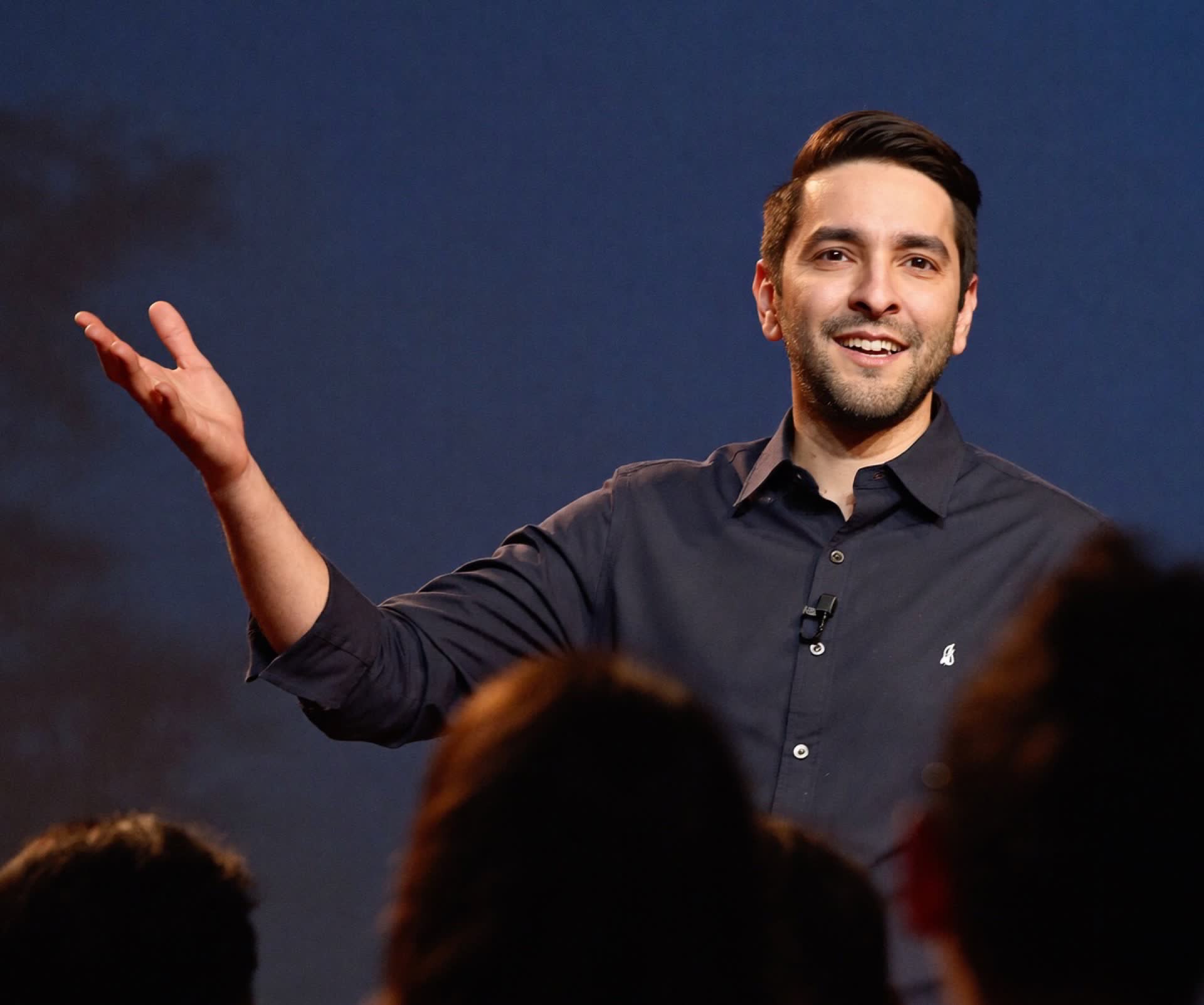
Thought Behind Things · Jun 15, 2022 · 1:14:27
Jazz's CEO on why 4G for all beats 5G for a few
Aamir Ibrahim, CEO of Jazz, and Saif Ali of Dastgyr join Muzamil to unpack Pakistan's largest Series A equity round, the real barriers to fintech adoption, and why the telecom industry may be heading toward digital dark ages if ARPU doesn't rise.
with Aamir Ibrahim
9 min read
From Mangla to CEO: a career built across four industries
The episode opens with Muzamil asking Aamir Ibrahim to trace his early life — a question Aamir answers with characteristic directness. Born in Mangla, where his father served in the army, he spent his first decade between Mangla and Tarbela before the family moved to Lahore. He completed his schooling there, left for the University of Texas at Austin for his undergraduate degree, and returned to Pakistan to join a company most people had never heard of: Mobilink.
“MobileLink was my first job and I spent the first seven odd years over there,” Aamir says. “I rose to a relatively senior position. I was the marketing general manager and launched a product at that time called Jazz, which is now the name of the company.” The product was a prepaid offering, launched around 1999 at a time when postpaid connections dominated the market. The irony — that he would later become CEO of the company named after a product he managed as a junior marketer — is not lost on either speaker.
After an MBA at IMD in Switzerland, Aamir spent several years in England and Dubai with Ford Motor Company and Jaguar Land Rover, selling cars to Middle East and Africa markets, then moved to Thailand with Telenor Group before returning to Pakistan in 2016 as Jazz’s CEO. The Warid merger, which created the combined entity later rebranded as Jazz, was one of the first major projects he oversaw after arriving.
From telecom to digital operator: the conscious evolution
Muzamil notes that Jazz has evolved aggressively over the past decade — a pattern visible in telecoms globally, from Verizon buying media companies to AT&T’s various pivots. He asks Aamir to explain the logic behind Jazz’s own transformation.
Aamir is clear that the shift was deliberate, not reactive. “We made a very conscious journey that we want to go from a telecom company to a technology company and then from a technology company to a data or digital operator.” The threat driving that journey was the risk of becoming what the industry calls a “dumb bit pipe” — a company that merely provides connectivity while the real value accrues to device makers and over-the-top platforms like Instagram, YouTube, and WhatsApp.
“Most people don’t think about telecom companies,” Aamir observes. “They think about their SIM being good or not.” The merger with Warid provided the scale advantage that made reinvestment possible — stripping out duplicated costs and redirecting capital into new verticals: JazzCash in fintech, Tamasha for video streaming, Bajao for music, and a super app still under development at the time of recording.
Jazz’s scale at the time of the conversation: 75 million customers, roughly 38 to 39 percent of Pakistan’s overall market. Jazz World, its engagement app, had 10 million monthly active users. JazzCash had approximately 15 to 16 million active monthly account holders and around 200,000 merchants accepting QR payments.
Pakistan’s largest Series A: the Dastgyr investment
Later in the discussion, Muzamil introduces the episode’s second guest — Saif Ali of Dastgyr, who had appeared on the show twice before. The occasion is the announcement of Dastgyr’s Series A round: $37 million, the largest Series A equity round in Pakistan’s history, with VEON Ventures — Jazz’s parent company’s venture arm — as lead investor.
Saif explains the strategic logic from Dastgyr’s side. “VEON’s biggest business in Pakistan is Jazz, and Jazz is the largest telco, the largest fintech. They have already built the rails that we startups are all using.” The partnership is not simply about capital. Jazz brings 75 million customer relationships, a micro-finance bank, QR merchant infrastructure, and a data analytics operation that Aamir describes as sitting on more behavioral data than NADRA.
Aamir frames the investment philosophy explicitly: “It is not just throwing in the money or writing a cheque. The two other synergies are: we can actually provide both the digital broadband infrastructure and the smartphones that come from a synergy from Jazz. We have got a massive data analytics center.” He adds that Jazz Cash’s evolution into a full digital bank — a license application was pending at the time — would allow the partnership to provide working capital directly to the retailers Dastgyr serves, without Dastgyr having to build separate banking relationships.
The synergy Muzamil finds most compelling is the merchant overlap: JazzCash’s 200,000 QR merchants and Dastgyr’s retailer base could, in principle, be the same people — creating a closed loop where a retailer orders inventory through Dastgyr, receives working capital through Mobilink Microfinance Bank, and settles payments through JazzCash.
Why fintech hasn’t moved beyond top-ups
Muzamil pushes on a frustration he has carried for years: despite five years of fintech excitement, Pakistan’s digital payments ecosystem has barely moved beyond mobile top-ups, bill payments, and peer-to-peer transfers. Why?
Aamir’s answer is structural. “Payments and money — their benefit only comes when they achieve universal acceptance.” But the deeper barrier is not technology or even transaction fees. It is fear of documentation. “Cash में क्यों prefer करते हैं deal करना? Because they don’t want to embrace the documented economy. A, they feel that they will have to pay more in taxes. But a majority of them actually feel that their privacy will be infringed upon.”
He illustrates the point with a bakery in Islamabad doing five million rupees in daily sales that refuses to accept credit cards — not because of the merchant discount rate, but because accepting cards would document revenue. “Essentially it’s not that they don’t want to pay two and a half percent, they don’t want to document their sales.”
Muzamil raises a separate friction point: the cost of withdrawing cash from a JazzCash wallet, which his own cook had experienced as a deterrent. Aamir acknowledges this but argues that scale and competition will bring those costs down, and that the State Bank’s Raast payment system is designed to reduce friction. He also notes that JazzCash’s 90,000 agent locations already dwarf the 18,000 branches of all traditional banks combined — and that JazzCash alone has more customers than Pakistan’s largest conventional bank.
The case against 5G — and for 4G for all
The conversation shifts to 5G when Muzamil asks about the persistent rumors of licensing and the telecom industry’s apparent reluctance to move forward. Aamir begins with a question of his own: “What does 5G mean to you in your mind?” When Muzamil answers “high speed internet,” Aamir uses that to reframe the entire debate.
The real advantages of 5G, he explains, are low latency and the ability to connect a million devices per square kilometer — capabilities relevant for autonomous vehicles, remote surgery, and industrial internet-of-things applications. “Pakistan mein autonomous vehicles nahi ho rahi hain,” he says flatly. The use cases that make 5G genuinely transformative simply do not exist at scale in Pakistan yet.
Meanwhile, more than 50 percent of handsets sold in Pakistan at the time were still 2G devices. Four-G penetration stood at 40 percent after eight years and billions of dollars of investment. “My approach is that Pakistan mein 4G for all hona chahiye rather than 5G for a few.” He is not opposed to limited 5G pilots in select cities — but argues that a full spectrum auction makes no commercial sense when the business case will not materialize for at least three years.
The economics of the existing network are already strained. An average Jazz customer spends roughly 200 rupees per month on mobile services — the price of five cups of tea. Internet carries a tax burden of approximately 35 percent. “If the average revenue per user does not rise from 200 to 300 rupees within the next year to a year and a half, this industry will not survive and we will be heading toward digital dark ages.” The paradox, as Aamir acknowledges, is that Pakistan’s internet remains among the cheapest in the world despite that taxation — and it is precisely that cheap connectivity that has made the entire startup and fintech ecosystem possible.
Dastgyr’s asset-light model in a tightening market
Muzamil raises the timing of the announcement directly: layoffs across the global tech sector, petrol at 210 rupees, a bear market in full swing. Does a $37 million raise make sense right now?
Aamir is unequivocal. “The bigger risk is not to be doing anything rather than to do something and then fail.” He frames venture capital as inherently probabilistic — most bets fail, and the macro environment does not change that calculus meaningfully.
Saif’s answer is more operational. Dastgyr’s asset-light model — no warehouses, lean headcount, always “bordering on the edge of understaffed” — was not designed as a hedge against a downturn. “It’s just the way of doing business.” The company had grown its top-line GMV by 300 to 350 percent since Saif’s previous appearance on the show, expanded from roughly 300 to 600 staff, and was live in four cities with pilots running in three or four more. The plan for the year was to open ten additional cities, with a focus on tier-two Punjab markets — Multan, Sargodha, Gujranwala, Sialkot, Bahawalpur — before moving into KP.
International expansion was also on the roadmap. “Every startup has a test: is your model actually scalable? Can you pick it up from here and drop it in Egypt?” The $37 million was sized against specific top-line and bottom-line targets, not raised opportunistically.
Pakistan in 2050: optimism as a discipline
By the end of the conversation, Muzamil asks Aamir the question he poses to most guests: what does Pakistan look like in 2050, twenty-eight years from now? Aamir inverts the frame. “Where were we twenty-eight years behind? We would be in 1995. Could I have imagined what we have today?” The answer, he implies, is no — and that should inform how we think about the next twenty-eight years.
He describes himself as “an eternal optimist” who fights with the government every day, gets beaten, and comes back the next morning. He draws energy from working with people half his age — what he calls reverse mentoring. And he closes with a message directed at Muzamil’s audience of young, tech-savvy Pakistanis: “Please be optimistic. Be the most optimistic person around yourself. Because right now we need optimism — it’s not just fake news, it’s negativity overflow.”
The call is not naive. Aamir acknowledges that difficult times lie ahead, that prices will be paid, that no universal stability is coming. But he draws a distinction between the circle of concern — everything that feels broken — and the circle of influence — what each person can actually change. “What are you doing in your circle of influence? Can you have good manners with each other? Can you be more forgiving of divergent points of view?”
It is, as Muzamil notes at the close, one of the most interesting answers he has received across nearly 245 conversations.
Full transcript
चलो मैं कवितिना रात welcome back to another episode of thought behind things. आज हमारे साथ मौजूद हैं एक बहुत ही ख़ास मेहमान जिनका आप लोग बढ़िया से कह भी रहे थे कि इनको show के ऊपर लेकर आए और finally you know आज वह दिन आ गया. आमिर इब्राहिम, is the CEO of Jazz. Sir, you so much being part of the show. Thank you for inviting me. पहले मैं जिस तरीके से normally conversation start करता हूँ. I'd like to understand a little bit about your early life. Where were you born and education वगैरह आपने कहाँ से हास लिए?
Born and bred in Pakistan. I was born in मंगला. My father was in बाबड़ा so the first ten years of my life I was between मंगला and त्रबेला and then we moved to लाहौर. अच्छा. उसके बाद तालीब मेरी HSM में थी. Nineteen eighty seven तक उधर पढ़ रहा था. फिर पढ़ाई करने के लिए अमरीका चला गया. Right. University of Texas Austin में. Right. और जब तक Texas A and M essentially. नहीं, Austin. UT Austin. A and M is our big rival. उनकी बड़ी आपस में की rivalry होती है. So, anyway, you know, spent my undergrad UGs over there. Pakistan वापस आए. एक नई company आई थी उस ज़माने में. Motorola का लोगों को ज़्यादा नाम होता था. Mobile इनका किसी ने नाम सुना हुआ नहीं था. MobileLink was my first job and I spent the first seven odd years over there. I, you know, worked hard, I would like to say. I rose to a relatively senior position. I was the marketing general manager and launched a product at that time called Jazz, which is now the name of the company. और I was the product manager for that. It was a prepaid offering. उस समय में ज़्यादातर postpaid के ऊपर connections होते थे. तो prepaid था नहीं. 1999 के क़रीब उसको launch किया गया था. Right. तो then I think in 2001 I went back for my MBA, went to Switzerland. There's a school over there called IMD. उदर गया. उसके बाद फिर मैंने England में काम किया, Dubai में काम किया. And since 2016, I've been the CEO of company. In between, we acquired another company, telecom company called Varid. Right. And then the combined entity Varid plus MobileLink, we rebranded it as Jazz, the brand that I had launched about fifteen years earlier. Very good. Today I'm And you were part of the merger as well or were you जी, I I came. That was one of the biggest projects that we did after I arrived. Right. जो England में आपने कहा कि तिरीबन छह साल गुज़ारे. Where were you working at the time? Telecom or industry में? No, I was working with Ford Motor Company. So very different from telecom. After my MBA, I got recruited into the marketing leadership program at Ford Motor Company. So पहला साल I think England में गुज़ा रहा था. उसके बाद एक बड़ी अच्छी opportunity within the same company with Jaguar Land Rover in Middle East. So I spent two years or two and a half years in Dubai selling Jaguars and Range Rovers to Middle East and Africa. Then I moved back to UK selling spare parts. So I had a very different kind of an experience, in those six or seven years with Ford Motor Company and then came back to Pakistan again. Right. And in Thailand for two years? Thailand for two years with Telenov Group. Telenov Group. Right. So
16 till, 2022. So that's eight years. Oh, no. Seven. Seven years. Yeah. Actually,
June शुरू हो गया. Yeah. I just finished my seventh year. And,
I mean, jazz has really warmed over since that time. You know, for most part, we knew this as a telecom company जो कि Pakistan, I mean, Pakistan's largest, it's always been. I don't think there's ever been a time when Jazz lost that position. It had very
briefly for us, for one quarter been overtaken by Telenor. अच्छा. So then I came over and we reversed that situation today. We are almost twice as large as Telenor. But yes, it has been because it had a legacy impact. So शुरू में जो आई थी बाकी companies को catch up करने में एक एक disadvantage
होता है. Right. But ज़हर है आप एक comfortable position में. You know, you're you're the I mean by a large margin you're the number one. There's nobody inherently challenging you And yet we've seen the company evolve aggressively over the last decade. And it's not just jazz in Pakistan. I mean, telecom all over the world has been doing that, and companies like Verizon or AT and T have been buying, like, media companies. And so g g. It it it makes you really confused And so tell me a little bit about this evolution. Why did this happen and why has jazz now become this sort of a what would you call it? हिम्मत. Conglomerate, हिम्मत. Dominant
हम इस्तेमाल नहीं करते लफ्ज़ क्योंकि उसे सिर्फ processes और inwardly नहीं but externally. Right. और हमारी services जो हैं वो उन services के साथ compete करें जो कि consumers आजकल expect करते हैं जिनको OTTs या over the top कहते हैं. So हमने एक बड़ी conscious journey की थी कि हम telecom company से technology company बनना चाहते हैं और फिर technology company से हम एक data या digital operator बनना चाहते हैं. So यह एक conscious एक trend था जिसमें again I wouldn't take any credit कि कोई novel चीज़ हमने सोची थी. अक्सर telecom companies दुनिया में अपनी relevance खो चुके हैं और इनको बाकी लोग जो हैं वो dumb bit pipe कहते हैं कि जी इन्होंने सिर्फ एक internet की एक तार लगाई है fiber की या tower लगाया है. असल जो excitement होती है या वो phone company के साथ होती है उसमें चाहे apple है या xiaomi है या android का कोई instrument है Samsung या फिर आपकी affinity आती है और आपका relationship आता है OTTs के साथ कि जी मैं Instagram के ऊपर तीन घंटे दिन में गुज़ारता हूँ. लोग ज़्यादातर telecom companies के बारे में नहीं सोचते. हाँ जी मेरी sim अच्छी है या उसकी अच्छी चीज़ की खबरें. So हमें अगर अपनी relevance maintain करनी थी तो हमें evolve करना था. Right. और इस journey पर हम रहे हैं पिछले छह सात सालों में. Merger was a big thing because scale advantage telecom में बहुत ज़रूरी होता है and because of the merger advantage we have now been able to accelerate our growth. जिस तरह अभी आपने पुछा था कि आप Pakistan में बड़ी company हैं. Obviously that helped we could strip some cost out and we would reinvest that money to go into new areas. Whether that is a messaging platform, whether that is our fintech invitation initiative, I would like to talk about that JazzCash और these are the other things that we are doing right now as we go and tackle, you know, the OTT environment. Right. अगर मैं दहेर आपसे पूछूं आपकी shirt पर भी है. You know, we know jazz, know jazz cash. What are some of the other projects that are exciting you right now? So, अब हम अपने आप को reposition करते हैं as a digital operator. So दिन में जो मैं इसको कहता हूँ कि यह हमारा remote control to life है. ठीक है? इसमें सिर्फ आपने एक दूसरे से बात नहीं करनी होती. बात आप दिन में आधा घंटा maximum किसी से कर सकते हैं. लेकिन phone के ऊपर आप चार पांच घंटे इस्तेमाल करते हैं. So आपकी entertainment इसके ऊपर होती है, आप videos इसके ऊपर देखते हैं, आप messaging इसके ऊपर करते हैं, आप jokes इसके ऊपर सुनते हैं, आप commerce इसके ऊपर करते हैं, आप पढ़ाई इसके ऊपर करते हैं. So this is the remote control to your life. So the other initiatives that we are working on, first of all payments was a big problem in Pakistan so we fixed that through JazzCash and we have applied for a digital banking license that I will again talk a little bit more about. But other things that we are looking at is music. हमारी एक product है उसका नाम है बजाओ. We have तमाशा which is a video streaming thing. We are now, I can't disclose it right now but thinking about a super app which is an engagement application.
Independent
of the JazzCache app? Independent. So JazzCache is predominantly a fintech right. So then the other company knows more about my behavior, they know more about my habits, they know more about my browsing patterns, my payment patterns and then eventually that data जिसको कहते ना data is the new oil. Right. वो data इसलिए ज़रूरत फायदेमंद होता है क्योंकि उस data के through advertisers को targeted advertising कर सकते हैं. This is how companies like Facebook and Google they make money because they know a lot about consumers.
Right and so एक तो आपने कहा की entertainment की site के ऊपर वो जो super app है उसपे अभी ये नहीं पता कि किस industry में है but we will, कब तक हम expect कर सकते है देखिए super app बड़े लोग कोशिश कर रहे है JazzCash की अपनी एक और app है उसका नाम है Jazz World. वो हमने start किया था
के लोग अपना bill check कर सकते हैं लेकिन उसके अंदर हमने बहुत सारी और चीज़ें add कर दी हैं. उसके अंदर coupons add दिए हैं. लोगों को shopping की चीज़ें मिल सकती हैं. उसके अंदर cricket के scores आ सकते हैं. उसके अंदर छोटे video clips आ सकते हैं, music आ सकते हैं. तो jazz world just to give you an idea हमने बहुत सारी अभी तक बातें की हैं कि jazz और jazz का scale. थोड़ा सा मैं बता दूं कि इस वक्त 75,000,000 customers हैं इन jazz के. ठीक है? So that's about 38, 39% of the overall market share in Pakistan. Jazz World has about 10,000,000 monthly active users. यह हमारी industry में काफी एक commonly used terminology होती है कि लोग download तो कर लेते हैं कोई चीज़ लेकिन हर महीने में वह कमज़ कम एक दफा इस्तेमाल करते हैं कि नहीं. तो तकरीबन एक करोड़ बंदा जो है वह हर महीने में जिसमें about million customers अभी आ चुके हैं वो television. And you are paying customers? A lot of them are paying customers but overall at this stage we are trying to get traction. So हमारा focus इस वक़्त यह है कि ज़्यादातर लोग इस्तेमाल कर सकें. आपने देखा होगा पचास, साठ जो पाकिस्तानी channels हैं, वह देख सकें. अच्छा अच्छा So तमाशा तमाशा अच्छा is basically live channels. You've got a lot of the most commonly watched television channels including news, sports, entertainment. Yes, Formula One, you know, we're bringing in cricket, football. All of these things are available on तमाशा including new movies. Formula One is there as well? Formula One is also there, right? And we have now just signed a partnership with Ten Sport. So the idea is कि हम यह democratize कर सकें viewership of television and entertainment, not only for people who can have access to Netflix or a big flat screen, but देखें आपका चौकीदार घर के बाहर बैठा हुआ है, उसको भी entertainment चाहिए. ठीक है? और उसको affordable entertainment चाहिए तीन रुपए दिन में. वह सारा दिन थका हुआ बैठा हुआ है. उसकी छोटी सी screen है ढाई तीन inch की. उसके ऊपर भी वह देख सके. So, यह ऐसे एक segments होते हैं जिसको Netflix address नहीं कर सकेगा and then eventually we want to go into local content development. Right. क्योंकि जो चीज़ इसको हम अपनी industry में कहते हैं hyper local content. Netflix ज़रूर content बनाएगा जो कि शायद Pakistan की audience के लिए. Disconnected से of course we will watch some Bollywood, Hollywood, you know, कोई money heist देख लेंगे ऐसी चीज़ें जो कि दुनिया में चल रही हैं. लेकिन I mean, it's not mass market essentially. It's not, it's about for, you know, like half a million people who will find that relevance. लेकिन अगर किसी बंदे को सरायकी के गाने सुनने हैं तो वह उसको नहीं मिलेंगे. Right. ठीक है ना? ये चीज़ें हमने अब content develop भी करना और इसको हम hyper local content कहते हैं. This is extremely important for the evolution of local sometimes user generated content but even professionally generated
local and hyper local content. Very exciting. I know क्या आपकी recently announcement हुई है. So there is another wing that essentially you guys have started and that's the venture capitalist wing. And for that I'd like to introduce by the way sorry वह बड़े हमोशी से patiently बैठे हुए थे. We have another guest with us today. सेफ has already been on the show twice and he's representing Dustangi today and I know that you guys had a partnership. Tell me a little bit. First of all, सेफ, thank you so much for being part of the show. Sir, thank you for having me once again. And can you tell us a little bit about this partnership and what what just happened? I mean, because two weeks ago we were we were listening about these layoffs happening across the industry. The world's collapsing.
Petrol is 210 rupees and suddenly now you're announcing big numbers. जी. तो हमने अपनी, दस्तेगीर ने अपनी series a round finally close कर लिया है. Right. And we announced that number of 37,000,000 which includes multiple investors of course और उसमें Vion Ventures जो है हमारा lead investor है और jazz की जो parent company है वो v on है. V on का एक venture capital arm है इसको corporate venture capital कहते हैं. है वही किस्म की investment जैसे sequoias capital करता है या tiger global करता है. कि पचहत्तर million customers हैं within telco, fintech. फिर मज़ीद content पर काम करना है, super app पर काम करना है. तो यह already एक technology company है जो हमसे बहुत आगे है. हम एक technology company है अलग अलग domain में. तो बहुत सारी यहाँ पर potential synergies हैं जो कि जब भी हम investors ढूंढते हैं हमारी कोशिश होती है कि हम strategic capital ढूंढे. Right? हमारी कोशिश होती है कि वो investor ऐसा आए कि वो उस sector में या उस vertical में कोई expertise. हाँ
पैसे के साथ साथ
ofcourse VON का जो सबसे बड़ा business Pakistan में वो Jazz है and Jazz again is the largest health co largest fintech they have already built the rails जो हम सारे startups इसको इस्तेमाल कर रहे हैं right? और जैसे हम expand करेंगे तो फिर Jazz कभी हमें support extend होता रहेगा उम्मीदे. So, there's a lot there's a lot to unlock here in terms of business value for both parties. And what's the amount raised? The amount the total amount raised in the investment is 37,000,000. Oh, wow. It is the largest Series A equity round in Pakistan.
Wow. Very exciting. And and and so beyond the amount, आपने कहा synergies की बात की, right? And and I know कि infrastructure में I can अब कुछ तो basics हैं. Fintech,
आपका total essentially दोनों same चीज़ है, वह है. But what's really going on here? How do you see it beyond the money aspect of things? And what do you think के jazz can really help the sticky with? So if you go back to my earlier comments के हम अपनी transition देख रहे थे as telecom to technology और फिर data. So ये एक ecosystem को जब हम देखते Pakistan में भी startup के लिए उसकी जो foundations जिस तरह अभी बताया गया के जो rail tracks हैं वो कुछ लगाई जा चुके हैं जिसके ऊपर आपको एक infrastructure चाहिए, digital infrastructure चाहिए. उसमें broadband आपको चाहिए. Pakistan में निन्यानवे फीसद जो internet है वो mobile के ऊपर चलता है. So ये infrastructure build हो रहा है. Smartphone के ज़रिए से वो देख सकता है कि जी बड़ी आसान तरीके से और ये मैं you know इनको कहूँगा कि थोड़ा सा explain करें के दस्तगीर का वो model किया है. लेकिन technology एक बड़ा ज़बरदस्त enabler है सारी दुनिया में. Adjacencies होती हैं. Right. जिधर हम किसी चीज़ को सिर्फ पैसे डालने से return नहीं लेते बल्कि साथ हमारी sweat equity भी आती है और जो हमारी जो existing business है उसके साथ कोई adjacency या उसके साथ कोई एक logical connection जो है उसके साथ लग सके. जब हमने देखा तो Pakistan में ज़्यादातर जो investment startups में हो रही हैं, सारी दुनिया में सिर्फ Pakistan में नहीं है वह fintech में हो रही हैं. Pakistan में आज बहुत बड़ा vacuum है, commerce के ऊपर, e commerce आप कह सकते हैं, delivery, last mile, quick commerce, ये नए बहुत सारे words और phrases जो हैं ये मेरे लिए भी catch up करना इसके लिए मुश्किल होते हैं. लेकिन बात ये है कि हमने efficiencies create करनी है और अगर आप देखेंगे Pakistan में inefficiency क्या है वो है कि जिस तरह हम trade करते हैं, transact करते हैं, और backbone होती है हर मुल्क की. तो यहाँ हमने यह पहली हमारी जो investment है Pakistan के अंदर through V Own Ventures which is like I said a sister organization. उसमें हमने यह देखा कि कौन सा gap जो है हम उसको logically feel कर सकते हैं. Jazz की journey में मैंने आपको यह भी बताया था कि हम साथ Jazz Cash के ऊपर हैं. Jazz Cash में अभी तकरीबन पंद्रह million के करीब active monthly account holders हैं जो कि हर महीने transact करते हैं. तकरीबन दो लाख के करीब merchants हैं हमारे जिधर QR payment आ सकती है. अब यह बड़ा एक logical synergistic approach है कि हमारे merchant और दस्तगीर के merchant जो हैं वह एक ही हो सकते हैं. हमारा एक bank भी है mobile link micro finance bank. हम उधर से उनको lending भी provide कर सकते हैं. एक जो retailer है उसके लिए क्या मसले होते हैं? मसला यह होता है कि मैं अपनी दुकान में profitability बेहतर कर सकूं. मुझे capital का access मिल जाए. मैं अच्छी खरीदों फ़रोह्त कर सकूं. मुझे खिल खिल से जान छूट जाए. मुझे best prices मिल जाए. So यहाँ jazz, mobiling, bank, दस्तगीर जब इकट्ठे होते हैं, तो जो synergy हम बनाएंगे और जो benefit हम दे सकेंगे eventually एक retailer को, that will be much more compared to एक typical investor जो कि सिर्फ पैसे देता पैसे के साथ थोड़ी सी guidance दे सकता है. अक्सर startups, हर startup को by the way पैसे की ज़रूरत होती है अपना business को scale up करने के लिए. लेकिन अच्छा जो quality का पैसा होता है वह यह आता है कि उस पैसे के साथ आपको कोई experience या insights या guidance मिल सके और I hope यह अब मेरे लिए तो कहना मुनासिब नहीं है. लेकिन I hope कि यह जो partnership जिसकी अभी आपने बात की है, जो दस्तगीर है और उनके जो colleagues हैं हमारे, वो यह सोचें कि हमारी investment के साथ उनको यह फ़ायदा होएगा. सारी चीज़ में मैं थोड़ा सा if I were to ask you about again, I think the most fun I have with you is when I really get into the product side. Absolutely absolutely.
There is the retail side and suddenly when I was speaking तो मेरा जो दिमाग एकदम से bulb एक चला और वह यह चला कि you know retail is there and retail के अंदर ज़ाहिर है कि lending का aspect is is is very very strong but I'm gonna dream here a bit, right? Jazz के पास retail customer तो आ ही रहा है but उसके पास generic customer भी आ रहा है जो कि essentially आ के उस retail में पैसे दे रहा है. जी. Right? तो मैं what happens when let's say you have this ecosystem where the customer is is on JazzCash, the retailer is on JazzCash, the infra is, for for the commerce side of things is that's the gears. And so now everything is digitized. Right? And so if everything is digitized can we begin to dream? This may be a question for both of you because I know that certain things come from JazzCash है but क्या इसमें हम क्योंकि मुझे सबसे बड़ा जो context देने के लिए मुझे सबसे बड़ा जो problem रहा है ना FinTech के साथ, माजरात के साथ JazzCash वाले बैठे सामने. वह ये रहा है कि पिछले पांच साल से हम यह sun रहे हैं कि fintech revolutionize और वह बस mobile top ups and packages से आगे हम नहीं जा पा रहे. QR पर नहीं जा पा रहे, उस तरह की चीज़ों पर नहीं जा पा रहे और यह चीज़ें मुझे बहुत excite कर रही है because suddenly now I can imagine कि जो जो एक synergy create हो जाएगी in all aspects of things and and and a part and and two separate parties who can now begin to trust each other. Industry में भी बड़ा मसला है ना कि different players होते हैं वो trust नहीं करता कोई दूसरे को. If they can trust each other तो can I imagine a world where I wake up and I am like अच्छा मैं अपनी Jazz Cash के app पर गया, उस पर Camarang general store आया और उस पर जाकर मैंने अपनी चीज़ें choose की और choose करके मैंने उसे Jazz से payment की और either he delivers it or I go to Camarang general store and and you know the bags is there and I pick it up and suddenly now ये बिल्कुल कोई supermarket की बात नहीं हो रही है? I am not talking about let's say कि you know मैं metro जा रहा ये कर रहा हूँ but rather मेरे general store भी जो है वो मुझे एक ऐसा एक potential experience कल को दे सके. या we are talking about exclusively keeping it in a sandboxed retail environment for now and the data and the consumer average consumer जैसे pay कर रहा है वह अभी separate है, retail is separate. Are we really maximizing the potential of digital hair considering कि आपके top is essentially down to the last node to the top? Everything is connected.
Maybe I'll start and sure, then sev can absolutely. देखिए payments और money उसका फ़ायदा तब होता है अगर वह universal acceptance में हुए. अगर एक छोटी सी environment में हो तो it will never gain traction and to a certain extent I empathize with your criticism कि शायद हम उतने आगे नहीं हुए जितने हुए. ठीक है? उसकी मुक्तले वजू आते एक दो मैं बता देता हूँ. पंद्रह million हमने wallet सा खोल दिए लेकिन use cases अभी तक नहीं बनने शुरू हुए. ज़्यादातर customers जाके सिर्फ एक top up कर दिया, bill pay दिया जो महीने में एक या दो दफा इस्तेमाल करना होता है या peer to peer transfer हो गई, domestic remittance भेज दी, आपको फटाफट और यह भी by the way काफी in the context of Pakistan actually solve it a lot of problems definitely. ठीक है? Cash में क्यों prefer करते हैं deal करना? Because they don't want to embrace the documented economy for two reasons. A, they feel that they will have to pay more in taxes. That's number one. But a majority of them actually feel that their privacy will be infringed upon. They will be abused by the tax authorities or you know like एक हमें थोड़ा सा उनको डर जो है वो खत्म करना और वो डर मैं नहीं खत्म कर सकता हूँ. Tax authorities में कम करना है. Right. क्योंकि हमारी काफी horrendous किस्म की experiences और stories हैं. लेकिन इस चीज़ को अगर हमने democratize करना है और वाकई में मुल्क को आगे बढ़ाना हमने अपने commerce को efficient करना है. So ये बहुत सारी ऐसी चीज़ें हैं जिसमें इस वक्त आपने बहुत सारी examples देखी होंगी from Airlift to Food Panda to Karim, whatever, All these names, right? What is at the base of all this thing is added convenience और I know that, you know, we are mashallah lucky that we have a partner that we feel very strongly about and we have invested. But आजकल आप यह भी देख रहे होंगे कि जी around the world थोड़ी सी nervousness आ रही है यह euphoria जो हम देख रहे थे पिछले तीन महीने में कि Pakistan में इतनी investment हुई थी और बहुत ज़्यादा capital था and everybody was running to Pakistan. There was a fear of missing out. वह अब थोड़ा सा nervousness आ गई है जबकि US के interest rates बढ़े हैं, capital की availability थोड़ी सी कम है, companies को थोड़ा सा pivot करना पड़ेगा. मुश्किल हालात cyclical आऐंगे. लेकिन basic premise यह होता है कि आपने जो product दिया है उससे customer को और customer ज़रूरी नहीं होता कि consumer होएगा. Customer इस context में हमारा एक retailer है. उनको
जब genuine convenience नज़र आएगी, they will be willing to pay for it and that is what we are working on. अरे genuine convenience में मैं fintech के ऊपर वह करूंगा कि जब हम credit card era की बात करते हैं तो उसके ऊपर हम देखते थे कि जहां पर वह cash पर कर रहा है उसके पास सारा कुछ आ रहा है. जब वह credit card पर आता तो ढाई percent वहीं flat cut जाता है. And I know कि for a lot of people particularly for general store यह करियाने की दुकान मुझे इसका वह, I'm trying to figure out a solution. So my cook had to leave for his home and I didn't have cash. And so I was like, listen, like, do you have jazz cash? I actually asked him if he had easy पैसा. But. That's okay. I use JazzCash. And I transferred that amount and उसकी मुझे call है कि sir वो मैं निकलवा रहा हूँ लेकिन वो जो है न मुझसे हज़ार रुपए भी बीस रुपए काट रहे हज़ार रुपए दस रुपए काट रहे something of that sort.
क्योंकि उस आदमी के लिए भी जो पांच सौ रुपया उसका कटा है वो उस पांच सौ रुपया के ऊपर जो ना he he rather avoid it right means a lot to him. I feel like वो भी एक deterrent है and I understand that the cost of doing business as well and that that how do you see that aspect of things particularly in the fintech कि वो जो barrier to entry है particularly for the masses वो इन चार रुपए, पांच रुपए, दस रुपए पे कहीं ना कहीं infringe होती है. जी. So this is friction in the system right? So with greater scale these costs will come down, right? So this has been frequently quoted कि जी ये barriers और अब Pakistan में एक program आ गया है through State Bank of Pakistan which is called रास्त. अब उसमें आप एक ID बना सकते हैं और generally state bank की भी यही ambition है कि जितने जो यह friction वाली cost है उनको कम किया जाए. Right. लेकिन there will be some cost. वह ढाई percent नहीं होएगा, डेढ़ percent भी आ जाएगा. Jazz cash भी retailers के साथ काम करते एक percent भी होता है and I think 1% is kind of acceptable. ढाई percent perhaps but हमारी जो research है वो सिर्फ cost नहीं थी retail level पे that was basically getting documented. Right. At an individual level जिस तरह आप अपने खान सामे की बात कर रहे थे उसके लिए ज़रूर बात है अगर दस हज़ार रुपए उसको पाँच सौ रुपए देने पड़े लेकिन जब competition आएगा तो ये चीज़ें बेहतर होंगी और cost कम आएगा. Second चीज़ जिससे cost कम होती है जब scale आता है. अब देखें, हमने किसी ना किसी ने उधर cash provide किया. That thing was being handled by jazz. So our teams are going, they are depositing cash at that retailer, there is pilferage risk, etc, etc. Pakistan is one of the most under banked. ठीक है? यहाँ तकरीबन पचहत्तर से ज़्यादा फीसद adults जो है उनके पास कोई formal banking instrument नहीं है और यह भी पचहत्तर मतलब जो पच्चीस तक हम पहुंचे हैं वह JazzCash और EasyPass Micro की वजह से आ रही finance and specially the telecom led micro finance banks like Mobilinc micro finance bank, Intelinor micro finance bank. अगर ये ना होता तो हम पीछे रहते हैं. मगर मैं आपको बताऊं कि total Pakistan में जो traditional banks हैं उनकी कोई अठारह हज़ार branches हैं और JazzCash की अगर नब्बे हज़ार branches हैं, so हमारी reach जो है वो बहुत ज़्यादा है. ठीक है ना? अब JazzCash का जिस तरह मैंने आपको बताया कि सोलह million के करीब customers हैं. Pakistan के सबसे बड़े bank के इतने customers नहीं होते. So ये एक जो telecom की revolution थी इसके ऊपर piggy ride करके हम banking के मसले जो हैं वो solve कर रहे हैं. हमें बेहतर solve करना चाहिए, हमें ज़्यादा तेज़ी से solve करना चाहिए, लेकिन जो progress की है उसको celebrate भी करना चाहिए, जो challenges हैं उनको recognize भी करना चाहिए और जो roadblocks हैं उनको हमें governmental help के साथ overcome करना चाहिए और इस वक्त यह एक ऐसी problem है जिसको अगर हम solve करें तो बहुत सारे लोग फायदेमंद होते हैं. जिसमें एक हमारे जो Pakistan का एक corruption का angle है, वह भी खत्म होता है क्योंकि corruption जब वो सारी की सारी digital options के through होनी चाहिए. आज भी इस्लामाबाद में एक बहुत बड़ी bakery है जो credit card नहीं लेती. हाँ. पाँच million के करीबों दिन की वो sailing करती हैं, लेकिन buyer रखा होता कि जी credit card जो है not acceptable over here, you are not accepted over here. बहुत सारे restaurants में जाते हैं कि जी credit card not working, machine not working. Essentially it's not that they don't want to pay two and a half percent, they don't want to document their sales. Right. So यहाँ थोड़ा सा मेरा इतिलाफ है आपकी assumption से. यह convenience के लिए merchant और customer दोनों पैसे देने को तैयार होएगा. जिधर यह डर इस वक़्त लगा हुआ है वह यह है कि tax authorities आकर हमें तंग नहीं करेंगी और वह mental barrier और इसमें हमें FBR की भी मदद चाहिए कि taxation structure बहुत simple करें, कम करें और volume बढ़े. Right. देखिए आजकल सारे लोग economy के experts हैं Pakistan में everything from fuel prices to current account deficits to foreign exchange reserves but one of the things that we have failed as a country is कि हमने अपना tax base नहीं बढ़ाया. चाहे अगर हम tax to GDP देखें या tax to expenditure देखें, हमारा tax base जो है वो दो million लोग जो हैं वो मुझे से
ठीक है? मेरे लिए payments एक pain point है. JazzCash payment solve करता है. Right? Customers consumers भी हैं जो JazzCash इस्तेमाल करते हैं. तो मतलब there's so many use cases जो possible हैं कि bill फ़ज़ कुछ businesses हैं जो इस वक्त eventually तो यह है ना eventually जो core mission है वह यह है कि retail supply chain टूटी हुई है उसको हमें पहले repair करना है. ठीक है? जब वह हो जाए चार साल बाद मैं आपके show में वापस आऊंगा right और इंशालाह तब हम यह बात करेंगे कि अब हम मामले से जो customer है उसके दुकान पर आकर उसको jazz cash से pay कर रहा है. तो पूरा जो ecosystem है वह इसी तरीके से बैठेगा. बाकी जो सारी fintech companies हैं जो आप देख रहे हैं जो भी बना रहे हैं wallet बना रहे हैं EMI whatever it is so there is a lot of huge tier two markets in Punjab, मुल्तान, you know सरगोदा, भावलपुर. ये सारे हम पहले कर रहे है. यह priority पे है. Also because they are closer to लाहौर right? It just makes it operationally. Central head office वन also वहाँ पे already हमारी strength है right वो market दो साल से चल रही है कभी कबार अगर कोई issues होते है fulfillment के दो घंटे की driveway हम वहीं से गाड़ी भेज सकते है ये सारी potential possibilities है numbers you can share. Sure. What are the numbers? How much have we seen you guys grow? यार मैं आपको ये बता सकता हूँ की business top line जो है तीन सौ फीसद तीन सौ साढ़े तीन सौ फीसद इज़ाफी हो चूका है. Year on year? नहीं नहीं from the last time I was here. अच्छा. Its a startup its hyper growth man. वरना आमिर साहब कभी मानते ही नहीं. So अलहम्दुल्लाह the the GMV top line growth has been amazing. उस वक्त में आया था हमारी team में total शायद कोई तीन सौ colleagues थे. आज हम तकरीबन छह सौ, साढ़े छह सौ पर हैं. ज़बरदस्त. Again majority is operational staff because हमारा business ऐसा है but corporate staff, tech team, all these teams are also massively growing and again as I mentioned कि markets का footprint बढ़ गया है, right? अभी चार markets live है fully live है fully operational है तीन चार में और pilot चल रहे है experiments चल रहे और इस शहर का sorry इस साल का plan है की दस और शहर हमें खोलने इंशालाह Pakistan में.
अगर मैं आपसे पूछूं कि जो last mile वाले so Gravemart CEO COO was here a couple of days ago. हाज़िक. हाज़िक absolutely. यार वह. हमारे पड़ोसी हैं. बहुत मज़ा आया था उनके साथ बात करके. ढाई घंटे conversation थी. Nice. But उस पर ज़हर है मैंने उनको बोला था इस चीज़ के ऊपर question किया कि यार what's happening with their left and what are you guys doing? Right? And he had an entire model where he was like, you know, essentially we're setting up a warehousing supply chain And I believe I had the conversation with you where you said you don't believe in warehouses. That's right. That's right. Massive CapEx, and so we don't yeah. And so do you see yourself as a potential competitor to to last mile quick commerce or do you see yourself as an enabler of last mile quick commerce, dark store,
warehousing networks like that? तो वही वाली चीज़ें हमने पहले भी I think खोली थोड़ी सी बहुत के crave mart जो है हम value chain में हमारे बाद आता है. हाँ. Right? हम तो trade level पे माल ले रहे हैं right? और माल आगे बेच रहे हैं. हम खुद खरीद तो नहीं रहे but हम वो trade enable कर रहे हैं marketplace platform के ज़रिए. ठीक है? और sellers में हमारे distributor भी है, manufacturer भी है, wholesaler भी है. तो अगर crave mart चाहे वो हमारा customer वन सकता है. Right. So आप enable कर सकते है potentially इसको money efficient connect करना है. सूलन लेकिन लेकिन Pakistan में manufacturers B2C e commerce को इतना वो इतने invested है इसकी growth में वो चाहते है कि ये channel बड़े तो उनको जो margins मिलती है वो हमें भी नहीं मिलती.
इसके ये होगा की cravemart, airlift, pandamart eventually हमसे या बाज़ार से या retailओं से माल खरीद रहा होगा. Makes sense. Right and again we are also digitally enabled businesses उनके साथ plug and play करना बड़ा आसान होगा. Right. अर्भाई मुझे ये बताएं की आपने आप थोड़ा सा आपने पहले इसको touch upon किया था but I'd like for you to expand on it. You could have gone into 10 other areas. Again quick commerce, last mile, e commerce overall इतनी बड़ी है. मैं अगर कहूं कि यार JazzCash की possibilities are endless where you could go, right? You're at the heart of it, fintech. Why retail? What's... Were the numbers exciting? Or is the problem something that you felt like यार ये problem पहली है, like वो truck it in वाले हैं, वो truckओं को कर रहे हैं, makes a lot of sense. बहुत सारे मज़े मज़े की काम हो रहे हैं. Why just the gear and why you know retail?
So देखिए after telecom our biggest foray into an adjacency जिस तरह मैं बताया था that was fintech. So JazzCash है. तो digital में क्या difference आएगा? Digital में सहूलते हैं, micro finance banking में आप सिर्फ income generating loans दे सकते हैं micro loans, ठीक है? Digital में आप एक normal consumer lending भी कर सकते हैं. Okay. अगर आपने अपना जो equipment mic खरीदा हुआ है वह micro finance के through मैं आपको दे सकता हूँ लेकिन अगर आप शौकिया एक mobile phone खरीदना चाहते हैं तो वो मैं आपको नहीं दे सकता ठीक है? Right. And then again the whole concept of digital banking is specially in the context of why we are interested in is because we will be able to better credit score using AI and ML and then I can give specific offers to customers, ठीक है? उनके behavior को देखते हुए आप अच्छे customer हैं, आपको कम rate दिया, साफ साफ अभी इनको अच्छी तरह नहीं जानता, उनको ज़्यादा rate दे दिया. तो यह eventually differentiating factor होएगा और बहुत सारी जिस तरह मैंने बताया कि लोग phone इस्तेमाल कर रहे हैं लेकिन वह उन अट्ठारह हज़ार branches में नहीं जाना चाहते, उस लंबे process के through नहीं जाना चाहते, उस KYC के through नहीं जाना चाहते जिसमें आपके लिए bank का account खोलना एक, एक challenge है, एक barrier है. So the digital banking hopefully is a way of bringing a lot of inclusion. The objective state bank का जो है वो बड़ा clearly stated है कि telecom की backbone के ऊपर हम सहूलते इन लोगों के हाथों तक पहुंचाएं और वह smartphone के through होना और digital banks के through होना है, physical retail infrastructure के शुरू नहीं होएगा. That's a very bricks and mortar. Exactly. Old fashion thing. Right. So that's the reason why we are interested in this and we want to go into full fledged lending as compared to payment switch what we are currently doing. Right. ठीक है जी? अच्छा अब आपका सवाल यह था कि हमने इस environment में क्यों नहीं आए? दो तीन साल पहले मैंने एक chart बनाया था कि जी हमने कहाँ कहाँ जाना है. तो payment से शुरू किया, फिर lending के ऊपर आए और फिर हम commerce के ऊपर जाना चाहते थे. अब हमें यह चीज़ recognize करनी चाहिए चाहे बड़ी company हो या छोटी company होए कि आप सारी चीज़ें खुद नहीं कर सकते. तो it's both humility and intelligence कि you will either borrow, you will build or you will buy. So we, we are going to do a combination of these three things with a partner that we like और जब when we invest and I am not a venture capitalist मेरा इतना ज़्यादा experience नहीं है लेकिन I have got a team in London that identified these opportunities. Of course we work together. वो अब देखते हैं कि product क्या है, वो products मसला क्या solve कर रहे हैं, so basically essentially एक gap होता है. Right. और हम किस gap को solve कर रहे हैं और फिर देखते कि वो gap हमसे बेहतर कोई solve कर सकते हमारी unique value proposition. उस gap में क्या क्या सिर्फ मैं पैसे दे रहा हूँ. दस्तगीर कर रहा है. So basically we married up और again when we look at investments, we look at the people behind the investment, right? So we like to see कि energy क्या है, उनकी sincerity क्या है, उनकी motivation क्या है, काम कर क्यों रहे हैं? तो of the various opportunities that we identified, this was the one that appealed to us as a team and that's why we have decided to go ahead with them. And and do you think sir एक साथ
do you think there's value in in so again, for you as JazzCash, for example, the real money is in the the the working capital that you can provide to these customers. Right? And do so do you think Investigator beyond the marketplace has a huge data on again these retailers? And so do you think कि आपकी जो bottom line jazz cash की है वह भी बढ़ेगी as if दस्तगीर is essentially successful? मैं what I'm trying to understand is कि when you look at दस्तगीर are you looking at कि यार यह business है इसमें पैसे कमाने हैं और मेरे पैसे फिर वापस आऐंगे या इसकी success से मैं इससे पैसे तो कमाऊंगा या नहीं कमाऊंगा but at least मेरी जो दूसरी product है उस पर मैं I can I can you know? So that's why our
partnership and investment is different from others that have happened so far. Most of the other investments so far in Pakistan have been purely from a VC perspective, right? There has been nothing more other than writing a check and good governance, intelligence, experience from other countries. That has a lot of value. So, पहला component यह है कि जी मैंने यह पंद्रह million डाले एक certain value के ऊपर. हाँ. ठीक है? कल को यह ज़्यादा कामयाब होएंगे, यह unicorn बनेंगे, मेरे पंद्रह फीसद है and वो डेढ़ सौ, डेढ़ सौ million वन जाएगा. और वह सारी game exit किएगा exact. और वह जब exit आएगा जो भी liquidation event आएगा, exit आएगा, partial exit आएगी. So यह एक typical नज़रिया होता है, ठीक है? दूसरा यह होता है कि इसको जो billion तक ले जाना है, उसमें मेरे पास कुछ एक दो ऐसी चीज़ें हैं जिससे वह billion तक जल्दी पहुंच सकते हैं. Right. ठीक है ना? और billion से ज़्यादा हमारी ambition होएगी. लेकिन जहां तक भी पहुंचते हैं, so it is not just throwing in the money or writing a cheque, but the two other synergies is we can actually provide both the digital broadband infrastructure, the smartphones that comes from a synergy from Jazz. We have got a massive data analytics center. Right. ठीक है? Now we sit perhaps on more data than नाद्रा, knowing the usage behaviors of 75,000,000 customers. Right. So जो हमारी analytical horsepower है, वो जब हम अपने partners के साथ share करते हैं तो उनका benefit होएगा. दूसरी चीज़, दूसरा angle जो है हमारा वो है Jazz Cash के through. Right. Jazz Cash जिस तरह आपने कहा कि हम lending भी provide कर सकते हैं. दस्तगीर at this time we will have to go and create partnerships with various banks. We already have a bank. Jazz Cash will become a bank. So we have the ability to provide working capital. So अगर आप एक इस वक्त हमारा जो main customer है वो है एक retailer. Right. ठीक है? यह दस्तगीर एक B to B environment में काम करते हैं. Business से business बैठकर. ठीक है? Businesses की efficiency बढ़ा रहे हैं. उस retailer को क्या चाहिए? उस retailer को चाहिए कि जी मुझे working capital मिल जाए. हमारे पास bank है. इनके पास relationship है. So ये जो आती हैं synergies, ये इसीलिए ये एक unique partnership है कि ये compare to the other VC investments, we have, you know, we are the largest technology and a fintech company in Pakistan. This relationship is on the table to be taken advantage of by the स्थगीर in addition to the money. If you ask me quite honestly, money at this stage is, at least to me inconsequential
compared to the efforts that we will put in in building this business. Right and वही वाली बात जो हम पहले कह रहे थे कि retailers के लिए what's the incentive right at the end of the day to hop on to the digital bandwagon and I think this is where finally we could potentially see कि यार. सहूलत
eventually we we touched upon that before and this is not something that's confirmed in our strategy as of yet because that's a behemoth task on its own. Right. जो उसको take on करना वो मतलब आप खुद सोचो बीस लाख दुकानदार को digitize करना उस तरीके से वो cost efficiency step better by step. हाँ और अभी आप लोग 100%
inventory आप लोगों की तरफ से नहीं आती ना. नहीं providing 90%
inventory हमारी तरफ से नहीं आती. सिर्फ दस फीसद छोटे मोटे कुछ item होते हैं जो या तो बहुत high running है या वो high AOV items है वो अभी तक उतना trust establish हुआ नहीं है which is again where a partner like jazz comes into play. मतलब आप समझिए कि किरियाने वाले के लिए भी jazz as a brand जो normally के वो recognize करते हैं कि वो उसके ज़हन में association कहाएं. Right? तो जब हम उनको बताते हैं कि अच्छा जैसे दस्ती के साथ काम कर रहे तो उसी तो वहीं से तो यह चीज़ build होगी. अभी वो हम पर rely करते हैं for replenishment. Right. कि यार मेरा distributor नहीं आया या मेरा order late हो गया या मुझे आज market नहीं जाना
अमिर भाई मुझे थोड़ा सा यह बताइएगा. You're announcing this. मैंने पहले भी इसको बार touch upon किया. You're announcing this in a very odd time. In a sense that the markets have a very different feel. You know, we saw airlift swivel, keep trucking. Truck it in. Truck it in. Keep trucking वाले बेचारे हैं. Truck it in. उसके अंदर stand well वह लोगों ने उसको फिर वह करना शुक्र दिया but there's a global commodity super cycle and inflation and slowdown. Do you think that's not gonna impact you? Yeah, do you think there's a model that's different here, where you may be able to survive that storm? And there is a storm coming, it seems. Right? How do you see this partnership at this point in time? And I'm purely now talking about the money aspect of things. Sure. You know, you've you've put in a fairly large amount and ज़ाहिर इसमें और partners भी है, you are the lead investor there but how do you feel about that?
It doesn't bother me one single bit. देखें with or without what's happening around it and you commented कि जी पिछले दो तीन हफ्तों में ये चीज़ें हुई है, corrections always take less. Some businesses get out, some survive, some succeed. तो वो तो nature of venture capital में ये होता ही है. आप सौ ideas लेके आऐंगे, उसमें से दस आप select करेंगे, उनमें से एक जो है कामयाब होएगा. तो यह तो अगर environment ना भी होती तो हमारी probability of success just from past record of venture capitals कम ही होती है. ठीक है? We feel confident of winning the lottery ticket लेकिन probabilities हमेशा कम होती है. हाँ, अब हमने फ़ैसला कर दिया है क्या यह ज़्यादा risk है मेरा नहीं ख्याल. देखिए, quite honestly for us the bigger risk is not to be doing anything. Right. Rather than to do something and then fail. So if I had not gotten into this thing
makes sense. So to add to what आमिर is saying recession आ रही है the bear market is here and अगर मैं अपने आप को थोड़ा बेचूं यहां पर तो reality यह है कि हमारा business शुरू से asset light था क्योंकि हम warehousing नहीं करते ठीक है और तो वो हमारी capital efficiency हमने शुरू दिन से maintain की हुई थी. It's the it's the style of doing business. हम startup में ही काम कर रहे हैं same sector में है हम भी hyper growth के पीछे भाग रहे but उसके पीछे भागने के सौ तरीके हैं. तो हमने कोई unsustainable growth को वो option कभी अपनाया नहीं right और ऐसा कोई नहीं था कि हमें पता था कि दो साल बाद ये होने वाला है it's just the way of doing business right and beyond this like जो capital वाली बात है like उसे भी देखेंगे कि teams जो इस तरीके से build होती है even if you look at our position in this sector or in startups as a whole in Pakistan we are a very lean company ठीक है और हमने वो headcount जान मुझके हमेशा control में रखा है मतलब हमेशा दस्तेगीर में आप किसी से ही बात करेंगे वो आपको बताएंगे we are always bordering on the edge of understaffed. Right. वो भी again it's not a company right पूरे वो benefits नहीं है हर हर vertical में हर function में पचास बंदो की teamएं नहीं है क्योंकि हम उस stage तक पहुंचे नहीं हैं. All these things come with time, come with the right top line growth, right bottom line growth because funding external आ रही है लेकिन business health को भी maintain करना है और ऐसे और बहुत सारे businesses हैं जो operational काम में हैं जो बाहर से देख के शायद लगता है कि उनको burn out of control है but reality यह है the smart capital will always win right? And again also what आमिर साहब was saying earlier this is a very different case जो VON का है, Jazz का है, दस्तगीर के साथ यहाँ पे वो चीज़ नहीं है right? यहाँ पे वो चीज़ है कि number one VON is a company that has billions in assets तो आगे जाके भी वो हमे हमेशा enable करने के काबिल रहेगा पहली बात. दूसरी बात ये है कि the the synergy is in a way that it will support both businesses to grow in the future, inshallah.
At at $37,000,000. Right. What's what are we looking at in terms of the the next steps like where is that money going? Is it just running operations at this point in time and and and burn it on that or are we looking at again कि यार अभी जो अगली हमारी wave of growth आने वाली है या acceleration आने वाली है उसमें ये ये components हैं जिसके ऊपर हमें ये essentially extra capital चाहिए था because it's not like कि आपको let's say कोई food panda या you know B2C हैं जिसमें आप कह रहे कि यार मैं तीस रुपए की Pepsi आपको पंद्रह रुपए इस case में आप case में आप essentially कह रहे हैं कि there's none of that and I can see it. Even your own business model is comparatively much more efficient and the problem that you're solving is a real problem and I can see that. But then did you need $37,000,000 in series a? Or was it more like कि यार चले जितने निकाल दे निकाल दे कितना नहीं ही नहीं, ऐसा नहीं होगा. What's gonna happen? What's gonna be?
हम अपने target set करते हैं कि हमें top line में यहां जाना है, bottom line में यहां जाना है and again उसके against एक cost होती है right? This is financial planning and analysis ठीक है. वहां से वो number निकलता कि हमें इतने पैसों की ज़रूरत है वो target realize करने की ठीक है और वो उसमें फिर सबका buy in लेते हैं जो हमारे company के stakeholders हैं, जो हमारे external investors हैं, partners हैं, advisors हैं and then we reach that conclusion, right? Today we raise this massive amount because हमारे ambitions बहुत massive हैं. हमें Pakistan में जैसे मैंने आपको बताया बहुत तेजी से expansion करनी है और हमें अपनी international expansion करनी है inshallah inshallah December jan तक. अच्छा so, so पहली चीज़ जो आपने बोली कि you are looking at making this a multinational
it has to be.
Because you see ये एक तरीके से समझे कि हर startup का एक requirement होता एक test होता है कि क्या आपका model असल में scalable है? क्या वो वाकई plug and play में है कि हम इसको यहां से उठा के मिसर फेंके. वहाँ से आप local market उठाएं जो आपको local suppliers और local regulatory मामलात में आपकी मदद करेंगे. लेकिन product और model की strength ऐसी होनी चाहिए कि mystery बोले कि हाँ seller मुझे समझ में आ रहा है, retailer बोले हाँ मुझे समझ में आ रहा है करते हैं. That's so that's the ultimately the game and again those expansions are high burn game. But first obviously international है. Of course. Within Pakistan I mean what what does this do? नए शहर खोलने की बात हो रही है? Yes yes. नई product बनाने की बात हो रही है या नया
कोई use case बनाने की बात हो रही है? What's this phase जो अब आपका start होने वाले हैं? We're diversifying
into more areas of within our product as well and we're opening up more cities. Mainly tier two cities. Why tier two? Why not? Because tier two is where the opportunity is, to be honest. Tier one is mostly covered. Right? So, we're in Karachi Lahore. After Lahore, the biggest market is actually Multan. Right? So, we're going there. We're in Gujarnabala. We're in Sialkot. We're in Sargoda. So, we want to capture that Punjab area and that tier two market and then we'll move up into KP, so on and so forth. Makes sense.
थोड़ा सा conversation को मैं दस्तगीर से लेकर आऊंगा jazz की तरफ and I know for a fact कि आमिर भाई बैठे हैं तो comment section में वह आना ही आना था. 5G एक एक चीज़ sun रहे हैं. We've it's been around and दरवियार में आया कि जी test कुछ हो गए, run हो गए Pakistan में. दरवियार में आया कि जी licensing आने वाली है. फिर यह भी सुनने में आया कि जी telecom site was like you know अभी profitability नहीं है and so we can't afford these licenses. What's going on? अगर आप थोड़ा सा हमें बता दें इसका background and realistically speaking कब तक हम expect कर सकते हैं Pakistan में कि यार मैं एक 5G phone खरीदता हूँ तो उसपे actually 5G भी चल रहा होगा और at least in KLI.
मैं आपसे एक सवाल पुछ सकता हूँ. जी जी. आपके दिमाग में 5G का क्या मतलब है? मेरे दिमाग में 5G का मतलब है high speed internet. अच्छा ठीक है. अगर मैं आपको high speed internet दे दूं तो आपको 5G तो नहीं चाहिए? Depend करता है sir Pakistan का high speed internet. Actually, देखिए हमें यह identify करना चाहिए कि मसला क्या है? Are we interested in digits and what's available? Or are we interested in the solutions? Benefits और features का फ़र्क है. Right. Most of the customers like yourself want good internet. Yes. Affordable, robust internet जो सारे share and stable internet of go up and course और अच्छी quality का. हाँ. ठीक है ना? अच्छी speed मिले, affordable होए पूरे Pakistan में होए. This is the expectation. This is what we are working on delivering. अच्छा five g जो है is not just exponentially better क्योंकि यह linear नहीं है यह जाके थोड़ा सा exponential हो जाता है. जो five g और four g में जो difference है is very different compared to four g and three g. मैं थोड़ा पहले explain करना चाहता फिर मैं technology क्या बात करते हैं? जी technology के लिए हंसे. Right. अच्छा five g is a very good technology for internet of everything. उसमें यह है कि अगर आपकी बहुत सारी चीज़ें connected हैं, आपको बहुत कम latency चाहिए और मैं दोनों चीज़ें explain करता हूँ. आपकी एक environment है जिसमें दो square kilometer में आपको 1,000,000 devices चाहिए. अच्छा वो क्यों चाहिए होंगे? लोग तो इतने रह नहीं सकते. हर device जो ever connected है. आपका mic भी connected है, आपके headphones भी connected है, fridge connected है, security camera connected है, et cetera, et cetera. Pakistan में उस level की penetration है नहीं. Right. ठीक है ना? So we are not close to internet of everything या internet of things पहले उसको कहते थे. तो हम उधर नहीं है. दूसरी चीज़ होती है कि 5G का जो main advantage है वो है low latency. Latency का क्या मतलब है कि कितनी जल्दी signal phone से ऊपर जाता है और response वापस आता है. So अगर आप गाड़ी चला रहे हैं और brake लगाते हैं तो वह एकदम से brake लग गई आपके दिमाग में आया latency कम हो गई. अच्छा अगर जब autonomous vehicles आ रही होंगी तो आपको low latency चाहिए क्योंकि गाड़ी automatically चल रही है, आगे बकरी आ गई, brake लग गई. ठीक है? आप Pakistan में autonomous vehicles नहीं हो रही हैं. अगर आप remote surgery कर रहे हैं, आप इधर बैठे हुए हैं, आपके पास दो instruments हैं लेकिन surgery एक device किसी और जगह पर कर रही है. आप screen पर कुछ और देख रहे हैं, यहाँ आपने cut करा वह, दो minute बाद वह cut पड़ गया तो वह तो patient मर जाएगा. तो इस किस्म की जो चीज़ें हैं यह सही मायनों में five g की technology को का इस्तेमाल है. यह दुनिया में भी अभी बहुत कम जगहों पर five g तो वैसे launch हो गया पचास साठ मुल्कों में हो गया लेकिन जो सही benefit है उसका बहुत कम जगहों पर आए. This is the real advantage, internet of everything and low latency. ठीक है, so they around the world the number of use cases is relatively low. You can create a hologram, you can go watch immersive football, you could actually sit down in a cricket stadium और आप यहाँ से खड़े हो के देख सकते कि ये shorting कैसी लग रही है तो. वो it's all in the lab very very nice and sexy लेकिन real world में कहीं उसका सही मेनों में फ़ायदा नहीं उठाया गया. अब आते हैं कि benefit जो है customers जो expect करते हैं. ठीक है? इस वक्त jazz on average बहुत सारी जगहों पर सोलह सत्रह megahertz की speed provide करते हैं much faster than the requirements. There are many places where we are just meeting the requirement and at times we are also even below requirements. लेकिन जो benchmark set किया गया है Pakistan के लिए वो बहुत पुराने ज़माने का था और काम था. Benchmark बढ़ाया भी जा सकता है four g के ऊपर आप 100 megabits दे सकते हैं. कराची में बहुत जगह है जिधर हमने अपना ज़्यादा spectrum four g को allocate किया है और वहाँ 150 megabits per second की speed भी आ रही है. Typically speaking if you are getting more than twenty, twenty five megahertz that is very good internet. You can stream, you can watch videos, you can download movies, you can play interactive games and I believe this is what the customers want. ठीक है? So my approach is कि Pakistan में four g for all होना चाहिए rather than five g for a few. अच्छा क्योंकि आपके सारा जो audience है वो पढ़े लिखे भी हैं, young हैं, दूसरी side पे हम telecom operator की जो regulator है उससे हम बात करते हैं, वो कहता है कि जी आप तो बिल्कुल कोई life saving drug है, वो हमें as necessity treat करता है. जब tax collect करने आते हैं हमें वो luxury करते हैं. So ये एक dichotomy चलती है जिसके through हम गुज़र रहे हैं. अब अगर मैं आपको बताऊं कि Pakistan में तकरीबन एक फीसद के करीब ऐसे लोग हैं जिनके पास 5G का handset है, तो क्या अपना अपना बहुत limited scarce ज़रे मुबादला foreign exchange जो है 5G की investments में कर सकते हैं कि if only 1% of your country will benefit from a new technology. Today more than 50% of the handsets sold in Pakistan are still 2G, पुराने Nokia वाले phone. क्या हम उन लोगों को पीछे छोड़ दें और हमारा बड़ा जो कीमती ज़रे मोबादला है, हम government के साथ काम करें four megahertz की, four megabits per second की जो speed है, उसको दस पर लेकर जाएं but उसमें भी investments चाहिए होती हैं. So we need to move but however as no technology person would be averse to technology, I would say कि we can launch 5G in Pakistan in limited pockets, in limited cities but the business model has to be very different and out of box thinking is required. हम spectrum auction नहीं कर सकते. Yeah. मुफ्त में आप spectrum दें. आप कहें कि देखें जी मुझे test hubs दे दें, तीन शहरों में, कम से कम पचास siteएं हो जाएं ताकि हम दुनिया में कि ferrous में लगा सकें कि यार हमारे पास भी 5G है. Commercial case इसका अगले तीन साल तक कोई नहीं आएगा. हम आठ साल से invest कर रहे हैं four g के ऊपर as a country, ठीक है? Billions have been spent, billions of US dollars have been spent on four g. Today the four g penetration is 40%. So हम कैसे कह सकते हैं कि हम एक महंगी चीज़ लेत के दे दे मुल्क में. आप यह कह रहे हैं कि यार आप Concorde तो अब खत्म हो गया लेकिन क्या आप Rolls Royce से चला दें यार जब public transport ही नहीं है. What's the model apart from Pakistan? Globally what's the model? Is spectrum still being auctioned or? The thinking has changed. देखिए spectrum has been very good for governmental value capture और खास तौर पर गरीब मुल्कों में या जिधर challenging economic environments होती हैं, यह एक बड़ा अच्छा source of non tax revenue आता है, इसमें कोई हर्ज़ नहीं है. लेकिन हमें अब जब यह देखते हैं कि telecom से productivity बढ़ती है तो हमें long term benefits देखने चाहिए rather than short term. Typically जो frontier markets, emerging markets होती हैं उसमें short term challenges इतने होते हैं कहते हैं यार बाद की क्या देखी जाएगी यार? यह साल का तो budget पूरा करो. तो वह
I believe a news report where you guys partnered with NAIATEL I believe to set up fiber optic to all of your sites. जी.
Pakistan is one of the most under fiberized countries, right? So अगर हमारे मुल्क में पचास हज़ार के करीब towers हैं तो मसा मसा पांच हज़ार towers होंगे जितने fiber जाएगा. Fiber एक शीशे की तार है जिसके through almost infinite speed से infinite data जो है वह transport किया जा सकता है. So it's a very good transport mechanism हमारी language में उसमें इसको इस्तेमाल करते हैं. Into fiber undersea all over the world and within less than a second it is connected. This is the connectivity that we need for a smart nation. अगर हमने broadband यहाँ बेहतर करना है, four g बेहतर करना है, तो हम अपने sites को जो हमारे towers हैं उनको four fiber के through equip कर रहे And is that do you think the major reason why our internet is so unstable?
या do you think हमारे पास एक एक और average viewpoint में एक question mark यह आता है कि do we have enough of the of a country level backbone कि हम वह speeds जो हम provide करना चाहते वह provide कर भी सकें क्योंकि हर दिन जो हम कहते ना कि यार वह undersea cable को कुछ हो गया, वहां से speed choke हुई नहीं है. क्या वहां पर speed choke हो रही है या क्या हमारा local infrastructure is not conducive
there could be a number of reasons so in very abstract terms मैं यह बता सकता हूं कि undersea capacity जो है वह ठीक है उसमें कोई ऐसा मसला नहीं है. Choking नहीं होनी चाहिए. लेकिन customer की expectations जो हैं वो ज़्यादा हैं compared to what they are paying for it, right? So it's a question of if we are willing to pay more then there are better services as a business case for that. मैं आपको थोड़ी सी चीज़ें बताना चाहता हूँ Pakistan में एक average customer जो है, मेरा customer नहीं है एक telecom का customer है. आपके ख्याल में महीने के कितने पैसे खर्च करता होएगा mobile phone के ऊपर? I love this question. Feel like आपने अपने खंतामे की बात की. I
feel like on average एक average mass market consumer
साठ से सौ रुपए की दरमियान खर्च करता होगा. अच्छा ऐसे थोड़ा सा ज़्यादा करता है. अच्छा. It's about 200 rupees. 200 rupees. But 200 rupees अगर उसको contextualize करें तो चाय की पियाली कितनी होती है आजकल बाज़ार में?
साठ सत्तर रुपए की.
तिक्रीबन चालीस रुपए की तो so our product is worth five cups of tea a month. Right. So what do we give? पांच cup जो चाय के थे वह उसने पी लिए. कितने में तीन minute में और पंद्रह minute में उसने चाय पी ली. ठीक है? अब आप एक महीने का internet इस्तेमाल करना चाहते हैं और आप वही कीमत देना चाहते हैं. तो थोड़ा सा हमें करना चाहिए. अब America में एक सौ तिरानवे million sims हैं Pakistan में तकरीबन एक सौ बीस million के करीब unique individuals हैं. तकरीबन पचास फीसद individuals हैं जो कर रहे हैं. हमें यह अपना देखना पड़ता है कि हम किस level पर service provide कर रहे हैं. Faster internet is available but then it will not be a mass thing. If I had to limit my customers to be 7,000,000 instead of 75,000,000 it's a different product. But anyway I don't want to sound apologetic or defensive. ये चीज़ें बेहतर होनी चाहिए. We are constantly working with the government के इसको हम एक luxury product से फ़र्क किस्म की चीज़ों से देखें. इसके ऊपर जो इस वक़्त taxes लग रहे हैं, पैंतीस फीसद के करीब आपके internet के ऊपर tax है. ठीक है so which is the most excruciating thing. आप literally billion रुपए का घर अगर खरीद लें मरगला Road के ऊपर आपका खंसामा जब internet इस्तेमाल करता है, वह पैंतीस फीसद tax दे रहा है. तो हमारी thinking जब तक change नहीं होएगी, telecom companies अस्पत्त internet को subsidize करके दे रही हैं. और जब तक में जो danger लगता है कि यह जो हमारा average इसको हमारी terminology में कहते हैं average revenue per user ARPU, यह अगर दो सौ से तीन सौ रुपए तक नहीं बढ़ेगा अगले डेढ़ साल में या साल के एक साल के अंदर, तो यह industry survive नहीं कर सके और हम digital dark ages की तरफ जा रहे होंगे.
लेकिन reality यह है कि यह वो चीज़ है जो हम investors को जाकर बेचते हैं कि Pakistan में internet connectivity is some of the cheapest rates in the world right despite that horrible taxation and that is what is making all of this disruption, technology, startup, fintech available. ये हम सब जो बना रहे वो इस backbone पे बना रहे है. Right. और reality ये है कि ये जब बेहतर होगा जो average revenue per user बेहतर होगा वो हमारे जैसे use cases से ही बेहतर होगा. Right imagine करें कल को जब eventually वो बीस लाख आपका user base जो retailer है जो हम target कर रहे है
right, makes sense, makes sense. Guys मैं रहता one hour ten minute mark. Normally हम wrap up करते हैं. सिर्फ you've already been here so ये तो आपको सवाल मैं कर चुका हूँ. Okay. Ah मेरे भाई मैं आप पे सवाल ये throw करूँगा, conversation ended. Twenty twenty two चल रहा है और आज से अट्ठाईस साल बाद दो हज़ार पचास का Pakistan एक होगा. वह होता ना कि हर थोड़े से बाद unfortunately Pakistan एक नाज़ुक मोड़ से गुज़रता है but वह वापस भी आ जाता है. तो unfortunately एक नाज़ुक मोड़ आज तो चल रहा है but आप england में भी रहे आप Thailand में भी रहे martial arts आपका एक बड़ा ज़बरदस्त career रहा है इससे पहले जिस position में आप हैं आप चीज़ों को बहुत गहराई से और बहुत macro level पर देख सकते हैं. How do you see the Pakistan twenty eight years from now in 2050 knowing what you know now, seeing what you've seen in your life?
So आज क्या है 2022 है. One of the ways to look at it is कि where were we twenty eight years behind? Right. So we would be 95 के गरीब होएगा. ठीक है ना? So क्या अगर हम 95 के साथ आज compare करें तो क्या मैं वह चीज़ें उस वक़्त सोच सकता था जो आज हैं? Mhmm. ठीक है, that's one way to look at it. मुझे बच्चा किसी ने सवाल पुछा था
बेहतर है Pakistan आज का या? बिल्कुल बेहतर है. देखिए
we have a right to be critical about everything. मैं Of इधर आने से पहले मेरी और मेरी बेटी she is 19 years old. बड़ी ardent feminist है कि जी यह वह आज Jody Depp और amber herd का था बड़ी उसके साथ ज्ञाति हो गई. मैंने उसका कहा यार आज जो चीते हैं ख़वातीन के लिए बहुत बेहतर हैं compared to before and she was saying कि नहीं it's not good enough and it's our right to always feel कि things are not good enough but we have to somehow quantify them. Right. हमें देखना पड़ेगा कि भाई ये चीज़ें बेहतर किस तरह करेंगी? What does success look like? Right? So I am an eternal optimist. I fight with the government every single day and then I come back, I get beaten and I ask for more when I go back and wake up in the morning tomorrow. Things will get better. Right. देखिये जो इस वक़्त हमारे challenges हैं, हम एक नाज़िक मोड़ से गुस रहे हैं, ठीक है? नाज़िक मोड़ चलता रहेगा. आज फ़र्क किस्म का है, कल फ़र्क किस्म का होएगा. There is going to be no universal stability, certainty, etcetera etcetera. We have to, today we will solve one problem, tomorrow there will be another. Since I have a few more legs, miles under my legs compared to yours, I have a little bit of benefit. It's our optimism and attitude, ठीक है? And this is what I expect. What energizes me also to partner with दस्तगीर and work with colleagues over there who are half my age or even less is because there is reverse mentoring. मैं उनसे जाके सीखता हूँ, मैं उनसे जाके energize होता हूँ, ठीक है? Of course maybe I can give some wisdom from my grey hair but ये जो अब अगला वक्त आएगा, अगले दो decades की आप बात कर रहे हैं, हमें ये देखना होएगा कि हम मेरी generation अकेले कुल नहीं हैं, सारे फ़ैसले मैंने नहीं करने हैं. हम क्या role modeling ऐसे कर सकते हैं जिसमें एक चीज़ हम provide कर सकें which is optimism and positive energy. ठीक है? So Pakistan बेहतर होएगा twenty fifty में, you know, we would be closing our hundred years of existence. All those things, we will be a stronger country, we will be a better country. We may have gone in the next twenty eight years through more difficult times than where we see ourselves. We may have to pay a price to become a better and a stronger country. We may have to pay that in the next six months. I don't know. लेकिन देखिए, nothing gets better without sacrificing. हमें कुछ ना कुछ pain points के through गुज़रना चाहिए. और I know कि जो आपकी target segment है, you know, 18 to 28, tech savvy, et cetera et cetera. देखिए, I would if I can give a message. Please be optimistic. Be the most optimistic person around yourself. क्योंकि इस वक़्त हमें negativity की it's not just fake news, it's negativity overflow. चाहे यार ये conspiracy theories हमारे जो मुल्क है अगर olympics का कोई gold medal होता है conspiracy theory में तो हम हर साल चार साल बाद जीते हैं. कोई भी चीज़ हो जाएगी ये ऐसा हुआ नहीं यार वो उसने ऐसे किया था. We are fighting vociferously on taking political stances between one political party or the other or the neutrals and this and that. So what, what are you doing in your circle of influence? What's your circle of concern? आप अपनी circle of influence में क्या कर रहे हैं? क्या आप अपने एक दूसरे के साथ good manners कर सकते हैं? क्या आप ज़्यादा forgiving हैं? Divergent point of views के लिए? क्या आप सोचते हैं कि मैं चीज़ें बेहतर कर सकता हूँ जो आप एक shell में चले गए हैं जिसमें आप negativity spew कर रहे हैं? So अगर हम optimistic हैं और अगर हम sincere हैं, यह मुल्क आगे सही चलेगा. Fascinating. I mean, so this is probably a two hundred forty fifth, forty sixth conversation.
This is the most interesting answer I have received since the start. You know, thank you so much sir for for that insightful words and for all the insights that both of you shares. Thank you सेफ, thank you अहम्मद. Thank you boss. You for having me. And then for all of you guys, thank you so much for watching. आप बताएं आपको क्या समझ आती है इस partnership के बारे में? जो announcement हुई है with this, what what अमर said on 5G, you know what do you what do you think about that? Let us know in the comment section below. Audio platforms वाले subscribe का आने वाले episodes का आपको notification मिलेगी. Facebook वाले नीचे दी दी गई हुई link है ऊपर click करके TBD community join कर सकते हैं जहां पर हम different feedback भी लेते हैं, guest recommendations भी लेते हैं. Articles भी share करते हैं you can join that as well. YouTube वाले like का बड़े button दबाएंगे. आने वाली engagement बढ़ेगी ज़्यादातरों का हमारी conversation पहुंचेगी. यहां पर कहीं पर easy पैसा jazz cash आ रहा होगा. You can support this channel if you'd like. We accept anything from 1 rupee to as much as you'd like. It's the thought that counts and also another use case जो आप लोगों की बदौलत हमें मिला है. So thank I you for that contribute but I'll use Jazz Capital. ज़बरदस्त thank you so much and thank you so much for watching. This is सय्यद मज़हबिला संजय दी. You were watching Thought Behind Things. Thank you so much for watching and I'll see you in the next one.
More from Thought Behind Things
Jun 30, 2026
Simon Dixon: the US empire is being wound down by design
with Simon Dixon
Simon Dixon argues the American empire isn't collapsing — transnational capital is deliberately unwinding it, and Pakistan's military has become its leverage in the transition.
Listen →
52:45 Jun 9, 2026
How Asad Mehmood landed Mattermost from Pakistan before A levels
with Asad Mehmood
Asad Mehmood walked into Mattermost before he had A levels, crossed two million dollars on Upwork, and now runs a design agency from Pakistan. He sat with Muzamil to lay out the framework underneath it: become undeniably good, then become visible, then sell outcomes.
Listen →
59:04 Jun 5, 2026
A 22-year-old Pakistani's road map to space by 2050
with Hassan Mossin
Hassan Mossin, a 22-year-old Pakistani astrophysicist training with the International Institute for Astronautical Sciences, walks Muzamil through the next twenty-five years of space — commercial stations by 2030, a lunar base by 2032, and why the bottleneck isn't food or oxygen, it's energy.
Listen →Never miss what's next.
The dispatch - new writing and conversations, straight to your inbox.
First name, last name, email - in your inbox weekly. No spam.