Thought Behind Things · Apr 29, 2022 · 52:36
Why Pakistan's BPO industry never scaled like India's
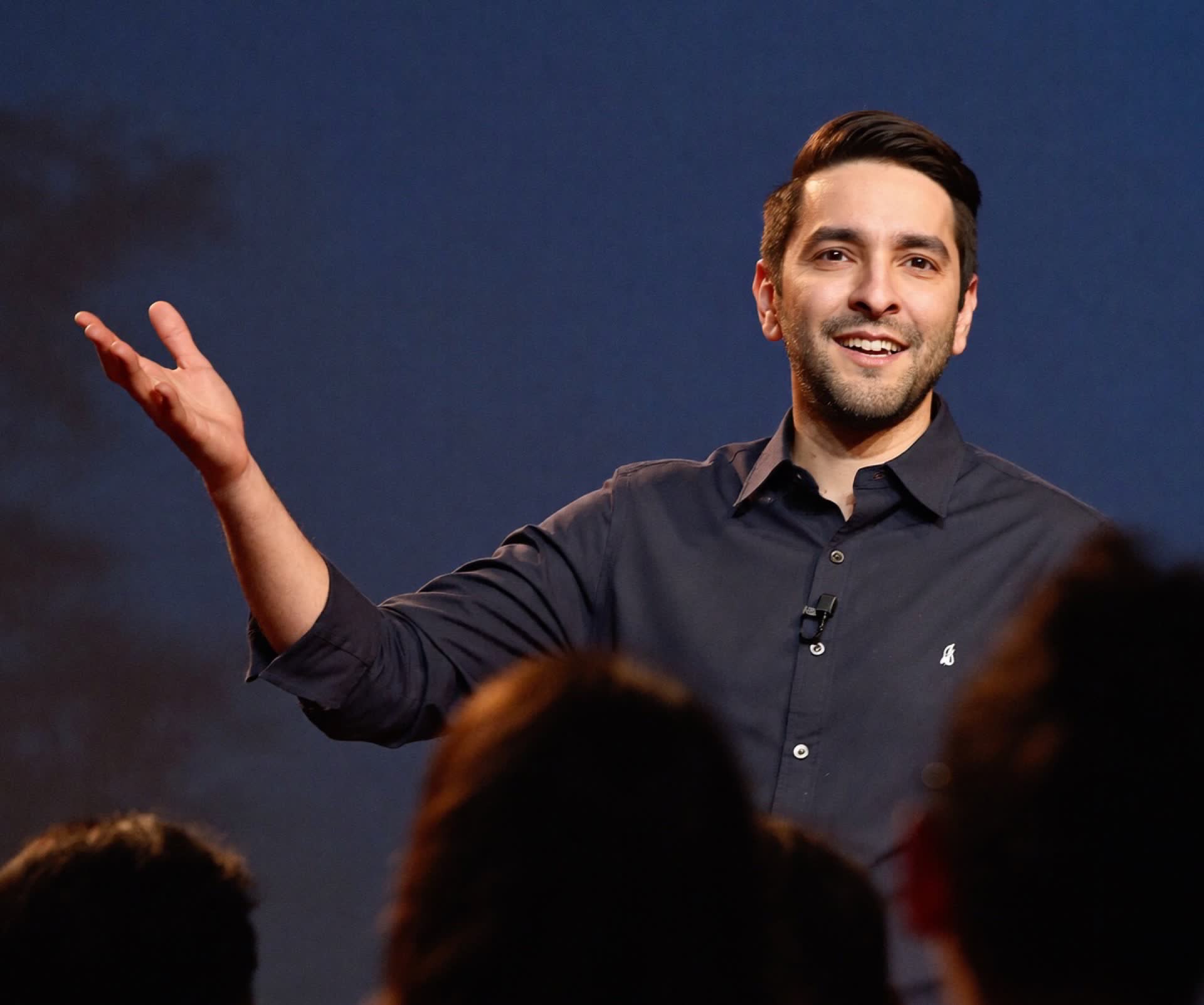
Salman Wajid Mian, Chief Process Outsourcing Officer at Systems Limited, traces his journey from genetic engineering at Pakistan Atomic Energy Commission to building 2,700-seat contact centers — and explains why Pakistan's BPO sector squandered its early lead while India and the Philippines pulled ahead.
with Salman Wajid Mian
10 min read
From cotton leaf curl virus to contact centers
The episode opens with Muzamil asking Salman Wajid Mian to go all the way back — schooling, early life, the first job. What emerges is one of the more unusual origin stories in Pakistani tech. Salman did his BSc and MSc in biological sciences from Government College Lahore and Punjab University, then joined the National Institute for Biotechnology and Genetic Engineering under Pakistan Atomic Energy Commission in 1999 as a research officer. The work was genuinely cutting-edge: his team was attempting to genetically reprogram cotton plants to resist the cotton leaf curl virus.
He left after one year. Not because the work wasn’t exciting — he says it was — but because a job offer arrived while he was mid-way through an MS in computer sciences at what is now the University of Central Punjab. He never finished the degree. The offer was from Align Technologies, which later became TRG, and it was the beginning of Pakistan’s contact center industry.
“We were contact center agents back in days,” Salman says, “and that was the first time it was a very high paying job. We used to get paid around 23,000 to 24,000 PKR plus incentive. Back in 2001, 2002 — that was a lot of money.”
The jump from genetic engineering to a night-shift call center is jarring on paper. Salman’s explanation is simple: he had the aptitude for it, the money was real, and the work was new enough to carry its own thrill.
Building the industry from the floor up
What follows is two decades of climbing through every layer of the contact center world. Salman spent roughly two and a half years at TRG, then moved to Mobilink as a floor manager, then Telenor as assistant manager for operations. By 2008 he was at Zong (CMPak) as head of the contact center, where he built the operation from scratch. When he left in 2013, there were 2,700 people working across two centers in Islamabad.
“2,700 people in customer service,” Muzamil repeats, visibly surprised. It is a number that reframes the scale of what was being built inside telecom companies even as the international BPO story stalled.
From Zong, Salman moved to DGS — now Ibex — as executive director for sales operations, overseeing both Pakistan and Philippine operations. He joined Systems Limited in July 2015 as senior vice president for BPO. By the time of this conversation, he is approaching seven years there and holds the title of Chief Process Outsourcing Officer.
The career arc matters because it is not a founder story. Salman rose entirely through operations — agent, floor manager, assistant manager, head of center, executive director, SVP, C-suite. His authority on the industry comes from having lived every layer of it.
What Systems Limited’s BPO operation actually looks like
Muzamil asks Salman to describe the canvas he inherited when he joined Systems in 2015 and what it looks like in 2022. Two legacy pillars dominated: land records digitization for Pakistan’s public sector, and mortgage title-and-settlement operations for the US market.
The land records work required physical outposts in remote areas — teams sent into districts to scan documents on-site, with further processing for indexing and OCR done centrally. Muzamil asks whether Urdu OCR was part of that work. Salman confirms it was attempted, but is candid about its limits: “We are there, but it’s not something that’s gonna blow anybody’s hair at this stage.” The practical usability, he says, is not yet strong enough for wide deployment — and the commercial incentive to invest heavily in it is limited when the primary market is domestic.
By 2022, the operation has diversified. On the domestic side, Systems is servicing some of Pakistan’s largest e-commerce players — end-to-end: order management, website management, transaction processing, after-sales, customer service. Internationally, the US remains the anchor market, now running a true omnichannel contact center with email, chat, and WhatsApp integrated alongside voice. Australia has been added as a market. Europe is being developed. A deal with an Australian service provider was recently closed. An alternate energy client is in the pipeline.
The approach, Salman explains, is deliberately industry-agnostic: “Anything that is acquirable and you have the ability to do that, that’s what we’re doing.”
Why Pakistan never built a fifty-thousand-seat BPO
This is the sharpest section of the conversation. Muzamil frames the question directly: India built a massive BPO industry. The Philippines built one. Pakistan had an early start with TRG and others, but the industry never scaled. It always seemed like someone would set up a few hundred seats, collect a handful of contracts worth a few hundred thousand dollars a year, and stop there. Why?
Salman’s answer is blunt: “They were hustlers. They were not there for the long haul.” The arbitrage paid quickly. If you knew how to connect a Western client to a Pakistani operation, the money came fast. And then it went into real estate. “They were so unsure about how they were able to sustain it to the next level,” he says. “Whatever we are earning, are reinvesting — that’s a huge risk based on the kind of environment and circumstances created around you.”
Two structural factors compounded the problem. First, the telecom boom arrived at exactly the same moment as the outsourcing opportunity. In 2001, Mobilink and U Phone couldn’t even send an SMS to each other. Telecom was new, exciting, and absorbing enormous amounts of capital and talent that might otherwise have gone into building international BPO capacity. “That’s where we lost track of a very good opportunity we could have capitalized on,” Salman says. “And that’s where exactly India did capitalize on, and Philippines as well.”
Second, Pakistan’s geopolitical situation created persistent skepticism among potential clients. The post-9/11 environment, the war on terror, the Osama bin Laden episode, energy crises, currency instability — “one after the other,” Salman says. “I’m surprised it’s still alive.” His primary responsibility at Systems, he adds, is not just winning new business but actively working to change Pakistan’s image as an outsourcing destination. “Why is there so much skepticism? Why is Pakistan still not a preferred outsourcing destination? These are the kind of taboos.”
He notes a fact that rarely surfaces in these conversations: Pakistan is the third-largest English-speaking country in the world, after the US and India — ahead of Nigeria and the Philippines. That positioning is almost entirely absent from how Pakistan markets itself internationally.
The pandemic as structural inflection point
Later in the discussion, Muzamil pushes on what actually changed to drive Pakistan’s IT exports from roughly $400–600 million for years to breaking $1 billion, then $1.4 billion, $1.8 billion, $2.2 billion, and now past $3.5 billion. Was it the pandemic? Global digitization? The dollar? Salman says it was all of the above — but he singles out one mechanism that is underappreciated.
India, despite its scale, could not execute work-from-home at the same level during the pandemic. “Indian demographics — in a small house there are like thirteen, fourteen people living there. The work-from-home concept is very different from what we think of work from home. They can’t.” Pakistan’s workforce, by contrast, was able to shift quickly. Systems kept its BPO teams operational and became a business continuity anchor for clients who were struggling onshore.
“When they tried, when they looked at the kind of work, the work ethics, the delivery system, the discipline and structure, the infrastructure — they were wowed,” Salman says. “This was something we were missing on a gold mine.”
He is careful to credit the industry rather than the government: “It is not something which is done based on the kind of support we were given from the governments. It is something we have done for ourselves, and we came to limelight. Then government came to support us.”
AI, automation, and the case against scaremongering
Muzamil raises the standard critique: AI and robotic process automation are coming for repetitive, rule-based work. Contact centers are full of repetitive, rule-based work. Is BPO structurally threatened?
Salman’s response is measured. He has been hearing this argument for years, and the pandemic was the clearest test case: “When these AIAs and the RPAs were gonna kick in and take over and everything’s going to become redundant — and it didn’t happen.” He draws a parallel with e-commerce and physical retail: everyone said brick-and-mortar was dying during the 2020–21 e-commerce surge, and it didn’t die. People still want to touch a product. They still want to walk through a mall.
“I don’t think this is going to cannibalize us. I think this is going to complement the services we are going to be providing.” The argument for human contact centers, he says, is personalization — the white-glove service that automation cannot replicate. “There’s always going to be a requirement for personalization. There’s always going to be a requirement for that human experience.” He gestures toward Japan’s hyper-automated society, where people are hired specifically to have lunch with isolated individuals, as evidence that human connection generates its own demand as automation expands.
He does acknowledge one gap: data annotation, image labeling, and AI training data work — the kind of large-scale human-in-the-loop operations running out of Eastern Europe and the Philippines — is something Pakistan has not broken into. “That’s something which is not my expertise at this stage, and this is something we must do.”
The generation that has to lead — and what it’s leaving behind
The conversation closes on a wider register. Muzamil observes that the leadership of Pakistan’s IT industry clusters tightly between 45 and 50 years old — Generation X. There is almost no one older in senior roles, because IT is simply too young an industry to have produced them. Salman agrees and adds a dimension: this generation has seen rotary phones, brick phones, and smartphones. It has lived through every technological revolution of the last forty years. That experience makes it more adept to change, more open to ideas, less attached to management principles from the eighties and nineties.
But Muzamil presses further: this generation is largely invisible in mainstream public life. It is risk-averse, focused inward, and not visibly leading the national narrative. The boomers still dominate politics and media. The millennials are looking for someone to connect with and not finding them.
Salman does not dispute this. He turns the question toward the generation coming up behind them — the one that will define what Pakistan looks like in 2050. “The fruits we are eating from the trees right now, they’re sown by somebody else. We need to make sure that our legacy is passed down to the next generation.”
His assessment of that next generation is honest and a little worried. “It is a very confused generation. They don’t know. They’re seeking answers. They’re looking for immediate gratification, immediate satisfaction, immediate results.” He describes a youth that is culturally unmoored — “back in the day we were raising a generation of Saudi Pakistanis, and now we are raising a generation of Turkish Pakistanis and American Pakistanis. Where are the Pakistanis?” The element of nationalism, he says, has been drowned out by religious and political noise, leaving individuals numb and isolated.
By the end of the conversation, Salman’s argument has come full circle: the same reinvestment mindset that Systems applied to its BPO business — staying relevant, not extracting and leaving — is what this generation owes to the country. “If you’re not doing anything, the expected outcome is what you’re going to leave behind.”
Full transcript
चलो जावेतिना सिद्धार्थ, welcome back to another episode of Thought Banning. आज मैं साहब मौजूद हूं एक बहुत ख़ास मेहमान. This is the last of our series from Lahore and from systems. We have with us today सलमान वाजीद who is the chief process outsourcing officer. Sir, thank you so much for being part of the show. Thank you very much for having me. I'm gonna start the conversation थोड़ा सा, you know, really go back to your early life and beginning to understand कि एक तो यह कि where were you born and where did you grow up and schooling वगैरह कहां से हुई?
जी, I was born, raised in लाहौर और schooling मेरी I went to Crescent and I did my senior Cambridge back in days. It was a new thing at that time as well. Then I did my FSC and BSC from government college Lahore. Right. Then I went to Punjab University, did my MSC in biological sciences. And, yeah. Okay. That's a little surprising. Yes. It is. Then I joined Pakistan Atomic Energy Commission as a research officer. I served there as as a biotechnologist, as a genetic engineer. Worked there for one year as well. In the nineties?
Yeah. I'm talking about '99, '99 to 2000. '99. So you're you're working as as a bio?
Yeah, genetic engineer. Was national institute. Yeah, National Institute for Biotechnology and Genetic Engineering. What was that like? Why were you doing there? We were doing a lot of things. We were trying to cure the cotton leaf curl virus at that time, and we were trying to genetically reprogram it to be more resistant to cotton leaf curl virus. Oh, cool. I mean, that's the most simplest way of Do you think folks back there were able to do that? Yeah. Yeah. We were actually doing that. We were doing a lot of them. Yeah. Yeah. Yeah. Oh, It exciting. Probably talked to someone from the atomic energy as well. It's very exciting work. It's very exciting. But so you left after one year? Yeah, I left after one year and then I started, you know, I went back to the school. I actually, you know, started, M.S. In, computer sciences. And, I was I was doing work from University of Central Punjab. I was PCIT at the back in days known as, but it's now consolidated as, UCP. वह मैंने complete नहीं किया. उसके बाद, मुझे option मिली एक बहुत अच्छी job की. During that, my my my time, so, I joined, Align Technologies which later became TRG. I mean, that was the beginning of the outsourcing and the contact center industry. Industry. So,
that's where the journey actually begins and And and just थोड़ा सा उसमें अगर मैं पूछूं, दो सवाल हैं. पहला, you're you're a genetic engineer in the Pakistan Atomic Energy and suddenly you're like कि मुझे computer science पढ़ना और आपने से पहले computer science का आपका experience है? Experience नहीं था, aptitude था. Aptitude था. And this is 2,000?
For 2001.
2001. Computer sciences, yeah. And then you said that you didn't complete it. So did you say, was it because of the job offer? Yeah, because of the job, yeah. Ok. So you you started 2,001 चल रहा है आपने start किया Align Technologies में which later became TRG. What was the job like? We were the product support executives.
We were let me dump it down for for for everybody. We were contact center agents back in days, and that was the first time it was a very high paying job. Right. I mean, we used to get paid around $2,324,000 PKR plus incentive. And, back in '90... I mean, back in 2000, 2001, 2002, actually, January. I mean, that was a lot of money. Yeah. So, and we were not married. So, I mean, that's that's the kind of, it was a night job and, you know, the thrill. I mean, the best part of, your your your life, you're you have money and, you're enjoying what you're doing is something as well. And that was, one of the most unique things to do as well. It was new. It was, very challenging. It was something that, nobody was doing, and it was not mainstream as well. So, yeah, so that's and, I think, the the leadership at that particular time was also somebody, I mean, they were very charismatic. Zia Chishti was somebody who was very, you know, he was hands on involved with all the people. So Zia was,
was a was a CEO from back in the day? Yeah, he was. Oh, wow. Yeah, from Align to to TRG and that's where it was conceptualized and proceed. Right, and उस time पर जो call center का काम हो रहा था या customer उसका technical
what was the role? It was contact center. It was, more of customer services, order entry and, know, the whole And line of yards, standard
focused on the North American market? North American. Yeah, US. Right. How long were you there for? I was there for two and a half years
and, then later on I joined MobileInc. Mhmm. Pretty much kept the customer services as, you know, whatever I wanted to excel. Worked there for almost two and a half, three years probably. And then This was in Islamabad or Lahore? Lahore. Right. And, then I joined, Telenor in the same capacity. It was a parallel move, lateral move, actually. And, then I I I hopped on to, China Mobile, Zhong. That was 2008. Right. Worked here for almost seven years. I was in Islamabad. I set up the complete contact center. What were the roles in MobileInc and Telenor? And then MobileInc, I was, floor manager. And, in Telenor, was assistant manager for operations. And in Zong I was the head of contact center and support center. And you set it up also for them? Yeah. So from ground up. Right. And when I left there were, like, 2,700 people working in that division 2,012.
Zon has had Yeah. But had 2,700
people In two centers, in horizon. Customer service. Wow. That's insane. Yeah. And
you left in 2015?
2012. 2000, '13, actually. And '13, I joined, DGS, which is now Ibex Digital. Right. From 2013 to 2015,
I worked there. And what was that role?
I was executive director for sales operations. I was taking care of Pakistan and Philippine operations.
अच्छा, so they have multiple offices in Pakistan and Philippines. Yeah. अच्छा and I didn't know कि Philippines because उनकी English similar
है Pakistan से? नहीं, it is not but they have their presence and there were certain regulatory requirements for certain processes to be executed out of Philippines, not executed out of Pakistan as a preference. Right. So जब तक आप यह,
ज़ाहिर again this is a particular type of process outsourcing, right? It's call centers and, very sort of human soft skill centric. Fifteen, twelve, thirteen जब DGS तक आप essentially यही वाला कर रहे थे, call center वाला कर रहे थे? Yeah.
And what about DGS? That was also call center? DGS was also contact center. I mean, the the different business models is not, so contact center is a tool. I mean, that's, how you use it is totally based on, you know, what your, outcome is going to be. So how you you channelize the business model out of this whole thing is is is where. I mean, for for for a customer services center like Zhong, say, for example, it's a cost, but, you know, for for DGS, it's more of a of a profit center because you're making money, you're making sales. Right. So it's it's a it's a it's a conduit, and, you are, just, you know, utilizing that as a tool. Right. So it entirely depends on what the the business model is Yes. For this particular thing. Yes.
And so you were at DGS for two two years? Yes. Two years. And then that's where you moved finally moved to systems. And you've been here for six six years? Yeah. Well, in July 7.
Inshallah, if I if I Yeah. You remember that date? July 22. Yes. Wow. And you what did you join systems as? I joined as a senior vice president for BPO, and, I think, I mean, that's one of the best decisions of my life. I'm working for for systems, and we can talk more about it when we will talk about it. Yeah.
Tell me about systems then. You know, you joined in as an SVP, and you were essentially looking after the entire BPO,
of Existing BPO operations. Yes. Right.
And what do they look like? What are the existing, PV operations as of 2022?
What are the different markets that you're servicing? कहां कहां पर आपके लोग हैं? What is what does it look like? I mean, that if you look at the canvas at that time, we were very heavily invested in the domestic operations. And हमारे पास जो एक बहुत बड़ा एक chunk था, we were doing digitization for, our our domestic, public sector, which is, land records के ऊपर हमने बहुत काम किया and that was the legacy, projects that were given to us. And, we had some we have we we had good presence in in US as well, but more on the back office side of the things as well. Mortgage operations title and settlement के ऊपर हमारी बहुत पूरी presence थी. So these were the two legacy, major legacy operations that were handed over. इसमें, they were very unique. We were, geographically distributed in different centers as well. And जो आप, land records का जो काम है, उसमें आपको you have to, you know, create your outposts into remote areas as well. You have to have your presence in different cities. So, I mean, to manage that So, as systems you have to do that? Yeah. Yeah. How come? So, I mean, my understanding would have been कि आपके पास सारा का सारा gather over आ जाएगा और फिर आप बस batting और एक Because there are certain records they're not supposed to take out of that particular division of the seal, say, for example. So you have to digitize it. So you we just digitize there, we scan it. You send in the Teams, they digitize it and then the rest And of the work is sent we used to, you know, digitize it back in our office. We further process it for for indexing and for
OCR and, you know, the whole nine yards. And and was the processing or or rather the digitization, the step two of it, was it manual or was it image
processing or It was image processing and manual as well. Depending on कितना पुराना है, कितनी handwriting, कितनी Readability and then templates and the availability of the tools at that time. Right. Were you were you guys able to,
use image processing for उर्दू text as well? Yeah, we would we tried that as well. Yes, we have some expertise in that as well. How how how I mean किस हद तक कोई, कितनी advance बना चुकी है उसमें? क्योंकि English तो आप पूरी दुनिया में बड़ा normalize हो चुके ना अब तो. Yeah. IPads के ऊपर आप बस चीज़ चीज़ टेढ़ी मेढ़ी भी लिखते हैं वह suicide कर देते हैं but in terms of उर्दू, are we anywhere close yet? I mean, we are there but it's not something that, you know, it's gonna blow anybody's hair at this stage, I think. Right. But we are there. We have we have done that. It's it's there. But
the usability in the practical application is is not very good at this stage. Right, makes sense. And the the the the thing is उसमें requirement भी आपकी. You you develop something and you work on something which has, a future, say for example, and, if it's going to be sold. Pakistan की market के अंदर ही अगर आपने एक चीज़ को करना है तो, you know, then you don't pay much attention to that. You pay actually, you start, you invest on on things which are going to be High value ना, essentially. So it's, the amount of time you that you're spending and how much in terms of dollar or in terms of premium you're getting out of it. Right
now, what are you? So you're you're essentially saying there's a North American market and there's a पाक्ष्टानी market. There's not a lot of BPO work for, let's say, The Middle East. Yeah, correct. Why not?
Middle East के अंदर basically उनकी outsourcing preferred outsourcing destination is Egypt for, Arabic and India for उड़दू and हिंदी. Mhmm. And, it's, something which, we're trying to penetrate and see where we are, relevant as well, but the scale is off to an extent that, you know, it's not matchable. So it's not that, you know, we've given up. So up at this stage, 22, we are, in US, we are, we are very, you know, we are, we are present in in in in multiple capacities as well. And we have we have our presence in in Australia as well now. We are we are servicing Australian market as well. And, also, we're trying to operate some we have some presence in Europe as well now.
So, growing that, yeah. Yes, we are that. We are growing that. In terms of the sort of work,
अगर मैं उसको divide करूं तो domestic का तो आपने बताया its land land records और वह time पर land records था. अभी भी land records primarily है या और किस्म का भी काम है? अब हमने इसको diversify कर लिया because land record is a one time thing. You have done it and you know your the biggest scale was it it happened it happened with its with its all prime and now we are in domestic market. We are on the e commerce side of the things as well and also in the contact center services as well for public sector and domestic and in export When you, sorry, उस पर वह करते
हैं. आपने e commerce बोला. So what sort of processes are you looking at essentially and what's the scale of the companies that potentially could be using those services?
E commerce के अंदर I'm not sure if I'm at the liberty to speak about those but, you know, one of the largest, online retailers and the retailers, the retail kings of Pakistan right now, we are servicing them. So you're looking at, like, very very large organizations
or or rather the ones that are really rapidly growing essentially? Yeah, they have grown and they have actually, they are the movers and shakers of the e commerce industry. And काम उसका मतलब वह किस किस्म के वह हैं? End to end. I mean Customer service, order management, इस तरह की चीज़ें. Yeah, website management,
you know, the order management, the complete transaction management, back end, mean, after sales service, customer services, everything. अच्छा, so it's a lot of operations essentially. Yeah yeah. And interesting.
What about international?
International में we have in US, we have क्योंकि देखिए, मेरा one thing that I didn't speak about was that, you know, जब मैंने आया था, I wanted to diversify these digitization and the legacy operations were heavily nonvoiced operations. So because I came from a contact center background and I knew that the relevance and the presence and the need and, the way it has survived the test of time from '68 to 2015, say, example. I mean, a lot of technology came in and went away, but the tool of the contact center as a conduit was always relevant. Right? So, मेरे लिए यह बड़ा ज़रूरी था कि how I have to introduce introduce the concept of contact center. So, that's where I started working on and that's exactly where I started off from for US as well. Initially, we had some success in customer services. We were managing some, we we so one of the few models for, for US were the sales models that we were operating at. We generate traffic from, certain keywords through, through Google, and then it would drive the traffic to our centers, and we closed them in our contact centers. I mean, so there were various models, and then we were managing monitored numbers for certain customers as well. So, I mean, there the was outbound campaigns between, there were, services done as well. I mean, there was telephone answering services as well. So, I mean, there's a whole bouquet of services. Then we now we have, you know, evolved to a true omnichannel contact center where email, chat, and, WhatsApp is integrated and, the fraud management and how you have to handle customer queries based on wherever the touch point is, then you have to make sure that, you know, he's, he's reached back on the preferred touch point. So, I mean, that's the kind of Right. So we have evolved too from technology perspective and skill perspective as well. But, generally speaking, our approach is very industry agnostic. We're not necessarily going after, say, health industry or, retail or fashion apparel. Anything because, you know, these are acquirable skills. Anything that is acquirable and you have the ability to do that, that's what we're doing. We just closed, a very good deal with an Australian service provider as well. And, you know, we are, working on an alternate energy as well now. So Interesting.
But mostly contact contact center and, part of contact center. Yes. Kanaki. Yes. Probably one thing that I'm I'd be very interested in is why aren't we seeing a lot of, and and this is not just with systems overall as an industry we are not seeing a lot of let's say data entry और data क्या class है आपका? You know data को clean करना या जो जो essentially जो AI we talk a lot about AI but AI के पीछे जो data का बहुत बड़ा role है जिसके अंदर you know you have a lot of this grant operational work really going through a lot of this data just identifying whether this cat image is actually a cat or not. Right, right, right. Or let's say training data basically. Training training the the model वाला उसमें बहुत ज़्यादा काम आता है या फिर essentially वह आता है कि आपका Facebook हो गया for example. तो Philippines या Indonesia में उनके बड़े बड़े centers हैं जहां पर वह for example when you report something तो वहां पर बंदा बैठा हुआ है वह identify कर रहे हैं. That human involvement required. Right. Curation के अंदर उस तरह की चीज़ों में. Why haven't we been able to break it to that market? What do you think? Yeah. I think that's a very good question, actually. We tried that, and I'm still trying to. I think that's, something it's,
I'll I'll be very honest at this stage. That's something which is, not my expertise at this stage, and this is something we must do because it's happening and that is a very relevant requirement at this stage as well. हमें इस पर बहुत काम करने की ज़रूरत है और हमारे पास opportunities भी होनी चाहिए. अभी जो आपने जिन जगहों के नाम लिए हैं इसमें एक Eastern European, I mean, Ukraine and Poland there. यहां पर भी बहुत huge data farms आपकी आपकी I mean thousands and thousands of seats and the image processing and image annotation I mean all these people they are doing that and there's a huge requirement of that as well. तो उसके लिए we were trying to make some inroads on that as well. It's because anything that can be sent to back office is where the outsourcing come into play. Right. So from conventionalism toward how relevant you are to the market needs is is where we come in and we need to stay relevant with the market needs as well. Because, you know, the the conventional stuff is going to be there all the time And that's how you are going to make sure that, you know, you have you are you're creating more blue oceans and you're more relevant to to the customer requirement and the industry requirements? That's where we're trying to make some inroads as well. Right. Do you think the Ukraine crisis is an opportunity essentially?
Yeah. We've yeah. I mean, it's very morbid of me to say, Yes. Yes. It it is. It has. It has. We were trying we are also trying to see that, you know, because, you know, the actual customer is sitting on the Western side of the Europe. Right? Right. So and they're getting the services from the Eastern side. So we're trying to, you know They can do that as well. Yeah. Right, makes sense. थोड़ा सा मैं overall industry के उस पर आऊंगा. How do you, how have you seen the industry grow? एक तो यह बात है ना कि ठीक है, probably first ten, twelve years के अंदर आपके पास TRG and systems and all of these companies came in and they were able to build some sort of a footprint. But then for the longest time we didn't really so I mean we didn't see कि पचास हज़ार बंदे का setup वन जाए. India में होता इस तरह का. You know और भी बहुत सारी countries में होता है. हमारे BPO के पास वह यही रहे. It almost seemed like कि कोई बंदा है वह सेठ आया उसने यह कहा कि यार वह पचास सौ बंदे का लग जाए मेरी ज़िंदगी संभर जाए. मुझे पांच आठ लाख dollar भी सालाना मिल जाए. वह probably wire बैठा हुआ था उसने contract लिया. वह थोड़े बहुत ही चार पांच contract से ज़्यादा वह left side उसने खेलने की कोशिश नहीं की. And so while we were able to create some sort of something but we never able to create a very very large industry क्योंकि दुनिया में तो BPO in itself is a मागलमाच. Yeah. Right? IT services तो उसके बाद आता है. But Pakistan में BPO चल ही रहा था पर eventually IT services अब top पर आ गया and then BPO is just something that's just there. So what's your thought process? अगर आप इसको करें दो हज़ार एक से लेकर दो हज़ार बाइस तक इक्कीस साल you've been here, how have you seen the evolution and growth?
Well, I think you have answered the question yourself. I mean, the state and, know, what happens. And that's exactly what happened. And they, they, I mean, they they were hustlers. They were not, there for the long haul. Businessmany there. Yeah. I mean, the arbitrage, it pays. It pays instantly. It gives court money if you know how to connect and how to send work back home. And, people used to do that, they used to make money, and they used to, Move on. Move on. That's exactly what happened. And then, unfortunately, I think not I would not say unfortunately, but interestingly, the telecom boom also happened right at that point where the the outsourcing, started. So these two actually So international से focus थोड़ा domestic की तरफ़ कर Yes, absolutely. And a lot of people were trying to see that, you know, how they're because at that time जब हम TRG में थे, उस time पर, एक mobiling था और एक U phone था. And I'm I'm talking about 2001. It's not very far away. I mean, it's like twenty years still, but still, I mean, they were not supposed. They they couldn't send an SMS to each other, u phone and mobiling. I mean, we have seen that age. So, there were a lot lot of attention towards telecom instead of IT. And, the, it was a new thing for us, everybody, and people were more invested, implicitly and explicitly as well. So, I mean, so that's that's where we we, we lost track of, a very good opportunity we could have capitalized on. And that's where exactly India, did capitalize on, and Philippines as well, and Indonesia, and even now South Africa as well. So I think that's that's where, that's where we, we lacked. And, eventually, when, I mean, when the telecom reached its prime and when the ARPUs, they started to, the average revenue per user, they started to diminish and the cost and Tipping point आया और उसके बाद से जन्म, हां. The competition kicked in and they needed to make sure that the costs are minimized. They started to look for an outsourced partner and that's where they've started to look. And they looked at what? TRG. They looked at OVAX. They looked at, you know, you know, left, right and center. So international and then, also, I would say that, you know, we, our geopolitical situation is something that we need to, we need I mean, that's that's a baggage we all carry, and we try to make sure that, you know, we try to, that is my primary responsibility at this stage. Instead of bringing more business, I think that's one of my primary responsibility is to, to create a better image of Pakistan. Right. I mean, why not Pakistan? I mean, I mean, why is this still not a preferred outsourcing destination? What went wrong? And why is is is there so much skepticism based on the fact que Pakistan is not a preferred outsourcing destination? So these are the kind of taboos. And, I mean, I would not say that this is something which is completely wrong when the world looks at us. And there are a lot of things that we have done to ourselves as well. But now, but, you know But वह तो है ना. That's that's just part and parcel of what who we are and so we have to We have we have to make it up. Yeah. So somebody has to take responsibility, right? So we need to make sure that the world knows that we're the third largest English speaking country in the, in in the world. Right? Yeah. After US, India, and Pakistan. Right. It's Nigeria, the fourth, and fifth is is Philippines. But, you know, how we're positioned and what we can capitalize based on this information. How we can make sure that, you know, our business ethics are better than, you know, the one. Yeah. Absolutely. So this this is the kind of things. And, but, yeah, the business risk and the geopolitical situation is something which also, I mean, I'm talking about the mid-two thousands and, one. I mean, we wrote the post war on terror and then post Osama bin Laden and,
and then उसके बाद फिर energy crisis, now suddenly the cost overrun and the dollar, you know, stayed the
recession. 2,000. I mean, so it was One after the other. Yes. And I'm surprised it's still alive. Yes. Absolutely. I think that's that's that's what it is. I mean, but the beauty is that, you know, it's a it's, I mean, it's a it's a it's a journey. It's it's it's something that, you know, we must and we've been successful. It's not that I've not been successful. It's difficult. It's very challenging because, you know, you're trying to play in the in the league of big boys, and, people would definitely say that, you know, why would go with you when you somebody else is doing this for, you know, x minus $4 for the same work, and, they're more reliable, and they have a strong foothold in in in this industry. You're just somebody who's, you know, coming up, वगैरह वगैरह. But, I mean, the value proposition and how we are going to do that. And all the customers that have opted for for us, I mean, they've never looked back. I mean, we have, five to six years. They've they've they've they've gave us testimonials.
They have, talked good about us, and, they've helped us, grow in this industry as well. Right. But in 2022, what's the value proposition for someone coming to Pakistan, particularly in the process outsourcing?
Mean, that it's it's it's pretty much the same that you know I've just spoken about. Is it is it cost? Is it I mean, cost is the last thing that I would say, but, you know, we we have a very young resource pool. I mean, there are a lot of energy. 60% is almost what you know, probably you have the better stats. 60% is, what, between 18 to 25? I mean, that's that's a kind of 60%. Essentially, 63% is less than the age of 35. Right? Yeah. So, yeah, so that ballpark is, I mean, that's teeming with energy. You have to channelize them. And this is exactly what we're trying to do and bring to everybody's attention that, you know, somebody like China versus an aging population of, you know, post fifties and sixties. We are are young population, and, we are connected with the world as well. It's not that, you know, we are, हम तरक्तों पर नहीं रहते हैं, पत्ते नहीं खाते kind of situation going on with the world knows. But we are connected and we understand what the nuances are for for, for for anything to be get done. So I think our value proposition is a better work ethics. We have a very disciplined workforce. And, unfortunately, not to say that, but it is it has worked to our advantage as well that, because of lack of general opportunities in the specialist section of the or the the professional field, say, for example, engineering and and and medicine and whatnot. So people actually tend to look away and see that, you know, where else we can make some good money. And, you know, so that's where the good resources are fall. So, they're looking at it that, you know, why not this? I mean, had to convince my father back in days. He was a civil servant, and I had to convince him that, you know... And he was, like, very confused. Said, son, what are you doing? So I was like, no, it's good. I know. I I I have a good feeling about it and this is something that's going to grow. It worked out as well.
यहां पर बड़ा अच्छा point touch किया because a lot of times when you talk talk to particularly professionals सब करते हैं तो यह आता है कि यार call center, you know, what's the future? What are you gonna do with it? And so,
do you think there is a career trajectory there? Or do you think this is more of a transitionary role where you come in, make some extra cash and move on to the next one? I mean, that totally depends on, you know, what's yours. I mean, the stickiness is something which अगर आपने उर्दू में भी अगर मैं किया and if you want to go and become, if you to, if you have conviction, if you want world famous poet, you could be a virtuous Yeah, I mean, sky is the limit. I I I am an example. I'm in the fraternity, a very very small fraternity, we have of of contact centers, personnel at this stage. But, you know, we we all of us, we have risen from the ranks. I myself, I was I was not somebody who was like, you know, a simple graduate, but I was I was I've been there, done that. I did my MBA as well, by the way. So, And I so I mean also did CSS when I was in I was doing a masters. I didn't clear that as well. I mean, so I had, you know, my set of achievements back in days. So it was not something that, you know, I could not do, but I I gave this a chance. I mean, so the idea is whatever you want to do, you have to have that sort of conviction. But, you know कोई यह नहीं सोचता बड़े होकर कि जी मैं बड़ा होकर call center agent बनूंगा. I mean that's not an aim, that's not something but you know once you have decided that as a career I mean there is no stopping. This whole But there is a career there. Absolutely. For those who want to pursue. I mean, yeah. I mean, look at my team, look at myself, look at the fraternity, look at the industry. Everybody who is heading somewhere, some some company at this stage has risen from the ranks. Right. ठीक है ना? So that's that's exactly what it is and the space, I think that's that's where you have to be. थोड़ा सा मैं इस conversation में switch करूंगा and I'd like to like your thoughts on on on the overall IT industry,
BPO से अटक. How do you see it's 2022? What do you think is going on right now? I mean, we we talked about in detail about thirteen to eighteen or rather 02/2018 or maybe forever, but it's always been getting hit left, right, and center. The narrative is very different now. There's a lot of optimism suddenly, and it seems like across the board stakeholders are now beginning to take IT very, very seriously. And as a as a potentially serious candidate to be the biggest, largest exporter in Pakistan, you know, in terms of the dollars bring coming into Pakistan. Mhmm. How do you see the IT industry right now? What's going on here? I mean, we have a huge opportunity.
I think pandemic I think this is not going to be, you know, taken very easily by a lot of people. But pandemic was a blessing in disguise for us. I think that's that's what exactly happened to us and it brought us to the limelight as well. देखें उसमें होता ही है कि from I'm I'm going to I'm step back to BPO again and for IT as well. I mean because the relevance is there. There was a lot of opportunity when when in US in particular जब आपके पास resource scarcity kick in करती है so आपके पास, people look for options and their immediate, you know, one stop shop is India or, I mean, The Philippines, say, for example. And they have their own thresholds. Right? ठीक है ना? And the pandemic was hitting there pretty bad as well. The good thing was that, India so we have the ability, we had the ability to actually immediately take on whatever the requirement was. Previously people were not even looking at Pakistan as an option but when you know when when push comes to shove they they wanted to know that you know यार Pakistan ok fine now we have to get this done. Ok let's give them a try, right? The So भी स्तरी की situation आती है and when they tried, so when they looked at the kind of work they'll be doing the work ethics and the kind of delivery system we have in place and the kind of discipline and structure we have in place, and the kind of infrastructure to support their operations as well from an IT and from the services side of the things as well. They were, you know, wowed कि याद नहीं? This is something they were we we were missing on a gold mine. This was something we could have capitalized on back in days. So this was, something that brought us to the, to the limelight as well. Work from home queue पर भी हमने we've we've moved very swiftly onto that as well. I mean, so what whatever anything that is relevant to the need, we were up to that. हमने even in the BPO sector, we we made sure that, you know, most of our team is is enabled from work from work from home. And the business continuity was, actually, that work is an anchor, for our customers. They knew they were struggling onshore with the businesses. And then, you know, we were, like, supporting them, and they were not backing off. We had a very valid excuse that, you know, hey. We we know we are we are in the same, I mean, this is the same disease that is affecting everybody. So we support it. So that that what created and India overall, they don't have the ability to, I mean, so Indian demographics is Indian actually, so India is a huge population, right? Right. वह वह work from home नहीं कर सकते हैं because उनके छोटे से, I mean, घर के अंदर there are, like, thirteen, fourteen people living there. So the work from home concept is is is But not different than me. It's very different from from what we think of work from home. They can't. And that is where they could not they were not able to Scale the same way that Yes. Parts and understand. And meet the requirements. That's where we came in as well. So, hamarile, I think, coming back to so that's where we came into the limelight, and that's still something that people are thinking. हमारे लिए तेकेंची बराबर, बहुत बिल्कुल simple सी बात है. I think that's, we are we are getting noticed. We are some, people, I mean, government is actually thinking of, you know, giving us and knowing, like, IT के बहुत. It is not something which is which is done, based on the kind of support we were given from the governments as well. It is something we have done for ourselves, and we came to limelight. Right? Right. ठीक है? So that's, I would say that, you know, full marks to the leadership, especially at systems. Because, when you have a purpose, you know what you're doing, and you have an endgame in mind. And when you come to limelight and you you you actually, you know, you've set new records every new month, so people would know that, yeah, this is doable. And why did not we support these guys in the in the past? So, I mean, we came to limelight and then government came to support us. Kind of situation going on. Right? It's not It's very complementary as well. Like, अब वह होना शुरू हो गया. So that's why what I'm what I'm wondering,
what changed essentially? Because I remember I've been hearing this whole 5,000,000,000, 10,000,000,000 back since back in 02/1213. Depending on कौन सा phase है उस time पर तो वह number throw कर देगा. But it's all it was always like 400,000,000, 500,000,000, 600,000,000 and then suddenly we saw कि oh, we've broken the $1,000,000,000 mark and it's like oh, अच्छा शायद पता नहीं हवाला होंड़ी रुक गया तो उसे सारा पैसा normal तरीके से आ रहा है, क्या वजह है? Right. But then suddenly it was like, oh, 1,400,000,000, oh, 1,800,000,000, oh, 2.2 and you're just scratching your head कि what the hell is going on? Yeah. And suddenly now you're breaking the glass ceiling of 3,500,000,000 and now एक होता ना POC होता है proof concept होता कि यार यह हो सकता है. Yeah. And so suddenly now people are taking it very seriously and they're like listen it's not just मैं दस साल जब आप constantly कह रहे थे कि हम कर लेंगे तो वह कह रहे थे कि यार ठीक है फिर पहले मुझे prove करके दिखा दो and we'll figure it out. Right. My question is probably अगर आप even BPO से बता दें कि how did we go अगर मैं overall industry की बात करूं 1,000,000,000 से 3,500,000,000? Was it the pandemic? Was it the the extra demand that was created suddenly all over the world? Was it the fact that overall globally digitization is now at a tipping point where it's just becoming so absolutely massive that anyone who's connected to the digital world is or or rather than digital services value side पर, automatically dividends ले रहे And so this is a logical growth that we were gonna see irrespective of whatever indicators. Or do you think, was it economic factors where the dollar was, you know, allowed to to to flow easily and so suddenly the cost became much better in terms of exports? What was it, that that change made made this change happen? I think all of the above.
I think pretty much everything that you just mentioned. और इसके अंदर एक बहुत important चीज़ यह है कि when there is a need on on if there's an economic meltdown or, for example, if there is a global need to, to to get look for support, how ready you are, actually. Mhmm. Mean, I that kind of mindset is also needs to be there. If if there if you are ready and somebody needs help, that's where the perfect, you know, hand in glove relationship. Right? Right. So, that happened and the timing was very good. I think that's that's where we there was a huge need. I mean, even right now so what अभी भी at this stage, what's going on is that in US, there there a there is a salary increase for, for low skilled, employees. They're struggling to find employees for To retain them because because, you know, $20.25 dollars पर अगर आपने एक बंदा रखना है to do something which is nontechnical, they're trying to make sure that this cost has to be mitigated somehow. It has to be offset. So there's a huge need and whoever is ready is going to, you know, capitalize that. So, that's where you are. So, I mean, you have to be ready. And why did not... So, it did not happen in the past because, you know, the mindset. I would say because my understanding is that everybody whoever, you know, hustled into this whole thing, they came in, they they they Put the money out and left. And and they made real estate. I mean, they were so unsure about It was very rent seeking essentially क्या है? यह पैसा लिया और किसी ना दबा दिया के पास अब पूरी ज़िंदगी हालत ना काम ना करना पड़ेगा. हां, बस exactly and because, you know, that was that seemed to be more safe investment because they did not know what they were doing, and they were not sure of how they were able to sustain it to the next level. Right. They, our leadership, actually, they made sure that whatever we are earning, are reinvesting. I mean, that's a huge risk based on the kind of environment and the circumstances created around you. There are no number two players in in in even in the far side. Right? And you are the, you know, the clear cut number one, and there's a huge responsibility on you. Whatever you are going to do, you will be the significant market player. Right? Right. So, I mean, that's the kind of, situation you have, and then you actually take all the bold steps. You reinvest. You go into the acquisition modes. You make sure that, you know, you are you are supporting, you know, the the startups as well, and, you are more relevant to to, to to whatever the IT needs are. And then you are you have you have your own training centers as well because the demand is so much and so, so specialized to an extent that you can't totally rely on the education system to give you the kind of candidates that you require for your needs today. Right. So you have to make sure that, you know, you hire resources and you train them based on what your needs are, and then you induct them. I mean, so that's exactly what we are doing right now. So probably, I mean, आसिफ, has spoken about it as well. I mean, so this is this is the kind of mindset. This is the kind of confidence we have right now at this stage that, you know, that help us grow and understand. And that's where we that's the reason why we're growing. We're not reinvesting into something which is not relevant to our our core. This is exactly what the kind of mindset everybody needs to have. And if this stickiness and this fraternity, if this this, they they grow in the same direction with the kind of impetus we have at this stage, I mean, we could be, you know, we could be exponentially
bigger than what we think at this stage. Right. Do you think the lack of maturity in terms of leadership, was it also because of the fact that this was something new? Mostly it was new folks, you know, मैं अगर देखूं ना मैंने I asked for all of the ages of your leadership, and I think barely anyone touched 50. And there's a very, there's literally a four year का है और वह पूरी team 45 से 49 के दिन में है. Right. And so what I'm seeing is and I've I've tried to do the same activity across the entire industry and I'm what I'm seeing is कि we have, like, forty forty five Mhmm. To 50 depending on the size of the company. If it's a very large company, it's 45 to 50. If it's as छोटा छोटा जाते जाते हैं तो 40 to 45, 35 to 40. And so I'm seeing nobody breaking the fifteen fifty year वाला mark. And so clearly there was a lack of leadership 50 to 60 Right? And probably that was because IT is such a new industry, that you didn't have, that sort of leadership to guide you through. And now we're beginning to have that in lieu of you guys who are now beginning to provide that mature vision, for growth as well. And and and someone rightly pointed out from from within the systems team, they were like, you know, in India, a lot of the conventional businesses who had the expertise of of twenty, thirty, forty years of experience or in business were the ones who came into IT services. Right. In Pakistan it was mostly people from within the industry जो कि जो काम कर रहे थे. I mean, ASFP is just essentially started off as a software engineer and he really had to grow up from the ranks, right? Right. वह difference था Pakistan में जिसकी वजह से हम अगर चाहते भी तो वह vision ही नहीं था जो कि अब शायद इस वजह से आना शुरू हुआ है because वह you know you guys are essentially the first tier of जिसको मैं कह सकता हूं large scale business gurus who have the understanding of what it's like, what it's like to scale and now we can potentially imagine the next ten years of you guys setting up, the big business as we see it. Absolutely. I think,
the the I think that's a I mean, I I couldn't have said better myself what you've just said. Or, the the the age side, I think that's the the Gen X. If you look at, you know, where we are residing right now, we have the we have seen the rotary phones to, the big pactal phones to, I mean, we have seen we have seen all those technological, revolution. Yes. That was a revolution, actually. I mean, so evolution is, I think so, I mean, we we've been through all those stages. So I think we are more adept to change. We we understand that, you know, it's it's inevitable. It is relevant. It is the only constant. So, I mean, once you understand this and you make sure that, you know, you're not sticking to the principles of eighties and nineties, that, you know, this is the management principles of how to govern and how to how to, you know, make sure that, you know, this this thing is going to be so then you have a lot of, options to to grow and evolve into different I mean, you you you they're multidimensional, multifaceted approach towards a lot of things. And you're open to ideas, and you're open to any anything which is which is more relevant. Right? So so this is this is where exactly the rightly said and rightly put there. Because, you know, we we came from that particular time, of last century, and that's that's exactly what is kicking in right now. And rightly said because the leadership side of the things is where we we हम सारे यह सोचते थे कि यार नहीं हो सकता because Pakistan में कोई करता ही नहीं है. Pakistan में किसी ने किया ही नहीं तो Pakistan में हो ही नहीं सकता. I mean when you have that kind of mindset. You left down bro.
कोई शुरू ही नहीं
know, कहां तक पहुंचे? Yes. And now people look at us, people see us that, you know, they they have they have surfaced as as a clear cut winner and this is doable. This is something which is, I mean, the kind of hostile environment Pakistan gives generally speaking to a startup. यह तो अभी शुरू हुआ ना basically. हां. So, आप कोई company register करवाने जाएं तो वह kind of Oh, it's just, it's insane. Not just a company, right? To open up a bank account is insane. Everything is insane. Absolutely absolutely. So, I mean, so from from that to where we are right now, so, I mean, so that's that's that's where we people know that it's doable. When you know that it's doable and they see people progressing as well, companies progressing, that's where they get the confidence from. Right.
One of the major critiques to business process outsourcing and its future is the is the disruption that potentially can happen through artificial intelligence and and stuff like that. We've been hearing about that for quite a while now, and it's this scaremongering que, redundant, repetitive tasks are going to essentially be the first in the first line of Right. You know, the the pawns in the chessboard. Yeah. How long have you been hearing that? And how much has that actually impacted, you know, your your work in terms of sort of work that you get? Also probably one side question, because अगर मैं इसको wider करूं तो जब tractor आ रहा था तब भी यह था कि अब तो इंसान farming नहीं करेगा. But, you know, humanity finds a way within the systems to to create the newer jobs. And so you think, while in some cases automation might come come in, it just might create a a requirement for newer work, joke, eventually, you know, you you you'll probably keep on getting that growth that you require as long as you pivot.
I think that's very bad. This is a problem. This is a problem we are facing. Not a problem, actually a challenge we are facing, and this is, inevitable as well. And, this is something, like I said, at the of the conversation that, when the pandemic was the best test case, we wanted to see that, you know, when these these AIAs and the RPAs is gonna kick in and is gonna take over and everything's going to become redundant and it didn't happen. Right. Right? And, the the the core reason was not that because, you know, this is something which is, not working. It works. It works fine. Mhmm. I mean, we have seen, ecommerce I'm just going to sideline from the main question. Ecommerce has seen, an uptick in in the year 2020 to 2021. We have seen that, you know, it it went bonkers like, you know, and we were like, you know, this this brick and mortar is going to die. And it didn't. And it doesn't. You know, the person you you need you want to go and feel the the the the the product in your hand. You want to see it, and then you have experience of the mall experience. I mean, so I think that's that's exactly the same sentiment which goes here. And, it can help us. I don't think that she's going something which is going to cannibalize us, But I think this is going to, this is something which is going to help us, not cannibalize us actually. And this is going to complement the services we are going to be providing actually. So, see, अगर हम इसको अगर समझें, यह समझने लग जाएं कि यह आएगा तो यह ख़त्म हो जाएगा या वह होगा तो यह ख़त्म हो जाएगा, या उसको नहीं आना चाहिए. तो आप कुछ भी नहीं करेंगे ना? You can't. I mean, can't. You have to, like I always say, you have to stay relevant. There there is it helps us. We have adapted it and integrated it in into our current systems as well, ठीक है? हम काफ़ी काम कर भी रहे हैं. I mean, there are, like, automated services that we are also providing. But that does not essentially mean कि it's not going to, take out anybody who wants to. See, the reason why it has taken so much, attention in The US was because of the the the resources, quality, availability, and the cost. So they wanted to offset that with a onetime automation. Right. And that's where we come in that, you know, hey, why do you want to automate something when this can be personalized?
Yeah yeah. With a white glove service Right, and So even if, मैं कहता हूं यार ultimate automation आ भी जाती है. Yeah. There's always going to be a requirement for personalization. Yeah. It's always going to be requirement for that human experience that Absolutely. Yeah. Absolutely. You you do, you you you need to speak and it's not about the generations. I mean, it's not about the millennials or anybody. I mean, anybody there are people there. They want to speak to an individual. They want to make sure. And If anything वही वाली बात है कि शायद customer service ख़त्म हो जाए, personal talk talk to a friend, helpline start हो जाए because as more and more Japan में आप देखें. Yes. They're super automated and they're hiring folks just to sit down and have lunch with So opportunity निकालने वाली बात है. I mean, the the one of the worst examples to get the suicide helplines. Mean, so I mean, so there the
I mean, so scope is never going to, you know Yeah. Yeah. You just have to pivot. Yeah. Yeah. You have to make sure that you're relevant. Right.
How do you see, particularly, the IT sector over the next decade now that, we're seeing this boom? What's your prediction? What what's gonna happen in Pakistan with all the variables that you have right now? I think we have, an opening. I think I'm very optimistic.
I think I'm very optimistic about the industry and ourselves as well. I think this can and will, InshaAllah, will grow exponentially. The government is supporting, and we have the right intent. We have the right leadership all along. I mean, so this is something if the the, all the variables are put, you they're rightly juxtaposed. So this is something which is which should... I mean, god forbid if there's something which is not controllable. Apart from that, I don't think so that, you know, any the world has no no reason for not looking at us and giving us a chance to to excel. I mean, that's that's something that this is our time. Right. And if I were to expand, and this is a question that I ask everyone,
if I were to expand on this question and just ask you overall, you've been in Pakistan all your life. Yeah. You've seen it evolve over time. You probably saw the eighties. You saw the nineties. And then the last twenty years are in front of you. How do you see Pakistan over the next thirty years?
The next thirty years, I think that's, that's that's a very broad question, actually. I mean, looking at 2050, actually. Mean, Pakistan's gonna be 100 years old. That's why my Yeah. 30 is a very some number close to my heart. I think I'm going to give a very generalized answer to that. I think that's totally dependent on the kind of world we the kind of country we are going to live for the generation to come. And that is one of the things that I'm also working on very actively at this stage. Because, you know, this this is, this is, the the fruits we are eating from the trees right now, they're they're sown by somebody else. So we need to make sure that our channel's legacy is passed down to the next generation. What we are doing about it, and this is this exactly is is the ballpark responsible for for the Pakistan which is going to be in 2050. The generation we are going to raise, this is the kind of education we are going to give and the kind of value system which is going to be cascaded down to the next generation is going to be, what Pakistan is going to be. Do you think we are able to do that or rather your generation is able to do that? I mean, there is a challenge. I would say, I'll be very honest. I mean, this is a little lopsided with the discussion we are, but this is this is a challenge. I mean, we have seen that the, I mean, the the value system is different. It's not what it used to be. I'm not going to stick to the eighties and the nineties parenting style, say, for example, but it is it is different. It is a very confused generation, which is coming into the picture in next ten to twenty years. They don't know. They're seeking answers. They're looking for, immediate, gratification, immediate satisfaction. They're looking for immediate answers, immediate, results. I mean, term,
what's the right word for that? Probably. They're also not very culturally contextual. Right? So back in the day we were essentially raising a generation of Saudi Pakistanis and now we are just raising a generation of Turkish Pakistanis and also American Pakistanis Yes, and confused. What are Pakistanis?
Where are the Pakistanis? Yes, absolutely. I mean, there is the element of nationalism is actually you have seen. The reason why because, you know, there is so much noise when it comes down to the religious sides of the thing as well and when it's the political side of things as well and your alignment towards where you are standing in front of the world, right? I mean, so, you I feel like everybody is really numb. They just like, listen, we don't want to connect with anything and so Yes. Just That's the isolation. Big ball of nothingness. Absolutely. You're you're you're trying to cocoon the every individual into something which is they don't want, they want to cut themselves off. And they're not willing to listen to you because you're not you're not making sense. And that is dangerous. Mhmm. So, I mean, this is where our responsibility is that how we are going to make sure we open up to these guys, and we make sure that this generation and generation to come, they are more ready to embark on this Pakistan that we are leaving behind for specifically for 2030 if you are trying to, you know, put that. So that's totally up to us. Now if you want to, you know, recoil and you want to, zoom out and see what you are doing right now, you will have the answer. It's very simple. If you're not doing anything, so probably the the the expected
outcome is that, you know, what you're going to leave behind. Yeah. Do think there there's a... Mean मैंने leadership build की थी 45 to 50 वाली मैंने आपको बताई generation x आपने उसको rightly point out किया. Do you think that's missing from the mainstream? You are either seeing these boomers essentially, getting to the and I am not just focusing on politics essentially. Right. हर तरफ़ से आपको जो है वह side नज़र आ रही है, वह narrative building वह ही कर रही है. Do you think maybe it's just not the right time? Maybe over the next few years we're going to see more of them. But what I see is the generation x really disconnecting themselves from the mainstream, focusing on their own self, really sort of risk averse, saying we've seen some tough times and and and inherently a little bit more selfish as well. जब तक वह आपको नज़र नहीं आएगी leading the way because to be very honest, the millennial connects connects with them much more than they connect with the boomer. Absolutely. So so when they see you, for example, as a successful C level executive setting in a company, they're more likely to connect with you and see a path, their own path. Right. Sort of being jot down, versus what they could see with their father or Yeah. उस तरह से. And so maybe it's what you show them or but मेरे यह case पता ही होगा कि maybe it's you show them something because right now it's completely invisible.
Absolutely. I think this is, yeah, you're absolutely you're spot on. That's exactly what the the requirement is. And they can connect. They they I think that's, that's more, I mean, the kind of I mean, not a good example to give, but, I mean, my kids, they listen to Led Zeppelin as well because, you know, I like it, say, for example, but, you know, they they also like it, say, for example. But, you know, they they know there's a connection. But, you know, I I I make sure that, you know, I Pass on that culture as well. Yeah. Mean, there's little bit of bonjolis there. There's a little K bit of pop. My daughters listen to K pop, so, I mean, I I'll make sure that, you know, I'm connected. I understand, you know, what the the I don't know what black whatever it was.
The black something. Yeah. I know what you're talking about. Yeah. So so I'm I'm I mean, so so that's there and Led Zeppelin is there. So there you find that synergies
where both sides can really compromise and begin to be And enjoy the Yeah. And enjoy the same thing in in presence of each other. Let's you know, I mean, become more tolerable. Right? Yeah. So, this is the this is the beauty for of of this generation. And that's something which is we so, that's exactly, this is the reason why I say that there's a lot of responsibility on us. And we need to make sure that this is passed on, this baton is passed on with with the kind, the right intent. And we need to make sure that these people, they're, they're they're sent to the future with the the right arsenal. Trulsen. Yeah. Absolutely. That is beautiful report. Sir, thank you so much for coming in and sharing my other insight. And, that was very, very insightful.
I know that system's gonna be huge. I wish you all the very best for what you guys are doing here, and I'm very excited to see where this goes. You are watching thought behind things. Thank you so much for watching, and I'll see you the next one.
More from Thought Behind Things
Jun 30, 2026
Simon Dixon: the US empire is being wound down by design
with Simon Dixon
Simon Dixon argues the American empire isn't collapsing — transnational capital is deliberately unwinding it, and Pakistan's military has become its leverage in the transition.
Listen →
52:45 Jun 9, 2026
How Asad Mehmood landed Mattermost from Pakistan before A levels
with Asad Mehmood
Asad Mehmood walked into Mattermost before he had A levels, crossed two million dollars on Upwork, and now runs a design agency from Pakistan. He sat with Muzamil to lay out the framework underneath it: become undeniably good, then become visible, then sell outcomes.
Listen →
59:04 Jun 5, 2026
A 22-year-old Pakistani's road map to space by 2050
with Hassan Mossin
Hassan Mossin, a 22-year-old Pakistani astrophysicist training with the International Institute for Astronautical Sciences, walks Muzamil through the next twenty-five years of space — commercial stations by 2030, a lunar base by 2032, and why the bottleneck isn't food or oxygen, it's energy.
Listen →Never miss what's next.
The dispatch - new writing and conversations, straight to your inbox.
First name, last name, email - in your inbox weekly. No spam.