Thought Behind Things · Mar 31, 2026 · 56:13
Culture eats AI for breakfast: Pakistan's real education fix
Kamil Majeed, principal of Nordic International School in Lahore, on why curiosity is the prerequisite for using AI well, why Pakistan's schools reward reproduction over creation, and why values — not technology — are the scarce resource in a post-AI world.
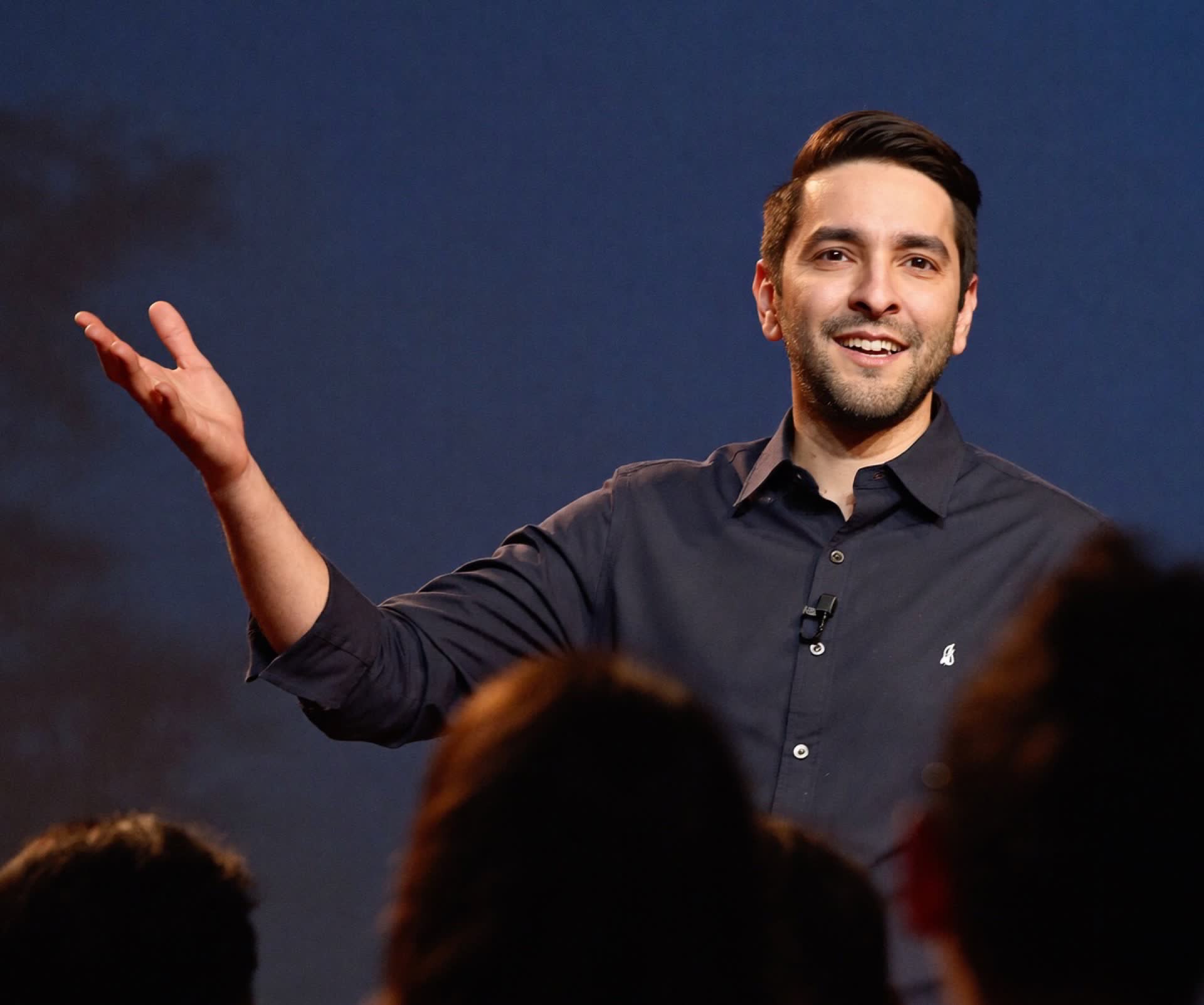
with Kamil Majeed
11 min read
Why education is the bottleneck for the AI shift
The episode opens with Muzamil framing the conversation around a realisation that has been building across his recent episodes. The world is shifting fast, the opportunities coming with AI are real, but Pakistan’s ability to capture any of it depends on something more boring than technology. It depends on whether the country can educate its people for the new world at all. “If we want to fully utilise this shift,” he says, “if we want to maximise its potential, we have to change our education, educate our people, teach them skills, get them ready.”
He brings on Kamil Majeed, CEO and principal of Nordic International School in Lahore — a Swedish school running from playgroup through O-levels, recently nominated in the top ten schools in the world in the category of community collaboration. Kamil is a LUMS accounting and finance graduate who took an unusual route into education through a UN Global Forum and a Commonwealth scholarship to UCL’s Institute of Education, which he describes as the number one programme in the world for education as a subject.
The framing matters because it sets the question Kamil spends the next hour answering: what does education actually need to do for a Pakistani child if the goal is a globally ready, AI-literate adult who can think?
An accidental route into education
Muzamil flags Kamil’s profile as a curiosity — accounting and finance graduates do not usually end up running schools — and Kamil walks through the sequence. He worked at Netsol, ran a consultancy, did an MBA in Turkey, and won a UN Global Competition that took him to New York in 2015. At the UN office, he saw a quote by Malala on the wall: one child, one book, one teacher can change the world. A conversation with the head of the forum over coffee pushed him toward a structured education in education itself.
He read Paulo Freire in his master’s programme and was struck by the line that education does not change the world — education changes people, and people change the world. The personal lesson came later, after he returned to Pakistan and took over the school. “When I joined in,” Kamil tells Muzamil, “I realised that in order to bring about any change, you cannot change the people. You have to change yourself. So, that is what the children made me realise.”
He uses this to draw a line under one of the conversation’s recurring themes. Education in Pakistan, he argues, has become demand-driven — parents ask for a swimming pool, a programme designed around their preferred university, and schools deliver it as a one-stop shop. “It should be supply driven,” he says. “It should be about doing the right thing. It should be about preparing the children for life.”
Curiosity as the prerequisite for AI
Muzamil then asks the question that organises the rest of the episode. In a post-AI world, what defines a future-ready child? Kamil’s answer is a single word: curiosity.
“The one thing that you need in order to interact with AI, in order to make the most of AI, is a skill called curiosity,” he says. The reason is mechanical. AI’s output is bounded by the quality of the prompt — by the user’s ability to set context, define the outcome, describe the audience and tone. Without curiosity, the student does not know what to ask, and the tool collapses into an autocomplete for shallow questions. “AI is your thinking partner at best,” Kamil tells Muzamil. “It’s not an opportunity to outsource your brain.”
What makes the point a structural one, rather than a motivational one, is what Kamil says next about schools. Curiosity has preconditions. The first is a safe environment, free of ego and self-doubt — because if the teacher operates from “I already know everything” and the principal operates from “this is my school,” no learning can happen. The story becomes about the adults, and that incapacitates children to ask questions. The second is inspiration. Pakistani schools, he argues, have built a habit of fixing problems rather than inspiring children, and “when inspiration does not exist, the children cannot aspire to something that does not exist.”
He closes the section with a phrase he returns to twice in the episode: “Culture eats strategy for breakfast, and culture eats AI for breakfast as well.”
What the UK system actually taught him
Muzamil presses Kamil to compare what he received at LUMS with what he received at UCL — and to be honest about whether the difference was real or whether the romance of London inflated it. Kamil’s answer is precise.
The Pakistani structure, he says, is built on rote memorisation and rewards the ability to reproduce. The UK structure rewards the ability to contribute. He describes walking into his first class at UCL and asking the question every Pakistani student asks: what is the grading structure? The answer surprised him. No quizzes, no class participation marks, no final exam. One assignment, graded on how authentically and originally the student added to the existing body of research. “The structure is sending you to the library to come up with research, to understand research, to critically evaluate and come up with something new.”
He recalls his first lesson — a professor opening with the line: what I am going to tell you is my story, I do not want you to agree or disagree, I want you to listen and come up with your own story, and that is what you will be graded on. “I was like, wow, this is fascinating,” Kamil tells Muzamil. “Somebody finally wants to respect my story.”
He layers a second lesson on top. When he tried to tell a senior professor that a particular theory was wrong, the professor stopped him. A theory is not a law, so it cannot be wrong in itself. What can be challenged are the assumptions on which the theory rests. Kamil says he has carried that distinction into every feasibility and projection he has run since.
The cricket trial at Lord’s
The conversation takes a turn that initially looks like a tangent and ends up being one of the most useful passages in the episode. Kamil — who played for Pakistan in the 2004-2005 Under-17 Asia Cup — describes the contrast between playing cricket in Pakistan and being invited to trials for the University of London team at Lord’s.
In Pakistan, he says, players showed up casually, in pyjamas and chappals, an hour late for a 07:30 reporting time. At Lord’s, players had to wear a suit to a match. The manager would not let a player onto the field without one. Five minutes late meant ten laps and fifty push-ups — enough to ruin the match for the player who arrived late. The ground was shared, the team applauded the opposition, and the whole culture treated the game as a gentleman’s game.
Muzamil makes the point Kamil is building toward. These are not things you learn from a curriculum. They are values you absorb from exposure — punctuality, professionalism, the seriousness with which one presents oneself — and in a globalised job market they are what separate, in his phrase, an ordinary person from an extraordinary one. Kamil agrees and extends it. “There is a clear absence of values” in Pakistani professional life, he says. Not turning up on time, not following through on a commitment, not preparing for an opportunity — these read as lack of integrity, lack of honesty, lack of responsibility. And, he argues, this conversation about values has not been part of Pakistani institutions, because values look abstract and the children have never seen them embodied.
Two stories the children gave him
To anchor the values argument, Kamil tells two stories. The first is from his own school. A boy who was part of what he called “a mafia group” of five came to him for a disciplinary conversation. Asked why he was doing this, the child said: because it is cool. Asked what he wanted out of it, the child said: world domination. Kamil offered him a choice — a warning and possible expulsion, or a chance to learn something new. The opening was that the child, he realised, did not know the basic definition of cool, because the society had never trained him to see that kindness could be cool.
The second is from the same school. A teacher noticed that the woman who worked for her lived in an environment buried in rubbish, and decided with her O-level class to do something about it. The students put on gloves and physically cleared the waste. The neighbourhood gathered to watch. When Kamil asked the students how they felt, they said they felt free, liberated, happy. “Isn’t that the purpose of education?” he asks Muzamil. “Isn’t that the role of educators? To provide an environment to the children so that they feel free, so that they’re happy, so eventually they can learn.”
He emphasises that these are not weak students. They are A-star students producing top results. The values work and the academic rigour are not in tension. They are the same project.
AI in the classroom, properly
Muzamil shifts to the technology question directly. There are two narratives competing in public. One says AI can democratise access to world-class education at near-zero cost — he cites Khan Academy translating its content into Urdu using AI, and the broader pattern of personalised tutoring becoming available at a fraction of historical cost. The other says AI is dumbing students down, because they are offloading their agency and their intellect onto the model and showing up as operators who copy and paste answers. Muzamil also references a recent Punjab government announcement about training a thousand AI teachers and bringing AI education into every school — progressive in principle, but in his read, announced before the ground was built.
Kamil cites a Brookings Institution report. Heavy investments in classroom technology, the report finds, show no correlation with improved student or teaching outcomes — unless the teacher is trained to make the technology part of their pedagogical approach. He then lays out the current risk profile honestly. On a de facto basis right now, he says, the disadvantages of AI in schools outweigh the advantages. Two threats stand out. The first is the offloading problem Muzamil raised — students producing low-quality inputs and getting low-quality outputs they cannot evaluate. The second is the erosion of the teacher-student relationship, which Kamil treats as the actual carrier of inspiration and social learning in a school.
His prescription is structural. Implementation has to be a community effort built around what he calls the holy triangle — students, teachers, and parents — trained together on the ethical use of AI, with a deliberate emphasis on integrity and creativity. And the school environment, again, has to be designed to ignite curiosity, because curiosity is the skill that makes a student able to direct AI rather than be directed by it. He closes with a line that lands cleanly: AI is not going to replace the job of the teachers, but it will replace teachers who have not upskilled and have stopped being curious.
What Pakistan looks like in 2050
Muzamil ends with a long question. Kamil studied abroad, played international cricket, has seen the world, and chose to come back. What does he think Pakistan looks like in 2050?
Kamil is careful but optimistic. Sixty percent of Pakistan’s population is youth — an asset, he says, only if it is guided and inspired. If it is not, “it is going to become a curse.” His read is that the country has enormous potential but a recurring failure mode in policy: announcements without implementation, and policy made without involving the practitioners who would have to deliver it. The work is collaboration — bringing practitioners into the policy-making process rather than fighting them — and embodying the values that the next generation is supposed to inherit.
Muzamil closes by stepping out of the interview and back into his own frame. The narrative around education in Pakistan, he says, is weirdly dismissive — as if running an education business is on a par with selling tooth powder. He pushes back on it. The country has a tsunami of young people who need direction, values, exposure, and quality teaching, and the demand vastly exceeds the supply. He is, in his words, “a through and through capitalist” on this point. Build real businesses around it. If they make people rich while doing genuine good, that is halal earning. The country needs a thousand more of them, and it still will not be enough.
Full transcript
सालों क़बत दिनाज़ज़ज़ welcome back to another episode of Thought behind Think. जैसा ही आपको पता है मैं joke की तरह आजकल पीछे पड़ा हूं कि यहीं से बड़ी दुनिया बदल रही है और आने वाले वक़्त में बड़ी opportunities हमारे लिए आ रही हैं. लेकिन जितना ज़्यादा मैं उस rabbit hole में deeper जाता हूं मुझे यह realization होती है कि इस shift को अगर हमने fully utilize करना है, अगर हम इसके potential को maximize करना है तो वहां पर जो नई दुनिया create हो रही है उसके लिए आपको education अपनी potentially change करनी होगी. अपने लोगों को educate करना होगा, उनको skills सिखानी होंगी. उनको ready करना होगा और सब ने मुझे यही बोला कि यार Pakistan के talent को बड़ी specific areas के अंदर अपने आप को grow कराना है. उनको अब problem solving करनी है, critical thinking करनी है. उन्होंने अपने आप को globally ready करना है और इसमें मसला यही है कि जब हम Pakistan में देखते हैं बहुत सारे programs भी हैं, बहुत सारी development की चीज़ें भी होती हैं लेकिन somehow हमारा वह global talent नहीं आ पाता which is one of the reasons why I wanted to speak to someone who has expertise in education जिनको पता होगा यार यह education होती क्या है? कहां से आई है? और किस तरह से हम उसको tailor कर सकते हैं for our post AI world particularly for a developing country like Pakistan? हमारे साथ आज मौजूद हैं. एक quick conversation के लिए कामिल मज़ीद साहब who is the CEO and principal of Nordic International School. It is a Swedish school based in लोहौर जो कि ज़ाहिर है के Nordics का हमने सुना है कि उनका जो system of education है वह बड़ा एक innovative और different होता है तो I loved that aspect of that of his profile as well. साथ ही he has a masters in education and international development from the university, UCL I believe, University College London. कावल भाई thank you so much for taking the time out and joining us. Thank you for having me मुज़मिल. It's a pleasure to be here. मैं थोड़ा सा अगर you know for the for the audience अगर आप explain कर सकें quickly कि you know what do you do? आपका quick background क्या है and what got you into education?
So, मुज़मिल, I'm the principal and CEO of Nordic International School. It's a Swedish school. We go from playgroup all the way till o levels. It's based in लाहौर. Recently, we got nominated in one of the top 10 schools in the world as well in in the category of community collaboration. So, the school is a great combination of academic rigor and having a very kind culture. So, the thing that differentiates us is really the fact that we are academically rigorous. If you send your children to the school, they will definitely learn something and that learning is going to translate eventually into the O levels examination and, you know, their results. And at the same time, I generally think that a prereq to learning is a safe environment. So we really work a lot in curating that safe environment, in having a strong community around in that environment, a community that's involved in the learning journey of the children. So that is something that works out really well for us and that is something that has earned us all the recognition in the city and in the country as well.
Makes a lot of sense. मैं आपकी profile देख रहा था you were a graduate of accounts and finance at lums. Yes. And more often than not that's you don't expect that profile to be working in education जो कि basically बड़ी interesting बात भी थी क्योंकि education is a very serious problem in Pakistan. Even though और इसका potential disaster भी है और वह जो disasters और सर्माये के अंदर जो difference है वह education. सबने कहा कि यार अगर आपने उसको train कर दिया और direct कर दिया, right? Unfortunately we have the largest population of out of school children. Unfortunately, almost जो हमारी total बच्चे जो अठारह साल की उम्र को पहुंचते हैं, उसमें less than 10% are pursuing higher education, less than 50% are graduating high school. So these are abysmal numbers and these are, you know, this is a problem statement जो कि सिर्फ government की नहीं वह as a society we have to really figure out and sit down and figure out solutions for it and again मैं अब उस चीज़ का खाल हो चुका हूं कि यार government जो करे वह करे. What can the private sector do and create a business case out of it as well where where potentially that problem will be solved as well. So jumping right into it before मैं आपसे AI की तरफ़ आपको लेकर आऊं. I just want to sort of understand, you know, how why did you get into education and how has that experience been so far? I mean, एक होता है ना इसमें again and I don't want that answer कि you know what बड़ा gratifying है, मैं दुनिया बदल रहा हूं. You know, at the end of the day we're we're we're we all want to pursue careers, we all wanna make money. So is there is there real impact plus career and and and, you know, a business case to that as well?
So I I did my accounting and finance from lumps back in 2012. It a it a great program, a great experience and then I have a very strong management background as well. So I worked for Netsol in this IT firm and then I had my own consultancy firm. Then I went for this MBA program in Turkey. So during the program, I got this opportunity to apply for this UN Global Competition. So you have to predict your vision for the future cooperation. So I predict the vision. Apparently I won the global competition. So it landed me in New York back in 2015 for the UN Global Forum. I was representing Park. No, Park was actually representing Turkey there. So, you know, at the at the UN at the UN office, when you enter, just right there on your right, you would see a quote by मलाला which says, 'One child, one book, one teacher can change the world.' And I thought, what a good way to change the world, right? And education is perhaps that way of changing the world. And then at the UN office, I got into a conversation with the head and he said, you know, कामिल, let's meet up for coffee. I was like, ok, sure. We're not used to that in Pakistan but, you in The US it becomes a norm. He sat down. He's like, you know, what do you want to do? And just like the drawing room conversation that we have in Pakistan, I said, I want to do something in education. I to be, I want to do something that's meaningful. And he said, Alright. So, I would strongly suggest that if you want to come in this field, you come up with this strong background of education, research and policy, and you apply to one of the best programs in the world so that you know what you're doing. Because as you said, it's such a sensitive topic, and you really need to know what you are doing because you are curating and you are nourishing not just the present generation but the future generation as well. So he recommended two programs. He recommended Cambridge and he recommended UCL at the Institute of Education. I applied at both the programs. I got into both Cambridge and the Institute of Education. But I got a Commonwealth scholarship as well for UCL, the Institute of Education. The Institute of Education is the number one program in the world for education as a subject. So they're research based. And when you go there, then you get to know why they're the number one in the world. So it has a lot to do with the structure of the program. It has a lot to do with their approach, and it has a lot to do with the environment. That's three things that I learned primarily from there. In the program, I read this quote by Paulo Ferreri which says, education does not change the world. Education changes people. People change the world. So, मेरी ज़िंदगी में था कि यार मैंने दुनिया बदलनी है. तो वह education बदलेगी. But now Paulo Ferreri says that education just changes people and people change the world. Was like, okay, you know, let's let's go into that route. So, while that I I came back to Pakistan and I joined the school as the principal and the CEO. When I joined in, I realized that in order to bring about any change, you cannot change the people. You have to change yourself. So, that is what the children made me realize. And when you do that, you become a source of inspiration for them. When you become a source of inspiration for them, you aim to provide a safe environment for them in order for learning to happen. And that is why I say when it comes to the school that I have the honor and the privilege to head, it is nothing but a great act of service and it is nothing but an opportunity to inspire the children who will eventually change the world through education. So, that's a, that's a bit of a journey. And as far as the top line and the bottom line is concerned, if you're doing a good job, you know, people don't have a problem with paying that money. But your focus, your primary objective in the field of education should be education. It should not be anything else And that's the unfortunate bait. You know, we we bring in a lot of commercial angle in this industry. And education, I believe, needs to be supply driven. But it's become demand driven in so many ways. So, the parents understand, whatever they're asking for, we just provide them that. There you go. It's become a one stop shop. You know, you want a swimming pool, you know, we'll give you that. You want your child to go to any one particular institute, we'll design the whole program around it. Right? So, that is the unfortunate unfortunate bit and I think that should not be happening. It should be supply driven. It should be about doing the right thing. It it should be about preparing the children for life. That's what the idea is.
Makes sense. मुझे बहुत ज़्यादा से feedback मिल रहा है ना And more often than not you begin to realize कि it is not हम universities को बहुत ज़्यादा blame करते हैं लेकिन university के पास जो supply आ रही है ना वह already इतने ज़्यादा बंद हो चुकी होती है कि वह चार साल मतलब बारह साल के एक को वह चार साल में नहीं fix कर सकते. कर भी सकते हैं कुछ universities कर भी रही हैं तो I'm not gonna take all the blame off of them but on some level जो आपका K to 12 वाला पूरा का पूरा education की industry है In my opinion, that is aggressively failing. So if I were to ask you, question यह होगा. What changes are you seeing in the post AI world? And आज आप लोग जब अपने बच्चों को देख रहे हैं, जिनको आप nurture कर रहे हैं, build कर रहे हैं beyond the curriculum, right? What are the key areas जिससे आप define करते हैं कि यार बच्चा जो है वह future ready हो.
When you talk about being future ready in a post AI world, the one thing that you need in order to interact with AI, in order to make the most of AI is a skill called curiosity. Curiosity is one of the the key skill when it comes to meaningful learning. You can call it meaningful learning, you can call it active learning. Curiosity is the key skill because it's your willingness to learn things and that results in deep work. Now, what's happening in schools is actually a structural problem. Because in order for to ignite curiosity, there are certain prereqs and conditions that need to be met. So, the the first prereq is actually an environment that is safe for the children, an environment that is free of ego, fair self doubt. Right? Because if ego is there and if the teacher believes that मुझे पहले ही सब कुछ पता है, the principal thinks this is my school and things are going to happen the way I see things, then no learning is going to happen because this this story is about them. It's not about the children. If this is fair, it's going to incapacitate children to ask any questions. So curiosity again will not exist. Now, we have done a great job focusing on the outside world but the inside world is something that we've left out, both for the staff and eventually for the children as well. So, that's something which is not, does not allow us to ignite curiosity. The second one is, the second one is inspiration. We have this habit of fixing things, right? And then we have this habit, बच्चे भी हैं कोई problem हो उसको fix कर लो. We don't have this habit of inspiring the children. And when inspiration does not exist, when the children cannot aspire to something that does not exist. Right? You can talk a lot about kindness, but if there's nothing kind about you, if you've not embodied kindness yourself, the children are never gonna are never gonna get it. Right? So, the foremost thing is again working on the culture of the school because culture eats strategy for breakfast and culture eats AI for breakfast as well. The reason why I say this because again, in order to interact with AI, you need to be very curious in order to get the best output. The quality of the input is going to determine the quality of the output. So you need to be curious that, alright, so, know, like, what is the context? What do what do I wanna ask? What do I wanna what do I wanna learn? AI is your thinking partner at best. Right? It's not an opportunity to outsource your brain and give it to and give it to give it to the AI to make sense of whatever things are there. So, you have to give AI the context. You have to tell it that this is what I want as an outcome. This is the tone. These are the people that I am dealing with and that requires a lot of curiosity. And unfortunately, the structure is not designed to ignite curiosity as I have explained.
अगर मैं आपके अपने experience से तेला करने की कोशिश करूं. You went to Lums for your undergrad and then you went to London for your masters. ज़ाहिर अब program itself was education but beyond the program as well I mean you were in a different place altogether. London itself is an incredible city. What would you identify as कि was different in terms of the education that you received here versus the education that you received there and beyond just the academics because काफ़ी दफाना मुझे यह भी problem है Pakistan में कि हमें लगता है कि यार बस किताब है और paper है और ठप्पा है और that's it and I feel like कि लोग कहते हैं ना university बड़ी फारे गैजी होते हैं जो भी आपको सिखा रही वह सारा online available है. यार वह तो available है but it's actually an entire ecosystem that allows for you to have that sort of exposure and social skills and you know critical thinking काफ़ी ज़्यादा उस environment से आती है. And so, tell me a bit about your experience at UCL and how that has sort of shaped you? And and rather, how what could you define about The UK system versus what you've experienced in Pakistan?
What I've experienced in Pakistan and then in the Asian context as well is that the structure is based on rote memorization. It's based and it rewards you on your ability to reproduce. Right? So, the way you learn is that you repeat stuff. You know, you believe in repetition and you are not using your machine for the creative abilities that is actually designed for. So, you know, are repeating stuff and then eventually you are judged for reproduction. So, is a reproduction model that we have. When you go to The UK, things change because the structure is educating you into creativity and curiosity. I'll tell you how. So, when I went into this program, we and I asked the same question that everybody asked in university in Pakistan. What's the grading structure of, you know, the subject? And, you know, they said, you know, there's there's no quiz. There's no class participation, there are no final exams. There is one assignment and in that one assignment, you will be graded on how you are adding to the research body, on how authentic and original your ideas are. That's it. You have to come to the classrooms, you have to be present and in this one assignment, you have to deliver original authentic content. The structure is sending you to the library to come up with research, to understand research, to critically evaluate and come up with something new. Barely in Pakistan I went to a library. Use नहीं थी, need नहीं थी उसकी because किताबें थीं, उनसे पढ़ लिया, repeat कर ली चीज़ें जाकर reproduce कर दिया, marks भी आ गए. अच्छे marks आ गए, you know, deans on the list पर graduate किया वह सारा कुछ. But तो mark की जो creative muscle था वह कभी use नहीं हुआ. वहां पर जाकर structure ने मुझे force किया कि यार एक assignment है, उसमें original content produce करना है. You had no other way to sort of go about it. So that's one thing. The other thing is really like the approach, the way they approach education. I remember the first day, the first lesson that I was attending, the professor comes up and says, what I'm gonna tell you is my story. I don't want you to agree, I don't want you to disagree. I want you to listen and come up with your own story and that's what you'll be graded on. I was like, wow, this is fascinating. Right? Somebody finally is and wants to respect my story. I was like, seven. So, the approach is like that और हम इतने as in the society that we live in, you know, यह सही है, यह गलत है, right? हम उस पर stuck हैं. तो इसी तरह मैं अपना एक assignment करा था तो I I went into, went to one of the senior professors and I said, professor, this one theory is not right. I can prove that to you. And he said, कामलू, hold on. The The theory can never be wrong because it's a theory at the end of the day. It's not a law. What you can challenge is not the theory, is the assumptions on the basis of which the theory is made. So, at best you can challenge that. I have taken that learning in in all of the feasibilities, in all of the projections and everything that I do, I start I start off with the assumptions and I make sure that the assumptions are strong enough so that the eventual result becomes stronger and makes logical sense and it's relevant. Again, something I learned just from that approach. And then when you're in The UK, you you experience diversity and they're not just tolerating diversity. They're not just accepting diversity, they're celebrating diversity. You're with all of these students who are coming in from all the different backgrounds and you're sitting in the classrooms. You're interacting with them within the city as well. And it's great how much you get to learn from them. It's great the fact that you learn to co exist in an environment, in situations and in perspectives which are much different than yours. And it is there that I realize that every perspective is valid and wrong perspective is that your perspective is right and that's the only perspective. Right? If you start and if you wear glasses with red lens, you will see everything is red, right? That's your perspective, it's valid. And if you are not wearing any lens, you you are seeing natural colors. That's fine as well. So, you tend to learn and respect perspectives through the diversity that you experience in The UK. And, you know, when when I was young, this is another example because you asked about the extracurricular activities. So, I was academically I was academically smart. I was doing well in school and all. Thing that differentiated and made my profile stood out was that I used to play cricket. I used to play cricket professionally. So I played for Pakistan in the under seventeen Asia Cup back in 2004, 2005. We won the Asia Cup as well. We beat India in India चेन्न स्वामी Stadium बैंगलोर. So, जब हम यहां पर cricket खेलते थे वह बड़े different style तक खेलने का. You know, very relaxed हम जा रहे हैं. Reporting time 07:30 है हम आराम से जी. आठ बजे जा रहे हैं और वह पुजामे पहने हुए हैं, चप्पल पहनी भी है और वह सोचेंगे अच्छा यार चलो थोड़ा सा warm up कर लेंगे और थोड़े जाकर ना game वगैरह खेलेंगे. So when I went to The UK, I received an email that their trials for the University of London cricket team. So they have their own league. So I was like, ok. तब तक मैं cricket professionally थोड़ा छोड़ दी हुई थी. तो trials were happening at lords like the back of cricket. If I mean if you if you play cricket you know lords and you have the sort of thing for lords. So I was like यार trials पर तो जाना है. तो trials पर गए, lodge में हमने खेलना शुरू कर दिया and then जब हमने हमारा match हुआ MCC के साथ, when you're going to the match, you have to wear a suit. If you are not wearing a suit, the manager is not going to allow you to play. You will have to borrow a suit from somebody in order for just to play. And if you are late by five minutes, that means 10 rounds and 50 push ups. So, you won't have the strength to play the match. So, you have to be on time. You have to dress well. And it is there I realize that cricket is a gentleman's game. It really is and they treat it that way. So ground में या तो the environment is so good. You know, this is everybody is sharing everybody everybody सिर्फ. यहां पर cash drop करो. आपकी team तो दस सुनाती है. Buyer से भी कुछ चार पांच लोग सुनाते हैं. तो आप भी you know like if there's something is working out here. भाई the whole team comes up and this shares you. The is different. So I found myself just diving in the ground zone. उन्होंने कहा, you know, like, बाबा जी को क्या हो गया इस उम्र में? And I thought, I thought to myself, this is heaven. The ground is so good. The environment is so good. So, you know, like, it's that environment apart from academics as well that you get to experience in The UK which adds to the diversity of your experiences and that I think is very very important when it comes to education.
यार, दो बड़ी interesting चीज़ें बताइए. बड़ी random से experiences हैं लेकिन ज़ाहिर है के और वह cricket के context में है. लेकिन वह कहीं ना कहीं आपके embed हो जाते हैं life के अंदर कि यार, you know, I have to be on time on things. I have to, you know I have to be disciplined with with my work, with my time so on और दूसरा the the way that you carry yourself. अभी दोनों चीज़ें जो है ना बड़ी Pakistan लोग बड़ा sloppy होते हैं कि यार you know मेरे कपड़ों से थोड़ी फ़र्क़ पड़ता है. शायद एक एक classist society के अंदर ना वह aggression microaggression online interviews हो रहे हैं तो बनियान पहन के interview दे दें. You know शिलवार कमी से पहनी हुई है लेटे में बिस्तर के अंदर. And so these are things जो कि आपको education से नहीं मिलेंगी. वह आपको exposure से पता लगेगा कि यार यह चीज़ें important हैं और globalized world के अंदर इन चीज़ों को seriously लिया जाता है and they define an ordinary person from an extraordinary person, right? अगर before we get to Pakistan because I genuinely want to sort of identify macro के ऊपर कि Pakistan में हम इसको कितना solve कर सकते हैं? But and and again context for this particular question. I'm hearing a lot out out in The US and the West कि Indians have sort of institutionalized their their you know, बाहर जाना है या Pakistan में रहना है या generally overall अपनी higher education pursue करनी है. Would you recommend The UK as a potential destination? And again, इसमें context वह याद रखिएगा कि दुनिया बड़ी बदल रही है और हर कोई confused है कि आने वाले वक़्त में क्या होगा? तो क्या वह जो education आपको मिली थी, do you think it enabled you to be at the cutting edge of whatever is changing out there or whatever was changing at the time?
A 100. You know, structurally, operationally, in terms of perspective, in terms of the environment, it was a shift in perspective for me. I had seen things a different way in Pakistan and when you go to The UK and when you go to institutions like the UCL, Institute of Education, you realize that what you're missing out on. You realize the importance of not just knowledge and skills but the importance of values as well. जो आप बात कर रहे हैं ना कि वह हमारा जो पाकिस्तानी है वह ना time पर आता है. अगर कुछ कहता है वह करता भी नहीं है. वह pair भी नहीं होता, ना ही उस चीज़ वह उस opportunity को seriously लेता है. That is a clear absence of values. It's lack of integrity. If you say something you don't don't do it, you're not being your word. Lack of integrity, right? Lack of honesty. हम seriously नहीं ले रहे उस चीज़ को, right? Lack of responsibility. You have a certain responsibility towards somebody who is giving you your time, right? You have to be there on time. There is no excuse for that. This lack of responsibility. So, unfortunately, this conversation on values has not been a part of our institutions. We've been focusing on knowledge and at best, you know, skills. But values तो has taken a back seat for the longest period because it looks abstract. And since the children have not seen it, it never inspires them. And that's the concern. Now I'll give you two examples. In the school, was, bullying is is a very prominent issue in school. So, you know, I was having this conversation with the child. I'm like, यार, क्या कर रहे हो? So he was like, sir, I'm a part of this mafia group. Like, ok, we are five child. I was a part of this mafia group. I was like, what do you do in this group? I was like, we control people. I am like, why? He is like, because it's cool. I am like, ok. So, what do you want to achieve out of it? And the child goes like, world domination. And he is not even looking at school domination. He looking at world domination. Vision आप देखेंगे कितना बड़ा है. And I asked him that, you know, like, would you like to offer, would you like me to offer you a warning and expel you or would you like to learn something new? Because there's a big possibility that the child does not know the basic definition of being cool because the society has not trained or made the child seen that particular value, that kindness can be cool as well. And then I give him examples of how being kind is the coolest thing. The same thing happens when you go to The UK, the same thing. You see values at practice. You see values in action and that inspires you. One of my professors, very senior guy, right? I was working on my dissertation, right? So, उनका reply नहीं आ रहा था थोड़ी देर के लिए. तो मैंने क्या किया? Me being me, मैंने एक complain कर दीजिए, the head of department. मैंने कहा यार, you know, I'm not receiving a reply. My dissertation is sort of ongoing. Please tell me how to go about it. And what I didn't know was the professor was senior then the head of department. I didn't know about that. The professor called me up and he said something that remained with me. He gave me an explanation of how and why he wasn't replying and he said that this whole thing is something that's completely professional and as a matter of integrity, I will not allow this to become or cloud my judgement of your dissertation in any way whatsoever. In fact, let's go out for dinner. मैंने सोचा कि अगर यह Pakistan में होता तो वह बंदा मेरा career ख़राब कर देता. वह कहता कि भाई तू हिलकर दिखा but उसका तो ego ही ना satisfy होता कि कल का बच्चा आकर मुझे challenge कैसे कर गया? मुझे मेरी complain कर रहा है. Right, how dare he? The guy caught me up for dinner. We had a great time and merit पर उसने dissertation को judge किया. I got a A star in the descitation. I couldn't believe it. But he left this seed of integrity inside of me and I brought it back to the institution here as well. So whatever I do, is a big possibility I might not personally like you but if you are professionally doing your job then आपको कोई हिला नहीं सकता because you are in a professional I mean इसी से,
makes sense. अगर मैं इसी से connect करूं now coming to Pakistan exclusively. Look I think you you mentioned a few very interesting things you you talk about values and I think the world that we are now about to enter उसके अंदर ना increasingly जो जिन चीज़ों के पीछे हम लगे हुए ना कि रट्टा लगा लिया, repeat कर लिया, वह तो सारा automate हो जाएगा. Like, AI can do that very well. What AI cannot do is is is critically analyze things. It cannot come up with original thought and it has no values, right? And what makes humans human are all of these things. So suddenly जब देखिए economically demand and supply के अंदर ना जब चीज़ किसी चीज़ की supply कम होती है ना तभी उसकी value बढ़ती है. It's very simple, right? तो जो जो the only thing that is scarce and is limited in value is integrity, values, critical thinking and all of those things and so increasingly यह चीज़ें define करेंगी कि कल के जो आपके Selective हो, right? So so unfortunately हमारे यहां जो हमें जब वह action में नज़र ही नहीं आ रहा and then incentive structure भी उसके around ही बना हुआ. Quite frankly इस Pakistan के अंदर पिछले बीस सालों के अंदर खासकर When there is an absence of inspiration and when there is an absence of incentive then as an educator run me through how you would solve that problem of really reimagining दो सौ dollar extra ले रहा है ना तुम दो लाख dollar ज़्यादा कर रहा है because it's a long term thing. These things compound over time. How would you as an educator solve this problem?
So at the start of the podcast I talked about this. You know, when I joined the school, the children made me realize that education is really about changing yourself because when you change yourself, you know, you inspire people. And when you inspire people, they learn something from you because they feel safe. Right? So, it's as as leaders, you really have to work on developing that culture that's safe for the children and that's safe for the staff. And you have to embody kindness of what it looks like, right, every day, not selective. क्या आज कर लेते हैं, कल छोड़ देंगे, right? It can't be selective. It has to be a part of the daily process. So, I'm I'm on Instagram as well. I have this account called the NSO principle. Right? उस पर I've uploaded this video which has 1,000,000 views. Now, the video is fairly simple. I am standing in the corridors, and when the students are coming in, I am greeting them, I am shaking their hands. I am asking them about how was your day? Are you facing any challenges? In between, there are high fives going and somebody is hugging me as well. Simple, right? The interesting bit is not the video, it's actually the comments. People can't believe it. One of the teachers said that, you know, like, my principal is saying this is AI generated. You know, leaders can't be like that. One of them is saying that यह हो ही नहीं सकता, यह practical नहीं है. मैं तो रोज़ कर रहा हूं. यह तो मेरा daily एक काम है how difficult it it it you just have to embody it. You just have to know your purpose. Right? Daily हो रहा उसकी वजह से the children are feeling safe. So why not? So यह values आपने ख़ुद incorporate करनी है पहले. You need to know what these values are and what they look like in the real world. Then you will see the outcomes. I was at the graduation ceremony of the preschool. So one of the child, another video and this is a very heart touching video. One of the child comes up, वह अपनी degree नहीं लेती. वह she comes up on the stage. She gives me a heart and she whispers in my ear, you are the best principal ever and I thought कि यार मैंने क्या ऐसा किया to deserve this. But the only thing I worked on and that's the advice that my mentor gave me as well, As the leader, work on providing the right conditions and the environment for the children. It's all in the process so that the children can educate themselves. So, it's in the environment. You have to have a process oriented approach and you'll see the results for that. Yesterday, a group of o level students came to me, and they said we wanna talk to you about something. I was like, okay. And they said, along with their teacher, they said we had this assignment, this competition from the British council. You had to create a three minute video on zero wastage which is sustainable development goal number 12. That was the, that was the challenge. Zero wastage, three minute video. I was like, what do you guys do? And they said, they pointed out to the teacher and they said, Miss अपनी मासी को drop करती थी एक जगह. तो Miss ने देखा कि उनकी जो मासी की environment है उसमें बहुत ज़्यादा कूड़ा पड़ा हुआ है. Right? वह भरा हुआ है कूड़े से. तो missus सोचा यार, you know, हम इतनी अच्छी ज़िंदगी गुज़ार रहे हैं. But why can't we do something for the people so that they can, if not as amazing lives as ours, they they get access to something that's very basic, a clean environment. So, what can we do about it? So, these children went in. They wore gloves and they picked up all of the waste from their own hands. Owner ने जाकर अपनी teacher के साथ उठाना शुरू कर दिया. पूरा कूरा उठाया. Society पूरी gather हो गई. वह साथ मिल गए and they really appreciate that effort. Small thing, जाकर आप पूरा उठा रहे हो. But बच्चे उठा रहे हैं. Values, kindness, what it looks like. Inspire गिरने किया, teacher ने. AI ने नहीं किया. AI had no role to play. वह teacher की values, there something in her heart. And when I asked the children, this is amazing, what you did requires guts, requires courage. How do you feel? They said, we feel free. We feel liberated. We feel something different inside of us. We feel happy. Isn't that the purpose of education? Isn't that the role of educators? To provide an environment to the children so that they feel free, so that they're happy, so eventually they can learn. Hence, it's a prereq. I keep on talking about it in all the platforms and I keep giving these examples. And these students, they are they are academically very bright students. They are producing results. These are all A star students that I am talking about. They are enjoying the process, both the academic process and the process in which they see values and they are experiencing something inside which is called happiness.
Makes sense. मुझे यह बताएंगे ना sort of wrap this up. मैंने अपना तैया कर लिया क्या? मैं ना पैंतालीस, पचास minute maximum में wrap कर लिया करूं क्योंकि हमारे लोगों की unfortunately attention भी बड़ी वह limited होती है. But I want to get your opinion on अगर मैं थोड़ा सा topic को switch करके इस पर लेकर आऊं कि at this point in time there is now increasingly a chatter on how these technologies जो यह AI है और यह सारा कुछ है यह हमारे बच्चों को impact कर रही है in terms of their own learning. So in in many ways it is an incredible technology that can potentially be used in incredible ways. For example, Khan Academy ने AI को use करके अपना सारा का सारा content जो है वह उर्दू में available कर दिया. AI enabled that, right? At at scale, at a low cost. AI can give you personalized tutoring at scale at a fragment of the cost जो कि आपके इस tutors available थे and you know I would argue कि जो इस वक्त market में access था let's say लोहौर के किसी अच्छे the technology itself even within learning is creating a lot of solutions that can potentially accelerate how we learn as as people, as students. And I would argue कि बहुत जल्द जैसे जैसे जो खासकर language वाले models अच्छे हो रहे हैं, you will have the knowledge of the world at the palm of your hand because जो भी knowledge available है उसको आपने सिर्फ़ translate करके local language में available करना है उर्दू में, सिंधी में, बलूची में and theoretically anyone can learn anything. Theoretically मैंने इस वजह से बोला because दूसरी side के ऊपर लोग यह कह रहे हैं कि AI is actually dumbing you down because अब हम क्या कर रहे कि हम अपनी agency और अपने intellect को offload कर रहे हैं AI के ऊपर. हम जो भी बात आती है अब हम ध्यान में ना operators रह गए हैं. सवाल आया maths का उसको as it is ChatGPT को फेंका, उसका जवाब निकाला as it is उसको copy किया, आगे फ़ेंक दिया and unfortunately while the kids might feel like कि यार देखो हम कितना अच्छा hack कर रहे हैं हमने you know March भी ले लिए तो वह अपना सारा time इस पर लगा रहे हैं to show कि यह ChatGPT से नहीं आया हुआ, right? Rather than actually solving the problem तो तो it's a weird place to be in and specially as educators you don't want to stunt your kids कि यार AI touch ना करो. एक emerging technology है उसको समझना भी ज़रूरी है, उसको utilize करना भी ज़रूरी है. लेकिन उसके downsides भी हैं जो कि potentially repercussions निकाल सकते हैं. How are you approaching AI in learning and overall in integration of AI in in in your curriculums, in your education. The tools of that AI has available. And secondly, यह मैं ख़ासकर इस वजह से सवाल कर रहा हूं because अभी recently हमने announcement सुनी है कि Punjab में, you know, AI teachers वन रहे हैं और हज़ार teachers train होंगे और AI education हर school में होगी. In many ways बड़ी progressive announcement है. दुनिया में AI का boom चल रहा है. पहली दफा Pakistan जो है वह उसके साथ साथ चल रहा है. But also in many ways I just felt like कि वह एक announcement तो हो गई है but वह properly की तरह सोचा नहीं गया कि यार I I'm not sure कि इस time के ऊपर middle school और high school के बच्चों को क्या AI की up learning करेंगे? Again learning कराई जा सकती है but I feel like इस वक्त अभी ground नहीं build हुआ हुआ है. And so I want to understand from the private school side how do you see AI in education right now?
There's a real long research paper by the Booking Institute, right? And it produced the report on the use of technologies and AI in the post AI world, right? Especially its advantages for students and the teachers in the school. The findings in the report are interesting. So it says that heavy investments in technology in the schools have got no relation to increase in student learning outcomes and teaching outcomes, no correlation. So it's not just about making these heavy investments in in technology. It's about seeing how these investments go about and become a part of the pedagogical approach of the teacher as well. So if the teacher is not trained to use the technology, then what's the point of the technology? Right? So, that's one part. The other part of the research is that when you look at the implementation of AI on a de facto basis right now, the demerits, the disadvantages and the threat of AI is more than the benefits of AI right now. And the threat is coming from the fact, the same thing that you were talking about, there is a big possibility that students are going to outpost their mind to AI and the quality of the input is going to determine the quality of the output which is not going to be that effective. So that's one thing. The second thread is that it it's going to erode the relationship between the teacher and the student. Heavy reliance on AI material and AI related subjects is going to diminish the role of the teacher and just erode that trust. So the teacher will not be able to even act as a facilitator. Right? And trust is a big factor because apart from academic learning, social interactions and inspiration is a big part of the school environment and the school experience as well. So we're risking the erosion of trust. Now AI has a lot of advantages on the on the high, in in in the other side as well naturally. How can we make the most of it? There are a few ways to go about it. We really need to involve the whole school community in that. We need to train the parents, the teachers and the students in the effective use of AI. So it's not about, not just about introducing AI, it's about how you're implementing AI as well. So, it has to be a community effort. The the holy triangle for schools, which is the students, teachers and the parents, the three of them need to be involved together. The students and the teachers need to be trained on ethical use of AI. Again, that emphasis on values. With reference to integrity and with reference to promoting creativity, how can you get the most out of AI? And then the third thing, you have to work on the school environment because culture eats AI for breakfast. You need to have an environment that is safe for the children, that ignites curiosity, which which develops this habit, this thing in the children to learn something new because curiosity is going to help them interact with AI. So that is what the implementation of AI, that's what it's going to look like. It's a community effort. The parents, the teachers have to be involved along with the students. Teachers need to be trained on how to use the resources and the students need to know what is the ethical use of AI to go about dressing your assignments, to go about daily life. So AI is not going to replace the job of the teachers, but it is going to replace the teachers or make them obsolete if they have not upskilled, if they have not, if they are not curious. So Makes sense. Because AI is gonna make the IQ element redundant because it is very smart.
Makes sense. I'm gonna wrap this up, कामल. Thank you so much for taking the time out. I'm gonna ask you one last question. Just quick thoughts from you on that. You went obviously for your masters to The UK. You could have stayed there. You could have gone elsewhere as well. आप cricket match करने के लिए India गए. आप उससे पहले UN के लिए New York गए. आपने दुनिया भी देखी. But somehow you came back and you chose to stay in Pakistan. I'm curious. You interact with the youth and as pessimistic as one can be, I feel like when you're in the role that you are in, inherently एक इंसान को optimist होना लाज़मी होता है. Because नौजवान या जो बच्चा है ना, आप थोड़ी मार खा लेते हैं ना in your mid thirties or in your forties तो साथ cynical होना हो जाता है. आपकी life में बहुत ups and downs आ चुके होते हैं. But you always need your youth to again be inspired, to aspire for better, for greatness and all of those things. And so I'm curious, what is your perception of Pakistan twenty five years from now in 2050? Knowing what you know now, seeing what you've seen. Again, you you have a role as an educator, but you did study international development as well. You have been interested, in sort of, you know, overall development of societies with with SDGs and so on. उन सबको मद्देनज़र रखते हुए आंखों Pakistan चौबीस साल के बाद दो हज़ार पचास ऐसा लगता है.
So, am privileged. You know, I I I got these opportunities by the UK commission to study in a place like The UK and one of the best institutes in the world and with that privilege comes a great amount of responsibility as well and I genuinely thought and I still believe that that responsibility that comes and has to be delivered in a context where it's needed and it's needed the most in this country, right? There needs to be more of leadership that talks about kindness. There needs to be more of leadership that talks about values that are important for the students to take their experience and take it along because 60% of, you know, the population of Pakistan is youth. But if it's not guided, if it's not inspired, it's going to go in a separate, in a different direction altogether. Right? It's going to become a curse. So somebody has to take responsibility of being an inspiration and guiding these youth in areas and in ways where they can achieve much more than what you have achieved. So, I am positive on the future of Pakistan. I think the country has a lot of potential. The thing that we need to see is not just introduction of policies but the implementation of policies by people who are practitioners and involve them, not fight, collaboration. You know, involve these people in the policy making process as well and work together for the betterment of the present society which is going to have ripple effects in the future. So collaboration is what is the need, the present need and I am happy to serve in whatever capacity I can.
Makes sense कामिल. Thank you so much for taking the रायमार, sharing all that insight.
Thank you so much सामिल. It's such a, it's such a pleasure being a part of the podcast and and can I give you a compliment? So, the sort of content that you're producing and the sort of people that you are bringing in is a great amount of service in itself. It's intellectual content, it's content that's relevant, it's content that's urgent, it's content that's important and I think whenever people go over your podcast, whenever the sort of expertise that you bring in as well says volumes about the responsibility that you have and the inspiration, then the way you are inspiring the younger generation and the audience at large and the credit goes to you for that. So, you so much for inspiring us. Thank you so much for doing what you do. It is an absolute pleasure and honor to be here in your presence.
Sir, thank you so very much. That was incredibly kind and again मेरे यह ऐसा काम है जो कि तरह low viewership वाला है तो it feels good to hear that. Thank you so much for taking the time out and sharing that as well. For all of you guys, यह वाली conversation मेरे लिए बड़ी important और powerful थी क्योंकि unfortunately education के around एक बड़ा weird narrative है Pakistan के अंदर जिसमें हमें यह बात समझ नहीं आती कि भाई हमें हमारे लोगों को education की ज़रूरत है. Education कराना तो मंजन बेचने के, you know, मतराधिफ है and if that is the narrative that we drive around such an important field considering even हमारे religion के अंदर, हमारे society के अंदर education historically बड़ा एक एक important चीज़ है. मतलब हमारी जो revelation है उसमें इकरा was the first word, right? Like such an important part of of of who we are as people but unfortunately we are not taking it seriously and again आप लोगों को यह बड़े अच्छे से पता है. I'm a through and through capitalist. तो आप charity के लिए ना करें. आप genuine businesses build करें because there is a huge demand side of people desperate to get educated in a in a quality way, in a in a way that can give them quality direction and long term success and sustainability. There is a huge youth जिसको direction की ज़रूरत है, education की ज़रूरत है, values की ज़रूरत है, exposure की ज़रूरत है. And I feel like कि हज़ार लोग भी अगर आकर हज़ार different institutions बनाते हैं, workshops बनाते हैं, tutor करते हैं. I would argue वह भी कम है क्योंकि जो numbers हैं इस वक़्त और जो numbers अगले पंद्रह साल में आने वाले हैं, it's like a tsunami of young kids coming in and we all have to sort of work together, build sustainable structures, build incredible businesses that can educate our kids. And if you get rich in the process doing something good there is nothing wrong with that. हलाल कमाई यही होती है but यहां पर मैं इसको खत्म करता हूं. Thank you so much for watching. अगर आपके कोई thoughts हैं आप जो भी काम करते हैं I would love to know in the comment section below. Have you tried to help educate people around you? Have you thought about कि मैं mentorship में, tuition में या कोई, you know, कोई course, workshop कुछ करके मैं अपने लोगों को educate करूं? If you have an idea, let me know in the comment section below. But thank you so much for watching. That was same as my lessons. You're watching ThoughtBand things. I'll see you in the next one.
More from Thought Behind Things
Jun 30, 2026
Simon Dixon: the US empire is being wound down by design
with Simon Dixon
Simon Dixon argues the American empire isn't collapsing — transnational capital is deliberately unwinding it, and Pakistan's military has become its leverage in the transition.
Listen →
52:45 Jun 9, 2026
How Asad Mehmood landed Mattermost from Pakistan before A levels
with Asad Mehmood
Asad Mehmood walked into Mattermost before he had A levels, crossed two million dollars on Upwork, and now runs a design agency from Pakistan. He sat with Muzamil to lay out the framework underneath it: become undeniably good, then become visible, then sell outcomes.
Listen →
59:04 Jun 5, 2026
A 22-year-old Pakistani's road map to space by 2050
with Hassan Mossin
Hassan Mossin, a 22-year-old Pakistani astrophysicist training with the International Institute for Astronautical Sciences, walks Muzamil through the next twenty-five years of space — commercial stations by 2030, a lunar base by 2032, and why the bottleneck isn't food or oxygen, it's energy.
Listen →Never miss what's next.
The dispatch - new writing and conversations, straight to your inbox.
First name, last name, email - in your inbox weekly. No spam.