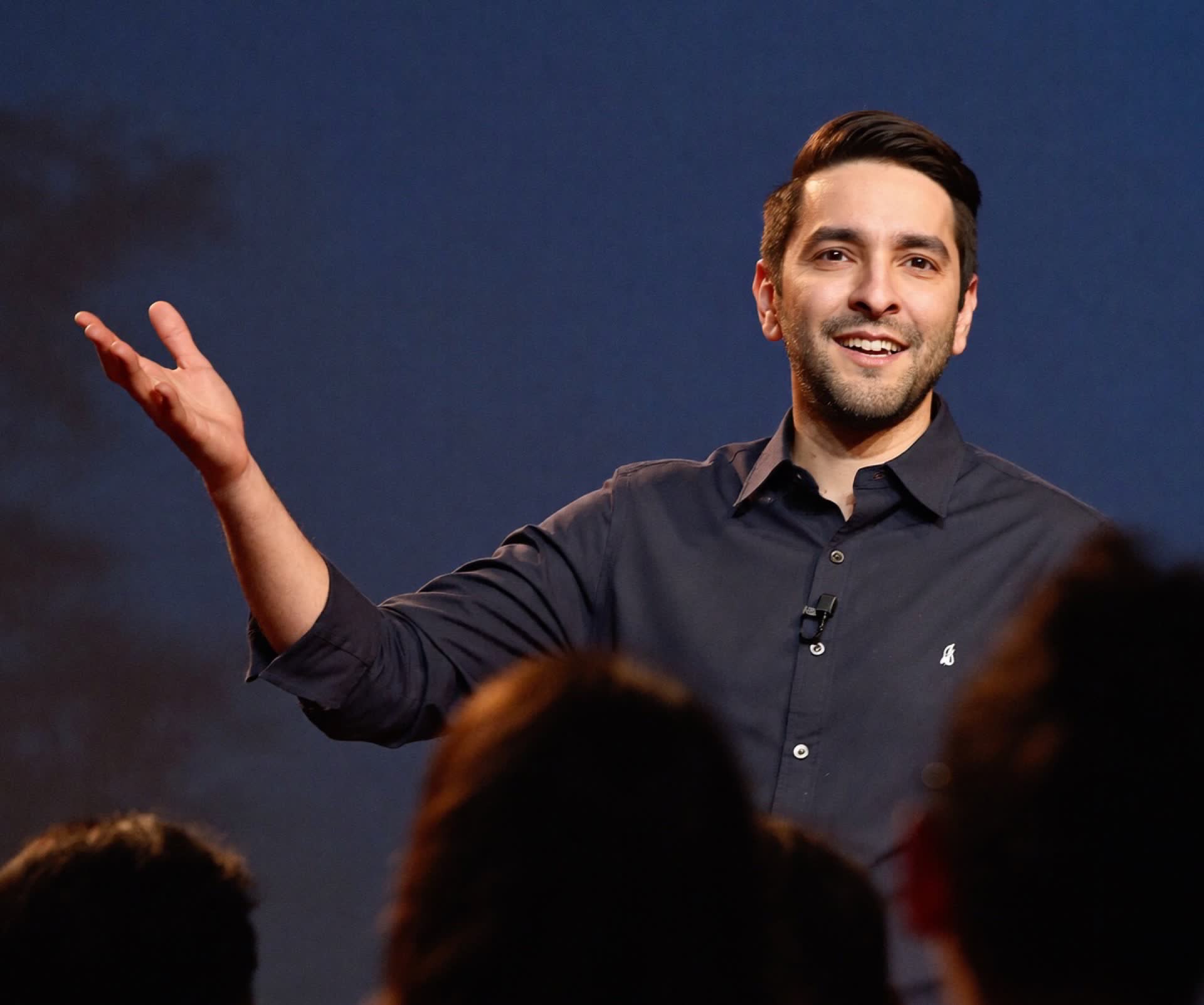
Thought Behind Things · Apr 25, 2022 · 1:44:42
Pakistan's cash economy and the fintech fixing it
Omar Moeen Malik of Easypaisa, Omar Aftab of Pink Ribbon, and Huzaifa Ahmed of RIZQ sit down with Muzamil to talk mobile wallets, breast cancer taboos, food wastage, and why Pakistan's next decade might be its most transformative.
with Omar Moeen Malik, Omar Aftab, Huzaifa Ahmed
13 min read
From Telenor to Easypaisa: building on a mobile revolution
The episode opens with Muzamil introducing an unusually large panel — four people around the table for the first time on Thought Behind Things. The first guest he turns to is Omar Moeen Malik, who carries the title CXO rather than CEO at Easypaisa. The reason, Omar explains, is structural: Easypaisa sits inside a microfinance bank, and the bank’s CEO is a separate person. Omar heads the Easypaisa product and reports up.
That framing matters because it sets up the rest of Omar’s story. He was not a hire brought in to run a mature product. He was part of the founding team in 2008, when the idea was still just a hypothesis borrowed from other markets.
“We were looking at how mobile phones were being used in different countries,” Omar says, “not just for calling and SMS, but for a lot of other things.” The examples he cites are M-Pesa in Kenya and GCash in the Philippines — markets where cash-based, third-world economies leapfrogged the card infrastructure that rich countries had built over decades. The logic was simple: Europe and the Americas were already on Visa and Mastercard. There was nothing to disrupt. But in Pakistan, where a mobile phone had gone from a luxury item to something every person carried within five years, the opportunity was enormous.
The numbers Omar lays out are stark. Pakistan has a population of 220 million, roughly 120 million adults, and only 20 to 30 million unique bank account users. The rest are either entirely unbanked or what he calls “under-banked” — they opened an account once and never went back because the experience was too difficult. “Bank account khoolna, usko chalana — woh bhi bahut mushkil kaam hai,” he says. The goal Easypaisa set for itself was to eliminate cash from the economy, and Omar makes the economic case for why that matters: a cash-on-delivery e-commerce order locks up capital until the courier returns, slowing the entire supply chain. Digital prepayment means the merchant can reorder inventory before the product even leaves the warehouse. “Aapki economy ka jo pahiya hai na, woh grease ho jaata hai.”
Easypaisa’s evolution: from money transfer to mini-app platform
Muzamil pushes Omar to explain what Easypaisa actually is today — wallet, bank account, or super app. The answer is that it has been all three at different points, and is now something newer.
The first phase, starting in 2008, was pure money transfer: sending cash from one agent shop to another, primarily for urban workers remitting money home. The second phase began around 2015 when smartphone penetration started climbing. Easypaisa launched an app, opened digital accounts, and built out bill payments, airtime top-ups, peer-to-peer transfers, and split-money features across all four telecoms. “In a way we have become a super app,” Omar says, “because now we are offering a lot of services.”
The third phase, which was live at the time of recording, is a platform model. Easypaisa has exposed its APIs to third parties and is allowing external apps to publish as mini-apps inside the Easypaisa interface. He gives the example of Grocer, a Lahore-based grocery delivery service that ported its app into Easypaisa so that customers never have to leave the wallet to complete a purchase. The payment at checkout becomes a single button press. The vision is a single app that handles e-commerce, ride-hailing, food delivery, government services, and anything else that requires a payment — without the user ever switching applications.
Breast cancer, taboo, and twenty years of Pink Ribbon
Muzamil then turns to Omar Aftab, who founded Pink Ribbon Pakistan. The origin story is personal. A colleague was diagnosed with breast cancer and, while undergoing treatment, was struck by how late other women were presenting at hospitals — fourth-stage cases, fungating tumours, conditions so advanced that patients could not sit in a waiting room without causing distress to those around them. She asked Omar Aftab to help her set up an awareness campaign. He did. She did not survive a recurrence. By then he was too invested to stop.
The scale of the problem he describes is significant. One in nine women in Pakistan is at risk of breast cancer. That translates to more than ten million women. Reported deaths run to roughly 40,000 per year, and Omar Aftab believes the actual number is higher because many cases never reach a hospital at all.
When Pink Ribbon formally launched its campaign in 2004, every television channel blacked it out. “Unhon ne kaha ji yeh jo b-word hai yeh hum TV par nahin le sakte.” The word “breast” was unsayable on air. That single fact explains why the organisation spent its first twelve to thirteen years doing almost nothing except trying to establish that breast cancer is a medical condition and that talking about it is necessary.
What makes breast cancer distinct, Omar Aftab explains, is that it is the only cancer whose early symptoms are external — a lump, a skin change, nipple discharge. It can be self-detected. And if it is caught early, survival rates exceed 90 percent. Those 40,000 annual deaths are not inevitable. They are the consequence of late diagnosis, which is itself the consequence of taboo.
The comparison he draws to India is striking. Pakistan’s breast cancer risk is one in nine. India’s is one in twenty-two. The two countries share a geography and a genetic heritage. Omar Aftab attributes much of the difference to lifestyle and food — specifically the use of steroids in poultry and livestock production, which creates hormonal imbalances that affect estrogen levels, which in turn are linked to breast cancer risk.
Pink Ribbon’s response has been holistic. Youth programmes in colleges and universities across Pakistan are the most effective awareness tool, because a session with 500 students sends information into 500 households. The organisation has also spent fifteen years advocating with government, which eventually produced the breast cancer centre at PIMS in Islamabad. At the time of recording, Pink Ribbon was setting up what it describes as Pakistan’s first dedicated breast cancer hospital in Lahore, with free diagnostics already running.
RIZQ: from a Facebook page to a food ecosystem
Huzaifa Ahmed, co-founder of RIZQ, tells a quieter origin story. He was a second-year student at LUMS when he and two friends — Musa and Hasan — noticed that food was being wasted around them while people nearby were going hungry. On a weekend, they created a Facebook page and posted their phone numbers, offering to collect surplus food and redistribute it. The first call came from a family on Jail Road in Lahore. “Idea aapne socha hai, woh manifest hone laga hai — wah kya badi baat hai,” Huzaifa recalls.
The LUMS community shared the page, it went viral within the campus network, and calls started coming in — sometimes with a jar of pickle, sometimes with toffees, sometimes with a full meal. A volunteer chapter formed. The first restaurant to come on board was Monal, whose Lahore branch was run by an alumnus. He told the three students he wanted to see how serious they were before committing. That question — how serious are you? — shaped how RIZQ approached everything that followed.
A mentor later reframed the entire project for them. The insight, as Huzaifa describes it, was that food is not just nutrition. It is the precondition for human potential. A child who is malnourished cannot focus on education, cannot build community, is more likely to turn to crime. Food wastage in a country with severe malnutrition is not an inefficiency. It is a social injustice. “Yeh toh maasre ki ek social injustice ka masla hai,” Huzaifa says.
That reframing sent RIZQ deeper into the supply chain. Restaurants waste food in buffet trays. Warehouses hold near-expiry stock. Farms lose produce to post-harvest logistics failures and price fluctuations. The problem is not just that surplus food exists — it is that the system has no mechanism to move it to where it is needed.
By the time of recording, RIZQ had three active programmes: RIZQ Bachao for food rescue, RIZQ Ration for subsidised food through smart cards issued to vetted families, and a subsidised meals programme. The smart card model is modelled loosely on India’s Aadhaar-linked ration system, with RIZQ exploring how to connect cardholders to nearby kirana stores rather than requiring them to travel to a central food bank.
Charity, mobile wallets, and the $2 billion question
Later in the discussion, Muzamil brings the three guests together around a single question: what happens when mobile wallets meet Pakistan’s charity sector?
Omar Moeen Malik opens with a number that reframes the conversation. The Pakistan Centre for Philanthropy has documented $2 billion in annual philanthropy in this country. Documented. The undocumented total — cash dropped in mosque collection plates, handed to people at traffic lights, given to visitors at the door — is far larger. “Hum log dete hain, and for different reasons,” Omar says. Religious obligation, social duty, personal belief that giving wards off misfortune. The giving culture is embedded. What is not embedded is any infrastructure to make that giving efficient, traceable, or scalable.
Easypaisa has signed up more than 35 charity organisations on its platform, allowing users to donate with a single tap. The constraint is compliance: charities that are not properly registered with the Pakistan Centre for Philanthropy or whose documentation is not in order cannot be listed, because Easypaisa is a licensed financial service and must meet state bank requirements.
Omar Moeen Malik describes seeing a QR code outside a mosque abroad, where worshippers could scan and donate at any time without anyone having to ask them directly. “Jab digital aap chale jaate ho toh aap logon ki jo izzat hai na, woh aap bade unko protect karte ho.” The dignity argument — that digital giving removes the awkwardness of being asked, or of asking — is one he returns to more than once.
Omar Aftab adds that COVID was the moment Pink Ribbon discovered how powerful digital channels actually were. The organisation had always relied on physical letters, couriers, and on-ground events for its Ramadan fundraising campaign. In 2020, all of that stopped. Donations did not fall. They rose, entirely through digital platforms including Easypaisa. “Woh saari possible hui EasyPaisa jaise platforms ke through.” That experience permanently shifted Pink Ribbon’s fundraising strategy toward digital-first.
Huzaifa echoes the same experience. In the last ten days of March 2020, RIZQ raised more than it had raised in the previous six months. All of it was digital. He is now building fundraising strategies that assume digital as the default, not the exception.
Subscription models, merchant limits, and the regulatory gap
Muzamil raises a practical problem that affects both charities and content creators: the state bank’s wallet limits cap monthly transactions at two lakh rupees for standard accounts, which is too low for organisations trying to run serious fundraising operations. He also asks whether a subscription model — where a donor commits a fixed monthly amount that recurs automatically — is possible on Easypaisa.
Omar Moeen Malik explains the history of the limits. When branchless banking launched in 2008, limits were set low deliberately, to minimise risk from accounts opened with minimal KYC. Over time, the state bank has revised them upward. The current structure has three tiers. A level-zero account, opened just with a CNIC number, allows 25,000 rupees per day and 50,000 per month. A level-one account, previously requiring a visit to an agent for biometric verification, now allows 50,000 per day and 200,000 per month — and can be upgraded entirely within the app using the phone camera to scan fingerprints against NADRA records.
The newest tier is the Aasaan Digital Account. A user takes a selfie, photographs the front and back of their CNIC, answers a few basic questions, and submits. Within two working days, after NADRA verification, the account is upgraded to a limit of ten lakh rupees per month, both sending and receiving. “Aap apni EasyPaisa app mein iOS ho ya Android ho abhi baithkar karein,” Omar says. No branch visit, no agent, no queue.
On subscriptions, Omar acknowledges the demand is real — charities with international donors constantly ask for recurring payment options — but notes that the mechanics are more complex than a single payment. A recurring instruction needs to handle failed payments, notify the user when funds are insufficient, and offer a clear opt-out. He does not rule it out but frames it as a product challenge still being worked through.
RAAST, QR codes, and the infrastructure underneath everything
Muzamil asks Omar to address three things at once: RAAST, the state bank’s fast payment system; QR code payments, which had been announced but not widely adopted; and whether the flood of new fintech players entering the market would fragment it or grow it.
On RAAST, Omar is direct. It is a fast payment switch, modelled on similar systems in roughly 35 countries. Its two core promises are that every payment is free and every payment is instant. A user creates a RAAST ID linked to their phone number, then associates that ID with whichever account or wallet they choose. Sending money to someone requires only their phone number. The receiving account does not matter — the money lands wherever the recipient has pointed their RAAST ID.
The contrast with the previous dominant method, IBFT through 1Link, is significant. IBFT charged fees, had frequent failures, and sometimes took twenty days to reverse a stuck transaction. RAAST has none of those problems.
On QR codes, Omar says the interoperable RAAST QR — one code at a merchant terminal that any wallet or banking app can read — was expected to deploy within two to three months of the recording. This would solve the problem Muzamil identifies: a merchant currently has to display ten different QR placards for ten different wallets. One code, any app. “Yeh issko kehte hain interoperability.”
On the question of too many players, Omar is unambiguous. “The more the merrier.” The opportunity in Pakistan is large enough that competition does not shrink the pie. Each new entrant is targeting a specific pain point — salary disbursement, credit scoring, retail payments, online checkout — and the combined effect is that more of the population gets served. “The people of Pakistan is what matters and the more options they have, the freedom that they have to choose x versus y, that is going to help.”
He closes with a forecast: Easypaisa took twelve to fourteen years to reach ten million active monthly customers. He does not expect the next ten million to take anywhere near that long. By 2025, he projects, 90 percent of phones in Pakistan will be smartphones, and 90 percent of the population will have access to some form of formal financial service. “Technology levels everything,” he says. A wealthy person and a poor person using the same mobile network are using the same infrastructure, the same systems, the same customer service channel. “Aap basically na social barriers break karte ho.”
By the end of the conversation, all three guests — Omar Moeen Malik, Omar Aftab, and Huzaifa Ahmed — land in the same place: cautious optimism about Pakistan’s next decade, grounded not in wishful thinking but in what they have each watched change in the years they have been working. Muzamil wraps the session at the ninety-minute mark, noting that the conversation could have run considerably longer.
Full transcript
लालों ने ख़बतीना ज़रात. Welcome back from the episode of Thought Behind Things. आज मैं साम मौजूद है team. बहुत ही ख़ास में है ma'am. This is the first time we're doing a four people setup. We've done three people before but this is gonna be exciting. We have with us the, CXO of EZ पैसा, उमर मोहीन मलिक. Before I move on to other ones, मुझे आपकी जो profile online मिली वह CXO की मिल रही है. Why is that? Why not, why not a CEO or COO?
Oh, so EZ पैसा because state bank की जो regulations हैं, हम लोग एक bank का हिस्सा हैं. एक micro finance bank है और हमारे bank के जो CEO हैं, वह वह मुद्देश्वर आख़िल हैं. I look after easy पैसा so मैं I head easy पैसा and I report to the CEO. Right.
With us we also have Omar Aftab who is the CEO of Pink Ribbon. And then we have Uzaf Ahmed who is the co founder of Risk. And we're going have a conversation on fintech. We're going to have a conversation on charities and, you know, a lot of this, जो social enterprises that that that Pakistan has. Over भाई, आपसे start करूंगा. Just, having a quick conversation on trying to understand कि how do you end up at easy पैसा? You know, what was life like and what was the evolution? कि आप यहां तक पहुंचे? यार,
how did I end up at EZPesa? I actually, I was part of the team that started EZPesa. So I'm one the founder members, back in दो हज़ार आठ. अच्छा. जब हम लोगों ने I was part of Telenor, Pakistan. मैं Telenor के साथ काम करा था और हम लोग हम लोग देख रहे थे कि दुनिया में मुख्तलिफ मुमालिक में mobile phones को इस्तेमाल किया जा रहा है not just for up calling और SMS और data बहुत ही काम वो सुगत आया था but हमने कहा यार यह तो बहुत सी चीज़ों के लिए इस्तेमाल किया जा रहा है. और मेरा ख़ाल में Pakistan में अगर आप कोई technology revolution देखो या कोई भी revolution देखो, हम revolution की आजकल काफ़ी बातें कर सकते तो मेरी ज़िंदगी में तो एक ही revolution आया है और वह यह है कि within maybe तीन चार पांच साल एकदम से हर बंदा जो है mobile phone उठाकर पे रहा है. जहां पर एक जमाने में mobile phone बड़ा महंगा हुआ करता था और पता नहीं दस बीस हज़ार रुपए का set है और फिर उसकी wait time है. एकदम से हमने देखा जी पांच साल में हर बंदा mobile phone उठाकर पे रहा है. So यह एक एक एक technological revolution है Pakistan में जिसके ऊपर हम build करना चाह रहे थे कि यार सिर्फ़ calling और SMS के अलावा और भी चीज़ें की जा सकी और और एक area जो हमने identify किया था वह था financial services. मतलब पैसों की लेन देन और हमने कहा कि यार यह हमने देखा बल्कि कुछ ऐसे मुल्क हैं जैसे कि Kenya का example दिया जाता है M PSI service है वहां पर Philippines में example दिया जाता है G cash की service है. इसी तरह Latin America में तो इन मुमालिक में not The Americas and not Europe because वहां पर तो चीज़ें बहुत आगे already पहुंची हुई हैं, right? Right. So वहां पर mobile की adoption बड़ी late हुई है because हर चीज़ पहली से digitize थी. Cards पर लोग पहले ही चले जा चुके थे. So बिहार बंदे के पास Visa है या Mastercard है. But जो गरीब मुमालिक थे. Cash based economies जहां होगा था cash. Based economies, third world countries they really leapfrogged.
और उन लोगों ने jump करके तो यह mobile phones इस्तेमाल करके उन्होंने बड़ी चीज़ें change कर दी वहां पर. तो हमने कहा यार यह Pakistan में क्यों नहीं किया जा सकता? Pakistan में भी अगर आप dynamics देखें, चीज़ें देखें यहां पर तो हम तो बहुत ideally prime हैं इस चीज़ के लिए. आप देखें ना 22,
220,000,000 की population. ठीक है. 120,000,000 adults. Unique bank account user सिर्फ़ बीस से तीस million. बाकी जितने भी लोग हैं उनके पास bank accounts नहीं हैं. अच्छा जिनके पास हैं उनके पास भी दस missile हैं. Bank खुला हुआ है, use कर रहे हैं, नहीं कर रहे हैं. वह, you know, it's so difficult to actually go in there and be part of that experience. Absolutely. कि काफी दफा लोग, they open bank account पर they just not going back because यार क्या खुआ रही है? तो bank account खोलना, उसको चलाना वह भी बहुत एक एक मुश्किल काम है. इसलिए हम उनको भी banked के बजाय हम उनको under banked कहते हैं कि यार है तो सही but आधी ज़्यादा चीज़ें तो वह करी नहीं वह cash pay कर रहे हैं baby. So idea यह है यार cash को इस मुल्क में हम कैसे eliminate करें और अगर हम cash को eliminate कर दें तो उसके फवायद बहुत ज़्यादा है. उसके आपकी आप यह कह लें कि आपकी economy के जो पहिए हैं ना वह totally grease हो जाते हैं. Right. मैं एक छोटी सी example देता हूं आपको. For example आप दराज़ से कोई चीज़ order करते हो. उस merchant को देगा. तो उसके पास वो पैसे नहीं आऐंगे, वो आगे से और inventory नहीं order कर सकता. Right. आपका पूरा जो पैया है वो जायम हो गया है for this process to take place, right? अब बाहर के मुल्कों में जब Amazon को देखते हैं, eBay को देखते हैं, Alibaba को देखते हैं, AliExpress को देखते हैं. Now the what they've done e commerce करता क्या है? वह यह करता है कि जब prepayment या digital payment आ जाती है तो इससे पहले के phone merchant की दुकान से निकले या उसके warehouse से ship हो, उसके पास पैसे आ गए. वह inventory पीछे से order कर देता है. So आपकी economy का जो पहिया है ना वह grease हो जाता है. वह इतना तेज़ घूमना शुरू हो जाता है Right? What a destruction of value और आपको पता है एक note छापने में कितना पैसा लगता है? It's I think more than 5 or 6 rupees right now. Mhmm. Which is why उन्होंने वह सिक़्क़ें, वह सिक़्क़ें introduce कर दिए हैं पांच सौ रुपए के भी. अब आपको पांच सौ रुपए का note नहीं कहीं मिलता, right? दस के भी सिक्के मैंने देखे हैं भी आते हुए. So, note जो होता है currency note, special paper है, special ink है. इसके अंदर ढेर सारी security features हैं. State Bank बेचारा छाप रहा है out of our taxpayer money. Mhmm. This money is circulating like crazy in the economy. We are a very cash heavy country. Cash use के
उस पर and हमें नहीं पता यह पैसे कहां आएं? किसके पास हैं? कहां से आएं? कब गए? उससे वह क्या करेंगे? वही बात है tracking भी नहीं है. Illegal भी हो सकता है. दो number cash भी हो सकता है. वह OLX वगैरह पर लोग mobile भेजते जाके दस दस पंद्रह पंद्रह हज़ार रुपए जो है वह. नहीं लगेगा सबसे बड़ा challenge. लोगों
को onboard करना एक challenge तो हो गई. लेकिन जो उस tracking system की एक added layer आनी है लोगों के ऊपर उसकी acceptability लाना ऐसी economy के अंदर मेरे ख्याल से ऐसे this this will be a challenge in Pakistan. देखिए so आप absolutely right a lot of people बड़े hesitant हैं कि जी यह तो हम tax net में आ जाएंगे या documentation हो जाएगी
दूसरा यह कि जब यह चीज़ें hidden होती हैं तो आपके मुल्क में फिर वह जो और मसले खड़े हो जाते हैं ना money laundering के, terrorist financing के, यह बहुत यह फिर economies को पीछे drag करती हैं. Now whether we like it or not, हम global economy का हिस्सा बनना चाहते हैं. तो FATF जैसी bodies जो हैं वह फिर हमारे सर पर खड़े होकर यह चीज़ें हमसे dictate भी कराती कि यह करो पहले. Mhmm. और यह लासमी है. अगर हम चाहते हैं कि हमारे मुल्क में जो एक आम बंदा है,
वो तो बड़े chain stores का मसला है वो कहते हैं कि जी जहां पर भी हम tax बचा सकते हैं. और इसमें actually मैंने change आखिरी बिल्कुल बचा है and I think couple of years ago I used to say that as well but last couple of years I have actually seen a change in the way that people have responded to it. So while the merchant is very against the idea of police different stores and restaurants. और दूसरा एक understanding आई है लोगों के अंदर कि जो आप अठारह सत्रह percent आप अपनी double o t अंडे दूध पे दे रहे हैं वो government के पास जा भी नहीं रहा. तो जो actual consumer है उस वो tax net में नहीं आ रहा बल्कि वो जो tax दे रहा है government को ये सोच के कि उससे मुझे service मिलेगी वो tax untrackable जाके धन्यवाद का merchant ले रहा था. तो I think मुझे public pressure है वो बड़ा important है for a lot of this destruction to happen as well in that case. But थोड़ा सा मैं conversation को इसमें switch करूंगा and I'd like to understand EZ Paisa first being एक तो यह कि you're the oldest player in Pakistan and and it's been I'd bought fourteen years since EZ Paisa has been there. तो what what are we looking at right now? In terms of the entire product, कि है क्या? क्या, you know, is it a wallet? Is it a bank account? Is it a potentially super app?
Everybody's a super app these days. Sometimes I understand where are we going with with EasyPesa? यार, it's a it's an evolution. पहली बात तो यह, यह यह समझना बड़ा important है. हम लोग शुरू हुए थे दो हज़ार आठ में basic services जो हमारी थी, वह क्या था कि यार एक दुकान से दूसरी दुकान पर पैसे भेजना, money transfer. Right. ठीक है ना? और शहरों में होते हैं तो उनको पैसे घर बिजवाने के लिए ये service हमने शुरू की थी. और फिर हमने कहा यार अगर हम, इन customers को serve कर रहे हैं तो why not open an account for them? तो हमारी branchless banking licenses जो हमें मिले हुए state bank से उसके तहत हम लोगों ने customers के account खोलने शुरू कर दिया है और एक बहुत बड़ा फ़ायदा हमें यह हुआ कि दो हज़ार पंद्रह में smartphone penetration pickup होना शुरू हो गई इस मुल्क के अंदर. मतलब कि लोगों ने Android या वह touch वाला phone जो है वह आ गया, iPhones काफ़ी आ गए. तो जब smartphone penetration pickup होना शुरू हुई तो हमें एक बड़ी इच्छा मौका मिला कि यार हम app introduce करें. Right. So आप यह कह लें easy पैसा two point o की यह journey थी कि हमने कहा यार एक app लेकर आते हैं customers के लिए, customers फटाफट उसका account खोल ले digitally, उसके अंदर पैसे डलवाने के लिए जो हमारा agent network है एक सौ अस्सी, App को data आपको पता है Pakistan में is one of the cheapest. अभी तो माशाला smartphone manufacturing शुरू हो गई यहां पर तो और आपकी prices गिरेंगी. And smartphone penetration is around 5060% in the country anyways right now. तो feature phone वाले तो अब बहुत से कम बहुत कम लोग रह गए. तो app के ऊपर हमने कहा कि जी लोगों को हम यह एक facility देते हैं कि वह basic transactions अपना account खोलें और उसको इस्तेमाल करें. फिर state bank ने और काफ़ी अब चीज़ें कर दी हैं, limits काफ़ी बढ़ गई हैं, नई regulations आई हैं, biometric की एक बहुत बड़ी facility आ गई. फिर हमने अपनी app में जब इतनी integrations हम कर रहे थे, हम चाह रहे थे कि maximum payment services जो है ना हम customers को offer करें. Right. उनको अपने बंटवे निकालने की ज़रूरत ही ना महसूस हो. So idea यह है कि आपने bill payments करनी है, किसी तरीके हमारे पास सबसे बड़ा bill aggregator लगा हुआ है, आप payment कर लें. आपने किसी को पैसे भेजने हैं, किसी के account में पैसे भेजने हैं, किसी के शनाख्ती card पर पैसे भेजने हैं वह कर लें. किसी को gift पैसे भेजने हैं, split करने हैं पैसे, split money का जो हमारा एक feature है वह कर लें. आपने airtime purchase करना है, easy load purchase करना है या कोई वह bundle लेना है. किसी भी telco का. चारों telcos हमारे पास हैं. Airtime, easy load, bundle, postpaid वह चीज़ें हैं. So in a way we have become a super app because now we are offering a lot of services और अभी हम बड़ा recently हम लोग एक platform model पर जा रहे हैं जिसके ऊपर हमने यह किया है कि हमने काफ़ी investment की technology के अंदर, platforms के अंदर और अब हम एक ऐसी stage पर हैं जहां पर हम लोगों ने अपनी APIs expose कर दिए हैं to all third parties और हम अब उनको कह रहे कि यार आपकी web की कोई application है या कोई mobile application है उसको आप port करें, port करें. ज़्यादा ज़्यादा पांच दस दिन लग जाएंगे. उसको आप publish करें हमारे platform पर. हम उसको quick review करेंगे और उसको अपनी app में live कर देंगे. अच्छा so what does that mean? Is that like a financial service होगी वह? So it's like a mini app. So we are now introducing अपनी app के अंदर ढे सारी mini apps. So एक जैसी mini app आपको नज़र आएगी grocer के नाम से. ठीक है. Grocer app is a service जो लोहौर में चलती है जो आपको groceries आपके घर पर provide करती है. उनकी अपनी app है but उन्होंने अपनी app को port करके हमारी app के अंदर डाल दी है. So इसमें customers को एक ही app में एक तो सारी services नज़र आ रही हैं और फिर जो payment journey है towards the end वह seamless हो जाती है. Right. क्योंकि आप EasyPass app के अंदर हो ना तो आपको सिर्फ़ o k का button दबाना है आपकी payment हो जाती है. ठीक है. Eventually what we can we can look at is कि
जितनी भी मेरी requirements हैं मैं वो सारा सारा I don't have to switch the app every time. Absolutely. I can go within the app, can go to different
E commerce हो गया, ride hailing हो गया, food order हो गया, food delivery, grocery delivery हो गया. कोई भी payments आपने किसी भी government की services हो गई. So अब हम यह एक एक platform ecosystem हमने पूरा establish कर दिया है जहां पर वो लोग जो payments collect करना चाहते हैं वो आएं, अपनी services publish करें and then customers जो payments करना चाहते हैं वो आएं और उसको इस्तेमाल करें. Very exciting, very exciting. I am gonna move this conversation now to uh-uh
उमर from Pink sir, थोड़ा सा मुझे अगर आप बताएं कि how long have you been with Pink Ribbon and what's what's life like been for you?
In fact I founded Pink Ribbon in Pakistan. अच्छा. So मैं अपने student के time से ही बड़ा थोड़ा activist था बहुत सारी चीज़ों में. जिसे कहते ना पंगे लेने की बड़ी आदत थी तो बहुत सारी चीज़ों में, बहुत तरसा women rights पर और HIV, AIDS पर, environment पर बहुत सारी चीज़ों पर काम किया. तो वह one of my एक colleague was being diagnosed with breast cancer. अच्छा. So जब हालांकि she came from a very affluent family but जो उनका जब treatment हो रहा था तो वह जो देखती थीं hospitals में कि जो ख़वातीन वहां पर report करती थीं, वह fourth stage पर आती थीं. Fungating cancer के साथ आती थी जो कि बक़ायदा बाहर गिर रहा होता था यानी इतने extreme के, इतनी smell के साथ कि आप उनके साथ बैठ नहीं सकते थे. तो वह उस time में जो उसका जो treatment था उसने देखा कि कितनी यह एक एक alarming situation है breast cancer की Pakistan में. तो वो initially she asked me to help her to set up something for breast cancer awareness. So that's how I got involved. फिर मैं उनको help की. मैंने campaign design करने में, इसको शुरू करने में. But वह despite कि जो भी उनका treatment सब हुआ, उनको reoccur दोबारा से breast cancer हो गया और she couldn't survive. So by that time I was quite involved in this thing. मुझे लगा कि एक ऐसा issue है. Pakistan में unfortunately हर नौ में से एक खातून जो है वह breast cancer के risk पर है. And इसका मतलब यह है कि Pakistan में एक करोड़ से ज़्यादा खवा तीन जो हैं वह breast cancer के risk पर हैं. Every year जो reported deaths हैं breast cancer से, वह तकरीबन forty thousand हैं और जबकि हमारा मानना यह है कि actual में इससे कहीं ज़्यादा हैं क्योंकि बहुत सारे cases तो report ही नहीं होते. वह कभी hospital तक ही नहीं पहुंचते. और उसकी भी again बहुत सारी बिजवात. अच्छा जो इसमें जो सबसे बड़ा challenge वह यह है कि taboo जो है. मतलब हमारे लिए जब हमने campaign को formally launch किया 2004 में तो जो हमारी जो launching थी वह जितने TV channels थे उन सब ने blackout कर दी. उन्होंने कहा जी यह जो b word है यह हम TV पर नहीं ले सकते. अच्छा. तो मतलब इतना बड़ा taboo कि आप एक एक चीज़ ऐसी है जिस पर आप बात ही नहीं कर सकते. तो आपने उसके ऊपर फिर आगे काम क्या करना है? तो हमें तो शुरू के दस बारह साल तो सिर्फ इस पर हमें effort करनी पड़ी कि यह एक बीमारी है और अच्छा फिर इस पर campaign करने की ज़रूरत क्या? Breast cancer जो है यह वाहिद ऐसा cancer है जिसके जो symptoms हैं यह external होते हैं और अगर यह What do mean by external? मतलब for example के इसका symptom यह होगा कि breast के किसी हिस्से पर कोई lump है. Right. जो आपको externally feel होता है. Right. आपकी कोई skin वहां से change हो गई है, आपको कोई nipple से discharge शुरू हो गया तो यह यह सारे external symptoms हैं. Right. बाकी जो cancers हैं ना खुदाना खास था वो वो जिस्म के अंदर grow करते हैं और वो आपको आप उनको वैसे इस तरह detect नहीं कर सकते. Detect नहीं कर सकते, right. Breast cancer जो है ये वाहित cancer है जिसको early diagnose किया जा सकता है और अगर यह early diagnose हो जाए तो इसमें जो बचने के chances हैं वह नब्बे फीसद से ज़्यादा. अच्छा. So, essentially जो आपने 40,000 deaths बोली हैं, वह 40,000 deaths इस वजह से हैं because time पर ही आपने diagnose नहीं किया. जी बिल्कुल. अच्छा वो time पर ना diagnose होने की फिर जो जिनमें एक बहुत बड़ी वजह यह है वो वो यह जो taboo है इसके around. एक तो यह है कि हमारे यहां खवा तीन से related generally सारे shoes ही एक somehow patriarchal society है तो उसमें एक वह एक challenge हो जाता है और खासतौर पर ऐसी चीज़ें जो women sexuality से associated हों, वह तो बहुत बड़ा taboo हो जाता है. तो इसीलिए यह breast cancer के वाले से भी हम बेतहाशा ऐसे cases हमने इतने सालों में देखे कि जहां पर अगर एक patient को पता भी लग गया है तो उसको घर वाले छुपा लेते हैं, उसको doctor पर नहीं लेकर जाता जब doctor ने diagnose कर दिया तो तब treatment नहीं और यह मैं आपको लाहौर जैसे शहर की बात बता रहा हूं. मैं आपको इस्लामाबाद जैसे शहर की बात बता रहा और अगर आप सोचें कि आप interior सिंह में चले जाएं या interior Punjab में चले जाएं, interior Punjab के तो कुछ इलाक़ों में, वही कहते हैं जी कि यह एक वह औरत जो है ना इसने कोई ऐसा ग़लत काम किया जिसकी वजह से इसको जो है यह breast cancer हो गया. Cancer होना जो है यह एक बिल्कुल एक medical condition है. So मतलब एक बहुत बड़ा challenge pink ribbon का सारा फिर जो campaign रही इतने साल वह इस बात पर रही कि हम early detection जो है इसके ऊपर बात करें और इस पर हम बहुत सारे मतलब we have very अब इस वक़्त we have very extensive youth program. हम बहुत ज़्यादा colleges, universities में जाते हैं across Pakistan और हमने देखा है कि हमारा जो सबसे effective program awareness में रहा, वह हमारा youth program है. क्योंकि जब हम एक गांव में हम घर घर तो नहीं जा सकते. लेकिन जब हम एक गांव में एक college में जाते हैं, तो इसका मतलब यह है कि वह जो पांच सौ बच्ची को जो हम awareness देते हैं, वह awareness जो है वह पांच सौ -घर में जगह जाती -household में जाती है. Right. So और और अब तक की जो पूरी campaign थी वह इसी इसी message के around थी कि जी early detection जो है वह कितनी important है. अच्छा इसमें भी early detection के लिए भी ऐसे नहीं है कि वह कोई doctor की ज़रूरत है, किसी specialist की ज़रूरत है. Early detection breast cancer में जो first step है वह यह है कि किसी भी ख़ातून ने अपना self examination करना है. तो we tell them how to do self examination और वह फिर self examination अगर हर्मा अपना करती रहे तो कोई किसी भी तरह की जो change है वह उसको उसका पता लगेगा और फिर वह Report कर सकते हैं doctor से. जो है वह आगे उसको further investigate करा सकती है. Right.
अभी तो at this point in time I feel like कि you've you've been pretty successful at getting the message across. I know कि एक दिन भी मनाया जाता है साल का. जी वह it
took us twenty years to reach to this point. मतलब है जिसमें से कि हमने इतना time जो है वह I think हमने शायद in twenty years में से बारह तेरह साल तो सिर्फ़ इस चीज़ में जाया कर दिए कि लोगों को इसकी importance बताने में कि कितनी important चीज़ है और इन सालों में जितनी ख़बातीन की deaths हुईं जिनको हम शायद उस वक़्त में सही message ना दे सके. लेकिन yes अब अलम्दुल अल्लाह pink ribbon जो है वह at least अब इसके ऊपर मतलब हमारा यह मानना है कि at least इसके ऊपर बात होनी शुरू हो गई है but still अभी बहुत सारा कुछ करने की ज़रूरत है क्योंकि अभी तो ठीक है चलो कमस्कम हम एक एक micro level के ऊपर government का involvement आई कुछ मतलब है general कमस्कम ने वह जो एक taboo है उसको कमस्कम कुछ At हद तक break जो this point in time would you say you are an advocacy exclusively या are you working on other areas इस पर? मतलब हमारी जो pink ribbon जो है यह three sixty campaign करता है. हम advocacy में भी involve हैं बहुत सारी चीज़ों में, government के साथ. यह जो इस्लामाबाद में जो PIMs का center है, यह हमारी ख़ुद पंद्रह साल की advocacy के नतीजे में यह वन सका. So मतलब government के level पर हम बहुत सारी drugs से related facilities increase. क्योंकि हमें यह लगा जब हमने campaign शुरू की ना जी तो हमें यह लगा कि we don't want to create a scares only ना कि मतलब यह खौफ पैदा कर दें और हाथ बच्ची और खातून जो है वह खौफ ज़्यादा हो जाए तो कहां जाए? तो वह शुरू से हमारी बड़ी engagement रही government के साथ ताकि यह जो कि जब लोग आ रहे हैं तो infrastructure भी available होना चाहिए essentially. Infrastructure हो बल्कि हमने तो एक दफा एक national screening program government से बनवा लिया but वह फिर हमारे यहां आपको पता है वह governments change होती हैं, फिर वह सब कुछ zero पर आ जाता. लेकिन मतलब we we we run a very holistic campaign. हम अभी हम lifestyle के ऊपर बहुत ज़्यादा focus कर रहे हैं. हम food के वाले से government के साथ बहुत ज़्यादा advocacy कर रहे हैं क्योंकि बहुत सारे जो ऐसी चीज़ें हैं जो दुनिया में proven हैं, जो cancerous हैं, जो FDA ने और Europe ने कई सालों से ban कर दीनी है. आज भी आप हमारी बहुत सारी खाने की चीज़ें उठाए हैं उनके ऊपर. वह products अभी भी ingredients लिखे होते हैं. So उस पर हम बेताशा advocacy कर रहे हैं क्योंकि हमें हमें एक holistic way में यह देखना है ना कि अच्छा एक quick comparison के लिए मैं आपको यह बताऊं कि Pakistan में जो risk है breast cancer का वह one in nine है. India में जो यह risk है यह one in twenty two है. अच्छा. तो क्या वजह है? Almost twice as much. मतलब three times आप मतलब समझ क्या वजह है हम एक हित्य के लोग, हम एक ही gym environment, हिसानी है. क्या वजह है कि सत्तर साल में हमारे यहां यह जो risk है कि हमारे यहां तीन गुना ज़्यादा हो गया. उसमें एक जो बहुत बड़ी वजह है वह हमारा lifestyle और food है. हम जो chicken खा रहे हैं वह किस तरह का खा रहे हैं, हम जो दूध पी रहे हैं वह किस तरह का दूध पी रहे हैं, हम जो I think meat and dairy is a major difference, right? They are very vegetarian and were inherently
That's meat
point. That's one point. So, अच्छा हमारे सिर्फ chicken में नहीं है मतलब हमारे बाकी भी goat में भी इसको भी produce करने में steroids use हो रहे हैं. अब जो steroids हैं वह human health के लिए बड़े नुकसान दें imbalance, अच्छा वह hormonal imbalance जो है वह for वह estrogen को impact करता Astrogen जो है वह breast cancer जो है वह create. So so मतलब है यह. It's all connected essentially. तो मतलब है एक holistic approach में हम food पर, healthy lifestyle पर और awareness और फिर यह है कि हम लोहौर में we are setting up Pakistan's first dedicated breast cancer hospital. अच्छा. जो सिर्फ breast cancer को deal करेगा. COVID की वजह से कुछ हमारी थोड़ी सी उसमें timelines delay हुई लेकिन अभी उसका एक block complete हो गया. हमने free clinic अलाम दोलल्ला शुरू कर दी है. ईद के बाद I think कुछ दिनों में आमिन शाहल्लाह diagnostic complete diagnostic provide कर रहे होंगे.
So, मतलब overall And this is fully funded like free of cost.
यह जी, यह तो completely free है. अभी जो diagnostics is completely free. Right. और अभी फिर जो बाकी surgery और chemo के ऊपर अभी फिर as we start them तो we'll see. लेकिन diagnostic के लिए तो it will be 100% free for everyone. Right.
And this is essentially a non profit. GPA. The hospital but maybe like a शौक्त खाना model where if you can pay, you pay but if you don't.
नहीं मतलब हमने तो जी diagnostic क्योंकि we are a cause based organization. Our sole focus is promote early detection. तो diagnostic
for everyone will be free in this facility. Right, Josefa मैं आपकी तरफ आऊँगा. मुझे थोड़ा सा बताइएगा and I know I've heard the story before as well so I know it's very exciting but tell me a little bit about, you know, where do you graduate, what do do and why risk? Okay, so अस्लाम लेकुम.
मेरा नाम जिस तरह आपको पता है हुजैफा है और risk हमने शुरू किया था तकरीबन सात साल पहले. So, यह मेरी अकेली काविश नहीं थी. मेरे साथ दो दोस्त और भी हैं मुसा और कासन और उनमें से एक ने यहां पर होना था जिनकी जैसे वह नहीं आ सके तो मैं यहां पर आया हूं. और इसको हमने जब lumps में पढ़ रहे थे, so हम अपने दूसरे साल में थे college के. तो story कुछ इस तरह है कि वह मेरी वालदा पिछले काफी अच्छे से तकलीफ पंद्रह बीस साल से आप हमारे culture में हमारे देखते हैं. वह एक दस्तकान कर रही थी अपने घर में और मैं भी बड़ा close था being the youngest तो मुझे भी बड़ी वह चीज़ inspire करती थी लोग. Inclusive किस्म का एक atmosphere है और वह तो वह एक एक background में एक चीज़ चल रही है और फिर when I went to lumps तो फिर मुझे थोड़ा सा hit हुआ कि यार यह बड़ा एक I've I've gotten into a place जहां पर बड़ा कुछ किया जा सकता है बड़े affluent दोस्त भी वन रहे हैं, professors की एक अलग league है, एक एक एक बड़ा अच्छा atmosphere है which can actually contribute to something. कुछ किया जा सकता है. तो वह lumps का एक आया. फिर मैंने अपने दो दोस्तों के साथ यह discuss किया. इसको evolve करते करते करते गया lumps के platform को कुछ use किया जाए और कुछ किया जाए, कुछ meaningful किया जा सकता है. पीछे घर पर लोग जो हैं वह जो खाना खाने आ रहे हैं और दो दोस्तों का भी यही ख्याल था. They responded back. उन्होंने फिर किया कि यार इस पर अब हम क्या कर रहे हैं? What are we actually doing? तो then we actually three of us came together और हमने एक weekend के ऊपर हमने सिर्फ एक Facebook का page बनाया और हमने कहा कि यार किसी के पास अगर खाना ज़्यादा होता है rush पड़ता जा रहा है वहां पर कुछ contribution हो जाएगा. तो इस तरह हम तीनों ने अपने number दिए वह हमें पहली call मुझे याद है अभी भी एक वह साहब अगर अभी sun रहे हों हमें तो वह family की call आई jail road पर वह घर था उनके इतनी exciting बात कि यार idea आपने सोचा है वह manifest होने लगा है वाह क्या बड़ी बात है मतलब एक चीज़ आपने दिमाग में थी people are now buying it. Right. तो वह एक itself बड़ी खुशी थी और पता है कि people एक community जब वन जाती है जो you are in a very close knit community. अब किसी भी college में हो आपके colleagues होते हैं, दोस्त होते हैं, professors होते हैं they actually started supporting. इन्होंने page को इतना support किया, viral किया कि वो एक एक community बड़ी strong support आना शुरू हो गई. वहां से हमारा यह एक सफर शुरू हुआ जिसको हम तीनों ने फिर उसके बाद explore करना शुरू किया कि actually अच्छा मसला है क्या? उसके बाद calls आना शुरू हुई. कोई लोग घर में बुला लेते थे सिर्फ अचार की बोत दे दी. किसी ने कोई गम toffees दे दी. मतलब random calls भी आ रही हैं आपको and then हमारे पास फिर हमें हम we started actually exploring कि यार अच्छा यह कुछ serious चीज़ है. हमने इसका एक volunteer chapter lumps में बना दिया कि यार कुछ जो भी free है किसी के पास गाड़ी नहीं है तो उसका घर खरीदे पर कुछ भी हो तो वो काम कर लें. वो group बना उस group के साथ हमारा एक पहला restaurant on board हुआ. बड़ी खुशी हुई के एक वो मुनाल the famous restaurant उनकी branch लाहौर में थी. He is also alumni, one of our earliest donors and extremely kind to the entire idea और मुझे अभी भी याद है हम तीनों दोस्त उनके पास बड़े excitedly चले गए. पहला restaurant on board हो रहा था तो आप अब तो हम सारे समझते हैं co branding को और यह ना बड़ा एक वह शश्का होता है कि यार हम lumps गए तो हमारे बड़े ऊंचे ख्यालात क्या lumps के इतना foot fall है यहां पर हमने risk नाम रखा है हम इनसे बात करते हमें co branding दें. पहला पहला उस उन्होंने पूरा idea सुना है excitement सुनी उन्होंने हमें पूरा hotel visit करवाया it was पूरा idea को देखना कितना चलता है there is employee उनके उनका staff उनका mess उनका अपना kitchen everything उसने पूरा समझाया. तो उसने कहा मैं देखता हूँ तुम लोग कितने serious हो. तो हमें यह बात बड़ी hit की कि यार यह boys यह तो बड़ी हम we are going into a very serious commitment कि अगर हम उनसे कह रहे हैं और हमें उठाएंगे तो this not should not go down. तो हमने लम लमा वहाँ से शुरू किया और वह lumps वह गाड़ियों पर शुरू किया. निकल गए घूमने फिरने कौन सड़क हुए फूकाया वहीं पर उनके packets बनाए, लोगों को खिलाया बड़ी खुशी और इस तरह के यह cycle चलना शुरू हो गया. फिर cutting it down short दो साल गुज़र गए were thinking about this and they wanted to talk to us. So एक जो चीज़ early start करने का फ़ायदा यह हुआ कि जो लोग already इस journey में थे ना कहीं ना कहीं वह connect होना शुरू हो गए. हम hidden नहीं थे हम expose हो गए. हम expose हुए तो उनके साथ frequency match होना शुरू की कि यार मैं तो बचपन में सोचा था यह creating your logo और जो हमारा पहला logo था that was donated to us. उन्होंने inbox किया Facebook के page पर कि यह मेरी तरफ से logo आपको donated हमने इतना अच्छा लगा हमने वह logo अपना लगा लिया. तो इस तरह people started getting connected to us, घरों से callएं आईं, organically call आईं तब हम इस मसले के अंदर पड़े, फिर जहां खाना देने जाते थे, फिर essentially दूसरी journey शुरू हुई कि इसको हमने अवलाम्स के अंदर एक social innovation lab थी वहां register हुए, उस वक्त ये सारी incubation की journeys शुरू हो रही थी. Incubation labs का culture आ रहा था Pakistan में. This is like 02/1516 के अंदर हम startups आना शुरू हो गए थे. Ecosystem develop हो रहा था. हमारा भी था कि हम इसको let's try to play somewhere. Social enterprise का बहुत एक buzzword तब इन realizations के ऊपर काम करना शुरू किया फिर एक mentor के पास गए तो उसने ना एक बड़ी एक line के अंदर उसके खुलासा देता हूं जो बात उसने की ना वह हम तीनों हम ना उसके बाद खमोश होकर उसके कमरे से बाहर निकल आए. पता लगा के खाने की एक एक value क्या है इंसान के potential को reach करने के लिए. उसके साथ जो उसकी एक environment है उसमें कितना ज़रूरी है, उसका healthy होना है, उसका nourish होना था कि वह education पर focus कर रहा है, वह community building कर रहा है, वह चोरी से बच रहा है. फिर खाना ज़्यादा होना कितना बड़ा injustice है ऐसे मास्त्रे में जहां बच्चों के अंदर इतनी severe malnutrition हो, food insecurity के ऐसे statistics हों तो हमें लगा कि यह तो मसला जो है यह एक खाना खिलाने से बढ़कर एक मास्त्रे की एक social injustice का मसला है. It is going beyond food it is like your एक ऐसा मास्त्रा उसका बहुत बड़ा अलमिया है यह कि ऐसा problem exist करे और फिर जब पढ़ना शुरू किया तो पता चला है कि economy है तो फिर हमारे पास फिर उससे पीछे आओ तो restaurants हैं जहां पर अभी procure अभी serve ही नहीं हुआ और लोग buffet tray में ही छोड़ गए थे. उन्होंने वह वापस अपने kitchen में वापस लेकर आना है. फिर गोदामों में जाओ तो near to expiry है, damaged है, sampling का product है. फिर वह है जो market standard पर पूरा नहीं उतरा उसने आना है. फिर पीछे farming level पर चलो जाओ logistics की वजह से कोई product की value shape हो गया, खराब हो गया, smell आ रही है, थोड़ा सा खराब हुआ है, deliver नहीं हो सका. Farming पर चले जाओ तो farmer level के पास वह after harvest जो post harvest losses होते हैं उसमें कोई market में price fluctuation की वजह से उसके पास feasible नहीं रहा उसको बेचना उसके पास storage facility नहीं थी या value addition ही नहीं कर सका तो supply chain तो बहुत बड़ी है. तो हम तो अभी समझें कि एक surface के ऊपर भी एक जो surface होती ना उसको scratch करते करते करते लेकिन एक eye opener journey कागाज़ हो गया. So वहां पर फिर हमने सोचा कि इसको एक एक ऐसा कोई model तश्कील लिया जाए जहां पर hunger को भी tackle करने की बात की जाए, foot wastage को भी बात करने की जाए और इसके अंदर जो है एक technology का spin लाना बड़ा ज़रूरी समझा हमने कहा कि जिस तरह आप लोगों ने भी predict किया हमने भी एक उस उस era में देखा कि young थे बड़ा fascinate हो रहे थे कि Pakistan में technology आ रही है हर चीज़ के अंदर mobility के अंदर लोग डाल रहे हैं, वो इसलिए थी कि technology का सोचा था कि अंदर लाएंगे तो convenience हो जाएगी. वो ही again जो हैसिल free वाला easy पैसा का point था कि under banking जो आप consider हमारे लिए था वो donor भी एक तरह से under banking वाली market था उसको हैसिल था donate करना.
Take extraordinary life की to come to risk. Yeah and and and if I if you were to give me a summary of exactly what risk is doing as of right now. Mean what is what are we looking at? जो so बिल्कुल.
So risk now essentially we, we, we are a social enterprise that is working on food wastage and hunger eradication at large. ठीक है. सही है और हम एक, हम एक social enterprise model को follow करना चाह रहे हैं जिसके अंदर अभी हमने different programs को place in किया हुआ है. Food wastage risk बचाओ is the premiere जिसे हम शुरू हुए थे. Then there is another food security program risk ration and there is another one जिसमें हम subsidized meals के साथ काम कर रहे हैं. मकसद यह है कि एक food ecosystem create किया जाए जहां पर जो different stats of लोग हैं उनको address करे वह problem और एक एक देर पास solution के तौर पर एक sustainable solution के तौर पर इसको create किया जाए और इसके साथ साथ technology को अंदर incorporate किया जाए. So एक तो फिर जब हमने इसको मज़ीद इसको सोचते हैं that is what risk is doing right now developing an ecosystem जहां पर हम food की availability और इसकी accessibility के ऊपर बहुत ज़्यादा काम कर रहे हैं कि लोगों की खा खाने की रसाई को आम बनाया जाए, food wastage को कम किया जाए. इसके अंदर बहुत ज़्यादा depth है इन सब programs की. So हमने we have to explore them. हम हम भी बहुत surface level पर इन पर काम कर रहे हैं और as a whole भी हम इस पूरे total social injustice को भी fight करना चाहते हैं. So we we want to go as a movement जहां पर हमारी जो charity है practically एक problem तो solve कर रही है now we have to come कि हमने farmer के पास भी जाना है, हमने पीछे से पीछे जाना है, हमने कुछ अंदर business models create करने हैं ताकि हम farmer को भी facilitate करें क्योंकि वह भी परेशान है. वह भी supply chain का एक बहुत बड़ा that is how we are looking risk right now. Right now we are the focus is on charity जो हमने establish की है the first phase जिसके अंदर हम अपने different programs हैं उनको deploy कर रहे हैं with the use of technology and we are using all these integrations and tools and fintech जिससे हमारी donation cycles में आसानी हो रही है, हमारा एक transparency की एक added layer add हो रही है, हम अपने grass root level के ऊपर भी बड़ा interestingly मैं अभी आपका यह user base जो मैंने लिखा मैं point लिख लिया when you said कि हमारे इतने merchandise हैं. हमारा एक ration का model है. Ration model is just about we provide smart card to families और उसके against they can buy from our food banks. They can come and buy a subsidized ration. हम उनको vet करते हैं जो हमारी criteria भी उतरती है. There is a screening process that goes behind that program. उसके बाद एक smart card issue होता है. So मेरा दिमाग काफी दिनों से उस पर चल रहा है. मैंने इन India का आधार card model भी पढ़ा है जिसमें वो जाकर utility store से सिर्फ buying कर सकते हैं. So हम भी अभी इस model पर बड़ा सोच रहे हैं कि किस तरह उनको करीबी merchandise से connect किया जाए कि और mobility और के खर्चा बढ़ जाए उनका logistics खर्चा कम हो जाए कि वह अपने करीबी किराना store से जाकर वह cart swipe करें so हमारे छोटे छोटे food banks बनते हैं. ऐसे ऐसे छोटे touch points बनते जहां पर families register होती हैं और वो इन food security program में दाखिल होती हैं. तो उनकी nourishment करना, उनको smart card के through ration programs में लाना is one of our programs and then we can talk about it how we can integrate the fintech at the BOPs bottom of the pyramid पर जो लोग हैं उनके साथ कैसे integrate होकर उनके wallets create होते हैं या उनका जो भी होता है. So this is just top of mind जो हमारी team अभी काम भी कर रही इसके ऊपर. Very interesting. अब उम्मीद थोड़ा सा सही and I will move on to back to you.
इन्होंने बड़ा अच्छा mention किया ज़ेफने के you know back in the day charity के अंदर if you had to buy into charity there were two ways. एक organizational model था जिसमें आप साल में एक दमा जाके अपनी ज़काद वक़ात का check लिख के दे देते थे because going to them every time was very very difficult. और दूसरा वही था कि आपके left right जो भी आपको essentially कोई नज़र आ रहा है who's who's needy तो आपने उसको दे दिया. मेरा generally personal again that's an opinion please don't attack me for it but मेरा opinion generally यह है कि जितना ज़्यादा economy of scale के ऊपर जाते तो आप optimize कर
लेकिन the entire idea is यह कि हम एक community build करें that is based on sharing. Right. And when you have something extra you can put on an app and share और अगर यह साहब आपके घर के करीब है तो he can claim that food और दरमियान में अगर BYKEA plug in हो जाए यहां से वहां पर भी आ जाए
donate करने का model बड़ा deficient था उस तरह से. But with the with the with the mobile wallets क्योंकि आपने start में यह बोला कि you know now you are connecting essentially everyone to for for this financial wo. जब हम charities पर आते हैं जब हम इस पर आते हैं तो how's the impact been? Because I know कि easy पैसा you guys were very active last year as well. Throughout the year भी होते हैं रमज़ान में particularly you know people have a sense of giving. So what's the numbers been like? How have you seen the impact particularly user side के ऊपर when it comes to donating for charities and आपने कोई इसका कोई tool वगैरह create किया हुआ है where you can directly go to these you know again and how does that work? So देखिए
charity is a huge use case और Pakistan as a country हम लोग तो stand out करते हैं because आप लोगों को बेहतर पता है पर capita charity in this country is
is much more than a lot of other countries. PCP की report है $2,000,000,000 की annual documented philanthropy. This is $2,000,000,000. Annual documented.
PCP की report है यह. $2,000,000,000. यह documented है. तो अब आप सोचो यार कितना undoc आप अपनी जेब से street lights पर यह अपना traffic lights पर दे रहे होते आपके हो. घर लोग आ रहे होते हैं, बेल मारे होते हैं, आप उनको दे रहे होते हो. फिर जब वैसे ही आपका ज़कात वग़ैरह का होता है, खैरात होती है, सत्का होता है, कितना हम लोग देते हैं? So we have माशालाह in this country we have this एक एक DNA में हमारा embedded है कि हम लोग देते हैं and for different reasons, right? People believe कि जी इससे मुसीबतें टलती हैं, people have religious connotations with this, people have philanthropic kind of you know कि अच्छा है अर्नी मेरा एक एक अच्छा काम भी करना चाहिए अपनी इस इस society के अंदर. Multiple देने के तरीके कार्य. And then need also is huge. जैसे बात की in in Pakistan as developing nation, as a third world nation we have these issues, we have these challenges. Health की side पर हमारे बहुत बड़े challenges हैं, food की side पर हमारे बहुत बड़े challenges हैं. So, we are blessed कि ये charities operate करी हैं यहां पर और but अब इनका model जो है वो चलता ही charity उसके ऊपर है, right? So they have to collect money. A big charity like शौक़त खान ओम exactly, वह अगर आज उनको पैसे donations करना बांध हो जाए तो वह they will not be able to operate. Self sustainability का built in नहीं होता है इसके अंदर. अच्छा अब यहां पर हम देखते हैं कि what are the traditional ways of people giving money? Cash तेरी. आप मस्जिद में बैठे हुए होते एक चादर पास होगी. आप उसमें डाल दोगे. आप किसी छोटे से restaurant पर जाते हो आप देखते हो एक वह box पड़ा हुआ है clear plastic का. उस पर कुछ लिखा हुआ है तो आप उसमें डाल दोगे. चलिए बहुत हुआ तो एक check काटकर आप जाकर कहीं जमा करा देंगे, ठीक है? अब तो bankओं ने भी different funds बनाए हुए हैं तो आप वहां पर वह ATM पर जाकर आप, पैसे move कर सकते हो. But these are all again, we believe इसके अंदर इन चीज़ सारे modes में friction काफी है. Inefficiencies है ना तेरे Inefficiencies भी हैं, friction भी है. And I wish, मैं तो खुद जब मैं देखता हूं बाहर के मुल्कों के अंदर जब kick starter type आपकी खड़ी होती हैं, GoFundMe type आपकी websites खड़ी होती हैं तो वहां पर crowdsourcing, के models बहुत efficiently deploy हुए हुए हैं और बड़े pervasive भी हैं. And I I know when I was, when I did my bachelor's in The US तो उस ज़माने में charity का इतना बड़ा scene नहीं होता था वहां पर जितना अब वहां पर शुरू हो गया है और हम लोग तो यह सदियों से करते आ रहे हैं यहां पर. So I wish only wish कि at some point in time हम लोग यहां पर formalize charity collection, charity donation जो है उनकी भी processes introduce करें. बेशक cause based हो जाए ना यार किसी के टांग टूट गई है तो यह करना है, फलाना करना है. Somebody needs help with x y z तो आप उसको support करें. या फिर proper organizations जिनके मकासे दें बड़े long term मकासे दें उनके उनको आप support करें. So so यहां पर easy पैसा we feel we we can play a very key role over here. Mobile wallet या mobile account आपका जो है उसकी हमारी app के ऊपर हम लोगों ने पूरा एक dedicated section बनाया हुआ है. Right. Today we are signed up with more than 35 big charity organizations जो हमारे साथ listed हैं. And any customer can just, you know, very easily एक click पर amount डालें और आप donate कर दें. इसको हम आगे in future बहुत expand भी करना चाहते हैं. एक जो major challenge हमें आ रहा है वह यह है कि there are of course more than 35 charities in this in this country. But not all of them have the relevant government status. वह जो होता है PCP के साथ या उनके documentation जो है वह in order नहीं है for them to actually come on board and because हम लोग एक formal financial service हैं licensed by the state bank तो हमें तो compliance पूरी करनी है. क्योंकि वैसे पूरी करनी होती है. एक वह challenge है. दूसरा यह है कि so ठीक है pink ribbon के लिए आप अगर हम बात करें या हम risky बात करें, they are not just using easy पैसा as उनके तो of course you have multiple channels coming in. फिर उन सारे पैसों को आपने consolidate करना, उनकी visibility बनाना. So, अभी you know we are working on how to, how to give, हम हम कोई इस तरह की value provide करें which is more than just, just the collection of the money. Right. Yeah. So, जो जो donors भी हैं may be उनको हम visibility provide कर सकें कि यार आपका पैसा किस तरह जा रहा है. Maybe हम bifurcate कर लें कि यार अगर आप सत्के के लिए देना चाह रहे हो या आप खैरात के लिए देना चाह रहे हो. A lot of people have concerns when donating because of that also. Right. So अभी अब ज़क़ात अगर किसी ने उतारनी है तो they'll have to be very careful. Chair, ज़क़ात कहां पर applicable है और कहां नहीं है. You know, all of those things.
Essentially build again going back to the super app, building that ecosystem within the app where that money can I mean at least there is some sort of an algorithm through which वह जो है money can flow? दो तीन चीज़ें आपने से बड़ी interesting की है I'd like to expand on that. एक आपने crowdsourcing की की and crowdfunding की and I know that SECP is building a regulation on that as well. Once that's out, do you think potentially we can see easy पैसा buying into that as well?
Absolutely, I mean at the end of the day हम तो एक payment service है, right? Crowdfunding has a lot of other elements attached to it कि पैसा जमा कर, it's not just about पैसा payment से collect करना but एक जगह पर जमा करना फिर जो भी recipient है उस तक safely पहुंचाना. Monitor और measure करना कि यार कितना जमा हो गया कितना और चाहिए एक जगह पर cut off रखना etcetera. So there's a lot more happening in crowdsourcing than just payment collection. Right. Behind the scenes. तो but अगर यह हो जाए and I know we we are also aware that SECP is working on that. But अगर यह एक model अच्छा deploy हो जाए तो I think यार यह बहुत ज़बरदस्त काम हो जाएगा because again यह सारी चीज़ें document हो जाएंगी. अभी जितना भी पैसा cash में दिया जाता है it's undocumented. I'll give you another example. जी, I was, I was traveling abroad and, एक मस्जिद के बार मैंने देखा कि वहां पर एक QR code लगा हुआ है, जहां पर लोग जो हैं आराम से, scan करते हैं और अपनी payment कर देते हैं जितना उनको करना होता है. All of and it's frictionless. They don't need to ask for it. एक एक यह भी बड़ी अच्छी चीज़ है कि जी जब digital आप चले जाते हो तो आप लोगों की जो इज़्ज़त enough है ना वह आप बड़ा उनको उनको protect करते हो. Then you don't have people coming to you and asking for money. Right. It's very very important. Know, self esteem इस मुल्क में बहुत important. इस दुनिया में, हर बंदे के लिए, हर इंसान के लिए बहुत important है. तो, अगर मस्जिद में ऐलान करने की ज़रूरत नहीं पड़ी, there's a QR code outside, everybody can see it while coming into the मस्जिद. मस्जिद is open, closed. जमात हो रही है, नहीं हो रही है. जो मर्ज़ी है. आप भर खड़े हुए हैं. आप वहां पर donation आपकी donation जो है वह documented है. मस्जिद के पास पहुंच रही है. वह tax filing purposes के लिए there's so much convenience that can be built around it because if it's a, it's a non taxable payment तो then I can claim it as such. The मस्जिद can claim it as such. Am just giving you an example कि technology की injection जहां जहां पर भी आप करें ना, आप बहुत value वहां पर बना सकते हो. Right and second question मेरा probably होगा fundraising कह रहा हूँ. Not necessarily
exclusively charity but fundraising in general. And इसकी मैं आपको मैं साल इस तरह से देता हूँ. So, so हमारा यह platform है. इस platform के ऊपर भी आके इसमें कर दें accept anything from 1 rupee to as much as you would like. Problem हमें यह आती है कि जो limits ascertained हैं by the state bank for a wallet वो average consumer के लिए ना I understand average consumer दो लाख से ज़्यादा कितना ही अपने wallet में डालेगा महीने का. But there is no space for beyond दो लाख. For for a small enterprise जो कि community से essentially अपने आप को fund karaoke career में जो sponsored करने के बजाय मेरे पास if you can buy into it let's say subscribe कर ले मेरे से. So fundraising के लिए can we have a subscription model potentially जिसके अंदर आप आप you can buy an if else statement कि यार every month start of the month इस account के ऊपर पच्चीस रुपए भेज दो. You know I know that this is a huge demand from a lot of creators जो यह कहते हैं कि यार you know I have this account as long as I can say कि इस पर यह कर दो तो महीने के start में हो जाए because मैं हर महीने नहीं कर सकता. यह तो हमारा सबसे बड़ा challenge है क्योंकि charities बाहर बड़ा common है हमारा जो बाहर international donor होता है वह हमसे कहता है कि हम आपको subscription नहीं सकते. To that क्योंकि credit card पर है तो वह directly हर महीने खुद करता रहता I don't know what service they are using. But most people don't have a credit card in Pakistan. They do have a GDPSA account and उसके ऊपर अगर वह जिस तरीके से आपके mobile phone के packages recur होते थे तो वह आपकी एक subscription recur हो रही है. अगर उस पर आपके पास पैसे खत्म हुए हुए तो next time you put money in वह आपसे पुछ लेगा by the way subscription due थी pay कर दूं या ना कर. Right. So that use case I feel like is a is is going to be a very powerful one for for folks like that. Second how do someone like me or a lot of other areas like creators तो है ही हैं. बहुत सारे और लोग हैं जो कि इस तरह की चीज़ें कर रहे हैं. What is the legal way for them to increase? क्या वो merchant वन सकते हैं? कुछ वो ऐसा कर सकते हैं जिसमें they can increase their limits and create? क्योंकि हमारा for example we were doing an entire platform जिसकी essential monthly cost was 1,500,000. It was all legal. We had paperwork and everything. But the model was we don't want to go to let's say we want to go for a subscription based model where consumer directly pays for that content rather than you know हम किसी sponsor के पास या so on and so forth. Integrity of content के लिए बड़ा ज़रूरी था. तो उस case में क्या potentially possibilities हैं?
यार ये बहुत अच्छे सवाल हैं and अब थोड़ी सी वो क्या है sponsored pitch तो नहीं है but देखिए मैं आपको यह बताता हूं कि जब branchless banking शुरू हुई थी दो हज़ार आठ, दो हज़ार नौ में तो उस वक्त तो limits जो set हुई थी दस हज़ार, पंद्रह हज़ार, पच्चीस हज़ार, et cetera छोटी limits थी और purpose यह था कि यार low KYC बहुत ही जल्दी किसी का account अगर खोलना हो तो मैं आपसे minimum सवाल पूछूं. मैं बोलूं यार आप अपना मुझे ना बस शरारती card का number दे दो Risk का concept होता है कि यार आप अगर कोई गलत काम करते हैं तो छोटे amount में कर सकें और अगर आपने अपने आपको आपने सब कुछ दिया हुआ है, salary slip भी दी हुई है, शिनाख्ती card भी दिया हुआ है, बिजली का bill भी दिया हुआ है तो आपको ज़्यादा limits मिले. अच्छा so over time state bank did one thing और वो बड़ा अच्छा काम उन्होंने किया कि ये limits जो है consistently from time to time revise होती रही है और अभी जो level zero के जो हम account खोलते हैं बस आपने app download की, श्राक्ति card number डाला, आपका account खुल गया या आपने star 786 dial किया, आपका account खोल गया. उसकी limit से पच्चीस हज़ार per day और पचास हज़ार per month. Right. उसके ऊपर उन्होंने नया एक well recently उन्होंने एक allow किया था कि आप किसी भी agent पर जाइए easy पैसा की वहां पर biometric device पर अंगूठा लगाइए तो आपका account level one वन जाता है. मतलब पचास हज़ार per day दो लाख रुपए per month. Right. Right? अब दो चीज़ें किए. एक तो उन्होंने कहा कि हमने काफी उनके साथ काम किया और and thanks to नादरा also. हमने कहा यार यह agent पर जाकर करने का तो कितने लोग जो हैं COVID में हमने यह देखा, दुकानें बंद पड़ी हैं, markets lockdown हुई नहीं हैं, लोग जा ही नहीं पा रहे हैं agent के पास. हमने कहा जी इनको upgrade करने का कोई आसान तरीका बताइए. तो एक एक solution एक technology है जो नादरा ने introduce की हुई थी अब वह हमने embed कर दिया it is live today. So anybody anybody who has an who is listening who has a level zero account easy पैसा account आप अपने account में अपने camera से phone camera से अपनी fingerprints को scan करके आप real time में upgrade कर सकते हैं level one पर. अच्छा. ठीक है? अच्छा. So घर बैठे जा मर्ज़ी whatever time आप वह अपनी fingerprint scan करें वह नादरा verification का वहां पर एक button आ रहा होगा. आप fingerprint scan करें आपका level one account हो जाएगा. दूसरी चीज़ जो State Bank ने की है वह यह किया है कि अब एक नई limit account भी introduce किया है जिसको कहते हैं digital accounts. जिसको कह रहे हैं आसान digital account. Right. ठीक है? So any customer ने अब थोड़ी सी और information देनी है. वह क्या है? अपनी एक selfie खेच लें. अपने शनाख्ती card का back और front ले लें. दो चार सवाल हैं जैसे कि आपके father's name क्या है? वह चीज़ें डाल दें. Enter दबाएं. आपका account upgrade हो गया to आसान digital account. आसान digital account की limits दस लाख रुपए per month. Interesting. यह there is this live? Live. Do I have to go to some place? No. आप अपनी EasyPaisa app में iOS हो या Android हो अभी बैठकर करें. आप apply करें उसके लिए. हां, अब वह अपनी पीछे backend पर क्योंकि तस्वीरें हैं तो हमें check करनी होती हैं. So we have a period of two working days. Two working days में हम verify करेंगे कि हां यार selfie बिल्कुल जो है वह नादरा के श्नाक्ति card से match कर रही है. श्नाक्ति card original है और वह नादरा से verify हो रहा है. आपका account upgrade हो जाएगा. और दस लाख रुपए per month है? Yes. और इसमें receiving की कितनी limit है? दस लाख रुपए per month sending, दस लाख रुपए per month receiving. अच्छा. और यह मतलब आप daily में पूरी कर दें आप? नहीं daily में पूरी कर लें आप up to you. ठीक है. Interesting. So this is a very very very interesting और अब यह मेरा ख्याल में देखिए state bank मतलब over the last couple of years बड़ी positive किस्म की चीज़ें लेकर आता रहा है और every time when we run into a problem हम उनसे बात करते हैं कि sir यह देखिए यहां पर हम अटक रहे हैं. They think about it, they take their time but then they come up with a with a with an excellent solution. So यह I mean we we appreciate the the positive regulations coming from their side. हमने उनको एक और चीज़ कहा हमने कहा हमने उनको कहा कि sir यह देखें यह तो customers वाला side तो cover हो गया. But हम यह नहीं चाहते कि लोग अपने customer accounts खोल के business transactions कर रहे हों, merchants कर रहे हों, flare में. तो very recently उन्होंने merchants के लिए भी एक regulation निकालकर दी. And they understand कि हां है और अभी एक corporate entities के लिए भी regulation आ रही है. क्योंकि हम चाहते हैं कि यार पूरी दुनिया में हम देखते हैं कि अब हर चीज़ digitize हो गई है. So account opening whether you are an individual, whether you are a merchant, and any type of merchant ना, online merchant हो गए, घर पर बैठे merchant का काम कर रहे हो, यह actual physical retail दुकान चला रहे हैं. Whether you are an NGO, whether you are a corporate, आपकी अब digitized तरीके से account opening बहुत आसान कर दी गई है. So a lot of the fee अभी चीज़ें और भी roll out हो रही हैं but अनकरीब and digital banks के जो नया licenses issue हो रहे हैं, digital banks are not going to have any branches. How will you open accounts over there? And they are full fledged banks.
तो all of this has to be digitized before digital banks. And I think it's very very important as well particularly for women in Pakistan right? Like जिनको mobility का इतना issue है. Now this is powerful what you just said कि I I even यार as a man I was just like कि post COVID यार account level बनकराना है. कौन सा merchant ढूंढूं? किधर जाऊ? This idea that you can just take a photo you know globally आप वह cryptocurrency वाले वह exchanges और all of those would literally do that passport की scan भेजें कर लें. Doing this in Pakistan
the first one is the आसान digital account जिसके अंदर बाकी I mean really बहुत ही basic चीज़ें ली जा रही हैं but then they go all the way up to a full digital account. So अगर आप if you are a salaried employee आप अपनी salary slip up upload कर दें you get even higher limits. So this is all a freelancer through online. अब यह concept is कि यार आपको कहीं जाना ना पड़े. ठीक है. जो भी documents देनी है scan करें upload कर दें. कोई problem नहीं भाई आपके पास सब कुछ आपके phone में है. So आप upload करें, attach करें, scan करें, documents जो हैं वह भेजें.
Everything will happen without you having to go anywhere. Oh, cool. I think the biggest problem was कि यार मैं bank गया हूं. अब वह मुझे कह रहा दूसरी document लेकर आओ. अगर वह बिल्कुल तो ज़रूर बात है पाकिस्तानी को हम पैसा देती है और बहुत देल खोल के देती है 2,000,000,000 you know आपने कहा कि documented है अगर वह चार पांच billion dollar जो है वह अगर undocumented मिलाकर होते तो that's like 12% of the GDP that's crazy numbers. But then globally अगर मैं देखूं तो वहां पर एक तो चले यह आ गया कि आप उस charity को charity के बजाय subscription service offsorts कर लेते हैं तो वही positioning change हो जाती है. वह जो उन्होंने पहले थोड़ी पहले बोला कि यह जतिन अफस वाली बात है. तो suddenly now you are not a charity anymore. You are a subscription service except you are not eating yourself. You are paying for somebody else to have that food, right? But alternatively globally ये भी होता है कि a lot of these charities sort of partner with corporates and have this sort of semi capitalistic model जिसमें the self sustainability is built into other companies success. Other companies get CSR points and and and you get the sustainability. सबसे आसान में सारी इसकी जो है वो मैं project red को देता हूँ. जो कि वो you know the if you have seen the red iPhones they are all from that project and essentially whenever you buy a red iPhone you pay a chunk of money for AID medication AIDS medication to go to Africa. GAP की T shirts हैं, power banks हैं. They have an entire product line surrounding that. Why haven't we been able to see anything like that in Pakistan where, for example, I can say and I don't know again आपका model के सामने काम करता and where the, why the money is used in the first place but for example मैं कहता हूँ कि you know if if let's say a 100 rupees equals one plate of food for for an individual तो that 100 rupees can be built into some product जो कि वैसे ही लोग खरीदते हैं and it's an upside कि oh you know you buy this t shirt and you can feed a guy for two days type situation. Why haven't been able to see models like those and यह मेरा question दोनों के लिए होगा you know whoever takes it. जी.
अच्छा पिछले अगर हम देखें ना दस साल बड़ी evolve हुआ यह सारा charity, fundraising और इसमें जो दो तीन milestones रहे Pakistan में जिसमें for example APS attack एक बहुत बड़ा milestone था क्योंकि उस वक्त लोगों ने देखा कि I have seen people उसके बाद उन्होंने जो ऐसे religious organizations को, मद्रासास को और इस तरह के जो पैसे दे रहे थे उन्होंने एकदम उसको रोका और उन्होंने देखना शुरू किया कि कौन से ऐसे causes हैं जहां पर के trustworthy organizations जो हैं. So वह एक बड़ी change आई Pakistan में. फिर यह कि जो FATF ने एक पूरा एक फिर उसकी वजह से एक legislation के हमने देखा पिछले सात आठ साल में तीन चार rounds चले जो कि वक्ती तौर पर बड़े confusing भी रहे, बड़े tiresome भी रहे. उसका एक फ़ायदा यह हुआ कि जो मतलब है जो सही organizations थी वह sustain कर गई. जो बहुत सारी organizations जो हैं वह sustain नहीं कर सकी और इस सारे में even international NGOs बहुत सारी Pakistan से चलिए wipe out हुईं और government की जो सारा एक regime आया वो उस सारे में so अच्छा pink ribbon का जो model अगर मैं pink ribbon की बात करूं तो हम एक volunteer driven organization थे. I come from a business family. यह pink ribbon का जो मेरा role है यह मेरा एक voluntary role है. तो वह मैं यह समझता हूं कि pink ribbon का जितना survival है वह सब मेरी उस experience के basis पर था क्योंकि breast cancer जो है पूरी दुनिया में इसके ऊपर कोई funding मतलब कोई USAID या UKID या कोई इसको fund नहीं करता और Pakistan में तो क्योंकि I still remember going to a chairperson, a very dynamic lady heading an MNC और she said कि देखें यह जो topic है ना मैं हमारी organization इसके साथ अपने आप को associate नहीं कर सकती. हालांकि उसी organization है फिर दस साल के बाद हमें जो है वो they came back to us to to to support but लेकिन सोबादा हमारा model ही यह रहा कि हम कैसे इसको एक social enterprise का model में रखें और हम बिल्कुल अपने आप को इस तरह नहीं रखना चाहते कि हर वक्त हम इसी mode में रहें कि हम जो है वह सिर्फ पैसे ही raise कर रहे हो. Raise. अच्छा फिर एक चीज़ जो और यह fintech से related. अब जैसे for example जो COVID का साल था. और COVID आते ही रमज़ान आ गया. अच्छा अब वह हमारे लिए एक बहुत बड़ा setback था. हम अपनी रमज़ान campaign जो है वह उस design कर रहे थे. अब उस वक्त हर चीज़ बंद हो गई. हम वह letter activity करते हैं, letters जाने बंद हो गए, couriers बंद हो गए और बहुत सारी on ground चीज़ें जो हैं वह बंद हो गई. I think वह first साल था जब we realized कि हमारी donation जो है वह कम नहीं हुई, बढ़ी but वह सारी possible हुई easy पैसा जैसे platforms के through क्योंकि जो online platforms थे they were there and we were so surprised कि हमने बहुत सारी अपनी activities नहीं की जिनसे हमें लगता था शायद कि हम fund raise करते हैं and still जो digital fundraise, जो mediums थे उनके through जो है वह fundraising जो है वह improve हुई. So उस वक्त से अगर हम बाइस ताईस साल देखें यह third year है तो जो digital अच्छा फिर इसमें अगर हम देखें तो state bank जो है वह यह जो current administration है state bank की वह बहुत active रहे हैं. जैसे अभी हमने रोशन digital account में रोशन समाजी खिद्मत उन्होंने add किया. अच्छा. अब समाजी खिद्मत यह है कि पहले हमारे लिए बहुत बड़ी problem थी कि हमें कोई USA या UK से bank में या इस तरह पैसे नहीं भेज सकता था donation के लिए. यह पिछले जो पांच साल में जो regime change हुआ लेकिन जो समाजी खिद्मत है अब इसमें जो है वह हमें दुनिया में कहीं से भी पाकिस्तानी जिसके पास रोशन digital app है अब यह है कि मतलब वह जो रोशन समाजी खिद्मत जो रोशन digital app पर जो है वह हमें लोग बाहर से जो है वह they can just easily वही जिस तरह यहां बैठकर उन्होंने अपने mobile से पैसे भेजेंगे. तो मतलब यह जो I think हम हम as a society यह जो online और digital को बड़े अच्छे से resist कर रहे थे लेकिन यह जो COVID ने हमें जो धका दिया ना तो वह हम फिर सब लोग एकदम हमें realize हुआ कि नहीं यार जब सब कुछ बांधा है उस सुगत भी चीज़ें जो हैं वह हो सकती हैं तो उससे अब अब इस सुगत इस साल अगर मैं यह देखूं कि जो हमारी जो ज़क़ाद campaign है उसमें हम बहुत major जो rely कर रहे हैं वह digital platforms के ऊपर rely कर रहे हैं. Technology के ऊपर rely कर रहे हैं क्योंकि अब बारह लोगों में वह confidence आ गया है और लोग जो है वह इन platforms को जो है वह को use कर रहे हैं. Right. So बिल्कुल यह जो पिछले ten years में lots of changes, yes lots of regulations but फिर वह regulations के बाद हम यह देख रहे हैं कि जो ऐसी organizations जो सारे अपने regulations को fulfill करती हैं, so उनके लिए फिर अब एक अच्छा एक आसानी भी आया है. आसानी भी उसमें जो है वह आई है. Makes a lot of sense. गुज़फा what's your experience been on funding?
Yes, to a greater extent sir is also right. हम क्योंकि पहले दिन से यह चीज़ कह रहे थे कि एक interestingly जब हम शुरू हुए थे ना तब हम लोग पैसा मांगने से बीच कर जाते थे क्योंकि मैंने आपसे कहा हम लोग तो इनमें charity बनना नहीं चाह रहे थे. तो लेकिन जो यह चीज़ this trend हमने फिर पहले दिन से focus hour was also कि हम किस तरह platform ऐसा दें लोगों को जिसके ऊपर ना हम e commerce जैसी services जो e commerce में आपको जितनी transparency मिल जाती है कि आपने जो चीज़ order करते हैं वह आपका order ठग place होता है, यहां message आता है, वह warehouse पहुंचता है तब message आता है, वह आपके घर deliver होता है, मसला होता है तब. वह अगर आप उस capitalist product के लिए वह service दे सकते हैं तो why not for this कि यार आपने अगर यह दिया है process हो गई. अब आपकी देख यहाँ distribute हो गई risk ration. तो हमने products के general donation ज़्यादा ना specific product oriented donation मांगना शुरू किए ताकि हमारा मकसद यह था कि यार हम आखिरी बंदे तक ना क्योंकि यही mileage था कि अगर मैंने आपका ration तीन लोग आए मैं अपने हाथ से दूँ, सर पर हाथ फेरूँ, उससे पूछूं कि तुझे कोई मसला तो नहीं है तू दस और ले ले. So this human interaction needs to be there part of the technology and when it comes to fundraising because यह fundraising मैं वैसे नहीं discuss कर रहा हूँ this is a very integral part that everybody who is doing fundraising for the charities need to build in. फिर यह होगा तीन साल बाद charity के अंदर लोग frustrate हो जाएंगे पैसे देकर. वह कहेंगे पैसा black hole में जा रहा है. पैसा मतलब जला रहे हैं हम लोग. Burn हो रहा है पैसा क्यों नज़र visibility नहीं है. के अंदर कुछ restricted उसकी information show हो जाए. Geotag show हो जाए कि यार at least some human connection कि यार मेरा पैसा इस proximity में यहां पर है मैं risk को request करूंगा तो ये मुझे expose कर देंगे और मैं उससे जा के मिल लूंगा. Sure के जो human connection है वह technology कहीं ज़्यादा ना कर दे. So क्योंकि technology बड़ा फ़ायदा दे रही थी हमें covid में हमने भी we reach more heights due to technology. हमने अपने platform से जो raise किया हमने कभी ऐसे नहीं raise किया था. हमने जिस तरह उन्होंने कहा COVID आया, COVID मुझे याद है March में, आखिरी March के जो दस दिन का मेरा पैसा raise हुआ था वह that was more than the six month of fundraising that I had done क्योंकि और वह specially और वह सारा digital था. सारा का सारा digital था. मैं दस it it really helps यह हम अपनी आने वाली fundraising strategies digital पर बना रहे हैं और उसको इसी तरह improve करना चाह रहे हैं this is one part of it and we are heavily relying on on this platform क्योंकि हम यह expect कर रहे हैं कि user base पढ़ेंगे जिस तरह इन्होंने कहा technology पढ़ेगी हर बंदे के पास wallet create करके something or something मैं उसकी transaction को digital layer पे ना दूँ ताकि मेरी manual पैसा collection खत्म हो तो मेरी दोनों तरफ से जो पैसे की क्योंकि मेरे कुछ मेरे NGO के अंदर ना मेरे इस इन programs के अंदर कुछ अपने business models incorporated है. So यह होगी fundraising की site जो कि heavily restricted है उसके साथ. दूसरी जो fundraising जिस पर आप corporate वाली बात कर रहे थे, मेरे ख्याल से that is now evolving. हमारी क्योंकि again जो charities जिससे आप compare कर रहे हैं they have evolved. बाहर की charities ने बहुत जल्दी evolve किया again इसी वजह से कि वह mainstream में जल्दी आ गए. उनके पास technology पहले थी three g, four g पहले था और उनके पास knowledge और चलाने की सलाहियत ज़्यादा थी. एक a d साहब के साथ coke वाला ने campaign की. उसका यही मकसद था कि आप को खरीदते हैं तो वही करते हैं. हमारे साथ coke ने campaign की. उसका यही था कि आप एक you buy a coke we donate a meal. Right. So this is now एक उसके साथ related. तो things are coming up लेकिन अब जो social enterprises की भी layer आ रही है वह भी एक अपने अंदर एक और aspect लेकर आ रही है sustainability का. They are incorporating sustainability within their own business models. They are not looking externally कि हम किसी के साथ attach हों. That is a part of CSRO चलता रहेगा. Umbrella के अंदर ऐसी चीज़ें करना चाहते हैं जो हमारे इस इस welfare के काम को जो कि eventually कहीं ना कहीं से fund होना वह अपने business model से fund हो. Right. या हम जब आपको example दूं let let's say हमने एक Risk store launch किया हुआ है. So risk store is where we are अभी हमने merchandise से शुरू किया है let's say कल को वहाँ पे क्योंकि risk is very much related to food. May be we start procuring food from small farmers और organic product आपको देना शुरू करें and उसके proceeds जो है वो हम reinvest करें अपनी charity में. Right. तो हमारी merchandise होगी, हमारी stationary होगी, हमारी food products होंगी. So stationary और वह है क्योंकि we are a highly intensive youth brand. एक और चीज़ मैं आपको बताऊं हमने RizKarwan. These two entities are live on our they have different entities now. Risk caravan का concept यह था कि हमने education trips launch करने थे पाकिस्तानी यमान के लिए बच्चों के लिए क्योंकि हम लोग जिन university से पढ़े we wanted कि जब बच्चा है क्योंकि अगली नस्ल अगर है agriculture को glorify करके नहीं समझेगी नहीं पड़ेगी तो farmer उगाएगा कौन खाना? आप बाहर जाना चाहते हैं कोई उस में जाना चाहता कोई किसी और में जाना चाहता है तो farmer का बच्चा farming नहीं करना चाहता. हां. So let's bring that farming seed back in the universities. उनको पढ़ाया जाए. उनके let's उनके trips organize किए जाए. So हमने फिर इस कर इस कार्वान की बनायाद रखी जो कि एक edu trip एक enterprise है जो कि बच्चों को trips लेकर जाती है, उनको educate करती है, farming बताती है, farming को glorify करती है, उनके साथ cultural exchange करती है and those are trips that that students pay for. We want to make them exciting. Want to make that part of curriculum और वो एक अलग website है, एक अलग platform है. Right. जिस पर लोग आए हैं, trips लें, families आए हैं कल को. तो this is one thing that will generate money and that will तो अब यह risk की umbrella के अंदर क्योंकि we are trying to solve a problem तो उसमें हमारी problem के अंदर जो welfare का काम है वह हमारी एक charity एक तरीके से कर रही है. उसकी education advocacy वह एक और business model के अंदर है. उसकी movement में stationary shirts बेचना उसको catchy बनाना वह एक और business model है and they will all contribute back to the social injustice that you want to solve. So, वो अपने business models में पैसा कमा रहे हैं. कहीं पर पैसा नहीं वन सकता तो वो charity है वो नहीं वन सकते. We have to do for the sake of helping and solving a problem we have to do it this way. Makes sense. So हमने इस तरह सोचा कि हम externally तो हम कर रहे हैं तो हमने internally भी business models develop करना शुरू किए. So charities इतना भी आ रही हैं, social enterprises इतना सोच रही हैं अब कि अपने ही services को किस तरह हम charge कर लें, subscription पे ले आएं, minimal charge कर लें, crowd source कर लें, crowd fund कर लें ताकि वो sustainable हो जाए. So this is the I guess I am trying to answer the both of the questions that you have asked वर्णय. Is how we are perceiving it and seeing it. Yeah. We are at the one hour thirty minute mark and normally we try to wrap it up in an hour. It's been one hour thirty.
Guests तीन थे. I think अभी भी बहुत लंबी conversation हो सकती है but I am gonna wrap this up. Gonna ask उमर one final question. Just थोड़ा सा अगर मुझे बता दें because अब मुझे मौका मिल ही गया है आपके साथ बैठने का. How do you see the fintech industry right now? I mean there is so much excitement happening there is so many again recently हमने देखा कि licenses भी बहुत सारे आ रहे institutional bank license की आपने बात की. Players बहुत सारे हैं मैं I looking at this deck that's going around on Facebook जहा पर वो fintech के players हैं तो it's like 50 logos and and वह चीज़ जो है वह you know it's it's exploding right now. Question में I'm gonna club all of it together and maybe you can answer it. पहला तो यह है कि रास्त everybody talks about it. It's it's it sounds for for for the smart user it sounds like a game changer. The average user वो कह रहे पता नहीं रास्त क्या है? क्या है? करेगा नहीं करेगा? How do you see रास्त? Second one QR हमने सुना था State Bank launch करेगा. Where is that and is that launching anytime soon? And if it does, do you think that there is going to be impact on let's say a service like EasyPass on that? QR generally everybody was very excited. Last year इसका बड़ा show ही मच रहा था. QR की हमने देखा कि applicability उस तरह से नहीं बड़ी आज तक हम use cases वही देखते हैं. Utility bills, mobile top ups and peer to peer maximum हो जाता है. We are not, we are still unable to see कि यार मैं quickly brick and mortar पर जाकर कर लूं या मैं quickly जाकर online भी you know is like the the process is not as fluent as it should be and it's उसकी uptake नहीं है. And then lastly, do you think all of these players coming in is going to really make the, make the space away very sort of muddy because बहुत ज़्यादा लोग हैं. हर बंदाल you know is there to break away, they chip away the audience. या आपको यह लगता है कि इस वक्त हम इतने ज़्यादा नासंत stage पर industry के कि इस वक्त the more the merrier, the more people come in, more competitive it is. You know, the entire space grows more. थोड़ा सा कम में जो ending notice के ऊपर आप दे दें.
यार, आपने बिल्कुल सही point out किया. The coming years in Pakistan are going to be very very exciting because there are a lot of new players who are coming to the market. नई regulation पर ताशा issue हो रही है, और आपको नए business models नज़र आऐंगे, नई services आपको नज़र आएंगी. इसमें again मैंने आपको जैसे बताया ना opportunity in Pakistan, the opportunity to serve people in Pakistan is so huge. The amount of cash that is used in our, country, as a percentage of the total banking deposits is huge. So हर बंदा सोच रहा है कि यार इन इन इस इस problem को हम कैसे tackle करें? वह pain points को हम कैसे serve करें? Because there's actual customer pain points that can be addressed over here. तो branches banking की जो regulation निकली थी, again दो हज़ार आठ में, उसमें से जो मेरा ख़याल में surviving, जो एक model था that is very heavily agent driven, right? So, the two players who are now the the dominant players in the market, they had basically big agent networks behind them and the rest of them kind of fizzled out, right? अब जो हम players देख रहे हैं, they're coming in with a lot of latest technology stacks. They're coming in with business models जो उन्होंने बाहर मुल्कों में लगाए हुए हैं. अब उनको यहां पर लेकर आ रहे हैं. They're coming in with, with very, focused solutions for kind of niche markets. कोई एक आ रहा जो कह रहा जी मैं salary disbursements को revolutionize कर दूंगा. कोई एक और आगे कह रहा है यार मैं इसमें credit scoring जो है उस पर दुनिया आगे पीछे कर दूंगा. There are players who are saying मैं payments, मैं retail payments पर focus करूंगा. कोई कह रहा है मैं online pay करूंगा. तो it's it's gonna be very very exciting. Is it gonna muddy up the space? No, absolutely not because the more the merrier. देखो यार इस मुल्क में जो जो लोग हैं, the people of Pakistan is what matters and the more options they have and and, the freedom that they have to choose x versus y, that is that is going to be, that's gonna help in the in the in the coming years. Right? The state bank is supporting all of this. So EMIs regulations issue हुई, lots of EMI players coming in. There are a lot of digital retail banking licenses which are going to be issued very shortly. There's a lot of digital banks coming in. जो आपके frameworks हैं, जो आपकी जो जो जो आपके लिए piping है या या railroads हैं industry में, उसमें बड़ा काम हो रहा है. आपने रास्त की बात की. रास्त is basically a fast payment switch. Right. Yeah, it's a fast payment system. पूरी दुनिया में तकरीबन कोई पैंतीस, तीस, पैंतीस मुमालिक हैं जहां पर यह fast payment systems deploy हुए हैं. Typically by the regulator themselves. And the purpose of this fast payment system is कि, you know, वह देखते रहे इतने सालों से, सदियों से, यह, friction create हो रही होती है payments में because या तो pricing हो रही है या फिर वह delays लग रहे हैं and whatnot. So this is where fast payment systems came in. उनके दो मकसद होते हैं कि एक तो, हर payment जो है वह वह free हो और दूसरा यह है कि हर payment जो है वह instant हो. Right. And then उसको आप उसके ease और convenience और बाकी चीज़ें भी आप plug in करते हैं. For a lot of people in Pakistan even today the ability to send money एक account से दूसरे account आसान नहीं होती थी. So रास्त says कि यार एक रास्त ID एक चीज़ है आप वह बना लीजिए. वह क्या है वह आपका phone number है. उस phone number को आप किसी भी account के साथ आप Connect कर दो. Associate करते हैं, link करते हैं. Right. So easy पैसा पर आप अपना अगर जो easy पैसा का account है इसके साथ आप link करना चाहते हो, इसके साथ कर लो. कल किसी और account के साथ करना चाहते हो उधर move कर लो, परसों किसी और move पर. So एक ID है. Mhmm. Now if I want to send money to मुझे mail, it's very easy. I need to know his phone number and I send money. Right. और वह पैसा उन्होंने जिस bank account के साथ या किस जिस wallet के साथ link किया हुआ है, वह पैसे वहां पर land कर जाएंगे. Right. Sending is free, sending is instant. जो हमारा dominant method होता था IBFT का one link के ऊपर. उसके ऊपर एक तो fees charge होती थी दूसरा यह था कि वह उसमें missile बड़े होते थे. वह कभी कभी पैसे पहुंचे, कभी नहीं पहुंचे, अभी कभी फ़ंस गए, कभी बीस दिन बाद reverse हो रहे हैं you know तो वह बड़े मसले होते थे उनके अंदर. इसके अंदर there's nothing of this one. फिर इसके अंदर जो future अभी जो चीज़ें add हो रही हैं, वह बहुत exciting हैं. जैसे merchant payments आ जाएंगी. आपने QR की बात की तो रास के under ही, उसी framework के under अब QR codes issue होंगे, and अगर मैं किसी एक दुकान पर जाकर वह QR code लगाता हूं तो then सिर्फ़ easy पैसा customer नहीं payment कर सकता. Any banking app, any wallet player can come and make a payment. Use the same QR essentially. So यह इसको कहते हैं interoperability कहते हैं कि यार पूरी अब आपकी market जो है ना वह interoperable हो गई. क्योंकि वह अभी दस players हैं वह दस placards लगे होते हैं. वही अच्छा वह कौन से वाले का photo करना है. Exactly. अच्छा फिर इसकी जो again जो है ना आपको transaction fee वगैरह का बताया जो अभी है इस तरह के आपके पास Mastercard और Visa की इस तरह के कुछ models हैं but they are very expensive. They are very expensive for the banks who deploy them. Right. They are very expensive for the banks who integrate with them कि वह अपने app से उनकी payments process करें and at most time it's very expensive for the merchant also in terms of the fee that वह merchant को pay करनी पड़ती है, right? अब यह रास्त का जो QR आएगा this is going to level the entire playing field. जो आप बात कर रहे हो one QR का वह again one link एक initiative था. It was dreamt of many many years ago. Unfortunately वह नहीं materialize कर सका.
The same thing is gonna happen with the रास्त QR. Exactly exactly.
And are they actively working on it? Oh yes, तो यह आपको RASQR तो आपको कुछ महीनों में, मेरे ख्याल में दो तीन महीनों में अब नज़र आएगा. इसको deploy. हमें already instructions वगैरह आ गई हैं. अच्छा. So I am very super excited यार. यह आपके जो railroads और जो आपकी piping है ना, यह जब change हो रही है, तो इसके ऊपर जो भी आप फिर चीज़ें बनाओगे आपकी foundation बहुत strong होगी. Right. And the state bank has been you know very very supportive. They are coming out with with really new innovative ideas on how to go about and and deploy all of these things. So I think Pakistan in the अभी हमें अगर बारह चौदह साल लगे हैं for easy पैसा to get from zero customers to 10,000,000 customers. एक करोड़ customers हम serve करते हैं every month. Right. I think it's going to take us maybe, it's not going to take us another twelve years to go to 2 करोड़. It's going to take us maybe half the time or even less than that. Right. क्योंकि अब क्या है कि अब वह flywheel spin कर रही है और अब snowball effect है ना effectively. Snowball effect है, everything is fueled, everything is in place and it's going like COVID ने जैसे आपने बताया बड़ा एक बड़ा एक फ़ायदा हुआ उससे कि लोगों की आंखें खुल गई. लोगों ने कहा यार with all this digit did you imagine कि बच्चे जो हैं वह digital पढ़ सकते हैं, payments digital हो रही हैं, खाने digital order हो रहे हैं. नहीं यह तो नहीं हो रही है. यह तो किसी ने सोचा भी नहीं था. यह तो अल्लाह मिया ने एक ऐसा किया कि, you know, in the worst of times you you really dig down and find opportunities, right? So I think that has really opened the eyes for a lot of people, a lot of our government organizations, the regulators. And
इससे अब in the next coming years, you'll see things just scaling like crazy, like crazy, inshallah. Inshallah. Guys, am gonna ask you a very quick, ok, तुम्हारा over to you. Quick question, nominee तमाम कैसे पूछता हूं सिर्फ I would like you to start with that. How do you see Pakistan of twenty, fifty, thirty years from now, knowing what you know, what you know now and seeing what you've seen? I
can answer for for the things that I'm doing and जो जो जो मेरा एक perception है and and that is that is very positive. So, maybe the the energy which I'm going to give you right now is just depending on कि जो मेरा पूरा स्वागत काम है जो network है that is based on the network of youth. So, so I intensely work very intensely work with a huge pool of youth and we are we are growing just like हमारे UN के users हैं, different platforms के different audience हैं. मेरे पास एक जो बहुत बड़ा capitalize मैं कर रहा हूँ और youth पर कर रहा हूँ and what I see in the coming years is these people actually want to change. So यह एक ऐसी generation है जो इतनी vibrant है, they want to actually make a mark, they want to create something, they they are the doers. They they they they they have taken the responsibility कि हमने करना है, हमारे ऊपर मसला आ गया, अब हम किसी को blame करेंगे. नहीं accept नहीं करेंगे बस हर नहीं accept कर रहे हैं. So उस मेरा जो narrative है वह उसके ऊपर based है और how मुझे जो Pakistan जो लगता है वह इस वजह से इतना exciting लगता है so just because of all these factors जो जितना अभी enabling environment हो गया हमारे लिए it is just so easy मतलब मैं अगर risk के बारे में सोचता हूं पांच सात साल पहले ना bike so now I see कि एक ऐसी enabling environment create होगी खासतौर पर and you will see a lot of youth players coming in. Pakistan में अगले पंद्रह से बीस साल, दस साल and और उसमें जो मज़े की बात जो मुझे लगती है वह यह लगती है कि Pakistan के जो challenges हैं ना models आ जाएंगे technology और accessibility से. किस तरह हम grass root घरों तक पहुंच सकेंगे, हम लोग लोगों के पास उन इलाकों में पहुंच सकेंगे, accessibility लेकर, पैसा लेकर, cash लेकर, पैसे मतलब everything would be visible. And this will be very energetic और बड़े problem solve होते नज़र आ रहे हैं, मुझे बड़ी energy नज़र आ रही है and I am very positive कि अगर this thing goes on तो Pakistan would be the place for opportunities for people to work and if anyone is doubtful तो I can't say anything. मतलब my my all bets are on Pakistan for the next ten twenty years. This is the best place.
उमर what do you think?
I think हमारी कोई 60% से ज़्यादा population जो है इस वक्त वो 25 और उस age group में है और जो एक चीज़ मैं फ़र्क देखता हूँ यह कि जो मैं अपने से पहली generation में देखता हूँ, जो मैं अपनी generation में देखता हूँ और जो मैं आपकी generation में देखता हूँ यह है कि they are मतलब this generation is not confused. They are very clear और यह जो social media की जो generation है I think बिल्कुल I am I am also very hopeful despite of whatever is happening I am very hopeful के we will emerge as as the Pakistan we always thought of, इंशालाह. ज़बरदस्त.
यार, I I I just think कि अगर आप go ten years back in Pakistan, यार, यार twenty years पीछे चले आए, दो हज़ार, Compare what how you used to, you know, live twenty years ago and how we how we, live today. You will see कि यार again technology ने हमें कहां से कहां ले आए हैं, right? अभी मैं COVID की बात कर रहा था, खाना order हो रहा है, बच्चे जो हैं online पढ़ रहे हैं, सारा कुछ. These were unthought of things. I think technology is just going to further, exponentially scale in this country. क्योंकि पचहत्तर साल से कुछ हुआ नहीं है ना. So सारी opportunity यहीं पर है. Mhmm. और वह developed countries में नहीं है. Mhmm. So सारी यहीं पर, सब यहीं पर focus कर रहे हैं. हमारे and and this technology is going to lead to what? It's going to lead to equality. जो आपने शुरू में बात की थी ना democratize everything. So equality ऐसे होगा कि यार हम हर चीज़ में देखते थे कि ठीक है? So, technology levels everything. A rich man can walk into a bank branch and avail priority banking and you're sitting in a lounge and everything. A poor man can't even walk into a bank branch. Technology के मैं example देता हूं जब same issue होती है तो जो अमीर बंदा भी जब phone इस्तेमाल करता है तो पीछे systems और खंबे और network वही इस्तेमाल होता है. गरीब बंदा भी जब phone इस्तेमाल करता है तो exactly वही इस्तेमाल होता है. आपने call center पर phone करना है या आपने कोई customer complaint करनी है, वही exact वही चीज़ है. So then what you do is आप basically ना social barriers break करते हो तो आप कहते यार हर बंदे को मैं equal treat करूंगा. And this equality what this leads to is कि यार then everybody can partake in the economy of this मुल्क. ऐसा नहीं है कि जो अमीर लोग हैं सिर्फ़ वही इस मुल्क को चलाते रहें. नहीं, हर बंदा फिर मेहनत करके अपना अपना वह डाल सकता है. The youth आपने बात की, they will be able to contribute and and and take things forward. So, Pakistan is is is going to go places just because of the population that we have, just because of the technology adoption happening, just because of all the people focusing on this market, a very important market, a fifth largest country in the world. मैं आपको इतना बता सकता हूं that, you know, we forecast that by 2025 about 90% of the phones in this country are gonna be smartphones. अच्छा. Yeah. So, we we forecast that, you know, कि यार आपकी जो financial inclusion है, वह अभी हम जहां खड़े हुए हैं कि जो only twenty, thirty million people have any sort of formal financial service, about 90% of the people are going to have access to formal financial services. कोई bank account होगा, कोई digital account होगा. 90%. Yes. Ok. Easily. So because फिर option कोई नहीं रह जाएगी. Women जो हमने बात की कि उनको बेचारों को मौके नहीं मिलता, वह घर से बाहर ही नहीं निकल सकती हैं. वह they will be able to contribute towards this economy as well. GDP should increase at least at least by by 20% just because of this technology integration. फिर आपके जो businesses हैं उनके models हैं वह completely change हो रही हैं right? So आपकी जो e commerce आ रहा है, लोगों को दुकानें नहीं लगानी पड़ रही हैं.
आप happy how people communicate with each other, how social interactions take place, all of this is going to change in the coming years. So, this is this is a very very very interesting place here. Yes. Yeah, and I think a very powerful time as well and exciting times. Guys, I'm I'm glad तीनों की तरह से बड़ा optimistic और hopeful वह मिला. I hope we'll be able to see that in thirty years as well. Thank you so much for coming in, sharing all the insight. This was extremely-extremely insightful. I know के दो घंटे पर लगभग चला गया है. Thank you guys for listening but thank you all of you for coming in. Thank you. You're most welcome you guys. And for all you guys thank you so much for watching. अगर आपको यह episode पसंद आया है दोस्तों याने साथ ज़रूर share करिएगा. YouTube वाले like के ऊपर दबाएंगे agentओं रखिएगा. It's a Thought that counts. But anyways, this is साही मज़हबिलास में ज़ैदी. You are watching Thought behind things. Thank you so much for watching and see the next one.
More from Thought Behind Things
Jun 30, 2026
Simon Dixon: the US empire is being wound down by design
with Simon Dixon
Simon Dixon argues the American empire isn't collapsing — transnational capital is deliberately unwinding it, and Pakistan's military has become its leverage in the transition.
Listen →
52:45 Jun 9, 2026
How Asad Mehmood landed Mattermost from Pakistan before A levels
with Asad Mehmood
Asad Mehmood walked into Mattermost before he had A levels, crossed two million dollars on Upwork, and now runs a design agency from Pakistan. He sat with Muzamil to lay out the framework underneath it: become undeniably good, then become visible, then sell outcomes.
Listen →
59:04 Jun 5, 2026
A 22-year-old Pakistani's road map to space by 2050
with Hassan Mossin
Hassan Mossin, a 22-year-old Pakistani astrophysicist training with the International Institute for Astronautical Sciences, walks Muzamil through the next twenty-five years of space — commercial stations by 2030, a lunar base by 2032, and why the bottleneck isn't food or oxygen, it's energy.
Listen →Never miss what's next.
The dispatch - new writing and conversations, straight to your inbox.
First name, last name, email - in your inbox weekly. No spam.