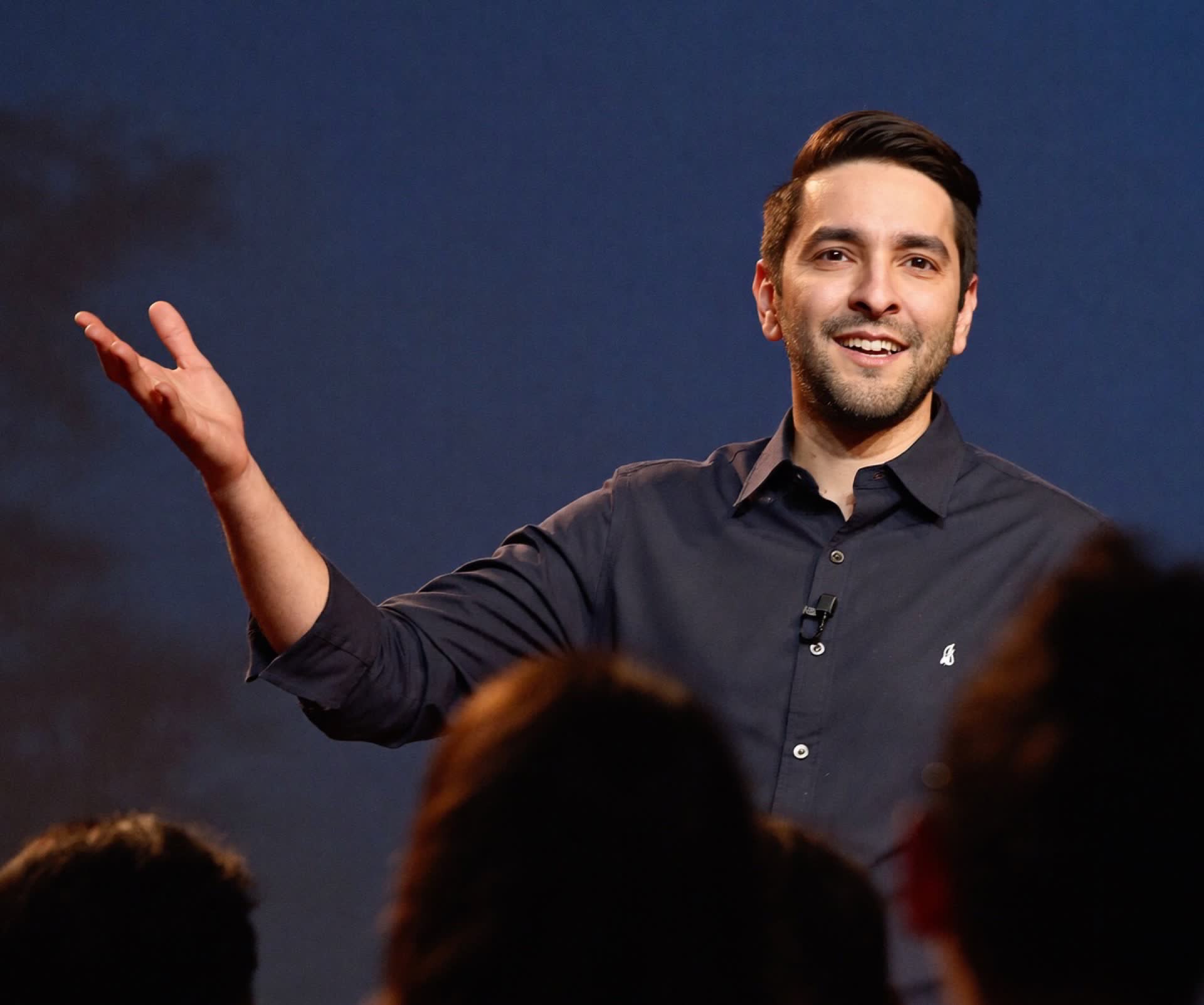
Thought Behind Things · Aug 30, 2021 · 1:11:47
Daktar Saab on why a doctor's absence in Pakistan matters
Dr. Asad Khan — Daktar Saab — on impostor syndrome after medical school, why USMLEs are an escape route, the standardisation fight inside Pakistani medicine, the kink of staying fixated on a problem, and why the opposite of conservative is progressive, not liberal.
with Dr. Asad Khan
13 min read
A KMDC graduate, an impostor, and a copywriter at Parlo
The episode opens with Muzamil pointing out that without this particular guest, Thought Behind Things might have started twenty-five episodes later than it did. Dr. Asad Khan — better known online as Daktar Saab — was the push that got the podcast moving in the first place, and Muzamil names that debt out loud before the conversation begins.
Asad walks through the résumé quickly because the interesting part is what sits underneath it. He graduated from Karachi Medical and Dental College in 2016. KMDC is a public college tied to public hospitals, which is why it costs a fraction of a private medical degree. “Thirty thousand rupees a year,” he says. Five years. A hundred and fifty thousand rupees, total, to become a doctor. Muzamil calls the number “just insane,” and it sits there for a moment as the floor under everything else they discuss.
Then comes the part most CVs leave out. “I was struck with impostor syndrome,” Asad says. “I felt I wasn’t capable of anything, that I couldn’t be a doctor.” He walked away from medicine and went into content writing — for Parlo, among others — where he learned audience psychology and what he calls a “spicy way” of packaging things. He was good at it. He also describes leaving with “a little bit of disgust” for the culture he had learned to manipulate. A year at Aga Khan University followed, and that year, he says plainly, “completely changed my life. I realised that medicine is what I want to do.” Everything since has been an attempt to mix medicine and content without letting either one cannibalise the other.
Why Daktar Saab exists at all
The origin story for the channel is not a marketing plan. It is a death.
Asad’s friend’s mother was diagnosed with breast cancer in 2019. What shocked him was that she had been able to feel the lymph nodes in her armpit a full year before she was diagnosed. She did not connect the lump to the disease. “An educated woman from a financially comfortable household either did not know or did not care enough about herself to go and show someone at a hospital,” he says. She did not survive.
That single gap — between what a literate, middle-class Pakistani household knows about its own body and what it should know — is the wedge Daktar Saab was built into. Asad went to his friend Danish Hassan and asked him to help build a platform that would treat health and disease identification as something you could actually enjoy learning about, rather than a dry subject to be afraid of. Two years later, the platform exists, and Asad is sitting across from Muzamil trying to explain why he has not yet boarded a plane to the United States.
The USMLE is an escape, and most people don’t come back
Muzamil names the elephant: nearly every doctor he knows has either taken USMLEs or is in the process of taking them. He asks Asad, who has done the same, what is actually going on.
Asad’s answer is careful. “USMLEs are basically a doctor’s escape from Pakistan,” he says. The framing matters. He is not against doctors taking the exam — he tells students he would push everyone to take it — because the curriculum and the way questions are constructed gave him a fresh perspective on medicine that the Pakistani system did not give him. “Part of the reason I fell in love with medicine again was the USMLEs,” he says. The exam itself was a gift.
The escape is the problem. Students walk into medical school in Pakistan already imagining a foreign practice and a foreign salary. The financial prospect is real. The training prospect is real. The catch is the third one — the return — which most people do not actually do. They leave, and they stay gone. And because they leave without understanding what they are walking away from, the cost is paid by a country that produced the doctor for a hundred and fifty thousand rupees and gets back nothing.
”A doctor’s absence in Pakistan matters”
This is the sharpest claim in the conversation, and Asad makes it twice.
“The US is a well-oiled machine,” he says. “Its parts work. If you don’t go and fit yourself into that machine, someone else will. The machine keeps running. But a doctor’s absence in Pakistan matters.” He names SIUT and Indus Hospital. These institutions exist, he points out, because specific individuals with the option to stay abroad chose to come back. “If, God forbid, on the basis of their intellect and their skill, these people had not returned to Pakistan, we wouldn’t have SIUT or Indus.”
Muzamil pushes back, and the exchange is one of the most interesting passages in the episode. He suggests the brain-drain conversation needs to be honest about scale: Pakistan exports human capital and brings in more than thirty billion dollars in remittances annually, more than all other exports combined. The country, he argues, cannot absorb every doctor it produces. The objection is sound on numbers.
Asad does not concede on principle, but he reframes. “I’m not saying you shouldn’t go for good training or good money. Go. But don’t leave with contempt for the country that made you.” The pathology he is describing is not the act of leaving. It is the act of leaving while shitting on the place. “Go knowing the fact that this country made who you are today,” Muzamil agrees, and Asad calls the missing virtue what it is: “Reverence. Humility.”
Standardisation, NLE, and the doctors who won’t stop crying
The conversation pivots into a long defence of an unpopular position. Asad is in favour of NLE — the National Licensing Examination — and in favour of computerised testing. He knows this puts him at odds with most of his peers.
His reasoning is structural. Medical graduate quality in Pakistan is not uniform. One school produces graduates who pass through a stringent process. Another produces what he calls photocopies. The disparity is not academic; it ends up in front of patients. He notes that Pakistani students who studied medicine in Central Asia or China have always had to take a licensing exam to practise back home. Extending that to local graduates is the same logic. “It’s one step towards standardisation of graduates,” he says. “If done right.”
Muzamil presses on computerised testing. Asad’s answer is unsentimental: “You couldn’t print the paper. The questions are randomised. I personally found it a very good step.” He describes his own recent interaction with PMC — submitting an application online, paying online, receiving a certificate by email within four days and by mail the next. The comparison to the old PMDC process, which Muzamil remembers as requiring physical trips to Lahore and personal favours, is brutal. “We should accept these accountability checkpoints being placed everywhere,” Asad says. “Doctors complain a lot. They complain a lot.”
He says this as a doctor.
Numbers, evolution, and the patience the audience won’t grant
Muzamil shifts the conversation to content — to the space Asad sits inside as Daktar Saab. The diagnosis is bleak. The industry, Asad says, wants to evolve from the inside, but it is not evolving, because creators have run out of patience for audiences that have not yet caught up.
“There’s a lot of hopelessness,” he says. “The numbers don’t come. You make good content and the audience doesn’t watch. You make popular content and the audience doesn’t watch. Hocus-pocus TV is getting more views. What do we do?” He counts himself lucky: because he is not chasing numbers, he can afford to wait. He has the privilege of patience. Most creators do not.
What he is sure of is that creators need to keep raising their own game. “If they keep upping their game, they’ll pull the audience up with them.” He sees the alternative — abandoning the audience to whatever already works — as a defeat dressed up as realism. Daktar Saab, he says, has produced amazing results on small numbers because the impact is real. He thinks the turnaround is four or five years away. “We just have to be patient.”
Performative activism and the kink of staying miserable
The episode’s most uncomfortable passage is a two-handed critique of online culture. Muzamil names the problem first: post-COVID, every creator he knows is being told that their content is tone-deaf to whatever crisis is currently trending, and many of them have started to internalise it. He asks Asad whether he agrees.
He does not. “I don’t agree with the idea of tone-deafness when it comes to the internet,” Asad says. “A room is a room. If people in a room are sad, you don’t go in and crack jokes. The internet is not a room. It’s the world. And the world is full of miseries.” One person, he argues, is allowed to share something about Palestine in one post and a makeup kit in the next, because human beings hold multiple registers at once. Demanding that creators match the timeline’s prevailing mood is, in his framing, entitled. It is also a tell. “When the audience goes to a creator and asks them to be vocal about a particular topic, I start to doubt the intentions. Is this person really feeling that, or is this the theatrics — performative activism?”
Then comes the harder observation, which is about audiences, not creators. Asad says he has spent the last year trying to solve problems for friends and patients, and has noticed something he calls a “kink.” “People don’t want solutions. People are fixated on the misery of the problem.” There is a satisfaction in describing how miserable, oppressed, or broken the situation is, because misery comes with the comfort of being on the right side of history. Muzamil reframes this generously — he reads it as a refusal to take responsibility — but Asad keeps it sharper. The fixation is its own reward. The solution is unwelcome because the solution ends the comfort.
His prescription is plain: troubleshooting mentality. There is a problem. Look at the solution. Stop fixating on the problem.
”There are things you can control. There are things you cannot.”
Asad credits Muzamil with a frame he says he has been carrying since their last conversation, and then he gives it back, cleaned up. “There are things you can control. There are things you cannot. The things you cannot control include consequences. With your moral compass and your goals aligned, ask: what is the best option I have right now?” He calls it an algorithmic game. You move, you hit a wall, you move again. “To try and be sad over things you cannot control is, I think, emotional unintelligence.”
Muzamil layers his mother’s framing on top: pray for what is best for you, not for the specific thing you want. The path that did not work was probably God’s protection. In hindsight, he says, almost every blocked path turns out to have been a mercy. The two of them settle, briefly, on the same word: contentment. Asad calls it the precondition for actually trying. Anxious people, depressed people, jealous people, he points out, do not try at all.
Left, right, and the part of the political map nobody reads
Muzamil pulls the conversation into politics. He notes that Asad is one of the few content creators who is openly political, and asks where he places himself.
“Centre-left,” Asad says. He breaks the answer down: he is strong on personal liberties; slightly right on economics; left on healthcare and education; a little right on social questions. Muzamil offers his own working definition — right as conventionalist, left as progressive, spectrum ends on both sides shading into burn-it-down — and Asad accepts the frame but adds the move that gives the conversation its title.
“The opposite of conservative is progressive. The opposite of liberal is authoritarian. We are all liberals. Stop trying to police people’s thoughts. Stop trying to police people’s actions if they don’t physically harm another person.” Both spectrum ends, he argues, eventually behave the same way. What was progressive yesterday is conservative today, because we are conserving the progress. Push far enough left and you end up back where the right was: telling people what they can and cannot say.
Muzamil’s contribution is historical. He describes how 2010–2015 Pakistani social media was a fight against a religious right that wanted to police what women said and posted. The fight was won, more or less, on freedom of expression. Then, post-2015, an ultra-progressive vocabulary arrived and started doing the same job from the other side. “If you say this, it means you are this. If you say that, it means you are that.” He calls it a religion built out of words that cannot be questioned. Asad agrees and names it: “Blasphemy. In the left, it’s blasphemy in exactly the same way.”
Daktar Saab is bigger than your timeline opinions
Asad makes a small but important admission in this stretch. He says he has been talked into being less politically loud online — not because he was wrong, but because Daktar Saab is bigger than his personal opinions. “I want people to understand how to take care of their health. I want them to see that biology is not some mystical thing. For them to actually believe what I’m saying, they have to trust the person I am. And it’s difficult to hold people’s trust if you’re politically aligned to a camp.” He is naming a specific cost. Pakistani audiences judge a person by their camp before they judge the weight of what the person is saying. A health educator who picks a flag picks a smaller audience.
Afghanistan, and the conversation Pakistanis cannot have with each other
The episode closes on the August 2021 fall of Kabul, which is fresh as they record. Asad describes a Facebook argument with a friend that he eventually ended by saying: we both want a better outcome for Pakistan. We disagree only on the route. The framing punctures the fight. Muzamil names this as the country’s deepest political problem — not disagreement, but the absence of shared language. “Many of our issues, if people would just align their vocabulary, they would arrive at the same thing. One says: look at religion, the outcome already exists there. The other says: look at sociology, the outcome already exists there. They want the same thing for their people.”
On Afghanistan specifically, Muzamil is precise about who was celebrating what. Nobody he respected, he says, was celebrating the rise of the Taliban. What centrist, rational people were celebrating was the end of a foreign occupation — the fact that after forty years of meddling, Afghans would once again decide their own fate. “It is a duty of every liberal,” he says, “to say that no foreign occupier should be running the state of a country they don’t understand.” The right response from Pakistan, he argues, is not outrage and not interference. It is partnership, and it is restraint. Asad agrees, and the conversation winds toward its close on that note — two Pakistanis, one a doctor, one a host, agreeing that the hardest skill in their country right now is the skill of speaking the other side’s language without surrendering your own.
Full transcript
सामने खपति रोज़ रात welcome back to another episode of Thought BAND things आज हमारे साथ मौजूद है एक ऐसे मेहमान जो के इस show के अंदर हमारी पहली एक सौ तीस episodes ना होती शायद बीस पच्चीस episodes हुई हुई होती because इनका वह push था जो उनका उस time के ऊपर वहां अस्लाहाबाद में होना था जिसकी वजह से वह podcast start हुई थी. That's a lot of तो हमारा जो है बड़ा जैसे कहते हैं ना कि एक debt है इन भाई का हमारे ऊपर. असत खान साहब, doctor साहब के नाम से Pakistan अजाना हमारा नाम है social media की दुनिया में जो है यह doctory के ऊपर या यह कहते medical medicine क्या क्या करूंगा मैं?
Medicine.
Medicine ही कहते हैं? हां, वह क्या कहेंगे? तो कोई उर्दू में word नहीं होता उसका? नहीं. अच्छा, medicine के ऊपर यह बड़ा content बनाते हैं doctor साहब. Thank you so much for being part of the show.
Thank you for having me. I'm unfortunately medicine का torture हुआ था. अच्छा. और graduated in 2016.
From? From KMDC, Karachi Medical and Dental College. Is it a great college or is it a Nokia college? It's, a public college. Okay. But the public colleges generally are good, no?
They're good because they are linked to public hospitals also. They're very cheap to study in. Right. तो I think,
कह सकते हैं अच्छा था. मुफ़्ता पढ़ा था आपने सारा? मुफ़्ता पढ़ा था. Total? Total. Three sixty degree. Total एक रुपया तो लगा हुआ था. चार, पांच, छह. 30,000 rupees a year. Really? Yes. And you became a doctor? Yes. In five years, so, 150,000 rupees. That's just insane.
And हां, उसके बाद आपने क्या किया? Doctor के उसमें क्या किया? उसके बाद मुझे जब मैं graduate हुआ तो I was struck with impostor syndrome. मुझे लगा कि मैं किसी काबिल नहीं हूं, doctor नहीं वन सकता. And it was a very long internal struggle जिसमें मैंने medicine को खैर बात कह दिया था. अच्छा. Yes, I went into writing content for other companies
and I I believe you were working for Parlo at one point. I was working for Parlo. What was that like? बहुत अच्छा था. It made me,
it trained a lot. मतलब मुझे बहुत ज़्यादा उसने सिखाया and how to understand audience psychology and what's trending, how to approach things in a very, you know, spicy way. वह चीज़ें समझ आई तो मुझे थोड़ा सा disgust भी हुआ in the, for the entire culture. Right. And when I left, I left with the thing कि शायद मैं इसको मैं दुबारा नहीं आऊं. Even though it was fun, even though I was good at it, I probably wouldn't want to do it again. Right. And I went and joined आघान for a year. वहां पर काम करने का मौका मिला and it completely changed my life. I realized that medicine is what I want to do और फिर उसके बाद content और medicine को mix करने की कोशिश कर रहा हूं. किसी तरीके से एक balance ढूंढने की कोशिश कर रहा हूं दोनों के beach में. Very cool. मुझे थोड़ा सा यह बताएगा. What's the what's the vision behind Doctor साहब? And if you guys haven't seen it,
you know, generally मेरे editors ने आजकल मेरे नया drama शुरू किया था कि जब भी मैं कहता हूं appear a link कभी appear नहीं होती. तो सलमान, for the love of god, have doctor साहब appear here somewhere. But tell me a little bit about, this, you know, this channel that you started. What's the thought behind that?
My friend, his mother was diagnosed with, breast cancer in 2019 and that was a very stressful time for her. The most shocking thing for me was कि उनकी अम्मी lymph nodes को palpate कर पा रही थी a year before she was diagnosed. What does that mean? जब cancer spread होता है तो वह lymph nodes के through जाता है इधर उधर. अच्छा. उनको lymph nodes feel हो रहे थे, घुटलियां feel हो रही थी अपने axilla में, अपने बगल में. Right. लेकिन उनको उन्होंने यह register नहीं किया कि यह breast cancer से related हो गया वह से एक problem की निशानी है. निशानी है. And it was it lasted for a year. Right. And post diagnosis, chemotherapy, surgeries and all of that and they eventually lost her. मेरे लिए बहुत ही shocking था because मैंने सोचा कि एक पढ़ी लिखी ख़ातून जो एक financially अच्छे घर से belong करती है even she either did not know or did not care enough about herself कि वह जाकर अस्पताल में दिखाएं किसी को. And I was like, if this is a problem, then there's also बहुत सारी और चीज़ें जिनको लोगों को मालूम नहीं पता होगा. I wanted to make medicine and health and disease identification a fun process. I didn't want it to be, you know, कि एक एक dry सा subject है. तो मैंने उसको entertainment के साथ mix किया. Went up to दानेश हसन who is a very good friend और उसके साथ बैठकर यह platform build किया है and here we are two years later. Where do you do your high school from?
St. Paul's English High School. अच्छा, you're like a conventarian? Yes. Very different. I would do expect very different from a convent boy.
End to end आप convent रहे हैं? End to end convent रहो. अच्छा.
हां. Very interesting. So 16 में you नहीं, 16 में you graduated. Mhmm. 17 you were working at Perlo. Yes. 18 you were doing AKU. Yes. 19 USMN. Doctor. Saab. Yes. And then The USMNs. The USMNs. So tell me a little bit about that because I know that you're not working right now. You were working consulting, I believe Yeah. Up until very recently, but you've quit quit that job. Yep. And you, studied really hard and you were focused on US MLE. और मेरे भी जितने भी दोस्त graduate किए हैं medicine वाले, वह या तो in the process हैं या वह already जा चुके हैं US. ये क्या है? What's the what's the thought behind this? Like, why do people end up doing that?
कुछ sad चीज़ें हैं, कुछ, there's a silver lining to it as well. But, US MLEs are basically a doctor's escape from Pakistan. Okay. और unfortunately जब आप medical school में जाते हैं तो आप इस सोच के साथ जाते हैं कि आप किसी बाहर के मुल्क में जाकर practice करेंगे, बहुत सारा पैसा बनाएंगे. Right. It's good to a certain extent because financial एक prospect देता है वह आपको, अच्छी training का prospect देता है and then when you and if you return to Pakistan, एक अच्छे future का prospect देता है. Right. But what happens eventually is that people if who leave don't end up returning. Right. And वह brain drain का एक बड़ा cause भी है. But US MLEs in general, as I would say, is कि as a student, I would push everyone to take their USMLEs. Not because they should go to The US, because it really gives you a very fresh perspective on medicine. Right. That your- हमारा जो अपना system है ना, वह नहीं दे पाता. अच्छा. The way they ask their questions, the way the curriculum is designed is- is beautiful. Right. And part 50 of the cause of why I fell in love with medicine again was because of the USMLEs because I started seeing medicine in a fresh light जो मैं पहले नहीं देख पा रहा था. Right. तो USMLE समझें बहुत सारे आपको खाब दिखाता है and without knowing the pros and cons of it हमारे medical students जो हैं वह आंखें बंद करके अपने seniors की बात मानते हुए उस line में लग जाते हैं. Right. And that is most of the people who end up there, end up there because they wanted to just You talked about brain drain and you talked about,
you know, these people leaving Pakistan. Do you think that's necessarily a bad thing?
Yes. How so? This is just my personal opinion. मैं यह नहीं कह रहा कि आप लोग बाहर नहीं जाना चाहिए. And I will look very hypocritical क्योंकि मैं ज़िंदगी भर अपने medical school से लेकर अब तक यही कोशिश कर रहा हूं कि मैं बाहर चला जाऊं. Right. But I don't necessarily condone it. Right. So, the thing is कि the way I look at The US का system, it's a well oiled machine, ठीक है? और उसके पुर्जे अपने काम पर कर चल रहे हैं, आपके पास engineers हैं वह पुर्जे लगाते लगा सकते हैं, oil कर सकते हैं, सब कुछ कर रहे हैं. And अगर आप नहीं जाकर उस machine में लगते तो कोई और जाकर लग जाता है. Right. और वह काम वैसे ही का वैसे चलता रहता है. Right. I feel एक एक doctor की absence of presence in Pakistan matters. Ok. ठीक है? And यह छोटे छोटे एक एक नाम ही हैं जिन्होंने आगे जाकर इतने बड़े बड़े काम किए हैं जो बड़े बड़े मुल्क नहीं सोच पाते. Indus अस्पताल बनाया. ठीक है, अब्दुल बारी साहब ने. SIUT मतलब these are not small compl accomplishments. And अगर खुदाना ख़ास्ता यह अपने अकल month की basis के ऊपर, अकल की basis के ऊपर, अपने skill की basis के ऊपर यह Pakistan वापस नहीं आते. यह उस machine का हिस्सा बने रहते. तो we wouldn't have SIUT or NDIS here. Right. And there would have been a loss and I feel that each one of us has the potential to give something positive to the country. Right. Each one of us, specially those जो बाहर जाने के काबिल हैं, वह यहां पर देने बहुत अच्छी चीज़ें देने के काबिल हैं. Right. And I feel कि हम लोग बड़े picture को state level पर देखने में इतने मगन हैं कि हम यह नहीं देख रहे कि हम अपने
sphere के अंदर, अपनी capacity में कितना positive influence फ़ेंक सकते हैं आस पास. Right, so if I was to, if I were to talk to you as a friend, I would have said कि यार असर, stay in Pakistan, you know, do your doctory and साथ साथ do the content and, you know, you do great things and Pakistan needs you. But अगर मैं objective analysis करूं तो don't you feel like के... And I was reading this, as a matter of fact, report the other day कि Pakistan में because of the whole private school bush room growth in the past decade or so, There are a lot more doctors than there is demand in terms of, ज़्यादा demand तो ख़त्म नहीं होगी because patients की lineएं हैं यह वहीं लेकिन obviously एक certain economy भी है ना. लोगों की purchasing power है और उसके हिसाब से एक demand create होती है. तो मेरे हिसाब से जब when people, a lot of times people talk about brain drain and I do understand and agree with that as well but considering a country of 220,000,000 people which is a developing country, don't you feel like when people do end up going abroad and वहां पर जाकर जितना I remember, you know, एक ही योगी class of, I don't know which which one it was. It was the first or second class, जो कि they were in their fifties now. And they were all in The US and Canada, and they came back to Pakistan, and they gifted, like, an entire new unit million dollars And so they were, again, were able to do it because they were over there. And then like you you mentioned these doctors who are abroad and who got the vision for what they had to do there and were eventually able to come back and so एक तो देखने का तरीक़ा एकार यह है कि यार देखो अगर वह ना आए होते वापस. मैं अगर उसको थोड़ा सा shift करता हूं. मैं कहता हूं क्या वह कभी बाहर गए ही ना होते? तो क्या वह उस, you know, vision को बना सकते थे पाकिस्तानी system में रहते हुए with all of its hurdles?
वही ना कि आपकी जो, point है वह बिल्कुल valid है and it's based on a lot of what ifs ना. मेरी भी बातें बहुत what ifs पर based हैं कि अगर वह बाहर जाते तो क्या करते? मतलब we don't know what happens, right? Right. मेरा जो यह point of view है जो आ रहा है ना कि यार, doctors should try and stay here, वह इस तरह से नहीं है कि आप अच्छी growth के लिए, अच्छी training के लिए बाहर ना जाएं. वह यह भी नहीं है कि आप अच्छे पैसे कमाने के बाहर ना जाएं. I think कि पाकिस्तानीs and पाकिस्तानीs in general but doctors specifically क्योंकि मैं उस community से belong करता हूं, feel कि उन्हें यहां पर कुछ ज़्यादा मिलता नहीं है ना पैसे, ना इज़्ज़त. I would agree with that. तो वह उस लेकिन होता क्या है कि वह उस नफरत में या उस contempt में वह बाहर निकलते हैं. And
when that happens there's very little. Yeah, that I don't agree with. That that is a there's very little that you would want to do Like, for for your your country. Leave. मैं मेरा, तो मेरा point यह होता कि यार आप निकलो. आप जाओ. Pakistan की एक बहुत बड़ी export है. लोगों उसको कहते हैं brain drain. उसको कहता हूं हम services export करते हैं, हम human resource export करते हैं. हमारी बड़ी export है. तीस billion dollars हम लेकर आ रहे हैं सालाना. हमारी अगली सारी exports मिलाकर उससे ज़्यादा जाना हमारा human capital export है. लेकिन don't go shitting on the country. Yes. Right? Like, go knowing the fact that this country made you and made who you are today to be able to go abroad. Yes. Be,
थोड़ा सा reverent, थोड़ा सा हां, technical humble ना. हां.
लेकिन मैं कुछ चीज़ एक और बता हूं. और उसमें sorry मैं आपकी बात cut रहा हूं. उसमें उसमें मेरा सिर्फ़ मक़सद यह होता है. देखें एक doctor बाहर जा रहा है. उस 3.5 में से ना between that percentage 75% जो है वह मज़दूर तबका है. Mhmm. ठीक है? तो if you're an educated person, you are mostly in less than 0.5% of Pakistan. अच्छा. ठीक है? जो कि आप US, Canada, Europe generally इधर ही निकलते हैं. Dubai सुबही ज़्यादातर थोड़े से निकलते हैं आपके जो यह brands वगैरह में काम कर रहे होते हैं. तो आप इतना छोटा तबका हो जिसके पास यह opportunity है कि आप जा सकते हो, थोड़ी सी humility दिखानी चाहिए,
तो हम सिर्फ purely numbers देख रहे हैं. But Pakistan के education system के अंदर और because I am closely related to medicine, I can see कि medical graduates का standard similar नहीं है and it is, there is a huge disparity in that. मतलब एक school, एक particular type of school के जो graduates की quality होगी वह different होगी. Right. Because they are very strict and stringent with who passes out. Right. But अगली तरफ there is complete अंधार. Photocopy इतना अच्छा पढ़े हैं. हां. छप रही है चीज़ें. तो standard एक नहीं है. अब जब standard एक नहीं होता ना तो आप यह कह रहे कि चलो doctors इतने वन रहे हैं demand इतनी है. I honestly believe कि यह इस साल या पिछले साल मैंने बहुत देखा है लोगों को. हर चीज़ के बारे में रोना, धोना, मचाना. हर चीज़ में exam नहीं लो. हां. In person exam नहीं लो. भाई, just पढ़ लो यार, ठीक है? हां. और क्या हो गया? लेने दो उनको exams. यह जो NLE है, I think it's a step, it's not a perfect step. Right. But it's one step towards standardization of graduates.
Right. If done right. And and and that standardization includes from the government schools, from these private schools with their own एक जगह पर वह. Including a lot of these kids who come from Central Asia and China. वहां की degrees लेकर आ रहे उन्होंने कोई idea नहीं वह क्या पढ़ रहे हैं? किस तरह से पढ़कर आ रहे वहां से? लेकिन नहीं, वहां पर तो already जो पाकिस्तानी लोग जो या जो लोग बाहर से पढ़कर आते थे China और इधर उधर से, उनको NLE देना पड़ता था. अच्छा, was that a thing? Yes. Because, when I heard they said कि that's the that's the reasoning that that was given to me by the PMC के,
you know, we're trying to standardize across the board in terms of international and local both. हां, नहीं, उनको हमेशा से NLA देना पड़ता था. अब वह Pakistan के बच्चों के लिए भी लाज़िम हो गया. ठीक हो गया. ठीक है, and I think this is a good step. Right. In theory. If done right, if done the right way. और धड़ा धड़ वह बच्चे आगे फेंकते हैं. Right. ठीक है? तो I think that would also put them in a difficult spot. But वही है कि मैं यह नहीं देखता कि system एक दफा implement हो और वह perfect होता है. Right. I think trial and error should make it better. But जितना मेरा PMC के साथ interaction अभी तक रहा है since it's onset, since it's advent, वह बहुत अच्छा रहा है. मतलब, I had पिछली दफ़ा अगर मुझे कभी PMDC से कुछ certificate निकलवाने हो, it would take ages and it would take a lot of elbow grease to just get one certificate out. Right. इस बार मैंने सब कुछ internet पर बैठकर किया. It took me one day to submit my application. Online transfer मैंने पैसे किए हैं. चार दिन के अंदर अंदर मेरा certificate मेरे email में मौजूद था. Right. अगले दिन वह certificate मेरे घर पर मौजूद था. Really? Yes.
मुझे याद है यहां पर एक cup होती थी यार वह लाहौर में हम ना की friends जो है वह बिजवा रही है यार मेरी documents जमा करा दो फिर पता नहीं बारह का ऊ जाकर जो है ना अजीब ज़रीर होना पड़ता था. जी. But it
was a great experience और if you know things work out and things are streamlined in that way, सबका फ़ायदा है. I think कि we should accept these, you know, accountability वाली जो checkpoints डल रहे हर जगह पर. हां. ताकि हमारा भी और patients का सबका भला हो. हां, नहीं because I was looking at these
MCAT and NLEs जुड़ने वाले आ रहे हैं and they have done computerized testing as well. They're like आप छाप नहीं सकते, paper out नहीं हो सकता. All of that is just over now. And this has always I mean it was such a simple मैंने यह पढ़ा ना कि वह computerized testing हो रही है और लोग risk के ऊपर रो रहे हैं computerized testing क्यों है? आप छाप ही नहीं सकते थे. आपके वह randomized आते हैं questions. किसी point पर किसी के पास आया होता है, किसी point पर किसी के पास आया होता है. So I think I personally found it a very good step and it's interesting, refreshing to hear from a doctor as well कि he, personally prefers prefers that although I think that's a very unpopular opinion. Unpopular opinion है because यह भी एक unpopular opinion है but doctors बहुत रोते हैं. Right. बहुत रोते हैं. Doctor से मैं थोड़ा सा side भी करूंगा because अब मुझे लगता आप हमारे office भी आए तो सब लोगों ने बोला कि यार मेरी नाक का मसला, मेरी आंखों का मसला था. अभी थोड़े तंग आ जाते होंगी. दो साल से आप content, कर रहे हैं. You know and particularly post COVID you've been very active as well as not just in the, you know within the content, in terms of you creating that content, also in the community as well. You've been around and about. You've been meeting a lot of these Instagrammers, YouTubers. I've seen you be be very, very active on Twitter as well. How do you see the space evolving, content की in the past few years?
Content की space जो है वह मुझे ऐसा लगता है as a as because I don't still see myself as an insider. Right. I still see myself as, you know, एक पंदाया जो गुज़र रहा है इसमें से. What's an outsider? What's an insider? I mean, how would you define an insider? I don't see myself as a long term content creator. अच्छा, ठीक है. मुझे लग रहा कि यह मेरा एक transition चल रहा है. It's something that I enjoyed always and it's something that clicked और वह इत्तेफ़ाक़ से सारी चीज़ें align की तो हो गया. Mhmm. अब नहीं होती align नहीं होता. Mhmm. दोनिश मना कर देता. तो क्या करता मैं? Yeah. तो मैं अभी एक उस तरह से गुज़र रहा हूं और जो मैंने देखा है वह यह देखा है कि industry अंदर से
evolve करना चाह रही है. Right. But हो नहीं पा रही है. अच्छा. हां. क्यों नहीं हो पा रही?
I think अभी audience की evolution का वक़्त है. अब और अभी audience को और evolve होना है and obviously content creators की evolution, audience की evolution से पहले होनी ज़रूरी है. Mhmm. वह भी हो रही है. But there's a lot of hopelessness around कि यार numbers नहीं आते, अच्छा content बनाओ तो audience नहीं देखती, popular content नहीं बनाओ तो audience नहीं देखती, masses की viewership नहीं मिलती, हकीकत TV is getting more views. क्या करें हम? ठीक है? It's the same with my channel as well. But अलम्दुल्लाह, ये सब चीज़ें holistically मेरे perspective में थीं कि numbers के पीछे कभी नहीं भाग रहा था मैं. I think because some because as someone who doesn't run after numbers, because as someone who's passing through this, I don't I have the ability, I have the luxury to not run after numbers. Right. It's a constant struggle between the creators' evolution and what the audience wants. And the creators are maybe not patient and maybe too hopeless to understand कि अगर वह constantly अपना game up करते रहेंगे तो वह अपने साथ साथ audience को भी उठा लेंगे. This is how I see it. Right. I don't know if I'm right or wrong. But with Dr. साहब, I've seen amazing results despite no numbers. बहुत ज़्यादा numbers नहीं हैं, but I have seen कि, किस तरीके से impact create हो रहा है, किस तरीके से लोग gravitate करें towards this education, towards taking care of their health और ये सब चीज़ें and I enjoy that. And I and I see कि maybe next four, five years ये चीज़ें बिल्कुल turnaround हुई होंगी. We just have to be patient. Right.
There's another fear within the creator as well, particularly post COVID यह बहुत ज़्यादा आया. I feel like COVID induced mental health issues is a very real thing. There is a lot of anxiety. ज़ाहिर है, आपको constantly एक चीज़ बताई जा रही है कि आपको एक चीज़ मार देगी, मार देगी, आपके parents को मार देगी, आपके बच्चों को मार देगी. And so that began to reflect online as well. And mid last year, आपको नज़र आना शुरू हुआ कि एक constant anxiety और एक ख़प है social media. And I was talking to someone the other day and they were telling me the same thing कि यार honestly आजकल तो समझ नहीं आती content कैसे बनाया जाए? Because there is just so much anxiety and also so much ख़प that's online कि आपको एक अजीब disingenuous सा लगता है कि यार मैं कुछ entertainment की बात कर रहा हूं या मैं कुछ इतना कर रहा हूं. There's always कोई तहरीख़ चल रही होती है हर दिन, कोई ना कोई मसला होता है, कोई social issue होता है. हमेशा वही होता है कि यार, you know, it seems like the world is this big mush of social activism and you in your own brain dead silo of creating something fun and a TikTok video is very tone deaf. What do you think?
I somehow don't agree with the the idea of tone deafness when it comes to the internet. Room में अगर लोग उदास बैठे हुए हैं, तो आप जाकर वहां पर jokes crack नहीं करते. वहां पर tone deafness समझ आती है. The internet is not a room, it's the world. Right. And the world is full of miseries. Right. One day or another कुछ ना कुछ उल्टा सीधा होता ही रहता है. Even on the people that I follow sometimes, एक point पर वह Palestine, Palestine का कुछ share कर रहे होंगे. अगले point पर they're like, oh, I got this new makeup kit. ठीक है? And I don't see this see this as something that's very off because one person can talk about multiple things. Right. One person can feel sad for the world and the bad that's happening in it and then also create entertaining and value driven content for his audience. Right. मुझे इसके अंदर disconnect समझ नहीं आता. To so to say कि जो जो tone internet पर चल रही है, उसी tone के मुताबिक आप चलें, is a little too entitled. अगर room के अंदर उदासी है, तो आप jokes crack नहीं करेंगे. But internet के ऊपर या दुनिया में उदासी is not something that happens that never happens. ऐसा नहीं है कि कोई एक दिन ऐसा गुज़र है जिससे किसी का अंदर काल ना हुआ. Right. ठीक है? अब तो I don't I don't agree with the concept of tone deafness when it comes to the internet. That's just how I think. लेकिन अब लोग इस तरह के हो गए हैं, लोग इतने entitled feel करते हैं कि नहीं, अभी हम sad feel कर रहे हैं. So, this is how you should be right now. We are feeling strongly about this particular topic. Please, speak about this. And I don't see it anything other than अगर कोई content creator करता है यह काम कि वह हां यार मेरी audience बोल रही तो कर लेता हूं. Nothing other than just appeasement. Right. और अगर जो audience अपने creator से जाकर किसी अपने किसी इंसान से जाकर बोलती है कि यार इसके ऊपर content बनाओ, I don't या उसके ऊपर ज़्यादा ज़्यादा vocal होकर बात करती है. I मुझे थोड़ा सा doubt होता है फिर intentions के ऊपर. फिर मैं कहता हूं यार is it true that this person is really feeling that या यह social media का एक जो theatrics है वह जो Performative action पर है. Performative activism चल रहा है. तो मेरा तो यहां पर मसला चलता रहता है इसलिए I don't really give a give it up so much thought about it. मैं कहता हूं जो जो कर रहा है, करता रहे कभी कभार ऐसा होता है हमारे parental relationships के अंदर ना अब यह चीज़ें नज़र आती हैं. उसमें होता यह है कि अम्मियां भी जब कहते हैं ना कि अगर आपको अभी जाकर यह plate रखनी थी धोने के लिए and then then your mom comes in and says कि यार इसको plate तो रख दो. And then she's like, अब मैं नहीं रख रहा. हां. ठीक है? हां हां. तो इसको क्या कहते हैं? इसको कहते हैं, इसका क्या नाम था? सब कुछ नाम था. हां. एक बड़े मज़े का phenomenon है. हां. तो जब आपको कोई वह कर देता है ना कि यार यह करो. तो अभी recently I was, you know, talking to a few, friends जिनको मैं कोशिश कर रहा था I was trying to solve their problems multiple areas के. Right. Medicine, nonmedicine related. Right. And I realized people don't want solutions. अच्छा. People are fixated on talking about the miseries and the misery of the problems. Yeah, that's true. और वह उसमें ना एक अजीब सी, एक मुझे लगता है एक kink है. हां. जब वह उसके बारे में बात करते हैं ना आपके हम इतने miserable हैं. हां. We are oppressed. हां. हम बुरे हालत में, हम गरीब हैं. उसके अंदर ना उनको एक satisfaction महसूस होती है. हां. Because all these these things, all these oppressed states somehow are associated with
being the right on the right side of history. अच्छा, right side of history भी होता है. मैंने इसको ना different angle से देखा है. मैंने इसको यह देखा है कि it is it is taking responsibility why don't you just listen to me?
Why are you telling me these solutions? हां, मुझे solution नहीं बताओ. मेरे मसले सुनो. हां. ठीक है? मैं मैं खाला, sorry खाला. ठीक है? My खाला is like यार अंसद मेरा ना blood pressure बहुत बड़ा हुआ है. She has all the problems और सारी उनकी reasonings हैं. But there is no solution to her problem. Yeah. And she is helpless. She just wants a magic. Everybody wants magic solutions to this. Yeah. And completely absorb themselves away of any responsibility whatsoever. This is a very Yeah, interesting phenomenon. हां, और तुम देखो, तुम देखो. मैं इसलिए लोगों को blame भी नहीं करता. मैं इसलिए ना patients को blame करता हूं. The people I talk to, the audience. I don't blame these people. Right. मतलब I understand why they are doing this. Yeah. And बस मुझे यह समझ, I just want to once you know कभी बैठकर इस तरह से आपके साथ बैठ हुआ and I just want to explain them कि भाई
troubleshooting mentality बनाओ. Problem है, solution की तरफ़ देखो. हां. Stop fixating on the problem. Yeah. And and to be very honest, I mean, the people who are solving those problems end up getting their way. And so a lot of times people come and they're like, oh, you know, they're they're this guy is getting his way because he has a privilege.
And But there is a There is a privilege. Privilege. Uh-huh. Que they have the mindset to solve problems.
Ah, मतलब, see, and I mentioned this a few times before on the podcast as well. I do agree certain people will have privileges in the entire system. I mean, probably the only privilege less system is a communist system and that system just hasn't worked really well, in history. So we don't know कि whether that's best for human society or not. But even अगर हम religious perspective से देखें तो even Islam ने कभी भी आकर यह नहीं कहा था कि flat. अब सबका जो है ना वह state का माल जो है वह state का है और सब एक ही उस पर हैं. Equality थी in terms of a lot of rights and a lot of different things but in terms of, you know, your place in the state or in the society वह maintain थी. मोखुलफाई राष्ट्र दीन जो थे वह भी उनकी भी थी. ठीक है, उनकी charity बहुत ज़्यादा थी सारा कुछ था but they were big businessman and they would make a lot of money as well. So that sort of privilege will always exist because I feel like और मैंने इसके ऊपर बड़ी interesting study भी बड़ी थी जो कह रही थी कि you can probably Google it कि how hierarchies sociology की है यह basically. Mhmm. कि how hierarchies are necessary for the human society to function because that is how we've sort of evolved. Mhmm. Where वह alpha का concept आता है and you need those structures to to function. The minute those structures sort of diminish तो आप inherently human humanity या human kind जो है वो chaos की तरफ जाती है. But just because certain privileges exist करती हैं, certain लोगों के लिए does not mean that आप अपनी तमाम responsibility absolve करना शुरू करें. So many people I know जो कि race में उधर शुरू हुए थे जहां पर एक बंदा है let's say वह beak rounds गया.
मुझे ना I I fear sometimes ना मुझे ऐसा लगने लगा है क्योंकि देखिए ऐसा नहीं है कि मैं अब ज़िंदगी के अंदर बहुत successful रहा हूं. If it comes objectively career wise देख लें, अगर आप study wise देख लें, and I talk about this very openly because I have failed, I have failed and I have faced a lot of failures and I am still struggling with a lot of things that I am doing right now. But मैं यह कहता हूं देखो, आप basic इंसान वह जो religious concept जो है ना वह somehow sort of gives you this this idea of gratefulness कहते कि यार आप अपनी ना condition के लिए खुश रहें. मेरे साथ इतने सारे लोग हैं जो कहते हैं कि यार privilege नहीं है हमारे पास, अब वह लोग इतने privileged नहीं हैं. वह मैं कहा listen, you have two hands. Some people don't even have hands. Yeah. ठीक है? Yeah. तो आप किस बात, किस privilege की बात कर रहे हो? कहाँ कहाँ privilege बराबर करेंगी? हाँ. और अगर let's suppose कि अगर कोई एक बंदा आपके society में बगैर हाथ के पैदा हो जाता है, are you going to cut your hand to equalize their privilege? Yeah. ठीक है? Yeah. नहीं कर सकते आप? Yeah. तो we have to sort of accept कि अगर हम थोड़ी higher power, higher authority में यह higher privilege किसी से रखते हैं, then हम किसी ना किसी से higher privilege रखते हैं. हां. Specially the people who are watching this वह कहीं ना कहीं वह तो बहुत ज़्यादा रखते हैं भाई. 100%. ठीक है? The best thing that you can do is कि rather than, you know, ऊपर देखकर उनको गाली देना ही वह करना, अपनी अपने आप को build करें and अपने साथ साथ अपने जो
मतमहीन. नहीं, there is another word reused. And he was like कि मैंने ना ज़िंदगी में हमेशा यह किया है कि I was always content. So so उन्होंने examples दो दो तीन कहानियां सुनाईं कि जब भी मुझे मसला भी आया,
That's perfectly fine, yes. अच्छा. तो मैं अपने दोस्त से बात कर रहा था. He's a little younger than I am. मैंने उससे बताया, मैंने कहा, देखो, the way I see things is कि there are things that you can control, there are things that you cannot control. Right. ठीक है? और जो things आप नहीं control कर सकते, उसके अंदर एक होता है situation या consequences. ठीक है? आपके action के कुछ consequences होते हैं और उन consequences को आप कभी control कर सकते हैं, कभी नहीं कर सकते. Right. All your life you just have to see कि इस point पर मेरे पास options क्या हैं? And इस point पर with my moral compass and with my goals aligned, what is the best option that I can take? Yeah. And this is this is basically like an algorithmic game जो आप खेल सकते हैं. ठीक है? आप एक जगह गए, नहीं हुआ, पीछे आए, इधर गए दो options मिले, इधर गए, नहीं हुआ, पीछे आए, इधर गए. ठीक है? And this is how you play this. Maneuver through life. Like, literally that's life. और to try and be sad over things that you cannot control is basically, I think, emotional unintelligence. ठीक है? तो मैंने यह आपसे सीखा था by the way. A few a few months ago when I talked to you about something. Yeah. और मुझे यह था कि यार, it's such an easy way to look at life कि यार, these are the options that I have, which is my best option. Yeah. Work on that. बस ख़त्म. हां. बाकी सब चीज़ें उधर चली जाती हैं and you feel so happy and you feel like, you know, everything is going okay. Yeah. And despite the little hurdle that happened a few days ago with me Right. I'm, माश्राला से very very content. Yeah. And I think contentment goes a long way in terms of you achieving your dreams. Mhmm. Because you're actually trying. A lot of people, because of the depression and the anxiety and all of those things, end up not trying at all. Yeah.
Maybe वह मेरी अम्मी हमेशा मुझे कहती थी कि, आपका ना I mean, you know, तो हम दुआएं मांगते थे, हम चीज़ों के लिए दुआएं मांगते थे. अम्मी हमेशा कहती थी कि दुआा मांगो कि what's best for you? You know, just do what's best for me. Because maybe what the the path that you're on and maybe that path not materializing is God's way of protecting you because maybe that wasn't the best thing for you. And so many times in my life, particularly, things happen, and I was at that time. Was like, oh my god. यह क्यों नहीं हो रहा? यह हो जाता तो मैं तो पता नहीं क्या है यार? After a couple of years, I'd look back, and I'd like, अरे मैं वह हो जाता. तो what would I have been? And, you know, thank god that didn't happen. Uh-huh. And so in hindsight, you'd find a lot of, you know, सही समझ आती है कि यार ठीक है, you know, things didn't happen. It didn't work out. Why was I so frustrated over that particular thing at that time? And उसी के साथ साथ मैं before I move on to the next, because I wanna pick your brain on another another subject as well but वह वाली बात बहुत अच्छी की आपने and I want the audience to to to I wanna reiterate it for the audience कि हम करते क्या हैं कि हम इंसान जो है ना वह करते ना seven deadly sins में वह एक होता है jealousy be होती है and be होती है. तो हम by design क्या करते हैं कि हम हमेशा अपने ऊपर वाले को देखते हैं और हम ऊपर वाले को देखकर हम by design करते हैं क्या है कि हम अपने ऊपर वाले को देखते again that's a very negative way of it's a negative energy that you're building around yourself that doesn't do anything for you. The other way is कि आप हमेशा नीचे देखो कि कितने और लोग हैं ideas आऐंगे, problem solving होगी. आपके missile जिन missile के बारे में आप सोच रहे थे उन missile को आप suddenly different तरीके से solve करना शुरू कर देंगे. But अज़द I wanna I wanna discuss something else with you as well because I've seen you on Twitter and I've seen that you're you're very political and very few content creators are political. Mhmm. If I were to ask you on the political spectrum, where would you stand? I mean, there's left, right, center left, center right, far left, far right. Where would you place yourself?
I think I'm center
left. I think I'm center left. Right. And and in in today's day and age, how would you define left, right and centre?
तो मेरा देखने का तरीका पड़ा वह है कि मैं एक तो personal liberties के अंदर बहुत ज़्यादा यकीन रखता हूं. So, that is something, I'm completely off, you know, personal liberties and not taking anyone's negative liberties. Right. ठीक है? इसके अलावा, economically I think I'm slightly right than left. Okay. ठीक है? Healthcare, I'm more left. Right. Education, I'm a little left. Right. And societal, I think I'm a little right. Okay. हां, तो इस तरीके से मैं देखता हूं and the how I view this, बहुत vague और open ended question. Can you please specify?
So so generally, the way that I see left and right is I see right being more, conservative. And by conservative, I mean, being more, conventionalist. So they they have this idea that जितना चीज़ें चलती आ रही हैं, वह एक बड़ा छास तरीका है और जब हमारे बाप दादा ने ऐसा किया तो हम क्यों मत लें? Mhmm. Left I see as people who are progressive and so they're like कि नहीं जो भी निज़ाम था वह सब ख़राब था और एक नया निज़ाम आना चाहिए. अच्छा spectrum कहां पर land करेगा? Spectrum इस तरफ़ land करेगा कि यार निज़ाम ख़राब था लेकिन I feel like कुछ change होना तो चाहिए. Mhmm. यह start है spectrum का. Spectrum का end इसके ऊपर है कि निज़ाम ही ख़राब है. जला होगा. निज़ाम ही ख़त्म होगा. Burn the rich, burn the rich. Burn the system. Burn the system और दूसरी तरफ़ अगर मैं right पर जाता हूं तो right पर जो center right वाला होगा वह शायद कहेगा कि यार ठीक है change जो evolution आ रही है वह ठीक है, आ रही है. Drying room में बैठकर कर भी देंगे. आजकल के बच्चे बड़े बदल गए हैं. वह यह भी करेंगे लेकिन वह साथ साथ obviously, we have a lot of definitions of left and right, and a lot of times 90% of the people who are talking about left and right do not even know those नहीं पता था. You know, हम literally अपनी अपनी biases और अपने sort of, thought processes से हम निकाल रहे होते हैं किस बंदे को मैंने कैसे attack करना है तो मैंने इसको libtard बोल दिया या मैंने इसको extremist बोल दिया. But the way that I see it is just simple. एक बंदा कह रहा है निज़ाम ऐसे चला चलने दो. दूसरा बंदा कह रहा है कि यार निज़ाम
तो मुझे लगता है कि spectrum के दोनों ends ना similar हैं. Right. And इसमें situation यह है कि जब आप extreme left पर चले जाते हैं, अच्छा, left and right basically by ideology is constantly evolving as well कि कल तक जो उन लोगों के लिए progressive था, वह आज के लोगों के लिए conservative है. Right. हम उस progression को conserve कर रहे हैं. Right. ठीक है? अब उस उस जगह से, इस point से हम इधर आना चाहते हैं, वह progression है. हां. But इधर अगर हम रहना चाहेंगे जो कि पिछले मुताबिक progressive था, अब वह conservative. हां, मुताबिक. ठीक है? तो it's a constant movement. Right. अब वह move करते करते करते जब आप बात करते कि system को ही जलाकर गिरा दो, तो आप वहां पर वापस पहुंच जाते हैं जहां पर आप जहां से आप निकले थे. हां. ठीक है? तो अच्छा इसकी सबसे आसान मिसाल जो है ना अगर मैं देना देना चाहूं दिल के बड़े क़रीब है.
हम जब दो हज़ार दस ग्यारह में थे ना तो ride बहुत strong था. ज़्यादा लगी generation बड़ी हो रही थी. वह power में थे. वह कहते थे कि लड़कियों को ना social media पर नहीं आना चाहिए. Mhmm. वह कहते थे कि, you know, पूल पटियों की तस्वीरें लगा दो, अपनी शक्ल ना लगाओ. वह कहते थे कि बात नपी तोली करनी चाहिए. हर बात public में नहीं करनी चाहिए. हमने उसको fight किया, हमने कहा नहीं social media के ऊपर. आप बात करो, आवाज़, freedom of speech होनी चाहिए, freedom of expression होनी चाहिए. Mhmm. ख़याल, जिसके कहते हैं ना, freedom of हां, ठहयुल. हां, आज़ादीयत आज़ादीयत ख़्याल. आज़ादीयत रहे. Mhmm. और पंद्रह तक ही बड़ा अच्छा चल रहा था. हमने आज़ादीयत रह ले ली हुई थी more or less. पंद्रह के बाद जो दूसरी side थी वह आयुर्ना के political correctness का एक element रखा social media के ऊपर जिसमें उन्होंने कहा यह बोलोगे तो इससे यह इसका मतलब है तुम ऐसे हो? Mhmm. वह बोलोगे तो इसका मतलब है तुम वैसे हो? Suddenly progressives आए, ultra progressives आए और उन्होंने आकर कहा कि यह बोलोगे तो society ख़राब होगी, वह बोलोगे तो society ख़राब होगी. और हमें तो समझ नहीं आया. The world goes round. हमें तो समझ नहीं आई. हमने तो बोला कि यार जो भी interact with the other gender. जी. और जो आपके बच्चे होते हैं जो all boys में पले बड़े होते हैं पूरी ज़िंदगी वह दबाकर रखा होता है उनको और जब suddenly उनको लड़की नज़र आती तो पागल हो जाते हैं. तो मुझे लगता है कि suppression irrespective, right or wrong, is leads to, an outcome, that will be detrimental in the the grand scheme of the grand scheme of things. अब सारी सारी चारी लिखेंगे, but in the grand scheme of things, what do you think?
यह तो बहुत मतलब, it's a loaded, it's a loaded question opinion, but यही कि, I do believe कि लोगों को police करना छोड़ देना चाहिए हमें. हमें personal liberties की तरफ जाना चाहिए and लोग अब मैं यह कहता हूं कि अक्सर लोग आज मेरी यही बात हो रही थी बहुत सारे दोस्तों से. मैंने कहा कि तुम लोग समझते हो कि conservative का opposite liberal है? नहीं है. Conservative का opposite progressive है. Authoritarian का opposite liberal है. ठीक है? And we are all liberals. Yeah. ठीक है? By definition, हम personal liberties पर believe करते हैं. Stop trying to police people's thoughts. Stop trying to police people's actions if they do not harm another person physically. ठीक है? क्योंकि emotionally तो कोई भी किसी को harm कर सकता है. वह तो हम उसके ऊपर control नहीं कर सकते. Right. ठीक है? तो I think कि जो यह idea है ना to to मैं ऐसा लगता है कि एक OCD ज़्यादा एक आदमी है और वह सब कुछ ना सही रखने की कोशिश कर रहा है जबकि वह यह नहीं देख रहा कि यह individuals हैं with their own freedom, will सब कुछ है इनका. Right. Just let them evolve on their own और फिर demonize करना उन लोगों को जो आपके उससे align नहीं करते, चाहे वह right पर हो, चाहे वह left पर हो. हां. I think it's a very sorry state of affairs and people जो हमें लगता है, जो लोग हमें लगता है कि यार अकाल मन हैं, पढ़े लिखे हैं, progressive हैं, अगर वह इस तरह की diminishing और, Authoritarian चीज़ों पर. किसकी तरह, authoritarians की तरह act करेंगे तो it's a little it's a little sad to see honestly.
Yeah. People that, I mean, वही वाली बात है कि they have gone through. They have the opportunity to learn to, and they also have that sort of a privilege as well to be patient enough. इस पर भी मुझे बड़ा होता ना. There are a lot of people. देखिए right का मसला है. मैं इसको deny नहीं करूं. वह तो भाई देखो,
जब आप की basis, आपकी thought की basis, आपकी rationality की basis, religion के ऊपर होती है. हां. And you and people can't question religion. Right. ठीक है? तो उनकी ideology becomes unquestionable. Yeah. अब वह उसके साथ कोई भी लंबी सी association जोड़ लेना, अगर वह religion तक जाकर मिलती है, आप इस point को question नहीं कर सकते. हां. That is their problem. Yeah. What left has done is they've they've created a religion of their own by using these कि यार ये ये words नहीं सही है? ये ये blasphemy है ये अगर आप ये बोलेंगे तो. हां. ठीक है? और वही है कि इस point से भी अगर कोई construe कर लेना इधर तक तो वो blasphemy ही है left में. Blasphemy है, left में बिल्कुल ऐसा ही है. मतलब आप वो उतना ही drowny है ठीक है, तुम अपना authentic रहना चाहते हो, you want to voice your opinions. But you have to also see कि यार तुम doctor साहब के through जो करना चाह रहे हो, वह is something bigger than your personal opinions. And I agree with that. Right. Doctor साहब पर मैं चाहता हूं कि लोगों को अपना health रख, ख्याल रखने का तरीका समझ आया. उनको समझ आया कि यार जो biology है ना या जो science है, वह कोई ऐसी कोई mystical सी चीज़ नहीं है. Right. And for them to actually understand and believe what I'm saying, they have to trust the person that I am. And I cannot I feel it's difficult to hold people hold people's trust
if you're politically aligned and If you're part of a camp. वह मसला यह होता कि we judge people more based on their camp than their than the logic or the weightage of what they're saying essentially. Religion की आपने थोड़ी देर पहली बात बोली और उसमें बड़ा वह interesting वह है कि आपने कहा ना कि उनका भी अपना एक religion है, वह तो है. लेकिन मुझे Pakistan के अंदर एक बड़ा यह मसला यह भी लगता है कि हमारे यहां मसला सबसे बड़ा जो है ना वह lack of communication का. हमारे बहुत सारे मसाल ऐसे हैं जिसके ऊपर ज़्यादातर लोग अगर language एक कर लें तो सब एक ही चीज़ जाते हैं. अच्छा अगला कहता है कि तुम क्यों उसको देख रहे हो? हमारा भी तो है एक religion. तुम religion को देखो, religion में यह नहीं अच्छा सारी जगह बात है. अच्छा अभी start of the conversation में दोनों का outcome same था. ठीक है? दोनों आंखर में बात यही कर रहे हैं और दोनों क्या कहते हैं? मेरे religion में देखो outcome already exist करता है. वह कहता है sociology में देखो outcome already exist करता अबे भाई, what are you talking about? Try to come on the same page and start speaking in each other's language. You will realize that you want the same thing for your peoples. Exactly.
अभी I'm so so happy कि तुमने यह बात बोलिए because अभी recently, you know, I'm very political online. I'm on my Facebook, on my Twitter. I'm just, like, you know, outraged all the time. Right. और मेरी Facebook के ऊपर किसी से मेरे दोस्त से बात हो रही थी and we were fighting for a very long time over certain political differences. Right. मैंने इसको एक दिन बोला, मैंने कहा यार तुम्हारी बातों से लगता है कि तुम भी Pakistan का बेहतरी चाहते हो. Outcome बेहतर चाहते हो. मैं भी Pakistan का outcome बेहतर चाहता हूं. We both think that to reach there we need to go through different routes. Right. But we both want the same thing. Yeah. Unfortunately, हमारे
की वजह से मसला हो रहा है, नहीं तुम्हारे लौट की वजह से मसला हो रहा है. अभी Afghanistan वाली situation है. हां. ठीक है? मैंने कहा यार,
I sincerely hope whatever has happened is is beneficial for Pakistan. Yeah. And people were like, what is that changing? What is your thought, your words changing? कुछ नहीं change कर रहे. हां. फिर Indian जब वह उनको समझ आए तो उन्होंने क्या defense था उनका? We sincerely hope you're wrong. ठीक है? नहीं, Afghanistan वाली situation में that's exactly,
that's मतलब आपने interesting कहा मुझे याद एक comment, एक आपका status था जिसके बाद Afghanistan वाली heated discussion हो रही थी. बड़े अच्छे अच्छे दोस्त हमारे थे जो कि, उस पर लड़ाइयां करे थे. भाई जो उन्होंने लाखों बच्चे मारे हैं अपनी carpet bombing के अंदर, ठीक है? वह भी एक history का written fact है. क़तर में इस time के ऊपर दस हज़ार लोग हैं एक airport hangar के अंदर जिनको कहीं left side जाना allowed नहीं है. उन्होंने इनको यह visa holders हैं, visa passport holders हैं. Afghanistan से निकले हैं. जिनको total एक washroom. दस हज़ार लोग, ठीक है? एक washroom जो साफ़ नहीं हो रहा. No air conditioning, no Wi Fi. यह है और एक कली email leak हुई है जिस पर उन्होंने बताया कि people are dying and they like dying to go back to काबुल because they're living in hell और उसकी state status है living in hell, subject है. ठीक है वह काबुल airport में चार बच्चों के साथ करके उन्होंने तस्वीनें खिंचवा ली. But the alternate wasn't pretty either. The fact कि इस वक़्त Afghanistan में nobody Twitter पर क्या हुआ कि जब लोगों ने कहा कि यार वह अश्वभनी की government गिर गई तो लोगों ने कहा कि यह देखो ज़रा यह celebrate कर रहे हैं. Mhmm. Nobody was celebrating that. Nobody was celebrating the advent of तालिमान. No one. Right? What people Ok, no no, people, some people were. Some people were. No no. So, when I say nobody, I'm talking about rational people, centrist people, who are trying to understand the situation. ज़ाहिर है जो spectrum के left right के ऊपर है वह तो टेढ़ी बात करेंगे ना, आपको पता है वह लोग टेढ़ी बात करेंगे. ज़ाहिर है, नहीं उनको पता, insight नहीं है, जो भी है. Mhmm. Rational people understanding that situation were primarily were not celebrating the the rise of the तालिमान. They were celebrating a few The four of the imperialists. They they were celebrating the four of the imperialists, the foreigners. They were celebrating que after twenty years plus the previous four, like, essentially forty years, Afghanistan will be in a position to decide its own fate. Mhmm. And as progressives or as liberals, it is a duty of every liberal to say कि यार no foreign occupier should be running the state of a country That they don't understand. That they don't understand.
Right? I agree.
मसला और confusion मुझे यह आती है कि ये लोग बड़े confuse हैं कि हम करना क्या जाते हैं? उन्होंने दिमाग़ में बना ली हैं चीज़ें. Yes, sure. तालिबान will be might be horrible for for the Afghans at this point in time. But they're Afghans. But they're Afghans. And they need it's it needs to be Pakistan should not meddle. The US should not meddle. It should be the Afghan people. And when we are doing outrage and when we are doing we are meddling in their state of affairs. वहां पर जो भी आया है what we need to do is we need to partner with them and provide, अच्छा मैंने यह वह किया एक अपनी team के साथ मैंने एक, thought experiment किया. अच्छा. तालिबान के लिए बड़ा contentious है ना. हमारा अपना एक dark history रही है Pakistan की. अब अस्सी हज़ार जाने हमने गवाई हैं. Emotional बात है हमारे लिए particularly जो आपका Islamic fundamentalism है वह जिस तरह से evolve किया in the past forty years. और यह मैंने ना दो तीन दिन space out करके कहा ताकि connectivity ना जाए उस बात के ऊपर. तो मैंने कहा मुझे बताएं social change? पहले आप society को change करेंगे या पहले आप लोगों को अमीर करेंगे? Pick one. Mhmm. आप बताएं.
मैं पहले लोगों को अमीर करना चाहूंगा. हां?
और अगर आप देखें ना तो generally जितनी भी दुनिया में societies हैं ना वह ऐसे ही हुई हैं कि they have, social mobility बढ़ाई है उन्होंने. Mhmm. जब social mobility बढ़ जाती है तो stake बढ़ता है. There is human rights and there is this and there is that and you essentially bring about the social change. So you go back to the Middle East and you take those, emperor like the those kings जिन्होंने pre oil Middle East को उठाया था और आप उनकी societies के ऊपर थोड़ी सी lens सही था. वह तमाम societies बदल गई. But वह बदली अपने context में. उनको किसी तीसरे ने आकर नहीं बताया कि अब बदलकर ऐसे हो जाओ. ऐसे हो जाओ. Right? What's happening in Afghanistan can be summed down in a very simple way कि इस वक़्त लोग celebrate इस बात को कर रहे हैं कि शायद after a very very long time we might be seeing a period of relative stability. Mhmm. In a stable time we might be able to now think about the economic prospects because आज आप Afghanistan में जाकर economy की बात करते थे. आज नहीं, आज से पहले जब आप करते थे तो आपको होता था कि नहीं एक side या दूसरी side या यह rebel group या यह warlord आकर जाना है इसको फ़ाड़ने की कोशिश करेगा. कुछ करने की कोशिश करेगा. Pakistan चाहता है कि, हमारा Afghanistan के अंदर जो है जो business हो रहा है वहां पर और mining होना होने वाली है आने वाले वक़्तों में उसकी processing Pakistan में हो, Pakistan से गवादर से export हो तो Afghanistan का भी फ़ायदा होगा और eventually हमारे export जो गवादर as a port है वह भी live हो जाएगा. China का interest है कि CPAC वहां से connect होगा. Afghanistan में it it has one of the one of the world's largest, deposits of lithium जो कि आपको याद होगा एक जमाने में लोग जाया करते होते हैं different countries में तेल के ख़ातिर. अब future of the world जब गाड़ियों में electric है और electric सारा चल रहा है lithium ion battery से तो आपको चाहिए है एक stable environment. आप क्यों और उस सबका फ़ायदा eventually local को होगा. जो local वहां पर बैठा है और वहां पर काम कर रहा है. इस endeavor के लिए stability important है. अब क्या हम उस utopia के लिए रोते रहेंगे? जो utopia साफ़ सी बात है, जो outcome अभी हुआ है उससे पहले भी exist नहीं करता था. और पिछले वाले system में तो बिल्कुल ही आपकी imagination भी नहीं थी कि यार यह conflict है चलता रहेगा. सही बात है. अब आप शायद आपको नज़र आ रहे कि शायद वह वह एक हम एक step आगे जाना शुरू हो जाएं. तो why would an average person, not even saying someone who is a journalist or someone who is actively involved, why would an average person not celebrate,
Their potential potential stability. Stability. हां, सही बात है. वही है कि I think कि, personally speaking मेरा जो, काफ़ी काफ़ी ज़्यादा skeptical हो गया मैं of the news that I consume now. Right. Only only listen to Pakistan now. Very very very skeptical about the news and the sources of the news and I vehemently reject and refuse, any news coming from the best until proven otherwise. Yeah. तो वह मेरा एक natural एक instinct वन गया है. Unfortunately, I'm not saying this is a healthy thing. I think it's an unhealthy skepticism. Mhmm. लेकिन वह एक हो गया कि मुझे ना समझ नहीं आता कि मैं कैसे इन लोगों के ऊपर इतनी आराम से यकीन करूं. तो I think it's a it's a it's a place to start where we can start questioning the sources of information that we receive and what those inform what those pieces of information, do for those people. Right. And are are they harmful for us or not? Yeah. And and and begin to question
the things we agree on, not the things we disagree on because everybody questions the things that we disagree on. Sí. But the things that we have been have learned आंखें बंद करके yes, you're right. I think you're right. Absolutely. वह तो ज़रा तरफ़ सोच तो लेना कि यार यह बात है भी दुर्सत या नहीं. क्या हो सकता है कि मेरी understanding ख़राब है और मैं उसको सही तरीके से explore नहीं कर पा रहा. सही कह रहे हैं. Rather than कि जो एक rejectionist attitude होता है कि religion को तब मैंने disprove करना है या दूसरा attitude होता है जो कि कहा जाता है कि religion जो बता दिया गया जो दरमियान के लोग हैं उन्होंने तो नहीं promise किया. So उनकी बताई हुई चीज़ों को आप question करें while with that वह. So I think that's where I feel like कि हमारे यहां जो critical thinking का जो जो और the lack thereof exist करता है a lot of times हम इस चीज़ को करते रहते हैं कि no we don't आवाज़ नहीं उठाते, आवाज़ नहीं उठाते, आवाज़ नहीं उठाते, आवाज़ बहुत उठाते हैं. अपनी जो जिन जिन चीज़ों में inherent belief है उसको हम question नहीं करते, cynical नहीं होते और जब आपने कहा कि मैं western outlets के बारे में मैं cynical हो गया. To be honest, I'm Eastern outlets के बारे में भी skeptical हूं. मैं journalism के बारे में skeptical हूं. You think about it? हां. CGTN को मैं ऐसे नहीं believe करूंगा. हां. You know? सही बात है. I'd I'd listen to CGTN, I'd listen to CNN and I'd like to say कि यार यह और यह game यह हो रही होगी most likely based on है. दोनों अपनी अपनी बातें कर रहे लेकिन हो यह रहा है. हां.
नहीं you're right absolutely और वही बात है कि, people who मैं तो यह कहता हूं कि people who are afraid of questioning the beliefs that they believe in, don't even believe them in the first place. वह डरते हैं या कहीं ग़लत prove ना हो जाए. हां हां. तो परी interesting बात है. मैं कहता हूं कि भाई अगर आप सब यकीन रखते हैं तो फिर घुसे अपने दिमाग में और सोचें जो भी सोच सकते हैं. And what I've recently discovered is कि जो आपने बात की initially हमने और यह बात हो रही थी तवक्कल के ऊपर. Right. I feel तवक़्क़ल has a और जो कहते ना कि religion अल्लाह पर भरोसा रखो तो, नमाज़ पढ़ो तो, mental health अच्छी रहती है. I completely have started agreeing with this. Right. और जो एक एक reflexive outrage आता है ना कि यार religion का, नमाज़ का, depression से कोई ताल्लुक नहीं है. Mhmm. मैं इसको अब मैं हर बंदे को पकड़ करूंगा कहता हूं यह ग़लत चीज़ है कि आप reflexively बोलें कि religion का आपके mental health से कोई ताल्लोक नहीं है. Mhmm. ठीक है? How many times have you seen people जो reflexively कहते यार नहीं नहीं नमाज़ों हवा से तो कुछ नहीं होता? हां, लोग it's a joke. लोग कहते हैं मैं mental health मेरी अम्मीने का नमाज़े पढ़ लो. नमाज़े पढ़ लो, ठीक है? हां. But dude, I kid you not, तवक्कल का जो concept है, all of this stems from ईमान, the basic ईमान कि यार, अल्लामियां एक हैं, आपके लिए बेहतर चाहते हैं और आप जो भी करते हैं, आपके लिए बेहतर करते हैं. Right. When that is instilled in you perfectly, आपको कोई भी situation जो आपको problem करती है या आपको trouble लगती है, that kind of either diminishes in its intensity or dissipates away completely. Yeah. And then,
And sure. It might not work for everyone because Really? Uh-huh. It's a state of mind. Right? So someone might not be able to go into it. It's the same thing as again, it's a it's a, the way that I see, Namas, for example, it's a spiritual experience. It's something joké up. It's a meditative experience. Some people will try yoga, it won't work for them. Some people will try a lot of other meditative experiences, it might not work for them. इस experience से outcome निकालने के अंदर एक बहुत major चीज़ यह भी होती है कि how are you going into that experience? It's also so, I'm sorry, sorry. I'm cutting you off. But बोलो बोलो. हां, point मेरा essentially यह है कि देखिए, when someone says कि, you I tried नमाज़ and it didn't work for me. I'm not going to reject that. You know, you you're you're dumb. Just keep on praying. हां, नहीं. What I what I have a problem with these people saying कि नमाज़ is not going to help you at all. Yes. That's a problem. Right? Because देखिए, depression, जो है ना, वह एक multifactorial
situation है जहां पर it's lack of exercise, lack of good diet, lack of self esteem, आपकी career के अंदर growth ना होना, फिर psychological, chemical, ठीक है? Serotonin कम है तो बस कम है. Right. ठीक है? यह सब चीज़ें multifactorial हैं. हां. And you can't fix a multifactorial problem with a single factor solution. Right. The the idea is to just get your life together in a way that makes you feel productive, that makes you feel that your life has meaning. Right. And people find meanings in different things. Right. But it's important to go and search for that meaning. And I think, religion is the easiest way to find that meaning. It's like a ready made solution sort of. Yeah. तो यह था कि I don't know, people shouldn't reflexively just Dismiss. Dismiss anything that is religious or
non religious or scientific, you know, जो कि हमारे कर रहे होते हैं. दूसरी side पर भी होता है. असर भाई एक घंटा बारह minute बड़ा अरसा हो गया जी. घंटे से ऊपर हम गए हैं तो thank you कि आपने वापस हमारा barrier तोड़ा और this conversation can definitely go on for a very very long time but generally I have tried कि मैं ज़रा conversation को घंटे के अंदर ही रखूं. Us what you think about what a lot of things with that we've discussed. Comment section, do you agree? Do disagree? If you'd like us to come back again, what would what do you think you would want him to, talk about? But, anyway, thank you so much. I wish you all the very best for doctor Saab. I hope that I mean, I you know, it's a it's a transitionary phase for you. I think there's a lot of potential there, and I think there's I mean, if if you keep on doing it, I think there's the sky is the limit with with what's gonna happen.
It's an evolutionary process. मैं देख रहा हूं. देख रहा हूं कि क्या हो रहा है और, जो भी होगा बेहतरीन लोगा. 100%.
चले, thank you so much असद भाई. And for all of you guys, यहां पर left right कहीं पर easy पैसा जैस कैसा आ रहा है. If you wanna support the podcast, we do accept anything from 1 rupee to as much as you want to send. We are very grateful for that. इसी के साथ साथ, audio platforms वाले like का button दबाएं. Follow my my mind is completely jammed for some reason. Feedback भी लेते हैं आपका insight भी लेते हैं different conversations share करते हैं और इसी के साथ अगर guest recommendations भी लेते हैं but anyways this was सारी मेदाबा ना संजय दी you are watching Thought Benting thank you so much for watching and I'll see you in the next one.
More from Thought Behind Things
Jun 30, 2026
Simon Dixon: the US empire is being wound down by design
with Simon Dixon
Simon Dixon argues the American empire isn't collapsing — transnational capital is deliberately unwinding it, and Pakistan's military has become its leverage in the transition.
Listen →
52:45 Jun 9, 2026
How Asad Mehmood landed Mattermost from Pakistan before A levels
with Asad Mehmood
Asad Mehmood walked into Mattermost before he had A levels, crossed two million dollars on Upwork, and now runs a design agency from Pakistan. He sat with Muzamil to lay out the framework underneath it: become undeniably good, then become visible, then sell outcomes.
Listen →
59:04 Jun 5, 2026
A 22-year-old Pakistani's road map to space by 2050
with Hassan Mossin
Hassan Mossin, a 22-year-old Pakistani astrophysicist training with the International Institute for Astronautical Sciences, walks Muzamil through the next twenty-five years of space — commercial stations by 2030, a lunar base by 2032, and why the bottleneck isn't food or oxygen, it's energy.
Listen →Never miss what's next.
The dispatch - new writing and conversations, straight to your inbox.
First name, last name, email - in your inbox weekly. No spam.