Skip to content

Thought Behind Things · Sep 8, 2021 · 57:20

Do civil servants really serve? An AC answers honestly

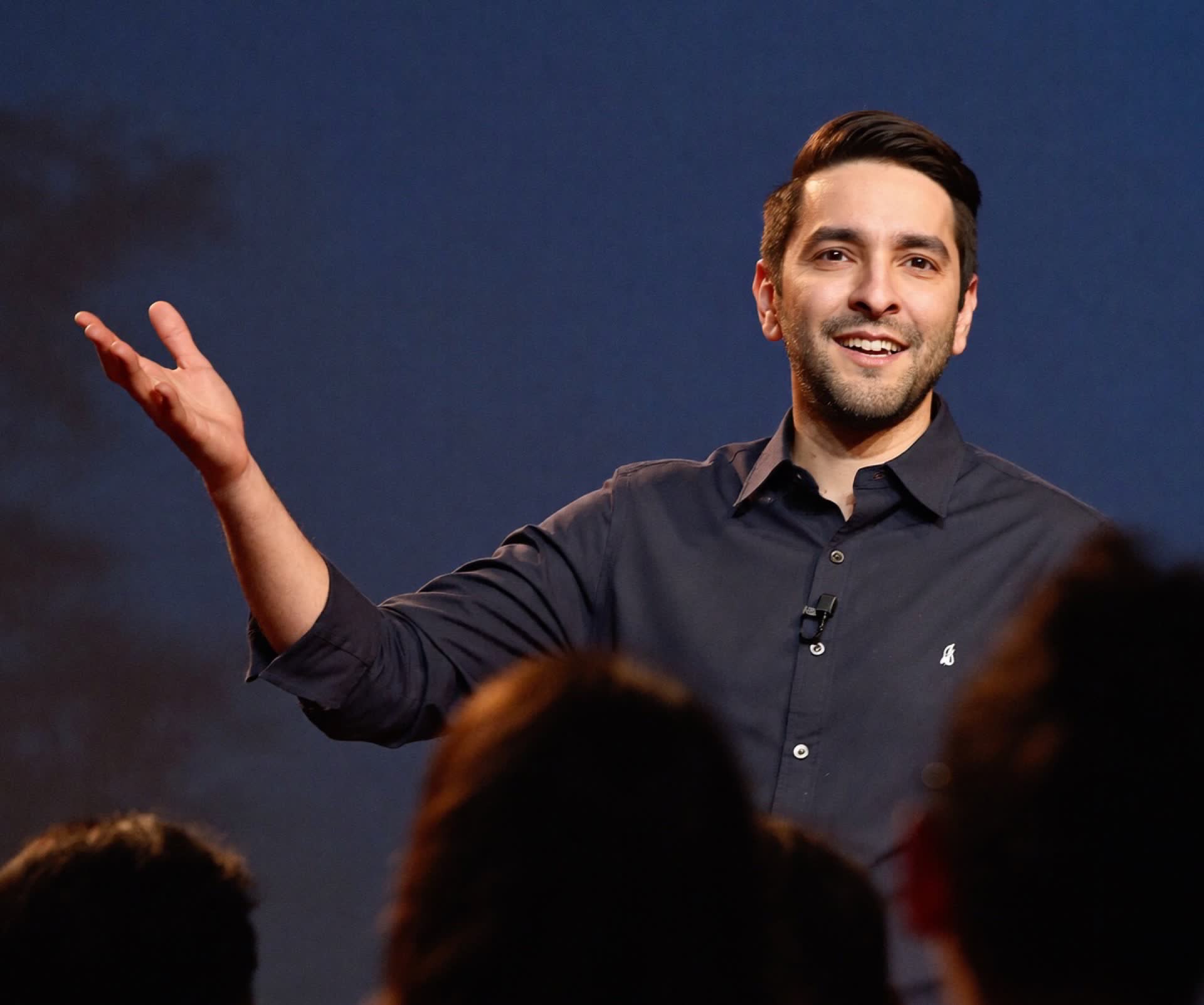
AC Ibrahim Arbab, currently posted at Model Town Lahore, walks through what an assistant commissioner actually does — from land revenue to polio teams to weekend protests — and answers the question that follows civil servants everywhere on Twitter.

with Ibrahim Arbab

13 min read

A father’s retirement and a first-attempt pass

The episode opens with Muzamil welcoming Ibrahim Arbab, the Assistant Commissioner of Model Town in Lahore, into the studio. Within the first few exchanges, two facts establish the shape of the conversation. Ibrahim is twenty-nine. He has been in the District Management Group for almost two years. And his father, Arbab Shahzad, was a decorated civil servant who retired in 2017 and now advises the Prime Minister.

Ibrahim grew up in Peshawar, did his O-levels at Beaconhouse there, moved to Islamabad for A-levels at the Margalla campus, and — in a coincidence Muzamil flags on air — was in the same school batch as the host. He stayed in Pakistan for university because his older brother was already abroad and he wanted to remain with his parents, taking an external degree from University College Islamabad.

The decision to attempt CSS came from watching his father. “He was in the twilight of his career,” Ibrahim says. “He was going to retire in 2017. So I had a chance to give the exam in 2016. I said, why not? It’ll be the best retirement gift for him.” He cleared it on the first attempt. The month his father retired, Ibrahim joined the service.

The pressure of carrying the name is something he speaks about directly. Cousins were calling him “AC sahib” before he had even sat the exam. Friends and batchmates gossiped. One rumour circulating at the time claimed he had sat his CSS exam in his own drawing room — a story he calls “as far away from factual reality as you can get.” His response is steady: “If you’re working and you don’t really care what people say, it’s fine.”

The 2016 batch, he notes, was an unusual one. It was the lowest-scoring year in recent memory. Pakistani newspapers ran the predictable hand-wringing about the education system. But the operational consequence was distinctive — written-qualified candidates were fewer than the available seats, and almost everyone who passed written got inducted into a group.

What an AC actually does

Muzamil asks the obvious question: what is an AC’s mandate? Ibrahim’s answer is the line he heard repeatedly at the academy from visiting seniors. “Everything under the sun is the AC’s jurisdiction.” He laughs at the Lion King echo of the phrase, then explains the literal version.

The formal role is revenue. The Assistant Commissioner is the sub-divisional collector, head of the tehsil (called a taluka in Sindh). Land revenue, water rates, the newly introduced agricultural income tax, mutation fees when a piece of land changes hands — all of it flows through the AC’s office. That is the job description on paper.

The rest of the role is supervisory and it is open-ended. ACs supervise polio teams going door to door. They oversee dengue vaccinations. They report up to the deputy commissioner, who is accountable to the province. If a building is going up on the wrong setback, that is technically LDA or CDA territory, but the complaint usually reaches the AC’s office anyway. “We are basically the representatives of the government,” Ibrahim says. “We are accessible to the people. Whatever department’s problem it is, they come to us. Then we sort those things out for them.”

The training pipeline is longer than most people realise. After clearing CSS, there is the Common Training Program, then the Specialized Training Program at the DMG-specific campus on Mall Road in Lahore — nine months for DMG officers alone. After that comes an under-training posting in the field as an AC-UT. The academy still holds the leash. Six months in, the academy decides whether the trainee is fit to continue. “Till then you’re totally on the edge,” Ibrahim says.

Two years in Hyderabad

His first proper posting was as AC in Hyderabad, Sindh. He calls it “probably the best two years of my life.” Muzamil presses on this — both because of the policy question of how the urban north sees Sindh, and because of the genuine curiosity of someone who grew up in Peshawar and Islamabad arriving in a city he had never lived in.

Ibrahim describes a culture of immediate welcome. The Sindhi tradition of presenting an ajrak and a topi to a newcomer meant that within his first week he had several hundred ajraks stacked in his room. “I was thinking I’m running an online business,” he jokes. The work itself ran at a similar register. “If I made one percent of effort, people would cherish it and appreciate it so much that I felt like working much harder.” Hyderabad, he is keen to emphasise, is a developed city. The brands and restaurants are there. The infrastructure is real.

Muzamil pushes into the harder version of the question. From the air, the difference between an Islamabad approach and a Karachi approach is stark — greenery gives way to barren land. The conventional story attaches economic hardship to crime. Ibrahim’s answer is more granular. The dacoit problem was real on some routes in the past, but it is not the lived experience of Hyderabad. The Multan-to-Sukkur motorway is now fully fenced and secured. What was once an unimaginable road journey is now five or six hours.

The image problem of Sindh outside Karachi, in his reading, is a road problem. “Image will only get better if people go there. If you only listen to stories, it can never improve.” Until rail and road connect the smaller cities, the vacuum stays filled by whatever stories travel best. He points at specific places: the historic Makli graveyard near Hyderabad, Keenjhar Lake, the duck and deer hunting circuits that already attract visitors from the Gulf. “If that lake was anywhere near Islamabad, Instagram stories would be running on it day and night.” Distance does the rest.

Lahore Model Town and the seven-day week

His current posting is Assistant Commissioner of Model Town, Lahore. He calls it tough and promising in the same breath. The tehsil covers Gulberg, Main Boulevard, Jail Road, Garden Town, the older posh societies of Lahore. Model Town Society itself dates to 1947 — when he visited its office he saw board listings of presidents from 1915 and 1916.

The day starts early and rarely ends before nine in the evening. Weekends are working days. “There are no weekdays and weekends in the big metropolitan cities,” he says. A protest on a road, a VIP visit, rain that needs draining, all of it lands on the AC. Five ACs cover all of Lahore alongside one DC — a number Muzamil flags as startlingly low for a city of roughly sixteen million.

Model Town tehsil starts at Ichhra Market and runs to the border of Kasur. The population estimate Ibrahim offers is around four million within the tehsil alone. There is a live debate, he confirms, about dividing Lahore administratively. The current setup is straining at the seams.

The growth of Lahore over the last two decades comes up next. Muzamil notes that Karachi-based commentary tends to oversell it; Ibrahim makes the case for why the migration is real. Banking, media, corporate, industry — every sector is concentrated there. Rural-to-urban migration, he agrees, brings cultural mixing rather than cultural friction. He does not see the cultural-imbalance argument holding up in his experience. “Pakistanis live happily together,” he says. “That’s not the case.”

Crime is not our job

One of the sharper moments in the conversation is a correction Ibrahim makes early in the urbanisation segment. Muzamil’s question assumes crime sits under the AC’s umbrella. Ibrahim interrupts cleanly. “Crime is not our domain. We’re administrative officers. It’s totally the domain of police.”

He clearly wants to say this on record. “Usually we get complaints about — robbery happened, AC sahib kya kar raha hai? Murder happened, AC sahib kya kar raha hai? He’s not doing anything. It’s not our domain. It’s totally police.” This is one of the lines in the conversation that does the most work. It reframes a large slice of public criticism aimed at his cadre as misdirected — addressed to the wrong door.

The substance behind the line is the broader devolution argument he comes back to later. The DMG group used to hold a great deal more authority than it does now. That authority has been redistributed across departments, autonomous bodies, and the judiciary. “Expectation is the same,” he says, “but the authority is not.”

The federal and provincial track

Muzamil asks the question that often confuses CSS aspirants — what is the actual difference between a federal officer through CSS and a provincial officer through the provincial civil service exam, if both end up as ACs and DCs in the same districts? Ibrahim’s answer is unsentimental.

The only material difference is mobility. A provincial officer cannot leave the province. A CSS officer is liable to be posted anywhere in Pakistan. Progression through grades is faster on the federal track — Ibrahim is in his second year of grade 17, and expects to move to grade 18 next year if things go well. Provincial officers spend longer in each grade. The Chief Secretary of every province is always a CSS officer. The roles in the field are otherwise identical. He is generous about the calibre of provincial officers and pushes back on any suggestion that the federal track confers personal superiority. “It’s not that they are less than CSS officers. Every province has developed its own system, and I think they’re right to.”

Horizontal versus vertical and the limits of planning

When Muzamil asks whether cities should grow up or out, Ibrahim does not give the conventional urbanist answer. He grounds it in what he saw in Hyderabad. A road, a drain, a water supply line, a sewerage system — all of it is planned for the population the area had when the road was laid. The pipe does not get bigger because the building above it now has twenty floors instead of one.

“Don’t you think the same road and the same drain and the same water supply line will face extra pressure?” he asks. “That’s how these problems start — gandagi, nalas closed, gutters closed, water not coming.” Vertical growth, in his framing, is only feasible if planning is done for triple or twenty times the current load. In a developing country context, he sees horizontal expansion as more realistic — not as an ideal, but as a function of how rarely fifty-year planning actually happens.

On Twitter, photo-ops, and the question itself

Muzamil raises the recurring Twitter criticism that civil servants spend more time taking photographs of their work than doing it. He flags his own bias — he likes the visibility, it tells him what the administration is actually doing — but invites Ibrahim to respond as someone on the receiving end.

Ibrahim’s answer is measured. Things have changed. The civil service that existed twenty years ago could not have evolved without changing. The platform is, on balance, useful for complaint resolution — he cites Hamza Shahbaz Shafqaat as a senior officer who uses Twitter precisely this way, posting complaints and the resolutions side by side. “Maybe some people do photo-ops more than work,” he concedes. “But that doesn’t mean they should be banned from taking photographs. People have put civil servants in too tight a box.”

This leads naturally into the conversation’s title question, which Muzamil asks bluntly later in the episode. The word “servant” in “civil servant,” he points out, carries a connotation in Pakistan that does not flatter anyone. Do civil servants actually serve?

Ibrahim answers in the form of a day. He wakes up and checks health teams. He runs price control as a magistrate — a duty he had forgotten to mention earlier, and which is one of the AC’s daily statutory responsibilities. He oversees vaccination centres and the COVID SOP enforcement that has reoriented the cadre’s role since 2020. “Twelve to fourteen hours a day, every civil servant works, no matter where he is posted. If he doesn’t do that, he gets transferred, or he gets a bad ACR from his senior.” The answer he lands on is straightforward: “Civil servants actually serve a lot. More than people expect.”

The seventies generation and the new lot

Muzamil asks Ibrahim to compare his cohort with the seniors who came in during the seventies and eighties — the generation that is now retiring. Ibrahim is respectful but does not flatten the comparison.

The older generation, he says, were extraordinarily thorough on laws and rules. They could lecture on any rule book at a moment’s notice. But the rules they internalised no longer apply cleanly to current problems — “they don’t apply to different things because they have become old.” The newer cohort improvises. It uses different techniques. It works under a public visibility that the older generation simply did not face. “In those days they couldn’t be criticised. They didn’t have a platform. Now if you do one thing wrong, the next day you’ll be on the headline.”

He is generous about the educational backgrounds of new entrants — LUMS, NUST, IBA, foreign-educated candidates. He acknowledges the macro argument that this reflects a job market with too few private-sector options. But the net effect on the cadre, in his view, is positive. “It’s good for CSS. The new lot is very well equipped. They just need to be trained properly.”

Asked plainly: who do you look up to?

When Muzamil asks for the hero names of the cadre, Ibrahim pauses and asks if he would be blamed for naming his father. Muzamil tells him to go ahead. The other name he offers is Hamza Shahbaz Shafqaat, who he describes as reorienting the role of the DC. Muzamil adds Kamran Lashari, who Ibrahim confirms is currently head of the Walled City Authority in Lahore — they cross paths professionally now. The names are not a list. They are a way of saying that the cadre still has people worth modelling oneself on.

He is also honest about the limit of mentorship. The seniors can teach principle, dedication, hard work. They cannot teach how the job is done today. “How to do the job, we have to figure out. You learn yourself.”

2050, and the country he wants to retire into

Muzamil closes with the question he asks every guest. Ibrahim is twenty-nine. He will retire around 2050. What does he hope the country looks like by then?

His answer focuses on the variables a civil servant in a policy-making role would actually care about. He hopes Pakistan has settled its issues with its neighbours, because the geographic accident of bordering Afghanistan, India, and Iran has cost the country dearly. He hopes terrorism is genuinely a thing of the past. He hopes the economy is prospering — “the most important thing.” He hopes the provinces are well connected to each other and that no province feels neglected. “All the people of Pakistan should feel they are one, and nobody is neglected. They are all treated the same.”

By the end of the conversation, the answer to the episode’s title question is not a slogan. It is a description of the work, the constraints around the work, and the gap between what the public expects and what the cadre is now empowered to deliver. Whether that counts as service is, in Ibrahim’s framing, a question of whether you are willing to look at the day, rather than the headline.

Full transcript
Muzamil

सालाना ख़ौदी ना sir welcome back to the episode of ThoughtBind. Thanks आज हमारे से मौजूद हैं एक बहुत ही interesting मेहमान जिनको उबलाने का ख़ास मकसद So हमारे साथ मौजूद हैं आज AC model town लाहौर इब्राहिम अरबाब साहब. Sir, thank you so much for joining us. जी, thank you for calling me. मुझे पहले तो यह बताइएगा कि,

Guest

how old are you इब्राहिम? I just turned 29 in August. And how long have you been serving in the DMG group? This is, it's almost been two years. Two years now? Yes.

Muzamil

And थोड़ा सा if I can understand because I feel like कि CSS बड़ा random होता मैंने बड़े different लोगों से बात किया. हर बंदी की अपनी journey होती है. But starting from high school, how did you sort of end up doing what you're doing today?

Guest

So basically, I I was in, पिशावर when I, grew up. I, my schooling was in पिशावर from Beacon House. Right. I did my O levels over there. Right. And, then I moved to Islamabad. Right. And did my A levels in, Beacon House, Margala campus. Really? What year?

Muzamil

I think it was 2009 to '10. By the way, we were in the same school. Really? Yes. In In बनीगाला which is the the fateful batch that went through. Yes, we were part of the fateful batch. That was an experience by the way. I I really like. Don't know why they moved back but.

Guest

It was a different kind of experience because you had to आप, you know, पहाड़ों से गुज़रकर और सारा वह river भी एक beach में आ जाता था. हां. तो it was pretty good. Bus लेते थे आप या गाड़ी पाते थे? No, I would get a drop from my own car. Right right. अरे, वो experience means. हां हां, the best experience I heard was pretty great. It was, it was. तो के बाद where'd you go? After Beacon House, I had different options. I could go abroad. Mhmm. But my elder brother, he was all already abroad. वह ज़्यादातर अपनी ज़िंदगी में बाहर रहा है ना? Right. So I was, the second, the youngest son, so I decided to stay with my parents. Right. So I went for an external degree अच्छा. In UCI. You it's, the one in F 8. Maybe you've Right right right right. University college, इलामाबाद. Wasn't that once upon a time? Yes. TILs is the law one. Yeah. This is the business arts one. Okay. So I did that. And, after that, somehow, when I was, growing up, it was in my mind that I should give CSS a try because I would see my dad. He's, he already, also was in the service. अच्छा, your your dad is, is he retired now? He is retired but he's still working. He's, advisor to PM.

Muzamil

So Really? Yes. क्या नाम है उनका? अरबाब शहज़ाद. अच्छा, तो आप अरबाब शहज़ाद से आपके बेटे? जी जी जी. शक्ल मुझे अब जाकर I think I sort of see that now. Very interesting.

Guest

So, what happened was that, he was in the twilight of his career. End में थे बिल्कुल. He was going to retire in 2017. Yeah. So I had a chance to give the exam in 2016. So I said, why not? Yeah. It'll be, like, the best retirement gift for him. Yeah. So fortunately, अलग अलग लाख शुक्र है कि मैंने एक पहला attempt दे दिया and I got through. Right. तो the month he retired, the next month I got into the service. Very interesting.

Muzamil

Interesting to talk to life. Yeah. A lot of pressure though because he is a very well decorated servant as well.

Guest

I can मतलब मैं आपको बताऊं कि मैंने अभी exam भी नहीं दिया था and my cousins were calling me AC साहब. You can imagine that pressure कि मैं तो यार fail तो क्या? मैं तो किसी और group में भी आ गया ना तो बेचती है. हां. तो that was a lot of pressure. अच्छा ज़ाहिर है कि जो आपके अद्गिर्द लोग होंगे वह तो इसी तरीके से उस तरह से कर रहे होंगे क्योंकि you know वाले साहब का torch अपने आगे लेकर जाना But I know for a fact that Exactly. This is, I would say, one of the major struggles I have faced. Not that it affects me that much because आपको अपने आप को अगर आप अंदर अपने दिल में आप clean हो ना तो you don't really care what people say. Yeah. But when your own friends kind of, you know, gossip around and your own batchmates Sugar sugar में coin मार दिया फिर. में मार दिया ना कि अब्बू ने तो यह वह. हां. तो you do feel कि it's unfair. Yeah. Because एक तो you're carrying the torch, the legacy for your father and then you're facing these kind of things. तो it does happen. For instance, एक there's a very funny story somebody made up. I won't name him or her. They said कि इसने exam अपने drawing room में दिया है CSS का. Imagine these kind of stories. And that is just not possible. Like, that is that is as far away from factual reality as Yeah. You know, so So this is something that I've faced. But if you're working and you don't really care what people say, I mean Right. Right.

Muzamil

So,

Guest

आपने exam दिया दो हज़ार सोलह में. सोलह में. और पहली attempt के ऊपर आपने pass कर दिया. जी जी. And it was the least scoring year, by the way. अच्छा. मतलब, you know, article आना शुरू हो गए. Pakistan का educational system, तमाग हर दो percent से नीचे आया है. हां, exactly. किस सारे fail हो गए? यह कैसे हमारा निज़ाम है और यह पता नहीं कि यह ऐसे ऐसे में कोई मसला है, लोगों में मसला है. तो I was in that year. Right. मतलब that was such a weird year that लोग pass जो है कम हो गए थे, seats ज़्यादा थी imagine for CSS. तो उसमें आंखे में सारे induct हो गए थे या उसमें भी? उसमें यह था कि क्योंकि आगे psychologically vary होता ना? जो भी written में pass हो गए थे, सारे सब कुछ seats मिल गई. अच्छा. That never happens. Interesting. हां, that was an interesting year. तो उसके बाद फिर, you know, you joined I believe you joined the पहले तेरीक overall civil service academy होती है. जी जी. क्या है? What's it called? जिसमें सारे CTV common training program. Yeah, and then उसके बाद DMG की specific training होती यह specific DMG campus, it's on Mall Road. We spend around nine months over there. Only the DMG guys.

Muzamil

So अवैध was here last time and we talk a lot about specifically about, you know, his his, you know, इस्लामाबाद में वह जो काम कर रहे हैं उससे पहले वह जहां पर काम कर चुके हैं. थोड़ा सा अगर आप you can, you know, run me through a little bit about कि आप graduate करते हैं from this, academy. Academy. Mhmm. And then you get inducted. I believe you are inducted in Hyderabad.

Guest

The thing is there is, under training program. Okay. People usually don't know about that. After you pass out from your academy which you have to by the way, there are exams you have to pass all those. आपने उसमें properly पढ़ाई करनी होती है, performance दिखानी होती है, तब वह आपको जाकर field में जाने देते हैं. अच्छा, वरना नहीं आने हैं. नहीं नहीं, वरना वह कहते हैं नहीं इसने कुछ किया ही नहीं यह फिर से मतलब it happens. So, भी नहीं है कि बस आपने एक दमा CSS आपने एक नहीं करिए, अब आगे जी party चल रही है. हां, huge misconception. अच्छा. You have to study in the CTP. Have to pass exams. हां. Then you have to study in the STP. BMG वाला campus. What's what's it called as STP से कैसे है? Specialized training program. Right. So you have to pass that as well. Then you go to the field as an undertraining AC. ACUT जैसे कहते Maybe you've heard the term. Right. Then you have to perform over there as well because you're still bound to the academy. Right. So after six months, the academy decides whether you are You're fed to be there or not. Exactly, whether your UT shape is is to be terminated or not. तो तब तक ना you're totally on the edge. अच्छा. So people usually don't know this, but it's a huge, it's a long journey. Right. So after that you get in, your first posting. And and your first posting was in? Yes. So after my UT ship ended, I, decided to, move to Hyderabad, and luckily I got the posting as ACCT Hyderabad जो कि मैं अभी जब सोचता हूं तो probably the best two years of my life that I spent It was a great experience और वैसे भी आपकी जो पहली posting होती है ना आप किसी भी officer से पूछें. तो वह आपको बहुत ज़्यादा अच्छी वह memories बताएंगे because it's your first time that you are on a responsible seat. Yeah. तो everything that's happening is memorable for you and you remember it for the rest of your career. तो मैं Hyderabad में था and,

Muzamil

I was there for around two years. Right. So we're gonna get into that in more detail as well. I wanna understand कि जो AC, you know, as a role, what's the mandate? What's the job description essentially?

Guest

Basically, you know, some of our seniors, whenever they used to visit our academy, they would say everything under the sun is the AC's jurisdiction. Right. Very very Lion Kingshire. Yes, Lion Kingshire. आप कुछ भी कर सकते हैं. It's not कि यार आपकी यह यह चीज़ें आपने करनी है और फिर आपने घर चले जाना है. You can do everything. But the basic role of ACs is basically revenue. Right. They are the subdivisional collectors. Subdivision basically तहसील होती है. In sin it was called ताल्का. Right. So, assistant commissioner is the subdivisional collector and the head of the तैसील. Right. जो land revenues होती हैं ना? Different kind. So, land revenue is essentially, you know, selling of plots. Yes. इस तरह की जो मतलब इसमें different चीज़ें आती हैं. जैसे there is a water rate किसी ज़मीन पर पानी वगैरह provide हो रहा हो, उसका वहां से collect करना. Agriculture income tax अभी शुरू हो गया है. Right. Then there are these different जो mutations वगैरह होती हैं, एक ज़मीन दूसरे बंदे के नाम हो रही है तो उसकी जो fees वगैरह होती है, you have to collect that, you have to keep record of that, you have to मतलब उसको जमा करना, everything happens through the AC office. Right. तो that is basically the main जो job description है AC की. Right. But obviously, you see ACs doing everything. Mhmm. तो mostly role of the AC is supervisory in different things. For instance, if you see health, you will see ACs घर घर जा रहे हैं, बच्चों को polio पिला रहे हैं, घर घर जा रहे हैं, dengue की team साथ है, vaccination करा रहे हैं लोगों को, यह वह. तो यह सारे roles भी हमारे हैं supervisory. We can supervise के health वाली team क्या कर रही है? ठीक काम कर रही है, नहीं कर रही? कितने बच्चों को polio पिलाया? कितने लोगों ने refuse किया? उन्होंने क्या action लिया? We have to report that to our

Muzamil

deputy commissioner the TSE level because he is accountable for that. Right. अभी जो generally local body या local government election के बाद कुछ चीज़ों का shift आया था, right? You have like sort of like particularly in bigger cities, आपके पास एक metropolitan council of sort और वह LDA भी एक side पर है, एक side पर, you know, AC office, DC office भी है. तो क्या difference है दोनों के अंदर? Basically,

Guest

जैसे मैंने पहले भी कहा we have a supervisory role over all the departments. अब जैसे LDA और CDA है, they are responsible for the जो commercial areas होती हैं, जो urban areas होती हैं वहाँ पर जो भी planning होती है, let's suppose एक building है वह आप Road से कितने foot आगे बना बना सकते हो, दोनों buildings के beach में कितना, sorry, कितना distance होगा. Right. तो ये चीज़ें उन्होंने देखनी होती हैं. They have to approve the plans and everything. तो it's basically their domain but obviously people, we are basically the representatives of the government. Right. जो deputy commissioner और AC होता है. People come to us for complaints. चाहे वह जिस चीज़ का भी complain हो because एक, it's a very, it's a good system I would say. We represent the government and we are accessible to the people. तो चाहे वह CDA का हो, LDA का हो, any department का मसला हो, they come to us. Right. Then we sort those things out for them. अच्छा, tell me a little bit about, so this I understand.

Muzamil

Sin में आपकी posting रही और इस सवाल की depth में जाने की एक major वजह यह है, कि growing up जो आपके urban areas थे when they would look at let's say KP for example, तो KP seemed like this sort of mystical space जिसके बारे में आपको इतनी insight नहीं है. And somehow in the last decade or so KP has really sort of scaled up. चाहे वह app दबा दो, चाहे Tech Valley हो, चाहे बहुत सारी different, you know, आपको चीज़ें insight मिल रही है KP से and you're able to understand and sort of, know, make an image of that in your mind. Sin unfortunately और बलूचिस्तान दोनों. वह इस space में missing है. Sindh का आप सोचते आपके दिनाख में maximum कराची आता है. कराची के अलावा इतना नहीं आता particularly जो up north है, जो you know connectivity बड़ी उस तरह से out है. What was so दो सवाल होंगे probably. What was your experience like in Hyderabad? Mhmm. And secondly, how do you see them, or or that, space or area, different compared to North? Because I believe you've lived most of your life in Peshwar and then Yes, Islamobad. Yes,

Guest

हां, तो कैसे आपको difference feel हुआ? अच्छा, your first question about my experience, it was great as not just as an ac but, you know, generally when you go आप एक अलग शहर में जाते हो तो आप बड़ा enjoy करते हो क्योंकि everything is different. Yeah. The culture, they are so welcoming, they are so warm कि मतलब जाते साथी ना एक उनका बड़ा अच्छा एक very beautiful tradition वह आपको अजरक पहनाते हैं. Right. जहां भी आप जाते हैं, they present you an अजरक and a टोपी. It's a very good, very cute kind of tradition. तो I would say ना पहले हफ्ते में मेरे पास इतनी अजरके जमा हो गई थी. I was मतलब मैं सोच रहा था कोई online business चल रहा था. मेरे कि तीन चार सौ अजरके मेरे कमरे हैं पड़ी हुई थी. Really? हां, everyone would come to Ice Sabahya, Mubarak हो आपको. Welcome to सेंध, welcome to हैदराबाद और आप हमारे मेहमान हैं और यह वह, everyone was very helping. Yeah. And work wise when I started working तो let me tell you कि मैं मतलब 1% भी effort करता था ना. People would मतलब cherish it and appreciate it so much कि मेरा दिल करता है कि मैं बहुत ज़्यादा काम करूं. Right. तो the people were just amazing and the experience was also very good. I had very good bosses there. I had a very good team and Hyderabad overall is a very good city. It's a developed city by the way.

Muzamil

Proper मतलब सब कुछ है वहां पर. There are all the brands, all the restaurant. I think the way that I see it and particularly मैं you know if I was if I were to go to इस्लाम इस्लामाबाद से मैं कराची जाऊं ना जहाज़ के ऊपर. तो आपको एक बड़ा clear difference नज़र आना show हो जाता है in terms of the greenery, in terms of the just completely barren land. Barren land. People who are disconnected. And so and again, this is coming from someone जो कि बहुत ही, stories पर base करके anecdotal. This is not data backed. But my understanding of सिंध is कि, you know, because as you go down south, the agriculture economy, which was conventionally the bread and butter of this country, gets reduced because of, you know, lack of connectivity and then water issues and whatever. Exactly. तो automatically वहां पर impoverished communities बहुत ज़्यादा हैं और, you know, economic hardships hardships बहुत ज़्यादा हैं. और जब economic hardships बहुत ज़्यादा होती हैं तो automatically वहां पर, crime बढ़ जाता है, वहां पर corruption बढ़ जाती है because, know, there's scarcity of resources and because of that people try to, get whatever they can get. In your experience, how did you find sinned, in in in this context? क्योंकि हमने sun सुना बहुत ज़्यादा यह है कि दाकू particularly हैदराबाद में तो नहीं but, you know, आप सौ अपना औरत आपको सुनने को मिलता कि यार probably upper sinned की side पर या धार्की के my friend was

Guest

सारे kilometers तक कोई आबादी नहीं होती. तो उस पर हुआ करते थे किसी time पर robberies but they are not like currently इस तरह का कोई इतना badge नहीं अच्छा अब set हो गया वहां पर. हां और different the motorway by the way, it's now connected to सख्कर. Right. मुल्तान to सख्कर. And that's fully secure, I believe. हां हां, it's fully secured. It's a proper motorway. दोनों तरफ से fenced है. तो that's a great development. मतलब सख्कर is like, मुल्तान से probably five or six hours now. अच्छा. You could not imagine going to सख्कर by road इससे तो इस तरह की development start हो गई है तो उससे I think सिंध का image भी बेहतर होगा because image तभी बेहतर होगा if people go there. Yeah. If you only listen to stories, it can never improve. Yeah. तो road connectivity is very important. I think even the government of Sindh and the government of Pakistan, everybody should try कि Pakistan के जितने भी different remote areas हैं, वह roads और rail से connected हो. Right. तो जब connectivity होगी तभी लोग जाएंगे because people want some kind of convenience. Yeah. कि वह किस तरह से वहां पर जाएं, क्या करें. Plus वहां का obviously the land is not this fertile. Greenery थोड़ी कम है. तो you don't see different villages beach beach में. थोड़ा सा जब वह land थोड़ी greenery type की तरफ आप चले जाते हैं ना Hyderabad और उससे थोड़ा ऊपर, वहां पर आपको आबादी ज़्यादा नज़र आएगी even if you look on Google Maps or something. Right. तो that's natural obviously. You cannot change that. But what you can do is you can work on the infrastructure. Right. क्योंकि जितना अच्छा infrastructure होगा, उतने ज़्यादा लोग जो हैं, उस जगह को prefer करेंगे रहने के लिए. And what about because another again point of interest

Muzamil

that I've always seen कि, इस्लामाबाद कि अगर आपने for example आपने time off लेना है, you know, पूरा हफ़्ता बड़ा मुश्किल गुज़रा है. मुझे half an hour लगेगा, घंटा लगेगा. मैं कहीं ना कहीं Station चला जाऊंगा, मैं कहीं चला जाऊंगा. Mhmm. Even people when they think of a vacation in Pakistan, they always think of कर्दू, हंजा. They always think up north. Exactly. I think it's the weather. True, I think that's that's there. But then even in the winters when up north is closed, people will just stay at home. Like, जितना मुझे अगर मैं south की बात करूं, मेरे दिमाग़ में आता है बहावलपुर. Mhmm. You know, I think there is a lot of heritage there, मुल्तान आता है that we haven't explored. Exactly. Sin में do you know of any areas जो आपको लगता है कि could could have a lot of tourism potential but haven't been explored? There's a lot.

Guest

मतलब Hyderabad के करीब एक there's a very famous graveyard माकली के नाम से. अच्छा. You might have seen it in different videos. वह बड़ा अच्छा बना हुआ है. There is a huge graveyard. Right. तो उस type की जगह बहुत है वहां पर. Then there is केंजर Lake over there. अच्छा. बहुत प्यारी जगह है, बहुत अच्छी साफ सुथरा पानी. मतलब अगर वह let's suppose कहीं इस्लामवाद के करीब होता ना तो अभी दिन रात उधर की Instagram भी storyयां लग रही होती है. लेकिन वह इतना दूर है कि only like the very enthusiastic travelers bloggers ना जो पूरे दुनिया घूमते हैं वह वहां तक पहुंच जाते हैं. अच्छा. तो इस तरह की चीज़ें वहां बहुत हैं. Plus there is a lot of potential for hunting, for safari. Right. हैदराबाद के आस पास. I knew a lot of people that went into hunting जो कि proper उन्होंने अपनी जगह बनाई हुई होती हैं and people from Saudi Arabia and different countries come there just to hunt. Right. Ducks का and different things, deers and all these things, rabbit. तो इस चीज़ का potential बहुत है. Right. यह पाकिस्तानीs, you know, are interested in hunting ना? बड़ी अच्छी activity होती है उनकी. Yeah yeah. तो, this potential is there. But obviously for that you need to go there to find out. यहां से तो you cannot do anything. अच्छा, एक सवाल मेरे पास एकदम से दिमाग़ pop किया.

Muzamil

You know, you guys were part of the federal, administrative service essentially, अगर मैं उस तरह से करूं. Mhmm. There is a provincial system as well. Yes. Right? What's the difference between those? Because वहां से भी लोग induct होकर, I believe AC वन रहे होते हैं. यहां से भी induct करके watch. I'll tell you. The the only difference is that,

Guest

if you get inducted through the provincial system, you cannot leave the province. Okay. And if you do CSS, you are liable to go to any province, across Pakistan.

Muzamil

But that's the only difference? That's the only difference. But then why would why would they be two separate systems out together? अगर तो एक federal exist करता है, तो provincial की क्या requirement रही थी? I think,

Guest

उसकी यह है कि federal system जो है probably लोगों को इतना शायद कुछ लोगों को attract नहीं करता. They want to stay in their own province. Right. या दूसरा यह है कि the exam is considered a bit tougher जो CSS है. Right. कहते यार इसमें दो percent pass होते हैं. हां. तो मतलब Provenience awards are against you or something. Yeah. तो let's give the provincial exam a try which is also a very competitive exam. Right. And the officers coming out of that are brilliant. यह नहीं है कि वह CSS वालों से मतलब वह है या सब. काम है या whatever. तो I think province wise every province has developed their own system ना. So I think it's they are right. And जो provincial

Muzamil

like समझ रहे civil service वाले जो induct होते हैं, वह उनका जो what's the maximum that they are getting? They are essentially saying chief secretary of Punjab और chief secretary of सिंह या वह जो chief secretary of Punjab हैं वह CSS वाले भी हो सकते हैं. नहीं, that is the thing that जो chief secretaries हैं वह CSS वाले ही होते हैं. वह CS वाले ही होते हैं. Our progression

Guest

through the career is a bit faster, CSS वालों की. Right. हमारी let's suppose when we are in 17, we're only in 17 for three years. अच्छा. It's my second year next year. If everything goes well, I will be in grade 18. Right. So उनका ऐसे नहीं होता. They have to spend a lot of years in one grade. Right. तो that is the difference. Right, right. Otherwise the role is same. मतलब वह भी AC होते हैं, हम भी AC होते हैं, वह भी DC होते हैं, हम भी DC होते हैं. तो उसमें कोई फ़र्क नहीं है. और grade 18 अगर आप, इंशालाह, हो जाएंगे तो उस वक्त आप AC ही रहेंगे या कुछ change आएगा इंशालाह? नहीं, grade 18, ACs are only in grade in डंगढ़ 17. अच्छा. In 18 you can be, if you want to stay in the field, you can be, like, an additional dep to commissioner. ठीक है. Or if you go to, सेंद और KP to a smaller district, you can be DC as well. Right. Other than that, you don't have to stay in the field. You can be deputy secretary in the secretariat. It's a ministry.

Muzamil

You can be PSR to a minister. You can, you know, different things. Right right right. तो वह entirely luck पर होता है या do you choose that?

Guest

It is not luck. You have to try for it. अच्छा. I mean Different different positions होती हैं यहां पर उस पर apply करते हैं या Apply तो नहीं but let's suppose कि there is a DC of of Florida district who is about to, who wants to leave. Right. For instance, he's going on a training. Right. Or he's going on a scholarship. तो you will try, you know, all your cards कि मैं इस जगह लग जाऊं. You'll talk to your seniors. You'll talk to, the establishment division and all that. तो there is, this thing that you have to use all your, sources and all your cards Right. To get postings but it's also on merit. यह भी हो सकता कि आपको पता ही ना हो and आपको लगा दें वहाँ पर. आपको लगा दें कि यार हमें यह बंदा चाहिए, इसके बारे में हमें बड़ा अच्छा सुना है, इसको लगा दें. हाँ. तो it can go both ways. There is no specific कोई rules नहीं है. And generally for in terms of growth, in terms of what looks better overall in your career, field is better than desk or do you think कि Initially, you have, for instance, जब आप, let's suppose, बीस grade में जाओ and you're a policy maker. Right. तो you make policies according to the needs of the people. Right? Right. If you haven't even interacted with people, how can you make them? Right. तो it's always better, in the start of your career that you're in the field. So, you know कि यार अब let's suppose मैं हैदराबाद की policy बना रहा हूं आज से बीस साल बाद. हां. तो I'll be like यार ok, I am probably the right man because I spent two years right there in the middle of Knowing all the problems and the nuances. All the people, all the problems. Yeah. क्या हो रहा है, क्या नहीं हो रहा? तो there should be a connect between, you know, the two things. Right. I think field is very important. Makes sense, makes sense. So you did two years in Hyderabad, and then then more more recently, you've just been posted to the, you know, Lahore. Yes. Lahore Model Town. Lahore Model. How's that going? It's tough, but at the same time, it's very promising because Lahore, obviously, it's a big metropolitan city, and, Tezeel Model Town covers, like, most of the posh areas that people usually go to, like, Gulberg, Main Boulevard, Jail Road, and all these garden town, you know, पुराने societies. Right. Right. Even model town society is probably the Ancient. I mean, my family moved to लाहौर and they, you know, got the जो evacue property थी, वह सारी की सारी उन्होंने उनको मिली थी. 1947, right? Yeah yeah yeah. उस वक्त से वह exist करती थी. हां, I went to the office of the moral town society. तो board में ना उन्नीस सौ पता नहीं पंद्रह सोलह के भी president लगे हुए थे मैंने कहा क्या माल है? बिल्कुल ऐसा ही है. तो it is promising, it is tough. You have to give a lot of time to your job. I come home seven days a week not before 9PM. अच्छा. हां, चाहे job. तो your weekends are on as well? Weekends are on. Is that like officially? Are they on या is just that? Basically you're a field officer ना. तो obviously मसले weekend का तो wait नहीं करेंगे. वह यह तो नहीं कहेंगे कि weekend है आज, मसला नहीं करो या कोई मसला हो जाए, कोई protest हो जाए road पर या कोई कुछ भी हो जाए. There is some VIP visit. You have to fix something. You have to look after something. बारिश हो जाए. You have to see कि बारिश का पानी निकला है कि नहीं निकला है, people satisfied, काम सही हो रहा है, नहीं हो रहा. तो there are no weekdays and weekends in in the big metropolitan cities obviously. And how many ACs are in लाहौर overall जो greater लाहौर है? There are five. There is one DC and there are five ACs.

Muzamil

अच्छा,

Guest

that's like I would have expected much much more. Yeah, मतलब Lahore is quite huge ना? It's probably Islamabad के twice the size and thrice the population or maybe more. Yeah, I mean, census देखा है that's like what 16,000,000? Islamabad is 2,000,000? That's eight times the population. It's insane. तो, there is a debate to divide Lahore. They're saying कि मतलब यह, this is too big for one deputy commissioner or one administration to handle. Yeah. But, till it's not, though, the tezils are quite big. They're quite vast. Mhmm. मतलब my तहसील starts from like, you probably heard of Echra Market. Absolutely. It starts from there and it goes to the border of कसूर. अच्छा.

Muzamil

It's like a huge तहसील. Yeah, and population कितनी कमर होती है? मतलब

Guest

the population in model town is probably if लाहौर की डेढ़ करोड़ है तो modelओं की हो गई कोई चालीस लाख की करीब. अच्छा. फिर city area की बहुत ज़्यादा है क्योंकि वह गुंजाना बात ही है old लाहौर. तो Kent की थोड़ी कम है क्योंकि obviously सारे बड़े बड़े घर हैं. उनके घर में तीन चार लोग रहते होंगे. Right. तो यह है कि मतलब it's a proper experience.

Muzamil

Yeah. Probably like किसी और जगह में जो district होता है लाहौर में तेज़ील होती है. Right. तो the experience is good. And लाहौर overall as a city has been growing very very rapidly. Yes. You know, the past couple of decades particularly कराजीवारे बड़ा show डालते हैं इसके ऊपर कि यार there's been incredible development in लोहौर.

Guest

उनकी Obviously, people are moving there. Moving there, right? यह नहीं है कि सिर्फ वहां की internally वह population बढ़ रही है. Everybody is going there because there are opportunities in every field. मतलब आप कुछ भी देख लें banking, media, jobs, यह क्या है? Corporate sector, कुछ भी. Industry, a lot of industries being set up there as well.

Muzamil

So whenever obviously rural to urban migration होती है तो that does bring with its own set of challenges, Including, you know, crime for example. Yes. Culturally, you know, आप एक शहर का culture set करते मैं अस्लाहाबाद की अगर बात करूं तो अस्लाहाबाद was a when when it was a very small city. Mhmm. Back when रिहाबाद करूं '99, I was eight, And nine years there were no avenues. बड़े बड़े roads हैं, they were forests. Exactly and and वह एक इस्लामाबाद था. वह एक बड़े मज़े का इस्लामाबाद था जो कि अब हमें कभी कभार ईदों पर नज़र आता है. Otherwise, you know, there is a lot of, there are a lot of people from all over all over the country who have moved to इस्लामाबाद. Mhmm. जब लोग आते हैं and obviously it's great कि, you know, शहर grow करते हैं, लोग आते हैं but शहर का एक अपना culture होता है जो कि, constantly disturb हो रहा होता है. Mhmm. So how do you as obviously urban planners one way or the other or urban administrators, deal with the with the crime, with the culture, with everything?

Guest

Okay. So there is one misconception. Crime is not our domain. We're administrative officers. Is totally the domain of police. अच्छा. हां, यह I actually wanted to clear this. Usually, you know, we get complaints about कि यार फलां जगह पर डकेती हो गई, AC साहब क्या कर रहा है? हां. वह कतल हो गए, AC साहब क्या क्या कर रहा है? वह कुछ भी नहीं कर रहा. It's not our domain, it's totally police. अच्छा. तो crime related तो हम I cannot comment and I shouldn't. Right. But culturally I think in the big cities of Pakistan you will obviously expect all the मतलब सारे लोग होंगे. वह पंजाबी होंगे, पठान भी होंगे, चिंदी भी होंगे, बलोची भी होंगे. तो they do mix at some point. यह नहीं है कि वह कहते हैं कि यार हम तो अपनी मस्तीद लाहौर को या इस तरह हां, I I don't think that's the case. I haven't seen इस तरह के examples. Right. कि कोई cultural imbalance हुआ उस वजह से. Right. I think पाकिस्तानीs यार मिलकर खुश रहते हैं. ऐसी बात नहीं है. नहीं, वह खुश तो रहते हैं. But,

Muzamil

चलिए, beyond that as well, you're gonna be here for two years? Generally, how does the, you know, sort of work? The the our tenures are not fixed. मतलब they,

Guest

depend on how you perform. Right. And, secondly, they depend on your promotion. Let's suppose I'll if everything goes well, I'll be promoted next year in October. Right. Then I have to leave this posting अगर मैं इस पर हुआ तब तक. Right. But generally there is no set criteria. Right. यह नहीं है कि एक बंदा लग जाए तो उसने दो साल उधर ही रहना है. Do you believe generally overall शहरों को,

Muzamil

horizontally grow करना चाहिए या vertically grow करना चाहिए in in in your experience?

Guest

I'll tell you something about my experience when I was in Hyderabad. You see, there are different, facilities, services that you need. Right. और instant आप एक जगह पर रह रहे हो तो there has to be a water supply. जो वहां से गुज़र रहा हूं. Mhmm. There has to be a sewerage system. There has to be a water drain, different things. Right. तो let's suppose एक जगह पर एक time पर एक घर बना हुआ, उस पर पांच लोग रह रहे हैं. ठीक है. वही drain है, वही water supply है, वही road है, वही parking है. उसी के ऊपर अगर दस month हिल वन जाएं और पचास साल बाद वहां पर पांच हज़ार लोग रह रहे हों, उसी जगह पर. हां. तो don't you think कि उसी road पर और उसी drain पर और उसी water supply line पर extra pressure आएगा? 100 आएगा. And that's how, you know, these problems start, these municipal problems कि गंदगी है, नाले बंद है, gutter बंद है. हां. पानी नहीं आ रहा, खत्म हो गया. तो for growing vertically, you have to have all these systems perfectly planned. Right. क्योंकि obviously you plan them आज and बीस साल बाद वहां पर triple तो क्या? 20 times Pakistan में population रह रही होगी. Right. तो it's not feasible like that. You have to have proper planning. That's when the cases of, like, developing countries, जो horizontal expansion है that's more feasible. Right. Yeah. In terms of particularly DMG,

Muzamil

is the what's the growth, path like? जैसा for example आप किसी company में होते ना तो आपके बड़े सारे verticals होते हैं. आप कहते हैं मैं इधर भी explore कर सकता मैं इधर भी explore कर सकता हूं. I can curate my career. Do you guys have that opportunity within your line of work as well? Yeah, it's a very specific अच्छा और ठीक है grow the kid's. The thing about DMG is the attraction.

Guest

It's basically कि there is no single line of work. You can go anywhere. For instance, अभी I'm in the field. I'm doing different things. Field के मस्त ले लोगे complaints, वगैरह वगैरह. For instance, if I go to the secretariat Mhmm. I can be like a deputy secretary in any ministry. अब वह ministry किसी चीज़ के भी related हो सकती है. अच्छा. वह education हो सकती है, वह health हो सकती है, वह irrigation हो सकती है, वह commerce हो सकती है. तो जिस भी ministry में आप जाओगे obviously you will get to know कि वह क्या कैसे काम कर रहे हैं, क्या कर रहे हैं, what are they doing. तो there is a lot of diversification हमारे DMG वाले group में. Right. That's basically the main attraction. किसी से भी आप पूछना कि DMG में क्यों गए या किसी और में क्यों नहीं गए? तो आपको यही जवाब देंगे कि because मेरे पास opportunities बहुत हैं, I can go anywhere. Right. You can even go to, like, different projects, become a director of a project, run that for two, three years, then come back as a DC, then go to a ministry. वहां पर थोड़ा सा, you know, depends on your In your state, yeah, the the stage of life you're in. Right. For instance, आप को if you need to give time to your family, you would preferably not go to the field ना? You'll say कि यार मैं इधर एक ministry में थोड़ी सी, एक दो साल गुज़ार लूं and they'll things settle down and all that. Depends

Muzamil

how what you want. Right. There's a lot of criticism these days on civil servants जो कि Twitter इस्तेमाल कर रहे हैं. You know, I see it every now and then on Twitter and people say कि, you know, why is there so much photo up? क्या हर तस्वीरें खींच रहे हैं, तस्वीरें खींच रहे या काम कर रहे हैं? Mhmm. मैं अपना opinion उसमें throw कर देता हूं. Again, please Twitter मुझे cancel मत करिएगा. But personally I think कि, I personally like it. I like the fact that there is more more, जिसे कहते हैं कि मुझे पता लग रहा है कि यार अच्छा क्या क्या इनके काम होते हैं, क्या क्या हो रहा है. I think there is a better connectivity public की. I I I personally I think it's a very great thing. Mhmm. Obviously, I would want to call someone in जो ज़्यादा actively criticize कराते हैं. Maybe they they see something that I don't. But in your opinion, how would you sort of obviously, on, you know, you're on the other side. Yeah. On the receiving end. On the receiving end. So how do you sort of, what's what would your comment be on that? See, the thing is,

Guest

जो obviously things change ना. अब technology आ गई है. तो it's not possible कि civil servants जो हैं, जो बीस साल पहले जैसे थे और वैसे ही रहे. Civil service have also evolved. Yeah. I mean, you can connect on the internet with so many people. Yeah. They don't have to visit you. They don't have to wait कि यार office में होंगे तो हम मिलेंगे तो हम यह बात करेंगे. हां. तो उस तरह से it's a great platform ना for complaint resolution. For instance, you can see sir हमज़ा, he is always on Twitter. He is solving complaints. Yeah. And he then shows it कि यह complaint थी, यह ऐसे ऐसे हल हो गई. Right. तो I mean हर चीज़ के criticisms होते हैं. Photo ops लोग कहते हैं कि may be some people do that. Yeah. ठीक है, वह इतना काम नहीं कर रहे होंगे जितनी तस्वीरें लगा रहे होंगे but that doesn't mean कि उनको तस्वीरें लेना मना है. हां. मतलब लोगों ने इनको ना civil servants को बहुत ज़्यादा वह नहीं होता है एक तंग गहरे में बंद कर दिया है कि तुम लोगों यह भी नहीं करोगे, यह भी नहीं करोगे, यह भी नहीं करोगे, यह भी नहीं करोगे. Right. I think people should give थोड़ा सा space Yeah. Civil servants. Because if they want to project their work, I think there's no harm. Right.

Muzamil

आपका कौन सा batch था? Forty fifth. Forty fifth. In your experience, and what's the one batch that hasn't what's the most senior most batch at this point in time? Your retirement नहीं हुआ वह? I think it's probably twelfth or thirteenth common.

Guest

जो कि अभी retire जो अभी तक हैं अभी जो अभी मतलब जिनके retire हो रहे हैं, retirement is on your probably birthday ना? Cap 60 साल के हो जाएगा आप retire हो जाएगा. Retire हो जाएंगे. तो इन लोगों का,

Muzamil

again no disrespect. Obviously, they're they're seniors. But how do you see the the difference in the people who were part of the civil service and the newer generation? क्योंकि यह एक overall difference आता जा रहा है हर इसमें. Corporate sector में भी आ रहा है. Millennials are generally more disruptive, Gen Z, तो बहुत ही ज़्यादा जैसे कहते हैं कि उनके मसाल भी हैं, वह impatient से भी हैं, they want to jump, you know, really fast and वह सारा का सारा. But उसी के साथ साथ they're also much more, connected, you know, with the with on ground situation because of the Internet and वह सारा का सारा. So how do you see, जो recent lot of service के लोग आ रहे हैं, different from the ones who've been there for a long time? अच्छा, people

Guest

give us examples ना कि जो eighties में और seventies में civil servants थे, वह मतलब they were absolutely amazing, which they were. Yeah. They were very thorough in laws, in different rules. मतलब उन्हें हर चीज़ इतनी proper तरीके से पता होती थी ना they could give a lecture on everything any any second. Right. तो the difference is कि अब, you know, things have changed so much कि you cannot properly use those laws and those rules with everything. They don't apply to different things. Right. क्योंकि पुराने हो गए ना? Right. Seventies में कोई बने होंगे, कोई eighties में बने होंगे. हां. Things have changed so much कि now we have to improvise. Right. A new lot, it has to improvise. It it has to use different techniques to solve things. Right. Secondly, the what people don't realize is कि पहले जो DMG group और यह सारे होते थे ना, they were very powerful. Used to have a lot of authority. Now it is delegated to different different departments, different allied departments and to judiciary as well. तो हमारे पास अभी authority इतनी है नहीं लेकिन expectation वही है. अच्छा. तो हमने ना वह नहीं होता कोई ना कोई जुगाड़ करके चीज़ें करनी होती हैं. हां. Because obviously हम यह नहीं कह सकते कि हम नहीं कर सकते. Right. Because फिर तो वह वाला आ जाएगा ना वह कि we pay your salaries and what not. Yeah. वह Twitter पर होता है. तो we have to do it one way or another. Right. तो यह एक difference है कि अभी improvisation बहुत ज़्यादा हो गई है. Right. Plus मतलब people can criticize you anywhere ना. उस ज़माने में तो they couldn't. एक दो डरते बहुत थे. दूसरा उनके पास कोई ऐसा platform नहीं था. अभी तो आप एक भी चीज़ गलत करो तो the next day you will be on the headline. Yeah. यह क्या कर दिया? तो that's the difference कि people are more, you know, aware now. Yeah. So you have to be careful and you have to work harder now. Right. And in terms of the, I mean, educational backgrounds,

Muzamil

insight, do you see a difference in in, you know, the people who were who've been there and who are now coming in?

Guest

You know, recently there the the new lots, the least in four or five batches, they're all very well educated. मतलब you might have seen different stories कि यार वह buyer से भी पड़े हुए हैं, lumps से बहुत ज़्यादा बच्चे आ रहे हैं, नस्त से, IBA से. हां. तो obviously इसका यह एक argument यह भी है कि Pakistan में jobs ही नहीं है. जो नज़द वाले और lums वाले CSS कर रहे हैं. है यह? तो but secondly यह है कि CSS को फ़ायदा है इस चीज़ से. जितने वह well educated और experienced होंगे बच्चे और exposure वाले जो buyer भी गए होंगे, जो different different किस्म के उन्होंने universities में पढ़ा होगा, different experience लिया होगा. तो it's good for CSS. Right. तो I think the new lot is very well equipped but I think they just need to be trained properly. जो हमारी academies हैं, they help in that a lot because, civil service is, quite different. Right. मतलब इसमें यह नहीं होता कि आप बहुत ज़्यादा पढ़े लिखे हो तो you can perform well. You have to know what to do and when to do and what not to do. Right. तो ये तीन चीज़ें उनको सिखाना बड़ी ज़रूरी हैं. Make sense, make sense.

Muzamil

लाहौर के अंदर, you know, as a as a city, obviously, it's, आकर्षित एक old लाहौर वाली side है. Mhmm. ठीक है? अगर मैं वैसे देखूं ना कि कराची के अंदर generally आप जाते तो there is a huge middle class. Mhmm. And so, in a lot of different areas in कराची it seems like in terms of equality, yes, there are underprivileged areas as well. But in terms of it seems like the city is very much equal. लाहौर की growth जितना मेरी मेरी नज़रों से गुज़री है, you see this you know extremely extremely rich class जो कि आपकी यह DHAs में रहती है और वाली है गुलबर्ग. And then you have like these really super impoverished areas particularly आप जब लोहौर में enter कर रहे होते हैं. How do you on an administration level, how do you reconcile with this एक huge disparity? जो कि city का एक sort of जैसे कहते हैं ना DNA का हिस्सा वन चुकी है. Mhmm. How would you reconcile with that? You see, in every city

Guest

ऐसे तो हो नहीं सकता ना कि एक developing country हो and everyone in the city is like living Let's the same kind of suppose आप DHA की example ले लें, तो mostly the people that are living in DHA, वह recently shift हुए हैं वहां पर. क्योंकि वह बना ही अभी अभी है. Right. तो they have come from somewhere else and they have improved their, you know, like, mobility issues. Social mobility और वहां पर shift हुए हैं. Right. तो I think that is what people should work on कि उस उस तरफ़ वाले लोग जो हैं वह इस तरफ़ कैसे हम उनको ला सकते हैं? Obviously we have to give them opportunities. But then again working class तो होती ही है. You cannot eliminate the working class चाहे जो भी हो जाए. There will be people who will need labor वाले jobs. There will be people जो दिहाड़ियां करेंगे. There will be people जो stalls लगाएंगे. तो I think it's it's just how it is I think. मतलब आप उसमें कोशिश कर सकते हैं कि आप वह disparity कम करें जो लेकिन inequality I don't see कि it will make much of a difference. Right.

Muzamil

For a new CSS aspirant Mhmm. If they were to be looking at, k, how many groups apply करना है, what would your top three,

Guest

you know, groups be? You cannot expect me to say anything other than my own group, right? Ok. Would be number

Muzamil

one DMG. What would be your second or third?

Guest

Second, I mean it depends. For instance, जब आप young होते हो, young लड़के होते हैं, जवान, तो उन्हें बड़ा शौक होता है ना कि मैं डंडा, शंडा चलाऊं ना, सिर्फ रोड़ों पर और लोगों पर और यह वह और शश्का. तो उसमें तो police I think police has a lot of raw power initially. Right. आप ASP बनते हो, आप SP बनते हो, so you have a lot of things that you can do under your jurisdiction. Right. और शश्का भी obviously uniform लोगों attract करता है, any uniform. Right. तो police I would say. And then I personally could not choose foreign service because my priorities were different. I wanted to stay with my parents. Right. But maybe in another life I would have chosen foreign service. Yeah. क्योंकि the people you meet and the exposure you have in foreign service, that's unmatched. अच्छा. How

Muzamil

come?

Guest

You get posted in different countries. You meet, मतलब आप grade 17 में होंगे और आप क्या कहते हैं United Kingdom के ambassador के साथ बैठकर गप लगा रहे होंगे. Right. किसी conference में. तो imagine. Yeah. The level of exposure that you have. Yeah. आप different languages सीखते हो, different जगहों पर आप रहते हो. You make a lot of contacts Yeah. In different embassies. You know almost everyone in every embassy. Yeah. So that's a lot of exposure. You get to these international conferences. You do a lot of reading. There's a lot of requirement in foreign service of reading. Obviously, reading helps make your personality groom you in different ways. Right. So I would have definitely chosen foreign service.

Muzamil

Do you think you'll go for your master's at some point?

Guest

Definitely. Sorry. Masters, I would I I actually wanted to do masters after my BS. But as I told you that my father was at the end of his career, so I wanted to, you know, try it कि क्या पता मैं उनको ख़ुश कर लूंगा retirement के बाद. Right. तो I'll definitely go for masters. We have a lot of different opportunities. हमारे scholarships होते हैं different. तो that also helps because recently the criteria for promotion and for different postings at the senior level, they also check your, you know Educational. Educational background कि आपने क्या क्या किया. Obviously, a master degree helps. And if you were to choose,

Muzamil

I don't know, a major Mhmm. Do you have anything in mind? Probably

Guest

I'll go for political science. अच्छा. And because it's relevant to our field. We deal with all these things. मतलब we can argue que we are apolitical or whatever. Yeah. But in a system like this, you have to know all these things. Right.

Muzamil

And you probably look for Shavening scholarships and a lot of those things exist. They're they're easily

Guest

मतलब हम हमें वह opportunity easily मिल जाती है, luckily. Yeah. But probably, sheavening. I'm not very fond of going to The US or the Canada or Canada or these things because I'm, जैसे मैंने बोला ना, I'm a family oriented person. Right. And even my my parents weren't like me to go that far. Yeah. Probably वह कहेंगे अच्छा जो UK तक सही है उसके आगे मत सोचना. हां. तो probably I'll plan when I am in 18. So the way that the world is evolving,

Muzamil

know, specialized talent जा रहा है different different spaces industries and what what the current system does is it's, a one size fits all sort of a solution. Do you think que जो current यानी कि जो you know, like, bureaucrats with a generic training, sure, like, specialized toward the tune of administration and vagarh vagarh, but, do you think there's a requirement for specialists or maybe a new form of induction जो कि सुनने में भी आ रहा था एक ज़माने में कि you know एक National

Guest

executive service. Executive service. वह start हुई है या होने की कोई इंकानात है? No, it was in the planning the planning stages but I don't think it materialized yet. Right. So, what's your thought on that? See, the thing is that जैसे मैंने पहले भी कहा था कि we don't have a job description, a defined one. We have to do many things. Right. तो it's not probably possible to train us in everything. स्विति gave us a general training कि यह field में experience में आज्ता आज्ता वह सीखते जाएंगे और वह करते जाएंगे. For instance, if you train us in, let's suppose, education तो then we'll spend our whole life in the education ministry or something क्योंकि बाकी हमें probably कुछ आता नहीं होगा. But with the kind of training we receive, we are open to learning different things. वह मतलब हमें बता देते हैं कि how to be, how to be an officer, how to be an administrative head, how to work, how to deal with people, how to solve issues. So we apply that in every posting that we get. तो I don't think it's possible to have specialized specialists in this field because the job description isn't defined and you people expect you to do different things. Right. फिर यह होगा कि आप कहेंगे यार मुझे यह चीज़ आती ही नहीं है. मैंने तो यह चीज़ की है मुझे यह पूछो. नहीं madam, administrative service में तो I understand. वहां मतलब आप, you know, you probably can't get a specialist in. Yeah. But for example, मैं करता हूं कि IT के लिए आपको एक बंदा चाहिए. Mhmm.

Muzamil

IT के administration के लिए एक बंदा चाहिए. Right? For for that particular person to be और और यहां पर अब हमें recent times में ना बड़े नज़र आ रहे हैं fault lines as well कि फिर वह autonomous bodies वन रही हैं. It's very confusing. Like, you know, आप कोई authority बना देते हैं, उसमें फिर बाहर से लेकर आते हैं, फिर उसको coordinate करना पड़ता है with जैसे in Punjab there is PITV.

Guest

Yeah. Very good institute. इंदाराय बहुत अच्छा. It works with the government, semi government run. Right. तो probably that's something that we can work towards. Yeah, कि अगर कोई specific चीज़ है तो उसके अंदर आप एक tech like technology specific आप roles के लिए लोगों को बुला लें and then they can coordinate with the administrators and Sure sure, definitely. Actually, the thing is we always have a supervisory role. Right. हम कभी वह निट्टी गिर्टीs में वह micro उसमें नहीं होते. We're always supervising. तो even if they are like, let's suppose हमारे under IT technicians तो हमारा यह role नहीं होगा. हम उसको यह पूछेंगे यार तुम computer भाई यह यह यह चीज़ क्या कर रहे हो? हम बस देखेंगे उसकी overall output क्या है उसका? Right. यह basically output oriented. तो that's why administrative service में it's probably not feasible कि आप proper specialist लाओ because उनका जो वह limit है ना वह scope है वह बहुत limited हो जाएगा Right. उस तरह

Muzamil

I have a couple of questions. रौमा had the one hour mark. In terms of your particular, group, who are the some of the hero names? होते ना हर companies हां companies में होता है कि you know कोई hero name होता है कि यार वह एक बंदा था हमारी company में जिसने कमाल दुनिया बदल दिया आकर. तो आप लोगों का कोई ऐसा ना होता है you know this that particular bureaucrat look you know look at how he sort of Obviously,

Guest

जैसे आपने कहा था the the golden days, the eighties and the seventies and the nineties, उन दिनों के bureaucrats are, मतलब we all look up to them. Any particular names that that generally are considered as gold class supermans of, the Ah. BAS. Would you blame me if I name my father?

Muzamil

Not at all. Not at all. I think we'll we'll put that one there, then maybe a couple of other names. I mean recently if you look at bureaucracy

Guest

तो हमला शिवकाद is a very good example. Right. Because he's, you know, reorienting the role of the DC. Right. मतलब अगर किसी ने सीखना होना तो वह उनसे सीखें. Right. कि वह कैसे काम कर रहे हैं. Is also keeping it on मतलब अपना image उन्होंने इतना अच्छा रखा हुआ है और दूसरे side पर वह perform भी कर रहे हैं. Right. यह नहीं है कि he is only doing the optics and the photos sessions and what not. तो he is a very good example. Think Right. For me and for all the upcoming batches he is a very good role model and they look up to him. Right. And उसके अलावा the senior bureaucrats that we've had, they've been very exemplary.

Muzamil

I, अभी मेरे mind में as such कोई आ नहीं रहा. कामरान अलशारी साहब आपके भी उसके थे, group के थे? Yes, he was Indian. Because I remember, you know, when he was in Islamabad, he just transformed Islamabad. Transformed is

Guest

now head of the Lahore Vault City Authority. Is doing a very good job, yeah. अच्छा अच्छा अच्छा. वहां पर World City का एक अलग वह बनाया ना, उसको preserve करना है. हां हां बिल्कुल बिल्कुल. So that was all his initiative and his idea. Right. तो we he is in Lahore. Right. And I am in Lahore too, so we sometimes do get a chance to interact. He's a very good example. Thank you. Yeah. तो हां, there are a lot of people that we look up to. But obviously, जैसे मैंने कहा कि things have changed. Yeah. They cannot teach you how to, work now. They cannot tell you कि यार इस तरह इस तरह काम करो क्योंकि उनके time पर different था, अब different था. We have to improvise. Right. We have to make, we use our own mind in the work. Yeah. उनका सुनकर तो ठीक है. They can, tell us about principle. They can tell us about dedication, about hard work. But how to do the job we have to figure it Yeah, well, I think it's very grandfather rule, sort of खाना कि बेटा यह फ़ल से बाहर जा रहा है. Exactly exactly. मतलब आप जितने भी लोगों के lecture सुनो ना, you cannot learn unless you apply yourself on your work in the field. आप ख़ुद सीखते हो. मेरा

Muzamil

यह मानना है, maybe I am wrong. अच्छा, एक, you know, I'd I'd like to ask a question, and again this stems from the same critique that comes on Twitter, you know, कि यह uptick हैं और यह सारा का सारा है. And the word that's generally, I mean, associated with you guys is civil servants. You know, पाकिस्तामिक का servant की connotation भी एक ऐसी है ना कि, Exactly. अजीब और ग़रीब ही दिमाग़ में वह आता है. But probably the question that I'd have is, do civil servants really serve,

Guest

you know? That's a good question. I would like to clarify that to people because I know कि there is हमारा एक image ऐसा वन गया है कि people think कि हम सिर्फ़ ऐश करते हैं. हां. हैं? Maybe you have heard that too. Yeah, mean, that's growing up, that's all I have heard. Yeah. You know? But that's not the case. For instance, I am a civil servant, right? And I wake up in the morning and I have to check different, teams related to health every day. If I don't, I get reprimanded by my boss. Right. That starts in the morning. उसके बाद I have to do the price control. We have price control magistrate. By the way, I forgot to mention that in the basic role of the ACEs. We have to check the prices of essential items. Right. तो we have to do that on a daily basis. यह नहीं है कि यार मेरा mood नहीं है जाओ, कुछ नहीं करना. Then we have to आजकल जो corona है, it has reoriented our role. Right. We are like in charge of the vaccination centers and the different the vaccination campaign as well. Right. And the COVID SOPs, you have to make sure everybody follows that. So all these roles combined, we do that on a daily basis. And you can say probably twelve to fourteen hours a day. Every civil servant works, no matter where he's posted. Right. If he doesn't do that, he will be transferred or he will have a bad ACR from his senior. So the question

Muzamil

that civil servants do they serve? They actually serve a lot. More than people can expect. Right. Yeah. And, you know, I'm gonna move from here to the last question that I generally ask everyone. You're 29 years old right now. Yes. You're going to be 59, probably one year away from your - Retirement. -Yeah, retirement in 2050. Right? So, you're looking at a retirement in somewhere in 2051, I believe. Yeah yeah. ज़ाहिर है क्या आपने choose अब यह कर ही लिया कि मैंने Pakistan में रहना है, मैंने family के पास रहना है और civil servants, civil service है तो आप बाहर तो नहीं जा सकते. So how do you see Pakistan, you know, round about the time of your retirement?

Guest

That's an interesting one because I'll also be in the twilight of my career probably in some ministry, in policy making role. In 2050, I would... I wish Pakistan has left behind अभी के जो उसके missile हैं, मतलब related to our neighbors especially because Pakistan is unfortunate given its geographical location ना. हमेशा issue होता है यार Afghanistan में unrest है, तो Pakistan तबाह हो गया. Right. India से तालुक खराब है, Pakistan तबाह हो गया. Right. Iran में मसला है, Pakistan तबाह हो गया. तो I hope Pakistan has settled all its issues with its neighbors by then and it doesn't, it, it prospering economically because economy is the most important thing ना. Pakistan का सबसे बड़ा मसला यह है. Right. And there is stability. कोई इस तरह के यह terrorism वाले issues अलहम्दुल अल्लाह भी तो बहुत कम हो गए हैं. Right. लेकिन वह बिल्कुल this should be the thing of the past in fifties and we should have a prospering economy and plus all our provinces should be well connected. मेरे ख्याल में जितने भी हमारे सूबे हैं ना जो अभी जिनको आप सुनते हैं कि थोड़ी neglected हैं and the people are, there are different uprisings and you hear these things. So we are past these things. मेरे ख़याल में हमें तब तक definitely इन चीज़ों के वह कर, पार कर लेना चाहिए. And we should have a prospering economy and all the provinces, all the people of Pakistan should feel that they're one, and nobody is neglected. They're all treated same. 100%.

Muzamil

Yeah. Ibrahim, thank you so much for coming in. Thank you for having me. The session. I wish you all the very best for, you know, taking care of लाहौल. And for I'll do my best. And and and thank you so much for your service. For having me. For all of you guys, thank you so much for watching. YouTube वाले like का प्रतिभाग engagement हमें conversation पहुंचेगी. यहां पर कहीं पर easy पैसा jazz crash आ रहा है. You can support the channel as well if you want. We accept anything from 1 rupee to however much you want. It's the thought that counts but audio platforms वाले subscribe का button दबाएंगे तो आने वाले video के ऊपर notification मिलेगी. Facebook वाले TBD community join करेंगे. नीचे link दी हुई है वहां पर हम different feedback भी लेते हैं, different conversations करते articles share करते हैं, guest feedback, guest recommendations भी लेते हैं so you can join that as well. But anyways, this was Sigma's M and lessons. I think you were watching third band. Thanks, thank you so much for watching and I'll see you in the next one.