Thought Behind Things · May 8, 2023
Why Islamic economics is neither capitalism nor communism
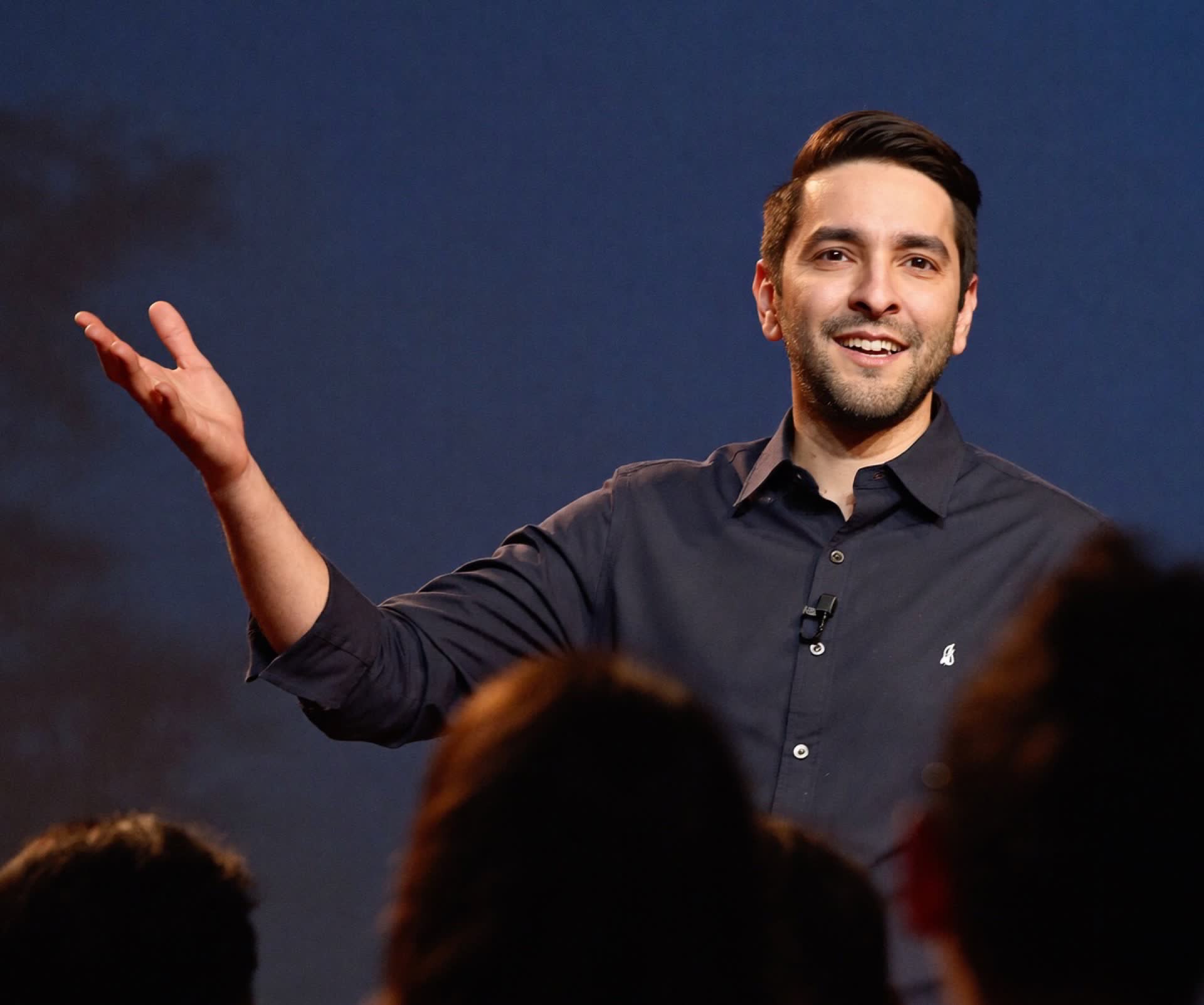
Dr. Asad Zaman — economist, former Vice Chancellor of PIDE, and scholar of Islamic economics — sits down with Muzamil to trace a life that moved from MIT at 16 to a full break with Western academic ambition. The conversation covers Eurocentric education, Pakistan's import crisis, the one-party state debate, fiat money, and why Islamic economics is a fundamentally different civilizational project.
with Dr. Asad Zaman
12 min read
MIT at 16, and the cost of becoming a human resource
The episode opens with Muzamil introducing Dr. Asad Zaman as a guest his audience had been requesting for over a season — and one whose relevance had only grown as economics moved to the centre of every Pakistani conversation. The profile is striking: a bachelor’s in mathematics from MIT, a PhD in economics from Stanford, both completed by the age of 22, followed by fifteen years teaching at the University of Pennsylvania, Columbia, and Johns Hopkins.
Dr. Zaman traces it back to his father’s educational philosophy. “He thought that this education is just a paper chase, it has no meaning — so one should get, but you need those papers for life. So he prepared us to finish this as quickly as you can so you can start living.” That philosophy produced a teenager who graduated from Karachi American School in 1971, enrolled at MIT at 16, finished in three years by taking a double load in his first year, and completed his Stanford PhD in another three.
But the efficiency came at a price. Reflecting on MIT from the vantage point of his sixties, Dr. Zaman is candid: “What I really needed as a 16-year-old was social skills, learning how to relate to people. I was already an introvert — MIT encouraged me in the opposite direction, to be more of an introvert, more specialized, more withdrawn.” The institution rewarded technical mastery and produced, in his telling, human resources rather than human beings. “Universities are teaching us how to become human resources. Human resources are not useful for them to have relationships to other people.” The distinction matters more now, he adds, because human resources are exactly what AI will replace.
The long road back: from assimilation to return
Fifteen years in American academia — Belgium, Pennsylvania, Columbia, Johns Hopkins — produced a comfortable life and a growing unease. Dr. Zaman describes arriving in the US at 16 wanting nothing more than to assimilate, and spending his twenties and early thirties pursuing the standard goals of that environment: pleasure, individual achievement, the Ivy League career track.
The disillusionment was philosophical before it was religious. “If you are intensely selfish, which is what you are taught to be as an individual — you pursue your desires regardless of whether it hurts others — the main source of happiness for human beings is loving and being loved, social relationships. And this involves necessarily sacrificing for others. By becoming strictly individualistic and selfish and pleasure-seeking, I had cut myself off from the central source of pleasure for mankind.”
He experimented with Zen Buddhism, encounter groups, and various California philosophies of self-fulfilment before picking up the Quran. What caught him was Ibrahim’s prayer — the acknowledgement that without guidance one will go astray. “I thought of it as an insurance policy. I didn’t really think that there was a god, but I said: if there is no god, no difference. But if there is a god, and I am hauled up on the day of judgement, I will say: I made this dua. You didn’t guide me, so what could I do?”
The decision to leave the US in the early 1990s was driven by two things: the sense that teaching American students made him “a glorified governess — very highly paid to teach children of an alien civilization,” and the calculation that keeping his own children from cultural assimilation would require more effort than he could sustain. A letter from a former student at Bilkent University in Turkey arrived without any application on his part. He took it as an answer to the dua he had made.
Turkey as a laboratory for the East-West conflict
Dr. Zaman spent six years in Turkey, from 1993 to 1999, during one of its sharpest secular-religious confrontations — Erbakan’s election and removal, the ban on hijab at universities, the slow build toward what would eventually become Erdoğan’s AKP. He and his wife occupied an unusual position: accepted by both the secular elite and the religious circles, able to hear both sides.
His assessment of the secular camp is blunt. “Atatürk had created a generation who were worshippers of the West and they were very shallow in terms of their thinking. My wife used to joke: women’s liberation is very hard everywhere, but in Turkey it’s very easy — you just put the skirt on the woman and she’s liberated.” Neither side, he says, was engaging with the deeper questions. It was tribal: my party versus your party, with no real examination of the underlying philosophy.
The experience sharpened his thinking about what Eurocentric education actually does. Later, at LUMS, he found himself in an institution he describes as “very much an outpost of the West — strongly capitalist.” It was only at the International Islamic University that he felt, as he puts it, at home: “These children are not Europeanized, they don’t think Eurocentric thoughts.”
The Eurocentric narrative and the colonial classroom
Muzamil pushes Dr. Zaman to define what he means by “Eurocentric” — aware, he says, that a certain kind of listener will have already switched off the moment the word is used. Dr. Zaman obliges with a precise account.
The Eurocentric narrative, as he describes it, holds that history begins with the European Renaissance, that rational thought was a European discovery, and that the rest of the world existed in darkness until the West arrived with its civilizing mission. “This is the Eurocentric narrative, which more or less has been swallowed and is part of our European education.” The consequence is that students who spend four years reading only Western-authored textbooks absorb, without being told explicitly, that all knowledge was produced by the West.
He invokes Macaulay’s Minute on Education as the explicit statement of what this system was designed to produce: “a class of intermediaries — these people will respect and admire us and be in awe of us, and they will have contempt and hatred for their own culture and people and heritage and religion.” The result, he argues, is that Pakistan has never achieved genuine independence. “We are still intellectually dependent and the system of colonization is based on the ascent of the colonized — educating the colonized to believe that they are inferior.”
Muzamil connects this to his own schooling, where the Mughal emperors were taught as decadent patrons of art while the West was building intellect — without the observation that Mughal artistic flourishing was itself evidence of an economically productive and peaceful society. The smartest students, he notes, are trained to want to leave: “My smartest mind will want to get out to the West and build that empire rather than stay with my own people.”
Islamic economics as a distinct civilizational project
The conversation turns to systems. Muzamil frames the standard binary — capitalism versus communism — and asks where Islamic economics sits. Dr. Zaman rejects the framing that Islamic economics is simply a variety of one or the other.
“Capitalism, communism, socialism — they’re all one in terms of assessing material prosperity, taking material prosperity as the goal of life. Capitalism is built on a very Darwinian worldview: life is a jungle, we are just animals, life is fierce competition, winner takes all, the purpose of life is to maximize pleasure.” Islam, by contrast, “is based on generosity, cooperation, community, social responsibility — values that are antithetical to capitalism.”
The practical expression of that difference, he argues, is the Islamic principle that the society as a whole bears responsibility for every member’s basic needs. “All of the children in Pakistan are my children. Just take responsibility, and now every policy must ensure that these children have a future.” Capitalism, he says, depends structurally on the opposite: a pool of exploitable labour requires that poverty be maintained.
He traces the post-war Keynesian period — roughly 1930 to 1980 — as an anomaly in which full employment was the explicit goal of government policy, and the top 1%‘s share of income fell from around 30% to 10%. The counter-revolution, he argues, was deliberate and documented: the shock doctrine, the 2% inflation target combined with a structural tolerance for unemployment, the explicit decision to wait for a crisis and move fast before anyone understood what was happening.
The one-party question and Pakistan’s class divide
Later in the discussion, Muzamil raises the question of whether developing nations need a form of authoritarian governance to achieve the long-range planning that democracy structurally prevents. He points to China, Malaysia, Turkey, and India under Modi as examples of countries that made rapid developmental progress under concentrated power.
Dr. Zaman agrees with the diagnosis but redirects the analysis. “The crucial thing about China is that there is one party and it is in control and it will remain in control for the foreseeable future — so they can do long-range planning. The biggest problem in Pakistan is that everyone is in the game for only two or three years. Nobody does any long-range planning. They are all getting their piece of the pie and getting out quickly.”
He speaks from direct experience: as Vice Chancellor of PIDE and a member of the Economic Advisors Council, he sat on senior government committees whose advice was ignored. “If I gave them advice that in five years you will get prosperity, they didn’t care. All they were looking at in a plan was: where is my cut?”
But he insists the real issue is not the form of government — it is the class structure. Pakistan inherited a colonial extraction machine: “a machine to extract money from the masses, not to develop them.” The elite class, educated in English, culturally Europeanized, derives its power from foreign patrons rather than from the masses. “The people who are relying on foreign powers to rule their own country cannot defy the foreign powers, and the agenda of the foreign powers is to keep the country colonized forever because they are extracting a huge amount of money.” He cites research showing that for every dollar of aid and investment flowing into poor countries, roughly three dollars flow back out.
Pakistan’s import crisis and the solution nobody will propose
On the immediate economic crisis, Dr. Zaman is characteristically direct. “The real problem is very simple and the solution is also very simple. But politically it’s not feasible.” Pakistan imports roughly $60 billion and exports roughly $30 billion. The $30 billion gap is borrowed, and the lender dictates policy. He quotes a former Citibank economist who was assigned to assess a Latin American country’s repayment capacity, concluded it was impossible, and watched the bank lend anyway: “The loan gives us power over their policies, and that’s worth much more than the money.”
The solution is import substitution: reduce what you buy from abroad by producing it yourself. The two largest items on Pakistan’s import bill are energy and agricultural products — including, he notes with some astonishment, sunflower seeds imported from Brazil. “If we straighten out our agriculture sector we could be self-sufficient. Energy: OGDC has schemes lying on tables for how to make Pakistan energy self-sufficient in three to five years. Iran is ready to sell us cheap energy but the big powers won’t let us buy from them.”
The reason this solution is never on the table, he argues, is the class divide. “Our economy is built on selling the wheat and rice of our population to foreigners to get dollars so that our elite upper class can buy luxury goods for themselves. A proposal that says let’s become agriculturally self-sufficient, let’s reduce imports — this will never sell to the upper class because that will mean cutting down their lifestyle.”
Fiat money, inflation, and the limits of crypto
By the end of the conversation, Muzamil raises the question of modern currency — specifically how Islamic economics reconciles with a fiat system that has been consistently devalued since Nixon decoupled the dollar from gold in 1971, and whether cryptocurrencies offer an answer.
Dr. Zaman argues that mainstream economic theory on inflation is simply wrong. “Inflation is actually caused by price increases. Price increases — who does that? The people who are producing. Why? To make bigger profits. Over the past twenty or thirty years in the US, the productivity of labor has increased hugely but the share of wages has remained flat and corporate profits have increased hugely. Inflation is due to class conflict. It’s a concealed weapon.” The Friedmanite claim that inflation is solely a monetary phenomenon, he says, is propaganda that prevents economists from looking at the actual mechanism.
On crypto, he is measured. The fundamental question with any currency is: who is authorized to create it, and on what basis? Bitcoin concentrates that power with those who have advanced computing infrastructure — “these skills are in Russia and some other places and are not very widespread in the Islamic world.” More fundamentally, crypto has no anchor tying its value to anything stable. “The value depends on consensus. If consensus changes, the value collapses.” He is more interested in Modern Monetary Theory as a framework that correctly describes how fiat currency actually works, and in the possibility of currencies anchored to labor time or other real productive measures. Central Bank Digital Currencies, he allows, are a potential answer — though the conversation does not go further on that thread.
His closing answer to Muzamil’s question about Pakistan in 2050 refuses the conditional framing. “What the future will be is in my hands and in your hands. It will depend on what we do.” Students who only want to run their kitchen will get mundane results. The early Muslims who built a civilization were, by the standards of their time, the most backwards people on the planet. “We want world leadership — we can have it. The future is in our hands.”
Full transcript
शालूमा कावती ना आज रात welcome back to another episode of thought behind things. आज हमारे साथ मौजूद हैं एक बहुत ही खास मेहमान एक ऐसे मेहमान जो कि पिछले डेढ़ season से आप लोगों में से बहुत सारे लोग request भी कर रहे थे और मैंने कहा था कि मैं उनको बुलाऊंगा and as time you know as it happens हमने देखा कि आजकल के हालात के अंदर economics now is at the forefront of all our conversations. जिसकी वजह से I think यह conversation अब और भी ज़्यादा pertinent है. मैं आजकल वैसे भी generally तमाम guest से one way or the other even if they are in other industries I do try to talk about economics इनकी दुखैर कोर field economics है. Today we have with us doctor असद ज़मान who is the director of अलुमुल उमरान अल नाफी online education platform but इनके background के अंदर you know we're gonna get into that once you find out कि इन्होंने क्या क्या कुछ किया हुआ है it's a remarkable profile. He is a PhD of economics from Stanford University and also a PhD in statistics. And masters in statistics. And masters in statistics from Stanford University. He did his bachelor's in mathematics from the from MIT and then उसके बाद फिर career इनका बहुत extensive रहा है. He's taught in for twelve years at IBD schools amongst many many other things. We're gonna talk about that as well. Sir thanks so much सुम्हारा दिशोह. सलामालिकम. Thank you very much for inviting me and very happy to be here. I am glad. मैं थोड़ा सा conversation start करूंगा just trying to understand क्या पैदा कहां पर हुए थे और early life आपने कहां पर गुज़ारी?
कराची में पैदा हुआ वहीं पर लाभड़ा क्योंकि बचपन में अब्बा जो है वो उनको हवाई e stress center से एक offer मिला तो. हम लोग ने एक साल हवाई में गुज़ारा बचपन में और फिर बसुदान में expert advisor to the government थे rural development पर. एक दो साल वहां भी गुज़ारा मगर basically कराची ही में हम पले बड़े. और
पढ़ाई कहां कहां पर? पढ़ाई हमने
कराची में तो मामली school में उसके बाद फिर कराची american school में बैठा क्योंकि हवाई जाने से अब्बा बहुत impress हुए थे american system of education से. अच्छा. So he was preparing us कि हम लोग यहां से सीधे America जाएं. How was that experience कराची American school? And this was 6070? हां, it was 1971 I graduated from KAS. End to end आपने अपना high school सारा वहीं से किया? हां, तीन साल मैंने वहां किया. उससे पहले तो before high school हां, I was in पाकिस्तानी local schools मगर. Right. High school में मैंने. How was that? How was the American school at the time? American school के यानी it was decent यानी it was not यानी as far as you go for education तो जो material covered होता है वह काफी middling होता है, ज़्यादा advance नहीं होता है हमारे हमारे metric वाले ज़्यादा material cover करते हैं मगर they cover it in depth and detail and they try to for comprehension so it's good actually in that sense. Interesting and after high school what did what did you do? हां after high school I graduate I got out I was at MIT at age of 16. So
how did that happen? Mean 1971 right? It's a very different time. How did you decide कि जी मुझे MIT जाना है, मुझे क्या करना है, what was that? This is all have to do a lot with my father's educational philosophy.
He thought कि यह जो education है it's just paper chase, it has no meaning so one should get but but you need those papers for life. तो इसलिए he prepared us कि आप लोग जल्दस जल्द यानी finish this, that like you can start living. Right. Then he really and he pushed us, he made us skip grades and so on and so I was ready at 16 and then following the same philosophy I graduated from MIT in three years. In mathematics in the first year I took a double load two years worth क्योंकि वो पास fail होता था. तो उसके बाद एक उसके साल के बाद जो है वो MIT वाला ने बंद कर दिया यह option. Right. So I think I may have been the last one to get through. Interesting.
So you graduated in '74 from MIT? MN '74
exactly. Then I went to Stanford for my PhD. Right. And also I finished that in three years. So that was a masters plus PhD?
हां, exactly. Effectively. So by '77 you were done with your PhD? Yes. At the age of 22. My god. Wow. Again, so how was MIT कैसा था मतलब nineteen seventies के अंदर Pakistan छोड़ के आप जा रहे हैं और hostel में रह रहे हैं I am assuming English family member तो नहीं होगा और वहां पर तो पाकिस्तानीस भी I believe इतने होंगे नहीं सकते. पाकिस्तानी थोड़े से थे small
group पाकिस्तानी stick together. Right. मगर at that time I was in no mood for I was actually very interested in becoming American तो I didn't really
care much for entire Exactly,
exactly. तो I was trying to assimilate. Interesting. I was very young 16 I was very immature. तो उस पर actually recently I gave a talk on my experiences at MIT viewed at 65 क्योंकि I have changed a lot in terms of my perception. उस वक्त तो I was really नशेमा था उसके American तालीम के. It was really an amazing new world opened up and it was यानी what I was teaching was really what I was taught was totally amazing. मगर much later I realized कि what I really needed as a 16 year old was social skills, learning how to relate to people and I was already an introvert America में यानी MIT में जो पहुंचते हैं वह सब के सब nerds होते हैं एक तरह से तो they have they are poor squishers instead of helping me to become more normal actually MIT encouraged me in the opposite direction to be more of an introvert, more of specialized and more sort of withdrawn my whole and learned more specialized skill. And at that time, it made me happy que I can do technical things which nobody else can. But later on, I realized this was this big deficiency. Was unable to relate to people. Took me decades to overcome this. Really? And it was a big gap in my whole life. It was a so I think that this is true everywhere, actually. मगर at MIT much more than others, that what young people need is to learn how how to be human being and universities are teaching us how to become human resources.
Interesting.
Human resources are not and it's not useful for them to have relationships to other people, que aunque फिर they can't work from dawn to evening and and enjoy it because
And it's interesting, Because in the age of AI now more and more we need human beings than human resources. Absolutely. Human resources can't be replaced, human beings can't be. Absolutely. Interesting how you put it. And so three years of MIT then you go to Stanford. What was that experience like?
Stanford and MIT were very different. MIT Boston में था. It was a very hot center. Students भरे हुए थे lots of activities. Center was very laid back, very California. It was very difficult at I I was basically there was no social life, so I was just devoted to my studies so that make उसका अपना एक charm था it's had its own bicycles
and hills and California of that time and California of today I am sure it's just a huge difference considering कि California के अंदर तो एक पूरी नई दुनिया आबाद हुई ना post हां tax सही है. वह Silicon Valley वगैरह जाने के बाद वहां दुनिया बदल गई है मगर. क्या difference आया आपके इस time में और अब में?
Well आजकल का ज़माने की living मैंने देखी नहीं है. अच्छा. उस ज़माने में तो
I think it was. Was it also as progressive? आजकल तो California is like super post modern and वो सारा तो Australia हां से
at that time also California was always experimenting in different lifestyles and I was participated in those some of those experiments. Zen Buddhism के बारे में सीखा कुछ encounter groups के really it was quite amazing.
Interesting and then 77 you graduate from Stanford? Yes. Right and आपका research area क्या था स्वर्त economics का? Econometrics मैंने किया था. अच्छा. That's statistics combined with economics. And was there any particular research area that you focused on? It was theoretical abstract.
Not will not mean much to the audience. Interesting.
So right after graduation did you work in The US?
एक साल मैंने एक post doctoral किया Belgium में university catholic दिल्लुए. उसके बाद I came back to university of Pennsylvania economics department which is one of the top 10 departments and Larry Klein Lawrence Klein was one of my colleagues and he asked me to join the econometrics group. वहां पर उसकी modeling की बहुत strong hold थी but I was more theoretical. वहां graduate courses होते थे econometrics में तो there were two courses. तो Larry Klein taught the first one and I taught the second course. तो students were very good there and I had the chance to teach some of the best. So my students actually at this time are all over the world and situated in very good positions.
अच्छा and considering the fact that you were inherently an introvert and you did end up doing a job which is very interactive like आपने I mean teaching is not not an easy job right specially अगर आप introvert हैं तो आपको connect करना है लोगों के students के साथ, करना है तो how did that? Not, you see there's two types of teaching. There's one teaching
from human to human and there's teaching कि there's a technical set of skills and you have to convey them. So students actually like me because I was good at explaining complicated things. मगर I had no sympathy for or no
weren't personal personal friendly. Was not I was not their friend. I was not, they didn't come to me for personal advice and. Right, right, right, right. कितार से आपने पढ़ाया वहां पर?
Pennsylvania में मैं छह साल पढ़ाया. उसके बाद फिर I moved to Columbia University, that's in New York and I also taught at Johns Hopkins in Caltech.
कितार से role आपने पढ़ाया है? तकरीबन
पंद्रह साल होगा. I think I was out in '78 and then I left USA in 1993.
Fifteen years. हां, fifteen years. And meanwhile you got married, had kids, everything. So the lifestyle was being created there. Why did you decide to leave considering कि आप तो tenure की तरफ़ होंगे या हो चुके होंगे और हां, बिल्कुल बिल्कुल. You know, एक मतलब it doesn't make a lot of sense कि एक एक career set है और culturally भी एक system set है considering the fact that you know US and Pakistan are fundamentally different. Kids are now growing up and so वह भी एक concern होता है. हां, there are two main considerations.
One of them was gradually the realization कि I am just a glorified governess. I am very highly paid to teach children of an alien civilization and I do a good job and they give me a good salary and I am I am treated with honor and respect and everything but the job I am doing is not intrinsically meaningful और जब मैं Pakistan आए तो I really did feel कि यह मेरे बच्चे हैं मैं उनको पढ़ा रहा हूँ. If they achieve I feel happy. If they are fail then that hurts me. This was not I didn't identify with the children over there in that way. तो एक तो यह factors था. अगर दूसरा factor यह था कि मेरे बच्चे बड़े हो रहे थे they were getting into first and second grades and I did the calculations कि यहां इनको अपनी तहज़ीब और माशिरत पर काम रखना है. तो I have to do homeschooling और fairly intensive efforts
to make sure that they don't get assimilated culturally into The USA which I think 8090% of the children who are going up there too. And I have seen there are other examples. There are people who work hard and manage to keep prevent their children from assimilating. But the amount of work required for that was more than I could manage, so I decided that I should shift. And so what changed? You mentioned earlier कि, you know, when I went there as a 16 year old, all I wanted to do was assimilate. Right? हां, exactly. Maybe two two two and a half decades later, you know, now suddenly you want, you don't want to assimilate. So what what shifted? And I and this is also the time जब एक sort of growing realization हो रही थी sort of pan Islamic movements चल रही थी. East and West का एक sort of जो convergence के बाद एक एक एक divorce होती हुई नज़र आ रही थी. सही है. So what was your thought process there? हां that's a very good question. Basically
पहले तो मैंने I just adopted the goals that my fellow students had. We were all young and he said कि अच्छा the goal of life is to pursue pleasure and social restrictions की कोई पाबंदी नहीं है. You do what यानी you only live once and just go for seize the moment and all of those philosophies that there are no constraints in the path of pursuit of pleasure. तो after a while doing this, I realized that this had not brought me pleasure and it had made me intensely unhappy because I realize much later now I can philosophize about it. All I knew at that time was that I'm experiencing it. If you are intensely selfish, which is what, you are taught to be as an individual, you pursue your desires regardless of whether it hurts others or helpers, it's my job. You are now looking out for number one, it's my तो the main source of happiness for human beings is loving and being loved, social relationships And this involves necessarily sacrificing for others or not. Say, I do my thing and you do your thing. That means that we are not but so this by becoming strictly individualistic and selfish and pleasure seeking, I had cut off my self off from the central source of pleasure for mankind, which is social relationships.
And this is very interesting because this is a major difference between East and West. Right? West is inherently individualistic, and they they vehemently defend their concept of nuclear families and apartments and just doing their own thing and everybody just don't don't look at each other. Yeah. And East is all about sort of the familial bond and the social structure. Yes. Having fact, okay?
This lifestyle doesn't work, so let me look for another one. So I looked all over and actually at that time I was in California तो it was very easy to, there were many different philosophies of life which were on offer के Zen Buddhism था और other psych, other movements for self fulfillment, authenticity and so I experimented everything and I eventually I also एक Quran भी पहने पढ़ा के देखते हैं कि इसमें कोई रहनुमाई है कि नहीं? तो उसमें I came across this दुआ of Ibrahim के worship the stars and the sun and then he said कि नहीं these cannot be my god because they are transient. तो फिर then इन्होंने एक दुआ मांगी कि oh my lord unless you guide me I will surely go astray. तो मैंने कहा this is perfect कि somebody who doesn't know whether or not god exist can say कि oh my god if you exist then you better guide me. I can't do it on my own so I can't find my way. So I thought this was perfect and I actually
thought of it as an insurance policy. I didn't really think that there was a god or but I said कि अच्छा अगर मैं तो It's a mathematical equation, right? कि if there is no god then वैसी कोई फ़र्क़ नहीं पड़ता. But if there is a god then. नहीं also हाँ कि suppose that by I am hauled up on the day of judgement अल्लाह ताला says कि तुम क्या कर रहे थे? तो मैं कहूँगा यालाह मैंने तो दो आबारी है. आपने नहीं guide किया तो मैं क्या कर सकता हूँ? Right very interesting. अगर आपने passive income के बारे में परेशान है खासकर आजकल की economy में जहां पर already cash continuously burn हो रहा है और inflation हमें मार रही है. तो I am proud to announce that this video is in partnership with समाया Financials. They are offering two very very cool trainings. Capital market fundamentals जिसमें आप stocks और mutual funds में invest करना सीखेंगे और understand करेंगे कि आखिर एक company के अंदर क्या ऐसे fundamentals होते हैं जिनको आपने देखा होता है to figure out कि वह एक अच्छी company है to invest in और दूसरी training है technical analysis master class जिसमें आप सीखेंगे कि किस तरीके से हम different tradable assets like commodities, forex, stocks, crypto के अंदर थोड़े से पैसे लगाकर बहुत ज़्यादा पैसे बना सकते हैं. Personally यह training मैंने भी ली है and it's absolutely phenomenal. The link to the trainings are in the description below. Check them out and become financially healthy and now back to the podcast. Very interesting the way that you put it. So so so it was basically a a reconnection with your sort of religion slash culture slash slash roots. And
so then you come back. Right? '99. Well then I started asking यानी then there was a real clear cut option between me कि या तो either I renounce the world और क्योंकि going back would mean यानी I was on a very good track with Ivy League schools and tenure track and sort of the standard academic high end track. And I was getting everything that that track entails, and I realized, this is not something that's I like very much यानी I I'm willing यानी ठीक है, it it it had its charm, but I'm willing to sacrifice it for the sake of my children. Basically, this is a choice which you experience when you move to the West. You are basically choosing comfort of your lifestyle and there is a lot of comfort and luxury but sacrificing the आखिरत of your children and this is a really very bad trade off. So I said कि ठीक है I'll I don't choose to make this trade off. I'll घुमनाम होकर रहूंगा and I will come back. It doesn't matter. I'll be making enough and that's enough, good enough for me. इसमें मैं तबलीयत का भी बहुत असर था कि sometime during my period there with the blue wale eye and then I went spent some time with them and I realized the goal of life is not to earn money and to become famous and to achieve goals but the goal of life is to achieve success of the day of judgment though. All of these attractions of the world are just illusions short term and short lived and meaningless and I had experienced this also so the emptiness of worldly success so it didn't have the same charm that it did earlier. I was it was easier to leave. मगर दिल में फिर भी उसकी खाइश तो रहती है इसलिए उसका. थोड़ा सा तटकलीफ ही मगर ज़्यादा नहीं. Interesting. So so '93 you come back to Pakistan? '91, '93 में I made दुआ कि Allah find me away. तो one of my students from Turkey at johns hopkins he went back to his university जो कि एक बिल्कुल नई university वहां बना रहे थे bilkent में. Bilkent university was being built by दो रामाजी was sort of like our lumps but except that it's a university level and much better funded and full university. तो he had built this modern university in Turkey the first one and so he was he sent me a letter totally out of the blue without my application. मेरे desk पर के why don't you come and teach here and he had a good offer etcetera. So I said कि अच्छा मैंने द्वा मांगी थी उसकी जवाब आ गया था. I just. And Turkey is a great sort of winoff period, right? It's a it's a it's a nice mix of Western East. हां, that is true. Have a cultural shock एकदम से नहीं मिलता थोड़ा सा यह वैसे बिल्कुल. Absolutely. How was Turkey? Turkey was very interesting. In the time I went, '93 to '99, which six years I stayed there, there was a huge battle going on between the secular and the religious forces जिसमें अरबकान elect भी हुआ then he was deposed by the army. हमारे ज़माने में लड़कियों के हिजाब के ऊपर पाबंदी लग गई. They were not able to go to the university in हिजाब and massive amounts of crisis and trauma going on which eventually concluded after वह रजत अर्डुन
आया तो. Interesting. But it's also interesting. It really connects with your own personal journey where you're also now beginning to dabble into कि where what do I do? Where do I go? It? मुझे east और West है वो वैसे तो east और West है but actually वो philosophies की है. Right. And and Turkey is also going through the same time. So how was your own evolution during those six years as you sort of dabble between these conversations अब अच्छा है जब होना चाहिए नहीं होना चाहिए. Government control करना चाहिए नहीं करना चाहिए. Probably going through history as well. Turkey again is a melting pot of recent Islamic history and so वहां पर वह आप बड़े एक interest के साथ आप उसको actually you know it's easier to explore that as well. So उस तरह से how did you evolve in those six years? Turkey was actually quite यानी
unique उसकी कोई बात समझ नहीं सकता है जब तक वहां you haven't experienced it. This was the यानी Pakistan में we see the conflict between the secular mindset and the Islamist but Turkey में it was at a extreme. Far far sharper वहां वह लोग एक दूसरे से बात नहीं करते थे and we were sort of me and my wife, we were in a very strange place कि we were able to talk to both parties and then we were accepted by the secular people. And, we were also very well welcomed in the religious circles, though we got an idea of of how both sides of the story. And exactly. So it's very, very unusual place.
And what were your thoughts knowing where both sides were coming from?
Well, वहां के secular लोग तो basically तातुर्क ने create किए थे एक एक generation के who were worshipers of the West and they were very very shallow in terms of their thinking. यानी they would think कि my wife used to joke, feminism, you women's liberation is very hard everywhere, but in Turkey it's very easy. You just put the skirt on the woman and she's liberated. And so that's and they had a very, it was very polarized but there was not much thought on the On the fundamentals of actually है क्या जो बात कर रहे हैं उसके exactly what is the, what what are the issues that we are The why of what you're even helping. हां, exactly exactly. Nobody really had deeper thoughts it was just मेरी party है और तुम्हारी party है. Interesting and so you were there till '99? हां six years I was there. Right. उसके बाद फिर basically वहां Turkish educational system के issues थे कि children were growing up into metric type level stuff and वहां पर फिर वह जो stream थी वहां available नहीं थी तो हमने. Pakistan आगे lumps से मुझे आफराया था मैं lumps join कर लिया तीन साल के लिए मैंने lumps में पढ़ाया.
Economics ही पढ़ा रहे थे आप यहां पर? हां economics में. Right and so the family moved to लाहौर. हां, we moved to लाहौर.
Right.लम्ज़ was very much an outpost of the West so it wasn't much different from teaching in The US. Right. And I wasn't very happy. I mean, I was there. There was room to be different and to teach things against capitalism. But basically, it's very strongly capitalist. So I eventually received an offer from Islamic University and I accepted. And there I felt at home कि ये बच्चे हैं, they are they are not Europeanized, they are not, they don't think Eurocentric thoughts. English is a second language to them and so on. So what does that mean? Like, if I were to ask you,
Eurocentric thoughts and you पहले आपने word use किया? हां euro centric, Europeanized. Europeanized right so how would you explain that? मुझे already पता है कि जो अगर कोई जो Europeanized viewer है ना वह अब sir already offend हो चुके हैं. Reverting back to the you know time in Turkey के you hear something unfortunately even Pakistan में we read in that polarized time where you hear a polarizing statement and you immediately turn off. Exactly. यह तो पहला काम आप यह कह हैं. हां. Then I don't need to rear anything. पहला काम करेंगे कि आपको उठाकर ना ऐसे ऐसे डब्बों में डाल देंगे कि आप तो यह हैं. हालांकि शायद आप उनसे भी उतना ही खिलाफ करते होंगे. Absolutely. और आपको और अपने आप को बंद भी कर लेंगे. So I just wanna sort of get in there right? What's the rationale behind that thought and how do you sort of? Alright there is a
european narrative which is the eurocentric narrative which says that nothing there was nothing in the world before we came on the scene. There's no history. History starts in Europe and it starts with the renaissance of Europe. Europe was in the dark ages, the whole world was in the dark ages. There was no thought and actually specifically you find के rational thought is a capability that Europeans discovered and then the whole world was in darkness. The sun of reason rose in the West and it depends on date of thirteenth century to sixteenth century according to different authors and then after the sign of reason rose, then the Europeans made tremendous progress leaving behind everybody in the dust and they became the most advanced civilization by far on the planet. Nobody else can even, यानी match, यानी even think about that. Then out of the greatness of their civilization, they thought कि oh, the whole world is in darkness, so we need to go out and civilize them. So they carried this mission, civilizing mission in French or white man's burden in English, and they spread through the planet to give the benefits of their advanced civilization to the savages and barbarians like us. So this is the Eurocentric narrative. Yeah. Which more or less has been swallowed and is this part of our European education.
Yeah. So Not realizing any of the not not acknowledging any of the history of the East. There's no history other than The European history. Right? And there's a fundamental part that Asia was two third of the global GDP before the European the right. And it was, like, less than 1% when they left. Right? So Absolutely. The fact that European
this deindustrialized India is not known. They built the railroads for us after all. Right. That's their great contribution.
And so so you think, do you think, que in a way even after they left, they created structures directly or indirectly that ensured that the elite in their colonialized, like, colonized lands stick to that British western version. साहिर है वह elite जाता है और वह जाकर उन schools में जाता है, वह जाकर British, you know, जो यह education होती है OA lovers में देख रहा था इस साल दो लाख दस हज़ार बच्चे जो हैं वह O lovers का exam लेंगे. That's two lakh 10,000 of your top students, most most educated, most privileged, with the most money, the ones who are prime to control the resources, control the policy, control the academy, and they're all driven by narratives that are completely controlled by the West. Absolutely.
I think you've put the key on the central issue, which is our central problem. Actually, you know, about, McAuley's minute on education, which is very famous, because he explicitly expresses the idea que the purpose of our education is to create a class of intermediaries. These people will respect and admire us and be in awe of us, and they will have contempt and hatred for their own culture and people and heritage and religion and so this is the class that was created by education. अभी लोग कहते हैं कि आपको तो independence हासिल किए हुए, fifty years हो गए, seventy years हो गए बगैर. Actually we've never achieved independence and we are still intellectually dependent and the system of colonization is based on ascent of the colonized and ascent is acquired through education, educating the the colonized to believe that they are inferior. That keeps them in check and today यानी you can see statements कि हां भाई हमारी तो ज़लील काम है, we are incapable of doing anything, we are corrupt, we are dishonest, we are lazy, we have all faults and of course the West has exactly the opposite characteristics. They are honest and they are industrious and they are,
they have all the good qualities and we have all the bad qualities. मतलब मुझे मुझे यही fascinating मतलब growing up the narrative in my schools was that the मोगल ए याश थे और art और painting में सारा time गुज़ार दिया और vest जो था वह intellect बना रहा था. सही है. और आज जब हम जाते हैं तो हम New York museum और फिर street में जाते और उनकी paintings देखते हैं और कहते यार यह लोग artist हैं और हम किधर जो नज़लीर हो गए. हम यह नहीं सोचते हैं कि यार वह for the for the मुगल's to be able to be there was because their society was at peace. They were creating a lot of economic you know productivity and so again it's really just about कि आप किस चीज़ को तरह से दिखाओ यानी कि impressionable mind उसको ले लेगा. वह self replicating हो जाएगा, वह self hating हो जाएगा और आपका smartest mind पर यही चाहेगा कि यार मैं किसी तरह निकलकर west में चला जाऊं और मैं उस sort of empire को build करूं rather than कि मैं you know अपने गंदे गलीज लोगों को क्यों? Absolutely this is how it how
we were trained to think how I was trained to think कि इस काम से मेरा क्या वास्ता यानी there let me follow the leaders. If I were to give you a counter thought to this Pakistan तो obviously I understand Pakistan India subcontinent की एक अलग reality है.
But by and large in the मुस्लिम world, do you think we were able to build rational academic thought to counter this narrative or एक तो generally and do you think we are now beginning to build that? अब हम अगर हम खासकर जिस तरह मैं Islamic education की बात करता हूं Pakistan के अंदर तो I think one of the reasons why logical counter narrative नहीं निकला हुआ इस वजह से because हमने counter narrative के लिए ना आपको उसी language में जाना पड़ता है. उसी domain में जाना पड़ता है. आप shut off shut off नहीं कर सकते दरवाज़े बंद करती और बोले हुए. बिल्कुल सही है. आपने communicate करना होता है और हमारे यहां मुझे याद है अभी मेरी recently I had a conversation with the the vice chancellor at lums very nice guy very good conversation I asked him one question at the very end and it made made him incredibly uncomfortable the podcast is available you guys can check it out. And I asked him you know he kept on talking about during the entire conversation he said you know we are all about the learning and we're all about understanding कि Pakistan के इतने बड़े मसाल किया है तो हम उसके हिसाब से हम you know different different subject verticals डालते रहेंगे और हम expand करते रहेंगे अपनी degree programs. And you know we're working on gender studies on this and this and this and all that. I was like, you know, you guys are doing remarkable work. My understanding is that Pakistan का जो fault line है बहुत बड़ा उसके अंदर religion is an inherent part of it and because Lums is known for its social sciences school. Right? It's it's the philosophy and वो सारा निकल रहा है आपके lumbs से. So why don't you integrate the vertical of Islam in it? Because I think बड़ा एक logical होगा कि जब अगर आप gender studies कर रहे हैं और उसके अंदर अगर आपने इस कौम को करना है तो इस कौम के लिए Islam important है. Right? So the research should be gender studies with इस्लाम and that I think is an incredibly powerful research. जैसा मैं Malaysia में देख रहा था कि मेरे my son was born and you know my mother kept on saying कि उसको शहद शहद खिलाओ और वह होगा इतने age old you know. सही. तो मैंने उसके ऊपर Google करके research की तो मुझे Malaysia में मिला उनकी एक department of medicine और department of Islamic theology ने मिलकर एक research की और उन्होंने बैठकर उसने बताया कि नहीं शहद नहीं करना चाहिए और उसके उन्होंने हादीश को back by science जो कि मुझे ऐसा बनता है उसको सिर्फ scientific question होता है कहता है यार पता नहीं but you know. सही है. तो interdisciplinary बड़ा important है. अच्छा I asked him that question and I you can see in the camera he became incredibly uncomfortable right? He was like उससे पहले I would talk about Islamic I will talk about philosophy I will talk about any social science yes we need to do this and we need to do this but suddenly Islam as even though it is a philosophy right? He first of all he was like के पता नहीं मैंने क्या सवाल कर दिया है? Then he started to talk about के हां हम कर रहे हैं बहुत कुछ हम gender studies कर रहे कर रहे हैं and I could feel के even he on some level is worried about के यार वो जो एक right कि आप पढ़ो तो सही. आप atheist भी हो research तो कर सकते हो कि यार यह इस text में क्या था इसकी पूरी history है. And that's where I was like you know they had this issue where the Islamic is too Islamic and they don't reject the science and the scientist is too scientist and they reject the philosophy, right? And जब तक वह interdisciplinary engagement नहीं होगी, you can't move forward. So sorry मैंने बहुत एक context पढ़ा नहीं, this is very important. But the but the core question here is, do you think as the मुस्लिम world we are now beginning to move towards a pop part where we can actually now begin to give a counter
to to a lot of what we've talked about earlier? मुज़ाल में I'm very impressed. You have asked the sort of the key question which is at the jugular. The, yes, actually the central problem is western education which interacted us into a eurocentric way of thinking which teaches us that basically by any they don't even have to say anything about West and East. In four years you read only textbooks written by western intellectuals or their followers and you learn that all knowledge has been produced by the West. Nobody else has any share in it. So automatically you understand that West is superior. Now the problem is that we have no alternative to this. Madrasa is not an alternative. It teaches you the traditional ulum but it doesn't teach you how these ulum apply to the modern world. Now you see that is actually my interest to show that actually the उल्लूम that have been given to us in the form of the Quran can be used to solve modern problems and in a much better way than anything that the West has been able to provide. मगर this is at the moment this is just a claim without evidence and I am I am working on it but until we so this is the central problem facing Islamic schools, Islamic education कि on the one hand an Islamic education claims that the Quran is the most valuable piece of knowledge that mankind possesses, on the other hand they are teaching only western sciences तो इसका solution यह है कि you have to understand कि the West redefined the meaning of knowledge. Epistemology चूंकि because they rejected Christianity so they rejected everything that goes along with that in their own history and they said कि ok knowledge only comes from observations and logic and knowledge, real knowledge is only of science which means knowledge only of the external world. जो हमारी internal दुनिया है उसके बारे में that doesn't count as knowledge. तो that means कि basically western education जो Islamic education है teaches us how to become a human being. अलाह ताला कहते हैं so inside the human being there is the capability of becoming worse than the devils and higher than the angels. तो the how can we become better than the angels? एहसान ए तक़ीम कैसे पहुंच सकते हैं? This is the whole message of Islam. Now no matter how much chemistry, biology, physics you study, you will never learn how to be a better human being. But this kind of knowledge is not valued in the West because, the West values the man who can make the most money. The value of a man is according to the amount of money he can earn. For that, you need to be a human resource. So if you say कि अच्छा, how will Islamic knowledge help me make more money? You will say नहीं it won't so then it's useless. But you say if you ask the question which they don't ask how can I become a better human being? But the problem is कि today because the world is यानी if you're if you're practically you're setting ठीक है I want to set up an Islamic school. If you say कि I'll teach people how to become better human beings, no one will send you children to your school. I want my son to be able to make get a good job तो यह एक बहुत difficult dilemma है of creating a educational system which will create a balanced human being, one who can earn money but who doesn't make earning money the goal of his life. Mhmm. And this is
interesting. You talk about essentially you're talking about capitalism.
हां exactly right? I
wanna dive into that and you again your core area of study and वह has been economics. Absolutely. And so let's talk about systems. हमारे recent times में हमने तो दो systems सुने थे. हमने सुना है कि एक capitalism होता और एक communism होता और उसके अलावा दुनिया में कोई system ही नहीं होता. सही. Can you give me an alternate system? And and and can you define the differences potentially? Because when I look at, you know, when I look at communism, I see system that is inherently communal and so it it it ties with the eastern thought. But it's it it is it isn't as driven by growth and productivity, as the as capitalism was. And so capitalism grew very, very rapidly, and it was able to defeat it. Then you see capitalism and you see capitalism converging towards sort of this crony capitalist West जो हम आज देखते हैं और आज इस साल बड़ा interesting time actually हम यह conversation कर रहे हैं because शायद last year करते थे लोग कहते क्या scene है? अभी वह दरारे में बहुत ज़्यादा नज़र आ रही है American system के अंदर. हां. American economic system के अंदर and people are now aggressively beginning to talk about it about the collapse of the dollar, about you know the fact that literally it's quack economics where they're pumping dollars into the system with no end in sight and वह एक मुर्दा लाश को जो है वह कर तो जा रहे हैं but वह कब तक कर लेंगे, right? So so its context is much more there and and and my thought in this is कि the Islamic system was somewhere in the middle, would take some of the utilitarian principles of capitalism and, some of the inherent social principles of communism and and and but was was one that allowed for Islam to spread so rapidly. It was less of the philosophy and more of the the way of life and actually the physical change and peace building that allowed for a lot of people to hop on to that system early on in the days. So, you know. Right.
This is the general, this has been the general view among Islamic economists के Islamic economics is just a variety of capitalism although some have also taken the opposite point of view gets a variety of communism But I think neither is right, यानी basically capitalism, communism, socialism they're all one in terms of assessing material prosperity, taking material prosperity to the goal of life and they capitalism is built on a very Darwinian world view. It says कि life is a jungle, we are just animals, life is fierce competition, cutthroat competition and winner takes all and basically the purpose of life is to maximize pleasure. This is explicitly written into the texts. This is not our now so basically you can say if you want to make it a slogan that capitalism is built on competition and individualism and greed and hedonism. Greed is good. But Islam is based on generosity, cooperation, community, social responsibility. These are values that are antithetical to capitalism. So now there was such a system in existence for a thousand years. हमारे यहां social responsibility, what does it mean? Means के the society as a whole has a responsibility to every member to make sure that they have all their basic needs. तो अगर हम लोग if you talk about current economic crisis I say that there is just one Islamic principle which will solve the crisis and that is all of the children in Pakistan are my children. Just take responsibility and now every all policies must be ensured to make sure that these children have a future. एक बात कर लो बाकी किसी चीज़ की परवानी है. तो but the capitalism actually exactly the opposite of that. It's थोड़ा सा इसमें गहराई में जाना पड़ता है क्योंकि capitalism is has a face which it creates to make it palatable but the reality and one doesn't have to very dig deep dig very deep. It is the capitalism depends on having a labor force which can be exploited. Therefore poverty is essential to the survival of capitalism or यानी I have detailed this in some other places. There was a period from 1930 to about 1980 before the Reagan Theatre revolution Keynesian economics was dominant. Keynesian economics का जो central principle है वह यह है कि government should create full employment.
Right.
तो full employment Job means lessers होने नहीं चाहिए. हां joblessers से नहीं होने चाहिए, zero. तो when everybody got jobs then there was a period of unprecedented prosperity in the West. PKT ने भी लिखा है कि this was an very unusual period. Capitalism में कभी आसानी हुआ है कि everybody had jobs and everybody everybody was happy except for the top 1%. If you look at the graph it's amazing top 1% का जो share है it goes from like 30% to 10% which is यानी they so they actually specifically explicitly openly plotted the counter revolution. इसका पूरी details मिलती है कि what they did and how they planned and वह shock doctor है ना name plan कि उसमें उसने लिखा है कि they said कि अच्छा यह plans तो हमने बना लिए हैं but how will we implement we need to wait for some crisis which occurs then everybody will confuse and then we will be there first with our plans and nobody will be understand what's happening so that's what the shotgun is. So आज वह कहते हैं कि 2% inflation
and a certain amount of joblessness is always good for the economy. So someone has to lose in the entire game for This is not true. As long as, यानी as long as if you don't allow for,
if if you don't, यानी if the rich are not as powerful then actually जो main principle has scarcity which is also introduced by economist in early twentieth century, The scarcity is also illusion. There is no scarcity in the sense कि right now there is enough food to feed everybody on the planet, there is enough money to take care of all the needs. यानी America का जो defense budget है it's enough to take care of the housing, health, education
all needs of everyone on the road. मतलब the amount of money that they spend on Afghanistan if they spent the same money building
that country. हां yes. It's just many folds more than the martial plan that they came into came with in the It's quite amazing and and it seems a bit strange, यानी actually a mentality. यानी if they had actually spent money on the reconstruction of the Iraqi com would be their slaves, यानी emotionally they would be Yeah. Ready to do whatever the American. They they were actually ready. They they thought, welcomed the Americans as liberators. But and the American troops also thought that we are going in as liberators. But it turned out not to be. So if they had spent money on rebuilding Iraq as they had promised Yeah. The Iraq would actually be in their hands. I mean of Instead of
यानी being hated by Iran and being subject to a lot of violent attacks everywhere. But that's why I am saying कि होता यह है कि nature is beautiful in a way that it sort of balances itself out, right? And so we are now seeing the the results of American excess as they went around plundering and you know destroying essentially civilizations.
Yes. Civilization. Libya. Libya, Iraq,
Afghanistan. They've just they're it's it's I would just use the word incredible, but in a very different tone. Yes. What's what's happened there. Right? Yes. But now we're seeing कि China is coming in and they're now showing some very real challenge. Absolutely. To to the American and and I'm not even saying the American state or the American sort of imperial power. I'm I'm saying the American way of life. It's the system that China is now challenging जो कि आजकल Americans बहुत ज़्यादा कह रहे हैं कि you know free world को challenge किया जा रहा है, you know democracy को challenge किया जा रहा है, rule based order को challenge किया जा रहा but it's just your order versus their order. Yeah. And so यहां पर एक question mark जो मेरे लिए बहुत जो मेरे लिए आजकल बहुत ज़्यादा चीज़ thought को वह कर रही है ना वह यह कर रही है कि हमने एक एक बल्कि before I get into that देखिए America is a dominant power so generally more of our conversations revolve around that. Capitalism में क्या मसला था और वह हम किस तरह से Islamic economic system different है. Let's talk about communism. Let's talk about what was happening in Russia. And where did Islamic economic system stand compared to, you know, the Russian communist style of
Well, there are overlaps of course मगर basically you have to see that the Islamic economic system is right now just a dream. It doesn't exist. Doesn't exist currently anywhere in the world. तो but there are some things which Russia did which was to basically ensure that everybody has basic living and that's part of an Islamic system to make sure that everybody can eat and drink and that basically it's the responsibility of the society to ensure that minimal needs of all members are met. And that is part of communist from each one according to his ability to to each according to his need. So that that is one element of Islam which is part of communist
principles, also socialist principles. But do you think again वह एक general वह तो था एक element लेकिन जितना Islam ने they allowed Islam allowed you क्या business करें या prosper करें या बस पैसा है वो ये नहीं कर रहे हैं कि यार just because you are making money तो हालाल ways उन्होंने define कर दिया कि यार इतनी ज़्यादा दो अपने assets के ऊपर तैये तो तैये तो. So do you think कि जो सुनाव I come to my follow up question. The वह कहते हैं China is communism. They use a word capitalist principle. Socialism with capitalist principle of capitalism with Chinese principles or something like that. What they're trying to say is कि you know we हमारा DNA communist था. हमने यह realize किया कि communism के certain shortfalls थे. तो उसके ऊपर हमने certain incentivization built in कर दी. सही है. Right but while we build in those incentivizations we have also ensured जो जो so what I am seeing now as as the world moves forward is कि हमें certain European countries के अंदर जो Scandinavian countries हैं उसके अंदर कुछ certain principles नज़र आ रहे हैं जिसमें जो आपने बोला कि basic minimal viable standard of life जो कि हर थोड़े से बाद upgrade होती रहेगी. तो उसके अंदर वह जो है ना वह make sure कर रहे हैं कि upgrade होती रहे कि अच्छा जी education हमने देनी है, quality of education हमने देनी है. हमने एक certain minimal आप नई नौकरी कर रहे हैं तब भी आपको एक certain पैसा मिलता है कि आप अपना खाना खा सकते हैं. एक even the worst European in that country is protected in a certain way. Absolutely. और फिर उसके ऊपर वो allow करते हैं with not a lot of variance, right? So वो जैसे जैसे बहुत ज़्यादा मतलब वहां पर मैं देखता हूं कि वहां पर जो CEO है company का वह भी एक छोटे से घर में ही रह रहा है. उसकी भी जो interest है वह यह है कि वह प्याज़ हुआ है और वह bicycle करे और वह यह करे वह करे वह यह नहीं है कि वह जी बड़े बड़े yards में फिर रहा है और वह excesses उसमें रह रहा है. And then China में हां हम देख रहे हैं कि बहुत सारे billionaires emerge कर रहे हैं और यह कर रहे और वो कर रहे हैं but because उसने certain जो चीज़ें हमने discuss की है कि certain excesses of capitalism को cut किया और उसको ensure किया कि यार जहां पर वो उनकी अगर property के बहुत quack tree होने लगती है तो government आती है और आंखें उसको break करती है और monopoly को बहुत अदा control करती है. तो उस तरह से they were able to then emerge forward as as a more potentially a more powerful system, right? Where the Americans were investing in weaponry and wars, the Chinese were investing in the human development and so that is what is drive going to drive that massive change in the future. So उस तरह सेना then how do you reconcile that with the Islamic system? हां, देखो I think this is a very good question in the sense कि
जो crucial चीज़ है ना China के बारे में वही है कि there is one party, the communist party and it is in control and it will remain in control for the foreseeable future. So they can do long range planning. The biggest problem in Pakistan is कि everyone is in in the game for only two three years. तो चाहे army हो, चाहे politicians हों, they know कि we are here for three years. So nobody does any long range planning. They are all getting get my piece of the pie and get out quickly. So, without long range planning you cannot prosper and there's complete and our political system is geared to prevent long range planning. And without, so that's that's, one of the fundamental problems that the policies are all there. I was the I was on the economic advisors council and I was on Pakistan Institute of Development Economics का vice chancellor था मैं, the official think tank of the government. I was on many very senior committees and our job was to give advice to the government and we did but nobody was interested in the least because they already knew what they had to do. They knew, if I give them advice कि अच्छा यह जो है यह आपको five years में you will get prosperity. They didn't care. They they they all they were looking at in a plan was इसमें मेरी cut कहां से आएगी? And if they had they had their cut then they would say ok let's go ahead and do it And if it didn't bring them prestige or popularity or power or money then they said, okay, this plan is useless for me. Mhmm.
There is a certain chatter now which begins to say कि यार दुनिया यह जो concept है ना democracy and free world and power of the people in this way कि यार vote करके वह करेंगे वह अब change होता नज़र आ रहा Again Chinese one party होता ही है ना कि जो job dominant power होती है तो आपके लिए बड़ा logical होता है कि यार देखो America and their system of democracy is good because we have seen America progress. हां हां exactly. But the day that the Chinese become the world's largest economy which is couple of years
you know remaining. They are already the biggest player in terms of international trade. Absolutely. यानी their trade shares are larger than The Americas. तो international impact China
is bigger than The USA. Absolutely and मैं I was talking to someone yesterday and you know he is in the fashion industry and he was like you know लोगों को नज़र नहीं आ रहा but last year every major fashion retailer had a had a bad sort of financial cycle and the only one player that actually made money was Louis Vuitton and that was because Louis Vuitton is huge in China so they made money because the Chinese buyer was still buying and the rest of the world was in recession, right? So so as more and more companies begin to realize कि the buyer is in China and China is where the growth's at. तो वह converge करेगी पूरी thought and as that thought converges यह एक बड़ा जो कि हमारे लिए बहुत सारे मतलब मेरे लिए particularly आपके time पर तो फिर भी there was this question mark of USSR versus USA and communism versus capitalism. Islamic world तो exist ही नहीं करता था but हमारे time जो पर तो हमने देखा ही sort of America as a lone hegemon and that system has the most powerful system. But now that's going to change. Now we're going to begin to see कि अरे चलिए one party system भी हो सकता है और वह it's not evil, it's not dictatorship.
Anyways, exactly.
And when then we इसमें मैं दो तीन चीज़ें कहना चाहूंगा जिसके ऊपर क्योंकि Pakistan में इतना inbuilt हुआ हुआ है democracy democracy democracy में इतना बेचा है उसको कि counter thought है मैं नहीं कह रहा दूसरी side अच्छी है. मैं सिर्फ़ counter thought की बात कर रहा हूं thought experiment है. कि democracy का element यह होता है the thought is it's an insurance policy. Right? So when you create a great system that really really works so the Romans and the British and all of those who champion democracy was when they were so advanced compared to the rest that they didn't want one person to sort of screw it up. And so they said let's devolve power so that when the change comes you have to have the buy in of everyone for the change to happen in the first place. For countries that are underdeveloped, they want they need to reform very, very rapidly, to be able to go and upgrade themselves. Now in a system like again Pakistan और India और a lot of these developing countries when you're constantly stuck by कि यार मुझे सबको पहले समझाना है कि तुम्हारे लिए यह बेहतर है it becomes excruciatingly slow to keep keep making that change and so global South हमेशा उस पर ही रहता है. Historically हमने देखा कि जिन्होंने उससे जो निकले भी हैं वो निकले हैं Middle East निकला है authoritarian governments थी. Malaysia निकला twenty seven years एक president उनका रह कर गया और उसने पूरा का पूरा reform किया. Turkey certainly global stage पर आना शुरू हुआ तो in a way वह authoritarian होना शुरू हो गए. Right? And उसके ऊपर बड़ा backlash आया because the western powers are like oh my god authoritarianism तो बहुत बुरा है. But उसी authoritarianism ने उस हमने देखना भी यह शुरू किया गया चाहे in the first two three years authoritarianism बेचा but now they are beginning to do a lot of policies that the West doesn't agree with and now they are actually doing this with a lot of buy in from their public, right? So do you think कि we are going towards as the West puts it, an authoritarian and fascist future? You know, when I look at मोदी for example, the पाकिस्तानी in me is like, oh, look at him. He's so authoritarian. He's so anti muslims and he is doing this and that. But the fact is कि the objective thought in me would be like कि यार ok now I feel like he is really going to make India a global power because he is collective अपने एक majority define की. उसने उस majority को पकड़कर power उससे निकाली और उस power को वह use कर रहा है to think for India. And nobody is able to challenge him anymore. So he's able to do that long term planning that that it may be required. And I can agree and disagree with his policies for for a marginalized community or for this or for that. But objectively speaking, as a as a developing nation, India, it is going to be that authoritarian figure that is going to catapult them to a global stage. And again, looking at China, maybe you need some sort of that authoritarianism for a developing nation to, you know, have a more long term strategic growth plan. What do you think about that?
I think that, there is one essential element which is missing from this analysis, although it has hits on the truth somewhat, but and that is the class struggle. यानी what is happening here is that we have in Pakistan, colonial economy. What happened in the, colonized times was que the British set up a factory to extract money from India and to send it overseas and somebody has calculated the trillion pounds or something was sent in current money. बहुत बड़ा बड़ी रकम है. तो this machine was in place and then the British left but the machine remained the same. It is a machine to extract money from the masses. It is not a machine to develop the masses. The goal was never to develop the masses. So the elite class in Pakistan speaks a different language, उर्दू medium, English medium. They have completely different lifestyles, they have different ambitions, vision for Pakistan and they have a sort of a benevolent attitude के masses जो है हमारे जाहिल है and पढ़े है उनको उनको हम बतलाएंगे के what it means to live, what their vision should be. The masses have their own vision and यानी वो मदीना जाते हैं आते हैं, वो London जाते हैं तो because of this यानी centralized authority is not the issue यानी is is not going to make a difference. Mean, the central authorized authority tries to push the masses toward London, they will never succeed and and the centralized authority currently with complete euro centric indoctrination will not say कि अच्छा let's follow the masses towards मदीना तो we are stuck at an impasse which is different from that of the other countries. तो यह जो है यह class conflict इसको कैसे overcome किया जाए? I don't know but basically the current system is neo colonialism. जो है वह जब the party which comes in power we we have a pump for extracting money and they just take their share and they say कि अच्छा now it's my turn and so it's basically nobody is interested in developing Pakistan. They are just interested in getting their own share. Even यानी it's very strange यानी यह जो नवाज शरीफ ने taxi scheme चलाई. तो who are going suppose that instead of taxi he had said कि let's spread bicycles to the people तो he would reach thousands more he would got much more many more votes मगर वो votes वो लोग के हैं जो are disenfranchised so they are not concerned. He is only talking to the people who are urban and basically any part of the electorate. The the disenfranchised masses are not on the picture, not on the scene. तो उनके लिए क्या करना है? यानी we spend billions on metro but roads to rural areas which would improve the lives of the villagers. If not of concern except कोई politician अगर कोई show करना चाहता हूं तो. तो that's the thing that the interest of the masses is not the concern तो इसलिए यह जो centralized power है चाहे democracy है it's not going to make a difference until we get overcome this issue of. But in terms of when I say I I I not necessarily saying centralized power what I what I mean more is
again the word that I use is authoritarian, right? So what we what we're seeing in Philippines, for example, Philippines is growing very rapidly, but Mhmm. You know, that he there's a very authoritarian sort of figurehead there. We're seeing the same in India where the western so congress was very western thought then suddenly एक internals से emerge करता है जो कि बहुत India centric है और India और और अपनी majority मैं again minorities के मस्ते हैं India के अंदर but वह अपनी majority की thought के around वह सोचता है और उसको आगे लेकर जाता है. You see you begin to see the same thing in Turkey for example कि Turkey was this sort of a ignored child जो कि EU में घुसने की कोशिश कर रहा था. सही है. Till the time यार्दोगान came and you know you can argue all about कि जी economics वहां पर आप हो रही है, यह down हो रही है, यह हो रहा अब हो रहा but the fact is कि Turkey is now beginning to take a leadership position in that region. Middle East के अंदर हमने already वो देखा. So what I basically mean to say is कि doesn't matter if it's democracy, doesn't matter if it's you know a one party system. वो आप उसको fix कर सकते हैं to ensure कि better representation from the masses and वो thought linear हो again उसमें वो single national curriculum हो गया उसमें जो है वो और बहुत सारे road map ऐसे हो गए which allow for better वो तो मैं आपसे agree करता हूं कि जब आपने अपना CSS अंग्रेज़ी में रखा और आपके even courts की judgement अंग्रेज़ी में होती है और आपकी masses Exactly. जो gate keeping है वो it's right, it's so built in that it's incredible but but वो अगर आप fix कर भी लें जो जो current system है जिसके अंदर वो इन्होंने intentionally weak रखा हुआ था so that there is always that involvement of of the global North मैं कहूंगा जो कि आकर आपको maneuver through कर लेती है देखिए you know easily वह and and there was a certain level of it was only the authoritarian governments जो कि जिन्होंने जाकर एक Global North को जाकर बोला कि नहीं हम कुछ कर रहे हैं और हमें यह करना है that power as well, right? That's my question. Again I don't agree I or disagree with
think you have put your finger on the essential issue. Colonizers है ना they draw their power from outside यानी इस वक्त जो है वो जैसा निकल की study है कि over the past few years about 1,000,000,000,000 in aid was poured in from aid हो, foreign investment हो, वगैरह वगैरह. All sorts of money, incoming money from the rich countries to the poor countries and about 3,300,000,000,000 was sent back. तो basically this is colonization. तो यह 1,100,000,000,000 this is like this this gives you salaries to your agents who are now brown instead of white. It provides them with the weapons and the armies and the power and the institutions which they need to keep their masses suppressed. तो this तो the other option which is the one that you are mentioning is कि instead of deriving your power from the foreigners you derive it from your own masses. तो that is what happened in Turkey जब मैथा उस ज़माने में तो the masses were suppressed masses were very strongly मुस्लिम because there was a small secular minority which was ruling over them and the masses could not express even their religion यानी आज़ान भी ban हो गई थी कि इस ज़माने में that was just as to illustrate how strongly they are. तो तो when अरबकान came into power basically the masses were with him and so he was able to mobilize the power of the masses which is exactly what you are talking about. तो here also we need a leader who can whose whose vision is aligned with that of the masses so that he can use the power of the people, then he can defy the foreign powers. The people who are relying on foreign powers to rule their own country
cannot defy the foreign powers and the agenda of the foreign powers is to keep the country enslaved forever and colonized forever because they are extracting a huge amount of money. Makes sense. I am not gonna go any further but उससे आप बहुत सारे parallels draw करना कर सकते हैं what what's happening. मैं थोड़ा सा move on करूंगा route हां जी. To the इसमें बस एक last comment मैं आपका लूंगा कि अगर आप आज के इसको देखें practically speaking Pakistan के economic crisis को तो आपका अगर you know if if if one question के how do what how do you see the resolution of it? What's the problem and how do you see the resolution of it?
Yeah. Okay. I have a lecture on this, but basically, the real problem is very simple, and the solution is also very simple. But politically, it's not feasible. The problem the very simple problem is के we have we we bought $60,000,000 of imports 60,000,000,000 and we sold $30,000,000,000 of exports. तो किसी भी घर का देख लो अगर हमारा budget 30,000,000,000 है तो अगर हम $60,000,000,000 की चीज़ें खरीदेंगे तो हम we will be in a crisis and what is the यानी exactly the source of the crisis के we borrow 30,000,000,000 and then the person who lends us 30,000,000,000 dictates their terms. एक बहुत interesting एक बहुत मशहूर economist है michael headson उसने कहा कि मेरा first job city bank में था and the first thing they assign me to do was to they were planning to make a big loan to a latin american country. उन्होंने कहा कि इसकी जरा capability assess करोगे कितने dollars pay करोगे? तो I came back with easy calculation उन्होंने कहा कि there everything they have earned over the next ten years is already committed. There is no way you can they can pay back. तो out much to my surprise Citibank went ahead and gave them the loan. तो मैंने कहा कि यह तुमने उन्होंने क्या किया? तो उन्होंने कहा कि असल में बात यह है कि वह तो if they when they need the money, will send give them more loans to repay and this loan gives us the power over their policies and that's worth much more than the money. So this is the exactly the thing. So now what is the solution to this problem? The solution is very simple. The solution is you should reduce your imports. मगर nobody is talking about the solution. आपको on the forum you will find कि अच्छा taxes बढ़ाओ और corruption कम करो और good governance हो और export promotion हो. These are all ridiculous यानी अगर person is borrowing money to buy thing you say कि अच्छा तुम अपनी income बढ़ाओ भाई reduce your expenditures and this is how if you look at history this is actually called import substitution instead of having other people make our goods and buying it by borrowing money which is very stupid thing to do make whatever you need yourself If you want to go into practical details there are two things that are the biggest parts of our import bill. One is energy and the other is agricultural products. Now it's very strange कि agricultural products का हम import कर number but we import sunflower seeds from Brazil. Really astounding. यानी sunflower seeds को उगाने में क्या लगता है? So if we, there there are some very massive problems with our agriculture sector but if we straighten them out we could be self sufficient in agriculture. Energy में भी यह OGDC वाले कहते हैं कि there are many schemes. I have seen them myself lying on the tables how to make Pakistan energy self sufficient in three to five years. Short term maybe Iran is ready to sell us cheap energy मगर वह big powers won't let us buy from them. So we can solve our crisis in two minutes by just making getting cheap energy from energy and making making sure that we have agricultural self sufficiency and cutting down imports. Once we don't have imports, at the level that we need, we don't need to borrow, we can make independent policy. मगर बजाय इसके के this very simple solution being suggested is nowhere on the table. क्या बात है एक export promotion? क्या हम लोग यानी बीसियों साल से export promotion promotion promotion बात कर रहे हैं और हो के नहीं देता है अगर हो जाता तो बहुत अच्छा था मगर हो नहीं रहा है. Anyway you see the idea of even the idea of exports and FDI and and all of those things this is actually inherently against development. यानी why should we हमारी आवाम भूखी है, नंगी है, instead of manufacturing clothes for them and goods for them, why should we spend all our talent in building goods for the consumption of foreigners? Just doesn't make any sense. Why? Because अच्छा जो key है ना यहां पर again this is the class divide. What basically our economy is built on is selling the wheat and the rice of our population to foreigners to get dollars so that our elite upper class can buy luxury goods for themselves. This is what our economy is currently and that's why, proposal which says, k, let's become agricultural self efficient. Let's reduce our imports. This will never sell to the upper class क्योंकि that will mean cutting down their lifestyle.
Interesting. थोड़ा सा मैं इसे converge करता हूँ and I I थोड़ा सा एक different topic है but है उस तरह से connected ही. जब हम इस्लामic economic system की बात करते हैं ना Pakistan में by and large तो people tend to come to just this one thing. Interest सही है. सूद हराम है और सूद है कि नहीं है और loans, banks, credits यह ख़राब है, ख़राब है और फिर वह एक complicated as the world becomes more and more complex, as the economics of the world becomes more and more complex, it is becoming more and more difficult for people to क्योंकि देखें अगर वापस उसको trust simple कर देंगे और जब चीज़ complex होना शुरू हो जाएगी तो फिर basic सी चीज़ है कि यार अगर black and white है और अगर आप उसमें से कुछ भी gray area आ रहा है तो फिर suddenly you will begin to feel like कि यार मैं कुछ un Islamic कर रहा हूं. अच्छा in a way when I when I speak to people about you know interest and particularly एक तो वह interest है आपका जिसमें आप कहते हैं कि यार loan लेकर extractive तरीके से loan sharks होती हैं. Essentially what you're saying is कि 2% is what is is is the actual amount that we're taking on it and then the काईबोर is basically the interest that's just accumulating on it. The the inflation that you're protecting it from, right? So यह बड़ा एक important element है कि bank जो है वह effectively inflation वह कर रहा है. अब मेरे लिए जो question mark आता है वह यह आता है कि modern day paper currency की consistent devaluation when it stopped being backed by gold. How is that reconciled with the Islamic system when that was talking about something that is hedged by gold essentially. Right? जब आपने modern day currency ऐसे कर ली जिसमें मैं अगर for example सौ रुपया देता हूं मैं आपको देता हूं कि अरे सौ रुपए ले चीज़ वापस कर दूंगा. तो first of all how do you reconcile with that?
This is a very interesting topic जिस पर बहुत कुछ मैंने लिखा भी है और बहुत कुछ लिखा भी जा सकता है. But basically यहाँ पर और actually all over the place economic theory as it is taught in universities all around the world is basically a propaganda instrument for capitalism which basically makes it impossible to understand how the economy works and how especially how money works and how interest works and what's really happening is very very different from what appears to be happening. तो यह economist कहते हैं all over के inflation is caused by excess money. तो money printing होती है तो फिर उससे. It has nothing to do with inflation. Inflation is actually caused by price increases. Price increase कौन करता है? The people who are producing. तो why do they increase the prices? They increase the prices to make bigger profits. But also there is another thing. The real wage that they are paying to their laborers goes down and this is a way for them to extract and exploit laborers and to increase their profits. Over the past, basically twenty or thirty years in The US, you can see that the productivity of labor has increased hugely but the share of wages that the labor has, has remained flat and the corporate profits have increased hugely. तो and the prices that they have charged is यानी basically reduces the real wage of labor and increases their profits and that's the source of inflation. Has nothing to do with money. तो मगर because economists only think about money because freedman ने कह दिया था कि inflation is solely due to money there is no other cause. तो वहीं उससे बाहर देखते ही नहीं हो. तो it's actually inflation is due to class conflict and it's a concealed weapon और the nature of money is very different from what is taught about in, capitalist textbooks. अब एक, theory है completely secular, nothing to do with Islam, but it's very closely convergent with Islam. It's called modern monetary theory. It describes actually the exact, the correct nature of modern money. Modern money came into existence in 1971 when Nixon delinked dollars from gold. Right. तो फिर then all country currencies became floating. अब floating currency के जो theory है it's very different from gold back theory. तो इस वक्त जो है वह economic textbooks में जो theory है it's all about as if currency is gold. तो all of the theory is assuming कि मसलन government के deficit जो है उसको control करो वगैरह वगैरह. All of this has nothing to do with reality when you are living in a fiat currency world. मगर so all of the recommendations being made by economists are just blind. तो यह modern money theory is very interesting because it says कि we should have zero interest rates, should have zero inflation, it tells you how you can do that and but these are very different from anything found in capitalist textbooks because that's another
lecture, it requires a lot of So if I were to connect this to cryptocurrencies.
हां cryptocurrencies. Right?
Not in the so देखिए cryptocurrencies का ना up until the bust अभी recently एक उसका bust cycle आया. उससे पहले मुझसे जब पुछा था मैं लोगों को कह रहा था it's a Ponzi scheme, it's it's a pump and dump scheme and in which by and large it was for a lot of people. But let's talk about the fundamentals. The fundamentals are that it is a secure, democratized, finite form of currency of sorts. That is essentially where where you can't just print or or or take off the market it's a limited amount और और वह transaction में use होती है. So for example मैंने एक काम किया और उस काम के बस मुझे one pack coin मिल गया, right? अब जब वह limited supply में है ना and as productivity increases तो मेरा उस coin की value overall increase करेगी as people become more wealthy. And so I don't have the inherent incentive to just consume for the sake of consumption. मैं तब consume करूंगा because every time I consume actually मैं future value से कम में आज जब मैं consume कर रहा हूं तो मैं उसकी future value ज़्यादा extract कर सकता हूं potential. सही है सही है. Right and so I am not really incentivize but I will then consume when if required. Right and so therefore I feel like कि पुराने वक्त में क्या था आपके पास gold था gold को आपने transact करना मुश्किल हो रहा था तो आपने contracts बना दिए और आपने उसको link कर दिया. आपने कहा यह contracts है link. फिर आपने जब चूंकि contract इतने ज़्यादा float कर दिए तो आपने कहा कि यार अच्छा मैं उसको dealing कर रहा हूं and that's where the you have this brief period. In the history you have this brief period जिसमें आपने उसको dealing करके then you started going quackery of the highest order and you were able to just put words and words and words on top of that. The masses didn't understand anything and, you know, you created this entire system which I feel like is about to collapse. Fractional reserve, हां. Uh-huh. And therefore, you need a you require now another system on top of that which is efficient where the transactions can happen quickly. You you have those contracts happening real time keeper, but is also finite inherently as a built in structure similar to gold. When that happens तो again आपकी जो concept of inflation है जो आपकी concept of वह है वह सब ख़त्म हो जाता है because मैं आपको एक पाक coin देता हूं. आप मुझे दो साल बाद वापस करें, आप मुझे पांच साल बाद वापस करें. मैंने आपको अपनी effort के Avas जो है ना एक चीज़ दी है वह आप पांच साल बाद वापस करेंगे तो दुनिया जिस तरफ खड़ी होगी उससे हिसाब से मुझे उतनी value वापस मिल जाएगी. Right? And and so the conversations that we constantly have today are driven by fear which will by and large be reduced as soon as you have this sort of a digitized, you know, democratized currency which is inherently finite. How do you see that? दो बातें हैं यहां पर बहुत अहम् क्योंकि
whenever you talk about money then you have to ask who is authorized to create the money. क्योंकि these are the people who are getting something for nothing. तो मसलन जो हमारी fiat currency है the governments are authorized to create मगर उनके हाथ बांध दिए जाते हैं and for good reasons in the sense कि if the government creates money irresponsibly they can wreck the economy. And if they create it responsibly they can make the economy great. This is what MMT is about, k, how to ensure that the government creates money which is useful for the economy. And, basically, there's only, one requirement that the government creates money to provide jobs and productive jobs, not, you know, steel mill jobs which are, you know, just you get money and you don't have to do any work. If the government prints money to provide productive jobs to all the people, This is something which it can do without any risk of inflation and this is the best thing to do. तो वह creation of money is the one thing. The second thing is how do you ensure that the value of money remains stable across time? ये दोनों questions हैं these are very important. If you for example tie the value of money to one hour of labor then you have basically made it very inflation proof because. So there are ways to do that to make sure के the value of money is tied. Now bitcoin में we have two problems. Who gets to create the money? Well, those people who have good computers and computer skills. तो for us and in the Islamic world, crypto is not good because these skills are in Russia and in some other places and are not very widespread in the Islamic world. We would do better with the oil based currency क्योंकि we have more of it and there we could do better with the labor based currency. We can create those. Anyway, should we shift to crypto? Russia वालों ने बनाई है और it's it's helpful to them. So creation of money. The other thing is कि crypto के सबसे बड़ा defect चाहिए कि there is no anchor which ties the currency of money to stability to some fixed amount. यह जो तुम कह रहे थे कि the value is increasing. This is just यानी the value depends on consensus. So if consensus changes today with everybody thinks कि अच्छा there is a scam. In fact यह जो Silicon Valley bank scandal है and all of these this this has to do with crypto. अब इसमें it's very interesting कि crypto वाले कह रहे हैं कि यह government ने खास तौर पर interfere करके crash करवा दिया है crypto और इसकी वजह से यह problem हो गया है और government वाले कह रहे हैं कि यह crypto inherently unstable है और इसकी वजह से we should. तो they both have their own story lines as to what happened. But that's what I saying. Forget about what's happening right now. हां. Right? There's a lot happening right now. It's a lot of politics involved. सही है.
What is gold? What was gold originally pegged to? Was it one hour of labor? Was it this or that? नहीं नहीं, gold was it was a finite asset. Gold was pegged to gold. Gold itself is intrinsically valuable. Exactly. So so मैं एक thought experiment कर हूं. मैं कह रहा हूं कि एक currency है और यह आपके ऊपर है क्या आप उसको proof of stake बनाएं आप किस तरह बनाएं आप उसकी जो है ना वह development किस तरीके से करेंगे यार आप यह करोगे तो उसके ऊपर आपको जो है ना वह essentially वह मिल रहा है नई currency create हो रही है. But मैं कहता हूं कि वह currency by enlarge create हो चुकी है और वह जो है वह उसका कोई democratized method है of running that currency and you get some to run that currency you get some stake out of it and it is finite at the end of the day. Right? So it's demo like it's it's driven by कि कौन कितनी productivity कर रहा वह कितनी किस्तों उठा सकता It's same as gold. You know you can't just gold maybe जब gold को gold के तौर पर use करते हैं तो South America में शायद बहुत gold पड़ा हुआ था and you know they had the opportunity to be able to utilize that gold but at the end of the day the philosophy of what gold was and what a digital potential digital currency is is very similar and therefore building an economy on top of that is is also fairly similar to how the economics was at the time. वह तो हमने जब उसके ऊपर जाकर हमने gold को side पर किया और हमने उसके ऊपर एक fiat based फ़ासाड create किया that's when things started going a little haywire. उस context में मैं आपसे कह रहा हूं. Actually
there are some things that need to be clarified here. First of gold was not very widely used gold currency contrary to common belief यानी world level पर gold से trading system late nineteenth century में रायज हुआ. Right. Ok, basically the reason that it failed and the reason it will always fail is because in any growing economy you need to grow the money supply at roughly the same pace. Gold चूके artificial है and EID के fixed money supply, fixed money supply cannot keep up with the needs of a growing economy and imbalances basically the reason that this fractional reserve banking was invented was not because somebody was doing fraud but because you need to continuously pour money into an economy to keep it running because as the economy expands, it needs more money. If you don't put in enough money, it leads to a recession, it chokes the economy. तो that's why gold is not suitable as an economy and and no fixed currency. Currency must change with the economy in order for smooth functioning of the economy. So that means कि in every year there must be money creation. If you're going to be, Money creation should keep up with the extra economy growth. तो यह money creation किसके हाथ में होगा? This is the crucial question which drives the value of a currency. तो if the money creation is in the hands of random parties who have no particular interest in, yeah, that's why it's better to have central banks control money and that's what was one of their targets to increase money stock at exactly the same pace as the growth of the economy. And that's a relatively sensible system provided some checks and balances
are put in if you are not there. One last question on this. Do you think CBDCs CBDCs are potentially an answer to CBDC. जो central bank digital currencies अब आना शुरू हो गई, digital dollar and digital हां, this is a potential answer. चलिए, sir thank you, you know, for for that very very insightful session and I know there are a lot of threads in it that people would find interesting, and I would love to have you again maybe for a more detailed conversation in that particular on that particular thread. There's a question that I asked generally all of my guests, and I would love your answer on that as well. You've lived for quite a long while in The US, Belgium में भी अब दिनियान में रहे, Turkey में आप बड़ा सा रहे. I'm sure आप आगे beach आपने travel भी किया होगा. दुनिया आपने काफ़ी extensively देखी. More than that actually you've you've studied a lot of the, you know, civilizational level changes that have happened in our history and उससे आपको बड़ा context मिलता है. A lot of times when we think about our world, we are very stuck in the present and more often than not the world sort of मेरे experience में pendulums में घूमता है. Right? So it आप अगर उसको revert back करें तो वह काफी हद तक जो है ना आपको नज़र आना शुरू रहता है कि यार data एक तरफ जा रहा है. ठीक है वह एक individual और एक politician और एक यह media वाला बंदा यह बातें बोल रहा है but evolution जो होती है ना वह collective होती है और वह उसके अंदर वह things then begin to converge in certain ways and as we are now beginning to see कि वह you know east was very powerful and then फिर वह west पर गया but in its eventuality अब वह वापस east की तरफ आना शुरू हो गया है और उसको मदेनाज़ा रखते हुए you know you choose to come back to Pakistan. ज़ाहिर है कोई belief होगा, कोई understanding होगी आजकल बड़े एक turbulent time है और हालात unfortunately जो है वह बड़े demotivating से हैं. How do you see Pakistan twenty seven years from now in 2050? Knowing what you know now, seeing what you what you've seen all throughout your life. And इसके अंदर अगर मैं if I can add one very small thing because a lot of guests tend to say कि if this happens then this will happen. I want to ask irrespective of what happens, how do you see Pakistan, you know, एक baseline क्या है जो क्या आप देखते हैं कि यार यह इस तरह से तो converge करेगा ही.
जी my answer to this question is कि अल्लाह तालन ने कुरान में लिखा है कि if you save a life it is as if you have saved all of humanity. This is not an exaggeration. All of us have the power to change the world. Though what the future will be is in my hands and in your hands. It will depend on what we do. What we do this is a challenge for us so it can be the best and it can be the worst. अल्लाह तालानिया में greatest potential दिया है और worst potential दिया है but it will depend is on लाईस अलील इंसान इल्लाह मासाह. तो इस वक्त जो यानी what we strive for is what we will get. तो इस वक्त जो मैंने देखा है कि students में they just want to run their kitchen. यानी तो यह जिसके पास यानी ऐसी mundane सी desire होगी तो वह mundane results लेकर आएगा. तो मेरी कोशिश हमेशा यह रहती है अपने students में जैसे I have spent a lifetime as a teacher to get my students to aim for the world, to aim to change the world. तो if our goals are high then we will achieve high results. तो इकबाल ने कहा है कि अल्लाह में इकबाल ने कहा है कि तू ही नादा चंद कलियों पर खनात कर गया वरना गुलशन में इलाजे तंगी यह दामा भी था. तो the garden of Allah is huge treasures. हम छोटी सी चीज़ मांगेंगे अल्लाह तालाह से हमें छोटी सी चीज़ मिलेगी. वरना अल्लाह तालाह हमें जो कुछ हम मांगे दे सकते हैं. We want world leadership we can have it. It was given to the early मुस्लिमs who are ignorant बेद्विनs and very backwards and the most backwards on the planet. So today again the future is in our hands. We will make of it what we do.
Let's see and let's hope कि इंशालाह we are able to make something good out of it. I hope कि हमारे नौजवान जो हैं वह आपकी generation को, you know, we make you proud. But thank you so much for coming in and sharing all that insight and I would absolutely love for for you to come in again and have more detailed conversation on some of those topics because I feel like कि हमने unfortunately we we argue day in day out on the surface of such stupidity when actual में you know हमें थोड़ा सा ज़्यादा back करना पड़ेगा और अपनी knowledge में पहले इज़ाफा करना पड़ेगा. Everybody has an opinion these days. Yes. Right? And before that opinion I think that knowledge is incredibly important to even begin to imagine. I think to be very honest opinion in itself is is fairly an egoistical thing a man can have और जो कि वैसे ही inherently opposed है हमारे religion. Think personally I think ego is the biggest thing that leads to failure. Absolutely. So knowledge can can do incredible things. So would love to have that. Thank you so much sir for coming in. Thank you very much. And for all of you guys thank you so much for watching. अगर आपके episode पसंद आई है आप दोस्तों यारों के साथ ज़रूर share करिएगा. मुझे What are your thoughts on cryptocurrencies? What are your thoughts on Islamic economic system? How do you see the East and West divide the changing world order as Ray Dalio puts it? And how do you see the future of Asia, particularly as the world and the financial capital or the financial center of gravity of the world begins to move back towards the East. Would love to hear your thoughts in the comment section below. YouTube वाले like engagement बढ़ेगी ज़्यादा लोगों के लिए conversation पहुंचेगी. Audio platform के बारे subscribe button दबाएंगे. आने वाले episodes के आपको notification मिलेगी. यहां पर कहीं पर easy पैसा jazz का यह साधा प्यार होगा. If you'd like to support the channel, we accept anything from 1 rupee as much as you'd like. It's the thought that counts. इसी के साथ साथ I know कि मैंने पहले announcement की थी on the community of leaders that we are creating but like I mentioned earlier कि because it is going to be a paid community I want to make sure कि जब भी हम उसको launch करें तो उसके अंदर value जो है वह proper मिले and we under commit and over deliver and that is why there are certain delays. But it is coming very very quickly and we're just finalizing that structure for us to be able to give it to you. But, anyways, this was Sayed Muzamelas and Zedi. You're watching ThoughtBand things. Thank you so much for watching, and I'll see you in the next one.
More from Thought Behind Things
Jun 30, 2026
Simon Dixon: the US empire is being wound down by design
with Simon Dixon
Simon Dixon argues the American empire isn't collapsing — transnational capital is deliberately unwinding it, and Pakistan's military has become its leverage in the transition.
Listen →
52:45 Jun 9, 2026
How Asad Mehmood landed Mattermost from Pakistan before A levels
with Asad Mehmood
Asad Mehmood walked into Mattermost before he had A levels, crossed two million dollars on Upwork, and now runs a design agency from Pakistan. He sat with Muzamil to lay out the framework underneath it: become undeniably good, then become visible, then sell outcomes.
Listen →
59:04 Jun 5, 2026
A 22-year-old Pakistani's road map to space by 2050
with Hassan Mossin
Hassan Mossin, a 22-year-old Pakistani astrophysicist training with the International Institute for Astronautical Sciences, walks Muzamil through the next twenty-five years of space — commercial stations by 2030, a lunar base by 2032, and why the bottleneck isn't food or oxygen, it's energy.
Listen →Never miss what's next.
The dispatch - new writing and conversations, straight to your inbox.
First name, last name, email - in your inbox weekly. No spam.