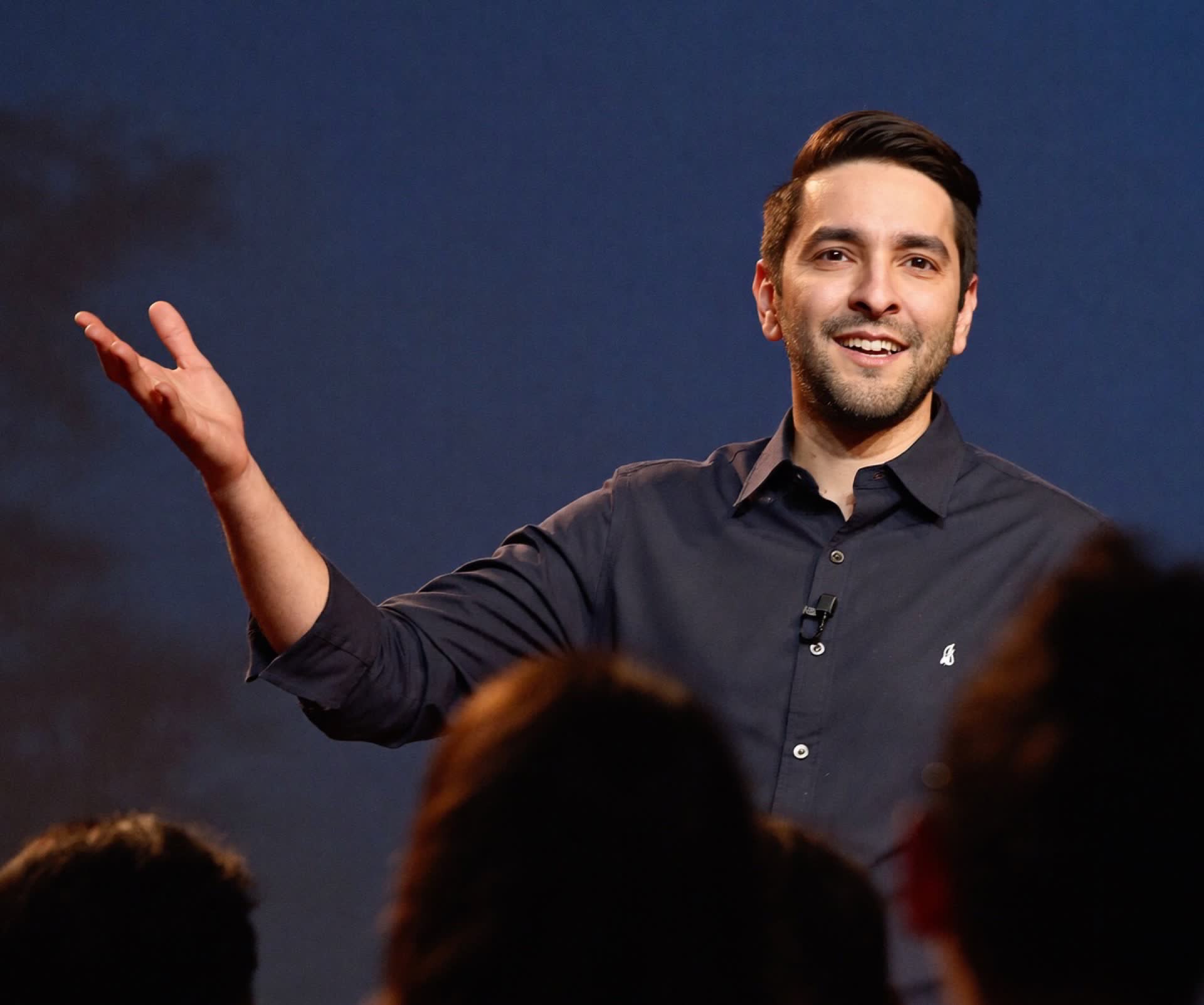
Thought Behind Things · Jun 29, 2022 · 1:01:54
The man who built Pakistan's startup incubator from scratch
Parvez Abbasi went from a village in Murree to Central London, built a billion-dollar phone distribution company, lost it in the 2008 financial crisis, and then co-founded Pakistan's first National Incubation Center. This is the full arc of that journey.
with Parvez Abbasi
10 min read
From a village in Murree to Central London
The episode opens with Muzamil introducing Parvez Abbasi as a brand name in Pakistan’s startup and SME world — someone he had been trying to get on the show for weeks. The conversation begins, as Muzamil’s conversations often do, at the very beginning.
Parvez was born in a small village near Murree called Nirgoldi, and relocated with his family to Central London before he was two years old. His father had gone ahead as an economic migrant in the late 1950s, and by the mid-1960s brought the family over. “My father felt that his family would be able to get a better life, hopefully a better education — and he was absolutely right,” Parvez says.
Growing up in a mixed-race neighbourhood in 1970s London — surrounded by Jamaican, African, Indian, Greek, and Italian communities — meant that racial bias was not something Parvez consciously registered as a child. He is careful to qualify this: later in life, there were incidents of racial discrimination he encountered. But the early environment, he reflects, was genuinely formative.
The Pakistan of his childhood existed only in the abstract. There was no halal food easily available. Eid prayers happened in parks or on streets because mosques were scarce. Communication with relatives back home was rationed to emergencies — and even then, a three-minute booked call was “frightfully expensive.” Families recorded messages onto cassette tapes and mailed them across continents.
British Telecom, electromechanical exchanges, and the art of trading weekends
Parvez graduated as a telecom engineer from the University of North London and joined British Telecom — at the time a government-owned monopoly and one of the largest telecom providers in Europe. His job was to maintain electromechanical exchanges: physical switching systems with moving parts that occasionally got stuck and needed oiling or module replacement.
He stayed for about two and a half years. What stands out from this period is less the technical work and more an early instinct for trading value. His older colleagues loved weekend overtime because it paid double. Parvez did not want to work weekends. “I realized I could trade that as a commodity,” he explains. In exchange for letting colleagues take his weekend shifts, he got the free time he wanted. It was, he notes, not his first such move — at thirteen, he had run the school tuck shop to generate his own spending money, because his father’s rule was simple: food and education were covered, everything else was up to you.
Falling in love with Pakistan, then joining its first mobile companies
In 1985, Parvez’s father insisted he visit Pakistan as a student — concerned his son was becoming too westernised. Parvez landed in Karachi and felt, by his own description, like he had arrived on a different planet. Urdu was alien to him. The city was tense, with MQM-related security issues at the time. But he traveled by train and coach across the country — Peshawar, Lahore, Quetta, Karachi — and something unexpected happened. “I fell in love with Pakistan,” he says.
That feeling stayed with him. Back in London, he felt unsettled. By 1991, when mobile telecommunications was just beginning in Pakistan through Instaphone and Paktel, he reached out to both companies. His background in British Telecom and his fluency in English gave him an edge in an industry then managed largely by British and American executives. He was offered a role in commercial distribution.
He helped set up what would become Jazz, then called MobiLink, which commercially launched in 1994 after holding its license since 1992. Parvez joined formally around 1995 as chief commercial officer, overseeing sales, marketing, distribution, and customer care.
The early mobile industry in Pakistan, he recalls, was genuinely startup-like. Lahore had a total of four cell sites. Coverage was patchy. Established professionals from banking or textiles refused to join because they did not consider it a real industry. “The good side is that then we had to go for younger people, more fresh graduates coming in with open minds, great ideas, great energy,” Parvez says. “And you can see some of that culture within the organisation even to this day.”
Getting fired, and the revelation that followed
In 2001, Motorola — the majority shareholder in MobiLink — sold its stake to an Egyptian company called Orascom. The new CEO, a man Parvez refers to as Al-Bari, had a board seat. Parvez did not. They did not get along. One day, without warning, Parvez was asked to leave the company he had helped build from its earliest days.
“I realized that day — the car I was driving, which I thought was my car, they took it back. The laptop I thought was mine, they took it back. The mobile phone, they took it back.” He had a wife and three children. He had no job. And he had a realisation that he describes as a turning point: “Never again would I like to see myself in this situation.” He has not applied for a job since.
Mobile Zone: a billion-dollar company built on a Nokia letterhead
The timing was brutal. September 11 had just happened. Pakistan was isolated internationally. Foreign executives could not travel here. But Parvez saw the gap. He had relationships with Nokia, Motorola, and other handset manufacturers from his MobiLink years. He flew to Dubai and Singapore — travel was cheap because hotels were empty after 9/11 — met with those contacts, and came back with a letter on Nokia letterhead authorising him as their representative in Pakistan.
He found partners in Karachi who had capital but no business. In December 2001, they launched Mobile Zone. Within three years, it was a billion-dollar revenue company.
The key differentiator was warranty. At the time, the standard in Pakistan’s handset market was that once a customer walked out of the shop, the seller bore no responsibility. Mobile Zone introduced a twelve-month manufacturer’s warranty with back-to-back support from manufacturers. When one batch had over 40,000 phones with a camera defect, they replaced all of them. “The confidence level went through the roof,” Parvez says. Mobile Zone’s warranty became a market signal — phones sold under it commanded higher resale value.
The company expanded to Afghanistan, where Parvez noticed that every minister, bureaucrat, and driver owned a Nokia 3310 — the only phone available. They moved into Bangladesh, where Parvez discovered on the drive from the airport that the first person he met owned a phone sourced from Karachi. Pakistan, at that point, was ahead of Bangladesh in mobile penetration.
The 2008 global financial crisis ended it. The rupee fell from 60 to 90 to the dollar in under a hundred days. Mobile Zone was buying in dollars and selling in rupees. The currency conversion loss alone came to roughly $20 million. Parvez sold his shares to his partners. The company did not survive.
Consulting, London, depression, and the six-week formula
After Mobile Zone, Parvez moved into consulting — deliberately choosing a business with a 95% margin and near-zero capital requirement. “My expense was petrol to drive to the client. The client gave me their office, their internet, their tea and coffee.” He worked with major telcos including Warid and Vimpelcom, and with companies like British American Tobacco, Dell, and Nestlé, focusing on commercial strategy, organisational transformation, and digitisation.
His children grew up, completed their O and A levels in Pakistan, and left for university in the UK. His wife suggested they follow. Parvez agreed — and within three months of arriving in London, he was depressed. His childhood friends were busy. Coordinating a dinner between four people took three weeks. The weather was dark and cold. On a forty-five-minute walk in the rain, he made his decision before he got home. He told his wife: “If you want to stay, you are most welcome. I’m going.”
He settled into a rhythm of six weeks in Pakistan, six weeks in London — which he calculated as the optimum split to get the best of both. During those London stints, he reconnected with Zuher Halik, former CEO of MobiLink Jazz, a colleague from the Instaphone days in 1992. Over coffee, the two men — both semi-retired, both feeling relatively young — asked themselves what they were going to do with the rest of their lives.
Conceiving the National Incubation Center
The answer came from a convergence of personal conviction and government intent. Parvez and his colleagues believed in youth and in technology. They had seen, during the MobiLink years, how a mobile tower going up in a rural area changed everything — a farmer who previously had to trust a middleman’s word on mandi prices could now call the mandi directly and verify the rate himself. “If you were able to merge youth and technology together, you would be able to create a better Pakistan. It was a very simple idea.”
The government of Pakistan was thinking along similar lines. They joined hands and built Pakistan’s first National Incubation Center. When Parvez went to his old colleagues at MobiLink Jazz to explain the concept, they were politely baffled. “They thought we were starting a poultry business,” he says. Six months after the NIC opened, those same friends came to visit, met the founders, and told him: “Now we understand.”
Muzamil asks Parvez directly why it took so long for Pakistan’s startup ecosystem to produce results — noting that Indonesia, Bangladesh, and India had moved faster. Parvez is direct: the single biggest structural reason was the late deployment of 3G and 4G. “Without 3G and 4G, you can’t run a Careem, you can’t run an Uber, you can’t run an e-commerce store.” Terrorism, FATF grey-listing, and international isolation compounded the delay. But he is clear that those conditions have now changed — and the results are visible. In 2017 and 2018, a $50,000 investment in a startup was considered remarkable. By the time of this conversation, multi-million dollar announcements were happening two or three times a week.
What the NIC has learned about founders, and what needs to change
Later in the discussion, Muzamil pushes on whether the incubation model itself needs to evolve — noting that experienced professionals leaving corporate roles at Jazz or Telenor tend to apply to Y Combinator rather than NICs, while NICs attract younger, less experienced applicants.
Parvez agrees the model must upgrade, and offers data-backed observations from six years of running the program. A single founder who is not coachable is a reliable failure signal. The optimal team size is three founders with complementary skills — marketing, technology, finance. Fresh graduates with no work experience have a much lower success rate than founders with five to seven years of domain experience.
He also notes a structural shift in mindset: when he first returned to Pakistan in the early 1990s, over 90% of people wanted a government job. Twenty years ago, the aspiration shifted to multinationals. “Today, more than 40% of students would like to run their own business. This was not the case even five years ago.”
The NIC’s KPIs were originally set by the government around job creation — not investment returns. Over 120,000 jobs have been created through the program. Fifty billion rupees in investment and revenue have been raised by NIC-incubated startups. Seven NICs now operate across Pakistan, with two more — in Hyderabad and Faisalabad — on the way.
By the end of the conversation, Muzamil asks Parvez how he sees Pakistan in 2050. Parvez is unambiguous: “Pakistan is going to emerge as a very large economic superpower.” His reasoning is that the leaders of 2050 are today’s young people — technology-native, globally informed, and starting from a low base that only has one direction to go. “Because we are in perhaps such a relatively bad situation, we only have one way to go — and that is up.”
Muzamil thanks Parvez for finally making it onto the show after several scheduling attempts, and mentions he plans to visit the NIC in H-9, Islamabad, which he has not been to in over two years. Parvez closes by saying he is a fan of the work Muzamil is doing — and that the invitation is open.
Full transcript
चलो नमस्कार बतिया मज़हब welcome back to another episode of thought behind things आज मैं संभाजूद है एक बहुत ही खास मेहमान जिनको बड़े R C से बुलाना चाह रहा था धनिया में दो week दोपहर setup भी हुआ but unfortunately for one reason or the other it got delayed but finally finally we have him here particularly Pakistan में बहुत सारे लोग तो definitely जानते हैं इस्लाहाबाद में तो definitely एक he is a brand name particularly in the startup industry particularly in the small and medium business enterprise industry everybody knows that name as well. Corporate sector के अंदर भी इनका एक बड़ा experience रहा है. परवेज़ अब्बासी who is I believe what's the title sir director NIC? Superman at the NIC. Superman at the NIC sir thank you so much for being part of the show. Thank you very much मज़मिल It's great to be here. I know we had a few ups and downs, but I'm glad we finally managed to make it happen. सब्ज़िल, सब्ज़िल. परवेश जी, I'm going to start the conversation. We're just sort of trying to understand कि where were you born and early life आपकी कहां पर थी?
Yeah, so normally I say I was born in a hospital but that's not true. I was born in a small village in Murray. अच्छा. A place called निर्गोल्डी.
हां, बासी. Yeah. We're
all from the same place. This is a place near गडियाल Camp and at the age of about one, one and a half,
I relocated with my family to London. अच्छा. Why did that happen? I mean, straight from the village to London? Yeah, Yeah.
No, no. Islamabad wasn't really any part of the equation. So, you can well imagine we went straight from the village into Central London. Why? How? So, my father was already working there. He was an economic migrant. So, obviously, you can well imagine this is the late 50s that he went to and I was born in the mid-60s. Right. So, basically he felt that, you know, his family would be able to get a better life, hopefully a better education and he was absolutely right. So, that's basically why we relocated.
Late sixties, so I mean, Islamabad तो हुए नहीं essentially. Exactly. वह तो, you know, the closest you have is maybe Peshawar and then लोहौर in
terms of a big city. Yeah. The only city at the time I think was more like Peshawar Moor.
Peshawar, right. And so London में how long how long were you there for? So basically I was there from
nineteen mid nineteen sixties to the early nineteen nineties. So all of my primary, secondary education was all done there and my first job was actually in The UK as well. And what was that job? I used to work, I graduated as telecom engineer and I work for British Telecom. And what,
I mean, so कौन सी university से किया था आपने? University of North London. अच्छा. British Telecom, that's you're the second person I'm I'm speaking to this week who's who's worked there and I just found out about that only recently. I think that's the biggest telecom provider in The UK. Correct?
Possibly even in Europe. Yeah, so British Telecom originally was a government owned On capital cell था वह? Exactly. In fact, it was more like the TNT for some people. Right. Pakistan Telecommunications are government owned and they've obviously been deregulated and but they had a monopoly.
And even today they are one of the largest providers of fixed wireless, mobile, broadband, etc. और यह basically आपका from Telegram to telephone to वह वाला cinta. Correct. So basically we moved from what was known as the old electromechanical
exchanges. This is something which now are housed in museums. Right. यह वो वाला है Yeah, yeah, yeah, exactly. So that's how I started and then we moved on to more of a digital age, telecommunications. It was amazing experience going through transformation. So there was some good, some bad and lots of learning opportunities there as well. And what was the job like उस time पर? So, it was really interesting for me personally. It was my first job and what happened was the people that I was working with, they had been in the job for at least twenty, thirty years. So, people who I am now, let's say, in my early twenties and these guys are in their late forties. So I really had a big disconnect with them. They were talking about their mortgages, their wives, their kids, and so on and so forth. I didn't have any of those subjects to talk about. The other thing is that, you know, I I didn't want to work overtime, and they loved overtime. So on the weekends, they would get double pay, and we would have a rotor system. So you'd kind of like one week me and one week somebody else. I didn't want to work on the weekends. I wanted to have free time with my friends. Right. And all of a sudden, I realized I could trade that as a commodity because these guys love to work on the weekends. Ah, interesting. So, return for me allowing them to work on the weekends in my place, they were allowing me to do other things that I wanted to do there. Interesting, interesting. Is that an investment minded? Actually, my first investment was even earlier than that. That's right. So, I ran the tuck shop, the school tuck shop. I was around 13 years at the time. So, have to remember, this is like, you know, the seventies. It's London. We belong to a minority socially, economically challenged family. And really we had to make ends meet. Right. So, one of the ways to do that was to ensure that, you know, we kind of had jobs or we did our own thing to make money. Because it wasn't so much living, I mean, living at home, food was there, there was no rent or anything like that. That was great. But then on the weekends you wanted to have fun, you wanted to go out with your friends, you want to go watch a movie and so on and so forth. Sick bare minimum covered and anything extra, you essentially Yeah, have to work for yeah, yeah. So, my dad was very straight strict on, you know, I'll feed you, I'll educate you, the rest is up to you. Right.
What was childhood like वैसे? As a, as a, I mean, growing up in the seventies. I feel like probably this is the only time I'm speaking to someone who's... I mean, बाहर के तो बड़े सारे लोग हैं, इनसे बात हुई है, but not in the sixties and seventies. That must have been a different England alterca. Oh, absolutely. I mean, just to give you an example,
you know, people there, we didn't even have halal food, so to speak. So, you know, my parents would have to either bring chicken home or they would have to go and, you know, on very far to get chicken, poultry, etc. Similarly, you know, when we had to pray ईद, we literally prayed either in the park or on the streets because there were no mosques, right? And even the mosques were really far and few. सीधे आप तो है निर्णन जाते हैं तो पूरी पूरी streets हैं जो कि उर्दू वाली और यह eventually slow and steadily migrants? Correct, correct. If you look at, you know, any country, and this is obviously like fifty years almost now, right? Progression has happened. You know, Islamabad is not what it used to be thirty years ago. Right. So, London obviously has changed a lot. And now, you know, not only you have a lot of mosques but halal food is prevalent everywhere. Yeah. And there is a very large community. We have over one and a half million पाकिस्तानीs living in The UK alone. Yeah. So obviously, you know, we have built our community. We are now in our fourth generation there. Right. So there has been a lot of progress since those But उस time पेतने Pakistan ही नहीं होते थे. Not at all. Mostly white लोग थे. So the area we were living in, it was mixed racial. Right. And that actually was a good thing for me. I didn't realize at the time. But we had a large community of Afro Americans, Africans. We had a large Jamaican community. We had a large Indian community and other European like Greek, Italian, etcetera. Right. So, it was really good in the sense growing up in such an environment. You didn't realize that, you know, there was this concept of bias or feeling in any way - Racial discrimination. - Racial discrimination. That's as a general statement. That's how we were brought up. Having said that, you know, later on in life, of course, in The UK there were certain instances that we had encountered onto not too pleasant incidences of racial discrimination. And I'm sure as we progress, hopefully we'll touch on some of those as well. Right. So you start your first job at British Telecom. And how long did you work there for? I was there for at least two, two and a half years. अच्छा. Yeah. And what was the role? So, I started off as an engineer. Mhmm. Basically, these electromechanical exchanges, as they were known at the time, they had moving parts in them, right? Right. And sometimes these moving parts would get stuck. Right. So basically my job was to, first of all, identify when the alarm goes off and go and see what was wrong and then fix it. It could either be fixing one of the modules or it could be simple as oiling because they were electromechanical. Right. So This is how it started. But then later on, we went into the equivalent of what is now known as the Internet. Right. At that time, was known as leased lines. So, they wanted to connect their offices. Now, imagine you have an office in Scotland and you have another office in Manchester, Birmingham and another office in London. Do you connect these three offices? Right. And what we did was we used a concept known as leased lines at the time. And basically, that allowed us to go to different exchanges. British Telecom was a humongous in terms of infrastructure. So, they had, like, exchanges and buildings and everything all over the place. And that allowed us to basically connect those offices using these dedicated lines. And these weren't like fiber optical or anything Not at all. Like did the copper wires. अच्छा, interesting. It was very slow and very archaic. At that time, by the way, was cutting edge.
It's very interesting. Right. And ढाई साल के बाद you switched.
Yeah. So, basically what happened was, as a student, I came to Pakistan, one of my first experiences. So, when I came to Pakistan, it wasn't something that I did by choice. My father kind of insisted that I was perhaps being too westernized and he wanted me to have a little bit of an understanding of Pakistan. And I think the year is now '85 as a student when I came here. Landed in Karachi and I was just like, I landed on a different planet. So, Pakistan was completely alien to me. Urdu was completely alien to me. And this speaks Yawrak, right? -So, -Yeah, very different culture. Yeah, yeah, yeah. And also there in Karachi. And, you know, at that time there was the MQM and there was a lot of issues regarding Security. Territorial parts of Karachi, etcetera, etcetera. But and then, you know, I came to Islamabad. I went to Murray for the first time, met my family, my relatives, etc. And then, you know, as a student, I traveled across Pakistan, went to Peshawar, to Lahore, Koita, Karachi, etc, etc. So it was really an amazing experience. I traveled by train. I traveled by coach. Traveled by, you know, all the other means and I think something happened which was totally unexpected. I fell in love with Pakistan. अच्छा, interesting. And you haven't been you hadn't been to Pakistan before? No. You hadn't? No. For all practical purposes maybe in my early days which I don't, could not recall. Right. But this was my first conscious visit. And obviously
times are much different at the time, right? Like air travel is not that prevalent or, or inexpensive. अब तो यह है कि बाहर लोग अभी जाते भी हैं immigrants तो वह दो एक साल बाद family cousin से मिलने ले आते हैं. But that was a different time. हो सकता है मुझे याद है वह call भी my sister used to be in The US तो वह तीन minute की एक call होती थी और उसके ऊपर जो है वह swap. You know उस वक्त यह 9798 के बाद, but later. But a minute was 35 rupees and this is in that economy. It's just absolutely
mind blowing. By the way, in this eighties and nineties, early nineties, it was even more than that. I remember that we had to book a call and that too for three minutes and it was frightfully expensive. अच्छा. Did
you guys make calls to family at the time? Yes, super,
yes. So my parents did but phone calls in the early stages and seventies, eighties की मैं बात कर रहा हूं, they were only on a, what's it called, emergency basis unless there was some urgent need to speak to somebody. Otherwise, it was letters And in addition to letters, we used to do the old audio record, recording of cassettes. -अच्छा. -And we used to record the cassettes. How are you? यह है, वह है, guy, by saying यह वह, वगैरह. So, let's, letter का एक vocal form basically. -Yeah, yeah, yeah, Interesting, interesting.
You could connect through the voice Absolutely. More than the So, you... So, two and a half years after British so, in British Telecom and then you moved to Pakistan? Yeah. And did you have an idea of what you're going to do there?
No. So what happened was, as a student, when I came to Pakistan, something happened. I could sense that there was some emotional change in me with regards to Pakistan. So prior to that, we never wanted to come to Pakistan. The only image we had of Pakistan was the three Ds - dirt, disease, diarrhea. Right. So, we wanted to change that image. And when I came here, I had a great experience, and I wanted to come back. So, after going back, I really didn't feel very comfortable in London. I had this urge that I want to go to Pakistan. And of course, many years passed by between 'eighty five and I think it was 'ninety one when I first eventually ended up coming back. And that was an opportunity because at the time, telecommunication services - and this is now specific to mobile telecommunication services - was starting in Pakistan. Right. And this was in nineteen ninety, ninety one. So that was what? Paktel? Instaphone and Paktel. Two companies that were here. Right. So basically I reached out to them. I inquired about, you know, kind of work that they were doing. I showed an interest and they invited me to come to Pakistan. At that time we had people like, you know, people from cable and wireless, telecom, basically Americans, British citizens who came here and managed those companies as CEOs. Right. The advantage I have is थोड़ी बहुत अंग्रेज़ी भी आती थी और telecommunications का थोड़ा सा interest था. तो उन्होंने क्या किया कि उन्होंने फिर मुझे job offer करना शुरू कर दिया. Right और वह what what sort of jobs were they? So, my passion was in sales and marketing. Right. So, I became the commercial distribution head for Instaphone, for the dealer sales program. For Parktel, we used to bring in handsets, Panasonic and other handsets and sell them here. And then also helping to set up what is now known as Jazz. Earlier it was called MobiLink. Right. So help to set up those companies from scratch. And MobiLink किस किस साल में आए थे? Mobilling commercially launch किया था इन्होंने 1994 में. अच्छा. However, the license was there from 1992. अच्छा. So, long story short is they they had the license but they didn't have the ability to launch. So, there was a two year gap. So I worked with them as a consultant between '92 and '94 and then '94 formally, you know, '95 joined them formally. अच्छा. And what was, what were you doing there? Was basically chief commercial officer looking after sales, marketing, distribution, customer care. अच्छा. तो
वह तो बड़ी मुख्तलिफ industry होगी, मुख्तलिफ space होगी. What was that like? What was the experience? And I'm I'm also certain that at the time it must you must have been quite young compared to a lot of other people. And for all intents and purposes that was in a way a very startup y environment, right? Because telcos now are just like this huge conglomerate but उस time पर तो को पता ही नहीं था बस यह था क्यारिक investment करके. मेरा I am also sure के कुछ certain sell sites होंगी business districts में जहां पर primarily start हुआ होगा. So what was it like?
As you said it was a completely different world. It was at its infancy. You know, we started with very small number of cell sites. For example, लाहौर में total चार cell sites लगी हुई थी. कुछ जगहों पर चलता था. कुछ जगह, अक्सर जगहों पर नहीं चलता था mobile. But more importantly, उस वक्त जो है ना यह it was seen as a novelty. It wasn't seen properly जैसे industry होती है ना कि आपकी एक solid industry है banking for example, textile है वगैरह वगैरह. तो लोग hire करने के लिए हमारे लिए बहुत मुश्किल था. यानी कि anybody who was a professional let's say we wanted to hire somebody from a marketing background who was a professional working in an industry like banking, वह join ही नहीं करते थे. उसको industry नहीं समझते थे. अच्छा. The good side is that then we had to go for younger people, more, let's say, less experienced people and then we developed that culture within the organization. And I found it, you very similar to what we are seeing today. You are absolutely right. As a startup kind of a culture, a lot of young people, a lot of fresh graduates coming in with open minds, great ideas, great energy. And, you know, today even you can see some of that culture within the organization even to this day. Right.
You were in MobileLink for most part then after that? -So, yeah, I joined, I left,
actually I was fired, I think it was 2001. -अच्छा, why? -So, in 2001, so prior to 2001, the majority shareholders were Motorola. It's an American company. They have different work ethics and values and priorities. In the 2000s, early 2000s, Motorola decided to get out of the business and they sold all of their shares in all of their companies in the operations. Right. And the shares were purchased by a company called Erascom, Egyptian company. And basically, they wanted to bring their own people here. And they sent a gentleman who was the CEO - Al-Bari is his name. And to put it simply, me and Al didn't see eye to eye. And he, as he said, he had a seat on the board and I didn't and he fired me. Interesting.
Just one
fine day, randomly? Oh, yeah. Or did see it coming? No, no, not at all. Not at all. You know, this is a company that I put blood, sweat and tears into. And it's interesting then, and I share this story for nothing other than inspiration and motivation for those people who have also come along this journey. Mhmm. So, one fine day this company that I helped to build decides to, you know, ask me to leave. And I realized that day, of course I felt, you know, very bad, frustrated and hurt, etc. But I had a realization that day. I realized that जो गाड़ी में चला रहा था ना, जो मैं समझता था मेरी गाड़ी है, वह actually मेरी नहीं थी, उन्होंने वापस ले ली. Right. जो मैं laptop समझता था कि मेरा है, उन्होंने वापस ले लिया. हाथा के जो mobile है, वह भी उन्होंने वापस ले लिया. Married and Yeah, yeah, So I had, I had two kid, three kids actually at the time and I got married in London by the way so my wife was kind enough to come back to Pakistan with me. अच्छा. And believe in the story. But the point was that at that time I realized कि अपना कुछ भी नहीं है and this was a kind of a revelation for me. And I thought in my mind that never again would I like to see myself in a sin, in this situation. And alhamdulillah, since then I've never applied for a job. I've never looked for a job and I often tell people que, you know, why on earth are you working for somebody else?
So what, what did you do? I mean, is 2001, post-nineeleven market survey shifty, warranty starting. Not the very best time for job hunting. I mean, उसके follow up में you know, around April, telco boom and banking boom and media boom. A lot of things happened. But 2001, हम तो मेरा ख़ैर उससे दो एक साल पहले मुश्किल bankruptcy से बचकर निकले थे. Correct. So, nine eleven हुआ था at the time and it was globally a very bad time. However,
every cloud has a silver lining and, you know, this is how situations create themselves and opportunities create themselves and how you avail those opportunities. So now nine eleven happened. I don't know if you recall, but basically travel was restricted. Pakistan was isolated. Musharov का door था. We didn't have any financial reserves. Foreigners could no longer come to Pakistan because of safety and security issues and so on and so forth. Now, what happened was the mobile phone companies, they wanted to sell because everybody wants to sell, right? Now, they wanted to sell their products in Pakistan but they wouldn't... They didn't have the ability to come to Pakistan. Right. So what happened was I knew the people who worked for, let's say, Nokia and Motorola and all these guys because of my mobiling background. We had a relationship. We spoke on the phone. So they said to me, Perviz, you we want to sell phones. We know you, but we can't come to Pakistan. Fortunately, I had an alternative password which allowed me to travel. So I went to Dubai. I went to Singapore. I met all of these people. And interestingly enough, because of nine eleven, everything became very cheap. अच्छा. In the sense that hotels were empty. Right? So I could get a five star hotel in Dubai for less than two thousand dirham. -अच्छा. -Yep. So it was very cheap. And I went there, I met with the people there and ultimately what happened was I had the opportunity to meet those people and as I said, they wanted to sell in Pakistan. -Right. -So I said to them that make me your representative, give me a letter. And so basically what happened was they gave me a letter and it was basically a Nokia letterhead saying this is to authorize प्रवेदाबासीज़ आलोक representative in Pakistan, science stamp blah blah blah. So I had the letter, I brought the letter back to Pakistan and then I went to people and I sought investment. मैंने उनको कहा है कि यार मेरे पास background है, knowledge है, experience है. UK में हमने यह देखा था वहां पर कैसे काम होता है. वह model हम Pakistan लेकर आना चाह रहे थे. And अल्हाम्दुलिल्लाह again we met people who had lots of money but didn't have a business. उनको business करना था. They like this business and वह जो नहीं होता है dots, started align themselves. So we started a company called Mobile Zone in two thousand and one December. Right. Late and, obviously, it was a tough time, but within three years, we became a billion dollar revenue company. Billion dollar? Billion dollar. And who were part of this company? Billion dollar by the way, एक अरब dollar बनता Just for the record. मैं एक अरब billion dollars. Yeah, It's a shitload of money. But, yeah, so my partners they were मेहमण based out of कराची. They were the financiers and it was a great partnership. You know, my weaknesses were their strengths and their strengths were my weaknesses, so to speak. So, it was great were the operations guy and they were the finance guy, finance folks? They financed it. They also did the operations. I managed the relationships, traveled, you know, one day I ended up going with one of my cousins, Bharat, to Kabul. And when I went to Kabul, I noticed that, you know, everybody has a Nokia tentis das. And this was with all of the ministers that we went to meet, all of the, you know, senior people there, businessmen, bureaucrats. और जब उनके driver देखते थे तो उनके पास भी dentist आ सोता था. That was the only phone available. Right. And it dawned on me immediately के, you know, something's got to change here. And that's exactly what happened was we went into Afghanistan. Pakistan, we had 70% market share. We went into Afghanistan. Same thing happened. We went to Bangladesh. That's amazing story. I landed in Bangladesh at the airport. And the guy who came to pick me up from the hotel, मैंने उसे रास्ते में आधा घंटा hotel जाने में रास्ते मैंने उसे पुछा कि यहाँ पे mobile markets कहाँ हैं? Because every country has a mobile market, right? उसने बताया stadium में है, ये है, गुलशन. तो उसके पास भी तैंतीस दस था. तो मैंने उसको मैंने उसे इजाज़त ली कि can I take a look at your phone? तो मैंने उसकी पीछे से उतारा ना cover तो battery उतारी तो it said mobile phone. अच्छा. In Bangladesh the first guy I met. Wow. And I said to him my god यह कहां से phone लिया आपने? तो कहता है, sir वह मेरा भाई कराची में होता है. तो उसने वहाँ से कराची से भेजा है. And by the way, Pakistan was way ahead of बांग्लादेश. I remember Pakistan में जो rupee है ना, that was 60 rupees to the dollar and it was 85 taka to the dollar. So our currency was much stronger than theirs and obviously, you know, things have changed unfortunately in the wrong way but Bangladesh has also moved on positively, in a very, very positive way. Right. So mobile zone, how long were you affiliated with that? So, 2008, we had what was known as the global financial crisis. And the dollar went from 60 rupees to a 100 rupees -sorry, 60 rupees to 90 rupees -in less than a hundred days. So we were buying in dollars selling in rupees and paying back in dollars. So essentially हमें conversion में basically. Conversion में हमें नुकसान हुआ है कोई सौ dollar का phone हम लेते थे छह हज़ार रुपए का. वो हम साढ़े छह सात हज़ार में बेचते थे. तो जब dollar वापस उनको पैसे जमा कराने थे तो नौवे रुपए का dollar था यानी कि नौ हज़ार रुपए. तकरीबन दो सौ करोड़ का हमें नुकसान हुआ था उस वक्त $20,000,000 we lost and the rest is history. Mobile zone shut down? For all practical purposes, yeah. I sold my shares to my partners and they try to revive it. They try to keep it going but unfortunately one of them passed away so they weren't unable to continue that. I think उसके बाद फिर
mobile phone की market, are they still big players? वह तो एक ज़माने में जायदा mobile zone used to be a thing like वह अब तो यह है कि techno का अपना है, Oppo का अपना है. I don't think कि अब distribution model उस तरह से काम करता है. No,
so so mobile zone as I said हमारे पास सत्तर फीसद market share होता था and the reason for that is we introduce something which was known as warranty. Okay. And it was a reliable warranty. So what happened was in those days जब हमने काम शुरू किया था तो दुकान पर जब आप जाते थे तो दुकानदार कहता था कि यह मेरे phone है. तो आप जब पूछते थे ना किसकी guarantee क्या है? Warranty क्या है? तो वह कहता था कि आप जितना मर्ज़ी इस्तेमाल कर लें, दुकान से बाहर निकलेंगे ना तो मेरी ज़िम्मेदारी नहीं है. ठीक है? That was the level of warranty. We came in, we introduced a twelve month manufacturer's warranty. We had a back to back support from the manufacturers and people they used and they abused the system. क्योंकि हर तीन मार, चार मार बाद नया phone आता था. तो उसके अंदर या तो पानी डालते थे या current मारते थे ताकि उसको खराब करें ताकि वह नया phone ले सके. अच्छा. And, you know, we in in one particular batch we had I think more than 40,000 phones which were faulty. Manufacturing fault था क्योंकि camera का issue था. तो हमने सबको replace कर दिया. अच्छा. And उसके बाद ना the confidence level went through the roof. हाँ. And people could just could not compete with us. So everybody wanted to have a mobile zone की warranty लें क्योंकि वो सबसे अच्छी warranty है वो आपको replacement भी देगी और उसकी resale value भी market में ज़्यादा थी. हाँ हाँ हाँ. So you know those are the kind of things that happened in a positive way. Right and you were based out of कराची during all this? Yeah, office was in कराची. अच्छा. But we had an office in डाका, we had an office in काबुल, we had offices all over Pakistan as well, लाहौर and इस्लामाबाद,
shower वगैरह वगैरह. So 2008 post financial crisis, you know telecom, core telecom से हट गया, आप handset side पर आ गए. Correct. Handset side के बाद what was next for you? Yeah, so after the global financial crisis,
you know, as I mentioned we lost a lot of money. As a result of that मैंने सोचा कि कौन सा ऐसा काम करें जिसमें margin थोड़ा ज़्यादा हो? क्योंकि mobile handset के अंदर ना margin जैसे मैंने ads किया ना बहुत कम था, पांच फीसद था. So, it's high volume. We would sell literally a million phones but you only make a small amount of money. Million phones in like a year, a month? Month. Month, right. Yeah, yeah. But as I said, you only make, let's say a dollar or $2, right? That's the way the business was designed. -Right. -So, मैंने सोचा कि मैं यह काम नहीं करना चाहता जिसमें बहुत ज़्यादा investment है और मेरे पास पैसे थे ही नहीं उस वक्त और margin इतना कम हो. तो मैंने कहा इसको reverse करते हैं. So then I started a business which had a 95% margin and no investment whatsoever. Pretty good business don't you think? Consulting? Exactly. So मेरा खर्चा यह था कि मैं अपनी गाड़ी में petrol डाल के client के पास जाता था. Client मुझे अपना office देता था, अपना internet देता था, चाय, coffee, biscuit भी दे देते थे, office भी देते थे तो वहां पर मैं काम करता था. So we did telecommunication consulting. Thank you. For large telcos. Again, commercial side के ऊपर, banks, organizational transformation, digitization, human resource capacity development, mergers acquisition. Those are the four areas that, you we've tried to focus on. And some of the I mean, if if you could share some of the notable projects that you worked on? Sure, sure. Vatin, if you remember the company, helped them to reorganize, rebuild their commercial entire team and strategy. Same. Similarly with Varid as well. So to help build their commercial team and also their strategy. So those were the two big clients. There were many other smaller clients. There were other services that we provided for other organizations like the British American Tobacco Company, for example. Then there were services that we provided to organizations like Dell, Nestle. Trying to remember most of the names but lot of, lot of other companies but they were relatively small services. The big ones were those two. And you were based out of, which city at the time? Out of my car. नहीं, but city as in? Yeah, so I I would live in Islamabad. On depending if it was summer or winter because, you know, motor epe fog o jatiya. Right. But I prefer to leave on Monday morning very early, typically around 06:00 to reach Lahore by 10:00. So I go straight into the office and work on Monday, Tuesday, Wednesday. And then Wednesday evening leave, come back Thursday, Friday, Saturday, Sunday Islamabad में. And
that routine was basically And clients mostly Islamabad और लोहौर के दरमियान में ही broken down. Correct. And how long did you and what was the consulting business card? So we had two companies. One was called Excelcom.
That was a consulting firm. And then there was another one called MAD, the mobile advantage company. So Excelcom was our consulting arm where we provided consulting for large organizations, serious companies, telcos, banks, etc. And on the more fun side of it, the mobile advantage company was basically providing SMS marketing services solutions to, you know, consumer goods, FMCGs, banks and other organizations. So that's basically what we were providing, using SMS as a tool and a vehicle, even for education purposes as well. Right. And you did this for three, four years? Yes, three, four years. As I was saying, my kids then, they grew up, they've done their O levels, A levels in Pakistan and they were going for university. Because we have a heritage in The UK, we thought that that would be the best place for them to go back and study. We have obviously a infrastructure family network, etc. And
their siblings were, थोड़ा सा अगर मैं revert back करूं तो आप Pakistan आए थे आपके siblings वहीं पर थे UK? Yeah, yeah, yeah. They thought I was crazy. So they had no intention of coming to Pakistan. As in most of the people at the time. So,
yeah, I felt comfortable that, you know, my brother was there, my sisters were there and so on and so forth. So, sending my kids there would give them some protection. Right. And obviously, London is a great place as well. I think it's good for young kids to go and travel the world and learn and get that experience, not only from the universities but life itself teaches you a lot there. And then, you know, so one day my wife says to me कि, you know, we should go to London. बच्चे उधर हैं, हम इधर हैं, work के लिए हैं, अमर के लिए हैं. तो let's go to London. I had no intention whatsoever and I was in but one day I don't know why she maybe caught me at a soft time. Right. I somehow agreed. So mentally we decided now for the rest of our life हम वापस London जा रहे हैं. वहां पर मेरे बहन भाई हैं, वहां पर रहेंगे, मेरे बचपन के दोस्त हैं, हमारे बच्चे वहां पर हैं. So वो practical purposes यहां पर हमने बंद संत करके london चले गए. अच्छा जो company से wrap up कर लिया आप handover कर दीजिए दूसरे लोगों को. So basically काम जो है ना वो थोड़ा सा autopilot पर चल रहा था. We had a team of people. They were managing everything. So life was generally good. Having said that, कुछ जो clients थे, मैं खुद manage करता था, कुछ service करता था because they were the big guys and they wanted to have their pound of flesh, right? Right. But then what happened was when I went to London, within three months, I basically started to become depressed. And the reason for that is because what I thought I was going to spend time with my family and friends, everybody was busy. Yeah. So the first weekend, you know, was great. The second weekend was good. The third weekend, nobody was there. Yeah. And then when I would reach out to मैं मैं जो बचपन के यार होते ना, जिगड़ी यार होते हैं, दोस्त हैं, There's only four of us. We grew up together from a very early age. I'd reach out to them and just to coordinate a dinner between the four of us would take three weeks. Mhmm. And I'm thinking to myself, you know, what am I going to do here? Yeah. Plus, the weather started to, you know, become cooler and it became very dark. All the time it was dark and it was miserable. So I was going through this depression. So one day I went for a walk and it was about a forty five minute walk. On the way back, it started raining and it was freezing, it was raining and I was walking and I was cursing myself and I was remembering इस्लामवाद की जो क्योंकि किधर पंस गया हूं यार? तुमने कहा, यार मैं पागल हूं. This is a decision I made. Yeah, great. So, I already decided before I reached home that I am going back. I made that decision also. Within three months. Wow. And जैसे ही मैं घर पहुंचूं, बेगम को मैंने कहा कि अगर आपने रहना है तो you are most welcome. We have the infrastructure. मैं जा रहा हूं. So then what happened was I started to come back to Pakistan. Mhmm. Open up the house and got, you know, all these things moving, etcetera. And then I and then obviously I started missing my kids. I started missing my family and blah blah blah. So then I traveled back and forth, back and forth and I calculated that six weeks was the optimum time for me to be able to Get the best of both ones. -Yes, exactly. And as a result of that, you know, did that for now another two, three years, maybe four years. And during this trip, by the way, so I had spent six weeks in Pakistan and six weeks in London. And during those trips in London, apart from seeing friends and family, I also caught up with my old colleague and friend Zuher Halik, former CEO of Mobile Inc Jazz -Back who we had worked
in early
nineties, yeah. -Correct. In fact, I know Zuher, we worked together in Instaphone. -Achuh. -And this is year 1992. So it's... What is that? Thirty years? Yeah. Wow. That's crazy. Yeah. So, it's thirty years. Anyway, so... So, he was working in The UK at the time? Yeah, he was working. He had a similar... Actually, a lot of our friends were in a similar situation, right? So, their kids are grown up. They're going to university. We're off that age bracket, right? And they're kind of living in London or The US as the case may be. A semi retired kind of a life, you know, God had been kind enough to all of us. We've done reasonably well. And I started meetings over here every other week for a cup of coffee just to catch up, how are things. And during those conversations, we thought, what is it that we're going to do for the rest of our life? Because although we were kind of retired or semi retired, we still felt relatively young, you know. We didn't feel like the the guys who we always perceived they will be so tired and and retarded that they won't be able to do anything. And, we thought of a plan of how we can perhaps give back to Pakistan and giving back the reason why Pakistan was in the state it's in because of our generation or the generation that was before us. Right. So, fix a problem, you need a different set of mindset. And we believed a lot in the youth because we'd worked with them in mobile ink, jazz, and we saw how they could come in with fresh ideas, fresh energy, etc. And also, we saw how technology, impacted people. So in the rural areas, for example, when a mobiling tower went up, all of a sudden you had signals, people could use their phone. Now they could communicate, they could talk. That helped them in their social, economic and education. Right. A quick example of this is, you know, when the farmer, he has now a phone. उससे पहले क्या होता था कि जो middleman उसको मंडी बताता था. तो मंडी का rate उसका कहता था कि तुमाटर जो है ना पांच रुपए के बिक रहे हैं किलो. तो he didn't have any way of verifying that. तो उसको पांच रुपए क्या बेच देता था. Now he had a opportunity to call the मंडी and say आज क्या rate है? मंडी वाला उसको कहता दस रुपए rate है. तो जो middleman है, so you see how you can add value. Right. So we saw that in the youth and in technology, there was an opportunity. And if we were able to merge the two of these together, we would be able to create a better Pakistan. It was a very simple idea, very basic idea. And, you know, obviously, as we always say, the universe conspires to help you. At the time, the government of Pakistan wanted to do something similar. And basically, we joined hands with the government and we conceived and built Pakistan's first national incubation center. I remember, you know, at the time we had no idea what incubation centers were about. In fact, many of the people who, reached out to us, who we reached out to and we said to them, you know, we're are going to set up an incubation center. उन उन्होंने सोचा कि poultry का काम शुरू कर रहे हैं. And even well educated friends at Mobile Inc, when I went to them and shared with them the concept, the idea, वह respectfully वह कुछ कहते नहीं थे लेकिन वह कहते थे हां ठीक है. ऐ परवेश सब किस line में लगे? हां हां. So then interestingly enough we built it. Jazz is of course our partner and then six months later जब वह दोस्त मेरे थे वह आना शुरू हुए, देखना शुरू हुए, बंदू से मिलना शुरू किया. उन्होंने कहा अच्छा यार प्रवेश अब समझ आ गई है. जब तू पहले आता था ना तो हमें समझ नहीं आती थी. Now we understand. Right. So the point is that mashallah the national incubation center you know you've been there right? So you know Absolutely. What it's like. It's amazing experience for us to work with so many young startup founders and learn from them, their challenges, their experiences, their opportunities and really build on that. Alhamdulillah, you're probably aware it's a globally recognized award winning facility And also the program itself has, in my opinion, been very successful. It's been replicated across the country. Now we have five and two more coming up. I see. ¿Dor कहां पर आ रहे हैं? Hyderabad and Fessalabad. Very cool. And in addition to that, there is going be specializer. But even the current जो पांच हैं, we did research on that and more than 120,000 jobs have been created in the last five years. 50,000,000,000 rupees of investments and revenues have been raised by the startups. I am not sure if you are monitoring it, but the last two years we have had more investments in startups than the last twenty years, for example. So definitely, you know, Pakistan has moved in the right way over the last three or four years. Right. And I think we contributed a small part of that. Right.
जो अभी currently आठ साल हो गए NICE को? नहीं नहीं. छह साल हुए हैं. छह साल हुए हैं. What's the model? I mean how do you sustain essentially? Sustain? Yes. So, I mean, how do you run the facility? Is this government funded? Is this private sector funded? Both.
So our majority of funding comes from the Ministry of IT, the Ignite Fund. Now, just to remind everybody that वह जो आप mobile phone इस्तेमाल करते हैं, उसमें से ना एक डेढ़ फीसा जो है, वह जाता है as a contribution. Right. To the ignite fund. उसमें research and development का एक हिस्सा है और ignite का भी एक हिस्सा है. तो उसमें से यह basically facilities इस्तेमाल होती है. और यह Pakistan में जो बाकी भी सारी NICs हैं ना? बोलो them, same model. Same. और partner different है. So we have different private partners. In इस्लामाद for example with team up we have Jazz. Similarly, we have other universities and other partners in other cities. And when you say partner,
what support are they essentially providing? Is it financial support? Is it connectivity to the industry? I understand Lamsagar partner they're essentially providing the facility. Yeah.
So, in the case of Jazz for example in Islamabad, of course there is financial assistance that is supporting us. They are also providing us support in terms of taking our startups to, for example, Barcelona, GSM World Congress, where many startups are congregated from the world. So it's an opportunity to get that exposure, to meet with investors, to share ideas. So that's been a great experience. And, of course, that costs a lot of money. But more importantly, the access to their customer base, the mentoring that they provide in terms of, you know, Jazz has 4,000 plus employees. So if you want anybody from marketing to legal to financial to HR to IT, They have, you know, some of the best professionals in Pakistan and we are very fortunate to be able to call on them as and when required for them to come and share their knowledge, experience and help the startup founders solve some of their challenges. Right.
जो generally incubation centers हैं plan nine से मैं start करूँ. 2,012 I would say. Twelve thirteen maybe. Plan nine and then plan x accelerator and then NICs. जो जो initial, and I was very, I was involved very early on one way or the other. Jo initial excitement थी, that that was that that really painted a a dream जो कि अगर मैं अगर as a side person देखूं and again I haven't I haven't followed it as closely. But I think कि वह somehow वह convert नहीं हो सकी. And this is across all, so not just one specific. And while we've had a couple of good years finally now, and I think the ecosystem is now beginning to mature in a way, still not I think still early, but, at least we're beginning to see some results. Why do you think it took so long? I mean, what were the some of the major reasons why it just couldn't for some reason take off? Like, हर चीज़ करने की कोशिश की and and and I've been to NIC Peshawar, I've been to NIC Lahore, even Nest IO in Karachi And I've met, like, some very, very not just talking about startups, but also the the folks running them have been very dynamic. They're they're real problem solvers trying to really solve this problem. Somehow, it just wasn't working out, while, you know, Indonesia and Bangladesh and India and all sorts of countries have been blowing up in that space. Recently I have been talking to startups a lot of them actually have been returning from The US or The UK and उन कहिए थे कि वह financial markets में काम कर रहे थे और they were like यार एक black hole exist करता है. Left भी पैसा लग रहा है, right भी पैसा लग रहा है. यह क्यों गायब है? And and and so. तो why do you think कि यह
उस तरह से materialize नहीं हो सका जिस तरह से काफी उस time पर dream कर रहे थे? Yeah, I think there is a number of reasons for that. I would say that there's a time and a place for everything. If you look at Pakistan, you know, we lag in certain areas irrespective. But I think one of the major reasons was the deployment of technology, and I'm talking referring to three gs in particular and four g, was very late in Pakistan. And with the broadband, for example, again, it came very late in Pakistan. So those are the railroads of, you know, the building blocks of what is required. If you, for example, without, let's say, three gs, four gs, you can't run a Karim or you can't run an Uber, you can't run IKEA, you can't run an e-commerce store and so on and so forth. I think that is one of the fundamental reasons that we were late. In addition to that, Pakistan, we had our own challenges. For example, there was a big issue with terrorism, if you remember. We have our own international challenges. For example, FATF is one example of the challenges that Pakistan is facing. You know, we've often been on different grey and blacklists, etc, etc. So, I think it's a combination of those things. As you know, you know, today, alhamdulillah, we don't have those terrorism challenges that we had just a few years ago. We do now have three gs and four gs services. In addition to that, technology enablement in terms of the youth, if you look at the last five or ten years, for example, a lot of young people have graduated from universities and have come into not only the workforce, but of the startup ecosystem as well. And also, I think more recently, we have people coming back from Pakistan, the diaspora community, especially from The US. And they're having that experience and that mindset, bringing that knowledge and looking at opportunities here. For them, the cost of doing business in Pakistan is much lower, and that presents itself as an opportunity. In addition to that, because of the scarcity of such opportunities, creates that opportunity in itself, I. It does create a vacuum. There is an opportunity in the space. So I think that not only have we seen that, this is just the tip of the iceberg. I think the rate of growth is going to be really phenomenal. So, to put things in for illustration purposes, दो हज़ार सत्रह अट्ठारह में अगर किसी को पचास हज़ार dollar मिलता था, वह भी चार छह महीने के बाद तो हम समझते थे कि यार वाह, बड़ी बात है. आजकल अगर आप देखें तो हर दूसरे तीसरे दिन जो है हफ्ते में दो तीन announcements होती हैं और multi million dollars की होती हैं. I would also like to say कि क्योंकि आपने nest IO की बात की है जहा नारा is a very dear friend As in, you know, lumps for example. खुरम ज़फ़र is doing some amazing work even today but also earlier at lumps. इसी तरह अगर आप देखें Dr. शायद कुरेशी साहब हैं IBA क़राची में. So, we're building on the shoulders of giants, right? So, a lot of that work that is being done at the NIC, we actually went out, met with these people, learned from them. They were kind enough to support us. And basically, I would like to consider it as a team effort. And today we are seeing the results of their hard work and on top of that some of the work that we have put in as well. Right. Do you think the model,
would you change the model now? That, so I understand कि originally in a in a in an industry जहां पर concept ही नहीं था तो सबसे पहला काम करते हैं demand creation का. And so for a lot of in a lot of ways incubation as it happened globally versus incubation as it was happening in Pakistan had to be customized and localized. Correct. Based on कि भाई अब again incubation center in Islamabad and incubation in Peshawar will be very different. Correct. Right? और वह उस target market को करेंगे और फिर वह उस हिसाब से देखेंगे कि यार हमारे पास entrepreneur किस किस्म का आ रहा है और उसके हिसाब से उसकी इस वक़्त weak points क्या आएं? शायद वो बहुत ही simplified होंगे और बहुत ही uh-uh बहुत ही dumb down होंगे for a lack of better word. Alternatively and I get that. लेकिन अगर मैं इसको इस तरह देखूं कि अब Pakistan में क्योंकि demand creation का एक बड़ा पहलू जो होता है वह in a capitalist environment. It's really just about the numbers, right? And when the numbers come in तो automatically एक समुद्र चल पड़ता है और हमने देखा कि जब जब दस्तगीर आता और आकर सैंतीस million dollar अब वो कह रहा है कि यार वो मेरा जो दोस्त था ना वो करीम गया और million dollar कमा करा था. Correct. अच्छा the way that I see incubation centers right now and the programs that have been designed up until last year वो ज़्यादा आपको जो focus अगर आएगा तो वो या तो आएगा कि यार early professionals because वह बड़े simplified थे and those were the folks who were actually even banking on an incubator space कि यार ठीक है मैंने अभी graduate किया है शायद मैंने एक दो साल का ही नौकरी भी कर ली है मेरे पास एक idea है मैं उसको करना चाहता and वह अब situation फ़र्क है and I know a lot of people जो कि let's say corporate sector से निकाल रहे हैं they coming up as real ideas. It's you know ideas driven by real insight you know driven by real experiences and let's say कोई Telenor या Jazz का बंदा है जो कि company छोड़कर जाकर करता है उसका brands का experience है, उसको brands का साथ पता है. Correct. लेकिन उसको sourcing का मसला है, उसको legal का मसला है, उसको दस और चीज़ों का मसला है and so that's the right person that can actually build you the success story. Correct. Right? Plan nine के पास अब success stories NIC से निकली नहीं है and again for good reason industry बड़ी फ़र्क थी but वह एक पटार ही निकली थी एक ज़माने में और उसको somewhat कहा भी कहने की कोशिश भी की गई लेकिन कभी वो उस तरह से scale ही नहीं कर पाई उसके दस मसला और आ गए. Again immaturity of leadership was very clear. Think book me was maybe also incubated at some point I am not sure but do you think the model now needs to shift where now that the demand has been created and the quality of, supply is potentially higher? I'm not necessarily saying it is higher in terms of the applications, but maybe once the programming is done in a different way that quality of all can also be वह. Do you think there is a requirement for an upgradation of incubation because Pakistan में का X McKinsey, X telenor xjazz वो तो छोड़ते हैं और वो छोड़ के कहते जी मैं तो Y Combinator apply करना है जिसमें से चलो एक आध तो कभी घुस भी आते बाकी लोग ग्यारहवोस्त्रा होते हैं. छोटे बच्चे young professionals या people who don't have that experience वो generally आते हैं NICs में and you know this is the first time that they are upgrading at least in a networking space and so on. तो what do you think about that? I think definitely
वक्त के साथ साथ ना learnings होती हैं और requirements भी बदल जाती हैं. So definitely हमें इसको ना upgrade करने की ज़रूरत है और उसमें कुछ lessons learned भी हैं, कुछ ग़लतियां भी हैं, ख़ामियां भी हैं, कमज़ोरियां भी हैं, उन सबको सामने रखते हुए कुछ अच्छा भी हुआ है. उसके ऊपर हमने evolve करना है तो इसमें दो दौराई है नहीं. Having said that I think it's also important to remember कि आज से दो तीन examples मैं आपको देता हूँ जो हालात और वाक्यात के साथ change होते हैं. पहली बात तो यह है कि average age of a successful entrepreneur is how much? Do you want to take a guess? Impacts तक? Globally. Don't know I would say 34. 43. ठीक है. So that means कि आपका 43 पहुँचने तक कुछ ना कुछ तो पांच दस पंद्रह साल का तचर्बा होगा. हाँ. दूसरी बात यह है कि when I first came to Pakistan in the early nineties majority जो लोग थे 90% plus वह पक्की नौकरी ढूंढते थे, ठीक है, government के साथ. Now if you take position twenty years ago तो लोग कहते थे कि यार किसी multinational में हो जाए, ठीक है? Because they thought that the environment, the perks, money was better than a government job. Today I am happy to share with you that more than 40% of students would like to run their own business. This was not the case, you know, even five years ago. So सबसे पहले तो यह है कि awareness create होती है. दूसरा यह है कि जो startup के जो original national incubation का जो program था, remember it's a government program. Right. And the government is really interested in the welfare part of it. Right. ठीक है? Not necessarily the money part of it. They are two separate things. Right. So for example, I recall one of our key KPI was creation of jobs. कि आपने job create करने हैं because remember, our population is 100 plus million young people. No government in the world can create those kind of jobs. Right. Job creation was the first one and, alhamdulillah, we managed to do that. As I mentioned, over 120,000 jobs have been created through this particular program. More recently, things have changed. And as more awareness has come, the quality of startups and the quality of startup founders has also increased, They are moving into this space. So, we are definitely seeing a significant rise in terms of the quality and therefore the delivery of service that we were providing two, three years ago is no longer relevant. We have to also upgrade ourselves and bring it in line with the demands and requirements of today's founders. Right.
And so that's going to be happening across the board, you think? Oh, absolutely. It has to. There's no two ways about it. What's the... How many normally start
up do you incubate in year? So, normally we incubate somewhere between 40 to 50 start ups. Right. And each start up has maybe three or four people. And on average यह कितना लंबा होता है? Like, how long are they incubated for? Twelve months. Twelve months. अच्छा, पूरा साल होते हैं वह. और वह एक ही cycle में होते या IC star rolling बच्चे में? Six months. So we have a six month break between them, gap between them. ठीक है. There's a overlap of six months between them. And have you seen any evolution in terms of the the the industry or the problems that had that have been targeted,
over the last few years? I mean, in terms of there could be a lot of interesting insights gathered from just your own data, of, you know, okay, applicants and you know the actual finalists जो actually incubate हुए कि यार youth किस चीज़ को एक problem समझ रही है, किस चीज़ को solve करना चाह रही है, conscious solutions जो हैं वह वह करना चाह रही है. Do you think के mean does NSE release a report?
Yeah yeah yeah yeah yeah. We of course collect all of this data and there's lot of anecdotal data that helps us in building our curriculum and our program as well. So just to give you an example, now we've learned that when a startup founder comes, we look at their their experience, right? So if he's a fresh graduate, he doesn't have work experience, chances are he's not going make it, right? As opposed to somebody coming with, let's say, five or seven years experience, having worked in this particular field, has hands on experience, there's a chance of increase. Secondly, how many are there, how number of startup founders in a particular startup? If it is just one guy, we have had experiences where just one person came in and that person felt that he is God's gift to earth. वह सुनने के लिए तैयार भी नहीं है. अब वहां पर interview के दौरान बनने के पास बीस तीस साल का तज़रबा है running successful businesses. वह उनको मश्रा देता है कि बेटे आप इस तरह देख लो. कहता है नहीं नहीं आपको नहीं पता. So how coachable is the founder for example? Secondly is it one founder? Was it two founders? Is it three founders? Is it four founders? So the optimum number of founders we found is three. So one of them has for example a marketing background, one has a legal or IT background or financial background, etc, etc. So they can support each other. These are things that we have learned over time. As far as the startups are concerned, they are now using availability of data. So there's much more prevalence of data availability and use of data. So, for example, in the agricultural space, collecting weather forecasts and weather data would be useful for them in terms of picking up data from the soil, for example. What is the level of moisture? What is pH level? Etcetera, etcetera. These are things that today can be done using IoT, for example. Similarly, you know, the conventional businesses of convenience. You know, COVID has taught us that people don't want to necessarily go out and buy things if they can be delivered to their house. So we have all types of grocery and ecommerce stores coming in. We also have startups that are working in, for example, in the fintech space because they see that as an opportunity. So there are also different types of niches. People are moving from one to another to another. I was talking to a startup founder earlier today where they started off providing basic insurance services. But from those insurance services actually they originally started with medical services. Doctor की services provide करते थे. Doctors के साथ साथ उन्होंने realize किया कि यार यह तो medical insurance भी दे सकते हैं because उनको medical insurance चाहिए. जब उन्होंने medical insurance किया तो उसी data से उन्होंने define किया rural areas में कि इनका जो है ना गायें बैंस भी बीमार हो जाती है. So they veterinary services उन्होंने ठीक provide करने है उन्होंने साल वह provide करना शुरू कर दिया. Insurances, फिर उन्होंने, you know, bank accounts and so on and so. So, my point being is that once you have the data and you are collecting the data, you can then build on that. So, you know, I think Pakistan good side is that we have only touched the tip of the iceberg. We have a long way to go. It is slow, and unfortunately, there's a lot more work that needs to be done, especially from a regulatory perspective, from the government side. I believe that if they can provide us that kind of incentive and support, this industry can take off in a very, very big way. Right. We're at the one hour mark, and
before I sort of leave you, I want que for the viewers, if you can sort of explain what I'm sorry this should have come much, much earlier. But what generally an incubation center is and, you know, what's the premise there and what's the purpose?
So the incubation center provides a few basic rules or benefits. One is the infrastructure, of course. For example, a startup, if it was to go on its own, would need to rent an office, pay the security, pay the electricity, pay the Wi Fi and then, you know, all the other expenses associated to an office. So here, you don't have to worry about those expenses. We take care of all of those. It's a common co working space. The next part is that access to mentors, domain experts. People may not come to your office, to your home, whereas they are comfortable coming to the NIC. Investors, for example, be it angel investors or otherwise, they obviously visit us. They spend a lot of time there so you can rub shoulders with them. But I think one of the biggest benefits is that you have other founders there who are in a similar boat to yours. And therefore, you can share your knowledge, experiences, frustrations
with them. And perhaps they can give you some guidance and advice and support as well. So it's like a community. Right. And for for those who who are who might be interested, are working on a or at least toying with an idea of a startup, What can they do to to explore NIC, Islamabad at least? They can show up. That would be useful. We have an open door policy. You
know, people can reach to us. They can either physically come to the National Incubation Center or they can reach out to us on social media - Facebook, LinkedIn, Twitter, etc. Reach out to us, set up a time, let us know a little bit about what you want to do so we can prepare ourselves,
come over, pitch your idea and, you know, let's take it forward. Sounds good. You guys are based in H? H9. 9. H9. Pero Vesa, thank you so much. This is very, insightful. I'm going to ask you one last question that I generally ask, all of my guests. I would say you were born in the sixties. So what is that? You're nearing 60 years of age? Correct. Correct? And obviously you've been in The UK for most part. You were back to Pakistan, then three months in The UK, got depressed, came back to Pakistan. अगर मैं आपसे पूछूं कि आज से अट्ठाईस साल बाद Pakistan दो हज़ार पचास का, एक सौ तीन साल का होगा 11. तो उसको आप किस तरह से देखते हैं? How do you see Pakistan 2050, knowing what you know now, seeing what you've seen and particularly because you've been such integral part of such evolutionary industries. How do you see the evolution happening over the next twenty eight years? मैं समझता हूँ कि Pakistan is gonna be a completely different Pakistan.
दो तीन चीज़ें हैं जो है ना. एक तो यह समझना ज़रूरी है कि by 2050 majority of the current population would not be around. Right. In the sense that they'll be gone, right? Right. Those people who are going to be the leaders at the time are going to be today's known as today's younger generation. They are going to be, you know, not only politically and diplomatically correct but also technology savvy. I think the world is going to also move on. If you look at China in the last thirty plus, thirty four years, they've completely changed their entire... I see no reason because the rate of growth and technology is much faster today. So I'm very, very optimistic. I think that Pakistan, because of the fact that we are in perhaps such a relatively bad situation, we only have one way to go and that is up. So, am very optimistic. I think the young people, the enablement of technology, the access to the Internet, access to, you know, what's happening around the world. Give an example, you know, when in mid, early even 2000s, we would not really have information on what was happening. And today, we know what's happening in real time across the world, any industry. Right. Access to the Internet, access to information, access to knowledge is readily available. It's on everybody's fingertips. So I'm very optimistic. And given the population size that's growing, I think Pakistan is going to emerge as a very large economic superpower. While other countries are being challenged, for example, in Europe because of their size and because of other reasons, and because we're starting so late,
I think we're gonna, you know, have a really good future ahead of us. I hope that's true. I look forward to that future. Pravesh, thank you so much for coming in, sharing all that insight, and I'm excited to come back to NIC sometime soon. I think I have I haven't been there for at least two years now.
So we'd like to see what's going on there. We'd love to have you back, and thank you very much, Muzambhal. It's great to be here. Finally, I'm a big fan of the work that you're doing. So Thank you so much. It's great to be here. Thank you. Thank you. And
कर सकते हैं जहा पर हम लोगों पर feedback भी लेते हैं, guest recommendation भी लेते हैं, articles भी share करते हैं so you can join that as well. यहाँ पर कहीं पर easy पैसा jazz cash आ रहा होगा if you would like to support the channel we accept anything from 1 rupee to as much as you would like. It's the thought that counts. But anyways, this was Sayer Mazamela Sanzedi. You are watching Thought Behind Things. Thank you so much for watching, and I'll see you in the next one.
More from Thought Behind Things
Jun 30, 2026
Simon Dixon: the US empire is being wound down by design
with Simon Dixon
Simon Dixon argues the American empire isn't collapsing — transnational capital is deliberately unwinding it, and Pakistan's military has become its leverage in the transition.
Listen →
52:45 Jun 9, 2026
How Asad Mehmood landed Mattermost from Pakistan before A levels
with Asad Mehmood
Asad Mehmood walked into Mattermost before he had A levels, crossed two million dollars on Upwork, and now runs a design agency from Pakistan. He sat with Muzamil to lay out the framework underneath it: become undeniably good, then become visible, then sell outcomes.
Listen →
59:04 Jun 5, 2026
A 22-year-old Pakistani's road map to space by 2050
with Hassan Mossin
Hassan Mossin, a 22-year-old Pakistani astrophysicist training with the International Institute for Astronautical Sciences, walks Muzamil through the next twenty-five years of space — commercial stations by 2030, a lunar base by 2032, and why the bottleneck isn't food or oxygen, it's energy.
Listen →Never miss what's next.
The dispatch - new writing and conversations, straight to your inbox.
First name, last name, email - in your inbox weekly. No spam.