Skip to content

Thought Behind Things · May 23, 2025 · 1:13:14

Half the price of a Fortuner in Pakistan is tax

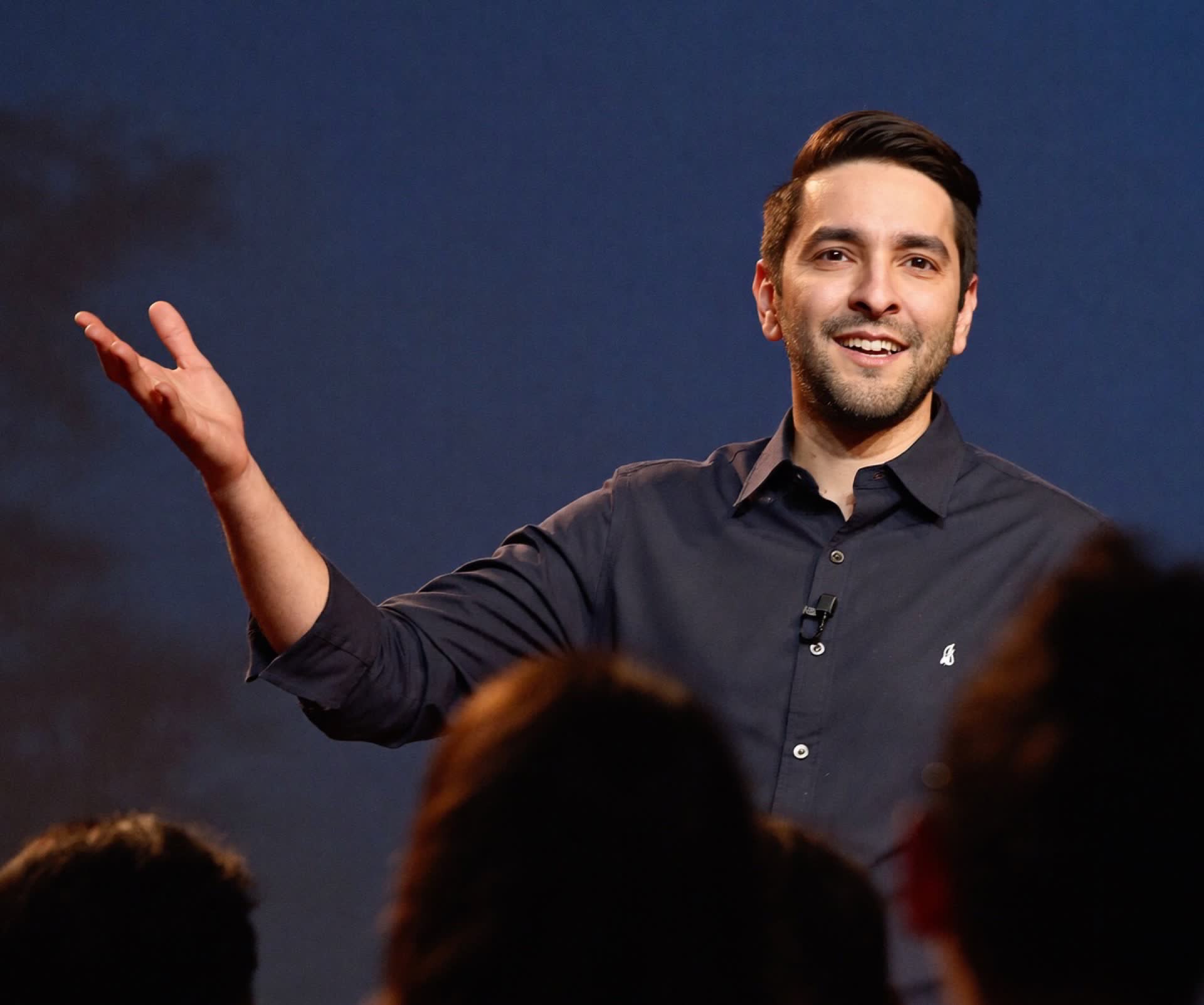
Ali Asghar Jamali, CEO of Indus Motor Company, walks through the real cost structure of a car built in Pakistan — what the government takes, what gets localised, why auto financing collapsed, and why electric vehicles are not the macroeconomic silver bullet most people assume they are.

with Ali Asghar Jamali

14 min read

Twenty-five years at one company

The episode opens with Muzamil framing the conversation around what he calls Pakistan’s familiar trauma — a tentative return to economic stability after two punishing years, and the suspicion that the country will once again chase a boom and burn through it. He introduces Ali Asghar Jamali as the head of one of Pakistan’s largest companies by revenue, the assembler of Toyota vehicles through Indus Motor Company, and asks him to begin with the personal story.

Jamali’s answer is short and matter-of-fact. He finished his chartered accountancy in 1999, spent six months at EY as an external auditor on the Indus Motors account, and was pulled inside the company in 2000. “All my life I have been here,” he says. Twenty-five years later he has rotated through internal audit, finance, marketing, sales, parts, and corporate planning, and completed an executive program at Harvard Business School compressed into four or five months of eighteen-hour days. The program left him with a recognition he did not expect: “We also are nothing less.”

What actually drives the price of a car

When Muzamil asks why the long-promised automotive boom keeps failing to arrive, Jamali offers a precise breakdown rather than a vague complaint. Every time the sector grows, he says, the government adds new taxes — because taxes are easier to add than reform is to deliver. On a Toyota Fortuner with an on-road price of roughly 2.3 crore rupees, he estimates that 1.4 crore goes to the government of Pakistan. On a Corolla the tax share is around 48 percent, on the Yaris 43 or 44 percent, and even on the entry-level Alto it sits near 40 percent. “The biggest stakeholder is the government of Pakistan,” he tells Muzamil. The cars are locally assembled. The taxes are not a tariff on imports; they are layered on the domestically produced vehicle.

Later in the discussion Jamali and Muzamil work through the comparison live, on a calculator. The ex-factory price of a Pakistani Corolla is 15,803 dollars at an exchange rate of 279.42 rupees. The on-road price translates to roughly 27,500 dollars. The gap — close to 11,700 dollars per car — is government taxation. Jamali laughs when Muzamil arrives at the same number he had in front of him. “I am so happy that you calculated and I have the same figure.”

Across the region the picture is starkly different. In the UAE the same Corolla carries a five-percent tax burden. In Thailand it is 25 percent, in Vietnam 42 percent, in the Philippines 22 percent. Pakistan, at 43 percent before on-road taxes and 48 percent including them, is the most heavily taxed market in its neighbourhood.

The auto-financing collapse

The second pillar of Jamali’s diagnosis is auto financing. Everywhere in the world, he tells Muzamil, more than 80 percent of cars are sold on finance. In Pakistan that figure peaked at 57 percent in 2004 and crashed afterwards as banks absorbed delinquencies. It recovered to 45 percent and then collapsed again. Today it sits at 13 percent.

The reasons compound on each other. Interest rates fluctuate wildly. Religious sensitivities reduce some appetite for conventional bank financing. And the government of Pakistan has imposed a 3,000,000 rupee cap on the amount that can be financed — a ceiling that excludes a large share of the market by definition. “If 15 percent financing is happening, then 85 percent of people are buying in cash,” Jamali says. “Means the full amount.” That is not how cars are bought anywhere else. Elsewhere, he points out, the consumer does not know the price of the car — they know the monthly payment.

Per-capita income closes the loop. The middle class, he tells Muzamil, begins growing meaningfully at around 3,000 dollars per capita. Pakistan is at fifteen to seventeen hundred. India is at twenty-four to twenty-five hundred. India’s burst is coming because it is approaching the 3,000-dollar line; China crossed it; Pakistan has not. The number of cars per thousand people tells the same story — 600 to 700 in Western markets, 23 or 24 in India, 11 to 13 in Pakistan.

The dollar-drain myth

A long stretch of the conversation is given over to dismantling what Jamali calls a manufactured narrative — that the auto industry is bleeding Pakistan’s foreign exchange. The numbers he cites tell a different story. In 2023 the total import bill of the entire automotive sector, every player included, was 557,000,000 dollars. That is 1.2 percent of the national import bill. In the best year the industry has ever had, when it produced 350,000 cars, automotive imports reached 1.8 billion dollars against a national import bill of roughly 75 to 80 billion.

“This is different mafias which discuss this over their own interest,” Jamali says, “and then a little lack of knowledge. Once one person starts saying something, everyone says it. No one looks at the data here.” Muzamil pushes back gently — half a billion dollars is nothing in the grand scheme of things — and Jamali agrees. The current account problem in Pakistan, he argues, is not an automotive problem.

Localisation, properly defined

Jamali splits the local product lineup into two baskets to answer Muzamil’s question about how much of a Pakistani Toyota is actually Pakistani. The first basket — Yaris, Corolla, and Corolla Cross — is more than 60 to 65 percent localised by value once taxes and duties are stripped out. The Revo and Fortuner basket sits at 40 to 45 percent because volumes are lower. He is careful with the definition. “If I had to say parts, I could sit here and say I am 90 percent localised,” he tells Muzamil — but that is misleading, because removing the engine and transmission empties the headline. Value, not part count, is the honest measure.

What does that 65 percent look like physically? Indus Motors operates what Jamali describes as the largest press shop in Pakistan. The Corolla begins as an imported sheet of steel — Pakistan does not produce automotive-grade steel — and the entire body is pressed, stamped, and assembled in the Karachi plant. “Any part that you can see and touch in the Corolla, there is more than 90 percent chance that it is made in Pakistan,” he tells Muzamil later in the conversation. New entrants are not yet at this level of localisation; the government policy that brought them in gave them initial sales-tax exemptions in exchange for a localisation glide path that is only now starting to bite.

The case for long, boring policy

When Muzamil pivots from automotive specifics to the broader structural question — what is actually wrong with Pakistan’s industrial base — Jamali makes the most pointed argument in the conversation. Pakistan does not have a long-term policy, he says, and without one no foreign direct investment will come at the scale required. “If you have a twenty-year policy for five years, the people will think — these people will change the policy back, can they be trusted or not?” Past governments have trained investors to expect that every new administration rewrites the rules.

He then offers a thought experiment about industries Pakistan has never seriously tried to build. The country has 250 million people. Assume each person needs at least one pair of shoes a year, perhaps two. That is a billion-pair market. “Can we have a policy for shoes? Then Adidas will also come, Puma will also come.” He extends the same logic to toys — Pakistan has the world’s third-largest population of children and imports almost all its toys from China. He returns to automotive raw materials. Cars need four primary inputs — steel, resin, copper, and aluminium — and Pakistan produces none of them at automotive grade. A twenty-year policy with a credible tax framework could attract the 23-billion-dollar investment required to build automotive steel domestically. Without that horizon, no one will commit.

Then he pivots to a contrast he is clearly proud of. “I exactly know what is going to happen in 2030. I exactly know what is going to happen in 2032,” he tells Muzamil, describing how Indus Motors plans. “But a country should have a fifty-year plan, fifteen years, twenty years — twenty is the minimum for a country.”

Three and a half percent, not seven

Jamali’s macro prescription is unfashionable and deliberate. The Pakistani habit, he tells Muzamil, is to chase 6 or 7 percent growth, which immediately turns the economy into an import-dependent system, blows out the current account, and ends in another contraction. The recovery from that contraction is brutal — it takes massive coordinated effort to drag the economy back from the floor. “It’s always easier if you are growing slowly.”

His recommended path is three to three and a half percent sustained growth for the next five to seven years, while remittances and exports are deliberately built up underneath. Once the base is strong, the economy can sustain six or seven percent without breaking. Foreign direct investment is the bridge across the gap, and that bridge only exists with long-term policy stability. India’s reserves, he points out, are built on FDI. Pakistan does not get FDI because Pakistan changes its mind every few years.

Why electric is not the silver bullet

Muzamil presses Jamali on electric vehicles, asking whether the macroeconomic case is stronger than people realise — fewer engine and transmission imports, less petrol dependency, lower long-run consumer cost. Jamali’s answer is one of the most careful sections in the conversation, and it cuts against the narrative that electric is the obvious solution.

He is not against electric vehicles. He says he would like to drive one. But the numbers, he insists, do not say what people think they say. The cost of an electric vehicle, even stripping out the engine and transmission, is meaningfully higher than an ICE vehicle because of battery cost. If those batteries and components are imported, the import bill rises rather than falls. Pakistan’s tax base loses revenue too — EVs currently carry almost no duty — which widens the fiscal deficit.

The fuel-substitution argument is the one Jamali dismantles most directly. Around 68 percent of Pakistan’s electricity is generated from imported oil, gas, and coal. “You bring oil from outside, you bring gas from outside, and then you produce electricity from it. So your import bill is not going to change, because you are bringing the same thing.” The climate case fails for the same reason: switching to electric in a country whose grid runs on imported hydrocarbons does not lower emissions. And building the charging infrastructure required would itself cost at least four billion dollars.

His conclusion is not that electric should be blocked — he agrees it will arrive and will reshape the Pakistani market within two or three years — but that it should not be sold to the public as a macroeconomic free lunch. “From its coming, our oil shortage will reduce, our imports will reduce — this is the wrong thing. From its coming our climate will improve — this is the wrong thing. From its coming we will lose in taxes — this is the right thing. From its coming there will be pressure on our import bill — this is also the right thing.”

Toyota’s strategic patience

Muzamil asks the natural follow-up. China has broken into global automotive in a way it never could with combustion vehicles. BYD is exporting. Has Toyota — and by extension Indus Motors — been late?

Jamali concedes the point but defends the philosophy. Toyota’s position, he tells Muzamil, is that there is no single solution to the global automobile market. Singapore can go all-electric. Pakistan cannot, because of long motorway distances, rough terrain that needs diesel, and a grid that cannot yet support the transition. Toyota wants to be present in every segment — gasoline, diesel, hybrid, plug-in, full electric, hydrogen — and let each market choose. The corporate identity, he says, is not “all electric.” It is mobility.

He acknowledges the criticism that this is slow. “Toyota’s philosophy is that you bring the right product, even if it is a little late.” Whether that strategy holds against a Chinese competitor that has compressed cost curves through scale and automation is a question he does not fully answer, but he points to recent Toyota announcements of 600 to 800 kilometre range vehicles as evidence the company is moving.

Exports, raw materials, and the FTA problem

When Muzamil asks why Pakistan has not become a regional export base in the way Thailand did, Jamali separates the question into three pieces. Thailand’s export strength, he points out, is built on domestic scale — a high-volume local market that justified the localisation of common parts and brought costs down to export-viable levels. Pakistan does not yet have that scale.

The second piece is raw material. “How do you want me to compete with countries who have their own raw material industry?” he asks Muzamil. Without local steel, resin, copper, or aluminium, every export-bound vehicle carries an inefficiency the competitor does not.

The third is free trade agreements. Pakistan does not have FTAs with the African markets Jamali sees as the natural target — Kenya, Tanzania, Congo, Morocco — so a 30 percent incoming duty wipes out any pricing room. South Africa, by contrast, has FTAs across the continent. Indus Motors is exporting, he tells Muzamil — vehicles, parts, and manpower — but at a loss, into the few markets where incoming duties are low enough. The role of the government, he argues, is to fix the things that the industry cannot fix: raw material policy, cost of doing business, and FTAs.

The used-car distortion

One of the sharper passages in the conversation is Jamali’s takedown of Pakistan’s used-imported-car regime. The “transfer of residence” and personal-baggage allowances, he argues, are being systematically misused as a commercial trade channel. Hawala money leaves Pakistan, comes back as old auctioned cars, and is cleared as personal imports. No real employment is created — a couple of cleaners and someone to wind back the odometer — but the trade competes directly with locally manufactured vehicles that support hundreds of thousands of jobs.

The asymmetry he highlights is striking. Under current rules, the entry-level Alto can be imported up to three years old. The Toyota Land Cruiser can be imported up to five years old. “Really?” Muzamil asks. “Yes, yes, yes,” Jamali confirms. The policy, in his reading, protects the high-end second-hand luxury trade while squeezing the affordable-car segment that ordinary buyers actually need.

He also pre-empts the safety question. Modern cars dent more easily than older ones not because quality has fallen but because cabins are now designed to remain rigid while the body collapses around them. “In our time we had it that we wanted the car to survive even if the person died. Now it is the opposite.”

The size of what is actually at stake

Near the end Muzamil asks for the scale of the sector. Jamali gives it cleanly. The automobile industry contributes four to five percent of Pakistan’s GDP. Indus Motors alone contributes more than one percent of total tax collection in Pakistan — a single company carrying one percent of national revenue. The broader ecosystem, including parts manufacturers and dealerships, supports more than two and a half million jobs.

Pakistan in 2050

Muzamil closes by asking the question he says he has put to more than four hundred and fifty guests — how do you see Pakistan in 2050? — and notes that he is tired of the boilerplate answer about the youth bulge. Jamali declines to give the boilerplate. He frames his answer through the contrast with India, which in 1990 sat in roughly the same place Pakistan does today and which built thirty-five years of broadly consistent policy on top of Manmohan Singh’s reforms.

His own answer is conditional. If Pakistan keeps doing what it is doing now, 2050 will look like today. If it takes the reforms that are visibly required — long-horizon policy, raw material industries, FTAs, financing reform, sustained 3 to 3.5 percent growth — then the youth population, the geography, the coastline, all of it becomes usable. “Potential is tremendous, but what do you do with potential if you do not use it and do not streamline it?”

He closes on his own metaphor. Five or six years ago he committed to planting a million trees with a single condition — that they be sustainable, that they actually survive. Five years in, the count is 870,000. The remaining 130,000 are difficult because the condition is difficult. “If I told my team to plant a million trees, they would do it in a week. They would hire people, pay them, and they would die.” Sustainability is the harder commitment, and the one Pakistan has consistently refused to make.

Muzamil thanks him, notes the cautious realism in the answer, and wraps the episode.

Full transcript
Muzamil

सामने ख़बतीना आज रात welcome back to another episode of thought behind things. आज हमारे साथ एक बहुत ही ख़ास मेहमान मौजूद है. आज इनको बुलाने का मकसद यह था कि Pakistan में finally अब हम एक sort of economic stability देख रहे हैं. लेकिन इस बार जब हम economic stability की तरफ आ रहे हैं तो I doubt कि जो हमारा trauma वैसे दो साल का गुज़रा है तो we will then again go towards a boom and bust cycle hopefully. Better sense will prevail and we will now go towards a more sustainable form of growth. आने वाले वक्त के अंदर इनका एक बड़ा extensive background है. एक तो यह he is heading one of the largest if not the largest company by revenue. Automotive sector के अंदर Indus Motor Company, Toyota बनाते हैं ये लोग. I'm sure और भी चीज़ें करते होंगे. I would love to know more about that as well. Past experience में he's a graduate from Harvard. I would love to understand कि Pakistan की economy को yellow किस तरह से देख रहे हैं? Automotive sector को particularly कैसे देख रहे हैं? आने वाले वक़्त के अंदर हमेशा हम बार बार बात करते हैं कि एक बहुत बड़ी youth population है, बहुत urbanized youth population है जो कि internet से connected है and they aspire to have interesting things. तो जहां पर bike masses ख़रीदनी हैं और, you know, उसको use करती आ रही हैं, अब एक मेरे हिसाब से push towards car बहुत aggressively बढ़ेगा Pakistan में. लेकिन जब इसके बारे में जब भी हम बात करते हैं तो हमेशा मसला आता है कि यार dollar नहीं है हमारे पास. हम तो constrained हैं by you know हमारी जो economy है to actually grow and sell more cars and that's why I wanted to have a wider conversation on Pakistan's economy as well as the automotive sector. अली असगर जमाली साहब sir thank you so much for being part of the show. Thank you Mister अमित. मैं थोड़ा सा conversation start करूंगा just trying to understand if you can give me five to seven minutes of a background of कि आपका career कैसा रहा है and how did you end up at the Indus Motor Company?

Guest

So, I started Indus Motors in the year 2000. So this is my twenty fifth year. With really So all my life I have been here. I did my chartered accountancy back I think in 1999 or 2000 exactly but it was very new. So this is effectively your first job? Yeah, so I did work for I did my CA from AF Ferguson's then I worked for a small six months or something with ENY and ENY were the auditors of Indus Motors and I was the manager for audit, external audit for Indus Motors. I came here obviously and then the journey started. They never let me go back and then I I was there in I joined an internal audit auditor and then moved to finance and then I moved to the other functions like marketing, sales, parts, corporate planning.

Muzamil

So you really seen the company? Yes, I have like

Guest

in the twenty five years I think I have worked in almost every area of the company. So and then the journey started and then I did my executive

Muzamil

program from Howard Business School. How did that work out? Were you still here? I was there with

Guest

and we did it. It was a executive program

Muzamil

and जी continue. Were working वहां पर बैठकर remotely or was it like a sabbatical that you took a couple of years off? It was it's

Guest

it's it's you don't need couple of year for that. Ok. So it's a crash program they make you do in four or five months. You're you're doing you're studying for eighteen hours a day and only you get a Sunday off. So they try to cover the two years into a four months program. So that's what we did. आलमदलान. How was that experience? A wonderful experience. I think I think the one of the best experience I had. The good thing is you learn from people. You learn from different cultures and when you go there you can also then also appreciate that you know the processes, the things that we learn here is nothing less than them. So बहुत ज़्यादा आपको एक एक recognition आती है कि हम usually हमें हम वैसे भी यहां बैठकर हम अक्सर accept हैं कि नहीं आप वहां वाले लोग शायद हमसे ज़्यादा capable होंगे लेकिन when you go there you feel that ok our talent we also are nothing less. So I think learning from them, learning from the professor, the class going back to the classroom it's been wonderful. ज़बरदस्त.

Muzamil

मुझे यह बताएं कि auto motor sector Pakistan का बड़ा एक interesting सा है because और आपको पच्चीस साल हो गए हैं. मैं growing up I've just been waiting for that boom to happen in the sector, right? कि बस जी अब automotive में यह हो जाएगा, वह हो जाएगा. What went wrong here?

Guest

देखिए automobile sector जो है ना it's not कि अभी आप अभी देख रहे हैं यह. It has been up and down and उसकी primary reason दो तीन है. एक तो automobile sector में जब भी एक growth आती है so we see the new new taxes are put in Ok? Because I think one if it's easier to put in taxes तो वह price increase कर दिया तो you will be surprised that every car that we sell more than 50%. मैं अगर average कर लूं. So the contribution is government of Pakistan. So if you're buying a Fortuner which you on road price become 2 करोड़ and 30 lakhs, 1 करोड़ 40 lakh is the taxes of government of Pakistan. Really?

Muzamil

So so even though this is locally assembled. Yeah, this is locally assembled.

Guest

The bigger car has has more like on on Corolla I think it's 48%

Muzamil

or something.

Guest

That's still crazy. Mean. Yeah and the lowest I know is 43 or 44% on Yaris and I think 39 or 40% on Alto. So still the biggest stakeholder is government of Pakistan. So one is that secondly देखिए the automobile industry एक तो यह है ना कि up and down up and down है because of the change in policies and government and taxes policies also keep on changing. दूसरी एक reason जो है वह is auto financing. So auto financing everywhere in the world where the market increases has got two reasons. One is the auto finance and second is the per capita income of a country because you need enough people who will be able to afford and यह जो एक myth है नाम कहते हैं पच्चीस करोड़ की वहां में तो इतनी गाड़ियां वह इस तरह नहीं होता. Like तो फिर India जो है वह एक एक सौ चालीस करोड़ की आवाज़ दी है. But on and the market is very big. They sell about 5,800,000 versus we sell दो लाख, right? लेकिन उनकी भी जो capacity अगर आप देखें उससे बहुत कम है because out of 1,000 cars 1,000 people there are only 23 or 24 people who own a car. In India. In India. In Pakistan it's 11 or 11 to 13. In Western countries it's six hundred and seven hundred. So it all depends on the per capita income of a country. Our per capita income because of lot of time of depreciation and slow growth have not been growing as it should be. So we are somewhere around fifteen seventeen hundred or something. India is also at twenty four hundred, twenty five hundred and three thousand dollars is the magic number where automobile industry because the middle class group starts growing at $3,000 of per capita income. The middle class really starts growing and that's where the automobile bursts and and actually जो अब हम India की market देख रहे हैं we're gonna see a burst in Indian market because that's happened in China. वह जो investment हो रही है India के अंदर और वह जो जो IPOs हो रहे हैं वह they're basically positioning themselves for that $3,000 mark. $3,000 mark और जो financing है उसके अंदर issue यह है कि everywhere in the world 80% of more vehicles are auto finance. In Pakistan because several reasons and I'll tell you many reasons. The best it went up to if it was 57% was in 02/2004. 57% of what? Of total sales. Right. उसके अंदर auto finance कितनी हुई. तो अगर सौ गाड़ी बिकी तो उसमें 57 जो थी वह financing के through बिकी है. Currently it's 13%. Right. And in the best time before 57% was the best time and after that obviously corrections happened because banks had they had lot of delinquencies and all. तो अभी भी it went up to 45% but now it's low at 13% for several reasons. One is interest rate हमें पता हमारे fluctuate करते रहते बहुत ज़्यादा. And अभी government of Pakistan ने 3,000,000 की लगाई भी है means 3,000,000 से ज़्यादा आप financing नहीं कर सकते हैं. तो इन वजहों से भी you see the automobile market is not growing. So so I think it's not only one reason and financing की other reasons भी है थोड़ी इस्लामic country है तो वह bank financing जो भी दूर होते हैं. You you can remove that part but even 60% तक we can take up the market from today 15% to 60% and as financing becomes easier the affordability of the car becomes easier. दुनिया में आप कहीं भी जाएंगे आपको गाड़ी की price नहीं पता होगी. आपको पता होगा per month कितना देना है, right? हमारे यहां सिर्फ यह है कि अब imagine अगर 15% financing हो रही तो 85% लोग cash से ले रहे हैं, mean full amount से ले रहे हैं. So these are some things that I think we are I think we slowly and steadily moving towards increasing the market. I think आपका capital income will increase, our financing rates have gone down, hopefully government will remove 3,000,000 और यह जो मैं इसको भी और clear कर दूं कि आपने बातों में यह भी कह दिया कि कि because of foreign exchange automobile नहीं क्यों करती है? देखिए automobile foreign exchange use करती है, not कि नहीं use करती है. But it's not that amount that is being projected. Now the total import that the automobile done does, everybody including us and New entrance hall is only 1.2% of the total import bill. So, 1.2%, right? So, 2023 the total amount of import was $557,000,000. Really? Yes. So, they will you see you would have heard कि अब आपने बोला ना कि भाई 4050%

Muzamil

component जा रहा है taxes में तो उसको तो legitimize तो government इस basis पर करती है ना कि जी यह तो sector ने localize नहीं किया, यह तो import bill इतना ज़्यादा है जैसे ही गाड़ियां बिकती हैं तो current account deficit आ जाता है but half 1,000,000,000 is nothing right in in the grand scheme of thing. देखिए बड़ी तो हमारी economy हो सकी In the best times,

Guest

ok, where the automobile market did 350,000 and and I think in that year our import bill went up to $7,580,000,000,000. Automobile market used $1,800,000,000 while producing 350,000 cars. So you are right यह जो बात होती है कि भाई बहुत dollar use कर लेंगे. यह देखिए यह अलग अलग mafia हैं जो कि इस पर discuss करते हैं over their own interest. Then थोड़ी सी I think lack of knowledge भी है. So वह अगर एक दफा कोई एक चीज़ बोलना शुरू करते तो वह हर कोई बंदा शुरू करते हैं. Data कोई नहीं देखता यहां पर. Tell me about localization.

Muzamil

तो यह हमेशा बड़ी बात होती है. तीन major players हैं जो थे historically Honda, Toyota and Suzuki. Suzuki वाले कहते थे उनके आपको market में नज़र भी आते उनकी वह गाड़ियां थी उनके छोटे मोटे parts जो हैं वह सारे सारे Pakistan में distribute भी हो रहे थे. Being imported and assembled. At this point in time आप लोग किस हद तक क्योंकि आपके नए models launch हुए हैं ज़हरे market के अंदर एक competition भी आया है तो आप बड़ी aggressive हो गई है industry. उसमें सिर्फ assembly हो रही है या उसमें localization है? Do we even have the supply chain for localization? Considering the numbers कि कि अगर for example डेढ़ लाख total गाड़ियां बिक रही हैं तो I am assuming कि एक एक model जो है वह शायद तीस चालीस हज़ार बिकता होगा तो उसमें economy of scale का भी एक बड़ा question mark है. Run me through the entire supply chain of you know manufacturing,

Guest

assembling and then उसमें कितना localization of component है? I think it's a very good question, a very interesting question and I think this is the favorite question which is being after me. देखिए let's let's break down the market into two segments which will now become one in the next start become the existing player and the new entrance. So existing players have done localization in this country and new entrance has so far not done so much localization which they are now doing but they are following the government policy. The government policy was the government gave a policy कि आप आकर इस मुल्क में invest करें और उस policy के तहत सही गलत वह that's a different chapter के के क्या localization ना करते और हम sale tax exempt कर देते हैं उनके लिए जो भी करते हैं. लेकिन जो भी था वह as per policy आज अभी assemble कर रहे हैं. जो कि उनको भी localize करना पड़ेगा क्योंकि tariff based system इस तरह है आगे Pakistan का कि आप अगर localize नहीं करेंगे तो you will not be able to compete. Now let's come to existing players और इस player में Astoria arm बैठे हैं. So we have a Yaris, we have a Corolla, we have Corolla X, Corolla Cross, then we have the Rivo and Fortuno. इनको भी हम दो basket कर लेते हैं. Rivo Fortuno को एक basket में कर लेते हैं और Yaris Corolla Corolla Cross को एक basket में कर लेते हैं. यह जब पहली basket है जिसके अंदर यारिस करोला करोला cross है, this in value terms if you remove taxes and all जो भी हमारा बच जाता है, उसमें more than 60 to 65 localize है. Now Corolla Cross could be 58 to 60%. Corolla

Muzamil

this is the is the value. When you when you're saying percentage is it like cost percentage आप निकाल रहे हैं, component percentage निकाल रहे हैं? Total.

Guest

मैं कह रहा हूं total जो value है Right. After removing your taxes and duties, value है इसमें more than 60% is made in Pakistan. Ok. It is local value addition. Right? Means you are buying parts, you are using local electricity, you are using local labor, whatever your local local value addition is more than 65. Where you come to Rivo and Fortuner because their volumes have been a little low that value would be about 40 to 45%. So it's less than 50 but there is there is localization. Why do I say value? Because if I have to say parts I can sit here and say कि I am 90% localized. Ok. Because engine transmission अगर मैं एक part ले लूं तो फिर क्या बच गया right? Right. So that will not बाकी body जो है वह local हो जाती है. मैं आपको बताता हूं. But obviously we have to give the right information क्योंकि you see गलत information झूठकर पाऊं नहीं होते हैं right वह कहीं ना कहीं. तो the right information है that we are 65% in value, 60 to 65% in value localized. Sorry, you asking something? I'm trying to understand कि in terms of components आपने कहा चले engine transfer. नहीं, sorry, you are asking about the body. यहां लग गया, ok. So पूरी body जो पहली basket है जिसकी यारिज़, करोला और करोला cross, वह Pakistan में बनती है ना कि सिर्फ Pakistan बनती है हमारे plant के अंदर बनती है. We have the biggest press shop of the whole Pakistan. The automobile starts यह वाली basket के अंदर with a sheet. There is nothing, there it's only a sheet जहां से गाड़ी बनना start होती है और उसके बाद आप गाड़ी की शक्ल देखते हैं. उसके अंदर sheet जो है वह imported होती है क्योंकि वह raw material Pakistan में नहीं है. But पूरी body Pakistan में बनती है, सारे parts Pakistan में बनते हैं. तो इस तरह से इसकी value जो है वह 6065%

Muzamil

होती है. Makes sense. I'm trying to understand कि आपने बोला कि यार 50% almost जो है वह government taxes में जा रही है. पहला तो मुझे यह बताएं what does the taxation regime look like all over the world particularly in emerging economies, comparable economies? दूसरा यह है कि why do you think अगर आपने कहा कि यार ठीक है I mean to me the fact कि यार average year में पांच सौ million dollar उससे शायद ज़्यादा तो शायद हमारा कन्नड़ा oil इस्तेमाल हो रहा होगा या you know पति import हो रही है. बिल्कुल वह वह essential है देखिए हमारी नहीं नहीं I know but not I am not trying to poke that. I am just trying to build context कि you know we are spending a lot a lot of money क्योंकि automotive sector को और मैंने खुद multiple times podcast पर यह बात बोली हुई है

Guest

देखिए जो आपने बात की ना यह partially भी true भी है, right? कि and I will now come to the economy and then I will talk about taxation curbing the demand. देखिए, we in Pakistan we we have tried and tested, ok? And this happens with every government and I have worked with almost five governments, ok? And after few years every government wants growth, Ok and we start running after growth. So what a country needs is sustainable growth for the next five five years we may come over next ten years. But the problem is no one has this ten years waiting patients right क्योंकि everybody wants to show results. जब हम क्योंकि हमारा अब जाकर बड़ी मुश्किल से because your exports plus remittance is higher than your imports by very very borderly, right? So if we go by grow by for the next ten years, three or seven years I see this is my opinion at three three and a half percent we will be able to while we are trying to increase our export, export immediately नहीं बढ़ती, remittance बढ़ेगी then your base will become stronger and once your base is stronger you can go into 67% growth because then your imports will be able to handle it. हम जब छह सात percent की growth की बात करते हैं तो हमारी economy import base economy हो जाती है and we go in this cycle of growth and then ठंस again down and then it takes another it you know it takes massive effort to bring it from here down up. It's always easy if you're growing slowly तो वह easily इसको move करता है. नीचे से ऊपर लेकर आना जो कि अभी government ने भी किया है थोड़ा effort मतलब ठीक ठाक उस effort के अंदर ना फिर लोगों के effort लगते हैं, government के effort लगते हैं, public के effort लगते हैं. एक confidence shake हो जाता है, brain drain ना शुरू हो जाता है उसके बहुत ज़्यादा impact है. तो I would say अच्छा but ऐसा नहीं है कि हम नहीं कर सकते लेकिन उसके बाद अगर आपका current account deficit है even after this there is another way to bridge it is through FDIs. तो हमारे यहां FDIs भी नहीं आती क्योंकि हमारी long term policy नहीं है और security situation की वजह से कुछ issues होते हैं लेकिन सबसे बड़ी चीज़ है हमारी long term policy नहीं है. यह नहीं पता अगर FDI कैसे आएगी कि बाहर जो बंदा बैठा हुआ है they want to invest in Pakistan and they want to invest in Pakistan. So what will they see? कि is my investment protected? Will I make money out of my investment? Right? Anybody who will invest will want to make money. Now if you have a policy which is for three years and five years, ok? And we have a reputation of changing policies after every government company changes, who will believe us? So even if you have a twenty years policy for five years the people will think कि यार देखें तो सही है policy वापस change करेंगे कि नहीं? इन पर भरोसा किया जा सकता है कि नहीं? फिर investment आएगी और investment आप अगर India को उठा ले जिस पर हमें बड़ी एक क्योंकि अब तो खैर उनकी एक league ही अलग है we have to लेकिन उनका भी current account deficit होता है. वह gap को fill in होता है FDI से. आज जो इनके reserve हैं they are all FDIs all based on FDIs. So we have to work on on this while we work on a three three and a half percent growth

Muzamil

we have to parallel work कि remittance कैसे increase होगी? Export कैसे increase होगा? FDI कैसे increase होगी? जब PA strong हो जाएगा फिर we can take off. Make sense. आपने एक macro तो मुझे दे दिया अगर मैं आपसे पूछूं कि आपने कहा कि we have to work on this, right? What would your solution be in terms of really beyond the automotive sector? I want to understand कि Pakistan के अंदर कुछ fundamental problems रहे हैं और हम हमेशा आकर discussion भी करते हैं कि यार you know हमारे structural issues हैं वह कह रहा है लेकिन कोई बता नहीं पाता कि वह structures हैं क्या? I remember I was talking to अब्दुर्जाग दाऊद साहब and you know when he was talk talking to me about the sixties and the seventies तो बड़ा मज़ेका था वह time, right? The way that he would explain it कि भाई और और वह बचपन में ना आप वह games खेलते थे civilization type की तो हमेशा किसी भी civilization को set up करने के लिए कुछ fundamental industries होती थी. Hard industries होती थी आप plastics, pharmaceuticals, paper, chemical. Pakistan में तो सुनने में ही नहीं मिलती कि यार आपकी कोई बड़ी industry है बस वह एक textile है बेचारी जो बची कुची रह गई है वरना post nationalization जो जो core base industry थी वह I feel like यह सारी की सारी तबाह हो गई और आज जब हम देखते हैं तो I feel like again again मैं इसकी हमेशा बहुत example देता हूं कि I had a small business and I was very much stuck on Pakistan कि यार मुझे हम ना notepad वह बनाते थे, books बनाते थे, diaries. तो मुझे यह था कि यार made in Pakistan होना चाहिए. तो मैंने एक local supplier ढूंढा. Supplier के पास गया तो मैंने उससे पुछा पूरा understand करने के लिए. उसने कहा जी हमारा paper जो है वह Japan से आएगा. हमारी जो machines हैं वह German हैं. हमारी ink जो है वह Norway से आएगी. जो tail end of the consumer facing products हैं वह बेशक जो भी हों अगर factory उसकी बना भी रही है अगर core fundamental जो आपके chemicals हैं, metals हैं वही नहीं वन रहे तो फ़ायदा क्या है? So I want to understand what your understanding of कि भाई अगर हमने Pakistan के अंदर truly industrialize कर रहा है, आपके पचास लाख नौजवान अट्ठारह साल की उम्र को पहुंच रहे हैं, उनको आपने jobs भी देनी है, आपने eventually exports की तरफ भी जाना है. How would you sort it out?

Guest

देखिए अगर मैं तो मैं तो pure industry की बात करूंगा, right? अब tell me one thing ना. हम क्यों नहीं focus करते हैं अपनी industry policy पर? 250,000,000 की population है, ठीक है? इसमें बच्चा भी है, उसमें औरतें भी हैं, मर्द भी हैं, right? मैं आपको फिर एक example देता हूं. 250,000,000 की population का इसमें आप अमीर भी ले लें, गरीब भी ले लें, जो भी ले लें, आप हर किस्म के लोग ले लें और average आप ले लें, एक person को कितने जूते चाहिए होंगे? एक साल में. एक spare, दो pairs. तीन पकड़ या चार पकड़ लें तो एक billion जूता की market है. Right. Can we have a policy for shoe? कि make in Pakistan फिर Adidas भी यहां आएगा, Puma भी यहां आएगा. हम हर चीज़ import करेंगे. ठीक है? हम start तो लें कहीं से. Toy industry, दुनिया का third largest population of kids are in this country. हम हर चीज़ China से import करते हैं. Why? Because we don't, अच्छा China से क्यों आप करें ना आप अगर policy थे पंद्रह बीस साल की आपका local investor भी लगाएगा बाहर से भी लोग आऐंगे. देखिए आपकी ठीक है security situation लेकिन जहां पैसा होता है ना वहां और security issue होती है वहां पर margins बढ़ जाते हैं, investment आ जाती है. There is a cost of doing business right? You may say ok secured नहीं है. Let's say वहां security के issues हैं यह नहीं है लेकिन वहां पर उसका एक cost होती है. Investment नहीं रुकती है. Investment रुकती है क्योंकि आपकी long term policy नहीं है. फिर आपने बात कही मैं आपको एक बात बताता हूं हमने हम automobile की बात करते हैं. Automobile की हमने इमारत खरीदी है नीचे base नहीं है. ठीक है अब base क्या है? Raw material. Automobile के लिए चार main raw material चाहिए. Steel, resin, copper, aluminum. चारों इस मुल्क में नहीं है. अब let's say आप steel automotive steel की बात करें और अगर आप यह कहेंगे कि आप आए इस मुल्क में आकर invest करें and दे देना बीस साल की policy है. बीस साल की policy में again मैंने कहा कि उसको कुछ tax relief होगा, उसको कुछ फ़ायदा होगा. He will if somebody wants to come and put $23,000,000,000 of investment then you have to recover that investment ना? Then why and then you have to recover that investment and then earn on it. So let people earn on it. Let's see हमारा फ़ायदा क्या है? हमारा फ़ायदा यह है कि जो हम बाहर से steel मंगवाते हैं वह मंगवाना बंद हो जाएगा. इस मुल्क में बंदा शुरू हो जाएगा. इस मुल्क में employment आएगी और शायद फिर हम वह export भी कर सकें. तो यह फिर resin industry है, फिर copper industry है, फिर aluminum industry है. मैं तो यह चार आपको industry गिना रहा हूं. तो again if you boil down everything is about long term policies. If you see everywhere it is long term policy. आज भी हमें क्या long term policy बनाई की चाहिए? हमें growth कैसे चाहिए इस मुल्क में? देखिए ना as a, as a, as a company which is a small company in this I know exactly दस साल बाद का plan क्या है? दस साल बाद के दस साल हां beach में obviously up and down आते हैं situation change होती है लेकिन ना plan is there. I exactly know what is going to happen in 2030. I exactly know what is going to happen in 2032 which other than unforeseen situation बाकी तो हमारे अपने plans बने हुए and we're going to move on that. But a country should have a fifty years plan, fifteen years plan, twenty years, 20 तो is minimum for a country.

Muzamil

जो आपकी automotive policy आई थी, how how do you see that? Which one? जो आपकी यह भी recent आई थी इसके बाद यह आपके सारे players आना शुरू हुए, you know March का. यह auto में policy दो मैं कहूंगा 1621

Guest

थी और 2136. 1621 की policy की वजह से यह new entrance आए and which is very good and I really feel that and again I have said it several times and I say that competition is always good for the market. Ok? It's not only good for consumers, it is good for the existing companies. Ok? The it's the with competition the market expands. Unfortunately हमारी market shrink हुई है उसके अपने reasons हैं, उसको मैं reason cover करता हूं but overall market expands ok? You learn new things, new products comes in, you get innovative तो उसका फ़ायदा है. फिर आई twenty one twenty six की policy जिसके अंदर I was part of that policy and वह policy बनी कि देखिए new entrants आ गए. Now there will be enough players in the market. Now we should go for new technologies. तो the policy बनी गई बनाई गई वह थी कि ice पर duty ना structure इतने होंगे, hybrid पर इतने होंगे और EV पर बिल्कुल नहीं होंगे almost. तो उस policy के through फिर hybrids आनी शुरू हो गई, electric vehicles आनी शुरू हो गई. अब वह twenty sixth में policy अब खत्म होती है let's say government क्या policy बनाती है? तो यह both the policy I think I would say I'm very happy. Ok, on the 1621 policy जो पापाम है जो vendor parts बनाते हैं उनका एक point of view which I agree also कहते हैं कि भाई आप incentive ज़रूर देते हैं लेकिन आप custom duty पर ना देते हो और sale tax पर दे देते हैं. तो उससे क्या होता कि localization होती रहती और incentive भी मिलता रहता है वह that's one part which I I would say कि yes उससे यह होता कि localization होती तो job creation होती रहती है और अब जो एकदम से localization करनी है वह इनका भी I think new entrants का भी फ़ायदा होता This is my opinion ok new entrant में disagree but at least उससे यह होता कि एक kick start मिलता क्योंकि अब एकदम से जब आप यह खत्म होगा उसके बाद localization करना वह थोड़ा difficult हो जाता है. तो यह वह planning कर सकते थे काफी अच्छी तरह but nevertheless I

Muzamil

think now we are moving into localization form. इसमें investment in in आपको यह assemblers तो नज़र आ गई, आपको नए नए brands नज़र आ गए. इसके पीछे जो like you mentioned के parts manufacturers हैं और जो बहुत सारे लोग हैं जिन्होंने इस पूरे ecosystem का part बनना है उसमें भी investment हुई है. उसमें भी you know नए players आए हैं जो कि अब आकर एक sort of competitive space provide कर रहे हैं या जो हर manufacturer अपना ही setup बनाता है पूरा का पूरा और जब तक वह नहीं बनाएगा तो कोई फ़ायदा नहीं है. नहीं, देखिए अपना setup तो कोई भी नहीं बनाता.

Guest

तो यह एक सारे common है. So these suppliers are available to everyone in the market. अब यह हो सकता है कि आपका कोई particular part हो जो आप ही उस vehicle के specs के हिसाब से हो. लेकिन क्या उस vendor की supply की capability नहीं है उसी तरह का दूसरा part बनाना है वह बिल्कुल है. So it's common to all. There is no supplier which is specific to any OEM. वह हो भी नहीं सकता और हो भी तो आपका फ़ायदा नहीं. हां, हमारे sheet metal के parts जो body है वह हमारे plant में बनती है तो वह हमारे specific है. Right. Like if खुद ही आए मैं दिमाग में कि would anybody come and say कि हमारे बना दो तो हम बनाएंगे, I don't know. Right. But वह it's inside the Toyota plant. But vendors are

Muzamil

And then जो आपकी आपने metal का बताया body का बताया उसके अंदर आपकी बहुत सारी plastics लग रही हैं. चले leather वगैरह तो I am sure Pakistan में seats वगैरह तो हो रही होंगी foams, leathers, what not सारा. लेकिन जो आपकी plastics हैं, जो electronics हैं, उसका how does that work out? That's also made in Pakistan. अच्छा.

Guest

मैं देखिए any part that you can see and touch in the Corolla, ok, There is more than 90% chance that is made in Pakistan.

Muzamil

Interesting. Tell me about थोड़ा सा अगर मैं switch करूं tell me about the advent of the electric vehicle. I mean it's changed everything in a lot of ways. दुनिया भर के अंदर अब एक बहुत major push भी है. You know I live in Dubai. The most exciting new cars are all electric. Nobody cares about the gas guzzling cars anymore even though it's like the oil capital, right? But BYD is working and a lot of these sort of newer players are working. पहला तो मुझे यह बताएं कि being part of the Indus Motor Company what what are what's your vision for the future of electric vehicles? Do you feel like you were late to the to the party in a lot of ways as a as as a brand Toyota को अगर हम देखें and then चलिए अगर मुझे पहले यह बताएं overall electric vehicle को आप कैसे देखते हैं then I have specific questions for that as well.

Guest

देखिए electric vehicle is a reality, ok? And it will come, it will change the it has already changed the automobile dynamics and it will further change. There's no doubt. But आपने कहा कि मेरा क्या होगा? My I I tend to agree with the idea of what Toyota has told us. Ok? And their thing is there is no one solution to the automobile market. Every country will have its own needs, and we as a as a company, Toyota doesn't want to be in one area. So they want to be in electric, in plug in electric, in hybrid, in diesel, in gasoline, in hydrogen. So everything. Okay? And the idea is that for every vehicle, wherever it's possible, we'll have everything. Now a country has to, every country, every market has to decide what suits them and and take the vehicles accordingly. I'll I'll I'll talk about two things. One is country to country it will differ. Let's say Singapore. Singapore can be converted into all electric. Can Pakistan be converted to all electric? It can be majorly but you will need hybrid. Ok, they are motorway, they are long distance, right? लोग पांच सौ, पांच सौ, छह सौ kilometer गाड़ी चलाते हैं. Then we've got rough terrains. There you'll need a diesel vehicle. It will shrink. I'm not saying it will remain the same. But there is no one solution to the whole problem. So there are multiple options which I tend to agree. Now you would, you are saying that one one more thing you also said that if Toyota late. I think so yes. But hasn't this always been Toyota strategy? Like even I know when they want to bring any vehicle and you know we've always been as a country also been very impatient. They've told us relax. You may be late one or two years. The market is not going to go anywhere. Market is still there. But the Toyota philosophy is that you bring the right product even if it's a little late. Now it people may differ, क्या यह सही strategy है कि नहीं but they've been working and they've been good at it. So they are bringing in now I think today also there was some announcement with a B SUV car or C SUV car with 600 to 800 kilometer range, right? So they will come up with something which public will say, people will say which which already they have. So and and it's not all Toyota will never be all electric vehicle. All electric vehicle company vehicle. It's a mobility company vehicle. We we want to provide mobility.

Muzamil

Right. अगर मैं again इसमें macro पर जाऊं not pertaining to Toyota itself but overall industry की बात करें तो बड़े massive shifts आए हैं. China historically has been a huge market for cars but they were never able to जब जहां तक जो आपकी conventional you know gas based engine cars जो थी उसके ऊपर वह कभी भी ना German को break कर सके, ना Japanese को break कर सके, ना American को break कर सके. With electric vehicles things have changed and things have changed radically. They now the number one exporter in the world. The world's biggest car manufacturer is also coming out of China. And so that's obviously changing the dynamic of where innovation is happening in a lot of ways, right? एक तो यह है कि how do you see that aspect? Is Indus Motor Company because it's not in the name. Is Indus Motor Company exclusively tied down to Toyota? Or it's open to other JVs as well? And दूसरा यह है कि जब मैं electric vehicle की बात करता हूं आपने बड़ा interesting बोला कि definitely बड़ी requirement है Pakistan के अंदर. एक तो यह है ना कि consumer trust की भी बात होती है कि electricity itself कितनी reliable है इस country के अंदर. तो वह शायद अभी it's gonna take a while कि globally तो आप electricity is second nature के बिजली तो आती है तो automatically उसमें गाड़ी लगाना भी आसान है लेकिन एक है. हां यहां भी है ना बिल्जू जाती है. तो उसके अंदर obviously that transition is gonna take some time हमारे terrains बहुत different type के हैं mountain this and that तो it's a big question mark. But अगर मैं वैसे holistically देखूं as a as a as a non expert मुझे. नहीं, but even if this

Guest

thing I'm not saying कि electric vehicle will not sell. I'm saying today market is 100 में से अगर अगर 5% electric है तो यह पच्चीस, तीस, चालीस percent हो जाएगी. साठ percent जो है वह फिर भी दूसरी market रहेगी. So we are saying we have to be in that electric market also, we have to be in the hybrid market also, we have to be in the in the other market also. Makes sense. Not to leave. Makes sense. मतलब अगर सिर्फ तीस percent market हो electric की तो like ok you या तो पूरी तीस percent आप market ले लें. लेकिन उस तीस percent में से अगर आप if you're 10% market तो overall market पर fifth 3% है. If 30% में से even if you have a 40% market share then you are 12% of the overall market, right? Right. So you have to be in the overall market everywhere.

Muzamil

Right, but मेरा again उसमें question जो है ना वह largely driven है कि when we look at the future and we are imagining let's say 10,000,000 का you know 10 lakh का number. क्या है Pakistan में at some point दस लाख गाड़ियां एक सालें बिका करेंगी और बहुत सारे नौ जवान हैं वह गाड़ियां खरीदा करेंगे. तो जिस तरीके से अब China में you know अब हम देख रहे कि जी human less factories हैं, AI driven factories हैं वह जी machine की तरह वह गाड़ियां निकाल रहे हैं और उसकी cost भी अगर आप निकालें तो वह उन्होंने इतनी कम कर दिया है because engine चला गया. बस वह चार motors लगी हुई हैं. Transmission उस तरह से खत्म हो गई. Battery की cost है ना battery. Battery की cost है. I agree and so again that's a Moore's law right कि certain point के बाद वह cost आपके गिरना शुरू हो जाएंगी. So where solar panels का जिस तरह से हुआ. What I am curious about is कि do you see electric having a lot of potential because the way that I see it मुझे यह नज़र आता है कि जी आपके पास गाड़ियों की import cost बहुत कम है लेकिन petrol की import cost बहुत ज़्यादा है Pakistan के लिए. आपके पास electric की capacity है लेकिन उसको absorb करने के लिए enough resources नहीं है. So in a lot of ways अगर हम holistically macro economy को देखें तो maybe the electric push might just be on a holistic level be very very valuable for Pakistan because उसकी localization component बहुत ज़्यादा हो सकता है क्योंकि like you said कि value of 35% of Indian transmission वह effectively reduce होती है and दूसरा यह है कि effectively जो आपकी maintenance cost reduce होती है, आपकी overall consumer को चलें, सस्ता पड़े या ना पड़े but economy को जो dollar component reduction आती है because of the fact कि आप oil से अब local electricity की तरफ़ आ रहे हैं उसका बड़ा फ़ायदा है and then capacity payments भी पचती हैं. So do you see electric as this sort of holy grail a lot of people claim it कि भाई electric की तरफ push निकालो, you know policy निकालो जिसमें disincentivize gas, push towards electric and it's gonna solve a lot of problems.

Guest

Again देखिए electric as I said EV vehicles is a reality. Ok? It will come. Ok? लेकिन again जो सारे reasons हम दे रहे हैं and I would also love to drive electric vehicle. Ok? So please don't but I am trying to give the reasons which are practical, right? Now when we say दो तीन चीज़ें आपने कही. पहले तो the cost of electric vehicles today even after removing transmission and engine is much much higher than a ice vehicle, right? The battery cost is very high. Now you will ok, एक तो and if you want to only assemble while there is a localization also there means you can localize those part also but अगर आप import ही करेंगे तो पहले आपका import will बढ़ेगा. Policy ले आने का मकसद क्या है? इससे tax कम लें सिर्फ आज EV के ऊपर कोई tax नहीं है. तो फर्ज करें अगर मैं गाड़ी पर, diesel पर अगर more than 50% price government को दे रहा हूं यहां पर may be 5% है तो 45% of the value आपका every car पर Incentive है. Incentive नहीं है, government को नुकसान है. Right. Means आपका fiscal deficit increase होगा वहां पर because आपको tax यहां नहीं मिलेगा. Plus आप इन dollar value ज़्यादा मंगा रहे होगे बाहर से parts की शक्ल में. ठीक है? तो आप अगर यहां पर एक चीज़ दस हज़ार dollar की है तो वहां पंद्रह हज़ार dollar की होगी. उसको manage करने के लिए आप ना tax कम करोगे ताकि competitive हो जाए. तो fiscal deficit पर होगा. फिर आपने कहा कि हम electricity जो है use करेंगे ज़्यादा तो fuel बचाएंगे. जो total Pakistan की जो electricity production है उसमें 32% जो है renewables हैं और 68% ही हुआ ना 58 या sixty, thirty thirty forty sixty sixty eight percent जो है वही आप आप तेल मंगवाते हैं उससे बिजली produce करते हैं, आप gas मंगवाते हैं आप coal मंगवाते हैं. सिर्फ आपका जो local coal है वह थर के अंदर है जो I think आपका अभी फ़िलहाल बहुत ही small percentage आपका raw raw material से जो coal वन रहा है. वरना आपका gas मंगवाते हैं आप बाहर से. आप oil मंगवाते बाहर से और फिर उससे electricity produce करते हैं. तो आपके import bill पर तो कोई फ़र्क़ नहीं पड़ना क्योंकि आपने वही मंगवा कि आपने करना अच्छा. फिर आप यह नहीं कह सकते climate के लिए अच्छा है क्योंकि आप more than 5860% आप जो भी figure आ रही है आप 68 या 5868% जो है वह आप climate पर तो फ़ायदा नहीं है आप तेल जला रहे आपस. फिर charging infrastructure के लिए आपको कमा कम चार billion dollar चाहिए जो कि आ जाएगा I am not saying नहीं आएगा लेकिन I am यह IceTa IceTa आएगा बल्कि यह IceTa मेरे हिसाब से बहुत तेलीस आएगा. लेकिन क्या यह complete solution है नहीं और क्या यह वह solution है जिसको हम कह रहे हैं consumer की preference है? Yes, हमें देना चाहिए. Consumer की choice हमें देना चाहिए लेकिन यह जो गलत myth है कि इसके आने से हमारी oil की कमी हो जाएगी, import की यह गलत बात है except कि आप पहले अपना local source कर रहे हैं. इसके आने से हमारा climate improve हो जाएगा यह गलत बात है. इसके आने से हमें taxes में नुकसान होगा यह सही बात है. इससे आने से हमारे import bill पर pressure आएगा यह भी सही बात है. Again मैं electric के against नहीं हूं. I am just giving you the facts कि यह situation है. हां, अब दूसरा तरीका यह क्या है? यह भी हमने सुना है कि इनको महंगा कर दो ताकि इनको सस्ता नहीं कर सकते. वह सब बातें चलती रहती है लेकिन उससे फ़ायदा क्या होगा? हमें consumer के लिए लेकर आना है. तो अगर आप उसको सस्ता भी नहीं कर सकते अपने import में pressure डालना है और consumer को भी hit करना है तो फ़ायदा क्या है इसका? लेकिन ultimately electric will come in two three years it will change landscape of Pakistan automobile. But I am saying at a cost. It's not कि आज आप electric को ऐसे ही आने तो compete कर नहीं कर सकती क्योंकि महंगी है.

Muzamil

Right. आपने थोड़ी देर पहले मैंने यह सवाल किया था. State of taxation and other emerging economies. अगर Pakistan में forty, forty five, 50% है तो बाकी countries में क्या seen है जब

Guest

let's say India है, बांग्लादेश है. देखिए मेरे पास वह तो नहीं है I I know कि जो custom duty है बाकी taxes सबके अलग अलग होंगे अभी मेरे पास information इतनी we have done calculation I am not completely I can give you some figure right now but जो CKD manufacturing होती है Pakistan में उसमें custom duty 30% for parts है and वह parts जो Pakistan में वन रहे उस पर 46% है. India में यही custom duty 15% है.

Muzamil

जो Pakistan में वन रही है उसके ऊपर custom duty मतलब Pakistan के हां

Guest

good question मतलब at least आप sun लेते हैं इसका मतलब यह फिर प्रकार भी करें. अगर जो दीपक पाक्षतान में वन रही हो और आपको import करनी है. Ok. तो उस पर 46% है क्योंकि एक list of parts है जो कि Pakistan में बनते हैं वह आप मंगा लो लेकिन आप ठीक penalty है? लेकिन India में जो CKD हम 30 पर करते हैं वह 15 पर करते हैं. EU के अंदर zero है, South East Asia में zero है और duties पर मैं शायद आपको कुछ rough figure दे सकूंगा जिसमें मेरे पास हो exactly तो. देखिए UAE में एक Corolla जो है आज मैं Corolla की बीस हज़ार एक सौ पैंतीस dollar की है. इस पर जो taxes है यह है $1,001.00 $0.05 which is only five पता वह सबको पता है, ठीक है ना? Thailand के अंदर यह with taxes गाड़ी है twenty eight thousand one one zero के total tax is 25%. Vietnam के अंदर total is 30,000. अच्छा यह मैं on road price नहीं बता रहा हूं यह सिर्फ़ मैं गाड़ी की on road हमारे साथ हो जाते क्योंकि हम petrol tax वगैरह भी देते हैं. Vietnam में it is 42%. Pakistan में it is 43% without the on road taxes. अगर वह on road taxes में include कर दो तो 48% है.

Muzamil

और जो X factory price है Pakistan की dollars में कितनी बनती है Yes, for a so dollars में बनती है $15,803.

Guest

Ok, forex have been used to $4.02 79.42 ताकि कोई यह भी ना बोला मैंने forex को change किया है. Right. UAE के अंदर यही गाड़ी है $19,001.29 dollars. दिरम use किया गया है exchange के लिए 3.67.

Muzamil

नहीं so I am sorry I am little curious. Corolla की retail price क्या चल रही है x factory? 7,700,000. 70 अच्छा 7,700,000. इसको दो हज़ार. और यह आपने dollar कितना लगाया है? $2.79.42. $2.79.4. तो $27,500 की पड़ती है यह.

Guest

$27,500 with taxes. With taxes, yes. अच्छा, if I remove the taxes it's $15,800.

Muzamil

So actually इसमें से $1,314,000 dollars जो हैं वह government tax ले रही है. $11,753.

Guest

I am so happy कि आपने calculate किया और मेरे पास यही figure है. Interesting. So, थोड़ी देर के लिए मुझे हुआ था कोई और figure ना आए तो आप बोलेंगे. Then your whole thing you see even if there is some calculus in York then the whole confusion happens. So anyways I am saying कि region में भी we are highest under taxation right? Right. Like Philippines is 22. मैं यह कह रहा हूं on road price हटा गया. Thailand is 25, UAE five. तो इसी तरह यह Corolla है. Yaris को देख लें आप शायद वह भी हो मेरे पास. Yaris में Thailand is 25, Vietnam is 37, we have 41 and Philippines is 22.

Muzamil

What I am curious about is जो आपके पास चूंकि यह numbers आए हुए हैं इसमें taxation added है. इसमें retail price भी है. So एक होता है ना कि अगर आप 15,000 के यहां पर retail है. UAE तो I understand because UAE तो सारी import ही कर रहा होगा जितना मेरा मेरी understanding है but I am assuming कि Vietnam और Thailand और other places would have their own sort of production facilities. Have we been able to again localization का बड़ा question mark आता है. Have been able, have we been able to cut the cost? Taxation की हम बात नहीं कर रहे but have we optimized our production to actually reduce the cost as much as possible ताकि वह you know एक अच्छी price पर जा सके पहला question and दूसरा इसी के साथ connected है कि Pakistan में generally यह भी consider होता है. Consider क्या होता है? That's I mean I have experienced that as well कि the quality of cars चाहे वह उसके अंदर infotainment system हो, चाहे वह और चीज़ें हों कि same चीज़ होती है, same generation होती है. वह एक बड़ा एक sort of knockdown किस्म की वह Pakistan में आती है. उसमें जहां पर दुनिया में एक Apple Car Play चल रहा होता तो यहां पर China का एक machine screen लगी भी होती है. तो why is there a qualitative difference in terms of what we are able to get in Pakistan versus what we are able to get in other markets?

Guest

देखिए, I'll answer one by one. तो पहला question आपने यह पुछा था कि as compared to Thailand and Vietnam and another country Philippines, why why are we a little cheaper or competitive?

Muzamil

I mean are we? That's my first question and then I gave you exact after taxes मैंने बताया ना आपको. मैं मैं pre tax समझना चाह रहा हूं कि prices में कितना कितना difference है? So

Guest

Philippines is $18,000.

Muzamil

Pre tax?

Guest

We are $16,000, $2,000 cheaper. Vietnam is 17,500 and Thailand is 21,000. अच्छा इसमें देखिए थोड़ा बहुत specs का फ़र्क़ हो सकता है. I am not saying लेकिन dollars में फ़र्क़ काफी ज़्यादा है, right? पांच सौ हज़ार dollar का ही फ़र्क़ हो सकता है ना FX का. गाड़ी तो एक ही है. दो तीन reasons हैं. Number one, हम we should be like in for Corolla sedan. अब मैं Corolla की बात कर लूं फिर मैं यादव's की बात कर लूं. The volume of Pakistan has been highest in the whole South East Asia. Volume of cars being sold? Of Corolla only. Really? Corolla has been we've been we've been number four in the world also. So it was मैं भूल गया US, Japan, Brazil,

Muzamil

China, something like that. We are number four. Is that because the sheer number of like people that we have in Pakistan? No, is this sheer sheer Per capita तो इतनी गाड़ियां नहीं बिक रही but आप कह रहे हैं कि absolute terms में. Absolute term में. देखिए उसकी एक reason थी.

Guest

अच्छा उसकी एक हमें एक advantage यह हुआ कि बाकी जगहों पर शायद बहुत सारे options थे. हमारे यहां एक Corolla एक तो brand बहुत strong था और options थे और हमने उस time पर localize किया जिस कम advantage हुआ. कम है अच्छा ना फिर localization का थोड़ा advantage localize तो उन्होंने भी किया होगा क्योंकि उनको फिर export का volume मिला होगा. लेकिन volume की वजह से बहुत सारी चीज़ें जो है वह उसका advantage आती है. आप यह देखें ना overheads अगर आपके एक एक billion के overheads अगर 50 अगर दस हज़ार रुपए हो रहे हैं या एक billion के overhead अगर पचास हज़ार रुपए हो रहे तो हैं मतलब five times का फ़र्क़ आ जाता है. तो एक तो advantage यह हुआ plus हमें एक as a पाक्सानिक advantage है कि हमारी labor cost जो है वह हम बड़ी control में रखते हैं. Control में इस तरह की तो obviously overall standard of living हमारा है कम बाकी इन countries में आप देखें. So I would say that मैं exact percentage तो नहीं पता हूं क्योंकि वह मुझे पता भी है लेकिन I think it will be confidential but we are almost about 40 to 50% on advantage on our labour with these countries. But labour is not such a big component. तो यह हमें एक और plus देखिए एक चीज़ यह भी है कि to be competitive कि हमारे margins भी कम हैं और हमारे dealer हैं उनके margins भी कम हैं and आज यह यह sun लेंगे तो कल dealer मेरे आ जाएंगे मेरे पीछे लेकिन whereas their margins that six to 7% वह dealer को देते हैं. आज would be around less than 1% or something, right? And we make them competitive तो इसी तरह हमारे मालूम दिख रहे हैं. तो that's how we are competitive.

Muzamil

Right. आपने यह बोला कि बाहर जो हैं उनके अपने उनकी अपनी economies में इतनी शायद करोड़ा नहीं बिक रही because competition शायद ज़्यादा है. But वह one way और देते एक और एक brand का भी फ़र्क है. एक एक करोड़ा has been like the love of the nation, right? We have been very lucky with that. Right and I mean that's absolutely true as well. But आपने उसमें बोला कि कहीं ना कहीं वह export को add कर लेते हैं and I want to get towards exports कि हमारे यहां जब भी हम economy की बात करते हैं, जब भी हम opportunity की बात करते हैं हमारा internal narrative भी यही रहता है कि यार ढाई सौ million लोग हैं सोचो कितना ज़्यादा consumer होगा in the future. Rather than thinking about कि ढाई सौ million लोग हैं हम क्या produce करके दुनिया को दे सकते हैं, right? जब तक कि हम उसी में ही रहेंगे consumption हम किस तरह से हमारी बढ़ जाएगी तो that's missing a very important link in the equation कि as producers first, consumers later, what are we producing and providing in value to the world? And unfortunately, we don't do that enough, right? Automotive के अंदर अब again Thailand, a lot of the other particularly Thailand became a huge base of manufacturing at scale and then distributing it all over the world. African market अब खुल रही है. Trade tariff wars and this and that is is just thrown the supply chain out the window. Do you think there is potential in Pakistan as a as a potential base? Not just I mean as a starter just to assemble but overall to even manufacture. Assemble से मुरात मेरा यह है कि अगर supply chains के breakages बहुत ज़्यादा होते हैं, conflicts होते हैं तो there is potential कि यार यहां से quickly assemble करके markets में पहुंचाना let's say Middle East में या Africa के अंदर is much more convenient for a global conglomerate than actually doing it from China or elsewhere. And then secondly in terms of like I said कि conflict zones हैं, दुनिया but रही है let's say, you know, different उसके अंदर. तो उसके अंदर जब last time भी trade war हुई थी तो हमने textile sector को देखा था कि वह बहुत ज़्यादा relocate हुई थी towards Vietnam because China had tariffs. Can we then leverage the same as an industry overall? I'm not just talking about Toyota. As an economy के वहां पर हम जैसी economies को potentially benefit होता है because वह फिर made in tariff oriented country से वह made in Pakistan होकर potentially उसके अंदर economic आपको benefit दे सकती है companies को बड़ी. Can we utilize that advantage potentially? And then why have we not been able to export when it comes to the automotive sector? Let's start

Guest

this on export, right? So first I would like you to correct कि it's not that Thailand consumption was less. So Thailand first they had the domestic consumption, domestic volume. So when they have this volume, it becomes economically viable than to export. Now the corolla numbers may be less for domestic consumption, but when the automobile market increases, there are a lot of common parts that get localized. Automatically, costs come down and you become viable to export. That's number one. And so so Thailand would be because Corolla I know the export, Philippines and Vietnamese they all others they don't export. Now we are talking about how do we compete with these markets and why don't we compete. So first let me tell you that we have started exporting. We exported vehicles, we exported parts, we've we've exported manpower, we are gonna do some other parts so we are doing that. But दो या तीन चीज़ें आप देखें. पहले volume, ok? So our volume is not going up because of our capital income or of our policies and and our our auto finance all these things, right? तो जब volume नहीं बढ़ेगा तो economy skills नहीं आएगी. Second, how do you want me to compete with countries who have their own raw material industry, ok? While I have to import raw material. Third, you rightfully said कि कि it's it's like a village, global village, right? Now every country has FTAs. Ok, like South Africa, even Africa have got FTA with all African countries. In Asia, all Asian countries have got FTA with each other, obviously protecting their own interests. Russia has got FTA with all central Asian countries. Ok? Now I can't go and export to China or Japan or to US or to Europe. Ok? Ma'am, need to understand, right? We can't, right? We don't have that volume. We will not be able to start. But Africa? Yes. Why can't I export to Kenya? Why can't I export to दारसालाम? Why can't I export to Congo or other African countries or Morocco? The reason if we don't have FT is so South Africa will put this vehicle बोला I'll give you a $100. If I even at a loss give him a $100, he's saying यार 30% duty जो incoming, coming duty है कौन देगा? तो you give me a 70, so I become 30. तो I'm if I'm even I'm able to work on a loss of the inefficiencies of not having a raw material or volume, then I have to pay the the incoming country जो import country उसकी duty है then how can we become viable? So these are the things that are That's a policy problem at this point in time. देखिए there are all the problems ok that I am saying are not in my hand. What's in my hand I am doing? I am exporting at a loss. I am trying to find country where जहां पर duty दस percent हो, पांच percent हो, पंद्रह market छूटी होती है, वहां export कर दिया. हम base बना रहे हैं, हम अपने आप को ready कर रहे हैं. Government ने अपने आप को ready करना है कि भई per capita income जब बढ़ेगी, financing खोलेंगे, यहां का base बढ़ेगा तो economy उसके लिए चाहेंगे. Government ने यह काम करना है कि जो है वह policy देनी है ताकि local raw material की industry यहां develop हो, ताकि cost of doing business कम हो. Government ने FTS करने मायने नहीं करने right? But उसके बावजूद मैंने जो काम करने हैं वह मैं कर रहा हूं. Auto industry कर रही है, auto industry में ना सिर्फ हम कर रहे हैं. Other OEMs भी कर रहे हैं, part manufacture भी कर रहे हैं but हमें base चाहिए. देखिए left hand, right hand वाली drive की की problem आती ज़रूर है लेकिन पहले हम जो low hanging fruit है उसको तो कर लेना. जब आप right hand country पर करना शुरू कर देंगे then एक confidence वन जाएगा लेकिन उसके लिए यह सब चीज़ें होनी चाहिए ना. Right.

Muzamil

What's the scale of the sector overall in terms of taxation and employment?

Guest

The automobile contribute four to 5% the GDP of Pakistan. Only one company Indus Motors is like, is like, is contributing more than 1% of total tax collection of Pakistan. अच्छा. एक company 1%

Muzamil

जो total collection होती है ना उसका 1% जो है वह हम contribute करते हैं. हम collect करके देते हैं, contribute करते हैं, correct करके भी देते हैं. जो कि अभी बहुत limited number of cars पर हो रहा है. मतलब it's not even like कि बहुत कोई scale पर हो रहा है. नहीं, वह लेकिन total जो automobile industry है वह उसका GDP है four to 5% impacted. They have more than two and a half million

Guest

jobs

Muzamil

that we create. That includes like parts, dealerships. You're talking about the entire ecosystem. Everything. Interesting. You you didn't respond to the quality question कि why is the quality different in Pakistan versus the rest of the markets? नहीं, मैंने कहा ना आपको कि देखिए specs में फ़र्क़ हो सकता है.

Guest

इसको भी आप दो हिस्सों में थोड़ लें. वह हमने भी देखी जब बच्चे होते थे कि वह जो sheet होती थी वह बहुत solid होती थी. अब जो है हाथ मां और dent पड़ जाता है. तो समझने की ज़रूरत है कि वह दुनिया की हर गारी में ऐसे है और क्यों है? क्योंकि as the technology improve, ok, they secured the cabin and they made the vehicle in such a way कि अगर crash हो तो वह collapse हो जाए और cabin जो है passenger safe हो जाए. Ok? तो वह हम नहीं समझते हमें वह चाहिए कि जब crash हो तो गाड़ी बच जाए बंदा मर जाए. यह तो वह अच्छा तो वह तो देखिए same है दुनिया में हर जगह. उसमें आप उसमें कोई compromise नहीं है कहीं भी वह तो as per ना हमारी ना सिर्फ हमारी गाड़ी जितनी भी यह है business सबका यही है कि obviously it's a safety standard. अब आपकी बात जो है कि आप बाहर से जब गाड़ी मंगवाते हो उसमें कुछ specs ज़्यादा होते हैं. अब मसला यह है कि हम बाहर से गाड़ी मंगवाते हैं ना वह हमारी नई गाड़ी नहीं होती वह पुरानी गाड़ी होती जो जिसको हम use car कहते हैं जिसको मैं कहता हूं misuse car. ठीक है? क्योंकि government of Pakistan की कोई policy नहीं है जो use car को allow करें. यह जो है transfer of evidence और personal baggage में आनी चाहिए, आनी चाहिए जो कि इसको misuse करके illegal तरीके से यहां पर commercially trade किया जाता है. यहां से पैसा हवाले फिर जाता है जो कि allowed नहीं है Pakistan में. LC के through यह commercial तो allowed नहीं है. वहां से फिर illegally दिखाया जाता है कि duty and taxes उसके account से भेजे जा रहे हैं. उस बंदे का इसका passport लिया जाता है, उसको दो number से पैसे दिए जाते हैं और फिर यह commercially यहां के trade होता है. इसके अंदर बहुत बहुत सारे लोग involve होते हैं. इसमें जो black का पैसा है वह यहां से बाहर जाता है और उसको फिर वापस यहां लाया जाता वह गाड़ियों में convert किया जाता है. फिर इसके अंदर जो है कोई employment create नहीं होती. जो बंदा यहां बैठा हुआ है वह वहां पर किसी को order देता है, auction से गाड़ी मंगाता है, यह गाड़ी यहां आ जाती है, clear होकर गाड़ी आती है. वहां पर आपने एक या दो cleaner रखे हैं जो सफाई करते हैं. शायद meter पीछे करने के लिए गांध बंदा रखाओ. वह दो numberई के लिए जो काम होते हैं वह रखे होंगे. जबकि हर गाड़ी जब यहां manufacture होती है उसमें लाखों jobs create होती है. तो यह फ़र्क़ अच्छा और सिर्फ job create होना फिर एक नहीं अब किसी को employment दिए. जब एक पैसा लाखों लोगों को employment मिलती है उनको जाता है तो दूसरी economic activities create होती है क्योंकि अगर मैंने अगर हमने जो employees हैं उनको पैसे दिए उनको salaries दी वह जाकर कोई cycle खरीदता है, कोई motorcycle खरीदता है, कोई TV खरीदता है तो पूरी economic activity होती है. यहां पर पैसा अगर जो वन भी रहा है जो कि बहुत ज़्यादा वन रहा है वह कुछ लोगों के जेबों में जाता है जो कि economic activity इतनी create नहीं करते. तो यह इसकी reality है. अब जो used car है, अब आ जाएं उसके ऊपर पहले तो मैंने यह misuse cars का मैंने आपको बता दिया कि जो यहां आते हैं, उसके अंदर यह government of Pakistan ने इसको subsidize किया हुआ है, उसके duties and taxes को fix किया हुआ है. तो अगर मैं एक गाड़ी बनाता हूं उस पर अगर मुझे बीस हज़ार dollar So आप मुझे यह बताएं ना कि कौन सी industry जो है वह survive कर सकती है used cars के साथ. तो used cars या use आप यह AC लगाओ आप AC यह white या higher है यह Pakistan में बना हुआ है. आप allow कर दें use AC आने के लिए यह industry बैठ जाएगी. कैसे compete कर सकती है? क्योंकि फिर वह सौ dollar का AC आएगा. तो नहीं कर सकते और बसे की बात बड़ी interesting है कि अगर आपको Alto चाहिए ना जब कहते हैं ना कि लोगों को हमें वह देना है तो Alto तो तीन साल पुरानी आ सकती है. लेकिन Land Cruiser पांच साल पुरानी आ सकती है. Really? जी जी जी. तो यह है अब इसको सही करने की ज़रूरत है वह अब.

Muzamil

Right. अब यहां पर मैं इसको wrap up की तरफ़ लेकर जाता हूं. I just want to understand. Again, Pakistan में ना समझ में नहीं आती कि मैं अब इस तरह का सवाल कैसे पूछूं but इतना हम excited भी हुए फिर हमने मार भी खाई फिर हम excited भी हुए फिर हमने मार भी खाई कि अब तो trauma ही हो गया कि हर बंदा जो है ना वह एक एक एक cautious optimism में चलता है. अब finally थोड़ी सी stability बाहर होना शुरू हुई है. तो अब ना वह बंदे को इंसान करो जब pain होती है ना तो body का एक defense mechanism होता है कि आप optimist होने से पहले ही body कहती है कि यार रहने दे यार बस कोई ज़्यादा बुलाओ. क्योंकि you know फिर बाद में disappoint होने से बेहतर. But still if I were to ask you, how do you see Pakistan 2050 के अंदर? ज़ाहिर है आप एक बड़ी major industry को lead कर रहे हैं. उस industry में बहुत सारी changes आ रही हैं. पाकिस्तानें बहुत सारी changes आ रही हैं. Globally geopolitics के अंदर बहुत सारी changes आ रही हैं. It's a time of instability. It's a time of confusion. It's difficult to map out कि यार potentially future कैसा होगा? Normally जब मैं लोगों से यह सवाल करता हूं तो मुझे वही I mean साढ़े चार सौ conversations मैं कर चुका हूं. Majority उसे मैंने यह सवाल किया है. मुझे primarily वही घिसी पीटिया जवाब आते हैं जी बड़ी youth population है जी बड़ा you know x y z जो कि I mean that doesn't cut it anymore, right? There are a lot of other things that have to go right for things to be super optimistic. I want you to imagine 25 from now आपने कहा ना कि बीस साल की एक policy होनी चाहिए है, vision होना चाहिए है. How do you see the current sets of circumstances? Pakistan of 2050 knowing what you know now and seeing and experiencing all of what you've experienced over the last twenty twenty five years?

Guest

देखिए यह obviously everybody will say you you can't say कि आज की situation देखकर, ok? आप कहेंगे पच्चीस साल कैसे होगा? Because we are not an ideal situation. यह तो हमें सबको पता है, right? We need to fix lot of things. Again if we fix lot of things which are required उसमें मैं तो एक छोटा सा वह हूं ना कोई इतना बड़ा तालेबिल में हमारे government में एक से एक लोग बैठे हुए हैं. They understand how to fix it. मैं तो दो चार चीज़ें ही बताइए. If you put it, अच्छा मुझे एक चीज़ बताएं ना? Everything fixed together. How many years other countries have taken to rise? India का example 1919 में हमसे पूरे हालते उसके. आज कितने साल हुए हैं? पैंतीस साल हुए हैं? Two thousand, two thousand ten, two thousand twenty, five years, right? So in the last ten years India हम देख ही रहे कि it's flying high. क्या किया उन्होंने? मतलब हम मनमोहन सिंह की जो policies थी वह चलती रही, country की चलती रही. तो यह अगर आप कहें कि आज की situation में क्या होगा तो हम नहीं कर रहे होंगे. अगर if you are not going to take actions देखिए, if you say कि ऐसे ही चलता रहेगा मुल्क, यही situation होगी, ok? Then ठीक है इसी तरह से मिल Maybe the appetite for reform is now beginning to

Muzamil

happen या अभी भी आपको लगता है कि you know what like may be the real policy makers don't truly understand what's required?

Guest

They do understand but I think वह you see it's इस time के time priorities change हो जाती है. हमारे मुल्क में एक तो चीज़ें इतनी जल्दी change होती हैं but again ना somebody has to take a stance. आप मुझे बताएं ना कि अगर मैं आपको यह कहूं कि अभी जो situation है बड़ी अच्छी है, ok? और इसी तरह चलते रहे तो हम पच्चीस साल बाद बड़ी ज़बरदस्त हो जाएंगे हम नहीं होंगे. Ok, we need to change and if we change then obviously we have all this youth population जो सब कहेंगे कि पहाड़ है तो समंदर है तो यह है तो वह है. भाई उसको utilize सही करेंगे तो होगा. Then there's nothing stopping. देखिए potential is tremendous. Ok? But potential का करना क्या है अगर आप potential को use नहीं करेंगे और उस potential को streamline नहीं करेंगे. तो यह सिर्फ बोलना कि भाई ठीक है अब सब कुछ अच्छा है, अच्छा है, अच्छा है. अच्छा हो रहा है लेकिन we have to move consistently we have to move again sustainability is you know आज से पांच साल छह साल पहले I announce 1,000,000 trees plant करना. How difficult you to plant 1,000,000 trees? We have reached in five years only 870,000 trees. There's still a gap of one thirty thousand. You know why? Because my condition is it is gonna be sustainable. If you plant a tree you will make sure that the tree is there. That's why it's difficult. वरना 1,000,000 if I tell my team कि यार लगाओ जाओ. तो एक हफ्ते में लगा देंगे. वह आप आप लोगों को hire करोगे, लोगों को पैसा दोगे वह लगा देंगे फिर वह मर जाएंगे खत्म हो जाएगा. Sustainability is important. Right, makes sense. अली भाई thank you so much for taking the time out and sharing all that insight. I

Muzamil

think I am glad that you gave a cautiously optimistic answer and a realistic one as well. I hope that eventually I think in the age of information now that we are actually beginning to have a lot of these conversations hopefully with time we are able to also understand कि जो real आपको policies shifts चाहिए हैं, जो real आपको policies चाहिए Growing up TV Sony का होता था गाड़ी करोला होती थी. आजकल की तारीख में what does the consumer want? I would love to know your insights on that as well but nonetheless this was सैयदे मज़हबाल lesson ज़ेदी. You are watching Thought Behind Things. Thank you so much for watching and I'll see you in the next one.