Thought Behind Things · Sep 19, 2025 · 2:04:53
How a Sahiwal kid built Pakistan's largest e-commerce logistics company
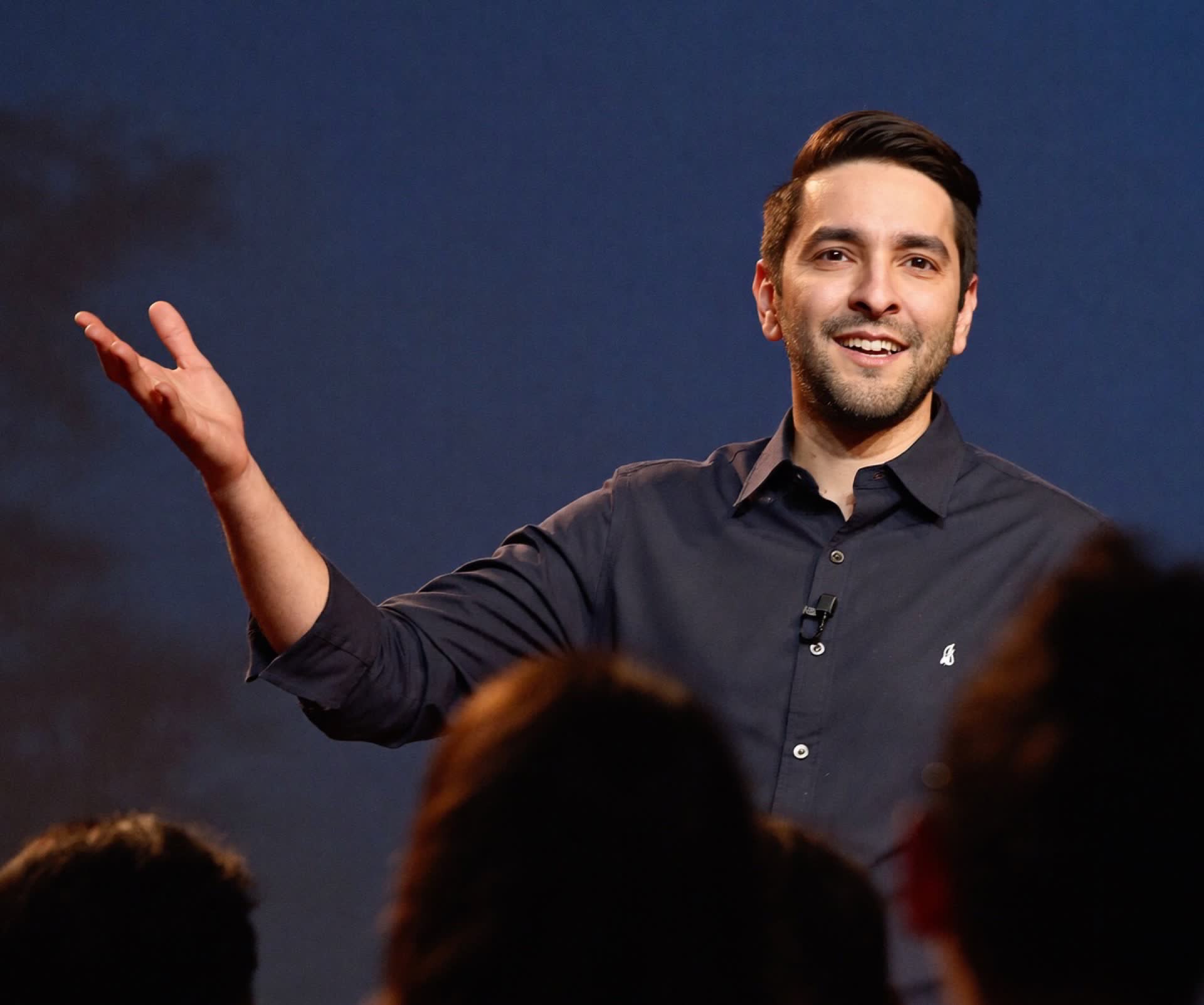
PostEx co-founder Omer Khan walks Muzamil through the chartered-accountancy-to-Dubai-sales journey that led to PostEx, why the company runs its own logistics rather than outsourcing, how its hybrid fintech model actually works, and why he refuses to set a ceiling at "regional leader".
with Omer Khan
16 min read
A Sahiwal upbringing, and the difference between privilege and exposure
The episode opens with Muzamil framing the conversation as one of the most important in the Endeavor-partnered series of fifty case studies on Pakistan’s fastest-growing startups. He sets the stakes plainly: PostEx is currently the largest e-commerce logistics player in Pakistan, doing roughly 4 million parcels a month, with around 11,000 employees and over half a billion dollars in GMV processed last year. He then asks Omer Khan, the company’s CEO and co-founder, the question he asks everyone: where did you come from, and what made you do this?
Omer is from Sahiwal. He stayed there until he was eighteen — metric, intermediate, all of it — then moved to Lahore for a year before relocating to London to complete ICAEW. Muzamil presses on the question of background, because the PostEx founder profile cuts against the usual Pakistani-founder pattern of a Karachi or Lahore upbringing and a “big school, big university” résumé. Omer answers carefully. “It depends on how you define privilege,” he says. “I was very privileged when I was growing up. I didn’t have to ask for anything. I had everything that I needed. Best education I could get in Sahiwal.”
But he immediately separates two things people tend to confuse: privilege and exposure. Exposure, he concedes, is different in a metropolitan city. What matters more, in his telling, is how you are raised. His parents never pushed him toward a specific field, but they did push him toward a specific posture: if you pick something, be the best at it. “When that sticks with you, when you try to start a company or when you try to be an entrepreneur, then you work towards being the best in the business. Not for just the sake of being there.” Muzamil notes that this pattern shows up in nearly every founder he has interviewed: parents who let their children choose, which forces the child to own the outcome.
Why he picked CA in 2008, and why he would pick it again
Omer chose chartered accountancy in 2008. The reasoning was almost contrarian for Sahiwal at the time. Doctors were everywhere. Engineers were everywhere. CAs were not. The perception, he says, was that the qualification was deliberately hard to clear, which was exactly the appeal. “I want to do something which challenges me as a student, as somebody who wants to learn, and as a professional eventually.”
He completed CAT, then chose ICAEW — the English chartered qualification — over ACCA because at the time ICAEW ranked slightly above and was not yet available in Pakistan. That decision pulled him to London, where he finished the four-year programme in two and a half years. He did not stay. “I’m not going to be in London just because I don’t want to be in Pakistan,” he tells Muzamil. “I’ll be in London or I’ll be anywhere in the world if I can get something which is something that I cannot get in Pakistan.” That posture — go for the thing, not for the geography — runs through the rest of his story.
Asked whether he would pick CA again with the benefit of hindsight, he answers without hesitation. He would. He adds a CFA on top of it later, and he credits both for the financial intuition he leans on every time PostEx takes a decision that touches the balance sheet.
The Dubai detour, and what sales does to a founder
Omer came back to Pakistan, spent a year in a call centre, then joined one of the Big Four firms for two years. He moved to Dubai in search of more global exposure. The job he could get there was in sales, not accounting — without an undergraduate degree, the corporate-finance route in Dubai was closed to him at the interview stage. He took the sales job, did it for four years, and stopped trying to fight the pivot. “I learned something. I can do financial sales, I can do all sorts of sales. It’s a skill. And if you have learned that skill, you can use it to do anything.”
Muzamil pushes on what sales actually teaches a founder. Omer’s answer is structural rather than romantic. When he came back to Pakistan in late 2019, waiting on a visa transfer for his next Dubai job, he had two months of dead time. Friends kept telling him the same thing: courier companies were trapping e-commerce businesses’ money for thirty to forty days at a stretch. Omer did what a salesperson does. He cold-called e-commerce operators to see if the problem was real or exaggerated. It was real. He went to his best friend Saad — who is still his co-founder — and said: leave your job, I’ll cancel the Dubai offer, we’ll do this.
His logic for actually pulling the trigger was equally pragmatic. “If I have to go to Dubai and do sales for somebody else, why not do sales for myself here? At least I know one thing — I can sell. I can convince people to work with us.” He did not know logistics. He did not know fintech. He had not heard the word “fintech” used seriously until that period. But he knew he could sell, and that was the skill the first eighteen months of PostEx demanded.
What PostEx actually does
PostEx is a hybrid of logistics and fintech. The fintech sits on top of the logistics. In a 2018-or-2019 baseline, an e-commerce platform shipping on cash-on-delivery was waiting thirty to forty days to receive its own money, when in an idealised world it should have been seven. PostEx solved that by underwriting the merchant against the parcels themselves. “Looking at different data points, we underwrite your business,” Omer explains. “We give you 50%, 60%, 70% upfront when you hand us the parcel. The remaining 30% or 40% gets settled once the product is delivered.”
That single product solves two problems at once: working capital and logistics. As PostEx pulled merchants closer, it noticed that day-to-day working capital was not enough to support 50% or 100% month-on-month growth, so it launched a second product, growth capital. Now it is moving into the third layer: digitising cash-on-delivery itself, by enabling debit-card, credit-card and wallet payments both at the checkout page and at the rider’s doorstep.
When Muzamil asks whether PostEx is just the financing intermediary or the physical operator, Omer is emphatic. “I’m very proud to say we are the largest logistics for e-commerce in Pakistan by far. We do logistics ourselves, and we do financing ourselves.” The reason is not pride. It is risk. Over 95% of transactions are still cash-on-delivery. If PostEx outsourced the physical legs — pickup, mid-mile, last-mile — it would lose control of how the cash flowed. “As a financing company, it’s a very high risk if we do not have control over these legs.”
The team is the moat
The conversation turns to scale. Muzamil asks how big PostEx is relative to its competitors. Omer offers a neat framing: name the volume of the next-largest e-commerce logistics player x, and PostEx is doing 3x. He immediately follows it with a piece of operating philosophy that is worth lifting out in full.
“When you set a glass ceiling — when you say I have to do x — you’ll never do more than x. We don’t compare ourselves to who’s the largest. We knew this is the market. We have to beat the market. We have to capture all of it. We don’t want to beat them. We have a market to capture.”
He extends the same logic to the first fundraise. When the round was announced, someone asked him whether the money was enough to beat the forty- or fifty-year-old incumbents. His answer was that the round was not for beating them. “We didn’t raise this money to beat them. We raised this money to build a team that is going to beat everybody in the market.” Once the team is in, the infrastructure and operations fall in line behind it. If the team is wrong, no amount of subsidy or discount will rescue the business.
Servicing 600 cities without outsourcing
Muzamil shares a personal anecdote about running a small planners-and-diaries e-commerce business years earlier and being shocked that orders from Gwadar, Turbat, and the Afghan border kept landing — and somehow getting delivered, with cash collected, against odds he could not square in his head. He asks how PostEx actually reaches those places.
Omer’s answer is the cleanest summary of the operating model in the conversation. In 98–99% of cities, PostEx has its own presence. For the cities far enough out that a permanent office does not break even, the company does not outsource — instead, it sends its own couriers in once or twice a week, ideally locals from the area. The reasoning loops back to the cash question. “If we outsource it, we don’t control who’s collecting cash, who’s depositing it. The further the city, the higher the risk. That cash is not even mine. The parcel and the cash belong to the merchant. My responsibility toward it is higher, not lower.”
When asked for the headcount in concrete numbers, Omer gives them: roughly 11,000 people in Pakistan, of which 500 are corporate and 10,500 sit inside logistics. Muzamil pauses on the number. It is roughly double what PostEx had at the same point a year earlier.
How the money got raised — and how much of it is debt
PostEx started with PKR 3 million — PKR 1.5 million from Omer, PKR 1.5 million from Saad. They went live in Lahore first, signed their first client after two months, and growth accelerated fast enough that they realised within months they would run out of capital for upfront payments before client demand cooled. The publicly available number Muzamil cites is around $15.9 million raised across three rounds.
The investor list is mixed by geography. The first round was led by Fatima Gobi Ventures and MSA Capital. The second was led by Global Founders Capital (the Rocket Internet arm), with Zayn Ventures and Shorooq coming in alongside Conjunction Capital. The third was led by Conjunction Capital with Dash Ventures joining. The split between equity and debt matters, and Omer is explicit about it: roughly $11 million is equity, the rest is debt.
The reason that split matters is structural to the business model. PostEx is doing lending. You cannot scale lending with equity, because equity dilutes the founders and the cap is hard. The right path is to use the company’s underwriting data and book quality to unlock debt providers’ balance sheets. “We’re working with a few in Pakistan to get access to their balance sheets,” Omer says. “Very soon we’ll be unlocking more debt for our merchants.” Asked about profitability, his answer is short: yes, profitable in Pakistan. The profits are being reinvested in the team and infrastructure.
Fraud, integrity, and the culture problem
Muzamil raises the part of the business that nobody wants to talk about on a podcast: fraud. The 11,000 touch-points sit inside what he calls a low-trust society, in an industry where every leg of the chain — rider, warehouse staff, merchant, consumer — has an angle to play.
Omer’s framing is uncompromising on responsibility. “You have to start with yourself. What kind of culture do you have? What controls can you build inside PostEx?” He refuses to externalise the problem to a generic Pakistan-is-like-this complaint. People will take an opportunity if you give them one — the company’s job is not to give them one. “If we get hit somewhere today, we fix that gap so the same fraud at the same point cannot happen again.”
He is also clear about what he refuses to normalise. The instinct in many Pakistani teams is to shrug and say “everyone does this,” and the moment that posture takes root, the culture is gone. “It is not normalised. The values have to be communicated from the CEO to the rider. Integrity needs to be there.”
On the systems side, the answer is technology. At scale, manual checks fail. PostEx uses software to track movements, flag SOP breaches inside warehouses, force rider photographs on every attempt, and post-verify with the customer whether a delivery actually happened. The surprising statistic he shares: 60–70% of what looks like fraud in the initial flag is actually miscommunication. Streamlining the consumer line back to PostEx — rather than only to the rider — closes most of the gap.
Credit scoring merchants, and the consumer-data problem
Because PostEx lends, it underwrites. Omer walks Muzamil through the credit-scoring layer for merchants. The basics are obvious — sales, growth trajectory, how long they have been in business, category. The more interesting layer is product-level risk. PostEx risk-profiles by product. A T-shirt does not behave like a pair of jeans, which does not behave like shoes, even though all three sit inside fashion. The success ratio on a cash-on-delivery T-shirt order is materially different from the success ratio on shoes. So PostEx looks at inventory mix as part of underwriting: how much of your stock is in T-shirts, how much in shoes, how much in Western versus Eastern wear.
The conversation then drifts into one of the most useful exchanges in the episode. Muzamil shares an anecdote about a small e-commerce business he ran where a single customer placed roughly fifty repeat orders, all of which came back as refused-at-delivery. It turned out to be a child placing orders her parents would not let her receive. That single customer cost the business 20,000 rupees in failed delivery costs that the business absorbed silently.
Omer’s response is that this is precisely the problem the industry is now solving collaboratively. PostEx, along with middleware companies in the space, is sharing consumer behavioural data — order frequency, accept versus reject rates, category preferences — without leaking the underlying proprietary data. “We want them to save that money. We want them to invest that money where it could actually have an impact for their business.” Muzamil makes the broader point about how this works globally: the raw data stays inside the pipeline, but the insight generated on the data can move.
A separate but related point: Mahafiz, a Pakistani startup PostEx has used for three years, runs background and home-address checks on riders so that operators stop hiring the same problem rider in a loop across different companies.
Digitising cash-on-delivery, at the checkout and at the doorstep
The third PostEx product line is payment digitisation. Omer breaks the architecture into two flows. The first is checkout-page digital payments, where the merchant accepts card or wallet at checkout and the parcel arrives as zero-COD — already paid. The second is doorstep digital payments, where the rider arrives and accepts payment via QR code, card tap, or wallet at the door instead of cash.
PostEx has rolled out the doorstep flow already. It launched in Lahore, then Faisalabad and Karachi, and is moving to a national rollout. The hardware reality is more textured than the pitch deck. Riders who have NFC-enabled phones tap directly from their handset. For the riders who don’t, PostEx ships them a small payment device that connects to the rider app, syncs the order value automatically, and confirms payment in real time. There is no need for the rider to type the value in — clicking the order to mark it delivered automatically lights up the device for tap-payment.
Muzamil presses on the secondary-market behaviour he observed coming back from Dubai: riders quietly running their own EasyPaisa accounts to settle deliveries digitally, because customers didn’t have cash on them. The PostEx answer is to bring that flow inside the system, validated in real time, with the rider incentivised to take card rather than cash.
Saudi, UAE, and the line between copying a product and exporting a problem
The conversation moves to expansion. Muzamil notes that PostEx now has UAE and Saudi websites and asks what is actually happening in those markets.
Omer is careful not to claim the model copy-pastes. “Whatever business model works in Pakistan, not necessarily that same business model can be copy-pasted in Saudi or UAE.” The UAE is expat-driven; sales are pulled by expats. Saudi is local-driven; everything from product copy to branding has to be Arabised. But, he argues, the problems are similar across markets that are early-stage in e-commerce, even when the solutions cannot be identical.
The principle he keeps coming back to is that PostEx exports problem-understanding, not products. “We’re on a mission to solve problems. When you identify those problems in one market and solve them ground-up, you have the expertise to solve the same problem in another market.” Pakistan is and stays the core market — he is clear that PostEx is “never done” in Pakistan, because the e-commerce penetration here is still in the low single digits versus 15% in developed markets.
On whether more capital is coming, Omer is plain. PostEx will raise again — not to survive, but to win. “Normally people put a glass at ‘we want to be the regional leaders.’ Why do we have to be regional leaders? We want to win one region and then go into another and then go into another. Why would we limit ourselves to just one region or one country?” The money is for offence, not defence.
Pakistan in 2050 — and why he refuses to wait for a political party
Muzamil closes with the question he asks every guest: where do you see Pakistan in 2050?
Omer refuses to answer in the form the question invites. He will not predict the country in 2050, but he will articulate how he thinks Pakistanis should get there. The default Pakistani posture, he says, is to wait for a political party, a leader, an external fix. “I don’t think we as Pakistanis are taking responsibility for what we need to do as Pakistanis. We always say someone else will come and fix it, and then we will be fine.”
He uses a small, ordinary example to make the point concrete. When someone offers him “speed money” to get a task done faster, the framing many people use is whether they can afford to pay it — and if they can, they pay it and own it almost as competence. If they cannot, they blame the system. Omer’s argument is that this is the inversion that has to stop. The right question is not whether you can afford the small compromise. The right question is whether the compromise is right or wrong. Fix yourself first, he says, and the leadership eventually catches up.
Muzamil closes the conversation at around the one-hour-fifty-minute mark with something he says he rarely says on the show. He thanks Omer not just as a founder but as someone whose company has helped roughly 11,000 families sustain themselves. He frames PostEx as one of the most powerful proofs in the series so far: a Sahiwal kid with no industrial family, no logistics background, no fintech background, who started with PKR 3 million and built — in five years — the largest e-commerce logistics company in Pakistan and one of Forbes Asia’s 100 to Watch.
It is, as Muzamil says in the intro, the kind of story you would normally only read about happening somewhere else.
Full transcript
Partnered एक series चल रही है जिसमें हम पचास Pakistan की सबसे exciting, सबसे जो fastest growing हैं और जो सबसे बड़ी startups हैं उनको हम cover कर रहे हैं. मैं आपको guarantee लगाकर दे सकता हूं क्योंकि मैंने तकरीबन बीस बाइस episodes already record भी कर ली हुई हैं. यह जो पचास episodes हैं अगर आप यह तमाम देख लेते हैं तो आप Pakistan में अगर किसी mid tier university में पच्चीस तीस लाख रुपया देकर MBA करेंगे ना तो उसके मुतराधिफ़ है अगर आप इन पचास, you know, fast growing, incredible startups की case studies को देखें, समझें, उसको properly आप explore करें और उसके पीछे देख सकें कि यार founders की क्या सोच थी? किस तरीके से वह problem solving कर रहे थे? किस तरीके से वह आने वाले वक़्त में भी problem solving कर रहे तो अगर आप इन startups में काम करना चाहते हैं, अगर आप एक startup ख़ुद बनाना चाहते हैं या आप कोई दिमाग़ घूम जाएगा. इन लोगों के पास ढेर सारे employees हैं और constantly यह नए employees भी ढूंढ रहे हैं. इधर अगर आपने job करनी है तो उनके founder की podcast sun लें. उसके vision को समझ लें. उसकी जो problem है जिसको वह solve कर रहा है उसको identify कर लें. Remarkable global community of high impact people. तकरीबन यह 43 different emerging markets में operate कर रहे and they've been active for the last twenty six years. बहुत सारे इनके different billionaire unicorn startup founders जो हैं वह इनके Endeavor entrepreneurs हैं. Pakistan से भी कोई तक़रीबन दस बारह different rock solid company जिसमें से काफ़ी सारी हम इस series में feature भी कर रहे हैं. वह इस वक़्त endeavor entrepreneur already वन चुकी हैं. इनके board में some of the best पाकिस्तानी founders like the cream founder, McKenzie के head, you know, फात्मा गोभी ventures वाली अली मुख्तार साहब, वग़ैरह वग़ैरह और बहुत सारे इस तरह के लोग हैं. They're doing absolutely phenomenal work in putting Pakistan on the map, in making sure कि पाकिस्तानी startups को वह access to capital हो, access to mentorship हो. Global similar markets कि Indonesia, Egypt, Turkey, वगैरह वगैरह जो कि बाकी founders को है. And through that, they're able to scale, they're able to create jobs for, you know, tons of पाकिस्तानis, and they're able to create overall value for Pakistan. If you'd like to know more about them, definitely check out. नीचे link है. You can find out more about Endeavor Pakistan and overall Endeavor Global. साथ ही दफ्तर ख्वान को मैं shout out देना चाहूंगा. There, I believe, Pakistan's second largest coworking space जो कि लोहौर, कराची, इस्लाहाबाद में exist करती है. They've been kind enough to lend us their their studio in लोहौर जहां पर हम यह conversation record कर रहे और आने वाली कुछ conversations जितनी भी हमारी लोहौर में record हो रही हैं, वह दफ्तर ख्वान के studio में ही हो रही हैं. Constantly try कर रहा है in a low viewership environment, high quality conversations बनाने में और उसमें जाहिर है कि there is a lot of cost associated with it जो कि हम ख़ुद से उसको figure out कर रहे हैं, bear कर रहे हैं. तो these partners go a long way in making these conversations happen and I am from the bottom of my heart thankful to them. साथ ही मैं आप लोगों को कहूंगा कि अगर आप लोग बहुत सारे ऐसे लोग हैं जो कि दो घंटे की conversation देखते हैं, नीचे comments में भी आया हुआ होता वह कहते कि यार यह इतनी लंबी कौन देखेगा? तो हमने एक clips का channel बनाया है जिसमें सबसे जो important relevant conversations हैं दस से बारह minute के clips में हम वह वहां पर डाल देते हैं. उसका भी link नीचे description में भी दिया हुआ है यहां पर कहीं पर वह appear भी हो रहा होगा. So you can definitely join that channel as well ताकि आप लोगों का अगर time नहीं है, busy हैं life में, तो you can actually go through the most important parts of these conversations on that clip channel. But nonetheless, आज यह conversation possibly this season की सबसे exciting और सबसे powerful conversation is with मोहम्मद उमर ख़ान who is the CEO and cofounder of Post X. Post X का आपने definitely नाम सुना होगा. मुझे इनका scale के बारे में इतना idea नहीं था, लेकिन conversation के बाद I'm just absolutely mind blown. They're currently the largest logistics ecommerce player in Pakistan. जो amount of orders यह लोग ship करते हैं, जो second number के ऊपर आता है, So they're currently doing 4,000,000 transactions per month in Pakistan. चालीस लाख transactions, parcels इनके through deliver होते हैं. दस हज़ार पांच सौ इनके सिर्फ़ riders और operational staff हैं. पांच सौ इनका जो head office है, वहां पर जो product build कर रहा है, जो overall पूरा system चला रहा है. So, net के ऊपर इनके पास ग्यारह हज़ार employees हैं as of right now, which is almost two x what they had same time last year. Last year तकरीबन 6,500 इनके employees थे. Around about the time when they raised their most recent investment as well जो कि ग़ालीबन $7,900,000 की थी. That helped them, you know, expand out in Saudi Arabia as well. अब तक यह total $15,900,000 raise कर चुके हैं. $500,000,000 इन्होंने last year GME में process किया था यानी कि different vendors ने जो अपने parcels भेजे उसमें जो, you know, उसमें cash on delivery के ऊपर revenue यह लोग इकट्ठा करते थे उनके लिए. That was around half $1,000,000,000 which is just absolutely mind numbing to me. That's almost 10% of the entire ecommerce market in Pakistan as of right now. Pakistan की ecommerce market is 1.5% of the total retail market. दुनिया में जो बड़ी economies हैं, जो developed economies हैं, वहां पर roughly यह number 15% है. So that's what we know. दुनिया में भी यह grow कर रहा है लेकिन हमें already पता है कि Pakistan is in that direction. So there is a lot of room for growth for ecommerce players but generally also logistics companies as well. इन लोगों के model में जो interesting बात है वह यह है कि they're a hybrid between logistics and fintech. तो वह करते क्या हैं कि अगर आप इनके through deliveries अपनी manage करवा रहे हैं तो इनके पास direct certain data और insight generate हो रही है that gives them तो साथ ही fintech component की वजह से they're able to take a percentage off of the GMV as well essentially. जहां पर वह जाहिर है कि जब आपको access to capital दे रहे हैं तो there is a certain percentage जो कि वह आपसे रख रहे हैं for as long as you don't return that money. And so overall generally within the, you know, COD space वह तो उसमें पैसा है ही है. But over time, they can actually provide you with capital for growth as well because they now have that insight. Beyond that as well, payment processing के अंदर भी अब यह घुस चुके हैं. They're now beginning to enable their customers for digital payments as well. That's another particular product. And then most recently, they've now expanded out to Saudi. जहां पर इन्होंने इसके बारे में थोड़ी सी बात की. मैंने online भी उनको जाकर research की और study करने की कोशिश की. तो my understanding is कि it's a multi tiered play. यह fintech वाला तो है ही है जहां पर यह basically एक aggregator उन्होंने बना लिया है. Ecommerce players जो हैं वह इनके aggregator use करते हैं and they can then, you know, sublet और और use any of the different delivery options. Aramex है और बहुत सारे Saudi में already बड़े mature players हैं. जिसके through वह different ecommerce players की inside generation भी कर लेते हैं और उसके through access to capital भी दे देते हैं. But my understanding is कि there is a certain SaaS play as well क्योंकि जब यह उस ecosystem में आ रहे हैं, जो platform इनका वन रहा है, वह I think is very powerful. वहां पर of course the margins that then they would have would be higher as well. They recently got featured in Forbes Asia's 100 to watch list as well. So clearly they're one of the top 100 startups in Asia. And again, जो हमारा अपना एक model आजकल चल रहा है जिसके अंदर हम different data डालकर identify करने की कोशिश करते हैं कि different startups की क्या valuation है? क्या वह किस जगह पर अभी खड़े हुए हैं और जो different growth इस वक़्त उनकी हो रही है within Pakistan externally और जो generally averages हैं industry की, उसको मद्देनज़र रखते हुए यह unicorn status कब तक achieve करेंगे? तो उसको देखते हुए और अगर सिर्फ़ logistics business की बात की जाए तो anywhere between 30,000,000 to 80,000,000 है. उसमें अगर आप fintech का component add कर लें और potentially, you know, digital payments का component add कर लें तो comfortable mid range इनकी 100 and $120,000,000 बनती जो कि मुझे भी लगता है. जो इनकी fundraising भी हुई है वह भी इसी की तरफ़ point करती है. I do believe कि जो सऊदी है similar to जो हमारी recently conversation हुई थी with Med IQ, I think सऊदी के अंदर there is a lot of opportunity for growth. जो current हमारा model हमें कहता है कि again इनकी क्योंकि ranges इतनी बड़ी हैं कि अगर सिर्फ़ Pakistan business की बात की जाए तो they can achieve unicorn status somewhere between 2034 to 2037. लेकिन अगर हम Saudi को देखें तो there is a huge opportunity to accelerate that, you know, that that number many fold. Or, again, we can we can actually look at a unicorn status by twenty twenty eight, twenty twenty nine. But, nonetheless, extremely powerful conversation. A lot to learn. थोड़ा सा मैंने intro भी लंबा दिया because genuinely आप यहां तक पहुंचे हुए हैं, I genuinely recommend इस episode को आप end तक ज़रूर सुनिएगा. Generally, आने वाले वक़्त TV तमाम episodes सुनिएगा. मैं एक दवा फिर से दोहराऊंगा. अगर आप यह literally पचास episodes देख लें, आपका पूरी जो जो thought process है ना about how business works in Pakistan, how startups are working and growing, how what the possibilities are, what the opportunities are, वह completely shift हो जाएगा. तो ख़ुद भी देखें अगर आपके गेद आपके कोई दोस्त या रहे हैं, बच्चे हैं, students हैं, young professionals हैं, उनको ज़रूर यह series भेजें and have them go through it. It's, you know, these are phenomenal stories, phenomenal operators. इस story के अंदर भी, you know, this young kid from साहिबाल with not a lot of, you know, family money. मतलब he was comfortable. He was privileged as per his own statement. लेकिन यह कोई बड़े घर से नहीं आए हुए थे. यह कोई industrialist घर नहीं था. यह एक average साहिबाल का लड़का जिसने तीस लाख रुपए से एक business बनाया that is now worth over a $100,000,000. It is an absolutely fantastic story, and I hope you enjoy it as much as I did. This is मोहम्मद उमर खान, CEO and cofounder of Postx on TBT podcast season five. Despite the best efforts of governments to move the world apart,
entrepreneurs are bringing us closer together as we see innovation literally everywhere. The reason I love it never so much is you realize that you could create something anywhere.
Companies can also come, like, you know, from anywhere. Can come from Brazil. It can come from Mexico. It can come from Istanbul.
If you're ambitious, go to Europe, get the job out of The US. But here you're mega ambitious. Stay home and build. This episode of Thought Behind Things is presented in partnership with Endeavor Pakistan.
Sir, thank you so much being part of this show. Thank you, मज़हम्मद, for having me. I was very much looking forward to it. Over भाई, अगर मैं conversation को start करूं, I wanna understand you first of all. आप कहां पर पैदा हुए? Education आपने कहां पर ली? And थोड़ा सा जो आपके professional experience रहा है before starting post tax, What I'm trying to understand is what, you know, what did you go through? आपकी overall early life क्या थी that compelled you and eventually,
you know, made you start post post tax? अच्छा, I'm originally from सहिवाल. सहिवाल में ही पैदा हुआ, सहिवाल में ही बड़ा हुआ until I was 18. So I was there. Intermediate, metric, schooling, all was from सहिवाल. उसके बाद मैं लोहौर आ गया. I was in लोहौर for around one year. मैंने chartered county से start की so I didn't go into university. मैं सीधा लोहौर आ के chartered county से मैं चला गया और एक डेढ़ साल लोहौर में लगाकर I moved to London और वहां पर मैंने फिर अपनी बाकी chartered county complete की. Complete करने के बाद I moved back to Pakistan. Pakistan में वापस आकर I worked in sales, meaning call center for around one year. एक साल मैंने call center में काम करने के बाद then I was trying to find a job in one of the big four firms. So I was lucky enough कि मुझे एक साल बाद वहां पर फिर job मिल गई and then I worked there for around two years. दो साल मैंने accountancy firm में काम किया one of the big four firms और उसके बाद फिर मैं Dubai चला गया क्योंकि मेरे पास sales का भी experience था and then accountancy. तो Dubai में you can very easily find a sales job as compared to finding a job which is with big four firms specially if you if you don't have undergrad meaning कि अगर आपने graduation नहीं की तो it becomes very difficult for you to find a job जो कि आपको corporate वाली site पर लेकर जाए. तो मेरे लिए easy था to find a sales job and I needed a job at that time क्योंकि मैं यहां से बस दोस्त के पास चला गया and हम job ढूंढी start कर दी. तो it took me around three months to find a job and then I worked in sales for around four years. चार साल मैंने sales में काम किया in the way and then I moved back to Pakistan in late nineteen early twenty twenty. Just before COVID और the idea, so I was basically switching jobs. मैं एक job से दूसरी job में switch कर रहा था इंदिर्वाही और वह visa थोड़ा सा time ले गया, दो महीने ले गया और दो महीने में मैं यहां पर जब था तो दोस्तों से मिला, दोस्तों से बात हुई तो सबने एक ही बात बार बार की around e commerce कि courier companies में किस तरह पैसे फसते हैं, किस तरीके से वह problem create होती है. तो I then I started because sales से था तो मैंने randomly लोगों को call करनी start कर दी और just to check कि क्या यह वाकई problem है या यह सिर्फ़ exaggerate करके दोस्त एक दूसरे को बता रहे होते हैं. तो वह वाकई problem थी, it was a serious problem तो I decided to stay back. साथ was my best friend, he still is my best friend so I went to him and said कि यार you gonna leave your job as well और हम दोनों job छोड़कर यह काम करेंगे और फिर उसने भी job छोड़ी. मैंने भी जो offer थी उस पर उनको excuse किया and then we started post ex. और that was early twenty twenty when we actually launched our services for MVP. Interesting.
Post ex से मैं आऊंगा. वायवाना जो आपकी story है उसमें से a few things. पहले मुझे यह बताएं कि जो जो आप साहीबाल generally it's a it's a it's a medium sized city. Right? I haven't been. So, run me through कि वहां पर रहते हुए how globalized were you in your in your thought process? यह यह बड़ी एक interesting profile है because generally, you know, whenever I've spoken to a lot of founders or business leaders, तो Pakistan में generally young people have this thing where they're like, यार यह तो, you know, they're born from born from privilege. उनके पास तो silver spoon था. आपकी profile बड़ी grounded है उस तरह से. You're not from, like, कराची लोहल इस्लामात. You're not from, like, these big schools, big university उस तरह से. You you you you came in and I'm and I'm trying to understand कि did you have a lot of exposure growing up? If a young उमर was seeing what you're doing now, would he be like, हां, that makes sense. I mean, know, I I I was always this person who's gonna do this. Yeah, would he be कि wow, I've I'm doing a lot of exciting stuff now? It
depends on how you define privilege. So I was very privileged when I was growing up. I didn't have to ask for anything. I had everything that I needed. Best education I could get in साहिबाल. तो and और और जो आप बात कर रहे हो exposure की, that's true कि when you are raised in a bigger metropolitan city तो थोड़ा सा exposure different होता है. But उस exposure से भी ज़्यादा ज़रूरी चीज़ होती है कि how you are raised. Right. More important than where you are raised. क्योंकि यह कोई ज़रूरी चीज़ नहीं है कि you have to be raised in कराची or a metropolitan city to be to be ambitious or to actually do things, to win things. I was raised in a way where I was told कि आरती क्या you if you want to do something, do it the right way. Don't do it for sake of doing it. चाहे वह पढ़ाई है, my parents never told me कि यार यह पढ़ो या यह पढ़ो and that's why जब आप when you're young, you don't know कि what is the right decision, what you should take as a as your field पढ़ाई में क्या लेना है नहीं लेना है तो then if I look back sometimes I feel like यार यह कर लेता तो बेहतर था education wise यह कर लेता तो बेहतर था but they always backed me कि यार जो करना है पढ़ो जो भी field doctor बनना है, engineer बनना है, chartered government बनना है, that's your call. लेकिन when you pick up on that, when you start doing it, then we want you to be very serious about it and then do it the right way. Don't do it half heartedly. तो वह एक जवाब के ज़िह्न में बैठ जाती है ना कि if I'm trying to be a doctor or if I'm trying to be an engineer then I need to be the best engineer. तो when that sticks with you तो जब when you try to start a company or when you try to be an entrepreneur, then you work towards being the best in the business. Not for just sake of being there, not just for certain reasons कि यार यह भी होगा, वह भी होगा. You get in so that you could get to the top.
Interesting. And I think यह आपने बड़ी मज़े की बात बोली because if I look at a lot of people I've spoken to, हमेशा वह यही बात करते हैं कि parents ने I mean, it's not like they they chose a degree that they pursued for the rest of their lives. काफ़ी दफा they made mistakes as as young people but one thing, one commonality I can find is कि a lot of their parents just let them be and let them do what they wanted. क्योंकि उसमें for a lot of young people then there there is a sense of responsibility कि यार यह मैं कर रहा हूं मेरे failures तो actually किसी और का मसला है. And I think until and unless you actually take responsibility for your actions, you can't really grow because, you know, you you you won't you won't really go toward till the end of a problem statement क्योंकि जो अपनी responsibility है पर तो बंदा करता है कि यार अगर नहीं हुआ तो मैं ही कर सकूंगा. इसलिए मुझे बताएं CA is I mean if you were in your forties, right? You'd studied in the nineties. I would have said कि ok, CA was all all the rage at the time. What compelled you to choose CA? And आपने थोड़ा सा भी इसका तस्करा भी किया है कि कभी कभार you look back and think कि यार education में maybe I should have done something different. So reflecting today, a, why did you choose CA at the time? And knowing what you know now, would you have probably chosen something different?
So I'm 34 और जब मैंने CA choose किया था that was, I think, 02/2008. Still was very in at that time कि CA की बड़ी demand थी. अभी भी काफी demand है. Depends on कि आप किस direction में लेकर जाते हैं because अब education थोड़ी सी different हो गई है. It's about, it's more about understanding something and then using it as a skill rather than making it something mandatory for you to be successful. So, थोड़ा सा आप समझ लो कि education को differently देखा जाता है. In 02/2007, somebody coming from Sahiwal, I didn't see lot of CAs there. There were very few CAs and if there is a CA you would know कि यार इस बंदे ने CA किया हुआ है, ठीक है? And then they're mashallah doing good as well तो because when there are very few people who have done that they're normally doing very well क्योंकि supply and demand basics. तो उस वक़्त भी यही था कि यार engineer तो हैं, doctors भी हैं, CAs नहीं हैं और coming from साहिबाल तो मुझे यह था कि यार CA करना है. So, I need to do that and that was considered to be very difficult as well. That was considered to be very difficult task यार. Engineer तो हर साल इतने निकलते हैं या जो भी है CA नहीं निकलते. CA वह एक होता ना वहां उस perception भी था कि CA वह pass ही नहीं करते हैं यह इतनी उन्होंने limit लगाई हुई है. Even though that's not true लेकिन ठीक है उस वक़्त था. So that that's why I decided कि यार ठीक है it's difficult, it's tough and it's a challenge. So I want to do something which is which challenges me as well as a student, as somebody who wants to learn and as a professional as well as well eventually. So that's the reason why I chose CA and probably I'll choose CA again because I've learned a lot from it. I know finances, I know accountancy and then I ended up doing CFA as well. तो उससे बहुत ज़्यादा exposure आ जाता है which helps you take good financial decisions or you could say, I don't know but good or bad but more informed financial decisions when you're taking a decision for your business. I wasn't thinking about being an entrepreneur at that time, लेकिन what I learned really helps me being who I am and make more informed decisions.
Right. Makes sense. What compelled the decision of, a, going to London, or, I think, completion of the क्योंकि I'm curious. Generally, मेरी understanding यह है कि CA, there's no university that you go to. You basically go to like these sort of institutions that they that teach you and then eventually you give exams. तो इसमें transfer वगैरह तो उस तरह से नहीं हुआ होगा. How did the whole London shift happen? And then what I'll come back to later. I want to understand Dubai as well, of the thought process behind really going out there and exploring outside of Pakistan. But start with London. How did that transition happen?
तो उसको करना पड़ रहा था ACCA साथ साथ. आप if you don't have graduation तो आपको पहले CAT करना होता है उसके बाद ACCA करना होता है और उसके बाद you can do other professional studies as well. तो जब मैंने अपना CAT ख़त्म किया तो I had two options. Either I can take ACCA which is which we all know what it is and the other option was ICEW which was the chartered accountancy of England and Wales. I see. So professionally उसकी ranking was slightly above ACCA. तो उस वक़्त Pakistan में ICICIW नहीं होता था. I'm talking about 2,008. वह normally start हुआ था दो हज़ार दस, दो हज़ार ग्यारह में. तो उस वक़्त I had to choose between ACCA or ICAW. तो I decided कि यार ठीक है, if you're doing something like I said कि जो करना है तो फिर अच्छे तरीके से करना है और सबसे top level वाले professional studies को उठाना है. तो फिर that's why I chose ICW at that time और उसको फिर सामने रखकर I move to London. और वहां पर was it a university?
Was it an institute? How did that sort of work? The normally colleges
जो आपको enroll करते हैं and they issue you visa और आप दो ढाई साल, तीन साल, चार साल का course होता है. So it's normally for four years ICW का जो course होता है. It's similar to आप कह लो कि Bachelor's program जो आपका standard होता है. Yeah, लेकिन normally यह आपको colleges होते हैं तो आप जब मतलब चार साल का visa होता है and then you have to finish that within four years and if you exceed that you have to extend your visa. तो मैंने इसको दो ढाई साल में ख़त्म कर लिया था. तो then once I finished it तो my visa expired, तो I moved back. Rather than staying there for, stake of staying there, like normally यह होता है कि when you go to London, you're you're thinking कि यार, I need to settle down there. So that was not the purpose. That was not the intention. The intention was to get the best education. Yeah. And so why why did you
decide not to stay there? क्योंकि again like you said और वह time भी ऐसा था ना Pakistan में कि foreign terror चल रही थी, terrorism peak पर था, economic crisis multiple times आ चुके हुए थे. My understanding 02/1011 में आपने graduate किया.
Yeah.
तो उस time के ऊपर anyone who was out was thinking कि यार finally thank god I'm out, right?
आपका what compel you to come back? देखो, मेरा यह था कि if I do ICAW there or if I complete my education there, I need to get into certain firms. It needs to be either top four. I'm not gonna stay there सिर्फ इसलिए कि यार I want to go away from Pakistan. I'm not going to be in London just because I don't want to be in Pakistan. I'll be in London or I'll be anywhere in the world if I can get something which is something that I cannot get in Pakistan. Meaning कि देखो मतलब जो आपने बात की है ना so that's very true कि as पाकिस्तानीs being पाकिस्तानी is our biggest regret कि यार किस तरीके से हम ना इस चीज़ से दूर चले जाएं, कुछ और मिल जाए, कहीं और चले जाएं. एक बड़ी simple सी चीज़ है कि when we are born so even before our parents could name us, Pakistan gives us our identity of being पाकिस्तानी. It doesn't care if you're a boy or if you're a girl, what religion you're from. It gives you the identity of being पाकिस्तानी. And we need to own it. Right? So ups and downs सब चलती हैं. हर economy में चलती है, हर किसी की life में भी चलती हैं. So why don't we own being पाकिस्तानीs? Right? So I'm not shy away, I'm not shying away from calling myself पाकिस्तानी or पाकिस्तानी company as post tax. I'm very proud of who we are and who I am. Right? And this is how I was raised as well. We need to own who we are. We need to be very comfortable in our skin. If I'm in London, if I can learn something which I cannot learn here, I'll learn that. But I'm not going to run away from Pakistan just because
I think यार, Pakistan में तो पता नहीं क्या हो रहा है या वह Just for the sake of it नहीं होगा. अगर आपने बाहर जाना भी है, तो exposure के लिए जाना था, education के लिए जाना था. That was always there. You came back in 2011, and I think you worked here for a for a bit, and then you went back to to The UAE. What was The UAE decision? Because you were there for a bit. चार पांच साल आपने वहां पर गुज़ारे, and I think that would have created a lot of impact in the way that you understood. वह age भी बड़ी I would I would argue much more impressionable क्योंकि उस time के ऊपर आप early career में बहुत सारी चीज़ों को absorb कर रहे होते और वह job की absorption होती है वह काफ़ी असर चलती है. Right? So what compared you to now go back out once more and and, you know, explore?
So when I was working at the firm, I realized कि I wanna learn more. I need more exposure. I felt like exposure is there but it's very limited and there is a lot more we can learn or I could learn if I move to another more global market. And the easiest one at that time was, the way still is for Pakistanis to move into the very final job and really learn more. So that's the reason I decided कि यार I can get more exposure, I can learn more and then eventually come back to Pakistan as well. लेकिन focus is कि यार this is a very critical age जिसने आपने कहा कि बड़ी एक important phase होता है आपकी life में जहां पर आप सीख पे रहे होते हो and that basically makes you who you are as a professional आपकी. Early stage है of your professional life. You're learning a lot from the people that you're working with and the kind of exposure you can get from there. तो एक बड़ा critical time था and I मैं नहीं चाहता था कि मेरा जो exposure है just एक market के around limit हो या एक industry के around limit हो तो I decide कि यार let's go to a more global market जहां पर you can work with different cultures, different nationalities and different markets at the same time and learn more.
Makes sense. Again, थोड़ा सा यहां पर अगर मैं वह कर सकूं. एक चीज़ जो मुझे बड़ी clear नज़र आ रही है and and I think I I find similar themes. अभी recently हमने जो conversation की थी with price हुए तो उसमें आप लोगों को याद होगा कि वह बार बार he he he kept talking about curiosity. He kept talking about, know, calling a bunch of different people and trying to figure out कि अच्छा what works and what doesn't work. And so जो एक चीज़ है that I see a lot of young people don't do is कि वह ना बहुत vanity metrics के पीछे भागते हैं, right? So the money and the passport and the किसी तरीक़े से मैंने बाहर निकल जाना है और मैंने अपना वह कर लेना है. Interestingly and and मेरी भी बड़ी similar इस तरह से इस कहानी है कि my my entire family was has been abroad. They've all been in tech. US में रहे हैं, मैं सबसे छोटा हूं. तो मेरा ना पूरी ज़िंदगी का theme रहा है कि यार मैं अकेला यहां पर हूं Pakistan में. क्या मुझे Pakistan में रहना चाहिए? क्या मुझे बाहर जाना चाहिए? And a lot of times you make these critical decision. I'm sure you in your life you also made those critical decisions कि यार अच्छा should I I mean everybody around me would would die for the opportunity abroad. Am I an idiot for staying in Pakistan? Right? But if you're value driven, तो आप actually Pakistan से भी अपनी कहां अपनी line storyline के अंदर आप Pakistan से भी बहुत ज़्यादा कुछ निकाल सकते हैं. Even if you eventually end up going abroad or you end up resettling, but वह जो आपको Pakistan में मिल रहा होता है वह शायद आपको बाहर भी वह ना मिलता क्योंकि you are a very small fish in a very big pond versus you're a medium sized fish in a very very small pond. And तो so यह बड़ी powerful चीज़ है जो कि अगर आप identify कर लें it's it's you know it gives you a lot. दूसरी एक चीज़ जो कि आपने earlier mention की थी of again the curiosity of actually going out and and and calling people and figuring out कि यार what works and what doesn't work. इसमें मुझे बताइएगा कि, you know, you you did chartered accountancy and and you were very clear on कि भाई मुझे I have to be at the best place. I have to make sure कि I get the maximum out of whatever I've experienced. And yet you sort of pivoted from accountancy to to sales. And I know the utility that I would have gotten you because sales humbles you like nothing else, right? And that the the rejection I think is really what makes a a a great leader and salespeople I found कि their their risk appetite just suddenly increases quite a lot because they're like, what's the worst that could happen? Run me through this experience of pivoting towards sales. And if I were to ask you, what did sales and being in sales teach you?
So the pivot is normally जब आप charter account में से पढ़ते हैं, उसके बाद आप CFA पढ़ रहे होते हैं तो यह जो pivot होता है ना normally this is not intentional. This is mostly mostly round कि यार नौकरी भी करनी है, कमाना भी है और अगर नहीं मिल रही तो घर भी नहीं बैठ सकते क्योंकि आपने घर छोड़ा है, आप दुबई आ गए हैं, दुबई आ के अब आप job ढूंढ रहे हैं तो you need to get the first job that you could get so that you could put food on the table. वह pivot is not very आप कह लो कि decision जो आप बड़ा calculated decision लेते यार I'm gonna do sales and I'm gonna learn. So normally It was a lucky accident. Yeah, so वह एक ही option होती है the first job I could get was in sales और क्योंकि मैंने पहले call center में काम किया हुआ था और एक experience था how to sell थोड़ी सी understanding थी sales की तो I didn't say no to it. And then when I started doing sales I mean like for forty years I tried to find a job in accountancy firms, I tried to find a job in corporate but I couldn't because every time when I could make it with an interview they would ask for undergrad. I mean, interview भी clear कर लें then their HR is gonna get back and say कि यार आप graduation की degree दे दें या आप undergrad की दे दें and then you don't have it. तो you don't meet their minimum requirements to actually be employed there. Then it's just about accepting कि ठीक है, I like sales, I can do sales, so why not pursue it as a career? Why do I have to keep dodging it कि यार नहीं मुझे नहीं करनी sales, मुझे वही करना है. I learned something, I can do financial sales, I can do all sorts of sales तो it's a skill and if you have learned that skill तो you can use that to do anything and eventually that was the reason why we decided to start post tax as well कि when I was in Pakistan and जिस time मैंने आपको पहले बताया कि I was waiting for my visa. तो उस वक़्त जब मेरा visa आना था तो मैंने दुबई जाकर भी sales ही करनी थी किसी के लिए. तो मैंने यही सोचा कि यार अगर मैंने वहां जाकर किसी के लिए sales करनी है तो मैं यहां अपने लिए ना कर लूं. At least start तो करूंगा ना at least I know one thing कि I can sell. I can convince people to work with us. तो एक दफ़ा जब लोग काम करना start करेंगे then we can figure it out कि यार ठीक है उसको और कैसे बढ़ाना है, उसमें और पैसे कैसे डालने हैं, उसमें आपने उसको grow कैसे करना है and I'll learn how to do logistics as well क्योंकि I'm not from a logistics background, I'm not from a fintech background. I didn't even know what fintech is when we like if you go back in twenty fifteen-sixteen, I didn't even know what fintech is. ठीक है? तो for me everything was very new और it was mostly around कि ठीक है, the only skill that I have is sales, so let's use that to build a business और that's how we started as well. So that basically influenced my decision to start the company as well. Makes sense. मुझे थोड़ा सा बताएं कि now that we're finally here, so
just as a starter, what does post tax do and what's the business? And आपने जब दो हज़ार उन्नीस का mention किया, दो हज़ार बीस का mention किया कि भाई, you found, you had a con a few conversations with your friends and e commerce business करता क्या है and what evolved into that? Like, what did you find out जिसको eventually आपने देखा आपने कहा यार maybe I can, you know, start this in Pakistan? So, Pakistan
is a very cash intensive market. हर transaction cash पर होती है और अगर आप पांच सात साल पहले चले जाएं तो cash on delivery was pretty much for all the orders meaning कि 98, 99% orders cash on delivery पर होते थे. Cash on delivery the ideal world where e commerce platform should be able to get their money for against their order within seven days. Normally in reality अगर आप दो हज़ार अठारह या उन्नीस में चले जाएं तो हो रहा था कि e commerce platforms को उनके पैसे तीस तीस, चालीस चालीस दिन बाद में रहे थे. वह cycle में घूम रहे होते थे या जो whatever reasons और inefficiencies आप उसको समझ लें जिसकी वजह से सफर normally e commerce platform करते थे. बस अभी भी करते हैं जो इस problem को solve नहीं कर सके अपने लिए. तो हमने उस problem को solve इस तरीके से किया कि आप अगर हमें order देते हैं हमें पता है कि आप क्या sale कर रहे हैं? कब save business में हैं? किस किस्म के आपके clients हैं? तो looking at different data points हम आपके business को underwrite कर सकते हैं. आपके business को समझ सकते हैं और उसकी basis पर हम आपकी अब आपको एक percentage दे देंगे कि यार 50%, 70%, 60% हम आपको upfront दे देंगे. जब आप हमें parcel देंगे उसके against हम आपको पैसे देंगे और बकाया जो 30% या 40% है जब product deliver हो जाएगी हम बकाया पैसे आपको तब दे देंगे. उससे क्या होगा कि आपको तीस दिन wait करने की ज़रूरत नहीं है. आपकी dependency हमारे ऊपर as a logistics company नहीं बनेगी. So this is the fintech element on the top of logistics. तो हम इसको मतलब कि कहते हैं hybrid model of fintech and logistics. जिसमें we do financing और उसके साथ साथ we do logistics. Ecommerce के लिए दो problems solve होती हैं. एक access to capital meaning कि वह अपने पैसों को अपनी sale को फ़ौरन ले सकते हैं up to a certain percentage और साथ साथ उनको एक उनको logistics मिलती हैं. तो that's the problem that we started with as a hybrid product कि हम आपके working capital को और आपके logistics को solve करेंगे और फिर when we started working closely with with the businesses realized that when we offfront payment and logistics take care, we are solving their day to day operational issues. Meaning, working capital issues, day to day cycle, problem, problem, the cycle is not enough for them to grow. Meaning, if they have potential to grow 100% month on month or 50% month on month this This money money is is not not going gonna to help help them them grow grow meaning meaning that कि they ये have कोई potential capital investment नहीं है उनके लिए. ये एक working capital की investment है जो कि उनका day to day चलेगा. तो then we launched our second product which was growth capital. So this is us evolving and understanding more about the market that we are solving problems for or market we are serving. And then we realized that now we are going even deeper into these businesses by helping them solve their payments. सब problems start होती है cash on delivery से जहां पर उनके cycle में पैसे फंसेंगे, uncertainty होती है, logistics में success ratio कम होता है if it's cash on delivery and if you compare it with similar markets as Pakistan जहां पर markets एक जैसी हैं, dynamics same हैं लेकिन एक में digital payments ज़्यादा हैं, एक में digital payments कम हैं, वहां पर logistics में success ratio makes a lot of difference and the trust in the e commerce makes a lot of difference as well उन markets में. So, अब हमारा focus है कि we build that trust within the ecosystem, we digitize their cash on delivery orders as well. हमारा next phase या next step या जो next हमारे लिए एक हमारा जो objective है post tax is to make sure कि cash on delivery should be digitized in digital payments and businesses should be enabled to receive debit card credit card payments from the consumers. So, this is how we're evolving as a business in Pakistan. Makes sense.
जब आप लोगों ने शुरू किया था 2,020 के अंदर तो and I'm curious कि are you just the intermediary layer जो कि finance को देख रही है? या do you have actual warehousing and logistics and last mile, you know, giving the package out at the doorstep
value option as well. Am very proud to say कि we are the largest logistics for e commerce in Pakistan by far. हम logistics खुद करते हैं and and we do financing as well on our own. The reason why we didn't want to be the middleman or the middle layer जो कि financing सिर्फ करती है is because कि जब आप logistics खुद नहीं करते you don't control the flow of the funds meaning you don't control the pickup, you don't control the mid mile, you don't control the last mile, meaning mid mile is कि जब आप products को एक share से दूसरे share move करते हैं last mile is कि जब आप उसको consumer तक पहुंचाते हैं delivery के लिए. जब आप इन legs को control नहीं करते you don't control the quality. आप quality को भी control नहीं कर सकते. आप success ratio को control नहीं कर सकते, आप returns को control नहीं कर सकते और as a financing company हमारे लिए it's a very high risk if we do not have control over these legs and that's why शुरू से ही हमने एक जब business model को final किया था keeping everything in place, understanding the whole market and the challenges, यही decide किया था कि logistics in Pakistan हम खुद करेंगे because we as post tax need to build that आप समझ लें infrastructure as well for logistics to make sure कि we can provide better logistics experience to e commerce as well और उसके साथ साथ we solve their working capital issue as well. Right.
Actually, before I get into that, tell me a bit about your cofounders. Right? So the sort of people that you sort of integrated in the start, उनका क्या experience था? And had they, did they have experience in business and particularly running things at the scale that you are, you guys are at now? So we started as उमर and साथ
2,019 में. आदिल joined us in 2020. आदिल was working at करीम, head of client relations से वह वहां पर he was at their base camp. साद was head of operations for one of the leading news channels in Pakistan. दोनों का experience was very different from business, purely business mindset या background आप समझ लें. तो not from business background, both for coming from corporate they joined and अली later on joined us as a CTO and Co Founder. Ali had a business experience. He used to work at Amazon, उसके बाद eBay. But then he came back to Pakistan in 2012 and he started different ventures in Pakistan. One of those was Shapistan, one the other one was Xtech and XP. अच्छा, interesting.
अच्छा, interesting. You got the Shapistan guy. I didn't know that. So so so what I'm curious about is for a lot of young people who maybe the landscape has changed as well, but जो कि इस time के ऊपर सोचते हैं ना कि यार startup करना है या उस तरह से करना है, thinking logistics is a nightmare. क्योंकि if I was to compare this alternatively, even दो हज़ार उन्नीस में मैं compete कर रहा हूं with TCS of the world, जिनके पास एक जहाज़ भी है जो कि इस्लामाबाद कराची move कर जाता है, जिनके पास, you know, just the infrastructure that is available to manage all of that and आज तो फिर भी आपके पास systems ऐसे in place हैं कि आप पैसा है तो आप कुछ ना कुछ बना लोगे. उस वक़्त तक तो even उसको figure out करना एक ख़ब होती होगी कि यार मैंने I mean, Pakistan is yes, majority of Pakistan is KLI market. But if you want to really truly service it, right? मुझे याद है मैंने एक छोटा सा small and medium enterprise styled ecommerce business किया. अच्छा किया. We were very happy with what we did. तीन चार साल run किया. And what we were doing was हम अपनी अपने brand की planners and diaries बना रहे थे. तो मेरे पास life में ऐसे भी orders आए हैं जो अफ़गान border के ऊपर किसी soldier ने गए. यह उसकी बेगम ने उसको basically तोहफ़े के तौर पर भेजा. मेरे पास जो हैं वह गवादर, तुर्बत इस तरह के orders भी आए हैं और जब वह आते थे ना तो मैंने कहा था यार अच्छा तुर्बत का order है. चलो भेज देते हैं, right? या सिंध में किसी fort something नाम की कोई जगह है जहां पर वह order जा रहा है and I never thought कि इधर होक और वहां पर जाता था और पैसा cash on delivery के ऊपर हो जाता था तो हमें पता भी नहीं होता था internet is a beautiful place. Logistic companies have the infrastructure that they're you know, they can deploy on that scale, and it's, like, tens of thousands of touch points across Pakistan beyond KLI as well. How did you manage you you just mentioned que you're one of the or if not the largest logistics company now. How does one go from zero to that in five years having no business background and not having a, you know, a very hardcore again, country भी Pakistan है. You're not in The US or you're not in one of those countries जहां पर, you know, hard work is is directly proportional to वह. There's a lot of networking and a lot of connection and a lot of that that goes into it as well. So the fintech business, I understand. It's a very technical business. And so if you're able to solve that problem, you know, you can rapidly scale. But the logistics is where I'm most curious about. How did you start it? How did you scale it? What sort of operational or otherwise challenges did you face throughout all of that? Before I get into this और इस पर ज़्यादा detail में जाने से पहले.
So, when I say we're the largest, meaning that we are the number one logistics for e commerce. Do you have any idea कि second and third जो भी होंगे, we're not gonna name names, but how much transactions would they be doing in a month? Let's
let's say x amount of transactions because I don't know the number. I don't know your number. I don't know their number. Yeah. So let's just say x, right?
And उस x के comparison में we're doing three times, alhamdulillah, right now. Interesting.
In terms of in terms of
cash transaction के मतलब cash number आती है कि यह आप money बता रहे हैं कि वह अगर x amount करते हैं तो आप 3x amount move कर रहे हैं. Yeah, I'd say we're doing x meaning that x number of transactions जो deliveries करते हैं in a month for e commerce. ठीक है? उसको अगर आप three से multiply करते हैं तो that's the number that we're doing right now per month in Pakistan. Trazy. So this is what I am talking about the second largest e commerce service provider meaning कि different conventional logistics companies के अपने भी verticals हैं जो कि general mail में भी आ जाता है, retail में भी आ जाता है. So I am not talking about those numbers. I'm talking specifically about e commerce. तो e commerce में so we're doing माशाला three times of what second largest he's doing in Pakistan. तो अब उसी चीज़ को सामने रखकर मैं अगर आपकी जो आपने बात की उसको example लूं कि when you are starting off तो आप देखते हैं कि यार who's the largest and then when you set a glass ceiling कि यार मैंने इतना करना है तो आप कभी भी उससे ज़्यादा नहीं कर सकेंगे. क्योंकि आपने अपना एक target बना लिया कि यार मैंने x करना है.
Right, जैसे आप करीब पहुंचेंगे तो आप थोड़ा slow हो जाएंगे. आप कहेंगे यार ठीक है बस मैं पहुंच नहीं पा रहा हूं rather than constantly running. Yeah. Yeah, so you chase
something which is going to put a limit to what you want to build. Right. जब हमने start किया था we at that time or अभी भी we don't compare ourselves कि यार हमने इनसे ज़्यादा volume करना था या उनसे ज़्यादा करना था. We knew कि यार यह market है, we have to beat the market. ठीक है? Market में अगर XYZ amount of number transactions हैं, we have to beat the market, we have to get all of it. We don't want to beat them, we don't want to beat them. We have a market to capture. So, let's focus on that. ठीक है? और जब आप अपना target वह रख लेते हैं तो it makes it very easy for you to take the scenes which would lead you to that. तो एक दफा somebody asked me कि यार we did our first fund raise और हमने जब उसको announce किया तो somebody asked me कि यार do you think कि इन पैसों से आप इस logistics company को हरा सकेंगे? They're they've been in business for forty years, fifty years. तो I told him कि यार we didn't raise this money to beat them. We raise this money to build a team that is going to beat everybody in the market. ठीक है? So, this is to build the team. And then once we have the right team in place तो उसके बाद infrastructure, उसके बाद logistics, operations everything will fall in place लेकिन अगर team नहीं होगी, आप पैसों को burn करते रहेंगे, subsidies करते रहेंगे, discounts लगाते रहेंगे That is not going to help you build a business which is going to be a sustainable business. You are competing with the market logistics की अगर आप industry की बात करें तो पता नहीं कब से hundreds of years है. तो if you want to build a legacy - we're not trying to build a business, we're not trying to build a business for ten years or twenty years - we want to build solutions which help us build a business and a business that leads into becoming a legacy. हैं and when we get there then we will decide and take decisions based on that time or that stage of the company. Day zero पर if we had thought about managing 600, 700 cities of Pakistan we would not have been able to do that. और उसका नुकसान हमें यह होना था कि we would have burnt so much capital, कि we would not have existed as a business. लेकिन two years down the line, when we had scale and when we raised more funds, it was very easy for us to say कि यार now we have the businesses that are working with us, we just have to enable them for other cities. And once we're able to enable them for other cities, that will hit the breakeven for those cities.
Other Are than you now in all of the places that everybody else is in? या do you partner with people on some level? Again, कुछ ना कुछ ऐसे इलाके होंगे जहां पर जो कि ख़बरें generate कर रहे होते हैं and then the highest bidder gets the gets the story, right? So अब flood आ गया है और आप जो है जी वह किसी random check number छब्बीस पर बैठे हुए हैं. अब वहां पर आपका एक वह reporter है जिसने साल की एक news generate करनी है उसको और तनख्वाह नहीं देते रहेंगे. तो एक freelance reporter होगा जो कि आपके साथ भी काम कर रहा और पच्चीस सौ agencies के साथ भी काम कर रहा है. It's about who goes first and grabs that story as soon as it comes out. Similar situation में एक गांव है या एक, like, multiple गांव हैं जहां पर, let's say, ecommerce ने deliver होना है. अब हो सकता है कि उसके लिए अगर आप एक local office बना रहे हैं या फिर उसके बाद एक local बंदा hire कर रहे हैं, it wouldn't break even because the volume might not be that much. And so I'm curious कि beyond the bigger cities, how does the model work? How, I mean, how did that my package reach freaking अफ़क़ान border जहां पर कितने ही soldiers के आई मंगवाते होंगे? I was just I was shook by that and I could never get an answer for how that sort of how मुझे नहीं लगता था कि Pakistan में इस level of infrastructure exist करता होगा, but clearly it did. So, how does that work for you guys? So,
Pakistan में आप जिस तरह बात कर रहे हो कि news channels का एक structure है जिसमें उन्होंने third parties को रखा होता है. So, उसको अगर आप compare करो logistics से so it's slightly different क्योंकि in logistics cash is involved because over 95% transactions cash on delivery पर होती हैं. If we outsource it we don't control कौन cash collect कर रहा है, हमें जमा करा रहा है, नहीं करा रहा और जितनी दूर city होगी उतना ही risk ज़्यादा है क्योंकि वहां पर हमारे लिए जाना मुश्किल है, उस cash को recover करना मुश्किल है, उसकी reconciliations मुश्किल हैं and I consider that to be not our cash. Meaning कि अगर आप online store हैं आप मुझे parcels देते हैं तो आपका parcel आपका cash मेरे लिए मानता है और मैंने उसको वहां deliver करना है, collect करना और फिर आपको वापस करना है. तो वह तो मेरी चीज़ है भी नहीं. It means कि I have more responsibility towards that. तो अगर आप उस infrastructure को देखो तो हमने उसको इस तरीके से solve किया हुआ है कि most of the cities we have our own presence. Pretty much like 99, 100% of like 99, 98, 99% में हमारी ख़ुद presence होती है और उस उन cities से जो इस तरह की आप बात कर रहे हो जो बहुत दूर होती हैं या जहां पर business sense नहीं बनती for us to have our own offices वहां पर हम outsource नहीं करते लेकिन हफ्ते में एक दफा हमने किसी को भेज दिया वहां पर deliveries के लिए तीन दिन में एक दफा भेज दिया तो उस तरीके से हम अपने couriers को use करते हैं जो कि वहां पर जाते ही सिर्फ हफ्ते में एक दफा या दो हफ्ते में एक दफा and they need to be locals from there. It cannot be somebody from the outside going there and there are certain cities which are pretty known where you can't just walk in and start delivering. I can't just go in and then say, I'm gonna have a all hands with the team या मैं सबसे बात करूं' because they're high risk. But the only way to do it is, can you find people who have integrity and then you put them in like a position to basically manage your operations. But they're on your payroll, they're part of post tax, they collect cash, deposit it in the banks. So it's a very streamlined structure. Makes sense. What's the current scale and size of of the company? Both in terms of एक तो आपका overall
corporate ops हैं, development की teams होंगी, sales वगैरह centralized जो सारा है and then जो आपकी logistics के वह हैं what's the headcount?
थोड़े से आगे numbers दे सकें. Yeah, of course. So we are team of around 11,000 people in Pakistan. That
is just nuts. That number just sort of gave an error four zero four to me for a bit. But, please continue. और
उसमें से 500 are corporate office और the remaining 10,500 are part of logistics. Fascinating.
And so now I'll come to the funding part, right? So this is huge undertaking. To be at this point where you are now, I'm just I'd be curious to look at the books कि वह कितना पैसा move होता इन सबको करने के लिए, इतना खाएं, कितने खानदान आप लोगों से जुड़े में. इस point तक पहुंचने के लिए, obviously, you know, if you just और अच्छा, by the way logistics itself is correct me if I'm wrong, but my understanding is it's a razor thin margin business. It's not आप पूरी दुनिया में देखते हैं तो वह बड़ा expensive है. मेरे दिमाग़ में तो काफ़ी दवा यह भी था कि यार यह बस इस वक़्त सिर्फ़ market share growth के लिए subsidize हुआ हुआ है या अगर हो भी रहा है तो बहुत ही छोटा margin होगा because, you know, just the the touch points अगर आप उस पर divide करते जाएं कि वह and you think कि यार यह सारे को करने के लिए जो every person who's managing that parcel वह दस दस रुपया भी लेता है तो आख़िर में कुछ भी नहीं बचता because just the amount of hands that it sort of shifts. Right? And so running it is one aspect. Growth is another altogether कि अगर मुझे बिल्कुल zero से शुरू करना है with no backing altogether, पहला तो यह बताएं कि जब आप लोगों ने शुरू किया था तो आपने क्या कितना पैसा लगाया था इसके अंदर? How much money did you have to to to start this business? And then fundraising का मुझे बताइएगा what were the different times जब आप गए? क्यों गए? कैसे गए? किसके पास गए? How did you even begin to? Did you have a network already? How did you pitch to to people and tell them कि listen, it sounds crazy but we'll do it. तो जो हमने start किया था twenty twenty में, we started with 3,000,000
rupees. Fifth, 1,500,000 coming from me. पंद्रह लाख मैंने डाले, पंद्रह लाख साथ में डाले and then we had 30 लाख and then we said कि यार this is enough money for us. इसमें हम upfront payments भी करेंगे और सार logistics भी करेंगे. हम पहले सिर्फ लोहौर से start करेंगे and then we can add इस्लामाबाद and then we can add कराची depending on कि demand बढ़ती रहती है. It took us two months to close our first client to go live with the first client और दो महीने बाद जब पहला client आया तो फिर दूसरा, तीसरा, चौथा और बड़ी speed से चीज़ें बढ़ना शुरू हो गई और वह इतनी speed से बढ़ना शुरू हो गई कि हमने realize किया कि यार अगर हम इसी speed से बढ़ते रहेंगे तो we'll run out of money क्योंकि हमारे पास इतने पैसे ही नहीं होंगे upfront payments करने के लिए. तो और दूसरे दूसरा साथ साथ हमें बहुत ज़्यादा pressure आ रहा था clients से कि आप हमारे साथ सिर्फ़ लाहौर में कर रहे हैं आपको दूसरे शहर भी खोलने चाहिए क्योंकि जब आप हमें upfront payment करते हैं तो वह बहुत थोड़े orders की होती है. हम चाह रहे हैं कि आप हमारे बाकी orders की भी करें ताकि हमारे लिए यह problem अच्छे तरीके से solve, वह भी properly solve भी नहीं हो रही. तो we said कि यार ठीक है. उस वक्त fundraising थोड़ी सी was picking up in Pakistan. There were few startups that fund raised तो मैंने कहा कि यार, why don't we try to fundraise? कि हम भी कोशिश कर सकते हैं fundraising के लिए. तो I asked around कि who are the investors? How VC works? तो एक मेरे दोस्त हैं यहां पर उन्होंने मुझे कहा कि यार I know these guys I can connect you with them. बाकियों के साथ I try to reach out to them on LinkedIn और I try to set up a time and then they were able to they were very nice. They gave the time and then they sat down in the meetings or that was April April from April to June 2020 we tried to fundraise and we failed so completely failed किसी ने भी हानिकी and then we were very down कि यार अब growth आ जा रही है पैसे खत्म हो रहे हैं कैसे करना है तो then we took a loan from one of the family friends कि थोड़ी देर के लिए आप हमें loan दे दें और जब business इस position में आ जाएगा to pay you back तो we'll return you the money and in September we were able to get some money from one of the family friends उन्होंने थोड़े से पैसे loan out किए and then we kept building that money really helped us to keep building otherwise we were done at that time. उस पैसों से हमने थोड़ा सा business को और scale किया and then we were at a larger scale and then when we went back to fundraising after one year तो the feedback was कि मतलब कि you guys are still here, you guys are still building. It was and then all the no's started turning to yes. And then FASIL came in, FESIL really helped us with the introductions, bringing in global VCs as well into Pakistan and with post tax as well. And that really changed everything for us. When global investors, global VCs back you, it shows कि there is it legitimizes the business model, it really backs the founders, तो उससे काफी आपको momentum आता है from when we when we talk about fundraising and then they have a very massive network which where they start introducing you to other VCs and then that basically creates a lot of interest so उस momentum को आप use करके fundraise more and more तो we were lucky enough to have FASL coming in writing the first check, then MSA coming in and other investors coming in as well, global ones. तो उससे
अभी at this point in time जो आपके तीन different rounds हो चुके हैं? Yeah. Who are some of the backers across these multiple different rounds? और तीनों round पहले वाले round में सिर्फ़ पाक्स्तानी थे या उसमें भी already global आ चुके थे?
Second, third, how has the fundraising experience been so far? So पहले वाले भी global थे, regional investors भी थे and local investors भी थे. दूसरे वाले भी regional and global investors. So the first round was led by FASIL and MSA Capital. The second round was led by Global Founders Capital which is Rocket Internet then Ventures Who came in, Shirou came in, Conjunction Capital came in. And the third round was led by Conjunction Capital and then Dash Ventures came in. So we have had exposure to regional and global investors. Plus, we had local backing as well from FASIL. At this point in time, beyond the growth,
the cost of growth, are you guys profitable? Are you guys making money on whatever you do right now? Yeah, we are profitable in Pakistan.
We are reinvesting the capital into our growth in Pakistan. We are reinvesting the capital into the infrastructure in Pakistan and we want to keep growing in Pakistan as well. We still see a lot of opportunity for growth. We still see a lot of challenges, which need to be addressed. So the profits that we're making are being reinvested within the team, investments in the team and on the infrastructure. Right.
And then, again, you guys are a hybrid of logistics and fintech. So logistics end के ऊपर एक certain, I think, you find finally found that sweet spot where एक certain scale के ऊपर काम चल रहा है और जब तक काम चलता रहेगा तो आपकी costs effectively manage होती रहेंगी. उसके ऊपर भी I I actually I would love to know कि दरमियान में जब economic crisis आते हैं और Pakistan ने देखें its own fair shares of economic crisis, particularly one in twenty twenty two, twenty three, जब बहुत ही downtime आ गया था. And and so you guys are at a very interesting place where आपको impact वह lag effect पर नहीं आता वह directly नज़र आ जाता है, right? Where लोग order कम करना कम कर देंगे, लोग order करना कम कर देंगे तो directly I mean businesses को impact पड़ रहा है but आपका भी business जो है वह लोग लोग बैठे में तनख्वाहें ले रहे हैं. Delivery है तो है, नहीं है तो वह तो तनख्वाह लेगा क्योंकि आपने ख़ुद उस पूरे process को या उस supply chain को own किया हुआ है. So did that impact you? Just a quick thought on the down the worst month of the economic crisis. Did you at some point think कि यार यह तो bad scene है? So,
we are a service provider. तो as a service provider आप businesses को service दे रहे हैं और your growth is from their growth. Yeah. आपकी अपनी growth तभी आती है जब वह grow करें एक business अगर आज सौ orders कर रहा है और वह कल 150 करेगा तो automatically you will start doing we will do 150 as well. तो हमारी growth बहुत ज़्यादा dependent होती है to the businesses that we're working with and the industry or the ecosystem that we are serving which is e commerce. तो अगर हम e commerce को serve करें और anything जिसका impact e commerce पर है उसका direct impact हमारे पर भी है. Very direct impact. तो जब downturn आता है या जब कोई भी ऐसी चीज़ होती है जिससे businesses एकदम sales नहीं कर सकते होते या consumers एकदम buying को बहुत slow कर देते हैं तो उसका direct impact हमारे पर आता है और but उसको manage करने के different तरीके होते हैं. Like you said कि when you're operating at economies of scale तो there are always buffers. आपके पास थोड़ी सी flexibility होती है और economies of scale भी कोई variable कि आप जैसे जैसे scale करते रहते हैं, जैसे जैसे you keep investing on the infrastructure तो वह economies of scale बढ़ता भी जाता है and and the margins that you have get better and better over the period of time. तो जिस scale पर माशाला हम काम कर रहे हैं उस scale पर हमारे पास flexibility होती है to absorb some of that pain. These kind of downturns, yes some of it. लेकिन उसमें यही होता है कि कुछ cost हमने variable भी रखी होती है इन सब चीज़ों में. So, salaries yes but we have to see, we have to understand logistics कि logistics की सबसे बड़ी cost किस चीज़ की है? सबसे बड़ी cost is it around last mile? Is it around mid mile? और बहुत सारे expenses in your mid mile and last mile are variable. Ok. ठीक है? तो जैसे ही आपके orders कम होते हैं you can start absorbing some of it but then that starts reflecting in lower cost as well. Makes sense.
So coming back to what I have the original thought was कि logistics तो मुझे समझ आ गया But then जो fintech aspect है, उसके लिए आप लोगों को working capital दे रहे हैं. But वह provide करने के लिए आपका भी तो चाहिए ना? And so with scale, yes, you have a interesting model and I'm sure आपने कोई वह actuarial models के पीछे बनाया हुआ होगा कि इतने percent करेंगे तो इतना इस तरह से घूम घूमा करके पैया चलता रहेगा. But जब आपने उसमें grow अब वह और वह scale पर कर रहे हैं, right? So वह अपना कोई दो चार दोस्त भी लेकर आते हैं ना तो वह जितने ही volume लेकर आते हैं तो that's costly. And so how does that work? Are you वह वाला जो आप loan out कर रहे हैं effectively, उसमें जाहिर there must be some sort of a percentage जो कि आप उसके अंदर कर रहे हैं. वह आप भी क्या loan पर चला रहे हैं? मतलब is that a credit line that you have कि as that grows तो आप उसे निकाल करके you make sure everything is optimized या is that money from within your system that you're you make sure कि वह आपकी internal economy में घूमता रहता है. And then जो आपके तीन different हुए हैं, the number that I'm getting, the publicly available number is $15,600,000 that you've raised so far. How much of that actually was for the logistics and the ops? And how much of that was कि ok, we're going to pump this money into the working capital for all of our partners?
Yeah. देखिए, for fintechs which are in a lending space different किस्म की fintechs भी होती हैं, कुछ payments कर रही हैं, कुछ lending कर रही हैं and specially for us जिस business model पर हम lending कर रहे हैं उसमें fintechs के लिए उससे when they start scaling initial stage पर they use their own capital and the whole point is कि यार we build enough, we get enough data, we get enough understanding and a use case which we can take to institutional investors या आपके लिए debt providers, credit providers जो कि इसकी backing करें क्योंकि you cannot scale debt with equity given the size of the market. Pakistan की e-commerce is massively massive. So in order to take on the challenge of providing liquidity to all of Pakistan's e-commerce, we don't have that kind of capital as post tax. And even if we keep raising equity rounds, massive rounds, that would not help as well because then there is a full stop to it there is like limit to it because as founders as shareholders we get diluted when we do fundraising with equity. तो इसका तरीका यह होता है कि once you have enough data that you work with different debt providers and then you use those deadlines, you use their balance sheet to scale your loan book. तो जिसके लिए we are working with a few in Pakistan. We are still working with a few to enable them or get access to their balance sheet as well. तो अभी भी कुछ के साथ हम काम करें and then eventually very soon we'll be unlocking more debt for our merchants, for our partners. Make sense. और जब fundraising की बात कर रहे थे तो we have roughly around $11,000,000 in equity, The remaining was in debt. I see. Makes sense. अच्छा, मुझे इसका बताएं कि this business is is filled with fraud on all touch points, right? तरीके आने का बिकवार जो है वह आपका
bike वाला जो आख़िरी last mile कर रहा है या तेरहवींहान के लोग जो हैं वह उनके और Pakistan में I mean this business क्या airlift की बड़ी कहानियां हैं कि क्या किस तरीक़े से उनके लोगों ने क्या कुछ कर दिया? आप जब scale कर रहे होते हैं ना it's a low trust society unfortunately and when you have a low trust society तो हर बंदा अपना खांचा निकालने की कोशिश कर रहा होता है. And so when you're scaling and you're integrating, mean 11,000 people is just a it's quite a number. There aren't enough systems in place to provide, or not just in terms of क्या आपकी company में नहीं है या वह नहीं है. Overall ecosystem as a country, we don't have checks and balances on that level. Law and order उस तरह का नहीं है. क्या आप जाकर लोगों को वह कर सकें? And then यह जो बिल्कुल bottom of the pyramid jobs होती हैं इसमें. Unfortunately, an economic crisis or two, it compels people to to to do a lot of unethical stuff as well. But that's not just it, right? वहां पर आपके पास जो vendor या जो merchant है वह भी कभी कभार घुमा रहा होता है. वह आपके Run me through some of these challenges I'm sure you guys have faced as well. How have you ensured or at least tried to ensure कि हम इन systems को, इन चीज़ों को करें? आपने start में एक चीज़ बोली, कि ecommerce की growth is entirely driven by trust. Priceओं से मेरी बात हो रही थी. They were all about trust as well and that's one of the reasons why they went ahead with their own sort of logistics and everything. क्योंकि they said कि भाई जो logistics है ना सारा उसका मसला आ रहा था जिसमें, at a certain point के बाद और particularly in the sort of business that they're in, trust and fraud became a huge deal and वहां पर अगर customer का एक दबाव वह ईमान चला जाए तो फिर वह उसके बाद long term पर कर ही नहीं सकता. So what sort of frauds did you go through and how did you sort of mitigate that and what sort of systems have you built now that at least reduces the possibility? I'm not gonna say कि, you know, that completely eliminates it because So obviously you know wherever anywhere in the world with the best systems as well that thing is always going to remain but आप उसकी percentage को कम से ज़्यादा कर सकते हैं. Yeah.
देखो so you have to start with yourself meaning as company as what kind of culture we have, post ex के अंदर किस किस्म के controls build कर सकते हैं. I understand कि there are a lot of challenges internal and external as well mostly external ज़्यादा होते हैं internal. We have seen कि कई दफा किसी एक leg पर कोई challenge आ जाता है किसी कभी किसी दूसरी leg पर challenge आ जाता है but that is our responsibility to fix it. यह so I don't want to blame or say कि यार लोगों का कसूर है. लोगों को जहां मौका मिलता है वह वहां पर फ़ायदा उठाते हैं और यह हमारा हमारा मतलब यह हमारी responsibility है, हमारा काम है कि we make sure कि उनको मौका ना मिले. But we make sure कि यार आज अगर हमने एक चीज़ fix की है तो यह दोबारा ना आए. Meaning कि अगर हमें एक जगह पर नुकसान हुआ है या हमें लगा है कि gap है, we fill that gap and make sure कि यह दुबारा हमें same चीज़ की वजह से same point पर हमें कोई fraud ना हो चाहे वह external है चाहे वह internal है. External थोड़ा सा मुश्किल होता है control करना because you don't have control over that. Merchant consumer different kind of cases we come across. Internal responsibility and we take ownership as well. Challenge will We'll take take ownership, ownership, we'll fix it and we'll make sure कि यह दुबारा ना हो and we'll take strict actions against it. It's about कि how do you want to set the culture? Do you want to normalize it? कि यार यह तो हर जगह होता है तो हमारे पास भी हो रहा तो कोई बात नहीं the team as well कि यार यह चीज़ें are not normal, ठीक है? It's not normalized and then you have to make sure कि जो आपकी values हैं as a company, it should be communicated from the CEO to the rider, to the courier Integrity needs to be there. You have to do your job in the best possible way. You cannot steal, you cannot be unfair to your job or your work because everybody matters. Everybody is contributing towards the growth of the company. यह नहीं है कि CEO का काम ज़्यादा important है तो courier का काम important नहीं है. Courier के साथ पर ही company चल रही है. तो इस time अगर सबसे important काम है किसी का तो वह courier का है. तो our focus is कि यार courier should be educated on this, courier should be educated on the values of the company and controls should be in place where we are educating them and making sure कि यार they follow those things.
In terms of protocol, systems, technology, are you leveraging any of that to reduce this potential fraud as well?
क्योंकि देखिए, at scale, it's not possible for you to do it manually. You have to introduce technology. You have to keep checks. You have to build those checks through technology. That's the only way, that's the best way. हमारे पास different softwares हैं जो track करते हैं, the movements, the SOPs being breached on the warehouses, in the warehouses rider वाली site पर tracking है, we take pictures when we're making an attempt, have controls in place जो कि after attempt भी verify करते कि क्या वह attempt हुई है, क्या वह नहीं हुई then we make it with the consumer as well कि यार आपके पास rider आया था delivery के लिए deliver हुआ, नहीं हुआ, नहीं हुआ तो क्यों नहीं हुआ if you have any instructions so that you can pass it on to the to the rider and to make sure कि यार कहीं पर communication का gap ना हो. बहुत सारी चीज़ें ऐसी होती हैं जो हमें लग रहा होता है कि fraud है गलतियां भी होती हैं उनसे, unintentional भी होती हैं. तो a lot of it is because of miscommunication as well और बहुत सारी जब हम communication को streamline करते हैं और जब customer की बात सुनते हैं तो 6070% of the times the issue is not even there meaning कि वह fraud नहीं है. It's just कि यार वह किसी वजह से deliver नहीं कर सका उन्हें लगाकर वह लेकर चला गया और वह अगले दिन आता deliver करता है तो वह कहते हैं यार हां आ गया था. कई दफ़ा होता है कि वह deliver parcel कर गया है. तो we're trying to streamline communication with directly with the consumer as well. ताकि उनके लिए हमेशा line open हो कि they could speak to us and then we can get back to them after investigating properly. Makes sense. Globally जब हम logistics को देखते हैं particularly
जिसको ज़्यादा लोग study भी करते हैं, जिसके बारे में नज़र भी आता है Amazon being the sort of champion of logistics and just the way that they've sort of दायरे बहुत दुनिया है जिस तरह बड़ी market को service कर रहे हैं, वहां से निकले हैं और और उसमें again margins इतने ज़्यादा थे और उसमें costs of human labor इतनी ज़्यादा थी कि they had a direct economic incentive to, automate, to, utilize technology, both hardware and software on a on a massive scale, right? Pakistan में a lot of a lot of times हम उनको देखते हैं, हम कहते हैं यार हमें भी उस तरह की similar चीज़ें चाहिए. But I do understand, कि हमारे यहां शायद वह human capital के challenges नहीं हैं तो इस वजह से हम काफ़ी दफ़ा the economic viability beyond just the novelty factor कि यार वह robots आकर मेरी सारी चीज़ें sort out कर दें. वह शायद economic viability भी exist नहीं करती. But I'm curious कि while that is true, there is other cost of, let's say, cost of failures, cost of frauds, cost of the risk जो आपका वह है. How much of your logistics is now beginning to get optimized, automated. And जाहिर है के जो मसले हैं ना वह at the end of the day human hands के ही होते हैं. Where you constantly, yes, you build a great value system. Yes, you've trained or have a great, you know, let's say corporate comms जो कि बार बार आपकी बातों को वह कर रही है. But लोगों की vibes और लोगों की feelings जो हैं ना वह at the end of the day हमेशा एक variable है और उसको आप control नहीं कर सकते उस तरीके से. One way to control that is for example automation where जो अब अब US में जब आवाज़ें आ रही हैं वह तो यह आ रही हैं कि जो Tesla का robot अब जो है ना वह हर चीज़ वही करेगा और सब बस घर बैठ जाए. तो I'm curious कि in terms of your logistics जो जो warehousing है जो सारी सारी चीज़ें हैं अब जिस scale के ऊपर आप कर रहे हैं it must be quite a nightmare particularly in the major hubs to manage everything and making sure कि the right place, the right thing gets redouted to the right sort of district and so on and so forth. उसमें किस हद तक आप technology में घुसे में, किस तरह के solutions आपके पास हैं? Can you, for example, say कि यार, अच्छा, this is this sort of cutting edge world class solution that we're using that a lot of other people on it or we've integrated over the last two, three years? या अभी तक काम जो हो रहा है, वही हो रहा कि ठीक है, volumes increase हो गई हैं, scale बढ़ गया है. But at the heart and core काम वही हो रहा है जो कि हमेशा से होता हुआ था.
Yes, it's a very big pain point for any logistics company जिसको आप बात कर रहे हो. It's not because कि partially it's true कि लोगों की involvement से challenges बढ़ते हैं लेकिन उसका एक और भी बड़ा मसला यह है कि then human capital become the most आप कह लो कि difficult resource for you to keep growing the way you're growing the business. Meaning आपकी sale आ रही है लेकिन it's very hard for you to hire people. It's hard for you to train people at the speed जिस speed से आप grow कर रहे होते हैं और at scale 10% growth would mean what thousand people more and then adding thousand people more is more difficult than bringing in 10% more business. तो वह दस percent business जल्दी आ जाएगा that is may be एक महीने के अंदर अंदर अलमदला दो महीने के अंदर अंदर आप उसको 3040% पर लेकर जा सकते हैं लेकिन आप workforce को उस तरीके से नहीं बढ़ा सकते. तो वह आपकी एक limitation बढ़ती जाती है कि यार resources पर उन पर pressure भी बढ़ता जाता है, उन पर काम भी बढ़ता जाता है. अगर आप जो दस हज़ार बंदों का काम है वह आप अगर पांच हज़ार लोगों से करवाएंगे या छह हज़ार लोगों से करवाएंगे तो obviously the performance is gonna go down as well. अगर मेरे पर भी कोई कहेगा कि यार daily मैंने अठारह घंटे बीस घंटे की shift करनी है जो कि खड़े होकर करनी है जिसमें sorting है, packing है, बहुत सारी और चीज़ें हैं जो कि physical हैं तो मेरी obviously performance down होती जाएगी over the period of time. I'll get exhausted, burn out हो जाएगा और just go home and I'll know and will not come to work the next day. मैं अगले दिन काम भी नहीं आऊंगा. तो इन चीज़ों को सामने रखकर when we start scaling, we need to automate certain legs और उसी चीज़ पर as post ex हमारा focus है कि how do we automate automate और so automations की तरफ़ लेकर जाएं. How do we automate different legs of our operations? जिसमें mid mile भी आता है, first mile भी आता है और last mile भी आता है. Last mile की delivery is the last step which everybody is trying to crack globally जो कि आप drones की delivery की बात कर रहे हैं अभी वह robots की बात कर रहे हैं but वह तो बात की बात है. उससे पहले वाले solutions are already there. हमने देखें जो आपके warehouse के अंदर होते हैं कि product आती कैसे है, arrive कैसे होती है, sort कैसे होती है, sort होकर move कैसे होती है towards the destinations, वहां जाकर कैसे city wise, route wise sort होती है. तो अब हमारा जो focus है as post tax growth की side पर तो है लेकिन internally we want to automate different legs of our operations. So that we could scale with the same speed as you could say sales coming in या business coming in. And is there economic viability for that sort of automation? Of course there is. If human capital, there is more investment required there, just on the salaries wise, training wise, retention wise and there is a cost when somebody leaves and new person comes in because the output is not going to be as much as the output of somebody who's been working with you for three years meaning कि अगर मैं एक चीज़ तीन साल से कर रहा हूं और मैं छोड़ के चला जाता हूं और एक बंदा आता है जिसने उस पर अभी एक महीना पहले काम start किया है, दो महीने पहले काम start किया है तो output will be very different for both individuals. तो एक बहुत बड़ी cost होती है, आपकी output बहुत down हो जाती है जब teams change होती हैं या जब teams move होती हैं या आपकी team में लोग छोड़ के जाते हैं. तो of course there is economic viability with it is depends at what scale you are investing on it at larger scales of course it does. अगर आप Amazon की भी बात करो तो Amazon जो आज कर रहा है वह दस साल पहले या बीस साल पहले नहीं कर रहा था. यह वाली automation उनके पास बीस साल पहले नहीं थी या पंद्रह साल पहले नहीं थी वह भी उन्होंने at each point of their growth उन्होंने उन चीज़ों पर invest करना start किया because those investments would make more sense if you're doing those investments at that point of time for the business.
Makes sense. चूंकि आप लोग lending में भी हैं in a way, like fintech and hybrid of logistics, I'm curious. You obviously have a lot of data both for the merchants as well as potential customers as well, right? Merchants का तो आपके पास next level data है and उसको आप leverage भी I'm sure कर रहे होंगे. आपने कोई ना कोई एक system बनाया हुआ है. I'm curious कि आपका credit scoring किस तरह से? Like, is there a system where you take in a a potential merchant and you eventually optimize their their scoring. क्योंकि हर merchant same नहीं है. बहुत सारे ऐसे हैं जो कि बस फेंक रहे हैं और उसमें वह, you know, rejection rate कितना है, missile कितने हैं, वग़ैरह वग़ैरह. So are you very careful with like मैंने आज अगर जाकर के call courier या मुझे याद है जब हमने शुरू किया था तो call courier types, call courier से क्या था? फिर उसके बाद TCS पे चले गए थे. TCS was still a little bit, just a little bit of due diligence. All courier was just like कि sir काम माल बताएं और भेजें, right? तो और उस case में तो जाहिर है कि हर चलता फिरता आएगा और आ करके घुमाएगा आपको. तो आप day one से तो आप यह नहीं कह सकते कि parcel लें, parcel दें और पैसे लें. कोई ना कोई आपने एक mechanism बनाना है कि actually इनका कितना move कर रहा है, कितना यह volume आती है, कितनी frequency है और उसके हिसाब से आप potentially offer कर सकते हैं. So पहला तो मुझे बताइएगा how does the credit scoring of the merchant work? And are you guys also beginning to because of the volume that you have, I'm sure a lot of these customers are repeat in the sense कि कभी वह किस इस merchant से कर रहे हैं, कभी वह उस merchant से कर रहे हैं. So is there a profiling that is being done, is it completely random? K. Okay. And this is a question जो कि ना generally I I spoken to Food Panda about it. I've spoken to a bunch of these different companies and I've मेरे लिए बड़ा curious होता है कि यार Pakistan में आज तक हम सबने ना अपने आप को बंद किया हुआ है, shield किया हुआ है. चाहे वह logistics company है पास बहुत interesting data है, चाहे वह eventual वह merchant है जो कि you have a unique identifiers. Like, we're one of the few countries in the world जिनके पास an NIC system exist करता है और एक one of the first in the world with a, you know, an entire unique ID exist करता था. But beyond that, you have phone numbers, you have a lot of unique identifiers that can be leveraged to gather data and create insight about particular people. मसला उसमें यह आ रहा है कि एक तो यह है कि a lot of people have historically in Pakistan not realized how important this data is and what we can do with it and b, a lot of this data की जो real value है वह collaboration में आती है कि मेरे पास जब एक certain individual का let's say आपके पास ecommerce का data है but उसके बाद उसका जो है ना वह food panda का खाने का data भी है और उसके बाद इसका भी data है, उसका भी data है. तो that sort of insight can tell you so much about individuals and and, you know, what they do. So question मेरा यह है कि credit scoring आपकी किस तरह से हो रही है? Profiling किस तरह से हो रही है? And collaboration third and most important कि are you now beginning to work with partners and seeing कि यार जो यह a lot of these problems for example riders हैं. वह riders जो हैं वह एक के पास जाते हैं वह fraud करते फिर वह पूरा cycle घुमाते हैं और वह हर दफ़ा वह people keep on repeating. There's no blacklisting mechanism. There's no वह. So is there collaboration beginning to happen in the industry?
For certain problems, yes. जैसे आपने riders की बात की कि एक जगह से छोड़ते हैं, दूसरी जगह पर चले जाते हैं. There are startups in place which are consolidating the data, and then they're sharing it with others as well. वह आपका credit check भी करते हैं, वह आपका background check भी करते हैं and then they basically highlight कि यार यह rider वहां पर काम करता था. इस वजह से यह छोड़कर गया और आपको इसको hire नहीं करना चाहिए. The one that we are working with, who we have been working with for last three years is महाफिज. They normally do the background checks properly, घर से भी check करके आते हैं उनके रहते हैं कहां पर हैं. So there are different ways of building controls or consolidations. For some problems, yes. If you post tax, B2B financing, lending and that data leading to the consumer's data, then I'll through B2B lending side and I'll go what kind of data we use. एक तो normal बड़ा straightforward सा data होता है कि sales कितनी है, growth कितनी है पिछले छह महीने में, एक साल में, दो साल में, how long have the business have been in the business for, like कब से वह काम कर रहे हैं और कब से उनकी growth क्या है, what kind of product is selling, then we even have risk profile the product as well. हमें पता है कि यार T shirt है उसका consumer behavior क्या है As compared to shoes और jeans meaning कि even though both products are come under the same category of fashion लेकिन success ratio of T-shirts is different from jeans or from shoes. So what total percentage of your sales are coming from T shirts? Or what total percentage percentage of your inventory is in T shirts? क्या आपकी inventory का कितने percentage T shirts में पड़ा है? Shoes में पड़ा है? Western में पढ़ा है, eastern में पढ़ा है. तो we look at the data from the product perspective as well and then we look at the data from the consumer perspective as well कि who's basically ordering the product demographically, geographically, in which area is Tier one city, Tier two city, what total percent of your orders are coming from Tier one cities, Tier two cities because these three tiers के success ratios are different. तो इस तरह के different data points we look at and then we analyze the business and then we उसको हम बताते हैं कि यार we're gonna do financing of 50% or 40% or 60% or 70% on day one and then once you build your history with us, फिर ये हम fifty-sixty पर ले जाएंगे, sixty-seventy पर ले जाएंगे तो वो उस तरीके से over the period of time they can improve their आप समझ लें credit line with us और फिर जब आप consumer की बात करते हैं तो for the consumers we do have a lot of information on recurring customers. Different unique आप IDs होते हैं उनके can be phone number, be email address, can be can be other information that they share. अगर आप consolidation की बात करो या आप बात करो कि partnership की कि should we be sharing that data with foodpanda or using that data with or consolidating it with Foodpanda or any other e commerce platform. तो that's a bit tricky because that is not our data. That data belongs to the consumer. And without their permission, वही बात है जो आपने कही कि वह करते क्या हैं, वह buy क्या करते हैं, वह खाते क्या हैं, do they want you to know that? Do they want you to share that information with somebody else? It's their data, it's not our data. So we can use it for understanding the businesses but we cannot share that beyond us without their permission. So it complicates in a way que should we be sharing that data beyond
our use or not, without the permission of the consumer? No, that makes sense. I think the way that I sort of approach that is that that data cannot probably leave your pipeline. But what can potentially happen and globally अगर आप देखें तो the the the the actual, proprietary data remains protected, you know, with with all sorts of checks and balances. But insight generated on that data can be traded. Right? So you're not really necessarily saying कि ok, food panda sales बंदे ने pizza order किया तो यार. यह तो यह ना papa Jones बहुत खाता है. But if for example food panda drives and चूंकि वह data generate हुआ है तो उसके ऊपर insight generate होगी और वह होती है और वह पूरी दुनिया में होती है as long as वह within the sandbox हो रही है, right? जो वह insight generate हो रही है उसका जो चीज़ missing है जो कि globally चलती है कि दिर्या दरमियान में intermediary companies जो कि वह, let's say, आपकी transports provide कर रही हैं between one and the other and there's an economic modeling on top of that कि ok, this phone number again credit score कह लें उसको कि मैं कुछ और नहीं कहता. मैं कहता हूं हर company ने अपनी अपनी वह बनाई हुई है. एक profiling की हुई और करके बताया हुआ है कि यार इस बंदे ने कितना order किया और कितनी दफ़ा उसने जन्ब कह दिया कि अब जितना for example मेरे पास legitimately एक ऐसा client था जो कि कोई कमा से कमा उसने पचास दफ़ा order किया था और मैं एक छोटा business था जैसे मुझे idea ही नहीं था वह हर दफ़ा वह order होता था. वह हर दफ़ा वापस जाता था. You know eventually पता लगा वह कोई बच्ची थी वह order करना चाहती थी. वह हर दफाई आकर order कर देती थी. उसके घरवालों को call जाती थी. वह कहते थे कोई हमने order नहीं किया. हम तो नहीं allow कर रहे हैं. And so that girl cost us like 20,000 rupees for a small business like that was big money that we lost, right? We didn't even know कि वह lose हो रहा है. हालांकि अगर वही चीज़ कहीं ना on some वह data share हो रहा होता ना कि भाई उस बच्ची का clearly वह orders करती ही फिर रही है. उसके घर वाले मना करते जा रहे हैं बार बार delivery पर जाता है. तो the logistics company could have flagged it for us. Listen, पहली दफा जब वह order गया था क्योंकि I'm sure वह किसी और के साथ भी ऐसा potentially कर सकती है तो वह हमें flag कर सकते थे कि this is a high risk order और यहां पर यह मसला आ सकता है, right? And so, you know, I don't need to know कि उसने बाकी जगहों पर क्या exactly order किया जो उसने फेर किया, but I do need to, I can definitely know कि, you know, her how has her behavior been for that. So the insights can, on some level, begin to trade, and उसके ऊपर there can be an economic model to it. K r, you know, for a rupee, I I throw throw in an API call, and उसके ऊपर मुझे बस वह insight मिल रही है. वह मेरी insight या couple ok, it can optimize itself, if that makes sense. Yeah.
It does and that's a very useful data and there are a lot of companies that are working on that as well including ourselves कि इस किस्म की risk profiling के कौन कितनी success ratio होती है and there are middlewares जिस तरह आपने बात कि there are companies which are working on that data to understand कि customer की profiling, customer की behaviors कि कितने orders place करते हैं, कितने actually accept करते हैं, कितने reject करते हैं, किस किस्म की products को वह order करते हैं, ये सब चीज़ें हो रही हैं and then we are collaborating with them, we are working with them and the whole point of collaborating and working with them is कि e commerce needs to grow and यह जो इस तरह की cost वगैरह आती है बीस हज़ार किसी small businesses के लिए, that's a lot of cost like you said. तो we want them to save that money. We want them to invest that money where it could actually have an impact for their business. Business के लिए impact होना चाहिए. तो rather than कि वह order dispatch करी जा रहे हैं जबकि कोई बुरी intention भी नहीं है ना customer की, ना business की लेकिन cost business pair कर रहा है. हां. तो नुकसान business को हो रहा है तो बीस हज़ार की delivery
charges देने के बजाय you could have given her a free. Yeah, और वही पैरी दवा मेरे से ले लो और मुझे चाह दो. इसी के साथ में I I I like to and I have this one last question and then I'll move on to expansion and growth. आपने start में बोला था कि अब आपका next phase is digitization of of cord, right? And I have a question on this because Pakistan में अभी recently मैं Dubai से वापस आए थे मैंने बहुत ज़्यादा e commerce किया. मेरे पास time बड़ा थोड़ा था है to travel आगे give you the cash tomorrow. Sometimes they would show up again. Sometimes they would just send the parcel back. It was just a nightmare. It was a mess. And I also felt bad because, obviously, that guy, there is a cost associated to him taking that trip out to me and then going back and then coming back again. It's just efficient and unoptimized. What I did begin to see happen in the last year or so is that a lot of these guys were like कि यार यह ख़्वारी लगती है तो उन्होंने अपनी easy पैसा accounts बनाए हुए थे. And then some of them would say कि ok, just send send this x amount of money to our easy पैसा account. Some of them, अच्छा शायद वह But when I started to see that I was like, ok, there's a there's a secondary market now that is in place where they're incentivizing you to pay them digitally because obviously उनकी extraction के पैसे भी हैं. But that's not, I mean, उनकी wallets की particular size है. That was just unoptimized. And so I thought कि Dubai में meanwhile, वहां पर तो cards का scene है तो वह, you know, they have NFC phones. And वह उसी वक्त थक थक डालते और वह कहते कि जी, आप card पर pay कर दें cash on delivery को भी. And so I was like कि यह centralized क्यों नहीं हो सकता? I mean if I can have cash on delivery but with wallets and all of this why can't I just at that moment put in a unique PIN and make that यानीकि make that payment, get a PIN and just give that guy a PIN कि यार यह PIN है जो कि तुम्हारी payment है just type that PIN and you know उसको system को तुम कर सकते हो. So I'm curious कि when you mentioned digitization of court first of all what did you mean by that? And the use case, I mean, think, terms of centralizing the digital payments already in the Are you guys working on something similar? And what are some of the challenges that you're facing in doing that? Because, obviously, some I can immediately imagine that there are weird state bank limits and जब आप वह centralize करते हैं तो how does that sort of work? Is it even possible for for for a place like Pakistan where standard credit card, debit card तो नहीं है कि जिसके through आप payment gateway के करें. आप most likely a lot majority of the people will be just using some sort of easy पैसा, some sort of नया pay, सादा pay, this and that. That just sort of makes it a bit more complicated.
अगर आप cash on delivery को देखें ना तो उसको digitize करने के दो तरीके हैं. एक तो simple सा है कि you enable the businesses to receive debit card, credit card payments at the checkout page. जब आप checkout पर जाते हैं, आप debit card से pay करते हैं, आप wallet से pay करते हैं, whichever means you want to use और आप वहां पर payment करते हैं and then now it's a zero COD parcel जब हम deliver करेंगे तो we know कि you already have paid it's a prepaid order हम आऐंगे deliver करेंगे और चले जाएंगे. So that's the normal global standard of digital payments. दूसरी side है जो आपने भी बात की कि rider आपके पास आएगा. आपने cash on delivery quarter place की है, rider आपके पास आएगा, आपको product देगा और आपसे cash की बजाय either wallet में या debit card, credit card से payment ले लेगा. तो we have done both. So we recently launched in Pakistan जहां पर आप rider को debit card, credit card या wallet से through QR code payment कर सकते हैं at the doorstep. We launched this in Lahore and now we have launched this in Faysabad and Karachi as well. And very soon we will be launching this nationwide because जब आप शुरू में launch करते हैं तो there is a testing phase to see कि कहीं पर challenges तो नहीं हैं and then you have to again educate the rider because the most critical part of the whole equation is the rider who's gonna come in and explain you कि आप payment कैसे कर सकते हैं consumer की understanding के लिए और अपनी understanding के लिए भी कि मैं payment ले कैसे सकता हूं? And how that is going to really help the business as well क्योंकि incentivized for taking a payment in debit card credit card? Jobber ने अभी बात की कि यार secondary market चल रही होती है because they are incentivized, they can make 100 or 200 on it. तो how do you make sure कि you incentivize them to receive debit card credit card payment or through QR code at the doorstep when they are delivering the orders for a cash on delivery order. This is not a very efficient way of digitizing payments. We launched it because people need to be more comfortable with paying. They choose cash on delivery not because उन्होंने debit card credit card से payment नहीं करनी होती. वह इसलिए कि वह they want to have that trust and they want to have the product reaching to them before they pay. यह नहीं होता कि यार debit card credit card नहीं देना मैंने details नहीं देनी या मैं पहले pay नहीं करना चाह रहे या wallet से नहीं करना चाह रहे. सिर्फ़ इस वजह से होता है कि product time पर आएगी, product आएगी भी कि नहीं आएगी, कोई ख़राब चीज़ तो नहीं आएगी, यह तो नहीं है कि हफ्ता late या दो हफ्ते late आएगी. तो उन सब challenges को streamline करने के लिए और customer का एक trust build करने के लिए in e commerce it was important कि rather than कि हम उन्हें push करें कि यार आप checkout page पर दें if you are more comfortable at the door step, pay at door step. आप door step पर pay कर लें और वही customer जब अगली दवा order place करेगा they will be more comfortable paying on the checkout page as well. So it's the investment that you make to gain trust, educate people and make them more comfortable with digital payments. सबसे बड़ा challenge है कि people are not comfortable with digital payments. और फिर दूसरा सबसे बड़ा मसला यह है कि majority of the businesses in Pakistan which are selling online they are not enabled to receive debit card, credit card payments at a checkout page. आप किसी भी website पर चले जाए 90% websites पर checkout पर payment gateway नहीं लगा हुआ. Everybody is after the same set of tier one, top tier one के भी आप समझ लेंगे दस, पंद्रह, बीस percent clients के क्योंकि majority of the volumes are coming from there and people are more inclined to pay by debit card, credit card क्योंकि उन्हें पता कि चीज़ तो वही आनी है जो मैंने order की है. तो वहां पर trust build हुआ हुआ है और इसीलिए वहां पर focus भी सारे payment gateways का उसी site पर कि यार उनको मैं अपनी service दूं because that's where the thing the money is. We think कि there is a 90%, there are 90% merchants जिनके पास debit card, credit card के लिए gateway नहीं है. आपने Priceway की बात की Priceway is using our payment gateway for receiving their debit card, credit card payments. BookMe is using our payment gateway. A lot of these leading e commerce platforms understand that it's better to digitize these payments at the checkout page as compared to receiving those payments at the doorstep. क्योंकि सबसे बड़ा मसला यह doorstep के payment का यह भी होता है कि when you have a prepaid order, 99% of those orders are delivered. और यही चीज़ अगर आप उसी merchant के लिए for cash on delivery orders देख लें तो success ratio varies from 80 five-ninety percent. So there is a ten-fifteen percent chance कि the order is gonna be cancelled. दूसरे case में is close to 0%. So for us there is less cost. For them there is more conversion in that. तो we're focusing on both because one is the investment where you have to make the consumer more comfortable. One is where you have to enable the businesses to receive those debit card, credit card payments. So we're working on both legs. Makes sense. Just a quick thought on quick question on the customer
facing one. QR, my understanding is QR is for basically get that information and you can then use EasyPay से और जैसे cash कि आपने relevant or right account में transfer दिया. How do you validate that that money has been transferred? Is that like a screenshot or a वह वाला चीज़? या is there a system in place for that? And the credit card, debit card है, is that an NFC? Ok, here's a phone. Just tap to pay या कोई machine है tap to pay? या उसके अंदर वह फिर यानी कि वह checkout page ही है और उसके अंदर आप customer को कहते हैं या आप customer को link भेज देते कि यार, ok, make a payment through your credit card and debit card. Like I'm trying to understand how this sort of works.
आपने पहली बात कही ना कि these are NFC enabled phones. First priority for us is to use their NFC enabled phones. लेकिन फिर हमने जब when we went live with it then we started seeing कि बहुत सारे riders के पास NFC enabled phones नहीं हैं. So जिनके पास तो NFC enabled phones हैं वह debit card, credit card की payment वहां पर tab पर ही ले लेते हैं अपने phone के साथ. जो दूसरे riders हैं जिनके पास NFC enabled phone नहीं था, then we give them small devices. जिस पर you tap and then the payment is through. So which are basically integrated with their phones, connected with their phones, integrated with the app and जहां पर जैसे ही उस order पर click करते हैं they don't have to put in the value as well. They just say कि यार इस order को मैंने deliver mark करना है, इसकी payment मैंने debit card से लेनी है, automatically वह device पर it lights up and then you tap payment is through. उनको यहां पर notification आ जाती है कि the payment is through and that's it. And this is Everything is real time validated.
Yeah. Same with QR code. Makes sense. Okay. So now I just wanna understand. You guys are I I I went on your website, and I saw there's a UAE website, and then there is a Saudi website. And and so I'm curious कि how what's this expansion about? At what point did you guys decide, ok, now we're we're good in Pakistan and let's try to explore other markets as well. And I'm quite certain that that those markets, या उनकी dynamic is completely different, right? Particularly एक Saudi and UAE and सारा कुछ उनका consumer behavior फ़र्क़ है, उनके problems to solve फ़र्क़ है. So I am not, I don't think you took the entire suite of services to those markets. You took the strengths and you saw कि यार, कहां भी क्या चीज़ missing है? Run me through, what is, post techs doing in Saudi? What are they doing in The UAE? How is that expansion working out? And what are your plans overall in terms of growth
in different markets? Things that work out in Pakistan. जो भी business model आपका Pakistan में चलता है, not necessarily कि वही business model you can copy paste in Saudi or UAE. और Same goes for both markets as well. Because UAE is a in Saudi, The will a good
are
different. The are is a very different. Local driven market, EK is a very expert driven market. Dubai is a very expert driven market. वहां पर experts हैं, majority of the market is, sales are driven by experts. Saudi is a very local driven market. You have to localize the product for Saudis. Everything needs to be in Arabic, everything needs to be in certain branding which makes it look more localized. दोनों markets भी different हैं, दोनों के challenges भी different हैं लेकिन कुछ challenges आप देखते हैं कि as in e commerce for for the markets which are a bit early stage in e commerce have similar challenges. यह यह भी depend करता है कि आपकी जो e commerce है वह किस stage पर है? Saudi में e commerce बहुत पुरानी नहीं है. अभी नई नई start हुई है. UAE में थोड़ी सी it's way more mature. Pakistan में भी it's very new. तो जब आप challenges को देखते हैं ना तो they have similar challenges but not necessarily similar solutions as well कि एक solution जहां चला तो कोई ज़रूरी नहीं है कि यही solution वहां चलेगा लेकिन problem same है. So you don't have to have copy paste your solutions you just have to solve the same problems because as a startup we are on a mission to solve problems. And then when you identify those problems in one market and you solve that in one market you have expertise and you have understanding of that problem ground up. So it gives you understanding and enough knowledge to solve the same problem for another market as well. So that's the reason why we decided कि we should expand into one more market which is Saudi which has similar challenges. और जो आपने बात की कि when we realize or if we realize कि we're done in Pakistan should we go into another market so we're never done in Pakistan. Pakistan is a massive market. It's our core market and it is always going to be at the center of what we build. Pakistan is always going to be priority. Pakistan is always going to be one of the primary markets that we focus on, which we solve for. लेकिन at the same time we want to keep winning, want to keep growing, we want to be solving problems for larger number of businesses, we want to have a bigger impact. So keeping that in mind, Saudi is the largest ecommerce market in the region. And that's the reason why we chose to go there because we wanted the biggest and the most difficult challenge. We don't want easy. We don't want our easy way into another market just कि ठीक है यह छोटी सी easy है, यहां पर competition कम है, यहां पर कर लेते हैं. Why? Why would I spend and invest my time and resources on winning a second year, third year, second largest, third largest market? I want to be the biggest market. I want to win in the biggest market. So that's the reason why we chose Saudi as our next market, solving similar problems. How do e commerce access capital? And how can we leverage logistics to solve this problem? And that's how we build the solution. And that solution has been very well received in Saudi, meaning we already have dates of merchants we just went live few few months ago we already serving 150 to 100 merchants we already are crossing certain milestones which we anticipated कि यार हम December में करेंगे वह हम अभी ही September में achieve कर लेंगे. So, the demand and then the MVP that we launched there, the MVP really showed us कि यार the demand is there and the need is there, meaning कि gap है वहां पर. जो problem हम anticipate कर रहे थे, we were right about it. और वहां पर वह same मतलब same solution तो नहीं but in terms of, you know, the hybrid is there or is there you're exclusively focusing on the fintech only over there? So we are using logistics, as well, but we don't do logistics ourselves. So the infrastructure in Saudi, आप कह लोगे, is, way more developed as compared to when we started in Pakistan, when we talk about logistics infrastructure. तो वहां पर logistics companies are in place. So, another logistics company is not going to add value for e commerce in Saudi. But in Pakistan that was quite the opposite. तो वहां पर we are leveraging the infrastructure that these logistics companies have built through tech and using that to do financing.
Makes sense. Do you guys think que, now with with the expansion into the region and international markets, obviously, in a in a in in some ways, because of the lack of logistics investment, you the costs might not be that much even though again वहां की markets में costs की बड़ी different requirement है. वहां का human resource बड़ा फ़र्क़ है, सारा कुछ है. But then when I think about it, आप लोगों का जो development है, वह सारा कुछ है. वह Pakistan में ही हो रहा है. Human resource cost उतना से नहीं बढ़ रही. Partnerships वग़ैरह वहां पर हैं. But having said that, I'm curious to know, are you guys going to be raising another round in the future for growth? या at this point in time, आपके पास आपको लगता है कि यार जितनी growth हमें चाहिए है, जितनी हम ख़ज़म कर सकते हैं, वह हमारी ही जो आपने कहा कि profitability है जिसको हम reinvest कर रहे हैं उसके through वह service हो रही है. And then आपका जो last round था I think was not that far, far off, 2024 का था. Yeah. तो उसका भी I'm sure runway आपके पास होगा enough to, fuel the growth for the next at least short short term.
कोई जो appetite है ना तो that's massive. Right. And I don't know where it's gonna stop. So we will not be fundraising to build a sustainable business yet to survive as a business. We will be fundraising to win. Right. To really win those markets. और जब आप मेरे से बात करो तो where do we see as a vision for post tax is not limited to one market or not limited to two markets or not limited to a region as well? Normally people put a glass saying कि यार, we want to be the regional leaders. Why do we have to be regional leaders? We want to win one region and then we want to go into another region and then we want to go into another one. Why would we limit ourselves to just one region or to one country? The money that we raise is not to survive as a business. The money that we raise is to build. Right. And to win in those and win in those markets and go more aggressive. It's a big challenge for us and it's a massive market. तो जितना हमारे पास है अलहम्दालाह we're very happy, we're very grateful for where we are but we want to keep growing, we want to keep winning, we want to keep building and in order to keep building we need to keep fundraising as well or at least in the near future and in coming years as well. So keeping that in mind the amount of capital we need to build a global company I don't think we have that capital and if we keep reinvesting the profits that we have we will not be able to get where we want to be in next four to five years. It's always about how soon do you want to go there and how quickly you want to get there with the capital that you have.
Makes sense. यहां पर मैं इसको wrap up करता हूं. I'm gonna ask you one last question that I generally ask all of my guests. We're at almost the one hour fifty minute mark. So this is again one of the longest conversations that I've done. But जो मेरा regular viewer है ना उसको tail tail sign है कि अगर ninety minutes cross कर जाती है तो उसको पता लग जाता है कि this was something that I thoroughly enjoyed. And so, you know, thank you for taking the time out and going into a lot of detail. Wanna understand, I mean, you've been in, you've been to The UK. Mean, obviously, you've probably been to a lot of places now. But just to to actually live there for longer, you've been to The UK, you've been to UAE. You chose to come back to Pakistan and you chose to with that offer in hand, you chose कि यार यह problem इन्हें solve करनी है. Not in a cheesy way or, you know, Pakistan ज़िंदाबाद के लिए मैं कर रहा हूं. I'm sure you're a patriot as well. But you really saw as a problem solver, you saw कि यार there is a there is a higher chance of me being able to solve this problem here in a culture and a society that I understand than potentially outside of Pakistan. अगर कोई बंदा business कर रहा होता है Pakistan में inherently वह optimistic होता है that's a certain bias जो कि उसका दिमाग उसको करता है दाहिल है उसने optimistic होना तो वह रुका भाई वर्णा वह छोड़कर जा चुका होता है. But, you know, एक cautious optimism भी एक चीज़ होती है जिसमें आप देखकर define कर रहे होते हैं कि कहां पर यह जगह जाएगी और क्या मेरे पास total potential है? And so I'm curious to know in your opinion how do you see Pakistan of twenty fifty, twenty five years from now knowing what you know now and seeing what you've seen? And again what I want you to do is not give me any ifs and buts. You know, I get a lot of those If the government does good policy and does this, तो यह हो जाएगा. I want an actual image of what you think or what you feel right now. Based on what's happening, मुझे क्या होता हुआ ना sir? And I know it's a it's a difficult question to ask when you're generally, most of the questions are very well defined and you know exactly you have the data to give an answer. People get a little uncomfortable. How do you imagine? You're asking me to imagine. It could go in any which way, which is fine. The reason why you're a better person to answer this is because पिछले पांच साल के अंदर आप एक बड़ी innovative industry में हैं और उसमें आपने शायद ऐसी ही ऐसी changes देखी हैं glass root level के ऊपर जैसा मैं आपको बता रहा हूं कि मैं तो एक बहुत छोटा सा SM ही था. But just knowing कि यार यह random इस गांव में भी ecommerce जा रहा है was very insightful for me that a lot of other friends couldn't even imagine. Right? And so you have a lot of access to data. That would give you a lot more insight on how things are evolving on a on the most grassroot level. Keeping that in mind, how do you see Pakistan of 2050?
It's very hard for us to say where Pakistan is going to be in 2050, लेकिन how we want to get there is an easier answer to articulate, to share. देखो as as पाकिस्तानीs we जो आपने बात की कि यह political party आएगी, वह political party आएगी, they'll come in, they'll fix Pakistan and then we're gonna be a better nation or we're gonna be in a better position as Pakistan. I don't think कि we as पाकिस्तानी nation or पाकिस्तानीs are taking responsibility on what we need to do as पाकिस्तानीs. हमारा हमेशा से वही रहा है कि यार कोई और आएगा, वह ठीक करेगा और फिर हम ठीक हो जाएंगे, ठीक है? तो वह वाला जो Pakistan है ना कि यार कोई आएगा और ठीक करेगा और दो हज़ार पचास में हम यहां पर खड़े होंगे, I can't answer for that because I don't think कि जब तक हम अपने आप को ठीक नहीं करेंगे छोटी छोटी चीज़ें हैं. आज मुझे कोई कहता है ना यार कि with speed money you can get this thing done quicker तो it's not a matter of कि यार मुझे देने चाहिए या नहीं देने चाहिए. It's a matter of कि यार क्या मैं afford कर सकता हूं या नहीं कर सकता हूं? और अगर मैं afford कर सकता हूं तो मैं कहूंगा यार मैं जानता था एक बंदे को उसने काम दिया and I'll take ownership में I'll be very proud कि यार देखो मैंने अपना काम पैसे देकर करा लिया और मैं नहीं कर सकता तो I'll say कि यार Pakistan का system ही कराब है. सब कुछ ख़राब है. It's just कि यार what can I do with what I have, It's not about कि यार यह ठीक है या ग़लत है? We're not as पाकिस्तानी is taking responsibility कि यार let's fix ourselves. पहले अपने आप को ठीक कर लेते हैं and then कोई political party यह है, कोई किसी को बुरा कहता है, कोई किसी को बुरा कहता है. It's not a, right now is not the time to put blame. Right now is the time when we say कि यार यह काम मैं ठीक कर सकता हूं. Let me start with myself. ठीक है? और जब अल्लाताला ने कहा है कि यार जैसे हम होते हैं वैसे ही हमारी leadership भी होती है और उन्होंने ही हमें lead करना है तो फिर अगर if you want better not that I am saying कि कोई अच्छा या बुरा है, I am just saying कि if you want better which we always should be targeting for better as पाकिस्तान is बेहतरी की तरफ ही हमें एक goal रखना है ना अपना. तो अगर हम बेहतर चाह रहे हैं तो बेहतर वन जाएं. पहले खुद कहें यार कि मैं ये चीज़ें बेहतर करूंगा अपनी. अगर आप and you don't have to set any example कि यार यह है बंदा इस जैसा बनना है मैंने. No, just be better than yesterday. जो आपने कल किया था जो जो कल आप थे आज उससे बेहतर वन जाएं थोड़ा सा. You don't have to physically go and do something to prove that just have a mindset कि यार मैं यह काम नहीं करूंगा या मैं यह काम करूंगा तो इससे यह फ़ायदा है. तो अगर हम सिर्फ़ वह भी चीज़ कर लेना अपने अंदर तो 20 '50 में जहां पर हमने होना है, I think we can get there in 2030 or in 2035. We as a nation are very talented, we're super smart, we're better than anybody around us और globally as well. I don't think कि पाकिस्तानीs किसी भी लिहाज से किसी चीज़ में भी पीछे हैं. स्वाए अपने आप को बेहतर बनाने के as पाकिस्तानीs. Responsibility लेने के to be precise. We don't take responsibility as पाकिस्तानीs. We take responsibilities as sons, as fathers, as husbands, as wives, daughters. But we don't take responsibilities as पाकिस्तानीs. So we need to start doing that.
That makes a lot of sense. उमर भाई, thank you so much for taking the time out and sharing all that insight. I mean, I've had 450 conversations. बड़े कम मुझे effortlessly cool लोग मिले. जो कि जो है ना काम कर रहे हैं और वह इतने मज़े से पता है. मैं यह भी कर लिया. कोई मतलब वह भी हो गया. Generally, you know, either people वह अगर इतनी मार शार खाकर आए हुए ना, मैंने बड़ी दफ़ा आपको मौका भी दिया क्या? आप मुझे challenges बताएं. आंकड़ेगा यार, challenge-valanche नहीं. बाहर खो गया. Tension ना खाओ. So I do really appreciate your humidity and I do really appreciate your, you know, that that that aspect of being just that cool headed, you know, we're gonna win. I I I love the the the win at all cost attitude and I hope, inshallah, that you guys grow even You know, again बड़े कम लोग होते जिनको मैं genuinely कहता हूं कि thank you for your service. You're not just doing this as a business. You're you're you've helped 11,000 families sustain themselves, right? And यह लोग इस चीज़ का ख़याल नहीं करते कि, yes, I mean, everybody wants to make money. Tops to bottom सबने पैसे बनाने हैं, but growth काफ़ी दफ़ा अपने आप को grow करने से नहीं आती. आपके constraint ही यह होता है कि आप अपने नीचे वाले को grow नहीं करवा रहे हैं जिसने आपको push करना है towards the towards further higher वह. And so उस चीज़ को acknowledge करना और उस चीज़ को appreciate करना बड़ा ज़रूरी है कि, you know, again, you guys are आपने Pakistan में यह सारा कुछ किया coming out of nowhere. I think जो मेरे लिए सबसे powerful and empowering बात है story की, वह यह है कि in five years, you've you've become, Marshall, as is the largest logistics company in Pakistan for ecommerce. You've now expanded out to the region, and you're not coming in from कि यार वह ज़मींदार लोग थे. दोनों ने सोचा यह भी कर लेते हैं. This was purely a problem solving. The realms of possibility that this opens up and this story particularly opens up for a lot of young people who can look up and say, listen, within this country, within these, all the negativity and the set of problems, अगर हम एक एक, we're married to solving a problem, we can do it as well. You know, thank you for providing that story for a lot of young people, and I hope that they get inspired by it as well. But, nonetheless, yes, thank you so much for taking the time out. Thank you, Miss अमन, for having me. Really enjoyed the conversation. Honestly, like, I really enjoyed Part time का तो पता भी नहीं चला. Thank you so much for all of you guys. Let me know in the comment section. Have you guys used post tax? How has your experience been? How has the overall experience for ecommerce, how has that evolved over time? क्योंकि बहुत सारे interesting tools and चीज़ें भी आ रही हैं जिससे, you know, the process is getting a lot more optimized. जो सबसे important question मेरे लिए है, are you beginning to trust ecommerce in Pakistan? I know there have been problems historically जिसमें हमें होता था कि पता नहीं माल आएगा, नहीं आएगा, चोरी हो जाएगा. तो अब आपका जो overall buying patterns है उसमें ecommerce पर कितनी shift आई है? Would love to know your thoughts. But nonetheless, this was सईय्मा मज़हब्बे lesson. ज़ैदी You're watching Thought Behind Things. Thank you so much for watching, and I'll see you in the next one.
More from Thought Behind Things
Jun 30, 2026
Simon Dixon: the US empire is being wound down by design
with Simon Dixon
Simon Dixon argues the American empire isn't collapsing — transnational capital is deliberately unwinding it, and Pakistan's military has become its leverage in the transition.
Listen →
52:45 Jun 9, 2026
How Asad Mehmood landed Mattermost from Pakistan before A levels
with Asad Mehmood
Asad Mehmood walked into Mattermost before he had A levels, crossed two million dollars on Upwork, and now runs a design agency from Pakistan. He sat with Muzamil to lay out the framework underneath it: become undeniably good, then become visible, then sell outcomes.
Listen →
59:04 Jun 5, 2026
A 22-year-old Pakistani's road map to space by 2050
with Hassan Mossin
Hassan Mossin, a 22-year-old Pakistani astrophysicist training with the International Institute for Astronautical Sciences, walks Muzamil through the next twenty-five years of space — commercial stations by 2030, a lunar base by 2032, and why the bottleneck isn't food or oxygen, it's energy.
Listen →Never miss what's next.
The dispatch - new writing and conversations, straight to your inbox.
First name, last name, email - in your inbox weekly. No spam.