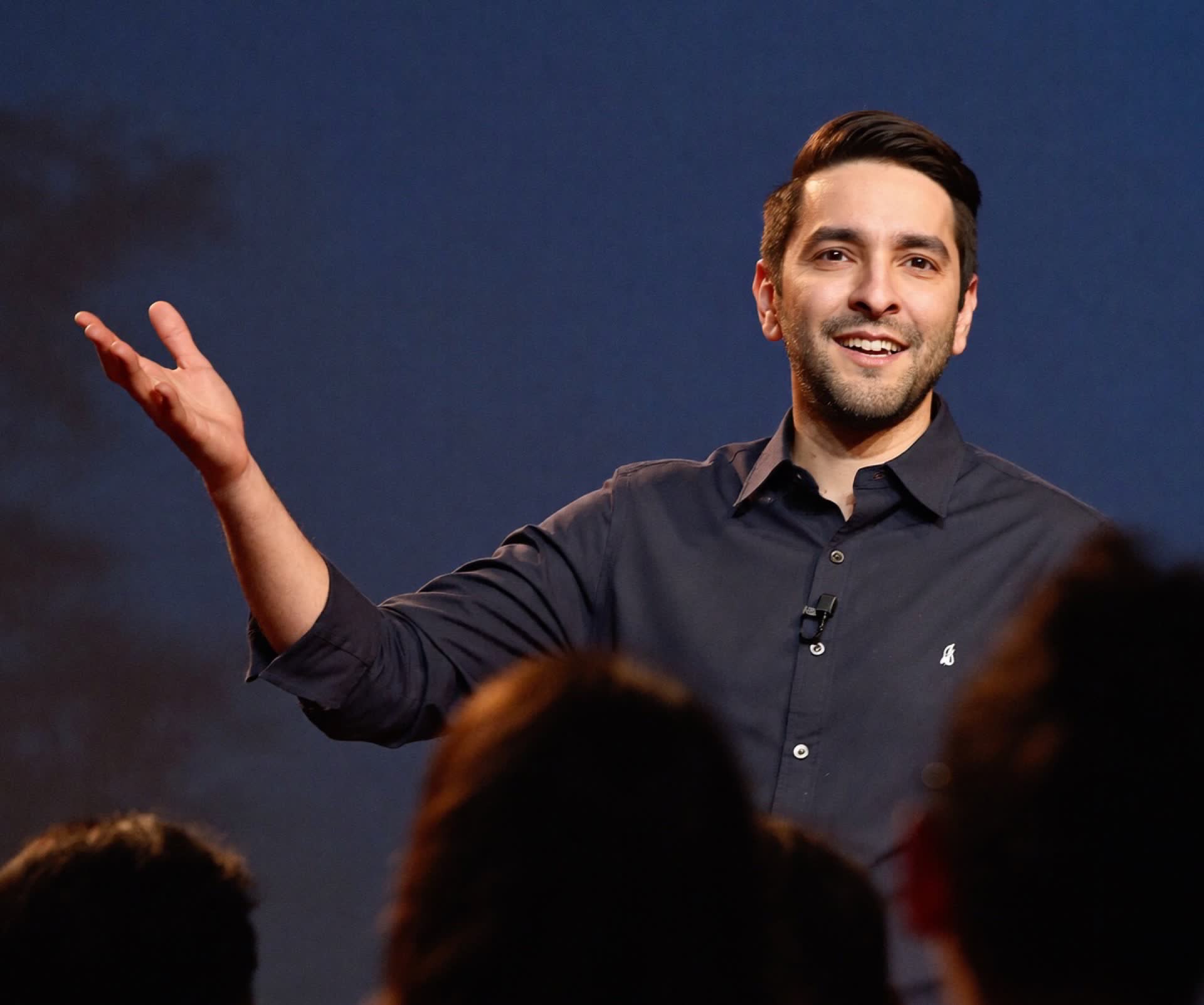
Thought Behind Things · Jun 22, 2022 · 1:46:14
How FAST-NUCES built a university on 10 crore rupees
Dr. Aftab Maroof, Rector of FAST-NUCES, traces the university's unlikely origin — a single donation from Aga Khan in 1986 — and explains how dedication, zero politics, and one rupee at a time built five campuses, 14,000 students, and a research culture from scratch.
with Dr. Aftab Maroof
13 min read
From a hardware store in Daska to a PhD in Wales
The episode opens with Muzamil introducing Dr. Aftab Maroof as someone he has known for the better part of twenty years — a professor to his brothers, now the Rector overseeing five FAST-NUCES campuses. The conversation begins not with the university but with the man, and the early life Dr. Maroof describes is a long way from academia.
He was born in a small village near Daska in District Sialkot, into a business family that had migrated from Jammu at Partition. His father and uncles ran a hardware and building-materials store in Daska — cement, ICI soda ash, diesel engine parts. Dr. Maroof grew up inside that shop, and he credits it with giving him an early, hands-on understanding of technical things. He did his matric in Daska, his FSC in Gujranwala (a daily commute he remembers as exhausting), and his BSc in statistics and mathematics at Islamia College Sialkot, where he finished third in his class.
After graduating he went into the family rice-husking business, bolting together a mill himself. Within a year, Bhutto’s government nationalised all flour mills and rice-husking mills. The family received bonds encashable after twenty-five years — effectively worthless in the short term. When Zia ul-Haq reversed the nationalisations, the mill came back, but Dr. Maroof had already decided he wanted something else. He told his grandfather he was going to university. He went to Punjab University, could not get into the MBA programme, and completed an MSc in statistics in 1979. He returned to the family business for a few years, then opened his own building-materials store, which did well. But he wanted to teach.
He began applying for academic jobs and found, to his own surprise, that he was selected everywhere he interviewed. He later understood why: years in business had given him a maturity and composure that fresh graduates lacked. His first posting was as a lecturer in statistics at a college in Islamabad, then in 1984 he joined Bahauddin Zakariya University Multan. There, a government computer-training programme converted him — almost by accident — from a statistician into a computer scientist. “We statisticians became computer scientists,” he says. He spent four years at BZU, started its computer science department in 1989, and in September 1990, on his thirtieth birthday, landed in the UK on a government scholarship to do an MS leading to a PhD at the University of Wales, Aberystwyth.
He stayed until 1996. His PhD research was in sensor integration for robotic assembly — building a software framework that fused signals from multiple sensors to guide a robotic arm assembling components inside a three-dimensional workspace. The scholarship was tight: half the stipend went on rent, and he supplemented it with tutoring and departmental work. His family joined him after six months. All four children arrived and promptly caught chicken pox from their host family’s son. He finished his viva in March 1996, made minor corrections, submitted in April, took the family to London Zoo, flew through Cairo, performed Hajj, and was back in Pakistan within a month.
How FAST was actually founded — and what the Aga Khan’s money really bought
Dr. Maroof’s account of FAST’s origins is the most detailed available in any public forum. Muzamil asks him to explain the history, and what emerges is a story of elderly patriots, a single benefactor, and an endowment that has never been replenished.
The Foundation for Advancement of Science and Technology was established in the early 1980s by a group of senior Pakistanis who, watching the Soviet invasion of Afghanistan, asked themselves what they could do for their country. Their answer was science and technology education. The founding board was structured carefully: fifteen governors, including two judges and two vice chancellors, all non-beneficiary and unpaid. The guiding motto, as Dr. Maroof describes it, was to produce excellent Muslim scientists, to hunt for the best talent regardless of financial background, and to prioritise quality over quantity.
The first hire was Dr. Ayub Alvi, a fresh PhD in computer engineering from UET Lahore, recruited after a chance encounter in Manchester. He came back and set up an electronics lab on behalf of FAST — which at that point owned no building and no land. A small plot in Lahore had been donated by a businessman named Seth Nawaza Shilli, who withdrew a legal dispute with the government in exchange for the land being allotted to FAST. That plot, roughly a hundred kanals, became the Lahore campus.
For several years the foundation ran on research projects and Aga Khan’s personal support. Then, around 1986 and 1987, Aga Khan made two injections of capital totalling ten crore rupees. The money went into an endowment. “From that endowment, the returns funded everything,” Dr. Maroof explains. “After that, nobody gave two paisa more.” Five campuses, fifteen hundred employees, twelve to fourteen thousand students — all of it traces back to that original sum and the discipline with which it was managed. “We treated it like zakat money, like charity money. We protected every rupee.”
The first BCS programme was announced in 1985 with thirty-five seats. Three thousand five hundred people applied. Computer science education at the undergraduate level simply did not exist in Pakistan at the time. The only comparable programmes were a sixteen-year MSc at Karachi University and something at UET Lahore. FAST’s three-year BCS, affiliated with Karachi University, filled immediately. Students dropped first-year engineering degrees at NED to join. One of them, Hassan Rizvi, is now among Oracle’s top global executives.
Two factors drove the early reputation: the BCCI bank’s association with the foundation gave it credibility, and graduates were being recruited by Silicon Valley before they had even finished their degrees. “The child who graduated here — their credentials were sent, and before graduation the offer letter arrived from there.”
Building the Islamabad campus brick by brick
Dr. Maroof joined the Islamabad campus in January 1999, when it was operating out of two rented houses in G-6 in front of the covered market. There were fewer than two hundred students across all batches, three professors — Dr. Ayub Alvi, Dr. Maroof, and Dr. Waseem Ikram — and a handful of visiting faculty.
The university received its independent federal charter on 1 July 2000, separating from Punjab University affiliation. Dr. Maroof was appointed Director of the Islamabad campus on 1 January 2001 and held that position for exactly ten years, until 31 December 2010. In that decade he oversaw the construction of the current campus. “I built the Islamabad campus. I remember the measurements of every room, every inch of what I did and how I did it.” The land was acquired from CDA. The building went up between 2004 and 2005, and the campus moved there fully in 2005.
During those years the academic structure was also built from scratch. The three-year BCS became a four-year programme. MS Computer Science launched in 2001. Telecom Engineering followed in 2002–2003. Management Sciences in 2004. The PhD programme in 2004. The first international research paper was presented at a conference in Kazakhstan in 2005. By the time Dr. Maroof left the directorship in 2010, nine people had completed PhDs in computer science from the Islamabad campus alone.
In 2011 the board asked him to go to Chiniot-Faisalabad and build a new campus from nothing. He spent a year buying land directly from farmers — a legally complicated process — and the earth-breaking ceremony was held on 4 February 2012. That campus now sits on roughly thirty acres.
The governance structure that keeps politics out
Muzamil asks how the board of governors is chosen and how it has stayed clean. Dr. Maroof’s answer is precise. The board has fifteen members. Each serves a three-year term and is elected by the sitting members when a vacancy arises. The criteria are informal but consistent: people with standing in their fields, whose reputations protect the institution from external pressure.
“When people know who is sitting on our board of governors, they quietly go away. They don’t mess with us.”
Current president is Senator Wasim Sajjad, former Chairman of the Senate for twelve years. The board includes sitting and retired judges, former vice chancellors, and figures like Dr. Samar Mubarakmand. The financial oversight is rigorous: third-party auditors check every rupee, the board approves budgets, and directors have defined spending limits within those budgets. The board does not interfere in academic decisions. “The board does not interfere. They do financial monitoring. Academic matters are ours.”
The academic governance runs through an online Academic Council — created during COVID and retained because it proved useful — that meets every two weeks and includes all directors, heads of department, and deans across all campuses. “We debate it out among academicians.”
The internship problem and what Pakistan’s industry still doesn’t understand
Later in the discussion, Muzamil raises the gap between what FAST produces and what the broader market needs. Dr. Maroof identifies the core structural failure clearly: Pakistani industry does not invest in internships, and the reason is short-term thinking.
“A company with a hundred-desk operation — if you ask them to create twenty-five or thirty internship positions, their problem is: why should I seat twenty-five interns instead of twenty-five real workers? Because the intern needs space, a computer, internet, air conditioning. They burn all of that. And they’re not productive the way a professional is.”
He contrasts this with the UK, where smart students take an industrial year between their second and final year, returning with real-world skills that make their final year dramatically more productive. In the US, internships are routine. In Pakistan, the realisation that an internship is an investment in your own future workforce has not yet reached most of the industry.
The consequence is that graduates arrive at companies untrained, and companies then spend six months training them anyway — at greater cost and with no loyalty built. “If that student spends two months with you now and comes back trained in your systems, within a month of hiring they’ll be productive.”
Dr. Maroof is not passive about this. FAST has designed a web programming diploma — a certificate programme launching in the summer of 2022 across all campuses, fifty seats each, built in consultation with industry. The university is also allowing Pakistan Software Export Board grantees to use its campus facilities on weekends and evenings. Faculty members are permitted to run their own training programmes in off-hours and share revenue with the university. “We understand the need. If we don’t do it, who will?”
The scale of the demand is not abstract. Muzamil notes that a job fair held at FAST Islamabad one week before this recording saw fresh graduates hired at 150,000 rupees per month. “The IT industry is so desperate for good people,” Dr. Maroof confirms.
Research, defence projects, and the question of scale
Muzamil asks about research — whether it is independent or tied to external funders, as MIT’s work is tied to defence. Dr. Maroof is candid. Roughly half of FAST’s research funding over the past four to five years has come from defence-related projects. He mentions drone systems specifically: autonomous drones for monitoring CPEC corridors, UAV control systems, cyber security work. “We have expertise in drones. We developed it over time and we support them in that.”
Beyond defence, active research areas include bioinformatics — computer-aided diagnosis of illnesses — AI, and data science. FAST has a dedicated research floor with multiple labs. In the year ending June 2022, the university produced 380 research publications with impact factors. “People say you’re not number one. We say: compare our computer science department against theirs. We might win.”
New degree programmes reflect where the field is moving: BS in AI, data science, and cyber security were launched recently. A BS in fintech is launching in 2022, covering financial instruments, security, and emerging technologies including blockchain and cloud computing — both of which are already taught at BS and MS level. “Basic computing is the same. You just apply it to the financial sector.”
The outreach scholarship that transformed villages
One of the most striking passages in the conversation comes when Dr. Maroof describes a programme he ran in 2006 — a government-funded outreach scholarship targeting the poorest families in non-metropolitan Punjab, later extended across Pakistan.
The programme identified students from families where the father was a primary school teacher, a farm labourer, or a cobbler. Three thousand students were registered, 2,600 completed training, and the top two hundred were placed fifty each across FAST’s four campuses at the time. The full four-year cost — fees, hostel, everything — was covered. Computer-aided language learning labs were built at each campus specifically to address the students’ English deficiency.
“Those children — when they were here — could win gold medals, silver medals. They studied with such dedication. One child from an entire village had come. He was the pride of that village, the role model for every other child.”
The programme ran for several years before government funding was cut. Dr. Maroof describes it as one of the achievements he is most certain will count in his favour. “Those two hundred children were not two hundred children. They were two hundred families, two hundred villages.” He raised it again in a meeting the morning of this recording, asking that it be restarted.
Pakistan in 2050: hatred is the real threat
Muzamil closes by asking Dr. Maroof — who has lived through Bhutto’s nationalisations, Zia’s conservatism, the turbulent nineties, and everything since — how he sees Pakistan in 2050.
The answer is not optimistic about the present but not despairing about the future, provided one condition is met. “The problem in Pakistan is that we have created too much hatred and deviance. Society is so polarised. If this polarisation continues the way it is, survival will become very difficult.”
He draws a parallel to Nelson Mandela’s decision to forgive everything and start fresh. He argues that hatred — whether political or religious — has never solved a problem. “Hatred is not the solution to any problem. The solution is love, goodwill, caring for one another.” He tells his students to reject anyone who sells hatred, regardless of their political or religious affiliation.
He extends the critique to Pakistan’s powerful classes: business leaders, political figures, and influential circles who are focused on extracting from the country rather than building it. “We are builders, not destroyers. As long as the destroyers are dominant and respected in society, Pakistan cannot progress.”
He was reading the night before about the collapse of the Holy Roman Empire in 1806 and the subsequent unification of Germany, trying to draw lessons. “We have stopped reading history. Our youth has no idea of history. They react emotionally, not practically.”
By the end of the conversation, the thread connecting Dr. Maroof’s personal story to his institutional work to his political diagnosis is clear: institutions survive on dedication, honesty, and the protection of every rupee entrusted to them. Pakistan’s crisis is not a resource crisis. It is a values crisis. “When you don’t do this work, you break apart. Then your name doesn’t remain. You become part of history.” He pauses. “May God protect us from that.”
Full transcript
चलो खाबतिनी बज रहात welcome back to another episode of Thought BAND Things आज मानसभा मौजूद है एक बहुत ही खास मेहमान someone I have known for well part of the last twenty years. मेरे भाइयों के यह professor हुआ करते होते थे एक ज़माने में. फिर eventually right now इस वक़्त he is director of fast university across one, two, three, four, five campuses. Doctor अवताब, मारू sir, thank you so much for for being part of the show and it's an absolute honor to be sitting here and talking to you. बहुत शुक्रिया जी, thank you. I feel honored as well. So I got this opportunity to talk to so many audiences and put up my ideas. ज़बरदस्त. Doctor साहब, मुझे पहले तो यह बताइएगा कि early life का थोड़ा सा बताइएगा कि where were you born and आपने अपनी early life कहां पर गुज़ारी?
I was born in a small village called त्यानिकोट which is about five miles away from Duska City. अच्छा. Which is part of District Salkot, to, business family. Sí. And, partly family were farmers. And but my father and my uncles, we were doing the business. Before partition, they were doing business in जम्मू City. But at the partition, they have to move back. So, when they came back to Pakistan over here, in fact वह ईल करने आयु हुए थे और Pakistan वन गया. अच्छा. तो उन्होंने dusk का शहर में कारोबार किया जिसमें कि एक वह hardware mill store liver brother की agency होती थी और इस तरह के cement की और ICIF जमाने में soda जो है यह ICI का soda ash जो है यह use होता था घरों में कपड़े धोने के लिए. तो इस तरह की छोटी मोटी agencies सारी थी और dusk कशहर उस जमाने में famous था basically diesel engine, slow speed diesel engine वह जो बड़े पहिए वाले थे वह बनते थे वहां. अच्छा. तो वह जब वह बनते थे कोई बिकता था तो वह ज़ाफी सामान इनसे लेते थे. हमारा बचपन उसमें गुज़रा है. तो बड़ी सी shop थी तो उससे यह हमारी training हो गई. यह technical चीज़ों का सबका हमें पता चल गया बचपन से. अच्छा. क्योंकि दुकान में वहां वह जो shop थी उसमें रहते थे और कभी surfing करते थे, कोई सामान आ रहा है यह वह. That is how our childhood. I did my metric for dusk, government college dusk. Did my FSC from government college गुजरावाला. अच्छा, गुजरावाला आ गए थे फिर आप? गुजरावाला it was daily travelling it was very tough. अच्छा. रोज़ बासवालों से झगड़े होते थे, कराए थे. और यह कौन सा साल था? It was year 7071. अच्छा. और फिर then BSc करने के लिए सैलकोट, जनाई इस्लामिया कार्य सैलकोट, it was year again seventy one, two and three. ठीक है. और वहां से मैंने BS किया. Luckily, guard the first VM वह था double math और statistics मैंने किया और वहां उसके बाद family सारी तो business family थी. मैं दादा जी के साथ business में चला गया और दादा जी को ने मुझे कहा जिक्नया वह दादा जी का business rice का business है चावल का. तो मैंने एक sheller लगाया rice husking mill जो होती है. एक एक उसका nut bolt अपने हाथों से कसा और उसको एक साल चलाया. अच्छा. तो अगला साल ऐसा हुआ कि जो स्वोकद government थी भट्टू साहब की, they nationalized all the floor mills and rice husking mills. अच्छा. तो हमारी mill जो थी वह भी मेरी थी एक एक दादाजी थी दोनों वह nationalize हो गई. अच्छा अब nationalize हुई थी तो बस यह हुआ कि आज से government किए या कोई पैसे दिए थे या क्या? उन्होंने हमें bonds दिए थे जो कि encashable थे after twenty five years But हम उनको bank में रखकर उन पर loan लेकर कोई ना कोई business कर सकते थे. That was arrangement. और वह twenty five years के बाद encashable at the rate जिस पर यह हुए थे या was rate successful? नहीं, वह जो उनकी value है वह तो वही है. तो वह उसका तो हल नहीं था क्योंकि वह उस मर्गल तक बात ही नहीं गई ना. फिर यह हुआ कि जब वह ज्यावल हाक ने भटू साहब का तख्ता उलट दिया तो फिर उसके बाद वह जितनी भी nationalized चीज़ें थी खासतौर पर क्योंकि this was these were targeted to the middle class. Right. तो यह सारी वापस हो गई. हमारी मिल भी वापस मिल गई. अच्छा. और दादा जी वाली भी मिल गई, मेरे वाली भी मिल गई. तो मैं लेकिन इस दौरान यह हुआ कि वह कुबड़े को जब टांग पड़ी तो उसका कुबजौर निकल गया. मैंने दादाई से कहा जी कि मैं फार्ग हो गया हूं तो मैं university जाता हूं. वहां पढ़ूंगा, MBA करूंगा फिर आकर आपका कारोबार बड़ा अच्छा चलाऊंगा. इस्माने उस दौरान जब वह सारा कुछ था तो मेरा Punjab University में दाखला हो गया. तो मैं गया तो MBA करने था उसमें तो दाखला ना हुआ लेकिन फिर मैंने MSC statistics वहां से की in year seventy nine में, 1979. फिर आकर वापस दादा जी के साथ कारोबार में तीन चार साल. तो वह फिर वह कारोबार को वजूह आप ऐसी थी कि मैंने छोड़ा ही did not feel comfortable क्योंकि उस वक़्त उस कारोबार में कुछ ना कुछ माली corruption आ चुकी थी. तो मैंने फिर वह शहर में वही आबाजी वाला काम, building material और इस तरह का एक और store शुरू किया. तो मैंने डेढ़ साल चलाया तकरीबन दो साल. उसमें बड़ी तरक्की हुई. खुशहर में हमारी family की goodwill बड़ी अच्छी थी. कुछ मेरा रवैया तरीकेकार्य था कि मैं लोगों के जाकर तो फिर वह हम पांच भाई हैं माशाला, दो बहनें हैं. मैंने फिर कहा जी कि marry तो चूंकि university में third position थी. मैं कहा जी मैं को करो बनाओ कृषोकरी कर लेता हूं तो बाकी वह छोटी दुकान मैंने छोटे भाई के वाले की और हम वह तलाश पर निकल पड़े. Punjab University में कुछ दोस्त थे जाकर एक कमरे में दो तीन मक़ के आम किया. सारे अपने notes निकालें, किताबें निकालीं, teachers के नाम पर किताबें issue करवाई और पूरी MSC revise की. उसके बाद मैंने job जो है वह interview देने शुरू किए, apply करना शुरू किया. लेकिन फिर यह हुआ कि मुझे भी समय नहीं लेकिन मैं जहां interview दूं मुझे मैं select हो जाऊं. यह समझनी बात की. बाद में मुझे समय आई. असल में मैंने जो इतना ज़्यादा time कारोबार में गुज़ारा है, बंदे में गुफ़्तुगू में maturity आ जाती है. उसके रवैये में आ जाती है और ठहराव होता है वह young fresh graduate की तरह behave नहीं करता. तो वह जो intro लेने वाले होते हैं वह भी उसी तरह के उनको वह बात पसंद आ जाती है. तो I landed here in इस्लामवाल. अच्छेट college में मेरा पहला job हुआ और as a lecturer in statistics which I did for about six months. मेरा target था कि मैंने किसी university में जाना है. मेरा आगे PhD का इरादा था. और यह मेरे eighties की बात हो रही है? यह बात हो रही है 83 की. Right. और then 84 के शुरू में मेरा ज़करीन उस्ती मुल्तान में intro हुआ तो I was selected. I joined there in May 1984. तो वहां statistics department में आ गए lecturer. फिर यह करना ख़ुदाकर ऐसा हुआ कि HEC में उस जमाने में UGC होता था university grant. वहां पर एक building में हमारे commission जो है atomic energy में उन्होंने एक building में computer center बनाया था. It was called CTC, computer training center. तो वह वहां पर वह fresh graduates लेते थे और उन fresh graduates को computer की training. Computer का बड़ी novel, नई बात थी. यह mid eighties की बात है. साथ ही वह UGC को कहते थे कि आप अपनी universityयों से कुछ selected पंद्रह लोग भेज दें. तो आई बाज आई मुझे ज़ख़्रेदस्ती ने nominate किया. It was one year long association. यहां रहा covered market के सामने एक घर था वहां हम रहे एक साल और इस्लामाबाद के जो है वहां पर हमने पूरी training दी. Computer, hardware and software दोनों की training थी. तो उसे effectively यह हुआ कि जैसे वह कहते तब दीली यह मज़ब हो गया. हम statistician में computer scientist वन गए. Right. 86 में मैं वापस किया हूं लक्री industry. उसके बाद मैं चार साल तकरीबन वहां रहा हूं As a teacher तो मैंने फिर computer science ही वहां पढ़ाया है बल्कि वहां जो computer science का department 89 में वह मैंने ही शुरू किया था वहां. तो उसके बाद फिर वह मैं I was eager that I could get a scholarship. तो उस जमाने में एक central overseas scholarship हुआ, training scholarship होते थे. COTS, federal government दिया करते थे. तो universityओं में बांधे चार इस university के, तीन इस university के. उसमें ultimately I was selected और मैं September ninety में I went to UK for my MS leading to PhD और it was my 30 birthday I landed in UK. अब तो situation यह है कि हमने देखा है कि जो अब लोग PhD fresh कर रहे हैं, they are pretty young. लोग 30 year की उम्र में PHD कर लेते हैं. उस जमाने में opportunities बहुत कम थी. Scholarship ना होने के बराबर थे और indigenously कोई facilities नहीं थीं. जो research laboratory, research के जो databases हैं वह inaccessible थीं. Paper printed आप journals के articles मंगवाते थे तो it was very tough over here. But I went there. There is a place called Abristrid that is in the mid whales on the seashore. इसके opposite दूसरी side पर Dublin है. अच्छा. Dublin और whales के दरम्यान जो रिया समंदर है उसको Cardigan बेगाल बनकेते हैं. तो उसके किनारे यह Mid Wales में नीचे की तरफ़ देखें तो Cardiff है, ऊपर की तरफ़ देखें तो Bangor है, Liverpool से ज़रा नीचे यह सारा उसका छोटा सा area है. I live there to the beautiful university town जो Aberystwyth.
And early nineties?
It was '90 से लेकर '96 तक मैं वहां रहा. अच्छा, this is quite a long. जी जी, वह PhD तो लंबे वक़्त में ही होती है ना. First year पहले जाकर तो मैंने MSc की और उसके बाद फिर PhD अगले साल 92 में शुरू की. It took me four and a half years to complete my PhD. उसमें यह है कि अबरिष्ट विद्ध आमतौर पर लौंगलिबड़ा नामानूस अल्लाफ हज़ार. यह असल में दो अल्फास का मज़मू है. अबर वैश्वान में किसी दरिया का जो mouth होता है when it fall into a sea, अच्छा. धाना जिसको मैं मुड़ दूं उसको ऐबर कहते हैं. अच्छा. उस दरिया का नाम है यश्त्विद. This is ऐबर यश्त्विद. तो वहां आप UK के नक्शे में देखें तो इस तरह के Aberdevy, Aberdeen इस तरह के बहुत से नाम है. तो वह तो वह दरिया के नाम कैसा है? तो दरिया का जहां दरिया का सुझाग पानी गिरता है इस मंदर उस जगह का everflan everflan evergwini मुझे याद है नाम था इस तरह. तबायत was evergestwith. मंदरगा थी वहां एक कुछ सौ डेढ़ सौ साल पुराना एक castle था जो अब university का उसी में university बनी थी. It was a lovely time of my life. और आपकी family वहां आपके साथ ही थी? पहले छह माता मैं अकेला रहा, फिर मैंने family को बुला लिया. सही है. और we live together. जो scholarship था वह तो bachelor's का scholarship. It was pretty hand to mouth living there. क्योंकि जितना आपको scholarship मिलता था, आधे पैसे तो rent में चले जाते थे. तो लेकिन मैं चूंकि एक experienced teacher था तो मुझे छोटा मोटा वह को tutorship वग़ैरह मिल जाती थी, गुज़ारा हो जाता था. Department वालों को भी पता था तो they used to come up with some plan to actually help me out. It was very nice time. बहुत अच्छे तरीके से देखिए मैं. मतलब कि मुझे यह याद है कि वह इस part of the world India से, Pakistan से, बंग्लादी से. जितनी admission की applications आती थी वह मुझे कहते हैं लोग देखो इसको process करो और मैं उस पर अपनी opinion और assessment दिया करता था. अच्छा. तो used to be very nice, बड़ा trust करते थे लोग उस वक्त. और MS किस चीज़ में गया था क्योंकि पहला तो आपने? हमें computer science करना इसीलिए तो ज़रूरी था. अच्छा तो अब आप Pakistan में तो आपकी degree से पहचानते यह तो नहीं करते जानते. पहली degree तो statistics की अब दूसरी computer science की degree लेना ज़रूरी थी कि आपने जो conversion किया है उस पर more लाग जाए. और आपका PhD भी computer science PhD
में research का आपका area क्या था उस time पर? Research का area था वह सत्थास software का.
Europe का एक project है जिसको Eureka कहते हैं. उनका research program है. उसके तहत program यह था कि जो assembly robotics हैं यानी कि एक आप imagine करें कि यह mobile है इसको parts आगे इनको assemble करना है. अगर एक robotic arm जिसमें fingers मुख्तली तरीके available हैं, parts आ रहे हैं उसमें इसको assemble करना है. तो एक three d three-dimensional एक cube है invisible उसके अंदर वह सारी movements होती हैं. तो उसमें जो मुख्तलिफ sensors लगे हैं मतलब कोई part आया है तो system को बताना कि यह part आ गया. तो फ़र्क़ यह एक touch probe है उसको या एक camera है वह देख रहा है. तो उसके analysis से जितना भी आपके signals आते हैं मुख्त sensor से उनको इकट्ठा करके तो उसकी integration करके उससे यह sense निकालना कि अब जो actuator है, जो असल finger है या hand है, उसकी movement कैसे होगी? तो robotics में दो तरह एक actuation है और एक sensing है. तो sensing की जो integration थी उसका मैंने एक framework बनाया था और उसके कोई demonstration वगैरह थी तो वह यह था. तो वह उस लिहाज से आप कह लें कि वह था तो software का project. तो वह integration of sensor, virtual sensors की तो वह signals वगैरह. दुबारा it was a very good experience. और बच्चे भी आपके वहीं पर थे? बच्चे भी मेरे से. वह पढ़े थे वहां पर उसने. सारी बात है वह जाते हैं school में दाखिल हो गए बल्कि when the first day they arrive all four of them picked up chicken pox. अच्छा. On the very first जो हमारे host थे उनके घर हम गए उन्होंने पहला हमारा खाना किया उनके बेटे को chicken pox हुआ हुआ था. वहां यह वह बाव होती है पूरे school में होती है. तो वह उन दिनों उसका ना वह chicken pox जो है ना वह खत्म हो रहा था. तो उन्होंने वह वही time होता है जब यह contagious होता है. तो सबको chicken parks निकल आया और इनकी school शुरू होने में दस बारह दिन का मक्का आ गया. लेकिन doctor ने कहा घबराने कोई बात नहीं है. यह बस होता है routine. उसका फ़ायदा यह होगा कि अगले फिर पांच साल उनको कुछ नहीं हो. वहां से हम निकले हैं यानी कि we made good friends over there और year nineties nineteen ninety six में, in January I got my WAIVA schedule but then it was delayed for two months क्योंकि examiner कहीं मेरी का जला गया. March 15 को हुआ और I was given small changes which I completed and submitted on. I recall it was April 4. Then we moved to, went for London, बच्चों को zoo, And then we through Cairo we went for हज. अच्छा. All of us did हज together. It was April 26 I believe in 1996. तो बुकार के एक महीने में हम फिर वापस भी landed in Pakistan. And the scholarship was funded by the government of Pakistan? Yes, it was funded by the government of Pakistan. So you had to come back like a born नहीं type वह आना भी था. हम culturally दिक़्क़त पता है क्या है? शायद अब वह उस तरह की sensitivity नहीं है. हमारी जो generation है वह जिस तरह के value system में हमारी इब्तदाई ज़िंदगी गुज़री है उसके लिए बड़ा tough है एक बिल्कुल ही opposite किस्म के value system में adjust करना बड़ा मुश्किल है. तो वह हमने तो आना ही था. तो हम आ गए और फिर वह हम I landed. I went to the ज़क्रियन Street. I joined there. But फ़िज़ाक बहुत अच्छी नहीं थी. Then ultimately मुझे इतना परेशान किया गया कि I have to resign. I resigned and left. Went to home for after few months I joined college of EME here in Nash. Stayed there for about two and a half years. From there I was picked up by fast. And then the rest is history. Then फिर मैं fast में हूं उस वक़्क़त से और it was a very good time to join fast for me. When I look back now कि वह मेरे जो इत्तदाई ज़िंदगी की तज़रबाद थे कि वाला साहब का hardware mill store और cement और यह सारा कारोबार था. हमारा बचपन वहां गुज़रा था. तो मुझे उन सब processes की समय थी और वह लोग अब्बा जी से आप अपने वाला साहब से हमारे से मशवरे करते थे, अपने मसलों के हालों बताते थे. हम सुनते थे, हमें समझ आती थी. तो उसका यह हुआ कि जब मैं fast में आया तो fast में भी एक supreme of construction थी. That helped me. मैंने इस्तामाबाद का campus जो है वह बनाया है. उसका एक एक कमरे की एक एक inch की मुझे पैमाइशें याद है कि मैंने क्या किया था, कैसे किया था. इसी तरह फिर बाद में और उस दौरान वह CDA से हमने यह ज़मीन acquire की और उसके बाद फिर चुनियोट वाला campus जो है वह मुझे बनाने का उसकी जाख़ तो ज़मीनें भी ख़रीद दी हैं हम public से रोग बनाया, उसको भी चलाया. इस्लामाबाद campus आयुवाद director for ten years. तो अगर आपको monasm leadership मिल जाए dedicated तो उनको एक longer spree देनी चाहिए कि वह चीज़ों को बनाते रहें. जब वन जाएगा फिर चलाना वह processes बना दें, structures बना दें. हां जी, हां जी. तो इस दौरान ही Doctor युबलवी और मैं और हमारे जो Doctor वसीम हैं, वही बात the team हमने और भी लोग थे, क्राची में थे. तो हमने बड़ा मिलकर था team काम किया. सारे बहुत dedicated लोग, honest लोग और committed to the cause. जो है ना
that how it we ended up और थोड़ा सा अगर मैं so experience के साथ साथ if if I talk about the history of FAST. तो FAST बनाता I believe BCCI ने एक fund दिया था. नहीं,
यह बात की बात है. FAST जो है ना the word it stands for foundation for advancement of science and technology. Motivation यह थी कि जब 79 में Russia ने Afghanistan पर हमला किया, शुरू से historically यह एक myth था कि जो Russia है, it want to reach to the warm waters. और वह यही रास्ता लगता था उनको. तो उसी को रोकने के लिए America भी आया, सारे कुछ आए हम भी उस जांग में शामिल हो गए. तो उस वक़्क़त जो यहां कुछ बुज़ुर्ग लोग थे उन्होंने सोचा कि हम अपने मुल्की क्या ख़िदमत कर सकते हैं? इससे बुढ़े बुढ़े लोग थे. उन्होंने कहा जाए कि हमें science and technology में तरक्की करनी है. तो they established और आगा साहब के दोस्त से सारे आगाह सनाप्दी साहब के. सही है. और उन्होंने यह किया कि उनको एक foundation बनाया, आगा साहब के इमाह पर बनाया, आगा साहब ने promise किया मैं आपकी help करूंगा, अब बनाएं. एक justice इखिलाक़ उसैन होते थे लाहौर high court के, retired जायज थे तो उनको उन्होंने इसका chief executive या कहना secretary general, उन्होंने इसका आईन और दस्तूर बनाया है. उसमें उन्होंने categories रखीं. दो judges होंगे, दो vice chancellors होंगे, एक पंद्रह फराद का board of governors होगा. UK इसके वह non beneficiary होगा. वह सारे non beneficiaries होंगे, कोई तनख्वाह नहीं लेंगे लेकिन इसका काम fees भी लचलाएंगे. Cause जो है वह यह है कि हम बहुत आला दर्जे के मुस्लिम scientist पैदा करना चाहते हैं. हम गैर किसी तफ़रीख़ के माली तौर पर किसी background से बच्चा आए उसको हम तालीम deny नहीं करेंगे. हमारा मतलब है कि हम बेहतरीन talent hunt करेंगे जिस पर हम invest करेंगे. हम बेशक थोड़ा काम करें एक number quality. मतलब इस तरह के उन्होंने माटो सामने रखे. उस वक़्त अभी clear नहीं था कि हमने करना क्या है? बस कुछ करना है. तो उस वक़्त फिर वह अभी effort कर रहे थे कि किसी तरह से एक doctor मुनीर अहमद खान हुआ करते थे जो Pakistan Atomic Energy के retired chairman थे. तो पहले वह president बने और justice साहब secretary general बने और भी लोग थे साथ. फिर उन्होंने कहा जी कि हम electronics में काम करते हैं और वह जो सारी बायसी चीज़ें हम उनको indigents बनाने की कोशिश करते हैं. तो उन्होंने एक talent hunt का program बनाया. तो यह they went to UK. शायद अपने जातिकामन का नार लिए भी काम हो जाए. तो they were after looking for a gentleman इनका पता था एक electronics engineer है. उसके पास गए Manchester University में. उन्होंने कहा जी आप चलें वापस. उन्होंने कहा जी math है नहीं जाना. यह एक और साहब है इनका कल PHD का defense है. इसने पुछ लो. तो defense उनका हो गया तो उनको मिले तो उन्होंने पुछा जी कि हां उन्होंने कहा जी है उन्होंने कहा जी बात यह है कि हम तो सारे business background. आप technical हम आपको assessment नहीं कर सकते. आप हम US जा रहे हमारे साथ चल रहे हैं वहां हम आपकी assessment कराएंगे. It was doctor अयुब अल्ली. उनको वह US लेकर साथ. वहां जिन लोगों से मिले उन्होंने उनको किया कि बंदा fit है, ठीक है. तो अयुबलवी was hired as a fresh PhD in उनका area computer engineering का था. UET लाहौर के वह graduate थे electrical के. तो he came over here and started actually एक electronics lab on behalf of FAST. FAST के पास उस वक़्त कोई building, कोई जायदाद, कोई ज़मीन नहीं थी. लाहौर वाला जो campus है उसका plot जो था वह उस वक्त इनको मिल चुका था. एक आदमी थे सेठ नवाजा शिली यह उनकी देन थी, उनकी जाती जगह थी. जो LD acquire करना चाहती थी, उनकी मुकदमा चल रहा था तो उन्होंने कहा जी कि आप सेठ साहब सिन्हें एक काम करना गया हमें दे दें. तो वह उन्होंने मुकदमा वापस ले लिया तो हमें government ने वह allot कर दी. तो वह सब, कणाल की जगह है वह. सिर्फ़ वह जगह थी ख़ाली वह उसमें आमों का एक बाग होता था और यह वह. तो उस वक़्क़त फिर यह हुआ कि इन्होंने छह सात PHDs hire किए और उनसे मुख्लित project, research project design करें जी, यह बनाएं जी. यह microwave oven बनाएं, यह बनाएं home appliances. यह बनाते थे तो जो जब industry के पास जाते थे सेठों के पास, उन्होंने कहा जी क्या फ़ायदा है इधर बनाने को? तो वह जो है वह फिर आगा साहब ही पीछे back पर थे. वह थोड़े से जब पैसे चाहिए तो वह भेजते थे. वह पैसे ख़त्म हो जाते थे. Research में तो लोगों तन्हाज इनका देखे. तो उन्होंने क्रांची के एक professor जफ़र जादी साहब थे. उनको फिर बनाया इसका secretary. तो उन्होंने यह कहा, आख़ा साहब ने आप रोज़ पैसे मांगते हैं. मैं आपको एक handsome रख, उसको bank में रखें, उसके मनाफ़े से चलाएं. यह तक़रीबन 86 में आगा साहब ने दो injection में फ़ास को दस करोड़ रुपया दिए. 86 में? 86 में. कुछ शायद एक eight six में, एक injection 87 में था. तो वह हमने bank में रखा उस endowment बनाई और वह जो endowment है उसके मना फेसे कारोबार चलाना शुरू. उसके बाद किसी ने दो पैसे नहीं दिए. वही आगा साहब का दिए हुए पैसों में इतनी बरकृति कि आज fast के पांच campuses हैं, अपनी ज़मीन पर हैं, buildings हैं, तेरह चौदह सौ, पंद्रह सौ मुलादम हैं, बारह तेरह चौदह हज़ार student हैं, सबका नज़ाम चाल्ल है. उस दस करोड़ की जो बरक़त थी. और वह endowment front अभी तक है? हां जी, अलहम्दुल्ल.
उसकी volume क्या हो चुकी है? If I may ask. अब
ख़ासी बड़ी है. ज़बरदस्त. Ok,
so so so seventies में तो यह इस तरह से भरना. By the time आपने join किया eighties में. By the time आपने join किया था उसका कराचील horror इस्लाहाबाद. इस्लाहाबाद start हो रहा और Doctor ज़फ़रज़ादी साहब थे ना,
चार साल की तो engineering university में होती. उन्होंने जो US की एक university का program उठाया उसमें से जो broad spectrum वाले courses निकाल दिए main computer science रख लिया और तीन साल वाली जो BCS थी ना bachelor of computer science वह degree जारी कर दी सौ credit की. तो क्राची university ने हमसे इल्हाक कर लिया, हमें associate कर लिया. हम transcript देते क्राची university जो है वह उस पर degree जारी कर देते थे. तो it went very well. फिर eighty six seven में यह हुआ कि doctor महबूब बोला कि हमारे president वन गए. वह ज़रा ज़्यादा बड़े stature के आदमी थे. तो उन्होंने कहा जी कि यह क्राची का experiment आ जाए, इसको लाहौर भी लाएं. तो लाहौर में जो Institute of Electronics बना था that was converted into fast Institute of Computer Science. '19 उसी में जब वह भी कामयाब हुआ तो दो चार साल बाद मैं बोला साहब ने कहा इस्लामवाद में भी शुरू करें. तो 96 के end पर इस्लामवाद में शुरू हुआ जो कि January ninety seven से classes यहां शुरू हुई which was in two houses in front of the covered market in G 6 और वहां पर शुरू हुआ. मैंने भी वहीं join किया. वह '97 में वहां शुरू हुआ और दो साल बाद January ninety nine में आई join और उस वक़्त तक हमारे पास मेरा मतलब दो तीन batches के student थे. पैंतीस, पचास, चालीस में सारे they were less than 200 overall number of student. तो वहां थोड़े से मुलाजमी थे. हम तीन professor थे doctor युबलबी, मैं एक doctor वसीमी क्राम थे. यह जीति से छोड़कर आए थे और हम ही लोग थे तो फिर बाकी कुछ visiting faculty थे. तो वह बाहरल जो पहला जो admission एक बात worth mentioning है कि 85 में जब BCS program announce किया गया आज January में तो announce किया गया कि there are 35 seats. The applicant number was 3,500.
अच्छा,
from the very start? From the very start. विकास पूरे Pakistan में computer science की education नहीं थी. अच्छा तो इसका कायदाम university में एक MSc computer science था जो sixteen year वाला था और एक UET लाहौर में भी कोई इससे मिलता जुलता diploma या MSc थी और कहीं नहीं था. तो यह undergraduate level पर पहला program था और मुझे याद है कि कई लोग जिनका मैंने सुना है नामिग्रामी लोग हैं अब उनका ज़िक्र मैं करता हूं. वह NED से एक एक साल की electrical की degree छोड़कर उन्होंने join किया था. अच्छा. हां जी, हां जी. One such gentleman उनका नाम हसन रिजवी है. आजकल Oracle के जो तीन चार top बंदे हैं he is one of them. अच्छा. हां तो वह यहां एक दफ़ा हमारे campus में आए भी थे ख़िताब वगैरह भी किया था. तो it became because दो तीन बातें थी कि फ़ास के नाम के साथ BCCI bank का नाम था. क्योंकि यह उनका ख़ैराती कहले एक funded project है और एक BCCI की उस वक़्त बहुत goodwill थी. दूसरा यह था कि जिस बच्चे को fast में दाखला मिल गया ना, तीन साल के बाद वह America चला जाएगा क्योंकि उस वक़्त Silicon Valley अभी शुरू हो रही थी. Fast भी शुरू हो रहा था. जो बच्चा अभी यहां से graduate करता हो, credential भेज था तो उसके graduate से पहले उधर से यहां फराह आ जाती थी. तो यह एक वजह थी कि यह दो एक BCCA का नाम था और एक immediate transfer to US. तो इस वजह से फ़ास को बहुत फिर दूसरा हमारा शुरू से quality कांशचनस बहुत ही. पढ़ाने वालों में बड़े ज़बरदस्त लोग थे और बड़े quality कांशच से क्योंकि जो बच्चा यहां से पढ़कर नेगा वही could do things. वह ऐसा ज़बानी हवाई काम नहीं है. तो वह फ़ौरन इस वजह से फ़ास्त का नाम भी बना, इज़्ज़त भी बनी. Management भी तहाई sincere थी और उन्होंने बड़ी dedication से काम किया. इसी वजह से आप देखें ना कि fast जो है वह उस dedication की वजह से यह तामीर हुआ है. Otherwise आप comparison करें दस करोड़ रुपए कितनी कुछ worth होगी? ईमानदारी और dedication और एक एक पैसे की हिफ़ाज़त था. हम उसको वह ज़काद का ख़ैरात का पैसा था. हम उस तरह उसकी हिफ़ाज़त करते हैं. आज भी करते हैं कि पैसा जाया ना हो, कोई किसी तरह की pill fridge ना हो, कोई ऐसा ना हो. तो अल्लाह का एहसान है कि अब देखें हमारे पास जो अब सारा कुछ है यह billion billion की जायदाद है या सारा कुछ है. उस dedication की वजह से है. जो पूरी team थी कुछ यह एक बंदे की बात रही सबका
इस्तेमाली effort थी. And and and your personal journey I mean you joined as an associate professor in '99? As a professor in '90 हां जी. और उसके बाद फिर eventually आपने मतलब कितने अरसे तक आपने पढ़ाया है और फिर कितने अरसे के बाद आपने? रात मैं आज तक रहा अच्छा, आज तक पढ़ा रहे क्या? आई तक पढ़ा रहा हूं. अभी मैंने
आज रात paper बनाना है जो 27 का paper है मेरे पर्चे का. अच्छा, कौन सा एक course पढ़ा रहे आज के रात में? मैं एक professional practice का course है जो कि computing के जो profession, उनके ethical side, उनके legal side और generally जो software business है इसके बारे में कुछ मैं teach करता हूं. ज़बरदस्त. और यह जो है यह चल रहा है काम. Administrative side पर आपका भाई? वह तो year 2001 शुरू हुआ. 99 में यह जो building है हमारी head office की यह बनी और यह 2,000 की शुरू में हम कमल हुई. तो हम वहां वह जो g six में थे वहां से यहां move किए. मुझे याद आए थे date it was April 1. जो फ़ूल वाला दिन है उस दिन हम वहां से यहां मुन्तिकिल हुए थे और इस building में जो g six में है. तो वहां पर हमने इस दौरान July में हमें charter मिल गया university का. July 1 2000 we got the charter for the independent university. तो इस्लाम बादल और पहले affiliated थे Punjab University House से. अब हमें independent charter मिल गया. तो फिर यह हुआ कि हम लोगों ने पहले दो तीन साल वाला program चार साल का किया, पहला काम यह किया और एक semester हमें अपने आप को organize करने में जो मुख़्तलित position थी, director कौन होगा, registrar कौन होगा, dean कौन होगा, वग़ैरह वग़ैरह, actually कौन होगा? ये सारे जो legal document के अपने आप को position की. तो January 1 2001 आईवाद appointed director of इस्लामाबाद campus. वहां से लेकर December 31 2010, दस साल यह एक सुप्री थी. It was a long run और पहले तो हमने इस यहां setup किया और यहां हम रहे तकरीबन दो हज़ार पांच तक और 2,004 में हमें उस जगह का possession मिला तो वहां हमने तावीर शुरू किया और फिर ultimately 2,005 में we moved all together over there. फिर उसमें ज़रूरत building विश्ले बनती रही और faculty भी higher होती रही. तो I was part of the management since 2000 to 2001
to 2010. And then why did you leave in 2010?
नहीं, वह इस दौरान board ने फ़ैसला किया कि हमने चिन्योट फ़ैसलाबाद में एक campus बनाना है. अच्छा. उन्होंने कहा you are the most experienced directors. You speak very good पंजाबी. You can mix with the people very freely और फ़ैसला बाद का तासर भी है कि वहां ज़रा देसी सा माहौला. तो उन्होंने ज़रा मुझे फिर यह choose किया कि आप जाएं, वहां campus न्याप बनाएं. तो in early two thousand and eleven I was asked to do this. एक साल तो मुझे लग गया वहां ज़मीन ख़रीदते. जो पुष्टिनी ज़मीन है, जो नस्ल दर नस्ल जो उसमें बड़ी complication होती है. वह direct किसान से ख़रीदना is a tough thing. इसलिए लोग कलुनियों में जाते हैं ना, कलुनि वाले वह सारी complication भुगत लेते हैं. फिर वह आपके लिए complication वह पैदा करते हैं जो भी. लेकिन वह हमने ज़मीन वग़ैरह वहां ख़रीदी और February fourth February year two thousand and twelve we had the earth breaking ceremony over there. हमारे BOG गए, सारे बड़े लोग. उसमें हमें वह ज़मीन जो पहली दासेकर थी वह हमें चिन्हे ओढ़ के जो शेख उसमें कद्दा से एकड़ था. अभी वह तकरीबन 30 एकड़ के करीब हैं. और बाकी जो इस्लामाबाद लोहौर कराची पिशावरवार क्या size है? जो इस्लामाबाद में है यह सत्रह एकड़ है. सत्रह 17 and a half acre. जो पिशावर में है वह तकरीबन चार, साढ़े चार एकड़ है. क्रांची वाला जो है वह तकरीबन साढ़े छह एकड़ है. हमें साढ़े छह एकड़ है. वह सामने मिला हुआ है उस पर encroachment है, क़ब्ज़ा है उस पर लोगों का. तो now we are looking for another place. वहां एक education city बना है सिंह government में. उसमें हम कोई टुकड़ा और पचास एक कड़का लेना चाह रहे हैं. तो फिर सारा move करके उधर ही चले जाएंगे? नहीं. उधर एक नया था. Multiple campus. IT hub वही है. सही है. It is in the middle. तो वह शाम के time फिर वह MS वगैरह की जो classes हैं ना वह उसमें और लाहौर का क्या size है? लाहौर सौ कनाल है जी साढ़े बारह एकड़. और उसमें expansion कुछ करने का plan है वही chance ही नहीं है. ज़मीन इतनी महंगी है और इर्द्द के सारे घरशार हैं बने हुए तो वहां कोई. नहीं मतलब वहां नहीं but eventually लोहौर के अंदर कोई further expansion. हां ने हम कोई और दूसरा second campus बनाने की हमारी ख़ास है लेकिन ज़मीने इसमें नहीं इतनी महंगी हो गई कि अभी तक वह reach में नहीं आई. Let's see how it goes. सही है. एक दिन में आप. अभी हमने यह किया है कि we have purchased 20 acres of land in मुल्तान. अच्छा, so that's a new city that we'll Yeah, at DHA मुल्तान. सही है. तो वह बीस एकड़ है, वह अभी आजकल उसकी चार दीवारी हो रही है. तो we are working on its master plan and the main building. तो वह शायद अगले साल में वह बनेंगी then we'll start over there. वह था कि वह एक area है जो कि potentially हमने ignore किया हुआ है. तो बाकी तो हमारा एक बड़ी strength हमारे पास. एक हमारा federal charter है which gives us the power to start a campus anywhere in Pakistan. उसके बाद फिर यह business decision होता है कि where you can actually place क्योंकि campus खोलने के लिए भी सबसे बड़ी ज़रूरत है कि आपके पास वहां पर Human capital हो. Human capital अच्छी quality की faculty मिल सके. अब जो अच्छी quality की faculty है उसकी अपनी ज़रूरत है. उसके बच्चे हैं, वह कह रहे हैं उनका school अच्छे हों, सेध की facilities हों, माहौल अच्छा हो, civic life हो तो वह हर जगह तो नहीं खोल सकता ना. तो वह इस वजह से मतलब कि हमें मुझे याद है कि वह जब president फारूक लगा रही थी उन्होंने बड़ा assist किया कि डेरा गाधिखा में आप अपना campus बनाए. तो we couldn't do it because यह जो बाकी चीज़ें थी यह वहां नहीं बंद बात थी, यहां available नहीं थी.
तो बाहर that is how it is. दरमियान मैं एक time पर यह भी सुनने को आया था कि medical university की तरफ जाएगा fast. यह
कई दफ़ा बातें board of governors में होती रहती हैं. लेकिन medical जो है वह college बनाने के लिए you have to have an associated sizable hospital. तो fast में यह है कि fast is a small fish in a very big pond. मसला यह है कि हमारे resources limited हैं. हमारा जो competitors हैं, government अदारे हैं, उनके पास बेशमार funds हैं. उनको ज़मीन भी मुफ़्त मिल जाती है. वह PC बाद जमा कराते हैं, जितनी buildingएं हर एक पैसे भी इलाज़ादा मिले थे. हमने अपना ज़मीन भी ख़ुद ख़रीदनी है, building भी ख़ुद बनानी है. अच्छी compatible salary देनी है to hire good faculty और ज़िंदा भी रहना और survive भी करा और expand भी करना. It's a huge challenge. If you see in terms of management and business terms, it's a huge challenge, not that easy. और यह हम जो बना पाए हैं, वह जो team है उसकी dedication और ईमानदारी की वजह से बना पाए और अलहम्दुल्लाह अलहम्दुल्लाह. मैं तो जब गौर से देखता हूं, यह तो मोज़दे की चीज़ है. हमारे पाकिस्तानी society में बाज़ुकात private charity trust जो हैं it is a charity foundation. जो charity से बना है और उसी spirit में it is an NPO government जिसको कहते हैं nonprofit आगरा है. We are registered like that. तो वह private sector में तो लोग पता नहीं क्या कुछ करते हैं तो वह storyयां सुनती हैं. तो यह अल्लाह का ख़ासकर्म है हम पर कि यहां बड़ी dedicated leadership मिली है. जो board है obviously उसमें जाहिर है जो लोग हैं board of governors हैं वह switch होते रहते होंगे. उसमें कोई mechanism होगा. तो how do they choose the people who are in the board? पंद्रह अफराद मुश्मिल board है. हर एक member जो है वह इब्तदा में 80 में तो उन्होंने appoint किए थे. उसके बाद यह है कि हर एक member तीन साल के लिए elect होता है. अच्छा. वह elect them जो बाकी बैठे हुए हैं. विशाल के तौर पर एक जाई साहब थे. तो अभी Justice असलम जाफरी साहब क्राची के थे. तो वह member थे. He expired about छह सात मां पहले, आठ मां पहले उनकी death हो गई. तो अब वह judge थे supreme वह high court के judge थे. किसी judge को बिठाना था तो फिर वह ढूंढकर He became part of the board of governors.
Right.
तो इस तरह से वह जो है ना वह industry Industry leaders या thought कोई नहीं है वह. जो बंदा अगर अच्छा काम कर रहा है, interest लेता है, आता है, contribute करता है इनकी respect है और इनका इनकी माश्रे में जो इज्जत है ना मैं उसको बहुत value करता हूं. वह हमको जो हम on ground administrators हैं हमें वह protect करते हैं. हमें हमारे मौशिया में बड़े negative influences हैं. वह आ जाएंगे हां जी यह करें जी वह करें. जब उनको पता चलता है अच्छा यह इनके बोढ़ा governor में लोग बैठे हैं. तो लोग फिर खामोशी से चले जाते हैं. Best नहीं करते हमारे साथ. तो वह हाथ दौर में बड़े नामीग्रामी लोग रहे हैं और अपने अपने field के जो माहिर लोग थे वह थे और जिनकी बड़ी इज़्ज़त है, बड़ी नाम है. मतलब कि हमारे president जो हैं, senator वसीम सज्जाद हैं, ex chair chairman senate. शायद सबसे longest बारह साल तक वह chairman रहे senate के तो बड़ा इज़ाज़ की बात है. तो वह हमारे president हैं. जब doctor मैभव की death हुई तो फिर उन्होंने ढूंढकर उस वक्त वह chairman थे उनको बनाया 1998 में. तो since then he is the president. बाकी लोग भी आते जाते रहे हैं. शुभेग सब हुआ करते थे. आजकल जो है उनमें doctor समरोप वार्गमंद हैं. अच्छा, he is also part of the board? हां, he is part of the board, yes. अच्छा. हां जी, उसमें और लोग भी हैं, justices हैं. Justice आजमल मिया है, विशावर High Court के वह chief justice रहे हुए हैं. इसी तरह से उनसे पहले Justice सुस्मान रिशा थे, वह थे. इसी तरह लाहौर से एक और Justice शब्बा रज़ा है. अभी वह बने हैं member. Vice chancellors में बड़े नामीग्रामी बहुत शुरू हो जाए. Doctor fee के अहमद हुआ करते थे Punjab University के vice chancellor. तो अपने desk तक he was the member of this. शायद सबसे senior most थे. Doctor अफीक अहमद. तो fast in itself
ज़ाहिर एक रोभी बहुत ज़्यादा किया है पिछले I would say forty years. जी. और campuses already पांच में हैं. छठा में आप कह रहे हैं कि hopefully इंशाला 23 में वह भी launch हो जाएगा. जी जी इंशाला. Last two years, three years in particularly हमने यह भी देखा कि degree programs भी finally upgrade होकर you know specific हो गए हैं जैसे जैसे time switch हुआ है उसके हिसाब से. पहला तो अगर मैं आपसे simply पूछूं कि at this point in time आपको fast किस तरह से evolve होता नज़र आ रहा है और अगर मैं compare करूं इसको early days में, in terms of the education system जो आपने लिया था seventies और eighties के अंदर और आपने शायद जो experience किया UK के अंदर, उससे if you were to compare to what is being offered here today, would do you think you would be satisfied? The 37 year old you who went to The UK, do you think you would be satisfied with, what what has been created, yet do you think there is more effort that needs to be done to to bring it to that point? Is always room for improvement. No doubt about that.
But generally what we are following over here fast, it is the American model, not the British model. British model term system का होता है. सही है. The two term, the third term में आपको paper shaper लिखते हैं summit में. तो यह semester system based है जो कि primarily US model है जो कि four के CGA पर, four की scale पर चलता है और एक fall semester होता है, एक spring semester उसी में यह routine में चलता है. इसमें जो बुनियादी फ़ल्स्वीर में फ़र्क़ है वह यह है कि जो semester system है यह continuous teaching and continuous evaluation का नाम है. जो British system रहा है वह असल में आप पढ़ते हैं और towards the end of the term you are examined. आपने साल पूरा पढ़ाई किया, आपने end पर एक आपने exam दिया. जो बाजूसूतों में अगर board showed हम देखते हैं तो पढ़ाया किसी और नए paper, किसी और बंदे ने set किया है और marking किसी third बंदे ने किया. हां. उनमें यह system रहा है. Semester system की spirit यह है कि आप continuous learn कर रहे हैं. वह जिस बंदा जो आपको पढ़ा रहा है वही आपके लिए exam set करता है, वह evaluate करता है. जो teacher है उसकी honesty पर trust किया गया है, उसकी respect है इसीलिए आज से और हम इस बारे में बहुत conscious हैं. हमने बड़े मैयद छोटे मोटे लिए इन चीज़ों को ensure करने के लिए. तो यह बुनियादी फ़र्क़ है और इसमें continuous learning और continuous assessment है. आप you can have a quiz on your very first day in a semester. या आपको assignment मिल जाएगी या quiz होगी या कोई unannounced exam हो जाएगा छोटा मोटा और वह उसमें evaluation के दो से एक semester work का है जिसमें आपका mid one, mid two assignments, presentations यह सारा और एक फिर final होता है जो कि final तक़रीबन 50% वह होता है. तो वह पूरे semester में जो आपने सीखा उसकी evaluation होती है. तो यह बुनियादी फ़र्क़ है तो हम उस murder पर चलते हैं और जहां तक उसके rule regulation हैं वह over the time evolve हुए हैं fast में. Model आलस्दो के American ही है. लेकिन हमने उनको बड़ी कोशिश करके document के in fact academic rule मैंने ही सारे document किए हैं और हम मशवरेज से करते थे और हमारी नज़र हमेशा जो है उसके outcome हैं उस पर होती थी और उसके लिहाज़ से कि जो overall system है उसमें उसका क्या impact होगा? तो हम आज भी यह करते हैं. उस वक़्त भी consultation से करते थे. आजकल भी हमारी वह एक है online academic council उसको कहते हैं. आज इसी ने कहा COVID के दिनों बनाया, हमने बनाई. We found it very useful. उसमें हमारे पूरी university के तमाम directors, तमाम heads of department और तमाम deans यह उसको attend करते हैं. We have this meeting every two weeks और जो भी current issue हो, जो मसला हो उसमें खुलकर बैस करते हैं और आज भी सुबह meeting थी दस से ग्यारह, सवा ग्यारह बजे तक. तो we debate it out among academicians. Right. जो board है वह interfere नहीं करता. वह हमें हमारी financial monitoring करता है, हमारे budget approve करता है, budget हमें देता है. उस budget के मुताबिक हम एक systematic तरीके से चलते हैं और spending करते हैं और ensure करते हैं कि जो है ना वह कुछ चीज़ आया ना हो और board को फिर एक dynamic report भी होती है, audit report भी होती है, third party auditors हैं जो एक एक पैसे का हिसाब check करते हैं. तो इस तरह से यह नज़ाम चलता है और उसमें जो है वह financial autonomy है इस लिहाज से के जो directors हैं, certain limits हैं कि वह spending approve कर सकते हैं from within the budget. Rector की भी है और फिर board के पास तो unlimited है सारा कुछ. तो इस तरह से यह नज़ाम चलता है. अलहमद अल्लाह और अभी तक बहुत successful है. As far as academics are concerned, academic दो हिस्से हैं. एक research है where you create new knowledge. Mhmm. और शुरू में ज़्यादा है हम बिल्कुल इप्तदाई सारा focus जो है वह classroom teaching पर और direct face to face teaching पर था और सादाद भी बच्चों की कम थी. हमारे पास infrastructure भी कम था. तो लेकिन और फिर research opportunities भी तो we have to inculcate this research culture. बड़ी effort करनी पड़ी उसको. मुझे याद है कि हमारा जो पहला paper publish हुआ किसी एक बंदे ने जाकर किसी एक international conference में पड़ा it was in 2005. कास्कास्तान यह जो है जो समर्कण मुखारा वाला जम्ल का है उस विकास्तान उसमें एक conference में जाकर एक हमारे professor ने पढ़ा था. फिर उसके बाद शुरू हो गया काम और उसके बाद हमने 2004 में अपना PhD program launch किया. पहले MS एक तीन साल वाले को चार साल किया, फिर 2,001 में MS launch किया गया. MS computer science फिर नया department आया, telecom engineering 2,002 में, three में in fact आया. फिर उसके बाद business की management science की degree 2,004 में launch हुई. तो इस तरह से यह karma बनता चला गया और बाद में अब इसमें यह था कि अच्छा पहले था हमने सारे processes को सही किया. उनको fine tune किया, rules बनाए, साथ साथ systems बनाए software के जो कि data को repository को manage कर सकें और वह rules सारे उन databases में हमने implement किए और हमारी अपनी ही team थी और जो और associated program थे मतलब हमने online admission application form और admission का test conduct करने का जो है computers पर वह सारा program बनाया और फिर उस पर यह सारे admission की जो applications हैं यह बनाई. उसके बाद हमने एक LMS भी develop किया जो कि और teacher के दरमियान जिसका नाम हमने slate रखा वह भी है और भी हमने जो ज़रूरी हैं जैसे human resource वाला है management का फिर accounting का software वह हमने बनाया नहीं हमने off the shelf जो है वह लिया था. तो इस तरह से यह program fast जो है तरक्की करता रहा है. तकरीबन 2,010 में जब मैंने चार छोड़ा है तो इस्लामाबाद campus से नौ अफ़राद computer science में PhD के कर चुके थे. हां जी. तो यह एक हमारे लिए achievement थी और अब इस वक़्त तो फिर हमने promote करना शुरू किया, ऐसे majors लिए, ऐसे incentive रखे कि जिसमें जो लोग हैं research करने वाले वह आए हैं. अभी भी कुबंदा research करने के लिए हमारे पास आता है he a good researcher. तो हम उसको initial seed बनी देते हैं कि मैं अपनी lab set करो, अपने को एक दो RO रखो और उनसे कोई proposal लिखने की सिखाओ, training करो और फिर जो भी हमारे बड़े resources हैं research funding में उनमें tab करने के लिए proposal submit कराओ. तो इस वक़्त अहमद उल्लाह तकरीबन चालीस के करीब मुक्तलिफ़ research projects चल रहे हैं मुक्तलिफ़ campuses और वही professors चला रहे हैं. जो अभी साल जो गुजरा है अगर आप comparison करें research publication में एक साल में, यह जो साल ख़त्म हो रहा है June में, 03/1980 research publication हैं जो कि impact factor है. इस छोटी सी university से. तो वह कई लोग कहते हैं वह तो आपका तो number one नहीं आता. हमने कहते हैं वह जो पंजाबी नज़दीन यहां सौ department है. हमारे तीन department है. अगर आप computer science का computer से मुकाबला करें तो फिर वह हम जीत जाएंगे शायद. जैसा गोपाशा के survey में आपने देखा है कि वहां हुआ है. लेकिन यह है कि बाहर अपनी
से effort हम कर रहे हैं. जो जो research क्या आपने बात की यह research independent होते हैं या जिस तरह बाहर मैं देख रहा था इसमें MIT या Harvard हो गया तो वहां MIT में particularly defense के बहुत ज़्यादा you know projects साथ universities के साथ हो रहे होते हैं. Defense के projects भी
होते हैं हमारे पास. उनका चर्चा ज़्यादा नहीं होता. किसी कदर होते हैं आप. जो समझने की जितनी हमने पिछले चार पांच सालों में जो funding acquire की है, उनमें तकरीबन half के करीब उधर से आई है. सही है. तो वह वह बड़ी genuine बात है मिसाल के तौर पर. वह बहुत sensitive project बात कहा था मैंने drone का हमारा एक expertise है. तो अब उनको drones की expertise चाहिए जो है सारा जो अभी Autonomous drones और उन सारों का काम है. वह विमात्रण अभी यह जो China का जो CPAC है तो जिनको forces की duty है उसकी नुगरानी करनी है they need that kind of drones and that kind of जो है क्या होते हैं जो आपके जो मेओ मनलास जो aeroplanes होते हैं. Right. उनका control system वगैरह ताकि वह उसको monitor कर सके. तो हमारे पास expertise है. हमने develop की over the time और हम उनको support कर रहे हैं उसमें. तो यह उस लिए हासे जो बहुत वह tank वाला काम नहीं है. हां. क्योंकि वह भी छोटे मटे. बंद ही बना रहे basically lexicon. इस तरह के जो काम है वह हमारी faculty करती है. जो cyber security उसमें हमारे लोगों का काम है अच्छा और इसके अलावा जो bioinformatics है जिसमें computer की मदद से diagnosis है मुख़्तलिफ़ तरह की illnesses का, तो इस तरह के मुख़्तलिफ़ areas में काम हो रहा है. AI का काफ़ी काम हो रहा है. हमारे पास बड़ा strong group है AI का और data science का. तो इस वजह से research अब culture fast में हमने पूरी एक building का बहुत बड़ा floor है जो कि इस काम के लिए reserve किया हुआ है. वहां सारी ये labs बनी हुई हैं, research labs बनी हुई हैं और वहां दर्जनों लोग हर lab में काम करते हैं. तो वह यह है कि university का काम ही क्या है? या तो उसने training देनी है youngsters को कोई नई fresh breed of knowledgeable people वह create करनी. जिसमें capacity है hands on skill की उसको वह देनी है. जिसमें intellectual capacity जाता है उसको कोई research का शौक बनाना है उसको training देनी है To absorb the knowledge latest knowledge and create new knowledge और वह अब हमें जो है वह वह university एक दो काम करती है. तो हम अपनी कोशिश कर रहे हैं, contribute कर रहे हैं और हमारी भरपूर कोशिश है कि हम इसको अच्छे तरीके से करें. हम बेशक थोड़ा करें लेकिन कम एक number का काम होगा और वह हमारी शुरू से एक phrase हमारे यहां जलती है कि हम बेरोज़गारों की फौज हम create नहीं करना चाहते. We want to invest हम छोटी सी item है. हम अपनी efforts energy को वहां invest करना चाहते हैं जहां कौन को ज़रूरत है.
हम उसको waste नहीं करना चाहते. Right. अच्छा इसमें एक India का एक IIT का model है. बहुत सारे campuses हैं उनके, बहुत सारे different, you know, cities के अंदर और अगर मैं उसको देखूं तो IIT has come to a point, उसमें जाहिर है उनके एक industry का भी role रहा है historically. But IIT has come to a point where जो उनके top campuses हैं वहां पर essentially बच्चा India में रुकता ही नहीं है. वह बच्चा जो है वह even till date वहां पर आपके Google, Amazon, Microsoft से लोग आ रहे हैं और वह आकर essentially बच्चों को बाहर लेकर जा रहे हैं. China for a fact की जो early days हैं मुझे मेरे भाइयों का time याद है. आपके अपने दो बच्चे भी you know fast से graduate करके there at Microsoft और Google and Facebook and some of the top companies in the world. वो चीज़ I have realized over time particularly I was in, I was in 2010. मैंने कराची गया था फिर मैं छोड़ करा के इस्लाहाबाद में मैंने 2011 में join किया. तो times had changed a lot in terms of एक तो वो जो होता ना कि एक एक drive जो मुझे early two thousands में fast में नज़र आती थी कि यार हम disruptive engineer of the future बना रहे हैं. तो जो fast of my time था वो वो was more like अच्छा यार एक निज़ाम है उस निज़ाम में एक machine की तरह बच्चा आ रहा है और बच्चा जा रहा है and वो excitement नहीं थी. May be quality of talent जो आ रहा था शायद उसमें भी थोड़ी सी कमी थी but वो जो बच्चे थे वो local industry में तो definitely fast is definitely at the top in terms of जो आपका बच्चा fast से निकलता है वो आप किसी और university से compare कर लें it's a remarkable difference. Why do you think कि हमारे यहां यह एक हम उस तरह से upgrade नहीं कर पाए या क्या what was what was missing जो
चीज़ missing है ना वह असल में एक cultural impact है. जो बच्चा fast में आता है वह generally हमारी कोशिश के लायक बच्चे आएं. हमारे माश्रे के बड़े चुने हुए बच्चे होते हैं. हम भी उनको polish करने की कोशिश करते हैं और बच्चे लायक होते हैं और हमने देखा है कि जब वह MS वगैरह में भी जाते हैं they outperform everybody को. मसला नहीं हमने दर्जनों मिशालों का हमें पता है. मसला यह है कि यहां पर जो माहौल है ना, जो एक environment है talent को opportunity देने के लिए, polish करने के लिए generally हमारी society में वह उस तरह से नहीं है. मिसाल मैं आपको देता हूं. मतलब हम industry से कहते हैं कि हमें internship positions चाहिए. अब एक company जो कि software company है अगर वह plan करें उन्होंने इस अपने पूरा उनका जो सारा setup है वह सौ लोगों के सौ desk का उनका operation है. तो वह उनसे अगर कहा जाए कि आप पच्चीस, तीस या चालीस आप positions बनाएं जहां लोग आकर internships करें. उनके लिए दिक्कत यह है कि वह उस पर वह पच्चीस असल worker क्यों ने बिठाएं, इनको बिठाना है? क्योंकि जब एक बच्चा जाता है तो उसको उन्हें space देनी है. उसको उनको computer भी देना है, उसको internet भी है, उसने यानी कि AC environment भी है. तो उसने burn करना है वह सारा कुछ. जो उनका एक employee करता है. अब यह बड़ा दिलगुर्दा चाहिए और फिर वह productive भी नहीं है. He is not able to actually contribute in the wealth of the company as जैसा कि एक professional करता है. तो इसके लिए बड़ा हौसला चाहिए और दिलगुर्दा चाहिए और थोड़ी हिक़्मत चाहिए. आमतौर पर ज़्यादा हिक़्मत चाहिए क्योंकि अगर वह आज नहीं लगाएंगे ना जब आपका internship करनी है, इस वक़्त वह आप space नहीं देंगे. जब वही untrained बच्चा आप भर्ती करेंगे फिर छह महीने उस पर लगाएंगे. हां. अगर वह अभी आपके पास दो महीने लगाता है और वह trained हो जाता है आपके मालूम, बाद में आप उसको recruit करते हो within a month he will become productive. Right. तो यह industry में हमारी में यह realization कई लोगों में है जो ज़रा forward looking हैं, जिनका exposure है worst का. लेकिन ज़्यादातर industry में नहीं है और इस वजह से हमें दिक़्क़तें होती हैं कि जो बच्चे हैं उनको आप अगर placement नहीं होती तो फिर वह बच्चे उस तरह से polish नहीं हो पाते. मुझे याद है कि UK में क्या तस्वर था? मैंने ख़ुद देखा. वहां तीन साल की degree होती है, चार साल की नहीं होती. लेकिन जो समझदार बच्चे हैं वह दो साल के बाद एक साल का industrial year लेते.
अच्छा.
उस साल पूरा जाकर industry में काम करते हैं और उसके बाद वहां से skills लेकर latest जो है जो industry में जो काम है वह आकर फिर चौथा साल अपना final year मुक्कमाल करते हैं. अब जो fourth year उनका होता है वह इतना productive, इतना ज़्यादा learning चूंकि they can relate everything to the real world तो वह capacity develop हो जाती है. हमारे यहां इसका तस्वर नहीं है. US में भी internship बड़ा आम सी बात है. हमारा जो industrialist है वह इसके लिए अभी वह fully यानी industry में वह माहौल नहीं बना. चंद जगहों पर शायद होगा. लेकिन असल में यह समय ना कि जो internship है वह actually investment in your own future वह अभी तक नहीं है. Do you think इसका alternate के ऊपर for example दूसरा
Canada में हमने देखा कि वहां पर कुछ universities में job placement like internship placements का concept है कि essentially आप last year के अंदर आप किसी company से attach हो जाते हैं और उसका आपको एक certain credit hour return. Pakistan में इस तरह हम तो यह expect कर रहे हैं ना कि summers में दो ढाई महीने के लिए वह बच्चा internship पर कहीं लग जाएगा और उसकी वजह से companies का back वह यह आता है कि यार हम अगर किसी के अंदर invest कर रहे हैं दो ढाई महीना तो हमें invest करते में लग जाएगा. तीसरे महीने में शायद वह बच्चा हमें कुछ देना शुरू करते. उस time पर वह बच्चा वापस चला जाता है. अगर वही चीज़ बेशक hours कम हो
framework है जिसमें हम operate करते हैं universities वह HEC manage करता है, साथ हमारी accreditation bodies करती है. जब accreditation के लिए आते हैं वह देखते हैं अच्छा किनिया class होंगे यह सब? कौन से lessons हैं? आज ही मुझे मांगा जा रहा था कि आपने जो topic था ना उसकी line देकर आपने किस किस तरीके को कौन कौन सा topic पढ़ाया था? तो वह जब वह उधर से यह मुताल में असल में यह change वहां पर होनी चाहिए. इस्तेफ़ा यह हुआ है कि जो computing counsel है उन्होंने community work को उन्होंने कहा है कि आप community work करवाएं लोगों से. अब वह जो community work है वह वहां से guidance नहीं है कि आप उसका एक credit hour रखें हमने अपने systems का एक credit hour रखा है और उसके लिए तकरीबन चालीस hour का work है जो कि लोग करेंगे किसी तरह का community work मिशाल के तौर पर. हमारे पास ही SOS village है. तो दो तीन बच्चों की team है वह जाकर उनको programming वगैरह फर्श किया सिखाती है. या कोई और है new है या जिसके लिए उनको program लेकर उनकी website बनाकर कुछ कर देते हैं. तो वह जो community work है सबसे बेहतर काम तक schoolओं में जाकर जो young लोग हैं उनको inspire करना, उनको skills देना. तो वह अगर हो जाता है तो उस मतलब कि वह अब curriculum का part वह बना है. सही. तो I am enthusiastic कि मैं उसको implement करूं. तो इस तरह के initiatives हैं but यह तो जितने maths level पर असल में ज़रूरत है यह छोटी छोटी बातें हैं. इनसे मसला हल शायद ना हो. असल में तो Pakistan में educational emergency लगाने की ज़रूरत है कि हर कोई बंदा बाहर कोई बच्चा ना हो और government वसाएल फ़राम करे. अब government की financial सूरतें आली बड़ी खराब हो गई है यह है. असल बात तो यह है कि हर बंदे हर बच्चे को school में होना चाहिए. स्कूलों को equipped होना चाहिए. स्कूलों को जो ऊपर वाले school हैं वहां से आप community work के तहत उनको inspire करें, motivate करें और मानसिक STEM का एक तस्ववर है. Ministry of education ने शुरू भी किया है कि STEM education को बच्चों को awareness करें program करें. तो वह भी इस तरह के जो program हैं और एक है कि जिसमें ख्वातीन को inspire किया जाए कि वह ज़्यादा इस तरफ़ आए. आज भी बात हो रही थी कि आपके हां gender ratio क्या है? तो आप उसको जो है ना female को ज़्यादा कैसे ला सकते हैं? Engineering university में उनको कहा जी वह आती नहीं तो क्या करें? लेकिन बात यह है कि वह यह सारे काम हैं जो कि मसले हैं इनको हल करना चाहिए और मैं यह समझता हूं कि यह सारा कुछ मुमकिन है लेकिन इसके लिए concerted efforts चाहिए. आमतौर पर यह कोई movement, तरीक वाला काम होना चाहिए जो जिसको मैं कहता हूं कि education emergency है. इसे ऐसे ही जमाते हैं, दूसरे काम करती हैं कूमतों के लिए यह काम करने का. यह जैसे ही वह effort की थी ना अब्दुस्तार इधि ने एक उस तरह की यह काम चाहिए educational जो है ना emergency उसकी ज़रूरत है कि हर बच्चे ने पढ़ना है और लाज़मी पढ़ना है और जो बच्चा नहीं पढ़ रहा उसके जो reasons हैं उसके वालदान के पास बसायल नहीं है उन चीज़ों को address किया जाए. Right.
Education क्या अगर मैं बात करूं overall as an emergency बात करूं तो within the framework obviously there are issues as well. Recently प्रवेश उत्बय and I believe doctor अथाव रहमान साहब की
Dialy चल रहा है.
उसके अंदर जो है वह doctor प्रवेश गुद्बोय ने एक चीज़ identify किया और उन्होंने यह कहा कि जी आपने जो HEC के ऊपर last twenty years में बहुत ज़्यादा push डालकर HEC को as this answer to every solution बना दिया. वह ग़लत direction थी. उनका कहना यह है कि भाई आपको Pakistan में you did not need to multiply PhDs or even masters students. What you really needed was focused educated academics जो कि problem based जाते और जाकर solutions जो ढूंढते और ज़्यादा जो पैसा था वह शायद आपको vocational training और और basically problem जहां पर है उसके around ढूंढना चाहिए था बजाय इसके random चीज़ों के around बड़े बड़े numbers तो आपने generate कर लिया कि भाई इतने PhDs हो गए हमारे पास इतने masters हो गए but the outcome is in modern days कि research papers across the board fast की बात नहीं कर रहा but by and far जितनी भी आपकी universities हैं उसमें पिछले दिनों जब वह उसका आया कि जी plagiarism का तो बहुत सारे पता लगा कि जी बड़े बड़े professors थे जिनके plagiarized वह थे. लेकिन वो jobs they don't even know एक तो ये कि वो employable ही नहीं है. हम पाशा की study उठाते हैं तो पच्चीस हज़ार में से दस percent भी employable मुश्किल है ITR graduate. तो the quality while you've agreed the number एक तो quality has gone down the train overall. अब मैं निज़ाम की बात कर रहा हूं fast से हटकर. और दूसरा I think कि जो जो उसकी वह है कि मतलब again आपने जैसा emergency की बात की तो मुझे उससे पहली दिमाग में तो यह चीज़ आती है कि यार दमाम लोग अब पढ़ने आ जाएंगे. But just getting everyone into the education institutes, is that the solution potentially? या जो हमें already नज़र आ रहा है कि यार अगर पच्चीस हज़ार में से ढाई हज़ार employable हैं तो पच्चीस हज़ार को पचास हज़ार ले जाने के बजाय maybe पच्चीस हज़ार में से मैं दस हज़ार employable कर लूं. Do you think कि उसको आप किस तरीके से address करेंगे? देखिए
जब भी education का system होगा ना उसमें हर level के लोग होते हैं. आप यह मत समझें कि जो lumps है, यह fast है, यह GK इसमें सारे जो है ना top level जीतते निकल रहे हैं, ऐसा नहीं है. Mhmm. इधर भी वह हल्के लोग भी होते हैं, कमज़ोर लोग भी होते हैं. सिर्फ़ फ़र्क़ यह होता है जिनको आप अच्छा धारा समझते हैं उनकी percentage ज़्यादा होती है. जिनको आमतौर पर लोग उतना अच्छा नहीं समझते वहां अच्छे बच्चों की percentage देरा कम होती है. बाज़गद बहुत कम होती है. जो नैलें उनकी तादाद ज़्यादा होती है. यह natural सी बात है. अब यह outcome किस चीज़ की है? यह dedication है, ownership है, उस अदारे की कौन लेता है. सरकारी अदारों में मसला यह है कि वहां politics है. मैं ज़करी अष्ट्री मुल्तान में था, वहां जितनी शिद्धित politics थी, मैंने सिर्फ़ उस वजह से resign किया था और वह जब मैं आया हूं इस माहौल में तो यहां फ़ास में कोई politics नहीं है. हमने कभी फ़ास में फ़ास पराठी घुसने नहीं दी और वजह यह है कि वह बच्चे पढ़ने में इतने मसरूफ़ हैं, उन पर काम का इतना pressure है, उनके वाल्धन इतनी fees दे रहे हैं, उनको इस काम की फ़र्सत ही नहीं है कि वह उधर जाएं और हम भी उसको encourage नहीं करते कि आप external influencers से हम इनको बचाते at least जब तक वह university में है. मकसद यह है कि वह focused हों और अपनी पढ़ाई पर त्वय जो करें और यही हम चाहते हैं कि इस तरह से वह हो बाकी missile तो हैं जो लोग आप कह रहे कि 80% अब मसला है कि उसका हाल क्या है? यह हमेशा से होगा कि बहुत अच्छे लोग भी निकलेंगे, बहुत कमज़ोर लोग भी निकलेंगे. सरकारीयदारों में चूंकि ownership कोई नहीं है, fees तनख्वाहें सरकार ने दे देनी है. Private दारों में तो हमने अपना अपनी तरह ख़ुद कमानी है. कमाकर survive करना है ना तो यहां quality पर तो compromise हो ही नहीं सकता. वहां पर यह है कि वहां चूंकि सरकार पैसे देती है, salary उधर से मिल जानी है. तो लोग liberty लेते हैं उतनी हिम्मत से काम नहीं करते और बाज़गाद बच्चों की quality भी weak होती है. बच्चों की quality कैसी है? उनकी schooling अच्छी नहीं होती. जो कमज़ोर बच्चा है ना university में उसकी बुनियादी तौर पर schooling कमज़ोर है और दूसरा उसका motivation level अच्छा है. अच्छा नहीं है. तो इसी वजह से यह होता है. और कोई objective सामने हो ज़िंदगी का. हमारी youth में objective ही कोई नहीं है. यह भी एक मसला है. हमारा जो भी निज़ाम है education का वह उनको life का objective नहीं देता. जो उनको motivate करें, उनको पता चले कि मैंने यह बनना है, inspire करें. है और जो अच्छी values जो हैं ज़िंदगी की उनसे उनको आगाह करें. यह अच्छी value है कि आप time, weakness सीखें कि हमने time आप वादा करते हैं उसको पूरा करना सीखें. हमारा system यह नहीं सिखाता. आप पूरे primary और सारे इब्तदायी labour के syllabus देख लें उनमें इन बातों का कोई ज़िक्र नहीं है. आप तो आज्ता आज्ता वह liberalism के नाम पर यह भी चीज़ें निकाली जा रही हैं. तो जो values हैं, यह सारी बातें हैं, जो values हैं वह हमारा system बड़ा कमज़ोर हुआ है. असर में education system और जो असाथदा है. When I look back there were few teachers in my life जिनसे मैं inspire हुआ और मैं अब भी जब देखता हूं कि उनको वह मेरे लिए role model थे. मैंने उनसे वह चीज़ें adopt की हैं. The student has to be a role, teacher has to be a role model for their students और वह उसका care करें और शफ़क़त वाला रवैया हो, मोहब्बत वाला रवैया हो, care वाला रवैया. मुझे याद है मैं primary school में था. एक master अक्रम साहब हमारे हुआ करते थे. हम वही tata marker school में पढ़े थे. तो वह सुबह तीन तीन बजे शाम को छुट्टी होती थी. गांव जाते थे. मेरा मतलब कि इतनी dedication के साथ वह उस तरह की वह वह जो value system है ना वह बड़ा अहम् है कि हम उसको किसी तरह discover करें, उसको दुबारा से अपनी ज़िंदगी में लाएं. Class में teacher को थप्पड़ मार लेते हैं बच्चे. At least कुछ schoolओं में वाक़ियत हुए हैं. तो वह यह है कि यह एक relationship है क्योंकि यह कानून एक कुदरत है कि जो देने वाला है, लेने वाला वह दोनों बराबर नहीं हो सकते. जो उस्ताद होता है वह गनी होता है. वह इलम देने वाला है, तक़सीन करने वाला होता वह prejudice नहीं हो सकता. उसने इलम देना है और बिला किसी तफरी, किसी तमीज़ के देना है और लेने वाला जो है उसके लिए ज़रूरी है कि वह recipient mood में हो, recipient माहौल में हो. फिर इलम की तरसील होती है. इलम जो है वह transfer होता है हर stage में उसी में value add हो रही Input से output ज़्यादा कीमती है. मैं कहा आप school में आए, आप primary school में गए, फिर आप metric में किया आपने, फिर FSE की, फिर university में आए. हर stage के बाद you become more valuable person. But value उस वक़्त add होती है when you allow it to happen to you. आप अपने में value add करवाने के mood में हो. आप serious हो, आपको उसकी value का पता. अगर आप अच्छी जगह अच्छी तरह value added हो गए हैं तो आप मौश्रे के लिए अच्छे काम कर सकते हैं. मौश्रा जो है वह आपको उसके मुआवज़े में बेहतर salary देगा, बेहतर माहौल देगा, living बेहतर देगा. जब आप मौश्रे की ख़िदमत करते हैं. यही दुनिया कासूल है, हर जगह यही है. तो वह यह है कि यह जो value addition का concept है, मैं तो अपने सब students कहता हूं कि यह value addition है कि आप you are becoming valuable day by day. Towards the end यह है कि वाल्तव्याद आते जी fees बढ़िए जी, पैसे नहीं है. मैं कह देखें जिसके पास ना हो उसके लिए तो बहुत ज़्यादा है. जिसके पास हों यह fees ख़र्चा नहीं है. यह असल में आप अपने बच्चे में investment कर रहे हैं. इस वक़्त मतलब आज की तारीख़ में जो fast की fees है साल की, वह तीन लाख से थोड़ी सी कम है कोई दस बारह हज़ार. फर्ज़ के तीन लाख भी लगा लें. चार सालों के fees बारह लाख रुपए का. बारह लाख देखिए वह टूटी हुई पुरानी car नहीं है उनकी. क्या अहमियत है बारह लाख की. तो आप अपने बच्चे में invest कर रहे हैं और कौन सा ऐसा कारोबार है जिसमें आप बारह लाख रुपए invest करें और वह आपको लाख रुपया मीना की salary देते मैं वही सोच रहा था कि fast का graduate
अगर मतलब half decent काम भी वह कर ले तो आज चार साल बाद मेरा जाती है ख्याली है वह एक लाख रुपए की salary में लगेगा और वह एक साल में वह सारा recover कर लेगा जो चार साल में उसने लगाया. हैरान होंगे मज़मिल.
अभी एक हफ़्ता पहले हमारा job fair हुआ है. People were hired at 150,000 rupees per month. यहां इस्लामान. Fresh graduate. Fresh graduate. Market, IT, industries so desperate for good people. तो आम normal लाख रुपया दबाम हो गई है.
अच्छा मेरा next सवाल भी इसी के around था because आपको यह बात पता है कि एक बड़ा एक एक तूफान चल रहा है talent का Pakistan में. मैं pertaining to IT industry बात करूंगा और उसमें जहां पर मैंने आज से दो साल पहले जो अस्सी हज़ार, नब्बे हज़ार रुपए बंदा बैठा हुआ था वह hop करते करते तीन साढ़े तीन पर पहुंच चुका है. Companies के लिए unsustainable होता जा रहा है. अगर आपने Pakistan की export industry बढ़ानी है IT की तो पिछले दिनों में मैंने इसके ऊपर एक detailed working की थी तो roughly अगर मैं systems limited का जो एक Pakistan सबसे बड़ी company है वह एक average आपको number देते हैं of the average revenue per public company उन्होंने निकाला हुआ है average revenue per employee essentially. उसके तहत मैंने एक number निकाला कि अगर हमने India का डेढ़ डेढ़ सौ अरब dollar की export कर रहा है तो हम उनकी population को देखा देखिए तीस अरब की तो expect कर सकते हैं हम one fifth है उनके. तीस अरब के हिसाब से हम अगर कहते हैं कि आज हम तीन अरब dollar export कर रहे हैं और अगर हमें सत्ताईस अरब बढ़ाना है तो वह जो total number आता है वही आता है कि जी अगर मैं कहता हूं अगले पांच साल में मैंने तीस अरब तक पहुंचने हैं तो मुझे 2,000,000 नए IT के लोग ठीक लेकर आने है. ठीक है? अच्छा two million is a conservative estimate क्योंकि actual में systems में Pakistan का top talent जा रहा है. तकरीबन एक हज़ार. एक हज़ार आ रहा है नए batch में. अच्छा यह मेरा ख़याली जब से यह बहुत सारे multi वह आ गए. IT की बात हो रही है और अगर मैं cross campuses ले आऊं तो चलो fast दो हज़ार ढाई हज़ार fast बना लेगा.
उस वक़्त से फिर 62 में जहां और बनी थी यानी कि और वह मसलसल अमल जारी है उस वक़्त से. यह उसकी outcome है. अगर आप उससे comparison करें Pakistan में पहला अदारा जो इस तरह से उस quality focus के साथ वह कब बना था? अगर आप fast को ले लें, GK को ले लें, lumps को ले लें. यह eighties और nineties की बात है. हम तो already दौड़ से out हो चुके थे. तो यह जो कुछ हम कर रहे हैं इसमें help हो सकती है अगर government initiative लें. देखिए जैसे कि हम fast being a private charity trust जो maximum कर सकता है वह कर रहा है. नहीं लेकिन वह तो मैं hospital में कह ही नहीं रहा हूं. नहीं नहीं नहीं मैं और कह रहा मैं आपको कह रहा कि 2,000,000,000 बनेगा कैसे मैं उस तरफ़ जाऊं. ठीक है. मतलब कि जहां fast के पांच campus है ना तो मेरा दिल करता है कि पचास. हां. ठीक है? और या सौ why not? सब कुछ possible है. वजह यह है कि उसमें रुकावटें क्या है? सबसे बड़ी रुकावट तो जो है वह पैसा है. ठीक है. हमारे पास तो limited resources हैं. साल हमने जितनी हमने अच्छा एक बड़ा एक बुनियादी फ़र्क़ है जो आमतौर पर लोगों को नहीं पता. Fast has targeted middle and lower middle class. We do not target the elite class. वह अदारे हैं जिन्होंने उनको target किया हुआ है. हम middle और lower middle class को target करते हैं. उसमें जो बच्चे आ जाते हैं हमारे पास even जो नीचे वाला strata है उससे. तो हमने अपने माटों में लिखा हुआ है कि पैसों की वजह से किसी को तालीम से deny नहीं किया जाएगा. हमारे इश्तिहार में यह बात रखी होती है. उसमें मसला क्या है कि जो बच्चे आ जाते हैं अब फिर हम उनको financial assistance देते हैं और मैं अभी आज ही compile कर रहा था budget तो जो पिछला साल गुज़रा है 224,000,000 rupees की financial assistance दी गई है farce में और तकरीबन पंद्रह, सोलह, सौ बच्चे हैं. कुछ करते हैं कोई नहीं करते. लेकिन issue जो है वह यह है. हमारे पास versatile limited है. हमारी अगर कोशिश हो, हमारे पास versatile हो तो हम जो हमने देखे ना पहला campus बना 85 में क्रांची में. दूसरा बना 90 में. तीसरा बना 97 में. चौथा बना पिशावरण 2,001 में. अगला कब बना? दो हज़ार बारह में. दस साल बाद. ग्यारह साल बाद. उससे अगर आप मुल्तान में बांध रहे हैं, मज़ीद ग्यारह साल के बाद. हमारे पास जो capacity है वह यही है हम दस बारह साल, पंद्रह साल बाद एक campus add कर लें, इससे ज़्यादा नहीं है. तो हमें ज़मीन भी खुद खरीदनी पड़ती है. Government यह तो कर सकती हमें ज़मीन दे दे. हां जी, हम उस पर कुछ बना लें या किसी अंदाज़ से लेकिन बाहरल एक तो dimension यह है कि जो अच्छे अदारे जिनका पास system in place है उनकी help की जाए इस अंदाज़ से और दूसरा जो है जो अदारे जो already government के अदारे हैं, UETs हैं, बड़ा talent है वहां पर. आपकी कायदेज़म university है, दूसरी universities हैं. उनके अंदर जो है ऐसे मईए लिए जाएं कि जो उनकी output है वह अच्छी हो जाए. अब देखें Pakistan की cream fast में नहीं आती. Pakistan की cream UET में जाती है. वहां जो बच्चे आ रहे हैं उनका average जो है वह 80 से ऊपर होती है. तो सबसे cream जो है वह तो UETs में जाते हैं. कुमुत को चाहिए कि इन UETs जो हैं उन पर focus करें कि वहां से जो production हो जो बच्चे निकले वह up to mark हों और कई जगह पर हुआ भी है और उसके लिए ज़रूरी है कि चूंकि यह बाज़कात politics दरमियान में आ जाती है, dedicated लोग चाहिए. Dedicated लोग होंगे जो mission के तौर पर काम करेंगे, उनसे अदारे बनते हैं. अदारे जो हैं वह जो fly by night वाले लोग हैं जो आप USA एक expert बुला लेंगे और वह बैठेगा चार दिन, चार साल बस में वापस जाना तो उनसे अदारे मुश्किल से बंद हैं. यह नहीं मैं कह रहा कि नहीं बनते, वन जाते हैं. अगर आप साहिल ले और PKLA इलाहौर में बना है, वह डाक़साब आए तो वह अभी तो वह disrupt हो गया था अभी फिर शायद शुरू हो रहा है. देखिए बहुत अच्छे अदारे वन सकते हैं.
Pakistan में निज़ाम जो है वो सारा खुल होता है. The fact is brick and mortar in the conventional four years का program and brick and mortar with the current जो caveats है कि जी HEC कहता है कि जी masters होना चाहिए, PhD होना चाहिए वही पढ़ाने के काबिल है. चार साल की degree है, degree के लिए brick and mortar चाहिए.
मैं 2,000,000 की बात तो नहीं नहीं वह सब उसका हाल ही है कि आपको वह जो है remote teaching पर और वह उस पर distance learning पर जाना पड़ेगा. लेकिन वह जो रवायती model है उसमें बच्चा उतना absorb नहीं कर पाता. क्योंकि उसको वह hands on effort नहीं मिलती. उसका हल यह है कि बच्चा किसी ना किसी क्या कहना चाहिए कि वह किसी service किसी नौकरी में हो और साथ वह यह काम करें क्योंकि उसका ख़र्चा है, उसकी personal है. वालदैन कब तक उसको afford करेंगे? तो वह किसी चाहे वह internet पर freelancing करके करें. हमारे अपने मुझे याद है जब मैं director था बहुत से बच्चे आते थे कि जो हमारे missile हैं, fee का मसला है,
इसके ऊपर मेरा एक सवाल है आपसे and इसकी मैं example दूंगा again MIT या Harvard या इस तरह का कि एक तो इनकी degrees हैं degree programs हैं and understandably वह जाहिर है कि वह एक एक निज़ाम अलग है और उसमें एक certain level of rules and regulations आपको चाहिए ज़ाहिर understandably. लेकिन इन्हीं का फिर बड़े program जैसे आ गए कि जी harvard का business management का course या या diploma या leadership program छह महीने के, साल के. अच्छा जो मैं मुझे problem नज़र आ रही है ना वही नज़र आ रही है कि market में बहुत सारे छोटे मोटे लोग हैं जिन्होंने यह शुरू कर दिया कि यार मैं एक आपको let's say word use करते हैं उसका but anyways वो basically ये कि six months का आपको program दे देंगे और आपको g python सिखा करके industry के अंदर entry करा देंगे. मेरा question mark ये आता है कि why can't a university like fast for example जो k tech को champion करती है वो चार साल का जो उनका degree program चल रहा है वो तो चल रहा है लेकिन उसके साथ वो कहती है कि यार जहां पर मैं हज़ार बच्चा integrate कर रही हूँ साल का जो कि bachelors का निकलेगा मैं कहता हूँ यार मैं पांच हज़ार बच्चा और निकाल रहा हूँ जिसमें let's say कि कोई electrical engineering का बच्चा है जिसको मैं छह महीने में upskill करके software house ready बना दूंगा. अच्छा fast का brand name strong है. तो अब मुझे पता है market में एक pull है कि जब fast आता और आकर कहता है कि यार मैं तुम्हें एक extra लोगों को घुसाकर मैं वहाँ पर you know different classes रख सकता हूँ. मैं बहुत सारी और skills जिसाने skills की बात की कि मैं मैं अगर for example content creation करता हूँ तो मैं as a course नहीं पढ़ा सकता मेरे पास masters नहीं है but मेरे पास industry experience है तो मैं कोई diploma offer हो रहा होगा computing and media का for example और उसमें जाके मैं एक course पढ़ा दूँ. तो वो वाली चीज़ हमें अपने academia से नज़र होती नहीं नज़र आई. दो पहलू है इसके.
एक तो fast जो हमारी national university है हम internally यह program हम शुरू किया है हमने. अभी एक recently एक web programming का हमने एक diploma design किया है. Diploma certificate program है जो design किया है जो कि अभी इस summer में वह launch होगा, sub campuses में होगा और अब्दुदायी तौर पर उसमें हमने 50 seats रखी हैं each और यह पहला आपने नैयेत का program होगा. On ground है यह? मतलब on campus program? On campus, on campus, on campus है और बड़ा यानी कि industry के साथ मशवरे के साथ वह program बनाया है. उसमें वह सारी skills जो अब हैं, upbeat वह सारी उसमें मौजूद है और हम उसको इरादा रखते हैं कि अंदर उसको weekends पर भी चलाया करेंगे. यह पहला है हमारा experiment. चूंकि इसमें जो अहम् बात है कि जो organization है ना जो run हो रही है, आपने उसको भी adjust करना है इस new reality के साथ. इसके अलावा Pakistan software export board ने एक initiative लिए हैं, लोगों को दिए हैं, project के तौर पर यही skills का. तो वह जिनको मिले हैं उनके पास campus तो है कोई नहीं अपना. तो वह हमें reach out कर रहे हैं जिनके आप अपने campus की facilities दें. हमने कहा जी हम अपना program तो नहीं degree program तो नहीं बंद कर सकते हैं. हम आपको weekends पर दे सकते हैं. आपको शाम में दे सकते हैं. तो कुछ arrangement हुआ है. हम वह लोगों को allow कर रहे हैं. वह भी as experiment है. लेकिन हमारा इरादा यह है कि यह जो हमारा certificate program है, यह बड़े भरपूर तरीके से चलेगा और हम even हम मैं बहुत पहले की बात है जब मैं director था इस्लामाबाद campus का तो मैंने announce किया हुआ था कि कोई बंदा जो हमारा graduate है या हमारा graduate नहीं है. वह अगर इन summer breaks में या किसी में ऐसी चीज़ लाता है जिसको मेरे दस पंद्रह student को ही वह attractive लगती है, वह attract कर लेता है. तो मैं उस जमाने में उसके लिए अपना classroom free में खोल देता था. We can do something similar right now और मसला यह है कि जहां तक गांव में इतनी बड़ी massive level पर human resource, high-tech human resource चाहिए, We are ready to become part of that. हमारी जो humble capacity है उसके लिहाज से. हम अपने जो mainstream program हैं उनको तो हम compromise नहीं कर सकते और हमने अपनी faculty से भी कहा है कि कोई faculty member अगर इन off hours में कोई training launch करना चाहता है तो वह कर सकता है और उसकी जो भी returns होंगी हम वह university के साथ वह share कर सकते हैं. यह पहले भी हमारा program है गैसा. तो हम हम उस तरफ़ जा रहे और हम बहुत सारे program उस तरफ़ launch करेंगे. अभी जो पहला experiment है इस summer में देखते हैं, इस summer भी इस दफ़ा छोटा है जो कि काफी जो है spring late तक चल रहा है. लेकिन यह इरादा है. हम भी समझते हैं कि ज़रूरत है. हम नहीं करेंगे तो किसने करना है? हम ही नहीं करना है ना? हमारे हम पहले शुरू से यह है कि अलहम्द उल्लाह हमें यह अल्लाह ने इज़्ज़त दी है कि हम कोई चीज़ शुरू करते हैं पर सब लोग उसको follow करते हैं. अभी हमने तीन degrees program नए शुरू किए थे BSN, AI, data science, cyber security. तो वह फिर हमारे पास आपने वह शुरू करने की कोशिश की है. हाल दो कि अब वह जो computing counselor है उसने ज़रा बदल दिया system. Mhmm. But having said that जिस जिस area में अब जिधर दुनिया move कर रही है उसमें talented लोग चाहिए और जो talented लोग हैं वह kind of a semi finished project होता है. आप उसको जिस तरह मर्ज़ी ले जाएं. तो हमें वह पूरा वह opportunity देनी है कि हमारी जो workforce है वह उन चीज़ों में trained हो और उस quality पर trained हो कि जो कि मैंने तो एक जमाने में यह भी कोशिश की थी. अभी we can probably try it again, dual degree program. Electrical engineer है वह एक साल मज़ीद लगा है computer science की भी degree मिल जाए उसको. अभी इरादा या इसका program है नहीं. लेकिन यह हमने को आठ दस साल पहले यह discuss किया था. We can't discuss out it now क्योंकि west की बहुत सी university में double degree होती है. तो उसमें यह है कि दूसरा हमें कुछ जो यह भी चाहिए कि यह allow किया जाए क्योंकि आप job market के हिसाब से orientation होनी चाहिए हमारे degree program के content की. Mhmm. और वह जो let's say कि slightly outdated content है वह upgrade होना चाहिए और बहुत से disciplines में यह गुज्याइश है. तो fast university तो यह कोशिश करती है कि जो भी modern trends हैं हम उनको follow करें. मान लो कि इस वक़्त हमने आज दो साल, तीन साल पहले जो है वह data business analytics का एक program शुरू किया था और उसकी market में demand भी है, computing भी उसमें आ जाती है. अभी इस साल हम fintech की degree शुरू कर रहे हैं. Fintech की degree शुरू कर रहे हैं? जी जी, BS and fintech. उसमें यह है कि जो है मौशिरे में जो अब चूंकि हर चीज़ finance पूरा computerize हो गया. आपके credit card से लेकर हर instrument जो है वह अब computers पर है और वह instruments है मुक्तले. नए नए चीज़ें develop हो रही है और उसमें security का भी बड़ा पहलू है, उसमें opportunities भी हैं. फिर आगे cryptocurrencies आ गई हैं. तो यह fintech वाला area हमने शुरू किया है. अभी इस साल launch किया है. और fintech में blockchain वगैरह भी होगी? वह वह blockchain तो हम computer वालों को भी सबको पढ़ाते हैं. अच्छा. Block जो blockchain तो already हमारे यहां masters level पर भी और BS level पर भी courses हैं. Cloud computing वह सारा उससे हम गुज़र चुके हैं. वह सब that is now normal part of the learning. Right. लेकिन जो भी अब cutting edge जो चीज़ें हैं क्योंकि basic computing तो वही है बस you apply it to the financial sector. Right, exactly. That is basically Makes sense. What is Sir I am going to ask you the last question generally. I ask every guest of mine जो कि आते हैं.
You know, आपका Pakistan में तो खैर आपका experience रहा ही है. आप UK में पीछे सड़े छः साल रहे हैं. जी जी. Pakistan में ज़हरे you you started on on a essentially a village level. जी जी of course. And then village say small city, town and then big city लाहौर and then eventually you ended up in इस्लामाबाद. आपका आपने एक बड़ा diverse Pakistan देखा है और ज़ाहिर है क्या आपने particularly आपने भुट्टों का Pakistan भी देखा है. आपने एक free Pakistan अयुग भी देखा का Pakistan भी देखा है. फिर आपने एक sort of liberal भुट्टों communist Pakistan भी देखा है. आपने conservative जिया जिया भी देखा है. आपने turbulent nineties भी देखे हैं. उसके बाद तो सारा हम सबने भी देखा. How do you see Pakistan? अगर आप अपने पूरा past को identify करें, आप current को analyze करें और आप future को मैं आपसे पूछूं as a data scientist आप predict करना चाहें. How do you see Pakistan of 2050?
मसला जो है Pakistan में जो है ना वह हमने नफ़रतें और deviance बहुत ज़्यादा create कर ली. यह काम पहले हुआ था जब भटू साहब आए थे ना तो उस वक़्त भी इस तरह की फ़िज़ा थी. यानी माश्रा इस तरह से तक़सीम हुआ था कि वह दूसरे तर्वरिश्ता ही नहीं करना. Mhmm mhmm. हां जी, वह people party को दो रिश्ता नहीं करना. यह जमाते इस्लामी को दो रिश्ता नहीं करना. तो वह यहां तक मौशिरे में तक़सीन थी और वह नतीजा उसका आपने ज्ञाकर दौर में देख लिया और फिर आपने nineties भी उसी तक़सीन के तहत देखा. जब वह हर तरफ़ से सब को जूते पड़े तो फिर उन्होंने वह मिसाकर जमूरियत किया two thousand six seven में. असल में जो नफरते हैं ना मैंने बच्चों को, students को यह सिखाता हूं. हमेशा से मैंने यह कि जो भी बंदा नफ़रत का सौदा होगा रहना उसको reject करते हैं. जो दूसरों से मोहब्बत नहीं hate करना सिखाते हैं ना, उसको follow मत करें. नफ़रत किसी मसले का हाल नहीं है. मसलाज का जो हाल है वह मोहब्बत है, ख़ैरखाई है. अद्दीन और नसीह है. नसीह का मतलब अरबी में होता है दूसरों की ख़ैरखाई करना. दूसरों के लिए अच्छा चाहना और उनके लिए कोई अच्छे aim का ना सोचना. जब तक माश्रा इस तरफ़ नहीं आएगा. Otherwise क्या है यह जो कुछ आजकल से ऐसी turmoil चल रहा है, वह कोई एक दूसरे को माफ़ करने के लिए भी तैयार नहीं. मैं उस बात पर जाता हूं जो कि नंसल मंडेला ने किया था कि एक पक़्त ऐसा आया था कि उन्होंने कहा ऐसा कुछ बराबर ख़त्म सबको माफ़ करता. तो उसके बाद नए सिर्फ़ शुरू करें. हम इस वक़्क़त, इस नफ़रत और क्राहत के दौर में इस तरह से चल रहे हैं. माशा so much polarized है और मतलब है कि अगर यह polarization चलती रही इसी तरह तो ऐसे ही Pakistan नौ bear बड़ा मुश्किल हो जाएगा. Survivor बड़ा मुश्किल हो जाएगा. अभी यह क्या ना जो आप bankruptcy के creed पहुंचे हो तो वजह यही है. यह नफरते हैं. एक यह है और उसमें दूसरा जो हमारे यहां जो लोग ज़िमादारान हैं, जो ताकतवर हल्के हैं, जो business के लोग हैं, वह Pakistan की तामीर की बजाय यहां से कुछ ले जाने के चक्कर में. तामीर ना, मैं तो लोगों से कहता हूं कि हम तो तामीर करने वाले लोग हैं. हम तख़रीर वाले लोग नहीं हैं. जब तक तख़रीर वाले लोग मौश्री में dominant और बाइज़द होंगे, Pakistan त्रिक्की नहीं कर सकता. जो तामीर वाले लोग हैं उनको इज़द मिलनी चाहिए. यानी क्यों अब्दुस्तार इधि को दुबई भागना पड़ा अपनी जान बचाने के लिए? सवाल है ना सबको पता है. नफ़रते हमने इस तरह की create की हैं. एक exemplary बंदा है अब्दुस्तार जो सबकी ख़ैर चाहते हैं. उसको भी जान बचाने के लिए दुबई भागना पड़ता है. यह नफरतें इस level पर हैं. इन नफरतें खा जाएंगी Pakistan को. इन सबसे ऐसी leaderओं को, मज़बी leaderओं को बैठकर यह तय करना चाहिए कि हम नफ़रतों का level जो है ना वह उसको कम करें. नफ़रत तो मज़हब के नाम पर भी आपको जायज नहीं है. चे जाकर कि आप political base पर नफ़रतें लोगों में बांटते पी रहे. नफ़रत कोई हल नहीं है मसले का. तो हल जो है वह यही है कि हम मोहब्बत और एक दूसरे के माश्रे में रवादारी, caring और उस चीज़ को फ़रोक दें और इसको तरीक बनाएं तहरीख़ का यह फ़र्क़ होता है कि पूरे मौश्रे में वह penetrate करती है. एक मौश्रीती change लाती है इसको हम तहरीख़ कहते हैं. तो वह change लाने की ज़रूरत है और वह उसके बगैर मुमकिन नहीं है, survival नहीं है. Otherwise क्या होगा? History पड़े हैं. ऐसी तारीख़ में सैकड़ों मसाले. जब आप यह काम नहीं करते तो फिर आप टूट जाते हैं. फिर आप, you, आपका नाम नहीं रहता है. फिर तारीख़ का हिस्सा वन जाते हैं. यह तो कोई बात नहीं. अल्लाह मेरे मुंह में ख़ाक ऐसी को बात ना हो लेकिन यह है कि अगर हम संभले नहीं, हमारी leadership नहीं संभली तो ताकत से तो आप मुल्कों को इकट्ठा नहीं रख सकते. मैं कल रात पढ़ रहा था कि वह holy roman empiric हुआ करते थे Europe में. वह कैसे टूटी अठारह सौ छह में. फिर उसमें से कैसे Germany कैसे बना? फिर German unification की कैसे तारीख़ चली? वह सारी history में कल रात पढ़ रहा था. तो I was trying to draw the lessons out of that. हम लोगों ने history पढ़ना छोड़ दिया और हमारे youth को तो बिल्कुल history का पता नहीं. वह बिल्कुल वह जज़्बाती होकर तो उस तरह से सोचते हैं, practical नहीं है. Mhmm. एक और बात जो कि पहले वाले से मुतल्लख है miss हो गई, वह मैं कहना चाहता हूं कि उस पर वह विषय का पहले वाला हिस्से में उसको शामिल कर लें. एक achievement मैं अपनी ज़िंदगी की यह समझता हूं कि दो हज़ार छह में हमें मौका मिला कि हमने एक outreach scholarship program चलाया जो कि focus था non metropolis areas of initially Punjab लेकिन बाद में वह सारे Pakistan में अगले से पहला pilot project था तो वह था कि उसमें हमने ख़ास बात यह रखी कि यह उसमें यह था कि जो सबसे गरीब तबका है ना उसको empower कैसे करें? आईशुभा मैंने meeting in व्यवहाद की. उसको empowerment ऐसे मिलती है कि हमने कहा कि जी हमारे पास scholarships हैं. उस जमाने में चार साल का ख़र्चा साढ़े तेरह लाख था. Fees, hostel वग़ैरह सारा कुछ डालकर. उन्होंने कहा जी कि पहले साल दो सौ scholarships और हमने वह program चलाया सऊद्रन Punjab में और दो district यहां थे, एक चकवाल और एक अटक. क्योंकि यहां से शौक्त जी साहब election लड़ते थे उस वक्त जो prime minister थे. It was called prime minister ICT scholarship program. तो वह बाहरल हमें हमने उसको बड़ा दिलो जान से. मतलब मैं ख़ुद दो महीने field में रहा. हमारे university के जो masters के बच्चे थे वह उसकी निगरानी कर रहे थे. हमने पहले teachers को train किया, फिर उनको तैयारी करवाते थे कि यह high-tech जितनी university उनके admission test कैसे होते? तो फिर हमने fast का test लिया, उनका पंद्रह centers बने. तो वह दो सौ तकरीबन तीन हज़ार बच्चे हमने register किए. 2,600 ने वह training आंसिल की और उनका test हुआ और उसमें से हमने top के 200 बच्चे select की. पचास पचास हमने हर campus में रख दिए. सादा से बच्चे, उन्हें आपका यह शारी इलाकों का toilet use करना नहीं आता था. इतने सादा बच्चे और मैंने उनके intro करता था वह कौन थे? किसका बाप गांव के primary school का teacher है. किसी का बाप वहां खेत का मज़दूर है. किसी का बाप जो cobbler है वह जूते मरम्मत करता है. वह जो strata था दो सौ बच्चे फांस में पढ़ रहे हैं. यहां आपके f 11 में यह 35 Street में वह रहते थे. यह सबसे pausch sector है इस्लामाल का. यहां रहते थे और मैं मुझे बड़ी मोहब्बत सिंह थी. मैं उनके साथ आकर त्रावी पड़ता था, उनके साथ खाना खाता था, उनका सारी उनकी तरबीयत करता था. लेकिन वह बच्चे का mannerism इतना था उस्ताद का अदब करना है, बड़ा मौद्दब communication skills उनकी अच्छी नहीं थी क्योंकि उन्हें English नहीं आती थी. हमने उनके लिए यह English language learning lab यानी यह उनके लिए बनाई थी. अच्छा. पास के हर campus में हमने बनवाई कि जो है ना वह computer aided learning काल lab उसको कहते हैं computer aided language learning lab. हमने हर जगह बनाई ताकि उनकी English को improve हुआ वह normal learning का हिस्सा उनके लिए इस खास तौर पर बनाई थी और वह बच्चे थे कि वह इतने dedicated थे कि they would perform anybody. जब वह थे यहां ना कि वही और gold medal ले सकता है, ना silver medal सब होने के लिए. तो वह इतनी मेहनत से पढ़ते थे और मैं जब देखता था कि वह एक बच्चे का मतलब है कि पूरे एक गांव से एक बच्चा आया है. वह पूरे गांव की अब उनकी आंखों का तारा है. Role model है बाकी बच्चों के लिए. तो वह दो सौ बच्चे नहीं, दो सौ खानदान थे, दो सौ गांव थे. बच्चे जनाब जब गए वापस यहां से गए. अगले साल तीन सौ बच्चे आए, फिर तीन सौ बच्चे आए और फिर government ने funding काम काट दिया हमारे लिए मुमकिन ना रहा चलाना लेकिन उसके बाद भी वह चलता रहा बाद में दुबारा भी आए. तो वह जो program है ना वह जो उस अच्छा talent अल्लाह ने हर class में दिया है. सिर्फ़ यह है कि वह talent को यकीन नहीं है. वह कैसे पहुंचे university में? उसके पास पैसे नहीं हैं. उसको awareness नहीं है. तो यह सारी हमने create की. पैसों का बंदाबस्त उसके उससे हो गया IT ministry से हो गया और सारा कुछ बाकी हमने किया. तो मैं यह चाहूंगा कि वह जो पांच छह सौ, सात सौ खानदान जिनकी transformation हुई, मैं समझता हूं कि मेरे अमाल में वह एक बात लिखी हुई है. अल्लाताला कबूल करें इसको. लेकिन इस तरह के experiment हैं जो कि असल में तब दिल्ली ला सकते हैं. आज शुभा भी meeting थी मैंने श्रेया जी मैंने उनको भी थोड़ी दिलाई कि इस तरह के program दोबारा शुरू करें. तो लेकिन हमारे यहां जो है ना वह पता नहीं. मैं और कुछ कहना नहीं चाहता. बहुत से लोग हैं जो इन चीज़ों में खामखार खावट बनते हैं. Sure sir, thank you so much. कि तो आपने वक़्त निकाला आपसे इतनी detail में बात की.
तमाम insights share कि मैं fast graduate हूं. मुझे fast की legacy का नहीं पता. I feel like यह legacy जो है ना वह शायद
जो main walkway है वहां पर history लिखी होनी चाहिए पूरी क्योंकि it's a very beautiful legacy of a of a campus and university and. मैंने doctor यूबल भी से कहा है कि आप हिसाब से पुराने हैं हमसे आप fast की पर किताब लिखें. यह एक मौज़ा हुआ है, यह मज़ाक नहीं है. It's a very very serious thing actually. देखिए ना lumps बहुत ज़बरदस्त एक मौज़ा है लेकिन वह सेठों ने किया ना. American पैसे भी आए थे, वहां सब कुछ आया था. अभी उन्होंने IBA क्राची का पूरा शहर जो है वह जो City campus है और main campus में वह सारा rebuild कर दिया है, गिराकर बना दिया. आप गए होंगे देखा हो आप. तो मैं उनको कहता था उसमें 75% पैसे चुनियोटी चेकों ने दिए. Mhmm. मैं कहता हूं ना मियमंचा से मिला देने सब से काथ. वादे करते हैं देते नहीं.
चलो sir, thank you so very much. For all of you guys, thank you so much for watching. अगर आपको DocsApp किसी बात से agreement हो disagreement हो हमें comment section में आकर बताएं. Feedback भी लेते हैं, guest recommendations भी लेते हैं, different articles share करते हैं. You can join that as well. यहां पर कहीं पर easy पैसा jazz kaish आ रहा होगा. If you'd like to support the channel, we accept anything from 1 rupee to as much as you'd like. It's the thought that counts. But anyways, this was Sayyid Mazamara Sun Zedi. You are watching thought behind things. Thank you so much for watching, and I'll see you in the next one.
More from Thought Behind Things
Jun 30, 2026
Simon Dixon: the US empire is being wound down by design
with Simon Dixon
Simon Dixon argues the American empire isn't collapsing — transnational capital is deliberately unwinding it, and Pakistan's military has become its leverage in the transition.
Listen →
52:45 Jun 9, 2026
How Asad Mehmood landed Mattermost from Pakistan before A levels
with Asad Mehmood
Asad Mehmood walked into Mattermost before he had A levels, crossed two million dollars on Upwork, and now runs a design agency from Pakistan. He sat with Muzamil to lay out the framework underneath it: become undeniably good, then become visible, then sell outcomes.
Listen →
59:04 Jun 5, 2026
A 22-year-old Pakistani's road map to space by 2050
with Hassan Mossin
Hassan Mossin, a 22-year-old Pakistani astrophysicist training with the International Institute for Astronautical Sciences, walks Muzamil through the next twenty-five years of space — commercial stations by 2030, a lunar base by 2032, and why the bottleneck isn't food or oxygen, it's energy.
Listen →Never miss what's next.
The dispatch - new writing and conversations, straight to your inbox.
First name, last name, email - in your inbox weekly. No spam.