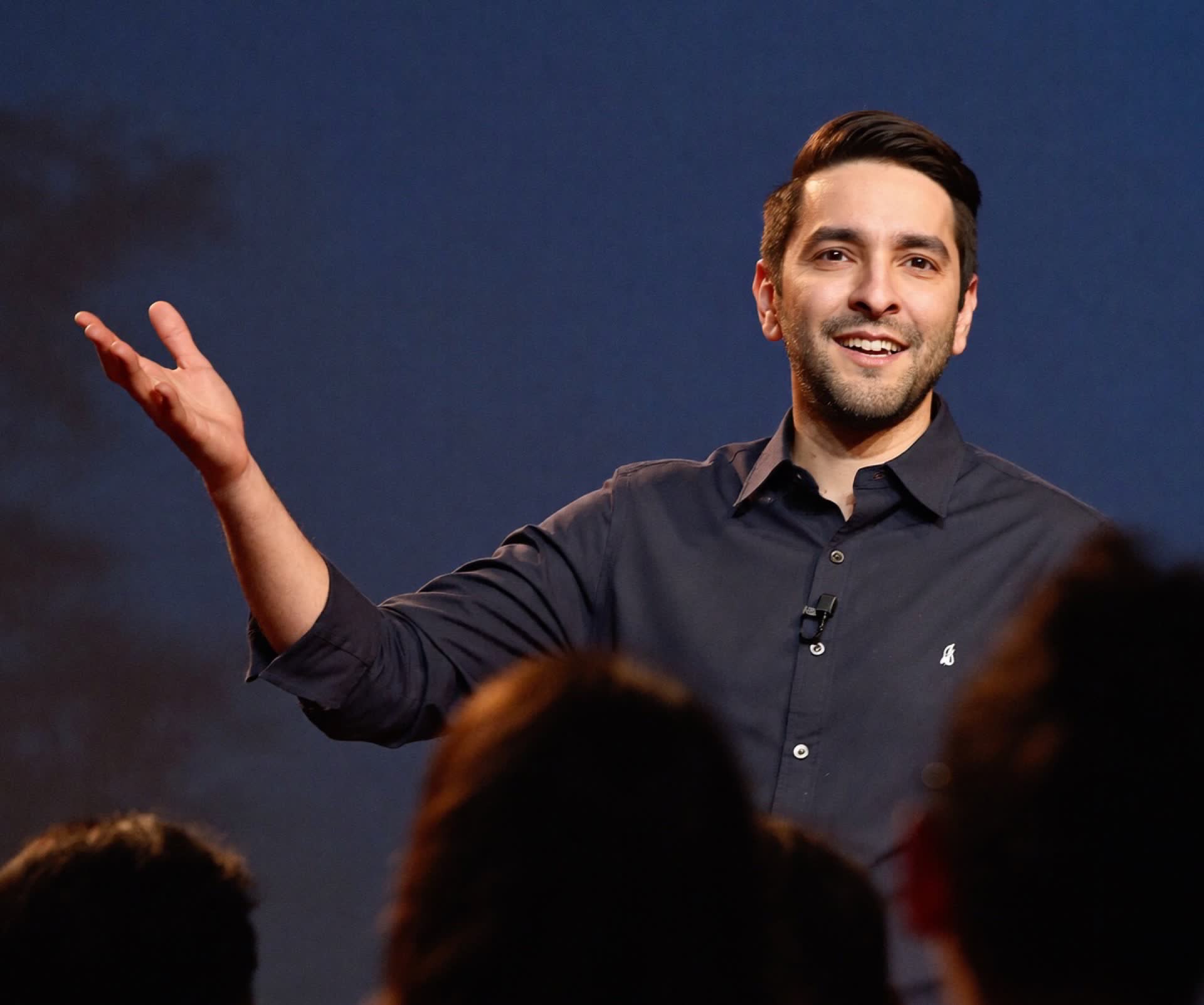
Thought Behind Things · Apr 11, 2022 · 1:05:44
The startup trying to plan your wedding in three minutes
Izzah Zaman and Neelam Shreyas, co-founders of Shadiyana, walk through how two software engineers turned 300 brainstormed ideas into a wedding vendor marketplace — and why they chose subscriptions over commissions.
with Izzah Zaman and Neelam Shreyas
10 min read
From Shorkot to NUST: two engineers who almost weren’t engineers
The episode opens with Muzamil introducing his two guests — Izzah Zaman and Neelam Shreyas, co-founders of Shadiyana — and immediately turning the conversation toward where they came from before the startup existed.
Izzah grew up moving between Shorkot, Murree, Islamabad, and Rawalpindi, attending Fauzia schools before finishing her matriculation and FSC at KRL College in Kahuta. From there, the path felt obvious: “KRL mein har bachche ki dream sirf ek university hoti hai, woh NUST hai” (“In KRL, every child’s dream is just one university — NUST”), she says. She got in, but not into software engineering first. Her parents steered her toward architecture, convinced it was the ideal profession for a girl. She spent a year failing. “F’s thi meri” (“I was getting F’s”), she recalls. The following day she simply stopped going, studied for the NUST software engineering entry test, and got in — then apologised to her father after the fact.
Neelam’s childhood was shaped by a military family that posted her across Pakistan: Quetta, Multan, Gujranwala, Bahawalpur, England, and finally Rawalpindi. She grew up with two sisters she describes as “very girly girls” and compensated with Pokemon cards, chess, and, at one point, forty-seven rabbits — all at the same time. Her parents set one condition: do well in matric and FSC, get into a good university, and after that “we will never ask you for anything else.” She chose pre-engineering not out of a clear plan but because she loved maths and knew she did not want to be a doctor.
Both ended up in NUST’s software engineering programme. Neelam switched from architecture at NUST’s design school — SADA — after a year, mirroring Izzah’s trajectory almost exactly.
What a year at SADA actually taught them
Muzamil presses Izzah on what she took away from the year she spent failing architecture. Her answer is more considered than a simple “it was a waste.”
“Jab bhi main us mindset ke saath engineering mein gayi, teachers kehte the project karna hai — bahut crazy projects, creative,” she explains. The design school had trained her to justify every decision: why is this line drawn at this angle? That habit of interrogating the reasoning behind a choice carried directly into how she later approached engineering projects at NUST, where her team would set up stalls in class, sell paan during presentations, and push for the first presentation slot before anyone else. The architecture year, she argues, gave her a creative confidence that pure engineering training might not have.
Muzamil connects this to a broader point about purpose — that Pakistani education tends to train students to execute without asking why, and that losing that sense of purpose quietly kills productivity.
Fifty-fifty classrooms and why girls tend to top them
An aside in the conversation becomes one of its more substantive moments. Muzamil notes that he rarely hears of women gravitating toward software engineering, and asks how the gender split actually looked inside NUST.
Both founders say their cohort was roughly fifty-fifty. And the gold and silver medals, Izzah notes, went to women. Muzamil offers his own read: girls who make it into Pakistani engineering programmes are there because they chose to be, fighting social pressure that constantly offers them an easier exit. “Unko constantly kaha jaata hai — yaar theek hai agar nahi karna toh easy ho jao, eventually shaadi kar lo.” The ones who stay, he argues, tend to carry a sharper sense of purpose. Neither founder pushes back on this framing.
Corporate, Carnegie Mellon, and the zoom call with 300 ideas
After graduating together in 2017, the two took different routes before converging on Shadiyana.
Izzah joined Teradata as a graduate trainee in managed services, working with telco clients like Jazz and Telenor on big-data analytics. After about a year, Jazz poached the team. She stayed long enough to see a second large organisation from the inside, always knowing she would eventually start something. “Mujhe pata tha ke wapas aakar toh maine startup karna apni company” (“I knew that when I came back, I was going to start my own company”), she says.
Neelam took a month off after graduation, got bored within weeks, and joined Zong as a graduate training officer in mobile financial services. Two years in, she recognised she was not built for corporate pace. She quit, applied for scholarships, and ended up doing a master’s in systems engineering with a specialty in cognitive systems — working as a teaching assistant to cover her expenses, living frugally.
Izzah went to Carnegie Mellon for a master’s in data analytics, public policy, and management, travelling across more than twenty US states before COVID locked things down.
While both were still in their respective programmes, they began a weekly Zoom ritual: listing ideas. The spreadsheet eventually held more than 300 entries — flying robots, self-writing pens, things Izzah describes as “ajeebo ghareeb jo hamare dimaag mein aata tha” (“the strange things that came to our minds”). Each idea was evaluated against market size, viability, and alignment with their skills. Shadiyana emerged from that process. “Weddings ka ek bahut bada market hai Pakistan mein — bahut badi — aur koi aisa platform abhi exist nahi karta” (“Weddings are a huge market in Pakistan and no such platform currently exists”), Izzah recalls thinking. They locked the idea.
Customer discovery before the product existed
Before building anything, the founders conducted more than 100 interviews — split between vendors (photographers, makeup artists, venues) and people who were actively planning weddings. The pain points were consistent on both sides.
Couples described the process of finding vendors as exhausting: messaging photographers on Instagram and waiting days for a reply, visiting venues in person just to collect a menu card, bargaining separately with every supplier. “Aap kisi ko Instagram par message karein — hafte kabhi toh reply karenge hi nahi” (“You message someone on Instagram and sometimes they never reply for a week”), Izzah says. Vendors, meanwhile, were spending time managing social media and chasing leads rather than doing the work they were actually good at.
The university’s entrepreneurship centre offered a customer-discovery grant — reimbursable, for teams at the earliest stage. The founders filled in the form almost as an afterthought, were awarded the grant, and used it to hire freelance designers and developers. The reimbursement deadline became an accidental forcing function. They shipped. Shadiyana went live on October 8, 2021.
Three minutes, 35,000 sessions, and a subscription model
By the time of recording, the platform had attracted around 35,000 users since launch, with an average session duration of approximately three minutes — which Neelam notes is also the stated goal: reduce wedding planning time from three months to three minutes.
The business model is a vendor-side subscription. Couples use the platform for free. Vendors pay a fixed monthly fee — ranging from 500 rupees a month for student makeup artists to 20,000 rupees a month for premium wedding venue listings. In exchange, vendors receive a detailed monthly analytics report: how many users landed on their page, how many clicked their call button, how many visited their Instagram, how far down the page visitors scrolled.
Muzamil pushes on the model directly, asking why they did not go with a commission structure — the Uber or Food Panda approach of taking a percentage of each transaction. Izzah’s answer is two-part. First, commission models create an incentive for vendors and customers to bypass the platform entirely once they have made contact — the same way Careem riders sometimes ask customers to cancel and pay cash. Building the trust required to prevent that takes time. Second, the subscription model is not permanent. “We will be scaling it to other models as well, with time,” she says. For now, it lowers the barrier to onboarding vendors who are still sceptical of digital platforms.
Later in the discussion, Muzamil raises the data argument: once bookings and calendars flow through the platform, Shadiyana would have the kind of industry-wide visibility that makes the business genuinely hard to replicate. Both founders agree that is the direction, but acknowledge they are not there yet.
Breaking down vendor resistance after COVID
One of the more practical questions Muzamil raises is how the founders convinced established vendors — particularly large wedding venues with walk-in traffic and no obvious need for a listing — to pay a subscription fee to a nine-month-old startup.
Izzah credits COVID with doing some of the work for them. “Mere abbu jo hamesha khud jakar apni pasand se seb aur kele lete the, ab Airlift se manga lete hain kyunki convenient hai ghar baithe” (“My father, who always used to go out personally to buy his apples and bananas, now orders through Airlift because it’s convenient at home”). The pandemic shifted enough consumer behaviour that even traditional vendors began to notice younger clients asking for Instagram handles and Facebook pages they had never created. A full website profile, the founders argue, is the natural next step.
The objections still come — vendors who say their reputation is built on word of mouth and walk-ins — but the conversation has become easier. Exclusive deals that vendors offer only through Shadiyana have also helped: customers arrive at venues citing a thirty-percent discount they saw on the platform, which gives the founders a concrete proof point when pitching new vendors.
What comes next: Lahore, three more vendor categories, and a funding decision
Currently operating with active marketing only in Islamabad, Shadiyana has data for Lahore and Karachi and plans to target Lahore for the next wedding season. Three additional vendor categories — caterers, decorators, and mehndi artists — are in the near-term pipeline, alongside the existing photographers, makeup artists, and venues.
Muzamil asks why the platform has not expanded to adjacent events: birthdays, anniversaries, farewell dinners. The founders’ answer is deliberate restraint. “Startups ke failures ki bhi reason dekhein — usme ek sabse badi reason hoti hai ke woh bahut zyada segments ko at once target karne ki koshish karte hain” (“If you look at startup failure reasons, one of the biggest is trying to target too many segments at once”), Izzah says. The goal right now is to own the mental association: whenever someone thinks about wedding planning in Pakistan, they type shadiyana.pk. Everything else follows from that.
On funding, the founders are self-financing and still burning their own cash. They are having quiet conversations with potential investors but have not made a formal decision. “Ideally, of course, hum khud hi apni companies, crazy ideas ke saath jaayein” (“Ideally, of course, we would go forward with our own companies and crazy ideas”), Izzah says — but they acknowledge that growing fast requires capital.
Thirty years from now: just “entrepreneurs,” not “female entrepreneurs”
By the end of the conversation, Muzamil asks both founders how they see Pakistan thirty years from now.
Neelam’s answer is pointed. She notes that investors have already asked the two of them whether they are married and whether they plan to have children soon — and how that would affect operations. “Hum hope aur wish karte hain ke jo thirty year baad ki entrepreneurs hain unse yeh sawaal na hon” (“We hope and wish that the entrepreneurs thirty years from now are not asked these questions”). She also names public transport as the single biggest structural barrier to women’s economic participation: if you cannot get to where the job is, you stay home.
Izzah’s wish is simpler. Today, she says, people say “female entrepreneurs.” “I hope by thirty years it will be just entrepreneurs.”
Muzamil closes by noting that the conversation he wanted to have — about why two engineers with strong international options chose to build in Pakistan rather than take remote jobs — ran out of time. He flags it as a conversation worth returning to.
Full transcript
सारा ख़विदिका साहब, welcome back to my episode of .net. Thanks aajiv, मेरे साथ मौजूद हैं. दो बहुत ही ख़ास मेहमान जो कि who who who running a company called Shadiana. It's basically, I can understand this correctly, it's basically a marketplace for all vendors who deal with शादीs, weddings, wedding planning. Essentially आपकी अगर शादी होने वाली है या किसी जाने वाली की शादी होने वाली है. तो this is the space जहां पर आपको ना सिर्फ़ तमाम चीज़ों की information मिल जाएगी but rather I think अगर आपको कहीं से connect भी होना पड़ा तो you can directly reach out to vendors there and you can वह सारा का सारा. We are with us today. इज़ाज़ ज़मान and नीलम श्रेयस. Thank you so much guys for being part of this show. Thank you so much for having us. अच्छा, मैं conversation को थोड़ा सा start करूंगा, and we're going to go deeper into, शादियाना and and and what you guys do. But just to sort of get started, मुझे थोड़ा सा बताइए guys, starting with you. Where did you grow up? Where were you born and where did you grow up? And what was early life like for you?
शोरखोट, मरी, मरी भी रहे हैं. इस तरह पूरा इस्लामवाद भी रहे पिंडी वगैरह. तो ये सारी और फिज़ाइया के schools में क्योंकि mostly इन शहरों में दूसरे schools थे भी कम. तो फिज़ाइया की schooling हुई. फिर end पे जो मैंने metric और FSC की वह KRL से की. So KRL कहूठा में है, कहूठा research labs. Right. तो उनका college था. बहुत अच्छा college था. मैं बहुत मज़ा आया और फिर यह early childhood या जो FSC तक यहाँ से पढ़ा. Right और उसके बाद फिर आपने eventually university कहाँ की? University जो थी, KRL में हर बच्चे की dream सिर्फ एक university होती है, वह NACHT है. अच्छा. तो मेरी भी यही dream थी कि मैं NACHT जाऊँ. तो मैंने NACHT से अपना bachelor's किया software engineering में. और उसके अलावा आपने कहीं apply किया था? मैंने apply हर जगह किया था क्योंकि मुझे यह डर था पता नहीं admission होता भी है, नहीं होता. तो apply मैंने हर जगह किया था fast, G की. Interestingly,
Right and जो नष्ट से software engineering करने का वह था decision, was that something जो कि आपने consciously लिया था and context इसमें यह है कि you don't generally hear कि लड़कियां जो हैं वह software engineering side पर आएं. A lot of times even, you know, मैंने computer science किया था तो a lot of the girls that were there were like, अच्छा हमने तो, you know, mechanical करना था, electrical करना था, हम आ गए और उसमें भी यही होता था कि classroom में अगर for example for every four guys, you would rarely find a girl, उस तरह से.
बिल्कुल. तो interesting इसमें एक और story यह है कि मैंने actually NASA software engineering नहीं किया था initially क्योंकि मैंने हर जगह, मैंने आपको बताया मैंने apply किया था, मैंने business में भी किया, architecture में भी किया, software में भी किया, admissions हर जगह हो गए. लेकिन मेरे parents को लगा कि architecture एक dream profession है किसी भी लड़की के लिए. उधर थी भी वो entry test पे मेरे साथ गए, लड़कियां ही लड़कियां. उन्होंने कहा ये ये best रहेगा. तो मुझे कहा architecture cradle है मेरी हमेशा से जो strength थी ना वह maths और इस तरह technical subjects थे. Arts का मुझे shock था लेकिन इतना नहीं था. उसके बाद मुझे realize हुआ कि मैं पूरी degree मतलब architecture में और कर रही एक साल में पढ़ाया क्या था उन्होंने essentially?
अच्छा. हां जी. और वह मतलब वह आपसे like you couldn't do that. I could not. F's थे मेरी तो. मतलब यह कि the idea that a lot of people in the STEM fields generally look down upon people in the art and they say, ये तो फ़ारे काम है math ही fit चीज़ होती है. तो
फिर मैं बैठ गया. अगले दिन मैं कहीं university नहीं गए और बस मैंने पढ़ा, पढ़ा, पढ़ा और somehow मेरा test तो बड़ा बुरा हुआ था. Somehow पति नहीं अल्लाताला की तरफ से था कि वो admission हाँ हो And what was the conversation like with your, with your family but I am extremely sorry और मैं I will make up to you और मैं अब्बू के पास की मिल गया अब्बू आप यह पढ़ लें.
That's an interesting way to go about it. है? अगर आपने confrontational issues है तो आप बस इसको जाना. बिल्कुल. Very interesting. Moving the conversation to you, नीलम. Yes. Tell me a bit about your childhood and and and where did you grow up and what was life like? Ok, like I said I have been, you know, growing up, still growing all over Pakistan.
I was born in कोएटा बलूचिस्तान. Mhmm. And then we moved around from मलि to गुजरावाला to बावलपुर to England for some time. And last मारी posting जो book थी वह पिंडी में थी. अच्छा, military family थी? Military family, yeah. So pros and cons दोनों हमेशा होते हैं. And I grew up with two sisters. दोनों बहुत girly girls हैं and I'm not. And so I had Pokemon cards and my, 47 rabbits to accompany me. I had a lot of pets growing up. You had 47 rabbits. 47 rabbits. All at the same time? All at the same time, yeah. Wow. Yeah. Two baby goats, one duck, one parrot, सब कुछ था. हां. मैंने कहा सुना था. तो वह full time job थी, ok? That will paid me for everything, yeah. तो parents का I think यह था कि metric में अच्छे marks लेने, FSC में अच्छे marks लेने और अच्छी university में घूछना है. After that we will never ask you for anything else. सच alive.
नहीं पता है क्या आप अपनी ख़ुद ही ज़िंदगी गुज़ार दो और उसके बाद कुछ नहीं कुछ करता हूं. उसके बाद बचा ही क्या है भाई? I don't have the strength for anything.
So, मैंने schooling मेरी mostly beacon houses थी. Right. अब जब मैंने metric में ने beacon house से लड़ जाकर के किया, मैंने कहा भई इसे करने वाली हूं. I cannot survive in an army school. लेकिन आगे FSC करनी थी. अब वापस army school में जाना पड़ा. ठीक है, वहां जब गए तो इतना culture shock था. Oh my god, ज़्यादा focus on आपकी uniform पर ज़्यादा होता था rather than आपकी पढ़ाई में क्या चीज़ है? Most
depressing years of my life, ठीक है? अच्छा. Yeah, तो. And वह आपने ICS था या? Pre engineering. Pre engineering. Pre engineering इसलिए की थी और पता नहीं था क्या करना है, you know. I'm surprised. I'm curious. Haven't, this is very fascinating for me and and and more power to you guys. I haven't had the pressure of talking to girls who have been so through and through engineering. How did this happen? I mean, how did you guys and particularly with you Mhmm. Parents क्योंकि पारसानी parents तो ऐसा नहीं सोचते हो. तो सोचते बेटी को चारोज़ जी art and वह क्योंकि यार
Honestly, यह was this was never on the table कि, you know, कि मैं किस type की चीज़ करना करूं, ठीक है? My parents are like कि जो भी करना है करो but, land, you know, go be good in your field, ठीक है? तो it was never a question between arts or preengineering. I just picked preengineering. वैसी, you know, I know I didn't want to be a doctor and bed तो बने नहीं दे रहे थे मेरे parents. उस time पर एक limitation लगाती थी. But मैंने कहा pre engineering जाती हूँ. I loved maths. अच्छा. और उसके बाद मैंने कहा देखा जाएगा क्या करते हैं? तो like कैसा मैंने भी साढ़ा में admission लिया था. अच्छा, आप दोनों एक ही किस्ती के सवार हैं? Kind of, kind of. मेरी उस time second position आई थी साडा में and I'm really proud of that.
नहीं साडा में आपने admission किस्सी में लिया था? Architecture में लिया था, yeah. Same year? नहीं, उस time I was just switching to Sikhs, the school of electric engineering. अच्छा and you were just beginning that sort of a. Exactly. I failed. Exactly.
And then मैंने overnight ही पता नहीं मुझे क्या हो गया. मैंने कहा, how about if I go into software engineering? How about that, you know? Right. Parents were like, you are so impulsive. Oh my god, they were so disappointed. They were like, अच्छी बात है आप वह cool office में बैठकर job कर सकोगी. कोई वह हैसे नहीं होगी, ठीक है? हां. अब सीधे चार साल का, you know,
No, not. कोई cousins थे बड़े जो कि कर रहे थे? No. बस, मतलब so what was the thought process getting into software engineering? And why software engineering? Why not mechanical, electrical? Because a lot of people tend to sort of gravitate towards those fields.
So, software engineering का मेरे जो मेरा experience था, my eldest brother is also a software engineer. Ok. So, had that sort of idea? I had a little bit of an idea. Yes. मुझे यह पता था थोड़ी programming is like a थोड़ा mathematically linked है और थोड़ी कोई वह होती है, logic. Right. और मेरे मेरे पास. Problem solving और orthogonalism. Problem solving. तो मुझे बचपन से chess भी बहुत पसंद है. मैं और मेरा बड़ा भाई हम दोनों बहुत chess भी खेलते थे. तो इसलिए मुझे लगा कि, you know,
और मैंने कहा maybe it would be something I would, you know, find interesting. मैंने कभी ज़्यादा explore नहीं किया था but मैंने कहा, क्या पता, you know? क्या पता? I was a risk taker back then. अब तो फूंक फूंककर पौ रक्ती हो. But
yeah, That's I interesting. Yeah. And so how was your four years, both of you, at at Nast?
I loved it. मतलब I don't have words to describe कि मुझे कितना मज़ा आया. मुझे पता है कुछ लोगों को शायद Nast या पढ़ाई में उतना मज़ा नहीं आता. मुझे बहुत बहुत इतना मज़ा आया. I can go back. मतलब इतना first semester से लेकर क्योंकि soft range जब मैंने साड़ा किया ना एक साल, ठीक है मैं अच्छा नहीं कर रही थी लेकिन artist की एक different mindset होता है. तो बेशक मैं fail हो रही थी लेकिन उसका मुझ पे काफी influence आया कि उसमें आप ज़रा सी line भी draw कर रहे हैं ना वो आपसे पूछते हैं में जो आपकी critique होती है, ये आपने क्यूँ draw की है? तो आँखें ते क्या मतलब एक line है, इस angle पे क्यूँ draw हुई? वैसे ही मतलब कोई इतनी reasoning नहीं होती उस time पे. लेकिन जब भी मैं उस mindset के साथ engineering में गई ना और जब teachers कहते थे project करना है, बहुत crazy projects, creative. Class में हम stall लगा देते थे अपने project में पान बेच रहे हैं class, teacher देख रहे यह क्या हो रहा है? बस हम इसी तरह crazy ideas उसने थोड़ा empower कर दिया साड़ा में जाने की वजह से कि engineering में भी please हमारी presentation पहले होने दो. तुम लोग उनकी बात तो teacher ने कह रहे हैं ये क्या बाकी सब का ऐसी है? तो मतलब इस तरह से मुझे बहुत मज़ा आया है चार साल engineering. I did everything in NUST except पढ़ाई. Yeah, it was really fun. मैंने तो मुझे यह बताया about what were your CGPS?
Okay.
Should I go first? कोई follow करना मुश्किल है? Yeah, I'll go first. I had a 2.2 in computer science. ठीक है. I'll put that out there and now you can feel good about yourself and
She'll put me Masters कभी पूछें CGPA? Masters में तो फिर जाएगा. यार masters में आते ना आप. अच्छा, मेरा था 3.89. Yeah.
See, I mean, is this is why computer science students hate girls. She is the reason.
Yeah. It's a front bench venture thie. Yeah. And I would sit wherever my friends are sitting. Yeah. Interesting.
So it's it's also very interesting that the two of you Mhmm. Would end up opening a business together or a startup together. You know because I remember मेरे साथ अगर मैं देखूं ना तो I was one of दोस्त जो कि बड़ी मुश्किल से सुबह आठ बजे वाली class में पहुंचता था और जब पहुंच जाता था तो पहली class में अगर मुज़मिल जागा भाई तो teacher पूछता एक उसका ही difference था, culture का ही difference था. So they are doing things but in a very very different capacity. So this is very interesting. This pairing is very different and interesting and I'd love to have that story as well later on. मुझे थोड़ा सा यह बताइएगा. So, years of नष्ट was for you as an academically
empowering experience and for you it was just like And all the experiences, yeah. Had a wonderful time इन्हें क्या कहते हैं projects बहुत हमने इज़ाम में साथ करते थे. थोड़ा background बताना चाहती हूं even though इज़ा front venture थी. तो हुआ तो हुआ. क्या कहते हैं we had a lot in common about you know ideas हमारे crazy होने चाहिए. जो भी हम crazy ideas सोचते होते थे हम दोनों साथ ही काम करते थे. We became friends like this too. हां. हमने, projects भी हमने किया and we have a really interesting bonding story as well. I think in first semester when no one knew each other, इज़ा fainted, in the hall and हमें नहीं पता था, हम class में बैठे हुए थे. Yeah, तो उन्होंने कहा कि कुल इस तरह की बात की मैंने कहा चलो let's see what happens. ठीक है? I raise my hand, ok? And then I went out. वह कहते हैं कि she faint है. मैंने कहा कौन? But difficult level of foreign पहुंच गए हैं ठीक है? तो I think then we bonded and then we, you know, we went on an ambulance, you know. Ambulance आ गई है और It वहां nice. Was बहुत मज़ा आया, ठीक है? मुझे I skipped a lot of periods बहुत मज़ा आया इसमें, ठीक है? तो and then then we bonded and then became really good friends और क्या we did so many projects together, बहुत मज़ा आता मैं projects करते हुए. मुझे लगता है कितने boys circle थी girls senior class? I think fifty-fifty ratio थी हां, fifty-fifty थी हमारी. Really? Yeah, that was, yeah, surprising to us as well. हमारे junior seniors थे Really these surprising. Yeah. Mummy.
And and a lot of these girls were FSC or, A levels?
I think FSC ज़्यादा थीं, I would say. लेकिन A levels भी बहुत थी वैसे. Yeah, याद करने थे. अच्छा, how was, how were the girls in in in practical versus academic?
Mhmm,
okay. Do you want to answer that? Sure.
Think they were pretty good. At least जो हमारी class थी ना, हम यह कहते थे हमारी class में तो लड़कियां छाई हुई थीं. Overall मतलब हमारी class, हमारी particularly class का environment यह था कि हमारे जैसे gold medal, silver medal दोनों लेड़कियां थी. चलो यही होता है, चलो यही होता है feel like कि like हमारी university में भी almost जितना मुझे पता है तमाम batches में लड़कियां ही वह लेती नहीं I think उसका एक,
there is a thing. It it it has a lot to do with, girls having the the safety, security, and mobility as well. वह क्योंकि उनकी कम होती है तो they are able to focus on the academics as well. लड़के जो है ना वह टूटते फिरते या बारा ग़र्दी कर रहे होते हैं तो they tend to be too distracted. मैंने यह भी देखा है कि लड़कियां जो हैं वह जो पढ़ रही है ना पाकिस्तानी society के अंदर. These are my thoughts and opinions who they could be wrong but पाकिस्तानी society में a lot of girls who are studying are studying because they want to study. A lot of the guys who are studying are because उन्होंने घर बारों का सहारा बनना है बड़े ok and so that is sort of, there there's a passion का difference. जो जो मैंने देखा ना लड़कियों के अंदर एक inherent passion है even पढ़ाई के बाद जो workplace भी वह आ रही हैं, वह आ रही हैं क्योंकि वह imagine कर रही हैं कि यार you know like this is something we wanna do. वरना उनको constantly कहा जाता है कि यार ठीक है अगर नहीं करना तो easy हो जाओ. कुछ easy ले लो. Eventually शादी कर लो. And so the ones who are actually ending who end up coming on the top are the ones जो कि बड़े vision के साथ आ रही और बहुत आपने थोड़े पहले एक चीज़ की बात बोली थी and I really wanna focus on that. You spoke about what you learned at Sada and, उसके ऊपर एक बड़ी अच्छी किताब भी है Start With The Y. It's by Adam Grant, I believe. और उसमें वह बात यह करता है author कि हर चीज़ का एक पीछे why होता है और अगर आप why के साथ कोई चीज़ नहीं करेंगे तो आप कभी भी एक short of, know, you can't really do anything great in your life because आप endlessly, mindlessly एक चीज़ को pursue कर रहे हैं without with no end in sight. और वह जो आपने बोला कि you know you began to understand the fundamental idea of why. कि यार मुझे यह कहा जा रहा और हमारी society में हमें इतना ज़्यादा potty trend किया जाता है हर चीज़ के लिए कि यार बस चुप करके जाना यह करो यह करो यह करो. कि we don't ask that why? We don't we're not curious as as human beings we're not curious. We're just like अच्छा बस यह कर दिया तो ठीक है कर लेते हैं. And when the purpose gets missing तो we automatically begin, like, begin to lose our productivity and our our वह. तो वह तो वह बड़ी मज़ी है कि आपकी वह थी कि आपने बड़ी young age के अंदर and tata enabled you to to able to pursue to be able to pursue that. You guys graduated in 2017? Yes, we did. And so, and and graduated together obviously. Yes yes. Straight up क्या क्या? What's what was next? So, did you decide किया है मैंने job करनी है या मैंने masters करना है या मैंने start up करना है? I think those are the three options.
तो शुरू में तो क्योंकि इतना मेहनत की थी university. मैं कहा शुरू में तो relax करना है. मतलब दो तीन काफी लोग university के फ़ौरन बाद jobs देख रहे होते हैं, बहुत nervous भी होते हैं and I think वह भी बहुत valid चीज़ है क्योंकि सबके अपने different circumstances होते हैं. Teradata basically एक multinational company है जिनका mainly data warehouse बहुत ज़्यादा big data के साथ deal कर रहे होते हैं और इनके clients Pakistan में जो भी telcos हैं जैसे Jazz हो गया, उस वक्त वो उनका client था और telenor, zong वगैरह ये इनके clients होते थे. उनका data जो आ रहा होता था उसको manage करना होता था. उसपे analytics लगाने कि कितनी calls हो रही हैं, किस तरह customer को जाने नहीं देना, अगर कोई छोड़कर जा रहे हो, उसको कोई package भेज दो. मतलब इस तरह का जो काम होता था वह उनका होता आपने उसमें graduate training के throughput join किया था? जी, मैंने graduate training. और कौन सा department था? मेरा MS था.
Managed services. Managed services. Right o. What about श्रीनीलम?
I think while growing up, I never had a free summer. I always did something. कोई arts की मैं classes ले लेती या something, you know. So I wanted to see what's it like to take a month off. I was bore out of my mind. I am not someone जो सोकर खुश होता है और something like, मैं उस type की हूं नहीं. I wish, ठीक है? तो in that month मैं इतनी bore हो गई. मैंने कहा ok, let's up start applying, ठीक है? अब और कुछ करने को. This is not the life for me, ठीक है? Identity crisis बहुत हो रहा था. तो मैंने कुछ companies apply किया and Zhong being one of them. Right. Zhong में apply किया as a graduate training officer apply किया. I got in and I worked there for two years. Yeah. Two years? Yeah. Zhong is Zhong is something.
There is that Chinese culture and there is come on time and then Yes. And आप इसी side पर थी? आप data analytics की side पर थी या वही नहीं, I was in the mobile financial services की prod developer थी मैं. Interesting. And you were working out of बारको? क्या उनका जहां campus जो उनका चक्षजाद में. बिल्कुल. हां, HQ में वहां काम थी मैं. Right right right. And two years, so you were there for two years. How how long were you at,
Almost a year. उसके बाद मैं jazz चली गई. जो हमारा TEDDA का project था, अब यह isn't too much detail में कि वह पता हो गया था और फिर jazz वालों ने पोछ कर लिया जो लोग उस team में काम कर रहे थे. Right. तो I was one of them और jazz एक मैंने different multinational company देखी है तो मैं एक थोड़ा telco experience करूँ क्योंकि इसका Pakistan में बहुत बड़ा hold है. तो मैं देख, मुझे यह पता था कि वापस आकर तो मैंने startup करना अपनी company. तो मैंने कहा जाने से पहले at least एक और organization experience करके देख लेती हूँ. थोड़ा time ही है वरना तो मुझे tear data बहुत पसंद है. मतलब मेरी favorite जगह अगर मैंने हाँ, I mean the culture and everything is बिल्कुल. Just an
सोचो,
masters आपने किस चीज़ में किया? Masters मेरा interdisciplinary है. उसमें data analytics, public policy and management इनमें है. Interesting और Carnegie
Melanch क्या था? जी जी बिल्कुल. How was that experience?
It was wonderful, बहुत अच्छा. US in general ही मुझे लगता है बहुत ही अच्छा culture है. उनका academic तो और ही ज़्यादा अच्छा और बहुत कुछ learn करने को मिला वहाँ से. Wonderful experience और मैंने जब मैं US में थी मैंने travel भी बहुत ज़्यादा किया तो वो भी एक बहुत अच्छा है. वहाँ पे भी आप जाके पढ़ती रहे या did you manage to enjoy the, the, the area this? Oh, मैंने I think twenty two, twenty six, twenty two, twenty six मुझे count याद नहीं है लेकिन काफी states travel की और यह COVID अच्छा का time अच्छा अच्छा. तो COVID में I think एक तो आठ महीने तो वैसे ही आप डर के उसी वक्त COVID आया था तो आप निकल ही नहीं रहे थे कहीं मुझे ना लग जाए. लेकिन उसके अलावा भी मैं I manage to That's still been quite sad by the way कि यार मैं ज़िंदगी में अमरीकार हूं. ठीक है हो गया है. बिल्कुल. My god, why भी. उस time honestly यह भी शायद thought आनी चाहिए थी मुझे लेकिन मुझे जो ज़्यादा था ना मैंने अला ताला से एक request की. बस एक चीज़ मैं नहीं चाहती कि family को कुछ हो. Right. मैंने कहा बस मेरी family safe रहे और ज़िंदगी में मुझे कुछ नहीं चाहिए इस time में. यह मैं गुज़ार लूंगी. बस that is something वह वापस नहीं आ सकती. तो बस वह as long as सही है तो मैं manage कर लूंगी. Right right right. And you started your master's at the time as well? I did, I did. But,
इस तरह का मेरा process थोड़ा different था. While working in Zong, I was, I realized मैं corporate worldly cut out नहीं हूं. I like things a little fast paced. Mhmm. Even though Zong taught me a lot, of course, ठीक है? I do give it it's due credit. लेकिन वही phases आते थे, you know, I'm I'm so bored, I'm so bored. कहती नीलम रोको. ठीक है? You have the weekend to decide. ठीक है? Or else yeah. तो that's how you went to Dubai. Oh yeah.
Interestingly मैं आपको इसकी थोड़ी और details भी यह बताऊं. नीलम is marshalla. हम दोनों थोड़े opposite हैं. नीलम is organized. Am not. मैं बिल्कुल organized नहीं हूं. अच्छा, I would have, I would have thought. नहीं, it's the other way round. It's the other way round. मैं बिल्कुल organized नहीं हूं और financial management तो मुझे पता ही नहीं है क्या होती है.
Interesting, interesting and and and you guys were fully financially independent when you started your jobs? Standard jobs? When you started your jobs, were you guys fully financially independent? Like were you taking any money from your families after No,
After graduation मैंने तो छोड़ दिए थे यार. हां मैंने भी. और it
wasn't like कि जी ठीक है तुम्हारे पैसे हैं तुम उसको save करो और वह करो but अच्छे भी सारे आपके और Lecture मिलते थे लेकिन वह आपकी अपनी मर्ज़ी होती है और in doubt now you know कि आप parents guide कर सकते हैं आपको लेकिन we have you have to live your own life, you know. Right. Did you guys work during university at all? University हमने purely उस पर focus किया. क्योंकि उस time पर particularly computer science और software engineering वग़ैरह का freelancing वाला show भी start हो चुका हुआ था कि you know side gigs कर लेंगे, कर लेंगे, कर लेंगे. Did you did you do any of that? उस तरह से नहीं किया मतलब freelance से या इस तरह का काम नहीं किया. जब हम university में थे तब भी हमने एक company start की थी. अच्छा. वह बहुत
organized उस तरह नहीं थी लेकिन हम दस लोगों की team थी. हम सब ने कहा हम कुछ बनाते हैं. तो उस वक्त भी हमने कुछ apps बनाई थी. तो वह मतलब we were not working for someone. खुद ही किया और वह भी अच्छी app थी आज़ादी pros का नाम. हाँ. वह filters लगाती थी आपके वह. उस वक्त बिल्कुल August 14 आ रही थी तो हमने कहा filters वाली app बनाते हैं झंडा यह वह लगते हैं. Interesting. तो वह किया था लेकिन job उस तरह से नहीं की. Nothing that would make you money essentially. नहीं. This is just like कि This made us $2. अच्छा.
Yeah. We introduced the ad network and उसके through हां हां जी. How cool. अच्छा, so so,
you were at आप वह story सुनानी थी. Dubai ने दिमाग में वह हमें वह कर दिया. हां हां. आप वह तो सुनानी थी कि masters किस तरह हुआ? Yeah, masters. I knew कि मैं job क्योंकि नहीं करी. मैंने zong quit किया क्योंकि after उन classes थीं. मैंने कहा I'm not going to अपने आप को इतना हौर नहीं करती. तो मैंने I applied for scholarships की मैं apply किया and I got, you know, I worked as a TL, बता तो for my teachers. तो वही मैंने अपनी वह cover कर लेती थी सारे expenses. And I was, yeah, I have lived very frugally. और आपका masters किस चीज़ में था? Systems engineering with a specialty in cognitive systems. Right.
So you guys both graduated in, I believe, if I can do the math, 2019 and then 2021. So you graduated in 2021? Yes. Yeah. दो दो दो साल का masters होता I'm assuming दोनों sites पर. बिल्कुल. And so you come back to Pakistan. I believe Fulbright has that contractual obligation and you were already in Pakistan. Yeah. So उसके immediately like, so tell me about finally now the story of how शादी आना came into being. Sure. तो वह जो है Sorry, एक second मैं आपको cut रहा हूं. जी जी, please. Between the two cofounders, what are your titles? Essentially, how do you break it down? How do you break down the functions of the verticals between the companies? So,
the title I'm the CEO and नीलम is the COO. Live set हो जाए मतलब यह dream company dream internship मिल जाए मुझे. तो वह मिल गई मुझे और जब मैंने वह की मैंने realize किया यह तो नहीं मैं कर सकती. यह इसलिए नहीं कर सकती क्योंकि वह बहुत boring है. मतलब क्योंकि मुझे पसंद है अपने ideas implement करना जो दिल में आ रहा है वह करना. तो वह opportunity आपको corporate में रहते हुए नहीं मिलती. पैसे मिल रहे होते हैं वह नहीं मिल रहा होता. तो फिर नीलम और में हम zoom पर हम बैठते थे हर week ideas लिखते थे ढेर सारे मतलब और वह crazy ideas होते थे. Flying robots, pen जो. Self writing pens. Self writing pens. अजीब अजीबो गरीब जो हमारे दिमाग में आता था. फिर हम उन सारे वह 300 plus ideas की excel sheets थी. फिर हमारे दिमाग में फिर हम उसको evaluate करते थे हर idea को कि इसकी market कितनी बड़ी होगी. यह vibrant. This was during the masters program. यह masters की दरम्यान में था. इसकी vibrant कितनी है? इसमें यह हमारी skills के साथ align करते नहीं करता. तो जब वह 300 plus ideas के बाद जब शादियाना का idea आया और हमने सोचा कि weddings का एक बहुत बड़ा market है Pakistan में बहुत बड़ी और कोई ऐसा platform अभी exist नहीं करता. तो हमें लगा कि यह हमारी skills के साथ भी align करते हैं. हम दोनों software engineers हैं, website बना भी सकते हैं. फिर उसके अलावा creativity का भी बहुत room है क्योंकि शादियाँ हला गुल्ला, फिर जो हम Instagram वगैरह उसमें भी बहुत creativity हो सकती है marketing में. तो फिर हमने कहा कि यह idea हम इसको lock करते हैं. That's how यह start हुआ. जब यह start हुआ उसके foreign बाजे में university start हुई. उसमें हमारा जो entrepreneurship center था उधर एक customer discovery की grant होती थी. तो उन्होंने कहा यह Google form लोग fill करें जो जो चाहते हैं उनको grant मिले. हमने यह idea final कर दिया हुआ था तो हमने कहा चलो form fill करने में क्या है? Form तो हमने fill कर दिया. हमें क्या पता था वह दे देंगे grant. उन्होंने grant दी और उसका rule यह था कि यह reimburse होगी सिर्फ. अच्छा. था कि यह उन startups के लिए जो बिल्कुल initial stage पर हैं. तो हम बिल्कुल initial पर थे. तो हमने यह किया उस grant से कि हमने website design और development freelancers hire किए और वह उसके through किए, development start कर दी और जो वह उनके expenses थे वह हम फिर university से reimburse करा लिए. तो वो एक in a way motivation वन गई. एक हम फिर taking time bomb था कि may तक यह पैसे खर्च करने है. तो वहाँ से एक वो initial जो हमें motivation थी वो वहाँ से भी आई. Right. और फिर बस उसके बाद तो मैं वापस आ गया और फिर full time इसी पर काम किया.
And and in twenty twenty one fall you both were basically working full time on this. Yes, we were. You both have had a have had corporate experiences and corporate is like again जो हमारा पाकिस्तानी style होता है कि even software houses are a little bit different but corporate is very disciplined. Right? Because बचपन से लेकर अब तक हमारी हर चीज़ जो है वह laid down है. हमारे parents ने हमें बता दिया कि यह करना है. इस तरह तैयार होना है, इस तरह उठना है, इतना बैठना है जो कि बहुत ज़्यादा आपके curated होते हैं वह आपको लेकर चले जाते हैं. बिल्कुल. Cooperate के अंदर everything is laid out. Time इतना इतना इतना overtime लगाया तो उसके लिए यह फ़ायदा, यह क्या तो उसके लिए वह नुकसान and then suddenly now you're you're done your masters and now you're doing a startup. Mhmm. Right? Now उठें सुबह. कोई पूछने वाला तो नहीं है सच, right? You're young, you're obviously, यह वाली बात है कि how do you... So probably my question is it's been more than it's been almost a year, I would say. Full time.
Almost
almost I think. Nine months. Nine months. Exactly.
How have you gotten the motivation to keep doing it at this point in time? What's been what's what's driving
you guys at this point in time? Ok. So, एक तो यह होता है कि हमारा we are revenue generating. एक तो होती आपने हालाल पैसे करने के बाद. What is your offer? No wearer offices रहा है. वह पहुंच जाएंगे. Yeah, यही तो हमें we are really conscious कि customer service अच्छी होनी चाहिए और जो if people are paying us, उद्ध तक हमें functional ज़रूर रखना है, you know. Even if we round आगे जाकर हम हम we have to close shop बाद में लेकिन जो पैसे लिए वह हमने उनके utilize करने हैं. We do that. तो एक मेरे लिए तो यह बहुत motivation है कि if someone's paying, पता नहीं किस तरह भी, we should, you know, fulfill the commitment. So it's a customer centric then it's not a job or a startup anymore. It's just about the fact that you wake up, now you have to fulfill certain customers' demands and that's the most important aspect too. That is one aspect लेकिन यह भी है कि I think homelessness and, you know, being broke is a really good, you know, motivator. Motivate. लोगों को क्या बताऊंगी? Yeah, but I also like कि अपनी चीज़ों पर काम करें या रुज़ाना उठकर आप ख़ुद decide करो. How about today we market something different? You know, how would we go with a spicy topic? हम यह extra की बातें कर रहे होते हैं ना and we don't have to ask people for permission and we love that.
Interesting interesting. So when you guys started full time in in in Pakistan, were you working from home? Yeah. How was it? What was it like? Because now you're incubated at the National Incubation Center, which is, I believe, in age nine. बिल्कुल. उससे यह कब आपकी start हुई थी incubation वाली cycle?
Incubation January में start हुई थी इस साल. उससे पहले हम एक दूसरे के घरों से काम कर रहे थे. इस तरह रखा होता था एक week मेरा घर, एक week नीलम का घर और उस वक्त team में जो और लोग थे वह remote ही काम कर रहे थे, interns थे कुछ. एक जो हमारे designer है वो कराची में होता था तो वो remotely सब चल रहा होता था तो उस तरह office space की need भी नहीं थी. लेकिन जब हम एक दफा हमने NIC visit किया, अगर किसी ने नहीं किया तो ज़रूर करें. बहुत प्यारी जगह है. हमने कहा यहां ज़रूर आना फिर हमने उनकी application पर बड़ी मेहनत किए. Right, obviously NICE
has a lot more to offer as well. Networking and and and really beginning to understand fundamentals of business. क्योंकि बंदा ख़ुद कर रहा होता है बंदा कहता है यार बस ठीक है काम करना है, problem solve करेंगे but business miss हो जाता है. At what point did you so so चलिए इसको इस तरह ले लेते हैं. What's the, what what is शादियाना? And what are you guys essentially trying to do with that?
Okay. You want to answer that? Okay. So Shadiana is a website Mhmm. Where we have photographers, makeup artists, wedding venues, all listed into one platform. And we aim to reduce the average wedding planning time from three months to three minutes. Interesting. Yeah. How do you do that? Okay. So, if you do visit our site, as I said mentioned before, that there's a lot of list of all the vendors, and all the in information's very instantly available. So you don't have to call them to ask them about their prices or if they are willing to come to your house and if there are any extra charges for x y z functionality. So everything is already there. 90% of the work is done. Right. You know, so it really quickens up the entire wedding planning process. Mhmm. Yeah. And when you guys started,
मतलब यह idea आपके पास दिमाग में start में यही था या यह eventually evolve हो गया इस तरफ़ आया?
नहीं, यह यही था. Pivot नहीं किया. हमने अभी तक, अभी तक जो हमें लग रहे हैं response से शायद in the very near future तो हम नहीं करेंगे क्योंकि लोगों की बहुत हमने start किया था customer discovery से जिसका मतलब है हम लोगों के interviews ले रहे थे. 100 plus लोगों के हमने interviews लिए. दोनों sides of the market से. जो vendors थे जैसे photographers, makeup artists, जो venues थे, उनसे उनके pain points पूछे. फिर जो जिन लोगों की शादियां हो रही थी, उनसे पुछा कि आपको क्या struggles हैं या आपके क्या pain points हैं? और यह idea उसी से आया. इससे जब हमने बहुत validate किया मतलब जब तक product नहीं बना था कि इसकी need भी है और जिससे हम बात करते थे वह कहते थे कि इतना मुश्किल है सारे vendors ढूंढना. आप किसी को Instagram पर message करें. हफ्ते कभी तो reply करेंगे ही नहीं और अगर कर दें एक दिन, दो दिन, आपको instant information अब वह ज़माना तो नहीं है ना कि आप बैठे रहे उनके इंतज़ार में. तो इसलिए फिर हमें लगा कि इसकी काफी need है और अभी तक जो हमें response जा रहे हैं, उससे भी हमें लग रहे कि काफ़ी लोगों को convenience मिल रही है इससे. और go live date क्या थी इसकी? Like, जिसमें आप officially October 8. October
2021.
October 8. उस वक़्त अब तक how many people have you essentially helped find services?
Around 35,000 हमारे users हैं जो हमारी website पर आए हैं अभी तक और average session duration उनकी तकरीबन three minutes है. तो मतलब वह काफी देखते हैं गौर से. कुछ vendors की तो हम देख रहे होते हैं. कभी खुद हम भी रहा होते हैं. ग्यारह minute क्या देख रहे हैं लोग profile पर, लेकिन लोग देखते हैं. Right.
Are are people right now only coming for, information? या can they hire services as well? And what's the model है? Like, how does the platform make money, essentially? I I understand the the the I understand the problem that you're solving for the customer. कि यार उसको, उसके पास information available ही नहीं है. And so, उसके पास सारी listed information है. But then उसका एक step next यही है कि आप एक sort of escrow connecting payment platform भी वन जाएं जिसके अंदर आप कहते हैं कि ठीक है, we're gonna process your payments, we're going to process your calendars and so on and so forth. Mhmm. तो अभी तक किस level की functionality है and, you know, how do you make money?
Okay. So, we do not charge the people who are planning, their wedding. We charge the business side, the vendors, and they pay us a fixed, subscription every month like Netflix. Yeah. And वह agreed upon होता है. हम उनके पास चाहते हैं. We pitch them, they agree, they come, they pay. अच्छा, so now then you don't really care कि customer जो है वह जा रहे हैं जब उसके पास तो वह उसको,
what you might call it? मतलब उसको पता भी है कि वह आपकी तरफ़ से आए या वह third party की तरफ़ से आए. You don't really care as long as you're generating those leads, and they can convert however.
Yeah yeah, एक किस्म किस तरह की बात है और दूसरी हमारी website पर ना deals हम बहुत put करते हैं that vendors do not offer any place else. तो whenever any customer, you know, उनको फ़ायदा भी हो जाता है कि देखे कि oh, हमने 30% off कहीं देखा था and things like that. So, they go to the vendors directly और कहते हमने आपकी deal देखी थी शादियाना पर and we want to book this. तो इससे हमारी, you know, वह strong हो जाता है कि stance के customers आ रहे actually. Right-right-right. And that is the thing. Are you sharing some sort of insight with the vendors as well? So for example आप मेरा 35,000 sessions हैं. So maybe like a weekly कि oh you know 75 people landed on your page. Exactly, yeah यह हम करते हैं. Every month we share a very detailed analytics of the कि उनके page पर कितने आए? कितने लोगों ने उनकी call number पर, कि button पर click किया? Right. कितने आपके Insta page पर गए? कहां तक scroll किया? वगैरह वगैरह. इनको अपना information देते हो. उनको भी, they're paying for this basically. हम उनको कहते कि we will provide you the information. What's the, what's the price of the subscription? Okay, so for, we have different tiers. Right. And that too, हमारे जो segments हैं, उसकी भी different pricing है. It starts from 500 rupees a month to 20,000 rupees a month. अच्छा. Yeah. What is that 20,000 rupees get? हमारे basic and premium packages हैं, ठीक है? और हमारे तीन types of vendors हैं, photographers, makeup artists and wedding venues. Right. So, जो students हैं, हमने उनके लिए एक fixed 500 rupees a month रखा हुआ है, ठीक है? No, क्या debate for that? Freelance makeup artist is a really growing field. उनका हमने thousand rupees a month रखा है. And जो basic and premium है, वह photographers and makeup artist wedding venues के जो बताएं. Basic का wedding venues example देती हूं. It's 10,000 rupees a month and 20,000 rupees a month for premium. पहला और basic, दूसरा वाला premium. तो it doesn't matter to us कि अगर आपके पास, 50 clients आए या पांच सौ clients आए, as long as you're happy, आपको you're happy with the reach and एक fixed price यह pre agreed upon, ठीक है, amount है. तो that works for both of us. Right.
How are you able to break? Because यह बड़ा interesting बात है. Pakistan में a lot of the and I've spoken to someone around three years ago who wanted to get who wanted to do exactly what you're doing right now. And, they said that the biggest problem that they were facing at the time was getting the vendors onboard. They were like यार customer तो आ जाता है, बड़ा मुश्किल मुश्किल काम नहीं है but हम मोनाल मार्गी के पास जाते वह कहते यार हमें कोई ज़रूरत नहीं है हमारे. And so how did you manage to tap into photographer, freelancer, makeup artist भी बड़ा आसान है. नए young लोग हैं, freelancers हैं. But जो बड़ा set है वह कहता है वह तो बड़ा ego में आ जाता है. वह कहता भाई मुझे तो यह website सब कोई नहीं, मुझे तो मेरा तो भाई walk in पर मेरा कहां है? So how are you? Not only break down, like, उनको आपने तो उनका data ले उठाया, share कर सके, but rather get subscription money from them as well. What, how did that happen? Interesting
question यही है क्योंकि हमें भी यही लगता था कि हम venues वाले उनके पास चाहेंगे तो शायद हमें response अच्छा नहीं मिले. लेकिन surprisingly अगर आप इनकी transaction amount देखें ना जो इनका एक event होता है, Recently COVID की वजह से मैं कहूंगी कि काफ़ी लोग अब online चीज़ों पर trend shift हो रहे हैं. मेरे अबू जो हमेशा ख़ुद जाकर अपनी पसंद से सेब और केले लेते थे, अब airlift से मंगा लेते हैं क्योंकि convenient है घर बैठे. तो इसीलिए पूरे हम trend देख रहे हैं shift हो रहा है. COVID की वजह से लोगों को digital चीज़ें use करने की थोड़ी सी आदत हो गई है. तो इसी तरह जब हम अपने vendor से बात करते हैं, यह वाली सारी objections जो आपने बताईं, वह objections आती हैं उनकी तरफ से. लेकिन at the same time अब वो भी aware हो गए हैं कि जो अब young generation है वो उनसे भी आकर पूछती आप अपना Instagram दिखाएं, आप अपना Facebook दिखाएं जो उन्होंने कभी कभी नहीं बनाया होता. अब ये उन्हें पूरी website पर एक profile मिल रही है.
Why did you guys decide कि हमें subscription model पर होना चाहिए? So, the reason for that is this is purely a business question but, a lot of people would say कि that's not necessarily scalable. Mhmm. Right? I'm sure आपने NICE में भी यह बात सुनी होगी. बिल्कुल. कि यार आप अगर मैं कहता हूं for example कि if I want to take see this business have, let's say, a revenue go from एक करोड़ रुपए to, पचास करोड़ रुपए, the only way I can do that is I can essentially really scale up the amount of transactions that are happening. And you're not based on transactions. You're saying कि यार I don't really care कि transactions कितनी हो रही हैं. कल को हमारे पास billions of transactions भी हो जाएं. अगर वह सारे के सारे एक certain amount of vendors हैं जो listed हैं तो हम उस पर ही करेंगे. So why why didn't you go for a, जो model of the world है, you know, connect connect the vendor to a जो food panda का model है, Uber का model है and take a chunk out of it, take 5%, take, I mean, to be very honest, 5% out of a photographer's fee of a 100,000 is 5,000. Right? 500% of a wedding venues fee is, चलो मैं कहता हूं यार 5% छोड़ दो. इमरी ना जाए बस आने दे.
हां.
भाई चलो मैं कहता हूं कि यार 1% मैं उसको charge कर लेता हूं. मैं कहता हूं दस लाख रुपए के ऊपर उसने आंखें जो है जी दस हज़ार रुपया दे दिया. So at the end of the day you're still managing to make more in the grand scheme of things, than you are otherwise. And so it becomes sort of and also इसकी जो alternate के ऊपर एक recall आती है जो कि आती है कि यार listen, I'm not necessarily paying for क्योंकि हमारे यहां मतलब एक ही होता है कि there are way too many people with ideas, right? And so everybody is coming and trying to solve a problem. Today's day and age के अंदर. The businessman is sitting there and thinking कि यार what if you're just another guy or girl, We're just another idea, unable to implement that idea and eventually putting us into a loss वाली situation. चाहे मुझे पांच सौ रुपए भी देने पड़े हो. तो subscription में क्या हो रहा मैं कह रहा हूं यार मैं आ जाऊंगा और अगर आपकी तरफ से lead आ गई तो मैं आपसे, you know, I'm making money. I'm giving a chunk of that made money that I made through you. So what do you think about that?
Okay, so एक I think flaw है of commission based model कि customer और vendor direct हो जाता है, right? जैसे करीब अक्सर वह कहते यार भैया मैं ले जो, करीब को cancel कर दो, right? You bypass the system. उसके लिए आपको पहले you need to build, level of trust with the customers कि this is the thing जिसकी वजह से आपको हम assurity दे सकते हैं, you know? I think trust me with time ही develop होता है. And second of all, हम subscription based model पर बिल्कुल वह नहीं है कि this is the only thing on that. We will be scaling it to other models as well, with time of course and with, technically हम कितना develop जल्दी कर सकते हैं. That being said,
these are basically हमारा basic skills. Right, again आपने वह दूसरी बात से वैसे change कर दिया. हमने कहा कि यार, SV scale is going to change. That makes sense. That makes more sense, right? Like, this makes sense right now कि, this is easier. So you're playing it smart. You're saying कि भाई listen like right now we need a-a-we need a minimum buy in of enough vendors to sustain operations. First of all, most important. Second, you're saying कि भाई इस वक्त अगले को समझाना कि sir देखें 1% की variance के ऊपर आप इतना वैसा हैं. Yeah. Yeah. We want to make it easy. Yeah. Yeah. This is a very plug and play thing right now. And once you have that trust, can sort of switch that model as well. Interesting. Again, so, मैं थोड़ा सा आप एक आध 35,000 sessions total हुए हैं start से तक. Right? बिल्कुल. Do do you know of of, success stories? If I were to ask you, what have success stories looked like? I'm sure आपके पास को customers का feedback आता होगा, कुछ आता होगा. So what exactly is it that the, what exactly is the problem? मैं समझ नहीं चाह रहा आपने जो आपने दिया ना वह elevator पीछ दिया आपने मुझे NICE वाली पीछ दी है. Fortunately अठान, either because I don't have any money या क्या बजाय but I am not an investor, right? So, if I am not an investor मुझे एक वह वाली speech दें कि really what's the problem here that you are solving? Take your time But what क्या एक आम आदमी जो देख रहा है जो customer है not the vendor जो customer है वह बैठा देख रहा वह कह रहा है मेरी तो शादी आ रही है मैं तो सोच रहा भी नहीं शुरू किया. वह अभी बात चल रही है मैंने रिश्ता दिखाया है चलो देखी जाएगी. तो मेरे लिए मेरे दिमाग में शादियाना की recall क्यों बननी चाहिए और इसके अंदर ध्याना में एक चीज़ add कर दूं normally आखिर में बोलता अगर आप यहां पर drop out कर जाए. This is not a sponsored podcast. I don't sponsor podcast. I don't take money from startups or any businesses. We you know, we we have conversations with people. Are doing interesting work in Pakistan. I think there's I I think one thing that I would like to say on this podcast as well is that we commit to never take money from, startups. So definitely, but also not commit to not take money for conversation. आने वाले वक्तों में शायद हमारा sponsor आए तो वह इसी तरह कहेगा कि यार यह देखेंगे टपाल वालों का जो है यह चाय,
टपाल वाले तो
ऐसे दे दे मैं आपकी चाय भेजता हूं. You know इस तरह की कोई चीज़ खबर वह करेंगे probably but beyond that conversation को we were not going to sponsor it anyways. जो नीचे आने वाले ने लिखा बंदा ready हो रहा था. हमें पैसे गए. तो मुझे यह बताएं कि what was my question? Yeah, so what was the problem that you're solving and and why why would that individual watching remember your name,
whenever they're getting married? Okay. So, एक तो I think यह बात है हम आप लोगों को market हिस्सा करते हैं. जैसे ही आपका इश्ता तय होता है ना, हमारे पास आ जाओगे कि हमारे पास ऐसा ही services हैं. Also, we have a lot of deals there for, price conscious market जो Pakistan में है कि of course, शादी is a very expensive event, right? आप चाहते हो कि कहीं से पैसे बजनत क्यों नहीं, you know, क्या बुराइए उसमें? तो people जो, that go to our site, they not only take, vouchers and, you know, avail services of one vendor, वह तीनों के ले लेते हैं. वह makeup artist भी book कर लेते हैं, वह frog offers भी ले लेते हैं और वह wedding venue पर book भी कर लेते हैं. So, एक किस्म का उन्हीं का भी time बड़ी जल्दी save हो जाता है कि अब उनको जा जाकर visit नहीं करना पड़ेगा, जा जाकर venues के वह वह card लेने पड़ेंगे, menu card लेने पड़ेंगे और, hassle वह of bargaining with different people नहीं करना पड़ेगा. सबको सामने पड़ा है. सब सब everyone's transparent.
Quickly quickly process हो जाता you know? Right. Yeah. And and what about the industry? What problem for the industry are you trying to solve?
Mhmm. Do you mean the wedding vendor side? The wedding industry, हां, with the vendor side. Okay. So there are a lot of problems. I think esa भी आपको ज़रूर definitely elaborate करेगी कि one of them being कि wedding vendors, उनको हम ना rather than अपने business से focus करने की वजह हम कहते हैं आप social media भी manage करो, आप यह चीज़ को, अपने talent के हमसे हटाकर ना कहते हैं यह चीज़ें भी आपको add ons करनी हैं. We say leave that all to us, ठीक है? We have a platform जहां पर बहुत refined clientele आ रही है for weddings. वह आएंगी, वह आप लोगों को utilize कर लें. You don't have to, focus on कि हमने, oh, हमने client को time पर reply नहीं किया. अब वह कहीं से ना कहीं वहां book service कर ली होगी. यह तो एक one of those top of my head, one of the billion problems हम solve कर रहे हैं. One of them is this. Right. You provide customer service to, so once the client is connected, वह direct connect होता है vendor के साथ या वह आपके customer service से connect होता है? वह vendor से directly connect होता है. Yeah. ठीक है. Do you think at some point वह आप अपने customer service भी launch करेंगे? Yeah, at some point definitely.
Because that will make things a lot more convenient, right? Because वहां पर आपके पास जब आप information aggregator हैं आज at this point in time. Once you have that and people love to speak to someone on the phone, वह होता है कि ठीक है, हमें basic information online मिल गई.
तो I would ideally like to call. So do you think you will eventually have a customer service representative? We do have इस तरह का definitely हमने number और अपने email वैसे definitely put किया हुआ है and people do sometimes ask us यार पैसे कितने लगेंगे? मैंने शादी book करनी है वग़ैरह सारे उसके events वग़ैरह कितने पैसे लगेंगे? And we tell them, you know, we assure them वह तो एक line indefinitely है. लेकिन जो client और vendor की dealing है, every vendor deals with their client differently, you know? They want कि हम हम deal करें, हम करेंगे sales close. हम उनके लिए sales close नहीं करना चाहते. तो we don't want to eliminate the sales department with us. तो we just provide a medium, you know? Interesting.
Again, एक सवाल, एक जवाब मेरे पास है. मैं actually चारों के लिए निकालें हैं ख़ुद लिखा लेने. आप मुझे बताएं wedding industry के लिए आपकी क्या solve करी Because I think what you're on to something very very special and I think one of the things that अगर मैं purely business aspect से पूछूं ना something that the investor will always also be very interested in. And इसे मैं correlate करता हूं. What do you think Uber is doing for the transportation industry? Mhmm.
Uber is doing a lot of things. Uber ने तो market grow कर दिया overall. मतलब जो taxis और वो थीं, limited matching हो रही थी. Uber ने demand side में increase कर दी. पहले आप घर में सोचते थे ख़ुद अपनी गाड़ी लेकर. अब आप कहते हैं उधर इतना rush होगा तो जो transaction पहले नहीं होनी थी वह अब Uber की वजह से हो रही है. Demand side से भी, supply side से भी. आपके घर में जो गाड़ी खाली खड़ी थी आप पहले वह खड़ी रहती थी या part रहती थी जब आप office में थे. अब आप कहते हैं यह खाली खड़ी है, मैं थोड़े से पैसे कमा लूं कि इसको Uber पर लगा दूं. तो वह जो transactions पहले नहीं हो रही थी, वह Uber की वजह से हो रही हैं. उसने overall market size of ride hailing increase कर दिया है. और within the market size क्या किया? Within the market size? जो increase तो आ गया? जी जी आज one वह. जो existing हैं, जो Uber पर आ गया उसको क्या फ़ायदा हो रहा है उससे essentially? Technology को use करने का क्या फ़ायदा हुआ essentially? I'm trying to understand that. Technology, multiple चीज़ें उसमें कुछ ऐसी भी हुईं कि जैसे जो taxi mafia था वह उनके पास उनकी Sorry. Monopoly
Sorry. देखिए मुझे मुझे बात है यार आप लोगों का देखें आपके पास जब data आना शुरू होता है ना data is the data that you're you're able to gather when you're when you're getting holistically पूरी industry को आप खर्चे कर रहे हैं. बिल्कुल.
Actually, अभी क्योंकि हम उस point पर हैं नहीं. Bookings हमारे through नहीं हो रही, ना हमारे पास calendars की visibility है. तो that's a really good value addition once we are at that point but definitely वह तो. Do you think आप bookings और वह वाली add करेंगे at some point in time? Yes, we want to. There are some aspects to it. जैसे अगर हम photographers और makeup artists का ticket size देखें, वह इतना बड़ा नहीं होता. वो transaction size थोड़ा छोटा है. तो उसको online shift करना थोड़ा सा आसान है trust level से. अगर कोई बंदा पचास हज़ार की अभी आप कर लेते हैं दराज़ पर transactions electronics वगैरह खरीद लेते हैं. जब आप venues की बात करते हैं, वो इतना बड़ा transaction size है कि उस level का trust अगर कोई बाहर बैठे हैं जिसके पास और कोई option नहीं है, अब वो तो कर सकते हैं. जो Pakistan में बैठे हैं, वो शायद थोड़ा चाहे कि नहीं मैं जाके एक दफा देखूं और फिर उनमें customizations इतनी होती हैं. जो हम venues तो इसलिए वहां हमें venues के लिए तो बहुत ही safe play करना होगा और बहुत risks को पहले mitigate करना होगा. अच्छा, इसलिए मुझे यह बताएं कि आपने
स्वामी essentially तीन list किए हैं photographer, makeup and venue. बिल्कुल. आपने जो और बहुत सारे vendors हैं, मुझे दिमाग़ में इस तरह आया. मेरे भाई ने मुझे आज ना एक message भेजा. He is here from The US. तो उनकी उनकी जो भाभी हैं उनके cousin की शादी है, right? So, मनीष भाई ने मुझे message भेजा है and I'm I'm confused. I don't know how to go about it. उन्होंने कहा जी मुझे sound system चाहिए शादी के लिए. I need पता नहीं क्या क्या RCF test, DJ monitor, speaker, shore का पता नहीं यह वाला mic. This is a requirement for a wedding. Mhmm. Right? Why didn't you introduce let's say sound DJs? Why didn't you introduce let's say event planners? You talk about, यह जो आपके होते हैं. So venues have their own things मुझे तो hall चाहिए ही नहीं है. मुझे तो event planner चाहिए जो कि आएगा और आकर मुझे मेरी seatएं मीटे लगाकर के पूरा system set करके देगा यार something as simple as कि बल्कि हां और उस उसी के अंदर what I would like to understand is कि जब आप इस space के अंदर आते हैं जब आप शादी की space में आते हैं तो इसी space के साथ connected है overall events की space. So मैं कहता हूं कि यार वही vendor जो है वह मेरे बच्चे की birthday भी कब check capture कर सकता है. Mhmm. वही vendor जो है वह आकर for example मेरा farewell dinner भी कर सकता है या मेरे parents की anniversary भी कर सकता है. तो तो तो why don't you make it more, open ended? Or do you plan to make it more open ended? And in that if that's the case, how do you reconcile with the brand name? That's that's it right now. Okay okay. अभी हमने start basically three segments.
The reason being कि हम चाहते थे कि तीनों को थोड़ा perfect कर दें, links बना लें and all that करने के बाद ना we wanted कि फिर next vendors को हम attention दे सकें. It also depends upon the team size or all that कि हम उनको, duo attention दे भी सकते हैं या नहीं. Today हमारे तीन vendors हैं but very soon we will have an additional three more vendors caterers,
decors and, hen artists. Hen artists are considered separate from, makeup artists? Yes. They are very skilled and,
मेहंदी लगाने में. बिल्कुल. And just to add to जो नीलम ने यह बात की, अगर आप startups के failures की भी reason देखें ना, उसमें एक सबसे बड़ी reason होती है कि वो बहुत ज़्यादा segments को at once target करने की कोशिश करते हैं. Right. हम तीन को करें और वही हमारे लिए बहुत challenging होता है कि तीनों को अब अगर 100 venues हैं इस्लामपाद में तीन सौ photographers हैं, दो सौ makeup artist हैं, तो ये पांच सौ लोग हैं और हम दो लोग हैं. हमने इन सबको manage करनी इनकी payments, monthly collect होनी है, उनको onboard करना है, sales. ये industry बहुत बड़ी है. यह सारे जो आपने नाम लिए sound system, यह सब हमारे five year plan में यह सब लोग हैं. Right. लेकिन अभी हम अपना brand build करें और जो दूसरी चीज़ आपने कही कि हमने शादियाना का नाम क्यों? अभी हम क्योंकि brand identity establish करें कि wedding planning से. तो इसलिए हम बहुत intentional decision था यह कि हमें पता है कि वो सब चीज़ें birthdays के लिए भी use हो सकती हैं. लेकिन एक दफा हमारी identity establish इस तरह हो जाए कि जब भी कोई शादी planning का सोचे वो शादियाना dot p k type करें. उसके बाद आप जैसे देखें OLX पर. अब लोग अपनी services भी लिख रहे होते हैं क्योंकि वह उनकी critical mass उनका इतना ज़्यादा आ चुका है. इतने users आ रहे हैं कि वह फिर वह सब चीज़ें as a byproduct चल रही हैं उनकी. Right. So eventually you want to scale up to to all sorts of elements. हां जी, बिल्कुल. And वह सारी सारी चीज़ें.
We're at the one hour, two minute mark. Normally one hour पर I I I try to wrap it up. Couple of questions जो कि मैं इसमें I'll I'll still throw. पहले तो मुझे यह बताएं कि, are you guys funded at this point in time? नहीं, हम ख़ुद ही finance अपना आपको कर रहे हैं, yeah. And at what point do you think you're going to want to get funded?
In the next few months ही हम सोच रहे हैं, you know, we are just testing waters कि what works, what doesn't work. हम completely open नहीं कर रहे अपनी intention के. We are looking for investors, actively नहीं. हम, under the table ऐसा ऐसा थोड़े से लोगों से बात तो कर रहे हैं. You know, definitely it's there. But it's not, अभी हमने ख़ुद भी decide नहीं किया. Ideally, of course, हम ख़ुद ही अपनी companyयों, crazy ideas के साथ जाएं. That would be the ideal case. लेकिन to grow fast, I think, requirement होती है कि you have the money to, you know, support it. Definitely. So आप, precede ढूंढ रहे at this point in time? Yeah yeah, that's what it's called. Right.
And then जो currently if if I were to ask you in terms of revenue, do you do you have enough revenue that you don't have to spend your own money anymore? या अभी आप अपना भी cash burn कर रहे हैं? Yeah, अभी हम अपना cash burn कर रहे हैं. Yes.
And what about cities that you're operating in? How many cities are you operating? So, we have data for इस्लामाबाद और हमारी जो active marketing है, वह इस्लामाबाद में है अभी सिर्फ़. लेकिन data हमारे पास लाहौर और कराची का भी है और लाहौर next city है जिसको हम target करेंगे, इंशाला for the next wedding season. ठीक हो गया.
The last question that I have, you know, मैं तमाम guest से यह पूछता हूं. You've been to The US as well recently. मतलब आप वहां पर रहकर आए हैं उस तरह से. वैसे आपने almost काफ़ी Pakistan भी देखा, both of you because of your, military background. मुझे यह बताइएगा कि you're you're very young, thirty years from now. You will be at the peak of your careers hopefully. You know, how do you see Pakistan thirty years from now when it's at a 100? Knowing what you know now, seeing what you've seen? And I'd like for you both to respond individually.
Sure. Do you want to go first? Sure. I think आज, you know, it's Women's Day. तो एक I think एक चीज़ people say female entrepreneurs, female entrepreneurs, you know. I hope in by thirty years it will be just entrepreneurs. Yeah, I think yeah, that's a small wish I have. बिल्कुल.
नीलम ही जो बात करी वहीं से हम कभी कुछ लोगों से ऐसी बात करें जो अगर investment में interested हैं तो उनके कुछ ऐसे सवाल होते हैं. आप married हैं आपके और आज हमें पता चला जो लोग married होते हैं उनसे यह सवाल होते हैं. आप are you planning to have babies soon? कि how will that impact the operations? So we hope and wish कि जो thirty year बाद की entrepreneurs हैं उनसे ये सवाल ना हों कि इतनी example set हुई हों female entrepreneurs की कि investors के दिमाग में यह doubt न रहे कि क्योंकि लड़की ने घर भी चलाना है या उसकी contribution होगी, तो वह अपना business नहीं चला सकेगी. ऐसी west में तो बहुत examples हैं, लेकिन Pakistan में भी इंशाला by then ऐसी examples हों. थोड़ा सा और मेरी एक और उम्मीद यह है कि public transport हो Pakistan में. क्योंकि मुझे लगता है कि for women empowerment जो एक बहुत बड़ा barrier है वह public transport की. अगर आपने जहां job करनी है, आपको जा नहीं सकते तो आप घर में रहेंगे. तो I think that's one hope I have. Mobility. Mobility.
बिल्कुल. Guys, thank you so much for being here. This was a very insightful discussion. हमने अभी इसके बारे बहुत particularly we wanted to talk about, you know, women in STEM. मतलब मैं but I'm I'm very excited to meet you guys. I I love the passion you guys have and not just recent passion. There's something जो कि वजह से से. I also wanted to talk about कि why did you guys end ended up choosing the startup route considering the fact that right now it's it's like a gold rush. आप honestly आप Pakistan आप बाहर से आऐंगे, आप बाहर से कोई नौकरी पकड़े आजकल तो post COVID आप यहां बैठकर कर सकते हैं. दस बारह हज़ार dollar तो कहीं नहीं गए. You know, you're in the software engineering side of things. बहुत आराम से you can make money. So, वह वाली side भी थी and then, you know, वह जो आपने you touched upon it, very अभी आख़िर क्यों उसमें कि women in in in C level spaces and and and really these women founders would love to have that conversation again either on this podcast or, maybe you can use that operator as well. But thank you so much for coming in and and and sharing all that insight, and I I hope I'm very excited about what you guys are doing. I know for a fact que, it's at the right right place at the right time, and it's definitely disruptive as well. I would love to see how it evolves and good luck for everything that you guys are doing. Thank you so much. Thank you for having us. जानिन, that was the time for all of you guys. Thank you so much for watching. अगर आप यह episode पसंद आए हो, अपने दोस्त channel से ज़रूर share करिएगा. आपको क्या लगता है इस idea के बारे में? Are you planning to get to get married? Would you use their service? The link is down below. You check it out as well. Again, this is not sponsored, not making any money from them. But let me know in the comment section what you guys think about this conversation, this idea and the the product as well. इसी के साथ साथ इसी पैसा jazz, cash वाले, नहीं sorry, इसी के साथ साथ think tankers, policymakers, just try to understand what's the thought behind some of the policies that Pakistan is seeing particularly in these turbulent times. So you can check that out as well. But anyways, this was Seriam Mazamir Assan Zedi. You are watching Thought Man and Things. Thank you so much for watching, I'll see in the next one.
More from Thought Behind Things
Jun 30, 2026
Simon Dixon: the US empire is being wound down by design
with Simon Dixon
Simon Dixon argues the American empire isn't collapsing — transnational capital is deliberately unwinding it, and Pakistan's military has become its leverage in the transition.
Listen →
52:45 Jun 9, 2026
How Asad Mehmood landed Mattermost from Pakistan before A levels
with Asad Mehmood
Asad Mehmood walked into Mattermost before he had A levels, crossed two million dollars on Upwork, and now runs a design agency from Pakistan. He sat with Muzamil to lay out the framework underneath it: become undeniably good, then become visible, then sell outcomes.
Listen →
59:04 Jun 5, 2026
A 22-year-old Pakistani's road map to space by 2050
with Hassan Mossin
Hassan Mossin, a 22-year-old Pakistani astrophysicist training with the International Institute for Astronautical Sciences, walks Muzamil through the next twenty-five years of space — commercial stations by 2030, a lunar base by 2032, and why the bottleneck isn't food or oxygen, it's energy.
Listen →Never miss what's next.
The dispatch - new writing and conversations, straight to your inbox.
First name, last name, email - in your inbox weekly. No spam.