Thought Behind Things · Apr 14, 2023
Pakistan's politicians aren't incompetent — they're not trying
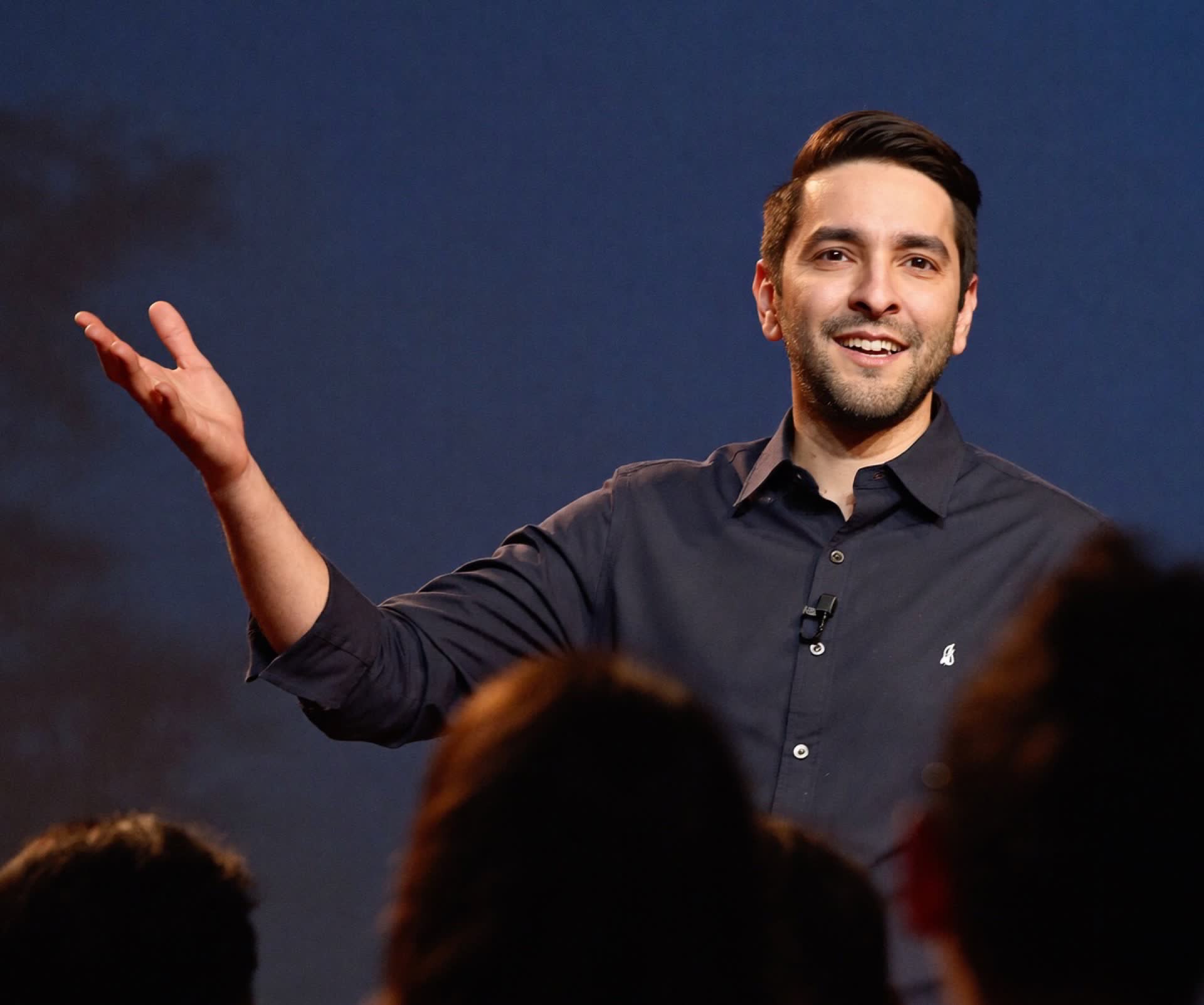
Hussain Nadim returns to Thought Behind Things to argue that Pakistan's crisis is not economic at its core — it's a collapse of human spirit, a failure to define national interest, and a political class that is smart enough to know exactly what it is doing.
with Hussain Nadim
8 min read
From policy to Silicon Valley: how the shift happened
The episode opens with Muzamil welcoming back Hussain Nadim — a guest who has appeared on the show before — this time in a very different professional position. Nadim had spent years in Pakistan’s policy world, most recently as Executive Director of the Islamabad Policy Research Institute (IPRI), where he also built a data analytics and geospatial intelligence unit called G5IO. He is now a fellow at Transformations of the Human (ToftH), working on AI out of Silicon Valley.
Nadim explains that the shift was not a clean break. When he returned from his PhD in Australia, he found that “policy as usual could not work” and that evidence-based decision-making, data science, and new technology tools had to be embedded into the policy process — particularly on the national security side. “Once technology’s kick landed,” he says, he realized the game was much bigger than national security alone, and he moved toward the tech world entirely.
Free fall — and where the landing happens
Muzamil asks Nadim to make sense of the chaos of the past year: economic collapse, social incidents, political crisis. Nadim does not soften the picture.
“We’re definitely in a free fall, for some years now,” he says. “The question really has been for the past decade or more — free fall में तो है, क्या landing soft beach पर होगी या rocks पर होगी?” His answer is that the events of the last year have shifted the trajectory from a soft landing toward a hard one.
He traces the roots not to recent governments but to the founding of the state itself — what he calls the “Praetorian oligarchy,” a troika of the DMG bureaucratic group, the military establishment, and a landed aristocracy that has governed Pakistan since its creation. “Actors change हो گئے,” he says, “but the rot was the same.” That rot, sustained over seventy years without structural reform, was never going to be sustainable indefinitely.
The real war: traditional versus digital
Nadim pushes back against the dominant social media framing of the crisis as a personality contest between PTI, PML-N, PPP, and the establishment. He argues that if you mask the names of the individuals involved, the underlying forces become visible — and they have nothing to do with those individuals.
Two forces are driving the chaos. First, a demographic shift: 70 percent of Pakistan’s population is under thirty, with entirely different dreams, a different relationship with technology, and a different sense of what is possible. Second, an explosive change in technology that societies — especially unreformed ones — were not prepared for.
“The war is only one,” Nadim says. “Traditional versus digital. Old versus new. In Pakistan there is no other war. You just have to watch who wins.” He argues that in the battle of ideas, the most innovative ideas always win — and that the technology-driven disruption is simply accelerating a collapse that was already structurally inevitable.
The incompetence myth
One of the sharpest moments in the conversation comes when Nadim dismantles what he calls “myth number one” — that Pakistan’s politicians are incompetent.
“Our politician is not incompetent, our politician is not stupid,” he says flatly. “I think only the stupid most people can make this argument.” He points out that the same politicians who appear helpless in government are highly creative and successful in their private businesses. The incompetence narrative, he argues, is a convenient cover story: “By human nature we are forgiving. We are ready to forgive a stupid incompetent person. We are not ready to forgive a corrupt individual.”
The deeper problem, he says, is that Pakistan has never defined its national interest. There are no KPIs, no performance indicators, no framework against which any government can be judged. “We are the only nation that I know of that is running without even doing philosophical activity on what our national interest is. Vibes پر چل رہے ہیں.” Without that definition, even well-intentioned leaders have no compass — and the system’s inertia ensures that doing nothing is the path of least resistance.
The human spirit problem
Muzamil raises the economic dimension — the possibility of default, the comparisons to Sri Lanka — and Nadim redirects the conversation to what he considers the more fundamental issue.
“Broken countries with broken economies can work. They can fix,” he says. “Countries with broken human spirits cannot.” He argues that economies are fixable in three to five years in the digital age — remove the bottlenecks, fix the regulatory framework, and growth follows. The deeper damage is what decades of corruption, injustice, and elite capture have done to the consciousness of ordinary Pakistanis.
Corruption, he says, is not primarily a financial problem. “Over the time period, corruption creates rot in society and it kills the human consciousness.” It inverts victimhood — the actual victims stop seeing themselves as victims, and the corrupt become the aggrieved. The result is the despair visible everywhere today: every young person Nadim speaks to wants to leave. “آج سے دس سال پہلے یہ نہیں تھا۔” He contrasts this with his own return from Cambridge in 2011, when he came straight back without applying for a single foreign job, because there was still a belief — however fragile — that something could be built here.
The IPRI experiment: proof that reform is fast
Later in the discussion, Nadim offers a concrete counter-argument to the fatalism about reform. When he took over IPRI — a think tank founded in 1999 that had never appeared in global rankings — he undertook a digital transformation using what he calls a “3D framework”: datafication, digitalization, and disruption.
The disruption came first, through HR. He hired young graduates, some not yet finished with their degrees. He brought in a data scientist to work alongside the qualitative research team. He upgraded the existing staff through training in R programming and digital tools. He changed the research products. He did all of this without a single extra rupee of budget.
“In the seventh month, it was ranked 74 in the global think tank list published by UPenn.” Every government ministry began requesting research partnerships. The lesson he draws is direct: “Transformations of nations, economies, organizations all have the same formula. They don’t take decades. In the digital age, they don’t even take five years. تین سال کے اندر اندر آپ کی transformations ہو چکی ہوتی ہیں۔”
The formula: bring in a young leader, give them a free hand, and do not resist the change. “Bottom-up change نہیں آتا ہے، trickle down آتا ہے۔“
Sentient machines and the question of what remains human
The second half of the conversation shifts to the global technology picture. Muzamil asks Nadim to explain the concept of a sentient machine — the term Nadim uses to describe where AI is heading.
Nadim draws the distinction between mechanical machines (input produces a predictable output based on fixed code) and sentient machines (trained on data, capable of improvising, producing outputs that were not anticipated). He points to large language models and image generation tools as early examples. The pace of machine learning, he argues, has become so accelerated that it is effectively beyond control.
“If we are defined as humans as the ones who think, then the machine is thinking better than you, more than you.” This raises, for Nadim, a genuinely philosophical question: if machines can think, feel, and create, what is left that is distinctively human? Are we becoming creators — the role we once assigned to something else entirely?
He connects this to the Galileo case: throughout history, new technologies have forced revisions to our most fundamental beliefs about ourselves, about God, about nature. The AI revolution is simply the latest — and most radical — instance of that pattern.
AI governments, blockchain corruption-proofing, and Pakistan’s fork in the road
Muzamil raises the question of AI-led governance directly. Nadim’s answer is unambiguous: “AI government is a definite future.” The reason is structural. Human decision-making carries an inherent confirmation bias — the brain filters out data that does not fit its emotional or political priors. AI, at least as currently designed, does not carry that bias.
His proposal is not to replace governments wholesale but to delegate specific mathematical decisions — fuel prices, interest rates, inflation management — to machines. “Petrol کی price کتنی ہونی ہے؟ It’s a mathematical decision. It’s not supposed to be a political emotional decision.” The human role becomes the creative one: deciding what kind of future to build, not managing the arithmetic of the present.
On corruption specifically, he argues that blockchain alone could solve Pakistan’s corruption problem. On productivity, even base-level AI training — not advanced research — could transform the country’s output. The opportunity exists precisely because Pakistan’s traditional system is collapsing: “جو analog تھا، ہم اس میں سے ہٹ کے completely sentient technologies powered by AI, powered by blockchains کے اوپر shift کر سکتے ہیں۔”
By the end of the conversation, Nadim frames Pakistan’s choice starkly: become a tech ghetto — untouched by the AI revolution, providing cheap labor at the margins — or get a foot in the door of the revolution that is coming regardless. “We can become a top 10 economy in the next five to ten years. We can be relegated to the annals of history. It’s entirely on us.”
Muzamil closes by noting that the second half of the conversation — the technology and AI discussion — was where the episode came alive. Nadim agrees, and adds a personal note: hopping between Dubai and Islamabad, he feels the distance between the two worlds acutely. “وہ لوگ مریخ پر جا رہے ہیں اور ہم کہہ رہے ہیں کہ یار ہمارے public parks safe ہیں کہ نہیں ہیں۔” The parallel worlds are real — and the gap is widening fast.
Full transcript
चालू ख़बदेना वज़रात. Welcome back to another episode of Thought Behind Things. आज हमारे साथ मौजूद है. एक बहुत ही ख़ास मेहमान who's been on the show before as well. I believe once. दो बार. दो बार ना? But after a while he's he's back third season में नहीं आए थे I think. But we have him here again. We have with us today हुसैन नदीम who formerly was the chairman of IPRI. Executive director. Executive director of IPRI. And then now he's a fellow at transformation of the human. It's a AI startup based out of Silicon Valley. Sir, you so much being part of the show. My pleasure to be here again.
मुझे थोड़ा सा यह बताएं because obviously दो बड़े parallel areas हैं एक IPRI very hardcore sort of think tank and I know you worked in the वहां उसका अपना एक G5IO का data analytics का area था and now you're working in AI. Some cutting edge work that you're doing. How did that shift happen? Very interesting question actually because मेरे सारा जितना भी पढ़ाई थी वह थी political science, security studies, hardcore उसमें and then काम भी ज़्यादा policy में किया हुआ था government के साथ but I think starting 2019 जब मैंने यह G5IO बनाया था it saw one change and that was that that कि the way we were running things policy as usual could not work. So evidence based decision, data science tools and new technology tools had to be embedded. So जो मैं PhD करके वापस आया हूं Australia से तो बड़ी एक अच्छी opportunity मिल गई where the policy world was undergoing a transformation. तो इस वजह से मैंने digital transformation, data science के अंदर काफ़ी काम शाम किया with the with the goal के we start taking decisions based on some evidence and data खास open national security side पर. बस वह पर जब technology की एक बार लात लग गई तो then I realized that the the game is much bigger than just the national security or policy and then I wanted to work much more on the tech side ended up in the Silicon Valley. निर्ज़ाबदास्त.
उसके ऊपर मैं आऊंगा the tech side of things but I wanna first of all understand because आपने जाहिरे policy के ऊपर इतना closely काम किया था. Last one year a lot has happened in the country. That's an industry, man. And for a lot of people right now, they're trying to figure out or or make sense of what has happened and through that maybe begin to understand what might happen in the future. In a lot of ways, you know, recently I I had जावेद हसन on the show and the picture that he painted in terms of the economy was not pretty. हो सकता है हम default कर जाएं. People still don't understand what that entails. You know वो कहते यार चलो श्रीलंका में हुआ था तो दो एक दिन थोड़े लोग निकले उसके बाद कुछ चलीदा होगा खामोशी आई भी है. But it means radical lifestyle changes right and and and economy is just one. मुझे honestly मैं पिछले दो तीन महीने में अगर मैं देखूं ना अभी recently F nine park में rape हुआ और बहुत सारे स्थान के incidents हुए, it's not just an economic collapse, it's a social, moral, political. I think on across all indicators we're on a free fall right now. And so explain to me how do you see the chaos right now? Like what's going on? Because it's very difficult to make sense of it. I'm gonna start with जो आपने बात की है ना we're in a free fall. We're definitely in a free fall,
for some years now. The question really has been for the past, I would say, decade or more. For the decade or more question really has been कि free fall में तो है क्या landing soft beach पर होगी या rocks पर होगी? This is what we really have to decide right now. Last one year के अंदर जो events हुए हैं, delays हुए, जो problems आई वह soft landing जो beach पर होनी थी, वह direction change होकर rocks पर जा चुकी हुई है. But what then explains? होना होना ज़्यादा it's gonna be more painful now. Reason because कि seventy years और यह अभी से नहीं start हुआ हुआ हुआ है our problems go back seventy years. Our genesis issues, how we were created, why we were created, what story we told ourselves, who were the people who led us, how they behaved, what the policies pro people, what the policies pro elite, the whole elite capture. Elite capture did not start ten years back, fifteen years back. Elite capture उस दिन से start हुआ था जिस दिन आपकी state form हो चुकी थी. Pretoria oligarchy हम उसको कहते हैं. एक troika आपका emerge हुआ था which was the DMG group, the military establishment and the field of illustrocracy. So, वह troika जो है वह आज तक आपका वही troika चलता आ रहा उसके अंदर सिर्फ actors change हो गए. कुछ तो actors भी नहीं change हुए. But more or less जो वह रोट था वह एक time के ऊपर जाकर sustainable नहीं रहना था और वह अब collapse हो रहा अब हमारा कोशिश यह थी कि soft landing हो जाती मगर जो नज़र आ रहा वही है कि hard landing हो गई अब imminent है hard landing. Things can still change, things can always change every single minute but only when there are indicators of change. इस वक़्त सबसे बड़ा हमारा fundamental जो challenge आ रहा है वह यह आ रहा है कि जो एक thought process of change है वह नहीं हो रहा. There are no people जो कि बैठ के decide कर रहे हैं कि हमने direction change करनी है. Direction जो जा रही है उसको accelerate किया जा रहा और further वहाँ पर reduce किया जा रहा है. But what explains this chaos? मैं थोड़ा सा जो है ना तो different version देना चाह रहा हूँ because I see a lot on social media, I see a lot of debates जो media पर चलती है somehow हमने अपनी सारी जो debate है ना chaos की इस creative chaos की वो reduce कर दिए on personalities because as a human brain हमारे लिए बड़ा आसान होता है समझना कि PTI, PMLN, PPP, फौज, इमरान खान, ABCD. At the core of it, थोड़ा सा अगर आप scratch करें ना surface को तो you will realize that it's very less to do with the individuals that are on play. अगर आप इन individuals के नाम mask करते हो हटा दे तो you will realize के नीचे जो change आ रही है जो volcano है was is completely different और उसके नीचे जो है दो चीज़ें आपकी आ रही है one is our demographs कि आपकी देखें एक population के demographs change हो चुके हैं. 70% of the countries right now under the age of 30 उनकी dreams और हैं, generation और हैं. उनकी interplay of technology different है. And second thing most important जो आपकी आई है वह यह हुई है कि एक explosive change आई है technology में. And this is very important to understand कि अगर आप पिछले पांच हज़ार साल की human history देखें तो tech growth जो है आपकी या कोई भी change है वह flat line ऐसे चलती भी जा रही है. Iron age आई, agriculture age आई, ऐसा ऐसा ऐसे change आई. So the society is adapted. Last ten fifteen years में जो हुआ है वह यह हुआ है societies were not prepared. Explosion of technology हुई, digital technology आया, internet आया. आज से पंद्रह साल पहले मैं university में था. There was no WhatsApp. बीस साल पहले internet नहीं था. घर में वह में computer आपके जो थे वह बिल्कुल ही आप कोई पता कैसे होंगे. So twenty thirty years में जो change आया है सिर्फ internet में it is explosive but उससे भी ज़्यादा मज़ेदार बात है कि देखिए एक सौ साल पहले देख लें जहाज़ बेरली थे आपके. अब जहाज़ आ गए. अगर कोई बंदा सौ साल पहले आज से सोया हो और वह उठे आज, he will be in somewhere else. Basically what I'm trying to say is that Sir आप सौ साल की बात करें so बड़े interesting मैं आपको बताता हूं.
Call करके मैंने कहा जी क्या है? उन्होंने कहा वह basically he was listening to the podcast very actively because वह कहते थे कि जी मैंने Pakistan को वापस समझना शुरू किया है तो मैं आपकी podcast से industries को देख रहा हूं. उन्होंने मुझे कहा बाइस साल में आप सोचेंगे गौटानमंबे. I can imagine. He was like for twenty two years I was in solitary confinement. I didn't say anything, I didn't hear anything. I all I saw was two colors white and brown. And when I got out मुझे colors चुभरे. मुझे I couldn't make sense of the the vibrance of colors. The world had changed. Yeah. But more than that I couldn't make sense of
everything like it was it's it's like I'm on a different planet. Absolutely. Which is one of the most interesting thing. If you look at today our present the technology R and D right now in today's world is stranger than the fiction of our times. जो fiction है ना वह इतनी अब strange नहीं रही जितनी हमारी actual tech reality आपकी हो चुकी है. Yeah. Which is fascinating. So so point I am trying to make over here is कि जब इतनी radical change जो आपकी आई है ना उसकी जगह से जो जड़े थी ना आपकी of countries that had not reformed. हमने तो British era से reform ही नहीं किया ना. जो countries ऐसा ऐसा reform कर रही थी Australia, UK and all of that they were adapting to technology. Ours was a country that never undertook reforms so हमें reforms के delay की वजह से जब technology का pressure पड़ा है तो हमारी जड़े नीचे से टूट गई एक तरह से. अब हो क्या रहा कि जंग आपकी इमरान खान PTI या x y z की नहीं है. जंग सिर्फ एक है traditional versus digital old versus जंग. इन दो के अलावा आपकी कोई जंग नहीं है सुख बागसान में. आपने सिर्फ यह देखना कि जंग जीतेगा कौन? It's all about the battle of ideas. Battle of ideas में the most innovative ideas always win. 100%. मुझे अगर आप technology से चले is is the most recent indicator that is
aiding the the transformation. मैं दो तीन इसमें और फेंकता हूं variables. एक तो यह है कि current crisis के अंदर सिर्फ़ Pakistan में यह नहीं हो रहा. Lebanon में most recently हमने देखा Egypt is going through something very similar. श्रीलंका का हमने देखा even काफ़ी लोग social media पर बंगला बंगला कर रहे हैं कि बंगला देश का बड़ा good scene है. बंगला देश का आपको fundamentals देखें तो उनका भी बड़ा up and down हो रहा है. वह IMF के पास थोड़ा पहले चले गए उनके थोड़े reserves बेहतर थे उन्होंने अपने उसको control नहीं किया. But उनके साथ भी यह हो रहा मैं आज पढ़ रहा था South Africa if you've been following. You know, South Africa में there are 80 murders a day.
It's been
like that for a while. A very dangerous place. It's twelve hours of power cuts and it's वह कह रहे हैं जी वह it's on the on the verge of collapse the entire वह end. So, so यह जो हो रहा है ना it's it's a it's a changing tide around the world. एक हमेशा इस तरह का time आता है और वह बड़ी एक अच्छी ray डालियों की एक video भी है changing world order के ऊपर. एक दुनिया का unipolar से multipolar world की तरफ जा रहा है. Economic center of gravity shift हो रही है और उसके अंदर ज़ाहिर है के वह जब shift आता है तो shift के अंदर हमेशा इस किस्म के मसाल आते हैं. वह world war one में भी देखा, world war two में भी देखा. वो चीज़ emerge होती जा रही है. In a lot of ways unfortunately we are right at the thick of it कि हमारे अपने इतने सारे मसले थे कि as the entire world shakes itself and and and converts तो हमें तो समझ ही नहीं आ रही. एक तो यह. दूसरा, चलो technology तो मैं अगर कहता हूं कि currently है but change और reform तो historically आता रहा है. Developing world more often than not was closed up. Developing world was, had elite capture, had corruption. Asia में अनग्रह कहानियां ऐसी India की, Indonesia की, Turkey की, Korea की भी, you know, in a lot of ways. आपने उनके उस पर क्या देखा जब उनके reforms आए? मैं गिर Indonesia की बात करूं. Very very very similar, to what's happening in Pakistan right now. 91 में India को देखें very similar to Turkey में तो का while जो लोग economic crisis o one में आया, सोलह में वह एक decoupling हुई. Indonesia में तो 98 में ही हो गया. उससे उसको देखकर आप क्या सीखते हैं? क्या आपको समझ आता है कि Pakistan है potentially क्या हो सकता है? यार
जो examples दिए हैं ना Korea, Malaysia, India and all of that. I've I've studied all of them quite in detail. Many of these countries actually learn from our five year plans. Korean delegation आया हुआ था they were very actively telling us कि you should follow your own five year plan. हमने आपका five year plan पढ़कर जो है काम कर लिया. देखिए, to put it simply, broken countries with broken economies can work. They can fix. Countries with broken human spirits cannot. It's very difficult जब आपकी human spirit टूटती है ना, national spirit टूटती है उसको revive करना एक बड़ा long tedious process है because nation building के अंदर economy is one component and मैं आज भी लिख के देने के लिए तैयार हूं. Economies can fix in three to five years. Overall हो जाती है आप, कहां से कहां पहुंच जाते We living in a digital age, digital economy. दो आप अपने sector ठीक कर लें यहां पर, कुछ regulatory framework ठीक कर लें आपकी economy boom कर जाएगी 7% पर. Artificially induced economic problems है ना? हमारा कोई fundamental issues सुनिए कि हम गरीब हैं. We have top class resources, talent et cetera et cetera. So bottle neck सब remove करें you will fly. The bigger problem that we faced over the years is the problem human spirit को तोड़ा गया है. जो एक human है ना जो एक इंसान है यहां पर इस मुल्क के अंदर उसको over the time period और यह part of the reason is because of corruption. लोग कहते कि corruption problem नहीं है नहीं. Corruption का fundamental can I am always by the one of those people who used to say this make this argument wrote an article जी corruption is not a problem? Till I had a better sense and I realized that corruption का मसला सिर्फ financial नहीं है. Over the time period corruption जो है society के अंदर rot create करके it kills the human consciousness. मेरा rot proxy आपके विवेद हो जाती है human consciousness आपका टूटते हैं and then the last fundamental thing that does is basically it takes away the victimhood of the people that are the the actual victims और आपके मुल्क के जो victims हैं वो कोई और लोग वन जाते हैं who are actually the the corrupt lot. So my problem over here right now the where we are which is why I'm not able to imagine what will come out of this. इसके आपकी पिछले काफ़ी सालों में कुछ Pakistan के regions में तो decade से आपकी इंसान के साथ जो हुआ है जो spirit तोड़ी गई है जिन populations की, minority groups की, ethical, ethnic groups की, औरतों की इस मुल्क के अंदर. Mean imagine the way we have treated a woman is not something to be very proud of. आपने एक human spirit तोड़ी है उनकी. ठीक है? और अब आकर वह mainstream हो गया हुआ है. जो कि अब हम feel कर रहे हैं ना कि urban areas में हो गया because the pressures those those pressures that were there in the society जो periphery में थे they've now come the empire is basically coming to the center. तो वह जो human spirit टूट रही है उसका नतीजा यह हो रहा कि आप despair देख रहे हैं. You're talking to every kid I'm talking right now. हर कोई भागना चाहता है. आज से दस साल पहले यह नहीं था. आज से बीस साल पहले नहीं था. 2011 में I was graduating Cambridge. मैंने एक ना job apply की भाई, ना कभी सोचा citizenship लेने का, ना कुछ और. Came straight back to Pakistan यहां पर आगे teach करना शुरू किया, government के साथ काम start किया because एक एक believe था हालांकि हिलात अभी बहुत खराब थे. Peoples party का दौर था worst of the crisis अगर आपके लोगों की will तोड़ दी हुई आपने तो फिर पीछे तो कुछ नहीं रह गया. चलो economics को दो minute side पर रखें. अगर मैं आपसे कहूं कि chaos
is imminent which seems like it is because economics Chemical chaos? Chaos. Chaos already is here. I mean, it's still it's the calm before the storm in my opinion. I still think by and large the masses still don't understand कि क्या आ रहा है और किस level पर आ रहा है. But personally जब economic economic downturn आता है on the level that we're about to witness and it's not it's going to be unprecedented. उसकी उसके साथ हमेशा social unrest follows, right? साफ़ सी बात है मेरा पेट भराव है ना तो जो भी होता रहा I don't really care but जिस दिन मेरा मैं और मेरा बच्चा भूखे उस दिन then it's all survival of the fittest and उसमें पेट्चूरियां टकेतियां भी होंगी, उसमें resources के पीछे जाकर murders भी होंगे And then that's just the start. That's the economic driven social unrest. But जब आपकी resentments बढ़ती हैं तो resentments के अंदर और बहुत सारी चीज़ें आती हैं. जो हमने partition के time पर देखा, जो हमने 71 में देखा कि you know again वो trust खत्म हो जाता है जब वो आपस में fault lines आती हैं तो a lot happens and we've we've we've experienced that we've had trouble areas you know both in बलूचिस्तान and KP, बड़ारसाराहाय and now we're seeing the resurgence of terrorism again happening in parts of Pakistan. So if things don't get any better, how do you see the chaos evolving? क्या आपको नज़र आता है?
देखिए chaos has been present here. 71 में भी chaos हुआ था. Throughout our history chaos has been present और bits and portions में periphery में चल रहा था वह. There are areas in Parkinson's जो आपकी control में थे ही नहीं, ना है. आपने क्या किया है जो हमने as a society even at a domestic household level पर यह किया कि whenever you've come across crisis instead of talking and sorting them out you've pushed them under the rug. Delayed response हमारी जो एक और उसका reason है एक I spent about eleven to twelve years now in the policy sector and I don't just work in the policy sector but I also do philosophy on the policy sector try to understand कि philosophy की philosophy क्या है इनकी? एक fundamental जो philosophy है ना हमारे policy sector की ruling leadership वही है कि they've somehow made themselves believe and make the people believe कि Pakistan को कुछ नहीं हो सकता. We are a chosen country made in the name of Islam developed by the the heroes and all of that and इसको कुछ नहीं हो सकता. So we will go through the crisis but जैसे एक अच्छी movie की happy ending होती है आपकी भी happy ending होनी है. I seriously question this wisdom and this narrative because if you read कुरान let's say कुरान since we believe in that. It's all about the collapse of the states. आध की कौम, लूत की कौम, नौ की कौम, समूद की कौम तब बाह हुई हुई कमों का ज़िक्र है and it gives very good description on why they were destroyed. Unethical थे, morals ख़राब हो चुके थे, But एक core element था कि justice नहीं था. ठीक है? गुर्बत से कोई कौम नहीं दबाव हुई हुई, justice की वजह से problem थी. हमारे पास तो by inherent belief अल्लाह तालाह ने तू lay down किया हुआ है कि I have destroyed nations. So यह जो belief है ना हमारे policy sector के यार हमें कुछ नहीं हो सकता we will continue. उसने हमें एक एक continuate करते रहे हैं वह एक extractive policies को कि जो power में आ रहा उसे कहा यार मैं अपना काम पूरा कर लूं वह फिर अगला वाला देख लेगा उसने भी कर लेंगे चलते रहेंगे ऐसे ही चलता रहेगा. My personal opinion है ऐसे नहीं चलता रहेगा और यह जो बात की जाती है जी resilience है हम यह वह अस्सी हज़ार जाने दी यह दिया but resilience कौन है? Nobody has to be resilient. We were not supposed to be resilient. ठीक है? अब resilience के narrative के अंदर आपने जो जो जो जो चीज़ें कर छोड़ी हैं वह बेचारा ग़रीब तो resilient रहा बाकी भाग गए आपके कुछ बार कोई होने का लिए but nations do collapse. But what does collapse look like? सबसे important दो चीज़ है ना collapse किया है. Afghanistan is a collapse state. चालद हो रही है. Afghanistan नाम भी चल रहा है. अब वहां पर लोग पैसे भी बना रहे हैं जिन्होंने पैसे बनाने थे My worry is that कि या तो आप collapse हो अच्छी तरह राजके and then you Rise rise out of the ashes. Rise out of the ashes. Worst case scenario हमारे लिए यह होगा कि हम लोग अभी भी collapse हुई में हैं by the way. Fundamentally if you look at it law, justice, rule of law, constitution is absent right now. अगर हम इसी तरह continue करते रहे तो जो हुआ है जो चीज़ें हुए हैं वह हम लोग slow step by step decline होंगे. वह probably African style civil wars नहीं होंगी. मगर point यह है कि क्या combo का मतलब was the idea of creating Pakistan so that कि हम एक collapse state में रहें या हमारा जो configuration जो हमारी मुल्की है वह पिछले तीस पिचास साल से यह है की how to avoid a collapse. यह wording है आपकी. The wording is not how to become a prosperous country. It's how to avoid a collapse. So as long as your narrative आपका यह रहेगा की हमने collapse से बचाना है तो कोई फ़ायदा नहीं है. So even existing right now when I talk to policy because मैं उनको यह बात कहता हूं कि देखिए you have a great opportunity right now. Blessing in disguise कि आप एक तरह से collapse हो रहे हैं, reforms आपने किए नहीं आपके पास wild opportunity है from to move from analog to five g directly. बजाए आप two g, three g, four g पर जाए आप analog to five g पर जाए is there willingness? Is there a a thought behind it कि यार हम यह करना चाहते हैं वह missing है जब तक वह आपका missing रहेगा, young leaders नहीं आऐंगे, young talent नहीं आएगा तो वह missing. Why do you think that's missing? Do you think they're incompetent?
Do you think they just don't really know कि यार क्या हम potentially कर सकते हैं? In my a lot of them are I I speak to them and they're so disconnected from the reality and from what's happening around the world कि कभी बार वाकई लगता है कि यार we're just we're just ruled by again incompetent people for a lack So, using
your platform I want to let me bus this myth because यह मैं जब भी कोई चीज़ tweet करता हूं तो नीचे comments आ रहे होते हैं कि जी leader incompetent है, politician incompetent है. यार, myth number one, our politician is not incompetent, our politician is not stupid. यह जिसको लगता है ना I think only the stupid most people can make this argument. हमारे politicians and I have had a chance to work with a few and I have been friends with a few. They are very smart people in their private businesses. How is that कि एक politician इतना smart अपने private businesses में इतना creative है and doing दोनों में and yet somehow he is so incompetent when it comes to running the government affairs. It's not incompetence. Incompetence जो है ना एक जो यह एक myth है आपकी that has very conveniently masked the deeper level rod because because by human nature जो है ना हम forgiving है. We are ready to forgive a stupid incompetent person. We are not ready to forgive a corrupt individual. Corruption जो है ना सिर्फ पैसे खाए हैं उसको नहीं हम छोड़ेंगे. एक stupid है किसी ने अहम्मक है हल्की खा दी. So this is a very convenient narrative propelled by the same power rollers कि जी हम तो incompetent है हमें तो पता ही नहीं. How is that कि आपके private businesses आपके time in the government skyrocket करें 800% पर और government का जो है reserves नीचे जा रहे हैं. So incompetence I don't agree. Stupidity of the politicians I don't agree. The thing is that जो जो जो fundamental जो challenge आ रही थी वह यह आ जाते हैं इसके अंदर के system जो है ना हमारा Pakistan की government का वह एक बड़ा disjointed है. So whenever a politician comes in or whenever a bureaucrat is there he realizes कि जिस हालात में मैं अपना दफ्तर में आया हूं ना मेरा goal यह है कि मैंने इस हालात में ही छोड़ के जाना है. But to do nothing over the long run basically means that you are doing something really really miserable. The net result is that कि आपका system move करता नहीं है even if you are well intentioned. My core argument over is that our politician is not incompetent, our politician is just not well intentioned when it comes to the national interest but उसमें भी फिर politician को आप कैसे blame कर सकते हैं? Has anyone ever sat down in this country and define our national interest? We are the only nation that I know of that is running without even doing philosophical activity on what our national interest Vibes पर चल रहे हैं. Vibes पर चल रहे हैं. वह भी बस gut feeling vibes हैं, mood हो गया. भूई Pakistan cricket team है जैसे आप लग गया तो लग गया, नहीं लगा तो चलो next time वाला मौका देगा but nations को बार बार मौके नहीं मिलते. हमारा game मैं I won't blame anyone कि यार कोई यह well well intention नहीं है. The intention is not there because वह एक company को run करने के लिए आपको performance metric होता है. Performance metric के लिए आपका पहले KPI बनाना ज़रूरी है कि performance indicators है नहीं तो आपने judge कैसे करना है. हमारे मुल्के ना KPIs है ना हमारे मुल्का national interest define हुआ है. Vision जो है वह totally isolate किया हुआ है लोगों को I mean there are people living in बलूचिस्तान, there will people living in कलाश जिनको हम एक हम अपने वह system के अंदर include ही नहीं करते. So national interest define कर लें and we will sort most of the most of the problem. Do you think if things
continue the way that they continue तो can we look like look at a crisis similar to Bangladesh वाला जो crisis है 1971 का क्योंकि उस वक़्त dynamics फ़र्क़ थे. There was a large piece of land in between. Honestly, to have a country completely disjoint was silly to begin with and so it was a logical outcome. But in today's day and age आपको लगता है कि अगर वह जो federation है जो loosely held federation है to be very honest रहते हैं ethnically आप connect नहीं करते language में आप connect नहीं करते culturally आप दस हज़ार differences हैं. आपने एक एक nationalistic sentiment बनाया हुआ था जो कि बहुत rapidly रोड़ हो रहा है इस वक़्त. देखिए साफ सी बात है अगर मैं if I believe in Pakistan and that belief is continuously shaken to a point of no return where complete despondency आ जाती है तो मैं या तो बाहर निकलूंगा. या मैं और अगर मेरे पास नहीं है opportunity बाहर निकलने की तो मैं frustrate हो कि I will try find identity elsewhere. Right? And when I begin to look for that identity elsewhere then I will see the rise of the nationalistic, pseudo nationalistic voices that are coming out and are are gaining a lot of traction now. And and यह बड़े dangerous किस्म की जगह पर जो खुदाना खासा जा सकता है.
My fear यह बांग्लादेश वाली बहुत ज़्यादा बात होती है social media पर कि जी we are going to बांग्लादेश scenario and all of that. मेरा जो fear है ना वह यह है कि if we don't act right, बांग्लादेश scenario will actually be a good scenario, will be considered a good scenario, good case scenario. Because worst case scenarios can be very very problematic. One is that you continue going on this in a civil war like situation where बांग्लादेश तो separate था ना वह तो independence declare कर दी. आपने कहो से independence declare करनी है यहां पर and how will that work out? Being next close हमने बांग्लादेश का कोई जंग नहीं लड़ी उसके बाद never had to. Over here you imagine let's say कि जो चार states आपकी develop हो जाती हैं. The the way that you will आप पानी में भी लड़ेंगे, आप wheat में भी लड़ेंगे आप. वह तो खा चाहिए. Access to water में भी लड़ेंगे. So जो बांग्लादेश वाली बात है ना वह तो हमारा good case scenario होगा. अगर हमने act ना किया. देखिए जो हमारे अभी fundamental issues चल रहे हैं ना उसके अंदर हमारी बार बारी बात हो रही है मिफ्ता स्माहित सामने भी की, यह भी की. We need to really start thinking beyond पहले ही होता था ना Punjab centric. आपने जब capital change किया ना कराची से इस्लामाबाद तो उसके बाद से आपका इस्लामाबाद centric policies है. The distance between इस्लामाबाद and कोएटा, इस्लामाबाद and पेशावर, इस्लामाबाद and तोरखम has grown way too much. ठीक है? Kilometers में तो same है मगर जो psychological difference है ना आपका पिछली कमर में भी वही हिलाते हैं, उससे पिछली में भी वही हिलाते हैं. ताहयात हो जाए. यह sustainable model नहीं है. देखिए मैं वही बात जो पहली बात यह थी ना कि poor economies can countries can run with poor economies. Countries cannot run with broken human spirit और अगर आपकी एक पूरे section of the society की mute पर लगा के उनकी spirit तोड़ी हुई है आपने उसका fallback तो होगा आपका. वह वह हो नहीं सकता ना sustainable आपका. फ़र्क़ सिर्फ़ यह है कि the the victims become the oppressors, the oppressors become the victims and the cycle of violence continues and my fear is that that what has been unleashed in the past couple of decades on the peripheries are now here in the center और वह चीज़ जब तक आप control ही करेंगे और again बार बार यह बात हो रही है कि economy is our main problem. It's not. I refuse to acknowledge कि हमारे मुल्का सबसे बड़ा economy मसला है इस economy. Economy एक fixable चीज़ है rocket science नहीं है और by the way rocket science होती तो वहां fix कर लेते हैं हमारे पास rocket science किया हुआ है हमने. हमारा fundamental challenge है एक national interest को define करने का, एक elite capture को push back करने का, आपको वही जो आज़ादी थी वह आपने British से ली और आपने local level की गुलामी फिर से कबूल कर ली जब तक आप इन strains को या chains को नहीं तोड़ के आगे निकलते, reform नहीं करते system, technology को adopt नहीं करते.
कुछ नहीं होता मुल्को यह थोड़े मस्ते मस्लाएं set हो जाएगा. मैंने कहा sir अच्छा tell me what tell me what you know that I don't know. तो उन्होंने कहा कि देखो बाइस करोड़ का माम है, nuclear power है. दुनिया आपको गिरने नहीं थी. You to fail. You too big to fail and और उन्होंने पढ़ा reconcile करवाया मुझे. उन्होंने कहा देखिए जी बाइस करोड़ वाम मतलब दुनिया क्यों नहीं break करने देगी? Not because you are worth anything to the world but because you are such a nuisance कि बाइस करोड़ वाम अगर यहां पर fail कर गई तो refugees किधर जाएंगे तो लोग तंग आएंगे. बाइस करोड़ वाम जो है उसका country अगर fall की तो उसके nuclear assets किधर जाएंगे? क्या होगा? उसके ऊपर बड़ी tension है. वो अगर you know if if tensions and and and war like situation happens in the backyard of China and India, the rising powers of Iran even तो nobody can afford that and so you know the world will come and protect you. What are your thoughts on that?
I guess the policy world is almost a delusional world. They continue to think कि we are too big to fail. I wrote this in my book recently जो publish की थी कि there is this mentality evilly कि our foreign policy for the past seventy years is basically help us or I'll shoot myself. Your core foreign policies that you have tried to blackmail, blackmail based on a very toxic victim like mentality to the world that look, you're not even producing, providing security, you're providing insecurity. That if you don't help us, I'll give you an example. 5060, seventies, Soviets are coming, help us. You know these people? These these people with the beards, Islamist जिहादिज़. We're the only wall between you and him. We liberals, these crazy peoples. So help us. You know the floods that happened? They're not gonna remain over here only. It will be you next. So यह जो mentality है ना आपकी कि victim card को play करना अगलों को डराना यह सत्तर साल से आपकी foreign policy रही है. Script है आपका. जो मर्ज़ी हो जाए आपने वही जाकर play करना है, लोगों को डराना है. But there is a limit to it ना? And they are not trusting not buying it. They have called you bullshit. I have talked to my friends all over the world. The world is busy elsewhere. There are are are worldshots of the world that are working on technologies that are beyond space. There are portions of the world that are busy in Ukraine and all. There is no bandwidth for those countries to deal with your problem. Pakistan is constantly being said in the last fifteen-twenty's and this is something that should be pain for us and hurt us because what our leaders have pitched us as. Our leaders for the last seventy odd years have been pitching us as a state which is on the brink of collapse. You help us or it will collapse and they have not changed the narrative Despite of the fact that they had so much to offer and मैं पिश्वजीत ने यह tweet भी किया हुआ था कि PayPal नहीं खोलना हमने यहां पर. जो कि हमें billion dollar plus की एक tech advancement दे सकता है, revenues generate कर सकता है मगर हम सौ दो सौ million dollar लेने के लिए हम लोग भीखे मांगते फिर रहे हैं. Reason why you don't want to do that is not because की आप में अक्ल नहीं है like I said these are smart people. It's because technology and these new industries they they are anti status quo. They challenge the control that these people have on the levers of politics, government and economy. आज आपके बच्चे millionaire बनना शुरू हो जाएं यहां पर मतलब भाखमानंग शुरू मांगना शुरू हो जाएंगे यहां पर. So there is that fundamental challenge that they face with and मतलब वह चीज़ आपकी नहीं आप resolve करते हैं तो तब तक तो आप कुछ नहीं कर सकते आगे. अगले election को आप किस तरह देख रहे हैं because
right now there is a lot of the uncertainty and the chaos is आपने कहा ना nation building तो वह आजकल बड़ी बात हो रही है कि you need political stability, you need और वह जो है वह करेगा वह कुछ करेगा ही नहीं करेगा पांच साल बाद आ गया है प्रतान. You know अभी तो मैं मज़ी खप डालने की ज़रूरत नहीं है. So obviously elections are or are not maybe अभी भी question mark है but maybe they are coming and if they are coming how do you see the coming elections? वही होगा जी एक निज़ाम rigged एक एक एक certain साहब से मिलने की आप पिछले दिनों podcast करने. Off camera उन्होंने मुझे बोला उन्होंने कहा कि यार यह तो अभी everybody knows that the next elections are going to be, you know, rigged and एक certain साहब जो है उन्होंने आना है और वह prime minister बनना है, बड़े popular हैं वह. And मज़े से उन्होंने बोला कि I was just like अच्छा तो यही नज़ाम है हमारा जिसमें
वह हो रहा है. Do you think कि यह ऐसे ही है? So पहली तो चीज़ इसमें यह कि यहां elections होंगे या civil war होगी. Decide कर लें what is your option? Election करा लें अच्छी बात है और by the way elections के बाद भी यह कोई नहीं है कि आपके elections की narrative नहीं नहीं if the elections bloody it can just cause a civil war itself. So I am not expecting a civil war but I mean it's a choice between elections or Social unrest. Social unrest. Same minds would say elections करवा लें तो अच्छी बात है. करवाने पड़ेंगे हो जाएंगे. The second thing is कि elections drive किन basis पर होगा? My hunch on this elections is basically that it's going to be around three things. One is technology, the other is youth and the last thing is economy. Who has better tech adaptability? Who's using better tech for comms, better tech for data analytics and all of that? Definitely have a upper edge. Youth mobilization किसके साथ है? उसका यह जो economy कौन collapse करा रहा है? वह आपका जब clear हो जाएगा कि who is responsible for that? So it's not about one party or the party. You just have to notice कि two third will be with the party जिसकी tech adaptability है अच्छी है और जिसके साथ youth है. There is as simple as that only and I give you one small date of that. You have added if I am not sorry I have it in my phone but I think we have added about 11,000,000 voters since last elections.
जो अठारह से ऊपर आप ही हुए हैं. That's a lot of vote. Considering कि total जो PTI को last time मिली थी government बनाने के लिए वह पंद्रह million, सोलह million voters थे. Vote से. Yeah.
Because party क्या है? 8,000,000 थे, noon leak है ग्यारह million थे तो. ग्यारह million तो आपने नया voter add किया ना ऐसा? हां और वह youth है, TikTok पर है, Twitter पर है, क्या देख रहा है? किसकी monopoly है वहां पर? You just, you just have to look at it. I don't have to name the party. आप देख लेंगे किसकी monopoly है यहां पर narratives पर? Who is representing their digital technologies, who is representing the youth and the answer is already there. Do you think there is going to be change then? If elections are happening, if elections happen in a clean way, if the change of guard is accepted, do you think कि potentially change आ सकता है? Election is a way to bring the public representative, legitimate public representative on the table. But if your election, electoral system is still deeply flawed where the power is not with the representatives of the public or the parliament, the power rests somewhere else. The policies, the public policies are made behind closed doors, not for public for something else तो आप दस election भी करा लें change नहीं आएगी आपकी और अगर change आनी है तो उसके लिए election की ज़रूरत ही नहीं है आपको आपका वैसे भी हास है. लेकिन fundamental हमारी चीज़ है कि right now elections क्यों ज़रूरी है? Because हमारा social collapse हुआ है. Social political collapse है. Election आपका social political collapse ठीक करेगा. ठीक है. Economic collapse नहीं ठीक करेगा. Economic collapse कब ठीक होगा? जब आपकी creative innovative ways because we are in a very innovative creative, unprecedented situation. अब unprecedented situation आपके nineteen sixties की script से तो नहीं ठीक होने लगा ना? We need a leadership which is young, vibrant, understands the digital economy. Sir 70% आपकी जो national assembly थी पिछली वह पचपन साल से उधर थी. तो आप वह आपको कौन सी याद? Youth wing के देख लेना कौन है political parties के. सत्तर सत्तर साल के लोग. So देखिए economy change करने का formula और है. हां. Political social collapse को change करने का formula और है. So elections we need to save the social and political collapse. For the economy we need to invest in people and put people like those. Mean for instance I would love to see 30, 35 year old people leading the finance ministries, the BOIs and all of that that have innovative and creative new methods.
They can come and they can fail. That's fine. Right. But you can't allow again same old people, the financial wizards who have failed time and again. Umpteenth time to come and somehow but But but then my opinion is that it's not about the player. It's about the game itself, right? And you can put those 35 year olds and they could be the most innovative 35 year olds but the system is so, there's so much inertia in the system. It doesn't matter minister कौन है? I really don't think it matters कि minister कौन है? I think at the end of the day you you go and you want to do an innovative project. उसका जो structure है वह tender निकालो तो फिर यह करो तो फिर वह करो तो उसको घुमाकर ले कराओ उस पर भी नहप पड़ जाएगी. That is not our way to drive innovation. That is going to at the end of the day and eventually end up with a third party stupid inefficient organization private sector तो उस पर शायद tender पर आए ही ना. आप मुझे बताइए ना आप यह थोड़ी है कि या तो आप Middle East style एक fascist government लेकर आएं और फिर आप डंडे के दौर भी सबको बोलें कि यार भाई तू चुक करके accept कर और सच्ची बात है India में यह कह नहीं रही होना चाहिए. I'm just saying data.
I really don't see any way to reform इस तरह से कि आपने जी एक systematic तरीके से आप चले आपने incrementally system को next government आएगी वह कुछ change करना जाएगी. यह तो दो सौ साल लग जाएंगे और by that time the world is moving so fast like you said driven by technology कि the distance between us and the distance between them is going to rapidly and radically increase. So I know where you are coming from on this. Luckily last couple of years में I had the chance to undertake reforms of one organization. इस्लामाबाद Policy Research Institute ninety nine का बना हुआ था. एक traditional, बहुत traditional think tag, color से लेकर हर चीज़ उसकी traditional थी. I undertook digital transformation. वह कभी ज़िंदगी में rankings में नहीं आया था पिछले बीस साल में. छह महीने के अंदर reforms करके, process complete करके. सातवें महीने में it was ranked 74 in the global think tank list published by the U pen and I wrote about the transformational journey of that. My personal opinion on this is very very personal actually. People might not agree with this. Transformations of nations, economies, organizations all have a same formula. They don't take decades. In the digital age where we are, they don't even take five years. तीन साल के अंदर अंदर आपकी transformations हो चुकी होती हैं या उनकी नज़र आ चुकी होती है hit. बड़ा simple method था April के अंदर जब change किया. I wanted to make it a new organization powered by emerging technologies, data tools, etcetera etcetera, which was digitally very savvy. What did I have to do? One thing, change the HR. I hired young kids. I asked MK जी मैं April join करूंगा. मुझे free hand देंगे मैं पांच आठ बंदे अपने लेकर आना चाहता हूं young. Market से अच्छे young graduates एक तो अभी graduate भी नहीं होता उसको hire किया. Change the face of the organization. Now young digital natives I didn't have to train them in anything at all. So that we never fired anyone by the way. The same people who were there were already there. They continued. I took the reforms lead brought in young people help with the reforms makeover किया है प्रीका उसकी products change की upgrade किया existing जो human resource था उनकी हमने extensive training की. R programming कैसे लेकर digital के अंदर उनको digitalize किया उनको चीज़ों पर लेकर उनकी research change की. I had a very good data scientist with me उनको मैंने research team के साथ लगा दिया कि यार यह जो qualitative research करते हैं इसके साथ उनको data भी provide करो quantify करो इस काम को. Research को quality को बेहतर किया. Ipri got into the rankings. Ipri became a very premier organizations by the way at the end of the day हमें ministry of foreign affairs, information ministry कोई ऐसा government का इदारा नहीं था जो हमें आकर request नहीं करता था कि जी please provide us research or work with us in our digital transformation. We did not and this is something that I want to share first. Mean that how much did it take us? How much money did it take us? We did not take an extra penny from the the year before that. Same budget, same HR सिर्फ जो पांच नए वन गए उस सारी same resources के साथ we were able to overturn the organizations because one thing was there somebody trusted a young leader to be at the helm and gave me full power to do whatever I wanted to do. So पहली चीज़ थी कि आपने एक बंदा लेकर आए young. दूसरा आपने उसको micro manage नहीं किया उसको आपने free hand दिया. I had free hand to do anything. My bosses were very ok with that. Third thing, you were not resistant to the change. So जब वह हुआ तो शुरू में जब resistance आई, इपरी के अंदर से कुछ मेरे साथ थे, उनको problem थी. But the moment he realized कि यार it is actually giving us dividends and increasing our profile, people were happy. So if you use the same और मैंने इसको three d framework का तब methodology बनाई थी datafication, digitalization and disruption and I started with disruption by changing the HR. So if you want to change the country what do you do? Change its HR. आप young बंदे लेकर आऐंगे आज digital natives people who are young from different parties आज आप उनको helm of a face बिठाएंगे पहला काम ही यह करेंगे वह अपने office तो change करेंगे ना minister office. The moment the minister office is change trickle down करती है आपकी पूरी bureaucracy because हमारे यहां पर mindset बड़ा different develop हुआ है. Bottom up change नहीं आता है trickle down आता है. So you bring in the young people you come up with the plan, you come up with the framework on how to change the country यार दो तीन साल लगते हैं आपका change होने में, it doesn't take more than that and we have tried and tested that. मुझे यह बताएं कि in terms of reforms
जब हम बात करते and I want you to add global perspective to it. You're seeing how there's a shift in technology coming, particularly with AI. अब जो projected है वह last ten years by and large our lifestyles haven't changed much. Early two thousand to 2010 में iPhone आ गया, social media आ गया, a lot of new things came in, streaming services आ गई. Last ten years में उसी को optimize किया वह camera बेहतर हो गया, screen name अच्छी आ गई, apps आ गई वह हो गया. This decade I'm seeing a lot of very interesting work being done which is going to radically change the human experience, as we interact both with technology and use that technology to interact and interface with with the society at large. उस context को मत देना जा रखते हुए आपने बोला analog से 5G पर आप जा सकते हैं. मैं कहता हूं जी सब set हो गए. मैं कहता हूं सब कल उठे और Pakistan में सबने कहा यार चलो let's change. What reforms can we take undertake practically that
can really help bring Pakistan to the twenty first century? यार पहली तो चीज़ इसमें it's a very large subject but पहली तो मैं चीज़ करूंगा देखिए आपको Pakistan में कोई rocket science की ज़रूरत नहीं है. आप कोई monumental changes नहीं करने Pakistan को ठीक करने के लिए आप एक दो छोटी मोटी चीज़ें कर दें. Literally it's a small things that matter. In my reform experience at ministry and at depry आपने कोई नया पहाड़ नहीं निकाल दिया था, कोई नया wheel नहीं invite किया था. आपने जो bottlenecks थी, जो छोटी मोटी changes थी जब आप उनको remove करते हैं it was like a deck of cards. What do you need to change basically? Pakistan में conducive business environment नहीं है और क्यों नहीं है? आपके 58 NOCs चाहिए to set up a company for any foreign investment to come. जो कि reduce करके बारे में PTI government ने 37 कर दिया था. Dubai के अंदर you can sit in Pakistan as open a company in Dubai. मैंने किया है. आपने किया है? दो minute लगे. दो minute लगे. आप ऐसे पाकिस्तानी citizens Pakistan में नहीं कर सकते. The banking systems over here. In the last government I was part of the prime minister special committee on big tech with doctor रिस्लान. मोहित जूस was leading that. It was one of the most amazing experiences that we've had that we were able to get because हो ही रहा था कि एक तरफ mayor doctor रिस्लान prime minister से बात कर रहा था कि sir we need to bring TikTok over here in Pakistan and हमने उसको digitalize करना Google लेकर आना है दूसरी तरफ PTA TikTok को बानकर होता था. On one day we were talking with TikTok to open up the office and other arm of the state was banning it. What we realized, me and असलान, we realized this one thing that the system is working in silos. It's so disjointed that the government is working against itself. The state is fighting itself more than anything. So we went to the prime minister and we set up this special committee on big tech which मोहित was leading. Doctor मोहित was that and the the first lesson that we learned from that was that nobody knew about the taxation system of Pakistan. Best part was FBR को भी नहीं पता था, SBP को भी नहीं पता था and they were just shuttling between each other. वह कहते थे कि provincial क्या tax पड़ेगा, federal क्या पड़ेगा, tech के अंदर क्या पड़ेगा? Nobody to this date has a clear cut clue on how the taxation system works in Pakistan. Am not a tax expert but I have talked to people in FPR in the meetings and they will said that sir यह तो हमारा काम ही है तो SBP को पता है. SBP would come and say this is not our job वह तो FBR को पता है. FBR बोले कि हम तो federal में जो जो provincial FBR है उनको it was a circle and there has been nightmare for big tech companies in Pakistan who want to set up कि उनको समझ ही नहीं आ रही कि how are they gonna go the system. So our regulatory framework is one of the biggest problems. आप regulatory framework को आसान करते हैं, NOCs कम करें. यह जो आपके एक दो billion dollar आपके लिए जिनके लिए आप IMF के पास जा रहे हैं या आपके this is a peanuts. We have every single thing. We don't have to create a new wheel. We don't have to go so advance on AI or machine learning or anything. यार basics ठीक करने आप. All you have to do is fix the basics. NOCs को आप ठीक कर लें, taxation system को ठीक कर लें आप और आपकी जो कुछ जो legal related issues हैं वह आप उनको ठीक कर लें, regulation से related. STCA by the way tried very hard and I do think that you should bring हमसा औरगज़ेही to the podcast. Great guy. He's been on the podcast before by the way. That's good. It was a long time ago though different time I want to see what you doing. Give him much more example थी यार मज़ा ही आप NSC के अंदर pursue हो so एक तो वह हो गया है. Now coming back to the other point of about how the technology in the world is changing. इसमें इसमें there is दो दो राहिनी है. ठीक है? In back in sixteenth century, it is a very interesting court case. I think it was pope urban the eighth at that time and Galileo Galilei was charged for heresy and then imprisoned house arrest हो गया था till his death bed. I think art the salvo house arrest रहा था. The case was essentially that he argued that it's not the sun that revolves around us, it's the earth that revolves and the evidence he presented was this telescope that he used. It took the Vatican four hundred years in nineteen twenty or thirty to accept that yes he was right and उसका heretics के नाम से बाहर निकाला. If you look at closely what I am talking about it is basically that throughout centuries and ages and eons Our core beliefs, our core concepts have continued to change based on the new technologies that we have created by accident for some other purpose and it serves something else and by default we wanted to figure out what is out there and it has continued to evolve our idea of god, our about the about us, our idea about everything as the nature and all of that. We are living in a very very important world. In the last ten fifteen years what has changed is that that our concept of what technology is. हम लोग तो बड़े हुए हैं इस concept की यार technology क्या है? आपने button दबा ला, नीचे सो निकलाई, coffee निकलाई. The very mechanical idea of technology. We must accept and embrace that technology is not mechanical anymore. That idea is gone. Technology has created its own new reality, its own language, its own ethos, its own whole vibrancy. The whole basically the technologies move from mechanical to sentient machines
and this technology is not separate from you. Explain the idea of a sentient machine. So sentient machine is basically
the one that all what we thought about the human, the consciousness, the thinking and all of that. The mechanical machine was initially you put an input it gives you an output based on the code, mechanical code that you have deployed. आपने raw material डाला, product आ गई. Sentient machine is that, that you train it with data and the machine can improvise, innovate, can give you something which you are not expecting. For instance, डाली This new GPT models, LLM models they are being creative. So the Sentient machine is the one that is learning at a rate which was never there before. The famous 37 move with the go it broke every record but it was funny because for the machine to get to the level of the grant just master took a couple of years and then in next forty eight hours it became 50 times better than what has ever been there. So the machine has growth smart. The pace of growth has become. The pace of growth has become so accelerated that it is beyond control. The machines, I am not going to say think because those words are very loaded but if we are defined as humans अगर हमारी definition human की है कि हम सोचने वाले हैं तो machine आपसे बेहतर सोच रही है. आपसे ज़्यादा सोच रही है आप because उसके पास competition पार ज़्यादा है. हमारा भी तो computer ही लगा मैं ना उसकी एक limit है. Machine has much better. So what is that make us a human then? अगर machine ही सोच रही है, आपसे बेहतर काम कर रही है, आपसे जी अगर machine के अंदर ही हमने feelings भी डालनी है जो कि by the way brain जैसे जैसे earth होता जा रहा machine भी आपका सोच रही है, feel कर रही है and all of that. So what is that that is left of human? Are we creators then? Have we become creators that idea that we had about the other and all? Are we becoming that? So if we are becoming that, who are we and then what is the nature and what is the creation? So I think we are living in a very big city and by much of this work by the way I do in the Silicon Valley. So एक लाख माह एक लाख यहां है. In that radical new world that we are in now with a lot of what we know for instance the future of learning. It's not gonna be आप चार साल की degree है पढ़ें, किताब पढ़ें. This is redundant. Future of learning यह download from internet upload into your brain. Now you have a four year of computer science degree. It's already there it's gonna happen. The future of work is the robots will work for you. यह जो human की सबसे बड़ी limitation क्या है? यही है ना आपकी कि आपने सुबह उठना है, काम करना है, पैसे कमाने है ताकि आप खाना भी नहीं हो. वह limitation आपकी खत्म हो जाएगी the robots will work for you. You will create an entire race. इसी तरह आपकी future of every single thing the life इस पर वही बात है ना फिर future of politics क्या है, future of government क्या है, future of democracy and all of that. It will change which is why I continuously say this one thing that Pakistan is in a very very interesting juncture because we are one of the countries that is on the verge of collapse. The traditional system is collapsing. अब हमारे लिए एक बड़ी ही कमाल opportunity है कि जो analog था ना traditional mechanical world, हम उसमें से हट के हम completely sentient technologies powered by AI, powered by blockchains के ऊपर shift कर सकते हैं. Only if we just go blockchain. You can solve every single problem of corruption in Pakistan easily. Using AI, you can enhance your productivity to a level और base level AI. कोई rocket science AI नहीं. Base level AI के अंदर अगर आप train करना शुरू कर दें यहां पर लोगों को and all, you can enhance your creativity in arts, in science and all.
We have the opportunity to adopt very quickly as one of the early initiatives in the countries, in the world. Because हमारे पास जो है वह भीड़ों खाली बदलना है ना? हां क्या बात निताम बदलना है तो आप निताम नया वाला बदल लें. वही वाली बात है कि a lot of people they have a running sister they're not gonna risk
going too fast. मेरा इसमें fear यह है कि जो लोग reform करना चाह रहे हैं जिन्होंने reforms की पर किताबें लिखी वह reforms जो करना चाह रहे हैं वह reforms nineteen seventies eighties में हो चुके हुए countries में तब tech और थी. अब आप वह reforms यहां पर करना चाह रहे हैं तो आप तो nineteen seventies में step करेंगे which basically means पांच साल बाद nineteen seventies will be prehistoric era. आपने reform अगर करना है तो उसके लिए सबसे बड़ी ज़रूरी चीज़ यह है. Bring the talent that can see the future. Reform you never do for present. Reform you do for the future. हम लोग का क्या करते हैं? हम लोग present की problems उठाते हैं और उनको solve करने की कोशिश में पांच साल लगाते and we realize that ना वह problem हो रही है, ना वह solution हो रही Sit now imagine what the future five ten fifteen years will be like and my personal belief is very simple. The future of work will change, the future of learning will change which basically gives if I am a education minister I will be seriously questioning the idea of why the hell do we need universities? हम भी public sector universities जहां पर दंगे फसाद हो रहे हैं. आप इनकी जो पूरी एक structures हैं इनको deploy करें for better use. Change the curriculum, change the technologies and all of that. अब आप पर अगर दस साल बाद अगर आप कहेंगे कि हम अब computer science पढ़ा लें as a core, core in the subject तो वह तो late हो चुका होगा ना आपका. हां. In terms of governance
आपने बोला AI is going to change a lot of things. Do you think यह बड़ा एक radical सा सवाल है? Again, tin foil hat पहन के मैं बोल रहा हूं. But do you think, do you see a future where AI led governments are there? So what I mean by that is, the weakness as we've seen now is is human intervention by and large. Where in a lot of ways, even in the developed world, we're seeing very clear fort lines and it seems like people are not ready to move away from those fort lines. We are not at a time when we can afford war so normally होता यह था कि लोग जो हैं वो fort lines emerge करते थे दुनिया pendulum में जाता है वो you know आपस में aggression आता है fort line आती है eventually आप distract करने के लिए this और that आप कोई ना कोई जंग कर लेते थे और you know, लोगों के हालत इतने बुरे होते थे कि eventually you had to be living in relative peace because you have that memory of a horrible time. And no matter how much disagreement you have, it's still better than the world like situation. Right? So you wouldn't, go beyond a certain move. But अभी हमें नज़र आ रहा है कि again Europe, Americas, you've got the left and right at each other's throats. You've got nationalistic governments rising all over the world. You're seeing again जो मैंने पहले भी थोड़ा सा उसका वह दिया कि एक changing world order sort of आ रहा है. जब हम AI की बात करते हैं on the other hand, तो AI is far far more superior than anything that a human prime minister can manage. Or must not just a prime minister, prime minister and his cabinet. Honestly कुछ भी ना करें ना बस हर दिन जो भी सवाल आ रहे वह ChatGPT से पुछ लें तो आपके पास बेहतर outcome आना शुरू हो जाएगा. And that's just a model that started, right? So maybe ten years from now it's gonna be radically different. Do you see the rise of AI governments? But कुछ science fiction movies में भी एक इसका आ चुका है कि governance जो है actually वह एक neutral उस पर चला जाएगा और हम सारे के सारे will just be I don't know partying it up.
Partying it up तो मुझे नहीं पता कि power होगा but देखिए AI government is a definite future और उसका reason है the fundamental flaw that we as humans have is our decision making has an inherent confirmation bias because the brain blocks the data which does not fit our emotional political tint.
Right. And everybody will have that. Irrespective of कौन कितना neutral दिखे, बोले, करे. हो ही नहीं सकता. हां.
The AI does not carry the emotions at least not right now. They are not designed for that way. For fundamental decisions that need to be made by the government which the government does not do because they don't like the the person's face and this and that and the bargain. I do think that and Pakistan could become a champion in that, lead in that is that you delegate the decision making on some fundamentals कि यार petrol की price कितनी होनी है? It's it's a mathematical decision. It's not supposed to be a political emotional decision. Right? The decisions, decisions is a state which includes the mathematical side of things कि यार rates क्या जाने हैं, क्या नहीं जाने हैं, inflation कैसी है, कैसी है? आप delegate करें machines को. होने भी machines के पास जो और वह होंगी eventually the machines will dictate it if you want to survive the future. The the rest is the the vision of the future so the human should relegate itself to what kind of creative future they want to build for themselves. And यह बात हम लोग national level पर भी करते हैं but individual level पर भी करते हैं जहां पर when I was planning my career change I mean I was working more on the policy side and I realized that I want to move more on the tech side. The decision I made was essentially this based on one thing what is the future look like? What is my personally what is my core talent and what is the future look like? And based on that I realized one thing that I have a talent for analytical thinking and I have a good design sense. I can do this, this and this. I don't have a technical background, but I've done a lot of data work and all of that, and I understand technology enough to hire a team and do work. But what is the future? It's all tech. Okay. Great. How do you then take a decision to transform yourself into that? As an individual or as a nation? उस decision making के अंदर आपके लिए clarity और thought होना बड़ा ज़रूरी है on how you see the things unfold and when. अगर इस day and age के अंदर कोई बच्चा undergrad करने जा रहा है और वह technical background नहीं रख रहा तो he has a wrong guidance and a wrong mentorship. The world will be moving is more and more tech. It's never gonna be less world is gonna be less tech, it's going to be more tech, more AI, more block chains which basically means that the nations will have to go on that path, the individuals have to be going on that path which comes to one point that if you want to undertake any reforms the reforms must be for the twenty first century. इसके अलावा आप reforms जो भी करने की कोशिश करेंगे वह fallback कर जाएंगे या redundant हो जाएंगे. Mhmm. मुझे एक बात यह बताएं and I'm gonna wrap this up.
इसे थोड़ी देर बाद but मुझे यह बताएं कि यह बड़ा एक question mark आता है ख़ासकर developed world की तरफ़ कि और पिछले दिन मैंने इसका बड़े interesting tweet भी पढ़ा कि productivity has grown a lot over the last few years as with innovation and and वह सारा कुछ But the humans are still working eight hours, in some cases ten, twelve hours. Because the current capitalistic style of, the economies and the governments and all of that is built in a way कि वह आपसे कहती है कि यार ठीक है for example let me reframe that. मैं कहता हूं कि यार let's assume कि खाने जो आपकी agriculture है उस पर automate हो जाता है सारा का सारा. So you have these machines बड़ी बड़ी machines आप लेते हैं. सुबह से शाम तक वह solar use करके वह घूमती रहती हैं और वह soil को देखती भी रहती हैं और वह सारा plants को करती भी you don't need anything. वह from start till end farm produce निकालकर छोड़ती है. Yeah. मैं कहता हूं आपके चार million farmers वहां पर हैं इस वक़्त, right? होगा क्या कि the way that the world is going forward, होगा क्या कि आखिर में वह एक बंदा जो है वो जाकर या या group of a few set of people will buy off the land invest their capital get those machines and then now जो farmland या जो produce थी जो कि चार million लोगों में divide होता था उसका revenue वह अब चार सौ लोगों में divide होगा और चार million six पर किया जाएगा भाई तू जाओ जाकर कहीं और कोई नौकरी ढूंढ. Right? Rather than saying कि ok now that it has been automated so these people then do not need to work. They were part of an economy they don't need to work so maybe इसका potential लोग कहते हैं कि minimum universal pay type situations आना शुरू हो जाएगी जिसमें वह आपको यह होगा कि ठीक है आपको let's say Pakistan में पचास हज़ार रुपया government Pakistan तो कह रहे हैं is not anywhere in the race but in The US for example वो कहते जी पांच हज़ार dollar सबको मिल रहे हैं और उससे आप जो है जी अपना घर ले सकते हैं और आप अपनी basic grocery कर सकते हैं और आप चीज़ें कर सकते हैं. अगर आपको उसके ऊपर बेहतर रहना है तो आप जाए और जाकर नौकरियां कर लें. Because नौकरियां theoretically will become less and less and less as the AI race becomes very very fast and particularly इसमें मैं यह कहूंगा जो redundant low value नौकरी है which generally consists of majority of the jobs that are in any any economy. Top पर तो बड़े थोड़े होते ना engineers हो गए तो यह हो गए तो creatives लोग हो गए वगैरह वगैरह. तो जब यह majority लोग disrupt होना शुरू होंगे automated air वह आपके self driving trucks आ जाएंगे जी आपकी पूरी truckers की industry ख़त्म हो गई. आपके जो है वह पिछले दिनों I had a very interesting conversation with a lawyer. और मैंने उनसे बोला मैंने कहा don't you think it's at least on a session court level you don't need lawyers and you don't need judges. It's a literally what it यह है क्या? It's a rule book आपके सामने in lieu of the constitution. पीछे के सारे cases आपके सामने जिसको आप as precedence use करते हो या define करते होगे. So it's literally वह weighted, weighted के साथ एक decision tree होता है. Yeah. उसमें आप डालते हो तो उसमें lawyer को आने की भी क्या ज़रूरत है? वह website खोले बोले जी मेरे इसकी यह यह वह Absolutely. दूसरा अपनी side भी डाले. वह एक AI जो है वह run time पर decide करेगी based on कौन सी वह है और वह उस step से decide कर देगी. And I think I I genuinely believe we'll begin to see a lot of this happen in the next few years. So in this context do you think एक argument यह आती है कि यार industry revolution के बाद लोगों ने कहा था कि जब farms के ऊपर tractors आ जाएंगे तो farmland से लोग निकले और urbanization की तरफ चलेगा और नई उन्होंने jobs ढूंढ लिए और industry बनाना शुरू कर दी. तो एक तो लोग कहते हैं कि नहीं जी rescale होकर सारे के सारे लोग घुस जाएंगे and they will create a new world economy. But then एक और side पर लोग कह रहे हैं कि नहीं यार maybe we've done enough, we've extracted the world enough and maybe at some point we will just say कि ठीक है यार as people are becoming jobless we're going to tax the people who are getting very very rich and we're going to give minimum basic pay so that these people don't do anything. वरना party करेंगे. वह party एक baseline party होगी. यार जिस तरह Europe वगैरह में आपको search किसी को एक basic वह मिलता है तो वह basic मिलता रहेगा. You wanna live it up? Go and get a job.
So we may have extracted the resources of this world. There are also other worlds out there where we will be soon if not too late. इसके अंदर एक बड़ा important thing है which you're saying and I want to build on that is how the technology will change the work this this and this but हम एक तरफ बात करें how technology will cut the jobs, do this and this but on the other hand we're not we're using the framework of the capitalism, Marxism and all of that. Right? One, we need a new framework. जो philosophy है ना आपकी Marxism, capitalism are from a particular time period, which was the industry industrial revolution. Right? The place where we are right now is, an advanced AI revolution. It requires a complete different philosophy, a whole new theoretical model actually. One. Two, the moment the tech is being adapted into advanced technologies and other other areas and all of that, it's not just changing the nature of the work or the technology. Their technology is also changing the human itself as well, right? So हम कह रहे हैं कि अच्छा the people will be out of work. The question is, would people even need to work? The future is not just changing the technology, the future is also changing the concept of money as well, right? Money एक concept है. वह concept क्या है that it gets you something? Ok, what if the technology has created a new reality where what you need can just be at the push of the button. So let's say आपको खाना चाहिए ना, खाने के लिए advance form आगे spirulin जो tablet आप pop करें it gives you the entire and it can just reduce human dependency on the on the environment, on the the on the farming and all of that. The moment you have that, you have broken a very important human limitation. Right? You've transcended that. CRISPR, genome editing and all of that. Debilitating किस्म की आपकी diseases हैं, cancer, यह diabetes, etcetera etcetera. Ten years, fifteen years down the line actually a baby they will be irrelevant. They will not exist because you found a DNA that can be changed. Designer babies आ चुके हुए हैं, क्या काट चाहिए, क्या नहीं changes? CRISPR is already there. My point is that that when we think of the future we look at the technology as oh how is this gonna just be so problematic for us that it's gonna destroy our livelihood and jobs not realizing that while it is changing that it is also removing your reliance and dependency and things that used to limit you diseases, poverty, food and all आज आपकी spironईला it becomes more advance and form and all of that वह आ जाती है तो आपकी global hunger तो खत्म होगी ना आपकी poverty is done. The moment we are able to develop a commercial level of intergalactical and inter special आपकी आज़ित ही है and we are able to develop something on Mars. By we I am not saying we as पाकिस्तानी or we me. By those who are doing the great work. तो वह जो सारा concept है ना आपका यहां पर environment से लेकर and how the humans are suffering extract वह खत्म हो जाएगा. What I basically coming down to a point is that the speed of our growth is exponential. In the next five, ten, fifteen, twenty, twenty five years, Inshallah हमारी ज़िंदगियों में we will witness things that were not even in the imaginations or the mythologies of our forefathers and वह जब change आएगी तो जो हमारे जो concepts की जो मैं बात कर रहा हूं जो frameworks की हम बात कर रहे हैं I mean हम लोग अभी क्या रोक पिट रहे हैं Pakistan ऊपर जा रहे नीचे जा रहे हैं. यह irrelevant होगा question. हां. We will be beyond all of that. The question for us and we will end at that I believe is where does Park Sun fit in all of this right? So I have one leg in Silicon Valley where I am talking to some of the best people in AI who are doing fascinating work. Next morning I wake up and read the newspaper over here and I am realize that where are we in that debate? Yeah. Nowhere. The thing that the government, the top policy leaders and somebody like me who works with the policy leaders, my goal is how do I get the policy leaders to bring in the talent and the people that start the conversations at the policy and the national level of where Pakistan fits into the tech revolution that is coming, AI revolution that is coming because not dividends will not be shared by everyone. We have a choice right now either we become a tech ghetto. अगर आपने matrix देखी हो तो आपको पता है ना वह एक ghetto भी है उसमें और एक तरफ advance भी चलिए. Are we gonna become a tech ghetto of the world जहां पर आपका कोई touch भी नहीं करना चाहता और we want to become part of some level of कि हमको page कस provide करते हैं जैसे हम कुछ होते हैं हम football provide करते हैं FIFA में. That's a biggest contribution it feels great. Yeah. How do we get our foot in the door in the AI revolution? We can, we have the ability the only thing needed is at the top जो भी नई government आती है, जो भी आती है वह इस तरफ सोचे कि यार छोड़े textile, छोड़े यह चीज़ें आपकी get into the business which is for the future. Yeah. And we we will be able to solve our problems, most of them. Do you think we will be? We have a lot of hope. We can become a top 10 economy in the next five to ten years. We can be relegated to the annals of history. It's entirely on us. I do I still think that we have some time. वह जो मैं human spirit वाली बात की है I think that's the most important. आज आप यहां पर election कराए, legit government आए. On the people's approval आप देखें human spirit एकदम से आपके ऊपर आ जाएगी. अभी problem यह है कि आपकी unrepresentative किस्म की leadership है that does not carry the public approval. Makes sense. हुसैन thank you so much for coming in and sharing all that insight
particularly मुझे ज़्यादा मज़ेदार second half में आया है. मज़ेदार second half में आया है because वही वाली बात है अब बढ़िया GC I I I have been hopping between Dubai and Islamabad recently and बड़ी मुक्ति दुनिया है और वो जो लोग जिस जो बातें हैं वो मरीख़ पर जा रहे हैं और हम कह रहे हैं कि यार हमारे public park safe हैं कि नहीं हैं like it's it's just it's parallel worlds and two and and sometimes I get lost कि यार क्या scene है? Identity crisis होता है आपको. Unfortunately और fortunately हम हैं तो पाकिस्तानी and time यहां पर गुज़ारने की वजह से वह you can't you know let that go. चाहे आप जितना भी चले जाएं बाहर जो भी कर लें. तो दुख तो दुख तो होता है I hope that we are able to come up. पांच दस साल और wait कर लें ये ideas of identity भी change हो जाएंगे.
100%
thank you so much for coming in and sharing all that insight. My pleasure to be here. And for all of you guys thank you so much for watching. अगर आपको यह episode पसंद आई हो अपने दोस्तों यानी के साथ ज़रूर share करिएगा. नीचे comment section में आके बताएं what do you think about the current state of Pakistan? The chaos that seemingly is ensuing right now and will be growing in the future. Do you think, do you agree or disagree with that premise? इसी के साथ साथ मुझे इसके बारे में बताएं यार technology revolution के बारे में. आने वाले वक्त को आप कैसा देख रहे हैं? क्या आपको वाकई लगता है कि economic economy का निज़ाम, technology का निज़ाम, lifestyles ये change हो जाएंगे बहुत ज़्यादा हमारे. Are your thoughts on that? Let me know in the comment section below. इसी के साथ साथ नीचे हमने एक link दी हुई है जिस पर we've redesigned and created a new TBT community but it's based out of discord. It's free for all as a base version but it is monetized on certain levels so you can check that out. वहां पर the entire thought process is that as the new economy develops in Pakistan you know जैसे जैसे अब हम consumption से exports की तरफ जा रहे हैं we need a globalized vision and उसके अंदर as people begin to realign themselves we are creating a community of leaders who are able to not only quickly realign themselves through helping each other but also understand कि इस वक्त दुनिया में क्या हो रहा है और हमें exactly क्या steps लेने हैं individually to be able to be successful both individually and as as पाकिस्तानीs. उसी के साथ साथ मैं उसके अंदर अपने हर podcast के बाद live session भी करता हूँ जहा पर I talk about my experience with the guest and what I thought about this particular topic so you can join the community and check that out. YouTube वाले like का button दबाएंगे ज़्यादा लोगों तो हमारी conversation पहुंचेगी इसी के साथ साथ YouTube वाले बड़ाई कर्म subscribe भी कर लें. So that आने वाले episodes की आपको notifications भी मिले and हमें भी थोड़ा सा फ़ायदा हो जाए. Audio platforms वाले subscribe करेंगे तो आने वाले episodes का आपको notification भी मिलेगी. But anyways this was सय्यद मज़ामिलासंद ज़ैदी. You are watching taught behind things. Thank you so much for watching and I will see you in the next one.
More from Thought Behind Things
Jun 30, 2026
Simon Dixon: the US empire is being wound down by design
with Simon Dixon
Simon Dixon argues the American empire isn't collapsing — transnational capital is deliberately unwinding it, and Pakistan's military has become its leverage in the transition.
Listen →
52:45 Jun 9, 2026
How Asad Mehmood landed Mattermost from Pakistan before A levels
with Asad Mehmood
Asad Mehmood walked into Mattermost before he had A levels, crossed two million dollars on Upwork, and now runs a design agency from Pakistan. He sat with Muzamil to lay out the framework underneath it: become undeniably good, then become visible, then sell outcomes.
Listen →
59:04 Jun 5, 2026
A 22-year-old Pakistani's road map to space by 2050
with Hassan Mossin
Hassan Mossin, a 22-year-old Pakistani astrophysicist training with the International Institute for Astronautical Sciences, walks Muzamil through the next twenty-five years of space — commercial stations by 2030, a lunar base by 2032, and why the bottleneck isn't food or oxygen, it's energy.
Listen →Never miss what's next.
The dispatch - new writing and conversations, straight to your inbox.
First name, last name, email - in your inbox weekly. No spam.