Thought Behind Things · Jul 2, 2021 · 45 min
Hussain Nadim on rebuilding a think tank from inside the system, the great-game read of Afghanistan, and why Joe Biden isn't calling
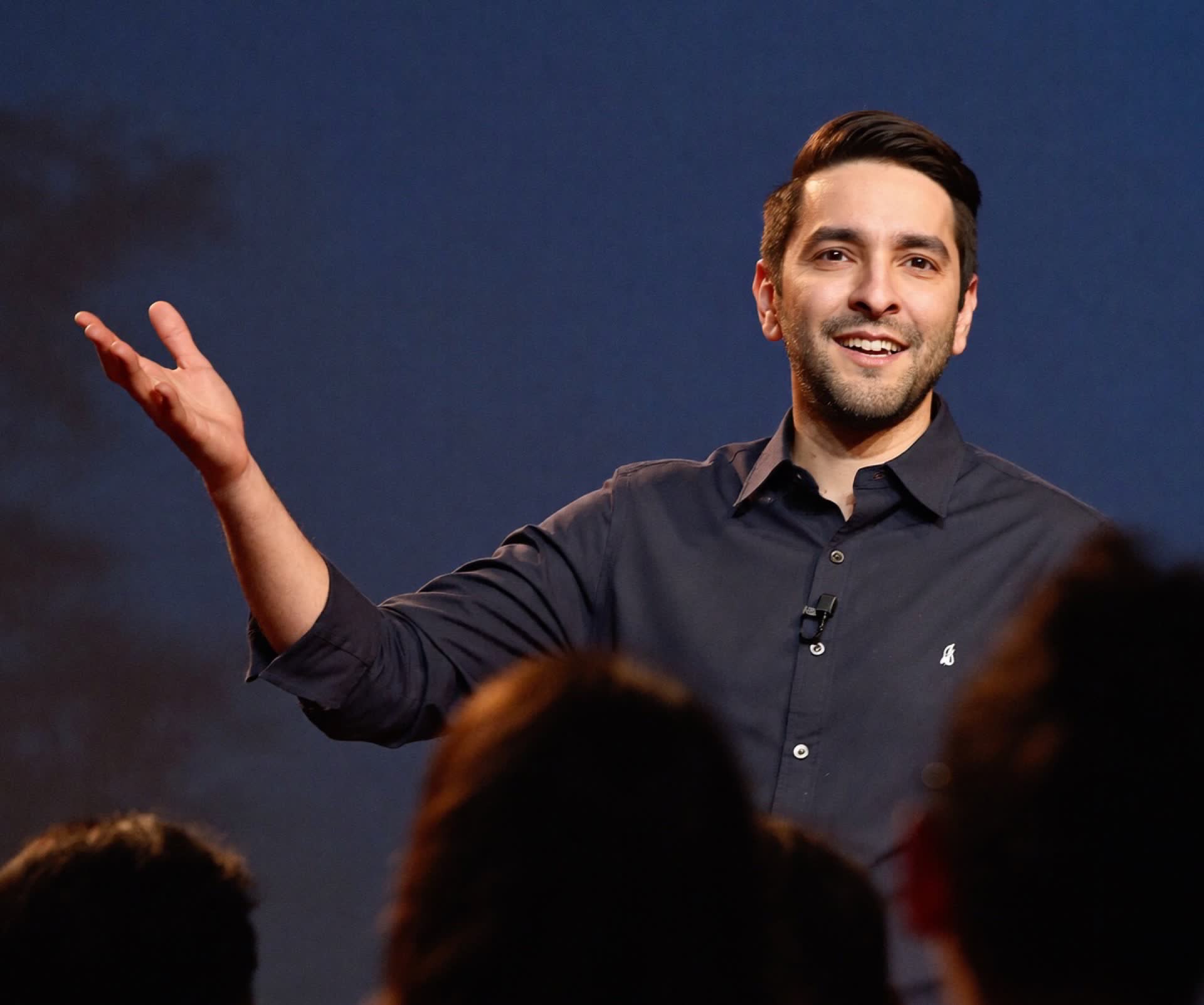
A 33-year-old PhD running IPRI - Pakistan's national-security think tank - sits with Muzamil to argue why the US-Afghan war was never a double game, why a clean policy on Osama bin Laden is impossible in a post-colonial society, and what Pakistan actually was through twenty years of war on terror.
with Dr. Hussain Nadim
18 min read
A 33-year-old at the head of a national-security think tank
Muzamil opens by orienting the audience around an unusual guest: someone who, on paper, looks like he should be twenty years older than he is. Hussain Nadim has a PhD in political science from the University of Sydney, a master’s from Cambridge, an undergrad from George Washington, a Forbes 30 Under 30 in 2016, and a stint as Special Assistant to Asad Umar at the Planning Commission. He is now, at 33, the Executive Director of the Islamabad Policy Research Institute - IPRI - which sits under Pakistan’s National Security Advisor, Dr Moeed Yusuf.
The first question is the obvious one: why a think tank, and why this one, at this age? Hussain’s answer is two-part. The cultural argument: we are in what he calls the “ideas age” - the way earlier generations sat inside the agricultural age, then the industrial age - and the institutions that produce ideas are the institutions that will set the next reforms. Pakistan, in his read, has always had a think-tank culture; it has just been “securitised” - clustered around defence and politics - rather than oriented at the wider problem of producing usable ideas for the state.
The career argument is more personal. After Cambridge he wanted to come back to Pakistan and “didn’t want to bechni coke ya pani” - sell Coke or water in the corporate sector. The Planning Commission under Asad Umar was the first answer. The think tank is the second, on the same logic: change comes from ideas, and you can produce more of them with senior judgment from inside the state machinery than from outside it. An activist’s reach, he estimates, is 20 to 30 per cent. An academic’s, similar. A small change inside the government, by contrast, has a drastic impact. The trade-off is the well-documented frustration of working inside Pakistani bureaucracy - which he acknowledges plainly - but the cost is worth the leverage.
He defines a think tank for the lay viewer as “the powerhouse and institutional memory of the state.” Governments rotate; the policy memory has to live somewhere stable. The reason America is a superpower, he argues, is not its military but the depth of its think-tank stack - RAND, Brookings, the Council on Foreign Relations - and the reason Britain was one was the same shape: RUSI on one side, Oxford and Cambridge on the other. IPRI is being rebuilt to be that house for Pakistan’s national security establishment.
The 3D playbook: datafication, digitalization, disruption
The interview pitch, when he was hired, was a single sentence delivered to the now-NSA: this institution can keep going the way it has been going for another twenty years and it will not get anywhere. Give me autonomy and I will overturn it.
He calls his reform programme the 3D policy: datafication, digitalization, disruption. The first move under disruption was the HR. His position - “if you want to change a country, change its HR” - is the one he has watched land at the Planning Commission, at NCOC, and now at IPRI: bring in younger people, bring in a more diverse set of people, give them power, and the institution moves. The most important variable in any reform, in his reading, is the bench.
Datafication came next, and not just on the research side. To know what to reform, you need data on the institution itself - twenty years of IPRI’s output, comparative data on other think tanks, an honest read on what works and what doesn’t. The headline finding of that exercise: long reports don’t work any more. Forty, fifty, a hundred-page documents get filed and forgotten. Visuals, infographics, dashboards get read. So the same data-driven posture was rolled into research methodology, into impact assessment, and into the strategic decisions of the institute itself - “start to end.”
Digitalization is the layer everyone can see. Press releases became videos. Infographics moved to the front. A live dashboard tracking US foreign-aid projects has just shipped.
The receipts are concrete. In twenty years prior, IPRI had never appeared on the UPenn Global Go-To Think Tank Index. Nine months into the reforms, it landed at rank 74. Hussain’s point isn’t the ranking. It’s that an institution of the Pakistani state, in the same environment, with the same people, on the same budget, can produce a top-league outcome if it is willing to reform. The corollary - which he names directly - is PIA, PTV, and the rest of the country’s underperforming state organisations. None of them, in his view, are structurally exempt from the same move.
On the question of whether young hires actually deliver, his answer is unequivocal: at the Planning Commission, at NCOC, at the Nerve Centre, and now at IPRI, they have. The pattern that breaks it is universal: managers motivate and train the new bench, and then start micromanaging them. The fix is to add autonomy and the right to fail a few times. The 50-years-of-experience CEO is a myth that has already broken globally - “those are kids that went to their garage, made an app, and became billionaires” - and the technology stack a graduate enters with today is unrecognisable from the one a graduate entered with ten years ago. A government still running on a British-era operating model cannot absorb that change without making space for the people who arrive holding it.
G5 Internet Observatory: studying the country that already exists on TikTok
The headline reform at IPRI - the one Muzamil first noticed on Twitter - is the Global 5 Internet Observatory, or G5 IO. The framing is direct. The other IPRI reforms, Hussain admits, are catch-up: things that the rest of the world’s think tanks already did. G5 IO is the one that puts Pakistan on the frontier alongside Stanford Internet Observatory, the Oxford Internet Institute, and the Atlantic Council’s DFR Lab. “Top of the top of the food chain. And then now at IPRI.”
His diagnosis of the gap it fills is precise. Research methodology in Pakistan still sits on the traditional triangle - ethnography, qualitative, quantitative - and ignores the entire fourth modality that has taken over the country: digital and data. The example he uses is TikTok. You can stack fifty years of USAID and DFID and Pakistani-government rural-economy interventions next to two years of TikTok, and TikTok will have done more to change the rural economy than all of them combined. Whether you read that change as good or bad is a separate debate. The point is that nobody at the policy level in Pakistan was studying it.
Muzamil pulls this into a thread he has personally watched fail. As a content creator in Islamabad he has been pulled into focus-group discussions on how to reach rural communities for, say, a financial-inclusion campaign - which then ends up with the banners going up between Sectors F-6 and F-10. “Yahan par har banda jo hai financially included hai.” The campaigns target a population that already has the thing the campaign is about, because the methodology to reach the population that doesn’t was never built. TikTok built it accidentally - by connecting rural Pakistan with the global, then attaching monetisation. A farmer earning twenty-five thousand rupees a month watches his son earn five or six lakh from monetised content.
G5 IO is set up to study that change as policy material. Seven or eight data scientists and behavioural scientists - the kind of bench that doesn’t normally sit inside a Pakistani think tank - crunching tweets and Facebook posts to surface how digital media is exacerbating hate, exacerbating violence, surfacing fake news at the local-community level, and shaping governance. Hussain’s framing is that the lab’s purpose is twofold: to help Pakistani policy makers make future-proof decisions, and to put Pakistan into the global conversation as a producer of the research rather than a subject of it. Joint seminars with the Atlantic Council are already done; partnerships with Stanford are next.
The “great game,” not the endgame: rewriting the double-game story
The conversation pivots to the question that Muzamil knows is the reason most of his audience clicked: with US forces leaving Afghanistan on a September 11th deadline, what happens to Pakistan?
Hussain’s correction is immediate. People are calling this the endgame; he calls it a great game - the phrase from the Soviet era. He won’t engage the question, though, without first laying down the framing that he says Pakistan has failed for forty years to articulate clearly.
“Hum pe baar baar kaha ja raha hai ke ji double game kar di inhone. What is actually double game? I’ll tell you what double game Pakistan has played. Pakistan saw America after 9/11 as a bull in a china shop. What we tried to do was one thing: save the bull and save the china shop. That was all what we’ve done.”
The argument unfolds in two parts. The first is historical: Pakistan did not start the turmoil in Afghanistan. The Afghan civil war was already running before Pakistan ever intervened. Zahir Shah’s government fell in 1973. The Saur Revolution was an internal PDPA Marxist-against-Marxist affair - hardcore Marxists killing Najibullah from inside the same party. Pakistan only entered the picture in 1979, when millions of refugees were already crossing the border. Any country in that position, he argues, would have intervened.
The second part is the read on the last twenty years. Pakistan’s core stance throughout the war on terror - through Musharraf, the PPP, PML-N, and into Imran Khan - was the same: tell America to go for political dialogue, restrain the imperial wrath, save the country from its own policy blunders, and save the Afghan people from being collectively flattened by an American security establishment that classified anyone “above the age of 16 with a beard” as a Taliban. The three million refugees Pakistan hosted were largely political and tribal leaders, not Taliban fighters.
The thing called “double game,” in this reading, was Pakistan saying go talk, while America said no, we need to set an example, and bombarded. The cost to Pakistan was the FATF grey-listing and a wrecked economy. The pay-off was the avoidance of an even worse outcome - which is exactly the kind of policy success that, by its nature, gets credited to nobody.
“We have nothing to gain from the economic side or any side from Afghanistan. Our core goal was: when you have an imperial power that has decided to invade and has no plan whatsoever - Americans entered with no plan to exit, to this day they have no idea what the exit looks like - you, as a friend of America, you say: yaar, easy. Don’t do this. Don’t do that. Because you know the realities. Half of the world’s Pashtun population is living in Pakistan. We understand the people. Forget about understanding, we are the people.”
Hussain’s verdict on the present is sharp. “The world owes an apology to Pakistan.” Pakistan saved the bull, saved the china shop, took the humiliation, took the FATF damage, and is still being painted as the spoiler.
What happens when the US leaves
Muzamil presses on the practical question. The civil war is starting again. The US has, as in the 1980s, pulled out before stabilising what it broke. What’s the worst case and what’s the best?
Hussain’s answer is bleak and pragmatic. “There is no best-case scenario.” Read the three-thousand-year history of the region and the pattern is consistent: empires arrive, empires leave, the land does not become inclusively governable in any modern Western sense. Even the current US government, he says, has accepted privately that the idea of an inclusive Afghan government cannot work.
The reason is not the Taliban alone. It is that the twenty-year Afghan elite that the US was sponsoring - what he flatly calls “highly racist, bigoted, and crooks” - did not deliver development. The funding that was meant for the districts went to Dubai. USAID and Inspector General reports openly state how much American taxpayer money intended for poor Afghans was looted at the top.
The result is the thing Muzamil has been watching unfold on Twitter: districts falling to the Taliban with no fighting at all. Soldiers lay down arms. People walk over. The local read is that the government that was supposed to deliver development for two decades, didn’t - and Taliban governance, whatever else it is, is a credible alternative because the bar is on the floor.
Hussain refuses to characterise the Taliban - he hasn’t met them, no one has, there is no round-table representation of who Taliban actually is at this point. What is publicly visible is what the Doha office has stated: no killing spree, no formal stance against women’s rights or minority rights, but a clear stated intent to settle scores with the political class that wronged them at the top level. The complication, and the thing that scares Pakistan, is that “Taliban” is not one entity. The Doha representatives and the Nangarhar fighter are different actors in the same loose conglomerate. The minute the US is gone and the unifying enemy disappears, internal war is the realistic next step.
“Pakistan’s biggest fear, and my biggest fear, is that we don’t want to see an Afghanistan which is split into over a hundred different militias. So it is very important that one group emerges - whoever that group is - the Haqqanis, the Hekmatyars, whoever - that someone you can talk to, someone you can deal with.”
On the border fence - the 2,300 kilometres, 5,000-feet-up Pak-Afghan barrier, extended now toward Iran - Hussain is firm about its limits. Speaking as an academic and not a representative of the state: the border is for peace of mind. Like a lock on a house door. It helps. But the real determinant of safety is the stability of the region around the border. If Afghanistan is stable, the border is symbolic. If Afghanistan is unstable, no border in that terrain stops the flow.
Then a softer point, which lands. The US, the richest country in the world, fought elections in 2016 over a few hundred Syrian refugees and a question of Mexican migration. Pakistan has hosted three million Afghans for forty years without any political party making it an election issue. “Hamare bhai hain” - they are our brothers - is, in his framing, the default answer at the street level even during the worst years of bombings on Pakistani soil. He treats this as a cultural fact worth naming, not as a humblebrag - because it is the actual baseline from which any future Pak-Afghan policy will operate.
Pakistan, the US, and why Joe Biden isn’t calling
Muzamil turns to the part of the Imran Khan interview that lit up social media: the Prime Minister, with calculated nonchalance, noting that Joe Biden had not called him. Why hasn’t he?
Hussain knows the file. Biden is not new to Pakistan - “people don’t realise this thing.” He was the architect of the Kerry-Lugar-Berman Act; his name didn’t appear on it only because he had moved to the vice presidency by the time it passed. KLB was, in Biden’s original intent, a strategic-partnership bill. Hussain’s forthcoming book - Aid, Politics and the War of Narratives: US-Pakistan Relations Under the Kerry-Lugar, due in three to four months - is on exactly this thread.
The deeper read on the silence: Biden had a bad experience with Pakistan during the KLB years, partly because the State Department wasn’t running the Pakistan account - the CIA was, under the Obama administration. So the experience that shaped his current view was a distorted one. The non-call now is by design: don’t give Pakistan too much, don’t elevate it. There is also a big India angle on the China front; Washington does not want to upset Delhi by warming Islamabad too visibly. Senator Lindsey Graham, Hussain notes, is calling this a wrong policy in public. The administration is keeping Pakistan engaged on the military side regardless.
What lands harder is the historical recital. Pakistan was there for America in the 1950s under CENTO and the Baghdad Pact. Pakistan delivered the final blow on the Cold War - “I think it was General Zia ul-Haq’s time who basically promised the Americans that we will take the revenge of Vietnam War for you. We took it.” Pakistan dismantled the Al-Qaeda network during the war on terror in a way no other country did, surrendering over 800 operatives through its intelligence work. Yet the narrative inside Washington is that Pakistan has not been a friend.
Hussain’s larger framing is more interesting than the grievance. Pakistan, he argues, can play a uniquely positive role in the coming great-power moment: it is the only country fluent in both languages - tight historical ties with China, real cultural understanding of America - and could be the bridge between the rising power and the established one. “We understand Americans more than the Americans themselves,” he says, only half-laughing. Muzamil’s response is the obvious one: instead, we are being pushed into one camp.
Why nobody can ask the Osama bin Laden question cleanly
The last segment is the hardest. Muzamil notes that the same question keeps coming up to Pakistani politicians - to the Prime Minister, to the Foreign Minister - and gets a non-answer every time: was Osama bin Laden a martyr, or a terrorist? Why does no Pakistani politician give a clean answer the way every Western one would?
Hussain’s response is the most considered moment in the conversation. There is no one specific answer, he says, because there are two genuinely different populations in Pakistan and they are reading the same person through fundamentally different lenses.
“We live in post-colonial state and societies, where a large populace from a very post-colonial lens see Osama bin Laden as somebody who stood up against the American might. From that angle, for a very large populace, Osama bin Laden is somebody who was having a just war. Now you can’t basically convince those people - they come from a particular background where they see him as that. But you also have one large population which also believes that this guy is responsible for Al-Qaeda and all of that.”
The political question, then, is not “what is the truth” - it is “what does a politician say in a country that contains both populations.” Shah Mahmood Qureshi’s “I refuse to comment,” in Hussain’s read, was the structurally correct answer: the question is set up to humiliate either way. Nobody, he notes, asks the US generals who fought the Native American wars to make a public moral statement about their record. Nobody asks the British about Cecil Rhodes, and there are still British people who openly support him 200 years later. The burden of moral articulation gets placed on this part of the world, and only on this part, asymmetrically.
The deeper point is the methodological one. Politicians, no matter what they say, will take the beating. Muzamil’s read - “aap kuch bhi bolenge aap maar khayenge, aap isme bach nahi sakte” - is the same as Hussain’s. The personal answer Hussain would give if asked privately would be different from the public one. And that gap, in his framing, isn’t dishonesty - it’s the only viable posture in a state whose population is genuinely split.
Coda
The wind-down is brief. Muzamil thanks Hussain for the work, the service, the willingness to come on the show. Hussain’s last note is the one worth holding onto:
“There is so much immense opportunity that exists in the country, and I have absolute faith - when you ask me right now, I have absolute faith that the situation will be overturned in this country. It’s only a matter of time, because the situation is right. So for whoever is interested in coming back to Pakistan: this is the right time. And the country will reward you.”
It lands cleanly because the case he has just spent forty-five minutes making - that a Pakistani state institution can be reformed by a 33-year-old with a bench of young hires, that a Pakistani think tank can land in the global top 100 in nine months, that the country’s foreign-policy posture has been more coherent than the global narrative gives it credit for - is the receipts version of that closing line.
The conversation is one of the few on Pakistani podcasting where a young expert is allowed to articulate the country’s own self-understanding without being interrupted by a counterpoint hired to flatten it. Whether you accept Hussain Nadim’s framing or not, it is the framing that will staff the next decade of Pakistan’s foreign policy. That alone makes it worth the listen.
Full transcript
सालों श्वेतिना आज रात, welcome back to another episode of Thought BYNTing. दादा जी मैं संस्थित you know तब से भी हुए social media के ऊपर and to be very honest मैं जब देखता you know I follow current affairs a lot and जो भी हो रहा होता है लेकिन I obviously can't know everything and therefore I feel like expert को बुलाना चाहिए and for that we have a very very special guest with us today and I am very very glad कि he accepted our invitation as well. हुसैन नदीम, doctor हुसैन नदीम thank you so much for being part of the show. My pleasure to be here मुज़मिल, very kind. थोड़ा सा मैं अगर आप लोगों को background बता दूं doctor हुसैन नदीम is a PhD in political science from University of Sydney. He also did his masters from University of Cambridge and his bachelor's from University of George Washington University. All in political science? सब IR in political science. Never studied anything else. अच्छा, very cool. He's also been named Forbes 30 under 30 in 2016. He got a ton of awards, you know, doing throughout his career as well. Pakistan आने के बाद he joined the planning commission as a special assistant to the minister S N इकबाल साहब. S N इकबाल साहब के Planning minister I believe. And now he's the executive director of IPRI which is the Islamabad policy research Sir, इतना बड़ा portfolio मुझे तो लग रहा मैं पता नहीं. मैं क्यों कर रहा हूं यह interview but thank you so much क्या आपने हमेशा बक्षा. I am going to start off the conversation with IPRI particularly. Someone like you, you know, you're 33 years old. You have a, you know, a very, you know, powerful career behind you. आपने think tank क्यों join किया है? And how, like, what was the thought behind that? Because that's something generally Pakistan ने हम सोचते हैं that it's like 50 year olds bureaucrat retired or something of that sort. I see that. So what was going on behind that? मुज़मिल
thank you for inviting me over here and अस्सलमिल्कुम to all the audiences that was watching. Think tank is something very important nowadays. We live in a twenty first century in the digital era where if you have to classify अगर मैं इसको कहूं ना कि हम किस era से गुज़र रहे जिससे आपको याद एक industrial age थी, एक agriculture age आई, आपकी पूरी bronze age आई. We're going through ideas age and any platform that is now producing ideas, that is investing in ideas, I think that is the place where the reforms, where the change will happen. So मेरे नज़दीक theme tanks are increasingly becoming more and more important as we become more sophisticated in our intellect and science and tech because those are the ideas producing machines. Right. Pakistan के अंदर think tanks का culture हमेशा से रहा है but बहुत ज़्यादा securitized, बहुत ज़्यादा politics के side के ऊपर So I've had an experience working. Very good. इपरी कितना से how long have you इपरी was established in 1999 by मुशाहिद अल, मुशाहिद हुसैन साहब and then it was under the general मुशहरुष chief executive office directly and उसके बाद जो है यह throughout आपका prime minister office के अंदर है. Right now it pre is under the national security advisor doctor मोहित जूसब साहब. अच्छा, right. So, it's it's essentially a subsection of the federal government? It's essentially the subsection of the but we also maintain our autonomy because the whole idea is that that we're part of the system but we're also not part of the system so that we can think outside of the system, outside of the box and provide essentially two things. One, very specific actionable policy input to the government and two, help the government to essentially
project its narratives globally, which is very important to us. Right, makes sense. थोड़ा सा मैं अगर, you know, for for the viewers explain कर सकूं कि think tank का essentially काम, correct me if I'm wrong. जी जी. Essentially काम यह है कि, you know, your politicians, your bureaucrats, वह shift भी होते हैं, politicians जो हैं वह जाहिर है कि vote in, vote out होते हैं. Absolutely. The think tank essentially is your academics. पढ़े लिखे जो जो वह लोग जो कि research में होते हैं और वह जाकर तमाम sides को देखकर एक educated policy
direction बना रहे होते हैं. तो if I I agree 100% on that. It is essentially the powerhouse and institutional memory of the state. So think tanks keep that memory of the state because governments come and go, state actors come and go. But the think tanks is that sort of house where the memory is stored. So the more powerful think tanks is American superpower. The reason why America is a superpower is because it has one of the best think tanks in the world. And same is the thing with the with UK as well that when it reached its zenith of global power, it was backed by very strong think tanks like Russi and then with universities like Oxford and Cambridge. So, Ipre essentially is also, planned out in that way where it can be that powerhouse and memory institution memory for the national security establishment. Right, makes a lot of sense. Ever since you've joined and I and again I'll I'll I'll sort of pivot back to your the original book के a 33 year old joining यप्री, joining a, you know, essentially a government
institution. Mhmm. आपने जब इसको join किया तो, you know, what were, how how do you sort of change through the entire thing? Because I know for a fact I've I've been there. I I joined for a couple of months and it's not my cup of tea. Absolutely. How did you manage to, a, maneuver through it? Yeah. And b, like, you reform it, you know, once you were there? Yeah. This is a very interesting and important
question, and I remember your brief strength over there at BMW as well. Yet, when I actually finished my studies abroad chemistry, जब मैं graduate हो रहा था, तो I didn't want to do anything else. My only interest was to work in the public sector. For personal reasons and all I wanted to come back to Pakistan and I thought that अगर Pakistan आना ही है तो भी corporate sector में कोक तो नहीं बेचनी ना पानी बेचना. Right. If you want to do something it has to be for the people. So I decided to join the government back in then as well with the with with planning commission and thanks to वैसेनिक बाहर साहब who gave me the opportunity for that and mentored me to be able to actually see the very delicate processes of the government. Think tank का क्यों join किया? Think tank का interest किया था? I think part of this also stems from the fact that where does change come from? I am of personal belief that change can only come through ideas and ideas that are now relevant for the twenty first century. There is no better place than the think tank to do that. Public sector क्यों important है आपका? Because, I mean, there is one thing to stay outside of the system, become an activist. I appreciate appreciate the activist and all. Their level of influence is maybe 20%. You're an academic at a university, maybe your influence is thirty, forty, 20% whatever it is. But when you're part of the system, a system that puts you through the grind, the system that wants you to be patient, the system, it's a very big machine. But you know within that big machine, government का जो जो true beauty of working in the government क्या आपकी, कि very small change in the government has a drastic impact overall. Which is why I think that working in the think tank and being part of the system is very very important and the change can only come if more and more younger people give up their own I mean government doesn't pay you well. Government is very frustrating. But within that frustration and within that you are able to maneuver certain things and very little change जो है क्योंकि प्रांग उसका बहुत बड़ा आपका advantage हो जाता है public. When I have seen many of the projects that we did at the planning commission. I did a lot of projects for the youth, YDF program, internship programs and all of that. I do really feel that that can really impact the public and वह अगर आपका interest public service के अंदर है तो there is no better way. Makes lot of sense. Within a pre, आपने reforms introduce कराएं? Absolutely और my one big interest when I was on the interview में जब मेरे इस चीज़ के लिए हो रहा था I talked to अनाव national security advisor and there were other officers over there. I said one thing to them. I said that this can continue to go on for the next twenty years the way it is going on. It will not get anywhere at all. But if you give me a chance and autonomy, I would like to overturn this organization. Majorly disruption करेंगे हम. उसके लिए हमने policy device की थी when I was hired and I was very fortunate that they decided to hire somebody at at young age. Usually this position goes to retired senior officers and journal. तो interest यह था कि हम तीन चीज़ें करें वहां पर. So we adopted a three d policy which I call it's the datafication, digitalization and disruption. One of the first things I did in the disruption part was change the HR. मुज़मिल, I have a very very firm belief on this part. If you want to change an organization, if you want to change an institute, if you want to change a country, change its HR. You bring in the right people, you bring in the younger lot, you bring in the diverse set of people and you see it takes only moments before the change comes. And so this is my personal belief that happened that I witnessed at the planning commission, then I witnessed at the nerve center in Indus News and I also witnessed overhead at the planning commission. Oh, sorry. At Heradepri. So we undertook major reforms on the HR, brought in the young individuals and young, young kids. Second thing we did was datafication. Right. We were even datafication I am not saying just on the research part but for instance what change we want at a pre? How do we undertake strategic reforms? Strategic reforms करने के लिए आपको strategic data चाहिए. So you have to look at what all you have done so far. So last twenty years की data निकाली, process किया, looked at comparative data of other think tanks कि बाकी think tanks क्या करते हैं, क्या चलता है, क्या नहीं चलता and we realized one thing कि 40 pages, 50 pages, 100 pages reports don't work anymore. Yeah. People are more interested to see the visuals. Infographics. Photographs and all of that. So we undertook data driven policies to actually change the organization. Then we took the data driven policies to actually change the research methodologies as well. Then we took the data driven policies to actually have the impact assessments. So across the start to end, we started doing bringing in data into the policy making, into the strategic decision making and into our work. So that we are able to do something with the evidence. So एक तो यह काम किया दूसरी चीज़ तो आपको पता ही है जिसको हमने किया है digitalization. Right. We started off with converting press releases into the videos videos and we did the infographs and then we released recently a dashboard which is collecting all the data of The US foreign projects and all. So we introduced that. So उन चीज़ों का हमें advantage क्या हुआ? Something very interesting. For the last twenty years, IPRI has never been ranked in any of the world global think tank ranking. In just nine months, 74 की ranking के ऊपर we landed in the UPens की global ranking. अच्छा. Nine months and you know why I am saying that right now is because it kind of reinforces my faith that even in a messed up situation that we call the government of Pakistan and the system there is potential to really go big globally. अगर आप reforms undertake कर लें. If you are able to take reforms of for instance PIA and I am I am all about the reforms I am interested in that. You take undertake reforms of PIA, you undertake reforms of PTV, you undertake reforms of major organization. There is absolutely no way. Yeah. No way at all कि आप जो है top league में नहीं जाएंगे. And through IPRI is not just a think tank. We've proven as a case study. Yeah. कि इस मुल्क में रहते हुए इसी लोगों के साथ इसी environment में एक रुपए extra खर्च की बगैर उन्हीं resources में
you know my personal experience was the same and I feel like you know there is a lot of sort of resentment कि यार यह बच्चे यह बच्चे क्यों? You know हमने तीस साल लगाए हैं इस मुल्क के अंदर, you know यह सारा का सारा किया है. And on some level ना बंदा gaslight हो जाता है. So as a young guy, when I go and I hit an office or I hit someone जो कि not directly but मैं किसी के बंदे के पास जाता हूं और मैं जाकर कहता हूं कि यार अच्छा यह चीज़ इस तरह से होनी चाहिए और वह constantly आपको यह बताता कि तुम बच्चे हो तो मैं नहीं पता and आप question भी करते हो इस बात को कि यार uncle अगर आप इतने बड़े थे और आपको सही पता है तो शायद मुल्क सही होता. Maybe my new idea might actually work but when everybody tells you तो constantly होता कि यार maybe experience जो है वह एक बड़ी important चीज़ होती है जो कि होती है. बिल्कुल होती है. In your experience जब आपने you know younger नौजवान लोग hire किए तो were you able to get generate the results that you wanted and and were there mistakes along the way? Yeah. देखिए, I am on very simple on this part. There's no second opinion on this issue. 65%
of the country is under the age of 30. Either you give them power and opportunity or they will take it. Right. This is one. The good thing I mean I mean I keep saying this thing in the government as well that I do it yourself instead कि वह माहौल ना पैदोए जहां पर वह frustrate होकर चीज़ें होकर जो अभी आप देख रहे हैं social media में it's a frustration. Yeah. Even the people that are coming out in protest अभी हम यह students के का देख रहे sir. Is because it's a very logical outcome of whatever has been happening. All the frustration because the kids don't see how they can actually work within the system, within the government. How do they actually get a job जहां पर आपके freshman से वह मांग रहे दस साल का experience? I mean, these issues are very much present over there. So I believe one thing and I've maintained this belief when I came back from Cambridge and started working in the planning commission that there is no way that the younger lord that you bring in will not be able to deliver within the government. Planning commission में they delivered when I worked over there. Nerve center में delivered when I worked over there. And at Ipri, they've delivered. Yeah. Reason is because of one thing. It's not only that you motivate them and you train them. बहुत बार यह होता है कि motivate कर देते हैं और train कर देते हैं but उसके बाद micromanage करना शुरू कर देते हैं. Right. You motivate, you train and then you give them autonomy. Right. You empower them as empowerment to actually let them fail for a few times. They fail, they rise up, they fail again, they rise up. But if you're not gonna train the next generation of political scientist, the leaders, the policy makers and all which you're not, आपका नतीजा क्या होगा? You continue to blame कि यार बच्चे तो कुछ करते ही नहीं है. And this whole idea कि जी बीस साल का experience है यह myth हो चुकी हुई है आपकी. The the current CEOs in the world and all of that are not the guys who had like fifty years of experiences. Those are those kids that went to their their garage, made made an app and became billionaires. So वह तो आपकी change हो चुकी हुई. And I think there is there is also fundamental change in the on the tech side as well. Right. देखिए आपके आज से दस साल पहले का जो graduate था और अब जो graduate है, technology change हो चुकी हुई है दस साल में. अगले पांच साल में जो graduate होकर निकलेगा they've been they will have the new software 100%. वह हमें नहीं आते होंगे. So with the unless and until we don't give them an opportunity to be part of the system in the government. आपकी government तो फिर भी वह British era के हिसाब से ही चलती आ रही है. Yeah, technology का आपने बात की particularly g five
what What does that stand for? G5-Internet Observation. Internet Observation. That was something very very funny. मैंने वह देखा ना कि क्या मेरा digital media से ताल्लुक है. मैंने देखा मैंने कहा यार यह policy making के अंदर यह कैसे होना शुरू हो गया बाकीस. मैंने tweet भी किया था उसके ऊपर. Tell me a little bit about that and also a little bit about कि because I know that you guys at least from what I gathered from the tweets, you guys have been actively, you know, you know, working on informational warfare and किस तरीके से दुनिया में क्योंकि लोगों को लगता है कि यह चीज़ exist ही नहीं करती ना. I would like to understand a little bit about यह. कितने real है? Is that a real threat to us and our societies? So,
G5IO is something which comes from a very interesting background. Part of the reason is because when I when we undertook reforms at a pre so we we went we the reforms are essentially not cutting edge. Let me be very honest with you. यह वह चीज़ें थी जो buyer के मुल्क में already हो चुकी हुई थी. So हम तो catching up कर रहे थे. So I used to tell my team कि यार यह reforms के ऊपर इतना वह खुश ना हो. यह तो वह चीज़ें जो हम catch up कर रहे हैं. हां. G5 आया वह चीज़ थी जो कि actually cutting edge है. Right. Because अभी तक दुनिया में Stanford Intermit Observatory है, Oxford Intermit Institute है, Atlantic Council की DFR lab है और उसके बाद G5IO APRI का है. अच्छा, so like top of the top of the food chain and then now Absolutely. An So now हमने यह क्या किया था कि we're not just gonna like I initially said. The vision was never कि यार हमने Pakistan का number one think tank बनना है. यार वह तो आप छह महीने में भी वन सकते There is not a big deal. The vision was how do we become an institute from Pakistan that goes and plays ball at the highest forum. And I have no second opinion on that. No, मुझे कोई उसमें issue नहीं है. We can take an institution from here and take it to as far as top ten ten thing tanks in the world which इपरी इंशाला will become. G5IO is gonna be our major move on that because innovation is the only thing that can help us drive the change. Right. हमने क्या किया? We understood one thing कि आपकी दुनिया की research जो है ना वह अभी आपकी चली traditional level के ऊपर ethnography कर ली, आपने qualitative कर ली, चलेगी quantitative कर ली. There is a whole array of a new world which we call digital and Nobody is looking at Pakistan में कि जो data आपकी और digital के ऊपर research चल रही है, how that is shaping the society? Yeah. TikTok and I'll give you one small example. US aid के, defid के, Pakistan government के पचास साल के आप projects उठा लें to bring and change rural economy and you take Tiktok. Everywhere is Tiktok changing rural economy, society good or bad. That's 100%.
You know people reach out. Yeah. So many times I have been invited to these sort of like focal focus group discussions and वह सारा का सारा कि यार हमें बताएं कि हम किस तरह से गांव में reach out करें और आखिर में मैं देखता हूं campaign पूरी design होती है, domestic violence पर हो गई या at the grass root node जाकर connect कर दिया है and the potential is obviously आप एक coin का पर उसको आप दस बातें कर सकते कि oh हो उधर अजीब चीज़ें आ रही हैं यह आ रही हैं वह आ रही हैं. But alternatively अगर आप उसको as a as a as a utility लें, as a as a वह लें कि क्या हम कर सकते तो it's it's absolutely लेकिन TikTok has essentially done what? It has connected your rural with the global. Yeah. And now that monetization
kicks into TikTok, जहां पर आपका एक farmer जो है महीने की कमा रहा था बीस पच्चीस हज़ार रुपया, उसका बेटा जो है वह पांच छह लाख रुपया कमाएगा monetization के बाद because of an entertaining content. So the reason I'm talking about that is that initially जो यह point था वह यह था कि the impact of social media, the impact of digital, how that is changing the reality, the changing the society, changing the governance, वह एक पूरा area है जो कि missing था study से policy की. IPRI took an active initiative on that. We set up the G5 internet observatory. Right. और purpose हमारा यह है कि we want to study how internet, how digital media is changing your policy, the new challenges, the new opportunities, how it is exacerbating the hate crime, how is it exacerbating the violence, how is it the fake news is affecting the the local communities. वह जो चीज़ें study की थी ना पूरी domain जो अभी सिर्फ़ Stanford का रहे Oxford International में Pakistan में अलग ही शोकर है and India में भी by the there is not a single one. We took ownership of that, we jumped on that and हमने पूरी एक सात आठ बंदों की team deploy की है very very जिनमें से mostly data scientist हैं and some social scientist and all behavioral scientist भी हमने hire किए हैं. उसका purpose specifically यह है कि are we gonna be part of the global debate or not? So using cutting edge data tools and being able to crunch all the tweets and Facebook posts and all of that, हम क्या कारण है that we are not only fighting hate, we're not only fighting prejudice and bias, but we are also helping the policy makers to make right decisions on social media. And future proof decisions essentially. And future proof decisions. And जिसके अंदर हम actually part of the global debate बने. So हमने कुछ seminars करवाए हैं joint with Atlantic council and inशालाह हमारी plan तो यह है कि हम Stratford के साथ भी और others के साथ भी हम लोग partnership करेंगे इसके ऊपर. Which will be our gateway towards the the being part of the global debate where we need to be? ज़बरदस्त, very very exciting. थोड़ा सा मैं आता हूं towards,
you know, what इपरी inherently does, right? And and the reason why I asked this is because I saw this clip and I think all of Pakistan saw that clip of the prime minister you know with the जो exigo सारा interview था HBO वाला आपने भी देखा होगा. और उसके फिर उसके अगले दिन जो है prime minister का एक पूरा का पूरा opinion piece भी आया on Washington Post and you know there's a lot happening but a lot of people in Pakistan are talking about it and that's the Pakistan, sort of the Afghanistan endgame जिसको अगर आप कह लें कि you know like there's a lot happening there and the last time a lot happened in Afghanistan Yeah. Everything changed for us. Absolutely. And and not just the last time. I mean, happened in the eighties. Yeah. It happened in 2000 And now वह बीस साल का cycle complete हुआ और फिर से हो रहा है and we don't realize कि वह कितना impact पड़ेगा. So I'd like to understand what do you think in the context of Pakistan, जो इस वक़्त with The US forces leaving Afghanistan, you know, giving that deadline for for September 11, how does that affect Pakistan?
Afghanistan is, I I people call it an end game. Right. I just think it's a great game. जिस तरह से पुराने Soviet era में भी इसके बारे में बात की गई थी. देखिए, Afghanistan का जो issue है ना, there is we need to separate fact from fiction. Right. There I've never seen any more information war played in any other domain than the Afghanistan war. इतनी लंबी war हो चुकी हुई है forty plus years generations have been born, fought and have died within this entire thing कि अब हम भूल ही गए हैं कि actually why did America even enter? Right. Why was Afghanistan in a turmoil? पर दो चीज़ें मैं ज़रूर इस बारे में बात करना चाहता हूं जो I think critical है from our perspective. One is कि is Pakistan the reason for the turmoil जो आपकी tragedy रही है ना वह आपके यह रही है कि inability to articulate. Right. What exactly happened in the last forty to fifty years? अगर मैं आपको कहूं ना like within one minute how to basically look at this and what exactly happened? देखिए हम पर बार बार कहा जा रहे हैं बात के जी double game कर दी इन्होंने. उन्होंने Afghanistan मेड़ा का रोक हो गया. Pakistan is responsible for the blame in Afghanistan. It's a ridiculous idea. यह हम पर बार बार लगाया जाता है. PDPM इनकी जो Marxist party थी hardcore Marxist they got they overthrew. उन्हीं के अंदर से उन्हीं के लोगों ने नाजीब उल्ला कुमारा. उसके बाद करते करते करते आपकी वह situation आ गई कि civil war always there. Yeah. Pakistan intervened at 79 जब आपकी जाकर हालात यह थे कि millions of refugees यहां पर आ रहे थे. Like any other country we had to intervene but more importantly I think the real thing that has happened in the last twenty years of Pakistan वामासान war. यह double game वाली बात के. परन्या I want to make it very clear. What is actually double game? I'll tell you what double game Pakistan has played. Pakistan की game क्या थी? From the start to end in Afghanistan war was never to hurt America or never to hurt the Iran or anyone. Pakistan saw America as after nineeleven as a bull in a China shop. Right. What we tried to do was one thing, save the bull and save the China shop. Right. That was all what we've done. We because in America, when it after nine eleven, it was very angry. It was what we did, our own core foreign policy was essentially to save America from its own wrath that it was gonna create. The policy blunders, the aggressive military posturing and all and we also saved the Yvonne people. It was not the तालिबान. We did not say कि जिस तालिबान बचा लिए. 3,000,000 refugees हमने host किए थे. वह तालिबान नहीं थे सारे. Political leaders, tribal leaders को वहां से बचाया that because every according to the American security establishment anybody above the age of 16 and with a beard was a तालिबान. Yeah. Americans lack of ignorance on on the eve of nine eleven is the reason why Pakistan kept telling them go for a political dialogue, go for a political dialogue. तालिबान is ready to give up अलकायदा. The Americans said no, we need to set an example. They went and bombarded. Pakistan has been the truest friend that America could have because Pakistan tried to restrain America knowing कि यार दस साल बाद नहीं, आठ साल बाद नहीं इनको ख्याल आज़िन है कि यार गलती हो गई है. अब कोई deal करवा दें यहां पर. हां. That is what Pakistan's policy has been. उस policy की basis के ऊपर देखिए अब general मुशहरब से लेकर इमरान खान तक के कुम्मत तक एक stance रहा है Pakistan का political dialogue कर लें. तमीज़ से कर लें. उसके ऊपर हमें क्या कहा गया? Double game हो रही है. Double game. Paid the biggest price and the biggest sacrifice and if रोशन just फिर कि हमें कोई strategic depth चाहिए थी. There is no strategic depth in Afghanistan. We have nothing to gain from the economic side or any side from Afghanistan. Our core goal was was one कि when you have a an empire, an imperial power or a colonial power that is set about कि हमने invade करना है Afghanistan को and it has no plan whatsoever. Americans entered with no plan to exit. इनको पता ही नहीं था कि exit किया आज तक. Americans have no idea what de exit looks like. Yeah. The victory looks like. अब आप Pakistan ने, आप क्या करेंगे? आप यही करेंगे ना कि as a friend of the America, you will say कि यार easy, like don't do this, don't do that. Yeah. Without Because you know the realities, right? You have the understanding of what's going on there. Half of the, more than half of the world पश्चून population is living in Pakistan. We understand the people, we are the people. Forget about understanding, we are the people. So Pakistan did what? We saved the bull and we saved the China shop from going into complete chaos. I do think that the world was an apology to Pakistan for what is done. And I do still think that Pakistan has played the most critical part part in playing the peace dialogue in अमावसान. चाहे उसके ऊपर Indian lobbies जो भी गए, हमारे अपने भी जो भी गए, Pakistan never was of an interest कि हमने कोई इस तरह की regime अब बाहर निश्चान में चाहते हैं या हम यह चाहते हैं कि वहां से समझे. It was always the fact कि यार this country has been at war for forty years. Yeah. Let's bring peace. And जो peace की बात कह रहा उसको कभी तालिबान खान बना दिया है. उसको कभी बता दिया कि यह double game है. So I think it's very And considering even right now with even though, you know, तालिबान are actively growing their,
you know, regions under their control in Afghanistan, government की constant यही positioning आ रही है कि a peaceful Afghanistan includes a government that includes all the stakeholders. It's not going to be one one player. So, वही वाली बात है but again अब जो situation जिस तरह Afghanistan हम देख रहे हैं, it seems very troubling to be honest. It seems like, you know, they're going to go back to the civil war situation. It seems like again कि The US left a bit too heredly last time जिस तरह, you know, eighties में भी यही हुआ था कि बस GT के गांव ख़त्म हुआ, निकलो and and let them figure it out. And in a war torn extremely extremely poverty stricken land, basic human nature यही है कि they're going to fight over it. What do you think is going to happen?
And and and अगर मैं आपसे पूछूंगी, what's your worst fear and what's the best case scenario? I think the worst fear is already going on. Right. There is no best case scenario in that situation in my personal opinion. The if you read the history of the land, three thousand years of what this place has been, not a Vanasan, Pakistan alone, the entire region. The empires have come, the empires have gone. There have been changes and all of that. I think the I mean this is not the state opinion, this is my personal opinion. There is no such thing as inclusive government in Afghanistan. It cannot be. Right. Anybody who has read any history in Afghanistan will know about that. Part of the understanding in the US government right now is also this thing. They've accepted कि inclusive government हो नहीं सकती और इसका एक बहुत बड़ा reason है. And the reason is our Taliban loan. It's the reason is that for the last twenty years, there was an elite in Obamahan Issan of highly racist, bigoted, and crooks that were ruling the Awanaissan government. And they essentially robbed America off its well. The funding that was given to them to develop and all, they could have undertaken development. They could have basically developed the districts. The reason why districts are falling right now to तालिबान is not because तालिबान is actually using violence. People are laying down their arms and people are saying that we understand that this the current That very interesting. There's no violence happening at all. It's just one after the other. Everybody says like उनके soldiers कह रहे कि जी आएं और आप कर लेंगे. कोई मस्ता नहीं. Because they understand that the regime that was responsible for democracy development, he did not deliver for twenty years and it did not want to deliver. All of them took their money to Dubai and then have have had that. So there are several reports by USAID and USAID की reports and inspector general की where they've stated out openly that how much the American taxpayer's money and their development funding that was earmarked for the poor people of Afghanistan was essentially taken out to Dubai and looted. So I think Afghanistan के जो failure की जहां बात होती है ना जहां पर Pakistan को blame किया जाता है और बार बार यह, the failure actually starts at home. When they were given a chance to develop, the elite that the American was sponsoring was not able to deliver. The reason which is why तालिबान is easily taking over ground. So I don't personally think that Afghanistan will have an inclusive government. I don't see a future for गन्नी's, अश्व गन्नी or any of these people. अब्दुलाब्दुलाह maybe because he's changed his stance a lot lately. But I don't see a future for an inclusive government in Afghanistan. But a lot depends on what तालिबान is going to be doing. Yeah. That's gonna be my next question as well. Do think the तालिबान have sort of matured over the past two decades? I won't really represent तालिबान at any forum because I don't know them. There is no voice of तालिबान. Mean we've seen the 20 understanding of this. Don't even know the तालिबान के, they're not sitting in any round table or not. All so far we know about तालिबान is that they've committed that they're not interested. They were never against the women rights, minority rights. They were never against that. They're not against, they're not gonna go on a crailing spree and all. But they've also indicated on some part that the people who have basically wronged us at the highest level, killed the bloodbath and all of that, they will do take the revenge. But here is a problem. Beyond this तालिबान, तालिबान is also conglomerate of many many groups. Yeah yeah yeah. So one is the the तालिबान in दुहा जो कि representatives हैं and another is the तालिबान fighter that is fighting in अंगाहार and other provinces. Yeah. There there there is disparity in that because when the civil war and whatever is going is gonna happen how much of the you think even within the तालिबान there's gonna be a of infighting. There is a lot of infighting. Because वही वाली बात है कि वह मालिया गरीबाज जब बैठ रहा होता है तो फिर. So right now तालिबान is united because they're against US. Once The US leaves there will be an inner war and Pakistan's biggest fear and my biggest fear is that that we don't want to see an Afghanistan which is split into over a 100 different militias. So it is very important that one group emerges whoever that group is one conglomerate अब्दुल्ला अब्दुल्ला I mean I don't even know who ताले बाज़ार but हकानीs, तहिक्मतियाs whoever it is they come out and they they are able to. Someone you can talk to and someone you can sort of. But the current law that is there the one that is still not just poisoning the Afghanistan society in hate against Pakistan but but calling for like you know murders in Pakistan, calling for the destabilization of the पश्तून lands that that that people those type of people remnants of that era of the seventies the reason why Avaan is there. They have no future in Avaan is there. You you sure about that? Let's see they are right now in The US. Yeah. So I think but I do still think that my conversations with with the people in The US it doesn't indicate that those people can have a future. But that's their own problem. I mean, obviously, that's a it's only an opinion issue at this point.
Okay. So one last thing on the Afghanistan issue. Do you think that the the the board of fence that we've created, do you think that's going to have an impact this time around in terms of the security? Because again, it was a very porous border. I just saw some photos on on Twitter the other day, 2,300 kilometers. I mean, पांच हज़ार field ऊपर की पहाड़ियों पर भी लग गई हुई है fence, down to Iran and I believe Iran की side Iran के border पर जी अब fencing हो रही है. How important was that for Pakistan? Anything that's going to you know change? देखिए I'm wearing an academic hat. I'm not representing any state organization. So my opinion is very simple and I'm कल come from a political background on that political science background.
Border जो है ना वह आपकी ज़ेहदी सिकून के लिए होता है. अच्छा. ठीक है? सही है. And so are the the locks in your home. यह ज़िंदगी सिकून खेली होती हैं. The actual thing is the reality outside of the borders, the nature. हमारे लिए सबसे बड़ी important चीज़ यह है border or no border. आपकी stability है Wahnaissan में अगर है तो आपको border एक बस ear mark हुआ होगा. Right. अगर आपकी stability है Wahnaissan में ही वह borders हैं, porous हैं, इतनी लंबी हैं. It is not very hard for anyone to cross still with the borders. But I do agree the border was very important for the safety and security of the peace of mind for Pakistan. हमेशा जीत है ना 47 से आपके ना उधर border का पड़ना चाला और इधर भी border का पड़ना चाला है. So I think that gives us a peace of mind for our security establishment and the military forces but there is only a peace of mind. Beyond that what we need to be doing is having very cordial relations with Afghanistan. अखबाज़ारा brothers, we've supported them, we've we're still supporting them and And we've hosted over 3,000,000 of them, right? And देखिए अगर अभी भी Afghanistan में हालात ख़राब होते हैं, we are ready to host many more. There will be more people coming in but I mean आपको maybe a small example मैं US में था जब US election से दो हज़ार सोलह के and I have worked and lived over there for some time. US is such a, मुझे आज तक समझ नहीं आई थी इस बात की. America एक अमीर तरीन मुल्क है. हां, billions of dollars to spare and वह लड़े होते थे उस बात के ऊपर कि जी Mexican कोई यहां से आ गया, कोई refugee हमें लेना पड़ गया, Syrian war में refugee आ गया. उसके ऊपर पूरी policy के सौ, दो सौ, पांच सौ बंदा आ रहा और उसके ऊपर वह रो रहे हैं. उसके ऊपर वह रो रहे हैं. I used to think कि यार all these western liberalism and western ideas about human rights and ethics and all and they keep कहेंगे SK जी आप लोग में वह नहीं है. हम यहां पर पैदा जब से मैं हूं तब से हम लोग तीन million refugees host करें without even blinking. Yeah. आज तक मैंने कभी किसी को नहीं सुना Pakistan में इसके ऊपर सियासत की हो. कोई political party ने नहीं आज तक सियासत की है Wuhan refugees पर. किसी ने आज तक यह नहीं कहा कि यार So that level of I think the जो इमरान खाद अभी बात करते हैं ना culture की, I do think that our nation has been a very big heart and we are very proud to have that heart as well to be able to host the Afghanistan and brother. So so the border is just a myth in my opinion. Right. होना चाहिए but we need to take care of the people on both sides. Makes a lot of sense. इमरान खान साहब की अपनी बात की उन्हीं की interview के अंदर उन्होंने एक बड़ी interesting जो मुझे बड़ी मज़े की चीज़ लगी. उन्होंने बोला कि Joe Biden
a call? I'm very surprised because, you know, Joe Biden coming into office announcing Afghan, US forces leaving Afghanistan. You would think the first call he'll make is going to be Pakistan. And you see there, you know, CIA director coming to Pakistan. You you hear a lot of these calls coming from elsewhere. But then somehow Joe Biden has just doesn't doesn't budge. What's going on there?
This is a very interesting question, and there are some very small nuances involved in this. Right. Not a lot of people actually know there is a history to this. अच्छा. Joe Biden is not new to Pakistan. People realize the thing, Joe Biden has been working on Pakistan for a very long time. Right. He was the father of the Kerry Lugget Berman Act. KLB जो आपका आया था, Joe Biden was the father of that. His name did not come under the Kerry Lugget because he became the vice president. But it was championed, it was designed and it was a product of Joe Biden which actually thought Joe Biden's opinion was that that we needed a strategic partnership with Pakistan. But this is my own personal analysis since I worked on this and my book is coming on the same subject. अच्छा, when is that coming out? इंशालत तीन चार महीने में plan नाम final हुआ? नाम aid politics in the war of narratives, US Pakistan relations under Very nice, very nice. So, it's related to the situation of The US Pakistan and we'll answer the question. I think Joe Biden had a really bad experience in Pakistan during the KLB. Part of it was their own fault because the state department was not the one running the Pakistan account. Was always the CIA that was running Pakistan case under the Obama administration. So वह जो KLB का experience है ना वह Joe Biden का इतना अच्छा नहीं रहा but there is changing reality. The reason why he's probably not calling right now is because the the he doesn't wanna give too much. He doesn't want to like give पक्ष and too much. It importance although Lindsey Graham is definitely saying that senator Lindsey Graham is saying कि यह गलत policy है. But I think they do want to keep Pakistan engaged on the military side of things right now and because there is a very big India angle on the China front, they don't want to pass off India as well by giving that sort of importance. So it is by design and by that they're doing it but here is a sad part as well and which I tell to my American friends in different forums that we talk. Pakistan has has been nothing but being a friend of The US. Yeah. आपकी throughout, when Pakistan was needed for the Middle East policy in the nineteen fifties, मुसद्दिक government and all, Pakistan was there for you under the Sento and the Baghtaq Pact. When Pakistan was needed for the entire Cold War, I mean, who do you think allowed America to have its final blow on the Cold War? Yeah. It was nobody else. It was Pakistan. And Pakistan, I think it was जनस यावलाक's time who basically promised the Americans that we will take the revenge of Vietnam war for you. We took the revenge for Vietnam war. We allowed Cold War to end early so that millions of more lives can actually be saved. Pakistan was at the center of it. Yeah. We played the friends part and obviously we had our own self interest. We played with that. And then throughout the war on terror while we kept telling you यार go back, do not control political dialogue and all. We took the humiliation as well. Yeah. Even then we delivered on the El Qaida. Nobody, no other country in the world dismantled the Al Qaeda network other than Pakistan. More than 800 Al Qaeda operators were given by Pakistan through our intelligence. We delivered and all of that. Yet, somehow the Americans think that we have not been friends. I do personally think one thing that the way US Pakistan relations have evolved, sooner or later, The US will realize how important Pakistan's role has been in the initial opening of US China during the Cold War. And even right now and this in this conversation I will let you know that Pakistan can play such a positive role for the world by bringing two powers, the rising power China and an established power America
to come together for a one shade vision for the future. Because we speak the two languages. Yeah. Very firm ties with the with the Chinese and we understand Americans more than the Americans. Yeah and somehow we're being pushed into the Chinese camp even though we've हमारी पूरी state policy, हमारी सारी की सारी language constantly यह कह रही है कि we don't have a singular friend. We're open for business throughout the world whoever comes in and we're we're ready to talk to them and we're ready to be friends with them. Somehow for because of their own self interest. So whatever it is, whatever the thought process is, we're being pushed on one side होती जाती. वह आपने बड़ी rightfully बोली. US को उस पर एक last के माफ़ से पूछूंगा और यह again with the foreign minister this happened, with the prime minister this happened before as well. ओसामा बिल्लादेन शहीद and that's a big contention point and you know in Pakistan obviously there are different camps in Pakistan. Certain people were like ok great you know conservative elements हैं वह जाकर उसको सही तरीके देते हैं बहुत सारे elements हैं and couldn't care less and then there is obviously a progressive or a liberal But in Pakistan's context
एक question तो आता है कि why are we refusing to call him out the way that everybody else is? यार इसका जो है ना there is no one specific answer to this thing और उसका reason यह है कि देखिए political realities हैं, कुछ cultural realities हैं आपकी. We live in post colonial state and societies. Right. Where a large populous from a very post colonial lens see उस्सामा बिन लादिन as somebody who stood up against the American might. Right. So from that angle, for a very large populace, Osama bin Laden is somebody who was having a just just what. Now you you can't basically convince those people. They come from a particular background where they see him as that. But you also have one large population which also believes that this guy is responsible for अलकायदा and all of that. There are two worlds are willing like any society. Right. Like any society. So there are two different. So if you're a politician, what do you do? So you know the population which do see Osama bin Laden as in a particular way, which deny that he was ever responsible for that, which believe that he never waged a war on Pakistan and whatever his cause was was just cause. But the other population believes that, no, he was a terrorist. Why should a politician be asked ten years later to be in that hot seat to answer a question unless you don't want to humiliate him? Right. So, शाहव साहब said in a right way that these are irrelevant questions now. Yeah. We're walking talking about the future but you're still stuck on those political dimensions of how this is, well, this is nobody's asking The US generals who fought the native Americans about whether they believe that they were right or wrong or the Cecil Roads that that colonized the whole world or the East India Company. Two hundred years later, there are still British people that are supposed supporting Cecil Roads. So my point is that that why the burden of proof and the burden of evidence and the burden of shame, lime on the people of this part of the region whether you support सामा बिनादिन or not? The point is very simple. दिलाती I believe, I'm sorry I'm cutting you off. I believe foreign minister अगर आप देखें तो he didn't take a sight. He didn't say he was one or the other. He expressly said I refuse to comment. Yeah. And I think that's fair. Like, has the right to right to refuse to comment on that. He has a right to refuse to comment. Then again, you know, by being silent, there were many people who say that why could not they be articulate. I mean, I think it's essentially the the the two worlds in Pakistan. Right. Where where there is one population that believe in that and the other population sees indifferently. I feel like आप मार खाएंगे आप. कुछ भी होंगे तो आप मार खाएंगे आप. आप इस पर बच नहीं सकते. So for politician I think it's a hard question but it's personal question अगर आप किसी से पूछे वह different answers उसके ऊपर देंगे. Makes sense.
हुसैन, thank you so much for this extremely insightful session. And and honestly the the work that you're doing I'm I'm proud of you. I'm proud of the service that you're doing for the nation. My pleasure to be here. You know, thank you so much for coming back to Pakistan and and and being part of it all and for being part of it. I I wouldn't be anywhere else. Trust me. This is the best country and people don't realize this thing. Yeah. One last point on that part. There is so much immense opportunity
that exists in the country and I have absolute faith. When you ask me right now, I have absolute faith that the situation will be overturned in this country. It's only a matter of time because the situation is right. So definitely for whoever is interested in coming back to Pakistan this is a right time and the country will reward you. Definitely. Doctor राजीश्त.
Doctor रोज़ैन नदीम thank you so much for being part of the show. For all of you guys thank you so much for watching. Hope you have episode पसंद आई हो तो YouTube वाले like करेंगे ताती engagement हम different discussions भी करते हैं, articles भी share करते हैं और guest recommendations भी लेते हैं. इसी के साथ साथ. This was सैयद मज़ामीर अलसंजाहिदी. You were watching Thought Behind Things. Thank you so much for watching and I'll see you in the next one.
More from Thought Behind Things
Jun 30, 2026
Simon Dixon: the US empire is being wound down by design
with Simon Dixon
Simon Dixon argues the American empire isn't collapsing — transnational capital is deliberately unwinding it, and Pakistan's military has become its leverage in the transition.
Listen →
52:45 Jun 9, 2026
How Asad Mehmood landed Mattermost from Pakistan before A levels
with Asad Mehmood
Asad Mehmood walked into Mattermost before he had A levels, crossed two million dollars on Upwork, and now runs a design agency from Pakistan. He sat with Muzamil to lay out the framework underneath it: become undeniably good, then become visible, then sell outcomes.
Listen →
59:04 Jun 5, 2026
A 22-year-old Pakistani's road map to space by 2050
with Hassan Mossin
Hassan Mossin, a 22-year-old Pakistani astrophysicist training with the International Institute for Astronautical Sciences, walks Muzamil through the next twenty-five years of space — commercial stations by 2030, a lunar base by 2032, and why the bottleneck isn't food or oxygen, it's energy.
Listen →Never miss what's next.
The dispatch - new writing and conversations, straight to your inbox.
First name, last name, email - in your inbox weekly. No spam.