Skip to content

Thought Behind Things · Jan 9, 2025 · 1:18:04

If you don't shackle the Leviathan, it eats you up

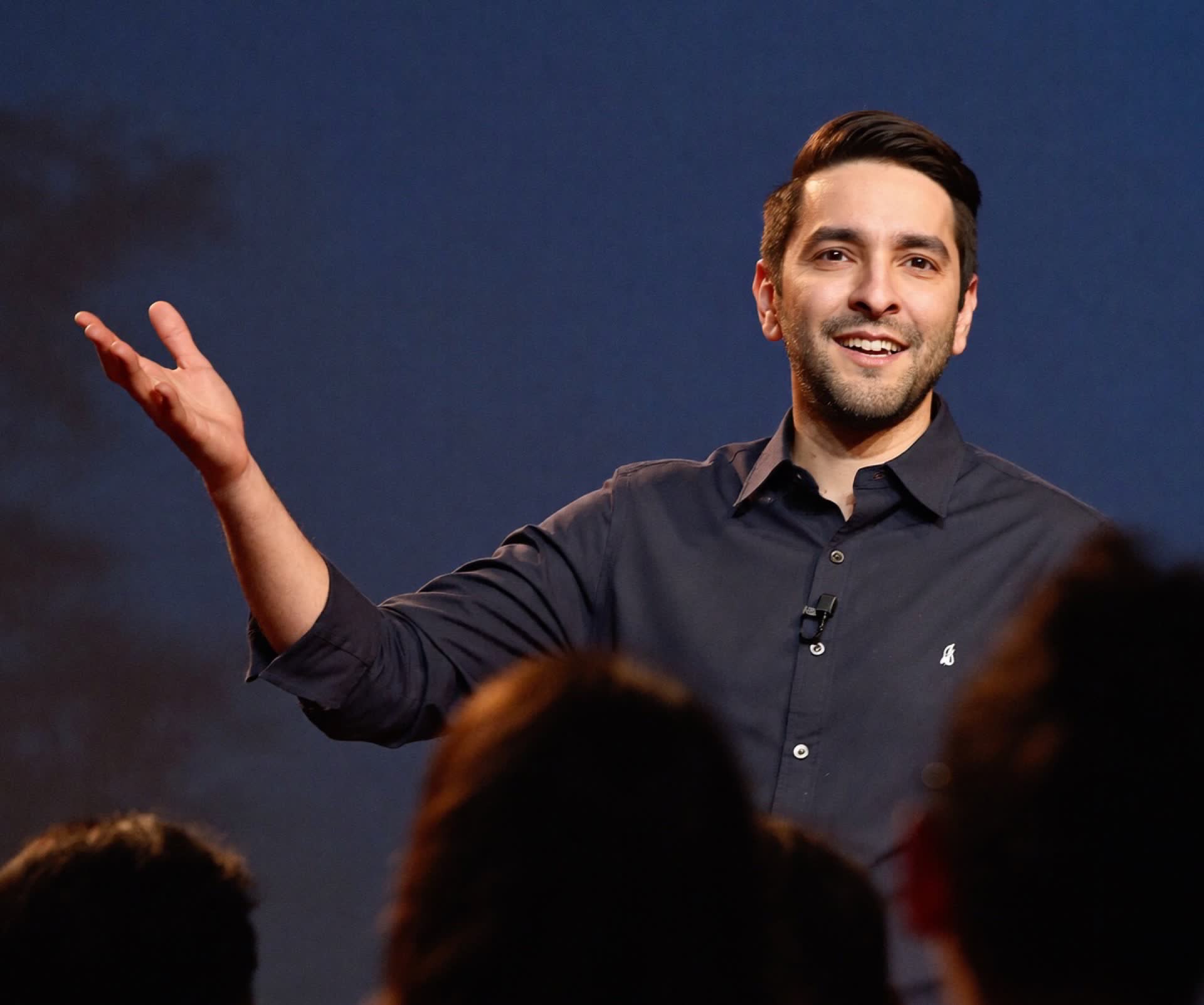
Economist and legal-reform researcher Sultan Mehmood walks through Pakistan's 26th amendment, the real history of the lawyers' movement, why repression is a sign of weakness, and what a focal point for change actually looks like.

with Sultan Mehmood

12 min read

Why the 26th amendment is a thirty-year setback

The episode opens with Muzamil framing the conversation he has been chasing for months. Pakistanis are demoralised, businesses keep coming back to the phrase “rule of law”, and he wants someone who has actually studied the country’s justice system to explain where it stands and where it is going. Sultan Mehmood joins from Moscow, and within the first answer he sets the floor for everything that follows.

The 26th amendment, in his reading, has not damaged a working system. It has reversed a series of institutional gains that took Pakistan almost three decades to assemble. The reference point he uses is not 2010 or 2007 — it is 1996. That year, in the Al-Jihad Trust case, Pakistan’s Supreme Court followed an earlier Indian decision and reinterpreted “advice” of the chief justice on judicial appointments as binding on the executive. It was, Sultan argues, the start of a real architecture of judicial independence in Pakistan. The 18th and 19th amendments later institutionalised a judicial commission in which senior judges, not the executive, picked judges.

The 26th amendment, he says, has unwound all of that. The executive now appoints. It controls bench composition — which judge hears which case. It can review the chief justice’s performance. “They have kind of created a judiciary in which there is a race,” he says, “of who will become the chief justice that is best for the government.” Sultan is precise about the empirical claim underneath this: his own paper on the 2010 reform shows that pro-government rulings fell and merit-based decisions rose in the high courts over the following decade. The 26th amendment, in his words, has “reversed what was going right with the judiciary instead of fixing what was wrong.”

Shackling the Leviathan

The most useful framework Sultan offers in the conversation is borrowed from the broader institutional-economics literature, and he names it directly. Courts exist for two reasons. The first is the one economists usually emphasise: they enforce contracts, which is what makes long-term investment possible. He nods to Acemoglu and Robinson’s 2024 Nobel here. The second is the one he says Pakistan refuses to internalise — shackling.

Every country has a Leviathan. In the United States it is the military-industrial complex and the pharmaceutical lobby. In Pakistan it is the military establishment. “If you do not shackle the Leviathan,” Sultan says, “it is going to get stronger and stronger and eat you up more and more.” He runs the example forward through Pakistani political history. In 2008 the PPP comes in after Benazir’s assassination and Zardari insists he is in charge — but the Leviathan is not shackled, only nudged. In 2013 PMLN forms government and is visibly behind the establishment. In 2018 PTI arrives on the explicit logic of a “hybrid” arrangement, “one page”, and again the Leviathan is not shackled. By 2024, on Sultan’s reading, the Leviathan is simply running things directly.

The conclusion he draws from this sequence is not partisan. It is structural. The courts have a duty to shackle whoever is strongest in the system, not to demur on jurisdictional grounds. That is, in his view, the only way constitutional courts protect themselves over time.

Suo motu, Iftikhar Chaudhry, and a more honest history

Muzamil presses Sultan to look further back than 1996 — what was the justice system before the door opened? Sultan answers with the origin story of suo motu jurisdiction. In 1989 a Christian bonded labourer named Darshan Masih wrote a letter to the chief justice saying he was being repeatedly returned to forced labour by the police. The chief justice initiated a case on his own motion. The Darshan Masih judgment in 1990 became the first formal use of suo motu in Pakistan, and Sultan argues it is one of the most important things that has happened in the country’s legal history — not because of the doctrine itself but because of what it signals about what courts are for.

From there he pushes back hard on what he calls a “lazy argument” — the one that says Pakistan’s judiciary has always been a handmaiden of the establishment. He cites his own empirical work showing rulings against the government and against military-linked corporations rising after the 2010 reform. He cites the Raymond Davis episode as recounted in Mark Mazzetti’s The Way of the Knife — a Lahore judge sitting in court with the ISI chief present, refusing to do what he was told, and forcing an out-of-court settlement. And he is careful, even-handed about Iftikhar Chaudhry himself. The man made political mistakes, Sultan grants, and his record is uneven. But on the question of judicial independence, the historians of the future will look at one moment: four generals in front of him asking for his resignation, and his answer being no. “That kind of — that’s the hard thing to do,” Sultan says, “and that’s what historians are going to look at.”

What the lawyers’ movement actually was

Muzamil names the version of the 2007 lawyers’ movement that has circulated heavily in recent years — that it was, in the end, an ISI operation. Sultan, who has spent the last eight years researching the movement village by village, calls this propaganda and explains how it works.

The propaganda is convenient because parts of it are technically true. General Kayani did want Chaudhry as chief justice. Judges have always lobbied each other to become the chief, the same way ISI chiefs lobby to become COAS. But that is a feature of every Pakistani institution, not a unique fingerprint of the movement. The structural fact about the movement that Sultan keeps returning to is the network: roughly 200,000 lawyers spread across every city and tehsil in Pakistan, organised through bar associations, providing safety in numbers. That network is what made the difference. When the Supreme Court Bar called a strike, the district and tehsil bars followed within hours. Courts came to a halt. The state tried everything — lawyers were burned in Sahiwal, lawyers were shot at on 12 May — and the network kept coming back.

Sultan also corrects the date Muzamil tries to attach to the movement. The picture that sparked it, he says, was not the Musharraf–Chaudhry meeting itself but the photograph of a police constable physically shoving the chief justice into a car. That was the image. The affidavit Chaudhry filed afterwards — that four generals had threatened him and his family if he did not resign — was the text. The movement that grew around them is, in Sultan’s reading, one of the most fascinating civil-society uprisings in world history. Without it, neither Benazir nor Nawaz would have come back from political cold storage.

Why this time looks different

The harder question, and the one Muzamil keeps coming back to, is why the response to the 26th amendment has not looked anything like 2007. Sultan’s answer is direct: the establishment has learned from the last cycle, and the lawyers have not.

The Supreme Court Bar has been deliberately neutralised. Housing schemes, the dangling promise of judgeships, and a thousand smaller offers have eroded the network that made the 2007 movement possible. Sultan is careful to say it is not universal — he names the current Supreme Court Bar secretary Salman Mansoor as someone who has refused everything offered to him and filed a petition against the 26th amendment. But the focal point is missing. In 2007 the focal point was Iftikhar Chaudhry — a man willing to be physically dragged out of his car. In 2025 there is no equivalent figure inside the court system. The current chief justice, he says, has agreed to be a figurehead.

The civil-society side is the second half of the answer, and Sultan does not let political parties off the hook. When PTI spent years calling civil society “NGO babies” and dismissively painting it as foreign-funded, it broke the bond that had made 2007 work. Now those same NGOs are watching the Leviathan eat the people who insulted them and feeling, in his phrase, “told you so.” Sultan is blunt about what is required to fix that: someone has to be the bigger person, reach out, apologise, and remind them of their principles. That work has not been done.

Muzamil pushes harder. He cites the Twitter discourse he has been watching that morning, the visible alignment of parts of the civil society leadership with the current government, the perks and privileges they enjoy in this dispensation. Sultan grants it without flinching. “Humans are very petty unfortunately and they enjoy ‘I told you so’ way too much.” But, he says, he has spoken to many of them recently. Ask anyone to defend the 26th amendment on its merits and they cannot. The mental gymnastics required is too much.

Repression as weakness

One of the sharpest sections of the conversation comes when Muzamil asks Sultan to extrapolate forward. The framing on the street is that the state is now infinitely powerful, that any focal point will be immediately discredited as political, that anyone who emerges will be tied to PTI and dismissed. Sultan rejects the premise.

“Their power is not infinite,” he says of the people running Pakistan. “A lot of people think a dictator can do everything. That’s not true.” He gives Musharraf as the example: Musharraf wanted to repeal the blasphemy law and build Kalabagh Dam, and his own inner circle told him he could not — that if he tried, he would not be there afterwards. Every system, even an authoritarian one, has constraints.

The corollary is the line Muzamil returns to several times: “The more repression you do, that’s actually a sign of weakness.” Visible force is not evidence of stability. It is evidence that a regime has run out of consent and has to manufacture compliance. That is, in Sultan’s view, where Pakistan is now.

Revolutions are an elite phenomenon

Sultan’s most provocative claim in the conversation — and the one he flags will upset his Marxist friends — is that revolutions are not made by the masses. They are engineered by an educated elite around a focal point, with latent grievances doing the rest of the work. The Bolshevik revolution was Lenin and an educated reading class inflamed by Russian literature. The French revolution was the encyclopaedists. Peasants and farmers, he says flatly, are too ground down to organise. “You can’t expect them to be.”

The arithmetic he offers is the part Muzamil pulls on. For a country of 250 million people, two percent is more than enough. “All you need is a 2% of the population.” The focal point is what converts the latent grievance into a movement. He does not predict whether Pakistan’s focal point will be peaceful or violent — that, he says, depends on whether the mainstream political parties and civil society get their act together in time. If they do not, the focal point will come from somewhere uglier. He names the TLP and “these types” as the alternative.

The periphery is moving toward the centre

Muzamil shifts to KP and Balochistan, and to the TikTok videos he keeps seeing — comment sections with thirty and forty thousand entries swearing blood-for-blood after the November 26 protests. Sultan’s response goes back to the British. Pakistan has always been more repressive in its peripheries than in central Punjab because central Punjab is the recruitment base. Martial-race theory, he says, was an invented British framework, and Pakistan never quite let go of it.

The new danger is structural. The peripheries have always had grievances. What is changing is that the fight is now moving toward the centre, and the state is responding by repressing the centre too. He brings in the French revolution again to make the point. The Bastille did not fall because the protesters were stronger than the guards. It fell because the guards turned the keys over. That is the risk Pakistan is running by alienating the same population it recruits from. “Eventually if you make everything a periphery — KP is periphery, Balochistan is periphery, Sindh is periphery, now Punjab is periphery — this is not going to work, because you have to recruit people from somewhere.”

Reconfigure, do not rebuild

Muzamil closes by putting Ahmad Zubair’s “Third Republic” thesis to Sultan. The argument that Pakistan in 1947 was one state, that 1971 produced a second state under a new social contract, and that the structural exhaustion visible now is the end of that second cycle. Sultan respectfully disagrees.

He grants Pakistan has been reimagined many times — the one-unit experiment failed, the 1971 break was its own reimagining, and the Bhola cyclone of 1970 with Yahya’s infamous “savings have been made” line was the focal point that converted Bengali grievance into mukti bahini. But Pakistan’s foundational design, in his view, was always a semi-democracy, and the last thirty years have been an attempt to push it toward autocracy that the population will not accept. Every military dictator has had his undoing.

The reconfiguration he sees coming is not a new constitution and not a new state. It is the military elite — either by force or by recognising the social contract on offer is not the one the public will accept — coming back to the table and a new arrangement being negotiated. He is hopeful about the lower judiciary, which he says is more independent and more thoughtful than the public assumes. He trains lower-court judges as part of his research and finds them resilient in ways the system does not advertise. Pakistan, he argues, looks structurally healthier than Bangladesh did at the same point on its trajectory.

The corrective he keeps returning to is narrower than rebuilding the state. Reverse the 26th amendment. Restore the judicial commission. Let the lawyers and the judges, in Chaudhry’s old metaphor, function as the two wheels of the same chariot. Stop the executive from owning judicial appointments and bench composition. “You don’t have to burn it down and build a new system altogether.”

Muzamil ends the episode honest about not sharing all of Sultan’s optimism. He suspects Pakistan is now in the age of authoritarianism, and that even a future change of government will not automatically reverse the 26th amendment. Sultan’s closing line, which Muzamil agrees is the point most people are missing, is the operative one. The lawyers and the civil society have to make the push themselves. An independent judiciary is what protects against future Leviathans — and there will be future Leviathans.

Full transcript
Muzamil

सामने ख़बतीना अजरात. Welcome back to another episode of thought behind things. Pakistan के हालात बड़े हमेशा डामाडोली रहते हैं और उसके ऊपर आपको पता है कि मैं जिन्दो जोहत पर लगा हुआ हूं कि किसी तरह figure out करें कि यार Pakistan में exactly क्या हो रहा है और अगर हम identify कर सकें कि potentially आने वाले वक़्त में क्या होगा? क्योंकि जाहिर है Pakistan में generally people are demotivated and depressed and hopeless और वह जो है ना जाहिर एक infinitely आप अपनी पूरी ज़िंदगी hopelessness में नहीं गुज़ार सकते. So you need to get a framework of what sort of system are we looking at in the future and potentially क्या आने वाले वक़्त में चीज़ें बेहतर होंगी, worse होंगी और उसमें जाहिर है कि जो एक major चीज़ नज़र आती है जब हम even businesses से बात करते हैं, जब हम overall economy को देखते हैं तो rule of law बार बार हमें सुनने को मिलता है कि यार, you know, जब आपका justice system proper होगा, जब आपके हालात में आप जब कुछ कर रहे होंगे तो आपकी expectation होगी कि state आपको protect करेगी और justice system आपको इंसाफ देगा. तो उसके बारे में बड़ी बात होती है. आज के इस podcast के अंदर I wanted to understand from someone who's worked extensively in Pakistan's sort of justice system, judicial reforms कि exactly what does all of this mean? Pakistan के निज़ाम को थोड़ा सा समझा जाए और आने वाले वक़्त को थोड़ा सा project किया जाए कि कैस किस तरह का निज़ाम potentially हम देख सकते हैं. हमारे साथ मौजूद हैं doctor सुल्तान महमूद. He is a professor at the New Economics School in Moscow और वह मुझे Moscow से join कर रहे हैं. सुल्तान साहब, thank you so much for being part of the show. Thank you for having me. I'm very happy to be here or

Guest

happy to discuss topics

Muzamil

which might interest you. So, मैं conversation को थोड़ा सा शुरू करूंगा. अगर मैं आज आपसे पूछूं just as a starter कि यार justice system Pakistan का क्या चल रहा है? High courts में पिछले दिनों, you know, wiretapping हो रही थी, cameras लगे हुए थे. तो इस वक़्त आपकी क्या insight है कि Pakistan का justice system कहां खड़ा हुआ है? So,

Guest

of course Pakistan's justice system is has went back after the twenty sixth amendment three to four decades back. So, continuously even from 1947 but especially from 1996 एक case हुआ था Al Jahad trust case. उसमें यह था कि actually I can even go further India में case हुआ था nineteen eighties में. उसका नाम था, तीन cases थे. उसका जो आखिरी case था 1990 के around the three judges case. उसमें ना parameters एक set कर दिए गए थे कि executive का role India जैसे मुल्क में और judiciary का role क्या होना चाहिए independence के लिए? तो for example उन्होंने यह कहा था कि executive जो prime minister पहले अपनी and president मिलकर जो तकरणिया करें हैं, Supreme Court के high court के India में judges लगा रहे हैं. यह सही नहीं है क्योंकि independence with judiciary आप वह वाले जो हकूमत नहीं सामने आना है, abuse of power अगर करनी है तो हकूमत ही कैसे वह select कर सकती है? तो this is like fundamental एक मसला है. तो 19 यह 90 की बात है कि Indian Supreme Court ने एक फ़ैसला दिया जिसे आप three judges case से कहते हैं कि यह जो है ना बात गलत है. जो है ना chief justice जो है ना कि input बड़ी important है और एक बड़ी interesting उन्होंने काम किया और इसलिए मैं कहता हूं कि always institutions को आपको यह नहीं देखना चाहिए कि बाहर क्या हो रहा है. अपना एक उन्होंने organically एक indigenous solution बनाया है जिसमें उन्होंने reinterpret of constitution किया और basically था कि the chief justice will advise the prime minister and and the president will then appoint the judges. तो उसको उन्होंने ना advice की interpretation की कि advice will be binding. तो उन्होंने कहा कि जो advice देगा ना chief justice, तो यह आप ठीक है constitution की उन्होंने reinterpretation करके एक independence और judiciary का एक एक basically principle कायम कर दिया. उससे फिर यह हुआ कि पाकिस्तानीय judges ने भी शय पकड़ी और nineteen ninety six में Aljiad trust case हुआ. उन्होंने भी यह कहा कि यार advice of the chief justice will be binding और इस तरह एक ना बड़ी powerful judiciary का आवाज़ हुआ nineteen ninety six में. It's not a चौधरी thing which you which you think. तो लेकिन India में एक अच्छी चीज़ हुई थी उस वक्त कि करेगा judges का. तो in some sense judges फिर यह select करते थे judges India में. Pakistan में ज़राब हो ज़रा Chief Justice Center की राप but until 2010 जब SM ज़फ़र साहब और और लोगों ने जो है ना इसी तरह institutionalize करके ना India की तरह कर दिया कि जो panel of judges will select select the judges of the Supreme Court and the High Court. I am not going to go into details के eighteenth और nineteenth amendment के बाद में आप जा सकते हैं. लेकिन fast forward जो छब्बीसवीं तरीमे में ना that has taken us back from 1986.

Muzamil

From 1990? Basically exactly,

Guest

1996 sorry. 1996 से आपको back लेंगे और basically executive influence खुद अब executive लगाने लगे और even one step further चले गए हैं कि जो bench composition है कि कौन सा जांच किसे लगाएगा, वह भी उन्होंने touch करके अपने हाथ में ले लिया और उससे भी ज़्यादा कि आपको यह भी वह आप कर सकते हैं कि performance of the chief justice वह देख सकते हैं और जो it can it can they can kind of update this. हर तो basically they have kind of created the judiciary जिसमें एक दौड़ हो कि यार कौन chief justice बनेगा? कौन सबसे अच्छा chief justice होगा government के लिए? और फिर वह basically tries to

Muzamil

लेकिन अगर आप यह video देख रहे हैं या कोई भी हमारी video देखते हैं तो बराही कराब subscribe ज़रूर कर लें और अगर video पसंद आए तो ज़्यादा से ज़्यादा एक like ज़रूर कर दीजिएगा. Nonetheless, let's get back to the podcast.

Guest

Absolutely और कई लोग कहते हैं कि सिर्फ जो यह nineteen ninety six में Aljard trust के ऐसा उससे बहुत ज़्यादा effect हुआ जो कि बिल्कुल सही कहते हैं. लेकिन दो हज़ार दस में जो हुआ है ना कि एक पूरा institutionalized system वन गया है. इस इस पर मेरा एक paper है जिसमें वह show करता है कि this has been actually hugely successful. Pro government rulings जो हैं वह fall करती हैं, merit पर decisions increase करती हैं for the ten years. So for the ten years afterwards actually यह जो है this system actually we just focus on few cases जिसमें मस्त है लेकिन overall अगर आप high courts को देखें ना तो this has been a very very positive thing. So, in some sense जो छब्बीसवीं termim है it has it's basically reverse what was going right with the judiciary instead of fixing what was wrong with the judiciary. Right. So, that's like I guess. मुझे बताएं 1996 से पहले

Muzamil

जाहिर है हम जब Pakistan में देखते हैं तो हम recent past को देखते हैं, पर जो हमारी mainstream है, उसके बारे में ज़िक्र नहीं आता. So '96 में आपने कहा कि judiciary started to move towards independence. उससे पहले Pakistan में justice system का क्या हाल था? और दूसरा, चलिए, if you can answer this question first.

Guest

Absolutely. Yeah. Actually, that's a great question. So जो तो इफ़्तख़ार चौधरी and साकेब ने साह and even after him, there was this thing which you hear about सुओमोट. Right? So, Suomoto जोहैना jurisdiction के बड़े interesting stories हैं. तो actually, it's also it might be controversial to say, but I think Suomoto jurisprudence is one of the most fascinating and good things which has happened for Pakistan. And let me explain why. So, where did it originate? So, there are many origin stories of it, but लेकिन एक एक case था 1990 में, around 1989 और decision हुई 19 '90 में. एक Christian bonded laborer था. उसका नाम था दर्शन मसीह. दर्शन मसीह ने ना एक letter लिखा कि यार मैं तो इधर slave हूं, सारी उम्र इधर काम कर रहा हूं. Letter लिखा chief justice को और उसने कहा कि यार मैं इधर काम कर रहा हूं, सारी उम्र police को मैं कहूंगा वह भी मुझे पकड़ लेते हैं और मुझे वापस काम पर लगा देते हैं. तो जो है ना यह मुझे जो है ना निकालो. Chief जैसे साहब मुझे इस मुसीबत से निकाला है. तो chief ने जो है ना यह letter पढ़ा. इस किस्म का letter most likely पहले भी आए होंगे. Right. तो उसने जो है ना chief ने कहा अब जो है उसे कहा कि देखें यह file case नहीं हुआ होगा. यह किसी यहां भी कोई चिट्ठी किसी ने लिख दी case file हो, petition हो, पूरा procedure है और Anglo Sextant principle cite किया गया judicial restraint का कि यार यह गोरे लोग कहते हैं हमेशा judicial restraint करते हैं. यह आपका काम नहीं है. तो उधर chief justice ने कहा कि नहीं अब एक है कानून fundamental right आपका कि you cannot be made a slave. ठीक है? Slavery Pakistan में illegal है. तो उसने कहा कि I will initiate a case, Suomoto on my own accord और कहा कि बुलाओ इसे और police वाले जो इसे गिरफ्तार बार बार कर रहे हैं, उन्हें बुलाओ और एक बड़ी यह landmark judgment आई जिसे अब दिलशन मसीह versus state of Pakistan कहते हैं nineteen ninety में जिसमें सुओमोटो एक दफा पहली दफा इस्तेमाल हुआ जिसमें यह decide हुआ कि अब कोई fundamental right आपका destroy कर रहा है तो constitutional courts जो हैं वह बहुत important है to protect that fundamental rights और एक और इससे भी बहुत important बात है कि courts exist ही क्यों करती हैं? Courts का जो काम है एक तो होता है economist बड़े से simple lens से देखते हैं यार contracts enforce करती हैं और वह investment के लिए बड़ी important है जो कि सच बात आई है Drarin Asimoglu Robinson यह Nobel Prize भी दो हज़ार चौबीस में इसी पर जीते हैं. लेकिन एक चीज़ होती है shackling जिसे कहते हैं shackling का levaya thaan. So, what's the लवाया थान is this Greek demon thing कि यार यह ना बंदे खाती थी. तो अगर हम पाकिस्तानी जरा जुबान में करें तो let's call it अस्दाह. Right. कि एक अस्दाह है हर मुल्क में और वह मुख्तलिफ किस्म का अस्धा है हर मुल्क में. तो courts का काम होता है कि इस अस्धे को बंदे खाने से रोकना. तो तो basically shackle करना और आप उसे कैसे अब US में military industrial complex है और there is also corporation, pharmaceutical industry जो कि control करती हैं. There are in other countries. Pakistan में the military establishment है. It's a Leviathan which which is expanding its power. तो एक fundamental principle है कि if you do not shackle the Leviathan, it's going to get stronger and stronger and eat you up more and more. I can give an example. For example, Pakistan के ले लें आप. दो हज़ार आठ में transition to democracy आता है. ज़रदारी and the People's Party comes to government after the assassination of Ben. If you hear all the stuff which ज़रदारी is saying, he's saying, you know, हम चला रहे हैं. But if you then the Leviathan, जो Chief Justice चौधरी है, he comes back. He does a lot of things but still not enough to shackle the Leviathan when he comes back. And what happens in 2013? PMLN आती है and then वह कहती है, देखो हम चला रहे हैं but वह पीछे हैं. You know? And then again we are like not shackling the लिवायत and courts are not doing enough. I will also tell you how it might happen. But yeah, then for example, हज़ार अट्ठारह में आते हैं इमरान खान और उसकी government आती है. वह अब कहते हैं कि ठीक है हम हैं लेकिन यह भी हैं. हम hybrid हैं, हम साथ चला रहे हैं, वह भी हैं, हम भी हैं, एक page है, etcetera, etcetera. And now again we didn't shake up the Leviathan and दो हज़ार चौबीस में अब क्या है कि वह चला रहे हैं. So, that's what happens. This point was actually made by also असुद्ध रहीम खान very well by the way. But in this sense कि if you don't shackle the Leviathan, it's going to get stronger and stronger. So, need the courts has a duty कि जो सबसे strongest है, वह यह ना कहे कि हमारी jurisdiction नहीं है. They have to make sure actively to shackle the Leviathan. And to by doing this they are actually protecting themselves and fundamental rights and democracy in the country. So that's like that's a continuous process and courts need to innovate again and again to make sure कि

Muzamil

उनका भी reaction आएगा, आपका भी reaction आएगा. So it's a, it's a, it's a dance of two in a sense. मेरे channel की primary कामयाबी की वजह मेरे viewers हैं यानी कि आप लोग और उसकी वजह यह है कि तमाम लोग जो community हमने यहां पर बनाई है जो पिछले चार साल से startups के बारे में, economy के बारे में, geopolitics के बारे में conversations को sun भी रही है और appreciate भी कर रही है. उसमें से बहुत सारे लोग मुझे reach out करते हैं mentor 40% off है. तो अपना discount हासिल करने के लिए आप TBT 40 का code use कर सकते हैं and hopefully I'll talk to you in my next live session. Nonetheless, आइए वापस चलते हैं podcast पर. अच्छा, interesting. दूसरा, अगर if I were to connect that एक तो आपने past का बता दिया. दो हज़ार दस में आपने कहा कि जी एक lawyers movement हुई. 1996 के case के बाद and then overall दो हज़ार दस में lawyers movement हुई and generally आपकी जो judiciary थी वह बड़ी एक positive सिम्त की तरफ़ जा रही थी और potentially Pakistan के अंदर एक systemic एक institution जो था वह एक independently बड़ा अच्छा perform potentially कर सकता था. लेकिन हम यह सुनते हैं कि, you know, आज तो हमें बड़ा clearly नज़र आ रहा है. छह judges ने इस्लामाद High Court के बोला कि जी intelligence interference कितनी ज़्यादा है? So this was like really throwing the game off क्योंकि अब हर किसी को नज़र भी आ रहा है क्या हो रहा But चलिए आपने कहा ऐसी की तैसी who cares? But इससे पहले covertly तो effectively आपकी judiciary seemingly controlled ही रही है. It's not like कि they've been an independent player जिसमें वह बड़े साफ सुथरे तरीके से काम करते रहे. How would you see that even before the twenty sixth amendment?

Guest

I think again, very interesting question. So, again, there is this, I guess lazy argument often given कि जो Pakistan की judiciary है ना throughout its history is like the handmaiden of the establishment and the government. That's that's not true at all. There is actually for example अगर आप दो हज़ार दस में देख लें the paper I talked about कि अगर जब reform हुआ है, जब presidential appointment से commission, judicial commission बना है, specially nineteenth amendment जब हुई है जिसमें judges ही सारे senior judges लगाते हैं जो हैं बाकी high court के and supreme court के judges. You see rulings not just against the government but also sometimes against corporations which are connected to the military. So that's actually not true. अगर और this actually this Pulitzer Prize winning एक book है by Mark Mazzetti, Way of the Knife War at the End of the World. उसमें वह Raymond Davis का वह बता रहा है author और वह बड़ी interesting बात कहता है कि कि उस वक्त जो है ना एक local court लाहौर में एक judge बैठा हुआ है और उसी courtroom में ISI का chief बैठा हुआ है. I think that time it was पाशा और वह कोशिश कर रहा है कि यार उसने सारी धमकियां देकर देख ली judge को, but उसने कहा नहीं, मैंने नहीं I I am job करना है Carlo. तो basically यह after the lawyers movement यह बड़ी judges को share मिली थी और बड़ी power मिली थी कि यार they can do what they want and in the end what happened like they had to make a out of court settlement. Judge नहीं मानने. So there have been जो it's not कि these judges have always been completely under the control. Also, say what you say about इफ्ताख़ार चौधरी. Actually, देखिए, he did the record. Created a lot of loss. He made this political party a horrible thing, bad idea. But when history is going to judge him and people like me are going to write the history books, You know, we are going to these are footnotes in history. You know, he met his moment in history जब चार general आयोज के सामने रोहन का इस्तीफा दे दो and he said no. That kind of that's the hard thing to do and that's what historians are going to look at, at him. It's not important कि वह बंदा कैसा था और उसका और इस्लाम दिवस्थकार का क्या ज़ीन था. What's important is कि what he did for the judicial independence, what he did for the whole judiciary कि उसने शायद यह एक छोटे district court judge को कि यार you can actually जो ISA का chief भी कुछ कहेगा, कोई और भी कहेगा, you can actually be an independent and fair arbitrator of justice. यह important है economy के लिए, human rights के लिए and future economic development के लिए. So so that's that's I think is the most fundamental thing कि कि you had these cases. But the case about the main case, which basically came before him, which was on 03/07/2007, he made a very difficult decision. And I see like a lot of people have been after him, and I'm I wouldn't be surprised if they are spreading false propaganda on saying कि यार he was just pure evil. He has destroyed the judiciary democracy in Pakistan. He has did this or that. मतलब if you even look at ठीक है, record है वह बुरा था. लेकिन बाकी उसके cases देखो, अजगर खान case, right? But it was one of the boldest decisions. It in some sense it was अजगर खान, अजगर खान case just for people who don't know. उसमें था कि आपने पैसे बांटे इन्हें IGI तो. IGI बनाई दुरानी general दुरानी और असुलंबेग. They gave a decision against the military in that. अब वह government ने वह implement नहीं की that's not the fault of इफ़्तक़ार चौधरी. So so I think there are a lot of not just this missing person जितने वापस आए इफ़्तक़ार चौधरी के ज़माने में. मतलब the missing persons case देखो आप एक बलूचिस्तान law and order judgement है. वह आप पढ़कर देख लो कि कितने बंदे उन्होंने वापस करवाए. मतलब I it's not कि एक बंदा था वह बस people's party के पीछे पढ़ा हुआ था और उसने जो है establishment के साथ मिला हुआ था, हर चीज़ general कियानी साफ करवा रहे हैं. It's it's that's not the reality.

Muzamil

Interesting. मुझे यह बताएं कि अगर मैं कहूं and I want to come back to the lawyers movement I think there's a lot of discussion there as well but अगर मैं दो हज़ार, sorry, दो हज़ार दस नहीं, अगर मैं compare करूं बाकी systems में, right, कि justice systems किस तरह से काम करते रहे हैं? हमने recently देखा there is a rise in authoritarianism. Authoritarian leaders are on the rise all over the world. And while that is happening, तो अभी तो before the Israel Palestine war happened, तो Israel में there were a lot of demonstrations against judicial reforms that were supposed to, sort of similar थे जिसमें वह judiciary को control करना चाह रहे थे. Brazil में हमने देखा कि judiciary and executive का दिरमियान में एक tussle चलता रहा है. बांग्लादेश में इस किस्म के हम सुनने में आता है कि जी पूरा justice system जो है वह जो शेख असीना थी उनके control में था. So, justice system even though masses उसको इतना seriously नहीं लेती. वह again उसको उसी में लेती हैं कि यार जब मेरा घर का कोई problem होगा तो मैं justice system के पास जाऊंगी. लेकिन actually justice system is the backbone with which societies function, right? अगर society के अंदर system जो है वह एक arbitrary सी चीज़ है. अगर आपका यह concept ही नहीं होगा कि, you know, इंसाफ हो सकता है या, you know, किसी metric के ऊपर आप judge करके आप एक system को sustain कर सकते हैं. तो seemingly systems collapse की तरफ़ जाते हैं. That's what general wisdom would say. Right? But I would like to understand from you. आपने बाकी authoritarian systems भी देखे हैं. आपने ऐसे systems भी देखे हैं जहां पर जी अब, you know, Middle East है. Middle East में I don't know कि कितना justice system जो है वह independent है. वहां पर there's a there's a ruling party or or ruling family और उनका अगर mood है तो उनका mood है. Right? So if you were to compare Pakistan's current justice system post twenty sixth amendment, how do you compare that to the to a lot of other systems in the world? That's actually, it's interesting.

Guest

While you were saying this, I was trying to make a mental comparison of all the systems you were mentioning. And I think the closest system which I find Pakistan justice system is Israel, actually. Right. First of all, Israel is the

Muzamil

irony of that statement.

Guest

It's it's true because there are two things in Pakistan and Israel which is very similar, which is vibrant civil society. I will I can qualify that and which is like a network of bar associations all across the country. Israel में भी ऐसे है, Pakistan में भी ऐसे हो. The district bars पूरे मतलब Israel में पहले में है. इसी तरह Pakistan में भी पहले में है और दूसरा जो selection का mechanism था ना pre '26 Israel में भी judges खुद लगाते हैं अपने judges. Right. और काफी चीज़ें यह हमें नहीं पता कि जो Arabs Hamas के hardcore लोग भी होंगे they actually उन्हें military trial Israeli government ने बहुत दफा करने की कोशिश की है and court ने कभी इजाज़त नहीं देते और वह कहते हैं कि it will be appealed और बहुत लोगों को चोरा है. तो courts has been actually one of the biggest defender of the Palestinian cause in some sense और I have met like professors of law who in of Israel in North Western में और वह बड़े गुस्से में है, बड़े बड़े गुस्से में है कि यार यह क्या कर देते हैं? यह दहशित करते हो छोड़ देते हैं क्योंकि वह यह कहते हैं कि देखो हमारी जो पूरी economy और इतनी power है global that's actually linked to the fact that we are independent. हमारे जो है credibility है कि हम जो है किसी को भी छोड़ सकते हैं और मतलब they said कि एक बंदे को भी हम अगर गलत डालें, we we can let go to terrorist. यह कोई हमारे system collapse नहीं होगा अगर हम यह गलत लोगों को जो है ना एक create करेंगे. So in this sense इस वजह से Net and Yahoo actually tried to do the twenty sixth amendment. Right. It was actually very similar. It was very similar कि executive control करे judges को. तो वह उस वक्त क्या हुआ? उनकी पूरी civil society, bar associations, पूरा network हुआ, उन्होंने उन्होंने नहीं होने दी. और some people say कि वह इतना unpopular हो गया था उसके बाद इसलिए उसने यह जानकी क्योंकि अपना कि यह जो इसके बाद मैं हो रहा हूं यह junk करके लोगों को इस जो है ना इसके इसके पीछे लगा दो. So, in this sense Pakistan and Israel their justice selection system was very similar. Their whole civil society is very similar. They are very vibrant. They always protest and they are not sometimes आपका अगर Israel ही किसी civil society बंदों से होगा, मतलब they do the most like vicious kind of protest against Netanyahu. It's like मतलब कि they throw stuff at him, they throw tomato वगैरह मारते हैं. They they do projectors में जिसमें BB जो है jail में है मतलब उसके Parliament House पर. So, there is a there is a lot of kind of resistance by them and in in the Pakistan case, the two thousand seven movement जिसकी आपने बात की, जो दो हज़ार दस में eighteenth और उसके बाद nineteenth amendment IAS में judicial commission बना, वह actually was the child of the lawyers movement in 2007. Lawyers movement for those who are very young here, maybe they wouldn't remember, but that was one of the most phenomenal and interesting and fascinating cases, I would say, even in world history where the civil society organized with a network of lawyers, managed to really weaken the dictator. He was overthrown in a democratic transition जैसी भी democracy है happened. Without the lawyers. जब lawyers movement से पहले मतलब बेनज़ीर was in exile, नवाज शरीफ was also in exile. There there was no like a lot of people said they were in political cold storage और एक दिन basically I for so just for the people who don't know about the Lloyd's movement सात March दो हज़ार सात में एक तस्वीर शाया हुई जिसमें basically General मुशहर्व और Chief Justice सिर्फ़तक़ार चौधरी आपस में बात कर रहे हैं और उन्होंने कहा यार एक routine conversation हुई है, कुछ भी ऐसा नहीं हुआ यह वह. तो उस उस रात को एक affidavit जमा करवाया chief justice इफ़्तक़ार चौधरी ने के इस दिन असल में मुझे जो है ना जनन मुशर्ब और उसके साथ चार journals ने threaten किया, मेरी family को threaten किया और उनका resign otherwise there will be bad consequences for you and family. Affidavit उन्होंने यह जमा करवाया. तो यह affidavit जमा करवाया and he said कि I have refused and next Monday I'm going to try to go to the court and जब वह court में फिर जाने की कोशिश करते हैं तो उन्हें जो है police inspector पकड़कर कुट चढ़ाता है, बालग्यांचियों से जो है उसमें डाल देते हैं but वह लड़ने मड़ने के लिए तैयार हो गया था. Right? तो that was the difference and that picture which a lot of people say the picture that sparked a revolution वह picture थी कि एक constable है जो basically फेंक रहे गाड़ी में. So that's what started the lawyers movement जिसमें Supreme Court Bar Association ने start किया कि सारी bar associations को कहा कि we condemn this. सारे bars, district तहसील bar नीचे तक सबने कहा कि we do a complete strike. Courts came to a halt and then of course you had this famous procession where जो Chief Justice इफ्ताकार चौधरी था वह एक district district में गया और उस वक्त case भी उन्होंने reinstatement का file किया हुआ था और judges जो है ना बिल्कुल यह जैसे हमारे constitutional court है, जो puppet court type है, that basically उन्हें इसी तरह वह act कर रहे थे कि यह dismiss करने लग गए थे लेकिन जब public pressure आया, जब यह इत्तिकार चौधरी different roads में जाना गया तो उन्हें भी बड़ा उन्हें भी जो है यह अहसास हुआ कि यार you need to get stronger and then actually all across Pakistan there was this lawyers movement and lawyers movement की एक और बात है it it's not कि there was no violence. साहीबाल में lawyers को जला दिया गया. बारह मई को lawyers पर गोलियां बरसा दी गई. So it's not कि first time कि यार कोई गोली मतलब नहीं चली या कुछ मतलब. It was the state tried everything. But the lawyers keep keep coming back. So so there was a there was a movement and also it was more difficult to do very violent stuff क्योंकि lawyers के साथ civil society भी थी. Civil society के connections थे with western capitals. तो it's like they were kind of getting like New York Times, NPR, all these people. They they were getting the journalist right. So it was kind of it was very, very complicated case कि they had the global media behind him because it's not like political movement. It's a movement for rule of law. This is kind of sells much better than saying the opposite, मेरी party को power में ले आओ. Right. Right? So that's what yeah but Makes sense but it's a couple of questions I'll I'll correlate this to what's happening recently because we're seeing something very similar as well right? Twenty sixth amendment आ रही थी बड़ी बड़ी हमाए हमने देखे जी बड़े बड़े lawyers आए उन्होंने आकर बोला कि जी अब lawyers movement यूं चलेगी और

Muzamil

साथ ही हम यह देखते हैं कि lawyers like it it's it's fairly curious. आपने civil society बोला but जब lawyers को हम analyze करते हैं तो यहां पर हमें उनका अपना एक incentive structure नज़र आता है. हमें लोहौर में सुनने को मिलता है कि जी lawyer की society भी announce हो गई. हमें बाहर association के elections के अंदर जो है ना plot but बढ़ते हुए नज़र आते हैं. And so I don't know for a lot of young people they're thinking कि यार इस इस निज़ाम में तो कोई कोई concept ही नहीं है कि किसी purpose के लिए खड़े हो ना. आप बड़े बड़े chief justices को देखते हैं जो recent times में retire हुए. हर दिन वह नई breaking news आ रही है कि जी अब वह डटकर खड़े हो जाएंगे, अब यह हो जाएगा. हर बंदे ने अपना tenure पूरा किया sir, नीचे किया और regression को मज़ीद एक step आगे दिया कि यार अब तू और regress कर जा to the extent कि जो current chief justice है उन्होंने effectively अपने सारे पर कटवाकर उन्होंने कहा यार मैं तो figurehead, figurehead बनकर बैठ जाऊंगा, right? Yes. And and so that disappointed a lot of people. In the last two years, people who have been studying, जिनको यहां सच्चेख नहीं है. बस वह एक general पाकिस्तानी है. वह पाकिस्तानियत के को मद्देनज़ा रखते हुए इस पूरे को study कर रहे and they're thinking this they're like यार यह तो, I mean, this is an absolute might is right वाला निज़ाम जिसमें again, I'm not gonna say one party or the other, right? ठीक है, आज एक party है, कल को flip भी हो सकती है. Fact of the matter is that there is no system seemingly जो कि self correcting हो जिसमें कोई limits हो. So, why do you think, first of all, कि क्या आपको लगता है कि वाकई ISI involved थी original lawyers movement में and without that support maybe they would not have succeeded in the first place कि कहते कि जी उन्होंने बंदे जो भिजवाए वह उन्होंने भिजवाए और x y z. And then secondly if for example, you know, if you argue कि वह वाकई बड़ी एक indigenous movement थी, उसमें civil society activated थी, तो why was that activation not happening this time around where not even close to anything like that हमें देखने को मिला. In fact, गिरती हुई दीवार को एक धक्का और ही दिया जब हमने बाहर associations की जो statements आ रही हैं Supreme Court की तरफ़ से. अगर कोई lawyers बोलते भी हैं तो उनके जो office holders हैं वह उसको मतलब it's a clown show. It's a it's a it's a comedy skit at this point in time where people are just like, अरे even, you know, participating in this is just a waste of everybody's time. What are your thoughts? Yeah. So both are great questions. I'm happy you asked them. क्योंकि,

Guest

yeah. So first of all, क्या or was this all A lot of, like, even, like, independent people are kind of giving into this, what I call propaganda, that this is all Ishvakiani. And I think this is on purpose. It's like this has been so I've been working on the lawyers movement for the last eight years doing research trying to track every city and village Chief Justice Chaudry went, How the voting happened in that constituency for PMLN, for PMLQ, for looking at the International Republican Institute polls. How did they fare after the Chief Justice went before and after? So and also talking to all the people, movement lawyers, even people from the establishment everywhere. Don't there has been, of course, General Kiani wanted to become the chief justice like any ISI chief wants to become the chief of Chief of army staff now. So यह तो हमेशा होता है और Pakistan में हर unfortunately हर शोभय में होता है. It's not just the military. जो judges हैं आपस में वह चाहते हैं हम chief वन जाएं. अब भी पहले भी जो है जो है लोग चाहते हैं कि हम chief of army staff वन जाएं. क्योंकि इतना intense competition होता है. तो that is happening even now and that has always happened. It's not कि यार it's a new phenomenon कि यार सिर्फ़ उस था. तो इस वक़्त भी है, उस वक़्त भी है. But now the question is what's different this time? The main difference is that the establishment and the executive government has learned from this past experience, and the lawyers have not. So what was the most powerful thing about the lawyers? That was कि देरा दो लाख, 200,000 lawyers spread all across Pakistan. They provide a safety in numbers कि यार जब देखो पांच हज़ार, दस हज़ार बंदा निकल आता है ना तो आपके लिए join करना बड़ा आसान हो जाता है हैं और ऊपर से बड़े लड़ाके वगैरह होते हैं बाहर associations में. तो इन्होंने exactly यह housing society, इन्होंने यह introduce की. Specially इन्होंने Supreme Court से start किया कि Supreme Court बाहर जो है ना वह बहुत powerful है और वह जो है ना क्योंकि वह पूरे Pakistan के network को activate कर देती है. तो उनका यह network को कैसे inactivate किया जाए? तो उन्होंने इसलिए जो है ना उधर housing schemes चलाई, उन्हें judge बनने का खाब दिखाई. अब सारे Supreme Court के lawyer समझ रहे हैं कि हम judge बनेंगे और वह उन्हें इसी तरह उन्होंने किया. But यह कहना गलत है कि सारे बिक गए. इस वक्त Supreme Court बाहर association में for example जो secretary है सलमान मंसूर साहब मतलब उसे हर चीज़ offer की गई है but he has refused. उसने उसने कहा है कि उसने letter भी लिखे हैं कि जो है यह twenty sixth amendment गलत है और उसने petition file कर दी हुई है twenty sixth amendment के खिलाफ. तो I am just saying कि हर कोई भी बिकता और मसला यह है कि this is still possible the lawyers movement start करना अगर यह अपने आप को जो Supreme Court या यह network को सिर्फ activate करना है. एक आपको basically एक focal point चाहिए. उस वक्त चौधरी था Chief Justice सिर्फ तखार चौधरी जो कि लड़ने मरने के लिए तैयार था. आज भी आपको एक बंदा चाहिए जो लड़ने मरने के लिए तैयार हो. तो आपको ऐसे मतलब यह नहीं होगा कि specially याया फृद्धि is not going to be this person, you know. Do you think, do you think the

Muzamil

the क्या कहते हैं उसे? The former chief justices जो भी recently Yeah.

Guest

Yes, one small thing. I just wanted to come back to civil society and then yeah. So civil, यह दूसरा question था कि आप civil society क्यों नहीं activated? तो there now I will have to criticize the PTI and इमरान खान साहब where जब आप civil society को vextoxified कहोगे, आप कहोगे NGO babies, यह different नाम से करोगे तो यह जो है ना बड़े लोग बड़े petty होते हैं. Unfortunately, that human nature to be petty. So, तो basically यह लोग जो है ना they I guess their anger towards being called this. They didn't see the Leviathan eating them up and maybe now it's too late. So, it's very late for them. I don't think it's too late by the way. But I think कि civil society was not so active क्योंकि they were kind of यार मतलब serves you right, right? Is is told you so. तो उसके वह घुमाण में जो है ना यह काफ़ी civil society ने इसलिए join नहीं किया. Although they were they would be naturalized and this is why it's important कि जो lawyers हैं, they coordinate with the civil society. Like, who are what's, yeah, gone?

Muzamil

Right. What would you define as a civil society though? Because, I mean, if you were to go by the general definition of civil society, a vast majority of public very clearly is opposed to all of this what is happening. Right? Obviously, उसको कोई mobilize करने के लिए नहीं है. There is a an alternate branch जो कि seemingly जिसने आपने बोला कि यार वह एक certain अगर आप overall analyze करें ना, justice system से हटकर analyze करें तो आपको नज़र आता है Joe Biden साहब आए वहां पर, Joe Biden and there is a there is a power structure that is that exists there as well जो कि आपने last time को भी cite किया कि they had a lot of connectivity with the western capitals और उसकी वजह से वह एक there is a certain narrative जिसके around वह काम करते हैं. Right? अब जब last government आई तो जब तक Trump साफ थे, everything was fine in Pakistan. Joe Biden comes in, a lot of things change. And within that framework, the civil society seemingly aligned itself with the current government. So it wasn't necessarily कि वह neutral बैठे हुए थे. उनको जाकर poke कर दिया तो उन्होंने कहा यार ego की battle है. It almost seems like कि उन्होंने extra और छुट्टियां लगाई उसके ऊपर आकर. मतलब multiple times आज ही मैं Twitter के ऊपर discourse देख रहा था It's another thing to actually, you know, be, spectator and clap your way through, an authoritarian system. More often than not, what we've seen over the last two years seemingly is a lot of what the civil society accused इमरान खान of, वह अब implement होता हुआ हमें नज़र आया and that has been the most I would say disappointing and heartbreaking aspect, right? कि civil society या जो at least यह leadership थी, non government organizations की जिसको people would look up to and believe कि यार यह लोग हैं, पढ़े लिखे हैं, academics हैं जो कि Pakistan में कोई positive

Guest

आवाज़ रखते हैं, उन्होंने ही seemingly आम public को betray किया. Yeah, but you are absolute. I don't I think again I say humans are very petty unfortunately and they enjoy I told you so way too much. Right. So we can't say कि देखो they wouldn't stand for the principal until you reach out to them and apologize to them. Somebody had to be the bigger person and here you know not enough effort has been done by by the political parties specially. क्योंकि जो है पहले जो है वह यह लोग थे जो जो anti establishment थे और आप pro establishment बहुत ज़्यादा पहले से बहुत ज़्यादा हो गए हैं. That's when the bond was made between like people who basically were with the noon league for example. So so उनके उनके bond तब मिला और वह break होने के लिए you needed to make a concerted effort. You you needed to remind them of their principles. You wouldn't kind of मतलब the people who are going to talk to them, you needed to really, and this work was not done. Then, of course, there are perks and privileges which they enjoy in the current government. So there is this benefit which the civil society enjoys. But these NGOs, still, if you press them hard enough, they will be forced to come back to their roots. But you need a very concerted effort for it. And a lot of people have realized now actually. So if I talk to many civil society people, they said, like, ask anybody to defend the twenty sixth Amendment. But they will have to do a lot of mental gymnastics to try to defend it. कि मतलब was it a good thing or bad thing? You can make a case against इफ्तखार चौधरी x and y z but court twenty sixth amendment अच्छी चीज़ थी. सही तरीके से improve हुई मतलब लोगों को पता पाहिज लोगों को उठाकर आप जो हो एक constitutional amendment करा रहे हो आप क्या चाहिए ठीक है? मतलब I don't think कि they will. So again I would say कि

Muzamil

post twenty sixth I would say a lot of people I've seen a lot of people flip as well within the lawyer community. There were a of people who were quiet but अब वह थोड़ा सा वह हो रहा है. It आपकी बात बिल्कुल बजाय है कि for a lot of people they feel like कि यार यह तो ना लेकिन अब हालात बहुत, you know, think things have gone too far and maybe it's it's almost an impossibility to reverse it. Again, as an academic, तो ख़ूबसूरती of an academic है इसके वह ना ज़रा macro पर देखता है उसको. He's not concerned by the day to day breaking news, right? Yeah. So, पर past देखने से साथ साथ वह होता ना कि जब आप data को past को डाल रहे हैं तो उसमें graph में आप चार extrapolations भी डाल सकते हैं कि यार यह potentially इधर जा सकता उधर जा सकता है. Again, based on the system that we've created which is seemingly authoritarian and it's not just a random person saying it. One of the biggest think tanks in The US is now effect effectively saying कि Pakistan is now knee deep into authoritarianism. Where do you think this goes from here? आने वाले वक़्त में जहां पर दुनिया का narrative अब authoritarian हो रहा है, जहां पर Trump साहब उठते हैं और कहते कि यार हम Greenland को फताह करेंगे. मतलब, you know, the the rule based order just is is out the window. The narrative of what is right and wrong just no longer exists and so nobody is really listening. Right? There's no international establishment that has a set of rules जिसकी basis के ऊपर आप एक civil society को भी project कर सकते हैं. अभी तो वक़्त है वाक़ई it seems like in the entire world might is right या popular is right का एक, you know, एक एक wave चल रही है. उस context के अंदर Pakistan को आप किधर देखते हैं?

Guest

So, again interesting question. So, the way so I don't think कि जो Pakistan जो एक country में movement let's think about macro economically but I'm macro in the sense of Pakistan. जो Pakistan में movements चली हैं ना that's actually this is a this is a misnomer in the sense कि यार यह America बहुत हर हर चीज़ जो है civil society चला रहा है. There are people in Pakistan जो कि who believe in stuff, who have networks so which have unfortunately been hijacked now. For example जो यह अदील साहब आपके साथ है उनसे मैं discussion कर रहा था recently जो Oxford में अदील मलिक है कि कैसे TLP ने जो left wing रिक्शा networks थे लाहौर वगैरह में वह कैसे co opt कर लिए? तो क्या अब आप रिक्शा के पास पीछे बड़ा देखेंगे कि यार आप समझो कि यार पूरा पाकिस्तानी यह believe करता है ऐसी बातें. But it's because कि वह networks co opt कर लिए कि जो रिक्शा association है law और रिक्शा association अब वह उनके control है. तो यह networks जो है ना Pakistan में that can be a force of good and bad. So, I don't worry ever कि कि जो है यह international consensus क्या है? What matters is what's the consensus in Pakistan? And there are people who are fed up with this kind of system. And for any change by civil society or by people, you if you just study the history of revolutions like we were talking before the show, like, about different revolutions, You need two main things. One is latent grievances. Grievances, so people have anger which are which is latent, which is every day spread and then you need a focal point. You know, Tunisia में था एक बंदे ने अपने आप को जला दिया. Right? मैंने कहा कि यार ठीक है मेरी आप उन्होंने ready गिरा दिया है. मैं जो होना ठीक है फिर मैं मार जाता हूं. Right. In the boys moment case it was the Chief Justice चौधरी's no. It was that, look, मुझे मारते हो तुम, तुम मार दो. ठीक है ना? That was this no. तो you need a focal point. So the latent, grievance has is higher than ever before. So you need a focal point to organize and organize in a network fashion. कि पूरा network, वह हो. तो in in this sense, so I am very optimistic actually, that this sooner or later, a focal point is going to come. And no matter what Trump thinks or what India thinks or what Afghanistan thinks, people of Pakistan are going to organize, and they are going to reduce the the influence of the Leviathan. So so, that's how I see Pakistan. You don't think infinitely

Muzamil

आप against the will of the people. आप infinitely अपनी authority को grow सकते हैं और, you know, आप उसको चला मतलब what is to say कि लोग जो हैं वह चाहे वह कोई trigger आ जाए let's say कोई hero figure आ जाए जो कि आकिंता में है ना कि कोई hero figure emerge करती है ना? चाहे वह अपने आप को मारकर करती है, चाहे वह लड़ने मरने तैयार होने के लिए कर जाती है. चलिए आप कहते हैं कि यार political hero figure is difficult to connect all aspects of society. तो इस वजह से आप political party का अगर कोई leader jail में कह रहा कि यार मैं लड़ने मरने को तैयार हूं that doesn't matter. But problem मुझे यह आ रही है इस time के ऊपर कि इस time पर अगर कोई भी और emerge करता है ना तो वह भी political declare हो जाता है. Right? So if let's say, मंसूल रिशास आप कहते हैं कि यार I was the rightful heir to the chief justice of Pakistan throne and ऐसी की तैसी मैं तो खेलना ही नहीं है. तो immediately यह होगा कि यार यह तो जो ना peoples PTI के साथ यह political है, right? So, you you've actually hijacked the narrative as well where anything against the government is a political, narrative designed to benefit a political party and or a political figure. And so, suddenly, any potential support that you you could get from the civil society or sort of neutral folks, वह पर एकदम से die down हो जाती है.

Guest

So, first of all, you have to be careful are these neutral folk folks paid for by the Leviathan at night. So, careful. Most of the time these neutral folks are highly partisan. Right. So, so second point is कि जब lawyers movement हुई थी, the first time I remember actually this is शेर रशीद ने कहा कि यह सियासी, यह नून league के छाते में आगे हैं. इन्होंने तो यही कहना है. So, you know, I urge like मंसूर अलीषा and everybody like, you know, this is a time to actually say नहीं केरला because the point of the matter is कि you need a focal point. The grievance for people is there and also you cannot co opt everybody. यह एक principle है. हर dictator जो है ना, you need to understand one small thing, their power is not infinite. यह बड़े लोग समझते हैं कि dictator हर चीज़ कर सकता है. That's not true. Actually, dictator is limited by many of the things which he or she she can do. तो for example, मुशहरफ actually wanted to make the काला भागता है. Right. मुशहरफ़ to repeal the blasphemy law, which was a good thing, at least the blasphemy law. कालाबाग़ dam is pros and cons. आप सोच सकते हैं उसके. But but उसे काफ़ी लोगों ने कहा कि actually this is what like his inner circle, people who told me is that look, अगर आप यह करेंगे then you will not be no more. Right. है ना? You need to know कि there is there is a constraint in the system. So there is it's not you have infinite and the more power you show and more repression you show, this is actually a sign of weakness. इसलिए जो है ना this actually shows कि जो बादशाह वक्त थे, they had to really do a lot of repression to kind of tell the public I'm in charge. So, more repressions you do, that's actually this. So, in this sense, you don't need you don't need, like, this narrative is not going to discredit the person in front of everybody. All you need is a as a movement which doesn't just stop in the sense that, you know, एक दफा यार उन्होंने यार जो है मारा बड़ा है, हमें बस ख़त्म हो गई बात, यार गोलियां चल गई यार बड़ा बुरा हो गया. So, revolution happens और जो compromise between the Leviathan versus the other, it always happens when there is a risk of escalating violence. So so there is at the end of the day, power of the street is what brings change, and every revolution is like that. And and and I don't think there will it will be any different in Pakistan.

Muzamil

You think that there's we're we're going towards a revolution?

Guest

I think the conditions of latent grievance, swear, that's there for sure. And it depends how the so I all the conditions are there. I think the only thing which I I'm not sure is whether it will be violent or peaceful. So at the end of the day, I think you if the mainstream political parties and civil society do not get their act together, then a very ugly kind of revolution can happen by, like, TLP and these types. So I think we have to be very careful, and the people who are in power have to be really careful whether they will basically will basically try to repress you long enough so that something really violent happens. So so in this sense, I it's all the conditions are there that I can tell you. Like, every revolution I've studied latent grievance. Focal point is all you need. And so that's why

Muzamil

yeah. So I And when you say focal point, are you are you looking at, a black swan event? Like something जो कि एक परखा पड़ता है, confuses everybody that that सब लोग एकदम से बड़े बड़े परेशान हो जाते हैं. Again, पंगलादेश का मैंने recently I tried to get a viewpoint of a protester on the street rather than someone top down. मैंने उसको किया बड़ा emotional view हुआ वह लड़का when he was talking about the story. मुझे बड़ी interesting एक तो मुझे बड़ी correlations नज़र आई जो हमारे साथ हो रहा है जो उनके साथ हो रहा है, right? It's like that, why are you going in an ego battle कि यार मैं पिछले दस साल से बोल रहा था तो मेरी कोई बात नहीं मान रहा था. You should be bigger than the average Joe on the street. But with बांग्लादेश as well, we see we saw कि एक consistency थी. वहां पर consistently वह लोगों को मारते भी रहे, वह जुल्म भी करते रहे, वह helicopter. उसने मतलब जो जो कहानियां सुनाई हैं just mind numbing, right? The the absolute power, the absolute control of the media, the police, the military, the judiciary. It seemed like कि यह बच्चे हैं और इनके ख़िलाफ़ the absolute power of the state जो है वह involved थी. But वह वाली आपको organization Pakistan में नज़र आ रही. वहां पर वह यह था ना उसने कहा कि जी हमारे पास internet व internet कुछ भी नहीं था लड़ने बनने के लिए हर बंदा तैयार भी नहीं हो सकता. अगर आज खान साहब बैठे हैं jail में तो उसमें उनकी एक, you know, ex billionaire wife है who has the kids. They're safe, they're protected. And so the man is like, you know, even if I die, it's a great legacy that I built. But for a vast majority of leadership जो कि public facing होगी, वह यह नहीं कर सकती, realistically नहीं कर सकती. So do you expect कि for a country of 250,000,000 people, इस किस्म का अगर कोई Black Sea One event होता है, कोई आपने बोला कोई what's the phrase that you used? Focal point. Focal point, right? कोई focal point emerge करता है. Do you think कि कोई organized like how would you expect the organization to work? What it be through? Lawyers for example, bar councils?

Guest

So if we want it to be peaceful, probably lawyers and bar councils because they are still like people who believe in peace, who do not believe in kind of picking up the gun. So this is why I'm hopeful that lawyers with civil society will muster up enough support. But but at the same time, coming back to also your question of क्या यार क्या ये लोग तो पहले आपको क्यों नहीं पता था ये? So, this is no argument against repression. कि यार मतलब how if repression today repression हमेशा से हो रहा है. इसका यह आज हो रहा है तो इसका मतलब है it's not argument कि हमेशा से हो रहा था. This is no argument against repression. So in this case, I think what's important is you don't instead of focusing on people, you need to focus on the principles. कि कि यार, देखो, are you with this principle? So, I am with this principle कि यार, यह repression जो है नहीं होना चाहिए और and can we do something to to stop it? And that's number one. Number two, दूसरी चीज़ है the psycho. I'll I'll just go back psychology of revolution. जो revolution है ना, actually this is a misnomer कि revolution is done by the masses. Revolution is actually an elite phenomenon. So this is actually there is a lot of research which basically shows कि जो Bolshevik revolution भी थी, for example, that's where उधर जो है Lenin और वह रोशनिक लोग थे जो कि educated elite थी. They started blowing themselves up. They were the first suicide bombers. तो उसने जाकर निकोलो साहबान को जो है ना ख़ुद का हमले उन पर करना शुरू कर दिए. तो वह ऊपर से literature पढ़कर ना, Russian literature पढ़कर inflamed होते थे. आम बनता तो पाड़ ही नहीं सकता था. हां. तो वह जिस तरह revolution कर सकता है. तो it's actually the educated and the elite which did the Bolshevik revolution. And if you study the French revolution as well. So, it's an elite phenomenon कि जो revolution है ना, that's not something we that's the zubered, toru effect. Like, you know, you need these kind of people to do the revolution. This is not कि यार Marxism view है कि यार the message, huddled message are going to basically rise up. वह यह जो लोग हैं ना जो safe लोग हैं, यह जो hurdled message है they will be hurdled in the sense कि वह अपना परेशान होंगे but it's like in some sense revolution or political activity requires a certain level of human capital. Right. So you understand the political issues. So in this sense, this is what has always happened in the history of the world, que revolutions happen from the elite. They are engineered by the elite and then done by them. Again, this is a very controversial thing, and I know a lot of my Marxist friends are not going to be happy. But I would tell them to look at the literature in, for example, Quarterly Journal of Economics, etc, which has documented this कि how, for example, the French encyclopedia affected the people and they were the revolutionaries. So the revolutionary jokeser होते हैं, they are not like the peasants and the farmers. They are because and you can't expect them to be, right? The peasants or farmers इतना पिसा होता है, वह नहीं करता. So in this sense, what you need is अगर two fifty million people है, 2% are more than enough. So, all you need is a 2% of the population.

Muzamil

Right. How do you see the the the current instability and potential uprising in in the peripheries of KP and बलूचिस्तान? A lot of people are now beginning to mention that कि यार, ठीक है, आपने media control किया हुआ है, आपने narrative control किया हुआ है. But if you really sort of try to look beneath the surface, there is a lot of anger. एक बात है grievances आपने बोला. Punjab में grievance होगी, sin में grievance होगी. But बलूचिस्तान और KP में anger है. I remember November 26 की जो, यह protest थी और फिर उसके बाद जो, up हुआ. Government कहती है जी, हमने तो कुछ भी नहीं किया. International media और PTI कहती है कि जी बंदे मरे, सारा कुछ हुआ, मथियों लाजान से आपको उठा लिया गया. अच्छा, उसके बाद मेरे लिए जो what was most interesting was these TikTok videos, not on Twitter, on TikTok that were going viral with, like, legitimately with, like, thirty, forty thousand comments. Likes तो और views तो आप छोड़ दें, बीस तीस हज़ार comments थे और वह videos क्या हैं? Videos KP से हैं जिसमें people are basically saying, there's swearing allegiance कि यार we, you know, it's blood for blood, right? Like, there there's a certain culture of honor there and they're saying कि भाई हमारा लड़का गया वहां पर और वह इस तरीके से state ने यह किया तो now we will respond at a time and place of our choosing. And these videos are now out there in the open and people are commenting on it and there's a lot of aggression there. जिसको again आपने आपने carpet रखा, आपने उसके ऊपर powder shoulder फेंका, आपने उसके ऊपर, you know, इतना भी डाल दिया है कि ताकि जो अंदर corpse है उसकी आवाज़ smell ना आए. But I feel like कि there is that simmering tension that is, you know, I mean, no matter how much until and unless you give these people closure, it would implode. How would you see a lot of that aggression that, you know?

Guest

So, periphery's में historically Pakistan has been much more repressive than they are in the Central Punjab. And the reason is कि that's where the recruitment doesn't happen. The recruitment of of the military elite comes from the Punjab and the Potoha region. So, and this is actually from British times. So, British ने basically एक बनाई थी चीज़ जिसे वह कहते थे martial race theory. Was It completely flawed but कि यार हम यह जो पंजाबी है ना बड़े martian हैं. Although I am पंजाबी but I don't think this is true at all. Right. So, this is was a completely warped view of the world कि there is this marshal. So this is so when they so periphery में काफ़ी मसाले थे, but now the the problem is the fight is coming closer and closer to the center instead of the periphery. And you're basically where you're hiring people when those become this. It's an extremely dangerous scenario. And I'll I'll give you an example actually of French revolution. So one of the reasons why if you study the French revolution, उसमें जो success था ना वह था कि जो government के so Bastille fall of the Bastille की बड़ी बात होती है. Bastille एक for those who don't know was this prison where they were capturing the political prisoners सारे उधर थे. उन्होंने बड़ी fight की और government ने गोलियां चलाई बहुत और Bastille defend कर लिए एक दिन. लेकिन फिर guards ने चाबियां भयंकी Bastille की. अंदर से जो है ना बग़ाबत हुई ना भय. So, that's the risk of the center. You get my point कि असल में अंदर से बगावत होती है. तो Bastille के guards लोग थे ना उन्होंने चाबियां दी और वह फिर protesters ने खोला दरवाजा और वह फिर best फिर वह French revolution start हो गई. तो तो in this sense you the periphery is very very active and it's it can create a very very unstable situation. मतलब obviously political stability नहीं आएगी, economic investment नहीं आएगी. This this is unfortunate कि यह होगा but the fact that these peripheries जो है center में move कर रही हैं and the state is trying to repress the center people is extremely dangerous क्योंकि यह internal instability create कर रही है and that's like the main danger कि specially a nuclear armed country उसमें मतलब things can go really wrong. So, this is why it's it's extremely important कि आप जो grievances हैं peripheries में वह address करें क्योंकि eventually if you if you make everything a periphery then so it's like KPKB periphery है, बलूचिस्तान भी periphery है, आपके words like Sindh is a periphery, now what Punjab is periphery. This this is not going to work because you have to recruit people from somewhere. And, yeah, so that's,

Muzamil

yeah. Makes sense. I'm gonna wrap this up. Wanna ask you this one question just alluding to what you said towards the end. There was this gentleman, अहमद ज़ुबेर साहब. He worked for the planning commission of Pakistan as a chief economist और उन्होंने बड़ा interesting thought share किया when I had a conversation with him. He believes और उनका भी यही था कि उन्होंने he studied a lot of revolution but also, particularly France. Right? So he he believes कि France में जिस तरीके से multiple times redesign हुई है state. I think वह पता नहीं fourth या Fifth Republic Of France में exist करते हैं इस time के ऊपर. उनका कहना यह है कि Pakistan की जो state है ना वह 1947 में एक बनी थी. उसके बाद उस state की पूरी dynamic change होकर 1971 के बाद जो social contract था और जो the way that the state was governed, well, that changed. Obviously, the majority population area when they broke away तो जो leftover था, हमारे लिए तो एक state चल रही है. हमें क्या गलत बालूजिस्ता बांग्लादेश था या नहीं था. But for Pakistan as a unit, that state ended and there was a Second Republic Of Pakistan that basically started in 1971 or formally when the new constitution came in, in Bhutto's government. He's of the opinion कि now we're now seeing a the the end of a cycle where the Second Republic Of Pakistan की जो जो जो जो structure था ना, वह अब structure crumble कर रहा है, वह नहीं sustain कर सकता और वह उसमें लोग कह लें कि यार military का मसला है या politicians का मसला है या judiciary का मसला है. Actually, मसला overall ही है. वह आपके skeletal system का मसला है जो कि एक unoptimized तरीके से चल रहा है इस time के ऊपर and seemingly जो इस वक़्त आपको instability नज़र आ रही है, जो chaos नज़र आ रही है और जो desperation नज़र आ रही है in trying to sustain that system, वह शायद एक आपको दिखा रही है कि आने वाले वक़्त के अंदर you may have to radically redesign everything ground up and potentially see a third republic of Pakistan. What would your opinion be, you know, according to that thesis? Yeah.

Guest

Yeah. I don't think that thesis is correct. But, so, in in the sense कि they had Pakistan में एक one unit पहले they try to make it as a one unit that already failed. Then you had the second like, then you had like आपने बंगालियों के साथ जुल्म वगैरह किया. You killed a lot of people and then they broke away. They did this independence. There were also other factors there. You created a grievance and then there was a focal point. उधर एक एक बोला cyclone आया था. बांग्लादेश में एक बोला cyclone आया था that killed half a million people. That was the deadliest cyclone in recorded history और उसके बाद यह हुआ कि जब यह बोला cyclone आया तो Pakistan जो है ना General याया खान उसने उसने कहा कि जो है not people were killed, not my fault. That's his famous line and also he went this and उसे कहा यार बचत हो गई है. मतलब मतलब half a million बंदे मार गए हैं उसे कहा बचत हो गई है. तो तो इस तरह इसके बाद जो hatred जो यह focal point था grievance पहले भी थी and that's when मुख्ती बानी और यह लोग जो हैं इन्होंने जो है ना arms पकड़कर attack करना शुरू कर दिया. Radio Pakistan पर धमाके शुरू हो गए. That's how this focal point is is what. So, has been many many reimagining of Pakistan. So, I am I am a incrementally Pakistan की जो what you call the basis of Pakistan was kind of semi democracy. So there was always a democratic element in Pakistan. So you cannot completely make it into an autocracy. So over the past thirty years, I think, we have been trying to make it more like an autocracy. And now it just it's it I I I agree this to the extent with this person कि you cannot run Pakistan in an autocracy for every military dictator you also had you also had is undoing. So in this sense, I would end optimistically by saying कि there is a very Pakistan has this very interesting belief कि arbitrary power जो है ना that's not a good thing. This is what actually general मिशहर्व के वक्त में भी लोगों ने कहा कि यार, you can't have a guy without any checks and balances. And I think today too people are saying it. And once you have the focal point, I think there will be a reimagining, but I don't think it will be a reconstruction of the state. I think there will be a reconfiguration where the military elite, either by force or by being smart, realizing that's not the social contract which the people accept. And they will basically come back and a new social contract will be made, which is which is kind of which won't be perfect, but it will be kind of more stable than it is now. So this instability yeah. Go on. You want to add? The message I just want to add to that. What that's what he means as well. The the reason why he says Third Republic Of Pakistan is because

Muzamil

at a certain point you you while you're trying to protect yourself, देखिए ना वह आपने एक आपने election करवाया. अब वह आईनी तरमीन के बाद अब आपको वहां पर भी समझ नहीं आ रही तब आप कह रहे यार judges भर दो, इधर जाकर यह कर दो, इधर जाकर. And it's it's it's the quackery is just increasing, right? It's compounding itself and so एक certain point के बाद उसको reverse करना जो है ना वह शायद थोड़ा मुश्किल होना शुरू हो जाएगा या आपके पास होता ना exit strategies होती है कि यार नहीं नहीं वह actually ना मैं इसको कला दम करार दे दूंगा तो यह सारी चीज़ें ख़राब हो जाएंगी. अब इस वक़्त थोड़ा complicated सा होना शुरू हो गया है. It's not complicated at all. Twenty sixth amendment नालिन वाहिड हो, elections re election हो,

Guest

most like इमरान हाना है. Then he becomes a populist and becomes exposed. Hopefully not, but let's hope for the best. Then there will be a new leadership and things are going to go for it. So it's not so complicated. You just need, but the courts need to function even then and stop Imran Khan that time. So in this sense, what's important here is or maybe he learned his lesson, let's hope. So in this question, the most important thing is not KR, you need to create a new sharia or whatever different kind of country. You just need to bring things back to night like pre twenty sixth. अगर twenty sixth amendment ना होती most likely वाकई यह यह जो tribunals हैं उसके फ़ैसले होते हैं. Things were going to come back क्योंकि Pakistan की institutions में इतनी जान थी. Sixth judges letter खुलता, उसकी story खुलती,

Muzamil

legislation कोई ना कोई self correction हो जाती. Like system इतना फार्ग नहीं था जितना ज़्यादा उसको इस वक्त handicap कर दिया हुआ है. जो research system है अगर आप उसको बिहार कर रहे हैं. तरह is

Guest

much better than like what बांग्लादेश system had become by the way. In this sense कि वहां independent judge हैं which goes right to the deep lower level. मतलब एक एक आप आप यह notice करें कि यह जो सजाएं भी होती हैं, यह एक या दो judge क्यों बार बार आ रहे हैं? क्योंकि they are not you don't actually you have the whole system which is not cannot be co opted. So, is there is this kind of if you talk to really the lower court judges which I do a lot, actually I do these judge training programs. उसमें basically you you see कि how independent they are and how thoughtful they are. यह लोग मज़ाक उड़ाते हैं कि यार यह judges फ़ायदे हैं, यह जाहिल हैं. But that's not true. There is there is a so so it gives me hope in the sense कि it's like it's you have to really work hard to co opt people. So so the system I don't think is के मतलब बिल्कुल फ़सूरत है and you need to You don't have to burn it down and build a new system altogether.

Muzamil

आपको at least यह पता है कि यार पुराने system में what doesn't work तो it's better to evolve that rather than फिर एक नया try करें फिर पचास साल उसके बाद experiment करें and then आगे जाएं. Exactly, but I worry is कि देखो इस French revolution के बाद Napoleon आ गया इसी सोच की वजह से कि यार हमें बिल्कुल reimagine करना चाहिए. इसलिए अगर if we if we do

Guest

so there is a lot of things which work well in Pakistan. So now what you have to do is कि what work well you have, you let that happen and what don't work well. In in this case, जो judge selection system है, that was not perfect but that could be improved. But it doesn't mean कि आप executive को सारा control देते हैं. So that's that you have. So that's again, in this sense, again, I come back to the justice system in the end as well. If the justice system is independent and if the lawyers and the and judges give lawyers some space कि एक आपने final बात lawyers को बड़ा कहते हैं कि यार यह गुंडे हैं, यह हैं, कौन. देखो यार एक police वाले को अगर किसी lawyer ने चुपेड़ मारती है, ठीक है? आपकी पूरी जम्मूरियत lawyer ने बचा लिया तो I think it's a fair fair bargain. So so judges भी जो हैं ना उन्होंने lawyers को इतना जो है ना कहा कि यार यह तो जो है बड़े ही गलत लोग हैं यह सिर्फ अपना बुरा चाहते हैं तो they there was also a tension there post lawyers movement. तो in this case you need the lawyers and the judges and the same conception with चौधरी had कि यार यह एक chariot है दो दो wheel चलाने के लिए क्योंकि these are organized network which are going to enforce their decisions. अब decisions enforce नहीं हो रही. यह reserve seat है क्योंकि lawyers और judges आपस में लड़े हुए हैं. अगर lawyers enforce करवाते इफ़्तक़ार चौधरी के जो थे फ़ैसले वह lawyers enforce करवा रहे थे. So that's that's what you need. So in this so this is why I think I am hopeful कि something hopefully positive, non violent comes out of this.

Muzamil

And yeah, thank you for having me. Let's hope for the absolute best. Maybe I don't share that optimism unfortunately anymore. मेरा मेरा fear यह है कि we're now in the age of authoritarianism. That goes without saying. People can have political alliances and so they दिल को बहलाने का यह साथ अच्छा है, गाले वाली situation है कि खान साहब आऐंगे, लोग कहेंगे अब ज़िंदगी बेहतर हो गई. But वह एक flip होगा और अब वह दूसरी side की तरफ शुरू हो जाएगा. I hope that Clear है कि खान साहब will reverse the 20 amendment. It's not clear. This is why lawyers and the civil society

Guest

needs to make this push to reverse the twenty sixth amendment and have an independent judiciary, which is going to protect future Leviathans from coming into power.

Muzamil

Yeah. Makes sense. And that's why that's an extremely important point that a lot of people, unfortunately, are missing. Sir, thank you so much for taking the time out and coming in. I I really wanted to understand a little bit about Russia and Moscow as well, but we're running out of time. I'd love to have you over again sometimes to discuss your experience there. Thank you so much for coming in. And for all of you guys, thank you so much for watching. अगर आपको यह episode पसंद आई है दोस्त यारों से ज़रूर शेखर. यह कहीं जी comment section में जाकर बताएं.