Skip to content

Thought Behind Things · Jun 3, 2022 · 1:50:05

The EdTech founder who left Nestle for a scholarship

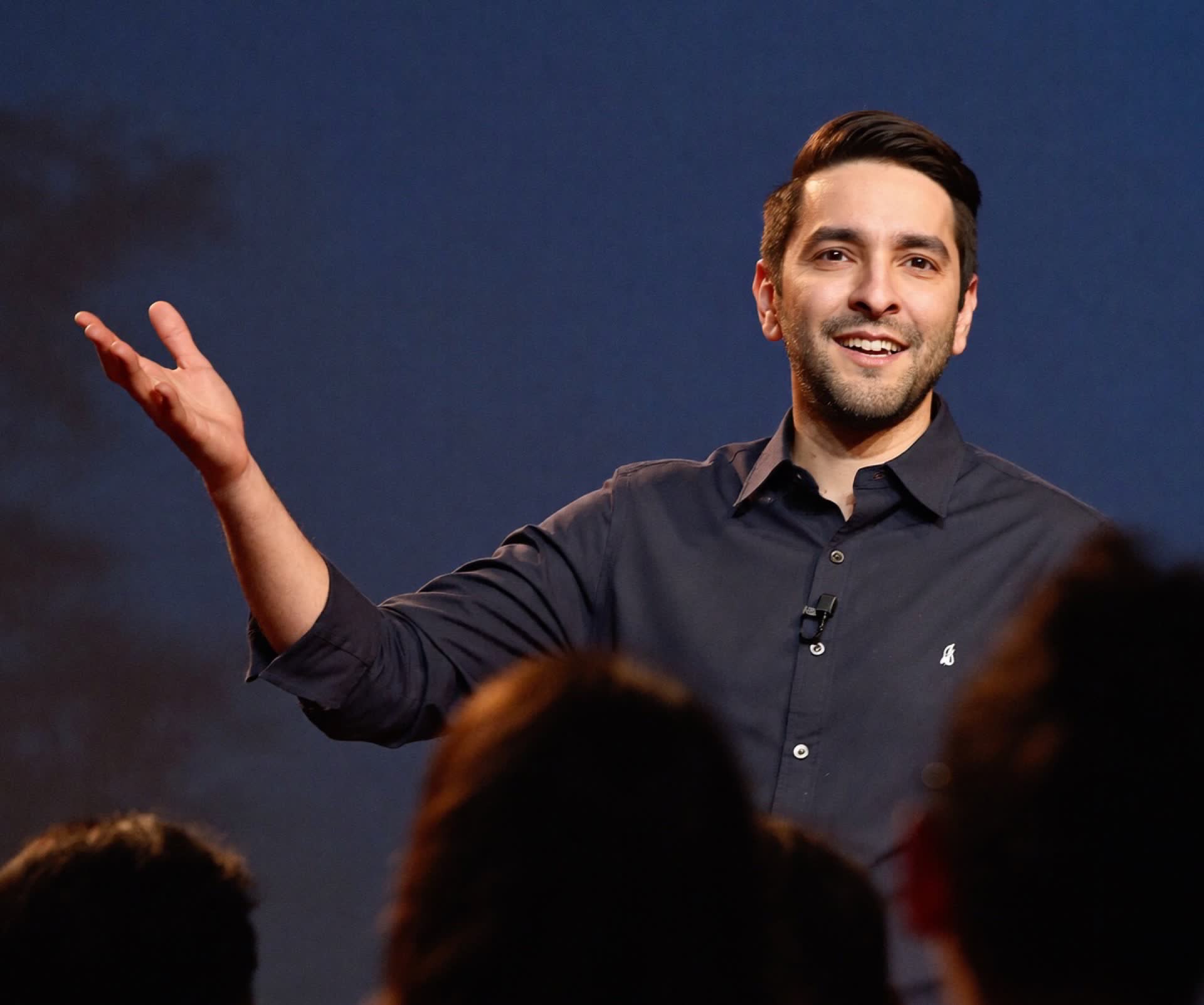
Muhammad Fahad Tanveer walked away from a brand manager role at Nestle, followed his wife to the US on a Fulbright, and came back to build Edkasa — a high school edtech platform trying to reach the one crore Pakistani students sitting board exams every year.

with Muhammad Fahad Tanveer

11 min read

Born in a building that became a mental ward

The episode opens with Muzamil reading out a CV that stops him mid-sentence: Nestle, Telenor, ICI Pakistan, P&G, LUMS, Harvard — and then an edtech startup. “I was blown away,” Muzamil says. “Haven’t read such a diverse experience.”

Muhammad Fahad Tanveer was born in Lahore’s CMH hospital, which he notes was later converted into a mental ward. “There’s a running joke in the family,” he says, “that you were born to be crazy.” His parents were both army doctors, which meant the family moved constantly — Gujranwala, Peshawar, various army public schools — before eventually settling in Lahore at the Lahore American School. He graduated high school in 2001, had been accepted to NYU’s architecture program, and was days away from leaving when September 11 happened. He ended up at LUMS instead.

LUMS in the year it doubled

Fahad’s batch was 400 students — equal to the entire previous student body of LUMS. “People were scared,” he recalls. The campus was still confined to the main academic block; the School of Engineering didn’t exist yet, and what is now a parking lot near the gate was the basketball court where Fahad served as the student representative for the sport.

He started in economics, drifted toward development economics, and then into political science. When Muzamil asks him to explain the difference between economics and development economics for a general audience, Fahad draws a clean line: “Economics is a much more generalized field. Development economics is more applicable — more real world. What is happening, basically, and how politics and political science you cannot understand without understanding why those decisions were being made.”

Before his MBA, he spent two years building a small company that sold copies — notebooks and printed materials — eventually reaching 140 stores. He went back to LUMS for his MBA partly because the business was generating revenue but he didn’t understand why. The MBA’s case method, he argues, is what separates it from lecture-based programs: “You are not only against the judgement of the faculty. It is the judgement of your peers. That is what will happen in the boardroom.”

Half the salary, twice the learning

After the MBA, Fahad had roughly thirteen or fourteen job offers. He took the one that paid half the next best offer — ICI Pakistan — because of a single recruiter named Hassan Tarik. “He said, look, you might not like it and you can leave, but I guarantee you this will be more than a job for you. It will be a learning experience parallel to none.”

He joined the pharmaceutical division, chose to go into sales by preference, and spent a year driving 120,000 kilometers visiting doctors and hospitals. His father, who was running one of Lahore’s largest hospitals at the time, once looked up from his desk and asked: “If you had studied medicine, which side of the table would you be sitting on?” Fahad laughed and told him it was a good thing he hadn’t.

ICI was in the middle of being acquired and broken up — AkzoNobel had taken the paints business, a local group was acquiring the rest — and Fahad watched the entire process from the inside. “Being in it made me understand a lot and understand the value of finance. Your marketing and brands are good support parts of an organization, but the real decision is finance.”

EasyPaisa, Nestle, and the Fulbright that changed everything

From ICI, Fahad moved to Telenor’s EasyPaisa in Islamabad around 2012–13, joining as assistant brand manager at what he describes as “the startup of that time.” His brand manager left three months in, leaving him to run the brand alone. He ended up standing next to the Governor of Punjab at a prize distribution event, representing a sponsorship he had personally approved. When the anchor asked his title, he said: “Assistant brand manager.” He was in his early twenties.

He left EasyPaisa for Nestle and the Milo brand — not because EasyPaisa was slow, but because he wanted full business ownership. “I wanted to be an industry captain. I don’t want to be just another guy doing a job.” At Nestle, he was one layer below the CEO and helped launch the Champions of Tomorrow program, a sports-focused initiative printed on Milo cartons. He also worked on removing commercial sugar from the product — Nestle Pakistan was the third market in the world to make that change.

Then his wife Anam, his co-founder, received a Fulbright scholarship to study public policy at Carnegie Mellon. Fahad had made her a promise: if she got it, he would leave everything and go with her. He kept it.

The family history behind the decision

Muzamil presses Fahad on what it meant to walk away from a fast-rising corporate career to support his wife’s goals. Fahad’s answer goes back three generations. His grandmother was orphaned at thirteen in 1913 and raised five younger brothers on her own. One became the first president of Pakistan’s income tax tribunal. Another became chief of naval staff. Another became an admiral. “She was the matriarch of the family,” Fahad says. His own mother was a major in the army medical corps, serving alongside his father who held the same rank. “I never saw my mother work less hard than my father.”

He is direct about what this means for Pakistan more broadly: “Our women are second to none. But Pakistan has a particular problem — you go slightly east, women are working everywhere. You go to Muslim Indonesia, Muslim Malaysia, they are fine. But Pakistan has something specific.” He describes a post his wife published about financial independence for women that received twelve to fifteen thousand likes and then a wave of threatening DMs by the third day. “It really fascinated me,” he says, “and it is a Pakistan and South Asia specific problem.”

Harvard, behavioral finance, and the idea that wouldn’t leave

In the US, Fahad enrolled in Harvard’s ALM program through the School of Continuing Education, focusing on behavioral finance. He had a small amount of savings and a clear condition: score 3.7 or above in the first three courses or go home. He did. He also started teaching informally while there — “totally by luck” — and the experience planted a question: if someone like him could add value to people’s lives through teaching, why couldn’t that be made scalable?

Anam was interning in Chelsea, a Boston suburb with a large undocumented immigrant population, working on teacher training for underfunded schools. She was pregnant at the time, commuting by two subways and a bus. They came back to Pakistan with a three-month-old son and a shared conviction: “The bridge between the world that we have and the world that we want is education.”

Eight hundred households and a YouTube channel

Edkasa started at LUMS’s center for entrepreneurship in 2016, when there was almost no venture capital ecosystem in Pakistan. Fahad, Anam, and a third co-founder named Sohail — an MIT and Caltech graduate who later left for a scholarship in Boston — went to 800 households across cities and villages to understand what students actually wanted from a learning product.

The first finding: nobody wanted a Khan Academy-style blackboard video. “Our kids hated that. Nobody said, what is this? Like, I cannot give this more than five minutes.” What worked was a teacher on screen — something that felt like a classroom. They built roughly a thousand video lectures in eight to nine months and put them on YouTube. Twelve percent of their viewership was coming from India. “Why are they watching this?” Fahad recalls thinking. “Something about our way of speaking was different.”

YouTube, he concluded, had a different agenda. “Their number one goal is to drive ad views. Our number one value is student success.” They needed a proprietary platform. Within six months of raising a pre-seed round from investors including I2I and Zen Capital, they had built out the entire science syllabus for every board in Pakistan. A student selects their board, and the content, quizzes, and analytics are calibrated to that specific exam.

The board exam as the equalizing force

Later in the discussion, Muzamil raises the question of whether curriculum reform — specifically the Single National Curriculum and changes to how board exams are structured — would make Edkasa’s content redundant. Fahad’s answer is careful. He agrees in principle that a four-hour exam determining a child’s fate needs to be rethought. But he is skeptical of the execution timeline.

“When you change your curriculum or mode of assessment, you are indicating to your teachers across Pakistan that the way they were working before needs to change. You have hundreds of thousands of teachers at different skill levels, different locations, different motivations. All of them will have to move with that change.” He argues that change management at this scale requires thousands of skilled change managers working collaboratively — “it is not I said it, now it is done.”

The reason edtech companies keep targeting the board exam space, he explains, is structural: “It doesn’t matter what school you go to. You can be a private candidate. End of the day you are sitting the same board exam as the HSN College student and the government school student.” That shared exam is the product-market fit. Over one crore students sit it annually, growing at sixteen percent year on year. “Big market — over a billion dollars at least.”

Conviction before capital

Muzamil pushes on the user experience gap — the Zoom fatigue problem, the difference between an encyclopedia of content and a genuinely engaging school experience. He draws the TikTok-versus-Instagram comparison: TikTok removed the friction of sign-up and just started serving content the moment someone opened the app, which is why it captured users that Instagram couldn’t.

Fahad acknowledges the gap directly but frames it as a function of where the industry is. “This is very early days. This is built totally on conviction.” He points to the iPhone: the first version was tested on mothers, not power users. “You start building with conviction. You don’t have research and data and all that.” He is clear that Edkasa is the soap-box derby car, not the Formula One car. “As resources come, as we understand things better, this will evolve.”

He is equally clear about what Edkasa is not: “We are educators first, technology company later. We are technology-enabled. If users don’t want to use our product, we’ll build something else.” He describes a team that has become an accidental national microcosm — the UX designer from D.I. Khan, the backend lead from Gilgit-Baltistan, the marketing head from Dharki. “We galvanize around a purpose. Product will improve. It’s a work in progress.”

On government, he notes that procurement rules requiring seven years of company history effectively blocked Edkasa from a National Bank of Pakistan contract even though they could have saved the bank significant money. “Our company didn’t exist six months before that. How do I send that to the Government of Pakistan? You are shot down right there.” He calls for a dedicated startup procurement mechanism — something Pittsburgh built, he notes, after Anam worked on the city’s procurement policy during her Carnegie Mellon years.

Thirty years out

By the end of the conversation, Muzamil asks Fahad to look thirty years forward — for Edkasa and for Pakistan. On education, Fahad’s prediction is that Pakistani learners become independent learners, less reliant on systemized instruction, and that the private sector — through impact entrepreneurship rather than nonprofit models — drives the change. “Next thirty years, you will see Pakistani learners becoming more independent learners. There will be less reliance on systemized learning.”

On Pakistan itself, he is blunt about where responsibility sits. “It is not just the government’s responsibility. It is our responsibility to build a better country.” He describes driving from Lahore to Karachi during COVID — fourteen hours to Hyderabad, fields on both sides the entire way. “There is no shortage of anything in this country. What we do with it — that is where our thinking may be lacking.”

“I’m the old guy at 37, 38,” he says. “Two thirds of the country is under 30. They should have better ambitions, better energy. And if Edkasa can play a very small significant role in directing this massive wave towards larger goals — job well done.”

Full transcript
Muzamil

सारे अल्लाहबतिन्द्राज welcome back to the episode of Thought Benting. मेरे साथ मौजूद है एक बहुत ही ख़ास है man all the way from लोहौर. जिन्होंने एक आदत email मुझे की थी just to talk about, some of the exciting stuff that he's working on and जब मैंने वह email पढ़ी है, I was blown away. Haven't read such a diverse experience. I haven't read such a beautifully done. I mean, I wouldn't call it a pitch, but it was just, like, मुझे बड़ा भजाया था. And I was like, यार, I need to have him on the show, need to learn from his experience. Need to know what he's doing. We have with us today, मोहम्मद फाद तन्वीर. He's the CEO of Ed Casa. Sir, thank you so much for being part of the show. So kind of you कि आपने एक email पर मुझे दावादी

Guest

to your amazing thought behind that. It's it's fascinating to watch it and, it's it's an even more fascinating to be on it. Very

Muzamil

kind of you. मैं थोड़ा सा ना quick, like, an email के उससे थोड़ा सा वह दे दूं कि, Fahadeh's work at Nestle, at what are the companies? Telenor. Telenor. ICI, AxoNobel, P and G. Corporate sector कमाल का, Pakistan का top. Did his masters from Harvard and then started an EdTech company. So बड़ा interesting और diverse हुआ है. And we talk talk more about that फ़ायद. मुझे start में सबसे पहले तो यह बताएं.

Guest

Where were you born and what was early life for you? That's a really funny story. So I was born in लाहौर. लाहौर में एक CMH है. My parents are both doctors but दोनों army में doctor थे. तो I was born in लाहौर CMH जो उसके बाद mental ward में convert हो गया. So, there's a running joke in the family के, you know, you're you're not you're born to be crazy. But बिल्कुल लाहौर की पैदाइश है और उसके बाद पूरा Pakistan और even outside of Pakistan वालदय इनके साथ क्योंकि फौजी families घूमती रहती हैं. Right. तो घूमते रहे दोस्त बनाते गए और बहुत दुनिया देखी. Don't know गुजरावाला से start हुआ school you know गुजरावाला camp में होती थी केकिशा मोटे से I don't know अभी है कि नहीं है. But that's where early schooling started. फिर उसके बाद मोह्तलिफ शहरों में post हो गए तो air force, paf, model school, पिशावर and then army public schools, beacon houses and then finally settled in लाहौर at LAS, लाहौर American School. Right. Which was a completely different world from all that but so quite a spectrum of schooling.

Muzamil

And and and what year did you graduate high school? 2001. 2001? Yes. Yeah. Meanwhile. Yeah. And, immediately after that, you you went to university? आपने कोई time off लिया, travel किया, कुछ किया? Actually, no. I,

Guest

so it's an interesting story. I went to Lums. I was fortunate enough to get an admission at lums. I didn't really want to go. I wanted to be an architect. अच्छा. So I had gotten into an NYU program. NYU शायद जो मैं जानते होंगे as a new york university

Muzamil

Right. And

Guest

then जब वह वक़्त आया तो मैंने कहा आप lumps भी देख लो. So I went actually studied social sciences at lumps, political science and development economics and my undergrad. I feel like 2001

Muzamil

Yeah. Graduation which means आपने New York University start करनी थी 2001 fall. Yeah. Yeah. 09/11/2001. Yeah. You're you're welcome. Mohammed Bahat Anvihir would have been, quite a thing. It it was. वह अलतारागणेज़ाम होता है कि maybe that wasn't the right thing for you at the time. Yeah. How was lumps?

Guest

Lumps is amazing. So very different from what it is now. और आपको हर, you know, पूरा graduate JE कहता है कि उस ज़माने में बेहतर था, लेकिन,

Muzamil

how are you differentiated? Like you you said कि very different from now. I think

Guest

lums was at the undergrad program level पे बहुत नया था उस वक्त भी. And we were the biggest batch of 400 में. उससे पहले पूरे lums में ही चार सौ student थे. और हम चार सौ आए थे तो लोग घबरा गए थे वहां पर गए. इतने सारे students सारे गए. Double हो गए essentially. Double आ गए and so there was a lot of attention given to students. Faculty के साथ हमारे बहुत bond से because we spent a lot of one on one interaction on campus. I am sure there is still in some ways retaining that but उस ज़माने में बहुत, you know, it was a very inspiring and, you know, बहुत freedom to do a lot of things because हम बहुत सारे जो आपने कहा nine eleven के बाद फ़ंस गए थे Pakistan में. तो हम वो सारे जो hob थे वो lums लिख के आ गए थे कि हमने यहाँ कुछ करना है. So it was an exciting time. Old was lums at the time? Lums undergrad program तो बाद में शुरू हुआ but MBA तो बहुत पढ़ाना था. So lums had very recently shifted to that campus जो अपना DHA में है. पहले गुलबर्ग में होता था. So उस ज़माने में जो लोग अभी lumps में है there was no nothing behind the academic block which is now your school of social sciences. That was it. Everything happened inside the main block. One with the central courtyard of school. That was it. उससे पीछे जंगल होता था. अच्छा. जहां school of engineering है, वहां एक football field होती थी, जहां football के School of engineering तो खैर I have seen that building get built in front of me but I didn't know कि अच्छा. तो Sports Complex and. हमारा Basketball Court है जो अभी gate के साथ parking lot है ना run down साथ. That that was our basketball court. I I was actually the rep for basketball. I played a lot of basketball at lumps. And that that that was it. That was our court. Yeah. Four

Muzamil

years of lumps. And then what did you do after that? So, therefore a a a a a bachelor's in economics?

Guest

I started out as economics, but, got very quickly disillusioned by it. So I started gravitating towards development economics, had some really, you know, fundamentally amazing teachers. And then then that led to political science because I understood that politics and development go hand in hand. So learned a lot about not only just domestic यानी Pakistan की मेशत और सियासत और चीज़ें कैसे चलती but दुनिया में कैसे चलता है. So that was very exciting for you. What is how would you differentiate between economics for a for a simply man? Economics

Muzamil

and development economics.

Guest

So economics एक बहुत बड़ा शुभ है. You know इसमें बहुत सी चीज़ें आती हैं इसमें. Fiscal policy, monetary policy, macro, micro but fundamentally अगर हम बात करें तो आपने जो निज़ाम चलाना है मुल्का वह कैसे चलेगा? Right? Like जिसमें हर चीज़ की वसूली होगी लोगों को, हर चीज़ की रसाई होगी लोगों को, वह कैसे सब सारा निज़ाम कैसे चलेगा? उसको economics कहते हैं. उस शोभी को कहते हैं development economics जहां पर आप सीख के लोगों को you know हम कहेंगे बेहतरी की तरफ ले जा सकते हैं. That is development economics. अगर मैं इसको कर सकूं sorry मैं आपकी बात कह रही हूं. हां हां go ahead. कि

Muzamil

economics generally is an academic field. हां. But with वही वाली बात है कि उसकी वह hypothesis है और कुछ कुछ science है उसके पीछे but development economics is more case study based and more practical essentially.

Guest

Would that More applicable. More applicable. It's more applicable. हो क्या रहा है? More real world. हो क्या रहा है basically और कैसे politics और political science आप understand नहीं कर सकते वो फ़ैसले क्यों हो रहे थे? So जब हम inevitably बात करते थे class में discussion होती थी तो उसके पीछे जो सियासी वजुहाद थी उन फ़ैसलों को करने की वो समझना ज़रूरी थी तो तो वो

Muzamil

ले आया उस तरफ. हाँ and you graduated and immediately got

Guest

into the job market? Not really, नहीं actually उस ज़माने में और सोच भी ऐसी कुछ थी. So I don't know आप लोगों ने money के बारे में कितना जानते हैं या moral united nations के बारे में. Right, right. But we started that as Lumen, Lums Modern United Nations and in 2002 I was one of the founders of that society. अच्छा. And we were debates rejects. तो we were the so called pioneers of that in Pakistan at that time but उसके बाद एक बहुत इंकलाबी सोच थी कि लोगों को सच की रसाई होनी चाहिए. So as soon as I graduated I felt कि मुझे job नहीं करनी और मुझे अखबार निकालना है जिसमें या business सीखना मेरे लिए ज़्यादा is calling for me. So so that's why I actually went back to Lums after two years of building a small company. मैंने एक company start की जो फिर copyयां बनाकर बेचती थी. अच्छा. और जब डेढ़ सौ store हो गए और मुझे याद है lumps के MBA के interview मैंने पुछा कि कैसा जा रहा आपका business you know so. अब lumps में MBA करने आ रहे हैं. तो मैंने कहा उसमें जो एक professor बैठे थे जो स्वर्गीन थे. मैंने कहा मेरे और I mean within a couple of years I had 140 stores buying my product. So I I felt कि you know यह कुछ तो ठीक कर रहा हूं. लेकिन आता जाता कुछ नहीं है. तो जाकर सीख लेना चाहिए. So I went to back to lumps actually and I did my MBA at lumps as well. ज़बरदस्त. Yeah. And were you sourcing the paper? I'm sorry. I'm diving into this one because I I actually had a planner brand of sorts. Yeah. And this is 2018

Muzamil

from 1819 when we worked on it. My wife's, well, actually my wife's. Yeah. We ran it for three years and recently shut it down. और मैं आपको बता रहा हूं कि आपके दो हज़ार पांच लगभग के पंद्रह साल बाद Pakistan में कोई अच्छी किताब बनाना जो था ना वह यह कितना बड़ा अज़ाब था. I understand बिल्कुल. कि I can totally understand कि उस time पर आपने इस machine को ऐसे करो तो मेरा product वन जाएगा. Yeah. And and and production and and just वही वाली बात है ना कि हम we're we're an import driven economy because we just don't, I don't know why but we just can't build products like it's just a a nightmare. मुझे मैं उसमें पता है

Guest

सोच का बहुत बड़ा हाथ है. इस तरह तुम कह रहे ना तुम्हें YouTube देखा and you know come back to the people. YouTube तो नहीं था उतने रुझान पर उस वक्त लेकिन मैं जब देखता था बैठकर उर्दू बाज़ार में कि Heidelberg press चल रहा है. हां. इतना wastage I learnt a lot by going to the streets. वह यह मुझे कभी भी एक अच्छे दफ्तर में बैठकर समझ नहीं आता. तो I think I learnt a lot by being amongst people जो ground reality में exist करते हैं, जो काम करते हैं, जो सुबह शाम उन चीज़ों को face करते हैं. I think that was the biggest business learning I had and I took that to my MBA. So, I was probably the biggest pain in the butt for my my faculty because I actually brought real world experience. I think they still remember me. So, how was MBA at the time? Is this 2007 I believe? I I went in 2008, graduate 2010 from the MBA program. Fantastic experience. I think अगर आप Pakistan में आपने you know कारोबार करना सीखना है तो lums से बेहतर I think institution नहीं है. Sorry IBA के लोगों. लेकिन I think lums brings everything to the table and I learned a lot. I think it was a much more personal experience than undergrad. Undergrad में बहुत सारे लोग थे. MBA में आप सौ होते हैं. बहुत faculty attention होती है. I still remember the words of one of my, you know, one of my favorite professors के you are not my customer, you are my product, you know. And I will beat you and heat you till you are gold. Interesting. So, हमें बहुत मेहनत कराई उन्होंने. You know, I think more unnatural than natural लेकिन बहुत कुछ सीखा उसकी वजह से and जब हम job market में गए तो उसका बहुत फ़ायदा हुआ. We learnt a lot and we were able to do a lot. Generally I

Muzamil

mean MBA बड़ा एक interesting सा लगता जिस तरह मैं masters in let's say artificial intelligence की बात करती हूं. यह ना एक specialized field है उस समय मैं कहता हूं कि यार ठीक है. मैं उस field की technicality सीख जाऊंगा, मैं उसमें thesis के ऊपर काम करके मैं उसमें एक उसी में सब field के अंदर मैं mastery हासिल कर लूंगा. Same with economics, same with words essentially upgrading an existing set of knowledge that you have. MBA generally how is it constructed? Like what's what's in an MBA? Because MBA is a big deal. Yeah. वह आपको होता है कि अरे अच्छा पूरी दुनिया की इन universities के MBAs इनका यह कुछ लोग कहते हैं कि networking is everything at MBA programs. Not just, the the academic learning. But if I were to ask you कि what is it about the program,

Guest

that makes, like you said, like, that makes the businessman of the future, What is it? I think there are two factors. I'll come to the network part. But I think the पहली चीज़ यह है कि lums is very different from other MBA programs. It's a case method, so कहते हैं. तो वहां पर कोई किताबी बातें नहीं होती हैं. So आप एक हर चीज़ second guess हो रही होती है तो वहाँ नज़र आ रहा होता है कि कितनी depth तक आप जा सकते हैं in terms of solving a problem. तो you come out having years of experience in your head which is shortcutted because of that two year intense program. So ये ये एक unique factor है ये आपको कोई lecture based method नहीं cover कर सकता and आपके ऊपर आप its independently up to you कि आप जाके जो मर्ज़ी किताब पढ़े उस मसले का हल निकालने के लिए जिस मर्ज़ी से बात करें वो आपकी skill पे है आपकी ability पे है आपकी जद्दोजहद पे. Essentially hyperactive problem solving हो जाएगा. Hyperactive problem solving and you are really up against the wall because you are not only against the there is no judgement of the faculty के सही है गलत है. It is judgement of your peers. Right? कि ये आपने जो बात की इसके पीछे कितना वज़न है. यही होगा board room. Right? So, you start getting that feel very early on. The other thing I'll say about network is कि once you get in the real world, you know, when you come to a working environment, how people perceive you and how much weight they give to your conversation obviously comes from a place कि आपने क्या prove किया है, right? So शुरू के दिनों में what you have is your degree, right? And your peers or seniors like lumps के बहुत सारे MBAs जिनसे मेरी professionally भी रही, तालो कात रहे, you know, as I built my career. So they had a certain level of excellence expected right कि आप आऐंगे आप कोई problem solve करेंगे companies भी जब हमें hire करती हैं तो they expect a problem solver right like they don't expect somebody to just sit there who will learn on the job so वो expectation बढ़ जाती है बनती है और वो जायज़ है because they are paying you top dollar On the other end, उसका फ़ायदा होता है because आपको वह opportunities बहुत जल्दी मिल जाती हैं जो शायद किसी और university के student को, ना मिले. Right? So so it's you're playing at the big leagues. यह कितना कहते हैं ना? From day one. Right. And and that is what network brings. Right? So lumps definitely and Harvard even more,

Muzamil

brings that network to play. Lumps to Harvard. What what was happening between that time?

Guest

Lumps to Harvard. So, like any lumps MBA, you know, my holy grail was to rise in the corporate ladder and obviously marketing and that's that's the way to go. So I landed that. I started off with, you know, the coveted PNG internship and brands. Think that was a watershed moment for me so काम बहुत अच्छा था, काम बहुत intense था. सीखने को बहुत मिला. I actually learnt a lot from the peers there. सब कुछ दोस्त भी थे जो वहाँ already थे. Obviously because of lumps और कुछ लोग ऐसे थे जिनसे पहली बार मुलाकात लेकिन I think it was a moment where I first time realized कि it's it's a grind up, right? So, and I'd rather choose an organization जहां पर I'd be able to add value meaningfully, right? Right. Not just do a job. And this was based in Lahore? This was based in Karachi. So I moved to Karachi right after my MBA. And लेकिन after the internship I actually chose ICI Pakistan. That's where I did my first real job after the MBA. And and that was because of one man who was head of recruitment. I don't know if I can name him but Hassan Tarik, brilliant chap. Still named him nonetheless. He deserves it. He deserves it. Because he convinced me to take a job at half the next best offer. Yeah. And I I told him, I remember when he called me for me. I will tell you why. So, know, I won't tell you the value but it was half the next best offer. Had about thirteen fourteen offers at that time and I was like on the moon. Was like यार I am. Scene है मेरा भाई. Scene है मेरा भाई. क्या बात कर रहे हैं, right? So he said कि देखो तुम्हें नहीं पसंद आया ना तो तुम चले जाने but I guarantee you के this will be more than a job for you right and it will be a learning experience online parallel to none. तो कि तुम्हें क्या चाहिए? तुम्हें लगा गरम बिस्तर और खाना और I want to be an industry captain. I don't want to be just another guy doing a job. I am gonna run up this ladder. So I think that sort of they saw the drive. They gave me that opportunity and I was very warmly welcomed into that company. Got tremendous opportunities to learn. What was the job there? So I joined as a management trainee. उनके दो किस्म के होते हैं. एक GR program होता है for MBAs. So you are you're sort of groomed to rise to the top. And I had good fortune of being part of that GFR. I joined the pharmaceutical division early on. Learned a lot about sales because I joined in marketing but I ended up in sales by choice. मुझे पुछा आप sales करेंगे? मैंने कहा जी बिल्कुल करूंगा because बेचना कैसे यह सीखना बहुत ज़रूरी है. हां. So, और ground up से. तो former anchor, so you know like there was a time when I was spending about a 120,000 kilometers of driving in a year going doctor to doctor, you know, hospital to hospital trying to sell medicine. I learned a lot decision making is done, Tender से लेकर, you know, ek ek particular doctor because you can't sell directly in pharma. Right. So you have to do it on the merit of your of your conviction and your product and, the efficacy of what you're trying to say. And both my parents being doctor, तो मेरे लिए वह ज़्यादा एक challenged. In fact, once I sitting in front of my father at a hospital because he was leading one of the biggest hospitals in लाहौर. He said अगर तुमने medicine पढ़ी होती तुम table किस तरफ बैठे होते? तो मैंने उनको हंसे कहा कि मैंने कहा शुक्र है नहीं पढ़ी क्योंकि आप जैसे बहुत हैं. So, so very interesting times. I I learned a lot at ICI, not just about pharma but. Tell me ICICI क्या क्या हुआ है? What's the portfolio? I know they have paints I think. They actually so when when I joined तो they had they were recently acquired by Nobel which is a Dutch company. And ICI Pakistan पचहत्तर साल से पांच core businesses को develop किया था उन्होंने which is paints like you mentioned, pharmaceuticals

Muzamil

जिसको life sciences कहते हैं. Pharmaceuticals में कौन सी is there any that we know?

Guest

अगर खोदाना खास्ता आप cardiac patient है तो tenomen, zestril. So very like

Muzamil

specializedism

Guest

की medicine की Specializedism की got it. Generics में भी थे. I was actually looking after generics but generics में they were very new to it. And then उसके अलावा then they have you know animal feed and so many other businesses, life से related. फिर polyester में काफी बड़ा stake है. उसके अलावा soda ash का बहुत बड़ा business है. Actually they are the owners of all of the market like pretty much. Soda ash? What is that too? So, आप toothpaste use करते हैं, शीशा बनता है, anything that you use basically salt का एक byproduct होता है and अगर आप कियोड़ा जाएं तो there is only one factory that that produces soda ash. एक वो है और एक Olympia group है which basically is the dominant players in the soda ash. I mean, long story. I don't want to be a story about ICI. But, I mean, when I joined, AXA Nobel had recently acquired them, and, it was still a multinational. And on those सालों में it went from being multinational to being sold out to, to another local group and the business being split up between paints and everything else. Paints so those paint was sold to a separate entity and Paints was retained by AXO. Mhmm. And, the rest was, acquired by a local business group. So, so जो so called seventy five years of you know industry थी वह मेरे time पर ही जानी थी. So, but it was a huge learning experience to see के how companies are acquired, how they are you know mergers and acquisitions. Pakistan में बहुत rare है. So being in it, made me understand a lot and understand the value of finance. Right. How actually money works. Your marketing and brands are are are good, you know, sort of support, parts of an organization, but the real decision is finance. Right? So that's where the कीड़ा of finance started getting into my head कि यार, मैं तो इसको पढ़ना है गौर से.

Muzamil

And economics and finance, how do you differentiate between those? Very dumb question. But think it's just really the the the the human understanding of it. Yeah. Yeah. So I think economics is is a much more generalized field. Finance is basically Is it focused on business?

Guest

I think it's it's basically finance is how money makes things happen. Right. पैसे से काम कैसे होता है? Right? Like, makes sense. And you were in ICI for two years? Couple of years. A little longer than two years. अच्छा. And then I moved on to Telenor's easy पैसा. अच्छा. What year was this? This is twenty twelve thirteen. अच्छा. Yeah. Yeah. Early days of IZPesa I believe. Relatively early. मैंने तो आज में start हुआ था? हां yeah yeah. I was going up at that time. Right. Yeah, it was the only player in the so it was the startup of that time. Right. आपने startup में काम करना था तो IZPesa was a fintech player. Right. Did you move to Islamabad for that? I did, I did. I moved to Islamabad. Actually got married at the same time. Right. So it was a big move. My wife was from कराची. So bringing her to Islamabad was a huge contrast, you know. Yeah. नौ बजे रोज़ को panic attack शुरू हो जाती है. मतलब यह क्या हो गया है? वरना आपने We were in स्नाहाबाद for about a year and a half. I said not that long. Not that long but we really thoroughly enjoyed it. I mean छह महीने में हम हम we were in the thick of it. दोस्त बहुत अच्छे वन गए थे हमारे, you know, life was really really big. We were young couple so you know हमने इस्लामाबाद को जितना enjoy कर सकते थे कर रहे थे and आनंद working in public policy. तो she was you know in that diplomatic and policy making crowd. So you know she had her perspective. I was in the corporate crowd. I had my perspective. हमारी खाने पर जो बातें होती थी ना वह बड़ी मज़े की होती हैं. Right. Easy पैसा है. What was the position? So, I joined as an assistant brand manager and I mean दो ही लोग होते थे. एक brand manager होता था एक assistant brand manager and my brand manager left like I think three months into the job. अच्छा. So वह सारा मलबा मेरे ऊपर आ गया. Although I wouldn't call it मलबा because it was the biggest I think brand opportunity in the world at that time. Huge budgets. I had great bosses. They trusted me a lot and उस जमाने की जो PSL होती थी इस वक्त कहते थे Pakistan premier league या ऐसे कुछ नाम था. तो I remember we when we sponsored it HBL was the sponsor at that time and I asked my boss के boss उस वक्त साढ़े तेरह करोड़ रुपए मांग रहे हैं. He is like कि लला आपका फ़ैसला and and remember when we sponsored it so I said कि boss अब आ जाएं इसमें price distribution से remaining. He said your decision you go. So I was standing next to governor punjab. Price distribution final क्यों हो रही है? And मुझसे वो anchor जो थे वो पुछ रहे कि आपका title क्या है? तो मैंने वहाँ chief कहूँ से कहा जी? Assistant brand manager. I said आपको manager बना देते आप governor punjab को साफ करने में. So, I I know it was a huge exposure for a young person, you know, early twenties. आप खड़े में वहां पर representing such a huge brand. I think Telenor के अलावा कोई ऐसा उदाहरण नहीं था जो इतनी बड़ा exposure किसी को दे and उस उन फ़ैसलों से बहुत कुछ सीखा जो आज, you know, I'm able to apply to my company. Right.

Muzamil

This is around 1415, would assume. '13. 1314. 1314. And so you moved to Nestle after that? Yeah, I moved to Nestle after that. Why did that happen? Because, I mean, seemingly EasyPesa was this sort of really fast growing, startup y, agile, lean, you know, very empowering.

Guest

Yeah.

Muzamil

So what was the thought process que जिस पर आपने कहा कि यार, you know, one year into the job, let's just switch to someplace else? It wasn't fast enough.

Guest

So, I mean I told you earlier ना कि I wanted to be an industry captain. So, that point my thought was कि I need to move fast. जहां मुझे growth opportunity मिल रही है on my merit, मुझे वह लेनी चाहिए and you know जो जो लोग दस साल, पंद्रह साल, बीस साल में achieve करते हैं I want to than five years, ten years. So I mean anything that move faster I was willing to take that challenge. So I mean that challenge came from Nestle. They saw my work, guess, and they felt कि I could add value. तो मैं इसलिए मुझे उन्होंने opportunity दी और मैंने दोनों हाथों से पकड़ी. और what was the job? Job was to be the brand manager for Milo. अच्छा. Milo, I don't know, बचपन से हम सब पी रहे हैं. लेकिन मुझे एक तो वही बड़ा excite करता था फिर I mean it was लाहौर so finally coming back home तो वह भी एक factor था. लेकिन I felt कि I could really do something. देने में पूरे business की responsibility थी. I mean शायद तेलानौर इदारा ज़्यादा prolific था young था लेकिन ज़िम्मेदारी सारी मेरे पास नहीं थी तो मैं वो experience करना चाहता था ना because I wanted की ultimately मैंने company या companies चलानी है तो मुझे वो सीखना है Right. और घुसना है detail में. So I think Nestle ने मुझे वह opportunity दी और मैंने दोनों हाथों से पकड़ी. ज़बरदस्त. How long were you there for? I was there for a year. Almost exactly. अच्छा.

Muzamil

And how was Milo? I was working with Milo. Very nice. सच सच you know लगता है अपने बच्चे की तरह लगता है मायलू. You know sisters वही आपने बोला कि बचपन से पीते आ रहे हैं. बिल्कुल. No competition there. I mean आपको ध्यादेर पता होगा but as a consumer, as a fan I would say there is no competition there. मैंने कभी उनके ads नहीं देखे मैंने कहीं कोई poster नहीं देखा मैंने बस तब भी माइल हो ही पीया. I think competition से reasoning

Guest

is different because यही बात है हर दारे के अपने बसाल होते चीज़ें होती हैं but रख दें. यह बहुत healthy है तो. मुझे बड़ा अच्छा सवाल मिला मुझसे principal का. मैंने कहा, आप कैसे कह रहे हैं कि healthy है? And I didn't have a good answer at that time. So, I said, yeah, I'll go back and check. And I think, you know, when I went back तो I spoke to my seniors, I spoke to people in the food development side, all that and I realized कि हम इसको बहुत healthy बना सकते हैं तो actually Nestle Pakistan was the third market in the world जिसने इसके अंदर से you know commercial sugar है वो निकाल के natural sugar को replace किया. अच्छा. And third country in the world to do that. So यह Nestle Pakistan की बहुत बड़ी achievement ठीक है there. Actually is a healthier drink for children at that time and तो then I had a good answer and I think I was enabled and empowered by the management who was senior to me. Mean, I was only one layer below the CEO at that time and my boss was very, you know, innovative in his thinking. तो he said कि यार कुछ ऐसा करते हैं कि जिसकी वजह से we do something beyond just selling a product. Right? So, we came up with this champions of tomorrow program. I don't know you might have seen that on carton के side पर नज़र आता ना आपको? Yeah, तो वह उस ज़माने की सोच है कि you know पढ़ाई पर तो बहुत focus है but खेल पर हमारे मुल्क में बहुत कम focus है especially young age पर. तो हम लोगों ने सोचा कि हम कोई तकरीबन kids not only appreciated it, schools appreciated it, parents appreciated it. And वहां से sort of with limited resources, we were able to build a connection with with consumers, with parents. तो मुझे याद है मेरे neighbors भी कहते थे कि एक carton मिल जाएगा. I was like, many days because I'm not responsible for that. But it means कि the the brand is resonating with people. So I think it was also a great opportunity. I'm very grateful that I got to work there and learn about, you know, how to build things for improving our community. And it's not about just selling a product. It's about how do we add value to our country, our community with great products. Mhmm. But at the same time, what's the value that you bring to people's lives?

Muzamil

And so one year into it what was the reason for leaving? So my

Guest

wife and my co founder at CASA she's also a lumps graduate undergrad and she was fortunate enough to get a full bright scholarship to study public policy at Carnegie Mellon. मैंने उनसे वादा किया था कि अगर आपको यह मिल गई तो मैं सब छोड़ के आपके साथ जाऊंगा. You know एक साल दो साल में शादी को तो you know we were in that phase के हर चीज़ मिलकर करते हैं और सब कुछ कह रहे हैं. और तो अभी तक हैं but

Muzamil

so just very interesting मैं थोड़ा सा यहां से segue लूंगा. Sure. Because Pakistan में even till date मैं आपको इस तरह से बताता हूं कि financial, independence and financial, empowerment. So my wife recently has, she has a platform, women led happy chirp के नाम से. She has a podcast as well. उस platform पर उन्होंने एक post डाली पिछले दिनों about how, financial independence बड़ी ज़रूरी है ख़वातीन के लिए. Ok. और उसके अंदर जो है वह को चाहिए कि वह अपनी skills और अपने शोर को इस्तेमाल करें और उसको इस्तेमाल करके, you know help the the family and it's not just your husband's response. It's in a very neutral way. वरना you know you have these polar opposites कि oh you know हम अपनी independence लेंगे. Oh you know सब घर बैठ जाएं. तो इतना तन्यान का रास्ता था कि you know the man of the house is earning as well but in the modern economy और आजकल के जो हालात हैं, double income is is a is fast becoming a necessity rather than a luxury at this point in time. And if you have the capacity, why not? You know, so so very sort of neutral message blew up. Normally post के ऊपर मेरा ख़ली चार सौ likes आते हैं. इस post के ऊपर के बारह पंद्रह हज़ार likes थे. I was roaming around on, on socials. अच्छा, one day into eight उसके ऊपर फिर third day start होना शुरू के. Right? And and and and I was because I consumer behavior on digital, that's something that drives that wakes me up in the morning. And so I'm I'm all about why are people, a, consuming it and, b, commenting on it, and why are they saying what they're saying. And so you I I started finding these tons of these men coming in and having this like hatred. मुझे समझ नहीं आया कि क्या वजह है but it was just like you know नई financial independence तो आस्थक्र उल्ला types. Day two, day three में वो फड्डे तो हो ही रहे थे. Platform था हम तो protected थे एक platform है बोल गया जो भी whatever. Third day पर जाकर वो DMs आना शुरू कर और DMs में गाड़ी आना शुरू कर. तुम सारे के सारे टूट टूट टूट and and my wife like she showed me like this is what's going on and मैं असर कुछ आ रहा था कि यार ये एक post है standard आप उसको पढ़ेंगे आप कहेंगे इसपे कोई क्यों ये तो इतनी आदि है इसपे तो like भी कोई क्यों करेगा साथ साथ ही सी post. पर it really fascinated me कि और ये Pakistan का खास South Asia का खास problem है आप थोड़ा सा east पर चले जाएं तो पूरा pacification नौकरियां कर रहे हैं. कोई tension नहीं है. आप west पर जाते हैं वहां पर भी normal situation है. आप मुस्लिम Indonesia चले जाएं, मुस्लिम Malaysia चले जाएं. मज़े में है वो लोग. But Pakistan में ख़ास वह है. अच्छा बड़ा context देने का वह मक़सद यह था कि इसमें मैं इस पर अब लेकर आता हूं कि आपने एक ऐसी चीज़ की जो society you know uncle कहते हैं कि अरे अपना career ख़राब कर रहे हो, पागल वागल तो नहीं हो गए, क्या कर रहे हो? You know because you you talked about this multiple times, said I I I am this shark essentially. I am you know post lumps MBA, I want I'd leave the easy पैसा because I want to achieve my ten year goals in two years and so suddenly now you are beginning to aimlessly leaving a position कि यार मैंने अपनी भेगम से वादा किया था and I am going to support her goals. Essentially this is a very important aspect कि आपने support किया आप यह भी कह सकते थे कि ठीक है you go and I will figure out. मेरी मेरा career अपना भी है. This is you being supportive कि listen you go and you do this and I will figure it out. And I, it's very interesting because I had a tenant जहां space पर हम हैं थे इस बाने में इसमें एक वह रह रहे होते थे. He also was working at Elinor as a matter of fact. अच्छा. His wife was uh-uh worked in the financial financial cooperation IFC world bank का. तो उनका भी यही हुआ था कि she got a job in Geneva and he quit his job very high. The head of sales I think वह and he left for that. Eventually he did an MBA from one of the top three institutes in the world उधर ही Switzerland में या France में कहीं and he did that's what he did. He followed his wife, supported her because they had kids as well उनका भी ख़याल रखना था. बिल्कुल. And eventually जो career उनका switch हुआ was unprecedented. जिस तरीके से आप गए eventually Harvard. तो talk, tell me a little bit about this thought process and and and why was it so important to to support your wife at the time? थोड़ा सा मैं segue ले रहा हूं. बड़ी भारती बड़ा important है. बहुत ज़रूरी

Guest

segue है I think. So, I think बहुत सी वजह है but I'll I'll single out a few, right? तो एक थे history, right? So, my wife and I, आनंद and I come from families where जहां पर हमने ख़वातीन को, सिर्फ़ काम करते नहीं देखा but leadership roles में देखा है. Right. So, मेरी वालदा फौज में major थी जब मेरे वालद भी फौज में major थे. Right. वह भी doctor थी. वह AMC के पहले batch थे और वह AMC के second batch से थी. Right. तो मैंने कभी अपनी वालदा को या अपने वालिद को एक दूसरे के साथ. Compete करते थे. Compete compete actually करते देखा है. अच्छा. Because they they were both very studious and competitive sort of doctors but and and जो मेरे भारत को जानते हैं वो he is he is an A type personality अगर आप कह सकते ना हर चीज़ में perfection तो not easy for the kids but definitely you know an asset to any organization that he is part of. तो so मैंने कभी अपनी वालदा को मेहनत कम करते नहीं देखा अपने वाले से. And I think the same goes for आनंद, my wife. Her family is a business family but it's always been, her mother and father together in trying to achieve things. They built a lot of things from zero working together. हम दोनों के पास एक pedigree थी. अगर आप उसे थोड़ा पीछे चले जाएं, तो my दादी was an orphan at 13. अच्छा. In 1913. Oh wow. आप सोचें. तो and she had to raise five brothers. Younger brothers? Younger brothers. And she raised them well because one of them, the one younger to her became the first president of Pakistan income tax tribunal. The one after that became chief of naval staff and, martial law administrator of West Pakistan. है? The one after that became an admiral also in the navy. The one after that became a senior person in Bata and so on and so forth. So she did well, right? Yeah. As a woman. And she raised two sons, both doctors. They're wives doctors. Both served in uniform, are respected by peers and patients alike. So, she was the matriarch of the family. And similarly आनंद साहिर, her family was similar. So हमने कभी औरतों को अपनी ज़िंदगी अपने experience में मर्दों से कम मेहनत करते हुए या achieve कम करते हुए नहीं देखा. And हमारे मुल्क की औरतें किसी से कम नहीं है. तो But she got that scholarship. Yeah. And because of that scholarship, I was forced into thinking about my goals and my priorities. I think we were better off because of that. Because we I would have maybe not had the guts to take up such a risk unless my wife had had achieved that. So I think I I don't judge people कि उनका फ़ैसले क्या हैं? क्योंकि हर आदमी अपने हिसाब से फ़ैसला लेकिन करता मेरे ख्याल से मेरी family में या मेरे सामने जो मेरी ज़िंदगी में उड़ते आई हैं, they are stellar. Right. And जो उनकी achievements हैं, उससे हम बहुत कुछ सीख सकते हैं और वह ऐसा नहीं था कि अपनी घरेलू ज़िम्मेदारियों को या चीज़ों को neglect करके करती हैं. वह सब साथ था. So, you know, like मेरी दादी या मेरी बालदा या even my wife, I think वह सब चीज़ों के साथ मिलकर भी मेरे साथ एक दारा चला रही हैं. हमारे बच्चों का ख्याल करना, उनकी पढ़ाई का ख्याल करना, खाना पीने का nutrition everything. तो I think कुछ तो उनके आसान को मानना चाहिए. थोड़ा सा उनके बारे में भी सोचना चाहिए कि शायद जो हम कर रहे हैं उनकी भी एक contribution है in the family which is very significant. So मैंने तो यही देखा, ठीक है ना? और मैं अपने देखे पर कह सकता हूं लेकिन हर इंसान का experience बहुत अच्छा unfriendly. लगता so you went to The US उस वक्त आपने apply कर दिया हुआ था Harvard में या आप वहाँ पहुंच कर आप सोचा कि आप पारिक बैठो क्या करूं? नहीं ऐसा नहीं था I actually went before आनंद so my program required कि I had to come and finish three courses and score 3.7 or above to stay in that program. तो so I actually went and मेरी छोटी मोटी जमा पूंजी थी. I was like अगर यह उड़ गई सारी यहां पर और 3.7 नहीं आया तो मैं तो गया. हुआ क्या था? Apply किस तरह? How did you decide? And and and you did have any interesting program. What was it called? So, it's called an ALM. It's a it's done through the School of Continuing Education. Right. So, it's generally done for people who are living in Boston or can access Harvard campus and वह part time में अपनी पढ़ाई पूरी कर सकते हैं. तो उसके लिए वह पांच साल देते हैं. मेरे पास दो साल थे वह करने के लिए. तो उसका सिर्फ़ तरीके का reply करने का यह है कि आपको actually एक application तो डाल दें लेकिन उस application को मानते नहीं हैं. तो वह कहते आप आएं, आप तीन course मुकंबल करें जो हमारे fundamental हैं. उसमें अगर आप यह certain GPA होगी तो आप continue कर सकते हैं into a masters program. अगर नहीं होगी तो अलाफिज़. तो because आनंद ने august में join करना था अपने college को तो मैं actually और वह college किस जगह पर था? वह था शहर college Pittsburgh. वह तकरीबन चौदह घंटे tour था by bus क्योंकि मैं by bus जाता था. Right. तो तो मैंने actually मैं उनसे तीन महीने पहले गया और वह मैंने summer में तीन course लिए और mid career professionals होते हैं. Right. But it's a master's degree that Harvard University gives you if you complete the requirements. And did you self fund it? Yes. You know, had support from the family but I had little bit of saving जो इतने साल corporate में काम किया, कुछ पैसे बचे कहीं तो लगाने थे. कहीं तो लगाने थे. This was a worthy cause. ज़बरदस्त. Tell me about the program. So, so it's, it's behavioral economics.

Muzamil

नहीं behavioral. So

Guest

मेरा interest था behavioral finance. Right? So इसमें interesting इस program यह था कि इसमें दो tracks हैं. एक general management है क्योंकि मैंने MBA किया था मेरे उसमें वो खास interest नहीं था. एक है pure finance right? आप finance पढ़ें और मेरा उसमें particular interest था कि मैं behavioral finance को समझूँ. Some of the leading names in that were teaching at harvard. So I felt कि अगर मैं उस के आस पास भी आ जाऊंगा तो बहुत सीखने को मिलेगा. ठीक है. And because it's a program that allows for flexibility कि आप different schools जो हैं harvard के उसमें courses ले सकते हैं या उनसे पढ़ सकते हैं या उनकी access कर सकते हैं. तो मेरे पास बहुत wider range थी than say a focus program in the business school right? Like an MBA. वहाँ पे सिर्फ एक ही masters का program में business school में ले ली which is the MBA. Right. तो this was something different. It was more flexible and because it was my second masters तो मैं ज़्यादा expertise या सीखने में interested था then, you know, कि एक ठप्पा लगाने के लिए कि जी A plus मिल गया, degree मिल गई. So इसलिए मैंने वहां पर बहुत शौक से पढ़ा और पढ़ाया भी. This is something where I got into teaching. -अच्छा. -While I was there because, I mean, it was it was totally by luck but, मैं अक्सर अपनी wife को जब visit करने जाता था तो joke होता था वहां पर कि, Harvard student ID is worth more as as you get further away from Cambridge. So वो हम आपस में हँसते थे तो when I used to go to her city तो वहाँ पे हम नादर शादीरी होते थे. तो हम किसी restaurant में जाए discount मांगे student का या किसी museum में जाएं. तो वो पाँच minute तो मेरे card को ही देखते रहते थे कि are you for real? Like तुम यहाँ इस शहर में आए हो तो so it that's kind of where the the idea started sticking in my head कि यार अगर मेरा जैसा एक बंदा पढ़ा सकता और लोगों की lives में value add कर सकता है why can't we build something more scalable around this thought, right? Right. That's how kind of, you know, this cog start ticking. And कोई अनम तो पढ़ ही रही थी education policy. She was very interested, always a passionate person about education, education reform. So, तो हमारी conversations उस तरह जाना शुरू हो गई वहां पर. And one thing started into another. And and that's how edkasa started essentially. Did it start from The US or did you guys come back and then decide to? So मैं वहाँ ऐसे ही शौक में पढ़ाता था और साथ अपनी पढ़ाई पूरी कर रहा था. हमने फ़ैसला तो किया था कि हम वापस आऐंगे because annum g fulbright scholarship थी. She wanted to come back. I want wanted to come back. We had family here and you know, फौजी family से थे तो याद ज़रूर दिलाया जाता था कि आपकी एक ज़िम्मेदारी भी है अपने मुल्क की तरफ. तो वह DNA में है, सब कुछ कर नहीं सकते. Right. So we had decided कि you know, we will come back to Pakistan. We had a three month old. I remember when we when we came back to Pakistan we had a childhood. Really? Yeah, yeah. हमारा बेटा भी वहां पैदा हो गया था. Oh wow. Having a kid and studying and trying So imagine imagine what got through. So I remember she used to take in Boston अपनी internship के लिए, you know, two subways and a bus to go and help or she was doing an internship at a small town called Chelsea outside of Boston. It's a it's a immigrant community. वहां पर generally illegal immigrants के बच्चे होते हैं. तो she was working with an organization that was helping बड़े lowly funded schools को वहां पर on teacher training. As part of her, you know, internship program. So I would be scared to death because I was like, yeah, you're expecting and, you know, you're gonna do this. But her passion for education was like यार I'll handle it. So यार जब चीज़ें देखते ना तो आपको पता कि यार एक हम में और हमारी औरतें भी किसी से कम नहीं है. So, so yes it was challenging but you know we wanted to learn. हम सीखने गए थे, वहां पढ़ने गए थे And and when we saw things like, you know, the index for technical contribution to the knowledge economy, Pakistan is non existent. Like, in the future if Pakistan doesn't exist, it makes no difference to the world. You know, इतनी हमारी छोटी contribution है in the future knowledge economy of the world. So it used to scare us, right? Like, you know, I'm स्वागत है बात. I this the sixth largest country in the world essentially. Sixth largest, one of the largest. Running to the fifth largest very soon. Yeah. And two thirds is under the age of 30. I'm an old guy in this country, you know and people are not able to get to a high school, right? So, are raising a nation of middle schoolers. Yeah. वह भी barely, right? So, यह उनकी गलती नहीं है. यह हम जैसों की है क्योंकि जो हमें तौफीक मिली है, हमें कुछ करना है ना. तो so I think इस सोच के साथ, हमने सोचा कि we'll go back. तालीन तो कोई हमसे छीन नहीं सकता हमारी. तो हम कुछ करेंगे उसके लिए. Fail हो गए, क्या होगा? दस हज़ार कम की नौकरी मिल जाएगी. लेकिन कामयाब हो गए. We will change a nation. Right. So, उस सोच के साथ we we came back.

Muzamil

And what's the thought behind Edkase?

Guest

I mean, what is it? What does it do? What do you guys do? So, बाज़ारे तो हम एक edtech हैं, right? Like आप जो नहीं जानते edtech को, हम technology के ज़रिए तालीम की तरह सही आसान बनाते हैं. But, the why is really important. हम घर क्यों रहे हैं? So, like I mentioned, you know, कि एक history है हमारी families की, हमारे बड़ों की कि हमने Pakistan की जो 47 से आज तक में एक हिस्सा डाला है. So, जब कोई चीज़ ठीक नहीं हो रही होती है ना तो तकलीफ होती है, right? Like, that's something that मुश्किल है बर्ताश करना. हां. तो तो बात करना तो उसके लिए जब वसाईल ना हो या आपके साथ आता ना हो कि कैसे कर सकते हैं तो आप frustrate हो सकते हैं, drawing room में बहस हो सकती है. But जब हम सीखने लगे कि इसके लिए कुछ किया कैसे जा सकता है? So then we said कि let's put the conversations on the back burner and let's put our effort Interesting message भी है. तो उसकी उस उस सोच के साथ जब हम वापस आए तो आनंद and I felt कि आनंद initially obviously was concerned about the family कि you know we are a young family, हम कैसे करेंगे?

Muzamil

Especially when you have a kid like you take your risks and your

Guest

deadline, right? यार एक साल है कुछ करना है तो करना है इसमें. Otherwise back to square one, right? And I think family का support बहुत important था because my parents and us parents were very supportive. They said कि look, you guys are thinking big. Don't worry, right? Like क्या होगा? घर पे छत छत तो है ना? खाना table पे है, पाँच साल पुरानी गाड़ी, दस साल पुरानी गाड़ी हो जाएगी. क्या फ़र्क पड़ेगा? कोई बात नहीं. Like you you won't lose anything. You are in that in that zone. But back yourself, right? And I think that was a big support for आनंद में नाए. And so initially it was seemingly impossible because जब हम आए थे दो हज़ार सोलह में तो कोई VC fund type चीज़ anything. Early angels होते थे, वह भी अजीबों गरीब बातें करते थे. तो ecosystem नहीं था. But we went back to our alma mater, lumps. उन्होंने कहा चलो यह comfort zone है यही चलते हैं वापस. उस ज़माने में एक center for entrepreneurship होता था. हम वहां गए हमने you know दरवाज़ा खोला जितना students होते हैं वह वापस mentally आप student वन जाते हैं जब अपने university जाते हैं. तो मैंने कहा भाई यहां पर हमें company बनाना चाहते हैं and थोड़ा बहुत आता है business और finance और ये चीज़ें तो लेकिन, we don't have an idea कि Pakistan में कैसे होगा. तो तो people were supportive, right? Like, they gave us the opportunity, the place to put a foot on the ground. And, once again here's where network comes into play, right? Because because हम lumps में थे, हमें शुरू की जो मुलाक़ातें हुई लोगों से जो space में matter करते थे, उसकी वजह से opportunities ना सिर्फ़ नज़र आएंगी but materialize होने लगीं. We're here for real. Yeah. Yeah. So we're gonna do this.

Muzamil

And then one thing led to another and, you know, scale started happening. So I And what were you doing at the time? I mean, I'm trying to understand the product itself. Sure. Right? So what was the product? So शुरू में बहुत simple सी

Guest

we went to about 800 different hubshots across Pakistan. Like different शहरों में, गांव में. आनंद में हमारे स्वागत एक third co founder होता था सुहेल, brilliant man, MIT, Caltech, Georgia Tech super smart, right? What does he do now by the way? So he is in The US, he is still part of the company but you know he is he got a full scholarship to study international business at university in Boston. तो हमने कहा कि तुम्हें रोकेंगे. ना इस वक्त हमारे पास कुछ पैसे नहीं थे. कुछ भी नहीं था. बहुत slow चीज़ें चल रही थी. हमने कहा यार तू जा लेकिन जब जब कुछ बनेगा तो you know we will obviously gain together. So he is still shareholder in the business and we will three years he gave his best and he still is strong you know I think moral compass for us. We get him to get stuck we always give him a call कि यार इतना सोच रहे तू क्या सोच रहा है? Like so, so I think अच्छे लोग हैं and he was not a relation. We met at an alumni dinner of ivy league schools. वहां पर हम एक दूसरी शक्ल देख रहे थे कि यार इनको हम जो guide कर रहे हैं इनको अंदाज़ा ही नहीं है कि वहां कितना मुश्किल होगा और यह वापस आएगा ही queen. You know like and that's the अलमी हमारे मुल्का. हम तो आ गए हैं लेकिन इनमें से queen ही आएगा वापस. So, so anyways long story short तो that's how we first try to understand कि हम कर क्या सकते हैं, right? एक तो चीज़ है कि problem क्या है? Problem तो अनकिनत है like you said. लेकिन हम कर क्या सकते हैं जिससे कोई मानी खेज़ फ़र्क़ पड़े. तो the the visible thing was कि school वन जाता है, you know, उसके अंदर कुर्सियां मेज़ लग जाती हैं लेकिन जो वहां पढ़ाने वाला है, एक सतह के लोग नहीं हैं, right? Like, आप अगर HSN college या एक government school in ज़फ़्फरगढ़ को compare करें तो difference building में शायद कोई इतना ज़्यादा ना हो I mean not discrediting the effort that has been put there. But we are missing it by a long shot. तो एक इससे हमारी कहते ना रातों की नींदें हराम हो रही हैं कि यार यह ठीक नहीं है, right? Like this is this is not किसी की गलती this is but some किसी को तो कुछ करना है इसके लिए सब कर रहे हैं like दार्य कर रहे हैं, सब लोग काम कर रहे हैं अपनी limitations के अंदर but as a शहरी like अगर मैं कुछ कर सकता हूं मैं क्यों ना करूं? Right? So so उस सोच के साथ ना problem solve करना तो that's what we had been raised to do. So so we started looking at कि हम solve क्या कर सकते हैं and we realized कि हम एक अच्छे teacher को आज की दुनिया में एक student के सामने ला सकते हैं. Right? And that is through technology because जो सवाल होंगे तस्वीर भेज दो, voice note भेज दो, जो भी भेज दो हमारे teachers का जवाब दे देगी. और ये government schools हैं essentially या ये? Any school. So we worked with non profits initially जिनके पास problem ये था कि teacher ठहरते नहीं थे या उनको funds की limitation थी. कहते क्या आपका जो भी problem area है we will start with that and we just wanted to see if this resonates right? क्योंकि वो फ़ायदा भी हो रहा है हमारे इस काम का. So हमने यह शुरू किया and एक साल में चालीस school signed up and they were not signing up for free. यह मुफ्त पर नहीं पढ़ा रहे थे. हम उस वक्त पंद्रह हज़ार रुपए महीने का charge कर रहे थे. अच्छा, per class? Per class and they were paying. हां. ठीक है? So उससे हमें अंदाज़ा हुआ कि जो हम कर रहे हैं ना, यह एक real value add करता है. यह ऐसे नहीं है कि बस आप मतलब ख़ल्क कर रहे हैं और चाय या बुरा चलता है. कोई अपनी जेब से कृपया नहीं देता जब तक उसको value नाम किलेस. So so that was the first inclination we had कि we're doing something which is actually valuable to people. And the the problem with it was कि चाले school Pakistan में छह सौ student क्या है? कुछ भी नहीं है, right? तो problem जितना बड़ा है. मतलब वही scale क्या बात कर रहे हैं? आप कहने कि हम निकले हैं पूरे मुल्क की youth को बदलने के लिए तो unless that 600 is like 600,000 or Even 600,000 is a small number my friend. Yeah. So like तो फिर you know that problem started striking in there. तो फिर हम एक accelerator program था spring accelerator. वह हम उसमें गए वहां पर बड़ी बाहर क्या है? Exam के number. That is the reality of today. हां हां. तो exam के जो number हैं वह prove करते हैं कि समझ आई कि नहीं आई? आप कुछ बनेंगे कि नहीं बनेंगे? सही हो गलत है वह अलग बड़ी बहस है वह लेकिन अभी तो यही reality है. Right. तो he is like how can you be there with no resources. तो उसका मुझे याद है आनंबर में बैठे थे एक ही हाल है कि हम YouTube का channel बना लेते हैं. तो हमने कोई तकरीबन आठ नौ महीने में कोई एक हज़ार lecture बनाए जो you know covered many aspects of curriculum जो है हमारे खासौर पर FSC science का उसके साथ साथ मुश्किल से मिलते हैं. बीस बीस billion dollar की companies हैं वहाँ से बारह percent viewership थी हमारी. तो like यार यह क्यों देख रहे हैं? हाँ हाँ. तो कुछ उसमें यह था factor के ज़्यादा बातें हमारी बोलने का तरीका और मुख्तलिफ था so it fascinate people and interest people. But I think जहा पे कोई चीज़ ठीक हो रही हो तो लोग वैसे ही आते वहाँ पे. So I think we realize at that point कि अच्छा यार you know हम scale पे भी operate कर सकते हैं but once again we like यार पचास हज़ार भी क्या है यार. ठीक है? तो इससे आगे कैसे पढ़ें? Because you know, YouTube as great as it is, उसका agenda different है. And again, terms of के they want to obviously drive content, to drive ad views which is fine but that's not our objective, right? Like, our number one value is student success and that's not driven by making you know a specific type of content or a specific type of you know SEO being done on it. We are trying to help kids learn, right? We realize कि हमें उसके लिए एक proprietary platform बनाना पड़ेगा, right? Like जो यहां पर लोग इस मकसद से नहीं आएं कि वह पढ़ना चाहते हैं मैं तो fail हो गया because पैसे नहीं मिले यार आप कुछ तो देखाओ ना कि. And and you know being a student of finance I always talk about this कि यार पैसे हासिल करना is not the end goal. You know it's like मैं एक बड़ा अच्छा example है थोड़ा सा हमारे दफ्तर में आए तो सबसे पहले आपको एक चीज़ नज़र आएगी कि the bridge between the world that we have and the world that we want is education. ठीक है? हम चाहते हैं कि एक बाशोर माशोराओ. यहां पर लोग अच्छी तरह पूलें फलें. हमारे बच्चों के दोस्त अच्छे हों. You know they are educated. We are हमारे पास वक़्त नहीं है लेकिन हम बसाल ले सकते हैं. ये लोग करने जा रहे हैं. ये वो bid out हारें हैं, right? And it just kept growing and growing and growing and till and right before covid, is I don't know good fortune or bad fortune but we raised our pre seed round, right? Like हमने we found really good investors, I to I, Wall City. They've invested in big companies, Zen Capital and and some really interesting people from around the world. And they said कि यार, we want to see this succeed. हम चाहते हैं कि यह यह हो जो तुम लोग ख्वाब देख रहे हो. तो we'll give you the little bit of money that you want to build this. And this money was essentially to get the platform up and running back. Just build an app, right? Like, we we said कि look, we can't make big promises but हम एक proprietary platform बनाएंगे we'll put it out and see what happens, right? Like, हमारे पास content है थोड़ा बहुत बाकी हम वह कमल कर लेंगे. और within six months we had built out the entire science syllabus for Pakistan high school. आप किसी भी बाइस सिंह तिहानी board हैं Pakistan में. आप किसी भी board से अगर तैयारी कर रहे हैं, you just download our app, select the board and as per your board everything

Muzamil

happens. Right? And is it like, what is it? Is it videos?

Guest

Is it So it's it's a it's a lot of things, right? So it's obviously the video lectures are there right? Like आपका topic by topic we explain होता के जो जो लोग बहुत से लोग पैसे लेते हैं इस काम के हम कहते हैं कि यार आप हमारी बहुत nominal price के अंदर you can access our videos and they explain by topic के actually आप assess कैसे होंगे? Because curriculum तीन type के होते हैं. एक होता है taught curriculum, एक होता है written curriculum और एक होता है assessed curriculum. हमारे यहां बहुत emphasis है कि जी taught curriculum कैसा है या written curriculum कैसा है? और जो assessed curriculum है ना that is actually the the area where most attention is needed. ठीक है ना? अब समझने के लिए पढ़ते हैं, right? That is where the game is because जिस दिन हम समझने के लिए पढ़ेंगे ना तो हम फिर मुख्तलिफ तौर से चीज़ों के बारे में सोचेंगे. तो इम्तिहान की tension आप दे दें अटकासा को. आप अपना पूरा syllabus हफ्तों में नहीं तो चंद महीनों में cover कर सकते हैं much faster than any academy than any school. And बार बार कर सकते हैं with twenty four seven available. उस area पर focus कर सकते हैं. So not just that कि आपको content मिलता है but analytics मिलती हैं. कोई आपको school या even हकूमते Pakistan नहीं बता सकती कि Pakistan में आप biology में कहाँ खड़े? Edkaza बता सकता है because हमारे पास, you know, हज़ारों students हैं जो same quizzes को आप take करते हैं and उनको उसके basis पर ranking मिलती है, points मिलते हैं. So आप खोलकर दे सकते हैं. आप अपने board में कहाँ खड़े right? How much of a, you know, high opener it is, right? So इसमें आपको बहुत चीज़ें ऐसी मिलती हैं. I don't want to go into a product spiel but हमने बनाई उस मकसद से क्योंकि हम खुद भी तो रहे हैं ना वहां पर. तो the purpose is student success. We want video content. It gives you a very good sense of where to focus and how to achieve. And we want our kids to be achievers so that next level पर जाएं, हम उनकी वहां भी मदद करेंगे. That's the next step. Right.

Muzamil

Do you think... So I was talking to, Amar from Nipir. Yeah. And, know, he he spoke, in detail about, this this new program that they're working on with the federal board Yeah. Regarding changing the, the way that the examination is done. And, again, when you change the examination, you essentially change the entire process. Okay. How do you think that sort of something would impact the way that a lot of these edtech, you know, startups are working? Because we've already been able you know, you have, like, an incredible amount of video content, that's built around a particular style of examination. Yeah. Do you think that would become redundant? Do you think you'd eventually, and and and इसी में SNC को मैं add करूंगा कि, जाहिर आप तो अभी high school में focus कर रहे and SNC hasn't come to that point as yet. But I have a son in elementary school so I know what SNC Yeah. Impact is. And eventually, you know, वह चीज़ अगर वह start हुई है with, your primary तो वह फिर eventually middle आएगी या फिर middle के बाद high आएगी. तो how does that impact a lot of what you guys are That's a great question. I think

Guest

I think, again, there are two aspects of things. Right? One is the theoretical aspect of something. Like, and one of the reasons why I went to development economics and not theoretical economics and the the practical implications of things. So I think, decision makers, your policymakers have to keep both in mind. Right? So in principle, I think it is really important to to reevaluate how we are assessing our children. Right? Again, in terms of that four hour exam determining their fate. Right? It has to be thought out differently. But having said that, there is an entire gargantuan ecosystem that, needs to evolve to to cater to that change. Right? And and if you understand change, change is perhaps the most difficult thing to execute, in any organization. In a country this size, it will it it will be no less than a miracle. Right? So so I think principally agree and I think Amar is also doing a fantastic job. We need 100 more people trying to do this, a thousand more people trying to do this. But I think depth of thinking, that is really important. And that's something that, you know, we like to pride ourselves on कि you like to think things really deeply. अच्छा होगा कैसे? Right? Like यह बात तो बहुत अच्छी है. अब यह होगा कैसे? क्या क्या अगर आप chessboard देखते ना कौन कौन से मोरे हिलेंगे? कौन कटेगा? कौन आगे बढ़ेगा? Right? So if you think about it कि आप जब अपना curriculum या mode of assessment change करते हैं तो आप क्या indicate कर रहे हैं अपने teachers को across Pakistan? कि जो तरीके कारा पहले अपना रहे थे अब उसको तब्दील करने की ज़रूरत है, right? So आपकी कोई छोटी number of teachers नहीं है. लाखों teachers हैं Pakistan में. Different skill levels पर हैं, different locations में हैं, different बसाईल के साथ हैं, different motivations के साथ हैं. उन सबको उस तब्दीली के साथ चलना पड़ेगा. बहुत से लोग घबराएंगे और बहुत से लोग उसको accept करेंगे और कुछ लोग कहेंगे उसको resist करेंगे. तो वह सारा भी तो किसी ने सोचना है ना कि उनकी ज़िंदगियों पर क्या फ़र्क़ पड़ेगा, ठीक है? पहली generation school को लेकर आ रहे हैं. उनके लिए आप एक बहुत बड़ी तब्दीली उनके सामने रख रहे हैं जो plan करके आए थे कि यह इस तरह होगा, उस तरह शायद ना हो. तो इस जब पूरी चीज़ को आप झंझोड़ते हैं ना तो आप उसमें and and the whole team शव कत्साब, you know, it's big vision कि हमारे मुल्क में तफरीक ना हो पढ़ाने में. बिल्कुल सही ख़याल है because जिस मुल्क में तालीन की सधा वित तफरीक हो तो आगे कहां कहां तफरीक होगी, right? Principally तो I think we couldn't agree more but in terms of execution a lot more stakeholders need to be brought on board right? Like उसमें because resistance आएगी. Right? लोग change से घबराते हैं या हम business में भी पढ़ते हैं. तो उन घबराहट को दूर करने के लिए आपको change managers चाहिए होते हैं. People who are skilled at that and you need not one here, need thousands of them and you need to take people together. So it's a collaborative मशहावरत वाली process है. It's not you know, I said it, now it's done वाली चीज़. उसमें वह होगा नहीं. So I think principally I agree कि ऐसी चीज़ होनी चाहिए but उसमें बहुत ज़्यादा मुशान और कोशिश हुई है, no doubt there was. But I think much more and time period भी बड़ा, you know, ambitious था to do it.

Muzamil

I hope it continues. I hope के उसके रात लोग जुड़े. थोड़ा सा मैं different करता नई government आई है. उनका style थोड़ा फ़र्क है. Government intervention I feel like दुनिया में ना जहां पर भी एक तो यह होता है कि हम कहते हैं कि यार government generally private business से दूर रहे तो बेहतर रहता है. दो रोज़ बात भी है Pakistan में जहां जहां government private business में घुसी है महारीखाएं, steel mill, PIA वगैरह वगैरह. But government is also the biggest buyer of services and so when they pump money in that's the economy just generally goes on on. You know overdrive. And when it comes to education definitely globally अगर आप देखें तो private जो भी हो जितना भी हो हम बीकड़ों से पढ़ लें, हम lower american school में पढ़ लें. Just a tiny minority of the country essentially and just the numbers are just mind numbing. Even मैं थोड़ा सा इसको expand करके OE levels को ले आऊं, सारा OE levels कर लूं. There are tiny tiny majority minority in the actual number of FSC students. And when you add Madrasa, that just blows your mind. Blows your mind. Yeah. This particular government, the new one, one of the most, controversial but also fairly successful in in in one way, A program was the laptop scheme where they went ahead and they said lesson like we're going to have this technology intervention जिसमें हम कहेंगे कि यार ज़ाहिरे के again एक percentage थी. पढ़े लिखे educated upper middle जिनके लिए laptop was just like a no brainer, right? कि अम्मा बने लेकर देना ही था. But then there was a lot of other you know a lot of other households जो कि maximum भी अगर उनकी device होती तो वह एक smartphone है. Q mobile का smartphone होता And they were able to get their laptops and then laptops through freelancing and freelancing through eventually. तो मैं literally ना मैं एक क्या कहते उसे random हवा में तीर चढ़ा चढ़ा रहा हूँ but चलाने का मक़सद ये है कि जितने मैं edtech startup से बात करता हूँ generally it's a very standardized pitch. It's like निज़ाम है, निज़ाम तो चल रहा है, हम तो चलता रहेगा कोई मसला नहीं है. हम schooling को थोड़ी disrupt कर रहे हैं, हम तो academies को disrupt कर रहे हैं. Essentially that's the model. You know, problem schooling है. So they start off with the problem which is schooling. And then they say कि यार school जाते रहो, शाम की जो academy है उसको convert करके अपने यहां पर आ जाओ. ठीक है? मैं उससे थोड़ा सा disagree हुई ऐसे करता हूं कि यार जब तक begin to see some sort of change within the social structure of how education में push कर रहे हैं. Unless हम massively intervention करें, A-intervention करें, B-incentivization करें उस population को उस पे से शायद उस पूरे दस हज़ार लोगों के गांव में से शायद कोई दो लड़के ऐसे हों जो कि stumble up on करें. शायद use करना sugar देना as a hack. Then they have to live their entire life and be successful for the gown to say कि यार वो वाला चाचा जो निकला था ना उसकी तरह अपने बच्चों को भी अटकासा पिले हो. Again it's not easy. Alternatively why have we never been able to find interventions like government अंधाधुन पैसा लगाती है education के लेकिन जो आपका user है मैं बढ़ा रहा same आपकी लगी होगी जब भी उसको मज़ीद को चाहिए वो आपका jacket वो करेगा ठीक है तो essentially उसकी भी एक win इसके साथ by default add it. Yeah. At कासा को let's say मैं एक district दे रहा हूँ. At casa ने जाके सुबह शाम जाके monitor करना है बच्चों को पढ़ाना है. अब बच्चे घर में गई भी है. बच्चा घर का बच्चा registered है. अब बच्चे ने sign in नहीं किया तो call जाती है. ठीक है. Data है ना then it's only a matter of data and वहां पर जब मेरे पास इस level of technology तो मैं बार बार यह कहता हूं कि यार school exist करता मैं technology के through aid दे रहा हूं. Why don't I make technology the way to educate? जब मेरे पास आ रहा और मेरे पास technology के through आ रहा तो मेरी assessments, quizzes, everything is data backed. मुझे तो board की ज़रूरत ही नहीं है. By the end of it. Right? Like मैं single national curriculum की बात कर रहा हूं. अगर मेरे पास eventually सारा का सारा जाकर एक singular network पे आ जाए और उसपे जब सारा का सारा singular network के ऊपर आता है can literally near peer को vote district है all I have to do is figure out the API that can just talk to each other about the students वो इधर से इधर move करता अपना data लेकर आता है सारा का सारा. Right and you create this ecosystem where you are not necessarily creating this sort of add on product. You are creating the beacon house of the. मेरे लिए question mark की है. Beacon House जब बना था ना? Beacon House जब बना था तो Beacon House ने एक problem identify कि उन्होंने कहीं schooling के अंदर मसला है तो हम एक particular class को एक certain amount of money के through alternate education system provide करेंगे. Technology के through technically एक ऐसा further alternate education system आना चाहिए जिसमें top to bottom हर बंदा add on हो सकता है. हम alternate तो नहीं provide करेंगे आपको भी पता है. हम add on provide कर रहे हैं. हां. How do we go from add on to alternate? And I think It's an exceptional

Guest

question that you raised, I think. But जितनी तुमने सवाल पुछा है ना, it's it's such a big Leviathan of a beast of a question that you asked कि उसको answer करने में I'll try to do justice to it, ठीक है? Right. So, पहली चीज़ यह है देखो कि, what problem you are trying to solve and what you can solve. Right. ठीक है? So education कोई भी ऐसा ही दारा नहीं है including government of Pakistan जो अकेले इसको address कर सकते हैं. इतना बड़ा मुल्क है and अब even United States में चले जाए. Government cannot provide education to everyone. मैं गया हूँ, मैं rural Pennsylvania और rural Arkansas देखा है. नहीं है school अच्छे वहाँ पे. नहीं, वहाँ पे भी नहीं जाते लोग school में और बहुत बुरे results हैं और लोग art जमाते हुए पास भी नहीं हैं. So, ऐसा नहीं है कि पैसा is the end solution of education becoming, you know, prevalent. और यह किसी एक की ज़िम्मेदारी नहीं है. So जब हम कहते ना कि government resources लगाएं या government is the biggest प्रभाव, government is the biggest प्रभाव because citizens don't take responsibility. As citizens we also have a responsibility to our community. This is something that I also saw in The United States. मुझे बहुत museums में जाने का शौक था तो मैं museum में जाकर नहीं देखता था कि मुजसमा किसका है या तसीर किसकी लेगी. मैं देखता था कि इस मुल्क को बनाया किन लोगों ने. वह साहेबी हैसियत लोगों ने बनाया. बहुत मेहनत करके, बहुत sacrifice करके. ऐसे ही नहीं वह अपने रूज पर पहुंचे हैं. उनसे हम क्या सीख सकते हैं? कि अपने मुल्क को बनाने में हमें to provide for a very specific need. I went to Beacon House. क्यूँ गए थे Beacon House? Because एक standard of education consistent across different cities. खास तौर पे for four g families, एक government employees. जब एक शहर दूसरे जाते थे तो you know काम इतना जल रहा था कि पता नहीं क्या होगा अगले शहर में जाकर बच्चों की education के बारे में. तो House provided that safety कि आप Beacon House में दाखला करा दें तो एक certain standard होगा and it was a real problem solved. So किसी ने एक मसले को हल करने के लिए दारा बनाया था. Not because के it was just a business. There was a genuine problem they were solving, right? So genuine problem इस वक्त the reason why you see a lot of these ed techs in Pakistan trying to go for the academy space. दो बचवातें हैं. आपको एक और इसके लिए हम तालीम की सतह को उठाना चाह रहे हैं, right? तो अगर हम इसको simple as a market देखेंगे तो, I don't think कि हमें बहुत ज़्यादा पज़िराई मिलेगी. अगर हम इसको एक बहुत बड़े genuine मसले को हल करने का तरीका देखेंगे कि यार यह this is a genuine problem. आप problem solve करेंगे, आपको success मिलेगी because I was कभी मिली ना. Mhmm. So, सबसे पहले I think हमें एक problem को solve करने के बारे में सोचना चाहिए. इस वक्त problem क्या है कि it doesn't matter what school you go to. आप private candidate भी हो सकते हैं. End of the day आपने उसी board की इम्तिहान में बैठना है जिसमें HSN college का भी बच्चा बैठेगा और government का school का बच्चा भी बैठेगा और वह उन्होंने दोनों ने एक ही इम्तिहान देना है. लेकिन जो वसाइल, HSN college में available है, which is a great college, right? It's not possible to, by government to give it, इस वक़्त जो हमारे हालात हैं, to every student in Pakistan. तो there needs to be some equalizing force and उस इंतिहान की तैयारी is the problem. That is why you will see a lot of the ed techs coming first addressing this challenge कि यार यह जो इंतिहान है, यह हवा बना हुआ है, इसकी तैयारी कोई इतना मुश्किल काम नहीं है, हम सब ने की है और जिनको हमने जब किया है उसमें अच्छे number लिए हैं in Pakistan, India, England and America कि वहां कोई. It's the same Gauss's law यार. तो you just have to explain it to kids as per how they are going to be assessed. So that they are able to do well on that exam and generally understand the concept because you are not becoming a PhD in physics after a metric exam but you need to have general basic understanding. So it is a addressable market. It is a sizable market. आप देखें एक करोड़ से ज़्यादा बच्चे इस space में हैं जो high school की space में हैं जो हर साल इम्तिहान देते हैं सोलह percent year on year grow कर रही है. Big market, I mean over a billion dollar at least worth, ठीक है? So इसलिए यह एक attractive market है for regional players as well. I mean आप देखें और भी जो players आ रहे हैं region से Right. तो Pakistan is the right mix of opportunity that is executable, right? That is why everybody is trying to come into this space. Now the challenge is an uncertain market and which goes to our favor because हम तो यही कहें. हम समझते हैं. हमें पता है कि metric में paper में आएगा क्या but more importantly जुगाड़ गया है. Right? Like किस तरह उसकी तैयारी करनी है और किस तरह उसमें number लाने and and because we have gone through the system. Oman में भी बच्चे देते हैं, right? So ऐसा नहीं है कि there is a huge expat population that gives the same paper. फौजियों के बच्चे देते हैं, right? So it's very important to understand the nuances of the market. जिसके पास deep understanding of the market होगी वो ही successful होगा. So I think there is there is an addressable challenge here, right? Which needs to be addressed. What it lacks is the requisite investment, right? We have just started to scratch the surface on getting people to invest in this opportunity. It is not a short term game. यह दो साल में पैसे नहीं बनाएगा. जो आपको बहुत बड़े बड़े you know equity में valuations में gains नज़र आ रहे हैं. That's not the play. Education है 100%. But

Muzamil

मैं sorry आपकी यहाँ पर थोड़ा सा मैं interject करूँगा. देखिए वो तो I totally get it. So I get the requirement, I get the the potential market size of the, again, the academy space. Yeah. Probably what I'm missing right now is, is the is the human component or the the user UX component of a school experience. So, इसकी मैं छोटी सी मिसाल लेता हूं recent COVID के बाद. बिल्कुल. COVID के बाद हमारे पास एक एक एक video call आपने देखा होगा यह क्या नाम है आपकी जो यह app use होती है यार सारी video calls के लिए. Zoom. Zoom की valuation कहां से कहां बेबेजी फ़ट गई पूरी की पूरी और बस यही future है और suddenly वह nose dive की और फिर उसके बाद बहुत सारे बहुत नए players आना शुरू हो गए हैं. They realized कि यार you know Zoom fatigue is real thing. Yeah. And why is Zoom fatigue a real thing? It's because just by connecting to people digitally and and expecting them there that they're going to be, all their problems are gonna be solved Yeah. Doesn't cut it. There's a huge human experience that that converting from your conventional, you know, physical, वह वह And so now you've you're seeing companies working on it, across the board. And to be very honest, not just companies focusing on videocon, but Meta का पूरा falsify है कि यार, how do we build that experience, essentially. Right? My question is when you're talking about such an such an app, जो जो again, it's it's it's one thing to have this encyclopedia of knowledge Yeah. Which is something that everybody has. You know, you go into the app, and now you have all of it broken down like an index, like a book. And now you can learn on the go based on your own. And so what that's doing is that's it's user led, journey. Yeah. इसके अंदर साला को देता हूं इस तरह. YouTube, नहीं. Instagram और TikTok में क्या फ़र्क़ है? Mhmm. कभी यार ने notice किया? Instagram के ऊपर S C C A भी रहती है, S C C नहीं आती. Mhmm. TikTok के ऊपर S C C आती है, S C A भी आती है और आख़ें बड़ा अजीब सा feel करती है कि यार like TikTok, you know. By the way, just sorry यहां पर मैं रोकूंगा. आज मच्छर तो आया I think spider आ गया है. वह धागी कसम कभी ज़िंदगी में नहीं आया और वह इस वक्त ग्यारह बहुत प्यार से हमारे guest के ऊपर जाने लगा है. I don't know कैसे ही मैं Spider Man बनने वाला हूं. But this is the first wow. I am so sorry. No, that is okay. Have a very good hygiene situation. भाई अगर आप यह देख रहे हैं कि क्या हो रहा है इस कमरे के अंदर, इस studio के अंदर. But I sincerely apologize for No issues around. What was the difference? The difference was दोनों भी दोनों एक ही काम कर रहे थे. TikTok ने एक छोटी सी चीज़ remap की और उन्होंने क्या कहा कि उन्होंने कहा यार जो s e c c और d है वह sign up नहीं कर सकती, वह text नहीं डाल सकती, वह यह नहीं कर सकती, वह नहीं कर सकती. तो जैसे ही वह app खोले ना उसको content देना शुरू कर दो. बिल्कुल. ठीक है? वह खोलते थे वह swipe swipe swipe swipe के ऊपर वह content content content content and so they loved it and it was all inclusive. There was a user experience and a user journey that allowed for those people to stay there. And उसके बाद फिर eventually हमने देखा कि लोग आते हैं और आकर graduate करते हैं. So there's a very interesting podcast of रुमेशा खान, very very famous TikToker recently came out with मुरू and she speaks about you know he mentions all the things कि filmmaker है, actor है, यह है, वह है और TikToker भी है. तो उसने कहा शुक्र रात ने आंखर है बोला TikToker, you know मैं तो Instagram पर डाला. तो एक psychology भी आपको नज़र आती है कि you start off with TikTok but eventually you want to be on Instagram and and a big thing about there. But the reason why I'm talking about that is because a lot of our and it's not just exclusive to edtech. It's it's it's happening across the board. Mhmm. There is a human experience missing a lot of the problem solving that we're doing in our startups. Absolutely. There there's there's that design thinking that's missing where for me it's one thing for my I have a kid now and my shoulder and then I there's it मिली EdCasa शायद आज ऐसा हो कि यार अच्छा मैंने किस school में डालना है पहले तो यह thought है और फिर ये कह रहा है Ed Kaasar को मैं कैसे use करूंगा to add value to him? Maybe. But maybe the experience was supposed to be designed in a way कि यार listen here's a alternate school. Yeah. ठीक है? Where I'm not necessarily saying that scale के लिए आपको live videos तो नहीं हो सकती. But maybe it's gamified in a way कि, you know, you do do this this this and it's unlocked. You do so it's crazy gamification. It's crazy coins going here and there. You know, so that's what I'm saying. It's not we take a serious problem and we try to find a serious solution to it Yeah. Without understanding कि यार,

Guest

क़ंज़बूत जनता क्या कर रही है? Okay. This is a really, really good question. I I wanna address it. And I think you need to really deep dive into how tech evolves because you talked a little bit about it. Right? So so, you know, I I I go back to Steve Jobs, right? Like, जब पहला Macintosh design हो रहा था या वन रहा था, तो it was going up against, you know, things which were convention, right, like, was IBM machines and all that kind of stuff. Right? So it was not what it is today. Right. Right? So when when you start off, you you start building with conviction. You don't have research and data and all that. Right? So the first iPhone was designed and tested on moms. Like, basically, send you a mom. It it it makes sense to her. It's gonna work. Right? So you have a sense of conviction, कि यार, this is a direction I wanna go in. Mhmm. And this will lead to better, greater, more mature things. Or it may just fizzle out and die and we'll go back to the drawing board, right? So अभी आप जो देख रहे हो ना tech में this is very early days. This is built totally on conviction कि यह ऐसा होना चाहिए. थोड़ी बहुत हमें research किए because honestly speaking अभी तक किसी ने know like you know tens of million dollars भी raise नहीं किए space. Its very early days, right? तो जितने वसाएं लिन के पास हैं, they are building either on looking at slightly proven models say in India or in the Far East or in The US or or even slightly more mature companies in Pakistan. Right? And we didn't have that luxury because we didn't have anything to look at. Right? So so we were building purely on conviction. But we had the good fortune of understanding design thinking. So so we actually that's why I mentioned we went to 800 households. We actually went through that process. How do you wanna see a teacher on your screen? Do you even wanna see a teacher or not? Do you want a Khan Academy style video of black kaleboard के ऊपर एक लिखतेगा बंदा? Our kids hated that. Right? Like, we went to, like, eight cities and similar amount of gowns and nobody liked it. Right? Nobody said, क्या है? Right? Like, इसको हमें पांच minute से ज़्यादा नहीं दे सकता है. पांच minute भी बड़ी बात है. But if there is a teacher, it was very reminiscent of their experience in the class and they said, yeah, this looks... I could watch this. Right? Like, we observed, we saw, like, so early design thinking philosophies and principles at least at CASA में we are applying but you have to understand कि यह वह MVP है, you know, it's not the formula one car. This is the, you know, soap box derby का, carton की बनी हुई गाड़ी जो बस चल रही है अभी और obviously जैसे जैसे बसाए लाएंगे, जैसे जैसे you know हम लोग चीज़ों को समझते जाएंगे, this will evolve. So we are not thinking about what it is today. We are thinking what will it be in five years, in ten years and like you said कि यार school कैसे बेहतर हो सकता है, right? So ultimately kids should spend less time and acquire more knowledge. That is the holy grail, right? And जो जो पिट्टीमी है of that, right? अगर आप एक बादशाह के बेहतर होते हैं, आपको पांच लाख असाध्या हैं. पूरे Pakistan में हर किस्म के मिलाकर तो यह तो होने नहीं वाला. ठीक है? तो let's be real, right? So it has to be a technological intervention. वह ideal है? No. But people have started, right? We've put the first for 10. If you look at our across the border in India, right? Like, was the same story ten years ago, right? Like, you know, the early companies, they also were building on conviction, right? कि यार, yes होना चाहिए. हम सही है या गलत है, हमें नहीं पता but हम बना रहे हैं. The difference will be कि who backs us up? Because in India it was not just a good idea and, you know, relentless pursuit of, you know, over five hundred years to get there. It was real capital backing up real conviction. Right? Mhmm. So real capital, I'm talking about hundreds of millions of dollars. Right? Like, not I mean, the kind of money that the government of Pakistan would receive in in in, you know, in funding from large organizations. That's the kind of funding that went into edtech companies, single edtech companies. And I mean India हमसे पांच को नहीं बढ़ाया ना, बहुत ज़्यादा अगर आप कर्बीलें तो कबस्कम उसकी one fifth तो funding होनी चाहिए वह अभी नहीं है. That I will be very real about it. Right? Like the people who backed us up are really doing it out of conviction. They just like I said want to see this car get to a destination. Right? They don't have that kind of money and to attract that kind of capital we need to prove something. Right? There is an opportunity. यहां इस ज़मीन के नीचे तेल है, right? Like यहां पर कोई चाहता है इस तरह करने के लिए, right? So उसमें एक side तो supply side है ना कि हम बनाकर फेंकते जाएं. दूसरी side है adoption side कि लोगों को इस्तेमाल भी तो करें. Like हम जितने मर्ज़ी by by nature as a nation we are very skeptical of change, right? Like, so, इसलिए the bulk of the effort I think at least at Edkase is to, educate parents who may be sending their kids for the first time in a family to a school, how Adkasa can be helpful. Right now the the product market fit जिसको कहते हैं ना कि लोग इस्तेमाल करना भी चाहते कि नहीं. So the reason why we have such strong conviction यहां हम कहते हैं कि हां यार Adkasa कामयाब होगा, हम अपना बक्सा या नहीं कर रहे. It's by no means perfect. आप कहे कि school का मतलब आदिल है नहीं. It is I mean आप school is the ideal place, right? मैं आपको अभी भी कहता हूं कि अगर हर बच्चे को school और असाद्ज़ा एक अच्छी quality के मिल जाएं तो I'll be happily out of business. No problem, right? But look at the numbers, right? एक करोड़ बच्चे सोलह percent year on year growth. पांच लाख असाद्ज़ा हैं आपके पास जो पचहत्तर साल में हम यहां पहुंचे हैं. पचपन हज़ार school, साठ हज़ार school सिर्फ़ Punjab में हैं. उनमें से चंद हज़ार जो हैं वह high school हैं और उन चंद हज़ार में से भी बहुत थोड़े हैं जो लड़कियों के लिए हैं. करोड़ों बच्चे हैं, हज़ारों में school हैं. कुछ तो ठीक नहीं है ना और यह होना नहीं है ठीक because आप जितने मर्ज़ी वसाए लो, वक़्त is your biggest enemy, right? हमारे पास वक़्त नहीं है ज़ाया करने को. So something right now is better than nothing but it is by no means ideal. You are right. हमसे जो आगे advanced, you know, technical economies हैं like, you know, web three pointओं की बात कर रहे हैं आप या US में आप बात कर रहे हैं metaverse की. Even in India which is now leading the forefront in edtech, conversations are very different there, right? But we need to be humble to understand कि हम अभी पीछे हैं, लेकिन हमारी काबिलियत कम नहीं है. I'll be very honest, the kind of people that are coming and working at Edkasa, they could do a lot better working anywhere else. They're not working for a salary. They are working because they want to make this a reality. So it's really funny because मेरे पास जो we had we had an employee who designed user experience. His name last name is बुज़दार so we used to call him chief minister you know and he designed the whole app. He comes from you know from जो हमारे chief minister उनके ही इलाके से है, D खान से है, ठीक है? बलूचिस्तान का रहने वाला है, ठीक है ना? तो वहाँ से भी तो कोई उठ के एक vision रख सकता है कि how users will use a product? He doesn't come from you know lums. He comes from D I Khan right. हमारा जो backend engineer lead कर रहा है he comes from गिलगित बल्तिस्तान right like he is from you know a part of the country जहा पहाड़ों पर लोग बैठे हैं right और वह वहां से बैठ के भी code लिखता रहता जब छुट्टियों पर जाता है अगर तो you know he keeps sending the code right. So interest आनंद में सुम्काराची. I am from लाहौर. So it was not by design but we kind of became a national microcosm of you know the guy who leads marketing at Edkase he comes from ढार्की. That's right. You know? And, you know, it's it's it's really important que you galvanize around a purpose. Product will improve. It's a work in progress. Yeah. It's something that Obama also said. Right? People look at The United States as, you know, an epitome, a perfection. Right? Like, but they forget that it's a work in progress. There'll be a 100 mistakes, and there'll be a 100 things done right. And we'll improve, and we'll get better, right? So it applies to anything, right? And you you have the goal in perspective, k r. Ideally, every child in Pakistan should be able to access a quality education. How we get there? We're going to make a lot of decisions, some good, some bad. We're to build some crappy products, some better products and EDCAASA at least is technology agnostic, right? We're not building the app first and then trying to sell it to people, right? कल को अगर आप goggles लगा के augmented reality में सीखना चाहते हैं, खासा वह बना देगा. हम पढ़ाने वाले लोग हैं. We are educators first, technology company later, right? You are an ITES not a company. We are technology enabled, right? We are not a tech company, right? Like which is something that people need to understand because a lot of people come with the product first and then they say, is the solution whether you want it or not, right? That's not how we work. So if users don't wanna use our product, we'll build something else, right? That's how we should think about building products that solve problems and not the other way around. I have built something. Now, whether you like it or not, this is it. Right? Yeah. So coming back to the role of government, right, like how to work with government. I think government has been really forthcoming regardless of whoever's at the helm of affairs Because they also genuinely want to solve this problem. It is a big problem. Yeah. 100%. But I think where the challenges are is that our processes for working with government are quite obsolete. So, you know, it's very hard for government to procure something from a startup. Like, we were two years in. We were approached by National Bank of Pakistan to help them with their e learning for regulations. Because regulations are big problem, and they have hundreds of thousands of employees. Right? So, we saved them a lot of money. Right? But procurement required seven years of history of accounts. Our company didn't exist six months before that, right? तो मैं कैसे भेज दूं Government of Pakistan को? That's it, you are shot down right there. So, what we saw in The US, like, आनंद actually worked with, you know Pittsburgh City की procurement policy and stuff and वहाँ पे भी ये challenges थे ऐसा नहीं कोई MU one है tuesday but then they built a specialized mechanism for startup procurement right कि यार innovative ideas, innovative companies हैं जो छे महीने पहले exist नहीं करती थी यार problem solve कर रही है अच्छी product बना रहे है. उनसे हमने कैसे procurement करनी है जो merits के through हो जो proper standards को meet करें and government step by step उनकी services को procure करें शायद even company को procure कर ले right to solve the problem. So I think उस उस area of of procurement पर बहुत काम होने की ज़रूरत है इसी तरह बहुत से इलाके so वो time से हो जाएगा but that shouldn't hold us back right like हमने तो काम करना है ना हम अच्छा काम कर रहे हैं तो I mean अगर डेढ़ लाख लोग तीन महीने में आ सकते तो imagine what will happen in in over

Muzamil

the decade. Over the decade right. ज़बरदस्त बात भाई. We're at the one hour fifty minute mark. Wow, crazy. Education conversations always end up going to two hours. I'm gonna ask you two questions. Should I ask one? But I'm gonna ask you two questions. And and based on your experiences, मुझे ज़रा इसका जवाब दीजिएगा. पहला यह, I'd like to understand how do you see the the education future of Pakistan thirty years from now? What do you imagine? Think of it like this. How do you imagine at CASA, you know, thirty years from now, what does it look like? And then the second, more conventional, overall, how do you see Pakistan of twenty, fifty, thirty years from now? Those are very, you know, sort of

Guest

it a deep sense of, you know, foresight to to answer these questions. But I think I'll take a stab on the education part first because इसमें सारा familiarity है. Education has to be addressed, right? Like, it's not something we can set on. कोई भी आएगा helm of affairs पर, कोई भी देखेगा. तो उसको it's it's an indeniable truth, right? तो I see कि it's problem getting addressed, right? And I think it will be addressed predominantly by the private sector and that is the right place, for for things to get addressed Because private sector is, you know, I think much more responsive by design. But just that's the nature of the beast. Private sectors will step up, will realize the opportunity, but also the impact. So it will be, you know, impact entrepreneurship that will will drive the the values here. It will, less be an, nonprofit led model, which has been for some time. That's where a lot of innovation has come, and very good contributions have been made but I think now people are looking at as a serious opportunity because of technology. तो next thirty years में I think you will see पाकिस्तानी learners becoming more independent learners. You know there will be less reliance on systemized learning. There will be more independence in learning. अभी आप already देख रहे है covid के time पर लोगों ने code करना सीखा you know Amazon resellers बनना सीखा. सब कुछ over time सीखा पैसे कमाने के तरीके सीख लिए कैसे करना है तो अभी वो थोड़ा से ऊपर की उम्र में है but vice versa नीचे आ रहा है. I mean recently attended an event where the president of Pakistan informed me it was at the presidency that there is a boy in कराची who made half $1,000,000. इसका father was a carpenter right like तो वो बच्चा कोई बहुत ज़्यादा उमर का नहीं है. तो अभी तो खड़्डा खुदना शुरू हुआ है. So we have a very young, highly ambitious, hungry to contribute and earn in the world young population. यह अपना लोहा तो मनवाएगी. ठीक है ना? इसको आप deny नहीं कर सकते. कोई भी दुनिया की ताकत इसको deny नहीं कर सकते. उसको वह पज़ीराई मिलेगी. जो उसको सिर्फ एक कारोबार की हद तक दिखेगा. कामयाबी थोड़ी हद तक मिलेगी लेकिन I think सोच बड़ी होनी चाहिए. तो I think जहां दोनों चीज़ें मिलेंगी we will be able to really build a real contribution to the world. हमारी contribution as a population, as a young population will be significant. अगर skilled होगी और भी significant होगी and that is where मुल्का नाम आगे जाएगा. Right? So I think that's where I see in thirty years Pakistan really contributing to the world as an educated population, which adds meaning to the knowledge economy of the world. Coming to Pakistan, I think there is no denying Pakistan's sort of position in the world. I mean, I think we are the fifth largest country in the world. Probably population wise और भी बड़े हो जाएं अगले तीस साल में. So, I think population is is going to grow right? And हमारे इसके वजह से influence भी बढ़ेगा. Opportunities भी आएंगी. क्या करते हैं हम उसके साथ? यह is not just the government responsibility. I think you know I'll take the the privilege of your of your audience के ये हमारी ज़िम्मेदारी है. कि हम अपने god given opportunities के साथ क्या करते हैं? Right? हमें मैं I I during covid I couldn't fly so I drove all the way from लाहौर to कराची to visit some family three four times over. एक सौ बीस की speed पर यह मूल खत्म ही नहीं होता. Right? चौदह घंटे तो मुझे हैदराबाद पहुंचने में लगे और दोनों तरफ ठाटे मारते फसले थीं. अब आदी के बादी. किसी चीज़ की कमी नहीं है इस मुझ में. So I think हम करते क्या हैं उसके साथ? वो हमारी सोच में कमी हो सकती है. But what we have been given is probably the best opportunity. I think we should contribute to the world. I think हमारी सोच योनी चाहिए कि हम leadership positions में आएं दुनिया के अंदर और वह सिर्फ बातों से नहीं अमल अमल से, right? Like अच्छी बात करें, दुरुस्त बात करें, informed बात करें, काम मेहनत से करें, honestly करें. These are things that traditionally have been lacking. अगर हम I see that जैसे जैसे हमारी citizenship की awareness और अपनी ज़िम्मेदारी को young generation realize कर रही है तो the bar of excellence will go up. It's not just government's responsibility. It is our responsibility to build a better country. So I'm very hopeful because two thirds of the country is 30. I'm the old guy at 37, 38. Right? So they're all young, all younger than me. They should have better ambitions, better energy. And if I can play a small role or if my company at Casa can play a very small significant role in directing this massive wave Yeah.

Muzamil

Towards larger goals. Job well done. ज़बरदस्त वाल भाई. Thank you so much for this extremely insightful session, and thank you for your service. Yeah, आपने एक बड़ी ऐसी field choose की है जो कि it's a tough nut to crack but it's something जो कि that can again तकदीर बदल सकता है nations की. So, you so much for that as well and for coming in and sharing all that insight. Very kind of you, मज़हब्बत. Very kind of you. And for all of you guys, you so much for watching. एक घंटा पचपन minute हो चुके हुए हैं. So, if you're still here, If you think you agree or disagree to anything, please let us know in the comment section below. If you think, if you have some thoughts about everything, anything that we've discussed, again, let us know in the comment section below. Easy beta sajaz cash, yaha, but कहीं पर आ रहा होगा. If you'd like to support the channel, we accept anything from 1 rupee to as much as you'd like. It's the thought that counts. But, anyways, this was Sayyem Azamir Asun Zedi. You are watching Thought Variant Things. Thank you so much for watching, I'll see you in the next one.