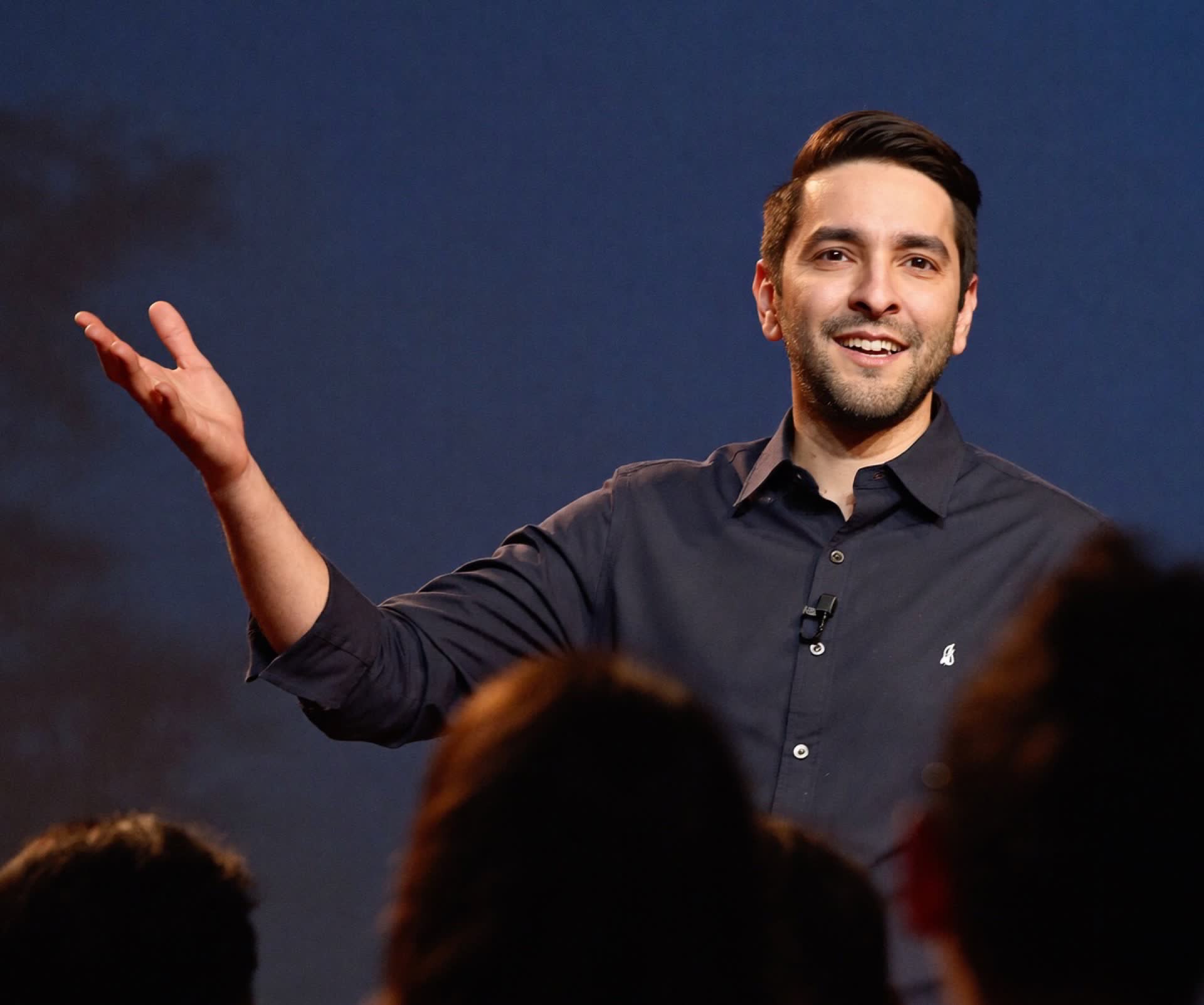
Thought Behind Things · Aug 23, 2024 · 57:31
Islamic economics is the polar opposite of capitalism
Dr Asad Zaman returns to argue that Islamic economics is not a shaded version of capitalism but its polar opposite — built on community rather than the individual, service rather than profit, and self-sufficiency rather than dependence.
with Dr Asad Zaman
14 min read
A guest who refuses the usual framing
The episode opens with Muzamil welcoming Dr Asad Zaman back to the show — a returning guest whose biography reads like a tour of the world’s top economics departments. MIT for mathematics. Stanford for a master’s and PhD in statistics and economics. A short stint at the IMF. Faculty positions at Caltech, Columbia, Johns Hopkins, Bilkent in Turkey, LUMS in Pakistan, and the International Islamic University. Vice Chancellor of the Pakistan Institute of Development Economics. Most recently, professor at Al-Akhwah University and the author of two books on Islamic economics.
What is striking is how quickly Dr Zaman dismantles the question he is asked. Muzamil opens with the standard frame — currency is one component, but a holistic Islamic financial system would entail much more, what does it look like, does any of it exist today? Dr Zaman’s answer cuts through the premise. His book, he says, is titled Islamic Economics: The Polar Opposite of Capitalist Economics, and the title is deliberate. “The vast majority of Islamic economists believe that Islamic economic is a branch of capitalism. It’s just a shade of it in which you add the zakat and you subtract interest.” He rejects that view entirely. “Islamic economics is very different in all respects and nothing like remotely similar to it currently exists on the planet.”
The community, not the individual, is the unit
The next move Dr Zaman makes is foundational. Capitalism, he argues, is built on the individual because capitalism requires human resources, not human beings. The labour market needs interchangeable parts that can be plugged in and swapped out, and the education system has been organised to produce those parts. Islam works at a different level. “The central micro unit is the community, the neighbourhood community organised around the masjid, forty houses to the left, forty houses to the right.” Rights and responsibilities live at that level.
The macro unit follows the same logic. If microeconomics in Islam is about communities, macroeconomics is about the ummah — the entire collection of Muslims — not about nations. Dr Zaman is direct: “The nations have been created deliberately to divide the ummah and they have been very effective and successful in doing so.” He points Muzamil and the audience to Wael Hallaq’s book The Impossible State, which argues that the nation state is structurally incompatible with Islamic conceptions of collective governance. The implication, which Dr Zaman draws out, is that decades of Muslim effort to capture governments inside nation states has been pointed at the wrong target.
Why the Western secular split matters
Muzamil presses on the purpose. What was the end goal of an Islamic economic system in the first place? Dr Zaman answers historically. He reaches for Karl Polanyi’s The Great Transformation, which traces how Europe moved from a traditional society organised around Christianity — where the social body was thought of as a single whole — to a secular society that deliberately excluded God after the religious wars.
Once you remove God, he argues, the universe gets re-described. Human beings become a species of animal. The natural law becomes the law of the jungle. Survival of the fittest becomes the only ethics. “The capitalist system is built on greed, individualism, hedonism, pursuit of pleasure, power and profits.” Islam, he says, inverts every term. Strength is given to protect the poor, not exploit them. Excess wealth is given to spend on those who have less, not to compound. Cooperation replaces competition. Social responsibility replaces individualism. Prayer itself, he reminds Muzamil, is not acceptable if your neighbour sleeps hungry while you have money.
The honest objection — and the limit of the elevator pitch
Muzamil presses the case from the other side. The reason Islamic finance is often grouped with capitalism, he points out, is that Islam does preserve private ownership and an incentive to work — it is not communism. Zakat circulates wealth rather than abolishing it. So what is the actual difference once you grant the incentive structure?
Dr Zaman declines the elevator pitch. “Unfortunately, this is complex,” he says. “Question is more complex than it appears but I can answer it briefly but not in the elevator.” His point is that the difference is not technical but ontological. Capitalism treats labour as a thing to be bought and sold; Islam treats a single human life as equal in weight to all of humanity, and therefore as something that cannot be priced in the same way. The two systems disagree about what a person is before they disagree about what a wage should be.
Stop trying to capture the state
Muzamil asks the direct question: if you were redesigning Pakistan today to be more Islamic, how would you do it? Dr Zaman’s answer is structural and slightly subversive. “There’s no solutions to the problems at the level that they are produced.” The government is not the right place to start because the government is too deeply embedded in the global capitalist system to be reformed from within. The people who claim that nothing can be done until the state is captured are, he says, wrong. They aim too high, fight battles they cannot win, and conclude that the situation is hopeless.
The right level is the neighbourhood. “Everyone is a shepherd and is responsible for his flock.” The masjid, he reminds Muzamil, was meant as a social centre — a place where the community knew each other’s problems and solved them collectively. Forty houses to the right, forty to the left. No child without education, no neighbour going to bed hungry. He concedes that this fabric has dissolved, particularly in urban Pakistan, where worshippers stand shoulder to shoulder for ten years without learning each other’s names. But the answer, he insists, is to repair that fabric, not to wait for a minister.
He draws a sharp distinction from communism, socialism, and capitalism — all of which, he notes, were born in secular societies. “A secular society is one where everyone has their own religion, so there is no basis for collective action.” The only available vehicle for collective action in a secular society is the state. Muslims, he argues, have absorbed that habit of thought without noticing. In an Islamic frame, collective action lives in the community first.
The Islamic firm: profit for service, not service for profit
Muzamil pushes for something more concrete. What does an Islamic business model actually look like in practice? Dr Zaman offers a clean inversion that becomes one of the sharpest lines of the conversation. “An Islamic firm earns profits in order to provide service, and a capitalist firm provides service in order to earn profits.”
He walks through the example slowly. If you run a farm in an Islamic frame, the starting point is not the market — it is the village that needs to be fed. You still need a price. You still need profit, because without profit the model is not sustainable. But the objective function flips. You are not trying to maximise profit; you are trying to maximise the number of people you can feed while remaining solvent.
The labour relationship inverts with it. The worker is not an interchangeable input priced by the hour. He is a partner in the service being delivered. Need enters the wage equation: a man with three children gets more than a single man at the same effort. Output still matters — a faster, more efficient worker still earns a higher wage — but the underlying relationship is participatory rather than anonymous. The example Dr Zaman gives is the cleaner who sweeps the mosque bathroom. Because he is a partner in the worship being performed inside, his reward is, in the Islamic frame, equal to that of the worshippers. The dignity of labour, he tells Muzamil, is the first place to start; the more advanced versions of this firm structure come later.
Currency, Bretton Woods, and the self-sufficiency question
Muzamil shifts to currency. He lays out the history quickly — from gold to the gold standard to the breaking of the peg in 1971 to fiat, with productivity continuing to climb while wages flattened — and asks what an Islamic currency would actually look like. Bitcoin? A BRICS-style basket? Gold-backed?
Dr Zaman pulls the conversation back from the technical detail. He cites The Battle of Bretton Woods, which describes how Keynes proposed a more equitable design and was overruled by the United States, which held all the cards as the post-war creditor. The point is that there is no natural trading system. Every system is designed. The current one puts the dollar at the centre. Keynes’s design did not. Other arrangements — the COMECON bloc among them — chose other centres.
But the load-bearing piece of an Islamic monetary system, Dr Zaman argues, is not the choice of peg. It is self-sufficiency. If a bloc is self-sufficient, the exchange rate of its currency against the outside world becomes a second-order concern. Luxuries get exported and imported, but no one starves when the rate moves. Self-sufficiency in turn requires the simple lifestyles that Islam recommends. If your population is accustomed to the latest consumer goods from the most developed economies, you will never be self-sufficient. He flags the distortion that this creates in Pakistan today, where the elite operate inside a different economy from the masses, mob the malls, drive the latest cars, and remain indifferent to the fact that ordinary families cannot afford milk for their babies.
The three rules that would have prevented 2008
Muzamil presses harder. The complaint from voices like Dr Taimur Rahman, he says, is that Islamic economics as a body of work barely exists beyond the interest question — that the modern economy is too complex for a fourteen-hundred-year-old framework. Dr Zaman answers in two parts.
First, the technical part. He lays out three financial rules from the tradition. No interest. No gharar — no selling of instruments whose value is indeterminate. No trading of debt. He points out that Christian commentators after the 2008 crisis observed that any single one of those three rules, if it had been in place, would have prevented the collapse. Mortgages held under musharakah would have made the bank a partner with the homeowner rather than an adversary. Mortgage-backed securities with undeterminable value would have been forbidden as gharar. The chain of debt-trading that allowed lenders to write loans they knew would fail — because they had already sold the risk on — would have been blocked outright. “Three rules fourteen centuries ago, all very clear and explicit. Any one of those rules would have prevented two thousand and seven global financial crisis. So how can you say that it’s obsolete?”
The three generations of Islamic economists
The second part of his answer is historical and unsparing. Dr Zaman maps the field into three generations. The first — Maulana Maududi, Hassan al-Banna, others — were revolutionaries fighting against a world dominated by capitalism, communism, and socialism. They wrote at length about why an Islamic system was superior to all three.
After World War II, decolonisation created the opening to implement it. But the colonial period had also produced an Anglophile elite — people educated to love their colonisers and to hold their own traditions in contempt — and that elite inherited power. The Islamic revolutionary plans went on the back burner while political Islam tried, and largely failed, to capture states.
By the mid-1970s, a conference in Makkah marked a pivot. The new generation gave up on the revolution and tried instead to Islamise capitalism — to start with the existing system and bend it toward Islamic principles. To do that, they went to Western universities and earned PhDs in mainstream economics. The result, Dr Zaman says bluntly, is fifty years of work with effectively nothing to show for it. “If you look at their books to see what Islamic economics has to offer, you will see nothing.” This, he says, is why Dr Taimur Rahman’s critique is correct as far as it goes — but it describes the failure of the second generation, not the bankruptcy of the project.
The third generation, he argues, is now emerging. It has accepted that the state is not available and is building parallel institutions. Indus Hospital — state-of-the-art treatment with no cashier and no treasury, available to anyone who walks in — is Islamic economics in action. Akhuwat, with its zero-interest microfinance, is Islamic economics. Al-Akhwah University, where he now teaches, is Islamic economics. “Lots of these disparate, disjoint initiatives about what can be done without having the government. That’s what Islamic economics is.”
Crypto as a substitute for trust
Muzamil asks the obvious follow-up. If the third generation is operating outside the state, is cryptocurrency the right rail? A blockchain layer outside central bank control could host transactions built on Islamic principles.
Dr Zaman has written a paper on exactly this question and his answer is double-edged. Islam, he says, is built on trust and human relationships. If crypto substitutes for that trust — if technology takes the place of character — then it is harmful to the cause, however efficient it may be. He gives the analogy of installing cameras in every government office to eliminate corruption. It might work mechanically, but from an Islamic perspective it has done nothing, because corruption lives in the heart and the cure is purification of the heart, not surveillance of the hand. Used carefully, with the limits understood, crypto can play a useful supplementary role. Used as a replacement for trust, it is part of the problem.
The Norway question
One of the sharpest exchanges of the conversation comes near the end. Muzamil notes that on the financial criteria they have just discussed — equity, justice, low inequality, social responsibility — the Nordic countries arguably score better than most Muslim-majority states. There is even, he points out, a published paper that ranks countries by Islamicity and puts Norway at the top.
Dr Zaman accepts the framing but reframes it. Statistical rankings are a hoax. Once you understand the game, you can construct an index that puts any country anywhere. But on the underlying point about Islamic finance specifically, he concedes the ground. “If you talk Islamic finance, then it is certainly possible that non-Muslim countries are doing much better in terms of upholding certain Islamic ideas than Muslim countries.” He gestures at Palestine, where non-Muslim states are doing more for the people than Muslim governments who sit silently. The leadership and the system in place in Muslim-majority countries, he says, have nothing to do with Islam.
He pivots to the human-level data. The proportion of income that Muslims give in charity, he says, is the highest in the world. The absolute figures look small next to a Bill Gates donation, but as a share of income they are large. The honest comparison, in his view, is at the level of individuals, not states.
What he would actually tell Pakistan
Muzamil closes by asking where Pakistan is heading. Dr Zaman quotes Abdul Hakim Murad at Oxford on the surface of the ocean — always storms, always waves, always wind — and the calm at the bottom. Islam, he says, is not particularly concerned with the froth. The turbulence will continue, and it is meant to. The promise was never paradise on earth.
His practical recommendation is quieter than the politics that surrounds it. Stop chasing political saviours. Look at what you can do. Repair your neighbourhood. Live a simpler life. And, in his most concrete piece of advice, prepare for the climate crisis: move closer to the land, secure your own water, install solar, grow some of your own food. The political machinations, he says, he sees no end to. Bangladesh has given some hope. He does not see Pakistan following.
By the end of the conversation, Muzamil thanks Dr Asad Zaman and lands on the ending note that the real work is inward and local rather than outward and national — which, on this particular evening, is the most concrete prescription on offer.
Full transcript
The natural law is the law of the jungle. Survival of the fittest is the only ethics. Capitalist system is built on greed, individualism, hedonism, pursuit of pleasure, power and profits. Again, there's no solutions to the problems at the level that they are produced. Islam tells us to work at the level where you can be effective. We don't rely on the government to come in and everyone has their own religion so there is no basis for collective action. Islam में तीन financial rules हैं, no interest, ग़रर नहीं होना चाहिए. Ambiguity.
सामने ख़बीना आज रात. Welcome back to another episode of thought behind things. आज हमारे साथ एक बहुत ही ख़ास मेहमान मौजूद है जो कि पहले भी आ चुके हैं. उनकी एक बहुत ही incredible story है. उसको हम आज नहीं cover करेंगे. वह यहां पर कहीं पर आ रही होगी. If you'd like to see it, उसमें सारी detail उनकी incredible journey की बताई गई है. But just to give you a summary, he did his bachelor's in mathematics at MIT. उन्होंने masters और PhD अपना statistics और economics में Stanford University से किया. उसके बाद फिर उन्होंने थोड़ा अरसा IMF में काम किया, I believe, less than a year if I'm not wrong. Then he was a professor at Caltech, Columbia University, John Hopkins University, Bilkent University in Turkey, Lums in Pakistan, and then Islamic University. He was also the vice chancellor of, PAID, Pakistan Institute Institute of Development Economics, if I'm not wrong. उसकी abbreviation बनती है. He's written a couple of books as well, most recently Islamic Economics, a survey of the literature. उनका एक बहुत detailed body of work है on Islamic economics as well as overall development economics. आज हम एहसास मौजूद हैं अहसास ज़मान साहब. Sir, thank you so much for being part of this show.
Thank you for inviting me and I'm very happy to be here.
Just to confirm जो मैंने चीज़ें सारी बताई हैं वह दोस्ती थी, कोई मैंने ग़लत क़ौर तो नहीं किया. Except
हां, everything was fine. Correct, एक UPenn miss हो गया मेरा, University of Pennsylvania. That was my first appointment और currently my position as professor at अखूद university.
ज़बरदस्त. अगर मैं overall Islamic economic system की बात करूं, right? Let's not talk about जो current जो भी हो रहा है. मैं मैं कहता हूं कि काफ़ी दफा discuss होता है कि यार इस्लामic system कोई होना चाहिए. उसमें ज़ाहिर currency is one component of it, but इस्लामics economic और इस्लामic financial system would, in my understanding, entail a very holistic, you know, picture. आप क्या उसको किस तरह से देखेंगे? क्या आपको लगता है जो आज निज़ाम exist करता है वह Islamic है? क्या आपको लगता है कि इसके अंदर कुछ components हैं Islamic निज़ाम के? और क्या और तीसरा सवाल यह है कि क्या Islamic निज़ाम सिर्फ़ सूद और रिवा के around ही होता है और बाकी सारी की सारी चीज़ें are open for interpretation या उसमें और भी components exist करते हैं?
मेरी किताब है on Amazon, its title है Islamic economics, the polar opposite of capitalist economics. And I've chosen this title because the vast majority of Islamic economists believe that Islamic economic is a branch of capitalism. It's just a shade of it in which you add the zakat and you subtract interest and भलाई, capitalism turns into Islamic economics system. No, Islamic economics is very different in all respects and nothing like remotely similar to it currently exists on the planet. But it is possible to create, I've recently written a paper on this topic and one of the, you know, the starting point is to reconceive the idea of microeconomics and macroeconomics. Microeconomics is based on the idea of the individual, क्योंकि capitalism requires human resources, not human beings. The labor market is central to the capitalist system, and the labor market requires interchangeable parts which can be swapped in and out, and they are resources to be plugged into the machine for production. So our educational system produce these interchangeable parts, and Islam doesn't, the central unit, central micro unit is the community, the neighborhood community organized around the मस्जिद, 40 houses to the left, 40 houses to the light. There's a lot of emphasis on the community rights and responsibilities. So that is our basic tuning. So if we had a micro economics which was Islamic, then we would be dealing with communities around the world. And macro economics would be at the level of the उम्म, the entire collection of the मुस्लिमs, not at the nation level. In fact, the nations have been created deliberately to divide the उम्म and they have been very effective and successful in doing so. And there's a book by वैल हल्लाक called The Impossible State, which says how the concept of the nation state is opposed to Islamic conceptions about how we form collective governance. So, it's hard to any lot of Muslim effort is being devoted to capturing governments in nation states, but this effort is likely to be futile for a number of reasons. Nation state itself is not adapted to Islamic goals and, worse, the nation states are very strongly entrenched and embedded within the global political structures and have very little room to wiggle. Currently, it's the corporations, large corporations which are dominating the nations and dictating policies around the world in different nations according to their financial interests.
अगर मैं यह पूछूं आपसे कि Islamic economic system या Islamic financial system की जब हम बात करते हैं तो उसका purpose क्या था? Islamically speaking, उसका inherent end goal क्या था कि what will it और इसकी पूछने का वजह मेरी है कि जब हम वैसे generally इस्लाम को approach करते हैं तो हमें होता है कि यार equality purpose था, well-being of the society purpose था. तो फिर लोग कहते हैं कि नहीं यार वह तो जो communist structure था वह ज़्यादा अच्छा था. Everybody was equal and so you you you simplify things and you try to extrapolate them in whatever you understand. Right? So, आप capitalism में लेकर आते हैं. आप कहते हैं कि यार, you know, productivity and and and growth जो था वह system वह purpose था. तो इस वजह से Islamic financial system जो है वह capitalism कुलू साबा साबा ही है. The only difference here is कि ठीक है capitalism in its current form शायद उसमें problems हो सकते हैं. उसमें again interest हो सकता है, इस तरह की चीज़ें हो सकती हैं. What I'm trying to understand is अगर मैं आपसे एक basic in an elevator page पूछूं कि इस्लाम जो economic system के अंदर जो चीज़ें उन्होंने recommend की, वह क्यों की?
Right. Unfortunately, this is complex, question is more complex than it appears but I can answer it briefly but not in the elevator. तो the critical thing is Carl Polanyi's book called The Great Transformation, The Historical and Political Origins of Our Current System. तो उसमें उसने बतलाया कि Europe had a traditional society based on Christianity in which all people were part of the collective whole and it was the society was thought of as a body. But then due to religious wars, people said that no, we can't use religion as a basis to build society. So let's build a secular society excluding the idea of God and judgment. Now one of the critical things when you exclude god from the picture is that you come up with a different conception of the universe. The universe was created by itself. Human beings evolved from animals, so we are just a species of animals. And so the natural law is the law of the jungle. The one who is stronger will control the one who is poor. And so survival of the fittest is the only ethics. And this is what is the basis of the capitalist society where if you can do it, the power to do is the also the right to do something. We live today in the law of the jungle and very manifest all over the world. Now, Islam and this is exactly what the society of Arabian Peninsula was before the coming of the prophet So, Islam builds rather radically different conception of society. It says that strength has been given to you not so that you can exploit the poor, but so that you can protect the poor. Excess wealth is given to you so that you can spend on those who have less than what they need, not so that you can build up more and more and have exploit others. So basically the capitalist system is built on greed, greed individualism, hedonism, pursuit of pleasure, power and prophets. Islamic society is built on generosity, it's built on cooperation, not competition. It's built on social responsibility, taking care of others, not individualism that I can have a million dollars in bank and I can be working on making this into 2,000,000 while my neighbors are all hungry. They they are not my concern. So this is individualism as opposed to social responsibility where prayer is not acceptable if you have money and your neighbor sleeps hungry.
Makes sense and so अगर मैं इसी को आगे लेकर जाऊं, right? इसमें there is a very clear goal जिसमें आप value को सही तरीके से price करें. आप ensure करें. अगर मैं ज़कात को देखता हूं तो hoarding को आप hoarding के ख़िलाफ़ हैं. आप ensure करते हैं कि यार जो जो जो wealth है वह continuously circulate करें ताकि there is an incentive structure. And the reason why लोग कहते कि Islamic system is capitalistic is because आपको वह incentive structure by design built in हुआ. वह communist style नहीं हुआ कि हां चलो सबको कोई भूखा ना सोए. तो you know let's get whatever we have and then distribute that to everyone and you know, इस्लाम was very supportive of growth. इस्लाम allowed for you know कि लोग private ownership रख सकें और लोगों का कोई incentive structure हो to work hard while ensuring social responsibility and ensuring कि यार, you know, there is a certain amount अगर आप hold कर रहे हैं तो उसमें से certain amount आप जो है वह वापस system में plug in करें जो कि system पर eventually underprivileged को support कर सकता है. The reason why मैं इन इन basic definitions पर जा रहा हूं is because मोटा मोटा देखकर either or side के ऊपर हमने एक ऐसा निज़ाम बना लिया हुआ है अपनी daily lives में चाहे वह micro पर हो या macro पर हो. जिसमें हम कहते कि अच्छा, you know, हमें लोगों का ख़याल रखना है तो हम ठेले वाले को कम पैसे देते हैं और हम मांगने वाले को ज़्यादा देते हैं. Right? Because हमने वह जनत points कमाने हैं. And so that by design is is is opposed to value and is opposed to actually working hard and and and creating wealth. तो एक तरफ़ मुझे वह problem नज़र आती है कि जो charity का core fundamental concept है वह misunderstood है in a lot of the Islamic world but अगर मैं Pakistan की बात करूं तो वहां तो it holds very much true. फिर similarly अगर मैं alternate side के ऊपर जाता हूं तो जो current आपका finance capitalism जो आज हमारे सामने है उसमें it's less driven by value और और और fundamentally कौन कितनी मेहनत करके कितना produce कर रहा है and it's more driven by जो मैं आजकल देखता हूं कि, you know, it's like a Vegas happening in a lot of different areas. Cryptocurrency में पैसा डालो लपेट के ले जाओ. प्लौटों की file में पैसा डालो लपेट के ले जाओ. You know, even fiat currency जो मेरा मतलब with fiat currency is that the the the the the people जिनको finance का इतना idea नहीं है, they're always at the losing end because वह अपने पास संभालकर अपने संदूक में पैसे रख लेते हैं. मेहनत करते हैं, बड़ी मुश्किल से पैसे कमाते हैं, संदूक में रखते हैं. And the poor man is giving the tax every year जो भी आपकी you know, you the government prints and 20% extra cash की वजह से extra inflation हुई और उसकी वजह से जो है ना tax पड़ गया गरीब आदमी के ऊपर. So the way the निज़ाम is constructed, आप उसको कह सकते हैं कि यार नहीं नहीं देखो you should be more financially illiterate और यह role लेकिन practically ऐसा possible नहीं होता. So it's daylight theft in my opinion जो अभी हमारा चाहे वह currency का system हो, चाहे वह आपका overall the way that even micro के अंदर हम सुबह शाम deal करते हैं. So, in that context what I want to understand is कि जब मैं कहता हूं कि Islamic system अगर आप redesign करें Pakistan को for example आज, how would you redesign Pakistan to make it more Islamic? देखिए, there's no solutions
to the problems at the level that they are produced. You have to go outside the box to find the solutions. तो basically, the critical step for to create an Islamic economy since we cannot start at the level of the government because that's too deeply embedded in the global capitalist system. That's why people have been trying to get that and that would have been wonderful if we could have done that but it's not available. So is that does that mean कि we are just hopeless and this is the position of many people कि until we get the government there's nothing that can be done. This is wrong. Basically, Islam tells us to work at the level where you can be effective. ग़ुल्लुकुम रायुन, everyone is is a shepherd and is responsible for his flock. So, look at your own flock. So, basically the meaning is that we need to work neighborhood by neighborhood, community by community. Within each community, today the bonds of the social fabric has broken down. We people play pray in the Masjid side by side and don't know each other's name for ten years. So, this is this is not very Islamic. मस्जिद was meant as a social center, a place where we would know of the problems of everyone in the neighborhood and solve them as a community. We don't rely on the government to come in. You see, this is one of the things that differentiates communism, socialism and capitalism. They were all born in a secular society. A secular society is one where everyone has their own religion, so there is no basis for collective action. When you think about how to help the people, there's only one place you can go and that's the government because that's the only source for collective action. So we have also been absorbed this manner of thinking that the only place for collective action is the government. Actually, in Islam, the collective action occurs at the community level, within the neighborhood. These neighborhoods are also dissolved. Strong in rural areas, but in the urban areas, most people don't know the names of their neighbors. And so, it is these bonds and taking care of each other. Know, the person within 40 houses to the right and the left, no one should be sleeping hungry and we should know the conditions. If there is a child that needs an education, they are not getting it, then it's my responsibility to take care of that. My meaning collective responsibility. यह फ़र्ज़े के फाया है. फ़र्ज़े के फाया doesn't mean कि government आकर देखेगी हमारे मेहल्ले को, बल्कि whoever is on the spot, it is his responsibility. If we can't fulfill it then the next closes and so on. So, हम अपने अपने neighborhood को Islamic बना लें तो is the what that is what we can do And and the real problem in the path of this is that people aim too high. Instead of looking at what we can do, they fight battles which cannot be won and they say कि ok, we have to go and get rid of corruption in the government and they try and try for years and years and they say fail and they get discouraged and say nothing can be done. Instead of saying that ok, let's let me work on corruption within my own मेहल्ला. Let me make sure there is no one hungry in my मेहल्ला. Let me make sure that all children in my मेहल्ला get the chance to have an education. So if everybody looks after 10 houses to the right and the left, that will make a difference because everyone will be making a difference and is these micro efforts that will create an Islamic society and Islamic economy.
Look, I I I get that but इसी में simultaneously आप इसमें यह भी तो देखें ना कि अब अगर मैं इस्लामाबाद में रहता हूं और मेरे left और right के अंदर everybody's rich, very honestly. Right? And so, मैं क्या that's, वह क्या मैं तो सब घर भी left, right देख लूं तो everybody is rich. And so now the effort required for me to go and identify someone who was poor more often than not results in scams, right? Because it's easy for for for someone far away to come in and मुझे वह बेवकूफ बना सकता है. बेवकूफ बनाना का सादा तरीका एकारी है कि मैं उसको help कर दूंगा. And so again like I said कि the reason why systems are important is because systems create the incentive structure. By फलसफ़े में तो मैं आपसे agree करता हूं. लेकिन practically जब मैं उसको live कर रहा हूं तो उसके अंदर in the absence of a system in the law of the jungle, for example, you will all you're always bound to make a mistake and it's not because you were at fault. It's because, you know, the the the incentive structure was not driven for value, was not driven for hard work, was not driven for honest work. And so, again, आपने मुझे bottom up तो बता दिया. But अगर मैं top down की बात करूं कि भाई, how does an Islamic system? मैं कहता हूं कि भाई, आज अगर let's say American led, post modern late stage capitalism चल रहा है और मैं यह assume करता हूं कि potentially उस system का एक end क़रीब है और जो you know change of systems होता है जैसे सौ साल पहले हुआ UK से हटकर वह US की तरफ़ गया या दरमियान में भी हमने देखा कि बहुत सारी communist countries थी जो कि फिर eventually खुलकर capitalism की तरफ़ गई. तो वह बड़े interesting moments होते हैं तो to actually identify क्योंकि उस वक़्त Greed है ना? So, greed के cycle में आप किसी को convince नहीं कर सकते. And so, चूंकि मुझे personally यह लगता है कि जो twenties हैं, वह एक chaotic जो हम निज़ाम देख रहे हैं Pakistan में भी but पूरी दुनिया में, वह है ही इस वजह से because there is financial system जो कि end की तरफ़ जा रहा है and potentially एक new financial system that has to rise whether that comes from BRICS, whether that is something a lot more democratized like blockchain based cryptocurrency. I don't know. Question being कि if I'm to imagine a top down Islamic economic or Islamic financial system, what would that look like which is more equitable, which is more just, and which allows for a a right incentive structure to work hard and and and create wealth in हलाल में means?
हां, you have asked a lot different questions and all of them are relevant. एक तो बात यह है कि incentive for labor in Islam is very different from the incentive for labor in capitalism. Capitalism में you sell your time and you sell your life in return for money. In Islam, humans beings are too precious to be bought and sold on the market because the अल्लाह तालाह सेर के एक ज़िंदगी जो है वह सारे इंसानियत के बराबर है. So, we simply can't hire somebody in the same way that you do in capitalism. In capitalism, the labor is done by, there are many different models for labor, but one of the models is participatory, that we all go and produce a service and we are participants in the service to the उम्म. So, person is getting the reward. जैसे कि एक मस्जिद में एक भंगी है वह, जाकर मस्जिद का bathroom साफ कर देता है. Here is the full reward of the worship being done by the people in the masjid. So this this equal the equality between the highest management and the lowliest in terms of being equal partners in the production of service and equal partners in the share of the reward that is given to you. This is Islamic business model which we are planning to teach at our university and actually the theory of this has been worked out and practice is also in
existence. What does what does that mean? Like, आपने कहा कि equal partners practically what does that mean? कि मैं अगर for example मैं एक farm चलाता हूं और मेरे farm के अंदर
It's a difference in mindsets that let us work together to provide food for the जो जो capitalist mindset है ना it's anonymous. The person doesn't matter. You are just interchangeable part for the production of the output. The Islamic system is very personalized. If a person comes and say, okay, we want to harvest this wheat in order to feed our village. This is the first thing. We're not going to harvest this village to earn money. Goal is to be provide service. This is the critical difference between an Islamic firm and a capitalist firm. Islamic firm earns profits in order to provide service, and a capitalist firm provides service in order to earn profits. So, our goal is to provide service. Are doing farming so that we can produce bread so that people can eat. And with that goal, then we are not going to maximize profits. We're going to try to maximize the number of people we can feed. And how we will do that? If if we start distributing it free, then we will not be able to sustain this business model. So we must make profits. We must have a price. But at the same time, our goal is not to make money from this. Our goal is to try to make sure. So now if I hire a laborer and look, this is why the business we are in. We're trying to feed the people, and you are my partner, and I will give you whatever you need, provided that is within my capability. And if you have three children, I will give you more. And if you if you're single, then you don't need that much. So I will give you according to so you're you're not being paid for your for hours you put in. You're being paid according to your needs as a part of the effort. Also, looking at how much you can output you can produce because that's also part of the service. So if you're fast and efficient, you can get a higher wage. So this is the different business model.
Again, in terms of the current system, अगर मैं कहता हूं कि that that that payout is represented क्योंकि complex हो चुकी है ना economy. पहले तो यह था कि यार आपने basic कुछ produce है उसी में से आपने उनको हिस्सा दे दिया. अब जब मैं कहता हूं एक extremely complex economy है और उसमें you need something as a center point as either through a currency or gold or whatever जिसको आप फिर as a payout इस्तेमाल करते हैं. तो इस case में जब मैं पहले उसको मैं पचास हज़ार रुपए की salary पर रख रहा था like what I'm trying to understand is क्या आप यह कह रहे हैं कि चूंकि वह मेरा partner है मेरी production में तो मैं उसको percentage model पर लेकर आऊंगा या मैं उसको कहीं ना कहीं ownership का, you know, incentive दूंगा कि जिसमें my growth is directly linked to his growth?
That's what I'm trying to understand. When we move, when we transition from a capitalist economy to an Islamic economy, there will be many many stages in the change. There are some things which we'll start, we can start doing right away and some things that will take a longer time to do. तो जो मैं model describe कर रहा हूं, it's not something that's immediately attainable. But the first step in a move towards an Islamic firm would be to have dignity of labor that everybody is equally a man. The boss is not यानी हमारे यहां तो यह है ना कि boss हुकुम देकर नाचो तो वह, नाचेगा. That's not the relationship. Everyone has equal dignity and the boss is just equal as a human being to all. And so that's that would be the first stage, just respect and dignity of labor. After that, we can proceed to more complex and more advanced stages of this. But that would not be, I think, the first, यानी key and यानी if and we're trying to move to Islamic economies. This is not the first goal to produce Islamic firms. The goals would be rather different.
Ok, so अगर मैं कहूं कि Islamic financial system के अंदर currency का concept, right? Historically हमने देखा gold, salt, multiple different items use हो चुके हैं. फिर eventually it emerged कि जो fiat का concept के banks emerge किए, gold banks में चला गया और उसके around contracts आ गए. फिर eventually gold का peg टूट गया और now we're in the in the age of fiat और उस age of fiat के अंदर अब बहुत ज़्यादा आपको negative feedback आना शुरू हो गया. I was looking at a graph the other day जिसमें उन्होंने दिखाया था कि जी productivity जैसे जैसे grow की compensation भी grow करता रहा up until 1971. जिसके बाद से the growth of productivity has been phenomenal but the compensation has largely plateau, right? And so, उसमें वही है कि because आपने, you know, आपने currency पर रोक दिया, currency की devaluation जो भी है वह सारी आप control ही नहीं कर रहे हैं. वह governments control कर रही हैं. Governments जो हैं वह capitalist oligarchs control कर रहे हैं. So they can literally hack everything. And so they've been hacking it more and more and more and more. And we're now at a point where the inequality has grown so much that you're seeing that aggression, and the conflict that is happening all across the world. And so, उसके heart and core में जब मैं देखता हूं ना तो मुझे नज़र आता है कि currency is probably at the heart and Systems की हम बात कर लेंगे left, right के यार. ढांचा मैंने कितना बदलना है but currency is very very important which is why now you're hearing a lot of different आवाज़ें. एक तरफ़ आपको bitcoin वाले जो tech technopreneurs हैं वह आकर कह रहे हैं कि यार you know what like we need a a stable store of value जिसको कोई randomly arbitrarily create नहीं कर सकता. So, आपकी store of value है और उसके आगे आपने जो बनाना है, बनाए. But at the very least, if I hold, if I work hard and I hold a bitcoin, my bitcoin will store its value. दुनिया की productivity बढ़ती जाएगी, मेरी bitcoin की value उसी हिसाब से maintain रहेगी. यह नहीं होगा कि यार अगर मैंने उसको उस currency में या store of value अपने आप को संभालकर रख लिया तो वह हर साल अपनी value lose कर रही है. So, my hard work needs to be stored in a way जो कि, equitable हो सकू और control नहीं कर सकता. Similarly, हमें अब आवाज़ें आ रही हैं कि यार BRICS nations जो हैं वह कोई potentially currency लेकर आऐंगे और वह उससे भी discussions यही हो रही हैं कि वह gold backed होगी. A lot of central banks have started procuring gold over the last couple of years और वह जो है ना वह treasuries को dump करके वह gold की तरफ जा रहे हैं. Gold की price अब बढ़ गई है. We're seeing a lot of these changes and so in that context जब आप Islamic financial system को मद्देनज़र रखते हुए देखते हैं, आप कैसी currency propose करते हैं जो कि आपको लगता है कि ज़्यादा equitable होगी, ज़्यादा मतलब easy भी होगी. Well, it's not like कि मैं कहूं कि आज अगर मैं कहता हूं कि gold भी move हो जाते हैं तो that's not practical. Right? आख़िर में you need something जो कि easily exchangeable है लेकिन यह कि it's driven by more justice.
Alright. So, you have asked a very complex question जिसमें सारी technical issues involved हैं. Any एक किताब है जिसका नाम है The Battle of Bretton Woods in which basically The US Secretary of State battled against Keynes who had his own proposal which was an equitable, which would have led to a more equitable trading system. अगर he shot it down because US was holding all the cards and nobody could any at at retinue they were the victors and the winners and they had the solid economy. Everybody else was in debt to USA so they had to accept whatever The US said even though the system they proposed was very unjust and unfair. तो मगर what I am saying is कि वह जो details हैं system की currency जो है उसके multiple ramifications होते हैं. It has effects on the domestic economy. It has the system which you design. This is the thing. There is no natural trading system. You have to design it. This is something which people don't understand. And so there are many possible designs. इस वक्त एक design system है which is put dollar at the center. Keynes had an alternative design which did not put dollar at the center and there are many other possible designs. जैसे Comic Con की trading थी, वह एक car design पर चल रही थी. तो how should we design a financial system? Currently the financial system that so one can design an Islamic currency along the lines of bricks. इसमें जो important aspects हैं, they are not the ones that you think कि हम crypto पर जाएं या उसकी backing क्या हो. Actually, it has a lot to do with how much self sufficiency we have. If we have self sufficiency, then our system is self contained. It doesn't matter what the exchange rate of our Islamic currency is with countries outside the block क्योंकि we are self sufficient. We will export our luxuries and we will import luxuries from them but nobody will starve if if our exchange rate suddenly jumps. तो यह self sufficiency is the critical thing For self sufficiency, what is essential is you have simple lifestyles which Islam recommends. Instead of, यानी if you're accustomed to the latest goods from the most developed countries, you're never going to be self sufficient. Of course, but then in the that in that also, there's a huge difference between what the masses are accustomed to and what the elites want. So a lot of the things that are going on in Pakistan is because elites have a different economy from that of the masses. So they don't really care if the masses are starving as long as they are getting their luxury goods. And so you see that the elites are, prospering. They're mobbing the malls, and they have latest scars and everything while the people aren't able to afford, milk for their babies. So an Islamic system would work on rather different principles and its domestic currency क्या होगी? Self sufficiency का level क्या होगा? Lifestyles क्या होंगी? International trading के rules क्या होंगे? All of these are things that need to be considered to design a system और इसमें फिर pragmatic issues भी आ जाते हैं कि what are the things that we can do which won't run into too much trouble or opposition from the hegemonic system currently.
Right. Doctor तेमुर रहमान, he's a he's a professor at Lums. He speaks very actively about communism and socialism. He did a series on YouTube जिसमें उन्होंने कहा कि Islamic financial system जो है वह as such कुछ है ही नहीं. वह इतनी detail में उसके ऊपर कभी काम ही नहीं हुआ. उसमें जब हम बात करते हैं तो उसमें बस वह यही है कि एक aspect के ऊपर इसी वजह से बार बार बात होती है which is interest और रिवा और, वह क्योंकि that is the only thing जिसको ज़्यादा जिसके बारे में बात हुई. वह चीज़ जो है वह तो Christian Christianity may be, you know, held true, Judaism may be held true. And so beyond that, you know, today's economies are so complex कि चौदह सौ साल पहले आप कह सकते थे, a lot of the basics आप उसको कर सकते थे कि यार ठीक है, you know, how do I barter? How do I make things more equitable? Population size is so small. You can be a lot more communal. But जो modern problems हैं उस that requires modern solutions. And again, the the the confusion that I'm having is a lot of what what I'm hearing from you are core fundamental principles of Islam, of of being good, of ensuring कि आप, you know, मेहाना रवि रखें, अच्छे इखिलाक के साथ करें, लोगों का ख्याल रखें, वह सारा कुछ करें. When you talk about economics, economics that's more social science, right? Economics as a as a as a subject will require you to answer a lot of these questions. कि भाई currency क्या है? क्यों होनी चाहिए? कैसे होनी चाहिए? It will require you to then go deeper into the problem statement and say कि अच्छा, अगर मैं fiat currency रख रहा हूं तो उससे ग़रीब आदमी की जो जो value है वह depreciate होती है. अगर एक बंदे को मैंने पिछत्तर हज़ार रुपए salary पर रखा है तो by the end of the year उसकी actually 10% devaluation हो चुकी हुई है क्योंकि inflation 10% थी rather than, you know, maybe I should have kept the currency in a way जिसमें उसको जिस चीज़ पर मैंने promise किया है from the first day of his job वह maintain हो उसकी, right? Or a lot of other things. जो जो अभी तक मुझे problem आ रही है वही आ रही है कि whatever you're saying, you're saying let's do the core, let's think about the core and once we've thought about the core तो बाकी चीज़ें will figure itself out. And and and the problem with that is more often than not in a complex system like today's day and age, we are never able to go towards the the secondary step because nobody cares about the core. Right? And which is why until and unless we do thought experiments of what the currency might look like or what a lot of other things might look like, It seems impossible to actually get the public support on board for a system and again इसमें मैं यह कहूंगा कि you've got other examples like let's say Iran or Saudi or Malaysia or Turkey. कहीं ना कहीं कुछ aspects तो उसके thought experiments में होंगे कि यार यह इन्होंने कुछ करने की कोशिश की, this was Islamic or not Islamic. I want the more practical side of things and I feel like that the material isn't available online. A lot of the Islamic economy के जो professors हैं, जो academics हैं जो उसके ऊपर काम करते हैं, they're not even going there. They're they're they're so stuck on the core कि जो जो modern student है वह interested है in the in the practicalities of it. What are your thoughts on that?
Alright. So, you have mentioned a lot of different things and a lot of different answers. एक तो बात यह है कि is Islam for archaic and obsolete economy? एक बात simple सी बात है. Islam में तीन financial rules हैं. एक तो यह है कि no interest. एक यह है कि ग़रर नहीं होना चाहिए. यानी you shouldn't sell instruments whose value is not determinant in the market. It can be very high or very low and nobody knows what the value is. तो this is ambiguity. You don't know the good, the value of the good you are selling. और तीसरी यह है कि there is no trading of debt. So, the interesting thing is कि global financial crisis हुई. तो some Christian commentators said that if any one of the three rules had been in place, the global financial crisis would not have taken place and and you can it's easy to show that. अगर interest नहीं होता, अगर मुशार का basis पर mortgages होते के the banks were partners with the houses then they wouldn't have allowed the harsh into class but they were adversarial. अगर यह जो mortgage based securities हैं, इनकी बिल्कुल ही unknown value थी, nobody could determine them. If they were not traded and again trading of debt was prevented. वह mortgage एक आदमी खरीदता है. This is how it worked. Basically, you would sell the mortgage to the man on the street and immediately sell it out with insurance so that you didn't actually care whether the man and you knew that the man was not going to make payments but you didn't care. So, this is kind of the problem. So, three rules 14 centuries ago, all very clear and explicit. Any one of those rules would have prevented two thousand and seven global financial years. So, how can you say that it's obsolete? एक तो यह बात है. अच्छा, दूसरी बात यह है कि when तेमुर रहमान says कि Islamic economics is meaningless, he is quite correct. Actually, you have to understand what has happened. You have to understand what happened in Islamic economics itself. तो एक पहला generation था. These were the people मालाना मोदीदी and असनल बनना and many others. They were revolutionaries. They were fighting against world in which there was capitalism and communism and socialism and they were launching a revolution. They were asking people to give their blood for this revolution and they said we have a system that is wonderful and it is much better than capitalism, is much better than communism, is much better than socialism And you have books and books explaining how the Islamic system works and why it is better. So that is what I call the first generation of Islamic economists. Then up until the when the Islamic यानी basically you can say कि between the before the world wars about 90% of the world was colonized including the Islamic world. After World War II, the Europeans fought among themselves so so much that basically everybody else got liberated. So, by the nineteen fifties you had most of the world, there were very few remaining colonies. So, you had independence. So, people started to say, ok, let's implement our Islamic economics. But what happened was that the during the process of colonization, the Englishman and the French and the Germans, they had prepared sectors of Anglophiles, जो मकालिक class थी. जिसने कहा कि हम लोगों का मकसद education का यह है to create people who love and admire us and who hate have and have contempt for their own traditions. So this class was naturally in power. So they didn't want to have anything to do with Islam and Islamic revolution. So that is when political Islam emerged and people said that, we have to put these Islamic economics plans on the back burner and let's try to capture the government. But they found that these government are too strongly entrenched except for a few occasional exceptions here and there. None of these revolutions succeeded. So, the mid seventies there was a conference in Islamic economics in मक्का and people said that it's time for a rethink. We cannot capture governments, so let's try to Islamize capitalism. So that was what I call the second generation Islamic economics. Ok, let's start with capitalism and try to shape it towards Islamic principles. So, for this purpose, before this, the revolutionaries never actually studied capitalism in-depth because they didn't have any need. They wanted to tear it down and build up a new system. But this new second generation, they all went and did their PhDs in economics and they became brainwashed into thinking that this is the only system and we can only make minor modifications of it. So, actually the second generation of Islamic economics in the mid seventies to about fifty years, zero accomplishment and if you look at their books to see what Islamic economics has to offer, you will see nothing. But अहमूर रहमान is quite right if you look at those books. But this doesn't mean the Islamic economics. It's just that the Islamic, the second generation of Islamic economics abandoned the revolutionary goals. But those goals are still there and nowadays we are seeing the emergence of a third generation. What can we do to create an Islamic society given that governments are not available? So, now we are looking at gorilla warfare in the sense that we are trying to do what can be done within our current situation. So building up local communities which are self sufficient. If we look at Indus hospital, that's Islamic economics. Creating a private hospital which gives state of the art treatment to anyone who comes. There's no treasury, no cashier and everybody gets treatment. This is Islam. AD is Islam. अखूवात university is Islam. Micro finance at zero interest, this is Islam. So lots of these disparate, disjoint initiatives about what can be done without having the government.
That's that's what Islamic economics is. Would you then because wouldn't you then argue कि there is a great use case then for the third generation revolutionaries to then look at cryptocurrencies or their own sort of blockchain based currencies that are outside of the ambit of of of central banks and governments and actually create a secondary layer of financial transactions that can be built along the principles of, you know, Islamic finance.
Ok, I've just written a paper on this exact issue and basically the thing is that there is a it's it's a two edged sword. On the one hand, you see, Islam builds is built on trust and human relationships and this is primary And if the crypto is a substitute for human trust, then it is actually harmful to the cause. So we want to be able to create people who can trust each other, who are trustworthy, and to the extent they rely on. See if हम लोग कहें कि government में corruption खत्म करना है, तो उसका तरीका यह है कि सारे government offices में हम cameras install कर देते हैं. From the it might actually eliminate corruption but from the Islamic perspective you haven't done anything because corruption is in the heart and to correct it requires purification of the heart. So in that sense, if technology substitutes for character, then it's harmful. But there are you can if you use, if you understand this and you use it carefully, then it can play a useful supplementary role. Again, I'm not necessarily saying. देखिए
किसी ना किसी चीज़ में आपने transact तो करना है ना? आप अगर Indus Hospital is Islamic Finance, I agree. But then Indus There's no patient
don't, there's no cashier. Patients don't pay any money.
Sure, but to make it sustainable then there has to be so Indus hospital will run because some rich people donated to it. Right? So अगर मैं उसको थोड़ा macro पर लेकर जाऊंगा so there is a certain area जहां पर wealth generate हो रही है और उस wealth की भी transaction होनी है पूरी economy के अंदर. Right? Again, the the the point here that I'm trying to make is more often than not, we relegate Islamic finance to charity. Like, this is both of these things inherently are charity. Right? People who cannot afford will be able to afford. What about all of the people in an in a in a world where, technically speaking if I'm from a good privileged background मेरा interaction with Islamic finance क्या है? Like मैं मैं जो middle class पाक्सानी है ना जिसको charity की भी requirement नहीं है लेकिन उसके बाद इतना भी excess capital नहीं है कि वह आगे किसी को दे सकता है. उसने सिर्फ़ participate करना है economics के अंदर. जाकर उसने कोई कहीं से education लेनी है, फिर उसने job करनी है, फिर job करके उसने कोई wealth produce करनी है. उसका what that I'm trying to understand कि how what are his linkages to Islamic finance? And and इसी के साथ I would like to connect. आपने जो second generation वाले बोले, जो current Islamic finance के जो then वह शरिया compliant, Islamic finance, all of the instruments. तो would you then say कि वह सारे के सारे just आप कान को यहां से अब यहां से पकड़ रहे but it's the same thing या do you think कि वह actual में follow करते हैं जो तीन principles आपने बताए? No interest, no ambiguity and then no trading of debt?
तो यहां पर देखो this is यानी one thing very important to understand is that the capitalist conception of society is that of a jungle with survival of the fittest. Islamic conception of society is as a brotherhood where it's one body and every part feels the pain of the other. तो यह इसकी वजह से in a capitalist society everyone is isolated from others and our यानी कि diamond is a girl's best friend is these. यानी meaning कि my wealth is what will help me because I can't rely on anyone else. I am an individual isolate. Now, in a Islamic society तो देखो अगर फाइज़ करो कि everyone has a small risk of cancer and you need to have a million rupees in your bank in order to be able to take care of it. Then everybody in the society will try to acquire and put 1,000,000 rupees in their bank because they can't rely on anybody else. But collectively there will be only five, six cases. Collectively only $56,000,000 are required. So in a society where everybody is a brother, I don't need to put 1,000,000 in the bank because in my time of need, I will get help from others. So somebody has a cancer, I have excess money, I give it and everybody else gives it. So the need for surplus is vastly reduce in an Islamic society which is built on social relationship. Now we have a situation where we are living in a very strongly individualistic, jungle type, capitalist society. So the question is how do we go back to an make transition? यह जो great transformation है पुलानी का he says कि यह जो change है from traditional society to capitalist society, it didn't happen in one day and it didn't happen smoothly and regularly. It happened by a revolution. यानी there was a battle between the traditional society and the capitalist society and and tradition lost and capitalist won. So, if you want to undo this great transformation which is what needed, then it won't be an easy task. So, we have to look at what can be done or जो I would recommend is सियानी for people who are trying to live Islamically is that don't try to change the system. We tried and we failed for many decades. Try to change your neighborhood and try to change your lifestyle. Live a more simple life. You see, one of the critical elements of capitalism is कि you produce a huge amount and you labor a huge amount because you need to earn income to be able to buy a huge amount. So, everything is in excess. Excess consumption, excess production, excess labor. So reduce everything. Lead a simple lifestyle. Don't consume as much. Don't produce as much. Don't labour as much. And then you will have time to build social relationships. And actually, you see in our society, things have gone exactly the opposite. यानी people are working from day to night and they don't have time for friends and family.
Would you argue then that the European let's say Nordic countries are inherently a lot more Islamic based on that definition considering the fact that दो महीने क्योंकि summer की छुट्टियां भी होती हैं. Inequality बहुत हद तक कम है. In a lot of ways, they might not call themselves Islamic. अगर based on that definition of system, I would then argue कि Northern Europe is a lot more Islamic than much much of the Islamic world. For example, The Middle East जहां पर, you know, you got essentially modern slave labor. बाकी और countries हैं जहां पर वह inequality आप जितना भी उसको left right कर लें, गरीब गरीब है, भूख है, you know, malnourishment है. What would you say about that?
Oh, there's a, I mean, I'm sure you're aware of it. There's a paper which measured Islamicity of various countries and it put Norway at the top and Islamic countries were at the bottom in terms of Islamic countries. This is just a, this is a joke. I mean, Islam is not, reducible to, a few characteristics. There are many many other characteristics in societies which are and and so you see if you, once you understand this game of statistics, you can make any country come out on top in any characteristic that you like. तो यह कोई आस यानी even यानी इस पर college rankings हैं, this is just a hoax
and you can No, mean I not talking about the statistics. मैं generally एक मैं overall की बात भी नहीं कर रहा ज़ाहिर है. वहां पर और बहुत सारे मसले हैं, वहां पर, you know इस्लामिक अली alcohol का मसला है और बहुत सारे मसले हैं. मैं purely finance की बात कर रहा कि in terms of जो core हमने identify किया कि भाई इस्लामic financial system का purpose यह है कि equitable हो, just हो, equality हो. तो वह वाले सारे indicators तो फिर वह पूरे करते हैं because they're
they're If you talk Islamic finance then it is certainly possible that non Muslim countries are doing much better in terms of upholding certain Islamic ideas than मुस्लिम countries. But then if you think about it, इस वक्त you have what's happening in Palestine, the non मुस्लिम countries doing lot more for them than the Islamic countries which are sitting silently and watching. The reason is that the leadership and the system in place in Islamic countries has nothing to do with Islam. And so, if the country is not behaving Islamically, that's really neither here nor there. The issue is looking at human beings. And if you look at human beings, then you find that, for example, the statistics show that the level of charity given by Muslims in proportion to their income is the biggest in the world. अब यह है कि नौरव वाले ज़्यादा people said कि वह Bill Gates ने बहुत सारी charity दिया. If you look at the it as a proportion of his income, it's very small. If look at it in absolute terms, it's very large. And similarly for Norway and other places, they give a lot of money in charity but as a proportion of their income, it's very small.
Mhmm. Right. अगर मैं इसको, wrap up करूं, I just wanna ask you based on what you see in Pakistan happening right now. आजकल बहुत ambiguity है, बहुत confusion है. लोगों को यह समझ नहीं आ रहा कि यार आने वाले वक़्त किस तरफ़ जाएगा? ज़हर locally जब वह देख रहे हैं तो वह constantly politics को देखते हैं. You know, it's just good versus evil. This character or that character is going to come in and is going to change the world. जो कि जब आप थोड़ा सा zoom out करते हैं तो you realize that individuals do not necessarily have the capacity to be able to bring about the changes that, again, systemic problem के अंदर individuals can't really bring about those changes, right? And so based on what you're seeing happening in Pakistan, based on what you're seeing happening across the globe and you studied a lot of what's happened over the last fifty years, hundred years, आपको क्या लगता है आने वाले वक़्त में आप Pakistan को किस तरह से देख रहे हैं economics wise?
अब्दुल हकीम मुराद at Oxford, David Winters and he said कि surface of Asian पर हमेशा ही waves चलते रहते हैं, तूफान आता रहता है, आंधी होती रहती है. There's nothing to do every every day there's some new tempest. अगर at the bottom there is peace and harmony. So, Islam also not so much concerned with this froth and the trouble. These trouble will continue. I don't see any easy ending and in fact, we are not promised the जन्म in this world and in fact the शैतान said when the earth was created कि शैतानी the angel said कि आप ऐसा मखलूख पैदा कर रहे हैं जो कि खून बहाएगा और फसाद करेगा और हम लोग तो बहुत peaceful and obedient हैं. तो अल्लाह तो अल्लाह said कि I know something you do not know. So this turbulence of this world and this is a necessary condition for our test. यह ख़दीज़ में यह भी आएगा अगर हम लोग सब बहुत नेक हो जाएं और अबादत करने लगे और कोई गुनाह ना करे तो फिर यह है कि अल्लाह तालाह तुमको खत्म कर देंगे और एक ऐसी मख़लूब को लाएंगे जो गुनाह भी करेगी और और उसकी तौबा भी करेगी. This this sort of is meant to be. So the question is not what the condition of the world will be. Question is what can I do? And there are many things that we can do individually to improve our lives, to improve the lives of our neighbors, our loved ones. And in particular, I think the thing to be doing at this time is to be prepared for the climate crisis. We should be living in rural communities, close to the earth, simple lifestyles, get our own water, have our solar panels, create our own energy, and eat our own food because that is what I think what I'm afraid is crucial thing for the long run. And these political machinations, I don't see any end for them, although Bangladesh has some, given some hope to the possibility. But I think Pakistan situation is nothing like that and so nothing similar can be expected.
Makes sense. Doctor असर, thank you so much for taking the time out and sharing all that insight. And, you know, I hope कि जो आपने ending note दिया है कि maybe we might see some hope in the future. But जो अगर for individuals, if they want to, you know, survive through a lot of this this turbulence, they have to look a lot more inwards rather than trying to find the answer outwards. Thank you so much for coming in.
Thank you very much for having me.
And for all of you guys, thank you so much for watching. अगर आपके episode पसंद आया हो तो सियाना साहब ज़रूर share करिएगा. Do let me know in the comment section below what are your thoughts on the Islamic financial system on the way that the global economy or the global financial system is changing. What are your thoughts on bricks on the US dollar hegemony? और उसी के साथ साथ पाकिस्तानी जो economy है, वह किस तरफ जाती हुई है आपको नज़रारी Let me know in the comment section below. Would love to hear your thoughts. But, anyways, this was संजय मुज़मिला संजय दी for watching Thought Behind. Thanks. Thank you so much for watching, and I'll see you in the next one.
More from Thought Behind Things
Jun 30, 2026
Simon Dixon: the US empire is being wound down by design
with Simon Dixon
Simon Dixon argues the American empire isn't collapsing — transnational capital is deliberately unwinding it, and Pakistan's military has become its leverage in the transition.
Listen →
52:45 Jun 9, 2026
How Asad Mehmood landed Mattermost from Pakistan before A levels
with Asad Mehmood
Asad Mehmood walked into Mattermost before he had A levels, crossed two million dollars on Upwork, and now runs a design agency from Pakistan. He sat with Muzamil to lay out the framework underneath it: become undeniably good, then become visible, then sell outcomes.
Listen →
59:04 Jun 5, 2026
A 22-year-old Pakistani's road map to space by 2050
with Hassan Mossin
Hassan Mossin, a 22-year-old Pakistani astrophysicist training with the International Institute for Astronautical Sciences, walks Muzamil through the next twenty-five years of space — commercial stations by 2030, a lunar base by 2032, and why the bottleneck isn't food or oxygen, it's energy.
Listen →Never miss what's next.
The dispatch - new writing and conversations, straight to your inbox.
First name, last name, email - in your inbox weekly. No spam.