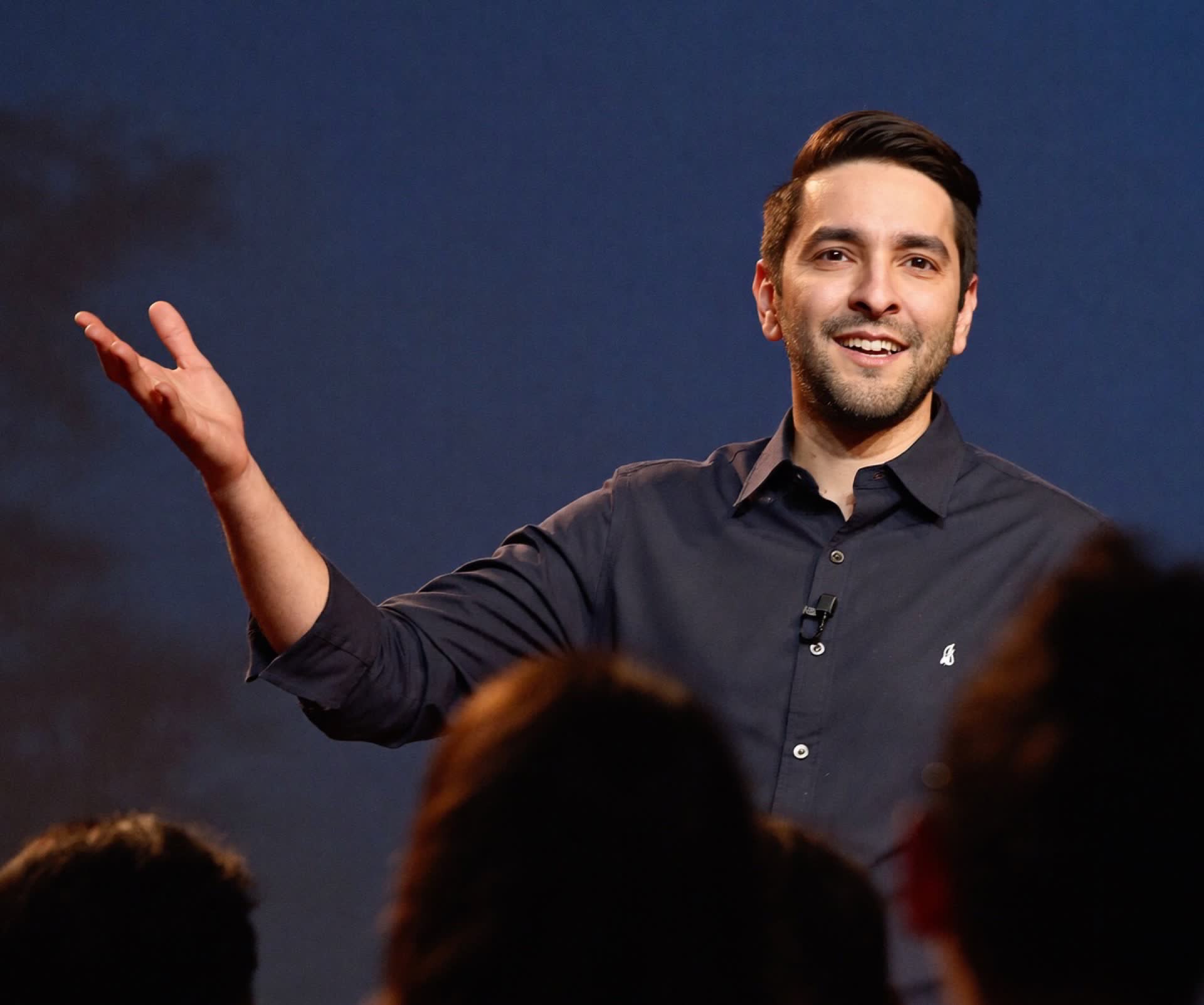
Thought Behind Things · Nov 3, 2025 · 1:38:48
Maha Shahzad: We’re Doing 6.5 MILLION Dollars Revenue ANNUALLY
In this episode of Thought Behind Things, we’re joined by Maha Shahzad, the founder & CEO of Buscaro, Pakistan’s first tech-enabled bus-sharing.
1 min read
Full transcript
अमर में ख़पति ना आज रात, welcome back to another episode of thought behind things. जैसा कि आपको पता है हमारी आज का series चल रही है with endeavor Pakistan जहां पर हम Pakistan के top 50 most exciting startups slash businesses को explore कर रहे हैं. जहां पर हम startups को देख ही रहे वहां पर I also wanted to see कि भाई startups तो वन जाते हैं. बहुत सारे लोग जो हैं वह बनाना भी चाह रहे हैं. वह, you know, different ideas के ऊपर काम भी कर रहे हैं. लेकिन funding has always been a problem. हमने इससे पहले भी थोड़ी सी इसके बारे में बात की about how, you know, once you've reached a particular scale तो आप potentially IPOs कर सकते हैं. आप किस तरह से different तरीकों से, you know, public funds को उठा सकते हैं. अली फरीद ख़वाज़ा साहब आए हुए थे. He spoke in detail about that. But आज की जो conversation है, that's very interesting because a lot of you guys have probably heard about this. Pakistan का एक startup fund recently बड़े fanfare के साथ बना. तकरीबन साल हो गया उसको announce हुए हुए और ज़्यादा हमने उसके बारे में फिर उसके बाद ख़बर सुनी नहीं. So I wanted to understand कि what's happening on that front? And then जो लोग उसमें फिर, for example, apply करना चाहते हैं, वह किस तरीके से participate कर सकते हैं? क्या उसमें investors जो कि बहुत सारे overseas पाक्षतानीs हमें देखते हैं, क्या investors इस fund का part वन सकते हैं? जो startups हैं, अगर उन्होंने इस fund से, you know, fundraising करनी है, what can they do? इन तमाम चीज़ों के बारे में हम बात करेंगे. जिसके लिए guest के guest को introduce करने से पहले I wanna give a quick shout out to Endeavor जो कि एक community है of global entrepreneurs, lots of billion dollar companies and unicorns जो कि इस community का हिस्सा है. Pakistan में भी इनका you know एक setup है और उसमें बहुत सारे इनके endeavor entrepreneurs हैं. It's an incredible space जहां पर without taking any equity, without taking any money, just based on कि अगर they believe कि you're actually an incredible founder, जो कि global standard की एक, you know, fast growing company बना सकता है, तो they make you an endeavor entrepreneur and the, you know, the exposure is just absolutely phenomenal. They connect you with global entrepreneurs, global VCs, and are able to take you from zero to a 100. If you wanna know more about it, if you're a startup founder or a or a company जो कि, you know, exciting, मज़ेआ काम कर रहे हैं, rapidly grow कर रहे check these guys out. The link is in the description below. साथ ही I know that a lot of you guys have short attention spans which is one of the reasons why we've actually started a shorts channel जहां पर fifteen to twenty minutes की जो most important part of a podcast होती है sometimes even less वह हम वहां पर डाल देते हैं ताकि आप a sort of summary ले लें कि यार conversation में क्या हुआ है. यहां पर कहीं पर वह appear हो रही होगी. You can check it out and subscribe to that as well if you don't have the time to go through डेढ़ दो घंटे की conversations. But nonetheless आज की जो हमारी conversation है that is with नायाब बाबा who is the chief investment officer at the Pakistan startup fund. This is TBT season five with Endeavor Pakistan in the Islamab studio.
This episode of Thought Behind Things is presented in partnership with Endeavor Pakistan.
नया भाई, thank you so much for taking the time out and joining us. Looking forward to the conversation उस समय and really excited for it. मैं थोड़ा सा conversation start करूंगा. Just trying to understand a little bit about yourself. Early life आपने कहां पर गुज़ारी? Education का मुझे बताएं? What were some of the themes growing up that enabled you as the person that you are today?
So, my family is usually from लाहौर but आपने accident में detect किया होगा कि there's not much लाहौरी left. उसकी वजह यह है कि me and the family we moved to Islamabad when I was nine years old. So my father was an Air Force pilot by profession. He also participated in the sixty five war. But afterwards he passed away when I was very young. He had retired by then, it was a car accident in Abtabad, so it was basically me, my mother and my brother who live together and you know we grew up in लाहौर. तो पीछे से family में क्योंकि business था और थोड़ी बहुत feudal feudality हुई थी. So there were some assets growing up so even though there was no more business was being done but हम लोग ठीक पाल गए. We went to you know the best of schools and we got all the good opportunities जो Pakistan में कमी लोगों को मिलती है. So I would despite any other circumstances I would still classify myself as among the privileged class. So we moved to इस्लामाबाद when I was about nine years old. We did live in a joint family setup and there were some cousins as well there. It was very hectic growing up, और लोग आ जाते थे so drawing room में exercise हो रहे होते थे you know so bedroom was never mine per se till I was about fifteen sixteen जब तक वह थोड़े से rebellious years जब तक नहीं आए and you know I took control of the situation But yeah, so उससे पहले so इस्तामबाद में study in FABELS, लोहौर में when I was in लोहौर I was in HSN but that was only till class six. FABELS में and BEACON में पहले वह किया basic OA levels. एक फ़र्क़ आपको बताता हूं HSN में हम लोग खेलते थे कैदी कैदी, beacon में खेलते थे markotai और for bears में ऐसा कुछ भी नहीं था. This is this is the sort of you know evolution की आपने बात की. This is If I were to compare let's say HSN to Frabells because HSN has like this sort of legacy.
वहां पर I'm curious in terms of the the the fellow class fellow, like, classmates that you had. The the overall network कैसा था? Culture कैसा था? Beacon का तो मुझे पता है. I'm I'm from Beacon, was Margla. But Frabel से अगर आप compare करें तो how does that sort of compare with HSM?
So class of people लगभग same था but culturally both schools were very very different. So class of people में generally उस ज़माने में तो specially elites के ही बच्चे ज़्यादातर हुआ करते थे and I became friends with many of them and I would say Frabells में भी majority mix जो था वह इसी तरह था, elite and upper middle class के जो generally बच्चे थे. So फ़र्क यह था कि this was co ed. Frabells was co ed and AJSON was you know वह मतलब लड़के थे सारे. So that creates a complete cultural dynamic. तो मैं example देता हूं Frobel's में जब पहले दिन में गया and my first day मैंने देखा blue carpets हैं, AC लगे हुए हैं, सारे अंग्रेज़ी टेढ़े मुंह करके बात कर रहे हैं and मैं तो Beacon और HSN का पड़ा भला था, एक दूसरे को ball मान मार के, so this is very interesting getting into Fubales और पहला साल तो मुझे कुछ समझ नहीं आ रही थी यह कितना के लोग हैं till I started to get used to it और मेरे अंदर भी burger touch आ गया.
Interesting. HSN did not have ACs?
Not at my time जब मैं था.
Interesting. Yeah. So after Frabells, understanding is कि you graduated A levels from Frabells as well. तो where did you go for your university and what was the thought process behind pursuing whatever you did? So,
उस ज़माने में I was not the most interested in education whatsoever, और हमारे time में growing up career counselling तो उस तरह से थी भी नहीं. I think it's gotten better but हमारे time में it was not that much. I was never the best student. मैं अपनी extra किले किले activities बता देता हूं. I used to play a lot of Warcraft and DOTA and gaming बहुत करता था. Pakistan की best DOTA one team में मैं था उस ज़माने की, TW हमारी team का नाम था and Warcraft three का भी I was one of the best players. So मेरा शौक बस इसी तरह के थे. दोस्तों के साथ घूमना फिर नहीं हो. I used to study in the last night. तो बड़ी मुश्किल से मैंने I got B's in O levels and C's in A levels. Literally आखिरी आखिरी रातें पढ़ के. But so that got me university wise bachelor's मैंने university of London का यहां पर UCI का international program था. So one of my best friends was going there और वह बड़ा समझदार था. तो I was just wondering कि वह चला गया तो चलो मैं भी चला जाता हूं कुछ बुरा नहीं होगा. He was a A grader and you know the 100 out of 100 वाले लड़कों में से था. तो I just followed him there and जो उसने degree pick की मैंने भी वह कर ली. So that's honestly how I started accounting and finance में मैंने start किया. After the first year though I turned my life around, थोड़ा मैं ज़िंदगी के बारे में सोचा कि हम क्यों हैं? क्या कर रहे हैं? मैं यह, is this the way I want to live life? So that वह thinking की जब evolution आई मैंने जरा serious हुआ ज़िंदगी के बारे में that's when I started taking it seriously because I was already in finance, मैंने stock market के बारे में पढ़ना शुरू किया, देखा यह equities क्या होती हैं, यह debt क्या होती है, अच्छा Pakistan कहां हैं, बाहर की कहां हैं? So this is just वह मैंने अपना उसको seriously लेना शुरू कर दिया and उसमें seriously लेते लेते from CED grade I turned into a distinction वाला बंदा. वह एक CFA, एक certification होती है chartered finance analyst. वह भी मैंने first exam अपना दे दिया अपने bachelor's के साथ ही. So उस वक्त फिर मैंने complete shift मारा to become a complete nerd from someone who was someone not at all studious. तो bachelor's मैंने इस तरह से किया. Right after bachelor's I I started a year of job and then I decide I need I wanted to go for my masters तो फिर मैं भाई गया for for that as well. Interesting. I'll I'll come back to the job in the masters but I'm curious
कि because this is the first time I'm hearing someone say Warcraft and that's that's something you can मेरा I've grown up on that अठारह अठारह घंटे खेलने वाला. उसके बाद we can have a long conversation probably off camera. But एक चीज़ मैं आपसे ज़रूर पूछूंगा. You know, when I look at my life today, there is a certain way that I make decisions. And I have oftentimes found कि majority of the people do not take those decisions and people doubt, my decision making simply because of the fact कि it's, they are not accustomed to people generally thinking like that. And I'll explain what that means. Warcraft जब आप खेल रहे होते थे ना, generally कोई भी strategy game but Warcraft, red alert हो जाए, Warcraft, Swagcraft. तो उसमें काफ़ी दफ़ाई होता था आप map में जब अपनी पूरी फौज लेकर के घूम फिर रहे होते थे तो enemy की फौज आ जाती थी. अच्छा, आपकी instinct यह कहती थी कि यार अब वह enemy की फौज आपको मार रही है तो उनके ऊपर चढ़ जाओ और जितना मार सकते हो, मार लो. लेकिन वहां पर आपको ना एक strategic decision लेना होता था. कभी कभार कि यार इस वक़्त वह ज़्यादा बड़े हैं. चुप करके चार बंदे मर जाएंगे भागते हुए लेकिन वापस base पर जाओ. वहां पर base पर जाकर के उनको अपने farms वग़ैरह में घुमाओ और फिर उनको मारने की कोशिश करो या recover करो और फिर मारो. Right? So what that was doing was oftentimes losing the battle, winning the war. काफ़ी तफ़ा आपको जो है वह long game खेलनी होती थी. And मेरे लिए उस time पर वह एक game था, but I really realized कि यार that allowed a certain strategic thinking that was built into my mind that a lot of my other friends जो कि शायद gaming ज़रूर करते थे लेकिन वह जो है ना वह first person इसको इमारो, इसको इमारो वाली it's just sort of very trigger happy games खेला करते होते थे. I'm curious कि, you know, यह जो आपकी RTS games होती हैं, what was your experience? Do you think that has impacted you in life generally? Or or or what impact do you think those games have had on you generally?
What a great question. So for the audience RTS is real time strategy. जो वह games जिसमें कीड़े मकौड़े आपस में एक लड़ रहे होते हैं. I completely agree with you. जो एक tactical mind वन जाता है इंसान का, वह RTS ने मुझे वाकई में बहुत help किया. So for example, even in my career today, कोई इस तरह की situation जैसे आपने बताई, कोई आती है, the the best thing you can do is not react. One sometimes reacts वह एक अलग बात है but it's better to not react and then आप strategically उसको हल्का फुल्का intelligently maneuver करें situation को. अगर if there is someone who किसी mis communication की वजह से has decided कि you are not the best person in the world. आपने उनके उनके दोस्तों के पास आपको जाकर थोड़ा सा अपना case build करना होता है. You have to go to them as well in a different forum, in a different setting, show them your worth और ये चीज़ें वाकई में gaming से बहुत develop हुई and this is not just today in my career but across my life I would say. अगर मैं जब पढ़ाई भी करा था, masters वगैरह करा था, there were you know different social circles that one could get access to उन चीज़ों में. So it's not कि आप बड़े manipulative सोच रहे होते हैं but आप intelligently सोच रहे होते हैं and you're trying to figure out कि best तरीके से मैं किस तरह situation में घुल मिल सकता हूं. I do agree with you कि जो एक tactical thinking है वह gaming real time strategy से बहुत develop हुई और strategic thinking tactical और strategic में मेरे ख्याल में काफी difference है और important difference है. Strategic thinking में भी मेरे लिए बहुत help हुई but I am not 100% sure कि वह RTS का उसमें कितना role है. मैंने career में एक जो consulting और इस तरह के different चीज़ें की later on उससे मुझे बहुत फ़ायदा हुआ to build that strategic level thinking. I agree with you कि thinking different develop हुई थी RTS से. Make
makes lot of sense and again now that I have a son तो मैं मैंने अभी recently he's four, going to turn five very soon. उसने recently YouTube पर discover किया Minecraft. तो मैंने उसको जो है वह एक Nintendo Switch too आया recently. So I got him that and I thought यार four year old है इसको क्या समझ आएगी? But चलो it's good कि वह technology के साथ interface कर लें and rather than वह phone use करें और YouTube shorts देखें तो वह actually, you know, एक interactive चीज़ करें. And it's just absolutely phenomenal what a human brain is capable of वह कर दिया. But screens have really helped me personally as long as they're done in a way, in controlled and a more optimized way. Again, हमारे time पर भी I'm I'm 35 more or less the same time. तो हमारे time के ऊपर भी हम gaming कर रहे थे तो बहुत सारे और बच्चे बहुत पुट्ठी हरकतें भी कर रहे थे screens के ऊपर. तो it's really about it's not this the medium is not the problem. It's about how you utilize it in the best possible way. I'm I'll come back to your the next stint, right? So bachelor's करके आप वापस आए आपने कम मैंने एक साल job की. वह आपने Pakistan में की है, वह आपने UK में ही की है and then what compelled you to go back for your masters? जी, so just clarification
जो University of London वाला था that was in इस्लामबाद. अच्छा that was in जैसा roots का program नहीं है आज का? Was that through the University College of इस्लामबाद. I stayed in इस्लामबाद. I didn't I had not gone anywhere. तो साल जब मैंने यहां पर काम कर लिया, मैंने एक साल पढ़ाया भी उसी university में जहां पहले साल बड़े bare minimum grades आए थे, but I was, I taught one of the classes, very rewarding experience honestly. उसके बाद masters के लिए मेरी बड़ी सख़्त need थी and वह it wasn't कि मैंने पढ़ाई करनी थी. I had already run CFA level two तब तक तो पढ़ाई में मुझे ऐसा ज़रूरत नहीं थी but I really needed to, I felt I needed some level of exposure. हम Pakistan में बहुत ज़्यादा जो families के साथ लोग रहते हैं, we live protected lives. So even कोई अमीर है या गरीब है, उस चीज़ से भी इतना फ़र्क sometimes नहीं पड़ता because if you live with your parents, you live in that same house, in that atmosphere, that safe atmosphere, तो वह आपकी growth मेरे opinion में तो hinder होती है थोड़ी सी. So I really wanted to go abroad for that particular reason. So मैंने थोड़े से different different iterations run किए उस ज़माने में. I had a वह Erasmus Mendes में भी एक scholarship मिल गई थी but I decided not to go there. मुझे England जाने का ज़्यादा उस वक्त shock था. For there were couple of reasons. मेरी जो university थी उसमें एक investment fund था. I wanted to work in that. It was the cheapest among the ones that I had gotten into. दो तीन universities में हो गया था. So I picked कि यह cheapest है वहां पर cost of living सबसे cheap थी. So although मेरे पास पैसे थोड़े बहुत saved थे but बस उसी के लिए थे and nothing else. तो मेरे में वह entrepreneurial spirit उस दमाने में बिल्कुल भी नहीं थी. So that's education seemed like the natural thing to do. So that's how I ended up picking that university. It was a much more calculated decision than my bachelor's decision.
And and how was that experience? One year in in London?
जी, I was in London. I was in Queen Mary University. So, मेरे लिए तो it was a sort of life changing experience. मैं बहुत shy हुआ करता था and this is people who know me today find it very very hard to believe कि although I was you know मैं दोस्तों के साथ आप हर चीज़ करते हो, आप हर तरह का शोर शराबा करते हो but when you are in new environments I used to be very you know reserved and on the back foot. So I'll tell you मतलब कि किस्त्रा में जब मैं गया I remember I had to connecting flights or home to getting to the apartment was a twenty three hour journey for me. So, और मैं रात के कोई बारह एक बजे पहुंचा. मैंने जब अपना दरवाजा खोला, चाबी खोली, पहली दफा चाबी काम नहीं की, it was a long ordeal. मैंने दरवाजा खोला and ऐसा mattress वहां पर लगा हुए, ना उस पर तकिया है, ना उस पर चादर है और मैंने कहा I remember thinking I have made the biggest mistake of my life and बहुत डर गया था मैं. The next morning when I woke up windows खुली हुई थी, there was sunlight, there were people roaming about. मुझे थोड़ी सी तसल्ली हुई कि अच्छा नहीं यार, you know we will manage इंशाला कुछ, ना बड़ा मस्ला नहीं है. So then I went outside, just started meeting people, people were talking to me. मेरे लिए मतलब open up करने की ज़रूरत ही नहीं पड़ रही थी because वह situations automatically इस तरह से वन रही थी and people of all nationalities, all walks of life. तो वह मेरे लिए honestly first time ही था कि मैंने उस तरह का experience किया था. Although I travelled before but वही again with my mother and you know I wouldn't really call that exposure travelling. So that helped me a lot to gain my confidence and वहां पर जो दूसरी चीज़ मेरे लिए बहुत impactful थी वह थी the level of the teachers and the facilities that were available. So एक example देता हूं, I took one of the classes, वहां पर trading something, एक I still have the certificate somewhere. वहां पर we had a Bloomberg terminal. Now Bloomberg terminal is this massive machine जिसके ऊपर हर company का data होता था, हर industry का data होता था, हर sector का it had everything, all the ratios, all the analyst estimates and all kinds of information और हमें वहां पर full access मिला हुआ था just being part of that program. So उस पर बैठकर मैं थोड़ा सा nerd out करता था and I used to just have a lot of fun figuring out क्या trends हैं, क्या हो रहा है दुनिया में, industries में किस तरह किस तरह movement होती है. So मैंने उस तरह की जो opportunities मुझे मिली थी उनसे मैंने बहुत ज़्यादा सीखा. So and I'll actually add a third thing because this is the most important one making friends from other walks of life. So often यह होता है कि Pakistan से जब पहली दफा इंसान बाया जाता है या India से पहली दफा बाया जाता है we have misconceptions about our neighbors, we have misconceptions about people of other religions, of other you know faiths and everything. वह जाकर जब आप लोगों से मिलते हो, at the end of the day most of us are just human beings trying to live our lives. Right? तो उसके अंदर काफी सारे वह जो एक mental barriers जो हमारे बने होते हैं just because of lack of exposure वह काफी हटना शुरू हो जाते हैं and you start looking at people as people rather than as those identity mixes जो हर इंसान के एक होते हैं. Interesting.
यह आपने वैसे actually बड़ी मज़े की बात की क्योंकि I also generally and genuinely feel like जब आपका initial exposure होता है ना तो हमेशा आप थोड़े weird out होते हैं because people are on a very overt level, they're different. And as you mingle more with them and you interact more with them, you begin to realize कि यार core तो बिल्कुल same है. आपकी शक्ल बदल सकती है, आपकी language बदल सकती है, आपकी मैं यह भी नहीं कहूंगा आपकी beliefs बदल सकते हैं. मैं यह कहूंगा कि आपकी beliefs की communication बदल सकती है. The way that you communicate your beliefs. But more often than not, when you talk to people, their belief systems are also similar. They're just communicating it in different ways. And which is what compels me personally to believe, and we'll talk a bit more about that maybe in the later part, जब हम थोड़ी discussion वाले phase में जाएंगे. But आजकल क्योंकि बहुत ज़्यादा इस चीज़ के बारे बारे में बात होती है कि, you know, polarization बहुत ज़्यादा हो गई है. You know, you see the the West for example, वह बहुत ज़्यादा जो है वह nationalistic हो गया है और racist on some level होना शुरू हो गया. मेरा personal belief यह है कि because we're in the age of information, तो we're in the first phase of a lot of different people or the masses of the world beginning to see that there are different people out there. And so that's the initial weird outness that's happening. And as if you just sort of look at it in a macro cycle, disconnect करके. तो I feel like in in a in a long enough time line, all of this will fizzle out, and people will realize कि यार, you know what? No matter how, आप इसको जितना से यह plot कर लें, आख़िर में outcome same है, we're all same. And that I really tailor from my own experience and experience from anyone else who's ever traveled and ever had exposure कि eventually people just let go. And they let go of their, you know, limiting beliefs and they let go of their racist thoughts and और सब क्यों होती हैं? You know, it's it's just something जो कि जब black, it's a lack of exposure thing, it's not something else. Mhmm. तो उसमें that gives me a lot of personally a lot of मतलब मैं मैं ख़ुश होता हूं कि यार ठीक है चलो the world looks like like terrible right now but there is light at the end of the tunnel. There is hope eventually you know this cycle will culminate into something much more peaceful. What are your thoughts about that? सबसे पहले इंशाला. इंशाला.
So मैं भी एक बड़ा hopelessly optimistic इंसान हूं. I try to find the good in most situations. जो दिमाग के अंदर anxieties चालू होती हैं, उनको मैं कहता हूं यार तुम ज़रा side पर हो, let me focus on the positives of the situation. I would like to believe कि what you've said is the future and उसको मैं आपकी इस argument को corroborate इस तरह से भी कर सकता हूं कि बड़े trends आते हैं, छह आठ साल के लिए बहुत ज़्यादा common होते हैं और they become part of the mainstream narrative and the mainstream discussions but वह ऐसा ऐसा fizzle out होना शुरू हो जाते हैं. Militant atheism was a big trend, the god delusion that book came out and एक पूरा एक process बना. उसके बाद post modernist thoughts के ऊपर काफी सारी चीज़ें होना शुरू हुई and that has also seemingly fizzled out now. But यह जो natural course of action की जो चीज़ें हैं, उस पर तो I completely agree with you. What I am personally perhaps afraid a little bit is about the manufactured situations जो बनती हैं, जो opinions बनते हैं, media का एक level of high level control होता है उन चीज़ों में then things can become bit tricky because you can make the hero look like the villain and the villain looked like the hero and इस तरह की situations हम आज की date में भी mass media में जैसे आप west media के बात कर रहे थे we see it on a daily basis अगर हम TV on कर लें या news articles पढ़ लें just the way the words are written sometimes. वह किस तरह से किसी एक group को I remember एक young lady का एक word था for a three year old who was killed in Palestine but for a young girl word था for 18, 20 year olds who were the Israeli who were killed. So इस तरह की चीज़ों में I'm although optimistic at nature but I'm also a bit sceptical.
No, I understand. Give me a quick summary of then the the the professional career that you had right before start Pakistan startup fund.
Sure, so मैं शुरू का portion बहुत quickly करूंगा because that was just my really learning phase. I spent a little over a year, almost two years at consulting. Grand Thornton International बड़ा interesting experience था. Then Bridge Factor एक और बड़ी interesting company थी and Bridge Factor was actually very very interesting because मैंने वहां सीखा बहुत कुछ with respect to you know basic financial modeling, basic जो आपके finance के core skills हैं, builds किस्सा करनी है but most importantly मुझे पहले तीन चार साल of my career and I am including my time in England जो investment fund में भी मैंने जो थोड़ा बहुत काम किया था कि मुझे different industries का exposure मिल गया. So जो एक शुरू में हम गुफ्तु को कह रहे थे about the strategic mindset, वह मुझे इस तरह से मिला कि मुझे काफी सारी industries का exposure मिला but थोड़ा थोड़ा. I never went too deep into any of those industries because as a consultant it's very hard for you to be a deep level expert in any one industry. But as a generalist आप बड़े पक्के हो जाते हैं. तो वह मैंने थोड़ा सा सीख लिया. So one of my seniors from there he had gone to FWO. मैं frankly उस वक्त मुझे सुना भी नहीं था what is FWO, I really didn't know Frontier Works organisation क्या थी but he made the effort to bring me in interviews वगैरह करवाए, the leadership there liked me तो मैं बस join कर लिया and I just started my career there. तो from a deep generalist जो कि multiple partners को report करा था, I went into FWO which was probably my favorite place that I have ever worked and उसकी Really?
Exactly. That's very surprising.
No one expects this this, right? And मैं उसकी वजह बताता हूं. FWO में मुझे बहुत इस तरह के advantages थे कि at the leadership level it was mostly armed forces personnel or retired armed forces personnel but हमारे जो level थे जो कुछ projects वाली teams थी हमें बहुत सारे civilians भी थे उसमें. So मेरे जो peer group था, it was mostly civilians but जो थोड़ा सा ज़्यादा senior leadership था that was mostly the the armed forces personnel और वह engineering core के थे सारे. So उसमें exposure wise मेरे जो सात के लोग थे lumps graduates and foreign graduates and इस तरह के काफी सारे एक बड़ा interesting group था. उनसे मैंने UET के engineers, I learnt quite a bit कि projects actually run किस तरह होते हैं and because ऊपर जो हमारे थे they were forces people जिनके दो साल, एक साल, तीन साल के stints होते हैं, they were not necessarily the experts on the technical side but they were phenomenal management personnel. मैं majority की बात करूंगा, हर जगह हर तरह के exceptions होते हैं but मैं एक across the board बात करूंगा. So उससे फ़ायदा यह हो रहा था कि we were given so much liberty जो मुझे career में almost और कहीं भी नहीं मिली और उससे क्या हुआ कि हम इतने बड़े बड़े amounts पर sort of वही gaming की हम बात करेंगे खेल रहे होते थे 20,000,000,000, 30,000,000,000 के जो large scale projects थे. So उसके अंदर मेरा एक जो level of confidence वन गया वहां पर. I was as a young almost a kid not really but उस वक्त में HPL के chief जो उनके investment officer, investment team है, जो उनके investment groups हैं, MCB के उन सालों से मैं negotiate कर रहा हूं and I am learning as I go because उनके career में और मेरे career में बड़ा फ़र्क़ था but अयस्ता अयस्ता five six months of very tough time learning things as I go उससे मेरा अयस्ता skill बहुत develop हो गया and eventually मुझे उस department में डाल दिया जहां पर सारी investment decision making हो रही थी. So I was ended up leading the finance side of that equation. मेरा एक दोस्त था मेरी उमर काही, वह the UET grad I was talking about. He was leading the technical side and we had a lawyer who was leading the legal side और हम different projects पर bid करते थे like लोहौर सियालकुट motorway, सौवाद expressway, लोहौर रेंग्रोट, things you worked on. So इन चीज़ों की वजह से the level of liberty that I had was amazing और उसने सीखा बहुत और दूसरा Interesting. FWO का sorry आप complete कर लेंगे. हां sorry दूसरी जो interesting चीज़ थी कि वहां पर decision making की जो execution थी. Small hierarchies, quick decision making, लोग available होते थे. So it was very easy to the flow of information was very easy to get access to and to give as well. इन चीज़ों से मुझे बहुत enjoy किया वहां पर. I'm curious about the sort of projects that you worked with. So you mentioned some that you bid on.
Were you able to win these projects? ज़ाहिर है कि यह, my understanding is FW is mostly construction, right? It's it's building and construction. And so, but the the sort of projects that these guys work on is just on on a different scale altogether compared to a general construction company. Run me through that experience because you weren't an engineer. You were a finance guy. And majority and and this is, I think, the most unique part about your profile is I've I've spoken to so many investment folks. Somehow, people who are into investments and, you know, the sort of background that you have tend to make excellent founders and excellent entrepreneurs because while they understand finance a lot, वह finance is just one aspect or one component. वह generalist वाले जी आपकी बात है ना कि they have to really get into every industry. They have to understand कि यह क्यों है और उसके पीछे psychology क्या है और consumer क्यों उसको लेना चाहता है? क्योंकि that's what creates that decision eventually कि यार यह चीज़ चलेगी, नहीं चलेगी, इसका return आएगा, नहीं आएगा. तो generally जिस तरह के लोगों से मैं बात करता हूं उनका interest यही होता है कि यार हम London में बैठे हैं, हम New York में जाएं, हम बड़े से बड़े hedge fund में जाएं, हम बड़े से बड़े investment bank में जाएं. And then eventual exit यही होता है कि वह सारा कुछ करने के बाद either हम अपनी firm खोल लें and we help और allow people around us जिन्होंने हमारी journey देखी है कि आप अपने पैसे लगाएं और हम उसके ऊपर आपके investments करेंगे. या वह अपना कोई, you know, startup बना लेते हैं, business बना लेते यानी startup को थोड़ा modern है. उनको नज़र आता है कहीं ना कहीं throughout that journey उनको gaps नज़र आना शुरू हो जाते हैं कि यार यह area है, इसको कोई tap नहीं करा तो वह आते और आकर उस area के अंदर घुस जाते हैं अभी तक partner or two. To go into corporate but also in a in a very sort of traditional industry and in a developing world, that's that's not that's not on my bingo card. Right? So so, क्या किस किस समय काम था? Nature of work कैसा था? Mhmm. Was it was the fact that your mother was here alone, was that a a reason के you decided कि यार अच्छा, maybe I should go back to Pakistan. I'll close to my mother. What compelled that decision? And in terms of, I mean, you said आपने macro तो बता दिया कि generally वहां का जो environment था, वह ऐसा था. But जो actual work था, how, what was the experience like doing that work? So,
just to address your first point, yes वापस आने का reason inevitably family ही होता है but जब मैंने काम किया तो I have fallen in love with the country and I'll elaborate on that later as well. FWO का जो काम था वह सबसे interesting part था actually, and which is why I stuck around for as long as I did. So दो तरह के काम करता था basically FWO, one was the core construction projects, एक basic ठेका था, बेशक के वो अरब का था, या लाखों का था, या करोड़ों का था, वो ठेका था. I was not part of that team, I was part of the other team which was doing the project finance की चीज़ें, उसमें public private partnership projects होते थे. So for example, we bid on a road project, we do our equity investment, हम funding bank से भीड़ लेते हैं, so you make a ratio of a debt to equity ratio, जिसकी base पर आप एक बीस तीस अरब का project create करते हैं, basically almost from scratch and once you bid on that project तो आपको वह एक x period of time के लिए पंद्रह साल, बीस साल के लिए वह project मिल जाता है and all the proceeds from that project जो आपके toll revenue, आपके जो भेरा वगैरह आप देखते हैं उनके जो कुछ के revenue, rental revenue normally होता है और भी उसके कुछ associated छोटे मोटे होते हैं you get that and जो भी उसके operational expenditure होते हैं like maintenance and that kind of thing उसका आप एक पूरा एक financial model बनाते हो. तो FWO में बैठ के जितने भी financial models हैं वह सारे मैं बनाता था उस time period में because I got lucky मतलब वह अलग gave me that opportunity and I became friendly with the people and there was a lot of trust with each other. So वह जितने भी हम projects के लिए bid करते थे वह मैं बनाता था. Interestingly मतलब not to toot my own horn लेकिन जो consultants उस site से होते थे, government site के भी consultant होते थे normally like Ernestine Yang for example or KPMG. So वह भी तारीफ करते थे यार तुम्हारे model जब आते हैं ना तो मैं बड़ा खुश होता हूं या शुक्र न्यायाब ने कोई model बनाया है. Because the way I like to work is कि I like to make things easy to understand, clean, crisp, easy to use. So although मुझे मैं Steve Jobs को बिल्कुल नहीं जानता था तब लेकिन यह philosophy बस automatically somehow मेरे अंदर थी because अगर मुझे समझ नहीं आ रही तो दूसरे को क्या समझ आएगी? That's how I used to think. So काम बड़ा interesting था that really kept me pulled in.
Makes sense.
You were there for three four years? जी, about a little over three years.
And so what was the next stint after after that? So
beach में World Bank के साथ there was a short period of short term consultancy. That was also very interesting and that was based on the work that I did with FWO. यह यहां पर एक P3A एक organisation थी अभी भी है which looks after all the Federal के PPP projects. तो World Bank के साथ मिलकर we provided them support in a lot of different areas but again वह consulting था, वह हाथ से हम कुछ नहीं कर रहे थे. So I'll just you know skip over that because वह easy job थी and you know good money but very easy straight forward job. The next I went to was V on Ventures. V on Ventures बड़ा interesting था. Frankly I did not know a lot about VC outside the academic world, जो मैंने मतलब उसके बारे में पढ़ा था या कोई एक दो documentary देख ली होंगी. But I remember in 2020 I was talking to मनीष Myr जो BYKEA के founder है but वह I was lucky because my best friend was married to his sister. So बस randomly career advice के लिए call आ गई. So I don't know if he remembers this, I wonder if he remembers this conversation. तो he told me कि यार ठीक है, अच्छा है जो आप कह रहे हो but what about you know have you looked at the startup world, the you know venture industry, यह बड़ा एक interesting time period आने वाला है. So you know just take a look at this. तो मुझे पता भी नहीं था कि you know what all the startup thing is, so he was raising at that time a big amount 2020 miss, I think biggest transaction वही था, I am forgetting the number I think it was 13 or $17,000,000 काफी मतलब एक interesting number था. Although मेरे वह infrastructure projects का it was a small piece लेकिन इस industry के लिए it was very big at that time. तो LinkedIn पर Vyond Ventures मैंने देखा, थोड़ा सा उसका लिखा हुआ था कि यह पांच छह मुल्कों में invest करते हैं, मुझे तब तक यह भी नहीं पता था Jazz की parent है. मैंने वह easy apply का button दबा के बस कर दिया and then interview call वगैरह जब आई, I started to take it seriously. तो मुझे जब समझ आई कि यह क्या हो रहा है, I realised कि this is investment into the digital world, which I didn't really know that much about outside of as I said academics. तो मैंने जल्दी से उस पर काफी सारा पढ़ा, research किया and talk to some people through मतलब friends of friends and others और मैंने इस network को थोड़ा understand करने wish किया and I realised कि इसमें ball game बड़ी मुख्तलिफ है. But मेरे लिए जो दो तीन चीज़ें interesting थी वही थी कि we were looking at investments in multiple countries. The team was very international and यहां पर local आम उनका जाज़ था. So that was something मैंने कहा यार इस तरह के opportunities कम ही आएंगी तो मैंने बस interview process से गुज़र गया, तीन interviews दे दिए. I did not know anybody in the telecom sector, I did not know anyone in digital space or fintech, fintech का मतलब भी मुझे बहुत अच्छी तरह नहीं आता था but outside of a story which अगर time हुआ I'll get into. So वह सब कुछ जब कर लिया तो that's how I got into Beyond Ventures. I got lucky कि team बहुत ही ज़बरदस्त थी. One person was twelve years of VC experience in four five funds. One of his investments was Alibaba. He was उनकी जो firm थी, it was the biggest firm so in the series B I believe उनका highest share था उस investment round में. So I learnt from that person another lady who was originally from Russia but she had lived in The UK and McKinsey में उनका बहुत years tons of experience. Our boss was a serial entrepreneur. तो बड़े एक interesting लोगों के साथ मेरी मुलाकात हुई, उनसे सीखने को मिला. So that was very fun. Interesting.
What sort of investments did you guys lead at Leon at the time? Because आप 2020 say you were there for four four ish for four five years. नहीं so,
हां so I was there for just two years. So VON ventures was so एक तो हम VC की जब बात करते हैं ना we there there can be more than one type of venture capital fund. So we were not a VC fund per se. हम एक corporate venture arm थे of the VON group. So investments that we were looking at were very different in nature as compared to how a typical VC looks at it. So, and I'll elaborate what I mean. So we were looking at synergistic opportunities, not just investments जो कि on their own interesting हो.
Ecosystem? Have that ecosystem at that at its heart and core, but how do you sort of expand that in in many different ways? And I know that उसमें बहुत सारी उनके जो जो experiments हैं, वह successful भी हुए हैं, बहुत सारे fail भी हो गए. But Jazz has been over the last decade has been extremely extremely innovative in terms of going above and beyond and trying out a bunch of different things. Is that what you sort of? Exactly. So we were part of the team जो कि इस चीज़ को globally देख रही थी and
जो local operating companies थी हमारी सारी अभी Vion का hat पहना हुआ है, so Jazz was probably the top of that list even in twenty twenty one, twenty twenty two although market share में there were some others who were a bit bigger लेकिन innovation का वह mindset आ चुका था and honestly at that time it was for the telco site वह एक need भी वन चुका था. उसकी basically वजह यह थी कि the you know voice, data यह चीज़ें वक्त के साथ साथ SMS they were not your the same way revenue generating things that they used to be. So you had to diversify your business, आपको कोई इधर उधर हाथ पाव मारने ज़रूरी थे. So beyond ventures का basically यही point था. So we don't know, we don't know too many investments, हमने कोई four-five की थी, five की थी in total but जिसमें से Pakistan and Bangladesh में हमने effectively we just did three of them. जो बांग्लादेश का उस ज़माने में the largest series A and series B that was shop up. We led the series A with Sequoia and series B was we did not lead but हमने उनमें participate किया. That was with Peter Thiel's Valar Ventures. वह Peter Thiel is LinkedIn के जो एक है बिल्कुल PayPal and उस fraternities में और Pakistan with दस्तगीर was the one.
I see. Two years you were there and then where did you go after that? हां, so हुआ यह कि
when the Russia Ukraine situation happened उसमें यह हुआ कि Vion had a big portion in both countries. So उसकी वजह से अब बड़ी industries impact हुई Veon specifically थोड़ा ज़्यादा impact हुआ.
हमारा जो एक में जंग हो गई है, दूसरे में sanctions लग गई है, ना इधर के रहे हैं ना उधर के रहे. Exactly and
so उस situation में बड़ा एक interesting phenomena यह बना कि because beyond ventures was more the spending arm, the fun luxurious spending arm. तो वह हमारा was basically shut down उस time में. It's still live but it's not really operational. तो वहां से जब मैं यहां पर move हूं, so उस वक्त मुझे अलम्दुल अल्लाह I got a few opportunities within the jazz fraternity. मुझे काफी लोगों ने उस वक्त reach out किया but मुझे jazz cash सबसे interesting लग रहा था because being in VON हम मैं अक्सर उसकी building में बैठता था because मेरे लिए freedom बहुत ज़्यादा थी VON time में कहीं भी बैठ सकता था. I used to sit with the Jazz Cash team because वह dynamic, बड़ी interesting वहां पर लोग हुआ करते थे. I became you know very friendly with them all most of them. So वहां की strategy function में मुझे basically option आई तो I was lucky enough to be you know considered and मैंने उस पर हां कर दिया and then I did not look back for some time. वह भी बहुत interesting part of the career था.
Right, when did you join the Pakistan startup fund?
PSF I joined in about end of January. This year? This year, exactly exactly.
So Tell me a bit about what is it? How do like किसका जो organization structure है, वह किस तरह से काम कर रहे हैं? Is it a government fund? Is it a वह government के अंदर भी बहुत सारी ऐसी चीज़ें हैं that operate like a private entity. How does it sort of work?
It's quite complex. इसके अगर मैं back end पर सारे के जाऊं but I'll try to break it down into मतलब आसानी थोड़ी सी करता हूं. So ministry of IT के under एक इधारा है IGNITE national technology fund के नाम से. The PSF sits inside IGNITE, so we are sort of a part of IGNITE but और Ignite का अपने funding sources हैं, जितने भी Pakistan में national incubation centers हैं, Ignite looks after all of them, Digital Skills का जो largest project in Pakistan and one of the largest in the world, वह भी Ignite देखता है but because it's an innovative इदारा जो startups की दुनिया में बहुत काम करता है तो PSF was housed here. So PSF के अंदर जो अब एक और मज़ीद जो light- slight complication यह है कि हमारी जो funding है वह planning commission से आती है. So Pakistan में एक चीज़ होती है public sector development program that's basically your major spending kitty. आपके जो मुल्क के अंदर जो spending हो रही होती है वह PSDP में हो रही होती है majority of it. So उसी से आपको सुबह को भी पैसे मिलते हैं और उसी से आपको federal में और जो बड़े बड़े projects हैं उसमें भी मिलते हैं. So PSF is one of those projects. जो ministry of IT जिसको execute कर रही है through Ignite. So I am basically heading the PSF side of it. PSF is a small initiative but so मतलब अक्सर although आपने पुछा नहीं है, मैं आपको मौका नहीं दे रहा, लोग पूछते हैं क्यों join किया? Right. You know coming from you know the private sector and इस तरह के मतलब interesting चीज़ों के साथ काम करके. I basically joined it because मुझे एक तो impact का बहुत interesting मौका लग रहा था. मैंने भी उसके बारे में काफी sun लिया हुआ था तब तक कि यार PSF is interesting and plus वहां पर जो लोग जिन्होंने मुझे not just the interview but interview के अलावा जो Ignite की team से मेरी मुलाकात हुई, they were very very smart, interesting, good people जो कि you know one doesn't in your mind associate with the public sector so much और उसकी वजह later अब now I realise कि Ignite is a section 42 company, it's like an NGO sort of but funding उसकी of course ministry के through route होती है but it's run-in a very private sort of fashion. There's a board जिसमें independent लोग भी हैं और technical teams हैं because you know the type of projects they run is very technical. So वहां environment मैंने देखा it was full of smart people. I decided कि यार this sounds like an interesting experiment and I love doing experiments. Seemed like a natural idea and thought.
Makes sense. Again, organizational structure, वह तो आपने बता दिया. But really, अगर मैं इसको एक simple elevator pitch पर करूं, what's the purpose of Pakistan startup fund? Because from the name, it seems like कि यार यह एक VC fund है that is going to enable, you know, financing of startups जिनको normally इस वक़्त available नहीं है. पैसा दो हज़ार बाइस के बाद एक हमने अब तो कहानी सबको पता है कि जी हालात flip हो गए, interest rate बढ़ गया, पैसा ख़त्म हो गया तो सब दबा हो गया. And so where does PSF come into play in that story? So देखिए PSF
can never complete the whole gap of Pakistan but यह है कि जो एक capital का complete बुरान आया हुआ था उसमें कुछ आप एक element add कर सकते हैं. So how in a nutshell how it works is, if there is a deal and we as PSF can give 30% of the total round size and हमारा portion होगा as a grant and why is it helpful? It's helpful because number one आपकी जो investor है उसकी dilution नहीं हो रही उसके share में. Startup को एक important piece of the capital मिल रहा है जो कि otherwise उसको available नहीं है and as Pakistan, as government of Pakistan हमें यह फ़ायदा हो रहा कि technology industry को benefit हो रहा है जो कि इस वक़्त funding की short fall में चल रही है. So this is the sort of tripartite benefit जो एक इस सारी situation में create होता है. PSF is a bit मतलब size wise Pakistan की अगर मैं demand को करूं बड़ा यह एक देसी तरीका है लेकिन दो साल almost $350,000,000 की investment हुई in this sector, right? But the next year in 2023 it was 73,000,000, about 75,000,000 and the next year it was a little around $40,000,000 which is 2024 जो भी साल गुज़रा है. So आप demand and supply का अगर ratio देखें, demand हमें पता है कि three fifty तो है ही है if not more, right? Obviously valuations और वह चीज़ें ऊपर नीचे होती हैं but the point is कि एक significant piece of the puzzle है. So PSF is just the starting point where the government is trying to work. There are other things at play जो कि हम काम करें and I'll elaborate on that, जिस पर we are in shaa Allah hoping and trying our level best कि हम sustainable और बड़े structures create करें जो कि VC startup इस पूरी industry को benefit कर सके. And I'd like to elaborate on that as well but एक और program मैं run कर रहा हूं so उस पर मैं पहले बात कर लूं and then we can go into the philosophies of it all. The other program is called Bridge Start, what it does is कि Pakistan से जो startups बाहर accelerators में जाना चाहते हैं या incubation programs में जाना चाहते हैं, मतलब एक तो हमारे Pakistan में NICE, plan nine इस time के कुछ opportunities हैं but बाहर के मुल्कों में भी there are obviously some really really awesome accelerators by a community almost everybody in this industry would know but और भी बहुत सारे हैं in Saudi, in Dubai and you know all these different countries. यह program उन सारे startups को buyer भेजता है and we you know it's most it's basically a cost plus model लेकिन I believe in this program quite a bit and उस वहां पर भेज के उनके अगर company incorporate करनी है, कोई program की cost है, कोई वहां पर कोई license वगैरह लेना है, we can help and support with all of that and we we do as well. So this is in my opinion बहुत interesting programmer. इन दो को basically I am running those. Right और यह जो आपका startup fund है यह क्या yearly इसमें कोई
fund allocate होता है? How does this sort of work? या इसमें होता है कि ख़याल कोई deal आ रही है उसमें उन्होंने apply किया हुआ है तो आप फिर उसके लिए sanction करवाते हैं like do you have like a yearly amount जो कि आपने इसमें निकालनी है? How does the financing sort of, what's the model there? Yeah. So overall इसकी about 3,000,000,000 PKR amount है which is around
$10,000,000, a little bit more. How for how many years? So this can go on मतलब project की timelines you are right होती हैं but वह extend होती रहती हैं government में this is a very typical process.
No but my question is कि 10,000,000 if let's say you exhaust the 10,000,000 in India. Oh then it's done, then it's done but which is. Life time इसका 10,000,000. Exactly-exactly,
which is exactly why we want to create those sustainable structures या और इसी को हम sustainable बनाने के भी plans बना रहे हैं. So but this is a natural thing. यह हकूमत में इस तरह के projects होते हैं. If they work well they are then turn to like you know sustainable lifetime projects. If they don't sometimes they are scrapped and इस तरह के it's a very common phenomena which I have come to learn in the last nine months or so. So इसके अंदर 3,000,000,000 जो funding है still exhaustion. The applications are on a rolling basis. I already have few applications that we are evaluating. पहली deal अभी तक PSF पर नहीं की because वह हमने very recently we have opened up the application. उसकी वजह यह है कि you know success has many fathers. जो I am not going into the boring details लेकिन जो PSDP के projects होते हैं उनके multiple timelines होती हैं approval processes में. So मुझे जब तक मिला तो पैसे approve हो चुके हुए थे और basic एक very high level structure एक बंद चुका हुआ था but there was no structure in place, there was no team in place. So वह सारा कुछ आ कर मैंने from almost from scratch build किया वहां पर. So PSF अल्लाहिलाहिल live bridge start was a low hanging fruit because मुझे समझ आया इसमें ख्वाली थोड़ी कम होगी. Let me start this ताकि एक कहानी चलनी शुरू हो जाए and plus I really really like this program as well. मुझे उसके अंदर benefit काफी नज़र आए. I'll actually quickly talk about those benefits if you don't mind, because वो हमारी conversation से बड़ा related होंगे. मुल्क में जैसे हम लोग brain drain पर for example बात क्या करते हैं? I don't necessarily subscribe to the thought कि brain drain is a bad thing, in fact my opinion is quite the opposite, and I'll tell you why. हमारे जब startups की अगर मैं specifically बात करूं, जब वह मुल्क से बाहर जाते हैं, वह अपनी companies incorporate करते हैं, they start getting business in more than one country, उससे बहुत सारी चीज़ें होती हैं. Number one उनकी जो total market size, जो total available market size है, वह एकदम से एक मुल्क से double होकर दूसरे मुल्क तक जाला जाता है. That is their long term potential. So investors के लिए long term potential is always the one of the very important factors. Number one, number two different मुल्कों में different types के businesses चल सकते हैं. So high margin businesses करीम को for example inDrive Dubai में नहीं हरा सकेगा but inDrive Pakistan में बहुत आराम से हरा चुका. They had a better mousetrap, had a better business model yes but also the negotiating thing really really helped because वह एक इंसान का फित्रित है specially हमारे जैसे मुल्कों में कि we love a good deal, right? So just the psychology of it really helped them beat this in the market. So मकसद है कहने का कि going to these other countries and building businesses there which also have either back offices in Pakistan or separate line item businesses in Pakistan उसका एक मुल्क को overall बहुत benefit होता है whether it's technology transfer, whether it's some new learnings, whether it's getting access to those investors, getting access to those newer markets. बहुत मेरे opinion में काफ़ी सारे इसमें benefits निकलाते हैं.
Makes sense. थोड़ा सा मैं conversation को अब wider करूंगा and I wanna go beyond the the Pakistan startup fund. Reason being कि I feel like I I I don't want to poke you more on on that aspect because it's already, it's it's fairly fresh. It's a good initiative and I hope that you're able to, create some success stories out of it. And जिस territory में अब मैं जा रहा हूं, that territory is now more on your understanding and your opinion on what's happening. Because startup की दुनिया जो है ना वह उसको मुख्तलिफ़ तरीकों से Pakistan में देखा जा सकता है. अगर मैं mass market perspective से देखूं तो वह तो अभी शुरू ही नहीं हुई. मतलब आप, you know, सड़क से सौ लोगों को उठाएं और उनसे पूछेंगे startup तो निन्यानवे कहेंगे what startup? You know, early investments आई भी, boom भी आया, bust भी आया. Unfortunately, हमारा जो boom भी बहुत quickly आया और बहुत bus भी बहुत quickly आया and that's pooped off a lot of people as well. Shark Tank, like, हमारे यहां unfortunately एक एक आपको अच्छा run नहीं मिल पा रहा. Like, Shark Tank आया. It created a lot of excitement and as soon as it that sort of got over तो पहले season में ही उसकी सौ controversies आ गई, judges सारे फारे हो गए. You know, लोगों ने show डाल दिया कि क्या नहीं हो रहा क्या? पूरी दुनिया में shark shark tank आता है. कभी मैंने ज़िंदगी में यह महाल नहीं देखी, right? I don't know if that's a feature of a low trust society जिसमें you know people are cynical of every new thing or any different thing that comes in. Whether that's a symptom of the global changes that are happening and there are a lot of changes happening and we're in a fairly turbulent time unfortunately. Or whether that is because हमारे locally एक sort of एक negative sentiment unfortunately पाया जाता है जिसके अंदर अच्छी और बुरी कोई भी चीज़ हो तो हम for some reason जो है ना हमारा पहला immediate यही होता है कि यार यह सब बकवास है, सब चुना है, सब माया है, यह बेवकूफ बनाया जा रहा है. And that's fine. I understand that. I mean, I wouldn't आम आदमी को मैं उस पर नहीं कहूंगा उनके opinions पर. But I still think कि उसके ऊपर ना because होता क्या है कि जब थोड़ी सी negative energy आती है तो a lot of people get defensive and particularly technocratic people जो कि sir नीचे करके काम करने के लिए आए हुए हैं. तो वह कहते हैं कि you know what like I just let me work. And जिसकी वजह से discourse जो है या तो वह hijack होकर clowns के पास चला जाता है या वह होता ही नहीं है. And जब discourse नहीं होता तो understanding नहीं develop होती है. And so that's why मैं पहले से यह disclaimer और काव्यार देना चाहता हूं कि I wanna venture into a territory that is not, that's not intended to be controversial. It's just trying to expand the horizon of understanding. But let's start off with with the NICs. Right? So government, I feel like, has been very progressive in Pakistan over the last decade or so in at least trying out these new initiatives. चाहे वह DG skills का program हो, Punjab government कर रही थी, NICs पूरे Pakistan में develop हुए. Plan nine incubator, Plan X accelerator बना. मैं इस्लाहाबाद से हूं. इस्लाहाबाद में I have been interacting with NIC in one capacity or the other over the last decade. Quite honestly, again, उसको आप differently वह कर सकते हैं, but NIC in many ways can be considered a failure just by a very simple way कि यार कोई उसका कोई success नहीं निकला. Right? और मुझे याद है कि मैंने ना एक NIC के consultant साहब होते थे, consultant थे या project manager type थे. तो उनसे मेरी बात हुई एक दफ़ा आज से कोई चार तीन चार साल पहले की बात है. तो मैंने उनको बोला मैंने कहा यार यह this is off camera क्योंकि एक evolving चीज़ होती है. आप जाते हैं, आप करते हैं और आपको realize होता है कि अच्छा, you know, this model isn't working. But somehow the there was a lack of understanding. We were too early कि मेरा जो मसला था ना I NICs के साथ, वह यह था कि a lot of these like you would take these sort of super glamorous ideas जो कि you know a kid or two couple of people would be like हम maps के साथ यूं करेंगे और उससे पता नहीं क्या दुनिया बदल जाएगी? But in an ecosystem like Pakistan जहां पर ना industry थी, ना talent था, ना पैसा था. On the other hand और वह वजह क्या थी कि आपने startup बोला और आपने incubator बोला और आपको कोई high scale किस्म की चीज़ चाहिए थी जो कि Pakistan में शायद possible ही नहीं थी. On the other hand, शायद अगर आप जो है उसी के evers t shirt company को fashion brand को incubate कर लेते या कोई dairy farm को incubate कर लेते हैं जिसकी जनती team जो है वह young लड़के जो हैं वह आकर बैठे थे तो बस more of a conventional business that was much more conducive to an economy like Pakistan. And context again इसके अंदर यह है कि in my opinion every economy has its own life cycle and different aspects then come into that life cycle. वह different आज अगर China जो है वह बहुत बड़ी बड़ी चीज़ें कर रहा है तो वह लोटे बाल्टियां बना बनाकर यहां तक पहुंचाए. आज अगर India unicorns बनाता है तो वह call center के BPO base base यहां तक पहुंचाए, right? So, मुझे personally यह लगता है कि हमारी दो routes हैं. या हमारा mainstream route है जो कि बिल्कुल obsolete बस considering the fact obviously now you are part of that same ecosystem and जहां पर चाहे चाहे वह fundraising हो, चाहे वह incubator and accelerators globally को आपने भेजना हो, startups को उठाकर के, तो you will be, you know getting the same sort of talent, the same sort of वह. Sorry question थोड़ा लंबा हो गया but what are your thoughts on that? Sure. So मैं एक काम करता हूं question को ना थोड़ा सा breakdown करता लेकिन मेरा जवाब भी काफ़ी लंबा होगा.
So देखिए जो मैंने हकूमत में in the last nine months एक चीज़ सीखी है ना कि change is never a hockey stick or a J curve in the government. It's very very difficult अगर आप उस speed में करने की कोशिश करते हैं which one is used to in the private sector. Because people are just not wired that way and this is not just true in Pakistan this is true in most governments that I have seen and I have worked with चाहे professionally या चाहे personally या लोगों से पुछ पुछ के जैसे आप गुफ्तगु करते हैं, मैं off camera बहुत गुफ्तगु करता हूं. So I have learnt कि हर जगह पर कहीं ना कहीं हकूमत is always generally a few steps slower and that's just the nature of the beast. मैं I'll first go to NICE's and then I'll go about more bit more macro. मैं दो हज़ार सोलह में I think NIC program start हुआ था या 16 '17 में approximately. I joined this industry in 2020. तो जैसे मैंने बताया मेरा first experience buy किया का था just because I knew the person by chance और हम लोग growth investors थे beyond ventures में. Growth investor का मतलब था कि हम लोग छोटे ticket size नहीं दे रहे थे, चार पांच लाख dollar नहीं देना चाहते थे. हम आठ million, दस million, पांच million कमज़ कम देना चाहते थे. Which even at that time was not the norm. आपके जो tourist investors बाहर से आए हुए थे वह छोटी छोटी investment करा देते तो मैं बड़ी करा था. So why have I mentioned this? उससे हुआ यह कि मुझे Pakistan की cream startups जो भी थी उस ज़माने की, चाहे अभी थी, post ex थी, बाज़ार था, airlift, हर एक से मेरा interaction हुआ just because I was lucky to be in a position where I had the biggest check, one of the biggest checks in the room, right? तो मैं बड़ा inspire हुआ इन लोगों से, इनकी दुनिया से, इनकी entrepreneurial spirit और vision से और बड़ा मुझे वहां सीखने को मिला. At the same time मैं as you said, मैं NICE visit करता था तो I did not see कि यार वहां तो एक बिल्कुल different दुनिया है, और यहां पर एक बिल्कुल different दुनिया है, यह हो क्या रहा है? Right? So this is where I do agree with your portion कि जिस आपने बताया. But then there is the other side of the picture, then there are two. Number one, NICs give opportunities to people who often did not have opportunities, but this is the historic NIC, जो हम देखते थे. मैं अब जब दो हज़ार चौबीस में दोबारा गया, after twenty twenty, twenty twenty one मैं उसके बाद चौबीस के end और पच्चीस के अंदर मैं अब जाना शुरू हूँ and I am now seeing a different side of that equation and जैसे मैं शुरू में कह रहा था कि हकूमत में J curves नहीं होते, it's change is very incremental in the government. Slow, steady but अगर नियत अच्छी हो, मेहनत कर रहे हो तो it is going to come, no matter what and I have seen that change. So अब success की जैसे आप बात कर रहे थे अगर old school success में देखें तो BYKEA I didn't know at the time is actually an NICE Karachi startup. Right? So in the old school names, BYKEA is you know a good success story. लेकिन जो हमारे अब नए काफी सारे startups आ रहे हैं, there is another My TM जो Burke आपने सुना होगा, they have just recently gotten a license, Pakistan में भी they are starting to operate. तो इस तरह के कुछ हमारे success stories हैं but your point is valid कि why not more? And उसकी बुनियादी वजह यह है कि nobody knew के ecosystem world view क्या होता है? हम सारे सीख रहे थे. मतलब मैं अपनी बात तो करी ना, मैं तो था ही नहीं but even the people before me, everybody was learning as they went and जो maturity की आप बात कर रहे थे वह आइश्ता आइश्ता ही आई है. So twenty twenty five में अब जब मैं caliber of startups देख रहा हूं in लाहौर, कराची, even पिशावर, even इस्लामाबाद मैंने काफी improvements देखी है not just in the pitching and the story line but in the actual business as well कि लोग किन चीज़ों पर focus कर रहे हैं वह focus कर रहे हैं कि यार हमें business मिले. Not just कि हमें एक fancy idea हो और उस पर हम बस बातें करें और pictures खिंचवाए और चले जाए. No, people are working towards actual business. So success stories की बात करें, BridgeStart की ही हमारे मतलब among the different founders, there is one called Adversity. They have a web three point o platform. साद वह fantastic young kid, is a 23 year old. उन्होंने सऊदी में भी अपनी company बना लिए. Pakistan में they are giving different classes to different students web three point o पर. So there is a lot of attraction that they are getting. They are making money. Saudi Government के साथ तुमको एक contract मिल गया है, they are making money through that. You won't hear about them because आजकल startup world जो है वह कोई sun नहीं रहा. People are still talking about the old school जो लोग तगड़े आगे निकल गए बाज़ार and priceways and you know अभी but जो नए बच्चे आ रहे हैं उनको spotlight नहीं मिल पा रही and that's just because startups are not the hot word of the day today, right? Similarly हमारा एक company Motor West they are doing safety gears, they have started a company in Canada, वहां पर उनको contract मिल रहे हैं, they are starting production, so you know काफी सारी तरह की चीज़ें होनी है which we just don't hear about and उसमें मेरी भी शायद branding weaknesses हैं but we are trying to get our comms का एक वह आपको पता ना हर कोम होता hiring के लिए भी request for proposal करना पड़ता है. So but the point I am trying to make is कि there are gems even in the today's system. Problem यह है कि हमें नज़र नहीं आ रहे because perhaps it is failure of branding but also more importantly it is not the topic of the day. So there are positives to this. मैं macro lens में जाऊंगा but I'd like you to add anything if you'd like to.
No, I I I understand वही वाली बात है कि maybe I I I'm a little careful when I when I do this critique क्योंकि people tend to take things very black and white, right? So it's not, critique is not generally taken as कि there is an inefficiency. And inefficiency may means you're in the right direction. Maybe you could go faster, right? Which basically means कि eventually कोई ना कोई feedback mechanism होगा जिसने अपने आप को sort out कर लेना है. So so I'm hoping कि, you know, I personally haven't interacted with NICE recently. So I'm कि वह चीज़ sort out होना शुरू हो गई हो. But connecting to your point earlier where you said कि, you know, I, you know, I went in 2021. I saw the ecosystem. I went in 2024. I saw the ecosystem. There were certain changes. होता क्या है कि दो हज़ार बीस और दो हज़ार बाइस के दिन्वियान की जो दुनिया थी ना, उसमें actually I would argue nobody really knew what was going on. It was just very, a lot of very passionate people. चाहे वह मेरे जैसे लोगों जो कि media coverage side के ऊपर थे या understanding side के ऊपर थे, चाहे वह founders थे जिन्होंने idea था and they just went ahead and just went कि यार बस ठीक है, let's go and execute it. चाहे वह investors थे. You know, you have these great investors that came in from the Silicon Valley, पाकिस्तानी लोग थे जिन्होंने कहा कि you know what, let's go and invest back in Pakistan. जो जो मसला है ना वह यह है कि अगर आप इस assumption पर चलें कि यार मैं बहुत बड़ा king हूं and मुझे अब सब पता लग गया है, तो yes, you will fail because assumptions tend to go wrong sometimes. Right? But अगर आप इसको इस सुस्त में चलें कि यार there were great people who, to the best of their ability, were trying to maneuver through a confusing space and a completely fresh space and वहां पर जाकर, to the best of their ability, वह efforts डाल रहे थे. तो sure, there were some failures. But then you learn and you eventually move on. आपने अभी जब earlier अपना बताया VON Ventures का, तो वहां पर जो आपकी principal investment Pakistan में थी वह that was in दस्तगीर, right? That's right. दो हज़ार बीस के अंदर जब जो जो major players इस तरह के थे, दस्तगीर था, बाज़ार eventually आया और इस तरह के airlift आया. So, वह यही था कि global आवाज़ थी. Global आवाज़ के around देखा कि local क्या क्या build किया जा सकता है और क़रीब mafia की एक छोटा आवाज़ थी उसके हिसाब से क्या build किया जा सकता है? And a lot of these things got built, a lot of these things got funding. दो हज़ार बाइस में reversal आया, reversal में a lot of these things got defunct and and I think that was the moment of realization. लोगों के लिए वह failure था, मेरे लिए वह एक बहुत necessary correction थी which actually told you कि यार, you know what, इस economy में actual में क्या potentially चल सकता और क्या नहीं चल सकता? Right? So, दस्तगीर in itself went through a lot of ups and downs and layoffs and so on and so forth. बाज़ार as from far as my understanding goes is now pivoting to an entirely different model. A lot of these airlift is now shut down, and now they're they're back with a new venture. I wanna understand your your evolution of thought. As a as an analyst, दो हज़ार बीस में आप घुसे और आपने कहा कि मैं एक बहुत different industry से आया था और मैं digital industry को पहले देखना शुरू हुआ. पांच साल आपने I think the worst and most turbulent time देख लिया. You know? Hugely successful, huge failure And I think इस साल now we're we're beginning to come back to getting a sense of कि क्या चल सकता और क्या नहीं चल सकता और how do you hedge by going to different markets? Like, अभी इस series के अंदर some of the most successful startups are the ones जो कि Pakistan से तो आपको यह भी नज़र आ रहा है कि अच्छा यार, know what? It has to the dollar component cannot come come from Pakistan. Mhmm. The dollar component will come from expansion. आपको यह भी समझ आ रहा है कि, you know what, like, digital first sort of software or product businesses are are right now much more conducive than going for कि यार मैं, you know, brick and mortar को तरह बदल दूंगा, मैं truck drivers को इस तरह बदल दूंगा. You know, that those things tend to change over time and उसमें बहुत सारी अभी foundational चीज़ें build करने की हैं still. But irrespective, what's your opinion? What how do you see now the the or rather how differently do you see now the startup ecosystem compared to how it was five years ago?
Yeah. So very interesting question and मेरे पास बहुत कुछ है यहां पर बोले को. Twenty twenty में जब मैं आया था I was coming from finance background जो cash flows को देखता था. DCF एक होता है discounted cash flow analysis मैं वह करता था जो बड़ा एक basic technical financial analysis था जो cash को देख, cash की movement को देख रहा था. When I joined here I learnt कि revenue तो metric है ही है but number of users एक metric है बड़ा important और users की base पर आपके multiples बनते हैं, multiples की base पर आपकी investments होती हैं. So very मतलब of course I knew about it academically but watching it live in action it was a very confusing initial period. उससे मुझे यह समझ आ गई कि even because of my finance pure finance background मुझे समझ आ गई कि market तो श्रदीत hot और overvalued है इस वक्त. फिर मुझे I met some very smart people जिनको industry का बहुत पता था फ़ैसल अवता being prime one, उन्होंने मुझे बड़ा समझाया कि किस तरह किस तरह होता है. So उस वक्त tourist capital बहुत आया हुआ था and उस पर quickly मैं चला जाता हूं क्यों आया था? जो बाहर के मुल्कों की startups थे वह बहुत ज़्यादा overvalue होना चुरू हो गए थे. So Tiger Global and Softbanks जो बड़े बड़े उस्मानिक investors थे उन्होंने western markets में इतनी ज़्यादा investment कर दी कि overvaluation होगी तो natural instinct थी उनकी to come to emerging markets. Pakistan being no different. अब Pakistan में they realized कि even थोड़ा सा पैसा उनके लिए हमारे लिए बहुत ज़्यादा पैसा था because हमारा ecosystem उससे पहले primarily उतना से non existent ही था. 50,000,000, 60,000,000 से ज़्यादा हमने कभी भी Pakistan में नहीं आए थे till 2020. So उसके अंदर हुआ क्या कि there was a small supply of startups but a very large chunk of money coming in, right? So वह एक gap वन गया जिसकी वजह से हम जो देखते हैं over valuations भी हुई, local investors जो locally invest करते थे they got कि यार यह क्या हो रहा है मतलब वह भी मुश्किल से deals में participate कर रहे थे. हमें भी as a corporate VC बड़ा challenge हुआ because we were competing against people who were throwing money fast. So उससे जो correction आई मेरे ख्याल में to your point, it's not a bad correction from a macro lens, ठीक है हर एक individual के साथ जो भी हुआ but from a macro lens this is not a bad correction, और उसका फिर impact भी मैंने देखता हूं, because you know I am still part of that industry and I know the people. जो सबसे बड़ा impact यह आया है कि people have started focusing on the sustainability bit of it and जो एक typical सेठ नहीं देख रहा था यार, business कहां यहां पर, धंधा कहां यहां पर? तो धंधे पर भी focus होना शुरू हो गया उस सारी जो एक correction आई और हमारे मुल्क में तो एक over correction आ गई because ना तो सिर्फ macro हालात खराब हुए but हमारे local मुल्क के भी idiosyncratic हालात भी काफी खराब हो गए. So उसकी वजह से हमें impact बहुत ज़्यादा हुआ after 2022 जब bubble burst हुआ so to speak. So हमें हमारे startups को generally जो survive कर रहे हैं they pivoted their model. अब मैं because you are talking about this thing, will talk about that locally B2B e commerce को scale करने के लिए you needed a lot more money. जैसे हमारा shop up in Bangladesh they had raised so much more money कि उनको profitability वाली side पर आ चुके थे. But यहां पर profitability के आने के लिए जो scale required था that needed much more money. When the funding dried up they were smart enough to pivot the model completely. उन्होंने global trade पर focus करना शुरू हो गया which is to your point a much higher margin business and much less cost impact. तो उन्होंने फिर model accordingly pivot कर दिया and a lot of pivots happened because of this and during this period. So उस सारी चीज़ से क्या सीखा? तीन चार चीज़ें सीखी. Number one, as investors आपको भी dry powder की ज़रूरत है and this is actually the most important point. जब दो हज़ार बाइस में यह सारा कुछ हुआ तो उसी time पर हमारे जो local investors थे they were also raising their second funds. So investor भी जो हमारा होता venture capitalist they also don't always have money अपने पैसे नहीं होते. उन्होंने भी कहीं से अपने limited partners से अपने investors से पैसे लिए होते हैं. So जब startups के लिए पैसे खत्म हुए investors के लिए भी उस time पर खत्म हो गए. So जो local investor था that was also having trouble raising funds ताकि वह startups में डाल सके. So it was very very weird sort of a phenomenon जो इकट्ठाई सारा कुछ हो गया. So उसकी solution पर मैं अभी से आ जाता हूं because then the conversation will move on. हकूमत हम में one of the project, key projects that I am working on other than PSF and BridgeStart is, building a fund of funds. What that means is, a fund जो कि आपके investors को funding दे और वह आगे से startups को invest करें. So होता क्या है? होता यह है कि जब foreign investor specially आजकल के हालात में जब Pakistan में अगर देख रहा हो गया startup तो बहुत अच्छा है लेकिन you know I am not touching Pakistan. उस चीज़ को fix करने के लिए what you need is an anchoring fund and local VCs जो कि पैसे डाल रहे हो जिसकी बुनियाद पर foreign VCs trust कर सकें और कहीं अच्छा यार अगर local landscaping का अच्छा है तो हम भी आ सकते हैं. Number one. Number two जो आपकी बात थी learning perspective से problem यह हुआ कि because no fund actually ended up getting an exit, वह Pakistan में वह credibility वन नहीं सकी for other investors to come in कि यार अच्छा startups में पैसा है नहीं है. Timeline सिर्फ extend हुई है. It's not कि वह खत्म हो गया Because of our own हाला timeline थोड़ी सी extend हो गई है further. जो कि अब 23, 24 के अंदर exits होने थे. They will be now two three years later. So, जिस दिन हमारे एक fund ने exit किया that's actually going to be the real day जब हमारे मुल्क में investment उस तरीके से आएगी in this sector because वो देखेंगे यार अच्छा success हो सकती है, success is possible. So that was learning number two. Learning number three के startups के लिए भी important है कि यार keep your money जब पैसे मिल रहे हो low and then keep it safe you know prepare for the winter because the worst can come and it is possible and be targeted, be smart. हमारा मुल्क US नहीं है, हमारे पास वह M and A की इतनी ज़्यादा options नहीं है, हमारे पास exits की basically इतनी options नहीं है. So there are a few, जरिया ने बड़ा interesting एक किया they did an IPO, a very non typical style of an exit जो कि हुआ and जो बाकी भी exits हुए वह there are far and few. So आपने business पहले build करना है before you can get an exit. So I'll here because और भी बड़ा कुछ सीखा and I can probably go on and on.
That makes sense. Again, थोड़ा सा मैं macro का ही समझना चाहूंगा आपका आपकी understanding. एक बहुत सारे different हैं but let's just start with this. There is a global now. जिस तरह से दो हज़ार बाइस का एक sort of crash था तो उस तरह से एक एक आवाज़ आना शुरू हो गई है कि actual में दुनिया में ना जो दुनिया का financial system है उसको अपनी एक correction की requirement थी. दो हज़ार आठ से requirement थी but उसके ऊपर आपने चेपी लगाई है continuously और आपने free money के tabs खोले और जिसकी वजह से the entire system is very skewed and and and confusing and financial analysts तो उसको समझ लेंगे but आम आदमी जो है वह बेचारा confuse होता और इसकी सबसे बेहतरीन में सारे दो हज़ार एक काजो.com bubble था. Mhmm. मैं context इसमें ज़रूर build करूंगा because people will not be able to understand those who don't know. Go and, you know, research the.com bubble 2001. जिसमें basically जो जो Wall Street थी उसने बहुत उसको इतनी internet की understanding नहीं थी तो उसने जो है ना वह बड़े बड़े नारे सुने और उसमें उन्होंने पैसा pump किया और जब पैसा pump हुआ तो overvalue हो गया as you've mentioned और जब overvalue हो गया तो वह period the markets came crashing down and and the actual, you know, दुनिया became very different. यह important इस वजह से है because यह सारी की सारी ना narrative driver होते हैं. Yes, people lose money, people make money. वह दो हज़ार बाद के बाद क्या था? दो हज़ार एक के crash के बाद कि यार internet तो सबसे बड़ा चूना था और internet को छोड़ो वही जो conventional काम है उसमें वापस चले जाओ. हालांकि दोनों side तरफ़ things were very different. Yes, internet did create the world's most valuable companies in the grand scheme of things, and Internet was as disruptive as it was, you know, was timekeeper sold, just that there was a timeline difference. Now a lot of people, including myself, are beginning to see the same thing happening in AI, where जो है ना वह आपने AI सब बदल देगा, सारा कुछ हो जाएगा. जिसकी वजह से स्वेक्ष है ना वह एक दौड़ लगी हुई है कि पता नहीं AI कर लो और सब क्यों हो जाएगा, वह हो जाएगा. और globally तो यह बहुत ज़्यादा हो रहा जिसमें मुझे again यह लगता है कि maybe as soon as six months, maybe as far as two two and a half years, there will be a correction. But this the the size of that correction will be just so crazy because वह काफ़ी लोग कह रहे कि everything bubble चल रहा है इस time के ऊपर. कि उसने फिर बिल्कुल ही narrative को हिलाकर रख देना है, right? And and again चूंकि वह एक बाहर की यह मसला हमारा यह भी है कि हम बहुत ज़्यादा बाहर देखते हैं. क्या आप इस तरह का एक और macro, you know, situation उभरती हुई देख रहे हैं? And how much of an impact do you think then Pakistan would have? One way to think about it is कि actually Pakistan में चुके कुछ ज़्यादा दौड़ी नहीं हुई, कुछ ज़्यादा हलचली नहीं हुई. तो in a way we are actually a bit more secure कि ठीक है, you know, worst case scenario. It's not like कि बहुत सारी कोई AI companies Pakistan से merge हैं जिसमें बहुत पैसा लग गया तो वह उनको hit पड़ेगी. तो क्या Pakistan को potential further एक hit पड़ सकती है? क्या हम एक बहुत ही लंबे dry period में हैं या क्या हम एक for example recovery की तरफ़ जा रहे हैं irrespective of दुनिया में कैसा pump and dump होता है? And it's not just AI, right? Like a lot of people are saying कि अब अब अब macro environments बहुत turbulent हैं अगले
आपने इतना मुश्किल सवाल किया है कि it's one of the most difficult questions to answer. Speculative बातें ही करूंगा. So bubbles में भी ना एक से ज़्यादा bubbles हैं इस वक़्त and bubble is perhaps the wrong word. AI bubble is very clear. वह तो बड़ा नज़र आता है. Real estate bubble आया दो हज़ार आठ में नज़र आता था. दो हज़ार बाइस में जो startup bubble था नज़र आता था. Quick commerce में जितना पैसे जा रहे थे हम सोच रहे थे कि quick commerce ही है यार इतना क्या? But जो AI bubble है that is obviously clear. इस वक्त to your point इस वक्त बड़े मगरमच्छों की जंग चल रही है AI के अंदर. आपके और वह दोस्त भी हैं आपस में उनकी आपस में जंग भी है it's a very interesting phenomenon. Open AI is obviously leading that war but China में this deep seek then you know all the big names हम सारे सुनते हैं इस्तेमाल भी करते हैं. उस जंग में हम बहुत एक छोटा part है and हमसे मुराद most players in the world actually are very small piece of that large puzzle. So वह जब correction आएगा उससे हमें कोई बहुत ज़्यादा फ़र्क़ नहीं पड़ेगा. I agree with you although आपने शायद directly नहीं कहा but I I the implication at least is there and I definitely agree with you कि because हम उसको chase नहीं कर रहे इस वक्त like the we are not chasing that dragon in that capacity because obviously funding की constraints है हमारी we will not face that problem. हम एक अच्छा sustainable काम कर रहे हैं, हमारे startups भी कर रहे हैं, हमारे government level पर initiatives भी हो रहे हैं, बड़ी companies भी कर रही हैं, Jazz is making an LLM, so वो जो चीज़ें हैं वो अपनी साथ साथ चलती रहेंगी, but we won't have that level of correction. So दूसरी एक चीज़ है जिस पर मैं अभी आता हूं, वो है financial system जो हमारा पूरा change हो रहा है and to be very honest with you it's very, it's very interesting and scary as well in some capacity कि किस तरीके से change हो रहा है. So and यह सारा कुछ शुरू क्यों sort of हो रहा था because dollar reserves की base पर fiat currency की base पर पूरा US खड़ा हुआ है from you know since the advent of the fiat currency till date और वह किस तरह किया? So it was back on the back of couple of things. Number one उनकी military firepower इतनी strong थी कि they were able to sort of create a system जहां पर reserve currency दुनिया में सारी की सारी मुल्कों की US dollar वन गई and printing सिर्फ एक मुल्क कर रहे लेकिन reserves हर दुनिया के मुल्क में हैं. So it was a clear mismatch of power के एक मुल्क के पास सारी power है और बाकी सारे मुल्क are playing that game, right? Number two उन्होंने trade majority जो दुनिया में थी वह भी सारी US dollar पर कर दी. So not just the reserves but the trade as well. अब उसको उस control को खत्म करने के लिए macro level पर और भी बड़ा कुछ हुआ बहुत मुल्कों ने बहुत attempts किए. इस सारे किस्से में कहीं ना कहीं से bitcoin आ गया. लोगों ने एक जमाने में दस हज़ार bitcoins के एक दो pizzas लिए but the world has changed completely दस हज़ार pizzas का शायद एक bitcoin ना आए. So in this world the decentralized currency, जो अभी currency मैं इसको नहीं कहूंगा because in my opinion it is right now an asset class, it has not converted into typical currency yet because currency के लिए you need to have the level of acceptability कि मैं और आप आपस में transaction करें तो ले लें, दुकान जाएं, हर जगह जाएं कि वह हो जाएं. वह चीज़ अभी हो रही है but it is not there yet और अभी मैं decentralized को ही सही तरह समझ रहा था और उसका impact देख रहा था and then when the currency war started to come in and that's where things change dramatically. जो अगली जंगे हो रही हैं वह basically technology के control के ऊपर and आपकी currency के control के ऊपर जंगे चल रही हैं. जो इस वक्त दुनिया के हालात का जो एक primary reason है that is with regards to who will control the financial system. अब so World War one की भी अगर बात करें अगर उस पर जिस बंदे ने थोड़ा deeply पढ़ा है ना उसको पता चल जाएगा कि World War one actually banks निकलवाई थी. It was not done by necessarily countries पर से but it was done by banks. उनके अपने beach में motives थे, different लोगों को fund कर रहे थे, interest हर एक से कमा रहे थे. So it was a very and फिर मैं जब थोड़ा सा और पीछे गया, Napoleon की जब जंग का पड़ा उसमें भी पता चला कि banks का कुछ ना कुछ role था. उस में banks नहीं थे but उस दिमान में large funding and investors के लोग थे. उससे मुझे समझ यही कि you know you always follow the money and that's how you find out कि आपने कोई अच्छी conspiracy theory भी बनानी है तो यार first follow the money and उससे आपकी conspiracy theory बड़ी मज़े की वन जाएगी. But in real life भी इस तरह से बहुत कुछ हुए. So अभी की भी जो चल रही है it's so difficult to speculate because end में कोई ना कोई winner होगा, कोई ना कोई loser होगा, हो सकता है एक hybrid system create हो जाए जो इस वक्त US की hegemony है on the you know on the world that is expected to either change or continue and either way उसके impact बहुत ज़्यादा होंगे. It could be a big war और multiple small wars मुझे वह बड़ा clearly unfortunately अलाव बचाकर रखे हम सबको नज़र आ रहे in three to four years. Maybe not today, not tomorrow but three to four years में मुझे होता हुआ नज़र आ रहा है because China अपनी currency बनाना चाह रहे हैं. Bricks एक अपनी currency बनाना चाह रहे हैं. Different मुल्क decentralized या अपनी centralized currencies पर जाना चाह रहे हैं and all of them are wanting to shift the trade from the USD and that is obviously unacceptable to The US. So, वह उसके against फिर अपनी currencies बनाने की कोशिश करें, जो अपनी CBDCs बनाने की कोशिश करें, अपने वह alt वह tethers and इस type पर. So इस वक्त जो कुछ भी चल रहे हैं ना हम बहुत ही मतलब analyst बहुत छोटा love से I don't think we are even analyst जो इस चीज़ को predict कर सकें कि end में होगा क्या?
No that makes a lot of sense. I think the reason why I speak about this a lot and आजकल जब आप इसको पढ़ रहे होते ना to be very honest, अगर आप इसको follow कर रहे और study कर रहे हैं तो this is, it gives you so much anxiety because people और ख़ासकर जो analyst है ना उसको ख़ुशी इस चीज़ में मिलती है कि यार कितना ज़्यादा वह चीज़ों को समझकर कितना ज़्यादा एक sort of एक sense बना सकता है. Prediction मैं नहीं कहूंगा, prediction generally up and down हो सकती है but एक sense बना लेता है, उससे direction निकाल लेता है. And we are able to do something that we love and we are able to give a comfortable baseline comfortable life and give a good life to our children, that's great. Downtime आया हुआ है. आपको retreat करना आना चाहिए कि किस time पर retreat करके effort इतनी ना डालो जिसका return ही नहीं मिल रहा. फिर हालात जब flip होंगे तो, you know, we can start putting that effort in in in in areas. Having said that, I personally think कि जो यह जो यह transitions होती हैं ना इसमें सबसे ज़्यादा opportunities भी emerge करती हैं. And what do I mean by that? Internet की transition थी. Internet की transition के अंदर चाहे bubble था, चाहे bubble burst हुआ और उस bubble burst के अंदर बहुत सारे मैं पाकिस्तानियों को बहुत सारे close मेरी family जानता हूं जो कि eighties और nineties के अंदर engineering में गए computer science, computer engineering वग़ैरह में और वह compact और IBM और उस time में. And then early two thousands में layoffs हुई और, you know, बड़े हालात ख़राब हुए. But उसका winner India निकलाया. India ने उस सारी noise को ignore किया और उनको पता था कि यार long term पर it's not like they were building products. They were not sitting there and being part of the Wall Street वह. उनका यह था कि वह back end के ऊपर जो है ना they were building the capability. तो उनको सबसे ज़्यादा फ़ायदा जो है ना सबसे ज़्यादा जो middle class उनकी build होती है वह on the back of service export पर होती है. वह कोई unicorn पर नहीं होती, right? Unicorn का पैसा normally holdco पर Singapore या Dubai पड़ा होता और actual में उसका वह impact नहीं होता. मेरे लिए I think the reason why I I mentioned some AI in particular is because इस वक़्त अगर उसकी आवाज़ चल रही है तो वह product carry around चल रही है. तो हर बंदे को यह दौड़े कि यार मैं भी कुछ ऐसा कोई agent बना लूं जिससे मैं भी जो है ना वह $100,000,000,000 हो जाऊं. हमारे case में हमें capability build करनी चाहिए कि in the post AI world when you know आपको सारा कुछ AI and that's a ten fifteen year timeline जब हर चीज़ के लिए आपको एक understanding of AI चाहिए तो क्या हम वह talent produce कर रहे हैं जो कि उसके लिए उसको service कर सके? या हम उसके around services या उसके around ऐसी baseline products बना रहे हैं. And again, इसकी मैं मिसाल दूंगा कि Pakistan में, you know, we haven't had a successful startup उस तरह से because of how we consider successful startup. Right? कि वह AI किस तरह होगी, वह incubate की तरह होगी, वह कैसे grow की होगी? But then we had the Cloudways exit in in 2022, which was a $350,000,000 exit wholly owned by a set of brothers. It was a mind numbing story that nobody in Pakistan knows about. Right? And nobody probably no investors or abroad as such know about it as well because we haven't sold it उस तरह से as well. And the difference between both was कि जो सारी startups हैं वह गोरे के landscape को देखकर उसको कहीं हम वह mistake फिर से ना ले जाएं because AI actually is the great equalizer जिसमें आज India की अगर साढ़े तीन सौ million dollar की export billion dollar की export है ना तो हम हमेशा IT में यह कहते रहे कि यार India has a head start. AI में they don't have a head start. AI में technically they them and us are starting the race together. Yes, they have a huge, tech industry that they can rapidly upskill. To to to what extent that can be argued? We possibly don't have that. But in terms of the actual, वह we're starting together. Right? And so World Economic Forum कहता है कि यार by, 2013, the next five years, तक़रीबन उन्नीस million नई remote jobs दुनिया में बननी है. Total remote jobs जो हैं वह 100,000,000 cross कर जाएंगी. Goldman Sachs कहता है कि India की जो services exports हैं वह आठ सौ billion dollar cross कर जाएंगी by 2030. Pakistan की services exports आज भी पांच billion dollars पर ख़रीदनी है, right? And so मुझे सिर्फ़ और सिर्फ़ I think जो जो जो सबसे बड़ा मेरा concern होता है या सबसे बड़ा question होता वह यह होता है कि while we're we're big on startups and and we're big on a lot of this sort of new age कि आज इस तरह से new build करें और companies बनाएं और पैसा बनाएं और valuation game खेलें. How much impact does that and will that actually have for Pakistan? Versus on the other hand, core boring conventional businesses, like like services जो कि eventually export करके आपको actual hardcore dollar लाकर के दे सकती हैं. Being in the position that you are, you know, startup fund and and and VCs and ये दहार आपने हर किस्म के business देखे होंगे, हर किस्म के business models देखे होंगे. And I know for a fact, particularly जब मैं दो हज़ार था. So I'm I'm curious about your thoughts on all of this, and and and how can we sort of understanding that global landscape convert this confusion and anxiety into an opportunity? Because I do believe somewhere down the line there is a huge opportunity for a developing emerging market like Pakistan. What are your thoughts on that?
आपने 100% nail on the head. So जैसे एक ज़माने में हम कहते थे technology is the great equalizer, you are absolutely right that AI is currently that today but उसकी जो hype एक वन चुकी है that clouds are judgement on its utility. तो इस बात पर आपने you know completely agreed with you and हमें जो advantage यही है because जिस तरह हम.com bubble में भी नहीं फ़ंसे, because we were maybe a few years behind, उसी तरह हम AI के bubble में भी नहीं फ़ंसेंगे. But what we can do is build on good sustainable principles जिसकी बुनियाद पर हम कुछ ना कुछ एक structure खड़ा कर दें which can help and support our future ecosystem जो भी AI का एक बनेगा. Obviously it's hard to predict today कि वह क्या होगा but at the very least उसकी core foundations आज build हो सकती हैं. उसमें primary चीज़ मेरे opinion में है is training and skill development. So you need a bunch of AI engineers, you need a whole big bunch of them. उसके ऊपर universities have to act fast, students have to you know career counselling उनकी enough होनी चाहिए and accordingly skill development programmes आने चाहिए because with you know vibe coding and all this stuff so इन चीज़ों के साथ भी होता ही है कि AI के अंदर for example hallucinations का एक मसला होता है which just for the wider audience कि AI को अगर कुछ समझ नहीं आ रही ना कि आगे क्या करना तो वह अपनी तरफ से बात लिखते हैं. अब यह चीज़ अगर coding में problem आनी शुरू हो जाए and you don't have the knowledge and understanding कि यार यह कहां पर मसला है? तो वह code fix करना भी बड़ा मुश्किल हो जाता है. It can have you know long term implications on whatever you are trying to build और उसका नुकसान हो सकता ज़्यादा फ़ायदा कम हो but at the same time आपको AI की engineering की ज़रूरत है. So a lot of people are saying this word and although this is more of a catch phrase but there is a lot of truth to this कि you will not be replaced by AI but you will be replaced by people who use AI, right? So जैसे आप services industry की बात करें, BPO की बात करें, यह दोनों industries खत्म तो नहीं होंगे but they will be replaced by people who can do at a much cheaper cost because they are using these solutions जो कि बहुत next level useful utility मतलब speed भी तेज करें और काम भी equal if not better करें और तो obviously इसकी cost कम हो जाएगी. So इसी तरह आपके stock market में हुआ एक ज़माने में. You know there used to be traders on the floors, shouting, हम बचपन movies देखते हैं but वह अब एक large supercomputers हैं जिस पर एक बंदा छह computers को देख रहा होता वह कह रहा होता है हां यार इसने आज कितनी million trades किए हैं, इतनी million trades किए हैं. Same will happen to every industry और उसके लिए backbone यह है आपकी skills, knowledge, understanding of the AI. Number two उस पर आपका कोई ना कोई infrastructure layer आपको ज़रूरी होगी कि where is the you know technology layer, where is उसके जो necessary GPU power है, computing power है वह कहां पर है? So that is that is something that needs to be built. So I I would encourage you to also look at our national AI policy भी जो recently enactment है. I've seen that, it's pretty cool. So the the idea is कि there is thinking on this exactly in the way that you've sort of described it because we do see an opportunity here as मतलब मतलब मैं ministry of IT की hat पहन के बात करूंगा less नयाब but opportunity हर एक को यहां दिख रही है और इस पर काफी काम हो रहा है. We are trying to build a national AI innovation hub जिसके अंदर आपके multiple governance के मतलब sorry multiple structures होंगे and जिसके अंदर just skills is just one of them, training is just one of them, उसके civic मतलब centers for learning is one of them, so इस तरह की हम different capacity building programs करने की attempts कर रहे हैं which can and in shaa will uplift the industry in this in this way.
Makes sense. You mentioned skills a few times and and that's something जो long term listener of the podcast है उनको पता है कि मेरे लिए वह has been a major pain point कह लें, passion point कह लें. वजह उसकी यही है कि first principles पर जो आप जाकर देखते ना और आप चीज़ों को breakdown करते हैं तो एक pitch deck आता है और pitch deck आकर यह कहता है कि यार Pakistan जो है वह ऐसी economy है, इतने youth है, इतना यह, इतना वह है, इतना आज total addressable market है. Samsung, TAM इतना यह सारा कुछ. The end of the day यह यह बड़ी ना conservative सोच है कि यार brain drain हो जाता है तो लोग छोड़कर चले जाते हैं. तो लोगों को मैंने देरी रखा है. नहीं, यह चीज़ें normal हैं. India की भी पूरी industry बनी. India, while that was happening, there were millions of people, millions of Indians going abroad, and they ended up becoming the soft power, and they ended up becoming the, you know, the ones who were able to eventually bring business back to India. तो talent भी छोड़कर जाता रहेगा. Question यह नहीं है कि talent क्यों छोड़कर जा रहा है? Question यह है कि क्या are you creating talent fast enough to rapidly replace the talent that is leaving? And similarly जब हम IT sector की बात करते हैं तो, you know, मैं कुछ numbers throw करना चाहूं ना. जो मेरा study है वह बहुत कुछ interesting numbers हैं. पहला number यह है कि पांच million बच्चा हर साल अठारह साल की उम्र को पहुंचता है. पच्चीस लाख उसमें से out of school है. पच्चीस लाख जो in school है, जो high school graduate कर लेता है और यह across all levels है 0.1% a levels है, बाकी FSC है, फिर मद्रस्सा है. उस पच्चीस लाख में से total available higher education seats which includes like second, third, fourth tier universities, average, bad universities. वह सारी seatएं मिलाकर पांच लाख बच्चे हैं. उन पांच लाख बच्चों का जब आप breakdown निकालते हैं HEC की report के अंदर तो आपको आपका दिमाग़ घूम जाता है कि आपको पता है एक एक major chunk like पांच लाख में से कोई लाख सवा लाख and people can go through the HEC report. You'll get their actual data. वह basic life sciences पढ़ रहे हैं. वह biology और chemistry पढ़ रहे हैं. मुझे बताएं आज की दुनिया में एक chemistry पढ़ने वाला बच्चा वह कोई researcher तो नहीं बनना चाहता ना? वह तो literally एक DI खान में बैठा DI खान university से जो हर साल उसमें enroll होता है उसमें सिर्फ़ ढाई हज़ार बच्चा agriculture में जाता है. ठीक है? That's less than 1%. तो it's it's mind numbing कि, you know, आप अपनी knowledge base किन areas में बढ़ा रहे हैं, हालांकि आप industry को उस तरह से नहीं देख रहे. भाषा कहता है कि दस हज़ार बच्चा पचास हज़ार बच्चा जो IT enabled या IT की graduation करता है उसमें से 20% employability है, अस्सी percent unemployed है, 30% churn है यानी कि वह बच्चा eventually या market size में से बच्चे बाहर चले जाते हैं. तो फिर आपको realization होती है कि अगर total जो market हर साल market में सात हज़ार बच्चा add हो रहा है और तीस अरब dollar की अगर आप कहते हैं कि मुझे IT exports करनी है जिसमें average number कहता है कि यार एक बच्चा जो है वह पच्चीस सौ से तीन हज़ार dollar outsource पर कमाता है तो आपको पता है कि minimum 1,000,000 resource मुझे add करना है और maximum 3,000,000 resource add करना है to go to $30,000,000. अगर एक साल में सात हज़ार बच्चा add हो रहा है पूरे mix के अंदर talent पर based है. But unfortunately ना private sector उसके ऊपर काम कर रहा है. Government को सब रोते हैं लेकिन I personally I think कि government एक certain point तक कर सकती है. उससे आगे वह नहीं कर सकती. This is कहीं ना कहीं यहां पर private sector को घुसना पड़ेगा. अब skill development के अंदर unfortunately it's a it's a wicket problem. It's not as simple as कि कोई prime minister, president का कोई program आएगा और सारे के सारे तीन महीने के अंदर जो है ना IT engineers वन जाएंगे. It's a complicated thing and it's a it's a it's a monumental task that will require leadership that can take all stakeholders and around a vision के listen we need to create a million resources one way or the other. तो जहां पर हम उनको सिखा भी रहे हैं, वहां पर हमने उनको placement भी करनी है, वहां पर हमने उनको करना है. मेरा जो जो मेरा I think macro पर problem है ना वह यह है कि हम बहुत सारे आपने I think off camera एक बात बोली थी कि governments generally उनका मसला जो होता है वह inefficiencies का होता है, वह disconnections का होता है कि यार वह, you know, हर बंदा अपने silo में काम कर रहा है. I think यहां पर भी यह बहुत बड़ा मसला है कि, you know, we have, like, a startup fund that's putting money here, and then we have a scholarship fund that's putting money here and this and that. And then we have, like, 50 skills programs. And, you know, जमाते इस्लामी has their own program, and then the governor has his own program, and the president has his own program. But the skill is somehow not being developed. And while all of this is happening, you have these Amazon core sellers that is making billions out of, you know, people not know. अब जो बच्चे को तो क्या पता कि यार इसमें काम है या नहीं है. तो वह जाहिर है वह Amazon को course कर रहा है but Amazon पर इतना धंधा ही नहीं है कि आप 1,000,000 लोगों को absorb कर सकें. So there is a lot of money being wasted and effort being wasted in skill development, which is one of the reasons why I feel like, yes, everybody speaks about it, but we need to go one step forward. And we need to now begin to imagine, k r, okay. Let's talk about skill development. What could it potentially look like? Is it as simple as कि, you know you know, हम three three months के यह courses कराएंगे और Python सीख लो और यह सीख लो और वह सीख लो या हमें एक ज़्यादा wider ecosystem build करना है that is not about startups, is not about this or that. That is very boring and it is actually something जो मैं start में बात नहीं बोली. कि NICE वाला अगर यह कह रहे हैं कि यार हमने पूरा program बनाया जिसमें बच्चा जो है वह आकर हमारे पास employable हो जाता है, तो maybe the effort should have been important to creating a a more innovative career development program rather than a startup program. Right? Maybe वहां पर जो सौ बच्चा induct हो रहा था, वह उसी पैसे के अंदर हज़ार बच्चा निकल सकता था. Run me through when you look at skill development. Do you have any ideas? And I want to I'm not saying you would have the answers. This is I mean, you know, you not necessarily your domain, but I'd love to know some ideas on what could that potentially look like because the scale I've told you is just phenomenal. Like, two million kids every year unable to pursue higher education. And that number is is is is going to increase year on year as the population size increases.
Yeah, so असुमि the area that you've touched on ना it is a very complex area as you rightly pointed out क्योंकि उसमें एक early year education एक अलग चीज़ है then later on जो university level education अलग चीज़ है, skill development एक अलग चीज़ है. So and all of this can be and is not necessarily connected. So मेरा the point I am trying to make is कि हो सकता है कि एक child who has not had the best of educations but is able to then get into a good skills development program जहां से वह कुछ चीज़ बाकी skills सीख लेता है. उसको कहीं एक दो internships मिल जाती हैं बस उस skill के तुक्के पर और फिर वह आगे जाकर freelancer वन जाते हैं वह पैसे कमा रहा होता है. So would you consider that child to be unemployable or would you consider him to be as you know sort of a self starter and you know someone जो कि actually पैसे कमा रहा और अपने लिए भी और अपने family के लिए कुछ कर है. So unemployability वाला जो एक figure है ना उससे मैं मतलब respectfully थोड़ा सा disagree करूंगा because आप एक skill का program as you said करके आप एक 100% employment पर आप perfect individual नहीं वन सकते. ठीक है आप आज आपके skills missing होंगे but after some training, after some testing, after some trial and error, after an internship or two you will get better and you will get there. So. And इसके बाद अगर quickly अगर मैं add कर सकूं कि बिल्कुल आपकी बात से मैं इस इस तरह से इत्तेफ़ाक़ करूंगा कि
and continue to work and create agencies and and what not. So there is definitely a certain amount of success that has emerged out of that as well. Exactly-exactly.
So उसी पर मैं sort of आने वाला था. So जैसे Ignite का भी एक DigiSkills program है with 4,000,000 plus actually people who have gotten, who participated in it and उसके बाद हमारे जो code for AI program, इस तरह के मतलब हम program बना रहे हैं and obviously I am not that team who is doing it but I can you know जो मुझे मेरे इर्द गिर्द हो रहा होता है I can talk about that but उसके अंदर employability पर एक बहुत बड़ा focus है. अब हम AI की भी जैसे अभी थोड़ी देर पहले बात कर रहे थे कि उसकी R and D हो, उसकी different चीज़ें हों, उसकी commercialization पर बहुत focus है. So एक आप across the board आप macro level लेने से जब देख रहे हैं तो we are also talking about how to commercialize and how to build products on AI not just do the initial skills and training and यह इस तरह की चीज़ें. So इस पर already काम हो रहा है at the federal level and you are right कि हर वक्त हर ministry align नहीं होती but it's very difficult to do it as well just because everybody is trying something and alignment sometimes difficult होती है but इस पर काम हो रहा है because I do see it, do participate in a lot of it. Number two जो हमारे भी Ignite की तरफ से skills development programs हैं there is a lot of employability to that so और उनकी जो graduation rates हैं वह भी actually काफी high हैं. So इन चीज़ों की वजह से I do feel कि जैसे NICs में हमने start में सीख रहे थे और end में हमने अब काफी कुछ सीख लिया है and उस so NICs में भी for example हम एक accelerator program हमने बनाया है. So a lot of our startups would be getting money from the from the NIC about 5,000,000 PKR और हम एक पूरा इस तरह का एक systematic एक चीज़ पर काम कर रहे हैं. Similarly skill side पर भी because to your point एक time था जब बस हो रहा था different हर बंदा अपना अपना कुछ कर रहा था. वह चीज़ें fully systematic तो नहीं हो सकती. हर बंदा मिलकर हाथ पकड़ के काम नहीं कर सकते that's just now it can't happen we are too big a country but at the same time हम कुछ जो important इदारें हैं वह मिल मिलाकर इस तरह के programs launch कर रहे हैं. So Digiskills three point o जो हमारा launch हुआ है उसके अंदर the second cohort is about to get live as well. उसमें हम पहले cohort में for example 330,000 kids have already applied and उनका भी cohort चल रहा है and a lot of the courses in that are going to be these new age problems which we are trying to solve which includes your AI, which includes your you know जो important चीज़ें हैं जो हमारे proper software engineers को replace करेंगे.
तो इस तरह भी कम चल रहे हैं, I think so. I'll I'll I'll थोड़ा सा circle back to to to the startup fund. Have you heard of Uplift AI? नहीं, I don't believe so. So Uplift AI is this company. We recently had a conversation with these guys as well. What they're doing is कि they are creating the models for local languages. So, उर्दू, सिंधी, पश्तो, बलूची और उनका बड़ा मज़े का है. Already उन्होंने उर्दू का train करके काफ़ी हद तक deploy भी कर दिया हुआ है. ये लोग अभी recently Y Combinator graduates हैं summer two thousand twenty five के. That's right. And इनकी जो है इन्होंने अभी तक officially announce नहीं की, अपनी कहीं पर, उसके अंदर जो publicly but they've gotten funding as well जो उनका demo देते उसके बाद. I'd be curious कि, you know, the the concern probably that I would have कि यार startup fund में ना मुख्तलिफ़ क़िस्म की startups आ सकती हैं. I know for a fact अब जिस तरह मैं Uplift को देखता हूं ना तो मुझे Uplift बड़ा categorically नज़र आता है. Uplift से मेरी बात भी चल रही थी. जब investor का पैसा बाहर वाले investor का पैसा आता है ना Pakistan में और Pakistan में talent quality का होता है. अभी Uplift वाले, the guy one of the founders was working in Siri for seven years. Obviously he understands personal assistance and and language models and so on. उसको जब Silicon Valley का पैसा आएगा तो वह दो minute के अंदर उर्दू छोड़ेगा और वह कहेगा यार Indonesia की जो जुबान है उसके ऊपर काम पहले करो क्योंकि वहां पर ज़्यादा commercial value है. हालांकि Uplift AI, मैं personally education के ऊपर काम कर रहा हूं. मुझे पता है कि अगर Uplift AI का उर्दू model काम कर गया और हम AI in education के ऊपर कर गए focus, तो आज सबसे बड़ा मसला यह है कि हमारी education पूरी होती है अंग्रेज़ी में जो कि majority population समझ नहीं पाती और हमारे instructors, मैं ख़ुद fast computer science graduate हूं. बड़े अच्छे अच्छे courses जो कि बड़े foundational courses थे उसमें वह teachers आते थे और वहां के ना students your algorithms needs to be done like this type. तो वह बेचारे अच्छे teachers होते थे अच्छा काम कर रहे होते थे लेकिन वह ना वह ख़ुद उनको अंग्रेज़ी आती थी और वह English as a secondary language as a communication tool आपको सिखाएगा. Sir, that's going to completely revolutionize how you do training and development, you know, in a in a in a country like Pakistan. जिस level of micro depth के अंदर जाकर के आप उसको tweak कर सकते हैं. Problem again क्या है कि the moment अगर यह uplift वाले वाकई अच्छा काम कर गए and I know personally they're doing phenomenal work, local investor uplift में कभी भी नहीं invest. Local investor को चाहिए कि यार कोई fintech हो, कोई कोई धन्यवाद में, कोई you know बाज़ार हो, कोई ऐसा हो, वैसा हो जो क्या में brick and mortar में होता हुआ नज़र आ रहा है. जो international investor है उसके लिए Pakistan is not a good marketers at all. So जहां पर एक आपका एक एक question is is more driven around impact as well, right? कि कहीं ना कहीं strategic thinking में it's not just basic numbers, ones and zeros. It's also कि यार जो जो जो public fund like the one that you guys have is not necessarily about multiplying your your investments and and just वह. अगर हम China की as a मिसाल ने, China utilizes funds like these for strategic planning कि यार हमारे मौल को किस चीज़ की ज़रूरत है. तो अभी इसके ऊपर पैसा लगाते हैं, पैसा लगाकर के उस base को build कर लेते हैं जो कि otherwise शायद ना build हो सके, ना sustain हो सके. And ज़ाहिर है उसमें most recently Uplift was a was a great example जिसमें मुझे हुआ कि यार एक तरीका है कार्य जायदा आप आपने you haven't heard of them because they haven't applied to you. But then you have a very limited fund, right? Like, you have an unlimited, हर साल आ रहा है, ख़ैर है, wait कर लेते हैं. दस साल बाद हम अपने आप को fix कर लेंगे. Are you guys actively looking for strategic players जिनको आप ख़ुद approach करोगे भाई तेरे पास बाहर का पैसा है हमारे से भी ले ले लेकिन हमें थोड़ा सा space देता ताकि, you know, you can actually then maneuver them and push them to actually keep on keep their focus on Pakistan. Because what they do themselves, whether they became, like, a billion dollar unicorn is great, sure. But the work that they're doing for Pakistan, you know, it's it's it's foundational and it can do so much for the country. Similar एक और example है Agri Lift की we spoke about them, spoke to them recently Foji Foundation के साथ, Foji Fertilizer के साथ. They're working very closely. Right and so every time there is a smart guy doing smart work they they have better opportunities abroad unless
the local ecosystem के अंदर जो funding gaps हैं जो वह हैं वह उनको रोक सकें. So what what would your thought be on that? Yeah. So इस पर I totally agree with you and by the way मुझे YC की आपकी बात से याद आया. Yes I did hear about news तो मुझे वहां से I remembered their name but you're right deep dive नहीं किया. So इस पर already जो funding के हवाले से there is actually lot of work now right now being done especially AI की वजह से. So national AI policy अगर आपने देखी थी उसमें you must have seen कि a VC fund dedicated for you know, AI. Also, an overall innovation fund जो इस तरह की चीज़ों पर काम करेगा. You'll be glad to know कि इस पर already काम start हो चुका है. So, हकूमत level पर. Obviously देखिए sometimes approvals and all those things do take a little bit of time, but जब willingness और team सही हो ना, तो यह काम हो जाते हैं, and I have seen it happen now. So मैं मतलब अपनी भी example दूंगा कि PSF को live करने में it it took more than one person but at the end of the day वह हो गया. वह पहले मतलब एक government ने पहले launch किया, दूसरी government उसको finalize करा के approve कराया और तीसरे मुझे आया तो मैंने उसको पूरा एक structure बना दिया है. अब because we've already done some of these things जो कि first time learnings थी for the government of Pakistan, so अब जो next हम चीज़ें करें they are not taking as much time and जो चीज़ें impact करने की कोशिश करें they are actually much bigger projects. So if I just you know try and put a number to it, इस वक्त जो हम PSFA, I told you the number is about $10,000,000, right? अब जो दूसरे में fund of funds पर काम कर रहा हूं that's going to be इंशाला इंशाला much more than that and the figure I am looking at is about 200,000,000 and हो सकता है beach में हम एक interim project भी करें in the very near future and I'd love to tell you about that when it's approved and launched, वह भी बहुत जल्द हो जाएगा. Similarly, AI का जो national innovation hub है, the scale of the project is going to be much much better, about 700,000,000 and उसके अंदर जैसे मैं आपको initially बात कर रहा था skills training, commercialization, product development यह सब उसका part है and funding is obviously a part of it. हां, to your point uplift AI को हम
help कर सकते हैं आज या नहीं? If they apply to us yes But मैं आज जाकर उनके पास शायद ना जा सकूं. If they नहीं ma'am, that's what I'm saying कि मेरा मेरा point basically इसमें यह है कि Pakistan में government के जो structures और systems हैं ना उनका unfortunate अलमिया यह है. They they're they're very reactive rather than being proactive. And what I mean by that is that जब तक कि so rather than them having a strategy कि यार मैं as a as a as a startup fund या मैं as an AI innovation fund मेरा goal यह है, मैं यह बनाना चाहता हूं. Let's go look around and see who is doing something like that and then let's go and empower them and say कि listen, so एक तरीका कार यह है कि यार हम देखो हमारा fund तो exist करता है ना? अब अगर uplift आया तो अच्छी बात है, नहीं आया तो whatever Uplift most likely नहीं आएगा because uplift के पास चार और sources हैं या uplift को शायद पता भी नहीं है कि यह चीज़ exist कर सकती है, मैं उसमें जा सकता हूं. On the other hand, अगर आप जाते हैं process वही follow होगा, but अगर आप जाते हैं तो आप targeted होकर हो सकते I understand उसका counter जो यह NIC वाला भी वही problem है कि post tax NIC नहीं जा रहा था. NIC government का ना वह एक narrative है कि you know lowest common denominator को हमने support करना है. वह lowest common denominator को support करते करते करते करते वह impact बिल्कुल zero हो जाता है because you know वह है. Rather than कि आप highest impact वाले को जाकर के targeted focus करें तो उसमें value ज़्यादा create हो सकती है. That's my opinion. And I also am cognizant of the fact that government itself के के unfortunate वही ऐसे होते हैं कि उसमें वह you know RFPs हैं तो आपने वह सारी के सारी वह tenders डालने हैं तो फिर सबने apply करना है तो फिर उसके अंदर वह you know minimum viable सबसे ज़्यादा numbers की basis पर आपने कोई quantify करके उनको दिखा देना है तब जाकर आप उसको defend कर सकते हैं. On the contrary then which is why अगर कोई enclosed किस्म का private sector का structure जब होता है ना तो independence ज़्यादा हो जाता है. And then they have the ability, the opportunity to be able to have targeted impact and focused impact. जो कि again, rather than a random company doing completely random things या you know someone who knows कि यह government की paperwork कैसे होता है तो वह same idea को उठाता और उससे funding ले जाता है और करता कुछ भी नहीं है. उससे बेहतर impact जाता होता So I'm curious about Yeah,
is it more streamlined and you know. So मैं इस पर I'll like to talk about two things. So I I आपने जो बात की ना यह this is very interesting for me and this is something you know one often talks in close circles as well. But जो problem हम solve करने की कोशिश करें ना कि जो top of the value chain का बंदा है, how do we get to them? They will not want to get to us as well, right? मतलब वह चाहेंगे नहीं कि हम उनके साथ funding या इस चीज़ में आए because they don't want that level of noise, right? Yeah. And understandable. मैं उनकी जगह होता मैं भी ना करता हूं. But that is why as government हम public private partnership structures पर जाते हैं. What that means is कि हम एक overall structure बना दें, हम funds दें and private sector के लिए एक comprehensive, inclusive, independent, transparent एक structure बना दें और private sector जाने और उनका काम जाने. हम उसकी बस एक high level monitoring करते हैं and that's how things will get done well, right? Because अगर हम scrutiny में चले गए या हम ढूंढने चले गए, nothing will actually get done because to your point then bureaucracy will kick in. So उस चीज़ को हम solve इस तरह से कर रहे हैं and that is the model that has been adopted in NICs as well जिसकी वजह से जो मैं बात नहीं कर रहा था start में कि I have seen the level of improvement. So let me talk about NIC लाहौर for example. NetSol is a partner, the lead bidder for that, right? But then there is plug and play. There are other partners जैसे कि इस्लामबाद में Telenor है, Fauji Foundation है, Hashir Group है, Mass Challenger है, जो the accelerator है, so इस तरह के multiple partners को जब लेकर आते हैं ना तो एक caliber वहां का एक मुख्तिलिफ हो जाता है. Similarly the new fund that we are trying to make, PSF live है और वह चलता रहेगा, but as I said that's fixing 10 to 15% of the problem, वह directly start ups के पास जब हम जा रहे हैं some will be willing, some will not be willing, वह उसका एक पूरा structure है कि VC आएगा तो फिर आप आऐंगे. It's it's not an easy way to execute. उसको मैंने जितना मर्ज़ी खूबसूरत बना लिया, आसान बना लिया, it will not be easy to execute, right? So that's why we are also going towards a public private structure जहां पर हम funding देंगे. एक private sector VC आएगा and they will be the ones managing the funds and we are actually actively मतलब actively working on मैं भी बहुत ज़्यादा बताना नहीं चाह रहा because things are you know not there. No I understand. So basically due diligence वगैरह वह सारी वह कर रहे हैं उनका experience है they are able to Exactly create fund managers वह but we building something in चालाह very big but मैं sorry आपकी वह original बात थी ना I would like to address one point as well. जब मैं आया तो मैंने देखा कि BridgeStart जो program था जो मैंने कहा low hanging fruit है, उसका मैं जब थोड़ा सा देखना start किया ना तो I realised कि वह थोड़ा typical हकूमती भी एक उसमें elements थे, right? So for example जो startup अगर बैठ जाएगा whatever उनको अपने receipts के pictures भेजने थे. मैंने कहा यार यह क्या बात है? Are we really going to ask for cups of coffee and stuff? तो मैंने आकर processes सारे streamline किए, fix किए, application process आसान किया, just made a simple Google form बहुत आसान कर दिया. So because मेरे JazzCache में रहकर user experience UI, UX की समझ आ गई कि आपके clicks कम करने से आपकी number of applications पर कितना impact हो सकता है या you know etcetera etcetera. So वह हमने अपने end पर जो जो कुछ कर सकते हैं ना within the rules and regulations of the government वह हमने तकरीबन 95% सारा किए but public private partnership is the method to solve the problem that you were talking about और वह हमने मेरे personal opinion में NICs में काफी अच्छा address करना शुरू कर दिए and similarly जो हम future funds बना रहे उन सारों में हमें स्नासिक करें and we are not just making one, we are making multiple and And what's the timeline for that expected? The first one in शालाह three to four months based on you know हमारे जो board वगैरह के approvals होते हैं and so on but the idea is to make a fund of fund structure. The amount is being finalized but उसमें हम क्योंकि matching चाह रहे हैं with the from the private sector as well. We give them money that they manage, that they earn with but they also invest in and then they do the thesis and the processes जो एक typical private sector के अच्छे investor के होते हैं and हम लोग जो हैं हम लोग उसको only as the engineering arm of that project हो and not the execution arm of that project. We cannot and should not be that.
Makes sense. नया भाई मैं यहां पर इसको wrap up करता हूं. I'm gonna ask you one question that I ask all of my guests and, context इसमें दे देता हूं. आप आपके लिए particularly you you were in The UK for a while. You chose to come back. Obviously, family is more often than not the most, the primary driver for a lot of people to come back. But जहां पर वह चीज़ होती है, वहां पर there is always a certain level of privilege. जो कि बंदा जिसकी जो Pakistan में generally आपके मेरे जैसा होता है तो उसके लिए पाकिस्तान आना आसान होता है क्योंकि Pakistan is comfortable, right? For a vast majority of other people, they tend to find more comfort elsewhere if they are able to be well settled. Mhmm. Nonetheless, you did end up coming back to Pakistan and you you did end up staying staying here, particularly during many many turbulent times. अब आप जाहिर है कि government में या government के उसमें हैं it's not an easy job. I'll say this क्योंकि वह जो है ना उसके ज़रूरत से ज़्यादा उसकी खा पाती है. जो कि private sector का बंदा जो है वह they can do without it. आप I'm sure जो beyond वाली job थी ना आपकी मस्त my god what comfort that would have been सकून में versus what you're doing right now. Having said that, you you you're still in Pakistan. You're you're working on things that that have, that hope to have a lot of impact, that hope to change a lot of things. But all of this in the in in a in a time when we've discussed earlier, k, there's a lot of anxiety, there's a lot of changes happening, and there's a lot of confusion as well. I want you to give me a sense of what you think Pakistan will look like twenty five years from now in 2050. Knowing what you know now, seeing what you've seen throughout your life, you know, interacting with the private sector, interacting with so many thought leaders, interacting with the government as well. And I want you to avoid ifs and buts if the government does this and if the, you know, the people do that, but rather just sort of extrapolate whatever you see now in a long enough timeline. And give me a sense of where you see Pakistan in the global map.
So, you know, crisis breeds opportunity. This is something that I think you believe and I believe very very well. जो लोग comfort में हैं, so क्या होता है? Good men create hard time, sorry good men create, what's that quote? Strong men create good times, good times create weak men, weak men create bad times, bad times create strong men. I I I completely agree with this quotation as well और यह मतलब जब आप history के भी student ना भी हों लेकिन आपने थोड़ी सी भी पढ़ी हो, आप empires को गिरते और टूटते और बनते देखते हैं कि वह कितना इन्हीं situation से गुज़रते हैं. हमारे मुल्क के हालात हम बचपन से सुनते आ रहे हैं कि हालात बहुत खराब है, हालात बहुत खराब है, but हालात तब खराब होते हैं जब एक बंदे के पास option होती है कि या मैं खाना खाऊं या मैं अपने अस्पताल का bill pay करूं या मैं बिजली का bill pay करूं. So जब हम इस तरह के difficult situation में जब आए हुए, then there is really only one way that you can go, because it, मतलब practically it cannot get मतलब more difficult than it had in the last couple of years. Obviously यह एक optimistic thought है, क्योंकि होने को तो जंगे भी हो सकती हैं, कुछ भी हो सकती but but the reality of the situation is कि जब आप when you have the your back to the wall आप auto पर कुछ ना कुछ हाथ पांव मारना शुरू कर देते हो. मैंने swimming इसी तरह सीखी थी. मैं almost डूबने वाला था and that's how I learned to swim. मैं मुल्क के साथ भी यह देखता हूं, मैंने जो difficult time था बाइस का, तेईस का and some part of चौबीस मेरे ख्याल में वह एक layer उसकी जा चुकी है and we are now back to the recovery end. लेकिन ये business cycles आते जाते रहते हैं, so this is not the one I am betting on कि पच्चीस साल, मतलब पच्चीस साल ठीक हो जाएगा. लेकिन what I am betting on is कि जैसे आपने कहा कि हम India ने IT services industry की आपने बात की, I am hopeful and optimistic कि हम भी जो अपनी बड़े industries हैं और जो बड़े problems हैं, उनको हम solve करेंगे and इंशालाह करेंगे और AI is one of them but Agri is another, power sector की जो एक ठीक होने वाला है that is another, cloud आपके जो computing है that side that's another semiconductor industry के अंदर जो आपकी research part देखिए manufacturing बड़ा मुश्किल है लेकिन R and D, research ये चीज़ें, design वो हम सारा कुछ कर सकते हैं और उसके बंदे बना सकते हैं, right? So उसके ऊपर क्योंकि already काम हो रहा है, there is a desperation at the top end as well, मैं government की अगर बात करूं और हमारे end पर भी जो हम मतलब अब मैं अब आम की बात करूं हमें भी नज़र आता है कि यार कुछ तो करना पड़ेगा. इस तरह की जब desperation आती है, I see ourselves getting us out of this sort of hole, इंशालाह और उसके लिए जैसे हम वही brain drain वाली बात कर रहे थे जब हमारे तगड़े लोग बहर जाएंगे और वहां पर जो next open AI का दस साल बाद जो CEO होगा वह एक पाकिस्तानी होगा. So you know इस तरह की जब situations बननी शुरू होंगी और जो बनना start हो चुकी है we are getting unicorns outside of Pakistan. We are who are built by पाकिस्तानी से और वही लोग आज Pakistan की हकूमत को advice भी करते हैं. You know different different जगहों पर उनके साथ काम करते हैं. नवीद शिवानी is one such example. Right? So semiconductor के you know नवीन शवानी I mean I had a podcast पर अभी तक नहीं आए it's what a story that is. Exactly. People have no clue what a what a crazy story that is. There you go and वह Pakistan हकूमत के साथ काम कर रहे हैं और यहां के programs बनवा रहे हैं. So I see this happening in the next five, ten, fifteen years. जब यह सारा कुछ होगा तो हमारे मुल्क के automatically काफी सारे मसले वालों ने शुरू हो जाएंगे. Main मसला हमारा इस वक्त जो short term मसला है वह है हमारा economy का कि हमारा debt वाला जो एक मसला है cash and cash out वह मसला है. But जो बुनियादी factors हैं law and order का जो एक perception है या reality है that's debatable but then political stability वाली चीज़ें यह auto पर फिर fix होना शुरू हो जाती हैं because then it becomes a desperate need of everyone and especially those in power rather than those who are at the bottom जो power में है उनके लिए desperate need वन जाएगी कि यार अब ठीक ना हुआ तो then हालात पता नहीं कहां जा सकते हैं. So I see it, I see a correction, a slow and steady correction जिस तरह China ने किया अपने वह आपने वह बड़ी ख़ूबसूरत बात की थी लोटे बाल्टियां बनाकर. जिस तरह Germany ने for example किया था you know prior after the World War one. I see that up trend happening in चालह.
Makes sense. नया भाई thank you so much for taking the time out. I hope आपके जो यह startup fund है यह वाकई successful हो. I hope के जो आपका I think जो ज़्यादा exciting जो couple of things that you you you are now working on and we can hope we can hopefully see some announcements in the near future. That's the impact is just much higher there and I hope that we can see that happen. It's it just doesn't end up क्योंकि government में बहुत सारी चीज़ें up and down होती हैं. So all the good wishes with you guys and all the team at Pakistan startup fund. You so much for taking the time out and sharing all that insight. Thank you, मज़हब्बिन. It was my pleasure. And for all of you guys, let me know in the comment section below. आपको क्या लगता है इस वक़्त Pakistan के हालात के बारे में जो हमने आख़िर में बात की? Are you optimistic? Are you pessimistic? Generally, जो यह startup fund है, what what are your thoughts on it? जो overall structure आपने समझा, system आपने देखा? NICs के साथ आपके interactions कैसा रहा है? We would love to know in the comment section below. But nonetheless, this was सय्यद मुज़मिल अलस्तान ज़ैदी You're watching Thought Behind Things. Thank you so much for watching, and I'll see you the next one.
More from Thought Behind Things
Jun 30, 2026
Simon Dixon: the US empire is being wound down by design
with Simon Dixon
Simon Dixon argues the American empire isn't collapsing — transnational capital is deliberately unwinding it, and Pakistan's military has become its leverage in the transition.
Listen →
52:45 Jun 9, 2026
How Asad Mehmood landed Mattermost from Pakistan before A levels
with Asad Mehmood
Asad Mehmood walked into Mattermost before he had A levels, crossed two million dollars on Upwork, and now runs a design agency from Pakistan. He sat with Muzamil to lay out the framework underneath it: become undeniably good, then become visible, then sell outcomes.
Listen →
59:04 Jun 5, 2026
A 22-year-old Pakistani's road map to space by 2050
with Hassan Mossin
Hassan Mossin, a 22-year-old Pakistani astrophysicist training with the International Institute for Astronautical Sciences, walks Muzamil through the next twenty-five years of space — commercial stations by 2030, a lunar base by 2032, and why the bottleneck isn't food or oxygen, it's energy.
Listen →Never miss what's next.
The dispatch - new writing and conversations, straight to your inbox.
First name, last name, email - in your inbox weekly. No spam.