Thought Behind Things · Nov 12, 2025 · 2:09:40
Manto Founder: Pakistan’s Fashion Brands Don’t Make MONEY
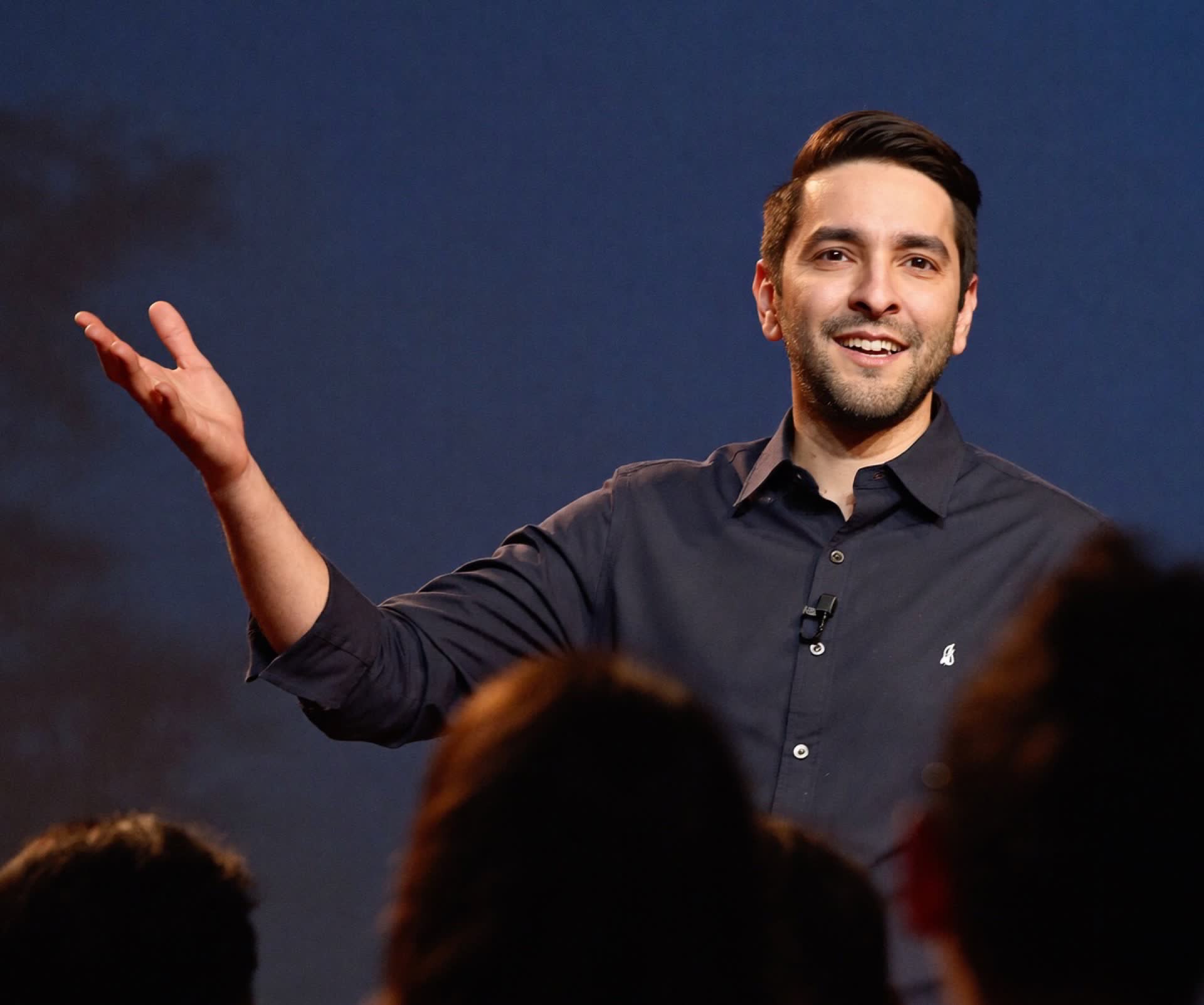
In this episode of Thought Behind Things, we’re joined by Salman Parekh, Founder of Manto, Pakistan’s most distinct fashion brand redefining local.
1 min read
Full transcript
शाम लोग सबतीनों आज रात. Welcome back to another episode of Thought Behind Things. जैसा कि आपको पता है कि आजकल हमारी endeavor Pakistan के साथ series चल रही है जिसके अंदर हम Pakistan की 50 most exciting startups slash businesses को explore कर रहे हैं. आज की हमारी conversation ecommerce से ही connected है because ecommerce is rapidly growing in Pakistan and I know particularly a lot of you guys are connected either directly to the ecommerce sector या कहीं ना कहीं वह सोच रहे हैं कि यार हम भी कोई business start करें, कोई चीज़ बनाएं या चीज़ मतलब एक दुकानदार जो है ना technically वह भी बहुत आराम से बहुत आसानी से e commerce कर सकता है. Payments बहुत हद तक digital हो चुकी हैं. Platforms जो हैं वह बिल्कुल एक sort of plug and play, click based आप पूरे पूरे setup कर सकते हैं through Shopify and others और उसके अलावा जो आपका logistics का भी even setup है उसमें बहुत सारे different players आ चुके हैं and इसमें last time हमारी जब post tech से recently बात हुई थी तो उस पर उन्होंने पूरा के पूरा इसका financing का भी system बताया था कि किस तरीके से logistics तो manage हो ही रही है. But साथ ही you know आपकी जो payments हैं जो उसके मसाल होते थे logistics companies के साथ, cash on delivery के साथ वह भी अब solution की तरफ़ हिस्सा हिस्सा जा रही है. Post ex की जब हमने conversation की that was one of the most widely viewed for this particular season और उसमें इतने सारे different nodes होते हैं कि जब आपने उनके साथ deal करना होता है और उनका coordinate करना होता है. तो वहां पर जाहिर है कि missile आते हैं. It's more like a platform, like a marketplace of literally riders at this point in time. तो बहुत सारी you know आपके दोनों बियां भी आती हैं, missile भी आते हैं. उसमें वह to the best of their abilities they're trying to sort it out. लेकिन still lot of people mentioned कि यार बड़े missile आए हमें post ex के साथ और year war, you know, it's it's still not perfect. And so I started thinking कि अच्छा अगर जो post tax कर रहा है वह as a singular entity तो वह कर रहा है और वह बहुत ज़्यादा से काम कर रहे and they are the market share. That's the largest market share. I think second or third को combine करके भी post tax तक वह नहीं पहुंचते. But जो वह service provide कर रहा है वह क्या market में कोई और provide कर रहा है? कोई और individual logistics company कर रही है या otherwise? And that's where I came across SmartLane, which is basically providing you essentially the same service as post tax but they take a step further, and they allow कि जो लोगों को मसला था कि यार मैं post tax के पास चला तो जाऊं मुझे बैठकर priority पर पैसे ही मिल जाएंगे लेकिन मुझे उनकी logistics पसंद नहीं है. तो यह लोग क्या करते हैं कि यह आपको open ended platform देते हैं जिसमें आप किसी का भी logistic company का आप, you know, वह use कर सकते हैं carriers को और delivery को. And that I find very very fascinating. We'll know more about that in detail. हो सकता है कि मैंने कुछ ग़लत read किया हो, confused हो तो हमें हमारे guest आज detail में बता भी देंगे. But before I move forward जैसा कि आपको पता है यह series Endeavor भाग़स्तान के साथ है. Endeavor is an incredible community, global community of entrepreneurs, unicorns, VCs जो कि without taking any money, without taking any equity वह जो है ना आपके founders को support और help कर रहे हैं. उसमें बहुत सारे endeavor entrepreneurs होते हैं. पूरी दुनिया में होते हैं, Pakistan में भी हैं. Pakistan यह top startups हैं. वह endeavor entrepreneurs हैं और उनको help और support करते हैं to scale to become unicorns. उनको connect करते हैं all over the world with different founders जो industries में काम कर रहे हैं so that they can learn from their economies, their mistakes, their successes and are able to emulate the same in पाकिस्तान as well. If you are a startup, if you are a business even जो कि successful है, scale पर है, बड़ा काम कर रहा है और उसने अपने आप को globalize करना है, उसने global similar businesses और brands और startups से सीखना है तो do check out Endeavor. It's in the link down below. वह हम वहां पर डाल देते हैं यहां पर कहीं पर उसकी link आ रही होगी. You can subscribe to that as well if you don't have the time to go through an hour, two hour long conversation. But nonetheless आज हमारे साथ मौजूद हैं उमर मुनावर who is the CFO and I believe cofounder of SmartLean जो कि जैसा कि मैंने आपको बताया एक logistics slash fintech company है. वह क्या करते हैं? वह किस तरह से grow कर रहे हैं? किस तरह से scale कर रहे हैं? वह सारा का सारा हम detail में discuss करते हैं but this is thought behind things season five with endeavor in the इस्लाहुआ studio. This episode of thought behind things is presented in partnership with Endeavor Pakistan. सामने तुम्हारे भाई. कैसे हैं आप? बिल्कुल ठीक बिल्कुल ठीक. और उसके अंदर हमने detail में यह सारी चीज़ें कर ली हैं again यहां पर कहीं पर link आ रही होगी you can check out that video. So उसको मैं सारा का सारा cut short करके I'll quickly ask you know last time we spoke you were representing फिंजा. What happened to फिंजा? आपने किस point पर क्यों छोड़ी? And is this the next stint that you joined straight after या did you go somewhere else in between?
So, let's go back to that. So फिंजा I ran for six year. I was one of the co founders of फिंजा, with कासिफ and मोनस and it was one of the most amazing time. I learned a lot during those six years. Everyone has their ups and downs during those time period. Last time I met I was already I had made my mind of going out of stepping out of Fynja. Those were my last few months there. So my investor set knew it way before the rest of the market knew. I was 100 KG heavier when I last I was like 30 KGs heavier last time I met you. I'm a completely different person. I had a complete burnout by the time the last thing we met because I was on the verge of burnout because six years I ran Finger, we raised capital, we were in the wild west, we couldn't understand to make a business, to raise insane amount of capital, to do what at that point of time. And then came a point where we found structure during the last two years of when I was there. And then an opportunity came where my other cofounders and investors felt that doing a digital bank with HBL and applying for a digital bank with HBL, is an idea that they want to pursue. And sir, was something I didn't want to do because for me that was, I was then I will be dealing with a completely different generation set when if I am running a company because the board of a HBL is going to be somewhere an average age of 57, 58 and their lens of looking at the world is going to be very different at how I look at the lens and the good part for my six years at Finja was my other two co founders were like much older than me so I got to look at the world from two different lens. How I saw the world and how they saw the world. And that's been very cool learning experience from me. So I have been I have drained कासिब and मोना both out of complete knowledge that they acquired and the early part of it. So that was really fulfilling in those six years and that allowed me to build on my own framework a completely new thought process and everything and the smart came into being. My investor said, the complete board knew it that this is something in the making from when I left Fynja way beyond that like twenty four months before that. When I never thought even of leaving Fynja, Smartplane started coming into being with अदम and फातिन because they both reached out to me that hey, this is something we are thinking. We want you to be a part of it. And I told them I can't be executive at that point of time. They were like, no, it doesn't matter. We want your expertise in terms of how you look at payments, how you look at lending because you are one of those people who has done this over past six years and you know what works, what really doesn't work. So, yeah, so privileged in that way that being an early early young and early in the startup ecosystem since 2015 that really helped me to find the right set of co founders for my second straight and they reached out to me and they came to me to to do this together and by when I left Finja I was no in the no capacity to work and I love both of my co founders here that they were like hey man, you're completely burnt out, you can't work, take six months off and just do whatever you want to do and whenever we want to pick up your brain we will call you and I used to come to Office 6 the those six months but like two hours three hours just around, hang out with them and then just leave. And then became the Russia Ukraine war everything collapsed and yes and six months in recovered, joined back with them. And yeah, a very different experience from raising a very funded company and everything and having the best six years of raising to a very different macro environment altogether that was like, well, where am I? And but I was very aware of the fact that this environment is going to be tough, but it's not going to stay the same for the rest of the life. So you need to optimize and survive for optimize, survive and build a solid foundational design business in terms of economics, in terms of what you're looking for. Very simple. I have a simple belief. Capital goes with this profitability and there was at that point of time in twenty end of twenty twenty one capital was t. Global zero interest rates. I would borrow from a bank at a very low interest rate and speculate. We see ecosystem was giving a return of 40%. Even if I'm gambling as an individual, borrowing at 4%, 5% and a potential of a 40% return, I'll do it. Like, everyone was gambling at that point of time. It was free money, money was getting printed because of COVID. Every there were social programs running, everyone was getting money so capital was free. So everyone was raising and but what were we raising for? None of us need because after raising, we figured out we were, like, high level at that point of time. A, I want to work into the merchant ecosystem. I want to work here, and this is what we are envisioning. And capital came in based on the talent, the grit, and the founder type. So we all raise capital at that point of time on each of our individual profiles and what business or the TAM, the total TAM was, not on the economics of the business and how the economics were working. Reality hit us, all of us, the complete ecosystem in 2022. Oh, we have to make businesses. It's not just about the vanity figures of the top line growth, press releases, MOUs and all of those things, it's not about that. You need to create a solid foundational business. Capital is not going to just keep on coming in. Capital got expensive and Pakistan got into a tailspin altogether and many other factors I don't care it was politics whatever we are we as entrepreneurs and we as people who have the grit we survived And that was our core. Don't figure, don't worry about the politics of it and don't either blame the politicians or work hard to solve that problem. As as an entrepreneur, you have to solve the problem of that given type for that as the macro changes and the environment changes. You can't, you you if you want to do a startup, you can't blame politicians, you can't blame external factors because as a startup you're solving a problem which hasn't been solved due to all the external factors today. And that's where you create insane value. You're not creating a business that I'm going to raise capital, I'm going to create a return of 10%. You're going against all the odds of the current time period and trying to create insane value through technology. And that became evidently clear for me that technology, yes, you can create value because I created a lot of value with my other two co founders in the past. We created, we crew, we created the systems and everything. Biggest realization, focus is the key. Pick your segment, choose a niche within that segment and focus on making a business out of that segment. Once you have made one cash cow and a business out of that segment, then scale crazy because now your baseline has changed. Your lowest risk is you are not going to go out of business. Your lowest risk is your growth will stop. Your growth will stop. Your cap your cap, your company's valuation appreciation is not going to be at the same growth rate. So keep the risk in the view as well. So all of those learnings led me to Smarplane and very happy what we did in the last two years. We solved in the most difficult time period to feel the key problems for the ecosystem and for ourselves. Forget about the ecosystem. We were very selfish. We were solving for ourselves in the first place. And now it's it's kind of a framework for the rest of the ecosystem as well in terms of doing that. Over the past three years since we have been running this company, we have raised around $2,300,000. Cash flow positive company, we have been growing by an average of 20% month on month, 12 to 20% month on month. And now and most part of our capital in terms of what we do we even aggregated that from the local ecosystem. In the most difficult time period when people were not willing to take risks, we were able to aggregate that capital from the local ecosystem. It's just simple. At the end of the day, numbers match. Risk appetite, the return that people are getting and you will be able to aggregate and the trust you have in terms of of the foundational business. So I'm a strong believer if your fundamentals are strong, you will survive, you will live. It doesn't matter you grow by 2% month on month or 20% on month on month. It depends on the macro, what resources you have. With the hunt, with limited resources, I would be mad going in a, let's say, total budget is $10,000,000 and I go to play in. I want to be one of my my objective is with that $10,000,000, I will become the top player, top football club of English premium. Not happening. Your train work is wrong. Your thought process is wrong. You are thinking on a on a wrong foundational design, you are not looking at your resources. Yes. How can I compete in a seven years time period to be the top club of EPL with this $10,000,000? That's a question or that's a problem that you have to solve for the next seven years to become the top club. In the process, will raise. In the process, you will do a lot of things. But you know your objective. If you are framing yourself with this $10,000,000, I'll become the first company and the largest company not happening. Because you can't have a short term view of when you are building a business. You have to solve for the longer term problems.
Tell me about what SmartLin does. So I gave a मैंने एक start में एक intro दिया कि यह जो logistics में आप क्या कर रहे हैं, SaaS में आप क्या कर रहे हैं? थोड़ा सा अगर आप summarize कर सकें is was it on point? Were there some missing links? Tell me about it. So, yeah,
one, yes, we work in the logistics space. We work for the merchant. E, हम e commerce merchant के लिए काम करते हैं. यह हमारा सीधा सीधा philosophy है जिस दिन यह company की foundation रखी थी कि यार e commerce merchant की ज़िंदगी के अंदर positive value कैसे add की जा सकती है? And then we started breaking down the chain one by one कि यार e commerce merchant करता क्या सारा And what are his उसकी major problems क्या है?
आपने कहा आपने two thousand eighteen nineteen के अंदर you set up e commerce and came into the e commerce. How many people कितनी team थी आपकी? I just want to ask. बहुत छोटा सा setup था so we were we would get products made in लाहौर stationary products से और वह जो है वह हमारे पास आती थी. हम तक़रीबन समझ लें कि मैं और मेरी बेगम as co founders and then we had like four people जो कि उसकी marketing भी manage कर रहे थे. वही orders आते थे तो हमारा वह दिन का एक कसूल बनाना था कि यार मैं ख़ुद personally मैंने पूरी तीन साल उसको स्थान चलाया है किसी जब orders आए start में मुझे हो गया कि यार यह तो मैं मैं ज़रील हो जाऊंगा. अच्छा मज़दार बात यह थी कि उस time के ऊपर ना यह जो companies थी यह generally इनकी onboarding भी बड़ी complicated होती थी. Websiteएं, chef siteओं में कुछ proper लिखा नहीं होता था. 2021 तक we were operational. उस वक़्त तक हमने, हमारे पास access में कोई इतनी technologies नहीं आई थी जो कि इतनी democratize होंगे. यानी कि अगर barcoding करके मुझे order management या product management करना है तो वह जो है वह इतने expensive solutions होते थे कि SME के काम काम नहीं आते थे. Software के कोई solutions market में थे ही कोई नहीं. जो global होते थे उसको आप tweak नहीं कर सकते थे अपने लिए वह, you know, चीज़ें dollar में लिख रहे यह कर रहे हैं वह कर रहे हैं. जो e commerce के solutions थे वह हर तीसरे दिन break हो जाते थे और अगर खुदाना खास था TCS का solution break हो गया और आप ढूंढने बैठ गए वहां पर कोई उनकी support तो वह एक जो एक नया आज़ाब होता था software बनाना है यार, आपके इतने बड़ी freelancer market है Pakistan में कितना software का काम हो रहा है. क्यों यह अच्छे से नहीं वन सकता? But I think वह नहीं था उस timekeeper पर interest नहीं था, understanding नहीं थी. तो that was that around about the time जो मेरा experience था वह बहुत हिस्तरा मज़ा मुझे बहुत आया अलहमद रिल्ला मैंने अपनी ज़िंदगी की पैरी गाड़ी उस पैसे से ख़रीदी. मैंने अपना बहुत घर पूरा renovate करवाया e commerce के पैसे से. It was a good business. But to be honest मेरा जो कि काम main media का था ना तो इतना वह inefficient था उस time के ऊपर कि फिर मैंने सोचा मैंने कहा यार मैं media से ज़्यादा पैसे कमा लूंगा तो let's just let it go and it was quite a heartbreak because आपका पहला e commerce का business जो आपने बड़े दिल से बनाए होते हैं वहां के बच्चे की तरह होता है. तो that was my experience at the time. बिल्कुल ठीक है. So, that's the thing. अभी जो आपने अपनी story narrate किया उसके अंदर you told us so many problems. When we started this company all those problems were still there. So, that's where the thing came in कि यार if we kind of solve all these problems using technology, we will enable a lot of more logistics companies to come in as well and at the same time help merchants anyone to start an e commerce business.
The vision was very simple, help the life of the merchant. Merchant हमारा customer है उसकी life improve करनी है. उसके processes में दो चीज़ें हैं. एक shipment जब courier के पास चली जाती है उसके बाद का पूरा process है और एक उससे पूरा पहले का process है. तो we brow हमने इस process को तोड़ा देखा कि यार इस process के अंदर हम कहां कहां value add कर सकते हैं. High level किसी एक आम आदमी से पूछें शायद उसको लगता हो कि यार e commerce का business बहुत आसान है. Website पर order आता है. वह pack करते हैं, वह ship कर देते हैं और वह customer के पास चला जाता है. Courier company पैसे collect करके वापस ले जाती है. सुनने में बहुत आसान लगता है but अब इस पूरे hand offs को अगर तोड़ते हैं ना तो there are so many small processes in it. Order आता है, verify करना उसे कि यार order सही है, नहीं है सही क्योंकि उसकी payment तो मिली भी नहीं है. मैं उसको ship कर दूं और ship करके doorstep से वापस आ जाए. Merchant बेचारे के तो दो सौ रुपया या तीन सौ रुपया जेब से चला गया और उसकी sale भी नहीं हुई. ठीक है, these are ना problems. इतना problems देखते रहे हैं, देखते रहे. तो we started breaking all of these problems down और best चीज़ यह थी कि मेरे जो दो cofounders हैं they are like the OGs of the e commerce face. Like फातिनान आदम like rocket internet, आदम was like product emo, फातिन was like communication and PR at rocket internet like they were like दुनिया Pakistan को सिखाया है भाई e commerce होती क्या है? Like I respect, I hold very few people. I hold मुनीब, फातिर, अदम, this rocket internet team that completely transformed kind of e commerce into the country. उससे पहले सब classified था. ज़मीन, OLX, रोज़ी, it's all classified. They created transactional e commerce. यार end to end transaction doorstep के ऊपर कैसे बुलझाव सकते हैं? They were they created the first e commerce product essentially. सारी services इधर उधर गी को join किया, marketplace create की और पूरे ecosystem को evolve करना शुरू किया. So I was like this is the design. यह design नहीं है कि यार मैंने end to end chain पकड़नी है वरना किसी को enter दी नहीं होने दे रहा. I can make this market grow and in the process create value on all ends of it and all stakeholders of this economy. Not just private parties, even the government parties. जितने courier ज़्यादा आऐंगे उतनी velocity of e covers ज़्यादा होगी, उतनी आप की यह सारी चीज़ें बेहतर होंगी, product जल्दी पहुंचेगा, लोगों को trust ज़्यादा but आपकी distribution of products increase करेगी. आप इस्लामाबाद से बैठकर सकड़ू भी package आता है, ठीक है? खाड़ी को अब सकर्दू में store खोलने की ज़रूरत नहीं है but खाड़ी is servicing a customer in सकर्दू. खाड़ी is servicing a customer in गिरकर. सफ़ाई is doing that. Any x y, any small guy can do it. You do the capital requirement, the CapEx requirement has decreased. तो मेरा view बहुत simple था. Technology has significantly reduced down the CapEx requirement. ठीक है? Anyone can do it. You did it. You started a business very early in your age e commerce की. कोई भी कर सकता है. University के अंदर वाला भी कर रहा है. You can start business. So basically technology ने एक किस्म की पाकिस्तानियों को what we heard about in our childhood the American dream which was driven by technology. That technology has kind of given that dream to every individual in Pakistan. Now you can sell to anyone, anywhere. You have a product, you can sell. It's not like you can trade. Essentially, most e commerce is trading. You're buying low, selling high. You are not manufacturing because we are not China as a country that we have a complete manufacturing start. We are a trading trading country where we are buying low, selling high. Now anyone can do it. Anyone who can organize demand can buy low, sell high. And how can we improve this? And in my days at सिंह जा one of my trips in 02/1918 was I spent two weeks with one of another founder of another पाकिस्तानी founder by Kia's founder मुनीर in China. And where there we really saw how they utilize technology to empower micro communities. So we visited a village. That village did two products only. There were 1,500 people in that village. They only they were managing nuts, pea cannals. They used to farm them, pack them and were selling to the consumer end to end and they were living a life, best life like technology completely unleashed. Everyone in that community was having a similar lifestyle and it was an urban community not it was a completely rural community at that point of time. तो उस चीज़ when I saw that that gave me the believe It's not the financial services only. Your future economies has three foundation, finance, logistics, what we always say connectivity, and distribution. This is a foundational design for any future business. How to distribute your product? How to distribute to the customer? Logistics is how to convert from a digital world to a physical world in delivering that product, and finances how to receive money digitally of that product. If you solve for all these problems, you have created a stack or an operating system that can enable any business of the future or any legacy business to go to a future outlook. कोई करियाना की दुकान है उसको deliver करना है, उसको पैसे collect करना है. उसको product door तक पहुंचाना है. उसको consumer को advertise करना है. These are three pillars for creating a technology business in the which works in the real world and everything. So for me commerce का, commerce को solve करना है तो it's fintech and logistics. Logistics solve करने के लिए दो तरीके. You create your own logistics company. ठीक है? Then simple economics are played. हमारा foundationally we sat down, we three founders, we were like कि यार अगर logistics company own करते हैं तो कितने पैसे चाहिए इस पूरी problems को solve करने के लिए? That's what we evaluated and we were like we would need 10 x more money to solve the same problem. Would we be able to raise 10 x more money in Pakistan today to solve that problem or should I solve this problem and create a similar return and exponential return by being asset light and enabling other people to create business on top of us where we aggregate demand. So basically, logistics company के लिए हम distribute करें. We are distribution partner for a logistics company where we aggregate orders from the smaller merchants, राजा merchants and pass it back to them on one foundational design कि यार कौन ज़्यादा जल्दी deliver करता है? So, data in the ecosystem looks कि लोहौर से कराची कौन ज़्यादा सारों से ज़्यादा जल्दी deliver कर रहा है parcel? उसके पास parcel जाना चाहिए. Not on the price, not on all of those things, on efficiency. Efficiency. ठीक है? Efficiency पर जाना चाहिए. And prices similar है यार. पांच रुपए, एक के ज़्यादा होंगे, एक के कम होंगे, एक के सारा कुछ होंगे. So and this is what we मैंने I just did a marketing research three of us, me, फातिन and आदमी sat down and we did a research of Pakistan के बीस साल की business history and where is the business mindset coming from and everything where where how we as people think in terms of business. हमारे लिए price is always a metrics of fighting. यह कहां से entail कर रहा है? This is entailing from अगर आप private sector investment में देखो तो Pakistan के अंदर पिछले बीस सालों में सारा सारा बड़ी private sector investment जो है वह telcos में होगी और telcos ने service quality पर compete नहीं किया, price और packages पर compete किया बीस साल. ठीक है? And that's, that's the mindset कि यार value नहीं lowest price होनी चाहिए, lowest price होनी चाहिए. Whereas you go to The US they'll charge you an arm and a length कि यार मैं तुम्हें value दे रहा हूं. They don't leave value money on the table कि मैं तुम्हें price पर दे रहा हूं. So, this was like my thing was कि फिर go back to let's see how Google monetize their business? How Facebook monetize their business? Is consumer really the player to monetize business? Or is it B2B2C? If you see all of these large platforms, they create their Cashकरो businesses out of other businesses. And helping them to distribute, one, because 60% of their revenue come from marketing and they are helping other businesses to distribute and they are aggregating consumers to whom they distribute, enabling other business to distribute. So it was my my same thing was Pakistan यहां है in the map. यह हमारी infra layer इधर exist कर रही है. So where to build? Where can you unlock the maximum value? So we chose our plane of building कि यार हमने technology player में रहना है. We want to be a platform player. We want to be a market maker and let's show everyone that there is value in the chain. That more and more investment and more and more player comes in as they see value. So when we started तीन साल पहले we were integrated with eight courier companies. Today we are integrated with thirty one. This is three years and how much of a market has grown? 1.4 x from those three years back and you look at the fragmentation of the supply side, on the demand side of courier which has been created. You got 22 more companies in a span of three years. Now let's take this 10 x. How many more companies can come in? So we were like let's accelerate the pace of this growth from the merchant perspective. Help them distribute. Once there's enough packages, people will come in and invest invest in the legacy infrastructure of creating courier companies or investing into existing courier companies. So there is a complete system and a design. We as people don't look at how the world as a design is working, how global economies are working. There is a complete design to everything that works. You can replicate that design everywhere. So that philosophy and the framework is what is completely reflecting in smartly and that's what we try to say. We were like how to show this to the world that this really works, this philosophy really works. We were limited by capital in terms of raising at that point of time. So we we focused on becoming a cash flow positive company and today we are cash flow positive. We are no underlining risk. We can grow by 2% month on month, 3% month on month, 20% month on month. Now it all depends on the resources I have and the more I, it's all foundational. Now my foundation is getting stronger and stronger as I scale because I'm cash flow positive
and What's the what's the current scale? How many merchants are on the system right now? What's the average package size? Yeah so we are just working with well at this point of time we are working with 1,200 merchants.
The average package size today in the e commerce space is around 4,700 and major still major part of e commerce is driven by fashion and in on the value side, it's phone. So, the lower ticket side, it's fashion and on the higher ticket side, it's all phones.
And how many parcels are processed
through your system daily? So so right now we are in a month processing around 300,000 parcels from these 1,200 merchants and it's one of the key things which we ensured is that we want we kept our foundation very solid. We never targeted the bigger clients in the beginning because those clients are difficult to serve, high cost to serve, more demands and they are right because they have a higher bargaining power than me at that point of time. We were like like diversify your revenue stream. You shouldn't have a single risk factor So we at one point of time we let go of larger clients that we don't want to work with you. But I
am a little confused though because you are a platform player, right? So what आपको तो impact नहीं पड़ना चाहिए अगर for example एक large player है, let's assume export leftover है या you know, साना सापिना sapphire whatever. उनका इस वक़्त technically workflow wise and I I wanna understand the workflow for your customers as well in terms of what what they get to
वह जो है ना अगर लड़काना जाना है तो उनको पता है क्या है They have an internal smart lane. So I spoke with both the Price OA founders.
They have internal smart lane that they have built in terms of हां so but that's what I saying कि because these guys are very tech heavy, right? So they were able to do that. A lot of these fashion companies उनका एक internal system भी होगा लेकिन वह उतना से optimize नहीं होगा जिस तरह से आपका होगा कि जिसके अंदर, you know, they're probably working with, 10 different companies. उनको पता है लोहौर का आएगा तो TCS भी जाएगा. Its का आएगा तो Elephant पर जाएगा वगैरह वगैरह करके. Forts on the ground नहीं हैं. But आपकी जो technology layer है आपके पास दस आठ orders हों या दस हज़ार या दस करोड़ orders हों service तो logistics company ने करना है. आपने तो सिर्फ़ सिर्फ़ एक sort of technology की तहत उसको वह करना है. तो I'm a little confused about that So that's
biggest problem जो थी हर merchant की that was return ratios which I explained to you that is sales loss. So sales loss को decrease करने के लिए we said how can we decrease sales loss. So we have SLAs with every courier company in terms of कितनी देर में delivery time तो होगी. क्या response वापस आएगा उस delivery time तो through technology. All mediated through technology. जब parcel pick होगा, how would my system रोके parcel pick हो गया. Delivery time to हुई है? How would my system रोके delivery time to हुई है? आपने e commerce run किया हुआ. आपको बहुत अच्छी तरह पता होगा यह सारी चीज़ें. अब order आया Shopify पर? मैं आया आपकी website पर. मैंने एक चीज़ खरीदी. मैंने checkout किया, कर लिया. अब वह पहले previously क्या होता था? आप आऐंगे उसे देखेंगे. आपका दिल किया call कर ली उसको. क्या है? पूछने के लिए कि यार आपने order किया कि नहीं वरना pack करके courier company आएगी अगले दिन खुद ही उठाकर लिया जाएगी और कुछ दिनों बाद पैसे वापस आ जाएगी. ठीक है? This is how it was previously working. So we were like order गिरा, देखा लोहौर से कराची जाना है. Who is delivering the fastest in the past seven days? यह order confirm है कि नहीं? मेरे system ने सारों से पहले एक SMS shoot किया या WhatsApp message shoot किया customer को कि यह आपने order place किया है should we ship? Say yes or no. He says yes. I know कि order rail है. ठीक है? उसने मुझे yes कह दिया. There is less chances of a return coming back. That's where I weeded out the first side और जाऊं उसकी saving की कि यार गलत order बाहर ना चला जाए. ठीक है? चले चला गया एक आधा customer ने नहीं response किया चला गया. Now कितनी देर में first attempt हो रही है? My system records that. उसको control करके उसको report format में management मेरी team ops की जो SLA manage करती है यह दिखाता है कि यार इतने packages twenty four hours के अंदर attempt होने चाहिए थे but उसमें से सिर्फ 98% हुए हैं. यह दो percent packages अभी तक attempt नहीं हुए हैं. ठीक है? So my now team is working on कि यह दो 2% packages are attempted as soon as possible, reaches the customer doorstep as soon as possible. They are on the top of every courier company के attempt this. That's where we are helping as a shade services. Firstly, we started in an analog manner for each merchant. Now we are digitizing each of these processes. That's where the value for our technology is adding value. आप दो लोग थे, husband and wife who were running a business. अब imagine करें आपको सिर्फ focus करना है कि यार मुझे अपनी चीज़ वहां से manufacture करानी है और घर मंगा लेनी है. Order आते जा रहे हैं, verification भी खुद होती जा रही है. सारा कुछ मेरे पास एक sheet आ गई है कि मैंने इनमें से कौन से pack करने हैं. मैंने वह pack किए, अगले दिन थोड़ी शाम को courier आया और वह ले गया. अब मेरे पास खुद ही पैसे आ गए wallet के अंदर, हर चीज़ खुद ही हो गई, पीछे एक पूरी की पूरी technology there और human layer आज वह आपके पूरे operation को optimize कर रही है. ठीक है? Right. So एक बड़ा e commerce merchant, छोटे e commerce merchant को support भी कर रहा है इधर एक किस्म का क्योंकि यह पूरी shade service की cost एक बड़ा e commerce merchant भी pay contribute कर रहा है उसको चलाने
के लिए. छोटे वाले को भी उस उस efficient structure से फ़ायदा मिल रहा है. तो यह that was our philosophy कि यार make it so easy for people to do an e commerce business. नहीं लेकिन इसमें अभी तक वह वाला answer नहीं हो सका ना कि बड़ा आपने बस यह बोला था कि बड़ा merchant. हमने बड़े को target नहीं किया. बड़े merchant को हमने target नहीं किया because उसको हमें मसला आता है. वह बड़ा merchant आपके आपके system में अभी आपने ख़ुद यह बात बोली कि आपके system में बड़ा merchant क्योंकि आगे subsidize करता
मैं premium price charge करने के हक़ में हूं कि यार मैं आपकी चीज़ों के अंदर यह यह चीज़ भी कह रहा हूं. Company इतने पैसे दे रही है, यह दे रही है. And we were like कि यार we don't have enough money to do discounting into the market. हम negative unit economics business चलाएं कि हम अपनी जेब से we are deploying money for discounting and getting customers
acquire as a customer acquisition. Does that make sense? So basically आप जो है वह effectively जो premium है वह premium random नहीं है. क्योंकि बड़ी company के पास जो है वह इतना बड़ी फौज होती है कि वह बहुत सारी यह काम खुद कर रही होती है. होती है पास नहीं होती तो वह उसको उसके ऊपर premium दे सकते That makes sense? Yeah. तो do I go and talk to leopard courier? No. TCS? Or do I talk to smart lane? Smart lane. And in terms of talking to smart lane, how does that sort of work? Because again मैंने आपको भी बताया. मैं तो एक husband and wife हैं. Account है. हमारे अपने bank account है. जितना एक सादा पाकिस्तानी middle class family random होती है, उस तरह की एक family है. अब वह e commerce में धंधा करना चाह रही है. अब वह क्या आपकी website पर जाएगी? वहां से कोई form fill करेगी? वह आपको call करेगी? How does run me through the workflow? So, you are connected to the complete logistics infrastructure digitally under five minutes. You go to our website, you sign up for free
and you login to our platform. You download your Shopify plugin or whatever you are running
you are go to go.
कि यह सारे मेरे आज वह के orders आप SmartLane पर upload करते हो. SmartLane का platform उसे read करेगा और सारे relevant couriers के पास जो best performing courier उस address पर होगा उसके साथ book कर देगा.
और वह कपड़े हैं. Yeah. और smart lane का platform है. Yeah. अब वह smart lane का platform जो है उसके ऊपर मैंने orders जब आपके सामने आ गए हैं. तो अभी आप figure out कर रहे हैं कि यह completely नया बंदा है. इसने यह पांच orders बोले हैं. मैंने इसे confirmation मांगी है. वह कह रहा sir confirmed है. आप भेज दें order. Yes. और और उसको नहीं पता कि call courier है, TCS है, post ex है, कौन है? उसको बस यह पता है कि मेरा order जाना है. Yes. उसको आप TCS वाला आएगा और वह शाम को आकर के parcel ले जाएगा और वह पहुंचा देगा और वहां से वह पैसे इकट्ठे कर लेगा. Yes.
Is that how it happens? Oh yes and फिर आपको daily की reporting आती रहेगी कितने deliver हो गए हैं, कितने नहीं हुए हैं, कितने पैसे आपके
रहते हैं देने वाले हैं, कितने पैसे आपको दे दिए हैं. And this is अच्छा, इसके अंदर जो जो मैंने आपको, जो मैंने आपको बोला जिसमें हमारे case में क्या होता था कि हमारे वह छोटे boxes होते थे. क्या कहते हैं उसे? Carton के corrugated boxes होते थे. Mhmm. Right? उसके ऊपर हम sheet print करके लगा देते थे और वहां से वही barcode निकालते थे और whatever. Yeah yeah. लेकिन जो कपड़े वाले होते हैं यह होते तो वह normally यह sealed उनमें आते हैं. Yes.
तो वह पूछता है और जैसे ही आप sign up कर लेते हैं अगर आपने कहा है मुझे वह package चाहिए. मेरी team आपको हमारे call center से call जाती है. वह पूछती है आपने 500 packets का order place किया है per packet और order इतने का ही आपको कल इतने बजे मिल जाएगा.
का system जो है वह किसी एक ही logistics company को deal करेगा? नहीं. या वह optimize करेगा और वह उस दिन शाम को मेरे पास चार लोग भेजेगा. एक बंदा जो है वह TCS का होगा, एक leopard का होगा, एक इसका होगा, एक उसका होगा और वह depending on कि
वह sorted, system would sort everything. Give you a report, वह आपके पास आएगा. आप उसे कहेंगे यह आपकी sheet है जो आपने packages उठाने हैं, यह packages पढ़े हैं. वह उस sheet को sign करेगा, सारे packages scan करेगा. मेरे system को पता लग जाएगा package handed over और उसी time फिर मैं आपको बताऊंगा इधर एक step आता है where we add another value for the merchant. जहां merchant की हम और value add करते हैं. वह मैं आपको explain भी करता हूं कि real world और इधर में क्या फ़र्क़ है उस चीज़ का? इधर अब चला गया जब door step पर package deliver होगा फिर पैसे वापस आते हैं merchant के पास. इस पूरे process को बीस दिन लगते हैं. तो हमने technology intervention करके किया कि यार packet scan हुआ TCS के पास possession में आ गया. मेरे system को पता लग जाता है कि TCS के possession में आ गया. अगर वह कहता है मुझे advance पैसे देने हैं इस package के against क्योंकि यह deliver हो जाएगा चार दिनों में. मैं उसको up to 80% based on my credit rating algorithm जो compute करता है. मैं उसको against the service fee एक percent सौ रुपए का package है तो एक रुपया charge करके उसको सत्तर रुपए या अस्सी रुपए advance में दे देता हूं और बाकी balance जो उसका बचता है उन्नीस रुपए का. वह अगर अस्सी पहले देती है एक रुपया मेरी fee है. उन्नीस रुपए का जब balance बचता है वह जैसे ही door step पर deliver होता है मैं उसके wallet में दे देता हूं. ना उस बंदे को इक्कीस courier के साथ reconciliation run करनी है. एक single party ने हर reconciliation, हर चीज़ उसे streamline करके दे दी और साथ उसका capital जो पच्चीस दिन का दस courier companies के पास फंसता था वह भी unlock करके उसे उसी time दे दिया.
So उसके ठीक है. यह I am assuming this is gonna happen after the the the merchant has used your service a little while ताकि उसकी credit scoring वन जाए. Yes. क्या आपको पता लग जाए कि takes कभी कितना us ten days to activate COD.
Ten days to activate COD क्योंकि मुझे क्या factors चाहिए on a high level कि यार यह कितने packages कितने जाते हैं इसकी return ratios क्या है? इसकी यह चीज़ें क्या है? इसकी average daily sales क्या है? यह सारी चीज़ें क्या है? Because average daily sales क्यों चाहिए? Pakistan के अंदर we are a very innovative nation. बहुत innovation है हमारे अंदर. ठीक है? That's how our risk frame was was built in the beginning. एक बार merchant है उसके average 10 packages जाते हैं. अब उसको अस्सी percent advance मिल रहा है start में और let's say उसकी normal return ratio है दस percent. So I am covered on the risk side क्योंकि मैंने उसको अस्सी दिया है और 90 collect होना है उधर से I'll recoup that. We are geniuses. हम क्या करेंगे? भाई दस दिन सही चलाया, तीसरे दिन मैंने पचास order डाल दिए, फिर 40 orders ऐसी fake address डाल कर के मुझे पैसे advance में मिल जाएंगे. इनको तो सात दिनों बाद पता लगेगा यार के these were fake orders. Now I have that money और फिर यह मेरे पीछे आऐंगे कि यार please यार पैसे दे दो, यह दे दो, वह दे दो. So these were all risk frameworks we have to think through. अब high level बहुत आसान लगता है यार इन्होंने अस्सी percent दे दिए, वहां deliver हो गया, courier ने इकट्ठे करके दे दिए. But risk manage करना, यह सारी चीज़ें करना that was the main challenge for us. फिर our algorithm looks at average daily sales इतनी है, भाई इसने there are three x more orders than average daily sales today or your two x more orders. So my system will flag that as a risk and take it through an internal manual process कि my team would check कि यार why is there a blip? क्या sale लगी हुई?
कोई other reason है? So it's not like कि वह lockout कर रहा है क्योंकि again मैं अगर अपनी बात करूं तो मेरा यह होता था कि मेरा तीन, दो, तीन, चार
process and that's where technology comes into play. अब आप Shopify is a very rich technology platform. Shopify मुझे बता देता है कि यार 80% order तो किसी marketing campaign से आ रहे हैं. Hence he is spending on a marketing campaign these are real orders. ठीक है? मतलब कि they are not random orders जो organic आगे पड़ गए हैं या कहां पड़ गए हैं. Now this is just thinking through that problem and you are figuring out कि यार मैंने इसको कैसे अपना risk कैसे control करना है. So for us hypothesis building and testing has been the main core of building the foundational business and derisking our business where we are today.
मुझे यह बताएं जो आपका पहला part है ना अच्छा before I go into that इसमें यह भी बताइएगा कि customer को what's the average price point? Again मैं मैंने कहा मैंने अपने आप को build किया है मेरे बच्चों का कपड़े हैं. कपड़े हैं एक kilo से कम ही होंगे mostly. Yeah. छोटा packet होगा उसके अंदर यह fit photo करा जाएंगे unless कोई बहुत ज़्यादा वह कपड़े order कर देता है. तो इस तरह का जो less than one kilo order है, what's the price point in इस वक़्त Pakistan में जो चल रहा है? How much of of a premium are you charging? And उसमें premium में मैं यह चीज़ caveat obviously ज़रूर add करूंगा कि there is a difference between and that's my assumption. क्योंकि जब मैं जाकर यह जो courier companies हैं इससे सारी negotiation होती है. तो वह आपको जो है ना anywhere between डेढ़ सौ to तीन सौ रुपया charge कर सकते हैं you know और मैंने देखा है 99% लोग ऐसे ही होते हैं. वह आख़िर में अंदर से कंगले होते हैं लेकिन वह that's the only way to actually get into the bank otherwise कोई तरीका नहीं. Same इस चीज़ के साथ है कि यार वह career company आती है. वह तो क्या आप लोग जो price point दे रहे होते हैं वह pre negotiated with the vendors हैं और वहां पर जो आपके logistics partners हैं. And then based on that, are you already passing on a discount to your merchant? In which case, अगर उसमें for example आप premium add भी कर रहे हैं तो more or less वह मुझे similar ही दिखेगा? Just trying to understand the context here. It's similar. क्योंकि देख,
the reason being कि 5% are large brands who will get exceptional rates. For example, let's say, let's name one large brand like Sapphire. What Sapphire will be getting? A smaller merchant would be not getting that. ठीक है, but now let's position Smart Lane. Smart Lane might have an order volume with a singular courier company much bigger than Sapphire on an individual level. Hence, I'll get a similar rate to them. Now, when I build my margin on them, it would be a similar rate that a direct courier company would give a smaller merchant. So, there's not a much of a difference on the rate. For a larger brand, there would be a difference and that's the reason we stopped working initially when it was everyone was taking us a courier company. That's the reason we stopped working with the larger. यार, don't treat us as a courier company. My cost base is not the same as the courier company. I am not operating on the same dynamics as them. Essentially this is a trading business where I am aggregating demand and optimizing it to the courier different courier base. Understand that. मैं नहीं काम करूंगा कि यार क्योंकि Pakistan it's been insane. Fuel has been $2.80 तीन सौ and delivery of a package have been 60 rupees by few courier companies. So the free capital that came into the ecosystem and everyone everyone was changing vanity numbers to get more money out. Base change since '20 So '20 for us that was a good thing कि यार start से we were very clear. No negative unit economics, no discounting that impacts my core business in terms of a unit economics basis. That's how we became a cash flow positive company. Having that grit कि यार बिक सकता है premium technology से हम market के अंदर premium add कर सकते हैं, value add कर सकते हैं for the merchant. Return ratios merchants की कम की है 50% से. For example, a merchant who was having 14% of a return ratio
now has a seven percent return ratio. That is extra. मुझे बताइए what's the average cost इस वक्त? मैं आपको अगर मैं आपके system में आता हूं, मैं बच्चे को एक सौ चालीस रुपए per K, a $1.55
rupees per KG और $1.60 rupees per KG, something like that. उसमें आपका premium included है या वह कितना It's my premium is included in that.
अच्छा, इसमें अब यहां पर एक जो problem आ रही है वह यह आ रही है कि यार अगर वह बंदा मेरे पास आ रहा है, मैं एक SMU हूं, मुझे अपनी जो जो logistics company है उनकी भी एक अपनी unit economics है, right? वह कह रहे कि यार मैं Sapphire के पास जाता हूं, मेरी एक van जाती है डेढ़ million का सब daily का जो है वह
difference है. Yeah yeah. बिल्कुल सही कह रहे हो कि when you manage a portfolio you optimize for it. उस time why I couldn't work with the larger brands is मेरा KPI यह था कि यार I have to break even my family. नहीं नहीं मैं मैं वह तो मैं समझ गया. मैं समझ गया larger brands वाली मैं small की समझना चाह रहा हूं कि यहां पर कहीं पर उस optimization में क्योंकि अगर value चाहिए तो वहां पर सबका मिल में नहीं होगा जब business लगाते हैं हम इस सोच से नहीं लगाते कि मेरे चार packages ही रहेंगे सारी ज़िंदगी. Yes, there is a success. You optimize your pricing in a way कि यार and I tell you in Pakistan most e commerce businesses succeed. We have worked with smaller e commerce businesses जो पहले दिन पर day zero पर start हुए. तो एक parcel a day, दो parcel a day. That guy is doing 400 parcels a day, now today in a span of eight to nine, ten months. तो you want to have a relationship and you want to service the customer across the life cycle. जो आज छोटा है वह शायद कल को बड़ा भी होगा. So that's our philosophy कि यार जो
आपके आपकी relationship और आपका connection with the वह तो मैं समझ गया. मैं यह कह रहा कि यहां पर कहीं पर चूंकि आप as an aggregating business आए हैं तो यहां पर logistics company मार खा रही है because वह यह वह आपसे उसने deal की हुई है bulk की. Yeah. और उसको उस bulk में जाकर bulk achieve करने के लिए उसको दस जगहों पर जाना पड़ा है versus पहले वह एक So जगह से what we have done
मज़मिल भाई in this is that we work very closely with all courier companies. We आपको courier companies बहुत सी यह भी बताएंगी कि their ARPU has increased because of SmartLane. Because SmartLane ने एक philosophy रखी हुई है इतने percent margin से ज़्यादा मैं margin नहीं लूंगा. अगर मेरा overall relationship wise इतना margin आ रहा है on the customer, I will pass the remaining margin back to the courier companies. ठीक है? I don't want to just milk them out. I want that part of the ecosystem to grow. I am a market maker. That's my philosophy from day zero. If you talk with different courier companies they will tell you we have supported them in many ways. Terms of increasing their pricing, जिन customers पर they were not able to charge premium, they are getting a higher ARPU from those same customers because of SmartLane. Because SmartLane ने अपना technology premium and savings return reduce करने की वजह से जो premium मिल रहा है उसका part वापस courier companies को दे रहा है. I don't want to milk this ecosystem. We are playing, we believe what we are building as a company that will stay for a very long time period and keep on making market for a very long time period. We are not in this for a short with the short term view. A very long term view hence this is very early days of the ecosystem especially the e commerce ecosystem. We feel the more we catalyze this on good economics, हर किसी को market में करके profit दो, in that manner सारे grow करेंगे. तो that's what what is happening. हमने बहुत सी courier companies, I'll give you an example. We came across many courier companies जिनका relationship basis के ऊपर average revenue per user per order was सौ रुपया. We have increased that from सौ रुपया to एक सौ तीस रुपए. Now that is such a huge increase for those courier companies hence we are working very closely with them. हमारी philosophy यह है कि यार we will solve the issue for finance through data, through technology. What you have to do? अगर हम सारे कहते यार Pakistan को exports बढ़ानी चाहिए. China and look at Alibaba, Ali express. What is the key? The key part is logistics. International shipping भी करते हैं, local shipping भी करते हैं, same city, quick commerce. Our logistics company need to raise capital. अगर capital raise भी करें उसे finance ना करें. International shipping product create करें. Quick commerce के product create करें. This is they are they need to understand they are the infra layer for the future economy. They are the infra layer and money has to go into the infrastructure. Don't utilize the capital that you have raised in the sense कि यार मैं financial services भी करूंगा, मैं यह भी करूंगा. It's too early right now या बहुत बड़े होकर जो मर्ज़ी करो. But have a focus first कि यार मैंने करना गया. What is my objective? So that's very clear for me कि हमारा objective क्या है? Yes, we हमने positive unit economics रख लिया and we have to be the market maker. We are market maker on finance side for other financial institutions. We are market maker on the logistics side for all the logistics company and upcoming logistics company. And on the merchant side, we are their distribution engine. Right now we are helping them to distribute into the local country. Now we are we are going into a process. We are creating products in terms of quick commerce delivery, international shipping with the existing courier companies. So we are telling them you need to create more logistic products not financial services product.
Do you think you are आपने लाम का Octane platform देखा?
लाम का Octane platform देखा. लाम is a So, independently. Essentially is a product. देखो उसने भी यही किया उसने जैसे पकड़ी distribution बनाई through a marketplace and now he is bringing in other businesses and distributing them into other geographies. So basically he is creating more value for them. He is helping the merchant to grow. His philosophy is very similar to our philosophy. He is creating distribution for all the merchants. We are creating efficiency and distribution for merchants and financial services through a platform play. हम inventorize नहीं करना चाहते, हम inventory खरीदना नहीं चाहते, हम production के orders नहीं देना चाहते to cover the risk of smaller merchant. We are more like a utilize technology to just increase velocity of e commerce. His alarms philosophy is unleash Pakistan sellers to the international market.
Do you think there there on some level there are competition? Because my understanding is they're also doing aggregation for logistics. Yes, they're also as an add on they're giving you international as well. Yeah. But वह it's it's a one shop stop. वहां पर local भी है, international भी है, सारा कुछ है. I don't want to compete into the front end marketplace layer because we feel that एक रात Again मैंने Octane बोला, LAM नहीं बोला ना. LAM is the front end place but Octane is the engine that basically does exactly what you will Yes.
So conflict of interest राता है because if I a platform play has to be market neutral. You can't own your own distribution network at the same time. We want to be market neutral and a market maker for everyone कि मेरी internal teams के अंदर कभी भी incentivization ना हो कि यार मैंने major packages load अपने platform या major orders अपने for me merchant जहां मर्ज़ी से order लेकर आए. मेरा काम है उसे पैसे देना, मेरा काम है उसका order जल्दी से जल्दी customer तक पहुंचाना और उसके लिए और markets के अंदर distribution open करना. अब वह marketing जैसे मर्ज़ी करे, जिस मर्ज़ी channel से sell करे. I we feel कि लाम is going to be our partner going down because one of the key things that we are doing is we are now going to be opening different distribution channel for our merchant. As we are integrated and we have the inventory view of the merchant and we are integrated on Shopify we can easily populate his inventory on Amazon, दराज़, लाम and all of these. That's where we are thinking कि यार अब merchant की distribution कैसे increase कराए? How how to work? And in that we will be working with लाम, we will be working with other merchants, we will be, we might be working with PriceHoi, we might be working with all other marketplaces and distribution, international marketplaces as well. So that's our vision कि यार मुझे यह नहीं करना कि मैं frontend distribution platform बनाऊं. वह Shopify use करें, Instagram use करें, Facebook use करें, लाम use करें, दराज से order आए. मेरा काम है order deliver हो जल्दी से जल्दी और पैसे मिले उसे.
Makes sense. मुझे यह पता है कि जब बात कर रहे हैं ना problems की तो इसमें यह पैसों वाला एक major problem था and I feel like now we're beginning to get close to solving that. जो एक दूसरा major problem है वह वह last mile का है कि वहां पर ना बड़े लोग आए बड़ी बातें की. Again, post ex वाले भाई की नीचे podcast के नीचे comment section में एक अंदर या LinkedIn के ऊपर जो मुझे feedback मिला, उससे मुझे realize हुआ कि, know, there's this player who's gotten extremely big. They have a a solid product to say at least वह ख़ुद यही कहते हैं. लेकिन even उस scale के ऊपर जाकर जब वह सबसे miles ahead हैं, उसके बावजूद वह for some reason quality वह provide नहीं कर सक रहे जो कि एक consumer की expectation है. तो consumer उसके बाद अभी भी कह रहा है कि यार मैं यह मसले आ गए, वह मसले आ गए, post text बात नहीं सुनता, call center जवाब नहीं देता, मेरे पैसे फ़ंसे हुए हैं. मगर-वगैर it's all of the problems जो कि एक आम आदमी के आते हैं. I can guarantee
तरीके से control करके चलते रहे हैं कि हम कभी इस point पर ना आए कि हम merchants को service ना कर सकें.
And understandable and that's the problem right? It's an economic problem. So वह होता यह है कि Pakistan में लोग कहते हैं देखो तेरा बाहर वाला brand जो है वह तो
इधर is 30¢. Look at So-so the economic
there is a huge difference over there in this aspect where the quality of service actually is absorbed by the margins. Yes. वह अगर आप आप या तो वह पैसे दो, फिर आप कहोगे यार मुझे बड़ी ज़बरदस्त चीज़ मिल रही है. आप ऐसा नहीं कर सकते. मेरे पिछले दिनों मेरे पास एक सलाह भाई. उन्होंने आकर बोला कि he he's in cheese manufacturing. So वह specialty cheese बनाते हैं, restaurants वगैरह को देते हैं. उन्होंने बड़ी मज़ेदार strategy नब्बे फीस है जो Pakistan में आप लोग cheese खाते हैं, जो आपकी नूरपुर की इसकी उसकी fridges में पड़ी होती है, वह cheese नहीं होती. वह vegetable oil का वह glycerin क्या खिलाते हैं, वह actual में वह होता है. चाहता ही उसकी एक price point का एक मसला है, एक cap है जिसकी वजह से एक certain quality of service से ज़्यादा आप Pakistan में दे ही नहीं सकते because of the fact कि अगर आपने वह देना शुरू कर दी तो आप basically जो ना पूरी की पूरी market choke हो जाएगी. And यहां पर chicken egg आती है कि क्या आप लोगों को enable करते हो कि पहले वह economy में enter करें और वह self sufficient हो और फिर आप price point बढ़ाएं? या but अगर आपने वह कर दिया तो चस्का चल जाएगा. आपने start में बड़ी अच्छी telecom की मिसाल दी. Mhmm. आप price war पर घुस गए. उसमें आपने जो ना सबसे मुझे याद है Pakistan बड़ा proudly कहता था कि lowest priced telecom in all over the world. वह lowest priced telecom का outcome यह हुआ कि shittiest quality telecom all over the world होंगे. Yeah yeah. Right because we have been behind the complete technology race in that. Absolutely. अब वह 5G की लोग बातें कर रहे हैं जी 5G का license government देते वह license कोई ख़रीदना ही नहीं चाहता because वह कोई infrastructure में लगाना नहीं चाहता उनको पता है हमारा कोई return ही नहीं है और consumer जो है ना उसके पास five g का phone है ना वह. So bottom line मेरी यह है कि जो सबसे बड़ा problem अब जो रह गया ना बाकी it's not like I'm not discounting कि मैं यह नहीं कह रहा आप लोग फ़ालतू चीज़ों पर लगे हुए हैं actual problem कुछ और है. आपने बहुत सारे मसाले हल कर दिए. ठीक है? Cash flow के मसाले हल कर दिए, aggregation के हल कर दिए, technology layer ups normalize हो गई. यह मैं बता रहा हूं as a as a ex merchant. यह सारे missile थे और अगर यह वाकई अब solve हो चुके हैं तो that's a life changing game changer. लेकिन इस सबके बावजूद जो user experience के जो मसले हैं ना वह आख़िर में इसी पर ही आते हैं कि bike वाले random हैं. Mhmm. वह चोरियां करेंगे. Mhmm. वह दोनों मिरियां करेंगे. वह bank transfer के order को cord मांगेंगे और पैसे निकाल लेंगे. You know, there are 10 different problem. And the reason for that is कि bike वाला जो है वह एक एक order पर पांच पांच दस दस रुपए के margin पर चल रहा है. उसको आपने बिल्कुल निचोड़ा हुआ है इस time के ऊपर जो यह food pan जितने भी riders हैं. लोग आते हैं claim करते हैं कहते हैं riders को देखो हमने कितनी jobs बना दी sir आपने shit jobs बनाई हैं. आपने ऐसी jobs बनाई हैं freelancer की जिस पर आपको minimum wage भी ना देनी पड़े वह बेचारा कभी कभार दस हज़ार रुपया महीने का लेकर जाता है. उस पर वह corruption built in होगी उसकी. जब आप किसी को compensate आप उसकी fair minimum living wage नहीं दोगे तो वह corruption या चोरी या जो भी है वह एक outcome है, natural outcome. And मसला उसमें यह है कि जब आपने consumer को चस्का चढ़ा दिया कि यार सौ रुपए, एक सौ तीस रुपए, it's mind numbing ना? Yeah. मैं दो हज़ार अठारह में जब क्या अस्सी नव्वे सौ रुपए का petrol था, उस time के petrol की price के ऊपर मैं जो है वह दो सौ रुपए का parcel भेज रहा था. Yeah. आज जो है वह एक सौ तीस एक सौ चालीस रुपए का parcel जा रहा है जब petrol की price तीन सौ रुपए को touch कर रही है और dollar कहां पर पहुंच चुका है. यह कोई आप कितनी ही आपने efficiency बना ली होगी. तो how do you solve that cost economic problem? ठीक है, आपने कहीं ना कहीं आपने उस layer में efficiency डाल दी होगी. आपने कहीं ना कहीं cost reduce कर ली होगी. But still, I do not think कि जो current डेढ़ सौ रुपए, एक सौ चालीस रुपए, एक सौ बीस रुपए, सौ रुपए, this is sustainable in the grand scheme of things. If you genuinely want to scale, not just scale. Scale इसमें आएगा ज़ाहिर है. If you genuinely want to ensure high quality service delivery in this industry.
I think the prices would increase in the in the logistics space in the coming quarters and all of major logistics companies understand this, that this can't work and we are they also realizes that they are they can't survive this if they behave like telcos. And why I believe discounting and price war is in our DNA is क्योंकि जितना university professional निकला वह सारे गए telcos में. वह सारे उधर training ground के अंदर train हुए. एक ही training ground में दो चीज़ें खाई गई marketing और सस्ता बेचो, सस्ता बेचो, package बनाओ और सस्ता बेचो. ठीक है? User चाहिए, user चाहिए, user चाहिए and then we suffered because of that. वही चीज़ हम startups में भी थी पहले. Technology companies के अंदर शायद अभी भी exist करती है और हर business में यह exist करती है कि यार मैं price पर अगले का market share तोड़ लूं. That's the quickest way to break market share. Play the long game, build the user experience, solve for each problem and then create. That's why we became a market maker. We realize यहां एक और player लेओ logistics company में और risk of the complete ecosystem will increase. Decrease नहीं होगा, increase हो जाएगा क्योंकि वह भी यहां के price भी लड़ेगा. वह DNA ही है. वह price जहां 100 rupees में वह नौवे रुपए पर चली जाएगी. वह किसी को जाकर कह रहा होगा नौ रुपए पर आ जाओ. So that's what is the major thing. हमें बारह महीने philosophy change, philosophy inculcate करने में लगे थे अपनी sales team में कि यार premium, sell them the value, return कम हो रही है, यह हो रहा है, तुम्हारी profitability increase हो रही है, sell it as a proper sale. Discount ना बेच के हो, पर्चीनी बेचनी, product बेचना है, value बेचनी है, complete value proposition बेचनी है. उसको यह savings ना बेच के हो दस रुपए बच रहे हैं. I want to show him तेरी तीस रुपए की sale ज़्यादा हो रही है, चालीस रुपए की sale ज़्यादा हो रही है. Don't show the merchant this cost economics. Show him the upside of the revenue side in terms of what is the value being added because जितनी देर तुम cost base पर उसके साथ खेलते रहोगे वह champ है. तुम अपनी तुम उसकी pitch पर खेल रहे हो कि यार मैं तो अच्छा फिर वह होता है. मैं दस हज़ार order दूंगा आपको, मैं आपको नब्बे रुपए price दूंगा. ठीक Whereas now I am coming to you and I am telling you मुज़मिल भाई आप सौ रुपए की sale कर रहे हैं, पंद्रह रुपए आपके वापस आ जाते हैं. मैं सात रुपए बढ़ा सकता हूं आपके कि सात रुपए भी आपको consumer के पास रहे. ठीक है? जो आपको भी पहले वापस आ रहे थे. मगर मैं सात रुपए में से तीन रुपए अपने पास रखूंगा, चार रुपए आपके पास आऐंगे. Let's say, ठीक है? Now you will, now you are talking to me as a business guy. Not like कि यार मैं तुम्हारा service provider हूं. Now we are on the same page कि यार success दोनों का same है. मैंने इसकी sale बढ़ानी है और मुज़मिल भी चाहता है मेरी sale बढ़े. Now our success lines. हम दोनों एक ही paradigm पर बात कर रहे हैं. That's where your retention increases of the consumer. That was our philosophy.
मुझे बताएंगे इस वक्त जो जितने भी e commerce के players हैं, logistics के जो ही players हैं, Obvious सी बात है कि उसके अंदर business उसके अबल cool out हो चुका है. इस वक़्त पूरी media industry government handouts पर चल रही है और वह जब तक handout आएगा वह चलती रहेगी, नहीं handout आएगा तो वह सारी सारी collapse कर जाएगी और आख़िर में दो चार players ही बचेंगे. And so वहां पर it's the the quality of service is is is reduced by insane competition more so than anything else. And again इसकी मैं मेसाल इसी तरह से दूंगा कि yes, consumer को शायद short term में यह ज़रूर लगे कि competition is good, competition is going to help me out. Yeah. But in the grand scheme of things, consumer जो है वह कहीं ना कहीं miss out कर रहा होता है in the quality of service because अच्छी देने के लिए तो automatically quality of service बढ़ेगी. Yeah. या तो अब अब इसमें या तो यह हो कि यार कोई benchmark भी association आ जाए जो कि association आकर के decide करें कि यार minimum डेढ़ सौ रुपए हमारा बाहर है. उससे हम कम पर नहीं करेंगे जिससे हमारी costs cover होती हैं. उसके ऊपर जिसने जितना बेचना है वह डेढ़ सौ रुपए में मतलब एक सौ चालीस बेचना है, एक सौ साठ बेचना है, एक सौ दो सौ बेचना वह आपके ऊपर है. But कहीं ना कहीं aggregation and trust, collaborative trust ज़रूरी होगा industry को आगे ले जाने के लिए and and इसके बाद मैं multiple times podcast में पहले भी कह चुका हूं. इसमें एक बहुत बड़ा question mark यह भी आता and as an aggregator I'd love to know your thought about it. है? कहीं ना कहीं इसका कोई problem है. मैं मैं आज भी बता सकता हूं. तो जब आपको यह चीज़ पता लग रही है, हां, जब आपको यह चीज़ पता लग रही है तो technically आप then बहुत ज़्यादा आगे level of proactive insight generate कर सकते हैं कि for example order place होता है, उसमें phone number डलता है, उस पर नाम डलता है, तो user जो है वह across multiple merchants उसकी भी credit history store हो सकती है कि यार यह तो बंदा return करता है. अब वह पहली दफा मेरे पास आया. पहले उसने चार उस उस merchant को ख़्वार किया. अब वह मेरे पास आ गया है तो मैं as a platform theoretically flag कर सकता हूं कि यार यह बंदा जो है ना यह पहले भी बहुत return करता है. इकत्तीस है ना? वह तो एक एक महीना लगाए तो वह तो तीन साल निकाल लेगा और वहां पर पैसे के पैसे निकालता रहेगा. Yeah. Unless the industry begins to say कि भाई we will let us a centralized aggregator or an association create a blacklist कि यार अगर तुम इधर ख़राबी करोगे तो तुम्हें पूरी industry से blacklist होगी. That's when you can see the behavior to begin to change as well. Yeah, so we have started creating that. We give you a probability success of your parcel
to the customer कि कितना probability of success है कि उसे पहुंच जाएगा. अभी हम customer को इस तरह से profile करें क्योंकि हमें customers भी ऐसे order कर दिया door step पर आया नहीं चाहिए. ठीक है? हां, exactly. और वह भी है. So we problem statement, यह problem customer है इसको ख्याल करो. Like courier के level पर ही हो जाता है, वहां नहीं हो रहा तो aggregator के level पर हो जाए. Yeah yeah. So we यह layer पूरी की पूरी हमने create करना शुरू कर दी हुई है where we have creating visibility कि यह customer ने आपसे कितनी दफा order किया हर order पर एक team को नज़र आ रहा होता हमारा एक बहुत बड़ी चीज़ जो smart lane enable करता है that is transparency of data. क्योंकि जब aggregation करते हैं हम तो उसके बाद हम data हमारे पास complete data आ रहा होता है तो हम उसको merchant को much बहुत बेहतर insights दे देते थे as compared to a singular logistics company जो उसे insight देती है. So हम में यह बहुत clarity थी मुज़मिल कि यार हम किस layer पर build कर रहे हैं और किस चीज़ पर build कर रहे हैं. Found यह बहुत अच्छी clarity थी और इसकी वजह से हमने हमेशा technology पर focus किया और जहां आप कह रहे ना profitability यार यह जहां profitability होगी वहां लोग flock करेंगे. ठीक है? जहां opportunity होगी वहां flock करेंगे. यह basic economics का principle है और तीन साल, चार साल लड़ेंगे सारे और उसके बाद अब courier को भी पता है कि यार हमारे साथ यह हो रहा है. Association is not the way. I feel market price fixing floors are not the way to do it. फिर आप innovation को stifle कर रहे हो यार क्योंकि आपने अब वह big four, big five जो है या big six जो है ना वह एक profit, economies of scale की वजह से market को milk करते रहेंगे एक बहुत अर्ज़ा. Competition खत्म हो जाएगा in terms of innovation आ के कोई नई चीज़ try करने के अंदर because उसके अपने challenges हैं कि यार अगर आपने floor लगाया तो क्या है? Basically it is with the v c I believe that mindset of जो discounting है ना वह अब change हो जाएगा. वह दुबारा वापस आ जाएगा because the capital is not free anymore as I said. अब now everyone is looking for a return on the capital, return on the capital. जो return on the capital and then now there is a new technology that has come in. That is the AI layer. Now we are also competing with that technology to bring in capital क्योंकि अब जितना major capital है, high risk capital है, जो capital है end to end layers के अंदर believe करते वह सारा उधर shift हो रहा है towards, towards AI investment. So now if you want more if you want money to come towards you, fund managers deploy money towards you, you need to show returns in this layer because this is not the high risk layer anymore. High risk layer is AI now.
Are you going to be going for another round anytime soon?
We are in the process of our series A but our one of the objectives of our series A which we are raising is कि we want to get capital from the local ecosystem in TKR as well not just international. Is that a, is that an interest for the debt fund or is that? Both both we are interested in both the debt fund because debt fund के अंदर तो we believe in having local capital. International capital in dollar rise तो लेकर नियाना because that's going to be a completely different variable than we will have to control in the short term. That is currency risk exposure and that risk can exposure in Pakistan can make and break you, really make and break you. ठीक है? And so we don't want to take that risk today and it's more on the debt fund side we want to aggregate local capital and also equity because we have started talking with institutions, local institutions how they can come in because at the end of the day you have local institutions, fund managers as well like पाख लिब्बिया, पाक कतर, पाक China. If you are so मेरा believe यह है कि यार VC ecosystem का eventually local fund managers के पास जाता है पैसा या या आप लेकर जाते हो fidelities of the world के पास या bigger funds के पास. It's a complete thing where smaller funds कम in, they write, they underwrite the high risk that is seed round. फिर बड़े funds जो है वह series b में आते हैं, they buy, the smaller one gets an exit. It's a complete system that runs on the back end. It's not that simple कि यार we raise and exit के ऊपर पैसे मिल रहे हैं. कुछ investor को series b पर exit चाहिए होता है. किसी को series c पर चाहिए होता है, किसी को series a पर भी चाहिए होता है. So you have to keep your investor base happy as well कि यार they are getting appropriate return profile and returns as well. तो हम चाहते हैं कि यार पाकिस ्तान ecosystem में से local PK निकाला जाए और we give them returns on their local capital on the debts, debt fund side as well and even if they want to take equity risk तो we do that as well and for us मुझे बताएं कि जो आपका
debt fund है, इस वक़्त you know, you're obviously going to institutions to to to raise that Do quote you do you think you can or do you intend to at some point because I'm assuming obviously that has a has a stakeholder win win attached to to that aspect as well. उसकी तरह की economics होगी, actuarial model होगा of how that sort of works. क्योंकि पैसा तो move हो रहा है ना, पैसा merchant कभी move यह again मैं कह रहा trader business बड़ा फ़र्क़ है. उसको foreign पैसा चाहिए. उसको foreign पैसा आगे move करना है और नए नए product लानी है अपने नए products बेचनी है. Yeah. जो जो अपना brand चला रहे होते हैं generally उनके cycle cycles होते हैं. हमने material बनाया पांच हज़ार piece बनाकर warehouse में रख लिया है वह पांच चार पांच हज़ार piece अगले तीन से छह महीने बिकेंगे. Yeah. उसका जो capital return हो रहा ना वह मेरे bankओं में बैठा साढ़ा है. Right? So technically I don't need my money immediately. I would rather keep it with you for six months if I can get a return on it. बहुत tempting है यह करना. But यह एक नया product बनाने के equivalent है. हां और similar अगर alternative मैं करूं कि Pakistan में banks का जो काम होना चाहिए था वह उन्होंने achieve नहीं किया. वह सारा पैसा अब मैं अपना पैसा bank में रखूं, bank में रखकर मैं जो है वह उसके ऊपर, you know, savings account वग़ैरह में रख लूं या वह मैं पैसा आपके पास रख दूं और मैं उसमें जो है ना वह कर लूं. There is a big again and I know I my understanding is कि आपका जो debt fund है वह आपके पास license नहीं है तो आपके partner के through हो रहा है. Yeah. But is there a way to democratize the fund raise? Yes. Or that debt fund. Yes, so that's
so our BDM to long term vision is there's two part of this equation. One is the supply side of the capital side of the equation and second is the distribution and aggregating merchant side of the equation. So that's how we are as a team as well. One just focuses on the supply side to raise, to aggregate capital and raise capital on the supply side. That might be equity capital, that might be debt capital, capital. That might be structuring portfolios. That's what I do. My other two co founders, they're phenomenal. They generate demand for that capital. So that's how this complete thing works. And we and yes this was my vision. फिंजा got the first P2P lending license back in the day and I always have a vision कि you can bring in retail investors to invest into these value chains. ये businesses बहुत आसान है समझना. मेरा हमसाया अगर e commerce का business चला रहा तो मैं शायद उसमें पंच ले लूं on a community level and that is happening in legacy world के अंदर आप लाहौर के अंदर शाल में market चले जाएं. वहां एक trader दूसरे trader को lend कर रहा होता है and this is normal. ठीक है? And there is social underwriting का aspect भी exist करता है. मेरा believe यह है कि not today because this is going to be a problem जिसके अंदर education बहुत ज़्यादा required होगी. This is not the problem जो अभी solve SmartLane intends to solve today कि यार मैं लोगों को इधर लेकर आऊं कि आप अपना पैसा retain करो यह क्योंकि फिर पहले जो core business है core business को scale करते हैं. ठीक है? Merchant को अभी क्या है उसको liquidity starve है, liquidity चाहिए. Savings तो बाद की बात है. Wealth management is a बाद की बात है. पहले अभी उसकी journey के अंदर वह छोटा है, उसने medium होना है, बड़ा होना है, उससे बड़ा होना है. Let's start helping him in that journey और yes, then there would be a journey, inchालाह twenty four months, thirty six months down the road where he will be able to directly invest into the debt fund seamlessly. That might happen quicker as well but अगर मेरे हमसे आज पूछें we see that as a source of capital into the debt fund but अगर उसको medium term में करना चाहते हैं कि नहीं
that is still a question for us because अभी हम clarity से merchant को help करना चाहते हैं. Merchant से पैसे नहीं मांगना चाहते उसका revenue increase कराना चाहते हैं at this point of time. नहीं I understand, I think जो मैंने चुटकाला छोड़ा भी इस वजह से because I I see a certain change. बहुत मैं अगर macro macro macro पर निकल जाऊं ना. Yeah. तो मैं एक चीज़ change देख रहा हूं. आपने बड़ी अच्छी बात बोली आपने कहा कि the way that the the money flow is is is sort of evolving. वह दो हज़ार बाइस से पहले free money था. उसके बाद फिर stringent money हो गया. मैं token की value के ऊपर मैं पैसे बनाऊंगा. अच्छा वह token की value के ऊपर is a great पांप and dumb scheme whatever but लेकिन actual में जो मैं उसका realistic outcome होता हुआ देख रहा हूं वह यह देख रहा हूं कि यार आपने एक transparent तरीके से एक democratized structure बना दिया जिसको आप चाहे अपनी companies के लिए fund raise के लिए, चाहे वह debt के लिए fund raise करने के लिए आप बहुत अच्छे से इस्तेमाल कर सकते हैं. I personally think आपके in the in the short to medium term we will begin to see these use cases emerge where easy हो चुका है experience कि वह most likely कल को उस blockchain के through वह invest करना चुका देखिए Dubai में बड़े मज़े का काम हो रहा है. यह जो आपके disturb.com वाले हैं यह बड़े मज़े का काम कर रहे हैं. I do believe retail investors are the future. I do believe eventually आपका जो customer है, जो जो जो आपसे शायद ख़रीदता भी नहीं है, वह merchant से ख़रीदता है लेकिन आप उसके साथ connected हैं one way or the other. वह भी आपका merchant भी, आपके जितने stakeholders हैं, वह सारे के सारे collaborative तरीके से funding भी वही कर रहे होंगे. Debt की funding भी वही कर रहे होंगे. वही उससे सारा निकाल रहे होंगे. And I think institutions, data aggregated institutions like yourself are are going to be very very powerful in the future if they are able to create the right insight because eventually जो उसकी finance side है वह सिर्फ़ और सिर्फ़ उसकी जो जो जो rails हैं वह blockchain ने already बिछाना शुरू कर दी हैं. And it's really a matter of connecting with you guys to be able to enable that too for millions of users जो कि very very rapidly चीज़ें build कर सकते हैं. 100. तो I do agree with that. I just wanted to sort of get your thought on the future of that. 100100%.
मेरे मुताबिक वह जा AI ले जा चुकी है where we are going towards generative AI and agentic AI. Generative for example मुज़मिल का मैं पूरा content लेता हूं और let's say कि मुज़मिल is an artist. मुज़मिल की सारी drawings मैंने AI को upload कर दी है and AI gives me an output. Now it's going to be a very similar output to मुज़मिल's work. अब उसकी royalty मुज़मिल को मिलनी चाहिए कि नहीं मिलनी चाहिए? How would I determine कि उसे मिलनी चाहिए कि नहीं मिलनी चाहिए? So हमने Building अब now now is a point कि यह सारे building blocks वन चुके हुए In terms of AI coming in कि यार generative content आ रहा है but उसके अंदर now new laws have to be made यार copyright का क्या होगा? Trademark का क्या होगा? What is the change? ठीक है? अब यह सारी चीज़ें but पीछे एक experiment हुआ है globally in 02/1920. वह एक NFTs. NFTs.
वह NFTs को उस time भी किसी ने समझा नहीं किया. समझा नहीं. Actual में NFTs are just about that कि यार आपने lock कर दिया और lock करके जब आपने उसको training के लिए बेचा या आपने उसको inference के लिए बेचा तो आप उसके ऊपर पैसे बना Yes. सकते So any so basically
NFT will kind of trademark a prompt or an output and then you can monetize without a clearing house using the blockchain rate. So I see blockchain as a technology that is going to power the future fintech layer. There would be no DBs, databases or local. It would be blockchain without any clearing houses that is making the transaction go through और आपको पूरी transaction की train मिल रही है कि यार यह एक token जो है इसकी ज़िंदगी में किसके पास birth हुई थी, किसने mine किया था और आज तक आए. ठीक है? So and
and I think वही वाली बात है ना कि वह it's really a matter
और Windows से मिल For me जा रहा AI is a new CPU. Basically मैंने अपने laptop के अंदर से compute खत्म करके I put it in the cloud. Now I just need a very low computing power in my devices and everything is on the cloud getting computed there and when जब वह
सारे के सारे जब operating system layer के ऊपर वह जब produce कर रहा है जो भी base पर वह produce कर रहा है तो it's a matter of कि आपने उस time के ऊपर उसमें at the time of creation NFT डाल दिया. Yeah. वह metadata होता था ना एक जमाने में तस्वीर खेनछो उसके पीछे metadata होता जब वह at the time of creation अब वह by law Samsung की तस्वीर खिस्ते में भी NFT create होगा. By law OpenAI का image generated की तरह भी NFT होगा. तो then when all of that happens, अब वह Samsung की picture जब Facebook upload हो रही होगी तो वह उसका NFT check करेगा तो वह upload करेगा. वरना वह कहेगा कि जानी तेरी picture जो है ना random है. मैं इसको upload ही नहीं करता, ख़ब मचेगी, जिसकी वजह से कोई ना कोई regulation आएगी. But in the long term, don't see that as a big as a big problem. Same here. It's a it's something जिसकी जो है ना वह technology foundational rails build हो चुकी हैं. उसमें सिर्फ़ connectors बनाकर आपने उसके ऊपर apps बना लिया. We're at the one hour forty five minute mark. Sir, मैं इसको wrap up करता हूं और भाई. मुझे एक सवाल कल मैंने शायद last time भी किया होगा, but I'll have to know you an updated answer because a lot has happened since then and things have gotten bad quite a lot as well. Things have gotten good or stabilized दरमियान में as well. कल मैंने देख रहा था आप मुझे बड़ा you know I had a bad feeling in my stomach as well when I saw the हफ़ीज़ पाशा साहब who is a prominent economist in Pakistan. उन्होंने कुछ data share किया about how Pakistan में while the economy has stabilized और और और rather जो ups and downs हैं economy के वह काफ़ी हद तक stabilize हो गए हैं. उसका एक outcome generate हुआ है जो कि काफ़ी दफ़ा यह होता है कि जब हम Pakistan की overheated economy को रोकते हैं तो और चूंकि consumption based economy है, import led economy है, तो उसके उस transition period में हमेशा जो है ना जो आपका bottom of the pyramid lowest common denominator है, अब वह पिस्ता है और उसमें यह हुआ है कि 45% according to हफ़ीज़ बाशाद साहब Pakistan में poverty हो चुकी है. World Bank का जो minimum poverty number है and that's huge. उस पर compound हुआ है further by the flooding that KPN Punjab saw this this season. उसके साथ उन्होंने कहा कि जी 27% unemployment है which is the highest in the history of Pakistan and यहां पर आपको थोड़ा सा डर इस वजह से लगता है because हर साल Pakistan में पचास लाख बच्चा जो है वह working age को पहुंच रहा है. तो number बहुत rapidly बढ़ी बढ़ी जा रहा है working age population का और unemployment भी उसी हिसाब से बढ़ रही है. तो it is while where we've we've reached stability on some level जो कि दो हज़ार तेईस चौबीस में बड़ी tension थी bankruptcy की और excuse की वह तो आज को इस सारी चीज़ को मद्देनज़र रखते हुए आप पच्चीस साल बाद का Pakistan कैसे देख रहे हैं without any efs and buts कि government ने अगर यह कर दिया तो private sector ने यह कर दिया. बस just give me an extrapolated view कि if everything is keeps on happening as it happens, how do think nature will come into play? And, you know, keeping in mind all of the changes that are happening in the world into including geopolitical, financial system, new world order Mhmm. And, you know, an aging population of the West while also becoming more inherently nationalistic and anti immigrant. How do you see Pakistan in 2050 based on your own experience?
अगर मैं आज Pakistan को आज से अगर evaluate करता हूं where we are standing today, there are lot of things that need to change if we want to be a thriving economy in 2050. I am very clear about that. McKinsey की report जो मर्ज़ी करे, Goldman Sachs की report जो मर्ज़ी के, जिसकी report जो मर्ज़ी करे, we will be the largest economy in this time. I मुझे बीस साल से यह नहीं समझाई, I understand finance कि Pakistan की economy जाना गा जाती है. What is our, our economic foundational design? ठीक है. मतलब कि मैं agri based economy बनना चाहता हूं, मैं service based बनना चाहता हूं, मैं export बनना चाहता हूं, मैं freelancer based बनना चाहता हूं. हर दो साल बाद there is something new, which I don't understand. हमें यह पता ही नहीं है that which layer the global ecosystem we want to build in. It's a global ecosystem right now running between two world powers that is China and US. Leave politics aside, leave foreign policy aside. Do you want to build in the mining space? Mining space में what are the, what are your mining minerals that are future dependent? Do you have lithium? Do you have cobalt? Is sodium ion but There is no vision in terms of the thesis of twenty five years where the world is going और मैंने किस layer पर build करना terms of. अगर हम अभी तक मेरा I was having this conversation today with a friend like while I was driving to इस्लामवाद कि यार why don't we give this roads and infrastructure to all private parties on public private partnership and tell them कि यार यह legacy business है, यह एक तरीके से चलते हैं, these are not high risk businesses. You capital लगाओ और return लो. Return government can give in tax payers money over the next twenty five years, ten years and you are building it, running it efficiently और बाद में बिछा government को handover कर दो या government आगे दे दे. Government needs to put their spending in the highest risk infrastructure layer. पास access बिजली रही है यार, पता नहीं कितने सालों से and we have been crying कि यार expensive energy cost है. Think about उस expensive energy cost से क्या product वन सकता है which you can get enough value out of. Data centers, look at India doing solar parks, doing data center layer. Do we have a strategy कि यार मेरी compute layer Pakistan में exist करेगी? Pakistan से बाहर exist करेगी? कहां exist करेगी? मेरी Pakistan की जो पूरी government की services के अंदर data locked है उसको कैसे unlock करना है? We created नादराज in 2000 और हम अभी तक उसी को कहते हैं कि यार पच्चीस साल हो गए कि हमने national ID card digitize कर लिया था. Twenty five years, उसके ऊपर और कितनी देर हमने add किया of data. नहीं की? That's you need to unlock the Pakistan government data, digitize digitize it and unlock it. That's where your future growth in the AI world is going to come through. The more you streamline and digitize data. हमारे पास opportunity है यार दोबारा सारे schools बनाने की ज़रूरत नहीं है. We can defrog. You are in the new age. वही किताबें पढ़ाने की दोबारा ज़रूरत नहीं है. Rethink, retool your education system and government spending. हमने आज तक budget deficit के ऊपर government spending पर GDP growth की है. We have never been ever शायद मेरे lifetime में मैंने नहीं देखा हमने कभी हमारी balance of payment किया हमने positive budget दिया हो, कभी भी नहीं देखा. ठीक है? I am boring and I am spending on legacy infrastructure. सड़क बना दो, bridge बना दो, यह बना दो. वह सड़क bridge से क्या निकल आएगा? Commerce तेज़ कर लूंगा, यह कर लूंगा. Revenue side पर क्या potential है उसका? Connectivity, that's where I am lost कि यार अभी तक we are still in eighties, seventies. सड़क बना दो, building बना दो, यह बना दो, government spending increase करा दो. That's the easiest way to grow GDP. Borrow करो, infra पर लगा दो. भाई construction industry चाल पड़ेगी, steel की industry चाल पड़ेगी, यह industry चाल पड़ेगी. What is the overall system, systematic risk of your economy? कुछ नहीं underlining इस time. What is the layer? हम layer तो choose कर लेंगे यार what is the layer that we are going to? मैं infra layer पर compete करूंगा, मैं software layer पर compete करूंगा, मैं service layer पर compete करूंगा, किस layer पर compete करना है? In the AI where the, where the clods of the world are taking you, the chart g p d and the deep seeks are taking you. What is agentic AI? What is generative AI? Our policy makers don't know how to, मैं अगर content NFT की regulation चाहिए मुझे इसने. Pakistan की सारों से बड़ी मेरे ख्याल से positive development यह होगी मेरी अगर average age of government जो है ना वह 60 से उठकर कहीं 35 पर आ जाए ना तो शायद Pakistan के अंदर positive changes खुद ही आना शुरू हो जाएंगे. ठीक है? So यह जो 60 and that law that generation है they don't understand where the new world order is going, where the new world is going, where everything is going. They are biased by the legacy things that they have. The way a Gen Z looks at the world you and me don't look at that world that way. उसका जो next ten years का view है, वह जिस layer में build करने का सोचता होगा शायद मैं और आप ना सोचते हूं. So, of the जिस दिन यह age, political age of people in our assemblies start coming down. Education भी नहीं. Age start coming down and the world perspective and exposure वाले लोग आना शुरू होगे and you where आप यह फ़ैसला कर लो ना कि यार हमारे policy makers का काम है. Next तीन साल सिर्फ हमें अगले पच्चीस साल की policies देना. सिर्फ policies देना. हम we will be on the right course. We don't have a policy framework from the last 25. Never had one. A clear policy direction कि यार as a country हमने क्या करना है? Singapore है they had a clear direction कि यार अगले तीस साल यही काम करना है. Trade करनी है we are the trading hub and that's where they spent their life doing. Look at China. China said we are going to be an engineering country, engineering led country which will create a production stack and they created the world's best production stack. मैंने करना किया मुझे तो यह नहीं पता मैंने agree करना है. कभी we want to do agree, कभी we want to do export a software, कभी we want to do mining, कभी we want to do something else define.
No that makes sense. Think जो जो जो इसके अंदर एक चीज़ मैं macro के ऊपर देकर कहूंगा ना, आपकी बात बिल्कुल बजाय है कि there is a huge mismatch between the very small boomer layer of of old people who are consistently trying to cling on to power and trying to go back to a world that they grew up in. That world does, unfortunately or fortunately, does not exist. It is a much more democratized world. It is a much more connected world. It is a much more unified world. And over the last decade and a half, either they have conceded power and they have or or or they have enabled innovation so that the population can continue to allow them to to to hold power or they have been disrupted forcefully. And इसकी example यह है कि Middle East के अंदर आज जब Saudi crown prince जो हैं वह पूरे Saudi को revolutionize कर रहे हैं, बदल रहे तो आज से दस साल पहले कोई सोच नहीं सकता लेकिन उसको करने के पीछे उनकी एक Arab spring आई थी जिसकी वजह से इंसानों को समझ आई थी कि भाई हमारी यह population हमें खा जाएगी. अगर हमने अपने आप को open up नहीं किया वही Saudi जो कि Pakistan से 10 times ज़्यादा hard line था. आज वह क्या कुछ नहीं कर रहा है और किस तरीके से उसने अपने आप को position कर लिया है global stage के ऊपर. लोग उसको दस बातें बोले but that is happening on the back of the Arab Spring that basically was a wake up call for these people to to to basically open up and reimagine their economies. And that is what has allowed for their next generation of leadership to consolidate power. Yeah. अगर आप आज मैं नहीं कहता कि यार आप politicians जो हैं वह छोड़ दें और you know अपने बच्चों का ना ख़याल रखें और आप छोड़कर चले जाएं और सारा कुछ कर लें और नई leadership आने दें. मैं कहता हूं sir आपका काम धंधा यही है, आपका business यही है, आप भी करें. लेकिन फिर आपको reimagine करना पड़ेगा. आपको बहुत ज़्यादा power को change करना पड़ेगा. आपको यह लोगों को empower करना पड़ेगा, आपको rethink करना पड़ेगा. क्योंकि अगर आप नहीं करेंगे तो हमारे अपने neighborhood में नेपाल में Gen Z एक वजह से कही जाती है जिसमें उन्होंने अपना अगला leader discord पर choose किया. बांग्लादेश
में Gen Z revolution एक वजह से कही जाती है. मुज़हबिल I think MBS is not much older than me and you. Would be very similar age. That's why that's happening that's why he is thinking in that direction. Why Saudi government never thought in this direction? Same, the boomer generation was always there on the helm of power. He came in, he realized it कि यार I need to break this cycle. यह cycle ज़्यादा देर तक नहीं चल सकता. We don't realize that कि यार यह cycle ज़्यादा देर तक नहीं चल सकता. Because as you say that boomer generation just looks at their lifetime. They don't care about the generations that are coming below and इंसान selfish चीज़ है. ठीक है? And मैं उसको गलत नहीं कहता कि they have a wrong perspective. We all are selfish in some aspect but यह human nature है. That's why you need thirty five, thirty years old leadership to come through.
Makes sense. सोमर भाई, यहां पर मैं इसको wrap up करता हूं. Thank you so much for coming and sharing all that insight. I'm excited to see where you guys go from here and particularly जो आपकी fundraising है, I hope it goes well and I hope to see an announcement soon enough. इंशालाह. इंशाला. And for all of you guys, thank you so much for watching. अगर आपको यह episode पसंद आई हो, आप दोस्तों यानों से आप ज़रूर share करिएगा. Let me know in the comment section below. Are you planning to start an ecommerce business? Do you already run an ecommerce business? Particularly जो हमारी बात हुई about how जो delivery and logistics space है, उसके अंदर quality of service कहीं ना कहीं lack ज़रूर करती है आपके experience में. क्या missile हैं? किस तरह से उनको बेहतर किया जा सकता है? Are you ready? Because I do understand. I'm I empathize with you guys as well क्योंकि Pakistan में economic crisis की वजह से margins already बड़ी razor थे रहे. उस पर पचास, आठ, सौ रुपए का difference आ जाए अगर logistics में तो definitely कहीं ना कहीं consumer demand hit ज़रूर करेगी. लेकिन it is a wicket problem. It's a chicken and egg problem कि without an increase in cost of logistics, आप service delivery बेहतर नहीं कर सकते और अगर आप service delivery बेहतर नहीं कर रहे तो वहां पर कहीं ना कहीं consumer का trust long term पर ecommerce के ऊपर hit कर रहा है. तो how does one solve it? I'd be happy to hear your potential possible suggestions. But nonetheless, this was सैयद मुज़मिल हसन ज़ेदी. You are watching Thought Behind Things. Thank you so much for watching and I'll see you in the next one.
More from Thought Behind Things
Jun 30, 2026
Simon Dixon: the US empire is being wound down by design
with Simon Dixon
Simon Dixon argues the American empire isn't collapsing — transnational capital is deliberately unwinding it, and Pakistan's military has become its leverage in the transition.
Listen →
52:45 Jun 9, 2026
How Asad Mehmood landed Mattermost from Pakistan before A levels
with Asad Mehmood
Asad Mehmood walked into Mattermost before he had A levels, crossed two million dollars on Upwork, and now runs a design agency from Pakistan. He sat with Muzamil to lay out the framework underneath it: become undeniably good, then become visible, then sell outcomes.
Listen →
59:04 Jun 5, 2026
A 22-year-old Pakistani's road map to space by 2050
with Hassan Mossin
Hassan Mossin, a 22-year-old Pakistani astrophysicist training with the International Institute for Astronautical Sciences, walks Muzamil through the next twenty-five years of space — commercial stations by 2030, a lunar base by 2032, and why the bottleneck isn't food or oxygen, it's energy.
Listen →Never miss what's next.
The dispatch - new writing and conversations, straight to your inbox.
First name, last name, email - in your inbox weekly. No spam.