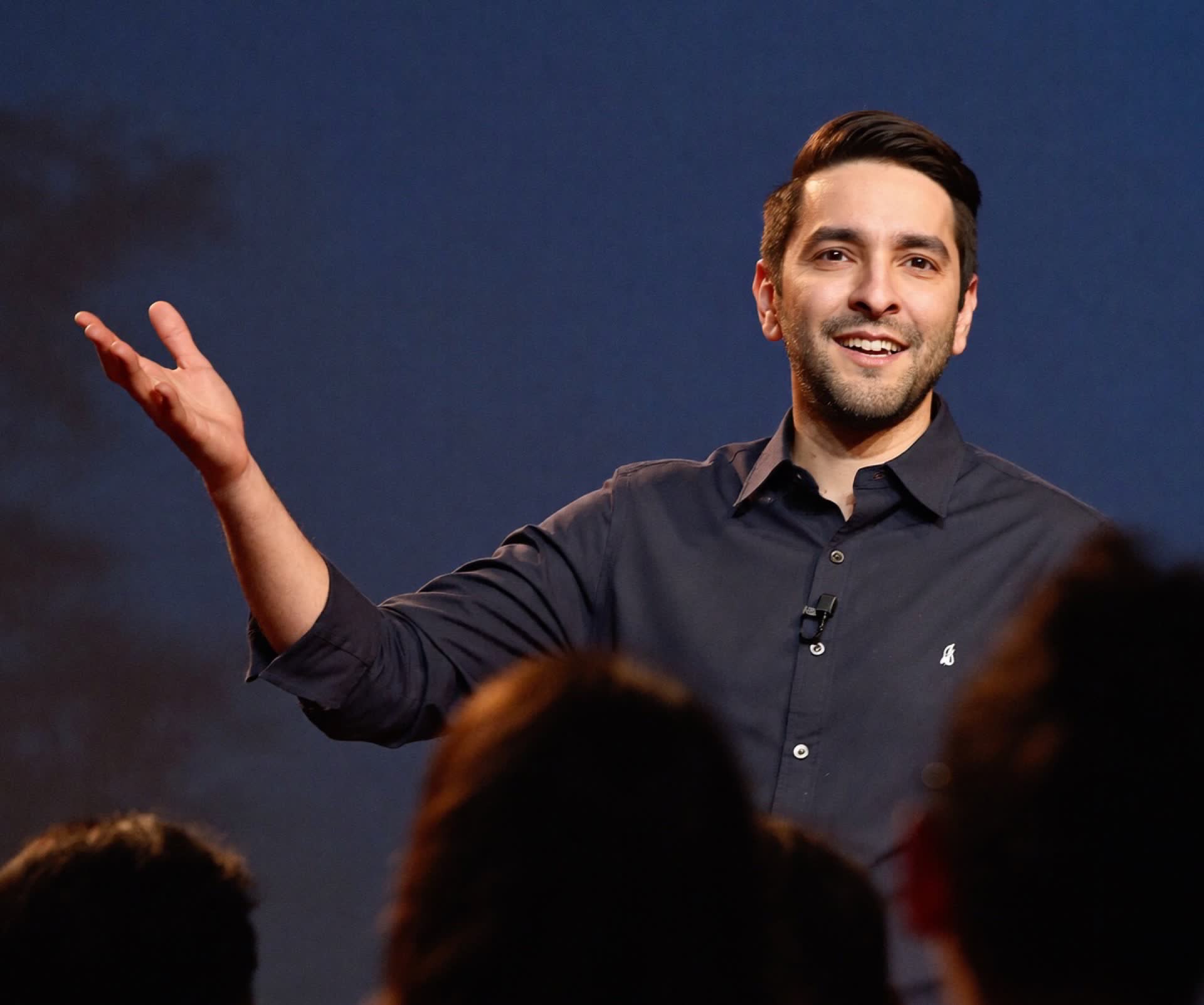
Thought Behind Things · May 29, 2023
The kid who wouldn't have finished tenth grade
Nadeem Hussain grew up in a Karachi slum, attended a TCF school that didn't exist before he was born, and went on to MIT and Oxford University Press. In this conversation he traces that journey and turns it into a lens on Pakistan's broken public school system, Sindh's political economy, and whether the country can survive its current fiscal crisis.
with Nadeem Hussain
10 min read
From a Karachi slum to MIT: the personal stakes
The episode opens with Muzamil establishing why he invited Nadeem Hussain onto the show. Education, he argues, is “a core element of any society’s development that we more often than not ignore,” and social mobility through schooling is, in his words, “a no brainer.” Nadeem’s biography is the proof of concept.
Nadeem was born in rural interior Sindh, in a district called Naushahro Feroze, but his family moved to Karachi when he was two months old. He grew up in an urban settlement — a kachi abadi — called Ibrahim Goth. There was no school in the neighbourhood. Then The Citizens Foundation built a campus there.
“I was an out of school kid, but then TCF built a campus in our urban slum,” Nadeem explains. “In another way, you can simply say that kids who go to TCF schools would be just another addition to the country’s out-of-school children population if TCF didn’t exist.”
When Muzamil asks whether Nadeem would have reached MIT without TCF, the answer is unambiguous: “I would not have even completed my tenth grade.”
The TCF model, Nadeem clarifies, is not a supplement to existing provision. It builds only where there is no school at all — no government school, no low-cost private school, nothing. Teachers conduct door-to-door campaigns because many parents in those communities do not yet understand the value of formal education. By the time of recording, TCF operated 1,836 campuses across Pakistan, schooling over half a million students.
From TCF, Nadeem went to DJ Science College for his intermediate, then won a place on IBA’s National Talent Hunt Programme — a scholarship track that advertises in newspapers, visits government intermediate colleges, and prepares shortlisted students to compete on the same entrance test as applicants from elite private schools. He graduated from IBA in 2014 with a major in computer science, then pivoted entirely toward policy.
Why a computer scientist ended up writing books on Sindh
The divergence from computer science to public policy was not accidental. “I developed some interest in policy, in things that have a direct relationship with humans, with people, with masses at large — which a computer scientist or a programmer sitting on a laptop screen misses,” Nadeem says. He wanted to work at the intersection of policy and technology, and joined the Sindh government to implement a World Bank project in education planning.
That work led to his first book, co-authored with Ishrat Husain and Ijaz Qureshi: The Economy of Modern Sindh, published by Oxford University Press in 2019. It is, Nadeem notes, the first book on a sub-national economy in Pakistan. His second book, Agents of Change, co-authored with Amjad Noorani, covers Pakistan’s K-12 education landscape.
What the book found: Sindh’s wins and its systemic failures
Muzamil puts the standard stereotypes about Sindh to Nadeem directly — feudalism, ghost schools, water scarcity, a province held hostage by a narrow elite. Nadeem does not dismiss them, but he complicates the picture.
On the wins: Sindh has major institutions of higher learning — Aga Khan University, Dow Medical College, NED, IBA, Habib University, Mehran University, Sukkur IBA. It has the port city of Karachi. And it has an unusual structural advantage in the interdependence of its rural and urban economies: agriculture in the interior, processing capacity in the cities, and a port to export the output. “In the same province, you get both, and then you have a port, which means you have huge potential and space to export things.”
On the failures: “Sindh has one of the perhaps most broken public school systems in the entire world. I say this with extreme sadness, but this is reality. You are just running the payrolls of the government school teachers and the students are not actually learning in the classrooms.” In the northernmost districts — Kashmore, Kandhkot, Jacobabad, Kambar Shahdadkot — the transition rate for girls from primary to middle school is just 7 percent. These are the same districts whose populations return the ruling party to power at every election.
The ethnic fault line: quotas, Karachi, and who built what
A significant portion of the conversation turns on the historical tension between Sindh’s Sindhi-speaking indigenous population and its Urdu-speaking Muhajir community. Muzamil shows a map of the subcontinent from 1818 on which Karachi does not appear — the city was effectively built after Partition by Urdu-speaking migrants. From a Sindhi perspective, the province’s development should benefit all its people. From a Muhajir perspective, they arrived with knowledge and capital and were then subjected to a quota system that limited their children’s access to universities.
Nadeem’s observation is that the argument has now inverted: “The tables have been reversed. The one that was opposing it now advocates it, and the one that was advocating it is now opposing it.” He frames the underlying issue as one of unequal starting points: a child born in Tehsil Warah of Kambar Shahdadkot and a child born in North Nazimabad, Karachi, are set on entirely different trajectories from birth, and the state has a responsibility to both.
He is equally clear that the provincial government has not delivered for either community. “The situation is still the same” in the districts that vote for the People’s Party every cycle. And Karachi, which does not vote for them, has been neglected for different reasons. “Anyone who has ruled Sindh and Karachi — their definition of building Karachi is just building a couple of roads at the cost of totally devastating its social and academic fabric.”
Digital media, Nazim Jokhio, and slow empowerment
Muzamil raises the Nazim Jokhio case — a Sindhi activist whose filmed confrontation with powerful figures went viral — as a symptom of something changing. Nadeem agrees it is a useful case study. “The people of Sindh are one of the most marginalized people in this country. You don’t really find a middle class in rural areas. You find two extremes: super powerful and completely powerless.”
Digital media, Nadeem argues, is beginning to close that gap. The Jokhio case showed Sindhi activism reaching people across the country and the world. It is a slow, evolutionary process, but it is real — and it extends beyond political awareness to economic and educational opportunity.
On the forced displacement of communities from their ancestral land to make way for housing societies, Nadeem is unsparing: “Among the great injustices of modern human history, this will be one — that people whose ancestors’ graves are there, whose homes are there, who are happy there, were forcibly removed.” He adds, pointedly, that the housing societies were not built for any particular ethnicity. “It was a class issue more than anything else.”
150,000 government schools and the voucher debate
The conversation’s most technically detailed section concerns education reform. Muzamil raises the suggestion — attributed to former finance minister Miftah Ismail — that Pakistan should privatise education delivery through vouchers given to parents, allowing market competition to drive up quality.
Nadeem’s response is precise. Every province already runs an Education Foundation that pays private school operators a per-child fee to educate students in areas where government schools are absent. “It’s just the same thing he says — that you give the voucher to the parents. The education foundation actually gives the vouchers to the private school operators, which is the same thing.” The instrument is not new.
The more important point, Nadeem argues, is scale. Pakistan has nearly 150,000 government schools. TCF, after twenty-seven years of extraordinary effort, has 1,836 campuses. The Sindh government alone runs 45,532 schools. “The country has nearly one fifty thousand government schools. It’s a huge number.” Elite conversations about Karachi Grammar, Aitchison, and Hassan Abdal miss the point entirely. “You are not even naming Government High School Manawala, District Sheikhupura. No one has heard this name. The school houses more kids than Hassan Abdal does. But the school is not part of the discourse.”
Girls’ stipend programmes — cash transfers to parents who send daughters to school — already exist in every province and are delivered through mobile money. Nadeem has seen the numbers. They have not dramatically changed enrolment among families who were already resistant. “People who are not willing to put in their girls are still not willing to put in their girls just because of money. It’s about changing their mindset too.”
The government’s responsibility and the limits of charity
This leads to the sharpest exchange in the episode. Muzamil pushes back on the idea that individuals, civil society, or philanthropists can substitute for state action. “We are the most charitable nation in the world. What has that done for us? All it has done is it has worsened our situation where more people want charity and more people are poor.” He argues that celebrating private initiatives unconsciously relieves pressure on the government to do its job.
Nadeem does not fully disagree. He acknowledges that a private or nonprofit initiative cannot carry the responsibility that belongs to the state. But he resists the binary. “When there were bodies lying on the roads in Karachi and the government was not picking them up, you do even little good.” The Edhi Foundation ran ambulances in Karachi for decades because the government of the country’s largest city did not have a rescue service. That is not an argument for charity over governance — it is an argument that both pressures need to operate simultaneously.
Later in the discussion, Muzamil reflects on his own frustration: “I have had this conversation three years ago. Exact same conversation, exact same outcomes, exact same recommendations.” Nadeem’s response is measured: the way to put pressure on government is through the vote, and “we know what happens to the vote in this country.”
Default, sustainability, and Pakistan in 2050
By the end of the conversation, Muzamil turns to the macro. He references a report from a research group laying out the high probability of Pakistan defaulting and the social unrest that would follow. He asks Nadeem, who holds a master’s in international economics from MIT, whether the current system is sustainable.
Nadeem’s answer is direct: “It’s not sustainable, for the good of the country. But unfortunately, all of these vested interests are very strongly knitted.” He points to Pakistan’s recurring pattern of selling geopolitical leverage — the Afghan war, the war on terror, and now climate finance — to attract external bailouts without fixing the underlying economy. “It used to be around terrorism, and now it’s around climate. But we are not ready to fix the climate issue. We are just interested in bringing the money from the outside.”
On the human reality of default, he strips away the technical framing: “For me, this is the default. Your citizens are already under huge mental stress financially, about the future of their kids, about the future of the investments they have made in this country.” A person earning 25,000 rupees a month and a person earning a million rupees a month are both feeling the heat, he says — just differently.
On Pakistan in 2050, Nadeem draws on the thousands of people he met while researching his two books — children in the fields of Sindh, students in Karachi madrassas, people striving and improving around him. “I’m forced to be hopeful because I see them striving every day.” His forecast: bearish on the next two to three years, but genuinely optimistic about 2050. “Pakistan of 2050 will, inshallah, be an amazing place.”
Muzamil closes by thanking Nadeem for what he calls “your service” — a phrase directed at academics generally, people who absorb difficult knowledge and still have to keep a functioning face. It is a fitting end to a conversation that began with a child in a kachi abadi who had no school, and ended with a researcher who has spent a decade trying to make sure fewer children face that same absence.
Full transcript
सामने संबतीना साथ. Welcome back to another episode of thought behind things. आज हमारे साथ मौजूद है एक बहुत ही खास मेहमान जिनको बुलाने का मकसद यह था. इनका एक बड़े सारे areas में expertise है जिसमें मैं बड़ा खासकर आजकल interested हूँ. Obviously almost हमारी हर conversation कहीं ना कहीं link up होती है economics के साथ क्योंकि आजकल Pakistan की economy के जो हालात हैं उसको समझना और उसके through maneuver करना बड़ा ज़रूरी है but उसी के साथ साथ he has extensive experience in public policy as well as education जो कि I think एक एक ऐसा core element है किसी भी society की development के लिए कि जिसको हम more often than not ignore करते हैं. Particularly क्योंकि मेरा मानना यह है कि the easiest way for the probability of success with education in you know in terms of social mobility has been the highest. It's a no brainer कि आप उसको utilize करें उसके लिए आज हमारे साथ में जुड़ना नदीम हुसैन साहब He is currently doing his PhD in public policy from University of Massachusetts Boston. Previously he did international economics from MIT and he's co authored two books. One on the economy of modern sin with इशत हुसैन साहब who is a former governor state bank and the other agents of change the problematic landscape of Pakistan's k 12 education which he co authored with अमजद नूरानी. नदीम साहब thank you so much for being part of the show. Thank you so much for having me मुज़मल so glad to be here. मैं conversation को start करूंगा just trying to sort of understand where were you born and early life आपने कहाँ पर कुछ आ रही है? Yes, I was born in a rural village in
Interior सेंद, a district called नौशेरोफिरोज़ and I was two month old when my parents moved to Karachi. And I was schooled at one of the Citizens Foundation TCF schools in Karachi. And then I did my undergrad from IBA. I graduated in 2014. I worked for a couple of years, worked on these books that you mentioned. Both of these books were published by Oxford University Press and now I am in Boston doing my PhD.
Very cool. मुझे थोड़ा सा यह बताएं TCF के बारे में. How did you come across that school and we did a recently did a campaign with them and it's phenomenal the work that they're doing. And I want people to sort of know that as well. थोड़ा सा मुझे अगर उसके बारे में बताएं. How did you come across them? Why was there a decision to to go to TCF? Why not let's say, I don't know educators or beacon house or city school? And and and and what was it like?
Yeah, thank you Mister अमल. Is very interesting question. So the TCF model is that TCF builds schools where there are no schools, neither government school nor low cost private school, let alone Beacon House educator or other schools. So they build schools in rural villages and urban slums. So for anyone going to a school, TCF is perhaps the only option, and before TCF, there was no option. So it's a natural choice. So I was an out of school kid, but then TCF built a campus, in our, urban slum that, you know, you call in English और उर्दू में हम उसे कच्चियाबादी कहते हैं. It's called इब्रहिन गोट. So they built a school there and that's how I started my schooling. So there was no school before TCF school in in our neighborhood. So in another way, you can simply say that kids who go to TCF schools would be just another addition to countries out of school children population
if you, you know खुदाना exist. Yeah. If they And and and was it your, like, was your family very adamant on sending you to school? What's the cost? So what's the cost of TCF schools? And did they do a community outreach where they came in and said, listen, like, send your kids to school or was it something that your parents were very clear about कि listen we have to send the kids to school but unfortunately the financial situation is such कि हम ऐसे इलाके में जहां पर school नहीं है. Yeah, it's like in my case of course my parents were extremely motivated
but TCF when TCF builds schools, their school teachers do a door to door campaign because a lot of people might not even understand the value of education. So the teachers would go sit with the mothers, help them understand why do they need to send their kids to schools. So, I think, community outreach is is is primarily
a part of the TCF model. Very cool. And, just for you guys to understand, TCF currently schools over half a million students all across Pakistan. I believe they have over a thousand campuses.
They have 1,836
campuses. 1,836 campuses. You can actually support the TCF schools. We're gonna put a link down below. जहां पर आपने खाला दो ढाई हज़ार रुपए a month के ऊपर आप जो कि literally Hardee's का एक meal अब इतना ही कहा रहा है उसके ऊपर आप एक बच्चे को school भेज सकते हैं and I have personally gone to these schools it's they incredible you know हमें तो इधर रखा गया हूं I am not sure कराची वगैरह में कैसे हैं I am sure वहां पर बेहतर होंगे. Country. But they're incredible. So if you're listening to this or you're watching this, check out the link, you know, try to support. It's a very small thing that you do but it changes the very future of the entire family. अगर मैं आपसे पूछूं if you hadn't gone to TCF schools, would you have ended up in MIT?
Yeah I think I would not have even completed my tenth grade so yeah that's that's wow. थोड़ा सा मैं फिर आगे जाता हूँ. You did entirely end to end TCF से ही आपने किया? So yeah I studied at TCF till tenth grade. Right. Then for my intermediate grade eleven and twelve I went to DJ science college in कराची. And from there I went to IBA Institute of Business Administration on a scholarship program called the IBA National Talent and how do you how do you come across the IBA program?
So क्योंकि again IBA एक ऐसी you know STL lumps हो गया, IBA हो गया. यह consider होती है that the top of the top right? Like यह तो अमीर लोग ये बच्चे जाते हैं इधर. You
know. I think both these institutions have now established two very phenomenal you know programs. There is this program at alarms called the national outreach program. Right. And then there is this program at IBA called the National Talent Hand Program, the one, on which I studied. So they put ads in the newspapers. They do the reach outreach. They go to the government intermediate colleges, and this is how I got to know it about it. So you apply, you take the test. They take some students and then they prepare them for the actual entrance test. So they invest in you, and they bring you at par so that you can, you know, compete with the kids that who are coming from a very privileged background that you said. Right. And so basically,
उस test में जो top performers होते उनको फिर आगे लेकर जाते Yes, absolutely. How was the experience? Because coming from, you know, a very different background and then ending up I believe Karachi university में उनका campus है. Yeah they have a campus in Karachi university and a campus in the southern area in Karachi. Where did you go? So so you take courses in both the campuses. I actually took courses in both the campuses. Right and so वहां पर ज़ाहिर है जितना crowd आ रहा होता है, were you exposed to such a crowd before? The ones who ended up being your friends.
Yeah, I was not actually exposed to them before but they were kind people. They helped me a lot, you know, adjusting socially. So, I actually didn't face a lot of problems because my friends were very helpful. Although they were coming from, you know, उस they were coming from a different social backgrounds. Right. But in general, they were kind people. I think You people are
know वह वही वाली बात है कि हम उनको डबो में डालने की कोशिश करते हैं कि ऐसा ही वैसा है. If you are able to connect with them on a human level you find कि इतना कोई वह है नहीं. So four years you graduate in 2014? Yes I graduated in 2014 from IBA.
और program क्या था आपका? So I did my major in computer science and
I did my minor you know courses in social sciences and and and math too. अच्छा. And then you ended up, I mean, there's, I I was looking at your profile, there's not a lot of computer science there. Yeah. So so how did that sort of divergence happen? Yeah. So when I was graduating from IBA, you know, I,
that time, I developed some interest, in in policy, in, you know, in, generally, things that have direct relationship with with humans, with people, with public, with masses at large Right. Which a computer scientist or a programmer or a coder, you know, sitting on a laptop screen, you know, misses at at so it didn't, you know, it didn't really appeal me that way, but I think it helped me a lot in structuring my thought. It helped me a lot, you know, developing my logic. So, so, yeah, so I wanted to work at the intersection of policy and technology. So I started working, with with the Synth government, implementing a World Bank project, and I, you know, worked very extensively, in education, in planning. And during that time, I, you know, worked on on the first book that I co authored with Ishutu San and Ijaz Kureshi on on SENSE provincial economy and it's the first book on sub national economy in Pakistan. So, that's how I, you know, developed further interest in research and primarily in academic research,
and then I continued from there. Interesting and so tell me about this book. If I were to ask you
is it available for people to buy from? Yeah absolutely it is available. It is available on Liberty. It's available on Oxford University Press website. You can, you know, place You an online
can just visit any OUP bookstore and you can get it. It's available all across the country. And what's the, give me a summary. So, I mean, since it's an interesting subject, right? Like, for a lot of people up north and again, every time I do this I get a lot of hate from people कि यह burger स्लाहाबादी बच्चा मैं हूँ burger स्लाहाबादी बच्चा but as a human being this is where I have lived right and so I wanna I wanna have an understanding of what sins is like. I am gonna throw some brain dead stereotypes at you and this is not me saying them. This is all over the internet and I'm just putting them, funneling them to to an expert here. Sin is rural, sin is poor, sin is full of डाकू and चोर, सिंध जो है वहां पर feudal system है, बेचारे गरीब लोग जो है वह बहुत suppressed है, वहां के कोई economic prospect ऐसा है नहीं, पानी आता नहीं है, खेती बाड़ी हो नहीं सकती, वहां पर कुछ लोग हैं जिन्होंने पूरे निज़ाम को यार्गमाल बनाया हुआ है और वही जो है ना बस वह उसको चलाई जा रहे हैं. हमारे पास सिंध को देखते हैं तो थर्पार्ग की images आती हैं. हमारे पास पानी की किल्लत की you know images आती हैं, education तो I think is a बहुत बाद का subject matter आता है और दोस्त के बारे में भी recently फात्मा भुट्टो and जुल्फेखार भुट्टो have been going around and they have been talking about the ghost schools and the horrible infrastructure that exists. And so this is the imagery that people are and I I again I'm gonna stop here and I'm gonna sincerely apologize to friends from Sindh. I know this is not the right imagery, but this is what is outside projected by and large. So tell me about सिंध. What is it like? You studied it. Tell me about what you what you were able to identify as you wrote that book.
Yeah. See, मुज़मिल first of all I am sin sitting right in front of you. So sin is not that bad at all. I think what you said is not entirely incorrect and I would not even you know consider you an इस्लामवादी burger because before this conversation the things that you asked and perhaps shared about Sindh were very insightful. So so to respond to your questions, I think there are good things happening and there is a lot of bad as well. And with this our with our book, we studied both, and we have tried to come up, you know, with some sort of suggestions and recommendations for people who are at the helm. And, of course, we know that people who are at the helm have been at the helm for about fifteen years now. So, so so you see a lot of disparity in rural and urban सिंह. So the entire province is not rural at all. Of course there is an urban part. Can you name the कि कराची के अलावा? Can you name the urban parts just for context? Yes. So so कराची is of course a major urban part of the province and then you have हैदराबाद. हैदराबाद is is is very much urban. Then you have सख्कर. सख्कर has, you know, great institutions of higher learning, some amazing schools, SIUT hospital, NICVD. So a lot of development has actually happened in Sukkar. So Sukkar is another, you know, kind of, major urban, city in in in the province. And then you have this new, administrative division called Shayid Benizrabad. It it was used to called नवाबशाह. It is again urban. I think one reason that people don't and then you have मेर प्रकाश as well and लारखाना. Of course, we can't forget लारखाना. So the city of लारखाना is very much urban too. I think one reason that people just know Karachi being the urban center and rest of the sin, they don't really know is, perhaps because the mainstream उर्दू media largely covers Karachi and they don't really, you know, give the time and space to other parts of the province. So when you don't have visibility of something, you actually feel that they, I mean, those either don't exist or even if they exist, you know, they are not in a shape and a form that they can be presented. Do you think the language barrier is also there as a as a potential,
again, gatekeeping of information coming out of Sindh. Right? So, मैंने recently plan out किया था कि I would want to go to सिंह and I would talk to people over there. और मुझे तब लोगों ने from सिंह यही बोला कि यार आपका मसला सबसे बड़ा यह आएगा कि most of the people there do not speak or converse in उर्दू. Do you think that's a problem there as well? No. I think,
first of all, like, सिंधी is a great language, you know? So people love their language. And I think whoever said this to you, I would not agree with that. But what I would say rather, if you know a language, I am by ethnicity. I'm not a सिंधी. But I speak सिंधी very fluently. I write सिंधी. I love सिंधी. What it gives me in return that is that it helps me connect with the people of सिंध, with the land of सिंह, you know, with the culture and heritage of सिंह. So, I don't think the people there cannot converse in उर्दू. They can. In fact, they would love to have you. You should definitely come and and you'll enjoy a lot. So and you would, you know, you would learn so many things from the people on ground. So so I think people can converse in other language. The the question that you said, I think primarily the focus of the mainstream media is not those parts of the province because they they perhaps feel that they don't have, you know, so much viewership there in presence of सिंधी media. So and सिंधी media of course cannot be seen. Mean, people don't see it outside of sense. By सिंधी media I mean, the news channels that are in सिंधी. Right right right. You know, हां तो वह connect नहीं है ना. वह has to be a connecting language that other people can understand as well. In terms of again reverting back to your book, you
said it covers both the goods and the bads, right? Yeah. Tell me a bit of both. What's what's what are some of the wins that we've seen in sin and where do we see it failing? अगर आपने passive income के बारे में परेशान है खासकर आजकल की economy में जहां पर already cash continuously burn हो रहा है और inflation हमें मार रही है तो I am proud to announce that this video is in partnership with समाया financials. They are offering two very very cool trainings. Capital market fundamentals जिसमें आप stocks और mutual funds में invest करना सीखेंगे और understand करेंगे कि आखिर एक company के अंदर क्या ऐसे fundamentals होते हैं जिनको आपने देखना होता है to figure out कि वह एक अच्छी company है to invest in. और दूसरी training है technical analysis master class जिसमें आप सीखेंगे कि किस तरीके से हम tradable assets like commodities, forex, stocks, crypto के अंदर थोड़े से पैसे लगाकर बहुत ज़्यादा पैसे बना सकते हैं. Personally यह training मैंने भी ली है and it's absolutely phenomenal. The link to the trainings are in the description below. Check them out and become financially healthy and now back to the podcast.
So I'll say, I'll I'll tell you the wins first. Sindh has you know like other parts of the country, has huge potential of of this youth population. It has some amazing institutions of higher learning of the country. You have अखान university in Karachi, you have Dow medical college, you have NED, you have this amazing business school IBA, you have this liberal art institution you know, coming up Habib University. You have Sakhr IBA in the upper part of the Sindh. You have Mehran University, in Jamshoro. I mean, amazing institutions of higher learning. That's that's the clear win for The other clear win for Sindh is this port city of Karachi. It's a huge strength, and, unfortunately, the other, you know, potential port area was not developed but even with Karachi, Sindh has a huge advantage so that's again a huge plus. The third huge plus for Sindh which I feel is is is is very good, is this interdependence of rural economy and urban economy. Like, in the rural economy, you know, you you have agriculture and everything. You can have, you know, processing units to process those agriculture produce. You have, you know, you can have textile to process the, you know, the cotton and and so on. So in in the same province, you get both, and then you have a port, which means you have a huge, you know, potential and and the space to export things. So I think these are some, some big wins, that the province has right now. But, unfortunately, the bats are are very ingrained and very systemic in the prop in the province. That they I mean, they are this much rooted that even for the goods to happen, the bats really, really stop them. For instance, education. Education is something very close to my heart because of my own, you know, personal journey and because I, care about the subject most. So I think Sindh has, you know, one of the perhaps most broken public school system in the entire world. And I say this, you know, with extreme sadness, but this is reality. A lot of people will not agree with me because they are perhaps fine with the way things work, but I see on ground that the things are actually not working. You are just, you know, running the payrolls of the government school teachers and the students are not actually learning in the classrooms. And they and more importantly, they are not learning things that are relevant today. You know? They are perhaps learning things that people would not even learn in the nineteenth century. So I think education is the biggest bad. Then another, you know, bad is the province had unfortunately, you know, had a very bitter history of ethnic conflict. The two major ethnic populations, unfortunately didn't get along well for a very long time, and this resistance costed province a lot. Now the things are, way better. People, you know, are at harmony. And for province to grow and prosper, that's very important. I mean, the permanent residents and inhabitants of the province they need to be at harmony in order to have political stability, economic growth
and every good thing to happen. यह आपने बड़ा एक interesting point raise किया because इसमें वही होता कि जो particularly इसना कराची की जो उर्दू speaking class है उसकी एक बड़ी grievance है वह यह कहते हैं कि यार मैं अगर as a separate person देखूं ना third person तो मुझे दोनों side की वह समझ आती है. वह quota system का एक बड़ी बात होती है. अच्छा यहां पर ना मैंने एक map लगाया हुआ है. यह हिंदुस्तान जो है ना map of the subcontinent this is 1818. If you look closely there, there is मुल्तान, there is लाहौर, there is डेरा इस्माइल खान, डेरा गाज़ी खान, there's no कराची. And the the reason for that is two hundred years ago, because Bombay was the main port, and you didn't require another port city so closed. It was only after the partition that the उर्दू speakings came in and and and a lot of these गुजरातीs and a lot of these folks came in and they built that port city and वहां पर वह economic activity बनी और शहर एक पूरा develop हुआ. तो यह मेरी यह बड़ा interesting था इस वजह से because from a सिंधी's perspective this was their land. They were supposed to, I mean अगर वहां पर कोई development हो रही है तो they should be equally, they should be equal participants of that development, and they should be able to reap the rewards of the of that development as well. And so they effectively said कि यार listen अगर यहां पर कुछ हो रहा है तो हमें sin as a whole को फ़ायदा होना चाहिए. The उर्दू speakings उनकी भी मुझे समझ आती है बात वह कहते कि यार जब तक हम नहीं थे तो आपने कुछ भी नहीं किया. हम आए तो हम अपने साथ knowledge लेकर आए, हम अपने साथ सारा experience लेकर आए आप भी compete करें हम भी compete करेंगे आप उसको बेहतर करें अपने निज़ाम को schooling को सारा कुछ को. लेकिन आपने कहा जी merit को हम नहीं करेंगे हम जो है ना fifty fifty करेंगे. 50% आपका और 50% हमारा तो हमने चीज़ develop की और उस पर हमारे बच्चे ही participant नहीं है. अच्छा यह बड़ी unique चीज़ है कराची के लिए ना क्योंकि हमें north में यह नहीं सुनने को हमने कभी लाहौर में यह नहीं देखा कि पंजाबी को कोई कोटा मिल रहा है या पठान को मिल रहा है. हम सलाहाबाद में खासकर जो है university में था तो पठान भी था, पंजाबी भी था, कराची सिंधी भी था, उर्दू speaking भी था. Merit पर था जो top पर आ गया वो आ गया. सुमित जी बड़ी fascinating है ये सारी की सारी चीज़ but it's a real problem unfortunately and that created a real पर you know with the rise of MQM and so on and so forth it created real grievances. How do you see that aspect of the political economy there कि जहां पर और यह हम इस sense में हम ज़रूर देखते हैं Punjab में कि जहां पर जब Punjab की ruling elite आई जो लाहौर से अपनी power draw करती है by and large ज़्यादातर ऐसी ही है जो कि eventually top पर आई तो उन्होंने हमेशा लाहौर को develop किया उन्होंने Punjab को और South Punjab को particularly by and large छोड़े रखा. It's a very recent phenomenon के South Punjab के बारे में बात होना शुरू हो रही है और उसके ऊपर देखा जा रहा है. तो सिंध में भी यही है कि हम देखते कि राची 50% of the GDP है but वो चीज़ reflect नहीं हो सकी unfortunately too much of the rest of सिंध. How do you see this sort of disparity and this sort of conflict between the ethnicities as you have mentioned you know over the last few decades
अगर आप मुझे बता सके. Yeah thank you this is very interesting question. I think इसका जवाब जो है वो इसी चीज़ में है कि आप you know the two major ethnicities in सेंद primarily you know महाजिर्ज, the उर्दू speaking population and the सिंधिs, the indigenous people who have been living there for, you know, thousands of years, and they claim that. And they even, you know, they say, that they the port was already there. We were there, and, know, the people came in. So I think both the communities, have played their role in developing the province. The quota system and the entire, you know, I mean, you you know, when the quota system came in, one group was advocating for it and the other was opposing. Now it, the tables have been reversed. The one that was opposing it now, you know, advocating it and the one that was advocating it is now reversing, you know, opposing it. So, which is interesting, you know. So I think, one one thing which is very important to see, not just in sense context, but in in in the country's context at large, that we are in a country where people do not have equal opportunity when they when they are born. So for instance, if a kid is born in for instance, you know, तहसील वारा of जिला कमर शादाद कोट and another kid is born in North नज़मबाद, कराची. So, they both are set on different trajectories. Now, सिंध as a province and Pakistan as a state has a responsibility to both of their citizens. You know, the kid from North Nazambad and the kid from from Wara. So I think in that case, quota makes some sense. And, you know, although
an opposing we on that is that why don't you you know bring that वारा kid to a level that that kid can compete with kid from north ताज़माबाद? I think the opposing argument would be कि listen I understand since government has a has a responsibility to give equal opportunity but not at the cost of someone else right? So not at के listen I can't provide opportunity to that kid so I'm going to lower your opportunity so that he can actually come on on par that's what
you know a lot of them say. So so so right now the quota system as as it is today in the government universities, it's not like, you know, the people from, from other parts of Karachi can come in and, know, get admission. It's first people from Karachi get the admission. If you don't, if you have, if you still have admissions, I mean, left over, there can be more people accommodated. Then people from other parts of the Sindh come and join, which is not case in Lahore. For instance, in Punjab University, a kid from Deira Gazi Khan will be treated as equally as a kid from गुजरामाला, फ़ैसलाबाद और लाहौर. But in कराची that's not the case. A kid from दादू would not be treated as equal as kid from गुलशन इकबाल.
A kid. Yeah, so a kid from गुलशन इकबाल would get priority. I mean, so would so when you fill out the admission application form. Let's assume the kid from गुलशन इकबाल has a score of 49 and the kid from the दादू has a score of 55. How would those cases be treated?
The kid from गुलशन इकबाल would first compete with kids with other kids from Karachi and if he gets in after competing with other kids, he would get in. The दादू kid would not get in. If the गुलशन kid gets in and then still there is space the दादू kid would then get gets a shot. Interesting
interesting. How do you think the the the opportunity in terms of के कहते ना कि if I can outside look पर यह मेरी touchy topics हैं तो I try to be very careful with them. But जब आपका दहाई रहे कि sin से बंदा आया कोटा के ऊपर तो वो एक ऐसी जगह से आ रहा था जहां पर opportunity नहीं थी उसकी base नहीं बनी हुई थी. So the quality of talent that was going to come in from rural is was always going to be less than the quality of talent available you know in the urban center. In the start ज़ाहिर ही होगा but यह ज़ाहिर है के तीस चालीस साल तक तो यह quota effectively रहा है and so a certain level a certain quality of talent must have developed over time and not just developed in terms of के वो students निकले but वो फिर वो eventually grow किए होंगे. And my thought is के इन चीज़ों का long term implication और impact होता है. So how do you see the impact of that talent that was brought in and educated and provided with opportunities reflecting on the rural area and rural communities now कि ठीक है हम हमेशा constantly इस zone में होते हैं कि government कुछ magically करे but काफी दफा certain policy changes allow for the the the you know even the private sector or the public to create reforms you know के अगर यही लोग हैं for example इसका सांतरिका समझने का इस तरह है कि अब जब digital communities digital economies आ रही हैं so it doesn't really matter क्या आप कहां पर बैठ के काम कर रहे हैं right? So अब वो एक लाख, डेढ़ लाख, दो लाख रुपए जो है वो direct उनके bank account में उस rural community में drop कर रहा है तो उसकी वजह से now he has that money. Sure he is going to spend some of that when he visits लोहौर और फैसलाबादा whatever but eventually वो trickle down हो के उस economy में भी growth आना शुरू होगी. So have you seen that sort of impact in sins as well? Yeah I think
this is a very interesting thing to you know observe. I think these kids when they come to urban areas be in Karachi or you know in Islamabad from the rural communities Even when they are in school, when they are in in the universities, they go back and they interact with the younger kids and they interact with the older lot as well. I think they drive the entire community. And you can see like if one kid from a village comes to a university, the entire village gets elevated. You know, the entire village, feels motivated. I mean, have then role models right there from those people. So I think, it has a huge, you know, source of upward social mobility for those people. I see that very positively. And I think it's not that the kid that who's coming from a rural area to an urban area is at the receiving end, is lesser of a talent. I think that kid brings a lot of diversity in a classroom. An urban kid who's never been exposed to a rural, you know, life, a rural economy, rural society, rural structure learns a lot from that urban, that that rural kid. At the same time, the rural kid learns from the urban kid. And, you know, knowledge prospers when when you put it in diversity. So I think it has its own beauty. Both learn from, I mean, from each other. Interesting. In terms of the political economy,
there's a, मैं बड़ा simple सवाल करता हूं फिर. जब आप कराची सोचते हैं, जब आप sin सोचते हैं तो आपके दिमाग में corruption आती है. How do you see the political economy? Is it as corrupt or corrupt has been done to death? So let's let's say a different bow. Is it as elite captured as we imagine? Is it as ident seeking as we imagine? Why has even KP on on some level has been able to, create sort of indigenous economic opportunities in terms of tourism, in terms of other areas? But सिंध by and large has not been able to do that or at least not to my knowledge. Is the governance as in seeking as you know it's being portrayed?
Yes, unfortunately. I think एक तो sin में बाकी Pakistan की तरह रिश्वत सत्तानी बहुत ज़्यादा है. और दूसरा sin का अलमिया यह है कि the people who who do that, they don't even care to, you know, to kind of do the management of their image. So they're very bad at it. So they do it and everyone knows it. It happens in the entire game. It happens here in Islamabad as well, you know? But it's it's actually bad in sin. And it's it's it's a lot bad in in in Karachi too. So, and I would agree that, you know, even that there is a very vibrant private sector, the provincial government has not really been able to facilitate the private sector in a way it could have been done, you know, it it could have done. So, I think the private sector in the province and especially in कराची you mentioned, creates its own opportunities. Even, you know, सुबाई हुकूमत उनको facilitate करने के बजाय the systems are such और the rent seeking is such कि वो पूरी मुमकिन कोशिश करते हैं कि वो कोई entrepreneurial activity ना करें,
कोई कारोबार ना हो. I mean, they don't say कि ना करो, they say give us our share and then do it. They don't facilitate it and it's still, you know, it's still happening. But why do you think it's so? I mean, you've got a government that's सिंधी inherently and has been there for fifteen years. You'd imagine कि यार again इस पर मैं हमेशा एक बात यह करता हूं कि Pakistan, Pakistan के जो ruling elite है वह एक बड़ी अजीब सी सोच के साथ आती है. कि वह बस वह यह देखती है कि यार एक छोटा सा pie है और मेरा सबसे बड़ा share हो जाए उस pie के अंदर वह आपस में लड़ती रहती है. When in actuality पूरी दुनिया में corruption is not a पाकिस्तानी problem. You know it's a regional problem. Global South में generally corruption होती है. आप किसी भी आप Africa में चले जाएं corruption है. आप India में चले जाएं corruption थी और अभी भी है on some level on lot of levels actually अदानी group का scandal हमारे सामने है. So but the difference there is कि उनकी ना एक global thought होती है. वह कहते हैं कि यार let's increase the pie size and because हम वह pie size बढ़ा रहे हैं तो हमारा भी overall फ़ायदा हो रहा है. हमारा तो यार Pakistan का अमीर तरीन जो तबका है वह भी एक billion डेढ़ billion से ज़्यादा ऊपर की सोच नहीं रख सकता. Why do you think there was that lack of insight? I mean what was it? Was it a lack of insight, a lack of intellectual depth, a lack of vision कि वह सिंधी जला रहा है सिंध को लेकिन वह सिंध को नहीं बना पा रहा.
Yeah, I think, it's very unfortunate. Specially with कराची, I think, कराची जो है वह, इस मामले में बहुत बदकिस्मत रहा है as a city. I being कराची eyed. I feel very strongly about the city. और मेरा जाती ख़याल यह है being a policy researcher, that anyone who who who has ruled सेंद और कराची in general, I mean, had a major political party from कराची. They claim that they build कराची, but their definition of building कराची is just building a couple of roads at the cost of, you know, totally, you know, devastating its socials and and and academic, you know, fabric. So they didn't actually develop the city, you know. So and when it comes to the provincial government, I mean, we know that People's Party has been in power for about thirteen years now. What a general Karachiite feels is that since People's Party doesn't really get votes from Karachi, they don't care. They even try to care about the city, but it's a huge city. And since, you know, their political interests are not so many there so they you know generally try to avoid that. Sure but that's what I am saying. This is I find that argument to be silly
because it would have made sense अगर मैं यह कहता देखो कराची तबाह हो रहा है और नवाब शाह को उन्होंने क्या industrial capital बना दिया हो जी दुनिया बदल गई पूरी की पूरी या लड़काना को उन्होंने Paris बना दिया you know. The fact is there is nothing happening elsewhere either right? So it's it's neither here or there. The idea that they don't care about किराची is is built around the fact that they care about something else. But that's something where is that something else? What is going on on elsewhere?
Yeah. No no, you you have said it rightly. It's a silly argument that कराचीites give it to themselves just to satisfy them कि यार हमें इस claim नहीं बनाते क्योंकि हम इन्हें vote नहीं देते. तो जो देते हैं उसका क्या? So, so जो देते हैं उनको तो बिल्कुल ही नहीं बनाते. So yeah it's unfortunately it's nowhere. So it's not I mean for for our academic study too, the numbers are out there. I, you know, I was just sharing that in in in in the northern districts of सेन, the most tribal district, कश्मोर, कंधकोर, जैकाबाद, you know, कंबर शादादकोर. The transition for for girls education, I mean, the girls who study in primary school and then go to the middle elementary and secondary schools is just 7%. I mean, these are the people who get votes from there every, यानी if you do elections every day, they'll get votes every day. So, they get, you know, after five years or after whenever the elections take place, but the situation is still the same. Why do you think there's कोई alternate political वो नहीं develop हो सकी? Because again my thought is in
the absence of I mean जब even में कोई play होता है, right? Even Punjab में opposing parties होती हैं. Parties तो जाने छोड़ भीते हैं, leaderships develop होती हैं. तो हमेशा वो leaderships होती हैं जो कि different parties आकर court करती हैं. Right? KP के अंदर तो बहुत ही KP ने बहुत ही progressive है. वो तो किसी को एक बार लाता ही नहीं हुआ तो चार पांच different parties जो हैं वो rule कर चुकी हैं. सिंध में हम देखते हैं कि जो politics develop हुई है वह बस एक like you mentioned कि आप आंखें बंद करके बस एक ego देना है. आपने आपको बस पता ही आपको reality ही उसकी पता है. Was it सिंधी nationalism? But even within that सिंधी nationalism I would say कि यार सिंध से सिंधी कोई और निकल आता जो कि एक opposing I believe so एक heavy what's that called पीर पगाड़ा group and a lot of these other छोटे sort of fringes में exist करते हैं but by enlarge नहीं कर सका. Why do you think that was?
I think yeah this is I mean you you have answered your question too. सिंधी nationalist is is someone who you know who plays on the sentiments of सिंधीs that you are so so there are different types of सिंधी nationalist. One group would would tell Sindhis that you have threats from Urdu speaking population. Your rights being Sindhis need to be protected, and we nationalists would do it. The other group would say, see, your rights are being threatened by the federation, the federation of Pakistan and they need to be protected by us. Then you will find another group who would say, see, Punjab would not give you the agriculture water up and you know the entire land would go barren and your rights need to be protected and we'll do it. So they, you know, they prepared, I mean they just feed this in and when the elections come these nationalists don't generally contest in the elections. The only party that contest elections is the People's Party and People's Party is, I mean, ensign they say, I mean, they are a feder, they are they are a party of the, of of federation. But I think they benefit from a lot of nationalist politics that they don't even do. They're on ground. Others do it for themselves, I mean, for for them, and then they go, towards the I mean, the sentiment is already there. Interesting. In terms of,
you know, the the recent, growth of, popular housing society, and a private businessman, They've encroached on a lot of सिंधी land and there was a lot of that conversation there happening, you know, a year or two ago. जिसमें वह पुराने गोट थे, जिसमें वह लोग थे और, उनको निकाला गया और फिर urban population के लिए housing units बनाए गए. Most of them being again उर्दू speakings or or any ethnicity for that matter. Did did the that conversation spread far and wide within सिंध? And do people see that happening? And does that do you think will that reflect in the long term, on the party that currently, you know, rules there considering the fact that they that party is also a very strong party linked with that, housing society?
Yeah, I think it does. You know, I would say कि जो ज़दीद इंसानी तारीख़ है ना, उसमें जो चंद बड़े जुल्म हुए होंगे, उसमें से एक जुल्म यह होगा जो कि दुनिया को उस तरह से बताया भी नहीं जा सका कि वो लोग जो दिहाइयों से नहीं, सदियों से वहां रहते हैं, उनके अबाउजदाद के वहां पर कब्रुस्तान हैं, उनकी झुग्गियां हैं, कुछ भी हैं, वो वहां खुश हैं. उनको आपका development का जो ये जो जो भी मात्रा है वो नहीं चाहिए. लेकिन आपने उन्हें जबरदस्ती निकाला, आपको सुबाई कुमत ने मुकंबल जो है वो मदद दी. लोगों ने उसपे बहुत शधिद एहतजाज किया. लेकिन चूँकि जो nexus है वो इतना strong है कि जो ही housing societies ने ads देने हैं बड़े बड़े news channels को रख बारात को, वो एहतजाज ना दिखाएं. तो generally people outside of कराची or outside of those or perhaps out of outside of सेंद didn't really get to know what, you know, how people actually resisted. Social media के ज़रिए कुछ लोगों को थोड़ा बहुत पता चल सका but there would definitely be consequences. People keep the land very close to their hearts. They consider the land as their mother, और वो उनसे छीनी गई ज़बरदस्ती. उनको उसका जायज़ मुआवज़ा भी नहीं दिया गया और वो, वो people are of the view that there is no जायज़ मौफज़ा of the land we consider our mother. So, I mean people have actually put the placards that you can't price our mother. So, you know, they resisted but the powers were very strong. They, you know, they pushed them out but I would say that it was not really, you know, those were not really housing societies being built for हुद्धु speakings. It's not true. It was being built for people who could pay, who could give them the money. I I mean, there's so many सिंधिs who bought the, you know, the बैंगलोर and stuff there. It was a it was a class four more than it. Absolutely absolutely absolutely class four. I mean, ethnicity didn't have anything to do with that. I mean, it's I mean, there are people who are sinthes and, you know, they they are living there. Makes sense. How does the digital
evolution so how much has digital media played a role in in Sinth and in the social fabric of Sinth? जो कि हम देखते हैं कि again Pakistan में पिछले दस साल के अंदर एक एक awareness आई है लोगों के अंदर in terms of how they understand politics, how they understand economics, how they understand what is good for them or not good for them and at the very least a globalized view, world view of how things work, right? Because आप social media पर होते हैं आपको सिर्फ़ पाकिस्तानी content या अपने region का content नहीं मिल रहा होता. आप पूरी दुनिया का content भी देख रहे आपको access to knowledge भी मिल रही है. In in sinned if you really want people to begin to change either they they can be two things either you provide some certain economic opportunity and then it sort of वह पैया ख़ुद से चलेगा. अगर वह नहीं मिल रही in the absence of सच जो कि unfortunately है ऐसा तो आपको उनको information दूसरे तरीकों से पहुंचानी पड़ेगी. In that breath अभी recently मुझे याद है वह नाज़िम जोखियों का एक बड़ा मशूर case हुआ था और वह जो case था वह एक again is a symptom of that change in my opinion कि वहां पर एक certain empowerment काफ़ी दफ़ा empowerment leadership के through आती है काफ़ी दफ़ा empowerment आपकी बिल्कुल ही ground up आ जाती है again with the access to information with the access to knowledge. उसमें
आपको क्या नज़र आता है? आप you've extensively travelled through सिंध? Yes, I have and I think I'm I'm glad that you gave this example. I think Nazim Jokur's case is a very good case study of how digital media actually empower the people of sense. The people of sense are one of the most marginalized people in this country, people living in the rural areas. The unfortunate part, I say that because you don't really find a middle class in brutal areas. Right. You know, you find two extremes. Right. So super powerful and completely powerless. Yes. So, I mean, in नाज़म जोखियो's case, he filmed it, then, you know, what happened to him, it came to social media, and that's how the entire, moment took, you know, took, took over. So I think that was the point when we actually saw, you know, Sindhi activism and whatever middle class or lower middle class was out there protesting, using, you know, they were Twitter friends for a couple of days, and people from other parts of the country and other parts of the world joined them as well. So I think that is happening. It's slow process. It's evolutionary, but the digital, media evolution is is is helping people off send. And I think it's a great empowering tool, not just, you know, creating social awareness or, you know, political, alternatives, but with with economic opportunities and and and education, you know, educational opportunities too. Makes sense. You talk about evolution and and I know that you have a masters in international economics.
If I were to ask you in the context of what's happening in Pakistan right now where at the the verge of default every day we hear something or the other कि अब जो default हो जाएगा तब default हो जाएगा. बड़े लोगों ने यह भी बोला कि यार आप fear mongering कर रहे हैं. अब तो ख़ैर एक बड़ी अच्छी report RFA b group की भी आ चुकी हुई है Pakistan का एक वह बता रहे हैं कि क्या होगा अगर default कर गया और उन्होंने उसमें यह भी बताया कि there is now a very very high chance of default Pakistan अगर इसी तरीके से system चलता रहे. मैं before I get into the whole conversation around default and the economics right now, if I were to ask you I think the listener on this particular podcast already has that context of rent seeking क्या है? किस तरह हमारी economy चल रही है? सारा कुछ है. Do you think the current system the way that it works take out all the actors in terms of the politics of it and this and that. एक निज़ाम है ना हमें पता है हम उस निज़ाम में चलते हैं. हम fileओं पर पैसे कमाते हैं. हम जो है वह you know हम कुछ productive नहीं करते हैं. हम import करते हैं. उसको यहां पर भेज देते हैं. कोई कोई भी interesting business जैसे आपने mention किया हुआ आप लगाने जाएंगे तो आप दस किस्म के पैसे मांगे जाएंगे तो आपके लिए वह इतना difficult हो जाएगा कि the smartest people in the room tend to leave Pakistan. The less than smart people tend to be successful not because they created a good product or created a good service but because they had better connections and they were able to maneuver through the the, you know, the the, the barriers that have been created by by the governance system. Do you think all of this is sustainable? For an average kid, a 16 year old listening to me right now and is listening to a lot of the conversation that we've been having, not just me, a lot of other podcasters, the media. वह जब देखता है तो वह तो कहता है कि यार मेरा तो इस मौक में कोई future नहीं है. Because it's so powerful the system is is वह अगर evolve करेगा भी तो वह अपने ही अंदर एक further मगरमच्छ बनेगा, right? और वह it's going to create a wild wild west of very very powerful subpar intellect people who are going to through hard power, sustain, you know, their this this current system. मेरा opinion उससे फ़र्क़ है कि irrespective of the politics, irrespective of the current power as we can see it, there is an evolution happening. And the current system, in my opinion, is not sustainable. It's going to crumble under its own weight unless deforms happen that will allow for better things to happen. What's your opinion? Do you think this this this entire everything that's happening is sustainable?
I think, it's not sustainable, for the good of the country. But, unfortunately, all of these vested interests are very strongly knitted. It's very hard to crumble this this system. I don't really see it crumbling that easy. And, I mean, the situation is very bad. The economy, as we all know, at the verge of collapse, I mean, almost, you know, collapsing. The I mean, we see a lot of, you know, a lot of political chaos going on too. But at the same time, when we see people at large, like, at at a macro level in in in the country, I don't see people being ready, for for any such thing where you, you know, manage the entire system or maybe, I mean, change it from within or maybe at least demand for the change. Because, you know, as I said, there are so many people who are beneficiaries of the system, and they don't want and they don't, they won't let the system go. They want to keep it. They want to keep it as we see it. So I think until you actually defeat those actors, those people, those players,
it's it's very difficult. But that's what I'm saying. They those those actors have historically drawn their power by, how do I put it? By blackmailing the international community taking in dollars one way or the other. चाहे वह sorry, कोई military adventurism हो, चाहे वह loans हों IMFK or otherwise और वह उसके through they were able to sustain and show this show the public कि यार हां हां नहीं नहीं good scene है हमारा. हम जो बता रहे हैं ना वह actually good scene है. It's actually the first time, it's unprecedented but it's happening for the first time that we're so close to that system unraveling where nobody is really there to help. Maybe they they maybe something happens but मुझे अभी होता हुआ वह नज़र नहीं आ रहा क्योंकि historically हमारा कोई दोस्तियार हमें help कर देता था. हमारा कोई बड़ा global power होती थी वह आकर आपको bailout कर देती थी. वह bailout बोलते नहीं थे उसको वह bailout ही होता था ना. February one में war on terror से पहले आप default कर रहे थे और आपने soft default कर भी लिया हुआ था 98, 99 में. आप eighties में चले जाएं, आपका उससे पहले आप effectively default किए उसपे खड़े हुए थे right before the, you know, the military takeover and the, you know, the subsequent war war afghan war that we got into and the tens of billions of dollars that you got जिससे आपको एक false sense of security मिल गई के not hard security but financial security मिल गई के नहीं नहीं system अच्छा चल रहा है जो भी है यही future है हमारा again sixties में चले जाए तो चलो आपको कमा कम development की aid मिली थी तो आपने फिर भी उससे कुछ कर लिया हुआ था. अब मुझे मैं देखता हूं तो जो what we've been hearing for the past year you know the Saudis are not helping, The Emirates are not helping, Chinese are not playing ball, the Americans are too busy in Ukraine they are already उनका सोप रा मैं पिछले दिनों मेरे भाई ने बोला कि यार वह America default करने लगा है मैंने कहा यार यह तो so उनके अपने मसले चल रहे हैं and any money that they can sort of sell to their public is right now going to Ukraine and so the idea that Pakistan को वो suddenly tens of billions देकर bailout कर सकते हमारी need भी बड़ी फ़र्क हो गई है ना. पहले हमारा एक दो billion पर Deposit or not वह आपको ना आपको आपको radically अपना lifestyle change करना पड़ेगा. So while I agree with you कि आज लोगों के अंदर वह वह नहीं है. Do you think वह एहसास आज नहीं है तो वह कल भी नहीं होगा? वह आज से दो महीने बाद भी नहीं होगा? वह छह महीने बाद भी नहीं होगा? At what point will there be a line where people will be like यार you know what like मेरी living memory में I'm worse off because by and large हम Pakistan में जितनी बातें करें ना we actually हम अपनी living memory में हम एक certain point से हमेशा एक बेहतर point पर गए हैं. Percentage of that has been our discussion कि यार हम 1% क्यों grow कर रहे हैं? हम 20% क्यों grow नहीं कर सकते? But this time for the first time we might you know grow in a negative way कि हमें year on year feel हो रहा हो कि यार हमारा scene bad हो रहा है. Like हम जिस तरह हमने grow किया था हमारे बच्चे उससे बुरे circumstances में grow कर रहे हैं. And do you think that will not change the way in terms of the aggression, in terms of the social unrest, in terms of the वो and and and eventually वही वाली बात है sustainability का element इसी तरह आता है कि fileएं घुमा घुमा के पैसे वन नहीं रहे. कोई productivity हो नहीं रही. It's a facade that you've created but वह कब तक चल जाएगा? When people begin to see कि यह Ponzi scheme क्या है and when then people begin to flee from it तो that's where the frenzy happens, and that's when it's it collapses effectively. Right? So, so in that context, do you do you still feel as hopeless, or do you think on a holistic level, eventually, reforms will people will be forced to take those reforms?
देखिए मैं I I personally feel that we as a nation we have always lived beyond our means. सिर्फ सरकार की बात नहीं है. सरकार तो imported खाना नहीं मंगवाता pets का. जब आप, your kids are starving. सिंध has forty eight percent kids being stunted, nearly fifty. Mhmm. In some some districts, even higher. So, I mean, they are not growing as they should grow with the number of years and months of of their age, which means their their brain is not growing. They are not going to be your productive human resource. They are, you know, sadly going to be a liability of, on on on the nation. So, I mean, it's a huge challenge. So at one hand, you have a challenge like this, and on the other hand, you have the challenge of of our elite that, you know, certain things that should not be imported, they keep on importing those things. But to come to your, you know, question, Muzambil, I think this this this rescue that we have always got from the outside, We have this training, as a nation and our government to sell something which is extremely sensitive to the to to the world. Right now, we have this climate change thing. It's bad what what is happening with us. Everyone knows it, but we are now thinking that we should use it to attract some more money. All of our, you know, conversations, our narratives, what we are what we are reaching out to the world for is around climate. It used to be around terrorism, and now it's around climate. But we are not ready to fix the climate issue. We are just interested in bringing the money from the outside. So, and we are not addressing the climate issue. I mean, so I think the way we have been doing it would prolong for some time even more with the climate. But I agree with you. There is definitely going to be an end to this. You nations can't survive like that. You know? Some, I mean, someday people people won't give you money. And and that day you would realize that, you know, now so as you said earlier, you know, it's going to be too over, for for the country to recover. But that stage would would would definitely one day come. And I think it's better if if if people who are at the helm, they reflect on this right now. And instead of doing the same cycle over and again, they invest themselves in actual development, which is going to last for, you know, for long. I mean, we have Bangladesh story in front of us. I I mean, I've seen people talking about it. They celebrate it. Why not? But see, what were they when they left us and what they are today when they are not with us? I mean,
this is this is this is something that is right in front of us, we are not ready to read it. What what do you think? I mean अगर बांग्लादेश को उठाएं या और कोई उठाएं, I mean you've you've probably studied other economies as well. Macro के ऊपर आप international economics में आपने देखा होगा क्या कर सकता है Pakistan? Like, you know we talk a lot about Pakistan के ये मसले हैं वो है but we we the public doesn't have an understanding of the solutions like what is is it required? ये कहना बड़ा आसानी ease of doing business कर दो. या ये कहना कि हमें इस तरह से करना चाहिए. Basically मोटी मोटी एक statement देना. But really what did बांग्लादेश do or anyone else does that allows for better, more sustainable, more productive economies, you know, that Pakistan could potentially emulate, and and and sustain?
This is a very good question. I feel कि जितने भी, you know, the majority of the macro issues actually come from micro problems. You know? For instance, we don't really allow a woman to go out and work. We don't have that. When I say women to go out, I'm not just speaking about the, you know, 15% of the women going work in the offices. But women working in the factories and, you know, any I mean, our labor, female labor force participation is one of the lowest in the world. बांग्लादेश, I mean, they have done it. I mean, their women you've, I mean, I'm sure you have seen the, you know, the images, and the kind of mobility women have in the country. In this country, it's very unfortunate. Women don't have that that, you know, that mobility to go and actively participate in the labor force. That's that's one thing. The other thing is education. If we do not invest in education, we are not going to fix our our economic problems. We are not because every passing day, the economies are being dependent on knowledge more than ever they have been. So the smartphone example that you gave that every kid now wants a smartphone, but if the country is not actually giving birth to the kids who can come up with such smartphone all the alternatives,
it's not sustainable. अच्छा यह बड़े लोग कहते हैं Pakistan की youth bulge is its biggest strength. मुझे लगता है कि वही हिसाब से बड़ी इसकी weakness भी वन जाएगी because of सारे you know you it's it's better to have an educated kid than to have a 10 you know uneducated ones who are unproductive and and वह. और बड़ी ज्ञाति है उन बच्चों के साथ क्योंकि उनको वह opportunity नहीं दी जा रही. But then again उसमें question ही आता इसमें मिफ़्ता Smile से आपने एक बड़ी controversial statement दी थी जिसमें उन्होंने कहा था कि privatize करते हैं. Education stamps दें and let the private sector compete with the government sector because government has been unable to provide, you know, the right form of मतलब उनको वह है ना कि brick and mortar बना बना बना बना आखिर में वहां पर भैंसे बंदी होती हैं और भेहरों जी बैठे होते हैं तो फ़ायदा कोई नहीं है. और education को मैं दो steps में break करूंगा एक तो access to education है जिसका मतलब एक infrastructure exist नहीं करता और वह जो है वह है ही नहीं और दूसरा फिर quality of education है जिसमें वह instructors exist नहीं करते और जो करते भी हैं वो निज़ाम ऐसा है जिसमें cheating है जिसमें ये है जिसमें वो है कि वो you don't necessarily it's not a meritocratic निज़ाम जिसमें smart बच्चे जो हैं वो grow करके ऊपर आ हैं वो रट्टा लगाकर आ रहे हैं और मसला ये है कि in the age of AI you don't need रट्टे वाले बच्चे you need critical thinkers and you need problem solvers right. So इन दोनों areas को आप किस तरह देखते आपने ज़ाहिर book पूरी लिखी उसके अंदर तो कोई solution होगा. जी
पहले तो आपका बहुत शुक्रिया मुझम मिलकर आपने यह मिफ्ता smile की जो suggestion है Pakistan में तालीम ठीक करने की उसको quote किया. यह आपका podcast मिफ्ता साहब बहुत काबले ऐतराम है, सामनाए, I I look up too. लेकिन उनके ग़ुज़ारिश करता हूं. The suggestion that he has been giving to a lot of, in a lot of talks, one of my friends, अनादर चीमा hosted him, at LAC, and or perhaps Oxford Adil Bhai, Adil Malik hosted him there, he gave the same suggestion. The education voucher thing right now exists in all पाक्सानी provinces. Every province has an education foundation named with the name of the province. सिंध Education Foundation, Punjab Education Foundation, KP Education Foundation, and बलूच्तान Education Foundation. मिफ्ता साहब कहते हैं कि आप बच्चों के वालदैन को voucher दें ताकि private schools बनें और वो उन vouchers से private schools में अपने बच्चों को भेजें और private schools एक market होगी, compete करेंगे and all that. ये education foundations क्या करती हैं? आप किसी भी education foundation चारों सुबह के इस model को उठा के देख लें. वो private school operators को fee का fee बच्चा पैसे देते हैं कि आपने अगर सत्तर बच्चे पढ़ाएं, हम एक बच्चे का आपको हज़ार रुपया देते हैं तो आपको जो है वह सत्तर हज़ार रुपए महीने के मिलेंगे और आप सत्तर बच्चे पढ़ाएं और जो पढ़ाते हैं वह private school है, वह private operators हैं. It's just the same thing he says that you give the voucher to the parents. It's that the education foundation actually gives the vouchers, kind of vouchers, to the private school operators, which is the same thing. So it's not something entirely new that, you know, मिफ्ता साहब suggests. The other thing that मिफ्ता साहब suggests, he names a few schools, Karachi grammar, HSN, Hassan Abdal, a couple of American schools, and he says the entire country's elite come from those schools. We already know that. Of course, they do. But how do you actually bring the other schools like the majority? The country has nearly one fifty thousand government schools. It's a huge number. आपको पता है अगर आप सरकारी असाद्ज़ा का number जमा करें सारे सूबों का और Pakistan की जो armed forces हैं उनके प्रश्नायाल का number जमा करें तो असाद्ज़ा की तादाद ज़्यादा है. तो आप चार schools तो वो सबको पता है भाई वो अच्छे हैं, वहां से लोग आते हैं, वो elite हैं. क्या अब वो तो elite रहेंगे वो हैं, but how do we actually, you know, bridge this inequality? Like, how do we actually enable a kid from लैया to, you know, compete with a kid from HSN? I mean, being in लैया he doesn't, the kid doesn't need to come to लाहौर to go to HSN. But the kid deserves to have the education in लैया that enables the kid to, you know, to sit with the HSN kid and similarly goes for for a kid in for let's say, you know, ठठा और बादीन to compete with a kid from from किराची grammar or a kid from करक to compete with a kid from हसन अब्दाल or any other, you know, good school. So I feel the the conversation, I mean, these sort of conservation conversations are actually elite in nature because you are not talking about the the ones that don't have that, you know, entitlement or that privilege and rather the part of the discourse are the same names. Like, you don't even, you are not even naming government high school मानवाला जिला शेखपूरा. No one has heard this name. The school house houses more kids than हसन अब्दाल does. But the school doesn't is not part of the discourse. So you need to honor and that's that's what our book is about. Although we we mostly cover about private philanthropic, you know, we celebrate them because in this country it's very rare that people celebrate. This country would celebrate इधि साह when he passes away or this country would, you know, celebrate anyone else who passes away. But when people are alive, they need to be respected and and celebrate and hence the name agents of change. In our book, we celebrate the overseas पाकिस्तानीs who, you know, put their hearts, their hard earned money, their efforts to do good in this country and especially in education. We celebrate, you know, good people who, you know, who care about education. There are many organizations and initiatives. Teach for Pakistan is one of them. The Citizens Foundation is another. Salma doing amazing work with Durbin, and there are so many others too. So so we celebrate them. So one of our objectives of doing this book on Pakistan's k to 12 education is actually to give voices to, you know, to the institutions and the initiatives and and and the education systems which are generally not part of discourses. I mean, the elite discussions are around elite institutions. They are not really you know around the kids who you know एक गरीब बच्चे को आप सबसे बड़ी आपने अगर किसी गरीब बच्चे को मुज़मिल मरात देनी हो कि यार मैं इसको कुछ दूं तो सबसे बड़ी मरात क्या हो सकती हैं? मेरी नज़र में तो वह सबसे बड़ी मरात यह हो सकती है कि आप उसको बहुत अच्छी तालीन दे दें. All the मरातs would come along way with his or her life. I can quote
hundreds of such examples. As a, as a, as a devil's advocate to to the suggestion that निता इस्माल gave, आपने कहा कि foundation exist करती है, foundation को government पैसे देती है? जी जी government provincial government देती है. Provincial government पैसे देती है right? So so effectively आपने उसको किया यह है कि आपने एक system structure बना दिया जिसमें आपने एक या दो या चार individuals के हाथ में रख दिया कि यार तुम जाओ जाकर इस school को बोलो कि जाओ जाकर campus बना दे. Right? You have a truly democratized. Effectively the foundation is doing the same thing that the government school is doing. No so. In a way. So no so just
it's it's a democrat I mean democratic process. You, they tender कि यार इस जिले में इतने out of school बचे हैं हमारी, you know numbers के मुताबिक. यहाँ यहाँ पे जहा government का school नहीं है, कोई और school भी नहीं है इस four kilometer radius में. कौन है private player या private entity जो वहाँ जाके school बनाएगी because that's where the need is. Right. और फिर people bid for that कि यार मैं बनाऊंगा, इतने बैं बनाऊंगी, इतने बच्चे पढ़ाऊंगी, इस तरह की qualified teachers ले आऊंगी. अब, you know, a question comes कि अगर यह सब कुछ हो रहा है तो फिर why the education is not improving?
So that's what I am saying ना देखिए at the end of the day the the control and the power effectively is within with with the government. They are defining कि कहां पर होना चाहिए कैसे होना चाहिए and so it allows for it leaves room for corruption as well. Yeah. जब आप वो जाते हो जाके वो आप voucher देते ना parent के हाथ में. तो पहला तो एक psychology का तकाज़ा ये है के parent कहता है कि यार I have a voucher. If I don't use it I lose money. It's a psychological thing हमारे पास है ना 15% off का coupon आता है तो आप जाते हो जाके restaurant से खाना ले लेते हो जाके. Why because you feel like you are losing money even though you are not necessarily you are actually going to be paying for it but you are losing money so it it it एक incentive होता है एक push होता है for the parent to send their kid to school because now they have a voucher that they can but more importantly the quality of यहां पर क्या हो रहा है tender हो रहा एक school के पास आया वह school चला गया अब उसकी quality control के ऊपर है हां government के ऊपर है कि वह कोई अच्छा अदारा बना दें जो कि उसकी quality match करता रहे वह day to day पर नहीं हो सकता whereas जब बच्चे के उस पर आता है तो voucher is an open space right? अब वहां पर let's say पचास हज़ार बच्चे हैं और दो हज़ार रुपए का एक voucher है तो that means कि you can do the math. अब उसके अंदर let's say तीन schools आते हैं. जब वह तीन schools की quality जैसे थोड़ी down होती है ना तो there is an opportunity for a fourth player to come in and actually provide better quality and immediate उसका response जो है वह बच्चे तोड़ के उस तरफ जाना शुरू हो जाएंगे. So it's a like I said कि वह एक open market create हो जाएगी तो वह एक automatically competition will allow for better quality rather than an individual, एक government servant who has to go in and do a checklist कि अच्छा अच्छा school है कि नहीं है. Quality maintain हो रही या नहीं हो रही वगैरह वगैरह. But even तो एक तो मैं उसको I just want to plug that in and hear your thoughts on कि foundation and individual vouchers is not inherently the same thing. The incentive structure, the the control is is completely different उस तरह से. But दूसरा अगर मैं आपसे पूछूं, अभी हमने इन दोनों cases में बात की for areas जहां पर schools exist ही नहीं करते. Pakistan में बहुत सारे इलाके में यहां पर schools हैं. Yes. जहां पर बच्चे schools जा रहे हैं. उन बच्चों को कोई ऐसी कोई education मिल तो नहीं दी. The one that actually is working seemingly is not really working?
No. I I I think there are two parts to your questions. Two question. I mean, the first one is related to Education Foundation and empowering, parents as compared to, you know, having a competition with the private operators and empowering a government employee, actually allocating the, you know, funds to the private players. पहले तो जो education foundations हैं, they are structured in a way. Of course, government is the major part. That's where money is coming from. But, you know, they have boards in place which is not really the case for other government departments जो सुबह ही हुकूमतों के होते हैं and उसमें there are, you know, representatives from the civil society and other parts of, you know, of of the province or or the country. And then, you know, the board decides how the how the foundation, needs to work. I think, in in the foundation case, the good thing is that they make sure that schools are built in areas where there is need because Pakistan right now facing a huge challenge of out of school children. We discussed that the country has second highest number of out of school children in the entire world. The other, you know, empowering the parents, you know, argument, almost every province has this, you know, initiative called the girls stipend. It's for parents. If you send your girls to schools, we'll give you, you know, some money, just to send them to schools in in in government schools or the foundation schools. And that's free money. That's not that's not the money that you need to pay for your kid. That's the money for you just to send your girls to the schools, and that's already out there. And, there's I mean, it's more incentive than giving them, a fee voucher. It's a clear money. They receive it through modern means, easy पैसा, jazz cash, any other modern. I know it's as transparent as anything could be in this country. So I've actually seen parents receiving the money. So I think that incentive is already there. I think one important aspect is we as a society, I mean, of course, when I say society at large, overall the country, need to, you know, value education and also, you know, provide some sort of visible incentive to the kids from these backgrounds that if you get the, you know, the right education that far you can go. You know? So I see that more of a motivational and, you know, behavioral problem rather than just pouring in money from a different funnel. At the end of the day, it turns out the same. I mean, I've given you the girls type an example. It hasn't really drastically changed the girls' enrollment, honestly speaking. I've seen the numbers. People who are not willing to put in their girls, they are still not willing to put in their girls just because of money. So so, you know, it's about changing their, you know, mindset too. So, I think money is not the only solution. Right and what about the second question then? कि जहा पर already school ज़िक्र करते हैं, how do you increase the quality of it? Yeah, this is, yeah, this is a huge challenge, अमिल. I mean, uh-uh this is a great question. This is a question that every one works in education, especially every, you know, government employee who works in education and every parent who sends their kids to these schools and every kid, you know, who's aware enough needs to ask themselves every day and every one of us like you and I we need to ask ourselves कि यार मुज़ामिल आज थोड़ा वक्त है तो मैं ज़रा किसी सरकार के model school को visit करता हूँ. वैसे ही principal को कहता हूँ you know I just want to talk to kids and you know you mentioned that people from rural areas come to लाहौर, इस्लामाबाद, कराची for their universities. When they go back they should go visit their you know schools in their villages and talk to kids and talk to the the teachers. I mean all the teachers come from the same community, same environment, same society, same they are the, you know, kind of outcome or the products of the same education system. So it's the same thing that that that involves. So I think everyone needs to play a role, to uplift the the the quality.
It it might not be that But that's the thing. Right? It's just that's not a sustainable solution. You you go out and you motivate a bunch of individuals to go and play their part. It's not gonna work. That's one of the reasons why a lot of these sort of teach for Pakistan and a lot of these things haven't worked. They haven't they're great vanity projects. I'll be very honest. You know, they're great on your CVs till you get a good admission abroad, but they're not doing anything on social impact. You wanna do something sustainable, you have to build real incentivization for people where they can in the longer run benefit from it. The idea that we have this in Pakistan where हम कहते हैं हम we are the most charitable nation in the world. What has that done for us? How has that helped us? All it has done is it has worsened our situation where more people want charity and more people are poor. So I mean I I'm sorry but you know we do this a lot of this motivational stuff where we're like you know everybody needs to come in. Why? Yeah. You know you're in The US. Does anyone ask you to go out and and and do your public duty? You can do your public duty if you want to and you don't have to. It's the government's duty. What are the deep rooted structural changes that they can make to give these children an opportunity? Somehow there is a there is a shift of blame to the average individual and that's something that I मैं थोड़ा सा आप disappoint होना शुरू हो गया. Right? I've had I've had this happen to me as well where people would come in and say listen you're a beacon of educated. It's your problem Pakistan is like I'm not it's not. You know my father worked hard. I worked hard. I pay my taxes. I do everything I can to support this country. Why am I being asked to somehow go up and do my duty? You know? So so so to rephrase the question, what are some of the systemic structural changes that we first need to do? And then as an addition I can do my duty or the viewer can do their duty and पागिस्तानीs can do their duty. No I think first of all you know you don't need to be sorry. My
my take on this is that whatever system is in place is not actually producing the results at the scale it should be. So it is producing results, but it's very slow. It's way slower than, you know, any other country progressing, you know, faster than us, producing results in in education. So systemic solutions, you know, every province is taking some steps. But as I said, they are either not refined and, you know, good enough to match modern day, you know, needs. And, of course, the government is doing it. I no one can disagree that government should do it. Yeah. The government should have been doing it for the last seventy five years. So when you said that, you know, you you educated at, you know, at some good school, of course, your your your father earned it for you. But, you know, we live in a collective society. So, if the government is not really been doing something, you know, for for many many years, we should create kind of pressure to the government to do that, you know. Yeah, that's a one way or the other. That's that's the, so so my my thought was
जब हम करते ना कि हम कहते हैं कि हमें कुछ alternate route से support करना चाहिए. What we are trying to do subconsciously is we are taking that pressure off of the government. So we are also saying कि listen like वो तो फार्ग है और हमारा moral collapse इतना हो चुका है कि हमने accept भी कर लिया है कि वो फार्ग है. Right? Rather than us saying कि भाई listen like it's the government's job and now we're gonna have them answerable. We're saying वो तो ऐसे ही चलता है. तो हम आप alternately alternatively किस तरह कर लें. So my entire thought processes सिर्फ उसके ऊपर यही था कि I would rather want to have conversations where we can begin to identify areas of pressure to the government, right? Rather than having, providing alternatives के यार government के ऊपर तो government से तो rely करना फ़ायदा नहीं है because वह आखिर में उन्होंने ही करना है. Change उन्होंने ही लेकर आना है. हम जितनी भी कोशिश कर लें और यह मैंने I have been like the thing is I was that person for many many many years and I think my एक दो तीन generations ऊपर जब आप जाते हैं तो बहुत सारे lot of people left Pakistan, lot of people got dejected. I was maybe I was too young to have experienced what we are experiencing now in Pakistan. It's not even political. मेरे लिए it's not कि who you support. मेरे लिए it's about the fact that you let the system run for once so that you can analyze at the end of the five years कि यार इसकी यह चीज़ें अच्छी थी, यह चीज़ें बुरी थी and you can make that better. और हम इस point पर आकर खड़े हो चुके हैं. Like मुझे बड़ी सच्ची बात है मैं conversation में थोड़ा divert करूंगा. हम इस point पर आ चुके हैं जिस पर हम constantly ना दरमियान में एक wild card entry लेकर आते हैं. जिसकी वजह से जो बंदा सही नहीं perform कर रहा होता उस बंदे को एक narrative मिलता है कि यार मेरे साथ ज्ञाति हो गई और उसकी सारी बुरी चीज़ें whitewash होती हैं और हम extend करते हैं अपना cycle, right? और जो collective wisdom of the public है जो कि vote कर सकती है उस collective wisdom को completely थोड़ा मार के side पर करते हैं. Because of this and then that's one of the reasons I feel like कि मेरी generation की हमारी generation की वह awakening हुई है जिसमें अब दो options हैं हमारे पास जो कि historically multiple times हुई है. पहली option यह है कि हम मुल्क छोड़कर निकलें और हम कहेंगे इस मुल्क का scene off है. या दूसरी option यह है कि हम जाकर बजाय इसके कि उसको political उसपे अपनी सारी की सारी हम जाएंगे यार ये politician है और यही हमें बचाएगा और फिर वो politician मार खा के मर जाए या jail में जाके चला जाए और हम कहेंगे अच्छा नहीं शायद ये नहीं था तब हम किसी और को ढूंढने. Actually the civil society begins to form a collective and starts to say कि I don't really care who who does it who is the political figurehead. We the government needs to respond to our real grievances because होता क्या है कि हम politicians के पीछे जाते हैं वो stupid हरकतें करना शुरू कर देते हैं हम blindly उन तक पहुंचते हैं हम भी वो चीज़ें echo करते हैं और फिर eventually हम कहते कि यार it's too confusing I don't wanna be part of it which has happened. It's happened consistently overseas पाकिस्तानी बहुत बड़ा आसास है आपका लेकिन वह क्यों बाहर रहता because वह कहता यार बड़ा confusing सा environment I don't really care much for it I don't wanna be a participant of it. Right? Why? Because the people that he feels कि उसको वह represent कर सकता है उससे वह connect ही नहीं कर पाता. So मैं थोड़ा सा इसके ऊपर emotional हो गया भग गया माफी चाहता हूँ अपने audience से भी और अपने guest से भी but उसकी वजह यह gets a very emotional time unfortunately and as पाकिस्तानी is like I am genuinely very confused कि यार क्या seen है इस मुल्क का जिसके अंदर क्या हम यही conversation रखते हैं? I have had this conversation three years ago. You know exact same conversation, exact same outcomes, exact same recommendations. Are we what's the point really?
Yeah मुझे अमिल I think आप वाकई कुछ जज़्बाती हो गए. I I I would I mean I would I would respond to a couple of things that you said I think one you said I mean for me initiatives like these are great initiatives of course it helps people to put them on their CVs and I mean nothing against them really social issues that I have some amazing friends doing great work and I have huge respect for them So that's one thing. The other thing, you know, the the the word thing, how do you put pressure on on people who are at the helm, on the government and people who are the representatives, you know, of of all of us? I think the the way to put that pressure is through the vote, and we know what happens to the vote in this country. So, I mean unfortunately, you know, we have, I mean there are slogans around what, you know, give respect to vote and अगर वो vote को इतना, vote इतना empowered होता तो इस तरह के slogans आप ना सुनते. So, I think in absence of of of all of these, what good people like you or some other people, what they feel is कि यार nothing is working out. One way is this that you said कि oversized पाकिस्तानी feel कि confused है. हमने हमने हम मेरी कोई दिलचस्पी नहीं है. The other thing is कि people say कि यार there is some something very little that I can do, but it'll pay off slowly, you know, little by little, but will have some trickle down effect. But I agree it won't change things drastically. I mean, you said some great things about DCF. They built 1,836 schools in twenty seven years and just the garment of सिंह in the province of सिंह has 45,532 schools. Just compare the scale. But जिस तरह हमने शुरू में गुफ्तगु की कि अगर वह school ना होते तो यह जो तकरीबन, you know, सवा दो लाख बचे हैं वह schoolओं में ही ना होते. So one thought was that the TCF founders or the people who run it or the people who support it or people like you who actually create awareness about it should have sat down कि यार यह सरकार के पैंतालीस हज़ार school ठीक ही नहीं हो रहे हैं. इनको यह ठीक करने की कोशिश करते रहते हैं. But वह सरकार उसके अलावा भी schoolओं की ज़रूरत है. So they, you know, made a conscious decision and those were the people who could have left the country very easily. Perhaps more easily than millions of people who have left this country. But they decided that we would do our part and maybe people from that effort like people who would come out of that effort would be the people who would, you know, actually do the larger thing or maybe they are not. The third one, those people who would support, they would come out and do the larger thing. So I think one way of happening the entire thing together, the possibility and the probability is extremely low. I mean, you, what do you do? But the way, I mean, it, you, I mean, as I said, you know, generation by generation the good happens, then the the larger good can happen. But I agree. I mean, the responsibility that the government has, a private or a nonprofit or a philanthropic initiative cannot have that responsibility. But at the same time, we need to respect and appreciate the good that people try to do in their own capacities. That definitely takes out the pressure from the government. There is no denying of that. If इधी for instance has been running ambulances in कराची, then रमज़ान छीपा साहब came in he runs the ambulances and the largest and the biggest city of the country did not have a rescue service of its own run by the government in seventy five years. They just recently started a very small one. So I agree but the other, you know, way of thinking is that when there were, you know, bodies lying on the roads in Karachi and the government was not picking it up, you do even little good
it मेरे ख्याल में उससे और जो है वो Evolution evolution definitely होती है and I think कोई वाली बात है कि it's not black and white right? I am black and you are white and it's somewhere in the middle where the government needs to be get their act together. I am upset because these days the situation is like that. Situation will change and then I will be happy and we are all butterflies and rainbows but I think somewhere in the middle. We have to pressurize the government but also do your own sort of जो आप अपने उसमें फुर्सत में कर सकते हैं again I will reiterate does great work. Have a list of reference came up so I just thought कि मैं इसको फ़ेंक दूं उस time के ऊपर but मैं इसमें one thing that I want to talk about how do you see the current situation of default? Do you think it's as crazy as they're saying? I read an RFAB report yesterday जिसमें पहले तो यह था कि there were people who an economist here, an economist there, deputy governor here who would just you know write an article and say कि यार ये numbers हैं. But आपको होता है कि एक individual की capacity के अंदर वो कह तो रहे हैं maybe there you never know right like वही वाली बात है जैसा मैंने अभी एक passionate speech की. उसको अगर आप just as face value लेंगे तो वह speech बड़ी वह लगेगी लेकिन उसके अंदर nuance added नहीं था emotional speech है right? But RF अभीप साहब RF अभीप का जो पूरा वह है group जिन्होंने वह की है that's a very sort of educated एक research है जिसके ऊपर उन्होंने बताया कि भाई the chance of default is now going very high. और उसके ऊपर उन्होंने वह the the the it's titled what happens if a country defaults or what happens if Pakistan defaults? तो बड़ी detail में उन्होंने बताया हुआ कि social unrest किस तरह होगा? So in the context of I don't expect you to know the numbers of the micro but in the context of macro and having studied other economies जो कि default किए हैं. Do you think there is actually a very real chance that Pakistan would default?
I think आपने podcast से थोड़ी देर पहले ही report पढ़ी और it's very scary तो it made you emotional as well. Mean of course you are concerned that shows. I think वही वाली बात है ना देखिए होता क्या है कि हम मैं ना generally I am the sort of person जो बहुत ज़्यादा
जाओ. And then people will take out a clip and they will be like you said that. And so I avoid that, right? I I I make sure कि मैं बहुत दिन्यान में रहूं but I feel like कि कभी कभार आप काफ़ी हद तक कर सकते हो. मेरी responsibility है as a podcaster but then there is the emotional person who is a dad. Right? And he is scared. He he is scared like shitless because उसको नहीं पता लग रहा है यार. वो जितनी भी responsibility की बात कर ले वो जो भी कर ले वो कह रहे यार मेरा बच्चा है.
I think आप ख़ुद बहुत पढ़ लिखे हैं और आप, you are right when you are confused and you are scared. You, I mean, have all the right and you, it's it's very, you know, just and fair to be confused and and, to be scared these times. Your question on default, I think if we go out, you and I, even in Islamabad, and talk to a common person, the common person is already feeling the heat of of the country being, you know, country getting default. What the report, you mentioned might have said or any, you know, technical aspect of it would say कि बहुत सादी सी बात है कि आपके पास, see, how would default happen? I mean, लेकिन क्या उन चीज़ों की मांग कम होगी? नहीं होगी. जब मांग कम नहीं होगी तो social unrest तो होगा और, you know, people would run after it. So, I think, when people say कि the country has almost, you know, is almost done with the default. I don't think they are wrong. I think it's just that the guys at, you know, at at the central bank or finance division or, you know, maybe some other folks. They're just trying to manage the situation. And you can manage the situation, you know, to an extent. So they receive some external help, so they could sustain the default risk for a couple of weeks, but that's not for a couple of months. I think the default, risk is still out there. And, I mean, you ask a person who earns 25,000 rupees a month or you ask a person who earns a million rupees a month. Both are feeling the heat at the same time, the same level. Maybe पच्चीस हज़ार वाला कहे यार तू दस लाख रुपए कमाते हैं, तू भी परेशान है. और वह दस लाख वाला सोचे यार पच्चीस हज़ार में क्या करता होगा? But दोनों की वह जो आपने अभी बात की कि दोनों के हालात जो हैं वह actually में बहुत you know actually they are not good. और for me personally, as you said, you try to humanize this podcast. So I will try to be as non technical as I can. For me, this is the default. Your citizens are already, you know, under huge mental stress financially, you know, about the future of the kids, about the futures, future of the investments that they have made in this country and about everything that they have, you know, related or associated with the country. So I think it's it's concerning for everyone and it it's it's it's not over. You know, when the new government came in, they said, you know, we'll control it, we'll do it, but the situation got worst. Everyone knows that. They know it. The ones who went out, they know it. The ones who made them go out and the ones who brought the new ones, they know it. So everyone knows that. So the situation has only got worse and it will get worse in the coming days. There will be hope. We should not be hopeless. But the, you know, kind of homework that you do to bring hope in the system is not being Unfortunately, not being Yeah. The one thing that I say, I probably mentioned this on the podcast before,
is like Titanic is going towards the iceberg, has already hit the iceberg and we're still all on the dance floor dancing. नदीम भाई, मुझे यह बताइएगा कि, one question that I'm gonna ask you, I ask all of my guests, and I want you to channel. So there are two elements जो कि generally guests आकर channel करते हैं. एक एक hope पर channel करते हैं या कहते हैं कि if पर लेकर आते हैं कि यह if ऐसे हो गया तो ऐसे हो जाएगा. और दूसरे channel करते हैं कि on some level of a foresight. वो कहते हैं कि यार you know what like I gonna make a graph right? So आप as an academic आपके economics से graph बनाते होंगे, एक base case scenario बनाते होंगे, worst case बनाते होंगे, best case बनाते होंगे. So I want you to channel the base case knowing what you know now seeing what you've seen. I want you to tell me how do you see Pakistan of twenty fifty, twenty seven years from now you know you came in from a background you have that story the reason why you can definitely be hopeful and I have that story as well where I've alhamdulillah मेरे आज से दस साल पुराना मुज़मिल अगर आज का मुज़मिल देखता हूं कहता भाई तेरा scene है. साफ ज़िमाद है सीमाद मेरी बात kids and you know when you probably when you walked into MIT and you are just like यार यह this is this is the life that I am living you know. So, is definitely hope because when you can do it for yourself, you know, there are tens of other people who can do it as well. थोड़ी सी चीज़ें बेहतर करते हैं. But knowing what you know now, seeing all of that you have seen, you have traveled, you have studied, you have done all of that. How do you see Pakistan twenty seven years from now, in 2050?
Yeah. That's a tough one, मुज़मिल. For for the two books that I had, you know, the honor and privilege, working on, I met, like, you know, not tens, hundreds, thousands of people, for our research. When I meet people, you know, in the fields of Sindh or in the मद्रासाs of Karachi, the kids on the streets, I I'm forced to be hopeful, you know, because I see them striving every day, and I see them improving every day. Like, I've seen people around me improving. I've seen people coming up improving. And for me, that's, that's huge. As I said earlier, if you invest in in in Europe, you know, micro, level policy initiatives, you see a positive outlook at the macro level too. So I'm in I mean, having said that, for me, Pakistan of 2027, '25, '26 might not be that great, but Pakistan of 2050 will, inshallah, be, an amazing place. And maybe that would be the year when, you know, the debate that we had about, you know, putting pressure on the government, people doing small good or not, others, you know, doing things here and there might not be out there. So so, yeah, for me, the the Pakistan of 2050 is going to be, InshaAllah,
an amazing entry. So you're bullish long term, bearish short term. I hope the bear run is not that bad, as bad as we're we're looking at. नदीम भाई, thank you so much for coming in and sharing all that insight. I just have to say it's a remarkable story and I hope, you know, you're you're able to do incredible things, you know, with your life and for Pakistan. Particularly जो academics आते ना मेरे पास उनको मैं generally कहना चाहता हूं thank you for your service. Because it's it's it's a it's a tough space to be in. मुझे पता है ना मुझे जब insight और information और सारी मिलती है और फिर मुझे वह कहा जाता है ignorance is a bliss. तो वह जो academic होता है बेचारे को सब किस्म की तेड़ी बड़ी चीज़ें import करके still have to have keep a happy face.
So thank you for your service. Thank you so much for having me and thank you so much for doing this great work. I mean I am glad that I came. I actually you know I didn't get the opportunity to to to watch any of your podcast but now I am leaving and I am leaving with the the mind that if I read x number of research papers I need to you know watch certain podcast of yours too. Thank you so much thank for having you thank you and for all of you guys thank you so much for watching. अगर आपका
ज़ाहिर है मैं अपना opinion दूंगा तो मैं at any point यह claim नहीं करता. मैं एक ज़्यादा सा इंसान हूँ जिसके ज़्यादा से opinions हैं और बहुत ही ज़्यादा से emotions हैं. तो anything that I say today or have said in the last three hundred and fifty episodes वो मेरी thoughts and opinions at the time है and are subject to change. जैसे जैसे मैं evolve कर रहा हूँ वैसे वैसे मेरे ख्यालात evolve कर रहे हैं. मेरी जो total primary वो है you know motivation वो ये है कि मैं अपना honest thought self यहां लाके आकर सामने रख सकूँ और अपने guest का भी निकाल सकूँ and all of these things are subject to change as things evolve. So if you have any comments and opinions negative or positive प्यार से आ के मुझे comment section में बताएं. I would love to read them all and It's the thought that counts. But anyways, this was साहिद मज़ामीरासन जेदी. You were watching thought behind things. Thank you so much for watching, I'll see you in the next one.
More from Thought Behind Things
Jun 30, 2026
Simon Dixon: the US empire is being wound down by design
with Simon Dixon
Simon Dixon argues the American empire isn't collapsing — transnational capital is deliberately unwinding it, and Pakistan's military has become its leverage in the transition.
Listen →
52:45 Jun 9, 2026
How Asad Mehmood landed Mattermost from Pakistan before A levels
with Asad Mehmood
Asad Mehmood walked into Mattermost before he had A levels, crossed two million dollars on Upwork, and now runs a design agency from Pakistan. He sat with Muzamil to lay out the framework underneath it: become undeniably good, then become visible, then sell outcomes.
Listen →
59:04 Jun 5, 2026
A 22-year-old Pakistani's road map to space by 2050
with Hassan Mossin
Hassan Mossin, a 22-year-old Pakistani astrophysicist training with the International Institute for Astronautical Sciences, walks Muzamil through the next twenty-five years of space — commercial stations by 2030, a lunar base by 2032, and why the bottleneck isn't food or oxygen, it's energy.
Listen →Never miss what's next.
The dispatch - new writing and conversations, straight to your inbox.
First name, last name, email - in your inbox weekly. No spam.