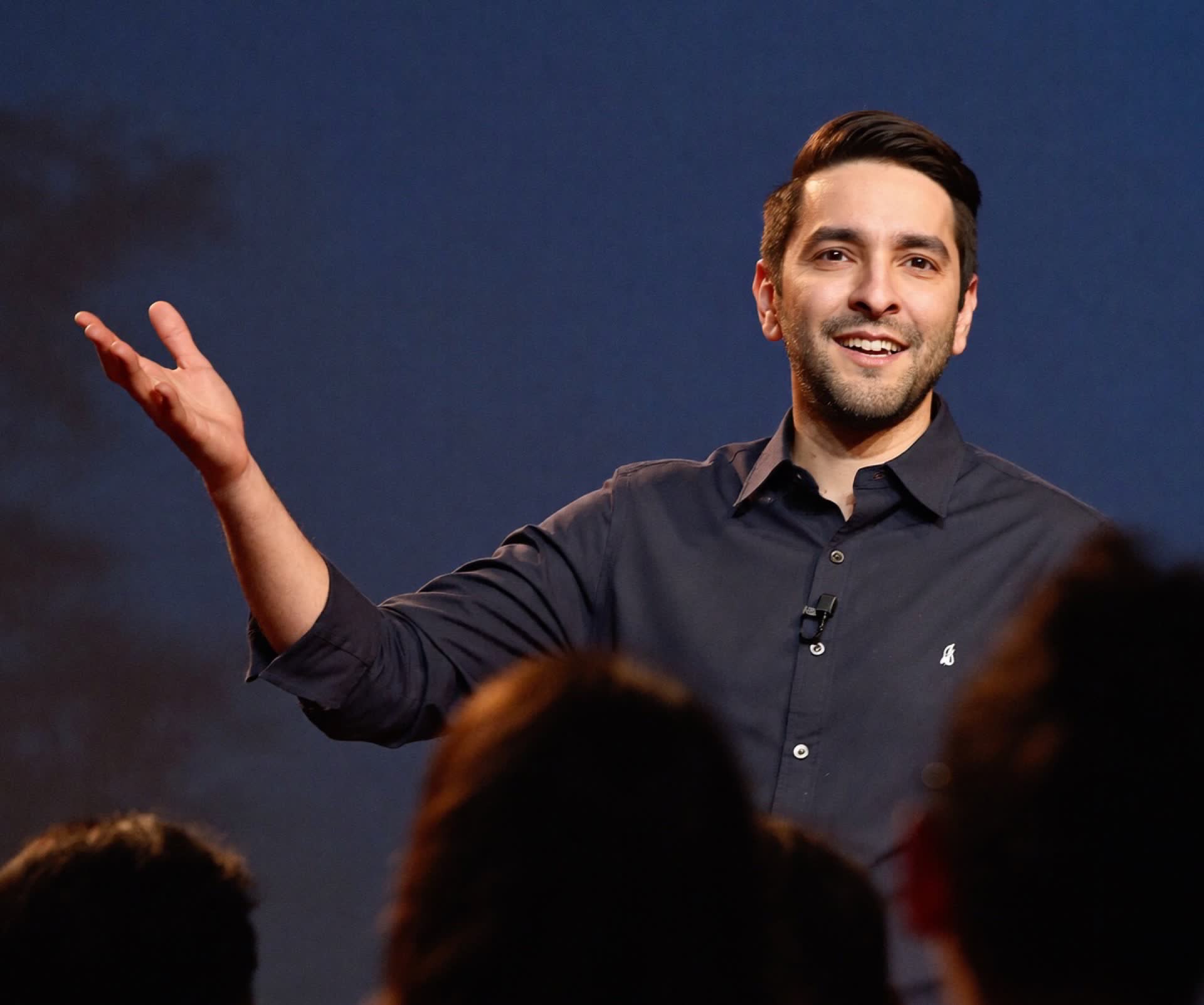
Thought Behind Things · Sep 22, 2021 · 1:17:24
One year of TBT: Muzamil on hope, slow growth, and the fear of going bitter
On the one-year mark of Thought Behind Things, Humna Raza turns the mic on Muzamil. They cover why he turned down every sponsor, why his favourite conversation broke his stereotypes, and the single fear that sits underneath everything he does.
with Humna Raza
14 min read
A one-year reflection, with the chairs swapped
The episode opens with Muzamil marking a quiet milestone. One hundred and forty-five episodes, almost ninety-four thousand subscribers, against a first-year target of fifty thousand. He notes it almost in passing — “That’s the one at the top of my head. Not more granular” — before pivoting to the actual frame for the conversation. This is not a victory lap. It is a reflection episode, with Humna Raza, founder of the planner brand Inspire Me, running the reflection exercise from her Positivity Planner on Muzamil himself.
Humna sets the rules early. The Positivity Planner’s first section is designed to cut through the noise — the opinions, the algorithms, the constant outside chatter — and force the user to sit with themselves. “We don’t get like one moment to sit with ourselves and think about ourselves,” she says. She is going to use that same set of questions on Muzamil, and she asks listeners to grab a notebook and answer alongside him. The episode, she insists, is not about her. It is about Muzamil and TBT.
Why TBT has turned down every sponsor
Before the reflection begins, Humna pushes Muzamil on the structural choice that defines TBT’s first year: it does not take sponsors. He confirms the number. Ten to fifteen offers in twelve months, all declined. The reason is not principle dressed up as strategy. It is sequencing. “I wanted that at least our own style, our own brand, becomes strong enough that even if we do — and hopefully, inshallah, we will in the future — when we bring in a brand, they know what our setup is. And they basically work around our style rather than us having to lose the authenticity.”
Humna recognises the pattern from her own work. “Even when we both started working on Instagram, it was always to build our own identity strong enough first before we took any sponsored work, so that you have a bigger say in how you want to create. Because if you don’t have a strong enough identity yourself” — the brand will dictate, and the audience will feel it. Muzamil is blunt about how often this collides with deal flow. “Almost more than half of the deals we don’t do, because we don’t agree with the way they want to do stuff.”
Where Muzamil was when he pressed record
Humna’s first reflection question is simple. Where were you in life when you decided to start this? Muzamil’s answer is the longest of the episode, and the most useful.
He had spent twenty-twenty volunteering with Tania Aidrus on the Digital Pakistan programme, running a network of roughly 250 influencers to push verified Covid information out of the Prime Minister’s office and counter fake news. It worked. It also primed him to take the next step, which was joining the government — a three-month stint he describes as the lowest point of his year. “It was a very toxic place, and at that point my self-esteem and self-confidence had completely shattered. I just thought, maybe I just need to get myself into a shell and not do anything at all.”
He credits Humna and the team with pushing him out of that shell, and singles out Shariyaaz Bhatt for restoring enough of his on-camera confidence to actually press record. Humna’s defence of the push is specific. “You were just such a conversationalist. You have excellent communication skills. I have seen you make people who cannot talk at all really talk in life — really say things they wouldn’t have said otherwise.” The point she makes next is one creators rarely hear out loud: when your work is on camera, a hit anywhere in your life shows up as a hit on camera, and getting back to the studio is harder than it looks from the outside.
The conversation that broke his stereotypes
Humna asks the question the audience always wants asked. Of one hundred and forty-five guests, who is the favourite? Muzamil edits the question on the fly. Not favourite guest — favourite conversation. The answer surprises Humna.
“Literally I had goosebumps throughout that conversation. That was the Kero Ki Dunya, Azaz Ahmad one.” He explains why. “That was the one that I truly realised the potential of the human mind. He broke a lot of stereotypes for me personally.” It is the same episode he returns to later when Humna pushes back on the idea that Pakistanis cannot afford hobbies. Azaz Ahmad, he points out, is studying insects out of pure curiosity, with no monetisation plan. Muzamil’s bet, on air, is that the money will follow anyway, because the depth of knowledge will be impossible to replicate.
He extends the frame to himself. The training he is doing in the studio — geopolitics, international relations, data, behaviour — is mind training. “You play sports, you train. I’m training my mind sitting here, listening.” This is the closest he comes in the episode to articulating TBT’s selfish utility. The audience gets the conversation. He gets the apprenticeship.
Slow and steady, and the article-entrepreneurship trap
Humna names a tension that runs under most of the episode. Both of them are slow-and-steady operators in a market that rewards leaps. Muzamil’s framing of the alternative is sharp. “There’s this sort of article-entrepreneurship mentality — you make an idea, and six months later it’s like, a million-dollar seed fund came in, somebody invested, your net worth is five hundred million dollars.” The number was never the point. “What mattered was the impact. And I think impact cannot be generated in” — he stops, corrects himself — “it can be. The people who are doing it are doing it very well. I’m not doubting them at all. But for me, certain things take time to build that brand, to build that space where people understand: okay, this is a space for intellectual discourse, and there is not going to be any drama.”
Humna picks up the thread from her own business. People constantly tell her to add this feature, launch that product, take the bigger cheque. She knows the advice is technically right. “It will be at the cost of a vision, or at the cost of the brand. It’s about what you want to compromise on.” Some founders are fine compromising on brand. She is not. Neither is Muzamil. He extends the principle to investor offers he has turned down for Pakistan Now. The vision gets compromised first, and the vision is the only thing he is not willing to spend.
His working belief, stated plainly: “Good karma attracts good karma. As long as the value is there for the consumer, the day the value runs out, that’s the day there’s a problem. But as long as there is value, we’ll reap the reward.”
A completely imbalanced life, slowly coming back
Halfway through the episode, Humna moves into the personal reflection. How balanced is your life right now? Muzamil does not soften the answer. “Completely imbalanced. Completely all over the place.” Within a single window he has had a baby, launched Pakistan Now with a team of fifteen to twenty new hires, and renovated the family house for his parents returning after two years. The pressure is not the hours. It is that twenty households now depend on his ship steering correctly. “It’s a lot of tension — making sure commercial delivery keeps happening.”
What makes him happy at this point, he says, is time with his son Rafael and conversations with strangers. What makes him unhappy is the absence of sleep — he needs eight hours and does not negotiate on it — and watching people fail to live up to their potential. He is candid that this is a transitional season. “A lot of the ideas of what makes one happy are now beginning to change. A lot of those things are being achieved, and you realise, okay, that’s not where happiness is. So you begin to realign.”
When Humna asks what traits he admires, the list is short and grown-up: humility, patience, security, honesty, the willingness to change your mind. He spends extra time on the last one. “There’s nothing written in stone. The world is so complicated. Whatever we’re hearing is just somebody’s agendas at the end of the day. Only the Lord knows.”
What it means to live with a purpose
Humna’s next question lands the deepest answer of the episode. What does living with a purpose mean to you?
Muzamil declares the bias upfront. His answer comes from the religious side, not the social side. “When you were sent to this world, you were sent to this world for a purpose. If you locked yourself in a room and ate infinite food and had a comfortable life and you’re done — I don’t think that’s doing justice to the intellect you were granted.” His example is unexpected. A PhD mathematician working on equations that will eventually help humanity reach the stars is, in his frame, performing a religious duty, not a scientific one.
He extends the same standard downward, to the ordinary. The teacher shaping a generation. The banker stabilising the economy. The road that does not crumble. “Am I doing it to the best of my ability, or am I doing it just enough so that I can sell it and make enough money? Am I using my intellect to help humanity reach its potential, or not?” Living with purpose, in his definition, is the ongoing audit of what you give the world versus what you take from it.
The Coca-Cola moment, and the philosophy of hope
Asked what he wants to give the world, Muzamil answers in one word: hope. The rest of the section is the origin story for why.
He traces it back to 2010, when he first set up a Facebook page and wrote in the description: “Where art meets LOLs, and LOLs meet hope, and hope meets a better world for all of us.” Growing up in Pakistan, he had assumed success only lived abroad, because he had watched his brothers grow faster after leaving. The script in his head was: graduate, get out. Then in 2012, he made a viral video — “22 Random Acts of Kindness” — that Coca-Cola picked up. He found himself flying, not bussing, to Lahore, staying at the PC, his face on the DHA billboard past Cavalry, his face on half-page newspaper ads. “Anything can happen got embedded in my head. Literally anything can happen. It was a monumental moment.”
He then admits, with some hesitation, to a more personal philosophy he played with in seventh and eighth grade. A version of the simulation argument, applied to optimism. The only consciousness he can confirm is his own. Everyone else is, for all he can prove, an NPC serving a purpose in his story — and in a parallel world, he is the NPC in yours. The point is not narcissism. The point is agency. “I’m not saying the world revolves around me. But in a sense that I can make anything happen around me.”
This is what he means by hope. Not optimism. Control, paired with patience. “If you fail and you still have hope — okay, maybe not this, but something else, because hope is always there — you find another way to achieve what you want.”
Invest in yourself, then send the bill
Humna takes the hope thread and connects it to the practical problem she keeps watching people lose to. Most people will not invest in themselves. They will keep doing whatever already pays their bills. Muzamil sharpens her point into a rule. “Raw talent and commercial talent are very different. Raw talent shows potential. But that needs to be polished before it can be commercialised.”
He has watched this play out in Pakistan repeatedly. Someone gets praised for raw talent on day one. By day two they are demanding a lakh of rupees, and complaining that Pakistan does not lift its talent. His counter is direct: if you do not have paid commercial work yet, do unpaid work, accumulate the reps, polish the skill, and the demand-supply curve will reset around you. He describes how he did it himself by setting a bare-minimum rate. The half of his prospects expecting free work disappeared overnight. The ones who could pay started paying. He focused on quality, the quality outran the price, and demand grew. “If you are going to ask for more and deliver less, nobody will come for you in the long run. Under-commit and over-deliver. That is when your demand grows.”
Humna pushes the corollary — Pakistanis do not pursue hobbies. Muzamil agrees, and refuses the easy excuse. Even the people who have the privilege, the money, the space, and the time are not pursuing curiosity for its own sake. “That is why our discourse is around politics, around social issues, around very mass-market concepts. Because on any other level, we as humans are not connecting.”
The fear of going bitter
The last reflection question is the one that produces the cleanest line of the conversation. What are your fears?
Humna goes first. She is afraid of turning into a bitter, hard, envious person. Muzamil pauses, looks for a different answer to justify the airtime, and then concedes she has named his. “I’m a dreamer. And the fear will be that I will be grown up, and every dream of mine — which is very public — of a future Pakistan, of a future world, is not there. And in my head there is a future Muzamil who is very disappointed.” Humna names it back at him. The fear of losing hope. “Yes. That I stop dreaming. That I become bitter. That I end up handing my children a worse world than the one I was given.”
It is the load-bearing fear. Everything else in the episode — the refusal to take sponsors that compromise the show, the slow-growth doctrine, the religious framing of purpose, the under-commit-over-deliver rule, the favourite conversation being the one that expanded what he thought a mind was capable of — all of it points back to the same root. Hope is the asset he is protecting. Bitterness is the only loss he genuinely fears.
The year ahead: balance, structure, and getting out of the studio
By the end of the conversation, Muzamil sets goals out loud. Personally: the gym, a real routine, sleep he respects. Professionally: another year of TBT without missed weeks, plus at least one tour that takes the show outside the four walls of the studio so guests who cannot come to him can be reached on their ground. Pakistan Now, currently in proof-of-concept, needs to move into standardisation over the next three months. He also wants to McDonaldise the ad-hoc parts of his operation — turn one-off effort into repeatable structure — because digital media defaults to chaos and chaos does not scale.
On relationships, he is most specific about his son. He has been reading the science on early-childhood trust. If you say you are coming back, you come back. Small gestures — saying goodbye properly when you leave the house — compound into the security a child carries for life. With Humna, he names the obvious post-baby disconnect of the first six months and the ritual they have rebuilt around it: an hour-long conversation every night, deconstructing the previous twenty-four hours, before sleep. “We can’t go to sleep without it.”
On creativity, he is honest. He has been operational for too long, and he wants to be creative again. The plan is to put more of it back into his personal Instagram, and to keep pushing the kind of bet he is most proud of from Pakistan Now: sending a twenty-one and twenty-two-year-old to Tajikistan to cover one of the most powerful conferences of the year, on the grounds that Gen Z eyes will see what mainstream journalists have stopped seeing.
By the end of the conversation, an hour and twenty-two minutes have passed. Muzamil closes the way he opened — quietly, without theatre. The first year is done. The next one is about balance.
Full transcript
हमारे को मुखबतीन और ज़रार welcome back to another episode of Thought Bone things. आज हमारे साथ मौजूद हैं वह मेहमान जिनके कि यहां होने से हमने इस show का ग़ज़ किया. आज की episode बहुत important है. वजह उसकी यह है कि हमारे यह channel run करते हुए, यह show run करते हुए तक़रीबन एक साल बीत चुका है. Congratulations. Thank you sir, thank you so very much और इसी अरसे में हमने एक सौ पैंतालीस episodes की. Normally मैं कोई data वग़ैरह अपने साथ नहीं लिखा रहा है क्योंकि एक सौ पचास episodes भी आने वाली हैं तो उसमें data share होगा. हमेशा fiftieth episode पर होता है. But it has been a year. We have had conversations with over 145 people.
That's you sharing data now?
That's the one at the top of my head. Not not not more granular. But, you know, it's it's been a a very interesting time. I did not expect that so many of you would join us on this, you know, journey and be interested in having these conversations. How many subscribers do you have? We're at 93,500, I believe, 94,000, give or take, máshara se. हमारा target for the first year was 50,000 subscribers, so we have overachieved. You know, so that's pretty cool. Separately, you know, again, this is a this is a one year episode, so it's going to be I'd I'd I'd like for you guys to take this as a reflective, episode. हम इसमें एक exercise भी इसमें करने वाले हैं and I'd like for you कि अगर आपने पिछले एक साल से हमें follow किया है या आपने हमें एक episode पहले भी follow किया है, तो do, you know, use the comment section below and let us know, okay, what do you think about the podcast? What are the things that you like about it? What are the things that you dislike about it? If there's any feedback, any criticism? So do let us know, and we'd love to, you know, hear you out and make this better as much as we can, separately. Normally मैं episode के end में बोलता हूं but because it's a one year special episode, so यहां पर कहीं easy पैसा jazz cash आ रहा होगा. If you'd like to support the channel, you may do that. हमने अभी तक पिछले एक साल में एक भी कोई sponsor नहीं लिया, because we wanted to keep the conversation. जी sorry, principal यह? Despite offers. Despite offers, yes. So we got at least 10 to 15 different offers, जिसमें all all sorts of offers जिसमें था कि But why? वह कर दें. यार, अच्छा आज हमारे साथ मौजूद है हमारी मेहमान. Thank you very much. I was like, when is that happening? I was just speaking. I didn't know किचित लिए कह रहे anyways. So वह हमारे साथ आज मौजूद है. आप अकेले कर लें आज.
But हां, so we got offers, all sorts of offers for क्योंकि लोगों down. I wanted to ask you this question ना because it was reflective and like you are talking about TBT तो मेरे दिमाग में already यह question था. But since you put that out there, so I will
to the brand's requirements. And so that sort of reduces the quality in my opinion one way or the other, right? And so I wanted कि at least हमारा अपना जो style है, हमारा अपना जो brand है वह इतना strong हो जाए कि even if we do and hopefully, inshallah, we will do that in the future. Not not anytime soon, but in the future when we do bring in a brand, तो उनको पता हो कि हमारा setup क्या है. And they basically work around our style rather than us having to sort of, lose the authenticity.
Yeah. That's what has always been our plan, कि first, like, even when we both started working on Instagram, it was always, like, build our own identity strong enough first before we took any sponsored work so that so that you have a bigger say in how you want to create. Yeah, absolutely. Because if you don't have a strong enough identity yourself तो,
You know, but then the brand will be like कि यार यही achievement है नहीं, आप इस तरह करें. इस तरह से करें. And so, a lot of times when they do end up asking us कि इस तरह से करें, उस तरह से करें तो हम उनको बता देते हैं कि sir हमारा यह style है, हमारी audience को यही समझ आती है. तो you need to see if that works with you. And a lot of times, I mean, almost आधी से ज़्यादा deals जो हैं वह हम नहीं इसी वजह से करते because we don't agree with the way that they, you know, want to do stuff. But, so that's their, you know, we have another anyways, there's a easy casa, jazz cash roaming around here somewhere. So if you'd like to support the channel, you may do that. We accept anything from 1 rupee to as much as you'd like. It's the thought that, counts. But anyways, हमना thank you so much for being part of the show.
Yes, you're welcome.
So आज की जो episode है, उसके अंदर हम एक चीज़ करेंगे यह कि हमना हमना a has a planner brand. It's called Inspire Me. So, उसके अंदर she makes these yearly planners, basically positivity planners they're called. And the idea is, what is the idea behind that? So, so they're planners but they're but उनका जो first section है, उसमें there's,
self reflection part जिसमें it asks you questions that helps you sort of think about things about yourself and helps you reflect in who you are. So, is a huge concept of self awareness जो कि इस planner में और उसकी वजह यह है कि in this day and age we have so much noise बाहर से कि we don't get like one moment to sit with ourselves and think about ourselves and who we are and because of the noise from outside and what people are saying, especially on social media, उनका opinion, इसका opinion. We're we're basically forgetting who we are. Right. And becoming what we hear mostly. Yeah, that's one of the reasons why हमारा mind हमेशा एक cluster में होता है, एक achieve सा होता एक ITC होती है. Yeah. So, this exercise sort of helps you sit down, think about yourself and be more mindful about what you are doing with your life. Live it with more intention, with more presence, more mindfully and also stay true, stay true to who you are as a person. Right. And what you feel and think. Right. So उसका, so planner में तो consistently वह है ही with weekly reflections and all that and help you, you set intention for every week. Right. But जो उसका first part है, it's just about who you are and ask you all these questions. Right. So I thought, like, on this episode of TBT, I'm going to ask you questions about TBT. Mhmm. But also do that reflection exercise with you so that your audience can understand your thought behind, TBT. Yeah. And, like, get to know you
and how you think and feel, and maybe help you do this exercise as well. Yeah, that'll be cool. And I'd like for you guys to just take the questions that I'm not going to be asking and, you know, just do this exercise for yourself as well. Take a notebook. Yeah. You know, while you're listening to this episode and जब वह सवाल आता है तो मेरे तो आप जब आप बात sun ही रहे हैं but साथ साथ, you know, you'll write down your own sort of answers for these questions and see, you know, at the end के, -Yes. - you know, how do you feel? Yes. So this episode isn't, isn't about me. It's about मुज़मिल.
And and TBT. Yeah, and TBT. Yeah, yeah. चलिए, so so what's... How are we going about this? So, I'm just going to start asking you questions. But before I get down to you, I'm just going to ask you a few things about thought behind things. Right. ठीक है? So, thought behind things started a year ago. Right. And would you like to tell us के where you were in life at that point that led you to make this decision of starting this podcast and how, what enabled you because obviously like life में और चीज़ें भी होती हैं, right? And I am sure a lot of people wonder and think कि यार आप इससे पैसे भी नहीं लेते और how do you spend so much time doing this? So why did you do that? Because what was the value you got out of it? Right. Right? आपने क्यों किया? आपको पैसे भी नहीं मिल रहे. हां. तो क्या thought थी
TBT के पीछे? TBT के पीछे. Right. So, I think it's very important to know where I was at the time. You know, I've talked about this multiple times. Generally as a person I'm I've always been someone who likes to read up a lot, who likes to, you know, get to the bottom of everything. And so, उस चीज़ ने मुझे बड़ा help किया है life के अंदर, in understanding the world around me to be very honest. Just like simple things when you're you're consuming any media, any content, anything. तो जब आपको ज़्यादा context पता होता है उसके बारे में, thought पता होती है उसके पीछे तो it just makes everything so much more simplified. Mhmm. You know? And so that has always been a very, like, a big passion point for me. And then separately being because I was in the digital media space, मुझे यह बात बहुत अच्छे तरीके से पता थी कि यार digital media को use करके मैंने सारा कुछ, सारा कुछ तो नहीं but मैंने almost 95% of everything that I have learned is because of digital media and the internet, right? Mhmm. And so I thought कि Pakistan में, maybe that sort of content needs to exist as well. मुझे you know, इसके बहुत सारे मैंने explore किए तरीका एकार के, किस तरीके से किया जा सकता है. You know, we did the काम की बात at all studios. We we did इससे पहले भी एक podcast की थी with unboxing Pakistan. I've always been very experimental on social media as well कि, you know, just to sort of see कि क्या चीज़ चलती है, किस तरह से चलती है, that gives me helps me understand the space much more. And so वह चीज़ें thought मेरे दिमाग़ में चल रही थी कि यार मैंने ना यह, बहुत सारी conversations हैं, बहुत सारे thought processes हैं जो कि मैंने ज़रा deconstruct करने and I wanna share that with the audience as well. इसी के साथ साथ एक और चीज़ यह हो रही थी कि in the past decade or so, ever since I've been active on social media, I've been alhamdulillah. I've been fortunate enough to get connected to a lot of, you know, pretty, you know, well accomplished individuals and being be in their WhatsApp groups and in their presence and in conferences where they are. And I've realized कि a lot of the conversations that they're having with their experience are very different than what a lot of ordinary people, are thinking about. मतलब हमें हमारे यहां बहुत conspiracy theories होती हैं या हमारे यहां हम दूर से बस एक और pain में बना लेते हैं. Actually, यह तो यह ऐसा होता होगा या वैसा होता होगा. And so I Sometimes they're very far from reality. Very far from reality. And but but thing is when you're disconnected, they are the reality and you're just like यही हो रहा है. True. You know? Mhmm. And so I wanted कि यार, ये बिल्कुल ordinary लोग हैं जो कि actually on ground, they're they're right there doing these things. Mhmm. If I can create a space where they can come in and casually just have a conversation with me and take those WhatsApp conversations out to the public so that a lot of other people can begin to make sense of what's actually going on. Mhmm. Because हम problem solving और हम जो है ना जी, सही चीज़ के लिए आवाज़ उठाना और सही चीज़ों को pursue करना वह हम कर ही नहीं सकते. अब तक हमें context ही ना हो. Yeah, and all of that is very, surface level. Yeah. So, वह जो in depth जाना और जाकर समझना और उसके बारे में वह करना, I think that that was one of the reasons why, also TBT started. But अगर मैं थोड़ा granular जाऊं exactly one year ago, तो मैंने एक last चीज़ जो यह की थी. उससे पहले मेरा जो twenty twenty का experience था, you know, COVID happened and then I did a, you know, I was working with, as a I was volunteering with तानिया हिद्रू. She was running the digital Pakistan program. तो उन्हीं के through मैं you know ministry of help किया जब यह COVID नया नया शुरू हो रहा था and we ran an entire influencer network, again free of cost for the government of Pakistan उस time के ऊपर क्योंकि वह एक बड़ा एक अजीब सा time था. तो हमने कहा कि यार ठीक है हम government को help करते हैं. We had like almost 250 influencers on board और हम actively information prime minister office से लेकर disseminate कर रहे होते थे. Counter अगर कोई fake news आती थी उसको हम clarify कर रहे होते थे. To get that initial because it was a very troubling time एकदम से तो उसके बाद I got really excited. मैंने कहा यार अगर मैंने यह चीज़ की है और यह बड़े successful की है तो, you know, what are all the different things that I I could do? And I, had the unfortunate miss... Misfortune of joining the government at the time. I didn't have done a detailed thread on Twitter so you can check that out. But वह मेरा बड़ा बुरा experience था वह three months का. And then eventually I left that, and I was very down at the time. Yeah. Last year around this time कि, you know, यह, you know, maybe मेरी thought process ग़लत था. मैं बड़े अच्छे mindset से गया था. But it was a very toxic place and, उस point के ऊपर मुझे मेरा जो self esteem और self confidence था that had completely shattered. Like, I just thought कि maybe I just need to sort of get myself into a shell and just not do anything at all. And I think यहां पर the team and you particularly were instrumental in sort of pushing me to to start to do this. Just, like, just experiment,
just do it. You were just such a conversationalist that this was something that was, like, you have excellent communication skills generally in life. You, I have seen you make people who cannot talk at all talk in life, you know. And really talk. Not just like talk but like really say things that, they wouldn't have said otherwise or like that one would not know about them. But you were able to make people do that. So when you said you wanted to do the podcast, I knew that it was something that is meant for you and that you can do it. You know, वैसे भी unboxing Pakistan तो की थी आपने पहले. So yeah, like that's why the push was there कि भई
Let's go for it. Let's go for it. हां. Yeah, and so, you know, it started. Even I think जब हमारा equipment भी आ गई थी, चीज़ें भी आ गई थीं, उसके भी it took a little while to sort of get back. I think इसमें And we were scared as well ना because it's a lot of investment. It's a lot of investment. The equipment and everything. Yeah. I think one person I'd also like to mention was श्रेयाबाज़ क्योंकि उस वक़्त उसने आधी राज छोपे मुझे push करके मेरा confidence थोड़ा सा बहाल किया था क्योंकि मैं तो camera में आना ही नहीं जा रहा था. हां, because of him so you were, you know, I got a little push कि ठीक है, it's ok to be back on camera and
हां, I think this is something that people who haven't, been extra on camera, on digital don't understand. आपको अगर थोड़ी सी भी life में hit पड़ती है तो it really affect your confidence on camera. Yeah. And if that is your work तो it's a very problematic thing कि कहीं भी किसी area में आपके साथ कुछ बुरा हुआ तो generally किसी को भी confidence में और self esteem में show होता है. But when it's your work and you have to show up in front of people and you have like this much confidence.
तो it's very difficult to break from that. Yeah, just और अपना मायक बात करना अब Twitter पर game है, आपने चार पूरी चीज़ें अपने बारे में पढ़ी है और आप दिमाग बंद और आप जी बातें कर रहे हैं. It's not, it's not easy. It's not, yeah. And and what that does also to a person is कि आपको लगता है वह digital और physical में ना वह
को बाए because you know people write such aggressive things online that आपको ऐसा लगता है that they are really out to destroy you कि आपको बाहर भी इसी इंसान ने देख लिया तो वह आपको बोतल या अंडा मारेगा. Really?
Literally. Literally. Yes, it's scary. It's very scary. होता है. So, yeah, so then eventually, you know, start by anything started and the idea was जो जो plan था वह यही था कि पंद्रह सौ episodes करनी है. That's around ten years worth of content. So, we've मार्चिला से 10% there.
Wow. I'm very impressed by the way because you have hardly taken like any days off from Yeah.
मैं उस दिन मैंने actually went And three episodes a week is crazy. Yeah, we've done only taken a day off ईदों पर. दो ईदों पर लिया है हमने. New Year's के ऊपर हमने दो दिन off लिए थे और last year जब हम turkey गए हुए थे तो I couldn't obviously shoot for a week तो वह तीन दिन off लिया है. और उसके अलावा I just कोई कोई national holiday थी जिसके ऊपर Paternity के time पर नहीं India? Paternity के time पर, हां. Paternity के time पर we took a week off. Yes, when we had the baby. Yes. So, उसके अलावा I haven't taken a day off.
Amazing. सही. Ok, and, so who was your favourite guest? Uh-huh. Thought behind things miss so far. Politically correct.
I think probably No, no, no, Maybe not favorite guest, but, like, your favorite conversation. Conversation, think. That would be one that I had. Literally, I had goosebumps, throughout that conversation. That was the, kiddo ki dunia vedazaz. Really? Yes. That was my favorite. Really? Yeah. That was the one that जिसमें मुझे truly human mind की potential का समझ आया था. मेरे लिए personally बहुत सारे stereotypes break किए थे उन भाई ने.
दिमाग़ खुला है. बहुत ज़्यादा दिमाग़
I think और मुझे ना यह यह, हरूण भाई की तस्वीर लगी हुई top पर. यह terror data के CEO ही was here, data analytics के ऊपर उन्होंने बात की थी. वह तुम्हें आगे ज़िंदगी में जिस तरह से काम आएगी वह you don't even know about it. Like, the way that you're able to have these conversations with so many diverse people and उससे तुम्हारा mind essentially training है ना? Mhmm. आप sports खेलते हैं, आप sports की training करते तो मैं अपने mind की training कर रहा हूं बैठा हुआ यहां पर sun sun के, sun sun लेंगे. No, you talk so many people. You learn so much. So much. You know, मैंने geopolitics, international
relations, यह सारा कुछ कितना ज़्यादा सीख And it's, it's a, it's an informational podcast यानी में ना कि like मुझसे किसी ने उससे पुछा what's the difference between TBT and like Happy Happy Chip is my podcast. So, उसमें मैंने कहा था कि TBT is informational and happy chap is inspirational. That's the main difference between the two. Yeah, very well well put out there. Information.
वह conversation से मैंने बहुत कुछ सीखा है. मुझे पता है कि अब वह जो मैंने चीज़ सीखी है उसको मैं किस तरीके से utilize कर सकता हूं? मेरा मानना यह है कि if you are able to invest in providing value to people, I think there is a there is one way or the other, there is a return there. Of course, हां. Right? For example, मैं बहुत simple अगर मैं अभी देखकर analysis करूं, not was not intended, क्योंकि हो सकता हमने start कर दिया था but if people are, माशिल ऐसे podcast की growth इतनी ज़्यादा हुई है, लोगों को इसे सीखने को इतना सारा कुछ मिल रहा है कि automatically आप now people are are listening to me, they're following me on Instagram, automatically एक engagement बढ़ जाती है, automatically एक connection बढ़ जाता है. And so, one way or the other I'm able to monetize my Instagram better. लिए but somehow मुझे मैं directly शायद इसको monetize ना कर रहा हूं but sustain करने It is helping you. It-it-it is helping me one way or the other. No, and eventually it will ना. And eventually it will. So, are just building towards that. So, I think blatantly saying कि this is not
giving you a reward
is not right because it is. It is. In the long run, in the future, इंशालाह it will. It will. I think one of the ways जो मेरा और आपका style दोनों का है कि we are we are always very slow and steady wins the race sort of a, sort of a people, right? Like, people when they're looking at businesses and when they're looking at products and हमारे यहां वो sort of एक article entrepreneurship वाली mentality भी आ गई हुई है कि you know, you you make an idea and six months later it's like million dollar seed fund मिल गया. हां और किसने invest कर दिया उसमें और कितना आपको startup investment मिल है. हां और अब आपकी net worth जो है वह $500,000,000 and यह हो गया और वह हो गया and I think because the numbers never truly mattered ना. What mattered was the impact. Exactly. हां, so. And I think impact cannot be generated in a can be. जो लोग कर रहे हैं वह बहुत अच्छी कर रहे हैं. मैं बिल्कुल भी उनको doubt नहीं कर रहा. But for me, I think certain things take time to build that brand, to build that space where people are able to understand कि ok, so this is a space for intellectual discourse and there is not going to be any drama.
I know the value of that in the long term. Yeah and I know but like वह एक होता है ना कि a lot of the times even in my business or like people like तुम इसमें यह add कर दो या तुम यह start कर दो. And they're right in the sense that I know that that's going to give me more success and those things are probably not as niche and will get me... Lot more money. Lot more money or whatever.
But that's not why you're doing it ना? I forgot, like... I completely forgot.
Oh, I was saying no. I was saying that, लोग कह रहे थे कि business के अंदर यह चीज़ add कर दो, वह चीज़ add कर दो. हां, and like and like when you don't do those things and when you tell them कि आपका यह vision है, I understand that people think यार how stupid. हाँ हाँ. And and it's always on people's faces and they are why would you not like? Yeah. Why are you being so stupid ना? Yeah. But I mean, there is just a vision and a way that I want to do things and I want to take my time with it. Absolutely. You know and its ok if I reap the benefits much later in the future because alhamdulillah we, we don't like we can't sustain ourselves right now. क्या मतलब गुज़रा रहा ना मैं doctor No, We are not saying कि यार देखो ज़रा है. I know that we can do a lot more at the moment but then I know that it will be at the cost of something. Yeah. It will be at the cost of a vision or at the cost of The brand or The brand or something that I really, really want to do. It will just be like कहीं पर compromise है and it's about what you want to compromise on. Like it's ok, like it's ok if some people choose to do it the other way because they want to compromise, they are ok with compromising on the brand or they are ok with compromising on certain
quality or certain things. Whatever it is. Mean, that's perfectly fine But because that's their for me it's like no like I don't want to compromise on this. I'd rather compromise on the. And we are also very sort of experimental in a sense कि हम सकून से जाते हैं जाकर एक चीज़ को explore करते हैं, उससे सीखते हैं, उससे सीख के बहुत minor incremental changes लेकर आते हैं. एकदम से change करके you know like just figure out कि बस वही mass market में कितना है? So many people willing to invest in my company as well. Yeah. But I was like कि नहीं, I don't want to do that right now. वह वह vision compromise होता है. Mhmm. But anyways, so yeah, so so with TBT, the the monetization isn't there. But, you know, इंशालाह. I think, I think one of the things that Hamdan and I also truly believe in is que good karma attracts good karma. So, you know, what you give is what you get. And as long as the the the the value is there for the consumer, जिस दिन value ख़त्म हो जाएगी, उस दिन शायद मसला हो. लेकिन as long as there is value, there is something to be learned for the for the viewer and the listener. I do believe के, we'll we'll we'll reap the reward, इंशाल अंद रोकन. So in the
first episode that I did with you, we talked about your life and, like, your past and everything that you've done and accomplished so that people could get to know you. Right. Right? Like who is the person who is doing this podcast? So, अब एक साल हो गए and I want to talk about you again. Who are you now and, you know, what goes on in your head or where your life is right now. Right. Right? Because a lot has happened. You have a baby now and you have another startup like Pakistan now happening. Right. And TPT Koexal. Okay, so things has changed, of course. So we'll be getting to know you and what you're doing. So I'll start with the question. How balanced do you think your life is right now? Balanced. I mean, work life balance type balance.
Yeah. Think it's completely imbalanced. I mean, it's completely, all over the place. A lot of things happen together. Again, the baby generally the the नगी में जब baby होता है तो अगर आप job shop कर रहे होते तो वैसे ही थोड़ा सा ना sloppy होते हैं work can be papers like, ART का बच्चा हुआ है, बेचारा पूरी जाती है, जाग रहा वगैरह. Mhmm. But when you have your own business of sorts, you can't sort of take that break. And so we had the baby, And साथ ही Pakistan started. साथ ही Pakistan now started and, you know, उसमें hiring a team of fifteen, twenty people, वह सारी नए लोग हैं. So they need that leadership to exist and to be able to steer the ship. उसके बाद फिर my parents were coming back and so we decided to renovate the house for them. They were coming back after two years and पिछले बीस साल से नहीं हुआ था तो. Sure that now it's not just you, right? Like, you have your family. एक तो आपका baby भी आ गया तो वैसे भी थोड़ी responsibility बढ़ गई है. But also you have like these 20 people who are, you know, इनके घर चल रहे हैं. And so it's a lot of, tension किस तरीके से आपने make sure करना है कि commercial भी delivery होती रहे. And then obviously you were taking some time off as well. So so there that वह make sure था कि commercially, professionally वह सारी की सारी चीज़ें aligned होती रहें, चलती रहें. I think now I'm beginning to get into a much better place. I'm beginning to automate certain things. Marshalla Pakistan now is उसने कुछ शक्ल पकड़ ली है. The teams have some sort of a structure. Auto के ऊपर अब काम, काफ़ी हद तक होना शुरू हो गया है. उसी के साथ साथ बाकी चीज़ें भी अब काफ़ी हद तक जो है ना वह balance हो रही हैं. तो it's not balanced at all right now but it's it's slowly going towards that. Okay. So at this point in life what do you think? What are some things that make you feel
happier and energized?
I think so at this point in time ऐसा तो यह बदलती रहती है चीज़. But at this point in time, I would say कि obviously spending time with my kid, that's at the top of it. But also having a conversation with strangers. वह चीज़ जो है वह मुझे personally I love that, really energizes me. So part of, TBT, you know, ok? Constantly talking to guests, speaking to them, learning about their lives and learning about what they're up to. कभी बार होता ना बंदा थोड़ा return होना show हो जाता है या inspiration ख़त्म हो जाती है. That really sort of inspires me, to do more, to wanna do more and to wanna keep on going. Mhmm. Happiness wise, I think... I don't know. It's a it's it's an odd time right now, because I feel like I'm
Struggling?
I wouldn't necessarily say that. I would if I would reflect back, particularly in the last one year, I would say, alhamdulillah, the last one year You're more stable. Mhmm. Yeah. Much more stable and much more satisfying. I shall I see done quite a lot. But I think यह age ऐसी है जिसमें a lot is changing. And so a lot of the ideas of what makes one happy are now beginning to change, and a lot of those things are being achieved, and you realize, okay, that's not where happiness is. Okay. And so you begin to realign, and I'm in that transitionary phase right now where I'm trying to realign, my things that I want to achieve that would make me happy.
Okay. Yeah. But so you're not happy? I'm up and down. I'm,
you know, I'm happy on specific things, but overall I'm drink... Still trying to find.
कहते ना लेकिन happiness is a journey. Yeah. Can't find it. Get it? At every point you will be like
-यह तो नहीं है. -हां,
यह तो नहीं है. Yeah. -Yeah, true. So that's why I asked you like at this point in time what are the things that make you happy? So you said that it's Rafael Yeah. Your son and, good conversations. Good conversations. So it's very similar, क्योंकि मैंने अपने answer में लिखा हुआ है spending time with Rafael. Mhmm. Good conversation. Food, चाय.
Food is making me happy these days. Lot of have been seeing that. वह KFC के wings आए हैं, buffalo wings यार. वह मेरा दिल कर रहा मैं तो हर दिन खाऊं. That's, I mean, I've never been a very foodie person but recently that's been making me happy. And getting my work done.
Yeah. Yeah. So, makes you unhappy?
What makes me unhappy? Lack of sleep. I mean, sleep is something जो कि मुझे आठ घंटे की sleep चाहिए वह. मैं उसके बाद आया पंक्षा नहीं हूं. Not enough sleep. What is this? बहुत हम साथ साथ चलने. Yeah, so, I think sleep, lack of sleep makes me unhappy. People not living up to their potential makes me unhappy. Yeah. That makes you really unhappy. And, I mean, there are so many talented people with so much potential. They just don't know it. And they doubt themselves. The lack of hope
Mhmm. Of people around me makes me Like, उनके अंदर despondency अगर हो तो it makes you unhappy. Why are people so despondent,
you know, like, no. Like, I I मेरा यह है कि मैं vibes पर बहुत ज़्यादा चलता हूं. तो I need to surround, like, actually surround myself with people who have the right positive vibe because it really rubs off on me कि यार अच्छा चलो यार, ठीक है. You know, yeah आजकल तो यही चल रहा है. आजकल तो यही चल रहा है. What traits do you admire in others? Self confidence, security, honestly honesty and being real, being themselves. चाहे वह जैसे हों, चाहे वह जिस तरह से भी हों, वह जैसे हों. अगर मुझे real बंदा मिलता ना मैं बहुत ज़्यादा admire करता हूं. Mhmm. Someone who's trying to be someone else just to sort of, know, be presentable to you या make an impression. मुझे वह चीज़ थोड़ी annoy करती है. सवाल क्या था? What traits do you admire in others? हां, I think humility. Really, I I really appreciate humility. कोई आता ना और आकर बहुत ज़्यादा उस पर करता है कि बस यह है यह मैंने यह चीज़ दरियात की गई है sir. तो मुझे वह थोड़ा सा उसके ऊपर होता है कि यार दुनिया बहुत वैसी है और बहुत बहुत बहुत ज़्यादा knowledge और information और चीज़ें हैं और हमारा ज़हींद तरीके से इंसान भी नहीं उस तक पहुंच सकता. There's always room. There's always room. And so particularly when I go online and I see a lot of this polarizing conversation and I'm like यार how are people so actively aggressively saying that this is the reality? Ah, yeah. Yeah. Because, honestly, even with all of the data that I have, I'm still going to keep a room for, k, maybe I just don't know enough. And so I'm going to say to the best of my ability, I know this. Be willing to change your mind. Yeah. Mhmm. क्योंकि to be very honest, I mean, there's nothing written in stone and and the world is so complicated. It's a very complicated place and what whatever we're hearing is just somebody's agendas at the end of the day. You never really know. क्या आपको actually जो आप sun रहे हो या आप जो देख रहे हो या पढ़ा रहे हो, वह कितनी reality है? कितनी reality है. Only the Lord knows. Only the Lord knows, yeah. And so that's a trait that I humility is a trait that I really admire in people. Patience is a trait that I really admire in people. A lot of young people these days are just like jumps. सबर नहीं है. सबर नहीं है. Trying to और यह मुझे I do understand that. I was like that when I was in my early twenties as well कि, you know, again हमारे social media और हमारे articles ने बहुत ज़्यादा हमें बस कर दिया कि as if the world is easy and if it's difficult for you, that's your fault and your failure. And so they're just like, you know, नहीं नहीं, हमें jump चाहिए, हमें यह चाहिए, हमें वह चाहिए and they get this sort of impatient vibe around them. But the fact is कि दुनिया बहुत complicated है, बड़ी मुश्किल है, बड़ा कुछ है and so you need to be patient with your goals and you need to be I'm not saying कि you survive in toxicity and you survive in अगर आपको clear कोई direction नहीं नज़र आ रही But अगर आपको growth नज़र आ रही है ना तो it's ok. You know, time के साथ आपको आपकी चीज़ मिल जाएगी जो आपको चाहिए. Growth का एक process होता है. You can't make leaps all the time. Have to growth is slow. Yeah. But then it's real also. Exactly. Yeah. If you want to be like always trying to make jumps तो then you're not really learning through the process ना? Exactly. You're skipping the process. Exactly. हां. क्योंकि जब आप नई चीज़ सीखते हो ना तो आपको उसको you have to do it enough times to really sort of master it and then move on to the next one. A lot of times we have these sort of like evangelists who are jumping, jumping, jumping, jumping and so they are going to give you. वह होता ही है कि आप उनसे पहली दफ़ा बात करेंगे तो वह आपको ऐसे बात आपको पांच different जगहों की पांच different चीज़ें ऐसे बोल देंगे one thing I would advise them is to be really focus on building substance. कि मैं इस चीज़ में passionate हूं, मैं इस चीज़ को pursue कर रहा हूं, तो क्या मुझे इस चीज़ के बारे में Enough पता है. Enough पता है. हां, it's not just about like being able to answer a few questions and use fancy words. Yeah. But actually no. Yeah. The thought behind things. The thought behind things because I love making this reference.
Yeah. Yeah. See, okay, interesting. You know, my answer was patience. I admire that in people. Also calmness. Some people are very calm. -Yeah. -What is it? ठहराओं के साथ, हर चीज़. Aggressive neona at any point, hyper neona, just calm. I really like that. And good communication skills. Organized people, people who have a sense of humor, people who rise early and people who stay fit.
Ah, यार. People who rise early and people who stay fit like, oh, I don't know what that is or how that is. That's a goal for me for this year also. Mhmm. I want to do those things. And that's a goal for you? Yeah. Mhmm. Interesting.
Okay. So for you, what does living with a purpose mean? You can take your time to think about that. Mhmm. But what is... What does it mean to live with a purpose?
अच्छा इसमें ना मेरा मानना थोड़ा falsify का है. Falsify है जी. Falsify है sir. मेरा मानना यह है कि हम religion और society को अलग करते हैं. हां. मेरा मानना यह है कि religion के अंदर आपकी life, आप every aspect of your life is a very inherent part of your belief system. And so when you were sent to this world, you were sent to this world for a purpose. Mhmm. Right? It's it wasn't कि आप एक अगर एक कमरे में बंद कर लें आप अपने आप को और आप खाना, infinitely खाना आता रहे और बस आप एक अच्छी सी अपने हिसाब से एक अच्छी सी ज़िंदगी गुज़ार लें और you're done. तो I I personally don't think that is doing justice to the intellect that you were, granted. Right? So, मुझे personally यह लगता है कि for example, a mathematician, PhD mathematician who is researching on, you know, an equation that is going to be able to help us, you know, reach the stars. Mhmm. I find that a religious duty. I don't find that as a as a social duty or as a scientific duty. I find that a religious duty because that is helping humanity achieve, greatness and and and reach its potential that God, you know, gave us. Mhmm. अशरफल मख्लूकात की कहानी हमें सुनाई जाती है, you know, growing up. And I feel like कि वहां पर it's just a small example. But then there are so many other examples of everything that we do around us. Like, again, हम जब examples की बात करते हैं ना, we want these, like, glamorized sort of shooting for the stars. But, you know, our roads are dirty and our houses aren't stable and our, food isn't enough. And so every aspect of it, if I'm doing what I'm doing, am I doing it to the best of my ability? Mhmm. Or am I doing it just enough so that I can sell it and make enough money? Mhmm. Am I doing it because क्या मैं अपनी ज़िहानत को maximize करके मैं इंसान की मदद कर रहा हूं और इंसान को grok रहा हूं, इंसानियत को grok रहा हूं. What am I putting out there to the world and what am I getting from that world in return? तो मेरे हिसाब से जब आप living, you know, for a purpose क्या आपने बोला है? What was the phrase? Living with a purpose? To you, what does living with a purpose mean? Yeah, so living with a purpose मेरे लिए यह है कि आपकी, आप अपने आप को analyze करके आप यह identify कर रहे हैं कि आप इस दुनिया को क्या दे सकते हैं? Mhmm. और आप इस दुनिया से क्या वापस ले सकते हैं? Mhmm. And as long as you are doing something, चाहे आप literally किसी school में पढ़ा रहे ना तो आप एक पूरी generation को सवार हैं. आप अगर अस्पताल में काम कर रहे हैं, आप किसी bank में काम कर रहे हैं तो you are helping stabilize the economy. You're saying that people,
yeah. So, when you realize the importance of the value you are adding. To the value that you Yeah, are want to what sort of a tiny task it is. Absolutely, beyond the the money that you are making. Beyond the money. Beyond a lot of those things because when you start to begin to think like that ना तो When you are just thinking कि मैं यह काम इसलिए कर रहा हूँ क्योंकि मुझे उससे पैसे मिल रहे हैं. But you are sorters also
to do will become very very different. The things, the areas where you're ready to be more patient and the areas where you're ready to walk away, वह बड़ा फ़र्क़ हो जाता है because आपको realization होती है कि यार मेरा end goal कुछ और था और मैं कहीं और
Generally distracted by the money or the fame or the something, some lottery. And
so जब आप so that's my my my understanding of Mhmm. Living with the
Okay, it's an interesting answer because my next question was के, what could you do for others or the world? What is the thing that you could do for others or the world?
I think मैंने जो यह realize किया है वह इस point पर maybe I could do a lot of things. But I think one of the things that I'm good at and that I'd like to do for the world is that I'm doing or or hoping to do at least the audience can tell me better. वह यह है कि और यह चीज़ मैं दो हज़ार दस से कर रहा हूं. सबसे अच्छी बात है. जब मेरा पहला page बना था ना Facebook के ऊपर तो उसकी descriptions हुआ करती हूं धीने धी pages की उस ज़माने में. तो उस पर मैंने जो description लिखी थी वह मैंने लिखा था LOL studios where art meets hope and, art meets LOLs and LOLs meets hope, and hope meets a better world for all of us. And I've always found hope to be a very powerful motivator to change the society. And we've talked about that one year ago as well. And I'm going to repeat that because that is a very very important aspect to, you know, everything that I do today. और इसकी मैं background देता हूं आपको. मैं meetup पर गया था पिछले दिनों तो मैंने उत्तर दिया तो मैं सोचा इधर भी मैं दे देता हूं. Growing up मेरा एक बड़ा simple सा route था कि मैंने US जाना था, ठीक है? क्यों होता वह route? वह route इस वजह से था because मुझे अपने इर्द गित कभी कोई successful होता नज़र नहीं आया था. Mhmm. As such. Mhmm. मुझे लगा था कि यार मैं बाहर जाऊंगा तो वहीं पर ही success मिलेगी और वजह उसकी एक major यह थी कि मैंने अपने भाइयों को देखा था कि यहां पर वह job कर रहे थे, वह ठीक थे, successful थे seemingly but जब वह बाहर गए तो उनको बहुत ज़्यादा माशाला से growth मिली. And so मेरी understanding यह वन गई कि यह society आपको growth नहीं देती और वह society आपको growth देती है and so वहां पर opportunities ज़्यादा हैं, यहां पर opportunities काम है. ठीक है. और मैं यही सोचता रहा. फिर जब मैं college में गया तो university में गया और मैंने law school उस time पर start कर दिया हुआ था और मैं I've always been a very sort of chirpy, happy, hopeful person. But I didn't know the like, I didn't understand the power of that particular thing. And so NA उस time के ऊपर जो ना you started doing this law studios thing and I was just like, I was living my life and for the longest time during fast p यह था कि यार ठीक है, graduate करेंगे, बाहर निकल जाएंगे. But slowly somehow and I was not well connected. मेरे कोई यह नहीं था कि कोई जान पहचान की वजह से मुझे कोई, you know, growth मिली हो या viewership मिली हो. I was just being myself and I was being like with my friends and we were making these videos and somehow slowly and steadily उन videos का, return आना शुरू हो गया. When I remember this was 2012 and, I did the 22 random acts of kindness. It got really viral इसी channel के ऊपर नीचे पड़ी हुई है and Coca Cola picked it up और जब वह हुआ ना तो मुझे बड़ा, like, that was I was like कि यार wait a minute. So, अरे मैं आपको बताया हुआ भी है. I was, किस bus से आना मैंने कहा नहीं जहाज का ticket है. And I remember I was flying to लाहौर and I had, I was, I had LE Golden का anything could happen on and मुझे एक वह feeling थी कि यार यह क्या, like you know anything can happen like literally anything can happen. आपने सोचा भी नहीं था कि ये हो जाएगा एकदम आप लोग, समझ लोग और कि flight ले रहे हैं. Flight लेकर जा रहा हूं. वो भी paid by some brand to have you come. To have me exactly and then going there and staying at PC and then having my billboard, वह DHA का main जो हो रही है वह cavalry के बाद आता उस billboard के ऊपर शक्ल लगी हुई है और सारे अखबारों में जी नीचे का half page ही मेरा शक्ल लगी हुई है because of a viral video. And so I started to believe at that time and I was I started to anything can happen जो है ना वह मेरे दिमाग़ में embed हो गया कि वह कुछ भी हो सकता है. तो it was very like monumental moment. Monumental moment, absolutely. And और इसी के ना इसकी एक और साथ फलसफा है जो कि again I don't know मैंने podcast में कभी पहले ज़िक्र किया या नहीं किया. But this this theory that I used to live by this was back in seventh, eighth grade. I used to play these games a lot. I am sure आपने भी खेले होंगे यह. Mhmm. What if it's just you and me? Mhmm. And the only person that I know I can take a guarantee of who is alive, who This is a हां, जिसकी एक वह कहते हैं ना एक state of Being. Consciousness है. वह मुझे पता है कि मेरी है. मुझे नहीं पता है आपकी है कि नहीं. I am just a game like So for all, for all I know, you are just a वह कहते हैं NPC, non performing characters कि वह, you are just like an AI. Who is here? Serving the purpose. Serving the purpose of of my existence. And similarly, there is another world where you are the central figure, and the world around you is is is serving that purpose. And the idea is que there are infinite, possibilities. And so if I if the world revolves around me and whatever decision I make वह define करेगा कि next क्या होगा? कि next क्या होगा? कि मेरी दुनिया इस दुनिया में place क्या है? Matrix अगर आप लोगों ने देखी हो तो उसमें बड़ा similar concept है but इधर जाओगे तो ऐसा हो जाएगा, इधर जाओगे तो वैसा हो जाएगा. तो वह एक एक mind map बनाता है of possibilities and non possibilities. And so वह करता क्या है कि वह यह चीज़ें sun sun के sun sun के ना अपने ख़ाबों को काटता जाता काटता जाता यह है कि है, यह और कात में रहे. Mhmm. And so for me, when I started to think like कि यार ठीक है, what if the world actually? It's not a very, like, know, बहुत narcissistic sense. मैं नहीं कह रहा कि the world revolves around me. But in a sense कि, you know, I can make anything happen around me. Basically,
more, thinking that you have more control over what happens your life. With my life. So the decisions you make will impact.
So, yeah, so, you know, that's where the idea of hope came in and the idea that I think अगर आप hopeful हो जाएं, अगर आप इस चीज़ को realize कर लें कि आपकी ज़िंदगी आपके ही control में है और again, like I said, कि उसमें having hope but being patient with it as well. Mhmm. The idea that oh, you know, मैं drastically अपनी ज़िंदगी change कर लूंगा लेकिन foreign कर लूंगा. ऐसा नहीं हो सकता. That is unrealistic and so that is one of the reasons why a lot of people fail. But अगर आप failures में से भी hope निकालना जिसमें आप यह सोचते हो कि यार, ok, so I failed because I did this. What did I do wrong? Mhmm. Right? I did this and next time let's try to not do this and do something different and and re approach. When they know more about the state and when they know more about their system. वहां से मुझे मैं बड़ा disappointed और dishearted होकर निकला था और बड़ा मैं depressed होकर निकला था. मैं यह भी सोच सकता था कि यार मैंने तो देखें बड़ा अपने हिसाब मेरे दिमाग़ में यह था कि यार ok, maybe maybe the government was in the right place for me. You know, maybe I need I need to be somewhere else. My mission is the same. I need to do it in a different way. Alhamdulillah, I started this. And one year on,
I can say it's it's definitely a success when I'm speaking to people and they're saying, okay. You know, we we heard what you And if that didn't happen, this wouldn't have happened. This wouldn't have happened. Yeah. So so that so failures are sometimes very much important. And once you have that failure, you just have to pivot and and and and re hit the market, right, essentially. Yeah. And if you have hope, you will do that. You will do that. If you don't have hope, then you will become this. कुछ हो ही नहीं सकता. वैसे यह कुछ हो ही नहीं सकता. मैंने कर लिया, I will try. But like, you know, if you fail and you still have hope कि नहीं, ok, maybe not this. But something else because hope is always there. Absolutely. I just have to find another way to
achieve what I want to. Yeah. So, again to your question, कि what is it that you'd like to give out to the world, I believe? No. Think with this, I would like to give hope to people. Because if people मैंने start में बात बोली, बहुत सारी चीज़ें मेरी connected होती हैं कि when people don't live up to their potential, when they have hope they will begin to understand and then begin to learn to live to up to their potential. So a couple of thoughts I had when we were speaking.
एक तो when you said कि, you know, जब लोग हैं वह सिर्फ पैसों के लिए चीज़ें कर रहे हैं या जो purpose की बात हुई थी, purpose की बात हुई थी. तो it's a random thought bit came in my head tab कि lot of people don't understand और potential की भी बात की थी. So all of these things led to this thought in my head के a lot of people don't achieve their potential that they have and things they are capable of doing or don't invest in themselves, Right? So and they will continue to sort of do what they're already doing because it, like, pays their bills or does something for them, which is fine. I mean, it's important, obviously. Everybody has to pay their bills. But they will stop doing anything to fulfill their potential or to invest in themselves. कैचा मैं एक बेहतर, मैं एक बेहतर. But at the end of the day, the more you invest in yourself, it's a, it's a, it's a cycle. The more you invest in yourself, on yourself, in your knowledge, in your growth, the more you achieve your potential, right? And the more you achieve your potential, the better you are able to do for the world. Absolutely. Right? So, it's, it's, it's not actually a very, क्या उसे कहते हैं like लोगों को लगता है कि वह अपने ऊपर नहीं कर रहे कुछ तो वह बड़ा एक sacrifice कर रहे हैं. हां. Or maybe they're doing better for the world through that. Yeah. But actually it's the complete, it's completely the other way around. अच्छा मैं इस पर ना इसको
monetary monetary होता If they're not getting enough money, तो they're not gonna take the job. Rather sit at home and do nothing, right? Absolutely. And so they're not adding value to Exactly इसकी priority. हां, they're not adding value and they're not putting out their potential. यार, पैसा तो आ जाएगा. अभी आप अपनी human potential तो, human capital तो आप लगाना शुरू करो ना. इसी तरीके से a lot of times I've seen people जो कि जिनका बहुत raw talent होता है. अच्छा, raw talent और commercial talent में बड़ा फ़र्क़ है. Raw talent आपका यह होता है कि it just shows potential but that needs to be polished before
it can be commercialized. Yes, which you can only get from experience. From experience. It's ok if you don't get the money right now. You work, you invest in yourself right now and you are going to reap the profit or benefits later. Yes. किसी भी it's like think of yourself as a business. Yeah. That can be profitable later. But it will always require you to put in the effort first, the money first.
पहले आप उसके अंदर डालोगे तो फिर आप उसमें से कुछ निकालोगे. निकालोगे और वो लोग क्या करते कि लोग पहले दिन वो थोड़ा सा उनको लोग आए कहते हैं wow यार you are so talented and they just like ok now I need money. Yeah, now I need like lakh rupees. Yeah, x amount of money And so they're like, oh, you know, Pakistan में you know, लोग lift नहीं कराते talent को because, you know, पैसे नहीं दे रहे. And मेरा मानना यह है कि आप अपना आप अपने पाप को polish करो. आपका यह अगर आप फ़र्क़ बैठे रहे हो, आप अगर उस talent को और अगर आपके पास कोई monetized, commercial काम नहीं आया होगा तो आप मुफ़्ते करो यार. किसी के लिए आप experience तो gather gather करो. फिर इसी तरीके से people in Pakistan don't pursue hobbies. There's no concept. There's no concept. People in Pakistan don't pursue a lot of, mean some people do but मैं generally en maths बोल रहा हूं. People in Pakistan वो आज़ाज़ भाई भी आ गए थे. बार भाई कहते कि मुझे यही पूछते रहते आप कीड़ों के पीछे क्यों लगे में? इससे पैसा किस तरह बनेगा? वो कहते यार तजासुस, curiosity. मुझे as a human being I want to explore insects because I love insects. And that's why I found that podcast so powerful. Because that guy did it because he had no interest in कि यार मैं इससे पैसे क्या बनाऊंगा और वह बनाएंगे पैसे ये भी मैं आज guarantee देकर कह रहा हूं. हां, it's the curiosity that got him there. That got him there because he was just like मेरे लिए. Because he will at for somewhere
that will be a lot of value. That information knowledge that he will have about insects that nobody does have. Exactly, मेरे साथ वापस.
मैं उसमें invest कर रहा हूं. That should but that happens in Pakistan because हमारे यहां because everybody around us is, and shout out to that भाई because he listens to the podcast very regularly and उन्होंने यह चीज़ acknowledge भी की थी कि उनका समझ आ गया कि किस तरफ़ यह जा रहा है. But generally I I know I would have made that same mistake early on as well where I would have been like कि यार if you if it's not making you money, why are you doing it at all? Okay, so but like some people would argue that
Pakistan में people don't have the privilege,
not. It's not even something जो कि specially अगर beef की बात की जाए तो साल में उनको एक दफ़ा beef मिलता है. And so if they are able to अगर वह अपनी छोटी सी effort डालकर के वह एक घर में एक गायब को चलाना शुरू कर दें as a pet, they are going to be able to upgrade their life and you know learn more about the गाय. Again there are so many things and globally अगर आप जाते हैं और अगर आप internet पर देखते ना तो hobby channels are so huge, people are just finding things and purpose और उस जगह पर. The reason why our discourse is around politics and our discourse is around a lot of these, like, social issues and our discourse is around a lot of these, very mass market concepts is because हम
on on any other level, हम as humans connect नहीं कर पा रहे हैं. No and you are right और आपने तो चले working class की बात की अगर हम उनकी ना ही बात करें. If you just talk about people who have the privilege and the luxury, are they doing it? No, they are not. So, so then at the end of the day if we just talk about them. Yeah. So people who have the privilege,
who have the money, who have the space and time, even they are not doing it. Yeah, and that's that's the thing. Like, lot of times लोगों को अपनी privilege का ख्याल ही नहीं होता. लोग हमेशा दूसरे से compare करते और कहते यार, वह इस वजह से है because उसके लिए यह चीज़ें आसानी हैं.
Yeah, I feel like मुझसे भी जब लोग पूछते थे कि how do you do everything you do in a day and my answer would always be like we have more time in a day than we realize. We realize. We have a lot of time. We just need to realize that. Exactly. हमारे पास बहुत time है. How are we utilizing that each minute Exactly of our
and so बात आखिर में वही होती है कि अगर आप और इसकी इस particular case में ना कि यार मेरे पास यह time है मैं वह है.
अगर वह quick
उसपे मेरा हो गया तो धारे की different story और situation है. But I don't know what we were talking about. We
were talking about मैंने वो बात की थी कि अपने ऊपर invest करना और फिर उससे दुनिया की help होती है. अपने ऊपर invest करने से ही eventually you reap the benefits. It's like think of yourself as a business वाली बात की थी मैंने. हाँ. कि आप अपने ऊपर invest करो. Yeah. तो आपको उसका benefit मिलेगा. 100%. What was the question? आप अपनी value बढ़ाओगे दुनिया में. There was no question. This was just something that question खत्म हो गया था फिर मैं randomly था. अच्छा अच्छा अच्छा. हाँ हाँ आपकी thoughts मेरी आ रही थी बिल्कुल. हाँ. So basically आप अपनी जो इसका wrap up वही है वही है कि आप अपनी value बढ़ाओ ताकि फिर आप उससे कुछ benefit gain कर सको और अपनी value से फिर दुनिया को भी दे सको. It's all, it's all connected.
100%. एक चीज़ मैं यह कहूंगा for example कि हमारे है ना. एक नहीं यार बहुत It's a very basic इसमें कोई selfish बात भी नहीं है. लोगों के पास people have so many people it's such a hugely populated country and world now. There are so many people that you have to pick and choose कि आप अपना time किसको कितना दोगे. और वह time आप define करते हो value drift उसके ऊपर. हम constantly इसके ऊपर लगे रहते हैं कि यार हमारी यह worth है हमें इस worth के ऊपर मिलना चाहिए. मेरा alternate है. मेरा यह है कि मैं अपनी value बनाने की कोशिश करता हूं और जब मैं वह value मेरी वन जाती है ना तो मुझे automatically इसको मैंने पता नहीं कितने मैंने यह जवाब दिया था I think मैंने अपने Instagram के ऊपर दिया था या उस पर दिया था where someone asked me कि how do you I think मैंने अपने community पर दिया था let's put in a bare minimum amount. जैसे ही वह bare minimum amount बनाई ना तो उसमें से आधे लोग जो मुफ़्ता expect कर रहे थे वह ग़ायब हो गए. जो pay कर सकते थे उन्होंने pay करना शुरू कर दिया और demand supply ok हो गई. उस पर काम किया, काम किया, काम किया, काम किया, growth अपने ऊपर focus करता गया कि यार मेरी quality कैसे जा रही है? मेरी quality grow की तो लोगों ने कहा यार इतने सस्ते में इतनी अच्छी quality फिर demand बढ़ी. उसके बाद it's the remainder of it is just अपने आप को tweak करते हुए demand supply and that is why you should never stop investing in yourself. अगर आपने grow करना है ना तो आप जब अपनी एक एक certain amount के ऊपर जब आप under commit over deliver करोगे ना तब आपकी demand बढ़ती है. हां, if you are going to like ask for more and deliver less. Deliver less तो nobody will come for you in the long run. You will always be that
person.
And इस इस सारे routine के द्वार्द्रमियान I would always figure out कि यार कौन से ऐसे लोग हैं जो कि मुझे value दे सकते हैं कि जिसमें अगर कोई मुझसे आकर favor मांगेगा ना तो उन लोगों को मैं favor दूंगा. और यह हर इंसान इसी तरीके से करता है कि वह यह देखता है कि यार ठीक है कहां पर मुझे value मिलेगी? तो उसके ऊपर instead of taking money I can maybe barter with them कि यार I'll do this for you and you did do that for me in the future. जो कि आपको influencer marketing में भी नज़र आती है कि लोग कहते जी influencer marketing यही वो sir it's a it's a barter. You are providing someone value in exchange for a product or a this or a that. कोई भी आके मुफ्त में नहीं दे रहा आपको चीज़ें. नहीं कुछ मुफ्त में नहीं है. तो अगर आपने अपने आप को उस position पर ले आएं कि जिसमें आपके अंदर value हो पैसा आ जाएगा. Value बनाना सबसे important चीज़ है and and that can only happen if you've invested in yourself either through training or skill building or personality and so on and so forth. Mhmm.
So what are some of your fears? Like, for me, one fear would be that I don't... I just hope that I never turn into a bitter person, or a hard person, or, like... Yeah, somebody who's bitter or envious or unsatisfied.
हमारी same ही हैर trans a sad raid.
You know, I just want to be very secure. -Yeah. I want to be very, like, and soft always because sometimes things happen that make you hard. -Yeah. You know, and things will happen that will make, want me to become a hard person. I don't want to be a hard person or a bitter person. I think that's definitely there but for the sake of,
justifying this answer. Let me let me think -आपका exact सवाल क्या था? What are your fears? What are my fears? This is just one fear, मेरा और भी हैं. I think for me the fear will always be I think the biggest fear will always be कि... Que I'm a dreamer. And the fear will be que I will be grown up. And every dream of mine, which is very public, you know, of a future Pakistan, of a future world is not there. And and and and मेरे दिमाग़ में एक वह एक, वह एक मज़हब्मिल है जो कि बेचारा बहुत मायूस है.
So, your fear of losing hope. Yes. Which is your everything?
My Stop dreaming, stop हां, मैं hope मैं hope hope lose कर जाऊं, मैं dream करना छोड़ दूं और मैं जो है वह तो bitter वन जाऊं. Bitter वन जाऊं. ऐसा वही बात हुई ना? हां, essentially वही वाली बात है कि मुझे uh-uh मतलब मुझे fear है कि मैं अपने बच्चों को अपने से बुरी दुनिया देकर जाऊं. और अगर वह ना हुआ तो that is something रुक्रियांशी बड़ा डर है कि वह.
नहीं इंशाल आप करेंगे.
नहीं मैं तो करूंगा नहीं करूंगा. I hope कि हमारी generation कर सके. With all of the knowledge and information that they have access to now. Okay, so now this leads me to our last question that sort of has a lot of different
parts to it. Right. So what are your goals for this year, personally, professionally, growth wise, creativity wise and
relationship wise. So start off with the first Personal goals. Fitters bro. I want to start the gym and I want to be fit, fitter than I am. They don't Fitter and more beautiful. नहीं, वह beautiful तो चलो हो जाएंगे लेकिन यह कि मेरी जो back के साथ मसला हो गया है baby को उठाने की वजह से. वह भी I think overall जो क्या खिलाता है आपका, overall fitness and then obviously थोड़ा सा body shape, wise भी I mean, skinny and, I don't like it. So एक तो वह चीज़ है. दूसरा यह है कि I want to be more grown up in my schedule and I want to Have a more routine. Have a better routine. I think खाने के बारे में मेरे बड़ी मसाल थे. तो last year मेरा वह goal था. तो I think I pretty much achieved that, कि my my eating habits are pretty good. But I would like to, you know, do these two things.
Okay. Professionally?
Professionally, I think, with TBT I would want again another year of successful no छुट्टियां podcast जिसके अंदर I would like to at least at least एक step के ऊपर get out of the studio. Maybe हम कोई tour कर सकें, city tour कर सकें. Maybe हम
Expand
Expand TBT beyond these four walls and be able to have conversations where if people can't come to us, so we may be able to go to them. I think Pakistan now, for those of you who haven't seen it, just YouTube Pakistan now without a space. So if you do Pakistan space now नहीं आएगा. Pakistan without the space now करेंगे तो वह आ जाएगा. So I That's your channel? That's the channel and I, उसका over the next year at least उसका यह है कि right now it's it's like a, you know, phase one proof of concept phase. तो over the next three months, I would want कि उसकी standardization हो जाए. ठीक है. Structure आ जाए, standardization आ जाए and I'd like to see कि how that sort of flows. और thirdly I think I would want कि थोड़ा सा अभी मेरी ज़िंदगी का जो work है वह बड़ा कोई ad hoc है. तो उसके अंदर थोड़ा सा निज़ाम आ जाए because digital media is very ad hoc. Mhmm. So I would like to spend the next one year building structures to McDonaldise the processes is working right now. Yeah. So So I'd like to, you know, be able to figure out a solution for for maturing that aspect of it. What are your goals relationship wise? Relationship wise. I think post, baby baby का सबसे important है, कि you know, how is my relationship with baby particularly in these early years? It's very very important, कि वह क्या किस तरह से build करते हैं. ज़्यादा चंभी ना हो जाए लेकिन, you know, he has a has a great loving relationship and, उसकी भी बड़ी science है. Recently मैंने discover करना शुरू की है. Bringing up on that as well कि babies का जो है ना वह, how trust की जिस तरह होता है. If you're saying you're going to come back, you have to come back. Security आप जो बच्चों को बड़े होकर जो lack of security feel होती है relationship के, a lot of that is because of very small things. Appartement issues हो जाते हैं बचपन से. बचपन से हो जाते हैं. तो वह चीज़ें आप अगर अभी थोड़ा सा तरीके Yeah, like we've been really, you know,
हम जब काम पर जाते हैं तो I am like we have to say bye to him. Like he should not feel like कि oh बस कहां गए? किधर गए? But he knows, ok they left. Yeah. So always do that gesture and always say bye bye ताकि उसको पता हो. पता हो. So these very small things like I want to really focus on those things.
And then I think, yeah. I'm also your wife. I know, I don't want to discuss that after the podcast.
No, but what do you think, like, our relationship post baby?
I think first six months में there is definitely a disconnect there because the baby is there and so a lot of times it's just all about the baby and I'd like to reconnect there, figure out कि यार ठीक है, how to again, जिस तरह balance मैं अगला एक साल मेरे लिए I think next one year is all about balance. Whether that's about work and whether that's about personal goal, life, work life and then obviously relationships as well. क्या I'm able to have a good relationship with everyone, including my wife and my child and my parents and my friends who I have sort of ignored for a very very long time. I am able to, you know, sort of reconnect with them and give them the right amount of time, you know. We
work together तो at least हमारा वह होता है कि Time spent काफी Time spent जाता काफी हो जाता है. But I think जो हमारे disconnect आए थे हुए था conversation में.
हां, I mean we can't go to sleep without having like an hour long conversation of deconstructing everything that we've been through in the last twenty four hours. Yeah, like we really those
are very important conversation we have every night. तो वह थोड़ी सी हमारी on the back वन चुकी थी because we would sit and rather watch something क्योंकि
अब इतना ख़ब्ती
क्या बुल्ता के यार कुछ बस. But it's sort of coming back so, And, what about, I don't know how, like, you would answer this, but creatively what are your goals and growth wise? Like, creatively what do you want to achieve? Like, होता है ना creativity होती है बंदेश? हां, यार I think,
obviously with Pakistan now we're doing a lot of creativity, a lot of creative work. We're we're we're basically going into territories that haven't been explored before. You know, I'm very, very proud of the fact that we sent a twenty one year old and a 22 year old to Tajikistan, as a Gen Z covering one of the most powerful conferences of our time. And I think, you know, a lot of people will not consider that creativity. Think that is creativity to be able to think out of the box and say कि भैया हमें कोई, you know, mainstream journalist नहीं चाहिए. हमें you know, these young kids, dynamic kids चाहिए जो कि वहां पर जाकर एक different तरीके से इन इन चीज़ों को देख सकें, समझ सकें और हम तक पहुंचा सकें. But so so Pakistan now में there's a lot of creative work going on but within now What I need to ask is like, is creativity part of your goals? Or is that something that's on the back bench क्या चाह? मेरे पास time और space नहीं है to be creative but or do you want to be No no, I think I want to be creative and I think one of the reasons why I'm trying to find that balance is because because I haven't been creative for a for in the recent past. I've been more operational and I've been trying to मेरा वह इतना कि मैंने एक चीज़ figure out की थी with with the podcast and everything and I wanted to really sort of put my effort in कि मैं इस चीज़ को sustainably कर लूं. And I'll hamdulillah say with the podcast being one year old now, I would want to explore a bit more even within my own personal brand. So on my Instagram you will see in the coming days. More creative stuff, yeah. More creative stuff, more explorative stuff.
And yeah, so I think that's definitely there. Mhmm. मतलब create content with more intention कि उसमें creativity डालें और उसको स्ना करें. हां. Right, so
I think that's all the questions I want to ask. चलाना साहब, बस. We're at the one hour twenty two minute mark minus all the cutting. जो कि दिन्यान में हमने रुककर बातें हैं तीन की थी. But, yeah, thank you so much for taking the time out to interview for interviewing me. You're welcome. And for sharing this, exercise with us. Yes. अभी हमने इसमें सारे सवाल app नहीं डाले because time की कमी थी. But, you know, अगर आप लोगों ने यह exercise की हो तो उसके ऊपर reflect करें. I think it's going to it does a lot of good to you because आपको idea होना शुरू जाता है कि यार अच्छा ठीक है यार, maybe I want something different. मैं क्यों सुबह शामिन बेकार की चीज़ों पर कपड़ा हूं. Can we help you inspire yourself? Inspire yourself, 100%. And so, you know, shameless plugging. If you want to be inspired, you can check out Inspire Me's Instagram page. I believe it's called PVO Inspire Me. And the website is inspireme.pk, so you can check it out. The planner is called the Positivity Planner. They do have other planners as well. They have a daily planner. They have, if you're a student, have a study planner that just came out right now. So so that's there. But anyways,
इसी कैसे होता है? And they have a discount code. Oh, what is it? TBT something. Maybe खयाल will put it here. Maybe, खयाल will put it here somewhere on the screen. In the disc, yeah. When it's active,
So if you're a TBT listener, then you can get a discount on our We'll do that. We'll put that put that. मर्ज़ान, please put that pig on the screen and you'll a 10% off if you're a TBT listener. But anyways, thank you so much, संभना, for for coming to the show. Thank you for having me. It's nice talking to you. I was just checking out your happy chap page और उसके ऊपर नीचे जो है ना वह, जो लोगों ने आपने कहा था कि guests को बुराएं तो उस पर आया हुआ था कि मुज़मिल को बुराएं. लेकिन वह तो all female podcast है. Your life? Did it impact? I think that's a very important aspect. क्या यह बस एक एक entertainment pastime है या क्या आपको इसने सोचने पर मजबूर किया? क्या आपको इसने दुनिया को देखने का एक मुख़्तलिफ़, you know, perspective दिया. Perspective कुर्दुनिया का क्या कहेंगे? नज़रिया. नज़रिया दिया. या you know, अगर आपको कोई इसमें लगता है कि कोई, improvements हैं या कोई, problems हैं तो वह भी हमें बताएं. इसी के साथ साथ मुझे यह ज़रूर बताइएगा कि कौन से ऐसे guests हैं जिन्होंने आपको inspire किया या जिस तरह की conversations आप मज़ीद सुनना चाहते हैं, या कौन सी ऐसी conversations हैं जो कि आपको लगता है कि we're, you know, shouldn't have been there in the first place. You can let us know, in the comment section below. But, anyways, this was Sayyid Mazamara Sanzedi. This was the one year anniversary episode of Thought Behind Things. Thank you so much for being part of our journey. Thank you so much for bringing us to where we are today, and I hope that you stay with us for the next remaining nine years. This was Sayyid Mazamy lessons, Eddie. You are watching Thought Behind Things. Thank you so much for watching, and I'll see you on the next one.
More from Thought Behind Things
Jun 30, 2026
Simon Dixon: the US empire is being wound down by design
with Simon Dixon
Simon Dixon argues the American empire isn't collapsing — transnational capital is deliberately unwinding it, and Pakistan's military has become its leverage in the transition.
Listen →
52:45 Jun 9, 2026
How Asad Mehmood landed Mattermost from Pakistan before A levels
with Asad Mehmood
Asad Mehmood walked into Mattermost before he had A levels, crossed two million dollars on Upwork, and now runs a design agency from Pakistan. He sat with Muzamil to lay out the framework underneath it: become undeniably good, then become visible, then sell outcomes.
Listen →
59:04 Jun 5, 2026
A 22-year-old Pakistani's road map to space by 2050
with Hassan Mossin
Hassan Mossin, a 22-year-old Pakistani astrophysicist training with the International Institute for Astronautical Sciences, walks Muzamil through the next twenty-five years of space — commercial stations by 2030, a lunar base by 2032, and why the bottleneck isn't food or oxygen, it's energy.
Listen →Never miss what's next.
The dispatch - new writing and conversations, straight to your inbox.
First name, last name, email - in your inbox weekly. No spam.