Thought Behind Things · Aug 18, 2023 · 2:04:42
Pakistan can fix its own fundamentals — the reason it won't
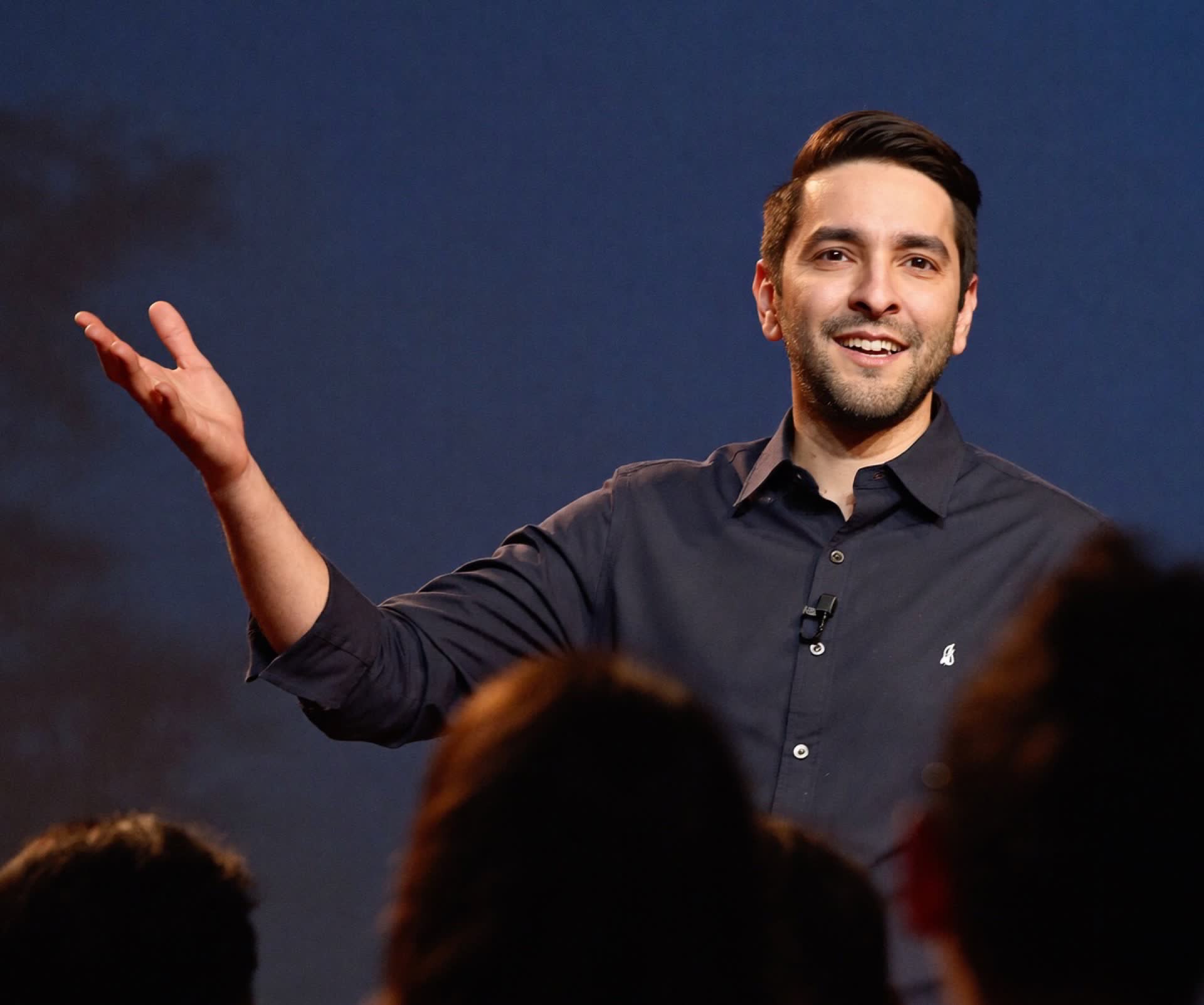
Junaid Iqbal — ex-MD of Careem Pakistan and Careem Pay — walks Muzamil through Pakistan's actual fiscal arithmetic: a $50bn federal budget that spends $38bn just to stay alive, and four structural fixes nobody with a vote bank will touch.
with Junaid Iqbal
10 min read
The first episode from a city built on getting out of the way
The 357th episode opens in a new room — Muzamil’s first recording from the Dubai studio, and he says why he came. A story is emerging across Riyadh, Doha, Bahrain, the whole region: something that looks, in his telling, like a new Europe taking shape. He wanted to understand it from inside, and he brought the right person to explain it.
Junaid Iqbal has been a resident of Dubai since 2015, and for years before that flew in weekly while running Careem in two countries at once. He was managing director of Careem Pakistan, then Careem Saudi Arabia, and by the Uber acquisition was MD of Careem Pay for all markets. But the thread that makes him useful for this conversation runs further back. He was one of the country’s first business journalists, and he spent the better part of a decade learning the Pakistani economy from the inside before he ever ran a company.
How a power trader in Ohio ended up anchoring Pakistan’s first live market show
Iqbal grew up in Karachi, did his O and A levels there, and studied economics at the University of Michigan. His first job was at American Electric Power, one of the largest US power producers, trading energy in the years right after Enron collapsed. He was good at it — good enough that when he flew home in 2004 to get his H-1B stamped, the company offered to fast-track his green card.
He turned it down. While waiting on the visa in Karachi, his mother pushed him toward a meeting at the new Geo TV. They auditioned him on the spot, told him to redo it in Urdu, and within days put him on air. When the green card offer came, he flew back to the US to resign. He frames the decision plainly: a permanent foothold in the world’s biggest economy, set against coming home. He came home. He notes, without drama, that his family had walked away from US residency twice — his own lapsed Canadian status, his father later cancelling a sponsored green card — and that leaving Pakistan for good simply never entered anyone’s head.
Geo sent him to Dubai to build Teji Mandi — bullish, bearish — Pakistan’s first live market-hours stock show, launched July 2004. There was no real-time data feed, so he and a colleague went to Wavetech, got a charting tool built (Wavetech’s logo on it as payment), and hunted down a scan-rate converter in Dubai’s electronics market to make a laptop’s output broadcast-grade. After Geo came a short government stint at the SECP, then CNBC Pakistan, where he ran two daily shows and headed research off a Bloomberg terminal. He calls it “a free MSc in economics.”
Why business television died and the screaming filled the gap
Muzamil widens the lens: in 2004, with fewer banks, thin telecom, and the internet barely reaching the masses, they were running stock-market shows on mainstream TV. Today there are fifty news channels and, in Iqbal’s blunt phrase, “fifty out of fifty are brain dead.” The 7-to-11 prime slot is a fight, not a conversation. Back then, three full business channels — CNBC, Business Plus, Sunbiz — ran economy coverage around the clock, and nearly every general channel carried a business segment.
Iqbal’s diagnosis is that the economy stopped being discussed and the narrative took over. The question is no longer how to make the country an economic powerhouse; it’s who is good and who is bad. He refuses the easy excuse that audiences won’t watch substance. “It’s a cop-out,” he says. “It’s a lack of genius.” He points to Shark Tank India making a cart-vendor’s business legible to ordinary viewers as proof that complexity can be made simple — and to America’s 60 Minutes as proof that serious content has always had to be willed onto the schedule. There are three kinds of conversation a channel can have, he argues: what are the facts, how do we fix this, and he-said-she-said. Pakistan chose the third, and got the outcome the third produces.
The arithmetic almost nobody walks through
When the talk turns to the economy itself, Iqbal does the thing the discourse usually skips — he lays out the numbers. The economy is roughly $350bn. The federal budget is about $50bn. Of that, around $30bn comes from tax and $20bn is borrowed, and the borrowing share grows every year.
Then he traces where the $50bn goes. Roughly $25bn vanishes into interest payments. Defence takes about $7bn, government running costs about $3bn, military and civil pensions about $3bn. That is roughly $38bn spent simply to stay alive before anything reaches development. The remaining $12bn has to cover provinces, education, healthcare, and development — and most of it is borrowed.
The deeper problem is the shape of the debt. Pakistan’s economy has grown at about 3.8% a year over the past decade while its debt has compounded at 10–11%. Borrowing itself isn’t the sin — plenty of countries borrow. The sin is borrowing for current expenses rather than development. Iqbal’s image is a household that takes a loan to educate its children versus one that takes a loan to buy a television.
Four structural problems, four vested interests
He names the four structural issues directly: taxation, agriculture, energy, and the size of government.
On tax, the headline isn’t that Pakistanis are over-taxed in aggregate — it’s that collection is lopsided and the rates are punishing. Tax-to-GDP is around 9% when poorly-run peers hit 12% and better ones reach 15%. There are about 2.5m active filers. So the state leans on lazy taxes — sales tax, withholding — while real estate is under-assessed, agriculture pays no federal income tax, and undocumented cash simply opts out through the “non-filer” category. His fix is unglamorous: document the economy, cut the corporate rate (above 30%, “you’re charging European tax”), collapse the 70 tax types down to three or four, replace a 15-step filing process with API integrations to utilities and employers, and make evasion impossible rather than expensive. Raising tax-to-GDP from 9% to 12% alone, he notes, adds roughly $10bn.
But the reason none of it happens, he argues, is not incompetence or even corruption — though both exist. It is stakeholders. Reform tax and you upset traders, who are a core PML-N vote bank. Reform agriculture and you hit the landlord base of the PPP and the agriculturalist electables PTI relies on. Reform energy and you sit across from “the elite of the elite” — industrial families and regional power interests — plus a military tied closely to land. The vested interests overlap. With political will, he says, ten or twelve reforms over five years would fix the fiscal structure. Without it, the same magic shiny object — oil one cycle, minerals the next — gets sold to each new government.
Agriculture and energy: the security risks nobody calls security risks
Iqbal spends his sharpest minutes on agriculture. It is 22% of the economy, pays no federal income tax, receives subsidised urea, and has its sugar and wheat bought at support prices — and it still yields three tons of wheat per hectare against France’s eight. Meanwhile Pakistan imports $8bn of food and $3.5bn of edible oil. He keeps returning to the framing: if food import is a national-security risk, why isn’t food production treated as one? His prescription is to tax land, end the parking of money in land by closing the gap between collector and market value, and push large low-yield holdings toward high-value, exportable, or oil-bearing crops.
Energy is the hardest, he concedes, because the imported RFO- and LNG-based plants are already built and running. Hydel generates about 28% of the country’s power this year at a fraction of the cost of imported fuel — the cost difference runs around one to thirty — yet decades were lost to inter-provincial water politics instead of building dams, and the window to finance Thar coal has closed as climate-linked lending dried up. His creative move: go to the IMF not with a begging bowl but with a plan — finance to buy back RFO contracts and expand hydel, staying carbon-neutral by offsetting coal against the RFO retired.
On the size of government, the numbers are almost comic. Forty-four ministries; the prime minister has around 86 people reporting to him. State-owned enterprises bleed roughly $1.5bn. “Jeff Bezos couldn’t run a team of 70 directly,” he says. The fix is privatisation where obvious, winding up the rest, and a one-time handshake to retool surplus staff — because lifetime employment plus defined-benefit pension, he argues, is a class of citizenship the factory owner paying corporate tax never gets.
Why he won’t buy the ‘run it ourselves’ argument
Muzamil puts the leftist counter to him — Taimur Rahman’s case that PIA and Steel Mills shouldn’t be sold off but repurposed, their people and assets redeployed the way Emirates and Qatar Airways scaled. Iqbal rejects it flatly, and reaches for history rather than ideology. The state-runs-everything model only delivers in a totalitarian system that can hoard all the talent, like China; Pakistan is not that, and never was. Bhutto’s nationalisation is his proof: healthy companies were nationalised, bailed out for years, then re-privatised — and the same banks now employ roughly three times the staff and pay tens of billions in tax. Steel Mills, still state-run, sits idle with production stopped. Government’s job, he says, is to enable productive capacity — education, healthcare, infrastructure, cheap power, cheap land — not to run businesses.
Pressed on who actually does the reform, he is honest that it probably won’t be voluntary. He expects “a few more experiments,” and a reckoning only when the lights go off. The instrument he keeps naming is a charter of economy — the big parties and the military sitting at one table, treating tax, agriculture, energy, and government size as the national-security issues they are, and trading the pain. Markets correct themselves, he says, including the market for narrative and the market for politics. The question is how bloody the correction gets.
The Gulf played its last oil hand well — Pakistan didn’t play at all
The conversation closes where it began, on the region around them. Iqbal’s read is that around 2016–17 the Gulf states looked at two resources — cash and population — and decided to monetise oil hard while repurposing the proceeds before the era ends. They cut handouts, raised power prices, and pulled their best Saudi talent into government and economic strategy. In Careem, he notes, 90% of Saudi captains were expats in 2017; today they are entirely Saudi, and the airport retail that ran on Filipino staff now runs on Saudi staff.
Then they turned outward for talent. He describes a venture fund, Antler, running a Dubai-and-Saudi programme that took 23 founders from 3,000 applications — including a key figure from Ukraine’s satellite programme and Iranian founders whose companies couldn’t exit at home. Expo and the Qatar World Cup, he argues, showed a region that had moved from rivalry to coordinated competition. They are emerging as a hub of talent, capital, and geopolitical leverage — a kingmaker on the margin.
Against that, Pakistan’s position is stark. In the decoupling of globalisation and the slow reshuffle of the dollar’s reserve status, Pakistan is not a player but a recipient — kept afloat, Iqbal says, mainly because a nuclear-armed, fifth-most-populous state failing is in nobody’s interest, not even its enemies’. The IMF tranche, the minerals, the oil — all band-aids, never silver bullets. The work doesn’t change with the government that does it. Tax, agriculture, energy, government size: reform them, free the fiscal space, put it into education, healthcare, and infrastructure. Get the unit economics positive first. Pakistan turns 100 soon, he says, and the only real question is which country it wants to be when it does.
Full transcript
Welcome to the three hundred fifty seventh episode of Thought Behind Things. आज अठारह August दो हज़ार तेईस है और यह हमारी पहली episode है from the Dubai studio जहां पर आने का मक़सा दिए था कि Dubai की एक बड़ी amazing story emerge कर रही है. Middle East की एक बड़ी amazing story emerge कर रही है especially जो हो रहा है in रियाद, in खतर, in Bahrain all across the region एक नया Europe emerge कर रहा and I really wanted to understand what's happening here? What is your, what are the opportunities? You know, what's really the story so that we can ख़ुद भी सीखूं and by proxy of it, you be able कुछ सीखने का मौका मिले. इसी के साथ साथ आज हमारे guest हैं जुनेद इकबाल. He was formally the managing director of Karim Pakistan and Karim Saudi Arabia and towards the end right around the acquisition by Uber he was the managing director for Karim Pay for all markets. He was the CEO of at least two different securities companies. In investments and वज़ी experience है और very उससे पहले सबसे interestingly, he was one of the only one, one of the few business journalists. So जब Jio Nia Nia launch हुआ था दो हज़ार चार में और CNBC eventually launch हुआ था तो इसमें यह live programs करते होते थे business के बारे में, पाकिस्तानी stock market के बारे में, Pakistan की economy के बारे में. वह बड़ा अच्छा time था. बड़ी अच्छी बड़ी लिखी conversations हुआ करती है उतनी mainstream TV के ऊपर and he was a part of that as well and through that he was able to really understand the पाकिस्तानी economy, the पाकिस्तानी business environment and climate and therefore his insight became invaluable over time. Right now he is in Dubai running a startup as well and he is also an advisor for a couple of startups and tech companies. But beyond that, our conversation largely revolves this. Pakistan के structural changes हैं जिसके बारे में हम सुनते आए हैं, तो हमें comment section में ज़रूर आ कर बताएं. I do read all of them and it really helps me, grow, this channel and the conversation, the quality of conversation that we do here. But anyways, this is जुनेद इकबाल on TBT Go Dubai studio. तो जुनेल ताई कैसी है? I am good. आप बताएं आपका क्या हाल है? अल्लाह के शुरूर ज़रूरत है. आपको guitar साओगे दुबई में?
In and out full time चार साल से और उससे पहले like been a resident here since 2015. अच्छा. During करीम as well? During करीम. Interesting. In fact मैंने आकर पहले join यहां पर किया था तो वह पूरा जो पांच चार पांच साल कर रहा था तो उस समय मैं तकरीबन हफ्ते का एक दिन या कभी दो तीन दिन यहां पर गुजारता Like every week you would come to Dubai and then go back to Karachi? There was a time specially जब सऊदी और Pakistan दोनों manage हो रहे होते थे तो yes every week संपार्थ Pakistan, संपार्थ Saudi and then one day work out of Dubai. Interesting. तो वह और role आपका क्या था? Towards the end of it. Final role. I was MD for करीम पे.
अच्छा. All across all markets? Across all markets. Interesting. मैं थोड़ा सा conversation कुछ just to start. सा मुझे बताए where were you born in early life आपने कहा पर को सारी? मैं कराची में पैदा हुआ
and वहीं पर I went to school. Saint Michael's से मैंने O levels किया, LICM से A levels किया. What year was this? You will age me but A levels 98,
class of Right '90 and then what about university?
In The US तो I went to University of Michigan in Ann Arbor. तो वहां से मैंने undergrad किया था in economics. अच्छा and what was the thought behind that? I mean 98 में आप पढ़ने जा रहे हैं. Why not engineering or the most standard conventional degree? I think economics में interest था पहले से. A levels में भी, O levels में भी मैंने economics पढ़ी थी. अच्छा. तो actually मैं school में बहुत अच्छा student नहीं होता था. I slowly caught up Surprisedly और the most successful guests on our platform
tend to start with that कि मैं school में बहुत अच्छा नहीं होता. I think there is a direct correlation to being bad in school and being successful in your life.
I don't about that but हमारी जो class थी अगर हम अपनी O level, J loves की class देखें तो उसमें बहुत interesting you can now look back and plot the trajectory के जो troublemakers थे उन्होंने different तरह के काम किए. Right. तो class sixth में तो मेरे बहुत ही बुरे marks आए थे. So I just passed. I just, just, just passed. I forget कितने होते थे passing numbers maybe 45% होते थे. I literally just passed. Class seventh में maybe I got like 50 something percent और class eight में I got 60%. तो मेरी वालदा इतनी खुश थी. First time she was like चलो शुक्र है इधर से ही इधर तो आया है. At least half way line तो थोड़ी सी cross हुई है. Did you have older siblings that you were compared to? I did, I did my elder brother. Where was he as? He also became academically better later on. If were ok. तो but but he had a big personality, he was a sportsman. Was convent? Do you think that shaped a big part of your personality? वह Saint Michael's जो था वह बहुत interesting school था क्योंकि वह था तो वह Clifton में और था तो वह एक convent school but वह it was as आवामी as it could be in, in many ways. All that's an बड़ा एक वह social equalizer था और उसमें हर तरह के लोग थे हमारी class में और politicians भी थे जो आज अभी minister हैं वह मेरी class में थे और business family से भी होते थे और बिल्कुल simple lower middle income backgrounds के लोग भी थे and then बहुत ही lower economic, socio economic background से भी थे लेकिन last में सब साथ होते थे and we were all very close and तो वह एक बड़ा I think Saint Michael's वह academically इतना strong नहीं था उस वक्त लेकिन जो उसका वह जो cultural aspect था कि आप lift and defense पर school में जा रहे हैं लेकिन yet आपकी जो grounding हो रही है वह solidly,
solidly Pakistan के साथ हो रही है. अरे वह variation के साथ I feel like that has really stopped in Pakistan. You've got वह segments के हिसाब से schools हैं और सारे लोग अपने अपने segment, अपनी class के हिसाब से उन schools में चले जाते हैं. There is not a lot of sort of intersectional
वह happening between classes. Which is why जब आप देखते हैं lumps को for example lumps बहुत एक interesting institution है क्योंकि एक तो जो quality of education है वह बहुत high है और entry standard बहुत high है लेकिन वह काफी हद तक Pakistan एक social economic mix लाते हैं पर उनका एक बुस्सा national outreach program है. उसमें वह I think tenth grade के आस पास identify करते हैं talent को. वह वह इस तरह की बहुत फ़र्क पड़ता है इस तरह के environment पर. जो social equalizer environments होती हैं आप बहुत ज़्यादा सीखते हैं वहां पर और वहां पर आपकी बचपन की दोस्ती होती है वह तो carry करती है ना. जो बचपन की दोस्ती होती है वह किसी economic या social agenda से नहीं जुड़ी होती है. वह आपका एक time spend होता है. आपका एक you know कमराdery होती है, brotherhood होता है. हां. तो उसमें सब अलग आज भी लेकिन जब सब मिलते हैं तो वैसे ही मिलते हैं और सबके life experiences बिल्कुल फ़र्क हैं. सबके starting points बिल्कुल फ़र्क थे. उसकी family पहले से थी यह जूतों के business में. अब उसने कितना बड़ा Pakistan में multi brand shoe store की franchise बना ली है. अच्छा. That's a very different business right? Cash only, जूतों का कारोबार मतलब उसकी. यह वह standard सदर में जिस तरह की वह जूते की सदर में दुकान होती है मतलब जाकराबाद दस number में भी होगी, हैदराबाद में भी होगी. तो उसकी जिस तरह के लोगों से dealing होती है. हां. वह बड़ी बड़ी फ़र्क होती है. Right. या बहुत सारे लोग हैं जो कुछ government service में गए हैं, कुछ politics में हैं, movie star है एक. तो हमारे जो batch में थे हर्तना के, हर्तना के लोग थे. बिलाल अशरफ्ताद्व वह वह movie star है, तेमूर तालपूर, वह minister बना हुआ है. कोई banks में है, कोई अमरीका में है, कोई UK में है. तो वह पूरा एक range है. Interesting. एक range है कि वह आप समझ लें कि वह यह बहुत interesting था कि वह था तो convent school लेकिन बाकी सारे convent school schemes पर उसमें ज़्यादा social equalization
थी. 2000 two में you graduated university? Yes correct. And then you came straight back to Pakistan या did you stay in The US? नहीं नहीं I stayed in The US. पहले मुझे जो पहली job मिली
American Electric एक company है one of the largest power producers of America. Right. तो Enron उस ज़माने में collapse हुई थी. Enron के बाद American Electric जो थी वह एक energy trading एक तो उनकी power generation division था और energy trading division था. जो energy trading division था उसमें मुझे पहली job मिली थी. Right.
2001 you were there studying. How did that impact? आपको कोई feel हुआ था? कुछ
majorly या वह more in the media less actually on ground? That country changed. उस मुल्क का जो core कहते ना colonel जो था वह change हो गया था उस दिन. हम campus पर थे. September 11 senior year का पहला जो semester होता है fall semester and सुबह सुबह यह हुआ थोड़ी देर के बाद classes call off हो गई and and you could see suddenly कि आप as a brown person अमरीका में अब पहले हम बड़ा feel करते थे कि यार यह मुल्क ज़बरदस्त है यहां पर हम student भी हैं तो फ़र्क नहीं पड़ता. आप जाएं restaurant में, bank में, किसी airport पर कोई कोई कोई differently नहीं देख रहा है. Differently और अगर differently treat करा तो आप खड़ो के उसके साथ properly बहस करते थे कि you you know this is my right. I paid this or something. वह जो कुछ सीखे वह बदल गई. फिर वह हम मज़ाक करते थे random brown person check. हर दफा travelling in travelling out domestic international वह कहता है तो sir you have been randomly selected. I know, I know how random this is. तो वह वह एक you felt it. You immediately immediately felt it. कुछ campuses पर कुछ जगहों पर ज़्यादा strongly feel हुआ. जो हमारा campus था University of Michigan and आबा वह बड़ी interesting जगह थी. वह इतना interesting जगह थी कि the largest population of Arabs outside the Arabian Peninsula is in the state of Michigan. तो उसमें बहुत सारे जो Arab Americans थे वो like a public university वो थे. फिर one of the largest population of Jews outside of Israel was also at University of Michigan. फिर international जो body थी वह भी तो बड़ा एक diverse campus था. तो जिस दिन nine eleven हुआ उसी दिन campus वालों ने रात एक तो पहले classes वह की. फिर email आई कि कोई किसी किस्म की intolerance बर्दाश्त नहीं होगी. They were very astute कि यह बहुत ज़्यादा diverse campus है यहां पर कुछ fireworks ना हो जाएं. फिर शाम को रात को जो हमारा campus का diag होता था उस पर उन्होंने vigil कराया. उस vigil में एक इमाम साहब थे, एक rabbi थे, एक priest थे. तीनों ने आकर बात की. जो university के president थे उन्होंने आकर बड़ा positive message दिया और कहा कि you know मतलब यह जो मतलब जो terrorist होता है एक वह उसकी कोई ज़्यादा नहीं होती वह एक company own body होता है तो यह हम मतलब क्योंकि वह अच्छा very proactive like it's
not like America had gone through something similar earlier के उनके पास एक playbook है कि यार ये करना है हमने आज तो अगर short of New Zealand में कुछ होता है हमें पता है कि the world knows अच्छा ये slamophobia है क्या है तो उसके हिसाब से वो react कर रहे हैं but to actually do it at the time
was fairly. एक politically active campus था. Right. John F केरी ने for example peace corpse की announcement वहां पर गई थी back in the day. तो activism था उस campus पर. सारी organizations थी वह active भी थी. You know, Arab student association, Muslim student association. वहां पर of course वहां की जो थी even, even Pakistan student association भी थोड़ी बहुत active होती थी. तो उनको यह खिल मेरे खाले luckily violence उस तरह से नहीं हुआ था अम्बीका में लेकिन जो core view है उस मुल्क का the rest of the world की तरफ वह बदल गया and वह, वह है ना कि जो दुनिया है वह trust और distrust के cycles में चलती है. तो जब last time mistrust peak हुआ था तो World War two start हो गई थी. जब उससे पहले World War one भी कुछ ही ऐसा पहले हुई थी तो वह mistrust peak करने उस के पर ही था. हां हां. उसके बाद जब World War Two के बाद सारी दुनिया एक दूसरे को मार पीटकर, ठकारकर उन्होंने सांस लिया तो कुछ, अरसा गुज़रा जब globalization हुई, people took a step back. हमारा area नहीं हुआ उस तरह से peaceful but Europe में peace हुआ, Euro बना, global trade हुई. तो वह आप कह सकते हैं कि दस September दो हज़ार एक जो था वह उस वक़्त तक का world का एक trust का peak का moment था and next day you saw कि फिर से वह everyone said कि यह ऐसी गलती है, ऐसी गलती है, ऐसी गलती है and the way US played it as well वह उन्होंने और ज़्यादा divisive कर दिया दुनिया को तो नहीं बिल्कुल you felt it, you felt it everywhere, you felt it everywhere. दो हज़ार सोचिए you started working at
American Electric. How long did you work there for? About two years.
अच्छा. Then what happened? मैं Pakistan आना चाह रहा था तो nine eleven के बाद एक और change हुआ. पहले होता था कि आपके पास H1 visa होता था तो आप सीधा सीधा Canada जाते थे drive करने के लिए, drive करके. Border cross करते थे they would stamp your passport and you would come back and once your H one was stamped on your passport, then you could travel free. तो दो साल से घर नहीं गया हुआ था. तो I said to them कि मुझे I want to go back and and get my H1 stamped. तो उस ज़माने में वह H1 की stamping anywhere from one to three to even five six months लग रहे थे. तो luckily I had done well at the company and by then I was a trader. तो वह उनके लिए थोड़ा आसान था कि अच्छा trading book आपकी कुछ दिन के लिए बंद कर देते हैं तो उन्होंने कहा कि आपको कुछ अरसे के लिए हम pay करेंगे but after that we'll convert this to unpaid but do this and come back. So that was let's say a practical change of 09:11 and and that that that visit here actually ended up changing my life in a lot of ways. Right. You didn't go back after that. So, dawn immediately तो मैं आ रहा था छुट्टियों पर मैंने पहले भी इस पर बात की है कि मैं आने से कुछ ऐसा पहले मेरी वालदान ने मुझे एक email की कि you will be good on TV and यह Jio TV बड़ा अच्छा Pakistan में आ रहा है you should come and join them. Right. अभी मैं अमरीका में energy future trader हूं power trade कर रहा हूं. मैं Pakistan आकर Jio में क्यों काम करूंगा? तो जब मैं यह h one के लिए वापस आया तो and my mother knew कि यह अब आज जो है यह जाकर मैंने जिस दिन आया अगले दिन जाकर इस्तामाबाद में appointment लेकर visa जमा करा के you back now you know it's a waiting game. Right. Mother was like तुम यहां बैठोगे फ़र्क तुम time ज़ाया करोगे सारा वक्त तुम ज़बरदस्त आती है. वह junk group के business content कहते थे. तो मैं उनसे ऐसी Wednesday की दोपहर को मिलने चला गया. Energy markets पर वह बड़े interested थे. अच्छा तुम energy trader हो, क्या करते हैं, कैसे होता है? I was talking to him about यह America की कैसे deregulated energy market चलती हैं. तो कहते यार तुम्हारी उर्दू कैसी है? कौन? अच्छी खासी है. तुमने जंग दे दिया मुझे. तो I read it, read जंग अखबार. तू एकदम fidgety सी हो गया कि अच्छा यार चलो तुम्हारा एक वह करते हैं. क्या कहते हैं इसको? Audition. उन्होंने मेरा audition कर लिया. They sat me in the Jio जो भी studio हां. होता And उन्होंने अपनी jacket पूछते दी. उनका जितना वह CNBC या Bloomberg देखते हो, I said रोज़ देखता हूं. तो I said pretend करो कि जी today we have an energy expert and तीन चार सवाल पूछना फिर उसको summarize कर देना. तो I did that. यह मैं करके वापस आ गया. Next morning I had like 10 missed calls from them and they said क्या वापस आएं आपका audition अच्छा था लेकिन आप English बहुत बोल रहे थे beach में. वापस आ गयी उर्दू में record करें. तो वापस गए उर्दू में record किया. Next morning Friday they called me again and they said कि हमारा जो weekly show होता है बाज़ार यह इस week आप कर लें. कौन नहीं मतलब कर लें. कर लें. आप practice नहीं कोई आपको train नहीं करेगा उर्दू किस तरह बोल लिए हैं. Nothing. Accent कैसा निकालना है? नहीं, उर्दू उर्दू अच्छी थी मतलब बचपन से अच्छी थी but America इतना सारा bracket आते हैं छह सात साल. थोड़ा नरस्ती हो जाती है आपके वह, वह sentence construction आपकी टूट जाती है ना. तो, तो Saturday के दिन हमने पहला show record किया Sunday को it went on air. अच्छा. छुट्टी पर आए हुए हों, कोई लिखट पड़त नहीं, कोई बात भी नहीं हुई पैसों की या किसी चीज़ की. I said this is a lot of fun. रोज़ show पर every weekend एक show पर एक ice to invite a stock broker and some macro economic person. It was a lot of fun. कुछ हफ्ते गुज़रे then तो वह मीर इब्राहिम से मलकात हुई, अजराबाज़ साहब से तो पहले शुरू से हो रही थी. उन्होंने कहा यार क्या तुम America से America में काम करो, छोड़ो. Pakistan grow कर रहे हैं, economy पर बात करने की ज़रूरत है. हम वैसे ही चाहते थे कि पहला हम live market hours, stock market show करें Bloomberg की तरह का. तो why don't you come back and let's do that? तो खैर वो हम back and forth discussions होती नहीं. उस वक्त you are going to do live TV out of Pakistan. तो they said कि हम तुम्हें Dubai भेजेंगे वहां से कराएंगे show. खैर nothing really materialized. इतने मेरा visa आ गया. So I said ok bye bye. अच्छा so it was like a like एक literally एक testing test run था. Test run था without any expectations so that's why it was so much fun. जब visa आ गया तो उन्होंने कहा नहीं भाई. जाओ जाकर resign करके आओ. We will hire you back dated from the first day you walked into this office. We'll give you a salary here. आप Dubai से जाकर काम करेंगे. Dubai में we'll put you up in a hotel apartment and let's go build Pakistan's first live market hours stock market show और फिर तालिब is another colleague उनको hire किया so फिर मैं अमरीका गया जाकर मैंने उनको बहाना शाना है कि मैं जा रहा हूं. तो literally the moment I walked into the guys office जो HR head था Jeff Kiefer तो उसने कहा is it about the green card? Because उनका तीन साल का rule होता था कि तीन साल पर apply करेंगे. उसने कहा कि you know I, you know, you know we'll apply for you today. We will fast track it. तो मैंने उसे कहा अच्छा मुझे एक दिन दे. मैं फ़ैसला तो करके आया बता but I wanted to give him. मैं ना अगले दिन जाकर करके sorry I I do what I mean that was a major decision right because screen card is enticing
specially back in the day और आपको clearly पता है कि यार अगर मैं यह trajectory change कर रहा हूं तो एक trajectory है the world's biggest economy जहां का मैं permanent resident हो जाऊंगा और eventually passport track आ जाएगा और जब passport आ जाएगा तो दुनिया में कहीं पर भी जाऊं लेकिन मेरी ज़िंदगी और मेरे आगे बच्चे और सब set हो जाएगा.
And जब मेरे college में admission हुआ तो Michigan में भी हुआ था और मगिल में भी हो गया था, UFT में भी हो गया था. वह उस वक़्त क्योंकि my brother had already been to college in The US. उसने कहा यार यह बेहतर college है यहां जाओ बाद में चले जाना Canada. Actually फिर को Canada गया ही नहीं. तो वह एक Canadian हो गई. Canadian भी ज़ाया हुई हुई थी. Right. और उसका किसी को इस हमारे घर में कोई कम नहीं था. किसी को कोई कम नहीं था जिस तरह. My parents specially if you ask my mother and my father they had. Then episode two for me. Right. Then my brother stayed on. वह मुझसे पढ़े थे college के बाद वह बहुत साल रहे बल्कि कुछ अरसा पहले मेरे वाले, मेरे भाई ने वहां से मेरे parents के लिए green card वह जो करते हैं हम. हां. Sponsor वह भी किया, वह आ भी किया. उन्होंने जाकर पहले हुई ले भी लिया. Then my father said मुझे नहीं चाहिए. Then they went and cancelled it. अच्छा. तो वह दो, so दो दो episodes हो चुकी हैं of giving up. So, नहीं no nose like normal breaths. Not at all like it's not even a consideration in my head or ever in my parents head कभी हुआ ही नहीं. आज आज के इस बुरे हालत में भी Pakistan में कभी somehow वह feeling नहीं आई. Right.
Yeah so you let go of that and then you came to Dubai?
Came to Pakistan's signed up there and then moved to Dubai with them. Yes. Right and this was Jio news? Jio news. Doing business weekly. नहीं daily. वो तो weekly पहले हो रहा था. अच्छा. जब full time में आया तो then this was a daily morning 09:45AM market show. Dubai एक घंटा पीछे था तो सुबह हम आकर office छह बजे पहुंचते थे, पूरी prep करते थे. पूरा एक उसका cycle था. So five days a week हम live market hours.
I don't I
don't think कि उस time के ऊपर आपको Pakistan से real time data आ रहा था. So हमने बनाया ना वह मिलकर. So हम गए wave tech के पास क्योंकि wave tech कराची stock exchange की वह RSS या कौन सी feed होती है जो जो text based feed होती है वह करा रहे थे. तो हम उनके पास गए हमने कहा कि हमें feed दें जिससे charting हो सके. So उन्होंने कहा हम ही आपको बना देते हैं free में बना देते हैं लेकिन उस पर wave tech का logo लगेगा. Jio TV ने एक minute उनको अंदर Jio वालों को पता भी नहीं था यह कहां से होगा. I went and I came back I said वह कह रहे हैं logo लगाना होगा. लगा दो logo यार. अगर खूब बनाकर दे रहे तो उन्होंने charting software बना दिया. तो laptop पर अब हम live for the first time Pakistan में charts-charts दिख रहे थे तो हमने वह जाकर wave tech के साथ बनाया so we just put the symbol of a stock and it would show the chart. One year, three year, five year, ten year. It was beautiful but अब वह laptop की screen पर जो उसका output आ रहा है जब हम उसको plug करके Jio के जो production का वह output का होता था setup Jio use करता था VizRT एक software होता था I remember. तो वह वह scan वह broadcast quality ही ना आए. So then they reset किसी ने कहा कि एक चीज़ होती है scan converter, scan rate converter वह आपको चाहिए होगा. Right. तो laptop scan converter में जाएगा और scan converter उसमें जाएगा तो Pakistan में तो मिलता नहीं था. So जब हम Jio के लिए इस चीज़ के लिए आए we had a few weeks to prepare. So I went to the market over here electronic market and the bike. सत्वा में कहां जाकर वहां पर मैं और तालिब गए तो हमने एक दुकान में scan rate converter ढूंढा. अब वह पता नहीं कितने पांच छह हज़ार दिरम कहता उस वक्त. अच्छा. Then we came back got the invoice sent it to the geo head office here. वहां आने पर दस invoice से इकट्ठी की. यह वह then वह scan rate converter आया बड़ा वह दुबई के दफ्तर में खोला सबने जो Jio के engineering team थी और बड़ा देखा कि यह क्या चीज़ है and that's when we launched. I think this was July 2004 we went live it was a lot of fun and how long were you there with Jio? About two years. अच्छा and then you moved to CNBC? Beach में a very short stint with the government. I went and worked SECP के साथ. Right. तो What was that role? वह था कि internal head of research and an a spokesperson. अच्छा. तो उसने बड़ा मज़ा आया बड़ा सीखा, short period था. How was it working with the government?
I mean, especially private sector से आप आ रहे हैं US और Dubai का experience लेकर.
I think private sector से America से Jio TV पर आकर काम करना वह पहले ही बहुत ज़्यादा baptism by fire हो गई थी. ज़बरदस्त baptism थी और वह उसमें वह उनकी अपने वह उनकी HR, HR से deal करना तो एक learning थी. हां. But Jio का जो newsroom है वह बड़ी ज़बरदस्त environment है. ज़बरदस्त environment है. वहां पर you meet some of the sharpest brains in the country, हर desk पर. Sports desk भी, politics वाले भी जो,
crime वाले भी तो. Do you think desk है या desk था? Do you think कि अब क्योंकि उस time के ऊपर it was one so मैं I want Pioneer थी ना? हां so उस time पर they were the pioneers they were the one of the first ones एक excitement थी market के अंदर. बहुत. And so that was happening. आज मुझे लगता है कि media and I really want to discuss oops I really want to discuss the the way that media media has evolved. आपके time के ऊपर I mean दो हज़ार चार की बात है जब हम बहुत कम progressive थे right हमारे पास banks इतने ज़्यादा नहीं थे telecom sector इतना वो नहीं था internet by and large masses के पास नहीं पहुंचा हुआ था और उस वक्त हम TV के ऊपर stock market के ऊपर shows कर रहे थे
और आज आप 49 आज मैंने देखा कि दो नए channels खुल गए हैं वो जी आप Twitter में follow करें एक journalist छोड़ के हर तीसरे महीने एक नए channel पर चला जाता है पचास channel हो चुके हुए हैं और पचास के पचास brain dead सात से ग्यारह. से ग्यारह की सात से ग्यारह की मैं क्या bonus? हां. और even सुबह के वक्त जो morning shows अजीब से हो गए हैं. It's literally brain dead brain dead right? वह era जो था हालांकि वह वह एक dictatorship का era था which मतलब मैं ज़्यादा बात नहीं करूंगा उसके कुछ reservations हैं बिल्कुल ज़रूर पर उसमें वह हफ़्त से CNBC था, business plus था, Sunbiz था. यह तो तीन सिर्फ business channels थे जो कि चौबीस घंटे सिर्फ economy को cover करते और यह चल रहे थे. यह. चल रहे थे. का पैसा मतलब I think struggle करते थे. उस ज़माने में नया नया वह था तो कुछ funding shunning मिली हुई थी but नहीं business channel struggle करते थे पर हर channel, हर और channel का आज TV का, XYZ सारे channels पर कोई ना कोई business program होता था. Right. पूरी एक community सी थी of business anchors like you know who would go to places, लोग बड़ा आपसे आकर बात करते थे. कहीं आप जाते थे whether it's a public place or a शादी या कुछ people would come and talk about the economy. So लोग interested थे, लोग stock market में interested हो रहे थे. नया नया वह खुल रहा था बल्कि वह काफी annoying भी हो जाता था कि आप लोग monetary policy पर बात करते थे exports पर, imports पर, energy sector वह grow हो रहे थे, banks grow हो रहे थे. Cement sector, auto sector यह अपनी नई capacities online ला रहे थे. तो conversation वह हो रही होती थी. आज जब बुरी हालत, बुरा हालत, बुरा हाल है economy का, economy पर बात ही नहीं होती. Narrative पर बात होती है. यह बात होनी शुरू होगी कि यह सही बंद है और यह गलत बंद है. या किस basis पर? आप सवाल यह पूछें कि भाई पांच आपके पास options हैं सियासी आप उसे कहें भाई मेरे बच्चे के लिए आप क्या करेंगे? Pakistan को आप एक economic powerhouse कैसे बनाएंगे या आप void powerhouse बाया से करेंगे? The expertise
doesn't exist ना मैं हमारे यहां seven to 11 के analysts हैं who are wearing a billion hats so one day they will be space scientist the next day they will be political analyst the next day they will be economist and it's humanly impossible. यह वो Twitter है right कि आप Twitter पर जाते हैं हर बंदा हर दिन एक नई चीज़ के बारे में commentary कर रहा है its actually उस commentary मेरे लिए कोई substance नहीं है क्योंकि you cannot be an expert in every field right?
So absolutely मुझे लगता है वो space ही में से x में अगर मैं थोड़ा सा ये rating उस वक्त भी rating ही मिलती थी. तो मेरा सुबह show, हमारा सुष जो था Jio पर वह सुबह चलता था. Ponist तो हो it used to be a joke के जब या तो लोग आपको देख पे चाहते थे अच्छा वह आपका मैंने show देखा है जो भी करके. तो रम नहीं करना, no one's really interested in this. Yeah. But जब वह शाम के time macroeconomic content चलना शुरू हुआ CNBC पर, it seem like people got interested but उस content की advertising power नहीं थी. Right. तो वह phase out हो गया. Jio वगैरह ने भी शाम को जो economic content था उसको निकाल दिया, सुबह कर दिया, sideline कर दिया and in fact जब मैंने CNBC छोड़ा फिर मैं और कुछ करने लगा था तो उस ज़माने में मुझे Jio ने फिर approach किया. तो, तो वह कहते थे कि आओ शाम को evening वह करो, evening political economy show करो. सिर्फ economy से काम नहीं बनेगा. Come and do a mix show. We will give you like a 07:00 slot. Right. Right. It's not the most prime, it's not 08:00 but maybe or we will give you like a 06:30 to 07:30. Talk about politics and economy together लेकिन यह अलग से तो बोलोगे ना. हां. किसी का interest नहीं है और understanding. फिर, फिर देखिए economy किसी को समझाने के लिए आसान ज़बान में समझाने के लिए आपको खुद अच्छी तरह पहले समझ आनी चाहिए. तो वह आप सही कह रहे हैं expertise नहीं है. Channel में कौन you know Andrew Sorkin है या वह Maria Butt Romu होती थी या CNN पर जितना quest है, quest means business. Right. His capability is कि वह एक बड़े business trend को आसान ज़बान में global audience के लिए उसको उसको simplify करके he explains, right? Does it in such a flamboyant manner? एक market है उसकी. वह बस CNN चलाता है उसको once a week. Interesting.
Do you think? क्योंकि मैं the way that I see it ना सिर्फ यह economics का problem नहीं था. Even मैं अगर देखूं कि एक ज़माने में the the the content on religion for example was very different early February के अंदर, mid two thousands के अंदर. There was a lot of progressive conversations that were happening. Over time mainstream television has become rather regressive. बड़ी पढ़ा लिखा आदमी अब देखता उसको पता होता उसकी expectation होती है कि यार TV के ऊपर तो masses के लिए you know they are just selling stuff. That's not where you get your intellectual stimulus from. May I understand in a capitalist environment eventually as the television start हुआ वह पढ़े लिखे घरों और घरानों से cable आई Clifton defense you know. Eventually वह peripheries में गया तो जो the amount of eyeballs that got on from the masses तो automatically पड़ी लिखी conversation में फिर allowed हो जाना था. The the larger numbers are gonna win. But यह एक inherently chicken and egg problem है. Right? Because आप कहते हैं कि भाई देखिए ratings सीखी game है. I accept अगर मैं मान लेता हूं कि भाई private sector में तो ratings सीखी है में. Right? आप या तो government sector का PTV कर रहा होता ना कोई business का scene.
जो जो lower income होता है वह उसको अपने हर रुपए का पता होता है कि अपने आप को उसने कैसे survive कराना है, अपने अपनी family को कैसे चलाना है. उसको जब आप समझाएंगे कि इतने पैसे education पर लगाए जाए, इतने इस पर वह उसको inherently पता होता है. जो एक जो भी family breakout करती है Pakistan में, वह कैसे करती है कि वह कहते हैं कि बस हमने अपने बच्चे को पढ़ाना है या इस एक बच्चे को तो ज़रूर पढ़ाना है. वह बाकी सारे expenses cut करते हैं, borrow करते हैं, back करते हैं, जो करते हैं. वह कहते हैं यह हमारा exit opportunity है और वहां से फिर वह breakout होती है वह family. फिर next step पर आती है, फिर next step पर आती है. वह आप उसको समझाएंगे अब जैसा Shark Tank India है उन्होंने कितना उसको आसान ज़बान में करके बताया उसके जो ads उन्होंने बनाए हैं वह आपको बता रहे हैं कि एक ठेले वाला जो है उसके business की क्या value है? तो वह एक promote कर रहे हैं entrepreneurship को, economy को, ideas को interest है. Essentially what you're saying is कि it's not the it's a cop out to say कि यार audience नहीं है. It's a cop out. It's lack of genius that doesn't exist unfortunately.
Exactly. जो कि उस चीज़ उस seemingly complicated चीज़ को simply क्योंकि at the end of the day politician भी तो economy बेच रहा है ना और उसकी तो viewership है. देखिए ना तीन तरह से आप बात कर सकते हैं. तीन conversations आप कर सकते हैं. एक conversation हो सकती है कि what are the facts?
What are the facts? यह यह conversation हो सकती है. इन लोगों को interest इसमें कम हो सकोता है लेकिन यह होनी चाहिए. America में भी तो जितना sixty minute जैसे serious shows आते हैं ना चलाने पड़े Sunday की रात को चलाए चलाए. फिर दूसरी conversation हो सकती है कि ok how do we fix this? यह कैसे ठीक हो सकता है? Right. एक solutioning की conversation हो. हामिद मीर साहब या कामरान खान साहब या शाज़ेब खान ज़ादा साहब या और और जो भी बड़े anchors हैं. करें solutions पर बात. क्यों नहीं सुनेंगे लोग? बिल्कुल सुनेंगे आसान ज़बान में time लें, समझें, खुद समझें. एक simple language में बनाएं तीसरी जो conversation style है वह यह है कि he is better or she is better. He said, she said. Right. तो जब आप conversation he said, she said पर रखेंगे तो outcome भी वैसा आएगा. तो आप आप आप धीरे तो आप try तो करें. आप अच्छा content बनाएं. आप उसको visual तरीके से present करें. आप समझाएं. I mean which I think हमें बात करनी चाहिए कुछ साथ. नहीं तो मेरा मेरा next question यह आ रहा था कि do you think
potentially digital could be a alternate? कि tele television में नहीं हो रहा है. मान लिया हमने masses का platform है, नहीं हो पाता वहां पर. मैं यह भी मान लेता हूं कि वहां पर शक्लें already exist करती हैं बड़ी और by and large digital के ऊपर mainstream television के ऊपर ना नई शक्लें merge भी नहीं किए. वो पुराने basically writers थे जो कि eventually mainstream media की faces पर आए और वो mega stars वन चुके हैं इस time के ऊपर and they are the ones that primarily running it. Digital now has provided that opportunity कि आप direct to market जा सकते हैं. Have you seen कि digital पर इस तरह की conversations हो रही हैं और बेहतर हो रही हैं और और और that sort of
एक vacuum जो create हुआ हुआ है वह fulfill होना शुरू हुआ है. I I think कि digital की अपनी market develop हो रही है and there are some people जिन्होंने EV के साथ साथ digital भी देखना शुरू कर दिया. आप viewership numbers से देख लें. It is still a small fraction. एक tiny tiny fraction है ना जो यहां पर आ रहा है. जो digital पर content fly कर रहे हैं, वह जो mainstream वाला है वह उससे भी बुरा है. जो सबसे ज़्यादा जो सांप के तेल वाला content चलता है digital पर वह तो उससे भी बोल रहा है. हां. तो अगर आप देखिए news media originally आया क्यों था? वह इसलिए आया था उसके जो concept था उसका जो ethos था वह यह था कि एक informed electorate पैदा हो. America की early days का news media है, उसमें यही war होती थी ratings versus versus उसको infotainment कि आप educate करें, एक informed electorate बनाएं. Right. Media का democracy से बड़ा गहरा तालुक है, right? टक टक टक टक, बड़ा सस्ता और अच्छा और टिकाऊ छह सात घंटे गुज़र जाते हैं. Cheap entertainment. ठीक है? चल रहा है. तो changes तो अंदर से आएगा ना? Change तो अंदर से आएगा. यह बड़े channels को यह देखिए this is यही तो capitalism और उसका वह है कि उसकी उसकी benefits भी हैं पर वह वह hijack भी हो सकता है interest group वह hijack हुआ हुआ interest group से. सारी दुनिया में हुआ है. हां हां. अमरीका में देख लें. Fox में. I mean media is dying all over the world. Maybe media is dying all over the world. तो
it's it's वह. But अगर मैं five or two मैं इसे segway लूंगा.
आपका वह करीम का बहुत extensive experience उसके बाद रहा है. Two and four में आपने आकर Jio join किया? 2,003 के end में यह जो shows शुरू कर दिए थे. फिर May 2004 में मेरा समझे visa आ गया. Then I I had to go back and wrap everything up. फिर वापस आकर एक आध महीना prep वापस आकर मैंने full time join किया then July में हमने उसको properly launch किया. इसको the show was called तेजी मंदी. अच्छा. Bullish bearish. Interesting and and you stayed with news media for five years? Round about उसके बाद फिर मैं कुछ दर्शे के लिए यह government के साथ SSCB में गया फिर CNBC launch हो रहा था. Right. तो then I joined them. Right and how long were you there for? Around around two years as well and why did you so उसके बाद did you stay in the media or did you? नहीं जब so CNBC was also a very amazing experience. वह बहुत एक proper serious business channel था. चौबीस घंटे का channel था. तो उसमें I had two roles. Was head of research and मैं one of the you know lead anchors भी था. तो दो shows मैं करता था रोज़. एक मेरा एक था power lunch जिसमें रोज़ एक listed company का CEO आता था. Right. And specially on days जब उनके उस quarter के results आते थे. तो बड़ी detail numbers पर बहस होती थी और शाम को शुजा कुरैशी ना used to do a market wrap कि आज market में क्या हुआ? And उसमें अगर हम macroeconomic बताते थे कि यह moves हुई हैं, cotton में यह हुआ है, sugar में यह हुआ है या या interest rates ऊपर गए हैं या नीचे आए हैं या यह macro moves जो हैं इसलिए market हिल रही है. तो क्यों market हिली? वह किस दिए और कौन से sector? तो बड़ा मज़ा आता था फिर as head of research वह हमारा वह हम content produce करते थे बाकी सारे anchors को भी feed करते थे उनके shows के लिए. ज़बरदस्त learning experience था. It was like a free MSc in economics. It was so much fun. I learnt so so much.
How do you उस जमाने के अंदर when there was not a lot of data definitely not a lot of electronic data. How were you doing your research? मतलब वह rather my question would be what level of granularity were you getting the data off? So
सीखा के कहां से मिलेगा? एक company थी हफीज़ investor services. वह stock mark हर company listed company के data को एक database में organize करती थी and वह Bloomberg को भी बेचते थे वह data. उनसे हमने subscription ली. तो हमारे पास सारी listed companyयों का historical data होता था एक जगह पर. फिर जब CNBC में आए तो वहां Bloomberg terminal था. वह तो Bloomberg terminal तो एक एक दुनिया है. आप उसमें बैठे रहे दस घंटे खेलते रहे यह plot किया वह plot किया यह निकाला. फिर वहां पर कुछ पुराने journalist थे इब्राहीम खान साहब जो कि Reuters के first journalist थे Pakistan में back in the day. I think उस ज़माने में he was in his seventies lovely lovely man. वह बताते थे कि यहां से data मिलेगा state bank की फलानी website पर. फिर मोहियुद्दीन आज़म साहब वह Don में भी लिखते थे वह भी वहां पर थे तो कुछ senior journalist थे. पूछा हम जरा maverick type थे. तो उनके साथ मैं बैठता था जाकर lunch के time पर चल मुझे साहब यह कहां से समझ आएगा? तो बताते थे कि अच्छा आप state bank की swipe website पर जाएं. वहां यह click करें, यह करें, वहां यह data है. किसी को बताइएगा नहीं. क्योंकि all you had to do was pull the data out and उससे एक article निकल आता था ना आपका. तो वहां से data लेते थे. फिर relationships build की market में और वह इस तरह के अगर आज let's say lucky cement के CEO आ रहे हैं हमारे show पर तो हम maple leaf को भी study करेंगे और let's say DG खान cement के भी numbers को study करेंगे. फिर market में analyst होते थे. Different brokerage houses के R F अभीB a k DJS, BMA, elixir son सब बहुत. उनकी reports सब आती थी रोज़. सबकी सबकी subscribe की हुई थी. फिर let's say अगर आज कोई banking sector का COO आ रहा है तो दो तीन banking analyst से एक दिन पहले phone करके बात करते थे, questions पूछते थे, data exchange करते थे. Eventually it came to the point कि market से लोग हमें phone कर रहे होते थे कि यार यह बताएं, यह बताएं. मुझे याद एक दफा मैंने तरीन साहब का interview किया. तो मैं उन्हें कहा था मैंने कहा देखिए यह x y z चीज़ें हो रही हैं जो कि आप कौन सी तरीण साहब? बहुत सारी different तरीण Right. तो वह उसको commerce, minister for commerce थे, industries थे. I think commerce and industries minister थे. तो मैंने उन्हें कही यह पांच छह बातें कि यही आपके metrics जो है यह out है. Discuss का data मिल जाएगा. मैं कहा मैं अभी बनाकर भेज देता हूं. तो similarly we would be running into politicians by then and हम उन्हें data दे रहे होते थे बनाकर किस हमने इतना organize कर लिया था इसको बनाया, जल्दी से format किया. We would be giving it to people here. यह बात करो and but
while all of that was happening CNBC was still struggling in terms of its business.
I am, I am imagining so. It was very well funded. It was the best funded channel. UAE based entrepreneur थे ज़फ्र सिद्धिकी साहब. उनके पास CNBC Arabia की भी franchise थी. खूब सूरत तेरीन, offices, ज़बरदा, studios. International grade everything. International grade. मतलब Jio में वह light जलती थी तो पसीना आता था. यहां पर वह जो IFB थी, यहां पर sticker लगा होता था. वह गर्दन tight हो रही होती थी और वह जो वह आपको वह puffing shaffing करते हैं. यहां तक लग रही होती थी. CNBC we had like those soft lights, those sort of proper हर anchor के पास एक अच्छी सी IV थी. वह आप एक एक proper आपका जो dressing room था तो वह they did they amped it up. फिर बाद में उन्होंने summer TV भी launch किया and then they kind of I think merge one into the other or something. Right but eventually exit. Business से they took an exit. वह market नहीं थी Pakistan में आज भी नहीं है business content के लिए. Unfortunately Jio TV में नौ बजे show करें, economy पर बात करें unfortunately लोग सात से ग्यारह की लड़ाई देखेंगे किसी और channel पर unfortunately.
Unfortunately. So so दो हज़ार नौ में या दस में आपने
खैरा बात किया CNBC को? नहीं, before 2007. अच्छा, so what was next for you? So, तो वह फिर मैंने अपनी संदेह पहली startup की. मैंने एक business plan बनाया कि उस वक्त Pakistan में बहुत सारी asset management companies आ गई थी. जो अपने mutual funds बेच रही थी और क्या कहते हैं अब bonds की market भी वन रही थी. वह तो I said कि एक हमें एक super market create करनी चाहिए जिसमें सारी financial services companies के products एक जगह available हो. Right. तो I wrote a business plan, I went to a few people, got funded very quickly. BMA capital जो था they, they funded me. तो उन्होंने हमने एक नई company बनाई BMA financial services. I was, I was, I was made CEO of that. उसमें उन्होंने funding डाली. मैंने एक team बनाई. हमने पूरा उसका एक online portal बनाया, backend का research की database बनाई और यह towards the end of 2007 पूरी तैयारी हो गई और January 8 को हमने बड़ी launch plan की हुई थी किराची में कि यह इतना you know investments grow करी थी Pakistan में. हां. So I was like you know Pakistan का savings date बढ़ाएंगे जाकर individuals को भी serve करेंगे, corporates को भी, retirement funds को भी. We're gonna create this very easy way. आपने click किया so आप अपनी risk profiling करते थे. आप अपने बताते थे क्या आपकी risk profiling है? वह question हम पूछते थे and then funds की हमने risk profiling give दी. तो हम आपको match करके देते थे कि आपका यह portfolio होना चाहिए. अच्छा. वह उन्होंने वह बड़ा futuristic बनाया था. तो I think अट्ठाईस December को गालेबन बेनज़ीर बुट्टो साइबा सत्ताईस. को. आठ जनवरी को launch थी. तो फिर देखी कि market की down down cycle कैसे होती है? Right. And launching a business in a in a down round और down market और फिर pivot किया कुछ ऐसा. उसी business, उसी team से एक different काम. वह detail बहुत हो जाएगी but हमने एक जो TFCs होते हैं return finance certificates उसकी एक secondary over the counter market का एक setup बनाया and we actually did really well. अच्छा. And then कुछ आठ दस महीने बाद जरा market recover करेगी तो फिर हमने वह mutual funds का business बनाया. फिर BMA वालों ने मुझे वह अपना जो उनका retail brokerage का division था वह भी head करने के लिए दिया and then I stayed with them for another few years and and learnt a lot about you know building a company, managing a large team, growing a business, launching products तो वह बड़ा मज़ा आया वहां पर. And उसके बाद फिर करीम आए थे या was there something? नहीं उसके बाद चार साल बाद मेरी जो equity वगैरह थी वह mature हो गई थी तो I sold that back to them and उस वक्त जो जो दाउद group है जो Engrow उस ज़माने में दाऊद हरकिलीस and so on so forth massive conglomerate of Pakistan. तो वह एक company own करते थे Elixir Securities which was an brokerage and investment banking firm. तो यह firm struggle करी थी कुछ सालों से. तो मेरी उनसे बड़ी अच्छी उन लोगों से दोस्ती भी थी and and बेयाज खान जो अब Engroup के CEO हैं. CEO हैं. उस वक्त वह Inbox के CEO थे. Right. Which was a doubt group company as well. Even though he was the founder but doubt group was an investor. And रेहास खान जो है उनको उन्होंने elixir का chairman बनाया था. क्या यार एक young बंदे को chairman बनाते हैं. Let him make a board and let him hire a CEO. So then that young board like they brought me on board and then we had lot of fun. तो in less than four years Elixir brokerage में number 13 पर थी. उसका investment banking division बंद हुआ हुआ था. तो less than four years में हम top three broker वन गए. On one on some particular days हमारा highest trading volume था. अच्छा. And investment banking में we ranked number one that year क्योंकि उस ज़माने में तीन privatization, पांच चार privatization की subsequent transactions हुई. जैसे तीन में हम viewer, viewer advisors including जो Habib bank की secondary sale हुई थी which was a billion dollar transaction. Right. तो ज़बरदस्त experience था again. इतना सीखा and वह बड़ी मज़े की हमारी team money आपस में हमारी बड़ी कमराdery थी और you know दो सौ broker license है Pakistan में तो to kind of rise as one. वह पूरी as a team हमने उन्हें number one बनना है और सारी हम एक एक ही age group के थे और वह बड़ी वह it was like you know we were all kind of equals तो हमने एक वह बनाया election leadership forum जो पांच छह team leads थे and I was in the chair of it. जो हमारे head office है तास्फर used to be the chair of it कि यार हर decision मेरे हाथ से ना हो as CEO. तो बड़ा बड़ा ज़बरदस्त काम हुआ. हमने retail brokers में बड़ा ground breaking काम किया. App बनाई. Digital media पर acquisition शुरू की customers की. अपनी research को आसान ज़बान में लिखा online available बनाया. Investment banking में ज़बरदस्त काम किया. तीन, चार, पांच बड़ी transactions की and then at that peak जो जो assignment था वह इतना इसको ठीक करके बेच दो. Right. And ठीक करके then we sold it. Right.
Overall अगर मैं देखता हूं आज की situation stock market की particularly. मैंने पहले भी इसका तस्करा किया कि Pakistan में retail investor है ही नहीं as such by and large. बड़े बड़े groups हैं. वह market चला रहे हैं. Retail वाले बेचारे नज़र आते हैं मेरे Twitter पर every now and then. लो रहे होते हर वक्त यार रेंगलों ने यह ख़र्द दिया, फ़ौजी ने यह ख़र्द दिया. क्या वजह है कि जहां पर let's say अगर बाहर तो मैं देखता हूं तो Robin Hood, Robin Hood आ गया और हर every Tom Dick and Harry is effectively invested into some company or the other. Mature markets, understand America is is very different. पर अगर मैं India और Bangladesh को भी देखूं जो कि comparatively similar GDP per capita to us and culturally very very similar as well. वह वाला culture Pakistan में है. Overall अगर आप देखें यहां बड़ी interesting बात आपने की कि जी CNBC में थे उस time पर उसके बाद आपने पूरा plan बनाया कि यार हम किस तरह से Pakistan का savings rate बढ़ाएंगे, investment rate बढ़ाएंगे. आदमी हम वही बातें करते हैं.
जब CNBC में थे, company मना रहे थे नई. मैंने कहा यार यह हम ठीक करेंगे जाकर. Right. Company मनाई एक एक BMA financial चलाई, luxury चलाई, आठ तकरीबन साल लगाए financial services में और फिर बात समझ आई कि मसला awareness का भी नहीं है. सबको सब कुछ पता है. मसला tax का है. भाई जब tax filery, active tax filery ढाई million है तो अगर तीन लाख stock market के investor हैं तो यह तो ज़बरदस्त penetration है. दस percent market penetration किसी industry को मिल ही हुई है. It's incredible. हां. Pakistan के कितने मसलों की जो जड़ है वह वहां से शुरू होती है कि tax जब कोई देता ही नहीं है तो आपकी एक state से relationship कैसे establish होती है? एक state है वह आपको एक passport देती है. एक right to live and exist देती है, एक सड़क देती है. अब इसमें बहुत different वह हो सकते हैं manifestations कि आपकी क्या survival है उस statement but आप अगर किसी भी तरह का tax हटाई नहीं कर रहे एक जिस तरह एक restaurant है जिसमें सौ लोग खाना खाने आते लेकिन दो लोग पैसे देते हैं. बाकी 98 लोग खाने के पैसे ही नहीं देते. चलो ठीक है 98 में से शायद सब दे ना सके as families आए. तो यार तीस लोगों को तो tax तीस लोग तो खाने के पैसे देना. तो खाने के पैसे दो लोग दे रहे हैं. तो क़र्ज़े पर चल रहा है restaurant. तो stock market तो सबसे ज़्यादा वह है एक तो tax sector है और उस पर इतनी ज़्यादा checks and balances हैं. तो cash वाला तो आ ही नहीं सकता stock market में. तो वह क्यों आए? आप आप जो है साल का आप अगर corporate चलाते हैं आप आप high paying corporate income tax देते हैं तो आप तो पैंतीस percent income tax दे रहे हैं. अपना तीस percent income tax दे रहे हैं. फिर अपनी जो तो ना आपने वह तीस percent या पच्चीस percent income tax दिया. आपने तो already बीस percent वह return बना लिया जो दूसरे को नहीं मिल रहा तो आपको क्या ज़रूरत है stock market में आने की? आप आऐंगे stock market में पैसे डालेंगे वह ID card मांगेंगे, NTN मांगेंगे. वह आपके पास है नहीं. पैसे आपके पास cash पड़े हुए हैं. तो इसलिए नहीं लोग आ रहे हैं stock market में. इससे awareness का कोई डालो कि नहीं? इतनी सारी यह fintech की apps हैं Pakistan में. Why aren't they growing? Pakistan is a has a awareness problem, access to financial services. हां है banks are really poorly run. They are absolutely absolutely horridly run. Service थोड़ी सी वह बेहतर कर सकते हैं. दस percent का फ़र्क पड़ जाएगा. असल फ़र्क है taxation. ना कोई दे रहा है, ना कोई ले रहा है. कोई interested ही नहीं है tax collect करने में. Non filer एक category है. मुझे तो चाहता हूं दुई मैं एक restaurant हो जिसमें वह non payer. Because you're my cousin
or something like that. You can talk about this if you want. Yeah, would love to talk about this because, you know, again मैं Pakistan में I've tried to understand the economy and I'm a very solutions person. So मुझे बहुत ज़्यादा यह होता है कि ठीक है मसले तो सबने बता दिए solutions करें. मैं normally लोगों से बात करता हूं वह कहते हैं यार solution इसका यह है कि हमारे कुछ structural problems हैं. हमें उन structural problems को fix करना है. तो मैं कहता हूं वह बहुत अच्छी बात है sir. हमारे वह structural problems क्या हैं? तो वह फिर इधर से उधर ball jump around होती है और actually कुछ समझ नहीं आता. कोई बताता नहीं है कि actually वह structural problems हैं क्या? And by and large जितना मैं इस वक़्त जायज़ा ले रहा हूं ना Pakistan में हो क्या रहा है experts quote unquote and I am not calling myself an expert but जो जिनको मैं देख रहा हूं चाहे वह political class है, चाहे वह media में लोग बैठे हुए हैं, चाहे वह by and large business को तो मैं ऐसे नहीं कहूंगा because उनकी expertise नहीं है उनके interest groups है. चाहे politician होगा या media का बंदा होगा जो somehow somewhat neutral है. आपको नहीं नज़र आते solutions. आपको stupid किस्म की tried and tested methodologies नज़र आते हैं जो कि हर थोड़े से बाद recycle हो रही होती हैं. वह पिछले दिनों मैं देख रहा था पहले वह खान साहब के कूमत में तेल निकल रहा था. अब minerals निकल रहे हैं. You know somehow इसके दिनों कोई magic shiny golden duck बेची जाती है to a new government. वह उसकी भी चलगी रहती है. तीन चार साल गुजरती है, सलमारती है और फिर वह वापस निकल आती है. वह जो structural problems हैं, थोड़ा सा अगर आप मुझे उसका बता सकें कि जी Pakistan को आज की economy what what's ailing Pakistan? The economy, really where why are we constantly stuck at आज default होगा नहीं छह महीने बाद default क्या होगा? What's really going on there? So, थोड़ा सा ऊपर से लेकर चलें.
So, let's say Pakistan की जो economy का size है, जो GDP होता है, वह एक economy की total production होती है. Right. वह है तकरीबन साढ़े तीन सौ billion dollar के करीब. तो GDP में क्या आता है? उसमें आती है consumption, investment, government expenditure, C plus I plus G plus export minus import. तो जो जितनी ज़्यादा जो consumption रही है वह भी आपकी economy में add कर रही है. Fresh investment आती है तो वह भी GDP का हिस्सा होती है. Government expense जो आपका budget होता है वह भी GDP का हिस्सा है कि उस government खर्च रहा कुछ खरीद रहा है ना किसी को और plus export minus import. तो जो आप जितना import करते हैं वह आपकी GDP से minus होता है. तो आपने करना यह है कि आपने इस number को overall बढ़ाना है. एक तो GDP growth अच्छी होनी चाहिए और साथ साथ जो मुल्क है जो मुल्क का जो government है federal government है वह financially sound होनी चाहिए. तो जो दो major high level structural issues हैं वह यह कि जो government का जो expense है versus जो government की income है उसमें एक बड़ा major misbalance है. उसमें हम मज़ी discuss कर लेंगे कि वह क्यों है? So we basically spend more than we earn. वह कोई मसला नहीं है. बहुत सारे मुल्क debt लेते हैं लेकिन हम debt लेकर current expenses पर खर्च कर रहे हैं, development पर खर्च नहीं कर रहे. यह ऐसा ही है कि अगर एक household है जिसकी income बड़ी limited है उस income से बस वह सिर्फ खा पी सक रहे हैं. लेकिन अब अगर वह family loan ले रही है लेकिन loan लेकर बच्चों को पढ़ा रही है तो you know कि यह loan वापस कर सकेंगे. अगर loan लेकर आप TV ले रहे हैं, TV ले रहे हैं, furniture ले रहे हैं, furnace ले रहे हैं तो आप तो आप वह नहीं कर सकेंगे. हां. तो Pakistan पिछले दस साल में on average Pakistan की economy grow हुई है 3.8% पर. लेकिन Pakistan की जो debt है total country की debt वह दस ग्यारह percent से grow हुई है which means कि हम कर्जा लेते जा रहे ग्यारह percent per annum. Per annum. तो हर साल बढ़ता जा रहा है ना वह, compound होता जा रहा है. तो अब तो अभी जो total economy अब दूसरा end है trade. मतलब आप आप एक overall देख लेंगे total GDP है. इसमें एक जो government का ऐसा है ना government spending. Government spending वह देखना ज़रूरी होता है because वह determine करता कि government उस economy से कैसे revenue generate कर रही है? किससे tax ले रही है या कितना की fees ले रही है और फिर उसको खर्च कहां करिए? Government के खर्च से future development आती है या private sector को खाली छोड़ दो ताकि वह development कर ले या अगर आपने जो इतना जकड़ा हुआ है तो फिर आप सही जगह पैसे लगाएं और because of where the government spends money and how the economy structures itself that determines कि आप बना के आ रहे हैं और खरीद के आ रहे हैं. ठीक है? तो आप T shirt बेच बेच रहे हैं और mobile मंगा रहे हैं. Right? वह वह जो अब मैं detail में जाने से पहले वह एक अनुर्म अक्षत साहब का जो drama था आंगन तेड़ा उसकी एक famous line है कि हम आलू export करके chips import करते हैं. तो यह मसला हो रहा है. तो पहले आ जाते हैं जो GDP है साढ़े तीन सौ billion. I mean that's fair to ready right? Thirty years ago e new. ना ना यह वाला. तो GDP साढ़े तीन सौ billion ऐसे जो government का federal government का budget है वह तकरीबन पचास billion dollar. यह पचास billion आते का है. इस पचास में से तकरीबन तीस हम लाते हैं tax में और बाकी बीस आते हैं हमारे पास borrow कर, borrow करने बढ़ते हैं. हर साल यह ratio बढ़ते सोता जा रहा है. Right. तो पचास और यह पचास billion ख़र्च कहां होते हैं? इसमें से तकरीबन पच्चीस billion तो आपकी सिर्फ interest payments में चलेगा. अब आधे पैसे आपके जो इतने साल आप loan लेते रहे हैं उसकी principal payments और interest payments में चले जाता है. Right. सात billion defense में लग जाता है. Right. तीन billion government की running में लग जाता है और तीन billion pensions में लग जाता है government और फौज की. तो यह कितने हो गए? पच्चीस plus सात तकरीबन 32 plus यह वाले six thirty eight. तो पचास में से आपकी income है 30. Right. पचास billion में से income 30 है loan है 20. खर्च कहां किया? पचास में से 38 तो आपने सिर्फ current. Exerves ज़िंदा रहने के लिए खर्च दिया. ज़िंदा रहने के लिए खर्च कर दिया. हां. अब बाकी जो बारह है इसमें से सब कुछ हो रहा है. कुछ provinces की, कुछ provinces को जा रहा है. कुछ provinces की अपनी receipts होती हैं sales tax की. वह उससे खर्चा करते हैं. फिर federal education budget, defense अब वह health care budget, development budget. तो यह सब कर्जा लेकर होता है. फिर आप आ जाएं अब let's break it कि इसमें structurally चार पांच मसले क्या हैं? क्यों हम why are we earning less and spending more and spending on the wrong things? And why are we needing more and more loan every year and having to go to IMF? मतलब इस equation को हम बदले कैसे? Right. कि एक तो यह जो तीन साढ़े तीन सौ billion का GDP GDP है यह बढ़ना चाहिए. तो उसके catalyst सही होने चाहिए. Right. और यह जो पचास billion उसमें से government खर्चा करता है, करती है उसमें क्या issue है? तो सबसे जो इसमें चार before we go into that just want a quick comment on what in your opinion
is the actual or rather do you think कि जो GDP itself है 350 का हम कहते हैं क्या वह वाकई three and fifty का है या there is a grey economy जो सारी बात पता ही नहीं है और वह potentially but I was reading a few articles and for a country like Pakistan जो कि बहुत ज़्यादा disconnected है from from the systematic banking वह. It could be anywhere between एक again एक third party की use का होता Anywhere between 500,000,000,000 to 750,000,000,000 almost double हो सकता है जो कि हमें पता ही नहीं है जो tap ही नहीं हो रहा और similarly जो exports हैं और imports a LLO autoways जब smuggl होकर सामान आता है चूंकि हवाला की एक इतनी बड़ी economy exist करती है, संगले इतने ज़्यादा होती है कि जो हम कहते हैं ना कि हमारे तीस billion dollar remittance आती है वह शायद actual size है उसका पचास पचपन अरब dollar हो and this is taking out the amount of money that is hoarded abroad किया अभी नहीं लेकर आना. But वह तीस के बाद पंद्रह से बीस जो है वह actually हवाला उन्डी के through आ रहा है, लोगों के पास जा रहा है. Do you think that's the actual service? Absolutely.
आप इतना देख लेना कि चलो एक तो आप यह कह रहे हैं ना कि तीन सौ, साढ़े तीन सौ billion का GDP नहीं है. Let's say वह चार हो पांच star हो गए. Very, very, very possible. But यह साढ़े तीन सौ में से भी तो आप पहले उतना tax ले लेना जितना लेने की ज़रूरत है. पहले तो आपका जो tax तो GDP है वह मुश्किल सिर्फ कुछ होने number पर भी नहीं पूरा हो रहा 9% है. Right. हमारे जैसे बुरे से बुरे manage मुल्क जो है ना वह बारह percent raise करते हैं और जो ज़्यादा बेहतर है वह पंद्रह percent tax और GDP raise करते हैं. तो tax लोग कहते हैं हम पर इतना tax रहा है. तो आप कैसे कह सकते हैं कि tax collect नहीं हो रहा? उसकी वजह यह है income tax से इतना collect नहीं हो रहा. पच्चीस लाख लोग filer हैं यार और 7,000,000 लोग हैं जो किसी form में income tax withhold schedule करके उनसे आप लेते हैं लेकिन filer पच्चीस लाख है. हां. तो सारा नज़रा आप गिराते हैं sales tax पर. उससे पहले आप लो ना एक तो उसमें एक तो जो documentation का मसला है तो traders बहुत सारे नहीं दे रहे tax. जब उन पर लगाया जाता है वह एक दिन हड़ताल करते हैं अगले दिन आप backup कर जाते हैं. फिर आपके बड़े sectors हैं जितना taxation होनी चाहिए real state पर वैसी है नहीं उसमें collector और market value में फ़र्क है. Agriculture पर federal income tax कोई नहीं है. क्यों भाई?
किस
मतलब साढ़े तीन सौ billion की economy है जिसमें से पचास percent services है, बहुत सत्रह अठारह percent industry है, बाकी others है और बाइस percent agri है. हां. तो क्यों भाई मैं service industry में हूं और मैं tax दूं और आप agree में आप tax साधे इस पर मैं double click करेंगे agree पर उसका. यह issue है. पर tax rate बहुत high है. Right. Pakistan का जो corporate tax rate है वह 30% से ऊपर है. यार आप Europe वाला tax ले रहे हैं. हां, Malaysia से ज़्यादा tax ले रहे हैं. आपके पास क्या वह infrastructure है? नहीं? तो यार tax को कम करो और उसकी चोरी को impossible बनाओ. बोले भाई अब नहीं यह कोई non filer का system. Non filer की ज़िंदगी अज़ाब होगी. आप mobile की sim नहीं ले सकेंगे अगर आप non filer होंगे. आप file करें बोले मेरी zero income है no problem. हां हां. B documented करें ना. तो यह क्यों भाई कि जो जो जो industry है जिसने Angro corporation है वह तो tax पर tax दे रही है या ban कल फरह तो tax पर tax दे रही अगर मैंने अपनी उम्मी register कर ली या मैं service industry हूं मैं tax दूं. बाकी जो दूसरे citizens हैं वह एक लाख है, अम्बी लाख है. जो जितना दो number काम करें वह उतना ease में है. वह उतना ease में है. तो तो फिर tax filing complicated है. अब हम यह वह कर रहे थे कि अगर आप tax का जो document करते हैं ना tick tick tick tick tick online कर रहे तो हमने count किए 15 steps हैं उसमें. Right. और उसमें 25 pieces of information है. यार simplify करो यार API integrations करो सारी utilities से mobile. Simple सी आप app पर जाएं उस पर वह आपसे सवाल पूछे यार क्या हुआ? कितना कमाया? क्या है? हर चीज़ आपसे simple पूछे. आप सारे employer को कहें कि वह अपनी एक दफा upload कर दें सारी और आप एक तो पहले तो हर दुकान पर post लगाए ना. Post से लगा सकते QR लगाएं. बोले QR के बार काम ही नहीं होगा. Right. आप enforce तो करें ना क्योंकि अगर let's say साढ़े तीन सौ ही की economy है मिसाल के तौर पर और इस साढ़े तीन सौ हमें tax to GDP नौ के बजाय बारह percent होना चाहिए. तो तीस percent ज़्यादा tax तो यहीं collect हो गया ना. हां. ठीक है? तो तकरीबन 30 के बजाय, तकरीबन आप चालीस billion, 30,000,000,000 के बजाय 40,000,000,000 tax collect कर सकते हैं ना. Right. तो आप वह तो करें ताकि और दूसरा यह कि rates को कम करें लेकिन सबसे लें. Sales tax को तो जल्दी कम करें. Sales tax is a lazy tax. हुकुमरान के perspective से वह लगा दो sales tax, consumption पर लगा दो. Withholding पर लगा दो. यार काम करो यार FBR वाले जो हैं वह simplify करें. Pakistan में 70 different types of taxes हैं. So, एक तो it's complicated. Rate is too high. Right. It takes too long to file the taxation. फिर वह will नहीं है government में से इतना मतलब non filer मतलब अगर मैं और आप filer हैं मुझे आप बताएं dare we have a non filer category मतलब मुझे आप एक restaurant है यह हिसाब मुझे समझाए कि मैं जा रहा हूं तो मुझे पैसे देने हैं आपको नहीं देने हैं. तो एक जो पहला जो main areas है ना taxation है, agriculture है, energy है और government है. यह चार major structural issues हैं. तो पहला तो तो यह आपका tax का issue है क्या आपको इसको solve करना पड़ेगा? आप documentation करें economy की तो क्या पता अगर हो चार सौ billion की तो वह map होगी. चार सौ billion की economy है उसको पूरा map करें. Tax filing को आसान करें. Number of types of taxes को reduce करें, simplify करें. मुश्किल से तीन चार categories पर लाएं effort and collect from everyone.
If I were to ask you अगर मैं इसके form बाद हम energy पर जाएंगे आप taxes की अगर मैं बात करूं is it incompetence or is it sort of what would the other word be I mean I don't want to use the word cut I up toward anything of that think दो चीज़ है ना एक कहता है कि यार मैं चाहता हूं लेकिन sense ही नहीं मैं पिछली तरह एक साहब का वह पढ़ा था और उन्होंने कहा जी आपका जो अभी currently FBR की जो workforce है उसको three x बढ़ाना पड़ेगा to be able to actually go out there and on ground जाकर वह काम करें. या वह actually रोका जा रहा है यह tax because
कुछ हद तक एक एक certain percentage होगी incompetence का भी issue होगा. लेकिन वह आप overcome कर सकते हैं. कुछ हद तक may be corruption का भी हिस्सा हो बिल्कुल होगा है Pakistan में क्यों नहीं है? But एक बहुत बड़ी हद तक stakeholders का issue है. अच्छा. अब अगर आप tax पर tax reform करेंगे तो आपको traders को upset करना पड़ेगा. आपको agriculture sector को upset करना पड़ेगा. ठीक है? तो traders let's say let's say PMLN है. उनका एक बहुत बड़ा voter bank है traders का. तो वह तो नहीं हिलाते उनको. ठीक है? आप agri को छेड़ने agri पर tax लेने जाएंगे तो वह तो वह तो सारी बड़ी parties का. PTI हालांकि उसका जो mass vote bank है वह तो हर तरह के लोग हैं लेकिन उसके जो electables हैं वह तो agriculturalist हैं तो वह भी नहीं कर पाएंगे. Military खुद क्योंकि land से इतनी करीब जुड़ी हुई है वह, वह, वह, वह भी issue है. तो tax में तो tax में ही मसला आ रहा है. Stakeholders का issue है. Agree को आप reform करते हैं which is a very interesting topic we should talk about. उसमें again आपकी जो at least ऐसा peoples party है उसकी तो power base ही landlords है. वह तो कभी नहीं उसको वह तो तो वहां पर stakeholder का मसला है. Energy sector को आप अगर reform करते हैं तो उसमें उसमें तो बड़े high stakes poker वाले game है ना क्योंकि उसमें बड़ी industrial families हैं, उसमें regional powers के interest और stakes हैं. तो उसमें तो then then उसमें तो आपको elite of the elite के साथ वह करना है and then अगर आप government की चीज़ों को restructure करते हैं तो पूपूरी जो bureaucracy है वह अच्छी बड़ी machine नीती बड़ी बला पा ली भी आपने बड़ा है and and to a large extent यह जो तीन कई जगह यह interest groups intersect भी तो होते हैं. तो political will अगर आप हो आपकी हो आप यह दस बारह reforms करें,
आप पांच साल में basic Pakistan के जो fiscal structure उसको ठीक कर लेंगे. इस पर अगर if I were to ask you again and I really want to go into agri and energy so उसका I I did details on that as well but मैंने जो इसमें अंदाज़ा लगा है ना Pakistan आज से पहले मैं थोड़ा सा अब ज़रा macro का macro आने लगा हूं. Right? So Pakistan आज से पहले दो या तीन दफा इस तरह के हालात से गुज़र चुका है majorly.
Russia Russia वाली बात है वाली right sir वह शर्फ साहब वाले time पर
यह मसला हुआ और फिर आपके में शर्फ साहब वाले time पर हुआ. Those were potentially the time जब हम अपनी सिम्त दुरुत कर सकते थे. India ने 91 में की, तुर्की ने दो हज़ार एक में की, Indonesia ने 98 में की. हम वह नहीं कर सके और हम एक false illusion में रहे कि यार हमारा बड़ा good scene है. हम तो मुसलमान हैं, पाक्तानी हैं, हम तो बेहतरीन हैं. अब हम फिर से finally our expenses have caught on like you you mentioned कि यार आप अपने credit card के ऊपर bill ले जा रहे हैं और monthly छोटी minimum payment करी जा रहे हैं. एक point आएगा जब वह max out हो चुका होगा आप कुछ नया नहीं ख़रीद सकते and by and large हम वहां पहुंच चुके हैं. तो हम कहते कि हमें अपने आप को fix करना है. मैंने पिछले छह महीने बहुत aggressively इन numbers को देखकर analyze करके figure out करने को इसकी political economy, not just the economy. Because economy के जवाब देना बड़ा आसान है. जब आप stakeholders को मिलाते हैं तो वह essentially political economy वन जाती है. जब मैंने political economy map out की तो मैंने कहा यार अच्छा कौन save करेगा? Democrat तो कर नहीं सकता. PTI, PMLN, B plus party, everybody cross sectional हैं stakeholders. कोई यह नहीं है कि यार यह वाली party अगर real estate fix कर जाएगी, वह वाली आगे agree कर जाएगी या हम flip flop कर जाएंगे. America है ना उस पर भी कमज़ कम democrats और republicans के दरमियान certain areas में divide हुआ हुआ है कि आप कहते हो कि यार यह आएगी, वह यह कर जाएगी, वह आएगी, वह यह कर जाएगी, एक balance maintain रहेगा. Pakistan में by and large अगर आप corruption, तू corrupt, तू बुरा, तू यह हटा दें तो they all want the same thing. आप उनसे policy में बात करें, उनके M and A, किसी भी M and A को बिठाए ना and I've spoken to जो at the top of the food chain बैठा हुआ है जो कि अब finally अपने exit के क़रीब है वह अगले चार साल नहीं बर्दाश्त करना चाहता, right? And so मुझे जो होता हुआ नज़र आ रहा है वह यह नज़र आ रहा है कि अब अगर unless हमें कोई special वह Africa में आजकल है वह Niger में जंग होने वाली है तो मुझे था शायद कि Pakistan वहां पर शायद कुछ participant बनकर कोई दो चार छह आठ अरब ले ले अगले पांच छह साल तो शायद कुछ कर ले. इस बार it's either you fix it or the the economy will run its natural course. Yeah. And when the economy runs its natural course then the economy forces you to make those reforms one way or the other. Yeah. And when it begins to force you then that is not pretty and that is a small अभी हमने बहुत छोटा उसका हमने recent जो पिछले एक साल में हुआ है वह बहुत थोड़ा सा उसका एक symptom था. अभी तो हमने seriously देखा ही नहीं है इसका potential outcome क्या है? Do you largely agree with this picture? Absolutely देखिए होता यह है कि
जब democratic दौर चल रहा होता है तो अगर कोई एक party कोशिश करे भी देखिए जो हर अपने stakeholder को नहीं दूसरे stakeholder वाली को लोग हिला लेते हिला लेते हैं. हां. तो वह वह दूसरी political force उसको as political leverage इस्तेमाल करती है. तो आपस में इनकी Game of Thrones में यह बैठकर discuss तो नहीं करते ना कि अच्छा wider economic interest में क्या चीज़ है? जब military आती है वह अपने lens से चीज़ों को देखती है, ठीक है? और वह अपने stakeholders को disturb नहीं करती दूसरों को थोड़ा बहुत हिला लेती है. तो अगर आप बात यह है कि यह लोग आपस में खेलते रहें. ज़रूर खेलें. अपनी political Game of Thrones खेलें. होना चाहिए. एकदम Pakistan में एक तो जो macro level पर structure का है ना कि एक एक civilian और military की एक एक वह है एक power struggle है. Right. And then within civilian there is a power struggle. Right. यह तो Pakistan के evolution का हिस्सा है. Right. यह time लगेगा. Right? एक तरह से वह जो जो entangement है different institutions की वह है. But this is not also unique to Pakistan. यह और developing countries के अंदर यह इसी तरह के evolution से गुज़र के वह eventually set होते हैं. तो यह बात समझदी सबके लिए ज़रूरी है कि हम आपस में लड़ते रहें इस सारी चीज़ों पर और आज मैंने थोड़ा सा ले लिया, तुमने थोड़ा सा ज़्यादा ले लिया, कल कल तुमने ले लिया, आज मैंने ले लिया. But end में यह सबके लिए zero हो जाएगा. तो आप ज़रूर लड़ें. आप आप बिल्कुल जो एक political fundamentals हैं democratic fundamentals हैं उस पर आए debate करें. आप as parties आपस में fiercely लड़ें. आप आप ज़बरदस्त selectioning करें. आप topically topic wise भी debate करें. आप मैं अच्छा तू बुरा, मैं अच्छा सच्चा पाकिस्तानी तू गद्दार आप ज़रूर करें. लेकिन भाई यह चार पांच चीज़ों पर agree कर लें. Tax आपको reform करना पड़ेगा. यह ढाई million active filer वाला game नहीं चलेगा. Tax rate ज़्यादा है. Tax filing complicated है और economy undocumented है यह नहीं चलेगी that's one. Number two agriculture 22% of your economy है. इसको आप handouts देते रहे हैं and लेकिन उसका वह result नहीं आया आठ billion dollar की food import हो रही है. इतना बड़ा agri country होने के बाद अगर आठ billion food import हो रही है तो is in that a national security risk? Number three, energy. हमने hydel capacity जितनी लगानी चाहिए थी, नहीं लगाई. ठीक है? और थर को late कर दिया. आज थर coal की finance, coal के लिए financing मज़ीद नहीं मिल रही दुनिया में कहीं भी क्योंकि climate की अब वह जो carbon emissions वह सारे issues आ गए हैं वह आपने boat miss कर दी. आपकी जो imported based energy है एक तो आपको उसको dollar चाहिए होते हैं energy मंगवाने के लिए और फिर जो आपकी production cost है वह इतनी high है कि आपको उस पर subsidy देनी पड़ती है. Interesting आपको मैं fact बताऊं कि Pakistan की जो hydel capacity है, hydel capacity से हम तकरीबन अट्ठाईस percent इस साल हमने energy generate किया है. पानी की जो यह dams है और और जो furnace soil या जो RFO जो होता है उससे imported पर किया वह चार percent किया. लेकिन उनमें जो cost का difference है वह तक़रीबन one is to 30 का है. तो आपने इतने साल, सत्तर साल इस बात पर जाया किए कि सिन्न कि जी Punjab हमारा पानी बंद कर देगा तो जी फलाना होगा. आपने यह बेकार की political बहसों में miss trustistan में time लगा दिया आपस में सुबह में और आज आप सारी दुनिया से energy मंगा रहे हैं. आठ billion की food import है. ठीक है? Billions की सबसे बड़ी आपकी import oil import है. क्या यह हमारी national security का मसला नहीं है? Pakistan में मसले आखिर में national security के basis पर तय होते हैं ना? तो agriculture क्यों नहीं तय हो रहा है national security के basis पर? कुछ आपको changes करने होंगे agriculture fix हो सकता है. कुछ change करने होंगे. Energy is the hardest one. Energy is the hardest one क्योंकि अब RFO based imported LNG based plant लग गए हैं यह चल रहे हैं. ठीक है? अब आप financing लेने जाते हैं hydel के लिए. आप already इतने indebted हैं कि वह financing मुश्किल होती है. आप coal के लिए financing लेने जाते हैं वह मिल नहीं रही है. ठीक है? तो आप कोई creative solutions बनाए जब IMF के पास जाते हैं हम कश्कोल लेकर जाते हैं क्योंकि अच्छा intelligent कुछ coal लेकर जाए ना कि यार we need $35,000,000,000 that will help us generate energy from local sources specially thur coal. ठीक है उससे emission होगी लेकिन इसके बाराक्ष हमें हमें help करें कि हम जो यह जो existing RFO based plants हैं वह इनके contracts को हम buy back कर लें और hydel capacity बढ़ा लें. तो तो carbon हम neutral रहेंगे कि जो RFO बंद करेंगे और जो hydel बढ़ाएंगे उससे offset लें coal को. ठीक है? तो आप financing इस चीज़ की मांगे ना यार. Tax ख़ुद इकट्ठा करें, government के size को ख़ुद कम करें, ठीक है? Privatization करें ताकि आपके पास basics अपने हर साल operate करने के लिए तो पैसे होना, उसके लिए तो पैसे मांगने नहीं जाएं. जब आप भूख भूखे होते हैं तो आप खाना ही मांगेंगे ना जाकर यार. But मसला सारा Pakistan का यह है as opposed to Sri Lanka. हम ऐसा नहीं है कि हमारे पास वह productive capacity नहीं है. अपने basic मसले तो सारे हम खोताल कर सकते हैं. एक तो economy undocumented है उसको document करो. Tax को simplify करो तो आपकी fiscal space वहां से बढ़ती है. छह लाख लोगों की federal government बनाई हुई है यार. डेढ़ billion dollar private estate owned enterprises खा रही हैं उसको. अब तो वह privatize भी नहीं हो सकती बहुत सारी wind up करनी पड़ेगी. चवालीस ministries हैं मुझे अमिल जो prime minister होता है उसको चवालीस minister मतलब तीस के क़रीब minister SAPM सत्तर लोग उसको report करते हैं. यार Jeff Bezos जैसा बंदा भी सत्तर लोगों की team नहीं जला सकता directly. 86. 86. It's nuts like अब तो हंसी भी नहीं आ रही है. 86 लोगों की एक तो यार इसको ठीक करो. अच्छा वो लोग कहते हैं ओ जी अम्मा निकाल देंगे अम्मा. यार उनको retool कर दें यार उनको एक one time handshake दे दें and by the way I am sorry यह government की ज़िम्मेदारी तो नहीं है कि वह guarantee दे कि आपकी lifetime employment हमारे साथ है and नौ सिर्फ lifetime उसके बाद pension भी. वह भी define contribution नहीं, define benefit pension. मतलब क्यों भाई यह यह कैसी class classes of citizen हैं कि मुद्यमिल आपका मेरा कोई दोस्त जाकर factory लगाए तो वह महंगी ज़मीन भी खरीदे, बिजली भी महंगी खरीदे, वह tax भी दे, corporate tax भी दे. जब अपने अपने employees को पैसे दे उसमें से उनका income tax कटे, consumption करे तो उस पर sales tax कटे. लेकिन on the other end एक पूरी crop है जिसको government की lifetime job security मिली हुई और मरने के बाद भी pension मिलेगी उसकी family को और कुछ लोग हैं जितना agri है, agri को तो आपने base साखियों से तबाह कर दिया है. आपने federal income tax नहीं लगाया था agriculture पर. दूसरा आप उनको urea भी subsidize दे रहे हैं. तीसरा आप sugar, wheat support price पर खरीद भी लेते हैं. अच्छा गन्ने की price government fix करती है तो वह support करती है हां इतना minimum मिलेगा. Sugar पर जितने की बेचें यार तुम्हें sugar की भी तो upper capping लगाओ ना यह तो ऐयासी हो रही है. तो यह ऐसा कैसे हो रहा है? ऐसा कैसे हो रहा है कि Pakistan में कुछ लोगों के लिए Pakistan हो कुछ लोगों के लिए Dubai है. Right.
तो तो तो यह अब अब आपका सवाल आता है कि यह solve कौन करेगा? देखिए आपने solutions की बात की इसमें मैं before we go into who will solve it? इस पर एक counter argument यह है. I'm speaking to तेमुर रहमान सभी as a professor at lumps, you know, leftist. Yeah, solid leftist. I've I've never met him but मैंने so sorry. Leftist और बड़ा actively वह YouTube पर commentary वगैरह भी करते हैं तो उनसे मेरी conversation हुई PIA के ऊपर. मैंने PIA को as a reference लिया because PIA is the ultimate symptom of national failure. Steel bills भी similar उस पर आ जाती है और भी बहुत सारे ध्यानियां हैं. वह यह कहते हैं वह कहते कि अरे why are all the solutions very sort of capitalist IF style कि बस जी नहीं हो रहा है, inefficient है बेचो, बेचो, कटाओ. वह कहते हैं नहीं यार में तेरे लोग हैं उनको repurpose करें और repurpose करके आप जो है वह productive areas में लगा दें. PIA के पास पच्चीस जहाज़ हैं और अगर वह हर जहाज़ के ऊपर जो है ना 10 x आपका पंदा बैठा हुआ है तो आप 10 x जहाज़ dish पर और ले लें और आप उसको पूरी दुनिया में ले जाए वह कहते हैं खतर, Emirates, means सबने भी तो यही किया. How would you counter that if if because जी वह वाला plan है वह बिल्कुल बराक है. वह यह कहता है कि जी आप existing fat के साथ रहें उसको repurpose किया जाए और उसको बेहतर तरीके से लगा लीजिए. अगर मैं इसको ज़्यादा easily explain कर सकूं ना एक model है American जो कि largely बोला जाता है और largely अगर हम South Korea को देखें, India को देखें और बहुत सारी Indonesia को देखें तो यह basically क्या थी कि यह disorganized किस्म की economies थी eventually they raised capitalism and now they've built those building blocks जिसके ऊपर अब वह अब growth की तरफ़ जा रहे हैं. दूसरी तरफ़ China जिसने state ने हर चीज़ control की. हां, state के पास smart लोग eventually आ गए थे. उनका system ऐसा है कि उसमें somehow they created smarter people. But वह यह कहते हैं जो left है Pakistan की और उस पर वही trickle down eventually थोड़ा सा peoples party में भी वह thought process जाता है. जो कि यह कहते कि दय जी हम चलाएंगे, हम बनाएंगे और हम उसको eventually हम मार लेंगे लेकिन eventually सीख साक के government ही चलाएगी और उसको eventually optimize करेगी.
मैं तो बिल्कुल इनकी बातों से agree नहीं करता. उस हूली तौर पर agree नहीं करता. क्यों कहें यह बातें? Right. वह दो इसमें assumption है. पहली बात तो यह है कि या तो फिर China की इतना totalitarian इतना करू तो हां वह है वह party है but वह उसके party के अंदर क्या होता है वह किसी को नहीं पता. हां. वह उसका एक निज़ाम है. वह एक totalitarian तरीके से वह decide करते हैं. अब इस share को करना अब यह product बनाना है तो और अगर और state सारे talent को accrue कर ले अपने पास तो फिर तो वह चीज़ें deliver कर सकती है. इसकी एक example पर मैं आऊं, recent example पर. Right. लेकिन यह experiment तो बोटो साहब ने किया था. Nationalization की थी. अच्छी खासी चलती हुई companyयों को nationalize किया. फिर क्या हुआ? फिर वही bank दुबारा privatize हुए. वही वही जो सारे bank थे, Habib Bank वगैरह उनको लेकर तबाह किया उकूमत ने. साल वा साल उस पर उनके नुकसान भरे. फिर जब वह companyयां privatize हो गईं, आज उस वक्त बड़ा शोर मचा कि उन्होंने लोगों को lay off किया. आज जितने लोग privatization के time पर इन bankओं में थे आज उसे कोई तीन गुना लोग उस bankओं में काम करते हैं. उस वक्त जितना government पैसे डालती थी उससे कोई पचास गुना ज़्यादा अरबों रुपए, पच्चीस पच्चीस अरब रुपए, बीस बीस अरब रुपए tax के मिलते हैं इन इतारों से अब. तो और दूसरा यह कि तो जो government के पास already हैं इतारे जो वह चला रहे हैं उनको कितनी effectively चला रही है. Steel mills की तो production मन पड़ी हुई है. मज़े लगे मैं सबके सब वहां पर बैठे हुए हैं और production मन है. तो नहीं ऐसा नहीं हो सकता और Pakistan एक totalitarian state तो नहीं है ना? Everyone has different ideas तो फिर आप तैयार रहे कि यार is it ok practically is it possible इस NAV type की environment में होना होता तो आपका coach हुआ था ना सत्तर साल में. अच्छा फिर यह बात कर देते हैं national security की और नहीं SBI नहीं बेच सकते national security. मतलब यार private airlines चल रही हैं अपनी जो उस पर security apparatus है उसके ऊपर, उसके ऊपर superimpose कर लो. Camera लगा लो यार, stack कर लो मतलब, मतलब I, I don't get this argument. Government का काम धंधा चलाना नहीं है. Government का काम है कि वह enable करें private sector को कि वह जाकर उसको productive capacity बढ़ानी है अपनी अपने लोगों की. वह कैसे बनती है? Government का काम है education पर खर्च करें. Government का काम है health care पर ख़र्च करें. Government का काम है कि infrastructure को बेहतर बनाएं और सस्ता बनाएं. Power सस्ती करें. Land, ठीक है? Land में collector और market value में फ़र्क़ है इसलिए land is a parking place for money. तो अब land इतनी महंगी होगी कि industrialization मुश्किल होगी. खत्म करें इस चीज़ को. गिराएं land की price Pakistan में. लोग पैसे बना रहे हैं हम ज़मीन में. It's a stupidest way of making money in the world कि जी वह वह ज़मीन काट ली. Agri land में जाकर जी housing society, housing society वन रही है बड़े लोग hi fi करें और यह बड़ी सारी cricket teamओं की जो jerseys पर लगे हुए हैं अब India के ad चलते हैं IPL के end tech company, company, insure tech company, fintech company यहां पर जी फलाना view, दे फलाना city. Are you kidding me? तो देखिए यह सारी बातें जो यह हैं यह जो यह जो communist dream है यह चलना होता तो अब तक कहीं चल चुका होता. यह बड़ी अच्छी cute बातें हैं I think यह होनी चाहिए specially जब आप college में पढ़ रहे हो आपको यह बातें सीखनी चाहिए ताकि alternate perspective हो. मैं तेमुल रमन साहब को देखता रहा मैं उनका fan हूं मैं उनकी music का बड़ा fan हूं पर उनके ideas को मैं नहीं subscribe करता. Absolutely नहीं करता. आप, आप, आप, आप reform करें, government अपने आप को light करें और जो operational intensity से government involve हुई है चीज़ों में उससे हटे rules बनाएं. ठीक है? Sugar को आप subsidize करे जा रहे हैं. यार, आप agriculture को market base पर लेकर हैं ना? Agriculture अब जैसे हम sugar को subsidize कर रहे हमारी essential वह है food
item. Sugar को certainly one percent diabetes rate in Pakistan world's highest. World's highest. But sugar बहुत
सारे highest है. But sugar को sugar को जिस तरह से वह लेकर चल रही हैं, sugar उसके साथ पानी भी ज़्यादा हो रहा है. हां. आप इससे बेहतर है कि subsidy दे दें tech education की और engineering education की और basically अब पचास percent service sector है ना इसको और competitive बना दें ताकि वह globally और पैसे कमा लें. Sugar हम import कर लेंगे. महंगी sugar हम खरीद लेंगे. एक आदमी है उसकी तनख्वाह हज़ार रुपए आप कोशिश करें उसकी तनख्वाह को जहां पर अगर आपने plot खरीदा हुआ और आप घर ना बनाएं तो उस पर non utilization का साल की fees लगती है. लगती है कि नहीं लगती? I don't think so. लगती है. DHA में हां. जब area develop हो जाता है तो उस पर non utilization fee लगती है. जब आपने plot रखा हुआ है. सही है. लेकिन घर नहीं बनाया हुआ. लेकिन agriculture में आपकी wheat की जो yield है मिसाल के तौर पर एक hectare पर आप तीन ton कर रहे हैं. France आठ ton करता है. तो yield पर क्यों नहीं है disincentive? ठीक है? तो आपने बेसाखियों पर agriculture को मुफ्त की toffeeयां मारते रहे आप. नौ से federal income tax ले रहे हैं. आप यह कह रहे हैं कि state का apparatus आपके लिए free है. आप बाइस percent of the economy आपके लिए free है. Plus हम आपको urea भी बाहर से बेशक मंगवाना हो वह देंगे या यह angry, fuzzy, fertilizer वगैरह इनको सस्ती gas देकर आपको सस्ता urea देंगे और और फिर आपसे ख़रीद भी लेंगे आपका product और अगर आप बड़े ज़मीदार हैं तो आप parliament में भी आ जाएंगे क्योंकि आपका enough influence होगा. तो आम मारी कैस्मुल्क हैं? हम बाकी सब भारुणों क्या हैं, कराएदार हैं, क्या हैं? तो वह वह तो land owning तो privilege होनी चाहिए Pakistan में क्योंकि Pakistan की national security का मसला हो गया. आठ billion dollar का तो खाना आ रहा है. Food imports हो रही हैं. This is, this is a massive insecurity. तो आप निकालें laws, आप निकालें आप लगाएं tax ताकि जो corporate farmer है या जो या जो छोटा farmer है, जो share cropper है उसको बनाया ना owner. तो जो तम्मू रमान साहब की बात है उसको सबसे पहले तो ज़मीन पर आए. तो ज़मीन की इतनी बड़ी बड़ी holdings families के पास हैं जिस पर वह low yield produce कर रहे हैं, जिस पर वह subsidy के रास्ते से चल रहे हैं, high value agriculture crops हैं वह नहीं grow करे जो export हो सकती हैं या जो हमारा पेट भर सकती हैं. उन seeds पर focus नहीं हो रहा जिससे local यह यह edible oil वन सकता है. साढ़े तीन billion dollar का edible oil आता है Pakistan में जरा. साढ़े तीन billion dollar का. तो आप आप उनको subsidize करे जा रहे हैं. जो आपको इस NACH पर ले आए हैं कि national security का food insecurity का मसला हो गया. Mobile पर आपने tax लगाया हुआ है? Internet पर आपने tax लगाया हुआ है? Laptop पर आपने tax लगाया हुआ है? मुझे आप बताइए कहा कि किस ज़बरदस्त grade की जहालत है हमें भी यह चाहिए. मुझे भी ज़िंदगी ऐसी जीनी है इस इस वैमोगुमान में और इस जहालत के साथ. मतलब it is absolutely shameful. फिर आप energy पर आ जाएं. आपने gas हर घर में connection दिया हुआ है. Vote मिलते हैं हर एक अपनी रोटी बनाता है. It is such a bad use of gas यार आप आप as a government रोटी की factoryयां बना लें. I think पुट्टो साहब ने की थी या युभ खान साहब ने रोटी corporation Pakistan. आप रोटी सस्ती बना दें, तंदूर बना दें जिसमें एक तो energy efficient भी हो और वह अच्छा उसमें quality काटा हो और वह gas आप productive use के लिए दे दे दें. अपनी local power generation के लिए दे दें. ठीक है वह ज़्यादा बेहतर होगा. जब क़रीब हम चला रहे थे हमने सीखा कि कराची में कराची जैसे share में सत्तर percent urban transport motorcycle पर होती है. अब जो सत्तर CC का engine है वह ज़्यादा efficient होगा. एक लोगों को, दो लोगों को move करने में या CNG या maybe even electric bus ज़्यादा होगी. उसको subsidize करना यार. तो जो मैंने आपसे शुरू में बात की थी यह साढ़े तीन million की economy है. अपने energy mix को over a period of time intelligently ठीक करें. एक तो जो उसमें dollar का मसला है, import करने पड़ते हैं fuels. Local fuels पर करें और फिर उसकी cost को कम करें. वहां से आपके पास fiscal space आएगी. Mhmm, ठीक है? और और फिर इस fiscal space को आप use करें. Education में invest करें, health care में invest करें, infrastructure में invest करें, energy mix को ठीक करें तो आपकी economy productive हो जाएगी. आपको IMF के पास जाना पड़ रहा है क्योंकि आप यह काम नहीं कर रहे. अब अब अब अब बात होती है वह utilitarian वाली या control वाली. Saudi Arabia as a recent example. तो दो हज़ार पंद्रह सोलह से पहले oil के पैसों को वह पूरे लोगों को बांटते थे. तो Saudis basically got a handout at home. उन्होंने ऐसा handouts बंद किए. उन्होंने power की क़ीमत को बढ़ाया. मिसाल के तौर पर करीम और उबर में दो हज़ार सत्रह में नब्बे फ़ीसद जो कप्तान थे, वह expats थे. आज सौ फ़ीसद कप्तान सऊदी हैं. Really? आप सऊदी Abiyi की किसी airport की duty free पर जाएं या किसी retail में जाएं. आज से दो हज़ार सत्रह अठारह में वहां पर सब फिलिपीनों लड़के होते थे. आज सऊदी लड़की लड़के हैं. फिर तो उन्होंने जो reform किए उससे सारे लोगों को impact आया लेकिन उन्होंने कहा कि अब हम यह नहीं करेंगे कि तेल के पैसे से सबको party कराएं. हां. सब काम करेंगे और सबकी जो वह हैं free की मराठ हम वापस लेते हैं. फिर उन्होंने वह incident किया famous जो वह hotel वाला था जिसमें जो elite थी सऊदी की जिसमें वह अब अब मैं मैं उनके मुल्क की political मैं नहीं जाता वह मुझे नहीं पता but मैं बात कर रहा हूं कि अगर वह एक अगर जहां पर control है तो उन्होंने जो मुल्की elite थी उनसे बहुत सारी चीज़ें वापस लीं. फिर वह पैसे को non oil economy में लगा रहे हैं. आप जाकर देखें वहां पर वह bio sciences पर काम करें, industrialization पर काम करें, service sector में काम करें. जाकर दुनिया की सबसे जो cutting edge technology firms हैं, चाहे वह electric vehicles हैं, चाहे वह platform companies हैं. Desalination के ऊपर बड़ा काम कर रहे हैं. Desalination पर कर रहे हैं. Food security अपनी solve करें. एक तो अपने ideas निकालने हैं कि वहां desalinate करके कैसे grow करें? फिर दूसरे मुल्कों में जाकर agri land खरीद रहे हैं. तो बात यह है कि Pakistan में आप जो भी हैं आप powers क्या हैं? Pakistan में military है. यह तीन political parties हैं. Supreme Court है. कुछ हद तक media है. इस सबको economy पर साथ काम करना पड़ेगा. जब steel mills की privatize हो रही थी तो वह I think शौक्यत देदी साहब के time पर तो वह Supreme Court ने stay कर दिया था कि यह सही value पर नहीं बिक्री. तब मतलब मैं साफ़ judiciously बात करना चाहता court के अलावा but
यह सुधारे का काम थोड़ी है कि value return. वह तो हमें से नज़र आ गया था ना जब वह बलूचिस्तान वाला हुआ और फिर उसके ऊपर आपको छह billion dollar की पड़ी ही पड़ी ना. फिर who's gonna do it? I mean मैंने previously भी यह mention किया when all the stakeholders logical mind है ना? Logical mind सोचता है जब सारा stakeholder जो है वह मतलब आप उसकी profiling करें तो आपको नज़र आ जाएगा वह नहीं करे. Humanly impossible है कि वह करें और या तो कोई ऐसी situation आए, कोई ऐसी Pakistan में कोई हालात civil war हो जाए, revolution आ जाए, निज़ाम बदल जाए जो कि by the way people really want that but it's bloody and it's not that bloody. Know, it's जब उस तरह के हालात होते हैं यार चारे लोग desperate हैं तो वही सोच रहे but जब उस तरह के हालात होते हैं तो decades लगते हैं वापस आने में. It's not that easy. So then it's a very demotivating thought कि यार यह तो मतलब मैं कहता हूं वाह हम debate यह करते या नहीं नहीं authoritarian होना चाहिए, democratic होना चाहिए. भाई दोनों cases में solution नहीं आ रहा by and large. So then how would you reconcile with that thought?
आपको करना पड़ेगा एक charter for economy. Charter for economy के बगैर आप काम कर ही नहीं सकते और वह यह होगी conversation. मुझे लगता है अभी कुछ और experiment होंगे. एक दो और experiment होंगे. एक बार last first final. Europe भी World War two जब खत्म हुई उसके बाद सबने सुकून का सांस लिया. सबने अपनी अपनी मरम पट्टी की पांच दस साल reflect किया. तो फिर एक cooperation का दौर आया. अब जब फिर थोड़े coppers भरे हैं या अब फिर अब वापस जरा फिर separation हो रही है. फिर separation हो रही है, Brexit भी हुआ है. Unfortunately लगता है यह कि थोड़ी सी और mistakes होंगी और जब बिल्कुल ही बधाल हो जाएंगे तो तब तब समझ आएगा. वह कहते हैं ना वह यह कर्ज की पीते थे मैं और समझते थे हार रंग लाएगी हमारी फाका मस्ती एक दिन. तो फाका मस्ती जब ख़त्म होती है तभी सब बैठते हैं. पर मसला यह है कि यह सबको समझ नहीं आ रहा कि यह जो economic issue है यह ही तो national security issue है. जो food का issue है, जो energy का issue है बाकी हमारा we are in a tough neighborhood तो वह एक natural national security issues तो है ही. पर यह तीन चार और भी national securities issues है. Scores land से देखकर solve कर लें. आपने mental accounting ही कर दिया ना. आप कहें कि यार यह तो आठ billion की food import है national security का challenge है. The fact कि हम imported energy से अपनी subsidy पर पता नहीं कितने साढ़े छह सौ अरब रुपए साल के खर्च करें यह national security issue है. उस lens से सब बैठ जाए table पर. National security council बना लें. सारी बड़ी partyयां military बैठकर एक charter of economy कर लें. फिर उसमें यह ठीक है थोड़ी सी trading कर लें कि जब tax पर काम होगा तो कुछ traders तंग होंगे. उसके ऊपर वाले को कर लेंगे. कहीं ना कहीं से start करें ना भैया. यह सही साथ है. फिर आपकी energy आ जाती है कि यार we'll have to go do renegotiations with some of these plants. तो चलो होलहाल रखकर चलते हैं क्योंकि कुछ इसमें international investors भी हैं. But बात तो करते हैं ना ज़रा सा चलो let's let's try to create a push के इनमें से we'll have to annoy some people maybe we'll have to land in court with some people करना तो पड़ेगा. फिर आपकी privatization की बात आ जाती है कि ठीक है यहां पर इन इन लोगों के इससे जुड़े हुए हैं या यह एक labor union type का problem आएगा या bureaucracy का problem आएगा but चलो यार जो इसमें से most obvious वाले हैं उनको तो करते हैं. ठीक है? And then आपकी जो कुछ 18 amendment related मसले हैं I think आपने primary education, health care इसको बहुत जल्दी decentralize कर दिया है. Provinces में है कुछ provinces में थोड़ा दमखम है but वह फिर एक अलग तरह से जा रहे हैं. This is also an issue. तो यह सब कुछ solve करना पड़ेगा. I think होता यह है कि एक party या दो partyयां एक वक्त में interested होती हैं resolution में. जब वह weak होती हैं. फिर दूसरा strong होता है वह क्या and जब दूसरे की बारी आती है वह इनकी बारी नहीं है सुनता. तो markets correct themselves. Markets always correct themselves. यह यह मेरा तो core belief है. वह किसी भी तरह की market हो, वह एक narrative की market हो, वह politics की market हो, वह किसी product की service की market हो, वह correct होती है, उसमें create adjustment होती है और यह आपस में यह जो सारे इदारें हैं, यह आपस में अपना Game of Thrones को चौदह सा खेलते रहेंगे. Eventually जब जब किसी दिन lightएं बंद होंगी
तो फिर समझ आएगा सबको. Do you think lightएं बंद होंगी? It was fairly surprising recently. I'm not saying कि मैं I'm a not a well wisher कि मैं कह रहा था नहीं होना चाहिए था IMF का program but जो अब एकदम से एक एक sort of short tranche मिली आपको $3,000,000,000 की that was a big surprise because a lot of people thought कि मिलेगी तो वह थोड़ी सी मिलेगी, थोड़े से के लिए वह करेगी. But somehow आपको एक बड़ा अच्छा number मिल गया. IVF ने although उसके फ़ौरन बाद एक report निकाली है और बड़ी scathing report है अगर वह पढ़ी हो. Yeah yeah absolutely. लेकिन they still gave you more than what you deserved. And it seems like जो again जो narrative पाकिस्तानियों का एकदम से बदला dollar एकदम से दो सौ पचहत्तर पर वापस आया कि you know वापस वह sentiment एकदम से ज़्यादा शुरू कि हां नहीं बस वह IMF का मसला था अब solve हो गया and things are gonna be great again. मुझे personally again यह लगता है कि मैं थोड़ा सैनिक हूं आजकल but मुझे personally यह लगता and this is irrespective of whoever like this is not a political statement. November में election हो, ना हो, हो जाए, PTI आ जाए, PMLN रहे. We're still gonna be this stuck at the same place. None of these parties have their solution. IMF ने आपको नौ महीने cake वह दिए गए यार यह आखिरी बार खुदाका वास्ता है. 24 we're gonna be in very very serious trouble. What do you think?
IMF ने क्यों support की है? एक तो यह हुआ है कि पहले Pakistan different different bilateral relations सबसे आज मसले में आए तो सऊदी ब्राधन से कुछ ले लिए. आज मसला हुआ तो America ने कुछ कर दिया. आज America का काम फ़ंस गया हमारे पास. तो इस दफा एक तो यह हुआ है कि वह सब ने कहा है कि अच्छा अब यह IMF के through ही बात होगी. यह terms यह set करेंगे और फिर बाकी सारे countries इसी उससे आऐंगे. तो एक एक वह conversation वह में ही हो एक वह जो नहीं होती family intervention होती है. हां. We have friends of Pakistan की intervention. कि ठीक है but now we're going to do all of this in a system. You can't कि हमसे लेकर agree किया तुमने फिर disagree कर disagree कर लिया और फिर जाकर Saudi से पैसे ले लिया यह नहीं होगा. उन सब ने भी कह दिया कि अब इस program के through आप चलेंगे that's one. दूसरी बात यह clear होती है कि वह हमेशा से clear थी कि Pakistan जैसा दुनिया का fifth most populous country nuclear nation उसकी dismemberment, उसके अंदर major strife या उसकी उसकी sort of major collapse किसी के भी interest में नहीं है. हमारे दुश्मनों के भी interest में नहीं है. Right. तो वह वह बात वह बात भी clear आ जाती है. Having said this यह सिर्फ एक band aid है. आप minerals निकाल लें, आप तेल निकालें. यह कोई silver bullet solution नहीं हो सकता. पैसा तो नहीं होगा ना कि mineral निकालेंगे, government को पैसे मिलेंगे और government वह बांट देगी free में लोगों को. हां. Human को निकलने में पांच हज़ार लगेंगे. ऐसा नहीं होता कि magic को हो जाएगा कोई छह महीने में. अगर निकल भी आया ना, हां अगर निकल भी आया तो Norway वह वायद मुल्क है जिसमें mineral या तेल की discovery के बाद human capital index ऊपर गया है. कौन सा मुल्क है जिसमें तेल की वजह से एकदम population बड़ी educated हो गई वह बल्कि lazy हो जाती है. तो यह silver bullet नहीं मिलेगी, lead bullets ही मिलेंगी. आप military government ले आएं, आप coalition government ले आएं, आप यह जो सबको शौक है दो तिहाई अक्सिरियत बोलिए. काम आपको वही करना पड़ेगा. Tax आपको reform करना पड़ेगा, Agree आपको reform करना पड़ेगा. Energy आपको reform करना पड़ेगा. Size of government को reform करना होगा और यह जो आपको fiscal space इससे मिलेगी यह निकाल के आपको education, health care, infrastructure इसमें इसको invest करना होगा. यही यह एक घर की भी कोई घर हो, चाहे एक company हो, चाहे एक मुल्क हो. वह एक उस unit economics positive startups में कहते हैं ना यार unit economics positive तो बनता हो यार पहले. Right. Unit unit economics positive हो तो you have, you have survived. अब
there could be bad times but then you can get tailwinds with good times as well. Makes sense. थोड़ा सा मैं अगर इसको expand करूं I am going to wrap this up as well. We at the one hour forty six minute mark but how do you see recently that I have spoken to anyone who is interested in economics. रेडालियों की एक बड़ी interesting video आई थी recently. You know I think we WhatsApp पहले spoke about that as well. There is a shift coming in terms of the global world order and every passing day आपको उसके बड़े मज़े मज़े के implications नज़र आते हैं. By the time this podcast goes, maybe Bricks would have announced their currency as well सुनने में आ रहा है. Last week of August में कुछ major leave announce करने जा रहे हैं और जिसमें वह सिर्फ़ और सिर्फ़ एक currency नई नहीं लेकर आ रहे हो. एक नया sort of कह कहना यह चाह रहे हैं कि जी एक नया global financial order which is going to go back to being not backed by gold but if they're using a word weighted by gold or something of that sort. जिसमें वह यह कह रहे कि जी दुनिया के जो financial markets हैं वह by and large quack economics पर चल रही हैं. चेपियां लगी हुई हैं उसके ऊपर तो there has to be some backing. Very exciting times है we live in जिसमें you know कुछ लोग कहते हैं कि ठीक है यह एक और push है but centralized financial systems ही failed है और वह चलेंगे ही नहीं और जिसकी वजह से bitcoin future होगा. Elon Musk की अगर आप trajectory देखें तो it seems like कि उसने social network तो ख़रीदा है but उसने एक एक famous brand ख़रीदा है जिसको वह अब एक bank की तरफ़ ले आना चाहता है with x.com everything app भेज रहा but वह actually जो है ना वह अपने x.com के financial new age bank के vision को it seems like लेकर चल रहा है. इस सारे को आप इस तरह से देखना है because this is happening really really fast and while a lot of पाकिस्तानी right now are stuck in the sort of micro political कि जी बस यह prime minister आ जाएगा सब दुनिया बदल जाएगी. We're about to be hit by a new reality that is my opinion and this decade is going to fundamentally change how the next fifty years flow and not enough पाकिस्तानी have that understanding both in terms of the global financial or the global order that's that's shifting क्योंकि वह global order जो है ना वह मेरे हिसाब से बहुत economic भी है और political भी है so सब बहुत सारे और changes हैं. Nationalism है, authoritarianism है, generally it's on the rise. So, हमें अपने compasses जो है ना जो हमने growing up बनाए थे. जिसमें हमने कहा था कि नहीं दुनिया ऐसी होती है. उसमें freedoms यही आपको मिली भी होती है. उसमें good world. हमें far off lands की कहानियां पता थी कि वहां पर जंग हो गई, वहां पर हो गए, वहां पर वह हो गए but by and large we would have some sort of a new gadget, some sort of a new innovation and life would generally year on year be better than you know what we were living before.
What's your thought on that? On a large scale, on a very macro level. एक एक जो वह globalization कह रहा था अब उसकी decoupling हो रही है. तो उसकी कई manifestations हैं. एक तो यह है कि dollar as the reserve currency उसकी कई वजह से एक तो economy सबसे बड़ी थी दुनिया की. दूसरा oil dollar denominated trade होता था और तीसरा यह सबसे बड़ी military power अमरीका अभी भी है. तो उसकी currency was reserve currency और यह यह जो natural world order होता है. हां. आप वह नायल फुर्गस्म की किताबें पढ़े वह explain करता है कि किस तरह ascent of money होता है. जो rise of civilization होती है वह on the back of education, technology इन चीज़ों पर होती है और जो last days of the civilization होते हैं they are marked by armed conflict with borrowed money. Right. मतलब world war के time से पहले Britain was that power and then America has taken over. तो एक वह जो shift है वह शुरू हो गया है. Like you could say कि जो America की peak powers थी either it has reached it or about to reach it or maybe it has gone past and one way होती है there is never perfect you can never perfectly call the top. तो एक तो वह जो उसमें एक एक currency का बहुत बड़ा element है वह वह reshift हो रहा है. कई मुल्क कोशिश कर रहे हैं कि dollar अब अपनी currencies में या एक different currency में exchange कर लें that is one. दूसरा जो specially COVID ने भी जिस चीज़ को कर दिया कि access to key resources मिसाल के तौर पर आपके जो infrastructure companies हैं Nokia वगैरह जो Yahoo, Huawei, Ericsson यह जो infrastructure लगाती हैं यह बड़ी depoliticized companies थी. अब यह deep अभी अभी अब यह politicize हो गई है. क्योंकि 5G is about data. तो अब यह determine हो रहा है कि यार वह मुल्क कह रहे कि नहीं आप यहां पर यह नहीं लगाए. मुझे अभी recently किसी ने बताया कि एक particular company को Jordan का contract मिल गया क्योंकि जो ताइवानी company थी America ने कहा कि आप यहां पर Jordan Jordanians को क्या आप यह नहीं लगाएंगे? यह शुरू हो गया. फिर semiconductors very important piece के किसके पास semiconductor productive capacity है? किसके पास नहीं है? ठीक है? फिर आपके जो AI के algorithms हैं वह different types हैं जो कि determine करेंगे. वह एक सोच determine करेंगे future की, commerce की, operations की, service की. वह वह कौन किसकी चला रहे हैं तो वह एक एक divide divide बनता जा रहा है. फिर फिर underlying जो post COVID supply chain के issues हुए तो अब जो बड़ी powers हैं वह कह रही हैं कि हमें अपनी जो important सारी चीज़ें हैं we have to be able to produce them ourselves or we have to have access to them or control over them. Right? At the same time यह थोड़ा थोड़ा सा exaggerated भी है क्योंकि in a way एक दिन अमरीकानी एकदम जाने वाला because अब अगर आप Europe देखें आज ही आप कहें कि जी European companies हैं वह important होंगी. उनके सबसे बड़े customers कौन हैं? American. China is rising as the next biggest economy and the biggest military power but China के product का सबसे बड़ा consumer कौन है? America है. हां और American dollar का सबसे बड़ा buyer China है. वह कभी भी foreign से नहीं करेगा वह ICICI decouple करेगा. But having said that world order change हो रहा है. अब सवाल आता है Pakistan के लिए. Unfortunately, unfortunately हम सिर्फ अब चरते हुए सूरज के साथ अपने आप को align ही कर सकते हैं. हम player नहीं है global game में. We are not a player. हम हम हम जब हमारे पास खाने के पैसे नहीं हैं. हम हम मतलब in a sense कि हम अपनी basic current operations के लिए borrow कर रहे हैं तो हम तो player हैं ही नहीं. India हमारा मतलब मतलब we are हैरा enemy हमारा एक उनके साथ life conflict है कश्मीर में और चल रहा है सत्तर साल से और वह ऐसे ही नहीं मिल जाएगा मतलब एक बहुत strong हम सब पाकिस्तानी feel करते हैं हमारा एक strong उस पर जज़्बा है कि नहीं यार यह हमारे साथ यह गलत है और यह हम हमारा right और हम इसको नहीं give up करेंगे. उसकी विदा से एक वह है हमारी animosity है. अगर उसको हम एक sin ज़रा पीछे हटकर सिर्फ as economically देखें. मतलब their tech export is now bigger than Saudi's oil export and that's not their biggest industry. कितनी industries में वह player है? But to be very honest I mean there is no comparison. There no comparison anymore. There is no comparison anymore. तो नए world order में आपकी population तो top five है. पर और कौन से game में आप top five हैं? Agriculture में आप होते थे top five producer but आपकी yields are anyways from 30 to 50% below the world world averages. किस game में आप player वन रहे हैं और उसको बनाने का रास्ता क्या है? लोग हैं ना तो तीन आपके पास है ना या तो आप अपनी industry को strong कर लें या agri को strong कर लें या service sector को strong कर लें. तीनों के लिए सबको पता है करना क्या है? लेकिन उसको करने के लिए कुछ monetary unlock करना है work में और वह reform हो नहीं रहा तो जब आप खुद एक एक well structured strong nation और economy की तरह world stage पर नहीं आ रहे तो आप फिर इस game का हिस्सा नहीं है. आप इस game के end result के recipient हैं. आपकी किसी के साथ strategic कोई alliance है या कोई गोटी है तो वह आपको अपने साथ लेकर चल रहा है कहा हां यार वह वह आप नहीं कहते कि वह दावत है और यार यह मेरा छोटा भाई आज हो यार you know. China की एक Western border से export की उनकी है उनका एक जो China वाक्सान economic corridor है वह सिर्फ हमारे साथ थोड़ी कर रहे हैं. Net corridor बड़े जिस्से के साथ वह बना रहे हैं. One of their options the thing is I mean the the
middle eastern players are investing a lot in Pakistan according to the new system Agri Kender oil refinery but वह सारी ही सारी खाब है क्योंकि they are only going to do if you get your act straight.
लेकिन अब अब refineries are important ताकि newer refineries आए तो हमारी refinery बहुत inefficient है. जो petrol diesel भी refine हो रहा होता है वह बहुत heavy cost पर होता है. So एक तो energy improvement में वह है. अब बात यह है कि हम Middle East के customer हैं power sector के लिए भी. हमें तो अपना अपना अगर अपना coal चलाना है. हां. ठीक है? तो आप उस position में तो आएं. Globally आप एक position में आए ना तो या तो आप अपने basic खर्चे अपने पूरे कर लेते हैं. हां. अब आप important है दुनिया के security apparatus के लिए या इस reason के लिए. तो आप कहते हैं अच्छा यार यह मेरे energy sector में मुझे reform चाहिए. यह चालीस पचास billion dollar की EMI दस साल की EMI यह मुझे reform करके दो मुझे अपना अपना coal करना है. Fine carbon offsetting करनी है यह यह ideas हैं यह मुझे आप करके दें. या मेरे पास दो सौ million लोग हैं उनमें से बाइस million तो बच्चे school ही नहीं जा रहे. मुझे यह problem solve करके दो. मैं तुम्हारी x y z problem solve करके दूंगा. ठीक है? आप आप आप size बड़ा है. आपके पास nuclear bomb है. सिर्फ इतने लोग कहते हैं यार इनको नहीं fail होने दो. यह fail हो गए तो यह एक सबके लिए nuisance वन जाएंगे. हां. But यार how long do we want to be that nation? मतलब Pakistan will be 100 soon. हम सौ साल के होने वाले हैं. तो आप सोचें Pakistan at a 100. हम कौन सा मुल्क होना चाहते हैं यार? अच्छा आप western मुल्क को छोड़ दें. आप मुसलमान मुल्क ही देख लें यार. हम बड़े होकर किस सिम्प में जा रहे हैं? हम बड़े होकर Malaysia बनेंगे. हम बड़े हो के Indonesia बनेंगे, बड़े होकर Turkey बनेंगे, हम बड़े होकर Egypt बनेंगे और something I don't know better worse even worse. So, these are questions that you we have to think through and and जो जो मेरे देरे ज़हन में होता है कि यह जो बड़ी powers हैं इनको यह सब सवाल का जवाब देना है जो जो military chief हैं current potentially future chiefs जो इन तीन चार partyयों के heads हैं जो कुछ Supreme Court
Fascinating. मैं थोड़ा सा your last opinion on The Middle East लेना चाहूंगा. Recently you've seen a shift in The Middle East over the last five seven years. MBS की बड़ी एक मशहूर line थी जिसमें he said कि, you know, this is going to be the new Europe और आपने start up the conversation you mentioned कि it took the World War two for the Europeans to release it back and begin to understand कि हमारे लिए हमें grow करना है तो उसमें क्या important है? उसका collaboration कितनी important है? अनुमत, the the events of the last six months increasingly point towards that mentality taking shape within the Middle East as well. We're seeing a reapproachment between the Saudis and the Iranis. We're seeing the Yemen war now wrapping up. The Syrian problem too now coming to a logical conclusion. Overall, अगर देखा जाए तो Middle East, North Africa and Levant का region जो है वह consolidate होता हुआ नज़र आ रहा है. जहां पर Europe recession में है, America जो है वह recession के साथ flirt कर रहा है. जहां पर Pacific Asia by and large American markets को follow करता है. वहां पर the only region in the world that seems to be relatively stable and seemingly growing considering they have a lot of cash and क्योंकि दुनिया रुकी पड़ी है, oil महंगा हो रहा है तो that cash seems to be abundant over the next couple of years as well. आपको कैसा दिख रहा है Middle East overall? आप बैठे में you're at the heart of it. मैं जिस तरह से Dubai को देखता हूं it's probably the financial capital of the region but increasingly, you know, overall Asia का financial capital emerge होता हुआ नज़र आ रहा है और जो Dubai आज से पिछले बीस साल हमने देखा था और जो आज Dubai की vibe है और जो vision twenty forty की यह बात कर रहे हैं, obviously everything is oversold sometimes or the other but it seems like there is a lot of weight to that argument. How do you see the Middle East over the next twenty seven years? I think Middle East ने around
twenty sixteen, seventeen इनको यह realization होगी कि इनके पास दो resources हैं. एक resource है कि कितना, कितना oil बचा हुआ है या कितना sovereign fund में है. इनके पास cash है और दूसरा इस resource है the quality and the breakup of the population. And and they all started realizing कि हमें oil के हेड़े को खत्म होने से पहले पहले एक तो दबा के पैसे बनाने और इस पैसे को सही तरह से अपनी economy को repurpose करना है. उसकी यह दौड़ में चल पड़े और इन्होंने एक insane speed पर काम किया जब मैं गरीम सऊदी का managing director था हम अच्छा talent hire ही नहीं कर पाते थे उनके जो best सऊदी talent था वह government के लिए काम कर रहा था उनकी different इदारों के लिए governance के लिए ministries के लिए special task force के लिए. उन्होंने कहा हमें अपनी economy में बना दिया और हमें जो sector पर हाथ रखना है उस पर सबसे competitive होना है. तो फिर beach में इनके अपने जो issues थे, कतरवाला या भी issue था. आइश्ता आइश्ता जब यह सबकी यह strategy चल पड़ी सबने अपने आप को तो आपस में इन्हें एक healthy competition भी issue हुआ फिर उन्होंने यह मसले solve किए. अब जब Dubai की expo हुई है आप देखें पूरे Middle East ने मिलकर उसको successful बनाया. जब कतर में World Cup हुआ है पूरी Middle East ने मिलकर उसको successful बनाया तो they've realized कि इनका आपस में competition अब होगा. इनका economic competition होगा और और और कौन कितनी जल्दी कहां invest करता है? कौन किस industry को attract करता है? और अब जो यह compete कर रहे हैं. पहले होता था कि Middle East में मसला आज से पांच साल, तीन साल पहले visa खत्म हो गया, जाना पड़ रहा है तीस दिन का वह लग जाएगा, यह हो जाएगा. आज उन्होंने आज war हो रही है talent की. तो इससे बेहतर आप recipe देखें. वह recipe क्या कह रहे हैं? वह कह रहे हैं तेल है यह x amount of oil है. इतने साल तक यह relevant होगा और फिर यह irrelevant हो जाएगा. उन्होंने अपनी geopolitics ऐसे ही खेल लिया कि oil की price नीचे ही नहीं गिर रही. उस price पर वह oil बेच रहे हैं and while they are making the best money if oil during this time उन्होंने अपनी economy के expenses को Convergency situation correct किया जो हमने अभी discuss किया Saudi की उन्होंने सारी जो giveaways थे public से वापस लिए. उन्होंने फिर invest करना शुरू किया economies में and then suddenly sorry industry में then suddenly rest किया कि यह हम जो talent को बाहर निकाल लेते यह हमने शायद गलत कर रहे हैं. अब दुनिया भर का बेहतरीन talent law. कल मैं एक startup के साथ startup sorry venture fund है Antler. They are an early stage fund तो वह region में अब आप Middle East का setup करें out of Dubai and Saudi mix. तो वह यह करते हैं Antler वाले कि वह founders select करते हैं. Founders का idea भी पक्का हो भी नहीं उनको लाकर उनको एक kind of अच्छे महीने की academy slash cohort में लाते हैं and and and फिर founders को match भी कराते हैं. So they bring the best talent together they give them a grant and they say come let's work on ideas and they get them started. कल जो वह मुझे बता रहे थे कि दुनिया से जहां जहां से उनको applications आ रही हैं. तीन हज़ार applications आई हैं कोई तेईस spots के लिए. अच्छा. अब वह applications बता रहे थे कि कोई बंदा जो कि Ukraine के satellite program में like one of the most important key figures था वह अब छोड़ के is coming here and going to be part of this and will then help build a startup focused on satellites and that economy with with either Saudi or UAE funding or both. Right. Then they were telling us about Iranian entrepreneurs who build incredible digital companies there but वह exit ही नहीं हो पा रही. वहां फ़ंसी हुई हैं. तो वह कह रहा है अच्छा वह हम site पर चलाते रहेंगे लेकिन हमें Dubai आकर यहां बनानी है. वह उनको welcome करें. तो west से सारी दुनिया से talent attract करें तो it is so impressive जितना Middle East ने अपना यह card खेला है कि जो oil का आखिरी heyday है चाहे वह पांच साल आए चाहे अगले दस साल आए उसको इतने impressively खेला है. आपकी जो यहां पर लोग जितना move हो पा रहे हैं उसको इतना आसान कर दिए. Kudos to them, kudos to them कोई पांच साल पहले यह नहीं कहता लेकिन उन्होंने पांच साल पहले या आठ साल पहले यह काम शुरू कर दिया था. अब उसकी manifestation नज़र आ रही है. जिस तरह COVID में manage हुआ, Benelux में खास तौर पर Dubai में जिस तरह manage किया तो world was shocked. जो यहां पर आता है वह वह shocked हो जाता है कि यह कैसे करें? So it's they are emerging as an economic force. They are emerging as a hub of hub of talent. They are emerging as a hub of capital and they have become a geopolitical player in the world. यह जो नया world order है इसमें वह वह जो left right पर नहीं जाना चाह रहे वह कह रहे हैं कि हम as a separate entity exist करें independently. वह कह रहे कि हमारी जो हमारी जो influence है वह हां इनसे और इनसे कम है लेकिन margin पर वह इतनी ज़्यादा है कि जहां हम कहें जाएंगे वहां tip होगा. हां king maker वन जाए. हम king maker बनेंगे. वह वन गए. हां makes a lot of sense. जिनेत भाई thank you so much for coming and sharing all that insight. This was extremely extremely insightful.
I would personally like to do a round two because we're already at the two hour four minute mark and मैंने आपसे startups discuss करनी थी. मैंने आपसे और बहुत सारी चीज़ें discuss करनी थी. तो would love to have you over again. But thank you so much for all that insight. My pleasure. It was great being here. Thank you so much. And for all of you guys, मुझे नीचे comment section में आकर बताएं. What are your thoughts about Pakistan's economy, about The Middle East, about startups? Everything that we discussed today, let me know in the comment section whether you agree or disagree with that. साथ ही मुझे बताइएगा do you want around two? We would be waiting for your comments. But anyways, YouTube वाले like का button दबाएंगे, engagement बढ़ेगी ज़्यादा लोगों का conversation पहुंचेगी और यह platform वाले subscribe button दबाएंगे. आने वाले भी source के आपको notification मिलेगी. यहां पर कहीं पर बल्कि यह बताओ करते नहीं हैं. But anyways, this is सैयद. You're watching tower behind things from Dubai. Thank you so much for watching and I'll see you in the next one.
More from Thought Behind Things
Jun 30, 2026
Simon Dixon: the US empire is being wound down by design
with Simon Dixon
Simon Dixon argues the American empire isn't collapsing — transnational capital is deliberately unwinding it, and Pakistan's military has become its leverage in the transition.
Listen →
52:45 Jun 9, 2026
How Asad Mehmood landed Mattermost from Pakistan before A levels
with Asad Mehmood
Asad Mehmood walked into Mattermost before he had A levels, crossed two million dollars on Upwork, and now runs a design agency from Pakistan. He sat with Muzamil to lay out the framework underneath it: become undeniably good, then become visible, then sell outcomes.
Listen →
59:04 Jun 5, 2026
A 22-year-old Pakistani's road map to space by 2050
with Hassan Mossin
Hassan Mossin, a 22-year-old Pakistani astrophysicist training with the International Institute for Astronautical Sciences, walks Muzamil through the next twenty-five years of space — commercial stations by 2030, a lunar base by 2032, and why the bottleneck isn't food or oxygen, it's energy.
Listen →Never miss what's next.
The dispatch - new writing and conversations, straight to your inbox.
First name, last name, email - in your inbox weekly. No spam.