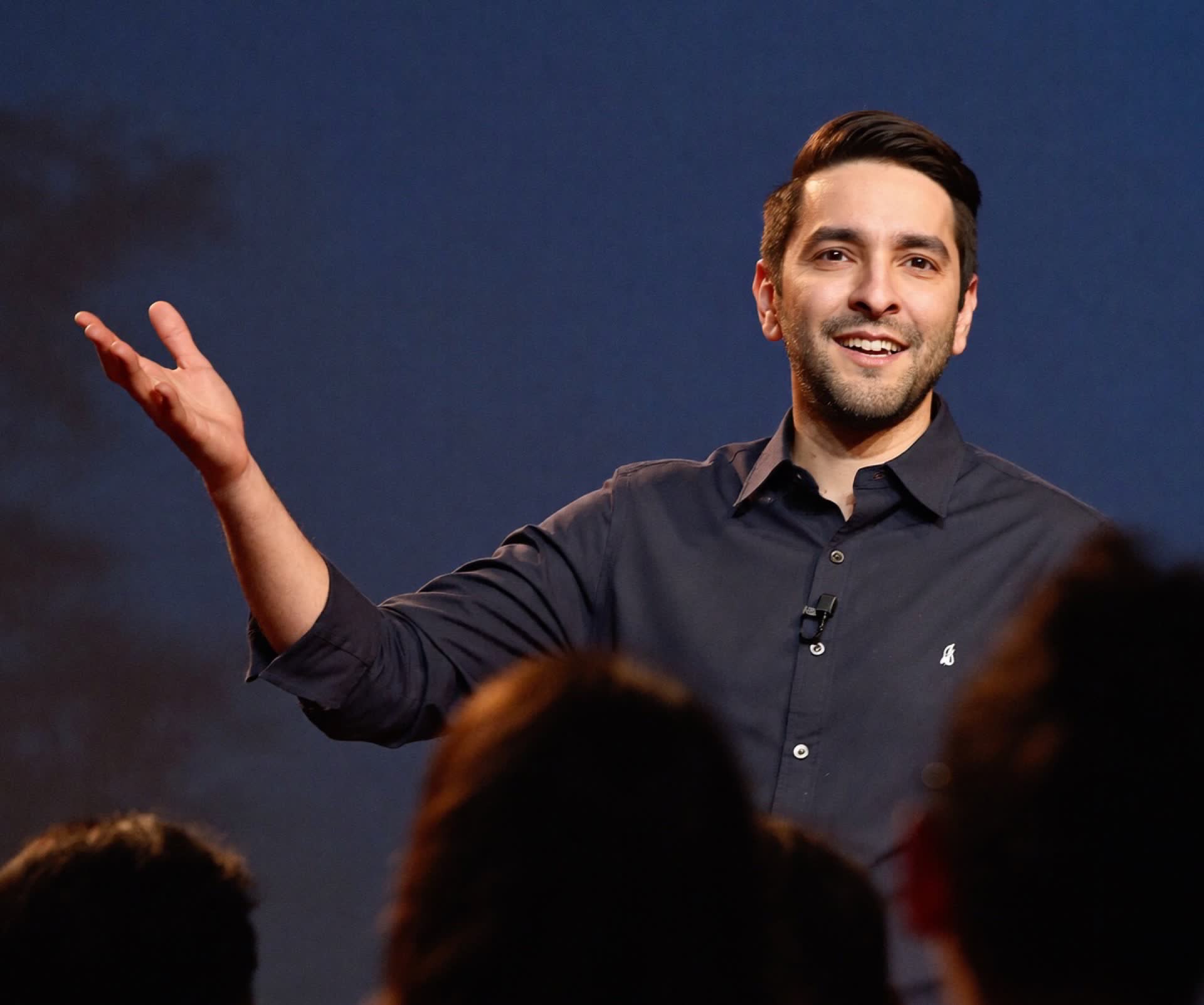
Thought Behind Things · Dec 22, 2023 · 1:39:50
Pakistan does not have 240 million customers — and we made that number up
Raza Matin — founder of PayPro, Brandverse, and Chikoo, and the man who helped get YouTube unbanned in Pakistan — on why the 240 million people pitch was deliberately constructed at Google, why technology in Pakistan is mostly parasitic, and what it actually takes to digitize a small retailer's business.
with Raza Matin
17 min read
A Dubai studio, a missing hour of footage, and a guest with three businesses
The episode opens with Muzamil flagging, on camera, that something went wrong with his own footage during recording. He recorded the conversation at the Dubai studio with Raza Matin — founder of PayPro, Brandverse, and Chikoo — and discovered afterwards that part of his side of the shot was missing. He apologises on the record, asks viewers to bear with the editing, and moves on. It is a small moment, but it sets the tone of the whole conversation: matter-of-fact, no spin, no performance.
Raza was born in Dubai, spent his first six years there, moved to Oman for the next eleven or twelve, and then went to Canada at seventeen or eighteen. He studied economics at Queen’s University in Eastern Ontario. He has never actually lived in Pakistan for any extended period until he moved there in 2012. Muzamil notes the distinction directly — Raza did not move back to Pakistan, he simply moved there for the first time as an adult. Raza agrees.
When Muzamil asks what the relationship with the country was like growing up, Raza pushes back gently on the romantic version of the diaspora narrative. “I don’t think if you actually ever live here, you get a true appreciation for the nuances and you build that strong relationship with the culture, the people, the cities,” he says. “I think people overstate your connectivity with the country based on these small interactions or these short interactions. I don’t think you truly build that part of the identity.”
How Raza and Tania actually got YouTube unbanned
Before the businesses, there is the Google chapter. Raza spent close to five years as the country consultant representative for Google in Pakistan, starting around 2015 — roughly a year before YouTube was unbanned. He calls his contribution to that effort “one of my finer contributions to the country.”
The reason YouTube was banned in the first place, he explains, was a stalemate. The Government of Pakistan wanted oversight on content — including the discretion to take down content at a global level, not just in Pakistan. That was incompatible with Google’s policies. Neither side would move. Politically, nobody in government wanted to be seen as giving Google permission to do as it wished.
The fix, Raza says, was internal to Google, and credit for it goes “nearly entirely” to a colleague named Tania. The team had to make the case inside Google that Pakistan was worth proactively building a localised content lens for — something that required engineering work, product decisions, and many layers of stakeholder buy-in. Slides were not enough. So they flew Google’s senior leadership to Pakistan for a four-day “whirlwind, whistle-stops tour,” meeting government officials, business titans, creative artists, students, entrepreneurs, and startups. The argument they made was not only commercial. “At the end of the day, Pakistanis deserved the opportunity to learn and benefit from things like YouTube, just like everyone else.” It worked. Raza says the newspaper announcing the unban is framed somewhere inside his house.
”We made up the 240 million” — the most honest line in the conversation
When Muzamil asks how important Pakistan really is to global tech platforms, Raza gives one of the sharpest answers in the episode. He is willing to name the narrative for what it is.
“That for that narrative — the 240 million people, one of the youngest populations in the world, one of the lowest median ages in the world, highly connected or increasingly connected population, high proficiency in English relative to a lot of other markets — that narrative was unashamedly created by myself and my colleagues at Google when we were trying to sell Pakistan internally to get a lot of our product issues and challenges sorted.”
The narrative then propagated. It became folklore. Raza is not apologetic about having created it — it was what was needed at the time — but he is very specific about what is actually realisable underneath it. The headline number is 240 million. The actually-addressable population, in his read, is the subset that is connected, has disposable income, and has the digital literacy to transact: somewhere around 60 million people. That is the size of the United Kingdom. It is still a serious market. But it is not 240 million, and pretending it is leads founders and investors into bad decisions.
He adds a second layer. Those 60 million sit inside 240 million, distributed across a very large geography with many cultural nuances. So even where the demand exists, the distribution, sales, and marketing challenges of reaching it are complex. “Is the opportunity there? Absolutely. Is it as large as we would like to think or others would like to have us think? No.”
Parasitic technology versus beneficial technology
Muzamil asks why Raza left Google in 2020. The answer is partly COVID, partly the question of what he would leave behind. “If you were to die and people were to look back on your life, what would they say about you? Have you left footprints in the sand or have you left mountains?” He did not want his legacy to be “a bunch of reports or some advertising sales numbers.”
What he took from Google was a particular thesis about technology: that it can be a force of uplift, not just economically but socially, and that this had not yet been done well for Pakistani businesses. He frames the prevailing relationship Pakistani retailers have with technology as parasitic. The example he gives is the card-acceptance machine sitting on a counter.
“Go to a retailer today, and he will have this credit card machine that sits on his counter. Ask him how much that credit card machine costs in his business. He’ll say 1.6%, 1.8%. Ask him what he gets in return. He’d be like, I get the money in my account two days later. So it cost him 1.8% of a transaction to get the money two days later, and ask him what was the benefit of all of this. He would say, I don’t know.”
That, in Raza’s framing, is what parasitic technology looks like. It charges, but it does not help the merchant find new customers, increase the average sale, increase profitability, reduce losses, or manage inventory. The mission he set himself when he left Google was to figure out what beneficial technology for a Pakistani merchant would actually have to do.
PayPro — and why the rails existed years before anyone used them
The first business in that lineage is PayPro, which Muzamil notes preceded Brandverse and Chikoo sequentially. PayPro grew out of an earlier venture Raza’s father had started, which over time was reshaped into a fintech. The product, in plain language, takes a bill from a merchant or business, sends it to a consumer through whichever channel — SMS, email, WhatsApp — gives the consumer the option to pay digitally through card, debit, banking app, EasyPaisa, or JazzCash, and reconciles the transaction instantly. Two days at a bank counter becomes two clicks.
The point Raza wants Muzamil to sit with is not the product. It is the timeline. The rails PayPro was built on — specifically the 1LINK bill-presentment rails that allow a third party to send and receive transaction confirmations programmatically — existed for three, four, maybe five years before PayPro was founded. Nobody had used them. “I think it goes to my point about the fact that we need to build business solutions, not services. The same services that we built PayPro on existed for maybe three, four, five years before we did it.”
The implication is uncomfortable for the Pakistani fintech narrative. The bottleneck has not always been infrastructure. Sometimes it has been the absence of a founder willing to package what was already there into something a small business could use.
Muzamil pushes on the question that has dogged Pakistani fintech for a decade: why is digital onboarding for SMEs so weak? Why does every product get sold to “large, medium and large” rather than the small e-commerce seller or the social-commerce operator running live sales on Instagram? Raza’s answer is honest and unflattering to the industry he is part of. “Because we aren’t truthful with ourselves.” Products get created in a vacuum, then audiences get retrofitted to them. PayPro itself, he admits, had this problem — the original product required a level of digital hygiene (a CSV of students, a list of parents) that informal businesses simply did not have. Four years later, an individual with a registered sole-proprietor business and a national ID card can onboard in twenty-four to forty-eight hours and start accepting card, debit, wallet, and bank transfers. Informal businesses — a girl in Sahiwal selling embroidered clothes from her Instagram, in Muzamil’s example — are still out of reach, and Raza is direct about why: the payment schemes do not allow it, and PayPro does not yet have the marketplace-model intermediary structure to take responsibility for the KYC.
Brandverse — the boring infrastructure of Pakistani retail
Brandverse, the second business, is where the conversation gets genuinely interesting from an infrastructure point of view. Raza describes it as having two halves. The first half is, in his words, “the only at-scale creator of ecommerce content in Pakistan.”
The picture and information attached to a bottle of water on Carrefour’s website did not appear by magic. Someone photographed it. Someone wrote the name, the description, the ingredient list. Someone made sure the same product appears consistently across the three hundred other retailers selling it. Over five years, Brandverse has built what Raza calls Pakistan’s largest aggregated database of high-quality product information, structured to the GS1 global supply-chain standard. “If you give me a product, I can tell you based on its barcode, its ingredients, place of origin, height, size, width, depth. I can tell you its brand name. I can tell you where it was manufactured. I can tell you all of this information. I can even tell you how it’s sold in terms of bulk packaging.” Bottles of water and cans of soup were the starting point. The same content factory now serves some of the largest fashion brands in Pakistan.
Muzamil challenges him on the obvious failure case — Daraz, whose product metadata he calls “trashy” on the record. Raza does not flinch but he is fair. The reason marketplace metadata is bad, he says, is that creating good content is genuinely hard for the seller. “You’re asking the person who typically sits in a shop to take beautiful photographs, write fantastic descriptions with detail, do it in English, and provide all the information you’d find on the physical box. The answer is because it’s hard. That’s why it’s not there.” Amazon’s metadata is better because Amazon enforces high standards, but the trade-off is fewer sellers. The fix, Raza argues, is structural — give the seller a barcode scanner inside their phone and have the title, ingredients, descriptions, and dimensions fetched from a referenceable database. The seller types nothing. The platform gets clean data.
The language of commerce
The metaphor Raza reaches for to explain why this matters is one of the cleaner pieces of thinking in the episode. He compares the structured product database to what Google Maps did for location.
“Much like what Google Maps does for location — it takes those weird little numbers, those GPS coordinates, and translates them into something more meaningful. It translates them into the name of a place, a name of a street, a particular location you’re on. And what Google Maps has enabled are innovations like Careem and Uber. They’ve enabled Foodpanda, for example. They’ve taken many disparate actors and connected them together using the language of location.”
A barcode plus structured context, in his framing, can be the equivalent for commerce. Once retailers, marketplaces, dark stores, kirana shops, and delivery aggregators share a common product language, new businesses become possible. The example he uses is hyperlocal: instead of a bottle of Coke coming from a dark store three kilometres away in five minutes, the same bottle can be sourced from the kirana shop twenty metres down the street in one minute, picked up by Chotu and delivered. That kind of routing only works if every actor in the chain references the same product the same way. “But that’s only possible when you start with creating the language. And that’s what we’ve done at Brandverse.”
The Foodpanda Shops example Muzamil raises is the same problem in a different costume. Grocery shops with low margins, huge SKU counts, and prices that change every time a distributor walks in were a logistical nightmare for Foodpanda to onboard one by one. Their answer was to retreat to dark stores. Raza’s argument is that a shared product language with API-level price-fetching and a margin call on top makes the small kirana addressable again.
Chikoo — an operating system for the merchant, embedded inside the card machine
Chikoo is the third and most ambitious piece. Raza describes it as the packaging layer — the database is the chemical, Chikoo is the pill the merchant can actually swallow. The original idea, he says, was “Shopify for this part of the world.” But as his team worked closely with merchants, the list of needs widened: financial reporting, inventory management, a point of sale that ties together walk-ins, ecommerce orders, Instagram and Facebook orders, and Foodpanda orders into one window. Everything in one place, in the palm of one hand.
The product today runs on phone, tablet, browser, laptop, and desktop. And, in what Raza calls the announcement that brought him to this conversation, it now also runs on the Android card-processing machine — through a partnership with Bank Alfalah. “The device that’s sitting on so many retailers’ counters today and not doing anything other than processing payments and churning out receipts can do so much more,” he says. Chikoo embedded on that device turns it into an inventory system, an ecommerce front end, and a point of sale all at once.
The consequence of that embedding is one of the more arresting passages in the conversation. When a typical retail card transaction happens, the bank sees an amount, a timestamp, a merchant ID. Nothing about what was actually purchased. With Chikoo’s line-item data married to cardholder identity through a loyalty program or phone number, that changes completely. “If you’re buying diapers, based on the type of diapers you’re buying, I can tell what the age of your child is. I can also tell you whether your child is sick at any given point in time.” He acknowledges, on the record, that this is “slightly creepy but very powerful” — and exactly the kind of marketing signal that has historically been unavailable in Pakistani retail.
Muzamil asks why Bank Alfalah and not JS Bank — the institutional investor on Brandverse’s cap table. Raza’s answer is operational. JS Bank does not yet have an acquiring business; it is building one. Bank Alfalah, by contrast, has been one of the largest acquirers in Pakistani internet payments since the early days of card machines in the country. For a payments product, that footprint matters.
Why he did not raise from VCs — and why VCs are doing God’s work anyway
Brandverse has raised roughly $2.5 million to date, largely from institutional investors in Pakistan, with JS Bank as the named anchor. Muzamil presses him on why he did not go to the wave of Pakistan-focused VCs that emerged in 2020 and 2021 — Indus Valley Capital, Zayn Capital, and others.
Raza’s answer is one of the more self-aware lines in the conversation. “I don’t think as entrepreneurs or a business we are a good fit for VCs. The reason for that is we are very hyper-realistic in our outlook, myself and Faizan, my co-founder. We find it very difficult to lie to ourselves or give into delusions of grandeur. So given that, it’s very difficult for us to spin a fantastical tale that — I understand why people want it. We’re just unwilling to give it.”
He is at pains not to dismiss venture capital. He calls what VCs do “basically God’s work” — backing ambitious founders with the realisation that the money could go to zero. He just thinks the model is not for every Pakistani company, and certainly not for a slow-burn infrastructure business serving a market whose understanding of the product is itself still developing.
The blow-up: Swvl, Airlift, Carfirst, Dastgyr — and a defence of failure
Muzamil walks him through the Pakistani startup bloodbath of the previous eighteen months — Swvl, Airlift, Carfirst, Dastgyr’s redesign, the broader pullback. He asks what went wrong, carefully framing the question to avoid trashing the founders.
Raza is generous and clear. “I don’t think it was necessarily the fault of the entrepreneurs. Their responsibility is to dream big, to try to change the world. So they did, and people bought into the idea, backed it. Good for them. The only challenge was that the expectations were unrealistic. They were disconnected from the realities on the ground.” Money, in his framing, is not just an amount — it is also an expectation about how much comes back, how, when, and how quickly. The wrong expectations on the wrong timelines force founders to do things they should not be doing. “Growth hacking sounds cool, but it also sounds very dangerous. Hacking doesn’t always work out.”
His second point is the one Muzamil seems most struck by. Failure is not the disaster the Pakistani ecosystem treats it as. It is the mechanism through which the ecosystem learns. The right response is not to disappear and emigrate but to publish honest postmortems — written by the VCs and founders themselves, not by investigative journalists. That credibility is what makes the lesson stick.
The collaboration question that runs alongside this is just as bleak. “Based on the number of MOUs that are signed in this country, you would assume collaborations are happening left, right and centre. But if you really look past the MOUs, doesn’t really seem like much is happening.” He attributes the failure of data-sharing partnerships in Pakistan — the precondition for the credit-scoring revolution Muzamil keeps hoping for — to trust, possessiveness, and a culture of signing instead of delivering. His blunt instruction on data hoarding is worth quoting: “Why over-index on protecting your data when you don’t know what the quality is? You’re just assuming it’s very good. Put it out there. Test it. If you keep it to yourself in the hope one day that you’re going to leverage it to some benefit, we’ll still be waiting. Today is 2023. We’ll be 2030. We’re still talking about all the data we have and the fact we’re doing nothing with it.”
Pakistan at 2050 — and a father’s hope for his child
Muzamil closes with the question he asks every guest: what does Pakistan look like in 2050, twenty-six years out? Raza’s answer is careful. He thinks Pakistan will be stronger, hopefully more economically settled, hopefully more at ease with itself socially. He reaches for the framing that the country is, at 75-odd years old, still a baby in country terms — a very large country with a complex cultural fabric, repeatedly finding itself in the same quagmires not because it has failed but because the path through is genuinely long. “Maybe we are where we were supposed to be, because this is one of those paths that we have to cross towards where we’re going to be.”
He does not promise he will still be in Pakistan in 2050. But he is clear about the test. “I fundamentally hope it is a place that my child calls home.”
Muzamil closes the conversation by acknowledging that he had cooled on doing podcasts at all — Pakistan’s mood, the world’s mood, the sense that nobody gives much of a damn about startups when broader social anxieties are louder. He thanks Raza for restoring some appetite for the format. The recording wraps quickly. Raza has another meeting to get to. The promise is taken for a round two.
Full transcript
सावना कपातिना अंज़राज. Welcome back to the three hundred ninety third episode of thought behind things. Today is the 12/22/2023 and आज हमारे साथ मौजूद है रज़ामतीन who is the founder of PayPro, brand verse, Chico and previously वह Google में थे and he was instrumental in getting YouTube unblocked in Pakistan. आज की conversation बहुत important है एक तो यह है कि Pakistan में जो आजकल sentiment है of business, of economy, of startups तो उसके ऊपर I tried to I wanted to understand because alhamdulillah he is doing well and they recently had a very interesting and fascinating announcement as well. तो जहां पर बहुत सारी startups जो हैं वह you know wrap up कर रही हैं वह MLAs की तरफ़ जा रही हैं. यहां पर एक actually startup है जो कि core problem के ऊपर focus करके they're actually steadily growing. इनकी recently बैंगलोर फ़ला के साथ एक announcement भी आई थी. Spoke about that as well. Unfortunately, we did not have enough time he had to go to another meeting तो मैंने तो उनसे तीन साढ़े तीन घंटा कहीं नहीं जाना था conversation plan की हुई थी but we had to cut it short I would like to apologize because मैंने realize नहीं किया but मेरा जो camera था it was not recording or it was recording we will see किसको किस तरीके से हम fix करते हैं so there is a significant part for an hour जिसमें जो मेरी footage है वह थोड़ी सी missing होगी या अजीब होगी तो I do apologize for that but largely because the guest was speaking and that footage is there so issue होना नहीं चाहिए. अगर आप channel पर नए हैं तो subscribe करना मत भूलिएगा. अगर आप और आने हैं तो video को like करना मत भूलिएगा. It really helps the algorithm. अगर आपके कोई thoughts हैं तो हमें comment section में ज़रूर आ के बताएं. Read all the comments. It really helps me improve the quality of the conversation. अगर आप overseas पाकिस्तानी हैं तो नीचे link के ऊपर click करके आप हमें support कर सकते हैं through Stripe and help us remain independent for as long as possible. But anyways, this is रज़ामतीन on TBT को Dubai studio. राजा how are you? Doing well. Thank you for coming on the show. My pleasure. मुझे पहले थोड़ा सा बताइएगा just to start off where were you born and early life आपने कहां पर गुसारी?
Born right here in Dubai. Really? Yeah, absolutely. Spent the first six years of my life in Dubai, then moved across to Oman. Mhmm. Spent the next eleven, twelve years there. Moved across to Canada in at the age of 17 or 18,
and university there. So started right here. Oh, that's true. So you've never really lived in Pakistan long enough until you actually ended up there a few years ago. Absolutely. I moved to Pakistan. I didn't move back.
Interesting. Yeah. Absolutely.
Was this because your father was working in a sort of an MNC, moving around consistently? Or were you guys just hopping jobs or?
No. My I grew up a very privileged life. My father was a accountant, chartered accountant with one of the large firms in The Middle East. He led the practice across the region. So we sort of grew up here very comfortable, you know, very safe, very insulated as it happens in this part of the world and then, you know, move to Canada at, you know, when he sort of retired. Right.
क्योंकि मेरा अपना एक ढाई साल का बेटा है और मैं बड़ा उसके बारे में सोचता हूं कि यार अगली generation है तो पाकिस्तानी but growing up outside of Pakistan उसके बहुत सारे फवायद हैं. You're interacting with a lot of different nationalities, of different cultures. But if I would to ask you आपका जो Pakistan का relationship था growing up what was that like? Knowing that you are inherently a पाकिस्तानी I am assuming कि शादियों वगैरह भी तो आप आते होंगे family की. Yeah, I mean during the summers you know grandparents
spending time here with cousins etcetera and what not so you know at least a couple of times a year we were in Pakistan if not more. So what was the relationship like? Distant, I think. You know, I don't think if you actually ever live here, you get a true appreciation for the nuances and you build that strong relationship with the culture, the people, the cities. I think, you know, when I finally did move to Pakistan, you know, in the mid-2010s, etcetera and whatnot, that was when I actually started really building a deeper relationship with the country and the people and the culture. I I think people overstate your connectivity with the country based on these small interactions or these short interactions. I don't think you truly build that part of the identity. I think, you know, because our parents are Pakistani, because they grew up here, because we speak the language, because we eat the food, there is the cultural component is there. I think that gets inclined. But do we really think of ourselves as पाक्ष्टानी at that age or one who we share a lot of commonality with the average Pakistan, you know, absolutely not. Not especially if you grew up outside of Pakistan like we did. Interesting. So, दो हज़ार दस में you said you moved to Pakistan? 2012. 2012. Why did that happen?
बल्कि उससे पहले, where did you go for your university?
Queen's University in
Eastern Ontario, yeah, Canada. And what did you pursue?
Economics. अच्छा. Yeah, everyone would have always thought that I'd pursued a technology related degree, but no. High school had a great economics teacher, fell in love with the subject. By the third year of university, fell out of love with the subject, but finished finished it nonetheless.
And what year was this?
The year I graduated. Class of 2005 or '6 I wanna think. Right. Something like that. And so where did you work? Straight up. So right after university, I was sort of pulled back to, shortly after that, I sort of came back to Pakistan. Mhmm. My father and my mother had moved back to Pakistan. They wanted to spend their golden years in the country, hasn't gotten older. As he said, I think, you know, you want to be there to be able to wipe the tears of your brothers and sisters, etcetera and whatnot, especially when they've lived most of their adult life outside of Pakistan. So they got into a couple of things. They started, my father started a technology venture. A year later, I got a call for help that you need to come and help. So I sort of moved across to Pakistan, spent a bit of time here. Didn't really work out that well. I couldn't really find myself compatible with the Pakistani way of working. So I ended up going back to Canada. Ended up getting into project management, worked in retail, retail project management, setting up facilities and projects across the country in Canada. And you know, the call to come back home became very strong. So, aging parents, that's often the case. So, we came back to Pakistan. So, more or less since then, been in Pakistan since pretty much 2012. And what what did you do when you came back? Did you come back with a plan or did you just come back and were like देखी जाएगी क्या होता है? No, I think look the work that I had started earlier when I was here that company had sort of moved on a little bit. It had changed course at that point in time we created a fintech That fintech today is known as PayPro. It's a payments company in Pakistan. Did that for a while, but then sort of got bored with that. Went and did the Google thing for a while, starting, I think, more or less 2015, I want to say. What was that? I was the country consultant representative for Google in Pakistan for the better part of five years. Ok. What is that into it? Taking care of things in Pakistan. Okay. Making things Sales related mostly? A policy and everything? A little bit of I'd like to say a little bit of everything. Okay. Right? So so '24 a year before YouTube got unbanned. Yeah. We're part of that effort bring bringing YouTube back. It's one of my finer finer contributions to the country.
What was happening at the time with YouTube? दुनिया भर में technology बहुत evolve कर चुकी है. अब आप घर बैठे एक mobile phone से पूरी दुनिया में किसी किस्म की भी different assets, stocks या even cryptocurrencies ख़रीद सकते हैं. जहां पर यह technological evolution आए वहां पर भी unfortunately हालात ऐसे हैं कि economy एक ऐसी जगह पर पहुंची हुई है कि बड़े आजकल बुरे हालात हैं, inflation बहुत ज़्यादा बढ़ रही है, savings हमारी deplete हो रही हैं. ज़्यादातर लोग investments करते ही नहीं हैं और जो करते भी हैं वह 90% losses unfortunately बनाते हैं. इसी problem को solve कर रहा है sharmaya.p k जो कि अपने financial trading platforms पर trainings भी offer करता है और data भी offer है जिससे आप पूरी दुनिया की markets ख़ासकर पाक्षतानी markets को आसानी देख सकते हैं. अगर आप लोग अपनी investments और trading में struggle कर रहे हैं तो I would definitely urge you to check out Sharmaya Financial's platform. It's a remarkable place जहां पर आपको बहुत interesting you know, reports के through data भी मिलता है, investment की advice भी मिलती है और ख़ासकर उनकी trainings जहां पर उनके experts जो हैं वह आपको crypto और stock market और commodities और assets के अंदर trade करके पैसे कमाना सिखाते हैं. So check out the platform and check out their trainings. Now back to the podcast.
So interesting issue. We were sort of at a stalemate situation. And when I say we, when I'm talking about Google where, you know, the government of Pakistan was unwilling to bend on their request that they have oversight on the content in Pakistan. Okay.
And the the idea was que they can remove any content
as they wish? That's correct. Right. For them to have discretion over it. Right. Effectively to be able to curate the content that Pakistan sees and potentially even take down content that Pakistan sees feels is offensive at a global level. Right. So no one would be able to see it. Obviously, this was incompatible with the values of Google and the policies there. Google did have a policy of creating lenses for countries where certain content is made unavailable in certain parts of the world, based on social nuances, cultural acceptability, etcetera, and whatnot, which they do in this part of the world as well and whatnot. But at the time that I joined, Google was and the government of Pakistan were at a bit of a stalemate. Neither one was willing to bid, budge, and get to the point in the conversation required where a solution could be hammered out. On the government side, what they didn't want to be seen doing is kowtowing to the likes of Google. And certainly, no one in the government wanted to be seen as giving Google permission to sort of do as they wish. Right? I mean, that was a very politically unfavorable decision, especially given the circumstances in which YouTube was banned in the first place. So, you know, it it was interesting times, right? At, you know, at that point in time we didn't have YouTube ads or Yeah. That you could We didn't even realize the potential of what could happen with that, right? Yeah, absolutely. We had no idea. And so so how did how did it eventually get resolved? A it's an interesting story, but what I can tell you is the way we did it is we were able to push internally, and a lot of credit goes to nearly entirely goes to Tanya, who's very famous as you know, for making this happen. But the way we the way we ended up doing it is we had to really make the case internally at Google to proactively provide lensing to Pakistan, localization, which is what you see today when you sort of go into Pakistan. You see a specific set of content that's deemed culturally acceptable and where changes and edits can be made by the government according to Google policy.
But for within Pakistan only? Within Pakistan, right?
But to bring that to the table, there was a tremendous amount of internal machinery that had to move to even make that a possibility. And what Tania and the rest of the team, including myself, did was we had to first sell Pakistan. We had to sell it internally at the highest levels that this massive effort and it's not just a matter of flipping on a switch or anything along those lines. Right? It's actually a engineering effort. It's a product decision. There's a there many, many layers, many, many stakeholders that need to be placated before something like this can happen. We had to make that case that this is something that should happen, and we did. And the way we did it is there's only so much we can show of Pakistan on a slide deck. Right? And what we ended up doing was bringing key leadership of Google to Pakistan, doing a wonderful four day trip across Pakistan, whirlwind, whistle stops tour, meeting everyone from, sort of, folks at the government to titans of business industry to creative artists like yourself and students and entrepreneurs and startups and really helping them understand that Pakistan was worth taking this internal fight on for and that there was reason to do so. And not just commercial that, you know, at the end of the day, Pakistanis deserved the opportunity to learn and benefit from things like YouTube, just like everyone else. And if that required, a little bit of leniency or a little bit of flexibility, internally, that is worth fighting for. And we did, and we caught it. And, you know, I I think I have that newspaper article framed somewhere inside my house. Right? October I think, sometime in October that officially, you know, YouTube was unbanned.
And in terms of I mean, क्या उस time पर बेचा, probably slides बनाई होंगी. कुछ ना कुछ वह किया होगा. How important do you think Pakistan is for YouTube but rather अगर मैं इसको wider करूं for the global tech platform industry if that makes sense? What I'm trying to understand is, you know, we we hear about this with the fifth largest country in the world, huge numbers of people online, so on and so forth. On a simpler, वह तो ज़ाहिर है. अगर मैं raw number पर देखूं तो बहुत एक important, potentially important market appear होती है. But ज़ाहिर उसमें यह element भी है कि उसमें से जो लोग connected हैं वह तीन तीन रुपए per day के हिसाब से कि internet के ऊपर तो हैं. लेकिन क्या वह उसकी economics में आते हैं? क्या उनको ad serve हो सकते हैं? क्या actual पैसा drive हो रहा है या you are like a क्योंकि every time you are watching a video essentially your your your Google is losing money, right? AWS का या जिसका भी cloud का. So are you one of those के number तो बहुत बड़ा है but you are not really valuable audience for any platform for that matter.
So interestingly enough, the that for that narrative, the 240,000,000 people, one of the youngest populations in the world, the one of the lowest median ages in the world, highly connected or or increasingly connected population, you know, high proficiency in English relative to, a lot of other markets. That narrative was unashamedly created by myself and my colleagues at Google when we were trying to sell Pakistan internally to get a lot of our product issues and challenges sorted. So there there are a few common folks that we know, that sort of were part of that. And that narrative just sort of propagated itself the more it was shown, etcetera and whatnot. It became part of folklore. But, you know, the numbers are not everything. Right? And numbers can be shaped to suit a particular narrative. And I have no shame in saying that we did it for what we needed to do at the time, which was to sell the potential of Pakistan. Now, one part of it is the potential of Pakistan. One is the realizable potential of Pakistan. The reality is, yes, we have 240,000,000 people, but we also have 240,000,000 people who are largely with a low level of education, average level of education, a low level of disposable income at a wholesale level, low level of actual consistent connectivity. That's not as attractive as when you just say 240,000,000 people. Right? So the reality is we have a large, connected, young population that has disposable income, and that that number is a subset of 240,000,000 people. Let's say about fifty, sixty. That's not a small population. You know, that's the size of The UK. Right? So it is absolutely a market worthwhile going after, but it's not a 240,000,000 market either. Right? So the market's actually a lot smaller. The challenge that we have and the challenge that Pakistan faces is that it's 60,000,000 people amongst 240,000,000 people. Right? It's, and that those 240,000,000 people are across a very large geographic area, across many different cities with many different cultural nuances, etcetera. So it's not as easy as launching a product or a service in Pakistan, and just because it's useful that it'll catch fire, the challenges of distribution, sales, and marketing are very complex in Pakistan because of the fabric of the country and the way it's done. So, Is the opportunity there? Absolutely. Is it as large as we would like to think or others would like us have us think? No. Is it realizable? Is it something we can take advantage of? Absolutely.
Why not? Interesting. You left in 2020, that Google position. Yeah. Something like that. Right? Why did you leave?
Desire to do something more substantial. At a personal level, I think, you know, maybe you have those moments, and maybe COVID was one of those moments where it made you think that if you were to die and people were to look back on your life, what would they say about you? Like, what have you accomplished? Have you left footprints in the sand or have you left mountains? Right? And I was very clear that I did not want my life to be a bunch of reports or some advertising sales numbers or something like that. It had to be much more substantial. And, you know, the appreciation I'd gained from my time at Google was that you can be ambitious. You can think 10 x. Right? You can be crazy in terms of ideation. And, you know, you match that with the ability to execute, and you can maybe make some great things happen. From my previous life working in technology, I'd also seen, and even at Google, I'd seen that technology has a very real ability to uplift, not just economically, but socially and otherwise, the lives of people. So, I struggled with the idea that technology was only for the big banks or the big IT companies or large enterprises of this world that I fundamentally believe that every business deserves the chance to be a better business. Right? And that's sort of the mission I sort of ran after. And, you know, and I credit Google for a lot of that thinking, right, about how digital tools can actually help drive growth. You don't have to have a parasitic relationship with technology. Right? You can actually have a beneficial relationship with technology. And, how do we make that happen for Pakistan? Explain that thought, parasitic relationship versus benefit
beneficial relationship.
So it's interesting. Right? Go to a retailer Mhmm. Today, and he will have this credit card machine that sits on his counter. Right? Ask him how much that credit card machine costs in his business. He'll say 1.6%, 1.8%. That's what it costs me to process a transaction. Ask him what he gets in return. He'd be like, I get the money in my account two days later. So it cost him 1.8% of a transaction to get the money two days later and ask him what was the benefit of all of this. He would say, I don't know. But what has it actually solved for him? He's not sure. To me, technology positioned in that fashion is parasitic. It's not actually value additive to that merchant. How can we use technology in a way to get that customer or get that merchant more growth? How can we help him find new customers? How can we increase the average sale to his customers? How can we increase his profitability? How can we make sure he loses less money on certain transactions or less on inventory. These are things that technology can do. And because of that, technology can actually be a force of uplift for businesses. It doesn't have to be parasitic. But then that said that brings about the question, why hasn't it been done yet? Why aren't more businesses using technology? And that's the problem I set out to solve.
What was that prob? Like, so 2020, you leave Google and you started BrandBurst straight up?
Yeah. More or less. I actually had started it while I was at Google. So I was literally doing my startup, and I was doing my work at Google at the same time. So doing two jobs, burning the candle on both sides. Tell me about Brandverse,
and it's not not just Brandverse. You you you spoke about PayPro. Mhmm. Then there's brandverse and then there's Chico. Mhmm. Right? तो अगर आप तीनों को explain कर सकें कि what are all these things that you do and how do they connect really? Because they're theoretically in three very different areas and it's एक manage करना मुश्किल होता है, तीन कैसे manage हो रहे हैं? Sure.
Let's talk about paper first because that sequentially came first, right? So April is really interesting in the sense that when I moved to Pakistan, more or less the second time or maybe even a little bit earlier, I was amazed at the fact that we were constantly still using cash. Right? I was paying my bills in cash by check, etcetera, and whatnot. Like, there's gotta be a better way to be to be able to pay our bills digitally. I mean, we did everything in Canada digitally. Right? You paid you even send money over email. Right? Why can't we do the same thing in Pakistan? So we realized that the rails existed. Right? The issue was that no one had really taken those rails and turned them into a business solution to enable others to accept digital payments. So what we created with PayPro was effectively digital invoicing and digital payment. So whether it's paying your school bills, whether it's paying your water bill, your electricity bill or anything else, PayPro takes a bill from a merchant or a business, sends it to a consumer, gives them the option to pay for it digitally, and facilitates that transaction and the reconciliation, and makes a little money in between. Interesting. So what PayPro does is enable companies
to send bills, collect bill collect payments against those bills and complete the transaction. Makes sense. इसमें मुझे एक बात बताएं कि for example अगर मैं आज जो product as it exists today let's assume I'm a school. I have a 150 kids in my school and every every two months you know the parents have to pay the fee या तो वह आऐंगे और आकर वह cash देंगे. मेरा कोई accountant बैठा होगा वह autonomously invoice generate करेगा और उनको email कर देगा या उनको text message या WhatsApp उसके ऊपर वह एक link के साथ appear हो जाएगा. Once it's appeared वह उसके ऊपर जा सकते हैं और जाकर वह उसी वक़्त bill pay कर सकते हैं. बिल्कुल. अब वह जो bill pay है वह किस process के through हो रहा है? Credit card, debit card, bank transfer, easy पैसा, how does that work?
So effectively what this what paper allows billers to do. Let's say in your example the school, is take the list of students that need to pay. That list could be in the form, it could be API connected to our system or it could be literally an Excel file that someone creates and uploads. We send that information to the parents through SMS, email, WhatsApp, whatever channel is required. They receive it and they can then pay that bill through credit card, debit card. They can pay it through their banking apps. They can pay it through EasyPaisa, JazzCash, and other sort of solutions. The minute they pay it, right, they the bill is set off and settled instantly. They get a confirmation that the bill's been paid, and the transaction's complete. This pales in comparison to standing in line at a bank branch for hours trying with a particular form trying to send money in over a counter, etcetera and whatnot. So that's the issue itself. How do you reconcile the
payment and the confirmation? Right? So, जो जो payment है वह less assume मैंने मैं गया और मैंने choose किया bank transfer. Now am I transferring it to the PayPro bank account or am I transferring it to the customer bank account? And once I'm transferring it तो my understanding is pre रास्त you don't you you're not getting enough information from the person who's transferring to reconcile that, right? So पहले होता था किसी वजह से आप e commerce में होते थे तो आपने एक payment की और फिर आपको एक screenshot भेजनी पड़ती थी to confirm. You don't need to do any screenshots with the solution right and
the initial solution was built on OneLink and OneLink actually provides you the ability a third party like PayPro to send and receive confirmations on transactions. Okay. And it's not there's no screenshots involved. It happens programmatically through APIs. And those APIs existed before PayPro existed. No one was using them. Right? So I think it goes to my point about, you know, I say a lot about the fact that we need to build business solutions, not services. The same services that we built PayPro on existed for maybe three, four, five years before we did it. But it's only when we start building it that people said, oh, okay. So you can also do this with the same set of rails. Mhmm. Yeah. Why not? So I think it's just a matter of looking at rails and trying to figure out what can be done, in which case the specific rails we use at OneLink whereas the bill presentment system. Right?
It's it's it's very similar to what Stripe does in a lot of ways. Invoice creation, online payment processing and so on. Pakistan में आजकल एक एक नई government आई है IT minister के हर tweet के नीचे लिखा होता है pay पहला stripe कब आ रहा है Pakistan? और मैं काफ़ी दफ़ा यह सोचता हूं कि यार essentially, why why can't we build our own and then connect that to a global structure or get acquired later on. इस case में जो and recently I had someone जिनके पास funding भी है Stripe की.
SafePay. SafePay,
absolutely. And interestingly उनका मैं गया manager के when they were coming in तो I went to apply for it और मैंने वह पूरा form वग़ैरह fill किया and then I never heard back from them again. And there's that problem in Pakistan, right? कि हमेशा बात होती है fintech के space में particularly every quarter there are two three new players, there are few licenses that pop up and but हमेशा वह जो जो product solution बनी होती है वह एक 1% key 1% audience के लिए होती है जो कि एक perfect demographic होती है जो कि more often than not कौन होगा एक बड़ा सा retailer होगा Sapphire जैसा और वह एक बड़ा सा यह होगा और बड़ा सा वह होगा. Economy पूरी आपकी SME पर चल रही है. SME largely वह चाहे भी ना तो उसको lift ही नहीं कराई जाती. मैं इधर आया Dubai में तो मैंने Stripe आ गया. Pakistan में similar situation again safe pace trying to do that they are unable to आप भी similar चीज़ कर रहे हैं online invoicing है but वह always focused language में ही होता है कि focused on you know we'll be targeting large, medium and large ideally और हम जो है ना वह बड़ा एक बड़ा player ख़त बैठकर काम कर लेंगे. But जो digital onboarding है जो हम कह रहे हैं कि यार कोई भी आ जाए, ठीक है KYC है ना? XYZ provide करो, आ जाओ, आकर कर लो जो करना है. Somehow वहां तक हम नहीं पहुंच पाते so in in your case for example let's say I'm a I'm a small and medium e commerce player and I want a payment solution on my website and I want कि मैं जो है वह यह डाल सकूं और ना सिर्फ़ वह कर सकूं बल्कि social commerce में बड़े players हैं आजकल. वह run time पर live videos में बेच रहे होते हैं. तो उनके लिए तो बहुत ही useful चीज़ होगी कि जैसे ही वह बंदे ने bid करके final किया उसको उसने ठक करके भेजा tailored to his order और वह जी invoice payment हुई नहीं और पीछे से process हो गया, right? हम वहां तक पहुंच नहीं पाते. Why do you think that is in Pakistan?
Because we aren't truthful with ourselves And this is something that you'll hear constantly from me. I think we say $240,000,000 people, but who are those actually two forty million people? And even within those two forty million, the 60,000,000 people, who are those people, right, that could actually use our service, could, benefit from it in a meaningful and tangible way. The reality is even within those 60,000,000 people, we go for a further subset, especially when we start creating products in a vacuum, which is what often, unfortunately, a lot of us are guilty of doing, including myself at times. Right? Where we'll create something and then try to figure out who can use it or who should be using it. Right? For us, the challenge, at least with PayPro, was that using that system that we'd created was required a certain level of hygiene. Right? It assumed a certain level of understanding of technology. You had to create a CSV or a Excel file or you had to have a system where you stored your students, their parents' information, etcetera and whatnot because that's the information that went into the system and that handled the billing. Right. Right? So institutions or businesses that did not have some form of digital readiness could not really use the system in a meaningful way. Right? Which is why the thinking sort of started becoming that it's not about just digital payments because digital payments don't exist in a vacuum. Right. Digital payments are a component or one of the many rails that form a full business solution. Right? And that's what sort of informed the next idea. Right? Was that we need to go beyond payments. Today, however, just to answer your question, PayPro offers apps that can be used by individuals, businesses to go in, sign up, and then start generating invoices, accepting payments,
etcetera and whatnot as an individual. But it's taken four years to get there. But it's it's it's now live? Yeah, it's there. And is it purely digital onboarding? Like if let's say there is a Digital onboard. Yeah. There is a e commerce player जिसने
So it's about three hours,
right? Either way, but but it is digital onboarding. Can we drive, can you drive me through the process for people who might be listening? Let's say there's a girl in साहिबाल, she sells जोड़े
बनागे and वह मयंक. There's a caveat there and I don't wanna digress too much but the caveat there is due to the restrictions of the sort of schemes and sort of the payment networks, only registered businesses can use it. Right? So informal businesses, which could be me or you as individual capacity, are not typically allowed to directly register on these platforms. Right. You require intermediary who effectively takes responsibility for you, who does the KYC, KYB, etcetera, and whatnot. Because as an informal business, what documentation are you gonna provide me as a business? So, PayPro today does not cater to informal businesses. It's something that's on our road map. There is accommodation for it which is known as the marketplace model and we're working on that. But that's what the other thing Because
to be very honest हमारा Dubai में it's the same thing. Right? Company की अगर मैंने वह license ना डाला होता ना तो मुझे नहीं मिलना था. Absolutely. Which is why मैं इसमें घूसना चाह रहा था because I wanted to inform the consumer as well कि यार बड़ा simple सा है पंद्रह हज़ार रुपए आप एक lawyer को देऊं अभी company दो minute में register करके लाकर आपको पूरा वह FBR का चालान form भी दे देगा. But if you have that FBR document that says that this is a let's say a sole proprietor company that has been registered. You give
that and you give your NIC. Yeah. And and you'll basically be able to accept card, debit, wallet payments, and bank transfers.
And you can send payment links, etcetera, and whatnot to whoever And you how long does the does the payment take to fall into your account once it's been made? It should be twenty four hours. Twenty four hours? Really? Yeah. And how long does it take for the onboarding to complete?
So to, I believe it's twenty four to forty eight hours as of today. And
are you able to at this point in time scale कितना आ रहा है in terms of कितने लोग आ रहे हैं और कितना manageable? Sir the transaction volumes continue to grow but what we have Registration. I think that's a great question. I don't have that number off the top of my head right now. But it's manageable. Yeah yeah. क्योंकि safe way से मेरी बात इन्होंने कहा यार इतना वह एकदम सिर्फ़ flood आया कि हमारे पास infrastructure ही नहीं है उसको manage करने का. And which I found interesting because How technically much trouble behave. Yeah, but nonetheless so ok interesting. You mentioned multiple times. That's where the next problem statement came in. What was the next problem statement? So, sort of the problem the next problem statement was that
it's one thing to do digital payments and to help businesses accept digital payments. But there's a precursor to that. They need to be able to understand what they're invoicing for. They need to have digital tools to help manage their business because it's not just a matter of swiping the card, right, or, sending an invoice. It's about what happens before that, which is the creation of the invoice, the fact that some inventory, was changed or managed, etcetera and whatnot. So we start really thinking about what do businesses need to digitally transform themselves. Right? What do they need to resemble businesses that we'd see any other part in the world, like, you know, whether it's The Middle East or North America, etcetera. Those businesses that use digital tools to help drive efficiency, growth, productivity, why don't we have that in Pakistan? Right? And that's where the thinking for Brandverse came. Right? Brandverse is an entity. It's got two personalities or two halves. Right? One, it does it's the only at scale creator of ecommerce content in Pakistan. Okay. So
what does that mean? What does that mean? For, again, a girl in Sahibal, help explain this to her. Sure.
So when you go to a when you order a bottle of water from Carrefour, or maybe another digital surface, the picture and information you see about the water bottle comes from a company like Brandverse, if not us. When you start thinking about the fact that everything that you see on the shelves, hundreds of thousands of products that you'll find in a large supermarket, for example, or a pharmacy. All of those things need to be sold online, which means all of those things need to be photographed. Someone needs to write the names, the descriptions, and they need to write the ingredients, and it all needs to be accurate. Then you realize that there is actually a tremendous amount of work that needs to be done before you actually see that one product on that website and you hit add to cart. Right? But then you also realize that the same product is also being sold by, like, 300 other retailers. Right? So how are they going to do it? Is everyone gonna take their own photograph of a product? Mhmm. And everything does help. Is everyone gonna write their own descriptions? And then, you know, my my product looks like this on this website, but it looks slightly different on another website. Is it the same product? How do I know? So what we've done is over the course of five years, we've built Pakistan's largest aggregated database of high quality product information to the GS1 standard, which is a global standard for supply chain. And we've documented pretty much the entire retail universe in Pakistan. If you give me a product, I can tell you based on its barcode, its ingredients, place of origin, height, size, width, depth. I can tell you its brand name. I can tell you where it was manufactured. I can tell you all of this information. I can even tell you in how it's sold in terms of bulk packaging. Right? I can tell you whether it's perishable or not. And all of this is made possible through that content business that we've created. The interesting thing is we started building content for the most boring things in the world, which is things like bottles of water and cans of soup and, packs of soap, etcetera and whatnot. But we found we were so great at creating content at scale, very efficiently, and very high quality we even got into fashion. So some of the largest fashion brands in Pakistan, we create content for them too. All in all, whether it's a bottle of perfume, whether it is a pair of shoes, a can of coke, or a can of soup, a bottle of water or a Dress. The latest dress from one of the leading fashion brands. Chances are a lot of that content is being created in our facility in Karachi. Interesting.
And this includes all the metadata. All of it. The the customers, are they I mean, so they must have a certain set of requirements. Sure. But you go above and beyond those requirements based on standard global standards. Absolutely. You said you created the largest repository in Pakistan. Mhmm. What do you do with that repository? I mean customer तो आ रहा product दे रहा है product देकर वह आपको वह information आपसे extract करके ले जा रहा और अब उसके सारे का दर्द है कि वह किस तरह उसको करें? But you have that repository, right? So is that just sort of your your your engine that just stays there in a sandbox or is that being
No, it's open to anyone who wants to use it. So they can come to us, get API access. There's no self onboarding here though. Have You to come meet us, and you get access to it. And then you can consume all the data in our database in your own systems, however you want to use it. So whether you want to use it for retail shelf planning, whether you want to use it for data analysis, or whether you want to use it for enabling magical experiences in your app or platform. We can make it happen.
Has Daras been working with you guys? We do work with Daras as well. If Daras is watching, why is their metadata so trashy? How does one make that better? It's something we're working with them. And it's nothing to do with Daras obviously. The consumer doesn't know enough, but platforms का यह बड़ा problem होता है. But, you know you look at let's say Amazon और you look at I don't know यहां पर वह जो दूसरा बड़ा मशहूर है yellow वाला noon and then you go to the राज and it's just mind boggling कि वह एक बस picture डली होती है और वह भी generally internet से कहीं से source हुई भी है. It's
really horrible. Because it's hard. Okay. Because it's difficult to create content. Remember you're asking, now think about what you're asking a seller to do. Now the seller is the person that you typically go buy something from within a shop. Whether it's a mobile phone or whether it's a toy or whatever, you're asking them to take beautiful photographs and upload them. Maybe with nothing other than the cell phone. You're asking them to write fantastic descriptions with detail and maybe, you know, there's a language barrier and most likely you're asking them to do it in English and you're asking for them to be coherent and complete and comprehensive and provide all the information you could possibly find that in store, which you would have received from just picking up that box. The answer is because it's hard. That's why it's it's not there. Yeah. And if Daras were to put in very, very high standards for content, which Amazon does, They you would find that there'll be a lot fewer products on there. So it's a check and balance type of thing, but it's also a reflection of seller maturity. I have no doubt in my mind that as time increases or time passes, content quality will also improve across all platforms and that's a reflection of the maturity of the merchant base. Right. That is. But it's worth understanding. But अगर मैं for example क्योंकि जो आपने
platform नहीं, data engine की बात थी ना उसमें जो मेरा यह चीज़ interest करती है वह यह करती है ना क्या and I don't know if that that is possible with दराज दराज का अपना engine बहुत बड़ा और powerful है. My understanding is कि मैं दराज के बजाता हूं मैं जाकर एक product list करने लगता हूं. So आपका एक engine है. आपने कहा कि barcode लेकर आओ मैं तो मैं उसका सारा information दे दूंगा. मैं उस पर कहता हूं कि यार again barcoding एक step पर वह hygiene का मसला है कि consumer को तो barcode, shark code की sense ही नहीं है. वह तो product उठा रहा है. छोटे शहर में बैठा हुआ है वह कह रहा बस मैं इसको डाल देता हूं. Technically with with a certain recommendation engine आप जब the minute you start to add the title it should start suggesting you is this your product? Is this your product? Is this your product? And the minute you click on that product all of that data should theoretically be fetched from your API and be made to appear. Absolutely.
100% possible. But you have to understand, the Raz is a global platform. Technology, innovations, and improvements like this are something that they absolutely aspire to because, again, if their sellers are happy, the Raz is happy, consumers are happy. But it's a very difficult thing to achieve. But, yes, if the question is, can we make this happen? Can we power better merchant experiences for Darav sellers? Absolutely. And that applies for every marketplace, including anyone selling on Food Panda, etcetera. Because that arduous process of creating and identifying products and cataloging and uploading them can be reduced to a simple camera operation,
just scanning a barcode. Right? That you don't even need that sort of red वाला barcode machine just a standard You mobile phone
know, any smartphone can be the world's most powerful sort of database of products. Interesting.
You talked about food panda food panda में particularly एक problem statement मैं आपको सामने रख रहा हूं see what you can do with that. Food panda COVID के time के ऊपर उन्होंने start किया food panda shops. Mhmm. और उसमें सबसे पहले आईं grocery shops. क्योंकि उस time पर requirement थी. Eventually food panda जो मेरी उनसे बात हुई है उनको यह realization हुई कि यार grocery shops very low margin huge amounts of SKUs prices inflating deflating every single day. And so it was a, it was a logistical nightmare for a person to a first list all of the SKUs available and then connect that to the inventory inventory management. बड़ा problem हो जाता है because वहां पर आपने वह digitize हुआ भाई नहीं है. And then third, to actually reconcile the prices, right? आपने इतना डाल दिया. अब चार दिन बाद जी company का distributor आया उसने अगला credit दिया उसने कहा दो रुपए price बढ़ गई है. अब आपको जाकर वह तो आप एक बंदा बिठाया जो कि सुभाषा मेर्त कि यही करता रहे. And so what they did was they went through to the dark store route and वहां पर they could maintain that because वह फिर head office से manage हो रहा था और सिर्फ़ products distribute हो रही थी. But जिस तरह से आपने कहा कि अगर essentially let's say पचास करियानी की दुकानें हैं, हर करियानी की दुकान को अपनी डेढ़ने की मस्जिद बनाने की ज़रूरत नहीं है. अगर central repository exist करती है उसको सिर्फ़ यह बताना है कि यार यह मेरा repository है. यह मेरे पास product है और वह theoretically price भी fetch कर सकता है. वो theoretically उसके ऊपर एक margin call बता सकता है कि यार पंद्रह percent margin call है मेरी price तुमने fetch करनी है सुबह पहले ही काम है API call करो latest price fetch करो उसके पंद्रह percent डालो आगे फेंक दो. Is that possible with with something like let's say? Absolutely In fact, was one of our hypotheses that effectively
if you are able to take that simple idea of a barcode and build context around it, you can effectively create the language of commerce. Right? And now what does language do? It allows one person or one entity to communicate to another entity. And if you have a common language with a lot of entities, you can create interesting conversations or transactions. Right? So much like what Google Maps does for location, it takes those weird little numbers, those GPS coordinates, and instead of coordinates, it translates into something more meaningful. It translates it into the name of a place, a name of a street, a particular location you're on. And what Google Maps, what has enabled are innovations like Karim and Uber. Right? They've enabled Food Panda, for example. And what they've been able to do is take many disparate actors and connect them together using the language of location. You're not standing on a corner of a street saying, hey. I'm here. Right? That language of location powered by GPS and Google Maps is doing that. So in that way, can potentially, in the future, we create a universal language of commerce based on what we have in terms of our database. And then can we create interesting businesses around it where maybe instead of my bottle of water or Coke that I want coming from three kilometers away at a dark store is actually reliably sourced from the grocery store that is literally 20 meters away from me and Chotu picks up the bottle and brings it to me and I instead of waiting even five minutes I get it in one minute. Is that possible? Absolutely. But that's only possible when you start with creating the language. Mhmm. And that's what we've done at Brandverse on in terms of our content business is create that referenceable language
for anyone selling anything, whether it's pharmaceutical goods, FMCG goods, anything else. Interesting. Tell me about Bazaar and lot of these sort of retail players that came up popped up a couple of years ago. Yeah. We worked with a lot of them. In in the context of the language that you speak about, what value do you think there exists with with the work that you do with them?
So, look, creating and managing content and catalogs is a business itself. Right? If your core business is not content, it's better off that someone else does it. So in that sense, we provide them efficiency. We provide them a shorter path to quality, which otherwise they would struggle with, which otherwise would be a distraction for them from their core business, which may be servicing their customers, merchants, moving goods, logistics, whatever it is. I'm a big believer in specialization. Right? Much like we specialize in content, there are others who specialize in logistics, etcetera. We should not be afraid of partnering to find communal efficiencies, and we should not be afraid of paying for that efficiency. That's what leads to more effective business structures, and a more effective economy. So, we do it. We continue to do it. We continue to work with a whole host of businesses, and we really see ourselves in as boring infrastructure play, at least on the content side. And we'll continue to build this database and hope that businesses, realize that this is not something they can always do themselves and that there are better solutions to do it. Not just in the sense of cost efficiency, but also better ways to generate better quality, right, through specialization.
In terms of one way of you throwing that content to them, is there a way to fetch the the information? Let's say content is information. Right? It's visual information. It's metadata information. Is there a way to to to to take back pricing information? Because I think that that would be fairly valuable when you're taking that and so you built that core where you're saying कि listen, I have a product that I've built an information sort of gate before, and I'm now giving it to 300 different retailers who are now selling it on their own. But it there's a lot of value, I feel like, in in in knowing what those 300 different retailers eventually send up sell it for. Where are they based? So then you can begin to segment them according to region as well. And then there is a lot of knowledge from that information that can be extracted to optimize pricing that I feel like कि Pakistan में pricing is a is largely apart from very very big companies largely वह बस विम्बे होती है. यार mood मेरा यह है तो मैं इतना price करता हूं उसके ऊपर ज़्यादा
वक़्क़ाम नहीं हुआ है. So when you structure information it opens up the opportunity to bring parity in terms of how information is shared and what is shared. And to your point, yes, this is something we're looking at, and it's something we've actually started building. But it's something we would like to done much earlier, but it's proven to be much more difficult than we initially imagined because the practices in terms of how content is used is not consistent either. Right? And there is no standard. Now, in Europe, there is a law which says that every single piece of information on a product that is on the physical packaging must be in its digital representation so that digital consumers are not at a disadvantage to those that are shopping offline. There's no such protection in Pakistan. There's no such regulation in Pakistan. But when it comes, we'll be ready because we have all the information. But that'll also make a lot of this stuff much easier for consumers to be able to compare where and make better shopping decisions based not just on price, also potentially quality.
Makes sense. You know about collaboration earlier and partnerships and collaboration. मैं थोड़ा सा थोड़ा सा rollback करके fintech space में आऊंगा. Fintech में मैं जब Pakistan में देखता हूं ना तो लोग wallets after wallets खोल रहे हैं which is great. ज़ाहिर यह penetration की एक problem रही है historically. वह सारे के सारे 12% जो जिनके पास bank account भी है, उनके पास आधा pay भी है, उनके पास easy पैसा भी है and so on. It's getting better, I'm not gonna lie it. भगवान भी है. One of those people but जब भी मैं fintech वालों से पूछता हूं तो वह पैसा कहते कि यार real money is in lending, right? It's basically identifying कि consumer को किस कौन सा consumer जो है वह हमें पैसे वापस दे सकता है और फिर उसको हम पैसे दें, lend करें for relevant things और वह उसको use करेगा और value generate करेगा और पैसे वापस करेगा. जब मैंने इसके ऊपर आता dive किया तो realize यह हुआ कि Pakistan में the biggest problem और इस पर हमारे पास multiple problems आ चुके हैं. Easy पैसा का scandal बहुत मशहूर मशहूर है ज़माना. Micro finance पर चले जाए वहां मसला. Macro finance पर चले जाए तो वह Haskall का problem जो आया था इतना बड़ा एक जो major चल रहा है hasko से hasko से बहुत ही बड़े level का problem है ना लेकिन जो micro पर problem आते हैं वही आते हैं कि for some reason we are unable to identify through data कि कौन सा बंदा पैसे वापस कर सकते हैं या नहीं कर सकता? कुछ ऐसा पहले buy now pay later वाला एक पूरा system शुरू हुआ They're opening a digital bank. अभी जो licenses मिले उनमें से एक और उन्होंने कहा जी हम revolutionize करेंगे यह space क्योंकि हम जो है वह micro finance की तरफ़ जा रहे हैं और हम तो छोटे level के हर बंदे को loan दे सकेंगे. यार जो छोटे level है बैठा है ना वह credit bureau पर ना वह नादरा पर ना उसके ऊपर bank की information state bank के पास उसका वह checklist आ रही है और वहां पर मेरा question उसमें यह आता है कि यार यहां पर with the current players that exist there is actually a lot of value in becoming an intermediary जो कि data सिर्फ़ extract करें. Right? So food panda, there is this that वह सारा जाते हैं आपका tagged it to your phone number theoretically उससे वो data extract करके theoretically I can create a great credit score for an individual based on कि इधर आंसे कितने orders उसने मंगवाए और वापस भेजे based on food पैंडा पर वो कितना regularly order करता है based on so on and so forth And I so I spoke to different folks from startup spaces and and हमेशा वह आकर यह बात करते रहे हैं कि हां हां यह हम कर रहे हैं, करेंगे but नज़र यह आता है कि everybody is very in a in a country where data largely isn't protected keeps on, you know, आपका phone number डालें, आपका नात्रा का सारा information आ रही है online. Everybody is very protective of their data. Even if they're not even interested in कि यार हमारा consumer जो है वह वह वह जाता है जाकर वह दुकानों पर जाता है कि जी एक लाख रुपए की bike जो है वह ढाई लाख की मिलेगी, किस्तों पर मिल जाएगी. That we haven't been able to optimize that and मैंने यह सोचा था कि यह शायद बहुत पहले हो जाएगा. But data के ऊपर काम करना अभी तक ज़्यादा companies नहीं कर रही वह operationally तो बहुत कुछ कर रही मैं digitize कर दूंगा, मैं यह कर दूंगा, मैं वह कर दूंगा. लेकिन उसके पीछे जो data generate हो रहा है उस data के अंदर जो x amount of new value that is potentially you can generate, that value is not actualized because of a lack of collaboration and data sharing.
I don't disagree. I think the real value of data reveals itself when you sort of add layers to it from other data sources. But if those data sources themselves are siloed, then you're only really seeing what I would say is potentially even a biased view, but if not a singular view of, let's say, a particular customer or a segment. Collaboration is not something that is easy in Pakistan for whatever reason. For the life of me, I haven't been able to figure out why it's so difficult. I think it's, yes, there's a lot of possessiveness around data but also a lot of hesitance around cracking collaborations, working on meaningful partnerships. Trust का issue where do you think? I don't know. Based on the number of MOUs that are signed in this country, you would assume that collaborations have happening left, right and center. But, you know, if you really look past the MOUs, doesn't really seem like much is happening, right? It's not very meaningful. And I think it's trust. I think, you know, if it sounds like a good idea, sign a MOU. But if it's really, if it pans out and there's something behind it, then actually partner and get in bed. And I think that's what, there's just a lot of distrust, a lot of conversation that happens, and not a lot of delivery. I think that's more than ever before, that's where we need to hang our hat on, right, which is actually delivering on it. But to your earlier point around the promise of data, right, Your data driven strategy for anything, marketing, pricing, whatever, is only as good as the quality of the data. Mhmm. Right? If the data you're gathering is terrible or poor quality, then so will the output be. Garbage in, garbage out. So why over index on protecting your data, you know, that you don't know what the quality is. You're just assuming it's very good. Put it out there. Test it. And the best way to test it is to let people use it and give you feedback on it. If you keep it to yourself in the hope one day that you're going to one day use it and leverage it to some benefit, we'll still be waiting. Mhmm. You know? Today is 2023. We'll be twenty thirty. We're still talking about all the data we have, and the fact we're doing nothing with it. Right. You talked about, BrandBus. I know that there's Chico as well. What does that do?
And how did that come about?
So we have this very large database of products. And we start really thinking about the fact that it can lock, unlock tremendous efficiencies for sellers and merchants of all sizes. And we're not just talking about the CAR4s of this world or the hyper stars. We're talking about even the small merchant. But then you start thinking about the fact that, okay, how is the small merchant going to use this data? They're going to need a solution or a vector to leverage it, right? What does that mean? Explain. And the idea is that data by itself doesn't really help, right? So I mean, it's kind of like saying that we have this chemical that can solve XYZ, but, you know, you can't hand the chemical over to a You need a public facing You need to package it. Packaging, right? You have to package it in a way that's accessible and usable. Otherwise, what's the point? It's kind of like coming up with a fantastic pill for weight loss, except it's massive packaging that you can't swallow or consume. So it's not gonna work. It's not compatible with people's mouths their digestive systems. Right? So in the same way, we really thought, okay. So we need to figure out a way to enable merchants or sellers to be able to leverage this data. And that's around the same time COVID hit. And at that point in time, there's a clamor with all the shutdowns, etcetera, to start selling online as a way of preserving business continuity in some way or form. And that's when we started creating Chiku. Initially, the idea was let's create Shopify for Shopify for this part of the world. Right? Simple, very easy to use. And the key element of it would be that if you have 500 products in your store, you just scan 500 products and off to go. You know, you're ready to transact. Right? Everything is figured out for you. You don't have to do any configuration, download a app, and there you go. But as time went on, and we started working with more and more of our customers much more closely, we started discovering they had many more business needs. Right? They wanted to know, how they were doing in terms of the business, in terms of financials. They wanted a way of managing inventory. They wanted reporting. They wanted a point of sale solution, so that, they could see everything from one window. They wanted a solution where they could see their own orders, their point of sale orders, the customers walking in, as well as their delivery customers, their ecommerce, as well as Food Panda customers if you're a restaurant. They wanted everything in one place, and they wanted it so that it could make their life easier, so that they could focus their time and efforts on growing their business or, making their business more profitable. And, you know, that that sort of struck a note with me because, again, you know, from my time at Google, etcetera, whatnot, we realized that technology is a is a enabler of growth. It's an enabler of profitability. It's an enabler of uplift for people's lives. So, you know, it felt like it was in our wheelhouse. So he said, okay, fine. Let's build this out. And we kept building and building and building and building. And, you know, we're we're we're in a pretty happy space as far as the product goes today. What's the product for, again, a layman? If I do is it it's an app. Right? If I do a download It's an app. You can use it on your phone. You can use it on your laptop. So that says you might download the app on my phone.
What do I get out of it?
In thirty seconds, you'll set up a digital version of your business. Okay. So it's like a digital shop? Yeah. So you'll be able to use that platform to cater to customers that walk into your store, cater to orders that you're receiving over Facebook or Instagram, cater to orders on your own website. Let's say you're a restaurant, even orders that are coming from things like Food Panda or aggregators like Food Panda, all in one place. All your customer information, all your financial information, all your order information, all in one place in the palm of your hand. And
the let's say जो digital वाले हैं, website पर आ रहा है, Shopify के through, Food Panda के app से आ रहा है, do you have to individually add all of those orders?
Or is there some sort of a data linkage? It's all interconnected, magical, out of the box. Interesting. And the idea is that it's one app or one solution, and it can help you manage every aspect of your small or medium business. It's not something we design for, you know, large corporates. It's being used by some large corporates, but it's not something we design for them. We design for the little guy in mind.
Right. But it's largely a behind the scenes product. So it's the engine of their business. Operating system for your business. For your business. You're not saying कि listen, हमारे पर आ जाओ and then फिर हमारे through ही एक shop create हो जाएगी और हमारे through e commerce करो. आप यह कह रहे हैं कि यार commerce तुम्हारा अपना सर का दर्द है. तुम physical कर रहे हो, तुम अपनी website पर कर रहे हो. हम सिर्फ़ data gather करके तुम्हें centralized
reporting देंगे. We're giving you the tools. Right. So when you download our platform or start using our platform, if you want a website, we'll give you a website.
Okay. You can do that as well. Yeah. Yeah. Instantly. Right?
If you want a point of sale, use the point of sale that we have. If you don't wanna use ours, use someone else. You can use that too. You wanna sell on Foodpanda? Great. We'll connect your Foodpanda account to it. You wanna sell on Daraz? We can connect your Daraz account to it as well. Right? You want analytics, reports, etcetera. You pick and choose what you want out of the platform and use it. But if you have nothing else or if you have disparate pieces, what we offer you is a fully integrated solution that is a delight to use. Right? And, you know, that's where we hang our hat on. A lot of people focus on consumer experience. Right? कि how will the end customer like it? Our entire focus is on the merchant. Right. We're solving for the merchant's experience. What about the point of sale? So in terms of let's say कि मैं सदर में एक मेरी shop है और मैं x y z चीज़ें बेचता हूं. Electronics ही shop है वह China वाली, Thailand वाली electronics तीन से पांच हज़ार की consumer goods home electronics.
मैंने आपका वह system लिया और मैंने point of sale उसका add कर दिया. अच्छा
अब क्योंकि यह सारी सारी product का theoretically barcode exist करता है तो जब मैंने उसका barcode scan किया तो वह मेरे उधर से उसने data fetch करके उस पर add कर दिया. ऐसा ही है? Yeah, you can add. So typically when you get a point of sale solution you have to feed it all the data of your products. Right. You don't need to do that with Jiku. You can either just scan the product and add it to your catalog. Or we have a version of it where you don't even have to scan the product. Every single time you scan the product, it'll go fetch the information from our database. So it's actually something that requires zero setup. So someone who has never used a point of sale, doesn't know how to configure it or anything like that, can literally load the app and start creating bills and invoices based off just all the barcodes codes with zero configuration.
Interesting. And that's the value when you integrate everything. And but but for for those जो कि set हैं इसमें inventory management भी हो रही है start में आ रहा तो मैं कह रहा कि यार आज वह आए हैं दस cartons उसके हैं इसमें पचास of the same product है मैंने एक product वह की और मैंने उसमें डाल दिया 50 और मैंने साथ price डाल दी और अब वह मेरे system में added है. अब customer आया. System में भी added है, website पर भी आ गई. आपने दराज यह food panda पर भी add हो वहां पर भी चली गई instantly. अब customer आया उसने आकर वह डब्बाट आया उसने आकर सामने रख दिया. अब मैंने उस पर गया और मैं उसको scan करूंगा तो मैं उस पर वह आ गया उस पर जो मैंने price डाली वह price आ गई उसको मैंने invoice generate कर दी. बिल्कुल. Invoice generate हो गई तो वह जो है वह जाकर हर जगह पर update कर दिया उसने कही जी minus one ऐसा ही है. Yeah yeah absolutely. So this is doing everything on their smartphone or a tablet for that. Smartphone, tablet, web,
browser, laptop, desktop जो भी आप चाहे किसी भी होते हैं and what we've now done is also put it on the card machine and that's what we're doing with बैंगलफला.
So, so that was the announcement. Absolutely. So we took several hours. और जो Android वाली devices आना शुरू हो गया? Absolutely. The device that's sitting on so many retailers'
counters today and not doing anything other than processing payments and churning out receipts can do so much more. Yeah. So, what we did was take our entire platform and embed it on that device. So that device today can be that can live at the heart of your business. You can use that device now to manage your inventory, ecommerce,
all of that right from that device and payments. So आपने उसमें pay click किया, उसने उसी वक्त revert की और फ़लाकी app के ऊपर उसने
card की वह NFC on कर दी. Is that how it works? Absolutely. That's exactly how it works. And you do it and you get two receipts. One receipt is for the customer but that receipt for the customer includes all the items that were sold plus the transaction information on one piece of paper. Right? And then one receipt for the merchant if they want it. Now think about the fact that we've just by through this process, we've married cardholder information. Mhmm. Right? Customer information, in other words, with line item level data. Mhmm. Typically, when you do a transaction at a retail point of sale or anywhere else, what information does a bank see?
All they see Final आती है ना? हां, do exact They see an amount
and they see a time and a merchant ID and maybe some information about a merchant. Right? That's all they see. Today, if you transact on our system and we identify you as a customer either by name or by card or by phone number, through a loyalty program or anywhere else. We can tie that purchase history to you. So we know, for example, that if you're buying diapers, based on the type of diapers you're buying, I can tell what the age of your child is. I can also tell you whether your child is sick at any given point in time. And think about what this means in terms of marketing ability and insight. Because if your child is sick, if you've got a young child, is that possibly the best opportune time to talk to you about health insurance or life insurance? A lot of marketers would say, I'd kill for that opportunity to know when this is happening. And these are the sort of possibilities, slightly creepy but very powerful, that we can make happen.
Interesting. Again, मैं थोड़ा सा इस इस user experience को समझना चाह रहा हूं. Historically आपने और I really wanna talk about digitizing the physical retail spaces, right? So we talk a lot about e commerce and we talk a lot about कि यार सामान उठावर जाकर online बेचना शुरू कर दो but the fact of the matter is and particularly COVID and post COVID ने हमें यह दिखाया कि COVID में हमने व्याप्त हो सब digitally होगा. ऐसा ऐसा ऐसा ऐसा ऐसा लोगों ने कहा कि नहीं physical is important as well and so majority of your commerce चाहे वह digital को leverage कर ले वह जो है ना IT और IT enabled services वाली situation. There's not a lot of work that is being done in Pakistan to digitize the existing ecosystem जो कि दुनिया में हो गया, right? So आप जाते हैं आप बाहर के किसी store में जाते हैं तो आपके पास जो है वह shelves पर चीज़ें बड़े बड़े stores हैं. It's a lot of these small processes that you digitize and then it allows for efficient business practices. My understanding is जो आपने अभी चीकू का बयान किया है that does a lot of the this this sort of digitizing the physical retail space. But इसी context के अंदर some of the tools that have historically been used, right? जिसमें एक यह EKG barcode एक global barcode system structure है but Pakistan में आपको पता है कि यार a category, b category, c category, copy category हर किस्म का माल है. And so काफ़ी ज़्यादा Pakistan में retailers जो हैं वह अपना generate कर रहे होते Let you go to like let's say these D Watson types. तो उनके ऊपर एक sticker लगा हुआ होगा जो कि उनके barcode का sticker होगा. एक company के barcode का sticker होगा, एक अपने barcode का और उनका actually एक localized किस्म का barcode management system चल रहा होगा. Right? जिसमें आपकी एक sort of एक एक जो central system है that has to communicate with a printing machine, a sticker printing machine that will keep on printing and adding to whatever. And then आपके पास जो है वह barcode readers बहुत सारे वह होते हैं simple line वाले भी होते अब तो वह multiline वाले भी आ गए. In this context at this point in time जो आपका solution है barcode का तो आपने बोल दिया कि हमने camera को अब आजकल technology ऐसी है कि camera को use करके we can utilize that and we can bypass this sort of extra cost that is required. But in terms of let's say printing machines and and other sort of commercial products, are you at this point in time able to communicate with them and create that ecosystem? Yeah yeah. So even with that
Android based card processing machine, you can connect a barcode scanner to it and it'll work. Really? Yeah. So How does that work? Like Bluetooth or USB-C. Or micro USB. So it works and plugs in and works. And, you know, our system supports all of this. But I think there are two points that come across as quite interesting for me. World over, the desire for use of technology tends to be efficiency. Right? How many businesses do you know in Pakistan that truly believe and desire efficiency? Because if they did, I think we'd be looking at a very different business landscape. Typically, what drives the use of technology in Pakistan beyond efficiency is control or visibility. Right? It's to know what is happening. It's typically when the business owner realizes that he doesn't know what's happening in his business or how much he's losing or how much he's making. That is what drives the use of digitization. So regardless of what the case is or what the motivation is, our solution caters to it. Right? It caters to the needs of business owners, but also the operators. Right? And we fundamentally believe there's a tremendous opportunity in Pakistan to address these concerns and meaningfully digitize a lot of these businesses in a way that results hopefully in a much stronger economy.
In terms of and this is the last question on चिकू. But in terms of now that you have, let's say, a POS system, is it is it live now? Is it Yeah. It's being used all across Waxa. So let's let's assume that there are there's a medium sized superstore, general store that's using this. Mhmm. And because it's using this system, so it has a inventory management system as well. Yes. Because it has the inventory management system, the logical next step would be to automate the ordering process. Mhmm. Right? Which my understanding is bazaar and all of those people are doing. At this point in time, is there a connectivity that allows for automation of that through partners maybe?
On our side, yes. On your side, yes. Yes. We're waiting for our partners to catch up and be ready to be able to connect their pipe it into our system. But yes, on our side, yes. So the way we see it is when we digitize a merchant or a seller, we want to be enable them to digitize backwards and forwards their interactions. So backwards into the supply chain. They should be able to procure, manage, and pay for, the goods that they sell or their imports through our system. Mhmm. And, outwards in the sense that the consumers who buy from them should be able to transact with them, paid them, etcetera, also through the same channels. So whether it's ecommerce, whether it's walk in customers, point of sale, through aggregators, or and then dealing with a bouquet of, supply side actors, we should be able to bring efficiency, elegance and delight to the merchant experience, right? Create experience that the merchant goes and says I don't know how I lived without it before and that's our goal. Mhmm. क्योंकि logical है ना अगर उसका merchant का एक एक एक part of his processes to
कि inventory का ख़त्म हो रही है अच्छा मुझे Sunday को जाना है, छोटे को दुकानें बिठाकर कि वह जाऊंगा, जाकर माल सारा उठाऊंगा. जिसका माल ख़त्म हो रहा है जाते हुए उसको भी पुछ लो. Do you think that's possible? Absolutely.
I think the thing that you have to understand is a lot of what we do is we have a particular type of thinking and we call it partner first. Right? So everything that someone else could do better than us, we would rather let them do it and integrate with them and partner with them on it. If we're creating value for someone, let's partner with them. If, they can do it better than us, let's partner with them. If and only when they are not doing something and we can do it better than them in some very meaningful way, and I'm not saying 5% better or 10% better, but I'm saying significantly better. Only then should we do it ourselves. And that's why we want to be effectively the layer amongst for the merchant through which he interacts backwards and onwards. And the way we create value is to make the merchant's life easier. The more we do that, the better experience it is for the merchant. And for us, that means we need to look at all the different people a merchant interacts with, whether that's a bank, whether that's a supplier, whether it's his employees, right, or her employees and really solve for all of that, right? Whether and, you know, for us that means thinking about payroll automation and how can we create value for the merchants' employees? Can we offer them health insurance? Can we offer them incentives to use digital payments? I'm not talking about the merchant. I'm talking about his employees or her employees now. That's the idea. Right? And, you know, we've got a very ambitious roadmap that we'll continue to build. And our singular north star, right, in terms of what we're chasing is that idea when the merchant comes back to us and says, thank you, right, because you've made my life easier, because you've created value for me. And that's that's our goal. Alright? More than anything else, money will follow. Right? The business models will follow. The revenue streams will follow. It's very easy to monetize happy customers. Right? It is very difficult to monetize upset customers, and that's what we're and that's what we're trying to avoid, and we're trying to find create delight.
Makes sense. So I wanna I wanna understand the structure part of all of your startups. There are three as I distributed. Two. Two. So brandverse जो है वह चीकू के अंदर ही आती है. चीकू is under brandverse.
चीकू is under brandverse. चीकू चीकू is a platform that's on brandverse.
So, PayPro तो आपने कहा था कि वह आपके वाले साथ ने शुरू किया and उसका तो I'm assuming. It's it's sort of gone through multiple evolutions. I sit on the board now. You sit on the board now? I'm not operationally involved. Ok. What about brandverse? Co founders कितने हैं? क्या situation है?
We have, I have a co founder. Who is? फैज़ान सिद्दीकी. Right. He sort of brings a wealth of experience from, what was he doing before this? A bunch of things, but he was the group chief operating officer of TCS. Prior to that, he was at the Jung Group and was heading digital media there or the digital media side of the business. Prior to that he was working with TRG, Affinity, GE, his resume goes on.
सही है. So it's primarily two of you guys? We
have a very large team. It's it's a burgeoning 130 odd people. Right. Across the two divisions. And we're very very grateful to have a very strong second layer that sort of looks after day to day things so that we can do things like this. Interesting and tell me about funding. So at any
point did you receive funding?
कौन से level पर, कौन से round पर publicly available information है? Yeah, so we have raised a total about 2 and a half million dollars worth of funding to date and we have raised largely from institutional investors in Pakistan.
Can you name him?
Well, the institutional investor that I can name in Pakistan is the JS Bank. Okay. Which is a large sort of bank in Pakistan. Given our sort of fintech aspirations, it makes strategic sense.
And this 2,500,000 is for Brandverse or
both? It's for Brandverse. Okay. Paper has a separate set of investors. But for Brandverse, we've been fortunate to receive investment from them, and, you know, they've been good to us. I think a lot of the reason why that's worked out is they have a very good understanding of the Pakistani market in realities and expectations have been accordingly tuned. You know, so it's not outsized or outlandish expectations that come with the money, which, you know, is some of the problems that we see here with VC.
Interesting. पहले तो यह बताएं कि partnership आपने बैंगलफ़ला के साथ की, investor JS Bank था तो why not JS Bank?
JS Bank at this particular moment does not have acquiring business. They're not in the business of acquiring payments. It's something that they're building out and we look forward to working with them on it. But, you know, if you had to have a choice to work with a particular bank in Pakistan in respect to payments, I think the only choice in that sense is Bank Alfalah, given their history. How so? One of the one of the largest acquirers in ecommerce retail today, probably
Bigger than HPL?
I'm not sure in terms of volumes or sizes, but consider that, you know, in terms of Internet payments, they're probably among the largest, if not the largest. Right. They've got a massive footprint. They've been in this business longer than anyone else, more or less. If you'd remember when card machines came out in the first, very first day, it was Bankalfallah. I think UBL might have been there as well, but it was largely Bankalfallah. So there's a tremendous amount of experience, a lot of ambitions and remember this is still a relatively young bank. I think it's 1997 is when the bank was formed. So, I mean, we're talking about less than thirty years. So, they're aggressive. Are they still with the Abu Dhabi group? Yes, as far as I know. Right and दूसरा मुझे यह बताएं you
didn't go with VCs जो pop up कर रहे होते हैं आजकल बहुत सारे नाम बड़े अच्छे well respected भी हैं. Indus Valley Capital है, DSI Ventures है, खुद है early stage है. Zen Capital है. Yeah. Did any of them invest in you and if not, why did you go for an institutional one rather than a?
I don't think as entrepreneurs or a business we are a good fit for VCs. The reason for that is we are very hyper realistic in our outlook, myself and Faizan, my co founder. We find it very difficult to lie to ourselves or give into delusions or grandeur. So given that, it's very difficult for us to spin a fantastical tale that I understand why people want it. I'm, we're just unwilling to give it. Do you think that's gonna change? Sorry, आप complete कर लें. Sorry, just to complete my thought. That's not to say I don't appreciate what VCs do. And, you know, our earlier conversation we talked about the fact that, you know, what VCs do is basically God's work, right? Right. It's backing ambitious founders, to do world changing ideas, create value out of nothing, and doing it with the realization it could all go down to zero. So to me, it's one of the most honorable things to be doing, and also one of the riskiest things. It sounds insane in many ways, but I understand the business. It's great. I just don't think VC is necessarily for everyone. Certainly not for every Pakistani company either. We are a low, slow burn because our market is developing. Right? The market's understanding of what we're selling is developing. We're, the market's not ready today, and we never said it was. We said that we're gonna have to combat the headwinds, but we'll also have to, ride the tailwinds. And our hypothesis is that the tailwinds and what we're building will eventually prove to be a greater force than the headwinds in this market. Do you think the current VCs
or the current thought process at least is not conducive to playing the long game in Pakistan. My understanding is any VC would not really consider Pakistan an easy money market. वह तो long game ही खेलने आए हुए. But इसी इसी को अगर मैं further वह करूं कि I do understand 2020 से 2021 pump and dump scheme चल रही थी पूरी दुनिया में और उसी के remnants हमने Pakistan में भी देखे और वह pressure जब ऊपर से आ रहा था कि yeah you know what burn and multiply and then you know get acquired वह pressure अब हमारे पास भी आया. But going forward, do you think जो calculus है वह अब थोड़ा redesign होना शुरू हो गया है globally and then maybe in Pakistan as well जहां पर अब थोड़ा सा यह कहा जा रहा है कि ok, cash positive दिखाओ, श्लोक चलो, fundamentals fix करो,
सियम दुरुस्त करो या do you think कि वह अभी एक झटका लगाए वह वापस market frenzy में जाएगी और फिर वह अगला frenzy start हो जाएगा. So I don't know where somehow in this story in the last few years was a disconnect between building a business and building a startup. When you're building a startup, you're building a business. At the end of the day, the business needs to make money. That's gotta be the goal. The only difference was that startup was allowed to be more ambitious and have more time to achieve some form of viability. Somehow that seems to have gotten lost in translation, right, where it was translated into growth at all costs, right, exit before anything else or focus on exits, etcetera and whatnot. And I, you know, I I fundamentally disagree with that approach. At the end of the day, every startup is supposed to be a business. It needs to be value additive, not value subtractive, which means at some point in time, sooner or later, it needs to make money. The plausibility of any startup hypothesis is related to the idea that, you know, is directly related to whether that startup or that idea or the fundamentals of that business look like at some point in time they're gonna turn over from red to black. Right? And the reason why we're in that business today is we believe that, yes, today we are in the red, but we will turn it into black. And the hope is that we're not delusional. We haven't gotten high off our own supply, etcetera, and we're not believing our own bullshit. So that's the plan. And I think we just need to be honest with ourselves. Right? And I think the reality is that certainly there is no gold rush of VC money coming in and there shouldn't be right now. I think there's some really fantastic companies that VC should be looking at and investing in. They are truly large ideas that could change the Pakistani economy and their ideas being built in Pakistan that could scale across markets and those are worth investing in. But certainly, you know, no short gun approach of go wild with money etc or go burn etc and I don't think that's healthy for the market either. Do you think or rather
what are your thoughts on what's happened the the blood bath that has happened in the startup ecosystem over the last year and a half? वह पहले वह swivel का exit हुआ, फिर airlift का हुआ, फिर वह exit same रात, दूसरे वाला exit नहीं, बुरे वाला exit and then वह एक गाड़ी वाली company थी. Car First. Carfirst I think वह जो गाड़ियां ख़रीदकर बेचती थी आगे. Turkish या कौन सी थी? And so उसके बाद से हमने देखा फिर हमें सुनने में आया कि पता है वह दस्तगीर and this and that कि जी वह retailer कह रहा है कि नहीं हम Pakistan में operation ख़त्म करके हम दूसरी markets में चले जाएंगे. तो चाहे वह बंद ना भी हों तो वह अपने आप को ना वह redesign कर रहे हैं अपनी language को कहीं ना कहीं survive करने के लिए. If you were to give a and again मैं इसको उस पर करूंगा कि हमारे यहां Pakistan में एक weird मसला है where commenting on anything is considered as is is considered a negative thing which I feel like is not globally. But वह generally ना अभी for the consumer as well, right? कि कि critique all over the world is considered a good thing. It's considered as कि यार हां I feel like कि यह चीज़ इस वजह से नहीं की and then other person के लिए मैंने answer that as well. But Pakistan में we we largely try to stay away from it. हम बस अपनी चीज़ के बारे में बात करना चाहते जैसे दूसरी चीज़ के बारे में आती है तो वह एक एक वह YouTube पर video आ जाती है कि इसने इसके बारे में क्या कहा देखो ज़रा you know पढ़्ना. What I'm trying to understand is what is your thought on कि what went wrong there? They weren't bad people. Were trying to do good things, create good value. But obviously model में problem हो सकती है, structure में problem हो सकती है, format में problem हो सकती है. What's your thought on why there was such a huge rise and then an equally fast collapse?
I don't know if I can't answer all of those questions, but let me try to let's try to take this bit by bit. What went wrong? I don't think it was necessarily the fault of the entrepreneurs. Their responsibilities to dream big, to try to change the world. So they did and they, you know, people bought into the idea, backed it. Good for them. I think the only challenge was that the expectations were unrealistic. They were disconnected from the realities on the ground. And, you know, the problem with money is that money comes with expectations, right? Expectations of return. But it's not just about how much I'm gonna get back when I give you money or how much I'm expecting back. It's about how and when and how quickly. Right? And if it comes back with the wrong expectations, it can put tremendous pressure on these businesses and these startups to do things that they maybe shouldn't be doing. Growth hacking sounds cool, but it also sounds very dangerous. Right? Hacking doesn't always work out. Right? So, I think the challenge was that we got too much money too quickly with the wrong expectations, and it also resulted in the eventual deflation. But that's okay. But this leads to my second point. We shouldn't worry. We shouldn't care. If anything, what we should do is celebrate failure. Right? And that's a very weird thing to say within the Pakistani context. They're like, failure, you're gonna celebrate it. That's not something we do. You know, we we hide and we disappear and we move out of the country, etcetera. No. Celebrate it. Right? Because failure is the process through which innovation happens. Failure is the process or the step that you go through to eventually get success. You don't get success on your first try. You have to fail over and over and over again. So if we look at what we're saying as failures of the ecosystem or startups, that's okay. That's a way of how we get to those models that work. Right? It's how we eliminate. It's how we learn. Right? And the one thing I would say to the entire ecosystem is that sharing the stories of failure does not weaken the ecosystem. What it does is make it stronger because people know what mistakes to avoid. People know what expectations are incorrect. Right? So it is incredibly important that when failure happens, we do postmortems. And these are not postmortems that need to be written by investigative journalists. These are postmortems that need to be written and told as a part of stories by the VCs and by the entrepreneurs themselves because that's when it has credibility, that's when it carries weight. Right? And that's how we end up with a stronger ecosystem.
Yeah, it's interesting because अगर वह उनकी तरफ से खुद आएगा तो क्या सलाहियां कमूंगी ना जो कि सब market में हो रही हैं और फिर वह हर किस्म की random story attach हो जाती है and फिर again वह it's it's it's fudging the data. I'm gonna wrap this up. I know that you do have to go to another meeting. मैंने startups के बारे में बहुत कुछ आपसे पूछना था. So I'm hoping to take a promise for round two whenever you're next in town. Sure. But राज़ा भाई, that this was supremely insightful. More so because I'll be very honest. Consumer के साथ भी I'll be very honest. I've been मेरा दिल नहीं कर रहा हूं conversations करने का for a while now. Pakistan के हालात एक जगह पर थे but दुनिया के हालात भी एक जगह पर है इस और sentiment is not that good. अगर मैं generally बात करूं तो nobody gives two shits about startups right now. People care a lot more about the social side of things. Care मेरा रोटी, कपड़ा, मकान कहां पर होगा? जो बच्चे मर रहे हैं दुनिया में उन बच्चों का क्या होगा? इसका क्या होगा? उसका क्या होगा? And so मेरा generally interest area यह है. मुझे ख़ुद personally समझ नहीं आ रही थी. And so the conversation that I've even I've done recently during those conversations and after मैं ख़ुद बस था कि चलो क्या कर रहे हैं? आज मुझे बहुत मज़ा आया है. I just wanted to tell you that. I appreciate it. What you're doing is incredible. मुझे फ़ालतू का चूना बिल्कुल भी नज़र नहीं आया और मुझे बहुत core नज़र आया जो कि शायद long term में actualize करें but वह करेगा at least based on what the conversation that you had. मैं again यहां पर I'll take this moment to talk about कि क्या चीज़ें मुझे बहुत ज़्यादा recently बहुत ज़्यादा करती रही हैं तो उसमें there have been people who've been on the show जिनके जिन्होंने आंखें बहुत अच्छी बातें की हैं. I've been fairly impressed and then फिर उनको unceremoniously fire करके पता लगा कि उनकी company जो है वह बहुत बड़ा massive level का छूना लगा रही है. Most recently अगर आप जाकर देख लें तो पंद्रह hour आपके numbers को डेढ़ सौ hour आप inflate करके एक एक एक digital bank कह लें उसको या micro finance company कह लें तो वह आप देख सकते हैं हमारे पास उसकी podcast भी होगी. तो मुझे वह honesty if that is honest अच्छी लगी मज़ा आया and I hope to have this conversation again. I'm gonna ask you one last question that I generally ask all of my guests and I want your insight on that as well. How do you see Pakistan of 2050? Twenty six years from now considering this airs in 2024. Knowing what you know now, seeing what you've seen, you've lived in Dubai, you've lived in Oman and you've lived in Canada and I'm sure you've traveled all across. दुनिया को देखकर, Pakistan को देखकर, Google में रहते हुए, बहुत सारी developing markets को study करते हुए. Pakistan को छब्बीस साल बाद आप कैसे देख रहे हैं?
It's it's a complex and deep question. I I I'll tell you what I know. I think Pakistan will be stronger than it is today. It will be hopefully economically better off. It will be hopefully at a social level, more at ease with itself and its own reality. But I don't know what that means for Pakistan within the larger global scheme of things, because the the things that I mentioned, these are all inevitability. These things just take time. And, you know, I had a very interesting conversation recently that, you know, Pakistan is it's a baby. It's only 75 years old when it comes to countries and, it's still very, very young. And it's, you know, it's a it's a very large country with tremendous complications. You know, you've got a complex cultural fabric, etcetera. Maybe the expectations of v VCs in Pakistan is wrong, but maybe the expectations of Pakistanis and Pakistan is also wrong. Right? Yes, everyone believes the grass is greener on the other side. Everyone believes Pakistan should be further along than we are today. We should not be in the quagmire that we find ourselves repeatedly. But maybe we are where we were supposed to be because this is one of those paths that we have to cross towards where we're going to be, right, or where we're supposed to be. And that's okay. I think you can't defeat the idea of Pakistan. So that'll continue to exist, that'll continue to grow, and will continue to strengthen. I don't know if I'll be in Pakistan in twenty six years. Right? But I I I fundamentally hope it is a place that my child called home.
That makes a lot of sense राजा भाई. You so much for coming in, sharing all that insight. I hope to see कि वह जो ख़ास का जो अलफ़लाब अली announcement है आपकी that materializes in an exciting way और जो retail को digitize करने वाला आपका वह है. I want to see that in action. अगर आप कोई अपनी company को बोलें कोई video studio बनाकर डालें so that we can actually see how it works as well but thank you so much for coming in. Definitely well thank you so much it's been a pleasure. And follow you guys thank you so much for watching. अगर आपको यह episode पसंद आई हो अपने दोस्तों आने से ज़रूर share करिएगा. नीचे comment section में जाकर बताएं what do think about the पाकिस्तानी startup ecosystem? What are your thoughts on why startups failed? What are your thoughts on everything that we've shared and discussed in this conversation? Let me know in the comment section below. YouTube वाले like का बड़े दबाएंगे engagement बढ़ेगी ज़्यादा तो लोगों तक हमारी conversation पहुंचेगी. Audio platforms वाले subscriber बढ़ दबाएंगे. आने वाले episodes से आपको notification मिलेगी. But anyways this was सिर्फ़ मुज़हब्बेदा सिंह सैदी. You are watching Thought Behind Things. Thank you so much for watching and I'll see you in the next one.
More from Thought Behind Things
Jun 30, 2026
Simon Dixon: the US empire is being wound down by design
with Simon Dixon
Simon Dixon argues the American empire isn't collapsing — transnational capital is deliberately unwinding it, and Pakistan's military has become its leverage in the transition.
Listen →
52:45 Jun 9, 2026
How Asad Mehmood landed Mattermost from Pakistan before A levels
with Asad Mehmood
Asad Mehmood walked into Mattermost before he had A levels, crossed two million dollars on Upwork, and now runs a design agency from Pakistan. He sat with Muzamil to lay out the framework underneath it: become undeniably good, then become visible, then sell outcomes.
Listen →
59:04 Jun 5, 2026
A 22-year-old Pakistani's road map to space by 2050
with Hassan Mossin
Hassan Mossin, a 22-year-old Pakistani astrophysicist training with the International Institute for Astronautical Sciences, walks Muzamil through the next twenty-five years of space — commercial stations by 2030, a lunar base by 2032, and why the bottleneck isn't food or oxygen, it's energy.
Listen →Never miss what's next.
The dispatch - new writing and conversations, straight to your inbox.
First name, last name, email - in your inbox weekly. No spam.