Skip to content

Thought Behind Things · Jan 7, 2022 · 1:03:32

Pakistan has 1,200 publishers for 200 million people

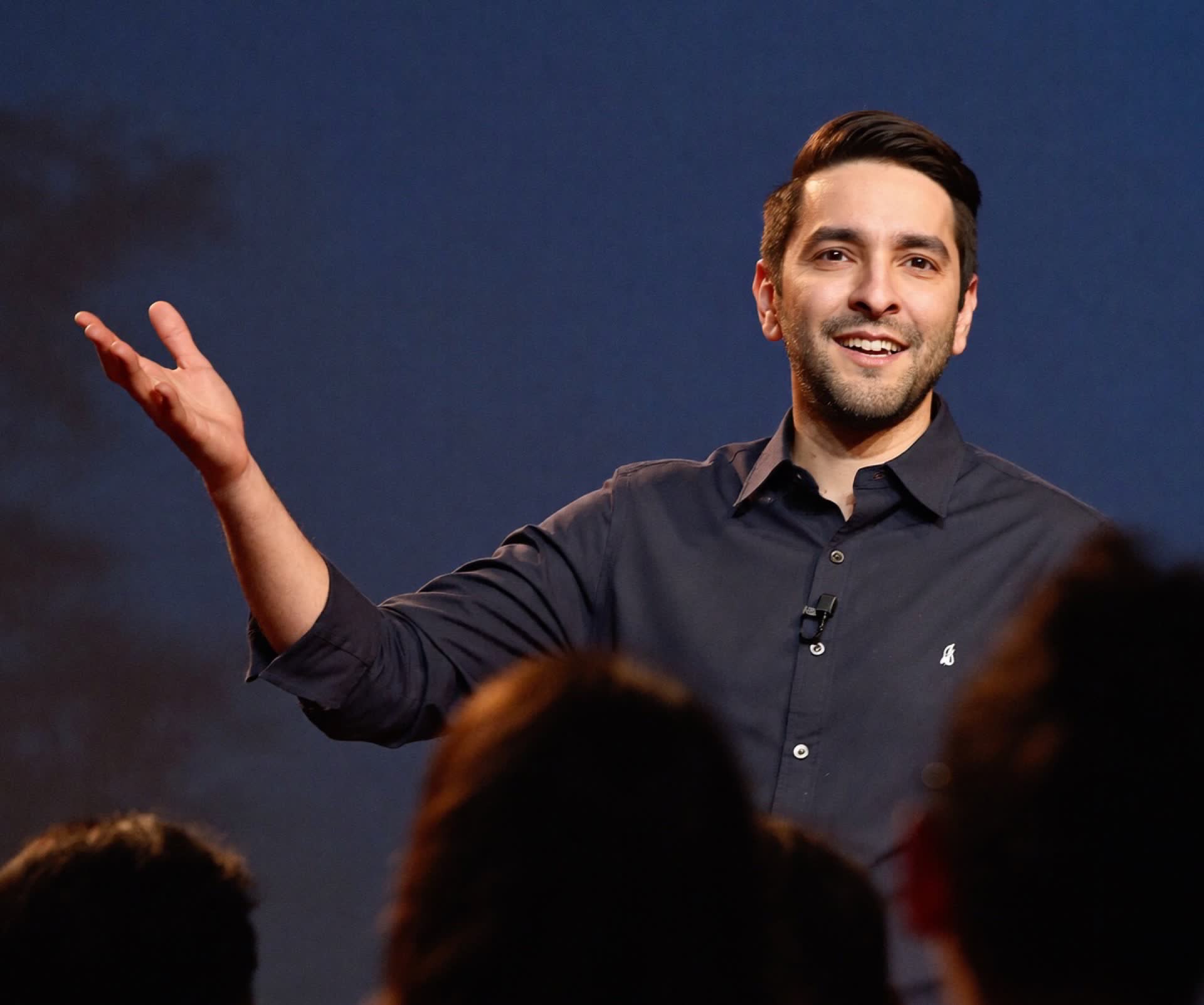
Syed Umar Ameer, founder of Dastaan, walks Muzamil through a decade of trying to revive Pakistan's publishing industry: from a banned magazine chapter and a rejected meeting with literary heads, to a self-publishing platform, a content business, and a print operation built because no one else would do the quality control.

with Syed Umar Ameer

12 min read

A great-grandfather, a banned magazine, and the seed of Dastaan

The episode opens with Muzamil introducing Syed Umar Ameer as a “lone warrior” in a category almost no one in Pakistan is trying to disrupt — publishing. Within minutes, the conversation has tracked back to where Umar’s interest in literature actually comes from, and the answer is older than most founder stories on the show.

Umar grew up in Wah Cantt, attended Margalla Grammar School in its pioneer batch, and arrived at UET Taxila for electronics engineering with a habit of joining every society he could find. He describes his great-grandfather, Mohammad Baseer, as the person who “invented Urdu calligraphy script in the subcontinent in the eighteen hundreds,” and notes that the family still keeps his manuscripts. Literature, in that sense, was an inheritance looking for a channel.

The actual trigger for Dastaan was a chapter Umar had written for a magazine that was banned before his piece could run. Years later he picked the manuscript back up, expanded it into a novel of his own, and went looking for someone to publish it. “I went to this Pakistan Academy of Letters,” he tells Muzamil. “I emailed them. I wasn’t expecting a response, but it came.” That email led to a meeting with the chairman, and that meeting led to a room of fifty heads of literary organisations from across the country — the conversation that, by his own account, made him realise the industry would not be saved from inside.

The head of a literary organisation who didn’t have email

The set piece in the early part of the conversation is Umar’s account of that meeting. The traditional publishing industry, he argues, missed the early-2000s internet shift entirely. “They were like, we’ve been publishing for twenty years. Nobody’s said anything to us so far. What will these tech websites do?” The arrogance, he says flatly, is what put them out of business.

The room he describes is the consequence. When the discussion turned to how to promote Pakistani literature online, one of the attendees — a head of a literary organisation — admitted he did not know how to use email. Umar’s offer was concrete and free: he would build them a newsletter, set it up, run it, charge nothing. The offer did not land. “Bro, you are the head of a literary organisation,” he remembers thinking. “How are you going to promote the industry and your people and your work if you’re not even present online?”

Muzamil sharpens the frame. The country, he suggests, is now caught between two failure modes. On one end, the incumbents who cannot use email. On the other, a generation that has grown up on what he calls “trash” — Business Insider-style success-story farms where “there’s no content in the body, it’s just clicks.” Somewhere in the middle is the gap Dastaan was built to fill.

Plan9, a freelance pivot, and the slow road to Kissa

By 2014, Umar had pitched what was then called “Digital Rakk-e-Tehreer” into Plan9, the Punjab-government incubator run out of Arfa Karim Tower. His team made it through 1,500 applicants and won from the North region. Once inside Plan9, the original book-publishing model did not survive contact with reality — the cofounders dropped out, the runway shrank, and a Rs. 10,000 internship stipend was not enough to hold a team together.

The pivot was pragmatic. “The short hack,” Umar explains, “was that instead of book publishing, we’d run it as a freelance writers’ marketplace. It was easier to get companies to write blogs, and easier to get writers.” That model — a small Facebook group generating 10,000 words a day for clients — paid the bills for six months and funded the eventual return to the original idea. In 2016, he relaunched the publishing platform under the name Kissa, which today runs at merakissa.com.

Kissa, in Umar’s words, is the Amazon model translated into Pakistani publishing. Authors pay a membership to submit their work for review, then move through four stages: composition (a print-ready PDF with editing, design and proofing), registration (ISBN, barcodes, copyright), printing (calibrated to whether the author is publishing for personal or commercial reasons), and marketing and distribution. He is explicit that the model is neither traditional nor pure self-publishing — it is a hybrid, and the author retains content rights throughout.

Why the bookstore monopoly forced Dastaan online

Later in the discussion, Muzamil asks whether Dastaan has partnered with the obvious physical players — Readings, Liberty Books, the established distribution chains. The answer is one of the sharpest passages in the conversation. The biggest monopoly in Pakistani publishing, Umar says, is not a publisher. It is the bookstores.

He breaks the economics down. On a book printed at a hundred rupees, bookstores will take “fifty percent or more,” set their own stocking policies, and — for a new publisher — sometimes ask for a five-thousand-rupee rack fee with no guarantee of sales. “It doesn’t make any sense for us to use that physical channel,” he says. “The sixty percent we’d give them, why don’t I just give forty percent of it to Pakistan Post instead?”

That single decision shapes the rest of the business. Dastaan distributes through merakissa.com, sells via cash on delivery inside Pakistan, and ships internationally to the US, UK, Canada, and Saudi Arabia, collecting payments through PayPal. The minimum print run is twenty-four books, bound on demand, with authors carrying the upfront print cost and receiving both the per-unit cost back and a fifty-percent profit share once books sell.

What Dastaan actually is — three verticals, twelve people, above break-even

Asked to lay out the structure, Umar splits Dastaan into three verticals. The first is book publishing, operated through Kissa. The second is content solutions — blog writing, content packages, and translation work for small businesses and corporates that, in his framing, “don’t have the luxury of time to find the right writer.” This is also where Dastaan picks up industry projects, like translating training material into Urdu and recomposing it for delivery in schools and districts across the country. The third vertical is events: literature programming, creative-writing workshops, and grant-funded community work delivered free of cost.

The company has twelve employees and is, in Umar’s words, “above break-even.” Muzamil pushes him on what “scaling” means in practice. The answer is that the supply chain — printing, binding, design, distribution — has finally been figured out after years of expensive experimentation. The economics, he says, now work at price points between Rs. 20,000 and Rs. 40,000 per book package: “If a writer can afford the mobile in their hand, they can afford the publishing package.”

Muzamil walks through some of the titles on the platform on camera: Abdul Samad Khan’s Marhor and the Search of Unseen, a Pakistan-India peace-letters anthology written across four languages, a biography of Aziz Bhatti Shaheed written by his brother, and the platform’s best-seller — Mera Jism Mera Hai by Ashyad Qureshi, an illustrated activity book teaching children to protect themselves against sexual harassment. That title alone has sold 3,000 copies across three print runs and is on the curriculum at Zindagi Trust schools.

The 3,000-copy ceiling — and the writer-first problem

Three thousand copies is the number Muzamil refuses to let go of. It is, he tells Umar directly, a great number “by the standard of competing with yourself” — but at a Rs. 250 retail price, that is roughly six and a half lakh in revenue per title. For a serious player in any consumer category, that is small. The question on the table for the rest of the conversation is: how does Dastaan move a 3,000-copy best-seller to 30,000?

Muzamil’s diagnosis is direct, and it lands as the most important moment of the episode. Dastaan, he argues, is currently writer-first when it should be consumer-first. “Writer-first says, I’ll work myself to death to empower anyone who wants to write. Consumer-first says, I’m going to help the consumer find the best stories in this country.”

The implication: the platform spends too much of its energy upgrading the weakest links — first-time writers whose draft borrows half a plot from a TV drama — instead of identifying people with strong stories who never thought of writing a book in the first place. “Go to them,” Muzamil says. “Tell them, listen, we have a ghostwriter. Your story is impeccable. All we need is five meetings in a coffee house, and we’ll give you a first draft.” That kind of commissioned book, in his view, is the one that breaks past 3,000 copies.

Umar’s response is that this is precisely the 2022 plan. He describes a pilot biography project the team is already running — the family of Dr. Bashir, the man who brought neurology to Pakistan, has commissioned Dastaan to turn his life into a book through exactly the interview-and-ghostwrite process Muzamil is describing. “Nobody in Pakistan provides this service,” Umar says. “Because there are too many ifs, too many logistics issues. Nobody has been able to solve it.” The first draft is due in January, and the book is expected in the first quarter. If the pilot lands, the plan is to commission industry experts at scale.

Building a press because no one else would

One of the more revealing passages comes when Muzamil — who has run a separate consumer business with its own printing pain — describes the standard Pakistani print run: “Out of a hundred copies, forty have some kind of defect. The concept of quality control doesn’t exist.” He has seen this even at the largest factories, including ones running Heidelberg 5000s and exporting to Walmart and Primark.

Umar agrees, and explains the workaround. Dastaan now runs its own mini-press, built over two to three years in partnership with a printer. “We experimented with how to do low-volume runs,” he says. “Which machine to use, what we can do in-house, what we have to outsource.” The reason is structural: if the reading experience is poor, the Instagram amplification that drives sales never happens. Quality control, in his framing, is not an operational detail. It is the marketing engine.

This is also where Dastaan’s data advantage shows up. Because the company sells direct, it has the phone number, email, postal address, and age bracket of every buyer of every title. When a new book lands in the same genre, the marketing goes to the exact people who bought the last one. “That’s why we have been so successful,” Umar says. The traditional publishers, by contrast, have no such record — Saeed Book Bank sells to NGOs in bulk and never sees who reads what.

The market that nobody has measured

Asked for a market size, Umar concedes the honest answer: no one has it. The government doesn’t have it. The Pakistan Academy of Letters doesn’t have it. His own rough estimate is built bottom-up — every HEC-recognised university has a literary society, each society averages around thirty members, and on top of that sits the much larger pool of literature and social-sciences faculty whose local knowledge is not being preserved.

Muzamil pushes back on the bigger demographic numbers and offers a tighter frame: take university-going students, take ten to twenty percent of them as the writing-and-reading-inclined pool, and use that as a working estimate. He also keeps returning to Saeed Book Bank as the right benchmark — not because they have customer data, but because their daily and monthly book throughput, broken down by local versus international, academic versus non-academic, would give the industry its first real number.

The most striking statistic Umar gives is on the supply side. “Since Pakistan was created, until today, there are only 1,200 registered publishers,” he says. In a country of more than 200 million people, that is the shape of the problem. The Instagram poets and Facebook bloggers exist. The university faculty with local knowledge exist. The medium does not.

The digital doorway, and why this matters at all

By the end of the conversation, Muzamil asks Umar — born in 1992, twenty-nine at the time of recording — what Pakistan looks like in 2050, when he will be in his late fifties. The answer is the cleanest articulation of why Dastaan exists.

“The biggest issue Pakistan has had,” Umar says, “is that the platform was absent for the people to perform. And the gates that did exist on the platform were for certain people to pass through — not for everyone with the talent.” That bottleneck, in his reading, is why Pakistani media has the monotonous, narrow voice it does. The dramas, the books, the public conversation — all of it is shaped by who was allowed through.

His thesis is straightforward. If you democratise content, give knowledge creators a medium to produce at scale, and build the technology that lets royalties land in a bank account the next morning instead of a year later, the supply of writing changes. International authors whose pirated copies flood Urdu Bazaar would have somewhere to publish that protects their content. Local experts would have a route to print that doesn’t depend on a bookstore’s stocking decision. “Assuming we are able to fill this gap,” he says, “our country will be able to regain its past glory, where it was known as the land of thinkers and philosophers.”

Muzamil closes by noting where Dastaan sits in a broader 2021 shift: Pakistani founders in hard categories are finally getting attention, money is starting to follow press, and press is starting to follow money. Umar is candid that he has not gone the VC route — the reports and metrics required for a serious raise are not something he has prioritised as “an engineer who just kind of does this because he really loves it.” The bootstrapping continues. So does the work.

Full transcript
Muzamil

Salut, khaodiya. Sir, welcome back to another episode of Thought Bang Things. He's like a lone warrior in that entire category of, you know, disruption. But there's a lot to learn here. There's a lot I have a I have a lot of questions. I'm very curious कि यह किस तरह से scale कर रहे हैं? क्या कर रहे हैं? क्या challenges आए हैं? क्या इनको opportunities नज़र आए हैं? सय्यद उमर अमीर हमारे साथ मौजूद हैं sir. Is the CEO of दास्तान. He's a start up basically. शारदीपी कहेंगे उसको अभी at this point in time. He's a start up that essentially is trying to revive the publishing industry in Pakistan.

Guest

Sir, thank you so much for being part of the show. Thank you so much, miss Amel. And it's really nice to reconnect after such a long day. 100%, 100%.

Muzamil

और मुझे बताइएगा. पहले तो how are you? How's everything? It's really good.

Guest

And after a long period of struggle, अब हम इस point के ऊपर आए हैं कि it really feel nice. Because, you know, whenever, you start जब आपके early years होते हैं, लोग आकर आपसे पूछना है, अच्छा क्या कर रहे हो? अच्छा, बस यह कर रहे हो. हां. अब वह कहते हैं, अच्छा, अब आप यह भी करें. हां. So,

Muzamil

it feels nice. चलिए, that's good. That's good. I'm sure वह जो early years होंगे, वह उसके ऊपर बहुत ज़्यादा second guessing and and and and doubting yourself and constantly यह हो रहा होगा कि यार पता नहीं मैं क्या time जाया कर रहा हूं अपना या क्या कर रहा हूं. तो I feel like now that's a lot of that's now fading away. Let's start with the basics. Where did you do your high school from and, उसके बाद से आपकी क्या journey रही है before you ended up, you know, starting दास्तान?

Guest

So, my high school was in my home city. That is वाकेंट. Mhmm. So, मेरी birth भी वहीं की है और वहां से मैंने अपना जब graduate graduate किया college से. So, I was the kind of a student who was always into, you can say extracurriculars. School के अंदर मुझे इतना कोई chance मिलता नहीं था. इतना क्योंकि it's what a private school छोटा था, मार्गिला grammar school. मैं वहां से हूं. I was one of the pioneer batch. जब वह school बना था, तब से मैं था. So, they groomed me really well और उसकी वजह से यह था कि मेरे parents की थोड़ी सी input की वजह से I was very, वह बच्चे होते हैं ना super charged जो होते हैं. I was that kind of. ख़ैर जगह? नहीं ma'am, मैंने करना है, मैंने करना. So, college में I got little bit of free space जहां पर मैंने जाकर compete किया. So, अब हमारे college में declamation का एक society थी. Right. So, उसमें usually जब HEC के आते थे तो उन्होंने seniors को भेजना होता था. Right. तो I was a little bit good तो उन्होंने कहा चल यार इसको भी साथ ले जाओ Right. तो university में UT Tech's लाथी मेरी. वहां पर मैं गया, electronics engineering मेरा subject था जिसमें मैं अपनी start की. तो university के पहले semester में तो जाकर मैंने सारी university की societyयां join की because देखिए Authority, हां हां. और उसके बाद फिर मेरा दिल भर गया. मैंने कहा बस यही होता है इसके आगे कुछ और नहीं होता. So second semester जब मेरा start हुआ so one of my senior he recently came back from, cultural exchange programs होते हैं उसे Japan से वह वापस आए थे so he founded, a youth enterprise kind of thing. NGOs time बिक़्क़त नई नई चीज़ें थी और उस time youth volunteering platforms बड़े कम हुआ करते थे. So, I joined that and he kind of groomed me into everything और उसके अंदर मैंने university में रहकर बहुत काम किया. What was it called? So, it was named Revolution Flame started my career. उनकी वह online kindness campaigns और picture खेंचे और यह करें. तो I was very active there. फिर उसी के beach में शश्का शुरू हुआ था सलमान साहब. कौन है, कौन है, कौन है, है? तो again I was the campus reporter. मुझे बड़ा शौक होता था. Right. तो सारे mathematics, english इसी domain के हैं उर्दू. तो यह हमारे top के subjects हैं. Right. और my great grandfather मोहम्मद बसीर was the one who invented उर्दू calligraphy script in subcontinent in eighteen hundreds. But still have those like manuscripts and all that. फुप्पों ने preserve करके रखे हैं. So, वह चीज़ पहले से थी और वह literature और वह सारी चीज़ें पहले एक channel नहीं मिल रहा था. So, when I went into these youth enterprise, youth platforms तो मुझे जाकर वह leadership वाली भी चीज़ मिल गई चलो जी सारे पूरे मौला कटा किया. उसको बिलाया, उसको बिलाया, सबको call है कि दोस्तों को बिलाया, photography arrange किया and that's how I started doing all these awareness sessions. तो मैंने awareness sessions बहुत कराए हैं. Right. किन्हीं कभी इस इस्लाम बाद की universities में GIC के regular So, there was lot of resistance and very uncertainty कि यार, like, is it sustainable or not? Right. So, वह चीज़ थी. तो उसकी वजह से again फिर यह platforms इनके आपस में कुछ वह clashes वगैरह हुए, फिर again वह founders went to the other ways. I thought चलो यार education नहीं करते हम literature pick कर लेते हैं. Right. तो that's where I started कि मैंने कहा चलो यार यहां से start करते हैं. Mhmm और उसमें एक main story दास्तान को star found करने की जो primary reason थी वह यह थी एक chapter लिखा था. हां. But somehow it was never released. Right. और उसके बाद magazine ban हो गया. फिर वह मेरे पास पड़ी थी एक दिन मैंने उठाई मैंने कहा यार यह चीज़ तो बड़ी अच्छी है. चलो इसी पर build करते हैं. So that's how I started writing my own novel. Right. और again उसका draft complete हो गया. फिर मैंने यह किया कि I went to this Pakistan academy of literature. मैंने उनको email डाली. तो I wasn't expecting a response लेकिन उनका email का response आ गया. फिर उन्होंने मुझे कहा कि मैंने उनसे कहा I want to meet the chairman ना. And there's a huge money and a huge gap that is जो अभी एक revolution आ रही है two thousands के अंदर जो आपका tech का boom आया था so यह सारी readership निकलकर online चली गई. Right. And the publishers were not prepared for that. They were like, हम बीस साल से publishing कर रहे हैं. हमें आज तक किसी ने नहीं कुछ खड़ा तो यह tech websites आकर क्या उखाड़ लेंगी? Right. So, उनकी इस arrogance की वजह से they went out of business because they didn't develop those systems. अब आप इस चीज़ का इस बात से अंदाज़ा लगाएं कि पाक्सानी के आदमी of letters ने पचास अदभीत हल्कों के heads को बुलाया. मैंने उन्हें कहा था यार बुलाएं इधर हमें पता चले लो क्या करें? अच्छा फिर उसके बाद दूसरे argument क्या आ रहा है कि हम ऐसा करते हैं कि different जगहों पर register रखवाएंगे वहां पर हम अपनी suggestions देंगे. I was like bro मैं तुम्हें एक newsletter setup कर देता हूं. मैं पैसे भी नहीं charge करता. आप लोग email कर दें और उसके ऊपर I I would do all everything for you and one of that person came stood up and said, email कहां होती है? हमें तो वह भी नहीं आती है. And I was like, bro, you are the head of a literary organization. How are you going to promote the industry and your people and the work if you're not present online. Yeah. क्योंकि आप जब ख़ुद ही online नहीं हैं और आप उस medium पर आना ही नहीं चाह रहे तो where is the whole future of our entire country going? Yeah. तो फिर आप क्यों रोते हैं कि Pakistan का जो soft image वह इतना ख़राब क्यों है? तो ये इस government की society का? नहीं नहीं, independent societies but they were affiliated with that network. So again the organization is Pakistan academy of letters. So जितनी और literary organizations होती हैं ये लोग सारे जाके उनके members होते हैं. Right right right. So, उसमें फ़ायदा ही होता है कि जब government को कोई भी इस तरह का institute आता है तो they send out invites to everyone तो इस तरह से. Right right right, very interesting. And obviously these these must be very very old people also. Yes.

Muzamil

So, there's obviously there's a gap between these old old timers who are writing conventional और इसकी मैं probably अभी मैं साल दे सकता हूं. अभी मैं पिछले दिनों एक drama देख रहा था. सिनफ़ेह हुस्सा हसन. ISPR का drama आया नया जिसमें ख़वात हीन के ऊपर वह उस तरह है. Very good drama, very well written. उस पर उसने बोला बंदी ने कि phone पर दोस्त दो दोस्तें बातें करी हैं. मैं Gen Z दिखाई हैं young. तो एक दोस्त दूसरी दोस्त से बात करती है. कहती अच्छा चलो मैं रखती हूं, बाद में बात करेंगे. तो मैंने कहा यार यह लोग को अभी तक यह बात समझ नहीं आई कि modern day generation कभी रखेगी नहीं phone. You know they're going to tap it and they could probably going to go towards Instagram it. And this language will never be part of the mainstream. वह because आज की generation में तो concept ही नहीं है कि phone को रखा जाता है. हां. वह तो use करती है और वह आगे निकल जाती है. So clearly this this is written by someone जो कि एक ऐसी generation का है जो अभी तक उस एक element को आगे लेकर जा रहा है. I don't know why उसको लगता है वह literature का हिस्सा है हालांकि वह literature का हिस्सा नहीं है. I think वही जो मैं probably disconnect कहूंगा, एक तरफ़ आपके पास वह old timers हैं who don't know how to use email and एक तरफ़ आपके वह young timers हैं who are so used to the sort of quick fix, fast paced content and which by the way has become trash absolutely. Like, blog content is trash. For me, it's it's there's increasingly has become little or no utility left. Even मैं कहूं ना एक तो चलो यार campus blogs होते हैं. Business insider उठा लें बड़ा मशहूर platform है. Business insider पर आप दो दफ़ा जाकर पढ़ लें अगर किसी के success story हो अब मेरे Facebook पर सिर्फ़ यही आ रहा होता है. इसने छोड़ा और यह millionaire वन गया. अंदर कोई body के अंदर कोई content नहीं है बस वह जी clicks के ऊपर हो रहा है तो वह तो industry ही अजीब सी एक हो चुकी है clicks के ऊपर you know just noisy content. So understandably there was definitely going to be a demand for somewhere in the middle, for what what what you're doing. But how were you able to so, decided to go to all of these people, and what year was this when you were talking to all these people? This was roughly around 02/1112. अच्छा, so अभी you're just sort of exploring early days के अंदर कि I Exactly, I was in university right then.

Guest

At those point उसी के अंदर से, there was another colleague of mine, हफ़्सा. उसने मुझे message किया. वह इसी तरह youth platter network में she was a member. उसने मुझे message किया, मेरा book launch आया. I was like, excuse me? मैं लील हो गया एक साल से and a simple landing page with a button which says buy now or read. So, how hard is that to replicate? वैसे ही मुझे computers का शौक था तो मैं इधर अब logging और इस तरह छोटा मोटा करता रहता था और hack करता रहता जैसे इसका code इधर लगा लिया, इसका इधर लगा लिया तो अच्छा इससे यह हो गया. Launched version 1.2 of दास्तान. Back then it was called digital rack in tears. Right. अब digital तक सबको बात समझ आती है. उसके बाद सारे कहते हैं rack आगे क्या था? हां. So, वह writers के साथ मसले होते हैं. हम कहते हैं तो थोड़ा fancy words होने चाहिए ना. हां. अब वह वो हमने synonyms ढूंढकर बड़ा fancy सा word तो रख लिया लेकिन अब वो again it was very hard for people to remember. Right. लेकिन हमने उसी platform को start किया और उसी model को हमने pitch किया plan nine के ऊपर. अच्छा, plan nine being the incubator So, based out of PPI TV, it was very early years. December 2014 के अंदर हमने यह apply किया था. Right. And हम लोग again 1,500 applicants थे, पूरे Pakistan से. हम लोग North Region जो था यह वाला, इधर से पांच teams select हो गईं थी. So, we won from here. So, that was initial pitch. लेकिन when we went to plan nine, हम select होकर चले गए वह again. पहले दिन, पहले week में जो उनकी curating meeting होती है ना, जो board के साथ होती है. उसमें मेरे साथ hardship यह हुई कि, हम लोगों ने pitch कर लिया, हम यहां से चले गए. आप नहीं जा सकती. फिर then there was another, friend of mine सालिया. तो सालिया कामरान अब तो ख़ैर she is working here in animation studio as well. So she helped me a lot मेरी book भी उसी ने edit की थी. So, hello साले if you are listening. So, उसने उससे मैंने पुछा, मैंने कहा तुम्हारा क्या scene है? She was like, again, नहीं मेरी तो university रही है. फिर उस time एक और there was another girl, ताहिनियत. वह मुल्तान से थी. She used to, like, edit stuff for us. And I was like यार यह life में once in a lifetime opportunity अगर मैंने यह आज win नहीं की तो क्या है? हां. तो I I back then I was like again interning somewhere. एक और हमारा platform था. उसमें मैं वहां पर online काम कर रहा था. उनके साथ management का. सोचा से मुझे stipend आया internship का दस हज़ार रुपए. पास team भी नहीं है so it's not gonna work. So rethink the model. फिर हमने कहा यार short hack यह है कि हम इसे book publishing की बजाय हम इसे freelance writers marketplace कर लेते हैं. ठीक है. Because it was easier to get companies to write blogs and it was easier to get writers. तो that's was the pilot जिसके ऊपर हम छह महीने तक plan nine के अंदर लगे रहे लगे रहे and then at the end of six six months हम graduate हो गए and I graduated from plan nine. उसके अंदर हमारे साथ bad luck हुई कि we were plan nine के कोई board में से mentor था पता नहीं क्या था. So he gave us a project उन्होंने book editing का composing का कुछ था translation का project था वह दे दिया. मैंने कोई freelance लड़की engage की उनके साथ मैंने connect दी. घर आकर मैंने दुबारा ख़ुद बैठकर blogs लिख लिखकर पैसे पूरे उतारे हो उस बंदे के और उसके बाद from that point we we made a Facebook group. Right. उसके ऊपर मैं था, हफ़्साती और एक और उसकी कोई friend थी जो उसने add की थी, three people. तक लेकर गए and we were generating 10,000 words a day. Very cool. और उधर से हमने जो revenue generate किया, that was good enough revenue जिसके बाद मैंने कहा यार अब हमने वही idea जो मैं लेकर आया था मैंने उसी पर जाना है दास्तान का हमारा MVP था जिसे हम कहते हैं book publishing platform जो आज किस्सा के नाम से चल रहा है. चल रहा है और यह कौन से year है? It was 2016.

Muzamil

Right. अच्छा, so what's the idea of किस्सा? किस्सा is basically कि anyone can come in and write a story and and and sort of submit it to किस्सा and then किस्सा would what's the what's the sort of अच्छा, so इसमें हम लोगों ने जो again day one से जो vision था वह यह था कि हमने Amazon का model replicate करना है

Guest

Right. Amazon India में आ चुका है and obviously next big market in terms of everything is Pakistan. Right. तो ये पहले दिन से plan था. So, किस्सा को हमने इस तरह से envision किया था और अभी the way it works is that कि author आता है, they purchase a membership. Right. To submit their work for review. Right. क्योंकि अगर आपने ऐसे ही publish करना है तो आप Insta पर करें, Facebook पर करें why do you So are coming to हमने quality filter लगाया है. Right. So हमारी एक तरह से लाभ कहें traditional भी नहीं है, self भी नहीं है, hybrid type ही publishing है. So, it's somewhere in between. So, हम content review करते हैं. Mhmm. उसके बाद हम suggest करते हैं कि यह इसमें चीज़ें improve होने वाली हैं. अगर improve होने वाली नहीं है, फिर वह next stage पर चली जाती हैं. Right. So, first stage is book composition. Right. जिसके अंदर एक print ready PDF बनेगा. जिसमें editing, designing, proofing ये वो सब कुछ हो चुका होगा. Right. और एक manuscript आपका चाहिए होगा. Soft editable editable file. ये दो चीज़ें करने में सबसे ज़्यादा time लगता है. Right. उसके बाद next step होता है book registration. ISBN barcodes, copyrigths, ये सारा कुछ. Third stage होता है book printing जिसके अंदर हम यह discussion करके educate करते हैं कि what exactly is your purpose of publishing? Is it personal level publishing कि बस मुझे चाहिए दस बारह copyयां करते हैं, पचास आठ कर दें, बस छोटा सा function करना है या is it a commercial level publishing where you are damn sure कि मेरी तो इतनी बड़ी audience है, I want to make money out of the skill that I have. Mhmm. और उसके बाद फिर हम last stage पर जाते हैं book marketing में and distribution पर. Right. तो book marketing का पूरा हम plan बनाते हैं, design करते हैं, execute करते हैं, social media marketing करते हैं, sales generate करते हैं. Right. और distribution हम लोग सारी online करें अपने platform के through जो हमारा web portal हमने build किया हुआ है.

Muzamil

और किस size the product? मेरा किस्सा. Yeah. That's the website, मेरा किस्सा dot com. And and so how do you differentiate between Dastan and मेरा किस्सा? What's the difference Dastan

Guest

basically is the company where we do lot of other things in content apart from book publishing. So, दास्तान के अगर मैं verticals बनाऊं तो एक vertical है हमारा book publishing का which is what I already explained. Right. दूसरा हमारा vertical है content solutions का जो हम small businesses और corporates को देते हैं Because lot of businesses are like यार हमें writer नहीं मिल रहा है, यह नहीं मिल रहा है. यह blog का पूरा ठीक है. हमारा monthly यह budget है तुम जानो तुम्हारा काम जाने है. Right. Do it do everything yourself. Right. So we have a team for that. Is that what that's? फिर हमारे पास industry के projects आते हैं जिसके अंदर they are like यार हमें ये पूरी slides जो हैं training material है इसको हमने उर्दू में translate करना है और इसको recompose करना है. अब इसके resources आपको professional नहीं मिलते Right. And most of these companies they don't have the luxury of that time कि वो test उसके बाद मैं as a trainer जाकर इधर आदम खेल और movement और इधर districts में जाकर deliver करके आए हों बच्चों को, universities के अंदर sessions. Very cool. तो वो सारी चीज़ें हैं.

Muzamil

और third vertical is our events. Right. जहां पर हम literature के events वगैरह करते हैं या creative writing के अंदर या creative space के अंदर different grants के लिए apply करके वहां से funds generate करते और local community में free of cost events करते हैं. सावरदस्त. So, ये तीन verticals में लाकर दास्तान बनती है. और अभी इस point के ऊपर अगर मैं पूछूं आपसे कि जो office दास्तान is the is the parent company and then किस size 100? So दास्तान itself, how many employees does it have? 12. 12 employees. That this includes the content team as well? Yes, सारा कुछ. ठीक है. And how many? What's the? I mean, are you profitable at this point in time? Yes, above break human. And currently around

Guest

somewhere around scaling. Come somewhere around scaling. What does that mean? So, इसमें यह है कि, we have figured out almost all the supply chain issues that were there. Mhmm. जिसकी वजह से हम लोगों को बहुत ज़्यादा experimentation में ख़र्चे हो रहे थे.

Muzamil

तो around 20 से 40,000 के beach में हो जाती हैं and that's the price tag जिसका उसके हाथ में वह mobile है. तो अगर mobile afford कर सकता तो मेरा package भी afford कर सकता है. Right. नहीं, so for example वह so, I'm trying to understand in terms of, the product here. Yes. Right? So, there is obviously I get the whole, content side of business where I I know मेरे दिमाग़ में बैठे बैठे idea आ गया जी, मेरी podcast होती है, वह मैंने उसको transcribe कराना है तो क्या वह potentially हो सकता है कि उसमें language translation भी हो जाए, transcription भी हो जाए? So we do all that. Right? So that's a product makes sense. Definitely a very sort of, the utility is right there for me and I can now imagine using it. In terms of publishing, जो जो मेरी understanding है conventional publishing, industries के अंदर उसमें यह होता था कि जी आप जाते थे, आप अपना work देते थे. दूसरी side के ऊपर essentially editors बैठे होंगे. Editors जो हैं वह उनकी skill की है ही यह कि उनको पता है कि market क्या लेना चाहती है. अच्छा वहां पर अब editors ही बैठे होंगे, marketeers ही बैठे होंगे. वह दोनों के दोनों book What you're saying is sort of different. Yes. What you're saying is publishing in terms of the the same thing as let's say any printing house.

Guest

Right. हमारा different इस sense में होता है कि एक model traditional है जो आपने explain किया. Right. अब मैं इसका दूसरा model बताता हूं जो self publishing का है. So, self publishing में इस जो आपने model explain किया ना उसमें author के पास से बहुत कम होता है. Right. अब let's say you want to write a book. आप किसी traditional publisher के पास जाएंगे. वह कहेंगे जी हम यह publish करेंगे लेकिन आपको per book के पास पचास रुपए देंगे. ठीक है. So मुझे मिलने कहना है what the fuck. Right. मैं एक इतना brand हूं, मेरा इतना knowledge है, मेरी इतनी audience है. I want more of it. Right. But they are like यार, either take it or leave it. Right. So, you would want something which provides all the services जिसमें you can customize where to stock, where to market, where to distribute. How to distribute? What are some of your target audience? उन्हें किस medium के through पहुंचाना है. Right. So you would want to customize all that, and you would, on top of all that, you would want to retain the content rights. कि कल को कोई और आपके पास अच्छी opportunity आए, so you want to have that power to take that content and make more money out of it. Right. So we give you that platform. ठीक है. And then there are multiple packages depending on the services that you require. Yes. So basically, all हमारी जो main pricing है ना, वह सिर्फ इस चीज़ पर depend करती है कि how many pages your book has. Mhmm. What type of binding do you, do you need? Right. How many copies do you want printed? Right. And what's the nature of paper

Muzamil

that you want to use? Want to use. And also the printing. Is it black and So it's all tangible costs, जोकि basically Yes. Use. Where

Guest

are you selling these products? Are the are the consumers selling it themselves or are you guys selling it on on on your platform? So we are selling on our platform. Right. Like people come and upload the book on our platform. फिर हम लोग उसे अपने portal के ऊपर publish करते हैं. ठीक है. So, it's like मेराकेसाथ.com/book/123 and that's your personalized URL for the book. For the digital version of that book? Yes. From that link, you can either purchase an e book ठीक है. Or a physical book. ठीक है. So books हमने initially author के साथ decide करके print में पहले एक small volume produce करके रखा होता है. ठीक है. या large volume depending on आपकी क्या need है. ठीक है. और वो books जो हैं हम फिर Pakistan के अंदर हैं तो हम उन्हें cash on delivery या local जो भी methods हैं उनके through हम customers तक पहुंचा देते और उनसे पैसे collect करके औचा तक हमारे platform के through जाते हैं monthly basis के ऊपर. Right. तो यह एक basic model है लेकिन what's different in this is that कि आप यहां से बैठकर US, UK, Canada, Saudi Arab यहां भी बेच सकते हैं. लेकिन वहां से हम payments जो हैं वह फिर PayPal के through accept कर लेते हैं. Right o.

Muzamil

जो आपकी books की वह होती है for example,

Guest

illustration होती है जो बाकी सारी सारी चीज़ें होती हैं वह generally are those happening in house या वह जो आपका publisher है वह ख़ुद से define कर रहा है? Again, कुछ authors हमारे पास जो आते हैं वह यह चीज़ें करके आते हैं. ठीक है. लेकिन if you come and say कि यार बाकी देख लें मुझे चाहिए requirement है तो फिर हमारी जो अपनी design team है which is already working on our team वह यह provide कर देती है and assuming कि आपको उनका काम पसंद नहीं आ रहा. Mhmm. फिर we also have network partnerships with lot of literary organizations and universities जहां से उनके university के अंदर पढ़ने जैसे communications के students हैं, design के students हैं, उनकी profiles हम लेकर आपको share कर देते हैं and then you can shortlist out of that. Right.

Muzamil

Are you so so have you partnered with any distribution networks like readings

Guest

or liberty books or any So, of we that's a very interesting conversation. So basically सबसे बड़ा जो you can say monopoly बैठ TV है वह distribution के ऊपर बैठ TV है. Right. Because the only way books reach to the readers is through bookstores. Right. Bookstores के you would be like amazed कि अगर मैं एक book सौ रुपए की print करता हूं. Mhmm. So practically वह आपसे 50% के ऊपर लेते हैं और उसमें भी इतना इनका होता है कि they have their own policies and own से कि यार हमने रखनी है कि नहीं रखनी. Right. और हमारी अब एक particular book थी इनका बहुत ज़्यादा एक अपना model है, एक अपना network है. They do not let others come into that. Right. और अगर आप एक new publisher हैं तो they would even have the audacity to say कि अच्छा हम आपकी book stock करते हैं तो पांच हज़ार रुपए इसका rack का कराया दें, बिके ना बिके. Right right right. Like we have heard these kind of things as well. So it doesn't make any sense for us कि हम वह physical channel use करें. So what we do differently is that कि जो हमने 60% वहां देने हैं तो मैं चालीस percent वह हक़िसान post को क्यों ना दे दूं? Mhmm. तो आपकी

Muzamil

जो यह cash on delivery होती है यह सारी सारी आपकी in house deal हो रही हैं. Right now you have 450 published writers, right? Yes. Commercial हैं या यह publish में इसमें वह भी हैं जब भी Mix हैं. बीस पच्चीस भी किताबें निकाली. इसमें physical वाले सारे हैं या? Physical वाले सारे हैं e ठीक books वाले भी सारे

Guest

है and and यह आपकी जो printing है सारी offset printing है या digital printing है? Digital है. Digital है. लेकिन जो high volume की है वो offset होती है. वो तो understand भी offset भी होती है but digital वाली आप essentially कह सकते हैं कि यार if if an order comes तो then I will publish it and so you. नहीं वो print on demand अभी हमने नहीं किया minimum order quantity is 24 books. अच्छा. तो अगर author आता है और उसके pages less than 100 है तो फिर हम pin binding के ऊपर 24 books का minimum volume करते हैं. तो उसमें यह होता कि author has to pay for that. Right. लेकिन जब वह book sell होती है तो author को वह per book की cost भी return होती है plus 50% of the profit भी return होता है. So this is our main model. Right, आपका model essentially

Muzamil

अच्छा आप कह रहे हैं invest जो है वह author करेगा. So risk basically author लेगा जो अगर कि obviously he is not converting it. लेकिन यह कि सब servicing fee आप ले रहे लेते हैं. आप servicing fee नहीं charge कर रहे होते उस case में.

Guest

Marketing plan मिलता है. तो साल में three sixty five days हैं तो हमने इस तरह divide किया कि अगर आप तीन किताबें लिखते हैं तो hundred hundred hundred three hundred days cover जाते हैं. ठीक है. तो यह आपको उसमें पूरा जो social media का content बनेगा design होगा you don't have to pay anything to anyone. यह सारी हमारी team बनाकर देगी और publish करेगी social handles के ऊपर और market भी करेगी. ठीक है. So यह एक बहुत बड़ा आपका cost और सरदर्द उतर जाता है because author are good at writing. They are not good at marketing और designing and doing stuff. और यह जो marketing की यह किन handles पर जाती है? यह उसके साथ किसके handles पर जाती यह हम लोगों के अपने official social handles पर जाती हैं और हम फिर authors के साथ link share करते हैं जो वह अपने profiles पर share करते हैं. Right. So इसमें interesting case study है कि अगर author हैं आप, आप अपनी profile पर कोई भी pictures डालते हैं, writing डालते हैं, nobody takes you seriously. लेकिन जब हम लोग डालते हैं और आप share करते हैं तो within over overnight comments के tone ऐसे change होती है oh मेरा बच्चा I was so proud of you. मुझे पता था तुमने एक बहुत बड़ा काम करना है, so proud of you कि तुम publish होंगे हो. So वह एक The difference there obviously. Yeah. So people start taking that seriously. Yeah. Makes sense. मुझे एक बात बताएं.

Muzamil

How many of these 450 titles

Guest

were were people reaching out to you versus you reaching out to people and saying, listen, I need I think you need to write a book? All of them were they reaching out to us. अच्छा. So, you haven't started reaching out to people? हम लोगों के पास mostly जो in हम लोग the way we reached out to people was through early grind. हम लोगों ने early years में किए थे. वह इस तरह था कि हम universities में जाकर literature societies के साथ collaborate करके writing events करा रहे हैं, stalls लगा रहे हैं, publish how to get publish के ऊपर workshops दे रहे हैं. So उस तरह करके हमने अपना buzz generate किया. Exhibitions में जाकर exhibit किया. Technology की अलग किया, literature की अलग किया, अपने पैसे लगवाकर किया. Right. उसके बाद फिर हम लोगों ने even, media coverages हमें कुछ मिली. फिर competitions में मैं बहुत actively participate करता था. Right. तो मैंने तकरीबन, like, जब से छोटा सा था उनका एक business model competition था वह win किया था और उसके बाद SDG boot camp हुआ था जो demo ने organize किया था. That was I think the place where you came in as a mentor. So that's where we met. So वह मैंने ज़िंदगी में पहली दो वह win किया था and I went won that उसके बाद फिर हम यहां से regional final खेलने वेतनाम गए थे. Right right right. From there we grew. Right. मुझे यह बताएं कि so so so this question of why you haven't reached you haven't reached out to people versus people reaching out to you. Why do you think that's so? उसमें हम लोगों ने जो initial चीज़ है ना, मसला यह होता है कि अगर आपने for example, if you are a writer, आपने पचास हज़ार word की, अपने ज़िंदगी के पांच छह साल लगाकर किताब लिखिए, you wouldn't give it out to anyone. यह traditional publishers usually करते हैं. Self publishing के अंदर हम लोग अपनी value create करते हैं कि अगर आप हमारे platform के through publish करते तो this is what we provide you. Right. And then they go and ask their friend यार वह फलानी website है उसके बारे में क्या scene है? पर then they tell their यार वह उनके जो uncle हैं ना वह मेरे उनका mentor था तो उधर यह वह इस तरह करके links निकालकर फिर हमें organically वह word-of-mouth generate करना पड़ता है. Right. So that's what we have been really good at doing that for past six years. And and how can I? So so if I were to, for example, is there a

Muzamil

is there a mechanism to identify I don't know if you guys can see these, but I'll just quickly show you guys some of the some of the works that that are here, and there are a lot of them. So there is this Marhor and the search of unseen. This is from Abdul Samad Khan. He is the CEO of Youth Impact. It's a very famous organization. We'd love to have him on the show as well sometime. This is Chuthi Sarat पारसे. I believe it's a novel.

Guest

It's a storywriting competition जिसमें हमने Pakistan के लोगों ने India के लोगों को letters लिखे थे और India के लोगों ने Pakistan को letters लिखे थे, during this कश्मीर conflict. Very cool. That we want peace, we don't want war. So we It has English. It has Yes. Hindi. It has Urdu, Suts. And Punjabi as well. Very cool.

Muzamil

Aziz Bhatti Shaheed, my brother, my hero, Sardar and Biography written by his own brother who recently passed away earlier this year. Very cool. So this is exclusively published by Yuga? Yes. Very, very cool. Edit by Shahina Ayub Bati, probably from the same family, believe. So there is this book as well. Then there is

Guest

this पहली घोषिश, ख़ुरब शेख. Yeah. He's a Pakistani living abroad. अच्छा. So they we have a large majority of people who are from that. Right, and then there is this. This is the most famous book of our platform. मेरा जैसा मेरा है. Written by अश्यद कुरैशी. It teaches, children about how to protect themselves against sexual harassment. And it's an activity book जो parents अपने बच्चों के साथ बैठकर कर सकते हैं educate करने के लिए because it's a topic which parents also feel shy about it. Oh, very cool. यार this is this is pretty cool. And इसको यह basically वह book है जो curriculum में भी लगी हुई है. अच्छा, कहां पर? ज़िंदगी trust जो है उसके schools हैं उनके अंदर लगी हुई है. ज़बरदस्त. So how many of these have you guys been able to sell? Roughly 3,000.

Muzamil

3,000.

Guest

ये तीन दफ़री print हुई है. अच्छा.

Muzamil

और ये, what's the what's the cost for $2.50 rupees. अच्छा. Not at all? Yes. And it's fully colored as well. Yes. और यह एक बड़ी interesting book है. Pakistan

Guest

के अंदर if you talk about के who are some of the शहीदs, so there are just seven or eight of them. But there are so many other people who gave their lives. तो इसकी author की story है कि उसके cousin जो था he got martired while diffusing a bomb. So उसके ऊपर उन्होंने अपनी एक illustrated story book बनाई जिसके अंदर उन्होंने wars वाली चीज़ नहीं बताई बल्कि how he was as a human is there like a Sorting mechanism. A sorting mechanism. Yes. So, Ranking engine है कुछ. So, when you go and open a book, आपको उसके ऊपर reviews मिलते हैं about sorry. About the people who have actually read that book. तो जब भी कोई बंदा ख़रीदता है, वह उस पर review करता है, ranking करता है और उसकी basis के ऊपर यह भी लिखा हुआ होता है कि यह book कितनी दफ़ा पड़ी कि कितनी दफ़ा बिकी. Right. So, यह mechanisms are the litmus test for you कि मैं यह And pick करूं कि नहीं

Muzamil

and do you think Pakistan में there is a,

Guest

I mean what's the market size है यार? Market size की if we talk about it तो अभी तक कोई official numbers नहीं हैं. Even government of Pakistan doesn't have it. जैसे मैंने mention किया Pakistan Academy of Letters उनके पास भी नहीं है. हमने जो खुद अपने rough estimates बनाए थे वो ये थे कि Pakistan के अंदर अभी अगर HEC से recognize जितनी भी universities हैं, each university has a literary society. Each literary society has on average 30 members. Right. तो उस हिसाब से अगर आप देखें तो there is a potential where there are enough youth that are able to, that are interested in publishing it. Mhmm. फिर उसके बाद जो उससे भी बड़ा segment आता है which is like the really big one university के literature के professors, social sciences के. And again, बहुत सारी universities हैं. There's a huge faculty and हमारा local knowledge preserve नहीं हो रहा. Right. हमारी universities में आज भी foreign authors की किताबें पढ़ाई जाती हैं, foreign laws पढ़ाई जाती जिनका कोई लेना देना ही नहीं है Pakistan से. Right. But there are very incompetent people who do not have a platform, who do not have a medium through which they can,

Muzamil

document their thoughts and make it a part of a curriculum. Right. तो this is where they come in. Have you ever been able to reach out to any distributors just to see and understand कि how many what's the quantity,

Guest

of books that are moved in Pakistan, for example. So, इसमें एक simple समय number दे दूं कि Pakistan जब से बनाया आज तक, सिर्फ़ बारह हज़ार publishers हैं. बारह सौ, sorry, बारह हज़ार कह रहे हो? 1,200. 1,200 publishers हैं. Publishers हैं वह register. Now imagine in a country of 200,000,000 people सिर्फ़ बारह सौ publishers हैं. नहीं सिर्फ़ बारह सौ publishers हैं. Publishers हैं. Books तो बताता होंगी ना? या यह publishers साल में दो या तीन किताबें निकालता है यही तो बता रहा हूं. It's very less number. This ना? So demand आप simply यह देख लेंगे Pakistan की youth जो है let's say 7065%. 65%, ठीक है? तो वह है youth. उसको हम 50% कर लेते हैं क्योंकि उनको उर्दू English नहीं आती. Right. ठीक है? तो हम उसमें से कहते हैं 50% of that. तो again that's a very sizable number. ये वो लोग हैं जो Instagram पर active हैं, Instagram के ऊपर accounts हैं, उनके ऊपर blogging करते Instapoets हैं, Facebook पर लिखते हैं, अपने pages हैं but they do not have a medium. हमारे पास जो authors आते हैं, they have a great following. 50% तो नहीं होगा ना? That's not a good way to because what you will do is basically you'll look at the out of school children. You'll basically identify कि यार 65% में से probably

Muzamil

मैं आपको स्ना बताता हूं कि Pakistan में out of the total school going children, 1% go to OA levels, 99% go to, FSC. अच्छा वह भी actually, out of the total school going children, 49% go to मद्रासा, 49% go to FSC and 1% go to OA levels. जो कि तक़रीबन आपकी जो above prime जो middle school से ऊपर आपका बच्चा पहुंचता है ना वह almost 25 to 30% है. So 65% का, 70% तो आप निकाल दें. वह तो इतना literature ही नहीं है कि वह किताब पढ़ेगा. जो 30% बचा उस 30% में से

Guest

university वाले हमारे पास ज़्यादा आते हैं university and college. हां, so so that's what I am trying to gauge because So university going जितने भी students हैं ना so let's say if we have the number कि पूरे Pakistan में इतने university going students हैं तो उसमें से आप उसका 10 या 20% निकाल सकते हैं. Right. That can be a good estimate. Yeah, I think that's In terms of like writing and reading. Yeah,

Muzamil

could be probably one estimate. Alternatively मैं जो अगर होता मैं आपकी जगह तो what I would look at really as is site book bank के numbers क्या हैं? For example, how many books are they selling in a day? How many books are they selling in a month? And again, उनसे problem पता है क्या है? हां. वह individual readers को अगर बेचते भी हैं ना किताबें, they don't have the record. नहीं, but I don't really care about the individual. I don't really care about the readers. I care about the amount of books that are moved every day. तो usually उनकी जो sales है ना a major percent of their sales is just to NGOs

Guest

जो किसी एक niche पर काम कर रही है तो उन्हें बता देते हैं कि यार हमें इस topic पर book चाहिए और उधर से author पकड़ते जैसे publisher पकड़ते हैं, print करे हैं, उधर से उधर भेजती हैं. It's not that कि हमें यह पता चला कि individually इस genre की इतनी readership है. This is what दास्तान is doing through online sales. हमारा जो differentiating factor है ना which makes us अलग from like other publishers, हमारे पास record है कि अब जैसे मैंने आपको बताया The Green One three thousand copies sell हुई हैं उस एक particular book की. So now I have the phone numbers, email addresses, postal addresses, age bracket and every possible demography of the customer कि किस profile के लोगों ने children book यह वाली ख़रीदी है. अब उस genre में जब अगली book आती है, हम सिर्फ़ उस profile के लोगों को email marketing, SMS marketing के through target करते हैं. Right. That's why we have been so successful. That's, yeah, I mean and that's really what

Muzamil

essentially doing that. So, no doubt on on on your capability. What I'm trying to identify is, 3,000 on a best selling book is great by the standard of competing with yourself. That's great. Yeah. How do you take that 3,000 to two thirty thousand? Can you take that 3,000 to two thirty thousand? First of all, बड़ा important question है. Because अगर मैं 3,000 को 250 से multiply करता हूं तो मेरे पास number आता है probably what? Thousand and two two fifty? Sixty lakh. साढ़े छह लाख आते ना? छह साढ़े छह, साढ़े छह लाख आते हैं. अच्छा, छह साढ़े छह लाख किसी भी serious player के लिए is a very it's an irrelevant number, right? I guess that's for most people that's like not for most people but for a successful person in the industry जो कि वह कर रहा वह अपने Instagram की तीन post नहीं करने के लिए इतने पैसे लेकर. Mhmm. वह कह रहा यार why do I go through an entire fatigue of मेरे पास अभी तक उसका number नहीं आ पा रहा कि can I extrapolate and really begin to identify or or rather get a number ten years from now कितनी किताबें हैं so मैं जो बार बार आपको कह रहा हूँ ना कि सईद bank का number will be interesting because if सईद book bank can tell me I don't really care कि उनके पास customer data है कि नहीं? What I care about is कि वह NGO को बेचे वह किसी को ही बेचे. अगर सईद book bank मुझे कहता है कि यार साल के महीने के आख़िर में मैं डेढ़ लाख किताबें बेचता हूं. सही book में आपके पास डेढ़ लाख किताबें बिक रही हैं. मेरे पास let's say चार हज़ार बिक रही हैं. मेरे पास एक number आ गया कि यार एक शहर के एक उसका इतना उसका radius है उसके ऊपर डेढ़ लाख किताबें बिक रही हैं. मैं उसको capture कर सकता हूं. अच्छा फिर मैं आगे जाऊंगा. मैं commerce में से local कितनी हैं? International कितनी हैं? Best sellers कितनी हैं? New discoveries कितनी हैं? Academic कितनी हैं? Non academic? वह एक बात की बात है. So so so वह चीज़ मुझे मुझे मैं identify करना चाह रहा हूं कि what's the market size? और जो दूसरा मैं आपको कह रहा था कि I think it's a great idea and I've been I've been waiting for this to sort of take off. I think there are some certain missing links here. The two missing links that I that I find particularly from this conversation also I feel like is first being the the approach where you're writer first, and I think that's your inner writer that's constantly saying, listen, I need to empower the writers. And and and I think that's great. That's very noble. And, but, also, in a capitalist environment, it has to be sort of very survival of the fittest. Right? And so you really need to look out for the consumers as well. Writer first यह कहता है कि यार मेरा मैं जान मारूंगा जैसे artist and youth that's saying कि मैं जान मारूंगा कि कोई भी आकर लिखना चाहता है ना तो मैं उसको empower करूंगा कि वह लिख सकता है. The consumer first will say कि यार I am going to help the consumer find the best stories of this country. Right? And so when I told you about people reaching out to you versus you reaching out to the people, that's the difference right there where right now when people reach out to you, they may or may not be the best writers. But but definitely, the writers, and and and props for that. But you're not necessarily protecting the consumer and saying, listen. I'm going to so the way that I see Dastan, I don't see it as a printing house. Yes. Right? I mean, printing house, there there's so many of them out there. What I see this as is a content network. A publisher is a content network. And for a con from a content network, like, TBT is a content network. Right? My goal should be that every episode has the best possible content that is going to provide value to my consumer, either through entertainment of novels or through biographies or or through some sort of learning or academics and so on and so forth. And so is my effort primarily going in upgrading the weakest links, or is my effort going into amplifying the strongest links? So so the the the approach where you're you're going for everybody can come in. So you're you're constantly so bogged down by upgrading this this kid who wanted to write, but he's, you know, stealing from a drama and this and that. Whereas that effort going to someone where who genuinely has a good story but never even thought about writing in the first place. And you you go to him and you tell him कि listen, like we have a ghost writer. Your story is impeccable. All we need to do is five meetings in a coffee house and we'll give you a first draft and just read it and see if you'd like it, right? And and that's where you essentially begin to bring out stories जो कि मुझे मुझे पता है कि वह दस हज़ार piece तो एक महीने में ही वह निकालेगी because the person and the and the the I think that's where दास्तान is really sort of missing that वह एक चीज़ रह गई है उसकी कि उसने जो That was actually the 2022

Guest

plan. So, उसमें अभी हम लोग जिस चीज़ पर काम करें, we haven't, like, actually, announced it. But, like, I think using this platform, we can tell, people about it. So, यह है कि, Pakistan के अंदर neurology जो है. So, doctor बशीर was the one who actually brought neurology to Pakistan. So his family reached out to us and they said कि यार हमारे father की detects हुई हैं. उनकी जो daughter थी and his wife as well. So they had like some of the stuff और वह कह रहे थे हमने इनकी पूरी struggle को एक biography की form में बनाना है. So उसके ऊपर फिर हमारा यह एक pilot project already चल रहा है which is like almost in the last phase जिसके अंदर जैसे आपने mention किया कि एक writer होना चाहिए और वह interviews होने चाहिए और उनको compile करना चाहिए. Again यह हमारा पहला experience था और again, Pakistan में इस तरह की कोई service provide करता नहीं है. हां हां right. Because इसके अंदर इतने ज़्यादा ifs हैं और इतने ज़्यादा वो issues हैं logistics के भी. Nobody has ever been able to solve this thing. Right. तो हम लोग already यह pilot तकरीबन complete कर सकें. Our first draft would be ready by probably January mid और coming quarter के अंदर, first quarter के अंदर, we would have the book in hand. Very cool. तो उसमें फिर यह होगा कि after we do that one pilot, फिर हम बड़े confidently जाकर market कर सकते हैं कि यार if you are an expert in that particular industry, so you come to our platform, we provide you all the backend services and let's work together in a collaborative model where we both make good money. Right. So, उसमें अभी जो मैंने आपको अब्दुल समत वाली जो book दिखाई थी, so again he is from the corporate training side. Right. So, उनका भी एक बहुत अच्छा network है. So, again, we are trying to use that to actually, like, reach out to people. क्योंकि अगर मैं किसी को जाकर कहूं ना कि यार you are a very good corporate trainer please come and publish with दास and other. No, not interested. But अगर अगर कोई industry का person को हम जब तक onboard लेकर एक अच्छा launch नहीं करेंगे तब तक वह बात नहीं बनती. So यह हमारा पहले pilot project था जो कि अभी twenty twenty two के अंदर हमने launch किया है और अभी जो हमारे down the lane plans हैं, वह यही है कि हमने एक biography writing का पूरा model जो है, वह इस तरह से बनाना कि if anyone has a story and they want to get it published, we have the whole stuff. सिर्फ़ उसमें जो मसला आ रहा था ना, वह pricing का आ रहा था. अच्छा. तो वह हम pilot करके, अब हम experience करके हमें पता लग गयार एक book करने में हमारे इतने man hours invest होते हैं. हां. And this is an ideal estimated cost that is like reasonable and this is what we should charge. Right. तो उसके बाद फिर we would be going full throttle in that. And what's the most expensive book on the platform to buy? The most expensive book is the one called रोकिस्तान and it's the first book on the Pakistan's rock history के ऊपर पूरी बनाई थी और उसके अंदर Pakistan के जितने musicians हैं, उनके interviews हैं and it's like an original hardcover edition. ज़बरदस्त. So, कितने की retail होगी? वह roughly अभी हम 2,500 की संकार हैं. ठीक है. Do you have a do have a number of what's the sweet spot,

Muzamil

जिसमें लोग जो है सबसे ज़्यादा,

Guest

ख़रीदारी करते हैं? हमारा जो basket size है, it's around 800 to 1,000 rupees and people are quite comfortable in buying that. In buying that.

Muzamil

Publishing, have you... Because I went into a not not a similar business, definitely not into literature. But in a publishing business, planners are I believe we've talked about that once upon a time as well. And and then '19 maybe really sort of got into it, and and I've just had such a such a terrifying experience in Pakistan, कि सौ में से चालीस चालीस piece तो कोई ना कोई problem निकलती है. You know, and and and हमारा वह है कि it's it's a it's a consumer facing product business, right? So you don't have a dot in the fiftieth page. Yes. You know, if you have a dot in the fiftieth page, you'll reach out to us and we'll send you a free copy. And हमें realize हुआ कि हमें literally आदी तो हमें free copyयां भी लेनी पड़ती थी because वह, ये publishers

Guest

के यहां quality control check है ही नहीं. Like, concept ही है. So now you are actually telling यह problem है जो हम solve करते हैं. हां हां. So हमने क्या किया? इसमें सबसे बड़ा जो problem है वह यह है कि जो आप जिन

Muzamil

and the other one was colorings in लोहौर. ठीक है? I'm sure you know both of them. Have you seen their machines? Heiselberg five thousands लगेंगे सारे के सारे top of the line machine रही है. ढाई तीन करोड़ रुपए की एक machine आती है. हमारे यहां एक culture का problem है. और उस पांच हज़ार piece में से मैं आपको बता रहा हूं दस percent तो जाया होता था. वह आता था और वह जाया होता था. कभी कभार ऐसा भी आया यह बड़ी factory से ऐसा आया कि लग रहा है कि उसके ऊपर कुछ कुछ हल्के किए literally ना. आप कहते हो कि यार how like what what are you doing out? ये literally factoryयां हैं जहां पर Walmart, Primark के लिए products वन रही हैं और वो export हो रही हैं. तो आपको समझ नहीं आता कि क्या वो कैसे ये लोग manage कर रहे हैं? अच्छा. दूसरा आप

Guest

We are trying to like revive and re give them a new brand ना कि भाई they are the ones who are the foundations of the knowledge. आपकी society के foundational pillars हैं. आप उनको अगर respect नहीं दोगे, उनको value नहीं करोगे, उनकी life में एक proper sustainable revenue chain नहीं लाओगे. How are they going to work? जैसे आपने बात की consumer facing product है. हमारे साथ भी यह problem होता है कि हम जब books भेजते हैं, it's not that कि हम ऐसे उठाकर भेजते हैं rap किए गए. So, बहुत एक important चीज़ है कि आप उनकी reading experience को enhance करें. फिर वह अपने reading experience को insta bit amplify करते तो that's where you get the credibility and the sales and everything. Right. So, how we solve this problem was that हमने अपनी पूरी mini press बनाई है. Right. It took me like two to three years and I worked with the printing partner और उनके साथ मिलकर हमने पहले एक एक चीज़ को experiment किया कि low volume पर कैसे कर सकते हैं? How we can do that? Which machine would been used? कौन सी चीज़ हम in house कर सकते हैं? कौन सी में बाहर से करानी पड़ेगी और हम

Muzamil

you're 29 years old right now. Thirty years from now, should be around what? 30 59. Right? Are you '91 born? '92. '92 born. So, will be '58, I believe, in 2050. Right? What do you think knowing what you know now? आपके साथ साल आपको लगे तकरीबन यह इस space के अंदर startup वाली और यह आपने बिल्कुल एक ऐसी industry उठाई जो कि बहुत मुश्किल से लोग इसके इसमें interested होते हैं. Pakistan को पढ़ने का नहीं शौक generally. तो उसमें demand creation करना एक बहुत दीवार से सर मारने वाली बात है. But you've been doing it, you know, going at it and not just going at it. You've been माशिला सेना finally been able to be successful at it as well. And and I think now that you've gotten to a point where it's just you competing with yourself and growing Yes. Exponentially from here on. How do you see, knowing what you know now, Pakistan of 2050?

Guest

So, I personally believe कि Pakistan में जो सबसे बड़ा issue रहा है ना, इस चीज़ कराया है कि the platform was absent for the people to perform. Right. वह एक सबसे बड़ा problem था और उसको किसी ने भी solve नहीं किया और platform के जो gates लगे हुए थे, they were for certain people to pass through and not for everyone with the talent who can pass through. जिसकी वजह से एक बड़ी unique और monotonous किस्म की voice आपको पहले भी आती रही और आजकल भी आप media में अंदर देख रहे हैं कि किस तरह के content produce हो रहा है और किस तरह के dramas आ रहे हैं. Right. So that is the result of those barriers. Right. So ideally what we wanted to do is कि अगर मेरी philosophy है कि अगर हम content को democratize कर दें Mhmm. And we let the knowledge creators produce content at scale and make money through it. Right. And provide a certain medium using technology. Mhmm. जिसके through एक content creator को यह piece of mind हो कि अगर मेरा BBC पर interview आ के viral हो गया है Mhmm. और मेरी दस लाख copyयां बिग गई हैं और मेरी एक million royalty बनती है तो वह अगले दिन सुबह मेरे bank account में पड़ी हो. Right. यह Pakistan का traditional publishing house offer नहीं करता और अगर आपका कोई author यहां पर बहुत viral हो तो उसमें problem यह होती है कि they are unable to sell outside और वहां pirated copyयां निकलने शुरू हो जाती हैं. Right. Vice versa अगर करें बहुत famous authors हैं, international जितने भी हैं, हर author की pirated copy पक्षा आने में मिल जाती है. उन author दौरों publishers का नहीं दिलगढ़ता कि भाई इतनी बड़ी market है, हम यहां से भी कोई पैसे बाहर निकाल के लेकर जाएं. हां. But they do not know where and which platform to publish on कि हमारा content protect रहे. Right. So, इस पूरे problem को solve करने के लिए मैंने basically दास्तान को build किया था. So, it acts as a digital doorway. Mhmm. And assuming we are able to fill this gap and solve this problem, so our country will be able to regain its past glory where it was known as the land of thinkers and philosophers.

Muzamil

Right. So that's my vision that I have been chasing for such a long time. Very cool, very cool. And I wish you all the best for that, and I I know that, inshallah, you should be able to get that as well. We're at a very interesting time in Pakistan where we're beginning to see the movers and shakers or the disruptors now getting that sort of attention that we've been, you know, a lot of these guys have been craving for for a very very long time and जब वह generally money money आता है तो press आती है, press आती है तो automatically ना भी बड़ा like कि यार maybe जो जो जो ले गया पैसे वह तो ले गया but then they're like अच्छा और कौन कर रहा है? तो you know वह तो जो but I think '21 was really good as a year because it really help people understand कि नहीं startups का scene है. It's not just a waste of everybody's time. So I wish you all the very best. I I I don't know caps, you know, fundraising और उस तरफ़ जाएंगे eventually. But अगर जाएंगे तो, you know, I know that it's it's only a matter of time before before we see that happening. Exactly. यानी हमें major challenge अभी तक भी

Guest

reports बैठकर निकाल दूं. I'm an engineer who just kind of doing it because he really loves doing this thing. Right. तो वही problem है. So, once that's solved, तो probably VC would have interest in this thing. लेकिन till then, I'm just purely relying on bootstrapping and getting to a point where as Maybe you don't have to go to the VC. Yeah, because I remember अब जो हमारे founders हैं those who have been raising because I know a lot of them colleagues भी रहे हैं. So उनमें से like एक

Muzamil

Thank you so so much अगर आपकी episode पसंद आई हो अपने दोस्तों यानी कुछ ज़रूर share करिएगा YouTube वाले like button दबाएंगे. Engagement बढ़ेगी ज़्यादा रुको हमारी conversation पहुंच जाएगी. Facebook वाले TV की community join कर सकते हैं. The link is down below where we have different conversations, share articles, get feedback from you guys and, you know, take guest recommendations as well so you can join that community. अगर आप चाहें तो. Easy peta जास kais यहां पर आ रहा होगा. You can support the channel if you'd like. We accept anything from 1 rupee to as much as you'd like. It's the thought that counts. इसी के साथ में मैंने नई podcast start की. It's called the Pakistan pivot where we talk to different government officials, policymakers, you know, researchers and think tank academics, जो कि Pakistan ने policymaking में काम कर रहे हैं. Just sort of trying to understand कि Pakistan में जो major policy decisions आ रही हैं, उसकी पीछे thought क्या है? So you can check out that channel as well. But anyways, this was सिर्फ़ ज़मेला संजय दी. You are watching Thought Behind Things. Thank you so much for watching, and I'll see you in the next one.