Skip to content

Thought Behind Things · Dec 20, 2021 · 58:45

Pakistan has the largest Muslim diaspora in Silicon Valley

Arzish Azam — CEO of Ijad Labs and country manager for Startup Grind — on why a software engineer is worth more to Pakistan than a textile worker, the case for a national emergency on digital skills, and why remote work, not freelancing, is the wave the country cannot afford to miss.

with Arzish Azam

13 min read

A CEO, a country manager, and one job

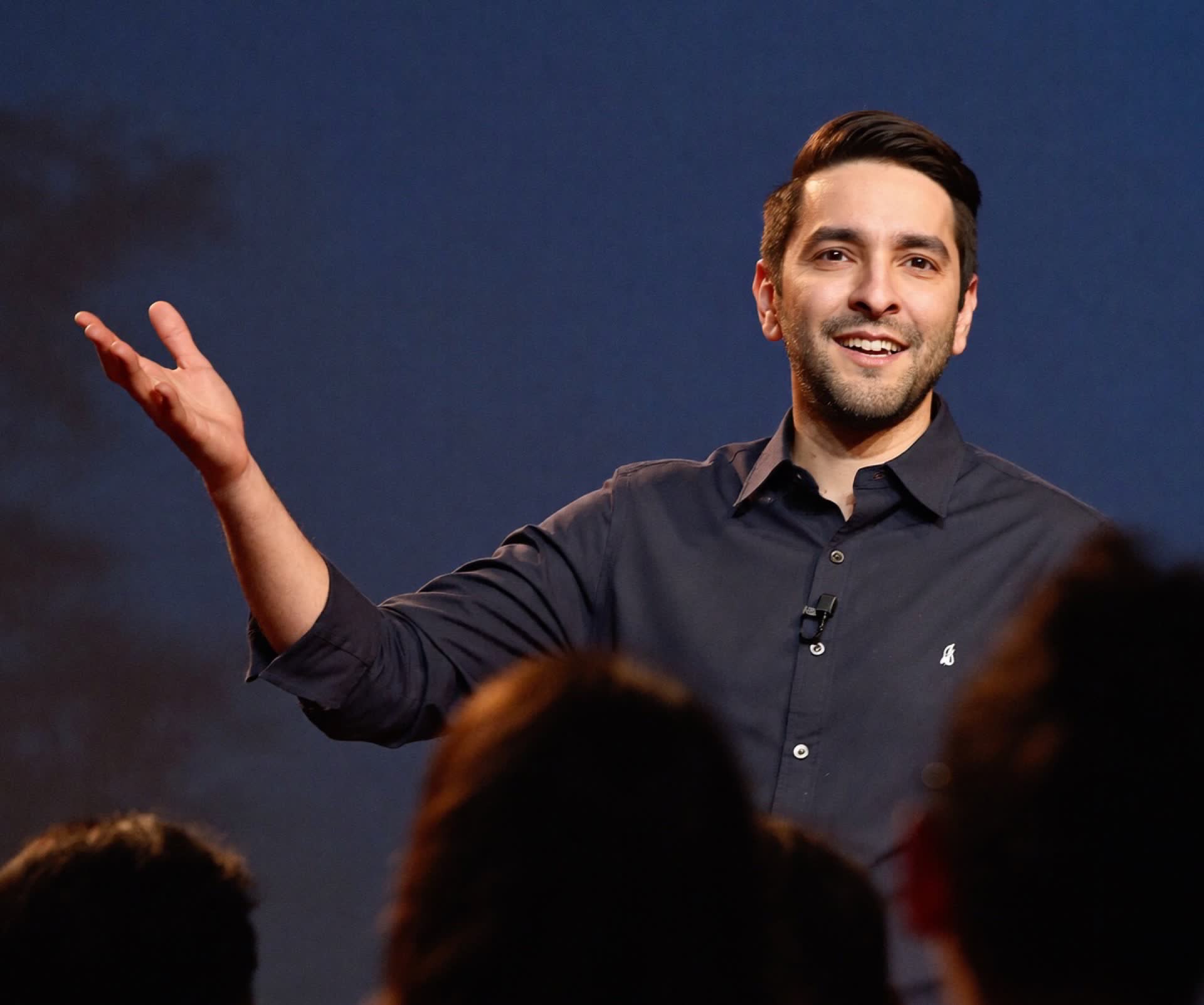
The episode opens with Muzamil welcoming Arzish Azam to Thought Behind Things and stumbling, briefly, over his name — calling him “Ijad bhai” before catching himself. Arzish wears two titles. He is the CEO of Ijad Labs and the country manager for Startup Grind, the global founder community headquartered in Silicon Valley. Muzamil notes that the second of those names tends to overshadow the first; Ijad Labs, he says, has taken the back seat in public perception.

Arzish does not bristle. He frames both roles as a single project. “The work we do collectively, either through these organisations or in my personal role, is to build the IT industry or the startup industry,” he says. The thesis underneath is blunt and economic. The future of the country, in his reading, is in technology and digitisation, and the maths is unsentimental. “However much effort we put in — export more rice, double the mangoes — it will not make a significant difference. The ROI of a tech exporter, of a software engineer, for this country is twenty-five thousand dollars a year. A textile worker is not there. A farmer is not there.” He concedes that this is unfortunate. He also argues that policy should follow where the leverage actually is.

Skipping university, joining Founder Institute

Muzamil pulls the conversation back to the beginning. Arzish did his FSc in pre-engineering at Islamabad Model College for Boys, F-10/3. He took a gap year on the back of some early entrepreneurial ambition — he had been dabbling in e-commerce in high school. He intended to start university and never did. “I have never gone to university to this day,” he tells Muzamil. “I have visited. I never joined.”

Instead, in 2016, a month after FSc, he joined the Islamabad chapter of Founder Institute, an international pre-accelerator that had just opened its doors in the city. The first year was a struggle. The thing that began to click, eventually, was the realisation that community-building and events — the soft tissue around the tech industry — was a place he could be useful. He also tried, briefly, to build a price-comparison startup. After a year he killed it. “Sometimes it is okay to give up,” he says. “Otherwise you waste five years in the same thing.”

He took on the Startup Grind chapter around 2018, and the rest of the arc of his career has been built on that platform.

The super-connector role, and why it matters

Muzamil names what Arzish does without quite naming it himself. “You play the role of a super-connector,” he says. “Why do you think that is so important?”

Arzish’s answer is structural. Some people have talent. Some people have capital. They need to find each other, and on their own they usually do not. “Whether you are an incubator, an accelerator, an influencer on Facebook telling people to just do something — all of our roles are to connect these elements,” he says. “If I have a lot of money and I don’t know what to do with it, someone has to connect that to someone who does.” The person who connects everything to everything else, he says, is the super-connector. He attributes his own position to being in Islamabad at the right time, joining Founder Institute, and watching the network compound from there.

The model he points to is unambiguously Silicon Valley. Y Combinator, 500 Startups, Techstars, Startup Weekend — these are connector institutions that have built companies across the world. Pakistan, in his telling, has under-invested in the equivalent layer.

Norway, Turkey, and putting Pakistanis on planes

A practical version of that work is the international delegation. Arzish has taken Pakistani founders, government officials, bankers, and private-sector leaders to the Startup Grind global conference in Silicon Valley, to events in Norway, and most recently to Turkey. The Turkey trip was scheduled the moment the country dropped its quarantine requirement.

The pitch is unromantic. “Unless we go and meet these people, especially in Silicon Valley, how will we learn?” he says. “If you go to Norway’s annual event for three days, you will understand the crux of Norway. Otherwise it might take you six months living there.” Forced proximity also matters. Muzamil makes the point that relationships that never form in Islamabad — because everyone is too busy with their own builds — form quickly when the same group of people are stuck together at a foreign conference. Arzish agrees. The Startup Grind community now numbers over two hundred and fifty people across Pakistani institutions, and he describes it as a close-knit network that helps each other organically.

The diaspora Pakistan never claimed

The most pointed stretch of the conversation is about Pakistanis abroad. Muzamil makes the case that the country has historically diminished its own diaspora — partly because it never really owned the Pakistanis who left, and partly because the comparison to India, with its vastly larger numbers, is unflattering and discouraging.

Arzish corrects the framing. The Indian diaspora comparison, he argues, is unfair. India is a country of one and a four-tenths billion people, with the largest diaspora in the world and generations of immigration deep into American civic life. “When you isolate the Pakistanis,” he says, “Pakistan has the largest Muslim diaspora in Silicon Valley. Pakistanis overall are the third or fourth most influential diaspora — Chinese, Indians, then Pakistanis. Arabs are not at this number.” His point is that the diaspora is not small in any absolute sense. It has simply been undercounted, under-celebrated, and under-connected.

He lists names from a 2019 Startup Grind conference in Pakistan as evidence — Raghib Husain, an NED graduate who built a six-billion-dollar company; Saad Mashir, the chief technology officer of the city of Seattle; Deshan Ali, a vice-president at Salesforce in Canada. He mentions Fatima Karda. The argument is that these people exist, that they want to be connected back to Pakistan, and that the failure has been on the home side. “Who flies twenty-four hours to come here? They have been coming for the last twenty years. We just need to connect with them.”

A Pakistan Tech Summit in Silicon Valley is scheduled for the fourth and fifth of March. The last one was in February 2020 — the final pre-COVID edition.

Pakistan Future Festival, and a stadium

Before Silicon Valley, there is January. Arzish describes a ten-year initiative called Pakistan Future Festival, scheduled for the twenty-first to twenty-third of that month, running across roughly thirty topics — e-commerce, developers, startups, investment. The plan is to hold it in a stadium because the event is too big for a conference hall. More than a hundred international speakers are expected.

The structural choice he keeps returning to is who gets invited. Not just founders. Policymakers. Diplomatic missions. Bankers. Every stakeholder in the economy. “Technology influences everything,” he says. “Two founders cannot just sit alone and talk. Banking has a role. Every part of the economy has a role.” Muzamil, half-jokingly, points to a video he had watched earlier that day — Kamyab Jawan, a stadium full of people, the prime minister in attendance — and says he wishes the same crowd would gather for freelancers and IT. Arzish nods at the comparison. The January conference is, in part, his answer.

A national emergency that nobody declared

Muzamil brings up Arzish’s advisory role at the federal Ministry of Science and Technology. The exchange that follows is the most policy-direct stretch of the episode.

Arzish is careful with the ministry. The minister, the prime minister, every senior figure in government talks about technology, he says. The leadership understands the direction. His critique is about scale. “We are not doing enough,” he says. “There should be a national emergency that every university teaches software engineering or digital skills. Urdu is important. Public policy is important — we can read those five years later. Right now, there is crazy demand globally for software engineers. In Pakistan companies are offering to double the salary of engineers from other firms. Unlimited demand, very limited supply. Why are we not addressing it?”

He praises the KP government’s announced initiative to train one hundred thousand software engineers under Atif Khan. He flags BPO and call-centre investments. But the maths he draws out is the real argument. A population of two hundred and twenty million. One hundred thousand engineers is, on his count, basically nothing. The right target, he argues, is a million. “One million engineers at twenty thousand dollars each — that is twenty billion dollars. Per year. In five years that is a hundred billion dollars. What better business is there than this?”

Muzamil pushes a related concern: the gap between academia and industry. Around seventy-eight to eighty percent of university graduates, in his framing, are not employable. The fix, he suggests, may not come from the academic side at all. He references a major Pakistani IT company — Systems or Netsol — moving into the university space, and argues that industry-first training is the right shape. Arzish does not disagree. He treats it as one more reason the supply side is broken.

Remote work is the wave; the software houses are the boat that has sailed

The most forward-looking section of the conversation breaks down Pakistan’s IT sector into components. Muzamil counts three: exports, freelancing, and startups. Arzish adds a fourth. “Remote workers,” he says. “Not a freelancer, not a software house — someone sitting in a house in Islamabad doing a remote job for an American company and drawing an American salary.”

His read on each layer is candid. IT outsourcing — the legacy export model — is, in his words, a boat that has already sailed. The Philippines and India dominate. The Pakistani software houses that exist are working on a resource-augmentation model: build teams, sell them to startups. “Unless they evolve, they will die out,” he says. “Their resources will be picked up by the companies that put those engineers directly into remote jobs. There is more money, more career growth, more learning.”

Startups, he argues, will produce billion-dollar local-problem companies — grocery, B2B, the now-familiar shape of regional venture funding. But the most rapid growth, in his view, belongs to product companies built for global markets, and to the remote-work wave. He cites companies like Remote.base — Pakistani engineers placed directly into Silicon Valley jobs at full American salaries. “Three lakh per month here, three thousand dollars there — that is suddenly four or five lakh added.”

Muzamil sharpens the point. The first wave of outsourcing — structured back-office, data entry — was something Pakistan missed. The wave that is now arriving, where companies are willing to hire knowledge workers anywhere because the cost differential is decisive, is a wave the country cannot afford to miss too. In San Francisco, he points out, an individual engineer can cost three or four lakh dollars. The arbitrage is too large to ignore.

Freelancing as an on-ramp, not a destination

Arzish is careful not to dismiss freelancing. The on-ramp matters. A new entrant without an IT degree starts somewhere — Amazon FBA, basic Photoshop, low-value graphic design — because that is the only door open to them. “If you walk in on day one and hand them an AI course, they will say no thanks and leave,” he says. The discipline is to keep people moving up the value chain. After two or two-and-a-half years of freelancing, the right move is into neural networks, advanced analytics, machine learning — the skills that the remote-job market actually pays for.

He is bullish on the rest. Personal shoppers, social-media feed curators, every new category that digitisation is producing in the first world — these are jobs Pakistan can do from where it is. “The internet is not the physical world,” he says. “In Islamabad there are ten thousand jobs and seven hundred applications come for each one. On the internet, there is unlimited opportunity. You can freelance for someone in Tanzania. Work comes from Nigeria.”

The hundred and twenty million who are still offline

The injustice he keeps returning to is access. “One hundred and twenty million of our people do not have internet,” he says. “That is the biggest injustice of this moment.” He calls it a zulm — a wrong done — and he means it structurally.

Muzamil takes the point further. Capital, he argues, follows the same shape inside Pakistan as it does globally. From the developing world it flows out to London and Switzerland. Inside Pakistan it flows from small towns into Karachi and Lahore. Megacities of two crore and one-point-eight crore are environmentally and economically unsustainable. Lahore’s smog, in his framing, is the visible cost.

Freelancing — and more importantly remote work — breaks that pattern. It keeps the worker where they are and routes the capital into their own town. “Now new towns will be created. Now new cities will be,” Muzamil says. Arzish picks up the thread. The industrialised pattern, where a factory in one city pulls everyone into it, does not apply when the factory is in the cloud. “We should not bring people from Sargodha to Islamabad,” he says. “We should give them the digital opportunity in Sargodha.” Pakistan, in his view, has the chance to leapfrog the urbanisation curve that earlier industrial revolutions forced on every country that went through them.

Thirty years out

Muzamil closes with the question he asks every guest. Arzish is twenty-four. What does Pakistan look like when he is fifty-four?

Arzish leans into a global frame. “The concept of nation-states will have been challenged,” he says. “Countries will exist, but they may not have the importance they had fifty or a hundred years ago.” He describes himself as a hyper-optimistic person. The trend lines, in his reading, run his way. Power is shifting toward people who have an internet connection, regardless of which country they happen to live in. Pakistan benefits from being a long-standing destination for American outsourcing and from a diaspora that is, in real numbers, large and willing to give back. “Even if we do nothing as government or as influencers in this country, this will happen in five or ten years. If we make the effort, it might happen in two.”

The closing line is one he delivers without ornament. “All you need is an internet connection and a laptop, and the whole world is at your feet.”

Muzamil thanks him, signals that he will likely join the Silicon Valley delegation in March, and signs off the episode with a plug for The Pakistan Pivot, his new podcast on policy conversations. Thought Behind Things, episode 181.

Full transcript
Muzamil

स्वामी ख़वादिन और दुनात welcome back to another episode of Thought Done. Things आज हमारे साथ मौजूद हैं. एक बहुत ही ख़ास मेहमान हमारे साथ आज मौजूद है अर्ज़ीद ज़ास्म. He is the CEO of ईजाद Labs and also the country manager for startup grind. ईजाद भाई, sorry, ईजाद भाई नहीं, ईजाद भाई कहां से आ गए?

Guest

अर्ज़ीद भाई thank you so much for being part of the show. नहीं, thank you so much for inviting. ईज़ाद भाई भी सही है, मैं बात कर

Muzamil

मुझे यह बताएं कि, you know, वही वही यह दो major titles हैं. ईज़ाद labs and then, startup grind. I feel like most of the people know startup grind more than Yeah yeah. ईज़ाद labs because I feel like that's taken the back seat. Sort of that's more वह but run me through, यह हैं क्या? What's the what's the thought process behind this work? Sure sure.

Guest

Essentially the work we do collectively either these organizations or my personal role जो भी मेरा personal है that is to build the IT industry or the startup industry. Right. हमें यह लगता है कि जो future है इस मुल्क का या overall दुनिया का भी वह technology में है, digitalization में और हम जितनी भी effort कर लें, you know, चावलों की export ज़्यादा करने में, आम हम double भी produce कर लें. उससे कुछ significant फ़र्क़ नहीं पड़ेगा. जो एक ROI है, एक tech exporter की, एक software engineers की इस मुल्क के लिए जो कि पच्चीस हज़ार dollar per year है. वह एक textile worker की नहीं है. एक, you know, farmer की भी नहीं है. Unfortunately होनी चाहिए. But जहां पर है focus वहीं कर लेते हैं. वैसे ही system हमारे इतने effective नहीं है. तो जो चीज़ चल रही है without any support I feel और से मुल्कों में और support होती है इस industry ने बड़ा grow किया है Pakistan में on its own. हमें लगता है कि उसे और आगे लेकर जाया जा सकता है. तो हमारे ये सारे जो international events हैं, जो conferences हैं, जो local events हैं, they they all revolve around kind of growing this industry.

Muzamil

Right. अच्छा इसके बाद मैं detail में आऊंगा. You know, I'd love to talk about, I I know that you guys went to The US. I feel like Norway शौरवी maybe. Norway भी था. And then you guys most recently went to Turkey and I'm going to The US again very soon. We'll go get into that in detail, but थोड़ा सा मुझे यह बताइएगा.

Guest

Where did you do your high school from, and, when was that? So I did my FSC in pre engineering from Islamabad model college for boys, F10-three जो कि यहां से बड़ा क़रीब है. हां हां. और हम यहां ही रहते थे उस time पर. Right. और उसके बाद बस यह कि थोड़ा सा मैंने gap लिया कि यार कुछ entrepreneurial ambitions हैं. मैं कर रहा था already भी high school में थोड़ा e commerce में था. फिर मैं ज़रा ज़्यादा time लगाने लग पड़ा. थोड़ी family की support थी. उन्होंने कहा ठीक है ना जाओ university यह चल रहा है. Sir university आप गए ही नहीं उसके बाद? University आज तक नहीं गया. अरे. Visit करने गया हूं join कभी नहीं की. Interesting interesting interesting. But I I joined Founder Institute. So it's a pre accelerator. एक international है दारा है इस्लाहाबाद में open हुआ था दो हज़ार सोलह की बात है. मैं भी कोई निकला था FSC के बाद एक महीने हुए थे. मैंने कहा यार अच्छी opportunity यहां सीखते हैं कि आप founder कैसे बनते हैं? और उसके बाद एक साल एक की struggle थी but फिर थोड़ा सा you know समझ आया कि यार यह community building में यह events वगैरह इन सारी चीज़ों में

Muzamil

है. Right. वहां से you got basically so Founder Institute was your first sort of foray into the tech world? Yeah. Yeah, absolutely. And that connected you to a lot of, I believe, people as well. Yeah. A lot of mentors, experts, literally everyone who was, you know, worth connecting at that time. So 2016 we're talking about A very different But, yeah, very nascent. Yeah. बहुत सी चीज़ें तब शुरू हो रही थी. Right right. जब आपने ख़ैर उसके बाद फिर startup grind का जो I I believe what what you call it? Chapter. So you got the chapter in 2017?

Guest

So I got the chapter around twenty eighteen ish I think और in between मैं जो है ना एक startup बनाने की कोशिश कर रहा था वह एक price comparison engine था. Right. और साल एक बाद मैंने कहा कि यार यह वाला काम नहीं चल रहा है. कुछ और करते हैं और I I feel that was a good decision. तो I think वह एक बड़ा important lesson था कि यार sometimes it's ok to give up. Yeah. Right? कि उसी में पांच साल आप ज़ाया कर देते हैं और I feel कि it was a very good time to get into this line, right? Yeah. When the industry is growing, there's so much demand. आज हम देखते हैं बहुत से लोग stars हैं technology में, freelancing में, उन सारी चीज़ों में. यह दस साल पहले नहीं हो सकता. This is, like, a unique time in the history of this country. Absolutely.

Muzamil

I feel like you play a role of a superconnector. Yeah. You know, essentially. Why do you think that's so important?

Guest

So, बड़ा मज़े का सवाल है. So देखिए, लोग जो हैं ना कुछ लोग होते हैं जिनके पास talent होता है, कुछ लोगों के पास capital होता है. Essentially इनको connect ही होना होता आपस में. आप एक product बना लें और जब तक आप वह बेचेंगे नहीं, चाहे वह किसी company को बेचें, किसी customer को बेचें. जो हम सारे ecosystem builders हैं, चाहे वह incubators हैं, कोई accelerators हैं या कोई influencers हैं Facebook पर जो कह रहे कि कुछ ना कुछ कर लो. इन सारों का role यही है कि यार यह जो सारे elements हैं ना इनको आपस में connect करें कि अगर मैं बहुत mainती हूं और मुझे पता ही नहीं है कि करना क्या है? तो उसको connect करना चाहिए ना चाहे knowledge से करें, किसी दूसरे बंदे से कर लें और जो हर चीज़ को हर चीज़ से connect कर देता है वह super connector. Right. हम मतलब मैं luckily मुझे लगता है कि positioning थोड़ी अच्छी थी. इस्लामाबाद में था, Founder Institute कैसे network वन गया. तो ऐसा ऐसा वह super connector वाली positioning ख़ुद ही आ गई. Whether that is you know connecting with foreign ecosystems या locally लोगों को आपस में मिलाना और कुछ उसमें मज़ा भी आता और हमें बड़े results नज़र आए हैं इसमें बहुत सी success stories हैं, बहुत सी चीज़ें हम बता सकते हैं, बहुत सी disclose नहीं कर सकते और फिर globally भी अगर आप देखें तो यह जो connectors हैं यह जो दारियां इन्होंने बड़ा अच्छा role play किया मतलब आप Y Combinator उठा लें 500 startups. All these like tech star startup weekend एक चीज़ होती है. उससे बहुत companies पूरी दुनिया में निकली हैं. हमारा अभी भी काम जो है वह बड़ा Pakistan focused है. हमें लगता है कि हमारी यहां पर जो है fit ज़्यादा अच्छी है और हम इसी को international लेकर चलते हैं कि यार Pakistan से top के लोगों को लेकर जाएं America या कहीं और और we we feel के you know more organizations need to come into this space and and there's just so much more to do. इतनी बड़ी population है. अभी भी क्या 40% online है. हां. तो जब बाकी सारे आऐंगे उनको भी तो किसी ने बताने ही है ना कि करना क्या?

Muzamil

Sort of work with each other. I think maybe there is a trust deficit, maybe I don't know what there is. But what a lot of these sort of conferences do and a lot of, you know, what what you do essentially is कि जब like minded या एक ही राह पर चलते हुए लोग आपस मिलते हैं they exchange notes, exchange ideas and they learn from each other and I think right now we're at a stage where काफ़ी तरह इस तरह कहा जाता है कि पाकिस्तानी industry शायद एक competition के space में है. हालांकि technically इस पर demand creation की space में इसमें तो अभी जितने players हैं उससे 10 x शायद और players होंगे. ऐसे. तो अभी तो people need to support each other and and and help each other grow rather than उस तरह से. Tell me about this sort of industry connect meetups that you started doing with with with people from Pakistan and and Silicon Valley and then Norway and Turkey and? ज़रूर ज़रूर. So 2018

Guest

में I was going for the startup grind global conference. तो मैं इसका chapter चलाता हूं लोगों लिए. उन्होंने कहा यार एक conference है तो माजो अपने ख़र्चे भई. So over the years हमने उसको बड़ा structure कर लिया and and luckily we've had some amazing people travel with us और हमें पता लगा कि यार इतने अच्छे लोग हैं जो काम कर रहे हैं, जो products बना रहे हैं, software companies चलाते हैं. Even government के बहुत से लोग हमारे साथ जाते हैं. Private sector से बहुत लोग जाते हैं banks and everything और वो एक community वन गई and and the goal was very simple कि यार मैं दो हज़ार सोलह में एक दफा गया था. US Government का एक program था उस पर और मुझे बड़ा मज़ा आया कि यार बड़ा कुछ सीखा है ज़िंदगी का पहला travel था. आ रहा भी थी और और भी काफी लोग जो है आप जानते हो. Recently we went to Turkey तो COVID खत्म हुआ. Turkey ने quarantine remove किया. हमने कहा अच्छी opportunity है अब चले जाना चाहिए और वहां पर connect किया and we got और Turkey से भी बहुत से अच्छे लोगों ने participate किया at the end of the day the the goal is कि यार हम जब तक निकलेंगे नहीं, मिलेंगे नहीं उन लोगों से specially Silicon Valley में. तो हम सीखेंगे कैसे? Right? और मुझे लगता है कि देखें एक दफ़ा a critical role in helping you grow. आप जाएं Norway के annual event पर तो पूरा जो Norway का crux है आपको वह तीन दिन में समझ आ जाएगा. वैसे शायद आपको छह महीने जाकर रहना पड़े. Right. और हमें लगता है कि हमारी duty है कि हम enable करें लोगों को grow करें. But वह लोग आएं, वह अपना knowledge share करें तो उसका impact बहुत बड़ा है. And and then the events we do in Pakistan हमारा बड़ा focus होता कि यार buyers से speakers आएं. दो हज़ार उन्नीस में हमने एक conference की startup grind की, कुछ चालीस international speaker आए. अच्छा. इसमें बड़े billion dollar entrepreneur से. There is this guy called रागेबुसैन. उन्होंने छह billion dollar की एक company बिल्कुल. बिल्कुल. NED के graduate हैं. बिल्कुल. Salesforce के vice president Canada से आए देशान अली. सात मशीर हैं जो Seattle के chief technology officer हैं. पहले वह Ottawa के CIO होते हैं. हां हां हां अरे मैं बोल तो रहा ऐसे ऐसे बहुत से लोग आए और इंशालाह January में हम एक और बहुत अच्छा event करेंगे. And this is also very interesting right? Like these are पाकिस्तानीs हम बैठ के

Muzamil

अगर मैंने मौलवी Pakistan के उठाने तो sir India में भी बहुत मौलवियां हैं जिनकी मैं तस्वीर साथ लगा सकता हूं. अगर मैं इन लोगों की तस्वीर लगा रहा हूं तो अभी recently there was this KFC का CEO पाक्स्तानी है. ऐसे ही? Again यह Seattle का what's his title? He was a chief technology Yes. The city of Seattle. For the city of Seattle. Let's say, you know, big deal. राघव बुसैन again, big name, big deal. There are people. आप यह नहीं कर सकते कि आप उनको completely disregard करते हैं. Sure Silicon Valley या tech companies tech companies exclusively उसके अंदर Indians हैं, उनका एक connectivity है वह सारा कुछ है. उसमें geopolitics भी है, उसमें बहुत सारी चीज़ें भी है. But somehow हम उसको diminish करते and primarily the reason is because we never really owned the पाकिस्तानी who were going abroad and we never really sort of connected with them. And I feel like what with the stuff that you're doing, we're now able to at least identify कि यार नहीं लोग यह हैं और एक एक sort of connection तो establish हो रहा between the experts and the industry over here. Turkey का जो आपका event था उसमें what what is your average event look like? Like, क्या हो रहा होता है उसमें?

Guest

Conference आप जाते हैं, लोगों से मिलते हैं, talks होती हैं nine to five. आधे लोग talks सुनते हैं, बाकी लोग connect करते हैं, revolve करते रहते हैं. हमारा main जो value proposition है वह तो connecting ही है. But I feel कि जो talks होती हैं, जो sessions होती हैं that that they play a really, critical role, right? So you get educated, you get connected, you get inspiration from a lot of people. And and if you do it like over and over and over for more than four years now then you end up building a huge network that's also interconnected right? So अब Turkey जो दो सौ लोग गए हैं मुझे बड़ी खुशी होती देखकर यह conference थी connected आप भी आए थे वहां कुछ चालीस लोग Turkey वाले थे.

Muzamil

Actually ना you're forced to spend time with each other and वहां पर relationships actually मेरा ख़ाला वहां बनती होंगी. Pakistan में मेरी relationships ही बनती नहीं नहीं अब बहुत आपने अच्छा point raise किया तो एक तो यह कि हमें जो है ना अपनी comfort zone से बाहर निकलना पड़ता है.

Guest

सारे तर्की गए हुए थे तो बड़ा meaningful time गुज़रा. वह लगा यार कि चार साल से तो इससे बात ही नहीं शायद हुई. But यह कि यहां पर life थोड़ी busy होती है especially for people who are you know trying to build things and trying to do something. So, you need to get them out. You know, this is this is essential. आप उठाए इन लोगों को इन्हें कि यार आओ पांच दिन के लिए जाए ना. कहीं पहाड़ों में retreat पर चलते हैं और foreign location is always better. यहां पर ज़रा connectivity का मसला आ जाता है. क्योंकि थोड़ा थोड़ा काम को भी देखना ज़रूरी है. तो उसमें बहुत relationship building and it's a community, right? We've we've done more than what 250 people now and they're kind of a very close knit community who are everywhere in all organizations at all places. Right. And they help each other, right? It's it's very organic.

Muzamil

Right, makes a lot of sense.

Guest

अभी जो आने वाली conference आ रही है, what what's the plan for that? जो यह, I believe February में आ रही है? हां. Silicon Valley की? जी. So, मैं February से पहले अगर January का कुछ बता दूं. So, में we'll do hopefully Pakistan's largest conference ever. But largest हर कोई कहता है so most important मैं कहूंगा यहां most relevant. So, we we found out कि यार यह कुछ तीस topic हैं जिस पर बात होनी चाहिए. So, e commerce, developer, उसके अंदर जो subcategories हैं, startups, investments everything. So we're doing something called Pakistan future festival. Right. And we'll do it over the next ten years also. It's a ten year initiative और यहां पर एक stadium में करेंगे क्योंकि इतना बड़ा event है. और जनवरी इक्कीस बाइस तेईस को वहां पर we'll also have more than like 100 speakers from outside Pakistan and probably everyone you should connect in the tech slash digital ecosystem of this country. Oh, very cool. And and the crux of this event is कि, you know, you don't just invite the founders. You invite policymakers, you invite people from diplomatic missions, you invite every part of the economy. क्योंकि at the end of the day technology influences everything, आप जो है अकेले बैठकर दो founder नहीं बात कर सकते उसमें banking का एक role है, हर चीज़ का role है. तो वह बुलाएंगे. सारे stakeholders को basically करना Absolutely है stakeholders को और then February में we'll go to you know Silicon Valley and then on March fourth and fifth we'll do Pakistan tech summit in Silicon Valley. तो आखिरी वाला हमने किया था corona से. बिल्कुल पहले वह भी February दो हज़ार बीस की बात है. वह शायद आखिरी event था pre COVID और अब हम वह दो साल बात करें और दो साल में जितना industry ने grow किया है, हमारी यह ख्वाहिश है कि हम जाकर Silicon Valley में show करें और खासकर जो जो वहां का role बड़ा connected है Pakistan के लिए वह यह है कि बहुत सी जो investment Pakistan आई है, that's primarily from the Bay Area, right? From Silicon Valley, from people like you know आतिफवान coming back and evangelizing और a lot of angel investors जो वहां रहते हैं, बहुत successful हैं, जो हम पहले बात कर रहे थे जिनका शायद हमें नहीं पता. लेकिन वह मुल्क को give back कर रहे हैं. Right. बहुत देर तक शायद लोग charity की form में give back कर रहे थे, अभी भी करते हैं but जब उन्हें channel मिला, उन्हें पता लगा अच्छा यार यह अच्छी अच्छी companies निकल रही हैं और हम America में तो invest करते हैं तो अपने मुल्क में invest करें. तो वहां जो पाकिस्तानी हैं उनकी बड़ी support है और इसमें मैं थोड़ा add करता चलूं जितना जो comparison हम करते हैं I think जो Indian diaspora है I I feel that is unfair. You know, it is one of the world's largest population, one point what 1,000,000,000. One four billion, हां. 1,400,000,000 and and it is the largest diaspora in the world. मतलब America में नहीं, पूरी दुनिया में इससे बड़ा diaspora नहीं है. Right. और वह इतनी देर से immigrate हो रहे हैं उनकी third, fourth generations America में. Mhmm. जब वह हैं तो बहुत well integrated हैं. वह numbers में भी ज़्यादा हैं तो उनका हज़ार बंदा है, हमारे सौ हैं. हां. हम क्या compare करें? हमारे जो लोग हैं अगर आप you know उनको isolate करके देखें so Pakistan has the largest मुस्लिम diaspora in Silicon Valley. Right. पाकिस्तानी is overall are like the third, fourth, most influential diaspora, right? So Chinese आ गए, Indians आ गए. फिर पाकिस्तानी को तीसरे चौथे number पर आते हैं. यह अरबी भी इतने ज़्यादा नहीं है. तो हमें उसको देखकर उसको celebrate करना चाहिए. हां. हम January में भी करेंगे, February में, March में भी करेंगे और जो बहुत से पाकिस्तानी हैं हर जगह बैठे हैं senior roles में, VCs हैं, Then then we set our mission कि यार we'll discover these people, we'll highlight them, we write blogs and we host interviews with them, we invite them to events, क्या लोगों को पता लगे. Recently there there was this girl visiting Pakistan, she is the CEO of Microsoft. Right. She is advisor to the city of Microsoft as well और फात्मा कारदार और इस तरह के बहुत से और लोग हैं. लेकिन वह connect होना चाहते हैं और मुझे लगता है कि गलती at the end जो है ना हमारी यह हम जो यहां बैठे हैं कि we we did not try hard enough, right? हम गए हमने कहा यार यह no brainer है. इन लोगों को बुलाओ इनको celebrate करो और यह मदद भी करना चाहते हैं. मतलब कौन ख़ुद fly करके चौबीस घंटे दूर आता है, ठीक है? कि यार मैं कुछ करूं और शायद कुछ हो भी ना अगले दो चार पांच साल लेकिन वह आते रहते हैं वह पिछले बीस साल से आ रहे हैं. हम सिर्फ़ यह करें कि उनसे connect करें कि यार ठीक है मिलकर शायद हम कुछ achieve कर लें. Right and I think we're we're going towards that as well. I think वह जो,

Muzamil

लोगों की expectation भी यह होती है ना कि for example India, you know, like, we we look at India and we're like, oh, know, Indians, देखिए वह किस तरह celebrate कर रहे हैं. उनका for example, like, सुंदर प्रचाई came came to India. It was a big deal. India is where it is today because it's it's a long time coming. Yeah. You know, they've built not just internationally. Like, diaspora जो बाहर गया, उसने तो अपना आपको they worked hard and they made sure that they grew grew there as well. But ऐसे. तब आप जाकर IT export sector पहली दवा properly एक growth की तरफ़ गया, right? तो हम भी उस तरफ़ उस direction में हैं and we shouldn't discount just because we're a little behind we shouldn't discount what was going to happen in the future. Yeah yeah yeah. It's just about the fact कि वही वाली बात है कि आपने अगर आज आप यह शुरू कर रहे हैं तो हो सकता है क्या? आज से you know दस बारह पंद्रह साल बाद जब वह connections इतने establish हो चुके हों कि you know CEO is coming back to Pakistan and prime minister is meeting him and it's a big deal and, you know, celebrate हो जितना India में celebrate हो रहा था. It's just about making sure that the right nodes, all the right nodes of the society are working towards that. I know that you are also, you advised the the the the science and technology ministry, and the minister, I I suppose. Yep. Tell me a little bit about that engagement, and and what what have you experienced in your, you know, experience with the science and technology ministry?

Guest

क्या हम कर सकते हैं as government? I think it's a very good gesture, you know, the leadership acknowledging कि this is something of the future and maybe the young people need to come and assist us in understanding this, right? We can we can only do that कि यार सत्गे जो है ना यह चीज़ करें तो बड़ा अच्छा हो जाएगा मुल्क के लिए. But वह समझ रहे हैं और मज़े की बात यही है कि ना सिर्फ़ वह आप सारे शायद समझते हैं. आप जिस minister की बात सुनेंगे हर कोई technology की बात करता है, prime minister साफ करते हैं. जो शायद मेरा थोड़ा सा गिला है overall कि we're not doing enough, right? I'll say कि my ministry is trying to do this and that and we are. But as a country the the effort is not there. I feel there should be a national emergency कि सारी जो university हैं ना वह software engineering या digital skills पढ़ाएं. ठीक है, उर्दू पढ़ना बहुत ज़रूरी है, you know. Public policy पढ़ना ज़रूरी होगा, पांच साल बाद पढ़ लेंगे. ठीक है? अभी पूरी दुनिया में software engineers की crazy demand है. Pakistan में इतनी demand है कि companies are offering double the salary कि यार तुम किसी company में काम करते हो हमारे पास और double salary ले दो. Unlimited demand and very limited supply. Every other company you ask they need someone with like designing skill, software engineering, all of the others locally and globally. Right. हम उसको address क्यों नहीं करें? It's a massive opportunity. I I think the KP government announced an amazing initiative. There's some things happening on federal level. KP government क्या कर रही है? So they they've announced an initiative, आतेफ़ान साहब, to train 100,000 software engineers. From KB? From KB, from KB. Very cool, very cool. And they are also attracting companies in BPO के आए और call centers बनाएं और सारा कुछ और और बड़े अच्छे initiatives हैं but दो सौ बीस million की population है. लाख engineers से तो हो गए कुछ नहीं. हमारा goal होना चाहिए कि यार हमने जो है ना एक million engineer बना रहे हैं, right? So एक million engineer अगर बीस हज़ार dollar कमाएं I think क्या बीस billion dollar बनते हैं जो भी math But इतनी अच्छी नहीं यह क्यों सारे मुल्के जो क़र्ज़े शर्ते हैं ना वह बड़े easily cover हो सकते हैं. 1,000,000, thousand million, 10,020 तो हां बिल्कुल बीस billion ही बनता है. बीस billion dollar and that is बीस billion dollar per year, इससे अच्छा कौन सा कारोबार है? पांच साल में that is $100,000,000,000. Yeah. Right? And that is just million people directly. Yeah. So those million people will उनके खानदान है? वह खानदान है. वह companyयां बनाएंगे. बिल्कुल. तो जो India की हम बात कर रहे थे the IITs initiative. It is amazing, right? So it is at the core of the the amazing growth that they've seen in tech. We need something like this, right? और और मैं अपने role में भी कोशिश करता रहता हूं कि यार कुछ इस तरह का बड़ा काम जो है ना हमसे हो जाए, जो आने वाली generations को affect करें. नहीं, बिल्कुल आपकी बात दुरुस्त है and I think,

Muzamil

have you heard of the, the special technology zone authority? I think they I was having a conversation with them the other day and they were, you know, they had some interesting thoughts about building talent. Pakistan में एक एक यह भी बात है कि you know we talk about building talent and हम कहते हैं कि ठीक है IIT type की चीज़ जो है वह कोई Pakistan में शायद हो जाए, इस तरह हो जाए. We saw the president's initiative for AI and and वह as well. Even within the last government, NAFTECH and इस तरह के इतारे थे जो कि technical या vocational तौर पर courses वग़ैरह करवा रहे थे. I feel like there's a huge discrepancy also between the academia and the, industry as well. Where what's happening is and and and so basic level के ऊपर I I agree. You know, आप universityयां बनाएं, आप बच्चे बनाएं. But जिस मुल्क के अंदर 78, 80% बच्चा जो है, जो universityयां से निकल रहा है वह essentially, you know,

Guest

Employable नहीं Employable

Muzamil

नहीं Right? And and उसमें फिर आपको यह realization होती है कि यार maybe the academic circles scaling this up or the government sector scaling this up is not the right decision because वह sectors को नहीं समझ. उनको बस ठीक है, will होगी, सारा कुछ होगा, पैसा भी लग जाएगा but वह right तरीके से train ही नहीं कर सकेंगे. So, मेरी thought इसमें फिर यह आती है कि what if the private sector gets into it. So for example पिछले दिनों मैंने सुना भी था I believe systems या किसी ने बोला था कि हम अब university की तरफ़ जा रहे हैं. I'm not sure it's a it's a very big company. It's either Systems or it's

Guest

NetSoul?

Muzamil

NetSoul, one of those. जिन्होंने बोला था कि जी हम अब university की तरफ़ जा रहे हैं और हम जो है वह करेंगे because I feel like that's the right Approach. Approach. Those are the right people जो कि industry first किस्म के talent को produce करेंगे. ऐसे. जिनको पता है सच ही बात है जिनका incentive है कि यार अगर अच्छा बच्चा निकलेगा तो मैं direct इसको hire करूंगा, hire करूंगा, मैं ज़्यादा पैसे खुलवाऊंगा. ऐसे ऐसे. I feel like your training जो supply side है ना वहां पर Pakistan में there's a major major problem. Yeah. We're unable to, we're talking a lot about freelancers. Generally हम उसका, वह भी करते हैं कि, you know, freelancing is very very important. But then freelancing में wish to stuck on. वह जब 20,000 वाली बात बोली है, वह freelancing इनसे नहीं आएगी. You know, freelancing is again inherently या तो आप burn out हो जाएंगे पांच पांच दस हज़ार dollar के आप graphic design कर करके. Yes. To actually have like an eight hour ten hour job and to be able to make 20,030 thousand dollars वह you need high value, you need AI, you need you know उस तरह की skills and वह उस पर नहीं है. Science and technology has been working on I don't know if you have any understanding about that or not, but they've been working on the EVM as well. Do you know anything about that कि उसका क्या फलसफा है? हां हां, थोड़ा सा मुझे idea है. I I मतलब I am there so

Guest

so EVM यह कि एक एक startup ने बनाइए जो नस्त में बैठता है. The ministry has been pushing it, promoting it, patronizing it with which is the minister's role. And I I feel now it is also recognized in some, you know, election bill and everything. मेरा क्योंकि वह forte नहीं है तो मैं उसको इतना interest नहीं रहता. हां, मैं उसकी political side भी कोई भी नहीं पुछ रहा. I'm trying to understand The technology side. Yes, so it's a it's an analog machine. It can't be hacked, right? So so एक calculator आप hack नहीं कर सकते. एक typewriter hack करके दिखा दें. और technology is sound. I I know the people who made it. They're really good entrepreneurs and they're like, you know, छोटा सा एक startup जो बड़ा हुआ, grow किया hardware side में, NSTP में वह बैठते हैं National Science And Technology Park में और उन्होंने एक indigenous यह machine बनाई है made in Pakistan. You know, the EVM was primarily prime minister's goal and agenda and everything and there are some foreign companies also जो जाती हैं यार हमारा EVM इस्तेमाल करना है कि भाई क्यों करें? इतना बड़ा project है. हां. Made in Pakistan होनी 55,000,000,000

Muzamil

rupees का project है यह. बहुत ज़्यादा It's a huge amount. It's a huge amount. So अगर कोई ऐसा मेरा perspective अगर कोई ऐसा project बहुत सी ऐसी चीज़ें जो कि अगर आप कर जाएं, गाड़ियां हैं, गाड़ियां आप वह महंगी होंगी because गाड़ियों को इतना major bill आता है dollar value में. ऐसे. लेकिन आप नहीं कर पाते, मलेशा कर गया, तुर्की कर गया. You know, you never took that initiative.

Guest

वह side पर रहे, facilitate करे, रोके ना आकर. हां. जो कि बहुत से और मुल्कों में हो भी रहा है बल्कि उल्टा facilitate करना चाहिए और I think अगर अच्छी policies बनेंगी और implementation होगी this will only grow. But अगर नई भी बनेंगे तो this will grow. यह growing industry है globally. Internet हर एक के पास पहुंच रहा है. लोगों ने कुछ ना कुछ तो करना ही है. हां. और आप वह खुद movement witness कर रहे होंगे कि जो आज हो रहा है freelancing में या technology में even startups में so much funding. IT exports में, वह तीन चार साल पहले नहीं था. तो global factors भी align हुए हैं, थोड़ा COVID भी था, थोड़ी सारी चीज़ें जो हैं ना वह, it's just good timing. Right, makes sense.

Muzamil

You've been around a lot of these very very successful and very very at least successful already or maybe successful in a coming few years, sort of people. And obviously, फिर आप वापस जाते हैं और आप जाकर अपने boys के साथ ही बैठते हैं. I'm not trying to demean the boys. I'm sure the boys are very smart as well. But generally, you know, in terms of these very very smart people and in terms of the very very ordinary people जो Pakistan में जो disconnected हैं जो उनको नहीं पता कि क्या हो रहा because I know मैं connected हूं technology side से मैं बड़ी simple सी बात करता हूं कि यार the change is now inevitable. आप कुछ भी कर ले वह नहीं रुकेगा. Yeah, the right word for it. You know but a lot of people are very cynical. They're like, नहीं यार मुझे तो नहीं नज़र आ रहा You know, मेरा तो अभी यह भी मसला है, वह भी मसला है. वह मसले हैं लेकिन वह मसले event, it's it's it's only a matter of time. Yeah. You know, you can't stop it anymore. How do you differentiate between, you know, these smart people and and and and what you the conversations that you're hearing in Turkey and and and Norway and in San Francisco versus what you're seeing around on ground in Pakistan?

Guest

Very good question. So मैं on ground भी जो है ना ज़्यादा तरीनी लोगों से मिलता हूं. मेरे दोस्त सारे वहीं हैं. मैं लेकिन I feel कि जो gap है जो let's say हम connected Pakistan पर गए वहां को दस हज़ार लोग आए हुए थे और बड़ी उम्मीदें लेकर आए थे कि हम कुछ सीखेंगे. I feel the gap is only in in the mindset, right? Right. कि वह जो ख्वाब है जिस दिन वह कोई देख ले कि यार हम भी जो है ना क्या tracks बना सकते हैं या बाज़ार बना सकते हैं, airlift बना सकते हैं या हम भी शाम server वन सकते हैं. For example freelancing कर सकते हैं. तो जिस दिन वह खाप को देख लेंगे उस दिन वह effort भी शुरू कर देंगे. So motivation is very important but the second thing is more important कि उस पर action भी लेना ना. हां. मतलब हम इतनी motivational talk sun लेंगे. ठीक है? Action नहीं करेंगे क्या फ़ायदा? और I feel कि motivation का aspect होना चाहिए. हमें को दस million dollar spend करना चाहिए. Billboard लगा दें पूरे मुल्क में कि भाई आप भी यह कर सकते हैं. पर बस लोग start करते हैं. Resources तो available हैं मतलब Udemy बाकी सारी जो चीज़ें हैं यह जितने लोगों की मैं साले दी इनको किसी ने आकर training course तो नहीं बेचा था या पढ़ाया था. वह खुद ही लगे रहे हैं online सीख गए हैं. अब तो और streamlined हो गया आपने software engineer बनना होता है पूरा पूरा course free पड़ा हुआ है. सिर्फ I I feel now you need time and hard work, right? So it's कि मैं छह महीने मेहनत करूंगा, मैं यह achieve कर सकता हूं. मैं दो साल करूंगा, मैं यह achieve कर सकता हूं. सिर्फ़ फ़ैसला करने के यार हम भी कर सकते हैं. और उसके बाद तो there's like unlimited opportunity. Internet is not like the physical world where you are like कि यार यह इस्लामाबाद है इसमें दस हज़ार नौकरियां हैं you know एक job आपने post की सात सौ applications आ गई हैं एक ही job है. लोग इतने ज़्यादा हैं. Internet पर तो unlimited opportunity है Tanzania में किसी के लिए freelancing कर लें you know Nigeria से काम आ जाएगा. पूरी दुनिया आपके सामने और मुझे यह लगता है कि सबसे बड़ी ज्याति है इस वक्त की भी कि हमारे एक सौ बीस million लोग हैं जिनके पास internet नहीं है. Right. तो कोई कोई solution इसका होना चाहिए.

Muzamil

तो इससे बड़ी क्या जाती हो सकती है? नहीं and even I was talking to a couple of episodes ago. आप लोगों देख सकते हैं. I was talking to this top seller from रोजस्थान. उस पर उन्होंने he was from remote sort of district. ठीक है? और internet जो है वह three G आता है 50 KBPS की speed है और मैं उसके बाद बैठकर जी Amazon FBA कर रहा हूं बेटा वाह. वाह वाह. पर बड़ी detail है मैंने उससे conversation की की you know अच्छा अब मेरे देखिए मेरे लिए freelancing is powerful because freelancing अगर मैं purely IT side को side पर रखूं ना मैं ज़रा Pakistan में Pakistan और economics और administration को लेकर आता हूं. Mhmm mhmm. Pakistan में जो हमारे शहर है ना वह एक अजीब और ग़रीब शक्ल अख्तैयार करना शुरू क्यों हो गए हुए हैं? क्योंकि global level के ऊपर आपके छोटे developing world का capital जा रहा है London और Switzerland और वह. इसी तरीके से within Pakistan आपका capital flow करता और जाकर शहरों में जाकर you know end up कर जाता है. अब freelancing changes that dynamic. What it does is कि it keeps you where you are and it directly gives you capital that you are able to spend in your own surroundings. So for for once, you can begin to dream or imagine कि now capital, now new towns will be created. Now new cities will be. And that's very important for Pakistan. Absolutely. कि जहां पर कराची की आपकी दो करोड़ की population है, लाहौर की आपकी एक शायरी आठ करोड़ की population है, आप sustain नहीं कर सकते इन megacities को. It's unsustainable. It is creating an environmental hazard जो लाहौर में इस मौके शक्ल में आपके सामने है. कि it should be a fundamental, you know, human right. क्योंकि वह जिसके पास इस वक़्त internet का access नहीं है वह बेचारा, you know, he's he's losing out an opportunity unfortunately. Absolutely absolutely. इतनी बड़ा

Guest

तो यह you know I'll I'll again use the word कि यह ज़्यादती है, ठीक है? जो internet हमने नहीं पहुंचाया और अब पहुंचाना चाहिए. I I feel कि जो आपने point raise किया कि शहरों में capital आ रहा है very you know point like on point. जो industrialized nations हैं they've been through this you know industry बनती है एक factory एक शहर में लगती है. वहां पर सारे लोग move हो जाते हैं. Technology में तो इस तरह नहीं है वह तो factory cloud में लगी हुई है जहां मर्ज़ी बैठकर काम करो. तो हमारे पास तो यह opportunity है ना हम leapfrog करते हैं. हम क्यों सरगोधा से लोगों को लाओ और लेकर आ रहे हैं. उन्हें सरगोधा में digital opportunity दो. लेकिन हमारे पास यह opportunity है कि हम यह fourth industrial revolution जो digital है इसकी वजह से अपना पूरा मुल्क grow कर सकते हैं rather than कि हम सारों को इस्लामबाद लेकर आएं क्योंकि आपके you know आधे bank जो हैं इधर हैं, आपके सारे सरकारीदारे इधर हैं, आपकी चालीस universityयां इस region में हैं. लोगों को उनके शहर में opportunity दो. बिल्कुल ऐसा ही है.

Muzamil

In terms of मैं अगर Pakistan का IT sector को break कर सकूं. There are three major components that I see. There is the IT, Exports? नहीं, exports तो more or less इनमें से at least दो components जो हैं वह export oriented हैं but पैसे बनाना शुरू कर दिए वह जी remittance की मदद में पैसा पैयों नीर से मंगवा लेता है. Generally उसकी अभी तक उसको जो even identify करना ना कि यार यह actual कितना है कितना नहीं है वह भी हमें इतनी कुछ समझ नहीं आ जाए. और फिर तीसरा startups है जो कि basically technology को use करके certain core components of the society को disrupt करने में लगे में. जी वह दस्तगीर and all of these people वह smart choice वाले आए हुए थे कि जी हम जो है वह insurance को हम technology enabled easy कर दें. हम जो है जी वह करियाने की दुकान को technology के साथ connect करके चीज़ों को optimize How करना शुरू कर

Guest

do you see these three components individually in a in in a holistic way कि क्या क्या कर रहे हैं? क्या आपका view है? Because you've been around a lot of these people. Sure sure. I think अगर अगर मैं you know मेरा perspective है अगर मैं एक fourth add कर दूं which I would say is remote workers, right? So वह freelancer भी नहीं है, वह software house भी नहीं है. वह एक बंदा है जो बैठा है इस्लामाबाद किसी घर में और वह America की company में एक remote job करता है और American salary draw करता है हां, वह वह ज़मीन हो जाते हैं बिल्कुल सही है. तो मुझे यह लगता है कि देखिए IT outsourcing has been there for a very long time. We've missed out on the wave of IT outsourcing unfortunately Philippines बहुत आगे निकल गया, India निकल गया जो भी मसले मसले थे. अब वह boat sale कर चुकी है जो हमारी तीन चार companyयां बड़ी हैं. America वह India में कोई छोटी सी company होती है जो उन सारों को मिलाकर ज़्यादा बड़ी होती है. तो ठीक है वह अपनी जगह effort कर रहे हैं. But I feel जो growth है वह products में. तो अब जो startups हमारे funding raise करें primarily यह वह हैं जो local कोई challenge solve करें हैं. तो global VC industry को ही नज़र आया. Thanks to you know आतिफ़वानाइट से या some other people जिन्होंने movement की. But अब सारों को नज़र आ रहा अच्छा यार इतनी बड़ी population है, हर मसला ही solve होने वाला है. तो जो startup कर रहा है you know India में grocery हो रही थी. यहां जो grocery कर रहा है उसमें डाल दो बीस million dollar. You know B2B हो रहा है, जो भी हो रहा that is good, that is fine. ये companies billion dollar वन जाएंगी. But जो companies ने products बनाएं global market के लिए, so NetSol as a product, right? Basically a product company, उसकी वजह से उनकी growth है. You know, keep रखने हैं, let's say there are lot of other companies. उनकी जो growth है that is much more rapid and the the current landscape which is यह remote worker वाली जो सारी चीज़ें there's this company का remote base जो remote jobs देती है Silicon Valley की direct. अच्छा salaries भी ज़्यादा अच्छी हैं. वह नहीं होगी कोई बंदा खुद जाएगा और remote job ढूंढ लेगा. मेरे बहुत से दोस्त करते हैं. Remote job करते हैं हम, यहां बैठे तीन लाख कमाते हैं, तीन हज़ार dollar कमाएंगे. एकदम जो है ना चार पांच लाख add हो जाता है. Mhmm. तो software houses unless they evolve. I know of a lot of software companies that work on resource augmentation का model कि अच्छा यार हम teams build करके startups को देते हैं. तो अगर वो नहीं करेंगे they'll die out. That's the unfortunate reality है जो project base हम सारे बैठे हुए हैं. यह आज नहीं तो कल चले जाएंगे क्योंकि इनके भी जो सारे resource हैं यह वो companyयां उठा लेंगी जो direct लोगों को remote jobs provide करेंगे. क्योंकि उसमें पैसे ज़्यादा हैं, career growth है, overall learning बहुत है. जो beach में freelancer वाली यह wave है, I feel कि उसमें बहुत एक तो वह, you know, बहुत diverse है. तो content writer भी है, कोई कोई website बनाता है. वह पता नहीं लोग क्या क्या कुछ करते हैं और वह कमाल है. I think कि वह चलता रहेगा और शायद उसमें से भी both लोग जो हैं वह remote jobs की तरफ़ चले जाएं कि यार यह रोज़ जो हम तो मुझे लगता है कि जो पहली वाली दोनों चीज़ें आपने की उसका future जो है ना वह remote jobs है. वह globally हो रहा है Pakistan में बहुत effect आ रहा है और COVID ने इसे push किया तो pre COVID globally भी इतनी यह mainstream चीज़ नहीं थी. Post COVID तो companies ने कहा यार फ़ायदा ही इसका है. हमें तो उसके poster लगाने चाहिए पूरे मुल्क में कि यार ऐसे बनो ना आप America जाओगे, ना आपकी 6070% salary उधर लगेगी और आपको पांच दस हज़ार dollar वापस भेजोगे अपनी family को remittance. हां. इसमें तो वह पूरा Pakistan आता है. क्योंकि STD है जो है थोड़ा सा expand करें ना उन लोगों को भी attract करके वापस लाए. Definitely. तो मेरा personally यह perspective है कि this is the future of work, right?

Muzamil

Like अपनी मर्ज़ी से अच्छे पैसों में और जो इसको explore कर लेगा वह sooner or later आएगा इसी चीज़ पर. नहीं आपने बड़ी मज़े की यह चीज़ की and I think what I would say is company हमने कहा companies realized this after COVID. मैं तो अब यह कहूंगा companies ने अभी realize करना भी नहीं शुरू किया. इसका step one यह था कि for the longest time outsourcing generally जो ज़्यादा ऐसी चीज़ की तरफ़ जाती थी जो कि, जो जो structural चीज़ थी जो कि ना ऐसी McDonallies चीज़ थी जो कि data entry गई. अब इसका next step यह है कि बहुत सारी यह companyयां realize करेंगे कि यार बंदा हमारा घर बैठा वह घर बैठा है Seattle में या वह घर बैठा स्लाहाबाद में या घर बैठा वह New Delhi में. Doesn't really matter. Yeah yeah yeah. You know if if that's cutting the cost to half, why should I? Particularly आप San Francisco में जाएं तो वहां तो तीन तीन चार चार लाख dollar देने हैं because the cost of individual is too high. Yeah. So I think हमने शायद जो outsourcing का business processes, data entry, वह वाला boom हमने miss किया, I agree. हां, यह वाला नहीं miss करना. यह वाला नहीं miss करना चाहिए. I think there is a huge boom coming. Yeah. And इस boom के अंदर मुझे personally जो एक चीज़ मैं ज़रूर कहता हूं काफ़ी तबाह हमारे ना आपस में nodes बहुत ज़्यादा एक दूसरे से वह करते हैं. जो freelancer है वह कहता है यार आओ मेरा जाति ख़याल यह एक spectrum है. ऐसे ही. एक नया बच्चा जब घुसता है ना जिसने for example IT की degree नहीं की तो वह घुस रहा है वह explore कर रहा है तो वह शायद Amazon FBA करके explore करके घुसे या शायद वह छोटी basic Photoshop का course करके graphic design कर ले. Upskilling बहुत important है कि एक freelancer baseline freelancing से आता है उसके बाद फिर आप उसको पहले दिन जाएं और जाकर AI का course दे दें. वह sir खुश जाएगा कहेगा भाई माफ़ करो मैं जा रहा हूं. आप उससे तक़रीबन दो ढाई साल freelancing कराएं. फिर आप उसको कहेंगे बस वह low value में ही low value chain में नए और low value chain में बड़ा important है कि नया बंदा नहीं low value chain में ही आएगा. But उधर से लोग upscale होकर constantly high value की तरफ़ जाएं. Neural networks, advanced analytics, artificial intelligence because this is where जो remote jobs हैं, सच्ची बात है वह वह हैं ही सारी यह. ऐसी, Right? मैं I was looking at this very interesting, मैं एक तो यह देख रहा था कि changes in jobs, future of jobs देख रहा था. Personal shopper. लोग इतने busy हो चुके हैं America में कि they want कि एक individual हो जो कि बैठकर उनकी जो है ना curated personal shopping करें कि वह उसको बैठकर text भेज दें यार यह एक नगर वह उसकी shopping कर लें. अच्छा ठीक बिल्कुल. Social media feed curator Digitization is creating these very very new forms of essentially work जो हमने जैसे ना देखा के कभी भी नहीं हम सोच सकते थे कि Uber करीम भी हो सकती है जो कि जो है जी आप अपनी गाड़ी लेकर निकलो और आप जाकर जो लोगों को facilitate Facilitation कर अब बहुत next level हो रही और उसमें facilitation जो है वह अब क्योंकि digitization की वजह से you can now facilitate the first world. Yeah. And have that capital move to move to your countries as well. Do you think while we're we we you you mentioned earlier, you said, you know, I feel like we haven't called it an emergency yet. Mhmm. And I think we should. But do you think we're

Guest

at least headed in the right direction in terms of do you think this is only going to grow year on year? Yeah yeah, absolutely. देखिए एक तो यह है कि मैं बड़ा एक hyper optimistic इंसान हूं. तो मुझे लगता है कि सारी चीज़ का result जो वह positive जो है ना obviously there are downsides to all the social media and that stuff. But humanity overall will will, you know, make the most of it, right? हम यह देख रहे हैं globally कि there is more, trend on issues, right? कोई कोई कहीं पर कहीं से आती होती है तो एक global trend वन जाता है. क्योंकि issue क्या होगा कि equality एक चीज़ है एक equity आएगी, ठीक है West में कोई, you know, हादसा हो जाए बहुत important है. यहां पर कहीं हो तो इतना important है. क्यों? Human life तो सारी एक जितनी होनी चाहिए ना? अब social media से वह नज़र आ रहा है और मुझे लगता है कि यह एक global trend है जिसका हम चाहते ना चाहते हुए एक part है. हम बहुत देर से America की outsourcing करते आ रहे हैं. तो Silicon Valley में जो चीज़ें होती हैं बड़ा direct effect Pakistan पर आता है. हमारे बहुत से लोग गए हैं. उन्होंने billion dollar companies बना ली. अच्छा वह बड़े well connected भी हैं, वह अपनी capacity में मदद करें हैं, लोग training programs चला रहे हैं, companies बना रहे हैं, universities को donations दे रहे हैं इतनी. हमें फ़ायदा तो इसका होगा. मतलब हम कोई effort ना भी करें तो शायद यह पांच दस साल में हो जाएगा. हां अगर हम कोई effort कर लें तो शायद दो साल में हो जाए. Right. ठीक है? फ़र्क़ सिर्फ़ इतना है और issue क्या है कि आज एक wave है let's say AI, ML जो भी technologies आ रही हैं, पांच साल बाद कोई नई wave आ जाएगी. लेकिन जब internet तक रसाई हो जाएगी सारों की. सबके पास internet होगा. तो वह जो भी होगा वह आती रहेंगी चीज़ें right? आज अगर आप PHP के software engineer थे तो आप react पर move करें आपको ज़्यादा पैसे मिलते हैं. वह trend चल रहा है. नहीं करेंगे, नहीं मिलेंगे. तो यह तो natural है लोग करते रहेंगे. As long as क्या वह उस digital economy का part वन जाए. तो मुझे तो यह लगता है कि देखिए सबसे important है कि हम internet पहुंचाएं सब तक और दूसरा है awareness, जो भी चीज़ हो, हमें इन लोगों को star बनाना है जिन्होंने positive चीज़ों में success लिए. जो बाहर गए, जिन्होंने काम किया. इनकी story showcase करें और लोगों को कहेंगे यार चाहे यह एक रास्ता है और बहुत से लोगों ने शायद यह mainstream किया है. मैं अब सनी अली को मैं समझता हूं कि जो उसने एक Amazon की movement बना दी है. हमारे वहां तो software engineering की movement इतनी बड़ी नहीं हुई मतलब लोग direct Amazon पर चलेंगे यार Amazon FBA करना है. ठीक है? अगर government ही emergency declare कर दे कि ठीक है भाई यह चीज़ है जिसे propagate करना है, जैसे अब आम तक पहुंचाना है, वह अपने भी agenda propagate करते रहते हैं. इसको top agenda बनाएं. तो again यह कि priority ज़रूर है. Top priority नहीं है और top priority होनी चाहिए और जिसको यह समझ आए कि इतना important है तो वह कैसे ना बेचारा चाहिए कि यार इस पर क्यों नहीं

Muzamil

व्यफ़र्त कर रहे मतलब? 100%. I think मैं आज ही देख रहा था there was a video about कामयाब जवान sports something and it was a stadium full of people. The prime minister was there. I wish we could have the same for, you know, freelancers and and IT. Right. So in January, we'll have the same stadium and we'll have the largest

Guest

tech digital innovation conference, इंशाला. The prime minister will hopefully be there. We'll we'll invite him. We have some government support और हमें लग रहा कि ठीक है यार हम privately करके दिखाते हैं. सही है मतलब कामयाब जौहान बड़ा important है, सारी चीज़ें होनी चाहिए. But यह कि इस पर हम करेंगे और हो सकता है कि हमारे शोर मचाने से ही वह समझ जाएं कि भाई बहुत important है. हां, शायद वह numbers देखें तो वह कहें कि maybe we need to,

Muzamil

put it that. What's the conference called? It's called Pakistan Future Festival. ज़बरदस्त ज़बरदस्त. अर्जेश भाई, will ask you the question that I ask everyone. We're gonna wrap this up. It's an hour long. You're 24 years old right now, and, I'd like to understand what do you think Pakistan would look like in thirty years. You know, you have this this drive for digitization. You have this this thing where you feel like, you know, it's, there's a change coming, and it's imminent, and it's, it's powerful and it's all encompassing. So so when you're 54 and Pakistan is one zero three,

Guest

what do you think Pakistan will look like thirty years from now? So, मुझे लगता है कि, you know, तीस साल बाद जो है ना the concept of nation states will be will have been challenged और पता नहीं कि मुल्क का role उस time क्या होगा? Obviously मुल्क तो सारे ही होंगे. लेकिन शायद यह कितनी importance ना रही आज से पचास, साठ, सौ साल पहले भी इतनी नहीं थी. जो nation states का concept है overall ही शायद इतना पुराना नहीं है. But again we're part of this global movement where even if we do nothing we we stay still as government or as, you know, the influencers of this country. आवाम के हाथ में बहुत power आ जाती है technology से. तो जब तक internet रहेगा और hopefully हम उसमें कोई पंगाना ही करें तो तब तक यह एक बड़ा positive future है and and our people are really sharp, right? So it's amazing that the people of this region, they are very hardworking. I've traveled so many countries, met so many, people. We really have some talent. We need to give them a chance. We need to, you know, again raise awareness कि यार आप कर सकते हैं जिसने बाकी सबने किया बाकी भी commo ने बहुत, you know, नीचे से शुरू किया, बहुत बहुत बड़े empire बना लिए. तो maybe हमारा जो है ना time अब है कि अब technology ने हमें वह opportunity दे दी है. तो अब हम गिला नहीं कर सकते कि यार ठीक है, कूमत ऐसी है, बाकी ऐसे हैं. बस एक internet चाहिए और एक आधा laptop चाहिए और पूरी दुनिया आपके कदमों पर. बिल्कुल ऐसे है sir. Thank you so much for coming in and for sharing all the insight and I wish you all the very best. I think we were talking outside but I think I'll definitely join you on that conference for the Silicon Valley. Yeah yeah, sure. You know, I wish you all the best for January as well and for for the for the next conference planned for startup grind.

Muzamil

And definitely for जो आपका यह vision है to make a digital Pakistan. I hope government side से अगर ना हो सके तो at least private sector can play stroke. Absolutely absolutely. Thank you so much, uh-huh. And for all of you guys, thank you so much for watching. अगर आप यह episode पसंद आए तो दोस्तों, ज़रूर share करिएगा. YouTube वाले like comment दबाएंगे. Engagement बड़ी की ज़्यादा It's the thought that counts. इसी के साथ साथ हमने नई podcast start किया called the Pakistan pivot. Maybe we have conversations with different policymakers, government officials, and, you know, people who are running Pakistan just trying to understand what's the thought behind all the decisions that they make. You can check out that podcast down there below. But, anyways, this was Sayyam Zamless and Zedi. You were watching Thought Behind Things. Thank you so much for watching, and I'll see you in the next one.