Skip to content

Thought Behind Things · Sep 18, 2024 · 1:10:04

Pakistan is sliding into chaos. The only exit is a third republic.

Dr. Mohammed Ahmed Zubair — former chief economist of Pakistan's Planning Commission and a twenty-two-year lead economist at the Islamic Development Bank — argues that Pakistan is trapped in a deepening chaotic system, and that the only sustainable exit is a third republic built on debt restructuring, a competitive market economy, and a renegotiated social contract.

with Dr. Mohammed Ahmed Zubair

14 min read

A conversation framed around chaos, not crisis

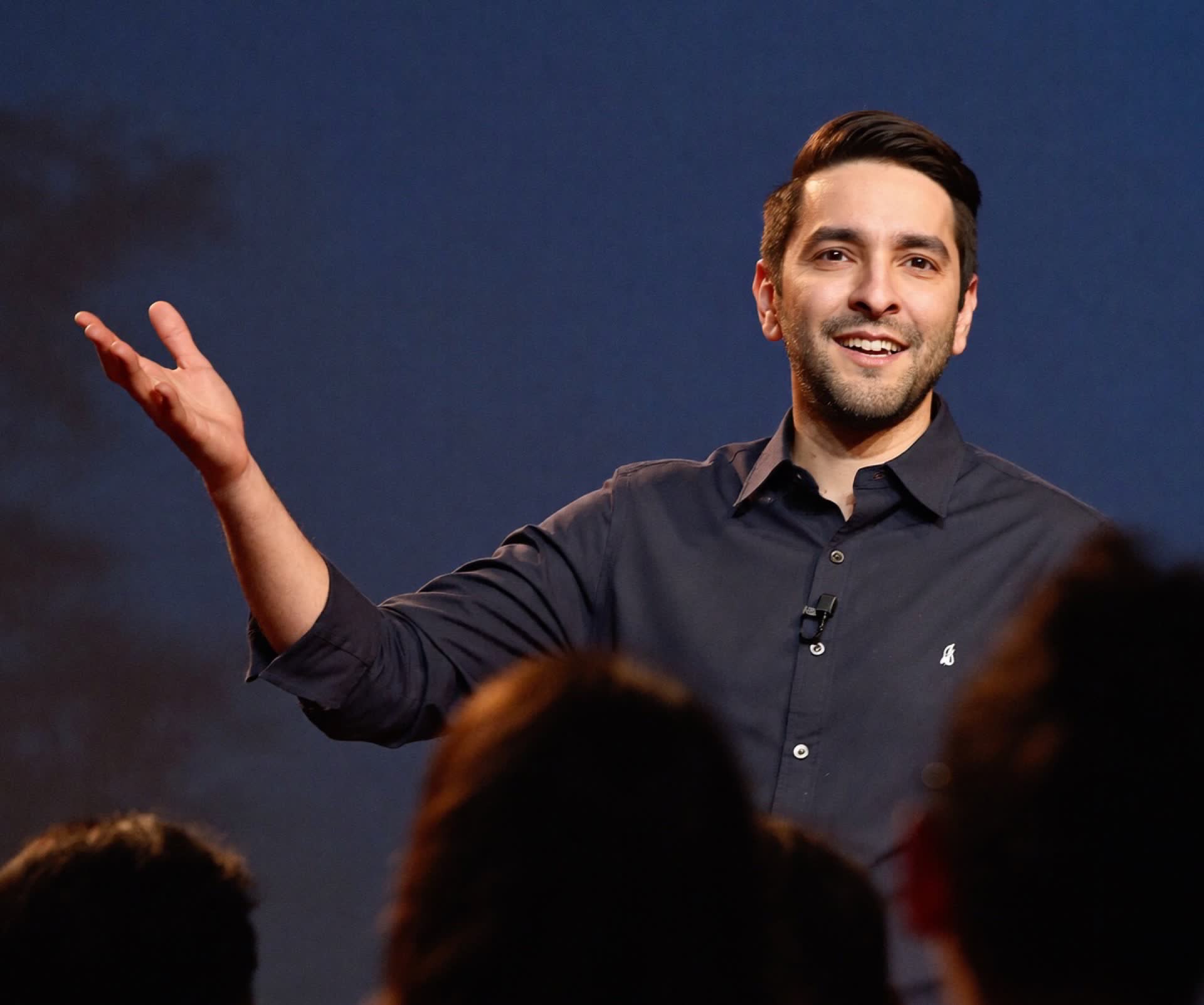
The episode opens with Muzamil introducing Dr. Mohammed Ahmed Zubair with unusual care. Zubair was most recently chief economist for the Planning Commission, and before that spent twenty-two years as lead economist at the Islamic Development Bank in Jeddah. His academic training — mathematical economics at LSE, a master’s and PhD in economics at Sussex — sits behind the frame he brings to Pakistan: the mathematical theory of chaos, system entropy, and black swan events.

Muzamil is candid about why he keeps returning to Pakistan’s macro story. “I am honestly tired of hearing about Pakistan’s problems,” he says at the top. The interesting question now is not what is wrong but how the country gets out. Zubair’s answer is the thesis the conversation revolves around: Pakistan is heading toward a third republic. Not in the sense of breaking apart, but in the sense of resetting the social contract between the state and its citizens. The first republic, in his reading, ran from 1947 to 1971 and ended with the loss of East Pakistan. The second began with the 1973 constitution and has been running on the same chassis ever since. The third, he argues, is already starting to become inevitable.

Why chaos is the right word

Zubair is precise about why he leans on the language of chaos. Economic outcomes depend on economic institutions, and economic institutions depend on the quality of the political process. When those institutions become unstable, the system stops behaving in linear ways. Non-linearities, randomness, and uncertainty creep in. “That is a killer for economic performance,” he tells Muzamil. “It is a killer for the performance of economic institutions.”

He points out that this is not a uniquely Pakistani disease. Many developing economies — and some developed ones — have lived through chaotic stretches. The escape is usually a reform programme designed to reduce randomness in the system so that the transaction cost of dealing with that randomness falls, freeing people to invest in their education, careers, and businesses. Pakistan is moving in the opposite direction. “We are not moving towards reform,” he says. “We are getting sucked deeply into a chaotic system, and this system is absolutely unsustainable.”

To make the abstraction concrete he reaches for the idea of a black swan event: something whose probability of occurring is extremely low, but whose consequences, when it does occur, are devastating. He gives three examples drawn from recent memory. A single street hawker setting himself on fire in Tunisia unravelled governance across the Arab world. COVID-19 disrupted supply chains and food prices on a global scale. And in Pakistan’s own case, the February 8 election — engineered, in his telling, to deliver a specific political outcome — produced results and aftershocks that have unravelled political stability. “We are barely keeping our head above water,” he concludes. “We are just barely surviving.”

Balochistan, football matches, and peace-building over conflict resolution

Muzamil pushes Zubair on the texture of the problem with a story from Balochistan. He had recently sat with stakeholders from across the spectrum — government, military, militants — and noticed that everyone agreed on the problem, even agreed on the broad shape of the solution, and yet nobody was willing to act. Each pointed at someone else.

Zubair responds with a vignette from his Islamic Development Bank years. Around 2012, while working with the World Bank, OECD, and UNDP on Yemen’s tribal conflicts, he watched peace-building specialists do something that sounded almost trivial. “They said, let us start with a series of football matches,” he recalls. The idea was that sustained conflict requires a narrative of evil on the other side, a narrative in which the other is barely human. A football match, with families in the stadium, punctures that narrative. After two or three matches, people stopped seeing each other in the same way.

The lesson he draws is not about football but about framing. Conflict resolution — adjudicating who is right and who is wrong — rarely helps. Peace-building, which introduces small acts that humanise the other side, can. The same logic, he suggests, applies to the political and economic stand-off inside Pakistan.

What the word “reform” actually means

The conversation then turns to a word that Muzamil notes is used constantly and defined almost never. People say Pakistan needs structural reforms, but when pressed on what that means, “mostly I get silence.”

Zubair refuses to let the word stay vague. A reform, he says, is meaningless without a benchmark — an ideal state you are trying to move toward. You cannot say you want macroeconomic stability, a realistic interest rate, a sustainable exchange rate, and a particular growth rate without first answering a more fundamental question: are you aiming at a socialist economy, a private-sector-led economy, or a competitive market economy?

Here he draws a distinction that recurs throughout the episode. Pakistan’s elite habitually talks about “private sector led growth,” and Zubair considers that framing a mistake. “It is only focusing on the producer side,” he says. “When you talk of market economy, producers and consumers are part of your equation. Consumers too have a right to quality and affordable products.” A policy regime built around private-sector promotion drifts inevitably toward elite capture and rent-seeking. A policy regime built around a competitive market economy keeps consumers in the frame and forces producers to compete.

A reform, in his definition, is a measure of the distortion between where you are and that ideal. Reducing the distortion means identifying who loses, estimating the cost of compensating them, and building that adjustment cost into the programme. He cites the privatisation of nationalised commercial banks as a case where this was actually done well — banks were recapitalised, surplus staff received golden handshakes, and there was no public outcry. The adjustment cost was funded, not avoided.

Why incremental reform is no longer available

Muzamil takes Zubair’s framing and applies it to the present moment. The problem now is not a single broken institution like PIA or Pakistan Steel. The problem is structural — a power-connected elite captures incentives, tax breaks, and policy concessions across the entire system, so resources flow to the well-connected rather than the efficient. Farmers, the only actors in the supply chain actually producing wealth, are the least compensated. Urban capital is prevented from flowing into rural productivity. Tax structure distortions ripple into pricing and margin distortions across the board.

“We have reached a point where you cannot reform one item at a time,” Muzamil argues. “It is going to happen all at once and very rapidly, and that is going to be like ripping the band-aid. Someone has to take that pain.” His framing is grim: Pakistan is sitting in the denial stage of the five stages of grief. The old order is dead, the rent-seeking class refuses to accept it, and the longer the denial runs, the more painful the eventual implosion. Zubair agrees completely. “I am glad you have put it this way,” he says, before introducing the third republic thesis in full.

Debt restructuring as the starting point

For Zubair, the third republic does not start with a new constitution or a new political coalition. It starts with debt restructuring — both foreign and domestic. He is blunt about why. Pakistan has, in his words, “very successfully managed to avoid debt restructuring, but at huge cost to the economy and to the citizens.” Economic activity is being deliberately suppressed in order to generate the surplus required to service external and internal creditors. That surplus comes at the cost of jobs, productivity, and any meaningful investment in social mobility.

Muzamil raises the recent Standard Chartered transaction — a 600 million dollar loan at 11% dollarized interest. Zubair calls it “very unfortunate” and warns that it has set a benchmark in the market for other creditors that will make Pakistan’s debt sustainability worse, not better. He insists that “default” is the wrong word for what is needed. The right word is debt restructuring. The Pakistani status quo class, he says, has turned a technical term into a slur. “We should look at our current set of circumstances in a dispassionate, non-emotional way.”

Debt restructuring matters because of what it unlocks. It creates fiscal space. That fiscal space is what funds the cost of adjustment — the compensation of losers, the negotiation of reforms, the room to cut government expenditure rather than chase ever-higher tax growth. He points to the budget numbers. FBR tax growth is being projected at 40% for the current fiscal year, with direct taxes at 48% and indirect taxes at 35%. “Impossible,” he says. “This is not sustainable.” The instinct to lift the tax-to-GDP ratio is the wrong question. The right question is how to cut government expenditure, and debt servicing is the single biggest line item to attack.

He recalls that Pakistan received debt relief after 9/11. Right up to 2008 or 2009, the debt-to-GDP ratio declined. After that it started climbing again. “We basically wasted that debt relief,” he says. The country did not use it to transform the economy — to create job opportunities, to push industries into new products, to enable social mobility, to widen access to education. Debt relief without reform is just a longer rope.

Why diaspora money and FDI shortcuts will not work

Muzamil asks the harder question. Can he actually see this happening? The current PDM government, a hybrid stakeholder system in which the rent-seekers are also the decision-makers, has every incentive to avoid the pain. PTI, even from opposition, has never sounded ready to take that political capital hit either.

Zubair is candid. “Realistically, if I assess it, I find it very difficult.” Across the military, PDM parties, and PTI alike, he says, the understanding simply is not there. “Ninety-nine point nine percent of commentators, specialists, politicians — they believe that our problem is a financing or financial problem. That is the end of the story.” Hence the procession of finance ministers drawn from banking backgrounds and the endless hunt for the next IMF tranche, the next World Bank facility, the next bilateral loan.

He singles out PTI’s vision of asking the diaspora to repatriate money and invest in bonds and real estate. “This will also be a big disaster,” he warns. The reason is simple. An economy already trapped in multiple distortions, without productivity-led growth, without value addition, surviving on import tariff protection, remittances, and agricultural output, cannot absorb new capital productively. He compares the situation to Vietnam, which attracted 15 billion dollars in FDI in the first half of 2024 from South Korea, mainland China, Taiwan, and Singapore, and exported 150 billion dollars in the same six months. “Imagine what kind of worries they have,” he says. “Clearly they are doing something different in this day and age.”

Muzamil sharpens the metaphor. “Your engine is broken. However much petrol you pour in, it is not going to produce anything. It needs fine-tuning.” Zubair agrees. “All that financial input would be totally wasted.”

What a competitive market economy actually requires

Muzamil asks Zubair to imagine he is the one designing the system. What would it look like, in two or three minutes? Zubair’s answer starts with productivity. Pakistan’s productivity, he says, is “one of the lowest in the global South, and it is declining.” Compared to Bangladesh, India, or Vietnam, the trajectory is going the wrong way. At the Planning Commission he ran a small exercise asking how long it would take Pakistan, at current trends in total factor productivity, to reach Vietnam’s per capita income. The answer was twenty years — and that only catches Pakistan up to where Vietnam stands today, not where Vietnam will be by then.

Building productivity, he says, takes generational saving. He uses his own family as the example: his great-grandfather, grandfather, and father each did the work that allowed him to go from a village to the LSE. “Nations have to save in exactly the same way.” Pakistan’s national saving rate sits at 9 or 10 percent. India, Vietnam, China, and other emerging economies sit at 35 to 55 percent. Any investment done on top of a saving rate that low has to be debt-financed, and externally-financed debt leaks back out.

His policy starting point is therefore a drastic cut in government expenditure. The public sector is borrowing from a thin pool of private-sector savings and consuming it without producing returns. He insists this is not ideological; it is arithmetic. From there, he wants strict limitations on sovereign public debt, with the government’s primary role narrowed to providing macroeconomic stability — keeping inflation, exchange rates, and interest rates balanced — and letting the rest of the economy find its own way.

He is equally clear about what not to do. Pakistan should not chase showpiece industries or enclave projects. “Special economic zones” with bespoke tax concessions for new investors are, in his framing, enclaves where special people get special jobs while the broader economy stays where it is. The alternative he points to is cluster development — the Sialkot and Gujranwala model, where specialised local supply chains compete with Chinese imports on their own terms. “Our existing growth nodes, our existing skills, our competitive advantages — scale those up,” he says. “Start your economic growth journey from there.”

Normalising the society before normalising the economy

A passage near the end of the conversation cuts deeper than the macro analysis. Zubair makes the point that Pakistan is not, by any honest measure, a normal society. Trust is low. Social capital is low. Discipline is low. Multiple radicalisations and multiple conflicts run through the body politic. “The moment you step out of your localities and inner circle of friends, it is a very rough society to live in, to survive in.”

He uses the firewall and freelancer episode as an illustration of how policy-making in this environment turns on its own citizens. The freelancer economy was not built by public policy. Young people from Gilgit to Karachi found a market opportunity and worked their way into it. The firewall arrived from somewhere else entirely. “These are kinds of things that are quite inexplicable. The reason we do it is because we have an elite which is self-serving, not geared toward serving the general welfare.”

Normalising society — de-radicalising, de-conflicting, building trust, restoring basic civic discipline — is, in his account, not a soft adjacent goal. It is a precondition for any serious economic reform. And it requires resources. Which is, again, why debt restructuring sits at the top of his list.

The closing question and a clear answer

By the end of the conversation, Muzamil offers a long summary back to Zubair, which Zubair accepts. The sequence is: build a vision of where the country should be in thirty years, restructure debt to create fiscal space, compensate the losers of adjustment, cut government expenditure rather than raise taxes, and orient the entire system around a competitive market economy with the consumer at its centre.

Muzamil’s final question is personal. Zubair retired in August 2020 with the means to settle anywhere in the world and chose Pakistan. He had reasons. There had been a continuous democratic dispensation since 2008, with peaceful transfers of power. PTI’s election in 2018 added to that optimism. The last two and a half years, in his telling, have stripped that optimism away. “The nakedness of the entire system has been totally exposed. The raw power struggle is in full display.”

He is unsentimental about what happens next. Pakistan cannot remain inside a chaotic, non-linear system indefinitely. He compares the choices on offer to other models: military-led governance like Egypt or Myanmar, single-party legitimacy earned through liberation struggle like Vietnam or China, majoritarian authoritarianism like Bangladesh — and the democratic contestation, however imperfect, of India, Indonesia, and Turkey. Whichever model Pakistan chooses, the hybrid uncertainty has to end. “Whoever has to govern, let them govern. Once for all. So that everybody else is clear, and the consequences play out.”

Muzamil closes the episode the way he opened it. If the country tries to keep running a system where “something is on top, something is underneath, and nobody really knows what is going on,” it is a mathematical certainty that the system slides into a death spiral. The only escape is a clean linear path that everyone can see and agree to. The third republic, in Dr. Zubair’s framing, is not a slogan. It is the structural reset the numbers are already demanding.

Full transcript
Muzamil

शाम लोग ख़बतीना आज रात. Welcome back to another episode of Thought Behind Things. आज हमारे साथ एक बहुत ही ख़ास में अहमद मौजूद है. Doctor मोहम्मद अहमद ज़ुबेर साहब, who was most recently the chief economist for the planning commission at the government of Pakistan. उससे पहले for twenty two years, he was the lead economist for the Islamic Development Bank based in जद्दा. आज की जो यह conversation है यह बड़ी important है क्योंकि काफ़ी दफ़ा मैंने लोगों को बुलाया है. मैंने समझने की कोशिश की है कि Pakistan के missile क्या हैं? और सच्ची बात है कि मैं ख़ुद भी थक चुका हूं Pakistan के missile को sun sun के, समझ समझ के. But ज़्यादा important अब इस point पर यह है कि Pakistan के इन missile से हम चुटकारा कैसे हासिल करें? आखिर solution क्या है? जिसके अंदर जो हमारे guest हैं उन्होंने एक तो दो बड़ी interesting चीज़ें की. पहला तो जो उनकी bachelor's था वह mathematical economics में था from the London School of Economics. उसके बाद उन्होंने अपना masters और PhD भी economics में किया from the University of Sussex. तो उन्होंने macroeconomics को, you know, tie किया है with mathematics और उन्होंने identify किया कि अगर हम math की theory of chaos, हम system entropy और हम black swan events के कुछ fundamentals को लेकर आएं और हम उसको उसके through देखेंगे Pakistan में क्या हो रहा है तो क्या हम कुछ predict कर सकते हैं कि किस तरफ़ Pakistan जा रहे हैं और उसी के साथ उन्होंने एक बड़ा radical idea propose किया है जिसमें वह यह कह रहे हैं कि potentially it seems like we're now going towards a third republic. यानी कि एक Pakistan जो कि existing Pakistan है उसमें कोई यह नहीं है कि वह टूट टाटकर different हिस्सों में जा रहा है. But within the framework वह एक नया social contract बनाएगा आने वाले वक़्त के अंदर. वह कहते हैं कि पहला जो republic था वह 1947 से 1971 तक था. That is when बांग्लादेश, you know, went its way और हमारी understanding of Pakistan changed. अब फिर हमारा उसके बाद एक नया constitution भी आया 1973 में. जो दूसरी republic थी वह 1973 से लेकर आज तक exist करती रही है with that constitution, with that framework, with that power structure. But वह अब यह कह रहे हैं कि अब हम इतना ज़्यादा chaos में जा चुके हैं कि the only outcome is a third republic with a renewed sense of social contract between the state and its citizens. इसकी जो detail है वह नीचे link के अंदर हमने एक document डाली है जिसमें उन्होंने बहुत detailed एक presentation भी रखी हुई है. It has all of the numbers जिसकी वह बात करते हैं, जिसकी basis के ऊपर वह यह कहते हैं कि Pakistan की जो current structure है वह unsustainable है और वह ज़्यादा से नहीं चल सकता. उसी के साथ साथ वह अपने सारी detail के अंदर reforms भी list करते हैं उसके अंदर. So if you wanna check it out, if you're the academic type, you want more details, the link is down below. It has all the information. You can check that out. उसकी summary के बारे में we're gonna have a conversation. I hope you like it, and if you have any comments after the conversation, do let me know in the comment section. M S दुबहर साहब, thank you so much being part of the show. Thank you very much and I'm very glad and I think a privilege to to be on your show. M S साहब अगर मैं आपसे पूछूं कि what do you think is happening in Pakistan right now and in a macro sense like अगर मैं institutional lens से देखूं beyond the individual actors जो कि काम कर रहे हैं but अगर आप overall एक macro sense में Pakistan को देखें तो आपको क्या होता हुआ नज़र आता है? देखिए मुझे

Guest

I would start by you know pointing out कि जो आपकी economic performance है या economic outcomes है they are intimately connected with the economic institutions और economic institutions are intimately connected with the quality of your political process. तो यह बड़ा important connection है between the three economic outcome, growth, rising per capita income, reducing poverty, advancement in use, you know, social mobility. They are all linked to your economic performance and those you know the kind of economic performance is interlinked with economic institutions, meaning कि government कैसे function कर रही है? Private sector कैसे function कर रहा है? Regulatory bodies कैसे function कर रही हैं? Central bank कैसे function कर रहा है? और उन सबका जो design है और जो उनका mandate है और जो उनकी accountability है that is in turn linked with your quality of your political process. तो अगर हम उस चीज़ को नज़र मद्दे नज़र रखें तो हमारे ख़याल में हम यानी इस वक़्त परेशान की economy को हम अगर characterize करें. तो we have now lived over the last forty years in a system of chaos and that system of chaos is over a period of time deepening. अब यह इसमें एक mathematical concept है जिस जिस जिस you know the mathematical theory of chaos उसमें linear equations नहीं होते. Linear equations का मतलब है straight line. उसमें बहुत सारी non linearities होती हैं जिसके अंदर randomness, uncertainty create हो जाती है और वह killer है for economic performance. It's killer for, you know, performance of economic institutions. अच्छा, अब वह वह, you know, यह यह कोई Pakistan के साथ first time मतलब we are not unique in that way. Many countries, developing countries have experienced this. Many developed countries have experienced this. उसमें जो कोशिश होती है, वह यह होती है कि हम ऐसे reform करें कि जो nonlinearities या randomness या uncertainties हैं system के अंदर overall system में वह reduce हो ताकि वह जो system में जो transaction cost है to deal with the randomness, to deal with the uncertainties, ठीक है? उसमें जो आपकी जो आपकी जो cost है, जो आपकी जो ख़र्चा होता है, ठीक है? वह कम हो और लोग अपनी education में, अपने career में, अपनी progress में invest करें और, you know, तरक्की हासिल करें और, you know, the the progress in their in their life. हमारा मसला यह हो रहा है कि हमारी जो overall constitutional, political और economic governance जो है वह it's in the in the, यानी it's not moving towards but we are getting sucked deeply into a chaotic system और यह system बिल्कुल unsustainable है. इसमें एक particular concept है आपके नाज़दीन के लिए मैं बताना चाहूंगा black swan event और वह black swan event की मतलब जो basic intuition है वह यह है कि अगर हम एक ऐसा event जिसकी probability of its occurrence is extremely low but should it occur it can have devastating consequences. तो उसकी मिसाल यह है कि जैसे Tunisia में एक street hawker ने अपने आप को आग लगाई and that led to a series of protest across the Arab region और Arab Spring and all that. So system at that point जो governance का system था वह got unraveled. दूसरी example है वह COVID-nineteen की है which was at the global level. तो वह सारी supply chain disruption हुई, food prices यह वह सब, you know, sky skyrocketed और तीसरी example जो February 8 का election था कि जो system design किया गया था was to achieve a certain political objective but उसके बाद जो results आया और उसके बाद जो subsequent happening हुई हैं, तो it has really unraveled the political stability in Pakistan which we are witnessing even over the last weekend. तो basically मैं आपके सवाल का जवाब यह दूंगा कि we are barely keeping our head above water and we are just barely surviving.

Muzamil

Makes sense. अगर मैं आपसे यह पूछूं आपने बड़ा interesting बोला आपने कहा theory of chaos की basis के ऊपर everything is chaotic and it has been chaotic for the past forty years And उसकी वजह से जब मैं as a layman, when I look at the government, when I look at systems in Pakistan, आप Pakistan से बाहर जाते हैं तो हर चीज़ एक problem statement होती है. उस problem statement केवल कोई solution वन रहा होता है चाहे वह city level पर हो रहा हो, चाहे वह province level पर, चाहे government level के ऊपर. But Pakistan में it almost seems like कि हर बंदा यह कहता कि यार इसका solution में तो इतनी ख़प है कि यह तो पता नहीं हो सकता है, नहीं हो सकता है. तो कोई JP लगाओ और गुज़ारा करो. यानी जुगाड़ लगाओ, आगे जाओ. And when you talk to people in Pakistan on any level, चाहे वह federal level के ऊपर हो, provincial level के ऊपर हो या district level के ऊपर हो, तो वह आपको हमेशा यही बताते हैं कि यार it's too complicated. मैं I remember I was in बलूचिस्तान recently, and I spoke to stakeholders from across जिसमें government के भी थे, military के भी थे, militants के भी थे. Interestingly और वह सारे एक साथ बैठे हुए थे. Interestingly, everybody kept on saying मसला उसमें, मसला किसी और में और everybody knew the problem also. Everybody potentially knew the solution also. But nobody was ready and willing to participate in that because वह इतना complicated था. And वहां पर मुझे, you know, it makes a lot of sense now कि जब everything is chaotic around you तो आप उसमें से कोई एक thread को पकड़कर उसको solve करने की कोशिश नहीं कर सकते because, you know, it's it's increasingly difficult to control that. Then my question to you would be, कि अगर तो हम उस theory of chaos के तहत एक एक एक एक ऐसी situation में पहुंच चुके हैं जहां पर none of it is beginning to make sense, then it will be increasingly difficult for us to imagine कि within this system हम कोई reform ऐसा लेकर आएं जिसके तहत हम evolve out कर जाएं, if that makes sense. Like, you know, हम इस पूरे chaos को एक एक करके पकड़कर sort करना शुरू करें because इतने सारे stakeholders हैं, पच्चीस करोड़ की हवा में, इतनी सारी diversity है उसके अंदर. आपको जब solve करना होगा तो आपको कहीं ना कहीं बहुत सारे stakeholders से बर्दाश्त करवाना होगा कि यार अभी मैं यह solve कर रहा हूं, have taken control of the narrative as well where, you know, it's it almost seems impossible to build solutions. And so in that context, how do you see कि potential solutions build हो सकते हैं? And do you think that we can evolve out of it rather than completely radically designing बिल्कुल. The देखिए मुज़हबल आपने जो example दी थी ना बलूचिस्तान की which is a conflict ridden

Guest

progress उसकी जो उससे evolve out करना वह एक बड़ा specialized subject है और जब मैं Islamic Development Bank में था तो I worked with a number of other agencies. World Bank, OECD, UNDP and we did this analysis of how to help Yemen evolve out of conflict situation. अब जाहिर है वह बहुत कुछ है and I don't want to you know but उसमें से मैं आपको एक छोटी सी मिसाल देता हूं कि दो दुश्मन कबीले who were it and this is not the current, you know, यह I'm talking about 2012. So the nature of conflict then was pretty different. It was very internal and among tribes and sub tribes. तो उन्होंने कहा कि and there are these peace building specialist, you know, इस इस whole big subject there. तो उन्होंने कहा कि let us start with the series of football matches. ठीक है? Because आपने यूंनी दुश्मन से लड़ने के लिए you have to create a narrative of evilness in the other side or, you know, make them not humans. Only then it is possible to have conflict, sustain the conflict. Let us start with a series of football matches and bring the the families and, you know, into the stadium and all that. And actually in that particular region the through, you know, two, three football matches, you know, people started not seen that way. तो कहने का मेरा मकसद यह है कि जो आपने चूंकि बलूच्तान का ज़िक्र किया तो, you know, what we need to do is, you know, have a from a less of peace building. एक है conflict resolution, you know, कि तुम सही हो तुम ख़लत हो. You know, that is not typically helpful. But if you have the lens of peace building and bring elements that lead to that, वह एक है. लेकिन coming to the second part of your question कि how the country evolves out of it? You see, मैं आप लोगों को आपके नाज़ीम के लिए कहना चाहूंगा कि हम बड़े confused हैं. Our constitution is socialistic in nature as far as the social compact is concerned between the responsibilities of, you know, delivery, economic social services delivery to the citizens. लेकिन अभी हमारी जो orientation है वह एक market economy की है और आपने जो कहा कि, you know, we are looking for quick fixes. But I think कि over the last forty years it should tell us कि, you know, there are no quick fixes. It has to be, you know, based on a very clear understanding, prioritization and proper sequencing of reforms. अच्छा अभी आपको मैं आपको you know कुछ चीज़ें बताता हूं कि reforms क्या हैं? You know you often everybody is talking about reforms लेकिन सवाल करें ना कि यार reforms है क्या? What what is a reform?

Muzamil

हां, मतलब लोगों से जब मैं बात करता हूं तो वह मुझे आकर कहते हैं कि यार Pakistan के जो मसले हैं ना उसको structural reforms से होना चाहिए fix. आप structural reforms हैं क्या structural reforms? Like, what what do we do? And that's where mostly

Guest

मुझे खामोशी मिलती है because it seems like a cop out कि यार जब आपके पास कोई solution नहीं है तो आप बोलो यार यह तो structural मसला है तो मैं उस अच्छा, पर जाना मैं अगर चाहता भूल जाऊं तो आप मुझे remind करा दीजिएगा PIA. ठीक है? I'll answer that as well. लेकिन पहले आपने ना समझना है कि conceptually reforms का मतलब the word reform what what does it mean? You cannot answer what does it mean unless you have a ideal situation in mind. यानी कोई एक आपका ideal benchmark हो, एक goal हो कि यहां हम खड़े हैं, वह एक ideal है. यानी मैं अगर उसको simplify करूं कि हमें अपनी economy को जो economics test book one zero one है, हमने उस तरफ लेकर जाना है. एक comparative economy हो, एक dynamic economy हो, उस एक ऐसी economy हो जिसके अंदर markets में labor आ रही है, skilled labor है, you know, like most other, you know, dulling up economies around the world. But so so you have to have a a concept or a benchmark of कि हमें पक्क पहुंचना कहां है? यानी अगर हमें हम कहते जी हमें macroeconomic stability चाहिए, हमें एक realistic level of interest rate चाहिए, हमें एक exchange rate ऐसा चाहिए, हमें growth ऐसी चाहिए. ठीक है? These are all wishes, right? But, you know, in order to reach that stage, you have to have a benchmark and that benchmark is what? Is it a socialistic in nature or is it based on market economy or is it based on private sector? Now these are three different important conceptual differences. हम हमेशा आप देखेंगे कि सारे लोग बात करते हैं private sector, which in my view is very misleading because it is only focusing on the producer side. When you talk of market economy, उसमें producer and consumers are part of your equation. Consumers too have a right, a right to a quality and affordable products. If you are only focusing on producers, private sector, नहीं. फिर वह जो policy की orientation है, जो उसके focus है, उसके जो goals हैं वह उस तरफ चला जाएगा. Therefore मैं jumpy जहां की बात करता हूं. I I really try to make a point कि, no, we should not talk of private sector yet growth. We should talk of a competitive dynamic market economy in which the consumers do have a right. Now the reform is what? It's a measure of distortion between where you are and what is the ideal. ठीक है? So you want to remove the distortion or minimize the distortion. उसमें आपको you have to identify who are the losers. जैसे आपने अभी PIA के मिसाल दी, ठीक है? अब PIA में financial mismanagement हुई है. Railways भी ऐसे ही है financial mismanagement है. उसमें hiring of labor है, politically motivated hiring है, right? उसमें corruption and malpractices का भी होगा. So clearly this is where we are. But in order to reach a certain goal for these three institutions, you know, you have to set up, you know, कि this is our goal and this is where we are और यह जो इसकी जो cost है to reach that goal is that much. Now that cost has to be estimated and compensated. Because when you're doing a reform across the economy, I mean, को करें और INVES को करें तो perhaps, you know, you can barely, you know, manage the compensation packages. But if you are doing economy wide reforms, उसमें हमेशा से losers होंगे और जो IMF और other multilaterals के साथ जो आपका एक reform agenda होता है, वह reform agenda has to be उसको कहते हैं adjustment cost और उसकी adjustment cost की आपको support भी मिलती financial support भी मिलती है to manage the compensation. If you remember, you may not remember actually कि जो privatization हुई थी nationalized commercial banks की, ठीक है? आपको कभी कोई आपको नहीं मिला होगा मतलब आपसे मतलब यह कि आपके नाज़रीन जो हैं जो थोड़े से senior हैं कि bank के union staff या officer staff they were in on strike और you know बड़ा गामा हुआ जल्द से juice निकले. इसलिए क्योंकि वह वह जो privatization का process था, it was managed in such a way कि जो compensation थी was, you know, made part of the adjustment cost. तो उस वक़्त की जो थी कि banks जो nationalized banks थे उनको recapitalize किया गया था और जो extra staff था उसको proper compensation golden handshake देकर फारिक किया गया था. So there was no outcry.

Muzamil

But do you think we can afford compensation on that level? Again देखिए timeline का भी तो फ़र्क़ है ना कि अब हम उस point पर आ चुके हैं जिसमें it's not just PIA और steel mail और this और that. आपने जब holistically आप देखते हैं तो आपको realization होती है कि there is an entire structure very similar to Indonesia and Egypt for that matter जहां पर आपका एक किदारा है जो कि business interests में घुसा हुआ है उसकी वजह से skewed है. You know, कहीं tax break होगी, कहीं पर वह ऐसे incentives ले लेगा जो कि private sector market economy में बाकी लोगों को available नहीं है. And so automatically the the resources are not focused towards the most efficient entity. They're actually focused towards the most powerful or the most well connected entity. And that's something जो कि Pakistan में unfortunately सिर्फ़ पाकिस्तानी developing economies by and large have had this problem. जिसमें फिर eventually आपने वह जब losers की बात कर रहे हैं ना कि वहां पर आपको कहीं ना कहीं बैठना पड़ेगा और जब आप market को खोलेंगे और जब मैं देखता हूं कि agriculture के अंदर आपने एक socialist तरीके से support price भी रखी हुई है, आप अपना पैसा urban area से rural में जाने नहीं दे रहे तो आप कैसे productivity बढ़ाने की कोशिश करेंगे? जब farmer which is the only one in the entire supply chain that is actually producing wealth, he is the least compensated and everybody else is more compensated. Right? So, there is no incentive for him to to increase that productivity or even the resources available. तो आपने उसको भी fix करना है जिसकी वजह से market में एक shift आएगा. आपने अपने tax structure को भी fix करना है जिसकी वजह से आपकी जो pricing है इस वह completely different है. जो margin calls हैं वह completely different है. जब आप उसके अंदर sales tax को add करना शुरू करेंगे, income taxes लगाएंगे तो the margins have to change across the board and that impacts, you know, hundreds like tens of millions of people. So, मुझे जो मसला आ रहा है वही आ रहा है कि जब हम reform की बात करते हैं और reform में जाकर हम individually एक item उठाकर तो हम बात कर सकते हैं. यार सब छोड़ो PIA को कैसे fix करते हैं? But आपके इस point पर अब आकर खड़े हो चुके हैं कि वह अब आप individually एक एक करके नहीं reform कर सकते. It's going to happen all at once and and and very very rapidly and that is going to be, like, ripping the band aid. And someone has to take that pain, right? Because if you don't take that pain, it it it it all descends into chaos very very rapidly. And I feel like right now what I'm seeing happening in Pakistan is that there is this denial in the five stages of grief कि यार वह जो पुराने वाला निज़ाम था वह मर चुका है. उसकी अब वह sustain नहीं कर सकता लेकिन उसका denial चल रहा है between within the rent seeking class and all of these stakeholders जो जिसमें वह यह कह रहे हैं कि यार नहीं किसी तरीके से हमें please पुराने वाला निज़ाम वापस ला दो, right? And the more they fight it, the more we're going to the the the the implosion is going to be more painful. That is my view of what the situation is. The more we actually sit down and early on say कि यार यह हालात ख़राब है. Let's reform and let's bring all the stakeholders to the table and tell everyone कि listen, we all have to take the blame and the and the and the pain equally. Let's agree to take it. अगर हम वह नहीं करते तो तो chaos में वह फिर हालात बहुत ज़्यादा बिगड़ सकते हैं. Would you agree with that? I agree completely with your assessment

Guest

और I'm glad you have put it this way because मेरा एक thesis है कि Pakistan has to turn the corner and imagine a third republic. यह inspiration है from the political history of France. All they had a number of, you know, the current is fifth republic and they had a lot of political governess, constitutional crisis over a long period of time. तो and they got, they went through a lot of constitutional reforms, property right issues, economic right issues, whatever. Now coming to Pakistan, the first republic is nineteen forty seven to seventy one. Would जो भी निज़ाम है, you know, perhaps we can talk about it if you're interested. But वह ख़ास निज़ाम था. बड़ी economic growth, economic transformation. We लेकिन income and wealth inequalities भी बहुत हुई and we lost half of the country at the end of it. Second Republic is the 1973 constitution till, let's say, now 2024. In which the degree of chaos, the degree of randomness, the degree of uncertainty is increasing. And we are getting into a very deep. A third republic would reset the entire governance, constitutional and economic management or economic policy of the of the of this country. Now what does it mean? In in in reaching this point, you know, our external development partners, our internal stakeholders from across the board, यानी private sector हो, civil government हो, military हो, we have all contributed in varying degrees at different points in time. Therefore, the pain of adjustment has to be, as you put it, you know Equality divided amongst everyone. It has to be understood कि there will be a pain of adjustment which should be spread across the different stakeholders external and internal. What does that mean? Right. And here I bring this issue of debt restructuring. You see, अगर कोई पहला starting point है, वह है debt restructuring, both foreign and domestic debt restructuring. Because currently and I must say कि they have very successfully managed to avoid debt restructuring but at the huge cost to the economy, to the citizens of Pakistan. The economic activities have been suppressed in order to create a surplus in the economy to service your external and internal creditors. Is this clear so far? Mhmm. Yeah.

Muzamil

Yeah. इसमें even अभी मैं जो recently देख रहा था कि Standard Chartered से आपने 600,000,000 का loan लिया at 11% dollarized interest rate. So that number is continuously growing and आप अपने ही debt के दलदल में मज़ेद फ़ंस रहे हैं. Rather than, you know, just going for, restructuring and coming up with a actually a plan. जैसा आपने early mention किया कि यार, have a vision of what you want to achieve. Have everybody agree to that vision and then decide कि यार अच्छा अगर यह vision है इसमें पहुंचना है तो उसमें कहां कहां पर pain लेना है and let's take that pain once and for all and then move forward. देखिए मुज़ुमिल आपने

Guest

यह जो बात की है ना कि standard chartered वाला transaction again I can see a lot but let me just you know make a remark in the passing. यह तो very unfortunate transaction, very very unfortunate. It's it's not about just the interest rate. I think, you know, we have set a benchmark in the market for other creditors, you know, which is going to make our debt sustainability even worse. अच्छा, I want to return back to the, you know, कि हमारा पहला step जो है वह debt restructuring. Now what what उसकी हम technicalities में जा सकते हैं debt restructuring की और यह वह सब कुछ. But basic outcome क्या है debt restructuring का? कि हमें external debt servicing और internal debt servicing के लिए एक जिसे कहते हैं fiscal space मिलेगी. That fiscal space will provide the resources for the adjustment to fund the adjustment, the cost of adjustment, to do the necessary negotiations to compensate the losers. अभी आप देखिए कि जो आपकी वह है इस साल का budget है यानी जो उसमें FPR की जो taxes हैं growth वह 40% है. Direct taxes की जो growth दिखाई जा रही है for the fiscal FY '25 वह 48% है और indirect taxes की जो growth दिखाई जा रही है वह 35% है. चलिए आपने कर लिया किसी तरीके से. अगले साल भी यही growth होगी. उससे अगले साल भी यही growth होगी. Impossible. This is not sustainable. जबकि आप अगर जो budgetary expenditures देखें वह realtors में बहुत positive है, बहुत positive. तो हम अगर जो लोग बात करते हैं ना कि tax to GDP बढ़ना चाहिए, this is the completely wrong question to post. Actually, we need to reduce the government expenditure. And one of the major items of the government expenditure is the debt servicing. So, जब debt servicing करेंगे with your external and internal, then there has to be a matching policy, reform, constitutional reforms and a clear direction कि this is what the economy will move with this adjustment. देखिए 2001 में हमें after nine eleven death release मिला था और अगर आप graph वग़ैरह देखें तो right up to 2008, 2009 our debt to GDP ratio declined. Then after that started to climb again. So we basically wasted that debt relief not in terms of transforming the economy. अब हम economic transformation से मुरात क्या लेते हैं कि एक ऐसी economy हो जिसके अंदर लोगों की job opportunities create हो रही हों. ठीक है? जो आपकी industries हैं वह नई किस्म के products बना रहे हो, innovation हो रही हो. आपकी जो लोगों के अंदर एक social mobility हो हो, जो अपना career start कर रहे हैं. एक equitable access to education हो. रियासत में रहने का मकसद तो यही है ना इन्हीं चीज़ों का. It's not about कि IMF से मिल गया और debt restructuring यह हो. मतलब at the end of the day it is about delivering opportunities, equitable opportunities to to to their citizens. But we are so, you know, locked up into the macroeconomic, exceptional threat कि वह किसी और चीज़ों के लिए ना resources होते हैं, ना ideas होते हैं, ना उस पर discussions होती हैं. ठीक है? तो जो मैं third republic की जो बात कर रहा हूं concept conceptually वह यह है कि आपको you have to negotiate a debt relief from your external and internal and there are plenty of examples. There's no shame और यह मैं आपको बताऊं कि यह हमारी जो status quo की classes हैं, represent representatives हैं, they have made the default. Default is actually not the right word. It is the right word is debt restructuring. Default is a particular event which is, you know, basically technical और उसको उन्होंने गाली बना दी है. It is, it should not be the case. I mean, we should look at our current set of set of circumstances in a dispassionate, non emotional way और उसमें अगर आप देखें तो the numbers are very clear कि in order to accept from where we are today and getting deeper, the only route is debt restructuring to begin with. क्योंकि जब आप debt restructuring करेंगे तो उसका burden जो है उसका एक तो आपको fiscal space मिलेगी that will help you to you know compensate your losers और उसका जो adjustment burden है over the next let's say three to five years वह additional taxes में नहीं होगा. वह हो गई in terms of reducing your government expenditure. Because the whole idea must be कि you should not use that fiscal space to, you know, increase your debt और दुबारा आप consumption consumption या debt net growth पर चले जाएं. Consumption oriented and debt led growth.

Muzamil

Do you think कि यह, do you see this potentially happening based on what's happening in Pakistan right now and based on what you've sort of studied for other economies over the last thirty, forty years, right? Indonesia, Turkey, Iran इस तरह की examples. एक तरफ़ आपकी एक ruling elite है जिसको personally जितना मेरा you know experience रहा है या exposure रहा है उनको sense ही नहीं है उस चीज़ की. So and शायद वह निज़ाम ऐसा है कि वह इतने short term आपको results की demand करता है कि वह कभी भी कोई बंदा वह political capital waste नहीं करता to actually sit down and take these difficult decisions. Because I'm trying to wargame this, right? मैं current इस वक़्त जो PDM government या जो इस वक़्त current government जो भी बैठी हुई है वह जो भी hybrid system है, मैं उसमें देखता हूं तो उसमें वह stakeholders हैं. आप उनसे expect कर रहे हैं कि वह आऐंगे और वह आकर कहेंगे कि यार, you know what, we'll take the the major brunt of the pain because they are the ones who were the previous beneficiaries of whatever inefficiencies that exist in the system. And so it's impossible to expect them to take that take that pain. अगर मैं उसमें हटाता हूं मैं कहता कि यार एक revolutionary party है PTI जो कि आना चाहती है और हुआ कि यह शायद यह changes ले आए. But in a lot of ways when I listen to what the PTI says, in a lot of ways what I actually when I spoke to the the current KP finance minister, it seems like even they're not very willing to take those steps because again वह, political economy के अंदर शायद वह unpopular होगा, शायद वह difficult होगा to actually be the be the individual जिसके time के ऊपर restructuring हो रही है. Because it's easy to sell that as, you know, देखो default दिया मुझको. Right? And then similarly इतनी polarization है कि जहां पर आपने आपने कहा, let's say, step one मैंने Third Republic का कहा, create a vision. हमारा तो vision ही कोई नहीं है ना. First step one create a vision of what we want to create. Step two आप debt restructuring करें और जो immediate इस वक़्त आपके ऊपर crisis आया हुआ है उस crisis को आप solve करें. But with step three, which is कि to have a very clear reform and adjustment plan, जिस plan को basically debt restructuring जो है, वह fulfill करना होगा. इन दोनों चीज़ों के लिए, debt restructuring and creating the plan of where the reforms go and where the adjustments happen, you need the stakeholders to be sitting together. The the stakeholders who who essentially enjoy the power one way or the other, चाहे वह hard power हो, चाहे वह soft power हो, चाहे वह political power हो. वह लोग तो ready ही नहीं हैं बैठने के लिए and फिर मैं जब यह मैं war game करता हूं तो मुझे होता है कि यार the only way that I see this happening is कि फिर natural crisis emerge करेगा. फिर आपके कहीं ना कहीं security crisis हो रहा होगा. कहीं पर आपका like, you know, default by nature आ चुका होगा. जब वही वाली बात है ना कि जब हालात इतने ज़्यादा ख़राब हो जाते हैं. जब कोई भी घर में एक घर में दस बारह लोग रहते हैं, एक दूसरे से कोई बात ही नहीं करना चाहता. Nobody is taking that leadership space कि यार you know what I'll bring everybody together. रहना तो साथ ही है ना at the end of the day. Together and it seems like अगर मैं उसी को extrapolate करूं या until and unless we have a very scary situation of जिसमें आजकल बड़ी आवाज़ें होती हैं. Civil war तो balconization तो, default तो मुझे personally लगता कि बड़ा छोटा problem है. Right? And and and a lot of people, you know, they keep on giving me कि, you know, हम बड़े unique हैं और हम ऐसे ही रहे हैं और निकल आऐंगे. तो जब मैं Indonesia को देखता हूं तो Indonesia के अंदर जो ninety eight year crisis था, it wasn't just a financial crisis. उसके follow up में जो पंद्रह सौ बंदा उन्होंने जाकर lynch lynch किया और उसमें पंद्रह सौ में से बड़े सारे ऐसे थे जो कि religious violence की वजह से lynch हुए और क्योंकि वह manifest बहुत different तरीकों से करता है. People don't realize it. अगर आपके यहां एकदम से religious extremism rise करना शुरू हो गई है और आपके यहां जो है ना sexual violence rise करना शुरू हो गया है, a lot of that is tailoring from an inefficient economic system. So, now मैं apologize करूंगा public से भी क्योंकि हमें बहुत बड़े सवालात लोग कहते बहुत बड़े सवालात कर रहे हैं but वह conversation में context बड़ा ज़रूरी होता है. इस context के साथ सवाल मेरा simple सा यह. आप उसको war game करें current circumstances में तो आपको कैसे यह possible होता हुआ नज़र आता? देखिए उज्जुमिल

Guest

realistically अगर मैं assess करूं तो मुझे बहुत मुश्किल नज़र आता है. चाहे military हो या PDM parties हो या PTI हो. यह किसी में मैं genuinely कह रहा हूं कि किसी को understanding ही नहीं है कि हम किधर दसवें हैं और उसको निकलना कैसे है? आप यकीन करें कि सारों से 99.9% जो commentators हैं, specialist हैं, politicians हैं, whatever, they believe कि हमारा जो problem है ना वह financing या financial problem है. The end of the story and that is why you always have series of finance ministers who have, who come from a bank banking background because we see the problem as कि जी हमें 11% पर हमने standard charges से उठा लिया है loan. हमने ISDB से कोई $1,200,000,000 का commitment ले ली है. हमें कोई World Bank दे देगा, हमें कोई IMFP दे देगा 7,000,000,000. You know, we are easy, वह issue. ठीक है? अच्छा, मैं PTI leadership के बारे में कह रहा हूं कि you see their vision is कि in the event that they come into government हम diaspora से कहेंगे कि वह पैसे लाए, repatriate करें और invest करें. हम यह bond, वह bond, real estate वग़ैरह यह वह. And I think I'm now going to make an important point. यह भी बहुत बड़ा disaster होगा. क्यों? देखिए एक economy जो already multiple distortions के अंदर घिरी हुई है और उसमें wealth generation नहीं हो रही है. उसके अंदर productivity led growth नहीं है. उसके अंदर value addition नहीं हो रही. जो economy function कर रही है इस under import tariff protection. ठीक है? कुछ remittances से आ रहा है, कुछ agriculture से आपको wealth generate हो रही है. Other than that कोई बड़ी intrinsic किस्म की हम यानी मैं आपको एक मिसाल दूं ना कि Indonesia sorry, Vietnam में between January and June 2020 4 $15,000,000,000 की FDI आई है और उसमें South Korea is the leading investor. Mainland China, Taiwan and Singapore. यह $15,000,000,000 सिर्फ़ six months में आऐंगे और इन्हीं six months में उनकी export हुई है $150,000,000,000. Imagine वहां किस किस्यम के, you know, worries होंगी? किस किस्म के issues, you know, constitutional amendment के क्या मतलब, you know, SIFCs या you know, clearly they are doing something different in this day and age. तो यह जो मैं अभी बात कर रहा था ना आपसे कि यह diaspora पैसे मंगा रहे क्योंकि जब आप एक distortion, distortionary और multiple distortions के अंदर हैं economy और उसमें आप चाहे debt लें, ठीक है? चाहे आप diaspora से पैसे मंगवाएं you are even worsening the situation.

Muzamil

वह आपका जब engine ही ख़राब है तो आप उसमें जितना petrol डाल लें उसने कुछ produce नहीं करना उसको fine tuning की ज़रूरत है basically and so any additional capital is going to basically Exactly be

Guest

exactly. वह जो सारी जो जो जो financial input है वह totally wasted होगा उसमें. तो basically देखिए जब आप economist का view लेना है इसके ऊपर वह यह है कि unless and until you identify your reform agenda in the sense कि goals क्या हैं उसके? उसकी sequencing क्या होगी? उसकी cost of adjustment क्या होगी? उसका vision क्या होगा? You know where we are and where we want to go? Right? अच्छा अब उसके अंदर देखिए एक चीज़ जो है ना हमारे यानी एक तो हमारा दो मैं आपको बड़ी you know जो conceptual problems हैं जो हम सब लोगों को शायद एहसास नहीं हो उनका. एक यह है कि we believe कि private sector get growth हो. ठीक है? अच्छा, this is the most unfortunate part. यानी उसमें हमारे army chief भी engage कर रहे होते हैं private sector bodies के साथ. उसमें हमारे prime minister भी कर रहे होते हैं, fire spasters भी कर रहे होते हैं everyone. यह हमारा जो vision है तो यह बिल्कुल गलत है because that leads to elite capture, rent seekers. What we should be really aiming is the country develops a competitive market economy जिसके अंदर rewards हों, failures हों, जिसके अंदर innovation हो, जिसमें citizens या consumers के rights protected हों, जिसमें producers को compete करना पड़े, जिसमें creative destruction हो.

Muzamil

मैं अगर आपसे पूछूं, let's assume that we we're at a point where सब कुछ तबाह हो गया और हालात everybody is waiting now कि कुछ नया चीज़ announce होगी और एक नया system आएगा जिस system के तहत comparative market economy create होगी and you are the one who is driving that system. मोटा मोटा अगर मैं आपसे कहूं दो minute तीन minute है मुझे बताएं कि what does that system look like? आपने कहा ना कि यार comparative market economy बना दें. कैसे बनाएं? मतलब क्या उसमें चीज़ें होंगी जो कि current system में आपने कहा कि इधर हम हैं, इधर हमने जाना है. तो क्या changes दरकार हैं to go from where we are today? However you would define it and then the competitive market economy that potentially we could produce. अच्छा, you know it is it is

Guest

perhaps easy to say the word competitive market economy. ठीक है? लेकिन जो आपको उसके साथ enabling requirements हैं वह बहुत सारी हैं cost of doing business यह वह सब कुछ लेकिन उसके अंदर जो core और fundamental है वह productivity है. ठीक है? That is the only sustainable way of your growth. हमारी ज़रूर productivity जो है वह it is one of the lowest in the global South and it is declining. Compared to our regional peers बांग्लादेश हो या India हो, you know their productivity growth जैसे Vietnam है. In fact जब मैं planning commission में था तो एक छोटा सा हमने exercise की थी कि अगर हम Vietnam की total factor productivity को उसकी जो trajectory over the past I think twenty five years करें तो how long will it take to reach the per capita income? तो हमें it will take us twenty years to reach where where TAV is. यानी एक वह counterfactual है.

Muzamil

We are TAV today. We are not saying कि twenty years में we will be same. Twenty years में we will be where they are today and twenty years में वह किधर होंगे? वह It पूरा ही जानता will take us just.

Guest

तो you see हमें जो समझना है ना कि like individuals you know, the, you know, जो हमारी वह families हैं, मेरे परदादा क्या थे? मेरे दादा क्या करते थे? मेरे वालित क्या करते थे? मैं क्या कर रहा हूं? मेरी औनाद क्या कर रही है? यह सब story of struggle for on of us. ठीक है? You know, मैं मेरे परदादा से मैं सीधा नंदू school को economist नहीं चला गया. You know, they were somewhere in between a generation or two which saved the money to pay for my tuition fees. Right? Exactly in the same way the nations have to save. यानी हमारी national saving is hardly nine or 10%. Therefore, any investment will be debt financed or debt financed, especially based on external debt will be leaked out. Compared to India या Vietnam या China या other you know emerging well performing economies उनका तो जो saving rate है वह 35 to fifty fifty five तक है Of their national. But

Muzamil

that's what I'm, that's what I ask you, right? कि आपने कहा comparative market economy बनानी है पर आपने कहा कि यार हमें savings rate वगैरह बढ़ाना है, हमें अपनी productivity बढ़ानी है essentially. What are some policy initiatives that you can do? Like, हमें जो policy initiatives आते हैं ना वह बड़े इस तरह के आते हैं यार. वह ना बिजली के घरों को ना privatize कर दो. वह वह जो है वह discourse को privatize कर दो तो सब fit हो जाएगा. We don't necessarily have large scale policy initiatives. Again, मैं कहता हूं कि यार savings and investments rate को बढ़ाना है. कैसे बढ़ाएंगे आप पाकिस्तानी system के अंदर? Again, I'm I'm giving you full freedom कि मैं नहीं आपको poke कर रहा कि यार नहीं यह आप करेंगे तो इससे यह यह मसाहिल आऐंगे. मैं कह रहा आपने जो करना है करें. What would you do? I would start by reducing drastically government expenditure.

Guest

क्योंकि यह चीज़ समझने वाली है कि हमारा जो जो client economic structure है उसमें जो private sector है वह saving कर रहा है और जो public sector है वह saving कर रहा है. तो the public sector is borrowing from the private sector. ठीक है? And it is consuming. नहीं, it not showing returns. ठीक है? It is actually a negative value added or negative returns to the overall economy. ठीक है? तो basically, you know, our government is what this is the first starting point because, I mean, there are no silver bullets here. You know, it's a slow, steady with a particular direction to bring about competitive market economy. उसके अंदर, you know, there are certain fundamentals to take care of. हमारा जो और मैं आता हूं अभी आपको यानी जो micro details perhaps what you're looking for वह मैं आपको बताता हूं अभी. लेकिन जो पहला starting point है ना वह यह है कि हमारी जो जो adjustment burden है in the in that journey has to be on the government expenditures side and across the board और फिर बड़ी strict limitations on debt, sovereign public debt. क्योंकि जो basically अगर market economy है ना, comparative market economy, उसका जो government का जो जिसको मैंने पहले ज़िक्र भी किया था constitution में ज़िक्र नहीं है. जो primary responsibility है is to provide macroeconomic stability ताकि आपकी inflation, exchange rate, interest rate stable हो और balanced हो. And I mean, there will be the economy, all economies get impacted but in a transient way. Shocks are transient and, you know, there are policies. It's well understood to adjust. लेकिन structural आपकी वह ना हो, you know bottlenecks in terms of macroeconomic stability. Does one control the government at? Sorry, आप complete it. यह चीज़ अगर हम समझ जाए ना कि government का primary function जो है वह है macroeconomic stability और that must be absolutely paramount. Everything else will for one, you know, let the people find out their own solutions and, you know, वह वह वह एक तरीका है. दूसरा है कि अभी हम जिस condition में हैं यानी जो आसान हमारा वह जिस condition में है, we are not normal. We are we are extremely abnormal society. ठीक है? और जैसे मैं आपको बता रहा हूं कि there are no silver bullets here. It's a slow, steady with a particular direction और यह part of the 3rd Republic है कि पहला आपका एक debt restructuring हो ताकि आपको fiscal space मिले to do a a proper holistic reformation of the society and the economy. Without reformation of the society, the economy will also not, you know, you cannot have multiple track economies. एक ऐसी society which is, you know, जिसमें हकोकोल हकोले बाद नहीं है. You know, there's chaos on the road. We are totally indisciplined. We are not productive. We have very low social capital. We have very low trust. We need to de radicalize our society. We need to deconflict the society. There are multiple conflicts and multiple radicalization. तो basically उन सबके लिए आपको resources चाहिए होते हैं to do all these kind of normalizing the society. ठीक है? Because most of us given our background, we live in certain localities. We have certain friends and we feel comfortable. We have, you know, a belief that this is the country and this is the economy. We've certain movies, ये वगैरह वगैरह. But believe me, the moment you step out of your localities and where, you know, your your own inner circle of friends, It's a very rough society to live, to survive. और उसको marriage करने के लिए जो लोग उस उस उस situation के अंदर है यानी अब आपको मैं एक मिसाल देता हूं ना कि जो यह internet और firewall का हुआ था और जो freelancers के साथ हुए, ठीक है? अब यह किसी public policy का initiative नहीं था freelancers. There was this market opportunity there and the youth found it and they got into it from Gilgit to Karachi. You know, they were, I personally met a few and they were, you know, working hard and, you know, earning reasonably well. And here comes the firewall. ठीक है. Now these are kind of things that, you know, is quite inexplicable. Why we do these kind of things? The reason why we do it because we have an elite which is self serving. We don't have an elite which is geared towards serving the general welfare of the people. Any even if they are educated from best of the universities in the world, There is some kind of transformation that takes place when they come to Pakistan and they become part of the rent seekers. They lose the exposure, the knowledge. You see, आपके पास आप अगर economist हैं and you cannot talk about general welfare and you are not driven by the general welfare, then you are in the wrong profession. If you are a politician and, you know, ठीक है, वह there's a whole spectrum of politicians. But the mainstream politician, the leading politicians, if they are not focused on delivering to the best of their abilities, given whatever harness different resources for the improving the general welfare of the people. तो therefore मेरे कहने का मतलब यह है कि हमें बैनर्जु है ना normalizing the society करना है and it requires lot of resources. Deconflict, खोकोकोलेबाद, building social trust, deradicalization वगैरह वगैरह, यह सारी चीज़ें. ठीक है? उसके बाद दूसरा जो agenda है वह आपका यानी कोई बड़ी छलांगनी माननी. I am trying to be as simple as possible, right? कि मैंने कोई एक नई industry खड़ी करनी है. मैंने कोई high-tech किस्म का microchips बनाना शुरू कर देना है. मैंने कोई ऐसी investment लानी है जो मतलब Samsung के mobile assemble होना शुरू हो जाए और मैं उनको हर किस्म का tax concession जो भी चाहिए उनको मैं दे दूं. नहीं, we are इसको हम economics में कहते हैं enclave economies हैं यह कि आप इस ख़ास किस्म का special economic zone बना रहे हैं, उसमें special है और उसमें ख़ास किस्म के लोग जा रहे हैं employment. नहीं. अगर आपने start करना है people centric, inclusive economic growth Then you need to start from the ground level up. यह जो आपका informal sector में है, you see मैं उसको एक simplify करता हूं तरीका. एक है आपका special economic zone. यह जहां special perks and privileges दें for new investments. In contrast, there is something called cluster development. ठीक है? Which is more inclusive, more job creating and which is more people centric. तो एक है आपका रक्षाई या अलाहकबाल industrial, ठीक है? और एक है आपके सियालकोट गुजरात गुजराव वालों. यहां पर clusters हैं, specialized किस्म के लोग, you know, काम करते हैं and they kind of, you know, there's a supply chain and where they supplement each other's to produce a certain product And the the kind of product they're producing, they're competing very well with the Chinese imports. तो basically हमारी जो resource constraint है and given that, you know, you want to at this point of stage avoid tech led growth, you don't need to borrow. जो आपकी existing growth nodes हैं, जो आपकी existing skills हैं, competitive advantages हैं, उन्हीं को scale up करें and you start your economic growth journey from there on.

Muzamil

Right, makes sense. अगर मैं इसको summarize करूं just for the context of the consumer. What you've said essentially is, you know, you'll we're at a at an inflection point where it seems almost impossible कि हम जो है वह इससे आगे जा सकते हैं without massive undertaking of reforms and structural changes. यहां पर आप यह essentially यह कह रहे कि यार we're looking towards the third republic जो कि completely top to bottom एक नए social contract, you know, का आख़ाज़ करेगा. वह social contract आप जो है वह लेकर आऐंगे by first of all creating a vision of what you want to create and what we are right now, first understanding that which I feel like more and more increasingly we have that awareness now of the set of problems and where we're lacking. But I feel like the vision is still missing कि यार तीस साल बाद का Pakistan ख़ाब maybe चाहते कैसा है in the first place. जहां पर हम हर किस्म के examples लेते हैं कि यार कभी दिल करता है कि UAE बना दो, कभी दिल करता है अमरीका बना दो, कभी दिल करता है South Korea बना दो. A lot of these are very different countries with different systems, with different mechanisms जिसमें वह different stakeholders, losers and winners होंगे. तो आपने किसी एक को समझना है, identify करना है और उस तरफ़ पहुंचना है और उसके हिसाब से जो losers हैं क्योंकि एक बहुत बड़ी economy है और बहुत बड़ी population है तो उसके losers जो हैं वह agitate करेंगे. उस agitation की आपने जो cost है उस cost को identify करना है और ensure करना है कि वह आपको cost bear करें ताकि उनकी agitation reduce हो. उस cost की fiscal space बनाने के लिए आपने debt restructuring की तरफ़ जाना है. जिस debt restructuring से आपको finally वह fiscal space मिलेगी to be able to pay those people जो कि inefficient हैं लेकिन वह पंगे ना करें, वह खामोशी से बैठे और आगे ज़िंदगी में जाएं. Once you've done that and you have a vision, then you then identify and create the right reforms and adjustments जिसकी basis के ऊपर आप जो है वह आगे एक long term sustainable growth पर जाएंगे. जब हम उस reform and adjustment की बात कर रहे हैं तो आपने उसमें कहा कि बहुत increasingly important है कि हम अपना पूरा mindset re rewire करें जिसमें हम government हमारी solutions नहीं provide कर सकती. Government का सिर्फ़ और सिर्फ़ काम यह है कि वह macroeconomic, stability provide करें किसी भी system के अंदर. उसके अलावा the people have to find solution. लड़के के पास नौकरी नहीं है तो उसको M and A या government नई नौकरी provide कर सकती. Government नौकरियां कटाएं. Government जो है वह अपने cost चाहे वह debt restructuring के through हो, चाहे वह अपनी pensions की हों, चाहे वह और, you know, यह दसियों ministries की हों, उन costs को minimize करें. Once they have reduced the cost, they will also reduce the tax burden and let the public then move their money to more efficient areas. चाहे वह सियालगुर जैसी industries हों. Essentially, once this starts to happen, what you'll see is कि यार पैसा तो कहीं डालना है. अगर मुझे bank में डालकर, you know, उसमें savings में नहीं मिल रहा जो कि banks जो हैं eventually government को bonds में दे देते हैं productive areas. Exactly. क्योंकि capital है growth बंदा फारे के नहीं बैठे हैं growth में पैसे गुड़बाल करना है.

Guest

Is does that summary make sense? You've captured it very well, बुज़ार.

Muzamil

ज़बरदस्त. यहां पर मैं इसको wrap up करता हूं we're almost at the one hour mark. But, sir, I'm going to ask you personally towards the end of it. What is your vision, ideal vision? I know that you have young children. I know that, you know, आप you're sitting in Islamabad right now if I'm not wrong. Resources को मद्देनज़र रखें तो Pakistan में क्या नहीं है? It's it's mind boggling that आप उससे कुछ value नहीं generate करके, आप उससे wealth नहीं generate कर सकते, आप productivity नहीं generate कर सकते. तो अगर मैं आपसे पूछूं कि यार तीस साल बाद के Pakistan का आपका क्या vision है? What is the benchmark कि यार यह Pakistan हमने बनाना है? What would that look like? देखिए,

Guest

now your question is, you know, very emotionally pissed and I was faced with a dilemma when I was retiring in August 2020. Before that, I had the opportunity or enough financial resources settle anywhere, anywhere. But, you know, my family and I made a decision that we'll settle here in Pakistan. You know, there was a hope कि, you know, एक continuity of government चल रही थी 2008 onwards. So the democratic progress was there और वह जहां political democratic system होता है, political contestation severe होती है, सही होती है, गलत होती है. But at least, you know, there was a you know, कि the country has settled into a democratic dispensation. You know, there have been consecutive peaceful change our transfer of power. And then the PTI government came in 2018. So, you know, that added to the positivity. And like many other expatriate, you know, I also decided to return to Pakistan and invest in this country, you know, in but, you know, the kind of situation that arisen in last two, two and a half years, you know, the the nakedness of the entire system has been totally exposed. And the raw power struggle is in full display. Now we cannot remain in this chaotic, nonlinear situation. I mean, there's no scientific way of saying it will end in full hour month, full hour year. If we don't end it soon, as per the aspiration of the people, as per the imperatives of the constitution, as per the social compact, the country will improve. Now if the the the competence can take a deep breath and step back and normalize the society, normalize the economy, then the hope I'm very hopeful that, you know, we will be very, you know, you know, the positivity की जो energy है would be massive and, you know, it will, you know, the country will take off. But there must be some, you see, मैं एक बात बताऊं कि जैसे आप अगर Egypt और Myanmar को देखें, it's clear. It's a military led government. अब उसमें जिसने जो planning करनी है वह कर लें. Individual level पर, sector level पर, business के level पर. जो भी planning करनी है, you know straight forward clear. एक है आपका example वेडनैय और China का. Single party, congress party, led governments, ठीक है? वह भी clear है. इन दोनों political party की legitimacy है कि because they were at the forefront at, you know, offered sacrifices in their national liberation struggle. तो उनकी एक, you know legitimacy है उस उन उन इन दो countries में. ठीक है? एक है आपका example authoritarian, majoritarian type बांग्लादेश and we have seen this कि इस किस्म की जब overall political governance होती है उसमें despite very robust economic performance, the overall society यानी बांग्लादेश में you know nobody talked a lot but you know wealth and income distribution and job opportunities में बड़ी मतलब slippages हुई थी and that is why we saw the reaction few weeks ago. Then you have India and Indonesia and to some extent perhaps Turkey as well, जहां पर एक, you know, overall democratic टूटा Punjab फिर भी एक democratic है and there's a contestation taking place. तो I think all of us have to decide कि, you know, where we want to locate ourselves. Unless this basic, you know, कि हम one step forward लेते हैं, three steps चले अपने पीछे and then we start again. So this must end once for all and all masks should be removed and जिसने जो govern करना है, I am nobody or you are nobody to say कि कौन करे ना करे? We are you know, at the receiving end. But जिसने जो करना है वह कर ले एक मरता so that everybody else is clear और उसके फिर अपने consequences आओगे जो भी होगा. But everybody else will be clear. यह जो hybrid वाली uncertainty या chaotics है, you know, the randomness in the system is absolutely इससे आपको your external partners whether they are development partners or they are business partners कुछ नहीं मिलना जो economy. So, my hope is कि in thirty years we have resolved this period, this issue within few months and we can embark. तो इस्सल्ला.

Muzamil

Makes sense. I think वह आपने just art build किया. I think we'll end it with that as well कि अगर आपने इस hybrid ऊपर कुछ, नीचे कुछ, nobody really knows what's going on वाले system पर चलना तो it is a mathematical certainty that the system will eventually descend into an absolute death spiral and chaos. आपको वह linear line चाहिए. आप जो line लेना चाहते हैं, वह linear line लेकर आएं ताकि उस line के ऊपर सब लोग agree तो करें ना. वहां पर वह अपने आप को change करने इंसान बड़ा about particularly about the theory of chaos and the system entropy and the black swan event? क्या आपको इस वक़्त Pakistan calmness की तरह जाता हुआ नज़र आ रहा है या आपको एक calm before the storm पिछले दिनों एक भाई ने आकर बोला भी कि आपने कहा था मुल्क default होने वाला है. देखो हमने छह सौ million dollar का standard chartered से loan ले लिया. So, what are your thoughts whether we're going towards stability, whether we're going towards chaos, whether the stability that we might achieve in the short term, is it sustainable or not? I would love to hear your comment section, hear your comments in the comment section below. But, anyways, this was Sayyid Muzamelas and Zedi. You're watching Thought Behind Things. Thank you so much for watching, and I'll see you in the next one.