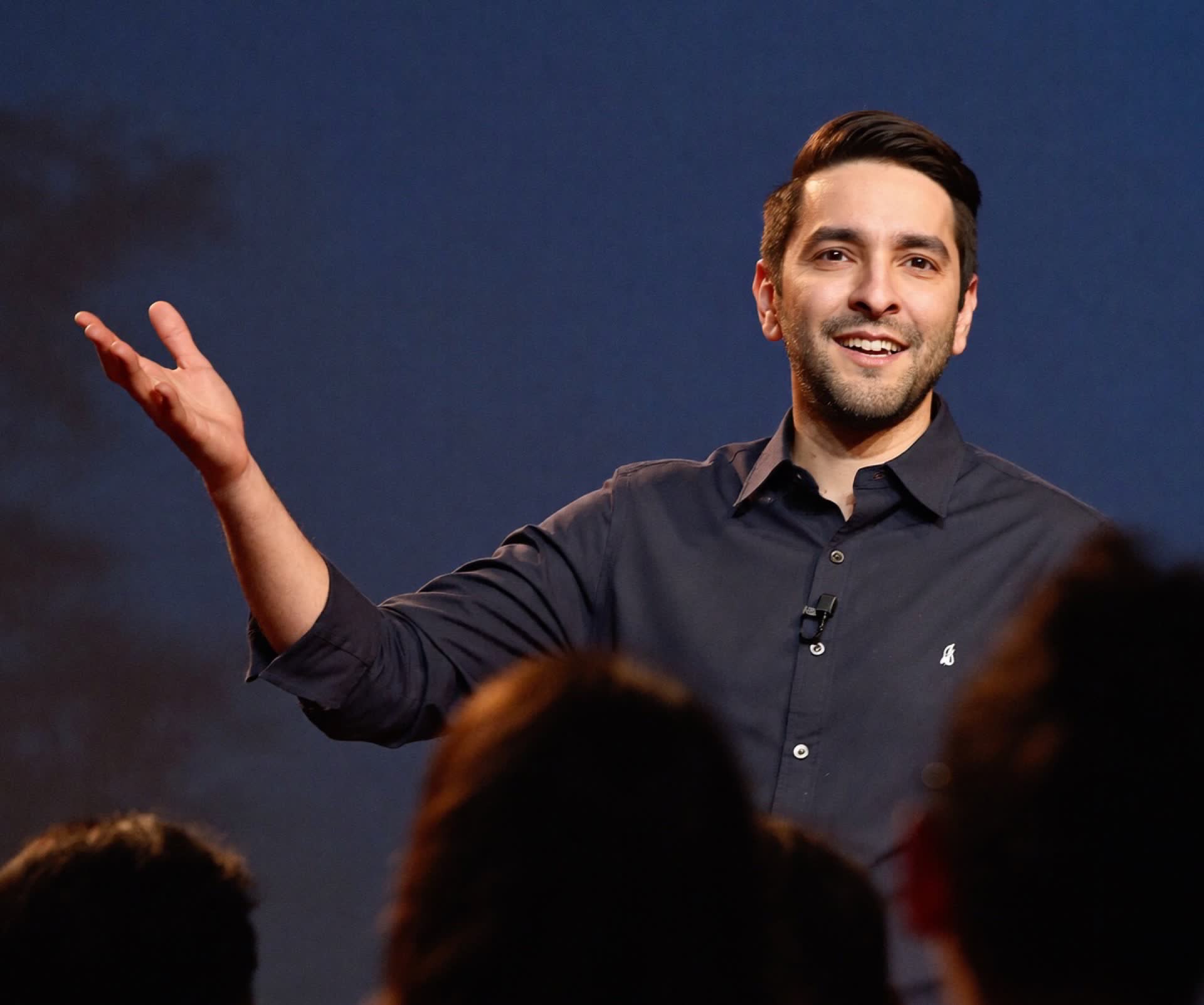
Thought Behind Things · Oct 2, 2024 · 1:51:58
Pakistan is stuck in cotton while the world has moved on
Interloop chairman Mussadiq Zulqarnain on raising 9.35 million rupees in 1992 to start a socks factory, becoming the world's number one sock manufacturer, why Pakistan confuses textiles with apparel, and what a deindustrialising country still has going for it.
with Mussadiq Zulqarnain
17 min read
A founder Muzamil had been chasing for over a year
The episode opens with Muzamil saying out loud what he usually leaves implicit. Mussadiq Zulqarnain is someone he has been trying to get on the show for more than a year. The booking kept slipping. He was, he admits, nervous about whether it would happen at all. The framing matters because of the broader argument he makes in his introduction: Pakistan’s young people grow up looking at Elon Musk and Bill Gates because the country has a bad relationship with money and therefore a bad relationship with its own industrialists. The local builders, the ones who actually built something at scale, are not the people the next generation looks up to. Mussadiq is, in Muzamil’s read, exactly the kind of founder a young Pakistani should be studying.
Mussadiq begins by correcting him gently. He is not the CEO any more. He is the chairman of the board. And he wants the credit spread before they go any further. “I never think I have done anything alone,” he says. “We started in ‘92. Since then we have either established or acquired twenty-one organisations all over the world. Eighteen of them are still working and thriving, including two not-for-profits.” Interloop, he wants the audience to know, is not just a sock company. There is a holding group — Interloop Holdings — that runs the largest corporate dairy farm in Pakistan, a Turkish dairy joint venture exporting cheese and butter, a packaging and printing concern serving multinationals, Momentum Logistics (the sole authorised distributor for Samsung parts in the country), an IT company called Octane Digital that recently acquired Kendrill’s data and cloud business, and two healthcare joint ventures with Shifa International, including a 350-bed tertiary hospital coming up in Faisalabad. He demerged the holding from Interloop Limited, he explains, because investors should not have to guess what they are buying.
9.35 million rupees, a peephole, and the first French order
The origin story is unusually specific. Mussadiq trained as a mechanical engineer and was working at Sui Northern Gas Pipelines — at the time, one of two pay-master employers in Pakistan, alongside PIA. His starting salary was 2,300 rupees a month against the government engineer’s grade-17 pay of 1,600 rupees, and the money “would not finish.” He used to take overseas trips every year on those savings.
Two things shifted him out. His younger brother — seven years his junior, an Oxford industrial management graduate — came back from abroad with a friend who insisted that computerised sock-knitting machines were so new in Pakistan that, in Mussadiq’s retelling, “you would push a button at the top, feed yarn into it, and dollars would come out the bottom.” His mother, who had raised him and his siblings single-handedly after his grandfather’s death in 1968, asked him to join his brother. The second pressure was political. Mussadiq had led an engineers’ association at Sui Northern that successfully pushed for engineers-only promotions above a certain grade, and the non-engineer management was, in his words, “respectful on the outside but bitter on the inside.” A separate political squeeze — his mother had been elected to the National Assembly on a reserved seat — meant a federal minister was looking for ways to pull him out of the country during a vote of no confidence. He refused. The pressure stayed.
So he took a year’s leave and then resigned. He, his brother, his family, and his brother’s friends together raised 9.35 million rupees — a number he repeats because he says he repeats it constantly. They bought one and a half acres of land in Faisalabad in 1992, under Nawaz Sharif’s industrial incentive scheme. They had no business experience. None of them had ever even been inside a sock-knitting factory. The way they got to see one is one of the better images in the conversation: “Their factory wall was on the road and there was a window in it. So on a holiday, when it was closed, we went and peeped through that window to see how the machines were laid out.”
Ten machines went in by November-December 1992. They had no orders. Mussadiq, his brother, and his brother’s friends sat outside the building eating citrus through the winter. The first orders arrived through the machine manufacturer, who brought a French customer to them. In May 1993, Interloop did its first export. “And we never looked back.”
Why customers stayed: salaries on time, shipments on time, the truth
Muzamil asks why those early customers became loyal. The answer is not what most founders would lead with. “Pricing was the last factor,” Mussadiq says. “It was the trust they established on us.” Salaries paid on time. Suppliers paid on time. Shipments on the date promised. And — the line that lands hardest — telling the customer the truth even when the truth was inconvenient.
He tells a small story to make the point. A customer once told him that there were strikes at Karachi port and shipments would be delayed. Mussadiq was stunned. There was no strike. There was no delay. The customer went quiet, then explained that his other Pakistani suppliers had told him there was. “So now you get the picture,” Mussadiq says. That, he insists, is what built the relationship.
The early growth then compounded through a single large branded customer who started growing “phenomenally.” Interloop had already imposed a rule on itself: no single customer would take more than twenty-five percent of capacity. So every time the customer asked for ten machines’ worth of output, Interloop installed forty. When they asked for forty, Interloop installed one hundred and sixty — and then went out and sold the rest. By 1995 the company opened a garments unit, Inkland Garments Limited, which Mussadiq describes as immediately successful. They closed it on purpose. “We closed a profitable company so we could focus on one thing and become prominent in it worldwide.” That is the discipline he wants the audience to register.
The world’s number one sock manufacturer
Muzamil asks where Interloop sits in the global rankings. Mussadiq does not hedge. “We are definitely number one.” Ahead of China. Ahead of Vietnam. Once current investments complete, Interloop will produce close to one billion pairs of socks a year between Pakistan, an associate plant in Sri Lanka, and a recently acquired subsidiary in China — “enough socks for one pair for the entire USA and entire Europe every year,” he says.
The group’s current five-year vision — Vision 25 — is to become a “full family clothing partner of choice.” Infants, kids, ladies, men. Interloop now runs a denim plant in Lahore (one of the world’s top seven green buildings, by one UK ranking), is ramping a 120 million dollar knitted apparel facility toward 45 million garments a year, makes four million seamless active-wear garments, spins 25 million kilos of yarn annually (much of it branded and blended, not just cotton), and consumes 70 to 80 percent of Pakistan’s available yarn dyeing capacity because it dyes for everyone else as well. There are two thousand contracted organic-cotton farmers. There is a regenerative cotton crop coming this year. There is a yarn called Loomshake made by blending banana-stem fibre with cotton, developed with Texas University, already in use by global denim and sock brands.
The cotton trap
The argument that runs underneath the rest of the conversation is Mussadiq’s quiet heresy: Pakistan’s identification with cotton has become a liability. “Cotton has been a wonderful fibre for us, but cotton has become our weakness,” he says. “It is not our strength, not because we are not producing enough cotton, but because the world is moving away from cotton, and we have got stuck in cotton.”
He walks through the consumer-side evidence. Formal wear is dying. Active wear has moved into the office. Outerwear is barely cotton at all. Generation Z and millennials buy differently from previous generations. Fast fashion has compressed product cycles from quarterly collections to weekly drops, and that compression has pushed every serious manufacturing geography toward man-made fibres and toward backward integration so they can shorten lead times. Bangladesh, he notes, used to import most of its fabric from Pakistan. It no longer does. Vietnam has gone so far down that path that it now exports surplus yarn. Pakistan, meanwhile, still defends a category — pure cotton — that the consumer is walking away from.
This bleeds into the import-substitution question. Muzamil asks whether vertical integration inside Pakistan can replace what Interloop imports. Mussadiq’s answer is yes and no. The cost of production has to be feasible. The scale has to exist. And — this is the deeper point — Pakistan has “almost land-locked” itself. The whole world’s textile geography trades with itself; Pakistan trades with very little around it. The argument culminates in a clarification Mussadiq says nobody in policy circles wants to hear. “We call all of this textile. This is not textiles. Vietnam’s textile exports are zero. Bangladesh’s textile exports are zero. Their exports are apparel and garments. They are two separate segments all over the world.” The WTO defines textiles as three things: yarn, fabric, and made-ups. Everything else is apparel. Pakistan, he says, has spent years arguing about the wrong category.
Why Bangladesh and Vietnam left Pakistan behind
Muzamil presses with numbers. Between 2014 and 2024, Bangladesh moved from roughly fourteen billion dollars of exports to forty-five. Vietnam from twenty-three to close to forty. Pakistan stayed put. Mussadiq accepts the framing and then unpacks it in layers.
Bangladesh had no other option. It mobilised its female workforce. It enjoyed LDC status and the duty-free access that came with it — to Europe, to Canada, to Japan, even to China long before Pakistan got there. There is no religious-extremism stigma attached to Bangladesh in foreign buyers’ minds. Buyers can fly into Dhaka direct from any major hub; flying into Pakistan still requires a connection through Doha. “These are non-trade barriers but they are barriers,” Mussadiq says. “We do not consider them important. They are very important.”
Vietnam was even more decisive. The country positioned itself as the receiving end of capital moving out of China. Mussadiq personally testified before the US International Trade Commission’s hearing on the China-shift question, and what came out of that testimony surprised him: ninety-five percent of garment-sector investment in Cambodia, and the bulk in Vietnam, is ethnic Chinese capital — from Singapore, Hong Kong, Taiwan, the mainland. The same dynamic is now playing out in Indonesia. “CPEC is wonderful,” he says, “but commercial interest does not follow geopolitics. It has to make sense. If it makes sense, not just Chinese, Americans, everyone will come here.”
Then the deeper diagnosis. “Look at Pakistan’s seventy-seven-year history. A lot of FDI has come to Pakistan. A lot more could have come. Almost all of it is market-seeking. Almost none of it is efficiency-seeking.” Market-seeking FDI extracts dividends and royalties within two or three years. Efficiency-seeking FDI builds a manufacturing base that exports. The first is what Pakistan got. The second is what Bangladesh and Vietnam got. That, in his telling, is the whole story.
Energy, IPPs, and the politics of captive power
Muzamil pivots to power costs. The headline complaint from Pakistan’s textile lobby is that electricity in Pakistan is sixty-five to seventy rupees a unit while in neighbouring countries it is seventeen or eighteen. Mussadiq agrees power matters — twelve to fifteen percent of value-added textile cost, much more in spinning and weaving — but refuses to make it the whole story. He tells a quieter, more damning fact. Interloop is being asked by customers to explore production in Egypt. The team visited recently. Power there is available at six cents per kilowatt-hour. “How would somebody paying fifteen, sixteen cents compete with that?”
His prescription is precise. He is not asking for subsidy. He is asking the country to decide what its priority actually is. If exports are the priority, set them up to win. If they are not the priority, say so. “Tell us — we will go and do something else.”
On IPPs he is even-handed in a way that surprises Muzamil. Yes, some of those contracts were bad. Some could have been corrected. But Pakistan was hungry for investment at the time, and the jurisdiction for most of those agreements sits in London, so the legal exposure of unwinding them is real. The bigger losses, he argues, are elsewhere: in transmission capacity that cannot move cheap southern gas-fired electricity to northern industry; in DISCOs that do not collect; in the political subject-matter split between federal energy policy and provincial enforcement that makes it almost impossible to disconnect a non-paying feeder. The capacity payment problem, he says, is not an IPP problem. It is the consequence of Pakistan never industrialising at the scale its energy build assumed. “You are addressing the cancer by giving analgesics to reduce the pain.”
He defends captive power on the same grounds. Cogeneration plants running at fifty to sixty percent thermal efficiency on imported fuel are doing the country a favour, not extracting from it. Shutting them down to force load onto the grid would raise the country’s energy import bill, not lower it. The right move, he says, is to deregulate. Let Faisalabad’s industries source from whoever can deliver cheaper power. End the levelised tariff that makes a disciplined consumer in one city subsidise theft in another. “Why should a Faisalabad consumer pay for the losses of city X?”
The taxation distortion and a new social contract
Later in the discussion, Muzamil asks the broader question: why has Pakistan not industrialised? Mussadiq’s answer is the most coherent stretch of the episode. It is not nationalisation in the seventies. It is not stigma against wealth. It is, primarily, an incentive structure that has made undocumented money easier to keep than documented money, and unproductive investment safer than productive investment. “Savings erode in banks because of inflation. Stock markets are volatile. But a plot, even if you earned the money genuinely, will triple in five to ten years. So that is where genuine and ungenuine capital both end up.”
He wants the sales-tax chain digitised end to end. He wants the tax base widened rather than the same documented sectors loaded again. He wants subsidies — for fertiliser, for electricity, for BISP — pushed back onto provincial governments because agriculture and social protection are provincial subjects and the NFC has already given the provinces the fiscal space. He wants the federal government to stop trying to be in every business at once. He wants industrial incentives moved out of Lahore, Karachi and Islamabad and into Mianwali, Sakkhar, Khushab — anywhere that would slow the migration into the four cities that are already breaking. “People like us will take industries to those places if the incentive is right.”
He is sympathetic to the IMF in a way most Pakistani industrialists are not. “Pakistan’s transparency on its data and on its promises has eroded international institutions’ trust to some extent. So the IMF gives us conditions because of that loss of trust.” The way out, he argues, is a new social contract — agreed across political parties and power centres — that takes education, economy, and a minimum common agenda off the table of partisan fighting.
Lead time, India, and what Pakistan should actually export
Two smaller but important threads run through the back half. Lead time is the first. Muzamil asks whether US reshoring is a threat. Mussadiq is unworried about labour cost — the US is now a net service economy and is not coming back as an industrial giant. He is much more worried about lead time. “If something is thirty percent more expensive in country X but available on a four-day order, that will suit the buyer. Lead time reductions are a key area. Pakistan has the worst lead times in the world.”
The second is regional trade. He makes the case for normalising trade with India in unsentimental terms. Pakistan’s own population plus its border populations sum to three and a half billion people, with one point two billion of them middle class and up. “Pakistan is the most strategically positioned country in the world, in my opinion. We are next to that market. We get scared. Mexico has three and a half USAs next to it and that is the biggest market it has.” The discomfort with regional trade, he argues, is what keeps capital in plots and files instead of in industry.
When Muzamil asks what Pakistan should actually export beyond textiles, Mussadiq is direct. Stop building universities. University education is becoming redundant globally. Build skill-based education at scale. Train three million people a year for service-sector export: paramedics, nurses, chefs, IT workers. Send two million abroad. “You will forget the economy. It will become so undersupplied that exports will balloon.” Then double down on agro-based industry — Pakistan already exports butter and cheese; process more. Then religious and health tourism. “We could earn billions of dollars from the gurdwaras and mandirs and temples in Pakistan alone if we renovated them and let people in.”
Faisalabad, the missing middle, and a hopeful close
By the end of the conversation, Muzamil brings it home — literally — to Faisalabad. He describes a project he worked on with the World Bank a decade earlier, watching donkey carts deliver blue containers of water from the canal to households in a city that, in his words, should have been the crown jewel of Pakistani industrial development. Mussadiq does not disagree. Faisalabad had no middle class for a long time, no endowed civic class to push for the upgrades it needed. Many of the people who could have built that class moved to Lahore once the motorways made it easier. The city has changed — more chemical industry, more car manufacturing, more pharmaceuticals, mid-level professionals moving in — but not yet at the level he would like to see.
Muzamil asks the closing question he has been building toward. The sentiment in Pakistan in 2024 is, by his read, as negative as it has ever been. People do not want to hear that the future could be bright. What does Mussadiq see for the Pakistan of 2050?
The answer is the most personal in the conversation. “The proof of the pudding,” he says, “is that we had decided to invest three hundred million dollars in this country. One hundred and fifty has been done. The other hundred and fifty will be. We are not going to change it.” His view is that his generation has to wipe out before better decisions get made, and that the next generations will make them. The good news, he insists, does not get told. The Citizens Foundation runs two thousand schools and is putting fishermen’s children and water-bearers’ sons on full scholarships to top universities. Nobody sells that story because it does not sell. “Things are bad,” he says. “But they look five or six times worse than they are. Our youth is our biggest resource. If we improve our human capital index and give them opportunity, nobody can beat us.”
Muzamil closes with a softer challenge. India’s youth grow up looking at the Tatas and the Mittals. America’s youth grow up looking at Steve Jobs and Bill Gates. Pakistan’s businessmen, he says, are not in the limelight defining the narrative for the country’s young people. They have outsourced that job to politicians who are mobilisers, not problem-solvers. Mussadiq agrees, with one caveat. “You can speak out only if you don’t have any skeletons in the cupboard. That is part of why people stay quiet.” But on the principle he is fully with Muzamil. “We should project local success stories. We should talk about this openly. Criticism does not mean others are wrong. The purpose is to analyse our mistakes and try to improve.”
It is, in the end, the same discipline the founder brought to a one-and-a-half-acre plot in 1992 — say the truth, pay on time, ship on time, focus on one thing — applied to the country he has spent his life building in.
Full transcript
सामरन्न, ख़बतीना अजरात. Welcome back to another episode of thought behind things. Personally, मेरे लिए one of the most exciting episodes है. This is a gentleman I've been meaning to speak to well for well over the last year. हमारा tie up नहीं हो पा रहा था. सच्ची बातें मैंने कहो रोज़ी बड़े डरते डरते कर रहा था कि पता नहीं मिलेंगे नहीं मिलेंगे. But he was gracious enough to give us time. With us is मुसद्दिक जुलकर नयन, the founder and CEO of Interloop, one of Pakistan's largest exporters, textile exporters और जहां तक मुझे इनकी कहानी पता है and we'll know more about that today as well. But जहां तक मुझे इनकी कहानी पता है, इन्होंने ground up यह business over the last thirty years build किया. It's a phenomenal story particularly क्योंकि Pakistan में I've said this many many times. जब हम हमारा जो नौजवान है जो universities में होता है वह जब अपने aspirational leaders ढूंढ रहा होता है तो वह Elon Musk को देखता है, वह Bill Gates को देखता है, वह Pakistan से बाहर बहुत सारे लोगों को देखता है. Unfortunately, Pakistan में we've had a bad relationship with money and so Pakistan का जो, you know, अमीर है, जो industrialist है, for one reason or the other वह पाकिस्तानी नौजवान के लिए aspirational नहीं होता. This is a story that I feel like a lot of people, a lot of young people can relate to and be able to understand कि यार, potentially वह भी कैसे एक बड़ी चीज़ Pakistan में कर सकते हैं मुसदिक साहब. Thank you so much, first of all, for taking the time out and being part of the show.
Thank you Miss अंबिल, it's a player और thank you for the introduction. Before saying anything else, let me correct you a little bit. Obviously, यह बहुत सारे लोग को enthuse हो जाते हैं. I am no more the CEO. I am the chairman of the board. Right. वह उसके ऊपर मैं I'll I'll, you see, united you on that later on. But thank you for your kind words. I think it's a player. It has always been player to, you see, try to inspire people live in Pakistan or particularly youth. I think अगर मेरी चंद बातों से लोग inspire हो सकते हैं तो इससे ज़्यादा ख़ुशी की कोई बात नहीं है. Thank you. मैं मैं अगर थोड़ा सा start करूं conversation I want to understand जो यह interloop आपने start की,
क्या यह यही थी पहली company या यह एक sort of evolution के बाद आई है? Tell me about your journey. How did you start? I believe in early nineties.
अच्छा, उसमें इसके ऊपर मैं respond करने से पहले एक और इसमें थोड़ा सा आपको share करना चाहूंगा. वह बहुत सारे लोग नहीं जानते and then we I'll I'll not discuss that in detail. We can discuss those details later on. वह यह है कि Interloop by the grace of god has been so successful कि इसने बाकी सब कुछ overshadow कर दिया and rightly so. Mhmm. हमने मैं जब भी word use करूंगा हम use करूंगा कि मैं नहीं समझदा कि मैंने अकेले ने कुछ किया है. हमने in '30 we started in '92, right? मैं interview की story भी आता हूं. We started in '92. Since then we have either established or acquired 21 organizations all over the world. 18 of them are still working and thriving including two not for profits. एक तो यह qualification लोग यह समझते हैं कि यह सिर्फ़ socks बनाते हैं और बाकी चीज़ें में चले गए, which is which we are very proud of but we have done other things also. जब हमने IPO के लिए जाना था तो we had a subsidiary with an interloo. मैं थोड़ी सी फिर वापस चला जाऊंगा. मैं ज़रा आपको थोड़ी सी अपनी जो हमारी काबिशें हैं उसके ऊपर थोड़ी enlighten कर दूंगा तो फिर then we'll be the discussion might become very interesting. Right. तो एक subsidiary थी हमारी and we had accumulated handsome amount of cash. तो हमने हम unlisted public company तो बहुत देर से हो गए थे. उसके ऊपर के लिए मैं बाद में बात करूंगा. हमने उस वक़्त decide किया कि हम इसको demerge कर देते हैं so that यह जो है ना कि वह एक textile concern है, यह एक बड़ी company है और वह फिर holding company भी है. तो investor confused रहता है कि मैं किसमें invest कर रहा हूं और यह वहां अपनी subsidiaries में कितना पैसा ली जाएंगे, वह हो जाएंगे. तो हमने कहा कि नहीं we have to make a clean break. तो हमने proper law के through उसको demerge किया and we formed two companies Interloop Limited ऐसी की वैसी रहेगी which was purely apparel and textiles और हमने एक interloop holding create कर दी बाकी ऐसे से कुछ cash उधर transfer कर दी और एक subsidy transfer कर दी. So, interloop holding doesn't have any stake in interloop. सही है और यह Pakistan में ही जी जी जी, Pakistan में है and it has several subsidiaries. We are we have the largest corporate dairy farm in Pakistan. Interloo Dairies है. फिर हमने एक Turkish joint venture है जिसको जिसका नाम है IRC Dairy Products जो कि यहां अहमदाबाद के industrial state में है which produces cheese and butter and other things and we export 100% butter. हम cheese की top chains को हम देते हैं और उसके अलावा cheese भी हम export करना शुरू कर दिया. Then we have a a packaging printing concern, print craft. क्योंकि वह interview के नाम से नहीं तो लोगों को पता नहीं चलता. जो कि multinationals को उनके लिए printing कर रही है. Then we have a very successful logistics company Momentum Logistics. जो कि inland trucking में भी है, international air freight and sea freight में भी है, जो warehousing में भी है, जो distributorship में भी है and in fact Samsung के जितने parts हैं उसके authorized sole distributor वह हैं. So that is another concern. Then we have a IT company by the name of Octance Digital जिसने अभी अभी Kendrill का सारा business जो है वह acquire किया है. तो सारे बड़े बड़े banks को और बड़ी बड़ी corporations को जो data services हैं और अब cloud services वह हम provide कर रहे हैं. तो इस तरह से then we are into health services. We have two joint ventures, separate organizations with शिफा International. एक 350 tertiary bed, tertiary hospital आ रहा है फ़ैसलाबाद में और एक ambulatory day care center आ रहा है f 11 इस्लामाबाद में. They are two separate entities जिसमें हम 45 तो मैं detail में बहुत ज़्यादा नहीं जाना चाहता हूं. So we we have a lot of other businesses which come under the umbrella of interloop holdings और interloop अपना clean लग जाएगा. Now coming back to, yes, we started in April ninety two, right? By training I'm an, I'm a mechanical engineer और मैं तो एक job कर रहा था और fortunately I had the opportunity to be in planning and design and उस department में और वैसे भी मैं बचपन से ही मुझे मेरी languages weak थी और मेरी mathematics वग़ैरह बहुत strong था और मुझे calculations करने का, hypothetical calculations करने का बड़ा शौक था. तो I went to do planning तो मेरी उसकी experience थी. My younger brother who is जिन्होंने electronics में engineering की went abroad और उन्होंने Oxford से industrial management में masters किया और वह वापस आए. तो उनके किसी दोस्त ने suggest उनको किया कुछ देर के बाद. तो he wanted to उनका idea था it was my younger brother he is seven years younger to me and अभी कि अभी हमें यह socks की industry आजकल नई नई आई है. तो you know Italians are such good marketers. तो वह almost मैं बहुत सारे लोगों को बताता हूं हिस्सा होगा. वह उनका कहना यह था कि यार यह computerized machine है आप यह से button दबाएंगे, ऊपर धागा लगाएंगे और अंदर से dollar निकलेंगे. So that's how they would almost say that. तो my mother asked me कि why don't you join him? तो हमारी immediate family में बल्कित कोई
कभी ज़िंदगी में किसी ने business नहीं किया. अच्छा मेरा यह मेरा सवाल है. I just want to understand. Did you come from family wealth? Like were you let's say upper middle class or did you come from a you know generational money? वजह सवाल का यह for a lot of young people जब वह बड़ी business की कहानी सुनते हैं, rightly so. काफ़ी दमा वह कहते कि यार it's it doesn't really inspire me because मेरे हालात और इस कहानी के हालात में बहुत ज़्यादा फ़र्क़ है. My understanding is just like you mentioned कि आपकी family के पास business experience नहीं था, professional लोग थे. This was your first foray and so tell me, run me through the the lifestyle that was there. Absolutely absolutely. So, you see,
myself and my brother and my sister, we were raised by a single mother, right? And हमारी जो grandfather के पास कोई बहुत बड़ी land holdings नहीं थी. We didn't have any investments, we didn't have any savings. तो के गांव में साड़े बड़ा एक का ज़मीन थी. But the house in which we lived we वह वह शहर के center में था वह काफ़ी बड़ा घर था. 28 canals so वह पुराने जमाने से चला आ रहा था तो वह उसकी value appreciate हो गई थी. तो as such I I I won't say कि हम कोई so we I don't know how where should we term. So cash rich नहीं थे but asset rich थे. Asset to some extent asset rich थे और वह जिस तरह से पुराने जमाने में होता है कि वह my mother was in education. वह उन्होंने job भी किया, हमें पढ़ाया भी, हमें look after भी किया because my grandfather passed in 1968 when I was ten eleven years old and I am the eldest. तो उन्होंने हमें raise किया single handedly, but वह उस ज़माने में होता था कि वालदयन अपने ऊपर ख़र्च नहीं करते थे. They would save everything for the next generations. तो हमारे घर में car भी थी, वह भी थी. But I would travel on a dial पर में उस जमाने में बहुत ज़बरदस्त होनी service bus service होती है. मैं double deckerman travel करता था. सुबह school पर हमें कोई ना कोई आदमी कभी जब जब बहुत छोटे हुए थे तो cycle पर छोड़कर आ जाते थे. Though we had a car at at our house पर वह rules sparingly होती थी कि भाई car use नहीं करनी है. तो वह savings इसलिए भी कह लेंगे assets बचे रहे कि उन्होंने अपने ऊपर हर्ष नहीं किया. They saved it for us probably. तो yes, we were partly
asset rich. Yes. And and and जो आप जिस company में काम कर रहे थे which what company was that? जी, it was Sweden,
Sweden gas pipelines और मैं यह एक ना disclaimer बहुत ज़्यादा देता हूं कि आजकल जब आप gas companies का नाम लेते हैं immediately एक work आ जाता है. जिस जमाने में हम काम करते थे तो अभी Britishers had left only recently. वह company में बहुत देर तक रहे और इस the culture was entirely different और very professional और बहुत ज़्यादा मतलब यहां तक कि जब मुझे याद है जब मैंने engineering की and I was lucky कि मेरे engineering के तीन महीने बाद मुझे job मिल गया and very few people would get into स्वीनोधन तो उस वक़्त जो engineers थे they would get grade 17 in the government और उनकी pay मुझे अच्छी तरह याद है कि सोलह सौ रुपया होती थी per month. अच्छा और there were two companies in Pakistan जो कि pay master समझी जाती थी. Most of the people would like to go to वाप्ता क्योंकि वाप्ता would absorb a lot of engineers. तो दो companies जो थी ना वह एक PIA and Swiggy Law. तो मेरी पहली pay थी तेईस सौ रुपया. अच्छा. तो which was six seven hundred almost you see 50% more than my colleagues and trust me वह ख़त्म नहीं होते थे बल्कि मेरी शादी होगी तो अगले साल तो हमने हम घर में रहते थे खाना वहां पक जाता था बाकी ख़र्चा ख़र्चा भी जो भी होता था तो we would save enough money इस तेईस सौ रुपए में से ना year to ever trip abroad तो अच्छा जमाना था to be honest. I mean
how did you manage आपकी एक अच्छी job लगी हुई है family का previous experience नहीं है business का. लगी बंदी job है ना, pension वाली job है. So, उस job को छोड़कर business का risk लेना, what was the thought process? Was that like just a कि ok, let's try this, why not? Or did you really think about it at the time? अगर आप अपना एक digital personal brand बनाना चाहते हैं तो मैं अपनी digital media master class launch कर रहा हूं जहां पर मैं आपको digital media और influencer marketing के fundamentals सिखाऊंगा in a two month long live boot camp where I will be summarizing fourteen years of my experience in the field. If you're interested, you can sign up with your email on the link down below. See you there. Ok. It's a, again, it's it's a it's a it's a
I, by the grace of God, मैंने जैसे कि ना मैं अपने calculations वगैरह में I was बहुत वह था और मुझे शुरू से gadgets का बड़ा शौक था. अभी Pakistan में computers आना शुरू laptops आना नहीं शुरू हुए थे और I I had a प्रदर्न राह who worked for IBM और उनको concessional मिलता था तो मैंने laptop ले लिया था. तब तो वह 10 kilobyte की वह drive होती थी. तो believe me once the managing director came to फ़ैसलाबाद from लाहौर तो उनको किसी ने बताया कि यहां पर एक engineer है who uses a laptop. तो he just came to my office to see the laptop. तो यह यह वह जमाना था मैं आपको यह ज़्यादा ध्यान करूं. तो मेरी मेरी उसकी वजह से ना I I got into a department which is very technical and उस वह हमारा बहुत ज़्यादा foreign engagement थी. मैं मुझे ऐसे projects plan करने पर लगा दिया गया जो कि World Bank के projects France पर projects थे. So I got a lot of exposure technically भी और otherwise भी. अच्छा इस दौरान में यह था कि उस ज़माने में कुदर प्राणा चला आ रहा था तो वह they were people who were probably good at their work but had no qualifications और वह engineering में और सब में उनको promote हो गए. So, there were people who were and I I I don't I don't mean to be disrespectful. तो एक साहब ऐसे भी थे जिनकी बड़ी लोग इज़्ज़त करते थे. वह chief engineer थे and he was a metroglude. तो एक वह बड़ी इसके ख़िलाफ़ वह था हमारा जो पहला हमारा batch था वह पहली देवत दस बारह लोग इकट्ठे आए थे from the same university, same batch. तो हम लोग we were very uneasy कि यार यह यह एक तो वैसे भी ग़लत है. तो यह तो यह हम लोग तो फिर यहां ही फ़ंसे रह जाएंगे. तो we formed an engineer engineer's association of मुझे उसका उन्होंने general secretary बना दिया और मैं इधर थोड़ा सा कह लें कि उन गरम था, वह इनकालाबी किस्म खून था. तो we we really तो all the seniors, everybody you see वह मेरे गित इकट्ठे हो गए. हमने बड़ी movement चलाई and eventually we were successful on getting the rules amended कि यह ख़ास level से ऊपर सिर्फ़ engineers promote होंगे. अच्छा, मगर इस सारी चीज़ में जो managing director थे और वह सब लोग थे, वह non engineers थे और वह वैसे तो मुझे करते थे respect, but वह अंदर से बड़ी मेरे ख़िलाफ़ हो गए. उन्होंने बहुत उनका ख़याल था कि भाई अब इसको ना तंग करना है और obviously I was under pressure. हमारे NERC में cases गए. That that was the only example still in Pakistan जहां एक employer decision को NERC ने stay order दे दिया कि इनके ख़लाफ़ action ही लेना आपने. We went and we period our case. मेरा justice साह सौ जानते या कुछ. So we went there and he gave us a stay order for two months. वह पहली दवा था वरना employee employers हो रही थी वह अभी stay ordering. Anyhow, so that struggle was going on मगर जो मेरी experience थे I would always get the इस सारे दो साल के process में मुझे फिर सब सारी company से ज़्यादा increment मिल जाती थी because जब वह मुझे rate करते थे they technically would rate me at at the highest level but the tension was going on. उसी दौरान में थोड़ा सा एक political issue भी हो गया. I don't know. Probably shouldn't mention that. वह चीज़ तक my mother was elected because मेरे जो grandfather थे वह in good old days उन्होंने Pakistan movement में बड़ा हिस्सा लिया था. He was an advocate. वह फिर best Pakistan में की ministry में भी कुछ दे रहा है. Then he जब वह आयुक खा का आया he was the only one जिनको अब्दो नहीं किया गया but he refused to participate कि अभी मैं under democratic governments पर नहीं करूंगा. तो उस respect में reserve seats में मेरी mother को 85 में she was elected to the assembly then again 88 बोल रही हैं reserve seats पर. तो वह एक शायद आपको याद होगा कि एक एक vote of law का अंदर इस बहुतरमा बेनज़ीर के ख़िलाफ़ आया था. आप तो छोटे होंगे उसमें तो आपको नहीं आपको याद नहीं होगा या आपने पढ़ा होगा. तो उसमें बहुत खींचा तानी हो रही थी. तो Peoples Party was in the federal government. I I have all the respect for the democratic credentials of Peoples Party. Let me say that. I am not, मैं कहूंगी मेरी story तो मैं यह सुना तो उसमें जो federal minister थे अब वह ढूंढ रहे थे कि लोग ढूंढो कि कैसे vote? वह उधर वाले तोड़ रहे थे, उधर वाले तोड़ रहे थे. And so the managing directors told me that the minister of religion wants to see you and he wants to offer you something कि कोई loan ले लें उस दुबाने में textile mill लगा लें या बाहर scholarship पर चले जाएं and मैं मैंने सोचा कि यार अगर मैं चला भी जाऊं और यह लोग मुझे वहां उठा लें तो मेरी मां को यह ना फ़याला है कि अब my son is there and she might waiver otherwise तो वह she will not waiver because जो party कहेगी वह करेंगे. तो I refuse to go. तो उसकी वजह से भी एक tension थोड़ी सी थी management was under pressure और management मुझे भेज नहीं सकी. तो वह एक pressures चल रहे थे. I was doing fine. मैं मेरे मुझे उसी दौरान में यह proposal आ गई. तो plus मैं mother said कि भाई वह और मैं यह बात करना नहीं चाह रहा मगर आप लोगों को इस तरफ़ लेकर हैं और मैंने केजना यह बात की है कि वह एक concept होता है ना कि छोटा है यह कोई ग़लती ना कर दें, इसको समझ नहीं आया, तुम्हारा experience है. So, my mother didn't say that so many words but she she had that वह क्योंकि हमें जगह कुछ पेशनी पड़नी थी इसको लगाने के लिए और यह risk लेना पड़ना था. तो उन्होंने मुझे यह कहा कि तुम देख लो अगर तुम join कर लोगे तो तुम दोनों भाई अच्छा कर लोगे. तो and again इसमें मैं यह add कर दूं मैं आजकल add करता हूं. To be honest he is a better leader than me. He proved much better than me later on और वह उनकी जो apprehension थी वह definitely ठीक नहीं थी. But मैंने कहा अच्छा ठीक है यार इधर से भी tension चल रही है ठीक है. मैं job में जब progress कर रहा हूं but tension ही रहेगी मैं शायद गिला भी लाता रहूंगा. तो मैंने कहा चलो ठीक है यार मैंने एक साल की छुट्टी ले लिया then I reside. So that's how I कोई नहीं नहीं sorry जो भी दिन उन्होंने कहा जी वह ना he has backed out. तो आपने कहा अब क्या होगा? उन्होंने कहा अच्छा एक तरीका है कि उनकी जो factory है ना उसकी दीवार सड़क पर लगती है और उसमें एक window है. So on a holiday जब वह बंद होगी तो आप जाकर हमारे साथ चलें हम आपको उस window में से peep करवा देंगे and that's exactly what we did. हम उस गली में गए खाने से झांककर देखा गया कि क्या machineएं कैसे लगी हुई? So that was the so we we I still remember क्योंकि मैं बार बार बताता रहता हूं हमने 9,350,000 rupees raise किया between me, my brother, my family और वह जो मेरे भाई के दोस्त जो ID थे उनको कहा यार हमें तो कुछ पता नहीं है तुम्हें फिर कुछ पता तुम हमें join कर लो. Although operations में उन्होंने बाद में join किया but कुछ उनका था. तो we bought one and a half acres of land. यह वह जमाना था 92 का जब एक जो previous prime minister थे नवाज शरीफ उनकी एक scheme आई हुई थी industrial incentives की और यह और वह फलाना कि no questions will be asked. There'll be no taxes for ten years and all that. Although हमारे तो questions का मसला नहीं था but थोड़ी industrial facilitation हो रही थी उस जमाने में बहुत industry लगना शुरू हो रही थी छोटी छोटी छोटी. तो यह हमने डेढ़ एक जगह ली. अब मुझे जो समझ आ रही थी उसके हिसाब से हमने plan की building और हमने कहा अच्छा यार यह 10 machines लगाते हैं और इसको अगर हम 30 तक पहुंच गए ना तो we will be very successful.
और यह machineएं क्या cotton को socks बना रही थी या cotton से धागा बना? मतलब किस These part
are जो socks knitting machines होती हैं जो आप computerized हैं उसमें आप सारा design computer में बना लेते हैं और आप धागा feed करते हैं मुफ़्ते किसी के धागे feed करते हैं और वह उसको sock बनी हुई निकलती है. वह उसको अंदर वैसे ही knit कर देगी with various colors and various type of yarns उनको mix करके. It was advanced technology even at that stage Pakistan में. तो technically ज़रा यह वह था. तो वह हमने दस machineएं लगा ली और हमने कहा ठीक है भाई चले वह November के December में लग गई. अब हमारे पास order कोई नहीं थे. तो वह citrus का ज़माना था. हम बाहर बैठकर मैं, मेरा भाई और उनके दोस्त जो थे हम वहां बस किन्नू खाया करते थे और जो उनका मेरे भाई का office था that is next to their knitting room और उसी में कुछ गोगमार go down नहीं था. पता नहीं था कि go down भी बनाना है. उसमें यान के बोरे भी पड़े होते थे और वह वहां बैठे भी होते थे. ख़ैर the first orders came वह hotel in जो machine manufacture था वही लेकर आए customers को. तो एक French customer था उसने हमें order दिया and from May in May ninety three we did our first export and we never look back. अब आज उसकी उसकी बहुत सारी reasons थी जमलब जैनाई look back. एक तो हमें कोई business का experience नहीं था and I don't want to be disrespectful to the people who have done so well in the business. But generally speaking cotton industry में और लालपुर में आइश्लाबाद में कह लें. तो हम we were यह नहीं कि हम कोई extra effort कर रहे थे. हम हर चीज़ के बारे में ethical थे. Salaries on time pay होनी है, supplier को on time करना है, customer को on time shipment करनी है, जिससे वादा करना है, जो गम्मत से वादा है वह उससे पूरा करना है. And then we obviously थोड़ी सी planning की भी answer उसमें शामिल था कि planning करके calculations करके technology already हमारे पास अच्छी आ गई थी and we try to hire people like us fresh graduates, पढ़े लिखे बच्चे मैं मालिक का कोई concept नहीं तो हमारे यहां यही मालिक वाला concept नहीं था. तो fiscal discipline यह था कि हमने everything was recorded हमने अगर कोई salary हमारी fixed है तो हमने vote drop करनी है और जब भी जाकर अब शुरू में तो दिया नहीं जब भी dividend दे तो dividend लेना जब वह देखा कि छोटी industry यह grow कर रही है people started तो हमने पहले साल के बाद ही हमने बारह मशीनी और import कर ली double dollar size. अच्छा इस तो यह सारी चीज़ें मैंने आपको छोटे छोटे ingredients बताएं यह यह भी चलते रहे साथ साथ
What was the reason for that? Like, was it quality? Was it pricing? Was it, क्या वजह थी कि आपने कहा कि मेरे बड़े loyal customers थे?
वह उसमें वज़मुल pricing was the last factor. अच्छा. It was the trust which they established on us कि यार यह जो हमें कह रहे हैं यह सही कह रहे हैं. Right. अगर कह रहे हैं कि cost बढ़ गई है तो बढ़ गई है. Mhmm. और अगर इन्होंने एक promise किया है quality का तो यह quality से बेहतर देंगे ख़राब नहीं देंगे और जो shipment date है उसको यह religiously respect करेंगे और तभी time हुआ आगे तो मैं आपको एक और story इसकी timing के सामने तो देव वह trust जो था ना उनकी expect उनको उनकी expect जो experience in South Asia and this part of the world even in even Far East was at that time not very good about splires. So this was one splire which was small but which was entirely different. तो वह जो confidence create हुआ वह that और वह gradually grow करता चला गया. वह कभी भी ऐसा मौका नहीं आया कि इसको हमने यहां तक हुआ कि customer के पास गए तो उन्होंने कहा यार वह आपके क्रांची port पर बड़ा मसला है, strikes हो रही हैं तो वह shipments इतनी delay होंगी. तो I was stunned. मैं उस दिमाने में marketing करता था. मैंने कहा वहां तो कोई strike नहीं हो रही? कोई मसला ही नहीं है. तो वह चुप कर गया. फिर वह उसने मुझे बताया कि मेरे बाकी spire तो कर रहे हैं. यह delay हो गई है कृषिपुर पर strike है. So now you get, you you know, पता ही नहीं. So
that made me Basic ethics जो पाकिस्तानी
issue आता है professional ethics का. Oh, yeah. I think it it's not just a पाकिस्तानी issue. It's पक्किस ग़ब्बी आ रहा Saudi Arabia. Let's say that's a Saudi Arabia, right? हां. तो एक एक चीज़ मैं आखिरी बता दूं आपको हमारे grow करने का reason. जब हम एक reasonable size पर आ गए कोई मेरे ख़याल सौ machineएं होंगी यह कितना होगा? तो we got a customer रुक एक branded customer था for I think commercial reason I would not like to name them. तो वह वह उन्होंने हमें orders place किए और वह grow कर रहे थे. अच्छा हमने उस वक़्त तक एक बना लिया था शुरू में तो नहीं था. हमने एक एक अपना principle बना लिया था कि no one customer will be हम कोशिश करेंगे कि किसी एक customer को 25% से ज़्यादा share ना दें. We should अगर वह बहुत ज़्यादा पैसे भी देता तो हम नहीं. अच्छा यह customer बहुत अच्छा था, branded था और इन्होंने एक नए तरीके से socks बेचनी शुरू की थी and they started growing phenomenally in जौड़ा. अच्छा, अब वह हमसे और मांगते थे. हमने क्या क्या करी? तो हमने अगर वह हमसे हमसे lettuce से दस machineओं का माल मांगते थे तो हमें चालीस लगानी पड़ती थी. वह चालीस का मांगते तो हमें एक सौ साठ लगानी पड़ती थी. वह बाकी गई और जाकर बेचना पड़ता था, effort करना पड़ता था. But that's how we kept on growing at a phenomenal rate. वह बहुत grow कर रहे थे. हम भी फिर grow करना चाहते थे. The prices were good. They were ethical तो हमने फिर बाकी भी effort किए तो we started growing like anything. तो that is how it started and we never look back we reinvested everything we earn हमें कोई यह shop नहीं हुआ कि हम अब group of companies वन जाएं So much so कि in '95 हमें वह जमाना quotas अभी चल रहे थे. हमने एक company बनाई include garments limited and it became immediately very successful. हम सिर्फ़ cut and shoe करते थे. कपड़ा वह जो लोग आज बड़े बहुत बड़े बड़े manufacturing उनसे लेते थे. वह उनके पास orders नहीं थे. हमारे पास orders थे और हम उसको export करते थे और retailers को export करना शुरू हो गया. And then one fine morning we said no, we are successful but it is you see हमारा focus को ख़राब करना है. Plus we want to grow in one segment so much कि हम prominent हो जाएं world में and kind of we should have a first try to refuse it. Mhmm. And so we said, हमने एक successful company को बंद कर दिया. अब जो तो मैंने कहा तीन नहीं है ना उनमें सेक वह भी है. हमने profitable company को बंद कर दिया कि नहीं, let's focus on this one thing. Let's make it grow.
Interesting. अगर मैं आपसे पूछूं इस वक़्त जो if you were to rank yourself in terms of socks manufacturers in the world, where would you lie?
पहले तो मेरी शब्द था we are definitely number one.
You're number one sock manufacturer in the world. Yes. Amazing. Beyond China, beyond Vietnam, Oh, beyond
absolutely. But we we are अब हमारी जो अब investment हो रही है जब वह complete हो गई already we are very close to that because हम यह नहीं के मोनी. तो Pakistan में हम कोई एक billion pairs a year बना रहे होंगे. We have associated company in श्रीलंका also and we have a subsidiary in China also. तो अगर वह सब कुछ combine कर लें तो we have enough socks, one pair of socks for entire USA and entire Europe every year. So you can imagine the size and with the with the biggest brands and the retailers we are their largest players for this item.
Interesting. What's the current scale of operations अगर मैं थोड़े numbers की बात करूं? हां हां, ok.
So जैसे मैंने socks में तो एक तो यह है कि हमने मैं आगे चलकर शायद आपको बताऊंगा हम haphazard या to day to day changes नहीं करते, month to month changes नहीं करते. And that is one area मेरा ख़र्क़ है Pakistan में जहां companies ही करती होंगे Pakistan ख़ुद भी नहीं करता. हम five year visions बनाते हैं और उस five year visions के फिर हम split करते हैं, annual plans बनाते हैं और फिर हम उसको follow करते हैं और उसके ऊपर क्योंकि बहुत thought process में किया होता है हम उसको बहुत ज़्यादा change नहीं करते. कोई हालात, economic problem आ गई, कोई जंग आ गई हम अपनी अपनी vision को change दें लोग. कहीं कहीं strategy pivot करनी पड़ती है. तो जो हमारी अब latest vision चल रही है which will complete in June 26 जिसको हम vision 25 कहते हैं क्योंकि twenty five years में वह 2025 में शुरू हो जाएगी. उसका जो motto है वह है to become a full family clothing partner of choice. अच्छा अब full family से बरात यह है कि we make things for infants, kids, ladies, men सबको cover करते हैं. Normally ऐसा नहीं होता. And things include just socks or are you now getting That's what I'm going into. Socks तो हमारा co था और रहेगा. तो SOX में हम तकरीबन एक billion pair पर पहुंचने वाले हैं. We have six huge plants जिसमें से एक हमने acquire किया था उसको फिर grow किया in लाहौर. तो in in in in Pakistan we have a associated companies plant in श्रीलंका जो कि हमने किसी Italian company से acquire किया था. Then we have recently acquired a plant in China. तो यह सारा मिलकर हमें एक billion pair पर ले जाएंगे socks का. उसके बाद few years ago we ventured into denim. इसलिए क्या है Pakistan course counts में अच्छा है. Pakistan very well known for denim और हमारा जो अपना spinning operation है यह है huge spinning operation of our own outs. वह जो specialized है वह coarse crowns बनाने के लिए है जो कि socks में और denim में और towel में use होता है. तो बहुत सारे जितना हमारा यान बचता है वह हमसे denim weaving mills ही ख़रीदती हैं. तो हमने denim में एक plant लगाया है जो कि इस वक़्त बारह million pairs annual pair including woven उस पर हमने woven भी शुरू कर दिया तो वह woven की भी बड़ी demand है and then और वह जो building है it's it's a platinum lead certified building लाहौर में है और it was एक UK का magazine था उसने उस वक़्त rank किया था and they one of the top seven green buildings in the world. तो उसके बाद हम we are into knitted apparel. हमने knitted apparel कुछ साल पहले शुरू किया एक pilot pilot. अब हमने एक बहुत $120,000,000 से जो हमारा एक नया apparel path बनाया उसमें हमने commission किया है और it is ramping up and that will be we will be we'll be doing 45,000,000 garments of knitted apparel. अच्छा फिर एक जो unique चीज़ है हमारे पास वह है seamless active wear. वह and it's all हम लोगों से हम तो सिर्फ़ man made करते हैं. उसमें से पूरा garment आपको बना बना निकलता है. Sport bras, yoga pants, things like yours. तो वह अभी इस वक़्त हम 4,000,000 garments कर रहे हैं. तो in in total अगर आप garments को ले लें तो about 60,000,000 garments हम कर रहे हैं per year अभी तक और इसमें expansion plans भी हैं. Then we are जैसे मैंने कहा हमारा spinning operation भी है. We produce 25,000,000 k g's of जान every year and it's not just cotton जान. हम बहुत सारे branded जान बनाते हैं जिसमें recycled polyester के भी हैं और कई ऐसे हैं जिसमें acrylic, wound और cotton mixed है या nylon वह चीज़ें तो जो हमारे customers की specific requirements होती हैं. एक हमारा customer है Japan की one of the largest, see retailers हैं और दुनिया में बहुत मशहूर है. मैं नाम लिए वगैरह आप समझ गया होंगे. उनके लिए हम एक shops का program करते हैं. It's just one shop, one type of shop. It has 50 different colors. Right. 50 different colors. If you walk into their stores anywhere in the world you see. Yeah yeah See, so that's I exactly what you're talking about. Right? So so it's not easy there and it's not just cotton. It's a branded yacht. तो वह सब हम ख़ुद बनाते हैं. फिर हमारे पास क्योंकि हमारी जान dyeing requirement बहुत ज़्यादा है. तो हम हमारा तकरीबन 4,000,000 k g's of जान dyeing अपनी करते हैं जिसमें both man made fibers and cotton है and Pakistan की total जो जान dyeing capacity है ना इस बाहर उसका 70 to 80% हम purchase कर रहे हैं because we need from everybody. So everybody is plying us. हम जान देते यार वह die करके हमें वापस देते हैं. So यह तो scale of operations है. जैसे मैंने कहा अभी plant, associate plant in Sri Lanka doing very well. We recently acquired a US company, US owned by American Chinese. में 64% stake Interloop ने acquire किया है which owns a plant in China. वह भी तीस चालीस million dollar की वहां से export करते हैं. हम उनसे already purchase करके बेचते थे and our plans are to probably expand that in China because China is the market. तो यह यह चीज़ें हैं इसके और चीज़ें जो हम कर रहे हैं ना वह बड़ी interesting है. जैसे हमने Pakistan is not known for आपकी organic cotton. तो हमने दो हज़ार farmers के साथ मिलकर organic farming शुरू करवाई है. उनको हमने subsidize किया in various areas of Pakistan. 2,000 farmers हमारे अब list पर हैं जो कि हमारे साथ काम कर रहे हैं. फिर regenerative cotton हमने जो है ना उसको introduce किया है और वह उसकी पहली crop इस साल आ रही है. हमने with the collaboration of Texas University we have introduced यान which is called loom shake. अब loom shake इसलिए है कि loom पर बनता है वह कपड़ा और shake इसलिए कि हमने बनाना fiber को use किया जो सिन में बनाना stems को फ़ेंक दिया जाता है उसको fiber में convert करके हम उसको cotton से blend करके और हम उससे यान बनाते हैं अपना. तो वह it is already being sold
to some very good brands for their entire collections of denim jeans and socks. तो इस तरह चीज़ें हम करते रहते हैं. Fascinating. Few questions from what you just said. एक तो एक है organic cotton का आपने बताया this is going to be certified organic, can be sold directly to the consumer at a premium for having organic value, right? Absolutely. How much of the textile particularly in your case is उसमें कितना component imported का है? Let's say, dyes हो गए, materials हो गए. क्योंकि cotton तो चले हम कहते हैं कि locally अब तो वह भी कह रहे हैं कि cotton कम से कम produce हो रहा है तो वह भी import करना पड़ रहा है. But there are a lot of other modern materials lycra हो जाता है और इस तरह के हो जाते हैं जो कि I believe आपको import करने पड़ते होंगे. How much of the component,
in the entire value chain जो जो textile की है उसमें import करता है? देखिए, it depend करता है. आप क्या काम कर रहे हैं? If you are doing just basics तो सिर्फ़ diastops और चांदेख बहुत थोड़ा बहुत लायका शिक्रा आएगी. Mhmm. मैं मेरी जब भी बात होती है लोग मुझसे थोड़ा सा हिरान होते हैं.
Most governments
में मैं business counselor में भी रहा हूं. I'm sitting with the prime ministers economic coordination और मैं हमेशा यह बात करता और वह सब मुझे मुड़कर देखते हैं कि यह क्या कह रहा है. मैं उनको यह कहता हूं कि जी cotton has been a wonderful fiber for us but cotton has become our weakness. It is not our strength not because we are not producing enough cotton because world is moving away from cotton और हम cotton में फंसकर रह गए. आप आप travel करें आप देखिए अब formal wear तो ख़त्म होता जा रहा है. Even denim jeans में भी लोग कुछ ना कुछ लायक रखा डालना शुरू हो. मगर अब जितना आपका active wear है एक जमाना था कि polyester के लोग कपड़े पहना करके उफ़ यह तो मतलब एक तो खुदाना वास्ताक poor man's fabric आया उस पर सिर्फ़ breathing नहीं होती. अब तमाम आपका active यह जो है which is अब active यह तो लोग दफ़्तरों में पहन के जाते हैं. आपका outer outdoor जितनी है उसमें कहीं भी cotton नहीं है और अगर है तो बहुत कम है और और दूसरे fibers आ रहे हैं और हमारा mindset कि जी क्योंकि हमारी cotton है, cotton हमारी strength है हम उसी में फ़ंसकर रह गए. क्योंकि cotton के but I am not trying to undermine the importance of cotton. But वह जो बाकी जब अगर आप मुझे exports से बात करेंगे उस पर करेंगे तो इसलिए जो non cotton materials हैं उनकी importance बहुत बढ़ रही है. तो जो value added जिसने काम करना है उसको import करना ही करना है. तो अब to answer your question and then let you ask the next question. हमारे case में because हम बहुत ज़्यादा value added काम करते हैं. हमारी हम top brands के लिए बनाते हैं. तो हमारे case में अगर raw material cost let's say 55% है and gluten diet stuffs तो उसका 50% portion would be important.
Right. उसको do you think कि उसको minimize किया जा सकता है या reduce किया जा सकता है through some sort of vertical integration या एक ऐसी चीज़ है जो कि Pakistan में indigenously हो ही नहीं. So for example अगर मैं कहता हूं कि chemicals हैं या you know plastic oil based कोई material है तो वह तो ज़हर है Pakistan से नहीं निकल सकता उसने अपने import ही करना है. Maximum आप उसको इस तरह reduce कर सकते processing vertically integrate करके आप Pakistan में कर लें फिर उसको आगे कर लें. But I'm trying to understand कि is there potential in investment in this in in this area? Particularly because, again, आपने एक time के ऊपर एक opportunity identify किया. आपने उसका solution निकाला, right? मैं मुझे याद है मैंने एक छोटा सा business किया जिसमें we were doing these printed planners और जब मैं और मेरा बड़ा I was stuck on the idea कि मैंने Pakistan से करना है. I just wanna, you know, produce and make in Pakistan. When I went to the manufacturers तो उन्होंने कहा जी paper जो है वह Japan से आएगा, ink जो है वह Germany से आएगी और यह इतनी basic चीज़ें थी ना मैं कोई microchips नहीं मांग रहा, right? Paper मांग रहा हूं. And it it blew my mind कि यह एक ऐसा material है जो कि एक factory छोटा unit लगाना है किसी engineer ने और उसको पता है कि उसकी चार पांच छह आठ factoryयां हैं जो कि Pakistan में x amount of demand करती हैं तो as long as it's a pure mathematical thing क्योंकि हमेशा यही होता था paper sir वह import में फंसा हुआ है, वह custom duty में फंसा हुआ है, वह government उसे फंसा हुआ है, तो problems भी आ रही हैं. तो it's very logical कि someone would make that investment begin producing the quality and start supplying directly to the factory at a at a comparatively lower cost. And so it, to me, it was a no brainer. But I'm trying to again understand in your industry, you think there is potential for for people to invest and be able to provide you local alternatives to a lot of what you import?
अच्छा, मज़हबान इसमें I think answer yes and no both है. पहली चीज़ तो यह yes there is potential. उसमें there are two things. What would be the cost of production here? अब यह एक wider जब हम subject है उसको मैं अभी touch नहीं कर जाता you might have a lot of questions there. If the जो cost of production in Pakistan is feasible, right? तो यह किया जा सकता है. Provided there are no protections provided. लेकिन अगर आप आप एक चीज़ बना रहे हैं और मुझे import में वह सस्ती पड़ रही है तो मैं आपसे क्यों लूंगा? अगर वह ख़ासकर मैंने export करना है तो मैं तो आपसे नहीं लूंगा. तो एक तो चीज़ यह है कि is our cost of production feasible इसके लिए? Under the current circumstances, no. But and the second thing is कि क्या हमारे पास वह scale है? You see, एक minimum scale भी चाहिए और वह आगे जाकर शायद यह बात होगी unfortunately हमने अपने आप को almost land lock कर लिया है. हम अपने neighbors को कुछ चीज़ down से ले सकते हैं ना दे सकते हैं. अगर regional हो अब हमारा we had a unit we still have a unit in बांग्लादेश. हमने उसको बंद कर दिया था इन COVID दुबारा चलाया नहीं. श्रीलंका में मैं बता रहा हूं हमारी associate company है. The whole साफ़ trades with each other. हम हम यहां से अठारह million dollar का उस associate company को process करके export करते हैं. वह इसलिए कि जो हमारा brand वहां बनता है वह Pakistan में भी बनता है और हमने लगाया ही इसलिए था कि वह brand हमसे बहुत expand करना चाह रहा था they wanted fallback option. तो अभी भी उनका 80% यहां बनता है वह उन्होंने grow ही इसलिए किया कि वहां लगा लो. तो उनकी जो giraffe जब एक store में लगती है तो उनकी ख़्वाहिश यह है कि made in Sri Lanka या made in Pakistan है. पता ना चले जब तक कोई label को ना देख. तो हम वह सारा यान यहां से बेचते हैं $18,000,000, कभी पंद्रह million dollar का. तो वही that adds to our export also. मगर अगर वही यान वह India से import करें तो उनको 15% cheaper बनता है. We could make 15% more money and with the same quality but हम कुछ nationalist भी है कुछ हम अपना control भी अपना जाते हैं. तो machinery वहां पर बांग्लादेश में, श्रीलंका में अब import कर लें साख में, fabrics कर लें. तो अब अब उससे क्या है कि आप scale की एक industry कहीं भी लगा लें और सब जगह export कर लें जिसको चाहिए वह चीज़ आप उसकी specialize कर लें. Pakistan में सिर्फ़ Pakistan की market है, right? So if the scale is right, this could be done. The price has to be right. हां, partly हो सकता है. जैसे कि अब हमने जब apparel लगाया Pakistan में तो जाता है apparel जो आपका rated है वह cotton में बनता है या branded cotton में बनता है और दुनिया मैंने आपको बताया कि सारी जारी है. आम T shirt और polo shirt बनाने में तो कोई पैसा नहीं है. लोग जा रहे हैं towards all the Atheator and this and that and Atheator में जा रहे हैं. So that means you need nylon and man made fiber आपके polyester के fabric चाहिए और वह सब bugs हमें available नहीं है. So you have to import the fabric और उस तरह ही मैं आता हूं. वह भी कोई इतनी बुरी बात नहीं है as long as we're adding value. अच्छा, अगर अब हमने शुरू में हमने fabric import कर रहे थे. अब हम सिर्फ़ जान import कर रहे हैं और हमने fabric ख़ुद यहां बनाना शुरू कर दिया. So the most of the उसको fabric को दाए भी यहां ही कर रहे हैं. तो यह जो दो segment हमने add कर ली इसलिए उसकी price आधे से भी कम होगी imports की. तो partly you can do it but not everybody is in loop, not everybody can do that. अब वह अगर एक एक छोटा manufacturer है in सियालकोट doing a wonderful job अब उसको fabric कहां से मिलेगा? वह तो बेचारा import ही करेगा ना और उसको value add कर करेगा. तो यह history हमारी यह थोड़ी सी issues हैं और अभी तक वह शायद आगे जाकर बात हो थोड़े से हम हम अभी तक एक थोड़े से confused भी हैं. पहली बात तो यह है कि सारी value chain is important. Cotton grower से लेकर, ginner से लेकर, spinner से लेकर, beaver से लेकर, garment बनाने वाला हर chain का जो component है they are they are important. किसी को आप ignore नहीं कर सकते. मगर Pakistan में एक यह एक मैं कहने के बाद Pakistan में एक बहुत बड़ी confusion है. हम इस सबको textile कहते हैं. This is not textiles. हम कहते हैं जी Vietnam ने एक बांग्लादेश ने textiles में बहुत grow किया. उनकी zero export है textiles. उनकी exports are apparel and garment में. They are two separate segments all over the world. How would you differentiate them? जैसे बड़ी simple सी बात है textiles. वह WTO ने define किया हुआ है. There are three types of textiles, जान, fabric and made ups. Everything else is apparent and garments. मैं मैं यह नहीं कह रहा कि वह important नहीं है वह important नहीं है. Right, बस वह differentiation important है. So what you're saying essentially is कि Vietnam
not necessarily कि वह textile वह even textile import कर लेगा लेकिन उसको वह finish करके जो वापस भेज रहा है उसकी primarily component है वह export. आप आप Vietnam का import bill देखें और export bill देखें.
हम सब exports देखते हैं. Look at the import bill of Vietnam. Right. वह भी hundreds of billion dollar में है. They just process it, add value, create jobs for their people and export it. तो import के बाद biased जो है ना वह एक हद तक जायज है. That that is that has what has been happening in बांग्लादेश. अच्छा अब Pakistan के साथ जो problem हुआ है ना कि एक चीज़ और हो गई है अब कोई textile से सारी बात होती जा रही है तो I'll I'll add these things. एक और मसला हो गया कि with the change in you see consumer अब consumer कौन है? अब pay कौन earn कर रहा है? Generation z and millennials. Their buying pattern is entirely different from previous generations और उसकी और फिर shock भी आ रहा है. उसकी वजह से और आपका एक जो यह आ गया है ना smartphone and social media इससे fashion fast fashion में convert हो गया है. So the people की जो लोगों की जो है ना आगे था कि साल में तीन या चार collections आएगी. यह spring collection है जी, यह autumn collection आ गई है. अब every week there is a new collection. Right. Mood changes. If somebody in USA like something और उसने डाल दिया, वह influencer है, वह USA में फ़ैल गया, within a week Europe पहुंच जाएगा, Japan पहुंच जाएगा, China पहुंच जाएगा, India 28 times and वह पूरी supply chain को ही change करना पड़ेगा. अब अब अब retailer की और brand की problems देखें. उनको बहुत तेजी से react करना है अगर उनके पास वह चीज़ नहीं है. So they उनके लिए जो lead times हैं they are becoming very very important. Agile agile and you see manufacturing जो है ना उसकी वजह से क्या हुआ है कि even बांग्लादेश जैसे countries जो कि fabric सारा Pakistan से वहां से import करते थे उनको per force backward integration करनी पड़ रही है इसलिए नहीं कि वह पैसा ज़्यादा कमाना चाहते हैं. इसलिए कि उनका consumer उनका customer जो है वह shorter lead time मांग रहा है कि पापितान से बनेगा कपड़ा, जाएगा, shipping time होगा फिर convert करेंगे. So that is why we lost a lot of जान and fabric orders from abroad. क्योंकि वह लोगों ने back Vietnam ने भी और Bangladesh ने भी backward integration. Vietnam ने तो इतनी ज़्यादा backward integration कर ली कि उनका जान surplus हो गया वह थोड़ा export करना शुरू हो गए. Right.
आप इसी context में सवाल पूछूं. देखिए दो दो हज़ार 2014 से लेकर 2024 last ten years बांग्लादेश went from $14,000,000,000 worth of exports to $45,000,000,000 worth of exports. Right? That's three times the amount. Vietnam in the same time, I believe, went from 22 to 23 to almost 40,000,000,000. Pakistan, on the other hand, जो है वह वही 14 से maximum 20 पर hover around कर रहा है. What is the reason कि हम वह नहीं कर सके? और इसमें मैं particularly context add करूंगा. A lot of the analysts say कि जी China की जो excess capacity थी वह, offload हुई इन countries में क्योंकि China बहुत high value में चला गया और उसमें much of the rest of the weight वह eventually बांग्लादेश और Vietnam ने उठा लिया and so they were able to, you know, leverage that. Pakistan में दो हज़ार चौदह incidentally was also the time जब बड़ा fanfare के साथ CPEG launch हो रहा था. Right? So, seemingly I would have assumed कि if there was any beneficiary particularly जो इस route से उस तरफ़ जा रहे तो हम तो closer हैं. हमारे पास तो it makes more sense to set up industry. जो labor है आपकी वह cheaper है potentially. तो what were the reasons why we were not able to leverage उस time का जो एक shift आ रहा था? And secondly, generally अगर मैं overall पूछूं कि Pakistan में आप exporter हैं, आपका core focus इसमें रहा है, आपको पूरा overall supply chain, हर चीज़ का idea है. मसला क्या है Pakistan के export का जो equation है? क्योंकि आज हम economy की बात करते हैं. हम हर चीज़ की बात कर लेते हैं. Dollar के rate से लेकर, petrol से लेकर, you know, बिजली के bill. लेकिन export somehow conversation में पांचवें छठे number पर आता है जो कि हमारा मतलब हम IMF के पीछे लगे रहते हैं. हम बाकी हर तरीके से dollar raise कर लेंगे लेकिन export की conversation seemingly is not as important and unfortunately in our discourse. Why do you think we haven't been able to export in Pakistan?
First of all, a comment on your last part. I think export की composition अगर आए भी ना तो rhetoric की अद्दक है. Right. So coming back to what you said. पहली बात तो यह है कि Bangladesh की अपनी अगर अपने पढ़ाओ figures were distorted. So it was not $45,000,000,000 there बंगला bank has different figures which are much lower और उनका जो export promotion भीरूष था वह ज़्यादा बिता रहा था. Having said that देखिए दो तीन इसके कई factors हैं. एक factor यह है कि बांग्लादेश had no other option. उन्होंने अपनी females को भी train किया और बांग्लादेश had the क्या वह कह लेकर I won't say blue eyed but was a liked baby of the world. उनको LDC होने की वजह से और सारे उनके जो जिस वह पिचारे conditions में से गुज़रे हैं उनकी वजह से worldwide acceptance मिली, duty free access मिली और वह उसकी वजह से regional access भी मिली. आपको शायद नहीं पता है कि क्योंकि हम हम बांग्लादेश में operate करते रहे. बांग्लादेश से China duty free था Pakistan से बहुत पहले. So we would we would export shocks from Bangladesh to China. Pakistan से नहीं कर सकते थे को Pakistan में duty थी उस समय ने FTA बहुत बाद में हुआ है. वह Asian का associate member होने के US इनको Canada में access थी, Europe में चलाने भी थी, उनको Japan में access थी. तो एक तो, एक तो reason वह था. दूसरा यह कि उन लोगों के पास और कुछ करने को नहीं था. वह सब इसके पीछे लग गए. फिर after the, you see, their independence उनको जो party level पर लोग थे ना वह एक उनकी एक story भी है बड़ी कि जी किस्ते वह आए हैं उन्होंने train हुए और उन्होंने आगे फैर किया वह थी एक अपनी story but छोटे छोटे level पर जो उनके party activist थे या independence board के लोग थे उनको उन्होंने खुली छूट दी कि यार अपनी industry लगाओ करो. उन्होंने लोगों को hire किया तो वही कोई एक norm वन गया कि यार अब उसको corruption कह लें या उसको आप favors कह लें वह हर revolution के बाद होता है. तो एक तो mushroom growth वह हो गई. मैंने आपको regional और उनकी duty structure का फ़ायदा दे दिया. अच्छा दूसरा उसका यह हुआ कि उनके ऊपर कोई stigma नहीं था. कोई religious extremism का या कुछ खुदाना वक़स्ता promoting terrorism का and you would go to ढाकार लोगों ने टूटी चप्पले पहनी हुई हैं मगर आपको हर street पर हर restaurant में ढाबे से लेकर top restaurant में आपको हर किस्मा बुरा मिल रहा है. There जो उनका जो airport है it's a very simple run down top of airport but every international airlines flies into that. अब यह मैं चलने को चीज़ें दे रहा हूं जो कि बाहर है वह non trade barriers है but barriers हैं. आज के जमाने में अगर time is बनी you know लोग एक एक customer चलता है एक बायाज चलता है उसने पांच दिन में छह countries cover करने हैं. अच्छा उसे Pakistan आना है. अच्छा पहले तो वह सोचेगा मैंने जाना कि नहीं जाना. फिर वह जाएगा तो वही जाएगा या एक दोहा जाएगा वहां से flight लेगा. Pakistan आ जाएगा चलें, वह भी ठीक है. अब उसने बैंगलोर जाना है या तिरीपुरा जाना है. अब वह direct नहीं जाता, वह वापस जाएगा या उसे ढाका जाना है, वह वापस जाएगा. फिर वह वहां जाएगा. तो he for one country he or she has wasted three four days. हम इसको important नहीं समझते. अब यह यह बड़ी important चीज़ें हैं. अब तो आपका तो travel कम हो गया वह फिर हमारे यहां यह जो war of terror और उससे पहले जो so called अफ़लान जहाद और वह सारी चीज़ें तो एक तो उसकी वजह से problem भी था और फिर उसकी वजह से एक perception Pakistan का बहुत ख़राब है. अच्छा, तीसरी चीज़ वह जो मैंने Vietnam के case में है, दुनिया move कर रही थी away from कौतम और हम कौतम से चिबटकर बैठे हुए थे. तो Vietnam में हर वह चीज़ available थी. वह Taiwan से import कर ले, वह China से कर ले, वह Korea से कर ले, वह Thailand से कर ले. उनके पास वह चीज़ें available थी और वह वहां पर बुल्का सकते थे. फिर Chinese as a, see, culture and influence wise much close were much closer to Vietnam. आप जिस country को बोल रहे वह Cambodia है. मैं I was I was I along with the Pakistan invested to US we we went for a testimony जो कि international trade commission USA ने launch की थी about five countries कि भाई यह China से जो shift हो रहा है यह इनमें कितना हो रहा है? इन countries में क्या condition है? और उसमें वह बड़ी उन्होंने questioning की I represented Pakistan and investor मसूद वज़दिक. वह उनका यह बहुत बड़ा question यह था कि आपके यहां Chinese investment कितनी है और Chinese raw material कितने हो रहे हैं? And it transpired after a lot of discussion तो एक बांग्लादेश में भी है Cambodia में 95% ethnic Chinese की investment है सारी garment sector में. 95%. Whether they are from Singapore or Hong Kong or UC Taiwan or China, it's 95% वहां पर. Same is the case with Vietnam और हम हम भूल रहे हैं this huge amount of Chinese investment going into Indonesia. They are also more comfortable there. तो CPC, wonderful. But you see, just because there's a CPC, would they be a commercial interest? वह सिर्फ़ हमारी यहां से ऊंचा relation होने की वजह से तो वहां को invest नहीं करेगा. Mhmm. It has to make sense. तो if it makes sense they will not only Chinese, Americans everybody will come here. The cost of production हां अब अब इसको बात बड़ी बड़ी interesting है. आप अपनी history उठाकर देख लें seventy seven years की. आपके यहां बहुत FDI आया है. इससे बहुत ज़्यादा आ सकता था. हम बहुत कम आया है. सारा market seeking आया है. Efficiency seeking कोई हमारे ख़याब नहीं आया और अभी मतलब I I was having a discussion with with the people in the finance ministry वह और वह agree करते हैं. यह FM सब agree करते हैं कि हमने FDI is always welcome but you see जब Market सीखेगा FDI पहली बात तो यह है कि वह दो तीन साल में road हो जाता आपको dividends देने हैं आपको royalties देनी है. मैं नाम नहीं आपको पता ही है जिससे आप हमारा आपके consumer products हैं और and it is welcome we need the technology आपके automobiles हैं आपकी कोई भी चीज़ आप देख लें. It is all market seeking. आज तक हम क्योंकि market है हम, दो सौ चालीस million लोग हैं हम. तो लोग आएगी. It is welcome. मगर उसके साथ हमारी efficiency seeking क्यों नहीं आई? जब बाकी जिन जब हरात अच्छे मिलते तब भी नहीं आई. अब तो चले हम कहते कि terrorism हो गया था. उससे पहले कब आई हमारी कौन से लोगों ने यहां पर कोई बहुत substantial investment की like they have done in India और बांग्लादेश और Indonesia and वेतना? चलिए I wanna I wanna Cost of production is not good. I wanna focus on the on the sort of structural
items, right? कि let's take that step by step. पहले मुझे यह बताएं, power के ऊपर बड़ा बात हो रही है. अभी recently, you know, textile industry जो है वह गौर इज़ाद साहब पर बड़ा actively बोल रहे थे उसके ऊपर कि जी, you know, core economics अब out होना शुरू हो गई है. जहां पर सत्रह अठारह रुपए का बिजली का unit neighboring countries में वहां पर पैंसठ सत्तर रुपए का बिजली का unit नहीं sustain कर सकता. How much does that do you think impact a business like yourself and generally overall export business? जो हमारा power का crisis है वह कितना massive है in terms of making Pakistan as an export destination? आपने कहा ना cost of production का problem आ रहा Is it just power? And if it's power, then how much of that, you know, is there?
Again, it would vary from industry to industry. In a value added industry, the, cost component of power of energy, I won't say power energy, would be between 12 to 15%. In a in a textile industry which is yarns, fabrics, it's much more. Depend करता है वह energy कितनी consume करती है? अच्छा, अब yes definitely it is but this is not the only factor. This is not the only factor. There are other factors which impact our efficiencies, our cost of production. But, power definitely. अब अगर अब our customers have asked us to explore the possibility of having production in Egypt. And recently our team went there along with our team from China, and you'd be amazed that the power is readily available at 6¢ kilowatt hour. So how would somebody जो इसको पंद्रह सोलह cent में मिल रही है compete with that? हां और मैं यह नहीं कहता हूं कि आप यहां छह cent की कर दें. दो, we have to set up priorities. आपको अगर नहीं आपने exports करनी या आपने नई industrialization करनी मत करें. If that is the national priority, I personally have no problem with that. But we have to set up priority क्या है हमारी? मैं नहीं कहता कि हम power को subsidize करें. किसी को आप कोई subsidy नहीं होनी चाहिए except for the very low tier. मगर आपके system में फ़राबी है क्या? उस जड़ को and again I have a lot of respect for बहुत and he may have his point. But again it is and definitely IPPs में we have had issues in those agreements. कुछ उसमें correct हो सकते थे. कुछ ऐसी नहीं हो सकते थे कि उस वक्त हम hungry थे. हमें हमारे को invest करने को तैयार है. I am not justifying what happened but I think हमें थोड़ा सा rational view लेना चाहिए. मगर अब इस वक्त हम IPPs को कैसे ख़त्म कर सकेंगे? आपके देखें ना आपके तो already unfortunately हमारे legal system पर तो किसी को इतने पास नहीं है. Any international agreement उसका court of jurisdiction is mostly London. तो अगर हमने ग़लत मायता कर भी लिया है which I agree वह गए होंगे losses बहुत ज़्यादा हैं. आपकी transmission capacity वह नहीं है. South में BG ज़्यादा है, north में चाहिए वह आ नहीं सकती. Cheaper BG south में है वह यहां नहीं आ सकती. आपने जब वहां investment की इस area में नहीं की. अच्छा जो पीछे हो गया उसको correct तो कर लेना. आपके जो discs हैं I don't want to name again वह political हो जाएगा. आप उठाकर देख लें कौन सी discs pay ही नहीं करते कुछ और again it's it's a it's a very tricky thing. Mhmm. Energy is a federal subject. Discos come under still the federal government, but enforcement of law comes under the provincial governments. अब अगर मैं जाकर एक x y z disco ख़रीद देता हूं and the local administration is not on my side. मुझे extra favor ना दे तो मुझे कौन सबको feeder को बंद करने देगा? मुझे कौन सा को disconnect करने देगा? So it's it's a complicated question. It's not easy. But discos में problem है, recovery नहीं है, चोरी है. अच्छा, उसके बाद तीसरा जो इसमें चीज़ आ जाती है कि आपके बाकी factors की वजह से industrialization वह stage पर नहीं हुई जिस पर होनी चाहिए थी. आपकी consumption नहीं बढ़ी, बढ़नी चाहिए थी. अब आप उसको एक एक problem को solve करने के लिए मज़ीद हम long term नहीं सोचते जैसे मैंने मज़मूल पहले कहा ना. हम short term solution ढूंढते हैं. अच्छा जी captive को disconnect कर दो उस पर बाद में आऐंगे. घरों पर solar क्यों लग रहा है? जो अच्छी चीज़ें हैं हम उसको ख़त्म करना चाह रहे हैं एक वक़्ती problem को ख़त्म करने के लिए and we'll go into a bigger problem. आप उस अगर मेरा कहने का मक़सद यह है अगर आप यह losses को कम कर लें, आप अपनी transmission capacity बढ़ा लें, आप industrialization की तरफ़ जाएं तो पैंतालीस हज़ार तो आपको कम पड़ जाएगी. आपको capacity payment करनी ही नहीं पड़ेगी. आपको क्यों capacity payment करनी पड़ेगी? आप वह जो cancer को address करने की बजाय you want to give them जो ना वह analgesic देकर और pain को काम करना चाह रहे हैं. Why why there is दो अगर industrial growth ही नहीं होनी Pakistan में तो फिर captive और low captive capacity
payments और low capacity payments आपके इतनी बड़ी population को आप कैसे absorb करेंगे? अब क्या करेंगे? मुझे पता है captive what what's your thought on captive? इसका भी बड़ा शोर मच रहा आजकल आप कह रहे हैं चलो Again, you see
और इन genuine के तो हर अमीर आदमी जो है ना वह लगता कि यार यह तो दोनों बरसे आया हो. इसी तरह से आपने captive power में भी किया है. आपने confuse कर दिया लोगों को कि यार यह क्या हो रहा है? There are industries जो कि सिर्फ़ बिजली बना रही है और वह इसलिए बिजली बना रही है कि बिजली थी ही नहीं. ठीक है? आपको आपकी जो cost of industry लगाना बहुत बढ़ गई थी. अच्छा फिर there is a lot of industry particularly in textiles जो कि cogeneration कर रही है. अच्छा अब आप national interest long term सोचें, आप भूल जाए कि interloo क्या कर रहे हो textile क्या चीज़ है? एक हमने अगर बीस तीस megawatt अपनी produce कर रहे हैं बीसदी और उसे steam generate कर रहे हैं तो और मेरे line losses नहीं हैं, right? तो 5060% मैं thermal efficiency भी चल रहा हूं. आप इसको national level पर देखें. आप environment friendly हैं because you are consuming less fuel to create more energy. दूसरा factor क्या है? आपका energy bill सारा imported है. So if I am using energy which is 20%, 25% thermal efficient ठीक है, capacity चाहे तो नीचे आ जाएगा मर मुल्क मुल्क का energy bill कितना बढ़ जाएगा? आप यह नहीं सोचते कि मुझे जितनी मुझे बिजली और वह steam चाहिए उसके लिए जितनी gas आपको import करनी पड़ी है खुआ वह IPPs कर रहे हैं या मैं कर रहा हूं कि ज़रूर कर रहा वह double हो जाएगी. वह आपका dollar bill बढ़ जाएगा. वह आप दो साल बाद की आप सोच ही नहीं रहे. तो instead of you see trying to address the problem कि capacity जो वह है अच्छा आपको gas मुझे सस्ती नहीं देनी ना दे. आप free कर दें market को.
मैं अपनी energy ले आऊं. मेरा question यह है. Do you think कि energy की industry को deregulate अगर कर दिया जाए? Let the market define कि अगर फ़ैसला बाद में चार कारखाने लगाएं वहां पर चार cents की मिल रही है. अगर कोई
Do you think deregulation would be useful? बिल्कुल, I think that is it has to be done gradually but you have to you see वह वह आपको process start करना है. अब example मैं दूं अब. आपके जो FESCO है इसकी 99% recovery और lowest line losses हैं. अब आप labalize tariff कर देते हैं. एक मैं again I don't want to name any areas जहां पर कि बिजली चोरी या यह losses ज़्यादा हैं. आप जब labalize करते हैं तो industry को छोड़ दे आप उस domestic consumer की चोरी को या उस commercial consumer की चोरी को या उस system के line losses को आप फैसलाबाद मैं फैसलाबाद को exam क्योंकि मैं यहां बैठा हूं इस्तीक बार में other cities also. उस जो फैसलाबाद में रह रहा है एक domestic consumer वह pay कर रहा है एक x y z city की losses को. क्यों? वह जो आप बात करें अगर हमारे यहां चोरी कम है या ज़्यादा है अगर मेरी हमारी चोरी ज़्यादा है हमें ज़्यादा पैसे देनी चाहिए. अब levelized tariff का क्या concept है? There's no concept of levelized. इसी तरह से आपने कहा deregulate करें. आप इसको allow कर सारी दुनिया में कब से हो चुका हुआ है? Energy की cost बहुत नीचे आने वाली नहीं है इसकी हमारी important energy है. हमारी यह बेहतर हो सकती है. Capacity charge को हमने अब वैसे यह बना दिया कि consumption नहीं है. अब अच्छा आप आप सारा भी कर दें इसको disconnect. कितना capacity charge कम हो जाएगा? तो यह हमने लोगों को confuse कर दिया है between वह एक unfortunately social media and media has become so strong that you can create any rate है. तो मैं यह नहीं कह रहा हूं बिल्कुल गलत है वह point of view but let us determine what is in the long term interest of the nation. Forget textiles, forget exports. If the national interest is कि textile जो है वह बंद कर दीजिए तो बंद कर दीजिए. अगर exports हमें नहीं करनी that is not our priority. कहां करें? मैं यह नहीं कर रहा exports को subsidize करें. But हमें पता तो चाहिए ना हमें मुल्को चाहिए क्या? हमने लोगों को कहां absorb करना है? हम जो पांच million लोग हर साल work force में add कर रहे हैं उनको यह jobs कैसे create करना है? चलिए I want to talk about this power से थोड़ा सा हटते हैं, right? Pakistan industrialize नहीं कर सका. हमने early
times में देखा you know I was speaking to the दाऊद family and And then it seemingly to to me as an observer it went downhill from the seventies when you nationalized and you created this sort of narrative against the rich people and today in a it's a weird narrative in Pakistan जहां पर what's this entire ideology? But I'm trying to understand कि उस time के ऊपर तो एक बड़ी different Pakistan था. आज का Pakistan जो है वह पिछले बीस साल का जब मैं essentially बड़ा हो रहा था, तो अब जो आपको पैसे वाला नज़र भी आता है वह you know, plotओं वाला पैसा double. There's a lot of, forgive me for saying that but there's a lot of new money, low value, low ethic, rich man in town all across Pakistan. And जो जिसकी वजह से ना even जो नौजवान है उनका concept ही अजीब हो गया है कि यार हमने अगर grow करना है, पैसा कमाना है, value ढूंढने नहीं है तो बढ़िया ग़लत areas को focus कर रहे हैं. अगर मैं आपसे पूछूं आपने कहा 5,000,000 लोग Pakistan में सालाना working age को पहुंच रहे हैं. हमारे पास at this point in time कोई plan नहीं है उनको absorb करने का. And so how do you first of all what's the impediment to industrialization and and basically creating jobs on a large scale? And then number two what do you think should be done at this point in time? To अगर और अगर मैं holistically पूछूं कि यार, macro level पर क्या क्या changes आनी चाहिए जिसकी वजह से potentially वह, you know, jobs create हो सकें?
अच्छा, इसमें you see एक थोड़ी सी मैं आपकी बात से आपने parties को answer कर दिया ख़ुद ही. I don't think कि लोग इसलिए invest नहीं कर रहे हैं कि आप इस वक़्त पैसे वाले के को लोग यह ख़ास नज़र से देखते हैं. Yes, that is true कि जैसे हमने शुरू भी भी कहा कि genuine और ingenuine capital formation को mix up कर दिया गया है. इसमें और बहुत से हवा मिल भी हैं. यह क्योंकि देखिए जब आप लौटों से पैसा बना रहे हैं तो वह भी तो पैसा ही वन रहा ना. But यह जब sixties में productive investment की तरफ़ ज़्यादा था, right? Yes, definitely nationalization you see dishearted people. But there are many other factors. आप आपने जो आपकी policies थी और अभी भी कुछ हद तक आए हैं वह इतनी distorted हैं कि untaxed money, undocumented money is easy to keep. अच्छा फिर लोग आपकी savings erode हो जाती हैं अगर आप banks में जाएं या stock market में जाएं because of your fees developing very fast, inflation बड़ी high है और plot में लगा दें अगर आप genuinely earned money भी है तो वह पड़ा रहता है पांच दस साल के बाद तब triple हो जाएगा and you feel safer in those areas. तो आपने जो taxation की distortion है वह ऐसी create की कि आपने wealth formation का तरीका ऐसा बना दिया कि जो जो है ना untaxed बड़ी easily वन जाए उसको tax भी नहीं होगा और जहां productive था उसके ऊपर आप load बढ़ाते चले गए taxation का. So it's an incentive structure problem you would say? हां, एक एक यह मसला है. दूसरा एक और चीज़ भी है. देखिए जो capital control, excessive capital controls हैं ना coupled with instability in the country and जो continuation of policies जो गरमट की हैं. एक जो हमारे यह narrative बना दिया गया है and this could be an objectionable statement on my part but I truly believe in that. की दौलत? कौन की दौलत बाहर चली गई? अच्छा कौम की दौलत अगर मज़म्मल की एक hard earned money है उस पर उसने tax pay किया हुआ है तो he is free to keep it anywhere in the world. It's your दौलत. वह कौम की दौलत नहीं है. हम हम कोशिश कर रहे हैं कि I'm part of our organization जहां पर मैं कारणदास के मैं board पर हूं और वहां Gates Foundation से जितनी digital Pakistan में transformation हो रही है Gates Foundation grant में देती है कारंदाज़ को और हम लोग projects implement करवाते हैं जो रास्त है is a very successful phone to phone. अब उसका next stage हो रहा है वह अभी इस बार United Nations में भी quote हुआ है. We are trying to with Gates grant we are trying to link भुवना which is a middle eastern रास्त with रास्त. तो एक जो आपका वहां liberal काम कर रहा है उसको किसी हुंडी वाले के पास जाने की या bank में जानी आपने सौ दिनों भेज दिया bank में नहीं जा सकता. Either way हम उसको restrict कर रहे हैं. तो यह भी चीज़ें इसके industrialization की तरफ़ तो आपने productive industrialization को incentivize नहीं किया. अच्छा अगर incentivize किया तो आपने, inefficiency create कर दी. देखिए expenses को subsidize नहीं लोग करते. लोग capital जो उसकी investment है ना उसको subsidize करते हैं कि आप install करें उसमें आपको incentive मिलेगा. आपको बिजली सस्ती या labor सस्ती में नहीं हम पैसे देंगे. आप लगाएं हम आपको यह incentive देंगे. अच्छा इसमें हमने हमने अब बाकी countries की example है हमने क्या किया? हमारे यहां चार शहर हैं और वहां सारी industrialization हो रही है. The whole population is moving to लौर, कराची, इस्लामाबाद and to some extent फ़ैसलाबाद. Why? Why couldn't we? अब हम hundreds of billions रुपए PSDP का इंशारों पर ख़र्च कर देते हैं. इनके infrastructure को बेहतर करने के लिए वह फिर बेहतर नहीं होता. Give incentives कि ok, we will यहां पर tax कम होगा. यहां पर हम आपको इस चीज़ में subsidize करेंगे loan में. अगर आप उस पर जितने का turf था उससे ज़्यादा soft scheme अगर आप यहां invest करें इस industry में करें. People like us will take industries to मिया वाली, to सख़्क़त, to to खुशाब. तो आपका double फ़ायदा होगा. एक तो आप understandable position वहां होगी plus आपकी movement of population
towards bigger city रुक जाएगी. तो यह चीज़ है आपको. जी. जो recently IMF का हुआ है कि उन्होंने special economic zone में कहा है कि जी आप कोई नए नहीं बना सकते, कोई वह नहीं कर सकते. How do you see that? मतलब मेरी understanding यह मैं Asia को cross देख रहा था तो economic zones have been instrumental in in in in building industry and in in in, you know, fueling growth लेकिन somehow Pakistan ने जो है वह उसको कुछ रसे खिल्ली बंद कर दिए at a time when we need industrialization, at a time when we need to incentivize, you know, again similar to what you're saying. Right? क्या आपने पिशावर के बजाय आपने रसाई में बना दिया. आपने शहरों से थोड़ा दूर जाकर एक नए area को बात करने की कोशिश की और वहां पर आपने कहा कि यार सारा हम effort यहां पर डालकर industry को एक special access दे देंगे. But suddenly हम उसकी तरफ़ U-turn काटते हुए नज़र आ रहे हैं. What are your thoughts on that? देखिए, उसमें issue यह है
कि यह तो हमारा जो हम, मैं यह समझता हूं कि हमारा जो quint deficits है ना current account and fiscal deficit इसमें से बड़ा जो problem है वह fiscal deficit है. हमारा current account deficit भी इसीलिए है कि हमारा fiscal deficit control नहीं हो पा रहा. तो एक तो वह बिल्कुल control नहीं हो पा रहा. दूसरा unfortunately again not any one government हमने हमारे पे से हमारी transparency of our data and transparency of our promises पर से international institutions का इतवार कुछ हद तक उठ गया है. तो वह अब उनको यह है कि यह इनके program हो जाएगा एक दो साल चलेंगे ख़ैर यह कितना election budget आ जाएगा और फिर यह एकदम हमारे साथ देखिए ना यही होता रहा है ना एक तो चार percent से ऊपर growth जाती है तो हम ख़त्म हो जाते हैं और दूसरा यह होता है कि फिर हम एक दो साल belt tightening हुई बड़ा मज़ा आया ठीक हो गया तकलीफ उठाई लोगों ने अब लोगों relief दे रही हैं तो relief का valve खोल दें और उसकी वजह क्या है कि और वह आपको पता है I think कोई इसमें I don't think there is any हम tax base को नहीं बढ़ा सके. हम उसी sector को burden करते जा रहे हैं. हम अपने SOEs को privatize नहीं कर सके. There is no business worth government to be in business except for public good. हम अपना government size जितनी मर्ज़ी हम कर लें बात कुछ reduce नहीं कर सके. हमने PSTP का सही इस्तेमाल नहीं किया. हम PST infrastructure is very important and I am grateful कि infrastructure हमारा बहुत अच्छा बना है. मगर शहरों पर इतना ज़्यादा और पैसे अब इस्लांबाद जाएं, अब लहौट जाएं, खराची जाएं. मैं यह नहीं कर रहा वह खर्च का बंद कर दें वर्ग क्यों करना पड़ रहा है? अच्छा आपने आपका जो problem है आपका you have अब यह long term चीज़ों को कल के medium चीज़ों को कोई सोचता ही नहीं है. आपका जो human capital index है it's just the lowest SCI इतना low है. आप PSTP को SCO को improve करने के लिए invest कम कर रहे हैं. अच्छा हमारी subsidies हैं और यह मैंने कई जगह कहा है और बहुत सारी जगह पर कहा है और कुछ हद तक उसमें movement हुई है जिसमें protest भी हुआ है. यह federal government का क्या काम है कि वह provinces के अब आम को subsidyयां दें? Why is I think BISP is good इसको ज़रूरत बेहतर इसको modernize करना चाहिए कि लोग अपने पैरों पर खड़े हों but why should the federal government be footing the bill of BISP? Let the provinces compete with itself क्योंकि मैं अपने लोग अगर पुचारे कोई बेवा है तो मैं दस हज़ार देता हूं या देती हूं और वह दूसरा कहता नहीं मैं बारह दूं. Let them compete. आप fertilizer के लिए जो subsidized gas दे रहे हैं fertilizer, agriculture is a provincial subject. What is the federal government to do with subsidizing such things? आप even electricity पर एक लालपुर का consumer है या हैदराबाद का consumer है या lettuce से बनू का consumer है या कोटा का consumer है. Federal government उसको subsidy क्यों दे रही है? Let the provincial governments decide क्योंकि हमने कितनी देनी है यानी. अब तो इस provincial government के budgets double हैं, surplus हैं. फिर provincial taxes कम हैं. जब उन पर load पड़ेगा आप कहते हैं जी NFC award वग़लत है. NFC award में कोई problem नहीं है. आपने trillions of rupees federal government के budget में ऐसे डाल दिए जो कि federal government का काम नहीं है. भाई हिम्मत करें इससे जांच उड़ा लें. अच्छा मैं अब जो आ रहा हूं इस आप tax base को उड़ा लें. इतना आपके लिए चीज़ें easy हैं कुछ हो भी रही हैं. I think there is some good movement. आप sale tax chain को क्यों digitize नहीं कर सकते? Retailer नहीं होता तो industry तो हो सकती है ना? एक मेरी industry sell tech invoice issue करती है manual हो ही क्यों? वह आप जाकर UK में एक चीज़ buy करते हैं या वहां करते हैं वह उधर जब invoice देता है immediately refund आपका create हो जाता है. Within five minutes आप airport से अगर refund ले सकते हैं. तो हमारे यहां क्या? आप अगर पूरी chain को जो कमस कम production chain है import से लेकर production industries सारी को आप sell tax को digitize कर दें. आपका retailer अभी बड़ा हो रहा है चलो ठीक है छोटा छोटा time लगेगा. आपकी overall consumer की cost नीचे आ जाएगी क्योंकि input tax just होना चाहिए जो का tax बढ़ जाएगा. तो consumption tax आपका ऊपर चला जाएगा. आपका income tax जो है उसकी उसमें कोई ज़्यादा मचता नहीं है. मज़हबल अब तो हर चीज़ मतलब अब हर की अब तो गरीब आदमी होनी चाहिए. यह तो अमीर आदमी जिसे दस करोड़ रुपए का plot खरीदा है उसने cash withdraw करना है. अब आप कहते हैं जी तो मेरी अगर यह steps आप लेंगे तो आपके fiscal deficit नीचे आऐंगे, आप पर trust बेहतर होगा और फिर IMF ऐसी conditions नहीं लगाएगा जो कि हमें मज़ीद तुम्हारी की तरफ़ लेकर जारी. तो मैं IMF को blame करता हूं but and I I also understand the, you see, problems of our current और उससे पहली वाली तमाम finance teams की कि उनके मसले हैं उनको ऐसी conditions बाज़क़त माननी पड़ती हैं. Because आप मुझे पुछ सकते अगर अब मैं FM होता तो क्या करता? Do you think the FM has the किसी भी FM के पास यह है possibility in Pakistan के वह अपनी मर्ज़ी से काम कर सकें. There'll be political pressures, there'll be other pressures of other sectors which he has to agree. तो हमारा और हमें एक नया social contact की ज़रूरत है. जिसे भी हमें यह फ़ैसला करना है कि हमने इस मुल्क को इस मुसीब से निकाला और हम निकाल सकते हैं. I still am hope. Make sense. तो यह इसलिए अगर yes this is not a very good thing कि आप नए zones को discourage करें but on the other end I think probably they had no other option. मैं थोड़ा सा interlock की तरफ़ वापस लेकर आता हूं and I want your quick thoughts on on on a few things. मुझे यह बताएं कि are you guys primarily focused on US and the European markets या diversify हो रहे हैं और जगहों पर भी export हो रही है? अगर आप कहें कि major तो देखिए इस वक़्त हमारा US is 40% more or less. Right. And Europe would be fifty fifty five. तो बाकी जो छह, पांच से सात percent है उसमें South America है, Russia है, China है, Japan है. Focus definitely वहां हो रहा है और there are other trade barriers in those areas. इतना easy नहीं है वहां compete करना South America में आपकी duties बहुत ज़्यादा है और फिर हम जिस scale पर चले गए हैं वहां पर हम छोटे चीज़ों को नहीं कर सकते. जो अब हमने China में subsidiary बनाई है जो लोग ने वहां invest किया है USA में जो उछारीज़ है हमारा इरादा यही है कि to make in China for China. Right. And Russia. वह local demand के लिए आप basically वह कर रहे वह तो वह balance sheet में तो वह interview की add होगा ना यहां. Right. तो we can do that तो इस सब चीज़ but we are trying to do that. It's not so easy but हमारी सात सात percent छह सात percent out of these regions भी है. अभी
sure that Donald Trump presidency come in तो, you know, experts are potentially saying कि $200,000,000,000 worth of exports to The US might be reduced जो based on the tariff plan that he's bringing in. Do you do you उससे आप क्या impact देख रहे हैं for let's say पाकिस्तानी
textile export industry or overall पाकिस्तानी export industry considering US is a primary market for us? देखिए, पहली बात तो यह है कि I'm not sure if that would happen कि दो सौ billion की imports कम हो जाए. ख़ासकर उन चीज़ों में जो जिसमें एक आम US public impact होती है. अगर दो सौ billion dollars की आम consumer goods की imports बंद कम हो जाती हैं that primarily mean कि वह tariff की वजह से बंद हुई हैं और that means कि उनकी cost जो purchasing जो जो retail prices है वह बढ़ जाएंगी. तो you are then asking the consumers to pay more. तो इतना easily possible नहीं है. Textiles का जहां तक तौल्लुक है unless you see अगर तो सिर्फ़ Asia से imports को tax करते हैं तो फिर वह NAFTA और कफ़फ़ेटा areas में से आ सकता है कुछ ना कुछ goods. मगर USA में तो अब ख़ुद produce tax वाली इतनी नहीं हो सकती ना कि वह इसको replace कर दे. तो I think मैं बहुत ज़्यादा worried नहीं हूं क्योंकि अगर होगा तो सबके साथ होगा और शायद सबसे लाचा है ना के साथ और हम बच्चे हैं. Right. Because उनको चाहिए देखिए जो मैंने आपको बताया कि जो hearing हुई थी जिस पर हम गए थे International Trade Commission के इनके वह USTR में US Trade Representative इस दी जो White House में बैठते हैं उन्होंने institute की थी. वह इसीलिए हुई थी कि वह देखना चाह रहे थे कि जो China से business move out कर रहा वह किन countries में कर रहा है? वहां क्या conditions हैं? क्या उनके पास growth की possibilities हैं? मुझे बार बार questioning में उन्होंने पुछा कि आप लोगों का क्या मसला है यार? आप आप तीन चार bill, आप इतनी ज़्यादा textures export कर रहे हो. आप उसको convert नहीं कर रहे आप अपने competitor को दे रहे हो दागा और कपड़े. अब ऐसे ऐसे गामार से आ रही है. It will be because of warehouse. तो मगर वह लोग चाहते हैं कि और countries develop हों जो कि China का alternate हों, but वह हमें वह इनाओं को China bypass करके आ जाए. But they तो इसका मतलब यह है कि they are looking at countries where they can you see replace Chinese imports to US. Right. By doing so. तो interestingly जो यह पिछला एक दो महीने इसमें China से जो exports to USA वह grow कर गई हैं. Right. जो उसको it is इतना
मैं बोल रहा हूं इसके लिए बड़े ding हो जाता वही तो आपने star ने बोला कि machinery ऐसी आ गई जो end to end पूरा बना देती है apparel, right? उसमें human input बड़ी minimized है. US में production का primary problem यह है कि cost of labor is very high. आने वाले वक़्त में हम देख रहे हैं कि गाड़ियों में तो हमने already देखा है कि end to end अब जो है ना वह गाड़ी zero human hands से वन रही है. And so, suddenly we're now going towards an age of AI and robotics, जिसमें जो सबसे बड़ा component cost of labor जो US को hit करती है, वह essentially बाहर निकल जाएगी. So, do you see potentially कि US के अंदर maybe potentially textile but maybe other industries? A lot of the manufacturing might go back to The US should, let's say, automation, you know, create a structure जहां पर human cost of labor हट जाए? Yet you think there are a lot of other variables as well जिसकी वजह से वह कभी भी नहीं जा सकती? US will all always be a net importer.
देखिए, US में जो emphasis है कुछ areas में वह manufacturing पर है. But US has become more service providers. वहां service industry ज़्यादा grow कर रही है और US की जो नई generation है अगर आप उनसे जाकर मिले हैं they are not willing to work in industries as workers whatever. जितने चले कम चाहिए होंगे but चाहिए तो है ना. तो US has become a net service provider and they will continue moving towards that. There'll be additional manufacturing. Yes, no doubt about that. Probably high-tech में जा जाएंगे. Automobile में कुछ कर लेंगे, उसमें कर लेंगे. But यह नहीं हो सकता कि US एक industrial giant दुबारा वन जाए और वह बाकी सब कुछ उनको suit नहीं करता.
Industrial giant ना भी बने मेरा question यह है कि क्या वह replace कर सकता है at least कि यार हम क्यों import कर रहे हैं? हम जो है अपनी बहुत सारा component हम local in house करना शुरू कर दें. देखिए इस व्यस्तता का बेटना में जाएं
आपको textile के लिए labor नहीं मिलती. People don't want to work. थोड़ा भी काम, ठीक है ना? आपका document जो मैं जिसको कह रहा हूं उसमें पूरा कामट जो है बनकर आ जाता है उसका घसट उसका एक जगह तो सीनी पड़ती है. उसको pack करना पड़ता है, उस पर labels लगाने पड़ते हैं, उस पर और चीज़ें करनी है. ना कुछ labor चाहिए. यानी कि कम कर देते हैं but yes चाहिए. तो मैं yes, it will definitely उसमें ज़्यादा चीज़ जो है ना जो impact करेगी वह it's not because it's easier. जो demand की change है ना वह इतनी fast है कि अगर वह lead time की उसके ऊपर वह शायद? Lead time के अगर वह वहां पर 30% महंगा भी वन रहा है मगर चार दिन की order पर मिल सकता है तो that will suit them. So, तो जो lead time reduction है ना that is a very key area. Lead times की वजह से Pakistan को मार पड़ सकती है. Makes sense. हमारे lead times दुनिया में सबसे ज़्यादा हैं. India के साथ do you think trade खोलनी चाहिए at this point in time? देखिए आप एक चीज़ को देखें, दुनिया भर में regional trades are growing. आप North America में देख लें, आप Europe में देख लें, आप Asian में देख लें, बाकी जगह देख लें. अब India is a very sensitive subject for many of us, sentimental भी है. मैं अगर purely economic term से नहीं नहीं, मैं मैं आपको economic की तरफ़ आ रहा हूं. अच्छा हम हम अक्सर कहते रहते हैं जी Pakistan की बड़ी strategic location है. अच्छा वह उसका मज़ा यह होती है कि जी Pakistan is positioned next to Russia, China, इसकी बड़ा लोगों का यहां interest है बड़ा वह है. I think that that was a very wrong जो हम ना बात पर चल पड़े. Pakistan is the most strategic country in the world in my opinion why? Pakistan is the only country जिसकी अपनी population ले लें और उसके borders की population ले लें is three and a half billion people and out of those three and a half billion people we have 1,200,000,000 middle class and up. आप सोचेंगे एक Mexico है जिसके border पर तीन या साढ़े तीन USA's of America है. वह इतनी बड़ी market है. हम डर जाते हैं. यार आप क्यों compete नहीं कर पाएंगे? आप डर पाएंगे? हमारे यहां हमारा पास youth bulge है. हम उनको train करें, उनको skill करें. हम अपनी अपने fundamentals को ठीक करें और it will force us the competition हमें क्योंकि हमारे पास मज़मूल क्योंकि alternate से ना और है. कहीं यार अच्छा चलो industry को गोली मारो बल्कि industry से भी पैसा कमाओ वह plot में लगा दो. मैं real estate high rise real estate के ख़िलाफ़ नहीं हूं अभी need that ऐसी बात नहीं है. मगर आप unproductive investment में हैं क्योंकि आपके पास easy avenue है तो आप कोशिश कम करते हैं. Plot away भी नहीं ना fileओं पर वह literally gambling है in the back of The way forward for Pakistan is to open up trade with our regional जो हमारे लोग हैं and normalize our relations with them. Whether they they would agree or not that is another point. Right. How important do you think is cheaper gas, let's say, Iran or from,
you know, Russia? Problem उसमें यही है कि potential US sanctions, potential hit on exports and so on and so forth. देखिए,
cheaper energy तो energy is the lifeline for any growth. So cheaper energy would always be welcome. कैसे उसको navigate करना है? I'm not a diplomat. Of course. But I think cheaper there is no there are no two opinions about that. Cheaper energy is the, you see, end game MRI. Right.
फ़ैसला बाद as a city, मेरा इत्तेफ़ाक़ हुआ दस साल पहले वहां जाने का. I was working for the World Bank at the time. We were going there for a water and sanitation project and I found out कि वहां पर वह donkey carts के ऊपर blue containers में पानी जो है वह पूरे शहर में distribute होता है. Remember नेहर से तकरीबन मैं कुछ दो सौ meter अंदर था तो वहां से वह donkey kart नेहर से जाकर पानी लेता था और घरों में deliver करता था. And it blew my mind कि in a city that is driven by productive exporters with so much capital coming into the city, उसको properly ना plan कर सके ना expand कर सकें. Why do you think फ़ैसलाबाद has not been able to develop as a as a मेरे हिसाब से ना, it's one city. एक सियालगोट और एक फ़ैसलाबाद जो कि मेरे हिसाब से Pakistan का crown जूल होना चाहिए था in terms of its development, in terms of how the private sector sort of participated in the growth of the city. But the city largely is just, you know, either you've got the ultra rich and you've got sort of lower middle income जो कि बस factoryयों में जाकर काम करते हैं. थोड़ा सा अगर कोई बंदा पैसे कमाक मोहकर निकल जाता है तो वह उसका बेटा बच्चा जो है वह,
difference between the two classes. Right. या तो upper middle class और rich कहले हैं आप लोग हैं या lower middle class and वह है. जिसकी वजह से और फिर पिछले पंद्रह बीस साल में before the motorways came into being The life in लाहौर and other cities was better. तो बहुत सारे लोग जो थे unlike us they move to लाहौर. They widened the city. तो एक तो चीज़ यह हुई. दूसरी चीज़ यह है कि यहां middle class नहीं थी, यहां कोई endowment नहीं था which brings some you see उसकी वजह से कुछ ना कुछ life में आ जाती है but that has changed. आप अब आएं. The it's a different city now. यहां पर हर काफ़ी improvement हुई है not at a level where I would like to see it. उसकी वजह यह है कि because of the industrial state here बहुत सारी textile के अलावा industry भी आई है और जब आप textile industry की बात फिर करते हैं ना तो textile के ऊपर जो sponsors थे उनकी supervision की ज़रूरत नहीं थी यान बनाने के लिए कपड़ा बनाने की. But जब यह apparel industry आई है तो it needs a lot of attention. मगर हमारे इस वक़्त car manufacturing फैस्ता बाद में हो रही है. Lot of chemical manufacturing हो रही है. आपका the only can manufacturing company is in हिन्दीपेल्टाबाद. They are pharmaceuticals industrial state में. They are tile manufacture, ceramics. तो उसकी वजह से बहुत सारे जो mid level professionals हैं they have moved into the city from other parts of the country कराची, लाहौर से और उनकी फ़ैब्बीस आ गई हैं, नई colonies develop हो रही हैं. तो एक तो उससे फ़ैसला बाद में एक तो एक एक ज़रा थोड़ा सा मैं यह कह दूं yes पानी का problem है पर इतना स्वेर नहीं है जितना खराची में है. So मैं यह let me get back to you on that. अच्छा मगर anyhow जो फ़ैसला बाद में जो है
आपका I just forgot I was what I was about to say. चलिए, I'll move on to the next question. I know you have to leave as well. Last couple of questions from my end. मुझे यह बताइएगा कि आप as an exporter you said you in the very start you said you've now diversified Interloop Holdings जो है वह बहुत सारी और चीज़ों को देख रही है. IT So, can we potentially look at other areas? आपने tiles की बात की, आपने tires की बात की, आपने you know और potential items की बात की. अगर हम textile कर सके तो क्यों इतना मुश्किल है कि हम बाकी चीज़ें नहीं कर पाए Pakistan के अंदर and कौन से areas के अंदर आप particularly देखते हैं कि potential है अगर उस पर focus किया जाए? चाहे वह potential let's say गाड़ियां आपने कहा ना जितना Vietnam है कि वह माल मंगवा रहे हैं, assemble कर रहे हैं और आगे बेच रहे हैं. तो हम क्यों गाड़ियां assemble करके Middle East में नहीं बेच सकते? या हम mobile phone और laptops assemble करके Middle East में नहीं या Africa में या Europe में नहीं बेच सकते? So, आपको कहां पर potential नज़र आता है Pakistan में export की मदद में?
अच्छा देखिए इसमें थोड़ा सा मैं आपको पीछे लेकर जाऊंगा. थोड़ा if you don't mind थोड़ा लंबा answer दूंगा. जैसे हमने बात की थोड़ा सी देर पहले कि हम we are almost adding 5,000,000 people to the working age every year. In the best best years जो हमारे कह लें government statistics हैं best of best years में हमने 1,800,000 job create नहीं की. So, अगर वह भी हम कर लें तो इसका मतलब यह है कि 3,000,000 people हर दफ़ा हर साल unemployment में add हो रहे हैं और अब इससे आगे चले जाएं. हमारी जो universities हैं वह half a million undergrads every year produce कर रही हैं. Unfortunately उनमें से पंद्रह से बीस percent ज़्यादा employable नहीं है और jobs उतने भी नहीं है unfortunately. हमने मैं आ रहा हूं उस चीज़ में कि कैसे हम इस सारे system को ठीक कर सकते हैं जो मेरा ख़याल है. एक तो चीज़ यह है कि we don't need so many universities. University education over the world is almost becoming redundant. हमें बस चंदिग, हमें लोगों को skill based education की तरफ़ लगाना चाहिए, जिसका आना चाहिए. आप अगर तीन million लोगों को absorb करने के लिए industry कौन सी industry उस तरफ़ भी आ जाते हैं? गाना चाहेंगे या invest तो मेरा rough estimate है कि two absorb 3,000,000 people and rooting के उसके जो पीछे back end jobs होंगे you need $15,000,000,000 of investment every year. This is not going to happen, right? अच्छा अब क्या फिर इसका हाल है? इसका हाल यह है कि हम बच्चों को skills की तरफ़ लेकर जाएं. हम service based country को create करें. Bloomberg कहता है कि next decade is that of the South Asia it is because of the youth bulge. अब हमें इस route अपने youth से कपड़े सलवाने हैं या काड़ियां मैंने कुरमानी हैं. Why can't we train them in various skills? हम अच्छा इस चीज़ पर भी बड़ा शोर है कि पागल से आठ लाख छोड़ गए. अगर मैं हूं मैं दो million every year बाहर भेजूं और skilled भेजूं. मैं paramedics भेजूं, मैं nurses भेजूं, मैं chefs भेजूं. आप तो हमारे हमें इन बच्चों को एक यह आप भूल जाएंगे यह economy इतनी under supplies हो जाएगी कि इससे तो और उससे इतनी export हो जाएगी. आपको service base export के IT की exports को करना है उसके लिए infrastructure provide करें बच्चों की पढ़ाई. अभी से करेंगे तो पांच दस साल में होगा और हो सकता है. हां, agro based industry में बहुत scopes हैं. आप उसमें करें मैं आपको बता रहा कि हम butter export कर रहे हैं, हम चीज़ export कर रहे हैं. अभी चीज़, पाक़िस्तान से export हो रही है. Process चीज़ें ज़्यादा करें. सिर्फ़ crops export करना is good but I think why can't we do तो agro based industry की तरफ़ जाना चाहिए. Service industry की तरफ़ जाना चाहिए. IT services में बहुत scope है. थोड़ा आप Pakistan को open up करें. लोगों को ease of travel farm करें. आप बच्चों की education pattern को change करें. You will have to do that over a period of five to ten. यह यह तो किसी के पास आधा दिन का चाराग नहीं कि दो तीन साल में ठीक हो जाए. But our youth मैं अभी एक मैं शायद बता नहीं सकता he was I had the owner of being part of a selection committee of one of the top universities of the world for scholarships, Pakistan से. तो मैं तीस चालीस वह applications तीस तीस सफ़े की आई. उनमें से कुछ बच्चे जो Pakistan के हैं वह बाहर से पढ़े हुए थे कुछ यहां पर पढ़ते हैं. मज़हब्मा life is आप सोच नहीं सकते मेरा कून कितना बढ़ गया. Ordinary शहरों से छोटे शहरों से बच्चों ने आकर self education में नहीं in social work, in other extra इतना कुछ उसमें दिया हुआ था कि उन तीस पैंतीस में से वह लोग select करना मुश्किल हो रहा था. हमारे पास बहुत talent है हमने बच्चों को provide नहीं किया तो मुझे I am very hopeful सिर्फ़ आप अपनी priority set कर लें, direction set कर लें और यह हमें industrialized होना है हम बहुत जल्दी de industrialized होना शुरू हो गए. बिल्कुल industrialized होना है उसके लिए आपको जो cost of production वह नीचे लाना पड़ेगा. आप FDI लाएं मगर FDI वह लाएं जो कि efficiency सीखेंगे efficiency की वह मकसाइए कि यहां पर cost of production को बेहतर समझें और re export कर दें और major emphasis should be on service industry. हम हम हम यह health tourism क्यों नहीं ला सकते? हम religious tourism बहुत ला सकते हैं. हम हम why can't we renovate a lot of गुरुद्वाराs and मंदरs and temples and let the people keep safe. उनको visas दें, उनको आने दें. We can have billions of dollars of Pakistan में जितने religious places हैं. अभी अब मुझे एक I I know a lady in Vancouver she called me because she brings some तेवनन्का जी एक बड़ा singer है सरदार जी. I don't want to name of his name. Who lives in Vancouver and he and his wife is coming to Pakistan on सिख heritage को देखने के लिए. तो उन्होंने कहा मैं लालपुर जाने जाता हूं तो मेरे पास लालपुर में कोई नहीं था can you help? तो मैंने कहा yes why not? तो उसने कहा कि यहां इतने लोग हैं 100,000 rich people who want to come to Pakistan to see their heritage और heritage की हंशिल तो देखें ना वहां पर अगर अपने कद्द पैंका उसको renovate करें उसमें private sector को लेकर आ जाए. So I think they're सिर्फ़ industry की तरफ़ ना जाए service, tourism,
agri based industries. I think we have lot of scope. Right. And last question from my end. Again, I'm sorry I've taken more than your seat. No no, I'm ok. I'm I'm having fun. But but one last question from my end. I want to understand, look, you've been through the terrorism cycle as well in Pakistan. You've been through the load shedding cycle of Pakistan as well. You know, economy always runs in cycles. So the जब भी वह, know, उरूज़ का सवाल भी है और सवाल का रूज़ भी है, you know, there's always a light at the end of tunnel, so on and so forth. You've heard all the idioms and phrases. But I want to understand, आज इस वक़्त, you know, probably अगर मैं sentiment कहूं ना तो Pakistan का sentiment इस वक़्त जितना negative हो सकता है वह है आम आदमी के, you know, feelings में और वह इस वक़्त वह सुनने के लिए भी तैयार नहीं है कि potentially future जो है वह bright हो सकता है. वह बिल्कुल hopeless और hapless सी एक situation में. And so I wanna understand channeling your own experience. How do you see the Pakistan of 2050 knowing what you know now, seeing the change of narrative and conversations around you. You've you have access to the public as well. आप social media पर भी, Twitter पर बड़े active हैं और आप जाहिर उससे आप एक feedback loop भी चलता रहता होगा. आपके अपने भी बहुत सारे employees हैं, उससे भी आपको एक grassroots से feedback आ रहा होगा. शायद आप ऐसी चीज़ें बोलते that you've now grown out of them and you've now understood things to be in a in a better way. आज इन सारी चीज़ों को मद्देनज़र रखते हुए आप दो हज़ार पचास का Pakistan कैसा देख रहे हैं?
मैं तो अभी भी काफ़ी hopeful. And the and the proof of the pudding is that we had decided to invest तीन million dollars in this country जिसमें से एक सौ पचास हो चुका और एक सौ पचास और हम करेंगे. We are not going to change it. मुझे ऐसा लगता है कि हमारी मेरी मेरी generation जब wipe out हो जाएगी ना तो नई generations के decisions बेहतर होंगे और बहुत सारे लोग इसे agree नहीं करते but I think मैंने मुझे potential नज़र आता है. हमारे पास कोई और रास्ता है नहीं इसको ठीक करने के अलावा और unfortunately जो उतर circles of decision makers हैं मैं उस तरफ नहीं जाना चाहता कि उनकी नियत ख़राब है. Probably वह understand नहीं करते. What we need is मुज़माल कि हम तमाम अपने differences को माज़ी को एक सिर्फ़ रखकर हमें एक नया social contact बनाना है. हम तमाम political parties को, तमाम power circles को बैठकर एक फ़ैसला करना है कि यार education, economy इन चीज़ों पर यह हमारा minimum common agenda है. हम आपस में जो मर्ज़ी कर लें हम इस चीज़ को change नहीं करेंगे. I think we can do it. यह जो बहुत ज़्यादा दुश्मनियां हो गई हैं यह एक जमाने में तो हमने देखा कि स्यासतदान जो थे बहुत ज़्यादा politically बहुत ज़्यादा एक दूसरे का post थे पर अपनी शादी ग़मी में या फिर उसमें ग़रे का हाथ में लाना आज तो वह personal दुश्मनियां वन गई हैं. I think that इसको we we can resolve it. इतना बड़ा मस्ता नहीं है. तो yes, I think there is a dispotency बहुत ज़्यादा है और rightfully so. अच्छा उसकी एक और reason जो आपने वही ना वह social media दी है कि access to information बहुत excessive हो गई है और यह अंदाज़ा लगाना कि क्या सही आप आप good news को तो promote नहीं कोई भी करना. किसी को यह नहीं पता कि the citizen foundation ने के दो हज़ार school हैं जिसमें गरीबों के बच्चे पढ़ रहे हैं और वह they are going reaching the top universities at full scholarships. उनमें मछेरे का बच्चे और आम लोगों पर काम करने में मज़ूर के water के जो हैं USM इस full scholarship पर जाकर पढ़ना शुरू हो गए हैं. There are lot of good happening around us जिसको हम नहीं project करते हैं उसको it doesn't sell. तो मैं यह नहीं कह रहा हूं कि हालात ख़राब नहीं, हालात बहुत ख़राब है मगर वह शायद जितने नज़र आते हैं वह उससे पांच छह साल से ज़्यादा गुना नज़र आते हैं. We still have hope. Our youth is जो है ना our our biggest resource. हम अगर अपनी youth को index को बेहतर कर लें, उनको opportunity provide कर दें, I think nobody can beat us. Do you think कि
यह मेरा comment है feedback ले लें. मुझे थोड़ा सा यह लगता है कि जो हमारे business community है ना वह शायद again seventies का trauma था यह क्या वजह थी? पिछले दिनों भी I was speaking to someone from दुनिया में ना अब चूंकि एक तरह social media है वह एक inevitability है, age of information है वह एक inevitability है. तो यहां पर फिर हमने यह identify करना है कि यार हम productive लोगों को किस तरीके से information age में connect कर सकते Right? हैं. And so मुझे थोड़ा सा यह भी लगता है कि हमने अपने solutions का ना जो ठेकेदार है वह politicians को बना दिया who are not the right. They're leaders. They're mobilizers. But they're not the solution problem solver. The problem solvers are always the entrepreneur. They are always the businessman. हमारा businessman तो limelight में आ नहीं रहा. वह तो बता ही नहीं रहा कि यार actual में problem statement है क्या? Actual में उसका solution है क्या? वह छुपकर बैठा हुआ है और वह wait कर रहा है कि कोई और आएगा और आकर solution कर देगा. वह थोड़ा सा for lack of better word cop out mode में है कि जिसमें वह front पर आकर खेलना नहीं चाहता. मैं नहीं कहता वह political stance ले. मैं नहीं कहता वह polarized stance ले. लेकिन कमस कम वह आगे लोगों को educate तो करे. मतलब अगर मैं पूरी दुनिया में देखूं तो India में tata, मितल, they are the superstars. They are the ones defining the narrative of the youth. Right? US में Elon Musk, Bill Gates, a lot of these people, Steve Jobs, defined what the American youth believes and thinks about. हमारे यहां हमारे businessman जो हैं वह इतना front पर नहीं आते. What would your thought be about that?
I I think आप बिल्कुल ठीक कह रहे हैं. कुछ तो like, कुछ लोगों का they they different classes, I think. So there are people who don't want to be in the limelight for the right reasons. जो अपना अपने आप को बहुत ज़्यादा project नहीं करने जाते हैं. Again, as जैसे आपने कहा ना एक एक general perception है, एक negativity की about wealth creation. तो वह लोग people want to कुछ वह है. कुछ generational hack जी नहीं low key मेरा हूं. अच्छा फिर कुछ एक और चीज़ दिए मज़हब्बत and not everybody is like that. Some some you can speak out only if you don't have any skeletons in the cupboard. एक यह भी मसला है. मैं नहीं कहता कभी यह वह. अच्छा फिर हमें Pakistan में थोड़ा सा यह भी देखना चाहिए कि entrepreneurship और businessman कितने entrepreneurs हैं या कितने businessman हैं? यह difference भी आपको आपको entrepreneurs कम नज़र आऐंगे. Right. आपने वह कहा ना entrepreneur आसान है पर इसके लिए आप जो आपने बहुत सारी qualities गुनाई हैं वह वह नहीं पड़ती हैं. तो वह उसमें पैसा सिर्फ़ बनाना या grow करना is probably not उस category में नहीं fall करता. तो कुछ देखिए हमारे यहां लोग limelight में इसलिए भी नहीं आना चाहते कि you see there there are threats to people. वह लोग डरते हैं कि यार यह क्यों कर रहे हैं? Politically एक अगर अगर मैंने एक statement दे दिया एक government policy के ख़िलाफ़ या हक़ में तो लोग यह समझते हैं कि मैं one or the other political party से aligned हूं. तो यह बहुत सारी चीज़ें हैं but I still agree with you. I think we should project local success stories. हम यह आपस में भी बात करनी चाहिए, openly बात करनी चाहिए. Criticism का यह मतलब नहीं होता है बाकी लोग ग़लत हैं. It it the purpose is to analyze our mistakes and try to improve on it.
अब Discussion है ना at the end of the day it's discussion. और
और लाज़मीनी की जो मैं सोच रहा हूं वह सही हो. मैं ऐसे सोच रहा हूं maybe अब मगर एक एक एक decent और discourse जो है ना which is very important. हमारे हम हम लोग एक दूसरी है, है है politics है, है है. हम एक stance ले लेते हैं फिर वह अड़ जाते हैं. हम
लोग, हां. मसाजिक साहब, you so much for coming in and sharing all that insight. Was an absolute pleasure अगर आपको पता था, क्या पता था? How do you like the story? How do you see Pakistan? And आपको दो हज़ार पचास का बड़े अरसेबाद मैंने यह सवाल पुछा but how do you see the Pakistan of 2050 based on the current sentiment? But anyways, this was सय्यद मुझे मेरे संजय दी you're watching ThoughtBank. Thanks. Thank you so much for watching and I'll see you in the next one.
More from Thought Behind Things
Jun 30, 2026
Simon Dixon: the US empire is being wound down by design
with Simon Dixon
Simon Dixon argues the American empire isn't collapsing — transnational capital is deliberately unwinding it, and Pakistan's military has become its leverage in the transition.
Listen →
52:45 Jun 9, 2026
How Asad Mehmood landed Mattermost from Pakistan before A levels
with Asad Mehmood
Asad Mehmood walked into Mattermost before he had A levels, crossed two million dollars on Upwork, and now runs a design agency from Pakistan. He sat with Muzamil to lay out the framework underneath it: become undeniably good, then become visible, then sell outcomes.
Listen →
59:04 Jun 5, 2026
A 22-year-old Pakistani's road map to space by 2050
with Hassan Mossin
Hassan Mossin, a 22-year-old Pakistani astrophysicist training with the International Institute for Astronautical Sciences, walks Muzamil through the next twenty-five years of space — commercial stations by 2030, a lunar base by 2032, and why the bottleneck isn't food or oxygen, it's energy.
Listen →Never miss what's next.
The dispatch - new writing and conversations, straight to your inbox.
First name, last name, email - in your inbox weekly. No spam.