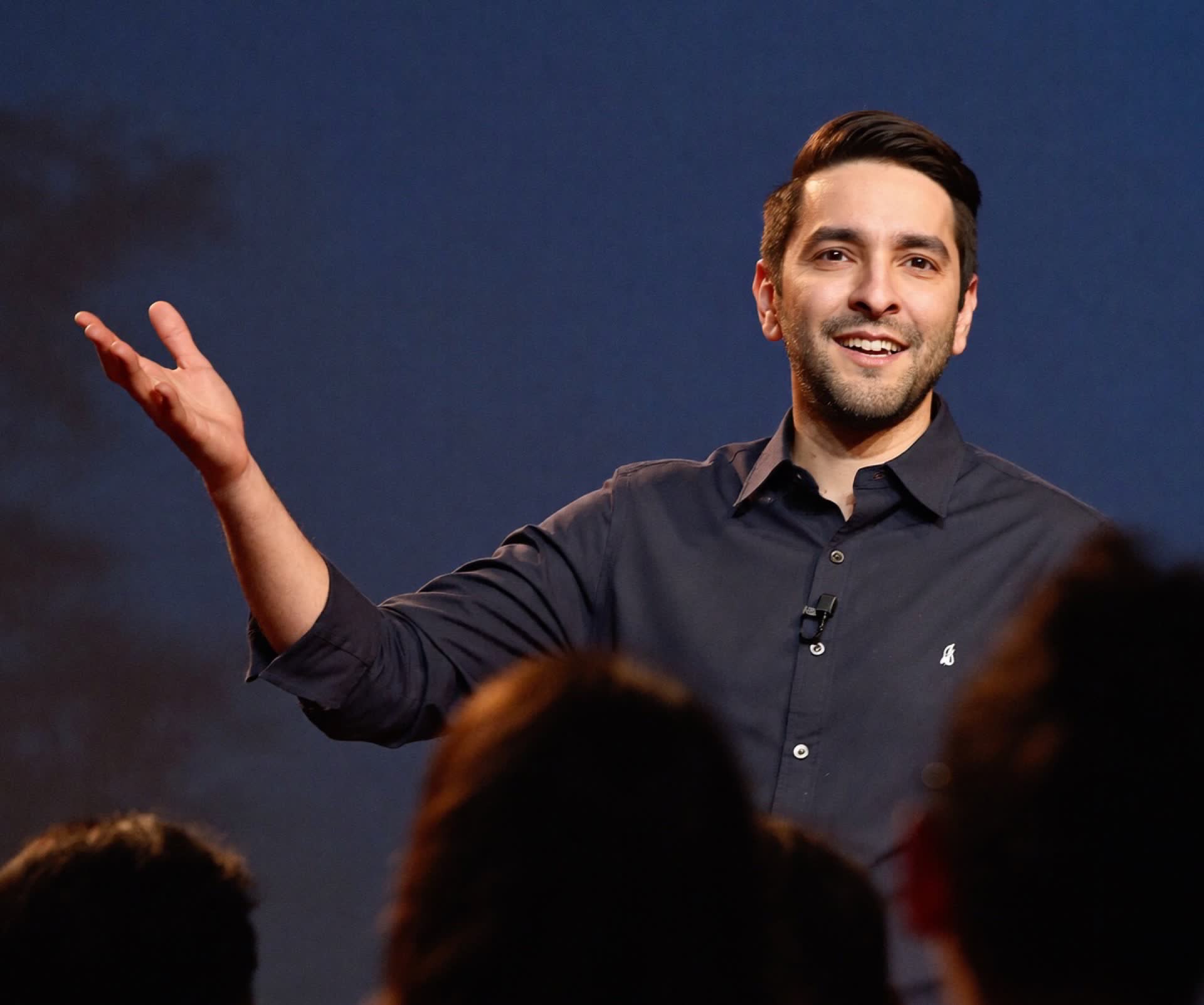
Thought Behind Things · Nov 5, 2021 · 1:09:08
Pakistan is the largest underserved retail market in the world
Kamran Shaukat walks through a career that ran from Alcatel and McDonald's to Shell, Walmart and finally EZBuy Pakistan — and explains why a former global sourcing director walked away from corporate security to bet on a country with 220 million underserved consumers.
with Kamran Shaukat
12 min read
A career built across industries, not inside one
The episode opens with Muzamil clarifying something he has had to repeat in recent weeks: Thought Behind Things does not run sponsored conversations. The episode with Kamran Shaukat, co-founder and CEO of EZBuy Pakistan and the man behind Kian Furniture’s Middle East and Africa operation, sits under the technology pillar of the show, not under any commercial arrangement. With that out of the way, Muzamil asks Kamran to start at the beginning.
The beginning is not in one place. Kamran did his O-levels in Jeddah, where his father was teaching at King Abdul Aziz University, then his FSC at Sir Syed in Rawalpindi, then enrolled at UET Lahore in the batch of 1988. A killing on campus during the return of democracy convinced his mother to pull him out. The family did not build their house. They sent him to the University of Maryland instead. He returned to Pakistan with an electrical engineering degree and joined Alcatel in 1993 as a production planner, working on the telephone exchanges Alcatel was building under a contract with the government.
Alcatel, he tells Muzamil, was his first love. It was also where he picked up the principle that has carried him through every job since. “If you have a good process, you’ll get the same product each time. If you don’t, you’ll have a piece of art.” Pakistan, in his reading, manufactures pieces of art. It cannot scale them.
The McDonald’s lesson: your suppliers are your arms and legs
After five years at Alcatel and a brief, uncomfortable stint at a Dutch tobacco machinery firm, Kamran joined McDonald’s in June 1998 as an equipment manager — a deceptively narrow title that covered everything that fell out of a restaurant when you turned it upside down. Seating, signage, décor, kids’ areas, furniture. He arrived three months before McDonald’s opened its first Pakistan store.
The country opening was supposed to be in Karachi, at the Golden Gate location. A madrasa nearby reacted to Clinton’s missile strikes on Osama bin Laden in Kenya by pelting the under-construction restaurant. The American team, Kamran says, was naive about the difference between good and bad guys. They moved the opening to Lahore. On day one, twenty-two thousand people queued. The drive-through line ran from 63 Main Boulevard all the way to the big circle at Main Gulberg — tongas, motorcycles, cycles, cars, even Mian Sahab.
It is the McDonald’s chapter that Kamran says will take up two or three chapters in any book he writes. Two lessons stand out. The first, which he attributes to a philosophy that traces back to Ray Kroc: “Your suppliers are your arms and legs. Treat them with respect — one plus one can be eleven, because they know more about the customer than you individually as a company.” The second, which he learned at the firm’s Oak Brook headquarters after being transferred to do an executive MBA at the University of Chicago, was about the source of American corporate strength. “American companies are very successful because they take the best out of people. They play to people’s strengths. They pay them according to what they can deliver and their brain power — not where they’re from, not what their religion is, not what their gender is.”
Forever Young and the move to Malaysia
When McDonald’s stock crashed from around 40 dollars to the low teens in 2004, Kamran’s professors at Chicago Booth called it a dead cat jump. He repeated the phrase to his boss, who told him to watch. The company brought in a new CMO, Larry Light, who built the Forever Young rebrand — the idea that a brand can stay perpetually young by reinventing itself, the way Bond or Volkswagen had done. Light assembled a team of sixteen. Kamran volunteered.
His pitch was simple. He knew the Chinese suppliers, he knew Asia, and he would deliver the new fit-out at half the cost. McDonald’s, which had been shipping American furniture and Cypriot sign poles to Latvia, Poland and Pakistan, agreed. Kamran asked to be based where his father was then teaching: Kuala Lumpur. Within six months he and his wife had decided they were not going back. His green-card application became irrelevant. “Life is not about them. It’s about us. Your own brand is more important than any of these companies. You can run from any company. You can’t run from yourself.”
Shell, ninety KPIs and the eight-hundred-page contract
Shell hired him out of Singapore in 2007 as head of CapEx and OpEx for global retail — the petrol-station business. The job, he discovered, was not what he thought. A week in, his Scottish boss in London asked him to read the global supplier contract on his flight over. Kamran printed it. Eight hundred pages. He skipped to the last page, counted ninety KPIs, and watched two movies on Singapore Airlines instead.
In London, in the Shell House overlooking the Thames, he told the boss they should cut the KPIs from ninety to five and that the real task — the one that had not been written down — was to take Shell’s thousand engineers across forty countries down to twenty and outsource the function. He did it over three and a half years, taking global retail capex from a billion dollars to six hundred and sixty million. It cost him his hair and, he suspects, his patience with corporate scale. “Emotionally exhausting and physically flying all over the place with the family based in Singapore,” he tells Muzamil. He started phoning his university network for a way out.
Walmart, an exit list, and keeping Pakistan on the map
Walmart Global Sourcing hired him in 2010 as a senior director in Shenzhen. China, he says, was a party then — a kind of Las Vegas. His first project was as interesting as supply chain gets: define where Walmart’s supplier base should sit, and how much business each country should get. The internal matrix already classified each market as enter, exit or sustain. Pakistan was on the exit list.
Kamran’s intervention, which he admits was partly biased, was strategic. If Walmart pulled out, JCPenney, Kmart and Michaels would walk in and buy up the excess capacity. There was no benefit to leaving. Walmart stayed, and Pakistan remained a four-hundred-million-dollar sourcing market for them. Over seven years, the company added hardlines, consumer health and wellness, electronics and entertainment, toys and seasonal to his portfolio. His personal book of business reached five billion dollars a year.
By 2017, he was bored. Walmart is an aircraft carrier; it does not turn quickly. He left for Astro, a Malaysian media house, to run the e-commerce joint venture they had set up with a Korean home-shopping company called Go Shop. He reached fifty million dollars in sales with fifty products — unheard of for someone who used to do it across thousands of SKUs. The culture, though, did not work. “What was not said was more important than what was said. It’s a very Far East type thing. Pakistanis are expressive. In the Western world, people articulate thoughts. Here I couldn’t tell.”
Why he bet on Pakistan
This is the question Muzamil keeps circling back to. Kamran had the Singapore passport. He had the corporate options. He could have gone back to the US, where his earlier green card application sat. Why Pakistan?
His answer is not sentimental. It is structural. “This is one of the biggest opportunities for retail in the world. It’s a totally underserved, underserviced market. Two hundred and twenty million people, and nobody’s figured out a way where human beings can survive without food. If you’re in retail food, you’re going to do well. If you’re in clothing, you’re going to do well.” He adds a personal coda: in every market he had lived in, he was happy but not content. In Pakistan, he is not happy — the standard of living is too visibly low for that — but he is content, because he belongs here.
The second leg of the bet was a relationship. Kamran had been mentoring people in China for years, and one of them sat on the board at EZBuy in Singapore. EZBuy’s founder, Vincent Chobin, agreed to meet. Kamran had prepared a deck full of numbers. Vincent walked in wearing shorts and flip-flops. Kamran threw out the deck. “I said, Vincent, you know why I’m here? Because Pakistan and China are brothers. He said, yes, I know. That’s why I see you. Pakistan’s really off the radar right now.”
EZBuy Pakistan: from five million SKUs to two and a half million
EZBuy Pakistan launched on the first of August 2018 after a March pilot. The team is around twenty-eight people and the company, Kamran tells Muzamil, is profitable. The initial pitch was “we buy the world for you” — five million SKUs, the largest range in Pakistan. That, he admits, was naive. People started ordering sofa sets and treadmills, the ship-borne logistics broke under volumetric weight, and the unit economics did not work.
So they narrowed. EZBuy now lists around two and a half million SKUs, almost all of them under a kilogram. The catalogue is concentrated in female fashion — lingerie, tank tops, sneakers, bags, opticals. Eighty-five to eighty-six percent of customers are women. The model is cross-border. An order placed on EZBuy drops in Shanghai and at the Pakistan office simultaneously; the product is sourced, shipped, cleared and delivered in twenty to thirty days. EZBuy carries the risk end to end, including on cash on delivery, which Kamran says they are the largest provider of in their segment. Returned goods cannot go back to China, so they get refurbished and put on flash sale.
He is also clear about where EZBuy is going. Brands like L’Oreal do not manufacture in Pakistan, so by the time they hand a margin to EZBuy there is little room left. The future, he says, is white-label — non-branded goods at a fraction of the cost of a Sony or a Bose headset, sold to a customer who cares about quality more than the logo.
Kian Furniture and the logistics math that changed the Middle East
The Kian Furniture business sits alongside EZBuy. Kian supplies commercial furniture across eight verticals — outdoor seating, hotels and restaurants, quick service, education, workplace solutions. Customers include McDonald’s, KFC, Americana and Burger King on the QSR side, and Movenpick, Ritz Carlton and Sheraton on the hospitality side. Kamran is setting up factories in Pakistan, India and Cairo, and a joint venture in Saudi Arabia, where, he says, the changes of the last three years exceed the previous fifty.
The reason regional manufacturing has become urgent is a single number. “A restaurant furniture package used to be twenty thousand dollars. Logistics from China used to be a thousand dollars. Today the package is twenty thousand and logistics is also twenty thousand. People are not building many restaurants in the Middle East unless they can source close by — Karachi, Cairo, Delhi, Mumbai.” Pakistan already has the wood, the inlay shops, the powder coating and the laminate suppliers. Whatever is missing, importers are already bringing in. The machinery is here. The work is connecting it to a spec sheet that defines, down to the microns of powder coat on a table leg, what McDonald’s will accept.
The China bet, the BRI, and what Pakistan should stop doing
Muzamil pushes on geopolitics. Kamran’s view is that Pakistan happens to sit on the right real estate at the right time. India cannot trade with Central Asia, Iran or the Middle East without Pakistan. Nor can China. Nor can the Middle East reach the emerging markets to the east without it. He has seen the Belt and Road plan — “a thirty-year plan by the Communist Party” — and his read is that if Pakistan can outsource enough of the execution to the Chinese, who will be surgical about it, the GDP and manufacturing gains will be real. He estimates three to four million Chinese living in Pakistan within three to five years.
On the structural changes Pakistan needs, he is specific. Import duties protect bad local manufacturing more than they protect anything else. “What’s essential shouldn’t be up to the government — it’s for me. If I’m earning four thousand rupees and I want to buy a shoe, branded or not, what does the government have to do with it?” Setting up a company should take hours, not months. And the relationship with India is, in his view, the most structural problem of all. “You can’t continue to have an enemy seven times your size and grow optimally. We need to spend a third of our money on the armed forces. It’s a circle. This needs to be settled.”
He pushes back gently on his Indian friends as well. “You’re the bigger brother. You should be more giving. If a younger one is troubling you, show a little bit of love.”
Where Pakistan is in 2030
Muzamil closes with the question he asks every guest — where Pakistan will be in 2050. Kamran will not play. “I plan my career three to five years out. Maximum ten. 2050 is too far.” But he will commit to 2030 to 2035. If Pakistan makes regulation lighter, welcomes investment, and lets people get on with what they are doing, it will be a major production hub, a vibrant retail and supply chain market, and an exporter at scale. If, on top of that, the spat with India is settled and even a hundred rupees a truck starts flowing across the border, “there’ll be so much money in this country, you wouldn’t know what to do with it.”
He delivers it the way he has delivered everything else in the conversation — as a man who has run the numbers, knows the suppliers, and is not interested in the rhetorical version of the question. “Hold on to your pants.”
Full transcript
साहब दीपास राज़ welcome back to another episode of Thought Bent. देखिए आज हमारे साथ जो साहब मौजूद है हम गतार और कराने से पहले I would like to first of all mention a couple of things. एक तो यह कि मैंने तकरीबन दो episodes पहले I did a podcast with a startup and a lot of you were saying this is is this a sponsored content? It is not. We don't do sponsored episodes. We don't take money for any conversations. Aaj B, we're exploring a startup essentially or a business. We'll we'll we'll know more. But this is this comes under the so we have, like, three pillars. Art, culture, and technology is coming under the technology pivot of the, you know, podcast. So, anyways, just wanted to make that clear कि we don't do sponsored, you know, conversations. And अगर हम sponsor लेंगे भी तो वह primarily segments होंगे. पंद्रह बीस second के that's gonna happen after half a million subscribers. So it's still a long way to go. But anyways, एक तो यह बात है. दूसरा यह है कि we also started a new podcast. It's called the Pakistan pivot जहां पर हम different government के और policy making circles के और you know, academics से conversations कर रहे on current affairs, regional politics and a lot of those things. So if you wanna check that out, we're gonna have a link down below Pakistan channel के ऊपर, Pakistan Pay Later's live. You can check that out. But anyways, आज हमारे साथ मौजूद हैं. Kamran Chocolate Saab who's the cofounder and CEO of Easy Buy Pakistan and also Kyan Furniture. Sir, thank you so much for taking the time out and joining us. Thank you for having me. I'm gonna start this conversation. We're just sort of sort of trying to understand आपकी personal journey क्या रही है? You know, from from high school till date, you एक तो obviously doing the like these are two very different sort of businesses. एक तो purely e commerce है. Yeah. In a in a in a very sort of emerging market. और दूसरा जो है वह एक furniture, B2B furniture है. We'd love to know more about that as well, just sort of starting with your journey.
Journey from childhood or from? High school. College, high school. So my journey is not in one place. I'm the only son. Parents are educationists. I did my O levels from Jeddah, Saudi Arabia. Father was teaching in King Abdul Aziz, and then he shifted back and we came back. Second year मैंने Sir सैयद पिंडी से किया, FSC because federal board था. उसके बाद I went to UET, लाहौर. Right. Batch of 88 and कतल हो गया campus पर democracy उस वक्त वापस आ रही थी. कतल कतल हो गया? नहीं, कतल हो गया. I say it in a very कतल हो गया. तो अम्मा ने कहा कि transfer करा लो. अम्मा ने कहा कि bachelor's कर ले. बच्चा ख़राब हो जाएगा बाहर. Right. Bachelor's करने के लिए. But अम्मा you know got her way. They didn't build their house, they sent me to The US. University of Maryland से मैंने complete key electrical engineering. वापस आए Pakistan and I joined Alcatel. Right. तो उसके बाद मेरी professional career शुरू हो गई. Alcatel at the was doing यह mobile phone के? PABXs and telephone exchanges. Exchanges, right. They had, you know, a BLT contract with the government of Pakistan. Very close to here in Islamabad actually. Right. And they had I joined as a production planner in '93. Right. And how long were you there? I was there for five years. अच्छा. So, you know, Alcatel, it was the best thing that happened to me because it opened it it made me understand production, manufacturing, a little bit of quality control, and what it means to be part of a global organization. And, also, if I may, if there's one thing that I learned from Alcatel, it is that if you have a good process, you'll get the same product each time. Right. If you don't, you'll have a piece of art. Right. So in a lot of times, Pakistan is good at manufacturing in certain things, but usually we see production process, systems, pieces of art at the end. You can't scale it, right? Yeah, 100%. And you need that for different supply chains. So Alcatel was great. It was, like, my first love, like, your first kiss. Alcatel, I was there till '97.
Right. And then what'd you do after that? हां, उसके बाद I
joined, tobacco company. It's kind of weird, but I, like, what I... I have like an edge after three to five years. Right. And I say कि यार इससे बेहतर क्या कर सकता हूं? Right. या कुछ सीख लेता हूं या पैसे कमा लेता हूं. But it's part of my journey and I joined this Dutch tobacco company called International Tobacco Machinery. Right. And their gig was pretty neat actually. वह Afghan war तो खत्म हो रही थी. तो in order to discourage warlords in Afghanistan from growing opium, USAid used to give them money to make tobacco machines कि यह cigarette बनाएंगे. Lesser evil. Right. So that was the gig. तो वह आकर बूरियों में हमें पैसे देते थे. मैं उनका materials manager था. वहां और भी बड़ा कुछ हो रहा था उस plant में but it wasn't a culture that I could sustain. Right. Alcatel तो पांच साल में systems processes की मैं बात कर रहा हूं. यहां it was very raw and this Under the table and sort of वह भी था, labor abuse भी थी. Whatever you can imagine happening wrong from labour laws, वह हो रहा था and ठीक है उससे भी बड़ा कुछ. तो वह जो itch थी, वह फिर साल बाद शुरू हो गई. And then, you know, one thing led to the other. I've always had good mentors, right? So, McDonald's was coming to Pakistan. Right. And having an, you know, engineering background. But truth be told, was never an engineer, right? So, अम्बा ने कहा कि यार doctor engineer वन जाओ, शादी हो जाएगी. तो शादी तो खैर हो गई बड़ी अच्छी but it wasn't like कि I was an engineer. I still somebody calls me an engineer. No, I am not an engineer. I have a good knack of things I think. Right. तो मेरे mentor ने कहा कि why don't you apply? तो engineering में मैंने Maryland में देखा था कि McDonald's was across the road and I said, what am I gonna do there to be a burger flipper? Yeah. So, mean, my mentor guided me. He said, कि it's not about burger flipping. If some company is opening a store somewhere in the world every twenty minutes, it's gotta be a machine. Right. You've got to learn. And then, you know, I was lucky again. I got my offer on the same day Pakistan exploded its nuclear devices in '98. Right. And I joined McDonald's in June. In Pakistan or In Pakistan. In June ninety eight. Right. As a what was the position? So the position was called equipment manager. Right. And equipment manager might be misleading, but McDonald's generally is divided into basically two, three different areas. Primarily is operations, which runs the restaurants. Right? Then a clear area is called real estate, which holds the P and L. And then anything, if you take a restaurant, turn it upside down and shake it, anything that falls out is equipment. Clearly equipment, seating, signage, decor. Right, furniture, everything, kids can't me. The whole gambit. And that's where, you know, in '98 मैंने realize किया कि actually production manufacturing तो एक small element है. You may not be even manufacturing anything. Key thing is कि brand और selling और marketing किस तरह करनी है. And in September ninety eight our team opened Pakistan which In कराची I believe for the first time. Yeah, वह भी बड़ी interesting story है. सुनेंगे? सुनाएं sir. The the country opening was supposed to be in कराची. Right. At Golden Gate. तो उस एक character था called Osama bin Laden अगर आपको याद होगा. Right. तो he was he had bombed some embassies, US embassies in Kenya. उस वक्त उनका एक और character US का होता था Clinton. याद आपको? Right. Clinton ने cruise missiles फेंके Osama में के ऊपर. Right. वह उसको miss हो गए. But यह golden gate कराची के साथ कोई मद्रासा था. तो indirect आप causality देखें कि वह मद्रासा से student निकलकर they started pelting the to be made restaurant. तो वह घबरा गए जो Americans थे उनको क्या बताता है naive सी दुनिया थी उसके बाद उनका ख्याल तक यह good और bad guys होते हैं सारे. तो उन्होंने कहा कि यार फिर country opening लाहौर shift कर देते हैं. Right. तो September ninety eight we open the country, country opening लाहौर. We broke broke the South Asia records and I dare say and I'm still in touch with our teams because of technology even now. That was the best operations team I've seen. अच्छा. Ever. You you see the passion in them और जितनी awards उन्होंने जीती हैं. I mean, we had people in the morning who fainted in line. बाइस हज़ार लोग थे पहले दिन. And we thought we'd be in trouble and the same people we saw in the evening. Some, you know, female customers even and a little drive through queue if you know Lahore. 63 Main Boulevard पर खुलाता and the drive through queue went till Main गुल्बर्ग. The big circle. Yeah. उसमें टांगे भी थे, उसमें motorcycle भी थीं, cycle भी थीं, गाड़ियां भी थे, मिया साहब भी थे, दो fillet fish और frenta वाले. मिया साहब का मेरा खाला दूसरा दौर था उसके बाद it was just amazing. So, उससे मुझे you know realization हुई कि maybe this engineering degree is really misplaced. I need to get an MBA. Right. And so I started agitating and itching again and I said कि यार MBA करना चाहिए. So then nine eleven happened and उस वक्त माने बीस बाइस store थे Pakistan में. And lucky enough I got, I made some processes that they liked and scaled in The Middle East. And McDonald's, if I was to say one or two things I would learn from them because I've been with so many companies, I'm probably gonna write a book. And McDonald's will have two, three chapters in that book because learning भी हुई है और मज़ा भी है. वह यह है कि your suppliers are your arms and legs. And to treat them with respect, one plus one can be 11. Right. Because they know more about the customer than you individually as a company. You only know your company. Right. तो बहुत कुछ सीखा McDonald's and they transferred me to Chicago for the purpose of actually going to the University of Chicago. Really? Yeah. They enabled it. Well, my bosses enabled it as well. So from all the way, from Pakistan उन्होंने कहा कि जी, you know, let's make this happen. Let's make this happen. They actually flew me into Singapore for the interview. Right. When I got admitted, pero उन्होंने realize किया है कि यार यहां यह कमाता रहा, तो यह तो payback कर ही नहीं सकता कोई भी element. हां. So they said corporate would, get me there, you know, salaries different हैं वहां and then I'd be able to pay for it, go to a school that I really wanted and, you know, they made it happen. And so this is '98? You you did your MBA? No. So then they transferred me after 09:11 ना? अच्छा, after 09:11? They transferred me in early two thousand two. Right. तो यहां हौर टोक गया था सब कुछ. उससे पहले this was a joint venture and now it became a wholly owned subsidiary, a franchisee and my boss is sold out to the other party. And I moved to Oak Brook, Illinois, Chicago. Right. Yeah. So basically जो पाकिस्तानी party थी essentially, उन्होंने buyout कर लिया हुआ था. दो parties थी ना? They each had one city at that time. People used to think it's North And South Pakistan. It wasn't, it was लाहौर and कराची only. The कराची people bought out, लाहौर. लाहौर, right right right. And so MBA, two years or one year? Two years. Two years and then उसके साथ साथ अब McDonald's में कराना जी जी executive MBA था. ठीक हो गया और वहां पर nature of the job was different? अच्छा, nature of the job was similar मगर एक regional और global level की हो गई. Right. तो वह जी मैं कहता हूं ना कि जितना बड़ा pond उतनी बड़ी मछली. Right. तो I was an equipment manager here. There I became regional equipment manager and then global for certain pieces of equipment. And one of them was furniture. So, yeah, उसका उसका I mean most of then I learned कि यार what makes America tick, right? Right. It's certainly not कि यार यह पाकिस्तानी क्या कर रहे हैं? बहुत तरक्की कर लिए. इनका कुछ करना है. It's not that. उनसे जितना मैंने सीखा है, I mean, and I can actually segment कि मैंने इतनी companies के लिए काम किया है. I think the American companies are very successful because they take the best out of people. They play to people's strengths. Right. And they pay them according to what they can deliver and their brain power, not where they're from, not where their, what their religion is, not what their gender is, right? बहुत कुछ सीखा McDonald's ने and then 2004 में McDonald's stock price crashed and it became Bigg becoming irrelevant. Yeah, just like newer brands were basically taking on the batches? Yeah yeah, so newer brands globally were taking over like Starbucks, like In N Out Burger, और brands आ रहे थे. फिर वह Ronald McDonald's का statue जिन neighborhoods में था वह लोग बड़े हो गए थे, बच्चे थे ही नहीं. वह mansard roof था, design भी पुराना था. तो stock price crash हो गई, कोई दस बारह dollar पर आ गई from 40. Right. And serious किस्म की thinking थी Oak Brook में कि यार इसको relevant किस तरह करें? And Oak Brook is essentially their their global headquarters. It was their global headquarters. They've shifted to Downtown Chicago now. सही. So then, armed with my MBA and, you know, MBA करने तो मैं इसलिए गया था, truth be told, to get a degree and earn lots of money. But I think they gave me something priceless, after six months, and that is the confidence that I could run any company in the world. That's just amazing. And an alumni network of 40,000, I can probably tap into any company in the world right now. It's it's, you know. And they're very responsive as well,
the alumni network?
So alumni network depends on the alumni, but generally they're responsive. And then you have career development services for life. Right. So, you know, until I'm alive, they'll hold your hand. Right? So, you know, after my wife, I guess, is the best thing that happened to me. And मैंने उसमें फिर क्योंकि मुझे itch हो रहा था फिर, तो मैंने उनको कहा कि यार मेरा कुछ करो. नहीं तो मैं सिर्फ़ immigrate करने तो नहीं आया ना America. तूने कहा green card के लिए apply कर देते हैं. I mean these things are meaningless. Green card के लिए apply करेंगे तो फिर क्या होगा? बात तो यह है कि job sustain करें या grow करें. तो I started like agitating you know in oak broke. मैंने boss को तंग करना शुरू कर दिया और मेरा boss ने मेरा जो boss था ना उसको Rake Rock ने hire किया था. अच्छा. So one level है. Rake Rock is the founder of McDonald's. So I was one level away from his philosophy और आप philosophy देखें कि कितनी ज़बरदस्त थी कि उसने मुझे कहा था कि तुम काम पर जब आते हो, you can study here. अच्छा. And I said like, how can I study? I feel bad because other people are working on projects. He said, you can't do both, so I'll give you fewer projects. You focus on your studies. And I was, like, I was amazed. And I asked Bill one day that I feel really guilty. I mean, why are you doing this? He said that I did the same and Ray Kroc told me this. And when you've gone too far, don't worry. The boss knows everything. We'll tell you to stop. So please focus on your MBA. It's a tough one, and it was a tough MBA. तो coming back to McDonald's, the irrelevance, I took, I took their numbers to to University of Chicago and told my professors कि यह हो रहा है. And my professor says, you know, some days, some weeks, some months the stock price used to become 12 out of 10. फिर दस हो जाती थी. तो मेरे professor ने कहा कि this is a dead cat jump. So, मैंने कहा, what's a dead cat? तो उसने कहा, that's when you throw a dead cat off the roof. It jumps once or twice before it dies. McDonald's done. तो मैंने आकर अपने boss को बताया, तो उसने कहा कि you just watch what happens. And so they hired a brilliant, chief marketing officer called Larry Light, and he came up with this concept called Forever Young. And Forever Young is that you can be as perpetually young forever as a brand by reinventing yourself. So how do you do that? You do that for example like जो हमारे अब्बा हज़र हैं, उनके ज़माने में Sean Connor ही था. Bond तो अभी भी है मगर Bond नहीं आए. Volkswagen उस वक्त भी थी, Volkswagen अभी भी है. So these brands kind of reinvent. उन्होंने कहा कि हम rebrand करेंगे McDonald's and make it relevant. हम अपने जो healthy menu भी लाएंगे. हम environment more, they call it more of a cafe feel like Starbucks because Starbucks was really hurting them. वह बनाएंगे और हम अपना फ़ासाde change कर देंगे बाहर. वह बेचारा Ronald McDonald will get rid of him. Special events only या वह जो special children's day का होता है. Ronald McDonald house and so on. So, उन्होंने they put together a team of 16 people and, I just volunteered. I said, oh, me, me, me, please choose me. I'll be part of this for all of your development needs. तो उन्होंने कहा कि ठीक है, what can you do for us? And of all the companies I've worked for, I think McDonald's is probably the most global, then followed by Shell, but McDonald's was amazing. They chose me and said, what can you do? I said, I'll reduce your cost by half because it's a franchise system. 80% of franchise stores. If you come up with a very expensive concept for your store and relevance and and interior decor and expensive seating, if they can't afford it तो फ़ायदा ही कोई नहीं ना. तो मुझे Asia को तो पता था कि यह जो है I knew the suppliers, I knew my Chinese suppliers और उनसे हम trust भी करते थे बड़ा. मैंने कहा कि यार numbers तो बाद में है, bill I'll do it for half. Landed. He said, no way. I said, yeah. I mean, you're sending American furniture and claddings and signage across the world to Latvia and Poland and to Pakistan, a pile and sign poll from Cyprus. They had no idea Pakistan क्या है. वह poll मंगवा रहे थे Cyprus से. I'll do it for half. He said, okay, where do you want to be based? And my father was teaching at the International Islamic University in Kuala Lumpur then. उस वक़्त तक I had three kids by now. I said, yes, यह तो ज़बरदस्त है. I can be based anywhere. तो Malaysia चलते हैं. तो Cameron and his wife then relocated to Malaysia and उन्होंने green card के लिए apply कर दिया then never, when I landed in Malaysia, छह महीने मुझे लगे मैंने कहा मैंने तो वापस नहीं जाना. This is great यार, beaches भी हैं, tropical weather भी है.
It's very odd though. Mean, that's that's a very odd thought process, right? Like, were there and you didn't
green card was the last thing in your mind. No, green card wasn't on my mind. It takes too long. या तो एक महीने में दे दे ना और अगले महीने citizenship दे दे. You didn't want to be tied down essentially. No no, life is not about that. It's not about them. It's about us. So, you know, my thing about life and brand is your own brand is important, more important than any of these companies because आप भाग सकते हैं किसी भी company से. अपने आप से नहीं भाग सकते. तो आपका जो brand है आप you have to be true to your brand what you believe in and then try to work on your strengths. That's it. Learn from your mistakes. तो उन्होंने green crack के लिए apply किया तो मैंने छह महीने के अंदर figure out कर लिया कि यार मैंने तो वापस नहीं जाना. यहां maid भी है और यहां lawn भी नहीं मुंह करना पड़ता, सर्दी भी नहीं है, beach भी है, बच्चे भी खुश हैं, बेगम भी खुश है. So it's like heaven, right? और Chicago का तो minus 10, minus 12. Yeah, mean, भी अच्छा था. अच्छा. अंदर तो shorts में हम फ़ैर रहे होते थे. Right. तो if anything पूरी दुनिया में अगर कोई मुल्क में कहूं from an immigration point of view, even now after everything that's happened, there's nothing like The US. Right. तो वह तो हम side पर रख दें क्योंकि मैं और मुल्कों में भी रहा हूं और हर every country has its issues and you can't really settle as an immigrant unless you're from there. Maybe Malaysia you can, right? So, मैंने फिर वह फिर University of Chicago अपने counselor को call किया. मैंने कहा यार यह तो जन्नत है, मैंने यहीं रहना है. कहती है, ok, let's do something. So, you know, as you Chicago has three campuses. In, then it was Singapore, then it was Barcelona and Hong Kong. Now it's London, Hong Kong and Chicago of course. तो उन्होंने अपने network घुमाना शुरू किया and in the end it's the network. It's it's not what you know, it's how much risk you take and the network, right? And you can press certain buttons तो उन्होंने headhunter से किया, headhunter ने shell को किया, shell मिल गई, Royal Dutch Shell. तो I joined Royal Dutch Shell in 2007. Ok, sir.
Sorry, I'm confusing you. थोड़ा सा मैं वह कर रहा हूं.
Alcatale
GE Production Planner. Completely. So essentially core same है but you're just jumping around in industries. No, yeah. So I'm cross industry.
Yeah. But core एक ही है procurement and supply chain and sourcing. Core जो है ना वह same है. It's a bit like saying कि यार finance का बंदा, accounting का बंदा तो core एक ही है जहां मर्ज़ी चल रहा है. जहां मर्ज़ी चल रहा है. तो यह इसी तरह था कि people choose to stay in the industry. I choose not to because मैं कहता हूं कि यार अगर मैं apply कर रहा हूं कहीं और कोई मुझे ले रहा है तो मिया बीवी राजी तो तीसरा कौन है काजी? Right. So, ok they hired me and Shell was a very tough job, very different. तो Shell में I became head of CapEx and OpEx globally for Shell retail out of Singapore.
Right. And, मुझे पता भी नहीं था कि job क्या है. Can I pause you here? Like, did you imagine you'd be doing all of these things at this time? For example, in Kuala Lumpur, you're you're you're with your wife and you're with your kids and you're managing it. I mean, right? Like, Shell or McDonald's. यानी McDonald's को तो for Pakistanis particularly, it still took a took a while for that time कि became वह उस context आपको मिला क्या है? तो बहुत बड़ा brand है, बड़ा global brand है और उस तरह से. Shell तो हर बंदा जानता है एक मगर माचे. For that to be to be in in that position, you ever sit down and sort of sort of basked in what you'd achieved?
नहीं नहीं, I didn't because,
Yeah. You were still thinking कि यार नहीं, where where... Where's the next Yeah. Yeah. I was. I was.
And it wasn't about me at all. Right. It was just about right time, right place. I think taking the right risk and, luck Luck kele, kuda kele, joker mercy kele, ah, but it was that. And, one of my favorite movies is The Croods, right? It's an animation by Pixar, I think, or some Disney, where there's there's cave people or एक lurkiya character who wants to go out and explore the world. Our family obviously कहती है, no, don't. You'll get hurt. But उनके सारे neighbors, they there's an earthquake and they get buried, and some neighbors go out and the dinosaur eats them. But she goes out and eventually she benefits. So I think, you know, I mean, I've been lucky in that sense having worked for some of the largest brands and learned from them and, yeah, I mean, no, it wasn't me at all. वह तो नहीं होता है इस तरह. But what can somebody take away from that? I think work hard, take risks,
and believe in yourself and God, and eventually it works out. Okay. So reverting back, I apologize. Reverting back to to to so this new position at Shell, you're managing, you know, what what are you managing for the entire project? I'm I'm managing
CapEx, OpEx. So in a simple way, money Right. That's being spent on all global retail stations for Shell. Right. So you take it of Singapore. Gas stations हैं petrol. Gas stations दुनिया के सारे. सही है. Out of Singapore. सही है. And I had a, ok so I didn't know what the job was ना? तो वहां से McDonald's में तो वह मैंने सीख लिया था one plus one is eleven. तो मैंने Shell join किया तो my boss sat in London, a Scotsman. And I grew up in Scotland. I didn't mention that, but I have a certain affinity and a love for Scotland. What did your father teach considering he was... I mean, as an educationist, you wouldn't expect
this person to be moving around so much. No no, my father is a
big man. It's difficult to follow underneath his shadows. So he did his masters and PhD from the University of Edinburgh. तो हम तो बच्चे थे उस वक़्त, but Scotland में हुआ है when it's a growing age ना? Right. So, but I still consider it my second home and I try to go back whenever I can. So my father did that and then he taught in these different places. He's also a political cartoonist, retired now and yeah so बिल्कुल तो shell में जब गया तो हफ्ते बाद मेरे boss ने कहा आप London आ जाएं और यह contract है हमारा globally for all of our suppliers, यह पढ़कर आना. तो मैंने कहा ok, तो attachment थी जब download किया वह download ही ना हो. भैया क्यों नहीं download? मैंने अपने किसी छोटे को बुलाया कि करो इसको, printout करो. उसने printout करके मुझे आठ सौ pages की थद्दी दे दी. तो मैंने कहा कि यार यह तो ज़बरदस्त है, मैं यह flight पर पढूंगा. ऐसी कोई चीज़ McDonald's में नहीं थी. What Raycroc had taught was everything of any meaningful sense with suppliers happens over a handshake. If you're going for a contract, you don't really trust each other. वह रेखरॉक फौद हो गया, बाद में legal वाले involve हो गए और लोग involve हो गए. डब्बे उन्होंने खूब create किए तो it is what it is. But essentially जब वह आठ सौ pages की थद्दी मैंने print out की, मैंने कहा कि यार रस्ते में पढूंगा. तो my flight took off from Singapore. तेरह घंटे की flight है. Headwind के साथ चौदह घंटे. तो after an hour जब आप summit पर पहुंच जाते हैं कोई चालीस हज़ार foot पर, मैंने कहा कि यार it's a choice between this contract and two really interesting movies. Singapore Airlines, मैं तो पढूंगा ही नहीं. मैंने आखिरी page देख लिया कि KPIs क्या आते हैं? नव्वे KPIs थे उनके. तो again just like totally antichrist, anti thesis अगर नब्बे KPI हैं इनके, globally Shell retail manager के लिए basically कुछ नहीं है इनके पास. तो ख़ैर मैं land हुआ London में. पता चला यार कि McDonald's ही नहीं है. I mean, Shell after the queen has the most real estate in London. And Shell, mother Shell was quite a beast there. वह भी बहुत अच्छे थे McDonald's पर. But here's Shell ना. Shell House था, ugliest building in London overlooking the Thames. Alan McNabb ऊपर बैठा हुआ. Boss sorry, I shouldn't say names but वहां बुलाया और मैंने कहा, have you read the document? मैंने कहा, yeah, I skimmed through it. He said, what do you think? I think... I said, let's have a chat. Let's have a coffee. I think we should have five KPIs instead of 90. He said, explain more. I said that it's so complex because Shell is very good at processes. The Shell has probably some of the best talented high IQ people, which I was not. तो मैं तो वैसे ही outlier था. But it has a lot of money through upstream oil और downstream businesses में उन्होंने different दुकानें खोली हुई हैं, दुकानें खेलें. So for the for the sake of the audience, upstream और downstream में थोड़ा सा अगर आप explain to us. Upstream तेल निकालते हैं. ठीक है. नीचे वाले downstream तेल बेचते हैं. अब वह marine को बेचें, aviation को बेचें, retail को बेचें. धंधा है ना different दुकानें हैं. सही है. तो उनकी vision McDonald's की vision quick service quality, values type थी. इनकी थी more upstream, profitable downstream. Right. तो अगर तेल की कीमत गिर जाती है तो यह downstream में profitable हो जाते हैं. केल की कीमत ऊपर चले जाते हो, upstream में profitable हो जाते हैं. तो ज़बरदस्त उनकी gig गया, right? हां. तो अब retail का map art था. तो मैंने उनको कहा कि यार अगर आपकी if you want कहता है there's one problem. मैंने कहा what? We, like, we hired you to actually outsource all of engineering. It's called engineering outside shells. So we have a thousand engineers in 40 countries. In the next two years, you got to make them down to 20 and outsource the whole function. यानी जो pump बनाते हैं और जो maintain करते उनको outsource कर दो. And we have a few suggestions. And we actually were going after J and J, McDonald's and a couple of other companies that were very strong in suppliers. तो आपका यह काम है. So, for the audience by the way, I used to have full set of hair in black. Now I don't I think Shell did it to me. I mean, going around 25 markets, laying off people, and, you know, outsourcing it, it just was different. Think cross cultural experience था. I mean, McDonald's would have localized that. हुआ होगा उनके पास भी, but ऐसा मैंने कभी नहीं देख रहा था. And bringing my spend, we used to spend about $1,000,000,000 globally on all of this activity to $660,000,000. इस पर यह मेरा पूरा, मेरा यह KPI था. तो यह जो किया, इसमें मज़ा भी आया but strangely enough I made a lot of friends because when people are under stress then you see the best and worst in them and some of them even after leaving, Shell became my friend because Shell was very generous in compensating them Right. While they left the company. But it was exhausting, as you can imagine. Emotionally exhausting and physically flying all over the place with the family based in Singapore. तो मैंने कहा कि यार supply chain procurement wise, what could be bigger and better than this? तो मैंने पूरी वही तीन साल, साढ़े तीन साल हो गए थे. मैंने phone घुमाना शुरू कर दिया अपनी university को. उन्होंने कहा, what do you want to do? I said, no, I don't want to do I want to work for an American company probably again, probably in retail because अब मेरा retail बनता जा रहा था, forte. तो one thing led to the other, I found Walmart, which is the biggest supply chain on the planet, and it's, quite a beast and, half $1,000,000,000,000 top line, which is, what, 20 times Pakistan's budget or something.
Right.
So I joined, Walmart Global Sourcing as a senior director strategic sourcing based in China in 2010 and, वही confidence तो दे दिया था ना MBA में कि पता नहीं आता या नहीं आता confidence था कि यह कर लेंगे. तो जब मैं पहुंचा तो आपके भाई का एक ज़बरदस्त दफ़्तर था. Glass तक ceiling थी overlooking Shenzhen. अच्छा. And China was a big party then. Was like a big Las Vegas और बड़ा कुछ हो रहा था वहां but I had, I had probably in supply chain the most interesting job in the world which was पहली job यह थी कि आप define करें कि हमारा supplier base कहां होना चाहिए, किन मुल्कों में और इसको कितना business देना है? यह आप हमें तीन छह महीने दे दें और यह आपके पास तीन MBA type लोग हैं आपकी team में. तो वह तीन MBA type थे. एक India से था, एक Chinese था, एक प्रतिनी San Francisco से MBA करके आया था. And and you know by that time strangely enough we had a supplier matrix and उसमें enter, exit, sustain लिखा हुआ था. Pakistan was on the exit list. अच्छा. Then दिमाक़े बहुत हो रहे थे और meetings के लिए गोरे आ नहीं सकते थे, Dubai में मिलते थे. तो उन्होंने कहा कि यार is it worth being in Pakistan? Because Walmart has a hub here, a buying hub in Karachi. Right. We buy and I I use the present tense for all the companies I work for because we have sourcing volume of $400,000,000 from Pakistan. अच्छा. जी, even now अब शायद higher हो. तो फिर हमने की एक strategy और यह obviously I was biased to some extent. But I'm agnostic as far as profession goes. What I saw is कि if Walmart exited, it would benefit the competition. Because JCPenney, Kmart, बाकी जो लोग हैं, Michaels हैं, ये सब enter कर जाते हैं to buy up that excess capacity. कोई फ़ायदा नहीं थे छोड़ने का. यही that basically said, ok, we'll stay on. And after like a year, they started adding other merchandising departments to my portfolio. So then, over seven years, I stayed with Walmart, and I had all of hardlines, all of, consumer health and wellness, all of electronics and entertainment, all of toys, and all of seasonal. I myself had a buy of about $5,000,000,000, based in China.
And this is for Walmart Global, essentially? Yes. For Walmart globally, includes
other brands that are owned by Walmart but may not be called Walmart, like, say, Japan and, Asda was owned by them in The UK. उनके लिए भी sourcing हम लोग ही करते थे. और यह कब तक? कौन सा year था? What what was your last year? 2017.
अच्छा. So that's where the story changes. Right? You're this corporate guy. Yeah. You're like, you know, okay, like, you always revert back to Chicago and you're like, okay, where's the next gig? Yeah. 70 में something ticked and you? नहीं, वही इच्छुई. तो मैंने कहा कि यार इससे बेहतर कुछ करता हूं. तो
इतनी ज़्यादा वह, I mean, was a big, you know, I mean, Walmart's like an aircraft carrier. It's not easy to shake it. इतनी वह stable job थी. There was kind of, truth be told, really boring at the end and I don't like boredom. And I said, yeah, कुछ और करते हैं. बेगम ने मना भी किया कि कुछ और पंगाना लो. यह बहुत हो गया. तो मैंने कहा कि नहीं नहीं, I need to learn ecommerce because that's the next thing, technology. All of these physical things, if not in our lifetime, will be redundant and extinct. I need to eat ecommerce. तो मैंने, अच्छा by the way, every mentee I had, I would encourage them to after three to five years, I'm talking about Chinese mentees, you're Singaporean. Learn technology, learn e commerce, set up your own thing, try. दो सौकत तक वह Alibaba में चलेगा कोई, कोई eHowDian में चला गया, कोई Jingdong में चला गया, कोई EasyBuy चला गया. तो फिर वह, they kept in touch and, I tried for different companies that were well known. But a Malaysian, media house, a billion dollar media house reached out to me. Can you head out ecommerce called Astro? And, then I left and joined Astro. Media house? So, I mean, उनकी ecommerce बड़ी unique थी. They own studios. So, like, you have imagine we were in Pakistan in the eighties, तो एक PTV था ना? Mhmm. तो PTV is like astro there. ठीक है. It's, semi government owned and it's all regulated. They have 16 channels and they have studios but they don't have any e commerce then. So they hired me to run their e commerce and they made a joint venture with the Koreans called Go Shop. Ok. तो उन्होंने कहा कि यार Koreans अच्छा मतलब जिस तरह आप सोचेंगे Pakistan में our idea of beauty किस किस मुल्क को देखते कि यार यह बड़े लोग खूबसूरत हैं. Probably गोरों को देखते हैं. गोरों को देखते हैं right?
Recently Koreans को देखना शुरू किया because of beauty
products and all of those things. Right right. तो पूरा जो orient है ना वह Koreans को देखता है. Right. Whether Chinese या even Japanese या South East Asia वो power land कि या Korean इनको देखो. सही है. तो अब Korean के साथ उन्होंने इसलिए JV किया उन्होंने कहा कि इनके दो चार models हम बुला लेते हैं. Studio आप use करें. कामरान e commerce channel खड़ा कर देता और हम यह बेचते हैं. So चीज़ें मतलब retail चीज़ें हैं? Retail चीज़ें हैं. जैसे creams हैं, beauty creams हैं, vacuum cleaners हैं. मतलब था बड़ा unique इसलिए Media first e commerce essentially. It wasn't a TV paid type, एक cheap type होता ना इस type नहीं है. अब अगर आप YouTube पर जाकर करें go shop, astro, बड़े high end और sophisticated, वह करते थे. And I reached, $50,000,000 with 50 products. That was unheard of because Walmart used to do it over thousands of products. Scale scale to zero. So, I so I came back to Kuala Lumpur then. अच्छा. And I forgot to tell you, in between Singapore ने citizenship भी दे दी खुदी. अच्छा. तग्रीबन. So I applied, they gave me a citizenship in two three months. Singapore में the Singaporeans don't want to leave live there because it's small. They immigrate to Australia. तो जिनके बच्चे अगर छोटी हों and they think they can contribute, I think, to the country they offer them. So I moved to Malaysia, borders became pretty seamless, and I joined Astro in 2017. Job was very interesting, the culture wasn't. In that sense, pretty much backfired. How come? I think what was not said was more important than what was said. Okay. And it's a very Far East type thing. I think पाकिस्तानी is very expressive generally. Ok. And even in Western world, people articulate thoughts. यहां पता नहीं चल रहा था. हुआ यह था कि पता चला कि यार they had brought me on a remuneration package that exceeded my bosses. The board had. Right. And like वह एक अजीब सी किश्री मच गई तो I said कि यार बजाए यहां वक़्त जाया करें. I said like I gotta do my own thing. अब यह मुझे इच्छोगी. Do your own thing, do your own thing And जो मेरी mentees अलीबाबा वगैरह गई थीं, एक EasyBuy का अलीबाबा के board पर था, उनको reach out किया. उन्होंने कहा कि यार EasyBuy जो है, it's doing phenomenally well in Singapore. They already have a cook platform and they can pull in any products you want up to, you know, fifteen, twenty million products. आप जो है बजाय इतनी ज़्यादा investment करें, आप local operations run करें, marketing run करें, call center run करें. आप इनके साथ joint venture कर दें. They actually guided me. तो मैंने numbers run करने शुरू कर दिए. उन्हीं के platform पर we could run numbers in each e commerce market. Pakistan के numbers run किए 2,017, 18 में. तो from because I have a retail background, it was totally underserved across all 100 departments. तो मैंने कहा यार यह तो करना है. तो मैंने फिर तैयारी शुरू कर दी. मैंने कहा जाकर मिलता हूं इनके founder को. तो फिर मैं Singapore चला गया. Vincent Chobin उसके founder का नाम. तो जब मैं गया तो I had really prepared but मैंने सोचा कि यार यह numbers हैं, in the end he's Chinese. अच्छा वहां भी यह लोग naturalized Chinese थे जो आए थे. He's from China but he's a Singaporean citizen. I'm from Pakistan, was a Singapore citizen but I mean I was myself but because मैं corporate background का use use, you dress up in a certain way, you don't say certain things, acclimatize हो जाते हैं आप, numb हो जाते हैं. वहां वह t shirt में खड़ा हुआ और shorts पहनी हुई नीचे flip flops. तो वह जो सारे numbers थे तो मैं भूल गया number. मैंने कहा कि यार इसको numbers में नहीं आंखड़ा सकते क्योंकि ने कीड़ा था वह numbers का. I said, you know विंस्त, you know why I'm here? He said, why? I said, because Pakistan and China are brothers. And I was shocked. He said, yes, I know. That's why I see you. We have many people coming to us to expand in Southeast Asia. Pakistan's really off the radar right now. I said, It's such a large country. I ran the numbers totally underserved. He said, yeah. But when brothers look after brothers, we need to kind of run some, you know, some P and L, some statements, some cash flow and see where we are. So that was the basis और अगले तीन छह महीने में मैंने Pakistan दो तीन चक्कर लगाए, Vincent आया, इस्लामबाद कराची लाहौर पिराया, उसको गोल गप्पे खिलाए, चलियां खिलाएं. Chinese से मैंने जो सीखा है about hard work. I think they'll make mince meat out of the rest of the world. They have no idea what's coming about what hard work is. I mean, those guys are machines hard work wise and they have no sense कि यार this is below beneath them or higher than them. पैसा होगा spend करेंगे नहीं तो वो सड़क पर सोचेंगे. मैं अगर आपके पास time में एक छोटा सा example दे सकता हूं. जी जी. यहां इस्लाम बाद club में हम आ ही रहे क्योंकि it was fairly inexpensive कमरे ले लिए तो Vincent को बहुत मज़ा आया. तो उस ज़माने में यहां एक TLP होती थी फैज़ाबाद धरना हो रहा था. बिल्कुल. तो उसकी shelling की जो tear gas है ना वह overflow होती होती है, Islamabad club की तरफ भी आ रही थी. So Vincent कहता है कि what's this? तो मैंने कहा कि यार इस भाग बूंगी ना जाए. I said it's nothing, it's these मालवीs. We'll call मालवीs. They there's something about a prophet. He said, who's the prophet? सारी कहानी उसको बताई because they're not, they don't believe in anything. Right. सारी कहानी बताई. कहता है, या how many of them? I said, I don't know how many of them. Maybe 10,000, maybe 5,000, I don't know. But it's, you know, you should, let's just stay inside because the roads are closed and let's watch a movie. कहता है, okay. So we started watching a movie. They have a small theatre here in इस्लाम बाल club. खैर movie ख़त्म हुई. तो दरम्यान में यह गया. मेरा ख़ाला restroom गया होगा. जब निकले तो he wasn't there. अच्छा है अमीर sir कि किधर गया है? उसको चौकीदार को पूछा बाहर, वह कहता कि वह बाहर निकल गया एक चीनी. मैंने कहा किधर गया है यार? So we got out, we had a few local associates. हमने एक दो लोग थे, police में जानने वाले हैं, उनको ढूंढा. हम वहां गए, उनको पंखे बेच रहे. उनको he was trying to assess कि ये लोग ख़रीदते क्या हैं? और can easy buy provided to them? Look at the type of thinking we पाकिस्तानीs have and the Chinese have. हम सोच रहे हैं कि वह भाग जाएगा, वह उधर से भी opportunity निकाल रहे बैठे. वह भाग जाएगा, और एक और example देता हूं. जब हम checkout कर रहे थे ना इस्लामवाद club से पता नहीं छह सात हज़ार रुपए per room था. तो यह front counter पर खड़ा हुआ. तो इसको पता था हमारे साथ driver भी हैं. तो थोड़ी देर लग गई बीस minute वहां उनके साथ argue कर रहा. तो मैंने जाकर पुछा विनसन everything ok? कहता है how much you pay for one room? I said 6,000. He said yeah, but the driver paid 400. I said, how do you know? He said, I asked them, where do the drivers stay? Why can't we stay for 400 and spend 5,600 on the customer? Well, you know, so, I mean, if if the world thinks que they're gonna stop China, they have no clue. अभी तो party शुरू हुई है. Right. And thankfully, we're on the right side of the party. थोड़ी सी turbulence आएगी, but ठीक हो जाएगा. तो
उसके बाद ख़ैर we Before we move on, and and and this is this is more, recent and more exciting as well. Just wanna understand, you've lived outside of Pakistan for better part of your life. You know, even growing up, were in Scotland. उसके बाद, you know, you were in The US, you were in Malaysia, Singapore, and then back in Malaysia. What made you make that final decision? And you had the passport. So it wasn't even, like, a lot of times people just, like, Middle East जाते हैं. They're like, यार, अब retirement pickup time क़रीब आ रहा है. तो Pakistan आऐंगे, सारा पैसा लेकर आऐंगे, घर बना लिया settle हो गए और जो नौकरी ढूंढ ली. For you, you had the the opportunity to be essentially be anywhere. What was the thought process behind thinking कि यानी maybe I I need to take my bets on Pakistan?
No. You're using the past tense. I mean, I'm not saying it's done. Yeah. It's a continuum journey. So that's one thing. Second thing is k, I never this is the biggest I think this is one of the biggest opportunities for retail in the world. It's a totally underserved, underserviced market. If you have like 220,000,000 people, nobody's figured out a way where human beings can survive without food. Mhmm. कोई capsule नहीं आई, ठीक है? Mhmm. That means if you're in retail food that I have ten years of experience with McDonald's, you're gonna do well. If you're in clothing, you know, not doing anything. Mhmm. So you're going to do well. They'll need maintenance of whatever they're doing. They're going to get sick. Farmers will do well. So you talk about anything in retail. I think it's the largest underserved market in the world. Right. And so it was purely from that element कि मैंने कहा कि यार, I've got to be a part of this. एक तो यह है, clear. दूसरी चीज़ यह है कि in each market where I lived, I was very happy, but I wasn't content. I'm not happy here, but I'm content. Why I am not happy is obviously the standard of living is so low, why would you be happy unless you know nothing better? और social media पर वह भी नज़र आ जाता है. यार, बाहर तो roads पर footpath भी होते हैं. पानी भी आता है. हम कराची में रहते हैं. हम तो पता नहीं किसको भत्ता देते हैं कि tankers लाए रात को. मतलब पानी तो है. So it's just that whole feeling why I'm not happy. Content हूं. Content हो because I belong from here. Right. Does that kind of answer? Yeah, data. And plus अभी story ख़त्म नहीं हुई ना? You can always move again. You can always move out. Sure. Question was,
it's a very secure space that you were in. You know, very big companies, you know, corporate space. ठीक है, अगर उस security को मैं थोड़ा सा shake करता हूं तो I'm gonna do my own thing. I'm gonna do my own thing in Pakistan. That's just, it's it's the risk is suddenly that the Yeah. Is is too high. And so so that's why I was, you know, I I jumped on that. But, coming back to so easy buy, आपने वह figure out कर लिया. आपने कहा कि ठीक है, I'm gonna start operation. And then I believe 2018, that's when you started the operations as well. जी जी, twenty eighteen March में piloting शुरू की
and we launched on August 1 and to date we're the only I think we're the second largest cross border in Pakistan if you discount Alibaba which is the राज़. तो, yeah, I'll have it. It's been a great journey. It's been an awesome learning of setting up business in Pakistan from investor funding to, you know, shareholder, equity and legal issues, finding an office, finding the right people, आ रहे हैं, कौन कहां बैठ रहा है, launch करें, क्या hiccups आएंगी, teething problems, too reaching. माशालाह, we have a good good,
sound foundation right now. How many keeper are are in the team now? We're, like, 28. अच्छा. And is this... Would you would you say this is a profitable company now? It's profitable. ज़बरदस्त. And are you are you comfortable with with where it is? Or do you think there's, like, a huge opportunity to scale आने वाले वक़्त में?
No, I mean, comfortable तो ख़ैर मेरी philosophy नहीं होना. I always get this. I think कि, in Pakistan, provided the environment is provided as far as funding goes, it can be anything it wants. Now, through artificial intelligence and big data and, even vehicles के लिए co-sharing applications, we could wander off into a derivative, and, we're in touch with our Chinese counterparts for that. Subsequently, EZBuy, which is EZBuy, got bought by another larger Chinese company called Light in the Box. Okay. That is so Light in the Box है, Jingdong है और फिर Alibaba है. Those were kind of the big three in China. तो हमारी discussions चल रही हैं but I think this is the right space to be in right now. No regrets. E commerce, retail and technology.
Right. In terms of the the the products that that are listed on the website, right, I'll get to you ballpark. How many SKUs are there, essentially? That
was one of the learnings. So we launched with the largest range in Pakistan with 5,000,000 SKUs. So 5,000,000 products and our vision was we buy the world for you. Right. But वह naive था because शुरू में हमने जब launch किया तो लोग sofa sets order कर रहे और treadmills order कर रहे वह ship से आ रही हैं and it just was a nightmare. Volumetric weight and it just didn't cut it. So eventually we reached a sweet spot. तो हमने कहा we buy the world for you से थोड़ा सा move on करते हैं. अब यह है कि we buy whatever you would like to buy but the thing is कि we've come to less than a kg and we're into basically female fashion. Lingerie, tank tops, sneakers, bags, opticals, you name it. So we've kind of filtered out what we want to offer the public to around two, two and a half million SKUs. Right. And these are primarily imported? These are all imported? They're all imported. 100.
और यह आपकी guarantee है कि यह आकर मिलेंगी लोग. तो essentially there's Ali Express for a lot of people which is Which is Daraz? No. So there is Daraz and आपके case में मैंने मैं गया मैंने जाकर चीज़ ख़रीदी तो अब मुझे यह tension नहीं है कि गायब हो जाएगी, यहां फ़ंस जाएगी, आएगी चीज़. So that's one of our unique selling propositions
कि आप हमसे order करते हैं, we'll take care of the rest और आपके पास चीज़ आ जाएगी बीस दिन से तीस दिन तक, ठीक है? ठीक है. All in. Right. When I said जब आप पुछ रहे थे कि बाहर चीज़ें इसे आती हैं और Ali Express पर लिखा होता है local China, not in that sense. What I mean is from a sourcing supply sense, जो चीज़ें दराज कहता है कि यहां हैं, वह actually बनती नहीं है यहां. That means they're stocked locally. Right, yeah yeah, absolutely. So, we don't stock locally. So, जब आप order करते हैं EasyBuy पर, the order गिरता है Shanghai में और हमारे पास भी गिरता है. ठीक है. And then we analyze it, and then they source the product, and then they'll send it over. And then it clear customs, and then it goes to them. And I think we're the largest in cash on delivery as well.
अच्छा. So this is also that's a risk. ऐसा ही A huge risk. Right? And so what happens to the products that go back? Do they go back to China or do No no, can't they can't go back to China. So now you have to figure out उनको
साफ़ सूद करके फिर हम चढ़ा देते हैं flash sale पर.
Right right right right. इस case में do you plan on integrating local suppliers also?
No, we can integrate local suppliers. That's not an issue and we have. हमने रमज़ान deals भी की हैं, हमने Philips के products भी की हैं, that is stock locally. हम कोई भी चीज़ें कर रहे but like I said, we're kind of going into make Pakistan beautiful again. So we're going into more, I think 85, 86% of our customers are female. Right. तो अगर हमने L'Oreal के साथ for example किया तो वह products यहां बनते नहीं हैं, वह import करते हैं. Absolutely, right. So, वह margins सारे फिर उनके पास होते हैं. So, by the time they give us the margin, we are more into now white label goods. So, we're not into brands. We're into white label goods and I'll tell you. And what does that mean? That means non branded. Okay. For example, क्या ले लूं? आपका headset ले लेता हूं. Mhmm. अपने headset Sony या Bose या किसी भी अच्छी company का पहना होगा, you feel good about it. If you, we can provide you a headset non branded for a fraction of the cost. That's a white label. So it doesn't have a label. T shirts, overcoats, sneakers,
yeah. Right, right, right, right.
And then आपने किया and then you're also doing this other thing suddenly last year. Yeah, so when I was here, remember one of the companies I approved globally for McDonald's called Kian Furniture? Yeah. They provide furniture for the quick service restaurant industry. तो उनका CEO दोस्त हो गया. तो दोस्ती रही, जहां भी मैं जाता था. वह एक कोई cigar का डब्बा ले आता था. I'm into cigars and whatnot. But वह जब मैं यहां आया उसने कहा कि यार Middle East Africa के लिए can you become our CEO? I said, probably don't have a time for it, but I can set up the company and whatnot. And I'm not sure कि, अभी उस level पर market है कि need to afford your furniture because it is a very high spec furniture. पर उनके आठ verticals हैं, all commercial mostly and they are outdoor seating, horeca, hotels, restaurants and then quick service restaurants, education में and then workplace solutions में है, old in age care homes में जो मेरा ख़याल Pakistan में भी ज़रूरत नहीं है. तो तीन चार verticals पर, you know, I'm helping them and we build furniture as far as we can from here. सिर्फ़ अगर नहीं वन सकता फिर मैं import करूंगा and I'm in the midst of setting up factories in India, Pakistan and Cairo. I was just in Cairo last week and I'm setting up a joint venture in Saudi Arabia. Saudi Arabia may... It's it's very exciting. The biggest changes have happened in Saudi society in three years more than probably the last fifty years. That'll have an impact on Pakistan positively as well. Right. तो बड़ा कुछ होगा. How's it? भाई, Saudi Arabia is opening. Household आप सिर्फ example लें कि if each household has an extra female who can drive, how many vehicles you would need and how many women would need to be educated? How much new education places would need furniture? And if that furniture could also be made in Pakistan because they don't have wood, they don't have steel, they don't have cheap labor. Yeah. It's such a big win win that you can't imagine. Yeah yeah. And so, जो अभी currently आप यह with Kyan furniture कर रहे हैं,
that's basically servicing the Middle East and African market. And Pakistan, जी. And also Pakistan. So it's also selling in Pakistan as well. But with this particular thing, you're also sourcing from Pakistan, primarily also in from India and Cairo.
So our customers would be like McDonald's, KFC, Americana, Burger King, in QSR only. Our customers in hotels, Koreka, restaurants, cafes would be Movenpek, Ritz Carlton, Sheraton, any hotel, right? Right. And our customers and education could be Beacon House. Right. तो जिनको जो भी need है, जो हर vertical जो है ना वह बहुत I mean QSR में बहुत specified है. QSR से क्या है? Quick service restaurant. सही है. तो McDonald's define करता है कि कितने microns की powder coat होनी चाहिए उनकी table leg पर. ठीक है. They define the price as well. तो उस definition के हिसाब से हम वह बना furniture कहीं भी सकते हैं if we have the expertise. And since I have the expertise, I can I choose to make it in Pakistan? सही है. And since आपको पता ही होगा कि logistics का उसको क्या हो रहा है? And let me go over this. जो अगर एक restaurant बीस हज़ार dollar का furniture का होता था, तो एक जमाने में हज़ार dollar होती थी logistics from China. इस वक़्त बीस हज़ार dollar का furniture package है और बीस हज़ार dollar ही logistics हो गई है. So people are not building many restaurants in The Middle East unless they can source close by whether it be in Karachi or Cairo or even Delhi, Mumbai.
तो इसलिए कर लेते हैं. And do you are you are you certain? Because again Pakistan is not a very industrialized country. You know, the talent is requirement for आपको services sector में फिर भी मिल जाता है because आपके पास एक certain segment है 35% का जो कि universities जा रहे और वहां से जाकर, you know, technocratic चीज़ें पड़ रहा है. But this is labor intensive, Right? And so there is, there is an entire demographic. You have a huge huge youth population Mhmm. But unskilled, essentially. Do you think that would like, do you think that's a problem that that's solvable?
Yeah. I mean, that's already solved. I think manufacturing is up in Pakistan because of whatever is happening geopolitically. And Pakistan, especially on the furniture scene, locally provide very few things come from abroad. So there are already shops here which are specialized obviously ज़्यादातर wood और inlays में है but I can take my specifications and I have all whatever I need whether it be powder coating या pressurized laminate या जो कुछ भी है locally मिल जाएगा. जो नहीं मिलेगा वो importers already बैठे में है यहां और जो वो बाकी चीज़ें रह जाएंगी वो हम import कर लेंगे. और machineries क्या आप import करेंगे? आपके पास सारी चीज़ें पड़ी ही है बाकी Machine सब है यहां. अच्छा machine सब है. It's
just that just connecting all of that together for the requirement that you need. ज़बरदस्त. थोड़ा सा मैं, you know, conversation को expand करूंगा, and I wanted to sort of explore the ecommerce side and then this side. But then I feel like you're you have such a Retail. Interesting, holistic. Retail में तो है ही है. But there are a few questions that I like to tinker your brain with. You mentioned a couple of times, you know, changing geopolitical situations, and and and we are the are on the right side of the party. Right? You've been connected with the Chinese quite quite well. How do you see the growth of China, and and what do you think Pakistan as a country, you know, in terms of potential, where do you see this growing? Because already retail में आपने देखा ही the bet essentially is कि भाई इन लोगों ने खरीदनी है, खरीदनी है चीज़ें, right? यह ज़मान चीज़ें. Yeah. But उसी के साथ साथ, you know, you have a young population. China is not only getting older, China is also getting more expensive. You know, they're moving towards higher value goods and वह तमाम चीज़ें. Do you think there's an opportunity for Pakistan here, do you think that opportunity will materialize in the future?
So one of the things I learned from McDonald's is, somebody asked Ray Shock, will we be selling hamburgers in 2020 or something? He said, I don't know, but we'll be selling most more than anybody else, most of whatever. So Pakistan has something that, we didn't choose, but it has the right real estate. At McDonald's, you have to have the right real estate. You have to be in the right position. So we happen to have a real estate which happens to be right in the center of the region. You can't really do business, India can't do business with Central Asia or Iran or The Middle East without us. China can't do business with Central Asia or The Middle East without us. And similarly, The Middle East can't do business with an emerging economy. So जो चीनी है वह पागल नहीं है कि उन्होंने BRI बनाई है. This is I've seen the plan by the way जो communist party का है for thirty years to come. If rolled out properly and we should outsource as much as we can to them, we might mess it up ourselves. वह तो, they'll do it, you know, surgically and, of course, we'll benefit. We'll benefit in big terms. GDP wise, b, manufacturing wise. अभी भी, एक furniture है because of what's happening geopolitically. Furniture पर उन्होंने duties slap on करती हैं China China को. सब Chinese furniture एकदम महंगा हो गया जी. जो six cars महंगी हो गई है. Shoes और leather goods पर भी उन्होंने duties डाल दी हैं North America में. तो यह चीज़ continue करेगी, right? It's more than a spat now. The Chinese will offshore into Southeast Asia and Pakistan to make stuff for the Middle East and Africa. And I estimate in the next three to five years, maybe 3,000,000 Chinese living here. 3,000,000 Chinese? Maybe 4,000,000. यह मेरा अपना estimate है. उनको service देने के लिए हम Easy Pie पर उनकी noodles भी बेच सकते हैं. जो Maggi noodles हैं काफ़ी different है. जी जी, ज़्यादातर export. यहां तो बहुत छोटी market है उनके लिए. Right. Export to The Middle East and to Central Asia and also to Africa. और, you know, that'll create a lot of employment. और शायद सिखा भी दें हमारी कोम को कि काम करना क्या होता है? हां. So Because I feel like one of the major impediments,
with with Pakistan is that productivity is very low. Right? Your your average person is not really bringing out that productivity चाहे आप किसी industry में भी चले जाएं. आपके from as simple as agriculture, बड़े के yields से आप निकालने to industries. And and while you've rightfully said कि, you we have seen examples of, you know, Chinese mobile phone, assembly and वह तो. So examples इक्ष्ठ करती हैं. I feel like there there is there is a process requirement because, I mean, China was there as well once upon a time, and so they learned how to do it. Do you think we can learn also?
I mean, कोई भी मुल्क in, you know, destiny नहीं होता कि जी जी hey फ़ज़ूल मुल्क. I mean, Shenzhen में जहां Walmart में था, there was a famine in the sixties and the great grandfather of our Chinese colleagues colleagues said that they were starving and people on the Hong Kong side used to send them rice bowls on little lanterns over the bay, over Shenzhen Bay. और उसीcom को वो सारे Britishers हफ़ीमी कहते थे. Opium Wars हुई थी. So I don't think it's it's that at all. I think role models and, leadership counts. And especially in this world, I think beyond what the government needs to do, वह तो हम नहीं कर सकते change. But at least from a private enterprise sector, if you do it well and you are well intentioned with hard work, I mean, we're sitting on gold right now. I mean, people have no clue what Pakistan is will happen to Pakistan, irrespective. सिर्फ़ यह है कि कहां तक पहुंचता optimally? मेरे अपने views हैं कि किस तरह uplift में पहुंचेगा, but I mean, that's for the government to handle. हम तो अपना कर रहे हैं. Would you, would you be comfortable sharing, you know, those things? Yeah yeah, I mean, मुझे मतलब I'll be comfortable. I think Pakistan, needs to have peace with India. Right. You can't continue to have an enemy seven times your size and grow optimally. What that means is it's a security environment. What that means is obviously we need to spend one third of our money on the armed forces because एक वह एक circle वन गया ना. So similarly I tell my Indian friends कि आप लोगों का कसूर ज़्यादा है. क्यों जी उनका कसूर है? Because आप बड़े भाई हैं. आप ज़्यादा giving हो जाएं. यह एक अगर छोटा है और तंग कर रहा है आपको तो आप थोड़ा सा लाढ़ लाढ़ प्यार दिखा दें. So I think this needs to be settled, number एक. दूसरी चीज़, I think some structural macroeconomic changes need to happen in the country that we're not seeing right now. Imports maybe, regulation maybe,
and at the right time they'll happen. I'm sure when the government has a mandate, it'll happen. So, yeah, I think थोड़ा सा अगर if we can expand on the structure. So I was talking to, the last podcast I did was with the senior economist of the World Bank, and he talked about, you know, the fact import duties do not necessarily protect, do not support the economy. All they do is कि they protect the local competition जो कि basically अपने बाहर के competition से वह कर रहा होता है. He was big on, free float dollar. He was like, hey, अगर import export को अगर normalize करना है तो वह dollar की pricing को करना चाहिए rather than these import duties. And and and that made a lot of sense to me. But a lot of times I hear Pakistan needs structural changes but I'm unable to sort of put a finger on it. Is there anything that No, I mean, just take that example. He's right.
मतलब import duties इतनी high करना on commodities and to define what's essential shouldn't be up to the government. Right. It's for me. अगर for example, मैं कमा रहा हूं, चार हज़ार रुपए भी कमा रहा हूं. मगर मैं जूता लेना चाहता हूं और जहां मर्ज़ी से branded on brand लेना चाहता हूं. What does the government have to do with it? So, it protects I think bad quality people manufacturing here. Yeah. तो मेरा ख्याल है कि कितने यह साल में collect करते होंगे importer duty से taxes? Obviously not enough for them to stop going and begging to IMF or Saudi Arabia or whoever. It's embarrassing now. So if you can't run a country after seventy years the way you've been doing, then change stuff. And if you can't change, then get out of the way, let somebody else run. We need changes, we need import duty changes, we need changes to set up companies. It should take hours, not months to set up a company. So easy doing business essentially. Yeah yeah, you do business. Easy है, मैं यह नहीं कह रहा easy नहीं है. It's still very easy. There are no hindrances and and touch wood. It's been three and a half years. Nobody stand up at my door and said कि यार मुझे इतनी pride चाहिए और यह envelope में कुछ पैसे. It just doesn't happen like this anymore, at least not in our sector. Right. But I'm not in manufacturing, so I'm sure gas या बिजली का connection चाहिए होगा तो कुछ और होगा. Right. And do you think,
have you heard of the STZ? The Special Technology Zone Authority. And they've essentially what they've done is so they had the, SECs, right, for जी जी. Russia and and Fassalabad and all of those areas. And and and they've added an STZ with that, and they've completely autonomized that and said कि जी, technology related companies, so for example जो आपकी EasyBuy है, they can, you know, set up a space within the STZA or if they have their own building, they can, you know, have a deal with them and and and call that an STZA. What that does is कि वह single window operation है, taxes everything, all adults there. You know, you're completely protected, so nobody comes in from Yeah. Those तरह से. I I suspect it's for probably software development,
technology development because Pakistan is doing really well in that और investment भी आ रही है, fintechs के लिए, exports भी हम कर रहे हैं and there's a lot of turnover in the industry. I suspect it's not for retail because हम लोग जो भी कर रहे हैं, हम लोग तो products दे रहे हैं. तो its product will be outside that bubble. Right. So you're,
uh-huh, in in your scope Software development नहीं कर रहा Yeah. Know, technology app was paying great. Technology, like, you're IT enabled, but you're not necessarily an IT. Exactly. Interesting, sir. We're at the one hour ten minute mark. I wanted to explore so much more, but your your story was just so fascinating. I I don't know. I'd love to see audience Maybe we'll have another conversation in a few months whenever you're in Islamabad. Welcome. You so much for this insightful conversation, for taking the time out, sharing your journey. You know, so much so many things to be inspired from. Thank you for having me. Thank you for having me. Yeah. And, you know, I I I wish easy buy all the oh, sorry. Yes. Mandatory question I ask every guest. And and and you've spoken a lot about that already, but we're at twenty twenty one right now. You know what you know today, you know, the challenges as as well as the opportunities. What would you say about how would you see Pakistan of 2050, in in in your understanding based on the things that you've seen globally happening?
और आपको लगता है अगर वह उसी तरह होती रहे तो आपको क्या लगता है कि तीस साल में Pakistan कहां होगा? 2050 is far away. मैं तो अपनी career plan करता हूं तीन से पांच साल. Right. Maximum दस साल. I think if we if we just provide little bit of, we make it a regulation and let people get on with whatever they're doing, welcome investment from abroad, by 2030, so another ten years, '35, we should be a major production hub. Production hub. Production hub, exporting. And it would be a very vibrant society, supply chain wise as well as retail. And if we can settle down our spat with India, and we just put maybe 100 rupees or a thousand rupees per truck, इतना पैसा आज एक इस मुल्क में कि आपको पता नहीं होगा करना क्या है? So, yeah, hold on to your pants.
That's that sounds exciting. For a for a young person like me, that sounds very exciting. Sir, thank you so very much for for this. And, you know, I I wish easy buy. And, also, canned furniture. Actually, I'm very interested in that as well, but that's manufacturing, and that's interesting to see how that that, you know, sort of expands. Good luck with that. For all of you, guys, thank you so much for watching. Grab your episodes. वाले like, engagement में रहेगा, राजानगमोद से मारी conversation पहुंचेगी. फिर से एक बार mention कर देता हूं Pakistan पर, which is a new podcast that we started. The link is down below you can check that out the first episode has already I think the second episode has also gone out so you can check that current affairs regional politics वो सारी हम वहाँ cover करते हैं audio platforms वाले subscribe करो ना मैंने बेरे episodes का notification मिलेगी Facebook वाले TV community join कर सकते हैं जहा पर different हम feedback भी लेते हैं guest recommendations भी लेते हैं. Different conversations करते हैं so you can join that community. इसी के साथ साथ easy पैसा jazz cast यहां पर कहीं पर appear हो रहा है. You can support the channel if you'd like. We take it we accept anything from one repeat to as much as you'd like. It's a thought that counts. But anyways, this was सारी मज़हब अलासंस देदी. You were watching Thought Behind Things. Thank you so much for watching, and I'll see you in the next one.
More from Thought Behind Things
Jun 30, 2026
Simon Dixon: the US empire is being wound down by design
with Simon Dixon
Simon Dixon argues the American empire isn't collapsing — transnational capital is deliberately unwinding it, and Pakistan's military has become its leverage in the transition.
Listen →
52:45 Jun 9, 2026
How Asad Mehmood landed Mattermost from Pakistan before A levels
with Asad Mehmood
Asad Mehmood walked into Mattermost before he had A levels, crossed two million dollars on Upwork, and now runs a design agency from Pakistan. He sat with Muzamil to lay out the framework underneath it: become undeniably good, then become visible, then sell outcomes.
Listen →
59:04 Jun 5, 2026
A 22-year-old Pakistani's road map to space by 2050
with Hassan Mossin
Hassan Mossin, a 22-year-old Pakistani astrophysicist training with the International Institute for Astronautical Sciences, walks Muzamil through the next twenty-five years of space — commercial stations by 2030, a lunar base by 2032, and why the bottleneck isn't food or oxygen, it's energy.
Listen →Never miss what's next.
The dispatch - new writing and conversations, straight to your inbox.
First name, last name, email - in your inbox weekly. No spam.