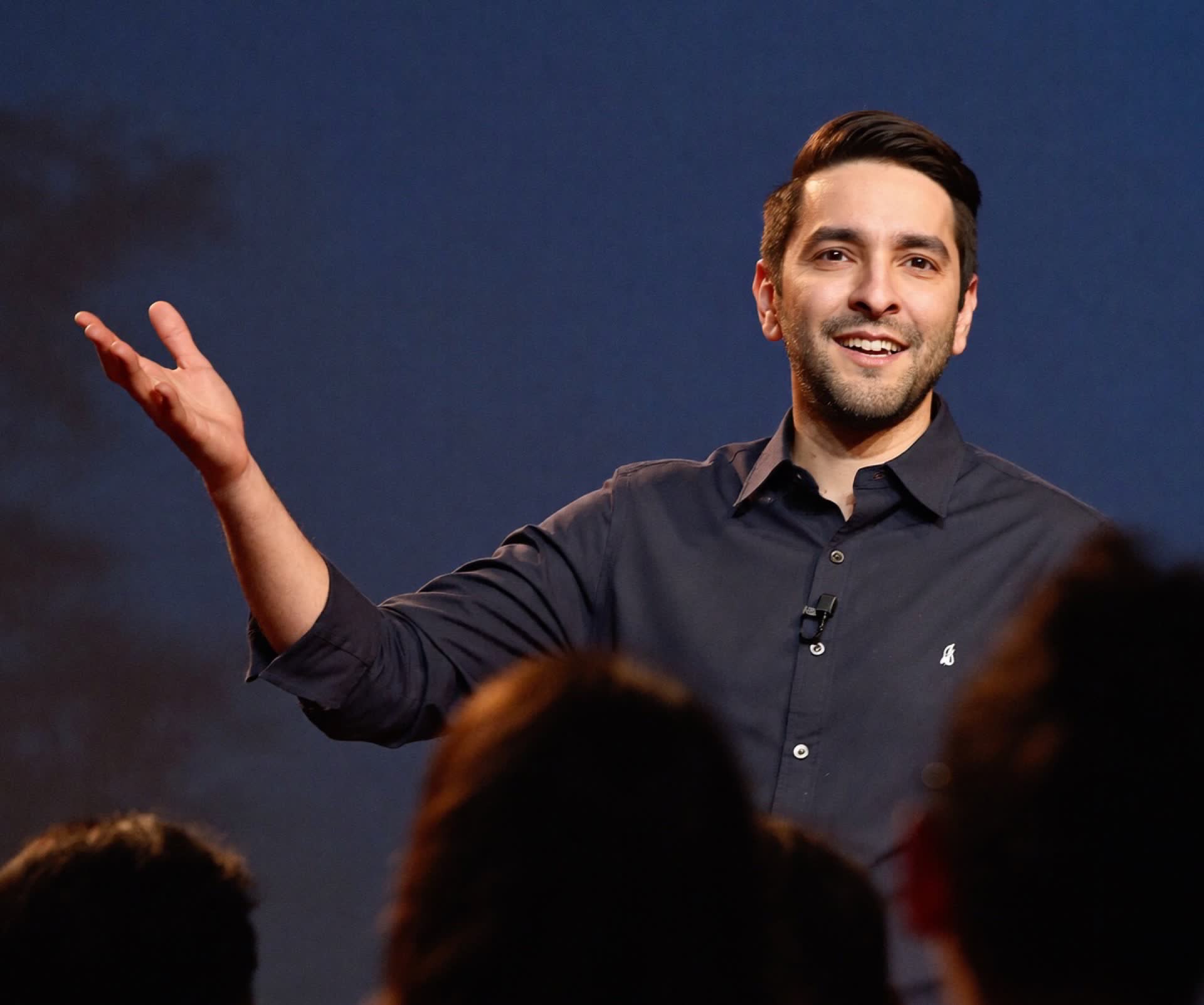
Thought Behind Things · Feb 28, 2025 · 1:07:26
Pakistani students can read English. They cannot speak it.
Dr. Sonia Irum, who teaches English literature at the International Islamic University and heads its alumni department, on why Pakistani graduates can read and write English but freeze when asked to speak it, what five years in the UK actually changes, and why a real book-reading culture in Pakistan will need to be packaged through influencers before it lands with the masses.
with Dr. Sonia Irum
11 min read
Why this conversation, and why now
The episode opens with Muzamil restating a thesis he has been working through across many recent conversations: Pakistan’s economic future runs through services — IT, engineering, anything that can be sold across borders for hard currency — and that future is gated by language. Specifically, English. Without it, a Pakistani professional cannot communicate inside the global environment the work actually lives in, and the export opportunity quietly closes.
To pressure-test that thesis from the supply side, he sits down with Dr. Sonia Irum, who teaches English literature at the International Islamic University in Islamabad and heads the university’s alumni affairs office. She has been in the classroom for more than a decade, with a five-year pause for a PhD at Royal Holloway, University of London in ecocriticism — the study of the relationship between literature and the environment. Between teaching and alumni work, Sonia spends her days with two populations: the students arriving at university, and the graduates a few years out who are now doing real work in real places. That dual view is what Muzamil wants to mine.
English as a third language, and the wall it builds in the classroom
Sonia’s first honest observation is structural. English literature, she says, was never going to be a mass discipline — it draws a small, selected set of minds — but the wider problem is that English itself arrives in her students’ lives as a third language, sometimes a fourth. “For me, it’s my third language,” she says. “Because it was Urdu, then it was my mother language, and then it was English.” When she tries to teach not just the words but the philosophy underneath the literature, the language barrier shows up first, the conceptual barrier shows up second, and the students are doing two pieces of translation at once.
The compromise teachers make is bilingual delivery. Sonia is open about using both languages when she needs to land a concept, but is also clear that in certain courses the rule has to hold: instruction in English, so the students actually learn to operate in it. Her diagnosis of the underlying problem is not academic. The students can read English. They can write English. They handle it in media, in text messages, on their phones. What collapses is spoken communication. “Even at graduate level,” she says, “in spoken, it’s not there.”
The real bottleneck is confidence, not vocabulary
Muzamil pulls this thread harder because he has lived the same pattern. He recounts arriving at FAST in Islamabad with students who had come from every corner of Pakistan, and watching them seize up the moment they had to speak in English in front of a peer. The mental energy that should have been spent finding the next word was instead being spent monitoring the room for a friend’s smirk. He contrasts that with his current life in Dubai, a regional capital full of accents, where “nobody cares” how a word is pronounced as long as the idea lands.
Sonia agrees and goes further. She describes her own accent as “a medley” — American, British, Pakistani, Indian, and something of her own — and treats that as a feature, not a bug. The instruction she now gives her students is the simplest one available: speak. “Unless and until you won’t communicate in that language, you won’t learn.” She tells them to drop the bias that English is not their language, drop the worry that the accent is wrong, and accept that the only way out is repetition. The colonial-versus-decolonial conversation, she says, is a separate fight — and one you cannot even properly join unless you first own the language well enough to argue in it.
Muzamil makes the same point in micro terms. Forget the macro debate. Selfishly, the body of human knowledge available in English is so vast that refusing to speak it is a tax a Pakistani student is choosing to pay on themselves.
Five years in London, and what they actually changed
The conversation shifts to Sonia’s own trajectory. She had wanted to do fine arts, then psychology, and was steered to literature by the standard family logic that the other fields had “no scope.” Once she landed in her first semester she stopped resisting and fell in love with the discipline. The Higher Education Commission scholarship round that took her to Royal Holloway was, by her own admission, almost an accident — an email circulated in a department inbox, two applications submitted, two acceptances received, and a missed Cambridge response that she now uses as a cautionary tale for her students.
What surprised her was not the work but the arrival. She had grown up watching English-language films and had assumed cultural dissociation would not be her problem. It was not — until the friend who had travelled with her left. “I was like, what have I done? Why did I come? What was I missing in my own country?” She caught the first available flight home at Christmas, then came back and rebuilt from the inside out. Five years later she returned to Pakistan a different person — more confident, more critical in a constructive sense, and able to see the country through more than one frame.
Sonia is also unusually disciplined about what she does not do with that exposure. She points out that most Pakistanis who study abroad come home and spend the rest of their lives saying “there it was like this” — using the foreign context as a stick to beat the local one. Her view is that the context there is genuinely different from the context here, and the only useful move is to localize: take what you learned, reshape it for where you actually live, and let that be the creative act.
Why the Royal Holloway classroom and the Islamabad classroom cannot be compared
Muzamil walks through the supply-side numbers that frame the rest of the conversation. Roughly five million Pakistanis turn eighteen every year. The total seats available across all higher education — first year through fourth, plus associate programs — sit around 450,000 to 500,000. Two million young people, every year, are structurally outside the system. In ten years that gap is on track to widen to 8.5 million eighteen-year-olds against an education infrastructure that is not growing at the same rate.
Sonia uses this to explain why a direct comparison between her UK classroom and her Islamabad classroom is unfair. At Royal Holloway her classes ran six to twelve students, often from already literate households, and individual attention was structurally possible. At a Pakistani public university you are teaching a heterogeneous room that includes scholarship students from under-developed areas who, as Muzamil notes from his FAST experience, often need a year or more of remedial work just to reach parity with the city kids in the same cohort. There is nothing wrong with those students — they are arriving from a different set of circumstances — but the program design that would actually serve them does not exist at scale.
The alumni department as a real institution, not a ceremony
Sonia heads alumni affairs for a university that, on her best current count, has produced about 20,000 trackable graduates and currently has 26,000 students enrolled — more women than men, across separate campuses. She is candid that until she took the role she had not appreciated how far her university’s graduates had travelled or how well many of them were doing. She now meets them in Europe, in obscure American states, across industries from computer science to marketing, and her frustration is not about the talent — it is about the projection. The work is brilliant. The story of the work is not getting told.
Her view of what an alumni department is for is straightforward. Acknowledge the people you graduated. Stay in contact. Pull their expertise back into the building so the current cohort benefits from it without the institution having to hire it from outside. Build the bond that lets graduates contribute, in whatever form they can, to the place that trained them. None of this is unusual by global standards. It is unusual by Pakistani public-university standards, and Sonia is quietly trying to fix that.
Muzamil, as an employer who has hired in Islamabad, surfaces a parallel observation: in his experience, female employees were materially more productive than male ones. He and his wife, who co-founded the company with him, have talked about why. Their working theory is that the historical bar to be taken seriously has been higher for women, so the same outcome requires more effort, and that effort becomes a habit. Sonia, looking at the same pattern from inside a classroom, agrees: female students tend to be more organized and more deliberate, and a great deal of the male complacency comes from the assumption that a job and a salary are owed.
The book culture problem, and why it cannot be lectured into being
Toward the end of the conversation, Muzamil turns to a different surface of the same issue: reading. Pakistan does not have a mass reading culture. Literary festivals exist as small upper-middle-class events. The contrast with India, where books regularly become best-sellers and startups have formed around the publishing industry, is unflattering. He asks Sonia why.
Her answer is historical. At Partition the country was already drowning in other crises, and political stability never arrived long enough for a literary culture to set. The world then jumped past Pakistan: “the world has moved to post-modern. We had not even arrived at modern.” Gadgets, technology, and global content landed before a domestic culture of reading had been built, and the country was carried along in someone else’s stream. To reverse this would take a deliberate, organized effort — filtering the trash, lifting the good content, and getting parents, teachers, and media to treat the presence of books in a child’s bag as a baseline expectation rather than an eccentricity.
Muzamil pushes back productively. He thinks the problem is not effort. It is that the educated class in Pakistan has historically been disconnected from mainstream Pakistan, and the books being written do not speak to the audience that exists. He gives the example of his own podcast — when he started it in 2020, ninety-minute conversations with startup founders pulled 500 views. Inserting an Instagram influencer or a pop-culture figure occasionally would pull 150,000, and the next startup conversation would once again pull 500. Critical mass eventually arrived: a recent conversation with a startup founder who appeared on Shark Tank crossed 100,000 views, an outcome unimaginable four years earlier. The lesson, in his framing, is that depth has to be earned through audience-shaped packaging.
His concrete prescription for literature follows the same logic. Instead of writing a fine novel for a tiny self-referential audience, a literature graduate could approach an Instagram influencer with 250,000 young female followers and ghost-write her book — “25 learnings before 25,” a girl-boss memoir, anything credible — because the demand already exists in that ecosystem. Once long-form has entered through that door, the audience can be walked further in. The point is that the content problem is not a literacy problem. It is a packaging problem.
Sonia agrees with the diagnosis and adds her own discipline to it. She does not believe in revolutions. She believes in evolution. The change has to be incremental, deliberate, and creative enough to slip good content through whatever wrapper the audience currently consumes. “Be smart enough about how you float a good idea inside the format the masses already want.” That, she argues, is the only kind of change that lasts.
Pakistan in 2050
Muzamil closes with the question he asks most guests. Forget the conditionals. Extrapolate forward twenty-five years. What does Pakistan look like in 2050?
Sonia’s answer is honest in a way the format usually does not get. Where most nations need a hundred years to meaningfully change, she thinks Pakistan needs two hundred. The current state, in her reading, contains a degree of devolution that upsets her — but does not push her to leave. She wants to stay and be part of the change. Twenty-five years, she says, is too short a window to see a Pakistan that is materially different from today. Fifty might begin to show it. The progress will happen. It will be slow.
It is a sober note to end a conversation that started on the failure of spoken English in a classroom. The thread connecting the two is the same one running through the entire episode: the work of building a country that can hold its own in a global services economy is real, it is doable, and it is going to take longer than anyone selling a quick fix is willing to admit.
Full transcript
शामिला संबंधिना आज रात welcome back to another episode of Thought Behind Things. आप सबको पता है मैं बड़े अरसे से बात कर रहा हूं कि Pakistan का जो economic future है उसके अंदर हमने services के लोग बनाने हैं, हमने IT professionals बनाने हैं, engineers बनाने हैं. अब पाकिस्तानी नौजवानों को बाहर देखना है कि वहां पर जाकर वह different jobs ढूंढ सकते हैं, different opportunities ढूंढ सकते हैं. लेकिन जब मैं different लोगों से बात करता हूं particularly जो IT services की companies हैं जो English को और जो different regional और global languages हैं उनको नहीं सीख रहे या at least अगर वह सीख भी रहे हैं तो वह उस तरीके से communicate नहीं कर पा रहे जो कि एक global एक economic environment के अंदर जो requirement है. उसके लिए I wanted to have a conversation and trying to understand कि क्या बजाए के students इसमें potentially lack करते हैं? किस तरीके से हम उसको बेहतर कर सकते हैं? उसके लिए हमारे साथ मौजूद हैं doctor सोनिया इरम who is currently teaching at teaching English literature at the International Islamic University. So, सुबह शाम वो already interact कर रही हैं with students of all shapes and forms and sizes and so वहां पर I wanted to understand कि उनका क्या experience रहा है in terms of teaching a lot of these young professionals क्योंकि universities में हमारे professionals आ रहे हैं. साथ ही she's also heading the alumni department for the International Islamic University. It's a huge university in Islamabad. बहुत सारे उनके graduate सालाना निकलते हैं and obviously across different professionals वह जाते हैं तो I wanna understand also कि a lot of these alumnis that she is interacting with उनकी क्या thoughts and opinions हैं? What are they doing? Are they working in Pakistan? Are they going abroad? Or are they sitting in Pakistan working for global organizations? इनकी PhD है in eco criticism where she studied the relationship between literature and environment. तो थोड़ा सा मैं उसको भी tap in करना चाह रहा था and she graduated from the Royal Holloway University of London. Doctor सोनिया thank you so much for being part of the show. Thank you for inviting me. मैं थोड़ा सा conversation को start करूंगा. I just want to understand I mean you have been teaching at the university for three years? It's been more than a decade now. More than a decade? Yeah. That you have been. So, your PhD was before that? Yes, I went on a study leave for the PhD. I see, I see. So, अगर as a starter I want to understand कि जो students आ रहे आप English पढ़ाती हैं आपका क्या experience है? Generally with with language in Pakistan with a lot of these students किस तरह के बच्चे आते हैं? जिसमें English is just a subject. Yeah. Is is it taken seriously?
I think देखिए when you talk about English literature तो English literature was never for every person, right? You you always have a selected minds who would come for English literature. But as compared to other departments, yes, we have we do not have that number with the quantities obviously less as compared to the other disciplines. But with this, language, I can literature itself is a it's a very, very comprehensive and difficult concept to understand. Not everybody is so capable of understanding these statics. But जब हमारे पास जो बच्चे आते हैं ना तो उनके उनकी जो English है even it's it's not their first language. It's not their second. Even in cases it's not their third language. Right? For me, it's my third language. Right? Because it was उर्दू, then it was my mother language, and then it was English. तो जब बच्चों को जब मुश्किल होती है ना वह concept समझ, जब हम इतने मुश्किल उनको literature की ज़िंदगी की philosophy समझा रहे होते हैं तो पहले तो वह ज़बान का barrier आ जाता है, वह नहीं समझ पाते. फिर उनको वह concept समझाना. तो as a teacher, what I do is that, of course, because I have to give them a concept. तो मैं तो bilingual भी हो सकती हूं. But then at at certain points, we have these these kind of restrictions कि नहीं because we have to communicate in English so that they learn English that well. बाकी departments जहां पर functional English होते हैं, perception अच्छा है बच्चों का English सीखने का but still we are not बच्चों को हम पढ़ाने के हाथ तक तो English आ जाती है, ठीक है? वह media language, text language, mobile language भी वह कर लेते हैं. But when it comes to communication जितना मर्ज़ी हम उनको मेरे पास तो graduate level पर आते हैं बच्चे, तब भी वह spoken में it's not there. With that I don't say कि उनको उनको उनको अपनी उर्दू छोड़ देने नहीं. आपको उर्दू में well versed होना चाहिए सबसे पहले. सबसे पहले बहुत अच्छा उर्दू आपको बहुत अच्छी उर्दू आनी चाहिए. उसके बाद
at least दो तीन different languages बोल रहे हैं वो depending on किस किस के साथ interact कर रहे हैं so English is a global language. It's probably the most spoken global language in the world. तो उसके बड़े फवायद हैं. अगर मैं आपसे पूछूं let's assume कि एक बच्चा आता है वह सीखना नहीं चाह रहा English. Right? मैं literature की बात नहीं कर रहा हूं मैं functional English ही बात कर रहा हूं. और आपने उसको प्यार से समझाना है कि भाई तुम्हें English के क्या फवायद हैं? क्या रोहानी अज़मतें हैं?
कि कोई ऐसा case आया हो कि वह English सीखना ही नहीं चाहता. अभी तक जो हमारे पास अब हमारे पास जो strength आती है बच्चों की, they want to learn English. They want to speak in English. They want to talk in English. English. They want to communicate in English. और वह उनके पास ideas भी बहुत अच्छे होते हैं. बहुत ख़ूबसूरत ideas होते हैं. मसला यह है कि और अब हमें समझ आती है पहले हम भी छोटे थे नहीं समझा. अब हमें समझ आती है क्योंकि वह सोच तो वह अपनी ज़मान में रहे होते हैं ना. उनको आती उनका तो कोई इतना मसला नहीं है. जब मैं function English ली for example education department चली गई, psychology department में चली गई तो फिर मैं जो अपना course design करती हूं वह मैं it's not कि मैं कोई भी English का text लेकर उनके पास चली जाऊंगी. फिर मैं उनकी उन field से वह text लेती हूं और जब उनकी fields से होते हैं वह interest भी लेते हैं. उनको समझ भी ज़्यादा आती है. तो I think मुझे अभी तक तो ऐसे नहीं face करना पड़ा कि somebody is resistant to learn that language. So they're very eager. So generally लोगों का interest है but कहीं ना कहीं वह fail करें. एक आपने जितना start है बोला आपने कहा कि यार पढ़ भी अच्छा लेते हैं, लिख भी अच्छा लेते हैं. बोलने में confidence का बड़ा problem है. Right? Pakistan में
और यह generally मैंने भी experience किया है कि immediately ना when I was in university for example मैं fast गया था आप लोगों के साथी है. बिल्कुल. तो जो start में बच्चे आते हैं पूरे Pakistan से आए हुए होते हैं वो ना एक शर्मिंदगी सी होती है उनको. उनको वो language के words सोचने के बजाय वो दिमाग उनका उस time पर चल रहा होता है क्योंकि presentation आगे कहीं बोलनी पड़ गई वो constantly इस पर चल रहा होता कि मैं कुछ ग़लत ना कर दूं कि मेरा दोस्त मेरे पास हंसे ना. Mhmm mhmm mhmm. अच्छा अब I live in Dubai now. Regional capital है पूरी दुनिया से लोग आए हुए हैं. बिल्कुल. Nobody cares. यह pronunciation pronunciation ख़राब कर दी. So there is that confidence. I feel like that's a very major component of language के जिसके अंदर self esteem, confidence उसकी वजह से बहुत सारे बच्चे रुक जाते हैं. Have you आप
आप बिल्कुल सही कह रहे ना कि जब हम छोटे थे हम abuse हुआ की बातें नहीं समझ आती थी. अब and specially with international exposure you get to learn that what is actually happening in the world and what you were worried about when you were in your country. तो अब मुझे समझ आता है for example अच्छा कुछ लोग ना हम ना accent के चक्कर में भी ना बहुत सारी चीज़ें नहीं बोल दिया. For example, a person like me who just articulates a medley of accents whether it's American, British, पाकिस्तानी, Indian. और अपना कोई और अपना भी unique accent है कोई अपना भी है. No, it's a medley of accent which is अब थोड़ी बोलते बोलते Indian में निकलना शुरू हो जाएगा because exposure है different चीज़ों लेकिन with the passage of time we start learning कि नहीं यार idea communicate करना है as long as you know the language so that's fine and now I'm I'm I'm just encouraging my students कि just speak up. Unless and until you won't communicate in that language. You won't learn. That's and यह यह tried and tested है. आपने उस language को बार बार बोलना है तभी आपको समझ आएगी. And तभी आप उसमें fluent होंगे, आप confident होंगे. And then class में जाती हूं तो मैं बच्चों को यह कहना शुरू गया हूं कि social media or your academic context इन सब में English use हो रही है. So you have to be skillful in that. So just come out of that bias. This is not our language. वह फिर बड़ी colonial and decolonial में discussion चली जाती है. So we अगर हम यहां पर हैं ना कुछ चीज़ हमारी western frameworks हैं. अभी तक हम नहीं develop कर पाए अपने तो तब तक लड़ें. अगर उस ज़बान में किसी से लड़ना है तो पहले वह ज़बान सीखनी पड़ेगी. हां और I mean वही वाली बात है ना कि macro discussion
ऊपर पर क्या हो रहा है वह एक अलग discussion है कि colonial, decolonial you know अपनी language को हम कितना ज़्यादा encourage करते हैं, empower करते हैं. But अगर मैं micro पर सोचूं, selfishly सोचूं तो the fact of the matter is कि the amount of knowledge available in English language उसका access ही नहीं है आपके पास क्योंकि आप English को नहीं बोल सकते. Right? So, I think आप अपने ऊपर नुकसान कर रहे आप उर्दू बोले हैं सुबह शाम बोले हैं लेकिन आप उस उसको वह समझा पाते हैं. I wanna understand you mentioned international exposure and बड़ा important है कि पाकिस्तानी अगर global काम करना चाहता है, dollarize करना चाहता है, exports बढ़ाना चाहता है तो they also have to like explore the world and understand how the world works. आप isolation में इसमें से कोई भी चीज़ नहीं कर सकते. Obviously language as I have mentioned के plays a very important role as well. But आप I know that you went for your क्योंकि आपने bachelor's masters यही से किया but you went for your PhD in Tell the me about how that sort of happened. Why did you decide कि जी मैं UK जाकर करती हूं? That was a very wonderful experience in a way that because
initially I just I I wanted to be in any of the arts field. I wanted to do fine arts but then I was told कि उसका इतना scope नहीं है at that time. Then I wanted to go for psychology and उसका भी कोई इतना encouraging नहीं है. Literature, I was always fan of literature since childhood. तो then this was the third option and मैंने कहा चले ठीक है then and then I I just thought कि हां literature जब पढ़ेंगे तो उसमें psychological studies होती हैं and I'll I'll satisfy myself with that. And but when I just landed into my first semester and I just fell in love and I just made the right decision of choosing literature. This was at the Islamic University? Yes, at the Islamic University and then I just got wonderful teachers and I still think that our English department is one of the top departments in the whole country and very very very very advanced studies and very intellectual thought that I experience in that university. I find the best of the mentors in that university. तो जब मैं पढ़ी थी तो मैं बचपन ने कभी कहती थी. मैं कहती थी नहीं अगर मैंने English literature पढ़ाना तो पढूंगी तो वहीं से जहां से आए और मैं England England में ही जाकर पढूंगी. मैं as a as a child I would just say this and when the scholarship was there, higher education का scholarship आया and applied for that. I actually got qualified for two for Cambridge and for this one. I applied only these two. But I was, अब मैं बच्चों को कहना चाहती हूं कि मेरी तरह बिल्कुल मत कीजिए कि आजकल. I was just waiting कि आजकल अच्छा हो गया and did not respond to the Cambridge उसकी कुछ technicalities थी. मैंने कहा पता नहीं उस वक़्त समझ नहीं दिया. I was young कि क्या करना है, किस तरह? फिर जब यह scholarship आया I went there and I think international exposure gives you so much, gives you so much. आपका आपको I think वह जो confidence आपका आपको मिलता है ना international exposure से when you meet different people, I think that counts a lot and that has made a huge difference how I see the world, what I do and how I एक तो comparison भी आ जाते हैं. अच्छा फिर और एक बहुत अच्छी चीज़ मैंने यह की कि unlike most of the people which I have met कि जब बाहर से आते हैं ना हम कहते हैं कि वहां पर ना ऐसे होता था तो यह देखिए context ही और है. वह context बिल्कुल और है हमारा बिल्कुल और है. हम तो तब ज़्यादा creative और होंगे ना जब हम वहां के context को understand करके को अपने वाले को कैसे उसे global act local करेंगे ना? Reshape कर सकते हैं उसको कि उसको localize करके भी आप उसको international बनाओ आप उसको. तो वह I think that that we lack.
शायद दो निकलेंगे जो बाद में शायद literature को as a field उसमें से बहुत सारे शायद किसी और field में चले जाएंगे and it's not necessary the person who studies English literature would end up teaching English literature. And I think यह भी difference है कि I mean when you talk about The UK it has one of the best programs in the world बड़ा वह consider होता कि UK की education बड़ी ज़बरदस्त है तो वहां पर पूरी दुनिया से आप top talent attract कर रहे हैं. तो जो supply side भी आपके पास आ रही है वह बच्चा अगर different जगह से start हो रहा है तो फिर automatically उसकी acceleration भी उस हिसाब से होगी. Versus यहां पर for a lot of institutions and teachers उनके पास हर किस्म का बच्चा आ रहा उनके पास मैं fast से graduate किया था तो हमारा होता था OSPN program outreach something something. तो scholarship program. अब उसमें एक आपके general बच्चे आए हुए हैं जो standard entry test पर आए हुए कुछ बच्चे हैं जो scholarship पर आए हुए वह under developed areas से आए हुए होते थे. बिल्कुल. अब उन जो under developed areas वाले बच्चे थे उनको एक डेढ़ साल they had to run a separate program just to bring them on par with the city kids, right? और वह वही वाली बात है कि the quality and the exposure जिस बच्चे ने लिया हुआ है उसके हिसाब से program design होगा. So आप Pakistan में वह वाली quality दे ही नहीं सकते because there are very and there is nothing wrong with the fact कि यार यहां पर तो बड़ा बुरा बच्चा आ रहा है बुरा बच्चा नहीं आ रहा. वह अपने sets of circumstances के basis के ऊपर वह आ रहा है. But again I want to understand इससे पहले जब आप UK गई हैं पढ़ने के लिए had you ever lived or travelled globally?
No I just I had only been to India.
Really? Yes. So that's a first. Ok.
Mean I I went there. I only went to Dubai or I only went to Saudi. No no my my first international trip was to जयपुर. I went there for a conference. How is As young teacher I went there for a conference. That must have been so cool. Yeah and and and I was received very well there and that was my first. What year was this? It was 2015. Nice. Yes I went there I think in March and then in in October I traveled to UK.
Interesting. How was India? How was the experience there? Oh, they were very welcoming.
I had my biases because of because of all the media exposure, but they but they they treated me from from from airport
to university and coming back, I was treated very well. Nice nice. And so you just been to India and then you not just go and
travel. And after landing in in in in in London,
I think then after that there was no stopping. Then I had opportunity to travel a lot of countries after that. Right but for a lot of people obviously जब वह पढ़ाई के लिए जाते हैं I was speaking to a few people recently और वह you know जब आप सोच रहे होते हो तो होता है कितना exciting होगा? मैं जाऊंगा मेरा dorm होगा तो मेरा you know लोग होंगे, मैं independent होंगा. I live the developed world life, right? Like I Oh, will yes. Whatever you been seeing in the movies. Yeah yeah yeah yeah. And then four days and you are like कि आरव में याद आ रही है और घर की दाल याद आ रही है. Exactly. So what was that like? It was मुझे लगा था कि मैं तो English literature से पढ़ती रही हूं और मेरे लिए तो बिल्कुल मुक्तलिफ नहीं होगा. Grew up watching
English films and all that. So when I landed there, it was fine. One of my friends who is also my mentor, she was there with me and she felt perhaps I would feel very, you know, culturally dissociated in something and lost but she was there and but but जब तक वह वहां पर थी, I was fine. Right, yes. Because, yes because she had the exposure. So, I was fine but वह तो चंद दिनों के लेती है and जैसे ही वह चली गई and I was like अब मैंने मैं I was like मैंने यह किया क्या है? मैं क्यों आ गई हूं? मुझे कौन सी कमी थी अपने मुल्क में? Why I and उस वक़्त वह आई सारी feelings आई वह. I was not disturbed with the culture but of course I felt very lost. Mhmm. वह comfort zone से निकले हुए ना अब अपने Of course, of course and और इतने दूर आ गए जहां पर आप वापस जाना भी चाहो तो आप नहीं जा सकते हो. तो what I did was that मैंने तो पहली flight पकड़ी एक महीने बाद ही and Christmas की, holidays थी and I came back and कुछ समझ नहीं थी currency की, क्या है, किस तरह है, conversions सोचना वाला but बस वह एक पहला था जो मुझे उस वक़्त feel हुआ एक महीने बाद but उसके बाद जब जैसे ही मैंने confidence gain किया नहीं आपने पढ़ना है यहां पर आप कर लोगे वग़ैरह and when I started meeting people and supervisor was very very supportive. They understood what I'm going through and then तो वह अच्छा वहां पर यह चीज़ बहुत अच्छी है ना when they understand, they were the person is going through and they're very supportive. Sensitised होते हैं बहुत ज़्यादा individual के साथ. And तो उनके साथ तो जब confidence दी है and जब उन्होंने मुझे अपने काम पर लगा दिया and then they encouraged me that good space and फिर उसके बाद तो मुझे लगा कि नहीं मुझे मुझे तुम्हें मुझे मुझे मुझे मुझे रहने ही यहीं पर चाहिए वाला but I always had this कि नहीं I just whatever I learn I'll just transfer that to my stake You that and were there for three years? I was five years. Five years? That is like Yeah. That changes you. Yeah yeah. And that did change me. So if I were to ask you, you know, five years after that,
how like when did you come back to Pakistan?
In in when the COVID started. Right. So,
five years since जो आपके यह पांच साल थे अगर मैं आपसे पूछूं कि the doctor सोनिया who had gone to The UK and the one who came back, क्या difference आया था? I I I went as सोनिया and came back as tough as. Of course. That's a no brainer but yes.
And I think I'm more confident.
I
think I'm more critical in a positive sense, of course. Yes, I think I see things through various perspectives. Now, it's not only one पाकिस्तानी or one बस ऐसे लगे हैं ऐसे क्या काम करती है? हां, तो मुझे मुझे लगता है कि मैं अब ज़्यादा open हूं, ज़्यादा ज़्यादा ज़्यादा अच्छे तरीके से absorb कर लेती हूं चीज़ों को और मुझे लगता है कि मेरा मुझे लगता है मेरा confidence level जो है ना वह ज़्यादा हुआ है. अगर for example आपने वहां से PhD ना की होती आपने
I know Islam University से ही कर ली होती. Do you think you would have been fine with that या आप आप at this point in time आप कहते कि नहीं यार वह जो exposure वगैरह मुझे मिला है, I would not give that up for anything. हां, मेरे लिए if you apply it to me, I think I think जो मुझे बाहर का exposure है that has really give me an edge professionally
also. Right. Personally तो आपकी growth होती है you grow into a into a more confident change person but then professionally it has benefited me a lot. I got networking, I got linkage with with a lot of professionals and specially now with this alumni office under me. I am meeting people from different fields, computers, marketing and all that and everybody is doing brilliant wherever they are and I feel so proud of the all the alumni of the International Islamic University. You know, with with the certain institutions you have stereotypes कि यह इस तरह के होंगे, इस तरह के वह होते हैं. That is there. But वह जो लोग difference कर रहे हैं और जो अपना mark बना रहे हैं ना तो मुझे लगता उनको ज़्यादा सामने लाने की ज़रूरत है कि यह भी है. And And बहुत सारी myths भी थी या बहुत सारी rumors भी थे कि scholarship वाले तंग करते हैं यह होता है लेकिन मुझे कभी कोई problem नहीं हुई. हमेशा सब कुछ time पर हुआ बहुत smoothly हुआ and both पाकिसानी institution and UK institution who were sponsoring
my studies. They were both very supportive. मुझे बताएं, were you alone या family के साथ थे आप? No no, was alone. You were alone? Yeah. Had you lived alone in Pakistan before that?
Yes, I was I had been in a hostel in Pakistan also but then I just
वहां but you probably you weren't in a hostel like apartment something something like you had to manage your My first year was in a dormitory with the with the students
But second year then I जब culture समझ आ गई, दो लोग समझ आ गई था. Then I was thinking I can live independently and then I just shifted to a house with some of my friends. How was that independent living? Because I feel like and this is not just a woman specific thing. Feel like even as a man. Yeah yeah. I mean I have lived in this house
thirty two years of my life. Then I went to the first time I actually moved to Dubai. तो मुझे पहली देर पता लगा कि यार rent भी देना होता है. हां. तो यह भी कर लोग. That's an entirely different lifestyle. Right? Because So how did how did that sort of independent
living shape your world view? अच्छा, मुझे ना mentoring ही ऐसी की गई थी मेरी university में भी कि हमेशा अपने comfort zone से निकलना. If you want to grow, just come out of your comfort zone. तो वह शायद मेरे back of the mind में रहता था वग़ैरह. पर जब वहां पर गई तो I think एक तो मेरे parents बहुत ही they they have been very open and my my siblings are also very very jolly किस्म के लोग हैं. And then with my mentors with me तो I think मुझे वह उस movement में उस day to day जो life के आपके challenges होते उसमें मुझे बिल्कुल मुश्किल नहीं हुई and I was good at this. Right. Whether culture, people or I was good at पाकिस्तानी and I was and इसका यह मतलब भी नहीं है कि मैं कि वह नहीं बनना, यह नहीं बनना. बस ठीक है मुझे मुझे मैं I was very confident जो मैं हूं, जैसे मैं हूं and always open to learning new things always and my which is my my curiosity kept growing when I met started me meeting people and people were also very welcoming. Everybody just welcomed me so so well that मुझे नहीं लगता कि मुझे उस तरह से कोई मुश्किल आई लेकिन but of course I had friends who would share आगे कर देती थी आप इसमें से और of course अनुदेव भाई. Very honest people मैंने कहा था आप मुझे बता दें इसमें से कितने हैं वह करें. But then of course I just learnt very quickly. I was fast in learning all those things. Interesting.
For a lot of people जो सोच रहे होते हैं कि यार हमने बाहर जाना है. Look, the reason why I'm doubling down on this is because generally I'm of the opinion that जो पाकिस्तानी नौजवान है उसको अपने आप को push करके they need to go and get that exposure. चाहे वह एक trip माल के exposure लें, चाहे वह jobs पर जाकर लें, चाहे वह education के through लें. Education at least if you have the ability one way or the other तो आपको एक एक time frame मिल जाता है जिसमें आपको एक goal मिला हुआ है और meanwhile आप life explore दुनिया को explore कर सकते हैं. But for a lot of young people वह कोशिश भी नहीं करते because वह पहले ही कांटा लगा देते वह कहते यार या तो मेरे my grades aren't good enough. I can't afford it. You know वह तो पता नहीं कैसा culture होगा, क्या होगा? And so I am curious. This scholarship, is this a regular scholarship? Are there a lot of scholarships that potential पाकिस्तानी students can participate in? Were you able to work there as well during those five years कि at least अपना खर्चा पानी जो है आप निकाल सकें. थोड़ा सा इसके बारे में मुझे बताइएगा. I want people to understand कि how approachable this is या कितने लोग could you afford the entirety of it otherwise like a scholarship now? I I would, yes. Yes I would.
तो यह था कि यह जो scholarship था यह जो यह तो recurrent सारी universities में emails आती हैं higher education की तरफ से. Right. They keep sending an email the scholarships are available and whoever is capable they apply and then somebody. तो यह close networks में होती हैं या online भी available होती है? नहीं, अब तो online भी है. There are Facebook pages, there are LinkedIn pages, now they are But at time, at that time it was very limited and I was also not very good at exploring the scholarships. तो मैं बस वह email थी जैसा regular emails आती हैं आपके department में तो I just checked that email and I said let's apply for that. And applied for those two universities Cambridge and Royal Holover University of London and तो यह आती है लेकिन यह था कि जब मैं जब वहां पर गई तो एक तो scholarship मुझे maintenance मिल रही थी like well because I was already teaching here so I was also getting my pay, right? Which was getting deposited in my account. लेकिन अगर वह ना भी होती ना तो scholarship money was enough for me and and since I did not have any family to support. But the friends that I had there, उनके spouses भी थे, किसी के बच्चे भी थे. तो they had really had to work hard. So they had to bring their spouse there who would work them. तो मुझे लगता लेकिन लेकिन opportunities हैं. हो जाता है, manage हो जाता and then the people have been managing that. तो I think इस इस fear में नहीं रहना चाहिए, opportunity को जाने नहीं देना चाहिए. इस उसमें हो जाता है manage. The people that I met there. कहते हैं. मुझे भी वहां work क्योंकि आपको twenty hours का work allowed होता है as a student when you are there on a student visa. Twenty hours का allow था वग़ैरह. So I just kept doing. It was not kind of a schedule, kind of a job, but freelancing के तौर मैं करती थी और मैं ज़्यादा मैं university में ही engaged रहती थी. So, my supervisor would engage me with other students जहां पर जो छोटे level के हैं students या initial levels के हैं यहां पर
हो रहे हैं. Interesting. मुझे यह बताएं कि what compare you to come back for a vast majority of people जब वह बाहर की education पर जाते हैं चाहे वह scholarship पर और otherwise. Their thought would be कि यार अब हम developed world में आ गए हैं. Obviously you've you've gotten the global education. You can work in the global industry and obviously then the payout will be on a on a global level and so for developing countries ज़ाहिर है वह there's going to be that arbitrage of of pays and exposure, right? Both in terms of चाहे आप पैसों के उसमें देखेंगे आप research work and you know तो बड़े capitals में दुनिया में वहां पर ज़ाहिर है के ज़्यादा cutting edge काम हो रहा होगा. पहला तो यह कि what compel you to come back and दूसरा यह कि do you ever regret coming back?
बहुत artificial सा जवाब लगेगा इसका लेकिन मैं कभी भी वहां पर settle नहीं होना चाहती थी. मैं वापस ही आना चाहती थी. दो यह है कि वहां पर जब आपको potential students देखते हैं they always offer you the job. So my supervisor also came and she had a conversation कि if you want to stay here we can make you stay here. So there are a lot of opportunities for you यहां पर भी कैसे adjust क्योंकि वह हो जाता adjust करने में but five years in now
there's been a lot of ups and downs in Pakistan. दिमाग Oh में सवाल तो आता है कि you know what what if you know. हां आता है, आता है लेकिन अभी तक वह इतना strong नहीं हुआ. इतना strong नहीं हुआ interesting. You've been working with the alumni network quite regularly. मुझे यह बताएं कि coming back to the original question or thought कि Pakistan में जो talent है unfortunately उसका globalization इस पर के बड़े facts हैं. You know Pakistan software association कहती है कि Pakistan में less than 20% employability है जो कि computer science का बच्चा निकल रहा overall पूरे Pakistan से जो बच्चा आ रहा है. Generally Pakistan में university degrees versus skills की debate लगी रहती है कि यार university यहां फ़ार रहे हैं. Times आया कर रही हैं and what not. आपका चूंकि ज़ाहिर पांच साल pure academia के अंदर आपका यह experience रहा then you came back you were teaching before you are teaching now. How do you first of all reconcile the the the quality of education, the structure of education in Pakistan versus वहां पर? And इसमें सिर्फ मैं institution की बात नहीं करूंगा. I also want to understand जो student level के ऊपर बच्चा किस you know mindset से आ रहा है university और वह किस mindset से पढ़ाई को even approach करता है in the first place? थोड़ा सा इसके बारे में मुझे बताएं.
एक तो मुझे कभी कभी लगता है एक तो comparison जो है ना वह थोड़ा unjustified हो जाएगा because there's a huge distance between the two worlds and देखिए वहां का मैं जैसे पहले मैंने कहा वहां के जो बच्चे हैं ना वहां पर एक class में देखें they are जहां तक जिन जिन जिन classes में मैं जाती थी there were six seven students और maximum 12 हो गए and या फिर एक combined class हो जाती थी जो बड़े lecture के लिए. तो वहां तो आपको easy है वह उनको उनको lecture देना, deliver करना, उन पर individually तवज्जो देना. And then वहां का जो बच्चा है देखिए वह जब आ रहा है तो वह already इतने एक पढ़े लिखे घर से आ रहा होता है,
trying to understand it and I trying to seek how I can aid in solving this problem but some numbers for everybody's consumption Pakistan में हर साल अठारह साल की उम्र को पचास लाख बच्चा पहुंचता है इसमें लड़के लड़कियां दोनों included हैं 50 one-forty nine के ratio पर हम discussion करते हैं quality में. जो total seatऐं या opportunity available है वो तकरीबन साढ़े चार पांच लाख है. जिसमें second, third, fourth year, small associate program सब included है. बिल्कुल. That effectively means कि हर साल बीस लाख बच्चा ऐसा है जिसके पास opportunity ही नहीं है कि वह एक certain level of productivity या एक certain level of thought से ज़्यादा का काम या you know कोई professional career pursue कर सकता है. और ये numbers में लोग कहते हैं कि यार ठीक है इस साल नहीं हुआ था अगले साल लेकिन वो actually अगले साल तो नया बीस लाख आ रहा है फिर वो और ये number बढ़ता जा रहा है by in another ten years the total number of kids entering 18 will be 8.5 million That and are we growing our education infrastructure on the same level? That's a big question mark, right? So, so automatically there are certain things that are a no brainer that have to happen which basically means कि a certain amount of students from Pakistan will end up going abroad. क्योंकि यहां पर वह opportunities नहीं है. तो वह जो top tier है उसने बाहर जाना और उसने उसको explore करना है कि यार globally हमारे पास क्या opportunities available हैं? And so these are very serious. I am not gonna say कि यह depressing है यही है. We have made a lot of great strides in Pakistan. You know we had a 16% literacy rate in 1947. We are at much better numbers now. But उस context के साथ because I feel like हम Pakistan में ना बहुत ज़्यादा जब education को approach किया जाता है तो certain stereotypes और उसी के around घुमाया जाता है. And so इस context के अंदर I want to understand आपने alumni network के साथ बहुत closely काम किया हुआ है. How's the the quality of talent जो कि आप देख रही हैं professional spaces के अंदर जो Pakistan से आपकी university है but generally Pakistan से overall निकल रहा है educate होकर?
जिन जिन alumni से मेरा contact होते हैं they have been brilliant. Brilliant बहुत अच्छी जगहों पर काम कर रहे हैं, बहुत अच्छी जगहों पर काम कर रहे they are brilliant. लेकिन मुझे सिर्फ़ जो अब मुझे एहसास हो यह हुआ है कि उनको उस तरह से project नहीं किया जा रहा. ठीक है? अभी जब मैं interact करती हूं मेरे लिए भी यह that was a new thing कि जब मुझे अच्छा यह हमारे graduates हैं. I would met some I would meet some some people and I will be अच्छा यह हमारे graduates हैं. We didn't know about that so since I am in that office now I get the chance to interact with them and they are all over the world. Europe में देख लें किसी किसी ऐसी state में देख लें जिसका वह नाम भी नहीं पता वहां पर भी हैं हर कहीं हैं and I think we need to project that more हमारी अब वह projection का तरीका क्या है? हम as a teacher क्या कर सकते हैं? Media के लोग क्या कर सकते हैं? हमारी authorities क्या कर सकती हैं? That we need to work on क्योंकि बहुत talent है.
बस वह project नहीं पा रहा उस तरह से. Alumni network के alumni departments का generally universities में role क्या होता है? I'm curious कि this is talent that's an investment right? For any country for any university. Once you graduate is not should should not be कि बस आप आप जाओ अपने काम पर. I think there is a lot of giving back and it's not even very sort of complicated, time consuming. छोटी छोटी चीज़ों पर you can actually give back to the community at large. Generally alumni departments क्या करते हैं?
Alumni departments generally काम यह होता है. एक तो आपके जितने भी graduates हैं, you have to acknowledge them properly और आप ना उनका जो भी skill है, देखिए they would always like to come back to their alma matter. They would always like to contribute to that. So once you develop, your institution has to develop that link with them that once they have left the university but you should be still in touch with them just because आपका जो new आपका जो graduate या new आपके students आ रहे हैं वह उनकी expertise से फ़ायदा उठा सकें. देखिए एक तो यह होता है कि हमें या तो बजाय से कि हम बाहर से resources ढूंढें. So when we have our own alumnus or when we have our own people so why not invite them? तो एक तो उनसे linkage develop करना और वह जहां पर भी दुनिया में काम कर रहे हैं उस industry की expertise, उस industry का वह आपको अपने इसमें अपने students के साथ लेकर आना और फिर उनसे in in any form they can contribute to the alma mater. उनसे वह bond develop करना और उनको वह prestige over deserve करते हैं वह उसको देना that's What are the numbers for Islamic university? The Total कितने आज तक graduate graduate हो चुके हैं लोग? है इसका? I think since I've it's been two years that I have taken and I'm just मैं जो data जो सा collect कर रही हूं I think हमने twenty thousand
twenty thousand फ़िलहाल उसको update किया है. अच्छा वह so updated है that's trackable कि यार यह बंदा इधर यह काम कर है. That's crazy. Yeah. And how many students do you generally have? We have I think
it's 26,000 I think it it At a given time? We have more females than males.
Really? We have यह separate campuses female this one university but two different campuses. This is a very interesting point आपने उठाया. अच्छा मैं इसको थोड़ा सा flip करता हूं कि as an employer and I have employed quite a few people in इस्लाहाबाद. Maybe I had bias मेरे अपने experience ऐसा था. Female workers were far more productive than male workers. अच्छा. It was very fascinating. मैंने बिगम, my wife is a co founder in the company as well. So I have spoken to her about this as well कि I don't know whether it's because लड़के जो होते हैं वह शायद बहुत ज़्यादा बस पैसे की focus होते हैं, लड़कियां जो हैं वो again यह बिल्कुल dumb thoughts हैं this is not researched but you know we were just trying to critically analyze कि क्या वजह है कि when girls would come in and work they would be very focused on problem solving and they would really be passionate. तो my wife said कि you know लड़कियों के लिए इतना मुश्किल रहा है historically to pursue कि they are just generally वह फिर extra same चीज़ करने के लिए, same जगह पर पहुंचने के लिए वह extra effort डालती हैं which is why you see them as as very hard working whereas a lot of boys I see as very complacent. So वह आते वह कहते हैं यार बस ठीक है मैं छह घंटे लगाऊंगा मेरे तनख्वाह मिले में आगे निकलूं, right? Because they feel like कि यह तो I am entitled to a job and I am entitled to pay. But as students what has your experience been? If if you were to identify कि लड़कियां versus लड़के?
I think यह it it goes the same because लड़कियां जो हैं वह ज़्यादा they they more organized and they they they want to make things go in a in a certain particular organized way. तो मुझे लगता है कि लड़कियां हैं तुमने तुमने क्योंकि तुम्हें कभी life में historically हमें तो उस तरह की importance नहीं दी गई उस तरह से मिला नहीं है तो you have to prove yourself. मुझे लगता है उनको अगर आप घर की फ़िक्र से ना उस उस फ़िक्र से थोड़ा आज़ाद रखेंगे जब वह तो I think that's that's that's maybe Makes sense, makes sense. आपका जो यह alumni network है यह UK का भी जो UK university है उसका भी alumni network exist करता था? जब मैं Pakistan आई तो यह जो UK alumni network था जब मैं Pakistan आई तो जितने लोग भी Pakistan से बाहर पढ़कर आए हैं तो उनका एक network था तो फिर I just joined that and then I got globally connected to everybody who has studied in UK. Interesting. Has that helped you in any way? Of course of course the the kind of the kind of events they do, the kind of webinars होते हैं इनके या कुछ कोई events होते हैं तो उसमें you meet different expertise, different people doing different things. That that helps you learn a lot of things. Right. So effectively वह जो university
experience है that continues with you? Oh, that continues.
एक तो I I think shevening scholarship जो हमारा हमारे यहां पर भी offer किया जाता है. I think Charles Wallace certificate भी हो वह scholarship भी होता है और higher education scholarship तो है and then the universities themselves, The UK universities, वह ख़ुद भी, हर university ख़ुद भी एक scholarship कर रही है जिसमें वह international students को लेती है. तो I think जो present students हैं, keep on exploring the Facebook pages, Insta page. अब तो हर कहीं पर scholarship है and keep seeing the websites of different universities and they have scholarships and in. And आदित्य उसका what was the name of that? It was
higher education overseas scholarship. Is that still live या? It's still there. तो regularly सारे लोग जा रहे होते हैं. Again when I speak to a lot of people in the professional spaces services industry तो some of the major areas जो वो point out करते हैं कि यार यहां पर लोगों को अपने आप को upgrade करने की ज़रूरत है exposure लाने की ज़रूरत है क्योंकि अगर वह नहीं लाएंगे तो वह उनकी professional growth रुक जाती है. उसके अंदर again we've spoken about language in detail but एक जो major चीज़ बारह आ रही है वही आ रही है कि critical thinking and problem solving. Right? So in the age of AI increasingly day in day out जो आपकी core operational skill है वह अब automate होती जा रही है and actually you need that human value of critical thinking. Right? अब जब मैं मैं बड़ा सोचा इसके बारे में कि यार critical thinking कैसे करे? Like that's something जो बड़ी natural है यार बचपन. Growing up अगर हो गई हो गई ही नहीं हुई तो कैसे करें? But then I also thought about कि यार critical thinking effectively इस चीज़ का नाम है कि यार जितना ज़्यादा आपको exposure मिलेगा जितना ज़्यादा आप चीज़ों को you know consume करेंगे तो आपको एक एक एक different जाविए मिलते हैं किसी भी चीज़ को approach करने के. I want you to tailor to your literature background. Right, which is essentially a form of communication and knowledge and ओसारा ओसारा. How would you solve this problem of critical thinking if I were to ask you as a as a as a teacher, as an academic and someone who understands literature?
Thank you very much for asking this question. So wanted to answer this question. I think with the past, मुझे मुझे तो सबसे important लगता है ना as a as a person from a literature background,
एक उनका अपना सा छोटा सा club है वह उसी के अंदर बस घूमते पिरते हैं books वगैरह कर लेते हैं literary festivals are just a very sort of elitist small upper middle and above phenomena. Mass market क्यों आपको लगता है कि books की तरफ नहीं आई and this is I feel like it's not even a developing world problem because India has a huge you know literary market and पूरी की पूरी वहां पर जो है वह किताबें best seller होती हैं लोग पढ़ते हैं startups वन चुके हैं books के around. Pakistan में unfortunately you know we're हम वो पंद्रह second की TikTok पर ही हैं उससे क्योंकि books are contextualized right like they're long form really in depth हो जाकर ideas को explore करते हैं. उसी idea का एक पंद्रह second में clip तो चल जाएगा. लेकिन you know is it some sort of an ADHD? Is it just you know वही नहीं है demand ही नहीं है, consumption ही नहीं What is your thought on why books as a medium of learning
and as a medium of communication have not taken off in Pakistan the same way that they've taken off all over the world. I think पहले तो मुझे लगता है जब Pakistan बना तो हम तो उस वक़्त जब nation when it was being formed तो मुझे लगता है कि उस वक़्त हमें और इतने मसलों में उलझाया गया कि उस वक़्त हम इन चीज़ों पर कहां तवजूद देते. लेकिन उसके बाद भी हम politically भी हम काफ़ी वह रहे. कभी भी stability उस तरह से आने नहीं दी गई. तो वह तो एक अलग issues हैं हैं. तो मुझे लगता कभी कभी कभी culture उस तरह का set हो ही नहीं पाया. Books और एक ही demer तो शायद बाद में आती हैं. वैसे भी जो हमारी एक तेजीब थी वह कभी set ही नहीं हो पाई और उसमें फिर अभी हमारा exposure था वह अभी जब कहते ना अब तो world तो post postmodern पर चली गई. हम तो अभी modern age पर भी नहीं आए थे. Postmodernism, post कि यह सारे gadgets और technology हमारे पास आ गई. तो मुझे लगता हमने वह हमारे हमारे लोगों को ना वह वक़्त ही नहीं मिला कि कि कि वह संभलते और एक एक एक तैज़ी चलाते और उसको करते तो उस उस उसके ऊपर यह सब चीज़ें आ गई तो हम फिर उसी row में चल पड़े वाला. तो एक बहुत ही massive shift की ज़रूरत है. इसमें अगर हम अपने मुल्क में यह culture लाना चाहते हैं उन्होंने बहुत सारी चीज़ों पर filters लगाने पड़ेंगे. बहुत सारी चीज़ों के exposures हमें जो trash किस्म के exposures हैं. हमें उन्होंने हमें उनको उनको side पर करना पड़ेगा और जो अच्छा content है चाहे वह digital form में है, चाहे वह किसी और form में है. क्योंकि अब digital तो medium वन ही गया है. तो even if it's that, मुझे लगता है कि उसमें जो भी जितना भी अच्छा content है ना उसको बहुत कोशिश करके उसको front पर रखना है and we just have to filter. हमें हमें एक बहुत बहुत एक massive इसके लिए एक काम करना पड़ेगा. बहुत ही एक कम एक organized effort चलानी पड़ेगी इसके लिए कि कि अच्छा content जो उसको ऊपर लाएं which will make people's mind and media has always been shaping minds of the masses and media has a great role in that. And तो I think that that's a responsible we have to be responsible in that. वह लेकर आए तो I think यह वाला culture जो बार बार बताएगा कि किताब कितनी ज़रूरी है, यह आपके पास होनी चाहिए. As a parent it should be my, it should, it should be with me. As a student I should, as a teacher I should be encouraging students कि आपके पास होनी चाहिए. हर वक़्त आपके बस्ते में होनी चाहिए. आप नहीं बिचा रहे आप इसको खोलो, पढ़ो आपको कुछ समझ आएगी. तो मुझे लगता है जब यह बहुत ज़्यादा हम इस तरह करेंगे तो of course the culture can change. Do you think it's also because हमने
consumer को ही नहीं कभी समझा. So there are lot of things जो कि पाकिस्तानी dramas आते हैं ना तो पूरी ज़िंदगी हम यह कहते रहे कि यार हमारे dramas बड़े बुरे हैं. Consumer जो है वह लेकिन वह कहता यार consumer जो है उसको तो चाहिए सिर्फ drama है. In a lot of ways modern जो आपने कहा ना अच्छा content. तो मुझे personally अगर आप मुझसे पूछे तो मैं I also feel like कि हम बहुत disconnected हैं. जो हमारा पढ़ा लिखा तब का है वह बहुत disconnected है mainstream Pakistan से और जब भी वह जो distance ख़त्म हुआ और जब भी democratization हुई तो हम immediately we jump on to the sort of labels के TikTok cringe है और यह ऐसा है और यह वैसा है. मेरे लिए I feel like कि rather than an expert writing a very technical book जिसकी understanding ही यह वही वाली बात है वह आपने कहा ना UK university versus Pakistan university understand the audience and then tailor yourself accordingly. So that slowly and steadily you can bring them to that level. हम कोई autobiography भी अगर लिख के release होती है तो वो कोई बिल्कुल ही छोटे से कोई diplomat हैं जिनका एक बड़ा particular career रहा है तो उनकी किताब आ गई. Who are the masses interested in? Right? Like who are the big stars or big individuals in front of the masses जिनको जिनके बारे में लोग actually interested हैं तो वो long form book पढ़ेंगे. इसको मैं इस तरह से देखता हूं कि जब दो हज़ार बीस में हमने podcast शुरू की तो उस time भी TikTok rise कर रहा था तो मुझे बारहार लोगों ने आगे कहा कि तुम बेवकूफ हो नब्बे minute की podcast तो ये small के लोग सो नहीं सकते. मेरा बड़ा interest था कि मैं जो है वो startup के लोगों से बात करूं. Academia को मैंने थोड़ा सा touch किया but I felt कि academia is way too far ahead. So मैं बहुत ज़्यादा segment करके ना I always try to understand कि audience and then see. तो मैंने businessman से बात की, startup से बात की. अच्छा यह वो conversations होती थी जिस पर पांच सौ छह सौ से ज़्यादा view नहीं आता था. क्योंकि यह मुझ जैसे एक बड़े particular जिनका बड़ा exposure रहा है उस पर आते थे. So every now and then what I would do is I would bring in a Instagram influencer or I would bring in a rapper or some you know any pop culture icon and suddenly पांच सौ views से views चले जाते हैं डेढ़ लाख के ऊपर उस video के लिए. अच्छा अब अगली दफा जब मैं start up करूंगा तो फिर से views गिर गए तो negative opinion यह होगा कि यार देखो I've had startup अभी उसी seat के ऊपर फ़ैसला था आप सब बैठे हुए थे he was in shark tank जाजाएं. तो उस पर तकरीबन कोई you know एक लाख view है. It was unimaginable four years ago. बिल्कुल. Right? I feel like के we haven't seen अब यह एक एक podcast का दो तीन characters थे जो उस time पर मैं था जुनेद भाई थे और दो तीन लोग थे जिन्होंने आ के ना बस relentlessly लगे रहे लगे रहे लगे रहे और एक thing वन गई और उस पर critical mass जब hit हुआ ना तो then now everybody is doing a podcast and it's a great thing because we are now really giving platforms to all forms of ideas, right? Yeah yeah. But I feel like the next step up for this evolution क्योंकि अभी भी हम पंद्रह second के context को नब्बे minute पर लेकर आए हैं. And then giving it in a form of a larger book. मुझे यह लगता है कि जो next wave है वह होनी ही further depth of context की होनी है और उसमें book reading could potentially be a huge wave जो कि masses की wave by the way. I not talking about किस्लाहाबाद या हमारे end circles के अंदर but masses गुजरावाला, सियालकोट, चकवाल हर जगह के आम बच्चा जो है वह जी किताब reading में घुसा हुआ है. But उसके लिए we will have to mainstream ourselves a little bit. Does that make sense to you? देखिए आपकी बात बिल्कुल सही है लेकिन
the point is that कि देखिए हम जब कहते ना कि consumer क्या है? Mask what does the mask want?
This and the if the people have studied these much books come and have उनको उनको check करें discussion करें, encourage more for example this this can be one incentive ठीक है और आप नहीं देखिए वह तो I agree. Mhmm mhmm. मेरा I am not saying मैं यह कह रहा हूं आपने कहा कि मैंने English जब पढ़ाई functional में तो मैंने जाकर psychology को psychologist को psychology के around कर दिया. Right? मेरा problem यह है कि there are people very very learned and smart people who can do incredible work in the literature departments ठीक है. ठीक है? लेकिन जब आज का literature के एक लड़की graduate करेगी ना तो वो कोई fiction, कोई out of this world की कोई कहानी लिखने की कोशिश करेगी. Commercially it will be much more viable अगर वो लड़की निकले और वो जाकर Instagram के influencers ढूंढे और जितनी भी ढाई लाख से ज़्यादा followers वाले influencers है ना वो जाकर उनको shadow करके उनको बोले कि बहन मैं आपकी एक किताब लिखती हूं. 25 learnings before 25 girl boss. ठीक है? और मैं आपको ना लिख करके आपको देती हूं जिस तरह से Elon Musk की एक ghost writer ने लिखी और publish की. And because I know कि उस influencer के ढाई लाख young बच्चियां उसको सुबह शाम देखती उसकी एक एक post से influence होती हैं. They are definitely going to want to know more about कि अरे यह मेरी जो influencer है इसने एक पूरी किताब निकाली है जिस पर वह depth of knowledge देने लगी है मुझे. Now there is a demand there. So है क्या? Content? Content की मसला ये है कि हम content ऐसा बना रहे हैं इस वक़्त. जिसकी demand ही exist नहीं करती और हम कहते लोग किताबें नहीं पढ़ रहे. किताबों की भी demand है उस long form content की demand है अगर हम उनको relevant content दें तो हम पहले उनको लेकर आऐंगे कि यार किताबें पढ़ना शुरू करो बेशक तुम अपने influencer के लिए पढ़ रहे हो. जब एक दफा उस में आकर एक side podcast पर होगा ना जब एक दमा लोग आए उन्होंने कहा यार नब्बे minute सुनकर मेरी ज़िंदगी में इतना impact पड़ा है कि अब मैं एक professor को भी sun लेता हूं. अब मैं इसको भी sun. I think we have to go through that evolution as well without having to control anything like my point is कि within the same democratic framework of कि हर के समय content आ रहा मैं बुरा content नहीं डालता कोई और डाल देगा. क्योंकि demand है बुरे content की तो लोग देखेंगे कहीं ना कहीं से. तो क्या मैं उस बुरे content के अंदर जाकर
रहना है और AI is not going anywhere it's going to stay here for for for some time now unless and until यह कोई बिल्कुल ही shift आ जाए दुनिया में तो मुझे लगता है कि उसको कैसे use करना responsibly use करना है and आपको पता है कि इस वक़्त audience का mind यह वन चुका है. आपका masses इस तरह से चाहता है but be smart enough कि आपने कैसे अपना अच्छा वाला idea उसमें float करके what what is marketing you package something in a very attractive way. So just be smart. And Ice ice tha, ice tha, goes pointing. वह वही वाली बात है ना. आप हर वक़्त revolution को ना सोचा करें, it's evolution. Evolve होगा. Ice ice tha, or that will be long lasting change. That will have more impact on the audiences. तो I think मैं तो as person like me is always hope full and very positive चाहे वह बहुत ही एक ideal हद तक चला जाए but I always carry this hope with me wherever I am कि नहीं things can change and and it's it's how how creative and critical you are to to tap into that. Makes lot of sense. Doctor सोनिया, I'm gonna wrap this up.
Thank you for coming in and sharing all that insight. I'm gonna ask you one last question. Generally, I ask all of my guests. And it's interesting because, you know, you you went to The UK. पांच साल आपने वहां पर गुज़ारे. Generally, UK education is considered one of the best in the world so more often than not वहां पर लोग जब जाते हैं वह education लेते हैं globalize हो जाते हैं तो they tend to stay there but you chose to come back to Pakistan. Yeah. Right? How do you see if I were to ask you today Pakistan twenty fifty, twenty five years from now if you were to extrapolate everything that you've experienced over the last however many years you've been on earth and उसको आप देखें कि यार अच्छा अब दुनिया ऐसे बदल रही है Pakistan बदल रहा है नहीं बदल रहा पच्चीस साल बाद का Pakistan मुझे ऐसा दिख रहा है and इसमें मैं एक काफ़ी attack यह करूंगा कि majority लोग जो हैं वह कहते हैं कि यार if this happens then we might be here. So I want you to just forget about all the ifs and buts and really just see कि यार इस वक़्त जो हो रहा है ना या पिछले दस साल में जो हुआ है उसकी evolution को ही अगर मैं extrapolate करूं तो मुझे लगता है कि Pakistan इस जगह पर खड़ा हुआ होगा. What does that image look like for you? Mhmm मुझे लगता है कि जहां पर nations को सौ साल लगते हैं,
बदलने में मुझे लगता है हमें दो सौ साल लगेंगे. That's that's personally I believe. And अभी जो मैं current state देखती हूं तो मुझे लगता है कि Pakistan भी थोड़ी सी ना devolution हो रही है and which which upsets me a lot but that does not make me run away from the country. I want to stay here, would want to bring the change but I think twenty five years बहुत कम है हमारे लिए थोड़ा more और progress करने के लिए maybe पचास साल में I hope to see a very better part. बहुत I think best Pakistan.
मतलब आपको पच्चीस साल दो हज़ार पच्चीस दो हज़ार पचास का Pakistan आपको stagnated लग रहा है same. Stagnated नहीं होगा लेकिन अभी progress बहुत slow होगी. Right. कोई बहुत radical change इससे comparable बहुत radical change नहीं होगा? नहीं. Right. चलिए thank you so much for coming in. Thank you very much for inviting it was interesting talking to you. And for all of you guys thank you so much for watching. आपकी episode पसंद आई यार दोस्तों हमारे साथ ज़रूर share करिएगा. Let me know in the comment section below what are your thoughts on जो मैं बारह बात करता हूं कि services sector के अंदर if you want to globalize if you want to make sure कि आप exports करें आप millions of dollars कमाएं जिसके बाद we are starting a very exciting series as well to bring stories of पाकिस्तानी sitting in Pakistan or abroad who are building these businesses from very simple backgrounds तो वहां पर आप कहानियां भी देख सकते हैं. But what are your thoughts कि कहां पर पाक्स्तानीs lack कर रहे हैं? How can we make it better? Again इसमें लोग आकर कहते हैं कि यार कोई पाक्स्तानी lack नहीं कर रहा. सब अच्छे हैं. देखिए isolatedly definitely लोग अच्छे हैं. लेकिन still this is something जो कि जहां पर हमने उस तरीके से develop नहीं किया. तो मैं यह नहीं कह रहा मैं negativity के sense में नहीं कह रहा. All I am saying is कि if we figure out ways to increase our communication skills, our language skills, encourage more people to learn more and grow more तो we can always do better, right? And so I'm trying to figure out कि what are ways through which we can teach our professionals and our students languages, professional ethics, communication skills and a lot of these sort of soft skills that could potentially allow for them to give ज़्यादा grow कर सकें but nonetheless I would love to hear your thoughts. This was second मज़हमालासंद Zedi. You are watching Thought Behind Things. Thank you so much for watching and I'll see you in the next one.
More from Thought Behind Things
Jun 30, 2026
Simon Dixon: the US empire is being wound down by design
with Simon Dixon
Simon Dixon argues the American empire isn't collapsing — transnational capital is deliberately unwinding it, and Pakistan's military has become its leverage in the transition.
Listen →
52:45 Jun 9, 2026
How Asad Mehmood landed Mattermost from Pakistan before A levels
with Asad Mehmood
Asad Mehmood walked into Mattermost before he had A levels, crossed two million dollars on Upwork, and now runs a design agency from Pakistan. He sat with Muzamil to lay out the framework underneath it: become undeniably good, then become visible, then sell outcomes.
Listen →
59:04 Jun 5, 2026
A 22-year-old Pakistani's road map to space by 2050
with Hassan Mossin
Hassan Mossin, a 22-year-old Pakistani astrophysicist training with the International Institute for Astronautical Sciences, walks Muzamil through the next twenty-five years of space — commercial stations by 2030, a lunar base by 2032, and why the bottleneck isn't food or oxygen, it's energy.
Listen →Never miss what's next.
The dispatch - new writing and conversations, straight to your inbox.
First name, last name, email - in your inbox weekly. No spam.