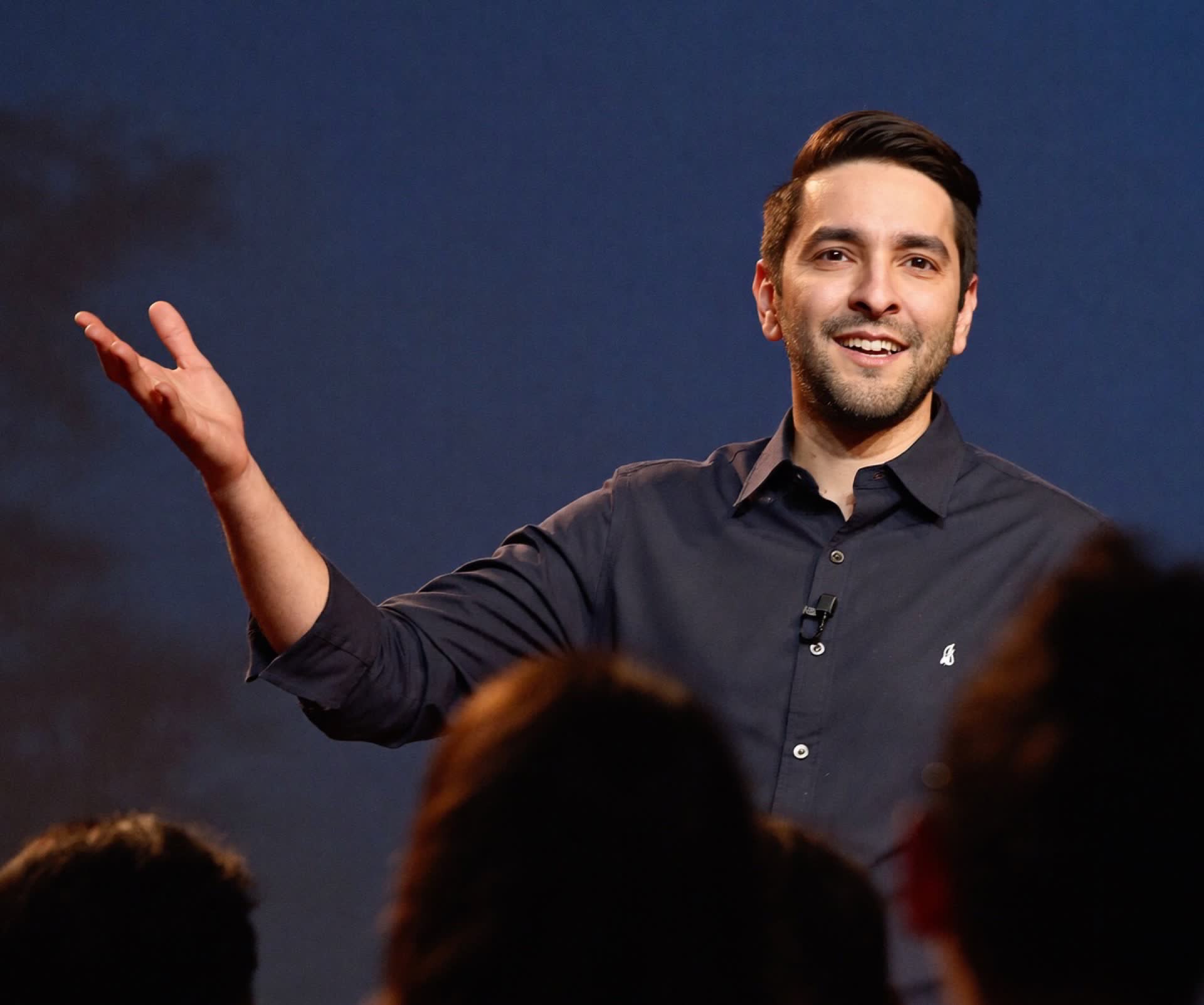
Thought Behind Things · Jun 17, 2022 · 1:22:10
Pakistan's first Google Developer Expert on building things
Saad Hamid — Google's Regional Lead for Developer Community Programs and Pakistan's first Google Developer Expert — traces a winding path from a cadet college in Skardu to Singapore, through blogging, nonprofits, accelerators, and a career app called Jadu. The conversation covers discipline, curiosity, Pakistan's IT talent gap, and what coherence would actually take.
with Saad Hamid
11 min read
A cadet college in Skardu and the making of discipline
The episode opens with Muzamil welcoming back Saad Hamid, noting that Saad had appeared on the show in an earlier season. Before the conversation finds its stride, Saad offers a small piece of social proof: someone had recognised him at a café from the podcast. “It’s amazing impact that you are creating,” he tells Muzamil — and then pivots immediately to his own story.
The early years are unusual. Saad’s father moved the family to the Maldives when Saad was young, giving him an early international exposure that left a gap in his Urdu literacy. He returned to Islamabad, cycled through a couple of schools, and then — in what he describes as a family decision rooted in army culture — was sent to Cadet College Skardu as part of its pioneer batch around 2000–2001.
Four years in Skardu at sub-zero temperatures, writing letters home because phone communication was unreliable, watching wuzu water freeze mid-drip, and enduring what he calls “a lot of extra drills” — this is where Saad says the foundational trait of his adult life was formed. “I still think to this day that discipline is a trait of a person because of which that person can achieve anything in life. That’s what I learned from there.”
The college also gave him his first encounter with Pakistan’s sectarian and ethnic diversity. Coming from a Sunni family in Islamabad, he found himself living alongside students from very different backgrounds in the northern areas. “That was also my biggest learning at that time,” he says. He also faced significant bullying, which he attributes partly to being perceived as an outsider — an Islamabadi in a region with its own social codes. He left after tenth grade, citing the absence of computer studies, the bullying, and the relentless extra drills.
A 2.1 CGPA and the internet that changed everything
From Skardu, Saad moved to Army Public School Hamza in Islamabad, topped the school in his first term, and then enrolled in BAHRIA University to study electrical engineering with a specialisation in telecom. The academic trajectory did not hold. He graduated with fourteen D grades and a 2.1 CGPA — a number he volunteers without being pressed, noting there was apparently a clause introduced later that would have denied him his degree.
Muzamil, who had already sensed the shape of the story, names the inflection point directly: “Academic career में you were this kid who the parents would look at and be like ‘yaar Saad kyun?’ And the trajectory changed somewhere there.”
Saad’s explanation is the internet. He entered university in 2006, the year Steve Jobs announced the iPhone. By the time he graduated in 2010, the web 2.0 era was beginning. “I discovered new ideas, people doing amazing things, and this curiosity — which I think still remains a very integral part of me — came from somewhere.” He cannot trace its origin precisely, but he suspects it is the same quality that got him into trouble at cadet college: an inability to accept things without questioning them.
Muzamil notes a pattern he has observed across the podcast: youngest siblings tend to be the ones who talk about curiosity. Saad is the youngest of two. He partially credits an older sibling who would sit and answer even his most basic questions without dismissing them — but he insists the internet was the larger force.
Sizzlopedia, early blogging, and the exit that didn’t make sense
In 2006, while still at university, Saad started a blog called Sizzlopedia — a portmanteau of “sizzle” and “Wikipedia.” It covered tech news: new laptops, the iPhone launch, jailbreaks, web 2.0 tips. By 2010 he was, by his own account, one of the top tech bloggers worldwide. The blog made money in dollars, which for a university student in Pakistan was significant. “I became very independent. Parents wouldn’t even need to be asked.”
He then sold it — a decision that, from the outside, looked irrational. Peers like Taimur of Redmond Pie kept going and built lasting properties. Saad’s honest assessment of why he didn’t: “I lacked a lot of business acumen. For me it was a hustle. How to go from hustle to business — I didn’t know that.”
What followed was a sequence of roles that reads less like a career plan and more like a series of bets on interesting people. A digital media agency in Lahore called Bramers for six months. Then Jazz, where he joined to manage online reputation — a function so new that his VP, Jahanzeb Taj, was asking him to explain app business models in 2011, years before Jazz would eventually build any. He describes the telco alumni network as “the startup mafia of Pakistan” — people who absorbed technology culture early and then dispersed into startups, Careem, and international companies.
Nonprofits, accelerators, and the pivot to community
In 2012, Saad made the move that most people around him considered genuinely crazy: he left a full-time job at Jazz for a part-time contractual role at a nonprofit called Ilm Ideas, focused on education innovation and funding tech-driven initiatives for Pakistan’s out-of-school children. The reason, he says, was a combination of curiosity and the pull of a trusted colleague — Sehar — who made the opportunity sound worth exploring.
“For me it has always been about people,” Saad tells Muzamil. “It’s never about the role. What makes it amazing is the team that I work with.”
Eight months later he moved to Invest to Innovate (I2I), an accelerator run by Kalsoom Lakhani, where he stayed for three years. His role was effectively everything — community building, events, business modelling, working with startups through accelerator cycles. It was here that the idea of doing something himself began to crystallise. In 2016 he launched a digital-first consulting company called Demo, and separately a co-working space in Islamabad called KNCT, with university classmates Sofwan and Sadaf.
How Google happened — and why volunteering was the real MBA
Running parallel to all of this, Saad had been volunteering with Google. He founded the first Google Developer Group in Islamabad and became Pakistan’s first Google Developer Expert — both unpaid, both driven by curiosity. When a role opened up to work on Google’s South Asia Frontier markets — Pakistan, Bangladesh, Nepal, and Sri Lanka — the volunteer track had already made him visible.
“I said, this is my MBA. I’ll go work at Google, see how people talk, how business is done, and eventually you learn that.” He describes the opportunity as a chance to “10x or 100x” his impact compared to what Demo could achieve at its scale in Pakistan.
Later in the discussion, Saad explains that joining Google required a deliberate emotional disconnection from his other ventures. “If you really want to focus on a job or a role, it’s not possible that you keep yourself connected to other things as well.” He phased out of KNCT and Demo over a couple of months, a process he describes as difficult but necessary.
His first Google role was on the engineering side, building the developer ecosystem in Pakistan. His current role at the time of recording sits on the business side — Growth Manager for Apps and Games — helping Pakistani developers and startups scale their products internationally, acquire users, and monetize across markets.
The Jadu career app: from cohort to companion
Muzamil brings up Jadu — a career-focused app that had been discussed on the show in a previous episode. At that point it was pre-launch. Now, Saad gives an update.
The original model was cohort-based: fellowship programs, mentors, live sessions. They ran four or five cycles and graduated 200 to 250 people, with roughly 50% getting placements. The model worked in principle but didn’t scale. Mentors were being asked the same basic questions repeatedly. Volunteer time was finite. The jump from 250 to 250,000 graduates wasn’t visible.
The pivot is to a self-serve app — a career companion rather than a structured program. “It’s like an assistant,” Saad explains. The beta version, launched a few days before the recording, has three features: a CV builder, a career aptitude test divided into general awareness, critical thinking, and mathematical reasoning, and a “career corner” with short daily tips. The aptitude test eventually tells users which job verticals suit their profile. The nudge mechanic — short prompts that arrive periodically — is central to the design philosophy.
Muzamil pushes on the vision: a high school student with no career counsellor, stumbling onto the internet, finding a hundred possible paths but no guidance. Could Jadu become that guidance layer? Saad is honest about the ambition: “I hope it goes towards that. It’s very ambitious what you just mentioned. This is just the dream.” The near-term goal is feedback — the app has a “contact / request a feature” button built into the left menu bar as one of its first features.
Pakistan’s IT talent gap and the coherence problem
The conversation’s most substantive stretch is a long exchange on Pakistan’s IT export ceiling. Muzamil opens it with a direct claim: the number-one problem facing Pakistan’s tech industry is not infrastructure, electricity, or ease of doing business — it is talent. The pool is too small, and the top of that pool is being cannibalized by companies bidding against each other rather than growing the base.
Saad agrees, and adds a structural diagnosis. Pakistan’s IT exports are concentrated at the top — a handful of large companies generating most of the revenue. What’s missing is the middle: mid-tier enterprises with 30 to 100 employees that can absorb talent, build culture, and create the kind of career paths that stop people from immediately jumping to the largest bidder or leaving the country.
On brain drain, both Muzamil and Saad push back against the conventional framing. “I think our biggest export is human capital, and that’s perfectly fine,” Muzamil says. Remittances already exceed total merchandise exports. The India comparison is instructive: Indian companies like Tata Consulting created positions senior enough that Microsoft engineers would return home for a few years before cycling back abroad. Pakistan lacks that gravitational pull.
Saad frames the scale of the problem arithmetically. India’s IT exports are roughly $150 billion. Pakistan’s population is about one-fifth of India’s. A proportional target would be $30 billion. Pakistan is currently at around $3 billion. Closing that gap requires approximately two million jobs over the next decade. “Every billion dollars of exports that you need to add, you need to add 75,000 workers in it,” Muzamil notes, citing the average revenue per user figure from Systems Limited.
The obstacle, Saad argues, is not any single missing policy — it is coherence. “It’s a lack of coherence and stability. Which is why everyone being on the same page becomes very difficult.” Private organisations are trying things. Universities are making attempts. HEC has its own initiatives. But the goal post keeps moving with each change of government. “When you want to go to the moon, you need to come on public television like John F. Kennedy did and just tell the country: we are going to the moon. Then motivation comes to everyone.”
Pakistan in 2050: pockets of excellence inside persistent incoherence
By the end of the conversation, Muzamil asks Saad — as he does with all guests — for a view of Pakistan in 2050. Saad’s answer is carefully calibrated: neither pessimistic nor falsely optimistic.
“I see Pakistan in a very similar kind of situation, fortunately or unfortunately.” The national-level coherence will still be limited. But zoom in, and pockets of genuine excellence will be visible — industries, communities, and companies doing important work despite the surrounding noise. “When you zoom out, everyone is sad. When you zoom in, you go and see: actually, this industry is doing very well, this is happening.”
His closing argument is that Pakistan’s diversity — its provinces, languages, and people — is itself a kind of structural incoherence, but also a source of resilience. “There is a very committed group of people. That group is small, that group is sitting in different places. But there is a very strong and committed group of people who keep doing the work that needs to be done. And that is why, unfortunately, we are not like — yeah. And more such groups are coming.”
Muzamil wraps the episode at the one-hour-twenty-minute mark, thanking Saad for returning to the show. The conversation ends where it began: with the sense that the most durable careers — and perhaps the most durable countries — are built not on plans but on curiosity, discipline, and the right people in the room.
Full transcript
सामने साबतेंगों अजरात welcome back to another episode of thought behind things. आज मैं संभाषु माजूद हूँ एक बहुत ही ख़ास मेहमान जो कि पहले भी बहुत अरसा पहले you know सारे क़दीम उनके time पे वो पहले season में आए थे लेकिन So if you can just sort of run me through your early life and you know कौन से शहर में आप थे? Education कहां से ली? And what's been life like? Yeah sure. So
again you know before even starting very excited to be back. Love the new set. It's मैं अभी जिस तरह बल्कि बता रहा था कि I was sitting at a cafe and you know somebody just came to me and they said कि अच्छा वह आपकी मैंने podcast उधर देखी थी. So it's amazing impact that you are creating. So thank you for doing that. You. तो थोड़ा सा I think एक exposure international मिला where I was young when my father moved to Maldives with the family the अच्छा. तो उस वक़्त तीन साल हमने वहां लगाए. हमें ज़रा पता लगा दुनिया क्या होती है और know किस तरह चलती है. So there was, I was pretty young at that time and that's when I moved back. तो उससे एक मुझे बड़ी interesting story याद है वह यह है कि when I was in school तो मुझे उर्दू लिखनी और पढ़नी नहीं आती थी because initial मैंने time miss कर दिया था. Right. तो वह मुझे बड़ा time लगा eventually चलो मैंने थोड़ा बहुत वह भी सीख लिया और फिर इस नाम बाद में you know grew up colleges, school वगैरह. कौन से schools थे? So this was यह आपने अच्छा पुछा है मेरी memory काफी जो है ना वह है. I think I went to एक तो यह IMCG F seven three sorry CB yeah cultural voice IMCB F seven three. Right. और उसके बाद I think I went to बेहरिया का school for a very short time before moving to केडित college कर्दू of all the places. What? I was, yes yes, I was part of the pioneer batch. कर्दू? You lived in कर्दू? I lived in कर्दू for four years. मेरे मां बाप को मुझसे इतना ज़्यादा जो है ना वह प्यार लेना. नहीं ok sir. इसके बाद थोड़ा time लगाना मैंने. कौन सी साल थी यह? So this would be 02/2000,
2001 when I went to Skirdu. Sir Skirdu below freezing temperatures and and and zero infrastructure and and and what?
So yeah it was I think वह जो army के background से families को होता है कि बच्चा जो है ना वह discipline हो जाए boarding school कर ले ही है. सब सारा सामाब्दार भेज देते. वह so I think that was I think मेरी जो ज़िंदगी का the more the toughest as well as the the most learning period of my life. मैं देखता मैं show पे कितनी उसमें चीज़ें बता सकता हूँ लेकिन उसमें एक तो like tough इसलिए because this was my first exposure like I come from a सुन्नी family myself. Right. And जब आप जाते हैं आप देखते हैं कि यार Pakistan is very diverse and it's beautiful and it has people you know coming from different sects. They believe in different things. Yeah. And it's ok to, you know, break bread with them, sit with them and have Yeah. हाँ. जो कि वो मेरे लिए एक shock था. हाँ. And that was also my biggest learning at that time. So, used to question a lot of things and उसमें फिर वहां पर वह आपको पता है थोड़ा सा ज़्यादा होता है army का culture जो हम तो खैसे boarding school में थे तो candidate college में तो वह ज़्यादा यह ना पूछें, वह ना पूछें, यह करें, वह करें. तो लेकिन I used to question things a lot which made me a lot of amazing friends. Right. Who were very, you know, who did not have the same background as I did. Yeah. तो tough इसलिए था. अच्छा इसलिए था because it taught me discipline. I still think to this day and you will see me talking about this a lot that discipline is a trait of a person जिसकी वजह से they that person can achieve anything in life. So I think वह वहां से मैंने सीखा कि how if you want to achieve anything in the world आप अगर discipline हो जाएं तो you can actually do that. Yeah. Yeah, that's what I learned from. So, that's like a crux. वैसे तो बहुत लंबी वहां पर चार साल पूरे गुज़ारे थे. ठंड, ठंड में जल्दालत होती थी. बहुत ज़्यादा, बहुत ज़्यादा क्योंकि it was like really cool like everyone knows. Yeah. यह तक होता था कि हम लोग जो है ना वज़ू करने जाएंगे और वह जो है ना वह पानी थोड़ा सा drip कर रहा होगा तो बर्फ में convert हो जाएगा. हो जाएगा. Because and you know literally our feet would I remember हम travel करेंगे कभी कभी वह flight नहीं मिलती थी तो you have to travel by bus. It's a twenty four hour bus. Sometimes, you know, your blood would rush into your feet और वह आपके पैर में अंदर ना खून जम जाएगा. It would hurt like hell. So, I've I've been through like really crazy time. Right. And I used to miss family a lot. Family was very happy that I was not at home. लेकिन I think बुदर मैंने सीखा about things and I think it was a very amazing decision by my family. Very amazing. मुझे आज तक याद है मेरी मेरी mother का thyroid का operation हुआ था and I had to leave and she was unconscious. I just said कि you know I see you soon और फिर मैं वहाँ से चला गया bus पे और फिर मिलते रहे खत लिखते थे हम very interesting times. हाँ मेरा यह था कि question के communication I mean अब जाकर वहाँ पर comparatively बेहतर है हुई but उस time के ऊपर तो communication must have been a disaster. So we used to write letters like literally क्योंकि वह उस ज़माने में मतलब 2,001 ना तो letter लिखते थे घर फिर वह ख़त भेजते थे आप फिर वह ख़त आएगा. My father was always very supportive so he used to encourage me because I was going through some, you know, emotional understandings. इतने जो standard हां हां. वह होती और मुझे ज़्यादा like I think I I faced my like bullying मैंने काफी ज़्यादा face की थी उस इस stage पर. Right. Some of those folks I still know. I I I bless them. But वह मैंने एक बहुत major, I think, उस time पर face की थी. Do you think part of that bullying was because you were just like, privileged स्नाहाबादी kid? Or do you think was it because I mean what would you point that out to? यार यह बड़ा अच्छा सवाल है कि वह bullying क्यों होती थी? I think वह definitely होती थी क्योंकि you know I maybe I was different. I used to question things a lot. उसमें अब वह कितना factor था कि इस्लामाबाद से आया कि नहीं आया या Punjab से आया कि नहीं आया है? वह मुझे like I don't know but I I think that was maybe a little bit part of it because I was इसका एक loves होता था. मैं भूल गया हूं कि हम उसको कहते थे like जो there was a word that we used to use कि अच्छा यह northern areas के लोग हैं and this is non जो है ना यह इस तरह हैं तो, तो there was a segregation because I remember that word तो मुझे उससे याद है कि अच्छा हुई एक word की segregation थी. Right. और उससे वह जो है like, you know, in the way we look as well, it's different. Yeah, And then वह सारा तो उसकी वजह से maybe I think that was maybe one of the factors की जिसकी वजह से होती थी. Fascinating, fascinating. चलिए, so अच्छा I called just a point to understand स्वर्धु. Yes, I did. So luckily because our ये credit college अभी recently बना था so they were seeing कि अच्छा किस board के साथ they so are going to get the management fought hard and they so it's federal board. Right. It's not the कार्यक्रम board. You जो usually northern areas में होता है so जो FSC engineering है वह federal board से है. एक चीज़ मुझे ज़्यादा बड़ी interesting थी क्योंकि मैं पता नहीं उस वक्त मुझे उर्दू में क्या मसला था, यह उर्दू क्या मेरी लिखनी नहीं आती थी, पढ़नी नहीं आती थी. Time off? So after that जब मैं हां so यह भी एक बड़ी मैं like अब बता सकता हूं. मैंने college वहां पर पूरा नहीं किया. अच्छा. So I did not usually when you go, you go in the seventh grade and you graduate after second year. ठीक है. मैंने मैंने हाँ मैं दस साल बाद sorry दस साल बाद नहीं tenth के बाद after I stayed there for three years and after a lot of circumstances thank god I did not get relegated because अगर वह हुआ था तो वह भी मैं बता देता. I decided and the family decided kids may be, हां, उसमें एक reason यह थी I was very fond of computer studies. Right. And that That wasn't being offered. That wasn't being offered. So that was one reason. Bullying was another one. Was I getting a lot of extra drills, like a lot of extra drills. What does that mean? Extra drill is basically जब आपने किसी cadet को discipline करना होता है तो you put him in like an extra class and I used to be like the face of extra drills कि यार अच्छा इसको तो extra drill मिलेगी मिलेगी. So that helped develop a lot of discipline in me. I I still respect all the people who you know went through that and gave me those. लेकिन so tenth के बाद I decided to close that chapter very amicably और फिर वहाँ से मैं आ गया यहाँ पे हमज़ा army public school जहा से मैंने schooling की दो साल and then I went to भैरी university इस्लामबाब. Straight up, no time off. नहीं, नहीं, नहीं. उसमें तो कहीं भी यह time off या कुछ भी नहीं था. It was just school, school से college, हम जारे public and वहाँ से university. And university से आपने क्या पढ़ा? University से I did electrical engineering with specialization
in telecom. Interesting and you are working at Google? I mean what's the trajectory there? और एक तो पहले मुझे यह बताएं कि आप इतने बड़े दारे में ही काम कर रहे हैं essentially. What was your CGPA?
Oh यह बहुत अच्छा सवाल है. इससे इससे पहले कि मैं इसका जवाब दूं. मैं पहले यह भी बताना चाहता हूं कि जो मैं podcast
say or will. Go get the views. Yes, you. हां, हां. तो CTP का. The views of साधामिद are exclusively his own and do not represent any other organization on individual. True, true. Thank you आपने crazy कि
अगर हमारी politics team से मुझे मुझे यह भी शक था कि I had I think there was a clause somewhere जो बाद में introduce हुआ था कि 2.5 से नीचे degree नहीं देंगे. अच्छा. तो मैंने कहा कि मैंने कहा यह clause उस पर नहीं है तो I had a little bit of a whole like face off I think course एक दो ही थे जो ज़रा मैंने वह किए थे like repeat किए थे एक दो but चौदह D grades और 2.1 CGPA. And so what I am जैसे
कुछ smell कर रहा हूँ मैं यहाँ पर Academic career में you were this kid who the parents would look at and be like यार साथ क्यों? And the trajectory changed somewhere there. Probably not at the end of your degree but somewhere in the middle. Because if I remember this correctly you'd already started branching out to these sort of TED and all of these things during your university. Yeah. Right? So, जो जो जो basically आपको मैं आकर कहूंगा कि आपकी जो destiny बदली है. What was that story? What happened जिसके बाद आपने कहा कि यार life में ये एक ऐसी चीज़ है जो कि मेरे लिए curiosity
आपको ले गई वहाँ पर? So yeah that's a that's a very I think good question मैं जब reflect करता हूँ मुझे अच्छी तरह से याद है in school I was relatively a very bright kid school में, school में not university. ठीक है. So school में I was known के even तक के जब candidate college में I was तो I was always I would always end up in the top 10 या eight में कहीं ना कहीं when it comes to the scoring board में भी मेरे ठीक number थे. Exactly मुझे याद नहीं लेकिन बुरे नहीं थे और फिर even तक के school पे when I went to हमज़ार में public school I in the first term I taught the school. तो वो उससे लोगों को पता लग गया सही क्या है लेकिन उससे फिर उनको और shock हुआ जब उन्होंने आगे देखा कि इसका तो trajectory है ना वह बहुत ही it's been like that for me कि you know अच्छा उसमें भी I think जब अगर आप देखें तो आप देखते हैं कि 2.1 पर आप कैसे land करते हैं CDP पर so technically you need to have a very good CDP in the first term then have really really bad तो आप जो है ना you land. Right. So मेरा हमेशा trajectory ज़रा इस तरह रहा है. लेकिन I think overall जो थोड़ी सी चीज़ें change into university time वह थी like, you know, the people that I met. Mhmm. And the, like, the world that I discovered, I think, thanks to the Internet. Right. क्योंकि यह Internet वाला time है. मैं I go to college in 2,006.
Right. 2007
is when Steve Jobs announces the iPhone. Right. That changes the whole world of the Internet. And 2010 में when I graduate, that's like the, you know, start of the internet. Right, right, right. और the the the essentially the web two point o Yeah, हां, वह उस start हुआ कि यार अच्छा ठीक है, अब वह dial से जान छूटे हैं, ज़रा वह है, वह है. हमने dial up भी किया हुआ है, वह सारा जो है ना time भी गुज़ारा हुआ है. तो उस पर discovered new ideas, you know, people doing amazing things and this curiosity वाली जो चीज़ है which I think still remains a very very integral part of me like just being very very curious about things. वह कहीं से आई. अब वह मुझे नहीं पता वह कहां से आई. I think but if you look at the story, that is what got me in trouble in my cadet college as well. Because I was like, you know, was curious कि आराधिक यह क्या है? यह हम क्या बात करें? How are these people different? Who am I? अच्छा मैंने कुछ नया explore करना है, अच्छा मेरा जो है ना let's do this, let's try that. I don't know where it comes from because if if if I knew my wife keeps telling me कि, you know, why don't you install this in your kids? Now I have two kids माशाला. तो वह मुझे भी नहीं समझ में आता कि वह कि how do you do that? हां, कि how do you, how do you instill curiosity? हां. क्योंकि अगर मेरे में चलो by chance आ गई तो good but now I want to do it like consciously in my kids. Are you the oldest? I'm the youngest. Two two, like, two siblings. I'm the youngest and another,
sibling. बस, दो लोग. That's two of you. How old is your sibling? Three four years Yeah. Older than Yeah. When you were younger, was he the one who would answer a lot of your questions? So, Do you उनकी her name is अज़्का. Right. She would actually like answer questions या किस तरह? मैं इस question आ गया था coding. So, had I've always had this curiosity वाला नायक. ठीक है. जब university में यह मसला था, schooling में इतना नहीं था because A levels वाला क्योंकि I just honestly did not care because I was like की यार I don't care about this structure because there is just so much more out there in the world and you मैं know उस तरह अगर when I look back into my curiosity and why I was able to get it was because मुझे मैंने देखा की तो बच्चे उस पलों में होते हैं. True. For most part when it's parents they are too busy right and so they tend to be like एक point आएगा तो smell they are cut off. Will be like stop asking questions and figure this shit out right and as a kid you will be like okay so that means I am not supposed to ask a lot of questions. When I was young I had this brother who used to be at Google वह Facebook पर आ गए. He is one जिनसे मैं हर किस्म का सवाल पूछता हूं. अच्छा ठीक है, ठीक है. और वो मुझे ना उसका जवाब देते थे बैठके. नहीं interesting. किसी stupid सवेर मैं कहूंगा कि यार ये लकड़ इधर टंगी भी क्यों है? ये ना होता कि उसपे कुछ नज़र ना आए तो उसका एक design feature है for example. And for me I was like wow interesting and I would then go out and I would emulate या उसको मैं ज़्यादा बहुत दिक्कत था social proofing एक किस तरह होती है आप जाते हो अपने को जाते हो तो पता है ये इस तरह इस तरह होता है वो कहता है अच्छा wow आप कहते हो यार ये तो मजा आ रहा है सवाल करके जवाब को संसीखना And अच्छा मैंने ना एक segmentation करना शुरू की हुई है podcast के ऊपर. Every guest that I bring in generally यह सवाल मैं उनसे पहले पूछता कि how many siblings are you and आप किस point पर हैं? ठीक है. Generally the youngest ones I found are always telling me about this curiosity thing that they have. Very interesting. अच्छा. यह literally मेरा 95% data point है कि हमेशा करते कि कोई भी बोलना कहता कि curiosity में के अंदर आप कौन से हैं छोटे देनी है? But it always hits. तो I feel like that's that has to do with the fact that they have older siblings who are free enough to answer a lot of their dumb questions.
So maybe like in my case I think वो वाला factor था लेकिन ज़्यादा factor जो अगर मैं reflect करूँ was the internet like मैं क्योंकि I think मेरा मुझे अच्छी तरह से याद है लेकिन मेरे लिए it was always, it was a bunch of things, थोड़ा सा literature था. I think few stories that I was reading. I don't know सुकद में क्या पढ़ता था. Were you interested in literature early on? Not a lot. I am not, ये भी एक which is why it's weird right कि इतनी ज़्यादा नहीं लेकिन कुछ कुछ में पढ़ता था अभी भी मैं I read books sometimes but for me literature was कौन सा r l stein होता था उस ज़माने में और इस तरह की fantasy. Sorry fantasy fiction type stuff. Fantasy I still believe is my biggest like, you know, how should I put it, mental super power. I like to believe things and see things in my head which, you know, are just crazy. तो मेरे लिए उस time पर fantasy was amazing which is why I think people young Maybe imaginative आपको करती है वह चीज़ का. True and young people should be exposed to fantasy. Right. और उसके साथ, you know, the power of the internet and now of course you have YouTube and stuff like that. But I think fantasy, वह अब literature में हो, वह कभी कभी you know उर्दू करे सालों में हो. Right. वह किसी की कहानी में हो. हां. But fantasy used to like really you know fascinate me I would say. Interesting interesting. जो आपका यह था
and all of these things beyond I mean so you were doing your university. Did you know कि यार मैंने अब ये electrical engineering करनी और उसके बाद ही job ढूंढनी है? या आपने दिन्यान में और चीज़ें है? वो ज़माने freelancing या कोई इस तरह की चीज़ होती थी जिस तरह like I went to college या university between 2011 to 2015. Yeah. And उस time पर I was doing as a side hustle. I mean not knowing it will be a hustle but content was that thing, right? And that's when I met you as well. So during your university were you exclusively focused on studying या और भी चीज़ें थी जो आप साथ साथ कर रहे थे? यार CGPA तो यह बताता है I was not exclusively focused on studying.
So I was doing, I was exploring the world right, the internet and यह जो technological revolution और उसी time पर I discovered like I think उसी time पर discovered नहीं बल्कि उसी time पर 2006 is when I set up this blog. Ok. और मैं online मिला. This is a whole story. I don't know if harris is watching this. So I met this young you know kid उस वक्त who was like doing online some मिस्त्रा कोई चीज़ें कोई forums run कर रहा तो हमने कहा अरे चलो मिल के blog बनाते हैं. मैंने बनाया देखा उससे अच्छा थोड़े थोड़े पैसे आना शुरू हो गए हैं और फिर eventually you know that was early times of blogs. And so जब. What was it called? उसका नाम था Sizzlopedia. It's a very funny thing. So, Sizzle and, you know, Wikipedia. So, Sizzlopedia, it was something that I started which became like a really international blog. Very, very big. We did some breaking news on that as well. Eventually, you know, I made a lot of money from it and then sold अच्छा. But हां हां हां. So, it was like it used to make me a lot of money. You know, which for a college, you know, like, जो college लड़का जा रहा है उसके लिए थोड़ा सा ज़्यादा है. हाँ वो dollar में आ रहा था essentially. हाँ वो dollar में आ रहा था. हाँ और उस वक्त वही है कि like I used to buy my own stuff I became very independent like parents भी नहीं पूछेंगे. तो बहुत एकदम से shift आया की, so 2010 I am mostly one of the top bloggers worldwide
in tech. Interesting and you were covering essentially like यह नया laptop आ गया और यह नया दो हज़ार सात में और जो यह phone आ गया, iPhone आ गया and it's. Phone आ गया, laptop आ गया, इसको यह करना है, अच्छा इसको unlock करना है या फिर. Jailbreak जो होता था ज़्यादा हां, system
jailbreak की काफी news हमने break की थी और web two point o में tips होती थी या early news stories जिसको आप निकालते थे so क्योंकि उसका इतने ज़्यादा content भी नहीं होता था तो there were very few of them you know that you used have. And then you sold it in 2010.
I mean you apparently seemingly you had like a good thing going on and so I would assume if I look at something like let's say pro पाकिस्तानी albeit they were focused on the local industry as well but उन्होंने भी more or less I think इसी time पर give or take start किया था. उस ज़मान में वह Pak Media Revolution and अपनी isp.com and वह सारे के सारे थे तो one would assume कि यार मैं I just graduating from college and
भाई का तो scene है. भाई तो पैसे भी कमा रहे तो I am going to scale this and यार मैं तो कोई पता नहीं billion dollar blog empire खड़ा होता हूं Pakistan में. But you decide to exit that and pursue something different. Why what was the thought process there? So, एक तो I think the names that you mentioned these are very old friends and because of the same fact that we started like आमिर, आमिर भाई I remember pro पाकिस्तानी. We like the I think the first months then when he started, I have known pro पाकिस्तानी from that time. I have known it from the time when it wasn't anything like that you see today और भी बहुत नाम है. हमद, I remember हमदार from, know, that time. He made like a whole empire in, you know, some areas. जीशान है, बहुत और लोग हैं like इमरान मेरा दोस्त है it means Singapore now. फिर वह तेमुर है, Redmond Pie, you know, these are the early bloggers. हां. तेमुर is the only one by the way whose till date I think still runs it and he. And he went by was huge. And still is. So उसकी एक I think वह हम discuss भी करते हैं कि उसका तो बिल्कुल उस वक्त से भी huge था और उसके बाद अभी तक है. बाकी सारे you know moved on from one thing to another thing. मेरे case में भी हुआ यह कि because you know so कुछ cases में यह होता है कि I think I lacked a lot of business acumen. So for me it was a hustle. Hustle से business पर कैसे जाना है मुझे नहीं पता था. And you were like कि जो मैं exit निकाल के and which was at I believe jazz? No, so this was a little before jazz which was a a digital media agency in लाहौर called Bramers. हाँ. तो I did six months there. उसकी बहुत interesting story है. I was on a trip यह बिल्कुल दो हज़ार दस के end में मैं Singapore गया हुआ था. वैसे ही like you know had nothing. Think it was just like a fun trip with a bunch of friends. वहां पर मुझे again another आमिर who the who is the co founder of Bramers. He wrote me an email कि, you know, I heard you just graduated. So, you want to, you know, reach out and do this role? तो वह लोहौर में था, मैं सनाबाद का था. तो मैं उनसे किया मिला and eventually we decided कि अच्छा, you know, I'll just get into that. And, yeah, I think I ended up taking the job बिल्कुल twenty eleven के start में, yes. अच्छा, it's six months you were there. Yeah. Left that. Too for jazz. For jazz. So, bunch of reasons. एक तो यह कि I I think like this is going to be funny you know for for the wife who is going to watch this कि उस वक्त I think मैं अपने शादी वाले mode में ज़रा जाने लगा था तो एक तो वह भी point था कि they wanted I don't want to put the blame on my like you know in laws. हाँ. कि उनको कुछ चाहिए था but it's लेकिन everyone wants
their you know दमाद in a good brand right. Yeah yeah yeah. तो जैसा आबादी तो यह तो एक problem है ना हमारा कि एक brand name university में graduate कर रहे brand name.
वो brand था और role भी बड़ा interesting था and it was an opportunity to move back to इस्लामाबाद so it just ticked all the boxes कह रहा था ठीक है. What was the role? So the role was online reputation management it was very new because उस ज़माने में digital media पर fan pages और यह वह अभी launch किए थे. Jazz ने this is 2011 and they did not know कि अच्छा how do we strategize this. They used to do very traditional PR which is known as public relations. Right. तो public relations का जो department है And that's very formal and very bureaucratic Yes, and It was headed by this amazing guy called उमर मंजूर at that time who I reported to and उनके under फिर online reputation management. I and that's how I got into this and it was very fun time because मैं काफी काम कर रहा होता था जो कि मेरी काफी जो management है it was very new to them. I remember one of my VPs for a certain period of time at Jazz, जहांज़ेब ताज तो वह आए उन्होंने मुझसे पूरे business model बनाए. It's crazy because at that time he got very interested in this and उन्होंने कहा can you tell us a little bit about business models कि अच्छा अगर हम यह करें, अगर हम यह app बनाएं या वह बनाएं and this is 2011. Nobody knows about apps and business models and यह वो सारी चीज़ें. तो वह हमने बड़ा pitch किया. वह फिर idea इतना आगे नहीं गया but ten years down the line then they started
this very late. Getting into, yeah. Apps बनाना यह वो सारा कुछ करना. And I mean हमारी podcast अभी दो तीन हफ्ते पहले उन्होंने अपनी पहला funding round भी announce किया with दस्तगीर, they beyond ventures now. Oh, हाँ हाँ I read that, yes. Yes. Now
they are like going back into the that side. So jazz में how long were you there for? So I was in jazz for almost two years. अच्छा. Online reputation management and then I went to a very interesting new division which was called उसका I think नाम अब jazz business है. So, we were the initial people जो mobiling business जिन्होंने setup किया. I remember like creating literally the first. एतिशाम राव, one of my mentors and managers at that time, set that up और यह jazz की एक बड़ी मुझे बात लगती है कि telcos के अपने खैर कुछ opportunities और challenges हैं. But I जो telcos में the people who worked in the initial stages, they were the initial, I think, the startup mafia of Pakistan, which I mean in a good way. Yeah. क्योंकि they were the one who was exposed to culture. They were exposed to technology and उसके बाद वो गए, you know, करीम में या इधर उधर या इस तरह के और startups में उन्होंने अपने startups बनाए या वो लोग फिर बाहर चले गए. So, I I think वहाँ पे like so many connections, I am thinking of like so many names right now जिनके साथ मैंने काम किया and it changed my life. Call out to, you know, सहर, हेदर, हुसैन, my team. सहर is in meta now. हेदर is also there. तो amazing times, like very early times but amazing times. Yeah. Interesting. And what what did the mobiling business do at the time? At that time it was focused on, like, figuring out कि how can we create, like, a whole business unit Okay. Which caters for B2B because telcos have always been traditionally in a consumer business and B to B is, you know, definitely a vertical. तो वहाँ से वो फिर eventually start हुआ था कि how do we couple all of these services जो हम consumer को देते हैं किसी business को किसी startup को. क्या अच्छा आपने phone लगवाना है, आपने SIM लेनी है सौ अपने employees के लिए. हां हां. तो how do we like you know create a whole kind of a package? Very interesting. Yeah. And then Jazz ended in 2012. '12, correct. Which I moved, I made a very interesting move which by any very logical sense would be like crazy. Still people say कि अच्छा तुम like, you know, you were crazy. I moved on a part time role, on a contractual role, going from a full time job. At jazz. At jazz to a part time contractual role at one of the non profits which was called Ilm Ideas. Ok. Focused on education innovation and one of my old colleagues जो कि अब मेरी बड़ी अच्छी दोस्त है, शहर. She was the one who kind of, you know, said hey, this is very interesting role. We are doing something interesting. क्या तुम उधर jazz में कर रही हो और सिम्हें बेच रही हो और पता नहीं क्या कर रहे हो? You know, do you want to move into this and learn about this? So I moved to that and that's where I discovered the world of, you know, nonprofits, grants and, you know, how grants work, how they fund companies. So ideas used to fund initiatives in Pakistan, mostly innovative initiatives, you know, powered by technology who are helping educate the 20,000,000 out of school children in Pakistan or, you know, elevate the educational
learning outcomes of the kids in school. Right. So, that was a very, you know, different type of thing. And why did you decide for that? I mean, तू यह बंदा सोच रहा होता है कि यार मुझे थोड़ा time मिल जाएगा, मैं पैसे मेरे as long as my money is being covered by let's say instead of eight hours now it's being covered by three hours. तो I'll begin to focus on some other things. Was it was that the reason or were you just like कि यार I don't know I want to move into something some a new industry vertical altogether? I think I was very मैं उस time पर तो I was very like
उसमें risk ले लेता था चीज़ों का तो मैंने कहा यार चलो ये देखते हैं क्या है and you know let's figure out this world as well and आगे देख लेंगे. By any standard like no sane person would do that. लेकिन for me it was a lot of curiosity, it was a lot of I have seen कि यह बहुत होता है jobs में खास सौ रुपए. Friendships matter a lot with your colleagues. For me, शहर was an important point कि शहर ने कहा यार, you know, this we are doing this. We want to get jump into this. And then I looked into the team and then I made some other amazing friends there which are now my friends at that job. Right. तो for me it has always been about people and I think that's my single biggest takeaway about life. It's never about the role. It's never about मतलब ठीक है impact role होता है. अभी भी बड़ी apps और यह वह मज़ेज़े की चीज़ें कर रहा हूं. But what makes it amazing is the team that I work with Yeah. Which I think at Il My Dears was immense. Right. तो yeah, eight months after I remember, I moved to invest to innovate. Right. Which is an accelerator with कलसुम लखानी. I think वहां पर मेरा सबसे लंबा time है अगर उसके बाद Google में भी होने लगा है. So they at I to I invest to innovate की जो short form है for which we get a lot of funny memes stuff as well is I stayed there for three years. अच्छा. Yes. And what was that role? So, उस role में वहां पर I was focusing on mostly community building because, startups clearly this was a very initial stage. Investor Inuit at that time did not have a fund. Now they have a big fund and they were running this accelerator. Right. So we're working with startups. We are, you know, running this accelerator in which we bring them into the program and we help them meet mentors, you know, build their company and we do this again and again for cycles के लिहाज से. तो my job is more or less everything because startup में इतना आपका जो है ना role define नहीं है. हां. तो I am doing a little bit of what would you say as community building, events, business modeling, थोड़ी बहुत जो चीज़ें सीखी हैं you know with startups. So I am pretty sure like even if कलसुम listens to this podcast right now कि वह बिल्कुल it was everything. हां. And I was again working with some of my amazing friends अनुषे, असन, मीना.
अहसुन तो, अहसुन from dead
that I met as well? अहसुन मुख्तार I believe. That is true, yes yes. अच्छा, he was at midnight to invite as well? Yeah yeah and मीना. Yeah yeah, मीना तो I know, I know. Was saying So see, it's all, it has always been about people and it always has been about, like taking those relationships forward. हां. Which is why like I have made these all amazing friends. For folks who don't know मीना तारिक was here just a few weeks ago. They just launched their
app metric. थोड़ा सा पहले उन्होंने आके podcast से बताया भी था उसके बारे में उसकी launch होगी. You can check them out as well. You know, it's very very exciting. छोटे businesses के लिए, know, you can use the app and I think do accounting and all of those things and वह आगे उसको automate भी करना चाह रहे हैं. तो shout out to मीना and the metric app. Invest to innovate three years and कौन सा year आ गया अब?
So invest to innovate के बाद I यह अब कौन सा साल हो गया मैं खुद सोच रहा हूं. 2000 12 के end में so I go 2,013 में I go to invest to innovate. So 16 चल रहा है? 16 चल रहा है और मैं अब यह सोच रहा हूँ 16. हाँ 16 में I launched a company. So I keep forgetting it's just वो चीज़ें आप इतनी ज़्यादा try कर लेते हैं कि you know उसके बाद आप भूल जाते अच्छे वो भी एक था. So I launched a company called demo. Right. Which was again very much born at Invest to New It I would say. Right. तो जब आप इतना ज़्यादा लोगों को accelerate कर रहे होते हैं आप खुद भी accelerate हो जाते ना आप कहते हैं यार मैंने भी business करना है. Right. मैंने यह देखना है. So I was doing a lot of like, you know, like programs जो मैं सोच रहा था कि यार अच्छा young लोगों को digital skills सिखानी है, यह करना है, वह करना है. तो किस तरह से सिखाएं? क्या करें? यह करें? And I was literally it's a, it's a crazy story क्योंकि मुझे याद है मैं यह सोच रहा था I wasn't really sure फिर मैं कलसुम से कहा मैं I don't think so I will continue but I also want to start something new but किस तरह करूँ मुझे नहीं पता. फिर एक दिन मैंने पता नहीं just I went like I was in a seminar which was organized by leaders in Islamabad and वहां पर इमरान खान was speaking. I met one of my old school university mates मोहम्मद बिन मसूद and there we, you know, he said कि मैंने कहा यार मैं start करने लगा हूं if you know someone, you know, let me know and then that's where I met him and we started that. तो it was again very, you know, कि यार अच्छा चलो, देखते हैं, करेंगे और And demo was just at the time it was designed for like a consulting organization. Like a consulting organization. तो हमने कहा यार अच्छा देखते हैं. Digital first consulting? हां हां हां बिल्कुल digital first consulting क्योंकि वाकई हमें नहीं पता था क्या करेंगे. हमें पता था कुछ करेंगे तो हमने हर चीज़ की. हमने campaigns भी उठाए digital. हमने training programs भी बनाए. हमने जो है ना वह इस तरह की चीज़ें भी की, वह भी किया. फिर उसके बाद like you know we got into everything basically that we thought कि यार अच्छा चलो देखते हैं और फिर eventually देखेंगे कि क्या इसका बनेगा, क्या नहीं बनेगा? तो yeah yeah. And how long was that?
So that was two years. Yes. Yes yes. And is that the umbrella under which आपका जो current
जादू career है वो चल रहा है या जादू is completely separate altogether? नहीं, जादू का हमने बिल्कुल जो अभी जो इसका model रखा हुआ है, वो ये रखा हुआ है कि it's completely like run separately. Team की obviously वो demo की team से हम कभी भी कोई चीज़ उसपे help मांगे तो वो कर देते हैं लेकिन जादू is mostly run as understand. हाँ हाँ क्योंकि उसमें एक चीज़ वो भी थी कि what we wanted to do and like we wanted to work with a lot of young people and जादू has a different euro team that they work on their own things. तो जादू was more focused on कि यार अच्छा हमने यह program run करना है और वह फिर उसको अब एक separate way में run करें because demo के अपने उस time पर program थे मैं तो भूल भी गया हूं skill first था एक और पता नहीं क्या क्या था? तो हमने कहा यार इसको run करते हैं तो इसके लिए we got like a young team who is running it, who does it तो उनके साथ like they are the ones who are running it. And what about uh-uh
like I-I-I feel like you launched a co working space at at one point in time as well?
Yes. Yes. In Islamabad. Yes. Yeah. What's it called? It's called connect, k n c t. Right. Me and my co founders, my class fellows, Sofwan and Sadaf. Right. So, again, you know, going back people relationships. So they are my class fellows from Beg University. Right. So, वह हमने beach में एक venture start किया. वह भी like it still runs, it's still there. Are you still a partner? नहीं. Right now, so after especially what happened is कि after Google, you know, moving into it, I had to like like disconnect myself from any of the other activities that were happening which made sense as well and I think उसमें यह भी मैंने एक personally चीज़ note की है कि एक तो emotional disconnect भी ज़रूरी होता है because if you really want to focus on a job or a role, it's not possible that, you know, you keep yourself connected to other things as well. तो eventually उसके I went through a whole phasing out phase. मुझे अच्छी तरह से याद है. It took me a couple of months but eventually you know with all friends sat down and said कि यार अच्छा यह बाप की कश्ती है यह हमारी कश्ती है उन्होंने काफी बुरा भी मैं वो मेरा एक दोस्त है सफ़ान वो
so yeah that's a good name. And and why did Google happen in the first place? I mean you were I remember back back in the day you were everywhere. You were doing a ton of things. आपका startup का experience था बड़ा interesting संका because of invest to innovate. एक तो होता है ना startup startup का experience. एक आपका होता है कि यार मेरा consulting experience है because I have actually been at a place where I am looking at multiple startups. I can actually see experience multiple different startups at the same time and again उस time के ऊपर वो market एकदम से उठने वाली थी जो की हमने eventually देखा 20 '1 and '22 के अंदर फिर वो peak ही और फिर ये क्या आपके पास you know this co working space thing was going on, demo so was going एक तो how did Google happen and and why did you decide to move in the first place?
So it's all about you know आप देखते हैं कि आप अपनी एक तो opportunities कैसी आ रही हैं और उसका impact आप कैसे create कर सकते हैं. So in demo we are doing digital scaling. Are doing it at a very small scale. Pakistan में हम थोड़ा बहुत उसको कर रहे हैं. उसके बाद what happens is कि I you know Google में I am already a volunteer so there is a lot of parallel stuff जो भी मैंने mention नहीं किया now I can. वो ये है कि I started the first Google developers group in Islamabad. So I am the founder for that. उसके साथ साथ Google, I became a Google developer expert. I am the first Google developer expert from Pakistan. So I am volunteering with Google. I am helping building their communities. Why? Because you know, just like doing it. Am just curious. ये volunteer मतलब, volunteerism वाला जो पूरा role है, जब ये साथ साथ चल रहा है, तो उसी के time पे एक opportunity आती है कि you know for for a role to work on Pakistan what they call as South Asia frontier. Pakistan, Bangladesh, Nepal and Sri Lanka. ठीक है. So, I see this as an opportunity to work in a very fast paced organization at the same time, you know, 10 xing or 100 xing my impact. मैंने कहा मेरा MBA तो यही है. मैं जाकर you know Google में काम करता हूँ. देखता हूँ कि अच्छा लोग बात कैसे करते हैं? Business कैसे होता है? And eventually you know you learn that. तो मेरे लिए I think it was like it was very lucky. I was very lucky and to have that opportunity and I did that for two years. So, we literally built the whole developer ecosystem in Pakistan. I am very proud of, you know, जो काम किया और उसके साथ साथ ecosystem build किया and then after that I have moved into my current role. इसमें मुझे almost साल हो गया है. Yes. अच्छा and what is this role? Like. So this role is it's in the business unit of Google. So the interesting thing is पहले I was working in the engineering side and now I am working on the business side and it's it's called growth manager for apps and games. So the story is very simple. People in Pakistan they develop amazing products. Right. They develop apps, they develop games. Right. And उसके साथ साथ they they are also, you know, startups who develop apps. So our job is to help them scale कि यार अच्छा कैसे आपने अपनी user acquisition करनी है? कैसे आपने user लेकर आना है? कैसे आपने user को retain करना है? कैसे आपने अपनी app को export करना so if you are building an app which is a PDF converter or a game, how do you target the one forty countries in the world? How do you export this Right. In the world and how do you monetize this? So जो apps का पूरा business है, that's something that I work with with other colleagues working on Pakistan. It's very exciting overall. Very cool. And, now I'll bring to the last part of this particular,
sort of segment is the Jadu career app. We spoke about this last time as well. It's it's gonna pop up here where you guys can check out the original conversation if you're interested. उस time के ऊपर I believe it was getting launched. वह आया था कि बस final हम उसके ऊपर हैं और फिर हम जाना bootcamp of sorts launch करेंगे. And उस वक्त the word career wasn't there.
And so tell me what's been up, what happened in the past two years and and how it's evolved and what does it look like right now? Yes, yes and, thank you for asking that because that was kind of born at this show and उसके बाद it it the evolution is also being shared on this show. So, it the idea was very simple कि how do we get young people to, you know, learn digital skills that's been a theme of my, you know, work and get them to better jobs, simple. Right. Upscale and basically, you know, yeah. Yeah, कि आप किस तरह skill सीखें, आपको नौकरी मिले, आप घर बैठ के काम करें. Covid ने काफी उसमें help किया है क्योंकि covid के दौरान, know, a lot of people were looking for this and we eventually discovered कि यार this is, you know, something which is good, you know, there are people like doing it. So हमने कुछ उसमें run किए कुछ I think four या five total हमने fellowship programs run किए and we graduated almost 200 to 250 people from the program, out of which 50%, you know, got placements either in companies as full time jobs or as internships. So you know the model you know made sense. Right. The only thing that was a little challenging was creating like a venture model out of that कि यार अब यह कर तो रहे हैं. अब इसमें volunteer time लगाएं, क्या करें? यह वो सारा कुछ समझ रहे थे. मतलब वो ढाई सौ से आप ढाई लाख में किस तरह जाए ना essentially? हाँ हाँ वो किस तरह जाएं and you know how would it actually make sense कि you know team भी उसपे काम करती रहे. तो उसपे फिर eventually I think काफी discussion के बाद and the I think a lot of these reflections come to you. जो मेरे इसलिए आती हैं travel stand by meeting people. अभी recently I was in Vancouver for TED, the global TED. Right. यह I think almost one month back जिस तरह Elon Musk भी आया हुआ था, Bill Gates भी आया था, very serial feel to you know sit in the same room and और वहां पर मुझे आया कि everyone's talking about scale and you know something we talk about at Google as well is you know scale और फिर हम देखा कि अच्छा हम क्या चीज़ कर रहे हैं, हम बच्चों को सिखा रहे हैं how to build a better brand name. CV कैसे बनाते हैं? ठीक है? वही जो आप बहुत ज़्यादा ज़रूरत है Pakistan में. आप कैसे जो है उसके बाद like you know aptitude test होता है अभी मैं Stanford का एक course ले रहा हूँ उसमें critical analysis thinking है तो दो तीन सवाल पूछ के आपको पता लग जाता बच्चे का कि यार अच्छा ये इसका क्या aptitude है you know वो ये क्या चीज़ें सीख रहा है? तो वो ही जो overall I think वो basic चीज़ें होती हैं या उसको tips दे दी कि यार अच्छा job market crash करने लगी ये ये कर लो वो कर लो. We were doing the same thing we were just doing it very repetitively it was taking a lot of time because हम बार बार mentor को पकड़ते थे उसको बार बार पूछते थे mentor को भी बुरा लगता था कि अच्छा वो अब discipline, com को सिखाना मुश्किल है ना कि यार पचास बच्चे हैं वो online जो है ना वो show up ही नहीं करेंगे. हाँ. तो हमने कहा कि यार what if we change this into a scalable model which can start with Pakistan and then go and become global. Right. Because these problems are very global. CV कैसे बनानी है? हाँ. ठीक है?
उसपे CV पे क्या होनी चाहिए main main चीज़ें. नहीं और वही बात है ना कि the fact is that it's not just Pakistan that needs new engineers. अगर मैं digital services की बात करूँ तो Germany कहता है जी उनको दस लाख IT you know servicemen चाहिए over the next decade. By by 2030 actually that's like eight years from now. Japan has similar requirements and global requirement दिखाया है. That's millions of jobs that that are gonna be created post five g, post web three point o and so,
this is a global problem to be very honest. True और हमने यह भी देखा कि it's not usually about the skill. और उसके बावजूद आपको email send कर देंगे वह CV की जो हालत होगी ना वह आपको idea है थोड़ा अच्छा
है उसके ऊपर लिखा होगा my sect is shea my this is this like वैसी ऐसी irrelevant information होगी तस्ती लगी हुई होगी खैर उस तरफ मैं जाता भी नहीं हूं मैं आपको एक नया बताता हूं आजकल ना कुछ ये हुआ भाई YouTube पर क्योंकि मेरी audience देख रही है तो किसी ने किसी group में शायद किसी marketing one on one गुरु जी ने बोल दिया कि यार youtubers को reach out करो क्योंकि वो demand creation करो. हाँ. Demand creation किस्तान करो किसी की video पे तुम्हें नज़र आ रहा है कि subtitles नहीं डले हुए. तो उसके नीचे जाकर subtitles डाल दो. ठीक है? और अगर वो नहीं डले हुए उसको reach out करो उसे concern में डाल दो. मेरा ख़ैर गुरुजी ने ना आपने किसी course में एक example दी एक text की ठीक है मुझे literally पिछले दो हफ्तों में साढ़े चार सौ emails आ चुकी है एक ही text. Oh got it yeah yeah. Hi मुज़ाम मेहरासन I saw that you put out a job offer I did not. For this this this I am this subtitle उससे आपको यह फ़ायदा हो गया यह फ़ायदा हो गया but इससे फ़ायदे हैं लेकिन यार नज़र आ रहा है कि किसी आपने कहा तो Google से उठाए है. हाँ. या आपने वह उठाए and just the lack of self thought उसी को यार हमने code हम coding किया करते होते थे I am sorry अब तो खैर degree मुझे मिल गई. मेरी शायद ज़िंदगी में कोई code होगा जो कि मैंने खुद लिखा होगा. मैं इसका उठाता था you switch switch switch. Nobody would ever find out. True. It's really about thought process थोड़ा सा वो ना नकल के लिए भी अक्ल चाहिए होती है. Very true. And it's these soft skills that help you कि मुझे एक बच्चा मिल जाए जो कि इसी को थोड़ा revert करके ना smart तरीके से subtitle कर दे मैं उसको नौकरी दे दूंगा. Very true. How do you come out of the crowd essentially? Very true and constantly
देखिए यह जो हमने भी skills develop किए हैं जो मैं अपना सोचता हूँ यह इस तरह नहीं था कि मैं एक दिन बैठा और मैंने कहा अच्छा तीन महीने का course मैं ले लेता हूँ और यह चीज़ें मुझे आ रही हैं it comes from constant reflection. What you need in constant reflection by the way as a part of human psychology is a nudge. The app does that nudge. Right. So वह app क्या करती है कि आपको beach में nudge दे दिया कि यार अच्छा यह है, तुमने अभी recently जो है ना यह कोई job पर apply किया है, did you think about these things? छोटा सा एक nudge आ गया ना कुछ ज़्यादा नहीं. Right. आपको एक दस minute का पांच minute का read आ गया कि यार nudge में यह देखा था. अब आपने एक सोचा reflect किया. ठीक है? फिर आपको एक आया कि जी अच्छा यह जो है ना नया एक test आया है on critical thinking. It's just 10 questions. आपने दस question किए, one plus two is three. अच्छा interesting. This is changed. Give me a new pitch. What is the Jadu career app? So the Jadu career app is simple like it's a it's basically an app so it's basically self served now. It's not कि आप आके एक instrument हाँ. Stick हाँ, आप itself served. आपको जिस तरह किसी भी app में आपको एक ना जाता है. ठीक है. इसमें आपको एक ना जाएगा. आप जाएं थोड़ा थोड़ा सा करते रहें. यह बिल्कुल you know it's like an assistant. So I got when we are doing this whole जादू thing I got in touch with a bunch of young people and उनसे मैंने देखा कि यार we are what we are doing is not scalable. We are taking lot of time from mentors. If we were to do all of this in a scalable manner. हाँ. और इस तरह के we become a partner to the student or the learner or the job seeker. Right. For their years like तीन या चार साल not just for दो महीने आओ course में शक्ल दिखाओ और चले जाओ. तो वो क्या होगा? So we eventually landed क्या अच्छा यह एक app हो सकती है. So there is a beta version we just launched it a few days back उसका जो short URL है if anyone wants to try it its bit.ly/
जादू carrier app तो जो Bitly का short link होता है they can go and try it but we are gonna build more of it. जवाब पीनी put the link down below in the description as well. Just to confirm, this is essentially now a, essentially a career assistant app that helps you progress in your career one way or the other. True, yes, very true. तीन चीज़ें हैं इसमें अभी.
There's like, you know, you can build a CV. You can do a career test. Career test थोड़ा सा मैंने I'm working a lot with, you know, the team to work with them and I'm looking at a little bit of मैं Stanford में क्या पढ़ रहा हूँ, उसके अलावा दुनिया क्या चाह रही है ताकि उस I am trying to divide it up into different areas like journal knowledge. Right. उसके अलावा critical thinking, you know, simple mathematical चीज़ें भी. इस तरह की वह चीज़ें जो आपको लगता ज़रूरी नहीं है but they do show up like you know one way or the other like Google के interviews में एक बहुत interesting चीज़ show up होती है जिससे हमें बड़ा डर लगता मुझे तो I have flunked interviews because of this उसका नाम है GCA
journal cognitive ability. Right अब इस वो डब्बू डब्बू जो आ जाते हैं और आप है उनको बैठ के वो करना होता है. हाँ, so see at
the end of the day employers and people they assess people in certain way. Right. देखिए assessment तो आपकी होगी होगी. आपने बस यह देखना है कि does your mind think like how others think. तो यह उसमें एक career test है and the third thing is like a career corner so you know these small tips that you get may be every day जिसमें आप चाहिए आपने किया है. अच्छा CV में picture होनी चाहिए कि नहीं होनी चाहिए? इस पर debate थोड़ी सी जो है ना बता दी. फिर और उस तरह के मसले कि अच्छा आपने job पर reapply करना है? Do you want to switch your job? So ये इसके लिए you know we are हम जो हमारी content team है ये जो experts हैं जो वैसे ही ये अलग अलग से बच्चों के साथ कर रहे थे अब now they can share the same thing with the whole world because this is an app now which anyone in the world can download. Right. तो yeah it's yeah something like this. मुझे थोड़ा सा ये बताएं.
Does the what is the general aptitude test do right now?
A general aptitude test in my research so far is. Not generally but in terms of the जादू app what does it do? Oh अच्छा ठीक है. In the जादू app what we are trying to do is कि हमने अभी जो aptitude test है it's divided on four categories बड़ी simple है. Categories थोड़ा सा भी हम सोच रहे हैं तीन मैं आपको वैसे थोड़ा सा area बता देता हूँ. एक है general awareness जिसको general knowledge भी कहते हैं. Second वाला is more around critical thinking. Third वाला is mathematical. उसका मैं love सोच रहा हूँ कि क्या अच्छा सब होना चाहिए. It's going to have four areas. ठीक है. And then when you take the when you take the quiz, it's a 50 question quiz. वो आपको पूछता है कि यार अच्छा ये है, आप ये करें. Eventually वो आपको बताता है कि यार अच्छा आपकी general awareness थोड़ी सी कम है. आपकी mathematical skills बहुत अच्छी हैं. आपका यह है तो आपके लिए यह यह you know jobs या verticals are very suitable. अच्छा अच्छा वह बताता है आपको. हाँ हाँ. So eventually it would tell you कि यार अच्छा based on this based on this data which you know data we are sourcing online this would be more relevant to you. लेकिन I think it's overall good it it it doesn't even have to be for a job it's a general thing क्योंकि it's a randomized question आपको पता लग जाएगा यार अच्छा मैं शायद general knowledge पे आजकल time नहीं लगा रहा है, I should know about what what's going on in the world right now. Right. Versus कौन से वो चार areas हैं जिधर मैं miss करूँगा मतलब job में या general as a professional. हाँ. There are always ये नहीं होता कि आपको एक चीज़ का पता होता there few areas. आपकी mathematical skill more or less. आपको number का basic तो पता हो ना कि यार अच्छा एक को divide किया दो से तो क्या बनता है, you know इस तरह की चीज़ें.
तो ये that's what we do. So my question to this would be because now you have changed the model a little bit And so I'm gonna connect this with the problem statement, and I know that you're thinking global, and I'm gonna talk about Pakistan particularly. And this is a problem. We've actually spoken to someone on the podcast about this as well who had a had a solution, a potential solution. उन्होंने नष्ट में I don't remember the name of the app but anyways early days हमने किया था. वो सबसे बड़ा जो है कि Pakistan में career counselling नहीं होती. बिल्कुल सही है, yeah. Right, so the first touch point essentially is not for for me it's not just a professional for me the first touch point would be high school student who's just now beginning to really because high school I feel like is the time जब तक उंगली पकड़ के आपके parents ले आते हैं. True yes Arabia. अच्छा वो high school के बच्चे आपने बड़ा interestingly कहा कि curiosity is being developed more by internet than anything else. Yes. So that's just exponentially growing. Yeah. That the curiosity element is now exponentially growing because of the access to internet. Yeah. Right and so there are a ton of kids who are lets say watching this, stumbled upon this podcast and have now been able to explore a lot of different point of views of the world and careers of the world and they are looking at कि ये बंदा ये भी कर रहा है, ये बंदा ये भी कर रहा है but उसके पास guidance के लिए कोई है ही नहीं. True true. इससे यह कर लो वह कर लो वह चार साल उसको help कर सकता है potentially. Very true. अच्छा business model wise यहां पर बहुत सारी चीज़ें plug हो सकती हैं. Courses plug हो सकती हैं, products plug हो सकती हैं, things plug हो सकती हैं. मेरे पास जो electronic electrical engineering वाला crowd है उसके लिए मेरे पास you know ये बाबड़ा के ex chairman है मैंने उनका एक जाकर session वहाँ पर उस app में करवा दिया जिसके through वो उनको insight मिल रही है. And one of the things that I am seeing now is I think is gonna be huge is मैं podcast में यह सुना बोलता हूं कि you're gonna begin to see a lot of these niche podcasts. Yeah. Because now specialized, specialized conversations are picking up pace and passion. Very good. Where you want to get insight from industry experts and so on and so forth and so वही चीज़ आपकी platform पर भी enable होगी essentially मैं कि business में interested हूँ और मैं student हूँ, मैं जो है जी angry हो की किसी CFO से बात कर रहा हूँ, मैं इसका वो कर रहा हूँ. So really scaling up the lums MBA case study model and वो भी आपने integrate कर दिया so on and so forth. And then from there on once you have a ton of data on these individuals तो इसमें दो चीज़ें है पहली. पहली तो ये है कि यार just the raw data for employers is phenomenal right? Because you are really taking a lot of, you are not asking them to come and fill your profile. You are actively asking them की अच्छा by the way आजकल क्या चला courses कौन सी ले रहे हो? यार इसमें मजा आ रही है मजा मजा आ एक नया pop quiz है वो ले लो छोटा सा छोटा सा you know you profiling essentially. That is great for employers जो कि potentially देखना चाह रहे हैं कि और इसमें ना मैं इस वजह से कह रहा हूँ एक globally एक बड़ा major problem आया great resignation का भी आपने सुना Yes yes. और I am sure आपको Google में भी ये face होगा मैं भाइयों से बात करता हूँ तो ये Silicon का यह मसला है. हमने recently last year scale किया था. हमें भी यह मसला आया था. Sir, Gen Z एक एक खास मखलूक है. ठीक है. जो क्या चाहती है, क्या नहीं चाहती, किसी को नहीं समझाती है. And उनका वह यही है कि उनको आप title दे दें, उनको आप value दे दें, वह आप purpose दे दें, वह एक दिन उठने के कहे कि यार uncle मज़ा नहीं आ रहा है हमने कुछ अपना ही कर रहा है. ठीक है. And so I am beginning to see a huge problem in the prospective high school students जो के आ रहे है in terms of career like जो जो conventional way of doing jobs I feel like is going to radically be redesigned over the next decade particularly because COVID post COVID आपको work from home work from home के बाद realization create a designation and the cherry on top is the recession that is about to hit the entire world and so suddenly now it's gonna be this hot potch of mixed HR you know जिसमें आप it was easy in a in a in a bull run कि यार मैं अपना I am gonna go and pursue what I feel like personally. True true true But in a recession environment with the with the entire generation that's built around to what you love, fashion, this and that. वह तो बेचारी बड़ी depress होकर वापस जाएगी unless some technological intervention optimizes the job situation in a way that they help people find the right folks and find help folks find the right jobs, right? Very true. Yes. And so this is what I am imagining when I think of a career companion app. Tell me
जादू किस तरफ जा रहा है potentially? I hope it goes towards that. It's very ambitious you know what you just mentioned. Yeah, sure. This is just the dream, right? Yeah. Years from now maybe. So, I think it was literally हमारे case में तो यह था कि it was like I work with a you know very amazing young team जिन्होंने कहा यार चलो let's figure it out. उन्होंने मैंने कहा चलो आप लोग भी देख लें हम लोग भी देख लेते हैं तो we are always कोई जो curiosity वाला point है let's figure this out फिर देखेंगे कि यार अच्छा and we we were थोड़ा सा हमें आजकल वह भी हो रहा हम देख रहे कि किस तरह you know आज मैं देख रहा था coinbase ने you know there is a big layoff globally that's happening startups का तो वैसे ही चल ही रहा है people are trying to find new jobs as well तो in any of that stage can we be companions? मेरे साथ बहुत ज़्यादा होता है. LinkedIn पर ना lot of people reach out and they ask the same questions. तो अब mentors sometimes also get you know a little you know वो थोड़ा सा तंग आ जाते हैं. I want to help
automated things at least एक certain level पर तो ले आए ना एक लोगों को कि why do I have to answer and this happens to me as well कि sometimes the question is just so basic कि you are just like यार listen like इसे चार पांच layers के बाद आकर मुझसे पुछ लो because that's where I can genuinely give you value. इससे बहुत छोटी चीज़ें हैं ऐसी क्योंकि it's a one Google search away you're still coming to ask me because and I don't blame him because whatever environment he's been given, it's so complex. You go on LinkedIn for example, it's professional essentially does the same thing that I've mentioned you know it connects you to the jobs it's this it's that but it just becomes such a behemoth. कि for a new entrant वो जो पुराने हैं वो तो चलो चल रहे हैं but for a new entrant it's a very complex environment to maneuver through and I feel like a good UI that actually
reaches the consumer rather than consumer trying to reach out to the platform is where it's at. True and that's what a good companion app does कि आपको nudge दे दिया so I use the word nudge allot के थोड़ा सा नज़ दे दिया, देख लो, यह कर लो, वह कर लो. That's what we're trying to build. देखते हैं eventually. I really hope कि, you know, this is something that would be helpful. Eventually, the whole point of this is कि अर्चा whatever we were trying to do before. Like one of the things in my career overall has been that I really like to help other people. Hence digital upskilling, hence you know my roles and everything as well. So this is another attempt on that. चल गीर good, ना भी चलेगी And I think a lot of that will definitely depend on feedback as well. Right? Of course. Yes. K k how many people actually hop on, how many people actually end up giving that feedback and giving you that data that can help you create the right product. That was actually one of the first buttons that we created. So, okay, left menu bar में there is contact slash request a feature. Right. You know, just write to us, you know, the team will sit. They'll figure it out. तो yeah, as long as people keep telling us कि यार अच्छा क्या है, क्या नहीं है, तो it's a great video for Very cool, very cool. All of you guys, if you are part of student young professional mid career तो I think a bit too much. I think anyways like at the end of the day देखिए mid career भी यह देख आप सोच रहे हैं शायद इस्लामबाद आप mid career सोचे जो दूसरे इलाकों से आते हैं या जो कहीं और किसी मुल्क में बैठे हुए हैं उनका वह mid career है लेकिन वह भी कुछ ना कुछ तो सोच रहे अगर आप कहीं भी फ़ंसे हुए professionally you know check out the जादू app, जादू career app as it's been rebranded
and you know let us know what you think in the comment section below and उसमें feedback का है. I would love for you guys to actually go out there and check it out and give the feedback. End that feedback, request a feature option. Help साथ build the dream I just dreamed. I really love to see that. एक strong critic हूँ इस बात के ऊपर कि यार Pakistan में exports exponentially नहीं बढ़ सकती unless major intervention की जाए. मेरा उसके अंदर जो hypothesis है वह यह है बड़ा simple है मेरी audience sun sun के तंग आ चुकी है but मैं repeat कर देता हूँ. वह यह है कि जी हम लोगों के पास talent बढ़ नहीं रहा. Yeah. We might have companies. Yeah. We might have great salesman. We don't have the developer talent available. Yes. The pool is too small. Yeah. जो बंदा अस्सी हज़ार रुपया कमा रहा था let's say दो साल पहले Teradata में या किसी data analytics की job में for those who don't know, वो इस वक़्त तीन साढ़े तीन लाख रुपया ले रहा है systems में घूमकर, IBM में घूमकर क्योंकि you know सर पर है और काम करवाना है and margins are then becoming paper thin and so that's not sustainable क्या आप एक दूसरे को तोड़ते रहो और badly cannibalize करते रहो. Right? And so and this is this is me exclusively talking about high value and I know that there is a whole Amazon FBA and freelancing and so on and so forth and there are some people who are doing interesting work there to really build I would say the the the entrant to the industry जो कि अभी digital services की site पर घुसना शुरू हुआ है. Yes yes. और उसपे पूरा funnel है कि वो upskill upskill करते करते शायद eventually वो deep learning and artificial intelligence और उन तरह की जिसोपे काम कर रहा होगा. But how do you see that space? क्योंकि बात तो है पैसा तो बनने वाला है एक five G की एक study कहती है कि अपनी $5,000,000,000,000 global economy में add होगा उसमें से 1% ही Pakistan के पास आ जाता है तो that number इस पर normal है $50,000,000,000 बनते हैं जो की हमारी तो अभी $3,000,000,000 पर भी नहीं है right so there is a huge opportunity coming in but I feel like we again lack that scale and the capability to scale because of this. It's not infrastructure, it's not internet, बिजली, gas you know जो कि हम generally conventionally कहते हैं कि यार हमें तो उसके मसले हैं, ease of doing business का मसला है. I think the number one problem पाकिस्तानी IT tech industry is facing right now is talent. What do you think?
So that's a very interesting like you know आपने जो पूरी एक picture बनाई है talent का तो issue है ही है क्योंकि talent में there are lot of challenges ना कि जो सबसे top talent है वो locally absorb नहीं होगा वो बाहर चला जाएगा. Right. मैं खुद, like, unfortunately I am a part of that कि, you know, I always used to think कि नहीं यह वह, लेकिन eventually it happens because of life circumstances and whatever. So, उसमें एक point तो वह है. उसके बाद जो रह जाएगा, वह इतना इधर कितना खुश होगा और उसके बाद कितना actually रह गया जो काम कर सकता है you know there are different kind of buckets to it. मेरा जो इस पर overall like opinion है जो मैंने India को देखते हुए may be या Philippines को आप थोड़ा सा देखें या Vietnam को भी may be I can you know share an example. वो ये है कि I think we need to create अगर आप देखें ना overall अगर Pakistan की IT exports हैं $2,000,000,000. I am not really sure I have not done an analysis कि overall इसका जो revenue है वो divided किस तरह है? Is it more concentrated towards the top? So basically होता usually तौर पर ये है. Challenge मुझे लगता किधर होता है? Challenge होता है कि अगर ये सारा mostly concentrated है towards the top कुछ companies हैं, पांच छह वो revenue create कर रही है. तो basically यही issue है कि वो companies पर उस पे जो है उनकी ownership रहेगी, उनकी अपनी वो होगी, उनकी जो demand है जो चाहिए जो नहीं चाहिए वो सारा ecosystem उन companies पे चलेगा. अच्छा. So what we need to change और what we need to enable change तो नहीं करना enable करना है क्योंकि वो companies भी सही काम कर रही हैं. Enable यह करना है कि हमने जो है ना head से जो torso है उसको ज़रा ज़्यादा build करना है. How do we build that mid level enterprises? और यह मुझे इसलिए पता है because a lot of these are some of my clients. Right. जिनको बताना है कि यार अच्छा तुम systems जैसे systems कैसे develop करो. हाँ अच्छा. कैसे develop करो. How can you I was having this discussion very interestingly with one of my clients yesterday कि यार you are a young company आप लोगों के तीस employees हैं. How do you build a culture like jazz brand मैंने इसीलिए hopping होती है ना. हां. See what mid torso level companies need to do, they need to like really compete on the culture. Right. They need to really upskill their employees as well और overall ecosystem भी from a government level. I think वह mid companies को enable करने में create होना चाहिए ताकि पास option हमारे पास इतनी हो कि वह like you know वहां से फिर talent ऐसा ऐसा वह develop हो क्योंकि अभी वह सारा talent concentrate हो रहा है या वह बाहर जा रहा है या वो top पे जा रहा है. वो बाहर को तो I agree because you some of your top talent essentially ends up going abroad and so I think what what India did was
Pakistan में we give a lot of criticism to brain train and I don't I don't agree with that I think your हमारी सबसे बड़ी export जो है ना वह वह textile है. I don't agree with that. Think हमारी सबसे बड़ी export human capital है and that's perfectly fine. I mean, as long as we can skill people enough for them to go abroad and send us remittance. Mean, billion dollars in remittance is bigger than our entire exports combined. Yeah, right. So that's I think that's perfectly fine and that's what India does as well. Okay, yeah. What India also did was कि they focused on their local industry and so eventually what actually that helped for a lot of expat पाकिस्तानी is जो कि जितना भी deny कर ले somewhere down the line they would be like यार अगर मुझे ये इस level की opportunity Pakistan में भी दे दोगे ना तो मैं शायद कुछ अड़से के लिए आ जाऊं and here Indians do with this very actively कि वो अपने बच्चों को लेकर least for a few years वापस आते हैं और वापस आ गए because उनके पास tata consulting type की वो ऐसी positions हैं की वो एक Microsoft का engineer छोड़ कर वापस आ सकते and then वो वापस US जाएगा तो बड़े आराम से वो वापस absorb हो जाएगा. तो उसका तो मैं journey होता हूँ. जो दूसरे वाला point भी है अगर मैं देखूँ तो आपका सबसे बड़ा जो इस वक़्त सबसे बड़ी enterprise systems है. Systems का revenue अभी dollar जो अभी आपका खराब हुआ उसके बाद उससे पहले का जो है वो roughly कर रहा था कोई एक सौ बीस करोड़ रुपया. 1,200,000,000 roughly ये बनता है कोई 1,200,000,000
बनता है और ये export होगा right? तो half तो वो IT export में वो लेगी ना एक company? नहीं ना 1,200,000,000 rupees है ये. अच्छा अच्छा अच्छा 1,200,000,000 ठीक है. 20,000,000,000 है.
Either ways, it's not like की ये कुछ 20% ले रहे है 30% ले रहे it's actually very democratized. Ok ठीक है. अच्छा तीसरा question mark या आता and this is something coming straight up from either folks who I know who actually Teradata से छोड़ के systems गए because of higher pay. Eventually came back to Teradata and half the pay. Yeah yeah. And folks who have been in the comment section and have said that certain companies who are at the top have a really bad culture. And so I think जो आपकी वाली बात है वह बहुत spot on बात है कि we are really focusing on a lot of this talent but we don't. और यह बजे systems में actually I had a conversation or podcast with one of their chief operating officers I believe and he said something very very smart. Said कि Pakistan में ना India में हुआ ये था कि India में जो उनके eighties के seventies और eighties के बड़े businessman थे ना जो कि different industries में थे जितना for example tata is a legacy business. Yeah yeah. And tata decided to get into IT because they saw कि यार यह एक vertical है जिसमें बड़ा पैसा होगा. Pakistan में बाइस, तेईस, चौबीस, पच्चीस साल के लोग थे जिन्होंने जाकर business startups bootstrap यार धंधा मिल रहा है तो करना शुरू करो. Yeah, हाँ true. You know? And they lacked the business acumen, the experience to really create those processes and I again systems की मैं मिसाल दूंगा कि वहाँ पर they recently hired folks from Oracle and IBM and like these people who are heading the regions और उन्होंने जाकर कहा है कि यार हमारे वह structures and processes बनाए. Yeah, yeah. So I think absolutely I think the fundamental thing there are a lot of companies चाहे वह बड़ी भी हो मैं उसमें बड़ी भी include करूंगा जो पाकिस्तानी companies है otherwise आपको IBM, terror data type की companies में तो बड़े अच्छे processes मिले but local में नहीं मिलते and mid tier में भी करेंगे. लेकिन I feel like की चले ये मैंने बात मान ली और इसमें ये होगा की यार मैं एक mid tier mid size company हूँ 30 employees की जैसे ही मैंने tyreon को train किया वो suddenly जाता systems पहुंच जाते है you know double the pay के and I can't compete with them again मेरा उसमे मसला ये ही आ जाता है कि यार these folks can क्योंकि brain drain हुआ doesn't matter वो बंदा बाहर गया बाहर जाके he is an asset because he doing it not just that he is a potential sales driver ना. True, very true, very very true. He is looking, he is sitting right with the opportunities that and it's all about. वो अपने किसी को back home कहता है, call करता कहता यार भाई तू काम करता है वो कहता मैं कर दूंगा हो जाता है. Correct. Market में essentially employable आ रहा है. यार. How do you solve that problem? I know that you guys were trying to solve this early on with जादू as well. True, yeah. And you faced a lot of challenges there. Yeah. What's the problem really? Because India did it. India में मुझे याद है BPO में graduate तो है ही export के लिए. -हाँ हाँ true. -You know वो तो जो local के लिए उन्होंने एक पूरा mechanism create किया था जिसके तहत like एक certain crowd create किया था जो कि let's be very real is never gonna leave India. -True true. -Right? And so वो Pakistan में मुझे अभी तक उस तरह से एक effort नहीं नज़र आ रही we are still stuck at कि यार वो चार साल का university graduate ही आएगा तो वो आके काम कर सकता है और वो you know वो vocational level train mass produce training जिसके अंदर आप जो है वो करते हैं do you think maybe I mean so what's the issue there?
I think उसमें elements काफी ज़्यादा हैं like you know all the way from like आप करो private sector में who's interested you know run something like this government क्या support करेगी कि नहीं क्या नहीं करेगी. बच्चे सीखना चाहेंगे कि नहीं सीखना चाहेंगे अगर बच्चों को माँ बाप कहें कि भाई आप तो degree कर लो यह तो ये ही इधर उधर की चीज़ है तो फिर भी नहीं बात बनती so it I think it comes through a lot of education like if the, like the whole country evangelizes कि यार अच्छा यह जो है यह next technologies हैं, यह आपने करना है. आप अगर यह degree ना करें, आप यह diploma कर लें दो साल का तो आपकी नौकरी लग जाएगी. So for this it cannot be a one man or one business effort. It has to be that everyone kind of you know comes down and evangelizes कि यार अगले दस साल में या बीस साल में हमने यहाँ पहुंचना है. इतने लोगों को export करना it's a very simple problem. आप कहें बैठे हैं. हाँ. आप कहेंगे जी मैं हमने अगले जो है ना दस साल में एक लाख बच्चा या एक लाख बंदा export करना है. ठीक है? ठीक है. अब फिर आप उसकी dynamics बनाते हैं कि यार अच्छा मेरे पास अगर पच्चीस जो है ना हज़ार graduates हो रहे हैं हर साल, तो you know अच्छा इसका कर करके you know I can maybe reach that goal in five years or something like this. So eventually but अभी तो उस तरह है नहीं मुझे जामत लग रहा है. अभी यह है कि वह थोड़ी थोड़ी सी different तरह के efforts हैं जिसमें different चीज़ें हैं, freelancing पर भी focus था. मैंने खुद भी उस पर काफ़ी ज़्यादा evangelize किया है. Every $1,000,000,000
of exports that you need to add, you need to add 75,000 workers in it. That's the number according to the average ARPU of systems. Interesting. ठीक है. So do we have the capability and capacity so but आपने जितना बड़ा आसान है. हम आज plan बनाते हम कहते कि यार India जो है वो $150,000,000,000 के exports पे. Pakistan India से roughly one fifth of the population है. मैं उसको ही ले लेता हूं one fifty को divide करता हूं five से. क्या आता है मेरे पास 30 आता है. मैं कहता हूं 30,000,000,000 मुझे total चाहिए. 3,000,000,000 मेरे पास है. सत्ताईस billion मुझे add करना है. इसको मैं अब सत्ताईस से multiply करता हूं तो 2,000,000 jobs create करनी है. हां. अगले let's say दस साल के अंदर. लेकिन इसमें आप देखना it's a lack of coherence I think that's the right word and stability as well. Right. जिसकी वजह से ये फिर factors आते हैं which is why
everyone on the same page you know becomes very difficult. इस तरह की चीज़ के लिए कहीं यार जो मर्ज़ी हो, government जो भी हो, business जो भी हो, यह जो है ना चीज़ हम करेंगे countries ने किया है, वहां पर चीज़ें change होती रहती है लेकिन वो goal नहीं move होता. हां. हमारी तो goal post ही move होती रहती है ना. Private organizations करती हैं, universities कुछ कोशिशें कर रही हैं. HEC कहता है चलो मैं भी कर लेता हूँ. फिर कोई और government या कोई you know private body होती है कि वह कर लेते हैं. तो वह कर रहे हैं. Coherence का थोड़ा सा challenge है. उसका मेरे पास फ़िलहाल, you know, because I feel like scale के लिए coherence पड़ी है. हाँ, हाँ, scale के लिए तो you need when you say कि अच्छा यह we are going to go to the moon then you need to come on the public television like John F Kennedy did and you just tell the, you know, country we are going to go on the moon. हाँ. And फिर उससे motivation आती है सबको और आप कोई भी देख लें जो यह Netflix पर आजकल documentaries बड़ी चल रही हैं, जो global movements होती हैं जो countries ने की हैं. हाँ. वो इसी तरह होती हैं. जिसमें there is a lot of coherence, there is a lot of evangelization, communication और फिर वो सारा आ आ के आ के फिर वो एक चीज़ जो है ना वो accumulate होती when you want to do it big. वरना तो आप ये छोटा छोटा ही कर सकते हैं. So that that I think is very major factor.
Interesting. साधे we are at the one hour twenty minutes mark and I'd like to wrap this up now. पहला तो मुझे यह बताएं कि I think last time मैंने आपसे दो हज़ार पचास के Pakistan के बारे में पुछा था?
मुझे
याद नहीं शायद आपने पुछा और पुछा लेकिन चले give me an updated because you have been in I Singapore पर हो रहा think you did. So I gonna ask you the last question that I generally ask all guests and I like an updated version on that उस time पे post covid जमाना था पता नहीं आप किन में होंगे. अब आप यह कि Singapore की हवाएं जो है वह आपके रग रग में बसी है तो उसको मद्देनज़र रखते हुए. और, और मुल भी अब थोड़ा नाज़ुक मोर से गुज़र रहा दुनिया नाज़ुक मोर से गुज़री economically. How do you see Pakistan of twenty fifty, twenty eight years from now?
Yeah I see Pakistan in the in a very similar kind of a situation fortunately or unfortunately but I'll try to paint a positive picture कि मुझे उसमें क्या नज़र आता है. कि it's like it's tricky overall जिस तरह you know मुल्क है और दो हज़ार पचास में भी इसी तरह होगा कि हमारी coherence overall I think is very trigger part तो coherence हमारी फिर भी कम होगी लेकिन coherence के नीचे अगर आप zoom in करें तो आपको pockets नज़र आ जाएंगी जो बहुत important काम कर रही हैं and they are moving it you know in ways और उसमें आप वाकई जब आप जाके zoom in करे ना zoom out करते हो हर किसी को दुख होता है. जब zoom in करे ना फिर आप जाके देखते हो अच्छा यह industry बहुत तो बहुत अच्छा अच्छा है. वाला तो अच्छा यह हो रहा है. So उसमें फिर मेरा तो यही हमेशा होता है कि you know ठीक है that's not even bad. अगर वही आप अपना फोर्टे बना लें कि यार अच्छा we are like this. हां. तो it it makes it very clear क्योंकि at the end of the day हम भी बहुत देखते हैं because we work with a lot partners here कि यार इतनी growth हो रही है, इतने लोग काम कर रहे हैं, you know किस तरह despite the situation electricity का अपना मसला, dollar का यह भी हुआ है लेकिन कुछ ना कुछ सोच रहा वह इसीलिए चल रहा है because there is a very committed group of people. वह group छोटा है, वह group different जगह बैठा हुआ है. But there is a very strong and committed group of people who keep doing the work that needs to be done. Right. And that is why unfortunately we are not like, you know, जो हां. और वह इस तरह के ज़्यादा groups और आए हैं बल्कि. Right. So ज़्यादा enterprises create हों, वह अपना अपना करते रहें. तो future भी मैं इसी तरह हमारा देख रहा हूं और अगर आप country भी देखें हमारी country भी इसी तरह है. If you look at the provinces, if you look at the languages, if you look at the people, तो वो इसी तरह है. तो वो coherence I think थोड़ी lack करती है. हाँ. लेकिन काम चल रहा है. चलिए साथ, thank you so much for this insightful conversation and and for being part of the show. Thank you मज़हबाल. Lovely being here and best of luck for the show, yeah.
It's a thought that counts. But anyways, this was Save M's M lessons ready. You are watching Thought Behind Things. Thank you so much for watching, and I'll see you in the next one.
More from Thought Behind Things
Jun 30, 2026
Simon Dixon: the US empire is being wound down by design
with Simon Dixon
Simon Dixon argues the American empire isn't collapsing — transnational capital is deliberately unwinding it, and Pakistan's military has become its leverage in the transition.
Listen →
52:45 Jun 9, 2026
How Asad Mehmood landed Mattermost from Pakistan before A levels
with Asad Mehmood
Asad Mehmood walked into Mattermost before he had A levels, crossed two million dollars on Upwork, and now runs a design agency from Pakistan. He sat with Muzamil to lay out the framework underneath it: become undeniably good, then become visible, then sell outcomes.
Listen →
59:04 Jun 5, 2026
A 22-year-old Pakistani's road map to space by 2050
with Hassan Mossin
Hassan Mossin, a 22-year-old Pakistani astrophysicist training with the International Institute for Astronautical Sciences, walks Muzamil through the next twenty-five years of space — commercial stations by 2030, a lunar base by 2032, and why the bottleneck isn't food or oxygen, it's energy.
Listen →Never miss what's next.
The dispatch - new writing and conversations, straight to your inbox.
First name, last name, email - in your inbox weekly. No spam.